When you add up the cost of fuel, insurance, road tax, MOTs and cleaning, along with extra outlays like parking tickets and road tolls, how much does your car really cost to run? These are the top 12 most expensive brands, according to a survey by MoneySupermarket. Some of these might surprise you.
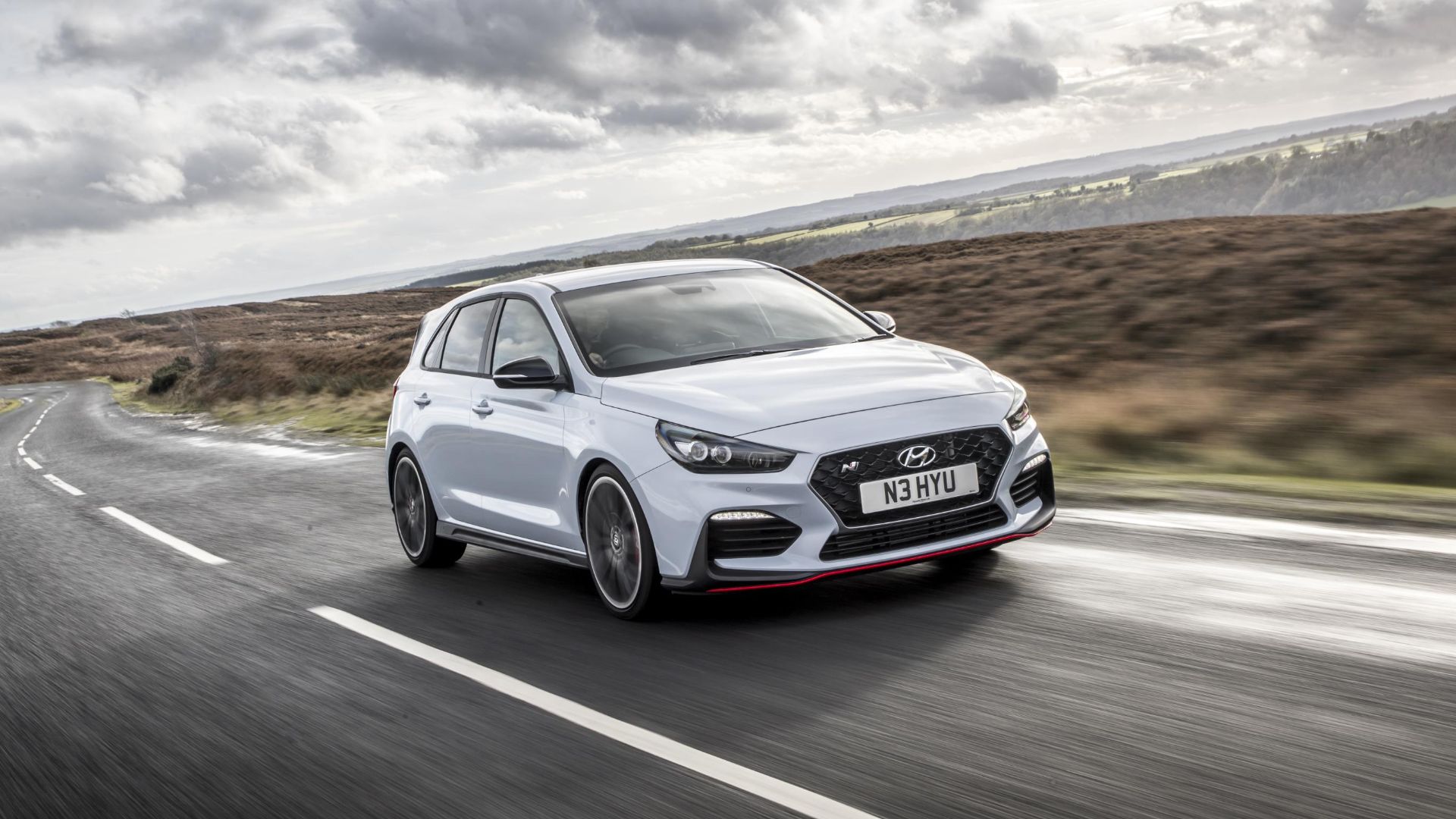
12. Hyundai
This might come as a shock, but one of the greatest proprietors of value on four wheels isn’t so cheap when it comes to running costs. Hyundai kicks off our list with a typical £1,592 annual bill. Over the 326 times an average Hyundai is driven per year, that equates to £4.88 per journey.
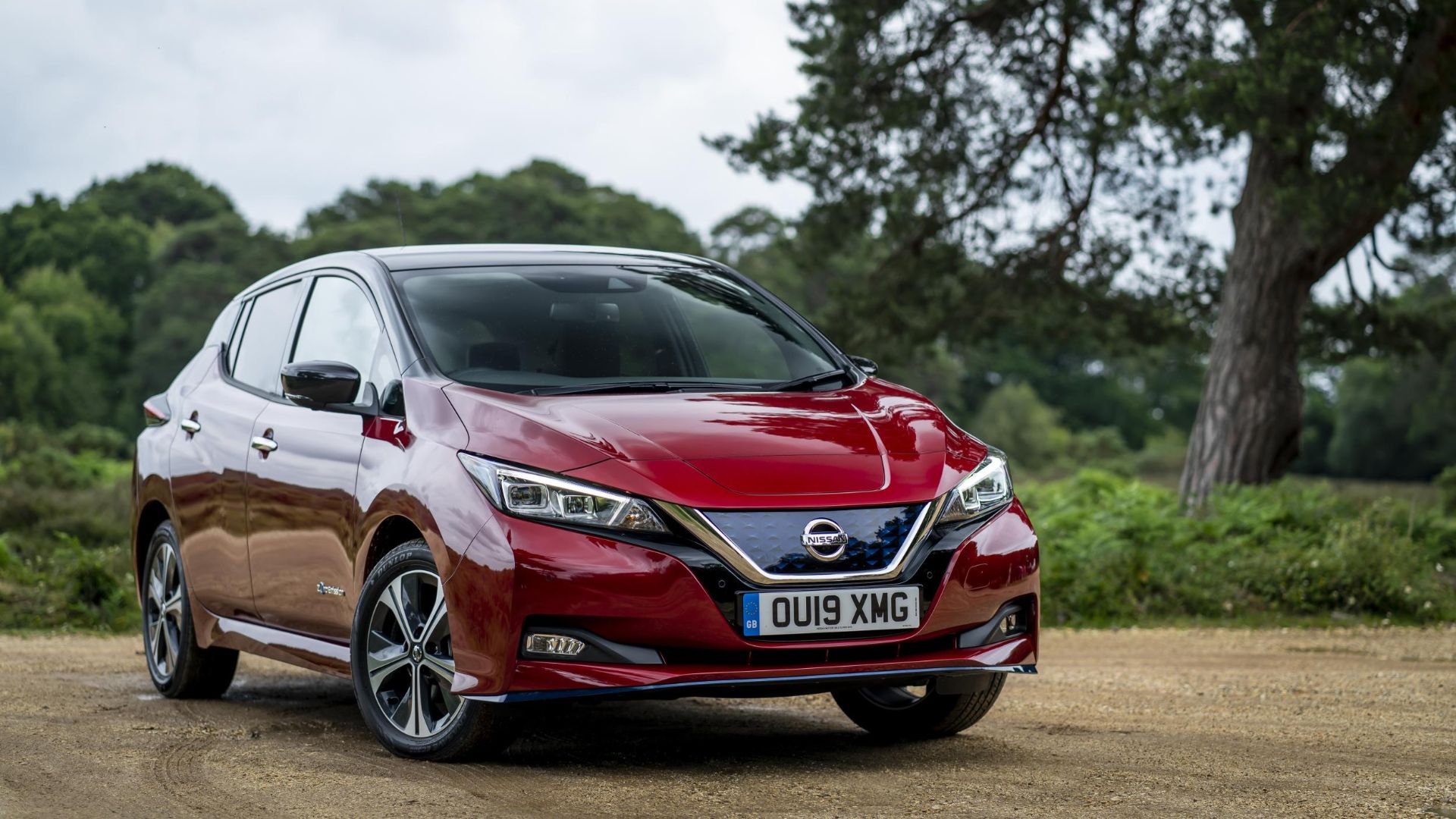
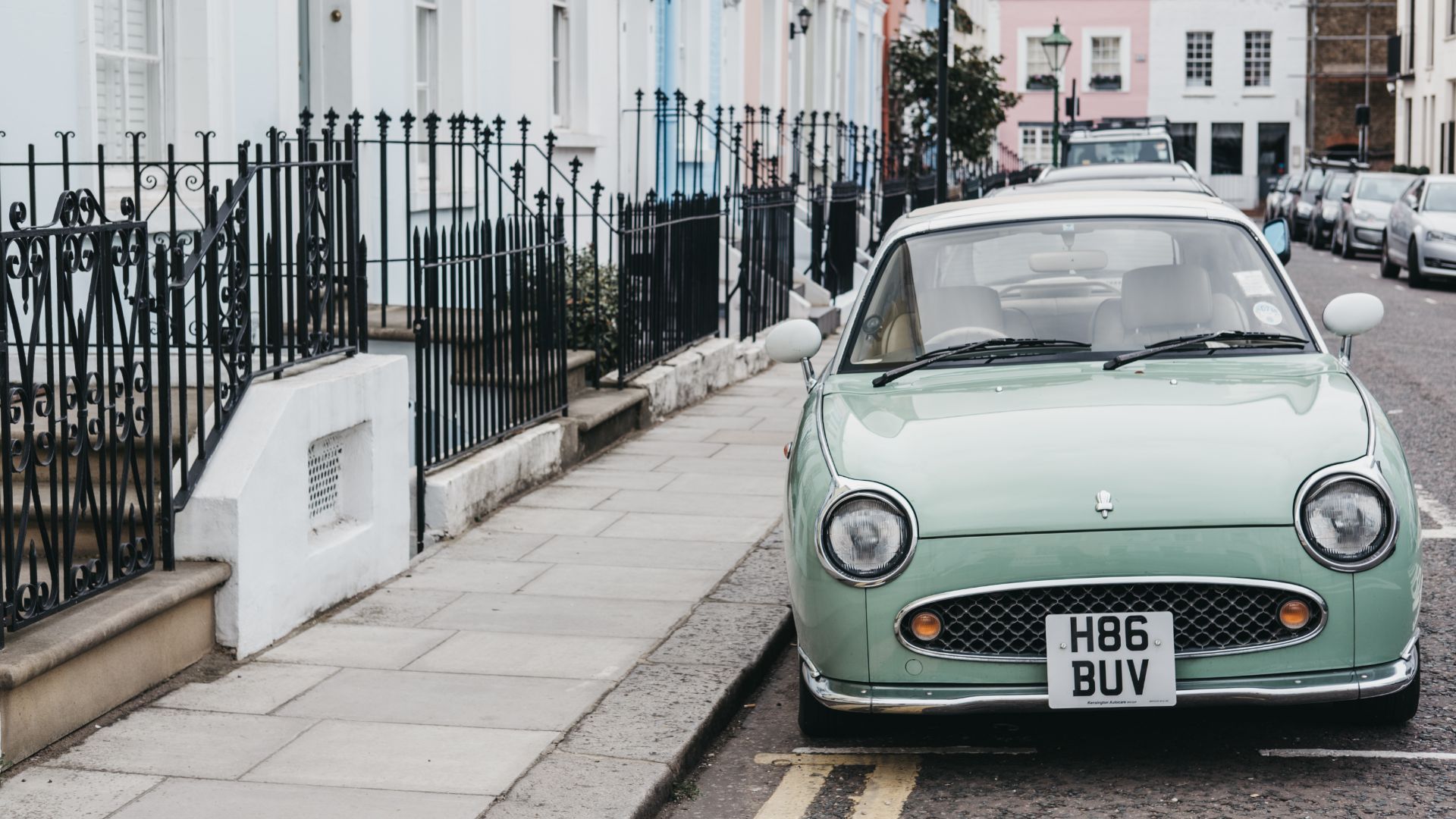
11. Nissan
Nissan is next, with an average £1,622 annual bill. What’s interesting is that, on average, a Nissan is driven 288 times a year – nearly 40 times less than a Hyundai. That ups the per-drive cost to £5.63.
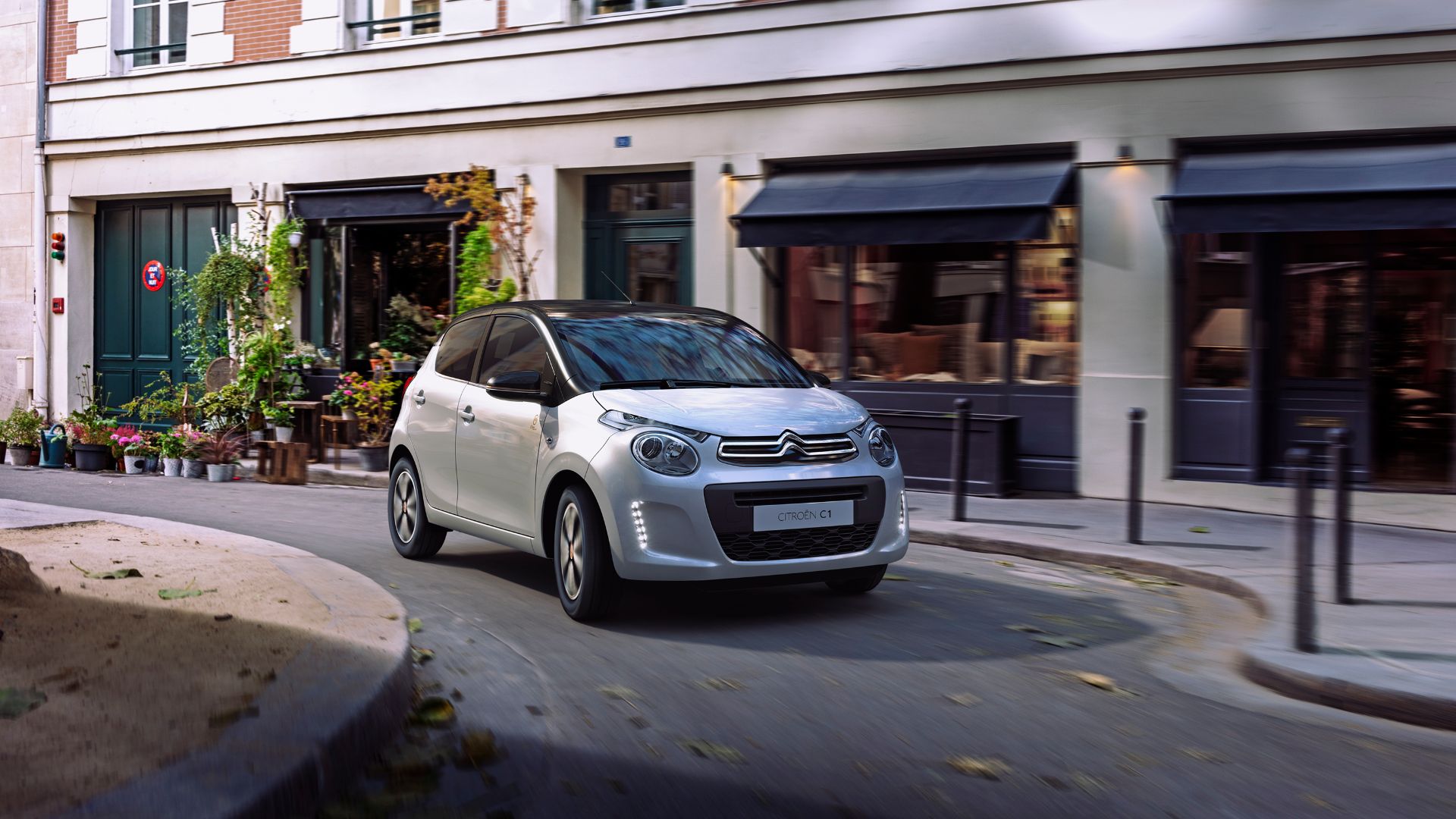
10. Citroen
It’s £25 a year more expensive, typically, to run a Citroen for a year than a Nissan, at £1,647. Although Citroens are used 30 times more per year, making the per-drive cost £5.18.
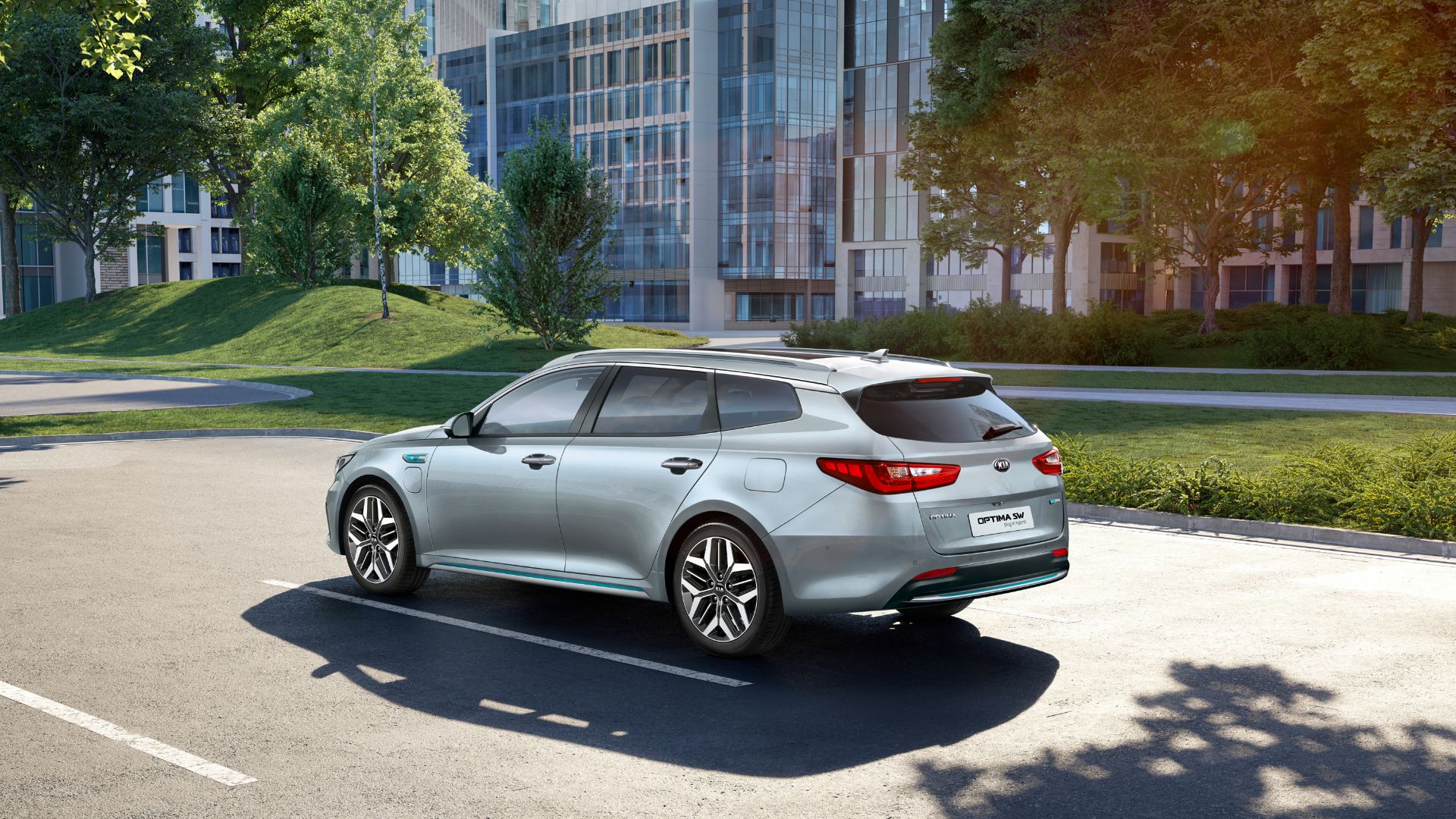
9. Kia
Another shocker as Hyundai’s good-value Korean stablemate is even further up the list in ninth. Costing £1,755 a year to run, it’s significantly more expensive, too. With 300 uses per year on average, a single journey has an average cost of £5.85.
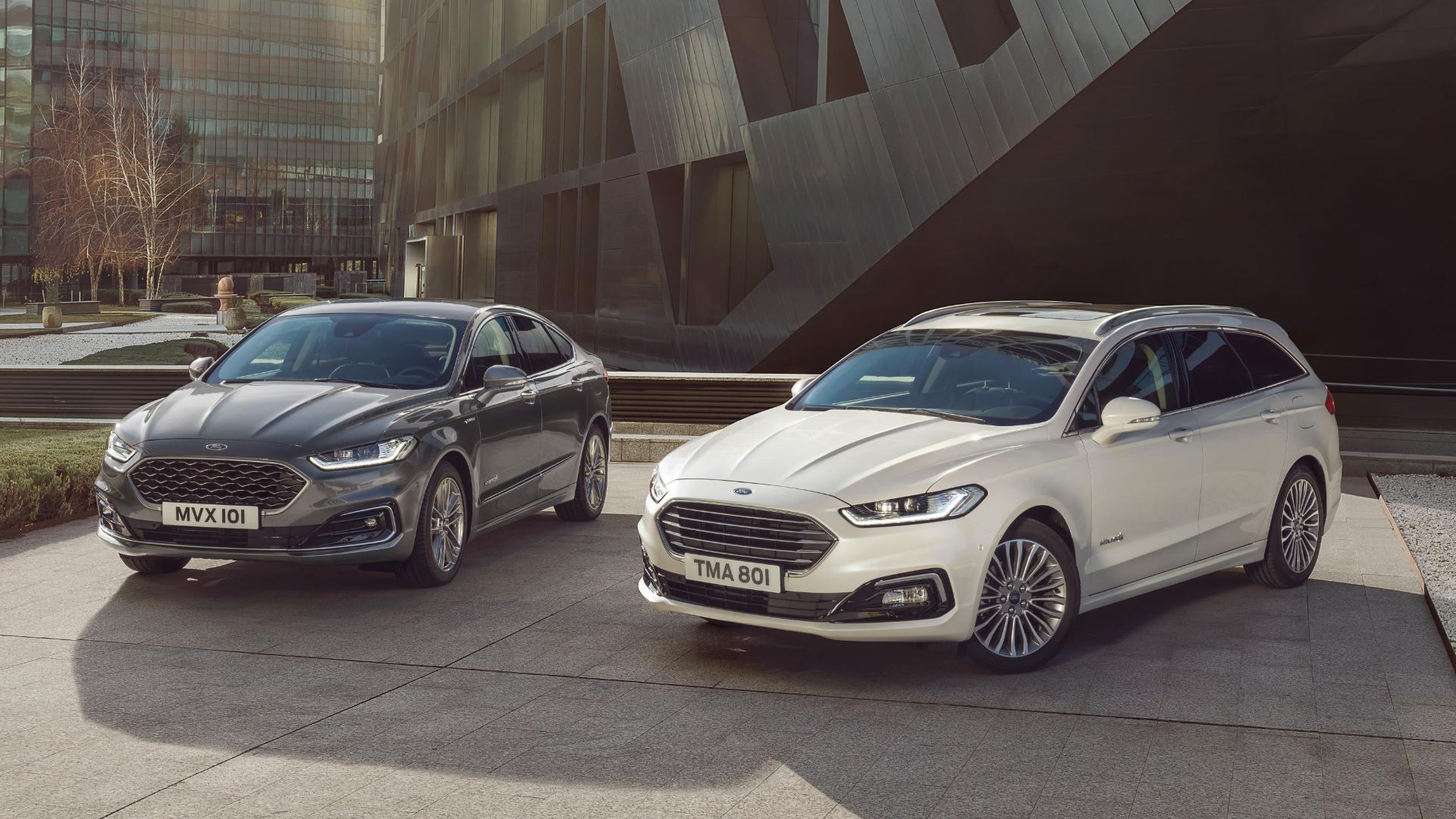
8. Ford
Another mainstream brand finds itself on the most-expensive list. A Ford costs just £1 a year more than Kia to run, however, at £1,756. Being used 31 times more on average, the per-use cost is much lower, at £5.30.
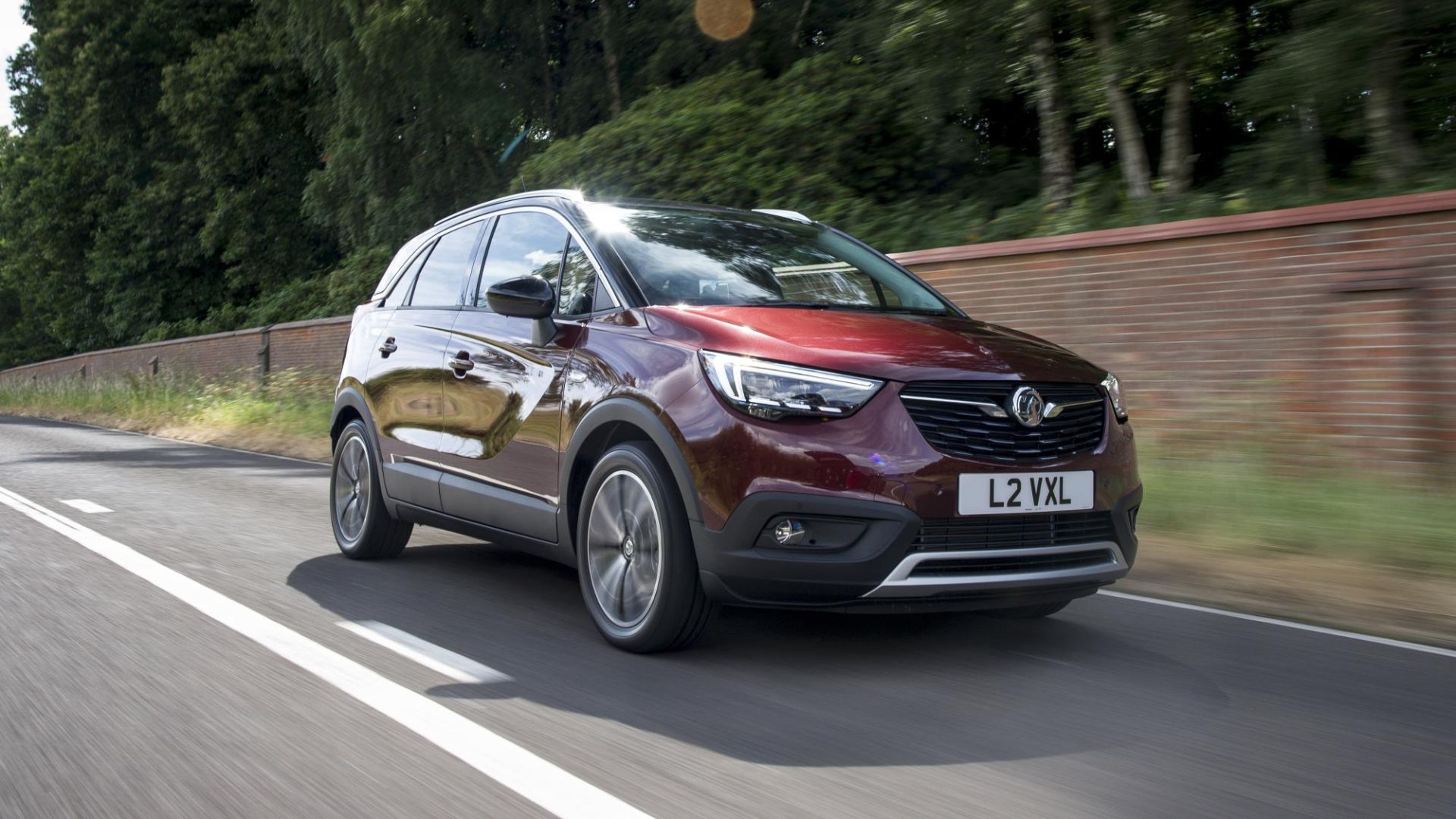
7. Vauxhall
Ford’s arch-rival Vauxhall is up there, too, with a yearly cost of ownership of £1,779. Being the third most frequently used marque on the list, that cost is spread over 346 journeys, for a per-drive cost of £5.15.
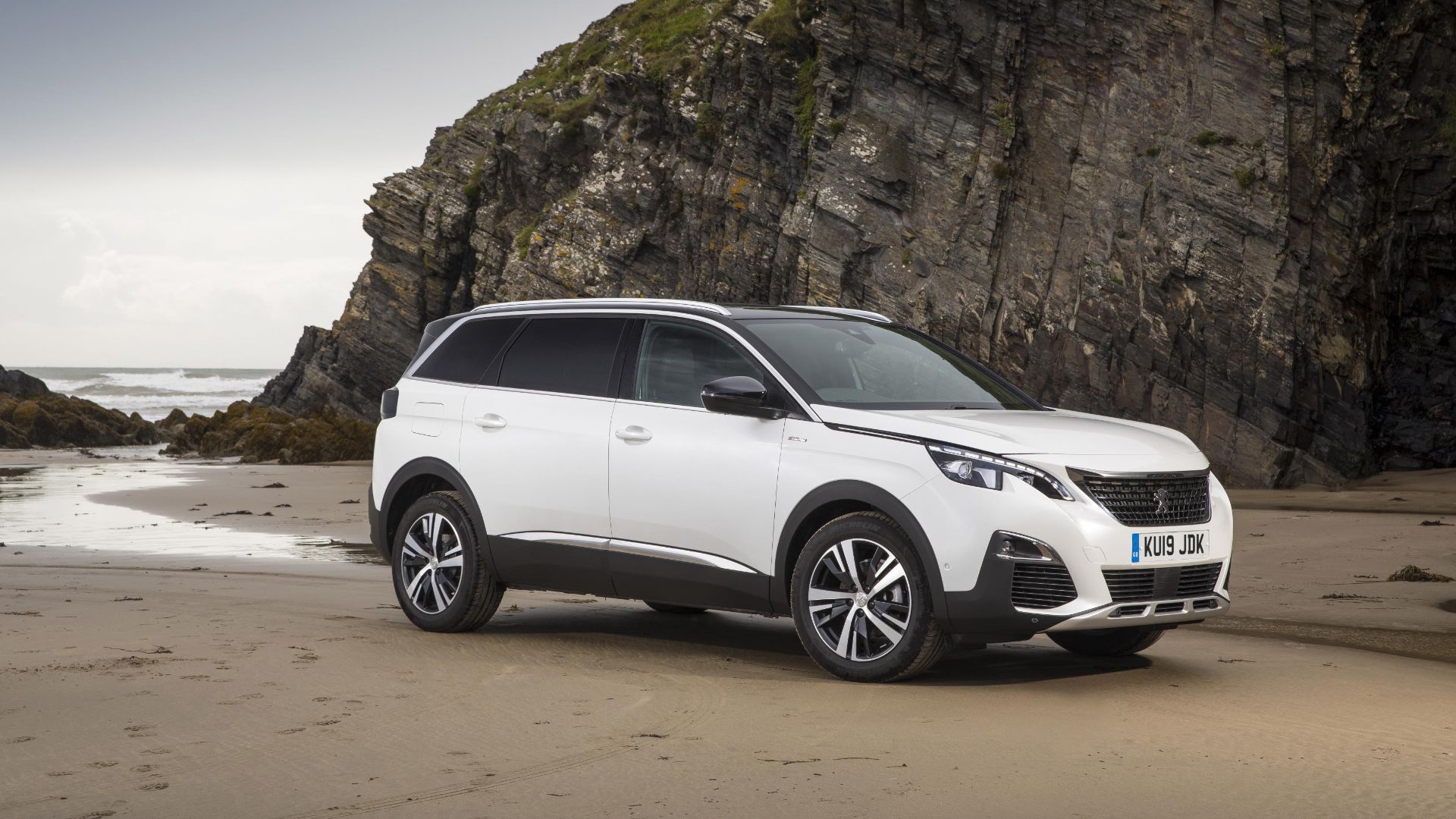
6. Peugeot
But Vauxhall loses out to Peugeot on per-use value. Even though it costs £1,785 every year, on average, to own a Peugeot, that is spread over 374 journeys. That makes the per-use cost an impressive £4.77.
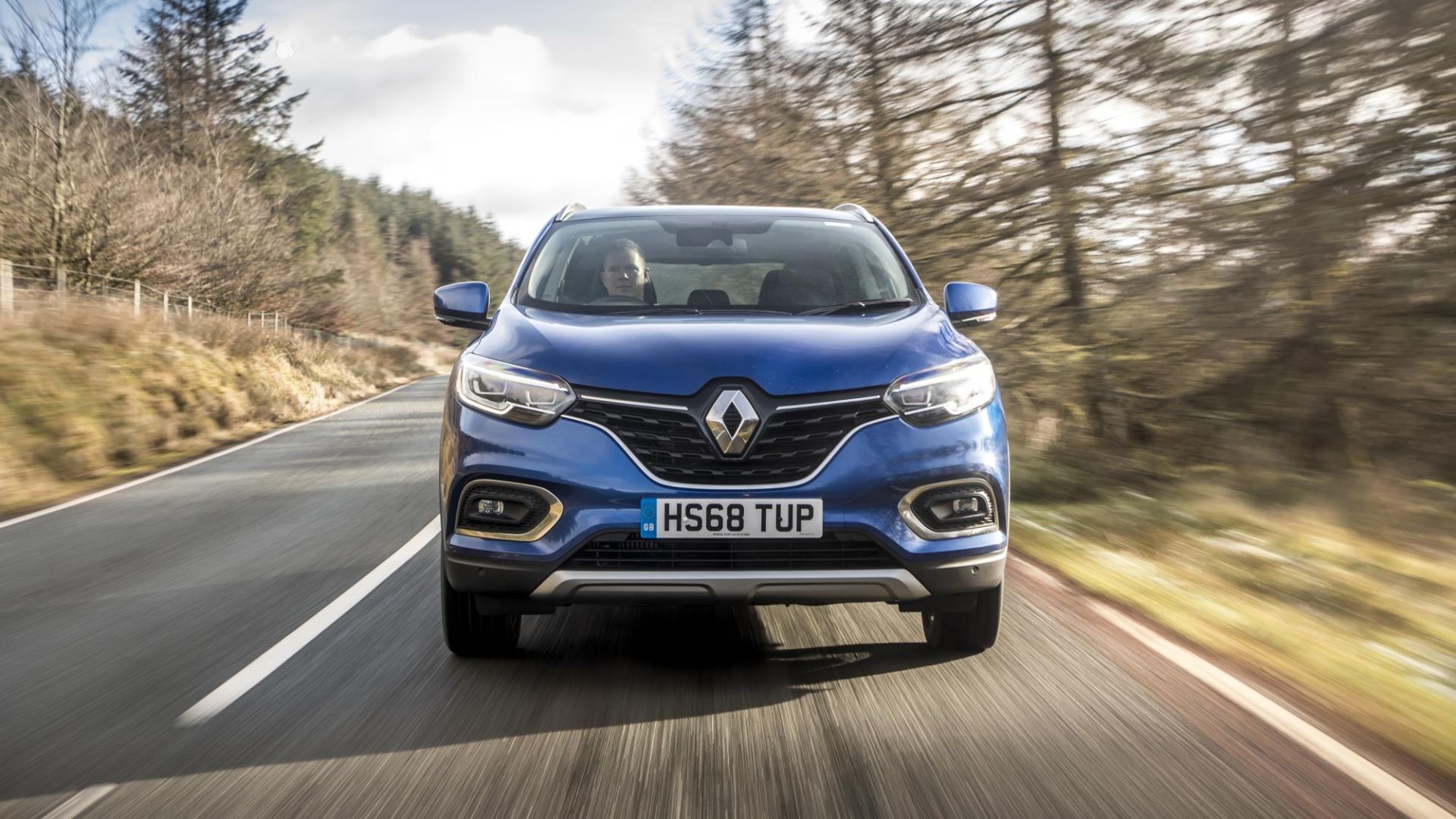
5. Renault
Renault opens the top five (or should that be the bottom five?), with a £1,834 per-year cost of ownership. It comes second to its fellow French marque in terms of usage, though. With 355 drives, Renaults have a £5.17 per-use cost.
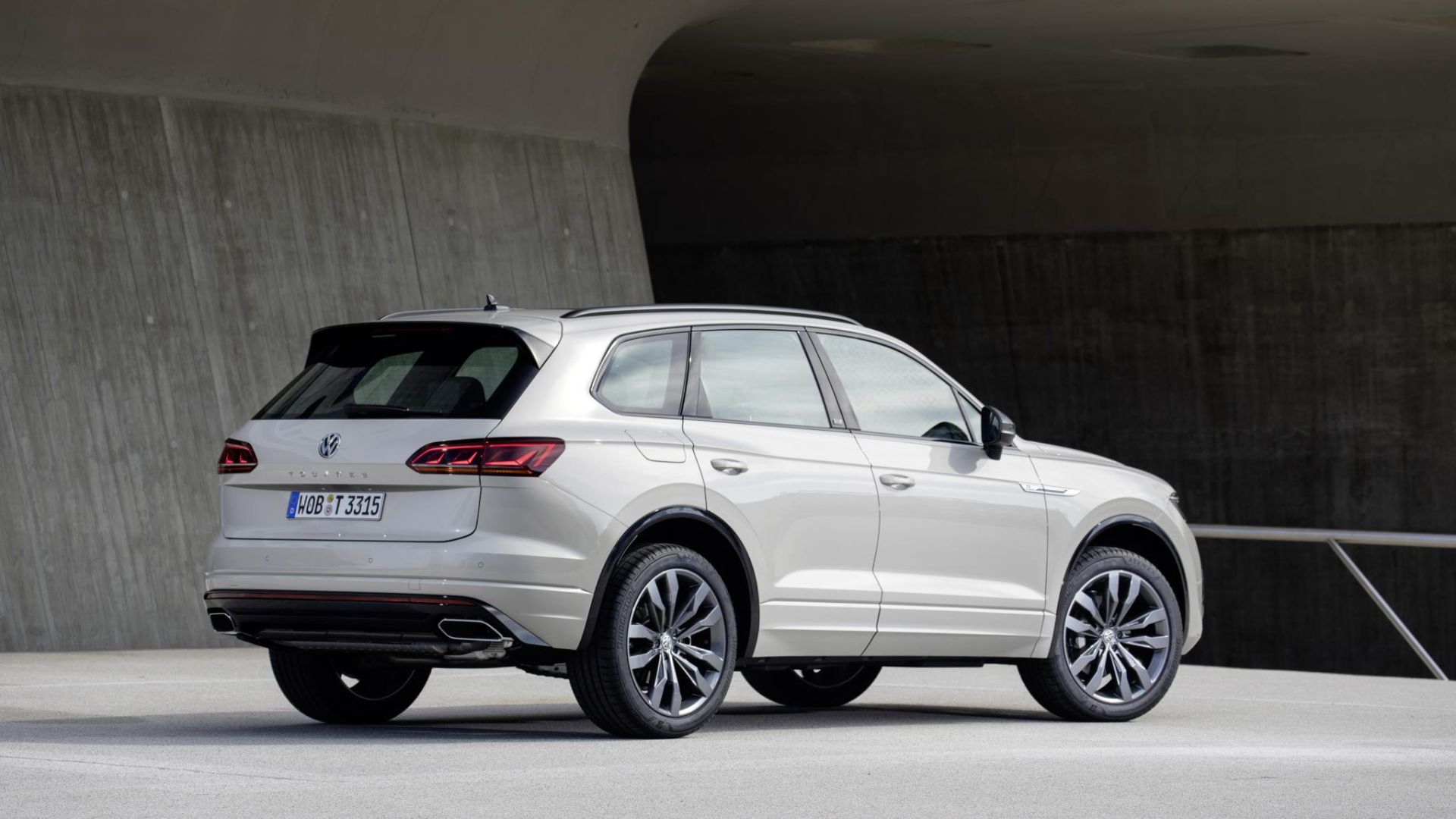
4. Volkswagen
German cars are often pricier to buy, so it stands to reason they’d be pricier to own. Volkswagens, on average, cost £1,900 to own a year, with a £5.92 per-use cost.
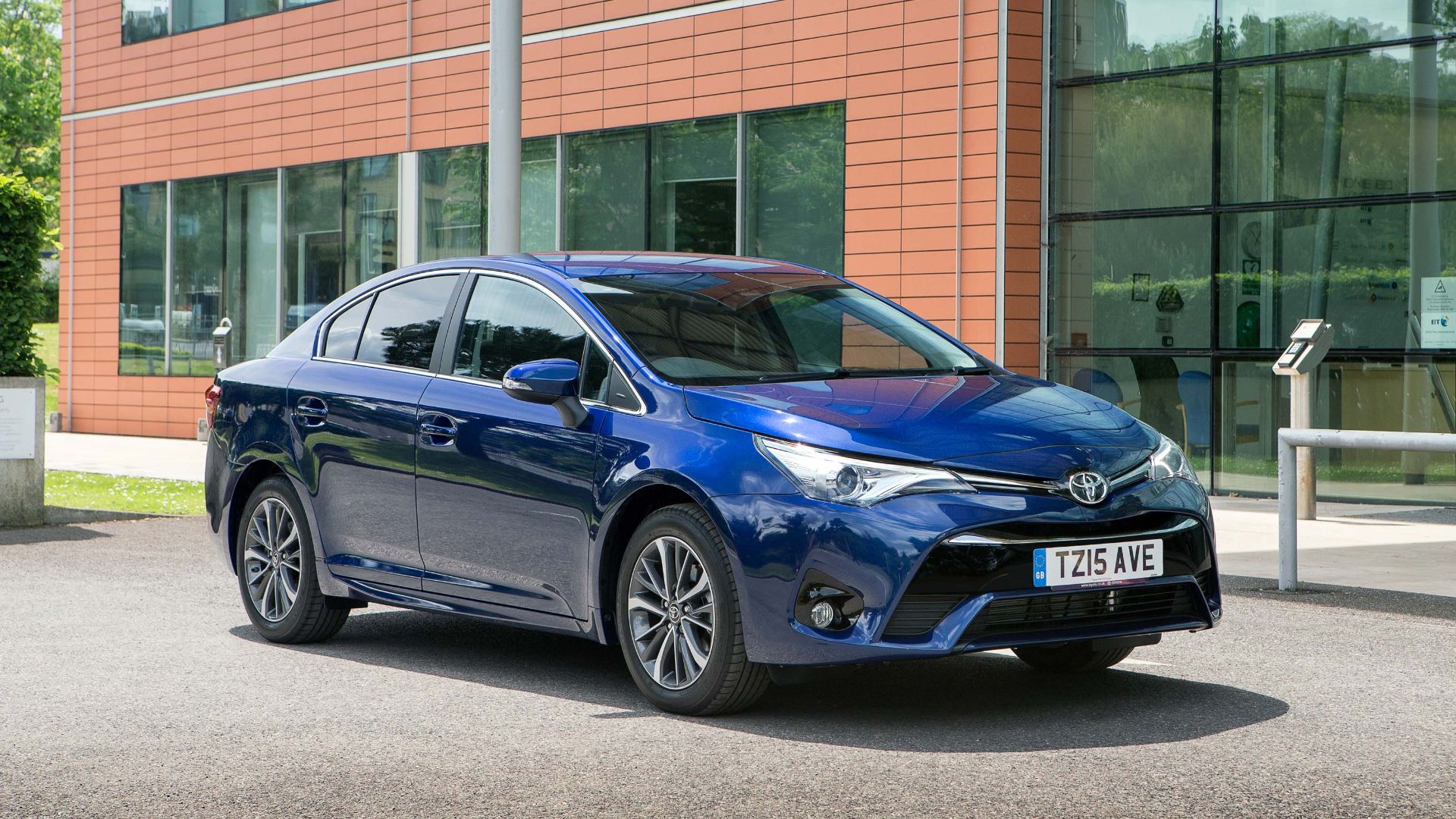
3. Toyota
Another surprise, sandwiched between the Germans. Where’s Mercedes-Benz? Nope, in its place comes Toyota. It’s the first marque on the list to exceed £2,000 per-year to own, at £2,085. It costs £6.26 over each of the average 333 drives.
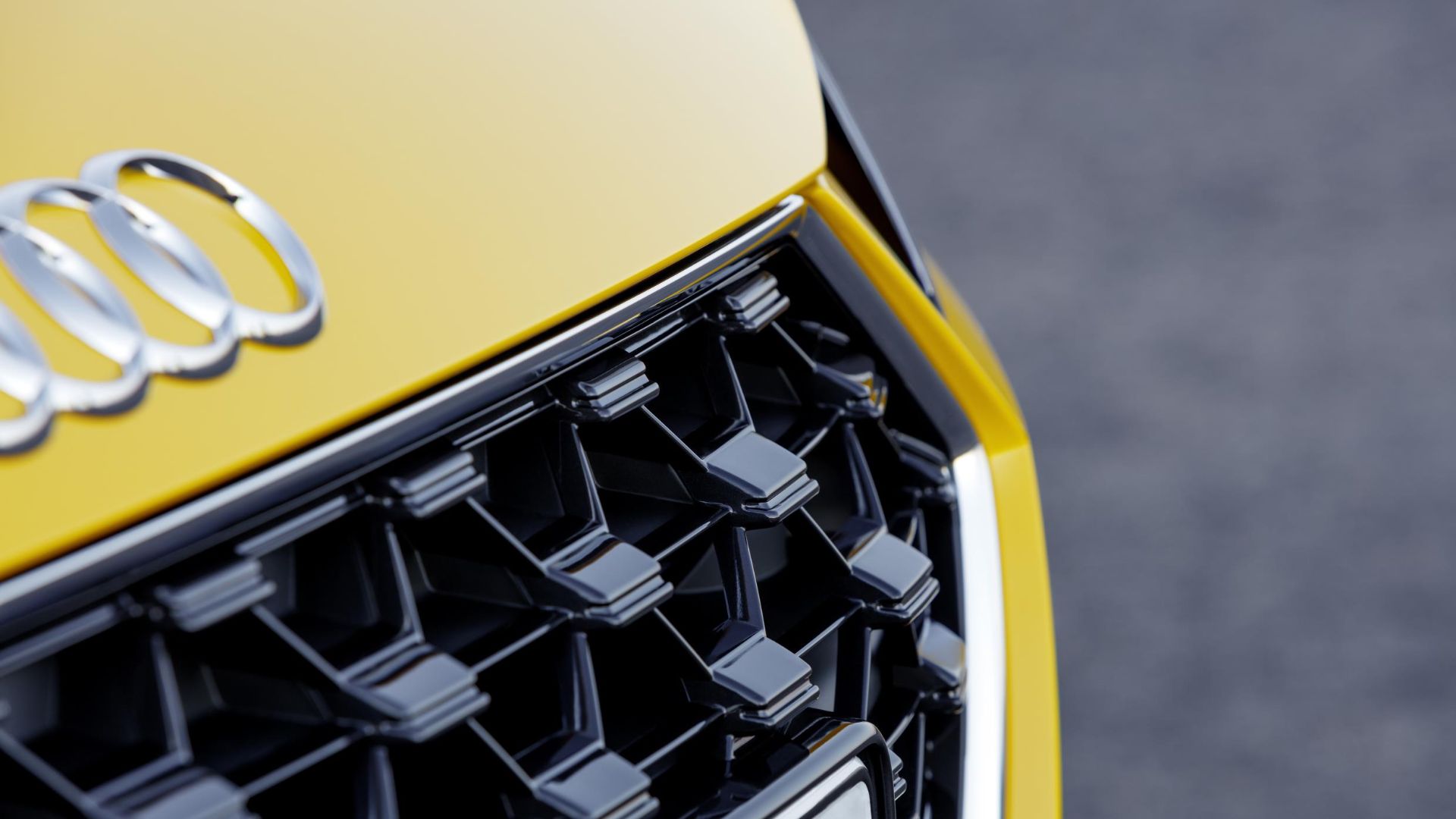
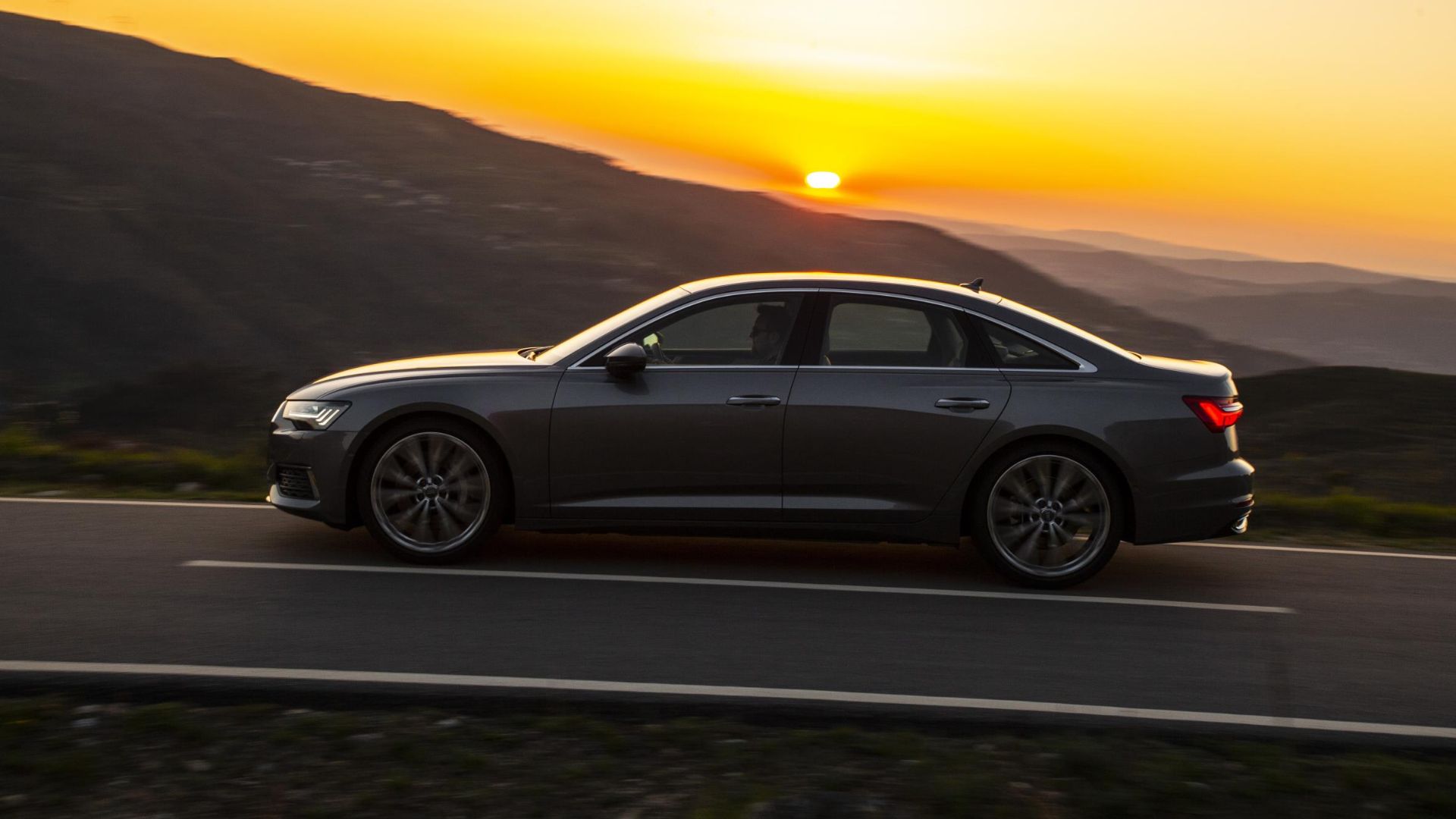
2. Audi
Vorsprung durch expensive, Audis cost £2,214 per year to own on average. Over just 264 uses every year, each journey costs £8.39. It’s the most expensive car per-use to own. You can bet fuel, insurance, tax and cleaning play all play a big part.
1. BMW
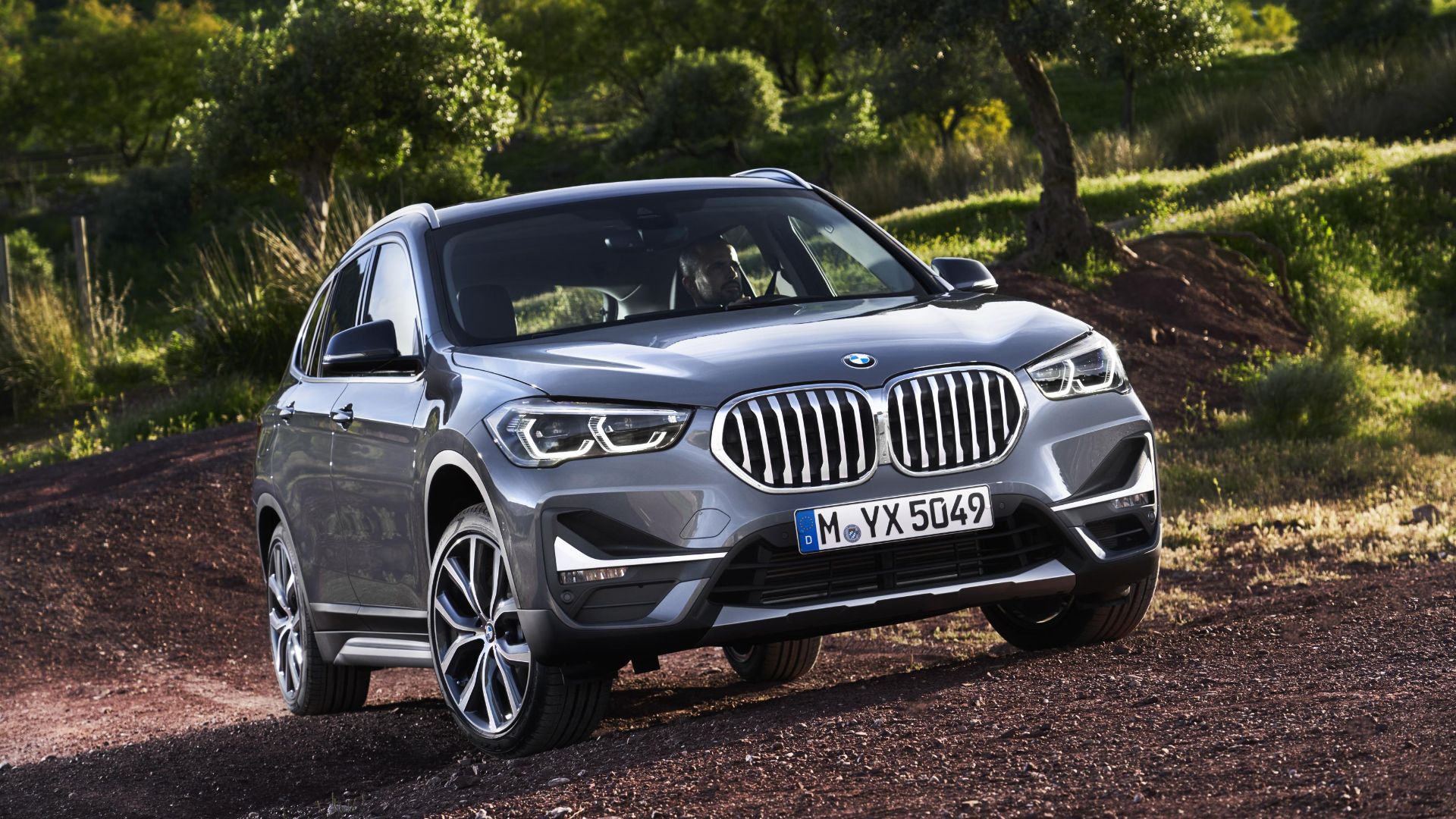
Overall, however, BMW is the most expensive brand to own, at £2,411 per year. Over 292 uses, each drive costs £8.26. It’s not all servicing, fuel and tax, however. BMW owners spend an average of £136 a year on cleaning alone. According to MoneySupermarket, that’s 127 percent more than drivers of other cars.
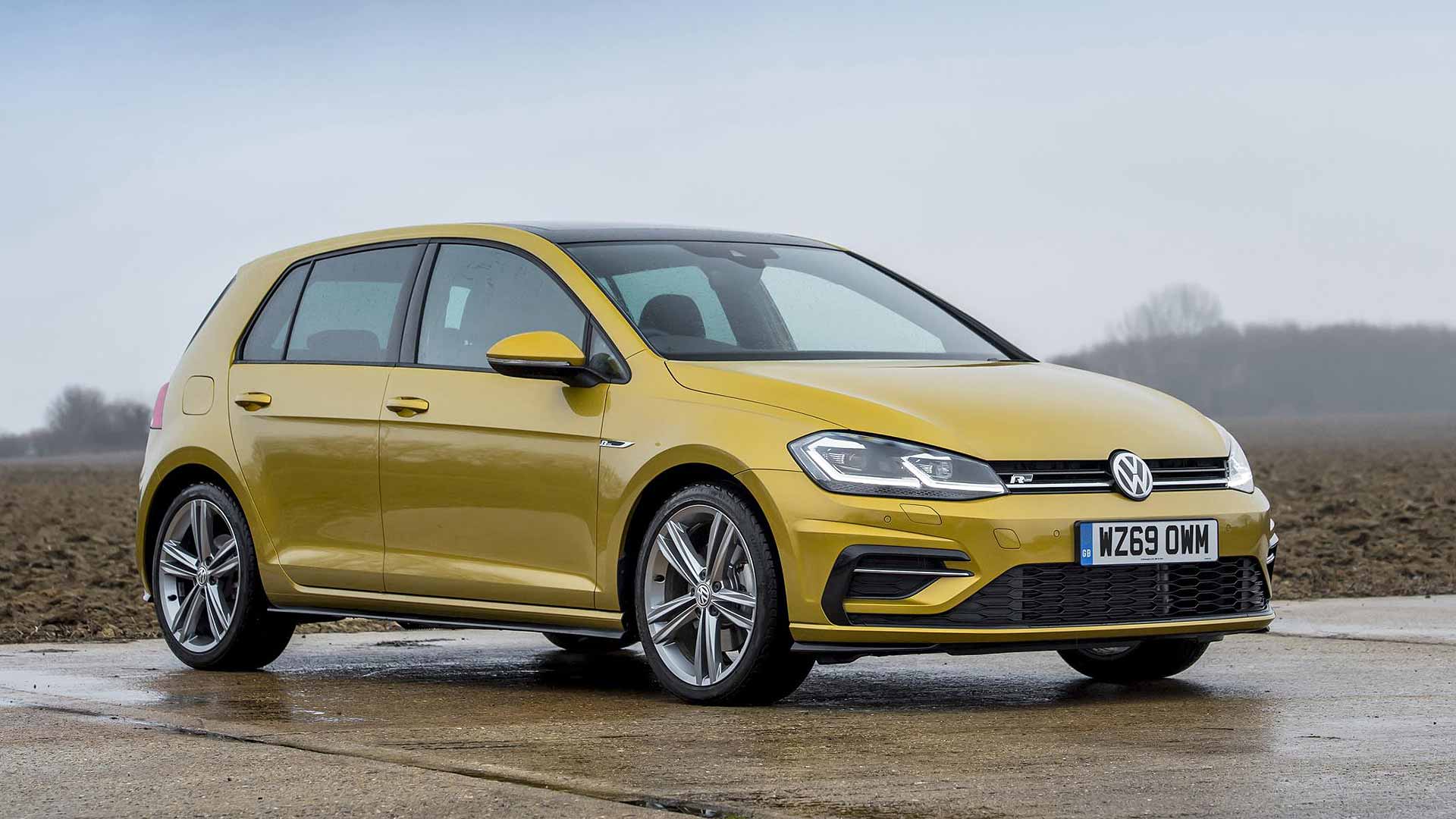
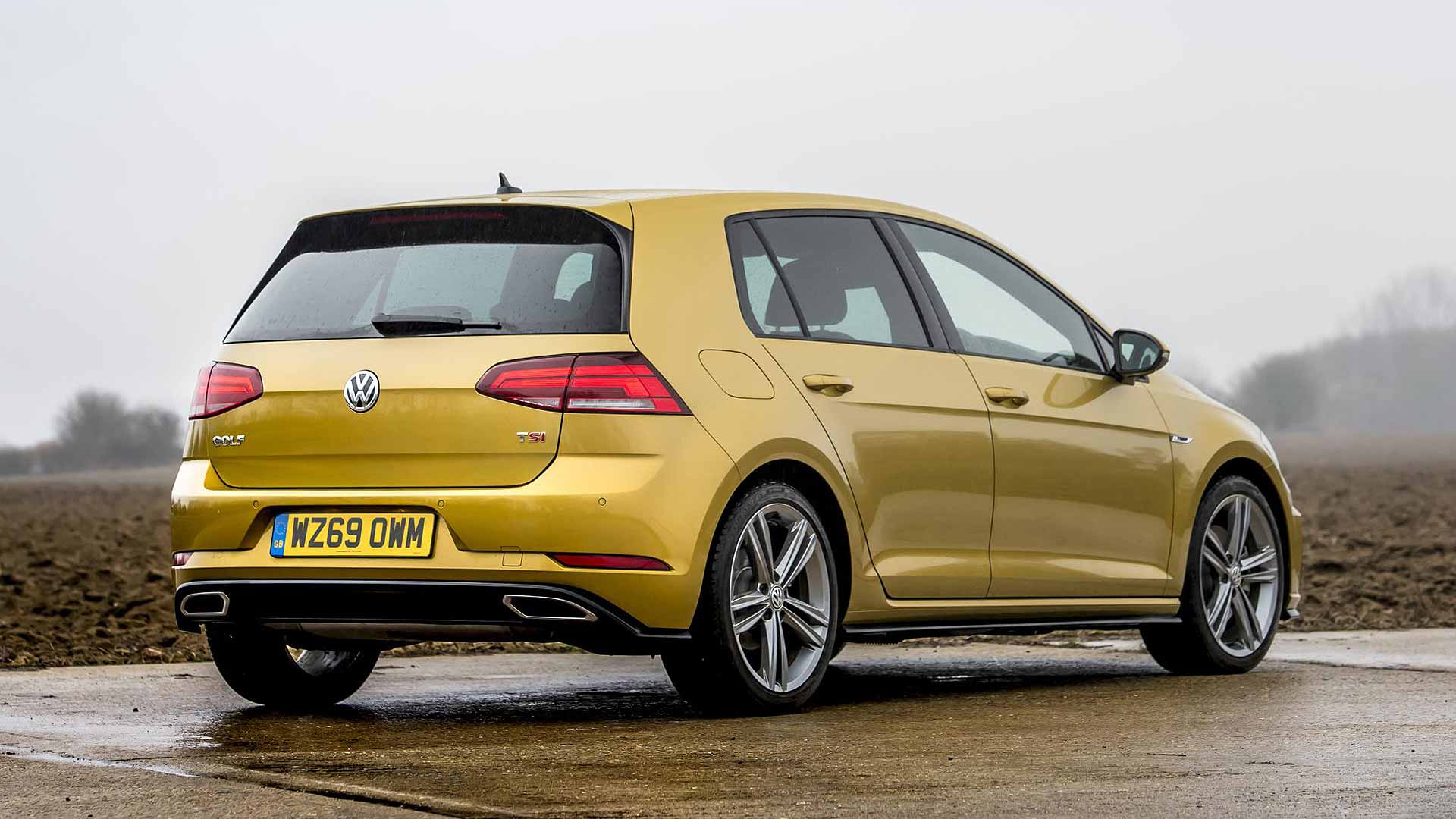
The new Volkswagen Golf Mk8 will be revealed in a matter of weeks. To make sure the current car keeps selling as it enters its runout phase, VW has boosted features even further with three new ‘Edition’ trims.
Match Edition, GT Edition and R-Line Edition variants replace respective non-edition versions. They cost £400 more than the outgoing models – but add equipment worth £1,910.
Call it a £1,500 boost in value, for what remains Volkswagen’s best-selling car in the UK “by a comfortable margin”.
Each now comes as standard with dual-zone climate control, LED headlights, heated front seats, headlight washers and a low washer fluid level warning light (every little helps).
Deliveries of the new Edition models will begin in October – and everyone who ordered a Match, GT or R-Line after 16 September will automatically be upgraded to the new Edition variants.
Volkswagen also reminds us the value boost isn’t just for these three cars. Earlier in the month, it chipped £2,765 off the price of the all-electric e-Golf, for those eager to get into an electric VW ahead of the ID.3’s arrival.
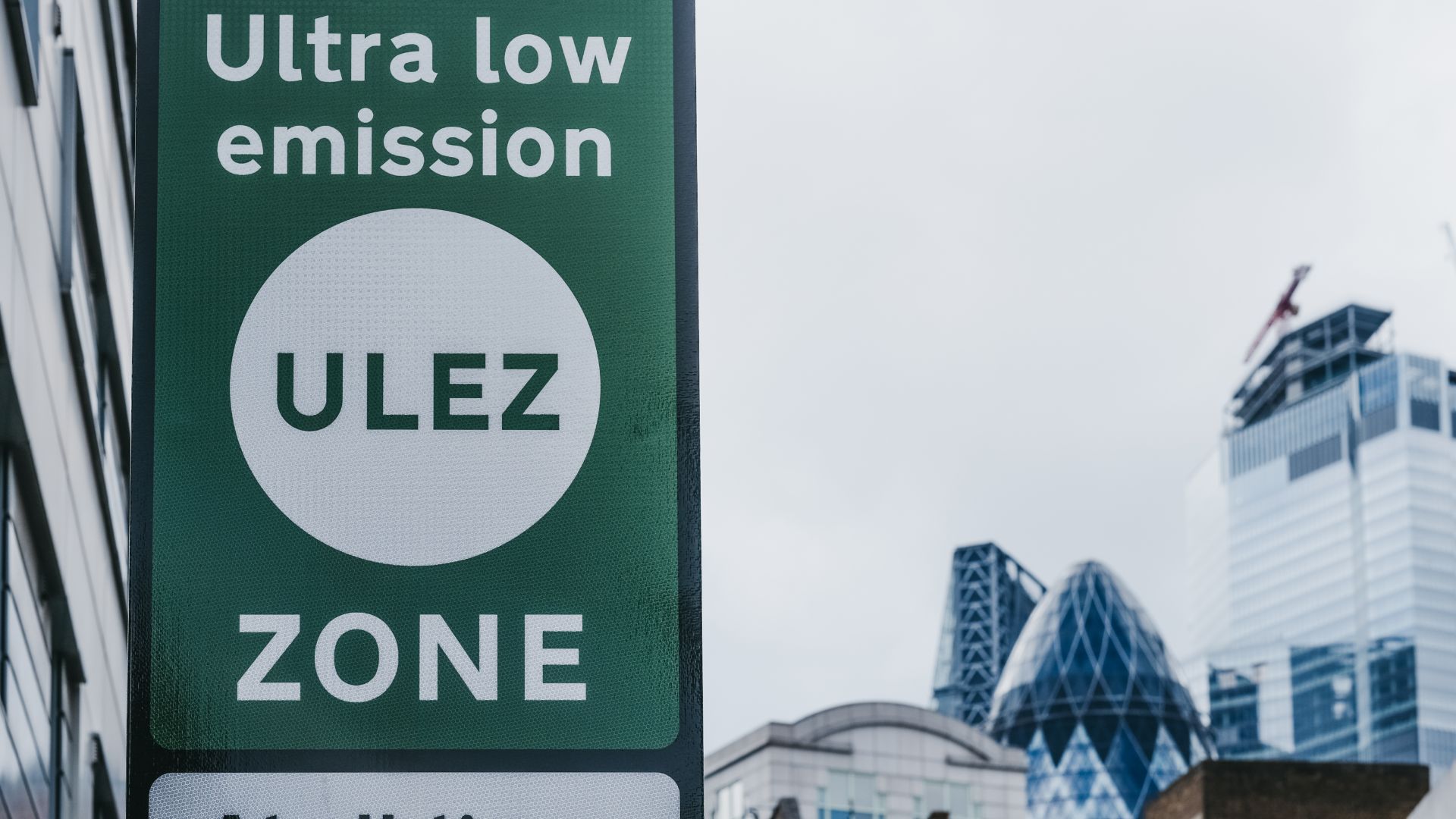
Nearly half a million drivers could be priced out of their cars and off the roads. The warning from the AA comes in relation to ‘eco taxes’ such as London’s new Ultra Low Emission Zone (ULEZ) charge.
The ULEZ costs drivers of non-compliant vehicles £12.50 to enter the zone, and applies 24 hours a day, seven days a week. It also elapses at midnight, so somebody working a night shift could incur a fee of £25.
With the ULEZ set to expand in October 2021, and similar pay-to-drive low emission zones being proposed for urban areas across the country, hundreds of thousands of drivers face higher costs for the privilege of staying on the road.
Birmingham, Glasgow, Edinburgh and Newcastle may all emulate London’s ULEZ scheme. The former could hit a further 100,000 drivers, according to the AA. When the ULEZ does expand, it’s expected that more than 300,000 drivers will be affected.
The ULEZ targets older cars that do not meet with certain emissions criteria: Euro 4 for petrol and Euro 6 for diesel. There are even worries that some Euro 6 vehicles will fail road-side emissions tests.
After just three months of operation, the London ULEZ has seen upwards of 100,000 drivers hit with charges. And the AA reckons 40 percent of these are some of the worst-off drivers.
ULEZ life hack: Londoners are renting out their driveways for parking
“[Drivers] are being run off the road,” said AA president Edmund King. “It is wrong to discriminate against one section of the community”.
The AA is urging local councils to divert revenues from motoring convictions towards subsidising the move to compliant vehicles for those who can’t ordinarily afford it, but rely on their cars.
SUVs are the bread and butter of the car market, even for many sports car makers. Porsche, Bentley, Lamborghini – and now Aston Martin and even Ferrari – are building off-roaders. The reason? Sports cars don’t sell. We reveal the extent of the sports car sales famine, with figures from CarIndustryAnalysis.
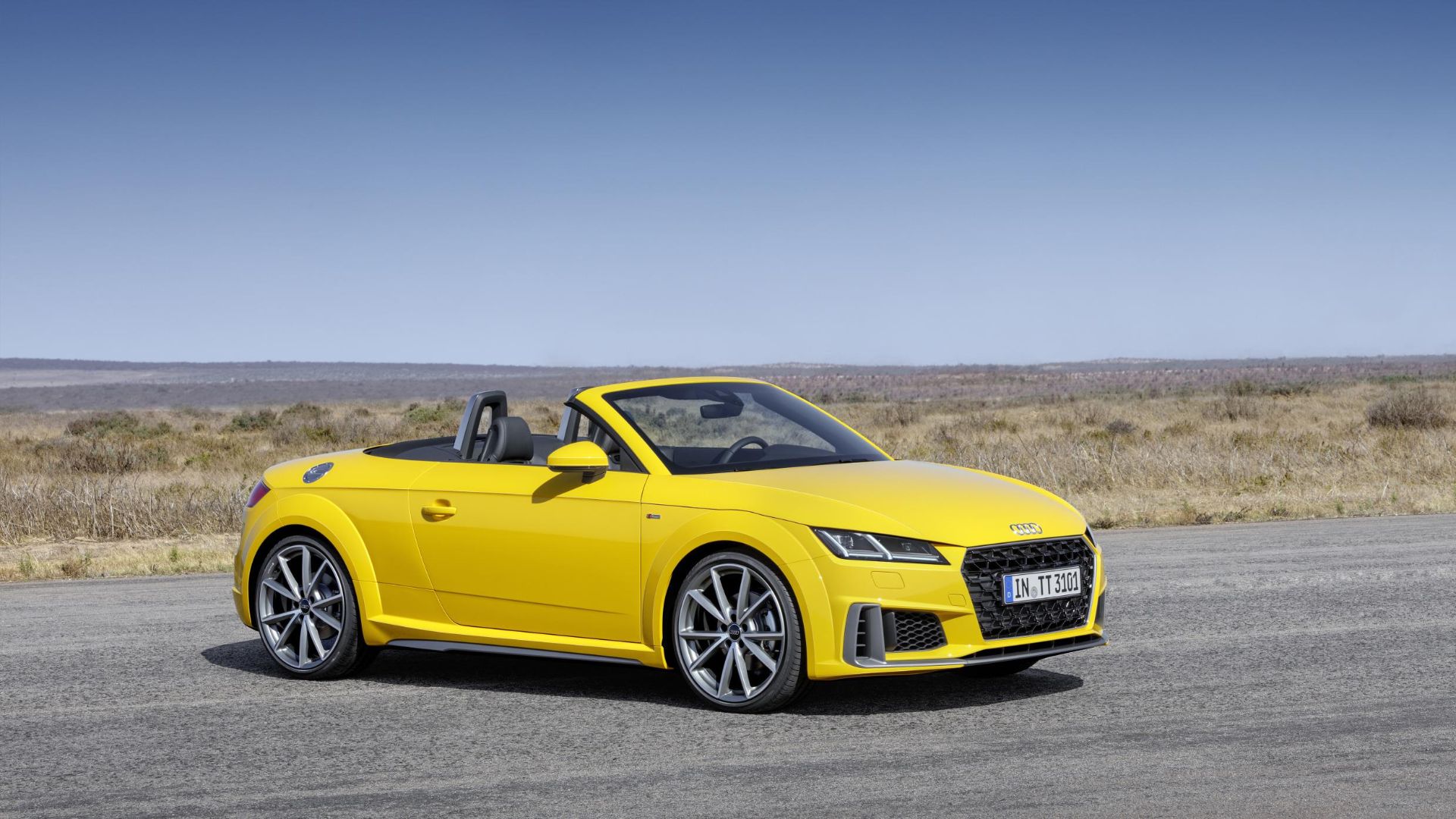
Audi TT Roadster -3 percent
We start with the mildest of sales drops, but make no mistake, things will get a lot worse. The TT Roadster has seen a three percent downturn, selling 1,918 in the first half of 2019.
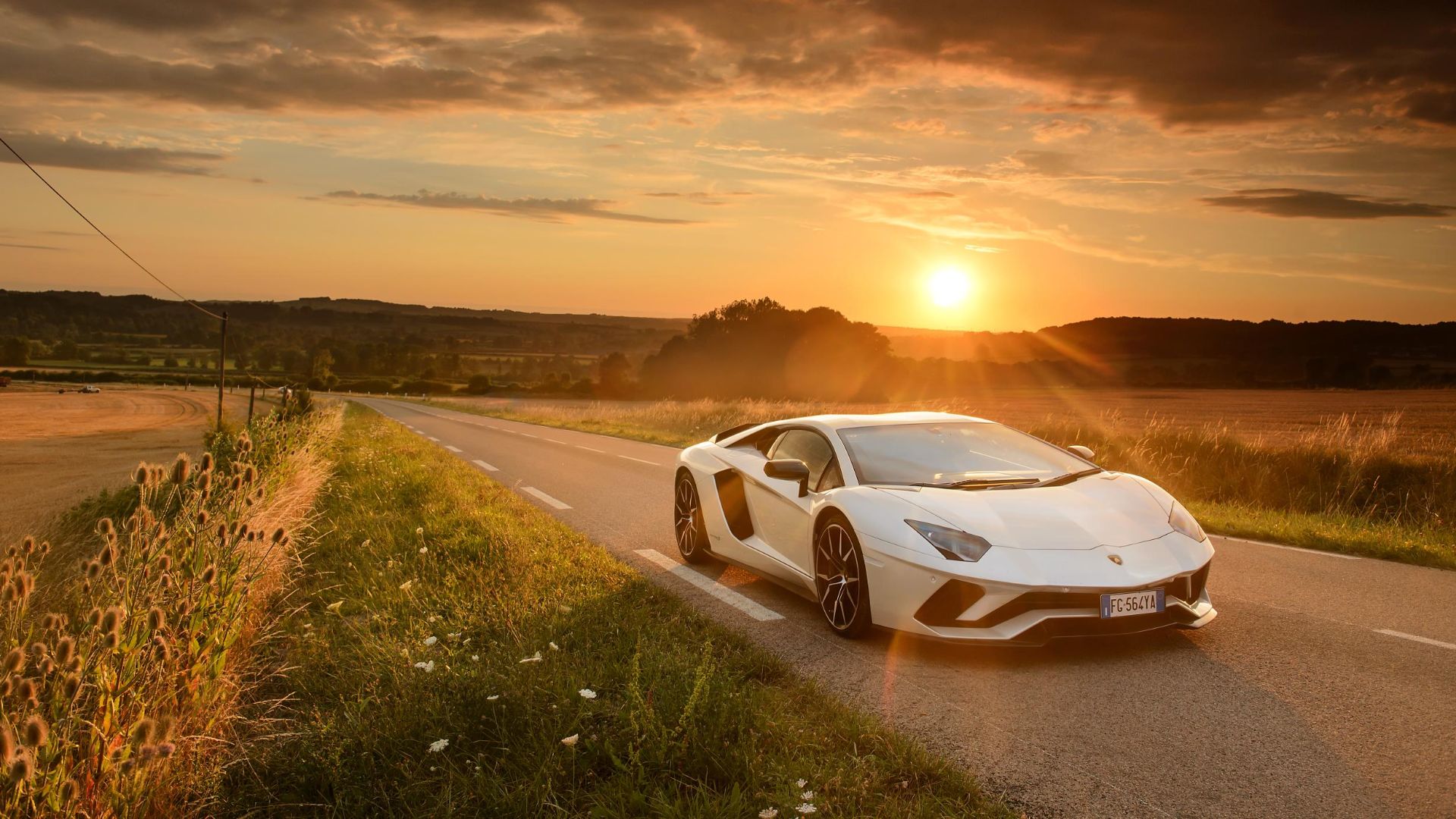
Lamborghini Aventador -5 percent
On the other end of the sports car spectrum, Aventador sales are also a little down: five percent, with 165 cars sold so far this year. Not terrible, given this model is on its way out.
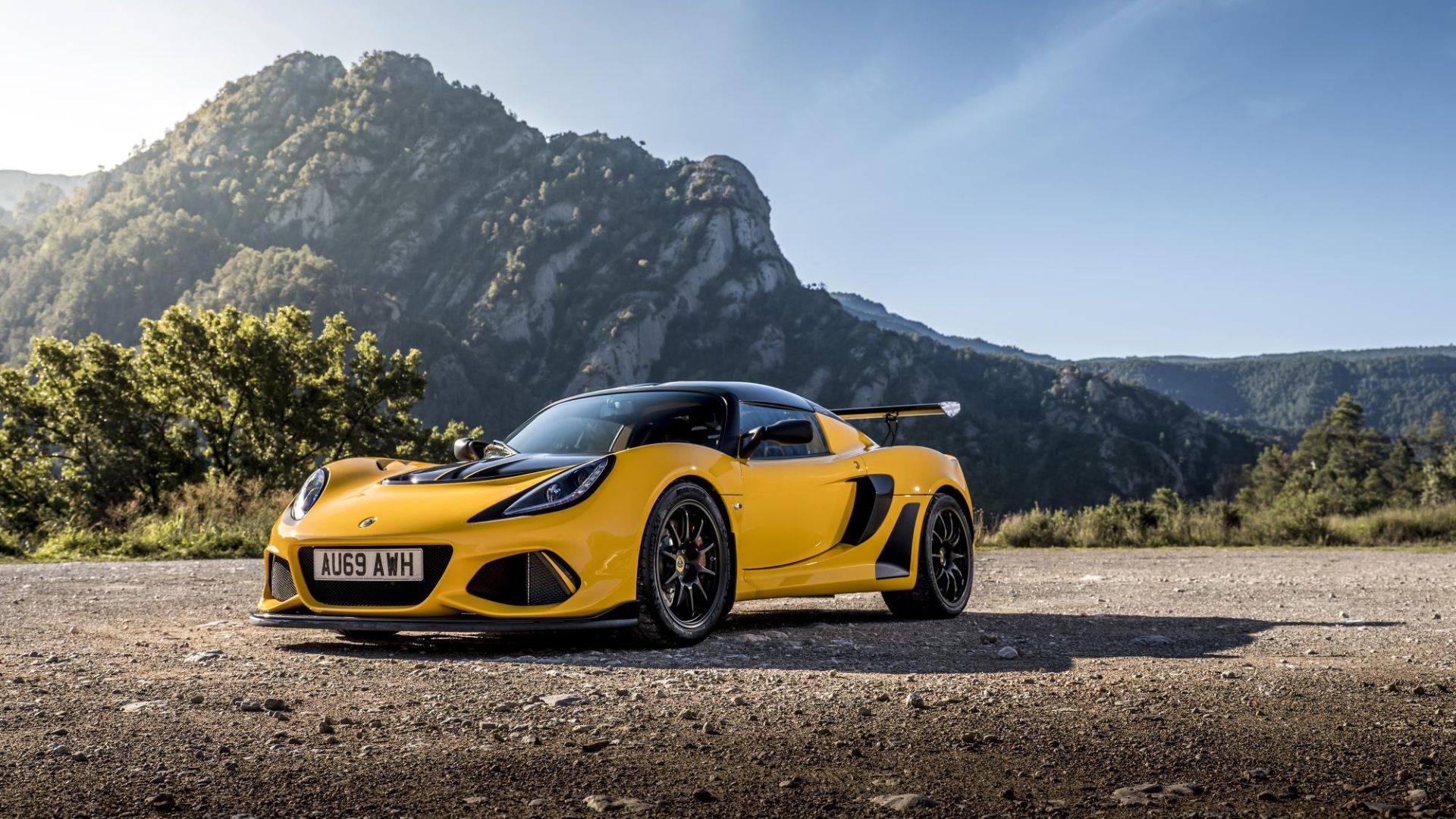
Lotus Exige -7 percent
The Exige isn’t faring too badly either, and you’d be right to assume other Lotuses are further down this list. It’s seven percent down, with 150 units sold so far.
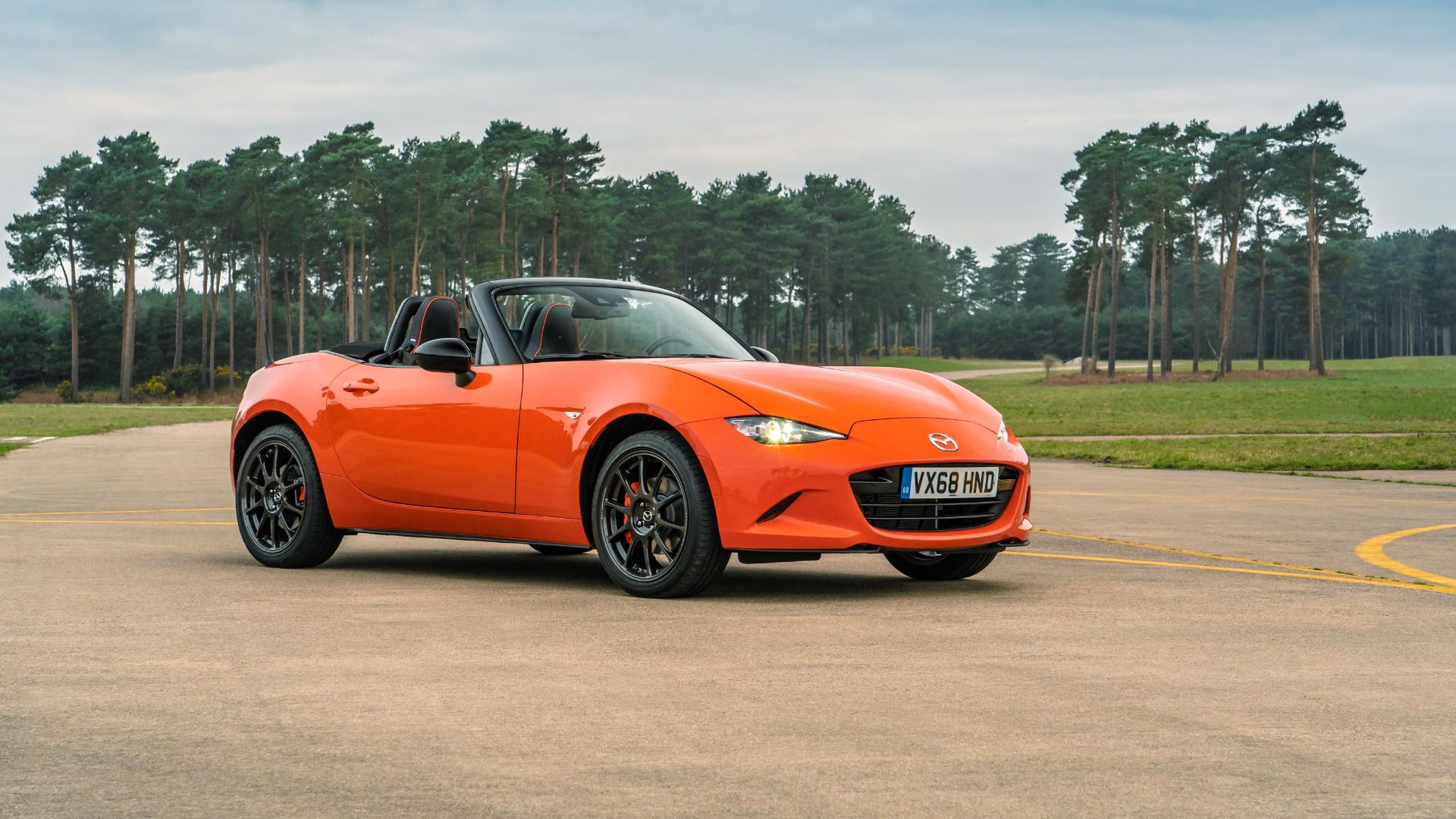
Mazda MX-5 -9 percent
Even the king of affordable sports cars, the Mazda MX-5, is suffering in the downturn. Being nine percent down is more serious when your sales volume is nearly 10,000 for 2019 to date.
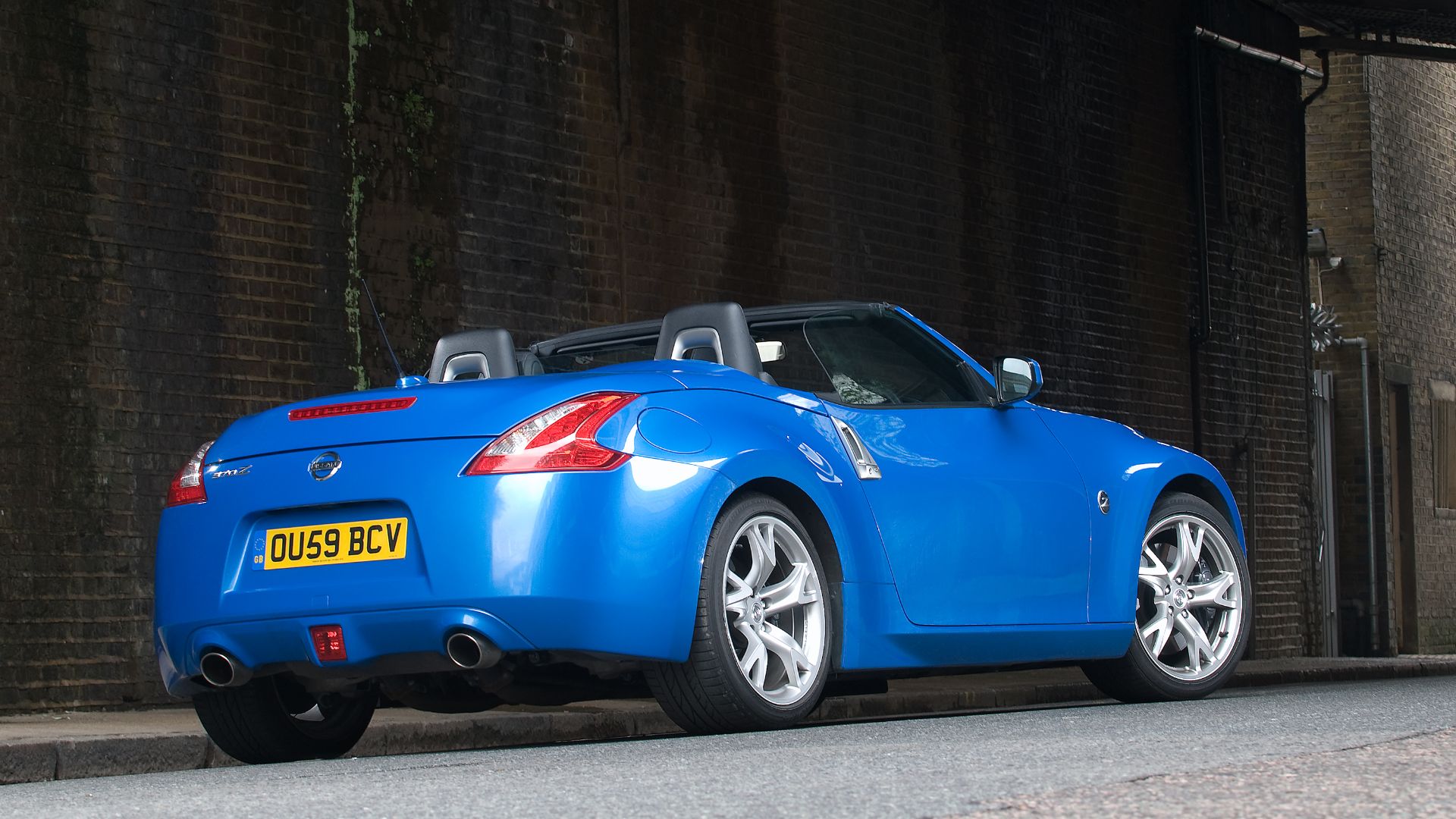
Nissan 370Z Roadster -10 percent
Another aging beast in its dying moments, the 370Z Roadster is 10 percent down, with 102 units shifted.
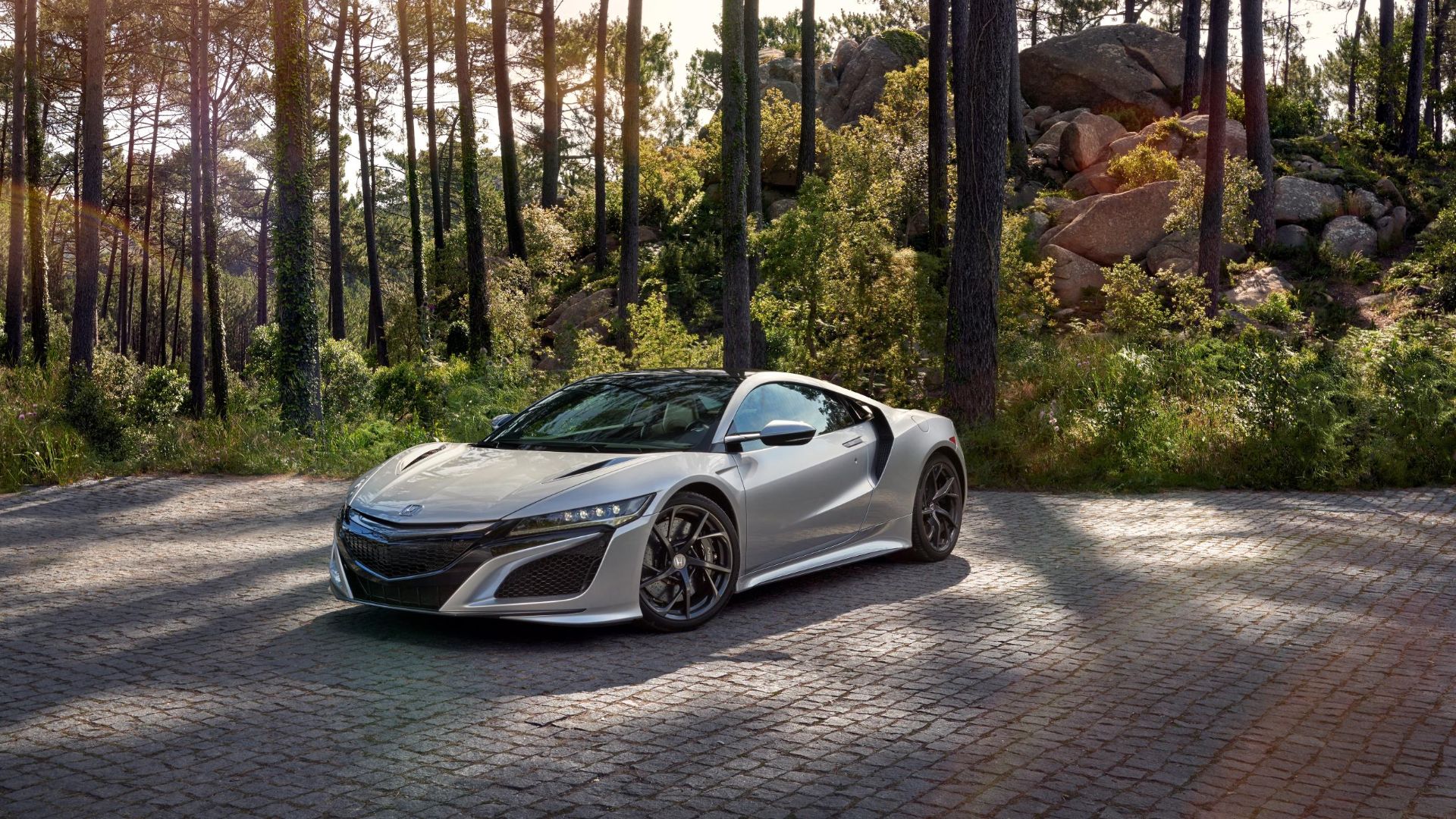
Honda NSX – 10 percent
The NSX is 10 percent down, albeit on what was already a fairly measly sales figure. It shifted just 28 units.
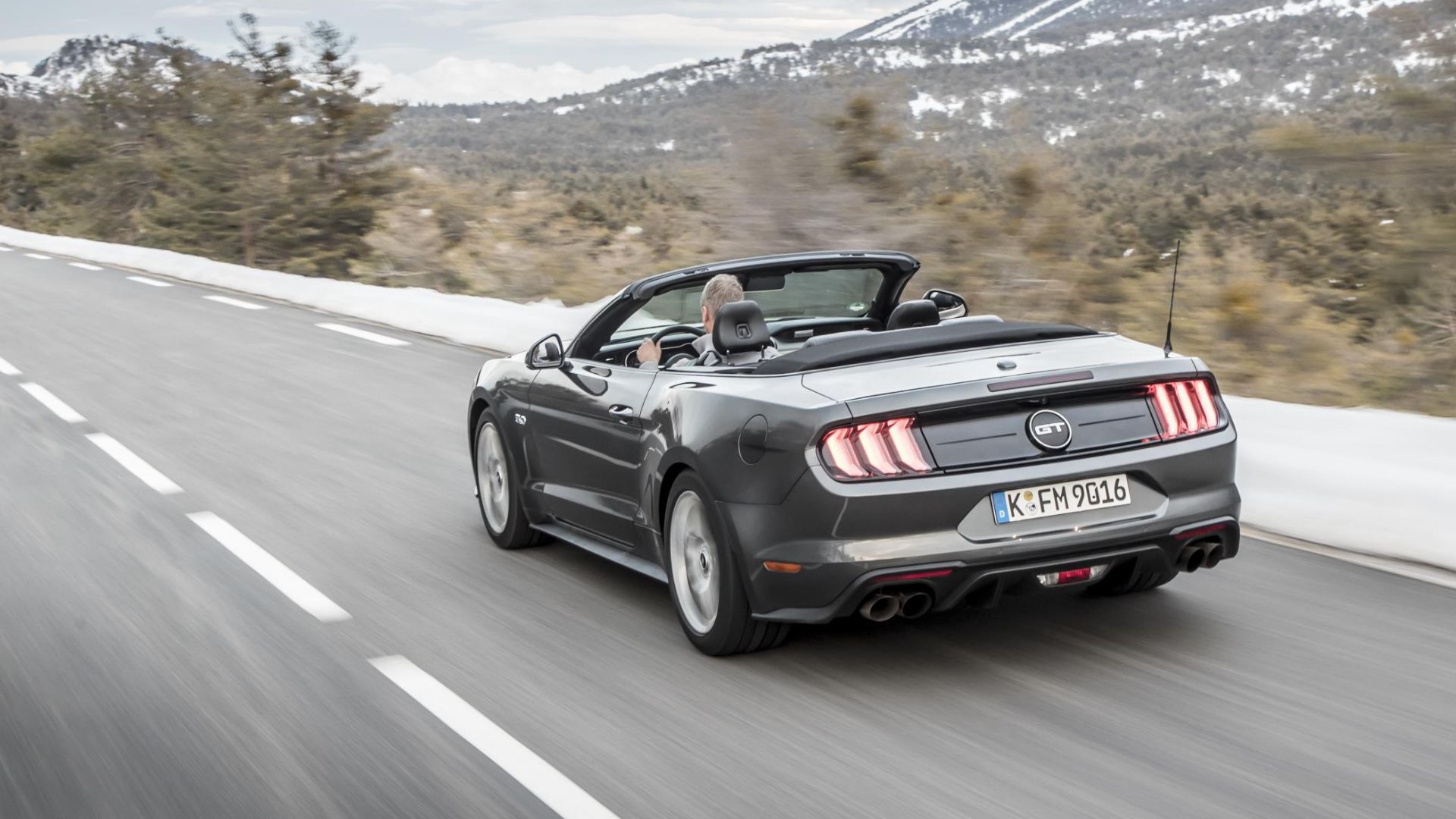
Ford Mustang convertible -12 percent
The Mustang, meanwhile, is selling in four figures. It’s still, however, 12 percent down for the convertible model.
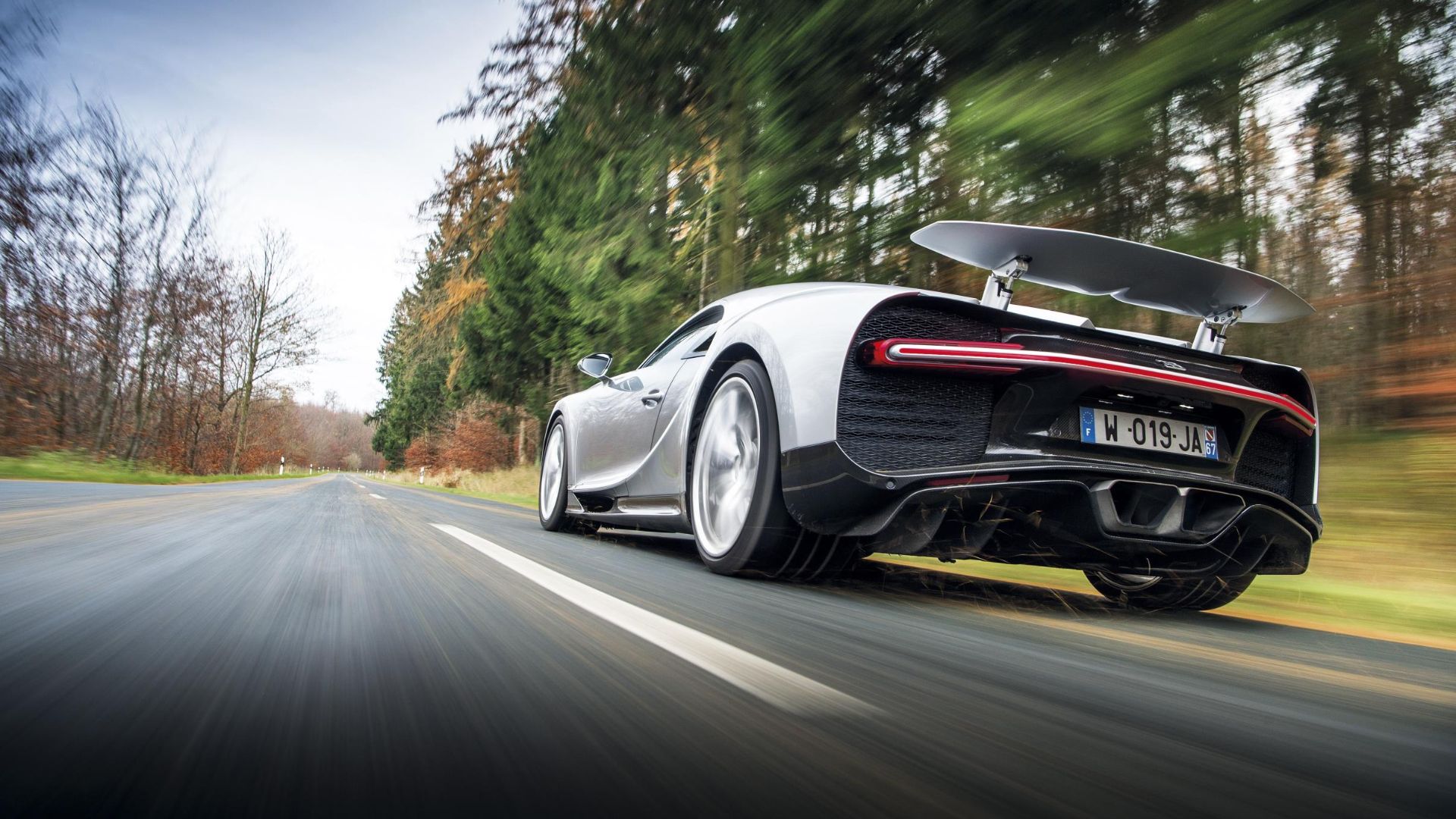
Bugatti Chiron -14 percent
Chiron percentages will shift if Bugatti sells one or two cars less or more than it did last year. Still, it’s 14 percent down, with 12 cars delivered.
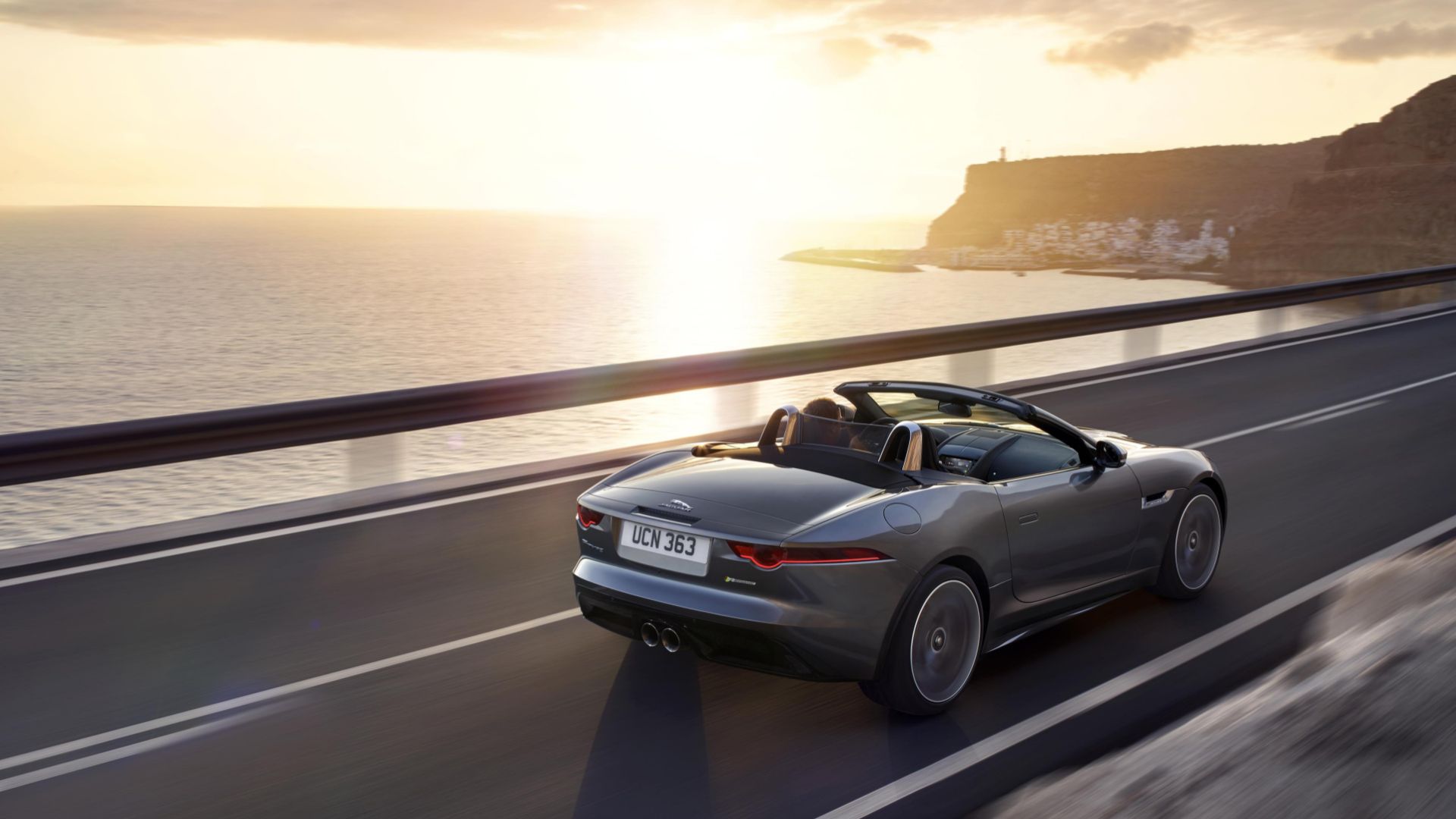
Jaguar F-Type Roadster -15 percent
Jaguar’s ageing convertible is 15 percent down for the first half of 2019, with 773 cars sold. The F-Type Roadster has always been less popular than the coupe.
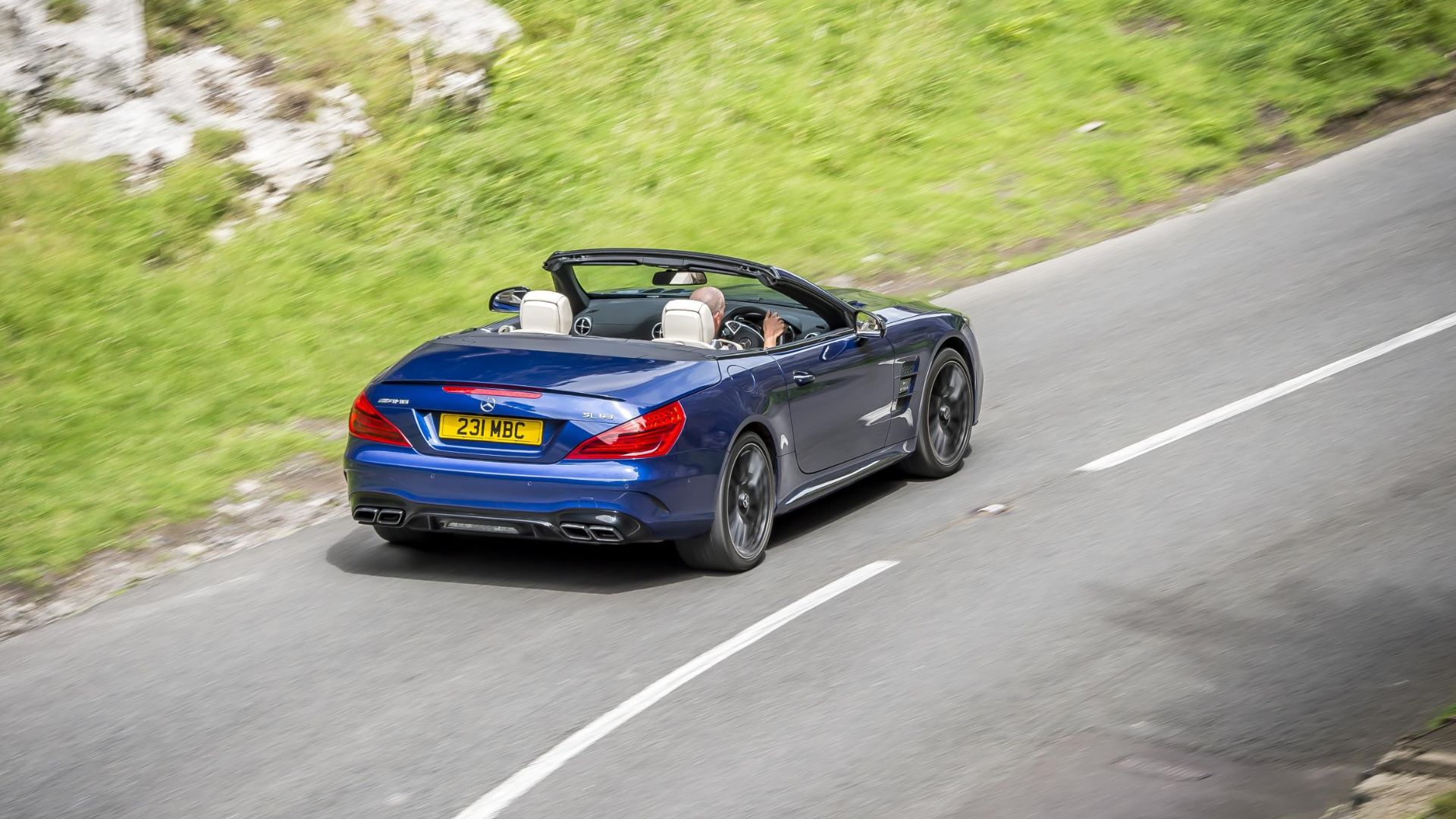
Mercedes-Benz SL -16 percent
Mercedes-Benz once did very well with the SL. But with the current generation in its dying months, the three-pointed star is slipping. It’s 16 percent down, with 488 units sold in the first six months of this year.
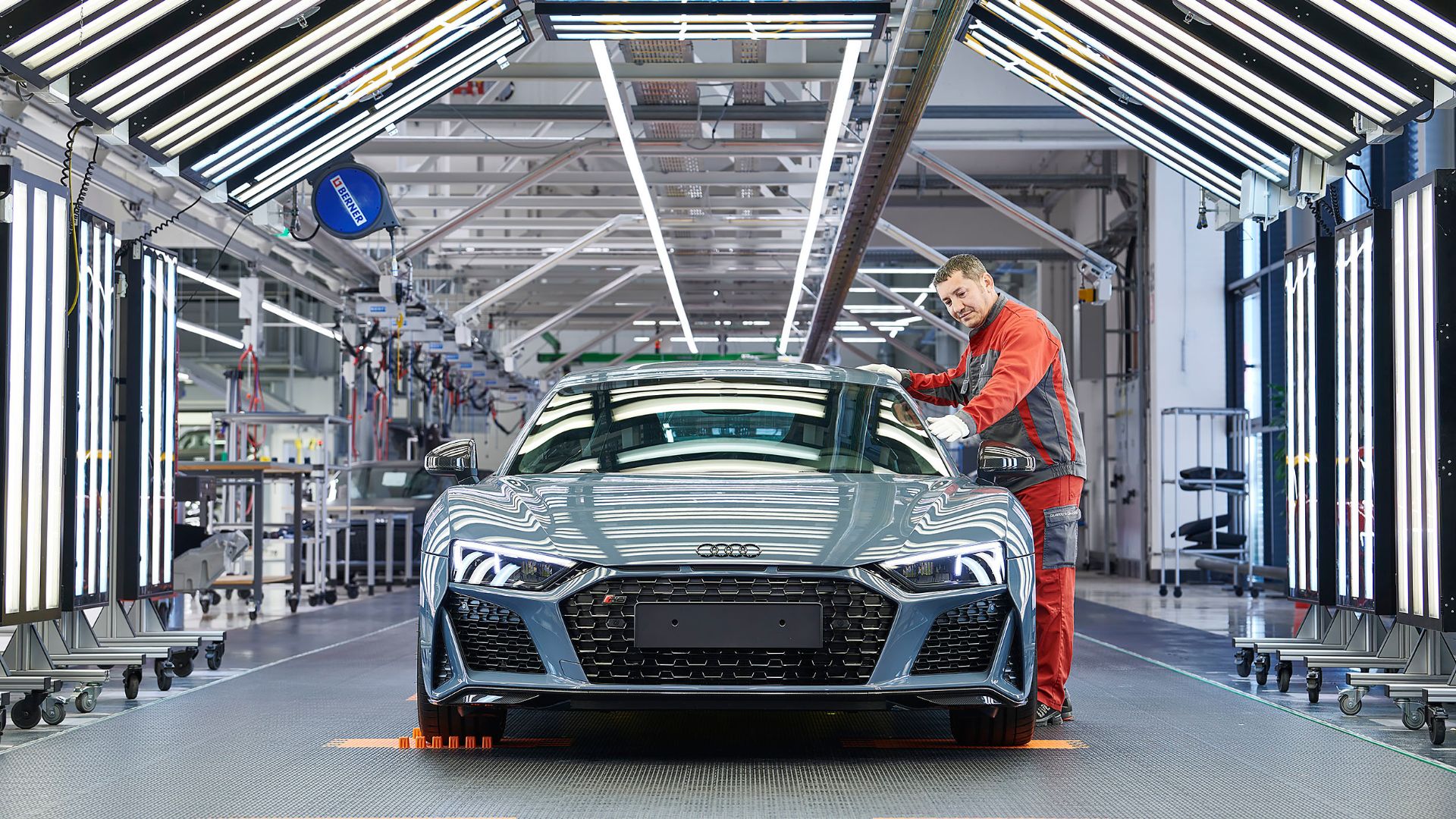
Audi R8 -16 percent
Even the Audi R8, perhaps the original ‘volume’ supercar, is dropping off somewhat. It’s down to 351 units sold within the first six months of this year: a drop of 16 percent on the same period in 2018.
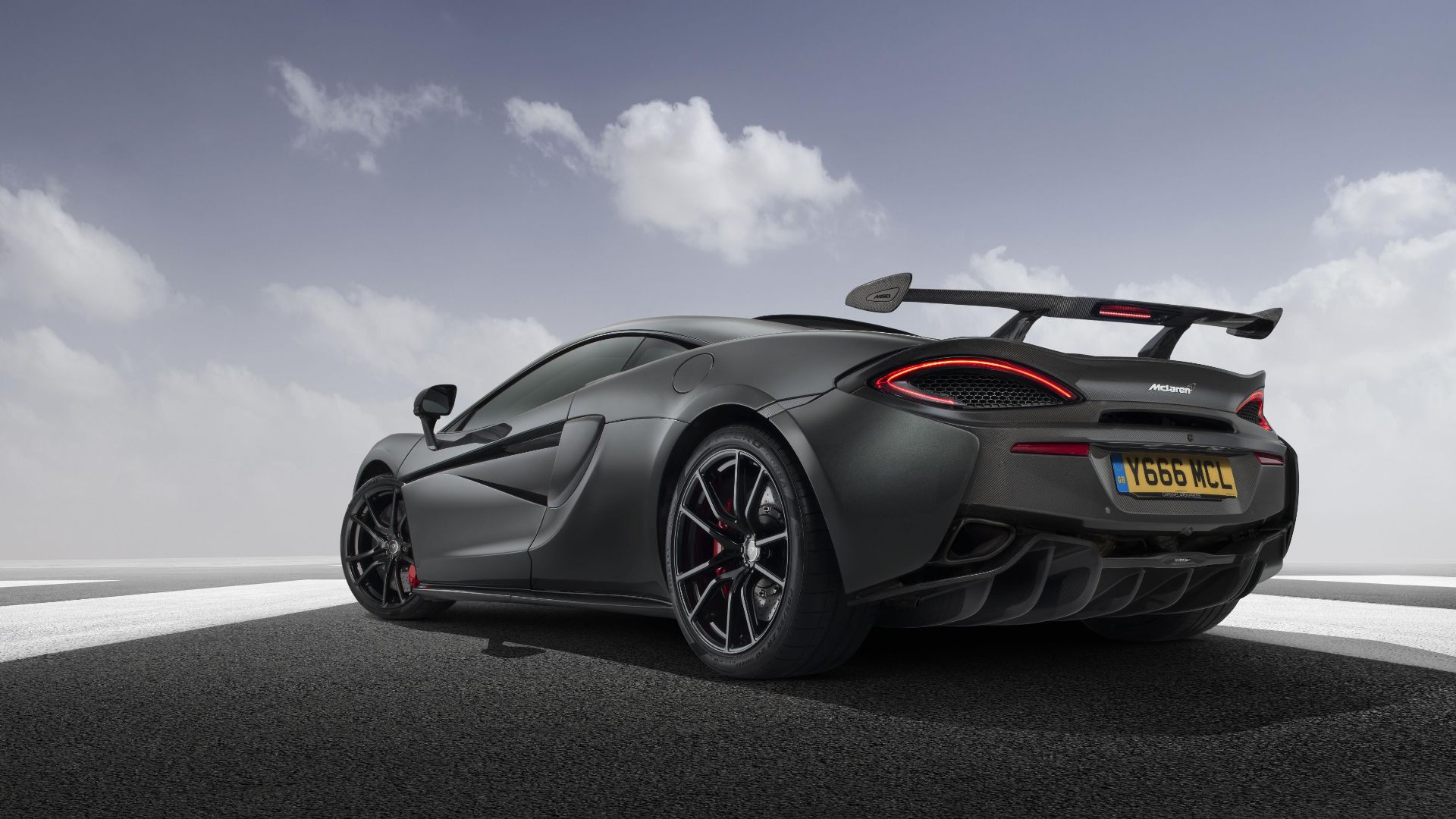
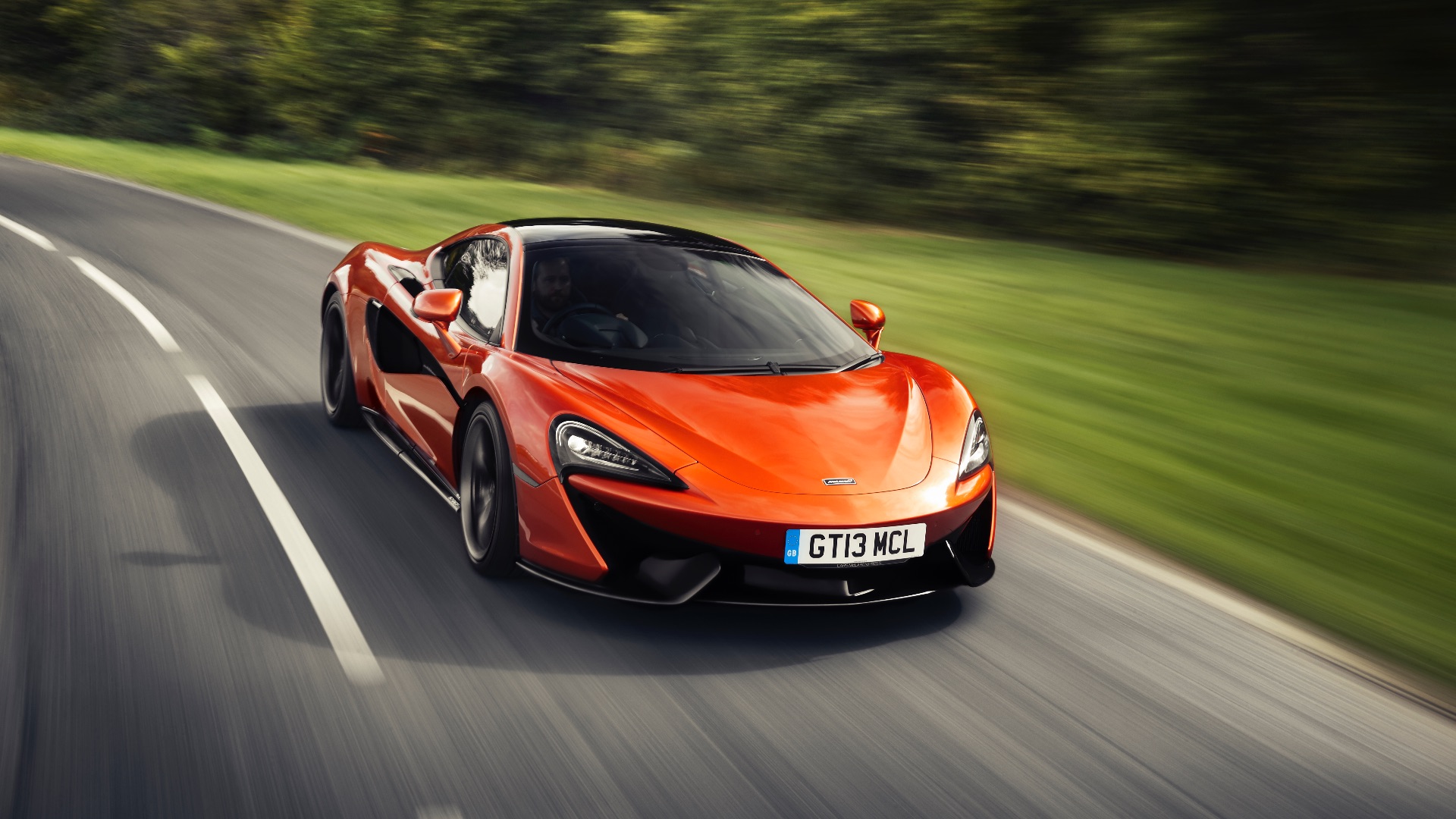
McLaren 570S -17 percent
The 570S was McLaren’s foray into a similar baby supercar market. It’s not having a great time either, with just 50 sold in the past six months. That’s down 17 percent on the same period last year.
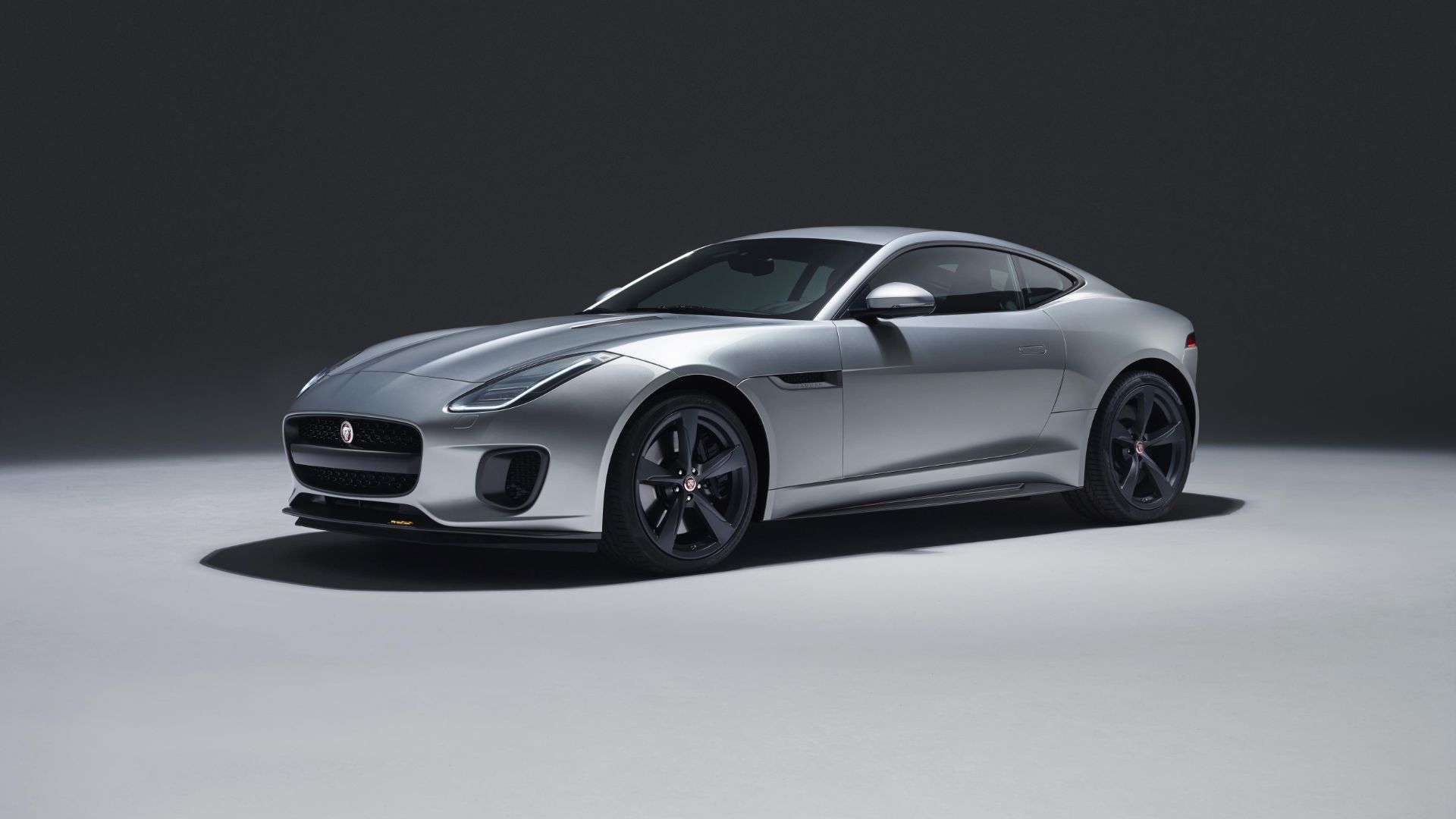
Jaguar F-Type -19 percent
The coupe variant of the F-Type doubles the Roadster’s numbers. It’s still a full 19 percent down on last year’s figures, though. No small pickings when sales are in four figures.
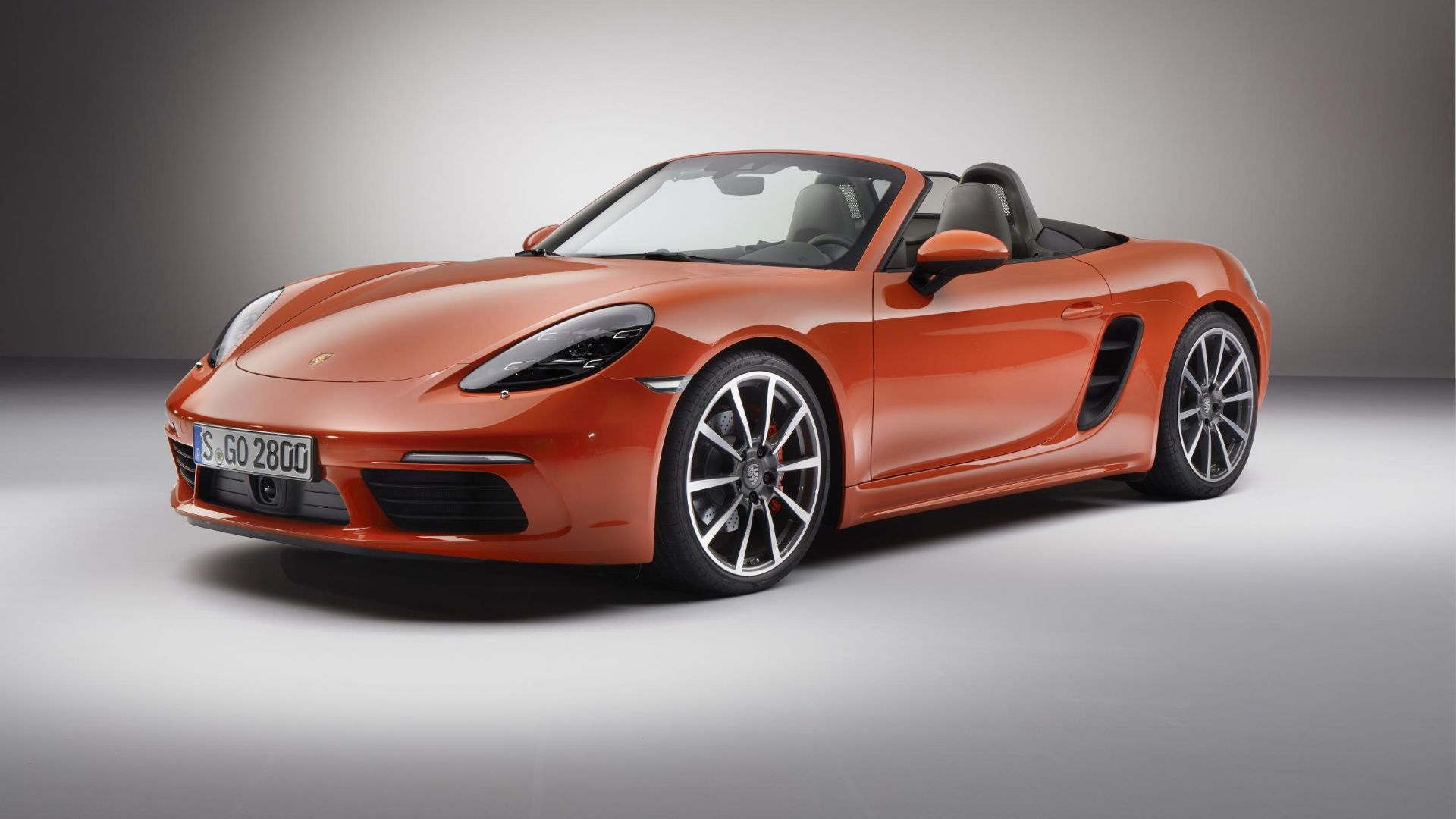
Porsche 718 Boxster -23 percent
That’s not as bad as the 718 Boxster’s situation. At 2,065 units sold during the first half of 2019, it’s 23 percent down on the same period in 2018. That’s nearly 700 fewer cars versus the year before.
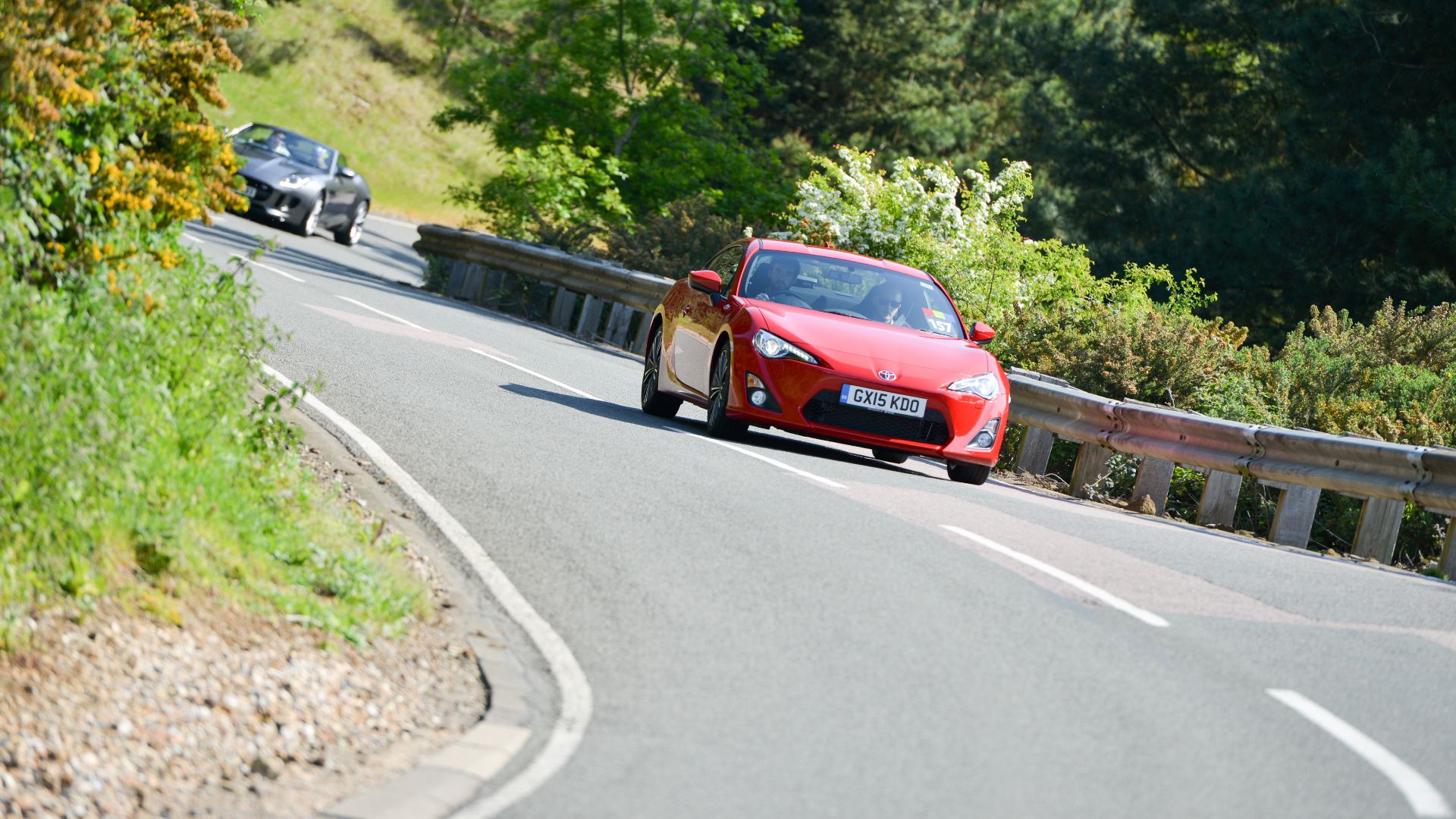
Toyota GT86 -24 percent
The Toyota GT86 is perhaps the poster child for the peaks and troughs a sports car can go through. On its debut, it was loved. It sold well for a brief while, and ever since, it’s been more or less fallow. A 24 percent drop on 2018’s first half leaves it at 531 units sold in the first six months of 2019.
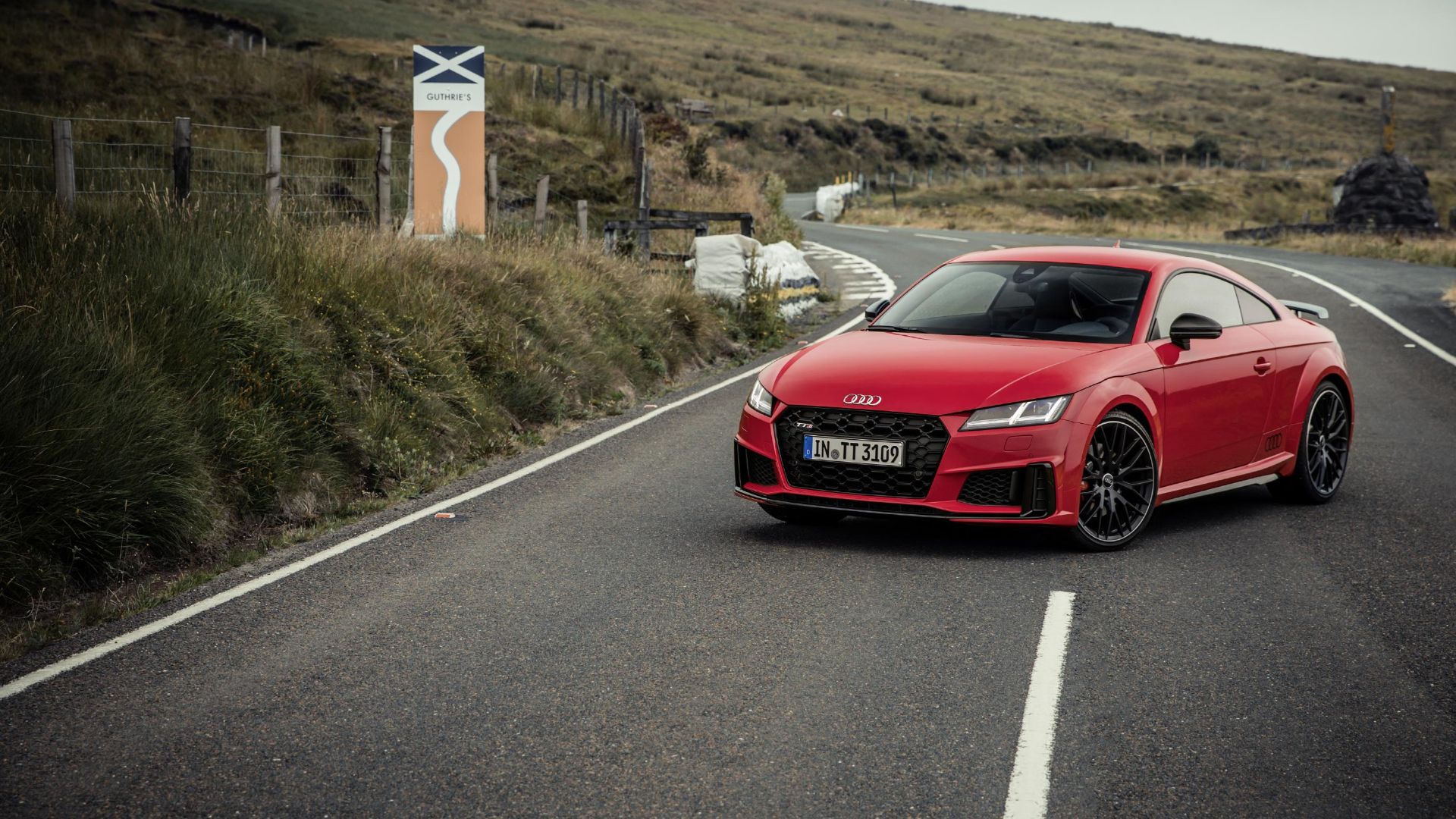
Audi TT -29 percent
The Audi TT coupe is a volume seller by comparison, so a 29 percent drop is no joke. For the first six months of 2019, it shifted 4,318 units. That’s more than 1,000 fewer cars than in 2018.
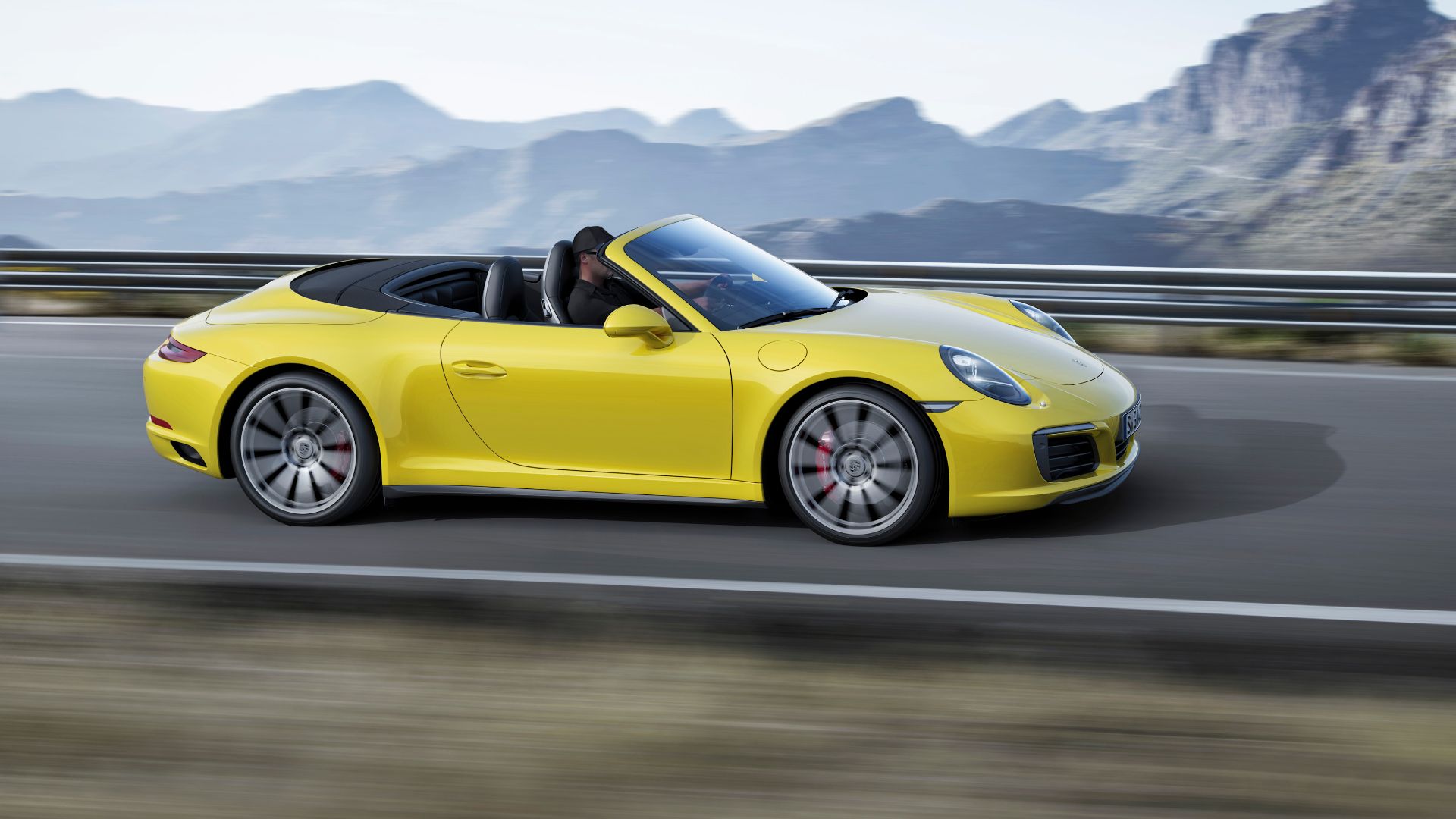
Porsche 911 Cabriolet -30 percent
In fairness to the 911, it has an excuse. Call the transition to a new generation a speed bump for sales. The Cabriolet variant was down 30 percent for the first six months of 2019, with 2,841 sold.
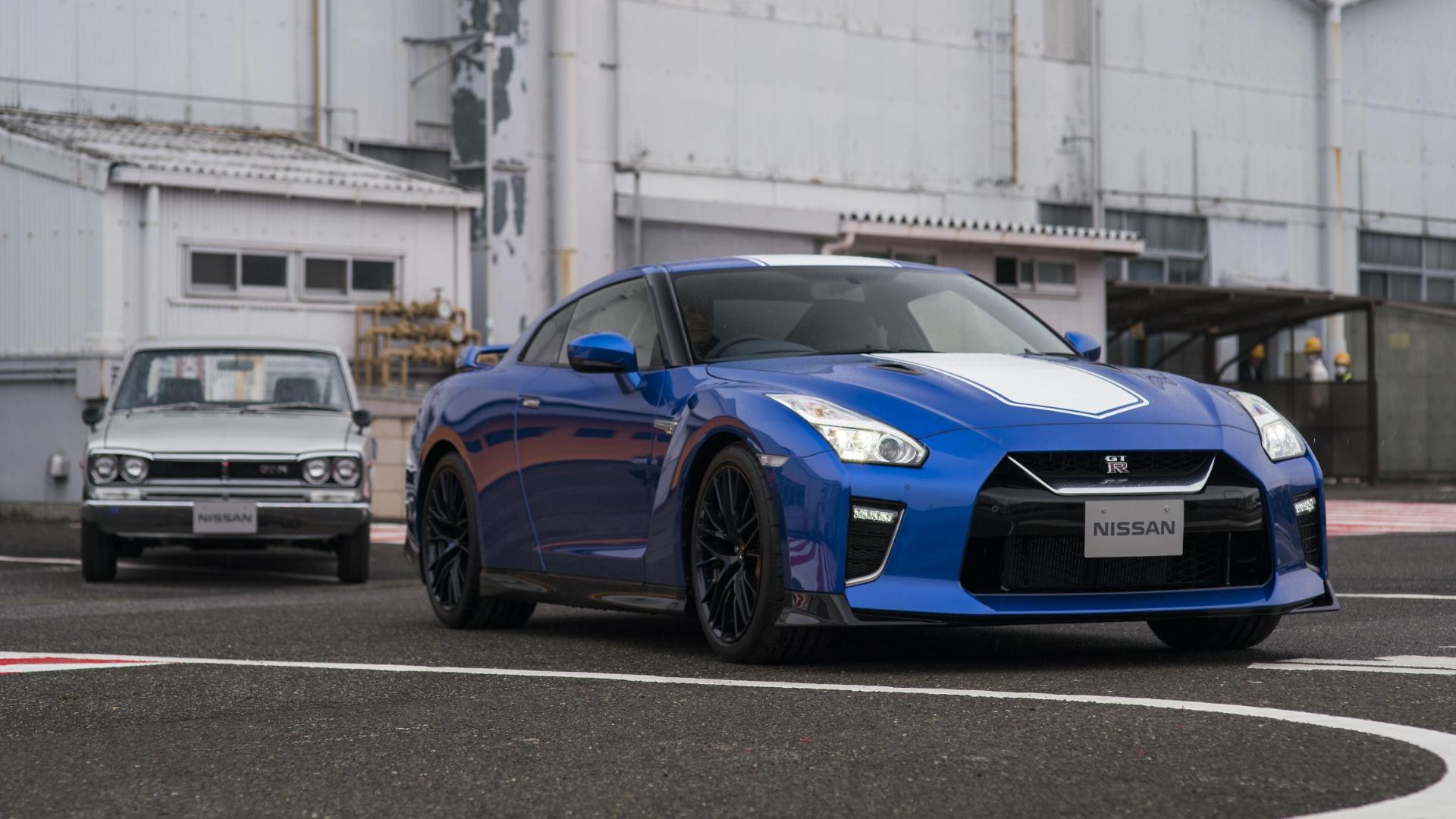
Nissan GT-R -31 percent
The Nissan GT-R is more of a niche creation, but a 31 percent drop is not insignificant. It’s down to 239 units for the first six months of 2019.
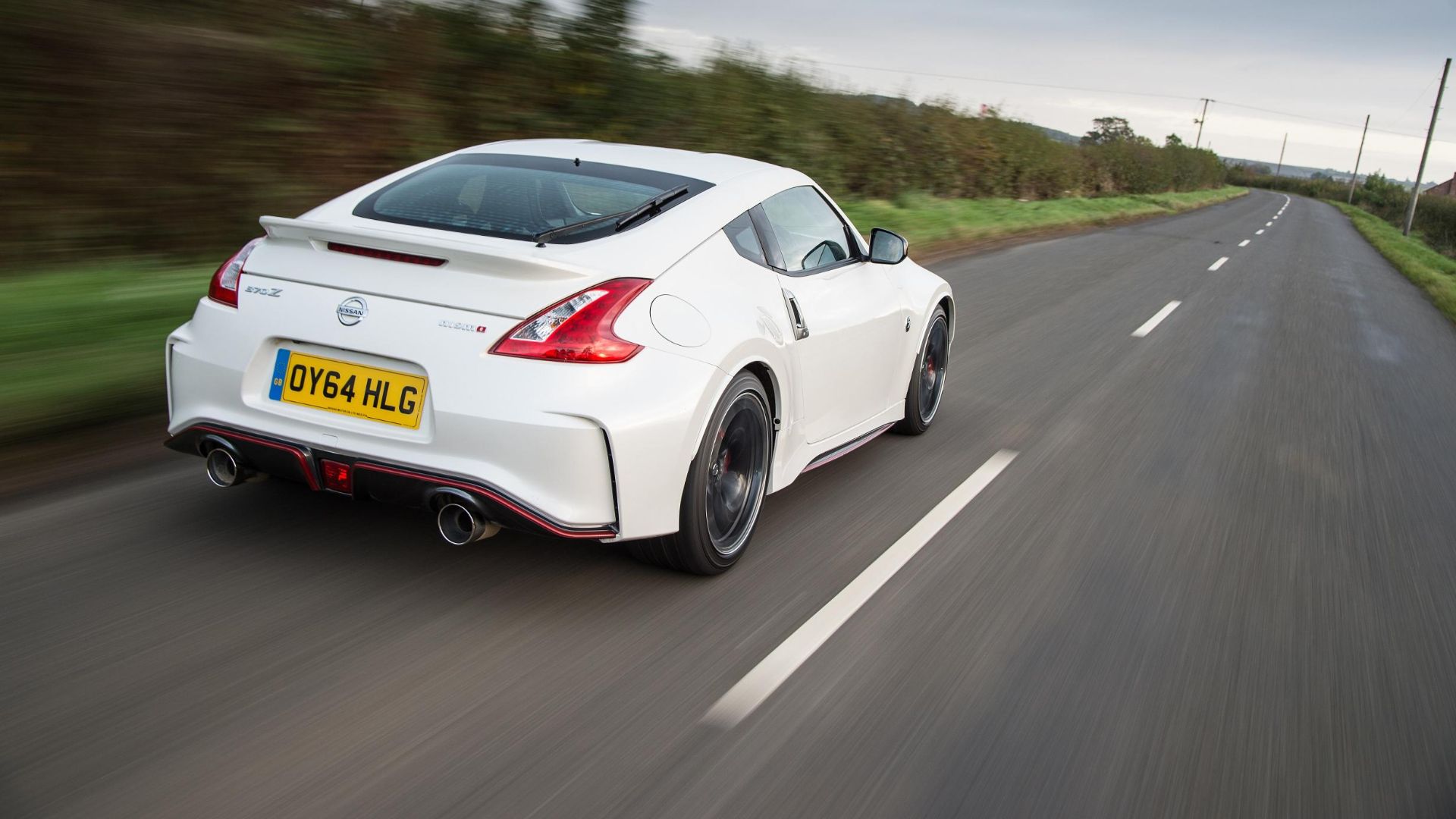
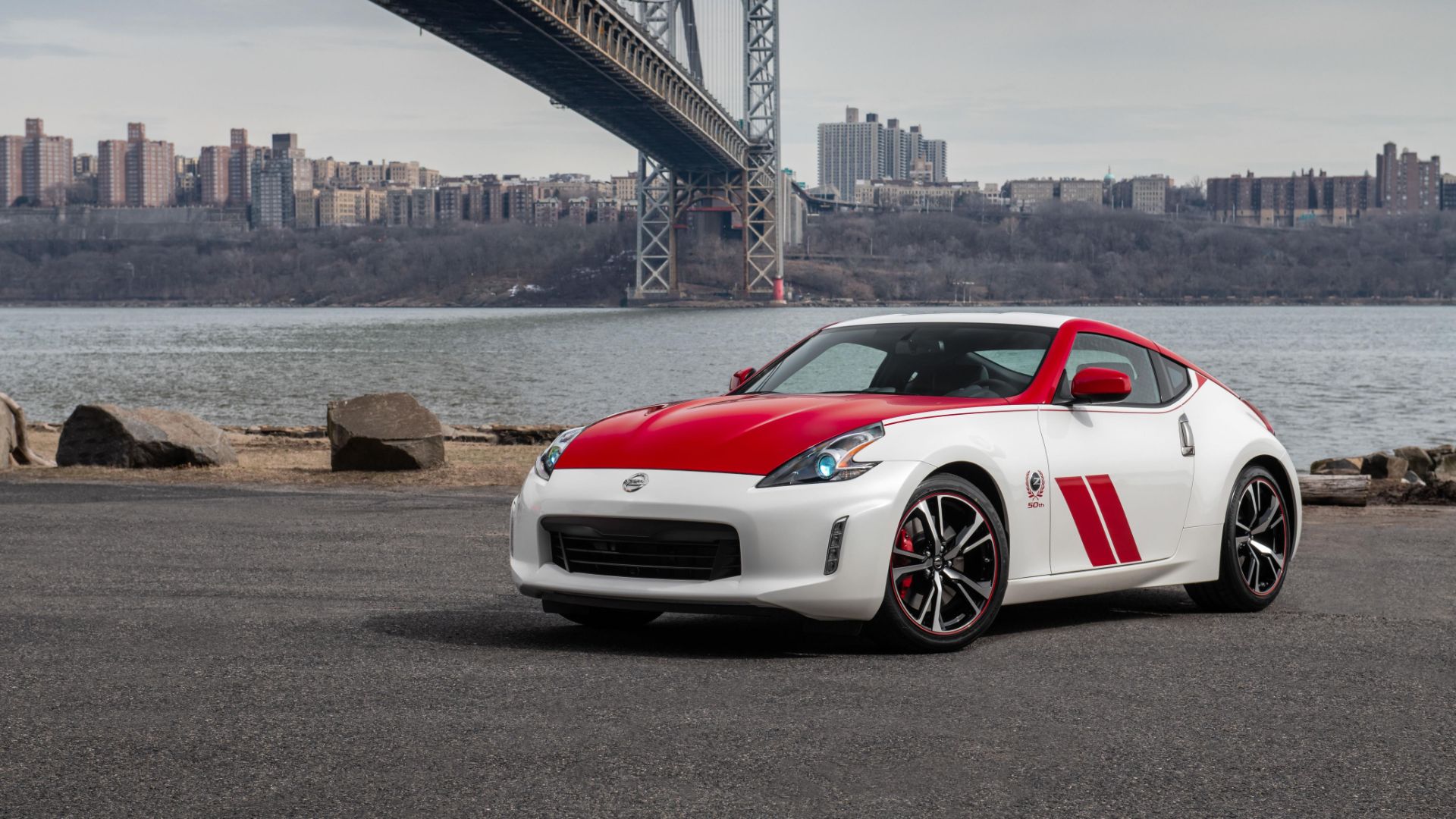
Nissan 370Z -32 percent
Nissan’s other ageing coupe is feeling a similar drop, at 32 percent. It’s down to 199 units sold over the first six months of 2019.
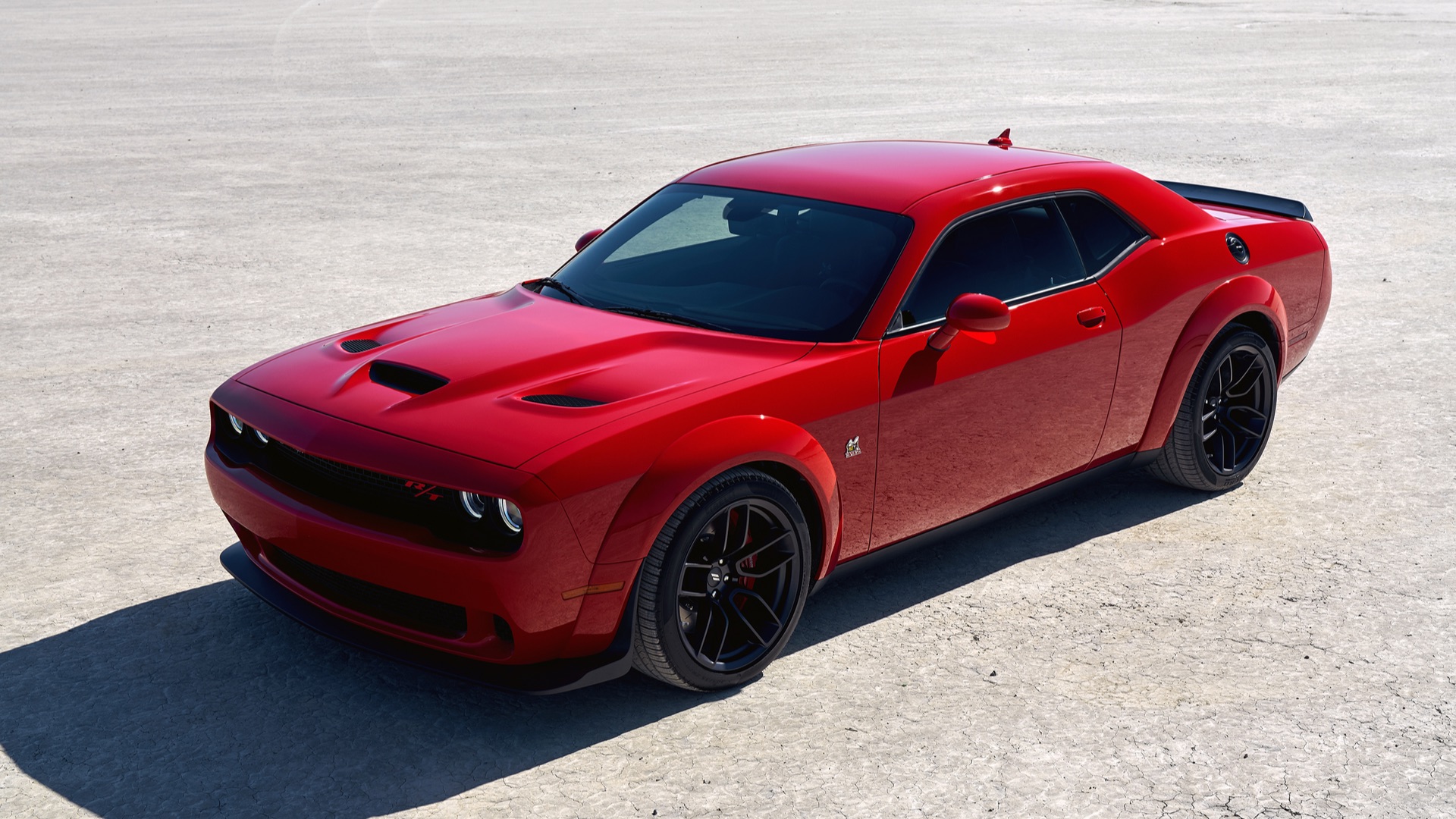
Dodge Challenger -32 percent
Dodge’s muscle car might not be a European native, but it still sells in limited numbers. Although it’s down 32 percent on last year, it still sold 279 units on our side of the pond.
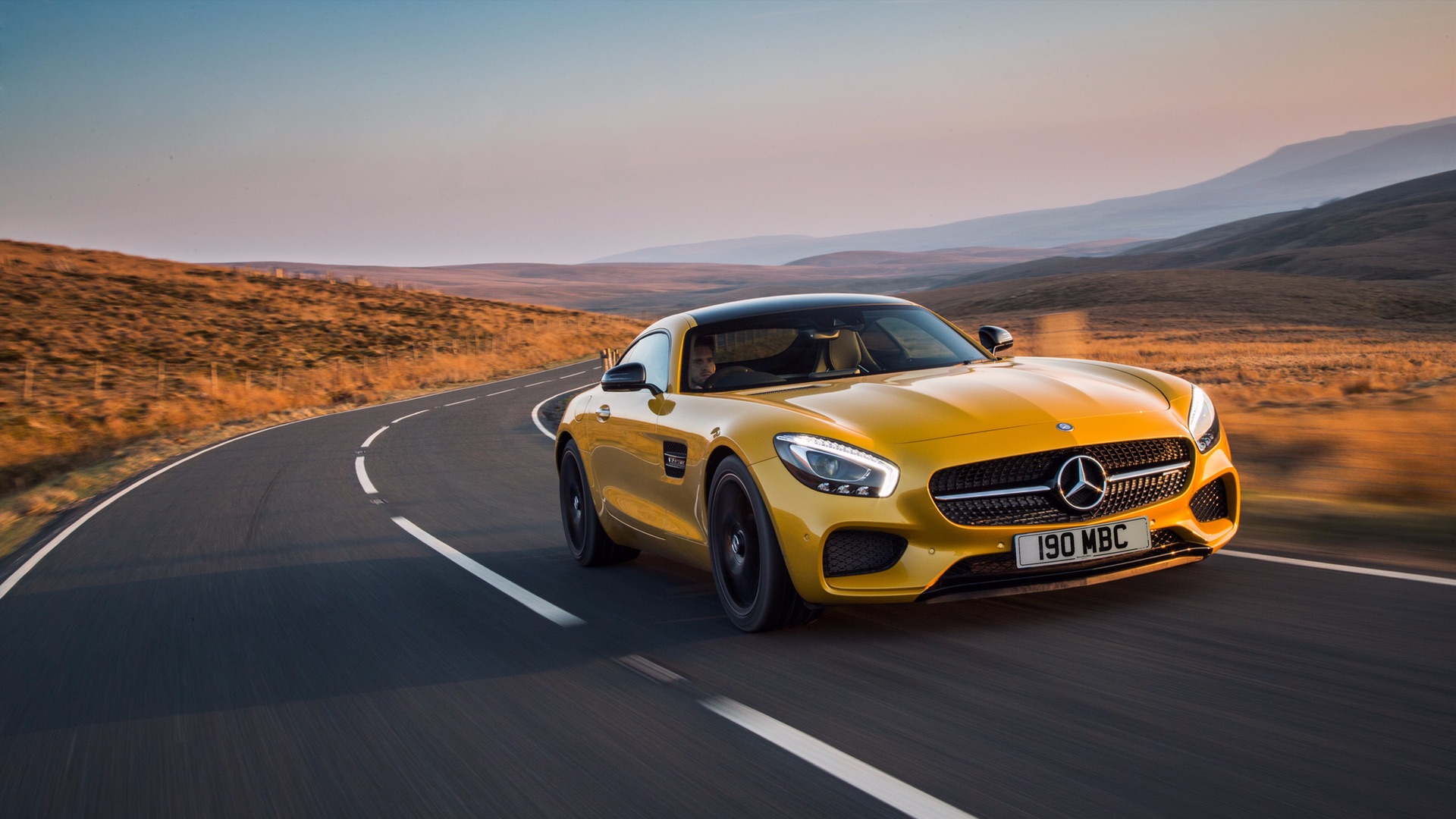
Mercedes-AMG GT -34 percent
Mercedes downsized its flagship for the AMG GT, to try and cash in on some of the 911’s sales volume. That plan seems to be backfiring now, with the GT down 34 percent in sales. Merc has shifted 693 of them in the first six months of 2019.
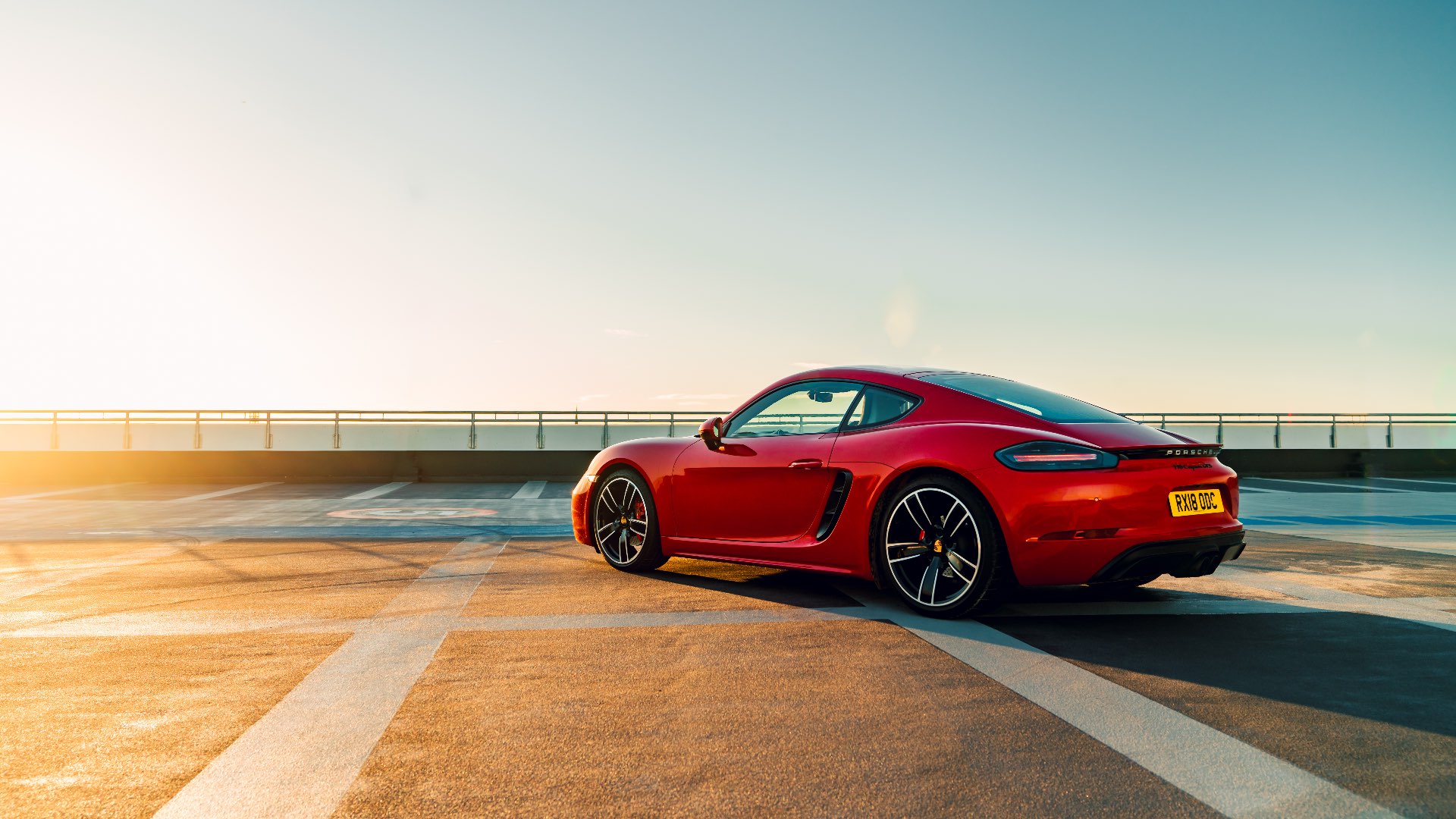
Porsche 718 Cayman -40 percent
The Cayman is really taking a hit this year. A 40 percent drop on 2018 is a serious hit. At 1,601 units sold, it’s down 1,000 cars on the same period last year.
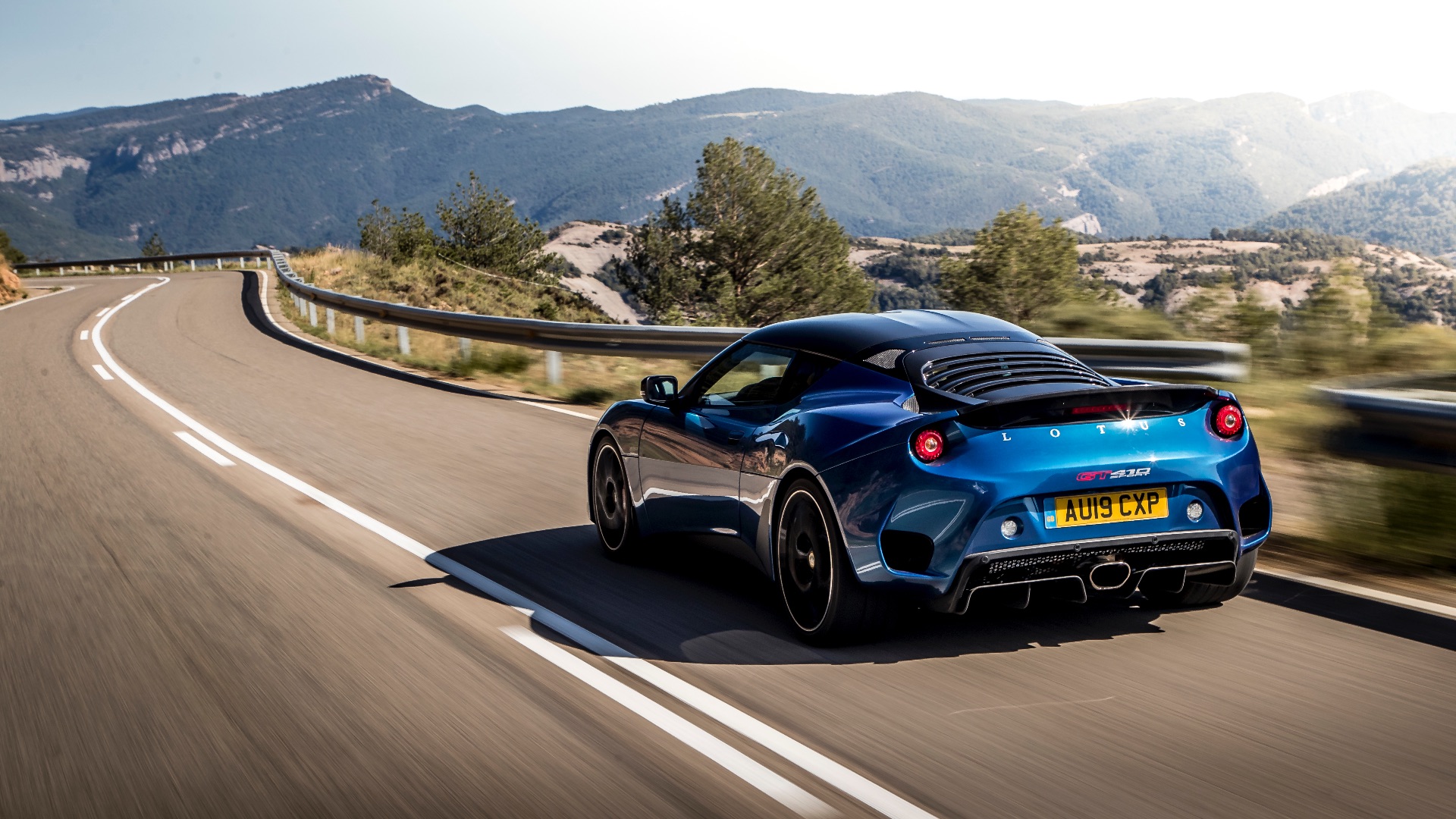
Lotus Evora -40 percent
The Evora is down 40 percent, too, although not on quite the same scale. Lotus shifted just 53 cars in the first six months of this year.
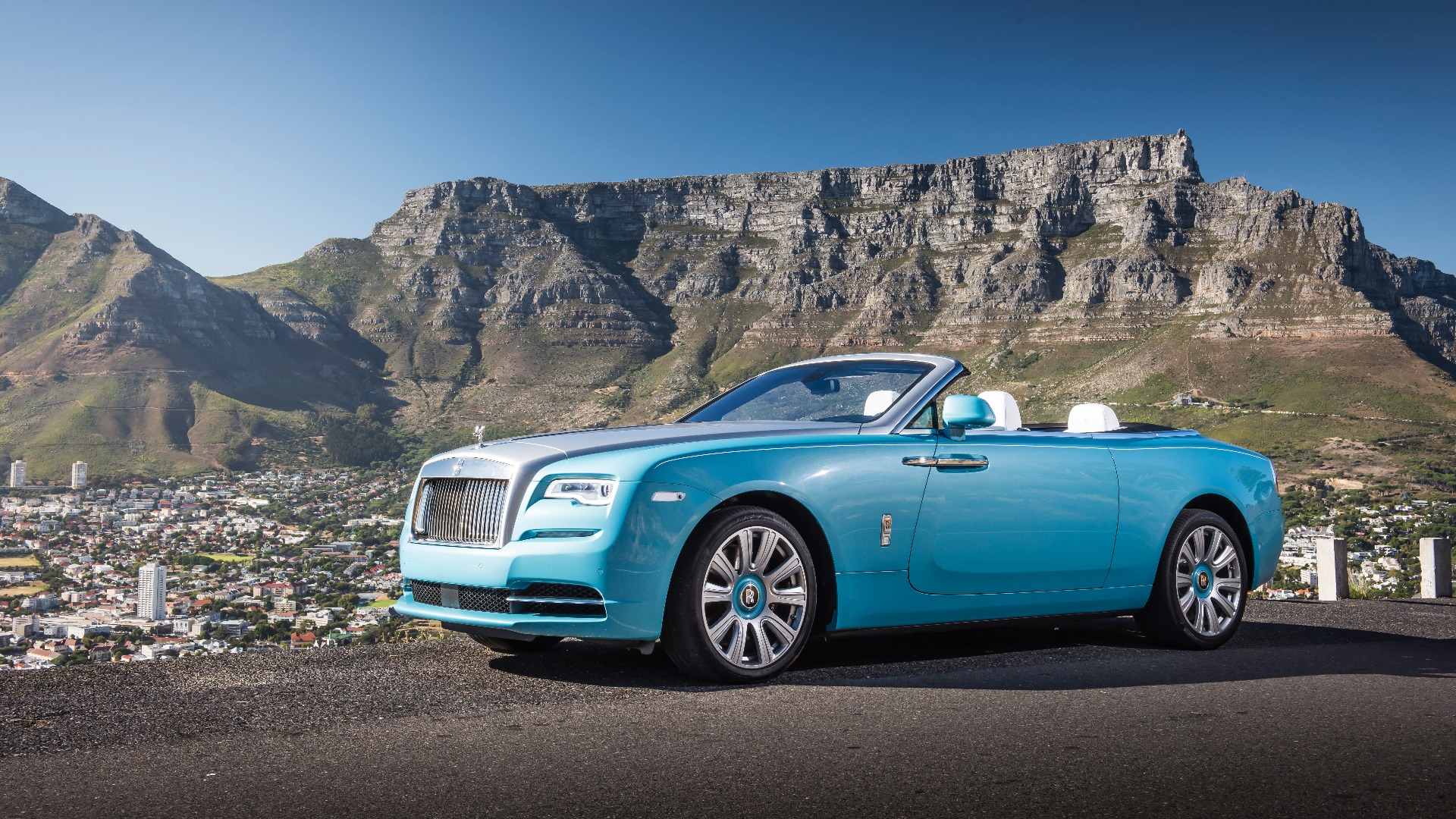
Rolls-Royce Dawn -40 percent
OK, it’s not really a sports car, but the Dawn is feeling the downturn. A 40 percent drop ought to be concerning for Rolls-Royce’s BMW overlords, with just 83 sold in the first six months of 2019.
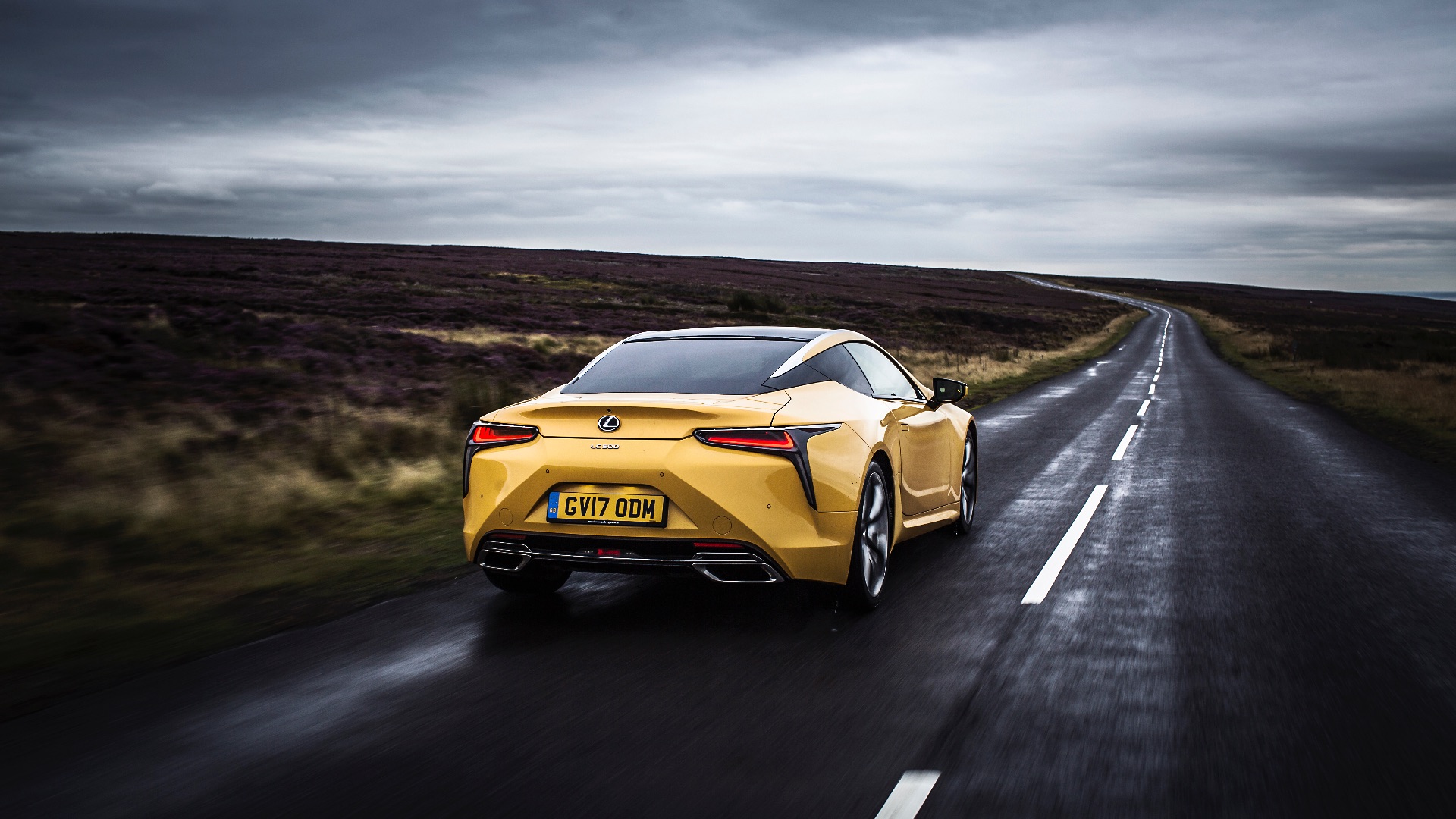
Lexus LC -44 percent
Lexus’ BMW 8 Series rival deserves to be doing better than it is. Having shifted just 217 units in the first six months of this year, it’s down 44 percent.
McLaren 570GT -44 percent
This model surprised McLaren with its success such that it greenlit a dedicated GT car. Now the 570GT is 44 percent down for the first six months of 2019. What does that say about how the GT is going to fare?
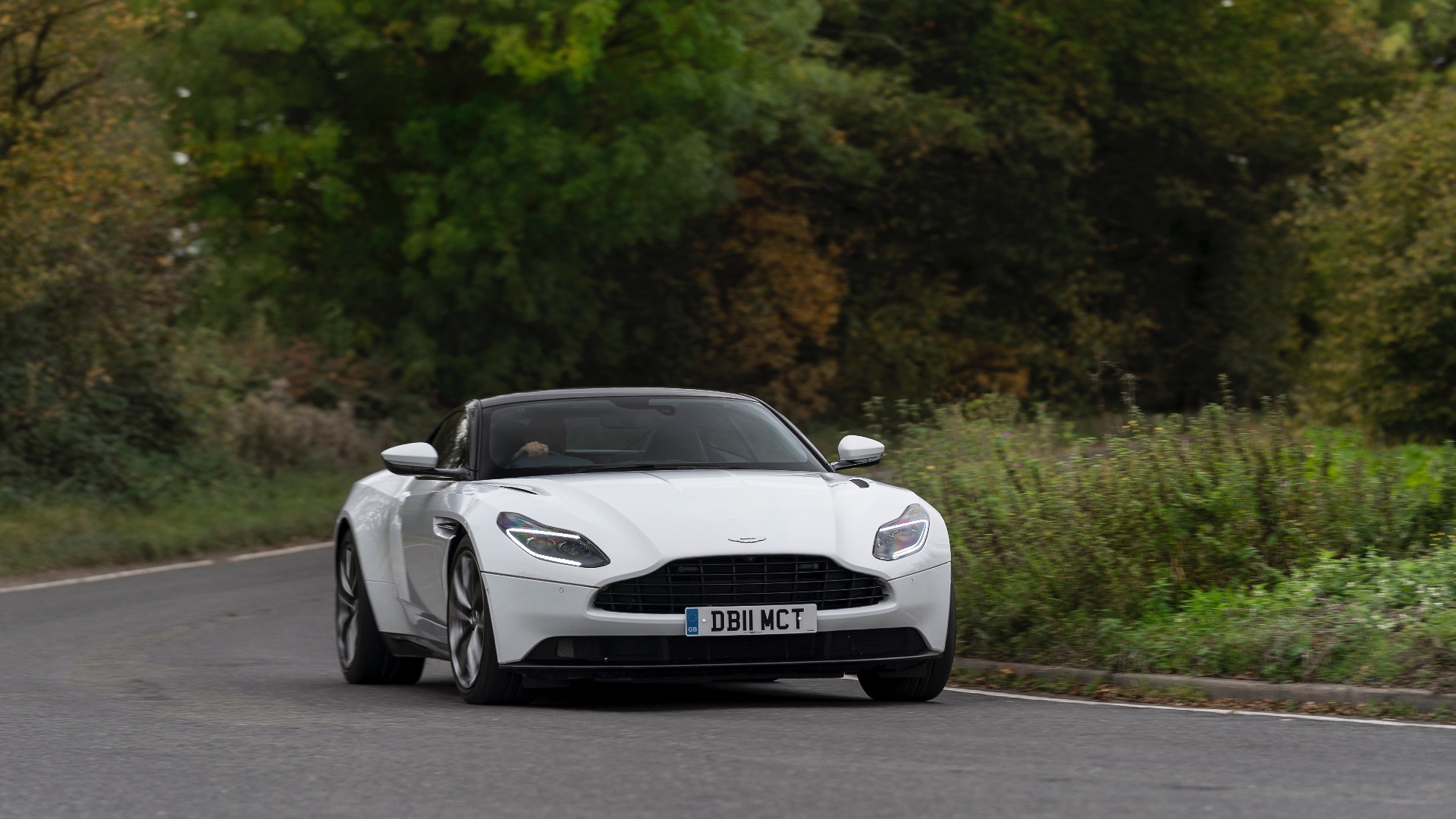
Aston Martin DB11 -46 percent
The successor to the car that arguably saved Aston Martin is falling by the wayside – and in favour of an SUV. Aston’s former volume champion is down 46 percent for 2019, with just 256 units sold.
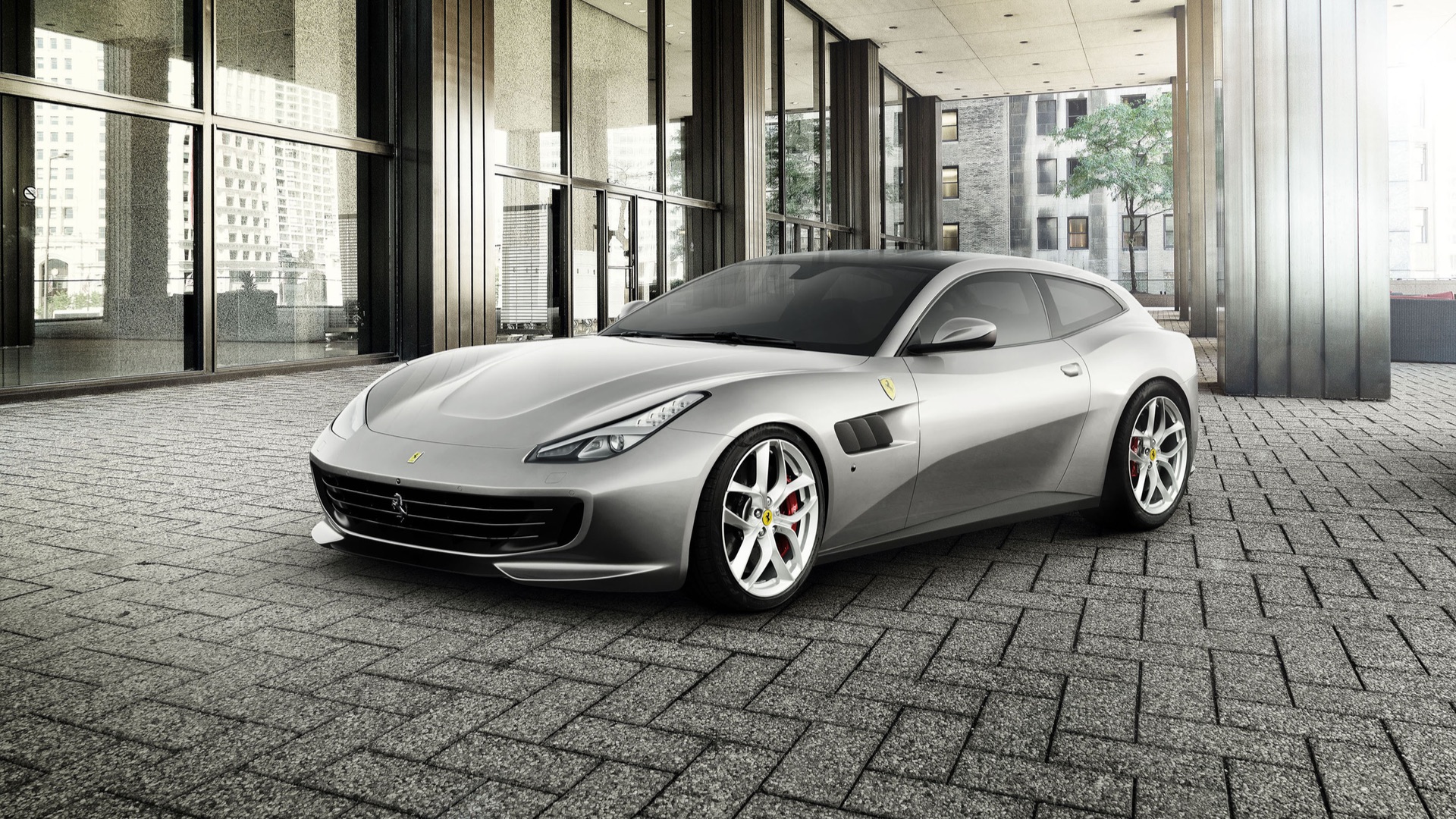
Ferrari GTC4Lusso -46 percent
The same is the case for one of the Aston’s big Italian rivals. The Lusso is the most practical Ferrari, but that still doesn’t seem to help sales. It’s also 46 percent down in 2019, with 164 sold.
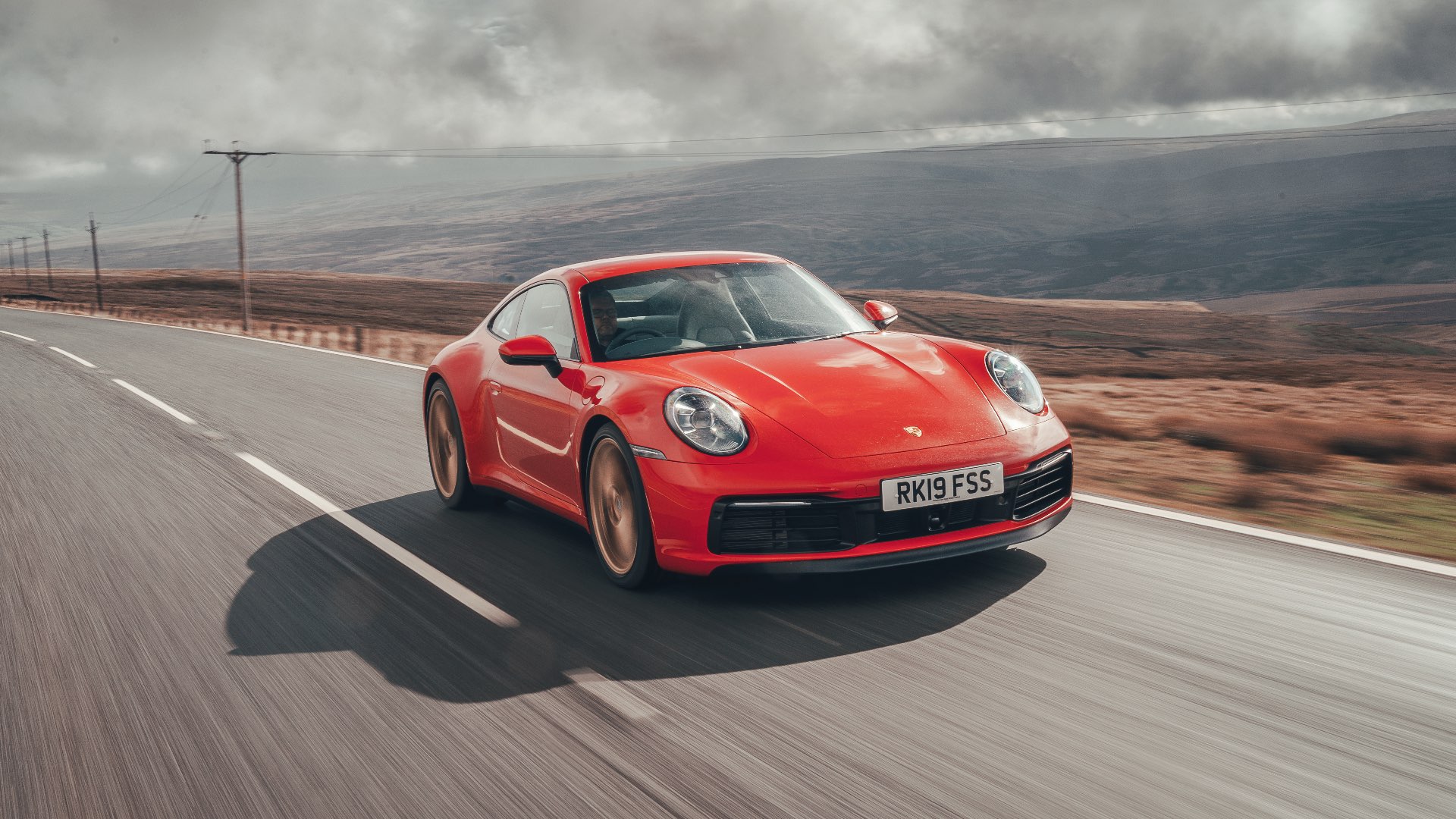
Porsche 911 -48 percent
The 911 coupe is down significantly, by 48 percent, but that still means 4,533 sold in the first six months of 2019. Again, perhaps blame the ‘991’ to ‘992’ model changeover.
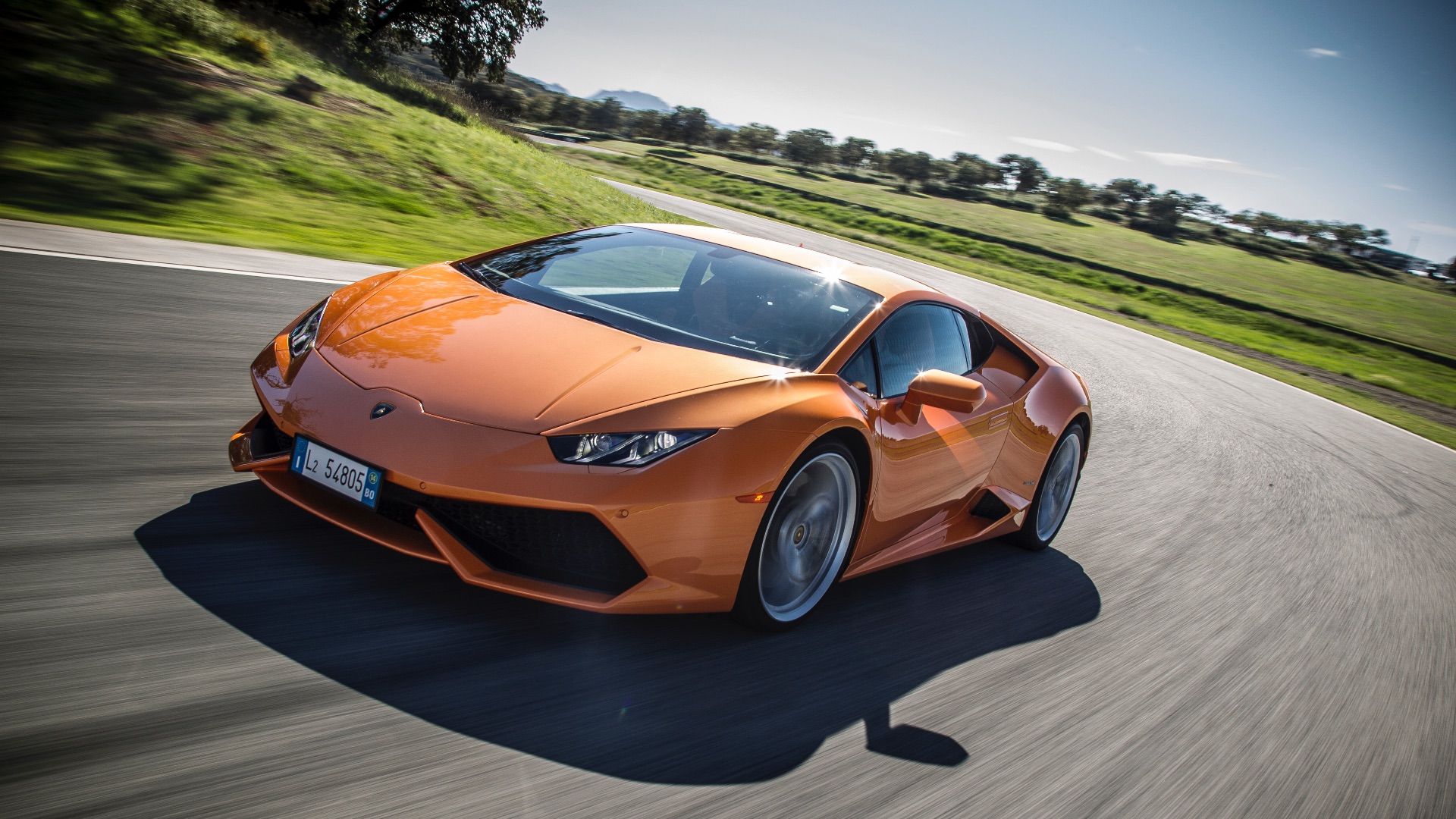
Lamborghini Huracan -49 percent
The Gallardo was the car that sold more units than all the Lamborghinis ever made previously. Its successor, the Huracan, isn’t doing so well. It’s down 49 percent, with just 192 sold in the first half of 2019.
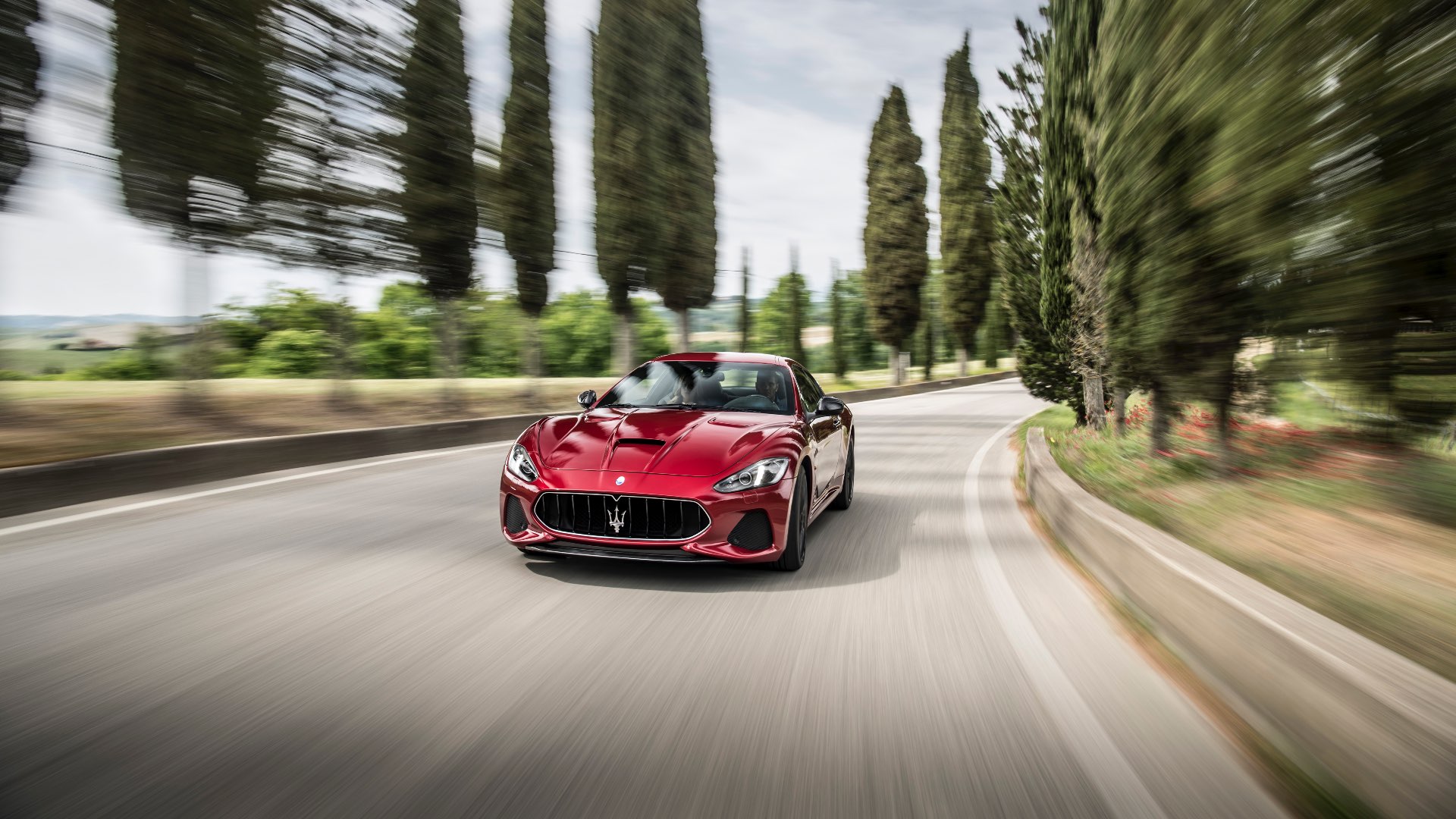
Maserati GranTurismo -52 percent
If there’s a car on this list that you shouldn’t be surprised is doing poorly, it’s the GranTurismo. It’s probably the oldest car here, first appearing more than 12 years ago. It’s down 52 percent and 100 units, with just 97 sold in the first six months of 2019.
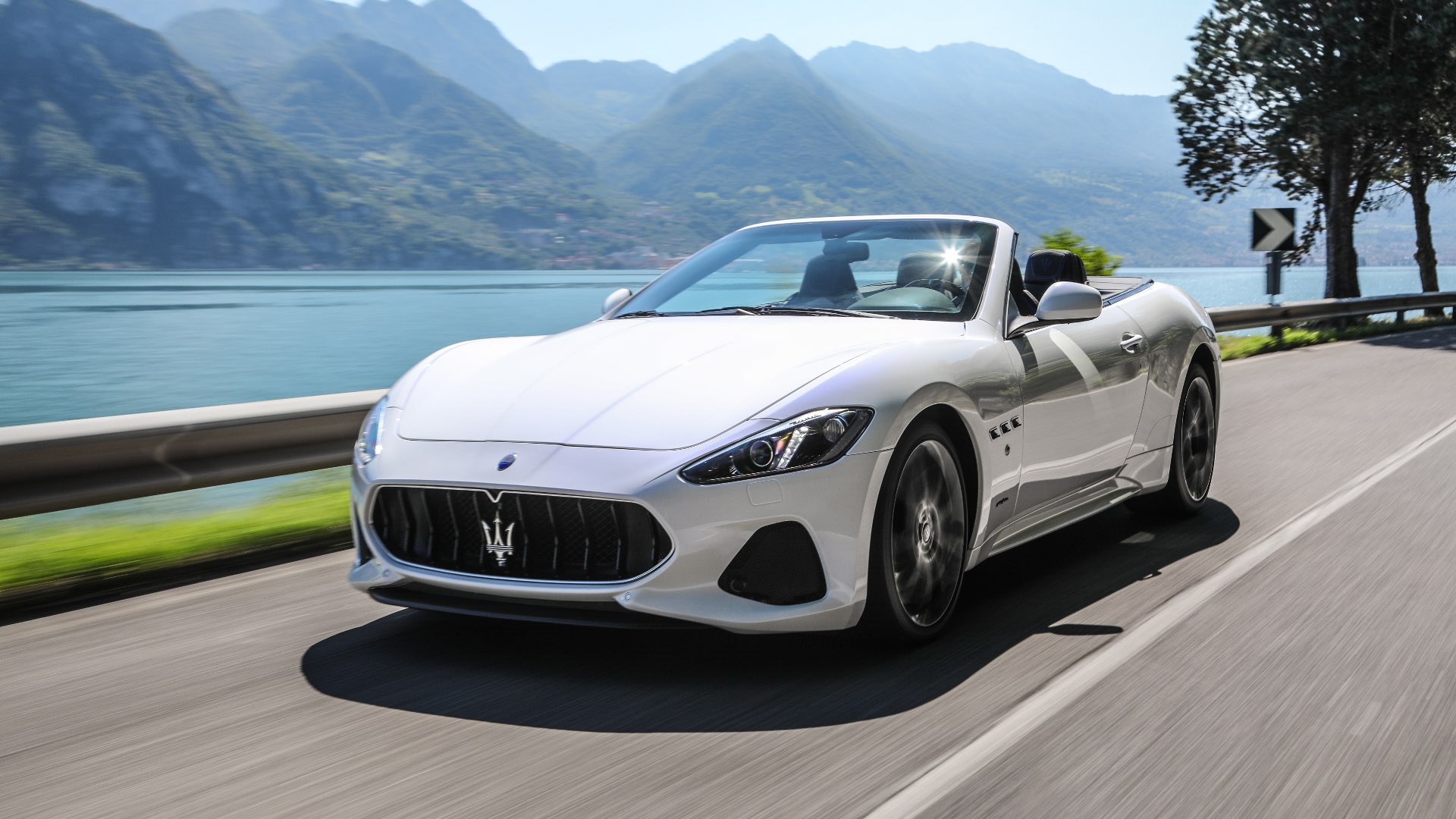
Maserati GranCabrio -52 percent
It’s the same with the GranCabrio. It is also 52 percent down, with just 86 cars sold in the first half of 2019.
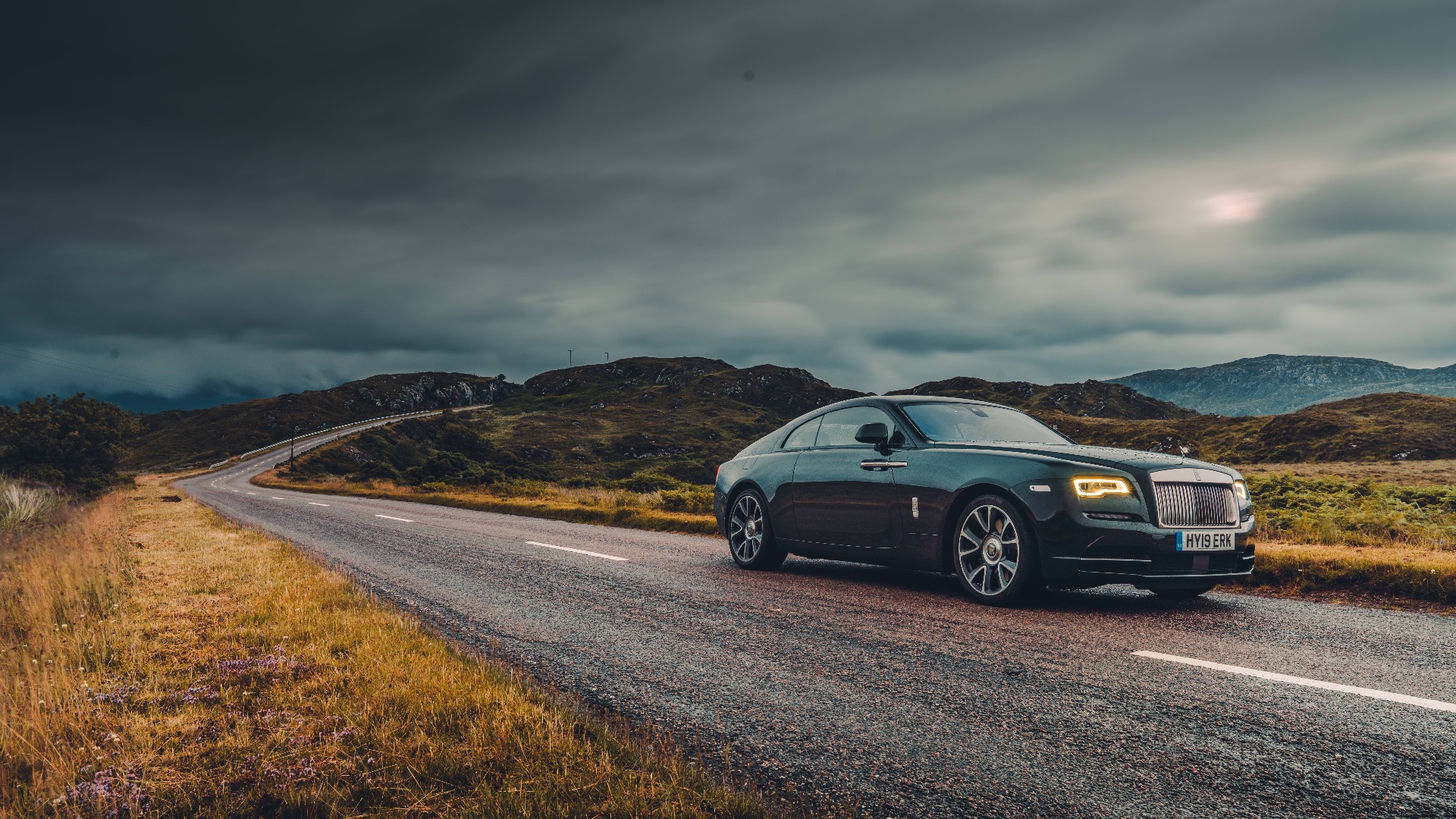
Rolls-Royce Wraith -54 percent
The Wraith is doing even worse than the Dawn. Rolls-Royce sold a good number when new, but now it’s 54 percent down. Just 41 were sold in the first half of 2019.
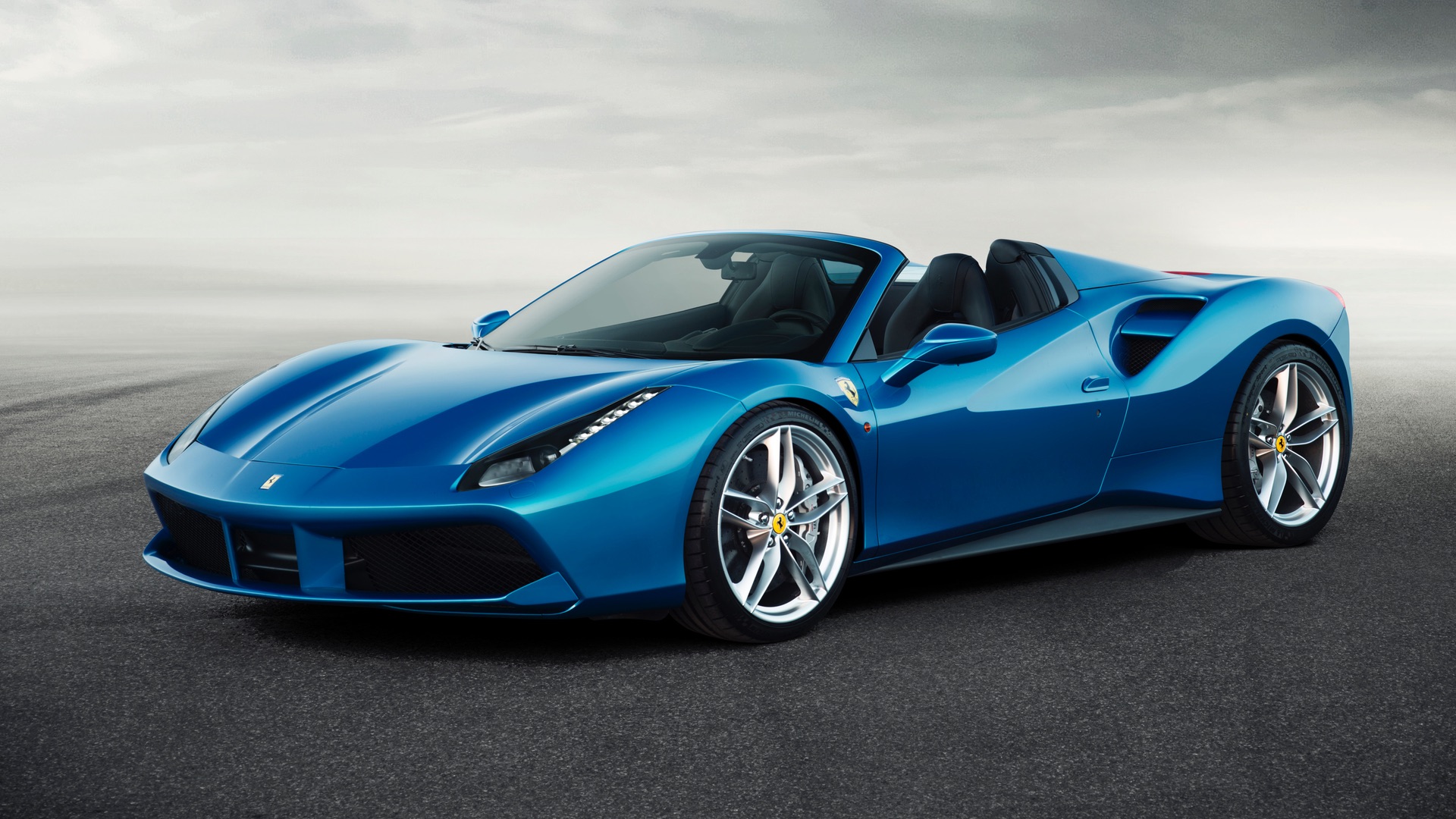
Ferrari 488 Spider -57 percent
The 488 is winding down, so perhaps Ferrari merely isn’t making as many of them. Nevertheless, it’s 57 percent down compared to the same period in 2018.
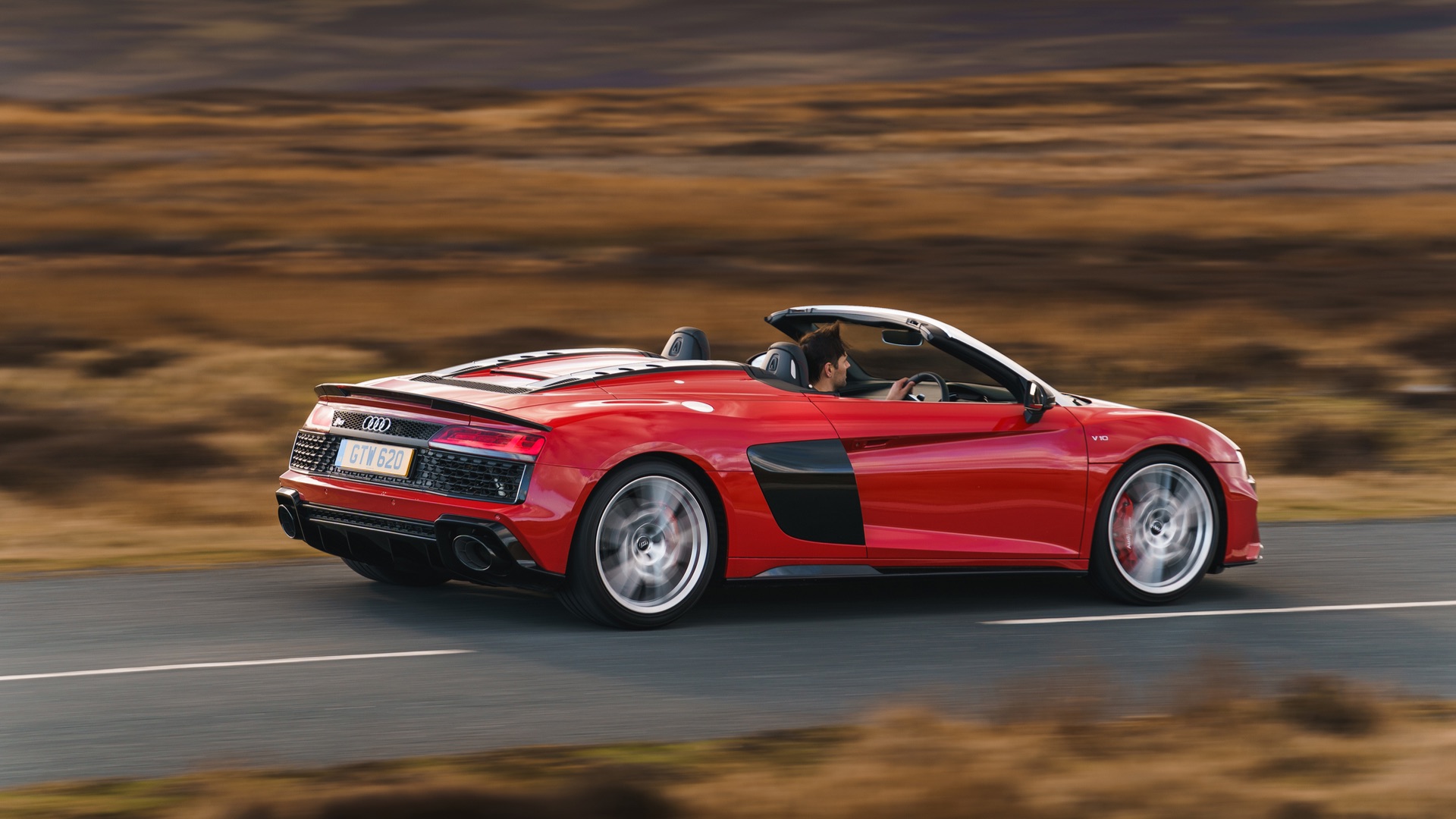
Audi R8 Spyder -61 percent
The R8 Spyder is down, too. And a fairly catastrophic 61 percent on 2018’s sales figures, at 162 units sold.
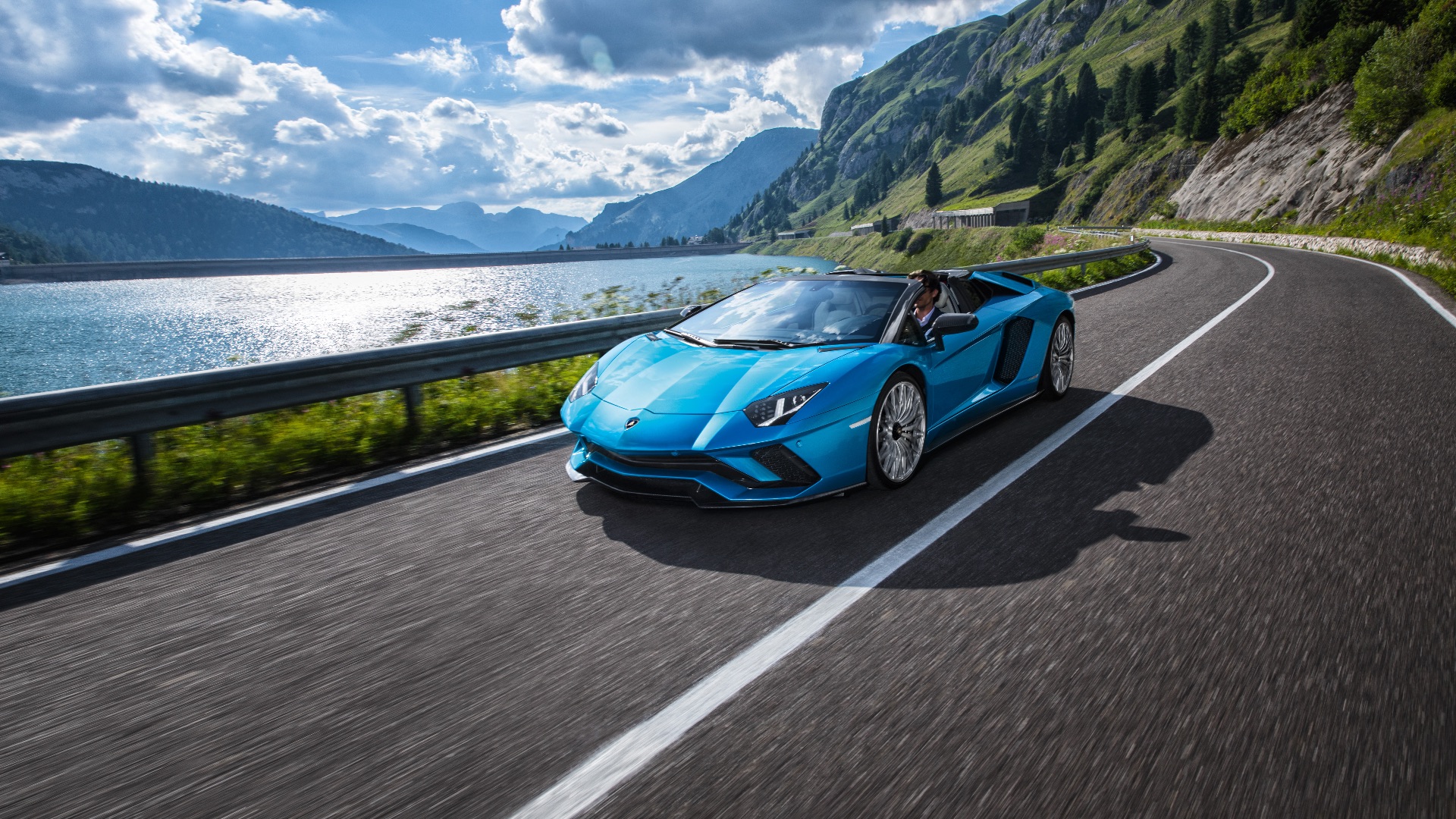
Lamborghini Aventador Roadster -62 percent
There’s suffering at the upper end of the spectrum, too. The Aventador Roadster is also 62 percent down, although we’re unsure whether that’s winding down production, too. Just 39 were sold in the first six months of this year.
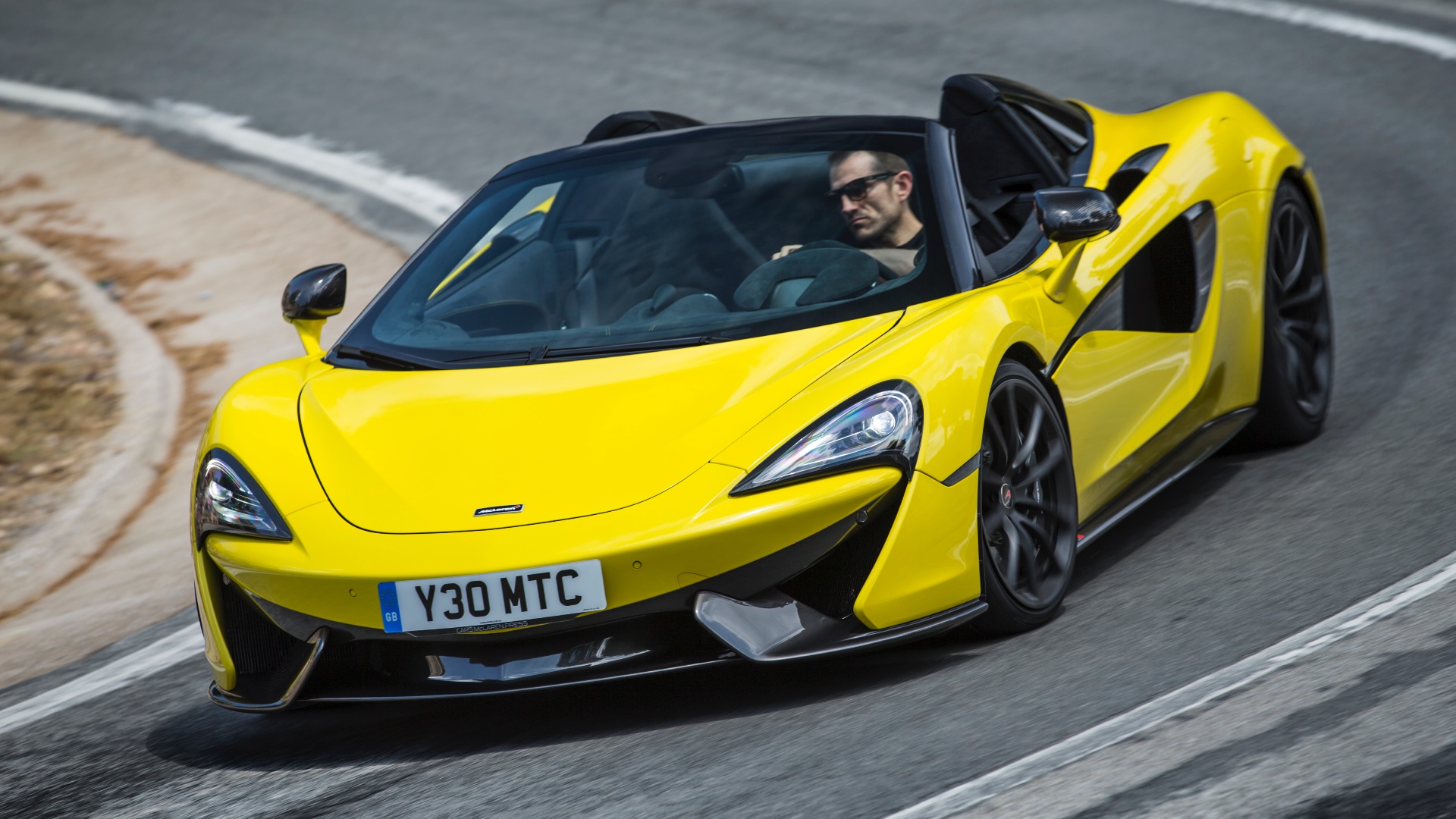
McLaren 570S Spider -62 percent
McLaren’s baby Spider isn’t having a good time. It’s 62 percent down, with 66 sold in the first six months of 2019.
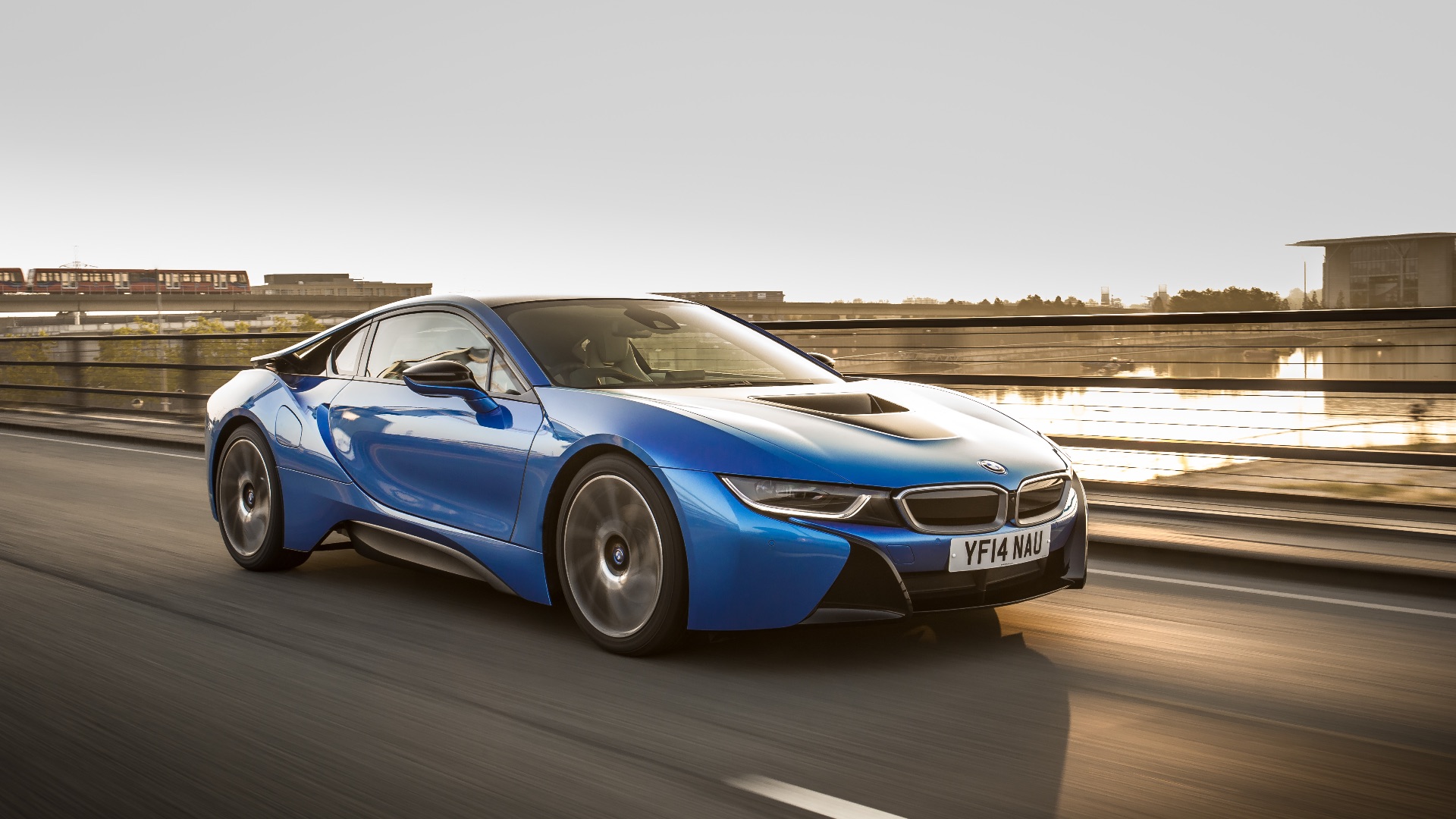
BMW i8 -64 percent
Talking of winding down, BMW’s futuristic hybrid isn’t long for this world. It’s 64 percent down this year, with just 171 sold.
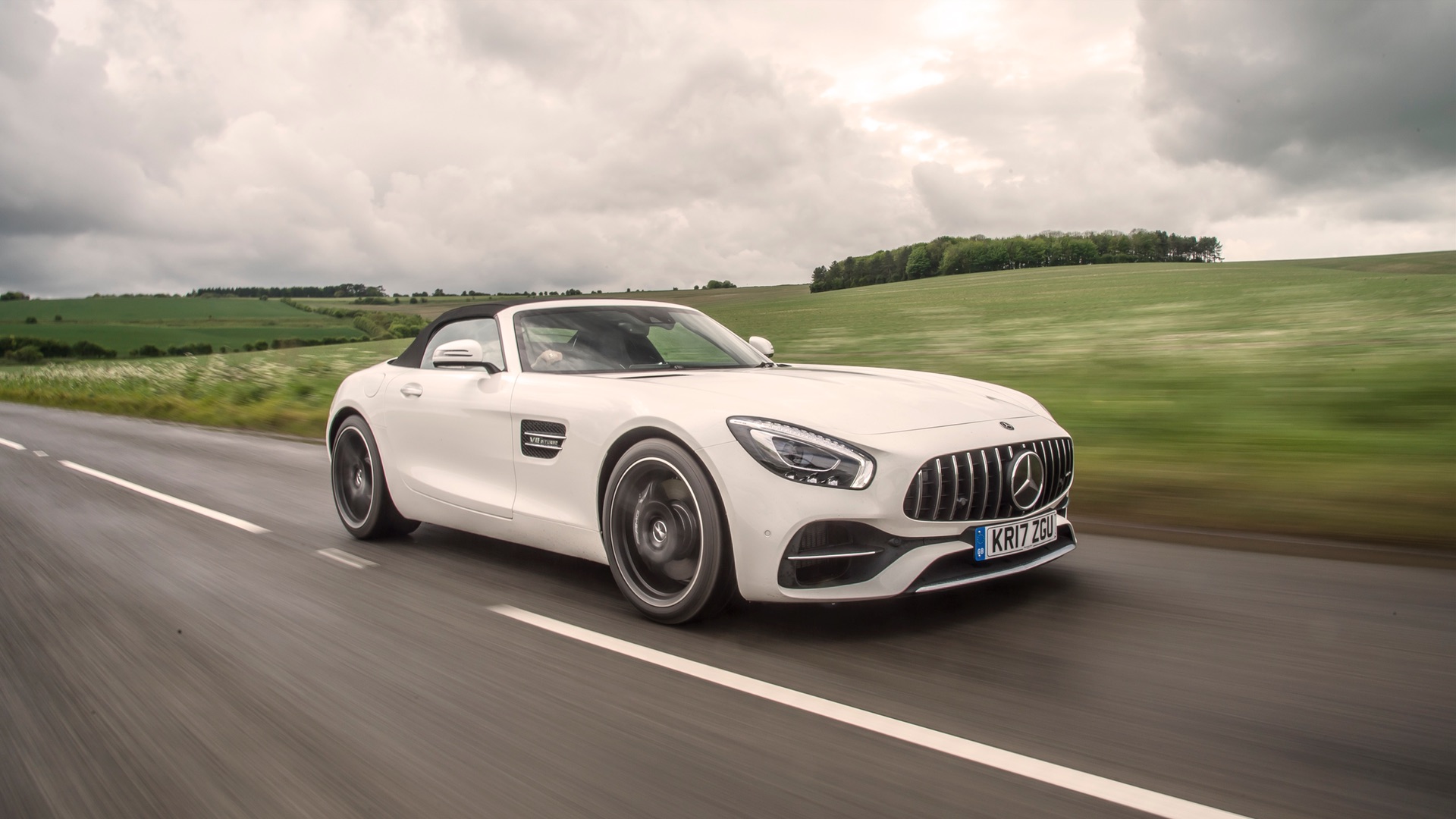
Mercedes-AMG GT Roadster -66 percent
Merc’s GT Roadster is doing even worse. It’s the second-worst drop here, at 66 percent down. It sold 415 cars in the first six months of this year. In the same period in 2018, it would have shifted circa. 1,000 units.
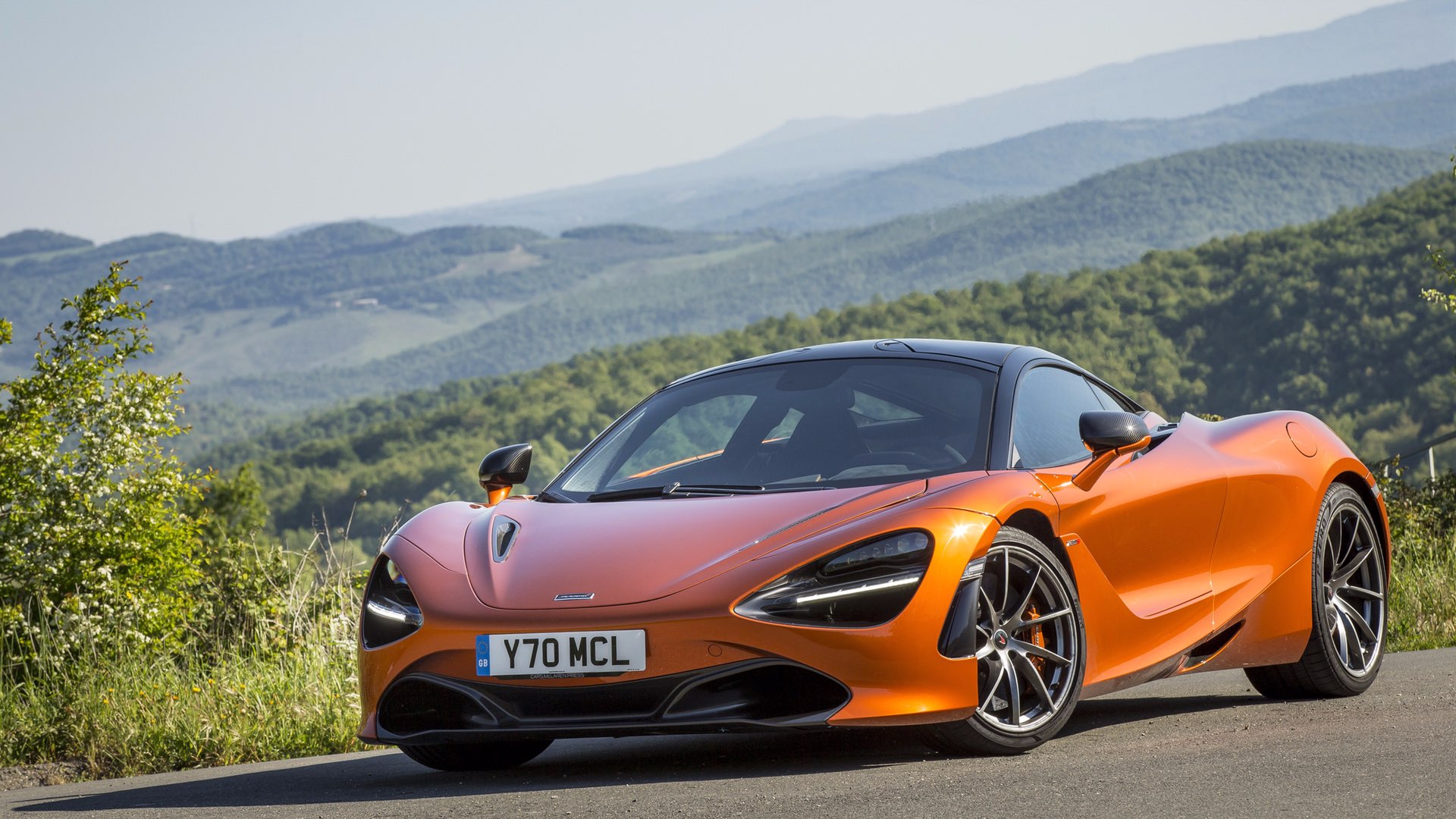
McLaren 720S -74 percent
Surprising perhaps is the shocking performance of one of the best supercars on sale. The McLaren 720S takes the cake for the steepest drop, at 74 percent. It sold just 92 cars in the first six months of this year, compared with more than 350 for last year.
New cameras designed specifically to catch drivers using hand-held mobile phones will be permanently installed for the first time. The announcement follows a successful six-month trial.
The two fixed cameras caught more than 100,000 drivers using phones during the test period.
UK drivers won’t be seeing them yet, unless they take a driving holiday to Australia. That’s because New South Wales (NSW) is the first state in the world to install the technology.
“Unfortunately some people haven’t received the message and think they can continue to put the safety of themselves, their passengers and the community at risk without consequence,” said NSW roads minister Andrew Constance.
“We have to, unfortunately, use the element of surprise to get people to think ‘well, I could get caught at any time’.
“There is strong community support for more enforcement to stop illegal mobile phone use with 80 per cent of people we surveyed supporting use of the mobile phone detection cameras.”
The cameras will be installed from December, with both fixed and mobile (van-mounted) systems being used. A total of 45 locations across NSW have been proposed initially.
The Australian government will invest £47.7million ($88 million AUD) in the project – but judging by the number caught by the trial, it won’t take long to make its money back.
There’s no word yet on whether this type of enforcement will be used elsewhere. You can bet the UK Department for Transport will be watching closely.
A ‘no deal’ Brexit would have an “immediate and devastating impact” on the European automotive industry and Brexit negotiators “have a responsibility” to agree a deal.
In an unprecedented joint statement, car industry leaders from across Europe have united to warn of the “catastrophic consequences” of a no-deal Brexit.
No-deal should be ruled out or, they say, the future of European automotive will be at risk.
The pan-European trade associations and 21 national associations, including the UK’s Society of Motor Manufacturers and Traders (SMMT), have illustrated the severe impact of no-deal on a sector that employs one in 16 of the EU workforce.
No-deal Brexit risks disrupting the deeply integrated nature of the car industry, the statement explains. Just-in-time production would be affected and WTO tariffs on cars and vans would add £5 billion to the EU-UK trade bill.
Car prices for customers would rise as a result.
‘Not just a British problem’
“We regret Brexit,” said Bernhard Mattes, president of German automotive trade body VDA. “The EU and UK automotive industry need frictionless trade… the UK and the EU should undertake all necessary steps to avoid a no-deal Brexit.”
“Brexit is not just a British problem,” said Christian Peugeot, president of French trade body CCFA. “We it as exporters to the UK market or producers locally, we will inevitably be negatively affected.”
The SMMT’s Mike Hawes said the risk was stark. “A ‘no deal’ Brexit would have an immediate and devastating impact on the industry, undermining competitiveness and causing irreversible and severe damage.
“UK and EU negotiators have a responsibility to work together to agree a deal or risk destroying this vital pillar of our economies.”
Erik Jonnaert, secretary general of European auto maker association ACEA, said the signatories wanted “all sides to rule out a ‘no deal’ scenario as soon as possible”.
What would a no-deal Brexit mean to the car industry?
A single car is made from around 30,000 parts, many of which cross European borders many times during production. Frictionless and tariff-free trade, and regulatory certainty, are therefore vital.
A no-deal Brexit would threaten this, and would also immediately result in the UK no longer benefitting from EU trade agreements and preferential treatment to 30 countries – including Canada, Japan, South Korea, Turkey and South Africa.
No-deal Brexit would make the overall EU market smaller, adds the SMMT, “and potentially less attractive to international trade partners”.
Britain is the second-largest new car market in the EU, behind Germany but ahead of France.
“With so much at stake, it is in the interest of all parties to avoid a ‘no deal’ Brexit and deliver a managed withdrawal of the UK from the EU.”
Noisy roadworks can be a real headache, not just for road workers, but for anyone living nearby.
But a new ‘neighbour-friendly’ rig could lead to quieter roadworks, which will be music to the ears of those within close proximity of road improvement schemes.
Traditionally, workers use a ‘hammering’ method to force steel sheets into the ground, resulting in noise and vibration for local residents and workers.
On the £17.5 million upgrade of the A500 in Staffordshire, new hydraulic piling equipment was deployed, with the silent rig used to install around 600 steel sheets.
It helps that the ground alongside the A500 is softer, which enables the use of hydraulic equipment, but Highways England is confident the technique can be used in other locations.
Because it’s silent, the work can be carried out at night, with the only noise coming from the generator, which Highways England says is minimal.
Quieter roadworks
Highways England project manager Humzah Mir said: “We know that roadworks can cause noise and disruption for people living nearby and try to keep that nuisance down to a minimum.
“Highways England is always investigating new ways to reduce any adverse impact we may have when carrying out our important work on England’s motorways and major A roads.
“Widening the A500 will tackle congestion and improve safety on one of the busiest roads in the city. And because we have been able to introduce hydraulic piling here, residents, as well as road users, have not had to experience the noise and vibration that traditional methods often bring.”
The scheme in Staffordshire will widen the road in Stoke-on-Trent from two lanes to three in both directions between Porthill (A5271) and Wolstanton (A527).
As part of the upgrade, a new pedestrian and cycle path will be installed along the A500 northbound. The work started in February and is expected to be completed in autumn 2020.
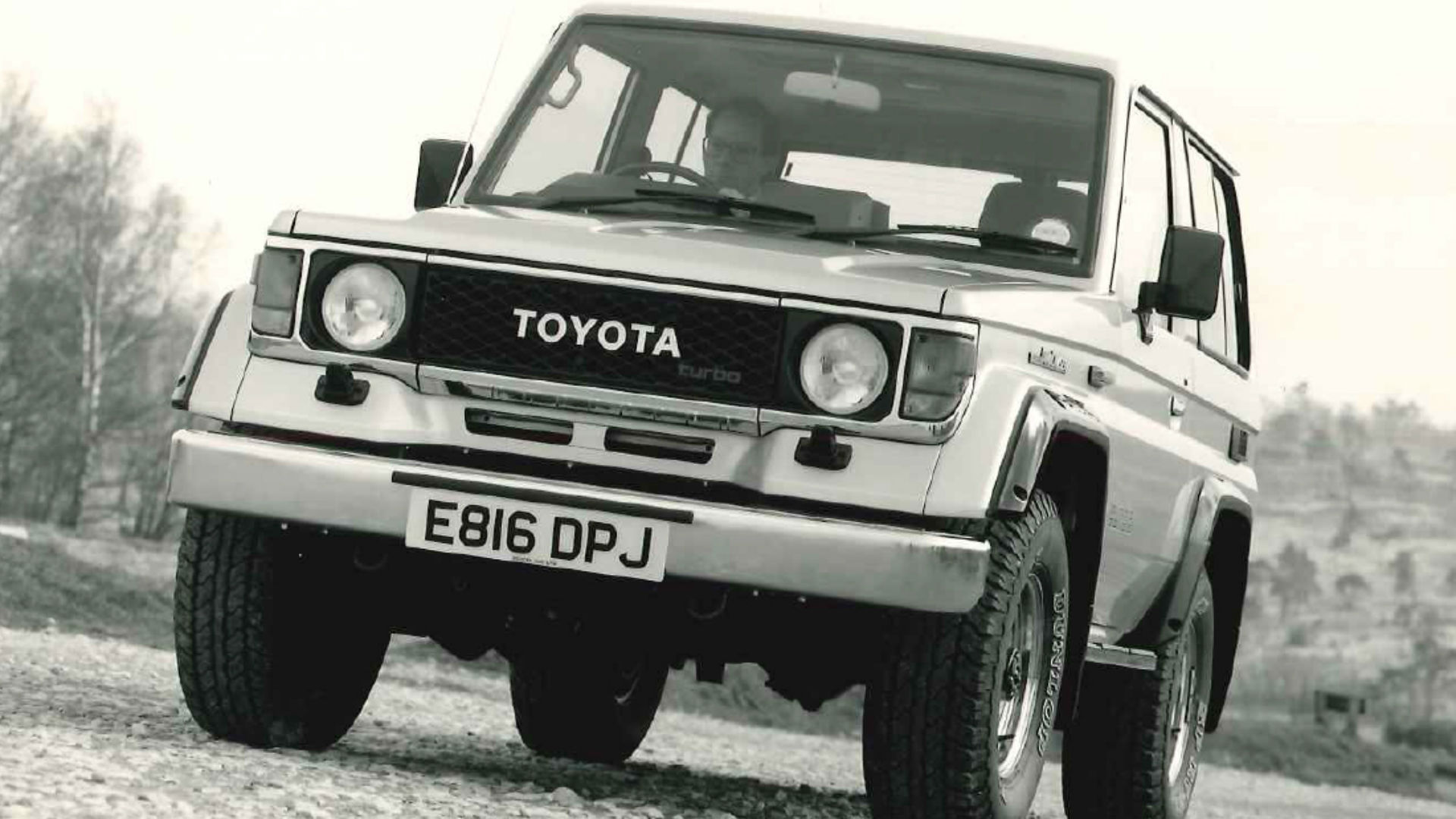
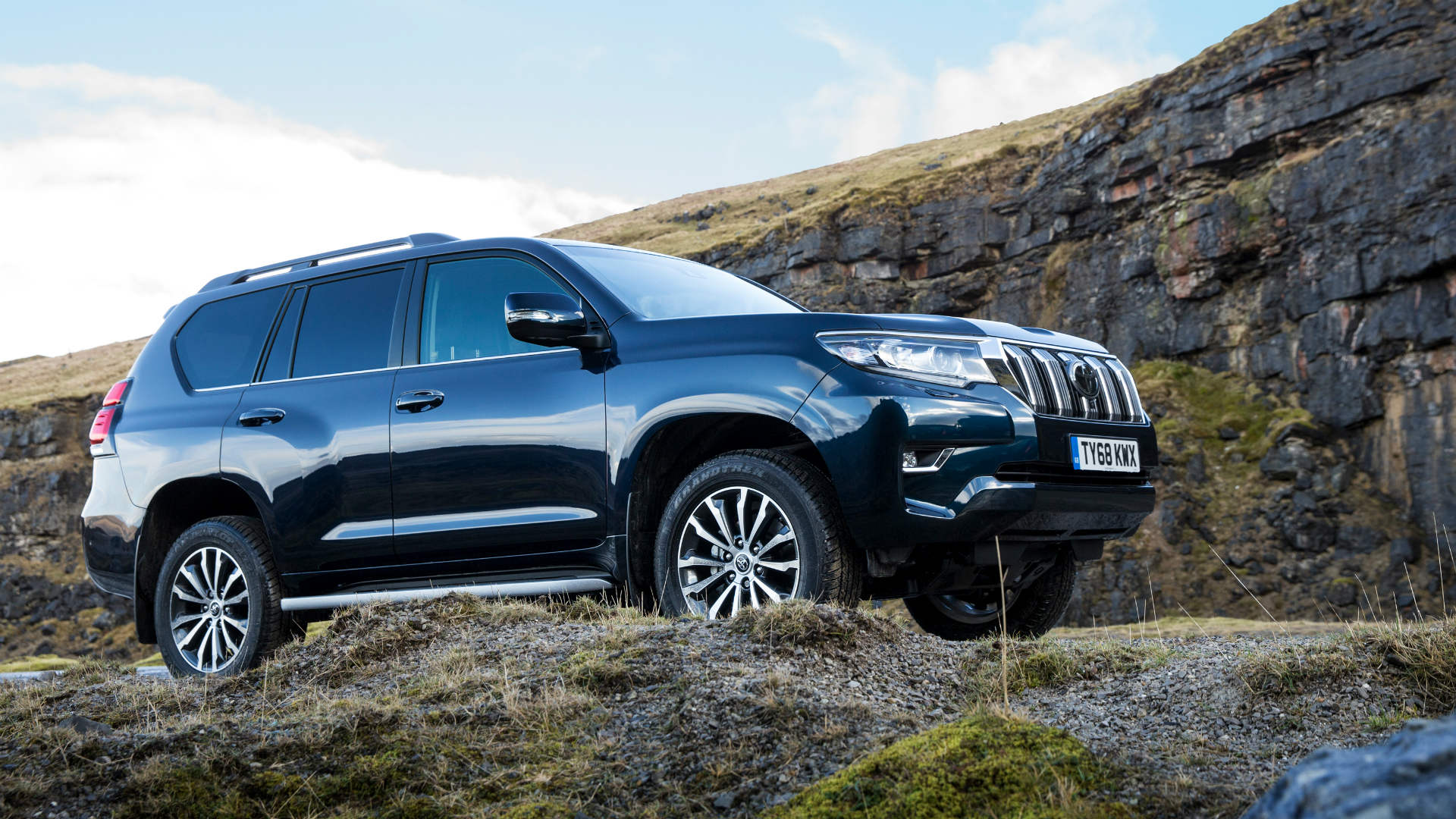
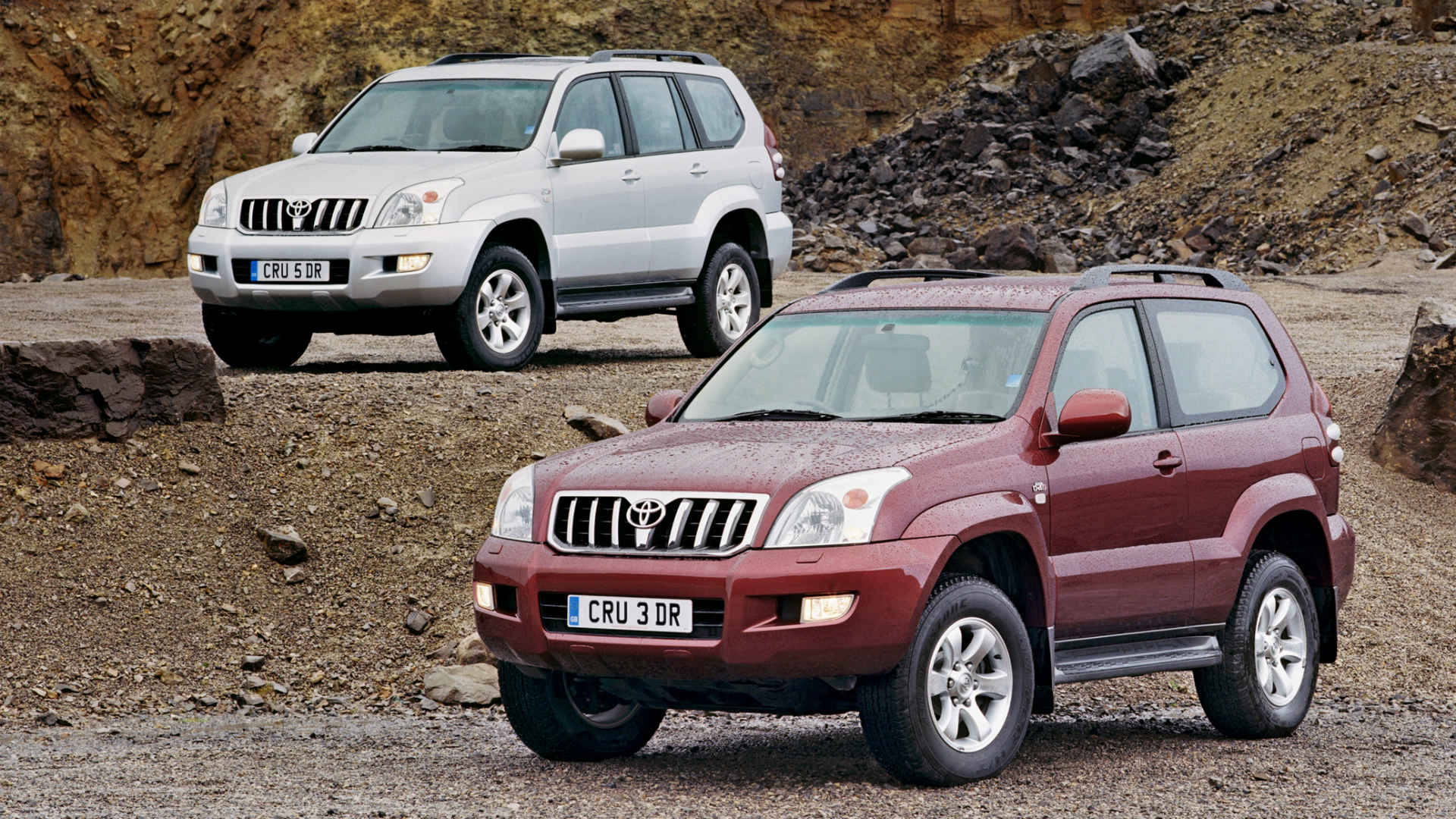
Toyota has built its 10 millionth Land Cruiser. The landmark vehicle rolled out of the factory at the end of August.
Since its launch as the Toyota ‘Jeep BJ’ in 1951, the Land Cruiser has cemented itself as the 4×4 for off-roaders who aren’t swayed by fashion, badges or soft-touch plastics.
If you want to drive into the jungle, take a Land Rover. If you want to drive out again, take a Land Cruiser.
It’s a mischievous phrase, but the Land Cruiser just gets on with being formidable without the need for fanfare, fireworks or celebrity endorsements.
Today, the Land Cruiser is sold in around 170 countries and regions, with the Middle East by far and away the biggest market. Europe is a distant second, followed by Oceania, Asia and the United States.
In the army now
The journey started in 1950 when Toyota was commissioned to build four-wheel-drive trucks for the U.S. military in support of South Korea.
Japan, which was still under American occupation, was given the green light to build vehicles similar to the Willys Jeep. Toyota presented a prototype to the National Police Reserve (NPR), but the contract was awarded to Mitsubishi.
Undeterred, Toyota developed the ‘BJ Jeep’ – the initials referred to the B-series engine and Jeep – with the aim of securing private customers and tapping into the export market.
To demonstrate its capabilities, Toyota took a vehicle to the Shinto temple atop Mount Atago and drove the pilgrim route to the sixth station on Mount Fuji. The result: Toyota replaced Mitsubishi as the official vehicle supplier to the NPR.
Five versions sprung from the BJ platform: mobile communications, touring liaison, fire fighter and two pick-ups. Series production began in 1953, with the ‘BJ Jeep’ tag dropped in favour of the Land Cruiser name in 1954.
Whatever you want
The rest is history, with the Toyota Land Cruiser hitting the million sales mark in 1975. A year earlier, official sales started in the UK.
Amazingly, the 40 series Land Cruiser, which arrived in 1960, is still in widespread use today, some 50 years after they were manufactured.
These aren’t 4x4s built for the school run – the Land Cruiser would laugh in the face of the ‘SUV’ tag. Here are a few examples of how the Land Cruiser is being used around the world:
Africa: to provide humanitarian support
Burundi: to carry malaria-infected children to hospital
Uganda: to transport patients to clinics
Australia: for use in zinc and copper mines
Costa Rica: to harvest carrots at altitudes of 3,500 metres
Kingston upon Thames: to take Tabitha and Tarquin to school
In the UK, Toyota Land Cruiser prices start from £34,750. Still want that #OMGNEWDEFENDER?
The Petersen Automotive Museum in Los Angeles has announced a special temporary exhibition, dedicated to the life of Jessi Combs.
Known as a TV presenter, racing driver, and metal fabricator, Combs tragically died last month whilst attempting to set a new land speed record.
Set to open this weekend, the Petersen exhibition will feature a celebration of the motoring achievements made by Combs both on and off screen.
Combs first rose to fame presenting the Xtreme 4×4 show on Spike TV between 2005 and 2009.
She would later achiever wider stardom by demonstrating her metal fabrication skills on the seventh season of Mythbusters on the Discovery Channel.
Other TV appearances included Overhaulin’ and All Girls Garage on the Velocity channel. Between 2011 and 2018 Combs also hosted The List:1001 Car Things To Do Before You Die, which featured on Autoblog.com.
Jessi Combs also competed in a number of extreme motorsport events, including winning her class in the fearsome King of the Hammers off-road race in 2016.
Combs died on August 27th in southern Oregon, whilst driving a jet-powered land speed record car. She had been attempting to beat her own previous record of 483.227 mph.
The ‘Jessi Combs: Life at Full Speed’ exhibition will open on Sunday, September 22nd 2019 and run through Wednesday, September 25th 2019. Items on display will include her motorcycles, featured alongside memorabilia such as race helmets and personal notebooks.
Admission to the exhibition is by suggested donation, with proceeds to be passed to the Jessi Combs Foundation.
A new strategy called Moving Forward Together has been launched by the Confederation of Passenger Transport (CPT). It aims to improve bus services, lower prices and reduce emissions. It wants to achieve the latter by committing to making every new bus it buys ultra-low or zero-emission by 2025.
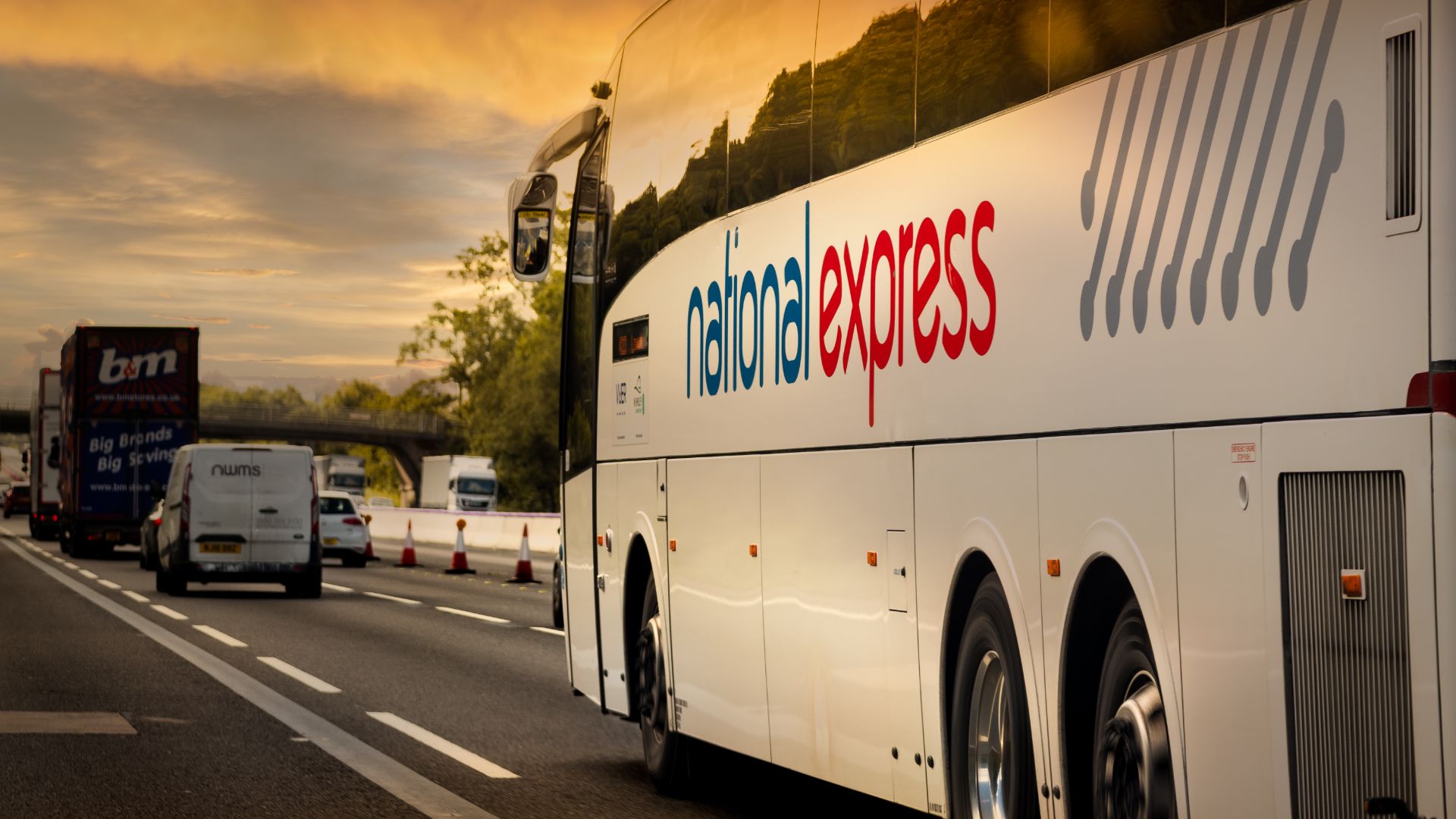
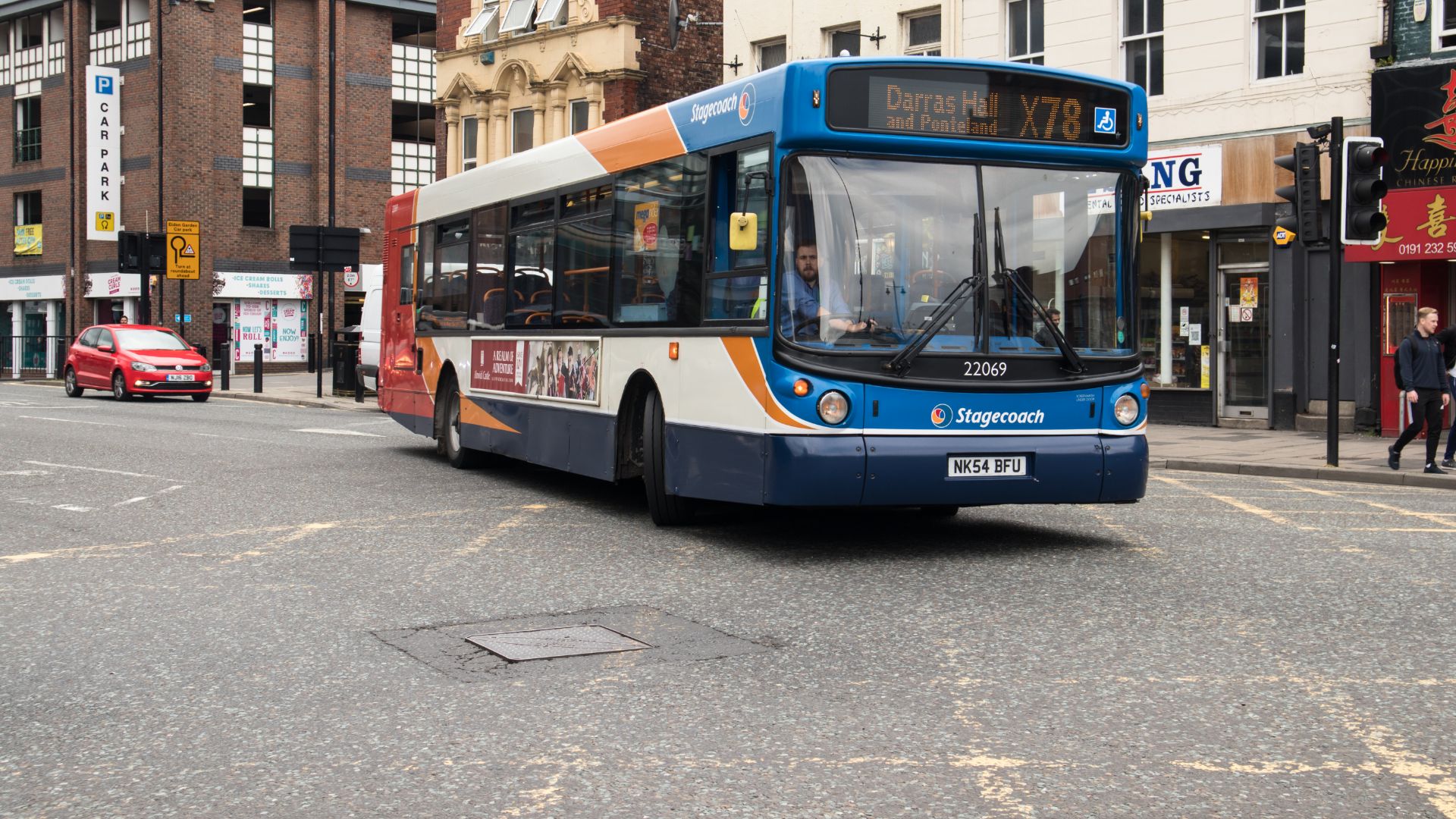
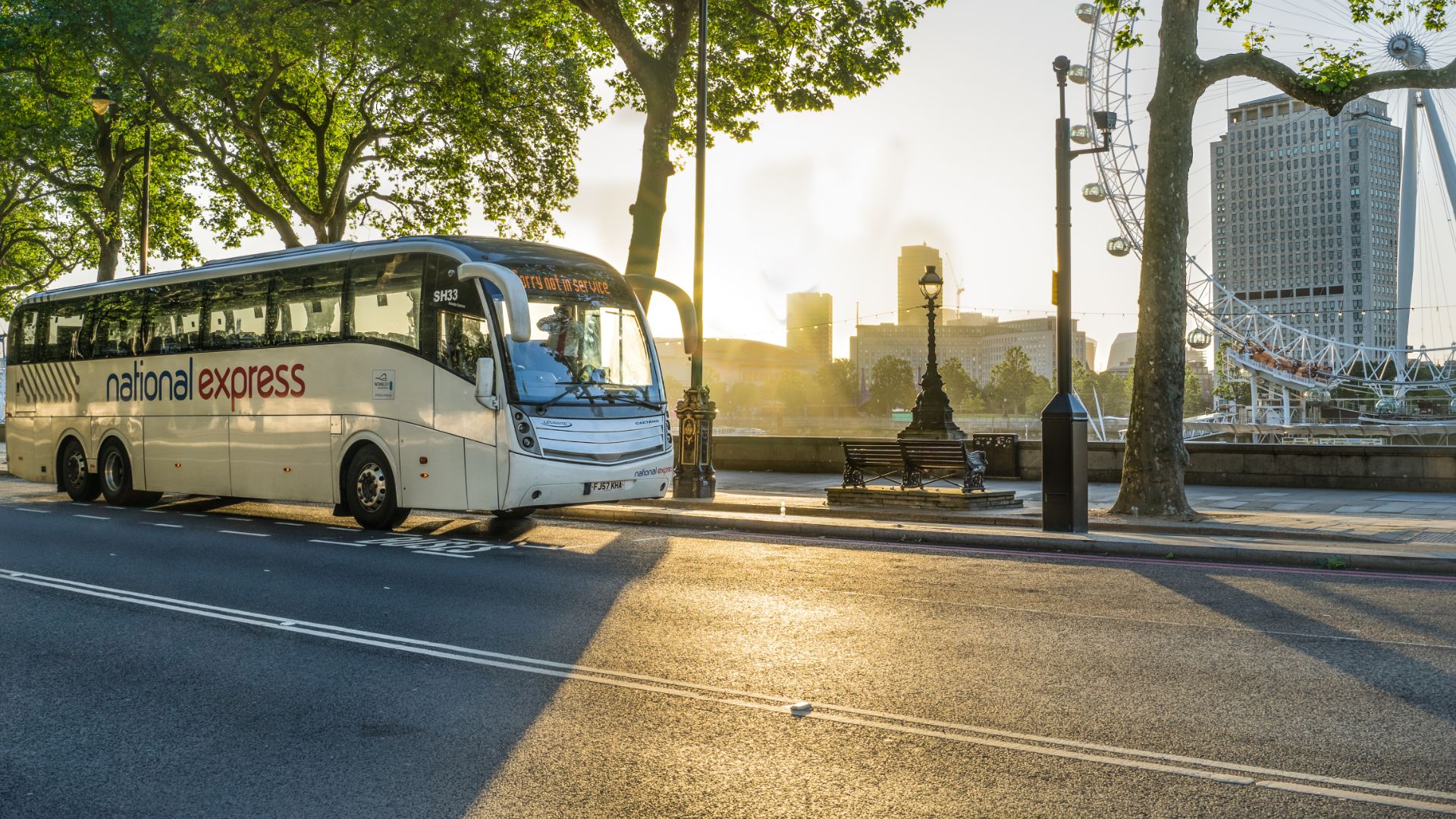
If you’re wondering exactly how much of a big deal that is, let us break it down for you. The CPT is made up of operators such as Arriva, National Express, Stagecoach, First Group and Go Ahead. The group represents over 95 percent of the bus industry, with the big players alongside smaller more local operations.
Emissions-related MOT failures DOUBLE since last year
“Buses are already the cleanest form of road transport and have a crucial role to play in tackling environmental issues and helping to meet important targets on improving air quality and reducing carbon emissions,” said Graham Vidler, CPT chief executive.
“With the right support from government to make the transition the bus industry will buy only ultra-low or zero emission buses by 2025, reducing CO2 emissions by half a million tonnes a year.”
That’s a lot of CO2. Not as much, however, as Vidler claims we’d save if everyone got out of their cars and onto a bus. “There would be a billion fewer car journeys and a saving of two million tonnes of CO2 a year.”
Getting people out of cars and on buses
Calls to abandon ‘private cars’ over brake and tyre pollution
It’s fine cleaning up the buses, but you have to make the service appealing. That means more competitive pricing and the right incentives. Alongside the pledge to go ultra low, the strategy wants the government’s help improving services.
That involves legitimising local services and making them more reliable. It’s also proposing reduced travel costs for job seekers and apprentices, and price capped daily and weekly ticketing for urban areas.
Vidler added: “Better bus services are the key to shifting travel habits and growing the significant economic contribution the industry makes. We know that congestion remains the biggest barrier to increasing passenger numbers in towns and cities and that many rural communities feel current bus services don’t meet their needs.
“We’ll continue to invest in better buses with better facilities and simpler ticketing. We need government to incentivise local authorities to cut congestion and work with us to examine new ways of delivering transport services that work for more isolated communities”.