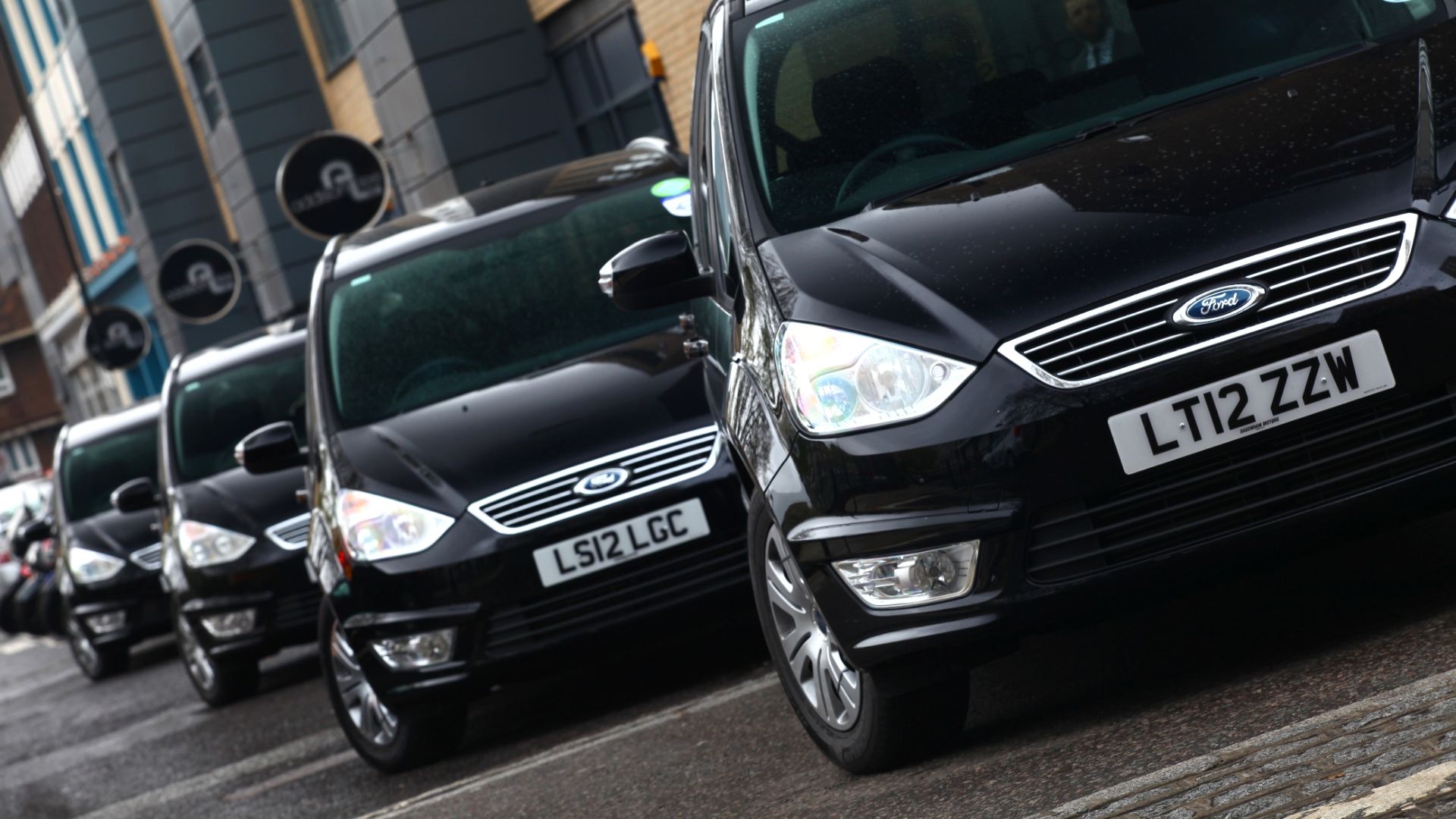
With the demise of Uber in London on the horizon, commuters and tourists will be looking for a different solution. We recently rounded up some of the available taxi alternatives – now we can reveal which services are most popular.
The data comes from Taxi2Airport.com and is based on the online search volume each generates. It’s worth mentioning, however, that this is country-wide search data, not London-centric.
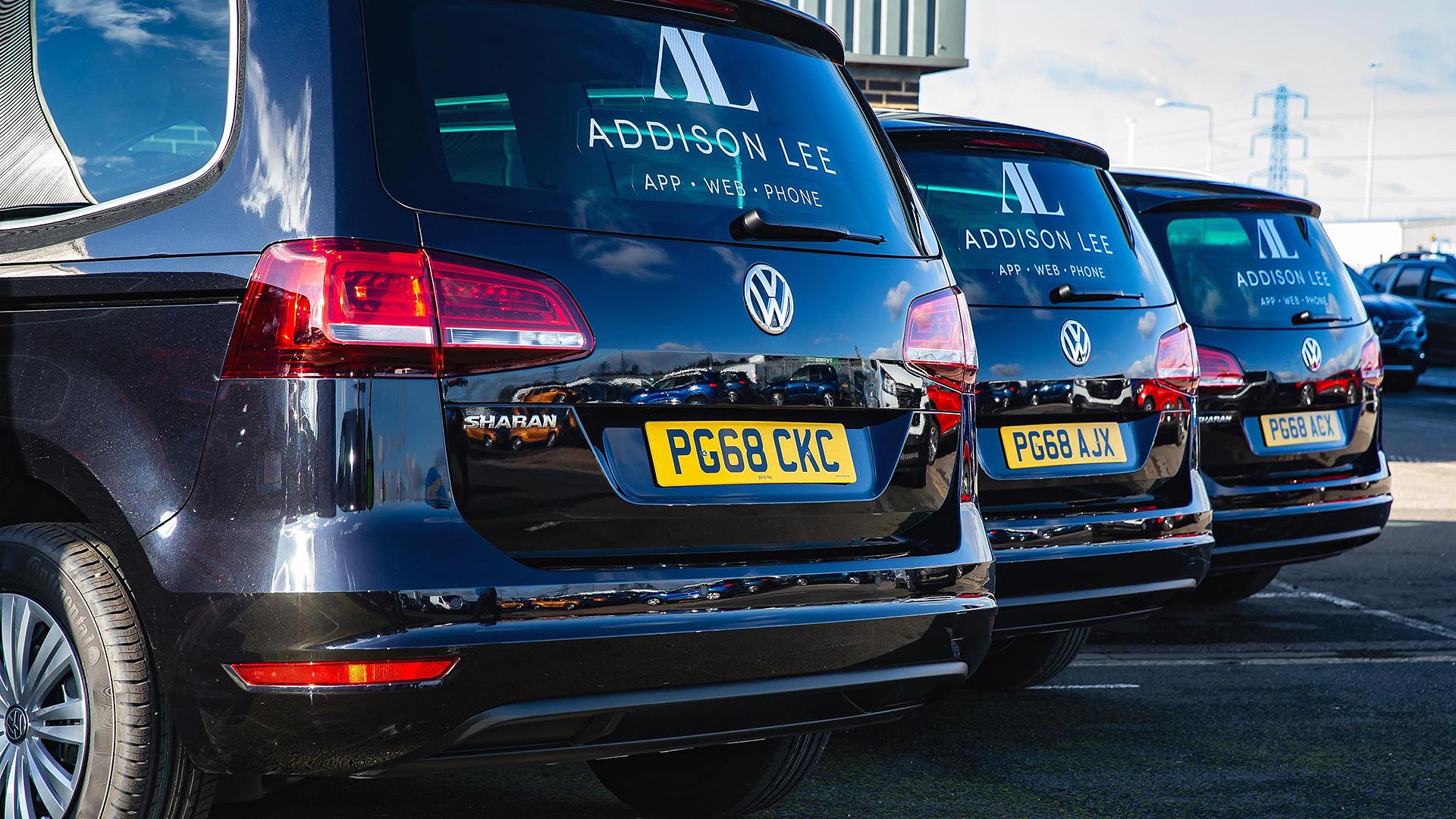
By some margin, Addison Lee leads, with an average 119,770 searches per month over a 12-month period. We noted Addison Lee as a premium alternative, with a reputation for higher pricing and a more corporate customer base. It has more than twice the online traffic of the second-placed taxi provider.
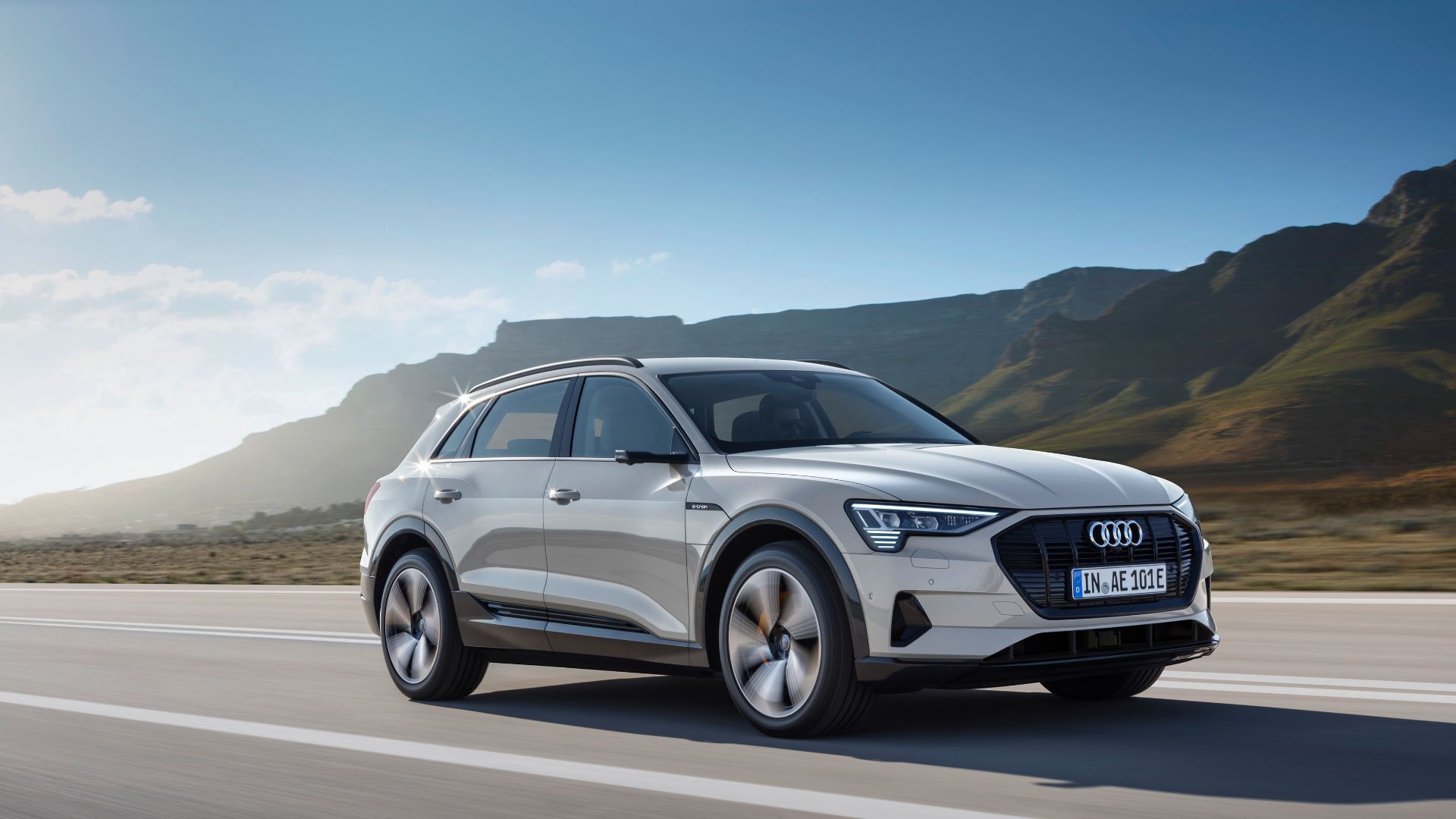
Electric Audi E-Tron SUV joins London taxi fleet
This is why Uber’s London licence ends TODAY
In second is Blablacar, with 56,550 searches per month on average, while Viavan follows in third with 30,540. In fourth is long-standing Gett, with 13,780 country-wide searches.
Following fifth-placed MyTaxi’s 11,500 search figure are Bolt (10,650), Kabbee (5,870), Wheely (5,450) and Kapten (4,590), which we listed as options to fill to the potential vacuum left by Uber in London.
For now, though, it seems the alternative at the forefront of most British ride-hailers’ minds is Addison Lee. It even features in the lyrics of popular London musicians Not3s and J Hus (rhe former actually has a song titled ‘Addison Lee’).
The question over what fuel type should power your next car can get confusing. From grams per kilometre, to NOx, to CO2, understanding the best fuel for our cars is a tall order.
Adding to the confusion is electric cars. If you can’t tell the difference between a kilowatt and a kilobyte (the latter is a measurement of digital file sizes), a different way of comparing is needed.
So here’s a comparison in language everyone can understand. How far can you go on five pounds?
How far can you go on £5?
Carwow has compared exactly how far you can get on £5, in terms of petrol, diesel, electricity, and indeed public transport.
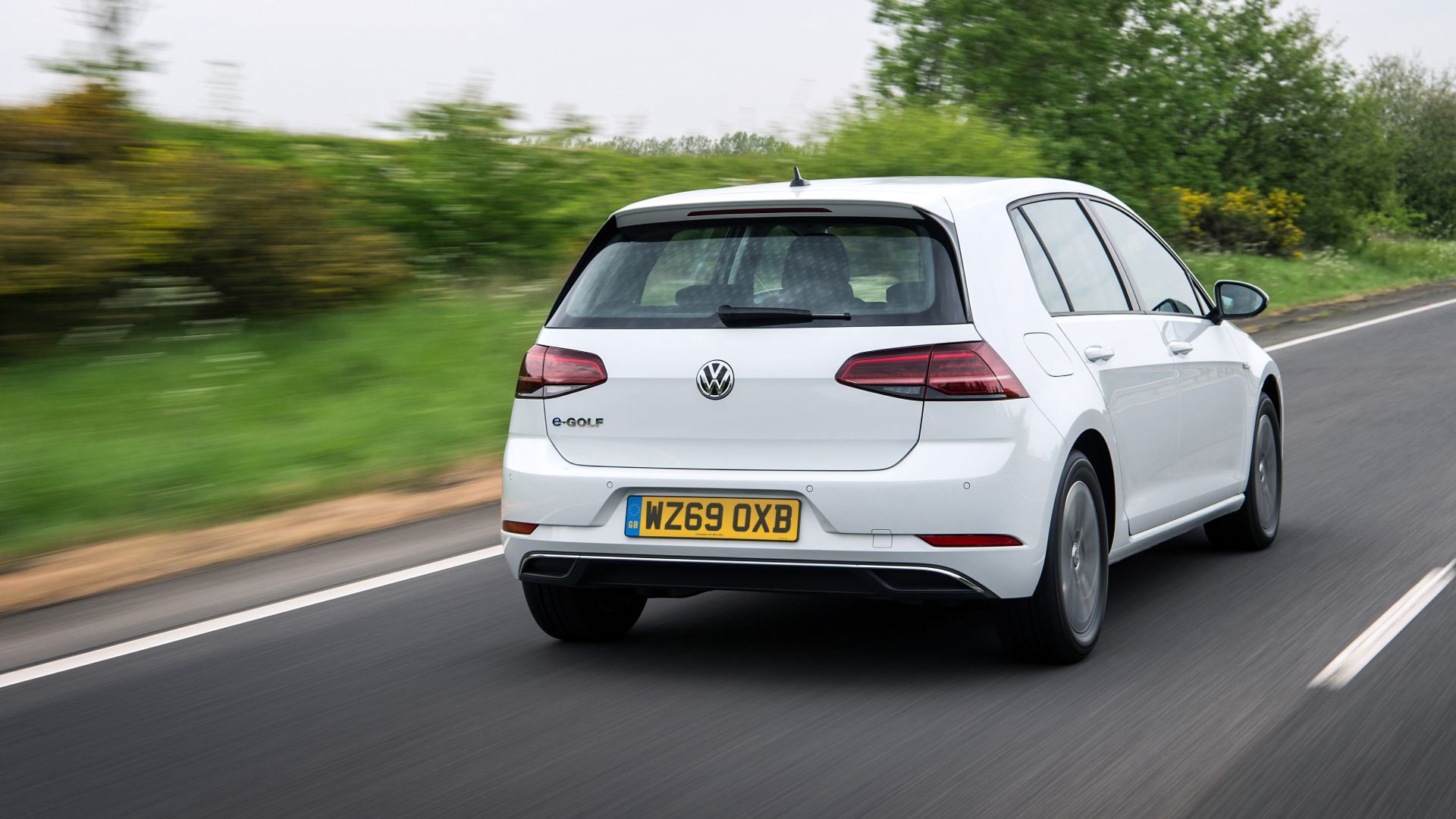
The car buying platform established the average costs of each by comparing fuel and public transport costs in 10 of the UK’s major cities. Figures for respective variants of the Volkswagen Golf were used. What did the researchers find?
Leading the way is electric. Charge your electric car to the value of £5, and you’ll go 102 miles on average. That’s good news for the 35 percent of Brits who say their biggest worry is getting stranded in an electric car.
Just as the cost of a litre of petrol varies from station to station, so too can the cost of electricity – often far more so. The methodology uses ‘regional electricity prices’ to establish price per KWH, combining that with the Golf’s distance driven per kWh to establish the per-£5 mileage value.
Compare that to second-placed diesel, and you’re nearly DOUBLING your distance. Put in £5 of diesel and on average, you’ll go around 56.5 miles.
Things get worse from there for petrol, the train and the bus. On average, £5 takes you 49.6 miles in a petrol car, 20 miles on a train and just 12.6 miles via bus.
“Some people might be surprised to see that you can travel pretty much double the distance in an electric car than you can with diesel or petrol, but you can’t argue with the data,” said Mat Watson of Carwow.
“That said, ‘range anxiety’ is understandable, particularly as the main battery operated tech the average person will be familiar with is the mobile phone. The good news is there are already more charging stations than petrol stations in the UK, a fact almost half of the country (49 percent) are unaware of.
“Undoubtedly more needs to be done when it comes to educating people about electric cars, their benefits and their feasibility.”
Watson conceded the decision to buy an alternative fuel vehicle will be a personal one, based on where you live and how much local investment there has been to charging infrastructure. “The roll-out has not been even,” but progress is being made.
“We hope our findings will help, because it really does seem that in years to come, we could be together in electric dreams.”
A new service will make it easier for motorists to find a garage to repair and service their electric car.
The Motor Ombudsman has added a new layer to its online Garage Finder service. With the help of a dedicated symbol, EV owners can find local accredited businesses.
This follows a recent survey that found 84 percent of people would not know where to take an electric vehicle for servicing.
Bill Fennell, chief ombudsman and managing director at The Motor Ombudsman, said: “Sales of electric vehicles are fast gathering pace, and they all need to be serviced and maintained in accordance with recommended manufacturer guidelines.
“Our research showed that there was an inherent need to make it quicker and easier for repairers to make motorists aware that they can service electric vehicles, and for owners to be able to easily find a business where they can take their car in.
“The new facility on our Garage Finder responds to both of these requirements, and therefore we expect it to be an extremely popular addition.”
Bright sparks
The Motor Ombudsman’s survey of 1,903 motorists highlighted a lack of understanding of how an annual service for an electric vehicle differs to that of a conventional car.
Only 12 percent said they would be able to distinguish between the two.
Two-thirds of those surveyed were able to correctly identify that brakes and tyres would be checked during an annual service. Meanwhile, 60 percent correctly identified that the suspension would looked at, and 63 percent were aware that wipers are part of a service.
In contrast, 40 percent incorrectly said the air filter would be checked. An oil change was mentioned by 30 percent of the respondents, while the car’s timing belt (29 percent), emissions (26 percent) and spark plugs (26 percent) were also mentioned.
The main political parties are being urged to ‘put UK automotive at the heart of their economic and trade policies’.
Only a ‘world-beating Brexit trade deal’ would maintain productivity and prosperity for Britain, the Society of Motor Manufacturers and Traders (SMMT) has warned.
Without an ‘ambitious’ trade deal, UK manufacturing would lose 1.5 million vehicles by 2024, costing the country as much as £42.7 billion.
New SMMT research shows World Trade Organisation (WTO) tariffs on imported components and exported vehicles would add £3.2 billion a year to the cost of UK automotive manufacturing.
That’s the equivalent to 90 percent of the sector’s annual spend on research and development.
WTO deal is ‘worst case scenario’
Mike Hawes, SMMT chief executive, said: “UK Automotive’s needs are clear: frictionless trade free of tariffs, with regulatory alignment and continued access to talent.
“Detailed trade negotiations have yet to begin. They will be complex and they will take time. But a close trading relationship is essential to unlock investment so we can deliver our goals: cleaner air, zero carbon emissions, and the ability to go on building our products and marketing them globally.
“Rather than producing two million cars a year by 2020, a no trade deal, WTO tariff worst case scenario could see us making just a million.
“The next government must deliver the ambition, the competitive business environment and the commitment needed to keep automotive in.”
The SMMT says that the UK is well placed to take advantage of the drive to deliver greener vehicles and intelligent mobility, but warns that a bad deal would threaten further investment.
“This would be a tragic waste,” it says.
‘Unprecedented change’
Speaking at the SMMT dinner in London, SMMT president George Gillespie, said: “The automotive sector is going through a period of unprecedented change and we must not let the pressure of Brexit deflect from our focus on a coherent national industrial strategy. Collaboration between industry and government must be stronger than ever.
“We want to work closely with the next government, as we have in the past; united in a common purpose to keep UK Automotive a global player that drives employment, creates wealth and gives all of us pride in what we can do here.”
The UK’s main political parties are gearing up for the general election on the 12 December 2019. This is ahead of the proposed Brexit date of 31 January 2020.
New research by Cargurus has highlighted the rising popularity of electric cars in 2019. Bucking all conventional trends with regard to mainstream consumer vehicles, some electric cars have actually increased in value.
Using online used car listings data, Cargurus has looked at prices for the four most popular electric vehicles on its site: the BMW i3, Nissan Leaf, Renault Zoe and Tesla Model S.
Comparing prices for the last three years, since the start of 2017, months-long streaks of maintained and even increased value were observed. Near-on universally, electric cars outperformed their petrol and diesel-powered equivalents in terms of value retention.
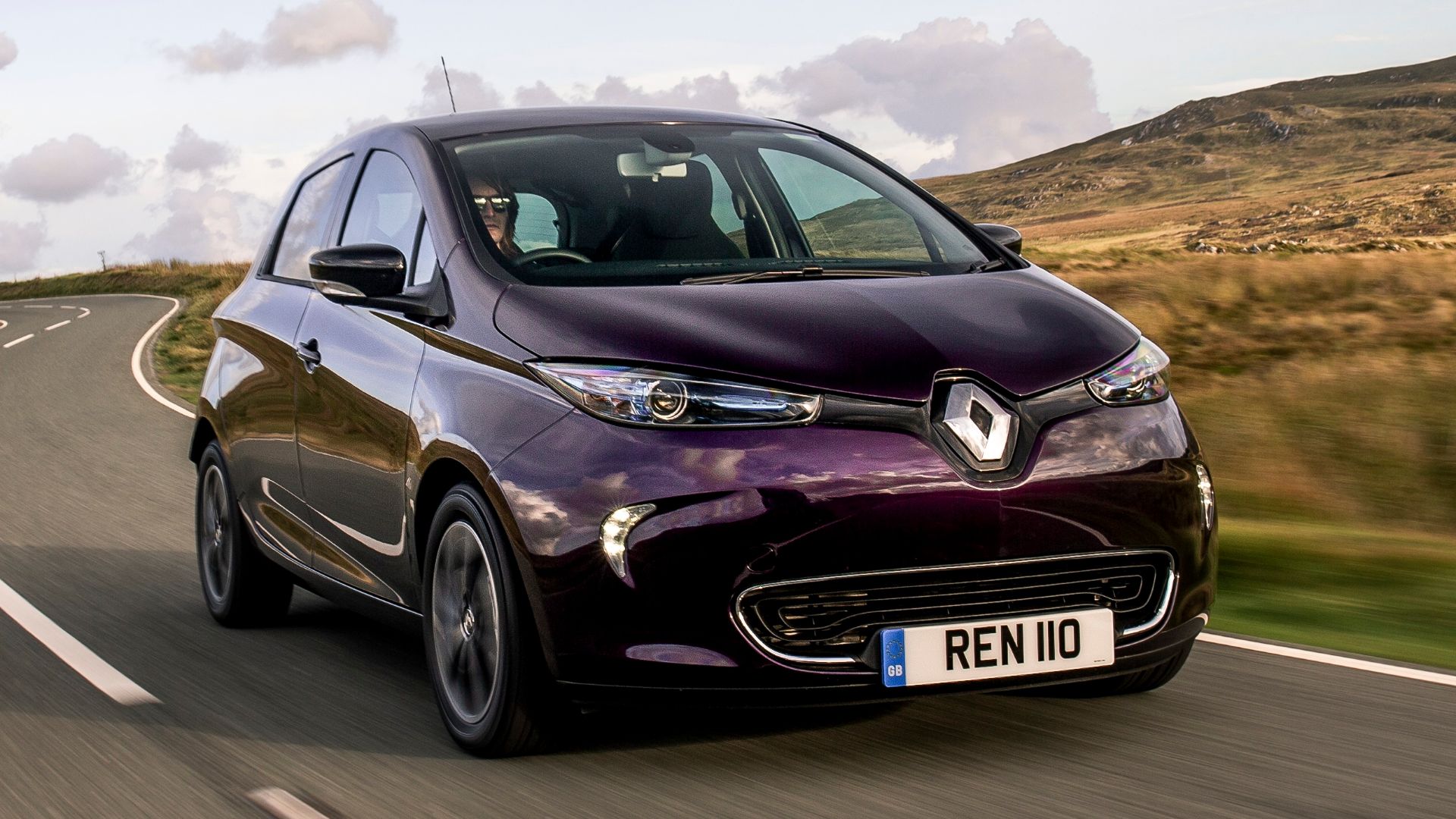
The 2015 Zoe was the champion of the value stakes. Since January 2017, it has risen 18 percent in value, from £6,425, to £7,612. Since this January, it’s gained 14 percent. An equivalent-age oil-burning hatch lost 22 percent of its value over three years, from £9,165 to £7,160.
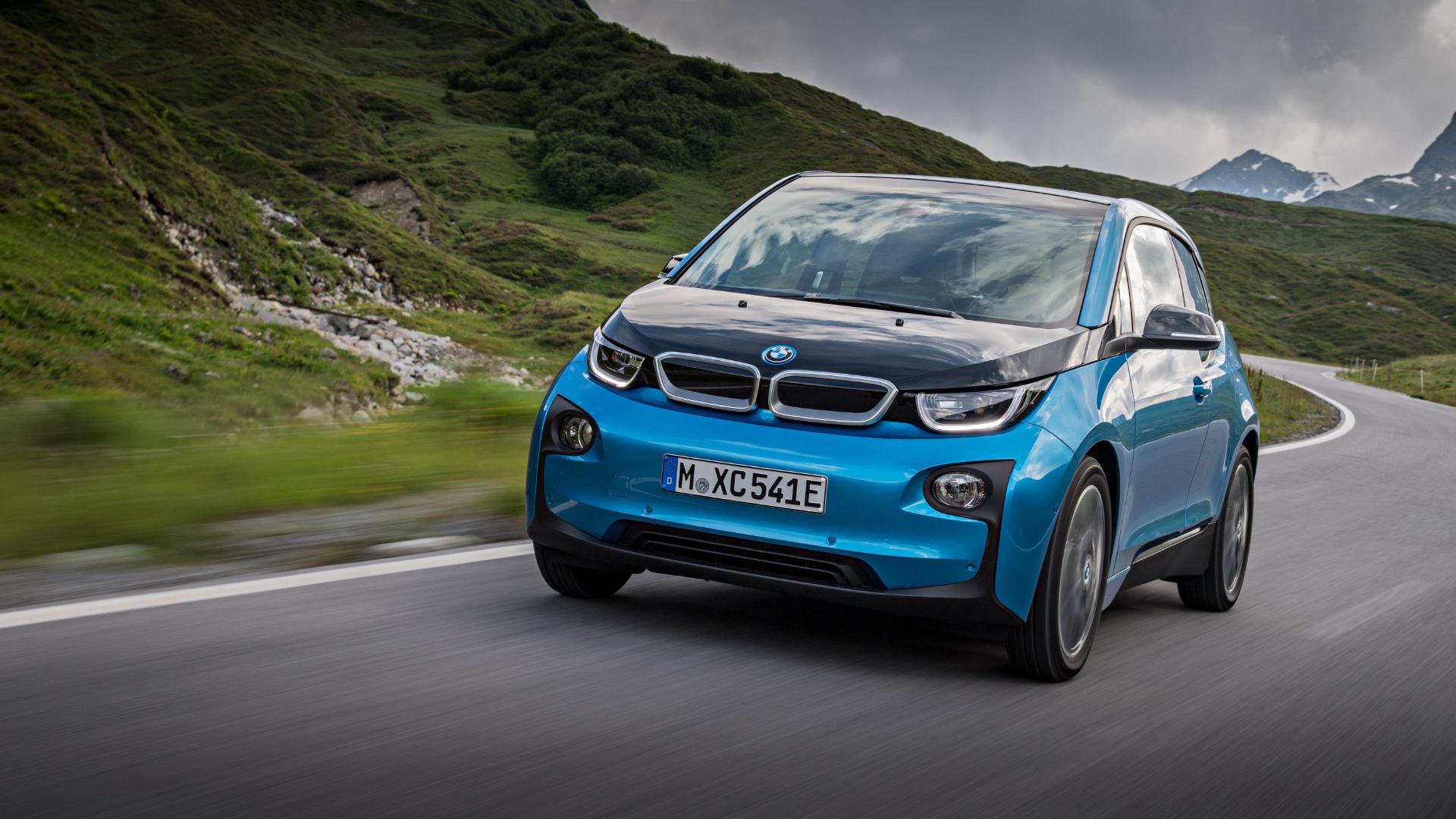
It’s not quite such a triumphant story for the likes of the BMW i3: 2015 models lost 14 percent on average over the last 2.5 years, from £17,445 in April 2017, to £15,006 in November 2019. That said, it has gained one percent over the course of this year overall.
In January 2019, this age of i3 on average was worth £14,800. For comparison, an equivalent-age Mini lost 18 percent of its value between April 2017 and now, and 14 percent over the last year.
Find the full table below, where it seems that the more expensive the electric cars get, the less well they fare. Cargurus has a theory on this.
Cargurus says that as electric cars have grown out of their infancy over the last couple of years, and popularity has grown, this value anomaly is the result. In 2017, electric cars were arguably less desirable than they are now.
As public awareness, faith and interest in electric cars has increased, so has demand, and so the disproportionate loss of value the Zoe experienced when it was new, has near-enough reversed. Demand for new electric cars is up, too, even given their increased expense. Year to date, SMMT figures show that demand has increased by 125 percent.
“Our data shows that the residual values of EVs have turned a corner as an increasing number of buyers are starting to take advantage of the benefits of electric motoring, such as the low running costs and easy driving manners of cars like the Nissan Leaf and Renault Zoe,” said Chris Knapman, Cargurus editor.
“With the market changing so quickly it can be hard to judge what’s a fair deal, which is why the price analysis and deal ratings offered by CarGurus are such powerful tools. With this technology to hand, consumers wanting to move into the world of electric motoring can feel confident of paying a fair price.”
Whatever you think of Uber and how it operates, there are a great many people, both drivers and passengers, who rely upon it.
If you live in London, what alternatives to Uber are available if the ride-hailing service is banned? We round them up, from Kapten to Gett – not forgetting the good old-fashioned black cab.
Kapten
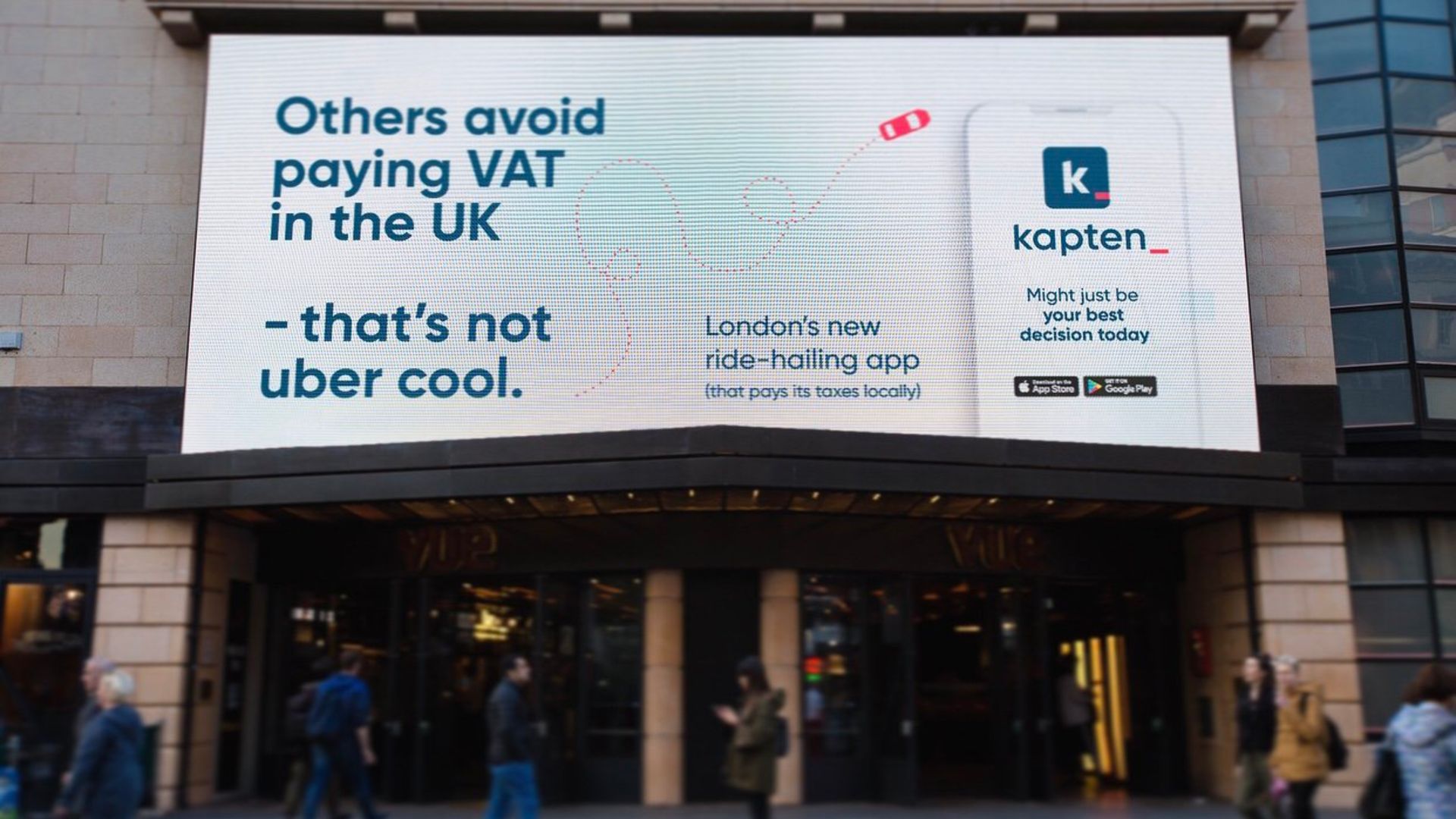
Kapten is second only to Uber for popularity in London, and thus stands to benefit most from the ban (currently under appeal). “London doesn’t need Uber,” was Kapten’s response to the news.
“Customers and drivers need to ask themselves if they should use an app under the shadow of repeating safety issues, dodging regulations and toxic corporate culture,” said Kapten UK general manager, Mariusz Zabrocki.
“At Kapten, our main aim at this point is to make sure all drivers and riders affected by the potential ban know that the future needn’t look so bleak, as Kapten will be available.”
Kapten is originally a French firm, now joint-owned by Daimler and BMW. It’s a new player, having launched earlier this year. A ‘points’ system allows loyal users to accrue credit and use it for free rides.
Bolt
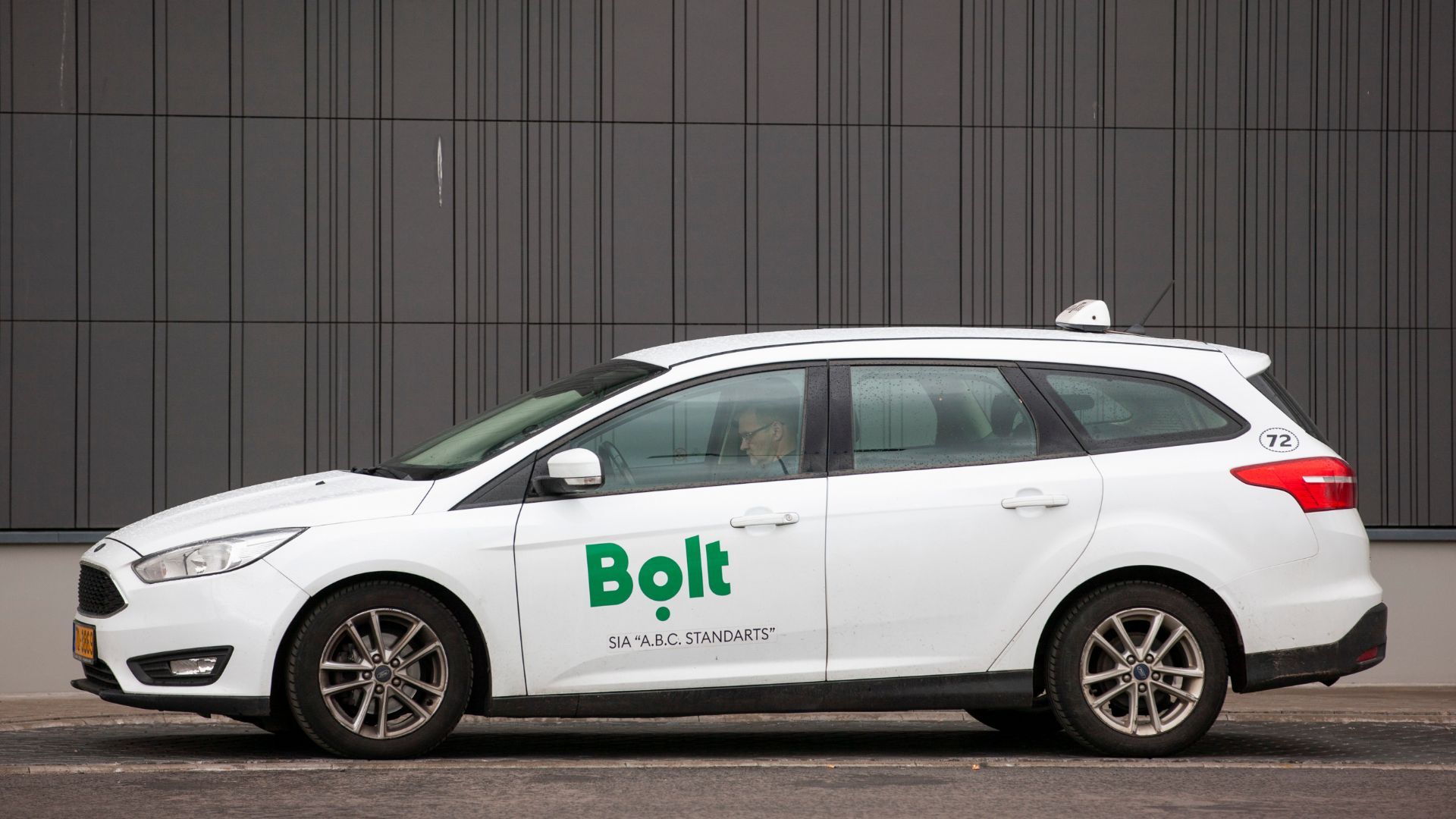
Bolt is another ride-sharing app that operates in the capital, launched earlier in 2019. It claims to cover the bases that Uber doesn’t.
“Recent events highlight the critical importance to public safety of, not just checking, but knowing who those drivers are and taking a deep interest in their overall wellbeing,” said a Bolt spokesperson.
“We spent a year working with Transport for London (TfL) on our successful London licence application and we continue to pay the utmost attention to the credentials of drivers we permit to use our platform. With more than 30,000 drivers carefully onboarded onto the platform, we have quickly become a trusted player in the capital.”
Bolt claims its rates are fairer to drivers and that its service is more reliable and safe for customers. There’s also the added bonus that all rides are offset to be carbon neutral.
The company had its own licensing controversies, however, with a stuttering attempted launch in 2017. Bolt drivers are also in the process of demanding a per-mile base rate of £2, up from the current £1.25.
Gett
Israeli-owned Gett is a comparatively long-standing operation in London. It launched in 2011 as straight alternative to the traditional black cab, to cut waiting times and allow advance ordering.
Like a cab, however, it is metered, with no minimum fares. It also works with existing licensed taxi drivers, including in areas outside London.
Ola
The true new kid on the block will be Ola. We say ‘will be’ because it launches in London in January 2020. It secured an operating licence over the summer after a limited launch in 2018.
“Today, we are inviting the tens of thousands of drivers across London to register themselves on the Ola platform, as we prepare to launch in the city in the coming weeks,” said Simon Smith, international lead at Ola. Watch this space.
Kabbee
Slightly different to the above services is Kabbee. Think of it as a Just Eat, CompareTheMarket or MoneySuperMarket of cab services. Seventy providers are listed, with around 10,000 London cabs on its books.
It also pitches itself as the much cheaper alternative to a traditional flag-down cab, and only keeps highly-rated services listed. On its website, it says you can ‘earn miles to enjoy credits, upgrades and other treats’.
Free Now
Free Now is a pan-European ride-hailing company that has more than 100,000 drivers on its books across 100 European cities. If you’re London-based, it has 17,000 black cabs on its books in the capital.
Like Uber, you tap to order and your ride should arrive shortly. The only difference is that pricing is generally fixed for these fully-licensed drivers, and doesn’t peak and trough with demand.
Pricier alternatives to Uber
If your budget is higher, Wheely and Addison Lee bother offer a more premium taxi experience.
The former will chauffeur you in a Mercedes, while the latter is popular with corporate customers.
London public transport
Of course, when in a real pinch (like if your phone battery has died), a black cab is always available. As is the underground and bus network. It’s always worth looking at prices and routes, to see if a tube or bus could work for you.
London buses have fixed pricing, and the tube network can easily get you further for less. So, even if Uber does leave London, you won’t be left stranded.
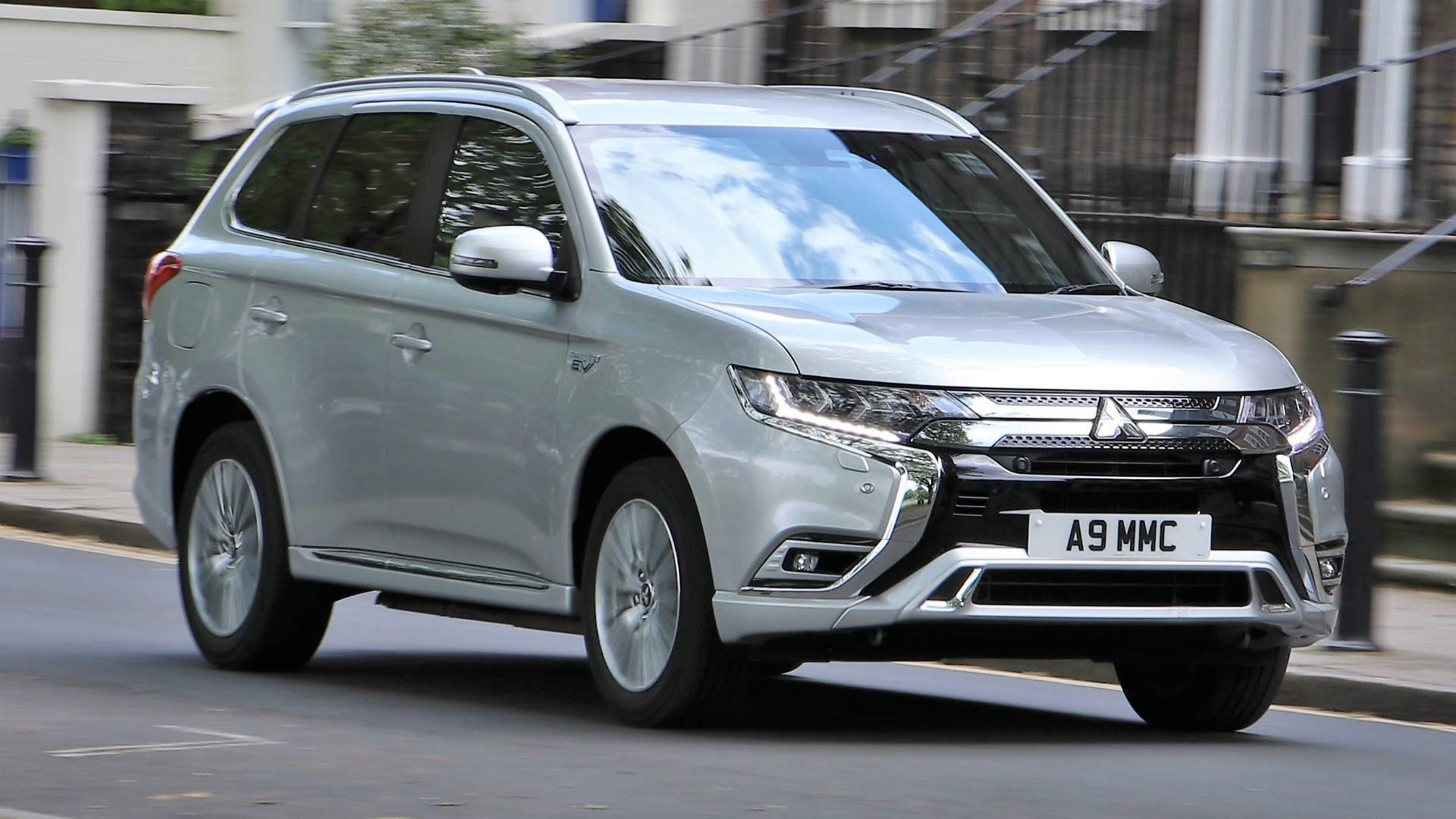
Mitsubishi is offering a £4,500 scrappage discount on the Outlander PHEV when you trade in your old car. The vehicle must have been registered before 1 January 2013.
This reduces the price of the entry-level Outlander PHEV to £30,955.
The offer is set to run until 27 March 2020, and customers must agree to have their trade-in car scrapped. To qualify, the vehicle must have been registered in your name for at least 90 days prior to the new car’s registration date.
Nearly 50,000 Outlander plug-in hybrids have been registered in the UK since 2014. This makes it the UK’s most popular plug-in car. However, it faces growing competition, including a new breed of all-electric SUVs.
Following an update in 2019, the Outlander PHEV offers an all-electric range of 28 miles and 134mpg, based on the WLTP test cycle.
Although the basic Verve trim costs £35,455 (pre-scrappage), the most expensive Outlander PHEV weighs in at £46,000. For now, it remains the best value plug-in hybrid SUV, not least because rivals of a similar size tend to be offered by the premium manufacturers.
The slightly smaller Kia Niro PHEV costs £31,945 and offers an electric range of 36 miles. Standard specification is high, and you also benefit from Kia’s seven-year/100,000-mile warranty. If you don’t require the extra space, the Niro PHEV could be a cost-effective alternative to the ageing Outlander PHEV.
Right now, the Niro PHEV is available on a five percent PCP deal with a £2,000 deposit contribution from Kia. Mitsubishi is offering similar finance deals on the Outlander PHEV.
Rob Lindley, managing director of Mitsubishi Motors in the UK, said: “Moving to a new, ultra-low emission vehicle is an aspiration many people have but it’s a big financial step for many owners of older vehicles.
“Our scrappage offer, combined with competitive finance offers, puts a practical, versatile and low-emission vehicle within reach for many more people. If we were able to combine this offer with some form of compelling government-backed support for plug-in hybrids, it would all help put the government’s Road to Zero ambitions back on track.”
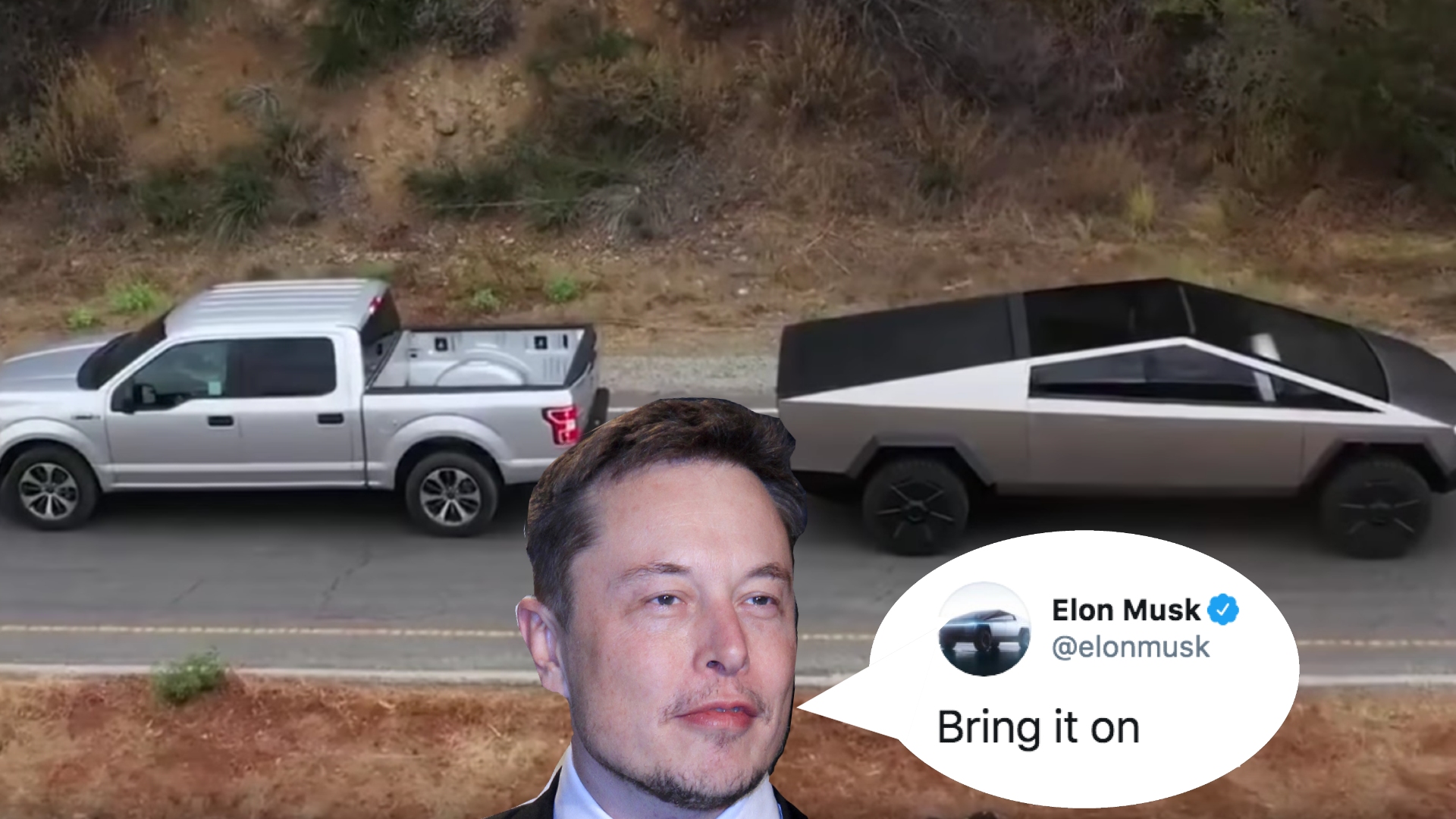
Elon Musk has responded to Ford’s request for an ‘apples-to-apples’ truck tug of war. The Tesla CEO said “bring it on”, after the Sundeep Madra, vice president of Ford X at Ford Motor Company, threw down the gauntlet yesterday.
The reason for the rematch? A video of the Cybertruck winning a tug of war with an F-150 pick-up has been criticised for being unfairly tipped in the trapezoidal Tesla’s favour.
The F-150 in question was either a rear-wheel-drive model, or was in rear-wheel-drive mode. In short, with power going to all four wheels, it could have had the advantage.
Not quite the convincing proof that the Cybertruck is “better than an F-150” as Musk claims.
Interestingly, Madra said Tesla should send Ford a Cybertruck with which to perform the new tug-of-war. For all Musk’s retaliatory bravado, we’d be highly surprised if he does that.
It might not be an issue anyway, given that Ford itself has qualified Madra’s challenge as ‘tongue-in-cheek’ in a statement to InsideEVs. Will the rematch happen at all, if it was all Twitter posturing?
It’s not like Ford has much to prove. A few months ago, it released a video of a prototype electric F-150 towing one million pounds (453,592kg) of laden freight train.
Other manufacturers have poked fun at Tesla, too. In response to the Cybertruck’s rocky reveal, BMW showed off its armoured X5, saying it ‘comes with bulletproof windows and offers splinter protection in case it gets hit by a metal ball’.
Of course, that refers to the Cybertruck’s ‘unbreakable’ windows that broke on stage, causing Musk to blurt expletives.
Audi is the first car manufacturer in the UK to offer customer support via WhatsApp.
Between the hours of 8am and 9pm, Audi E-tron owners can message a dedicated electric car expert. The customer can expect to receive a response within minutes, says Audi.
Customers who have placed an order for an E-tron will be invited to start a chat. Questions can be posed via photos, videos, voice recordings or standard messaging.
The WhatsApp-based Concierge Service has been in place since September, and Audi has received a variety of queries. Questions include access to charging points and winter tyre availability.
Audi says it will also use the ‘valuable feedback’ to ‘hone the premium E-tron ownership experience in the UK’.
The all-electric Audi E-tron SUV costs around £71,500, with a Launch Edition available for a little over £83,000. The five-seat SUV offers a total electric range of up to 237 miles based on the WLTP testing cycle. Fast charging stations are capable of giving the E-tron 80 percent battery capacity in just 30 minutes.
A new E-tron Sportback 55 was unveiled at the recent LA Auto Show. Although there’s no word on price, Audi’s second all-electric car will deliver up to 240 miles of range.
‘Always switched on’
Speaking about the Concierge Service, Andrew Doyle, director of Audi UK, said: “We fully understand that making the transition to a fully electric car can potentially give rise to new questions that may not have been considered before, and therefore an appropriately user-focused option was required.
“We also know that our E-tron customers are always switched on and appreciate the added convenience its many digital services such as Amazon Alexa, natural language voice control and the myAudi app already offer, which is why the E-tron Concierge is an ideal extension of that hassle-free approach to communication outside of the car.”
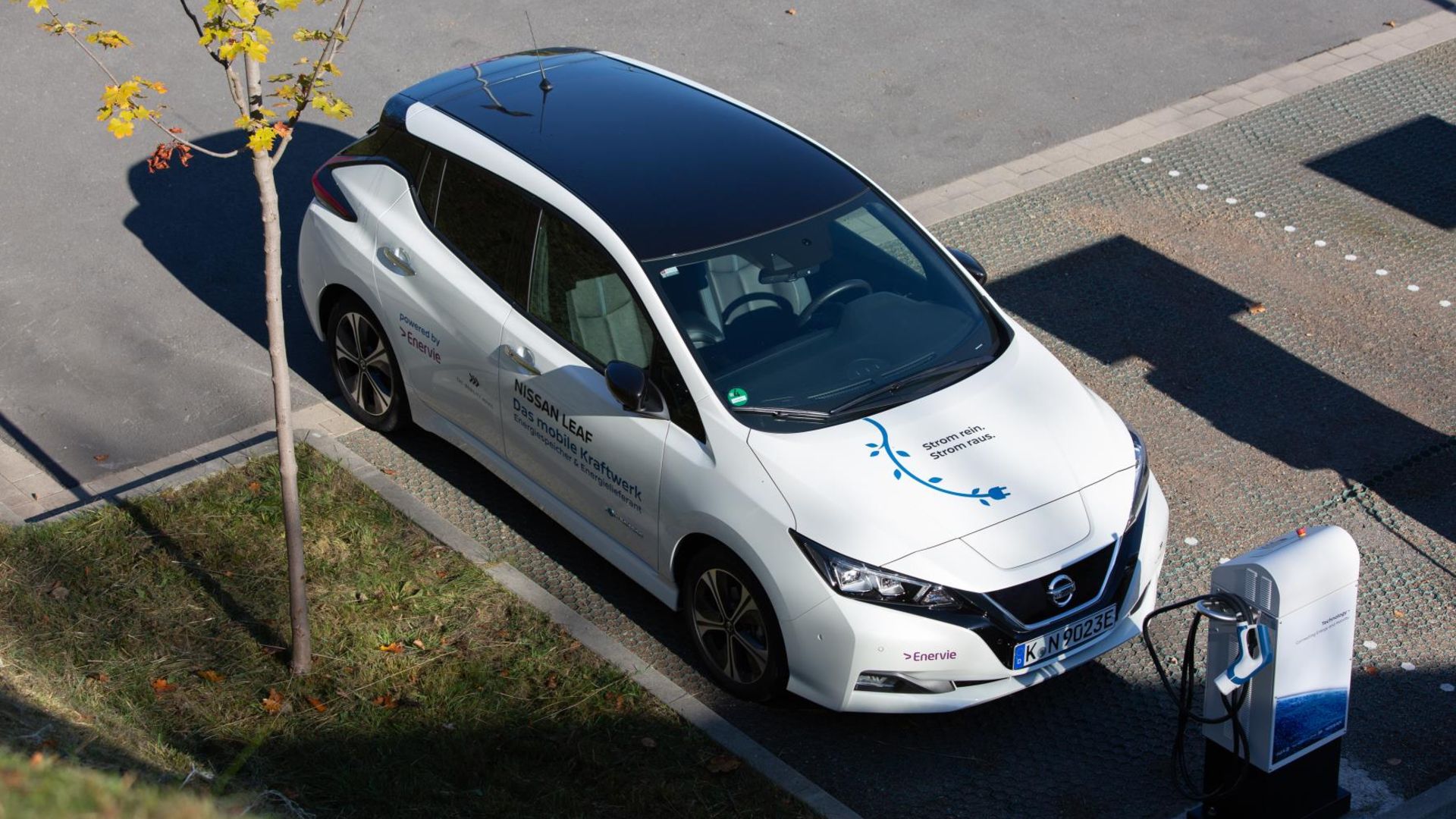
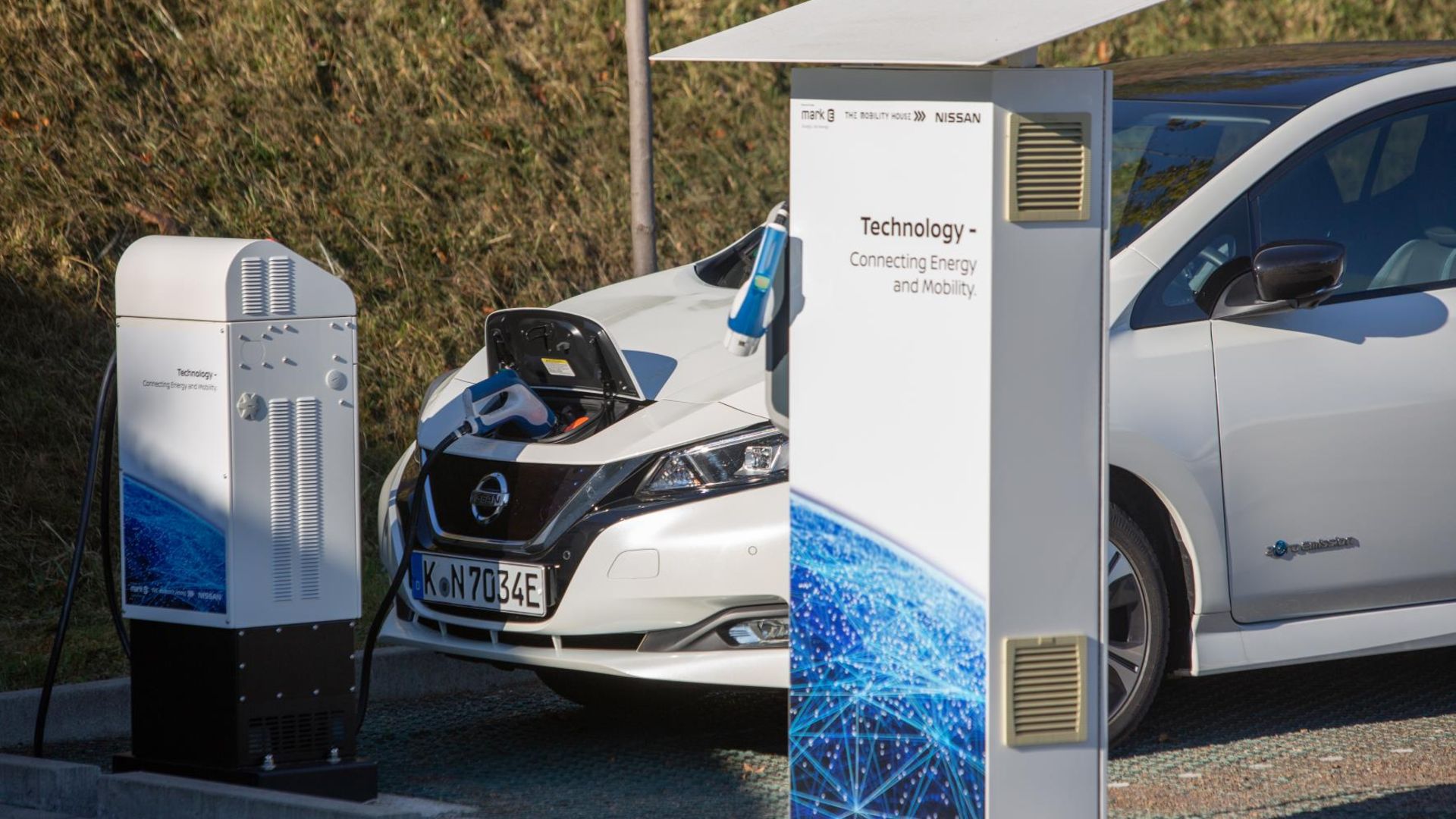
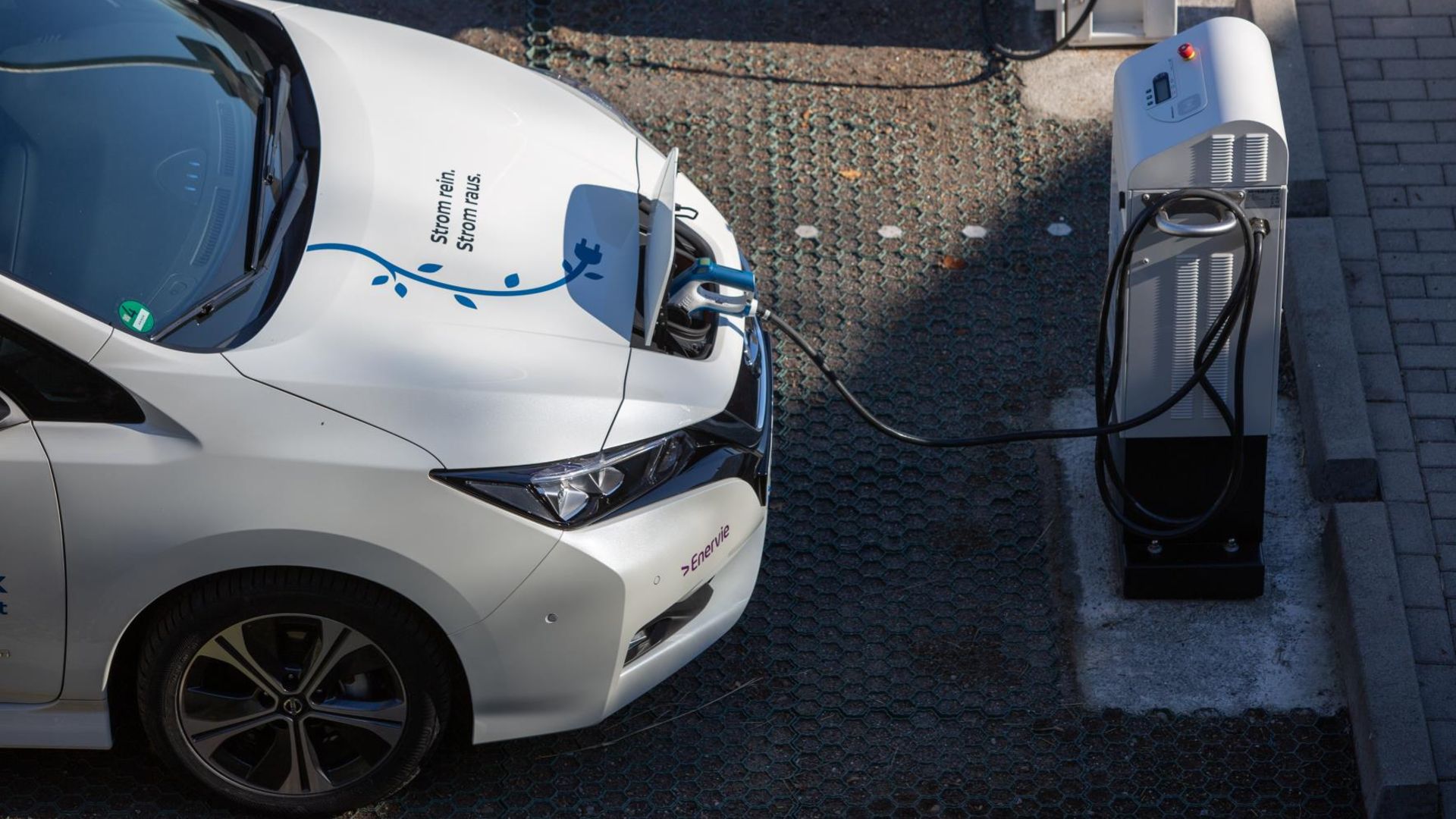
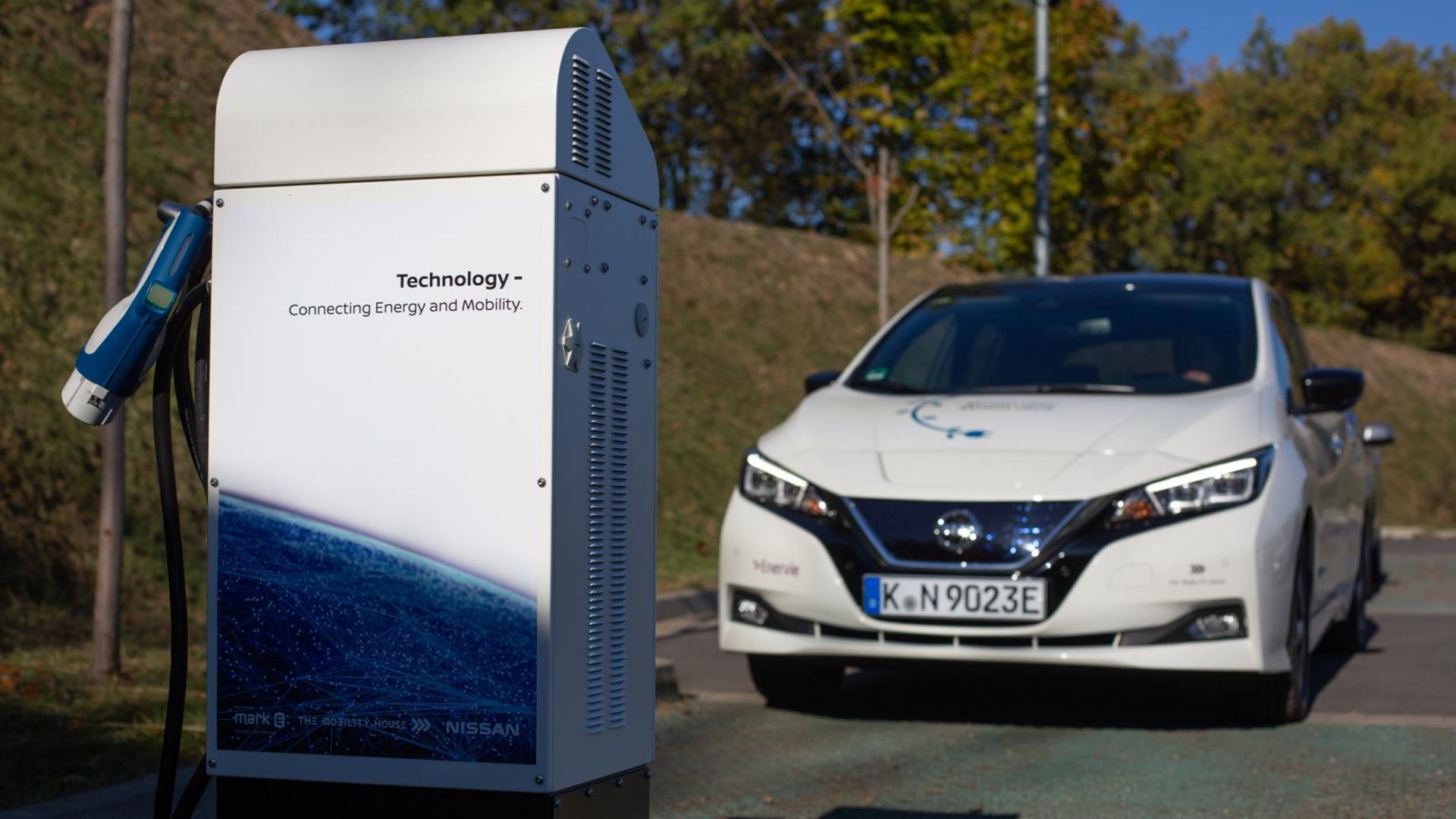
Nissan is taking a broader look at how drivers can be encouraged to switch to electric cars. The company has led a White Paper, working with the European Innovation partnership on Smart Cities and Communities, to ‘accelerate towards more sustainable societies‘.
A large part of the programme, also supported by the European Commission, concerns battery technology. It covers how batteries have use beyond their time in a car (‘second life’), plus how can EVs can work with the electricity grid, rather than just pulling energy from it.
Nissan is keen to see better incentives for mid-range EVs, like its Leaf hatchback. While self-serving, it argues that lower costs, and potentially larger incentives, are required to get more people to go electric.
Nissan is also suggesting tax incentives based on EV owners’ environmental impact, and rewards for power put back into the grid.
Leading by example
Nissan wants public services and authorities to play a part, too. Low-emission zones are a big part of the plan, in order to encourage people to make the jump to EVs.
Liberal Democrats will cut VAT on electric cars to 5 percent
Nissan also suggests procedures for smart charging installation should be improved. It proposes incentivised, or ideally mandatory, installation of renewable energy tech and smart charging in new buildings.
The big picture is the so-called ‘smart city’, with car charging wherever drivers need it, housing equipped with renewables energy sources and so on. This is the future, says Nissan.
“To meet the challenges Europe faces we need a fundamental rethink on how mobility and energy policies are designed,” said Friederike Kienitz of Nissan Europe.
“While Nissan brought mass battery technology to Europe when it pioneered the Nissan Leaf 10 years ago, it is clear from this paper that this is about more than just Nissan or electric vehicles. There is much work to be done if Europe is to achieve its goal of being carbon neutral by 2050, and this white paper sets out how to get there at the national, regional and municipal level.”

 The question over