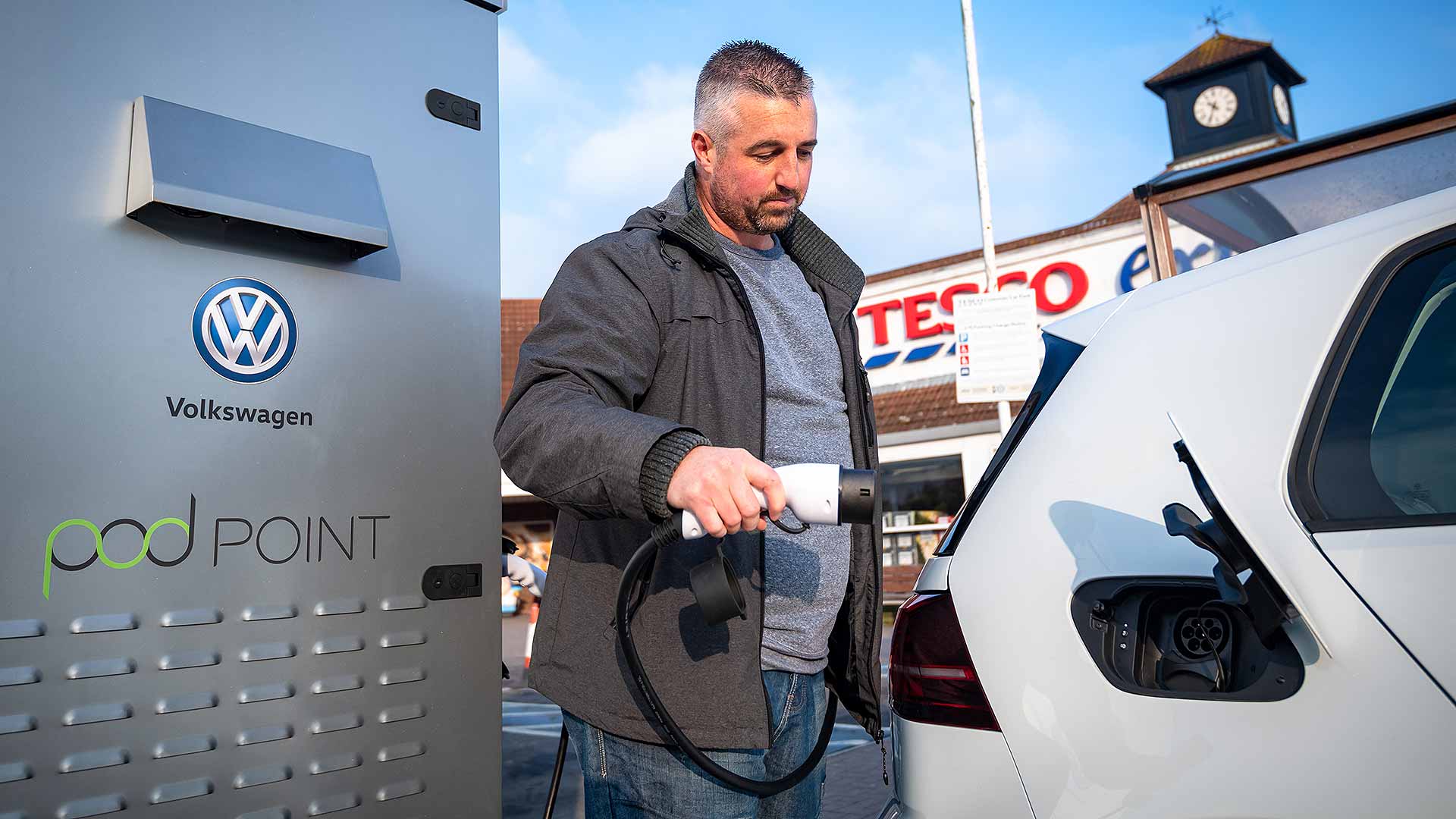
Limited motorway service station chargepoint availability and slow roll-out of on-street and rural electric car charging must be addressed if the UK is to meet its net zero commitment, the Competitions and Markets Authority has announced.
Calling chargepoint access a ‘postcode lottery’, the CMA has outlined a number of measures to address concerns with the chargepoint sector.
This includes a probe into long-term exclusive arrangements at motorway services.
The CMA has also noted worries about difficulties and frustrations with using and paying for chargepoints, which “risks reducing people’s confidence and trust”.
To address this, the government authority has stated charging “should be as simple as filling up with petrol or diesel”.
CMA chief executive Andrew Coscelli said the challenges facing the creation of an entirely new charging sector should not be underestimated.
“Some areas of the roll-out are going well and the UK’s network is growing – but it’s clear that other parts, like charging at motorway service stations and on-street, have much bigger hurdles to overcome.
“There needs to be action now to address the postcode lottery in electric vehicle charging.”
‘Easy and simple’
The CMA has issued four principles that it says will ensure charging will be as easy as filling up with petrol or diesel:
Working chargepoints must be easy to find – e.g. live availability and working status
Charging must be simple and quick to pay for – no need to sign up and wide contactless availability
Cost of charging must be clear with standard pricing, such as per kWh
Charging must be accessible with all chargepoints compatible with all EVs
A competition law investigation into long-term exclusive arrangements for motorway services has also been launched.
We’ve launched an investigation into long-term exclusivity of the supply of electric vehicle chargepoints on or near motorways.
This builds on the work we are already doing in this sector.
— Competition & Markets Authority (@CMAgovUK) July 23, 2021
Currently, Ecotricity’s Electric Highway works with three motorway service operators: Moto, Roadchef and Extra. It provides four in five chargepoints at motorway service stations, in exclusive long-term agreements lasting 10-15 years.
The CMA “is concerned that these arrangements make it difficult for other operations to provide competing chargepoints at motorway service stations”.
Motorists risk “losing out on the benefits of competition, such as greater provision, more choice competitive prices and reliable, high-quality chargepoints”.
Electric Highway has consistently ranked one of the worst chargepoint providers in surveys of EV motorists.
The 2020-21 FIA Formula E season is heading to London this weekend, with a double-header event.
With races on Saturday and Sunday, the electric single-seater championship will compete on a street circuit around the ExCel London convention centre.
With British driver Sam Bird leading the championship, this weekend’s two races could be even more significant.
If you are new to Formula E, or need to refresh about the latest changes, read on to get fully charged.
OK, what exactly is Formula E?
Put simply, it is the only FIA-sanctioned single-seater electric motorsport championship in the world. Imagine Formula One-style race cars, but powered by batteries, and you are on the right lines.
The championship began as a way to promote the significant development of electric vehicle technology, and to prove that battery power does not have to be boring. However, the championship has managed to become about more than just the sheer novelty of electric racing.
Formula E is now into its seventh season, and has grown substantially in popularity. This season sees a total of twelve teams competing, with multiple major car manufacturers involved.
What has changed for the 2020-2021 Formula E season?
FIA President Jean Todt with Formula E founder and chairman Alejandro Agag
The biggest change for the 2020-2021 season is that Formula E is now recognised as an official FIA World Championship.
This puts Formula E at the same level as competitions like Formula One, the World Endurance Championship, and the World Rally Championship.
Along with an extra degree of prestige, it also means a new official title of the ABB FIA Formula E World Championship.
What cars do they use in Formula E?
All teams use the same identical Spark SRT05e chassis, with batteries supplied by McLaren Advanced Technology. Hitting 0-60 mph in 2.8 seconds, with a potential 174 mph top speed, means these are serious racing cars.
Teams are able to supply and develop their own electric powertrains, but the rules are kept tight to ensure the racing is close on track. Maximum power output for each car totals 250 kW (335 hp), reduced to 200 kW (270 hp) in race mode.
The cars do feature aerodynamic wings and spoilers, but are nowhere near as intricate as those seen in Formula One. Again, this helps cars race in close proximity to each other, encouraging as much overtaking as possible.
Formula E had planned to introduce a modified car for the 2020-21 season. However, Coronavirus saw the GEN2 Evo idea shelved, with an all-new car planned for the 2022-23 season instead.
Which car manufacturers are involved in Formula E?
With electric cars becoming more prevalent on the road, manufacturers have seized on Formula E as an opportunity to demonstrate to the world what they can do.
This season sees seven familiar manufacturers involved. Premium German companies are well represented, with Porsche, Mercedes-Benz, Audi, and BMW all involved.
Nissan, DS Automobiles, and Jaguar on the grid for 2020-21, too.
Where does Formula E take place?
Formula E is dedicated to bringing action straight to the fans, which means racing takes place on street circuits in major cities throughout the world.
The circuits used are shorter in length than those used in Formula One, but feature tight layouts designed to encourage overtaking. Taking place with dramatic backdrops only boosts the appeal.
The 2020-21 season has races planned to take place in London, Rome, New York, and Berlin amongst others.
Is Formula E exciting to watch?
Equal machinery, plus talented drivers and compact circuits, means the competition is as fierce as you would imagine.
Bumping and barging on track is a common occurrence, aided by the strong design of the cars. In fact, one of the reasons Formula E wanted to introduce the GEN2 Evo car was to try and stop drivers from making contact on track!
Drivers have the use of ‘Attack Mode’, which sounds like something inspired by Mario Kart. By moving off the racing line to run through a special designated area of the track, drivers receive a temporary 10 kW (13 HP) power boost for their car.
Fans can also use social media to vote for their preferred driver in the run up to each E-Prix. The most popular five drivers then receive an extra ‘Fanboost’ of power to deploy during the second half of the race.
Will I know any of the Formula E drivers?
Initially stocked with a wealth of ex-F1 racers, the Formula E grid has become a desirable motorsport career choice for a wide array of drivers.
Formula One experience is still represented for 2020-21, though. Stoffel Vandoorne, Pascal Wehrlein, Sebastien Buemi, and Jean-Eric Vergne all previously raced in Formula One before making the switch to EV racing.
Formula E isn’t all about retired F1 drivers though. André Lotterer, who drives for Porsche, won the World Endurance Championship in 2012. Dutch driver Nyck de Vries was the 2019 Formula 2 champion, and is part of the Mercedes-Benz team.
Which British drivers compete in Formula E?
Sam Bird, who drives for the Jaguar Racing team, is pictured here winning the second New York ePrix race. As the championship leader, he is the Brit to watch at the London races. Joining him on the grid will be six other British drivers.
Cumbrian-born Oliver Turvey has raced in multiple championships, and is a McLaren F1 test driver.
Tom Blomqvist, who has Swedish dual nationality, is the son of Stig Blomqvist, the famed World Rally driver.
Barnsley’s own Oliver Rowland is now into his fourth Formula E season, and currently races for the Nissan e.dams team. BMW Andretti driver Jake Dennis has previously competed in the DTM series.
Both Alex Sims and Alex Lynn drive for the Mahindra Racing outfit.
Who is the current Formula E champion?
Portugese driver António Félix da Costa took a dominant Drivers’ Championship victory in the 2019-20 Formula E season.
Driving for the DS Techeetah team, Félix da Costa notched up three wins from 11 rounds, and scored two additional podiums. It meant he almost doubled the points scored by Stoffel Vandoorne, who claimed second in the championship.
The DS Techeetah team also scooped the 2019-20 Teams’ Championship for 2019-20, making it back-to-back success for the Chinese outfit. Nissan finished second, with Mercedes-Benz in third.
What is the future of Formula E?
The introduction of a new third-generation ‘Gen3’ Formula E car for the 2022-23 season is the biggest development on the sport’s horizon.
Under the Gen3 rules, Formula E would impose exit penalties on manufacturers who leave the series early. It means manufacturers may need to think longer about signing up for the new series.
The ever-increasing importance of electric vehicles is likely to keep Formula E as an important marketing tool.
BMW and Audi made shock announcements before the 2020-21 Formula E season had even started. Both German manufacturers have stated that they will leave the sport at the end of the season, but committed to race in 2020-21 as planned.
However, Jaguar Land Rover has made a long-term commitment that the Jaguar Racing team will remain within the sport.
How can I watch Formula E?
Multiple options exist to watch the 2020-21 Formula E season.
In the United Kingdom the BBC will provide live coverage of each E-Prix. This will be done through the BBC Sport website, via the Red Button interactive service, and iPlayer.
For the two London rounds, both races will be broadcast live on Channel 4.
Eurosport will air live qualifying and race action, too.
United States viewers can watch all races live through CBS Sports, with a selection to be featured on the CBS Television network. CBS Sports Digital will offer streaming for qualifying.
Formula E also offers live streaming through dedicated YouTube, Twitter, Facebook, and Twitch channels.
Established in 1956, the Hillsborough Concours d’Elegance laid claim to being the world’s longest continuously running event of its kind.
Coronavirus forced an unexpected pause in 2020, but the San Francisco Bay Area show returned to full health in 2021.
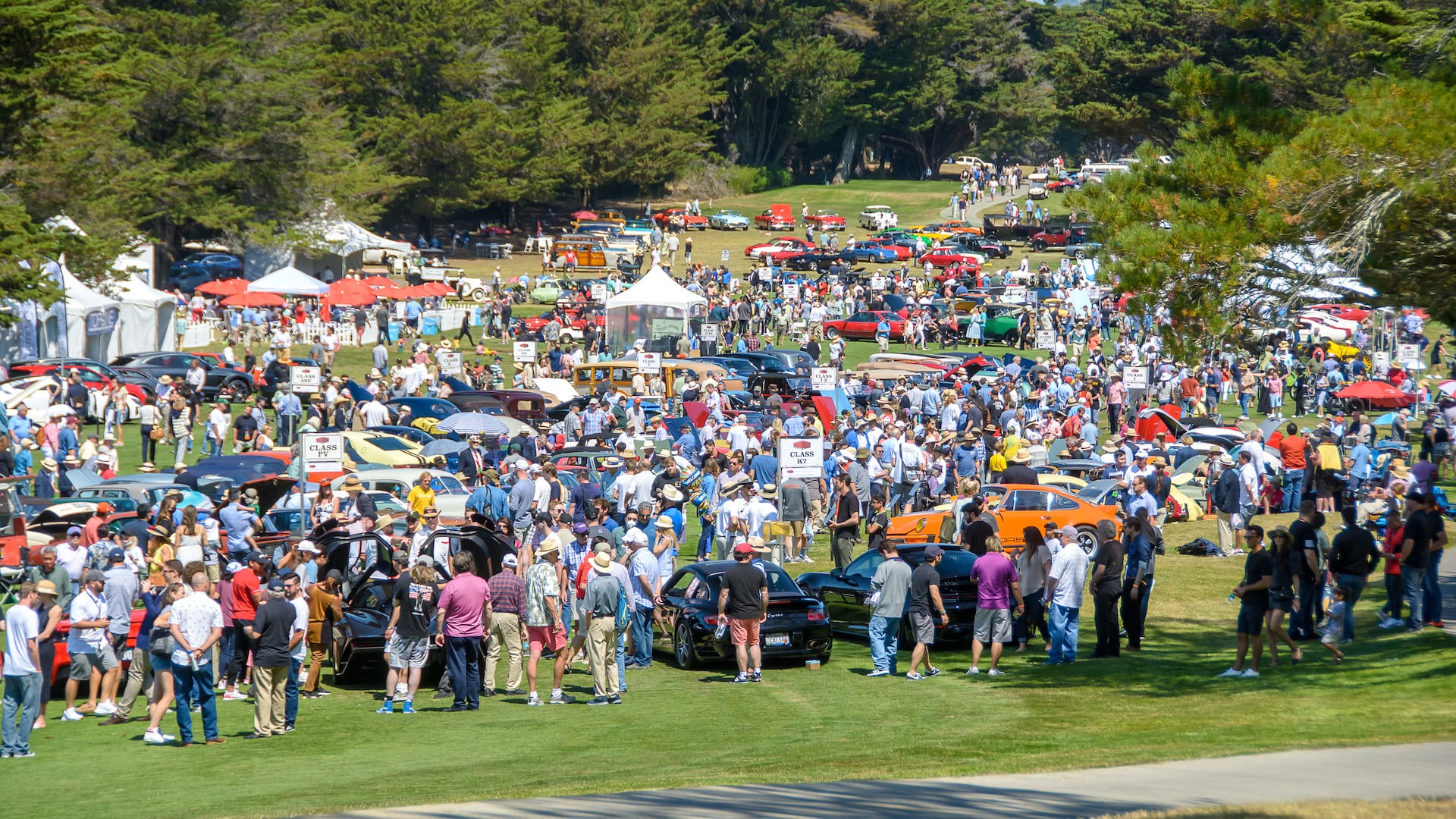
Three days of motoring events concluded with the Concours d’Elegance on Sunday, July 18. More than 200 classic and exotic cars packed the Crystal Springs Golf Course in Burlingame.
Best of Show for 2021
No self-respecting concours event would be without awards, and the Hillsborough saw numerous classes judged.
However, the most important prize of all is the coveted ‘Best of Show’ award. Selected by the Chief Judge and two Honorary Judges, this award selects the single overall top car from the various class winners.
For 2021, the impeccable 1937 Horch 853 Sport Cabriolet scooped Best of Show glory. Owned by Aaron and Valerie Weiss, the rare Horch was noted as delivering the “ultimate in elegance”.
Previously recognized at both the Pebble Beach and Amelia Island Concours d’Elegance, the Horch’s success should be no surprise.
BMW and Ford take center stage
Each year, the Hillsborough Concours chooses to honor the histories of certain manufacturers. For 2021, both BMW and Ford were given special recognition on the concours field.
BMW and Ford models were judged in six special classes, but also claimed some of the top prizes on offer.
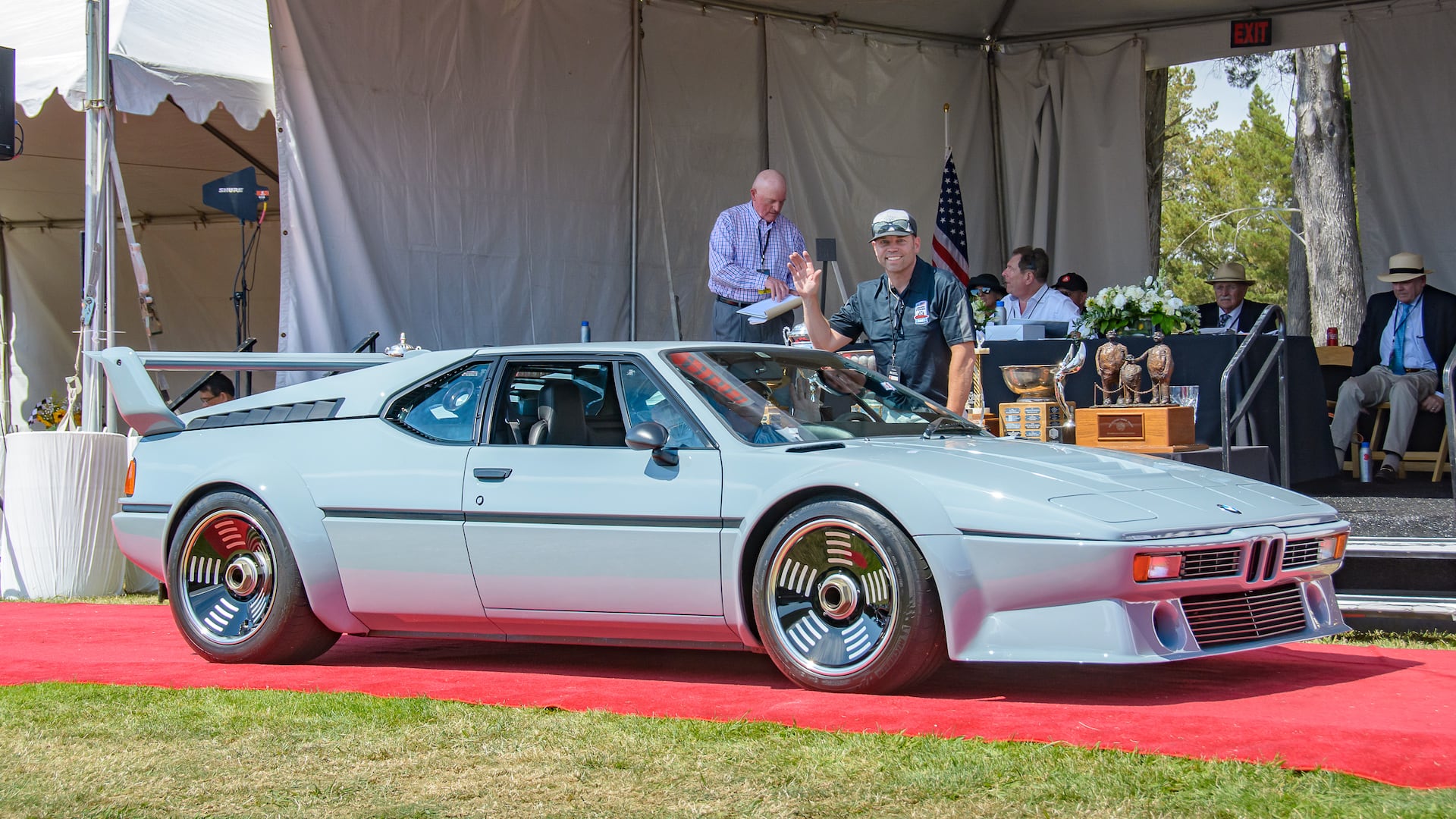
Winning the Chairman’s Award, hand-picked by new chairman Glen Egan, was this rare BMW M1 Procar. Created in 1979, the BMW M1 Procar Championship pitted the top racing drivers from around the world against each other, using equal machinery.
Over 200 classics on display
The collection of cars at Hillsborough Concours was diverse, ranging from pre-war vintage machinery, through to the latest supercars. Even a gold DeLorean DMC-12 could be seen on the show field.
Hillsborough Concours d ‘Elegance Chairman Glen Egan commented that: “This year’s Concours exceeded all expectations in terms of both entrants and attendance”.
He added: “After missing last year due to the COVID pandemic, it was especially gratifying to witness the enduring enthusiasm from the car community and sense the feeling of being back together, sharing our passion.”
In fairness, some of them weren’t bad. The Ford C-Max drove like a tall Focus; the Volkswagen Touran was very roomy; sitting in a Citroen C4 Picasso felt like being in a spaceship. But most of them shared the same compromises, such as a van-like driving position, soggy handling and, worst of all, a ‘tank of mum and dad’ image.
When SUVs came along, people could trade some but not all of the practicality boost for an even higher-set and confident driving position, rugged-feeling suspension and a far cooler image. It was a winning trade. Remember the Volkswagen Tiguan TV ad?
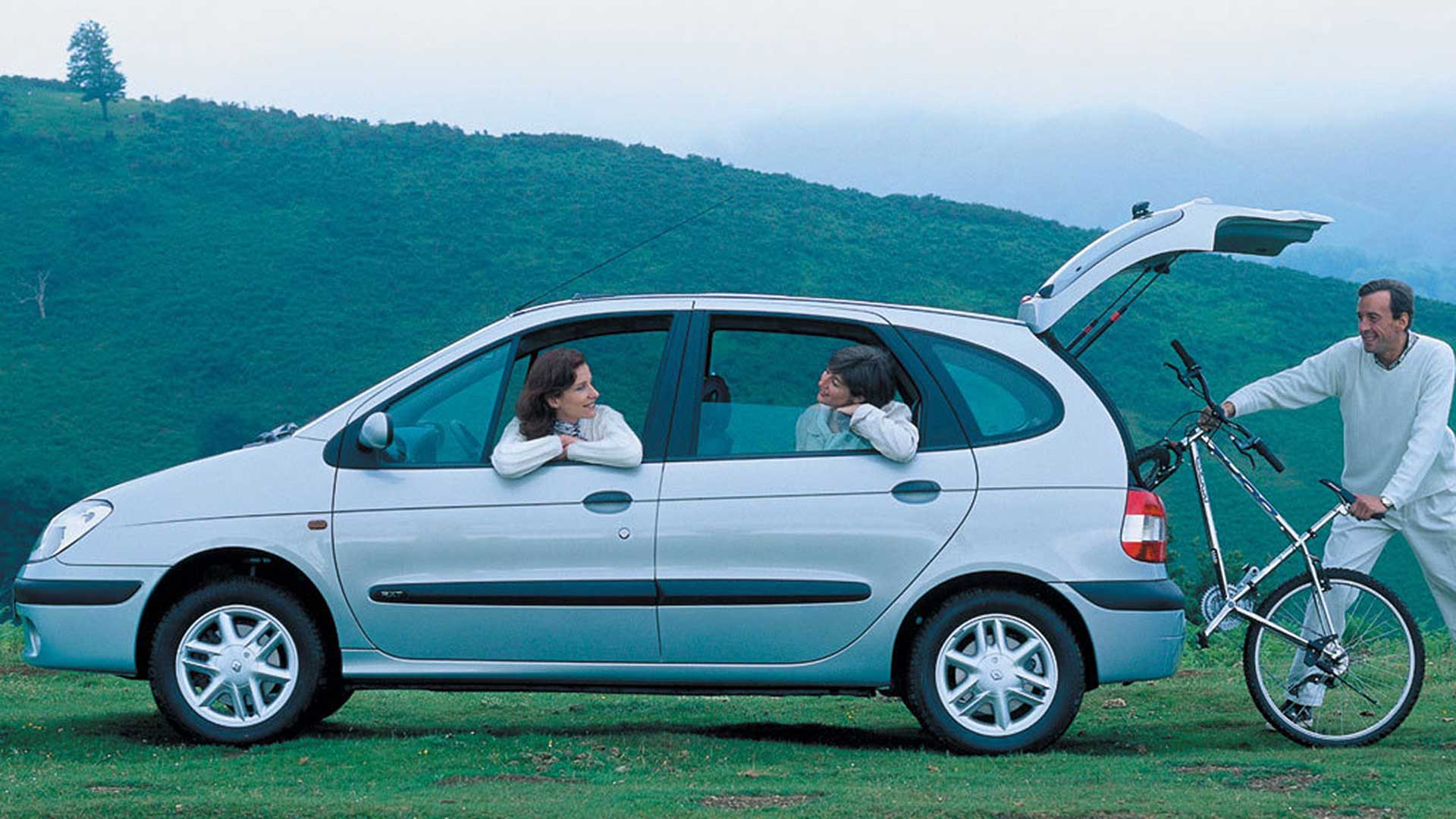
People abandoned MPVs in their droves. So much so, car manufacturers stopped launching new ones. Some MPVs even morphed into SUVs – see how the Peugeot 3008 transformed between generations. Renault proclaimed when launching the latest Scenic that it was a ‘make or break’ MPV. It looks broke.
This is notable, for it was Renault that invented the family MPV sector in the mid-1990s. Two decades later, it’s almost entirely faded away, with SUVs taking their place. So what should the MPV owner who wants the most practical, space-efficient car possible, but who doesn’t want to do the automotive equivalent of move into a smaller but more expensive house, buy instead?
Enter the salvation of the MPV sector: the van-based people carrier.
Living in a box
They’ve been around as long as the MPV itself, ever since Citroen put windows and seats in a Berlingo van and created the Multispace, the true ‘multi purpose vehicle’. For years, this was a bit of a French secret, the sort of thing the offspring of 2CV evangelists now drove. Cheap, tough, comfortable and enormously practical, the Berlingo Multispace was a revelation, sold by the bucketload and inspired multiple rivals.
We Brits have always been a bit sniffy about such things. Hey, we would much rather have bigger alloy wheels than better ride comfort. The thought of swapping a Volkswagen Tiguan for a Volkswagen Caddy Life is the automotive equivalent of wearing jeans to a cocktail party.
But for those who don’t care about snobbery, they are exceptional. They are big and square, so interior space is mammoth. The latest generation of vans are virtually as sophisticated as cars; add in car-like comforts and there’s little compromise in terms of interior ambience. They feel unbreakable and somehow give you that van driver’s confidence, which is always worth an inch in any battle over road space.
Sliding doors in the rear are super-flexible, all three rear seats are genuinely cavernous, and the seven-seater ones are actually usable for seven people, too. As for boot space – again, it’s van-like. SUV boots seem piffling by comparison.
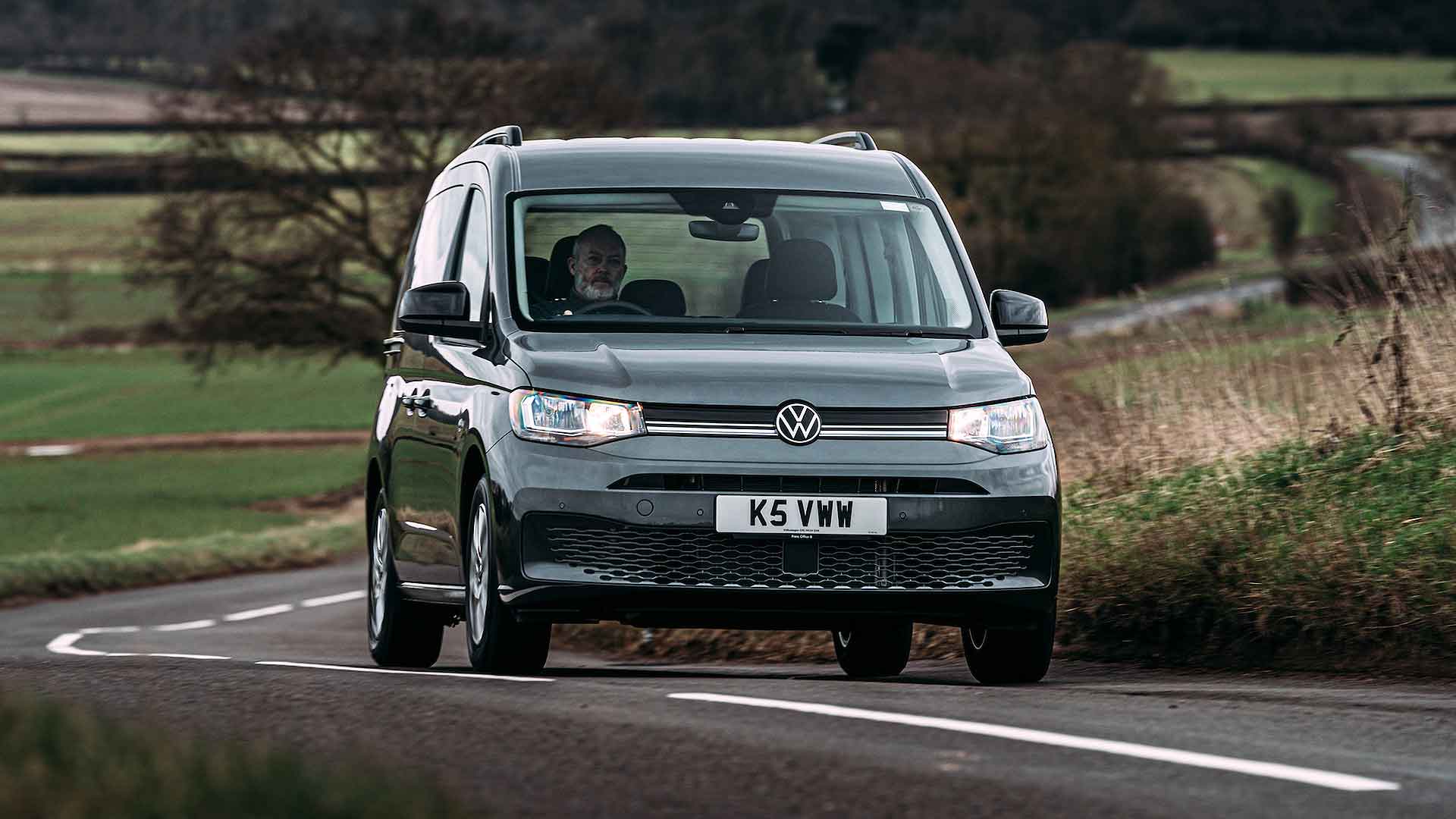
How do I know this? Because I’ve spent the past week testing a Volkswagen Caddy Life. The review will be coming soon, but let me tell you, if it was up to the family, it would be getting six stars. They thought it was absolutely brilliant.
Caddy daycare
For friendly family jaunts, it’s magic. Better than any true MPV ever was. This is all thanks to the SUV: people never really wanted to buy MPVs anyway. The SUV is something they do actually desire, and are buying by the bucketload.
And those who simply need the space, or don’t give two hoots for the style snobs, now have something even more perfect for their needs than ever before.
With hybrid power, and an enviable specification, the car up for grabs is likely to attract plenty of attention.
Super-rare, super-expensive
First shown as a concept at the 2010 Geneva Motor Show, Porsche intended the 918 Spyder to compete with the Ferrari LaFerrari and McLaren P1 hypercars.
Following the level of attention generated by potential customers, Porsche pushed the 918 Spyder into production in late 2013.
However, only 918 cars would be produced, with buyers needing more than $900,000 to consider owning one.
Hybrid theory
Making the 918 Spyder special was the use of a mid-mounted 4.6-l V8 engine, combined with a pair of electric motors. It means the 918 has an all-wheel drive setup, aiding traction and acceleration.
The naturally aspirated V8 engine offers 559 horsepower alone, along with 398 lb-ft of torque. Combined with the electric motors, the 918 Spyder produces an epic 875 horsepower and 944 lb-ft of torque.
Using a seven-speed dual-clutch automatic transmission, the 918 Spyder can accelerate from 0-62 mph in just 2.6 seconds. An official top speed of 214 mph put the 918 in true hypercar territory.
Fast charging machine
Equipping the 918 Spyder with a hybrid powertrain created more than extreme performance. The 6.8 kWh lithium-ion battery allows the Porsche to travel up to 12 miles on electric power alone when fully charged.
A typical household plug socket would take around seven hours to recharge the battery, with a fast-charging point cutting this down to around two hours.
It makes for a hypercar, complete with a carbon fiber monocoque chassis, that can potentially be driven without emissions. Or guilt.
Added lightness included
The original purchaser of this 918 Spyder opted to specify the $84,000 Weissach Package. Intended to deliver even greater performance, it brought less weight and improved aerodynamics.
Weissach models use exposed carbon fiber for the windscreen frame, rear spoiler, and a larger rear diffuser. A set of magnesium wheels were bolted on, with Alcantara trim found inside the cabin.
The shimmering Liquid Metal Silver paint was another substantial option on this particular car. Picking the nine-coat finish added a further $63,000 to the price. For peace of mind, paint protection film has been applied to the Porsche.
Along with a front axle lift system, there is also a cup holder to make life with the 918 Spyder easier.
Bidding is now open
Out of an already limited production run, fewer than 300 examples of the 918 Spyder came to the United States. It means ownership opportunities for this mid-engined marvel are hard to come by.
Having been driven for less than 5,000 miles, and with routine maintenance up to date, this Californian car is deeply desirable.
Bidding on Collecting Cars is live now, with the auction set to run until August 1st.
Fewer new cars than forecast are set to hit British roads for the remainder of 2021 as semiconductor supply issues continue to hit production.
Analyst Cox Automotive says this latest quarter is set to be down almost 18 percent on the 20-year average for new car registrations.
For the full year, it’s set to be even worse, with the latest downward adjustment to 1.823 million cars representing a 21.1 percent reduction on the pre-Covid 20-year average.
This is despite pent-up demand seeing buyers clamouring for new cars – a situation Cox Automotive director Philip Nothard describes as “a perfect storm”.
“To get around the challenges and the reliance of technology in vehicles today, manufacturers are refocusing the available materials towards their most popular and profitable models for the time being – EVs, hybrids and higher-margin vehicles such as SUVs and even their commercial vehicle divisions where there is increased demand.”
The losers? Cheaper, less profitable models, and smaller city cars – which is where new car buyers may therefore find particularly acute shortages.
From new to used
It is the used car sector that is benefitting from the challenges faced by new car buyers. “Arguably, the used car market has never had this much influence on the industry as a whole,” said Nothard.
“Buyers are flocking towards used cars with money to splash after a largely inactive year, and dealers are enjoying an uplift in activity as a result.”
And as new car shortages are generally not expected to be resolved until the first half of 2022, “the knock-on effects in the used car market will be around for some time yet”.
Schools breaking up for summer and the pandemic-related staycation surge are set to create a ‘perfect storm’ of incredibly busy conditions on UK roads between now and the weekend.
An estimated 11.5 million road trips are set to take place by the end of the weekend, says the RAC – with today (21 July) set to be the busiest day with 2.6 million family trips alone.
Friday 23 July will also be busy with 2.3 million leisure trips.
The RAC is warning journey times are likely to be “severely affected” and traffic experts Inrix predict there will be a 29 percent increase in delays on Friday compared to a normal July.
RAC Breakdown spokesman Simon Williams said: “We seem to have all the elements of a perfect storm on the UK’s roads this summer – with millions of drivers having already planned their staycation trips, plus the very real prospect of huge numbers more booking last minute if their foreign travel plans end in tatters because of Covid travel restrictions.
“With the current heatwave, the scene is really set for an incredibly busy few weeks on the country’s roads.”
Motorways will be affected, he said, but so too will smaller, minor routes leading to popular tourist destinations.
“It’s never been more important to plan ahead to avoid the busiest times.”
Inrix analyst Bob Pishue also said motorists should expect delays. However, “knowing when and where congestion will build can help drivers avoid the stress of sitting in traffic, and our advice is to leave as early in the day as possible and to avoid travelling on Friday afternoon if at all possible”.
Williams added that motorists should not risk making things worse with a breakdown en route – particularly as millions of motors may only have been driven short distances during Covid travel restrictions.
“It’s not too late to reduce your chances of breaking down. This is why we can’t stress enough how important checking tyres, oil and coolant levels is.”
Day-by-day guide to delays
Wednesday 21 July
Worst time to travel: 2pm and 6pm
Best time to travel: after 6pm
Specific delay hotspots: M25 anticlockwise J17-12, M25 anticlockwise J4-J1
Thursday 22 July
Worst time to travel: 2pm and 7pm
Best time to travel: after 7pm
Specific delay hotspots: M25 anticlockwise J4-J1, M25 anticlockwise J7-J16
Friday 23 July
Worst time to travel: 11am to 7pm
Best time to travel: after 8pm
Specific delay hotspots: A303 West Solstice Park to A36, M4 east J29-J24
Saturday 24 July
Worst time to travel: 10am to 4pm
Best time to travel: after 5pm
Specific delay hotspots: M25 clockwise J7-J16, M5 south J15-J23
Sunday 25 July
Worst time to travel: 12pm to 6pm
Best time to travel: after 7pm
Specific delay hotspots: M25 clockwise J7-J16, M25 anticlockwise J4-J1, A303 West Solstice Park to A36
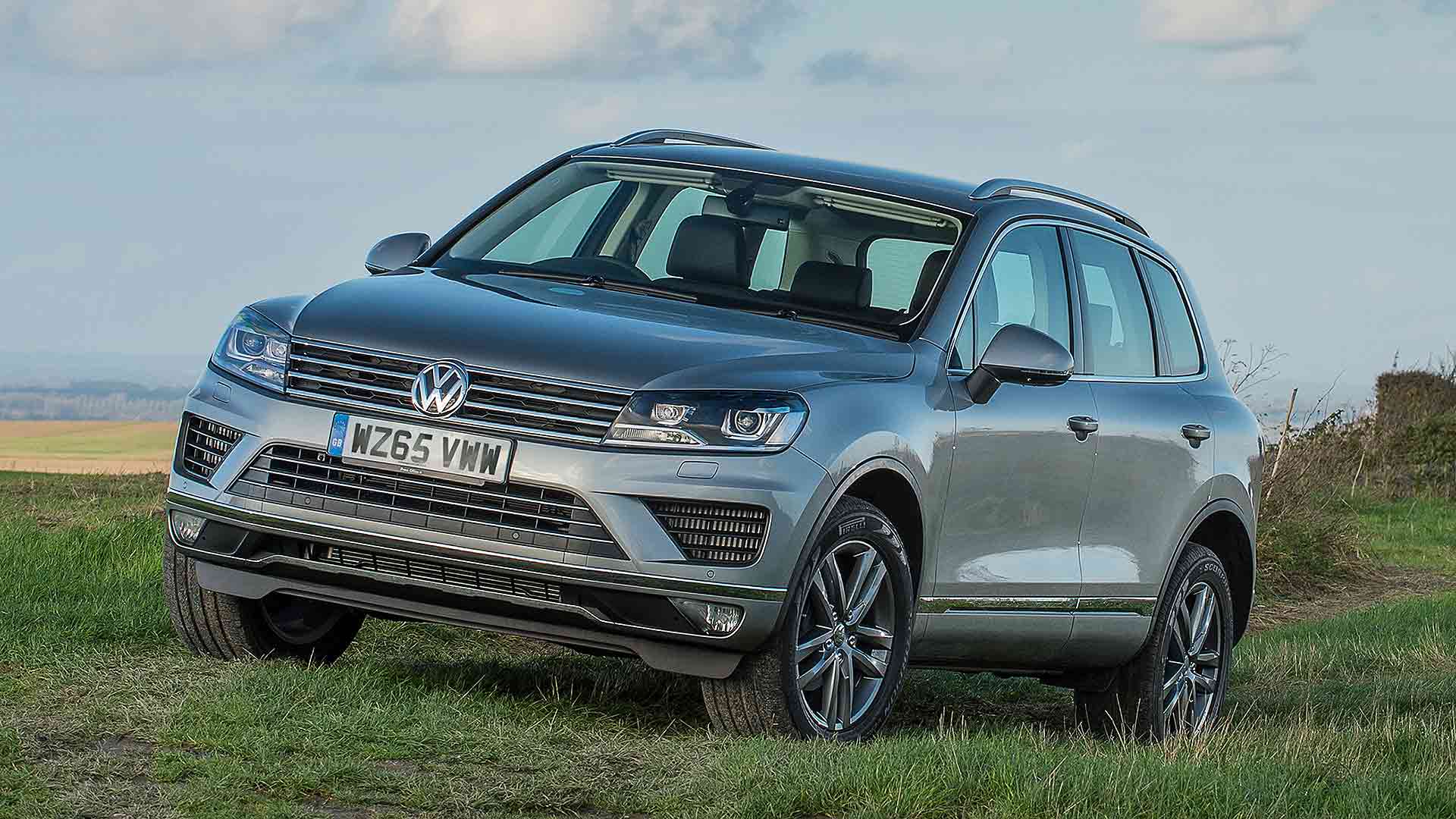
The fastest-selling motor leaving retailer forecourts right now is the 2016 Volkswagen Touareg, which takes just 22 days to sell.
The Ford Edge, Ford Kuga and Land Rover Discovery Sport are also in hot demand with used cars buyers.
Demand for SUVs has grown 10 percent already this year, shows the data from Auto Trader – supply, however, has not followed suit, failing 8.7 percent.
This is not only leading to fast turnover at car dealers, it’s also pushing up prices – they have risen 13.1 percent year-on-year.
The average price of a used SUV on the marketplace is now well over £22,000.
Auto Trader director Karolina Edwards-Smajda, said: “We’ve seen already very strong levels of buyer demand accelerate following the reopening of physical forecourts in April, but it looks as though it’s been given an extra boost in anticipation of the easing of most COVID-19 restrictions this week.
“This is having a significant influence on the speed of sale and used car prices, as well as the overall market health.”
Since the start of the year, time to sell a used car has nearly halved, from 43 days to 23 days.
Used car buyers are warned that if they see the right vehicle in stock, at an attainable price, they shouldn’t hang around. Chances are, it won’t be there when they return…
Tuning company Hennessey Performance has announced a new limited-edition version of the Ford Bronco.
Hennessey is famed for adding big power to pickup trucks and muscle cars, and building its own Venom hypercars.
Now the Texas-based firm has turned its attention to the in-demand SUV. A comprehensive overhaul of the twin-turbocharged EcoBoost engine, sees the Ford Bronco gain big power.
Turbocharged limited-edition performance
Hennessey has added a new air intake, upgraded the exhaust system, and recalibrated the ECU for Ford’s standard 2.7-l EcoBoost V6 engine. The result is a substantial 405 hp, accompanied by a sizable 503 lb-ft of torque.
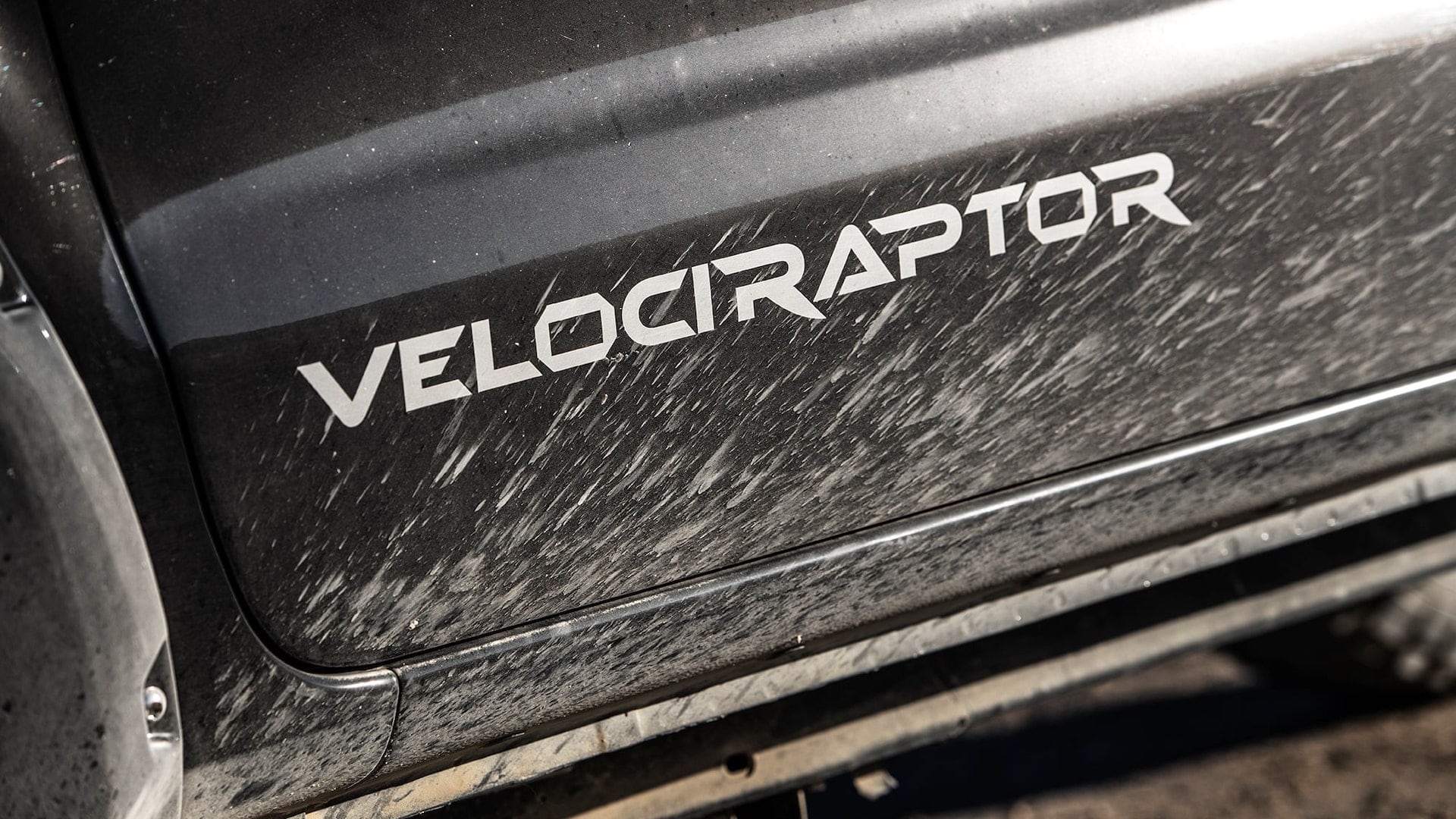
It means the Bronco can sprint from 0-60 mph in just 4.9 seconds, but still deliver thrills in the dirt. Hennessey offers an optional Off-Road Package, adding bespoke VelociRaptor bumpers, retractable side steps, and Hennessey wheels wearing all-terrain rubber.
Buyers can specify their VelociRaptor 400 Bronco in either two- or four-door body styles, and can be combined with a soft-top roof. Production will be limited to just 200 examples.
Adding another VelociRaptor to the pack
The VelociRaptor 400 uses the Wildtrak version of the Ford Bronco as a base for its creation. Pricing will be in the region of $80,000 (£58,000), which does include the price of the donor vehicle.
Hennessey supplies a three-year / 36,000-mile warranty as part of the VelociRaptor 400 deal.
The new Bronco model becomes the latest VelociRaptor to emerge from the Hennessey garage. Multiple versions of the Ford F-150 performance pickup have previously been created by the company.
A V8-powered version of the Ford Bronco is also planned, with the promise of 750 hp from a supercharged 5.0-l V8.
Seeing one Aston Martin Lagonda feels special. Seeing 24 Lagondas feels slightly surreal. Unless you’re Rodger Dudding, that is.
Regular readers will remember Dudding as the owner of Studio434, Europe’s largest private car collection. At last count, his vast, multi-storey warehouses in north London contained nearly 500 cars.
The ‘wedge’ Lagondas are a particular passion, though. Aston Martin built just 645 between 1979 and 1990, and Dudding owns roughly four percent of them. In a world exclusive for The Intercooler, we gathered all 24 cars together for the first time.
Stopping traffic
Rodger Dudding made his fortune by inventing the ‘take a ticket’ queuing system in the 1970s. He then began buying lock-up garages – around 14,000 in total – many of which contained abandoned cars.
Today, the eclectic and eccentric highlights of Studio434 include a Jaguar XJ220, DeLorean DMC-12, Bond Bug, Lamborghini Countach and Ford Escort XR3i. The Lagondas are the biggest draw, though. Dudding acquired his first ‘wedge’ around a decade ago and hasn’t looked back.
“Without this car, Aston Martin would have gone bust,” he says. “Yet it’s been whitewashed from history. They’re quite temperamental, but very relaxing to drive. And they have so much presence. In London, it literally stops traffic”.
Future shock
Styled like a supercar and powered by a 5.3-litre V8, the Lagonda was best known for its fiendishly complex – and notoriously fickle – electronic dashboard. Early cars actually used two cathode-ray televisions in place of traditional dials.
The Studio434 fleet includes two of the 10 long-wheelbase limousines (one with an oh-so-80s boomerang aerial) and another car trimmed, inside and out, in 18-carat gold.
Dudding also has a customised Lagonda formerly owned by Dodi Fayed, with deep-dish alloys and an enormous audio system. “It cost £100,000 to restore,” he reveals.
Spaceship in suburbia
After a tour of the collection, we ventured onto the road in the late-model Series 4 Lagonda pictured above. Here’s an excerpt from the article:
‘Performance is modest by 21st century standards, with 60mph dispatched in 7.9 seconds and a top speed of 143mph. Yet the 280bhp fuel-injected V8 serves up all 360lb ft of torque from 3,000rpm and its three-speed GM Torqueflite ’box (no paddles here) is butter-smooth.
‘It feels brisk, brawny and surprisingly eager: a muscle car with manners.’
There’s an app for that
You can read the full article for free on The Intercooler – a brand new digital car magazine. Simply download the app on your smartphone or tablet, then click on the Features tab.
Studio434 isn’t open to the public, but it offers car hire for weddings and events. There are several photography and film studios on-site, too.
Dudding now plans to sell some of his Lagondas, so we may not see all 24 together again. If you want one, expect to pay anywhere from £50,000 to £100,000. And don’t expect to go anywhere unnoticed.