Home Blog Page 129

Acura Integra is the 2023 North American Car of the Year

0
2023 NACTOY Award Winners

The new Acura Integra has been crowned the 2023 North American Car of the Year (NACTOY) winner at an event in Pontiac, Michigan. 

It’s an excellent achievement for the reborn Integra, which had to impress a panel of 50 professional automotive journalists. 

The judges are drawn from print, online, radio and television outlets in the United States and Canada, and they all cast votes on the three finalists. 

Prizes were also handed out for the North American Truck of the Year, along with the top Utility vehicle. 

Return of the iconic Integra

2023 NACTOY Award Winners

The Acura Integra started with success on its side, being based upon the latest Honda Civic that took the Car of the Year trophy in 2022. 

However, the judging panel assessed the Integra on its own merits, praising its styling and fun driving experience. The option to combine a six-speed manual gearbox with the 1.5-liter turbocharged petrol engine also added to the appeal.

In the final of the 2023 NACTOY competition, the Acura Integra faced the Nissan Z coupe and the four-door Genesis G80 EV. 

Charm, nostalgia and affordability all helped the Integra edge ahead, becoming Acura’s second winner in the NACTOY Awards.

Ford keeps on truckin’

Ford has enjoyed plenty of success in the Truck of the Year category, with various iterations of the F-150 pickup truck emerging as winners. Last year saw the compact Maverick claim the top truck award. 

For 2023, the all-electric F-150 Lightning overwhelmingly won over the jurors. Off-road ability, practicality and impressive EV performance gave the Lightning a near-landslide win over the Chevrolet Silverado ZR2 and Lordstown Endurance. 

Bengt Halvorson, NACTOY judge, said: “The F-150 Lightning shows how the most familiar vehicle in American life can be made even better as an EV, and it’s fantastic.”

All-electric Utility of the Year final

2023 NACTOY Award Winners

The North American Utility Vehicle of the Year category encompasses SUVs, crossovers and the few remaining minivans on sale. All three of the finalists in 2023 were electric cars, demonstrating the speed of change in this sector. 

With attractive styling, a large battery range and rapid performance, the jurors voted the Kia EV6 as the winning utility for 2023. 

Ease of charging and a refined interior added to the EV6 package, placing it ahead of the Genesis GV60 and luxurious Cadillac Lyriq.

ALSO READ:

Mercedes-Benz to build its own global EV charging network

Bentley 2022 sales top 15,000 in another record year

Heat Belt: new heated seat belt can increase electric car range
Advertisement

London is the most congested city in the world – again

0
London Congestion Levels
Unsplash / Photoholgic

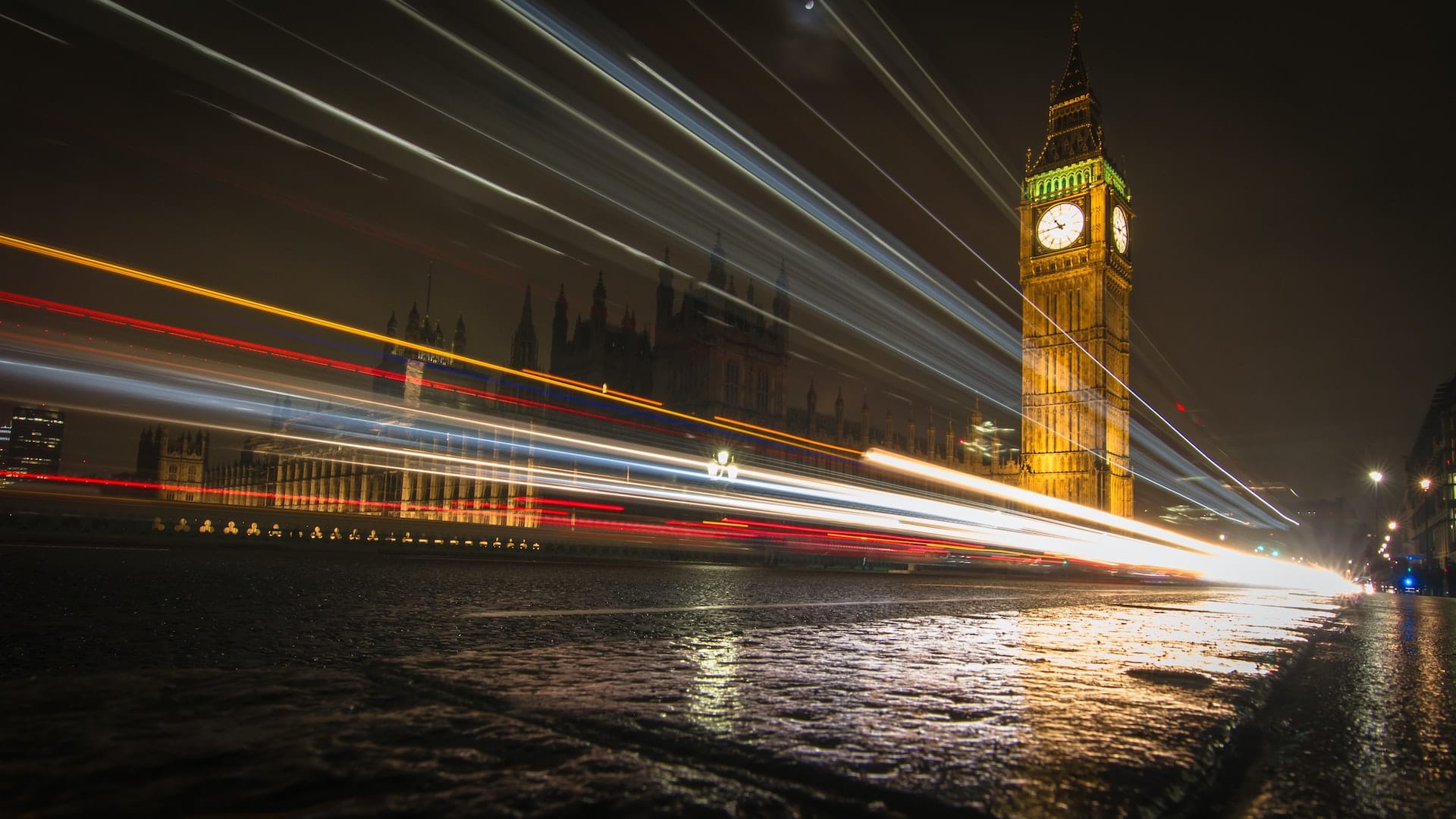
New data has revealed that London is once again the most congested city in the world, topping the charts for the second year in a row. 

The latest INRIX Global Traffic Scorecard places London at the top of the traffic league. On average, drivers in the capital lost 156 hours due to congestion in 2022, and averaged speeds of just 10mph. 

This is far ahead of the 91 hours lost by drivers in Bristol, the UK’s second-worst city for congestion, and almost double the UK average of 80 hours spent in traffic last year.

An international problem

London Congestion Levels
Unsplash / Sawyer Bengtson

In the Global Traffic Scorecard, Chicago narrowly missed out on the top spot for 2022. The Windy City saw drivers spend 155 hours gridlocked in congestion last year, making for a 49 percent increase from 2021. 

Paris completed the podium positions, with drivers delayed by an average of 138 hours in the French capital. This represented a one percent fall from 2021. As in Chicago, Paris drivers typically managed to reach just 11mph on urban roads. 

Boston, Massachusetts and New York City completed the five worst cities for congestion, with the United States accounting for half of the top 10. 

Despite a notorious reputation for traffic, Los Angeles was placed in 14th position. LA drivers spent only 95 hours in traffic during 2022.

The £9.5 billion cost of congestion

London Congestion Levels
Unsplash / Jay Wennington

INRIX notes that whilst 10 areas in the UK saw increases in traffic volumes, only London saw congestion above pre-Covid levels. 

The overall increase in congestion during 2022 is potentially due to higher volumes of light commercial vehicles (LCV), and heavy goods vehicles (HGV), on UK roads. 

LCV traffic rose by 95 percent compared to pre-Covid days, with HGVs up by 88 percent.

With motorists in the UK losing an average of 80 hours due to congestion, INRIX has calculated this cost each driver £707 in lost time.

This equates to a total cost to the country of £9.5 billion.

The continuing cost-of-living crisis has added 25 percent to the cost of fuel for commuters, too.

2022 UK Top Ten Areas For Congestion

RankUrban Area2022 DelayCity Centre Speed2022 Cost per City
1London156 Hours10mph£5.7bn
2Bristol91 Hours14mph£175m
3Manchester84 Hours14mph£191m
4Birmingham73 Hours16mph£346m
5Belfast72 Hours16mph£102m
6Nottingham71 Hours14mph£97m
7Edinburgh67 Hours16mph£150m
8Hull68 Hours16mph£74m
9Leeds60 Hours16mph£196m
10Leicester62 Hours16mph£92m

ALSO READ

New Jaguar I-Pace 400 Sport revealed

London ULEZ to expand in 2023: what you need to know

We swap seats to drive London’s electrified black cab

Advertisement

New Jaguar I-Pace 400 Sport revealed

0

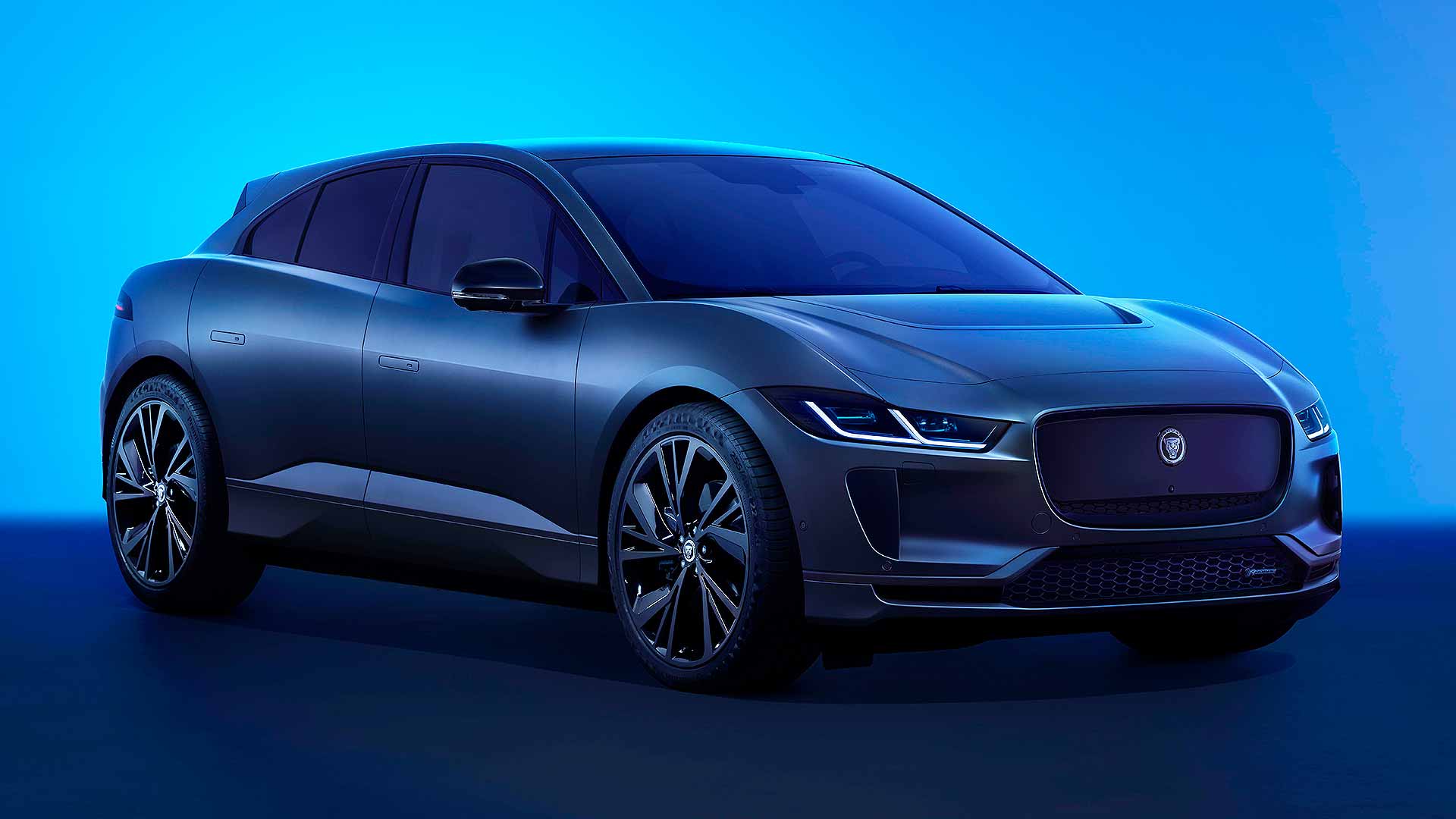
The Jaguar I-Pace electric SUV has been updated for 2023 – including the launch of a new range-topping 400 Sport model.

Styling has been tweaked, specifications improved, while the core range all now boast the R-Dynamic design pack.

There are two new satin-finish metallic colours, too – a Jaguar I-Pace first. Choose from Eiger Grey or Carpathian Grey.

At the front, the Jaguar I-Pace has a smooth, closed-off grille in Atlas Grey, replacing the old gloss black ‘lozenge’ grille.

It gives the front end a cleaner look and improves its aero efficiency. There’s also a new black and silver Jaguar badge in set into the grille.

The lower body features of the 2023 Jaguar I-Pace are now body-colour instead of gloss black, and the vertical blades in the front bumper are now Atlas Grey.

Every alloy wheel option on the new Jaguar I-Pace is diamond-turned, while the 22-inch wheel option has a satin grey finish.

The Jaguar I-Pace R-Dynamic SE Black and above all feature an exterior Black Pack, with gloss black grille and window surrounds, door mirrors and rear badges.

Jaguar I-Pace 400 Sport

The new Jaguar I-Pace 400 Sport boasts a tailgate spoiler and standard 22-inch alloys.

Inside, it has slimline performance seats, with fine Windsor leather and both heating and cooling for the driver.

The Jaguar I-Pace 400 Sport also gets standard electronic air suspension with adaptive dynamics – which includes adaptive surface response, tech that automatically reacts to the road in real time.

All new Jaguar I-Pace have a 90kWh battery, giving a range of up to 292 miles.

They are able to use 100kW rapid chargers, adding 78 miles of range in 15 minutes.

Output of 400hp and all-wheel drive gives 0-60mph acceleration in 4.5 seconds and a top speed of 124mph.

The I-Pace is “our latest model to benefit from our approach of offering more curated, richer specifications,” said Jaguar executive director Nick Collins.

He also teased the future of Jaguar, which remains clouded in mystery.

“We’re applying the know-how from our electrified vehicle programmes and accelerated technological development enabled by our collaborative partners with the Jaguar TCS Racing Team to reimagine Jaguar as an all-electric modern luxury brand from 2025.”

Watch this space… and buy a new Jaguar I-Pace, the 2019 World Car of the Year, in the meantime.

2023 Jaguar I-Pace prices

  • R-Dynamic S: £69,995
  • R-Dynamic SE Black: £73,495
  • R-Dynamic HSE Black: £77,495
  • 400 Sport: £79,995

ALSO READ

Bentley sales top 15,000 in another record year

Jaguar I-Pace named World Car of the Year 2019

New Daica Jogger Hybrid prices to start from £22,595

Advertisement

Bentley 2022 sales top 15,000 in another record year

0

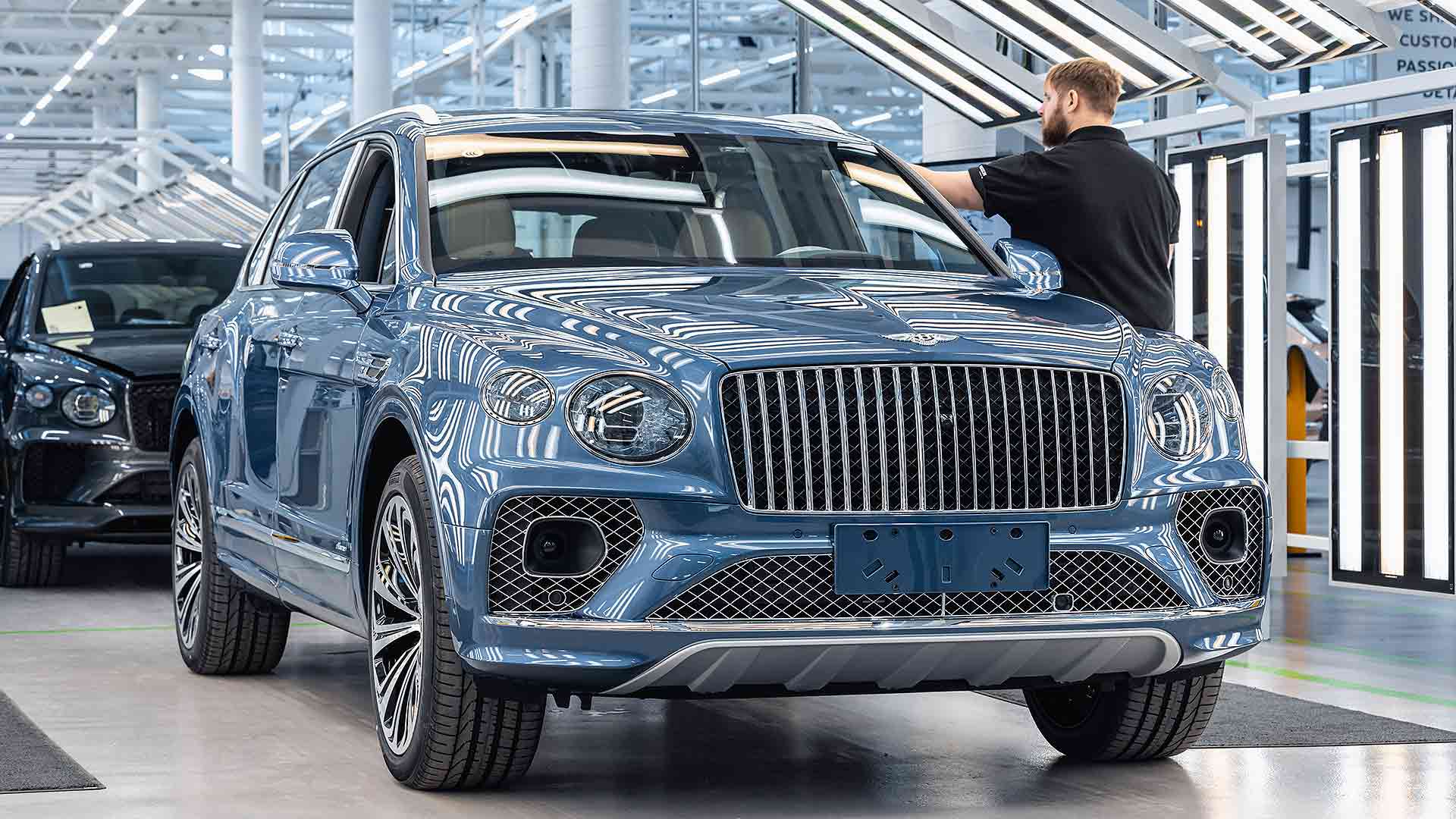
Bentley delivered 15,174 cars in 2022 – a 4 percent increase on 2021 and the first time Bentley has ever sold more than 15,000 cars in a single year.

Demand for the Bentley Bentayga drove the sales growth; it accounted for more than 4 in 10 Bentley sales, with order take higher than ever despite it being in its sixth year.

Bentley says it is the best-selling luxury SUV in the world.

The Bentley Continental GT and GT Convertible accounted for 30 percent of sales – with the high-performance Bentley Continental GT Speed accounting for 31 percent of the mix.

The Bentley Flying Spur made up the remaining 28 percent of sales. The launch of the new Flying Spur Hybrid helped here: almost 1 in 3 cars sold globally are now electrified (and 2 in 3 of UK Flying Spur are hybrid – more than anywhere else in the world).

Third consecutive record

“The business overcame significant headwinds,” said chairman and CEO Adrian Hallmark, “and demonstrated great resilience to deliver the third consecutive record sales year.”

The launch of electrified hybrid models “demonstrates the path the luxury sector is heading, and we are positioned firmly at the forefront.

“These numbers are validation that we not only lead the sector in sales and market share, but also investment in electric technologies and commitment to being net carbon neutral in 2030.”

The Americas was Bentley’s largest market in 2022, comprising 28 percent of sales.

China took 24 percent of its Crewe-built cars, with Europe taking 19 percent and the UK buying 1 in 10 of all new Bentleys built.

Indeed, Bentley UK sales actually grew 12 percent last year, to almost 1,500 cars.

ALSO READ

Read a Bentley review on Motoring Research

New Dacia Jogger Hybrid prices to start from £22,595

Cost of electric car rapid charging soars 50% in eight months

Advertisement

Explained: who is Grant Shapps?

0
Grant Shapps

Grant Shapps is the UK’s Secretary of State for Business, Energy and Industrial Strategy. For most of his ministerial career, though, Shapps was Secretary of State for Transport – a position he held in Boris Johnson’s government from 2019 until 2022.

Shapps is also the local MP for Welwyn Hatfield, a seat he has held since the 2005 general election.

Born in Hertfordshire in 1968, Shapps studied Business and Finance in Manchester and founded his own printing company at the age of 21. He is married with three children.

Shapps has an interest in electric cars and owns a Tesla Model 3. He also holds a pilot’s licence and lists ‘general aviation’ as a pastime. Interestingly, his cousin is Mick Jones, lead guitarist in legendary punk band, The Clash.

Grant Shapps on electric cars

Tesla Model 3

Shapps took delivery of his then-£44,000 Tesla Model 3 in 2019, having been on the waiting list for two years. In an interview with Peter Tarry for the Sunday Times Magazine, he explained why he bought an EV:

“I’d never driven a Tesla, but knew I wanted to go electric. I’m a bit of a geek and always ahead on gadgets. My phone, for instance, was wireless charging before wireless chargers were commonplace.

“I ordered a Tesla Model 3 with self-driving function (a £5,800 option). Tesla has promised that it will upload the AI (artificial intelligence) for it later in the year. As well as the potential to speed up, slow down and change lane, it will also stop at traffic lights, T-junctions and so on.“

Proving he’s a man of varied taste (and indeed judgement), Shapps has also owned a Chrysler Crossfire and Grand Voyager, plus a “wonderful” Lotus Elan M100.

Grant Shapps on the petrol and diesel ban

Diesel use down for the first time in a decade

As Transport Secretary, Grant Shapps said he wanted to “normalise electric cars as being the way forward”.

In late 2020, he announced the ending of new petrol and diesel car sales in the UK by 2030. He introduced green number plates to mark out electric vehicles soon afterwards.

His government’s plan will also see all non-hybrid cars and vans banned from sale after 2035.

Justifying the bringing forward of the petrol and diesel ban, Grant Shapps said: “The UK is going further and faster than any other major economy to decarbonise transport, harnessing the power of clean, green technology to end the UK’s contribution to climate change by 2050.”

Grant Shapps on EV charging

10,000 charging locations in the UK

In November 2021, Grant Shapps revealed the design for what he hopes will become the UK’s “iconic” EV chargepoint.

He said: “We want to make electric cars the new normal, and ensuring drivers have convenient places to charge is key to that.”

However, while he pledged a further £300 million of funding for EV charging infrastructure, this generosity no longer extends to the purchase of electric cars. The government announced in summer 2022 that the £1,500 Plug-in Car Grant had ended with immediate effect.

Grant Shapps on smart motorways

smart motorway rollout halted

The national rollout of smart motorways has been put on hold after they were linked with an increase in the number of deaths and a 20-fold increase in the number of near-misses.

Speaking in the House of Commons in 2020, Shapps said: “The stretch of the M20 and all other stretches that are currently being worked on will not be opened until we have the outcome of the stocktake.

“The question is, are smart motorways less safe than the rest of the motorway network? For me, the answer is that we must make them at least as safe, if not safer, otherwise they can’t continue.”

A final fact about Grant Shapps? His karaoke speciality is apparently Rapper’s Delight by The Sugarhill Gang. So now you know.

ALSO READ:

10 tips for safer driving this winter

London ULEZ to expand in 2023: what you need to know

The best new cars of 2023

Advertisement

Cost of electric car rapid charging soars 50% in eight months

0
EV Charging Price Increases

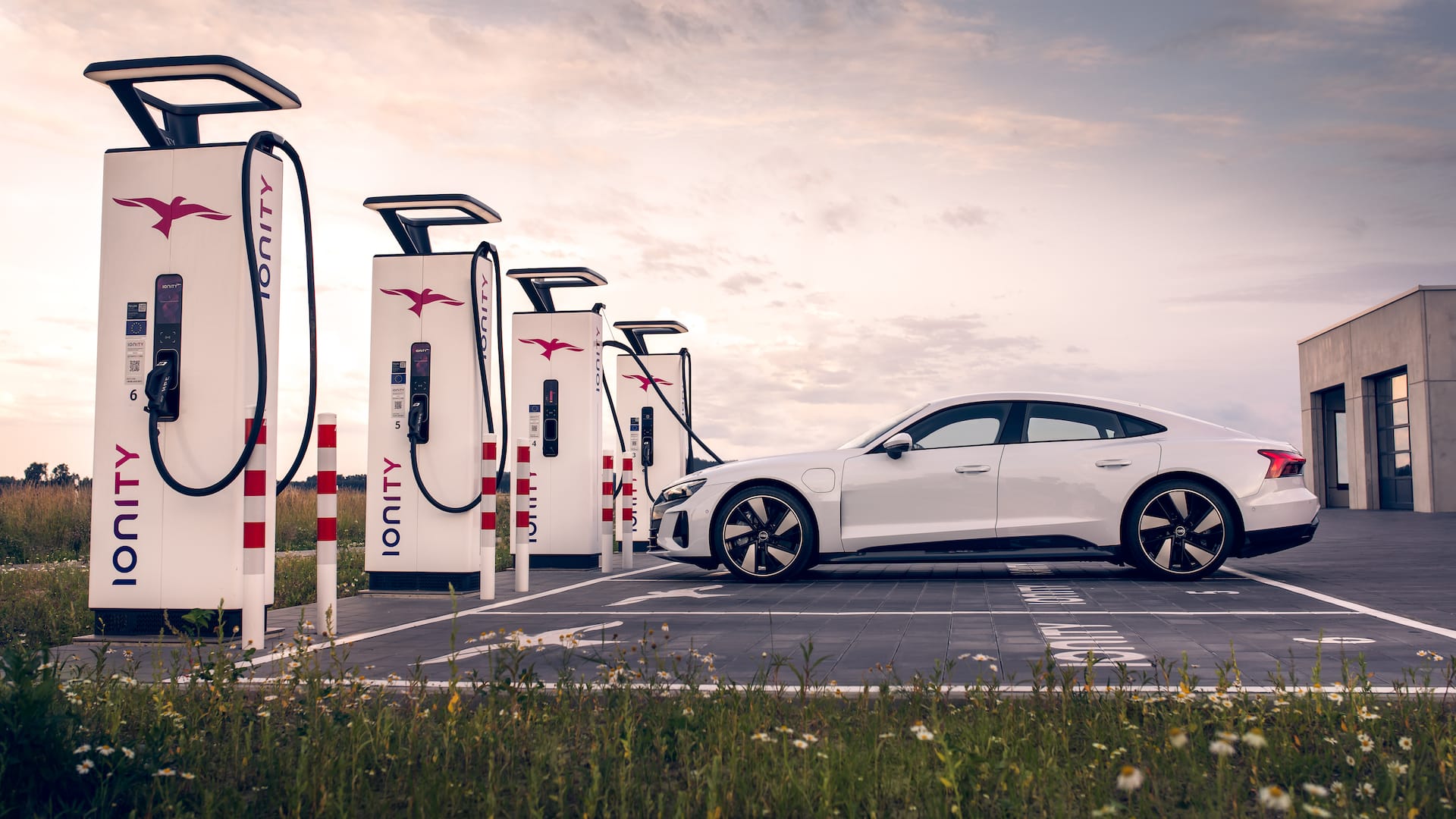
A study by RAC Charge Watch finds the cost of the fastest electric charging points has increased dramatically since May 2022. 

During the past eight months, using rapid and ultra-rapid public charging devices has become 50 percent more expensive. 

The rise in prices, driven by the higher cost of electricity, means drivers now pay an average of £36 to rapid-charge a typical family EV.

Fast charging, fast price rises

EV Charging Price Increases

Prices for public rapid charging have increased from an average of 44.55p per kWh in May 2022 to 70.32p per kWh now. That’s a 58 percent increase, and more than double the cost of charging an electric car at home. 

The fastest ultra-rapid devices, with charging power in excess of 100kW, have jumped in price by 48 percent. Drivers using these now pay an average of 74.49p per kWh, compared to 50.97p per kWh eight months ago. 

Using a public ultra-rapid charging device means drivers typically pay £38.29 to charge their EV’s battery to 80 percent capacity.

This is £20.42 more than drivers would pay for charging at home. It also means using public charging can make running an EV more expensive than a petrol or diesel car.

Home charging is cheapest

EV Charging Price Increases

Drivers using public rapid devices will now typically pay 20p per mile, with ultra-rapid devices costing 21p per mile. By contrast, an average petrol car achieving 40mpg will cost 17p per mile, with diesel models at 20p per mile. 

The result is that EV drivers without access to charging at home face paying a major premium. 

Both the RAC and campaign group FairCharge have reiterated their call for the government to cut VAT charged on electricity bought at public EV chargers from 20 percent to five percent. This would mirror the rate paid on domestic energy for home charging. 

RAC EV spokesperson Simon Williams said: “For drivers to switch to electric cars en masse, it’s vital that the numbers stack up. In time, the list price of new electric models will come down, but charging quickly has also got to be as affordable as possible.

“It continues to be the case that those who can charge at home or at work and who don’t use the public rapid charging network very often get fantastic value – even given the relatively high domestic energy prices right now. Sadly, the same can’t be said for people who either can’t charge at home or at work, or who regularly make longer journeys beyond the range of their cars. There’s no question they have to pay far more, and in some cases more than petrol or diesel drivers do to fill up on a mile-for-mile basis.”

ALSO READ:

M&S to install EV chargers at 70 stores across the UK

Charging an electric car: the difference between kW and kWh

What is regenerative braking – and why do electric cars use it?

Advertisement

New Dacia Jogger Hybrid prices to start from £22,595

0
Dacia Jogger Hybrid 140

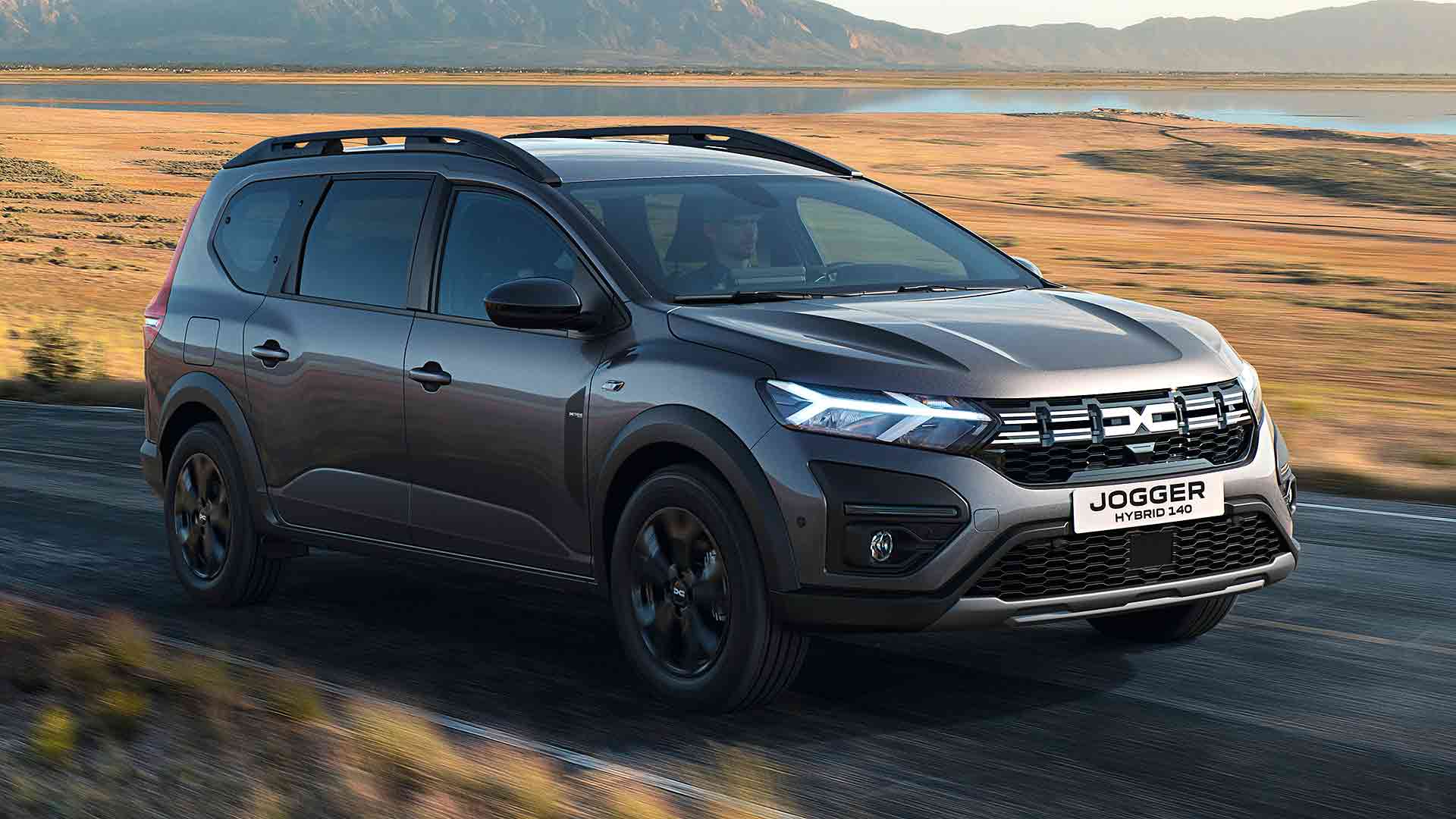
The new Dacia Jogger Hybrid will be the value brand’s first-ever hybrid and ordering is now open with prices starting from £22,595.

Called the Dacia Jogger Hybrid 140, the new seven-seat model combines a petrol engine with two electric motors and a compact battery.

The 1.6-litre engine produces 90hp, while the two electric motors – a 50hp drive motor and high-voltage starter/generator – take power up to 140hp.

This gives 0-62mph acceleration in 10.1 seconds, aided by a standard automatic gearbox.

The new Dacia Jogger Hybrid’s 1.2kWh battery is a ‘self-charging’ type, so doesn’t need to be plugged in.

Even so, Dacia reckons it will spend up to 80 percent of the time when driving in cities in pure electric mode.

It also improves fuel economy by 40 percent, with an official average of 56.5mpg and CO2 emissions from 112g/km.

First UK deliveries of the new Dacia Jogger Hybrid 140 will begin in Q2 2023.

Dacia’s first hybrid

Dacia Jogger Hybrid 140

The new Dacia Jogger Hybrid is the firm’s first electrified model. It shares the hybrid tech with parent brand Renault – it’s the same system as used in the Renault Clio E-Tech Hybrid.

Impressively, its compact nature means the Jogger retains its seven-seat capacity. There’s no reduction in load capacity or passenger space.

The only difference over regular Jogger is a 7.0-inch electronic instrument display – and, of course, the automatic gearbox.

Dacia Jogger Hybrid prices

Dacia Jogger Hybrid 140

The new Dacia Jogger Hybrid will be offered in two trims, Expression and SE.

The Dacia Jogger Hybrid 140 Expression costs £22,595, and includes climate control air con, front and rear parking sensors, reversing camera, keyless entry and an 8.0-inch touchscreen media display with Apple CarPlay and Android Auto.

The Dacia Jogger Hybrid 140 Extreme SE adds 16-inch black alloys, heated front seats, rear sliding tray tables and an 8.0-inch MediaNav infotainment system with built-in sat nav.

Metallic paint is optional and the Dacia Jogger Hybrid is available in an exclusive Shadow Grey metallic colour.

Dacia has also revealed PCP deals – with the Dacia Jogger Hybrid 140 Expression available for just £267 a month, with a deposit of £2,812.

It’s a four-year PCP deal, with an APR of 7.9 percent, and there’s an £11,985 final payment at the end.

ALSO READ

Rolls-Royce sets 118-year sales record in 2022

Dacia opens orders for ‘rebranded’ cars with new logo

New Dacia Jogger: budget seven-seater revealed in full

Advertisement

Rolls-Royce sets 118-year sales record in 2022

0
Rolls-Royce

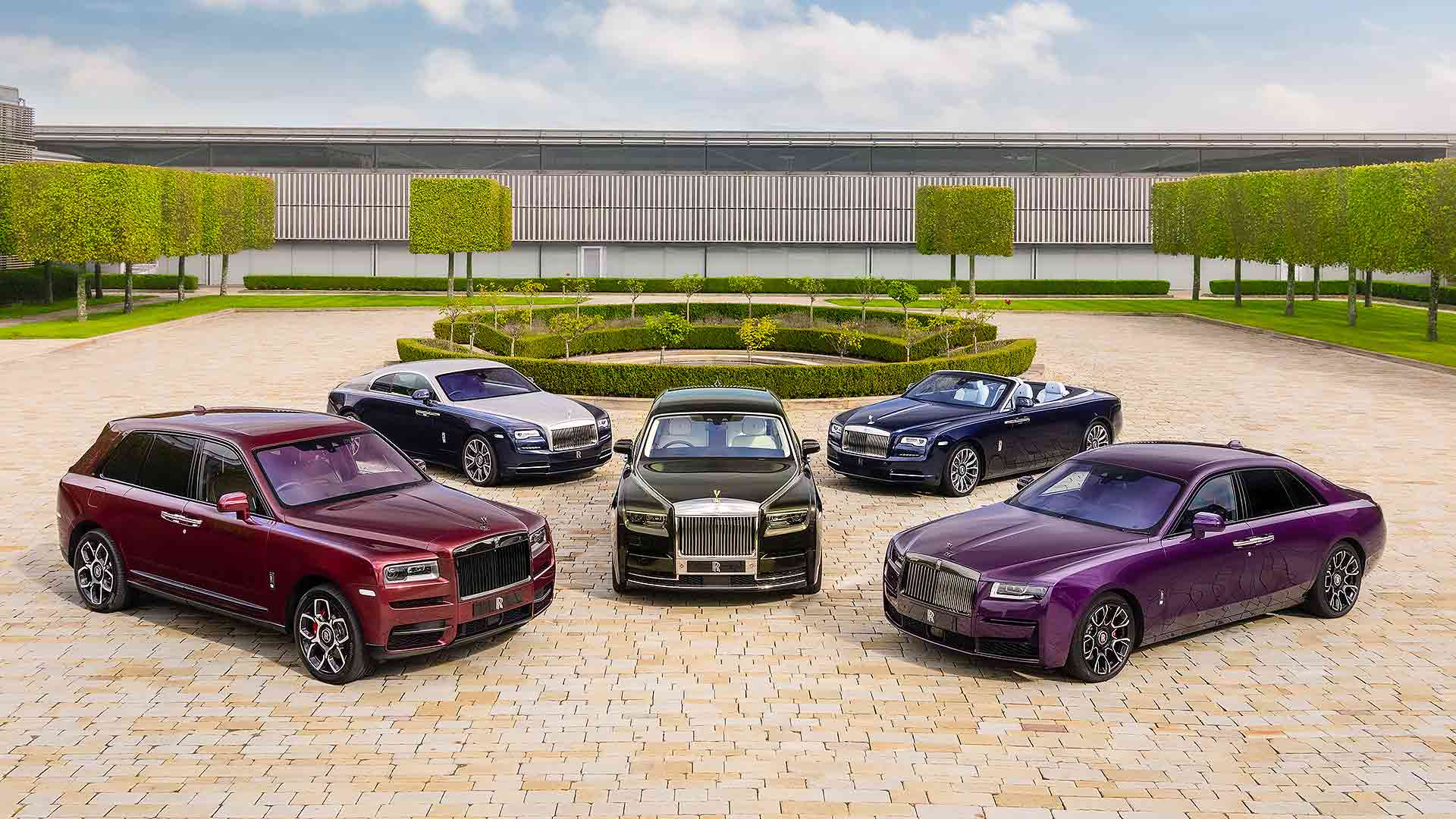
Rolls-Royce sold a record 6,021 cars in 2022 – the best performance in its 118-year history.

It is the first time Rolls-Royce has ever sold more than 6,000 cars in a single year. Sales grew 8 percent in 2022, from 2021’s record 5,586 cars.

But CEO Torsten Muller-Otvos insisted the company is “not and never will be a volume-driven manufacturer” – and revealed the average selling price of a bespoke new Rolls-Royce is now around £450,000.

Bespoke commissions also reached a record high in 2022 with customers “becoming ever more imaginative and technically demanding”.

Order books, he added, stretch well into 2023 – and Rolls-Royce is “cautiously optimistic” about 2023.

Goodwood

All Rolls-Royce are built at the firm’s Goodwood, UK HQ, which is called Home of Rolls-Royce.

Around 2,500 people are employed there, with 150 new jobs created last year alone.

In 2023, the factory is 20 years old; back then, it built just a single car, the Rolls-Royce Phantom, at a rate of one car a day.

Now, Rolls-Royce is expanding, and has acquired land to the east of the existing site to further grow the Bespoke division.  

Cullinan and Spectre

Torsten Muller-Otvos

The Rolls-Royce Cullinan SUV is the most popular new Rolls-Royce, revealed the firm.

Interestingly though, Ghost is its best-selling model in the Asia-Pacific region.

The USA is Rolls-Royce’s largest overall market – helped, it says, by a new generation of young entrepreneurs being drawn to the brand.

China is its second-largest market, while Rolls-Royce set sales records in Germany and the UK.

Attention now shifts to the Rolls-Royce Spectre, the firm’s first electric car.

Orders have exceeded expectations and first deliveries will begin in Q4 2023.

ALSO READ

2022 new car sales slump

Fuel still too expensive despite 9p December fall

Mercedes-Benz to build own EV charging network

Advertisement

How to protect your car from catalytic converter theft

0
Hybrid Catalytic Converter Thefts

Only one percent of catalytic converter thefts resulted in a suspect being charged, reveal new police statistics obtained by the Liberal Democrats. Data covering 20 police forces in England and Wales, shows 50,223 catalytic converters were reported stolen during the five-year period from 2017 to 2021 – yet only 548 cases ended up in court.

Lib Dem MP for Richmond Park, Sarah Olney, said: “There is a catalytic converter theft epidemic across many parts of the country, but far too often the gangs responsible are getting away with it.”

Catalytic converters are part of a modern car’s exhaust system, fitted to reduce harmful emissions. They are stolen because of the precious metals inside them: palladium, platinum and rhodium.

Hybrid cars such as the Toyota Prius, Honda Jazz Hybrid and Lexus RX are particularly affected. The ‘cats’ fitted to hybrids contain larger amounts of these metals – up to seven grams – making them worth hundreds of pounds on the black market.

Here’s what you need to know – including how to reduce the risk of catalytic converter theft from your car.

What does a catalytic converter do?

Hybrid Catalytic Converter TheftsA catalytic converter processes the emissions from a combustion engine into less harmful gases, before releasing them into the atmosphere. 

Catalytic converters were first used in the 1970s, with the United States making them mandatory from 1975 onwards. They became a common feature of cars in the UK from 1992. 

Why are they a target for theft?

The chemical reaction that takes place within the converter requires precious metals to act as the actual catalyst. These include palladium, platinum and rhodium. 

Market values for these rare materials have increased substantially in recent years.

Palladium can be sold for £1,500 per ounce, with rhodium worth around £10,200 per ounce. The value of palladium is similar to gold, with rhodium far higher.

How do thieves steal catalytic converters?

Police catalytic converter theft crackdown

As part of the exhaust system, catalytic converters are left exposed beneath most cars. This means thieves can simply slide under the car to remove them. High-riding SUVs are particularly vulnerable, as access beneath the car is easier.

Some are bolted onto the exhaust, with other types being welded into place. The latter can be removed by cutting through the pipework to free the cat. 

Many catalytic converters are unmarked, meaning they cannot be easily traced to an individual vehicle. Once taken, they can be sold to unlicensed scrap metal dealers. 

Why are hybrid cars being targeted?

Hybrid vehicles, such as the Toyota Prius, account for a large proportion of the catalytic converters being stolen. Admiral insurance data showed that the Prius, Honda Jazz, Toyota Auris and Lexus RX are among the cars most susceptible to theft.

Thieves target these vehicles as the catalytic converters are said to be less corroded. The hybrid drivetrain results in lower exhaust emissions, leaving the precious metals in better condition. In turn, this makes them more valuable to sell on.

What are car manufacturers doing?

The problem of catalytic converter theft is not new, with the AA noting that it has been an issue for more than a decade. This has given manufacturers time to develop ways of keeping cats safe.

Toyota offers a special ‘Catloc’ device, which can be retrofitted to a number of vehicles made by the manufacturer. Priced at around £190 including fitting, Toyota says it sells the Catloc without making a profit. 

The company also reduced the price of replacement catalytic converters, and increased production to help get drivers back on the road quicker. 

How can I protect my catalytic converter?

Hybrid Catalytic Converter Thefts

Not all cars are at risk, with some models having the catalytic converter mounted within the engine bay. This makes it much harder to steal. Drivers should check with their local dealership if they are unsure. 

The Metropolitan Police has a published advice on reducing the risk of your cat being stolen. The tips include:

  • Park your car in a locked garage overnight
  • Try to park in a location that is well-lit and overlooked
  • Avoid mounting your car on the kerb, as it gives thieves easier access
  • Install CCTV to cover where your car is parked
  • Mark your catalytic converter with a forensic marker (see below), which can make it harder to sell on
  • Speak to a car dealer about a tilt sensor that activates an alarm if a thief tries to jack up your vehicle

Security marking a catalytic converter

Catalytic Converter Security Marking

Security marking is a cost effective way to reduce the risk of catalytic converter theft. This uses metal etching to leave a permanent mark on the outside of the catalytic converter, intended to make it harder for thieves to sell on.

Kent-based Selectamark, for example, sells a kit specially designed for marking catalytic converters. Priced at less than £20, it includes warning stickers for the windows as a visual deterrent.

The kit also includes registration on a secure database, helping link the cat to the owner should it be sold to a scrap metal dealer.

The cost is a relatively small outlay, given that a replacement catalytic converters can stretch to more than £1,000.

ALSO READ:

Winter tyres: are they worth the expense for driving in the UK?

London ULEZ to expand in 2023: what you need to know

How to write the perfect used car advert

Advertisement

Fuel still too expensive despite 9p December fall

0
Fuel tank empty

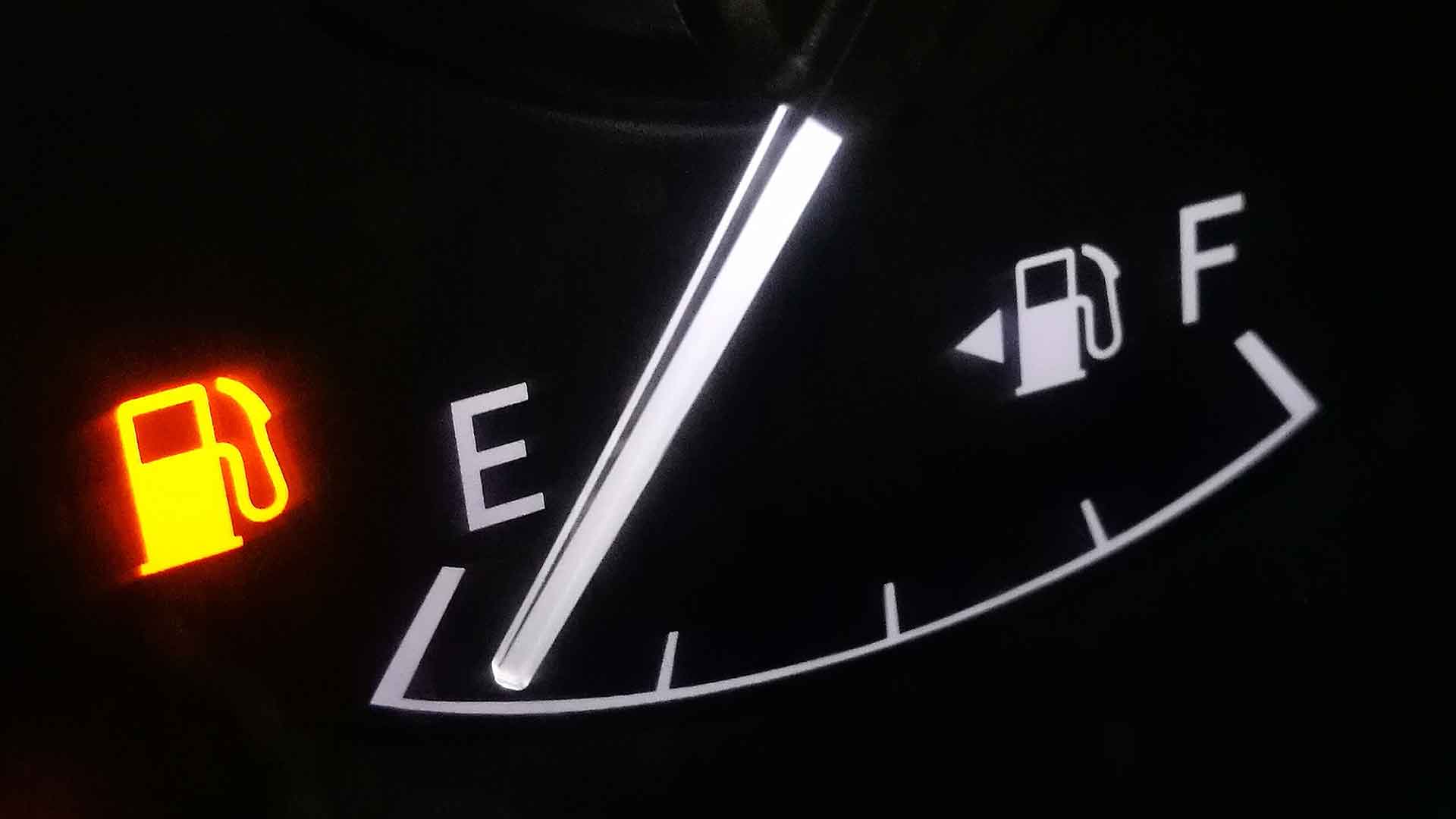
Fuel prices fell 9p a litre in December 2022, saving motorists £5 a tank – but the RAC says petrol and diesel is still too expensive due to lower wholesale costs.

Petrol prices fell by 8.4p to 151p a litre, while diesel fell 9.4p to 173.9p a litre.

One of the big four supermarkets went even further, cutting petrol prices by 10p to 147.7p a litre, and diesel by 11.4p to 170.2p a litre.

However, wholesale fuel prices have been falling considerably since October, according to RAC Fuel Watch data.

Even allowing for a generous 10p a litre retailer margin – that’s 3p more than average – petrol should now cost 140p a litre, while diesel should cost 160p a litre.

It means motorists are paying 11p more than they should for a litre of petrol, and 14p more for diesel.

Fairer deal

“For weeks, we’ve been calling on the big four supermarkets to cut their prices more substantially to give drivers a fairer deal when they fill up,” said RAC fuel spokesperson Simon Williams.

Fuel prices are “still nowhere near where they should be given the scale of the drop in wholesale prices”.

Notably, in December, business secretary Grant Shapps wrote to fuel retailers urging them to make sure savings are passed on to consumers.

“We hope the business secretary’s intervention just before Christmas puts more pressure on larger retailers to do the right thing,” said Williams.

He added that in Europe, fuel prices are considerably cheaper than in the UK – petrol costs an average of 144p a litre, and diesel is 152p a litre.

“When compared to the 27 EU countries we currently have the second most expensive diesel and the sixth most expensive petrol.”

ALSO READ

Kia celebrates 100,000 UK sales in 2022 – and record market share

When you SHOULDN’T let an emergency vehicle overtake

Ford Raptor R to reach 1,000hp with Hennessey upgrades

Advertisement