Home Blog Page 106

What will the 2035 petrol and diesel car ban mean for you?

0
MG4 EV

In September 2023, the UK Prime Minister postponed the ban on sales of new petrol and diesel cars to 2035. In his statement to parliament, Rishi Sunak cited high purchase costs and a lack of public charging infrastructure as key reasons for the delay.

The ban was previously due to come into effect in 2030, with some plug-in hybrids exempt until 2035. However, all combustion-engined vehicles, including hybrids, are now included. This means only fully electric cars can be sold after the 2035 deadline.

Here, we look in detail at the 2035 petrol and diesel car ban, and explain what it means for motorists.

Which cars will be banned and when?

The government is clear on this: all sales of cars and vans with petrol or diesel engines will be forced to end in 2035. This ban also applies to hybrid vehicles, even plug-in hybrids that can drive a significant distance on electric power only.

Unleaded petrol pump

Why will the government introduce the ban?

Phasing out combustion engine vehicles is a key part of the UK meeting its goal of ‘net zero emissions’ by 2050.

Former prime minister Theresa May committed the UK to this target in 2019, making the UK the first major economy to do so. The original plan was for the petrol and diesel ban to become law in 2040. This was brought forward by a decade by Boris Johnson in 2020, then pushed back again by Rishi Sunak in 2023.

Former transport secretary Grant Shapps said: “The UK is going further and faster than any other major economy to decarbonise transport, harnessing the power of clean, green technology to end the UK’s contribution to climate change by 2050”.

Will I still be able to drive my current petrol and diesel car?

Yes, you will. Ministers are keen to stress that motorists will still be able to drive conventional cars after 2035. It is only the sale of new ones that will be banned.

This means the existing infrastructure, including petrol stations, will also continue for many years.

How will the government make up the shortfall in fuel tax?

The Institute for Fiscal Studies warns £40 billion in road taxes is at risk from the 2035 petrol and diesel car ban. “Some form of road pricing will be needed,” said director Paul Johnson.

“The government needs to get started now – it will be very hard to introduce after people have got used to no tax.”

Bentley S2 Continental by Lunaz

What about classic and retro cars?

As there are currently no plans to ban the use of petrol and diesel cars already on the road, classic and retro cars will not be affected.

It is expected the government will continue to consider vehicles aged 40 years and older as ‘historics’, allowing their continued use even within Ultra-Low Emissions Zones (ULEZ).

Nonetheless, social pressure, plus current ULEZ restrictions in cities, mean the growing trend for converting classic cars to electric power – such as the Bentley S2 Continental by Lunaz pictured above – is likely to continue.

Do motorists get help to buy new electric cars?

Not any more, sadly. The government offered a £5,000 Plug-in Car Grant from 2011 to encourage uptake of EVs. However, this figure was progressively reduced over the years.

In its final guise, the PiCG offered a £1,500 discount – and only for electric cars with a list price of less than £32,000. Then it was withdrawn altogether in June 2022.

How does the UK ban compare to other countries?

The UK’s petrol and diesel car ban is the one of the world’s most ambitious targets. Delaying it to 2035 brings Britain into line with the European Union, including major countries such as France, Germany and Spain.

Norway is one of the few nations moving faster than the UK, with a target date of 2025 to ban the sale of new combustion-engined cars.

Nissan Leaf

Will electric car charging infrastructure be improved?

To help make the switch, the government is investing £1.3 billion to roll out more electric vehicle charging points for homes, streets and trunk roads.

The remaining £300 million allocated to the Plug-in Car Grant is also being diverted to improve the UK’s public charging infrastructure.  

Will the National Grid cope?

Critics frequently suggest more electric cars will lead to power cuts as the National Grid won’t be able to cope. However, its former director, Graeme Cooper, dismissed these concerns.

Supplying energy to recharge electric cars would require around a third more energy than today’s demand, he said, “which the grid could easily cope with”.

Even if motorists all plugged their cars in as soon as they got home, peak demand would only climb by 10 percent, Cooper estimated.

Will UK industry benefit from the ban?

The government has committed almost £500 million to develop and produce electric vehicle batteries in the UK.

Former prime minister Boris Johnson envisioned these would be “made in the Midlands”, a region that will also get a boost in the number of electric vehicle technicians.

Will diesel trucks be banned?

The 2035 petrol and diesel car ban currently doesn’t extend to heavy goods vehicles (HGVs).

Instead, the government is launching a consultation on the phase-out of diesel trucks, although no target date has been set.

It is hoped hydrogen fuel-cell trucks will help make the switch from diesel lorries. Electric trucks are unlikely to deliver the range needed for long-distance transport of 46-tonne vehicles.  

Peugeot 508 Hybrid

What does the car industry say?

SMMT: Chief executive Mike Hawes said the automotive industry is “committed to the journey” of decarbonising road transport. He said the organisation will “work with the government on the detail of this plan, which must be delivered at pace”.

RAC: The car industry and charging infrastructure providers “have an enormous task on their hands,” said head of roads policy, Nicholas Lyes. “The country’s public charging network will need to grow exponentially to cater for the surge in EVs on the road.” He added motorists also face a “big learning curve” to get confident about going electric.

AA: President Edmund King said the barriers to EV ownership are the initial cost and availability, perceived range anxiety and charging infrastructure. Tackle these issues and “the electric revolution could flourish”.

NFDA: “The new deadline is challenging,” said Sue Robinson, chief executive of auto retail trade body, the NFDA. “Strong incentives are key to ensuring the UK remains a strong consumer market for electric cars as the market begins to mature. We have to avoid a situation where the least well-off car drivers are deterred from buying a new car when the time comes to replace their old one.”

BVRLA: The rental association’s members are responsible for one in two new car registrations. It warns that setting dates is only the start of the process. “Now the government needs to create the supportive environment that will enable fleets and motorists to step up to the challenge of decarbonising road transport. It won’t be easy, and it won’t be cheap,” said chief executive Gerry Keaney.

Low Carbon Vehicle Partnership: MD Andy Eastlake called the announcement a “critical milestone” in Europe’s second-largest car market. “We’re setting a bold example to countries around the world… however, don’t underestimate the scale of the challenge ahead. This throws down the gauntlet to industry, government and the public… the real work starts now.”

Friends of the Earth: Head of Policy Mike Childs said the government was “right to accelerate the phase-out of petrol and diesel cars to curb air pollution and address the climate emergency, but the ban should start in 2030 – not 2035. A new 2035 target will still leave the UK in the slow-lane of the electric car revolution and meantime allow more greenhouse gases to spew into the atmosphere.”

Petrol Retailers Association: “People driving used ICE [petrol and diesel] vehicles are generally those with less disposable income,” said chairman Brian Madderson. “Penalising ICE drivers who can’t afford to make the transition to an EV is no way to foster a new market in alternative fuels. As ever, the biggest tax burden will fall on those least able to afford it.”

ALSO READ:

How to save money on motoring

Your EV questions answered on Motoring Electric

Best electric cars to buy in 2024
Advertisement

Lamborghini breaks sales record as CEO lays out plan for ’emotional’ EVs

0
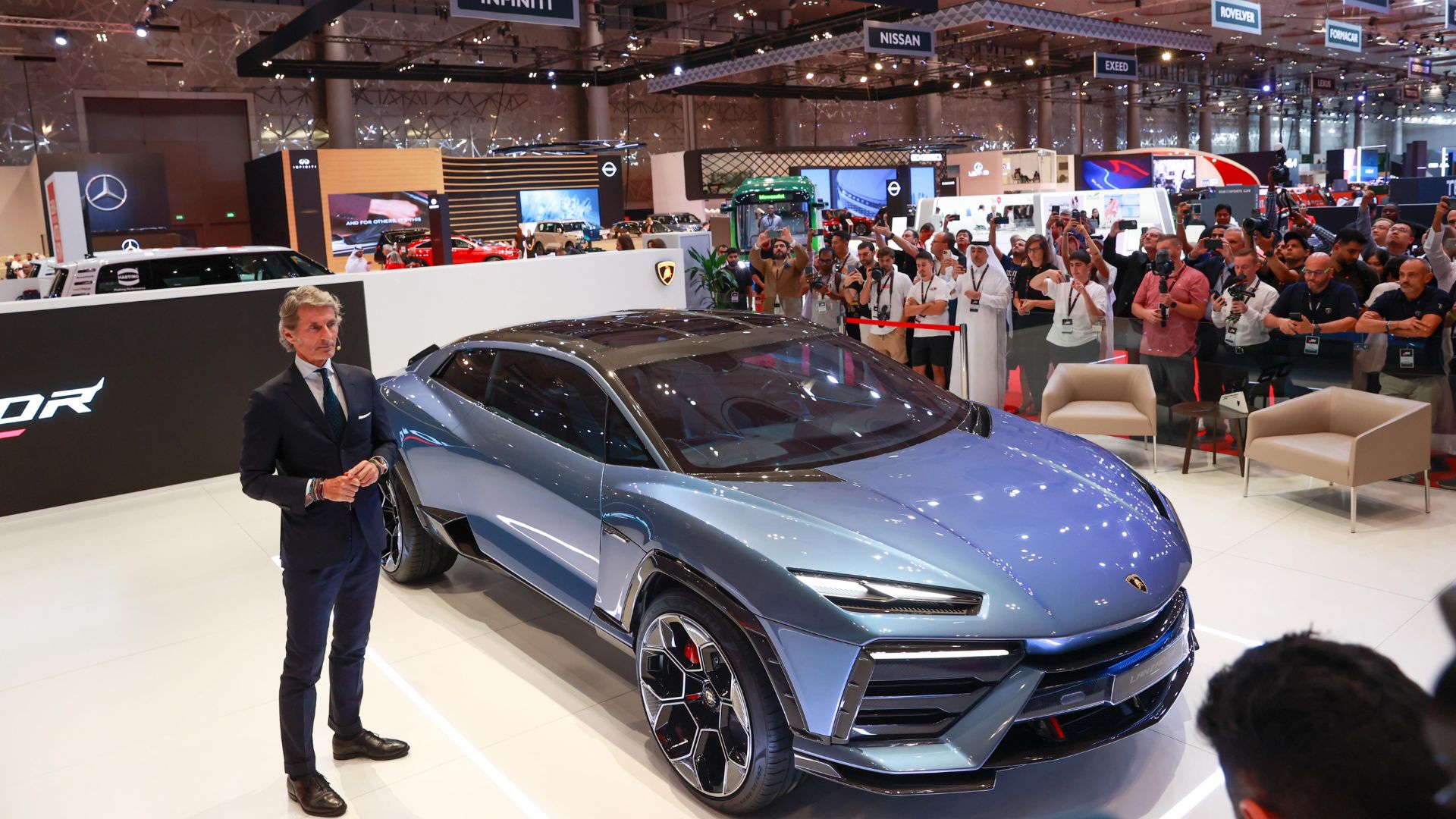
Lamborghini Lanzador

Lamborghini broke its own sales record in 2023, surpassing 10,000 cars for the first time. In the Italian marque’s 60th anniversary year, it delivered a total of 10,112 new vehicles – up 10 percent versus 2022.

The United States was comfortably Lamborghini’s largest market, with 3,000 cars delivered during the past 12 months. It was followed by Germany (961), China (845), the UK (801) and Japan (660).

The Urus SUV was Lamborghini’s best-seller overall, finding 6,087 new owners in 2023. The workforce at Sant’Agata also assembled 3,962 Huracans, the final 12 examples of the Aventador Ultimae and 51 exclusive ‘Few-Offs’ (including the reborn Countach, plus the Invencible and Autentica hypercars).  

We spoke with Lamborghini CEO Stephan Winkelmann about his vision for the future, from the company’s ‘Cor Tauri 2.0’ strategy for electrification to its new SC63 Le Mans racer.

Huracan ends on a high

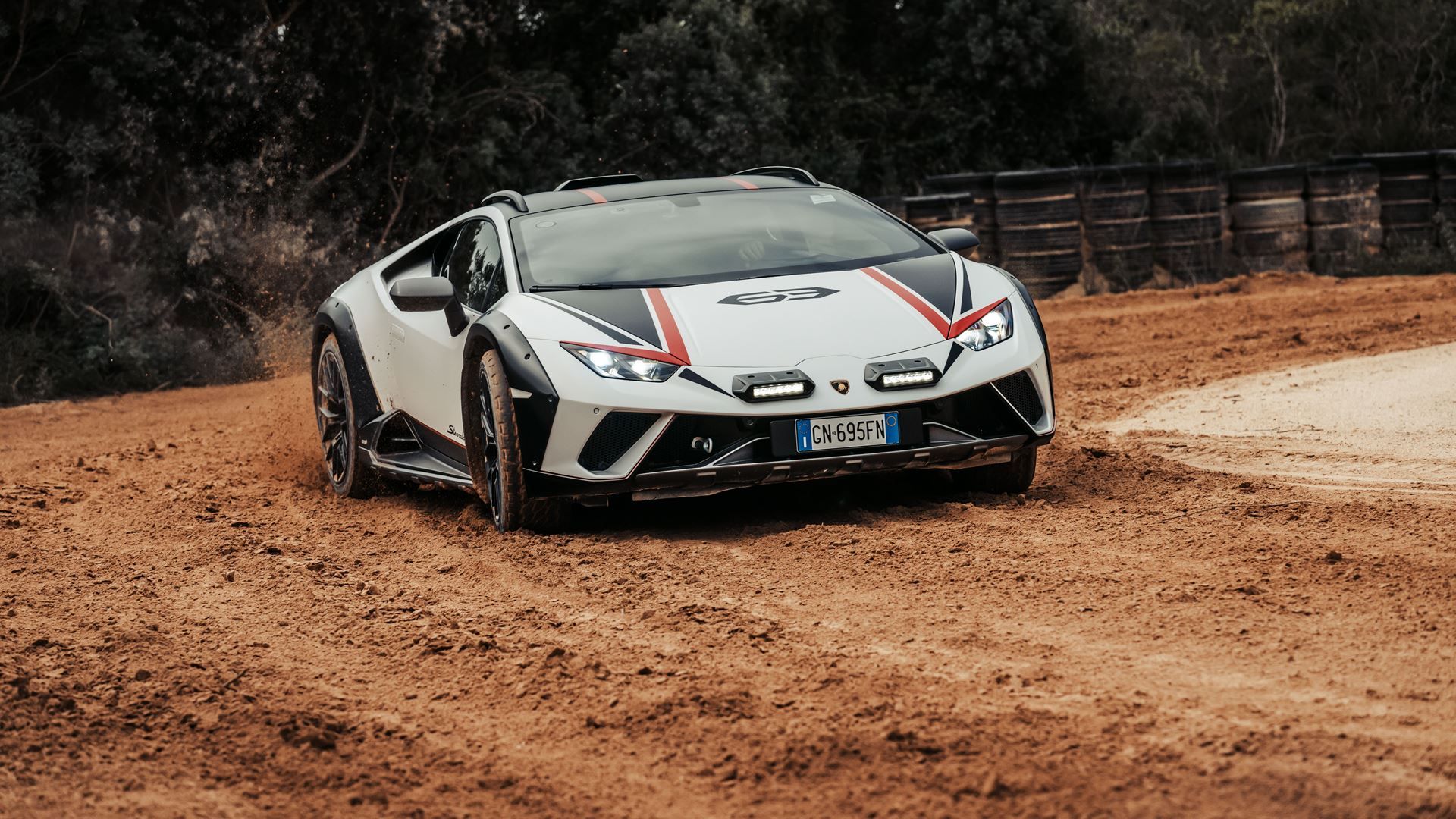
Lamborghini Huracan Sterrato

Referring to Lamborghini’s sales success, Winkelmann said it came despite a backdrop of increasingly turbulent world events. Yet he also stressed the company won’t chase volume at the expense of exclusivity and retained values: “We’ll always build fewer cars than the market demands.” The waiting list for a Urus extends into 2025, while the flagship Revuelto is sold out until 2026.

Winkelmann seemed chuffed by the Huracan racking up its best ever sales total: a remarkable result in the supercar’s final full year of production. Are customers keen to buy a naturally aspirated V10 while they still can? Perhaps, but the CEO also points to derivatives such as the track-focused STO and rugged Sterrato, which have maintained interest in the car and driven up deliveries.

Looking ahead, order books are already open for the soon-to-be-revealed Urus hybrid, while the Huracan’s successor arrives later this year. The latter swaps that voracious V10 for a twin-turbocharged V8 backed up by three electric motors. Winkelmann confirms that “open and higher performance” versions are in the pipeline, but won’t confirm a sequel to the Sterrato. At least, not yet…

Lanzador EV on the way

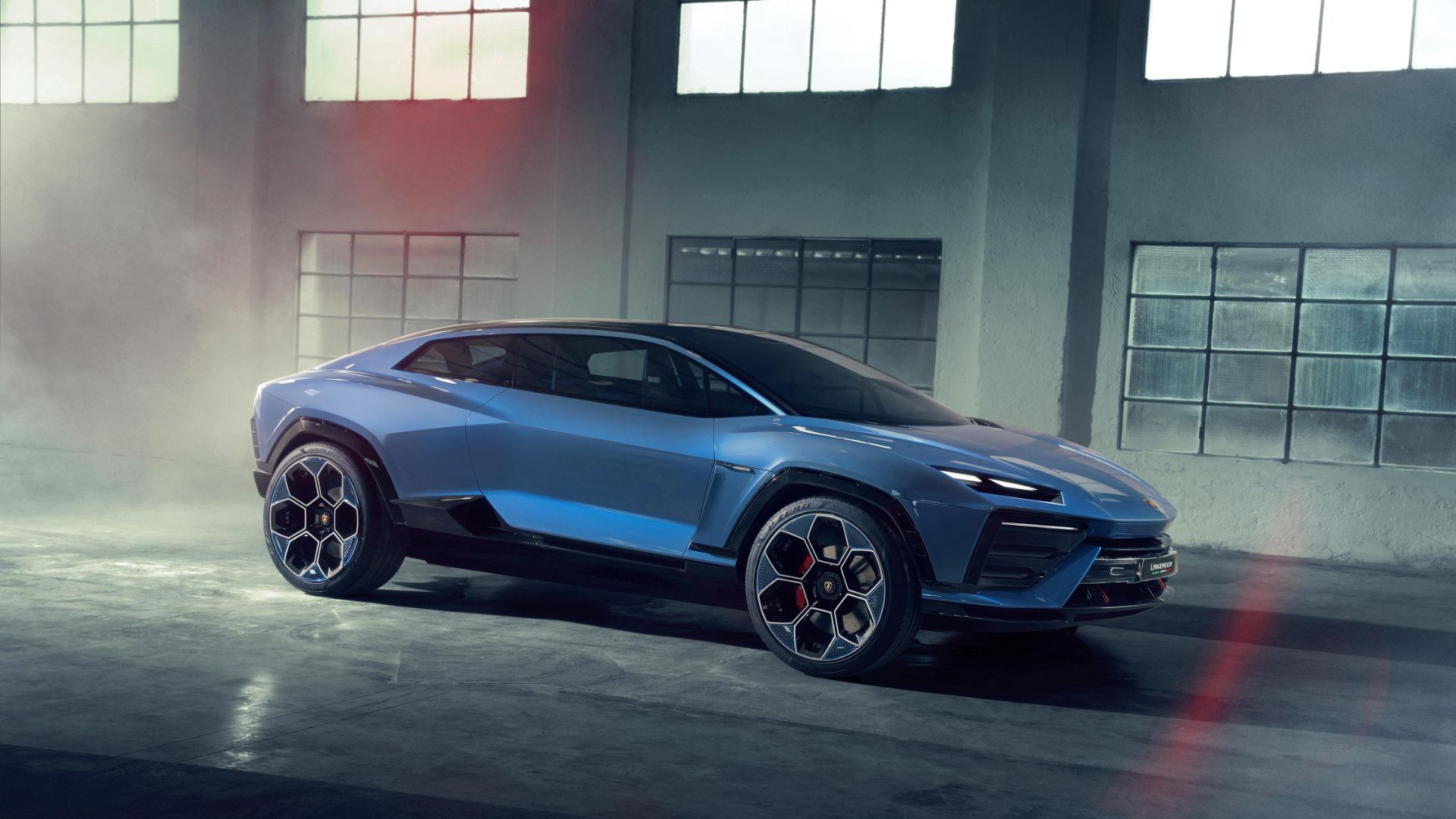
Lamborghini Lanzador

Lamborghini recently revealed a concept for its first EV, the 1,360hp Lanzador, and the production car is on-track for launch in 2028. Winkelmann explains that both its electric drivetrain and crossover-style body garnered a “positive reaction”, with in-depth customer clinics due soon.

The Lamborghini boss admits that creating an electric car “to deliver the attributes of repeated acceleration, top speed and range, all at the highest level, is almost mission impossible”. However, being part of the Volkswagen Group offers a “big advantage”, providing Lamborghini with access to the latest EV battery technology.

“Translating the emotional part of Lamborghini into an electric car” is arguably an even greater challenge. “Much more important than the facts and figures is how you feel,” says Winkelmann. The Lamborghinis of the future may be battery-powered, but they won’t be one-dimensional to drive.

On-track for Le Mans

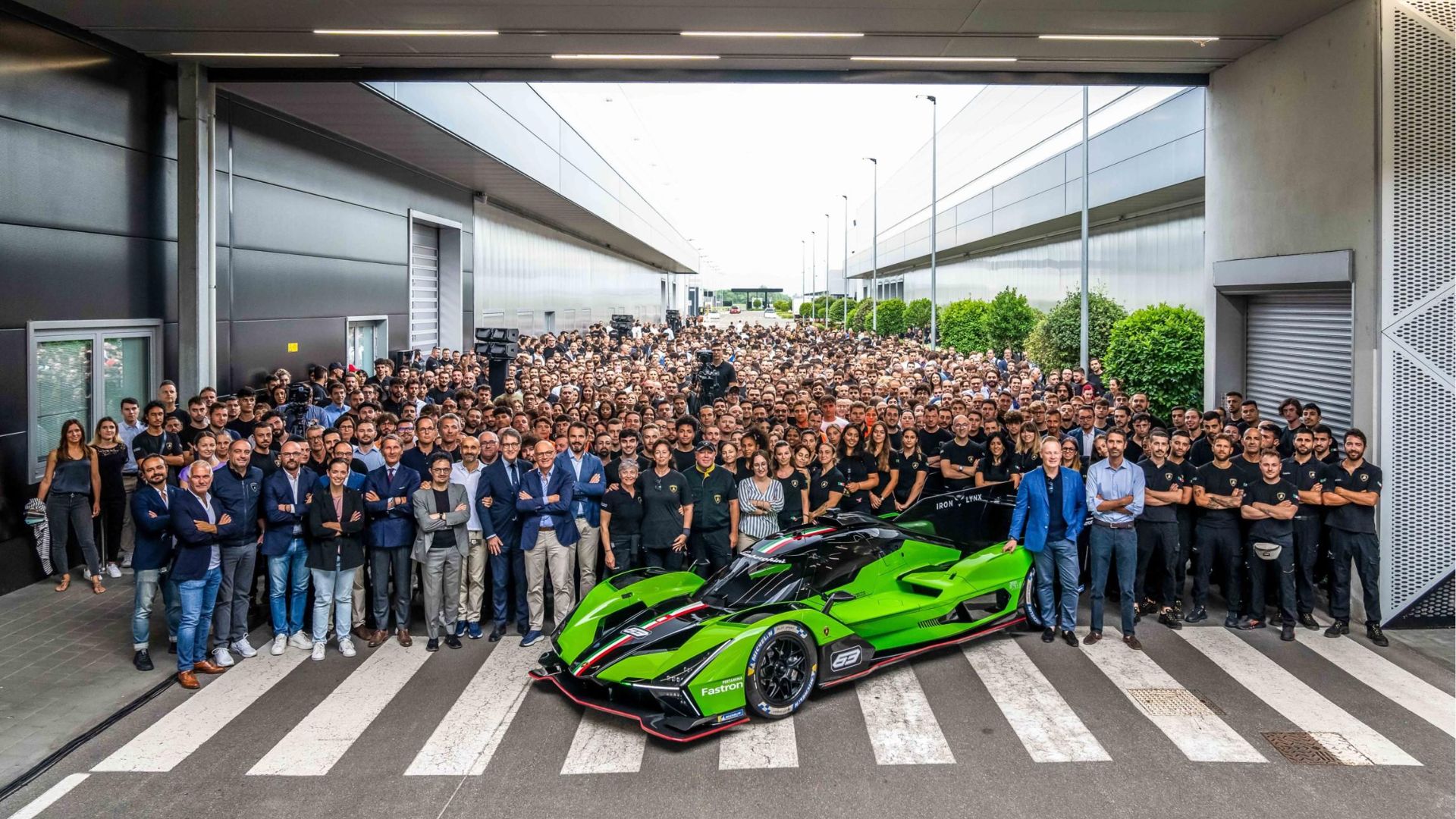
Lamborghini factory in Sant'Agata

Another new development is Lamborghini’s SC63 sports prototype racer, pictured above. Powered by a V8 and rear-mounted electric motor, it will race in the 2024 World Endurance Championship (WEC). The season starts in Qatar at the beginning of March and includes the Le Mans 24 Hours as its flagship round.

Winkelmann says endurance racing will provide a test-bed for new materials and software, along with the credibility of top-tier motorsport. The Huracan’s successor also seems likely to spawn a Super Trofeo racing version, which “could be run on synthetic fuels”.

After many decades of hand-building a few hundred cars a year, Lamborghini is thriving. The coming decade poses some of the biggest challenges in its long history, but whatever comes next, it definitely won’t be dull.

ALSO READ:

Wild 1,360hp Lanzador concept previews Lamborghini’s first EV

Lamborghini Urus Performante review

Lamborghini Diablo SV 1998 review

Advertisement

Wild 666hp Lamborghini Urus Performante joins Dubai police force

0
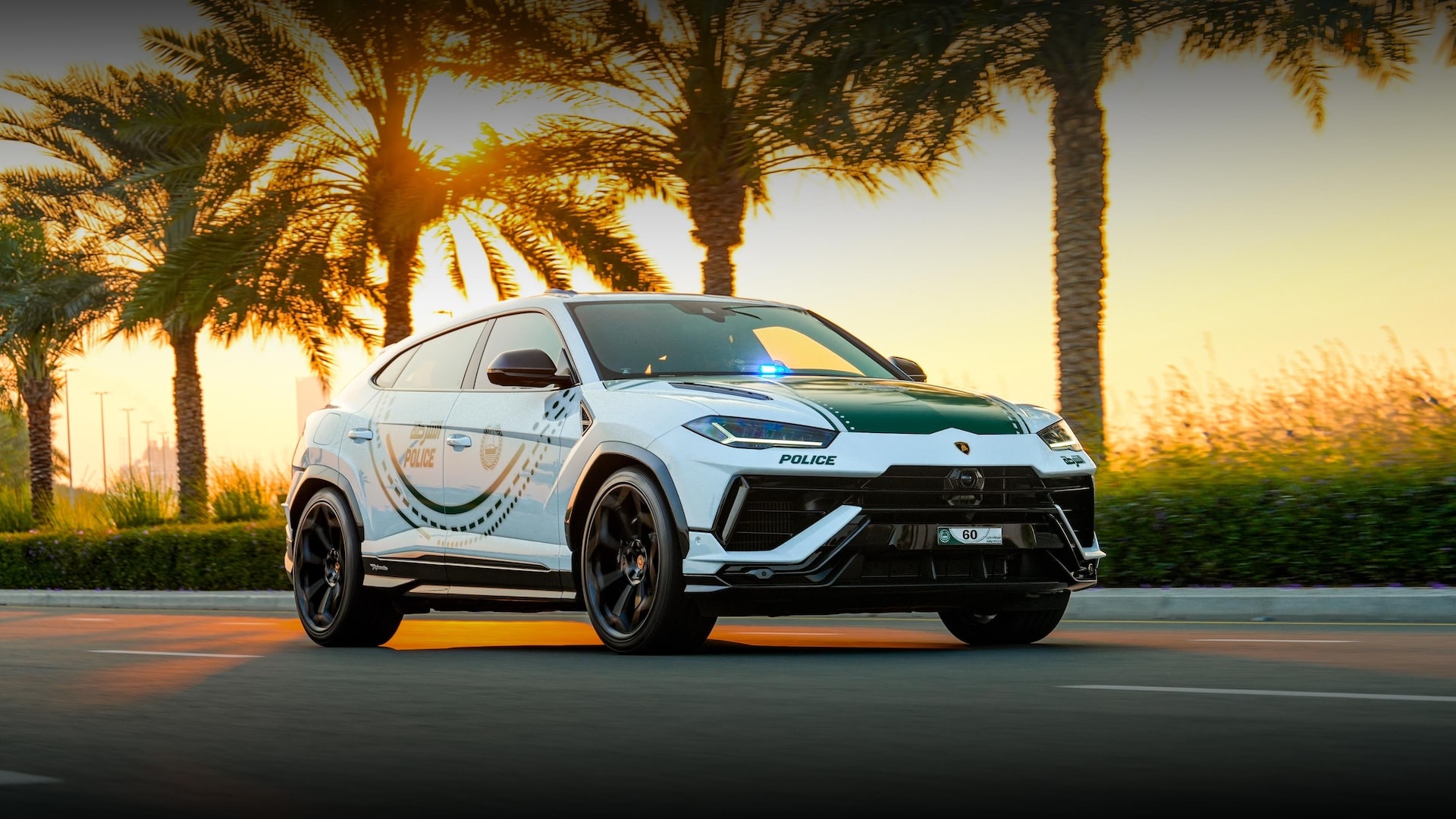
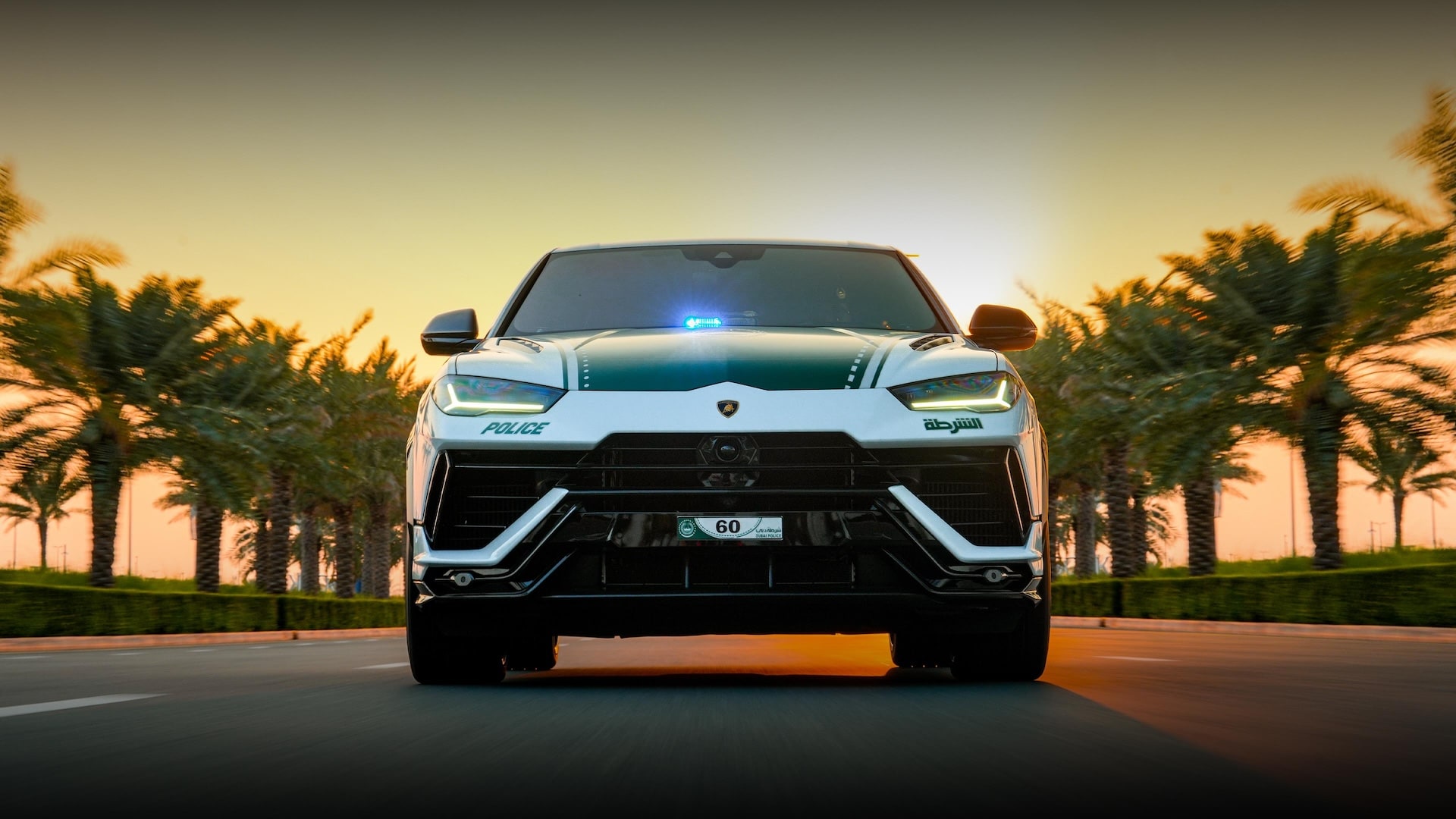
Dubai Police Lamborghini Urus

The Dubai police force is continuing its tradition of using dramatic performance cars for law enforcement in the emirate

The latest extreme machine to join the force is a Lamborghini Urus Performante. Our Tim Pitt drove the flagship Urus at its launch in 2022, describing it as ‘a true supercar on steroids’. 

With a top speed of 190mph and a 0-62mph time of 3.3 seconds, the Lamborghini should certainly help Dubai’s police officers to reach emergency calls quickly.

A rapid response vehicle

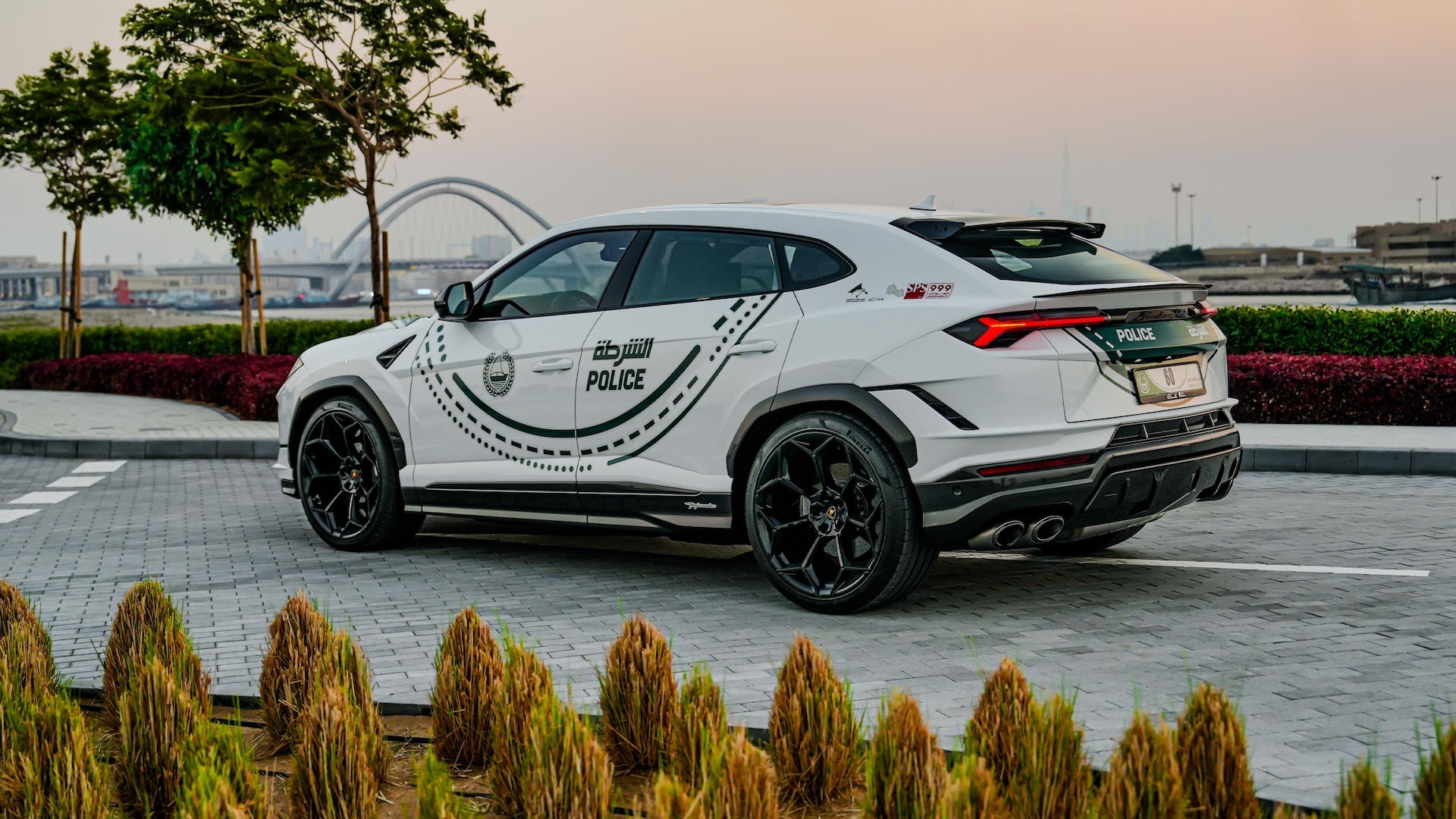
Dubai Police Lamborghini Urus

A partnership between the Dubai police and a local Lamborghini dealership has seen the Urus Performante added to the fleet. It follows a Lamborghini Huracan and another Urus as one of the rarefied vehicles used by the force. 

Compared to a ‘standard’ Urus, the Performante’s 4.0-litre twin-turbocharged V8 engine is tuned to deliver 666hp, along with a mighty 627lb ft of torque. 

Although the more exotic members of the Dubai fleet are typically reserved for high-visibility patrols in tourist areas, the Urus Performante has still received plenty of police-spec upgrades

Along with its distinctive white and green livery, the car is fitted with the requisite blue lights and siren. There is also a fold-down message display, an armoured gun box and a defibrillator in the boot.

The latest new recruit

Dubai Police Lamborghini Urus

The Lamborghini Urus Performante joins a long list of supercars used by the Dubai police, including a Rolls-Royce Wraith and even a Bugatti Veyron.

The rookie recruit was announced in a special ceremony at the Dubai Airshow. Paolo Sartori, head of Automobili Lamborghini for the Middle East and Africa, handed over the keys to Major General Ahmed Mohammed bin Thani, acting commander-in-chief of the Dubai police. 

Sartori said: “We are delighted to continue our collaboration with Dubai police, supporting them in their crucial public safety mission. Following our delivery of an Urus to the force in 2022, this new Urus Performante edition will be used to carry out a range of public duties and, above all, will help enhance the city’s security and safety, with this initiative further demonstrating our brand’s longstanding presence here in the UAE.”

ALSO READ:

New Lamborghini Lanzador electric SUV can be driven in Roblox!

Lamborghini Urus Performante review

Lamborghini Aventador Ultimae Roadster review

Advertisement

Volkswagen Up GTI vs. retro Lupo GTI

0

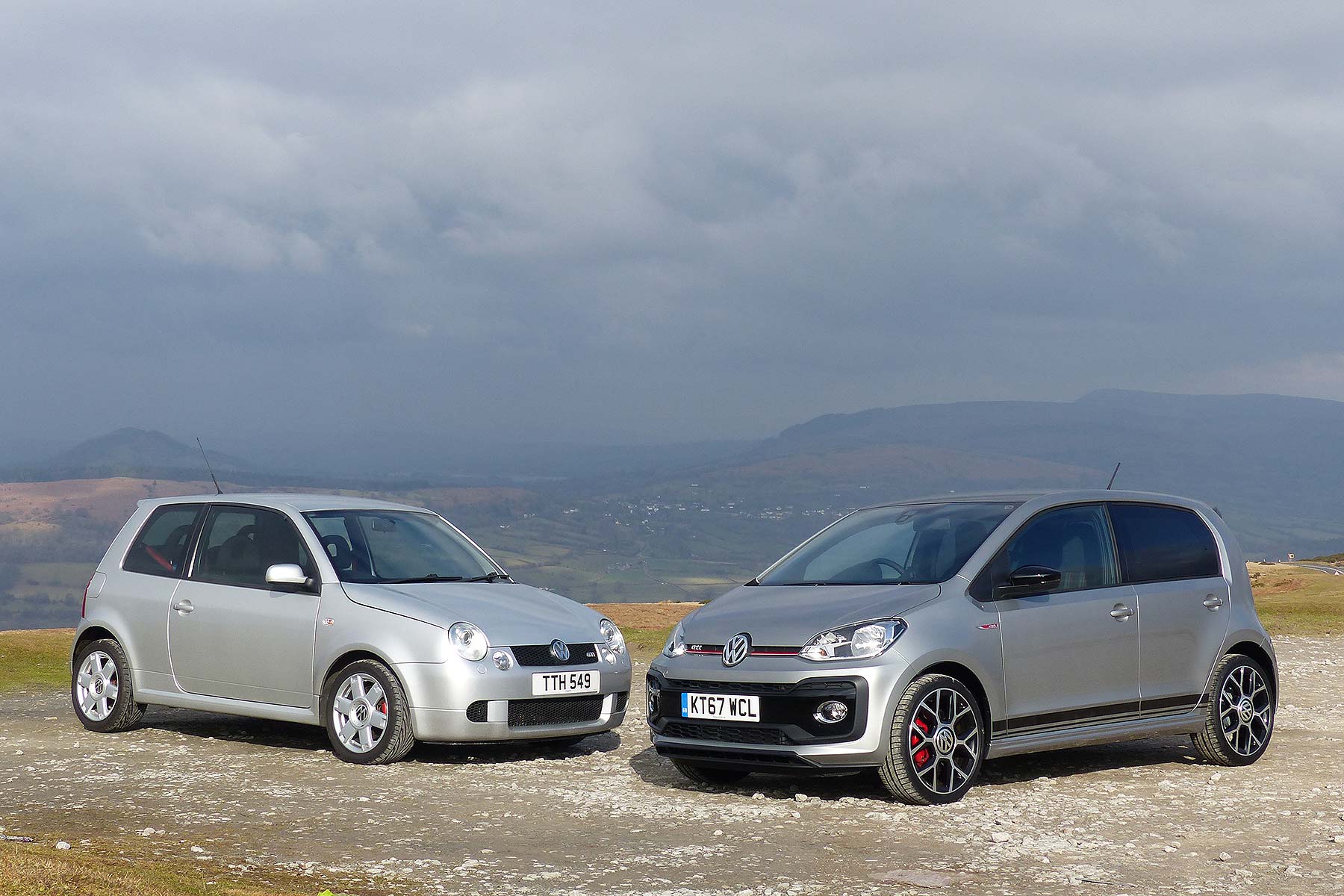
Volkswagen Lupo GTI vs. Polo GTIThirteen years after Lupo GTI production ended, Volkswagen has finally produced a GTI version of its popular Up city car. Common sense would suggest that as the Up replaced the Fox, and that replaced the Lupo, VW would proudly proclaim the Up GTI the long-awaited successor to its popular Lupo GTI. However, this wasn’t the case.
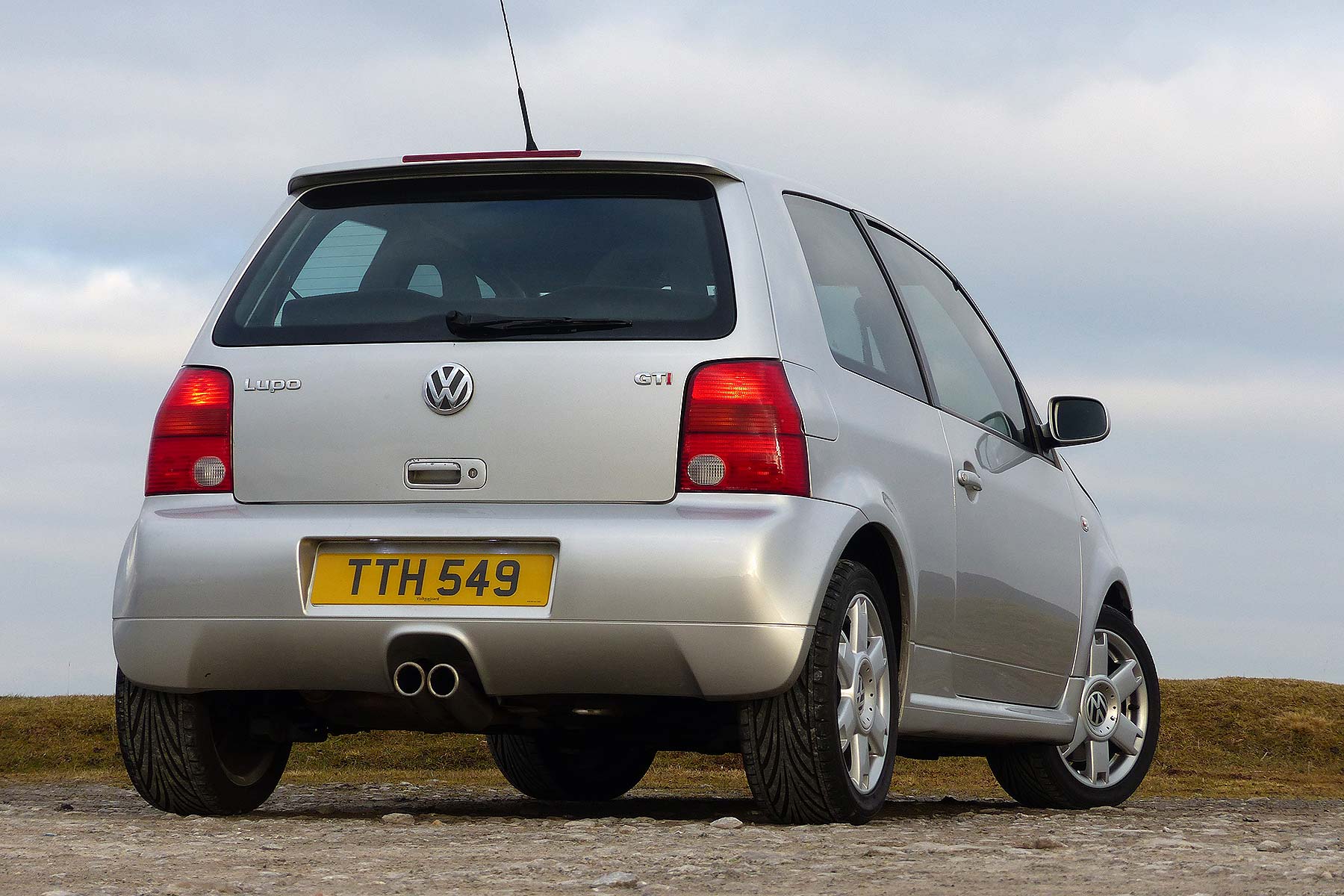
Instead, the Up was cited as a contemporary interpretation of the iconic Mk1 Golf GTI, with no mention of the car many assumed it shared a stronger bloodline with. The plot thickens when you realise that for the Lupo GTI launch, guess which car VW put forward as its inspiration? Yep, the Mk1 again. VW itself clearly doesn’t want to make comparisons between the two sub-Polo GTI pocket rockets, but we’ve come to the challenging roads of South Wales to do just that.

Has the Up GTI has got the makings of a future classic – just like the Lupo back in the day – or is it just a cynical exploitation of those iconic three letters to boost the company’s post-dieselgate image? This is going to be good….

Making an impression

Volkswagen Lupo GTI vs. Polo GTI

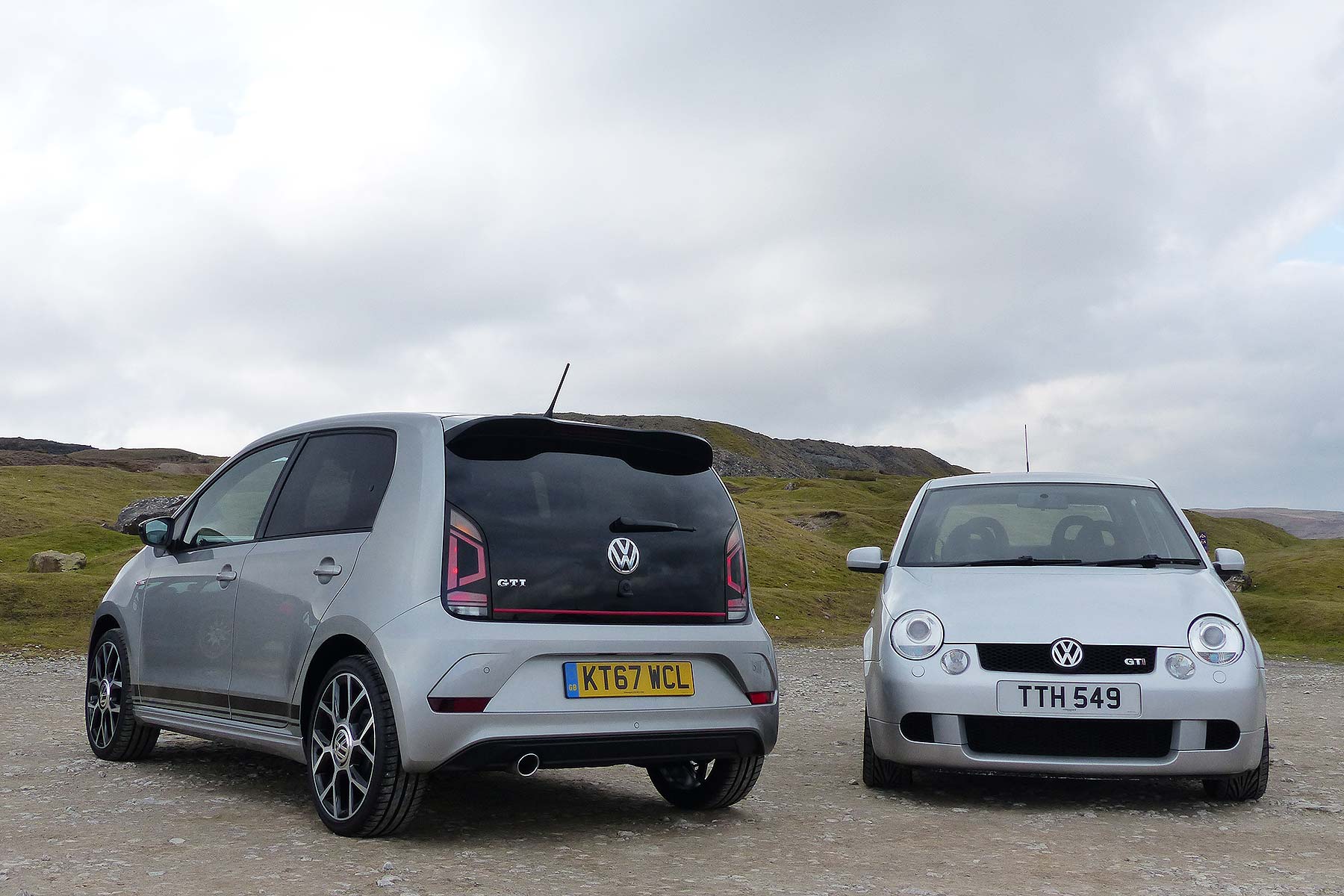
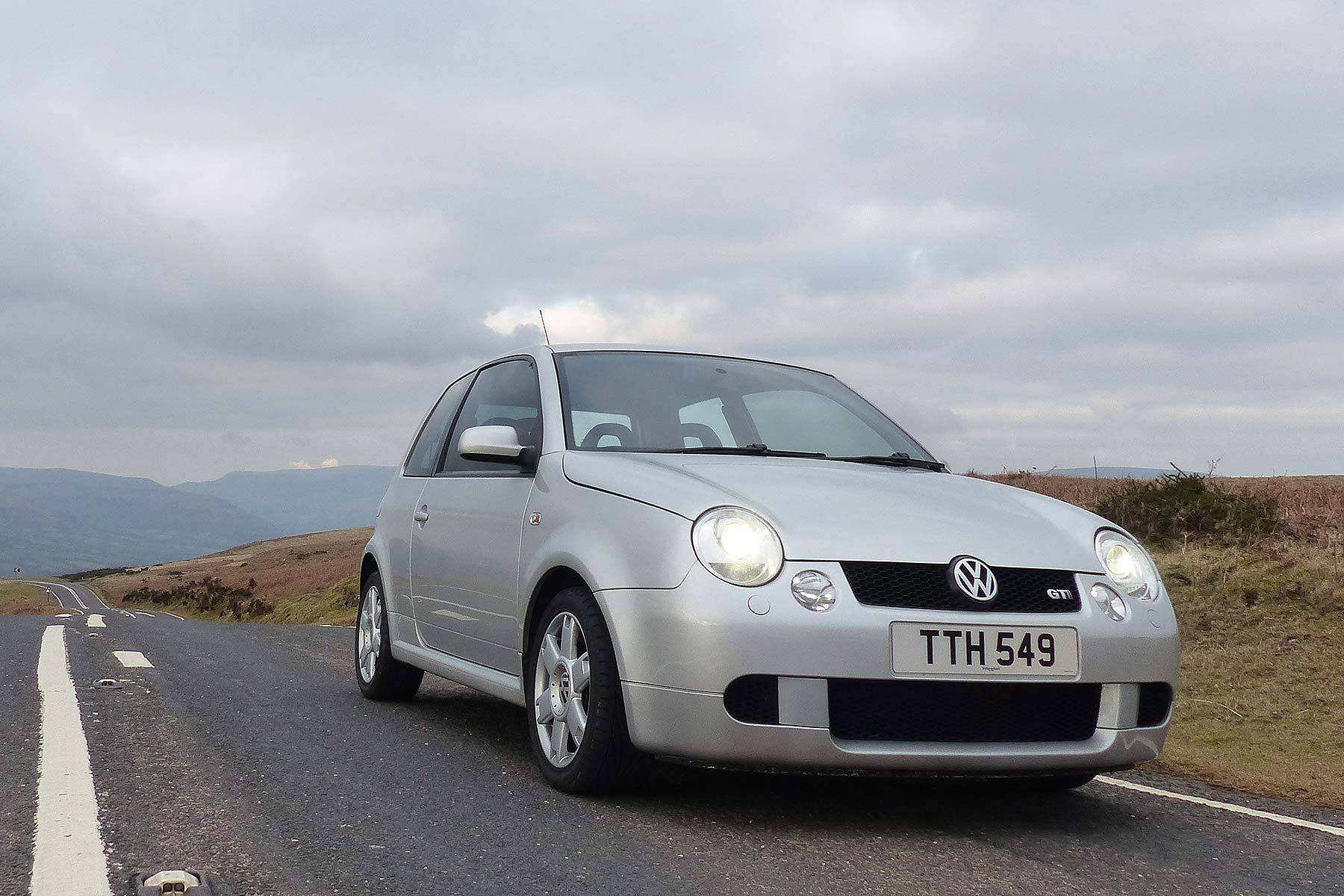
Even though it’s old enough to vote, the Lupo takes an instant lead in the eye-candy stakes. Up front, Audi RS4-style flared arches join the doors and bonnet in being aluminium, transforming the normally slab-sided Lupo into a curvy hunk. Standard gas-discharge headlamps, twin-exhaust tailpipes, sculpted bumpers, 15-inch alloys, red callipers and extended sills complete a thorough external makeover.

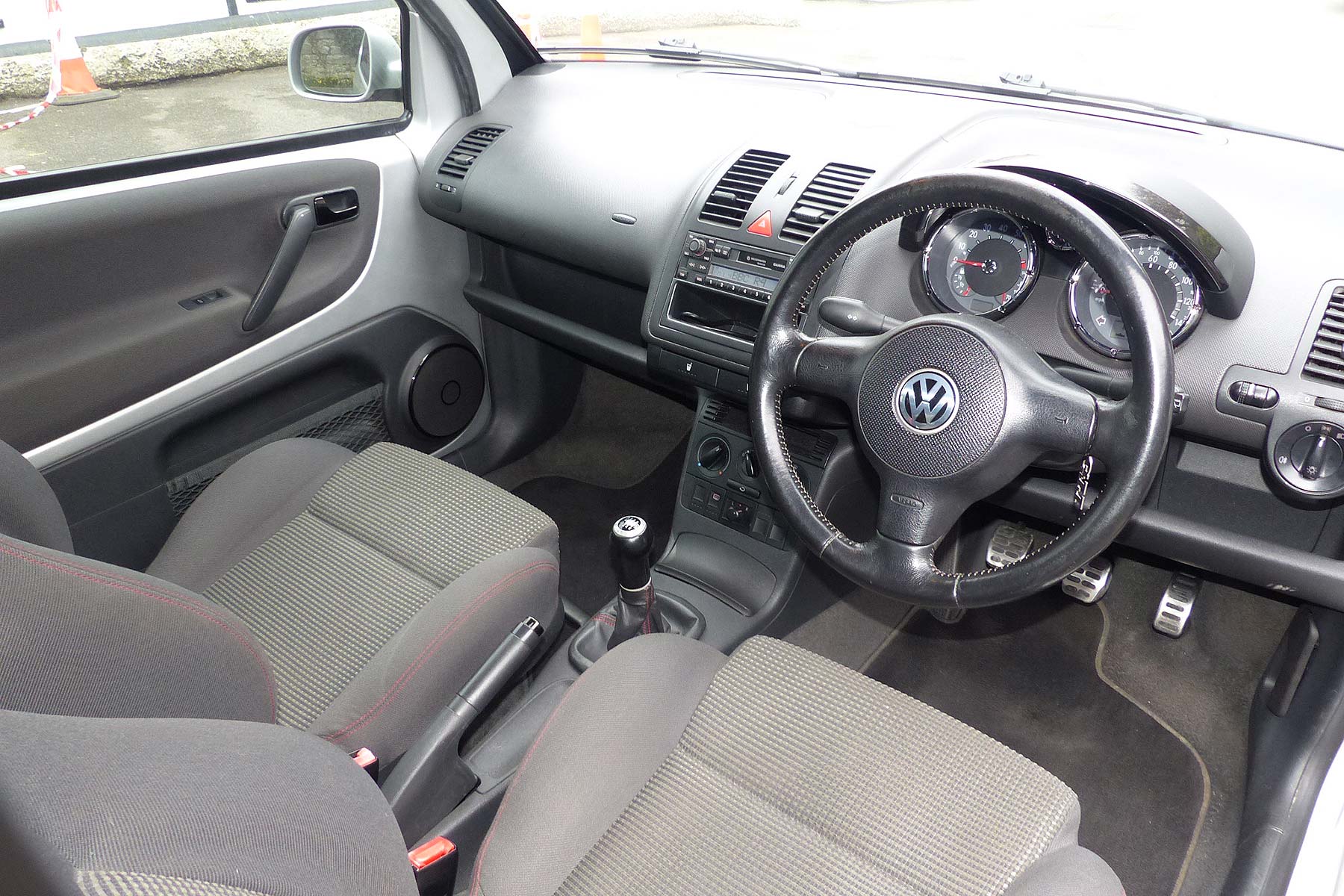
Inside, grey sports seats with red stitching (also available in a more inspiring red fabric) and a Polo dashboard seem a tad ordinary compared to the exterior, but snazzy silver-bezel instruments, red seatbelts (who said ‘MG Metro’?), alloy pedals and a gorgeous leather/alloy gearknob help make amends for the otherwise monochromatic theme.

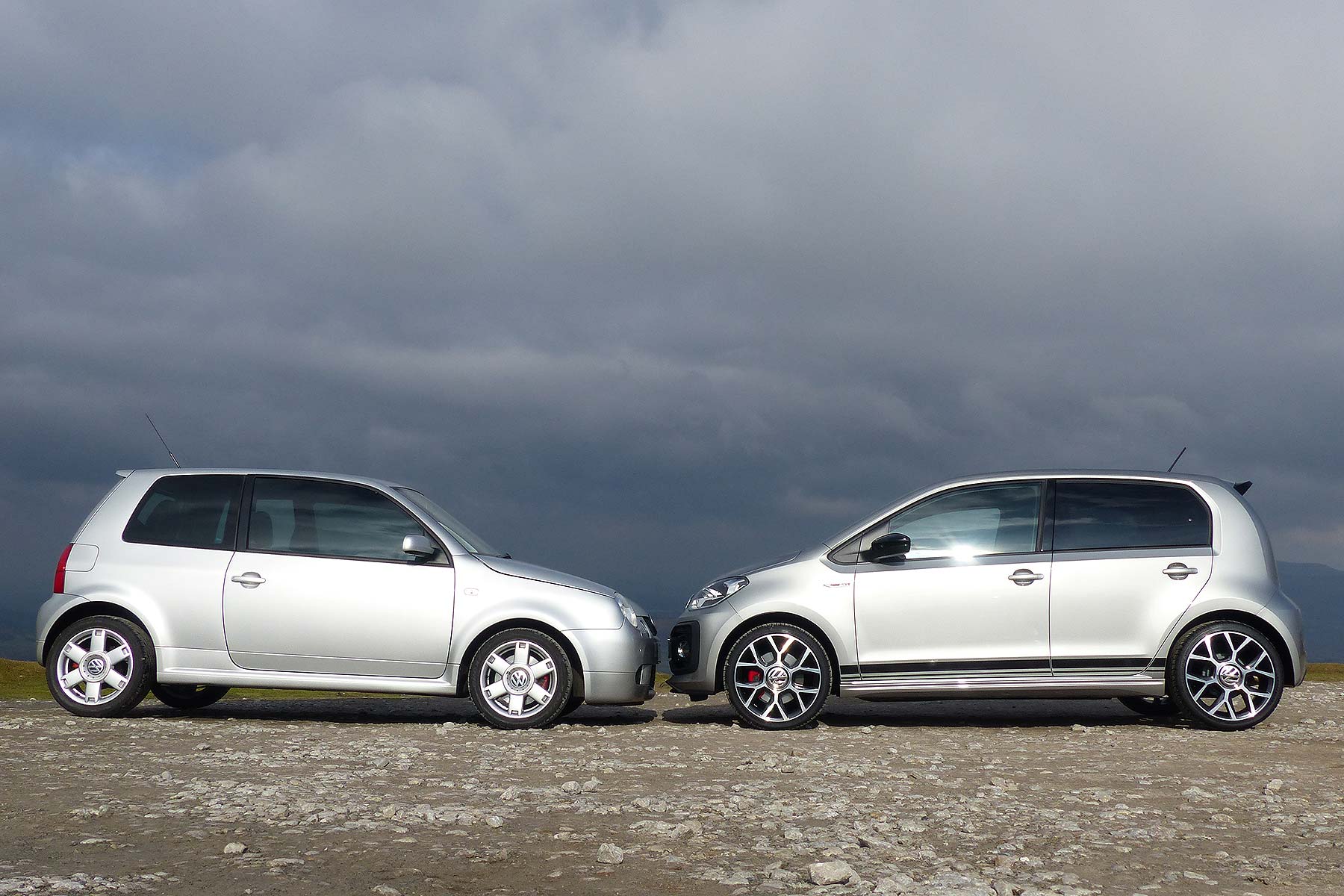
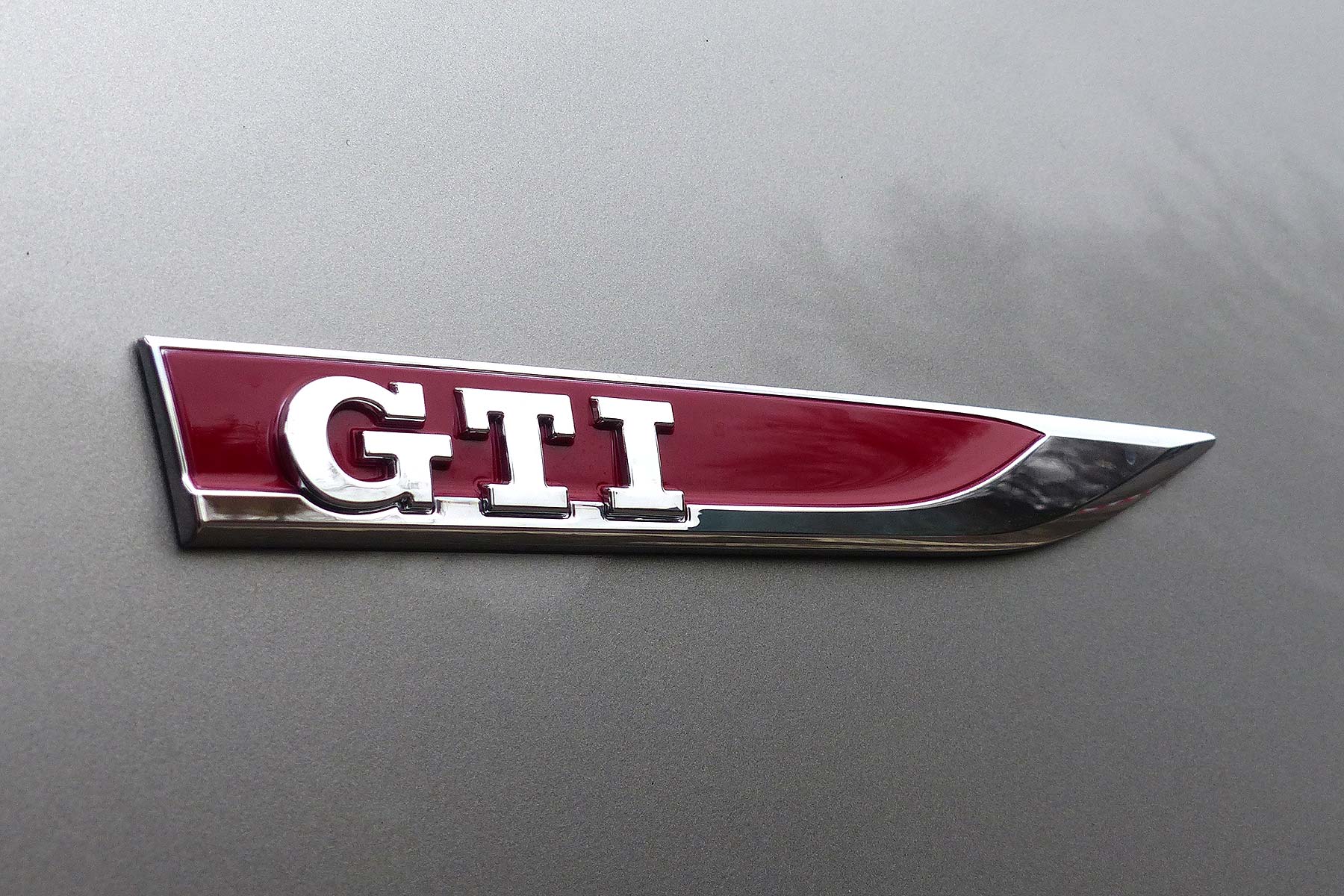
The Up is textbook GTI, combining numerous subtle and inexpensive styling cues to make a package that’s sufficiently distinctive even non-fanboys will see it coming a mile off. A black panel set into the front bumper, red grille stripe and classic GTI badge do the business, while side-on there’s no mistaking the gorgeous BBS-style 17-inch alloy wheels and sill extensions. There are even some stripes that perfectly mimic those of the Mk1 Golf GTI, although black cars sadly miss out on them.

Volkswagen Lupo GTI vs. Polo GTI

At the rear, a pert roof spoiler, 3D red stripe, GTI badge and chrome tailpipe all gel perfectly. You can even have a black roof. OK, there are no flared arches, but does it really need them? The standard Up styling is a lot sharper than a vanilla Lupo’s, and the big wheels, combined with 15mm lower suspension, do wonders for its stance, emphasising those chiselled haunches.

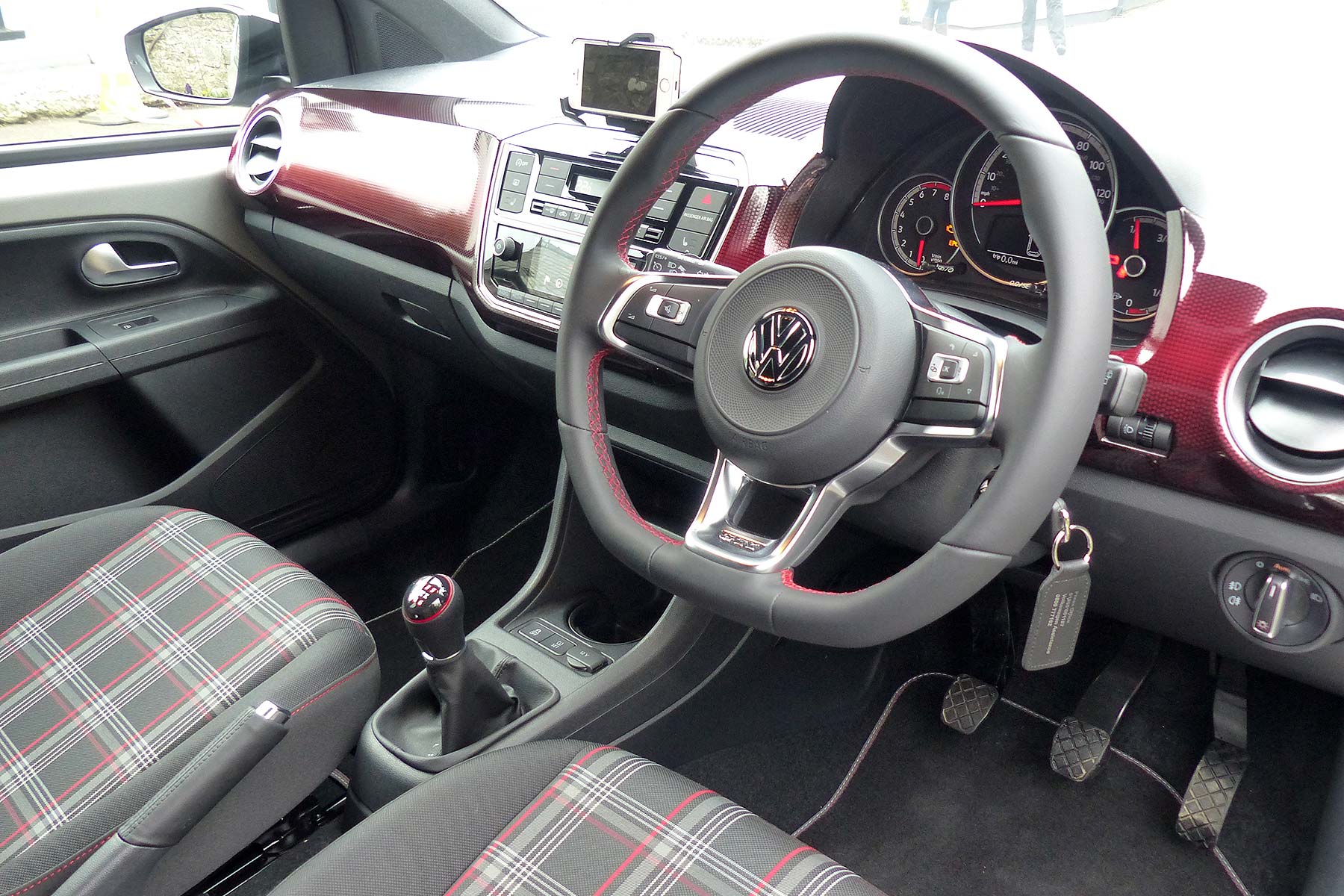
Inside, the GTI- clan ‘Jacara Red’ tartan makes a welcome appearance, albeit looking slightly incongruous on the undernourished seats common to every Up. The red theme continues with a colourful ‘dashpad’ that spans the full width of the dashboard. The Up’s plastic gearknob lacks the glamour of the Lupo’s, while the plain pedals and seats belts are both standard Up fare.

All this can be forgiven though, thanks to a flat-bottomed steering wheel nicked wholesale from a Mk7.5 Golf GTI. While the accountants have clearly sharpened their pencils since the pricey Lupo, you get the feeling that even they couldn’t say no to this inclusion.

Heading for the hills

Volkswagen Lupo GTI vs. Polo GTI

This well-used but mechanically tip-top 2002 Lupo feels unexpectedly plush. Road noise is well suppressed and the fresh VW dampers and original springs provide an almost magic- carpet ride quality (the relatively small wheels undoubtedly help). The standard exhaust system keeps things hushed, even with a lofty 3,500rpm on the tacho when cruising at 70 mph in 6th. Clearly this extra gear, introduced in 2002, wasn’t dropped in for economy, but to shorten the ratios to keep the normally aspirated 1,595cc 16v engine spinning in the upper half of the rev range – to hell with emissions.

It’s this very old-school way the Lupo goes about its business that defines it. Drive it like a modern forced-induction car and progress will be pedestrian, with not an awful lot happening below 3,000rpm: the official torque peak. Drop a gear or two, though, and at 4,000rpm that free-spinning engine comes alive with a growl, a distinct second wind occurring at 5,000rpm that’s sustained all the way to the rev limiter – just north of the 6,500rpm power peak. Proper fun when you’re in the mood, but a little tiring when you aren’t.

The chassis harks back to the bad old Mk4 Golf days, when an overly comfortable ride was always at the expense of agility. Thanks to the new hardware fitted here, damping is well controlled, but pitch it into a corner and your head will initially go into mayday mode, the amount of roll triggering unnerving sensations unfamiliar in modern performance cars. Get used to this though, and once fully loaded, it digs in enthusiastically, the shifting of its modest 978kg unladen weight compressing the 205-section tyres into the tarmac without overloading them. Maybe the costly lightweight panels, accommodating a wider track, were money well spent after all?

Volkswagen Lupo GTI vs. Polo GTI

Sitting behind the wheel of the Up GTI, little readjustment is required. Both lack reach adjustment for the steering column, but this is soon forgotten thanks to the ergonomic perfection elsewhere. At idle, the Up actually feels more industrial than the Lupo, with the off-beat three-cylinder idle sending subtle vibrations through the bodyshell. This sensation continues once you get moving: a sound actuator pipes up, providing a pleasing R32-like crescendo at higher revs. At first, the gearchange, just like the Lupo’s, feels a little imprecise, but you soon adjust.

Where it differs massively is through the gears. While the Lupo hits 60mph at 5,000rpm in third, the Up nearly cracks it in second. Long ratios aren’t a recipe for fun, but with turbocharging bringing such an abundance of torque (147lb ft from 2,000-3,500rpm) and with so little weight to contend with (1,070kg) this really is no handicap to progress.

Rest assured that fun is also in abundance. Just like the Lupo, peak power is at the top of the rev-range (115hp between 5,000 and 5,500rpm) and the sweet-spinning 999cc engine is quite happy to reach up high and grab it. Sorties to the soft rev limiter will be a regular occurrence.

Volkswagen Lupo GTI vs. Polo GTI

While the chassis’ ingredients are similar to the Lupo, with MacPherson struts up front and a torsion beam rear, it’s clear that chez Wolfsburg has had a change of chef in the intervening 18 years. The ride is undoubtedly firmer but rarely agitates, the trade off being superb body control. And yet with one-size-narrower tyres, it’s easy to unexpectedly breach the limits of lateral grip in the chilly conditions we experienced. It’s not that the Up GTI is skittish, more that its unexpected turn of speed gives the front end a lot more to do.

Managing these relatively low grip levels is what makes it such an engaging drive. Remember too, all this can be done at sane speeds, unlike in most modern performance cars.

GTI generations

Volkswagen Lupo GTI vs. Polo GTI

Wales is famous for its choirs, so it’s fitting that we found these two pocket rockets to be singing from different hymn sheets. The Lupo remains big fun and it’s totally understandable why it has such a following. While it’s an unexpectedly good motorway car, you can also grab it by the scruff of its neck, get the rev counter needle vertical and the chassis a long way from the horizontal.

It’s the bit between these two disciplines where the car shows its age, with lazy response at low revs and pretty heavy fuel consumption. Yet, as a hot hatch to get out of the garage on summer weekends and drive to great roads, the Lupo is the one.

Allowing for inflation, the Up GTI is around 30% cheaper than the Lupo was when new, yet it carries over most of the good bits while attending to any weaknesses. It has the unusual ability to satisfy both head and heart.

Volkswagen Lupo GTI vs. Polo GTI

Maybe that Mk1 Golf GTI comparison wasn’t so tenuous after all, as the Up GTI is bringing the fun back into daily driving – just as its iconic ancestor did all those years ago. No doubt in another 42 years, we’ll be coveting any remaining examples of the newbie in much the same way we do the old stager today.

Say hello, then, to the newest nominee to that future classic hall of fame: the sensational Up GTI. It’s the rocket that’s easy on your pocket.

Read more:

Loyal customer celebrates 50 years of owning Volkswagens

This is why you didn’t have to defrost your car this morning

Man steals Aston Martin from factory after a night out

Ford Focus ST-Line 2016 road test review

Advertisement

Shift to EVs means manual driving test could be obsolete by 2040

0
End of manual driving tests

Soaring numbers of automatic cars, combined with the mandated shift to electrification, could mean the end of manual driving tests in less than 20 years. 

Specialist insurance broker Adrian Flux has analysed DVLA test data, highlighting the rapid growth in the number of learners drivers taking automatic-only assessments.

The past decade has seen a huge 270 percent increase in the number of driving tests taken with automatic cars. Based upon the trends seen in the data, Adrian Flux believes the manual driving test could become obsolete by 2040.

Automatic for the people

End of manual driving tests

Driving tests conducted for an automatic-only licence numbered 324,064 in 2023, representing more than one third (37.4 percent) of all practical tests taken last year. 

For younger drivers, the rate is even higher. Almost two thirds (61 percent) opted to undertake the practical test using an automatic car.

Driving this change is the rise in automatic vehicles being sold. According to data from the Society of Motor Manufacturers and Traders (SMMT), just one quarter (24 percent) of new car sales in 2011 were automatic models. A decade later, that percentage has increased to 62 percent. 

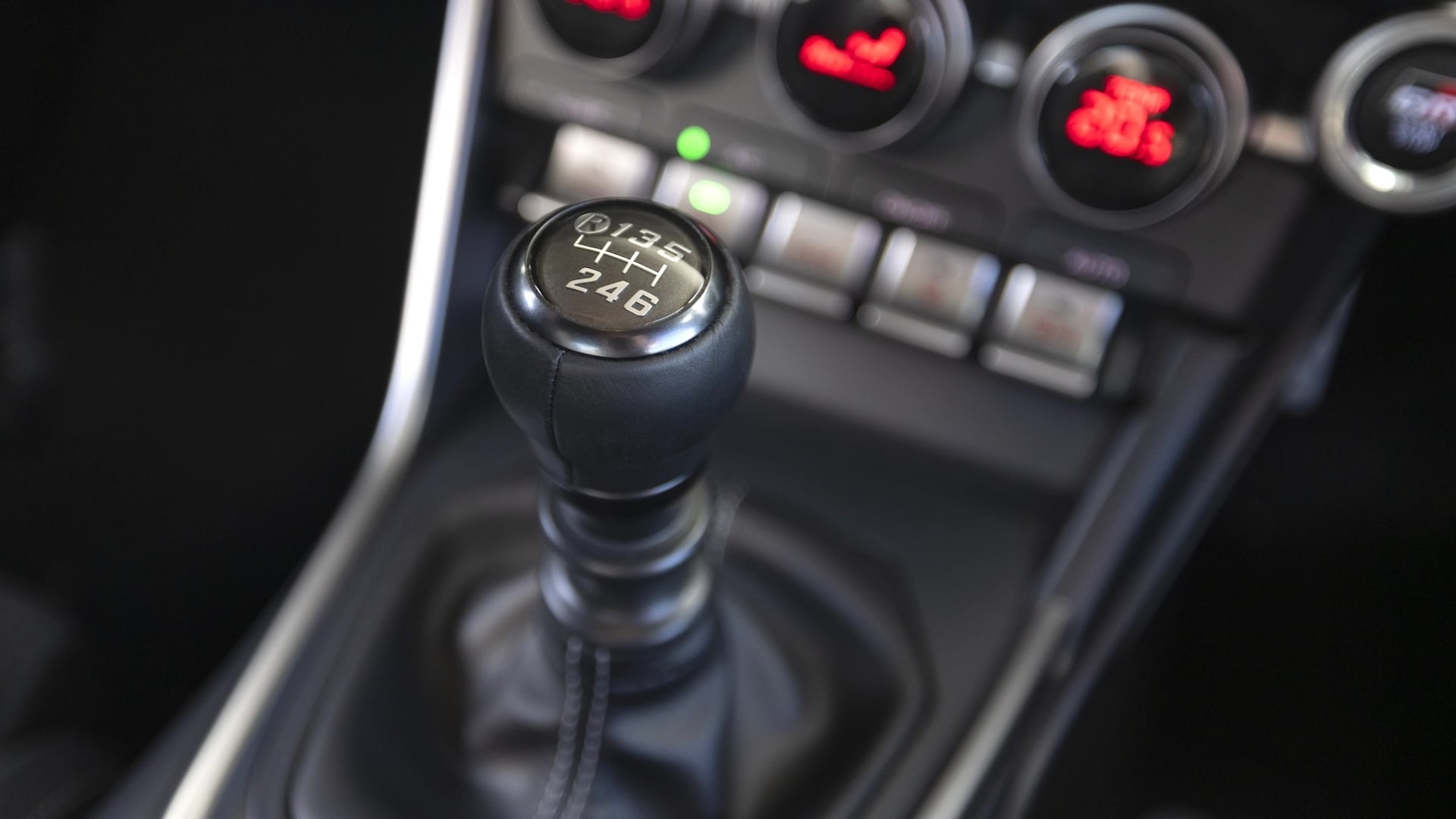
Electric cars and hybrids have accelerated the trend, meaning the traditional ‘stick shift’ has increasingly become a niche option for sports cars.

Stick with the stick-shift

End of manual driving tests

Adrian Flux notes that as the number of drivers holding a licence to use a manual gearbox decreases, it could lead to problems for older vehicles. To enable classic cars to remain on the road, the company believes that manual driving lessons, and tests, need to continue.

Gerry Bucke, general manager at Adrian Flux, said: “We urge the government and DVSA to ensure that there is a future for timeless classic cars through creating options for manual learning, even in an automatic landscape. These vehicles are not only a means of transport, but a source of passion and community.”

‘‘We want to ensure future learners have the opportunity to pursue their love for classic vehicles,” Bucke added.

ALSO READ:

The Highway Code rules you might not know

How to avoid becoming a victim of keyless car theft

When will each car brand end petrol and diesel sales in the UK?

Advertisement

New book goes behind the scenes at BMW to reveal secret cars

0
BMW By Design book

‘Imagine yourself walking into a private collection of barely seen cars and exhibits of never-glimpsed BMW creativity and history. Off in the dimly lit distance is a ’70s-style slide projector that’s flickered to life with previously unseen images, while an adjacent tape player delivers the voiceover…’

This is how Steve Saxty sets the scene for BMW’s Hidden Gems, one of a trio of new books grouped under the title of BMW Behind The Scenes. They explore the history of Munich’s design department, told through its most important cars and concepts, with contributions from famous names, such as Paul Bracq, who helped shape them.

Steve Saxty is a motoring author best known for his Secret Fords series of books – featured previously on Motoring Research. And it turned out BMW design boss Adrian van Hooydonk was a secret Ford fan, too…

Behind closed doors at BMW

BMW By Design book

“I was at home in New York one Sunday morning. It was brutally cold and there was snow on the ground outside,” recalls Saxty. “The phone rang and it was [Dutch car designer] Harm Lagaay. He’d just had lunch with Adrian van Hooydonk, who had mentioned buying a copy of Secret Fords. So I wrote a letter to Adrian – it had to be a proper letter, Harm said, not simply an email – and he invited me for an online meeting.”

That first conversation on Teams lasted more than an hour, and the project that followed would take two-and-a-half years – including numerous trips to Munich and 120 interviews with BMW insiders and past luminaries. Saxty was granted unprecedented access to the design department, along with the company’s huge archive near Garching.

“I camped out in the studio for weeks,” he explains. “Around 400 people have keycard access, but I was the only outsider allowed in. It’s their heritage and their legacy, but they said nothing was off-limits.”

Paying Hommage to the past

BMW By Design book

The main BMW by Design book, which stretches to nearly 300 pages, focuses on the story of BMW styling since the 1950s, told primarily through its concept cars. “These vehicles aren’t made for us on the outside,” says Saxty. “They are built to spur the designers’ creativity. Within the company, designing a concept is as important as doing a production car.”

Concepts featured range from a futuristic take on the vintage 328 to the modern 3.0 CSL Hommage R (pictured above) – a tribute to the legendary ‘Batmobile’ CSL. Saxty has unearthed hundreds of beautiful design drawings, including 40 hand-drawn sketches by Paul Bracq, with insightful captions to explain every detail.

The second book, BMW’s Hidden Gems, is shorter and easier to dip into, pulling together 10 untold stories or rarely seen cars. The gems include the BMW Garmisch concept (Marcello Gandini’s submission for the original E21 3 Series) and an exploration into “the jewellery of cars”: paint, badges and alloy wheels.

Lastly, the third book in the collection, BMW Art by Design, sees Saxty “dropping into the background and letting the designers introduce their own work”. It also comes with a folder of 18 art-quality BMW prints, ready for framing.

‘Driven to be different’

BMW By Design book

If you are a BMW enthusiast or simply interested in car design, BMW Behind The Scenes is an essential addition to your bookshelf. Beautifully presented and engagingly written, it does justice to the creativity of the cars within.

You might not like where BMW design has gone in recent years, but it has been a fascinating journey. “BMW is driven to be different,” Saxty concludes. “They see it as their absolute duty not to take the easy path.”

BMW by Design is available separately for £79.05, or you can order one of 1,500 individually numbered and signed copies of the three-book set for £237.21. Both are available from Steve Saxty’s website.

ALSO READ:

BMW M3 Touring 2023 review

30 controversial BMW car designs

A secret tour of BMW GB’s car collection

Advertisement

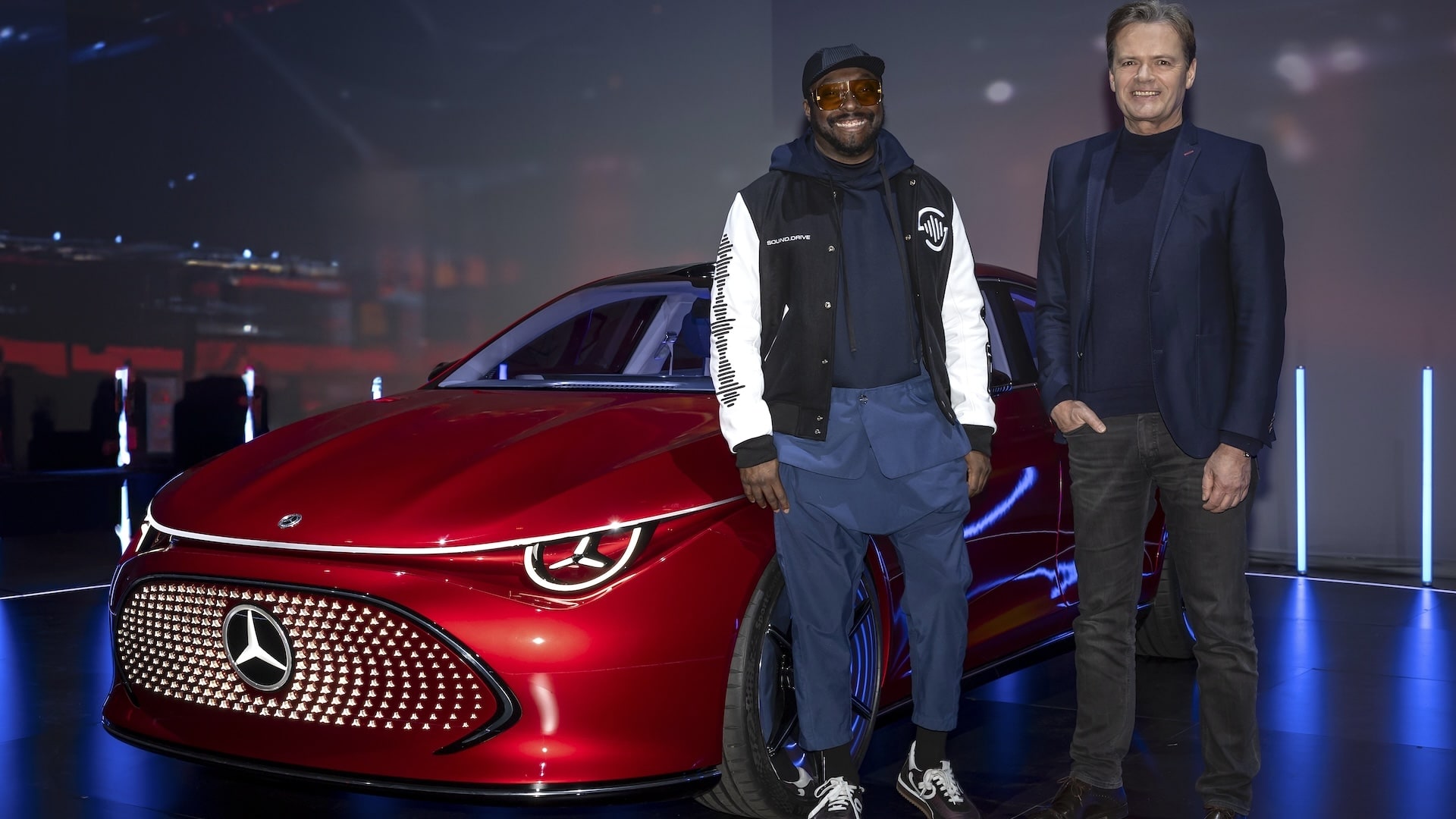
Will.i.am reveals new music tech – coming to Mercedes cars in 2024

0
MBUX Sound Drive will.i.am

A new collaboration between Mercedes-Benz and pop star Will.i.am has led to an industry-first in car audio technology. 

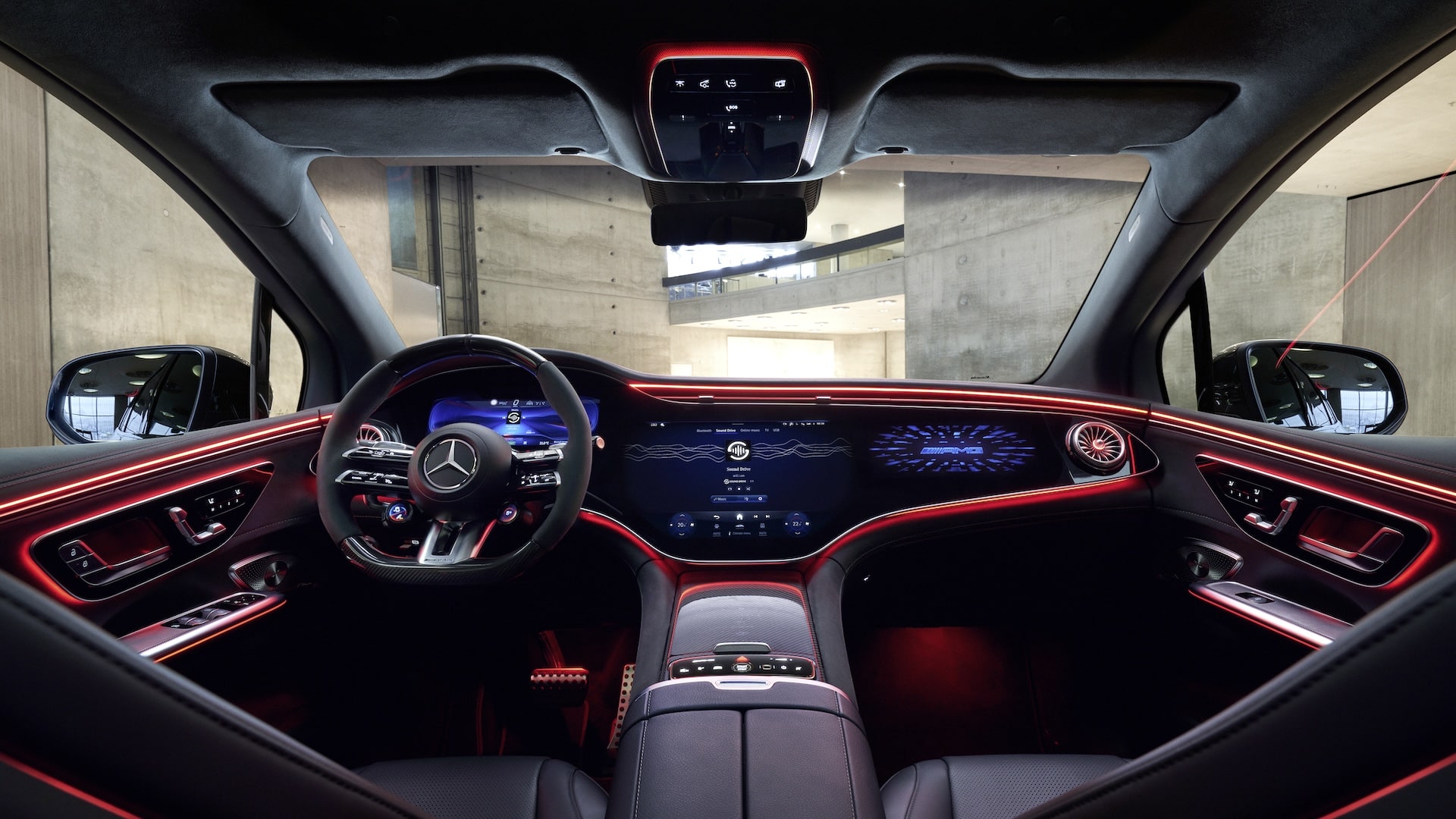
The innovative MBUX Sound Drive uses a host of sensors, combined with advanced software, to interpret how the car is being driven and provide a soundtrack. 

This means steering inputs, acceleration and braking can all be used to make the car compose new music in real-time Even the rain sensors can detect poor weather conditions, then create soothing rhythms to reduce driver stress.

Coming to an AMG near you

MBUX Sound Drive will.i.am

Revealed at the CES 2024 technology show in Las Vegas, MBUX Sound Drive is no flight-of-fancy concept. The software will be made available soon on selected Mercedes-AMG and AMG Line vehicles.

The long-term aim is to see MBUX Sound Drive technology turned into an open music platform. Creative artists around the world could use the system to create new tracks.

Markus Schäfer, chief technology officer at Mercedes-Benz, explained: “We want digital innovation to bring a smile to our customers’ faces through exciting new features that make a real difference to every journey. With MBUX Sound Drive, AMG drivers are in control of the way their music sounds. It makes in-car entertainment much more immersive.”

‘Reshape music just by driving’

MBUX Sound Drive will.i.am

MBUX Sound Drive system is the latest project in a long-running partnership between Mercedes-Benz and Will.i.am. The Los Angeles-born recording artist previously created the WILL.I.AMG concept car, based on a Mercedes-AMG GT

Along with his own music career, Will.i.am has also invested in numerous technology companies and initiatives. This included being a founding stakeholder in the Beats Electronics company. 

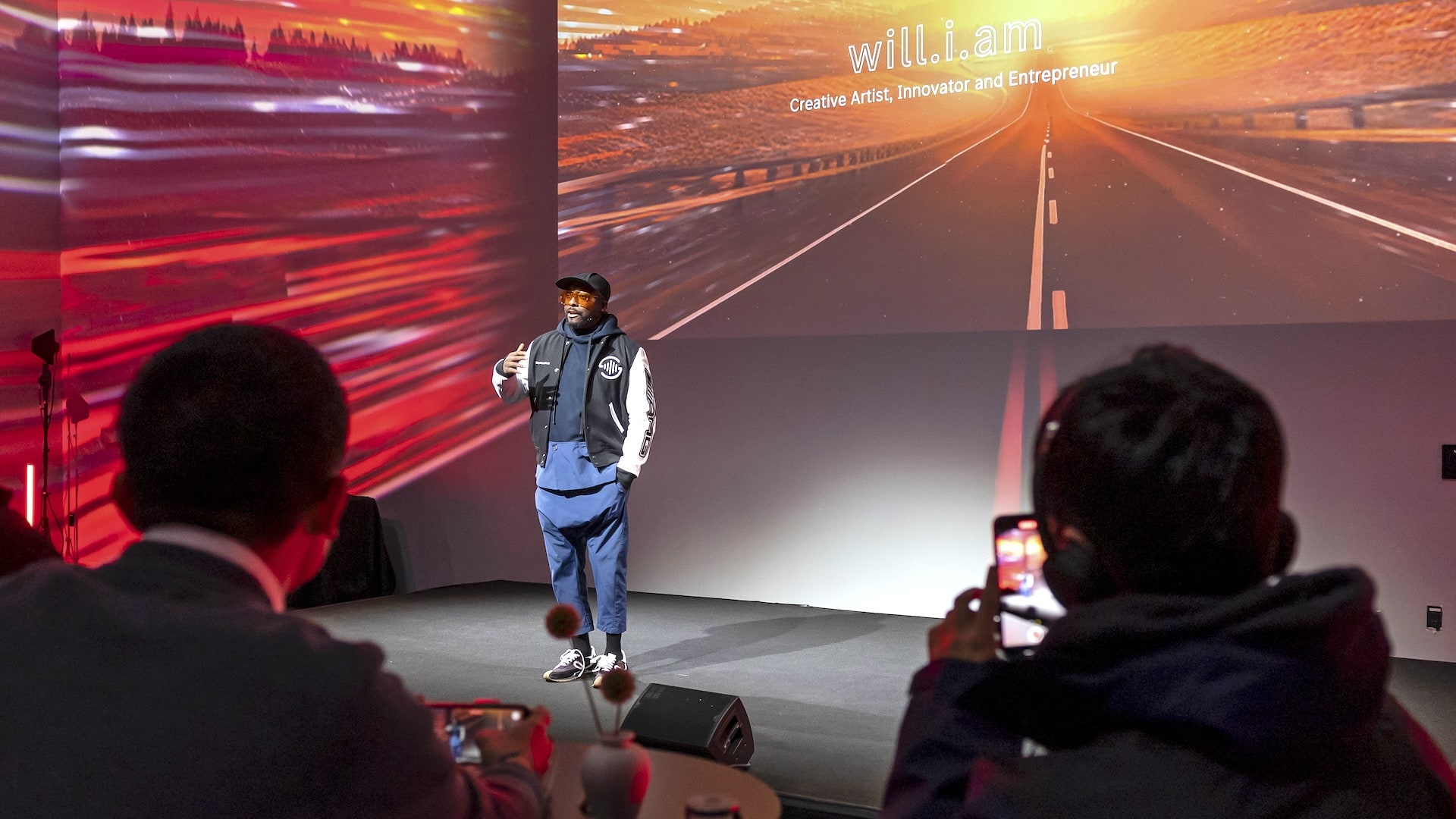
Speaking at the MBUX Sound Drive launch, Will.i.am said: “Imagine a world where your car can become an instrument creating musical journeys. MBUX Sound Drive enhances driving and sound technology, letting motorists reshape music just by driving. 

“I’m excited to see how composers, producers, and songwriters will harness this to create new works and reimagine classics for motorists to drive to. Sound Drive is not only a new frontier for music creation, but also opens up fresh, exciting and interactive listening experiences for drivers.”

Starting from mid-2024, Mercedes-Benz models with the second-generation MBUX system will be able to receive an over-the-air update to gain the Sound Drive app.

ALSO READ:

New Lamborghini Lanzador electric SUV can be driven in Roblox!

Mercedes-AMG A45 S review

Mercedes-AMG GT 63 S E Performance review

Advertisement

New Lamborghini Lanzador electric SUV can be driven in Roblox!

0
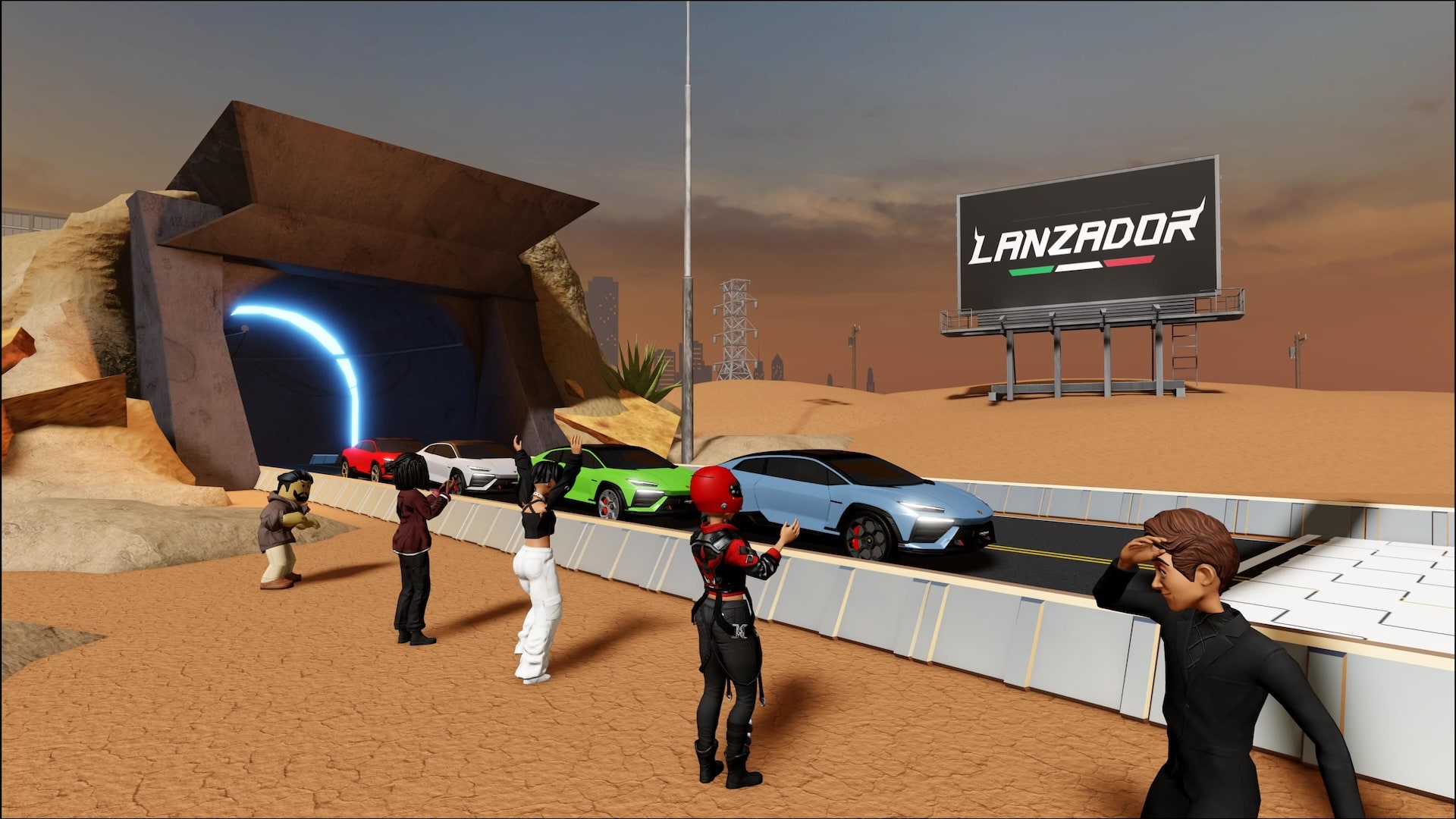
Lamborghini Lanzador on Roblox

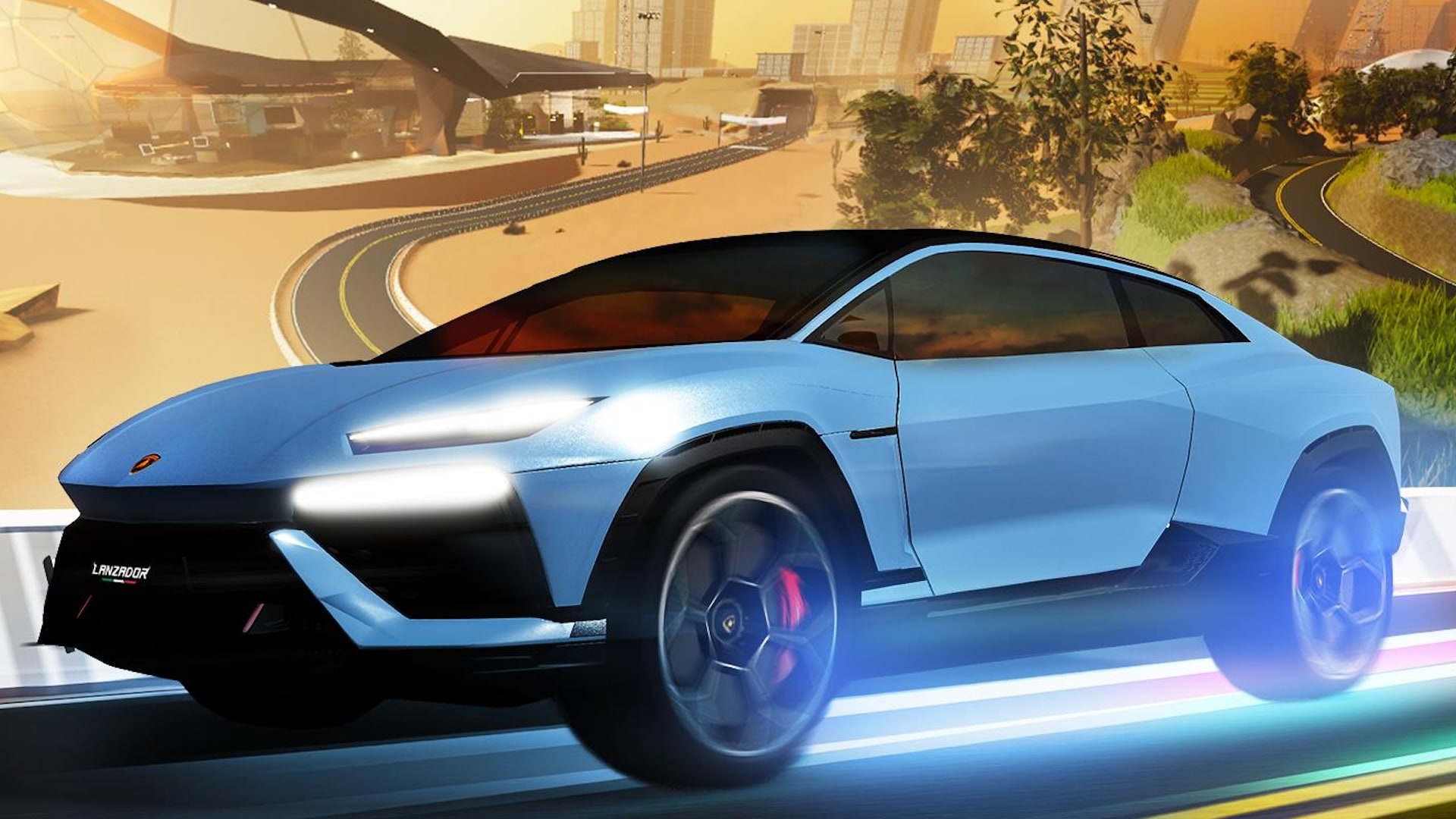
Lamborghini has made its forthcoming Lanzador electric ‘Ultra GT’ available as part of the Roblox online gaming platform. 

Following the reveal of the Lanzador concept at Monterey Car Week in 2023, Roblox is the first chance for enthusiasts to get acquainted with the 1,360hp SUV before it enters production in 2028.

The 70 million active daily Roblox players will be able to take part in an immersive 3D experience as part of the Lamborghini Lanzador Lab.

Racing into the metaverse

Lamborghini Lanzador on Roblox

First launched in 2006, Roblox is a collection of millions of user-created games offered through a single app. The platform has seen particular growth among players aged 17-24, and also drew in greater numbers during the coronavirus pandemic.

The Lamborghini Lanzador Lab offers Roblox users a host of activities, including the ability to inspect a 3D model of the car, which resembles a sleeker, three-door Urus, with four individual seats and huge 23-inch alloy wheels. 

Roblox users can also customise a digital Lanzador using Lamborghini’s Ad Personam personalisation programme, then attempt time trials on a virtual test track in their bespoke car.

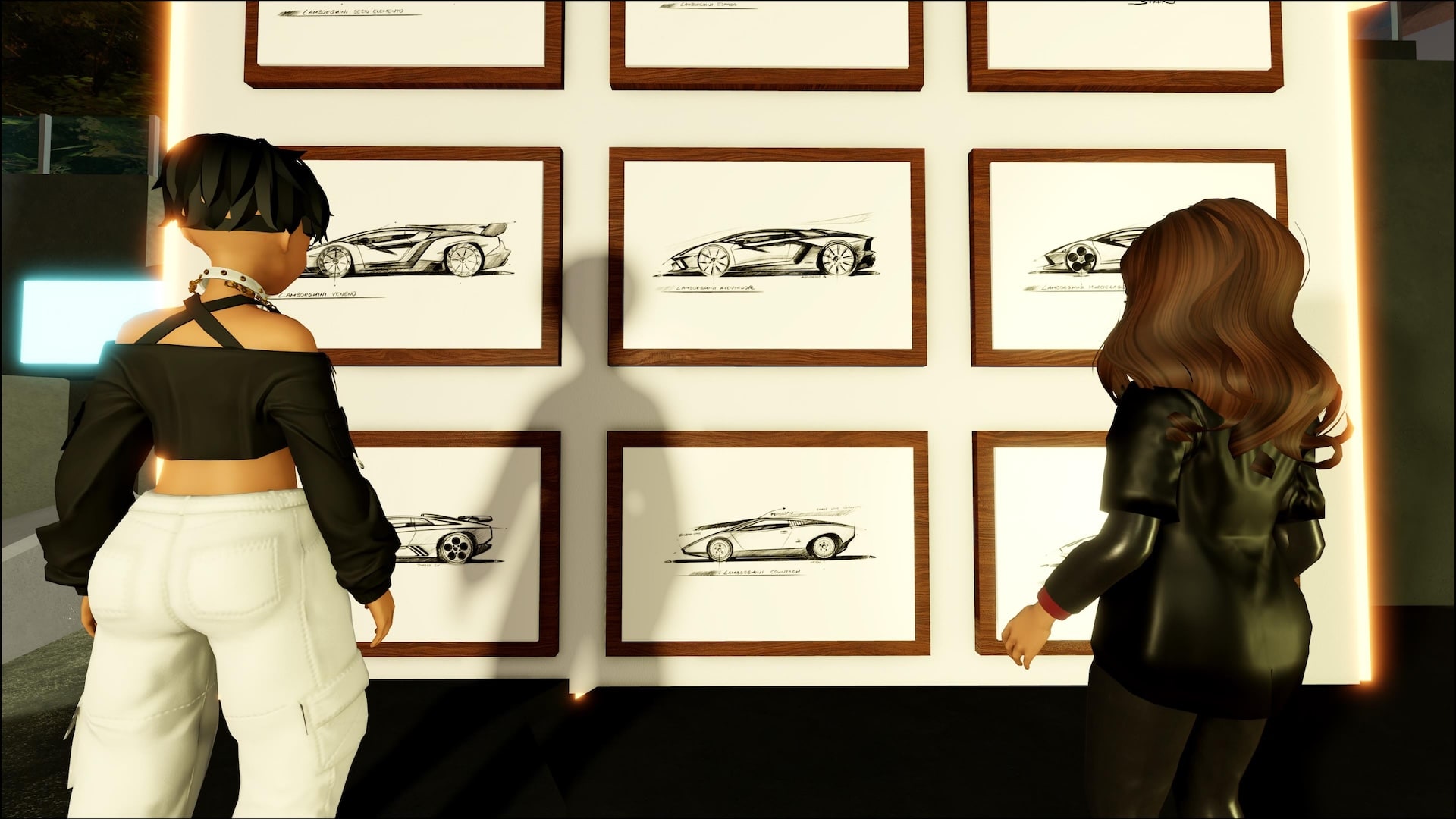
A virtual recreation of the Automobili Lamborghini museum in Sant’Agata allows players to learn more about the history and design heritage of the famous Italian marque. 

Mitja Borkert, design director at Lamborghini, said: “It’s great to see the Lanzador Design Lab and the general design language inside the Roblox experience. It’s opening it to an even younger generation”.

Virtual spending, real rewards

Lamborghini Lanzador on Roblox

Roblox players can purchase special Lamborghini-branded merchandise for their in-game avatars. This includes racing helmets, hats and backpacks. 

Three limited-edition Automobili Lamborghini Bull Heads are on offer for 1.5 million Robux (the game’s digital currency – worth about £6,800 at current rates) and the lucky buyers will receive a VIP invitation to visit Lamborghini headquarters in Italy. 

Explaining the Roblox partnership, Christian Mastro, marketing director at Lamborghini, said: “This collaboration is a testament to our commitment to reach a new generation of fans and showcase our brand’s leadership in both the digital and physical realms”.

ALSO READ:

Wild 1,360hp Lanzador concept previews Lamborghini’s first EV

Lamborghini Aventador Ultimae Roadster review

Lamborghini Diablo SV review

Advertisement

2023 new car sales top 1.9 million in best year since 2019

0
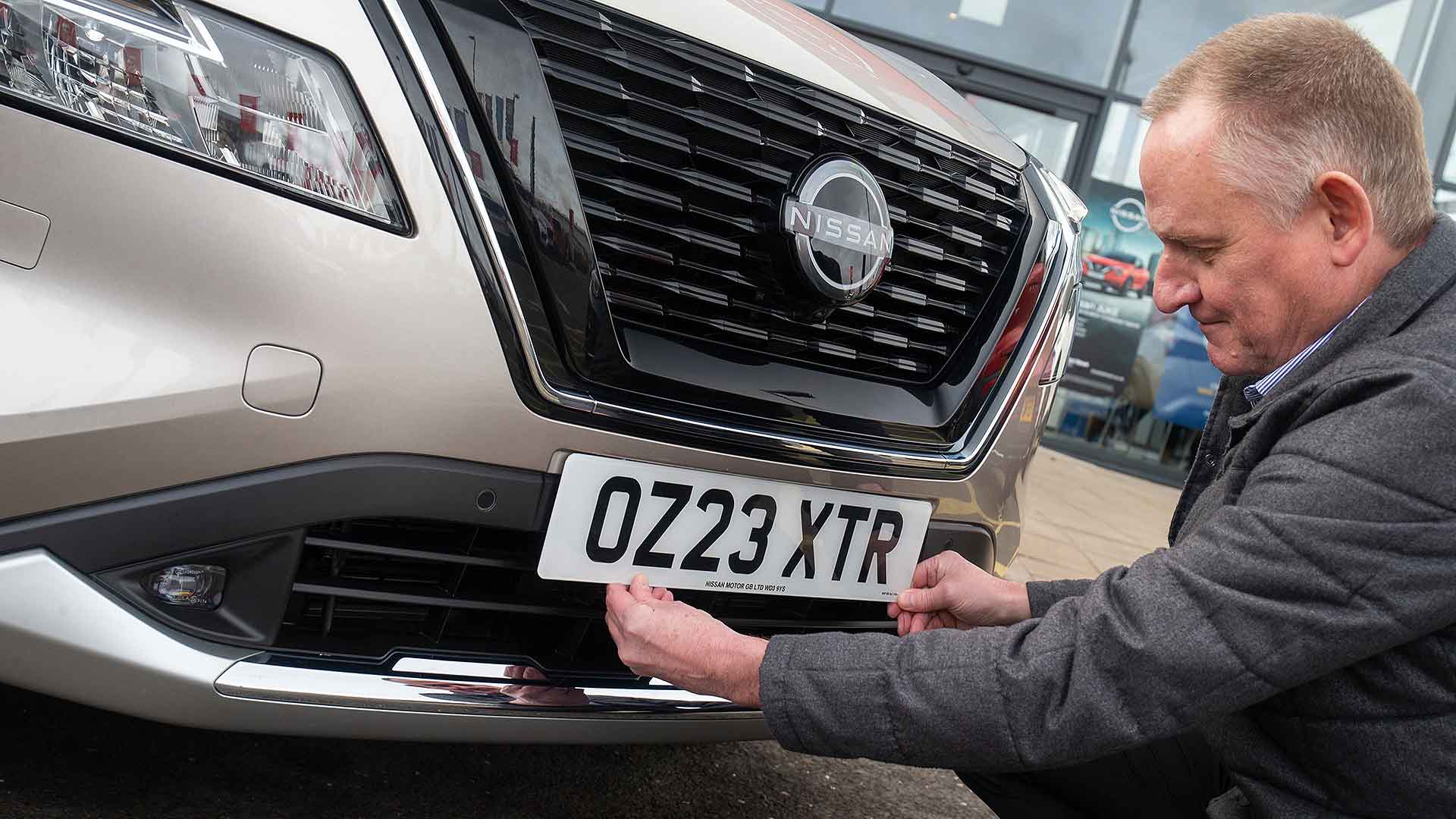
2023 new car registration plate

New car registrations grew almost 18 percent in 2023 as sales recovered from the pandemic to record their best year since 2019.

1.9 million new cars were registered in 2023, according to preliminary figures from the Society of Motor Manufactures and Traders (SMMT), driven by extra-strong demand from fleets for tax-saving electric cars.

However, the car industry trade body warned that the high prices of EVs for private buyers was restricting overall electric car sales growth – with the proportion of new EV sales actually falling for the first time in 2023.

It is now calling for a cut in VAT to 10 percent on EVs sold to private buyers to help boost demand in dealers.

Electric cars still reached a record volume in 2023, growing by almost 50,000 units to 315,000 sales. This meant more EVs were sold in 2023 than in 2020 and 2021 combined.

However, it is fleets that are driving this demand – with just 1 in 11 private buyers choosing an EV in 2023.

Ford Puma is no. 1

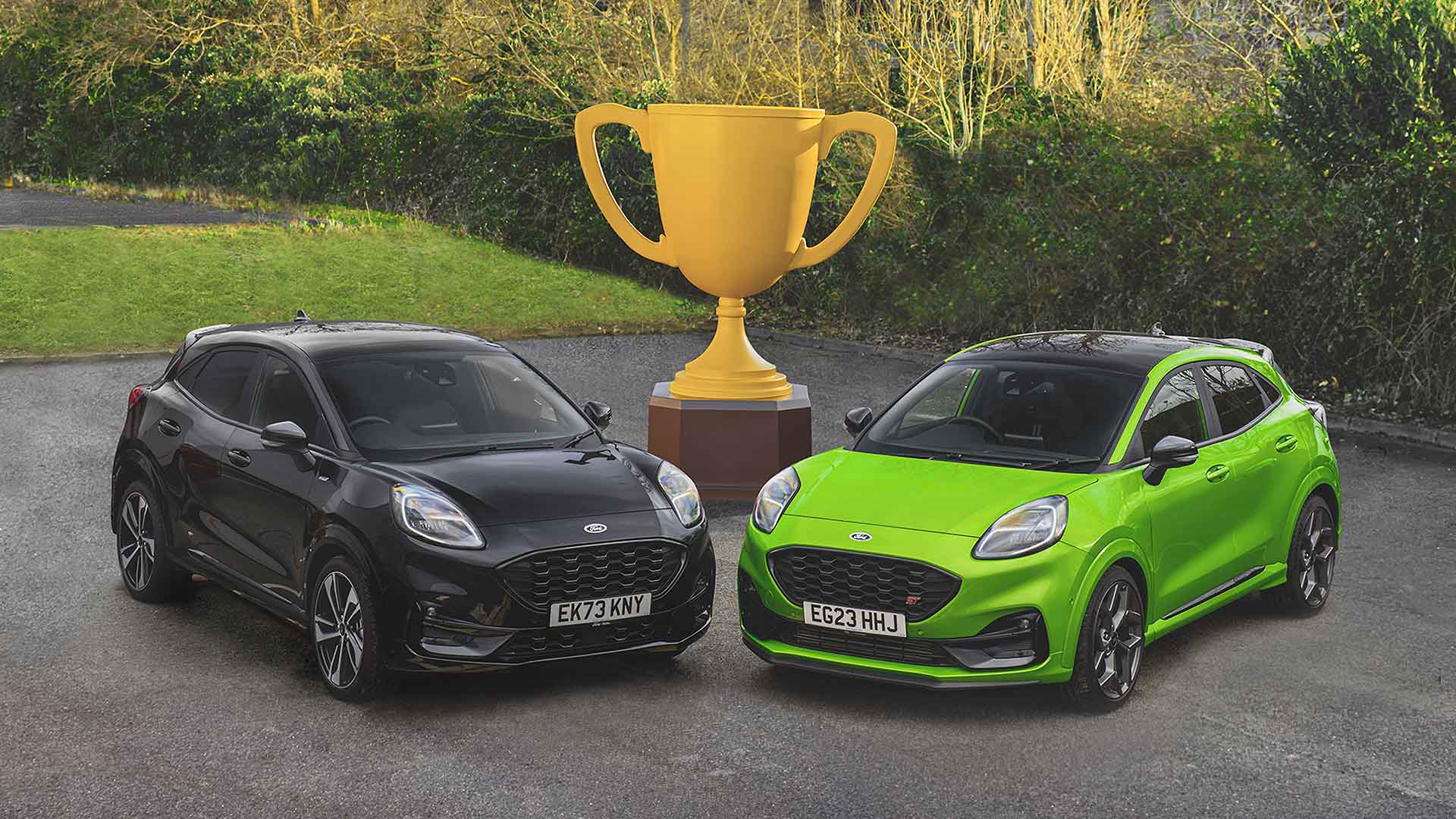
Ford Puma

The Ford Puma was the best-selling new car in 2023, marking a return to the top of the table for the blue oval after the demise of the perennially-popular Ford Fiesta.

More than 49,500 new Ford Puma were registered in 2023, seeing it edge ahead of last year’s best-seller, the Nissan Qashqai. The Vauxhall Corsa, 2021’s best-seller, was the third most popular new car in 2023.

It was a double Ford triumph too, with the Ford Transit Custom once again being the UK’s best-selling van. Ford has now led the UK commercial vehicle market for a staggering 58 consecutive years.  

“I’m delighted that Puma was both the best-selling vehicle and car in the UK, and Transit Custom was the best-selling CV in 2023,” said Ford UK chair and MD Lisa Brankin.

“This terrific achievement in 2023 is a great foundation for us to step forward into 2024 and roll out our electrification plan at pace in both the car and van markets.”

Ford is planning to unveil an electric version of the Puma later in 2024, which will go on sale in 2025.

In terms of the UK’s favourite vehicle type, the market is evenly split across three sectors – superminis, SUVs and family hatchbacks.

Superminis such as the Ford Fiesta accounted for 29.8 percent of new car sales. Dual purpose cars such as the Ford Puma made up 28.6 percent of registrations. Lower medium cars like the Ford Focus took a 28.3 percent market share.

This left all other types of new car to fight over the remaining 13.3 percent of new car registrations.

The SMMT will release final 2023 new car registrations data at 9am today (Friday 5 January).

ALSO READ

Car industry calls for VAT to be halved on new EVs

When will each car brand end petrol and diesel sales in the UK?

Price of a new car rockets 43% in five years

Advertisement

Car industry calls for VAT to be halved on new EVs

1
Man plugging in a new electric car

A halving of VAT on electric cars to 10 percent for three years would help make EVs more affordable for private buyers and put an extra 270,000 electric cars onto UK roads, says the Society of Motor Manufacturers and Traders (SMMT).

The car industry trade body says the UK is now the only major European car market without any EV incentives for private buyers.

The Plug-in Car Grant was controversially phased out in summer 2022.

This is now being reflected in new car sales figures, with the growth of electric car sales actually falling in 2023, to a market share of 16.5 percent.

This is despite the UK also only being the only market in the world with mandated minimum targets for new EV registrations, as part of the new ZEV Mandate.

In 2024, EVs must account for 22 percent of each car brand’s sales, rising to 80 percent by 2030.

Fines of £15,000 for every car sold over target will be imposed for brands who fail to achieve ZEV Mandate rules.

Sales of EVs to fleets boomed during 2023, as company car buyers capitalise on the huge tax savings they enjoy. This helped EVs account for 1 in 6 of all new car sales in 2023.

In contrast, just one in 11 private buyers chose an electric car.

How would an EV VAT cut work?

The SMMT wants the government to halve VAT to 10 percent on new EVs sold to private buyers.

It would be a temporary cut lasting for three years, and would give private buyers financial support similar to that for business buyers – where VAT can often be claimed back.

A 10 percent VAT rate on EVs would mirror discounts on other expensive green tech such as solar panels and heat pumps.

The SMMT calculates it would give consumers an extra £7.7bn in BEV buying power, while reducing the Treasury’s tax take by just 22 percent per vehicle.

“At the moment, the government is arguably getting a VAT windfall, because EVs are 30-40 percent more expensive,” said SMMT chief executive Mike Hawes.

“We’re calling for some of that to be given back to the consumer for a relatively short three-year period.”

On a £40,000 EV, halving VAT to 10% would save private new car buyers around £3,500, bringing electric car prices closer to their petrol and diesel counterparts.

The SMMT says that not only could it help put an extra 270,000 EVs on the road, it would also cut road CO2 emissions by more than five million tonnes.

“Government has challenged the UK automotive sector with the world’s boldest transition timeline and it is investing to ensure we are a major maker of electric vehicles,” said Mike Hawes.

“It must how help all drivers buy into this future, with consumer incentives that will make the UK the leading European market for ZEVs.”

The SMMT added it would ideally like to see an announcement in the spring budget on 6 March, to go live from the new tax year in April.

ALSO READ

‘Bargain’ Dacia Spring electric car IS coming to the UK in 2024

UK electric car choice quadruples in five years

New lightweight trailer is designed for heavey EVs and SUVs

Advertisement