Home Blog Page 98

At last, a beautiful BMW! Skytop concept is our first look at new Z8

0
BMW Concept Skytop

BMW has revealed a brand-new roadster concept at this year’s Concorso d’Eleganza Villa d’Este event in Italy.

Announced on the shores of Lake Como at the weekend, the Skytop is described as a one-of-a-kind tribute to classic BMWs.

However, the two-seat sports car could potentially be ready to leave the show stand and become the German marque’s new flagship model.

‘Dynamics and elegance’

BMW Concept Skytop

Adrian van Hooydonk, head of BMW Group Design, said: “The BMW Concept Skytop is a truly unique and exotic design, in the tradition of the Concorso d’Eleganza Villa d’Este”.

He added: “It offers a combination of driving dynamics and elegance at the highest level, comparable to its historic ancestors, like the BMW Z8 or BMW 503.”

The debut of the Skytop concept marks the 25th anniversary of the BMW Z8 roadster entering production. As such, the car borrows a number of design cues from its ancestor. 

Thin LED tail lights are a particular throwback to the car from 1999, as is a strict two-seat layout. The car’s headlights are said to be the thinnest possible, based on current lighting technology.

Pleasingly, BMW has not grafted on the gigantic front grille that its recent models have become infamous for. Instead, a traditional and well-proportioned kidney grille is used, albeit one that is illuminated.

Leather-clad luxury inside

BMW Concept Skytop

Looking through the Skytop’s removable ‘targa’ roof reveals an interior that will look familiar to anyone driving a current BMW. 

The steering wheel, digital dashboard and centre console all appear to be plucked straight from the production line, but with some extra design flourishes. 

Red, brogue-style leather has been used extensively throughout the Skytop’s cabin, and also covers the fixed roll hoop behind the seats. 

The pair of removable targa roof panels are also clad in leather, while crystal detailing can be found on the steering wheel and gear selector.

Twin-turbo V8 performance

BMW Concept Skytop

Being a concept car, technical details for the Skytop are thin on the ground. However, there is no hint of electrification here; BMW has confirmed the car uses ‘the most powerful V8’ in its range.

That means a 4.4-litre twin-turbocharged V8, offering the potential for up to 635hp in the M5 super saloon.

BMW took just two years to launch a production version of the Z8 after it was first displayed at the 1997 Tokyo Motor Show. 

With familiar underpinnings and technology, creating a showroom version of the Skytop could also be a quick turnaround. Let’s hope so.

ALSO READ:

BMW creates modern tribute to a classic Art Car

New book goes behind the scenes at BMW to reveal secret cars

1990 BMW Z1 review: Retro Road Test
Advertisement

More signs needed for public EV charging points, says AA

0
EV charging

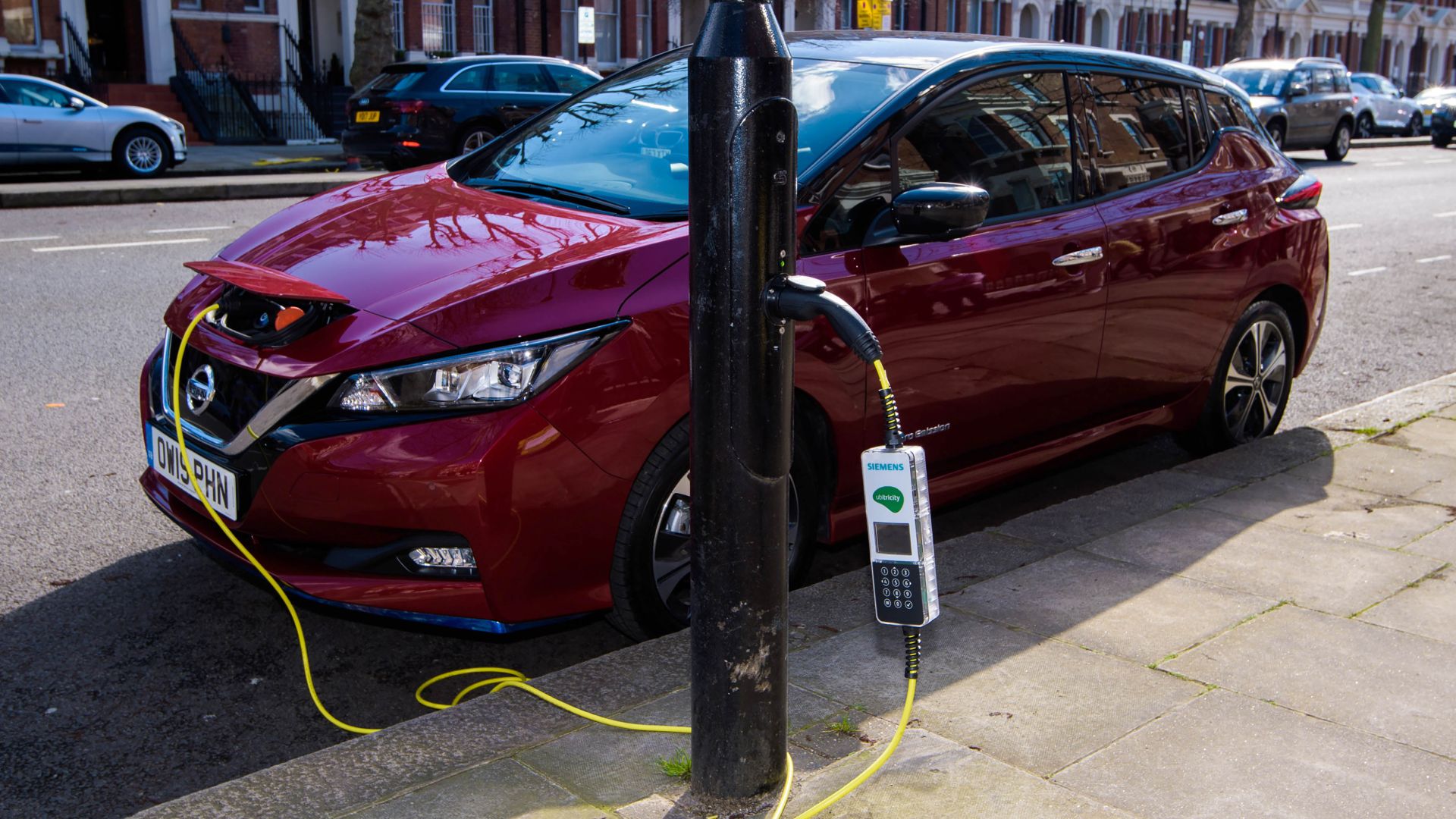
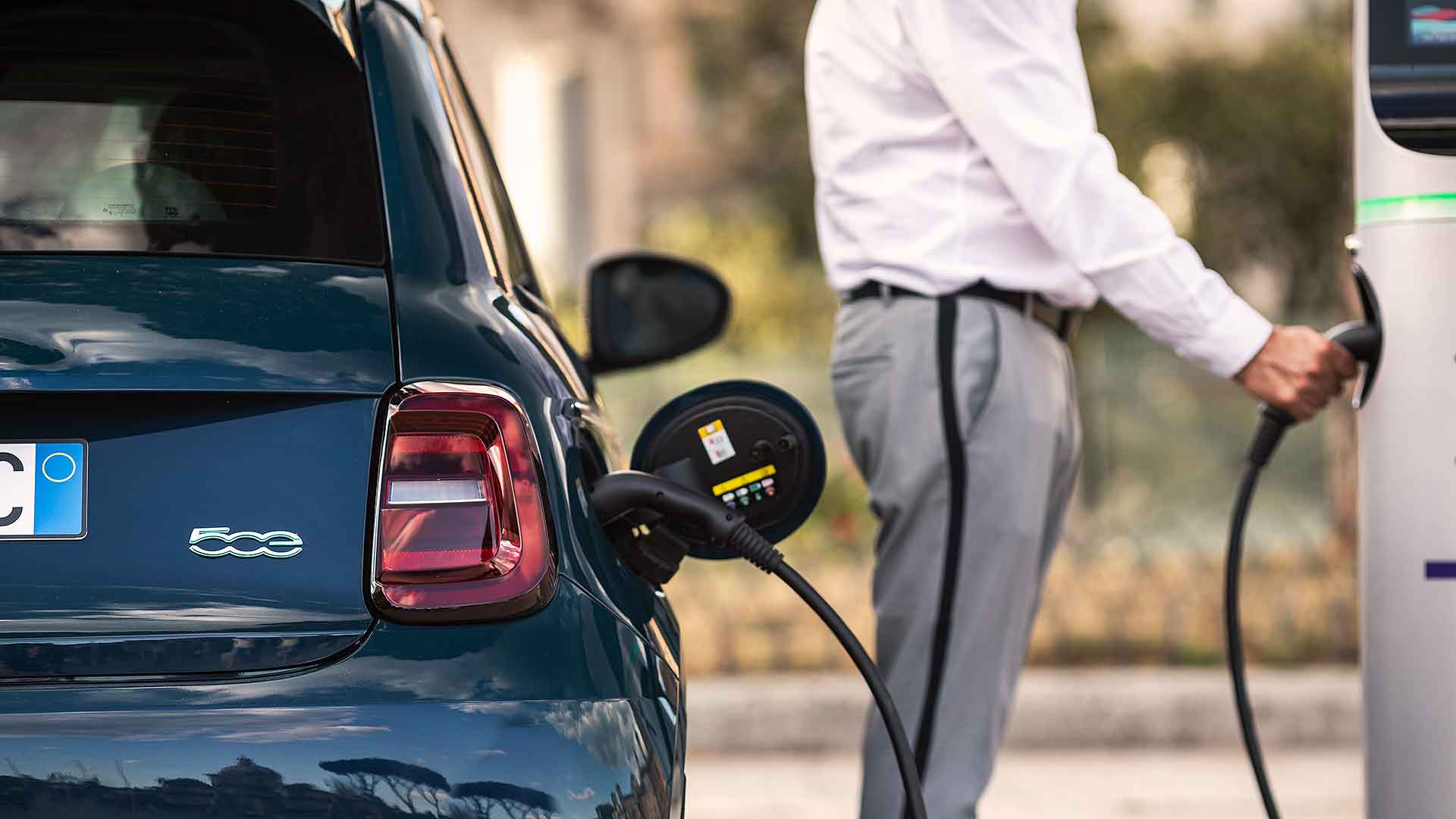
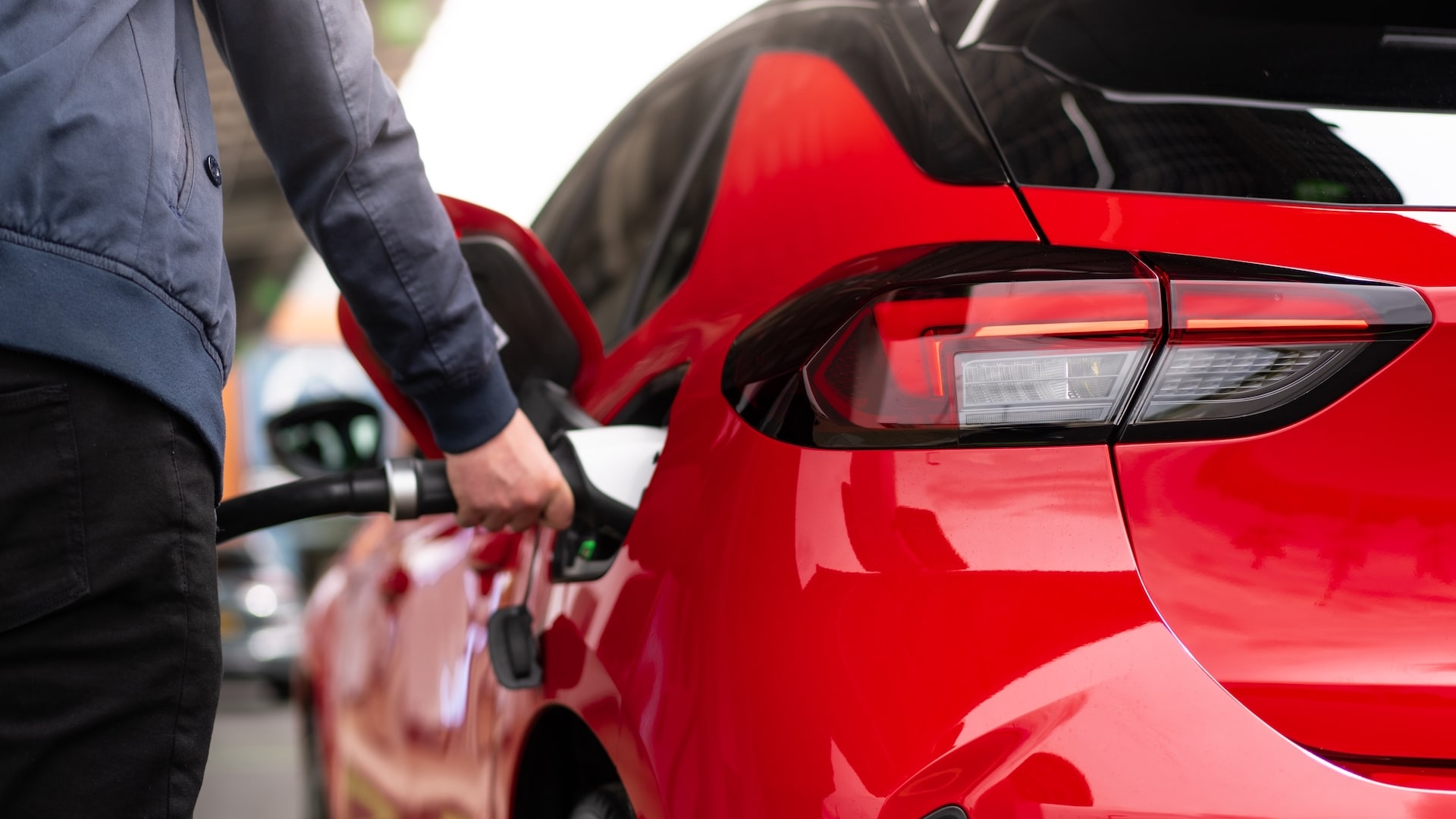
Public electric vehicle chargers need clearer signs to help raise awareness of charging networks across the UK, according to the AA.

The breakdown company said adding charging costs to existing petrol station price boards, changing the parking sign ‘P’ on a blue background to a green one and introducing digital displays ‘would help advertise the locations in the public realm’.

Meanwhile, the AA says the number of breakdowns for electric cars that have run out of charge has ‘steadily fallen over the past few years’. Just over two percent of EV callouts are now due to a flat traction battery.

EV drivers need ‘clear advice’

EV charging

AA president Edmund King said: “It’s important that drivers interested in making the switch to EVs are given clear information and advice. Ensuring definitions around chargers are the same will help people understand what they are likely to use while they travel across the country.”

“With around 50 percent growth in EV charge points in the last year, it is unsurprising that the number of callouts for EV drivers running out of charge has also fallen to just over two percent of callouts.

“One of the top reasons drivers say they are hesitant to switch to EVs is their concern about lack of public chargers. Updating the signs to make them more visible will help EV drivers find chargers more quickly and show other drivers that the network is rapidly growing.”

How do you find EV charging points?

EV charging

There are numerous different ways to find your nearest public charging points. One of the most popular is to check Zap Map, which shows the full extent of the UK’s EV network. 

Its interactive map allows you to zoom in via a town name or postcode, then use several filters to narrow the search. These include connector types (rapid, fast and slow), charging network (Ionity or BP Chargemaster, for example), location type and whether payment is required.

Google Maps also has the ability to locate electric car charging points. Not only can you find your nearest charger – or points along a chosen route – you can also add the plug used by your EV into the preferences.

Finally, many EVs allow you to locate your nearest charger via their dashboard infotainment system or a connected smartphone app. All Teslas have a built-in Trip Planner, for example, which provides an efficient route to your destination, taking into account the company’s Supercharger stations along the way.

ALSO READ:

An easy guide to electric car jargon

13 easy ways to save money on fuel

Your EV questions answered on Motoring Electric

Advertisement

UK councils have ‘inconsistent’ approach to pothole repairs

0
Road pothole

Motorists face a postcode lottery when it comes to pothole repairs, reveals new research, with local authorities taking differing approaches to decide whether or not roads are fixed.

According to the RAC, just under a third (29 percent) of the 206 councils in Great Britain with responsibility for roads don’t publicly state any criteria for repairing potholes. And a little over a third (35 percent) list specific pothole depths, and in some cases widths as well.

Meanwhile, 76 local councils (37 percent) state they take a ‘risk-based approach’ to deciding which potholes to fix and how quickly.

The RAC says these differing strategies mean members of the public who proactively report potholes to local authorities with a view to getting them repaired ‘may often be left frustrated’ when no action is taken. And that potholes may simply be left to get larger in order to merit repair criteria.

‘Worse roads for all’

Road pothole

Meanwhile, the breakdown giant claims there is ‘precious little consistency’ among councils on how they fix potholes. East Riding Council – which uses a risk-based approach to repairing road defects – ‘very positively’ explains that it inspects all reported potholes within 24 hours, fixing the most urgent within the same timeframe, then clearly sets out how it prioritises repairing the remainder.

By contrast, Redcar and Cleveland Council does not appear to have a single page on its website that even references potholes, nor an ability for people to report them online.

As such, the RAC says use of size-based criteria could be used by councils as a means of ‘kicking the can down the road’ and avoiding the cost of repairs.

‘Urgent need for new guidance’

Road pothole

RAC spokesperson Rod Dennis said: “Just reporting a road defect doesn’t guarantee it will get fixed. In some cases, councils state a pothole needs to be sufficiently deep or wide to be considered for repair. This can be enormously frustrating for anyone who comes across one, reports it, but then witnesses it get even bigger and more dangerous as it didn’t quite reach a council’s threshold for repair.”

“We believe there is an urgent need for Whitehall to provide fresh guidance to councils to bring about consistency when it comes to prioritising potholes and taking action to fix them.

“We’re also concerned about reports that some councils are refusing compensation claims from drivers who have damaged their cars from potholes, by stating they already have them scheduled for repair – even if that repair isn’t due for months.”

ALSO READ:

What causes potholes on the roads?

How to claim compensation for pothole damage to your car

How to report an unsafe lorry, bus or coach driver

Advertisement

National Highways will use AI to monitor roadside trees

0
National Highways – roadside trees

National Highways will make use of artificial intelligence (AI) and satellite mapping to track changes to habitats and biodiversity alongside England’s roads.

The government-owned roads company says in the past 15 years routine inspections of what it calls the ‘soft estate’ have only provided ‘basic information’. The aim is to gather more data, in order to prioritise the maintenance of roadside greenery more effectively.

National Highways is one of the UK’s largest landowners and is responsible for operating and maintaining 4,300 miles of motorways and major A-roads in England. It also owns structures and track beds of railway lines that were closed in the 1960s under Dr Beeching’s Axe.

Aiming to be ‘nature-positive’

National Highways – roadside trees

In 2020, National Highways pledged to halt the decline of biodiversity – and to achieve a state of no net loss across its land by 2025. By 2030, the company aims to be ‘nature-positive’, delivering at least a 10 percent gain in biodiversity on major projects.

National Highways says it is building environmental improvements into current and future works. These include:

  • Transforming the site of a former open cast mine next to a major motorway upgrade for the M6 near Wigan into new wetlands and areas of woodland
  • Creating a linear pollinator network along the M65 and M56 motorways near Manchester
  • Launching a four-year project to introduce Highland cows to the Nene Valley near Wellingborough
  • Creating wetlands to help clean river water near the M5 in Birmingham
  • Signing a 15-year agreement to help species-rich grasslands on the Greena Moor Nature Reserve in Cornwall thrive
  • Helping bat populations to increase on historic railway structures across the UK

Making roads greener

National Highways – roadside trees

“This is a glowing example of how new technologies such as AI can help to improve biodiversity at scale,” said Ben Hewlett, senior environmental adviser at National Highways.

“This is an important building block of the work we’re undertaking to protect and enhance the ecology and the environment across the country. For wildlife, roads can fragment important habitats, putting pressure on plant and animal populations.”

ALSO READ:

Housebuilder commits to ‘hedgehog highways‘

Is it illegal to run out of fuel on the motorway?

How to drive safely on smart motorways

Advertisement

Mercedes-AMG PureSpeed debuts with V8 and F1-inspired Halo

0
Mercedes‑AMG PureSpeed Concept

Away from the racing, this weekend’s Monaco Grand Prix will also witness the public debut of a new Mercedes-AMG concept car.

Based on the Mercedes-AMG SL roadster, the PureSpeed reveals how the first model in the company’s new bespoke ‘Mythos’ range will look.

With obvious design inspiration from contemporary Formula 1 cars, plus a nod to Mercedes-Benz racing cars of the past, the PureSpeed certainly stands out. 

A special floating pontoon in Monaco harbour was used to reveal the concept car, with help from Mercedes-AMG F1 drivers Sir Lewis Hamilton and George Russell.

A true Halo model

Mercedes‑AMG PureSpeed Concept

Instead of a traditional windscreen, the PureSpeed concept features a ‘Halo’ device like that found on a Formula one car. There are no side windows either, but the car’s two occupants can choose to wear aerodynamically optimised crash helmets. 

This is not the first roadgoing Mercedes to use a Halo device, however. Dutch entrepreneur Ronald Bussink previously created the Mercedes-AMG GT R-based Speedlegend.

The PureSpeed also shares design features with the Mercedes-AMG One hypercar, such as its gaping front air vents and other aerodynamic addenda.

Flying buttresses behind the cockpit are intended to pay homage to the Mercedes-Benz 300 SLR, used by Sir Stirling Moss and Denis Jenkinson to win the Mille Miglia in 1955.

For the most important customers

Mercedes‑AMG PureSpeed Concept

The red and black livery is more than just an eye-catching colour scheme, too. It pays tribute to the Mercedes Tipo that was driven to victory in the 1924 Targa Florio by Christian Werner.

Although billed as a concept car, the PureSpeed will lead to a limited-edition supercar, which is set to enter production next year.

Exactly what engine is beneath the PureSpeed’s long bonnet has yet to be announced, although we know it has a V8. There is also no word on a price, even if that is unlikely to be a concern for the car’s 250 specially selected customers.

More bespoke vehicles are planned for the Mercedes Mythos programme, so it will be fascinating to see what comes next. A continuation 300SL ‘Gullwing’, perhaps? Here’s hoping…

ALSO READ:

Mercedes-AMG SL 55 review

Mercedes-AMG A45 S review

The amazing history of Mercedes-AMG

Advertisement

Self-driving cars ‘on UK roads from 2026’ as new bill becomes law

0
Self-driving car

Self-driving vehicles could be on UK roads from 2026 after new bill became law this week. According to the government, the Automated Vehicles Act enables ‘advanced technology’ to ‘safely drive on Britain’s roads’.

Autonomous cars and vans could be allowed onto roads if they ‘achieve a level of safety at least as high as careful and competent human drivers’, said the Department for Transport.

Crucially the new legislation means that, when a vehicle is in a self-driving mode, the driver will not be held responsible for how it responds. For the first time, companies such as insurance providers, software developers and car manufacturers will bear the legal culpability, with the person behind the wheel deemed not a ‘driver’ but a ‘user-in-charge.’

‘A boost to safety and the economy’

Self-driving car

The impact this will have on insurance premiums – which have recently grown year-on-year and can be prohibitively expensive for new and inexperienced drivers – has yet to be seen.

Additionally, the government said vehicle approvals will be supported by a ‘completely independent incident investigation function’.  This will ‘promote the same culture of learning and continuous improvement that has made our aviation industry one of the safest in the world’. Companies will have ongoing obligations to keep their vehicles safe and ensure that they continue to drive in accordance with British laws.   

Secretary of State for Transport Mark Harper said: “While this doesn’t take away people’s ability to choose to drive themselves, our legislation means self-driving vehicles can be rolled out on British roads as soon as 2026 in a real boost to both safety and our economy”.

Drivers ‘scared’ by autonomous cars

Self-driving car

The government speculated that introducing self-driving vehicles could improve road safety. It says driver error accounts for 88 percent of car accidents, and that injuries and deaths caused by drink-driving, speeding, tiredness and inattention could be ‘drastically reduced’.

Motoring organisation the RAC welcomed the announcement, but cautioned there is plenty of work to be done to get drivers behind the plans.

“RAC research conducted last year showed 58 percent of drivers are scared by the idea of fully autonomous vehicles and just 15 percent think they’ll make the roads safer, so there needs to be a real culture change if we’re to see the public fully embrace them,” said RAC spokesperson on road safety, Simon Williams.

ALSO READ:

Highways England is using an autonomous ROBOT to paint white lines

How to change the address on your driving licence

What causes potholes on the roads?

Advertisement

McLaren pays tribute to Senna with F1 livery and custom supercar

0
McLaren Senna

McLaren will pay tribute to Formula One legend Ayrton Senna with a unique racing livery for the Monaco Grand Prix – along with a one-off Senna supercar.

Ayrton Senna was the British team’s most successful driver, claiming 35 of his 41 Grand Prix victories in a McLaren. Tragically, he was killed 30 years ago in 1994, when his car struck a concrete barrier at the Imola circuit in Italy.

Finished in the vivid yellow, green and blue colours of Senna’s crash helmet – and his native Brazilian flag – the MCL38 F1 cars will race at Monaco this Sunday, driven by Lando Norris and Oscar Piastri. The matching McLaren Senna will also be on show in Monaco throughout the weekend.

McLaren in Monaco

McLaren Senna

One of the greatest drivers of all time, the memory of Ayrton Senna still looms large at McLaren. Several of his F1 cars, including the MP4/4 he raced at Monaco in 1988, have been lovingly restored at the team’s heritage workshop in Woking – where many of the trophies he won are also proudly on display.

The distinctive ‘Senna Sempre’ livery has no effect on the MCL38’s performance, and McLaren will doubtless hope for a repeat of its Miami Grand Prix success, where Lando Norris claimed his first F1 win.

The McLaren Racing team will wear a new kit in matching colours, too. You can watch the race at 14:00 (UK time) on Sunday 26 May.

An Ultimate Series supercar

McLaren Senna

This isn’t the first time McLaren has been inspired by Ayrton Senna, of course. In 2018, the company named a car after the late F1 driver: the McLaren Senna – part of the ‘Ultimate Series’ of supercars that also includes the P1, Speedtail, Elva and Solus GT.

Powered by a 4.0-litre twin-turbo V8, the Senna memorably boasted 800hp, 800Nm of torque (590lb ft) and 800kg of downforce (at 155mph). With a kerb weight of just 1,198kg – making it the lightest McLaren since the original F1 – it could hit 62mph in 2.8 seconds and reach 211mph.

Pulling the covers off the car pictured here, Bruno Senna (racing driver, McLaren ambassador and Ayrton’s nephew) said: “I first saw it as a clay model. They told me this was supposed to be the most extreme road-legal McLaren ever built. Like Ayrton, it was totally dedicated and uncompromising. I said: ‘Why don’t we call it the Senna?'”.

Modified by MSO

McLaren Senna

The task of customising the Senna was taken on by Woking’s in-house McLaren Special Operations (MSO) division. Its carbon fibre bodywork was painted entirely by hand, including a newly developed ‘wash’ technique, particularly visible on the car’s nose, that allows paints to blend without creating additional colours.

Each of the flanks features a distinct image of Ayrton Senna in a dot matrix style, with his ‘double S’ logo on the front clamshell and a curvaceous ‘Senna’ script on the enormous rear wing.

Inside, the seats are trimmed in vibrant yellow Alcantara with green perforations. A quote from Ayrton – also found inside the cockpit of the F1 car – is stitched into the door panel: ‘I have no idols. I admire work, dedication and competence’.

‘Celebrating Ayrton Senna’

McLaren Senna

Nobody could call the Senna beautiful, but the MSO makeover is certain to turn heads – even in supercar-saturated Monaco. “We seen examples of the McLaren Senna in Brazilian colours before,” said Bruno Senna, “but this car is unique. It’s been a long time in the making.”

Speaking about the project, McLaren CEO Michael Leiters added: “Ayrton Senna was born to race, and his passion for performance and perfection lives on at McLaren. The McLaren Senna bears his name and embodies his spirit – it is the ultimate road-going McLaren for focused track performance, and this masterfully detailed inspiration captures Ayrton’s infectious energy.”

Zak Brown, CEO of McLaren Racing, also commented: “The team is proud to recognise and celebrate the extraordinary life and racing legacy of Ayrton Senna through this McLaren livery. Senna remains revered and respected as Formula 1’s greatest icon, and McLaren’s most decorated driver.”

Memories of a McLaren

McLaren Senna

Only 500 examples of the Senna were made, plus a smaller number of track-only GTR and LM models. This particular car is a pre-production prototype and part of McLaren’s extensive heritage collection. It was also present at the media launch in Portugal.

Motoring Research’s Richard Aucock recalls that trip to Estoril well, describing the Senna at the time as ‘the best car I’ve ever driven’. Let’s conclude with a snippet from his 2018 review:

‘Remember Senna at Donington in 1993, when he tore through the field on the first lap, then ran rings around them for the rest of the race? I was there. I went to school the next day with a similar feeling. Senna’s dominance that day was like my experience of the Senna. Does it live up to the name? Without doubt. This McLaren is Senna.’

ALSO READ:

New McLaren Artura Spider is a 700hp hybrid head-rush

McLaren 750S review

Advertisement

Callum Skye: off-road sports car to debut in London this week

0
Callum Skye

The Callum Skye, the first vehicle developed fully in-house by Ian Callum’s eponymous design consultancy, will make its public debut this week at Concours on Savile Row.

The electric Skye is intended to ‘offer a rewarding driving experience both off- and on-road’ and aimed at ‘discerning adventurers’. Its goal is to travel well beyond the genteel streets of Mayfair.

Revealed online last year, this is a first opportunity to see the Skye in the metal. The compact 4×4 is powered by a 42kWh battery with an anticipated range of 170 miles. An optional ultra-fast charging battery can offer a full top-up in less than 10 minutes.

Skye’s the limit

Callum Skye

The Skye itself is rather rapid, too. Callum says it can hit 60mph from a standstill in less than 4.0 seconds, partly thanks to a kerb weight of just 1,150kg.

Order books for the ‘exclusive low-volume production run’ are open now, with prices starting from £80,000. Both on- and off-road variants will be offered, with further information on exact specifications due later this year.

Ian Callum is one of the most celebrated car designers of the modern era. He began his career at Ford before progressing to become Jaguar’s director of design in 1999 – a position he held for 20 years.

Highlights from his career thus far include the Aston Martin DB7, Ford Puma (the original Fiesta-based coupe), Jaguar XF and Jaguar C-X75 hypercar.

Building on Callum’s legacy

Callum Skye

Callum the company turns five years old next month. Its first project was to remaster another of its founder’s classic designs – realised as the Aston Martin Vanquish 25 by Callum.

The Vanquish was a British alternative to a high-end restomod Porsche 911. Just 25 examples were made at a cost of £350,000, plus a donor car.

You can ee the Callum Skye at Concours on Savile Row, London, from 22-23 May 2024. The event is free to attend, with no tickets required.

ALSO READ:

Aston Martin Callum Vanquish 25 review

New Morgan Midsummer is a coachbuilt project with Pininfarina

Supercat! TWR reveals supercharged V12 Jaguar XJS restomod

Advertisement

McLaren reveals its first electric mountain bikes

0
McLaren Electric Mountain Bike

McLaren has become the latest car manufacturer to hop onto two wheels, launching a pair of new mountain bikes. 

The Extreme and Sport electric mountain bikes are said to ‘deliver McLaren design DNA and performance’, with input from the company’s Woking-based designers.

They see McLaren join the likes of Audi, Porsche and Lotus by offering an electrically assisted mountain bike.

McLaren carbon construction

McLaren Electric Mountain Bike

The new Extreme and Sport mountain bikes are designed by the same team responsible for creating McLaren cars, including the latest plug-in hybrid Artura.

Both electric bikes use a lightweight carbon fibre frame, just like their supercar siblings. Naturally, this aids their power-to-weight ratio when the electric motor is engaged.

Customers have a choice of two powertrains, with outputs of 250W or 600W. The latter generates a substantial 119lb ft (161Nm) of torque.

Four levels of power assistance are available, with riders able to choose between Eco, Trail, Sport and Race modes, depending on the conditions (and how tired their legs are, presumably).

Engage Race mode

McLaren Electric Mountain Bike

With the 600W bike, engaging Race mode results in a peak power output of 852W, plus the ability to reach a top speed of 20mph.

This makes the McLaren one of the most powerful street-legal mountain bikes in the world. Don’t tell the Deliveroo and Uber Eats riders…

The McLaren Sport comes with a hardtail frame, while the Extreme uses a full suspension setup. Pirelli tyres are fitted to both versions.

Big power, big prices

McLaren Electric Mountain Bike

A full-colour LCD screen is fitted to both the Sport and Extreme mountain bikes. This can show speed, battery charge and the remaining range, along with the choice of power mode.

McLaren only intends to produce bicycles in limited numbers, with those interested able to purchase through a dedicated website. Prices for the Sport 250 model start at £7,200, while the Extreme 250 costs from £9,600.

Sadly, McLaren says the 600W version will only be available to purchase in the United States.

ALSO READ:

New McLaren Artura Spider is a 700hp hybrid head-rush

F1 star Lando Norris takes delivery of custom McLaren 765LT Spider

McLaren 750S review

Advertisement

Ineos creates limited edition Grenadier with Belstaff clothing brand

0
Ineos Grenadier 1924 Edition

A special edition of the rugged Ineos Grenadier 4×4 has been announced, set to go on sale later this year. The Grenadier 1924 celebrates the 100th anniversary of British clothing brand, Belstaff.

Since the Grenadier was first launched, Ineos and Belstaff have collaborated on trim levels that are based on the latter company’s distinctive outdoor jackets. 

The new 1924 edition will sit above the current range-topping Fieldmaster, and be limited to only 1,924 examples.

Mushrooms and ink

Ineos Grenadier 1924 Edition

The 1924 edition comes in the contrasting colour combination of Magic Mushroom and Inky Black. It rides on 17-inch two-tone alloy wheels, along with a stealthy de-chromed front grille and functional front and rear skid plates in dark grey.

On the inside, there is a dark green finish on the dashboard, overhead console and door cards. Black saddle leather is used for the steering wheel and passenger grab handle, with a dark grey headlining to complete the look.

Each Grenadier 1924 will wear a numbered exterior badge, along with bespoke Belstaff centenary branding.

See it in Stoke-on-Trent

Ineos Grenadier 1924 Edition

The Grenadier 1924 edition makes its public debut at a special event in Stoke-on-Trent between 24 and 28 May 2024. Taking place where Belstaff was founded, the new vehicle will just be one attraction amongst a weekend of activities. 

Ineos hasn’t yet confirmed prices for the 1924 edition, but expect a premium over the £76,000 charged for its current Grenadier Fieldmaster flagship.

Those interested can register their interest in securing the limited-run 4×4 now. Global orders will open from 26 June 2024.

ALSO READ:

Ineos Grenadier expands into a tax-saving van version

Slinging mud: passing judgement on the Ineos Grenadier

Ineos Grenadier review

Advertisement