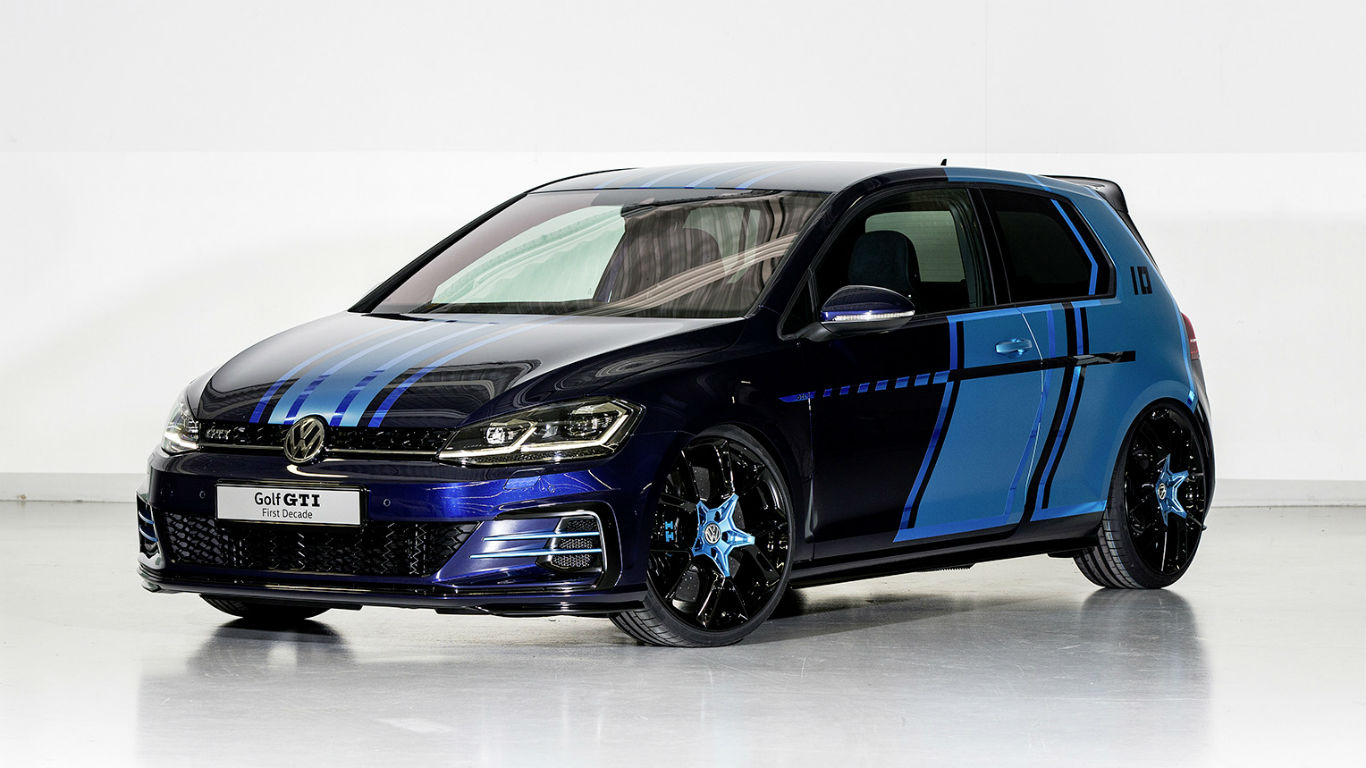
If this hybrid Golf is anything to go by, performance fans needn’t be worried about the future of the GTI brand in an era of post-Dieselgate cost cutting. Making its debut at the GTI fest that is Worthersee 2017, the Golf GTI First Decade combines a 410hp petrol engine with a 12kW electric motor.
It’s the work of 18 to 23-year-old apprentices at Volkswagen and is the latest of 10 show cars revealed at the Austrian lake-side extravaganza since 2008.
The First Decade’s clever hybrid system can be operated in three different ways. Drivers can opt for rear-drive electric-only mode, or switch to front-wheel-drive petrol running. For ultimate traction (and performance), the two powertrains can work together as a four-wheel-drive hybrid. Interestingly, the different modes can be selected remotely using an app or via the car’s infotainment display.
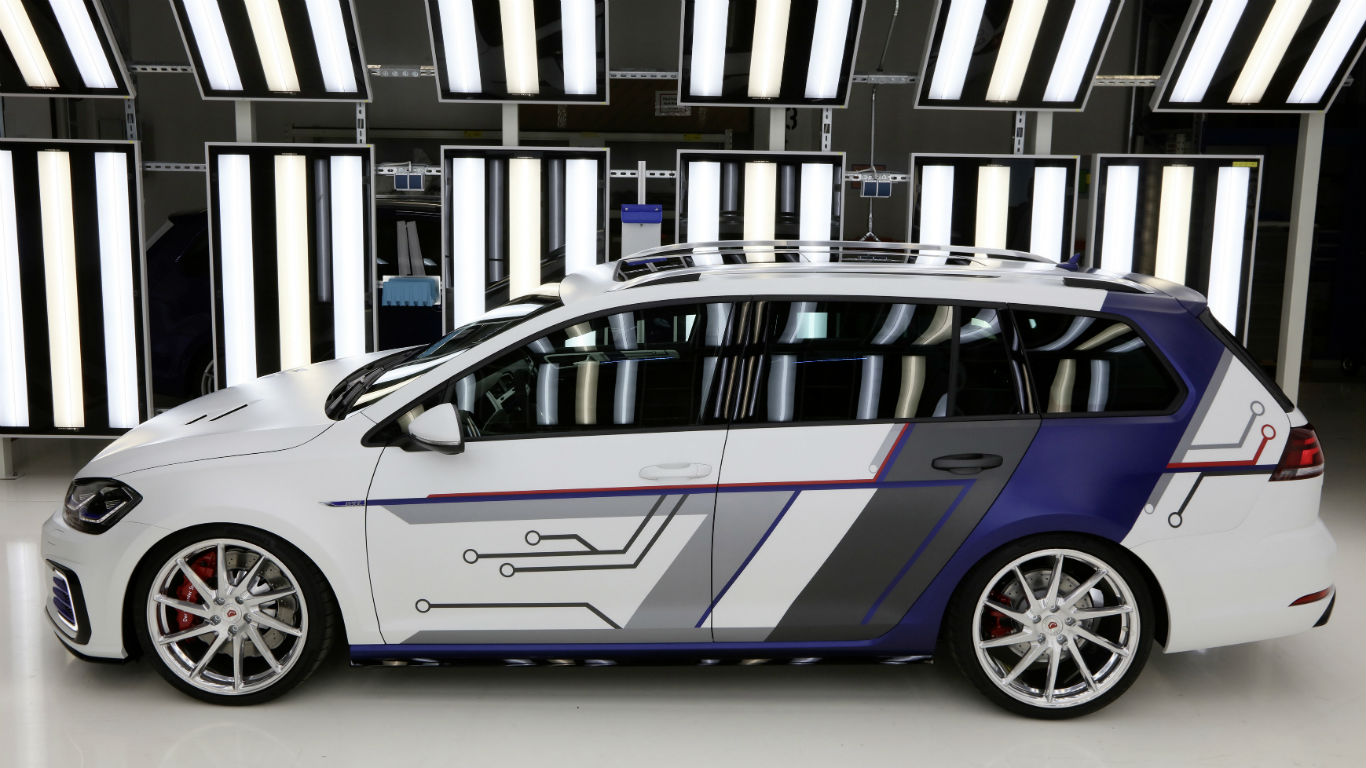
Even by the vee-dub-crazy standards of Worthersee, the First Decade is sure to stand out – with Atlantic Blue paintwork and large patches of dark blue foil. A Clubsport rear spoiler completes the bold look, along with 20-inch alloy wheels.
Inside, there are just two seats. Both of these can be moved using a phone app, along with clever massage functions. Replacing the rear seats is, why, a high-end 1,690-watt 11-speaker sound system.
If one quirky concept wasn’t enough for this modified car show, Volkswagen is taking a second concept to Worthersee. The GTE estate Impulse is the work of 14 apprentices from the Zwickau vehicle plant, and uses a prototype battery with an impressive 16.8 kWh capacity.
Competing for attention with the GTI First Decade on VW’s stand, the Impulse features a five-tone matt paint scheme made up of a variety of colours. Inside, animated lighting can be controlled using a mobile phone app.
We’ll be seeing both Volkswagen concepts at Worthersee 2017 over the coming days, where Motoring Research will be reporting live with all the GTI news and latest pictures.
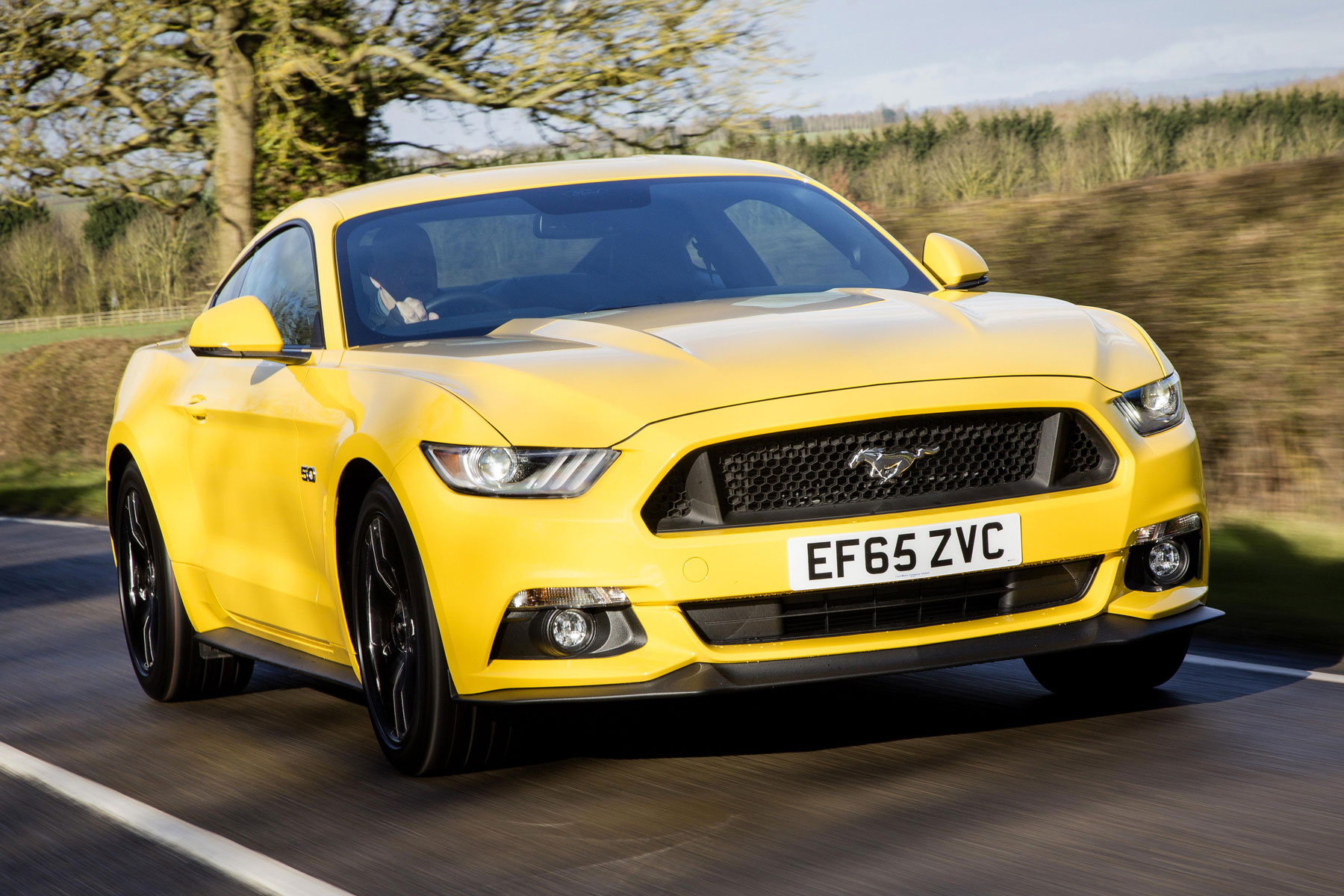
It’s long been North America’s favourite sports car, but the Ford Mustang’s launch in Europe means it’s now the best-selling sports car in the world.
That’s according to analysis of global new vehicle registration data by IHS Market, which revealed that more than 150,000 Mustangs were sold around the world in 2016, putting it in the number one position ahead of the likes of the Mazda MX-5 and Porsche 911. The firm found that global Mustang sales increased by 6% in 2016, with non-US market growth up 101%. Almost 45,000 Mustangs were sold outside of North America last year.
More than 4,500 Mustangs have been sold in the UK since it was launched late in 2015, with 3,250 sold during its first full year on sale. That makes it ‘comfortably’ the most popular sports cars with more than 250hp, says Ford.
“From the Arctic Circle to the Mediterranean, the Ford Mustang has topped the sports car sales charts in markets across Europe,” said Roelant de Waard, Ford of Europe’s vice president, marketing, sales & service. “European customers continue to play a significant role in the global success of Mustang. The iconic sports car’s popularity with drivers of all ages and backgrounds shows no sign of waning – we sold 3,600 Mustangs in the region during the first three months of 2017.”
The firm says outside of the UK, the Mustang is proving popular in new markets such as Germany and China.
European buyers get a choice of a 421hp 5.0-litre V8 or 317hp 2.3‑litre EcoBoost engine, and six-speed manual or automatic transmissions. Soon after the Mustang’s launch, Ford revealed that around 70% of UK sales were the larger V8 engine.
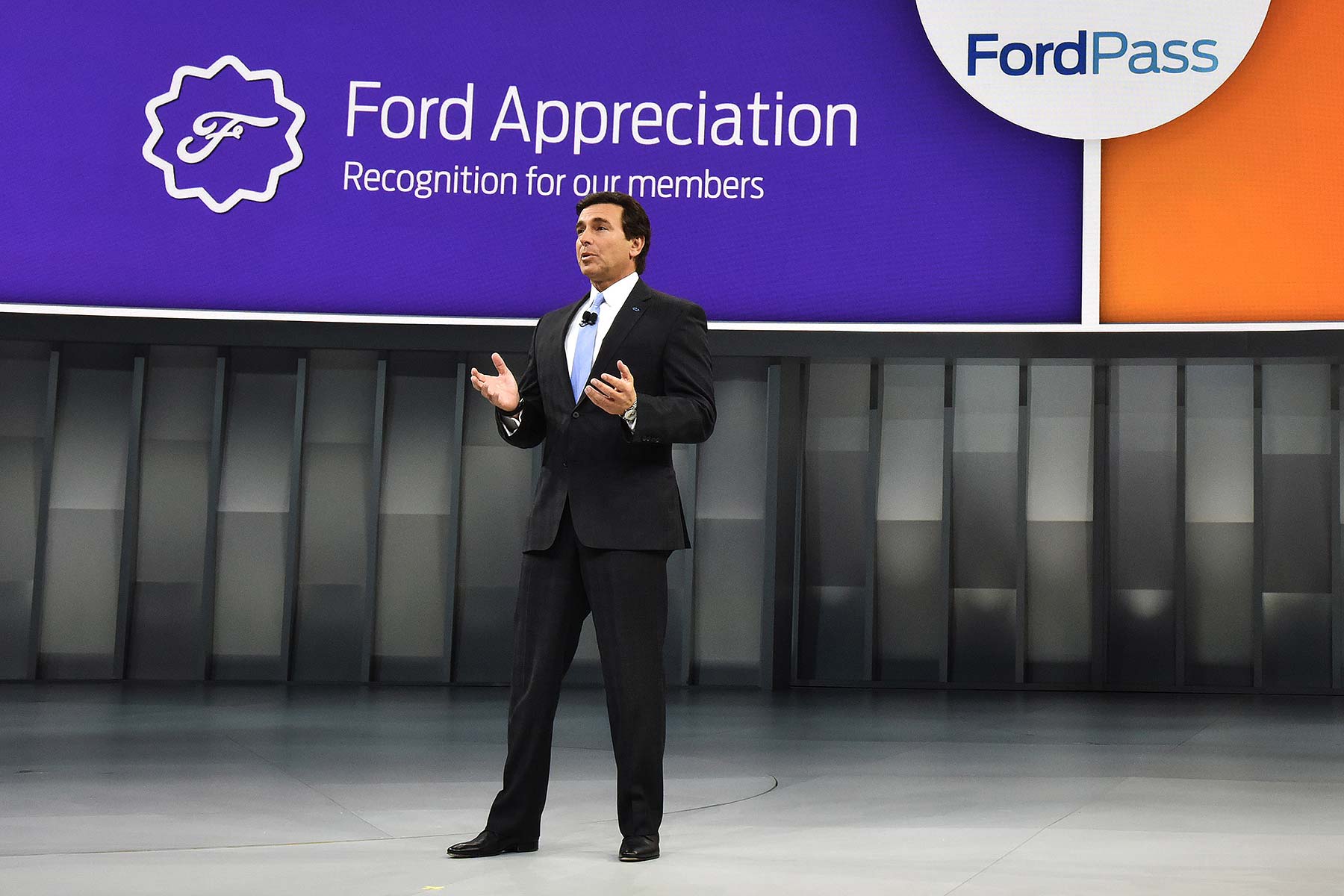
Ford has announced that CEO Mark Fields is to leave the company and be replaced by Jim Hackett, head of company subsidiary Ford Smart Mobility.
Fields’ departure follows a loss in confidence of his leadership from the Ford board, led by executive chairman Bill Ford. Ford’s share price has declined 40 percent under Fields’ leadership since taking over from Alan Mulally in 2014.
Ford’s biggest hits on Motoring Research:
Made in Dagenham: Ford’s secret classic car collection
“We’re moving from a position of strength to transform Ford for the future,” said executive chairman Bill Ford. “Jim Hackett is the right CEO to lead Ford during this transformative period for the auto industry and the broader mobility space. He’s a true visionary who brings a unique, human-centred leadership approach to our culture, products and services that will unlock the potential of our people and our business.”
Other senior Ford executives are to assume more senior roles. Ford Europe president Jim Farley has been appointed executive vice president and president, Global Markets, while Joe Hinrichs becomes executive vice president and president, Global Operations. Marcy Klevorn is to become executive vice president and president: Mobility, when the job shake-up takes place on June 1.
Ford recently announced 1,400 job cuts as part of an efficiency drive. The firm is still on track to report pre-tax profits of $9 billion this year, despite a sales decline of 25 percent so far.
Speaking to BBC Radio 5 Live, Mouhammed Choukeir, chief investment officer at Kleinwort Hambros, said: “Fields has only been in the post for three years, so this is in some ways a surprise.”
He did, however, acknowledge that there may be nerves in the Ford boardroom due to the decline in the company’s share price under Fields’ leadership.
Ford added: “We are fortunate to have three dynamic and talented leaders in Jim Farley, Joe Hinrichs and Marcy Klevorn taking on greater responsibility. Each has a track record of driving innovation, cost efficiency and delivering results around the world. They will work closely with Jim Hackett to lead Ford’s day-to-day operations, build our brand and capitalise on emerging opportunities.”
The Vienna University of Technology has awarded its Professor Ferdinand Porsche Prize 2017 to Mercedes-Benz for the low nitrogen oxide emissions and “exemplary efficiency” of its OM 654 four-cylinder diesel engine.
The powertrain, which has been developed under the leadership of Bernhard Heil, is designed to meet future emissions legislation (RDE – Real Driving Emissions). It uses technology such as a newly-developed stepped-bowl combustion process along with exhaust treatment tech configured directly on the engine.
More diesel car news on Motoring Research:
Diesel cars still have fans: rental customers
Economy drive: are these Britain’s best new diesel cars?
Judges praised the engine which already has a good reputation for its real-world performance. Engineers from German car magazine Auto, Motor und Sport reported that they “were surprised by the four-cylinder’s extraordinarily low nitrogen oxide emissions,” while road testers from ADAC said: “The exhaust gas treatment works extremely well, regardless of whether the vehicle’s on the test station or driving in real traffic.”
The all-aluminium 2.0-litre engine has made its debut in the E220d and is set to be introduced across the Mercedes-Benz range of cars and vans. As a modular unit, it can be fitted to front-, rear, and four-wheel-drive vehicles in longitudinal and transverse layouts.
With a €50,000 prize fund provided by Ferdinand Porsche’s daughter, Louise Piech, the highly-coveted award has been handed out since 1977. Mercedes-Benz engineers have been handed the prize before: for the development of ABS, the airbag, ESP and the first large-scale series production of Li-On battery technology in a hybrid vehicle.
Global passenger cars and light commercial sales recorded an increase of almost 5% during the first quarter of 2017, according to figures released by JATO Dynamics. Vehicle registrations totalled 21.24 million across the 52 markets covered by JATO.
If you’re looking to stand out from the crowd, these are the cars to avoid. We’ll run through the top 20 in reverse order.
20. Hyundai Tucson
Volume: 127,587
The really-rather-good Hyundai Tucson is the 20th most popular car in the world. Coincidentally, from a volume perspective, Hyundai is the world’s sixth largest carmaker, with just under a million registrations in Q1.
19. Suzuki Swift
Volume: 128,025
We’re about to say goodbye to the current Suzuki Swift, but don’t worry, because the replacement is very good. In the meantime, the outgoing model continues to sell in big numbers, making the Swift more popular than the Fiesta.
18. Volkswagen Lavida
Volume: 130,032
Ricky Martin loves the Volkswagen Lavida so much he wrote a song about it. Probably.
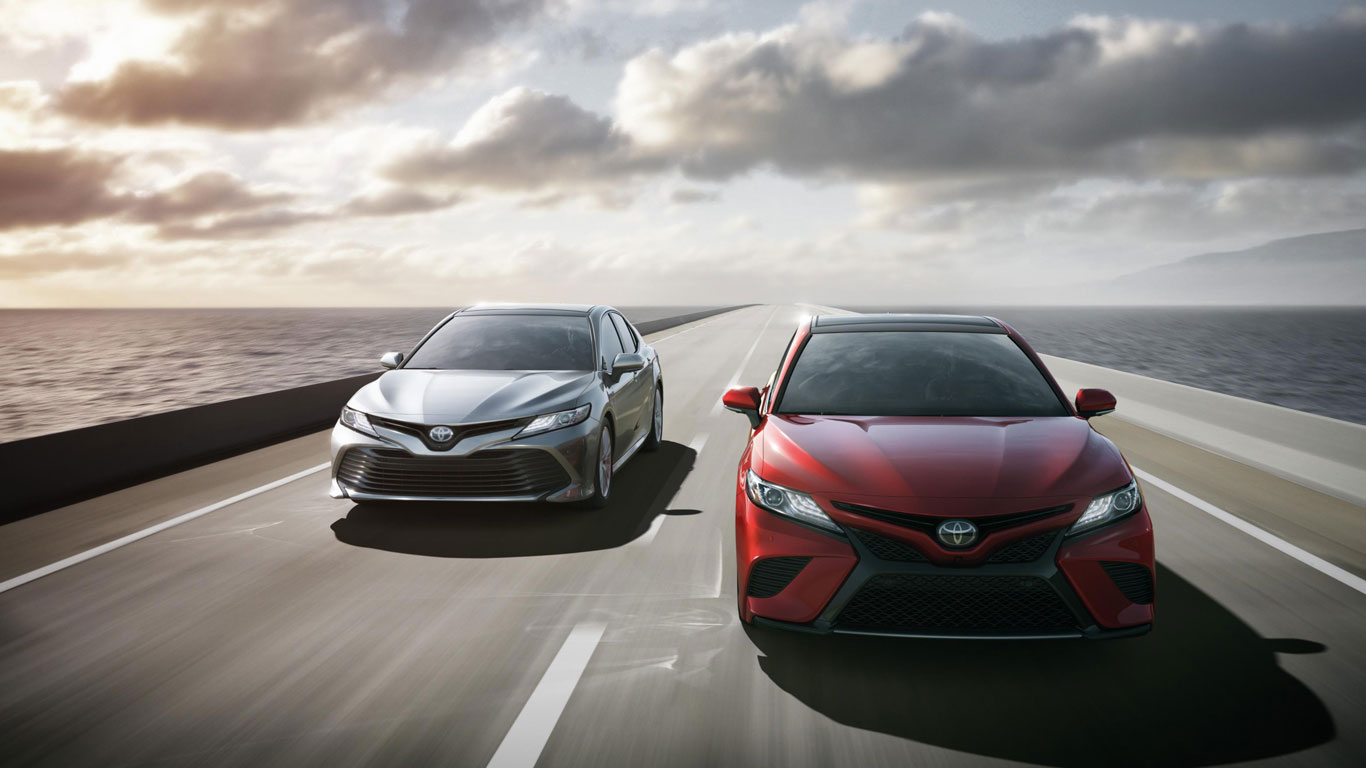
17. Toyota Camry
Volume: 131,807
The 2018 Camry was unveiled at the 2017 Detroit Motor Show, as Toyota tries to convince the world that the saloon car has a future. Truth is, while motorists clamber for crossovers, the Camry remains incredibly popular in North America.
16. Chevrolet Silverado
Volume: 142,705
Big truck, big numbers and yet Chevrolet must look at the all-conquering Ford F-Series with a sense of ‘Desperado’. Registrations are down 0.4%, while sales of the Ford, as we’ll see later, continue to grow.
15. Ram pickup
Volume: 145,326
There’s better news for Ram, with registrations up 3.8%. Its range includes the Ram 1500: America’s only half-ton pickup available with a diesel engine. In May 2017, FCA said it would be recalling 1.2 million Ram pickups to fix faulty software that can disable airbags and seatbelt tensioners.
14. Volkswagen Polo
Volume: 148,331
Volkswagen Polo registrations are down 3.4%, which is hardly surprising given the fact that a new model is on the way. Based on these figures, the Polo is the world’s most popular supermini.
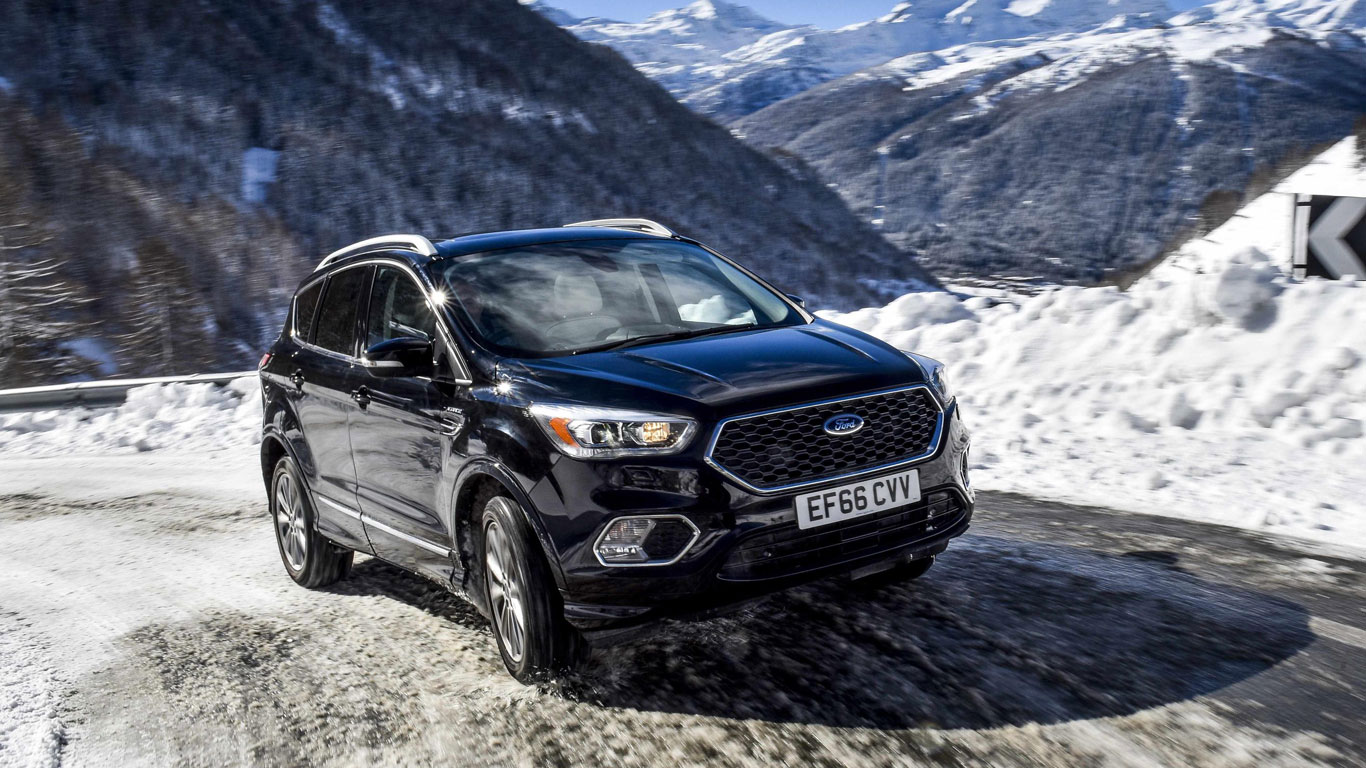
13. Ford Kuga
Volume: 153,835
The Ford Kuga, or Ford Escape as it is known in North America, has taken full advantage of the surge in popularity of SUVs and crossovers. Ford offers a posh Vignale edition, claiming that SUV stands for ‘Sophisticated Utility Vehicle’. Right.
12. Hyundai Elantra
Volume: 159,112
The Hyundai Elantra, otherwise known as the Avante or i35, is the 12th most popular car in the world. We’re struggling to find something interesting to say.
11. Ford Focus
Volume: 166,290
Focus registrations are down 13.5%, a factor contributing to Ford’s 2.1% drop in overall registrations. The all-new Fiesta should help to reverse this trend, not least because the range includes a new Active model: the first Fiesta crossover. We expect the Focus to follow suit.
10. Honda HR-V
Volume: 167,051
Into the top 10, where we find, perhaps predictably, a crossover/SUV. The Honda HR-V, otherwise known as the XR-V and Vezel, managed to shift 167,051 units in Q1, an increase of 3.6%.
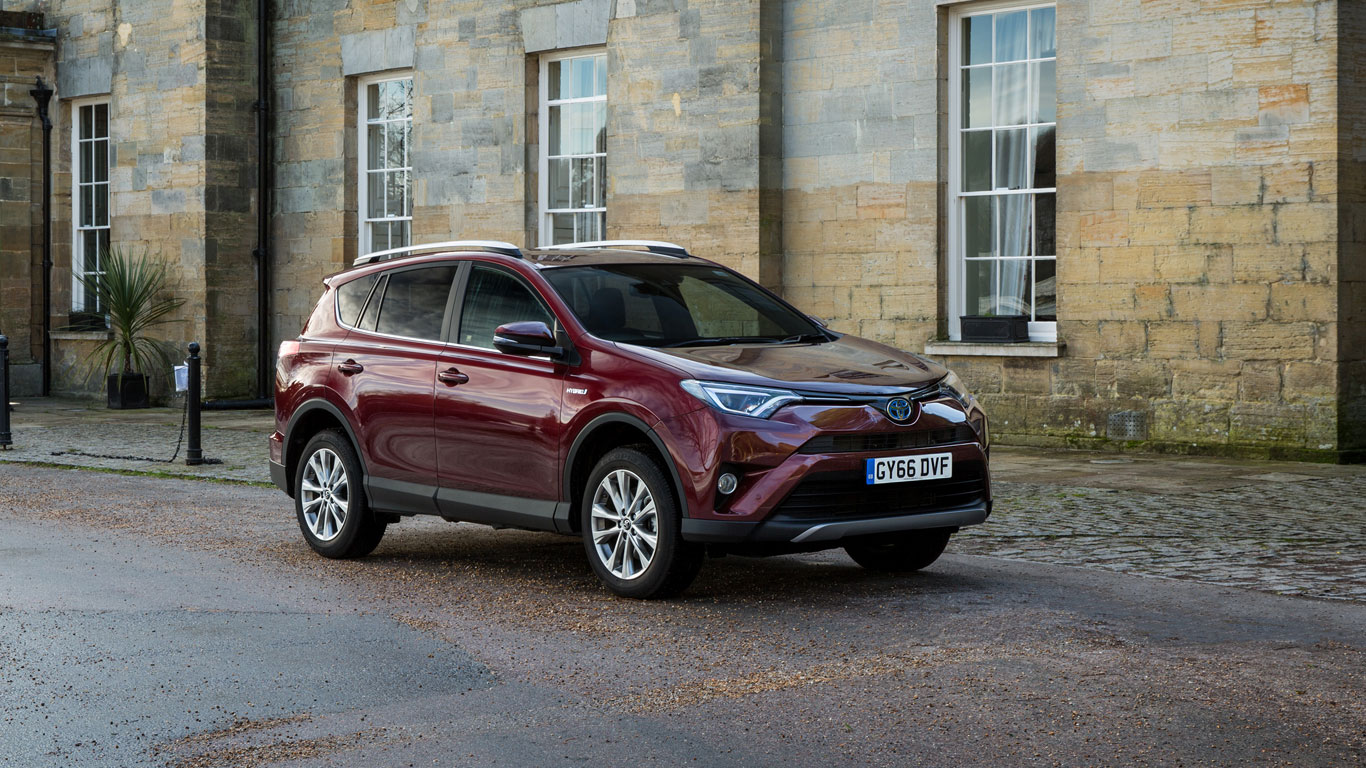
9. Toyota RAV4
Volume: 170,362
The Toyota RAV4 is another crossover on the march, with registrations up 10% in Q1. Exciting it is not, but folk seem to love the RAV4.
8. Volkswagen Tiguan
Volume: 172,623
The same can be said of the Volkswagen Tiguan, with registrations up a massive 47.9%. The launch of the all-new version is a contributing factor here. Enjoy your time in the limelight, Tiguan, because we expect the Skoda Karoq to grab a slice of your pie.
7. Wuling Hong Guang
Volume: 175,945
GM’s Wuling brand introduced the Hong Guang S1 MPV in 2015. Two years later, Wuling unveiled its first SUV: the Hong Guang S3. Last year, around 640,000 Hong Guang models were sold in China, making it the nation’s best-selling nameplate.
6. Honda CR-V
Volume: 177,473
Honda CR-V registrations are up 15.1%, making it the world’s most popular compact SUV. The CR-V pioneered the concept of the compact SUV when the first model arrived in Japan back in 1995.
5. Honda Civic
Volume: 178,605
And so to the top five, where we find the Honda Civic. Registrations are up 31.7%, which bodes well for the new model about to hit the showrooms.
4. Volkswagen Golf
Volume: 209,764
The Volkswagen Golf is one of four models to break the 200,000 barrier, but registrations are down 7.6%. The Mk7 facelift should help to reverse this trend.
3. Nissan X-Trail
Volume: 212,244
The Nissan X-Trail has to play second fiddle to the Qashqai in the UK, but globally it trounces its smaller sibling. Registrations are up 23.4%, as the X-Trail breaks into the top three and closes in on second position.
2. Toyota Corolla
Volume: 214,618
More than 44 million Toyota Corollas have rolled off the production line since 1966, making it by far and away the world’s most popular car. And yet, it has to make do with second position in 2017.
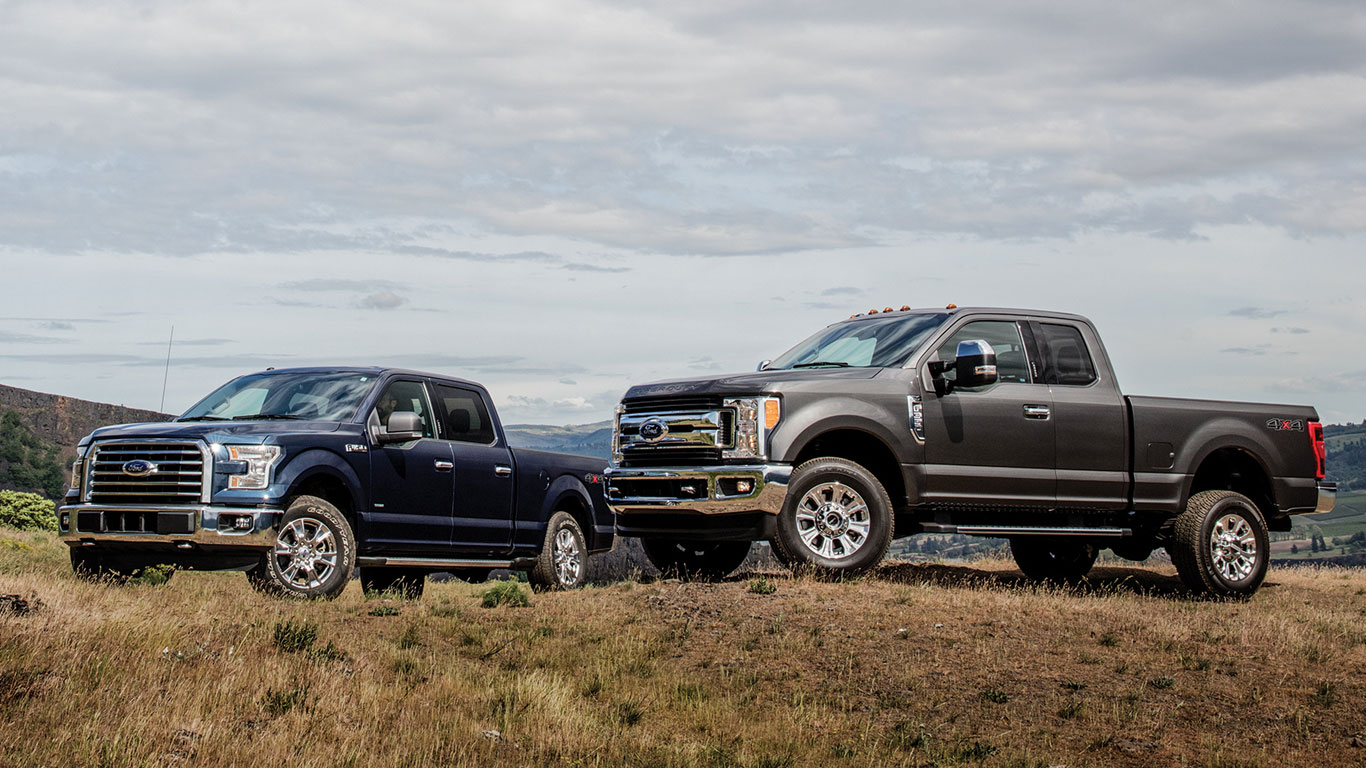
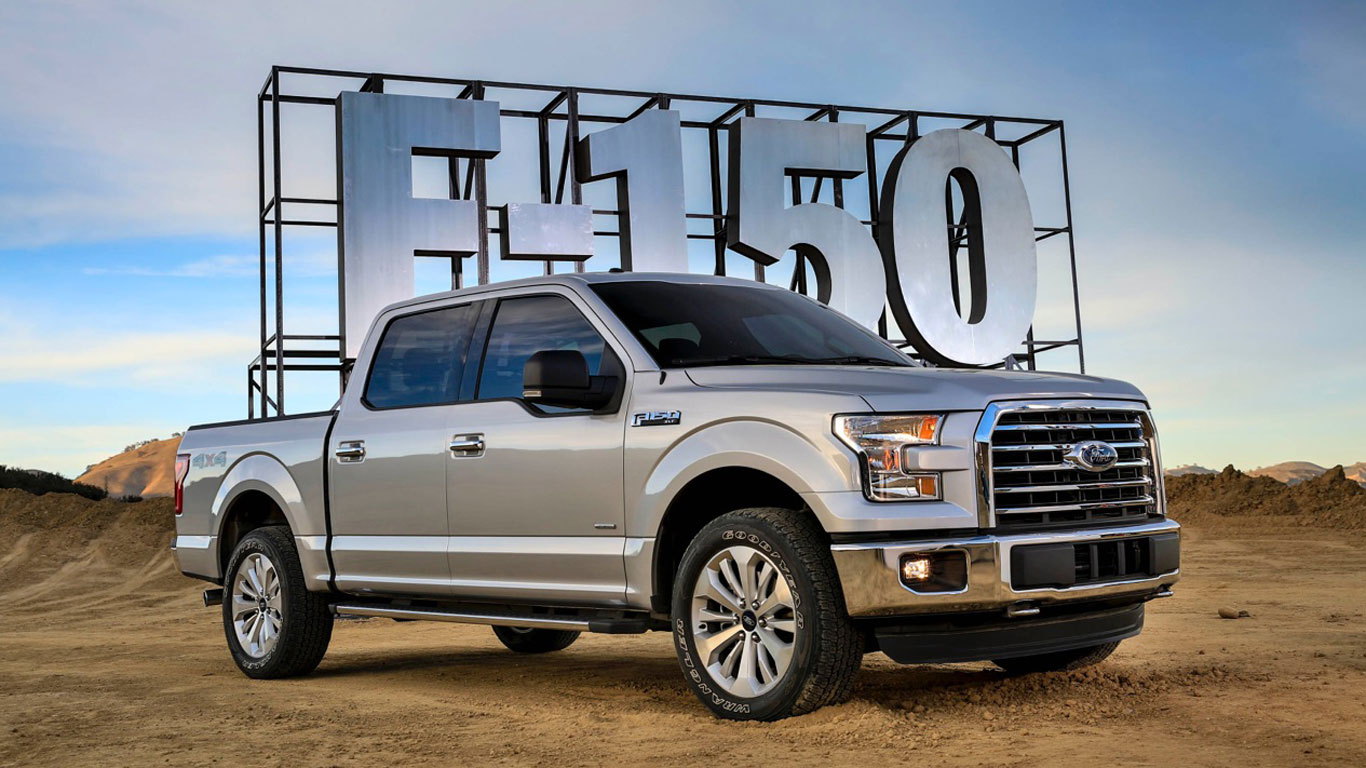
1. Ford F-Series
Volume: 243,978
And that’s because the Ford F-Series remains at the top of the tree. Registrations are up 10%, which begs the question: where on earth are the North Americans putting these things? They’re not exactly small.
The Conservatives have pledged a £600 million investment towards zero-emission cars by 2020 should they win next month’s general election. It comes as prime minister Theresa May launches her party’s 2017 manifesto as part of her plans to “build a stronger, fairer, more prosperous Britain” following Britain’s exit of the UK.
“Our ambition is for Britain to lead the world in electric vehicle technology and use,” says the manifesto. “We want almost every car and van to be zero-emission by 2050 – and will invest £600 million by 2020 to help achieve it.”
The Tories are also pledging to develop the strategic road network, providing extra lanes on UK motorways and improving key routes. The manifesto also says it’ll pay attention to parts of the country left behind by poor transport connections, and will invest in roads to fix pinch points.
More about the general election on Motoring Research
What does the Labour manifesto mean for motorists?
What does the Lib Dem manifesto mean for motorists?
“We are leading the world in preparing for autonomous vehicles and will press ahead with
our plans to use digital technology to improve our railways, so that our roads and tracks can carry more people, faster, more safely and more efficiently,” adds the manifesto.
Yesterday, the Lib Dems launched their manifesto, pledging to introduce a diesel scrappage scheme and ban the sale of diesel cars entirely by 2025. Meanwhile, the Labour Party has said it will upgrade roads in a bid to reduce congestion and scrap tolls on the Severn Bridge.
Mini has at last introduced Apple CarPlay smartphone connectivity into its model range, with new 2017 Clubman and Countryman models first to get it. Cars ordered from July 2017, with the Media Pack XL or Media Tech Pack, will get Apple CarPlay preparation, working via a central 8.8in screen – which now has touchscreen functionality alongside the usual Mini Touch Controller.
That’s not all Mini’s changed for 2017 either. Those who’ve been driven to distraction by the current generation’s substandard fuel gauge now have a much more precise readout: like all the July 2017 changes, it’s not headline-grabbing, but customers will welcome it. Same goes for instruments that, at night, are now illuminated in crisp white rather than BMW orange.
2017 Minis will be a bit safer through the introduction of a driver alertness monitor on Hatch and Convertible models, for those picking the Mini Visual Boost, Mini Navigation or Mini Navigation XL options. When it senses the driver’s getting tired, it will nag them to take a break.
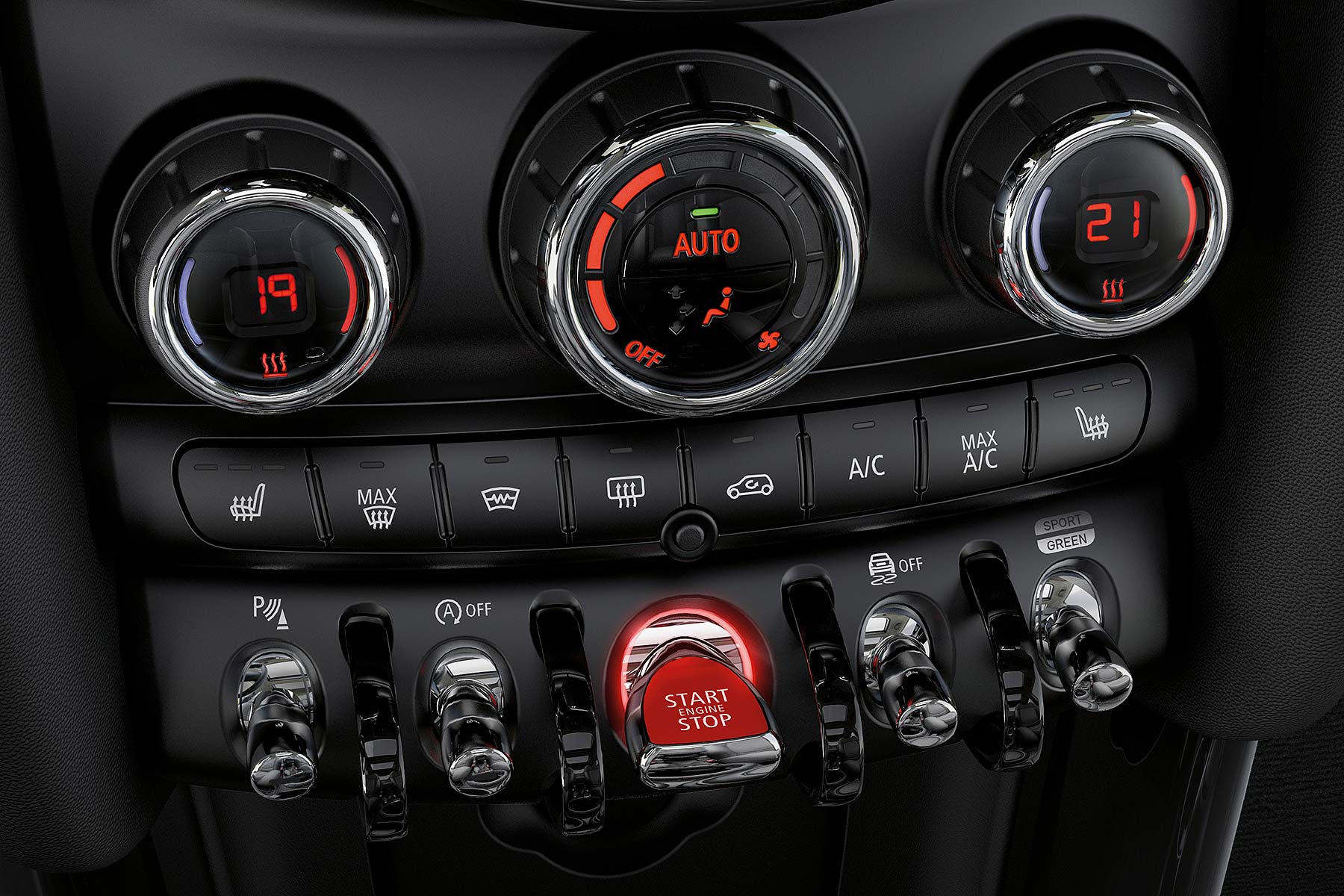
Finally, the fiddle of adjusting Mini Driving Modes will be made a bit less niggly by moving the switch to a toggle controller below the air con dials.
As for CarPlay on other Minis, expect it to roll out in time – perhaps on best-selling Hatch models when the model range receives its mild facelift due later this year?
The Advertising Standards Authority (ASA) has given Volvo Cars a formal warning after it was decided that an advert for the firm’s glow in the dark paint was misleading.
Volvo’s LifePaint is a spray designed to increase visibility in the dark. The Swedish car manufacturer released a Youtube advert for the paint in December 2016, saying: “Road safety shouldn’t be for the few. It should be for everyone. The ones not driving our cars, and the ones who prefer two wheels to four.”
More on Motoring Research:
Volvo and Google Android partner up at last
Ecotricity slammed for misleading ‘cheaper than petrol’ claims
More car news on Motoring Research
A complainant said the advert, which also appeared on Volvo’s website, was misleading as the product couldn’t produce the effects shown.
The firm admitted that the LifePaint was primarily designed primarily for textiles. A different oil-based product produced by the same manufacturer, Albedo100, was used in the video as this worked better on metal surfaces such as bicycle frames.
Volvo said that LifePaint would have the same effect shown in the video, but it wouldn’t last as long as the product used. It added that it would add a disclaimer on the advert to make it clear that the product was primarily designed for use on dry textiles.
This didn’t satisfy the ASA however. The organisation upheld the complaint, saying: “The ASA considered that the average consumer would expect LifePaint to be able to produce a similar effect to that seen in the ads. The video gave equal prominence to the frames of the bicycles as it did to the clothing of the riders, and showed the product being sprayed on a bike frame, so we considered consumers would expect the product to work on both surface types.”
It concluded that the ad exaggerated the performance of LifePaint and was misleading, instructing Volvo not to show the advert again in its current form. At the time of writing, it remains on Youtube.
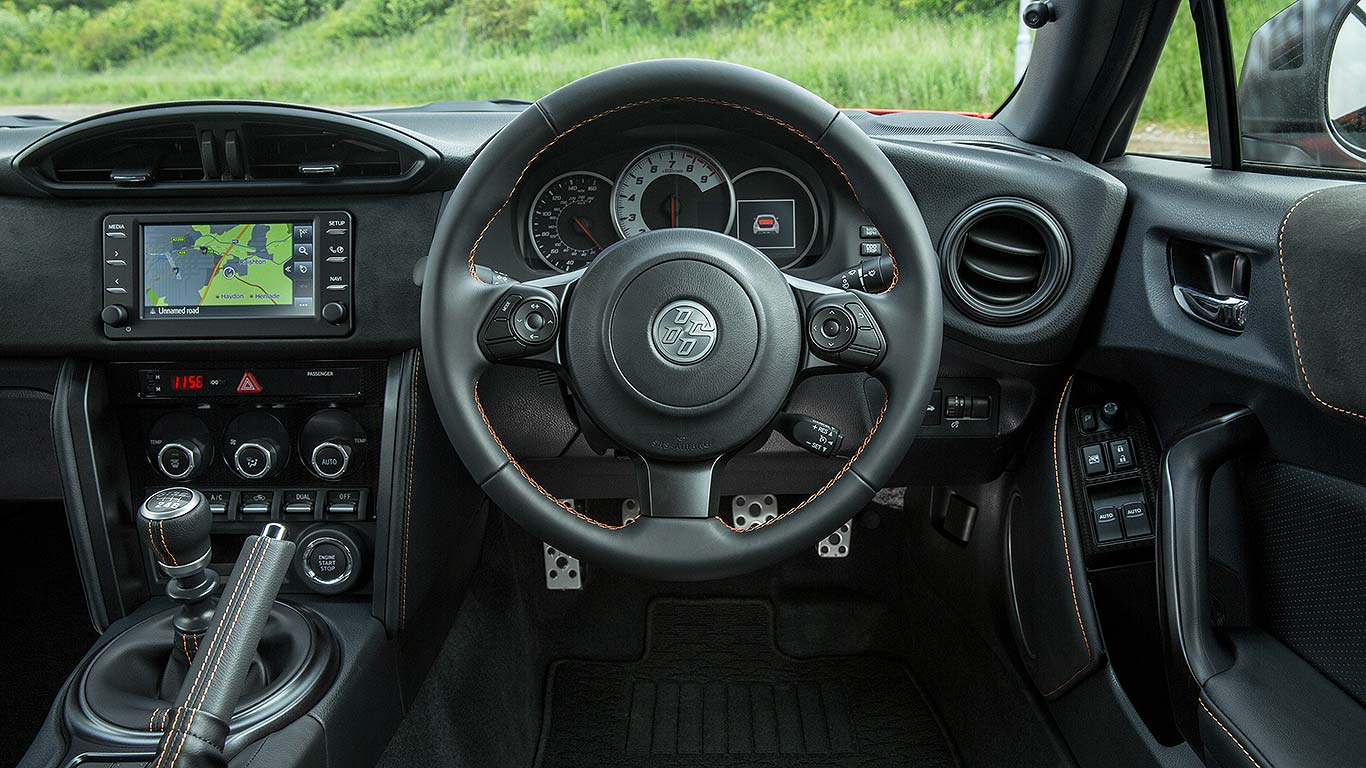
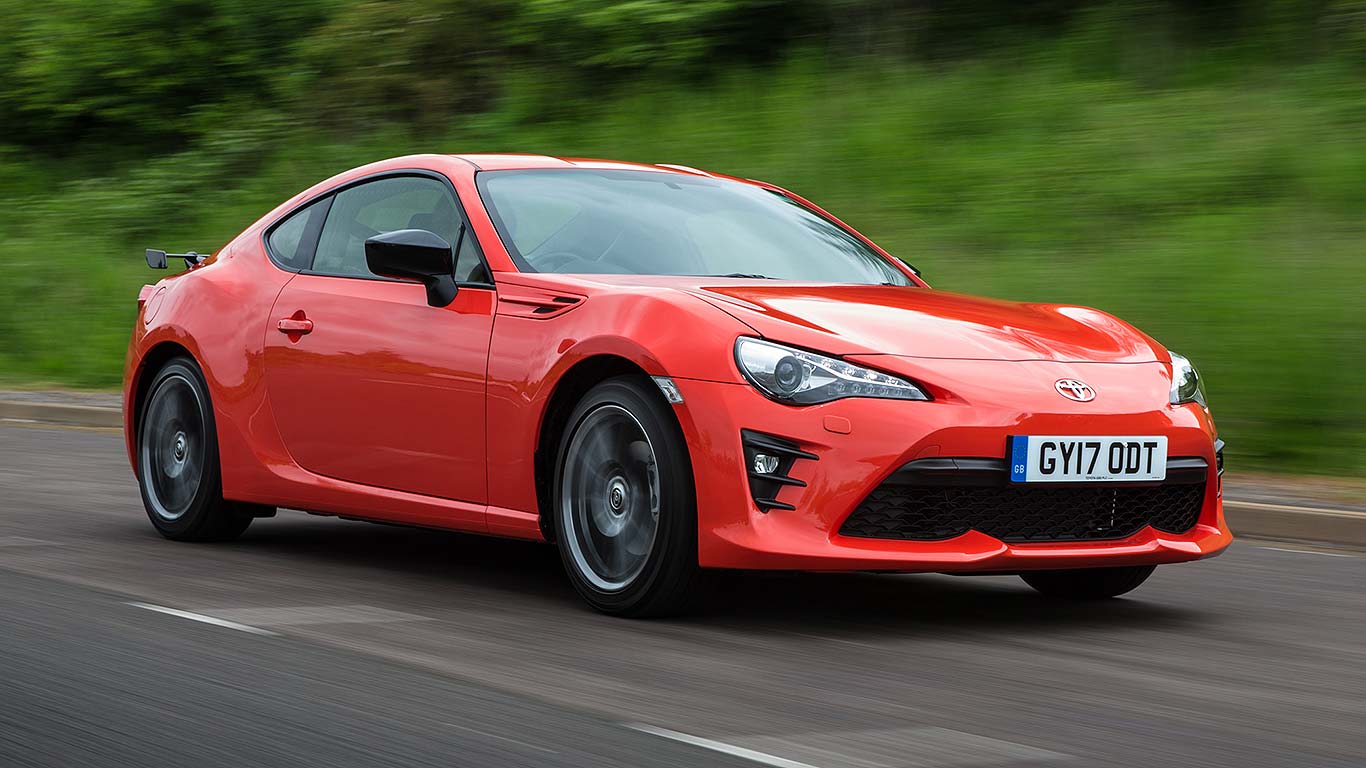
Toyota has announced plans to introduce a Club Series line of GT86 special editions – starting with this, the very orange GT86, erm, Orange Edition.
Finished in distinctive Solar Orange paintwork, the Orange Edition is based on the GT86 Pro and starts at £28,800. That’s £795 more than the top-spec model on which it’s based, while if you really must have an automatic, it’ll set you back £30,270.
Alongside the eye-catching paint, the special GT86 features metallic black door mirrors and spoiler, complemented by the Anthracite 17-inch alloy wheels. Inside, you’ll find orange stitching holding the standard leather and Alcantara seats together. Everything else remains as standard – meaning the Orange Edition comes with Toyota’s Touch 2 infotainment system with DAB and Bluetooth, heated front seats and aluminium sports pedals.
If you’ve got this far and you’re still clinging onto the hope that Toyota might have given the ’86 something a little special in the driving department, we’re going to have to be the bearer of bad news. Its 2.0-litre Boxer engine continues to produce 200hp, meaning the sports car takes 7.6 seconds to hit 62mph when paired with the manual ‘box.
Like all GT86s, the Orange Edition’s engine sends power to the rear wheels and uses an LSD to aid handling. Eco tyres, fitted as standard, do their best to prevent you having too much traction, meanwhile.
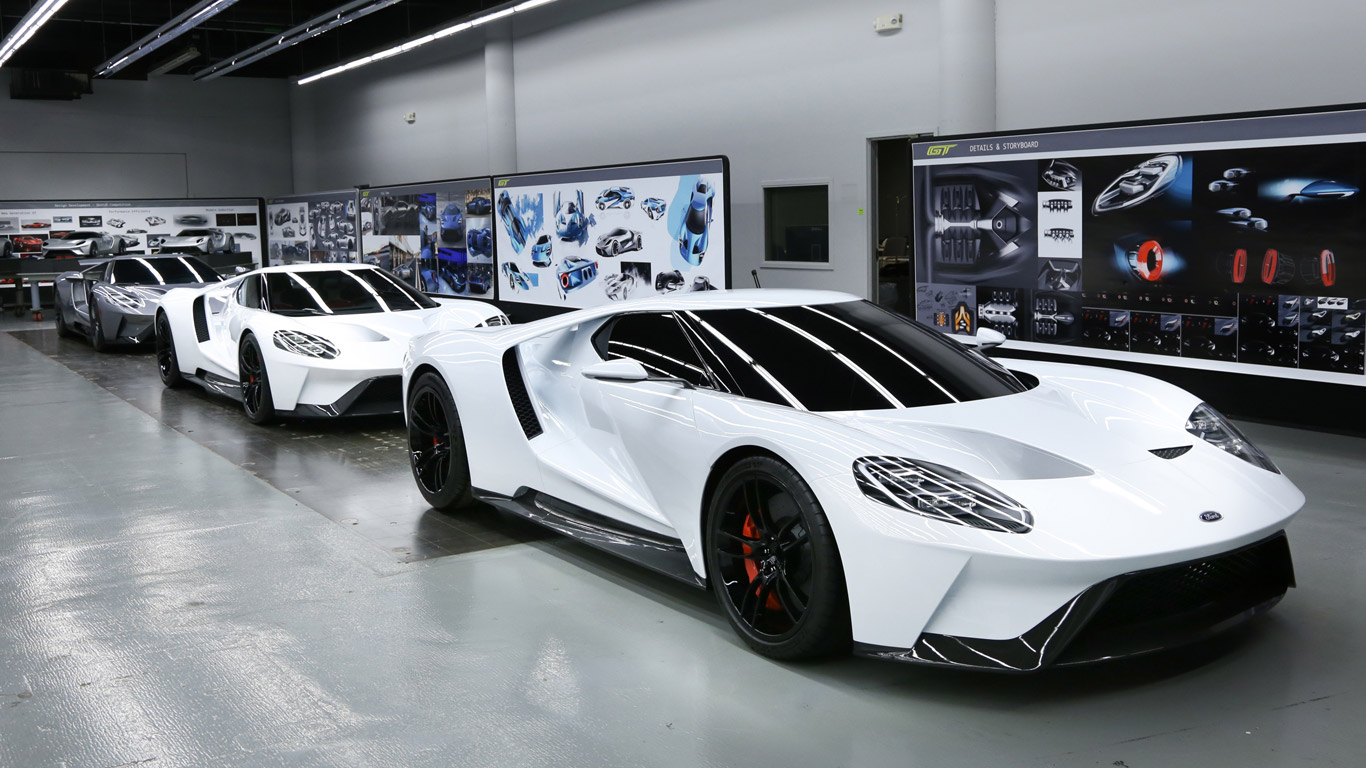
2017’s must-have supercar was revealed at the 2015 Detroit Auto Show, after years of hard work by a small group of Ford employees at the firm’s Dearborn design centre in Michigan. While it might look like the new GT was the work of a futuristic design studio, all the design work was carried out by in a top secret basement studio.
Most employees at Dearborn knew nothing about the project. While they were upstairs working on designs for the new Edge or Fusion, a small group in the basement were sketching Ford’s Lamborghini-rivalling supercar.
Before we take a look at the design studio, let’s look at some stats and figure out why the Ford GT is such a big deal. It costs £450,000 and only 1,000 will be made – with just 40 coming to the UK. All the cars have already been allocated – Ford has been very strict about the application process, meaning only genuine fans will be getting their hands on the GT.
Power comes from a 3.5-litre V6 Ecoboost engine producing 656hp and 550lb ft of torque, mated to a seven-speed dual-clutch transmission. A lightweight carbonfibre monocoque combined with aluminium front and rear subframes means it’s boasts a kerb weight of just 1,385kg.
Officially, the Ford GT hits 60mph in 2.8 seconds and can reach a top speed of 216mph. That puts it on par with McLaren’s incredible 720S.
So that design studio? We visited Dearborn, where we were met by Ford’s design director for the Americas, Chris Svensson. Following Svensson down a staircase and through a series of passages, you could see the excitement of someone who has spent a great deal of time locked in a basement, keen to show off his lair.
How did it remain a secret for so long? Surely other people suspected it? “Fortunately no one really asked what I was working on,” says Svensson. “Most people in the building didn’t know until it was unveiled at Detroit.”
Svensson stops by what appears to be a broom cupboard. He produces a key from his pocket – “old school,” he quips, and opens the door.
Behind it, we’re in for a treat. While the room itself is nothing particularly special, its contents are guaranteed to get any petrolhead excited.
From mock-ups to the final car, it’s fascinating to see how the design has progressed.
Not that it’s changed a lot. Compare the final design with an early clay model, and it’s clear that very little has been altered. That’s down to the team largely being able to do their own thing – the performance team have been hands on from day one, while accountants have been kept well away.
The car is being launched to commemorate the 50th anniversary since Ford’s Le Mans win with the original GT40, and is set to run in this year’s Le Mans 24 Hours race.
So why is it using a 3.5-litre V6 Ecoboost engine, rather than a bulky V8, if economics aren’t in mind? Surely a throaty V8 would be more in-keeping with both the Le Mans spirit as well as the GT ethos.
Ford Performance chief engineer Jamal Hameedi disagrees: “Le Mans is very much a full economy race. Ecoboost technology makes it extremely fuel efficient. If the other guys want to haul around two cylinders not doing anything, then go ahead, but a six cylinder is all we need.”
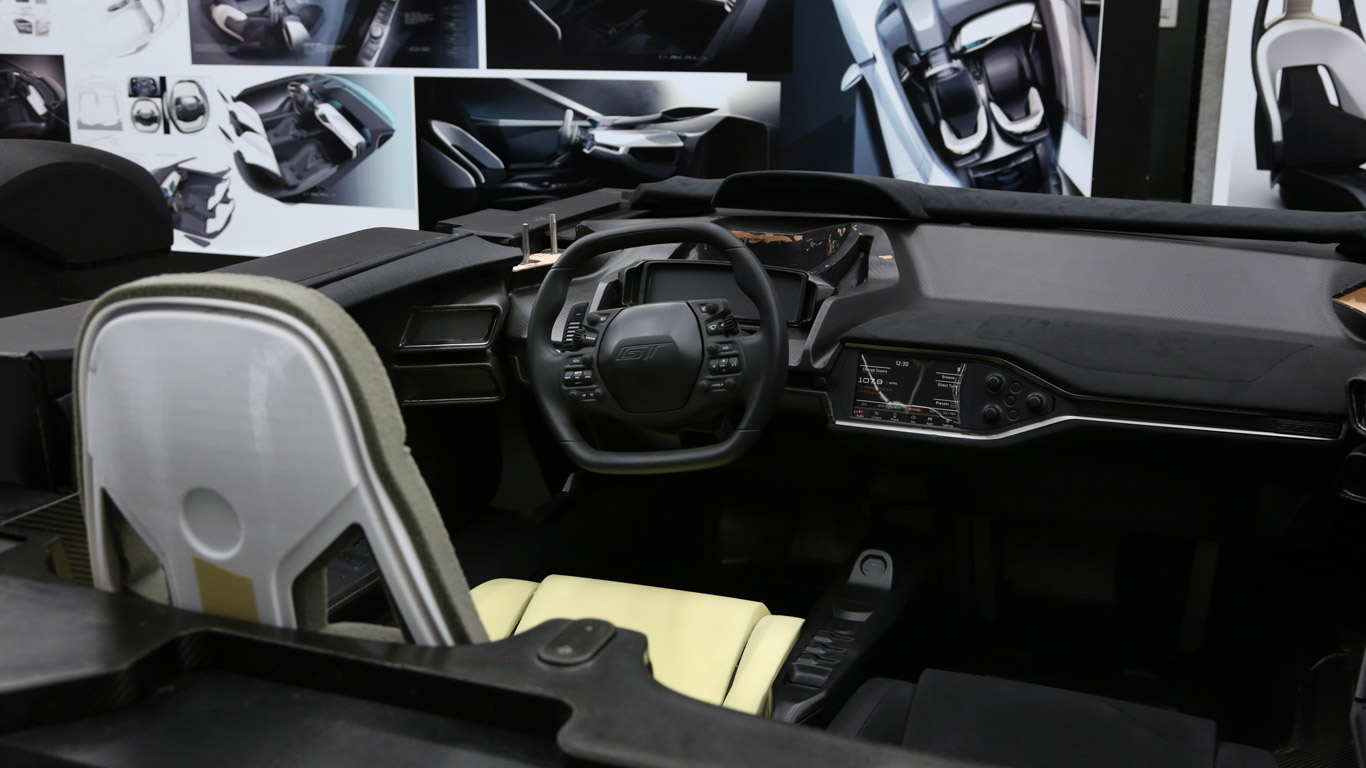
One challenge they did face was the interior. With such a small area to play around with, how could they fit something suitable for a £450,000 supercar into such a tiny space?
The man responsible for that was global interior design director, Amko Leenarts. He explains that comfort wasn’t a priority – anyone much taller than six foot is going to struggle, and don’t expect to be able to carry golf clubs.
Working with such a tiny space created numerous issues. Fitting rails under the seats to allow them to move back and forth would take up much-needed headroom, so it was decided to keep the seat fixed. Instead, the steering wheel and even the pedals move towards the driver.
There wasn’t even room for a conventional steering wheel. It would be impossible to get in the Ford GT with a full-size wheel, so a small wheel was used with the top and bottom cut off.
While obviously designed without luxury in mind, Leenarts has done an incredible job on the interior. Like everyone involved, he’s rightly proud of it.
The Ford GT is different to anything else the manufacturer makes – it’s a real labour of love, designed with nothing but performance in mind. And the experts in charge of the project? Absolute enthusiasts. And that’s refreshing. Please keep clicking to see more pictures of the Ford GT design studio.
 Ford has announced that CEO Mark Fields is to leave the company and be replaced by Jim Hackett, head of company subsidiary Ford Smart Mobility.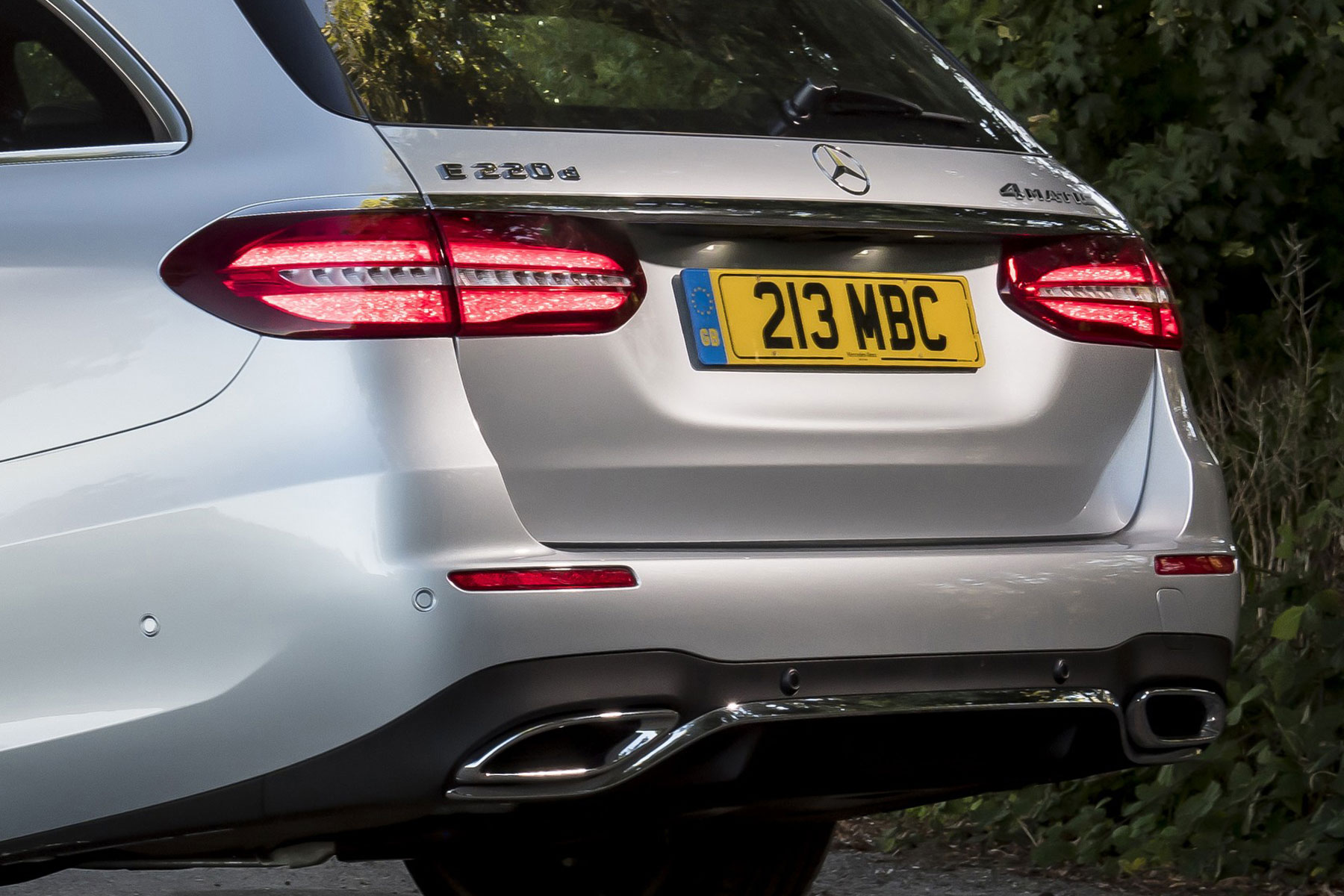

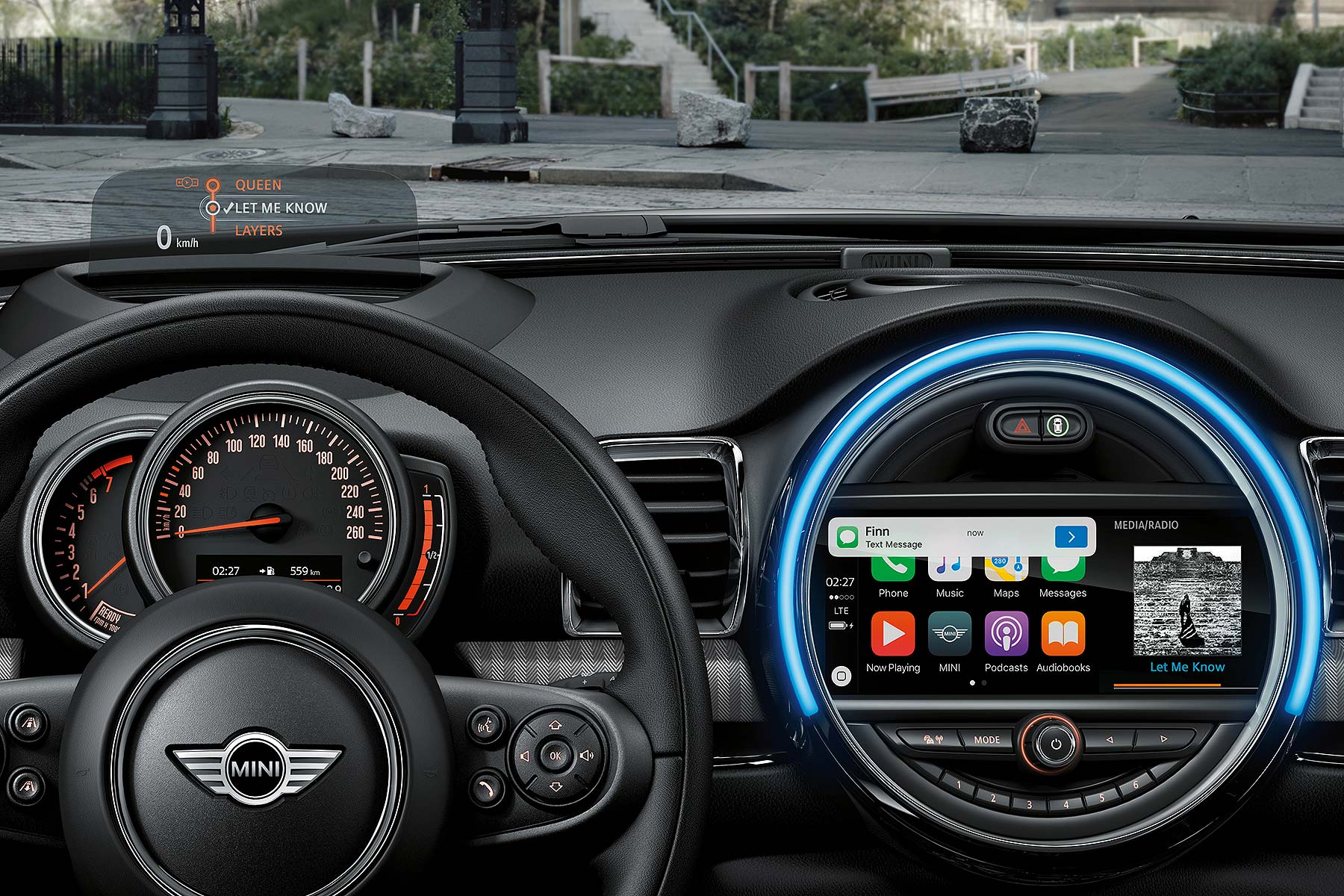 Mini has at last introduced Apple CarPlay smartphone connectivity into its model range, with new 2017 Clubman and Countryman models first to get it. Cars ordered from July 2017, with the Media Pack XL or Media Tech Pack, will get Apple CarPlay preparation, working via a central 8.8in screen – which now has touchscreen functionality alongside the usual Mini Touch Controller.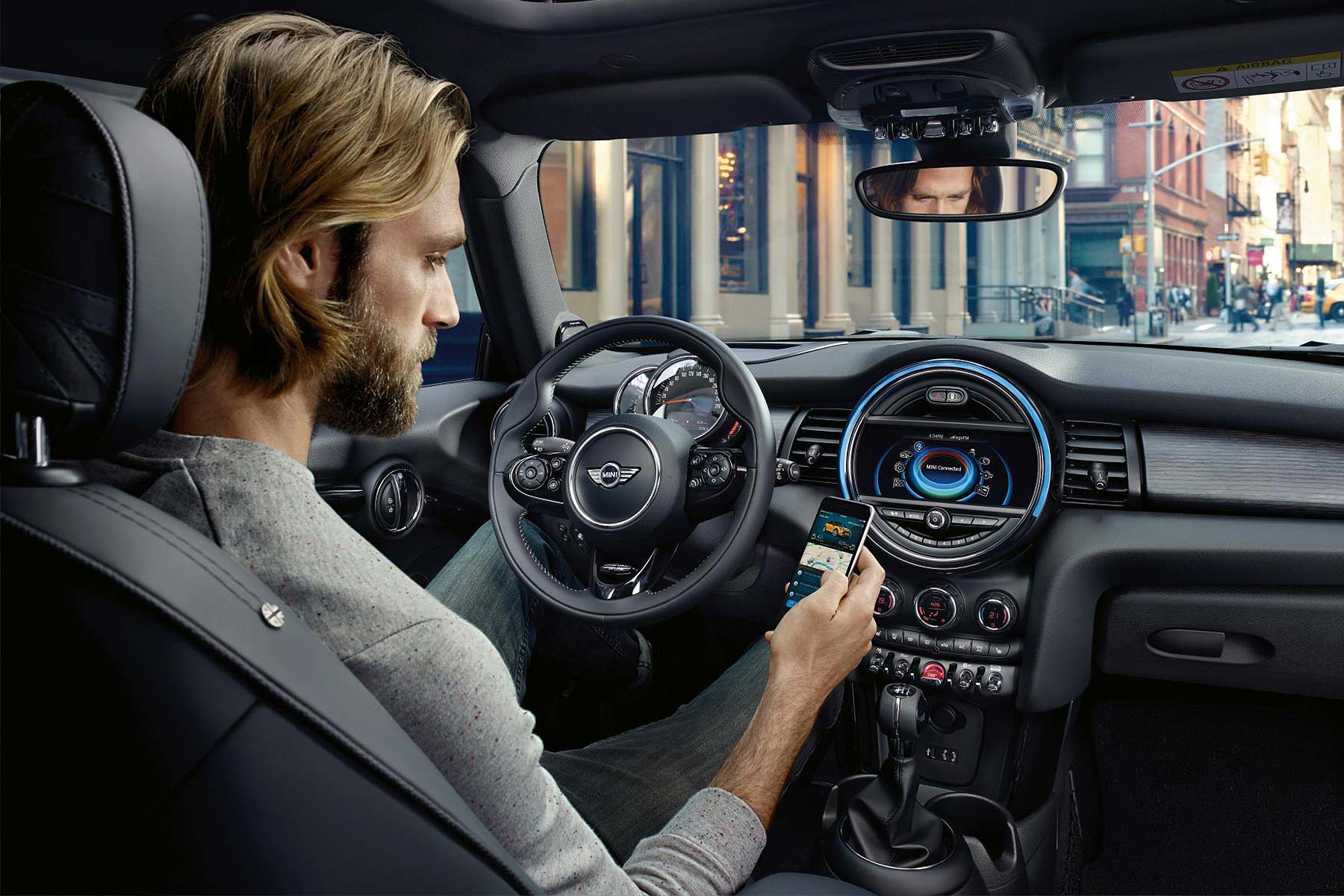

 Toyota has announced plans to introduce a Club Series line of GT86 special editions – starting with this, the very orange GT86, erm, Orange Edition.