Home Blog Page 534

Rimac Concept One: The 221mph electric hypercar Hammond crashed

0

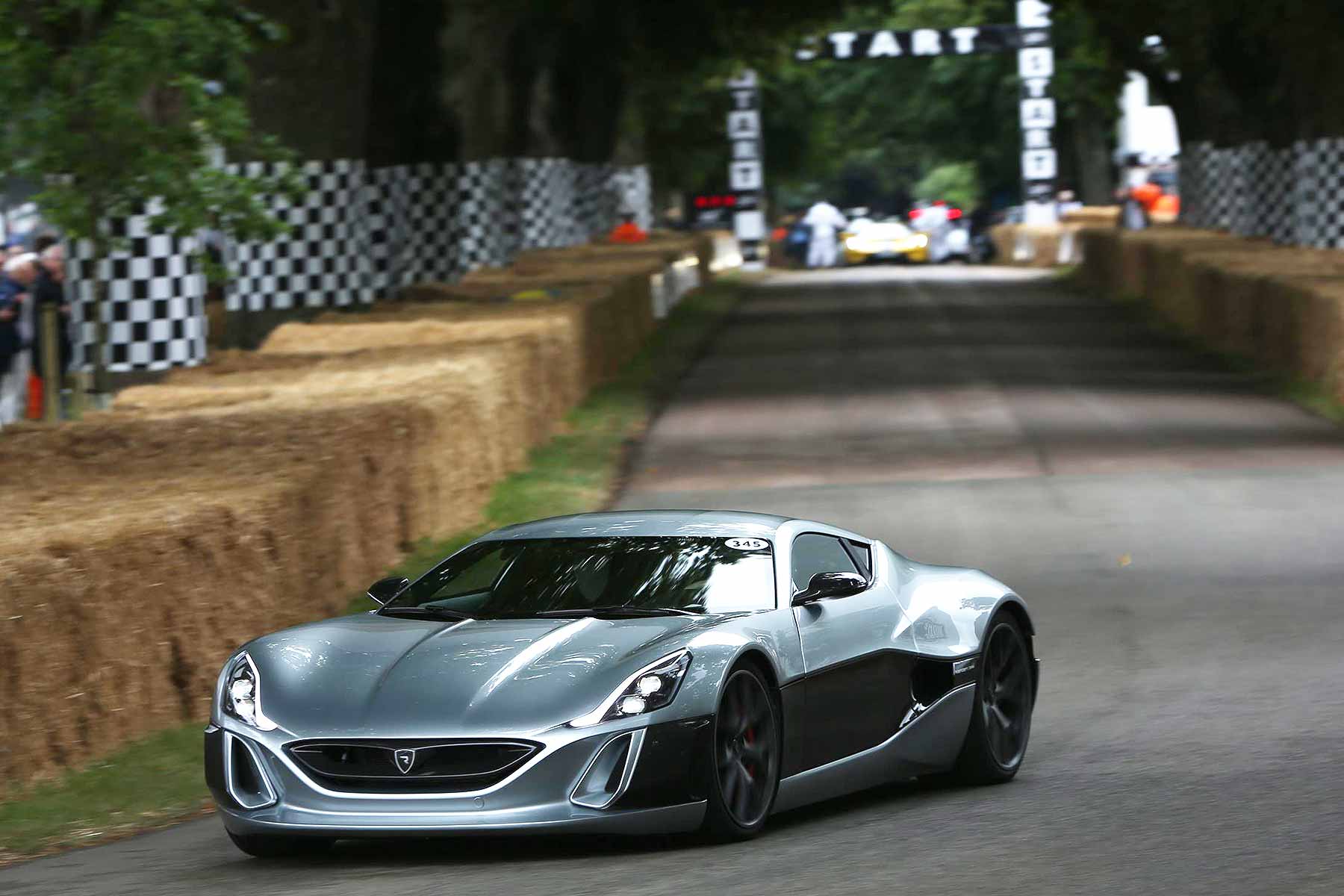
Rimac Concept OneSince Rimac Automobili burst onto the scene at the Frankfurt Motor Show in 2011, world records have been broken, eyebrows have been raised and boundaries have been pushed. And yet, the Croatian company and its Concept One electric hypercar were relatively unknown beyond the confines of the automotive world.

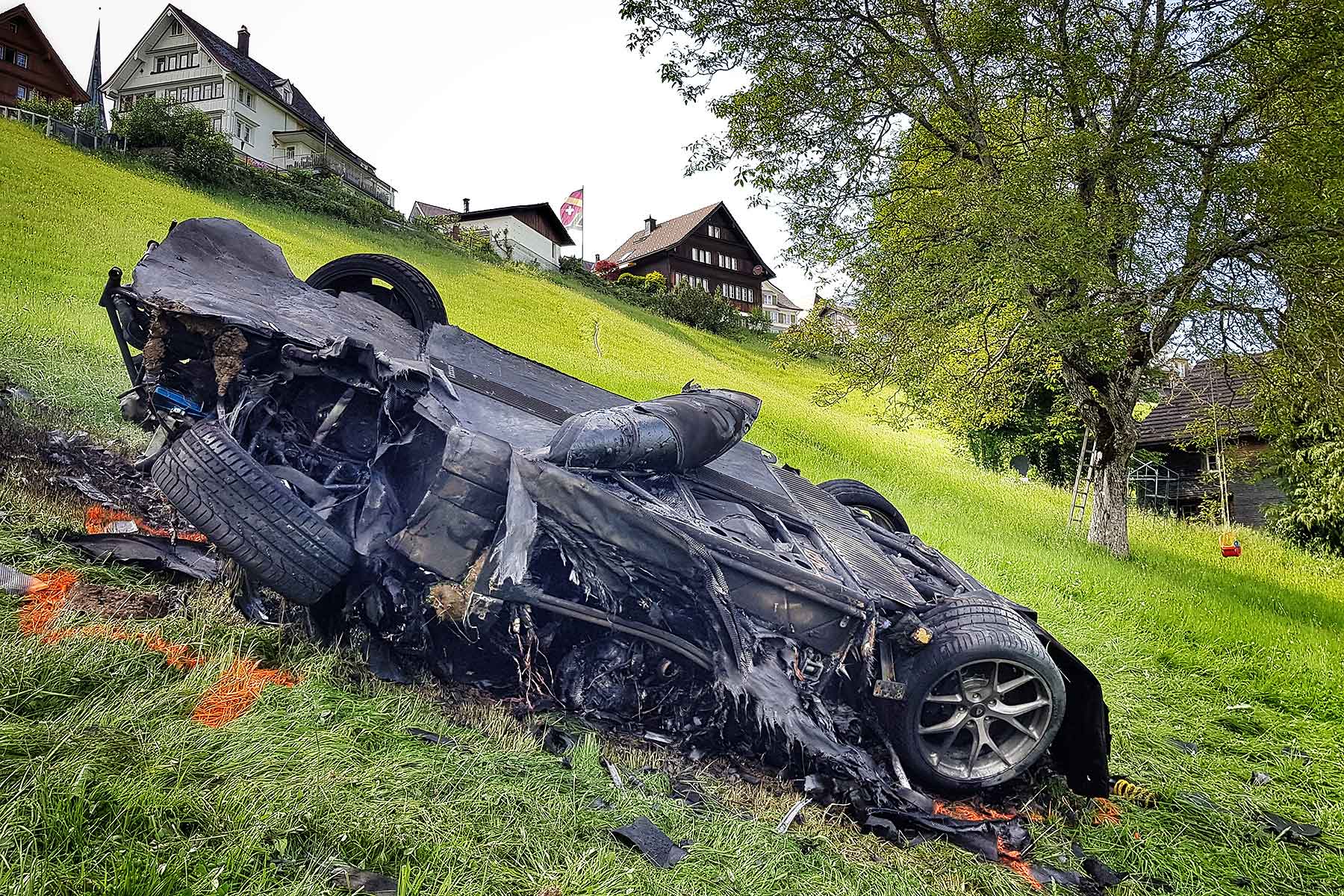
That’s until Saturday 10 June 2017, when Richard Hammond crashed a Concept One during filming for the next season of The Grand Tour. The crash – which took place at the Hemberg Hill Climb in Switzerland – left Hammond with a fractured knee and the car destroyed by fire.

All of a sudden, social media was alight with news about the crash and the Rimac name was thrust into the headlines. We use the word ‘thrust’ with caution, given Hammond’s 2006 crash in jet-powered dragster. But what exactly is the Concept One and why should you care?


More supercars on Motoring Research:


Mate Rimac and his BMW E30Rimac Concept One: the story so far

First, a little history. Rimac Automobili is led by 29-year-old Mate Rimac, a Croatian with “a dream that became a reality”. His entry in Forbe’s ‘30 Under 30 Europe’ describes “a company that’s cooler than Tesla”, building “fast and exciting” electric cars.

In 2015, Politico named Mate Rimac as one of the 28 most influential people in the EU – not bad for a man who simply had “a dream that became a reality”. A dream that started with a BMW E30.

The so-called e-M3 was Rimac Automobili’s first test mule – a car Mate Rimac started to convert when he was just 19-years-old. “I owned an old BMW E30 which I used for drift and circuit races,” said Rimac.

“At one of these races, the gas engine blew up. Then I decided to try building an EV. After one year or so the car was able to drive but I was not satisfied with the result. It was heavy, not very powerful and the range was limited.”

He gathered a team of experts to develop his own in-house components, hellbent on taking the idea of an electric racecar to the next level. Today, the same BMW E30 holds five FIA and Guinness World Records, including the fastest ⅛-mile by an electric car.

A seriously rapid E30 is great for social media ‘likes’ and buzz, but it’s not enough to attract investment and it certainly won’t upset the supercar elite. If you thought establishing a new company was tough, try doing it in a former East European country where capitalism remains a dirty word and funding is hard to secure.

But it’s thanks to the Concept One (more on this in a moment), that investment started to flood in. Rimac was encouraged to move production to Abu Dhabi, but the Croat stayed loyal to his home nation, where he employs more than 250 people at a factory on the outskirts of Zagreb.

To think that Mate Rimac felt under pressure to grow a beard in order to make him appear older. In 2016, he told a Croatian TV channel that “when you’re a young entrepreneur you face some difficulty when it comes to your age.

“Being young is not an advantage here, hence the beard. It makes me appear older,” he confessed. Something to think about if you’re preparing a presentation for the next series of Dragons’ Den.

Rimac Concept One

Motor Shows, especially those the size of Frankfurt, are littered with new and exciting concepts, many of which will never see the light of day, so you can understand the level of scepticism surrounding the unveiling of the Rimac Concept Car in 2011.

Croatia isn’t exactly famed for being an automotive powerhouse, so news of a young upstart arriving in Germany accompanied by tales of delivering the world’s first electric supercar failed to grab the headlines. Indeed, Rimac Automobili was relegated to a stand at the back of one of the supplier halls.

The Concept One looked stunning, boasting a carbonfibre body designed by Adriano Mudri and an interior penned by a team of former Pininfarina employees. That the production version looks remarkably similar to the show car should come as no surprise: it looked production-ready, even in 2011.

But it was the technology beneath the skin that really mattered. Rimac Automobili developed a unique powertrain using four electric motors with their own single-speed gearboxes, one driving each wheel, delivering a combined output of 1,088hp.

At the time, this was enough to achieve a 0-62mph time of 2.8 seconds, a top speed of 190mph and a claimed range of 373 miles, assuming you could resist the temptation to test the eye-popping performance figures.

Concept One: the world tourRimac Concept One: the story so far

Development continued in 2012, as the Concept One embarked on an electric-powered world tour. First came the super-posh Top Marques Monaco, followed by an appearance at the equally lavish Concorso d’Eleganza at Villa D’Este.

In June 2012, the Concept One took part in a parade at the 24 Hours of Le Mans, where it was selected as the most innovative of all supercars, beating the likes of the Bugatti Veyron, Pagani Zonda, Koenigsegg Agera R and Lamborghini Aventador.

Further events followed, including a UK debut at Salon Privé in September 2012 and, in 2014, news that Rimac would supply a Concept One to the Formula E Championship for use by the Race Director and for passenger laps.

Concept becomes a reality

Until the 2016 Geneva Motor Show, the Concept One was still just that: a concept. But five years on from its motor show debut, Rimac demonstrated that it had staying power and that the Concept One was a car to be taken seriously. In Geneva, the electric supercar was given pride of place within one of the main halls – no supplier section this time.

The styling was largely unchanged, but the technology had been refined to make it even quicker than the 2011 version. The headline figures were compelling: a 0-62mph time a fraction quicker at 2.6 seconds and a top speed of 221mph. Serious credentials, then, but to concentrate on the numbers would be to miss the technical brilliance of the Concept One.Rimac Concept One: the story so far

Let’s not forget that almost every component on the electric supercar has been developed in-house by the Rimac team in Zagreb. The CEO’s claim that “the Concept One achieves today what many would think is unachievable, even in the future” is not without justification.

Take the Rimac All Wheel Torque Vectoring (R-AWTV), which uses input from sensors positioned around the chassis and suspension to calculate the optimal torque distribution between the wheels. It means that the Concept One is able to use every last bit of its 1,180lb ft of torque.

The R-AWTV settings can be tweaked via Rimac’s own infotainment system, which also controls the brake force and torque distribution. Users can change the nature of the Concept One, from a neutral setting through to a track-focused and even a drift mode.

The Rimac infotainment system gathers info from more than 500 different sensors, with data stored in the internal memory and sent to the cloud via 4G. It can be analysed during or after a lap via the touchscreen, PC or smartphone.Rimac Concept One: the story so far

“My goal was not to create an electric version of existing supercars. I wanted to create technology to make the supercar considerably better in every regard – faster, more fun and more efficient. I wanted to make the supercar of the 21st century,” said Mate Rimac.

If Rimac is to be believed, the next generation supercar requires a battery pack designed to deliver 1000kw or 1MW of power during acceleration and to absorb 400kW during braking. A liquid thermal management and low-resistance conducting system was required to master this challenge. Total range of the production version: 330km (205 miles).

As you’d imagine, with four motors, four gearboxes and the array of battery tech, the Rimac Concept One is hardly light. At 1,850kg it’s around 600kg heavier than a LaFerrari and 400kg lardier than a McLaren P1. On the plus side, it’s 145kg lighter than the Bugatti Chiron…

By the time the production version was unveiled in Geneva, Rimac had sold six of the planned eight units. The Croatian firm had done enough to convince wealthy supercar owners that it was the real deal.

Rimac Concept S

But Rimac wasn’t in a mood to stand still. The Concept S is the Concept One’s so-called “Evil Twin”, built to exploit the maximum potential of the torque vectoring system. With 1,384hp and 1,328lb ft of torque, the Concept S is even more hardcore than the hardly soft Concept One.

The 0-62mph time drops to 2.5 seconds, while the 0-124mph (200km/h) figure stands at 5.6 seconds, making it faster than the Bugatti Chiron. The 0-186mph (300km/h) time is an equally impressive Chiron-taming 13.1 seconds.

It helps that the Concept S is 50kg lighter than the Concept One, but the new version is also blessed with an aggressive aerodynamic package, enhancing downforce by 34%. The torque vectoring system has been tweaked to provide a “wide spectrum of extreme setups”.

Rimac Concept One upgradesRimac Concept One: the story so far

Not to be outdone, a new and improved Rimac Concept One was unveiled at the 2017 Geneva Motor Show. With power increased to 1,224hp, the new version will sprint to 62mph in 2.5 seconds, before hitting the 186mph mark in 14 seconds.

At the same time, the battery capacity was upgraded to 90kWh, with a total range of 350km (217 miles).

“Hundreds of upgrades to almost all vehicle systems were necessary to unleash the Concept One’s full potential.” said Mate Rimac. “Our goal remains to deliver ground-breaking technology demonstrated in our hypercars to like-minded individuals around the world while at the same time being a recognised partner to the global OEMs.”

An example of this includes the battery system supplied for the Aston Martin AM-RB 001, and partnerships with the likes of Koenigsegg, Qoros and W Motors.

From e-Bikes to top-secret prototype cars, Rimac has come a long way since its CEO decided to go hunting petrol-powered cars in a green BMW. Thanks to Richard Hammond, the company is more famous than ever.
Advertisement

New Citroen C3 Aircross: the multi-purpose SUV

0

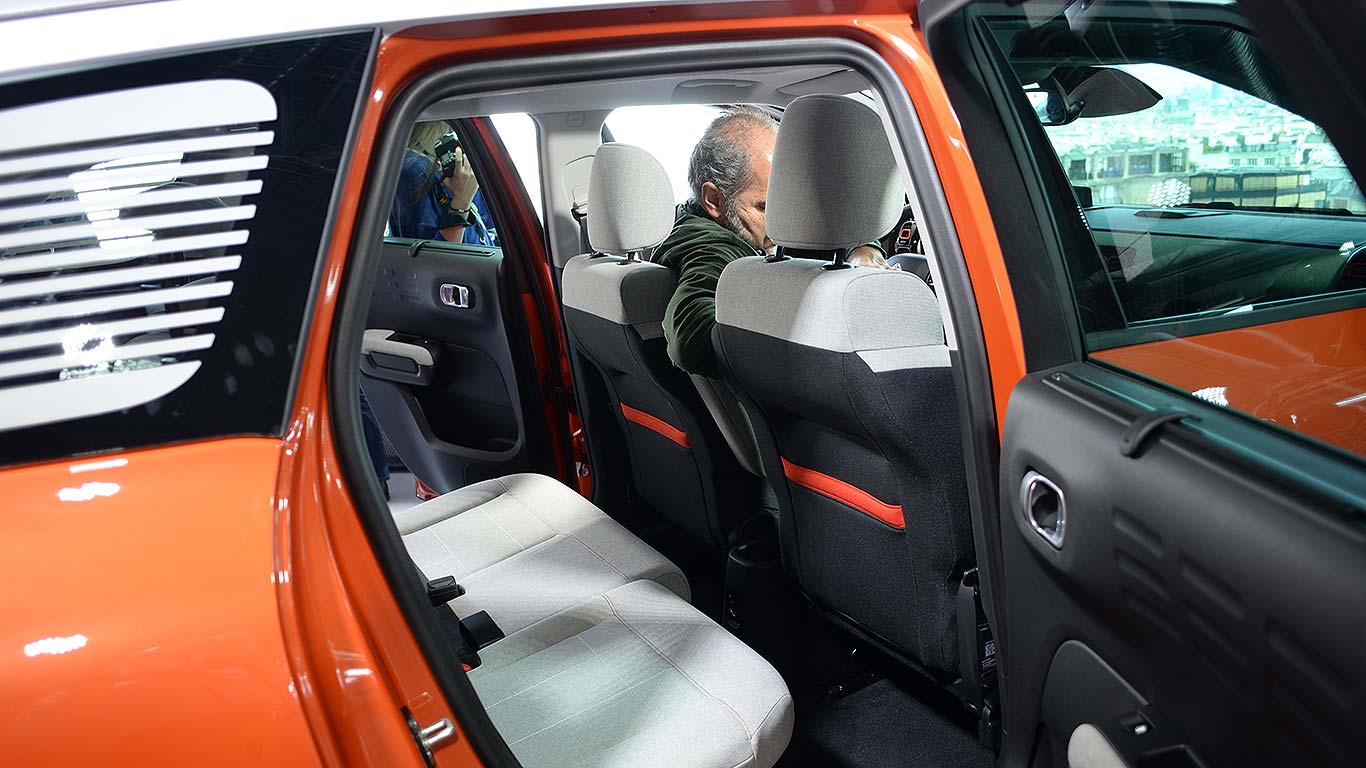
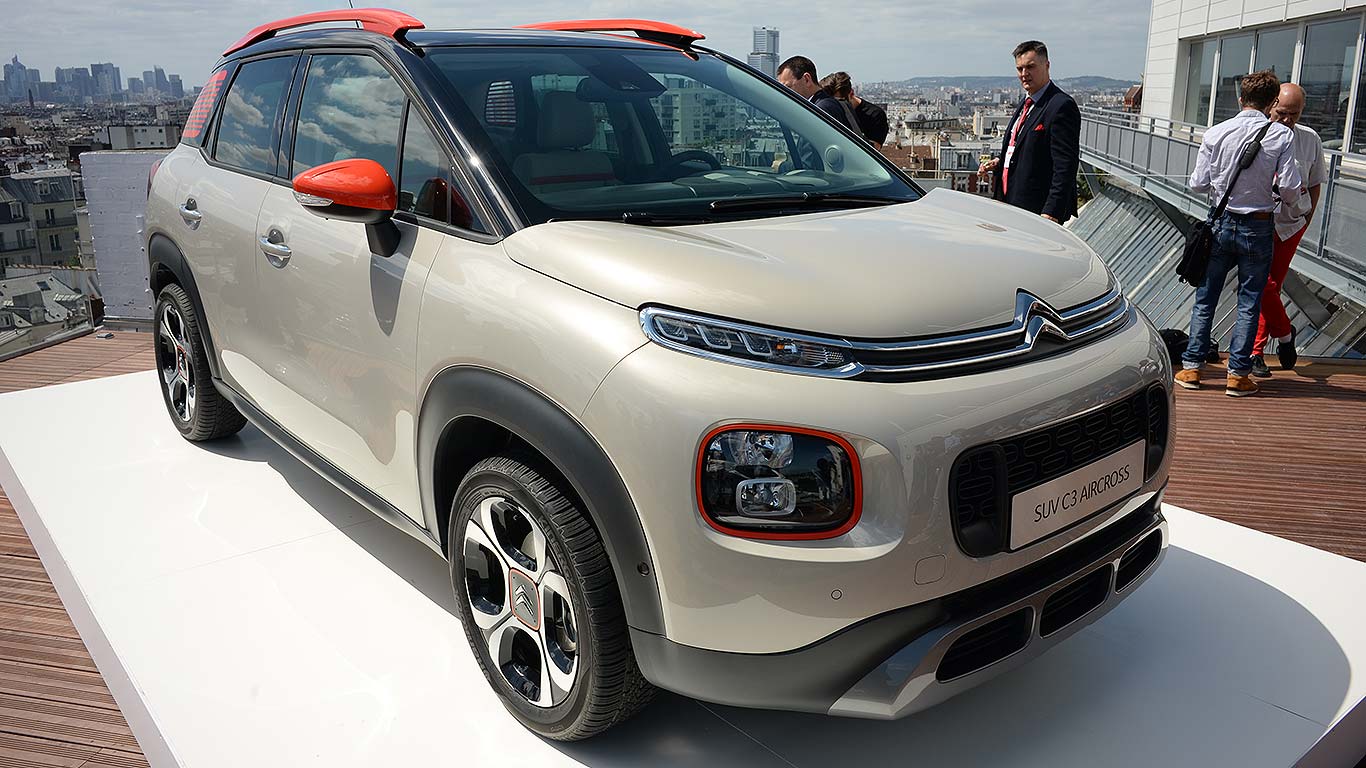
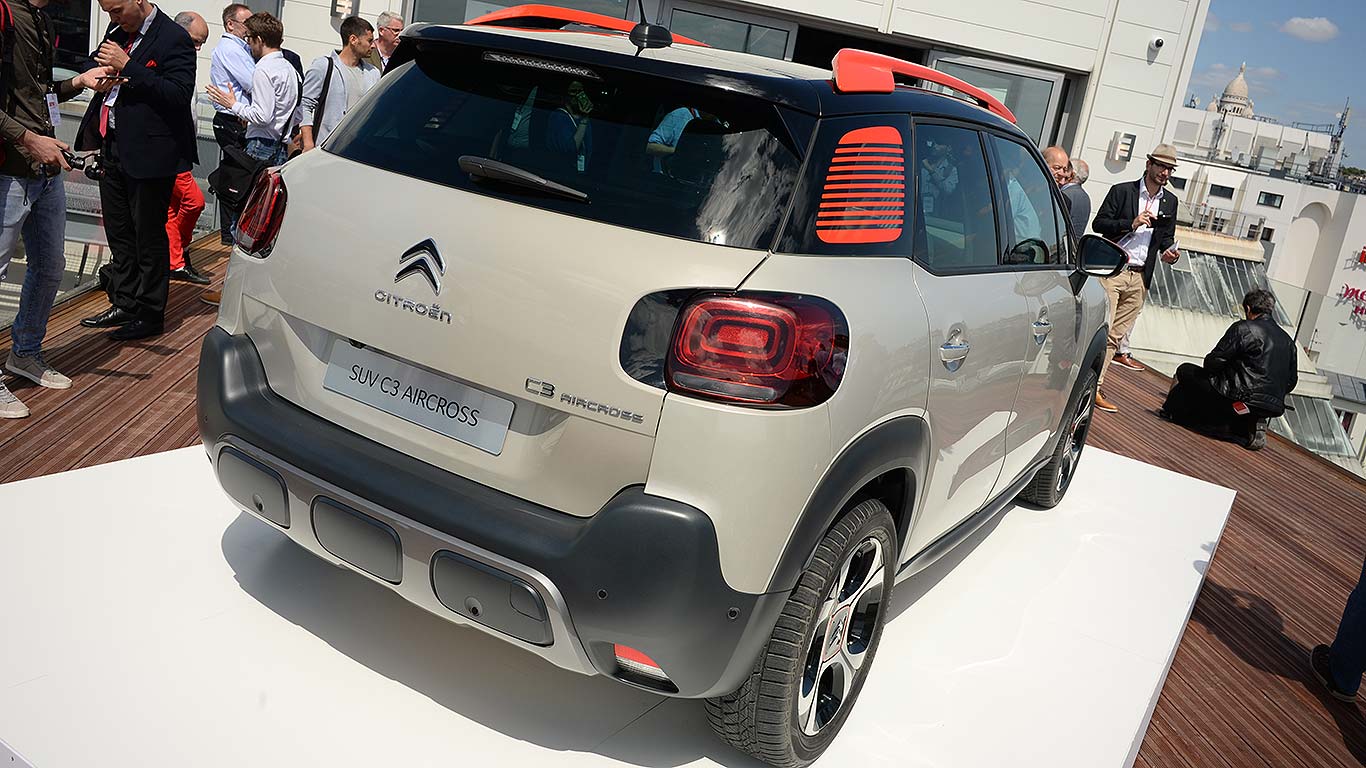
Citroen C3 Aircross 2017 Paris revealGoodbye Citroen C3 Picasso, hello Citroen C3 Aircross. The French firm has become the latest car maker to ditch a supermini-sized MPV for an on-trend crossover SUV instead. But although it has chunky bumpers and a stand-up stance, the C3 Aircross, revealed in Paris this week, is still more MPV-like than most. And it’s this extra practicality that Citroen reckons is the ace up its sleeve.
Citroen C3 Aircross 2017 Paris reveal

It is, we’re told, the roomiest crossover SUV in its class, and aims to be one of the most comfortable: thank the firm’s flagship Citroen Advanced Comfort initiative for that. It’s packed with tech – including four different connectivity systems – and is available with 12 driver assistance systems. It will even do a light bit of off-roading; that raised ride height and tough body cladding aren’t just for show. It goes on sale in the UK on 1 November, with prices expected to start from around £17,000.

Citroen CEO Linda Jackson called it an international SUV – it will be sold in 94 countries – that’s the next step in the transformation of the brand. It is a true compact SUV, stressed the firm: spacious, modular, comfortable. It is also to play a key role in boosting Citroen global sales 30 percent by 2021: this is a significant new car launch indeed…

New Citroen C3 Aircross: explained

Citroen C3 Aircross 2017 Paris reveal

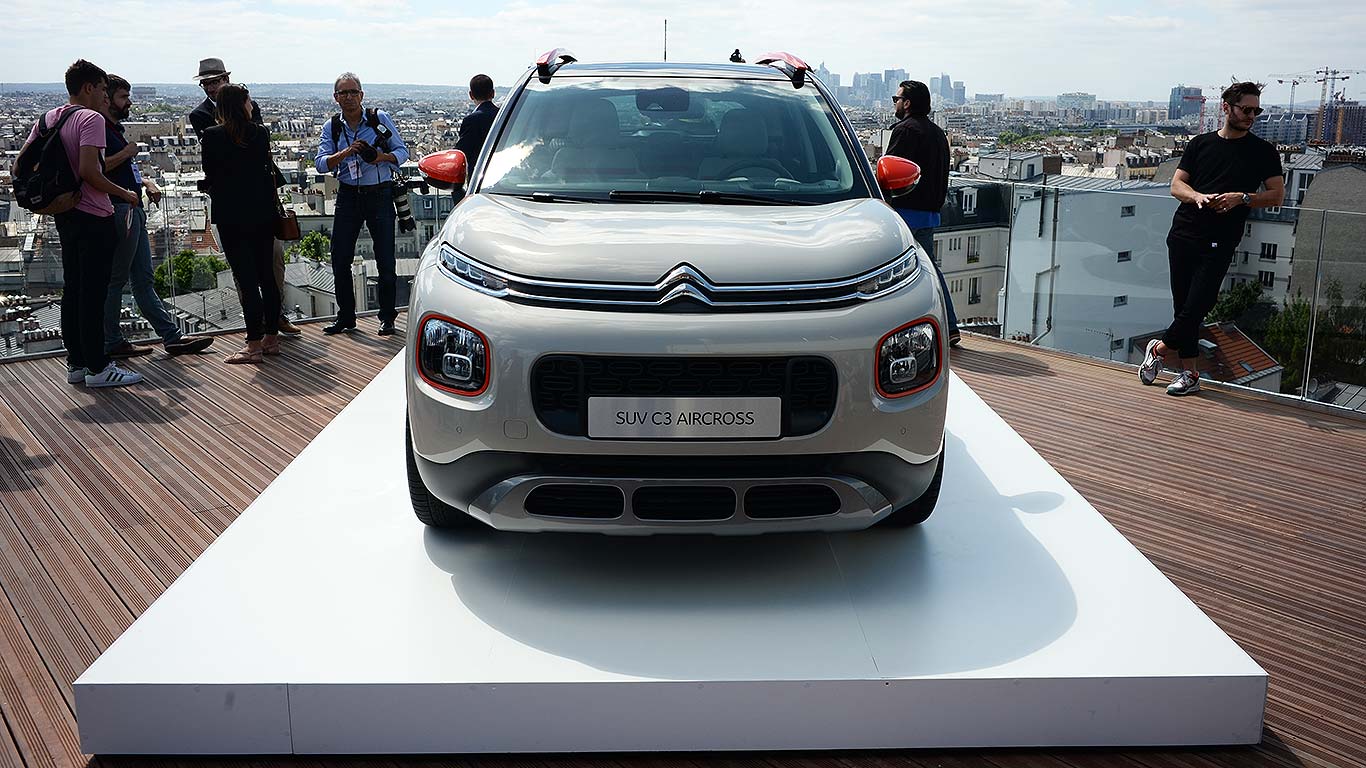
The little brother to the China-only Citroen C5 Aircross, the C3 Aircross is a direct rival to the recently-revised Renault Captur and Peugeot 2008. Externally, it’s a modern Citroen: bold and punchy, just the right side of quirky, “free from aggression”, robust and enhanced by SUV-like raised ride height (20mm higher than a C3), lots of plastic cladding, wheelarch extensions, front and rear skid plates, plus a set of bold roof bars.

Citroen design chief Alexandre Malval is the man behind it. He points out the short, raised bonnet, double-decker lights at the front and the rear polycarbonate quarterlights. A coloured film covering gives a ‘Venetian blind’ effect, a nice bit of Citroen quirkiness that was shown on the C-Aircross Concept and carried through to production.

Is it practical? Headroom and legroom are class-leading, claims Citroen, the passenger seat folds flat so you can load things from the DIY store 2.4 metres long, and the rear seats split-slide to juggle boot space from 410 litres to 520 litres.

Citroen C3 Aircross 2017 Paris reveal

Personalisation? You bet: pick from up to 90 colour combinations, including eight body colours, four roof colours, four ‘colour packs’ and five different interior design schemes. The roof bars are coloured and you can also colour-key the ‘Venetian blind’ rear quarterlight stripes.

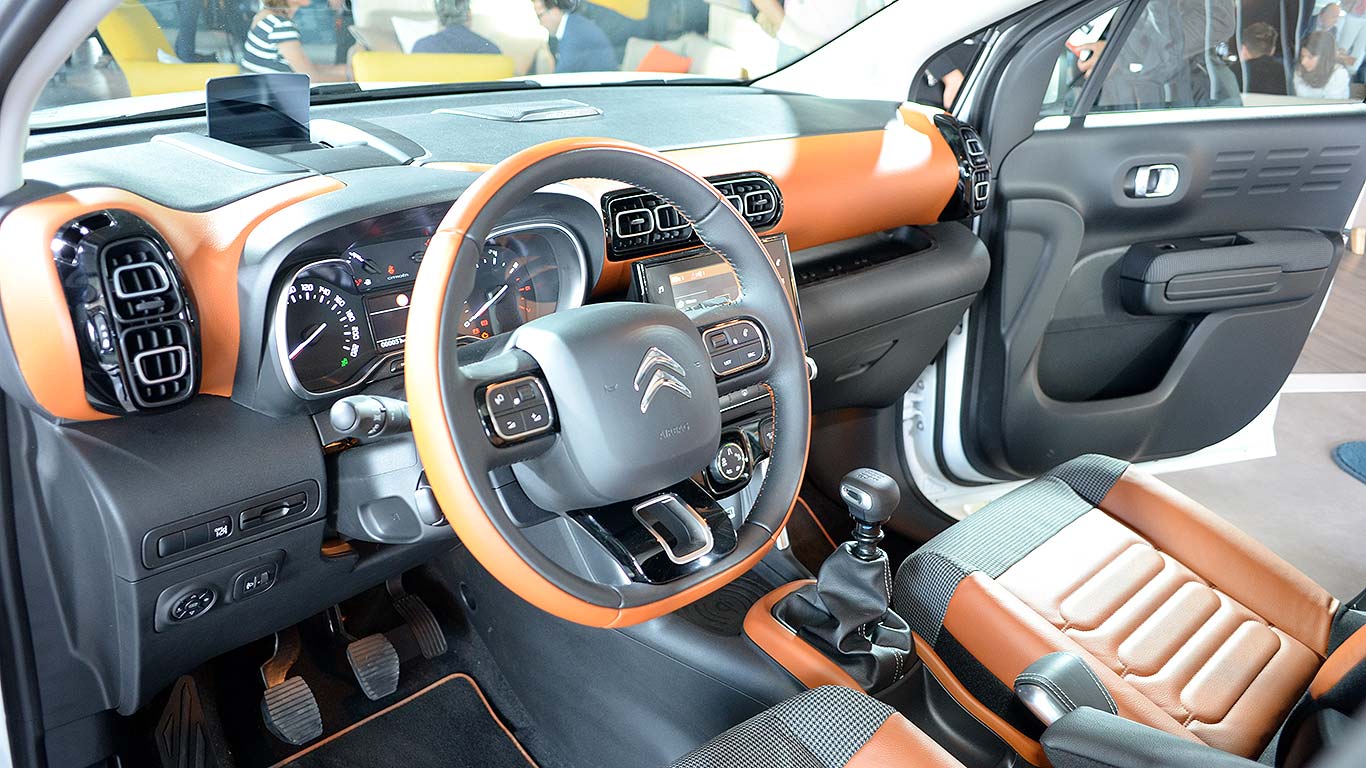
What is Citroen Advanced Comfort? The marketers say it’s all about ‘mental and physical well-being’. A large (and opening) panoramic glass roof floods the cabin with light; it’s one-metre long and sensibly has a sunblind – as do the rear doors. Citroen’s also fitted super-quiet soundproofing, broad and generously supportive seats, plus comfort-oriented suspension.

Citroen C3 Aircross 2017 Paris reveal

And those 12 pieces of driver-assist tech? They are: keyless entry and start, a colour head-up display, ‘bird’s eye’ revering camera, park assist, autonomous emergency braking, lane-departure warning system, blind-spot monitoring, speed-limit sign recognition (deep breath), automatic high-beam headlights, driver assistance monitor, coffee break alert and off-road-friendly Grip Control with hill-descent control. Blimey.

As for the four different pieces of connectivity tech, they are: wireless smartphone charging (there’s a cubby in the centre console for it), smartphone-connecting Apple CarPlay and Android Auto, Citroen Connect sat nav and the emergency services-alerting Citroen Connect Box system.

Under the body, it rides on a C3 platform, so has PureTech petrol engines in non-turbo 82hp or turbo 110hp and 130hp guises. The 1.6-litre BlueHDi in 100hp and 120hp forms is the diesel alternative. Citroen pairs them with Grip Control, which adds extra traction for the front wheels without the expense of full four-wheel drive. A Land Rover Terrain Response-style dial in the centre of the dash offers a choice of five settings.

Advertisement

Richard Hammond crashes during filming

0

Richard Hammond Rimac supercar crashThe Grand Tour star Richard Hammond has escaped serious injury following a serious crash during filming for The Grand Tour. 
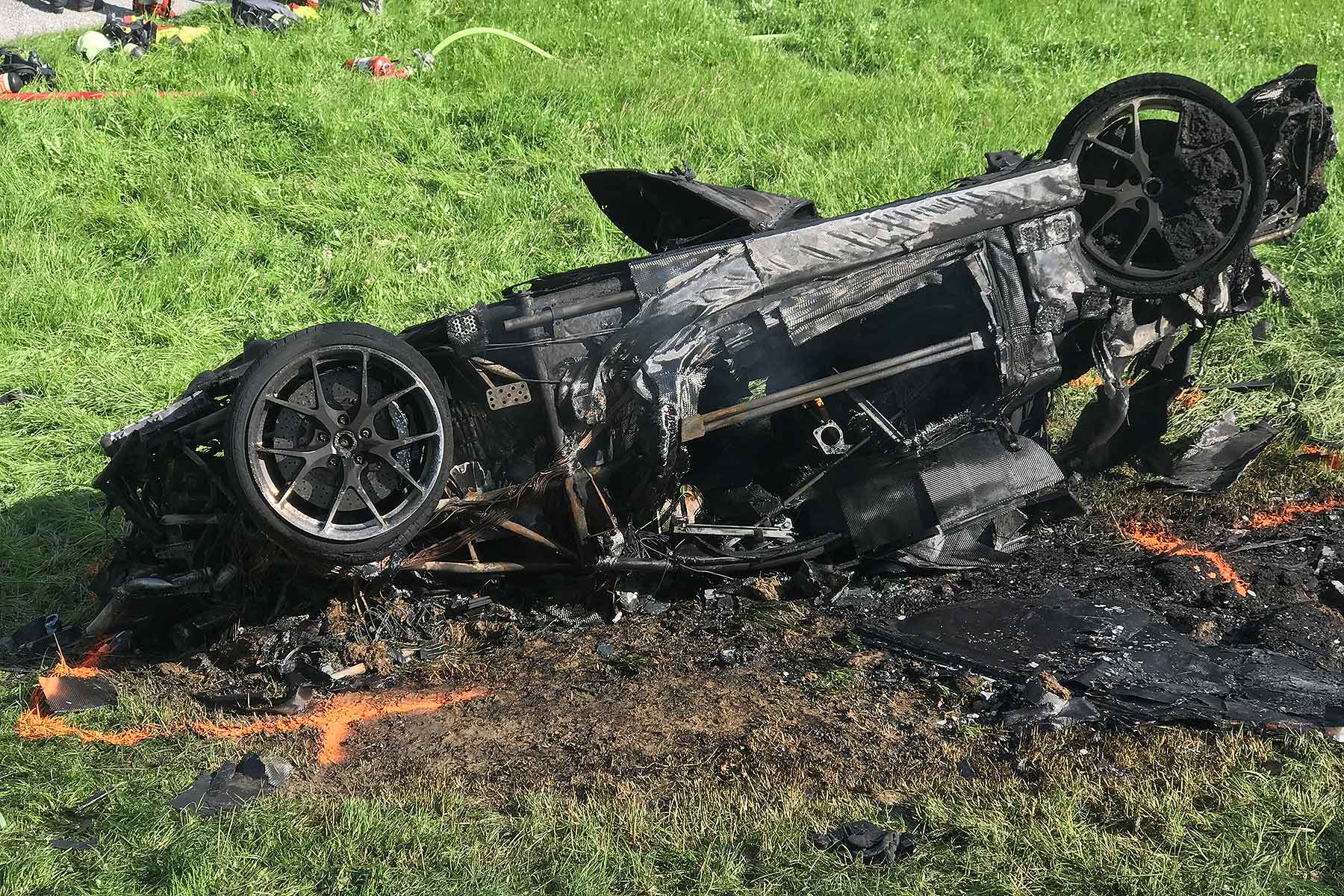
Hammond was competing in a competitive hill climb in Switzerland, driving a Rimac Concept One electric supercar from Croatia.


More The Grand Tour on Motoring Research: 

  • These are all the cars featured on The Grand Tour so far
  • The Grand Tour: everything we know so far
  • Revealed: Jeremy Clarkson’s worst cars of the year

The crash occurred after he’d finished the hill climb; Hammond managed to climb out of the car unaided before it set on fire – the images here show the car after it had been destroyed by the fire.

Richard Hammond Rimac supercar crash

The Grand Tour star was “conscious and talking” after the incident, although he was later flown by Air Ambulance to a local hospital. During checks, it was found he had fractured his knee.

“Nobody else was in the car or involved in the accident, and we’d like to thank the paramedics on site for their swift response,” The Grand Tour chiefs said in a statement.

“The cause of the crash is unknown and is being investigated.”

Jeremy Clarkson later described on Twitter the seriousness of the crash: 

A friend of Hammond, South African F1 presenter Sasha Martinengo, later Tweeted an update on Hammond’s condition:

The incident occurred during filming for Series 2 of The Grand Tour, which will air on Amazon Prime from October.

Advertisement

London’s most exclusive supercar show

0

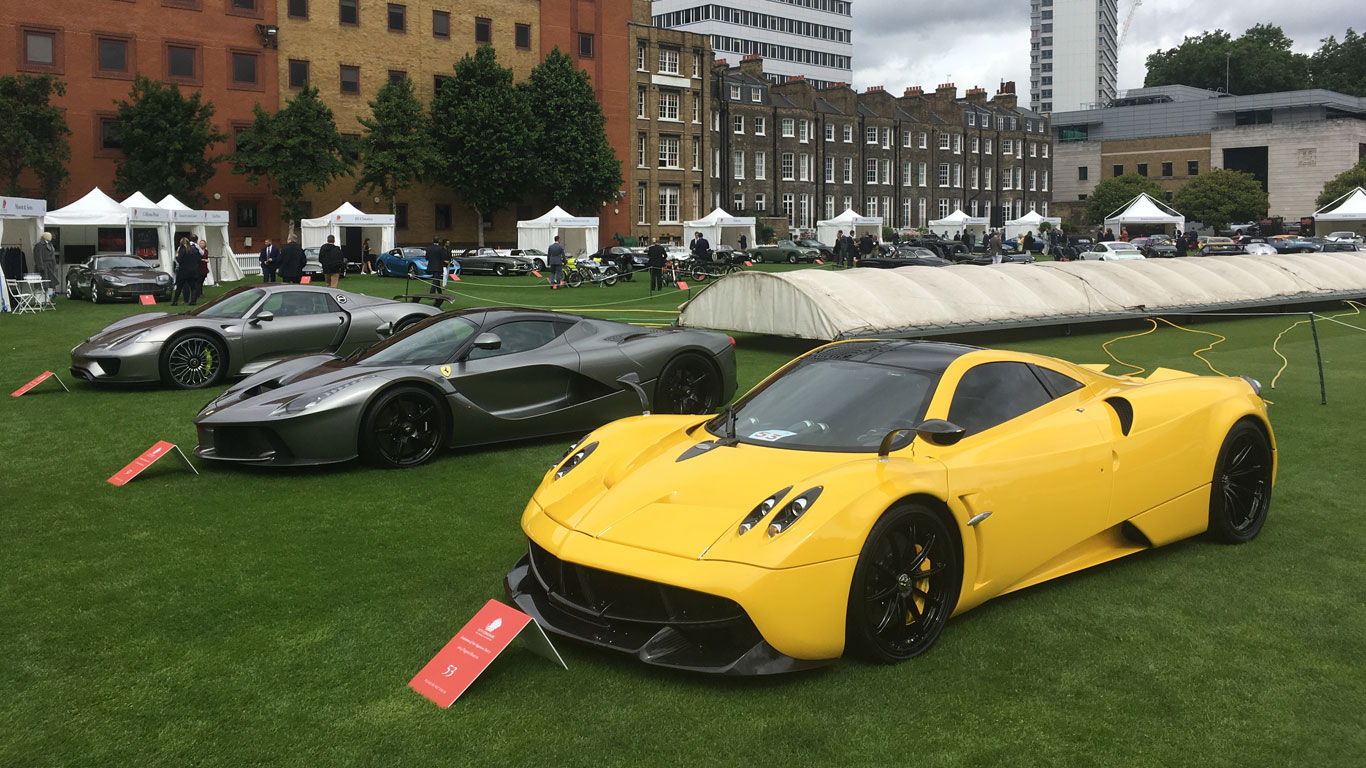
City ConcoursLondon’s new City Concours takes place on a five-acre lawn, hemmed in on all sides by towering offices in the heart of the Square Mile. Here, more than 100 hypercars, supercars, classic cars and racing cars gathered to be gawped at, photographed, polished and judged. Join us for a guided tour.
More classic cars on Motoring Research: 

  • In pictures: Britain’s quirkiest classic car auction
  • Audi 80 GT review: Retro Road Test
  • Ferrari 328 GTS review: Retro Road Test

Aston Martin VulcanCity Concours

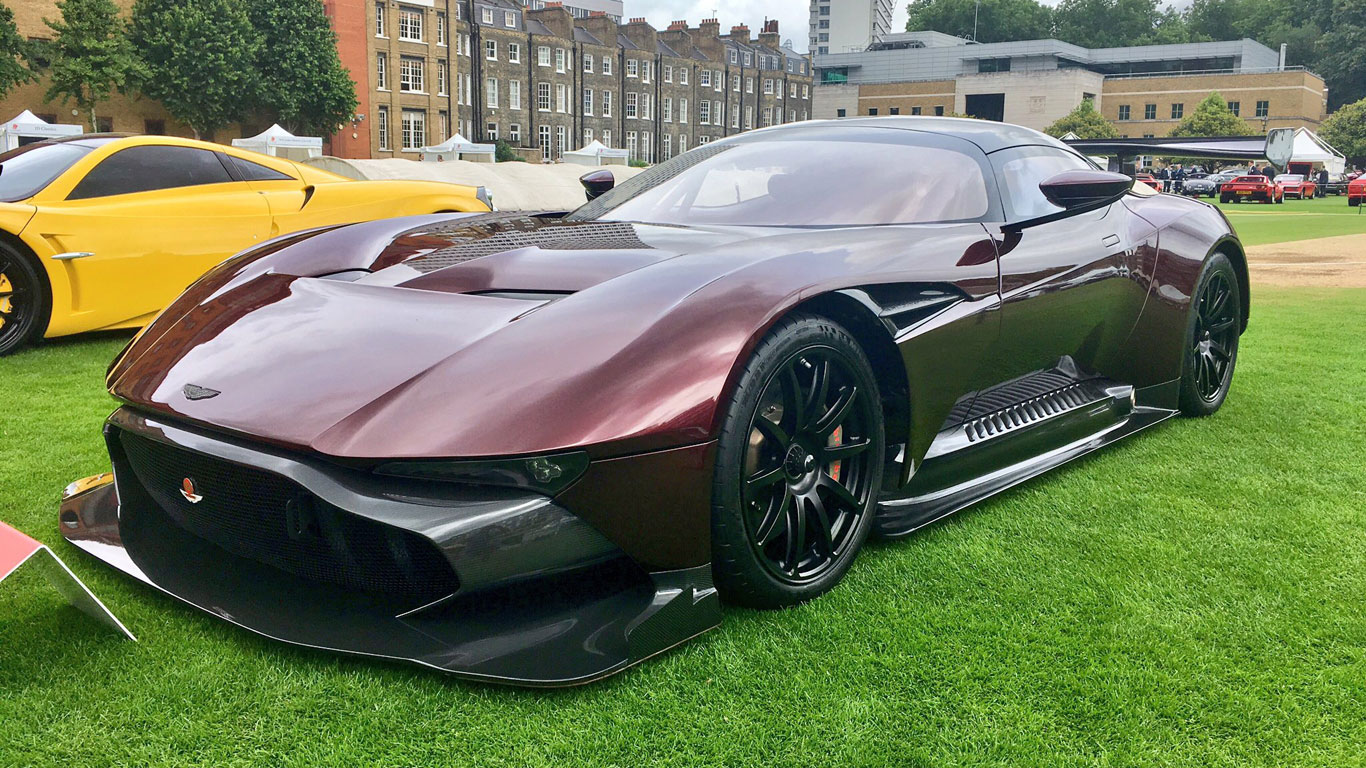
They don’t come any more ‘hyper’ than Aston Martin’s limited edition, track-only Vulcan. Boasting an 812hp V12, sequential gearbox, pushrod suspension and a front splitter that doubles as a lawn mower, only the brave – and wealthy – need apply. One problem: all 24 cars have already sold out.

Ferrari 288 GTOCity Concours

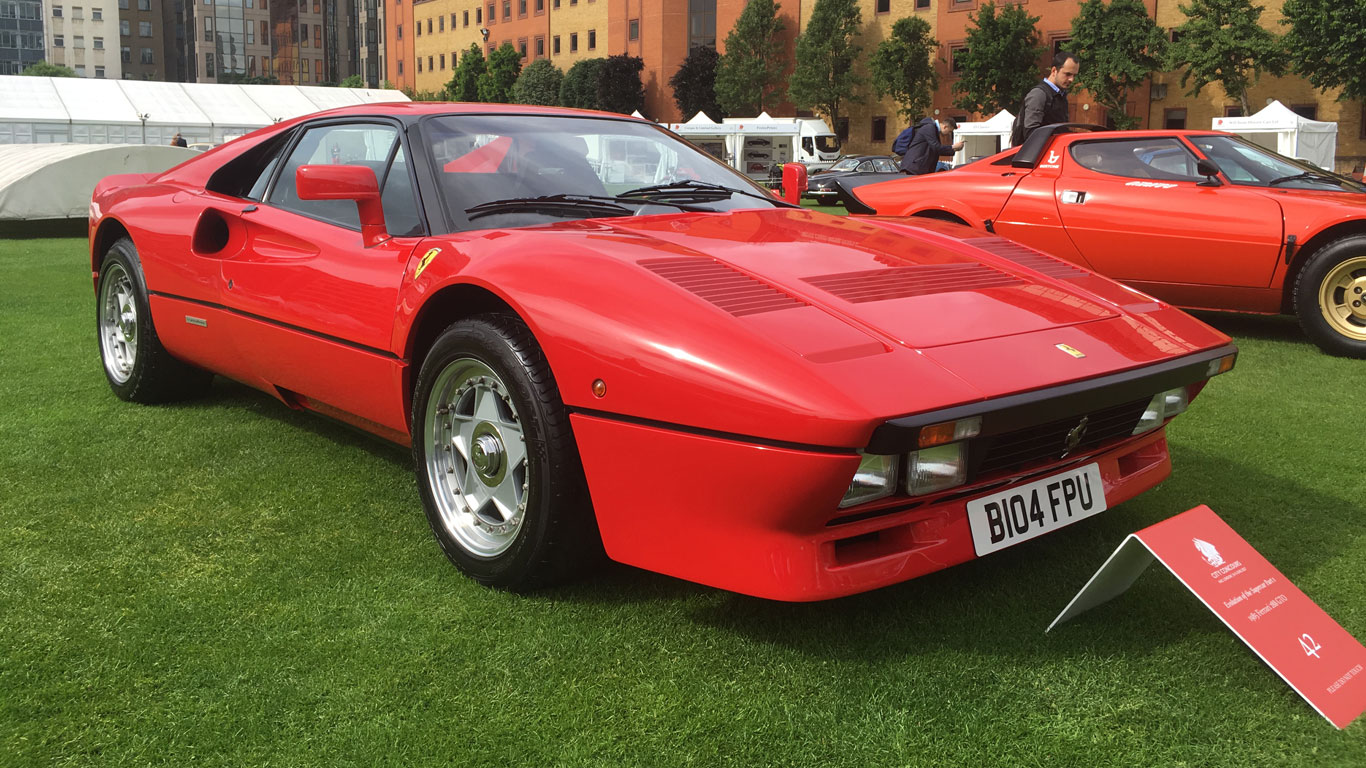
We’re suckers for any Rosso Corsa Ferrari, especially a 288 GTO. The 1984 Gran Turismo Omologato is a radically re-engineered 308 GTB, originally intended for Group B rallying. With a twin-turbocharged 400hp V8, it has a claimed top speed of 189mph. However, the Ferrari F40, launched in 1987, would go 11mph faster.

Porsche 911 Carrera RS 2.7City Concours

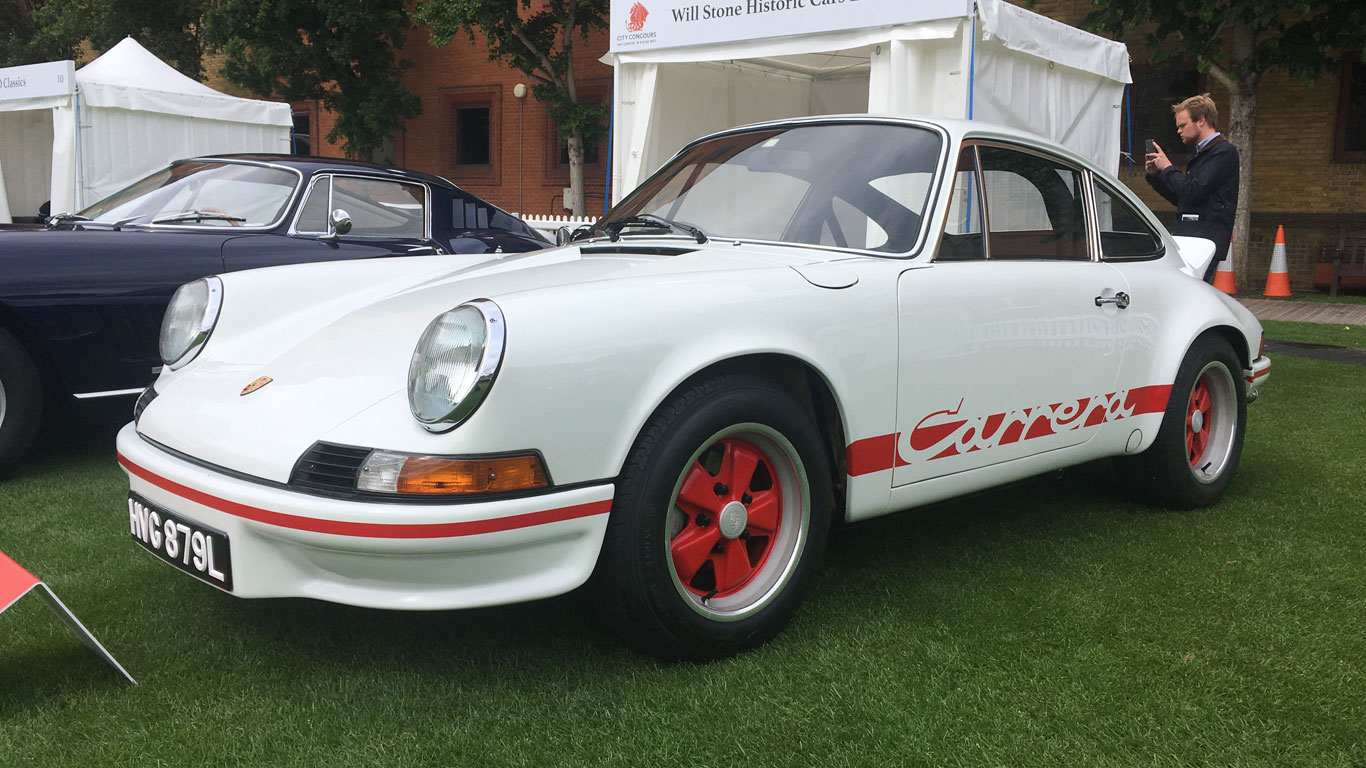
There were two RS 2.7s at City Concours, but this is the even rarer Lightweight version – one of 200 made. Porsche took weight-saving seriously, with thinner body panels and glass, and no rear seats, carpets or sound insulation. This rare-groove 911 even does without sunvisors or a glovebox lid. What do you expect for seven figures?

Dodge ChallengerCity Concours

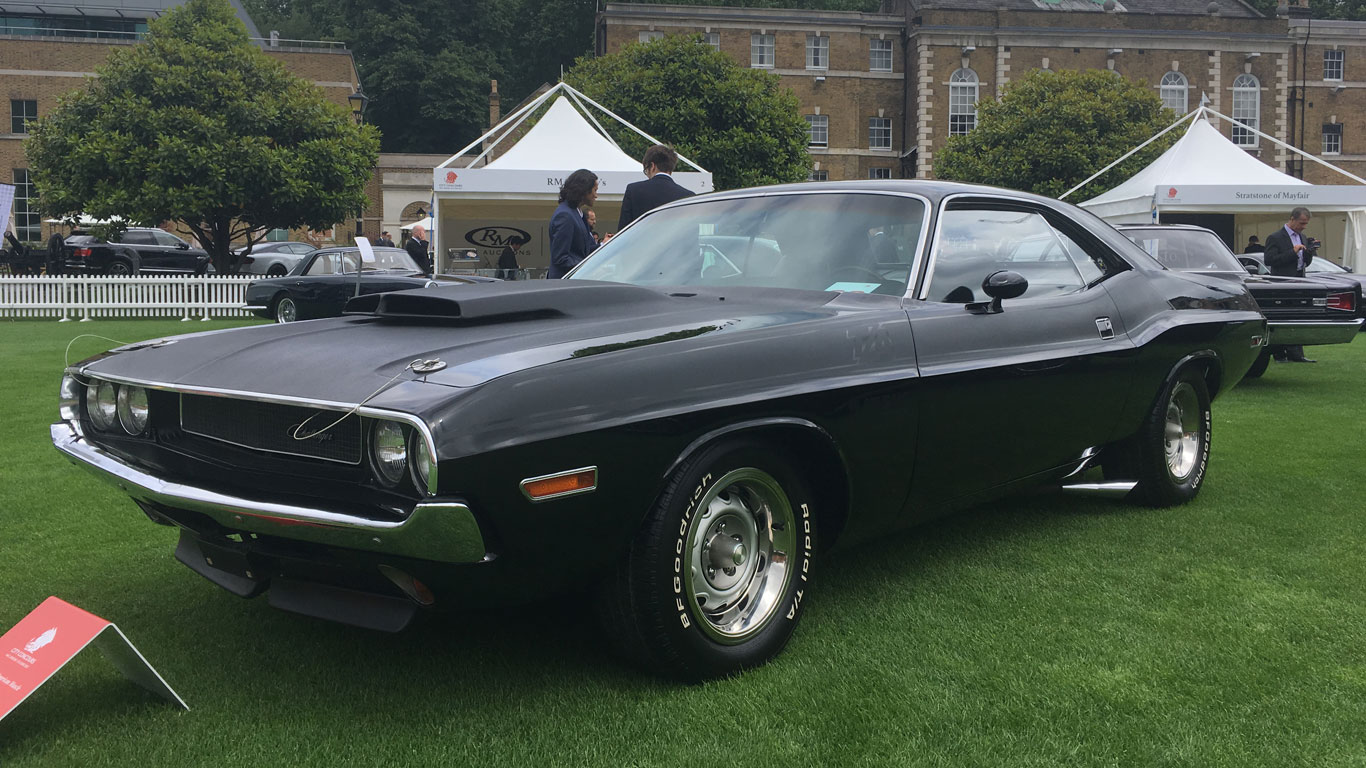
A display of classic American muscle cars made a welcome contrast to the array of European exotica. This tyre-smokin’ Dodge Challenger T/A 340 6-Pack was our favourite, with a Plymouth Barracuda and Chevrolet El Camino SS pick-up close behind. As film buffs will know, a white Challenger is the star of iconic road movie, Vanishing Point.

Ferrari DaytonaCity Concours

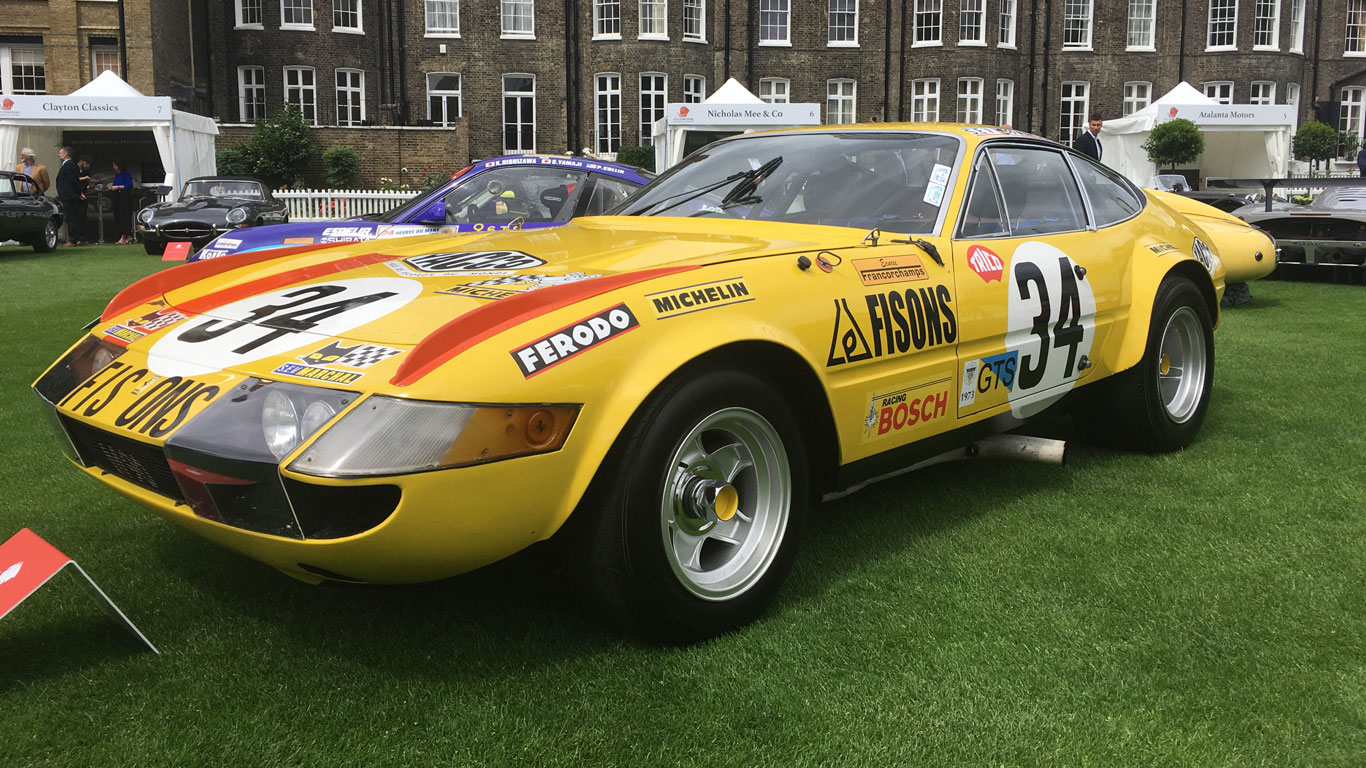
This, to give it its full title, is a Ferrari 365 GTB/4 Competizione Series 3. But we’ll just call it a Daytona. From its plexiglass headlight covers to its sawn-off side pipes, this harder, faster Ferrari screams retro cool. The Competizione was a success in motorsport, too, finishing fifth at Le Mans and second in the Daytona 24-hour race.

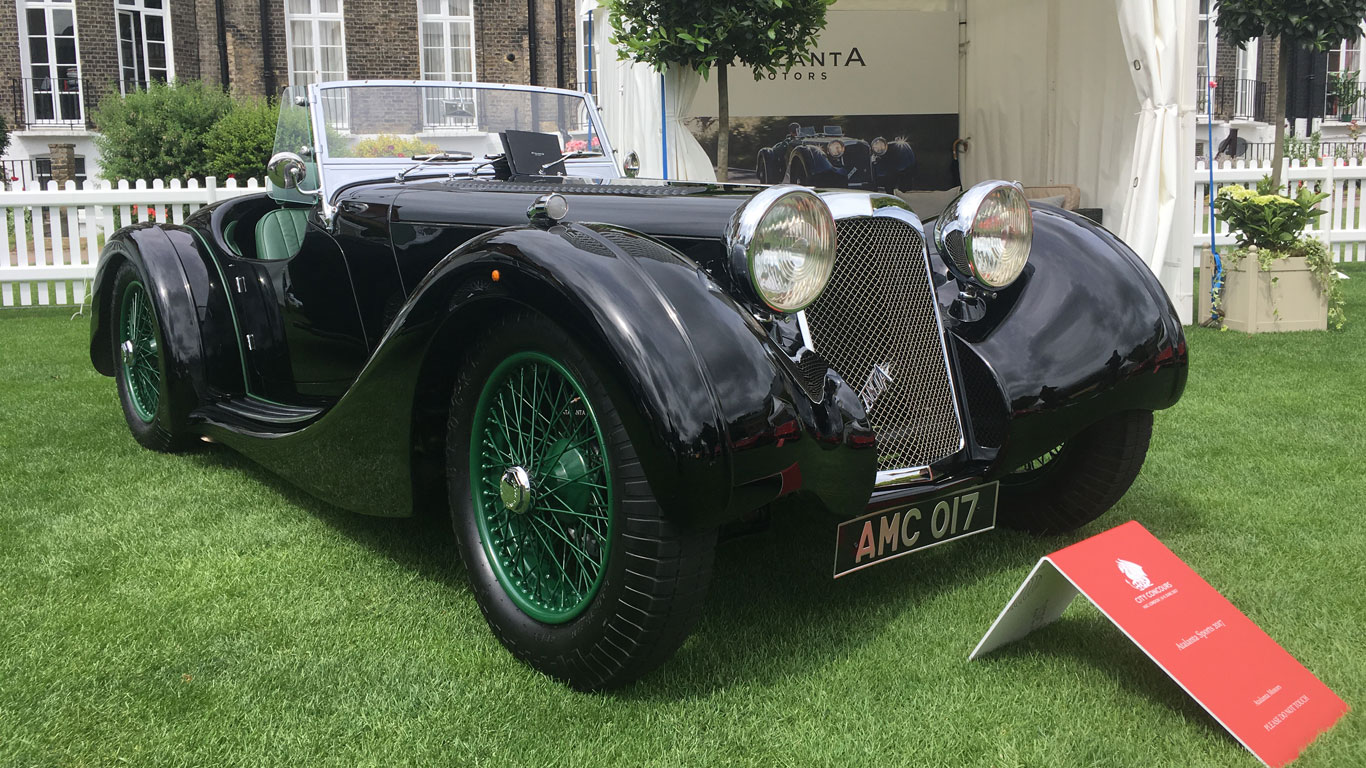
Atalanta roadsterCity Concours

We recently drove this very Atalanta roadster and enjoyed it immensely. The car is a recreation of Atalanta’s 1930s Le Mans racer, with remarkably few concessions to modernity. Power comes from a 2.5-litre Ford engine developing ‘around 200hp’ and breathing through a rorty, side-exit exhaust. Only one car will be hand-built each month, priced at £150,000.

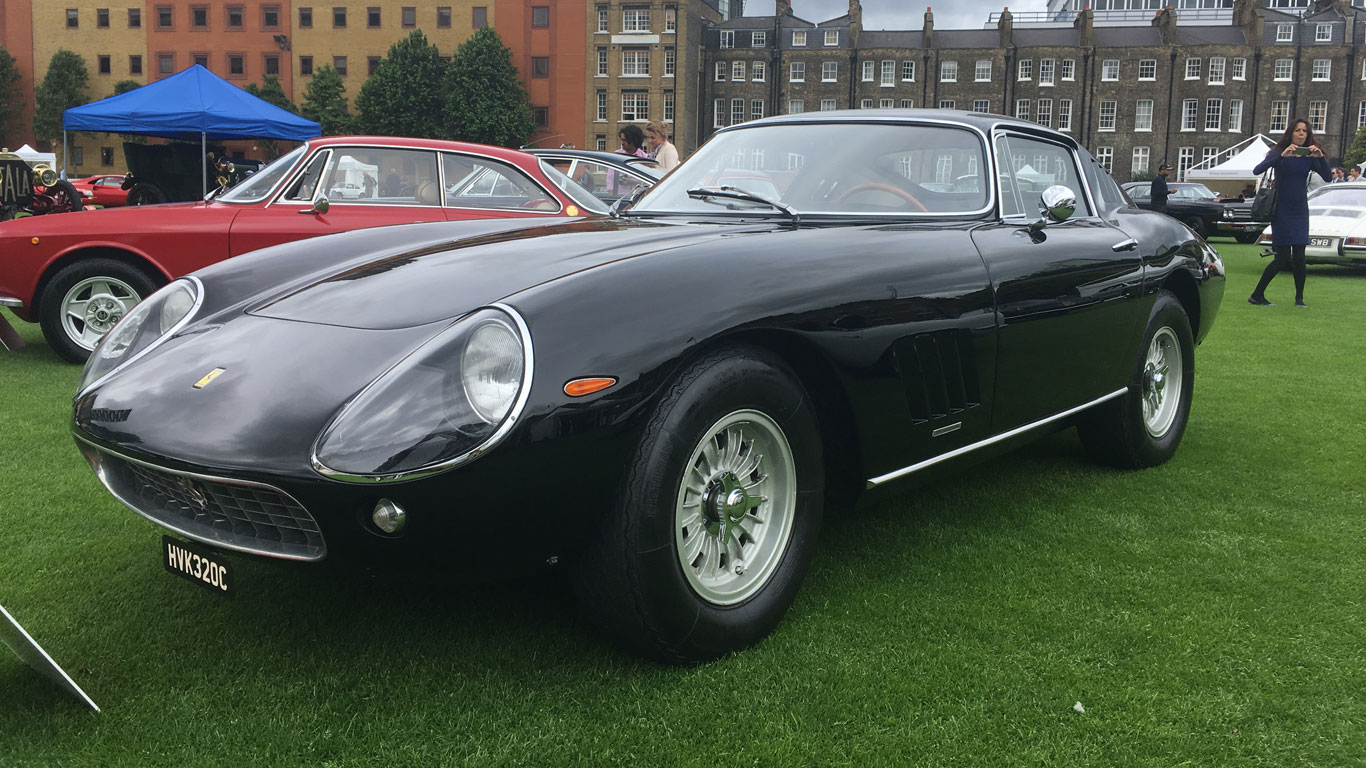
Ferrari 275 GTBCity Concours

Few Ferraris are prettier than the 275 GTB, and this early ‘short nose’ car looks particularly delectable. The 275 used a 3.3-litre version of the venerable ‘Columbo’ V12, which developed 280-330hp here (depending on spec). Buyers could choose from three or six carburettors, plus steel or alloy bodywork. A limited-run convertible version, the 275 NART Spider, was sold at auction for around $18million.

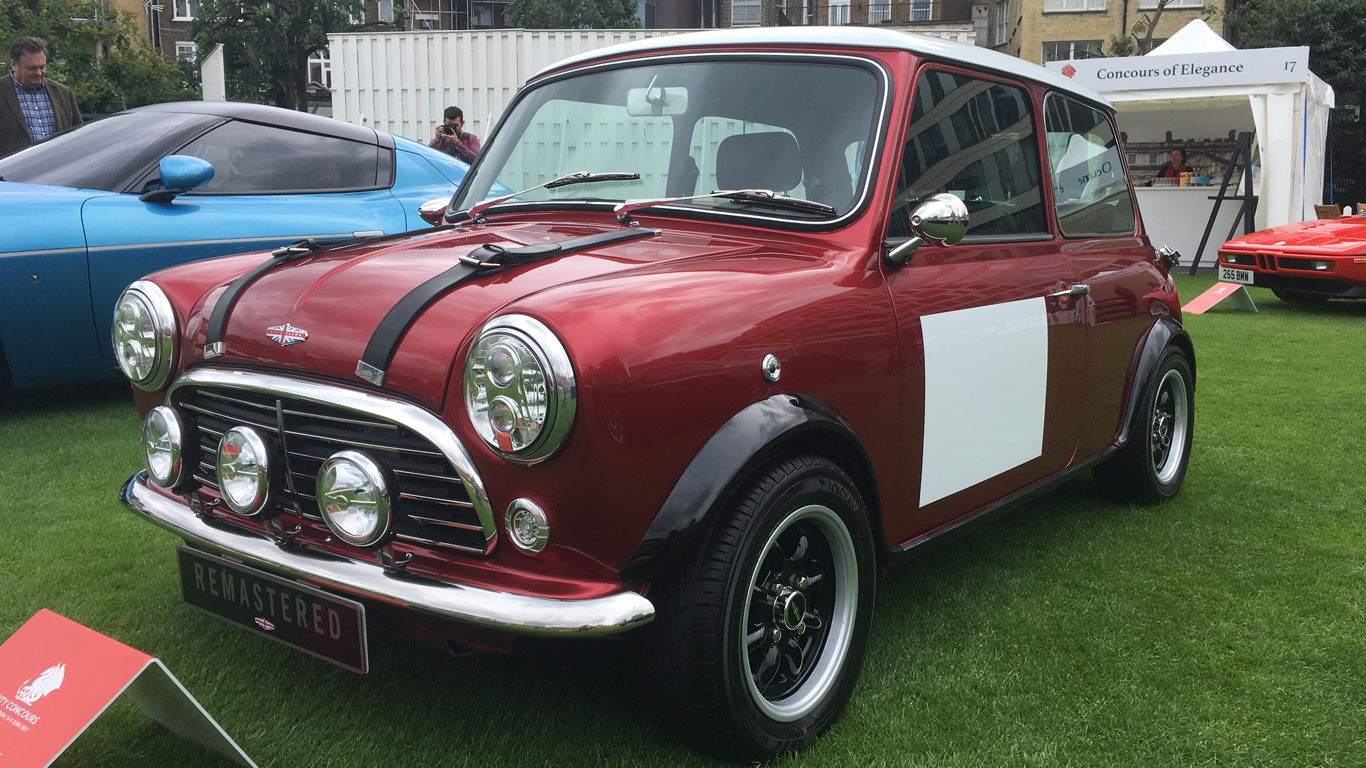
David Brown MiniCity Concours

Ironically, it was BMW’s retro-remake MINI that opened up the market for posh city cars. Now, Silverstone-based David Brown Automotive is following suit with ‘Mini Remastered’ – a modernised version of the Issigonis original with lots of bespoke options and a price tag that starts from £50k. We’ll stick with a classic Cooper, thanks.

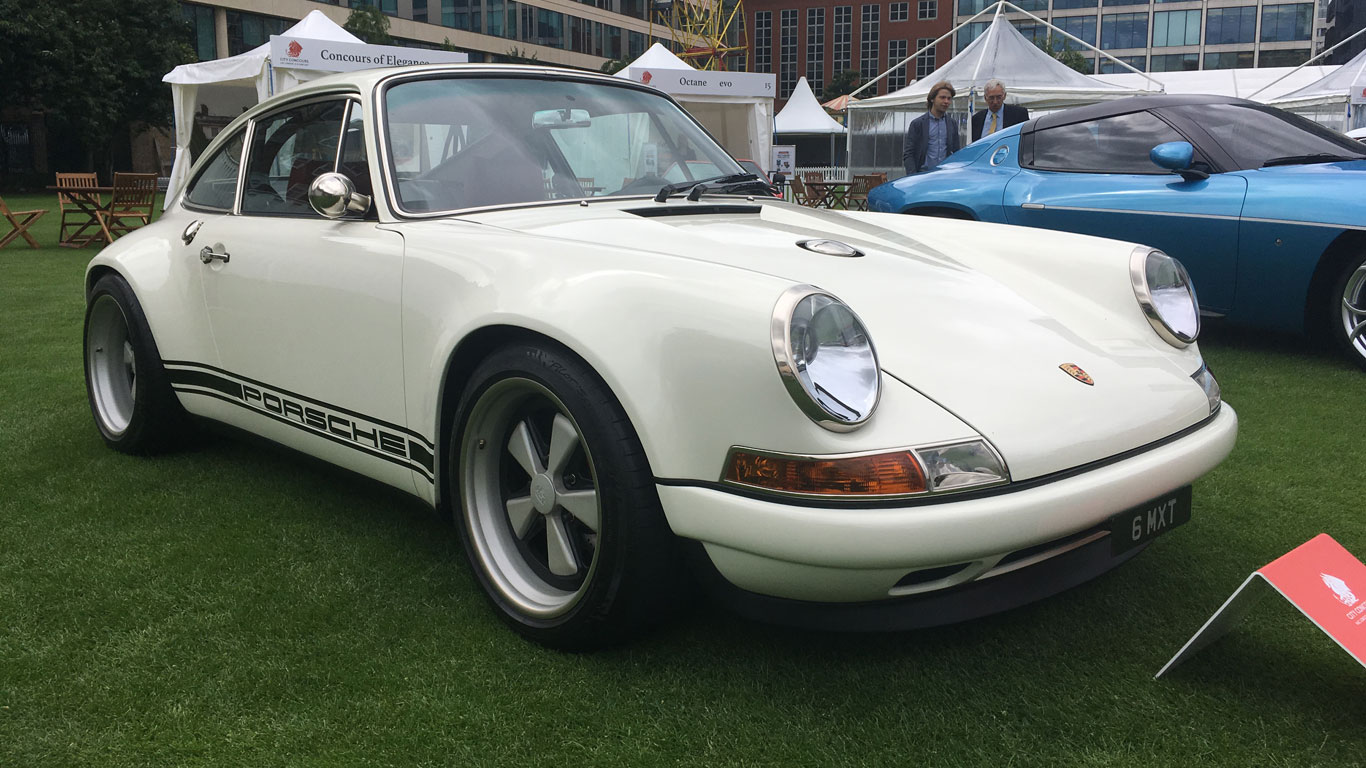
Singer Porsche 911City Concours

Speaking of modernised classics, here’s the sublime Singer 911. Based on the 964-era Porsche 911, each car is built to order – the only limit is your budget. Flat-six engines are rebuilt by Cosworth in the US, with outputs from 300hp to 425hp. With prices for classic Porsches spiralling into the stratosphere, could this be the ultimate big-budget 911?

BMW M1City Concours

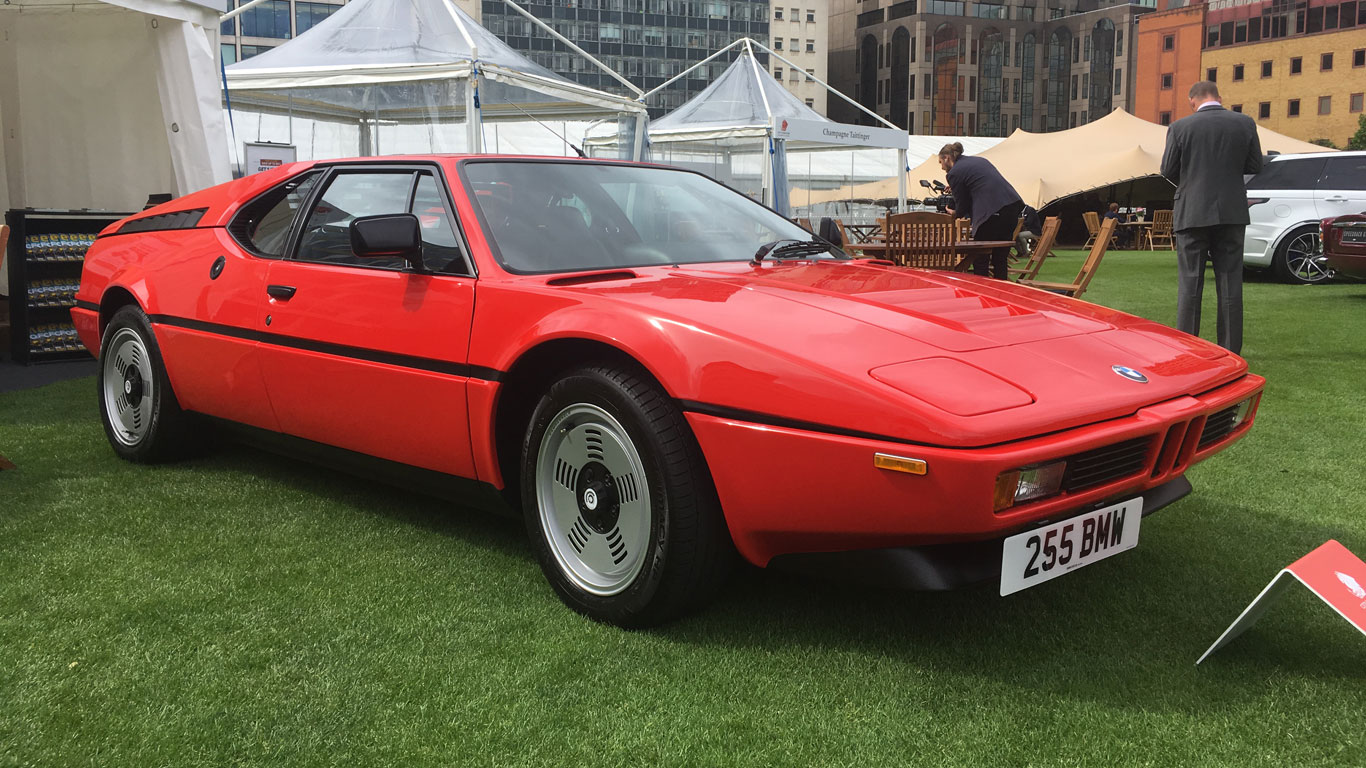
This fabulous BMW M1 was a strong contender for our favourite car at City Concours. It also wins the ‘coolest alloy wheels’ prize hands-down. In fact, the M1 was a failure when new, with a torturous gestation (including a fall-out between BMW and Lamborghini) and just 457 made. Today, it’s a sought-after classic and rightly recognised as one of the great 1970s supercars.

Aston Martin DB5 Radford Shooting BrakeCity Concours

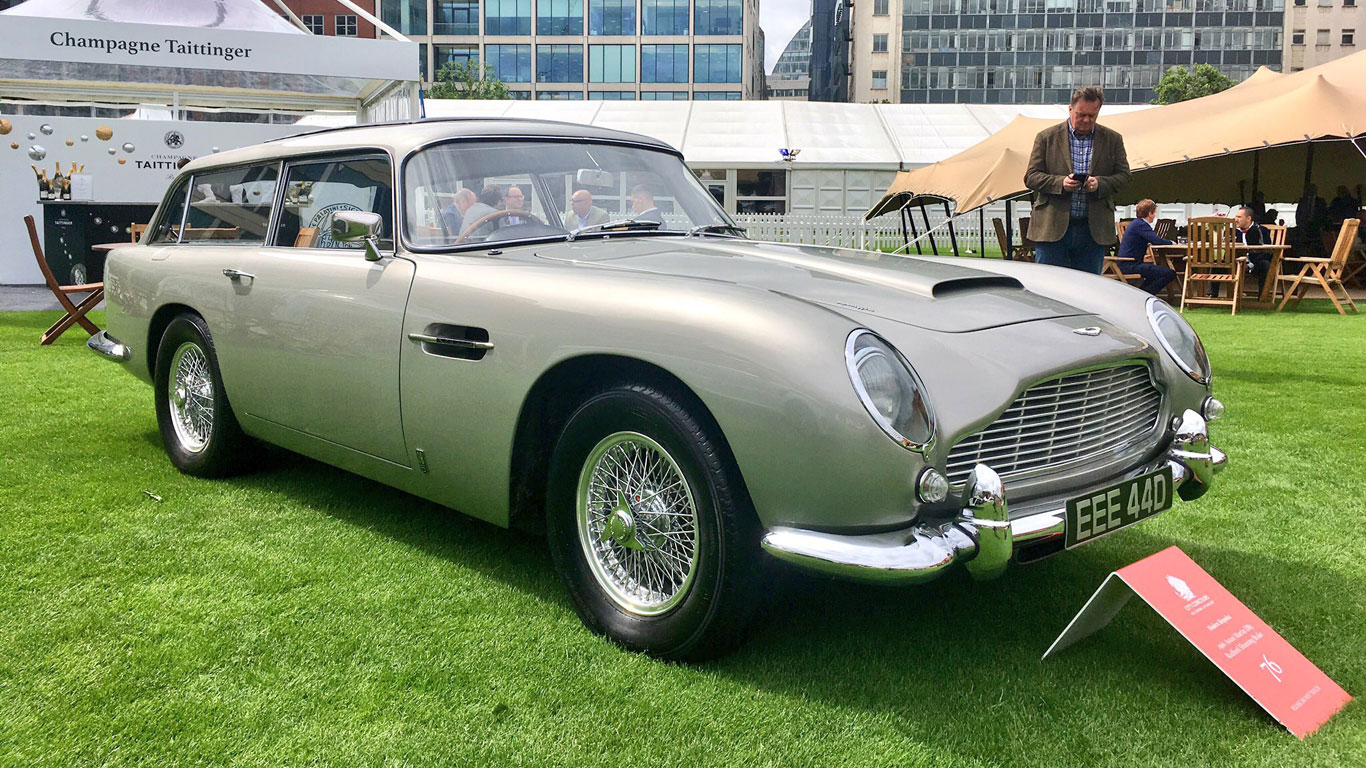
What does James Bond drive after he’s hung up his Walther PPK, swapped the Martini for decaf tea and bought a labrador? The answer, as if you didn’t already already know, is the Aston Martin DB5 Radford Shooting Brake – a stylish three-door estate with a top speed of 150mph. Only 12 were made, although Radford went on to build six DB6 Shooting Brakes.

Jaguar XJ220City Concours

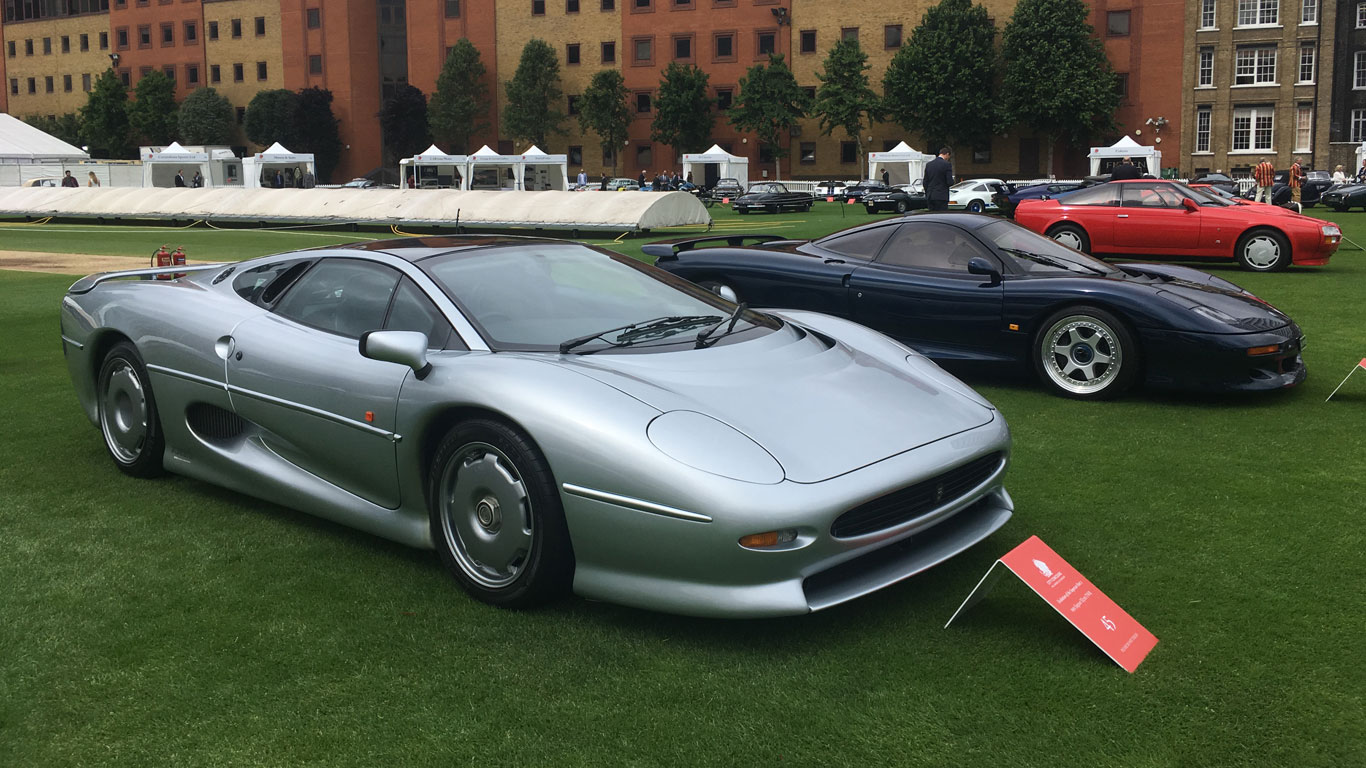
Another British hero, although the XJ220 has always played the plucky underdog thanks to its turbocharged V6 engine. When first shown, it had a full-fat V12 and four-wheel drive, but cost/engineering issues meant the production version borrowed its 3.5-litre V6 from the Metro 6R4, with rear-wheel drive only – and without the active aerodynamics and rear-wheel steering of the concept. No matter, it’s still a traffic-stopping 212mph supercar.

Aston Martin V8 ZagatoCity Concours

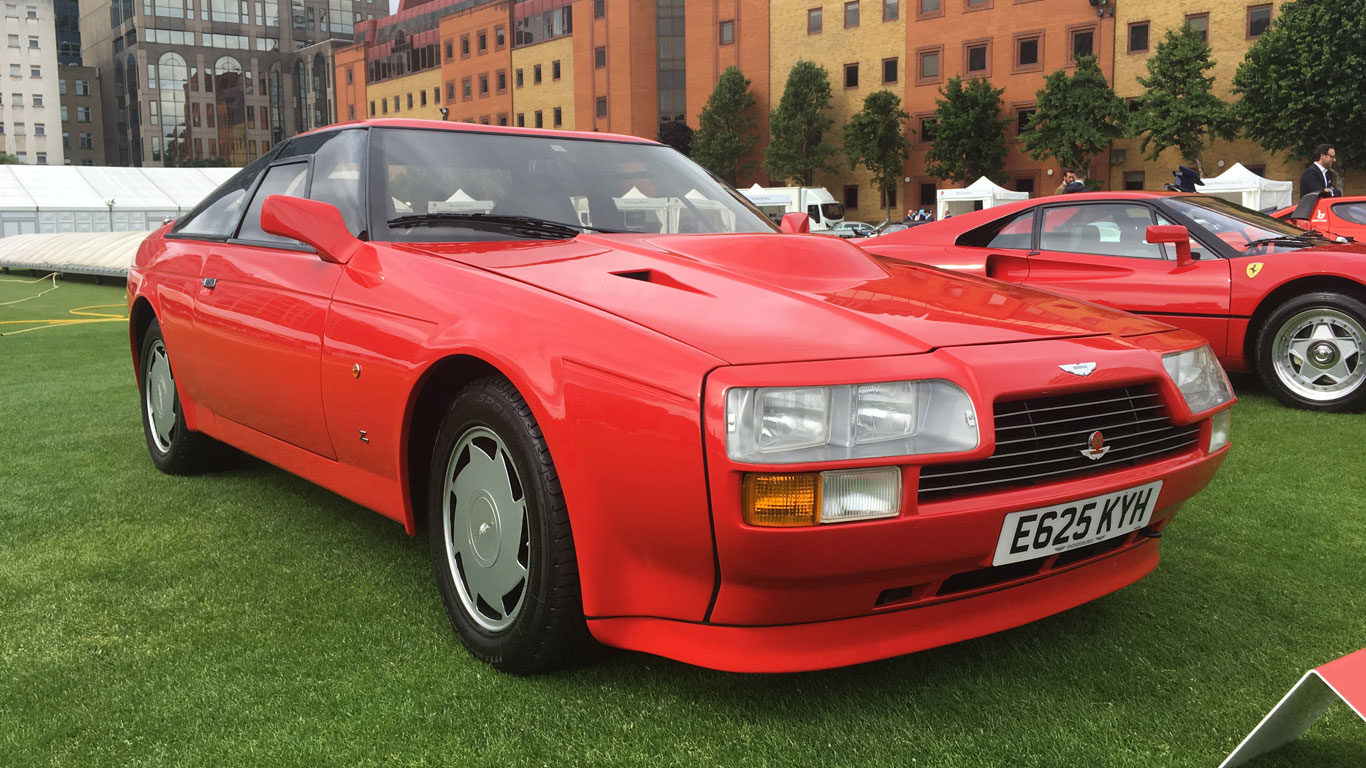
Love it or hate it, Italian styling house Zagato’s angular take on the Aston Martin V8 is certainly… different. Thanks to light alloy bodywork – and the small matter of a 430hp 5.3-litre V8 – the Zagato could reach 186mph. Just 52 coupes and 37 convertibles were made between 1986 and 1990. Oh, and for the record, we love it.

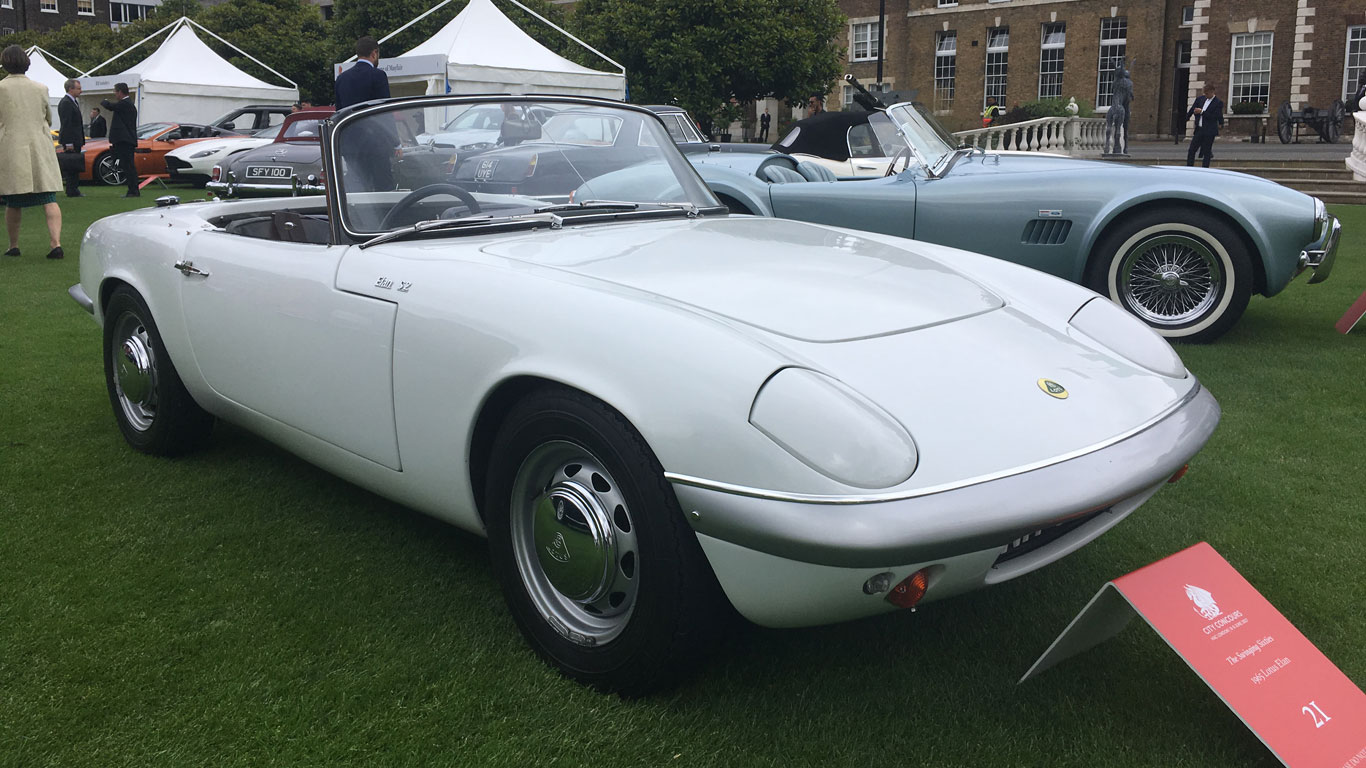
Lotus ElanCity Concours

Mega-horsepower hypercars are all very well, but all you really need to achieve automotive nirvana is a Lotus Elan. The diminutive British roadster is powered by a peppy 1.6-litre engine and weighs just 726kg. To put that into perspective, a new Ford Fiesta is around 1,100kg. Decades later the Elan became the inspiration for the original Mazda MX-5.

Advertisement

Revealed: the best (and worst) carmakers for customer service

0

Revealed: the best (and worst) carmakers for customer service

JD Power has published its annual Customer Service Index, which is based on drivers who registered a new vehicle between February 2014 and April 2016. Each brand is given a score out of 1,000 for overall satisfaction. Join us as we count down all 22 carmakers in the survey – from worst to best – and reveal their scores.


More car buying advice on Motoring Research: 

  • Revealed: the best-selling cars in May 2017
  • Britain’s best car dealers 2016
  • Used car dealers ‘less trustworthy than bankers and estate agents’

22. Fiat: 746 points

Fiat sits at the bottom of the pile, despite scoring 746 points, which is up from 728 points in 2016. The study measures customer satisfaction with their service experience at a franchised dealer for maintenance and repair work. In 2017, 6,753 respondents took part in the survey.

21. Citroen: 749 points

Five measures are examined (listed in order of importance): service quality, service initiation, service advisor, vehicle pick-up, and service facility. Citroen falls from joint 11th in 2016 to 21st in 2017.

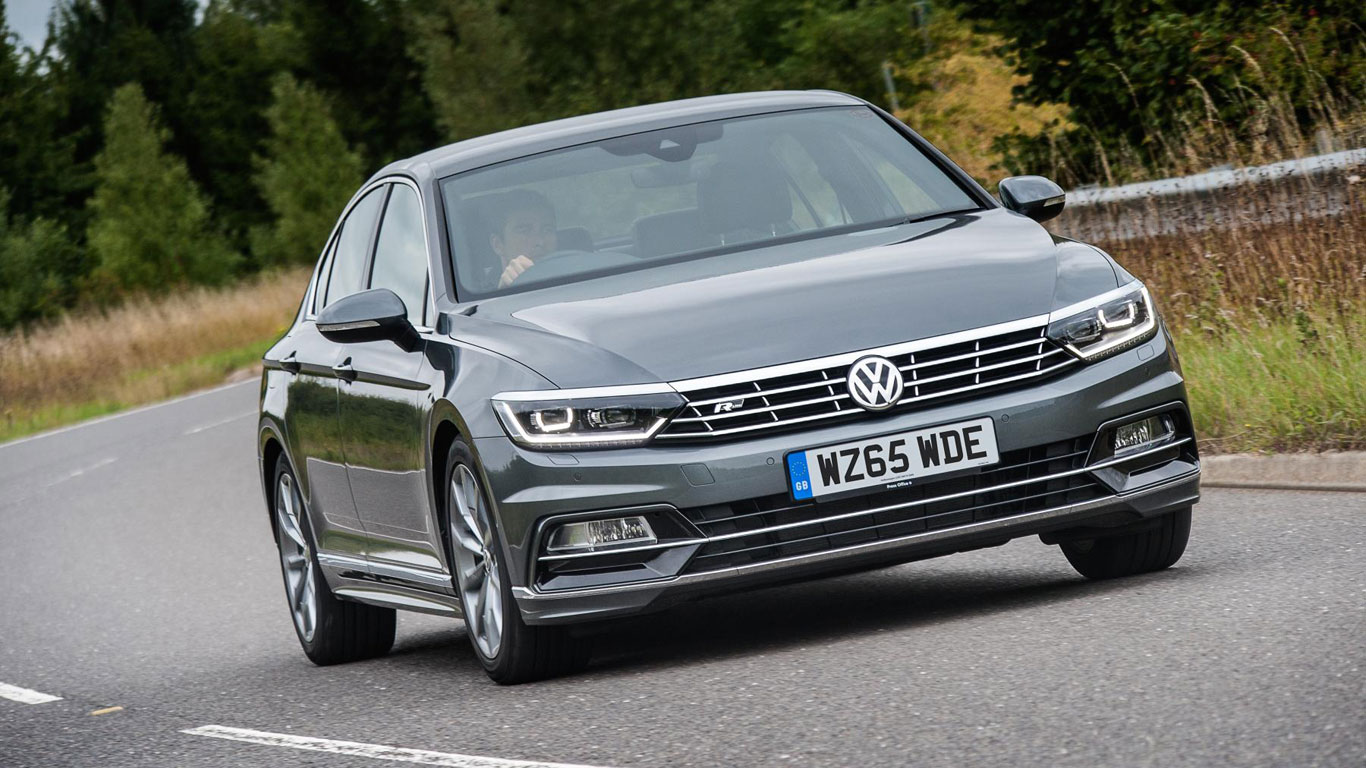
20. Volkswagen: 754 points

20. Volkswagen: 754 points

Oh dear. Of the Volkswagen Group ‘big four’, VW is rated the worst. Volkswagen drops from 14th to 20th, despite scoring seven points more than in 2016.

19. Nissan: 757 points

Nissan won’t be too pleased with 19th place on the list, but at least it’s an improvement on the 20th position of 2016. In addition to the Note (pictured), Nissan builds the Qashqai, which is Britain’s most popular crossover.

18. SEAT: 759 points

From 10th to 18th in the space of the year, SEAT has work to do if it wants to make a return to the top 10 in 2018. The new Ateca crossover will deliver the sales but SEAT must deliver the after-sales.

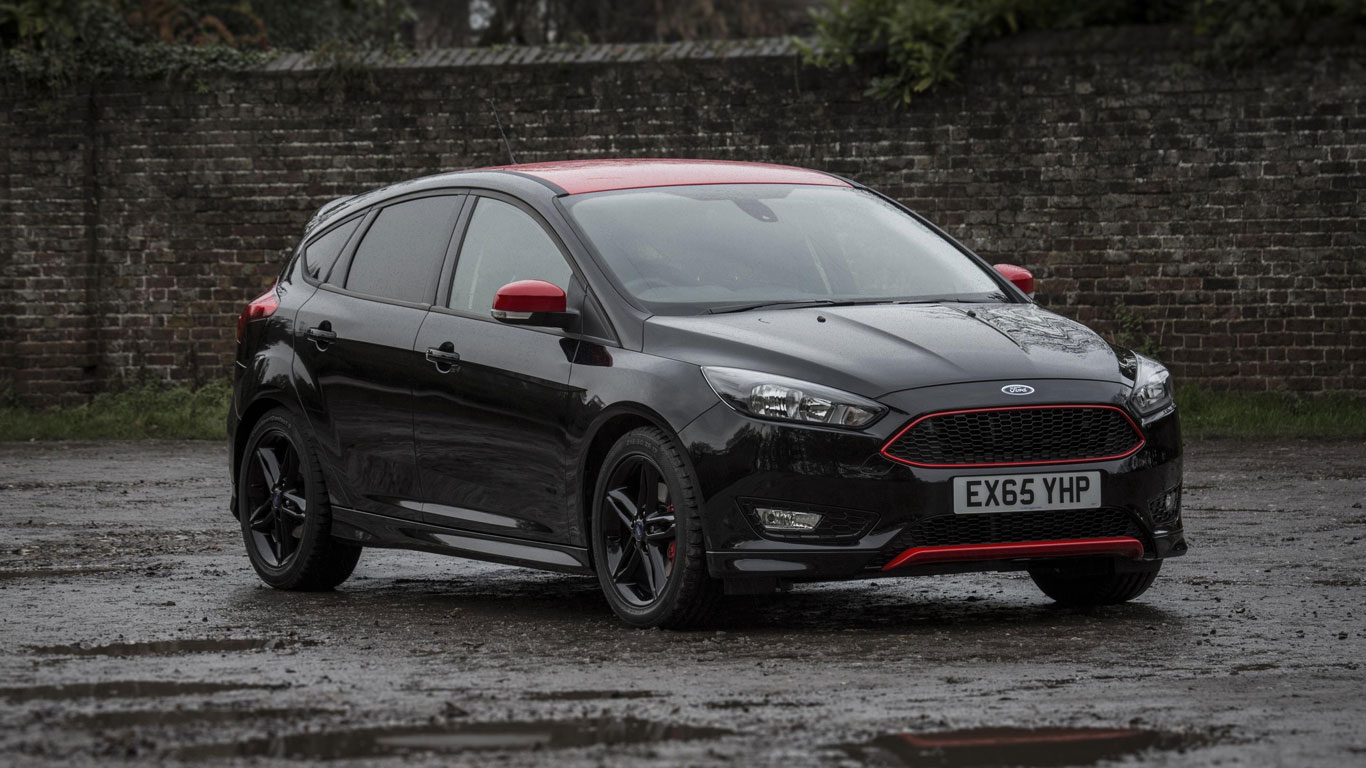
17. Ford: 760 points

17. Ford: 760 points

Ford has more UK dealers than any other carmaker, but 760 points ranks it below the Customer Service Index volume brand average of 766. Vignale customers in particular will expect more from the dealers.

16. Peugeot: 761 points

On the face of it, finishing 16th in the JD Power Customer Service Index survey might seem like a poor performance, but Peugeot appears to be on the up. Last year, the French firm finished 19th with 736 points. Meanwhile, the 3008 and 5008 are reasons to be cheerful.

15. Suzuki: 764 points

Suzuki is the only other carmaker to sit below the survey average and will be disappointed to fall from 8th position in 2016. The Japanese carmaker is in the midst of a major product overhaul, which has delivered the Baleno, Ignis and Swift.

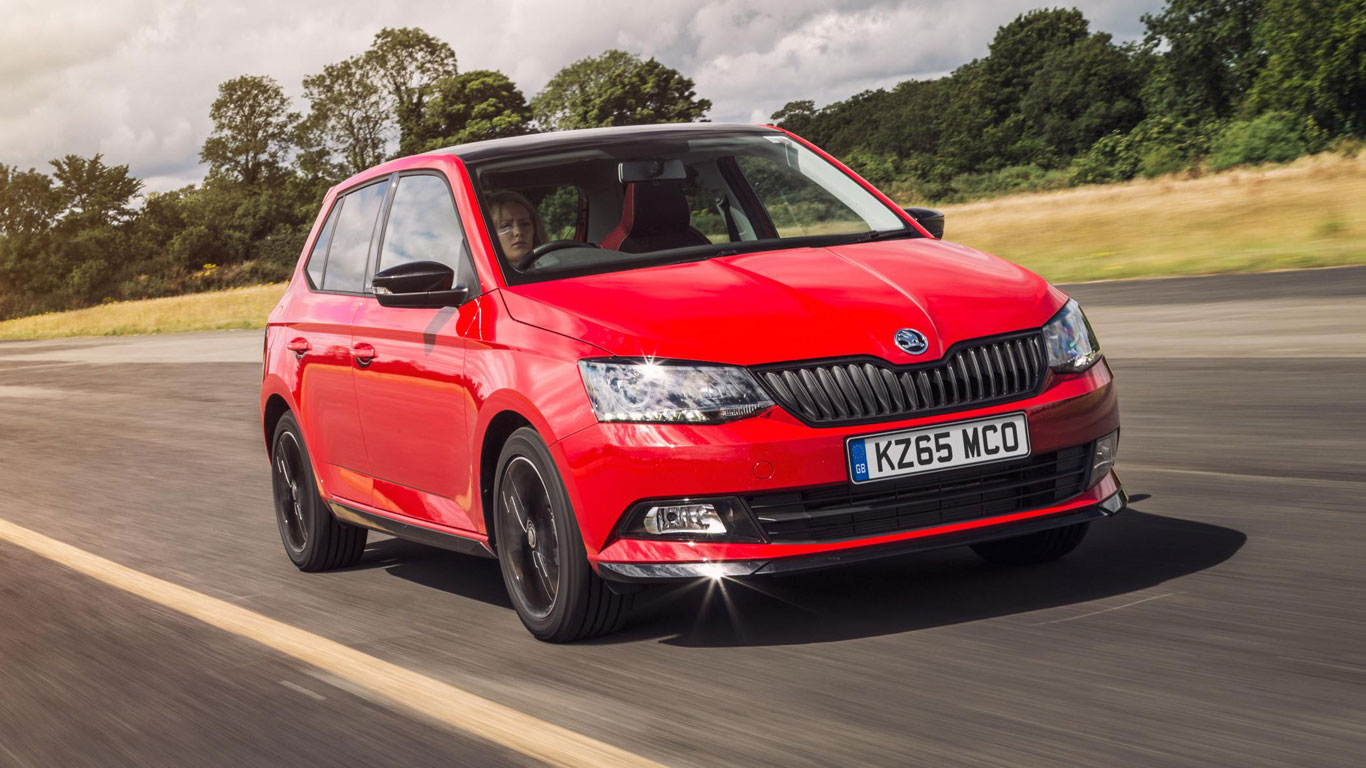
=13. Skoda: 769 points

=13. Skoda: 769 points

We would have expected a brand that prides itself on owner satisfaction to finish higher than joint 13th. Perhaps it’s a symptom of attracting new customers to the brand. Skoda needs to gear up for the Kodiaq and Karoq owners.

=13. Kia: 769 points

Last year, Kia finished fifth with 765 points, so although the score is higher in 2017, the Korean carmaker slips to joint 13th. Customers demand more than a seven-year/1000,000-mile warranty.

12. Renault: 770 points

A 12th place finish is good news for Renault and a big improvement on last year. In 2016 it finished 16th with a below average score of 744 points. This year it flies the flag for the French.

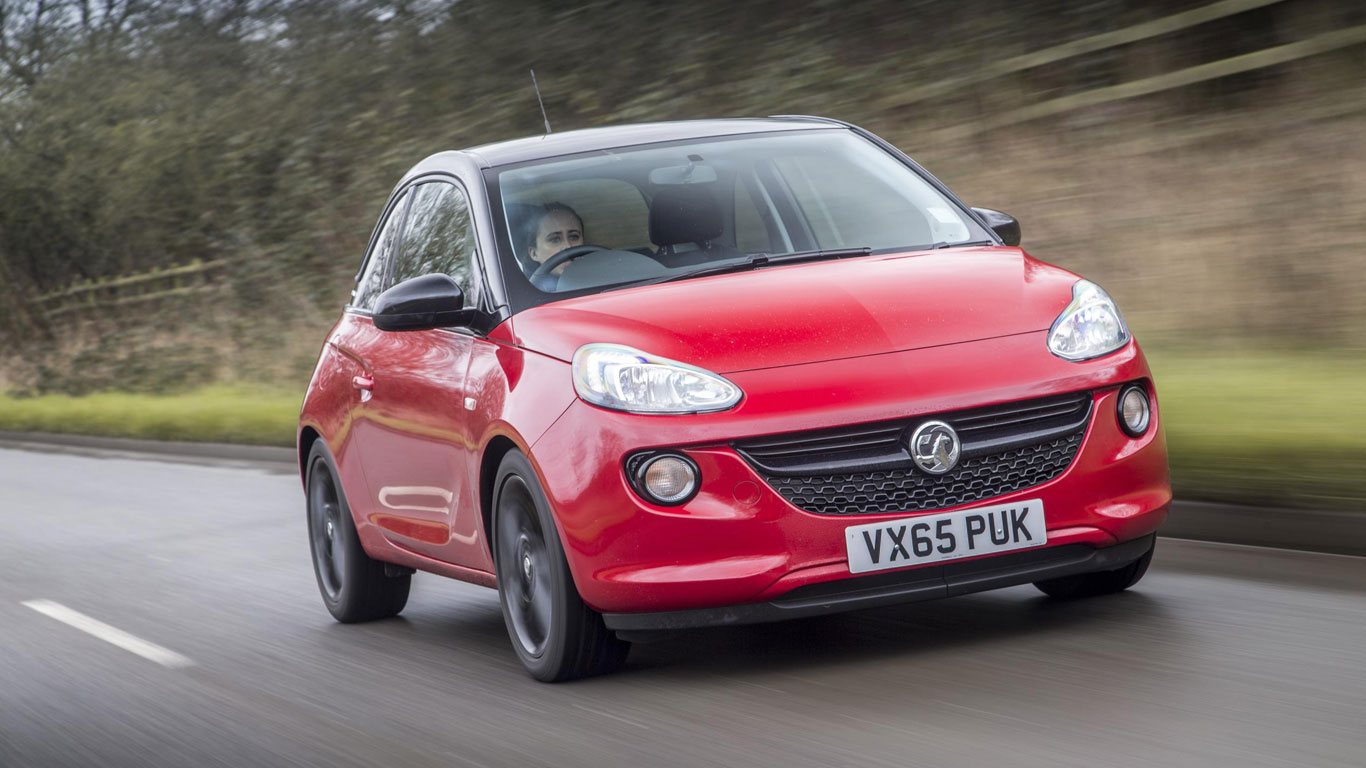
11. Vauxhall: 776 points

11. Vauxhall: 776 points

Vauxhall sits just outside of the top 10, but having finished 22nd in 2016, bosses in Luton won’t be too disheartened. All those Crossland X and Grandland X customers are in for a treat.

10. Honda: 778 points

There’s good and bad news for Honda: a score of 778 points is slightly better than last year’s result, but other carmakers have made big improvements, causing Honda to slip from second place in 2016.

9. Hyundai: 783 points

One such brand on the up is Hyundai, which finished 11th in 2016. The Korean carmaker offers a generous five-year/100,000-mile warranty and is taking giant steps in the ecocar segment with the Ioniq.

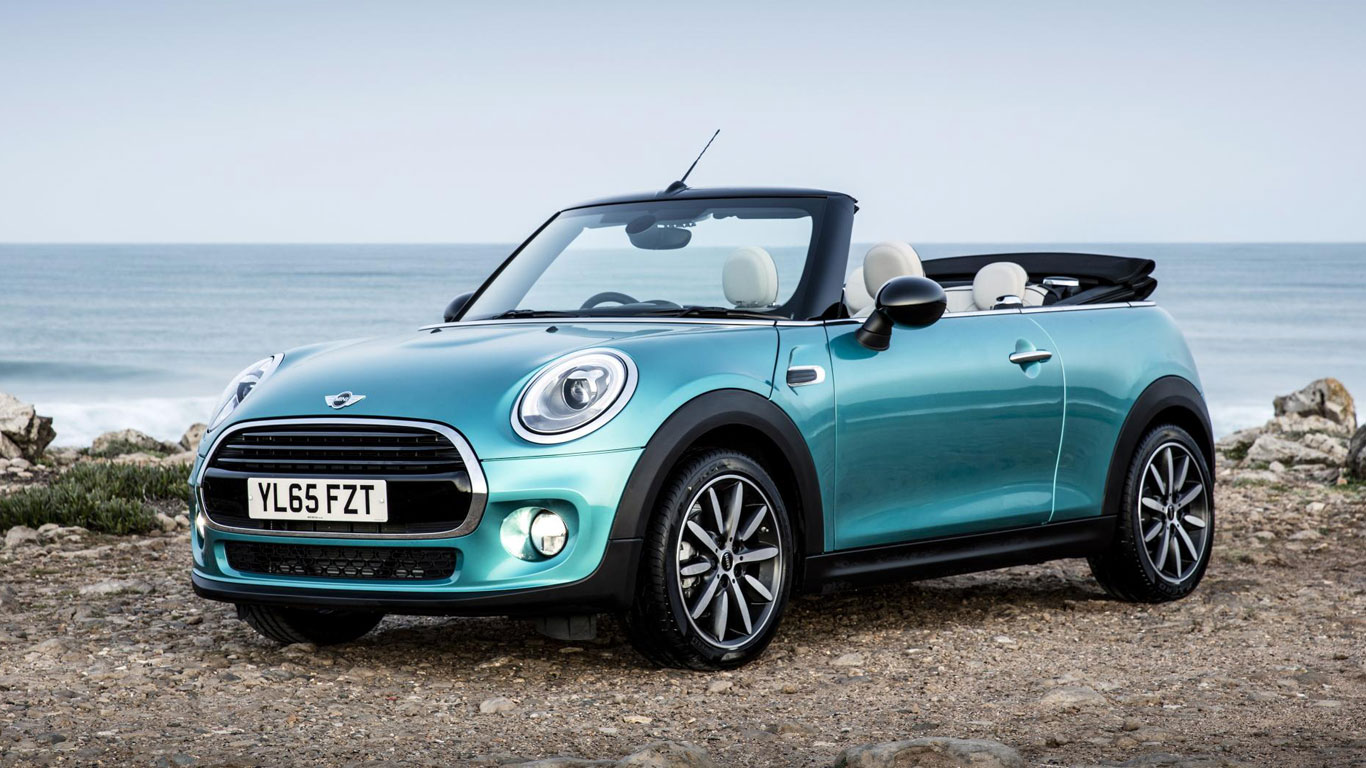
8. MINI: 785 points

8. MINI: 785 points

Having finished 7th in 2016, MINI has to be content with 8th place in 2017. On the plus side, the Customer Service Index score is up from 757 last year.

7. Mercedes-Benz: 788 points

In 2016, Mercedes-Benz was the highest-placed ‘premium’ brand in the JD Power survey, but this year it’s the lowest ranked carmaker of the ‘big five’. A score of 788 puts the German company below two ‘volume’ brands.

6. Volvo: 793 points

This is a cracking performance for Volvo, up from 17th place in 2016. The Swedish brand demonstrates that it has the dealers to match its premium brand aspirations.

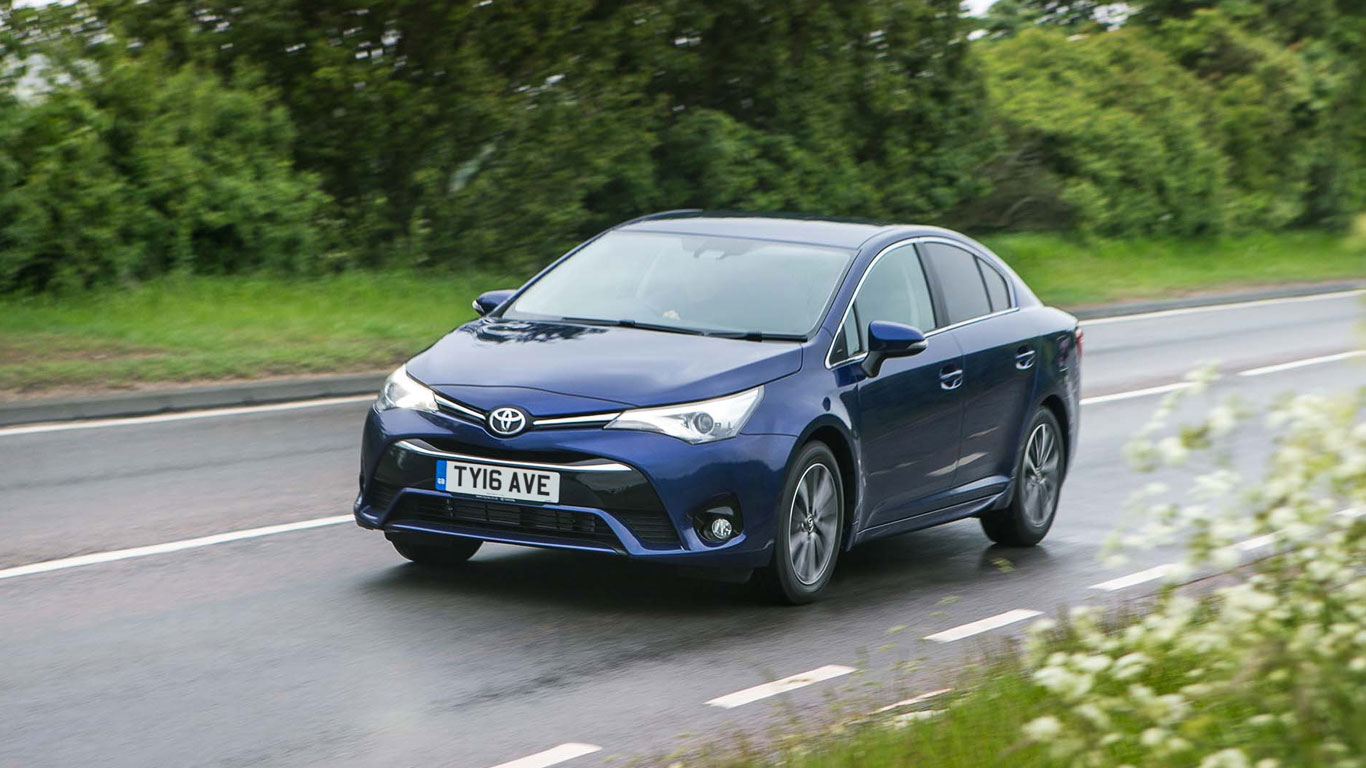
5. Toyota: 793 points

5. Toyota: 793 points

The 2017 JD Power Customer Service Index is a double-edged sword for Toyota. A score of 776 points was enough to give the Japanese carmaker an overall win in 2016, but 793 points is only enough for fifth in 2017.

4. BMW: 797 points

BMW finishes fourth, up from joint 11th in 2016. It’s worth mentioning that Jaguar was included in the study but not ranked due to a small sample size. Other brands absent include Alfa Romeo, Dacia and Subaru.

3. Mazda: 800 points

And the award for the biggest transformation goes to… Mazda. Last year, we were shocked to see Mazda at the bottom of the list, but third place overall and best volume brand is where we’d expect to find the Japanese carmaker.

2. Audi: 806 points

2. Audi: 806 points

With a bewildering and complex range of cars from A1 to R8, you have to feel some sympathy for Audi dealers. But they’re clearly up for the challenge, as this highlighted by this second place finish. But which brand finishes top?

1. Land Rover: 808 points

It’s Land Rover. The SUV brand regularly ranks near the bottom of reliability surveys, but its dealers are clearly very good at keeping the customer satisfied. This is a 35-point improvement from 2016 when it ranked second.

Advertisement

Porsche has launched a 607hp 911 Turbo S

0

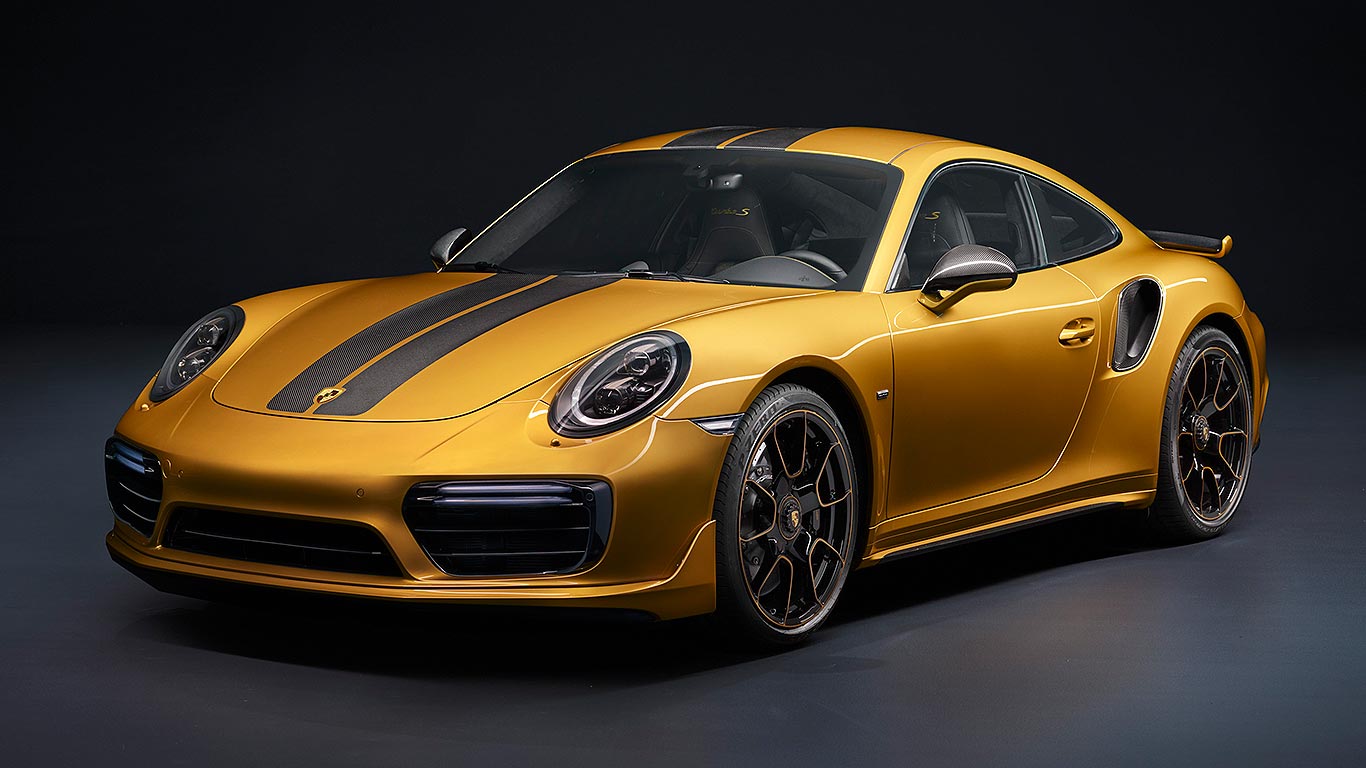
2017 Porsche 911 Turbo S Exclusive SeriesThe Porsche 911 Turbo S Exclusive Series is the most powerful 911 Turbo the firm has ever made – and it’s a car so, ahem, exclusive, owners can pick their own colour and trim configuration for the car and then choose to buy Porsche Design chronograph watch configured in exactly the same spec.
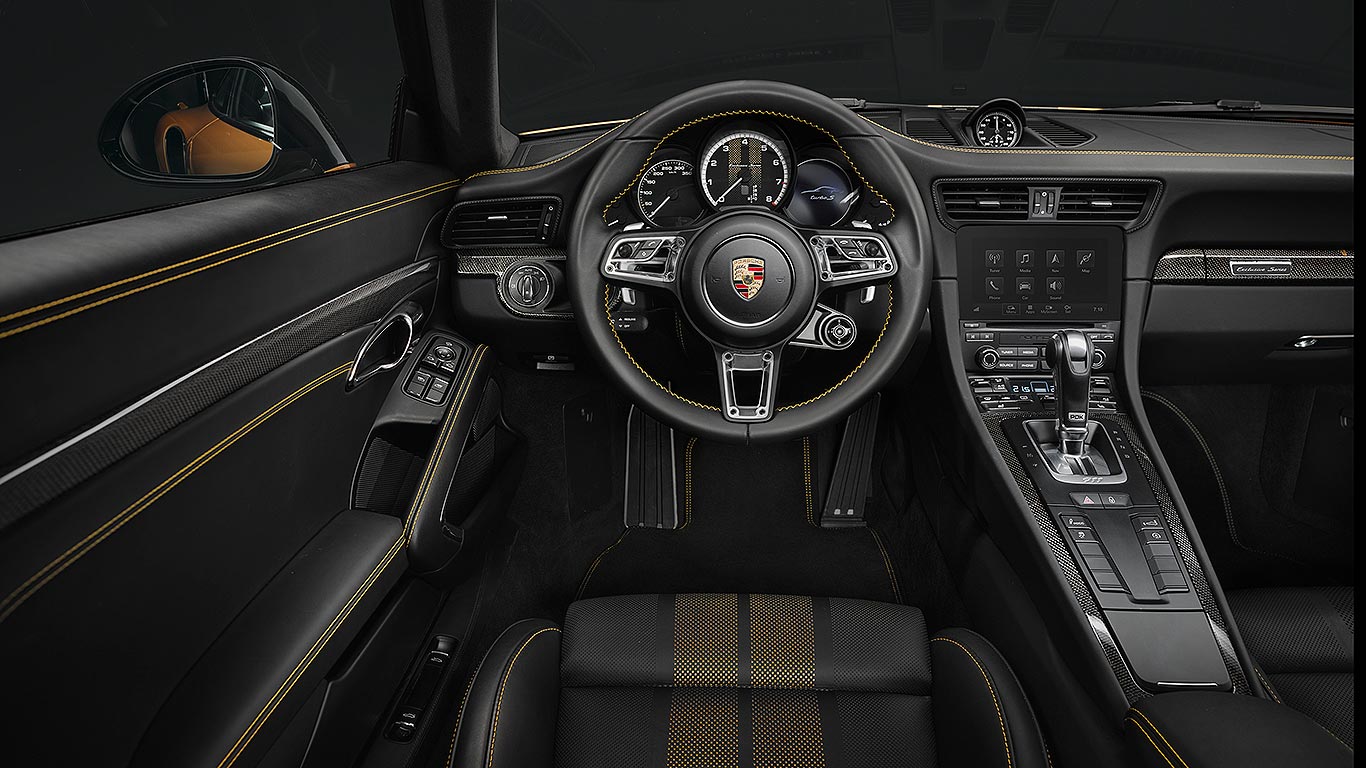
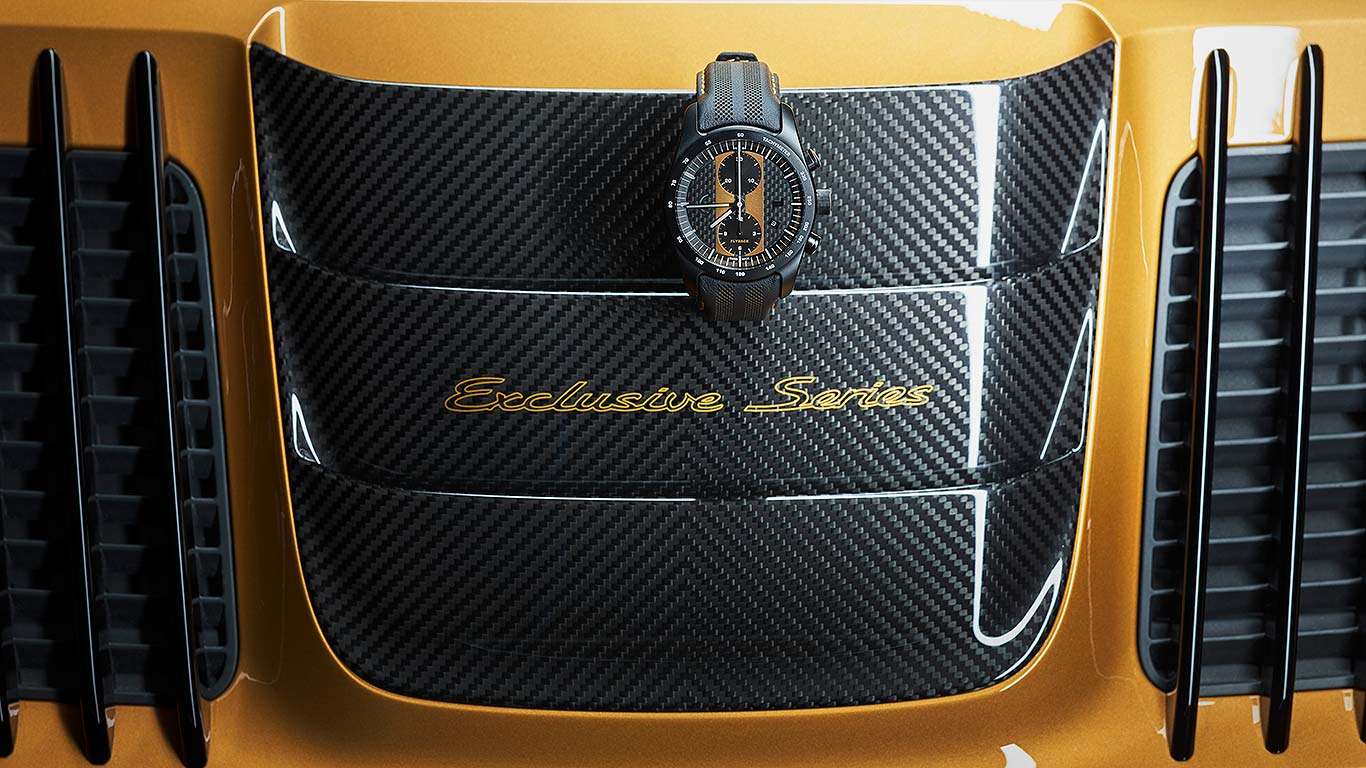
Revealed this week to UK customers during an event at Downtown Abbey home Highclere Castle, the Turbo S Exclusive Series is not cheap: it costs from £186,916. But it’s limited to 500 units worldwide, so selling them all shouldn’t be a problem. The watch is £8700 on top and Porsche will also let Exclusive Series customers buy (that’s buy, not give them) a bespoke set of luggage.

The gold-themed colourscheme is obviously a standout. It’s called Golden Yellow Metallic and is set off by carbon fibre bonnet, roof and side skirts. Those twin strips on the roof and bonnet? They’re carbon weave as well. Porsche’s fitted the Turbo Aerokit and a new rear apron at the rear, and made the ram-air scoop from carbon.

20-inch wheels are black-painted but can’t escape the Golden Yellow paint treatment – it’s actually applied using new laser technology. PCCB brake caliers are, for the first time, finished in black; naturally, the Porsche logo is depicted in Golden Yellow.

Other colour options are available.

2017 Porsche 911 Turbo S Exclusive Series

Inside, sports seats have two layers of perforated yellow: black on top and, of course, Golden Yellow below. A Turbo S logo is stitched into the seatback in Golden Yellow. The roof lining is black Alcantara with a Golden Yellow double strip. The fine thread that’s weaved into the carbon fibre interior trim is, however, not Golden Yellow: Porsche chooses copper instead, and also adds a limited edition numbered plate on the passenger side.

But what about that monster 607hp? It’s 27hp up on the standard Turbo S and is combined with 553lb ft of torque. That’s good for 0-62mph in 2.9 seconds and a top speed of 205mph. Yet it can also do 31.0mpg combined. Porsche fits PASM active suspension and PDCC dynamic chassis control to manage it all.

2017 Porsche 911 Turbo S Exclusive Series

The watch, officially called Porsche Design Chronograph 911 Turbo S Exclusive Series (phew), is the first one Porsche’s designed as part of a limited-run model line. We expect this to become a trend: collectors are surely already rubbing their hands in anticipation of a new GT3 RS-inspired timepiece.

2017 Porsche 911 Turbo S Exclusive Series

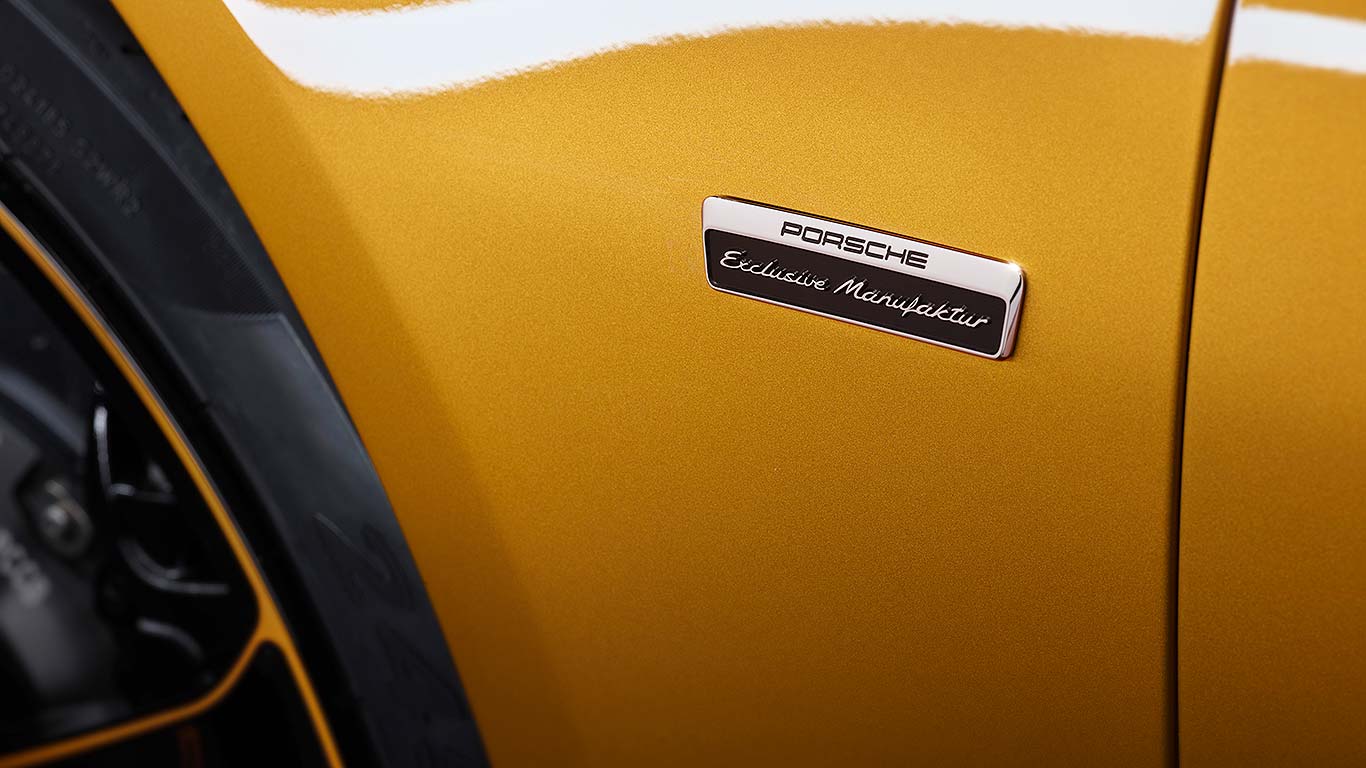
You may have also noticed the Porsche Exclusive Manufaktur badge on the side. Although Porsche Exclusive has been running for 30 years, this is the first time Porsche has showcased the bespoke engineering division on a production car. Again, we can expect more cars wearing badges from Porsche’s bespoke in-house engineering workshop in the future.


More Porsche news on Motoring Research:


Advertisement

Market-leading Nissan Leaf EV hits 20k UK sales

0

2017 Nissan LeafElectric car pioneer Nissan was an early pioneer of EV technology in Britain – and is now benefitting from this by commanding 50 percent of the UK new electric vehicle market in Q1 2017. Britain is also the third-largest global market for the Nissan Leaf EV, behind only the U.S. and Japan, and is the biggest nation of all for the e-NV200 electric van.
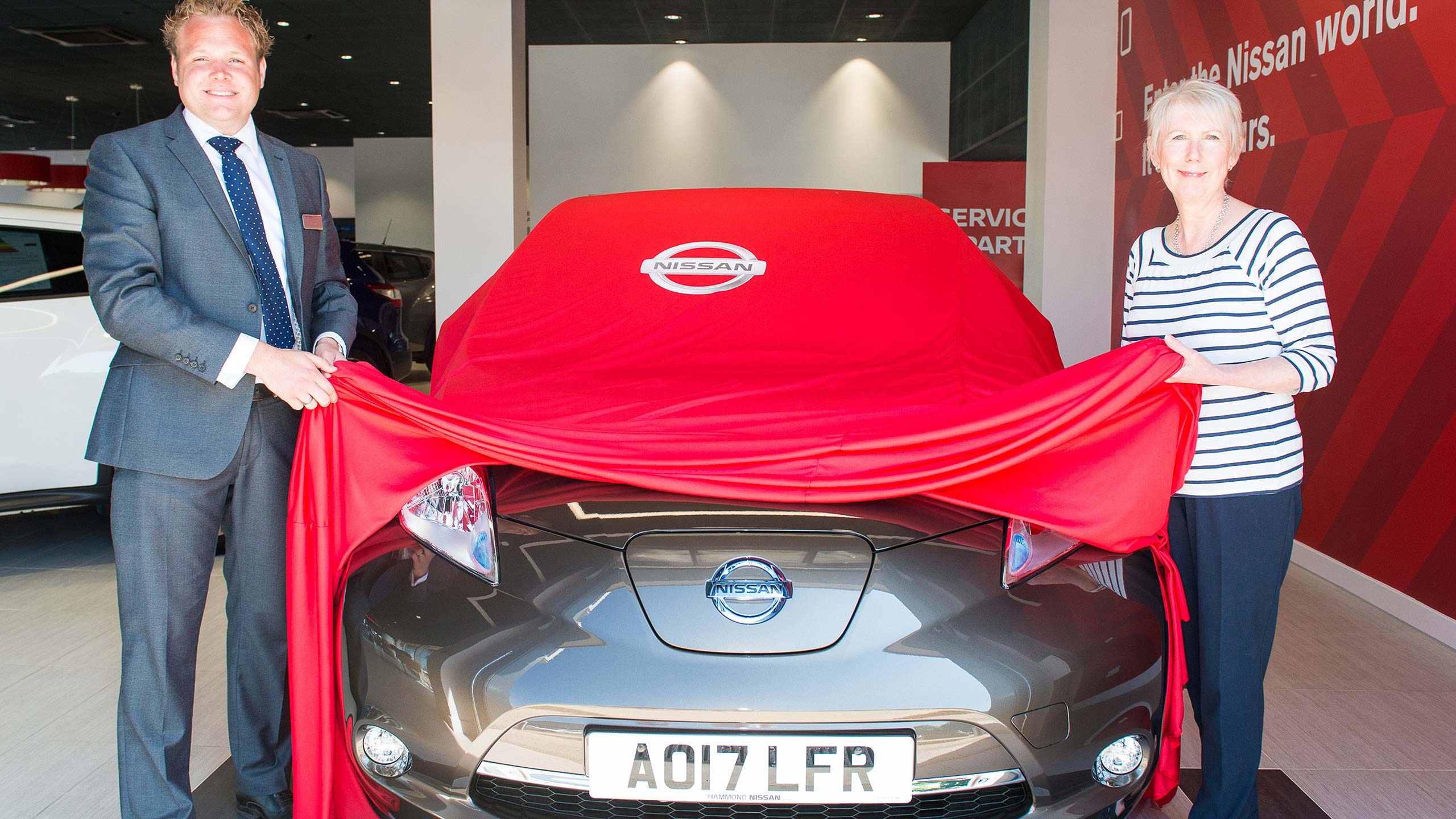
Success in Britain has played a big role in helping the Leaf become the world’s best-selling EV: every year since its launch in 2010, 1 in 4 Leaf sales throughout Europe has been in the UK. Sales have grown rapidly too – it took Nissan four years to hit 10,000 sales in Britain, but little more than a year to reach 15,000.

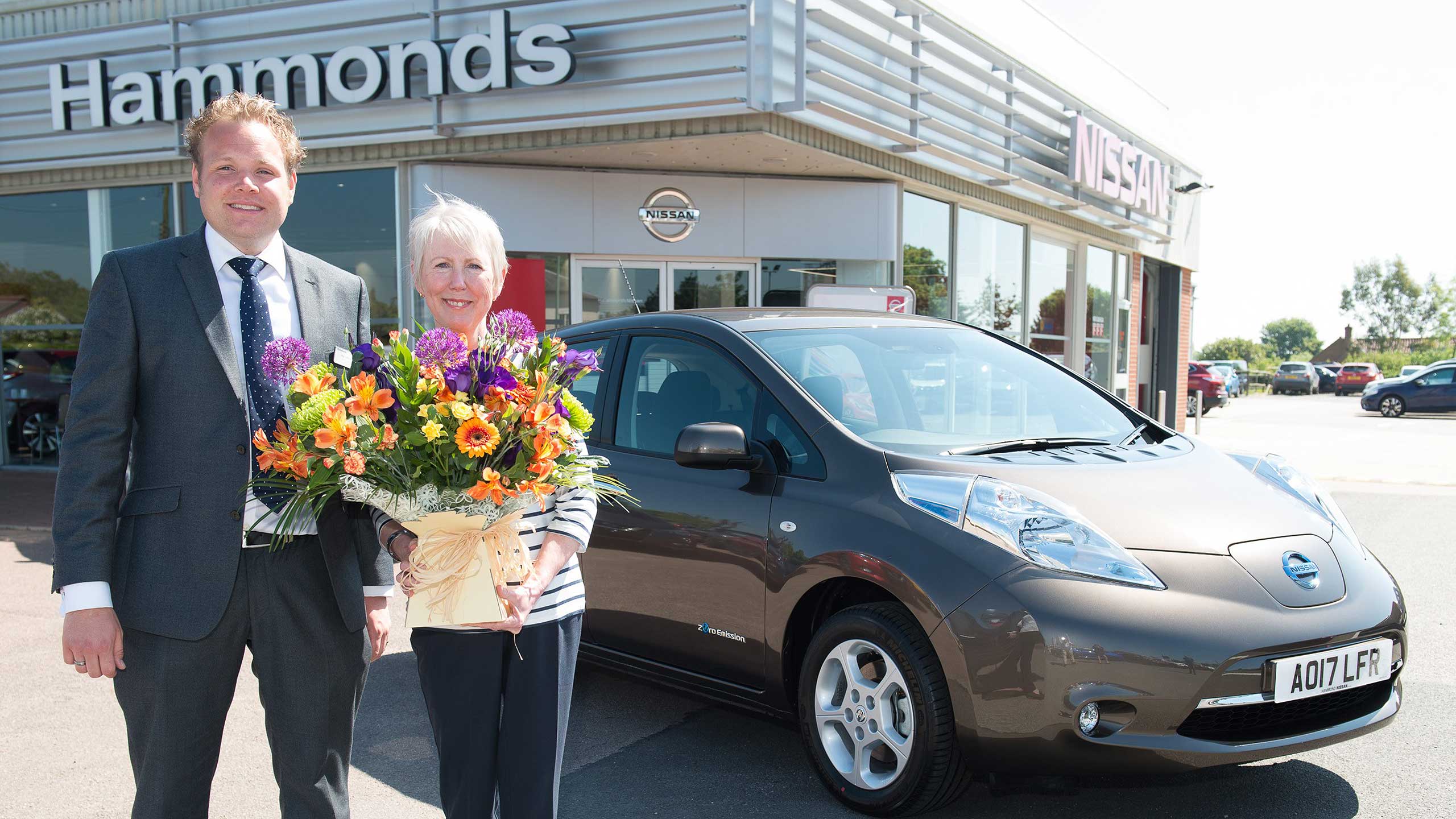
Now, 8 months later, it has topped 20,000 sales, and fittingly, the 20k UK Leaf was sold to an existing owner. Diane and Chris Ray of Hollesley in Suffolk switched their two-year old 24kWh Leaf for a new 30kWh one: Diane liked everything about it, and only wanted a Leaf with a bigger battery as a replacement. 

2017 Nissan Leaf

It’s fitting that the Leaf is proving so successful in the UK, as it’s also built here. The Sunderland plant makes 55 a day, and there’s a battery plant next door to it supplying the Leaf’s lithium ion units. Nissan’s EV manager, Edward Jones, says “the number of customers who go on to buy another Leaf is… significantly higher that the industry average”. Such customers can now claim they own a genuinely all-British EV.

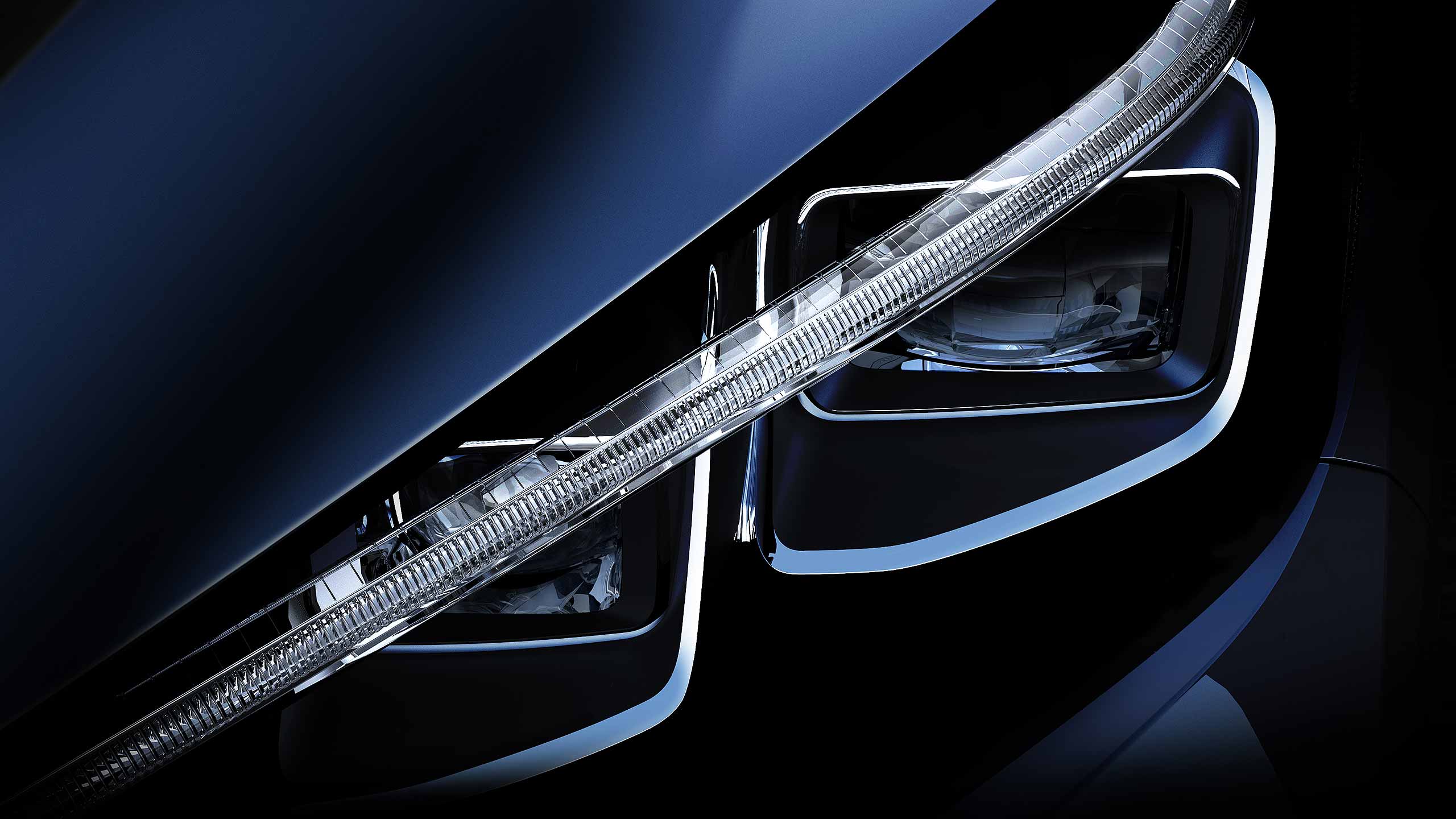
Of course, the current Leaf is not in its first flush of youth. It’s been around seven years, and is showing its age. Nissan’s happy to tell us an all-new Leaf is on the way in 2018, and is even keen to show us a first teaser of it ahead of its full reveal later this year.

2018 Nissan Leaf teaser

In the meantime, it’s hoping to keep up the current car’s dominance with some double-take deals. How about this for starters: a Leaf Acenta 24kWh for £189 a month on a two-year 0 percent APR PCP deal? Nissan even gives you free insurance, free home charger, a £1000 contribution towards your deposit and the option of two years’ servicing and maintenance for just £99.

With deals like that, it’s no wonder Nissan’s taking such a high proportion of the UK’s record 4.4 percent market share of alternative fuelled vehicles… 


More Nissan news on Motoring Research: 

  • Nissan Sunderland plant hit by cyber attack
  • Sunderland safe: Nissan confirms car production will stay in UK
  • Nissan IDS Concept previews next Nissan LEAF at Tokyo Motor Show


Advertisement

Tesla is the fastest-growing car brand in the world

0

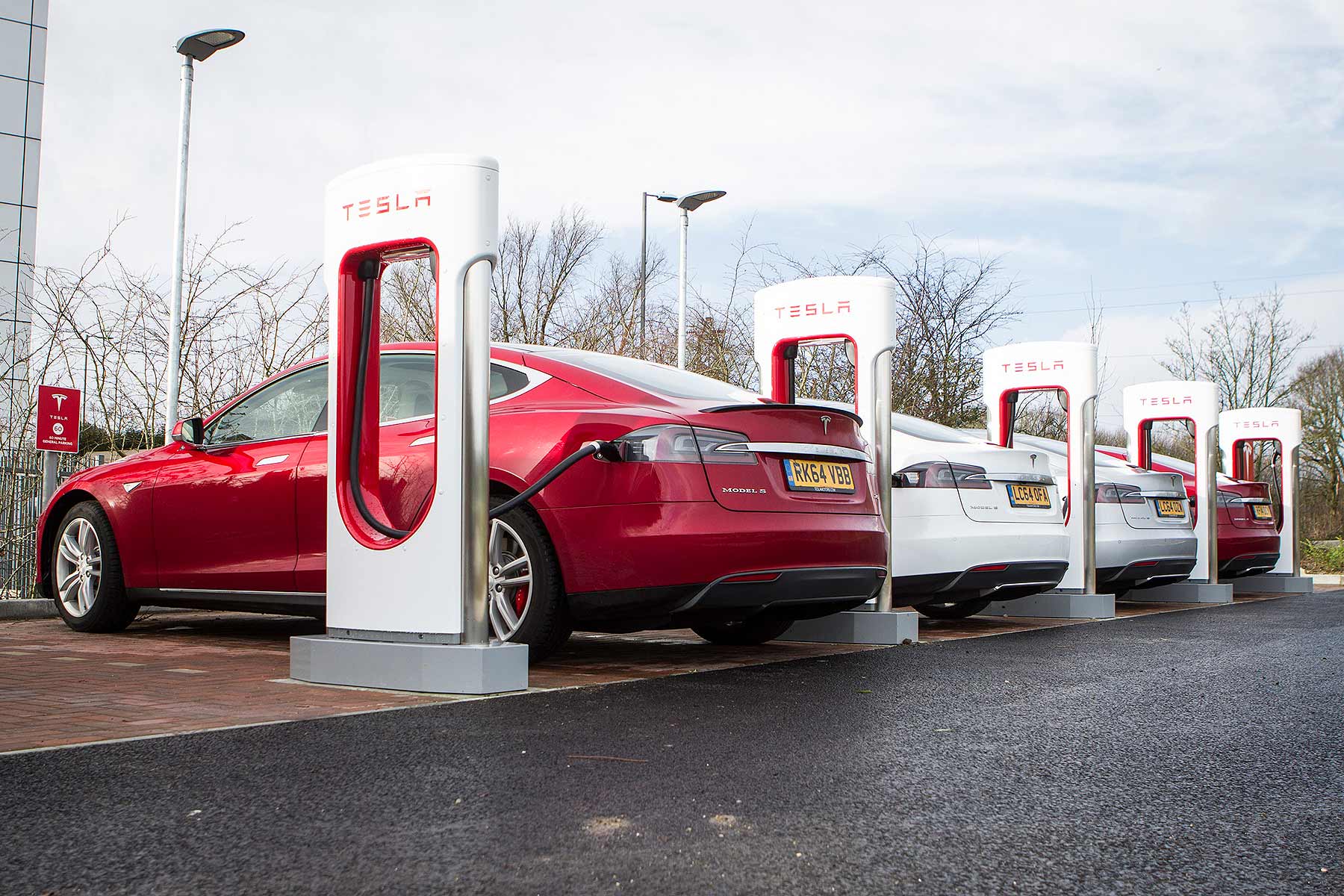
Tesla Supercharger line-upToyota remains the world’s biggest car brand, with a value of $28.7 billion, according to the 2017 WPP and Kantar Millward Brown BrandZ study. However, this actually represents a 3 percent decline over last year. In contrast, Tesla’s value has shot up a staggering 32 percent, making it not only the eight most valuable automotive firm, but also the world’s fastest-growing car brand of all.
In moving from 10th place to eighth place in the car brand rankings, Telsa has overtaken both Land Rover and Porsche – ensuring Elon Musk’s electric car company is the story of the 2017 survey.

Overall, it is worth $5.9 billion, according to the 2017 WPP/KMB ‘BrandZ Top 100 Most Valuable Global Brands’ survey. Why so much? Because it’s considered an innovative, stylish luxury car brand that gives ‘the performance of a high octane, carbon-burning engine without the guilt’.


More Tesla on Motoring Research:


Toyota’s 3 percent decline, meanwhile, was blamed on currency challenges, rising labour costs and the need for increased investment to compete in the tech-packed future world of the automotive industry.

Indeed, “the financial pressures to deliver current sales while also investing and anticipating the future are placing established brands under great pressure,” said Peter Walshe, Global BrandZ strategy director. This is “creating space for newcomers like Tesla to power ahead.

“Strong brands will not only help car groups boost existing revenues but encourage consumers to stick with them as the vehicle they drive changes fundamentally.”

BMW and Mercedes-Benz remained in second and third place, but Ford moved up one spot, overtaking Honda with a brand value of $13.1 billion. This is despite its recent leadership changes at the top.

Overall, the top 10 global automotive sector brands are worth $139.2 billion. Within this, luxury brands now make up more than half the rankings, a big increase on the 36 percent representation in the first BrandZ survey back in 2006.

Car firms have a long way to go until they match the very biggest brands in the world, though. Google, Apple and Microsoft are the three most valuable global brands of all, with a combined value of over $620 billion. Facebook is in fifth place – and its 27 percent growth in value to $129.8 billion means it alone is worth only $10 billion less than all the top 10 biggest car brands combined…

The 10 most valuable car brands in the world

  1. Toyota: $28.7 billion
  2. BMW: $24.6 billion
  3. Mercedes-Benz: $23.5 billion
  4. Ford: $13.1 billion
  5. Honda: £12.2 billion
  6. Nissan: $11.3 billion
  7. Audi: $9.4 billion
  8. Tesla: $5.9 billion
  9. Land Rover: $5.5 billion
  10. Porsche: $5.1 billion
Advertisement

20 4x4s rated ‘Great Price’ on Auto Trader

0

20 4x4s rated ‘Great Price’ on Auto TraderIn an attempt to make it easier to identify the best value used cars, Auto Trader has introduced a new tagging system to accompany the prices of the cars for sale on the site. With this in mind, we thought we’d take a look at 20 4x4s marked ‘Great Price’. As ever, inclusion doesn’t represent an endorsement.
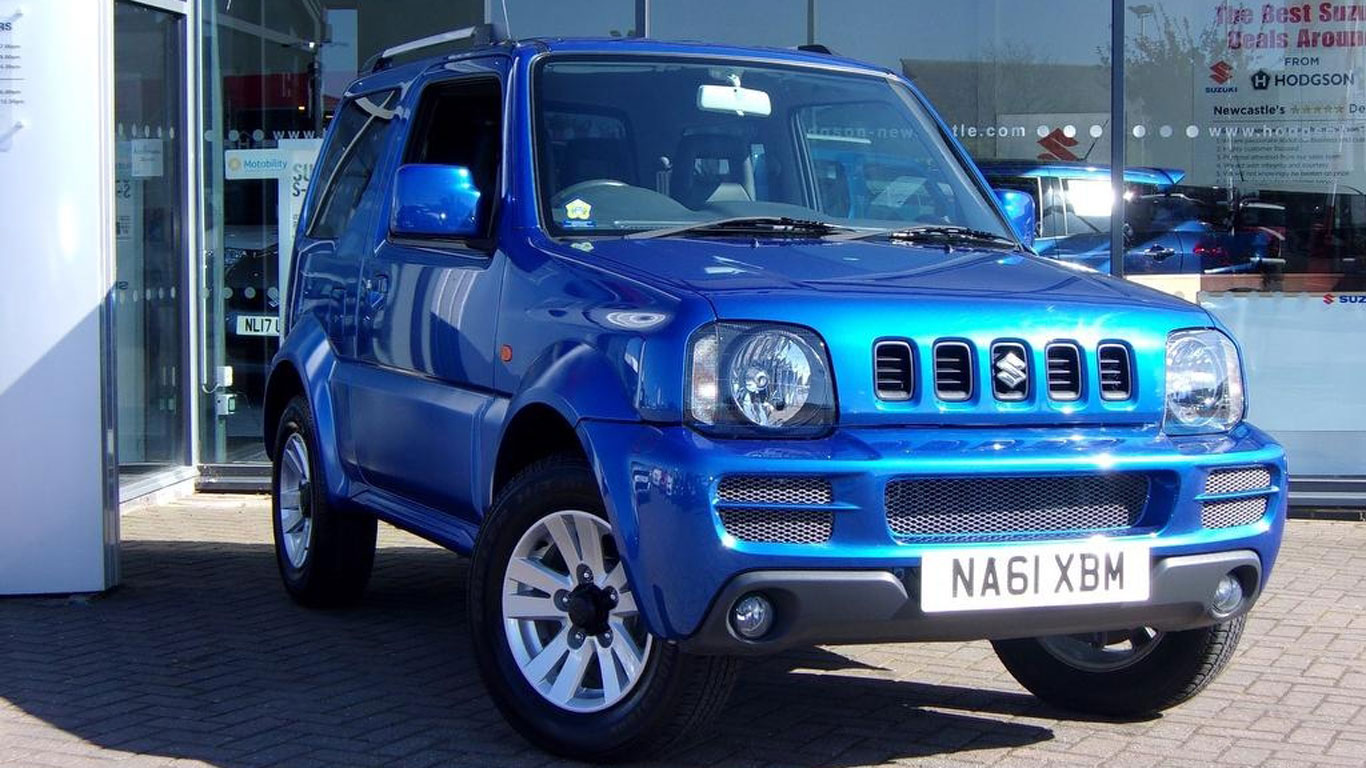
Suzuki Jimny: £8,50020 4x4s rated ‘Great Price’ on Auto Trader

Following the demise of the Land Rover Defender, the Suzuki Jimny is one of the last bastions of the old-school 4×4. New, a top spec Jimny SZ4 will set you back at least £14,784, which makes this 2011 example a bit of a bargain. Don’t expect to go anywhere in a hurry, but do expect a characterful and capable 4×4.

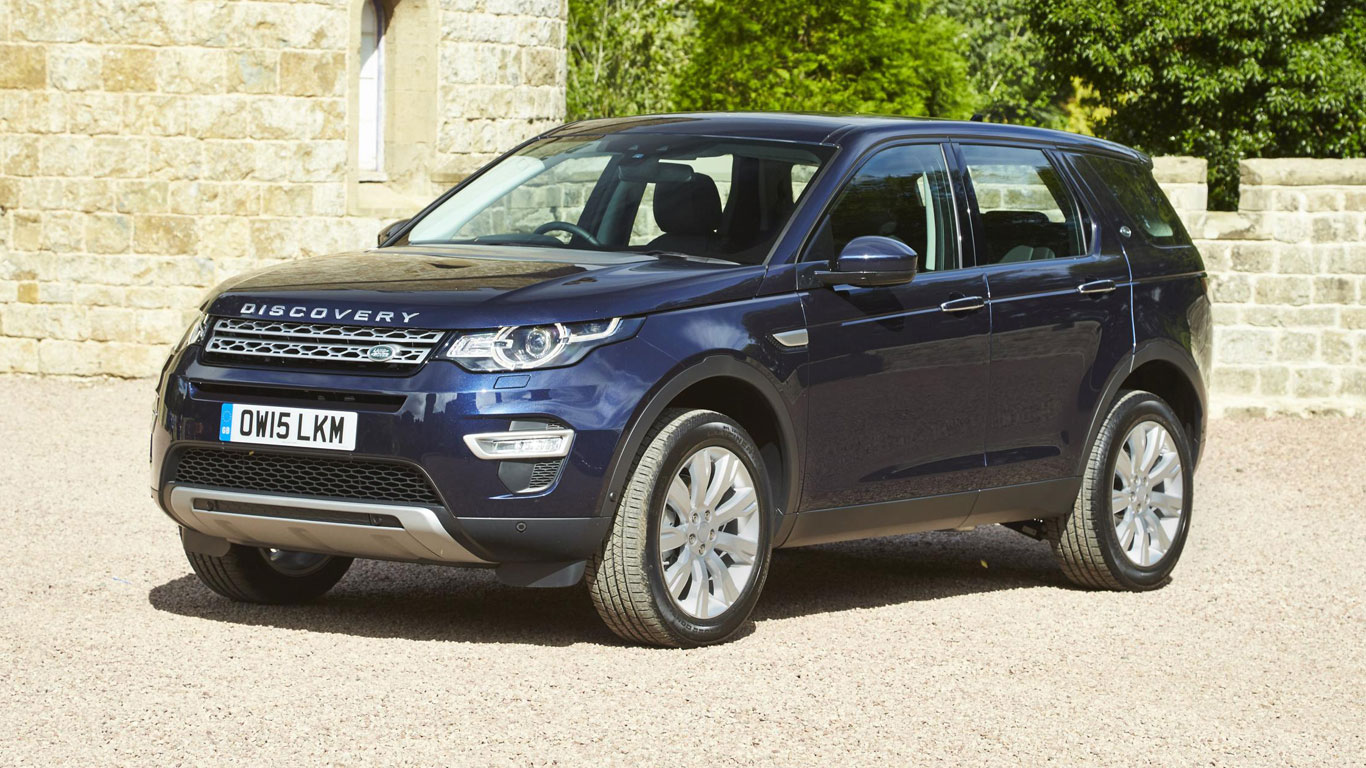
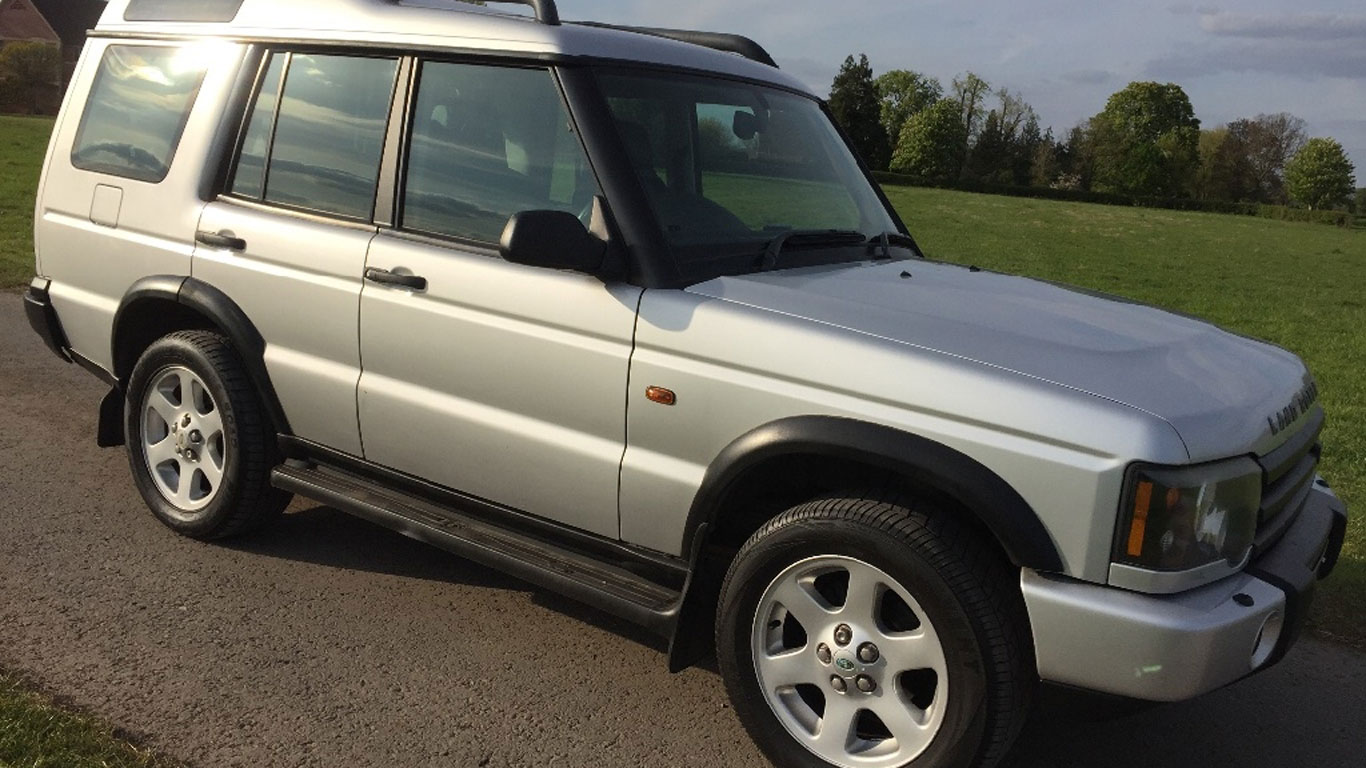
Land Rover Discovery: £5,95020 4x4s rated ‘Great Price’ on Auto Trader

Nobody is going to pretend that an old Land Rover Discovery will be cheap to run, but at least this 2003 example looks more appealing than the new model. A seven-seat ES automatic is a fantastic and sought-after spec, while the seller claims there are 14 stamps in the service book. Check the history before purchase and this could be a great buy.

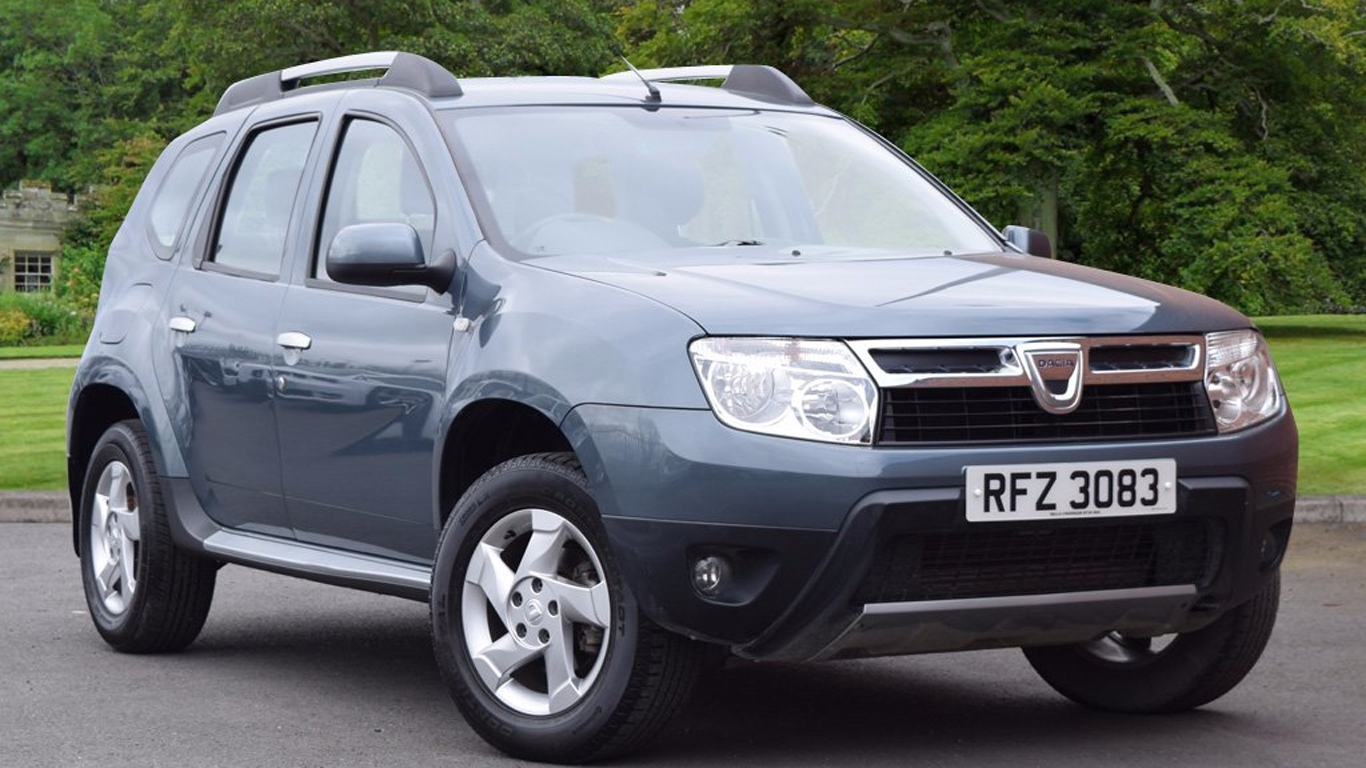
Dacia Duster: £7,85020 4x4s rated ‘Great Price’ on Auto Trader

The Dacia Duster might have been updated, but you’ll pay upwards of £16,495 for a diesel 4×4 in Laureate trim. Which means this 2013 example is essentially half price – not bad for a four-year-old car with 40k miles on the clock. Plaster it in mud and nobody will know that it’s a pre-facelift model.

Skoda Yeti: £5,99920 4x4s rated ‘Great Price’ on Auto Trader

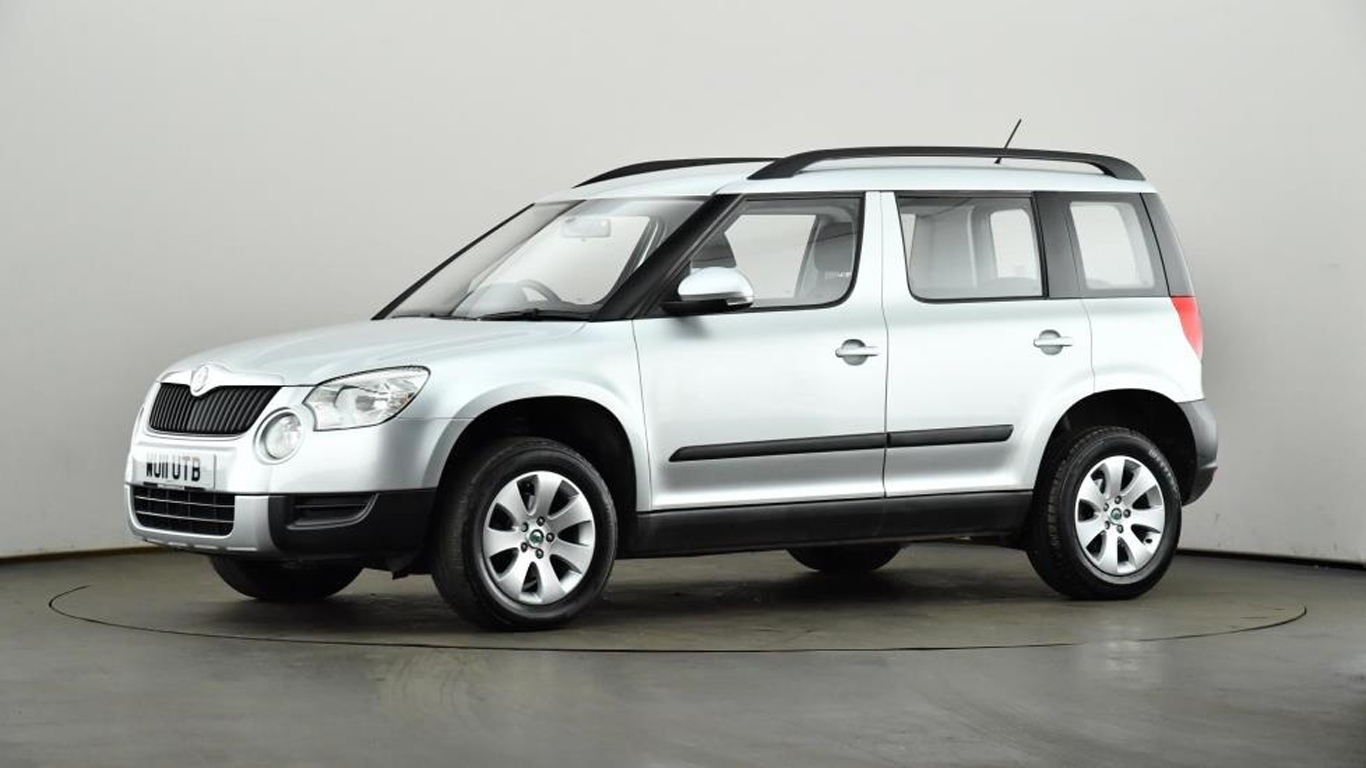
Skoda’s decision to kill the Yeti and replace it with something utterly anonymous hasn’t been well received. But no matter, because there are plenty for sale on the used car market and there are real bargains to be found. This 2011 Yeti S might not offer a lavish spec, but it’s on sale for less than £6k.

Mitsubishi Shogun Pinin: £1,99520 4x4s rated ‘Great Price’ on Auto Trader

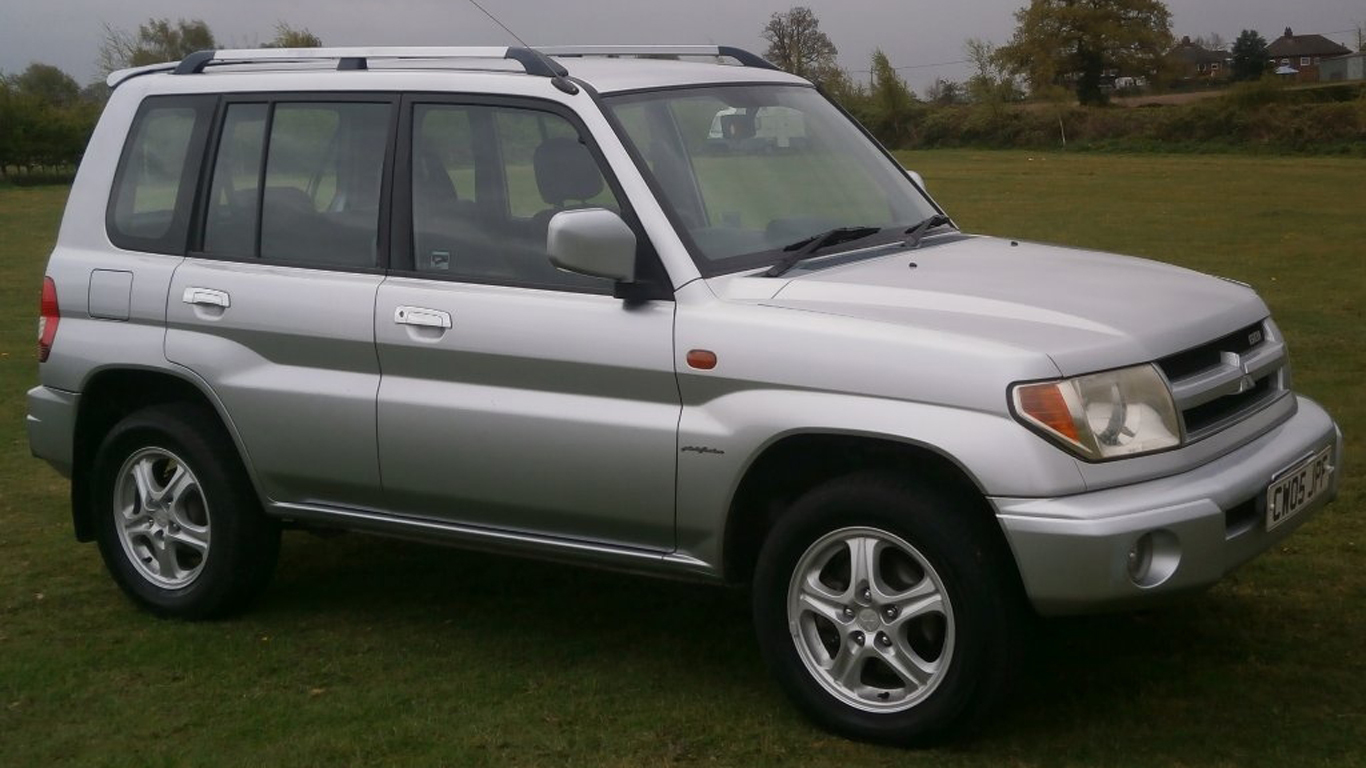
The Mitsubishi Shogun Pinin was essentially a ‘fun size’ version of the full-fat Shogun and was built for people who lived in the hills but needed the convenience of a smaller car. By today’s standards it will feel rather crude, but with 61,000 miles on the clock and an MOT until April 2018, we think this is a potential bargain.

Toyota Land Cruiser: £41,22120 4x4s rated ‘Great Price’ on Auto Trader

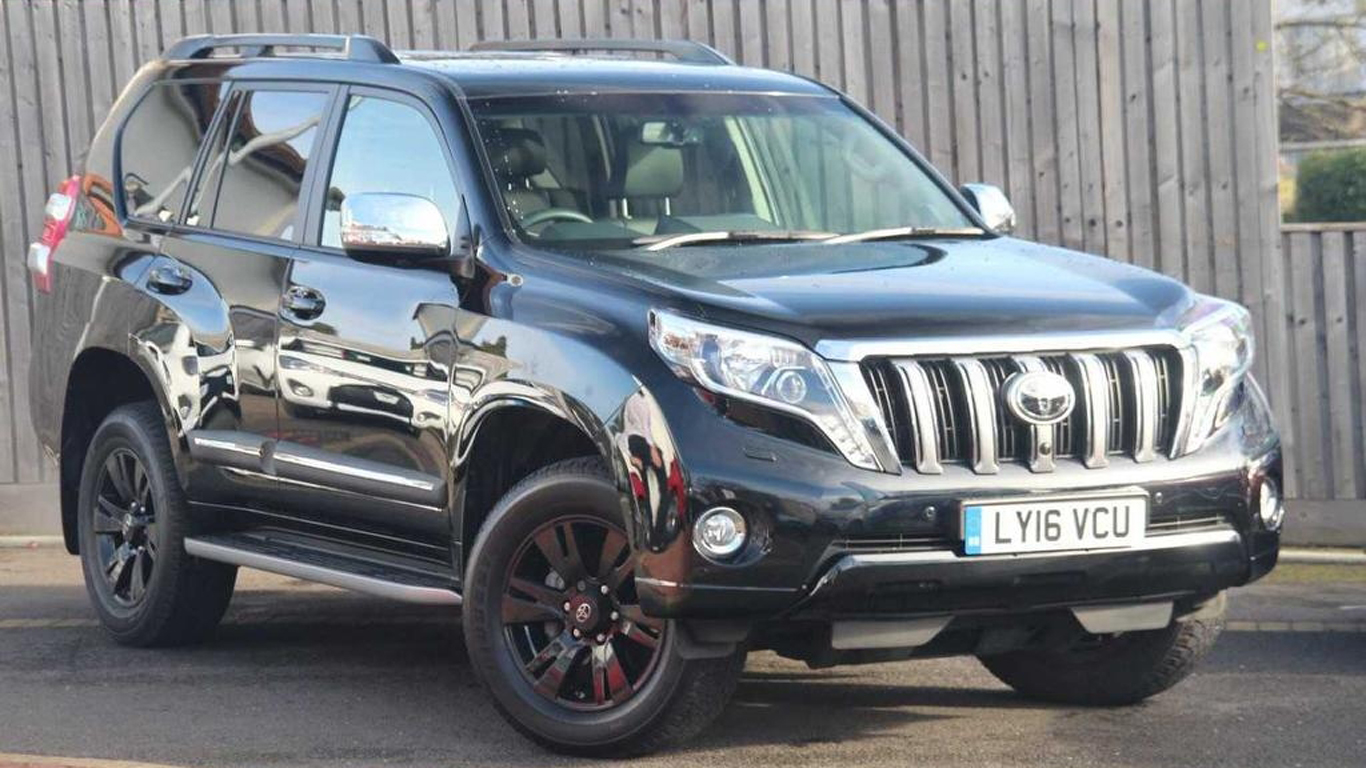
Auto Trader’s ‘Great Price’ tag was made for cars like this Toyota Land Cruiser. New, you’d spend upwards of £56,630 on an Invincible model, which means you can save £15,000 by purchasing this 2016 example. The spec list is as long as the Land Cruiser is big, and it’ll handle just about everything you throw at it.

SsangYong Rexton: £3,26920 4x4s rated ‘Great Price’ on Auto Trader

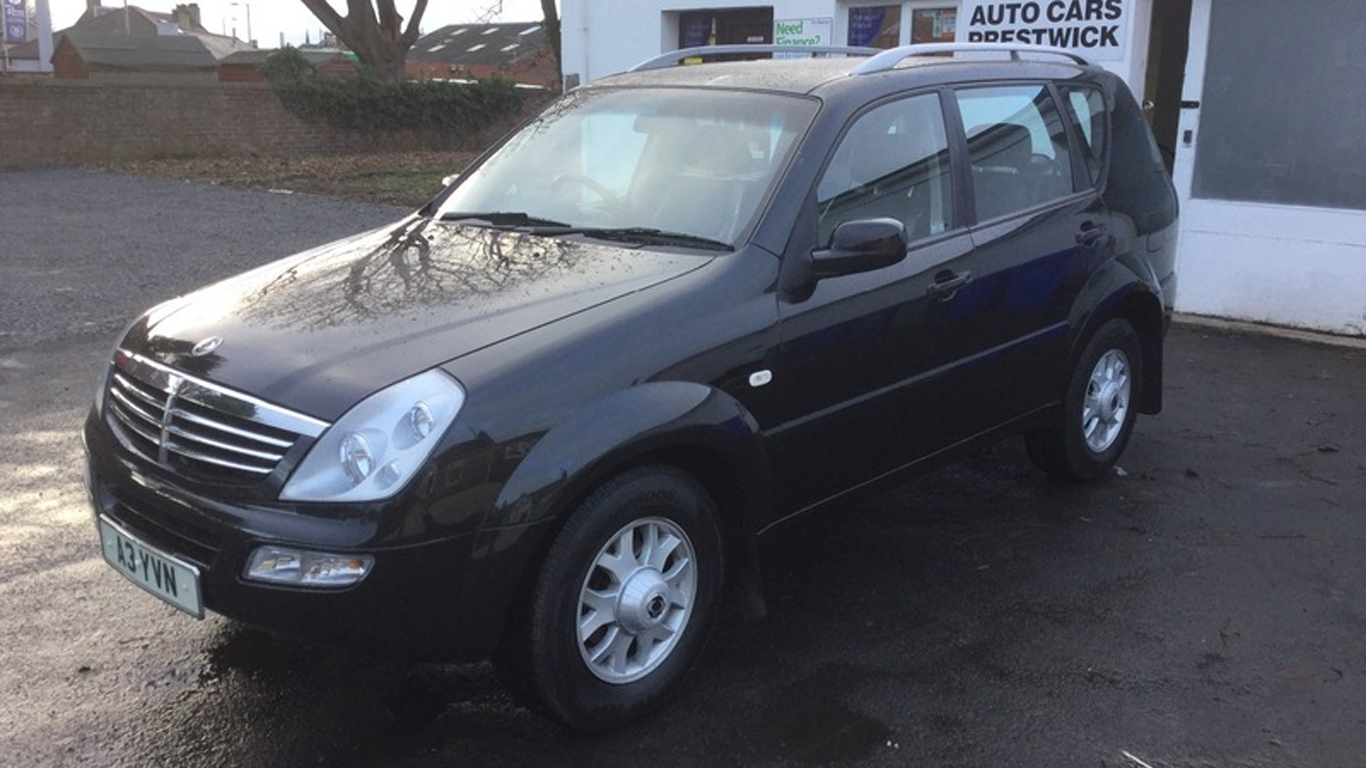
Let’s get the negatives out the way first: the SsangYong Rexton won’t be especially nice to drive and the interior is bordering on horrendous. But as cheap and practical workhorses they are hard to ignore, which makes this 2006 example look like good value for money. If towing and off-roading is your thing, this could be a good use of £3k.

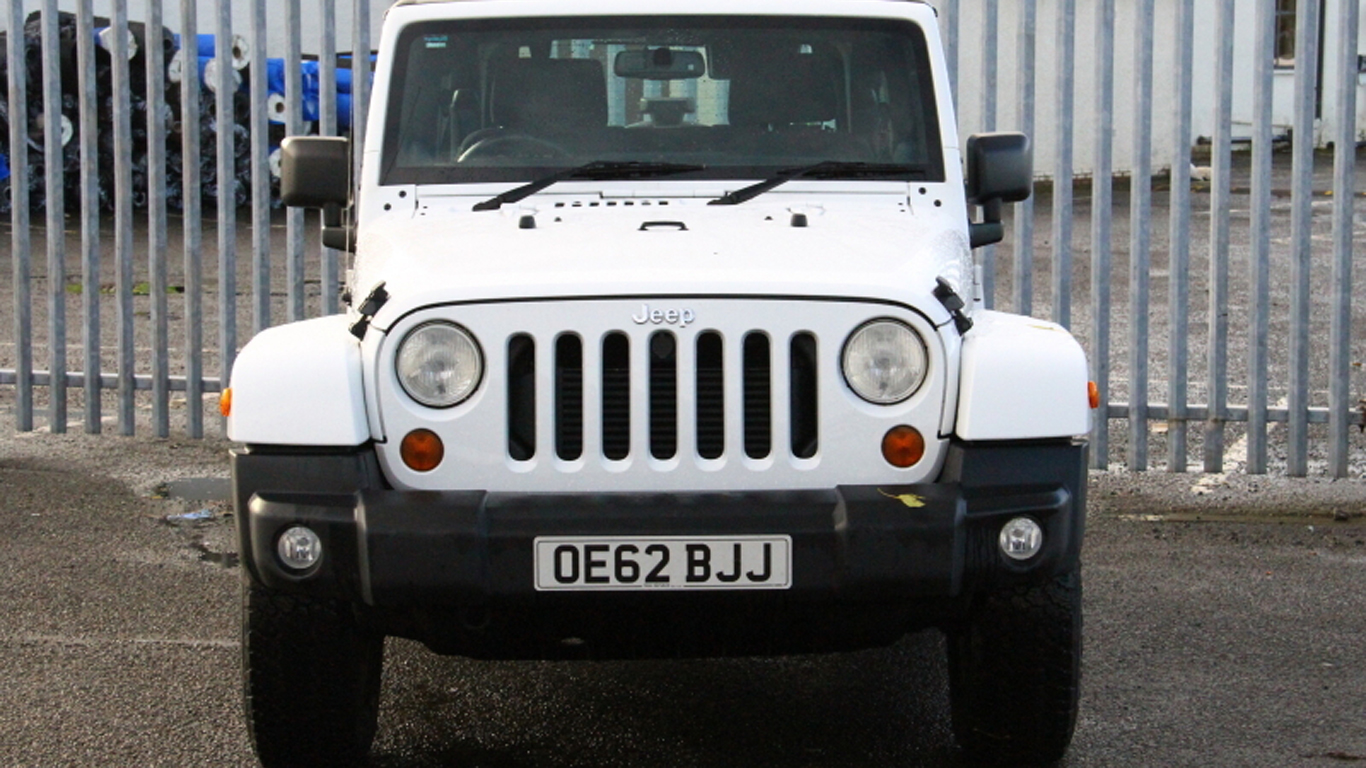
Jeep Wrangler: £19,99920 4x4s rated ‘Great Price’ on Auto Trader

The Wrangler is a car to file under ‘is that still on sale?’ New, you’ll pay upwards of £34,740 for a four-door model, but this five-year old Sahara is up for £19,999. The 2.8-litre CRD diesel engine is a terrific unit and the Wrangler is, unsurprisingly, great off road. The last MOT mentioned that the rear diff is leaking, so that’s something to get checked out.

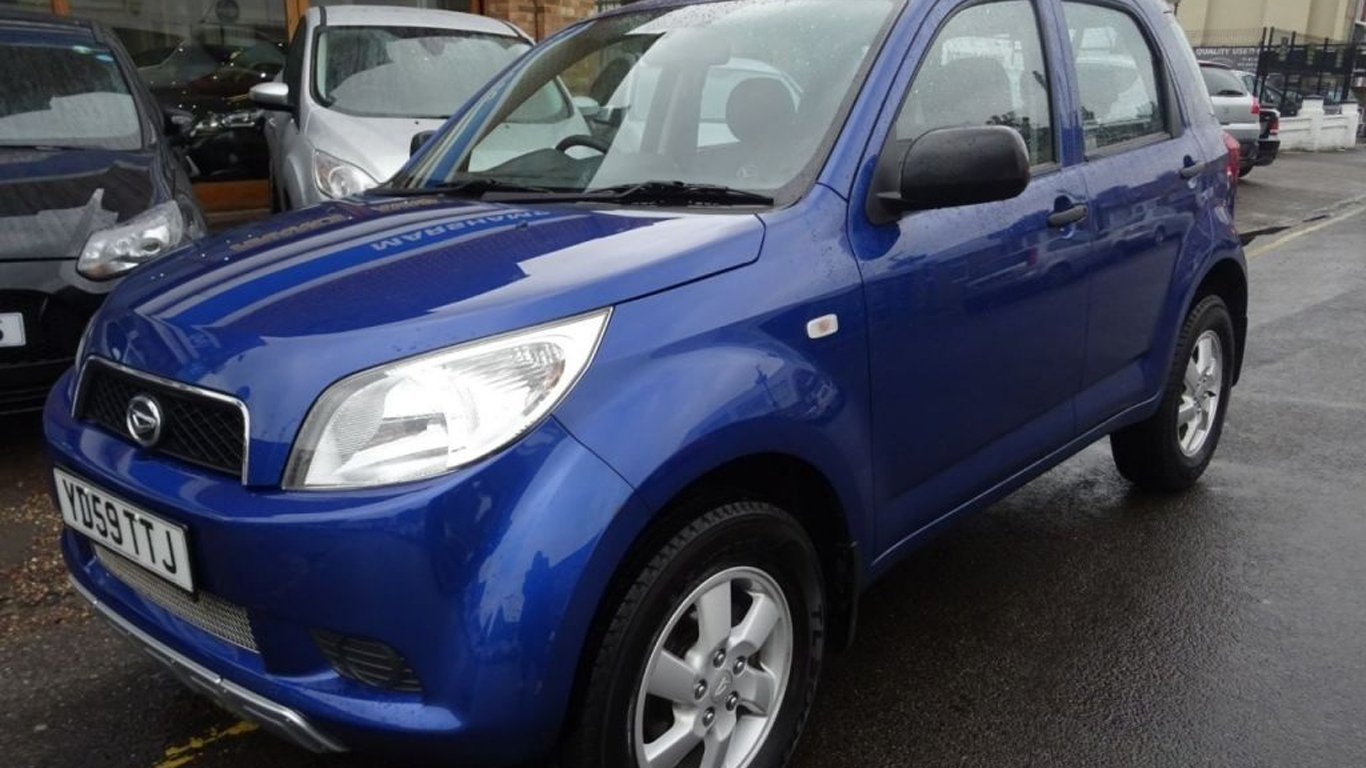
Daihatsu Terios: £4,79420 4x4s rated ‘Great Price’ on Auto Trader

In common with many of the cars featured here, the Daihatsu Terios is more suited to off-road driving than it is urban commuting, which highlights just how far the SUV has come. Today, we take it for granted that an SUV will be a master of all trades. According to Auto Trader, £4,794 for this 42k-miler is a ‘great price’.

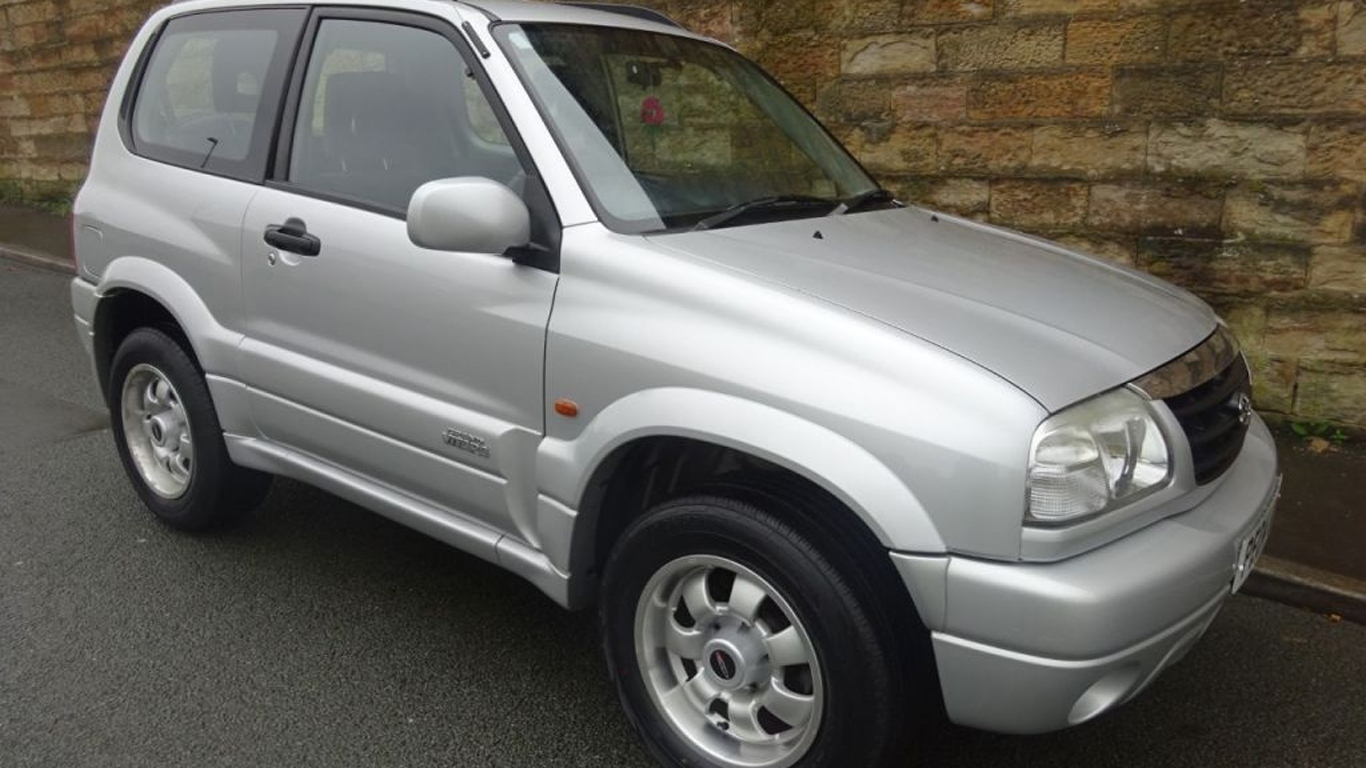
Suzuki Grand Vitara: £2,00020 4x4s rated ‘Great Price’ on Auto Trader

This 2004 Suzuki Grand Vitara has a near-perfect MOT history, which suggests that it has enjoyed a cherished existence. The Vitara was one of the first SUVs to be designed as much for the King’s Road as it was for off-road, and owners swear by them. Two grand is a great price.

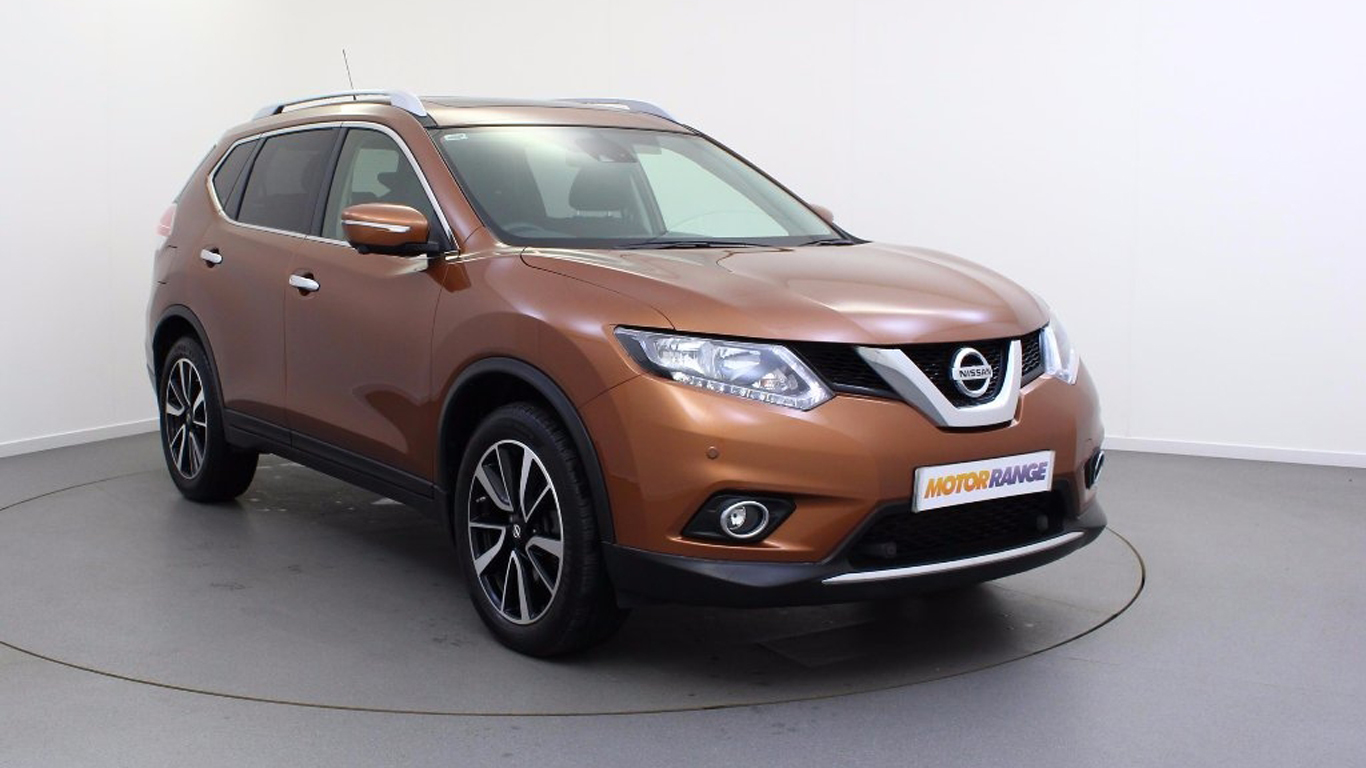
Nissan X-Trail: £18,97020 4x4s rated ‘Great Price’ on Auto Trader

From something old-school to something new, the current Nissan X-Trail is a fully paid-up member of the new breed of SUVs. This one-owner car has covered a mere 14,159 miles and offers all the toys associated with the N-Tec specification. You’ll also enjoy the remainder of the manufacturer’s warranty.

Land Rover Freelander: £6,77520 4x4s rated ‘Great Price’ on Auto Trader

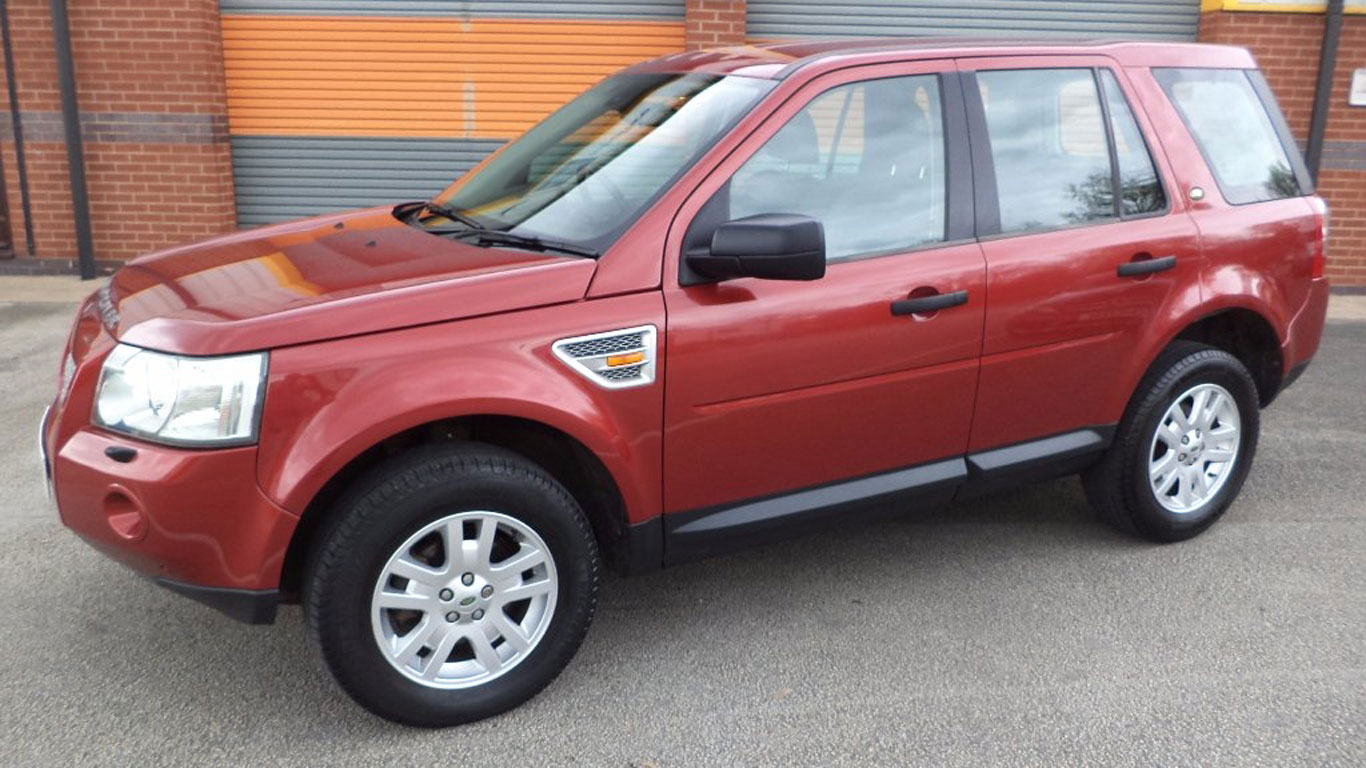
There are certain things to look out for when buying a used Land Rover Freelander, but thanks to the badge they remain incredibly popular. This dealer-plus-one-owner car looks to be in perfect condition, but do your homework on the 2.2-litre diesel engine and rear diff before taking the plunge.

SsangYong Korando: £9,99520 4x4s rated ‘Great Price’ on Auto Trader

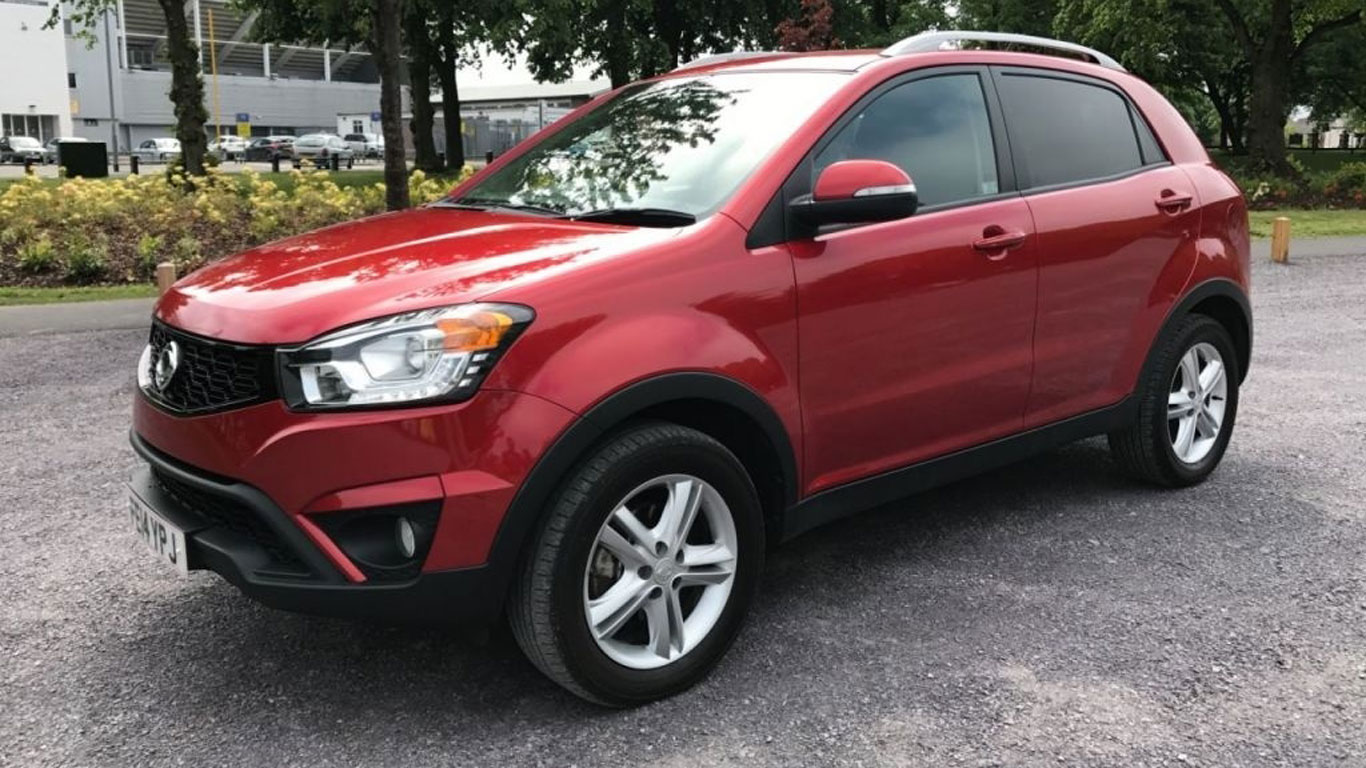
SsangYong’s limited mileage five-year warranty is one of the best in the business, which removes some of the guesswork associated with buying a used example. This 2014 Korando looks very tidy and there are only 52,000 miles on the clock. The diesel engine isn’t the last word in refinement and the interior is a bit low-rent, but aside from that the Korando is a solid buy.

Land Rover Defender 90: £7,49520 4x4s rated ‘Great Price’ on Auto Trader

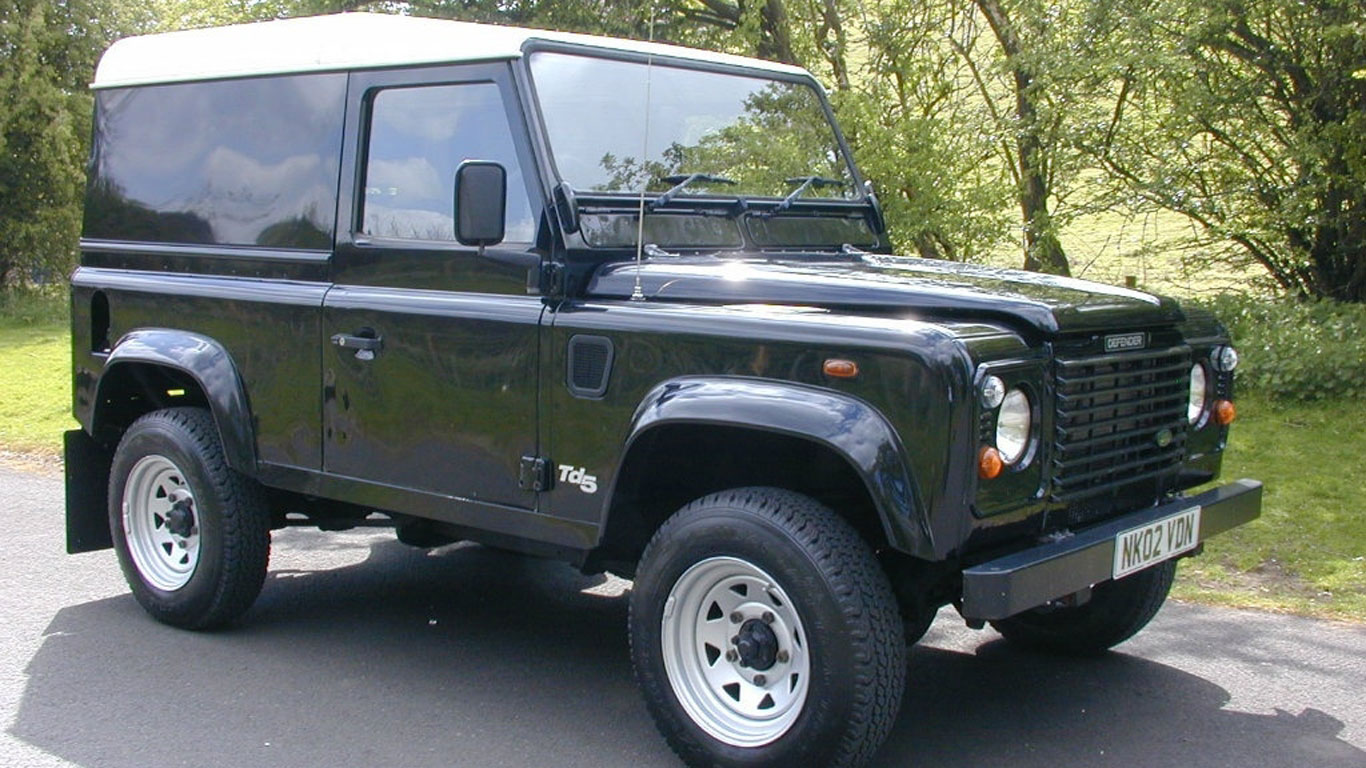
Defender values are so high, it’s genuinely hard to find a ‘Great Price’ listing on Auto Trader. We like the look of this 2002 Defender 90, not least because the MOT history makes for encouraging reading. If the photos are anything to go by, it looks to be in great condition.

Honda CR-V: £1,59520 4x4s rated ‘Great Price’ on Auto Trader

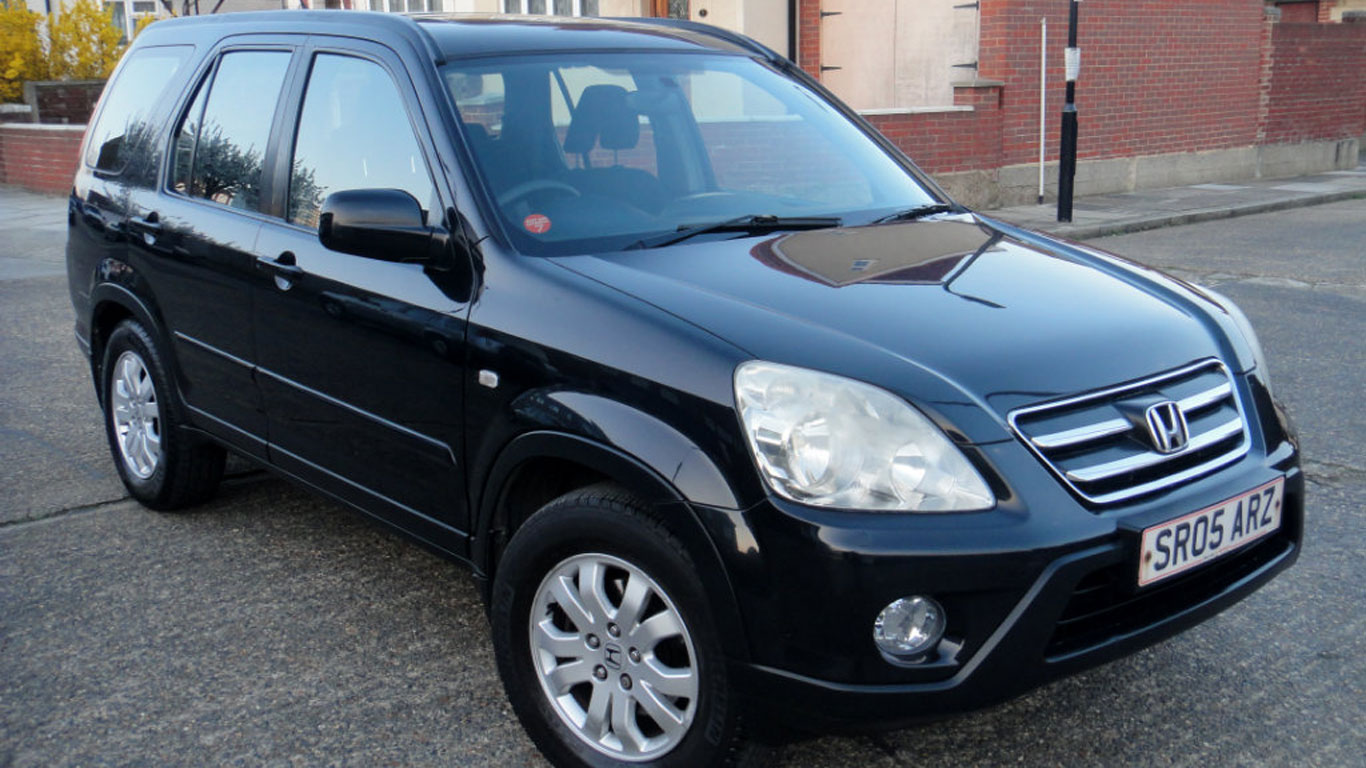
The Honda CR-V is a popular used car buy, which means £1,595 for a 2008 example looks stupidly cheap. So what’s the catch? Well, there are 178,000 miles on the clock, but if it has been well maintained, there’s no reason why it won’t see 200k miles with ease. Full Honda service history for the first 150,000 miles is encouraging.

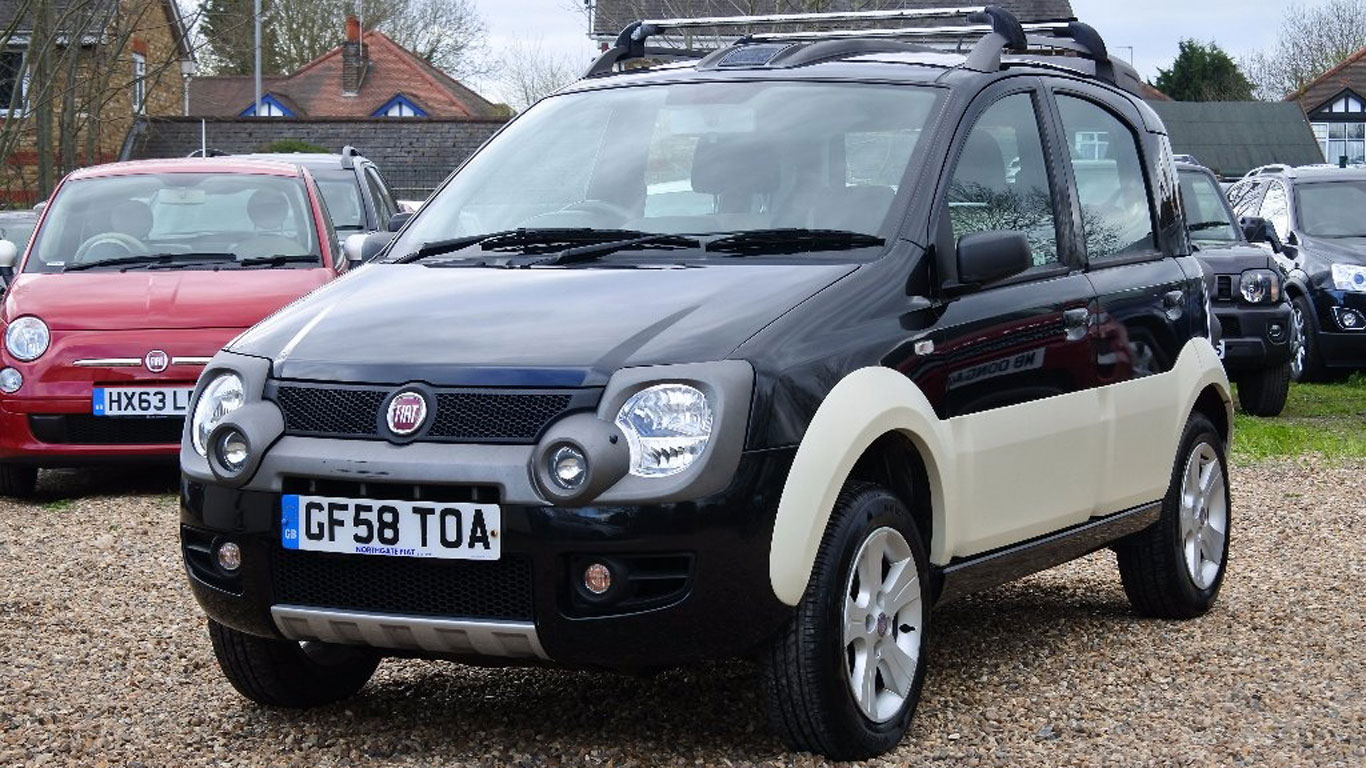
Fiat Panda Cross: £3,00020 4x4s rated ‘Great Price’ on Auto Trader

The Fiat Panda 4×4 is proof that you don’t need a lumbering great SUV to make tracks. Thanks its narrow footprint and formidable off-road talents, the Panda 4×4 is a hit with folk living high up in the Alps. This one-owner Panda Cross is available for £3,000.

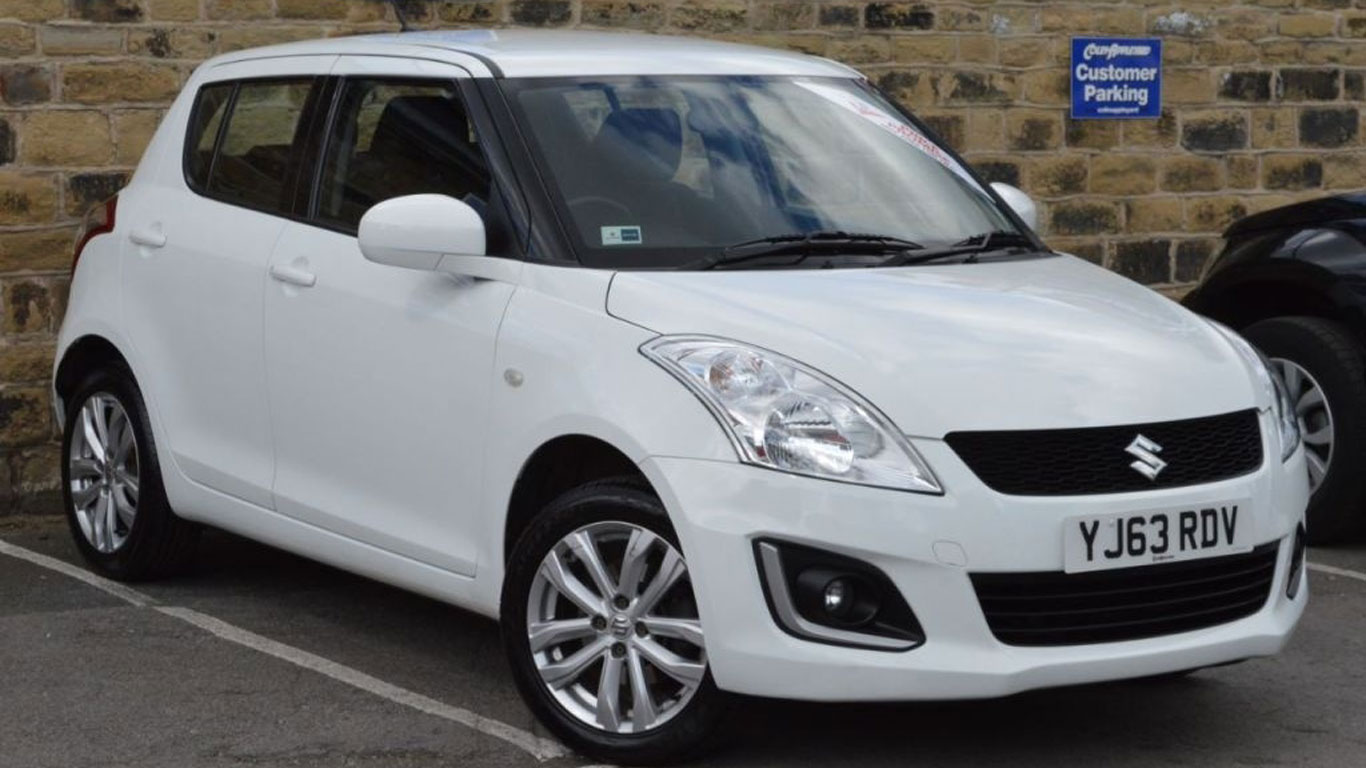
Suzuki Swift 4×4: £5,99120 4x4s rated ‘Great Price’ on Auto Trader

The Suzuki Swift 4×4 might lack the character and charm of the Fiat Panda 4×4, but a 25mm increase in ride height and an on-demand all-wheel drive system means that a little green-laning is no problem for this hatchback. Be warned, it doesn’t offer whippet-like pace.

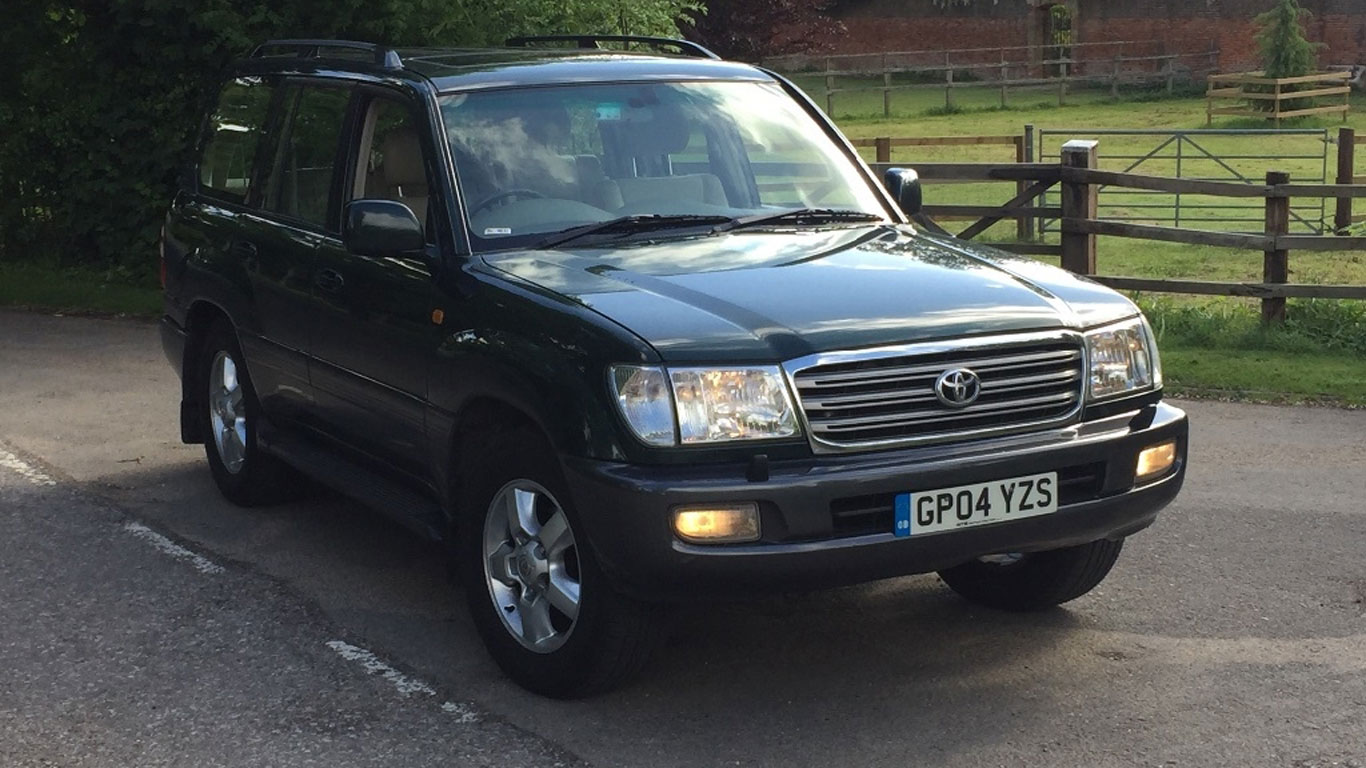
Toyota Land Cruiser Amazon: £11,99020 4x4s rated ‘Great Price’ on Auto Trader

A candidate for ‘all the 4×4 you could ever need’, the Toyota Land Cruiser Amazon is big, brash and formidable off-road. The 4.2-litre diesel engine, as offered here, makes more sense than the V8 petrol, and it’s much, much cooler than a seven-seat MPV.

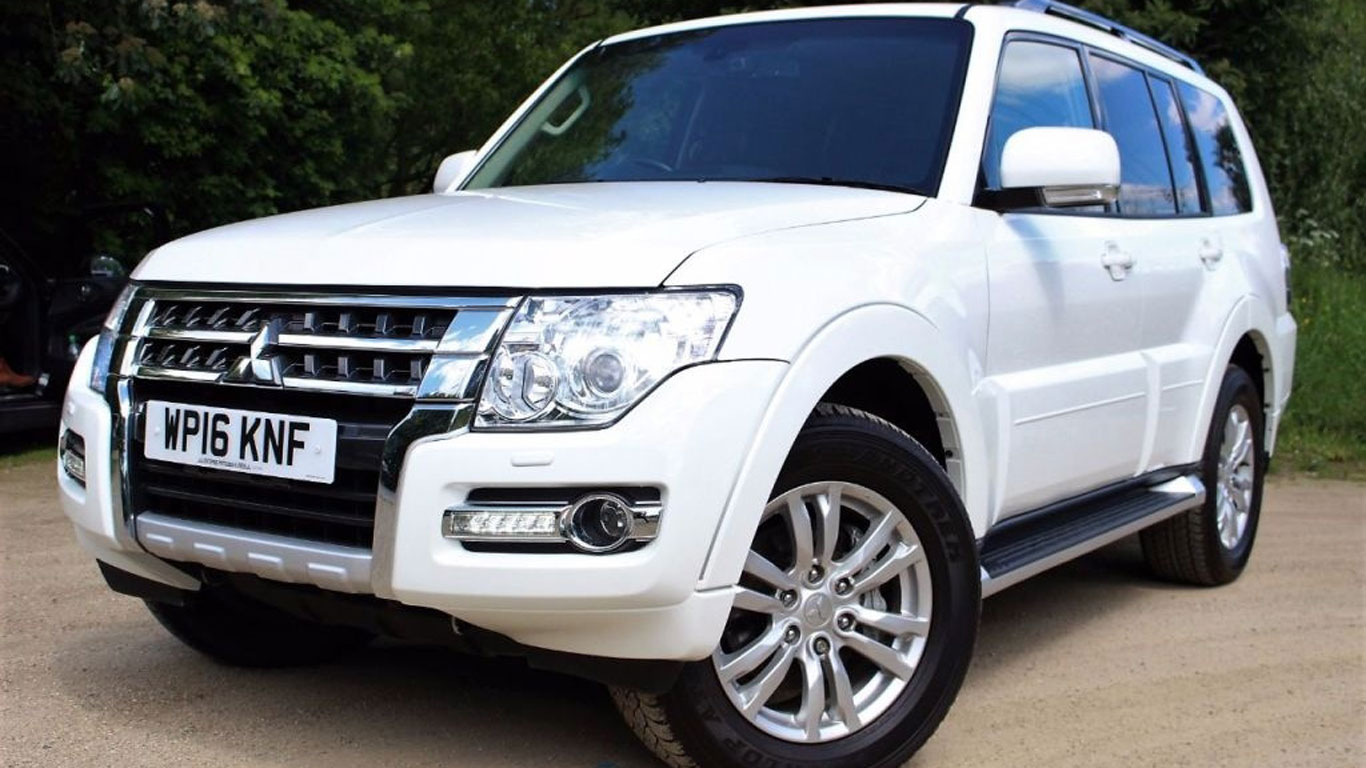
Mitsubishi Shogun: £25,77420 4x4s rated ‘Great Price’ on Auto Trader

A year ago, this Mitsubishi Shogun SG3 would have set you back upwards of £35,000. Today, with just 11,560 miles on the clock, it’s available for just £25,774. At that price, the thoroughly old-school SUV makes a great deal of sense.

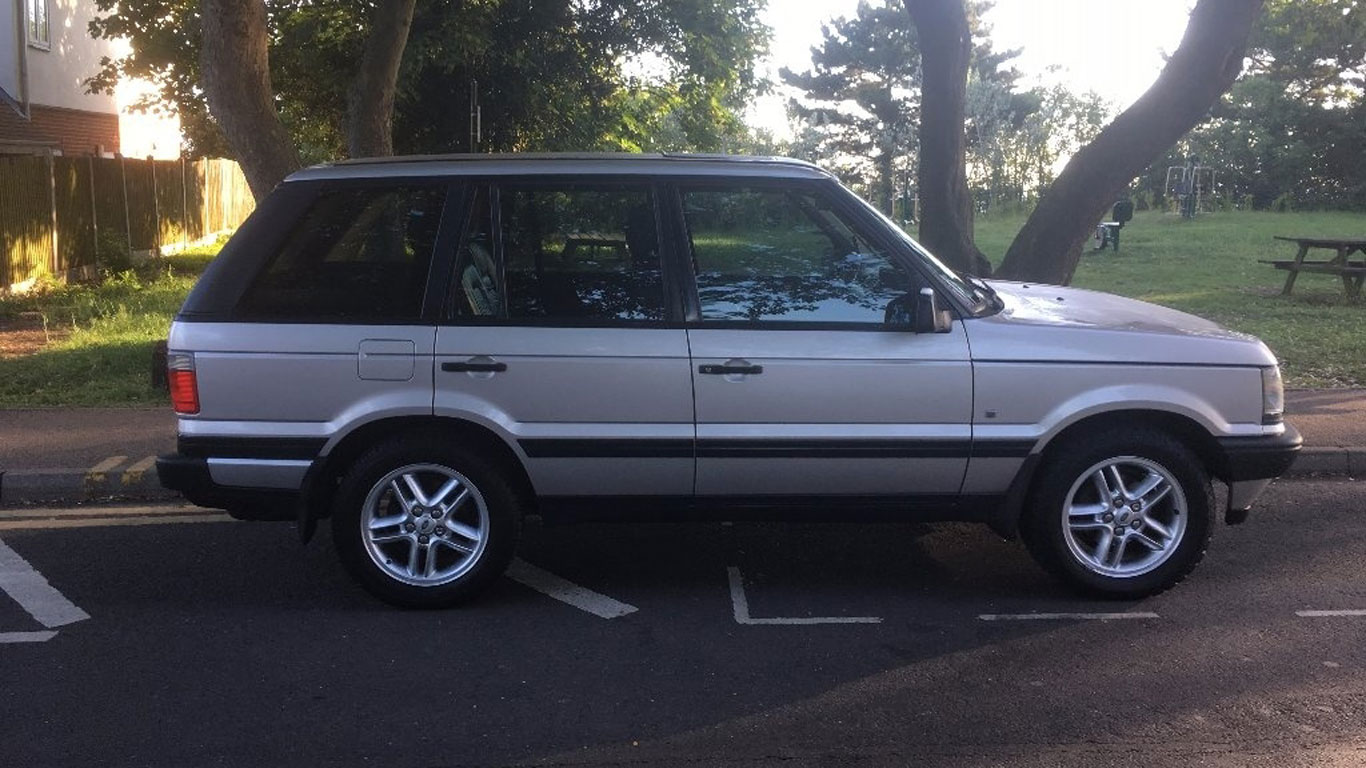
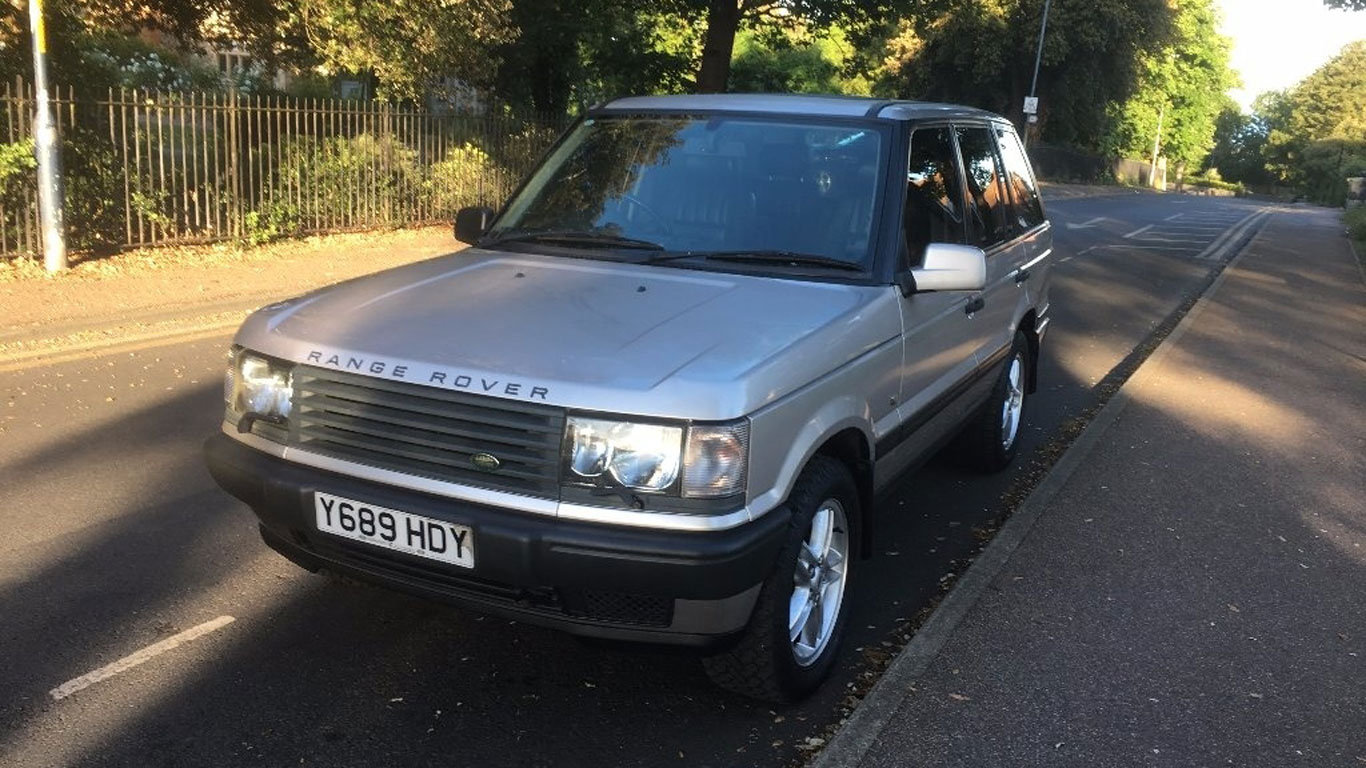
Range Rover: £2,99020 4x4s rated ‘Great Price’ on Auto Trader

Is the Range Rover P38A on course to becoming a modern classic? It’s a little too early, perhaps, but the second generation Range Rover is ageing rather well. Sure, it’s not the last word in reliability, but it’s rare to find a one-owner example such as this. Yours for a little under £3,000.

Advertisement

Apple announces 'do not disturb' driving mode for iPhone

0

Apple announces 'do not disturb' driving mode for iPhone

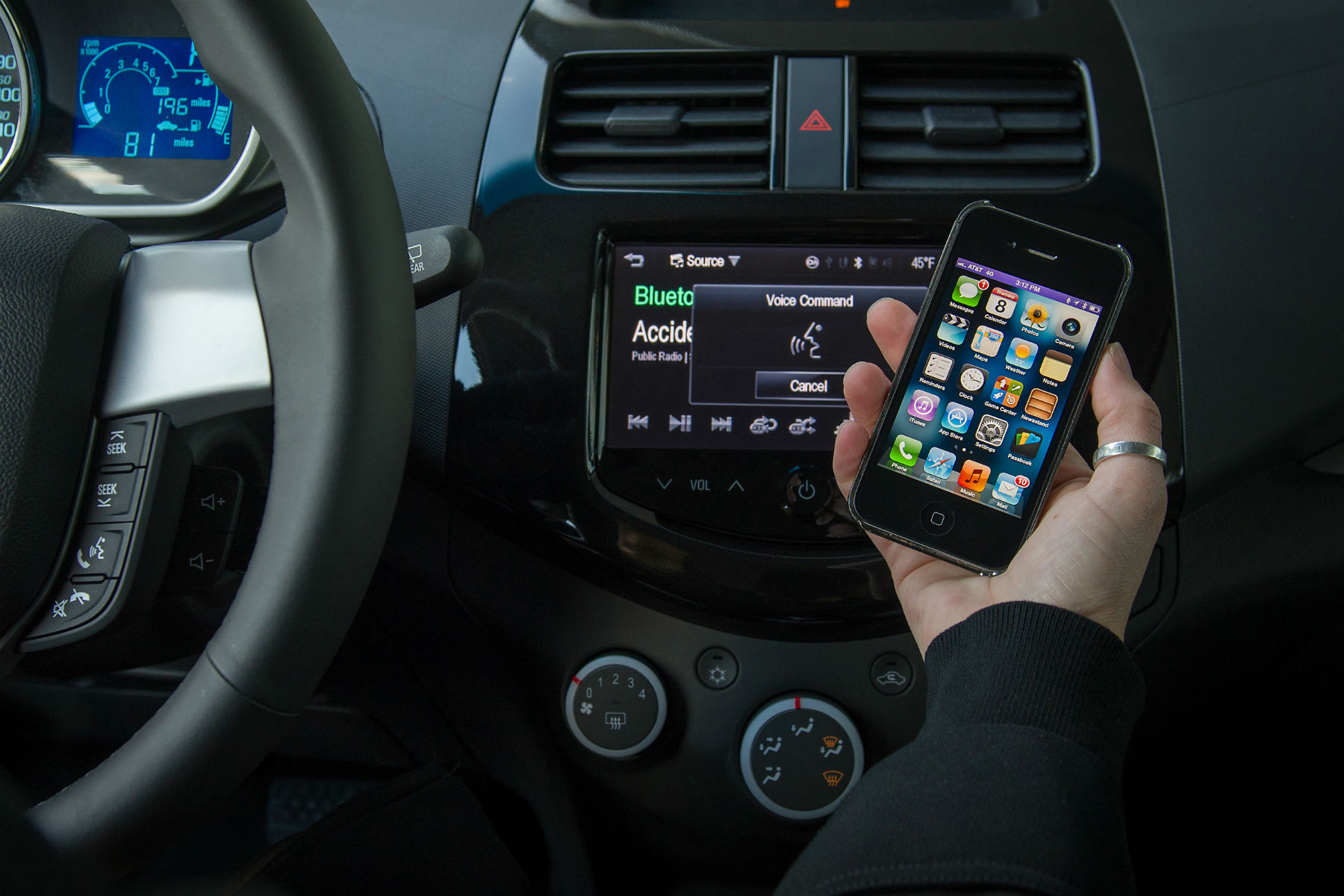
Apple has announced a feature which will automatically block all notifications when you’re driving – and can even text your friends to tell them you’re busy.

Revealed at Apple’s Worldwide Developers Conference (WWDC) in California, the Do Not Disturb While Driving feature monitors the speed you’re travelling at and whether it’s connected to a car’s infotainment system to determine whether you’re at the wheel.


More Apple news on Motoring Research: 

  • Apple patents tech to stop texting while driving
  • The top 40 cars available with Apple CarPlay in the UK
  • Apple Watch a risk to safe driving warns road safety charity

If it thinks you’re driving, all notifications will be temporarily blocked and an automatic response – already set up in your settings – will be sent to anyone who texts during this time. If that person really needs to get through to you, they can respond to the auto-response with the word ‘urgent’ and a one-off notification will be allowed through.

Naturally, it’s difficult for the iPhone to tell if its owner is driving or just a passenger in a car. It’s possible for the mode to over overruled by pressing an ‘I’m not driving’ button.

The feature will be rolled out across all iPhones with the iOS 11 operating system when it arrives later this year.

It follows a number of cases in North America where motorists injured in crashes caused by distracted drivers have filed law suits against Apple.

Advertisement