Volvo Cars has launched a new mobility brand called M. Coming first to Sweden and the U.S. in spring 2019, it is an app-based service that offers on-demand cars and services.
M will, says the firm, therefore expand Volvo from merely being a car manufacturer into a fully-fledged mobility services provider. It is already offering subscriptions to cars through the app-based Care by Volvo service; Volvo M is a further development of this.
Volvo Cars president and chief executive Håkan Samuelsson said it was part of the firm’s answer to a new generation of motorists that don’t want to own cars. “We recognise that urban consumers are rethinking traditional car ownership… we are evolving to become a direct-to-consumer services provider under our new mission ‘Freedom to Move’.”
The Volvo M app is better than today’s services such as Uber or other on-demand mobility solutions, said Bodil Eriksson, CEO of Volvo Car Mobility. “We’re focused on the way people use the cars they own, which sets us apart.
“We aim to provide a real alternative to that experience. It should enable us to live life on our terms, getting things done and maximising precious time. We see the opportunity to offer a premium experience.”
M will also provide Volvo Cars with a new revenue stream. Samuelsson hopes it will become a core part of his strategy to “build more than five million direct customer relationships” by 2025.
Volvo will beta-test M in Stockholm this autumn, he said. It is partnering with car-sharing company Sunfleet in Sweden, which will be fully integrated into M by 2019. Ahead of this, Volvo will reveal more details about the M service, including pricing and other functions.
More than 190,000 Korean-branded cars were sold in Britain last year, making the UK Europe’s largest market for Korea’s Hyundai, Kia and SsangYong car firms.
Even more impressively, Britain is also the third-biggest Asian export market worldwide, second only to China and Japan. Korean cars now take 7.5 percent of the new car market; 10 years ago, it was just 2.5 percent.
Imports of Korean-built cars have rocketed 93 percent over the past decade, to 103,078 models last year. But sales have also grown in the opposite direction, with a four-fold rise in UK production of cars for Korean buyers, to over 20,000 units.
The analysis has been revealed by the Society of Motor Manufacturers and Traders (SMMT) on the eve of a trade mission to South Korea, which it hopes will reveal opportunities for British brands in the country.
The SMMT is also visiting the Green Car Korea Show, eager to tell attendees that Britain is the largest EU market for plug-in hybrid cars – which brands such as Kia are pushing ever-more heavily in the UK.
SMMT chief executive Mike Hawes said: “Britain is one of the most important global markets for Korean manufacturers, and vice-versa, with consumers in both countries benefitting from a huge choice of cutting-edge models.
“With the UK’s reputation for world-class engineering, and its position as a test bed for the next generation of connected, autonomous and zero emission vehicles, strengthening our trade links with global automotive leaders such as Korea can only bring mutual success.”
Kia free servicing deal takes the sting out of running a Stinger
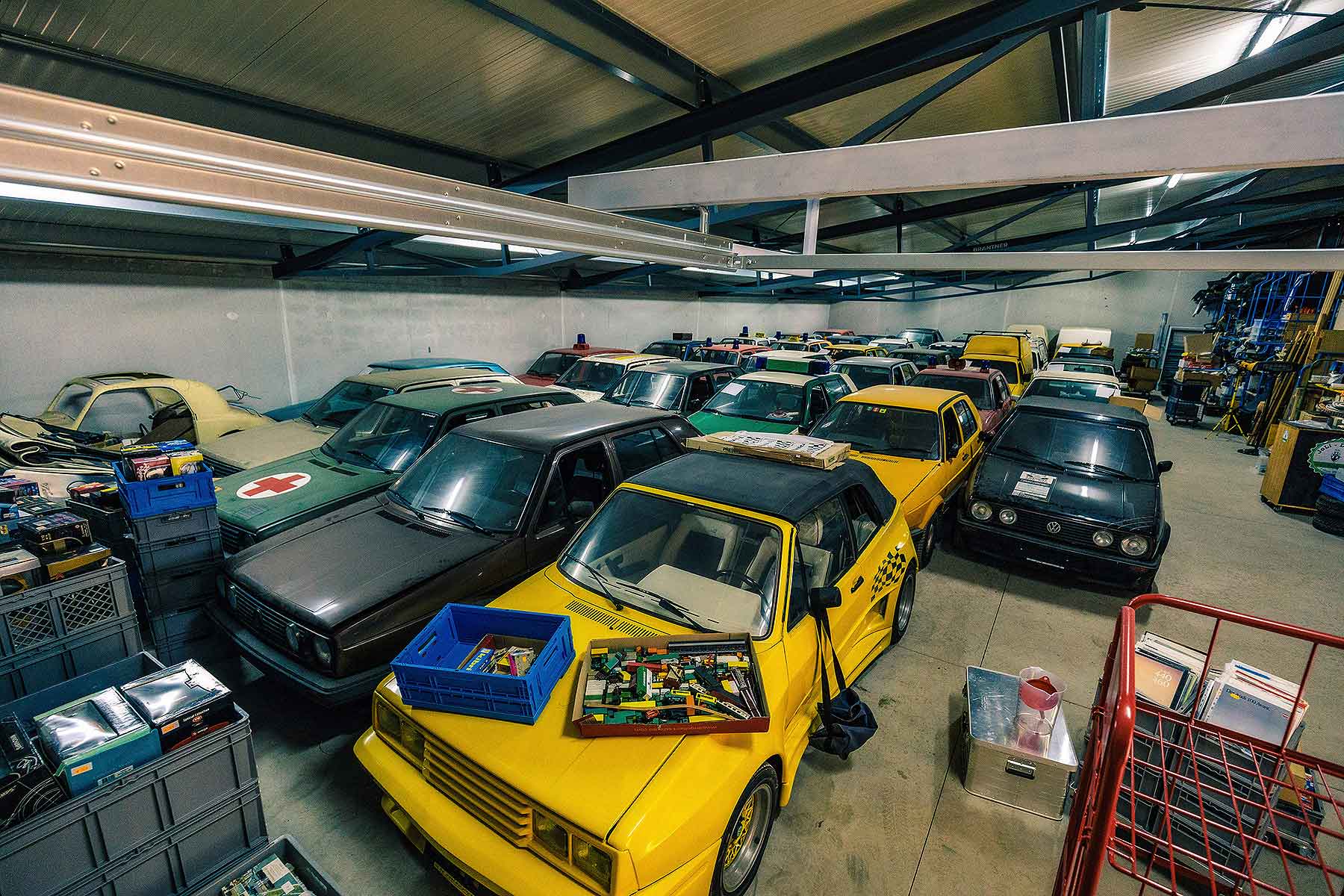
If we told you someone has a vast car collection comprised exclusively of Volkswagen Golfs, you could be forgiven for thinking he might be a line manager at the Wolfsburg plant with delusions of grandeur.
You’d be forgiven, but also wrong. A gentleman by the name of Josef Juza – a chimney sweep based in Vienna – has amassed 114 examples of the staple VW model and its many derivatives. If you’ve got an image in your mind of a precisely parked legion of anonymous and identical silver hatches, then once again, we must ask you to reassess your preconceptions.
The Golf has, over the course of its seven generations, proven to be one of the most versatile motorcars of the last 40 years. It’s as fantastically useful and malleable in terms of its architecture as the Land Rover Defender, the Ford Transit or indeed the Beetle that it was conceived to replace.
And it’s when you take a look through Josef’s collection that you realise to say “50 Shades of Golf” really would undersell the amount of configurations and applications this humble little best-seller has been at the heart of.
So what’s actually in this collection?
Peruse the snaps and you see the Caddy Pickup, the Corrado and the Jetta Cabriolet – all Golf-based. Fair but not mind-blowing and let’s be real, a bit of a cheat. Then the Mk1 with a sliding door raises an eyebrow, as does the CityStromer (an e-Golf from 1981!) and an airport Bremen. That’s a staircase attached to a Caddy pickup that you’ll find passengers climbing up on the way to their airplane seat… The realisation dawns that the Golf has some decidedly Frankensteinian variations, most of which are accounted for in this collection.
Various camper van configurations, a chocolate box of GTIs and ever-quirkier modified creations round off what is a spectacular testament to this legend of everyman motoring.
It’s no overstatement to say that Josef could probably host a shindig to rival Wörthersee itself.
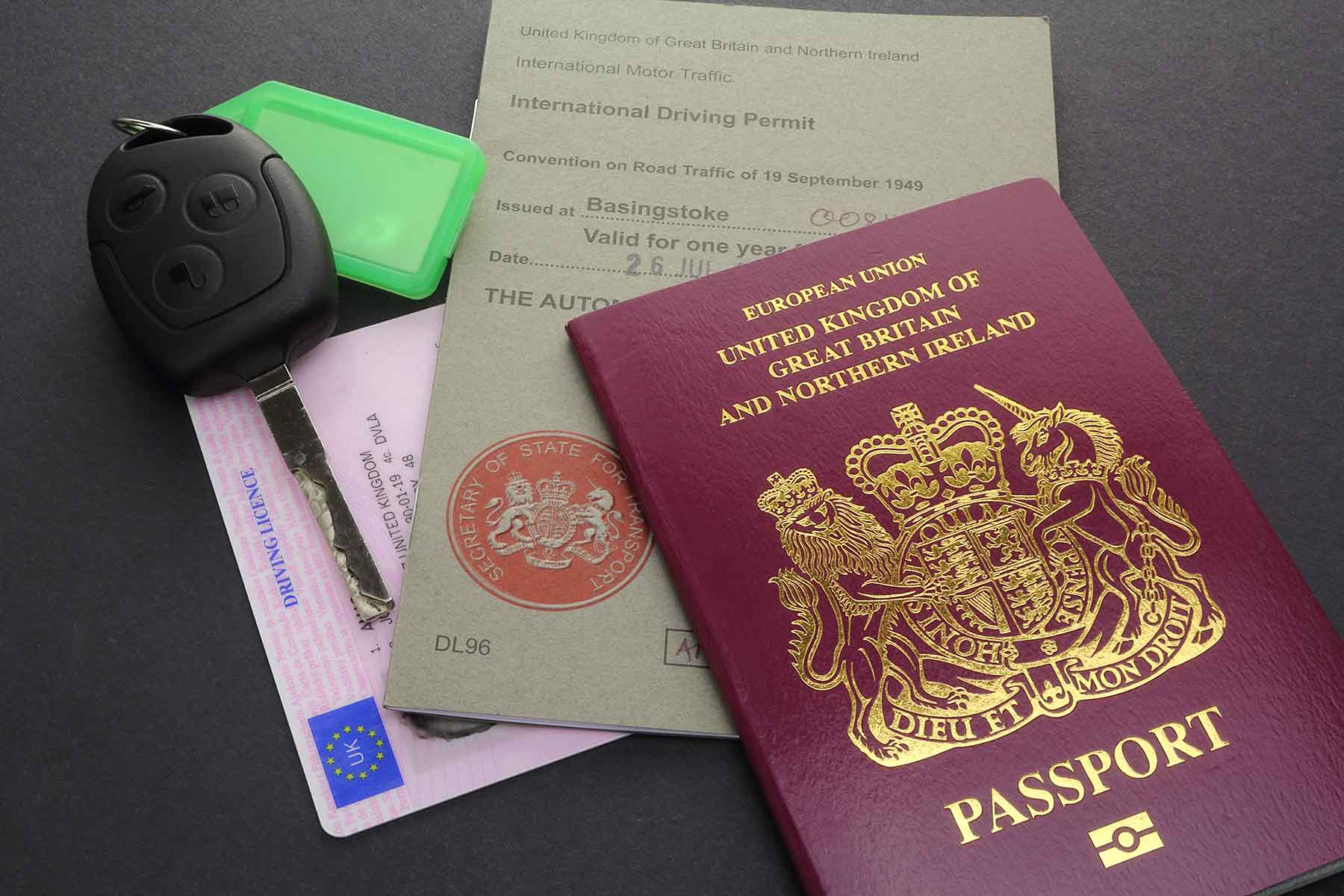
Planning a motorised jaunt across the channel? Sounds idyllic, doesn’t it, but even the glamour of a pan-European dash comes with its rigours. The DVLA has issued a statement with reference to what paperwork you may need to acquire before you buy your ferry ticket.
The focus is on proof of ownership. It’s always been necessary to carry your V5C, but with the exponential increase in vehicles purchased on a personal lease, further documentation is required.
Specifically, a VE103 ‘on hire’ certificate that can be acquired from your rental or lease provider. While the V5C would be proof of ownership, the VE103 is proof of stewardship – while rented or leased, this car is in your care. Either, as per their relevance, are legally required to be in your possession when driving in Europe.
The British Vehicle Rental and Leasing Association (BVRLA) director of member services, Nora Leggett, spoke about the importance of correct documentation: “We believe thousands of motorists could inadvertently flout European legislation when driving across the Channel this year by travelling without the correct documentation.
“We ask that drivers who lease or rent their car notify their rental or leasing company now before the summer holiday peak so that the VE103 certificate can be processed and sent in plenty of time to avoid the prospect of stiff financial penalties, delay and upset to holiday plans”.
Other requirements when driving in Europe:
Insurance: make sure you’re insured to drive in Europe. Contact your insurance provider for more information on your coverage.
Breakdown cover: nobody wants to be left stranded by the side of the road in Europe. Breakdown cover with Europe-wide jurisdiction is essential when driving on the continent.
Water: important for long trips to Europe and elsewhere. In the event that you’re lost or stuck by the side of the road, water is essential, especially when you’re away from home.
Passport: the obvious one, but easy to forget!
A healthy car: prevention is better than cure. A health check for your car is always a good idea before taking any long or arduous journeys.
This year, the Goodwood Festival of Speed is celebrating 25 years since the Duke of Richmond threw open the gates to his humble pad in the Sussex countryside. The event has gone from zero to global extravaganza in no time at all, which is why we’re marking the jubilee with 25 photos from a quarter of century of fast cars going very fast up a hill.
The first Goodwood Festival of Speed
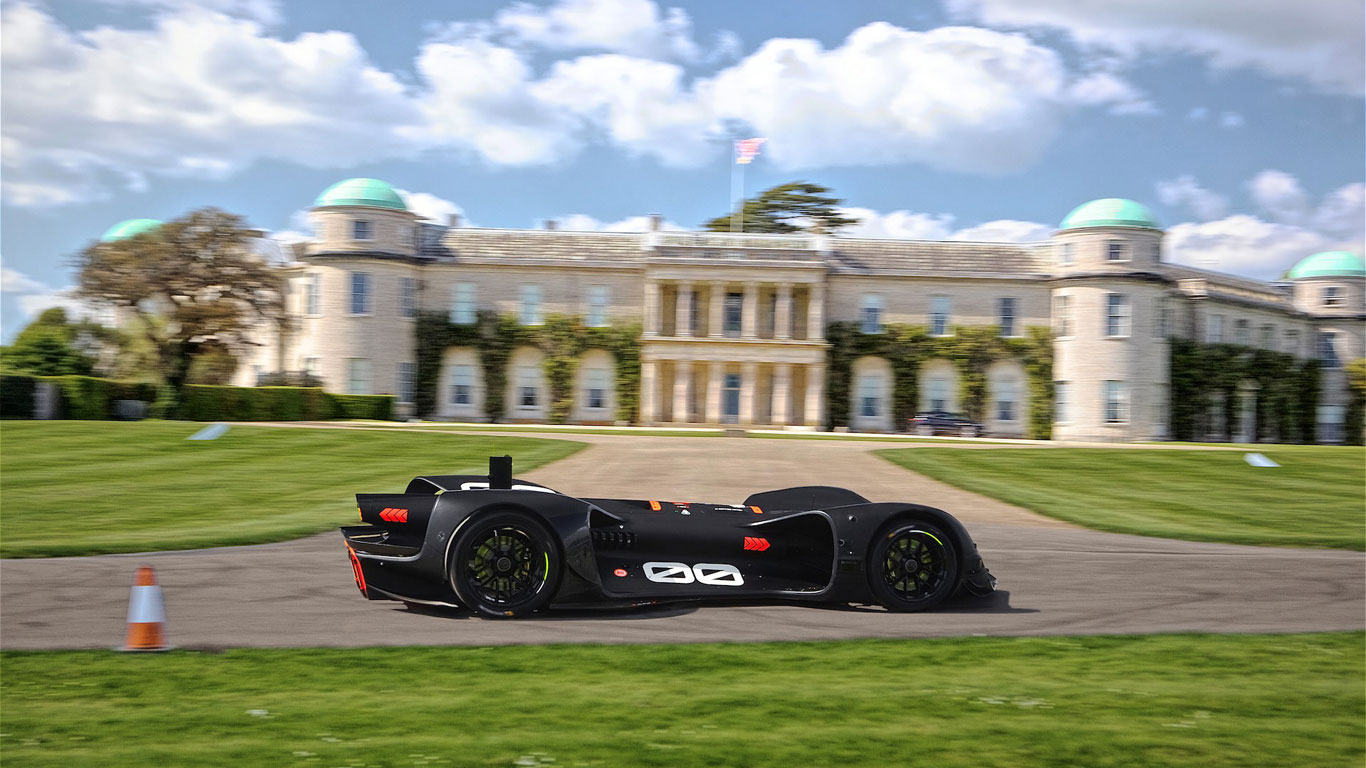
It all began in 1993, when the Goodwood Festival of Speed was held on a single day. The British Automobile Racing Club (BARC) told the team to expect 5,000 people to attend the inaugural day, but such was the appetite for an event of this kind, around five times that number actually turned up. Things have certainly changed – this year, the Roborace will be attempting the first fully autonomous race car hillclimb.
The first F1 cars at the Goodwood Festival of Speed
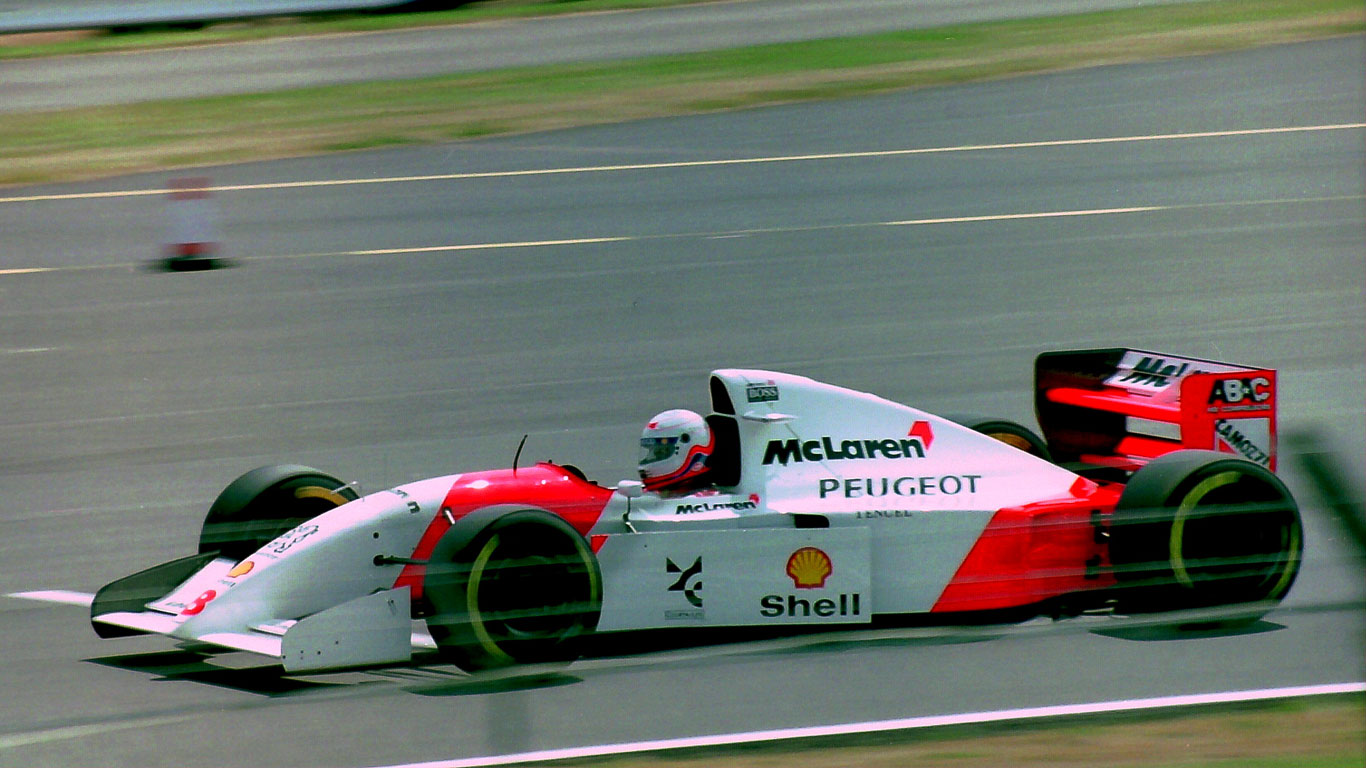
In 1994, Formula One cars featured at the Festival of Speed for the first time, with McLaren-Peugeot sending its then-current F1 car for Martin Brundle to drive. The event was hugely successful for both Goodwood and McLaren, but not before team boss Ron Dennis threatened to leave for being parked alongside the public toilets.
The Silver Arrows
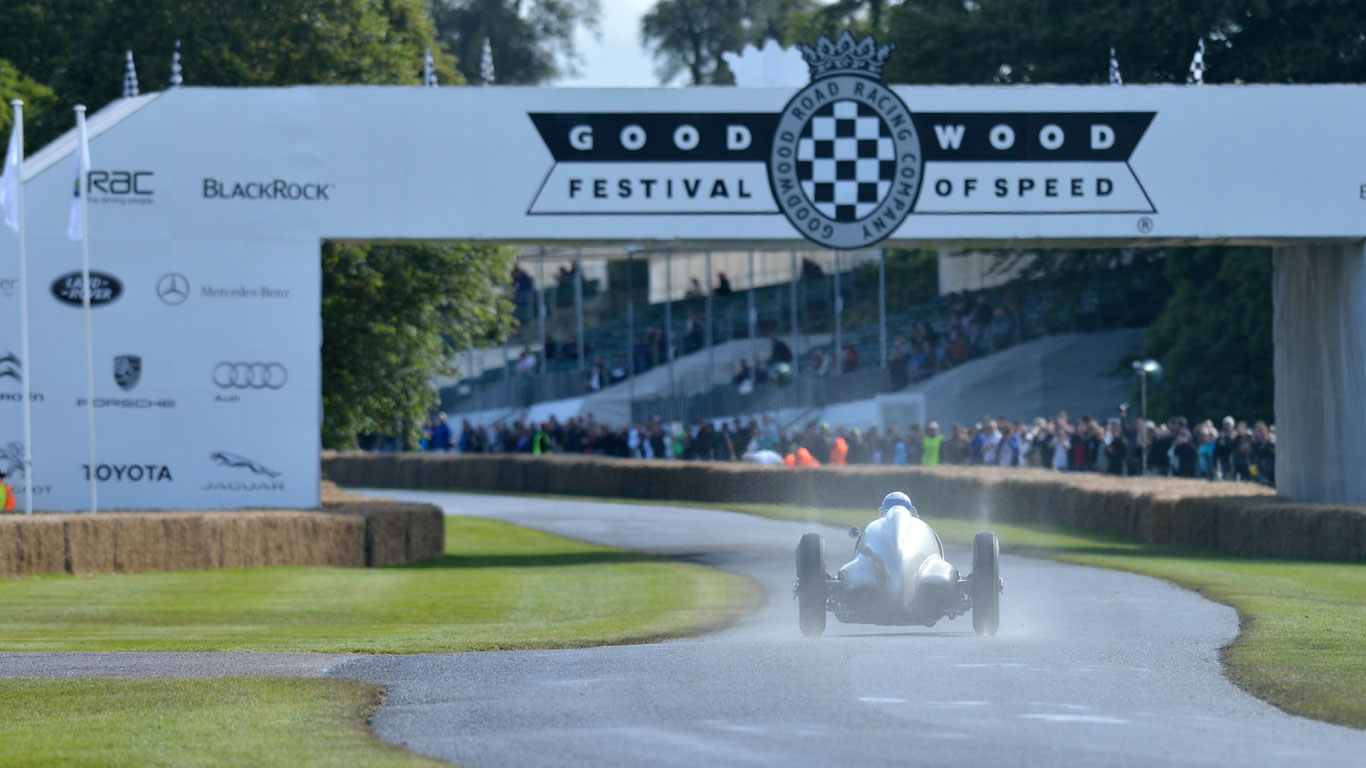
“Having a Silver Arrow at the Festival of Speed was obviously something very, very high on our wishlist,” said the Duke of Richmond. In the second year, the organisers managed to convince Mercedes-Benz to send a W125, one of the most powerful F1 cars in history. This, combined with the appearance of a current F1 car, was instrumental in putting the Festival on the automotive map.
The first Cartier Style et Luxe
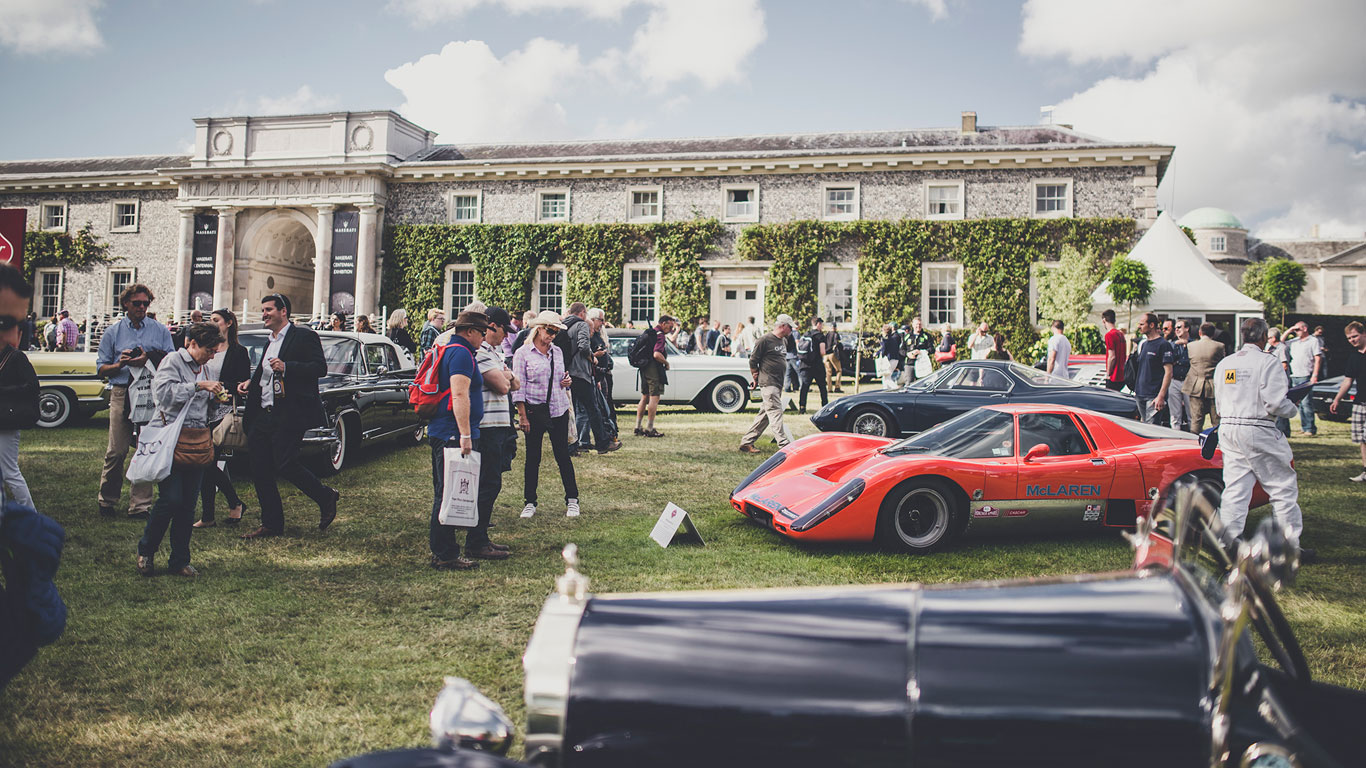
For one weekend every year, the lawn outside Goodwood House plays host to some of the rarest and most expensive classic cars in the world. The Cartier Style et Luxe allows visitors to get up close and personal with the exhibits, which are judged by a panel of automotive experts and celebrities.
Mille Miglia celebration
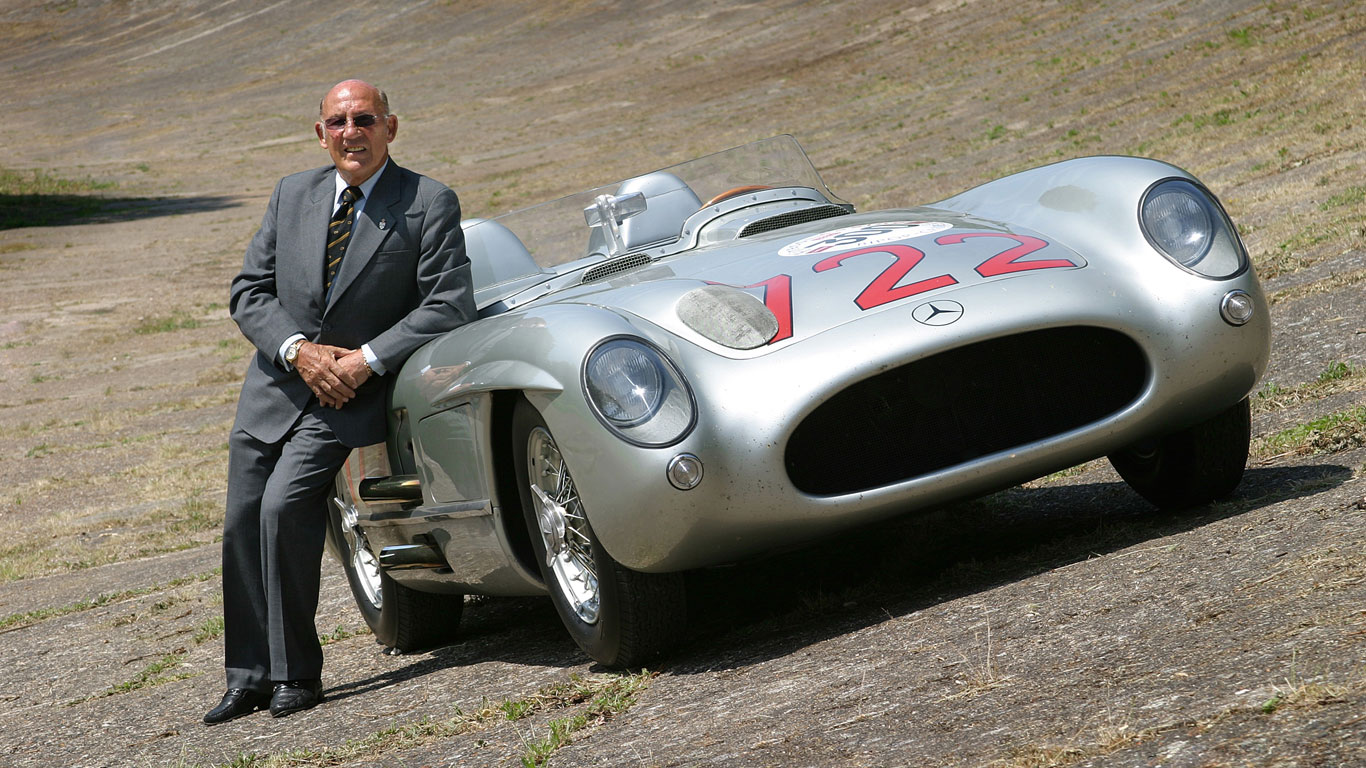
To mark the 40th anniversary of their success at the Mille Miglia, Stirling Moss and Denis Jenkinson were invited to the 1995 Festival of Speed to tackle the Goodwood hillclimb in the Mercedes-Benz SLR number 722. Seeing the pair at the wheel of the famous Mercedes was one of the most emotional spectacles of the event.
Ferrari F1
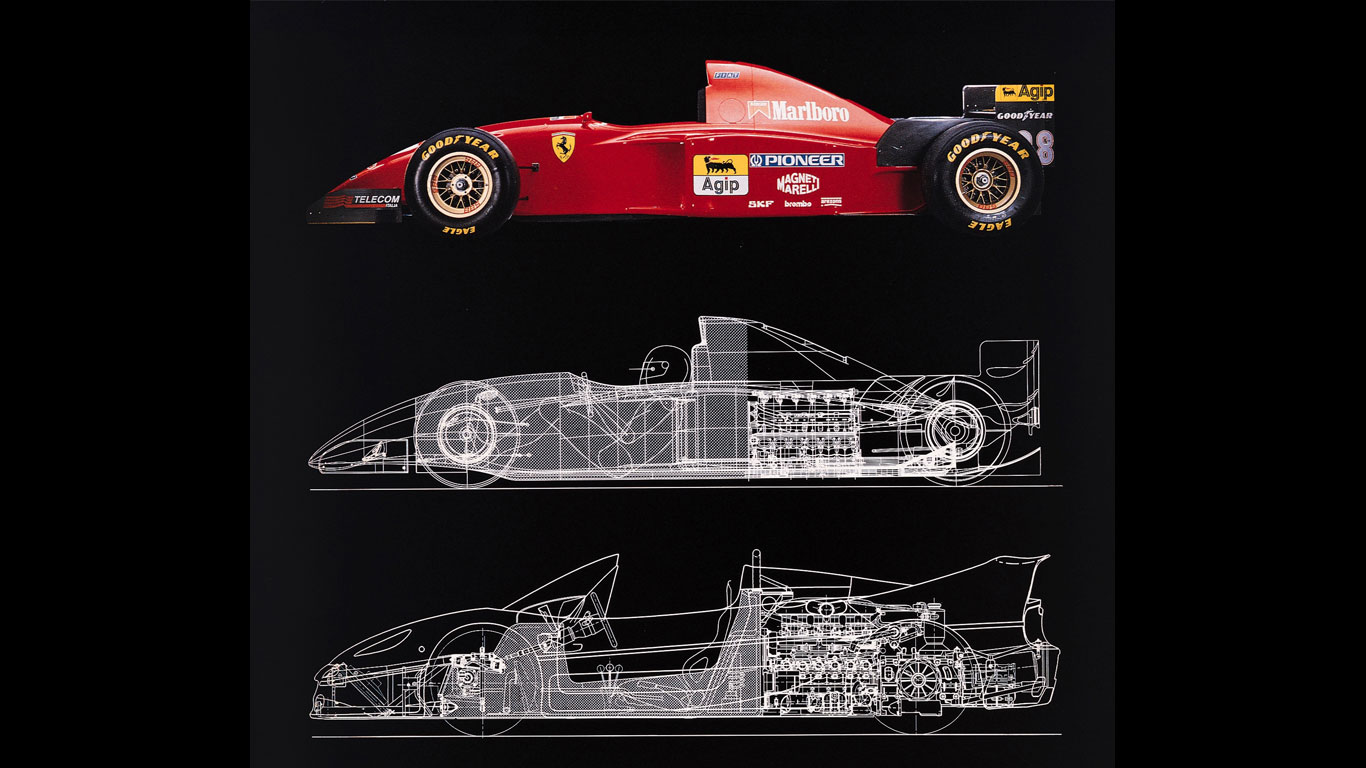
In 1996, the organisers convinced the Ferrari F1 team to take part in the Goodwood Festival of Speed, with Eddie Irvine on hand to wow the crowds. Head to YouTube to see the Ferrari F1 car twitching as it gets off the line, leaving a trail of tyre smoke as it heads up the track.
The Silver Arrows and Auto Union
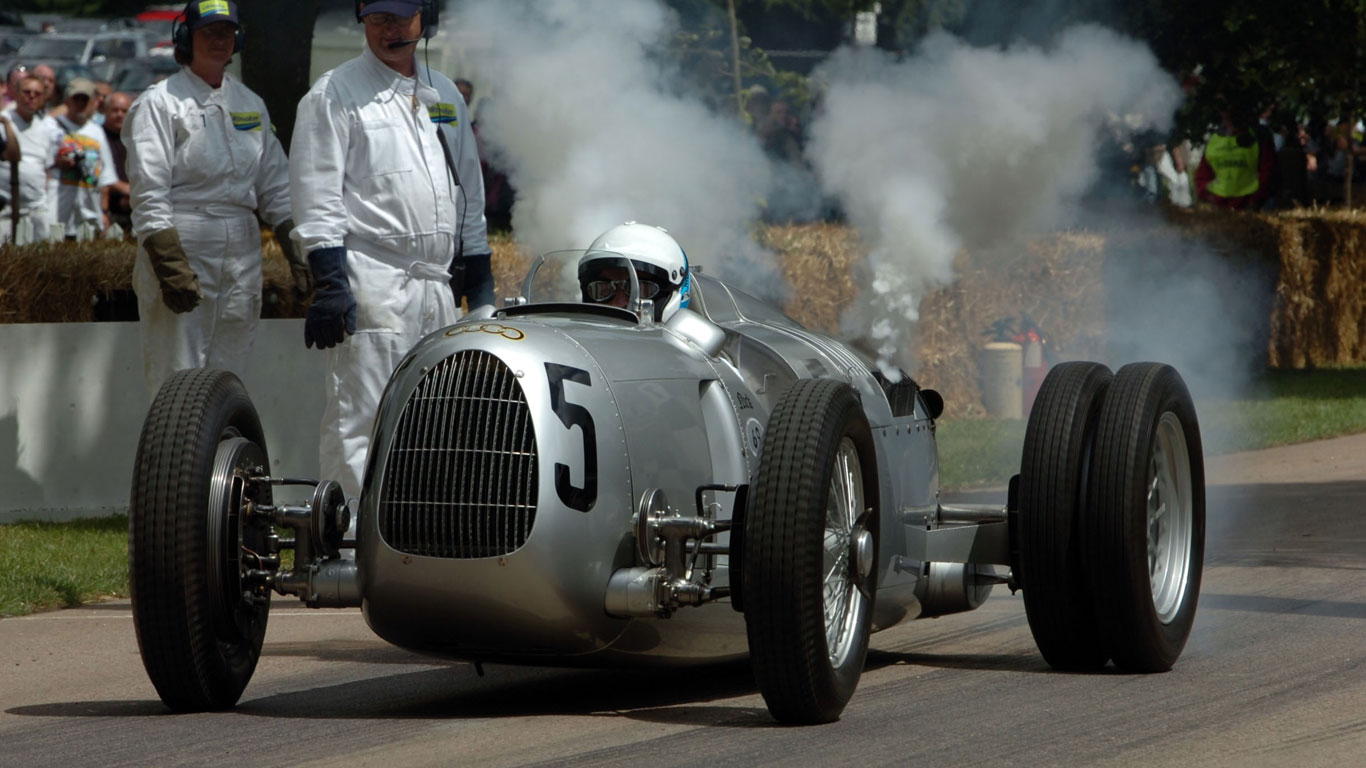
The Duke of Richmond said he and his team were “on it all of the time” to get an Auto Union to the Festival of Speed, and he finally got his wish in 1997. The six-wheeled, supercharged V16 Auto Union was a big deal for the organisers. The car had so much torque, it could lap the Monaco Grand Prix circuit in one gear.
Dan Gurney makes his debut
American legend Dan Gurney made his Festival of Speed in debut in 1997, taking to the Hill in the Eagle Weslake Grand Prix car. To mark the occasion, motorsport historian Doug Nye arranged to have ‘Viva Gurney’ painted on the track, a reference to the BARC painting the same thing on the Brands Hatch circuit in the late 60s.
Nick Heidfeld sets the fastest time
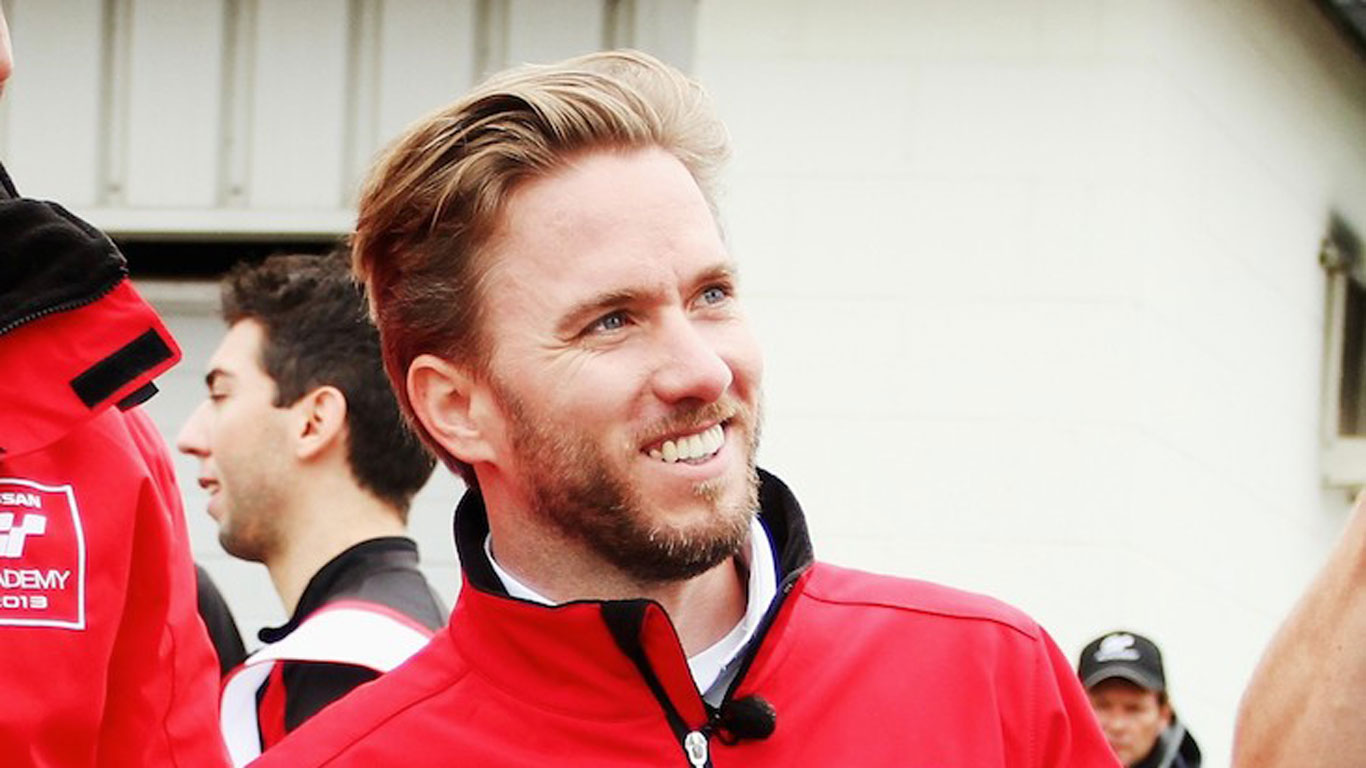
Nick Heidfeld holds the Goodwood hillclimb record after finishing in 41.6 seconds in 1999. Since then, the rules have changed to prevent F1 cars from setting official times, so the McLaren MP4/13 is likely hold the record for a little while longer yet.
Other quick times
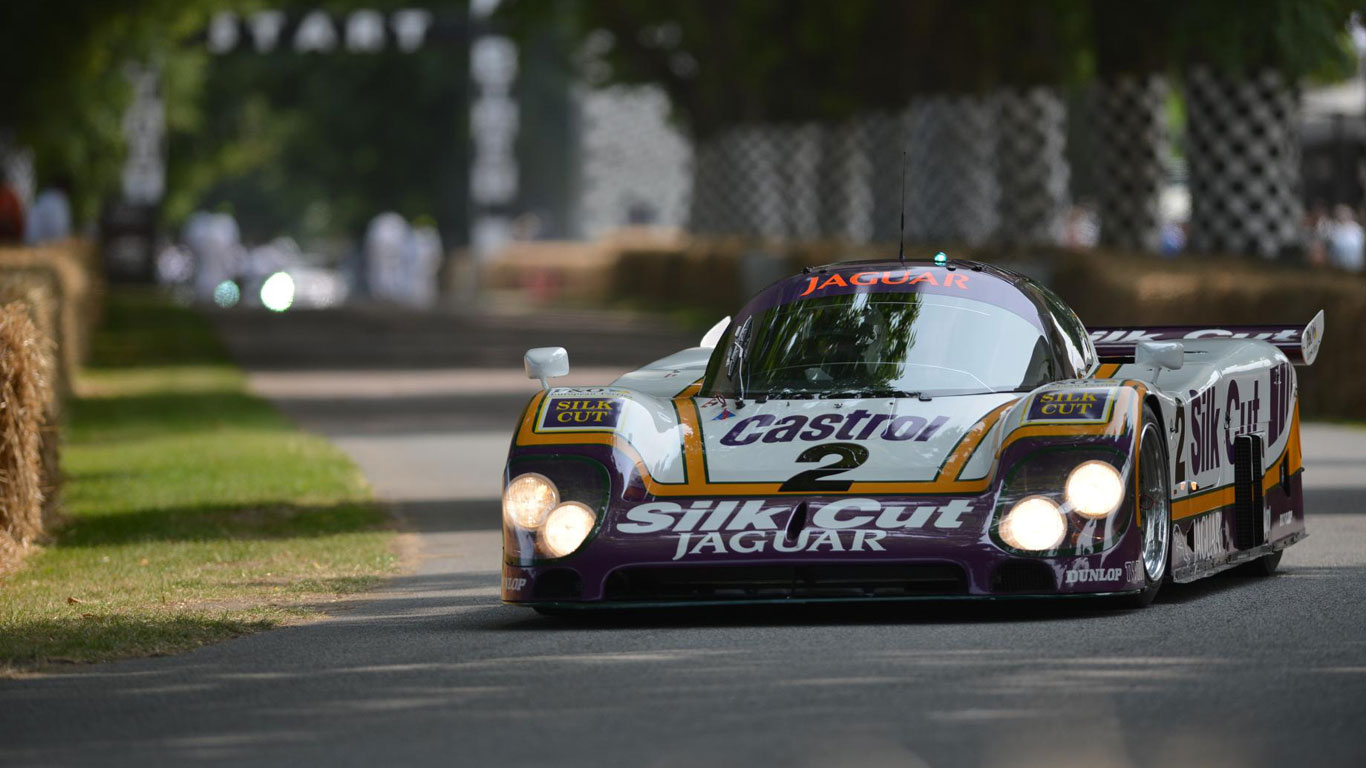
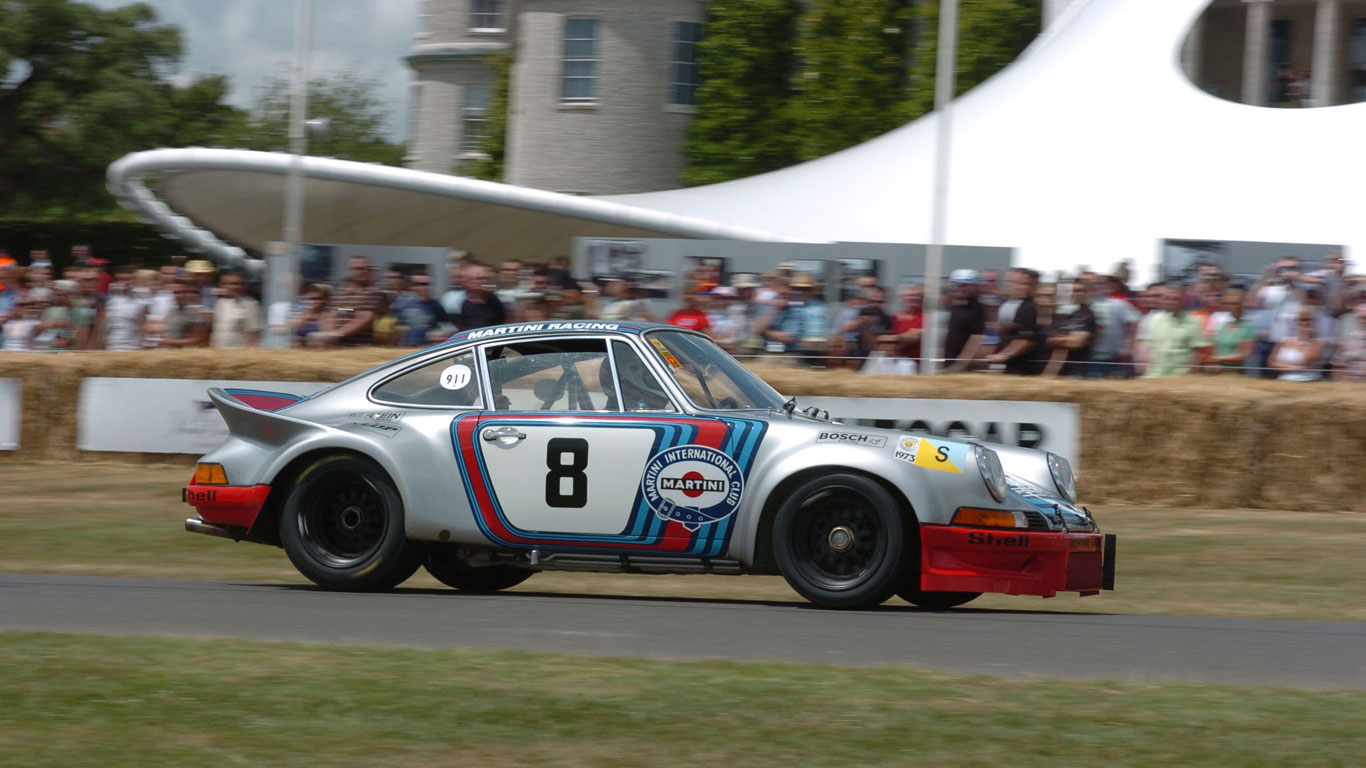
Nick Heidfeld’s time was blisteringly quick, but other drivers have come close to breaking the German’s record. In 2003, Graeme Wright Jr crossed the line in 42.9 seconds, while Justin Law finished with a 44.19 in 2004 and 44.4 in 2005, both at the wheel of a Jaguar XJR8/9 (pictured). Sebastien Loeb was similarly quick, but more on this later.
Honda
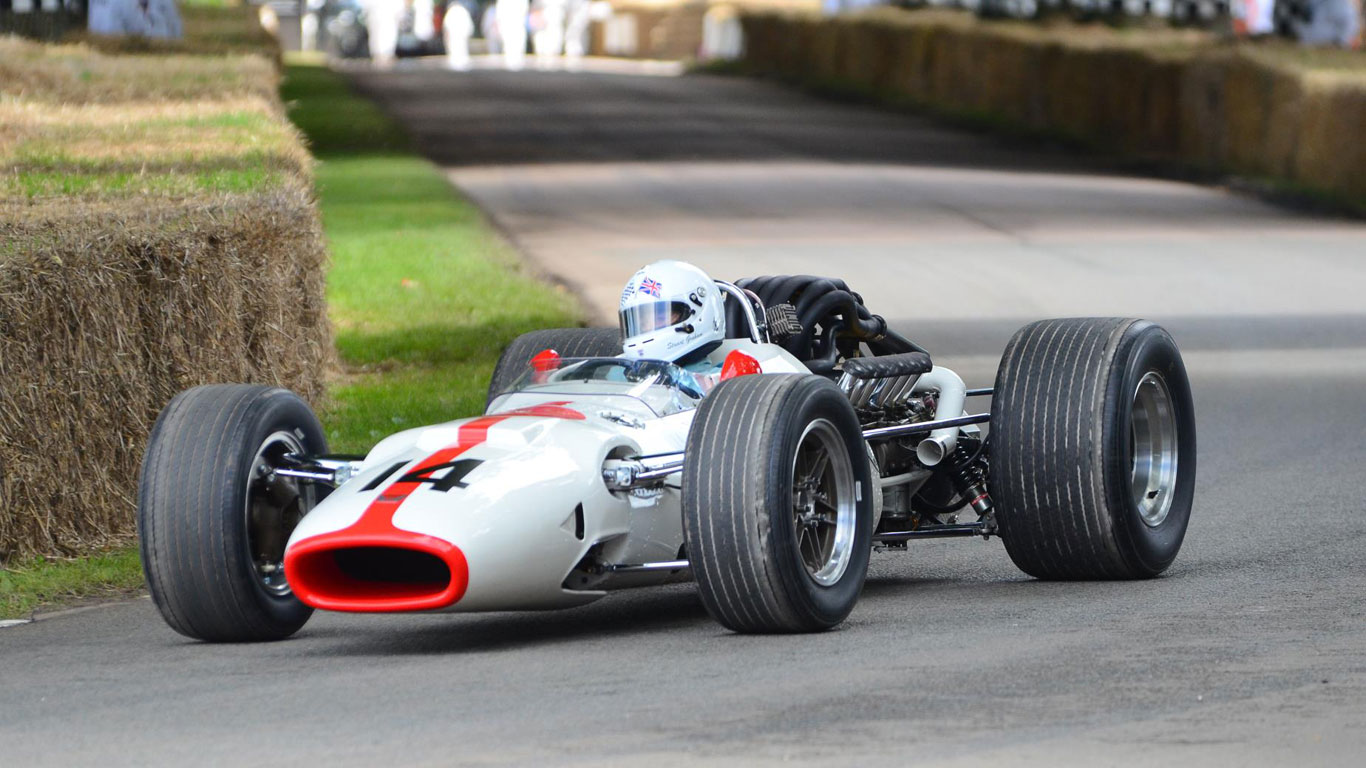
Honda was one of the first sponsors of the Festival of Speed in 1993, and six years later the Japanese company put on a magnificent display. To mark its 50th anniversary in 1998, Honda had started restoring its historic collection, which presented the ideal opportunity for a display at the 1999 Festival of Speed. The line-up of motorcycles and cars was said to be worth between £30 million and £50 million.
Rod Millen in a Toyota Celica
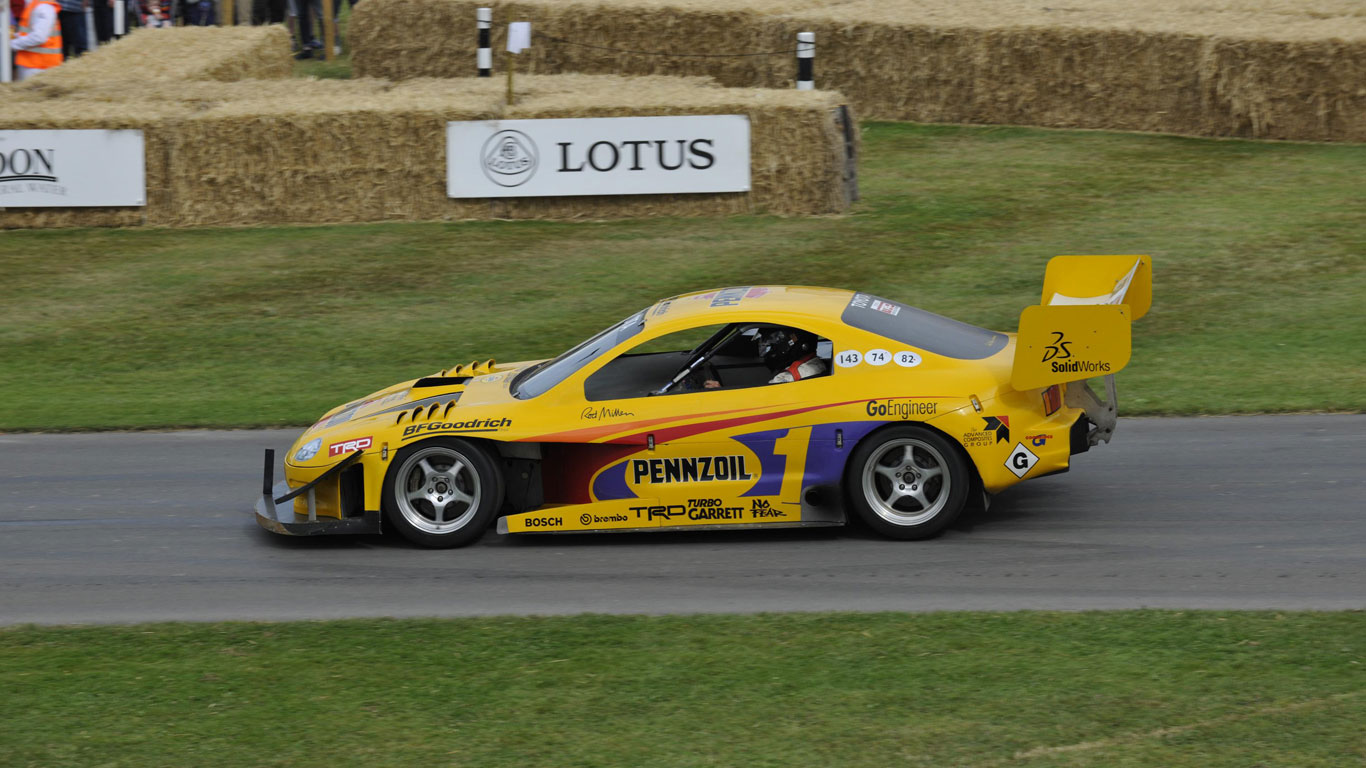
The Toyota Celica Pikes Peak would be more at home on gravel than the smooth surfaces of the Goodwood Festival of Speed, but when Rod Millen is at the wheel, you should expect the unexpected. The Kiwi recorded the fastest time in 2002, finishing in 47.4 seconds. Between 1994 and 1997, Rod Millen won the Pikes Peak hillclimb three times in the Celica.
Richard Petty
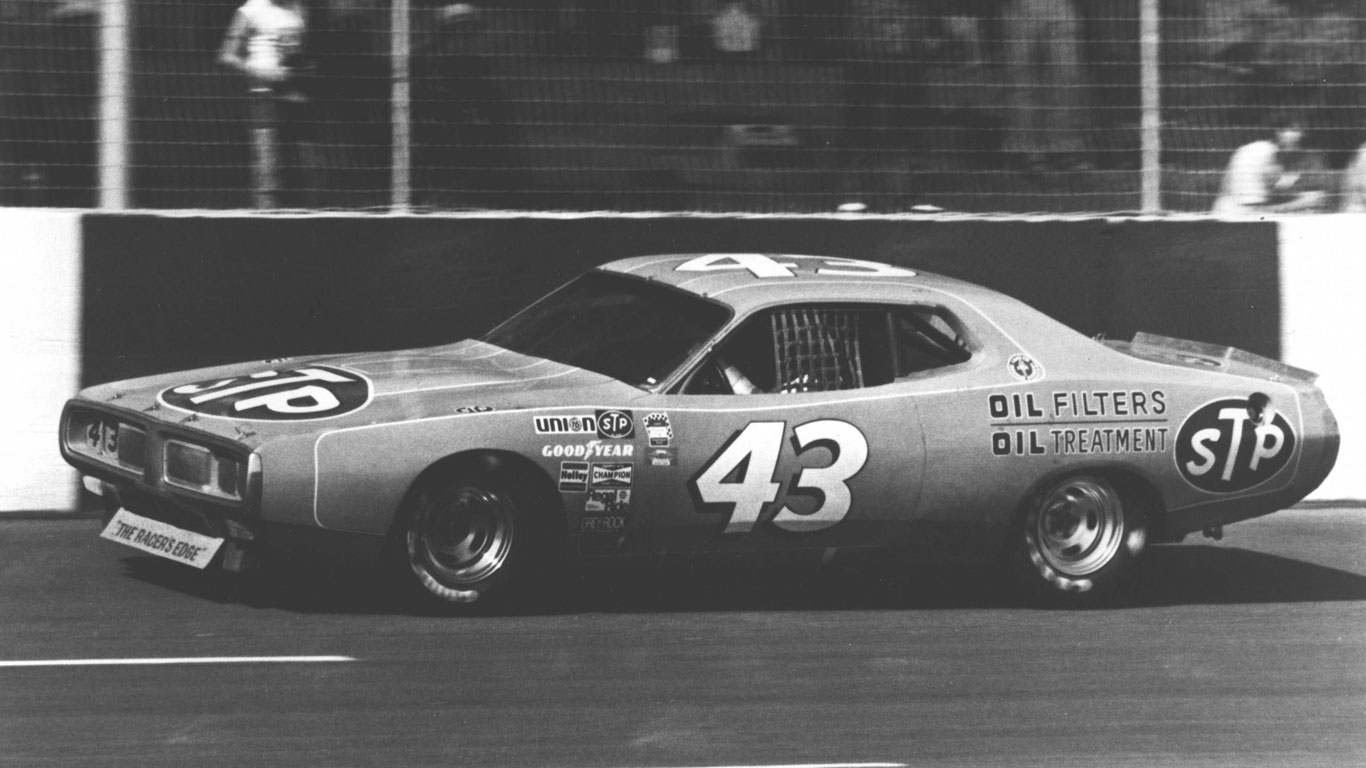
After many failed attempts to get Richard Petty to attend the Festival of Speed, the Duke of Richmond finally got his man in 2006. Nine years later, Richard Petty took to the hill in the iconic Superbird.
Dougie Lampkin rides through Goodwood House
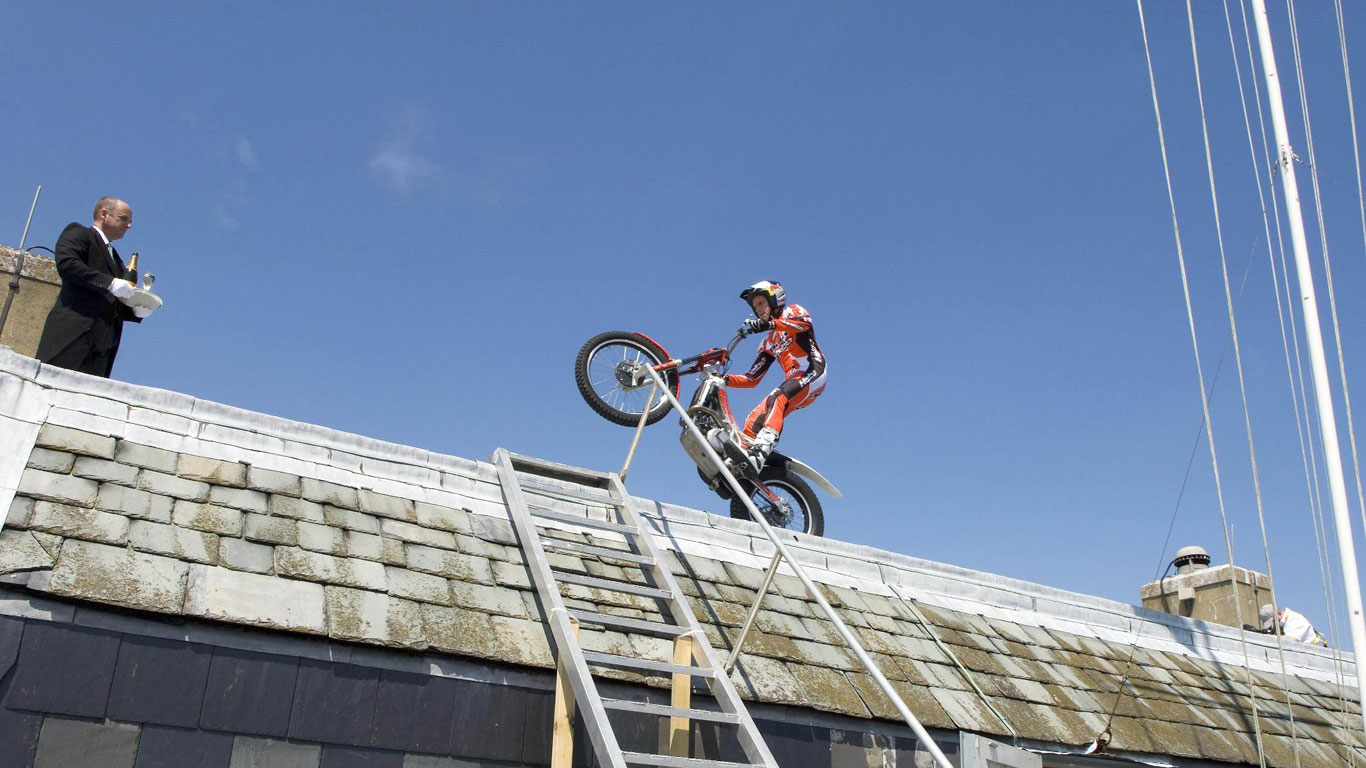
In 2008, Dougie Lampkin emerged from the back of a van, rode up the gravel driveway and in through the front door of Goodwood House. He rode through pretty much every room in the house, up and down the stairs, before finishing on the roof to enjoy a glass of champagne. As publicity stunts go, this one was pretty special.
Moving Motor Show
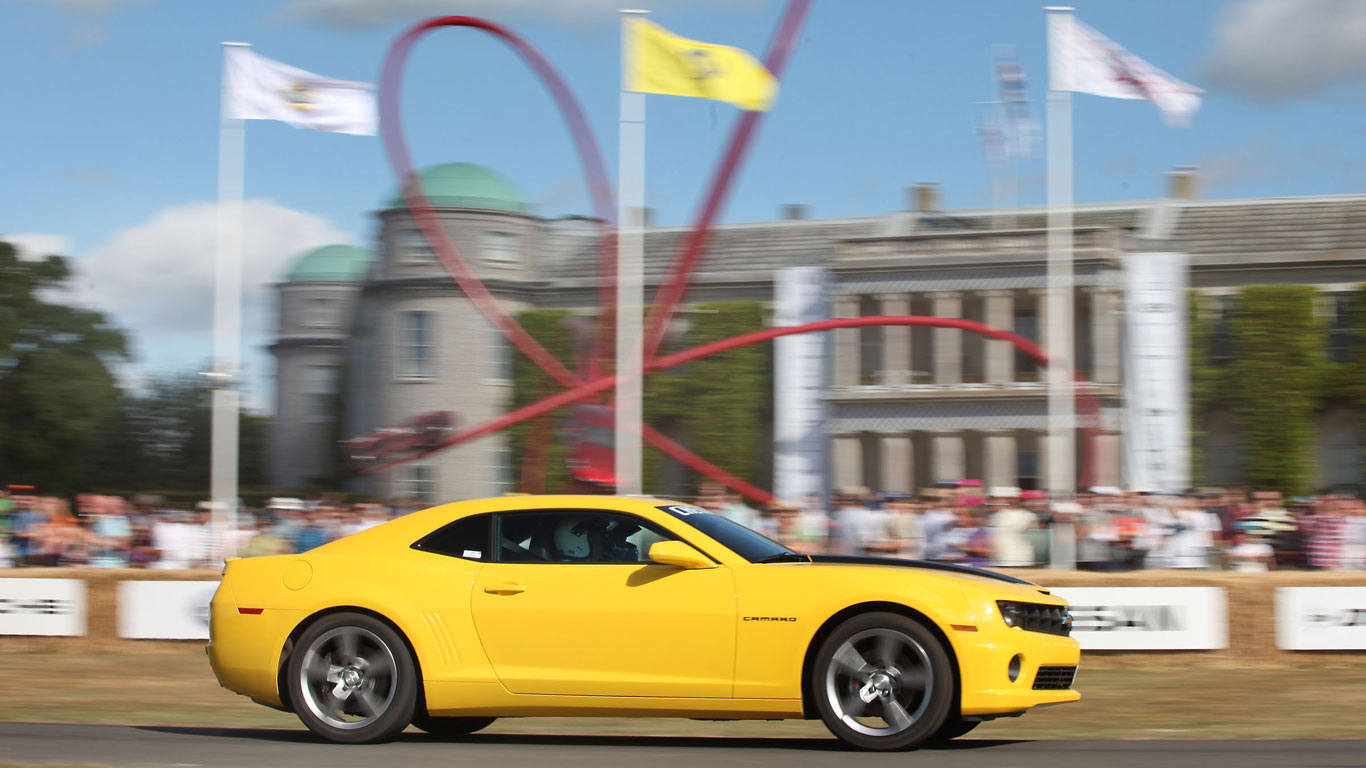
In 2010, Goodwood launched the Moving Motor Show, giving car buyers the opportunity to test-drive new cars on the famous hillclimb. “It’s a moving motor show, a preview day where manufacturers show off their latest and most exceptional products. We will be putting their guests into these cars and they will experience the hill for themselves. It’s a dynamic experience: we are keen to be the British motor show and we believe the Festival of Speed can take that position,” said the Duke of Richmond at the time.
Jaguar E-Type central feature
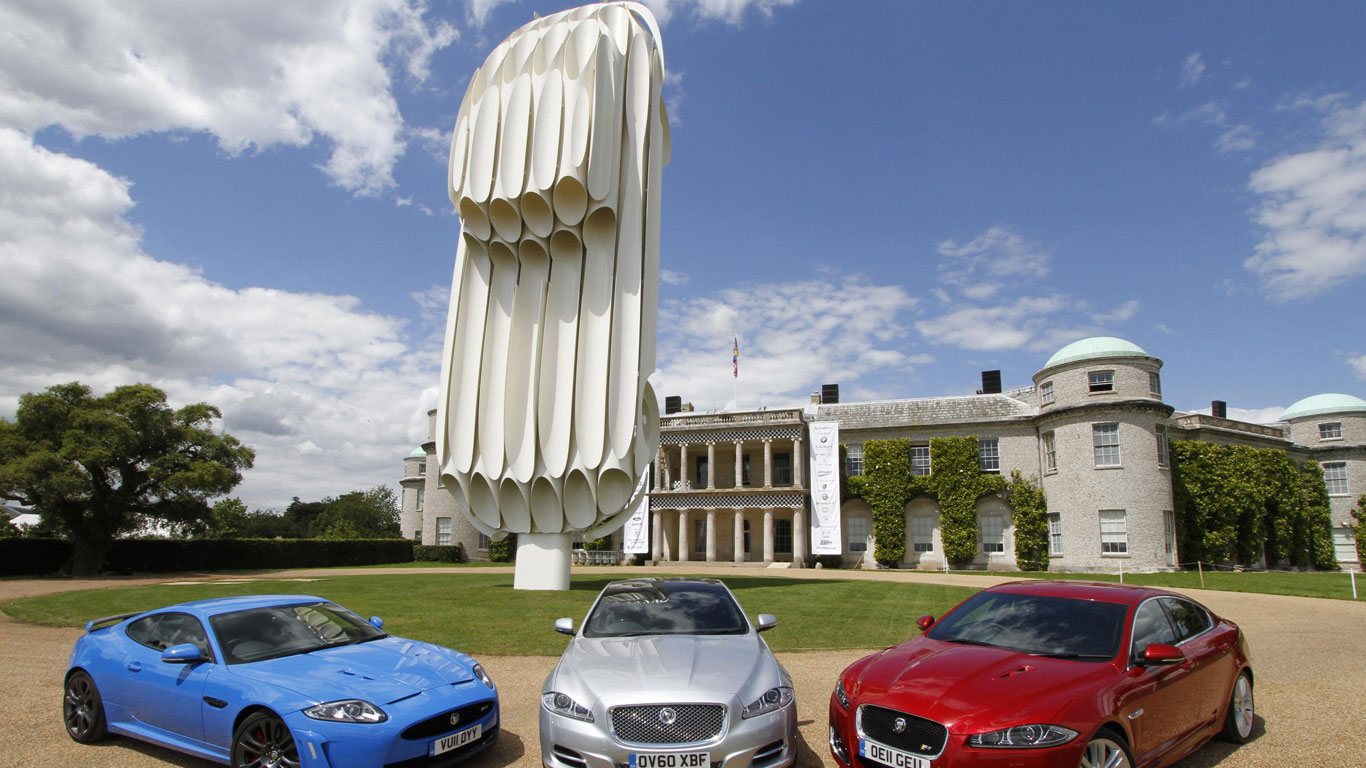
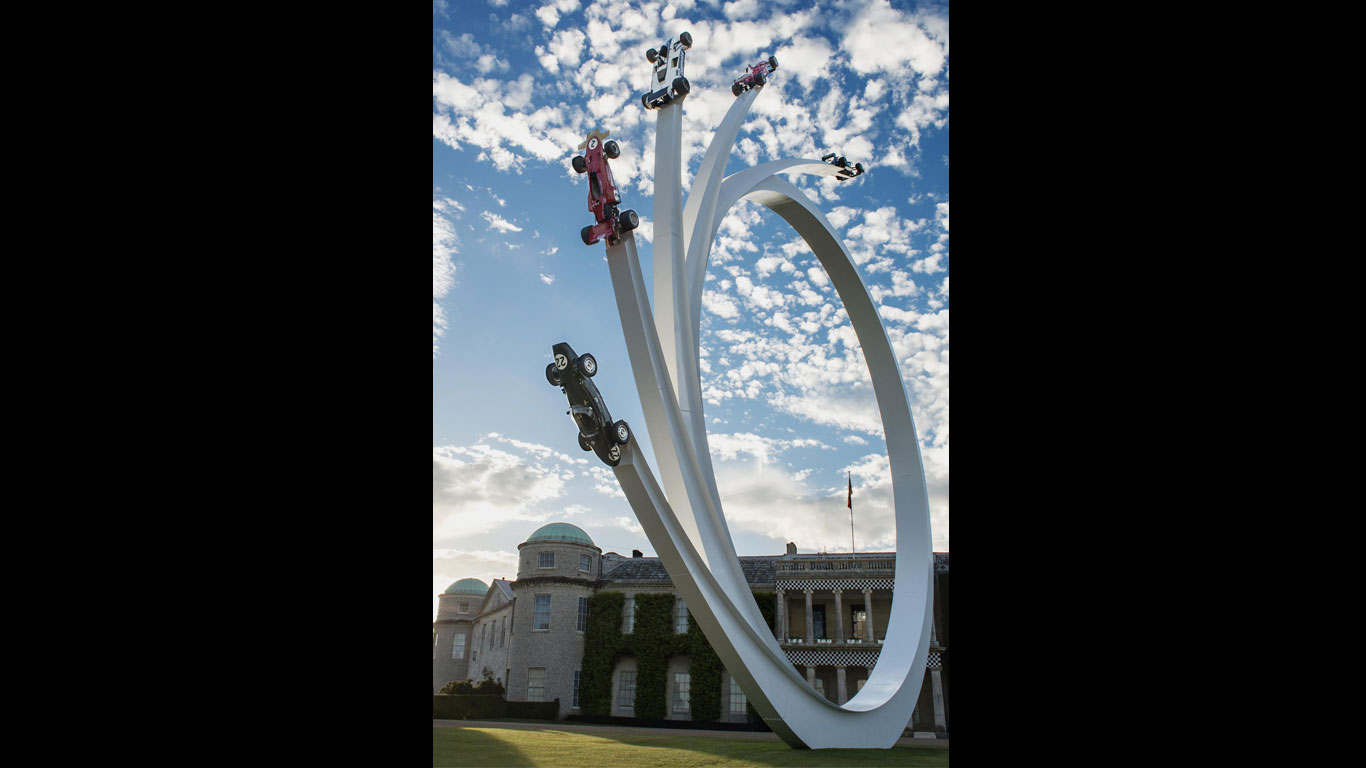
Gerry Judah has been creating the central feature for the Goodwood Festival of Speed since 1997, with each one erected on the lawn outside Goodwood House. In 2011, this sculpture honoured 50 years of the Jaguar E-Type.
The Goodwood hillclimb in Gran Turismo 6
From looking back to moving forward… In 2013, Goodwood’s famous hillclimb was immortalised in Gran Turismo 6, with gamers given the opportunity to beat Nick Heidfeld’s record time. Kazunori Yamauchi, creator of Gran Turismo, said: “Goodwood represents every type of motoring and motor sport, which very much mirrors what we aim to achieve with Gran Turismo and so it is very special that we have forged this partnership.”
Return of the Soapbox
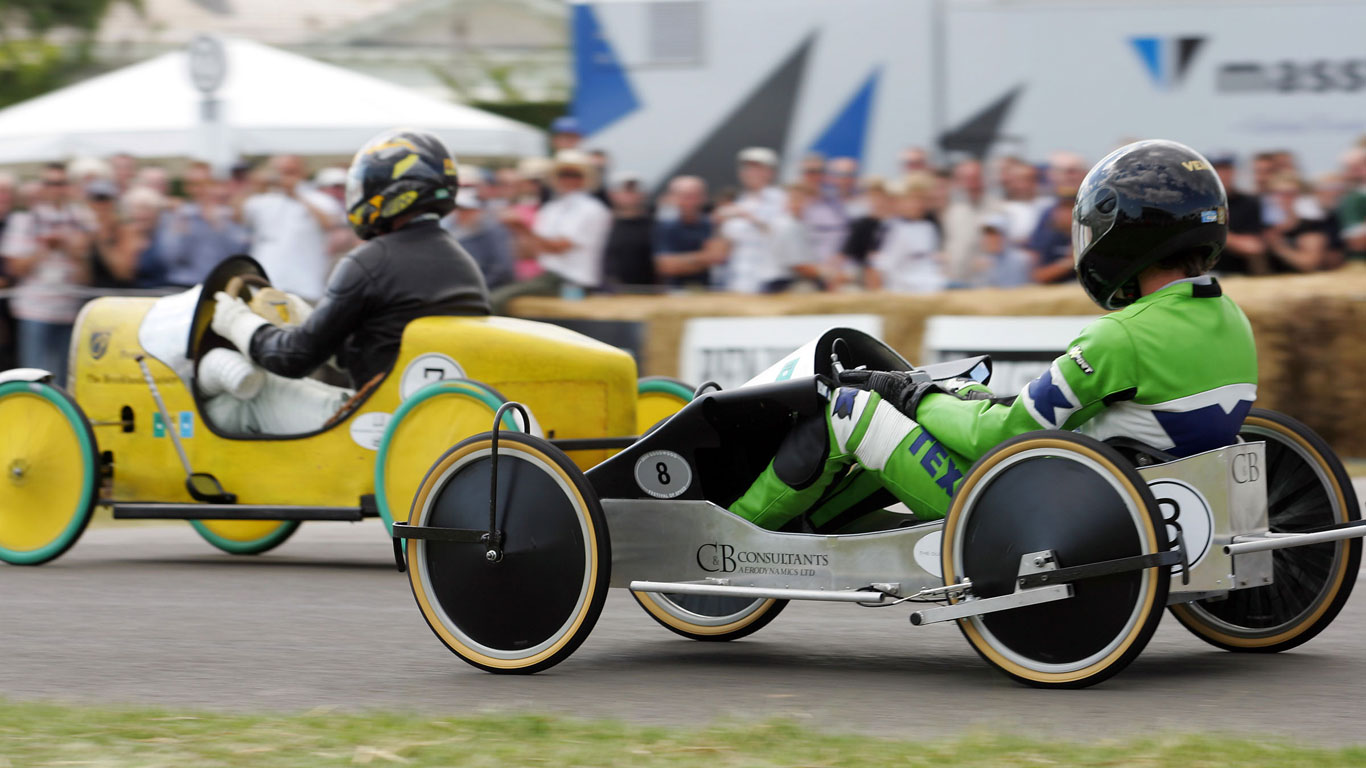
Following a nine-year hiatus, Soapbox racing returned to the Festival of Speed in 2013, with the gravity racers making their way down the hillclimb.
Peugeot 208 T16 Pikes Peak
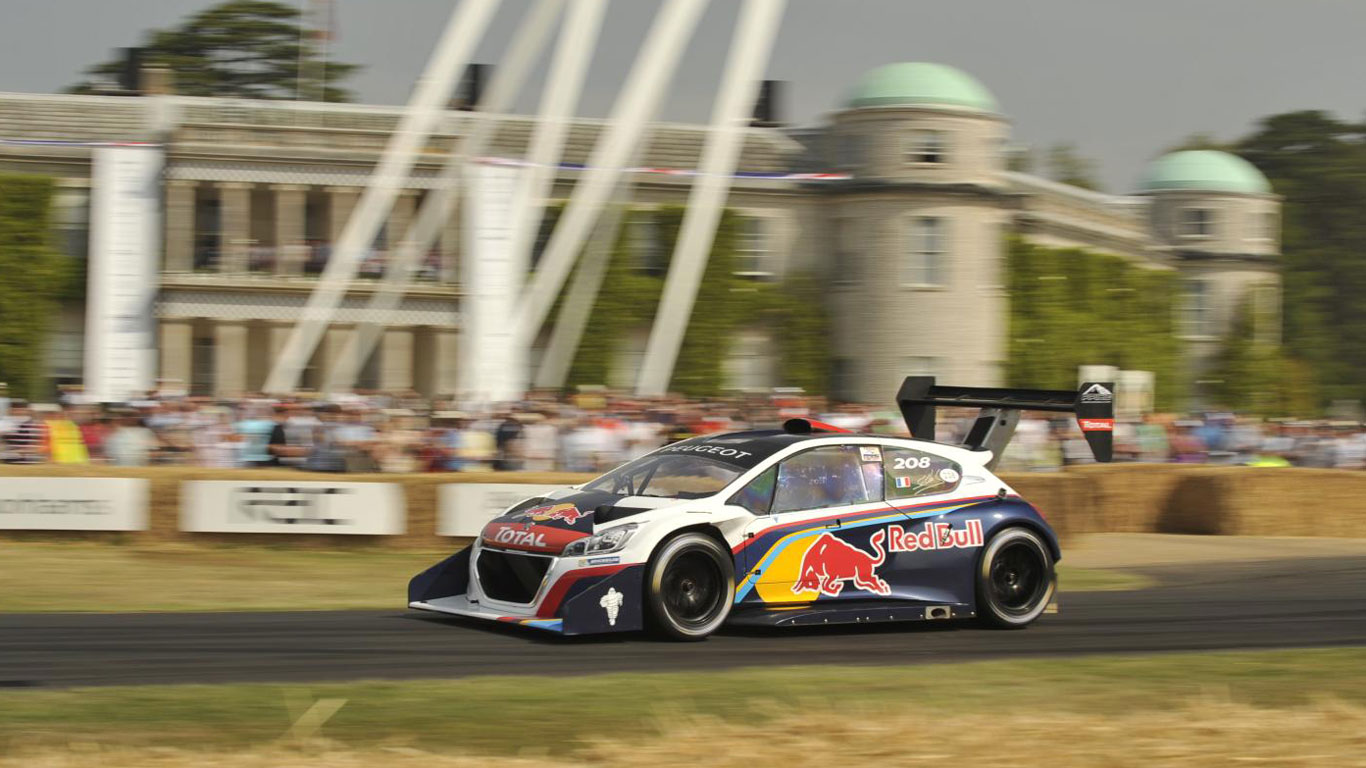
In 2014, Sebastien Loeb set the fastest time of the decade, with his Peugeot 208 T16 Pikes Peak crossing the line in 44.6 seconds. A year earlier, the 3.2-litre twin-turbocharged 208 set the fastest time at the Pikes Peak International Hill Climb.
The Beast of Turin
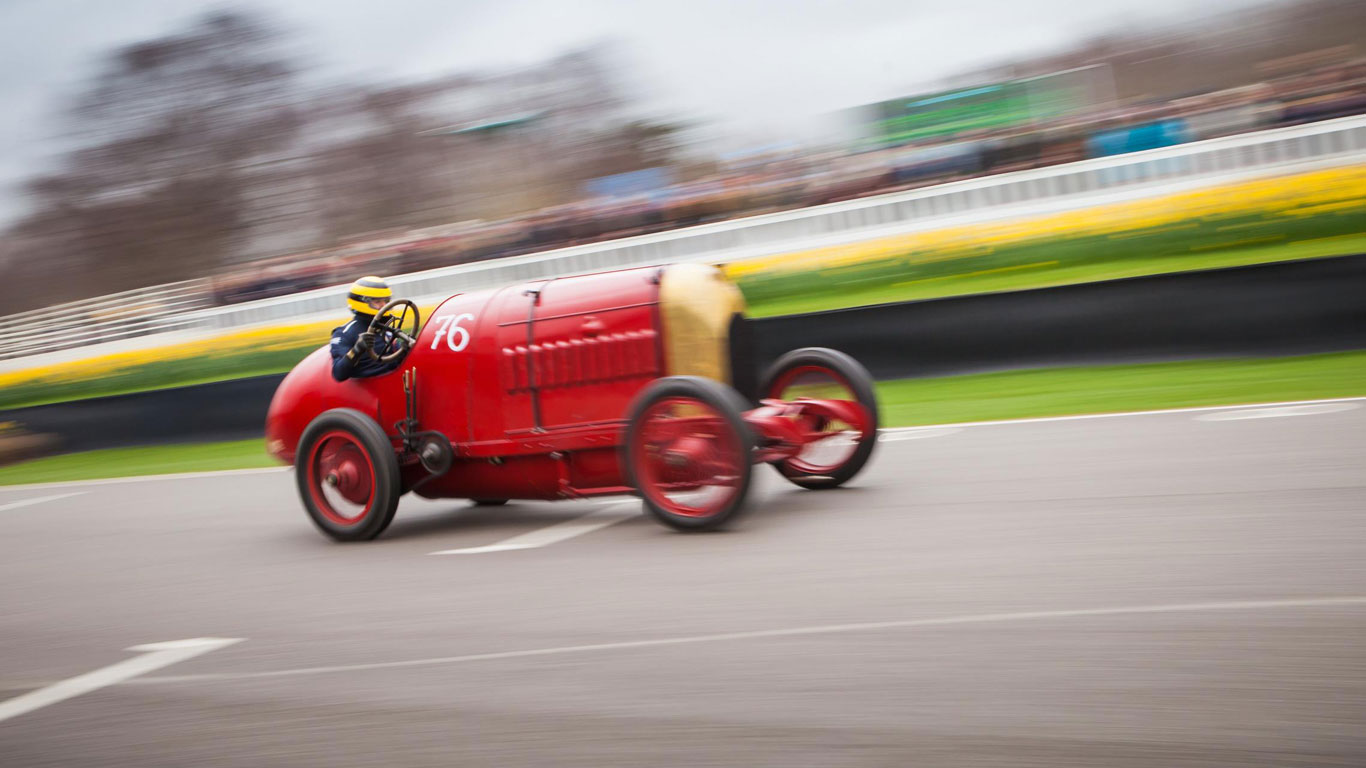
The Goodwood Festival of Speed was the first public outing of the Fiat S76 ‘Beast of Turin’ since its restoration. The flame-spitting land speed record breaker made its Festival debut in 2015, which marked its first public appearance in over 100 years.
Aston Martin Vulcan
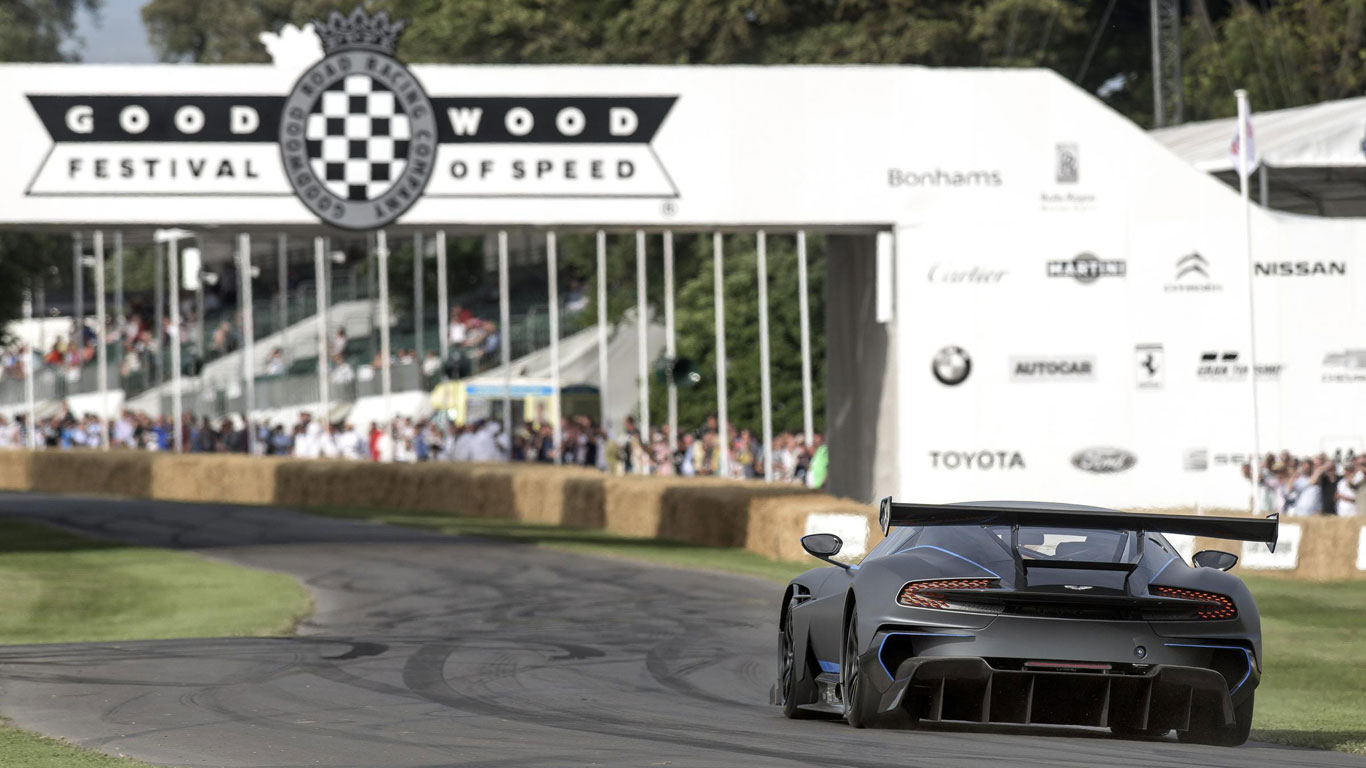
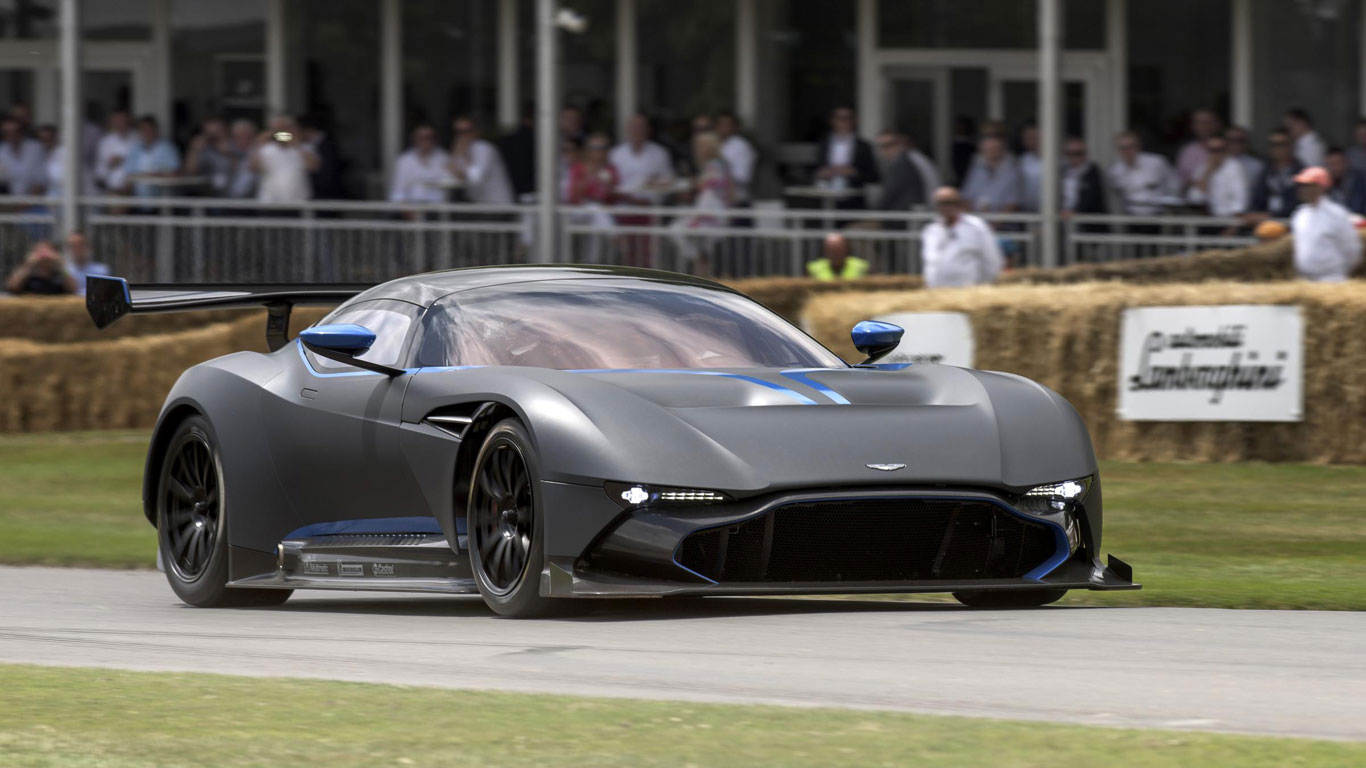
As Britain’s unofficial motor show, many manufacturers have wised up to the potential of launching a new car at the Goodwood Festival of Speed. The Polestar 1 will make its first dynamic appearance at this year’s event, while the Aston Martin Vulcan did the same in 2015.
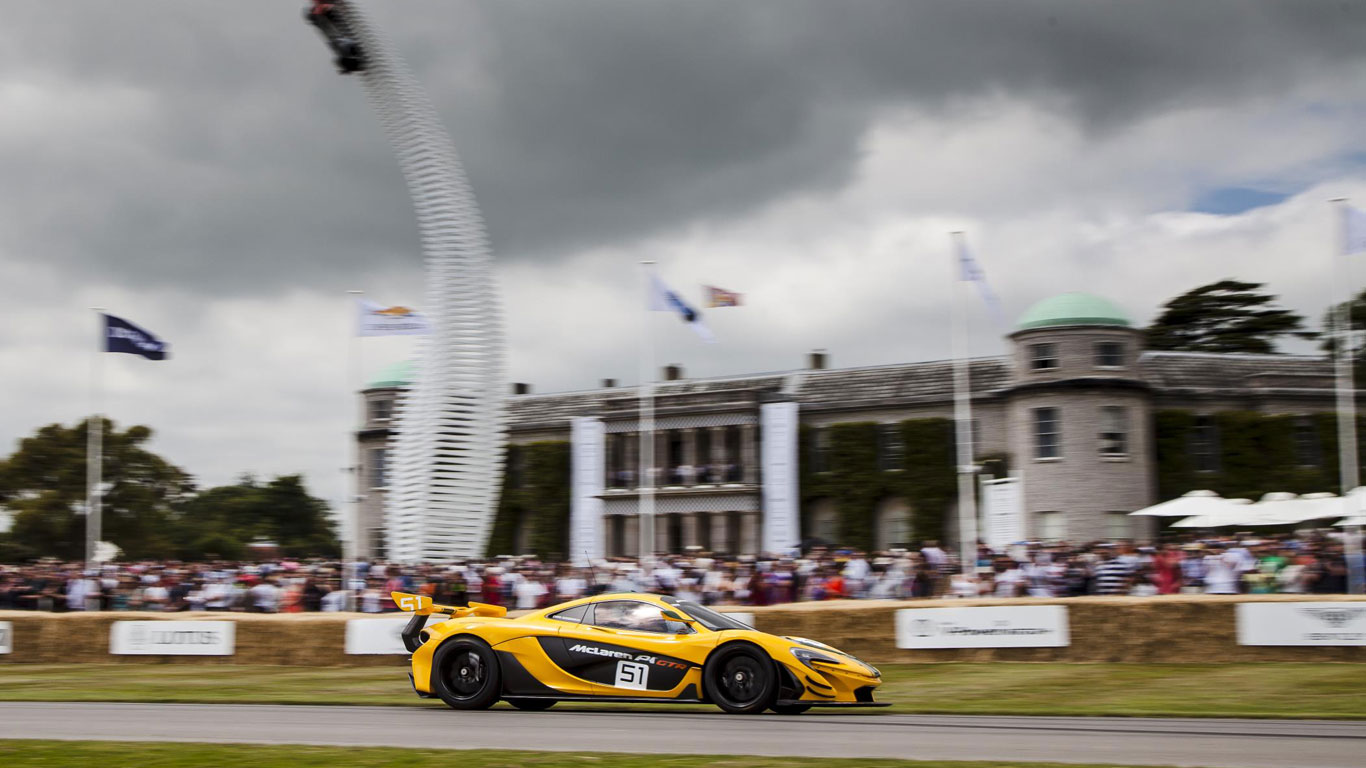
McLaren P1 GTR Bruno Senna
Not one, but two McLaren P1 GTRs took to the track in 2016. The first was finished in a special livery inspired by James Hunt’s race helmet, in honour of the 40th anniversary of his F1 championship win. The second was an extensively modified version of the original created by McLaren Street Operations (MSO), with the aim of setting a fastest time. It was unsuccessful, with Olly Clark finishing top in ‘Gobstopper II’.
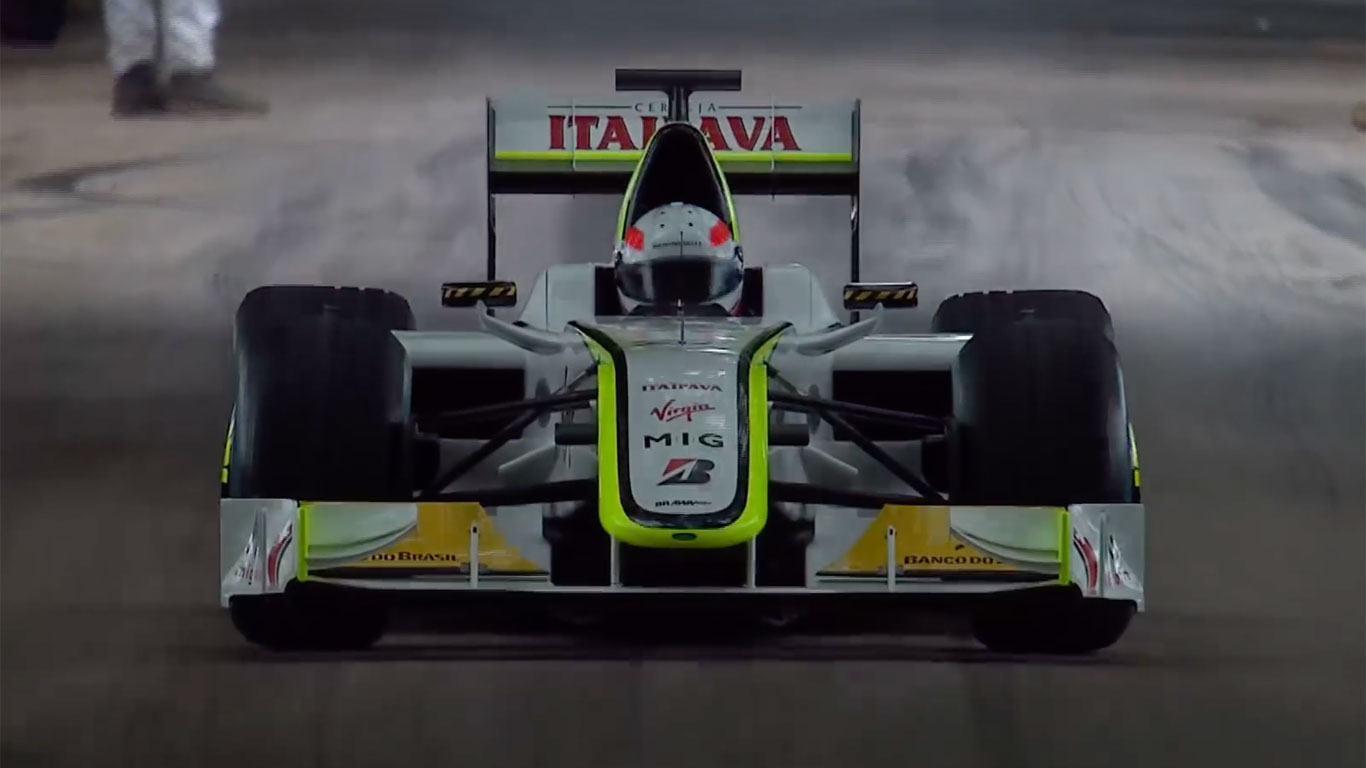
The Brawn GP car
This was a big moment for the Festival of Speed, Ross Brawn and Martin Brundle. The Brawn GP car hadn’t been run in any form since the end of the 2009 season, so this was the first opportunity for Ross to put his title-winning car on public display. Sadly, Jenson Button was unable to drive car, so that honour was left to Martin Brundle.
Bernie Ecclestone display
In 2017, the central feature honoured an individual and not a manufacturer, with the sculpture celebrating the life of Bernie Ecclestone. Needless to say, it wasn’t a giant statue of the former F1 supremo. This year, the central feature will celebrate 70 years of Porsche.
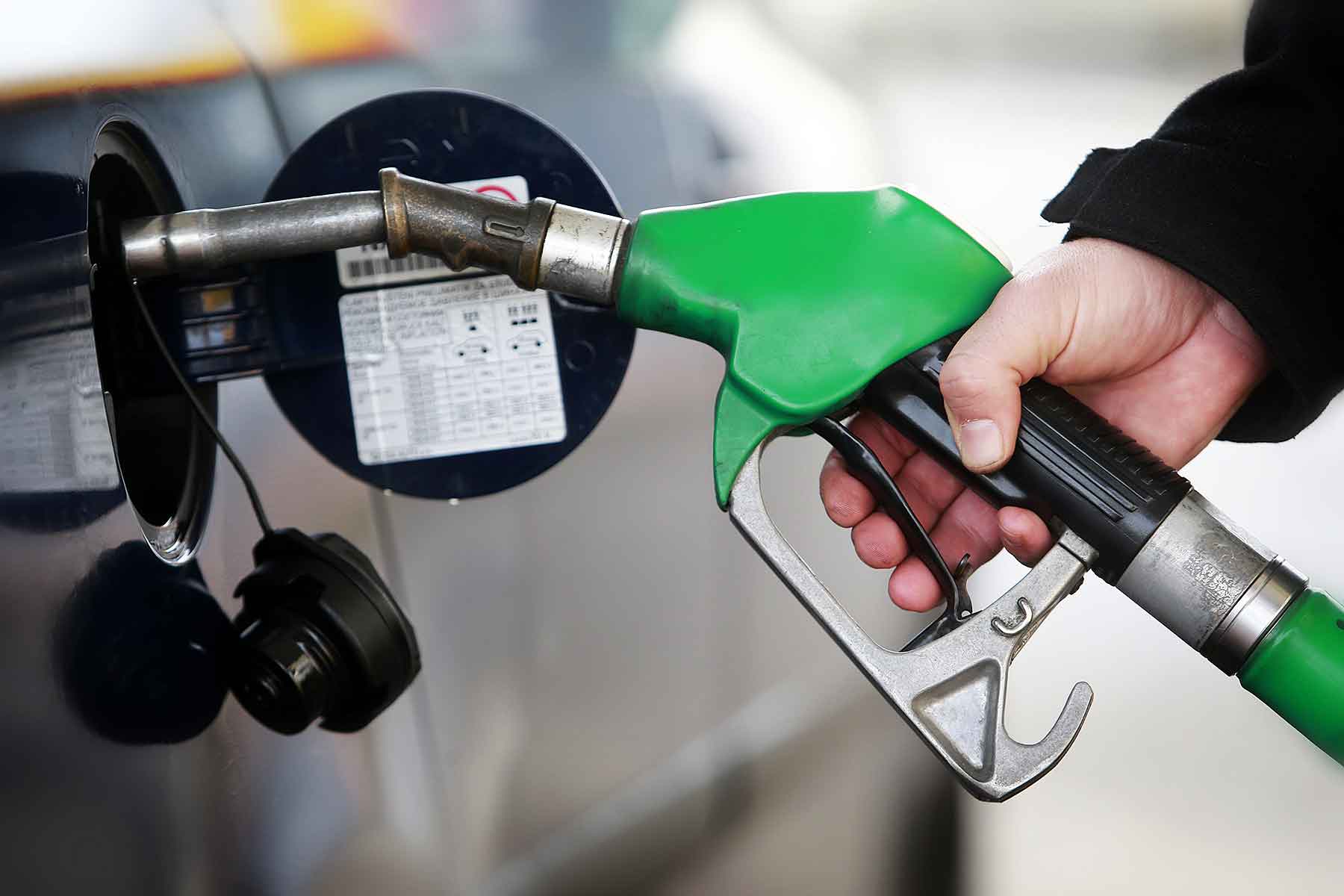
Theresa May is considering lifting the freeze on fuel duty to raise money for the NHS, reports the Guardian. An inflation-linked increase would raise £800 million for the Treasury in 2019 – and billions move over subsequent years – as the government seeks to honour its pledge to spend an additional £20 billion on the health service by 2023.
Philip Hammond is thought to giving “serious consideration” to lifting the eight-year long freeze on duty, along with the freeze on alcohol, which costs the Treasury a further £200m a year.
It makes perfect sense to raise fuel duty to fund the #NHS. Air pollution caused by vehicles makes us ill and raises the cost of healthcare. Society as a whole carries this extra cost, because fuel duty is so low.
The move has the potential to anger drivers, who will see a rise in the cost of motoring, putting pressure on household budgets. However, while the move is being considered, it could yet be blocked by senior backbench MPs, who have expressed concerns over the rising cost of living.
Motorists have saved millions of pounds over the last eight years, but the freeze has cost the Treasury £46 billion since 2011-12. Without a lift, the government will lose a further £26 billion by the 2020-21 financial year.
Fuel duty currently raises £28 billion a year. The Institute for Fiscal Studies (IFS) has calculated that if then-Chancellor George Osborne hadn’t revised it in 2010, it would currently be annually raising £9 billion more.
Carl Emmerson, deputy director of the IFS, told the Guardian: “If they don’t [lift the freeze] the deficit hole will get even bigger. The challenge of finding the money for the NHS, keeping the public finances on the track the chancellor might want, would all be harder if you continued freezing it.
“I presume that the Treasury is finding it difficult to say we can just squeeze spending in areas such as defence or schools or justice or working-age welfare. That leaves them the option of either ditching the deficit target and borrowing more, or going for some tax rises.”
Last month, former government transport advisor Professor David Begg said that the freeze on fuel duty had reduced prices by 13 percent, resulting in a 4 percent increase in traffic and 4.5 million tonnes of carbon dioxide emissions. Environmental groups would support a move to lift the fuel freeze, if it reduces the amount of road traffic and toxic pollution.
Lifting freeze ‘suicidal’
In response to the rumours, FairFuelUK’s founder, Howard Cox said: “37 million drivers are still the highest taxed in the world despite eight years of a freeze. Any emotive fuel tax hike to fund the NHS will be suicidal for the government when they clearly stated in 2014 that cutting it, will generate jobs, stimulate GDP and increase consumer spending, so giving more revenue to the Exchequer.
“Theresa May, if these rumours are true, couldn’t have picked a worse time. [The] economy in free fall, a weak pound, interest rates to rise and oil prices rocketing. A fiscal disaster in the making compounded even further by a potential huge drubbing at any future ballot box.”
A recent study revealed that British motorists spend £388.45 a month on motoring, with fuel accounting for £67.63 of that figure.
It’s one of the most famous cars on television and it’s driven by one of the most popular characters, and it could be yours. The Porsche 911S, that is, not Saga Norén.
The Jäger Grun Porsche has played a starring role in the cult Scand-noir series The Bridge, in which Saga Norén (played by Sofia Helin) solves a series of grisly murders on or near the iconic Oresund Bridge, which connects Copenhagen with Malmo.
Oh. My. Goodness. Saga Noren's Porsche 911S is going under the hammer at Goodwood FoS. Kidney for sale, etc, etc. pic.twitter.com/7838zp2Vcu
But with the fourth and final series approaching its climax, the Porsche 911 has been deemed surplus to requirements by the production company, so it will go under the hammer at the Bonhams Festival of Speed sale at Goodwood. Saga’s 911 – a Californian import – is expected to fetch between £20,000 and £30,000, with all proceeds going to WaterAid.
Sofia Helen, an ambassador for WaterAid, said: “Saga’s Porsche is not only a big part of my own acting life but has also become part of Swedish TV history. I’m so pleased the sale of this car will go to such a good cause.
“Through my work with WaterAid, I’ve seen first-hand the difference clean water can make to people’s health, education and livelihoods. Just £15 can provide one person with water so the money raised from the auction will have a huge impact.”
Meanwhile, Lars Blomgren, Anders Landström and Bo Ehrhardt, creators of The Bridge said: “We are very happy that The Bridge will finish its successful UK journey with the sale of Saga Norén’s Porsche and that we are able to donate the money to a cause as important as WaterAid.”
News of the sale will be bittersweet for fans of The Bridge, as it signals the death of the popular TV series. You won’t need Saga’s detective skills to find out who will be the lucky owner of her prized wheels. Simply turn up at the Bonhams sale at the Goodwood Festival of Speed on 13 July.
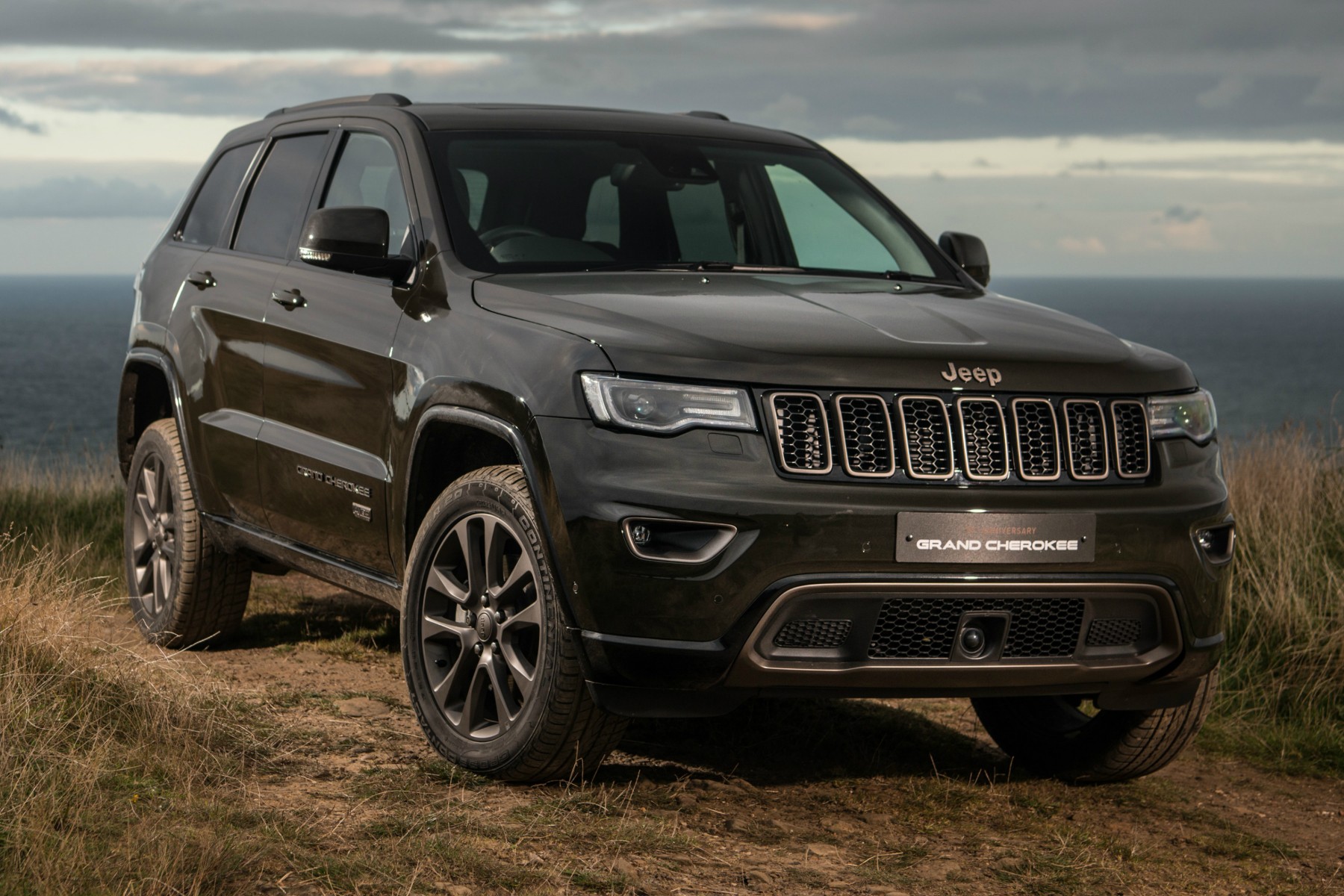
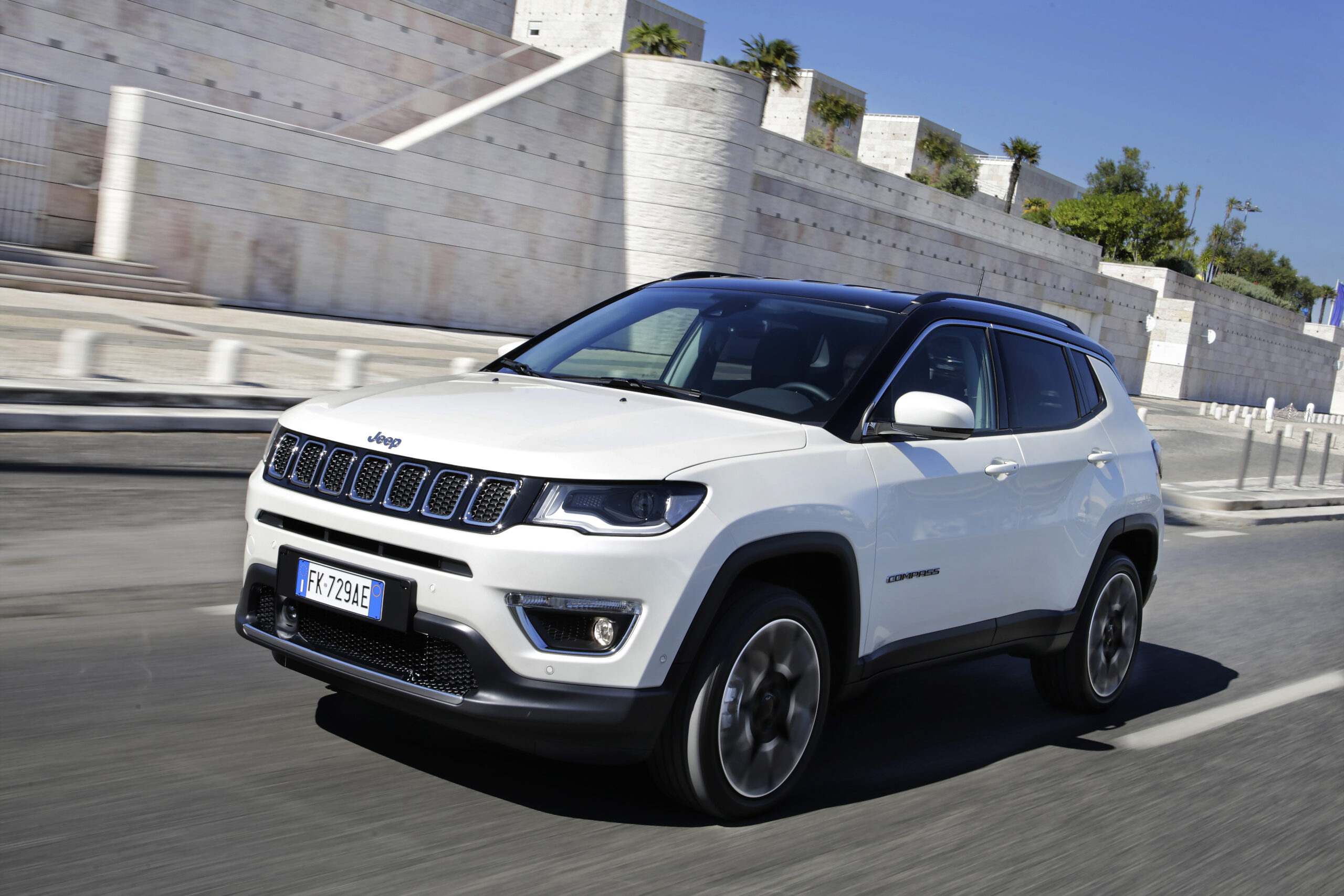
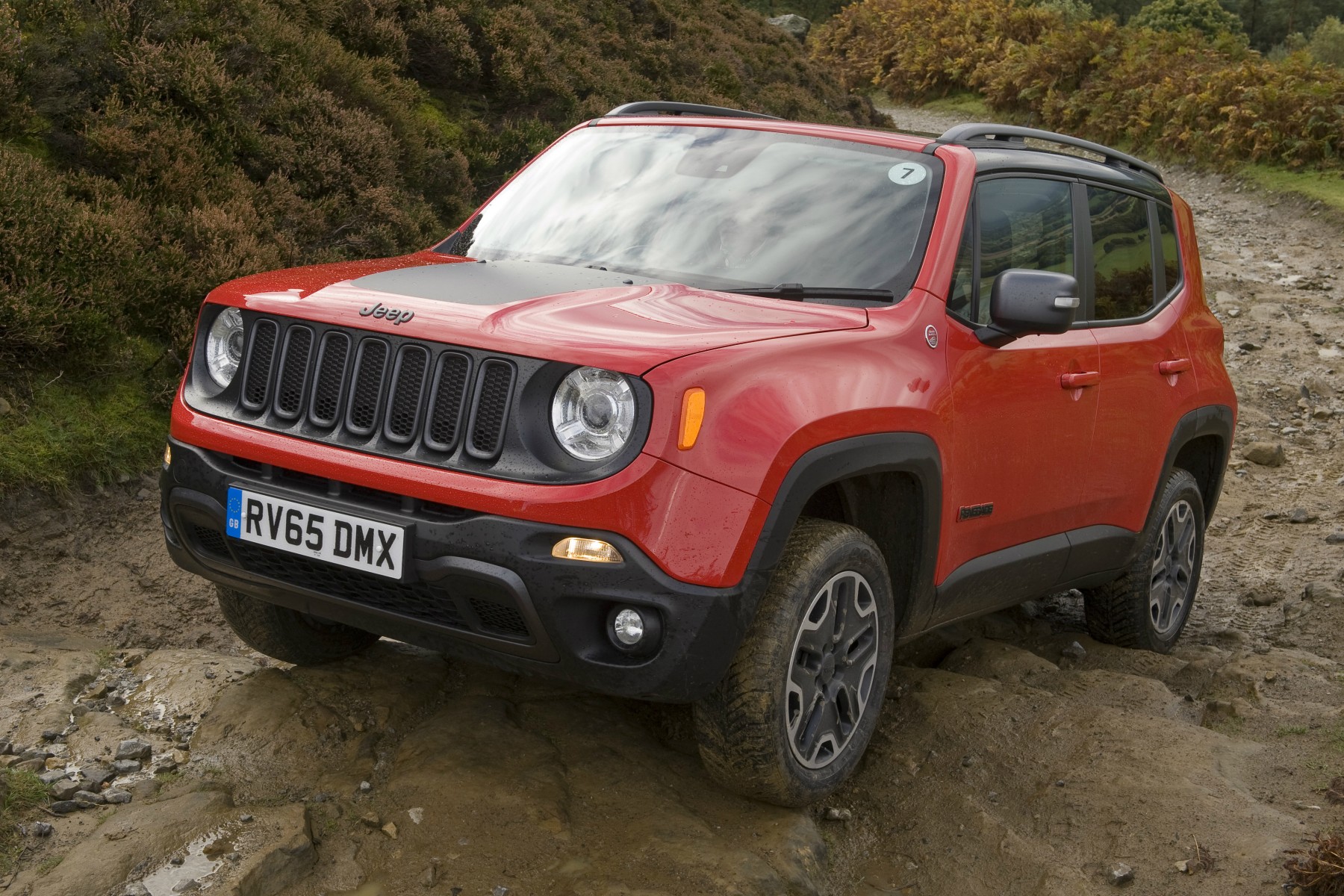
Jeep has been a fully-fledged presence in the UK for some time. Its years-old reputation as the rugged, rough-and-ready American answer to Land Rover, combined with appealing entries into emerging small-car segments have made it a burgeoning Fiat Group favourite.
Yet it still seems to occupy a niche: never the choice buy, but the quirky alternative. Why is this? Questions of quality do still hang – a rap of your knuckles on a Cherokee’s dash won’t quite yield the quality ‘thump’ you’d get in a Volkswagen Tiguan, for example.
The new 5-3-5 scheme is designed to close that confidence deficit by putting Jeep’s money where its mouth is and “underlining the Jeep brand’s confidence in the quality of its vehicle line-up”.
What is it?
Translated, 5-3-5 is a five-year warranty, three years of servicing and five years of roadside assistance on all Wrangler, Renegade, Compass, Cherokee and Grand Cherokee models. It’s all as per the old three-year package, but for five years or up to 75,000 miles.
Free servicing is just that, too, with no labour charge for fitment and application of your free parts and lubricants over the course of the first three scheduled services.
Point to note: that’s not necessarily three years. Years or mileage, whichever comes first. Second, this deal doesn’t apply to the MY19 Renegade and Wrangler… yet. Still, as small print goes they’re not deal-breakers.
Does it make a Jeep a good buy?
It’s a bold and impressive move from an appealing marque with a point to prove – both to critics and consumers. Regardless of quality, a product with a guarantee this substantial gains major forecourt appeal.
A tug at the heart strings alone isn’t enough to sell cars anymore but a package like this – Jeep hopes – will make its cars appeal to the head as well as the heart.
Andrew Tracey, Country Manager, Jeep UK reckons “there has never been a better time to buy a new Jeep vehicle… this attractive 5-3-5 programme makes an already very good Jeep range even more appealing. The offer of a five-year manufacturer’s warranty especially gives customers real peace of mind.”
Will it get customers through doors buying more Jeeps? Time will tell.
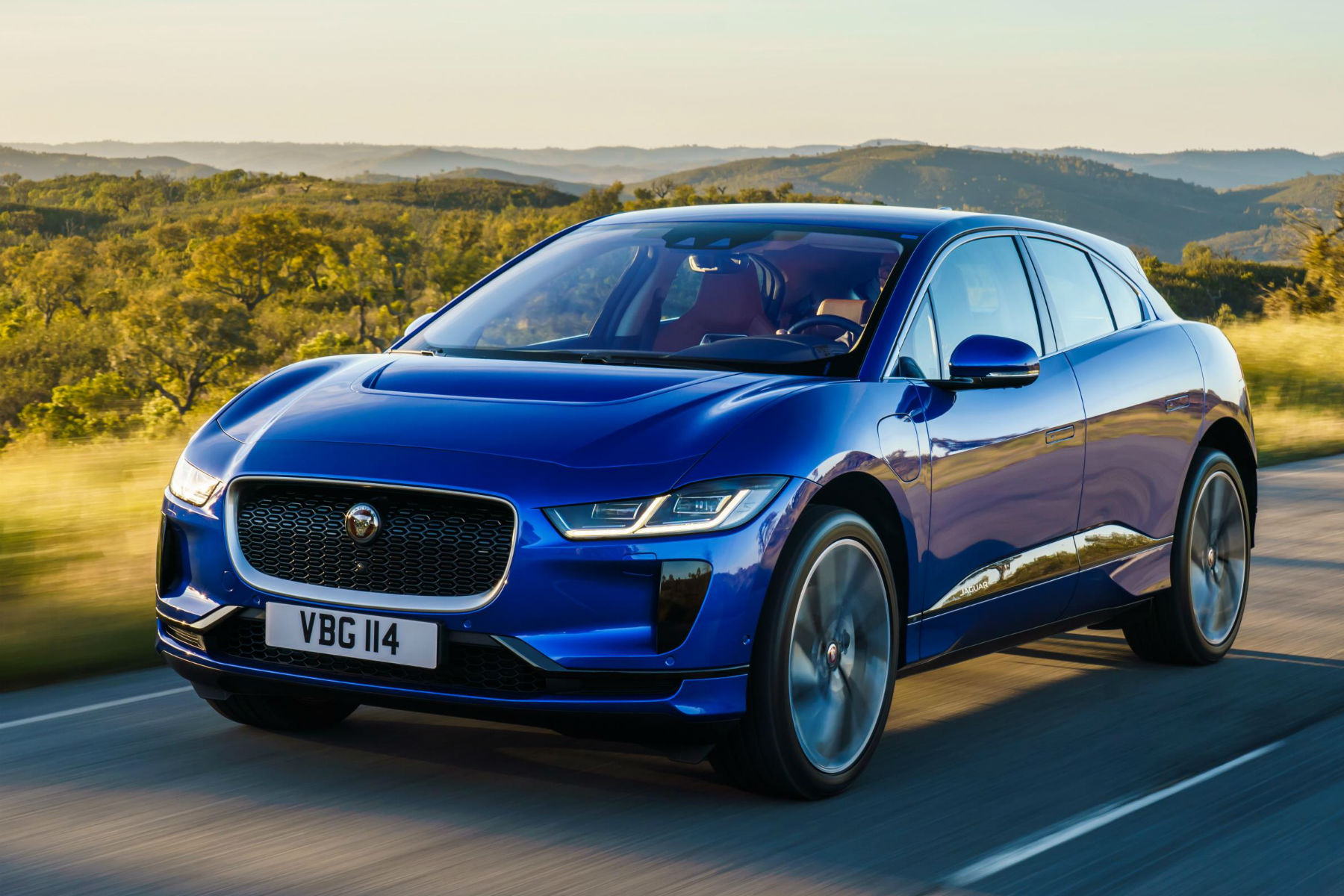
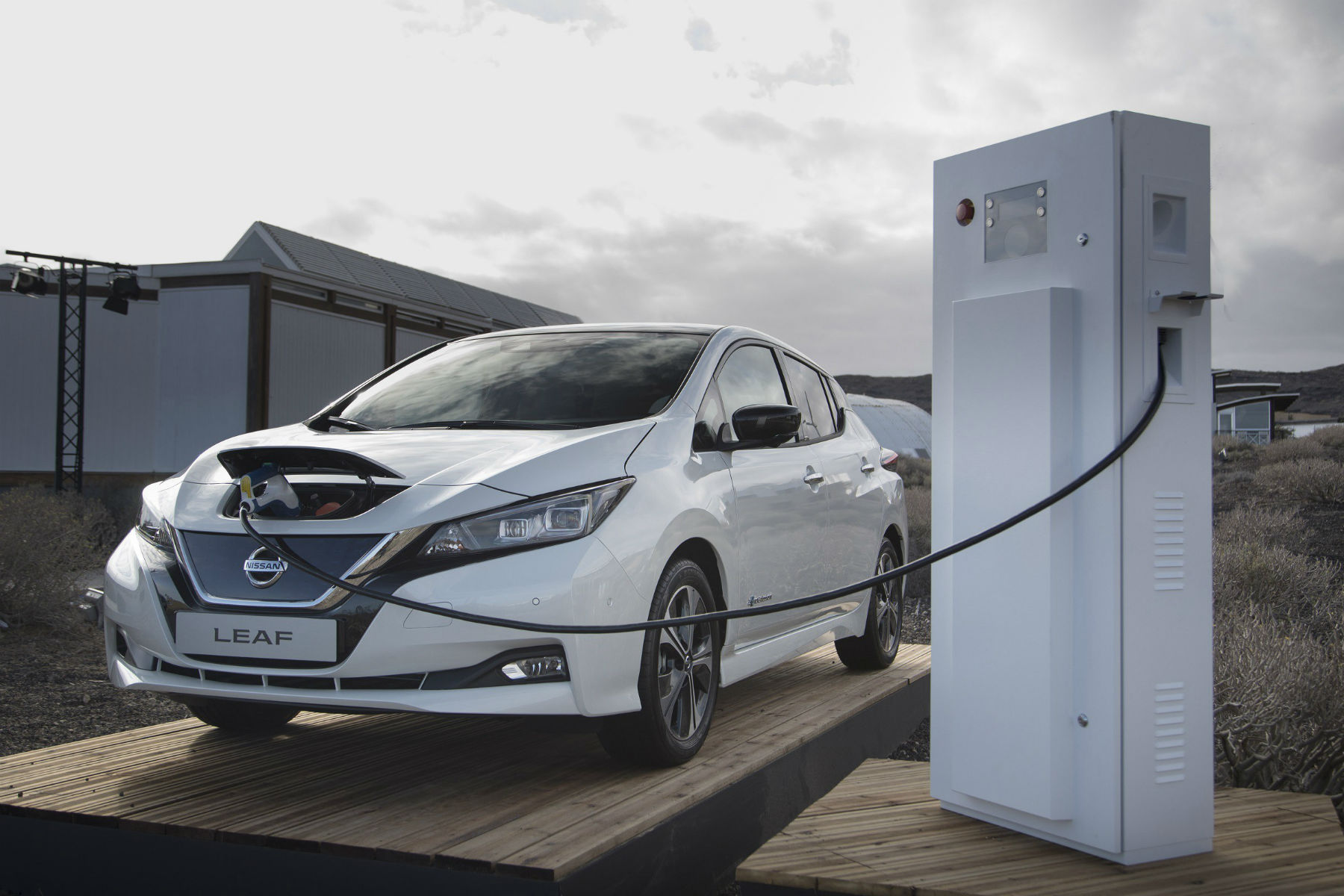
For all the buzz around electrically-powered motoring, it’s something of a shock to note how many urban myths around electric cars still prevail. Go Ultra Low has published research showing the scale of the nation’s misconceptions about electric, chief among which is the belief that you can’t take an EV to a car wash.
To nip the question in the bud, you most certainly can take an EV to a car wash, or indeed expose it to water in any way you would a conventional car. According to Elon Musk, you can go further still. The Tesla boss claimed in a tweet that the Model S “floats well enough to turn it into a boat for short periods of time” with “Thrust via wheel rotation”. Amphicar, eat your heart out…
We *def* don’t recommended this, but Model S floats well enough to turn it into a boat for short periods of time. Thrust via wheel rotation.
On the extreme contrary, according to Go Ultra Low, as many as 42% of Brits wouldn’t be sure if they could run a battery-powered car through a car wash. Be reassured that you can, but perhaps don’t swap out your canal boat for a Tesla just yet.
Here are a few other common misconceptions around electric cars:
EVs are slower than petrol and diesel cars
It depends what you mean by slower. From 0-62mph, Tesla’s marketing department/a short burst in ludicrous mode will convince you of the contrary. As for top speed, that’s less of a priority – you’ll have more joy cracking the two-tonne in an Audi RS6 than a Model S. All told, an EV will absolutely hold its own day-to-day in terms of performance.
EVs are more expensive to own
That likely depends on your energy tariff at home, but Go Ultra Low says EV motoring can cost up to 70 percent less over the life of a car. Nonetheless, one in four people think it’s more expensive than running diesel.
EVs aren’t readily available
It’s not all Tesla, you know. The average Brit thinks there are nine EV models on sale – around half the actual number available. Nearly half of UK drivers also estimate the EV count on our roads as less than 15,000, when the reality is over 40,000.
The infrastructure isn’t there
The big one. They don’t drive for long enough and there aren’t enough charging points. Advances in technology are rapidly amending the former and the latter simply isn’t true. The average Brit thinks there are around 6,000 charge points, according to Go Ultra Low, when the actual number is nearer 17,000 – and rising.
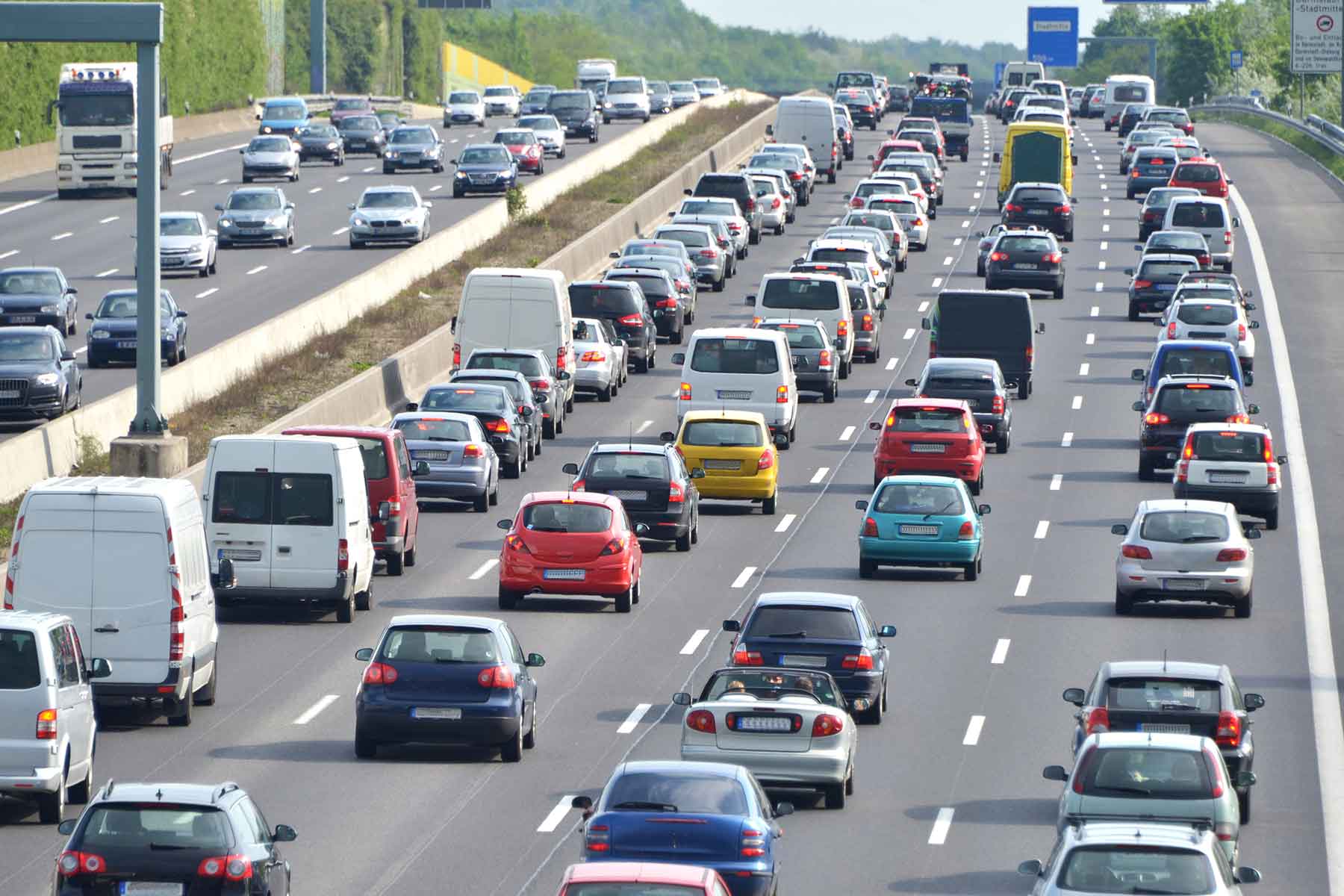
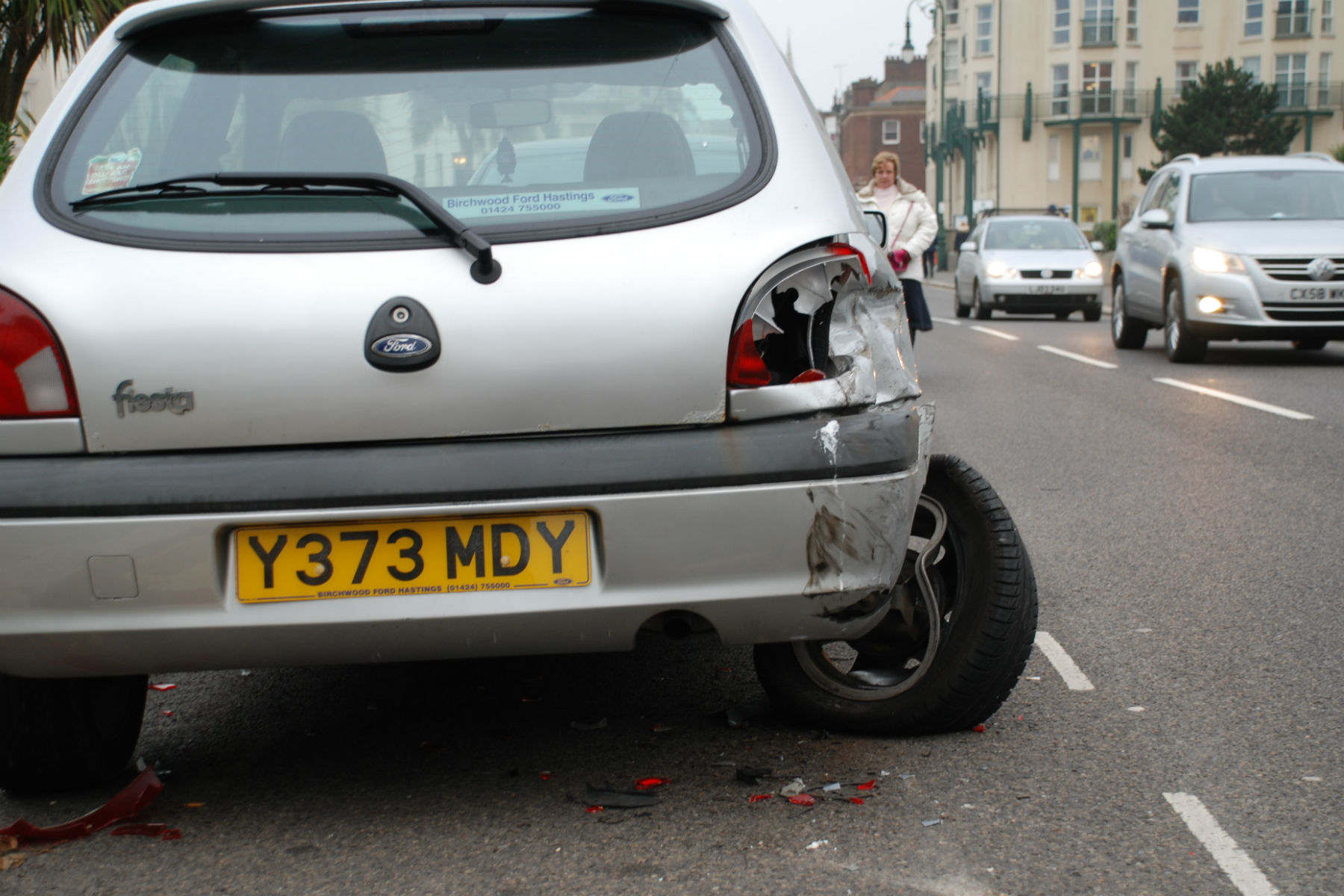
Car insurance premiums are getting lower – and young drivers are the biggest winners. That’s according to analysis from Consumer Intelligence, which shows that average bills have dropped to £712 – a 5.5 percent fall in the past 12 months.
Under-25s, while still paying the highest premiums, saw bills fall by as much as 11.9 percent as they benefit from the continued growth of black box technology. Younger drivers pay an average £1,635 a year, compared with £412 for over-50s and £629 for motorists aged 25-49.
— Consumer Intelligence (@consumerintel) June 28, 2018
If you’re after another example of a north-south divide, it’s drivers in London who pay the most (£1,024), while motorists north of the border pay the least (£522). But Consumer Intelligence states that average insurance premiums are still 21.9 percent higher than in October 2013, when the research experts began collecting the data.
John Blevins, Consumer Intelligence pricing expert said: “Insurers are now free to compete on price without Insurance Premium Tax increases or changes to the Ogden rate which sets compensation for major personal injury claims.
“That is very welcome and should provide some relief for drivers when other motoring costs such as petrol prices are on the rise. The downward trend should continue with the increasing adoption of telematics helping to maintain the momentum. It’s interesting that around 22 percent of all the most competitive quotes are now from telematics providers.”
It pays to shop around
Commenting on the Consumer Intelligence analysis, Matt Oliver of GoCompare urged caution, saying: “Drivers have been on red alert over car premium increases for months and the big danger now is that they assume their next renewal letter will automatically make pleasant reading. It won’t.
“Premiums remain at historically high levels, as Consumer Intelligence points out, with average car bills still 22 percent higher than they were less than five years ago. Insurers don’t just uniformly handout 5.5 percent cheaper premiums to all existing customers.
“In fact, it is existing customers who regularly get the highest prices – particularly if they’ve renewed a few years in a row.”
Regardless of your renewal quote, you should shop around for the best deal before giving your current insurance provider the opportunity to match a like-for-like quotation.
 Volvo Cars has launched a new mobility brand called M. Coming first to Sweden and the U.S. in spring 2019, it is an app-based service that offers on-demand cars and services.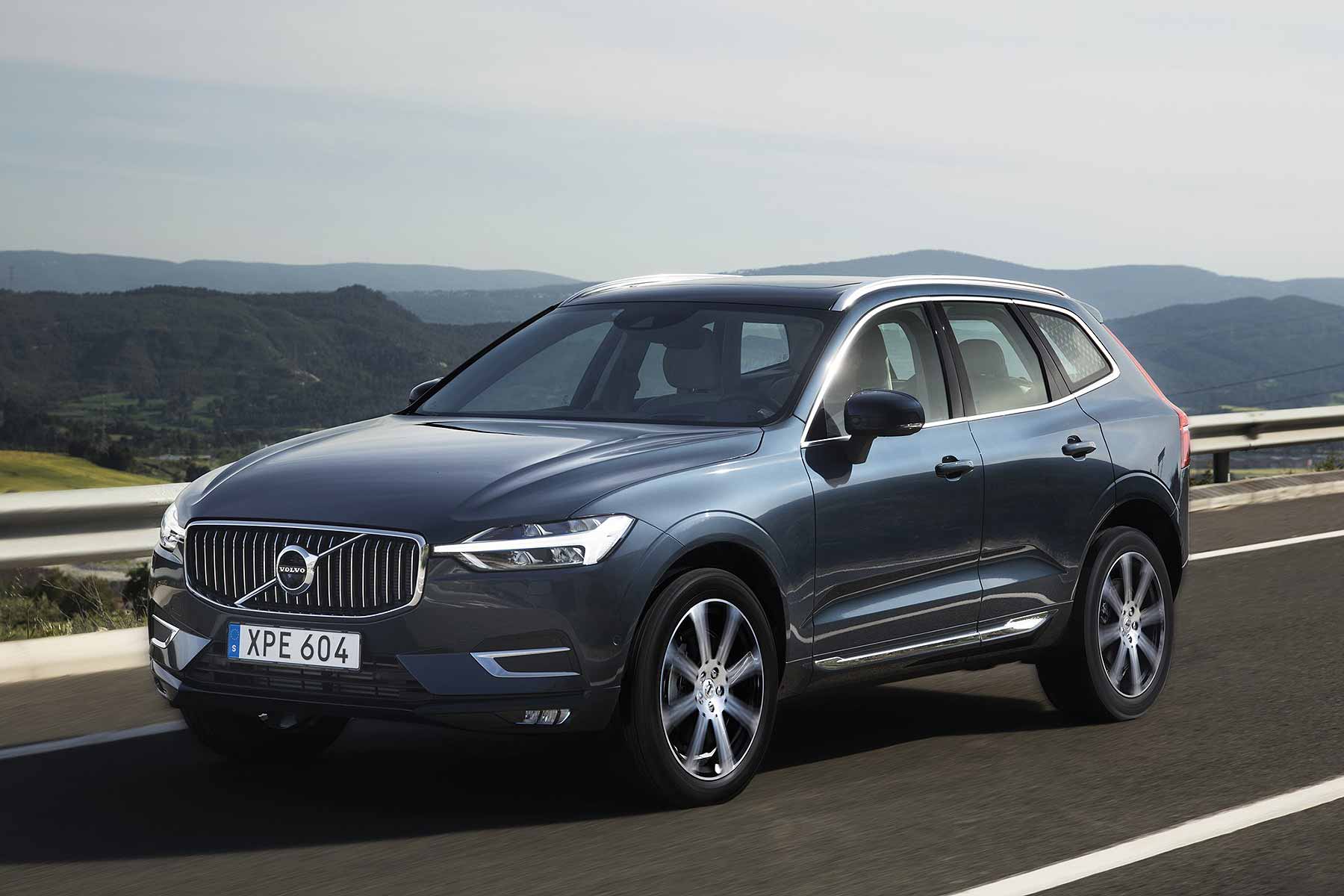
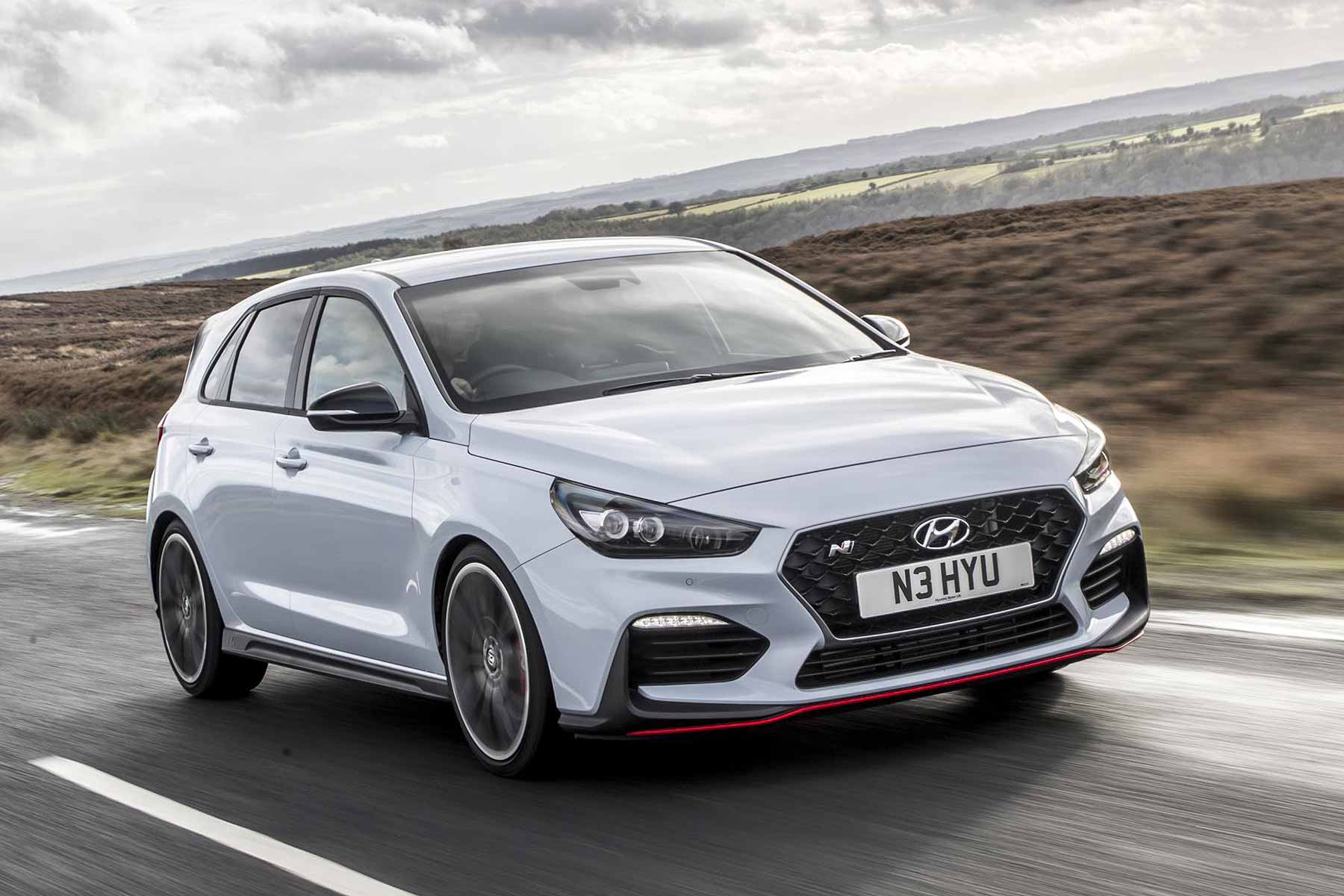 More than 190,000 Korean-branded cars were sold in Britain last year, making the UK Europe’s largest market for Korea’s Hyundai, Kia and SsangYong car firms.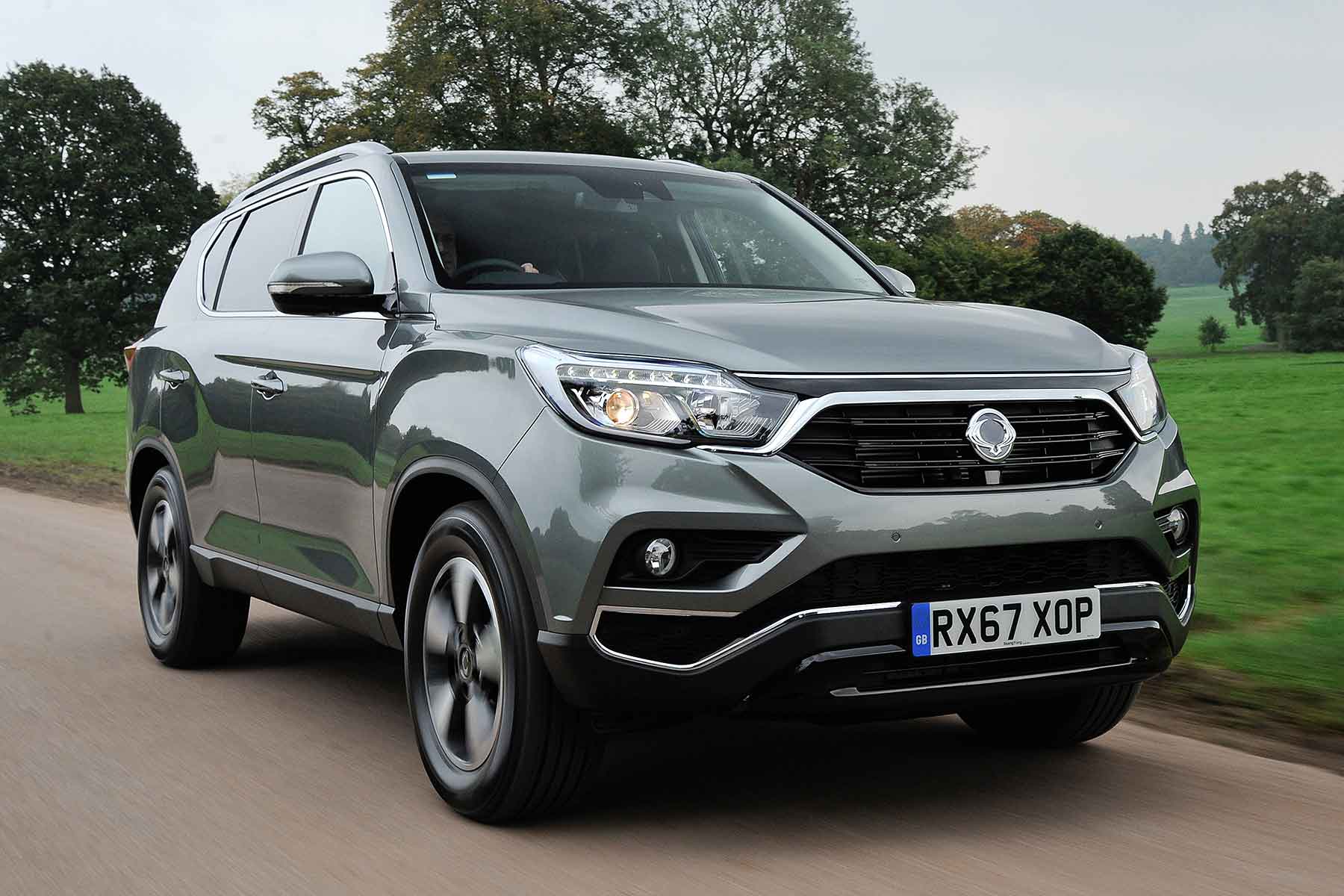
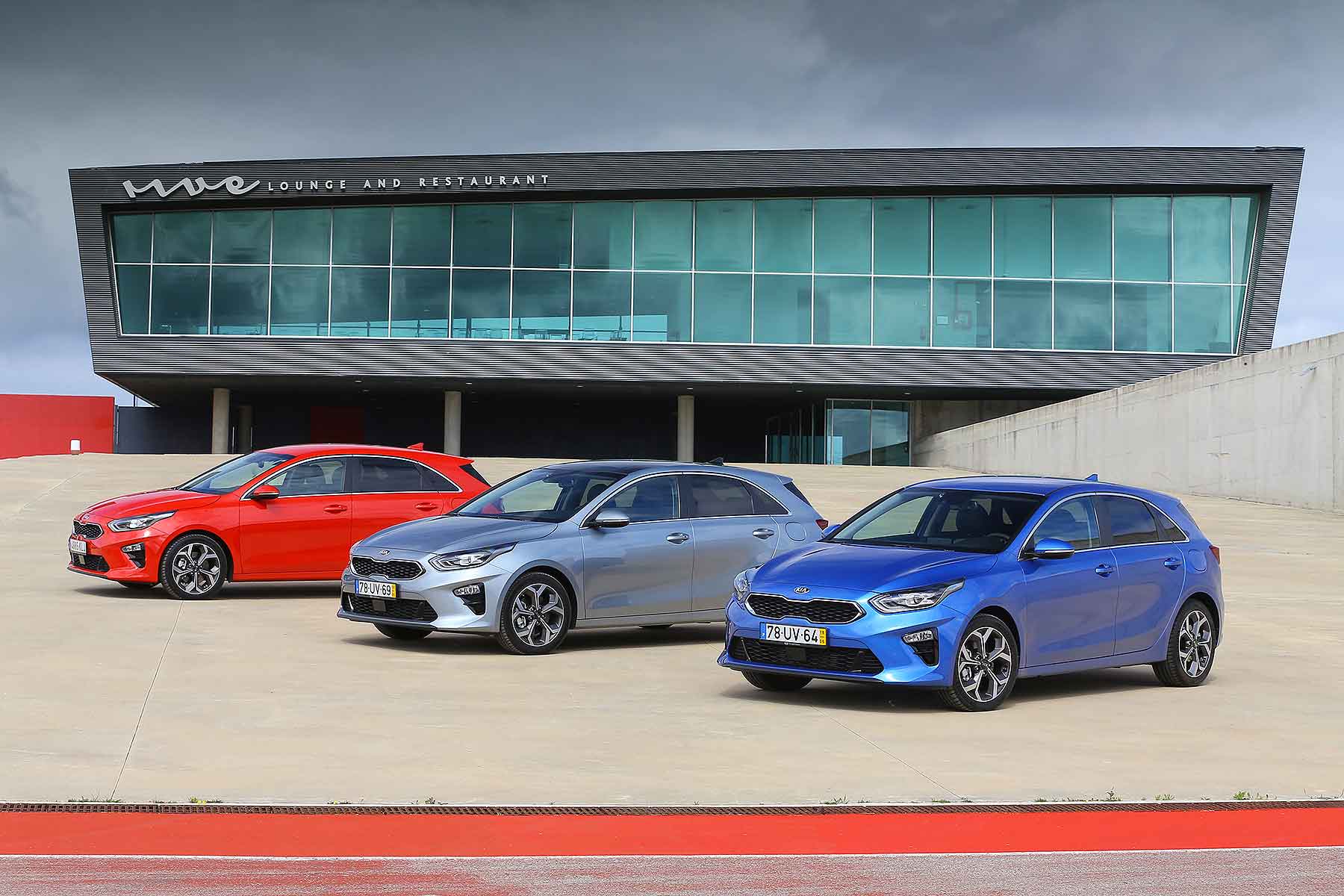
 If we told you someone has a vast car collection comprised exclusively of Volkswagen Golfs, you could be forgiven for thinking he might be a line manager at the Wolfsburg plant with delusions of grandeur.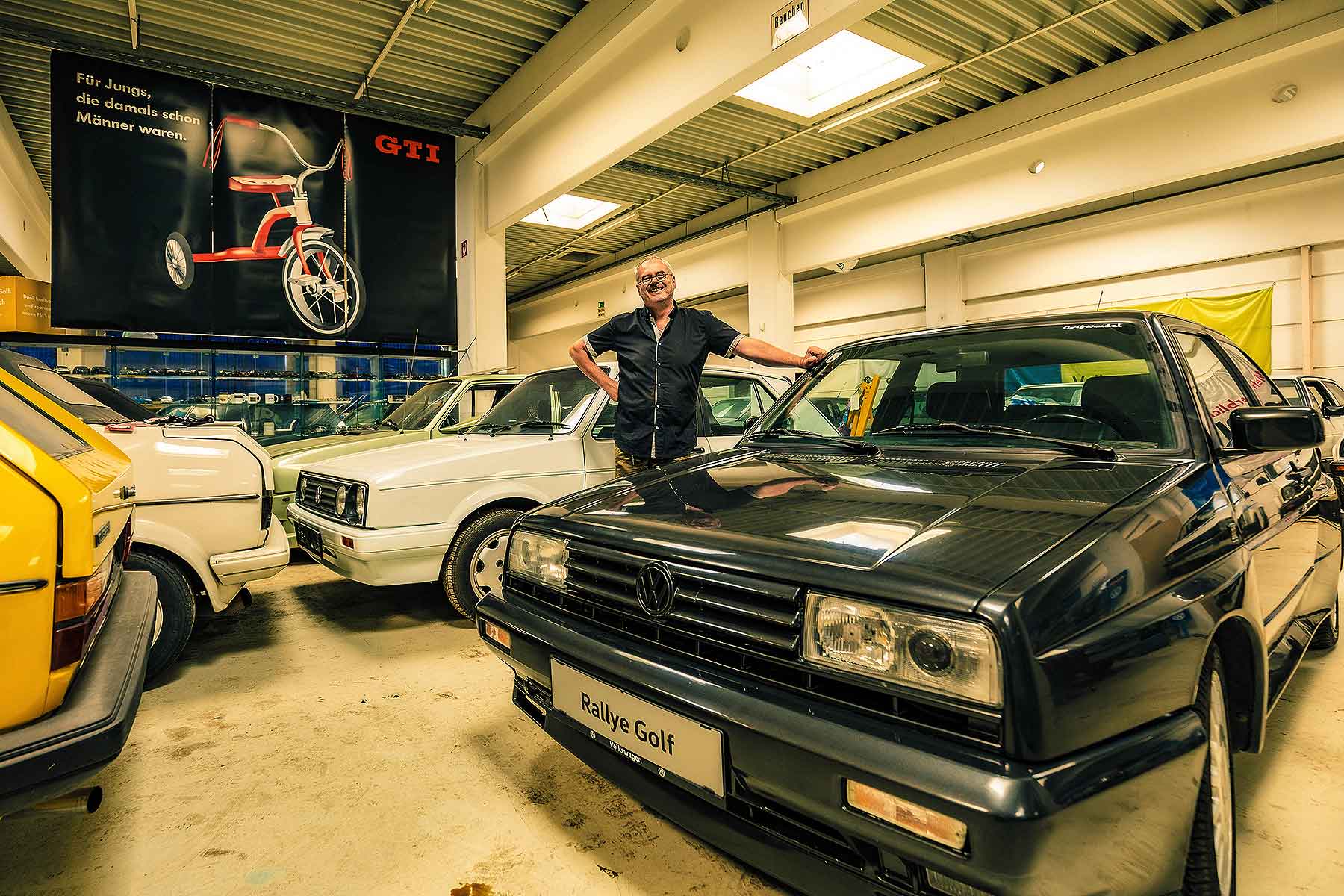


 Car insurance premiums are getting lower – and young drivers are the biggest winners. That’s according to analysis from Consumer Intelligence, which shows that average bills have dropped to £712 – a 5.5 percent fall in the past 12 months.