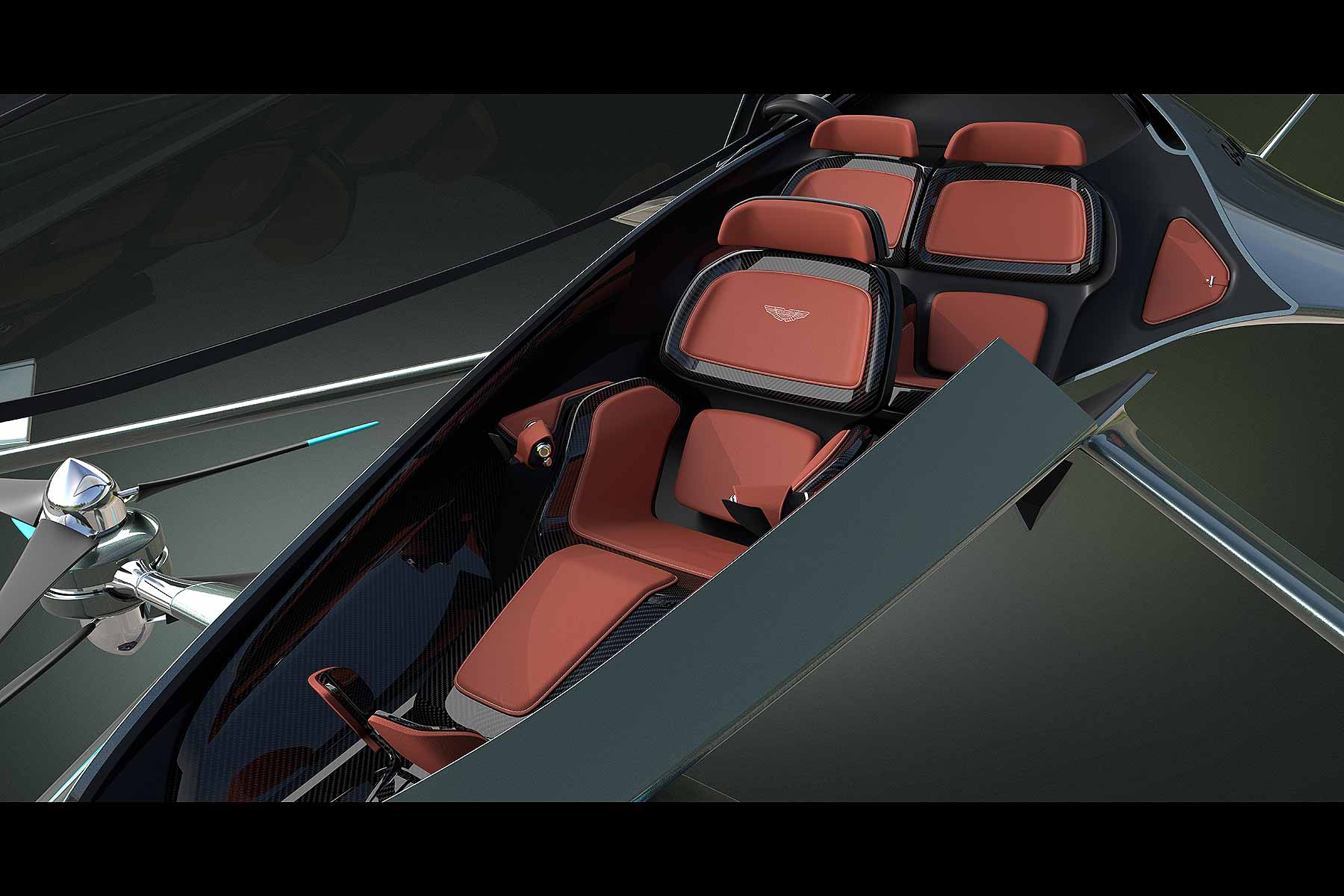
Aston Martin’s expansion in the luxury goods sector could see it move into luxury aircraft, with the reveal of its Volante Vision Concept at Farnborough debuting “an exciting alternative transportation solution for customers across the globe”.
Developed in partnership with Cranfield University, Rolls-Royce and Cranfield Aerospace Solutions, the three-seat flying Aston is billed as a hybrid-electric autonomous vehicle for urban and inter-city travel.
The new aircraft, able to take off and land vertically (like a Harrier Jump Jet) will be fast, efficient, not get jammed up in road congestion and, crucially, be very luxurious and plush inside. It will also give Aston Martin’s ever-broadening design division an entirely new platform to develop its signature look.
Impressively, Aston claims it is a “near future study”, meaning it could start flying in prototype form sooner than we may think.
Explaining Aston’s move to the skies, president and CEO Dr Andy Palmer said: “With the population in urban areas continuing to grow, congestion in towns and cities will become increasingly demanding. We need to look at alternative solutions to reduce congestion, cut pollution and improve mobility.
“Air travel will be a crucial part in the future of transportation, the Volante Vision Concept is the ultimate luxury mobility solution.”
We’ve always spent about an hour commuting to and from work, he said, and the distance we live from work has been based on the types of transportation available. Aston’s new aircraft will allow people to live further away from work as they’re able to travel further in that hour.
“Cities will grow, and towns that are today too far away from cities to be commutable will become suburban.” The Volante Vision Concept will “change the future of transportation, giving our customers a new dimension of freedom”.
“With Aston Martin and our ‘dream team’ of British innovation across industry and academia, we are positioned to change the future of transportation, giving our customers a new dimension of freedom”.
Rolls-Royce director of electrical Rob Watson said: “Rolls-Royce has already delivered hybrid-electric systems for other applications including ships and trains, and we’re very excited about the potential of the technology in aerospace.
“This is a great opportunity to collaborate on a pioneering project which will use high performance hybrid-electric propulsion technologies for personal air mobility concepts that could transform the future of transportation.”
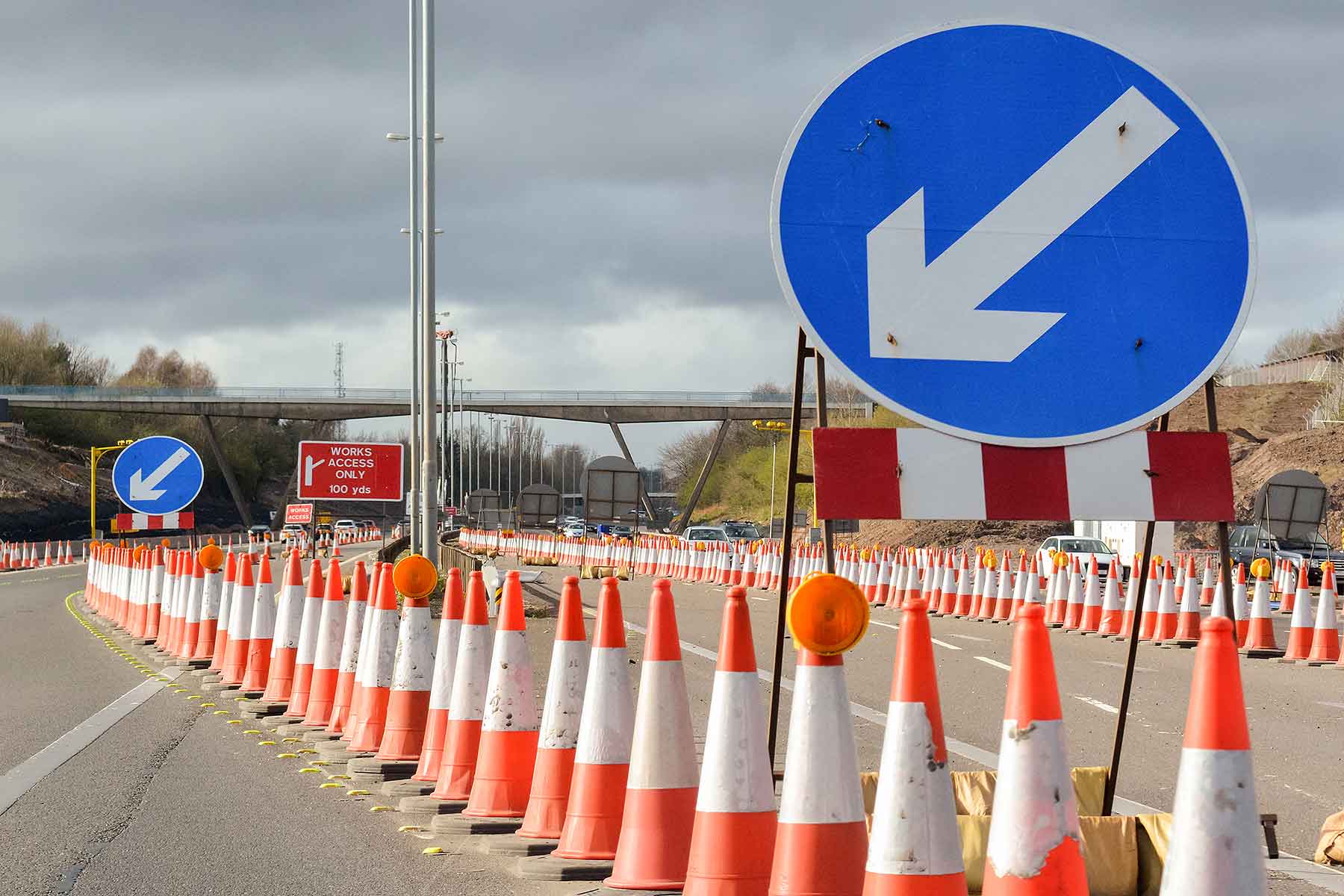
Highways England is to trial a raised speed limit of 60mph through motorway roadworks during quieter times, and if it is successful, the move may become permanent.
This would see the speed limit raised during less busy off-peak times, such as Sundays, while still keeping the current 50mph limit when the roads are busier.
The move is aimed at reducing the frustration motorists feel from driving for miles on end at 50mph through ‘empty’ roadworks on deserted motorways and A-roads. Studies have shown this causes raised stress levels – which are significantly reduced simply by raising the speed limit by 10mph.
Highways England chief executive Jim O’Sullivan said: “People understand roadworks are necessary but are also frustrated by them.
“At the same time, we have to ensure as they drive through them that they, and our road workers, are safe.
“So we are always thinking of new ways to improve journeys at the same time as keeping everyone as safe as we can.”
Highways England will also assess whether it is safe to raise the speed limit when roadworks are situated further away from the main motorway carriageway – which could result in different speed limits for either side of the motorway, depending on where workers are located.
The organisation does add that it doesn’t intend to compromise safety: figures show that there are 300 incidents of drivers entering coned-off areas, or subjecting road workers to verbal or even physical abuse, every week in the UK.
From the 1960s through to the early 1980s, giant beasts roamed the highways of America. Bedecked in chrome and vinyl, wearing whitewall tyres and powered by huge, lazy engines, these land yachts were the biggest of the big. We’ve unearthed 21 of these dinosaurs, and all of them stretch the tape measure to at least 214 inches (5.4 metres) in length. Let’s set sail.
Our first port of call is Dodge’s short-lived Custom 880. Although still a large vehicle by modern standards, the era of the land yachts was one where size really did matter. Under pressure to compete with Chevrolet, Dodge rushed out its own version of the Chrysler Newport. A 361-cubic inch (5.9-litre) V8 engine with 265hp was standard, with a 383ci (6.3-litre) 305hp V8 optional. It wasn’t enough, and the 880 was dead in the water by 1965.
1975 Dodge Charger SE – 216 inches / 5.48 metres
Most people immediately think ‘muscle car’ when the name Charger is mentioned. But by 1975, an icon of the horsepower wars was little more than a jaded luxury coupe. It may have had sumptuous 24-ounce shagpile carpeting inside, but the square exterior styling made it a nightmare for the NASCAR teams forced to use it on-track. Dodge only managed to sell 31,000 examples in 1975.
1970 Ford LTD – 216.1 inches / 5.49 metres
Between 1969 and 1978, Ford sold 7.75 million examples of the second-generation LTD and its Mercury sisters. It was also the biggest car offered by the Blue Oval during its lifetime. Styling for the 1970 model year included a grille inspired by the Thunderbird, combined with funky hidden headlights. Engine choices ranged from a big 302-cubic inch (4.9-litre) V8, through to a really big 429ci (7.0) V8.
1971 Buick Riviera – 217.4 inches / 5.52 metres
Big and bold was the look for the third-generation Buick Riviera, launched in 1971. A giant ‘boat tail’ rear end seems apt for a land yacht, but the radical styling proved unsuccessful with buyers. A ‘Full-Flo’ ventilation system, with a habit of sucking exhaust fumes and rain water into the cabin, probably didn’t endear the Rivera to customers either. More impressive was the standard-fit ‘MaxTrac’ traction control for the 455-cubic inch (7.5-litre) V8 engine.
1969 Dodge Polara – 220.8 inches / 5.61 metres
Now we’re getting into the realm of serious yachting as we sail across the 220-inch longitude. Adopting Dodge’s ‘fuselage’ styling concept, the 1969 Polara was available in five different body styles. Engine choices were all V8s, ranging from a modest 230hp 381-cubic inch (6.2-litre) to the thumping 440-ci (6.5-litre) Magnum with 375hp and 480lb ft of torque. The sales brochure boasted of hidden windshield wipers, and carpets so plush you’d want to take your shoes off to drive.
1959 Chrysler New Yorker Town & Country Wagon – 220.9 inches / 5.61 metres
It might be from an earlier decade than the others on our list, and it also happens to be an estate. But the ’59 Town & Country is still very much a land yacht. Standard-fit was the ‘Golden Lion’ 413-cubic inch (6.77-litre) V8 engine, with 350hp and a push-button three-speed automatic transmission. Optional extras included the ‘Mirrormatic’ electrically dimming rear-view mirror. Strange to think you often need to pay extra for an automatic dimming mirror on a new car almost six decades later.
1980 Plymouth Gran Fury – 221.5 inches / 5.62 metres
For a significant period of its life, the Plymouth Gran Fury existed to satisfy the demands of the fleet market, and this lifeline kept it alive. It may have been downsized for 1980, but this is still a huge vehicle. Police chiefs loved them, with a special package offered to boost the 360-cubic inch (5.9-litre) V8 engine to a ‘massive’ 195hp. By 1980, the land yacht era had capsized, and Plymouth ditched the Gran Fury part-way through 1981.
1973 Chevrolet Impala Custom Coupe – 221.9 inches / 5.64 metres
Chevrolet’s marketing pitch for 1973 sounded more like a political campaign speech, rather than a way to sell cars. It was about ‘building a better way to see America’ and what could be better than seeing it from the vinyl and woodgrain interior of your Impala? Powering you across the country was a standard 145hp ‘Turbo Fire’ 350-cubic inch (5.7-litre) V8. But, if you really wanted to make progress, you could pick the optional 455-ci (7.5-litre) ‘Turbo Jet’ V8 with 245hp. That might have required several more stops for gas, though.
This is decadence! In 1976 Cadillac was very keen to stress that the Eldorado was the last American convertible. Features such as automatic climate control and plush six-way adjustable leather seats pushed the Eldorado’s weight to 5,153lb (2,337kg). Thankfully, propulsion came from an extravagant 500-cubic inch (8.2-litre) V8, even if all that displacement could only generate 235hp. Owners might have been even more grateful for the standard ventilated disc brakes.
1976 Ford Thunderbird – 225.7 inches / 5.73 metres
Can you imagine how long polishing all the chrome on the Thunderbird’s front bumper would take? And that’s before you even get to the grille, the headlight surrounds, wing mirrors, and finally, the rear bumper. All that shine meant the Thunderbird weighed in at over 5,000lb (2,268kg). Power came courtesy of a 460-cubic inch (7.7-litre) V8, connected to a ‘Cruise-O-Matic’ transmission. An eight-track tape player was a $382 option, whilst the distinctive ‘Lipstick’ colour scheme added $546 to the $7,790 list price.
1977 Dodge Royal Monaco – 225.7 inches / 5.73 metres
If you were the kind of person who liked traditional value, combined with an added touch of luxury, then the Royal Monaco was for you. Slide around on the standard vinyl-upholstered seats, revel at the choice of two ashtrays in both the front and rear passenger compartments, and impress people with your hidden headlights. If you’re really feeling flush, perhaps you might go for the option of a locking gas cap, or the unmitigated luxury of an electric digital clock.
1978 Ford Country Squire – 225.7 inches / 5.73 metres
Nothing says ‘premium’ like slapping simulated woodgrain to the side of a station wagon. From 1951 to 1991, Ford’s full-size estate featured imitation timber trim. The 1978 Country Squire would be a final flourish for outlandish size, as the following year saw a smaller seventh-generation car. But in 1978, tipping the scales at some 4,881lb (2,214kg) meant even the largest engine option of the 460-cubic inch (7.5-litre) V8 could only push the Squire to a maximum speed of 111mph. Still, at least you wouldn’t have to worry about varnishing that wood.
It becomes evident how important size was in the land yacht era, when manufacturers were willing to incorporate length into a model name. Between 1959 and 1969, the length of the Electra had fluctuated, but for 1970 it returned to that eponymous measurement. Also new for 1970 was a 455-cubic inch (7.5-litre) V8 with an impressive 370hp and 510lb ft. It may have been vast, but the Electra 225 was certainly no slouch, making it one of the raciest yachts on our list.
1972 Lincoln Continental Mark IV – 228.1 inches / 5.79 metres
Aside from the Ford Thunderbird, the Lincoln Continental range of the 1970s is perhaps the best example of the personal luxury coupe genre. For those customers wanting to go completely overboard, Lincoln offered a range of designer special editions. Created by Bill Blass, Gucci, Givenchy, and Cartier, each car came with a bespoke colour scheme, plus a gold-plated plaque on the dashboard. The latter could even be engraved with the owner’s name, just in case you forgot who you were.
1970 Imperial Crown – 229.7 inches / 5.83 metres
Chrysler had used the Imperial name since the 1920s, but between 1955 and 1975 it created a standalone marque to rival Cadillac and Lincoln. Life was tough for the third-generation range of Imperials, as being based on Chrysler platforms and bodyshells placed them at a disadvantage versus other luxury brands. Instead, the Imperial had to compete on features like a standard 440-cubic inch (7.2-litre) V8 engine with 350hp, or bench seating described as being like a sumptuous sofa – finished in cloth and vinyl.
1975 Cadillac Coupe de Ville – 230.7 inches / 5.86 metres
Across the 230-inch threshold we sail, and into what we can probably title as the ‘super yacht’ category. These next six cars are truly vast, and the de Ville is a perfect expression of the self-indulgence available. Interiors were offered in both leather or patterned velour, while the exterior featured a huge vinyl roof and cornering lights to help steer your ship. Airbags for the driver and passenger were an option, as was traction control and, of course, whitewall striped tyres.
1978 Chrysler New Yorker Brougham – 231 inches / 5.88 metres
By the late 1970s, land yachts like the New Yorker were bigger than disco music. But 1978 would be the final year of the Chrysler ‘C-body’ platform that saw service in many of the full-size machines on our list. A 400-cubic inch (6.6-litre) V8 came as standard, unless you happened to live in California or high-altitude states ,where the smaller and cleaner 360-ci (5.9-litre) V8 was mandatory. On the options list was a AM/FM stereo with a search function operated by a foot switch, and even a CB radio.
1974 Oldsmobile Ninety-Eight LS – 232.4 inches / 5.90 metres
Another giant of the Chrysler ‘C-body’ era was the Oldsmobile Ninety-Eight. Before the marque was made to walk the plank in 2004, Oldsmobile was the oldest surviving American car brand. The glory days came in the 1970s, and with cars like the colossal 1974 Ninety-Eight it’s not hard to see why. Plus, any car with a 455-cubic inch (7.5-litre) V8 engine named ‘Rocket’ gains serious credibility. The record length for ’74 models came from the need to incorporate federally mandated 5mph bumpers into the already vast design.
1979 Lincoln Continental Mark V – 233 inches / 5.92 metres
If you thought the Mark IV Continental was whale-sized, then we’re going to need a bigger boat for the Mark V. With almost a further five inches in length, the Mark V was even more opulent and ostentatious. A vinyl roof was standard for 1979, as were the round ‘opera’ windows, and a Cartier-logoed clock. For true glitz, buyers could opt for The Collector Series, which was promoted by Tom Selleck. Gold-toned grille inserts, a crystal-like hood ornament, and acres of padded vinyl proved you were ready to celebrate the final year before downsizing would claim another victim.
Having strayed a long way from the original 225 inches, by 1975 the Electra was now one of the biggest monsters roaming the turnpike. According to Buick, the 225 was for those who wanted to drive a luxury car without being pretentious. Although the promotional photo, taken outside a sprawling mansion, somewhat begs to differ, while interior options included plush patterned velour upholstery. Sadly, the steadfast 455-ci (7.5-litre) engine was now smothered by emissions and fuel-saving changes, producing just 205hp.
This is it, the end of our epic voyage. It means we’ve come to the biggest land yacht, and one of the longest post-war American production cars, period. Federally mandated bumpers were responsible for making the LeBaron even lengthier in 1973, adding an extra 5.8-inches to its already imposing dimensions. After 1973, the Imperial brand would slip away, finally being cast adrift for good in 1975. Oil embargos and emissions regulations would be the factors that sunk the Imperial, and would do the same for the rest of the land yacht fleet by the early 1980s.
The Supercar Run has long been one of the highlights of the Goodwood Festival of Speed, always yielding surprise debuts, shock oddities and obscure delights that get you simultaneously Googling the value of your kidneys and exclaiming “What on Earth is that!”. For this, the 25th-anniversary FOS, the Michelin Supercar Paddock looks better than ever, brimming with weird, wonderful and nauseatingly expensive exotica. Let’s take a look.
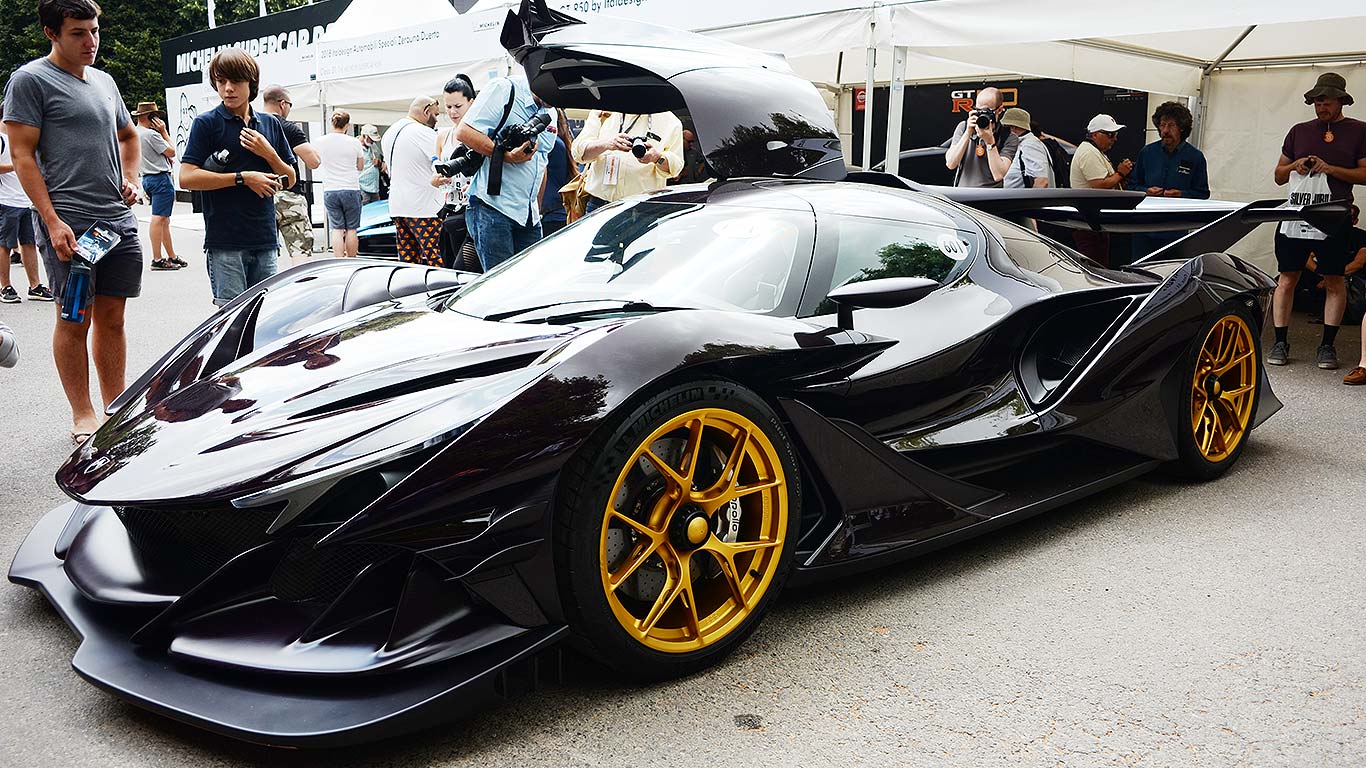
Apollo IE
We counted down the reasonswhy the Apollo IE might be the greatest supercar of this year’s FOS and a good many of those have held true. Chief among them is the incredible V12 noise. If you want to make a Vulcan sound timid, the Intensa Emozione is THE weapon of choice.
Brabham BT62
This legendary racing name has ridden a veritable wave of anticipation and trepidation. Will they go back to the track? Will there be a road car? Will they pull it off? From our ride with David Brabham up the hill yesterday, we can tell you it’s very much for real and an utter monster. Bring on Le Mans and a road-faring machine with Brabham on its rump.
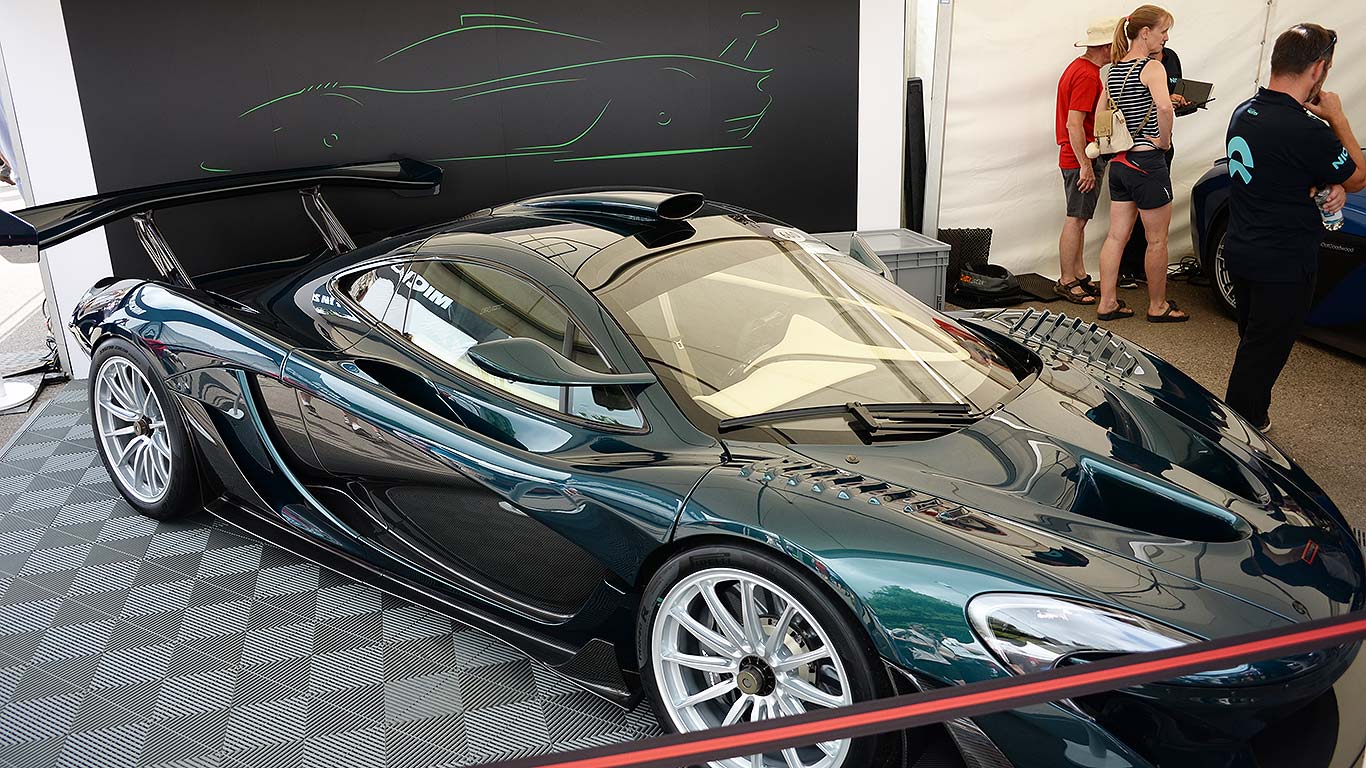
McLaren P1 GT
This was a FOS surprise if ever we saw one. McLaren racing wizards Lanzante have been fettling track-prepped P1s for a while now. So, what follows road-registered P1 GTRs and the monster P1 LM? The P1 GT, of course, complete with extended rear-end bodywork, a fixed wing and roof scoop.It’s designed to ape the F1 GT of the late ’90s and looks stunning.
McLaren P1 GT
Another of that extended rear end. The fixed wing is prominent – we’d expect nothing less of something based on a GTR. Multi-spoke wheels add a touch of class, as does that lovely green.
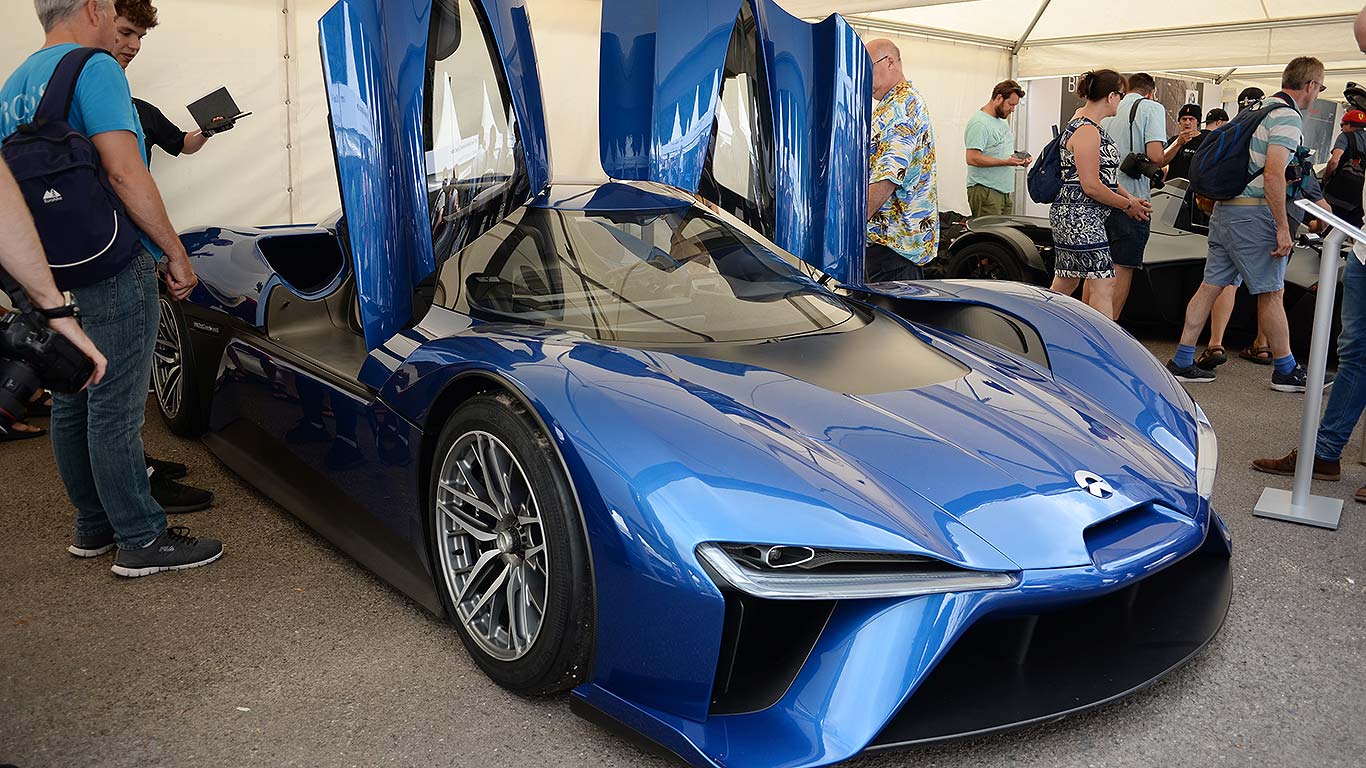
NIO EP9
This could be what supercars of the future look like – a fully electric, Nürburgring-munching, Bugatti-baiting monster that in spite of its EV powertrain, does make a noise. Or rather, the air around it makes a noise as its active rear wing waggles in the wind braking before Molecomb. It’s a pleasing noise, too, albeit one that requires serious speeds…
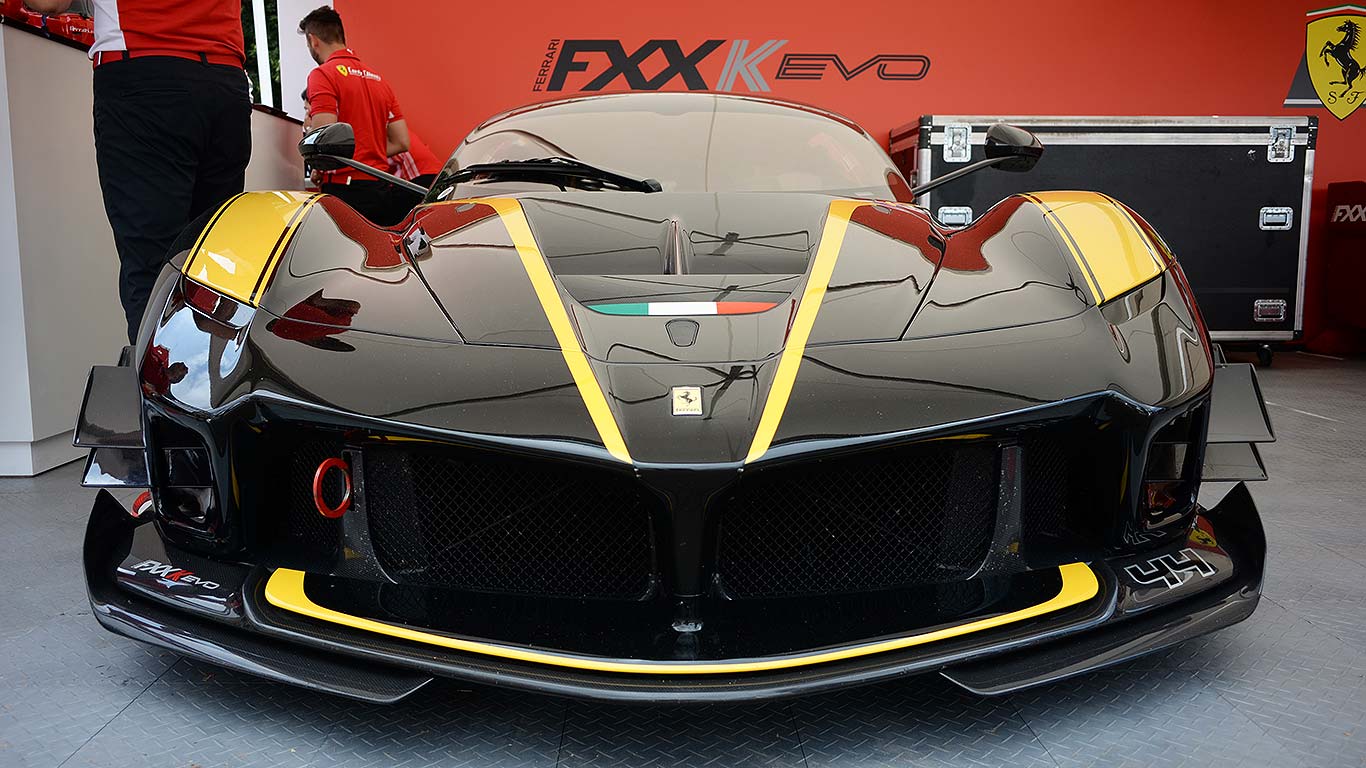
Ferrari FXXK Evo
The masters of the V12 – Ferrari are rarely to be seen laying down in the supercar stakes. The FXXK Evo is the latest iteration of its track-only hopped-up LaFerrari-based machine (because a LaFerrari is tame, apparently). The Evo adds even more aero addenda and even more noise – all wrapped in a lovely black and yellow colour scheme.
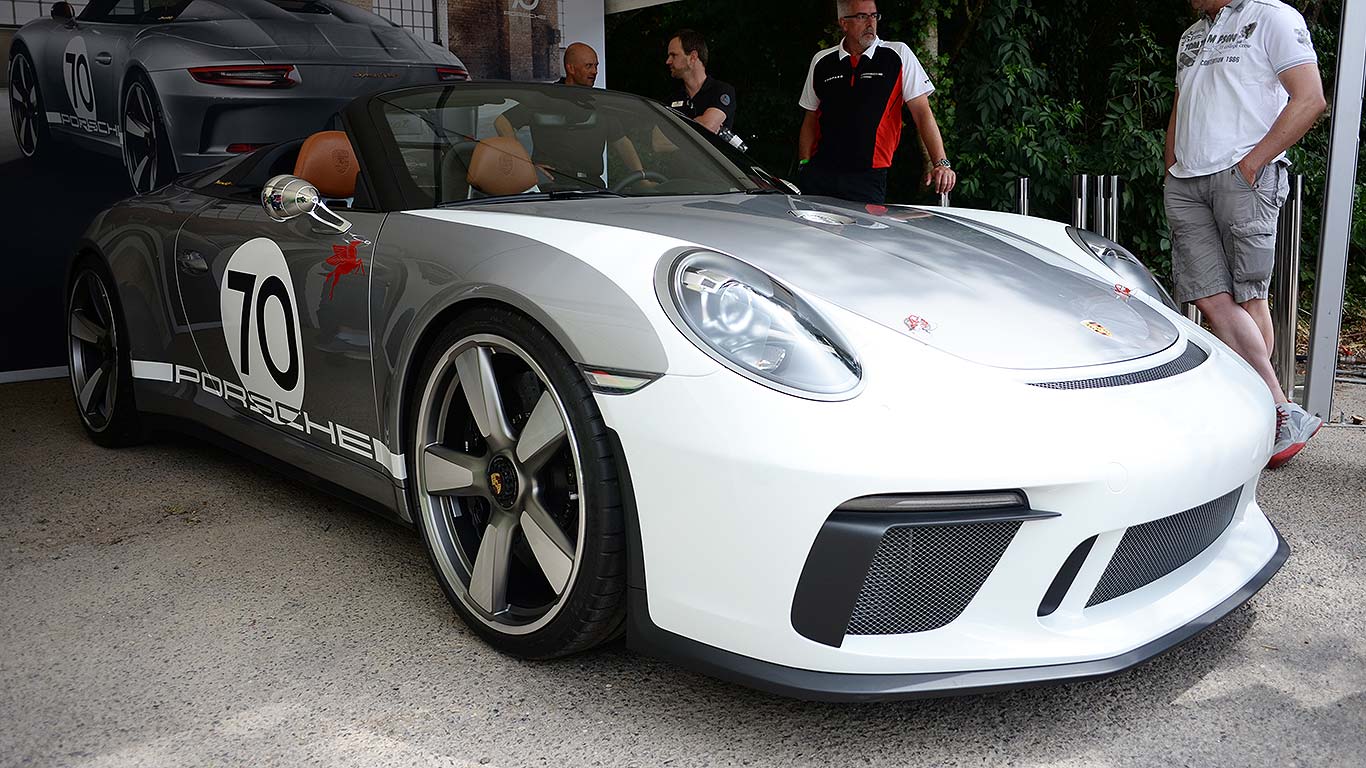
Porsche 911 Speedster Concept
Throttling back from the extremes of the previous entries, the new 911 Speedster Concept is Porsche’s birthday present to itself. It likely heralds the imminent demise of the 991-generation 911 but what a way to go out. Retro wheels, mirrors and a tan interior are tasteful callbacks to Porsches of old.
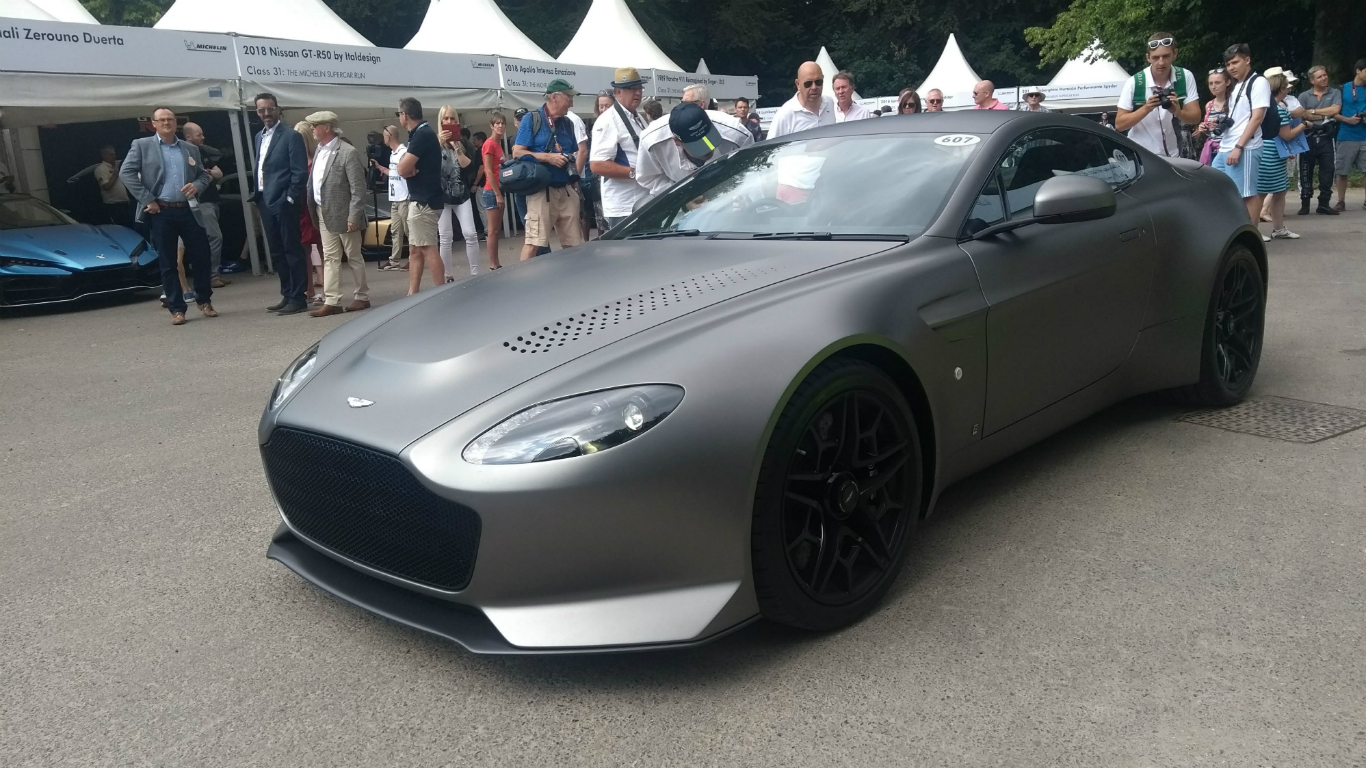
Aston Martin Vantage V600
Talking of goodbyes to outgoing models, the Vantage V600 might just trump the Speedster as a cool farewell. Complete with GT12 powertrain and widened track, but with a manual gearbox and a more sculpted, bespoke style, the V600 is the ultimate-ultimate Vantage. Then again, any Aston bore would know that just from the name.
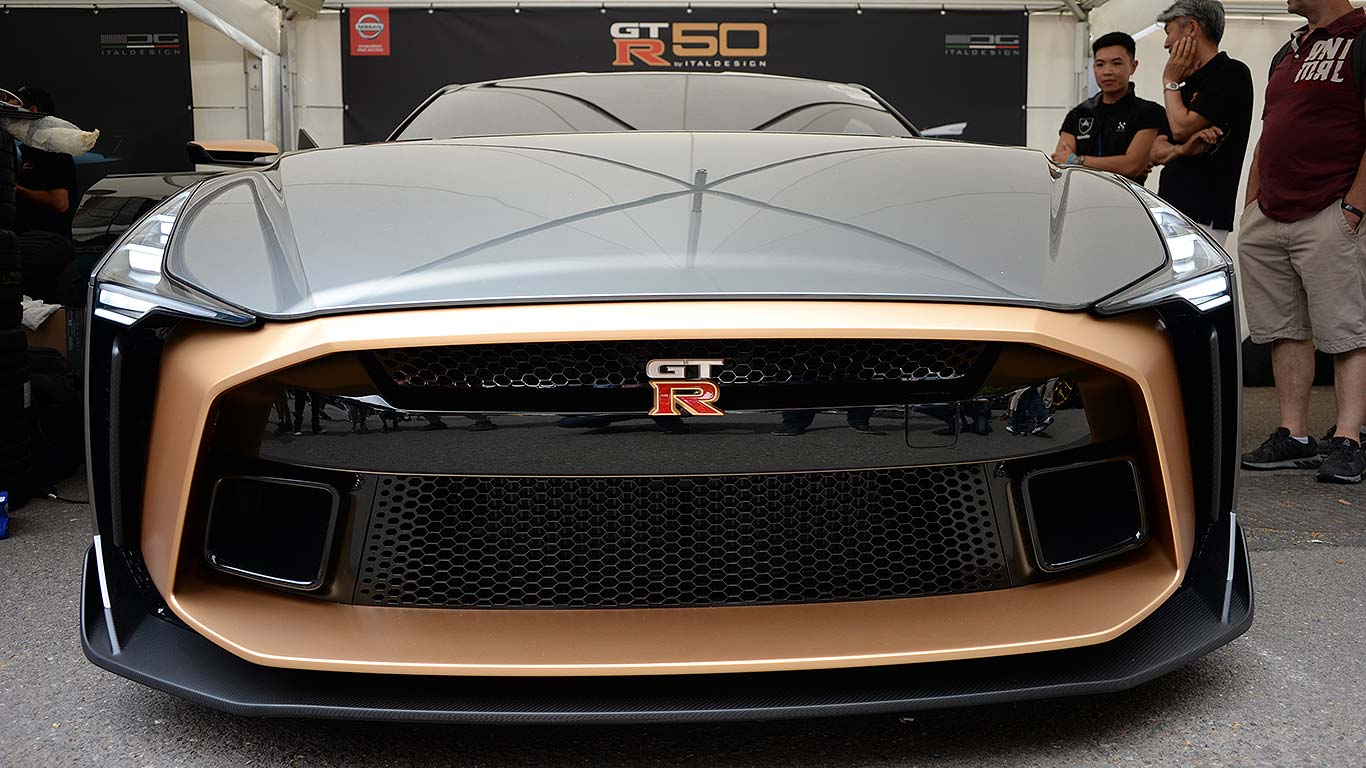
Nissan GT-R50 by Italdesign
At first, you might think Nissan and Italdesign are something of a curious pairing. Then again, common celebrations yield common allies. As such, the GT-R50 by Italdesign celebrates the fiftieth anniversary of both the GT-R badge and the famous styling house. It works, too, given it’s a rebooted 700+hp GT-R Nismo.
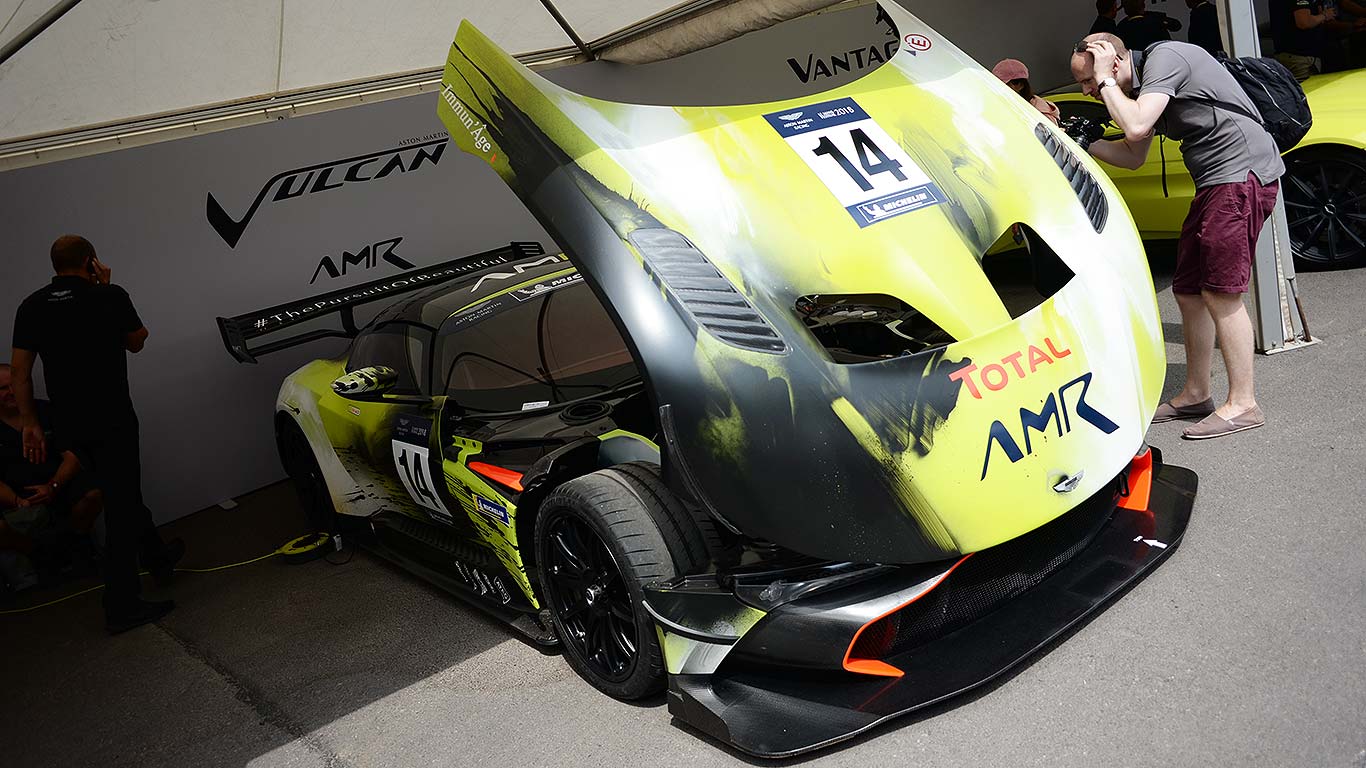
Aston Martin Vulcan AMR Pro
The Vulcan, like the FXXK, is a bit of an ageing track-only bruiser. Not that an 800hp V12 can ever be considered decrepit… Regardless, last year Aston saw fit to give it the ‘AMR Pro’ treatment. Canards, a double-level wing and a resplendent livery from the recent Aston Martin Racing Festival mean the Vulcan is as jaw-dropping as ever, even as Valkyrie looms…
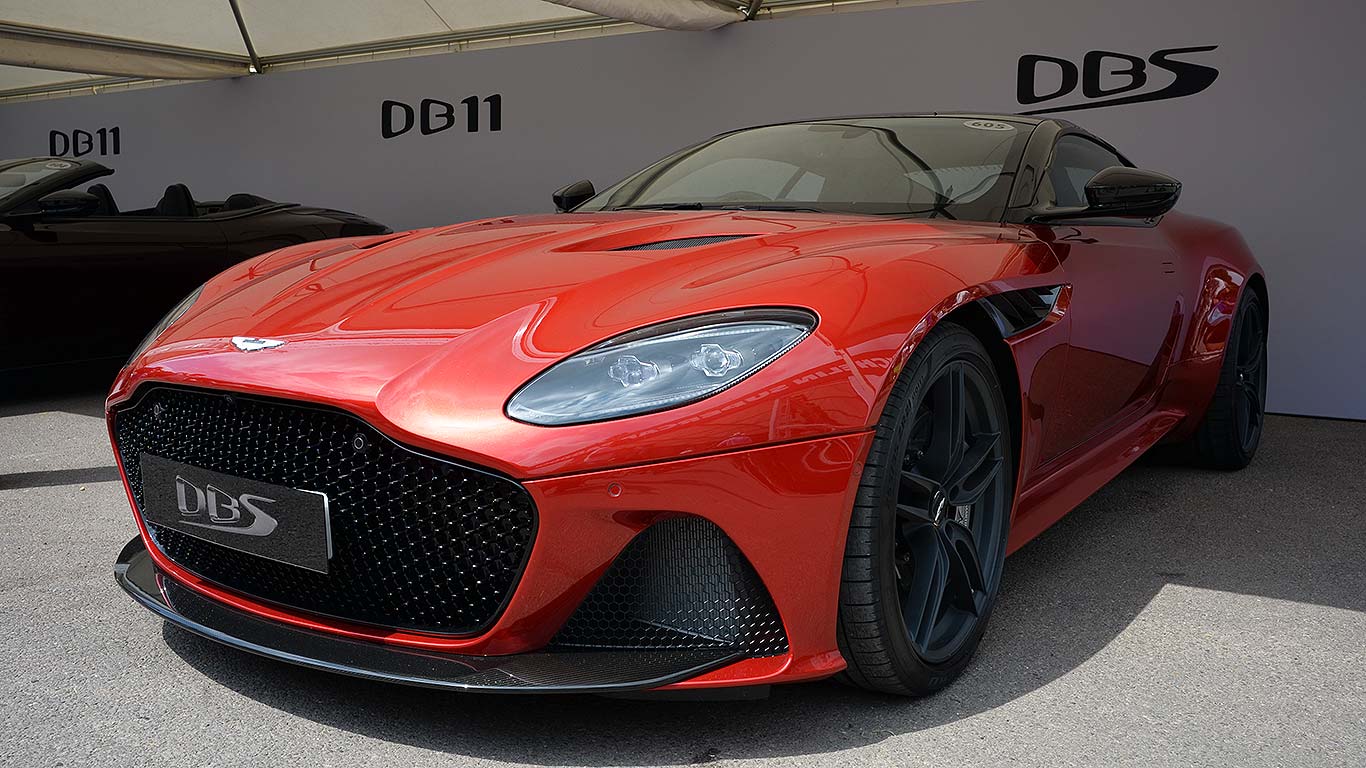
Aston Martin DBS Superleggera
You can normally at any given time judge the strength of Aston Martin’s range by the quality of its flagship. While the Vanquish was a champion of heart-over-head desire, the DBS Superleggera that’s now replacing it should serve as the twin-turbo V12 700hp+ strong-arm Aston needs to fight off 800hp Ferrari super GTs. Our review is coming soon.
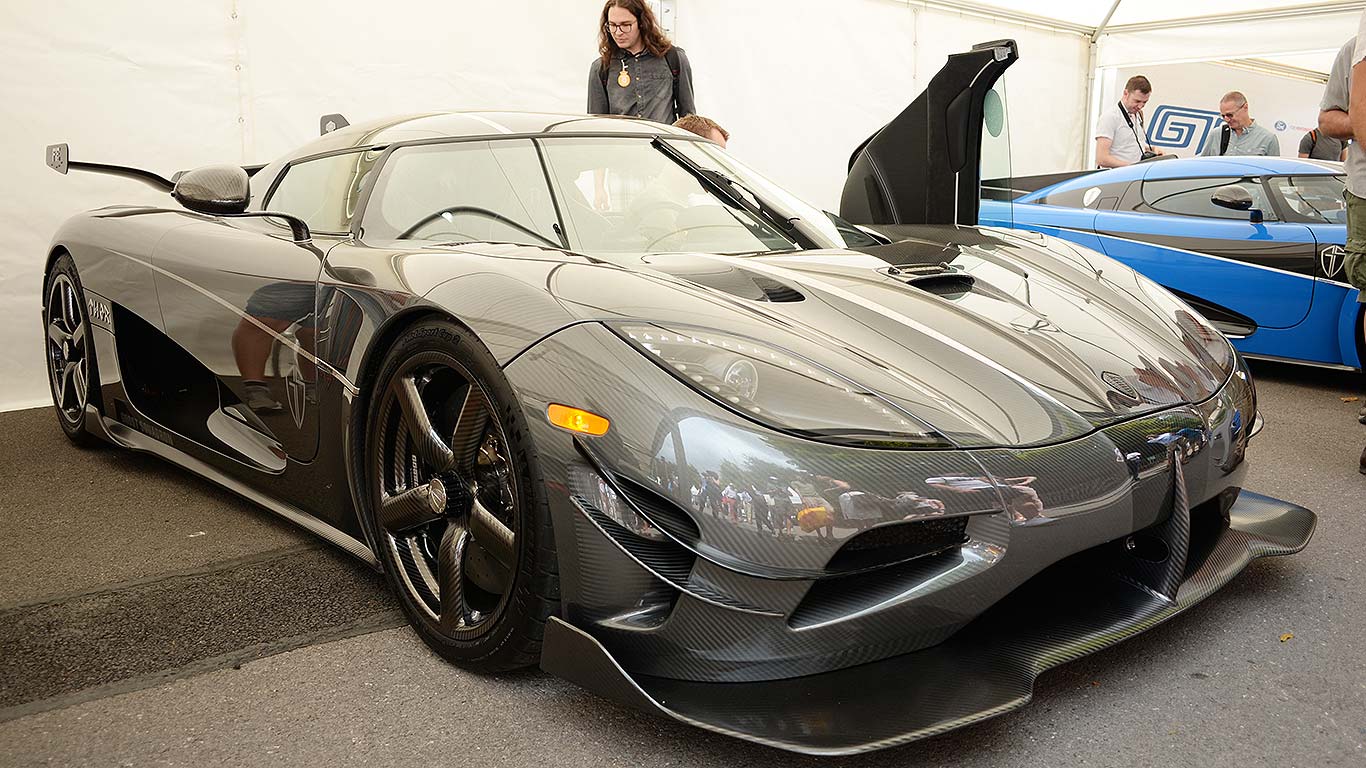
Koenigsegg Agera RS Final Edition
With the release of the Final Edition cars, the Koenigsegg Agera RS is no longer in production. Still, it dies a record holder and goes out a bang, with the ‘Thor’ and ‘Vader’ special FE models making a splash at FOS. There’s still no mistaking that turbo whir for anything other than an Agera. Let’s hope its replacement (due at Geneva) can live up to the legend.
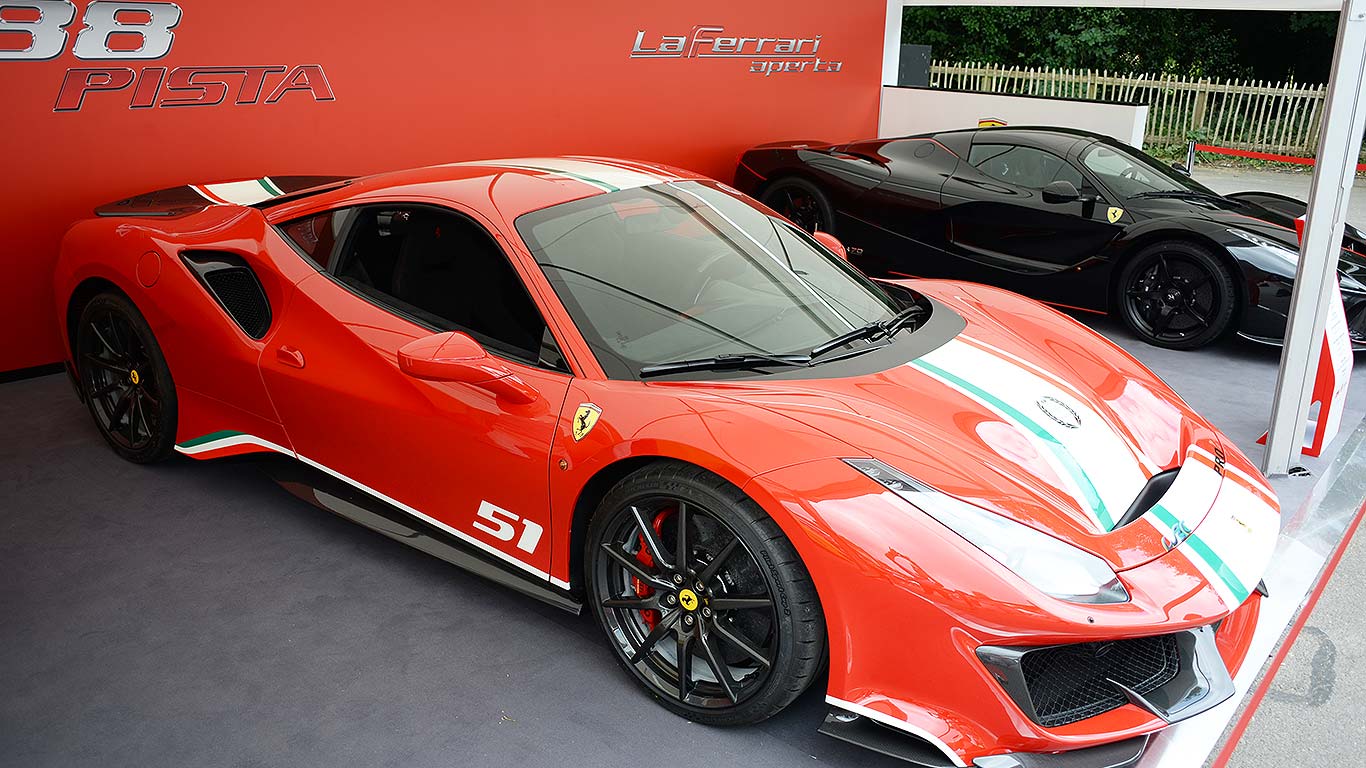
Ferrari 488 Pista
The long lineage of track-honed mid-engined V8 Ferraris is one of the most revered bloodlines in motoring. That’s reflected both in reviewers’ impressions over the years and the prices old-generation cars continue to command. The 488 Pista is the latest and carries the torch with ease. Can they do no wrong?
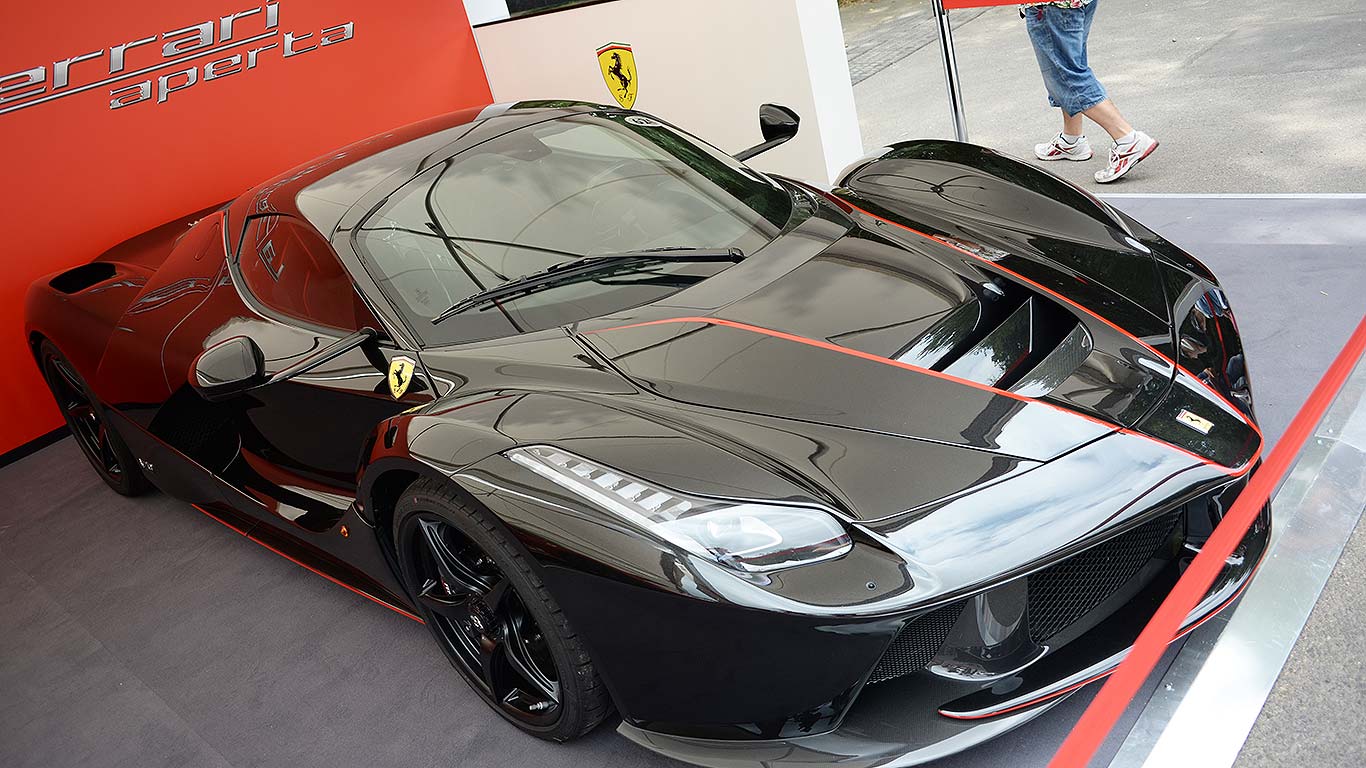
Ferrari LaFerrari Aperta
You know a car is cemented in history as an all-time dream car if, five years on from its debut, it’s still grabbing headlines. The last of the LaFerraris – the open-topped Aperta – is perhaps the most desirable and looks every bit as fresh as the day the coupe debuted. A proper stunner, and classy in black with red highlights, too.
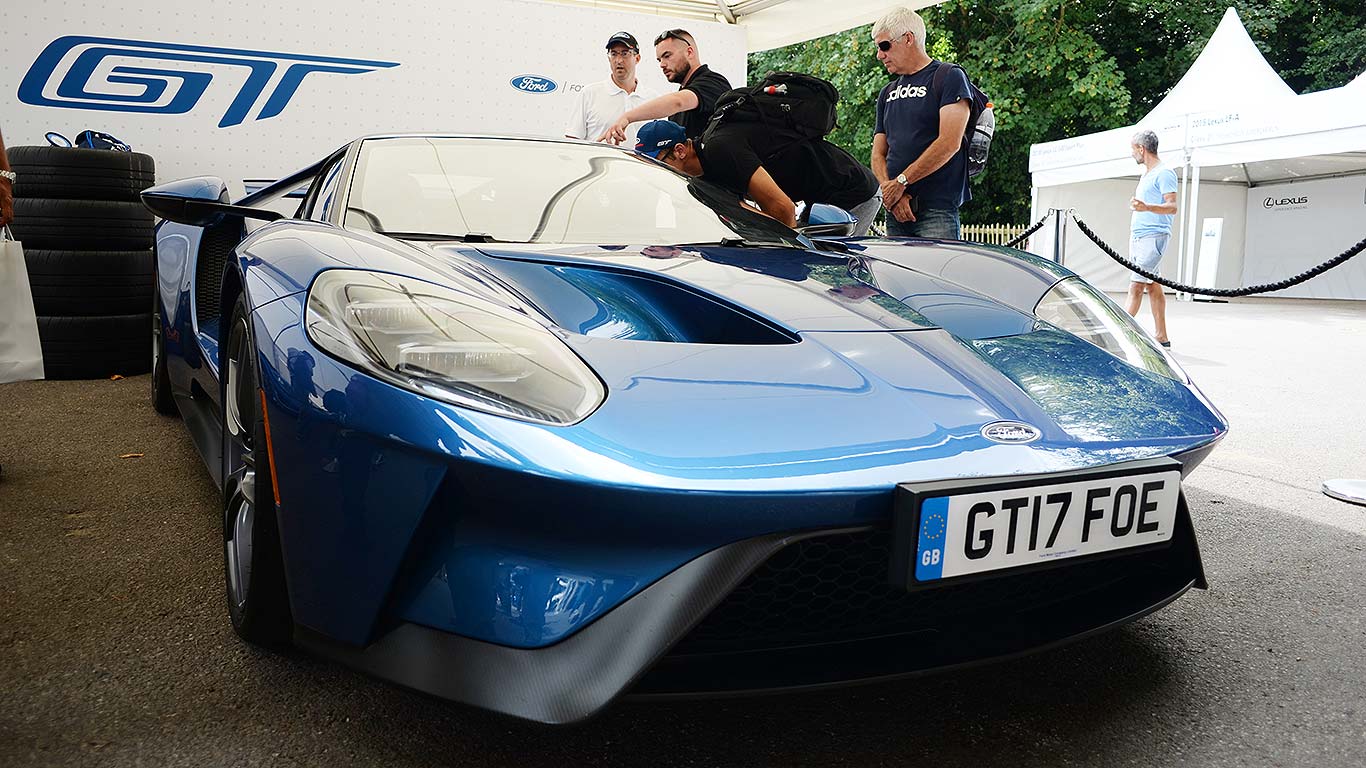
Ford GT
It’s still the supercar of the moment, as it was last year and the year before. Like the last one, and indeed the GT40 in the beginning, it will always be one of the greats. Since that incredible 1-2-3 at Le Mans in 1966, all GT-badged Ford supercars have been destined for greatness. This latest example is a successful racer, a jaw-dropping beauty and a competent machine in its own right.
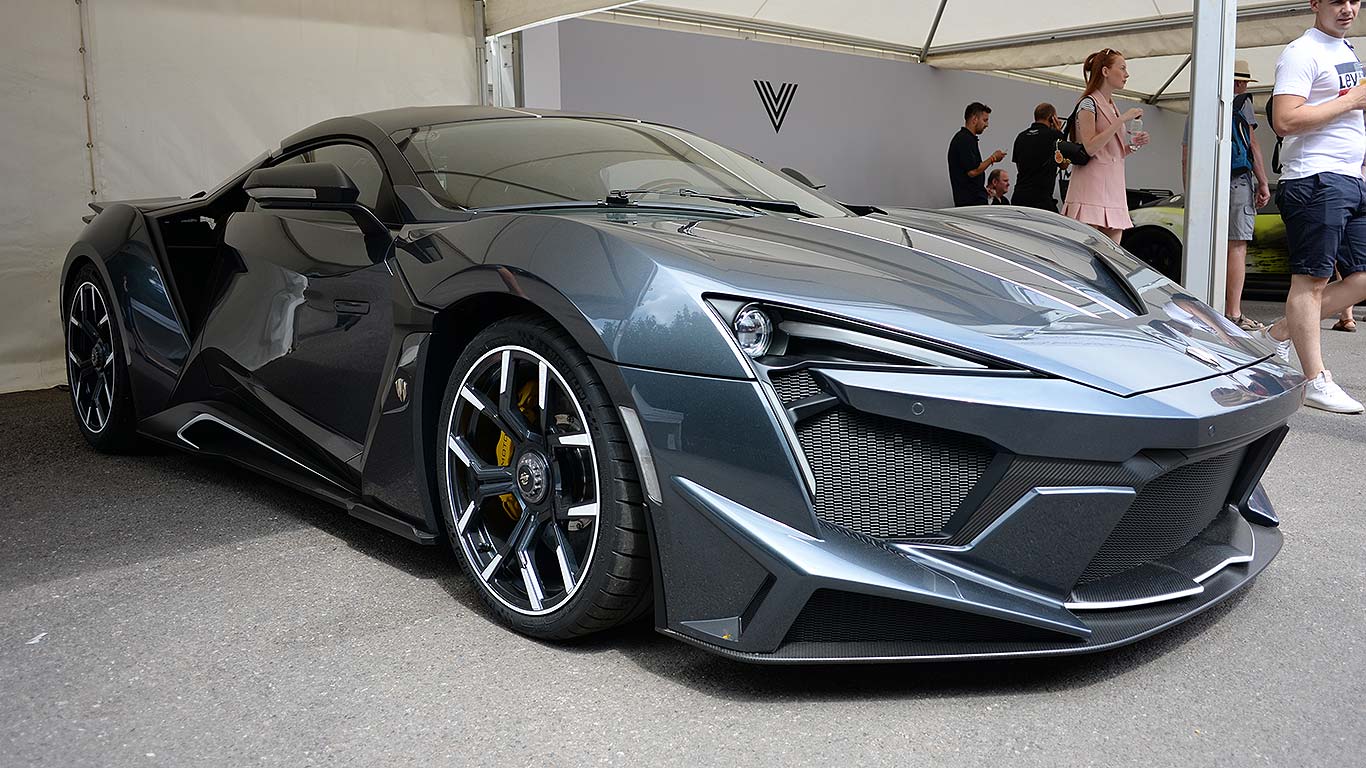
W Motors Fenyr Supersport
Just count the angles, will you? The W Motors Fenyr Supersport looks like it was styled by a man with a minigun loaded with knives who was given five hours with a block of fibreglass. Underneath the incredible exterior beats an 800hp German heart of 3.8-litre twin-turbo flat-six muscle. It’ll be sure to turn heads boosting up and down Sloane Street on a hot summer’s afternoon, as it did on the Goodwood hillclimb. On sale now for £1.1m, if you’re curious.
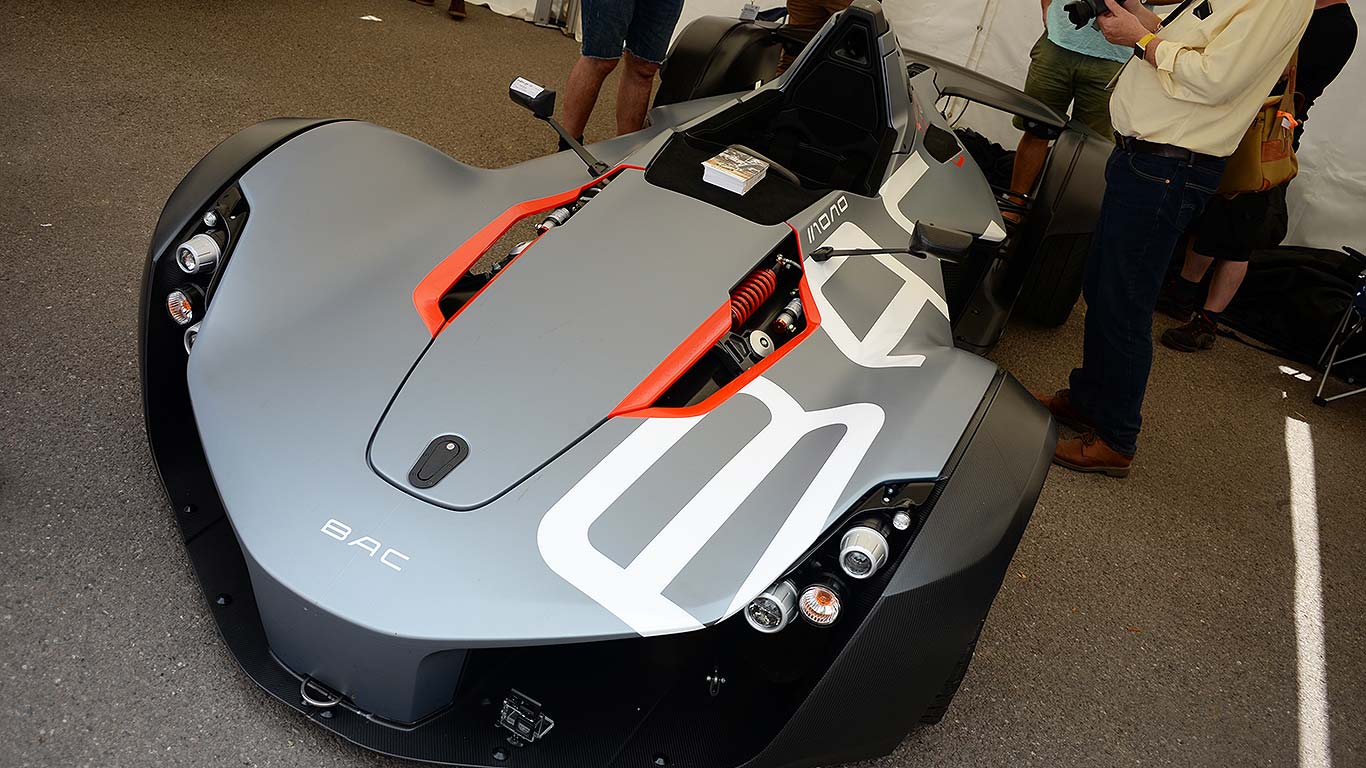
BAC Mono
The selfish supercar still hasn’t lost any of its gravitas. It’s one of those things that commands awe purely for its packaging and the level of engineering, plus its spine-tingling powertrain. It’s surely a tonic as a track (or hill) attack machine, but bad luck to any prospective passengers that fancy coming along for the ride.
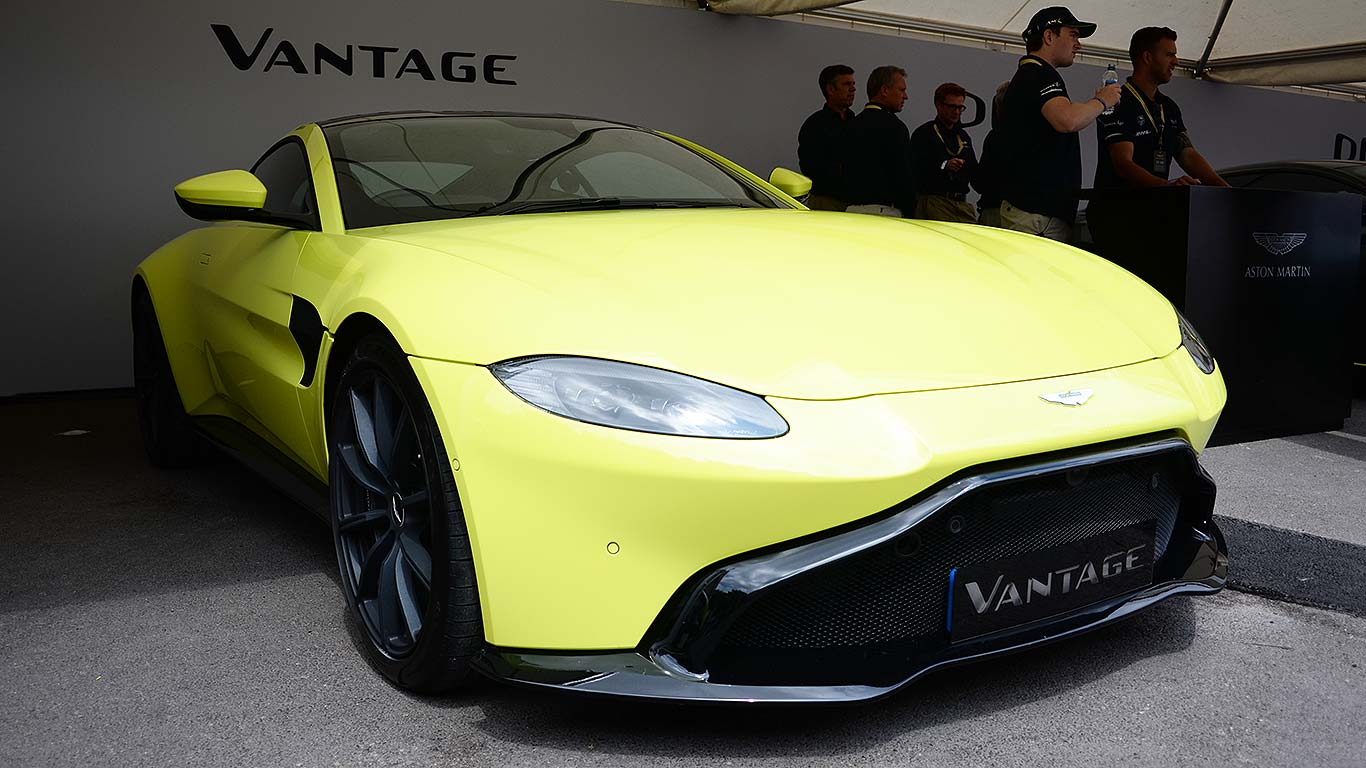
Aston Martin Vantage
As far as anyone with less than £300k+ to blow on something exotic is concerned, the new Vantage might just be the star of the show. With 500hp of twin-turbo V8 muscle and a chassis dripping with an ex-Lotus expert’s setup wizardry, the new Vantage blurs the line between sports and supercar with ease. It looks fabulous while doing it, too – an A+ effort from Aston yet again.
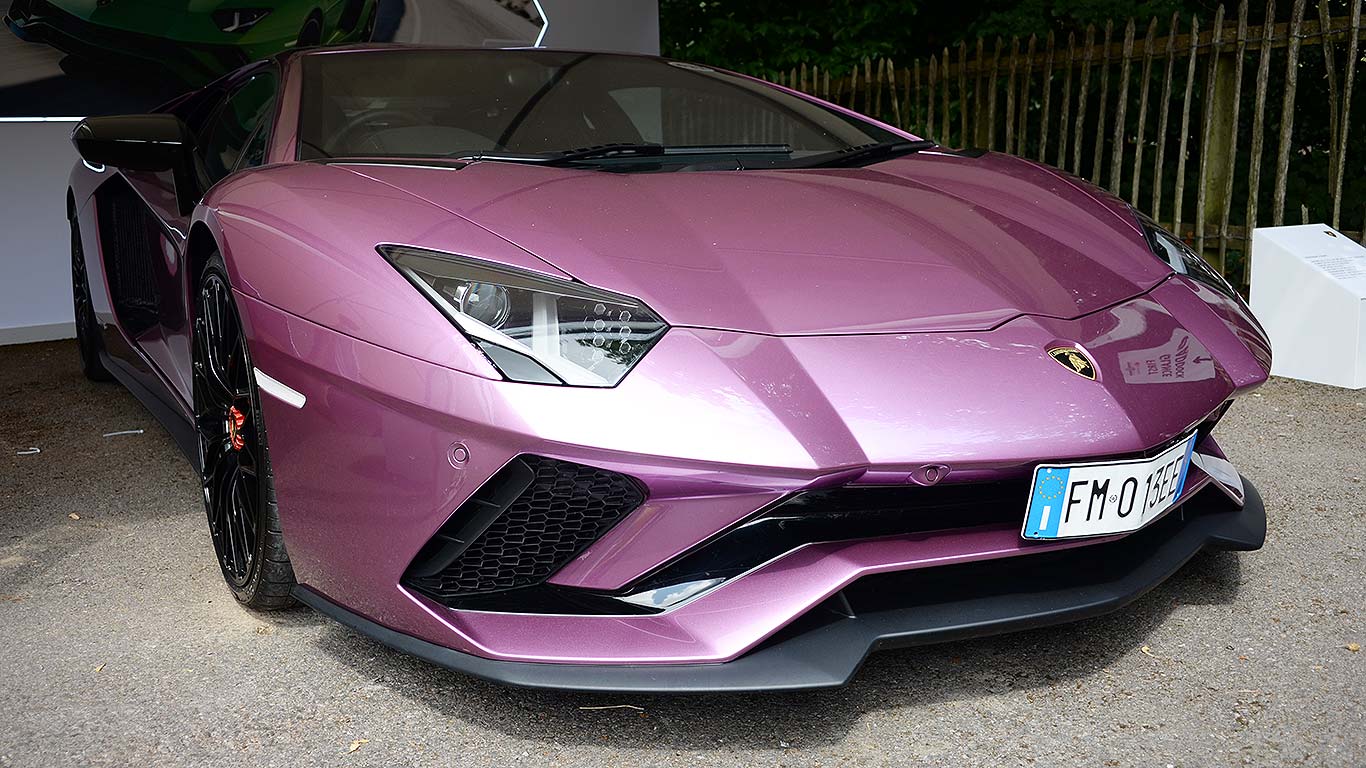
Lamborghini Aventador S
This isn’t a particularly new car anymore, nor the newest car in Lambo’s FOS lineup, or the most expensive, or the rarest. The Centenario Roadster takes those two with ease. The Aventador S earns its spot on our top-20 list for its stunning purple paint scheme alone. Any homage to the Diablo SE30 gets our approval, deliberate or otherwise. Also, something something V12…
What’s your favourite supercar of this year’s Goodwood FOS? Let us know in the comments below.
The Porsche 911 from The Bridge was only ever going to sail through its pre-auction estimate. The question was, by how much?
The answer is a cool £120,000.
With all proceeds going to WaterAid, actress Sofia Helen – who played Saga Norén in the hit TV series – was present at the Bonhams sale to encourage bidders to dig deep. Within the last hour, bidding closed at £141,500 (including premium), far exceeding the pre-auction estimate of £20,000-£30,000.
Actress who drives this ‘77 Porsche 911 in ‘The Bridge’ urges market to bid high in favour of Water Aid. It works – car estimated at £20-30k in the Bonhams catalogue actually sells for £125,000. pic.twitter.com/XDnB2Z3bp5
The famous Jäger Grun Porsche was deemed surplus to requirements following the end of the final series, so the production company donated it to charity. Sofia Helen, an ambassador for WaterAid, said: “Saga’s Porsche is not only a big part of my own acting life, but has also become part of Swedish TV history. I’m so pleased the sale of this car will go to such a good cause.”
Goes back to the beginning
The Swedish actress, who has become a household name thanks to her role in the Scandi-noir drama, will be delighted with the final price. She’ll also be pleased to see the back of it. Speaking to the Independent in 2015, Sofia said: “All I can say is that it’s very hard to drive. It’s so old.”
With the 911 leading a tough life on set, the winning bidder will need to spend more cash returning the car to showroom condition. Alternatively, the plan might be to retain the car’s patina, perhaps heading home via the iconic Oresund Bridge, which connects Copenhagen with Malmo.
Spoiler alert: The Bridge concluded with Saga driving over the bridge, stopping in the middle to throw her Malmo CID badge into the Oresund strait between Denmark and Sweden. The series was left open for a potential return, at which point the producers might want to borrow the car for future filming.
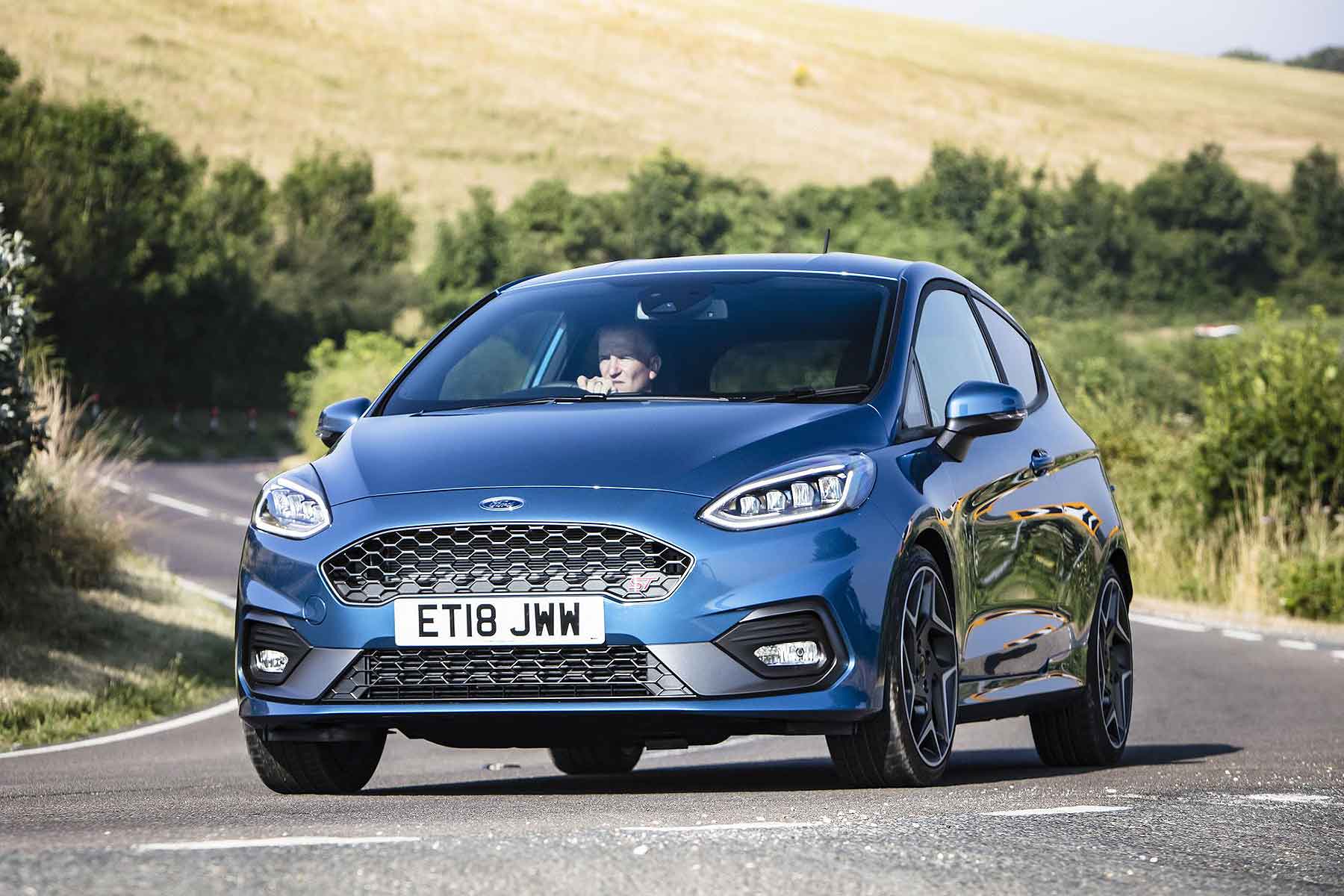
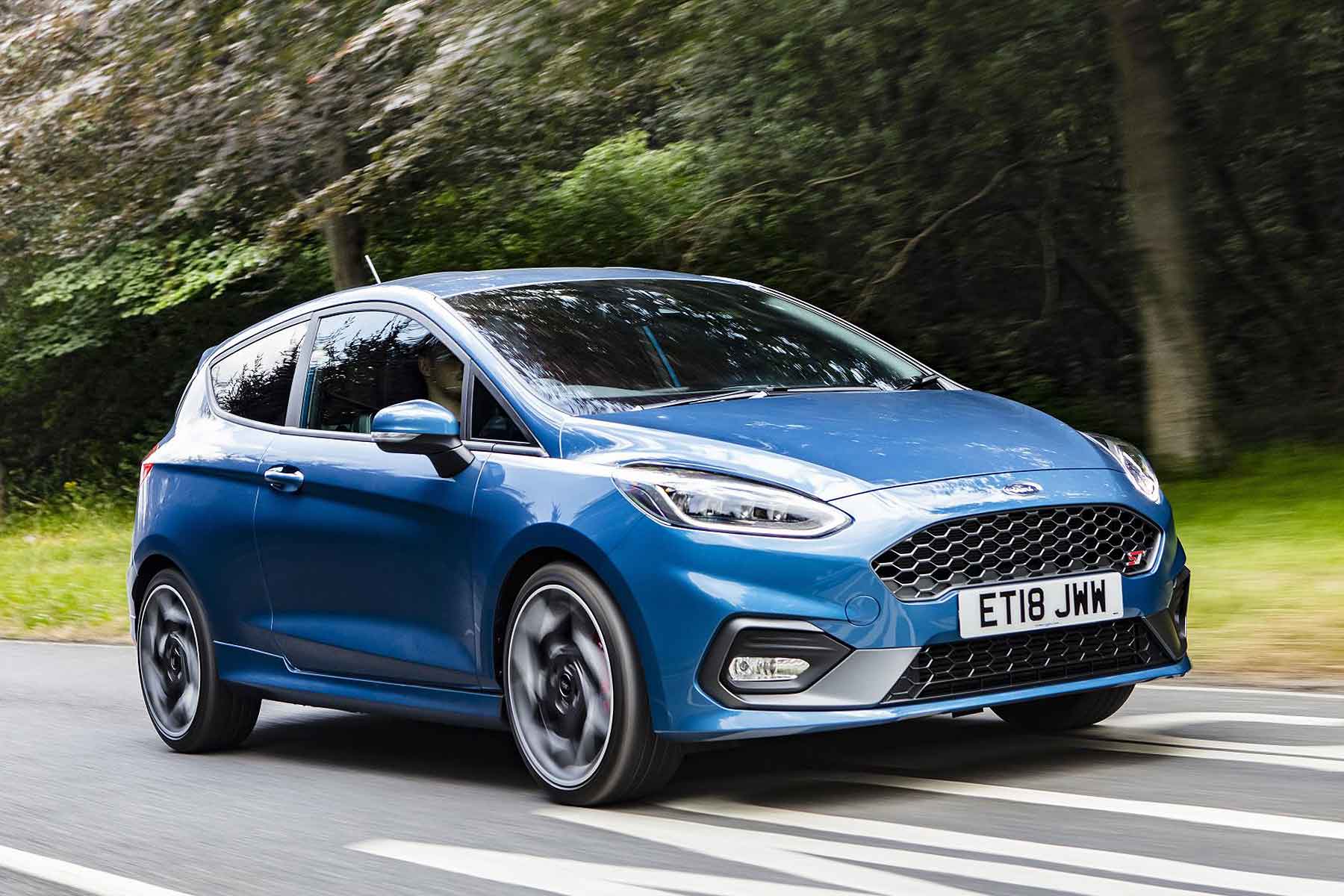
Ford has revealed PCP finance deals for the highly acclaimed new Fiesta ST, and the headline launch offer is a three-year deal at 2.9 percent APR that prices an ST-2 three-door from £220 a month.
This includes one of the two £745 ‘exclusive’ colours too, either Ford Performance Blue or Silver Fox (the sole ‘free’ colour is Race Red). Buyers need to find a relatively sensible £4,664 deposit (and £9,254 at the end if they don’t want to keep it). Annual mileage limit? A perfectly decent 9,000 miles a year.
For what almost certainly will emerge as one of the best new cars launched in 2018, it’s an offer that’s sure to prove very tempting.
The Fiesta ST already caused a stir when prices were revealed: it costs from just £18,995. The best-value pick of the range is the £19,995 ST-2, and it’s this version that the Ford Options PCP deal is based around. There’s also an ST-3 for £21,495, and five-door versions of the new ST for an extra £650.
Ford’s finance package rubs salt into the wounds of pricier rivals. The new Suzuki Swift Sport, for example, seemed overpriced when it was revealed prices started from £17,999. Suzuki quickly rolled out a deal cutting that to £16,499, but although the related PCP deal was 0 percent finance, it was still £249 a month.
That deal has since expired: the Swift now costs £199 a month… but on a four-year PCP at 5.9 percent APR, with a £4,396 deposit.
That loud wail you can hear? It’s coming from the marketing department at Suzuki GB.
Oh, and if you don’t want to own a Fiesta ST outright, Ford will also lease you one for three years on Ford Personal Lease, for a £4,620 advance rental – and the same £220 a month payment.
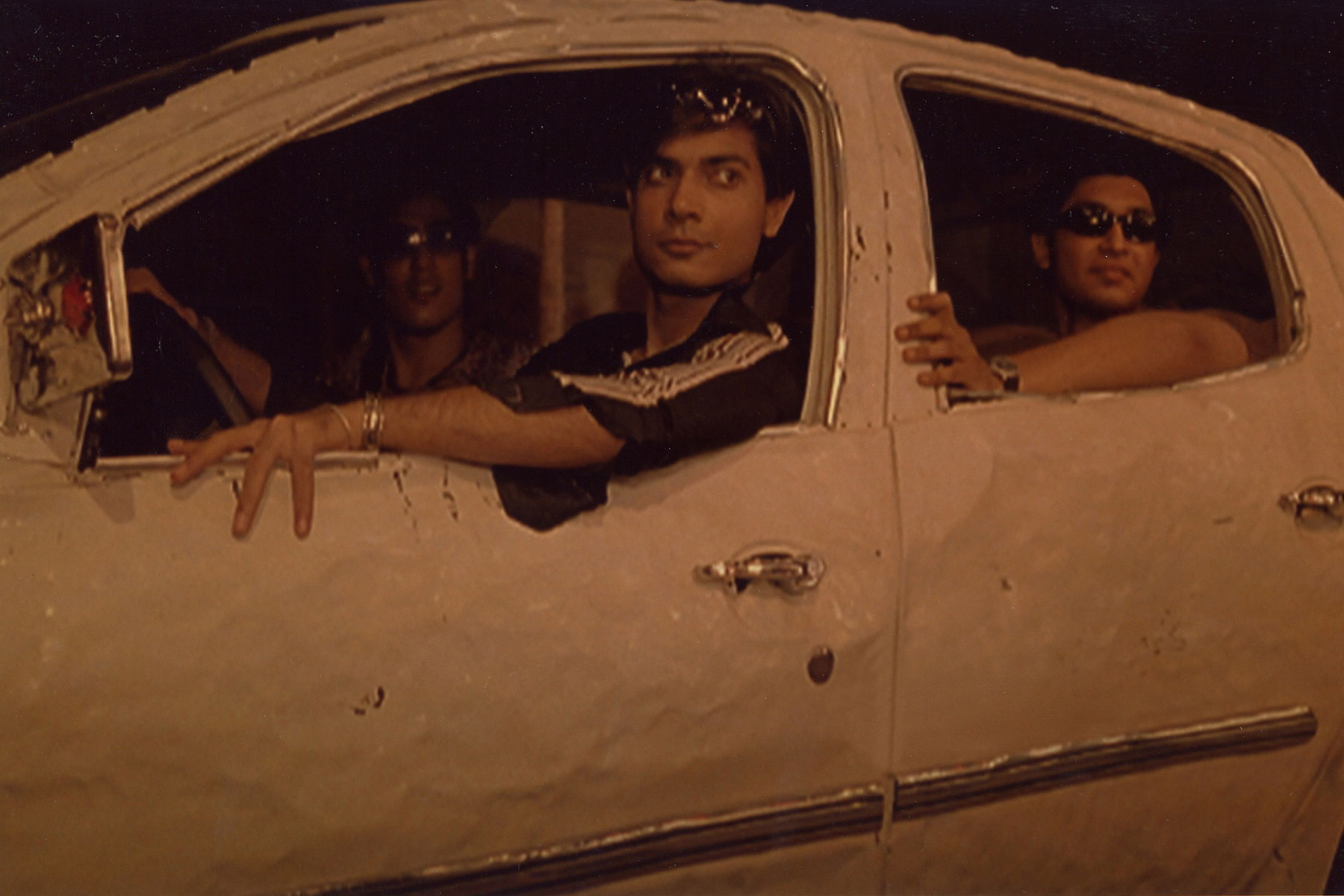
Remember that television advert for the Peugeot 206, in which a young chap turns his Hindustan Ambassador into the car of his dreams? Norfolk’s road policing unit may have stumbled across a tribute act in King’s Lynn.
In the early hours of this morning, the police pulled over a rather tired looking Peugeot 206, in which the driver was sitting on a bucket and steering the car with a pair of mole grips. As one Twitter user pointed out, it “gives a whole new meaning to the word bucket seat.”
Yes this was driven on a road and yes he was sitting on a bucket and steering with a pair of mole grips. Driver will be reported for too many offences to mention! #KingsLynn#WestARV @RPFOUSgt #Unbelievable #1383/652 pic.twitter.com/2Sg8uYhtSt
— Norfolk & Suffolk Roads and Armed Policing Team (@NSRAPT) July 13, 2018
The images posted on Twitter also revealed a missing front wing, a flat tyre, a set of rusty wheels, no front lights or bumper, no door cards and… well, the list goes on. On the plus side, the 206 does have a floor mat.
Needless to say, the Peugeot is sans-MOT – it expired in 2015 – and is unlikely to see the bright lights of King’s Lynn again. According to the police, the driver will be reported for “too many offences to mention”. PC Jon Parker later tweeted that it’s the most unroadworthy car he has ever seen.
Launched in 1998, the 206 is Peugeot’s best-selling car of all time, with global sales of around 8.3 million. It was offered in various guises, including hatchback, saloon and convertible, but buckets and pliers were never listed as optional extras.
The famous advert was filmed in Jaipur, India, and depicted a young guy converting his Ambassador after seeing the car in a newspaper advert. He proceeds to make the modifications by repeating crashing his car into a wall and encouraging an elephant to sit on it to make it resemble the Peugeot 206.
Having set eyes on the King’s Lynn tribute act, the Norfolk and Suffolk Road Policing and Firemans Unit would have been banging their heads against the nearest wall, but they’re unlikely to have found an elephant at 1.30am.
We’ll leave you with the original television ad, which is sadly lacking in buckets and pliers.
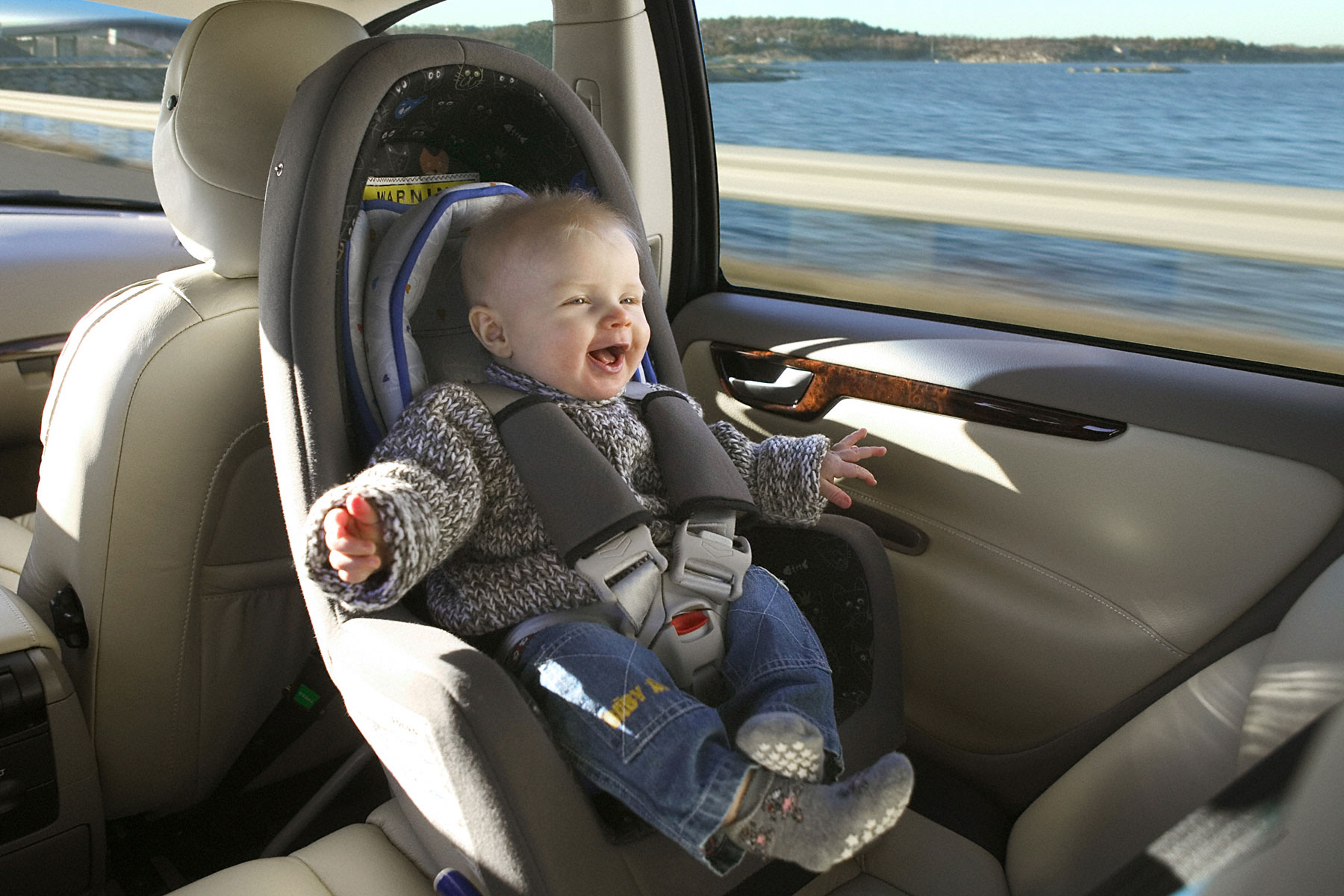
Around 18.5 million drivers are expected to hit the roads in the UK this summer, as families head off for their annual holiday. As the chance of a collision increases, parents are being warned to keep their children in rear-facing car seats for longer to reduce the risk of serious injury.
The warning comes from Axkid, the Swedish manufacturer of child car seats, with the company suggesting parents should follow Sweden’s lead in keeping children in rear-facing child seats until the age of four, an approach endorsed by the British Medical Journal.
In 2009, it said: “Rear-facing seats are safer than forward facing seats for children under four-years-old. Parents and guardians should be advised to keep young children in rear-facing seats for as long as possible.”
Axkid points out that countries that have adopted the concept of keeping children rear facing for longer have the lowest rates of infant mortality on the roads globally. In 2017, a report by Swedish insurance company, Folksam, found that “if a child is placed in a forward-facing seat, the child runs five times higher risk of being injured in a crash.”
In summary, the report said:
If a young child (0-4 years) is facing forward the head and neck will be exposed to a higher load during a crash than a rear-facing child. The mass of the head in relation to the rest of the body is much larger for children than for adults. Furthermore, a child’s neck muscles and ligaments are not fully developed. The advantage of a rear-facing CRS is that the head, neck and the rest of the body are decelerated at the same time and therefore the load to the head and neck is considerably lower than for a forward-facing child during a crash.
The law in the UK
UK car seat regulations were updated in March 2018, but crucially, the law states that children must use a rear-facing seat until they are 15 months old. A rear-facing seat must never be used in the front when there is an active airbag present on the passenger side of the vehicle.
It is felt that a child’s neck will be stronger at 15 months, but it might not be the right time to switch to a front-facing seat. Aged nine months, a baby carries 25 percent of its body weight in its head, in comparison to six percent in the case of an adult. Axkid warns that a rear-facing seat “greatly reduces the movements in the head and neck of a child in the event of a frontal collision”.
In Sweden, it is customary for a child to travel rear-facing until the age of six, but some parents are concerned that the approach could lead to social and physical issues for the child. To this end, Axkid seeks to debunk three ‘myths’ in this article.
With the Goodwood Festival of Speed as an impressive backdrop, McLaren Automotive used the event to unveil what the future holds for the next seven years.
It seems hard to believe that the brand only started producing supercars in 2011, when the first 12C rolled off the production line. Since then, the Woking-based firm has managed to build some 15,000 cars.
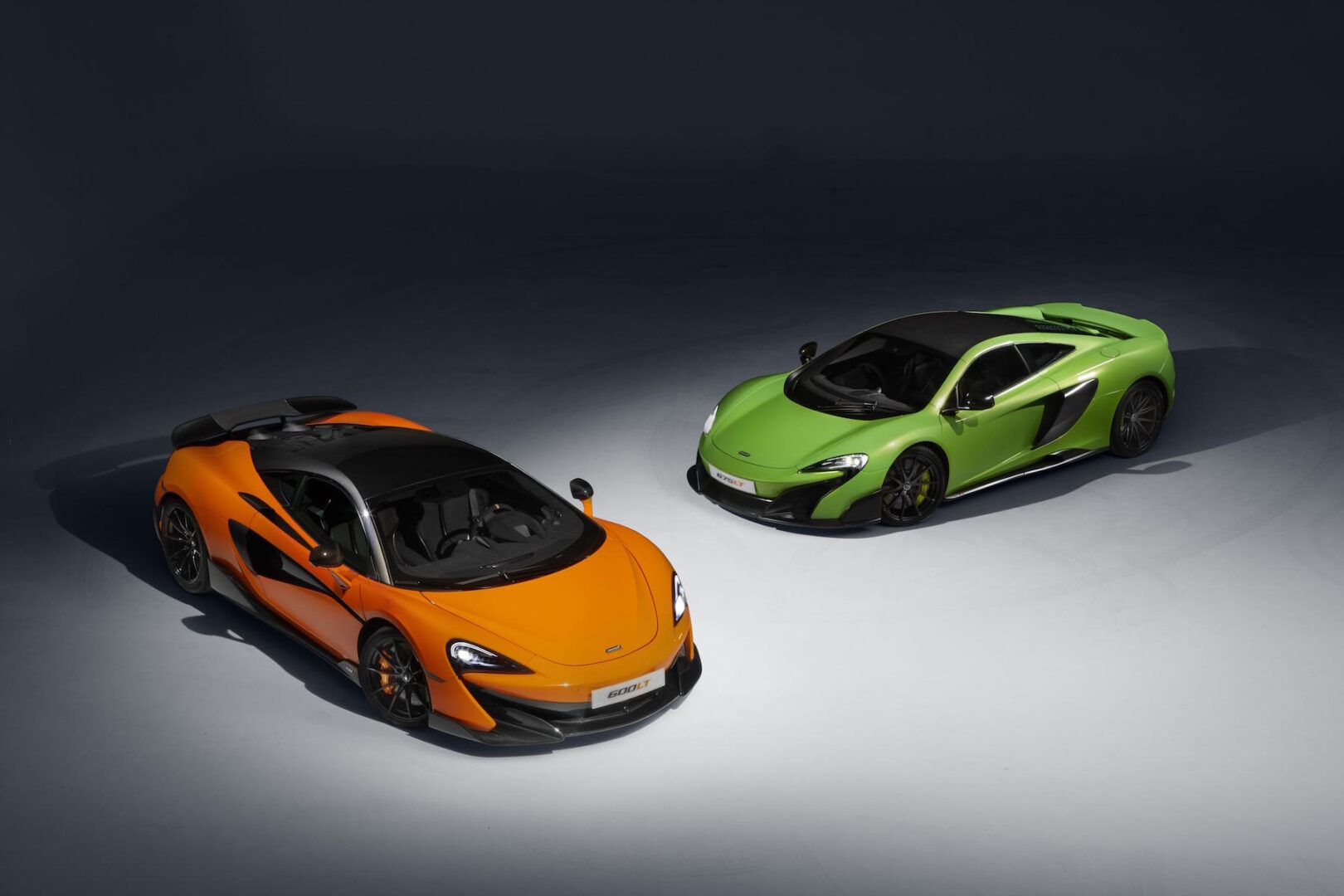
The brand has also just launched the latest, and most extreme, car in its entry-level Sports Series. Making a debut this weekend at Goodwood, it might be a stretch to call the new 600LT ‘entry-level’ with a list price of £185,500, though.
But whilst the 600LT is what McLaren Automotive is doing right now, the future looks set to be even more exciting. The £1.2bn business plan announced at Goodwood, branded Track25, will see substantial developments and innovations across the next seven years, seeing 18 new models launched.
Key to this is investment in the development of augmented driving technology, and enhanced battery capability. The latter includes the promise of a car capable of lapping a race track for 30 minutes on electrical power alone.
By 2025, 100 percent of the company’s range will be powered by hybrid tech.
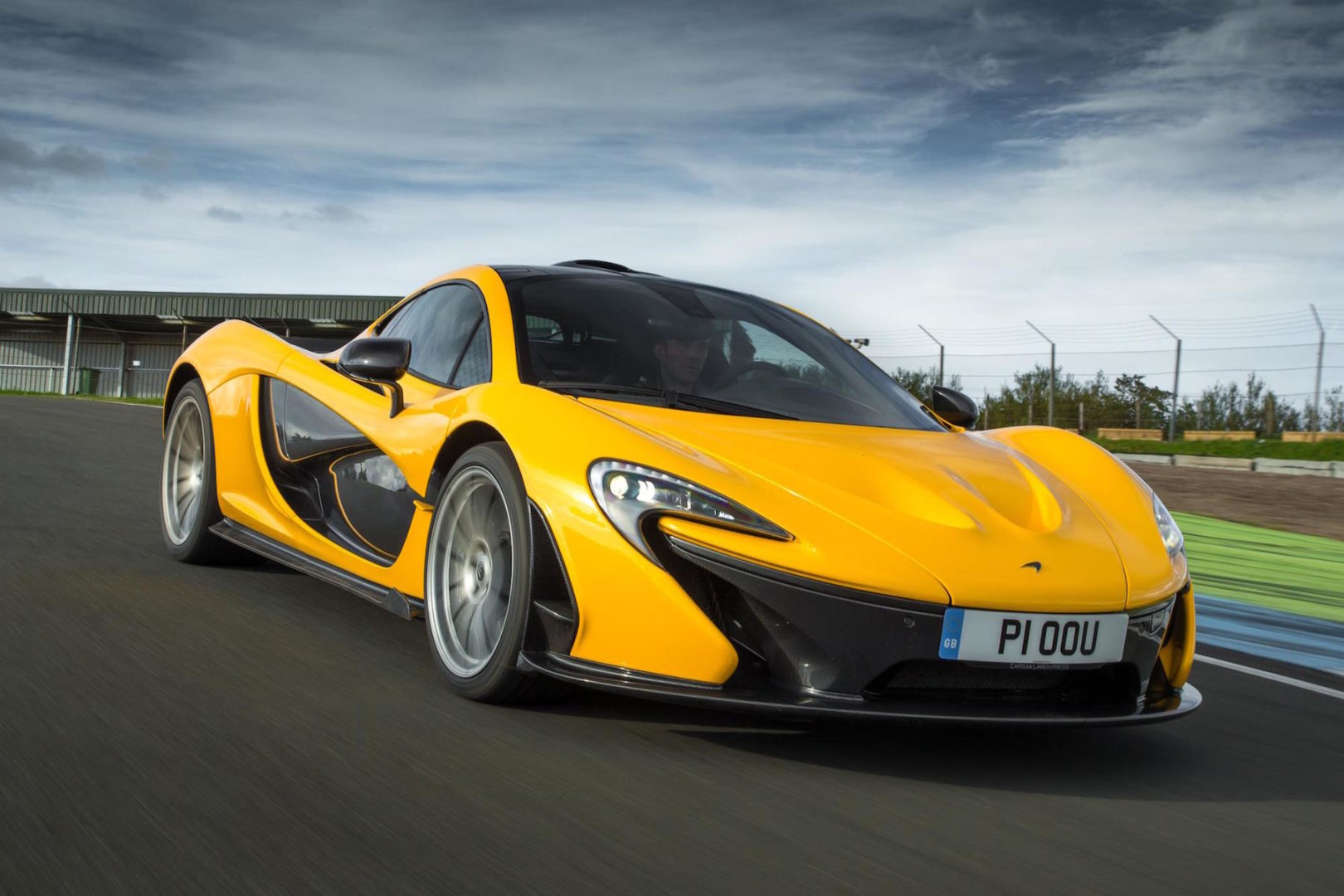
This will include a successor to the dramatic P1 hypercar, which combined a twin-turbocharged V8 petrol engine with an electric motor to produce a total of 903hp.
Other innovations will include the development of over-the-air software updates, mirroring companies such as Tesla which already makes extensive use of the technology. Helpfully, enhanced cyber protection will also be part of the improved ownership experience.
Those owners will be brought in by an expanded dealership network. At present, the brand has 86 dealers across the globe, covering 31 markets. By 2025 McLaren, wants this to be 100 retailers, with eyes on growth markets such as Russia and India.
Big news comes in the form of a commitment to increase production output by some 75 percent. This will take McLaren to building 6,000 cars a year. Although this may be still be less than rivals such as Porsche and Ferrari, it is still a significant volume for a relatively young supercar company.
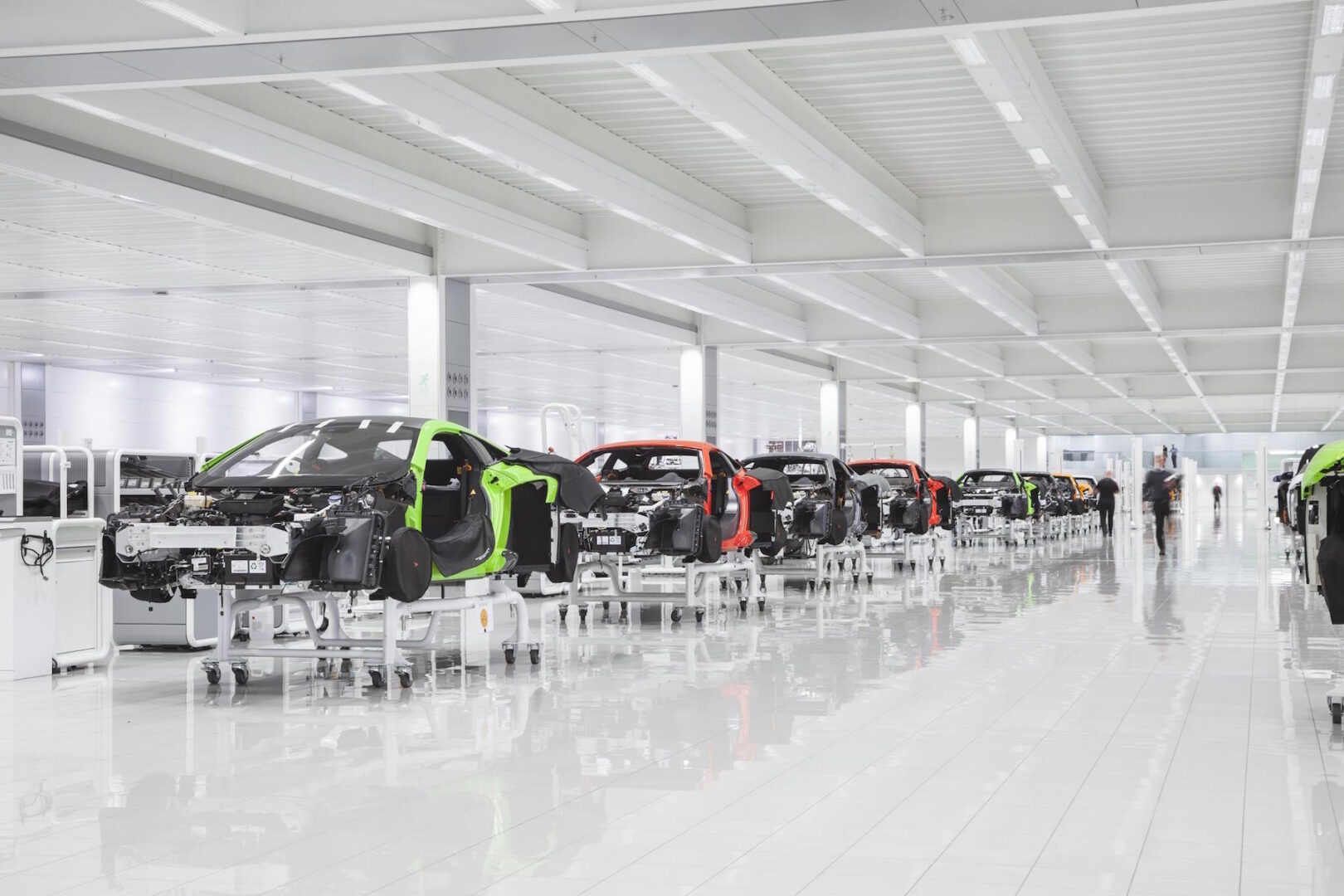
Despite the proposed increases in production, McLaren says it remains committed to all cars being finished by hand at the Woking factory.
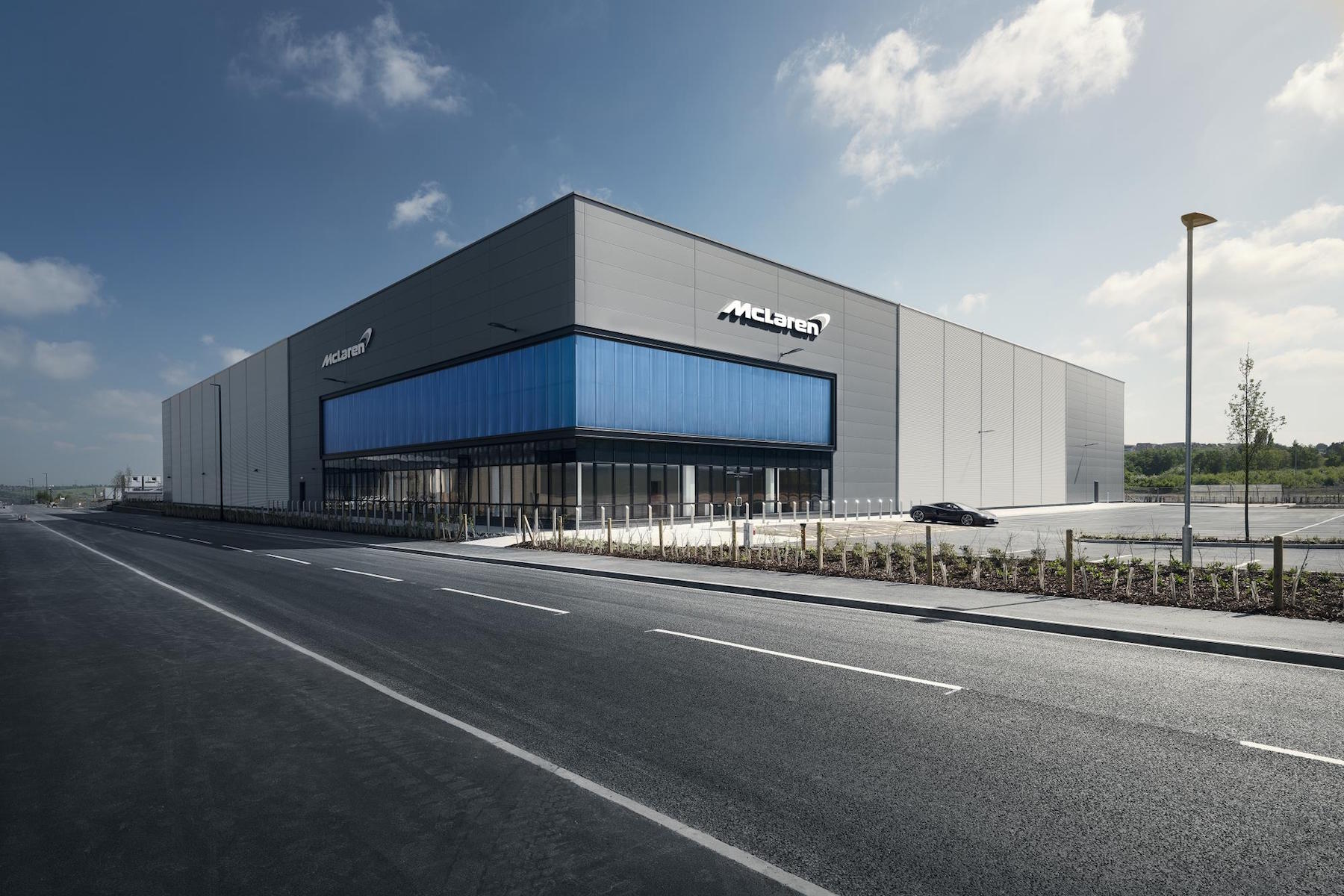
McLaren’s new Composites Technology Centre in Yorkshire will be of importance to achieving these bold numbers. It will also mean 57% of the content found within McLaren cars will be produced in the UK. In light of Brexit, this could prove useful for a sustainable supply chain.
The continued growth of McLaren Automotive, and the plans for the future, are described by CEO Mike Flewitt as the brand sticking to the “focus of building the world’s best drivers’ cars”. Flewitt also noted that the company had to “acknowledge the great effort, ingenuity, and competitive spirit” of the 2,300 employees that have made the achievements possible.
So even if McLaren’s Formula One team may be finding life hard, the road car subsidiary at least looks set for continued success.
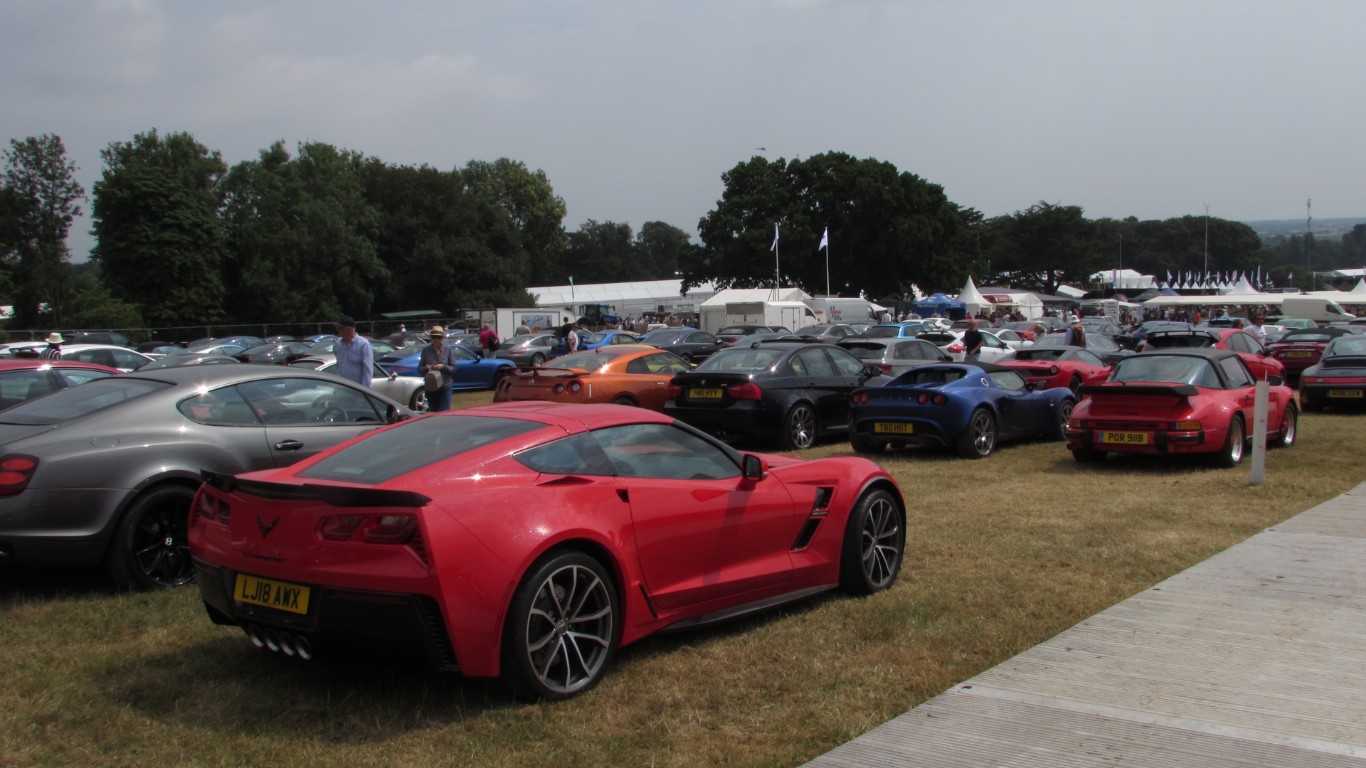
Some people say that the best way to enjoy a party is to head to the kitchen. Indeed, Jona Lewie wrote a song about the very subject. It’s a similar story at the Goodwood Festival of Speed, where the car park is often just as exciting as the main event. We couldn’t send Mr Lewie to Sussex, so instead, here are some photos taken by MR’s newest recruit, Ethan Jupp.
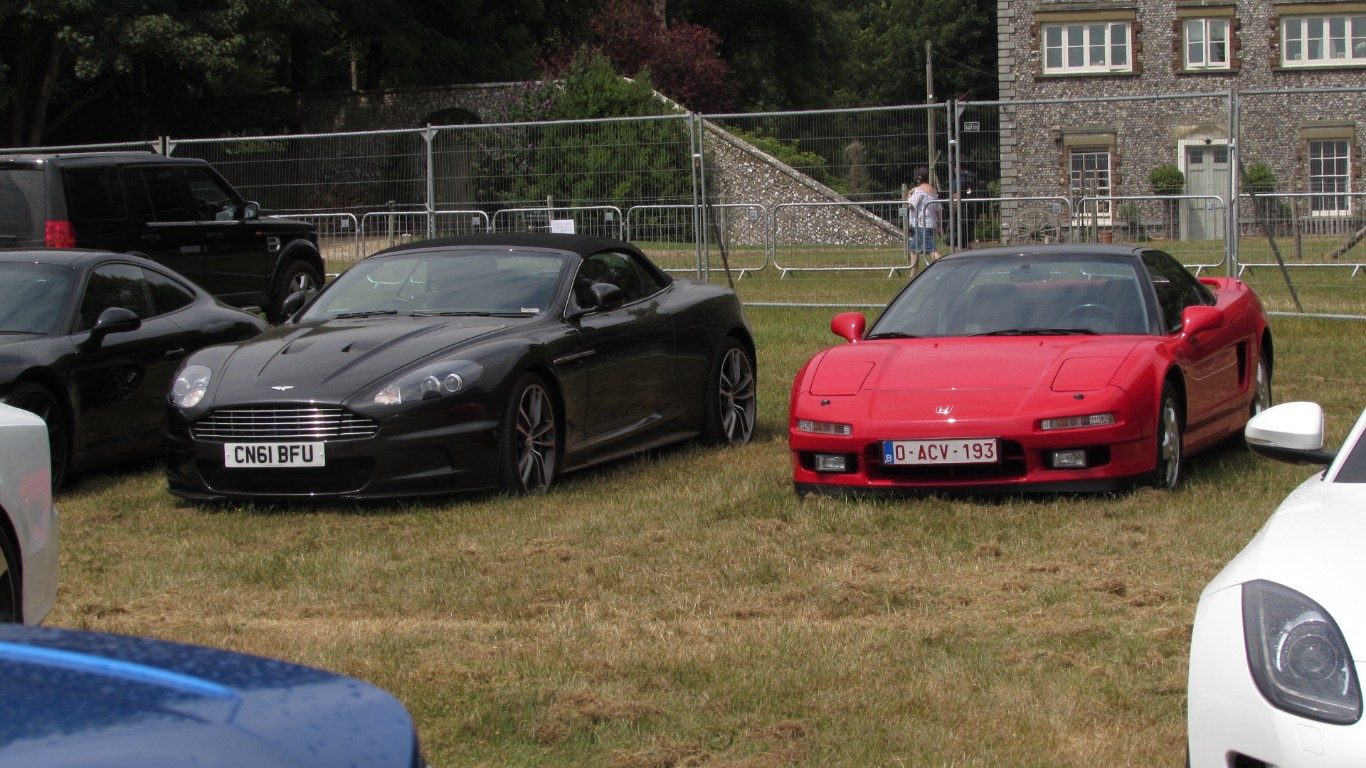
Belgian waffle
A Cardiff-registered Aston Martin DBS Volante parked alongside a Belgian-registered Honda NSX. It begs the question, would you rather head to the Welsh hills in the Aston or to Belgium in the NSX?
McDelivery
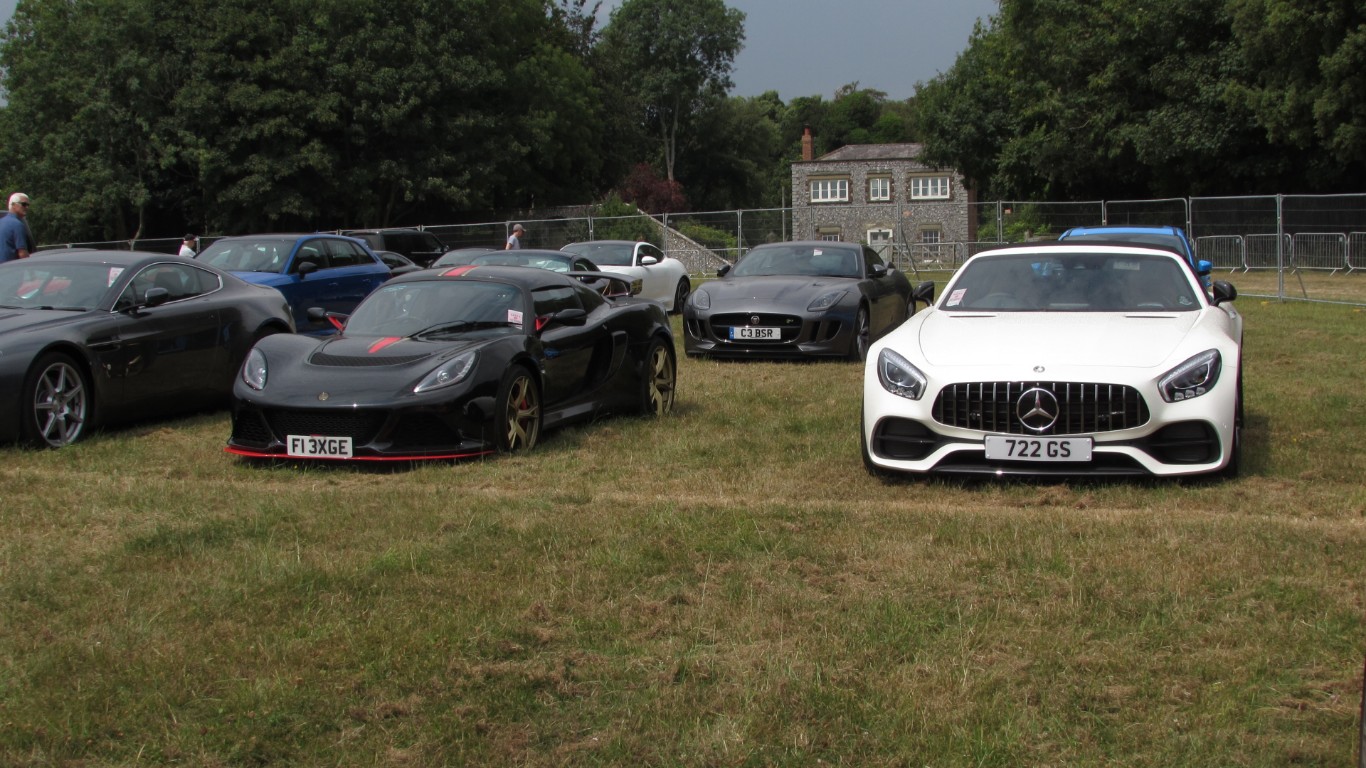
You know what it’s like, you wait an age for a McLaren and then… blimey, how many are in this shot? We haven’t seen this many Maccas since we stumbled across a convention of Beatles tribute acts in Liverpool.
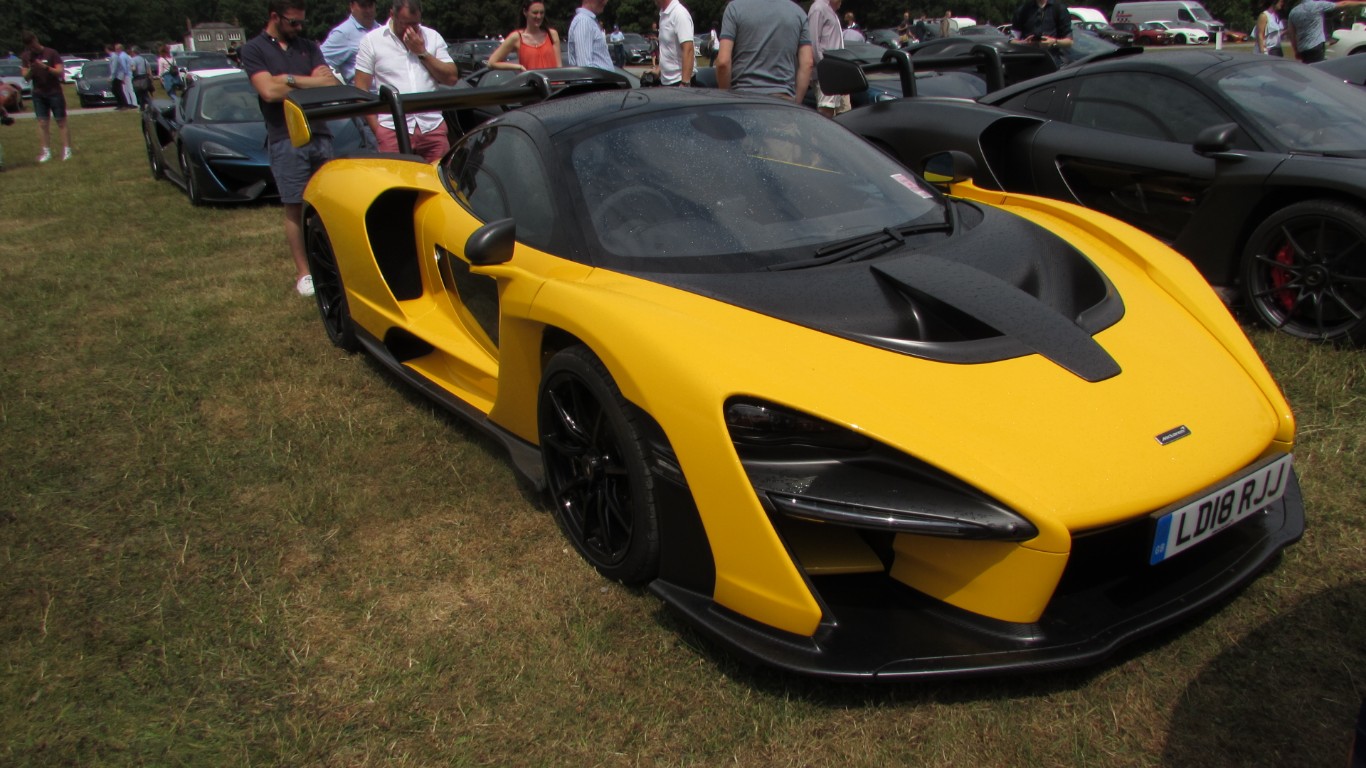
Waspish McLaren
What’s yellow and black and often turns up as an unwelcome guest at summer events? There’s something waspish about this McLaren Senna, although we wouldn’t recommend hitting it with a copy of the Daily Telegraph. Other papers are available.
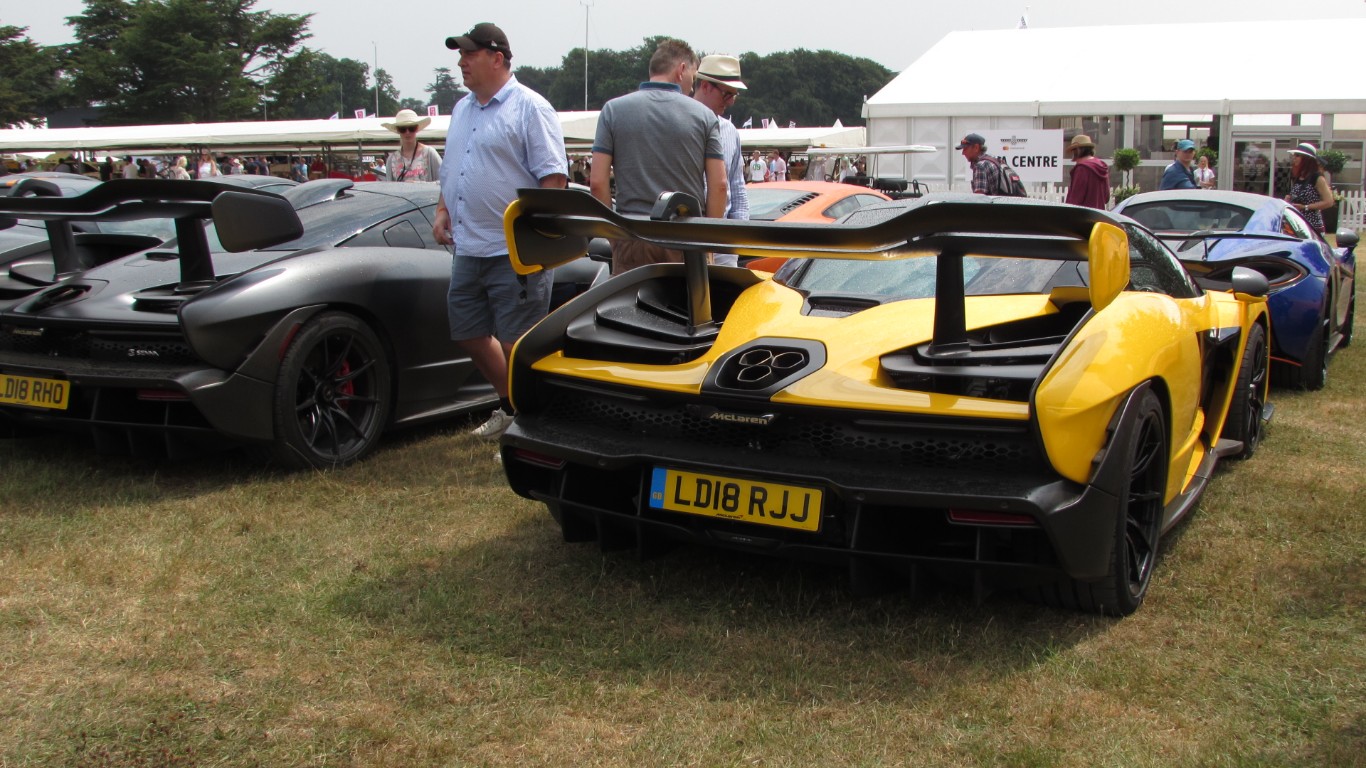
Better than a Mirage
Our man Richard Aucock was fortunate enough to drive the McLaren Senna at the Estoril circuit in Portugal. We can’t recall his precise words, but he almost certainly said it was nicer to drive than a Mitsubishi Mirage.
Not a Mirage in sight
We’ve taken a closer look at this photo and we can’t find a Mitsubishi Mirage. Jupp needs to work on his car park spotting skills. Initial verdict: must try harder.
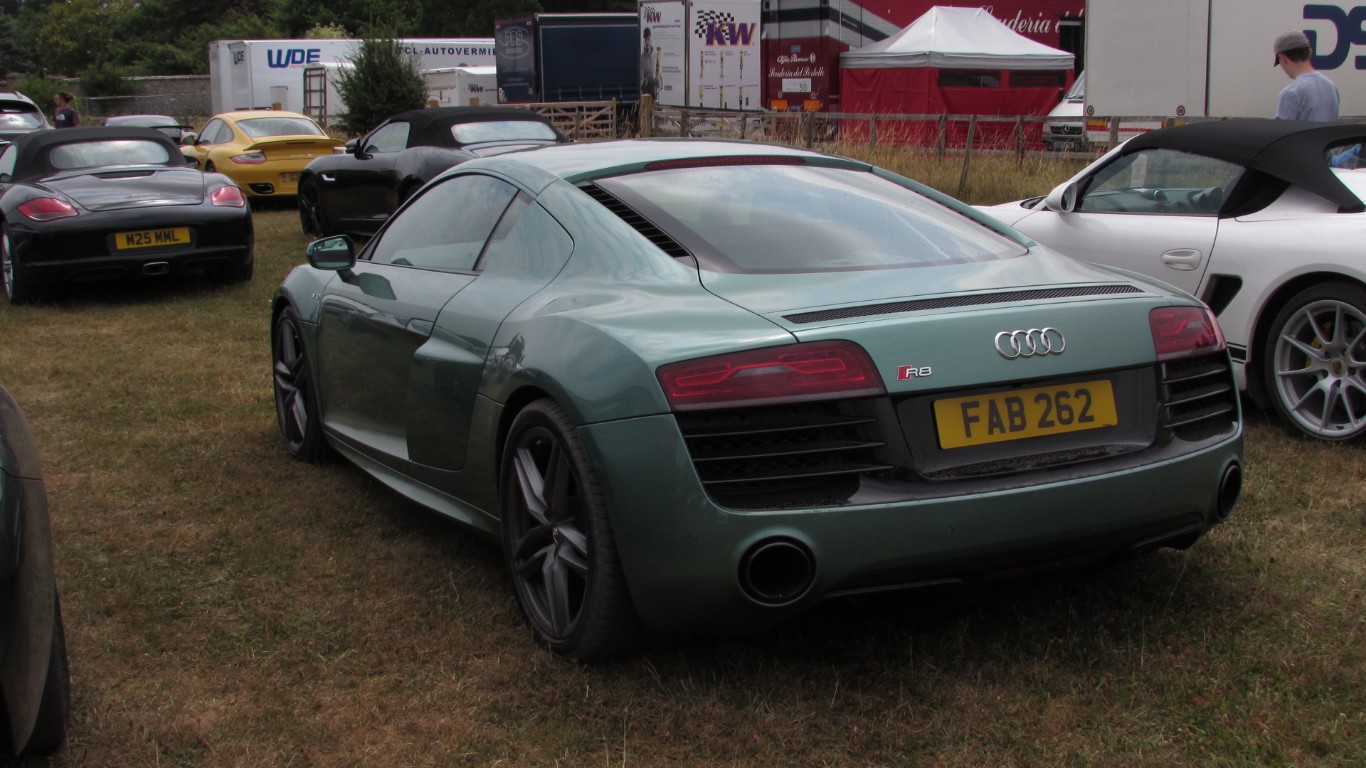
Absolutely fabulous
If the number plate is anything to go by, the owner of this Audi R8 V10 is a fan of the A262 in Kent. We prefer the fab A272, which makes for a nice journey home if you’re heading west from Goodwood.
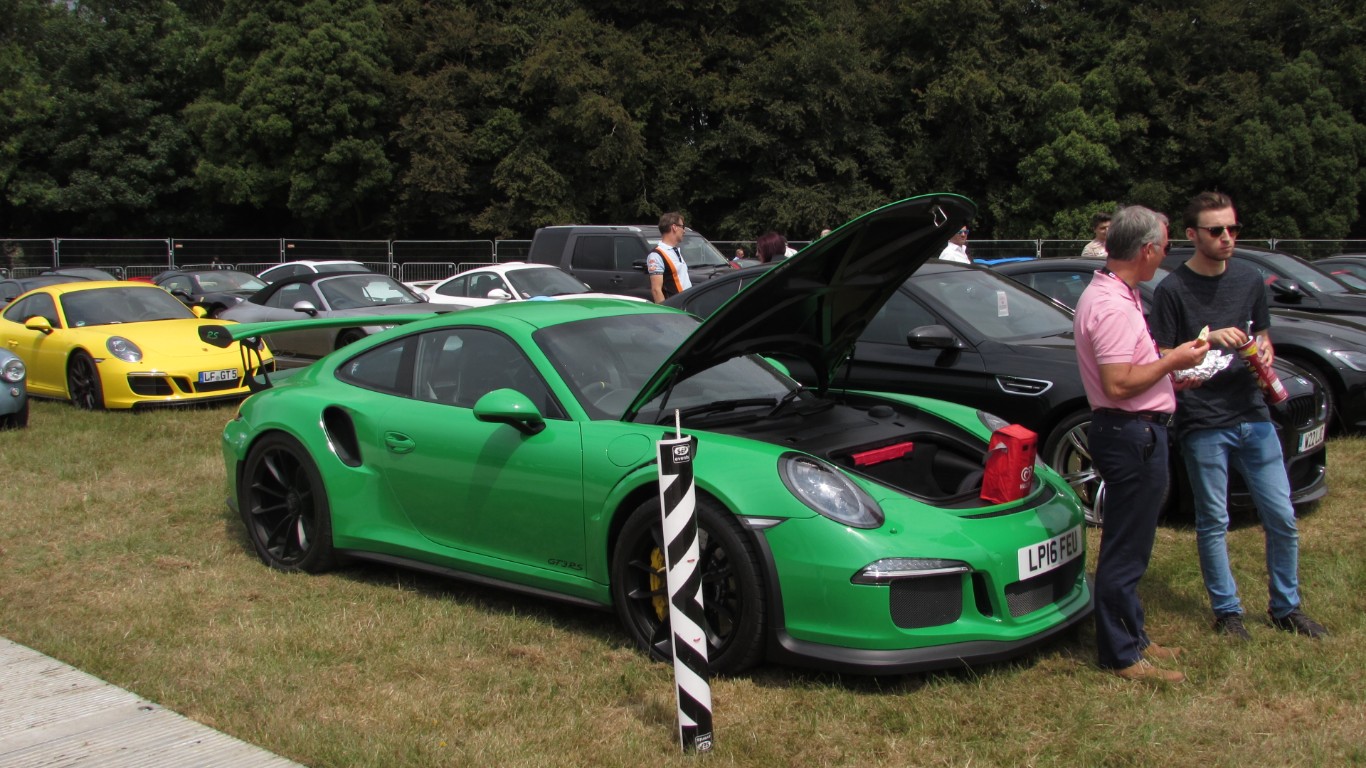
Once you pop…
It’s never too early to break out a packet of Pringles. Once you pop, and all that. We suspect he’ll find it easier to close the lid on the GT3 RS, although he might want to remove that Wall’s chill bag first.
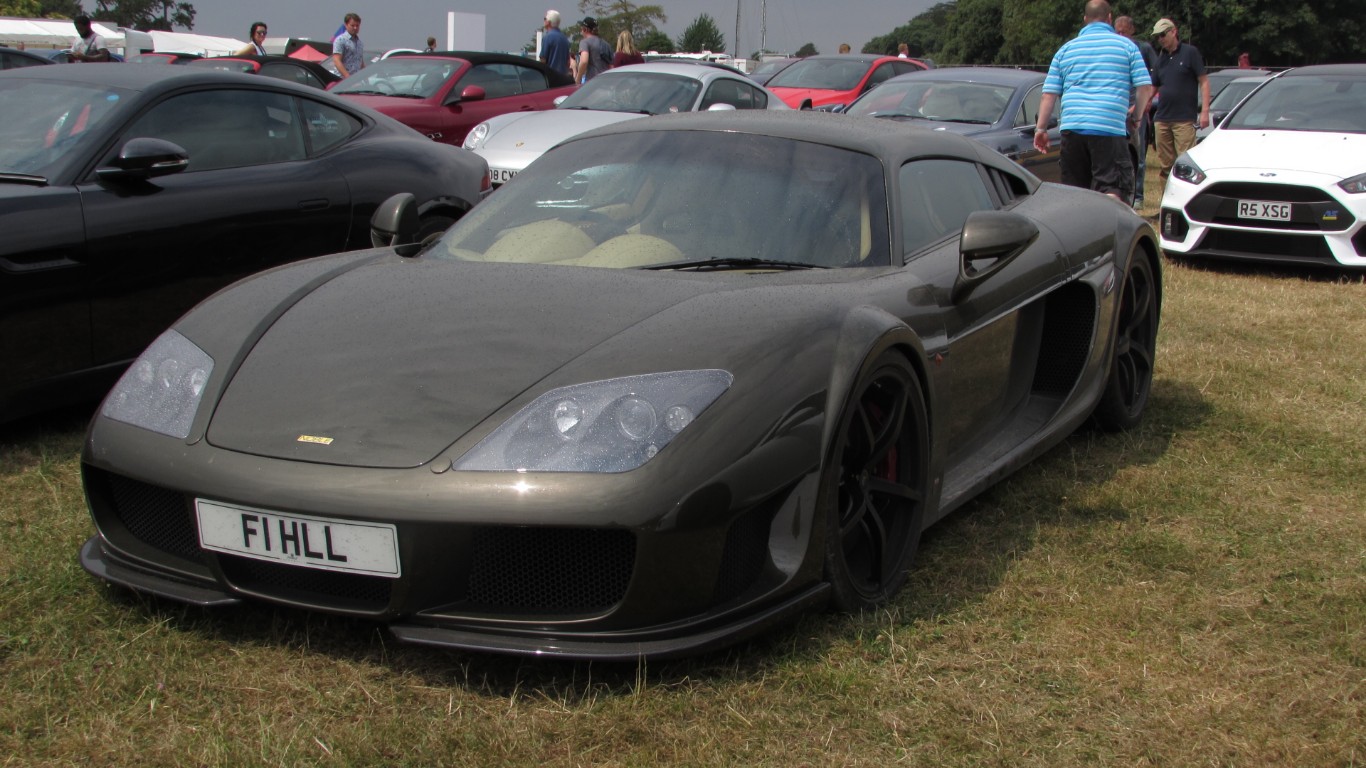
A Noble act
The Noble M600: built in Leicestershire and powered by a Yamaha 4.4-litre V8, as used in the Volvo XC90 and S80. You’d struggle to hit a claimed 225mph in an XC90, mind, especially seven-up with a dog in the boot.
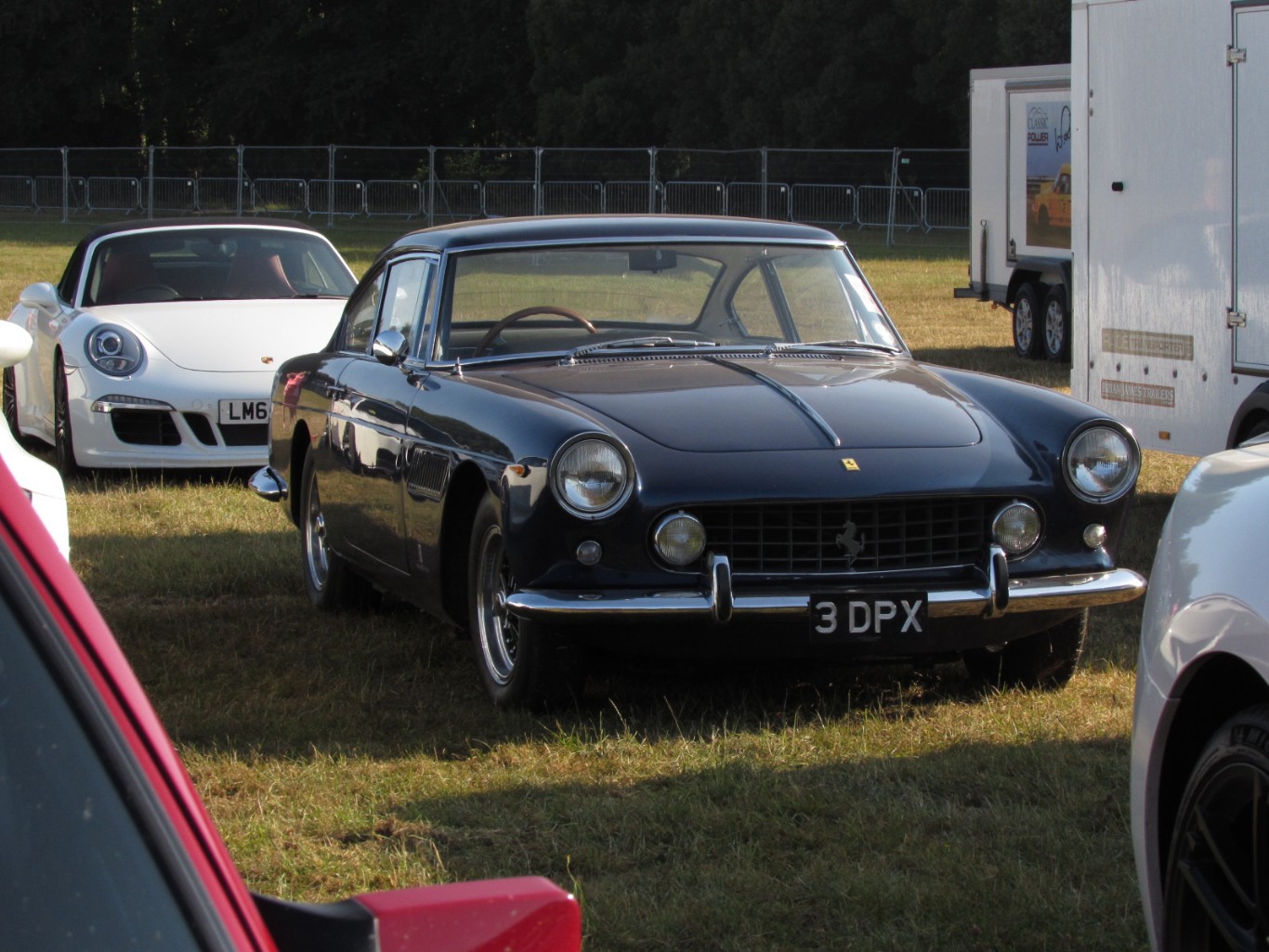
Ferrari 250 GTE
Launched in 1960, the Ferrari 250 GTE was the first genuine four-seater from Maranello. This very car featured in Classic & Sportscar in September 1983. At the time it was worth between £5,000 and £6,000, roughly the same as a new Ford Sierra. It was also the year in which UB40 hit the number one spot with Red Red Wine. You’ll need a few glasses of that before we tell you that, 35 years later, it’s worth upwards of £300,000.
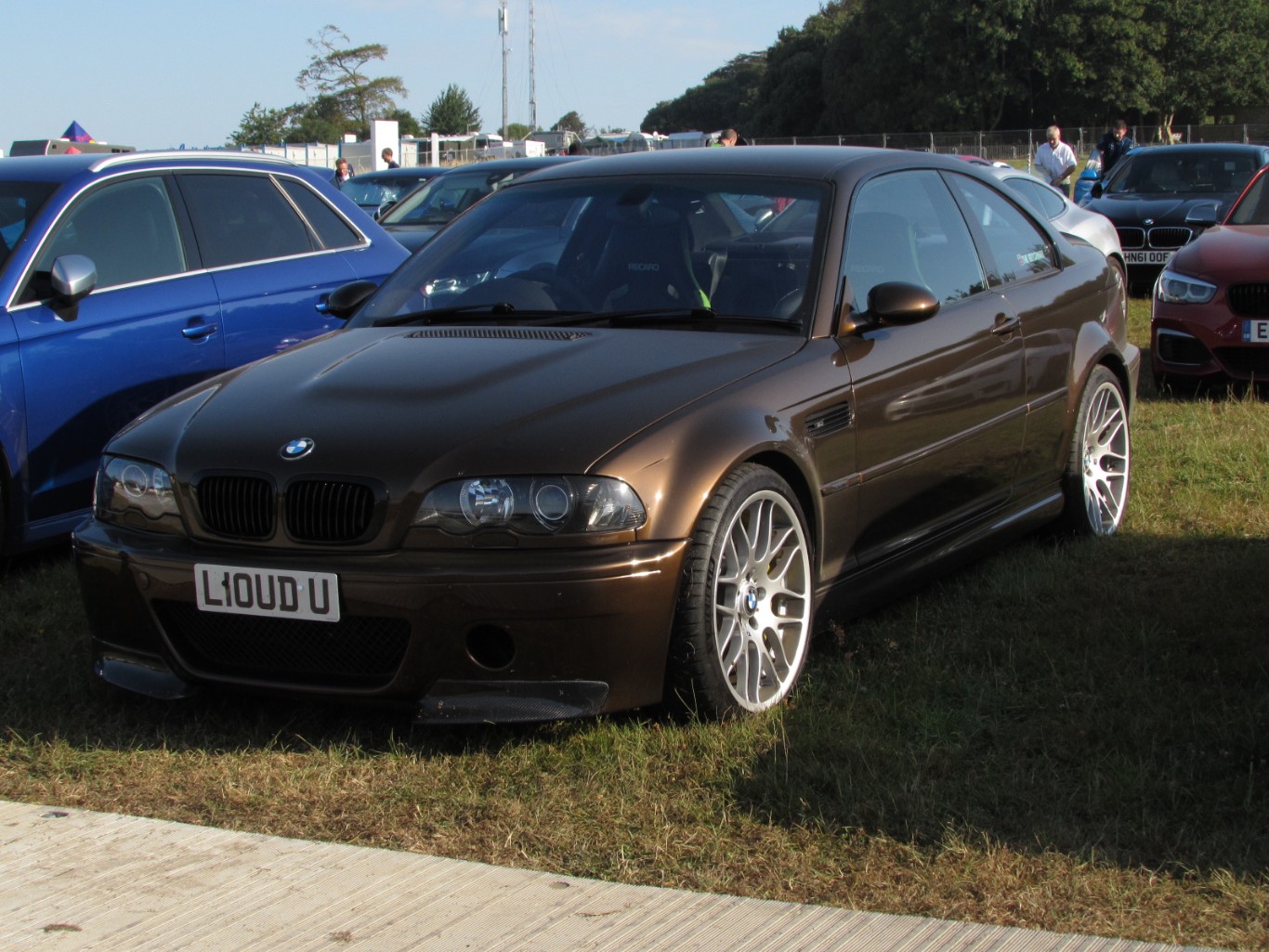
Loud and fast
This 2001 BMW M3 is worth considerably less, but we suspect that it’s louder than the Ferrari. Or, should that be L1OUDer?
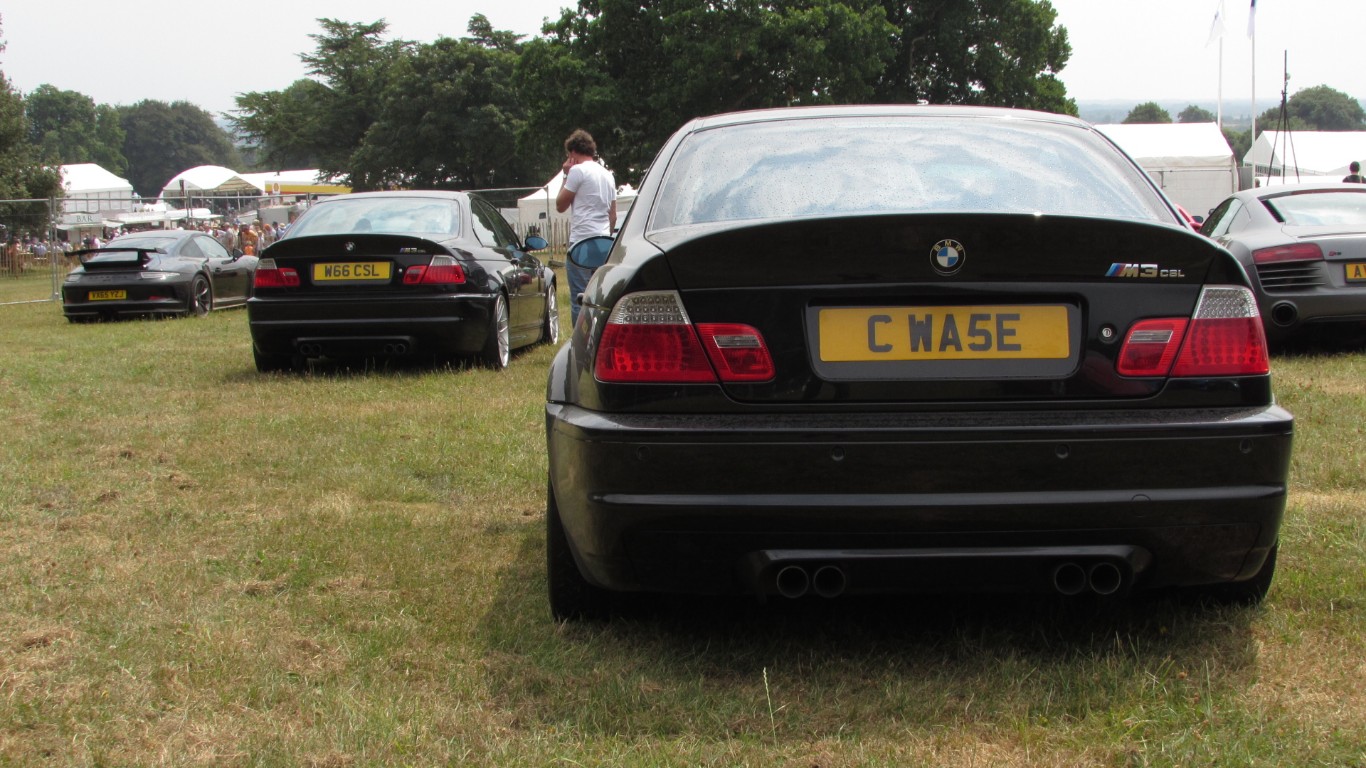
A brace of CSLs
The BMW M3 CSL represents the embodiment of the ‘ultimate driving machine’ tag. CSL stands for Coupe Sport Leichtbau, which is German shorthand for ‘we give you less, you pay us more’. Values have shot up, with the very best examples knocking on the door of £100,000.
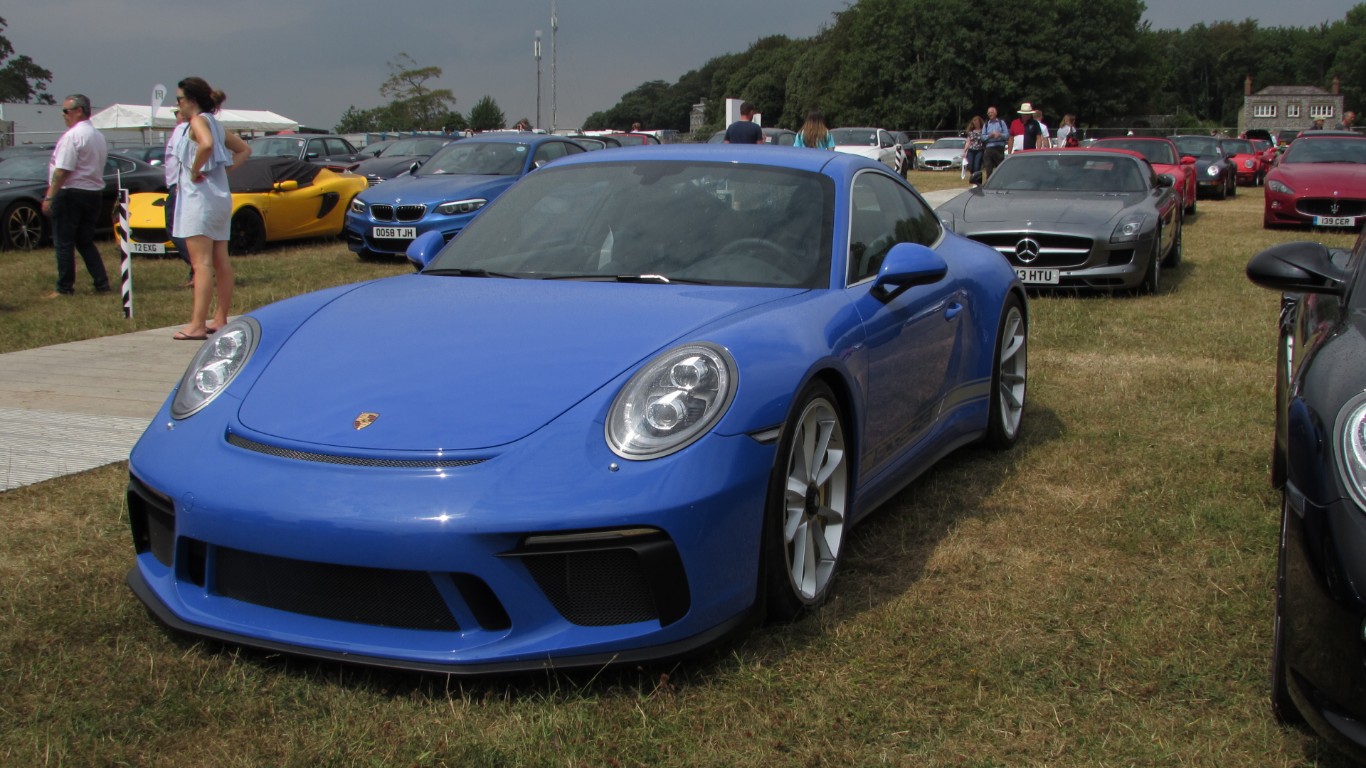
Pure GT3
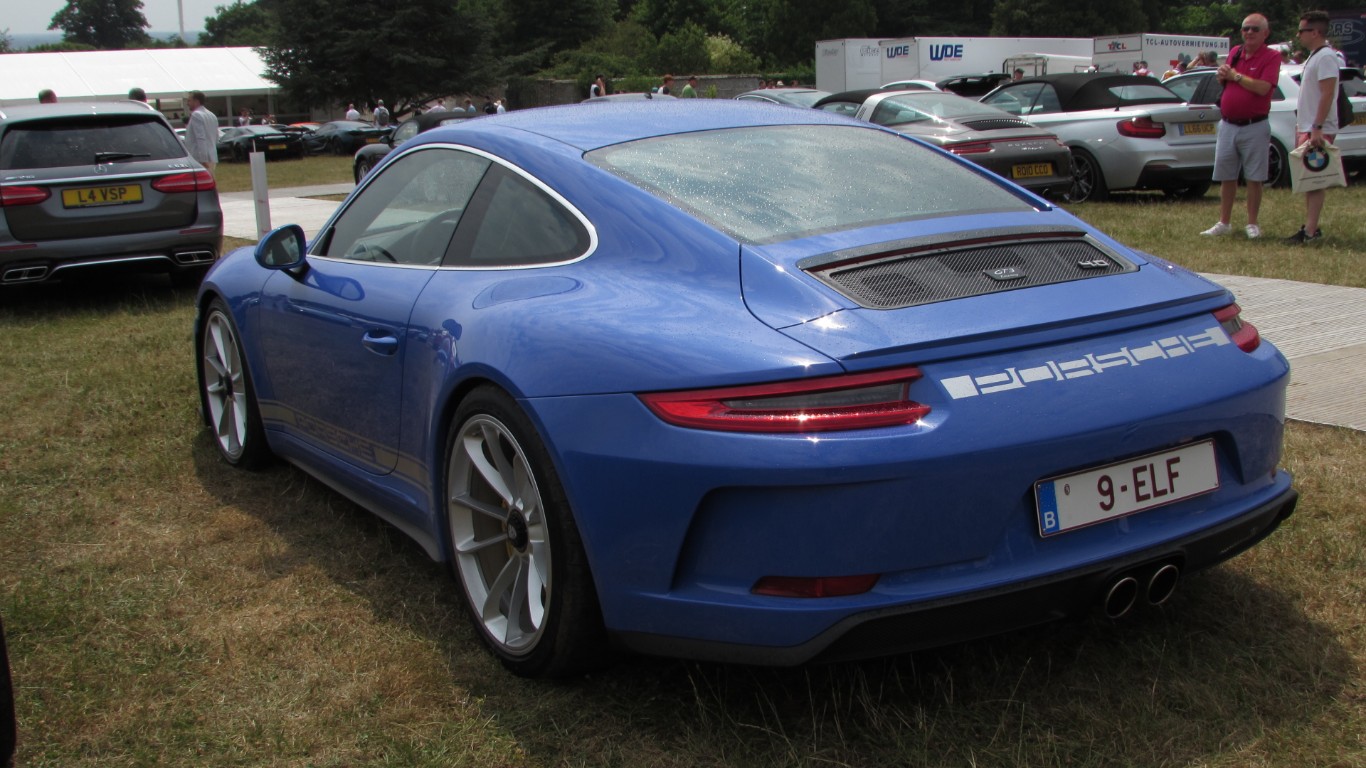
Still relatively fresh from its debut at the 2017 Frankfurt motor show, here is a Porsche 911 GT3 Touring. The optional Touring Package does away with the fixed rear wing, but the car is equipped with a six-speed manual gearbox. It is, if you like, a 911 GT3 for the purist.
‘Elf and safety
If only to highlight the absence of the rear wing, here’s another view of the 911 GT3 Touring. It’s good to see that Elf, having found his father in New York, has made his way to Belgium. He should enjoy the chocolates. And waffles. And buns.
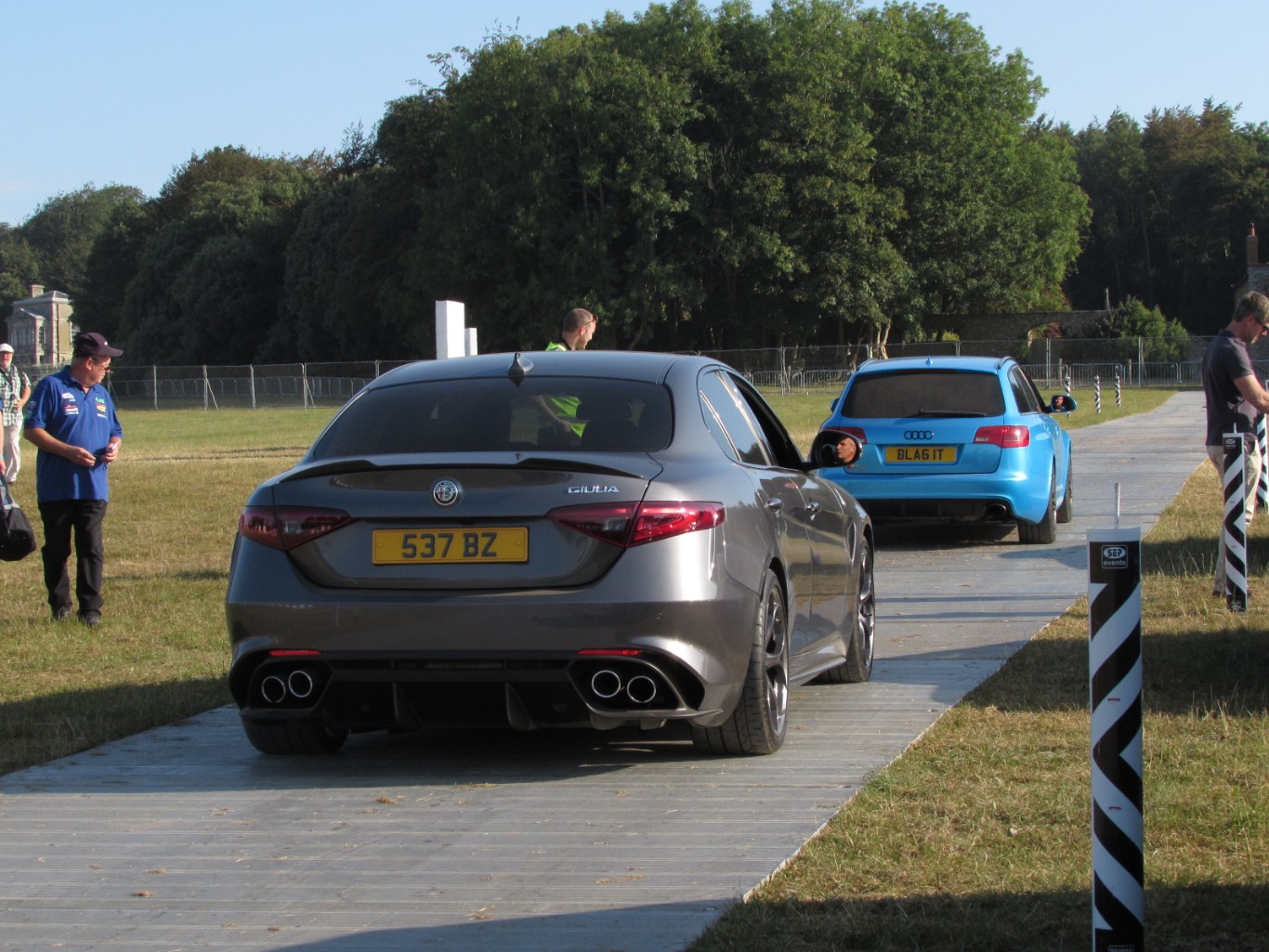
Romeo and Giulia
All eyes appear to be on the Audi, but we’d rather enjoy a drive home in this Alfa Romeo Giulia Quadrifoglio.
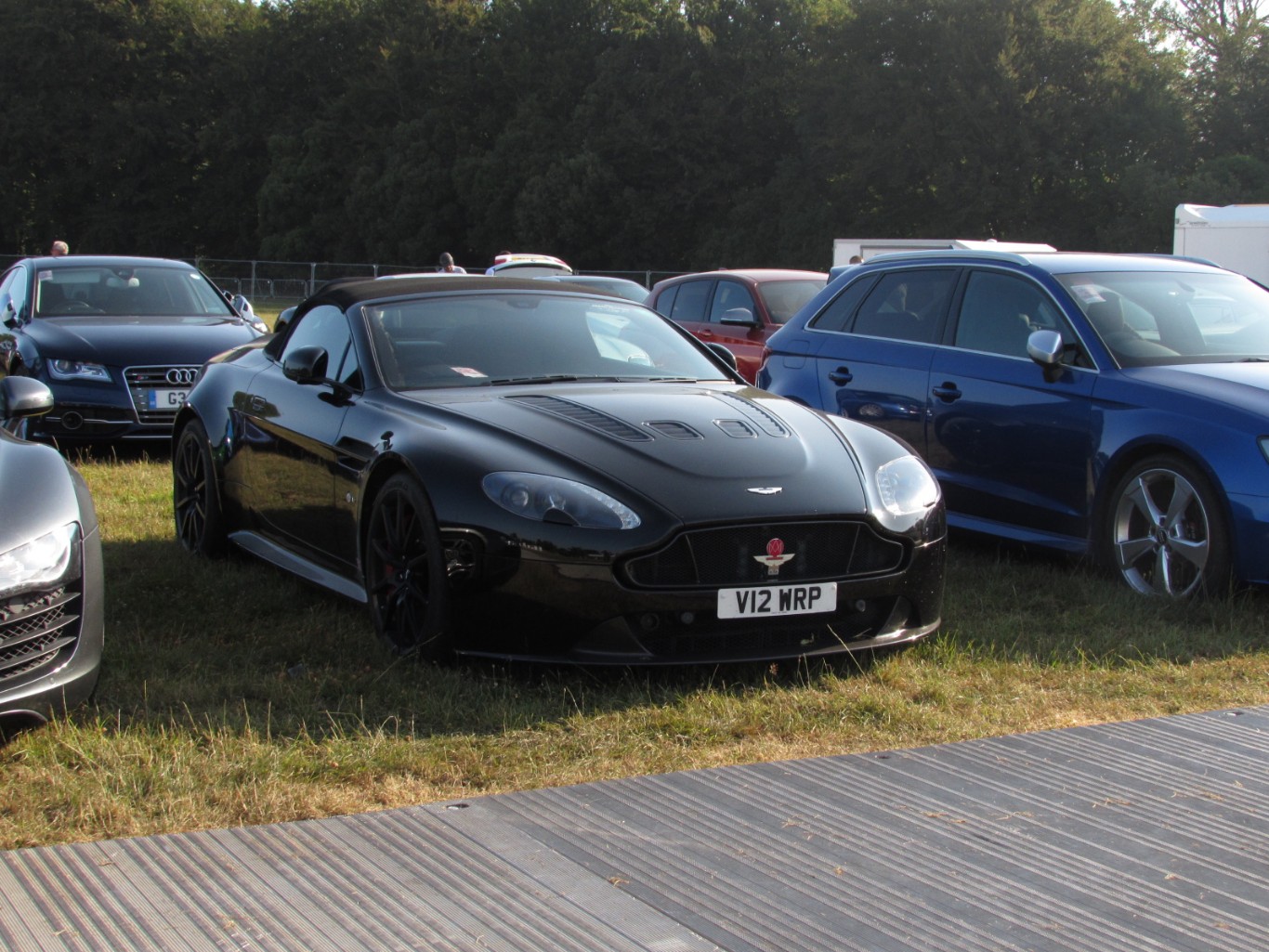
Advantage Vantage
Here’s an Aston Martin V12 Vantage S Roadster basking in the sun at Goodwood. It’s probably worth a cool £100,000.
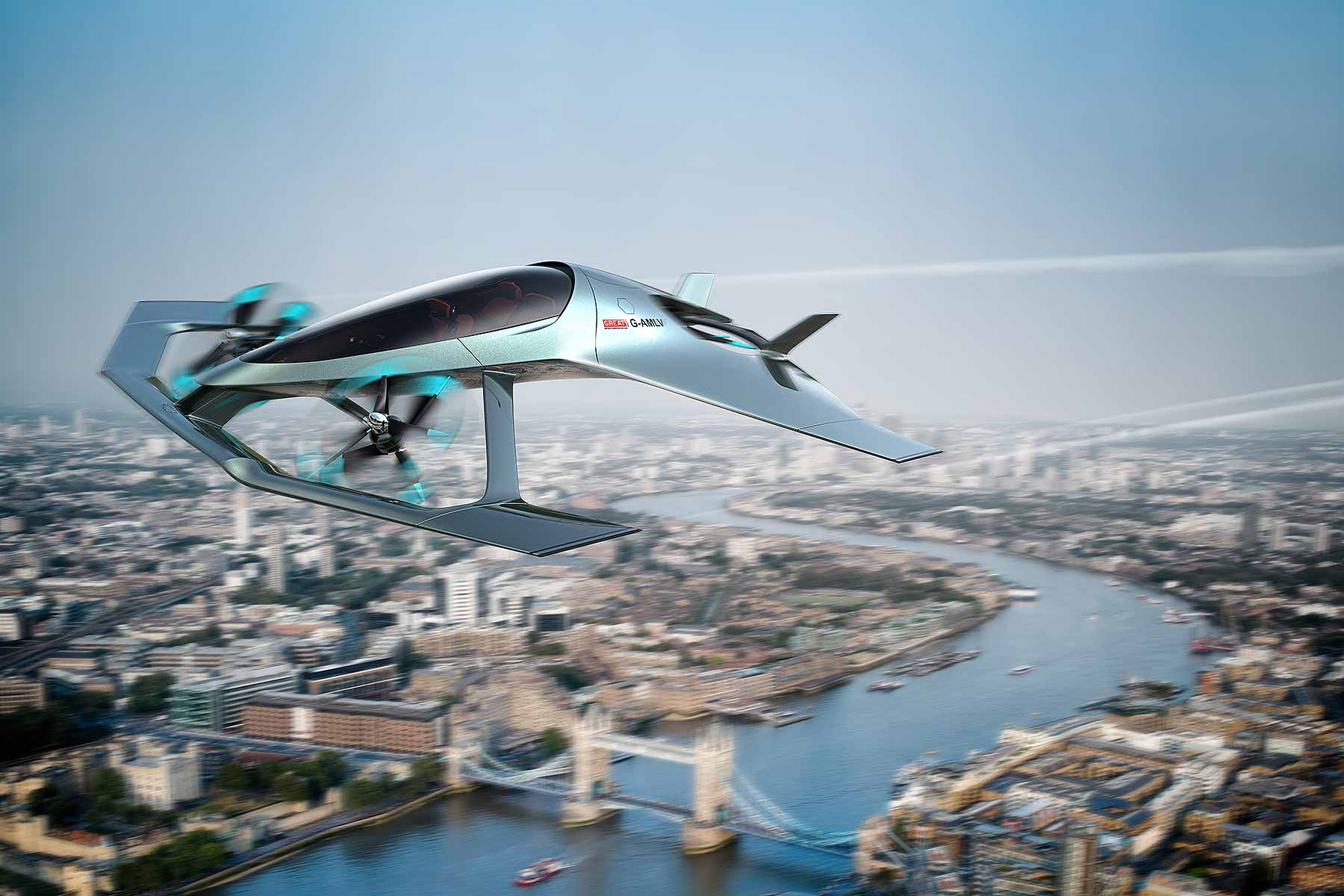 Aston Martin’s expansion in the luxury goods sector could see it move into luxury aircraft, with the reveal of its Volante Vision Concept at Farnborough debuting “an exciting alternative transportation solution for customers across the globe”.


 Highways England is to trial a raised speed limit of 60mph through motorway roadworks during quieter times, and if it is successful, the move may become permanent.
 From the 1960s through to the early 1980s, giant beasts roamed the highways of America. Bedecked in chrome and vinyl, wearing whitewall tyres and powered by huge, lazy engines, these land yachts were the biggest of the big. We’ve unearthed 21 of these dinosaurs, and all of them stretch the tape measure to at least 214 inches (5.4 metres) in length. Let’s set sail.






 Ford has revealed PCP finance deals for the highly acclaimed