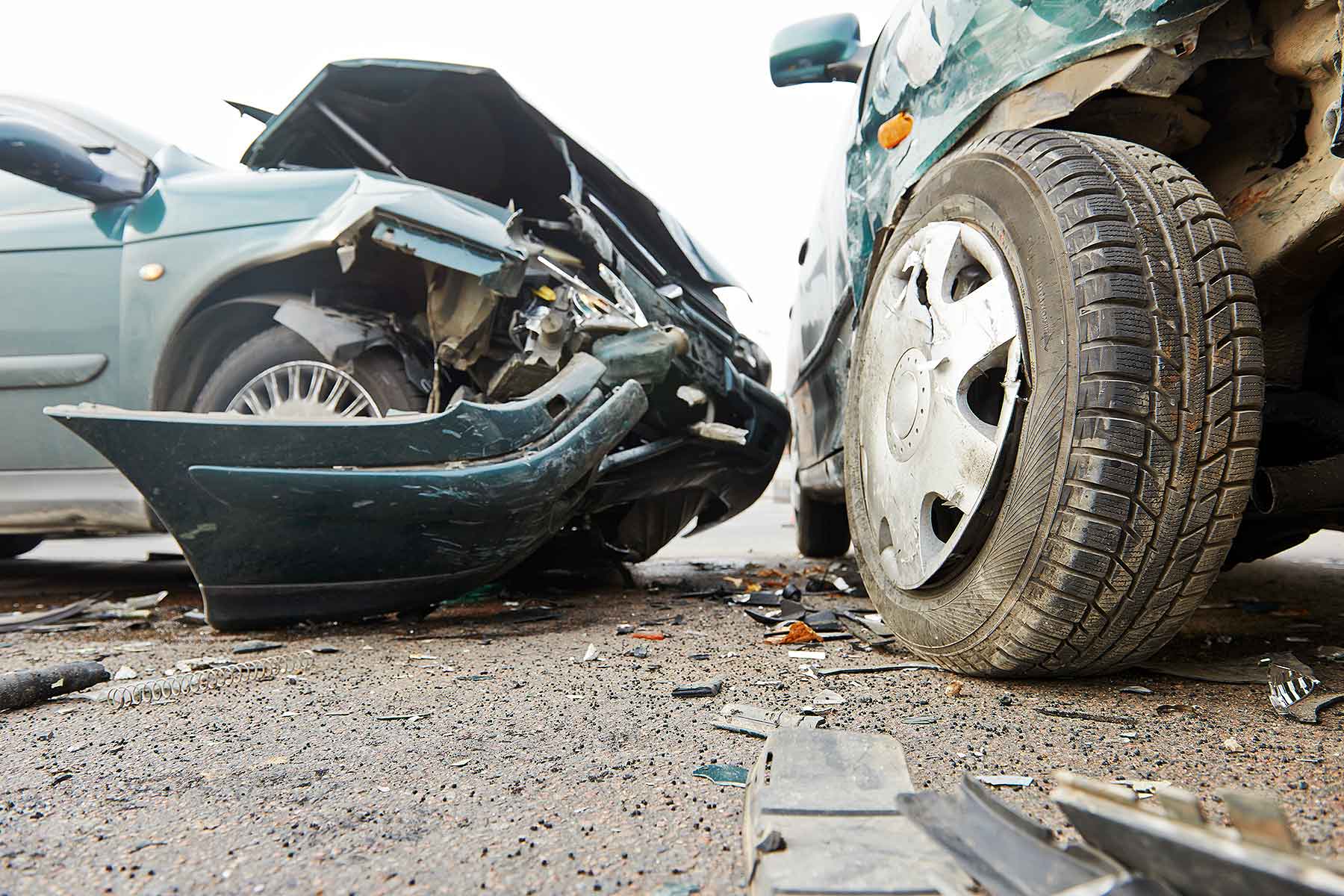
Research by dash cam manufacturer Nextbase has found that nearly a third (29 percent) of young drivers are either being wrongly found guilty in car-to-car motoring incidents, or are prematurely pleading guilty when they’re not.
Nextbase suggests the stress of a crash situation might be behind this – and that more experienced drivers are taking advantage of it.
Younger drivers can feel vulnerable, says the firm, and lead to panicked admissions of fault, even if they are not actually to blame. Those who have more experience can exploit this and secure an unfair admission of guilt from the younger motorist.
This is where dash cams can come in very handy for younger drivers. They offer conclusive proof, one way or the other, of who is at fault. If it is the younger driver, the experience is beneficial and justice is done. If it’s the more experienced driver, they can be held accountable and again teach both a valuable lesson.
Dash cam car insurance
Car insurance for younger drivers is notoriously expensive. The average fully comprehensive car insurance policy for an under-24 comes in at a heady £1,116.
In response, Nextbase has partnered with a car insurer to create a deal that could ease the blow. Called MyFirstUK insurance, the scheme is offering 30 percent off premiums when a Nextbase 312GW dash cam has been fitted in the vehicle.
“With research showing that a large proportion of young drivers are getting blamed for accidents that may have not been their fault, a dash cam can act as a witness to help prove innocence,” said Richard Browning, director of Nextbase.
“Research shows that the older you get, the worse your reactions are. However, younger drivers are still getting penalised with sky-high car insurance costs.
“By unveiling this offer with MyFirst, we hope to give the younger generation a solution to keep safe on the roads and save money at the same time.”
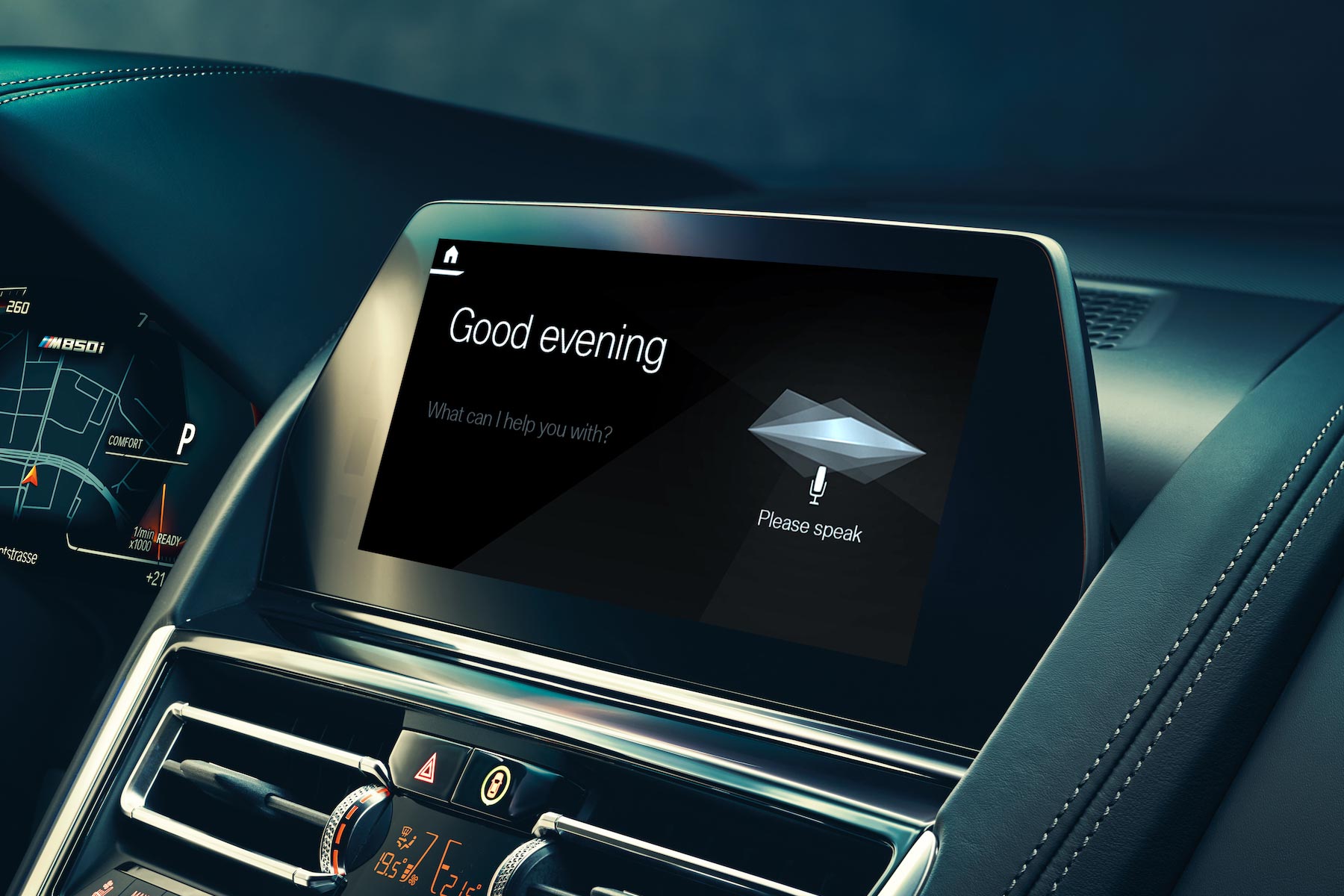
Beginning in March 2019, BMW drivers and passengers will be able to interact with their car with the simple phrase “Hey BMW”.
This is more than just simple voice command. The BMW Intelligent Personal Assistant blends voice recognition with artificial intelligence, letting drivers control and configure their cars by speaking. From simple commands, to more complex questions, the Munich firm says its digital concierge should be able to handle it all.
The system will even be able to operate away from the car, linking to smartphones and smart speakers at home. Think of it as Siri or Alexa, but part of your new BMW.
“Hey BMW, take me home”
Although the BMW Intelligent Personal Assistant won’t be able to do the driving for you, a simple phrase will set the navigation system for the quickest route home. Using artificial intelligence, the system learns frequent destinations along with other habits and preferences.
Telling the Personal Assistant “I’m cold” will see the climate control adjusted automatically. Letting the assistant know that you feel tired would trigger even more changes, changing the mood lighting and sound system to help keep the driver awake. Hopefully a route to the nearest coffee shop is also included.
Asking more questions and giving more commands helps the Personal Assistant learn, tailoring it further to the driver. BMW also states that further upgrades will bring improved functionality, with this just the beginning.
“Hey BMW, What’s that song?”
Forget having to try to guess the name of a song you’ve just heard on the radio. BMW’s Personal Assistant will be able to search instantly and find all the details you need. It can also respond to requests for certain genres, and won’t even pass judgement on your music tastes.
Business users are promised an array of connectivity with software such as Microsoft Office 365 and Skype. This will allow the Personal Assistant to plan the best routes between important meetings, and even find appropriate parking spaces when you get there.
Awkward breakdowns could also be prevented, with drivers able to ask what the oil level is at any given time, and also plan stops at the nearest fuel station. Reminders for servicing and maintenance appointments can also be programmed in to help even the most forgetful of executives.
“Hey BMW, what does it all mean?”
BMW drivers desperate to engage in ‘casual conversation’ with their car, including asking existential questions, only have to wait until March 2019.
A total of 23 markets and languages will get basic voice command functions from launch. However, the USA, United Kingdom, Japan, and other select countries will receive the enhanced system with more natural voice controls.
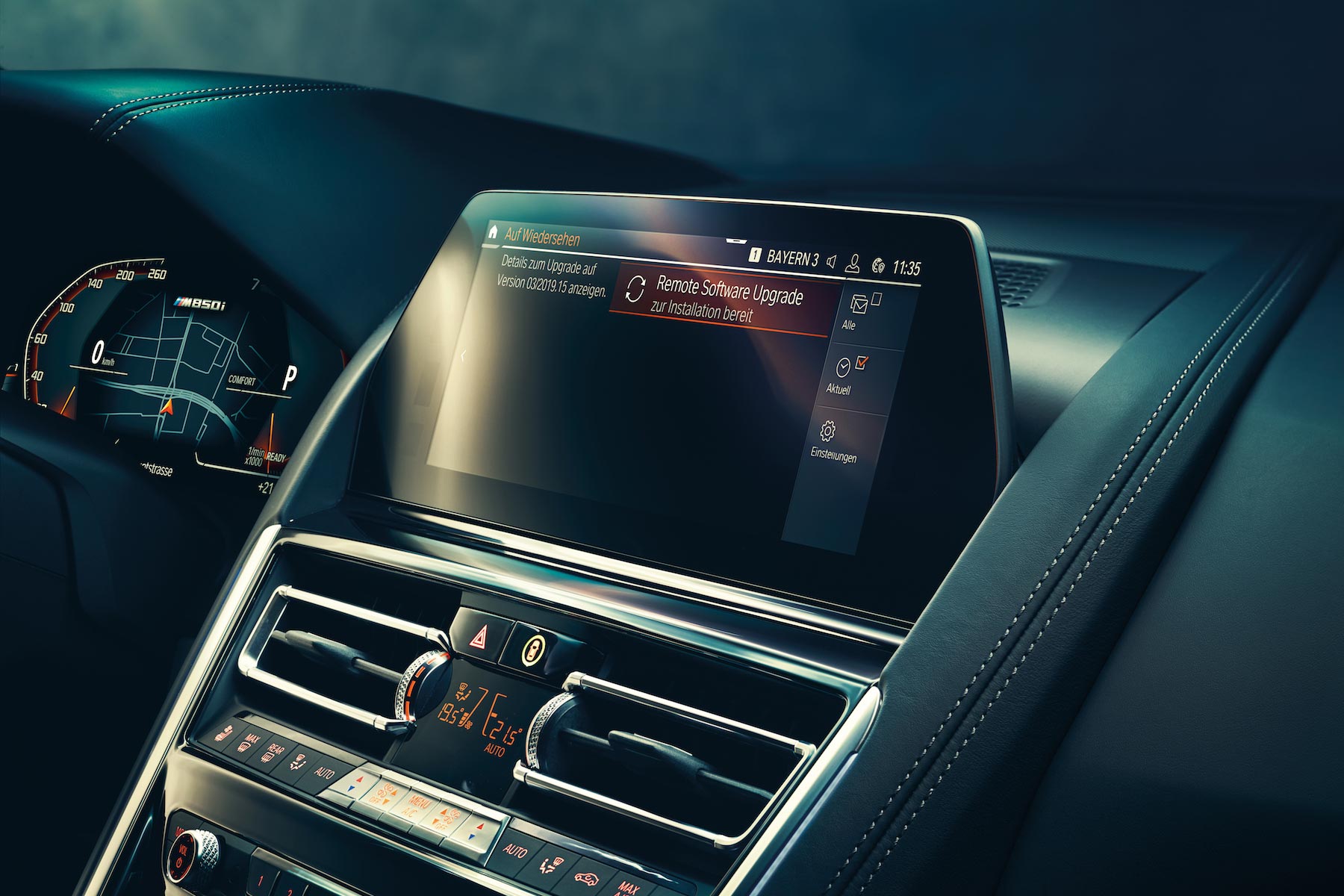
BMW’s latest Operating System 7.0 will be needed to use the Intelligent Personal Assistant, in combination with the Live Cockpit Professional option. Drivers of the new 8 Series coupe, X5 and Z4 will be able to take advantage of the Personal Assistant without a trip to a dealership, using BMW’s ‘over the air’ software upgrade function.
Those placing an order for a new 3 Series from November this year will also be able to specify the assistant function.
Reliability is the great unknown when buying a used car, but by using data from surveys, you can reduce the chances of buying an unreliable model, saving you time, hassle and money in the long run.
That’s where the What Car? Reliability Survey comes in. Using data sourced from 18,000 owners, the survey reveals ratings for 159 models spanning 31 brands. Here, we reveal 2018’s most reliable cars you can buy in 10 different categories, along with the cars you’ll want to avoid.
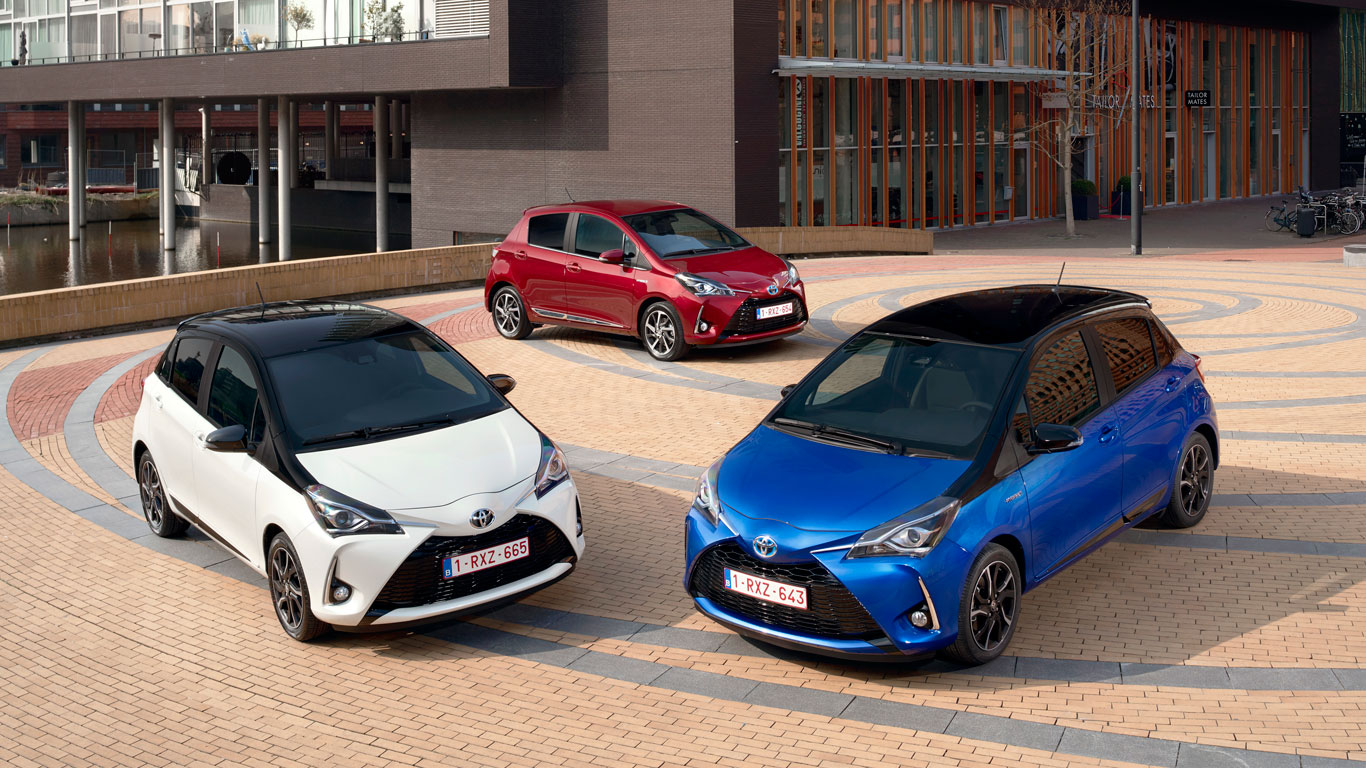
Most reliable small/city car: Toyota Yaris
How’s this for dependability? According to the What Car? survey, not one Toyota Yaris owner reported any issues, with 40 percent of owners citing reliability as the thing they liked best about their car. Predictably, the Honda Jazz also fared well, with the current model finishing second, closely followed by the 2008-2015 car.
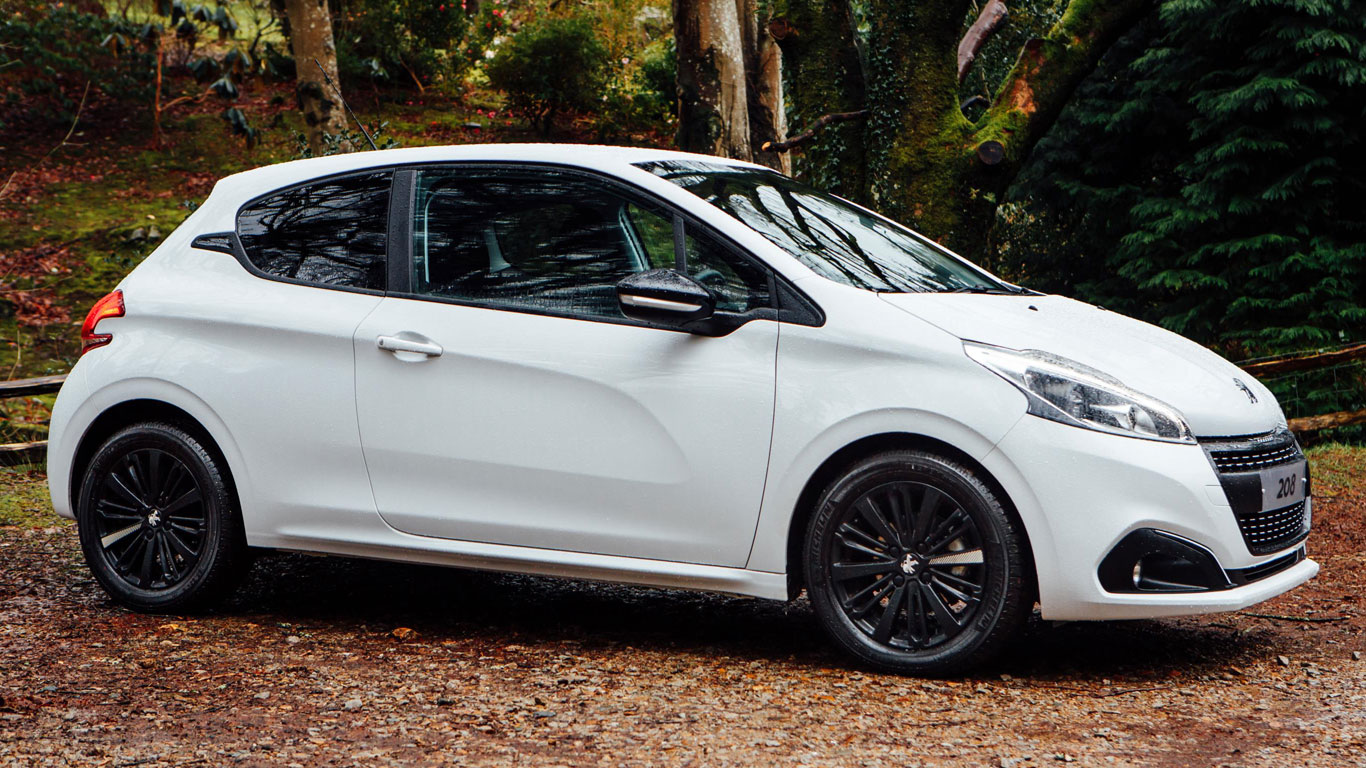
Least reliable small/city car: Peugeot 208
The Peugeot 208 is a car to avoid if you’re looking for an easy life. A total of 35 percent of owners reported a problem, with electrical gremlins a particular issue. Owners reported a high proportion of problems with infotainment systems and switches, with some repairs costing up to £500. The Nissan Note and Volkswagen Polo are other cars to avoid in this segment.
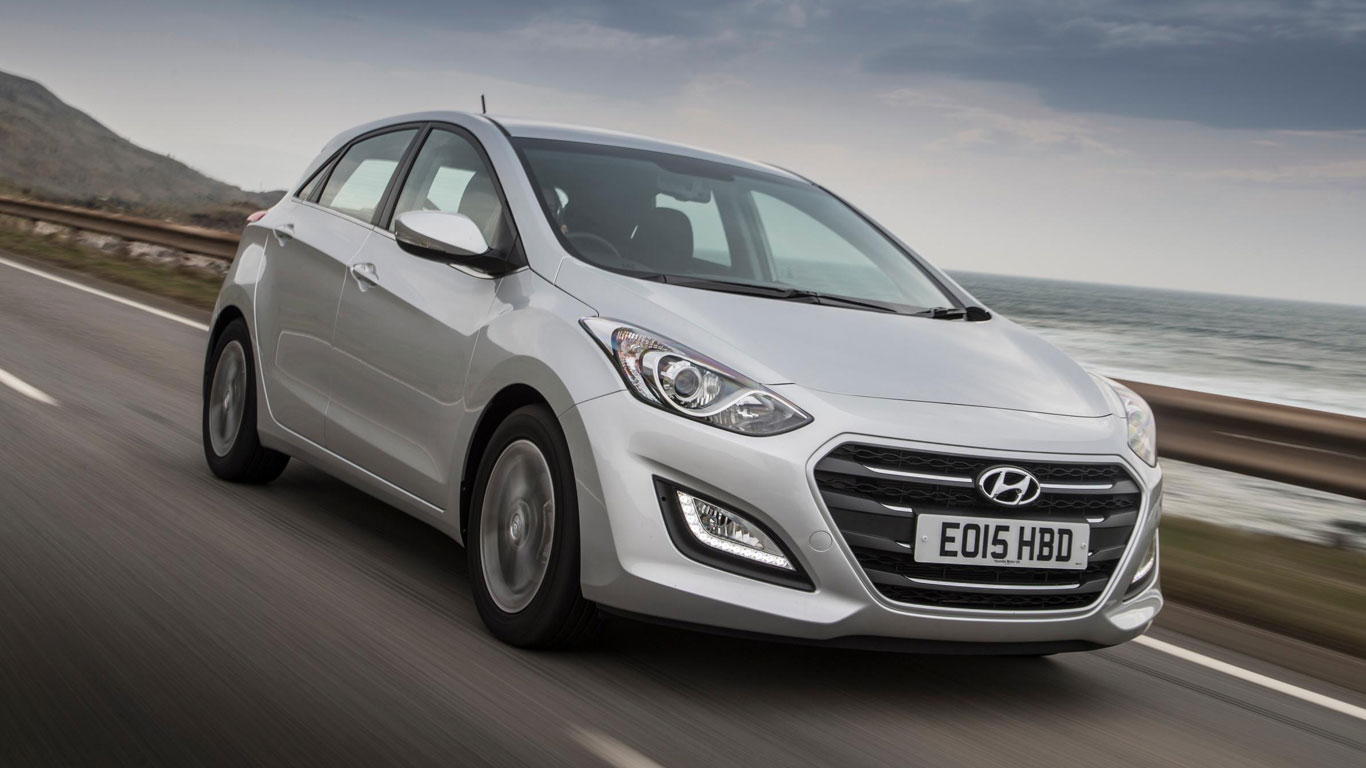
Most reliable family car: Hyundai i30
The previous-generation Hyundai i30 might have been replaced by a newer, smarter model, but don’t discount the 2012-2017 model. A mere six percent of owners reported a problem with their car, with the gearbox and clutch the only areas of concern. On the plus side, the faulty i30s were fixed within a week for free. The Audi A3 and Skoda Octavia diesel finished second and third.
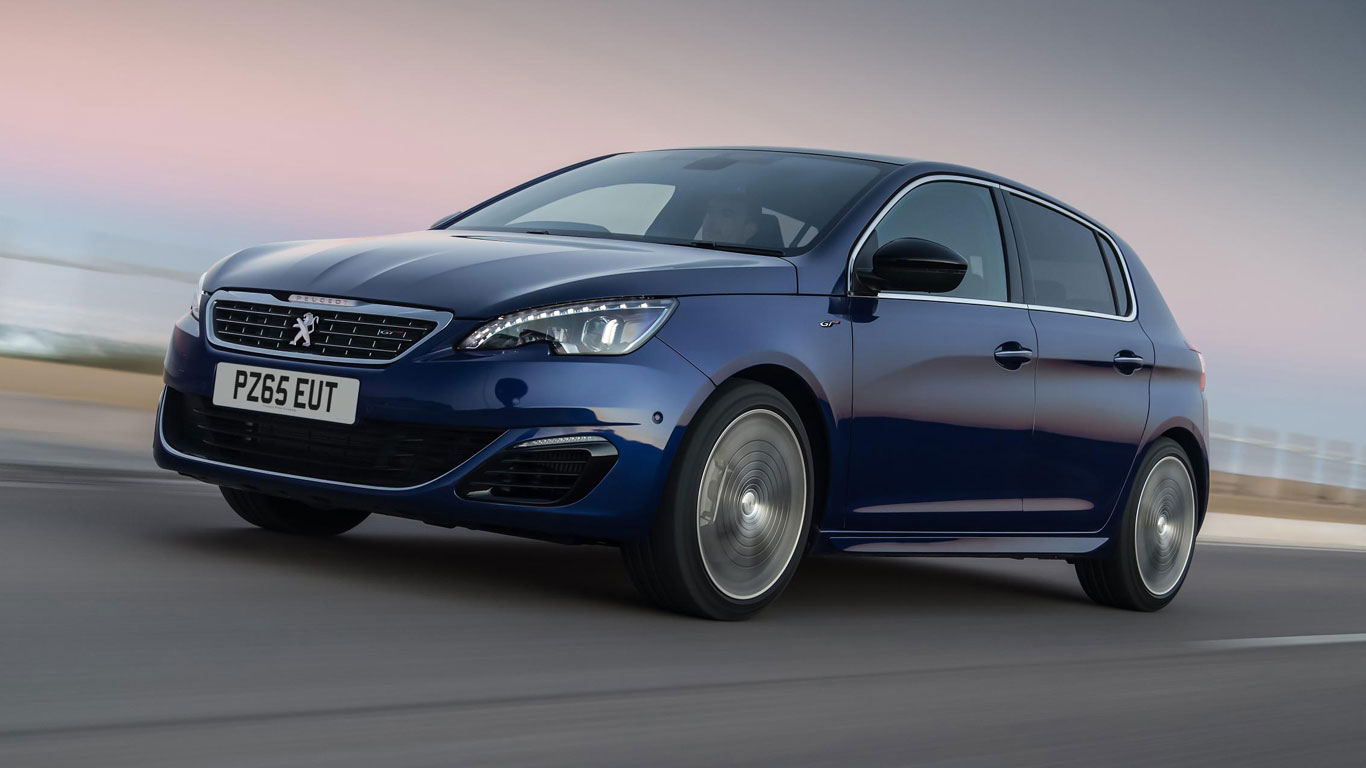
Least reliable family car: Peugeot 308
It’s an unwelcome double from Peugeot, with the 308 mirroring the performance of its smaller sibling. A huge 47 percent of cars suffered a fault within the previous 12 months, with electrics and bodywork the most troublesome areas. Other cars to avoid, unless you’re a glutton for punishment, include the Nissan Pulsar and the outgoing Mercedes-Benz A-Class diesel.
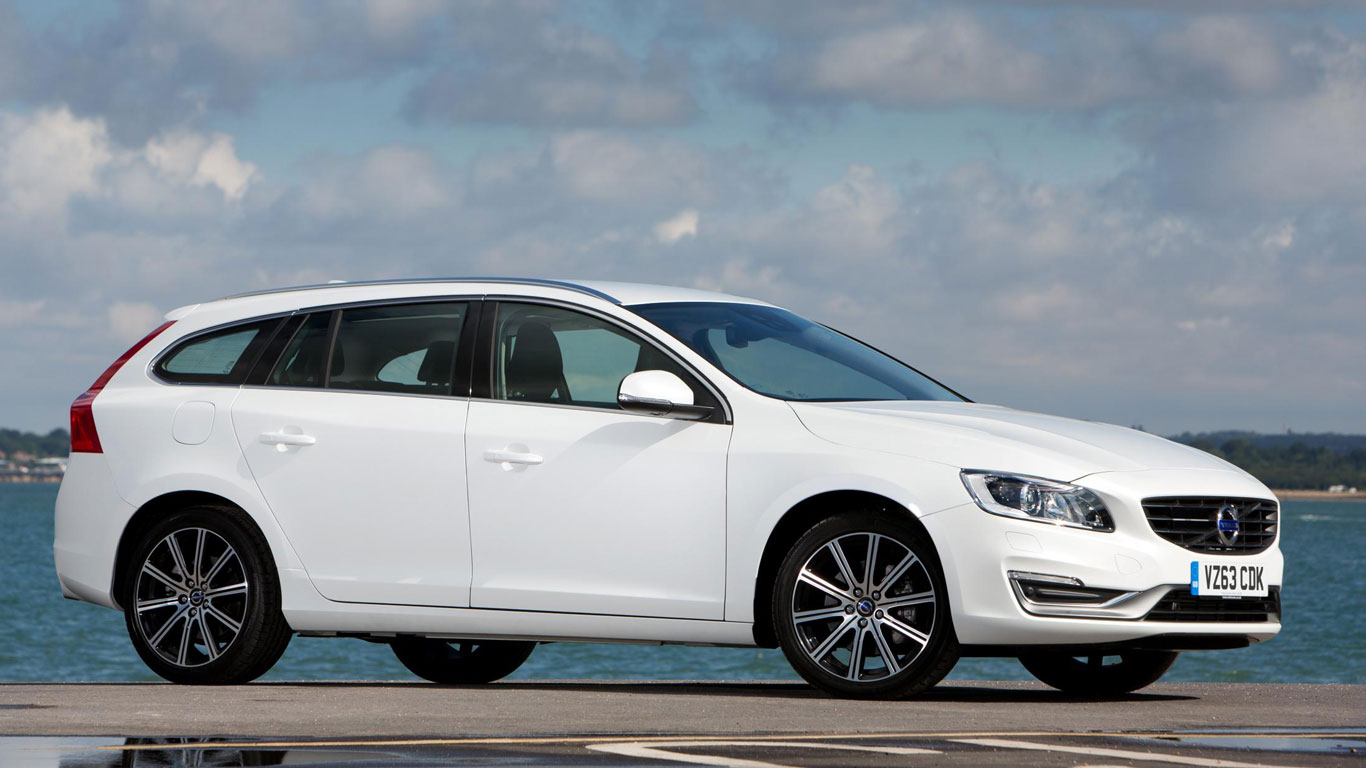
Most reliable executive car: Volvo V60
A tiny six percent of Volvo V60s had a problem, with just the bodywork coming in for criticism. In all cases, the cars remained driveable and were repaired within a day. If we asked you to pick two cars for the second and third position, we suspect you wouldn’t mention the Vauxhall Insignia or Alfa Romeo Giulia. But these are the cars that receive silver and bronze medals respectively.
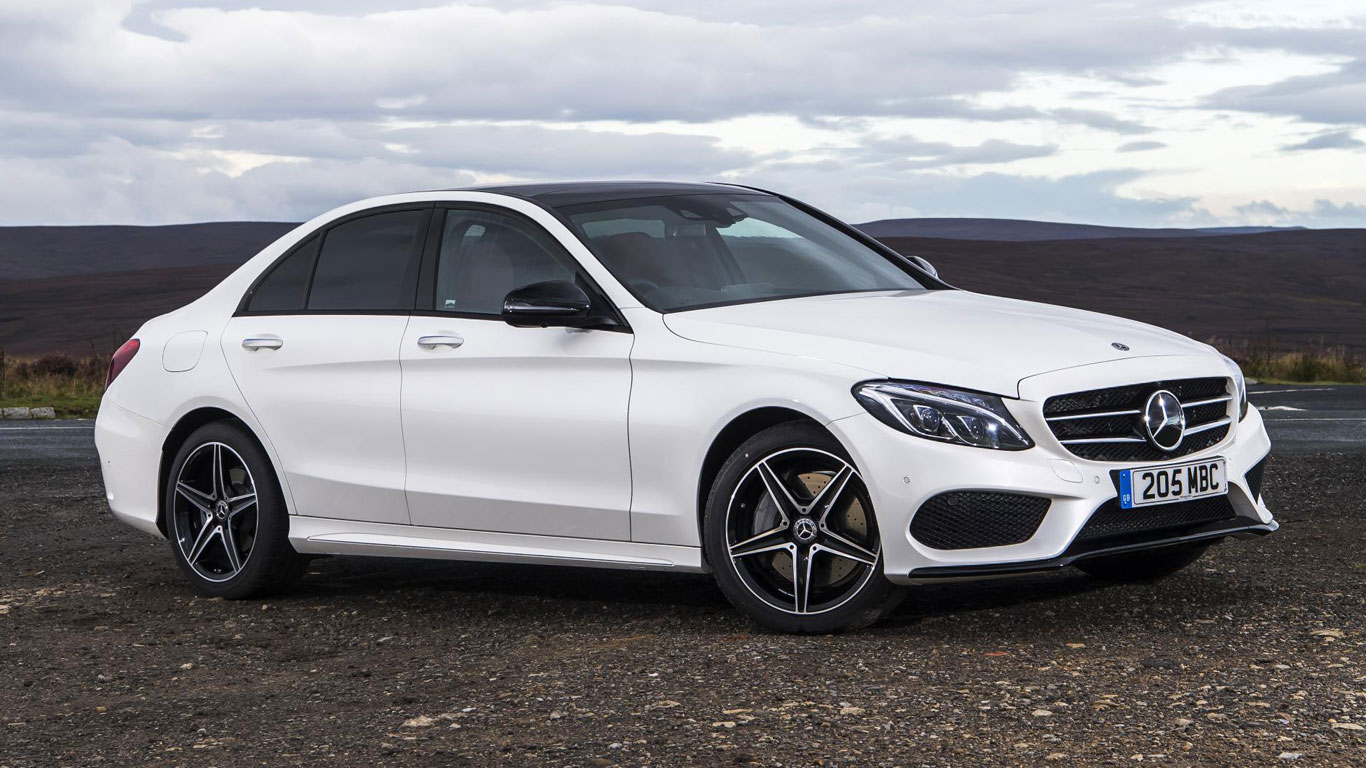
Least reliable executive car: Mercedes-Benz C-Class
Nearly a third of Mercedes-Benz C-Class models presented a problem within the first 12 months, with electrics, sat-nav and bodywork the biggest issues. Most cars were fixed within a week, while only a few owners had to pay for repairs. The Jaguar XE and Audi A4 diesel were also listed as problem cars.
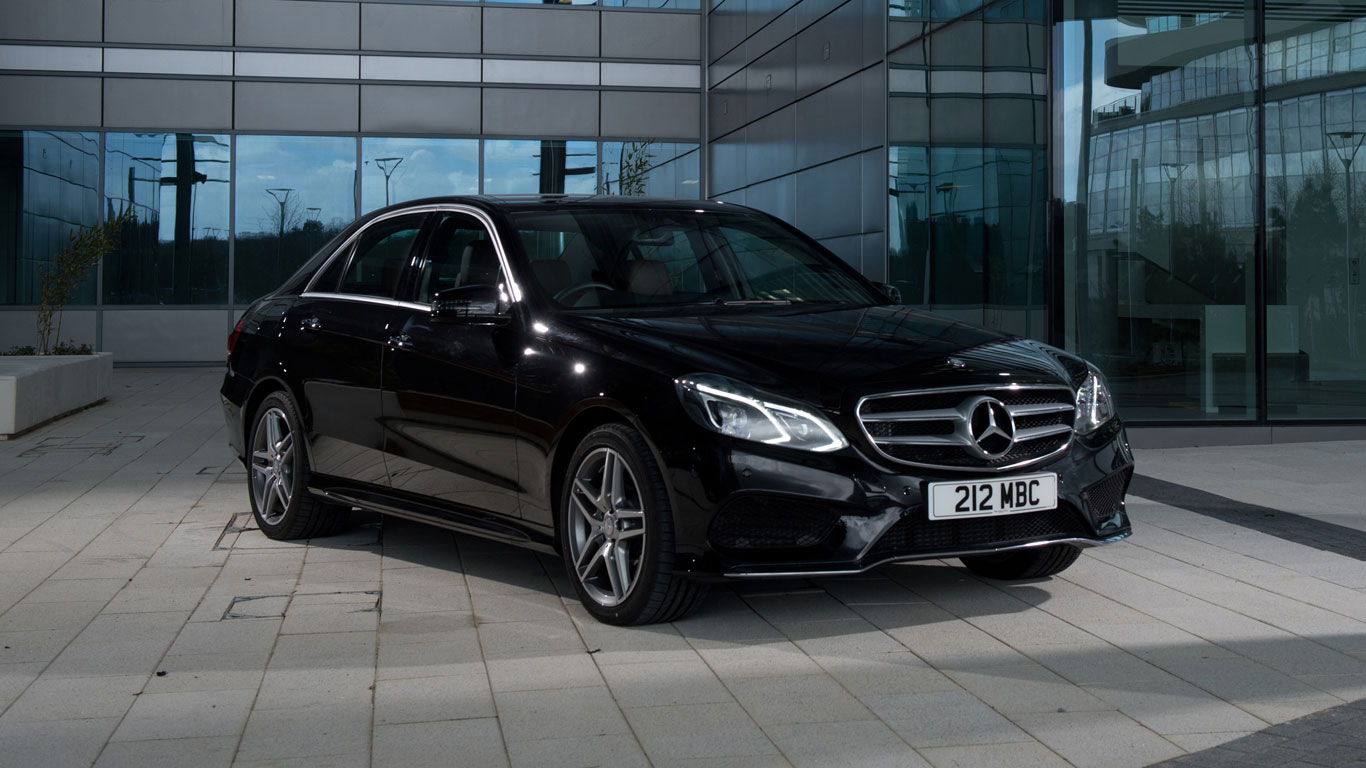
Most reliable luxury car: Mercedes-Benz E-Class
While C-Class owners might be reading the warranty small print, the prospect is rosier for previous-generation Mercedes-Benz E-Class drivers. The diesel model finishes top of the luxury car tree, although 30 percent of cars had a fault within the first 12 months. Interestingly, the old versions of the Jaguar XF and BMW 5 Series finished joint second…
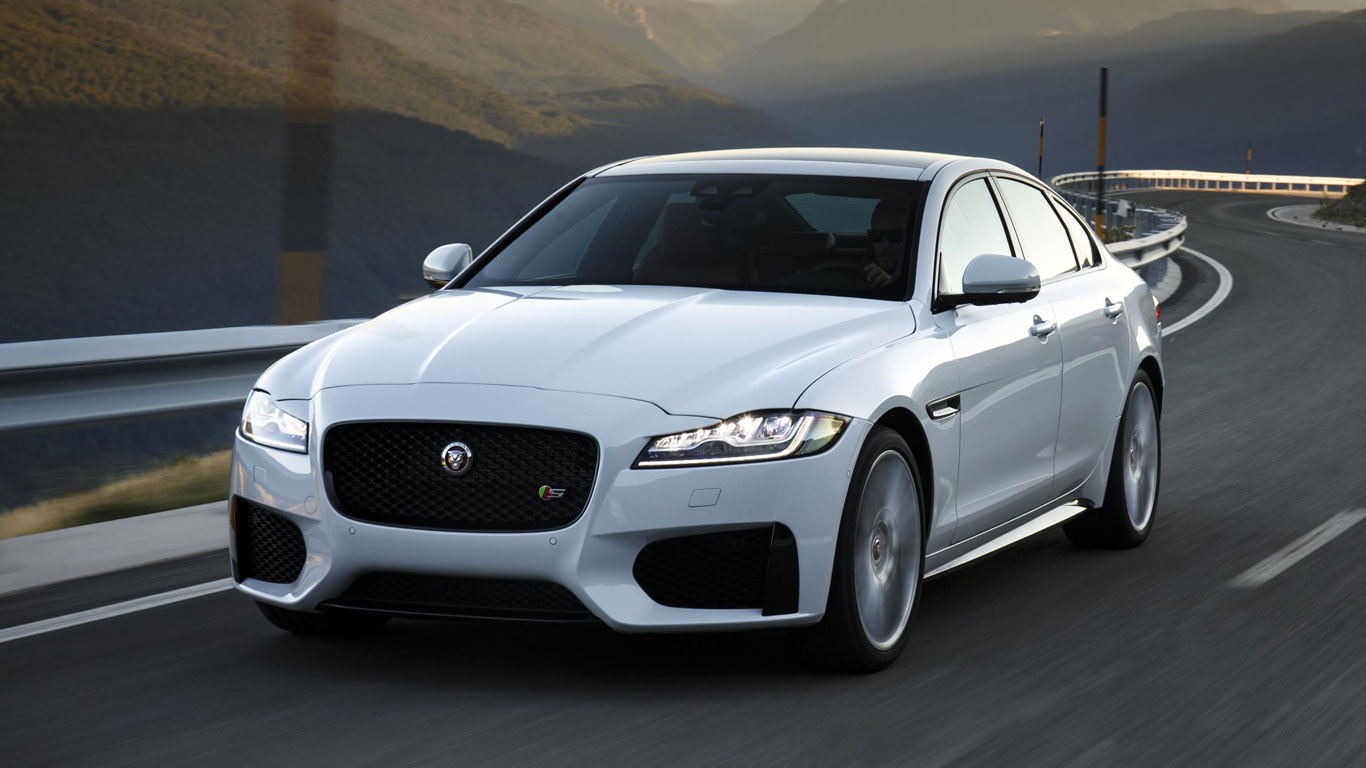
Least reliable luxury car: Jaguar XF
The message is clear: if you fancy owning a reliable Jaguar XF, buy the old one. The current one is named the least dependable luxury car by What Car?, with a whopping 36 percent of cars going wrong in the past 12 months. Electrics, bodywork and interior trim came in for criticism, with some cars stuck in the garage for more than a week. The current E-Class and 5 Series were the other problem cars.
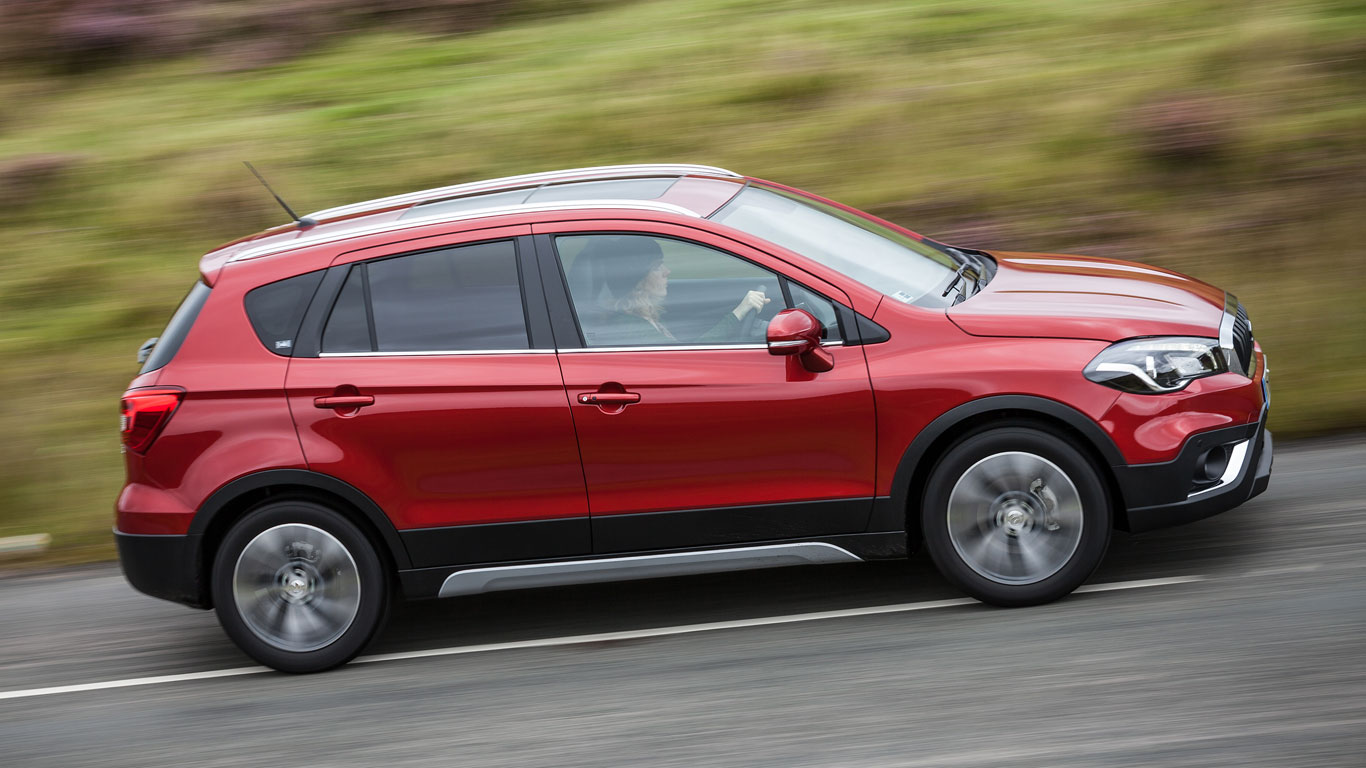
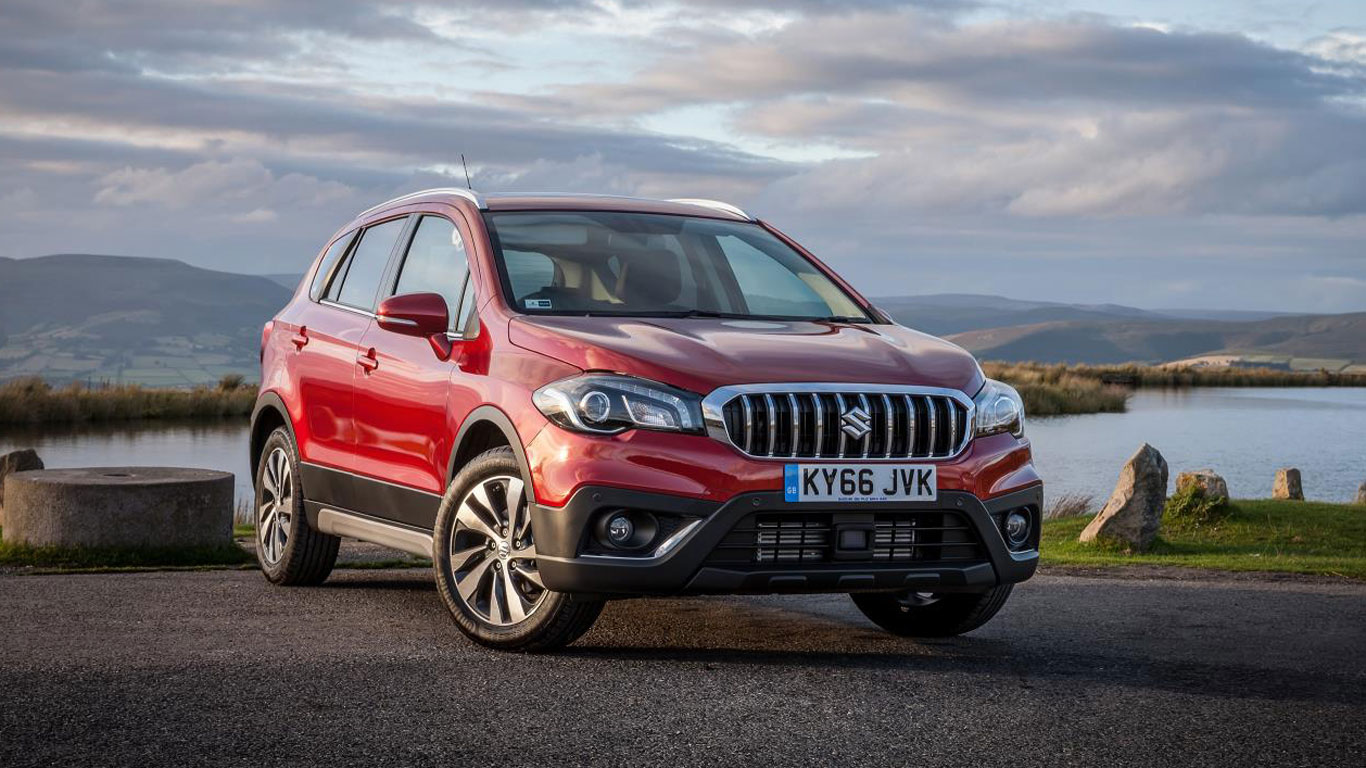
Most reliable small SUV: Suzuki SX4 S-Cross
Small SUVs tend to be reliable, with an average reliability rating of 94.4 percent across the segment. The Suzuki SX4 S-Cross is the best of the bunch, with not a single car causing a problem for its owner. The Peugeot 2008 finished close behind on 99.4 percent, while the Vauxhall Mokka/Mokka X finished third. It’s worth noting that petrol is the way to go, because just 9 percent of them developed a fault, compared with 27 percent of diesels.
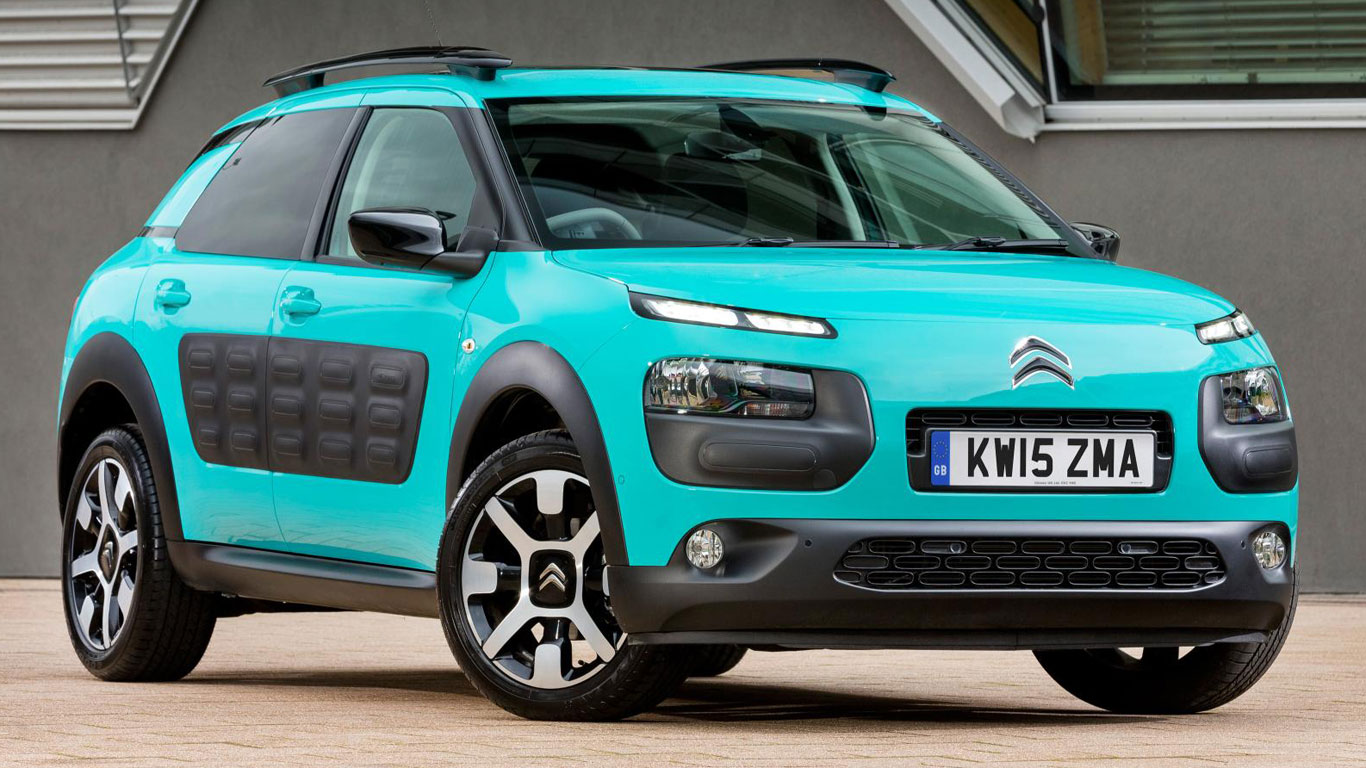
Least reliable small SUV: Citroen C4 Cactus
The segment might be reliable, but there are a few cars to avoid. The Citroen C4 Cactus is named the least reliable small SUV, with 19 percent of cars developing a fault of some kind. The Jeep Renegade finished second, with the Honda HR-V completing a one-two-three of misery.
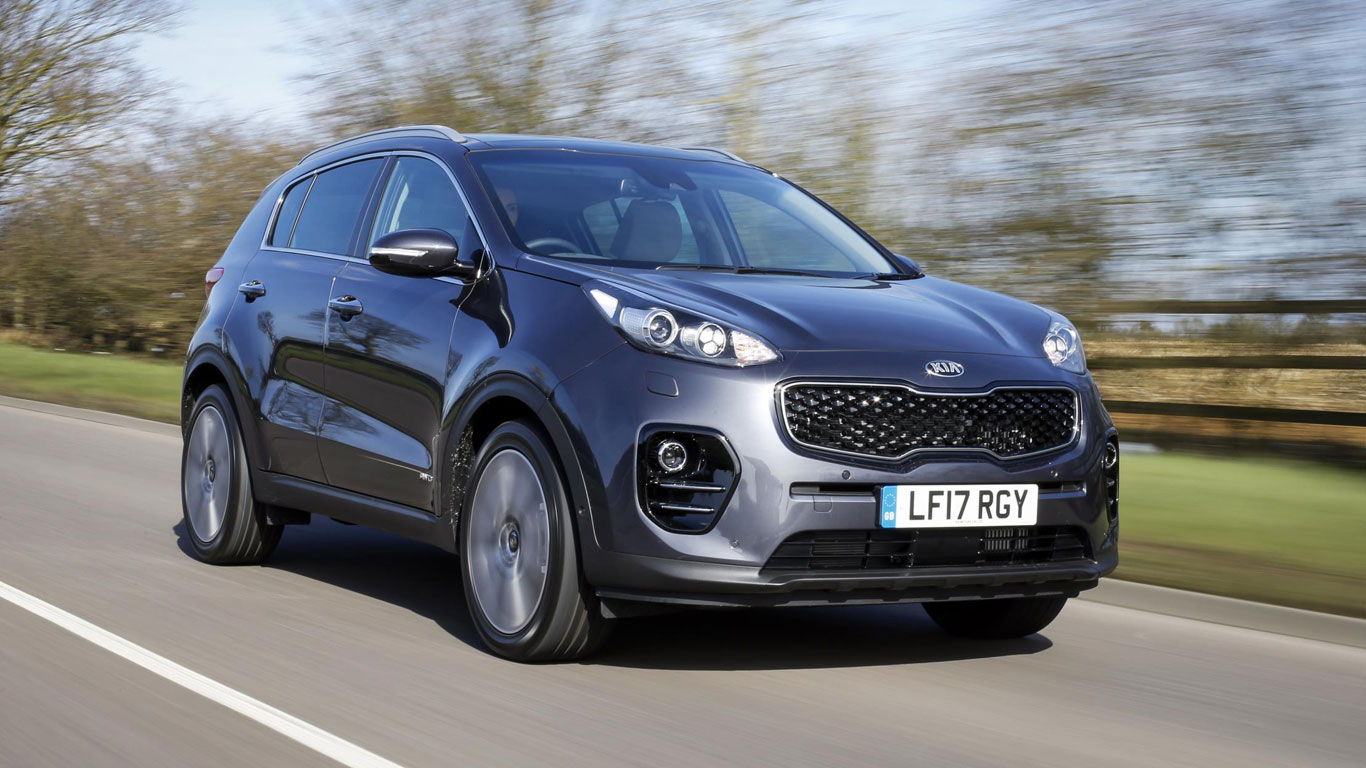
Most reliable family SUV: Kia Sportage
The Kia Sportage is the most reliable family SUV with a mere 9 percent of cars developing a problem, so it’s questionable whether you’ll need to call upon that famed seven-year warranty. The Audi Q3 finished second, with owners of petrol cars encountering fewer problems than their diesel-driving counterparts. The Peugeot 3008 finished third.
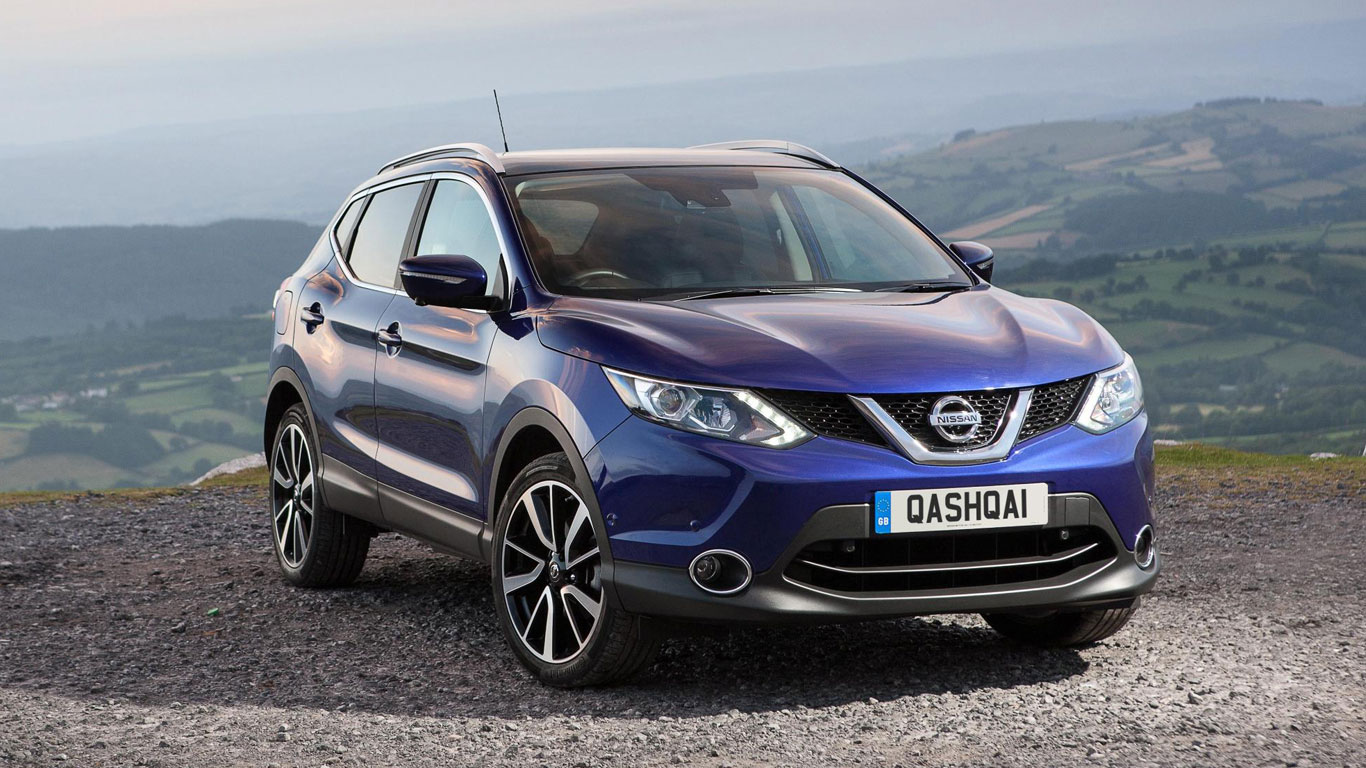
Least reliable family SUV: Nissan Qashqai
It might be Britain’s most popular crossover, but it’s also the least reliable family SUV. “A shocking 47 percent of diesel Nissan Qashqais went wrong,” reports What Car?, “with faults in every one of [the] categories.” The petrol Qashqai finished second from bottom, completing a miserable one-two for Nissan. The Audi Q3 diesel completes the troublesome trio.
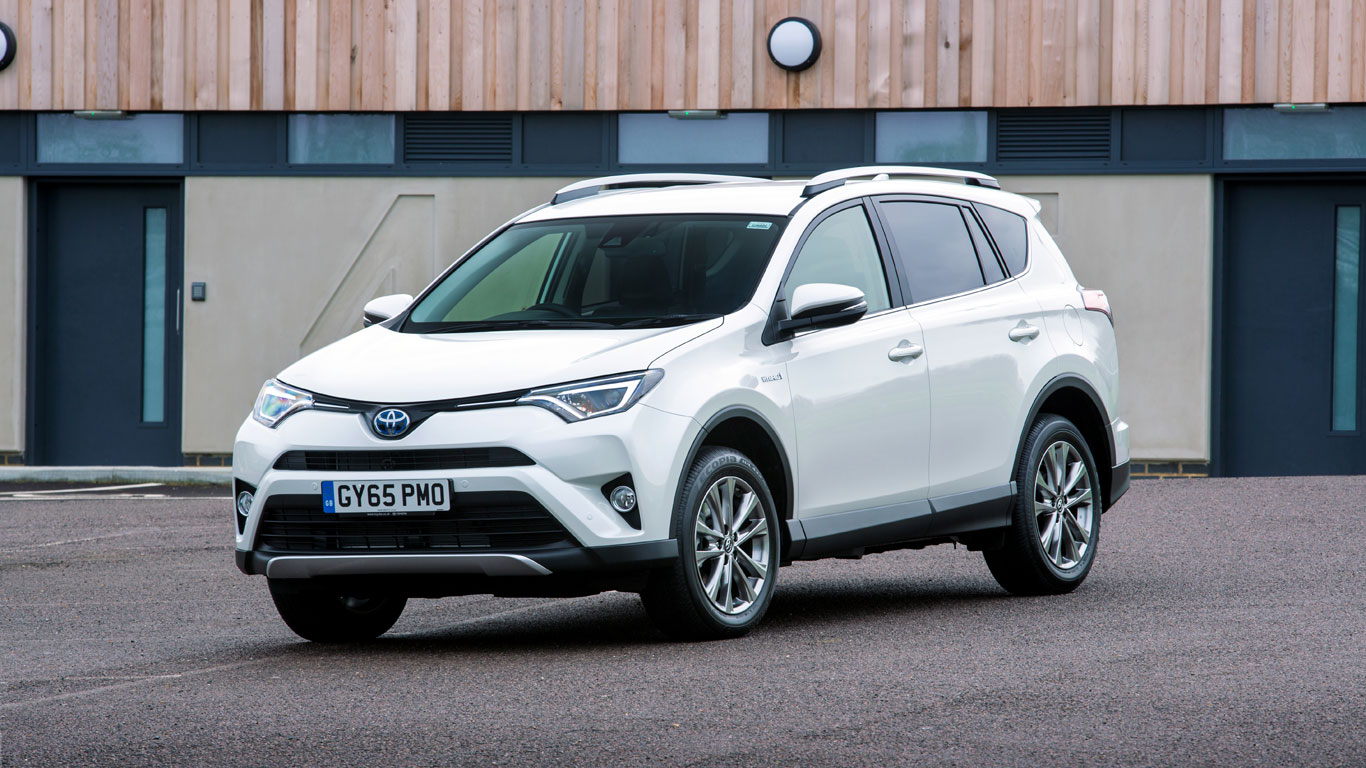
Most reliable large/luxury SUV: Toyota RAV4
If you’re after a reliable large/luxury SUV, look no further than the Toyota RAV4. Just 4 percent of cars developed a fault, with all cars fixed under warranty in less than a day. The BMW X5 diesel finished close behind, with the Audi Q5 rounding off the top three. It’s worth noting that 24 percent of Q5s had a problem, although the faults were repaired for free in less than a day.
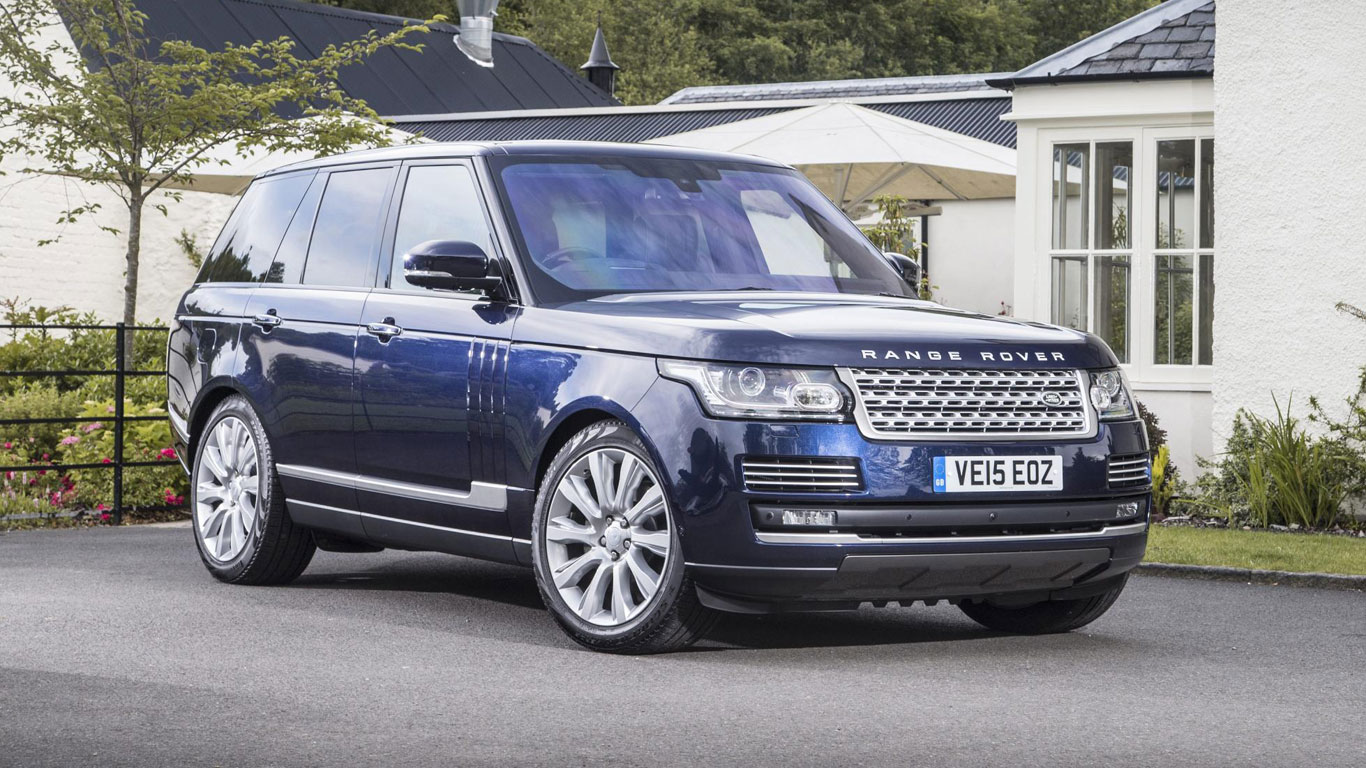
Least reliable large/luxury SUV: Range Rover
Oh dear. One in two Range Rover owners reported a problem, delivering a reliability rating of just 67.3 percent. This is especially miserable given the fact that the average reliability across the segment was 86.7 percent. What Car? reports that nearly a third of cars were undriveable, while two-thirds were off the road for more than a week. The Ford Edge and Range Rover Evoque fared little better in the survey.
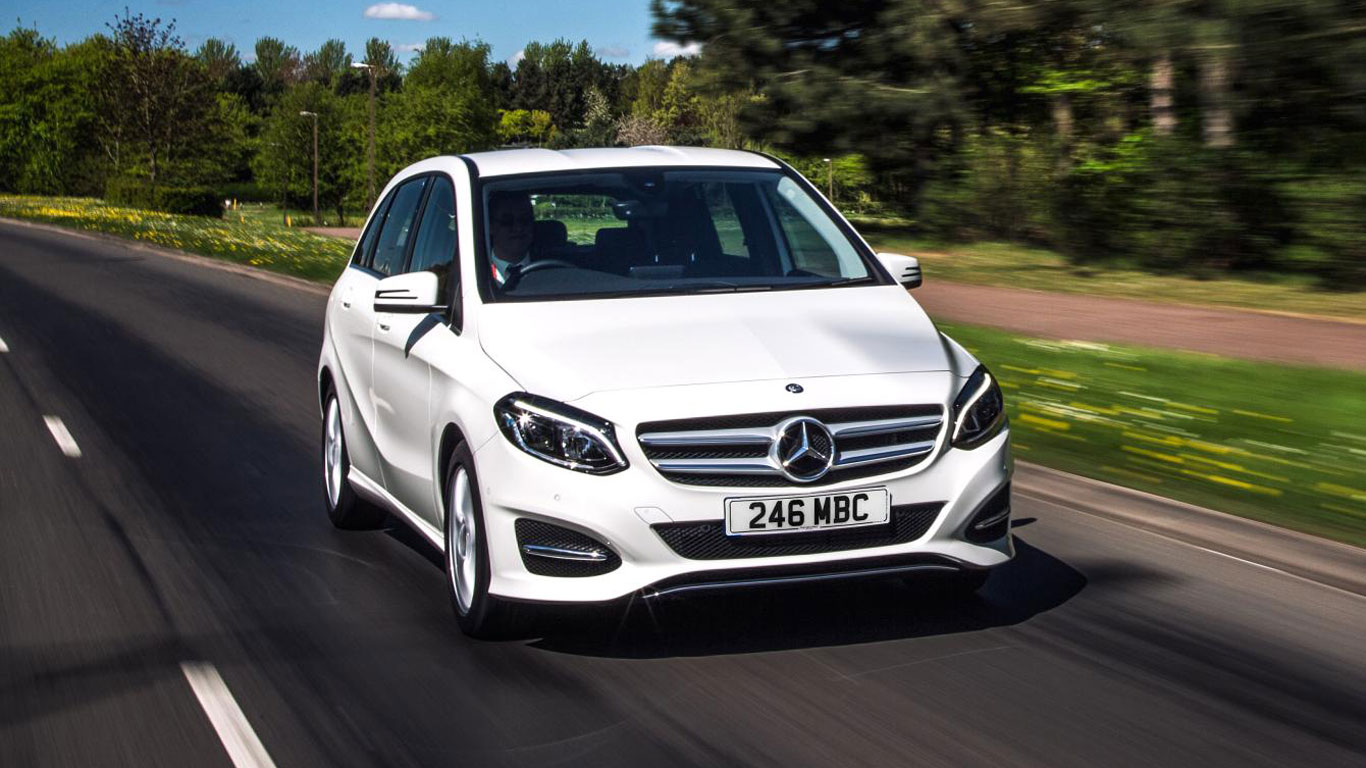
Most reliable MPV: Mercedes-Benz B-Class
The humble MPV might be facing a tough battle against the SUV, but some families still love them for their fuss-free practicality. Pick of the bunch is the Mercedes-Benz B-Class, although 20 percent of cars developed a fault in the first year. On the plus side, all faulty cars were repaired in less than a week; a third were fixed in less than a day. The Volkswagen Golf SV and Ford C-Max/Grand C-Max were highly commended.
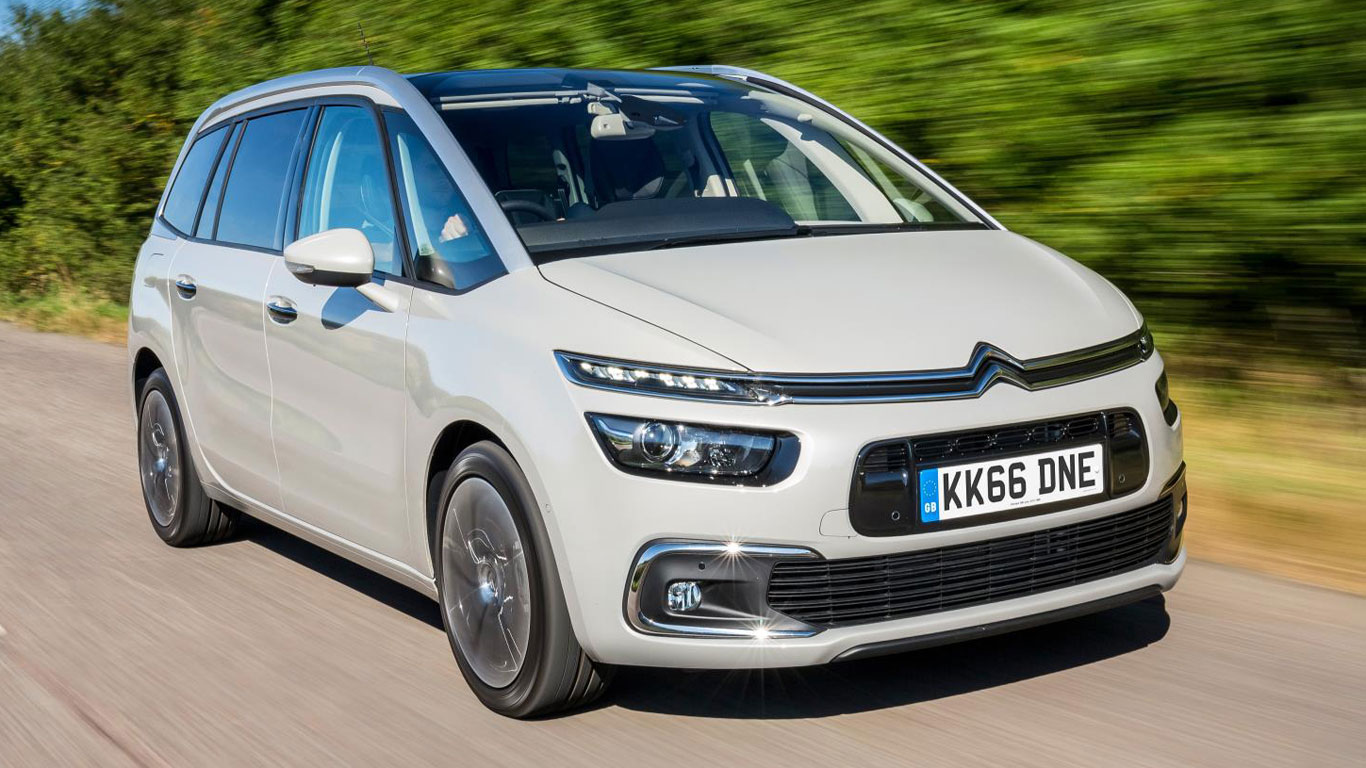
Least reliable MPV: Citroen C4 Picasso
If you’re after a reliable MPV, don’t buy French. The Citroen C4 Picasso/Grand Picasso finishes bottom of the pile, with the Citroen C3 Picasso and Peugeot 3008 also coming in for criticism. Nearly a third of Citroen C4 Picassos developed a fault, with electrics the most frequently reported problem area.
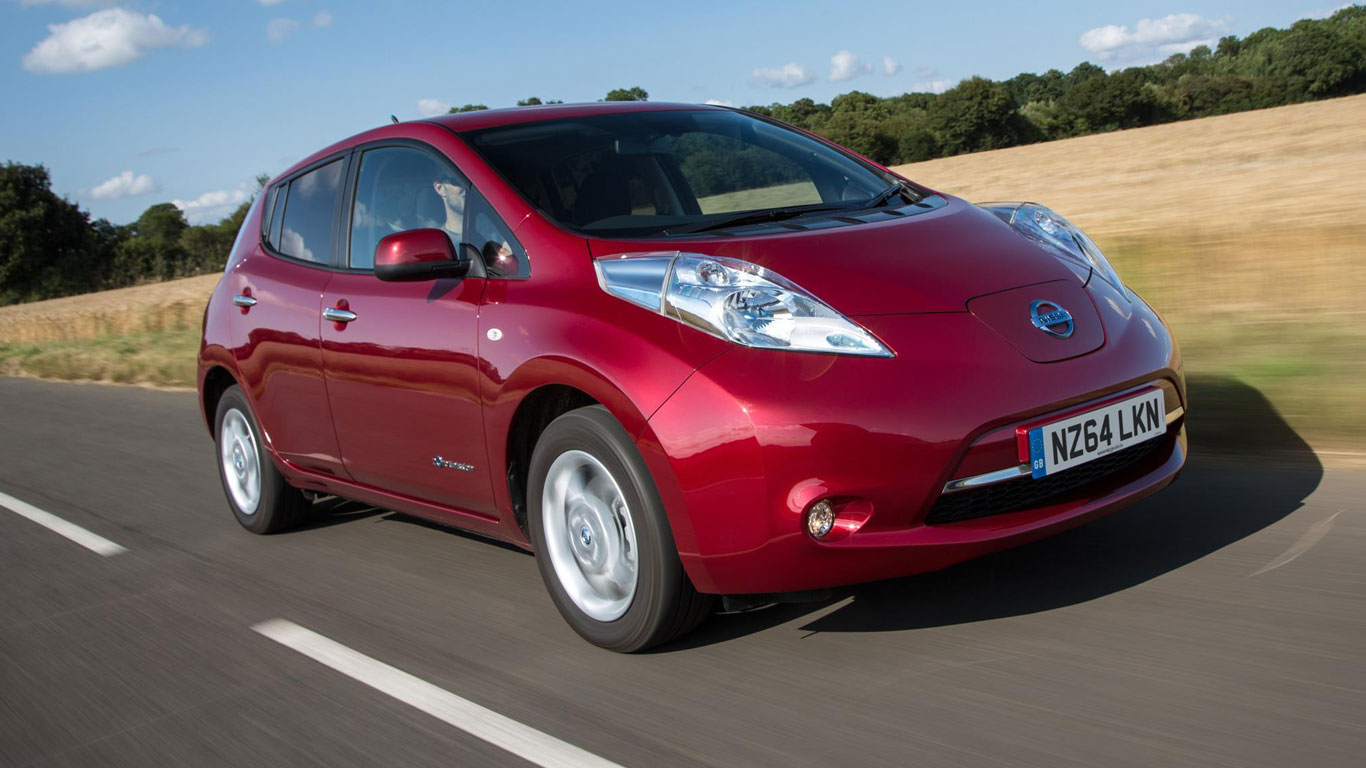
Most reliable hybrid/electric: Nissan Leaf
For the second year running, the Nissan Leaf is named the most reliable electric car by respondents to the What Car? Reliability Survey. No mechanical issues were reported, with minor bodywork repairs fixed for free within a day. The Toyota Yaris Hybrid finished second, ahead of the ever-popular Mitsubishi Outlander PHEV.
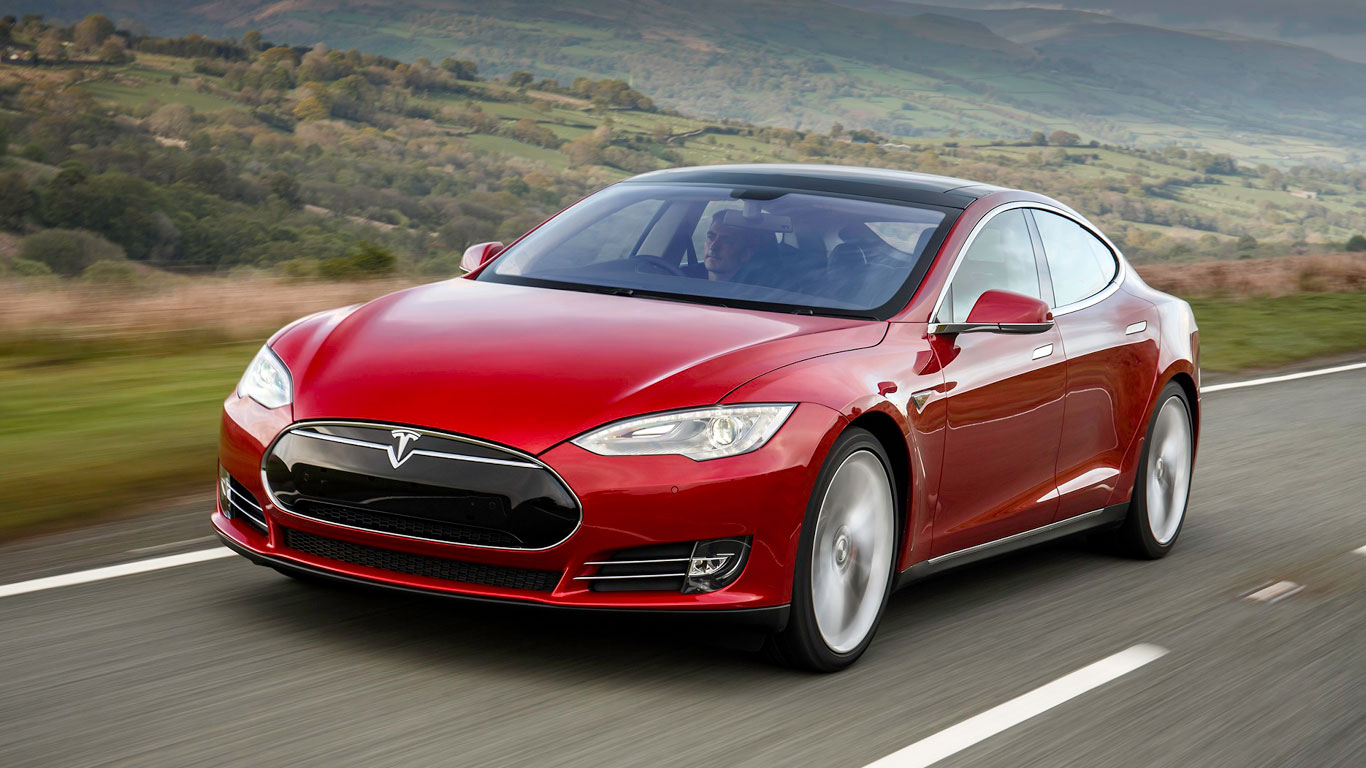
Least reliable hybrid/electric: Tesla Model S
“Although the Tesla Model S’s electric powertrain is proving reliable, the same can’t be said of its electrical systems or bodywork. Issues reported by owners included bent seat frames, broken door handles and parking sensor failures. Just over half of the cars were out of action for at least a week and some fixes cost more than £1,500, reports What Car?. The Renault Zoe and BMW i3 were also noted as being problematic.
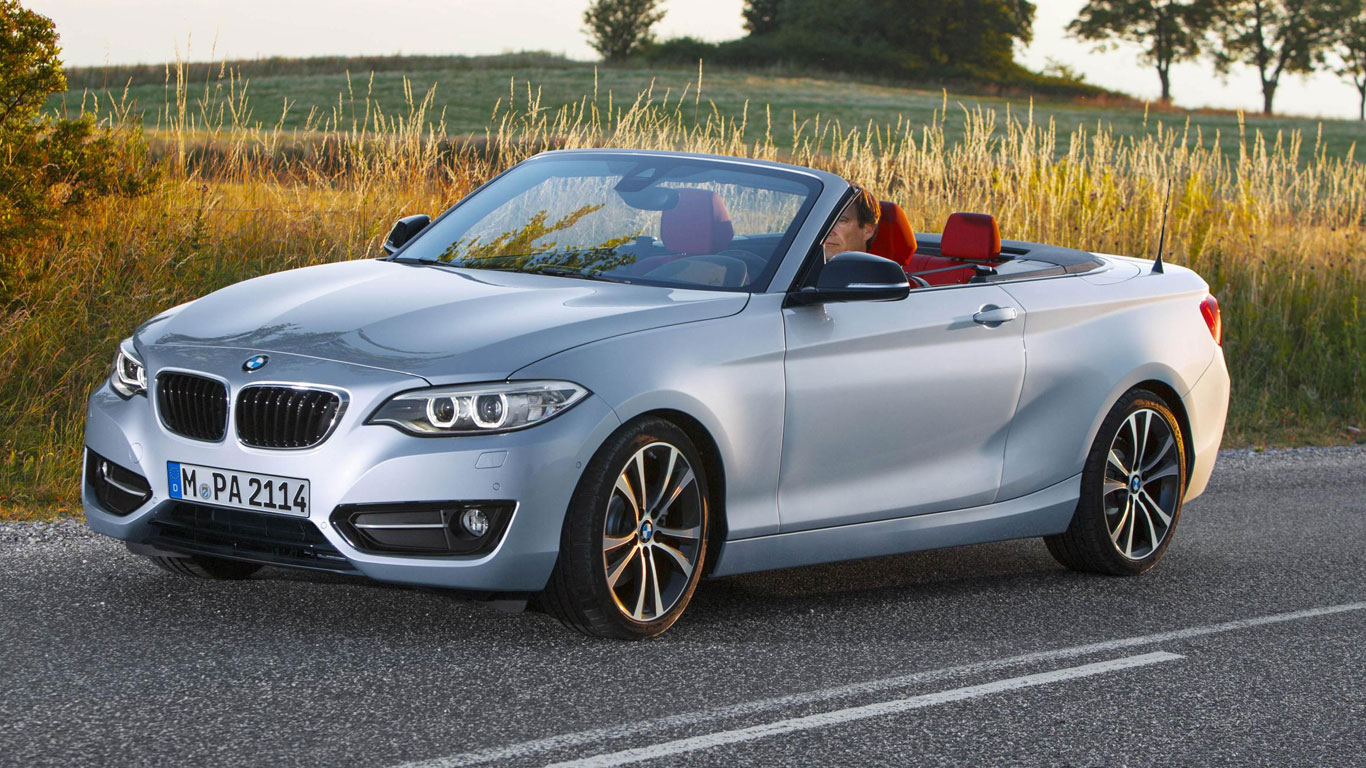
Most reliable coupe/convertible/sports: BMW 2 Series
The petrol-powered BMW 2 Series coupe and convertibles were the strongest cars in this category, with a mere eight percent of cars developing a fault. The Mazda MX-5 finished second, just ahead of the Porsche 911.
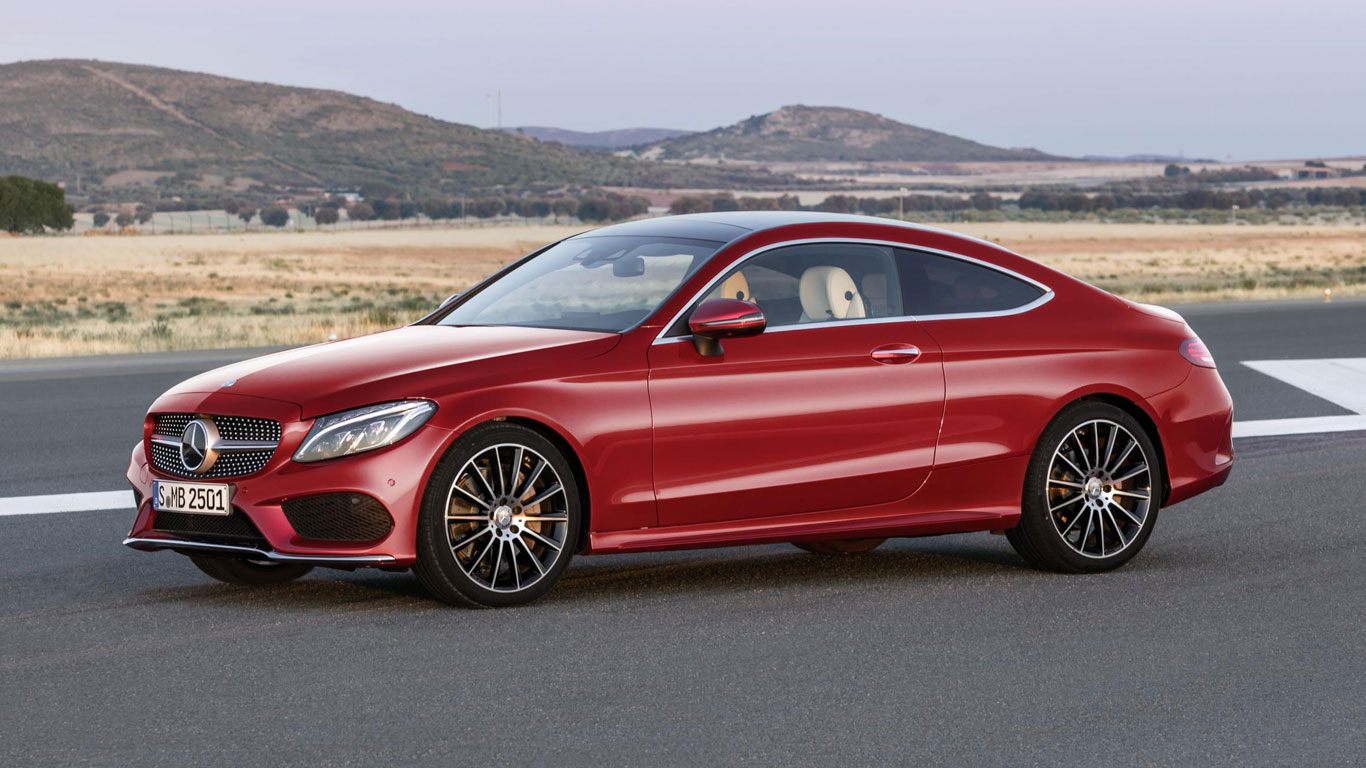
Least reliable coupe/convertible/sports: Mercedes-Benz C-Class
This hasn’t been a good survey for the Mercedes-Benz C-Class, with the coupe and cabriolet following the example set by the saloon. Nearly a third of cars developed a fault, with interior trim, bodywork, engine and electrics the most problematic areas. The Audi TT coupe and Porsche Cayman finished just ahead of the C-Class.
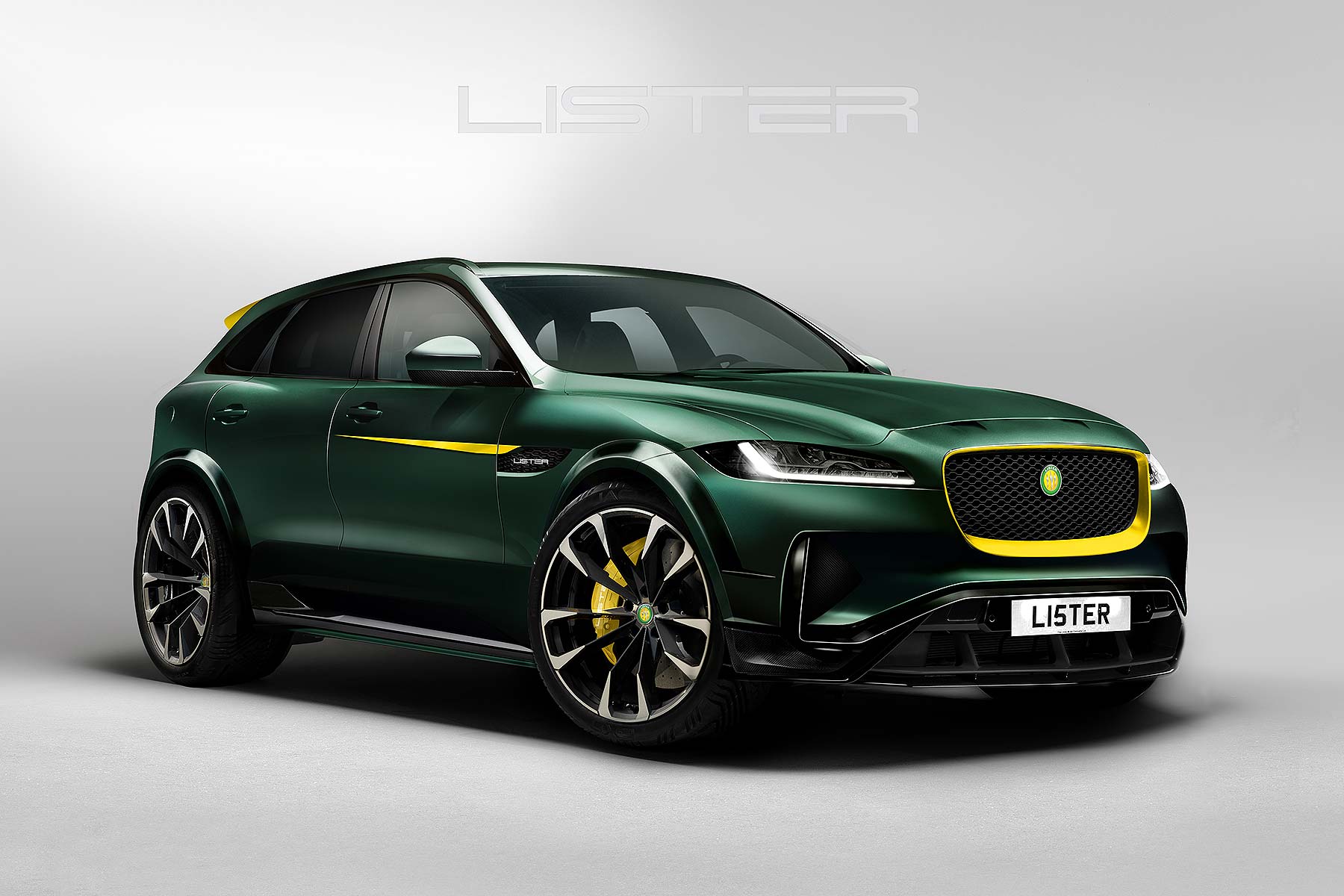
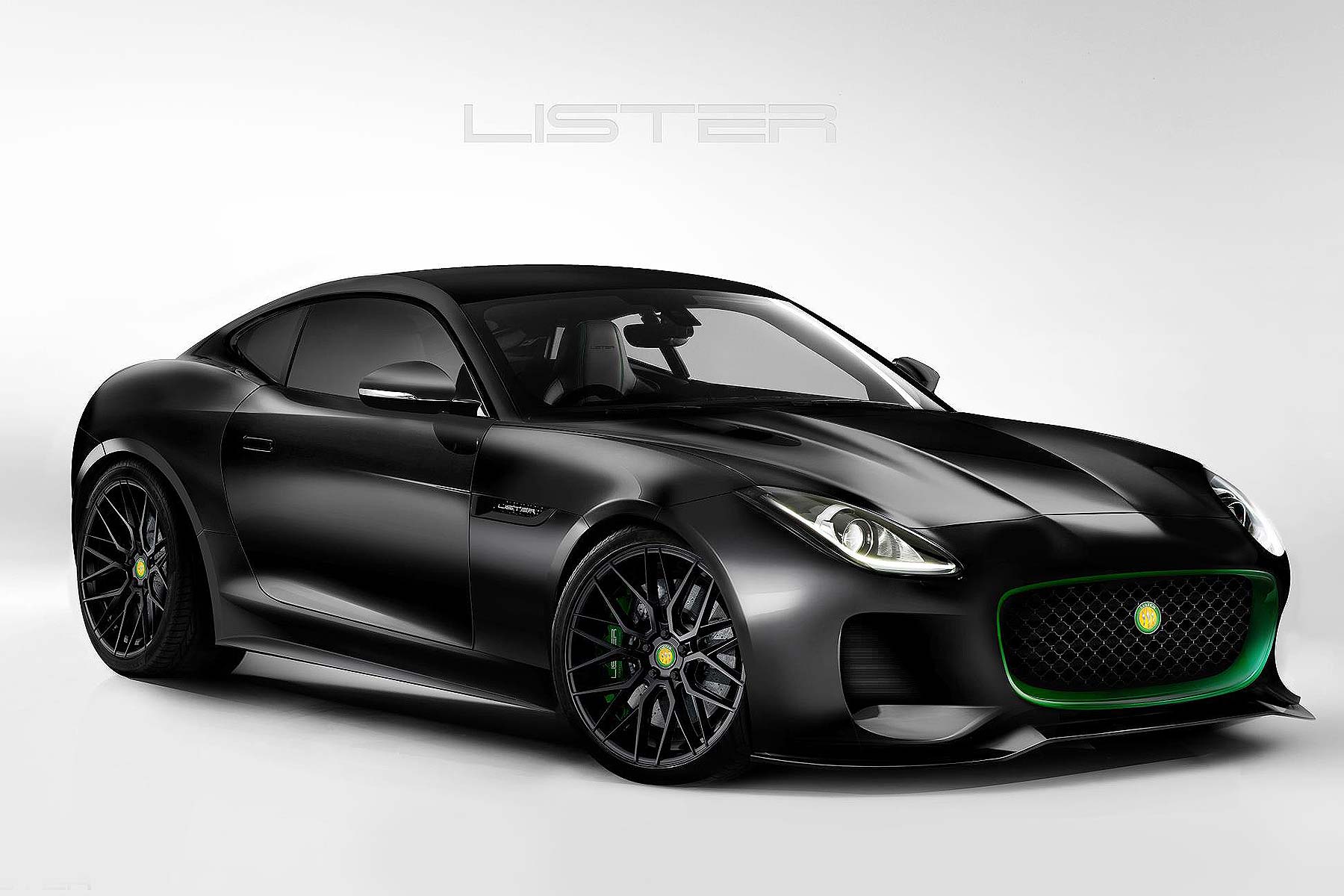
A specialist British sports car company is to turn the Jaguar F-Pace into a 670 horsepower, 200 mph 4×4 that it says will be the fastest SUV in the world.
The Lister Motor Company’s Lister LFP will do 0-60 mph in 3.5 seconds and will cost around £140,000.
The performance “beats the performance of recently-launched SUVs from other well-known car brands with monster killer performance” and is “faster than most supercars, never mind SUVs”.
Developed and built in Lancashire, the new Lister LFP will be fully revealed later in September. Ordering is open now, adds the firm, and deliveries will begin in October.
The launch of the 200 mph Lister SUV follows the recent launch of the Lister LFT-666 coupe. This is also Jaguar-derived, drawn from the F-Type SVR.
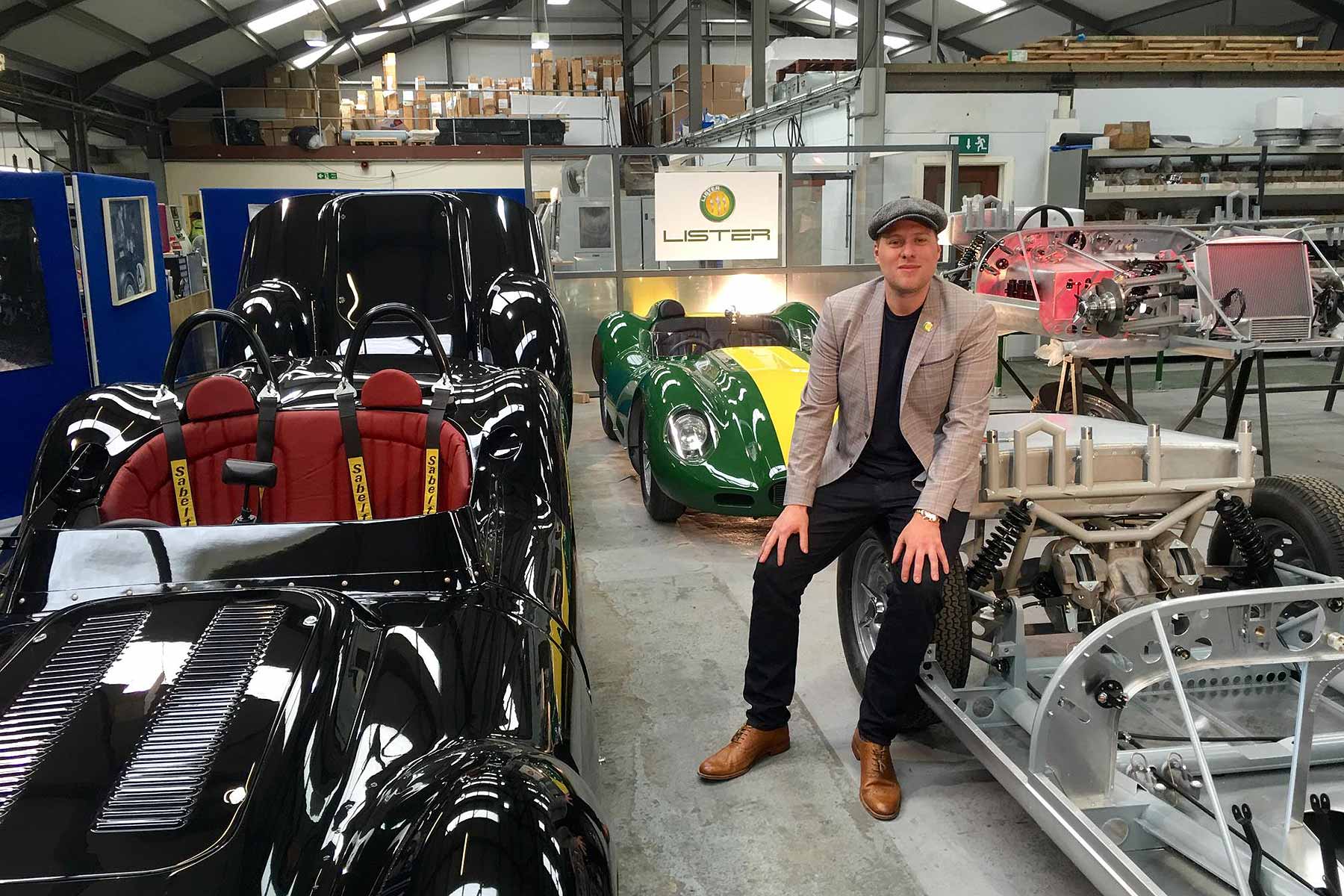
Company CEO Lawrence Whittaker (pictured below) said he was “delighted, overwhelmed and gratified by the huge level of interest, excitement and orders” the car has generated.
“Based on early indications, our new LFP promises to repeat the success of the LFT-666, and I really can’t wait to reveal the world’s fastest SUV quite soon.”
What is Lister?
For those who haven’t heard of Lister, the name goes back decades. It is Britain’s oldest surviving racing company and was bought by the Whittaker family in 2013.
The modern Lister Motor Company started out by developing 10 ‘Jaguar Knobbly’ continuation cars, and has since worked on developing high-performance versions of the firm’s road cars.
Indeed, the tuning division has proven so successful, the company has expanded and is soon to open a new HQ in Lancashire.
Lister has even been identified as the Britain’s fastest growing car company by independent financial analysts Plimsoll.
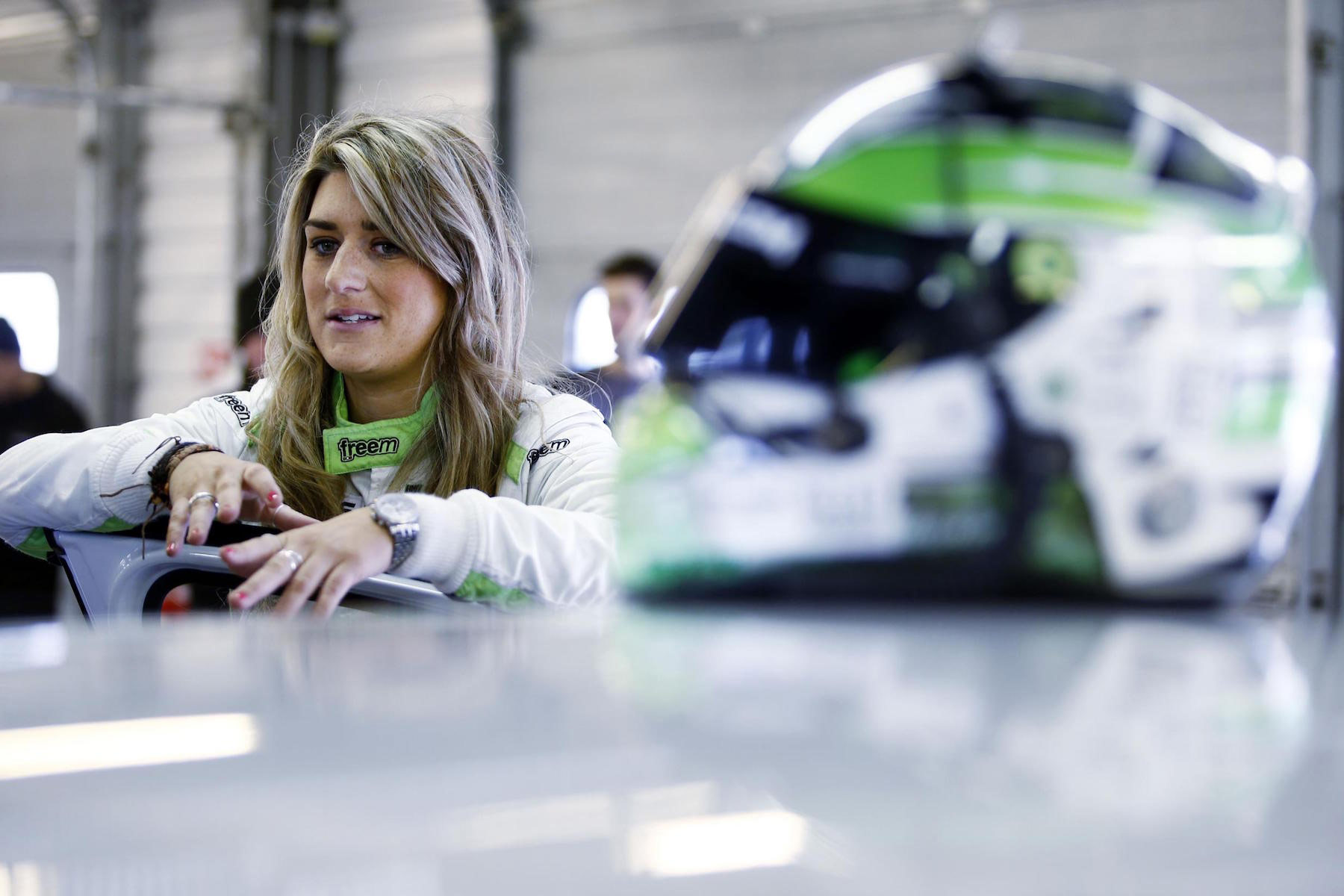
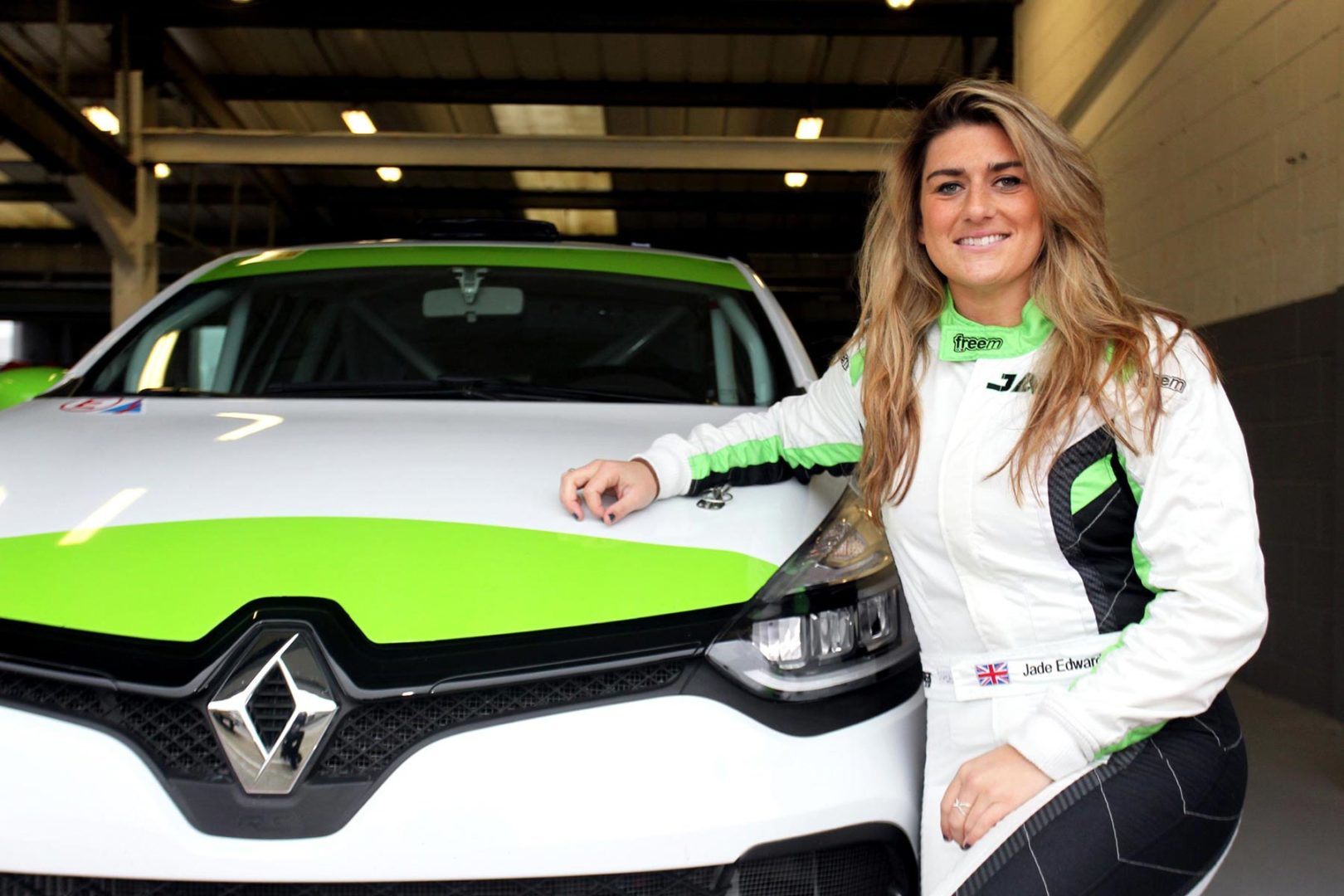
A young racing driver has fallen victim to a sponsorship scam, potentially leaving her unable to compete in the final rounds of the season.
Jade Edwards broke the news on social media that a promised €15,000 sponsorship deal had turned out to be fake.
A series of cancelled meetings, and false phone numbers, alerted the suspicions of Edwards and her father. This was confirmed when the money failed to materialise, derailing her plans for the remainder of the 2018 UK Clio Cup.
A tough Clio Cup update to post…
A sponsorship scam that has taken away the chance to finish the season.
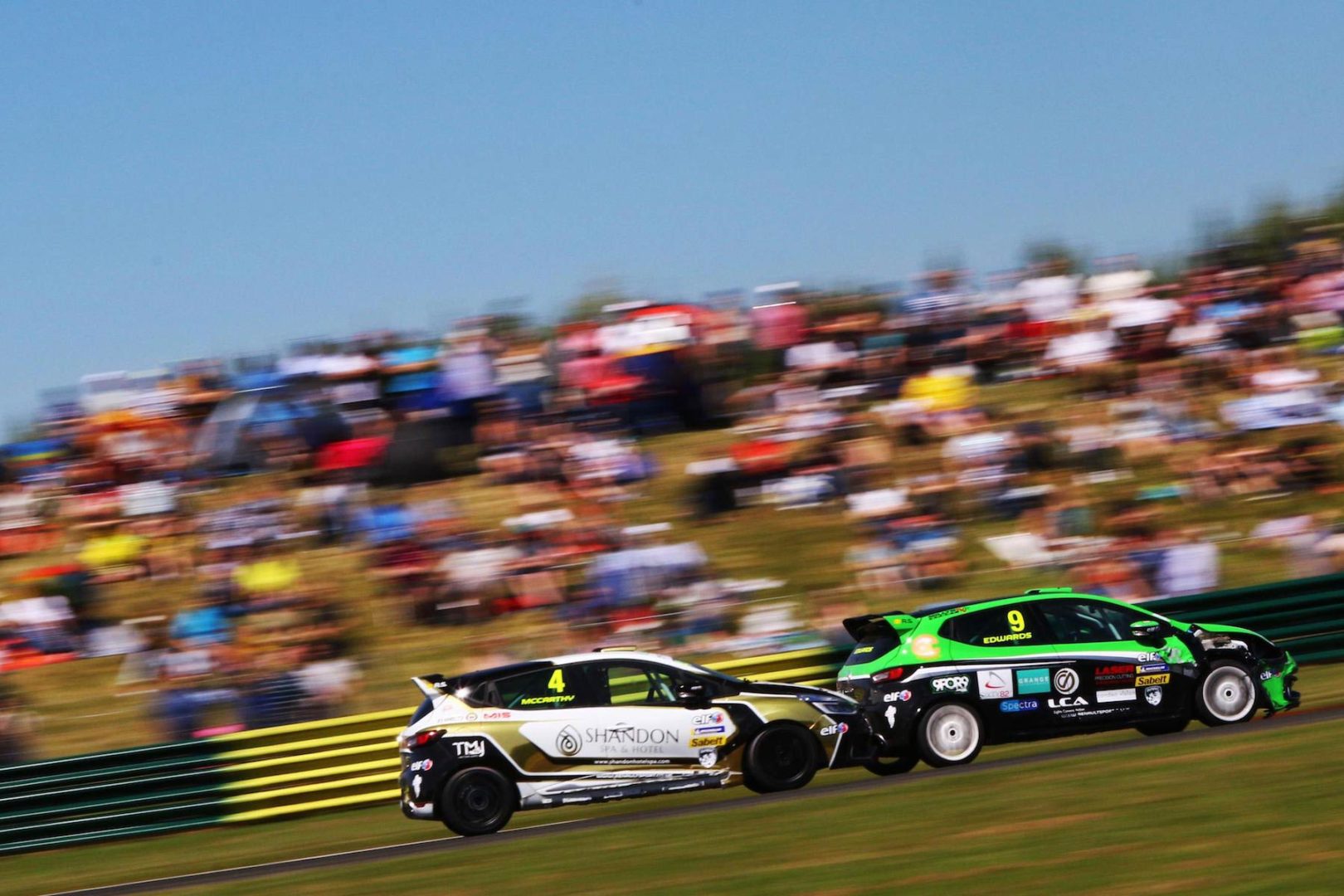
Edwards suffered a dramatic crash at Oulton Park earlier in the season, with her Clio racer rolling violently. Although she escaped unharmed, the damaged car prompted an urgent need for additional sponsorship.
Competing in her second season of the UK Clio Cup, Northamptonshire-based Edwards is currently 14th in the championship standings.
As a qualified ARDC driver coach, Jade previously trained Johnny Vegas on the ITV show DRIVE. She also holds the achievement for being the first female driver to take an outright win in an Aston Martin GT racer.
Costs for competing in the Renault Clio Cup for a full season range from £75,00 to £95,000. The race car itself costs £42,000, or more than twice the value of the road-going Clio on which it is based.
The French brand has held a UK-based one-make championship since 1974. Initially using the Renault 5 hatchback, this was later followed by the original Clio. The series has often been a predictor of success in the top-flight British Touring Car Championship.
Jade’s grandfather, Jim Edwards Sr. won the Renault UK 5 TS Championship in 1979. Whilst. Her father, Jim Edwards Jr. took top honours in the 2000 Clio Renaultsport 172 series.
Edwards has received messages of support from TV and motorsport legend Tiff Needell, plus IndyCar driver Pippa Mann. The next round of the Renault UK Clio Cup takes place at Silverstone, on the 15th and 16th of September, leaving her little time to find new sponsors.
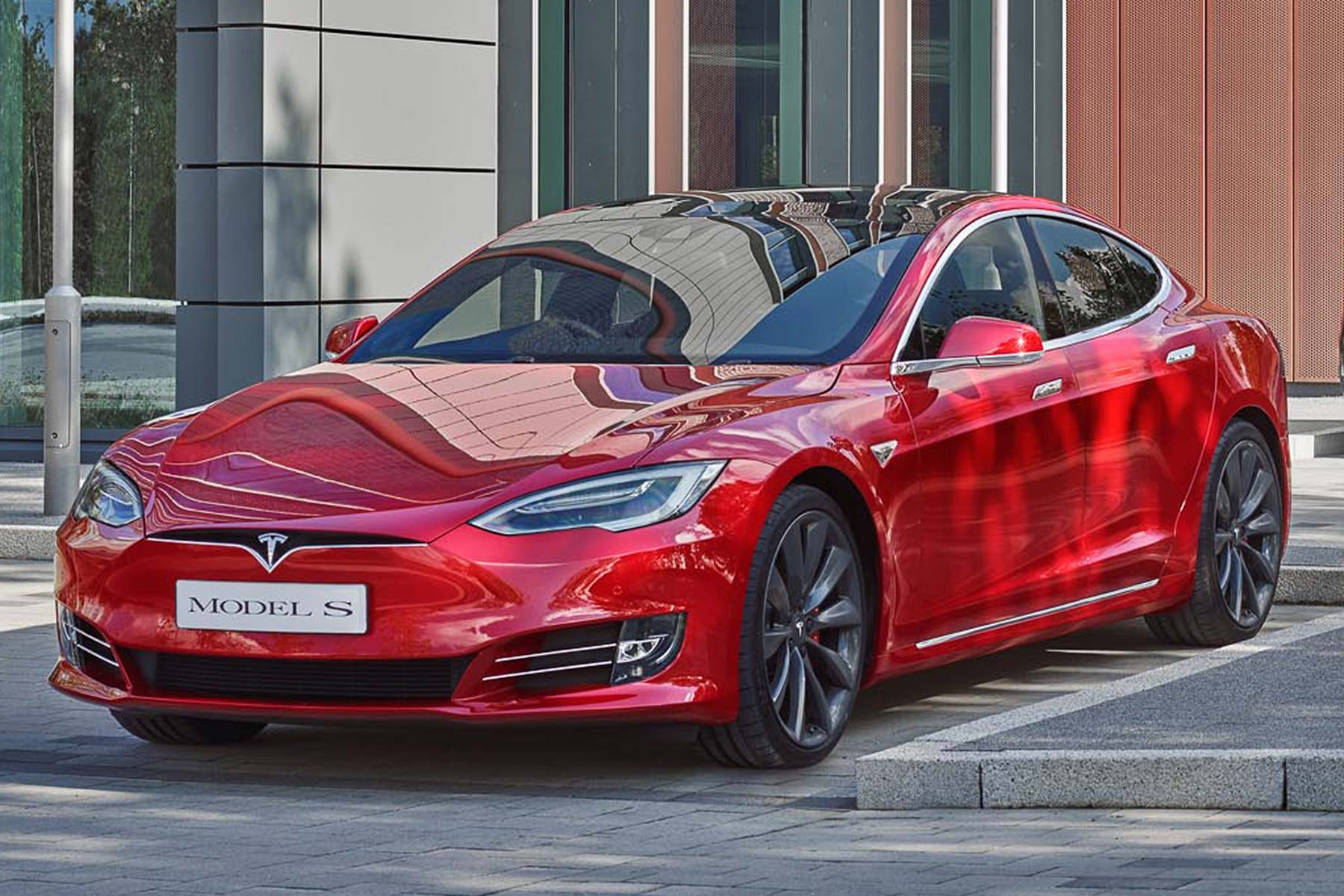
The Suzuki SX-4 S-Cross and Toyota Yaris have both achieved remarkable 100 percent reliability scores in the latest What Car? reader survey – in stark contrast to the Tesla Model S, which barely scored a 50 percent reliability ranking.
The results show that four of the top five cars are from Japanese brands. Of the bottom five, Land Rover makes three of them, with Ford and Tesla joining the worst-ranking makers.
It is the 2013 – present Suzuki SX4 S-Cross and 2011 – present Toyota Yaris that achieved the ‘perfect reliability’ ranking. The all-electric first-generation Nissan Leaf (built between 2011 – 2017) was third, with a 99.7 percent reliability ranking.
Car buyers reveal what they want in 2018
The Leaf showed that it wasn’t the all-electric aspect of the 2013 – present Tesla Model S that was behind its dismal reliability score…
What Car? ranked 159 models from 31 brands for reliability in 2018. “Reliability is a huge consideration for any prospective car buyer,” said editor Steve Huntingford, “as your car is likely to be your second biggest monthly expense after mortgage or rent payments.
“Our annual survey has shown that it is Japanese models that continue to dominate the top of the reliability rankings, both for car model and brand rankings.”
What Car? worked out its reliability ranking from data from over 18,000 motorists. They reported on their car’s reliability over the past 12 months; the magazine then created a unique reliability ranking for reach model – which included aspects such as time off the road and cost of repair.
Volvo wants to bring the first-class flying experience to the road. How? With the new 360c concept.
What is the Volvo 360c?
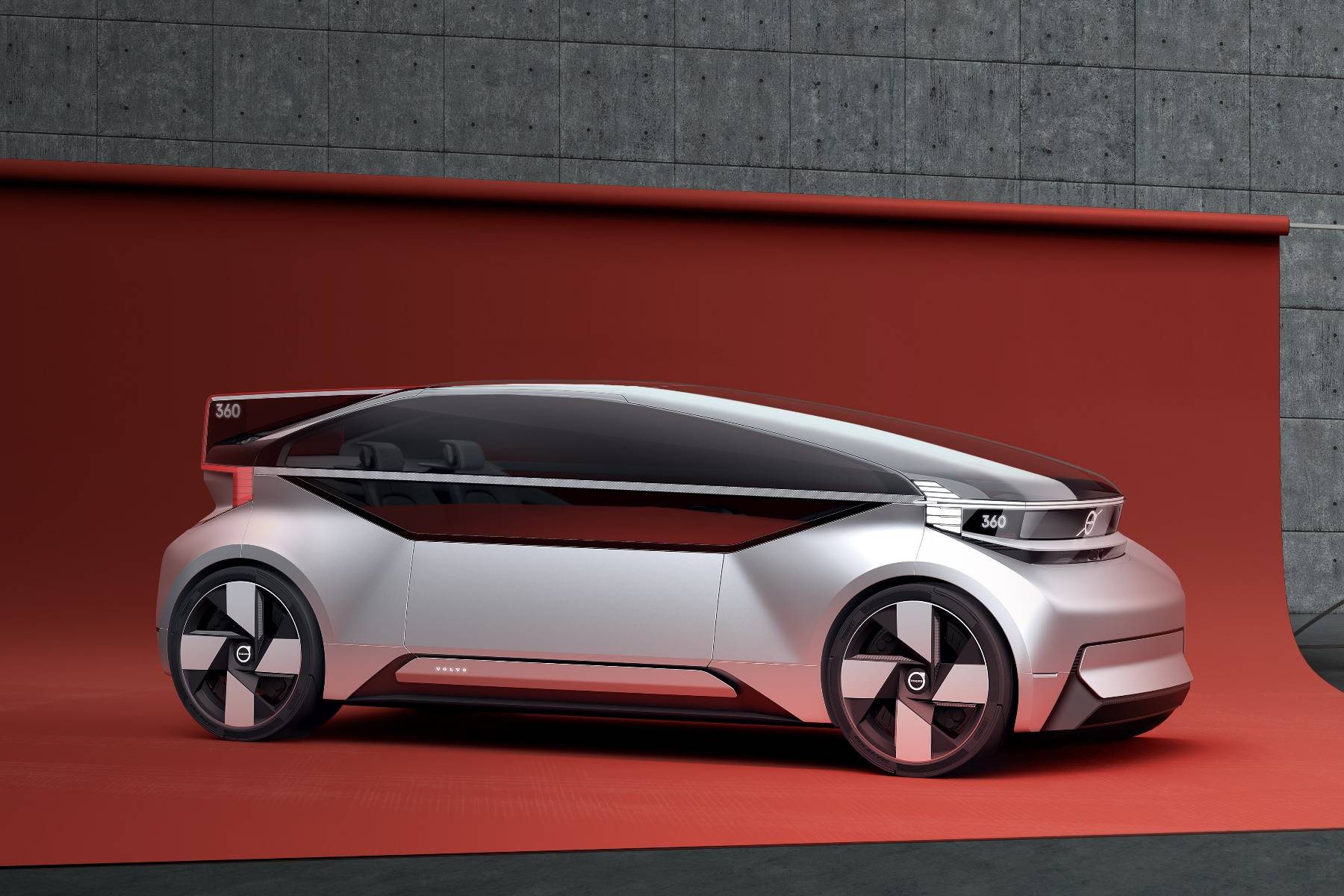
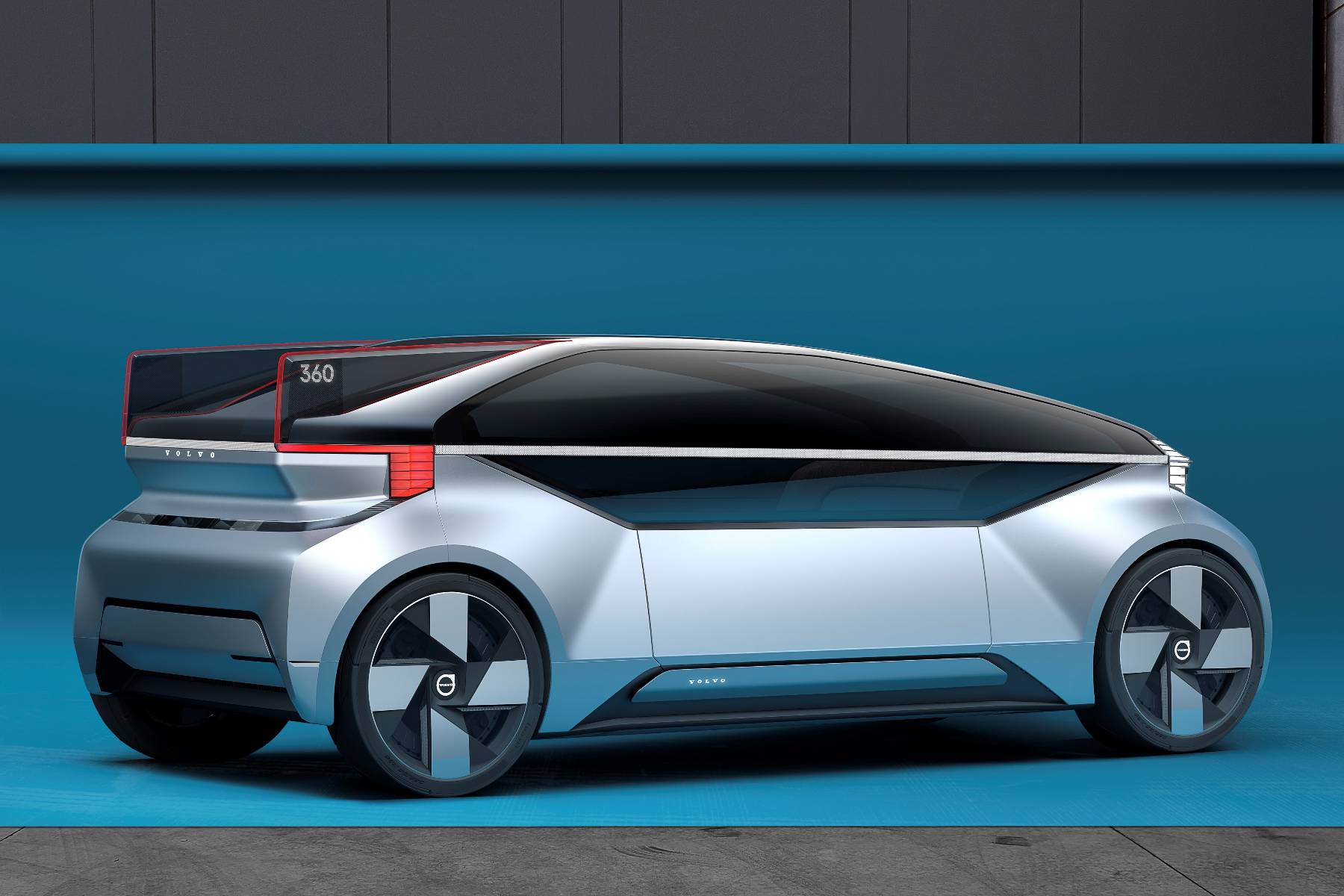
Volvo has revealed a surprise new concept car called 360c, a vehicle it describes it as “a holistic view of a future of travel that is autonomous, electric, connected and safe”. It all sounds both very futuristic, and very Volvo-like.
On the surface, it’s a future-looking concept not unlike any other. It’s not unattractive and it is discernibly a Volvo – a change from most manufacturers’ anonymous visions of the future in a similar mould.
Where the 360c really pushes the boat out is in the attention to detail, given its intended purpose, and the conversations that Volvo wants it to start. More on that in a bit…
What’s inside the Volvo 360c?
This is where it gets interesting. To all appearances, the Volvo 360c is entirely configurable to your personal needs. Indeed there are four potential uses – sleeping environment, mobile office, living room and entertainment space. All are said to “reimagine the way people travel”.
Volvo wants this car to bleed into other areas of your life and in doing so, improve it – transport, work and otherwise. A hotel room-come-cabbie on the go to help you “recapture time while travelling in the cities of the future”.
Pictured are a bed configuration, with the cabin not looking unlike a first-class pitch on a transatlantic flight, an office arrangement, fit to seat four, a party arrangement, complete with champagne, and a standard living room-style setup.
Live 200 miles away from the office? Not to worry, there’s a mobile office on your drive. Got a journey from Seattle to LA? Set off at 10pm, have a night’s kip, be there by 3pm the next day… (Okay, one thing autonomous cars will never be, is as fast as a domestic flight.)
It’s all rather appealing and well thought-out, especially when you consider Volvo’s musings on the future of transport.
“Autonomous vehicle concepts have a tendency to become a technology showcase instead of a vision of how people use it,” said Robin Page, senior vice president of design at Volvo Cars.
“But Volvo is a human-centric brand. We focus on the daily lives of our customers and how we can make them better. The 360c is the next iteration of this approach.”
What’s the point of the Volvo 360c?
The conversations this 360c was built to start, are the point. Volvo are keen to stress the scale of the quantum leap in transportation that the advent of autonomous cars represents. How far-reaching can the remit of the autonomous car be?
Volvo reckons pretty far, citing domestic air travel as a target that it thinks a network of these pods could beat. The apparent inconvenience of domestic flights, as taken by some 740 million of us by Volvo’s maths – security, cramped seating, emissions output and so on, all to be remedied by a comfortable across-country ride in the Volvo 360c.
“Domestic air travel sounds great when you buy your ticket, but it really isn’t. The 360c represents what could be a whole new take on the industry,” said Mårten Levenstam, senior vice president of corporate strategy at Volvo Cars.
“The sleeping cabin allows you to enjoy premium comfort and peaceful travel through the night and wake up refreshed at your destination. It could enable us to compete with the world’s leading aircraft makers.”
“When the Wright brothers took to the skies in 1903, they did not have a clue about what modern air travel would look like.”
“We do not know what the future of autonomous drive will hold, but it will have a profound impact on how people travel, how we design our cities and how we use infrastructure.”
Before we get to that stage though, we need to lock down how an autonomous infrastructure is going to work. To this end, the 360c is intended as a conversation catalyst, and it’s a conversation Volvo is keen to have as soon as possible.
“We regard the 360c as a conversation starter, with more ideas and answers to come as we learn more.”
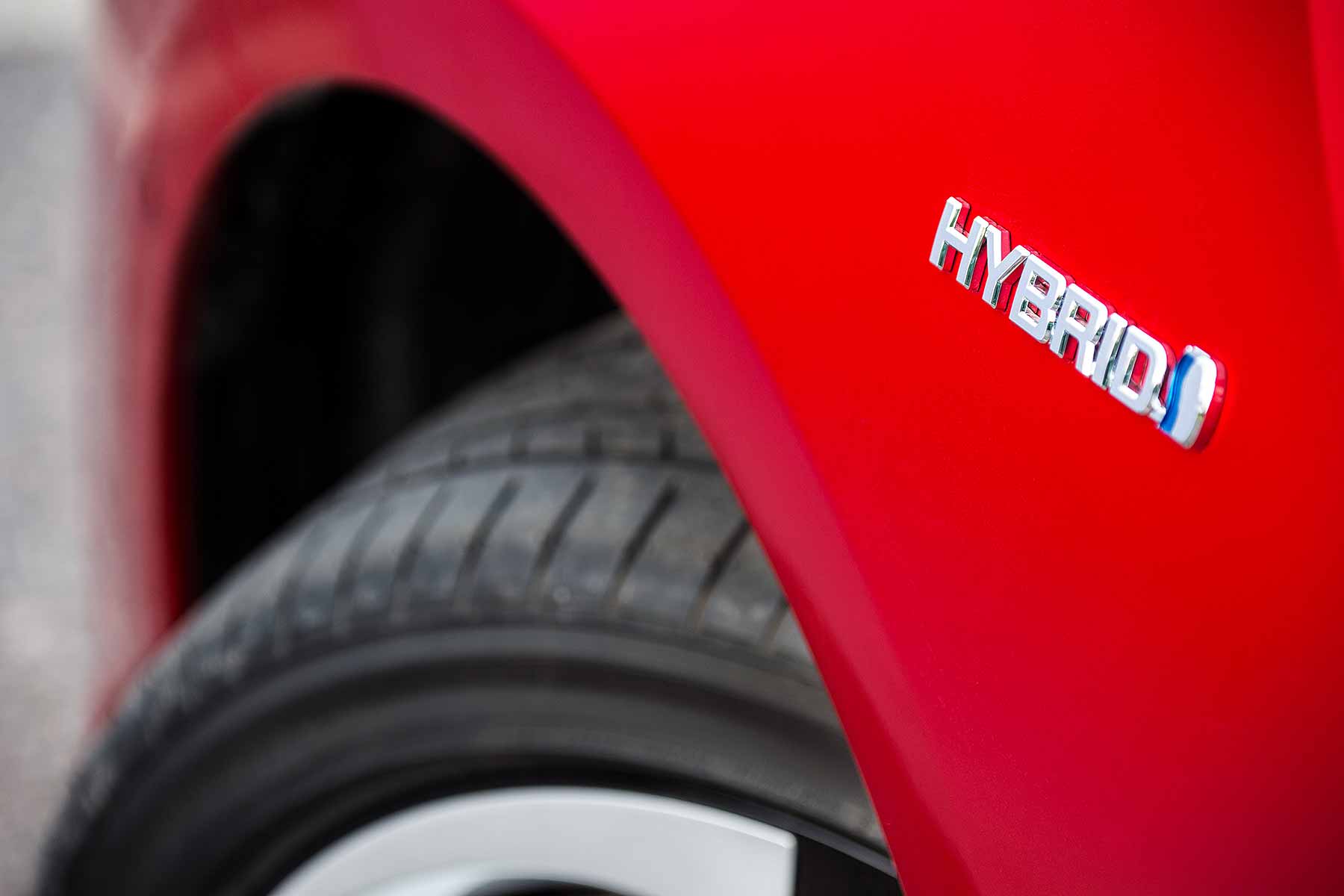
Another week, another recall. This time, it is Toyota, with a fault rising on its famous hybrid-powered models. The issue? A very low risk of fire – but over a million Toyotas in Japan, North America, Europe and more are affected.
Japanese-made Toyotas built between June 2015 and May 2018 are involved the recall. Affecting the plug-in versions of the Prius and the C-HR crossover, the risk is said to originate from the engine wire harness.
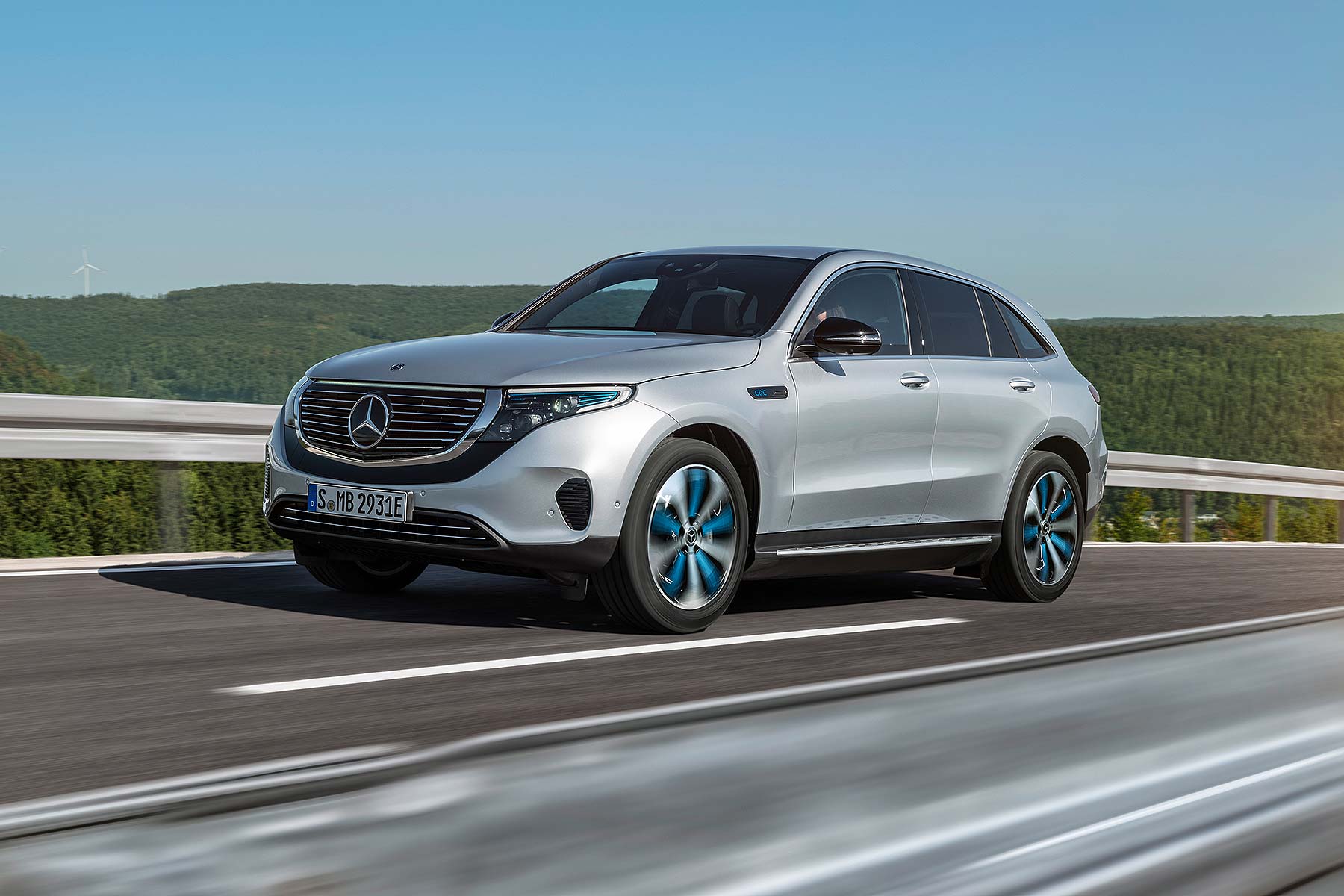
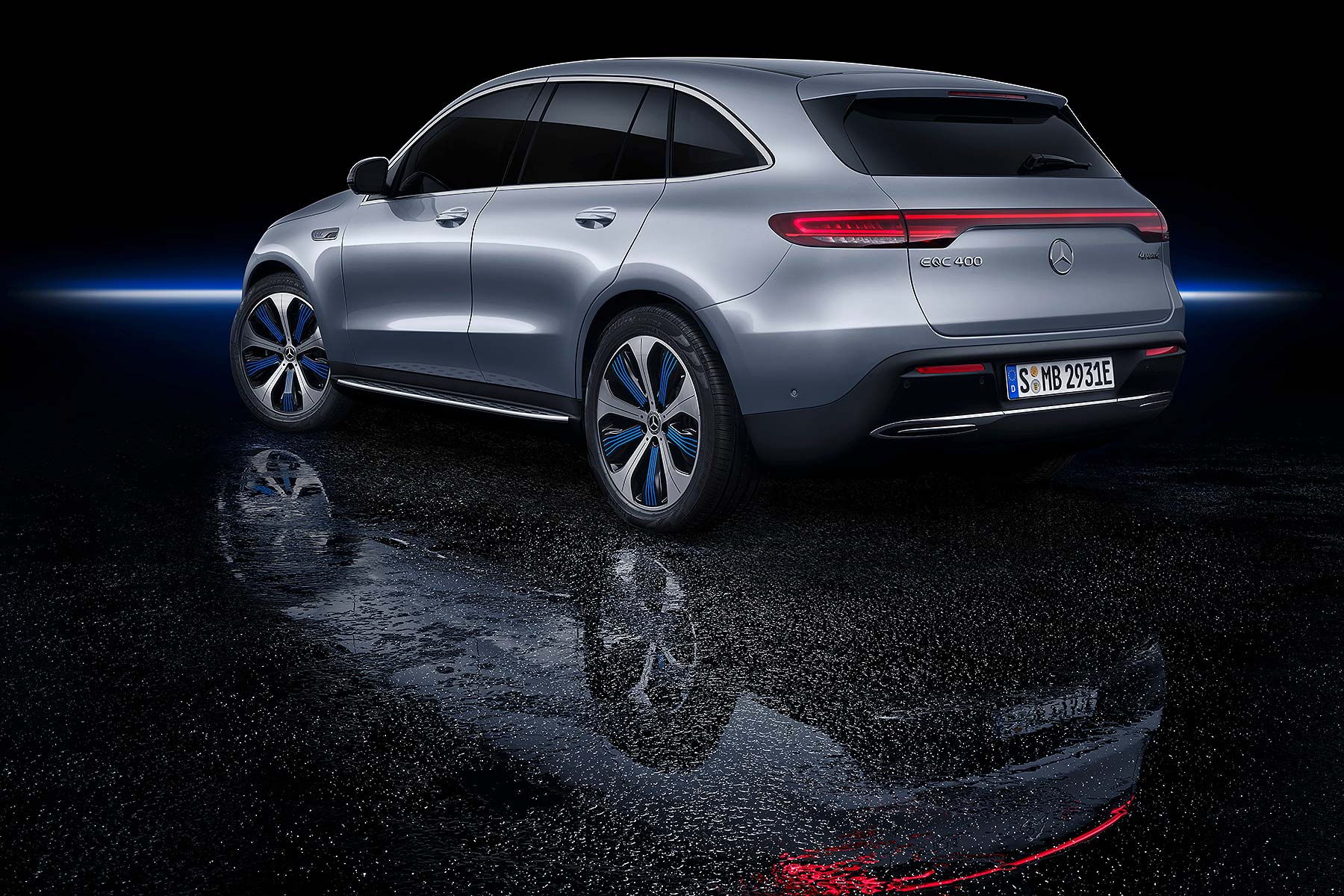
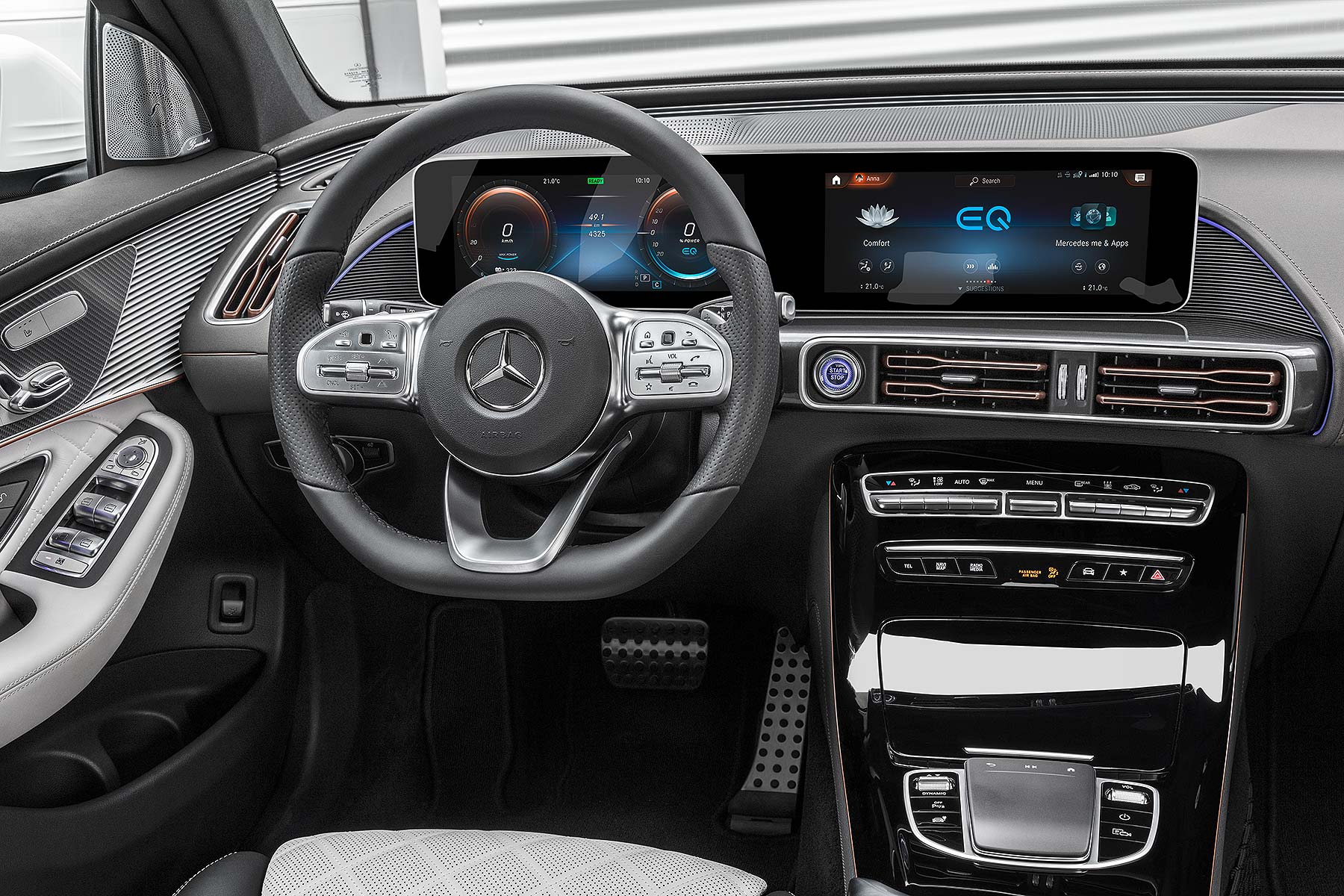
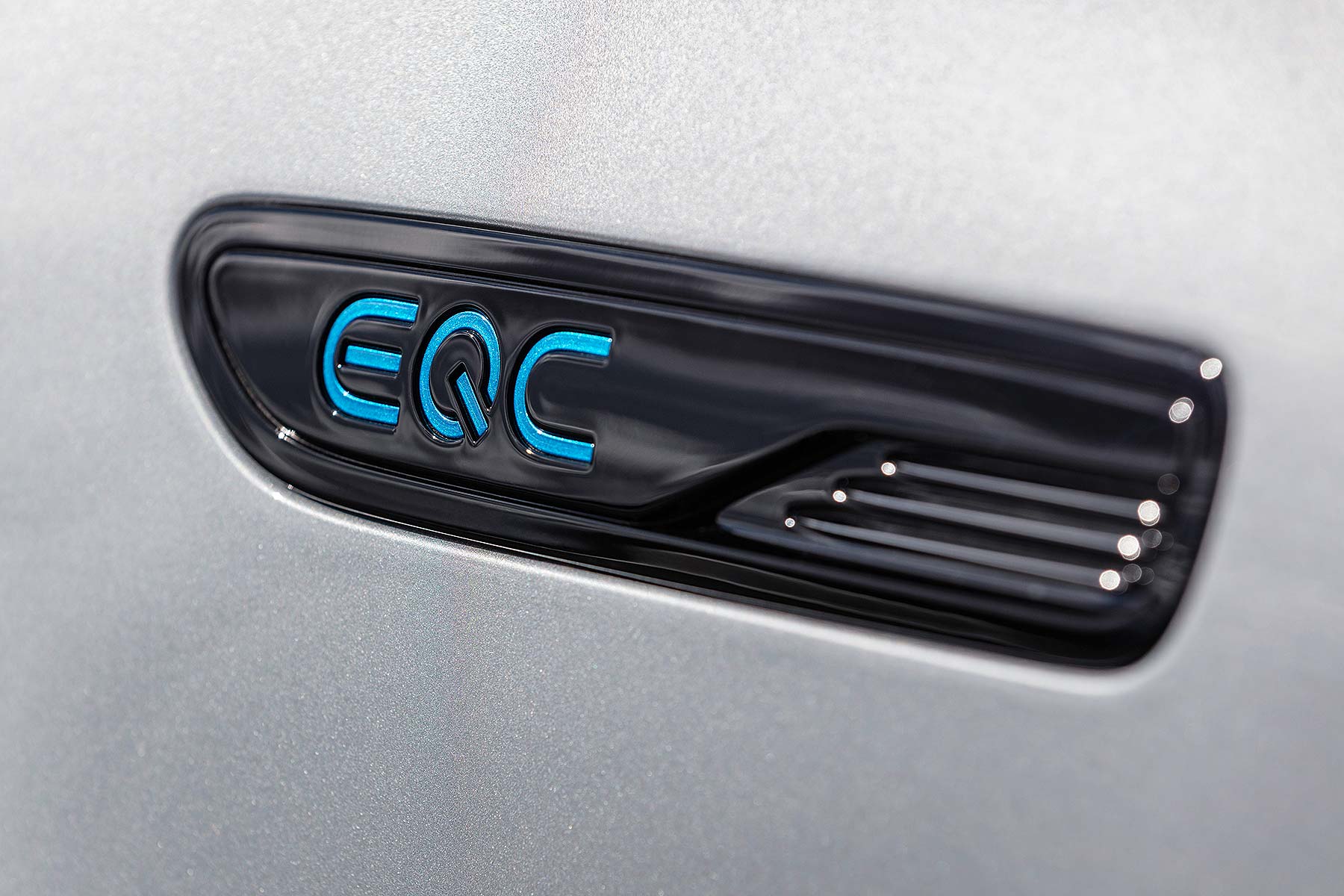
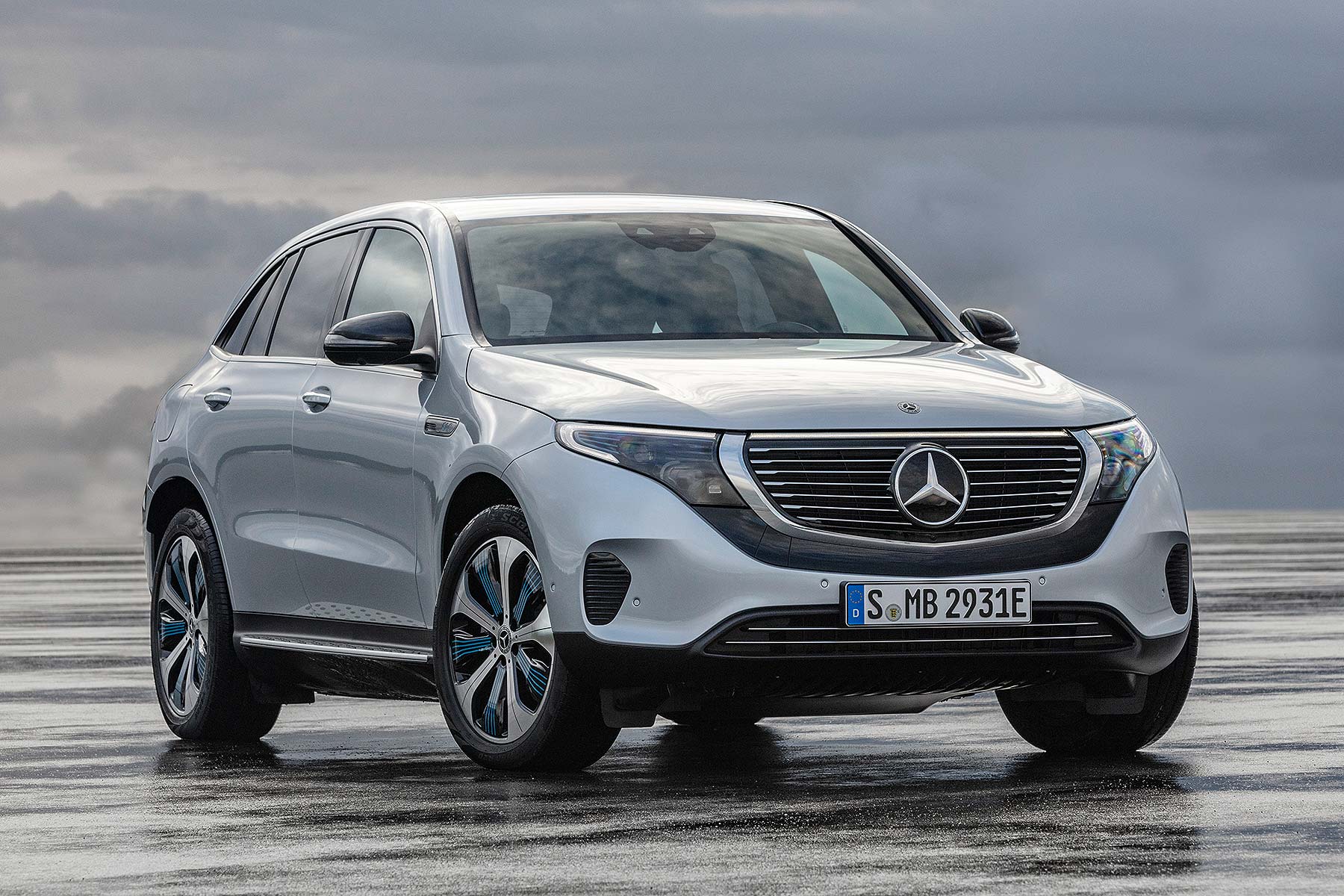
The Mercedes-Benz EQC is an all-electric SUV rival to the Tesla Model X and Jaguar I-Pace. It has an 80kWh lithium-ion battery providing a 280-mile range, and two powerful motors for sporty acceleration and all-wheel drive traction.
Mercedes-Benz’s first EQ ‘Electric Intelligence’ model, the EQC is the firm’s first fully electric SUV – and the first fruits of its multi-billion-pound investment in the EQ line.
It is also the first production-spec German SUV to be revealed, beating the Audi e-tron plus the BMW iX3 and Vision iNext (to, we assume, the delight of Mercedes-Benz bosses).
The EQC is scheduled to go on sale in summer 2019.
EQC: the GLC of EV SUVs
As the name suggests, we should consider the EQC an EV SUV alternative to the existing GLC; part of the Mercedes-Benz mid-size ‘C’ range. In time, presumably, there will be smaller EQA and larger EQE variants.
For now, it’s all eyes on EQC. “It is a genuine Mercedes-Benz,” said Ola Kallenius, board member for R&D and product development. It has “classic attributes such as quality, safety and comfort”.
But the EQC also has “dynamic performance, thanks to two electric motors at the front and rear axles, with a combined output of 300 kW (that’s 408 hp) and an intelligent operating strategy for a superior electric range”.
0-62 mph takes 5.1 seconds and top speed is governed to 111 mph. And although the EQC weighs over 2.4 tonnes, 564 lb ft of pulling power should make light work of it, if you’re not fussed about overall range. The EQC is even rated to tow a 1.8-tonne trailer.
All the key facts about the new #MercedesBenz#EQC in one short video!
Visit https://t.co/QlsdtSz2L8 for more info. #switchtoEQ
What about charging? Mercedes-Benz fits a standard onboard water-cooled charger capable of taking 7.4 kW. A Mercedes-Benz Wallbox will be offered, charging three times as fast as a domestic wall socket.
It will also take CCS DC rapid charging, up to a maximum of 110 kW. And, via the MBUX infotainment system, over-the-air EQ-specific functions allow features such as pre-entry climate control and EQ-optimised navigation: this calculates the fastest route with the shortest charging time.
Design: pioneer
The Mercedes-Benz EQ range is being designed under the idiom of ‘Progressive Luxury’ said design chief Gorden Wagener. The EQC is our first look at “the ‘next big thing’ to come tomorrow”.
The EQC’s lines are seamless and clear, and he describes it as boasting “an avant-garde electric look with trailblazing design details and colour highlights typical of the brand both inside and out”.
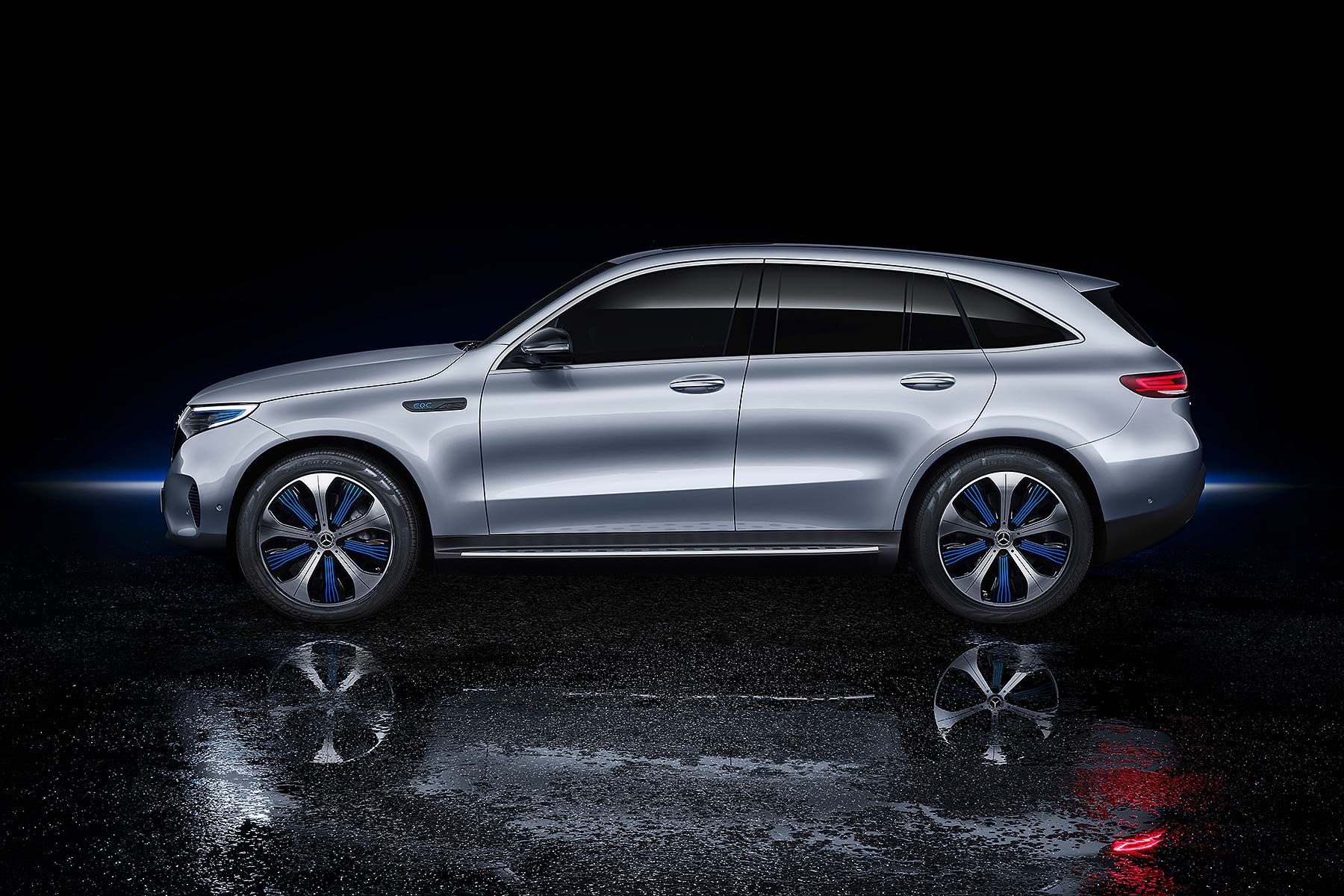
Muscular, stretched proportions are more crossover than SUV; the roofline is extended, the waistline low and the rear end curves place it mid-way between SUV and SUV coupe.
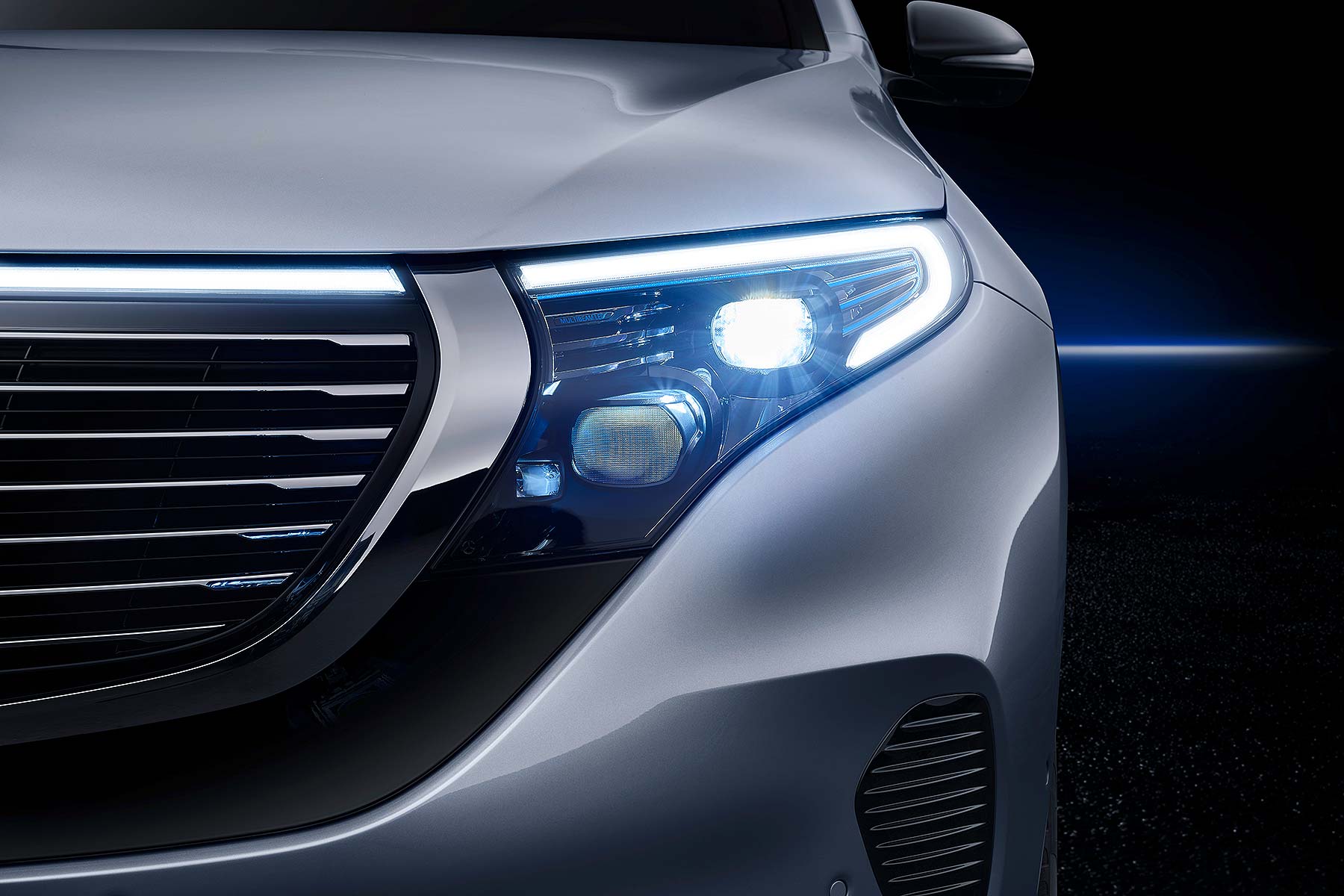
It will be striking at night. That large black panel at the front has an optical fibre border at the top, which creates a horizonal light bad stretching almost the full width of the nose. The headlights also carry the blue stripes and black background that all EQ models will use.
Interior: avant-garde
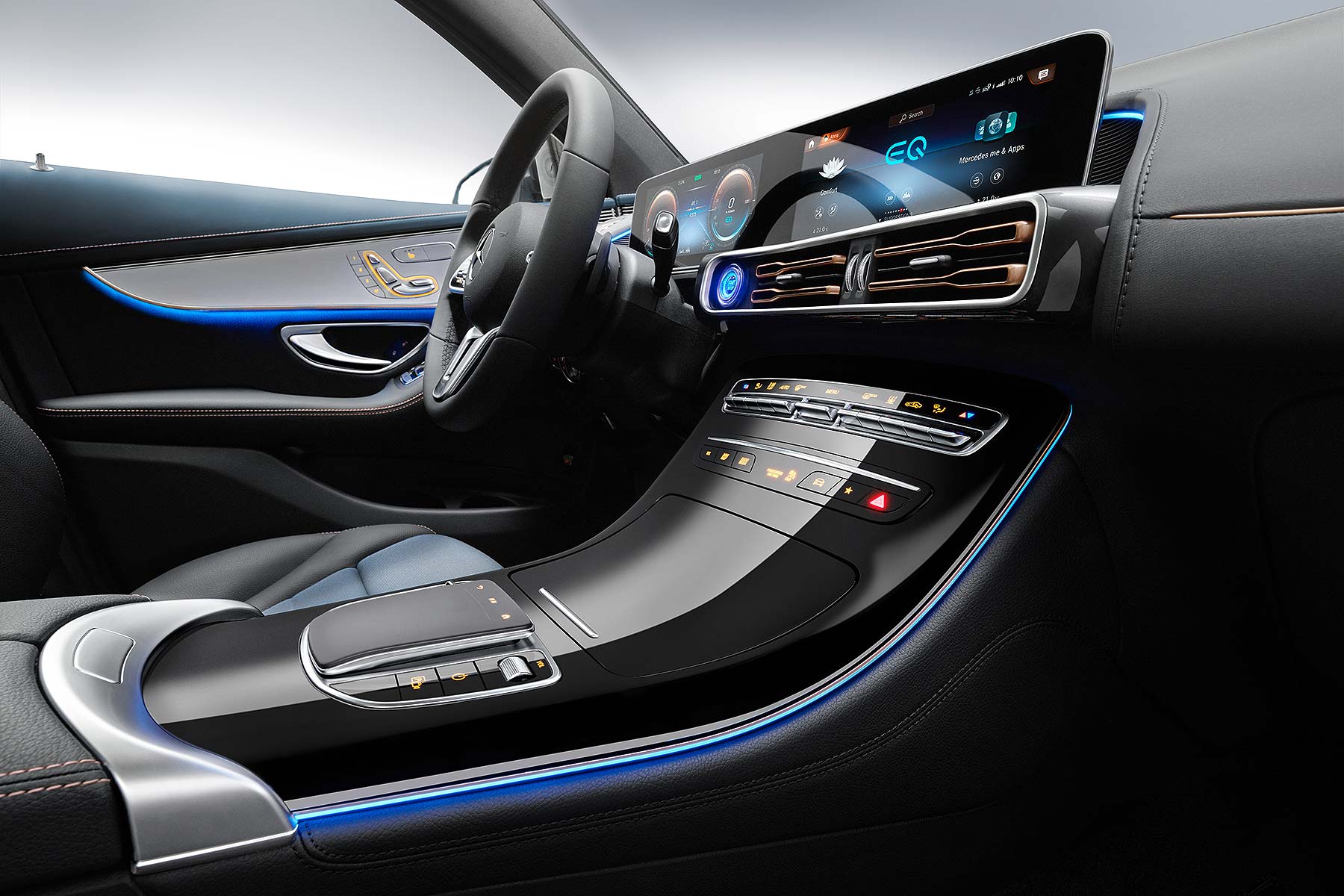
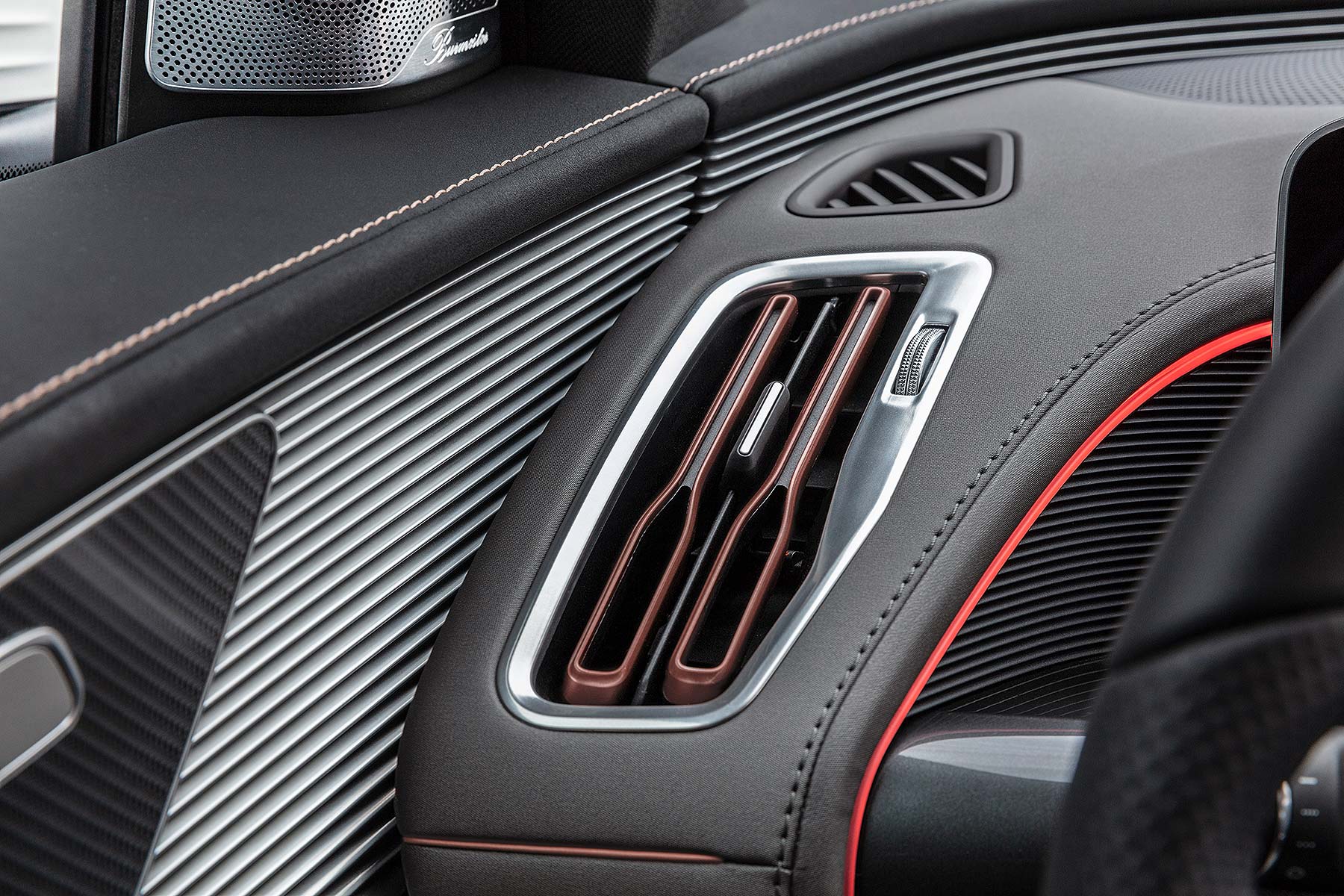
The neat ribbed edges of the instrument panel immediately stand out inside. Mercedes-Benz says they’ve been modelled on the cooling vanes of a hi-fi amp. It’s intended to portray Wagener’s ‘electro-look’, which draws just as strongly from consumer electronics as it does from traditional cars.
An asymmetric design gives a driver-focused cockpit. Mercedes-Benz tells us to particularly focus on the “high-tech, high-gloss cassette housing flat air vents with key-shaped, rose-golf coloured louvres”. Which isn’t something you are generally encouraged to notice on a traditional Merc.
It’s going to be extremely quiet in there as well. EQC powerpacks are mounted on rubber isolators which, along with umpteen other sound isolation measures, means the first Mercedes-Benz electric SUV will be a whisper-quiet ride.
‘Flipping the switch’
“With the EQC – the first fully electric SUV from Mercedes-Benz – we are flipping the switch,” said the firm’s charismatic chairman and CEO Dieter Zetsche. “Electric drive is a major component in the mobility of the future.
“We are therefore investing more than ten billion euros in the expansion of our EQ model portfolio, and more than one billion euros in global battery production.”
The EQC is the first electric Mercedes-Benz. The first answer from the German premium trio to Tesla and Jaguar. The big-brand battle is becoming fully charged at last.
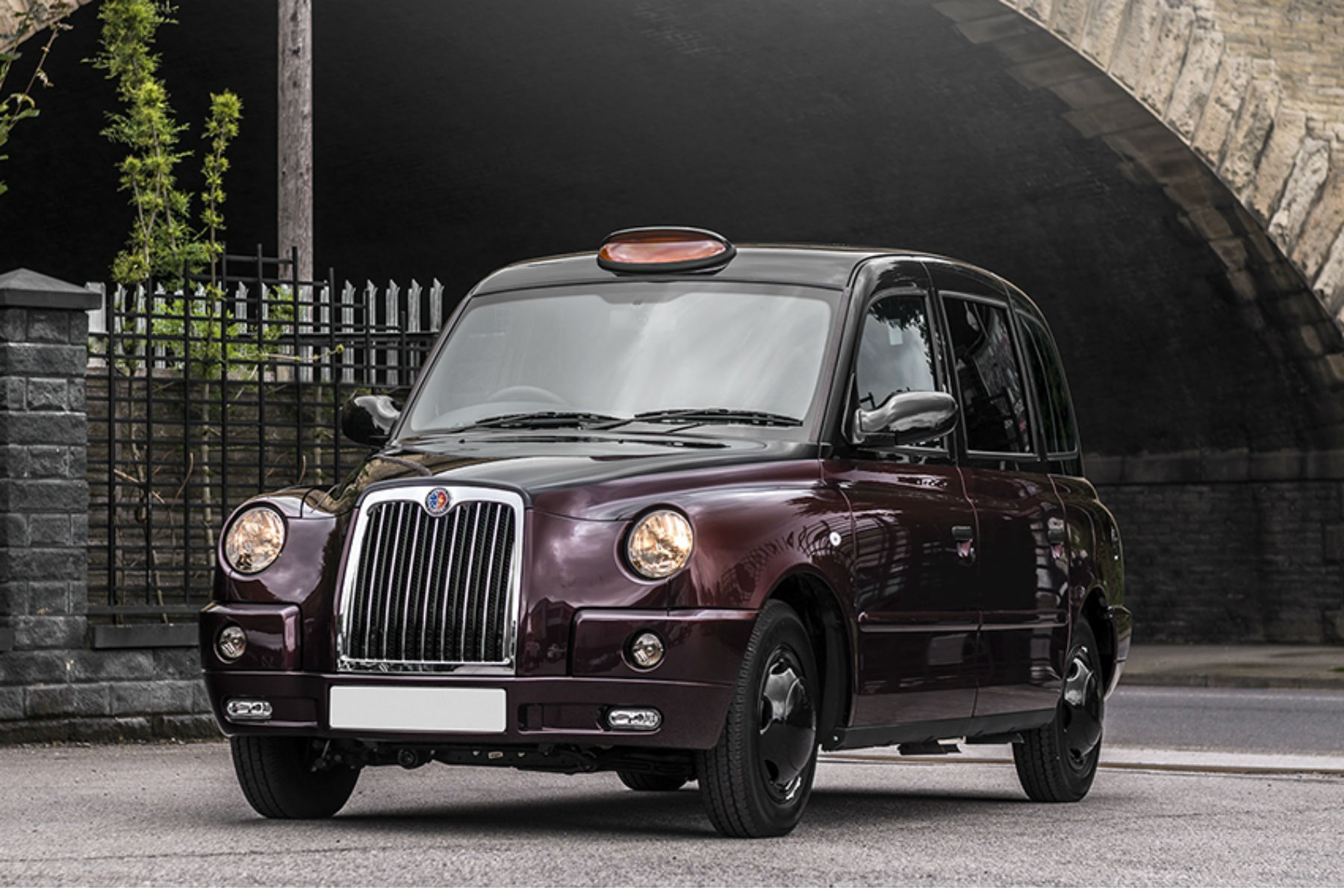
There’s been much buzz around the new black cab as it takes to the streets of London. But what of its predecessor? We’re not in the habit of forgetting a faithful long-serving warrior without at least a bit of fanfare.
To that end, meet the London Taxi TX4 ‘Last of Line Edition’. Bradford’s Project Kahn is the firm behind it. Yes, the very same that puts big wheels on Defenders and Wranglers, and sells the Aston Martin-based Vengeance.
Think of this one-of-five run-out special as the Vantage V600 of London taxis. Or, indeed, the Rolls-Royce of TX4 cabs. Yes, the new one is out and in service. That doesn’t mean the old one is stripped of its licence to go out with a bang.
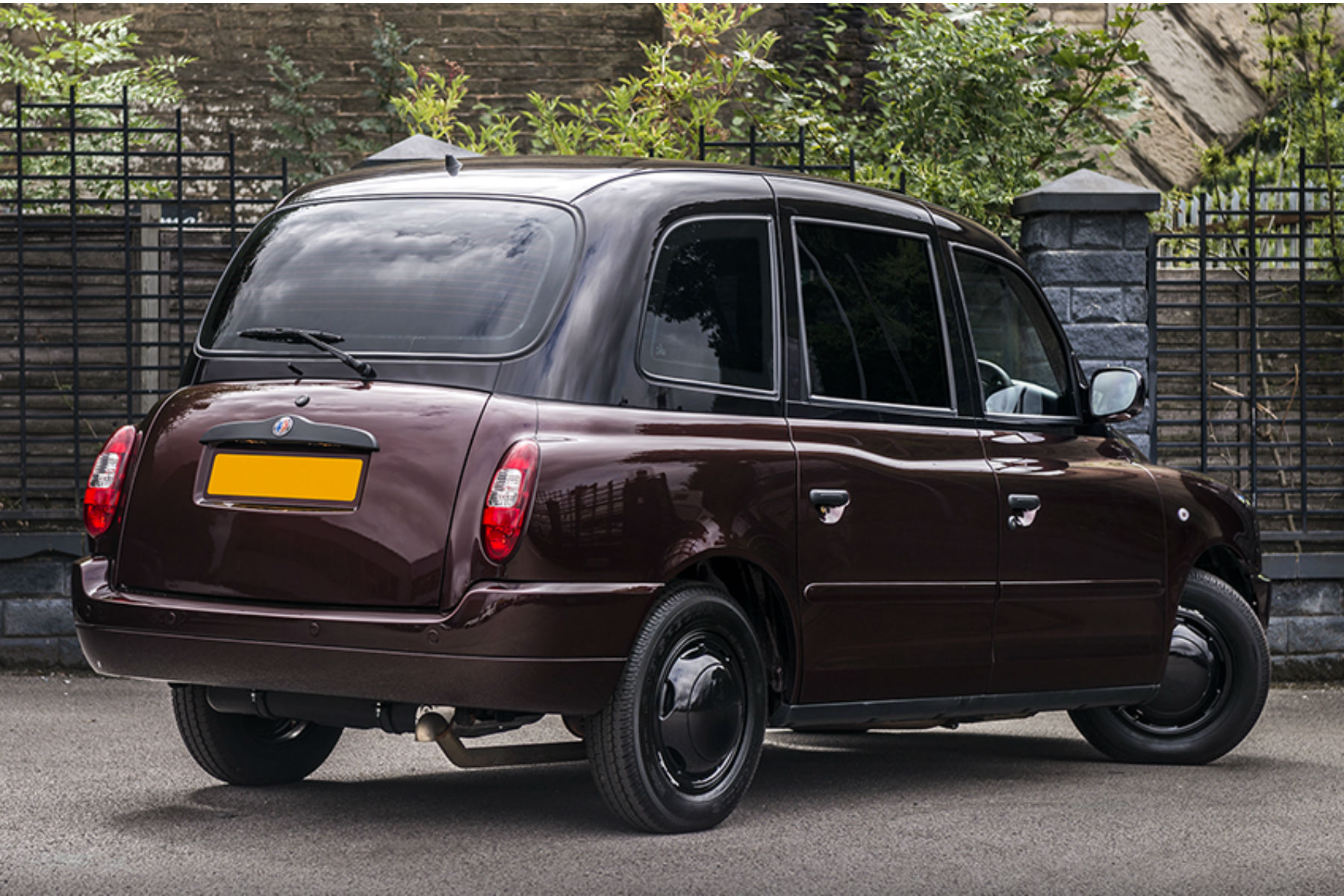
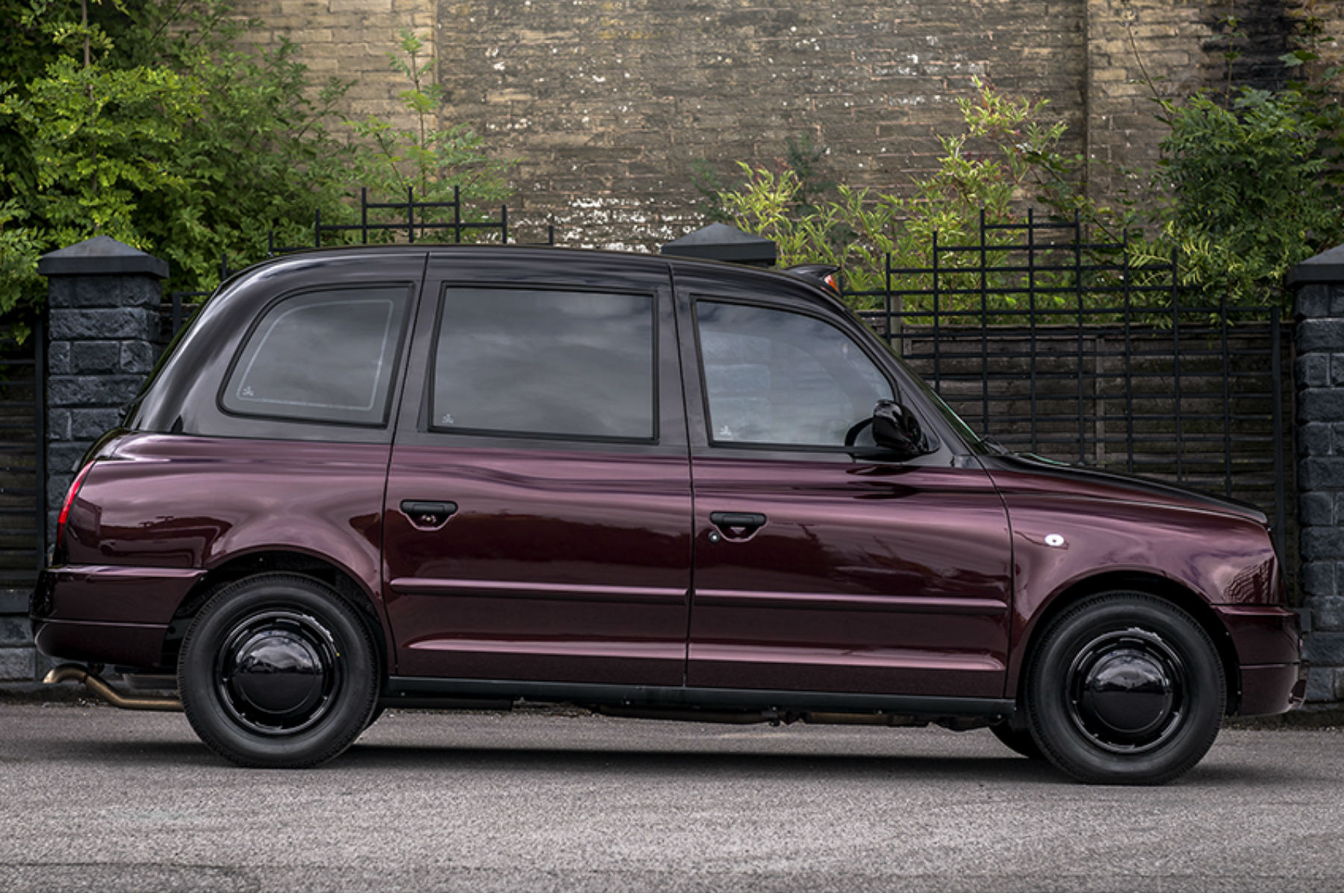
The big change you can note from afar is the colour. No longer the black cab, these Kahn Last of Line Editions come in a choice of five colours from the Rolls-Royce colour palette. Colour coded wheels contrast the body on the outside and a slatted grille complete the exterior package.
On the inside, LED star lighting in the roof adds to the Roller feel, as does the quilted and perforated nappa leather. None of it is visible to passers-by, of course, thanks to the privacy glass.
Piano black trim, a leather-trimmed wheel, colour-coded seat belts and Last of Line door sills complete the Kahn cabin makeover. Each cab comes with its own badge and certificate of authenticity as well as a plaque bearing the names of those who built it.
Don’t think it’s all quite show and no go, either. The 2.5-litre diesel engine gets a (sadly unspecified) power upgrade, completing the Kahn package.
But if this is something you can’t live without, you might be out of luck. Three are spoken for and “the owners of the remaining models will be hand-picked by Mr. Kahn”.
“There was only one person for the job,”said a London Taxi Company spokesperson. “Afzal Kahn is famous for his original designs and willingness to push the boundaries, and we admire his ability to capture the essence of a vehicles’ character”.
“We believe he is the best designer to give this iconic vehicle the send-off it deserves.”
 Research by dash cam manufacturer Nextbase has found that nearly a third (29 percent) of young drivers are either being wrongly found guilty in car-to-car motoring incidents, or are prematurely pleading guilty when they’re not.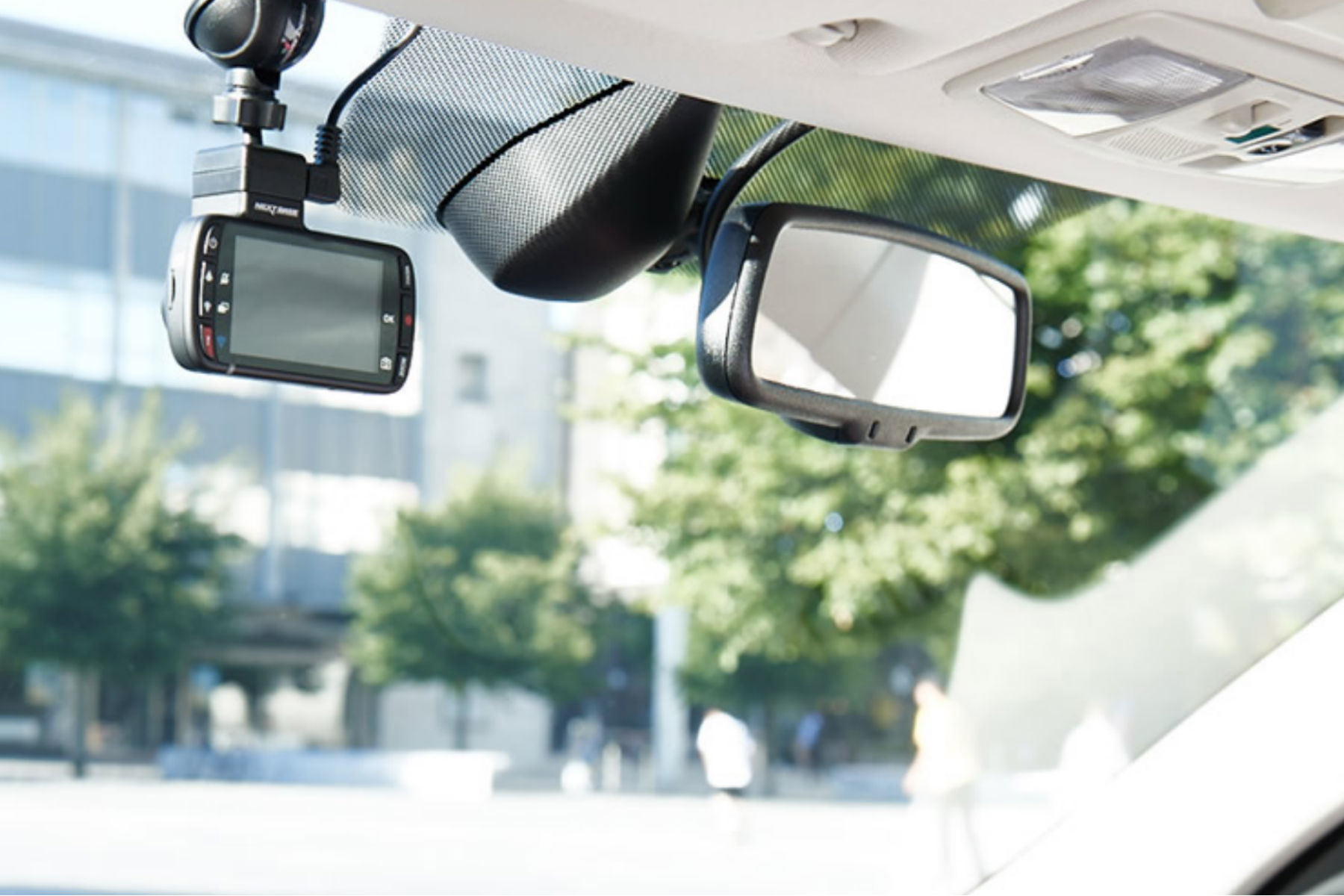
 Although the BMW Intelligent Personal Assistant won’t be able to do the driving for you, a simple phrase will set the navigation system for the quickest route home. Using artificial intelligence, the system learns frequent destinations along with other habits and preferences.
 Forget having to try to guess the name of a song you’ve just heard on the radio. BMW’s Personal Assistant will be able to search instantly and find all the details you need. It can also respond to requests for certain genres, and won’t even pass judgement on your music tastes.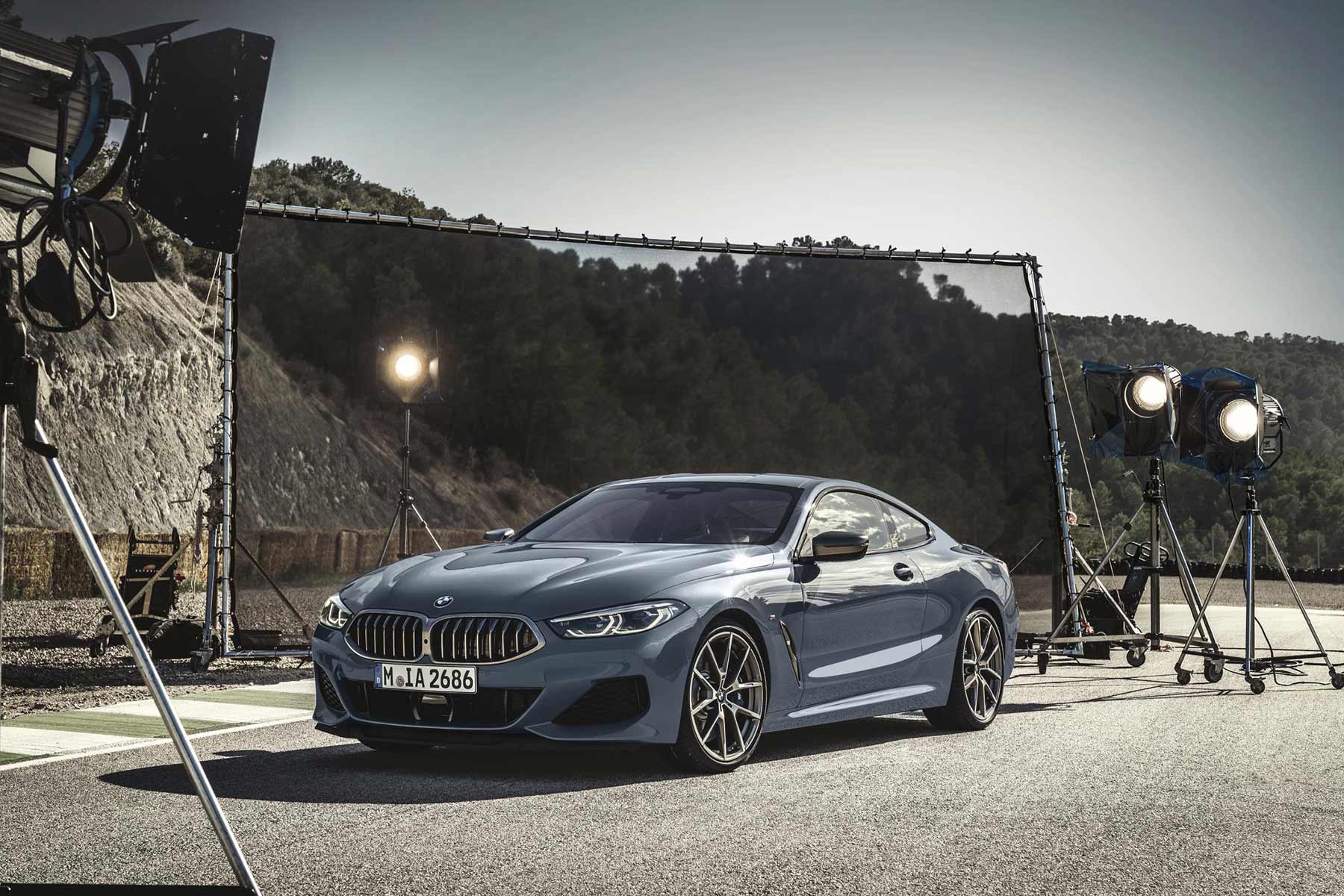
 A specialist British sports car company is to turn the Jaguar F-Pace into a 670 horsepower, 200 mph 4×4 that it says will be the fastest SUV in the world.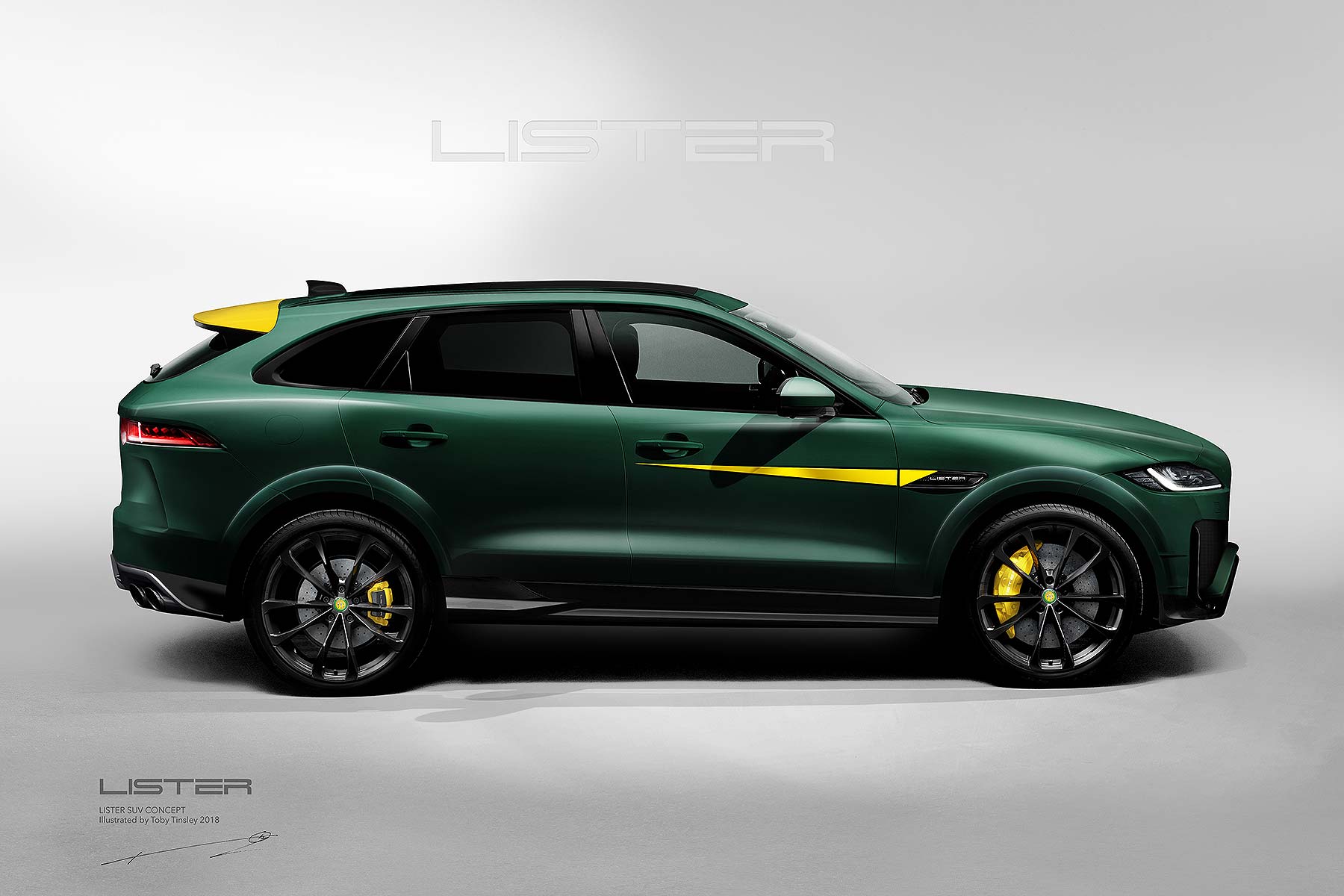
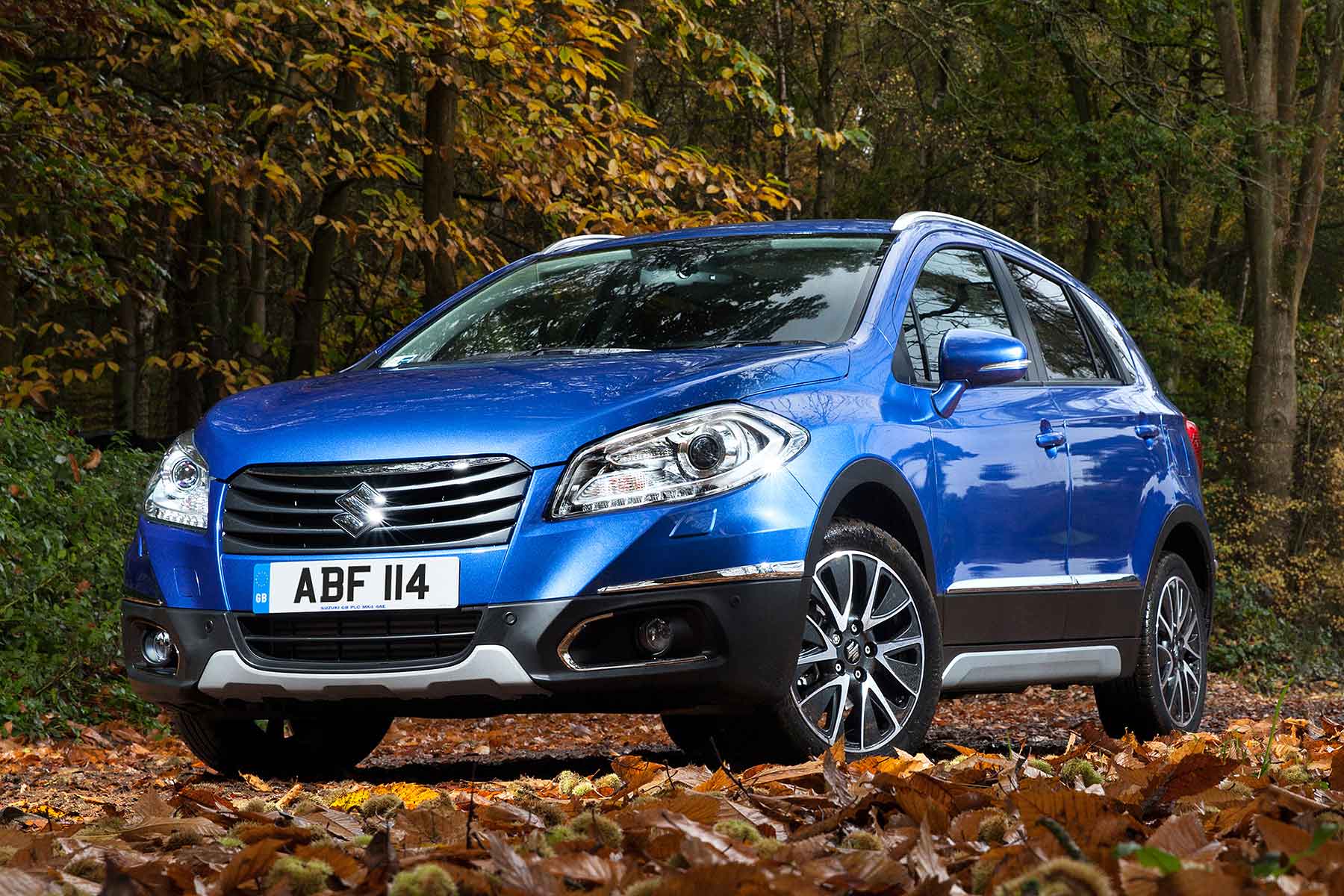 The Suzuki SX-4 S-Cross and Toyota Yaris have both achieved remarkable 100 percent reliability scores in the latest What Car? reader survey – in stark contrast to the Tesla Model S, which barely scored a 50 percent reliability ranking.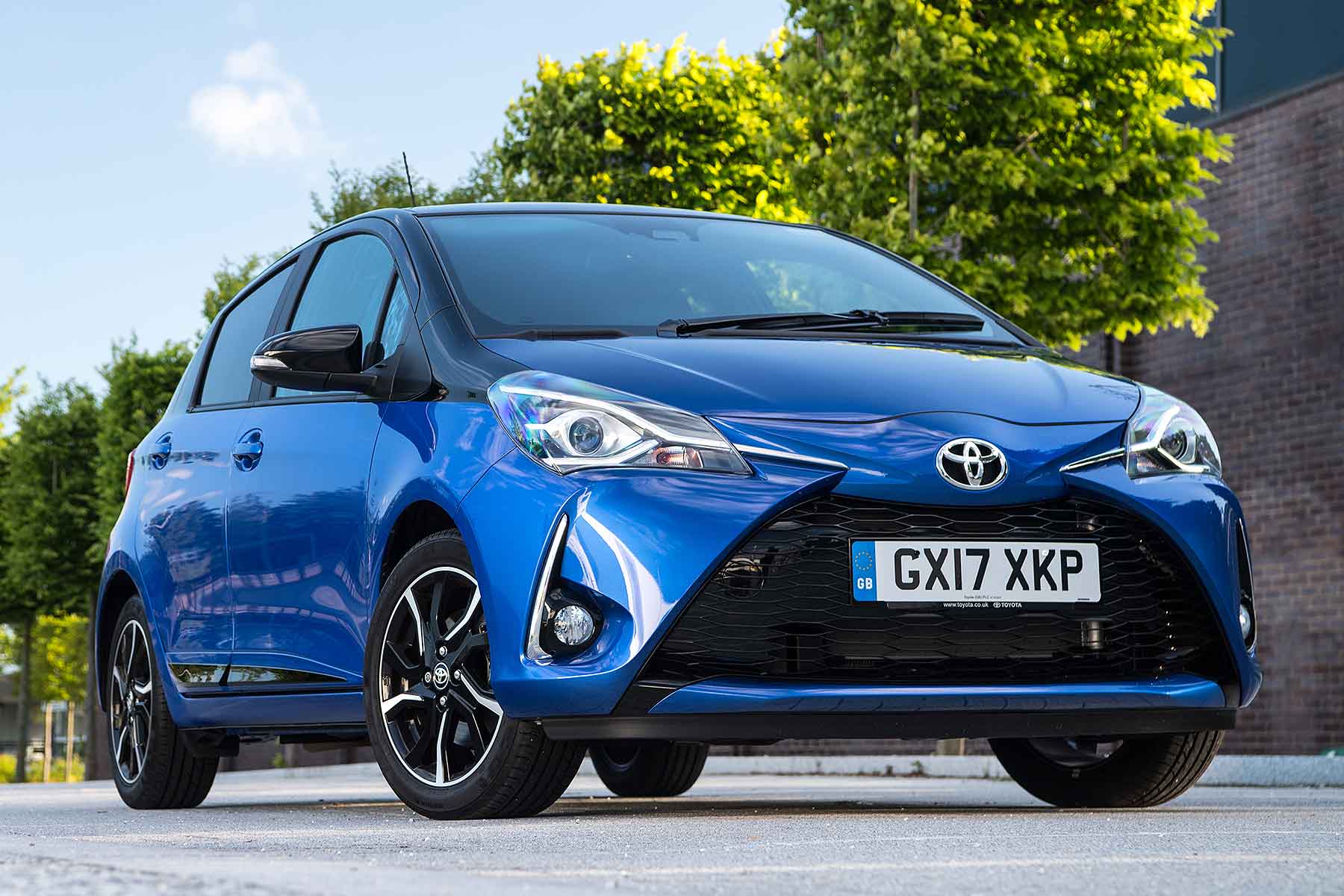


 Another week, another recall. This time, it is Toyota, with a fault rising on its famous hybrid-powered models. The issue? A very low risk of fire – but over a million Toyotas in Japan, North America, Europe and more are affected.
 The Mercedes-Benz EQC is an all-electric SUV rival to the