Home Blog Page 444

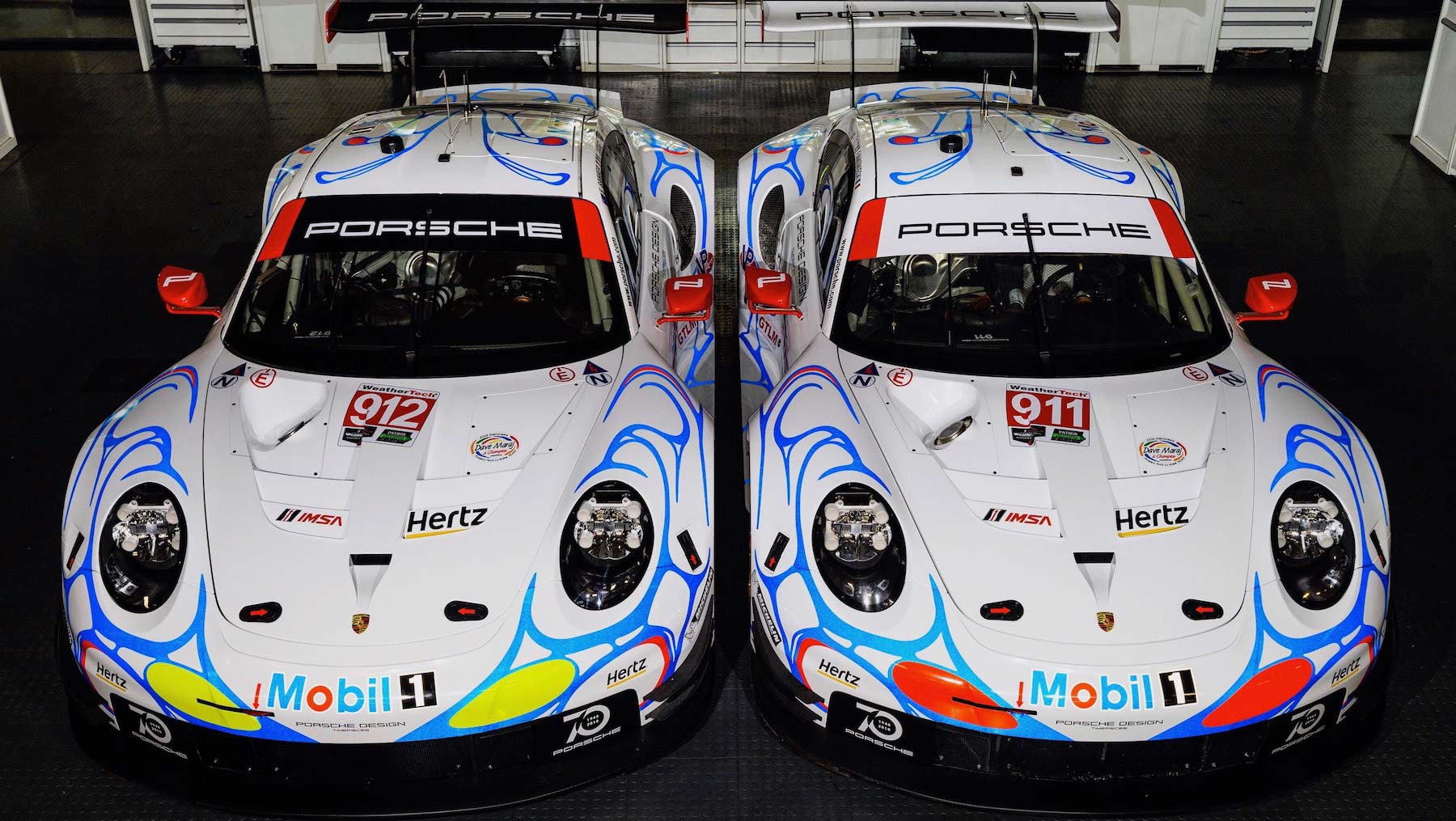
Porsche revives the 90s with another retro racing livery for 911 RSR

0

Retro livery Porsche 911 RSR racers 2018 Petit Le Mans

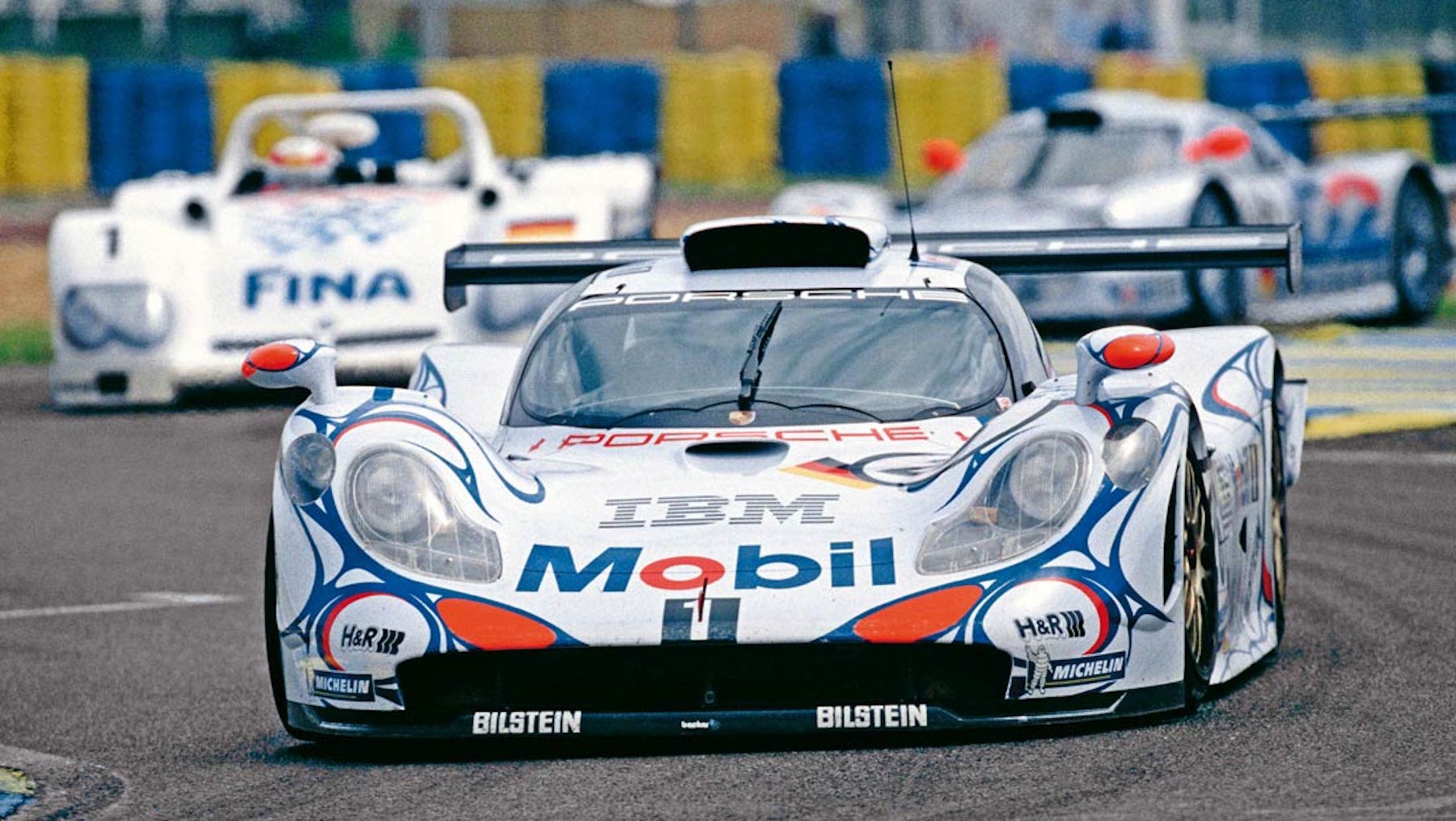
Continuing the celebration of retro racing liveries to mark the brand’s 70th anniversary, Porsche has revealed another comeback classic for this weekend’s Petit Le Man race at Road Atlanta.

Unlike the Rothmans and Pink Pig recreations used at Le Mans this year, the colour scheme for this race is slightly more recent.

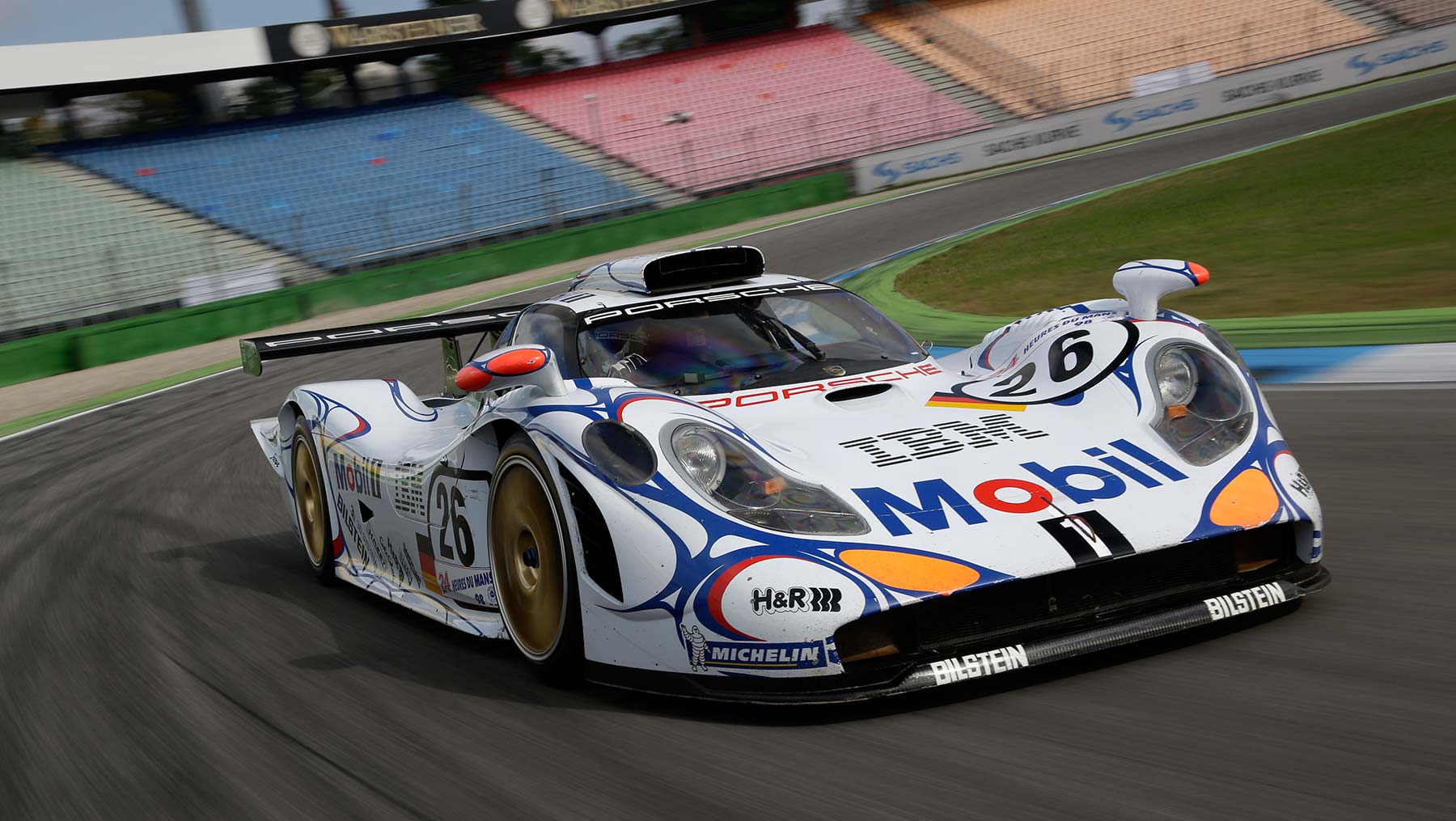
The blue and red stripes on a white body pay homage to the Mobil 1 livery. Used for Porsche’s 911 GT1 programme during the late 1990s, this colour scheme found greatest success in 1998.

Legend of Le Mans
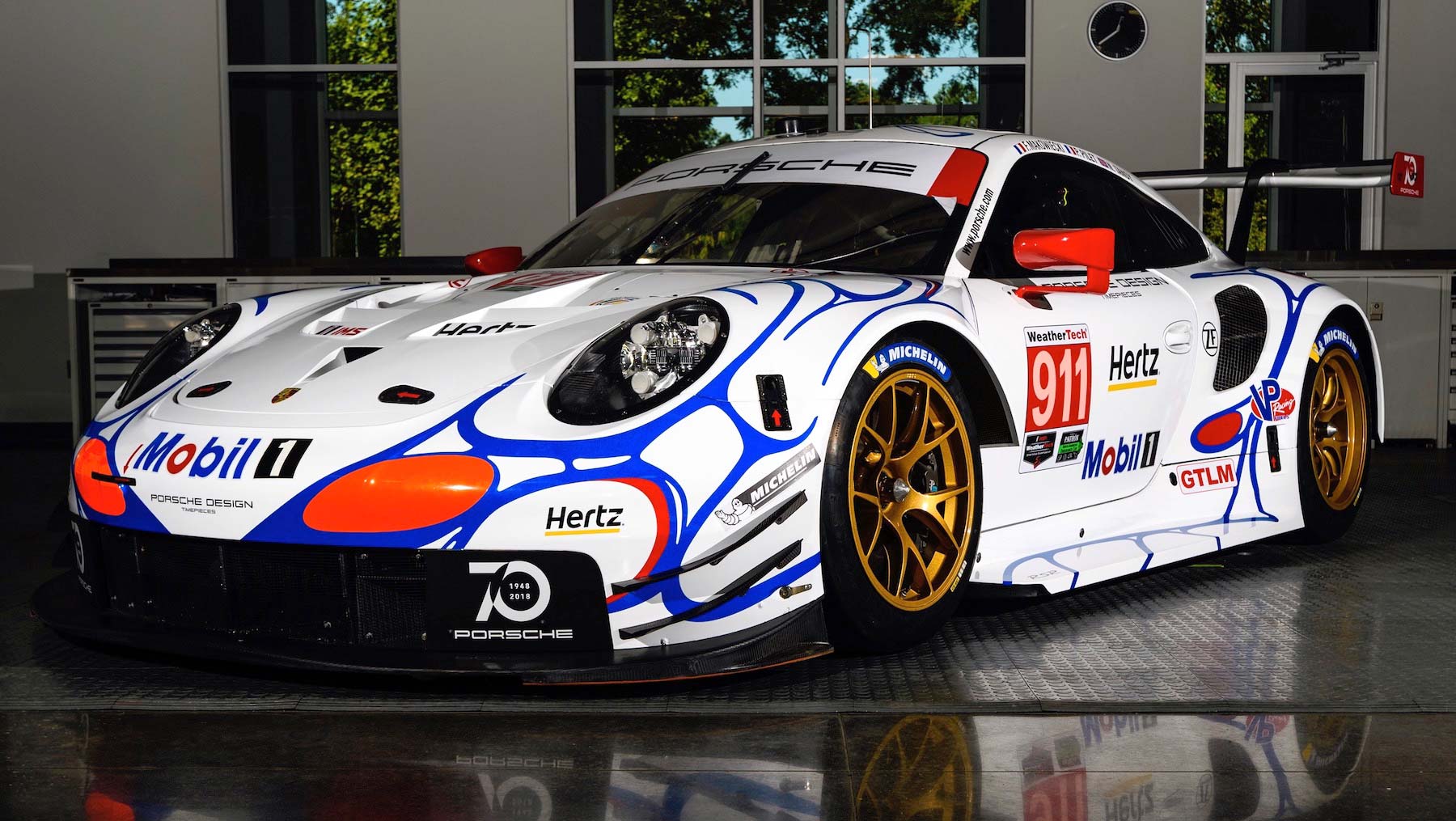
Most notably, it adorned the 911 GT1 ‘98, which took outright victory at that year’s 24 Hours of Le Mans race. Porsche’s success at the French classic was something of a surprise, with the 911 GT1 expected to be soundly beaten by the Mercedes-Benz CLK LM and Toyota GT-One.

Yet it was Porsche’s reputation for reliability which helped bring home the 911 GT1 ‘98 racers in first and second place.

This delivered the German brand a historic 16th victory at the 24 hour event, with Laurent Aiello, Allan McNish and Stephane Ortelli the drivers standing on top of the podium.

Doing backflips
Retro livery Porsche 911 RSR racers 2018 Petit Le Mans

Porsche unfortunately ran out of luck later in 1998, with an entry into the inaugural Petit Le Mans race. Held at the Road Atlanta circuit in Georgia, the event was intended to establish the level of interest in a US-based endurance series.

Running for just 10 hours, instead of a full day, the Petit Le Mans formed the seventh round of the 1998 IMSA GT Championship.

Although Porsche had taken pole position for the race, disaster struck during the race, with the 911 GT1 performing a dramatic backflip. Yannick Dalmas, the French driver at the wheel, emerged unscathed despite the Porsche being completely destroyed.

Modern day heroes
Retro livery Porsche 911 RSR racers 2018 Petit Le Mans

Porsche will be aiming to avoid the drama of the 1998 Petit Le Mans race this weekend. Instead, the team of Nick Tandy, Patrick Pilet and Frédéric Makowiecki will be looking to recreate the victory taken at this year’s Sebring 12 Hours race.

Fielding the second factory-backed 911 RSR will be Laurens Vanthoor, Earl Bamber, and Porsche Young Professional Mathieu Jaminet.

This weekend’s race will take place on Saturday 13th October. Those outside the USA and Canada can stream the Petit Le Mans live from the IMSA.TV website.
Advertisement

The car industry is furious with the government over plug-in car grants

0

Mercedes-Benz Plug-in HybridThe Society of Motor Manufacturers and Traders (SMMT) has warned the government its decision to dramatically cut the Plug-in Car Grant for plug-in hybrids will make it virtually impossible to meet its CO2 reduction targets and is at “totally at odds” with its stated desire to be a world leader in ultra low emission vehicles.
Mike Hawes, SMMT chief executive, said: “We understand the pressure on the public purse but, given the importance of environmental goals, it’s astounding that just three months after publishing its ambitious vision for a zero emissions future, government has slashed the very incentive that offers our best chance of getting there.

“We have consistently said that if the UK is to be fit for an electrified future, we need a world-class package of incentives and infrastructure.”

“Government needs to rethink its policy, else its ambitions will never be realised.”

The SMMT, which represents the UK automotive industry, says the move will not send yet more confusing signals to car buyers already confused by the diesel debate, it also risks having a “devastating” impact on plug-in demand. The market for electric cars in Denmark plunged 73 percent after its government withdrew incentives – and it has still not recovered.

Kia Optima Plug-in Hybrid

Car makers may even decide not to bring such vehicles into the UK. The grant has helped the UK become one of Europe’s biggest electrified car markets. Its removal, says the SMMT, may see companies reallocate vehicles “to more supportive markets, which could mean a reduction in model choice for UK consumers”. 

The car industry, insisted Hawes, shares the government’s ambition of making the UK one of the world’s leading zero emissions and low-emission vehicle car markets. “Delivering this goal requires a clear and consistent policy… a position which is actively contradicted by this latest decision.”

Mitsubishi earlier said it too was “disappointed” by the government decision. The Outlander PHEV is currently the UK’s best-selling plug-in hybrid, taking a near-30 percent market share in September. 

Advertisement

Used car prices rocket 42 percent in seven years

0

used car values

Data from the Auto Trader Retail Price Index has revealed the average price of a second-hand car reached £12,853 in September. That’s a five percent increase compared with this time last year.

Furthermore, that near-£13,000 figure represents an increase of 42 percent over the past seven years. The average used car cost just £8,997 in 2011.

Why have used car prices gone up?

The main reason for the increase is the popularity of PCP (Personal Contract Purchase) deals for new cars. These are usually a three-year arrangement whereby a customer pays a fixed monthly amount. This covers the cost of depreciation, plus some profit for the vendor and creditor. The custodian of the car never actually owns it, unless they stump up a so-called ‘balloon payment’ at the end of the term. Auto Trader reports that finance deals accounted for 88 percent of new-car purchases in 2017.

Most people don’t pay the balloon payment, and thus a large number of brand new cars go back to the dealer after three years. Average ownership periods are down and therefore the average age of a second-hand car is down. The result? Used cars are generally more valuable.

Indeed, sales of cars aged less than three years old have increased by 32 percent over the past five years. Sales of five- and 10-year-old cars have dropped by three and seven percent respectively.

used car values

What makes those cars more valuable still is that cars bought on PCP are often to a higher specification, with more options fitted. 

“Our data highlights just how resilient the used car market has been despite these turbulences and importantly, the opportunities available for retailers,” says Karolina Edwards-Smajda, Auto Trader’s Director of Commercial Products.

“Whilst it might only currently account for around 35 percent of purchases, as younger, more desirable and more valuable vehicles reach forecourts, we can expect the appetite for used car finance to surge.”

Read more:

Advertisement

The new Jeep Wrangler is priced from £44,495

0

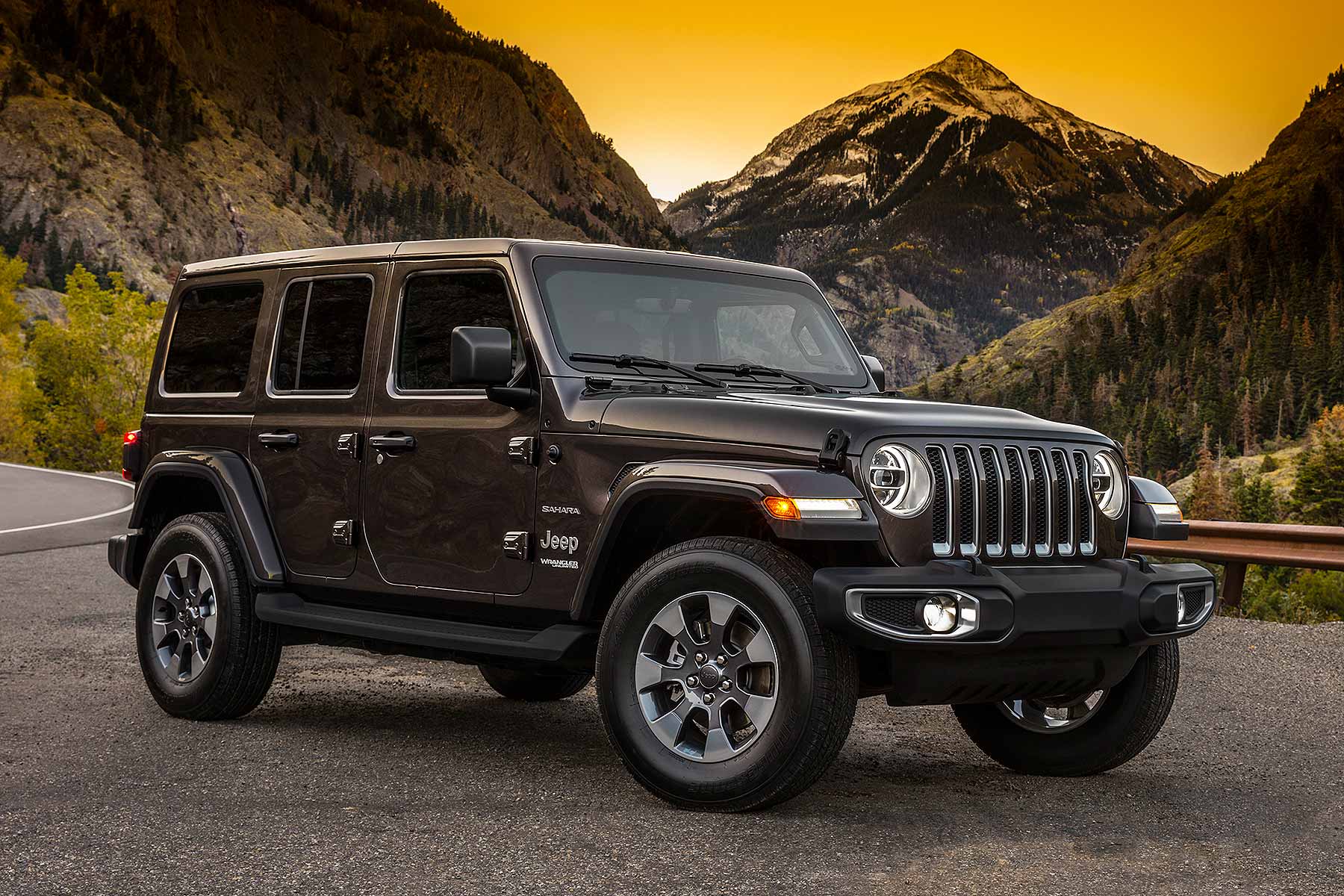
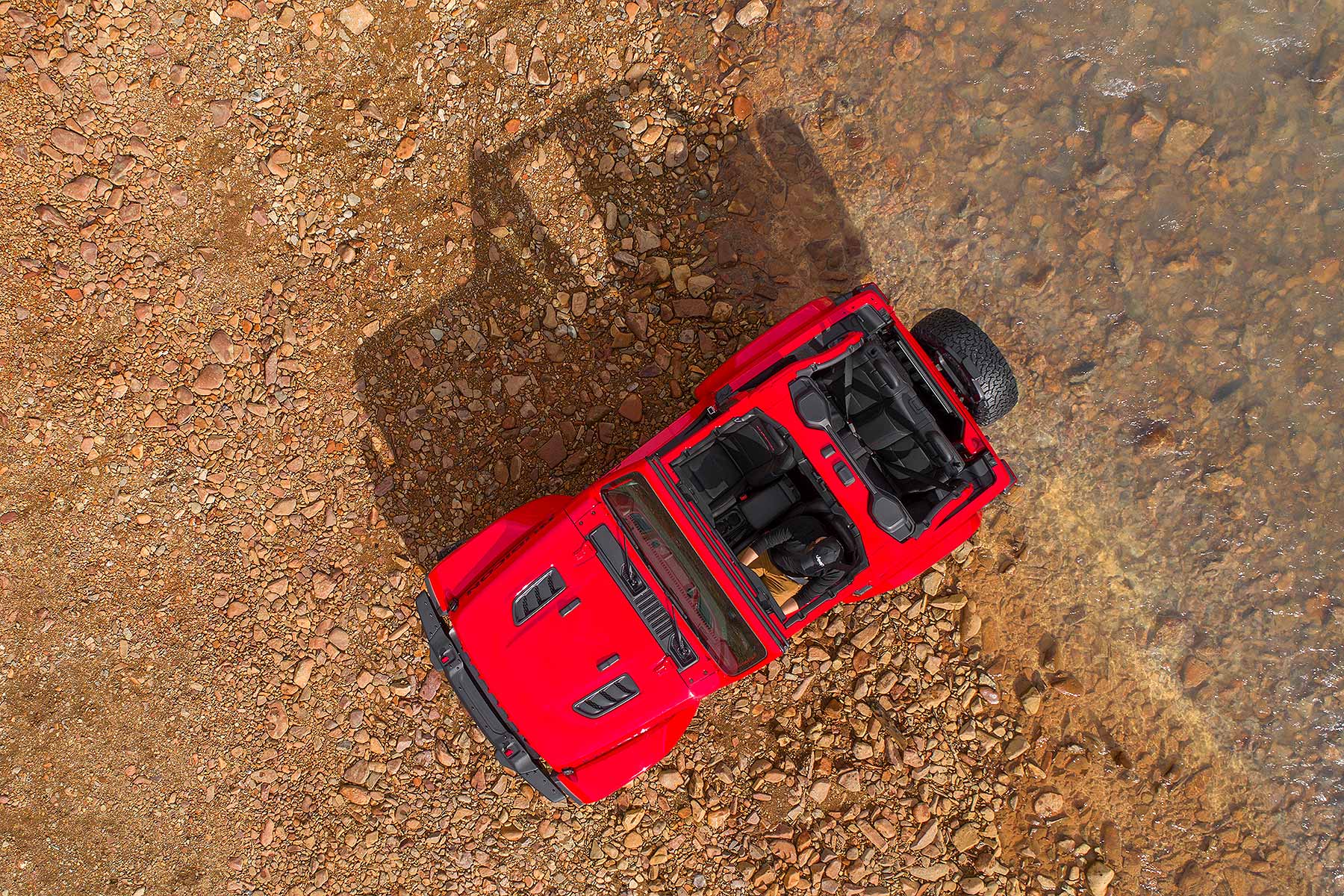
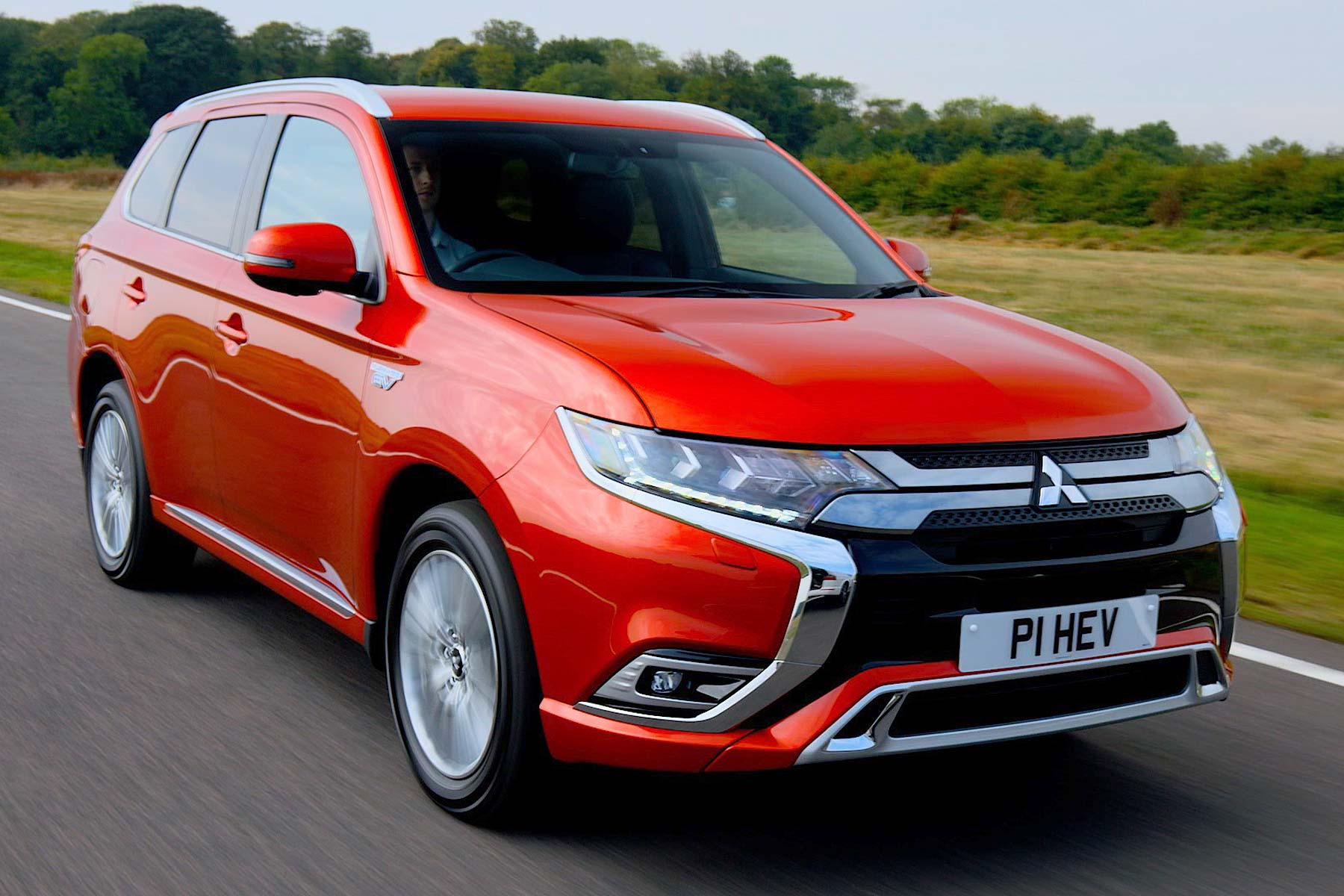
Jeep WranglerThe all-new Jeep Wrangler is priced from £44,495 and launches in dealers this weekend (13-14 October), the firm has announced.

The surprisingly steep prices represent a big hike over the already-heady starting price of the outgoing model: in two-door Sahara guise, that was priced from just under £38,000.

But Jeep argues the new Wrangler is such a step on, it justifies a new starting price of well over £44k for the two-door Sahara diesel auto. Although we do think describing it as “outstanding value for money” is something of a stretch.

Jeep Wrangler

Jeep has introduced a new 2.2-litre MultiJet II turbodiesel engine for the new Wrangler, replacing the aged old 2.8-litre CRD. Producing 200hp, it will only be sold as an eight-speed auto.

Later in the year, it will be complemented by a 272hp 2.0-litre turbo petrol.

Because it’s a rugged mud-plugger capable of breezing across the Rubicon Trail, Jeep offers the Wrangler with two types of all-wheel drive system. Command-Trac is fitted to Sahara and Overland; Rock-Trac is standard on Rubicon.

Confusingly, both systems use the same two-speed transfer case… called Selec-Trac. (Don’t forget the Tru-Lock electric front and rear locking axles, nor the Trac-Lok limited-slip differential either, adds Jeep).

Jeep Wrangler

An all-new version of the classic original, the new Jeep Wrangler’s modern-retro styling should please. The doors can still be removed, the windscreen still folds. It’s the only full open-top 4×4 SUV on the market, says Jeep, and customers will have a choice of 10 different colours.

LED headlights add a modern touch outside; the all-new interior has a 7-inch TFT instrument display and 8.4-inch Uconnect infotainment screen with Apple CarPlay and Android Auto.

The new Wrangler is even offered with safety tech such as blind spot monitoring, reversing camera and rear cross path detection – although it still only has four airbags as standard.

UK pricing: new 2019 Jeep Wrangler

Sahara 2.2 MultiJet II 200hp 4×4 auto 2-Door  £44,495
Sahara 2.2 MultiJet II 200hp 4×4 auto 4-Door  £45,995
Overland 2.2 MultiJet II 200hp 4×4 auto 2-Door  £46,495
Overland 2.2 MultiJet II 200hp 4×4 auto 4-Door  £47,995
Rubicon 2.2 MultiJet II 200hp 4×4 auto 2-Door  £46,495
Rubicon 2.2 MultiJet II 200hp 4×4 auto 4-Door  £47,995


Advertisement

Mitsubishi ‘disappointed’ by government plug-in car grant move

0

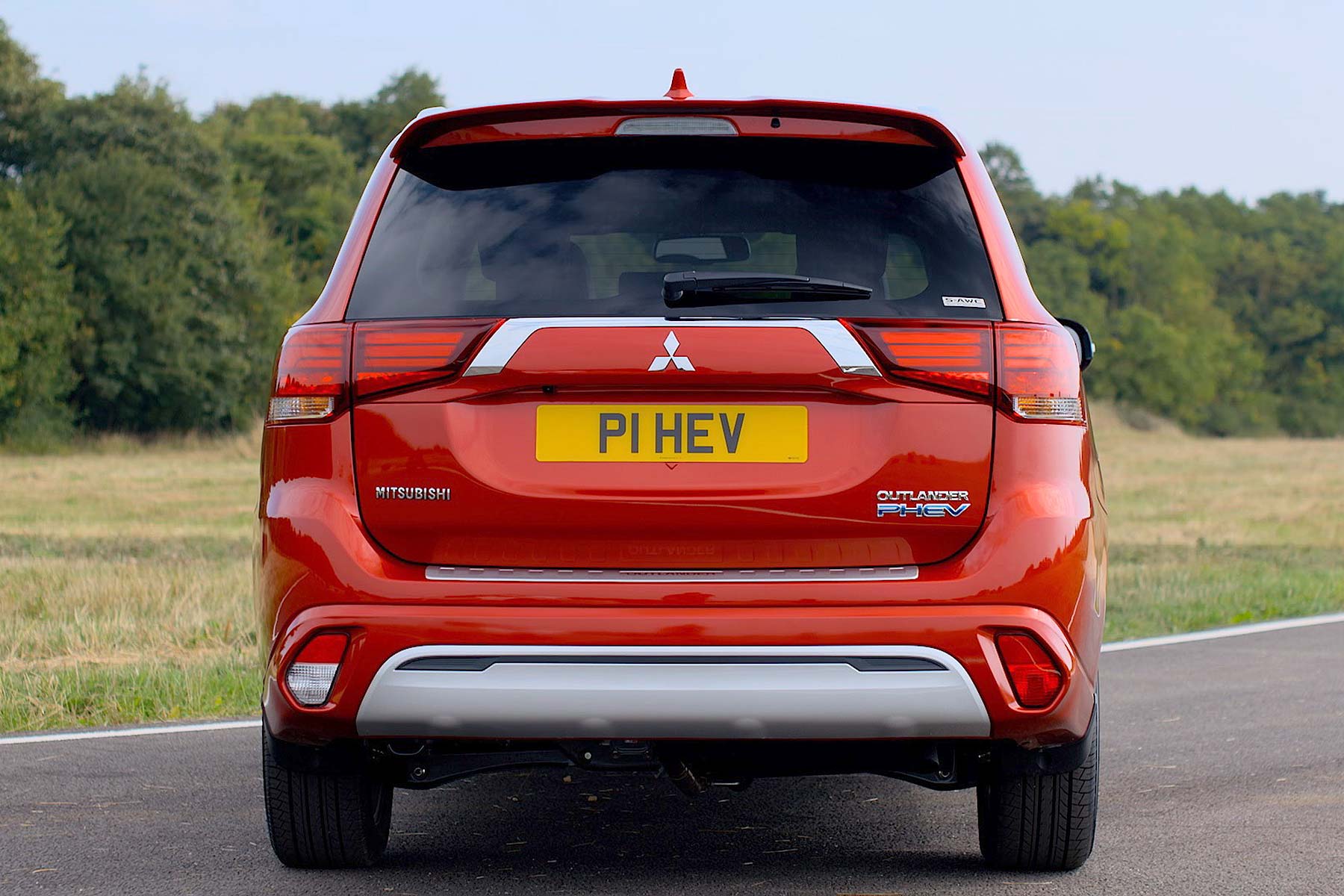
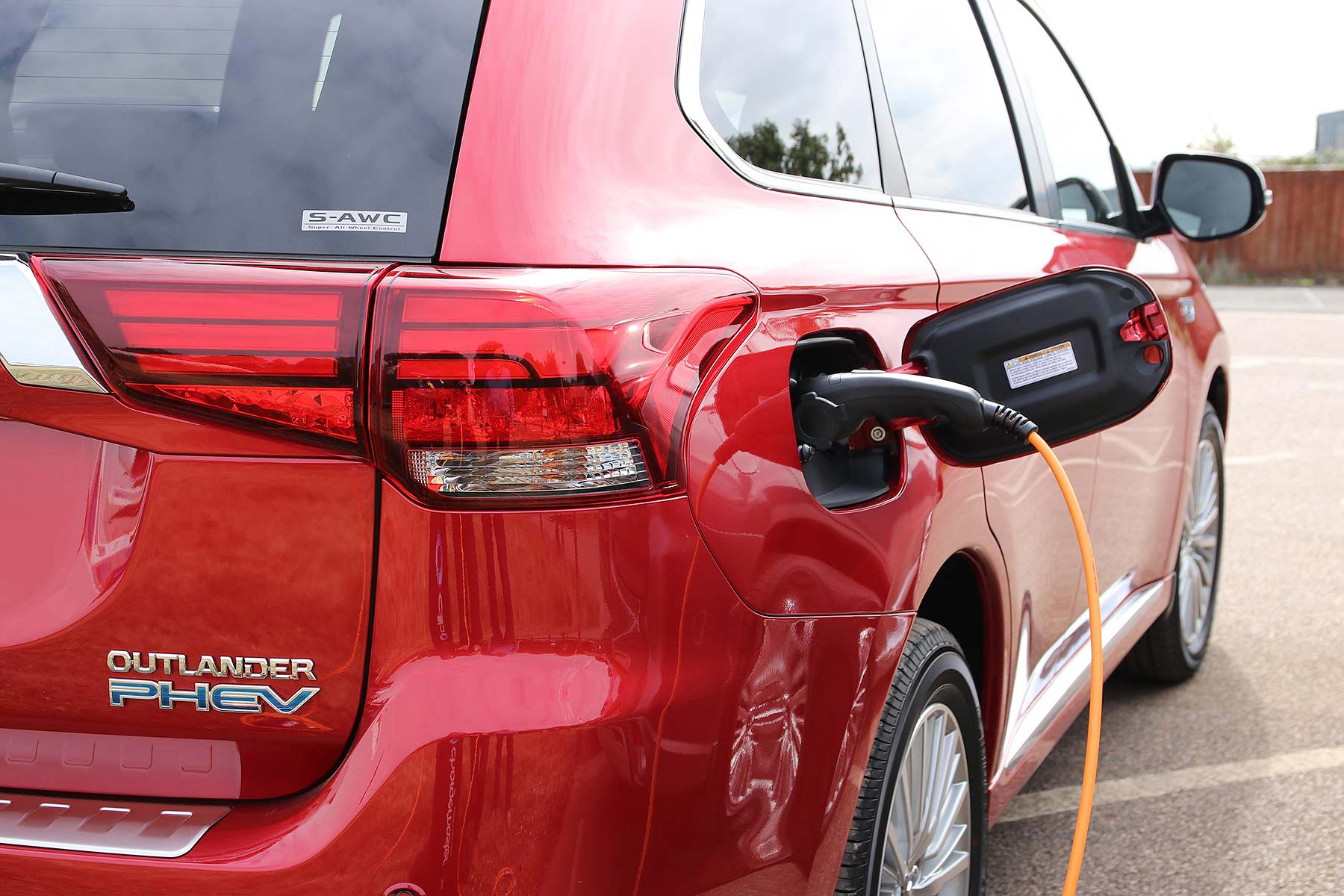
Mitsubishi Outlander PHEVMitsubishi says it is ‘surprised and disappointed’ at the sudden decision to abolish the Plug-in Car Grant for plug-in hybrids from November 11, 2018.
The move, says the firm, “is completely at odds with the government’s stated objective of making the UK a world leader in green mobility in the future”.

The Mitsubishi Outlander PHEV is the UK’s best-selling plug-in hybrid, helped by the £2,500 plug-in car grant for vehicles that emit less than 50g/km CO2 (and have an electric driving range between 10-69 miles).

1,325 vehicles were sold in September alone, giving the Outlander PHEV almost a 30 percent share of the UK’s alternative fuel vehicle market.

Mitsubishi Outlander PHEV

Plug-in technology is the perfect stepping stone between conventional cars and all-electric ones, argues Mitsubishi, “particularly as the charging network is nowhere near evolved enough to support widespread full EV use”.

The firm believes the move to scrap the grant is premature, given how electric cars and plug-ins make up such a “tiny proportion” of overall new car sales.

Mitsubishi Outlander PHEV

What’s doubly frustrating for Mitsubishi is that the Outlander is a rare plug-in hybrid that already meets the strict new WLTP fuel economy test regulations. The tests make it harder for plug-ins to dip below the 50g/km CO2 limit – yet the Outlander achieved it a few months ago.

“Only those plug-in hybrids that offer real-world efficiency and a usable EV range would qualify for the grant anyway,” said the firm.

“The Outlander PHEV is one of only a small number of plug-in hybrids still on sale.” Other popular plug-ins, such as the Volkswagen Golf GTE, have been withdrawn from sale, with little sign of them returning to the market.

A sanguine Mitsubishi MD Rob Lindley is still hopeful, though. “As segment leader for the past four years, we are confident that, despite this setback, people will still see the benefits of having a 220hp, all-wheel drive SUV that… offers huge real-world fuel cost savings compared to conventual petrol- and diesel-powered SUVs”.

Advertisement

Does an electric car need an MOT?

0

Electric car MOT

You’ve bought an electric car. You’ve ducked road tax, saved money on fuel and, on top of all that, the government paid a contribution towards the cost of your car (although that scheme won’t last long). How else can driving an EV save you money? Does one even need to pass an MOT test?

The short answer is ‘yes’, but that doesn’t mean an EV can’t save you money at the MOT test station.

Every car over three years old needs an MOT certificate to be deemed roadworthy. No car over this age can legally drive on the road without one, except in very specific circumstances or if the car is more than 40 years old.

The MOT covers everything from exhaust emissions (on a conventional car), to how well the wipers clear the windscreen. Testers check for structural integrity, the operation of the lights, seatbelts, steering, brakes and suspension, the condition of the tyres and much more. The test covers every safety-related aspect of your car.

How is an electric car MOT different?

Electric car MOTWith no exhaust pipe, an electric car doesn’t need to pass the emissions test. And it won’t trouble the decibel meter for noise readouts either. So you’ll save time at the test centre – if not necessarily money.

Depending on how advanced your EV is and how you drive it, however, you should save on brake replacements. Regenerative braking, as found on some EVs, uses the momentum of the car to charge the batteries via the electric motor, in turn slowing the car down.

Regenerative braking doesn’t actually use the brakes at all. It’s closer, in fact, to engine braking in a petrol or diesel car. Use a bit of foresight and you’ll rarely need to apply the brakes, especially around town. Reduced wear and tear means lower costs at MOT time.

How could the electric car MOT test change in future?

Electric car MOT

This is purely speculative, but given the MOT covers roadworthiness and safety, we suspect the introduction of a test showing the car can charge safely isn’t unlikely. Examining how quickly the batteries discharge compared with when new is also a possibility – particularly as pressure on charging sites increases.

Overall, driving an electric car can save a lot of headaches and a reasonable amount of expense. They aren’t, however, exempt from the harder realities of motoring, like the MOT test. They won’t even be exempt from road tax forever.

However, with fuel savings, fewer components to worry about, less wear and tear, tax deductions (for now) and a cleaner conscience, we think the incentives are sufficient. Just make sure you buy an EV that suits your needs. Here’s an up-to-date list of electric cars sold in the UK, arranged in order of range.

Read more:

Advertisement

Government pulls plug-in hybrid car grants

0

Mitsubishi Outlander PHEVThe money-saving government grant for plug-in hybrid car buyers will disappear from 11 November, the government has announced – a move the Society of Motor Manufacturers and Traders (SMMT) has described as “astounding”.
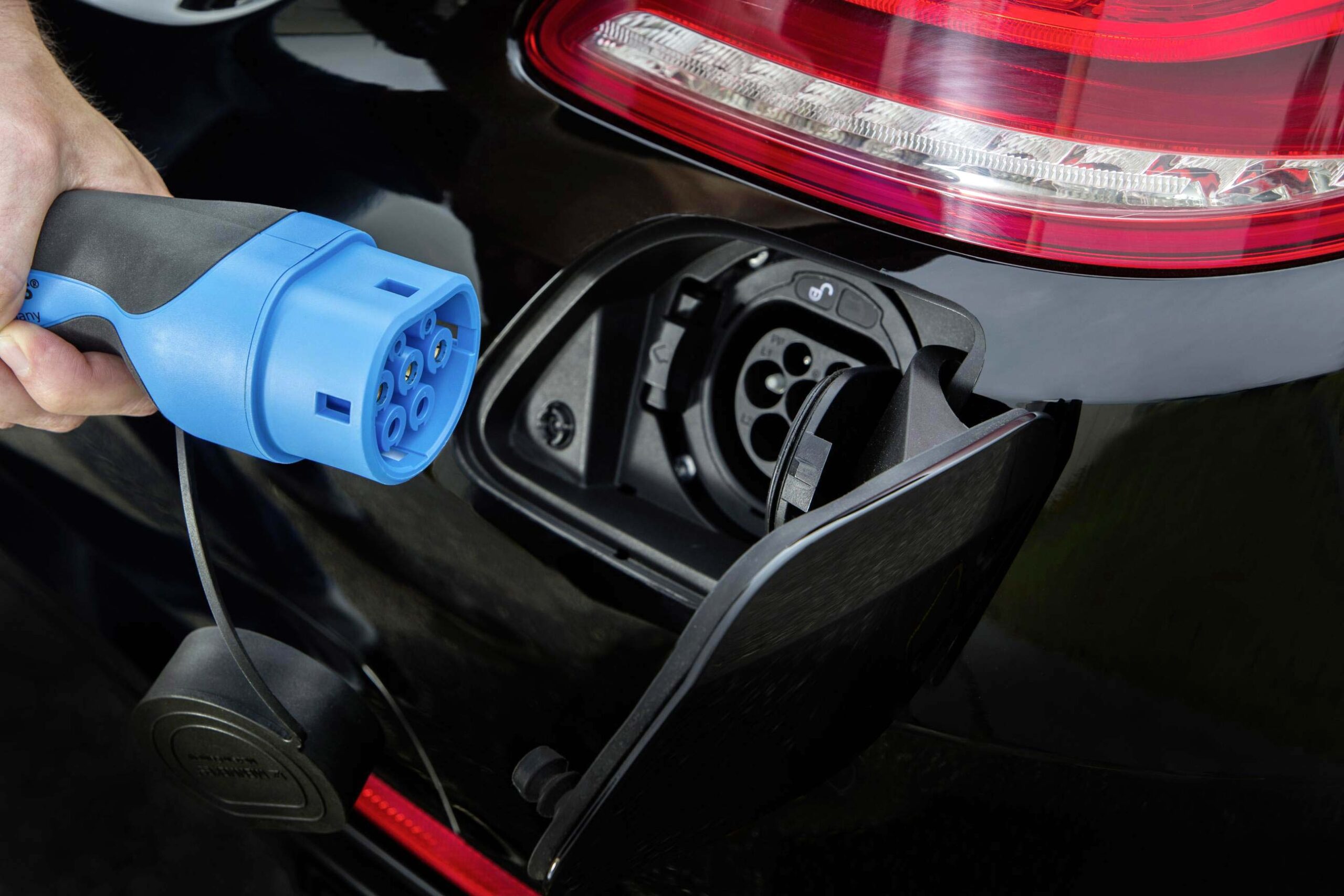

The grant for pure electric cars will also be cut, from £4,500 to £3,500.

160,000 green new cars have been financed with support from the Plug-in Car Grant since it was introduced in 2011: 100,000 of them are plug-in hybrids. It provides cash from government to offset the higher purchase price of electric and electrified cars compared to normal ones.

The government has tried to put a positive spin on the move, claiming the announcement will “support funding of the next 35,000 of the cleanest vehicles”.

But the elimination of the grants for plug-in hybrid vehicles will add £2,500 to the list price of models such as the Mitsubishi Outlander PHEV, BMW 530e and Toyota Prius Plug-In (see full list below).

Mercedes-Benz plug-in hybrid

In the summer, the government released its long-awaited Road to Zero roadmap, outlining future targets for low emissions transport. It includes a target of at least 50 percent of new cars sold by 2030 to be ultra-low emissions – and its stretch target is as high as 70 percent.

SMMT chief executive Mike Hawes said the changes to the Plug-in Car Grant scheme was “totally at odds” with this.

Latest new car registration figures show that although sales of alternative fuel vehicles (AFV) such as electric cars and plug-ins are growing fast, this is largely being driven by hybrid vehicles. Pure electric cars make up a small proportion of AFV registrations.

“Plug-in hybrid vehicles are among the cleanest on the road, and can deliver significant CO2 savings compared to petrol and diesel cars” admitted the Department for Transport in a statement announcing the changes.

Unusually, it specifically named the Mitsubishi Outlander as an example of a plug-in hybrid success.

“These vehicles will continue to receive support through lower car tax rates, grants for charging infrastructure and local incentives (such as free parking).”

Now, the government is “focussing its attention to zero emission models such as the Nissan Leaf and BMW i3”.

Plug-in Car Grant: today

  • Category 1: £4,500 (CO2 emissions of less than 50g/km, pure electric range of at least 70 miles)
  • Category 2: £2,500 (CO2 emissions of less than 50g/km, pure electric range of 10-69 miles)
  • Category 3: £2,500 (CO2 emissions between 50-75g/km, pure electric range of at least 20 miles)

Plug-in Car Grant: from 9 November 2018

  • Category 1: £3,500
  • Category 2: ELIMINATED
  • Category 3: ELIMINATED

Cars not eligible for a Plug-in Car Grant

  • Audi A3 e-tron
  • BMW 225xe
  • BMW 330e
  • BMW 530e
  • Hyundai IONIQ PHEV
  • Kia Niro PHEV
  • Kia Optima PHEV
  • Mercedes-Benz C350 e (with 17 inch rear wheels)
  • Mercedes-Benz E350 e SE
  • Mitsubishi Outlander PHEV
  • Mercedes-Benz E350 e AMG Line
  • MINI Countryman PHEV
  • Toyota Prius Plug-in
  • Volkswagen Golf GTE
  • Volkswagen Passat GTE
  • Volvo S90 Twin Engine
  • Volvo V60 D5 Twin Engine
  • Volvo V60 D6 Twin Engine
  • Volvo V90 Twin Engine
  • Volvo XC60 Twin Engine
Advertisement

How driving your car can lead to winter hay fever

0

VW hay fever

Summer is well and truly over. The dark mornings and early evenings are creeping up, leaves are falling, and hay fever has become a distant memory. Or perhaps not, if your car has a clogged pollen filter.

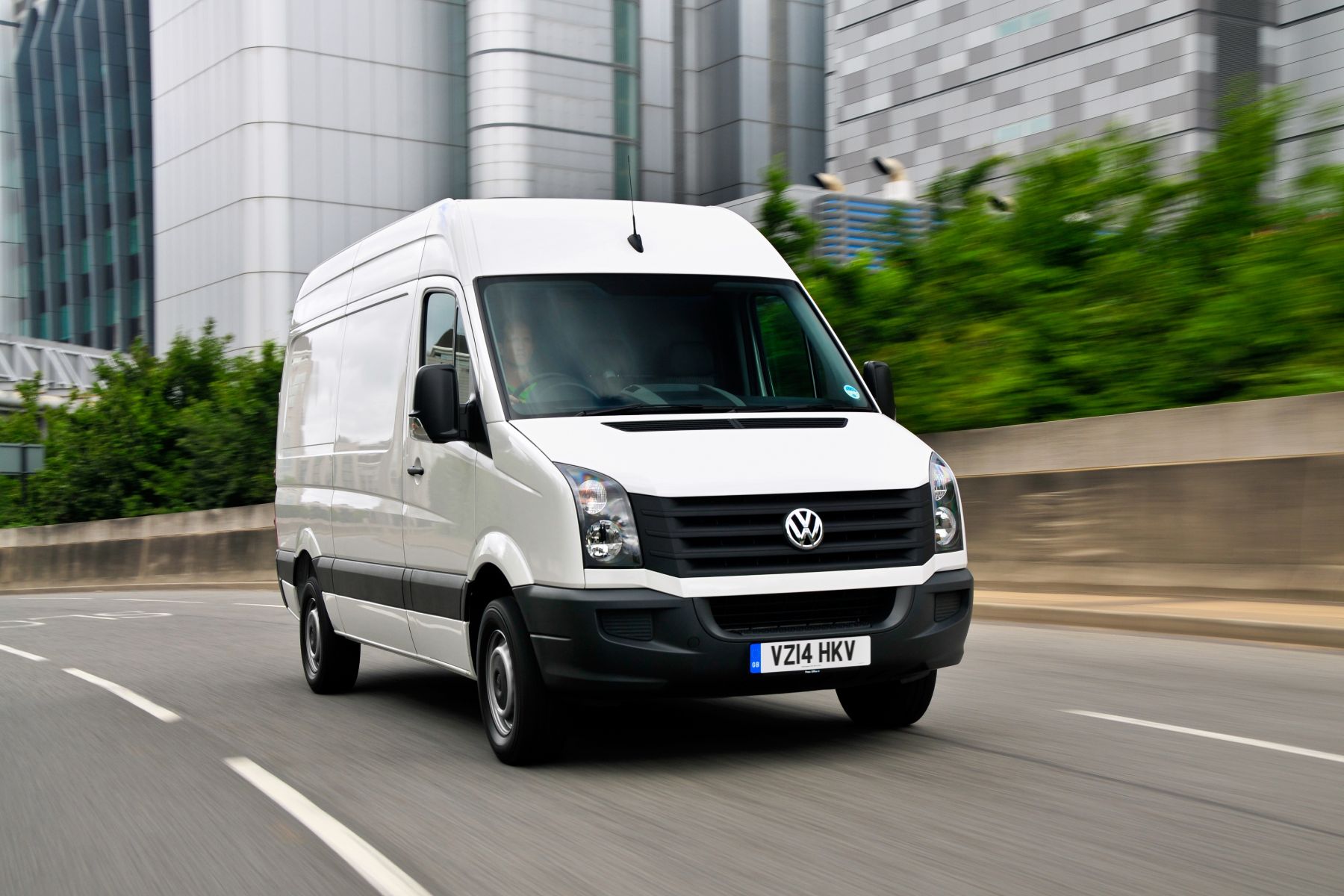
The result of the most pollen-rich summer for 12 years could be winter hay fever, warns Volkswagen. The condition is caused by trapped allergens in vehicle air filters – particularly those that see plenty of daily use, such as trucks and vans. They’re calling it ‘air filter flu’.

The solution is to make sure filters are changed regularly. These are what contain the pollen, dust, bacteria and other allergenic particulates. 

VW hay fever

Volkswagen says more than a quarter of van drivers fail to replace cabin filters regularly. They remain a key component to check in any official vehicle inspection. 

During the course of the summer, UK businesses lost almost five days for every hay fever-stricken employee.

“Downtime remains a huge problem for van users, whether that’s the vehicle being off the road or the driver,” said Trevor Hodgson-Phillips, head of service and parts for Volkswagen Commercial Vehicles.

“We advised van owners before the summer to replace old air filters to reduce hay fever suffering and it’s just as important to replace blocked filters ahead of winter, especially after a record year for pollen. This is an example of quick and low-cost maintenance that helps keep the driver and the van on the road.”

Read more:

Advertisement

Ford GT hypercar recalled due to fire risk

0

Ford GT fire risk

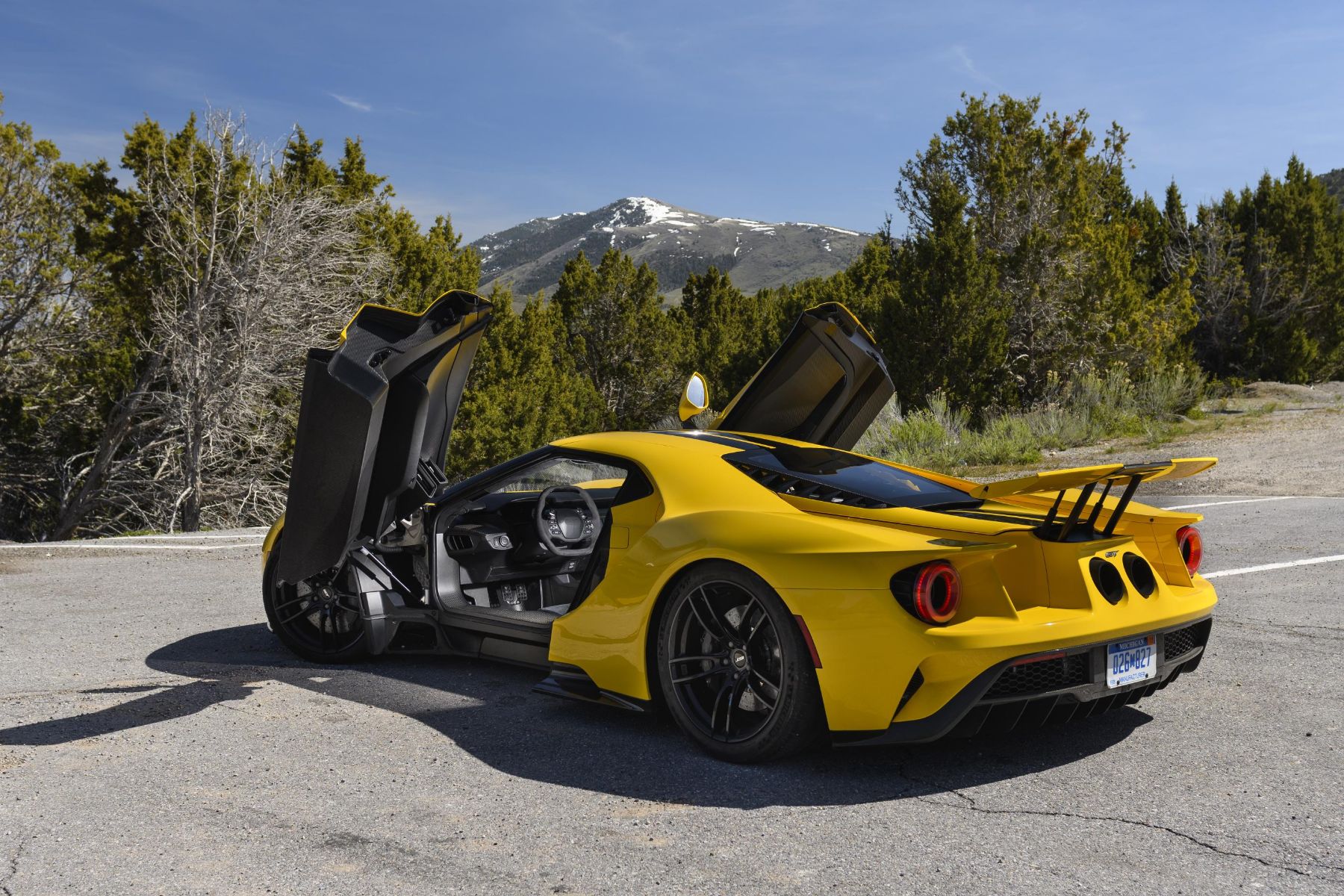
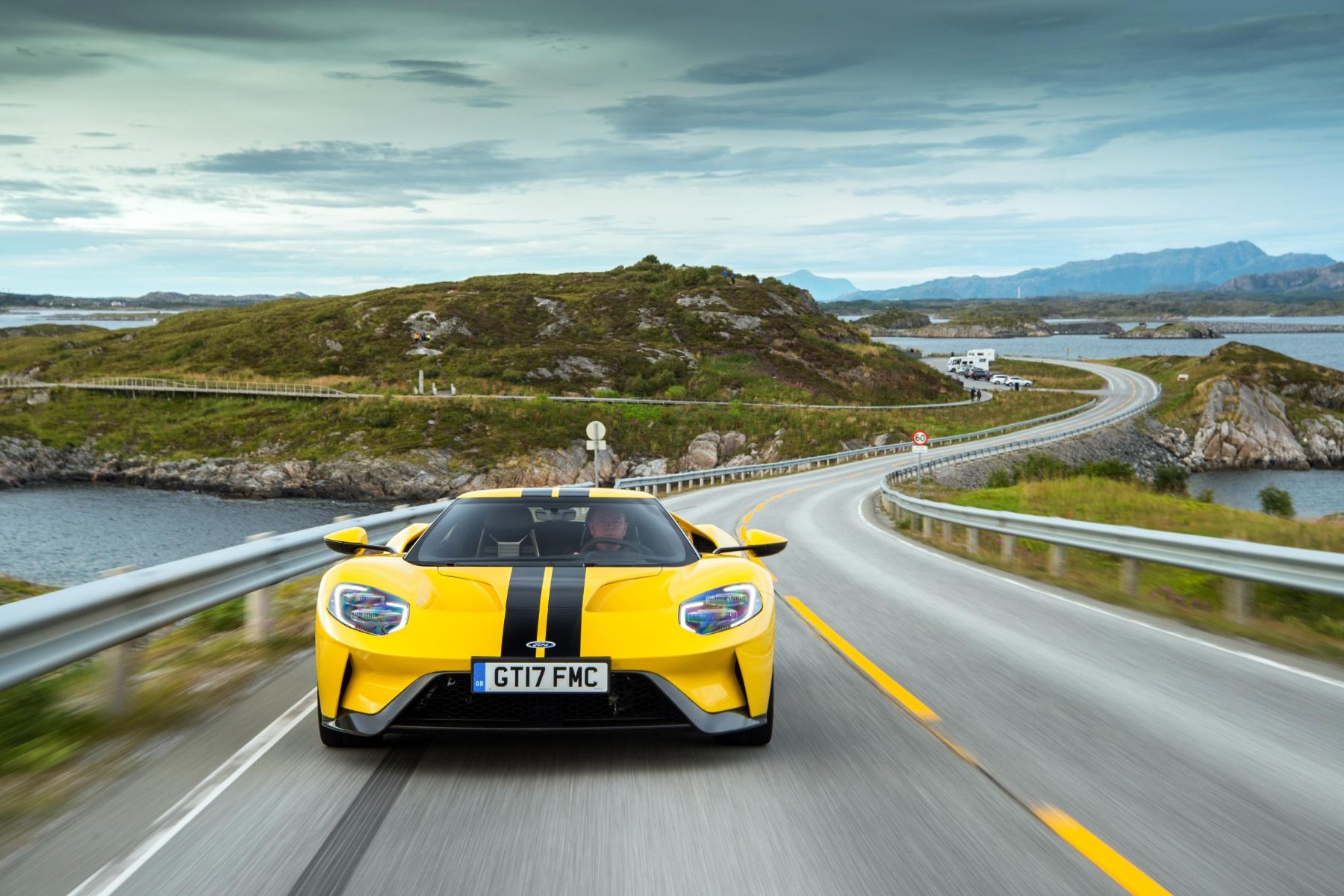
The new-generation Ford GT hypercar is being recalled due to fire risk. Ford is taking the action after a car in Germany went up in flames.

It’s reported that a leak is possible in the hydraulic systems that control the suspension and rear spoiler. Fluid drips down from a valve in the spoiler system onto the hot exhaust, causing the car to ignite. Ford GTs built between December 2016 and July 31st 2018 are said to be affected.

Just under 200 vehicles in North America  176 in the USA and 18 in Canada – have been recalled. The remedial work involves a software update to eliminate the possibility of excessive pressure in the valve block assembly. Some vehicles without a hydraulic check valve and filter will get the hardware retro-fitted, as well as hydraulic pump O-rings if required.

Ford GT fire risk

As yet, the recall only covers America and Canada, although a package is being put together for European cars that will likely include similar amendments.

With the second round of Ford GTs about to enter production, the latest cars will come with the fix from new.

Read more:

Advertisement

Drivers could be invalidating insurance with undeclared modifications

0

Modified cars

There are fears that many of Britain’s motorists are driving with invalid insurance, due to modifications on their cars that are undeclared on their insurance.

Research collated by GoCompare has found that only 1.6 percent of drivers are claiming to have modifications on their cars. This suggests there is a large group of people out there driving with mods undeclared on their cars, either knowingly or unknowingly.

Some drivers who actively modify their cars will withhold information on changes from insurers to keep premiums down. Others may be driving without any knowledge of the aftermarket components that are installed on their cars.

Anything non-standard is a mod. From entire engine swaps to non-standard decal stickers and everything in-between –insurers need to be aware of all of it.

Over eight million used cars were bought and exchanged last year, so the risks of cars with unseen modifications being bought by unaware drivers are palpable.

Modified cars

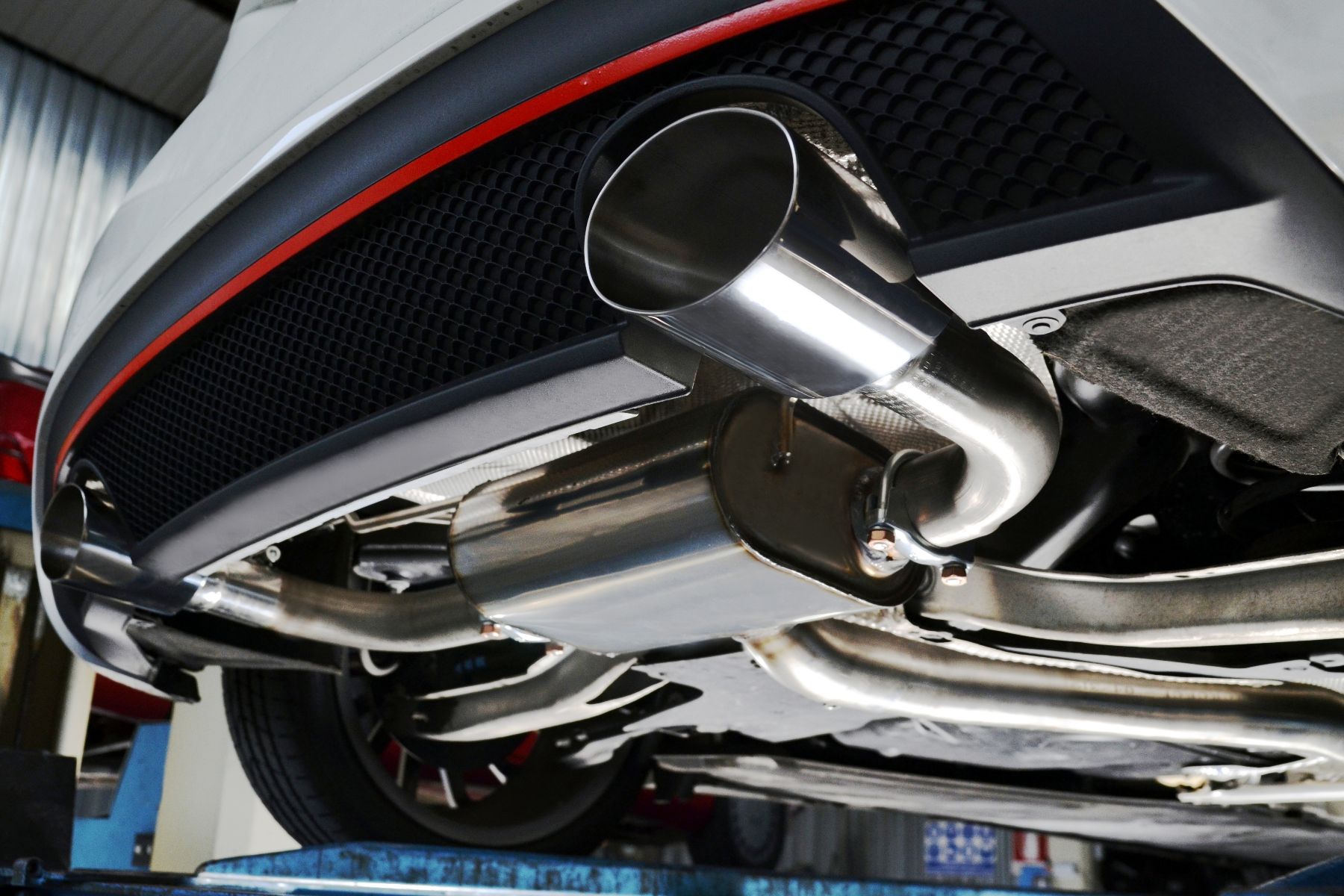
Perhaps predictably, alloy wheels, exhaust changes, suspension alterations, tow bars and tinted windows are the most popular mods. Over 25 percent of drivers that declare modifications fitted aftermarket wheels. Over 15 percent said they changed exhaust systems.

Some of the least popular mods include engine mapping, nitrous oxide and dual controls. Clearly, not many motorists are clinging on to the glory days of The Fast and the Furious, or indeed becoming driving instructors.

“While modifications may ring bells of the bygone boy racer, it’s worth remembering that insurers don’t just class body kits, exhaust systems or suspension changes as vehicle modifications,” said Matt Oliver, spokesperson for GoCompare car insurance.

“The average used car buyer could find there are modifications they’re simply not aware of”.

Read more:

Advertisement