Far be it from us to call a motor show’s most extravagant exhibit before it’s got underway, but the new Brabus G V12 900 might be the Frankfurt show’s maddest car.
It is, of course, a Mercedes G-Class – already quite the four-wheeled statement – fettled by Brabus’s team of mad scientists and engineers. And by fettled we mean, had a V12 dropped in it.
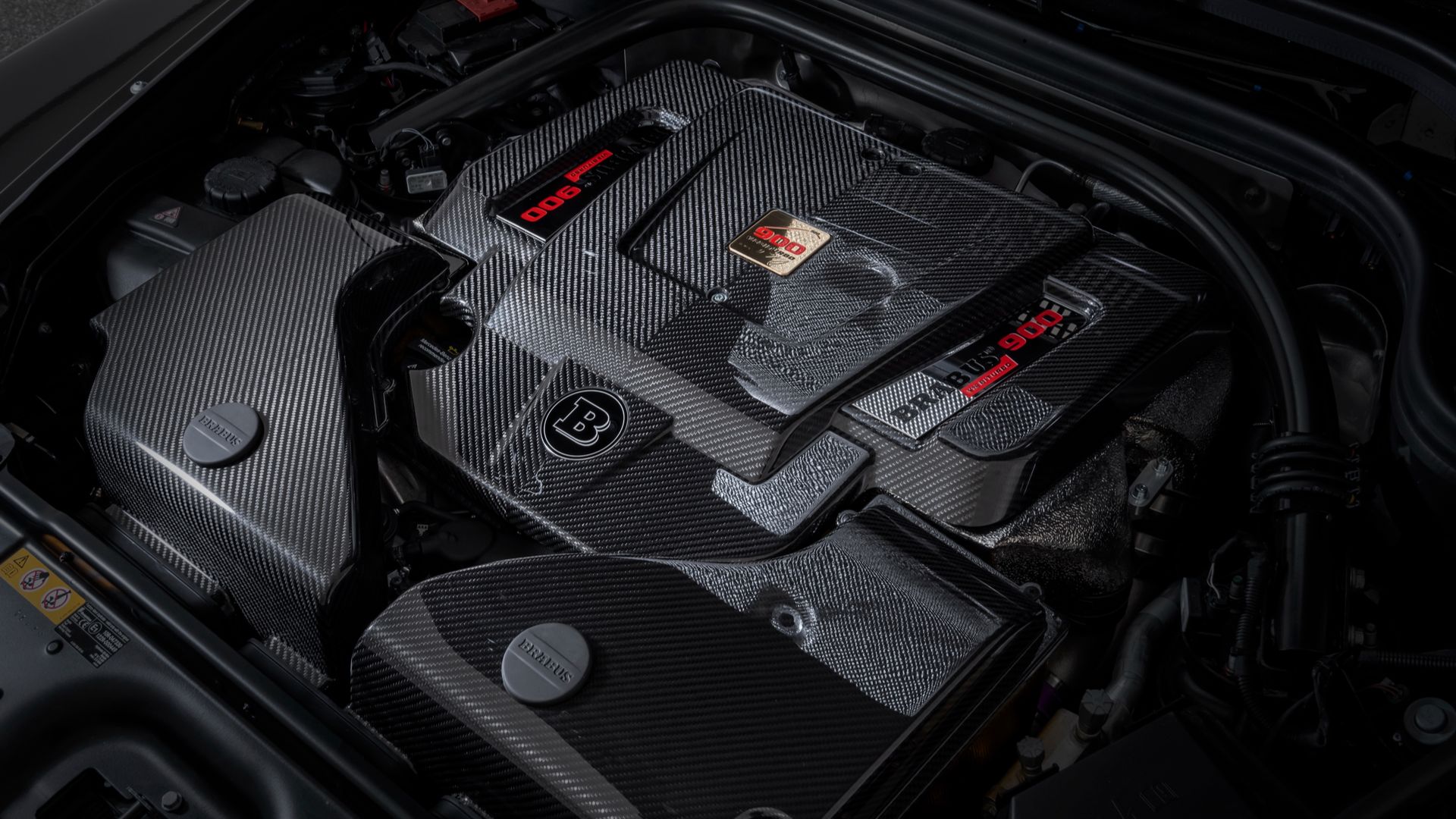
Normally a six-cylinder or V8 would sit under the G’s broad bonnet. Brabus has swapped those out for a 6.3-litre twin-turbocharged V12 engine with 900hp and 1,106lb ft of torque.
The engine is based on the unit you’d find under the bonnet of a Maybach-spec Mercedes S600. In this case, it’s been bored out from 6.0-litres to 6.3. Bigger turbos are fitted, as are more exotic exhaust manifolds.
Combine that with a new intake and some new software, and you’ve got yourself a 900hp V12-powered G-Class. If you don’t want your monster V12 to annoy the neighbours, fear not: there’s a ‘coming home’ mode to quieten the exhausts.
Ballistic Brabus
Sixteen years ago, Porsche revealed its Carrera GT hypercar at 2003’s Frankfurt Motor Show. Perhaps the ultimate testament to how far performance cars have come is the fact that this G-Class has the same 0-62 time – 3.8 seconds.
Where the Brabus isn’t quite up to the Porsche, is top speed. While the carbon-tubbed hypercar will breeze past the 200mph barrier, the Brabus is limited to 174. That’s probably for the best.
Handy for nervous passengers is the fact that they can keep an eye on how much of that performance you’re using. There are three analogue gauges set into the roof in the back to show speed, outside temperature and time.
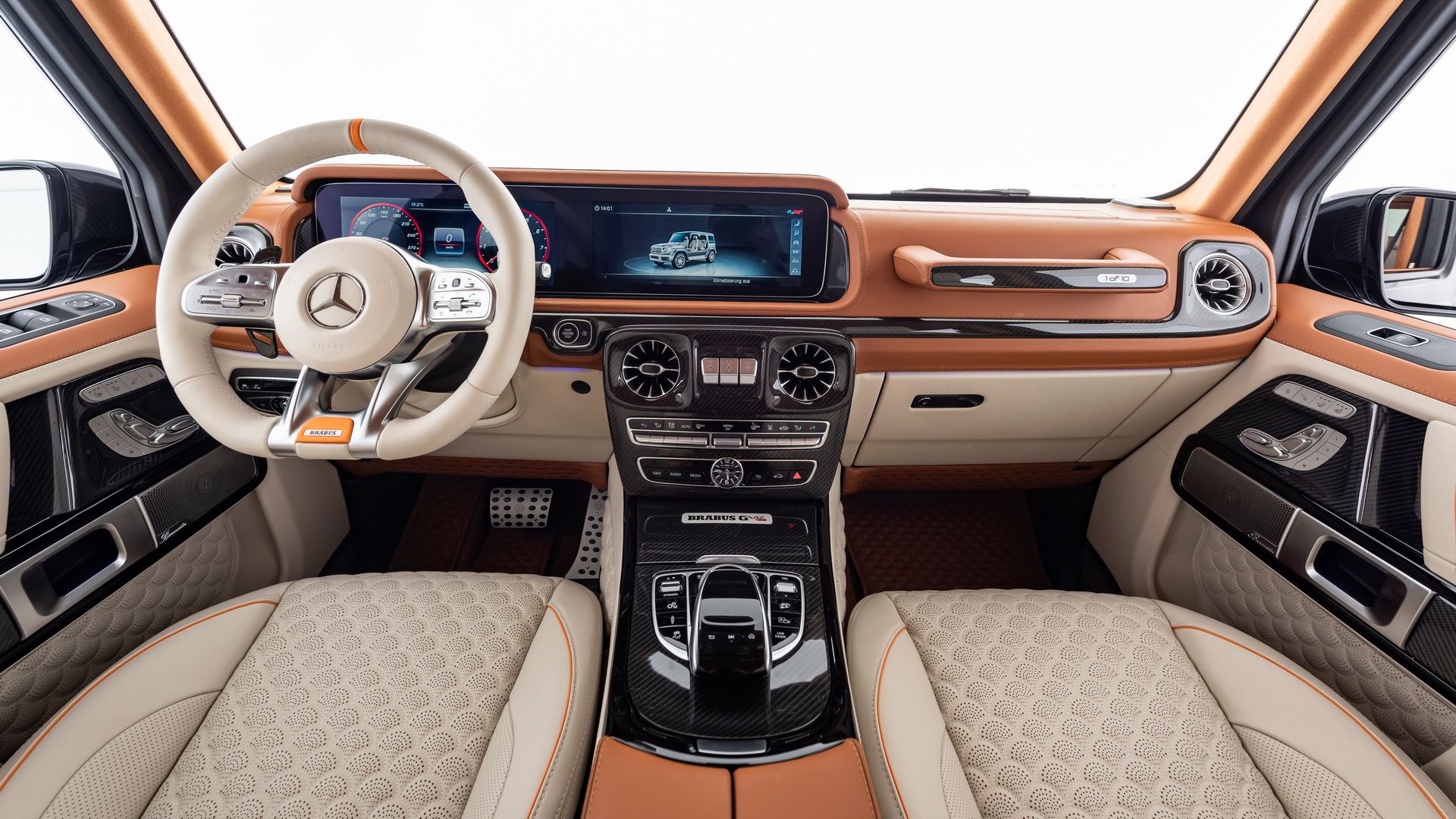
The rest of the G V12 is fairly standard Brabus fare. That’s to say, wider arches, enormous 23-inch wheels and lots of carbon fibre. Those wheels are actually the small option. You can have 24s if anything less simply won’t do. There’s gold heat shielding under the bonnet and an even more luxurious appointment on the inside.
“One of ten” completes the new G V12 900’s full title, due to the fact that only ten will be made of this introductory limited edition. This, in celebration of 15 years of the G V12 model line from Brabus.
The entry price for this V12 brute is no less than £540,000. What you can be sure of, though, is that this won’t be the maddest G Class. Brabus went absolutely ballistic on the previous-generation G, giving it six wheels, jacking it up on knobbly off-road tyres. This 900hp monster is just the start, we suspect.
Is Ferrari trolling the Frankfurt Motor Show? On the eve of 2019’s biggest motoring bunfight, the Italian marque has staged its own Universo Ferrari event in Maranello, revealing two new convertible supercars. Cue media meltdown.
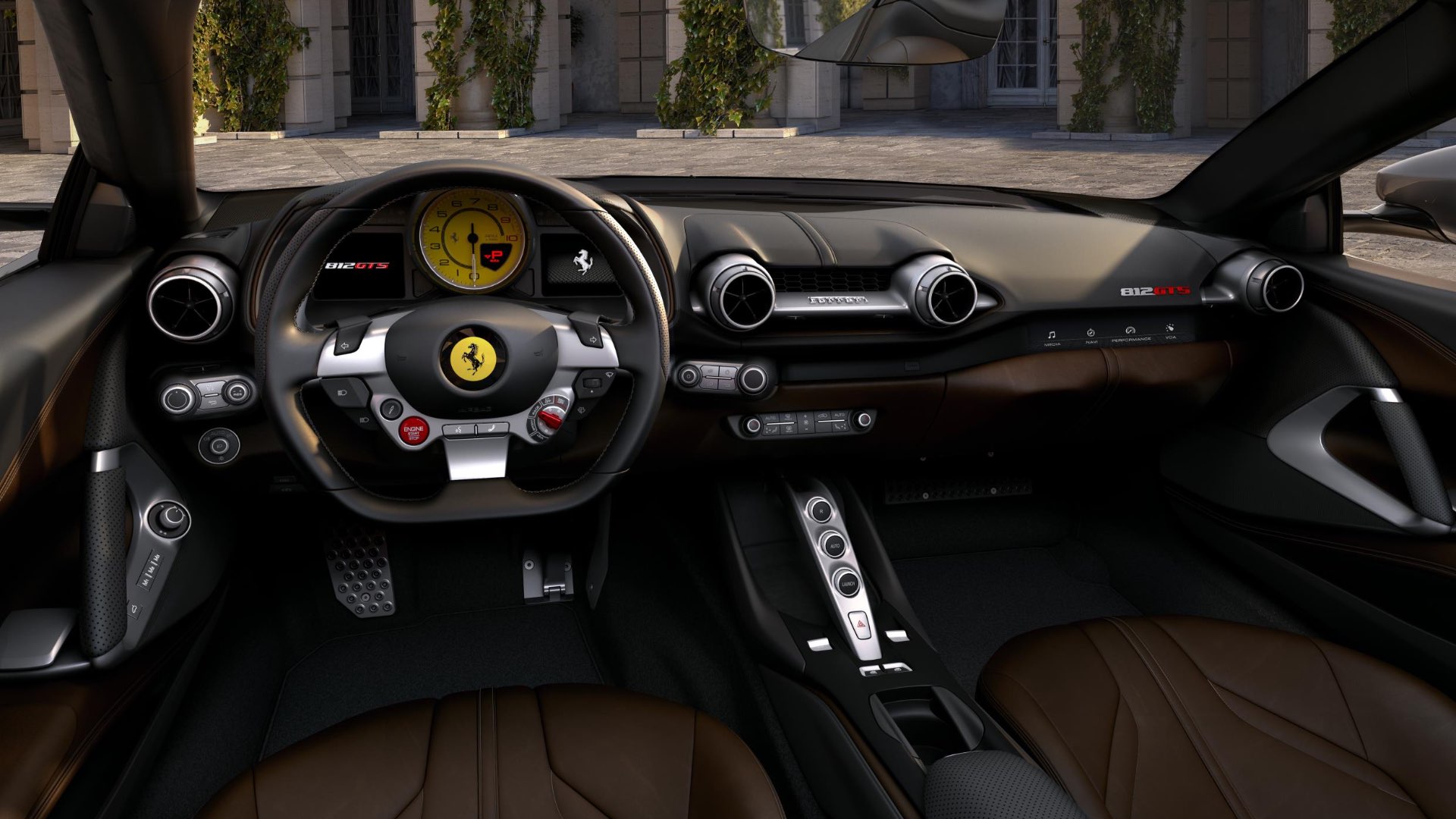
First up is the 812 GTS, a drop-top version of the 812 Superfast. Its name references the classic 365 GTS4 (‘Daytona Spider’ to its friends) – the last Ferrari spider with a front-mounted V12, launched exactly 50 years ago.
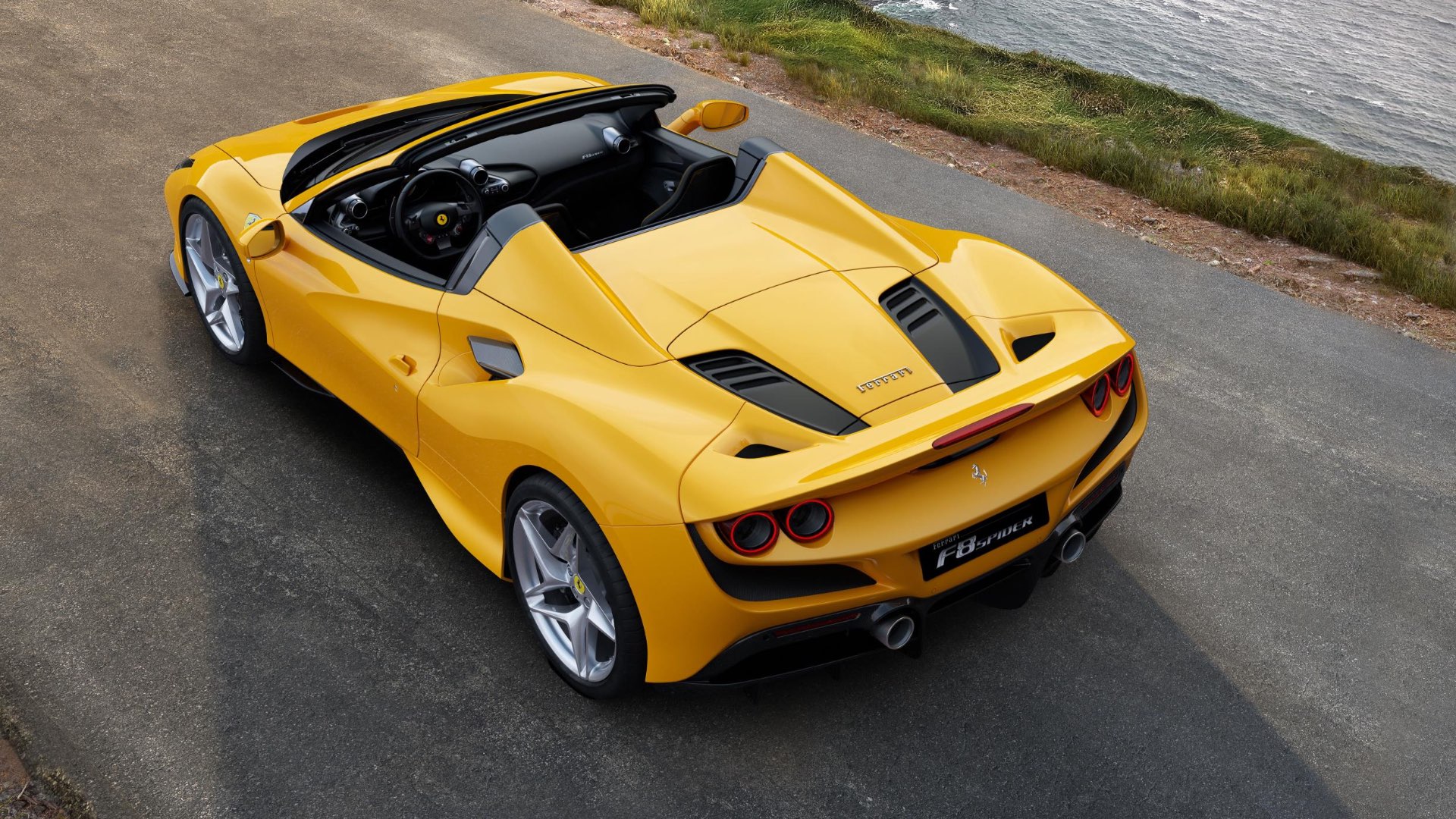
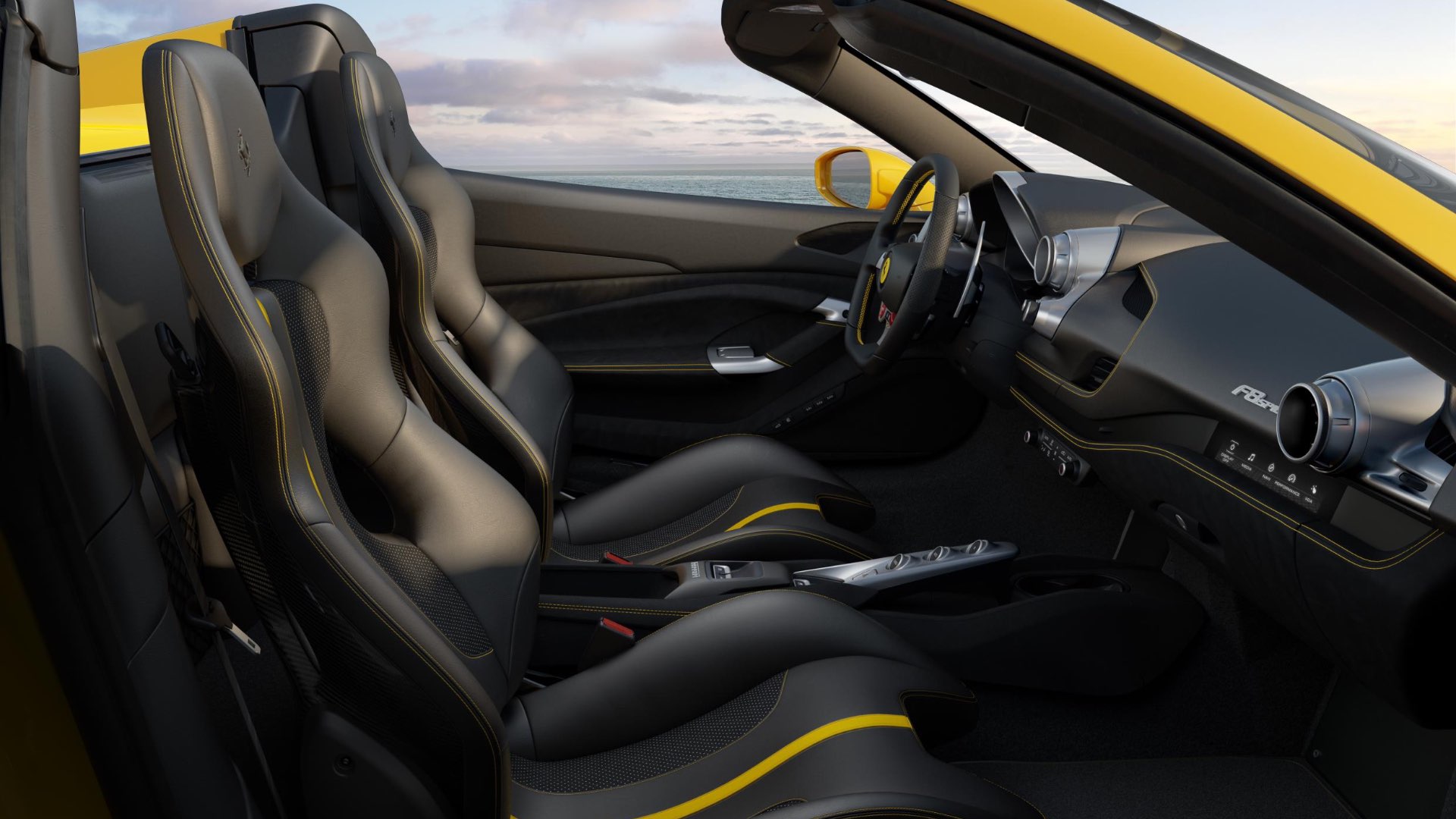
Secondly, there’s the F8 Spider. Following in the tyre tracks of the F8 Tributo coupe, it combines a folding hard-top with the V8 engine from the 488 Pista. A scintillating soundtrack comes as standard.
We elbowed our way through the crowds outside Ferrari’s Fiorano test-track to get up close with the new cars – and speak with the experts who developed them. Here’s what you need to know.
Ferrari 812 GTS
Coolest feature of the new 812? Look closely and you’ll spot tiny aerofoils atop each of the rear buttresses. They’re part of a complex aerodynamics package that gives the GTS identical on-paper performance to the coupe. That means 0-62mph in ‘less than 3.0 seconds’ and a top speed of 211mph.
Its hard-top folds in 14 seconds at speeds up to 28mph, or you can simply retract the rear window. Either way, you’ll enjoy Ferrari’s ferociously unhinged V12 – perhaps the most evocative engine of any production car – in all its 8,900rpm glory.
And here’s the second new Ferrari of the day: the 812 GTS.
‘Production’ is the key word here as the GTC isn’t a limited edition. “We plan to make one car less than the market demands,” says marketing boss Enrico Galliera. UK prices haven’t been announced yet, but expect an 11 percent premium versus the coupe, meaning £292,000 before options.
One of those options is the ‘Grigio GTS’ paint seen here, which is unique to the car. It also gets bespoke 20-inch forged alloy wheels, offered in three finishes: diamond-cut, liquid silver and Grigio Scuro. Choices, choices…
Head of Design Flavio Manzoni says the styling was inspired by two of Ferrari’s icons: the 250 GTO and Daytona. No pressure, then. A long bonnet and swept-back cabin evoke classic grand tourers, while those distinctive rear humps (also a feature of the F8 Spider) set the GTS apart from the Superfast. You’ll note the ducts atop the rear wheelarches are missing, too – compensated for by an extra flap in the diffuser, says Ferrari.
The heart of the 812, of course, remains that 6.5-litre naturally aspirated V12. Driving the rear wheels via an paddle-shift dual-clutch gearbox, it develops 800hp at a dizzying 8,500rpm. That should serve up ample “wild power, uncompromising passion and unbeatable sensuality”, to borrow a few superlatives from Galliera.
Lastly, there’s a driver assistance system called Ferrari Power Oversteer (FPO) to help you ‘realign the car correctly’. Thank heavens for that.
Ferrari F8 Spider
The F8 Spider was less of a surprise, but is more significant in terms of sales. Arriving just months after the F8 Tributo coupe (‘berlinetta’ in Ferrari-speak), it’s said to be ‘less extreme than the 488 Pista Spider, but sportier than the 488 Spider’.
Indeed, the open-air F8 weighs just 20kg more than its Pista equivalent and packs an identical 720hp. That makes it… quite rapid. Zero to 62mph is dispatched in 2.9 seconds, while top speed is 211mph – identical to the 812 GTS.
Giallo flyer: Ferrari F8 Spider world debut in Maranello.
Car has the latest (6.1) version of Ferrari’s Sideslip Control. “This is not a stability controller, it’s a fun controller,” says chief engineer Michael Leiters. pic.twitter.com/txbuimSpXW
The car’s folding hard-top also emulates the GTS, being retracted in 14 seconds at up to 28mph. A redesigned rear spoiler wraps around trad-Ferrari twin taillights, but stowing the roof atop the rear deck means losing the coupe’s F40-style see-through engine cover.
It isn’t just any engine either. Ferrari’s sonorous turbocharged V8 has been voted International Engine of the Year four times in a row and the best engine of the past 20 years. Sampling the coupe version recently, our Richard Aucock described it as ‘ridiculously pleasurable’.
The all-important rev counter – redlined at 8,000rpm – takes centre-stage in front of the driver, with many controls, including the manettino dial, clustered on the steering wheel. There’s also an optional passenger-side touchscreen to reveal how fast you’re really going.
The electronic witchcraft of the Ferrari Dynamic Enhancer (FDE) will help average drivers feel like Charles Leclerc at Monza, too. “This is not a stability controller, it’s a fun controller,” jokes Michael Leiters.
If you want one – and we really do – expect to pay around £225,000 when cars arrive in the UK this autumn. There’s still one more new car to come from Ferrari in 2019, of course, but execs remain tight-lipped. “We want to wow people,” says Enrico Galliera. They’ve certainly done that today.
A new survey of British motorists has revealed that many are putting off repairs to their cars because they worry they can’t afford it. More worryingly, the survey has revealed some of the scarcely believable ‘bodge’ home repairs that people make to keep their car going and avoid expense.
Nearly one in five (18 percent) said they continue to drive their cars when they know something needs to be fixed. Of those, 13 percent said the issue that needed fixing was ‘very serious’.
It’s the youngest among us that are the most hard-up when it comes to fixing cars. More than one in three 25-34 year-olds admitted to ignoring the need for important repairs. That compares to just seven percent of over-55s.
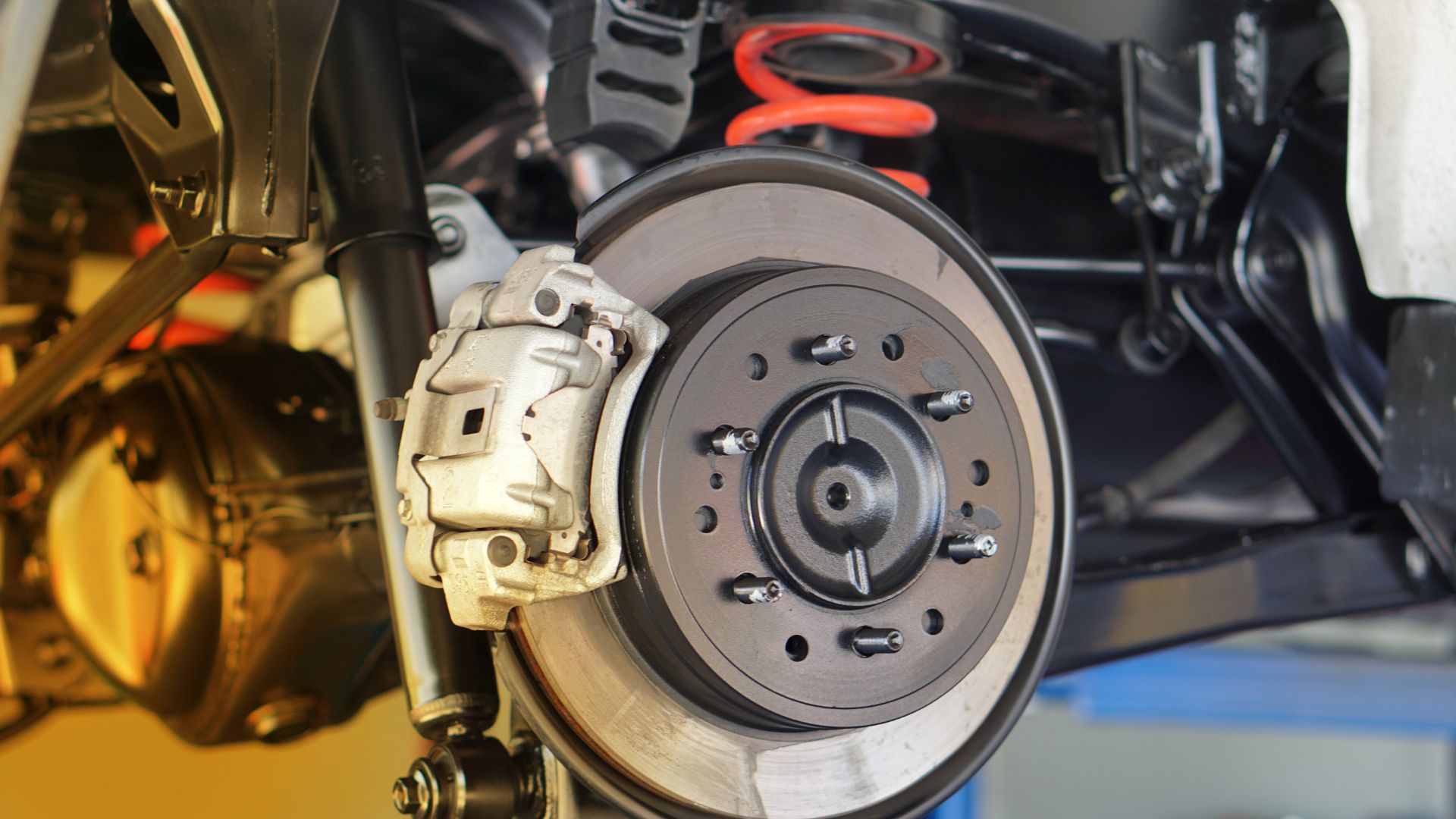
So what exactly are we ignoring that needs fixing? More than one in five (23 percent) admitted to driving with faulty brakes because they couldn’t afford repairs. Yes, the one thing you should repair immediately without question.
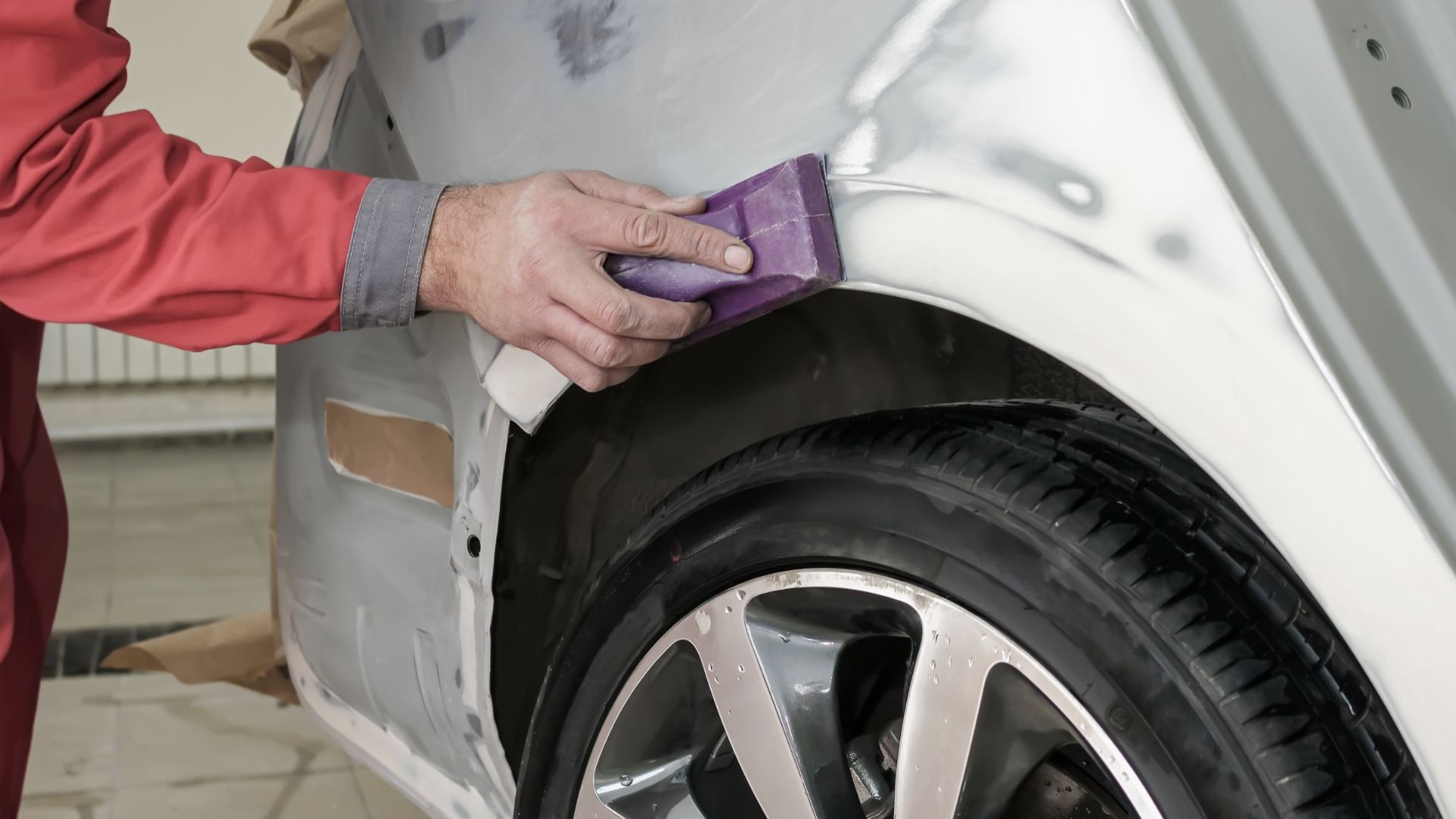
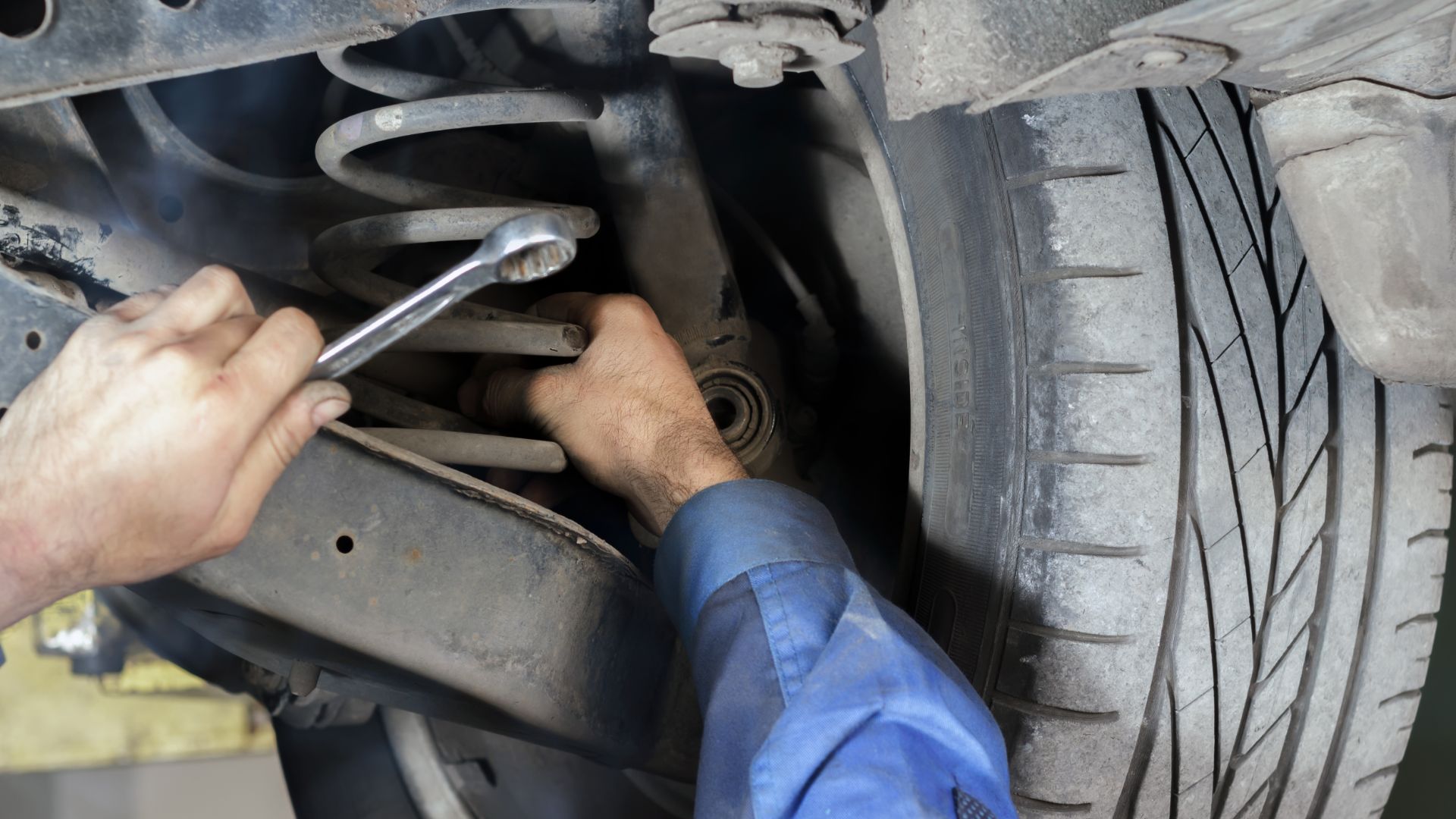
Other problem parts that were brushed under the rug by owners included suspension, steering, windscreens and exhausts. Bodywork is a common issue that goes ignored, with 39 percent saying they’d left dents, scratches and rot. One in five have left electrical faults to fester. On average, drivers are leaving faults without a fix for ten months.
Bodge jobs
Three in five young drivers admit to using their phone while driving
Sometimes, however, owners turn their own hand to on-the-fly repairs, some of which are little short of shocking. Twenty percent admitted to using quick fixes like gaffer tape, string, newspaper and stockings to plug holes in their car’s functionality.
“There’s no doubt that rising cost of living is squeezing household budgets, forcing people to make difficult choices on how they spend their money,” saidBob Masters from Halfords Autocentres.
“But motorists who avoid repairing safety-critical items such as brakes, steering and suspension could be putting themselves and others in danger.”
The Commons Transport Committee says an outright ban on pavement parking across England should be put in place to combat ‘unsightly and obstructive’ parking habits that ‘blight’ communities.
Parking on the pavement has been illegal in London for 45 years and offenders could face a £70 fine. The proposal for a country-wide ban comes as a report highlights the problems it causes.
Pavement-parked cars could present a potentially impassable obstacle for someone with limited sight, or someone on a mobility aid. Parents with young ones in buggies also struggle. Finding an alternative route could mean walking in the road. There are also concerns about the damage that cars do to the pavements.
The report reads: “Pavement parking puts pedestrians in danger when they are forced to move into the road to get around a vehicle or where there are trip hazards due to damage to the pavement.”
“People with mobility or visual impairments, as well as those who care for others, are disproportionately affected.
“It exacerbates, and is a cause of, social isolation and loneliness for people who feel unable to safely leave their homes or are physically prevented from doing so by pavement parking.”
The committee inquiry received more than 400 written submissions, with a majority coming from the public. Representatives from places where the issue is prominent have said that there’s ‘parking anarchy’.
“Motorists may feel they have no choice but to park on the pavement and many try to do so in a considerate way,” said chairman of the committee Lilian Greenwood.
Van drivers are paying £600k a year in loading bay fines
3 in 10 car buyers in financial strife after buying a new car
“But evidence to our inquiry revealed the impact on those with visual and mobility impairments and people with children.
“The Government’s inaction has left communities blighted by unsightly and obstructive pavement parking and individuals afraid or unable to leave their homes or safely navigate the streets.”
The Labour MP did however suggest a degree of pragmatism, just short of a blanket ban. She said that local authorities could create exemptions where appropriate. The committee has also conceded that a widespread ban wouldn’t be an overnight job. It suggested that there would need to be an awareness campaign to educate the public on the problems pavement parking causes.
Ian Callum is one of the most celebrated car designers of the modern era. His 30-year back catalogue includes the Aston Martin DB7 and Ford Escort Cosworth. He also revitalised Jaguar with a 21st-century sense of style.
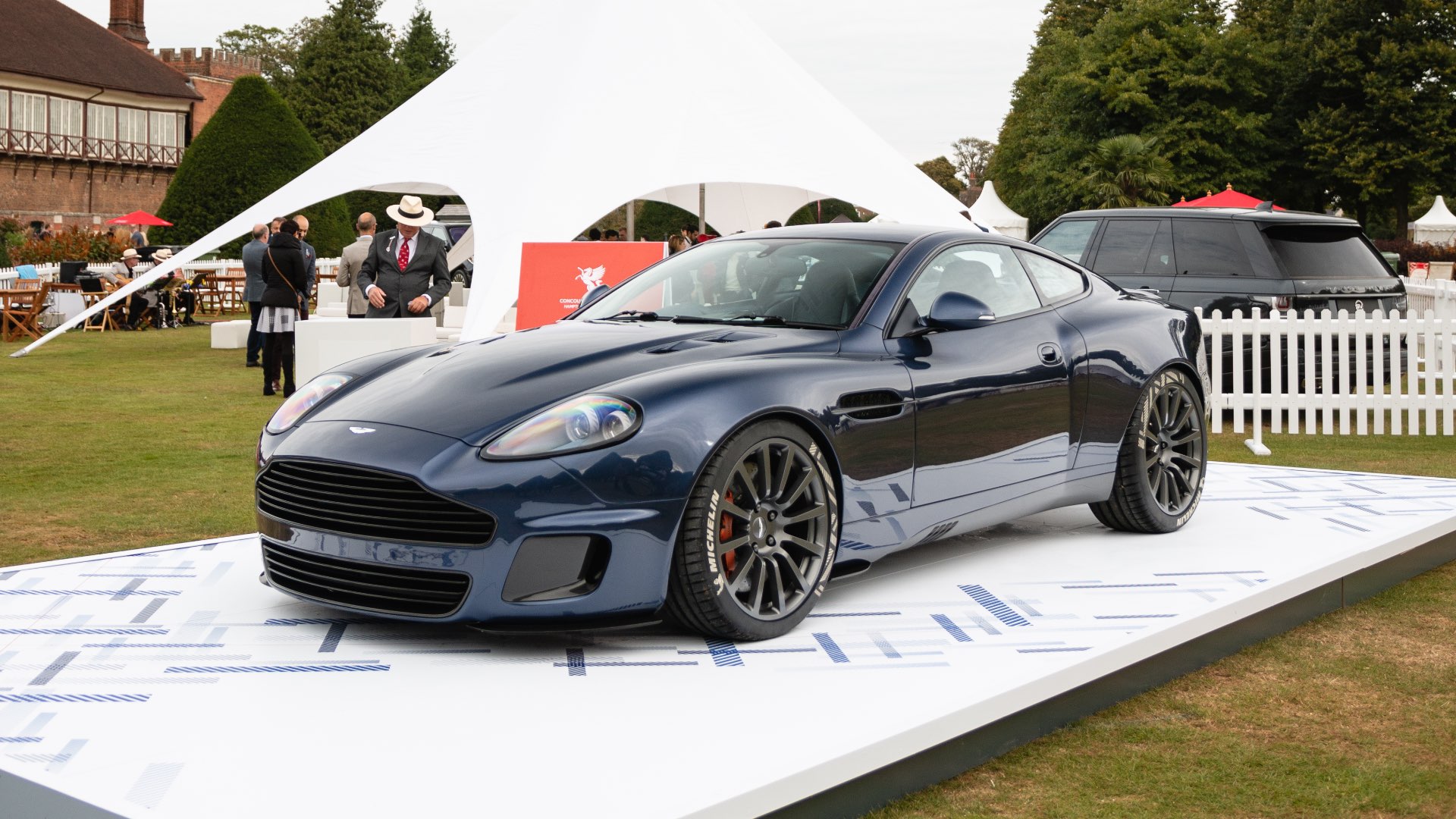
Now, Callum is striking out on his own with a new company called… Callum. His first project was to remaster one of his classic designs. Meet the Aston Martin Vanquish 25 by Callum.
Modifying a masterpiece
The Vanquish is one of Callum’s greatest hits. The original was Aston’s breakout car for the new millennium, first previewed with the Project Vantage concept in 1998. Over the past two decades, it has aged like a fine wine. How does he go about improving on that?
Well, even the Vanquish had elements elements that Ian wishes could have turned out better. For him, the Vanquish 25 is the facelift the Vanquish always deserved.
Making you look
Ian was keen to embrace the indulgent and boutique nature of such a project. Overall, there are 100 changes to the car, all of which come with the blessing of Aston Martin itself.
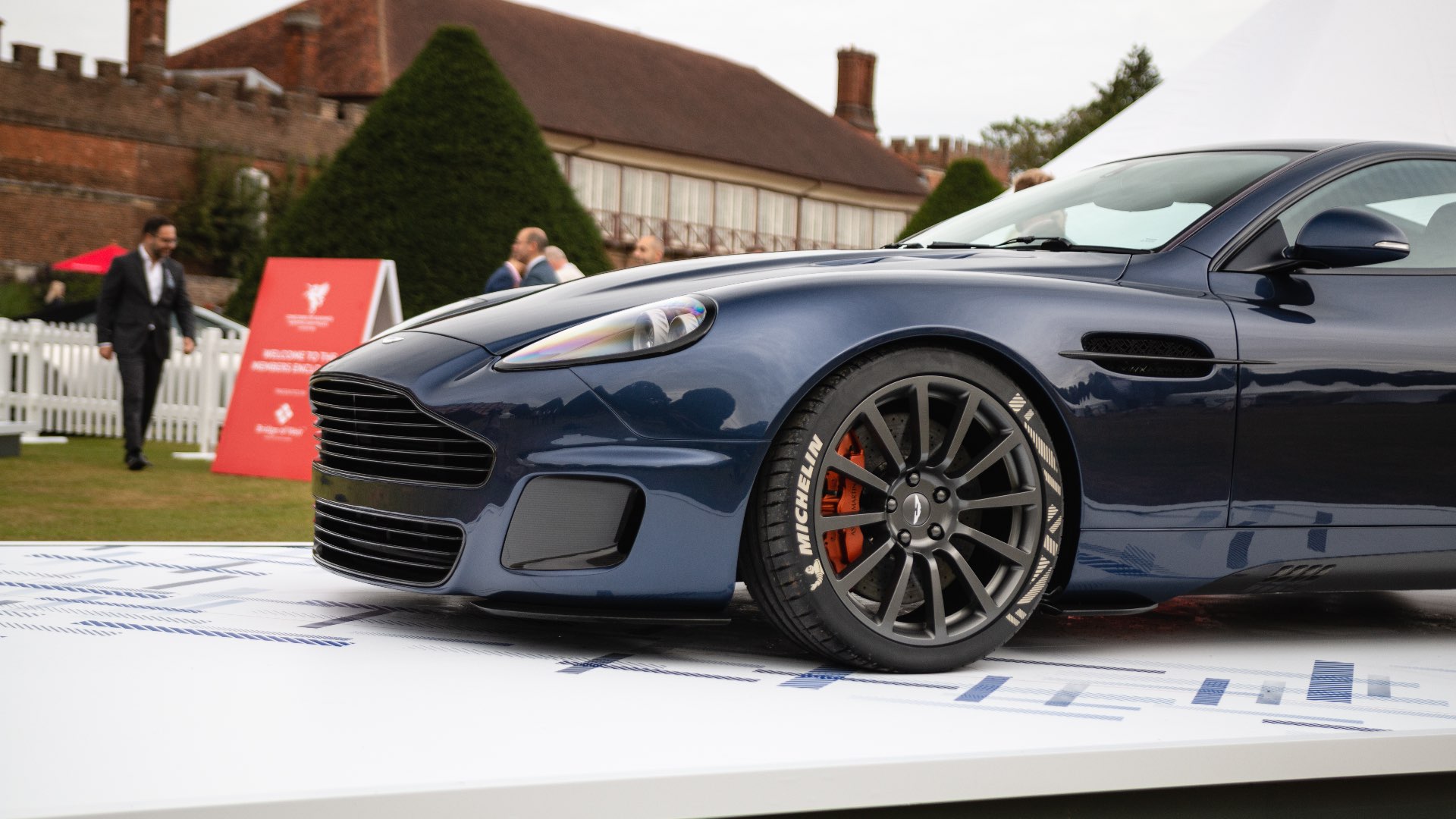
The front has a stylish and aerodynamic overhaul, with added carbon fibre. That signature Vanquish grille is accompanied by a new chin spoiler. Flanking that, classic Callum-style vents in carbon seem reminiscent of those on the stillborn Jaguar C-X75 hypercar.
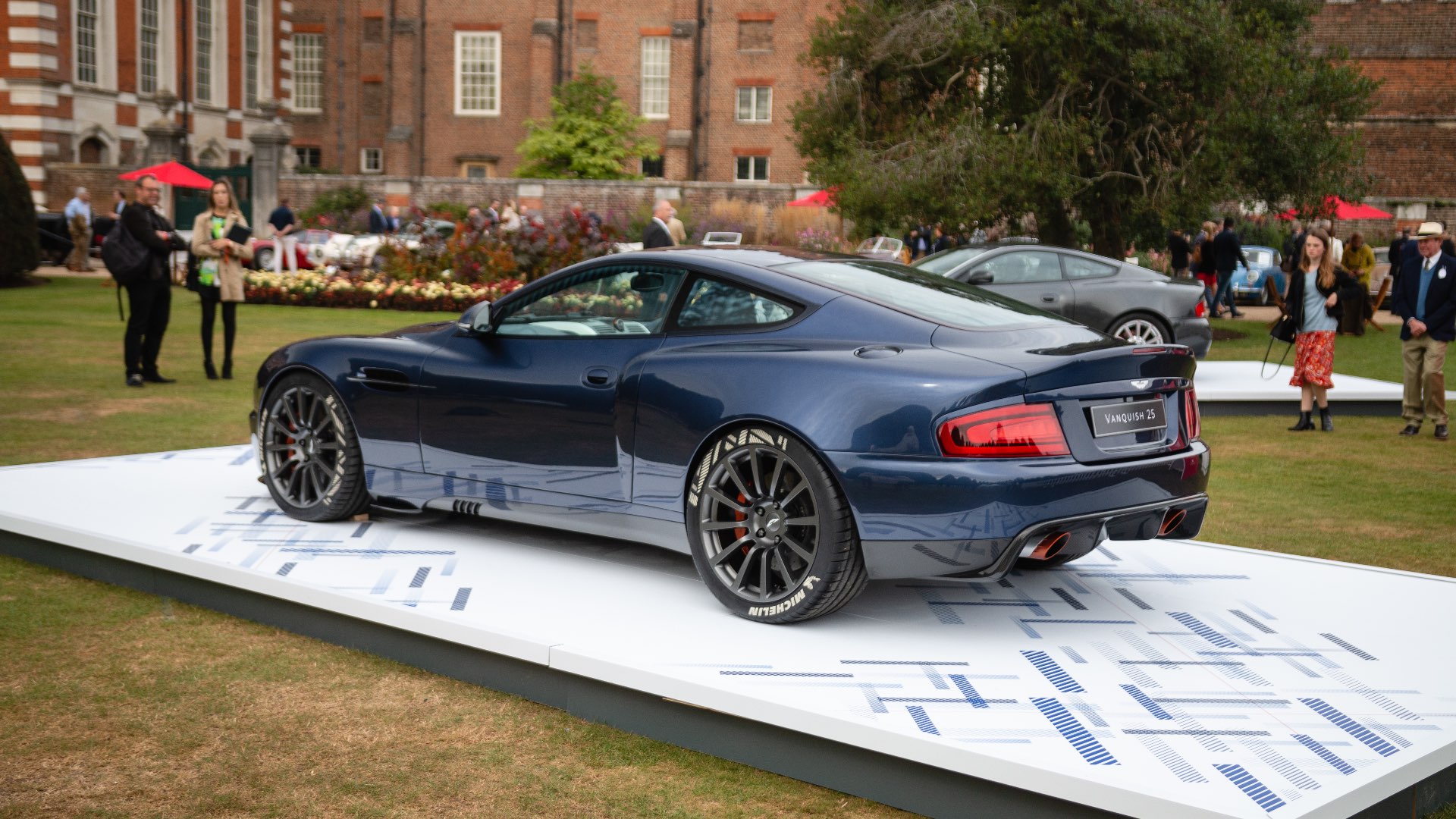
Aston Martin Vanquish 25 by Callum revealed at Concours of Elegance.
New 20-inch forged wheels modernise a classic element of the Vanquish. The originals were a favourite of Callum’s, so their design has been updated, rather than replaced. The car sits 10mm lower and has a superb stance. New door mirrors join carbon fibre side strakes, updated sills and one-piece carbon window surrounds.
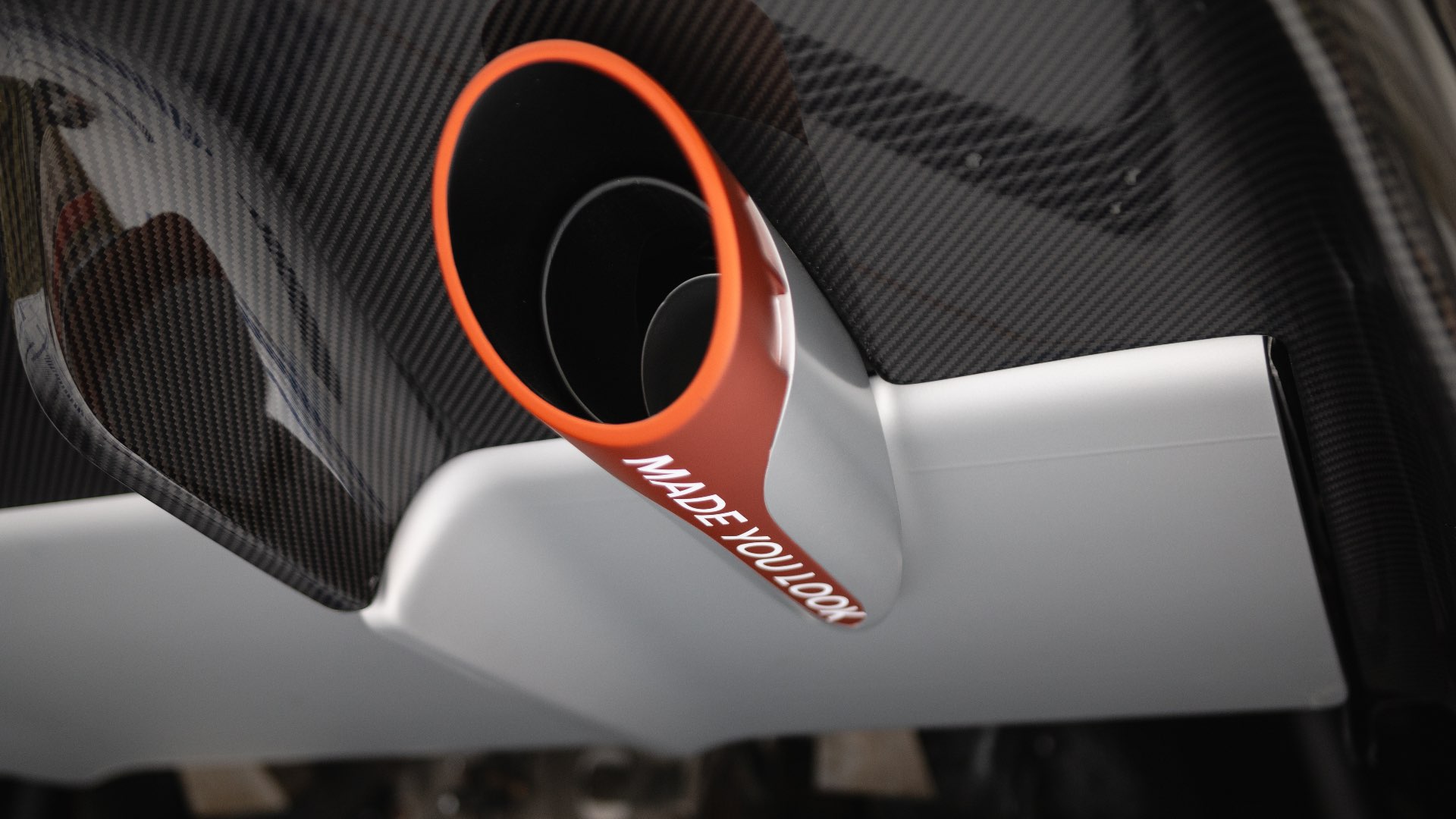
At the rear, the curvaceous light clusters are now fitted with LEDs, while a larger diffuser houses integrated exhausts. Take a look underneath and Callum has a little treat for you: the words ‘Made you look’ on the underside of this show car’s exhausts.
Customising the cabin
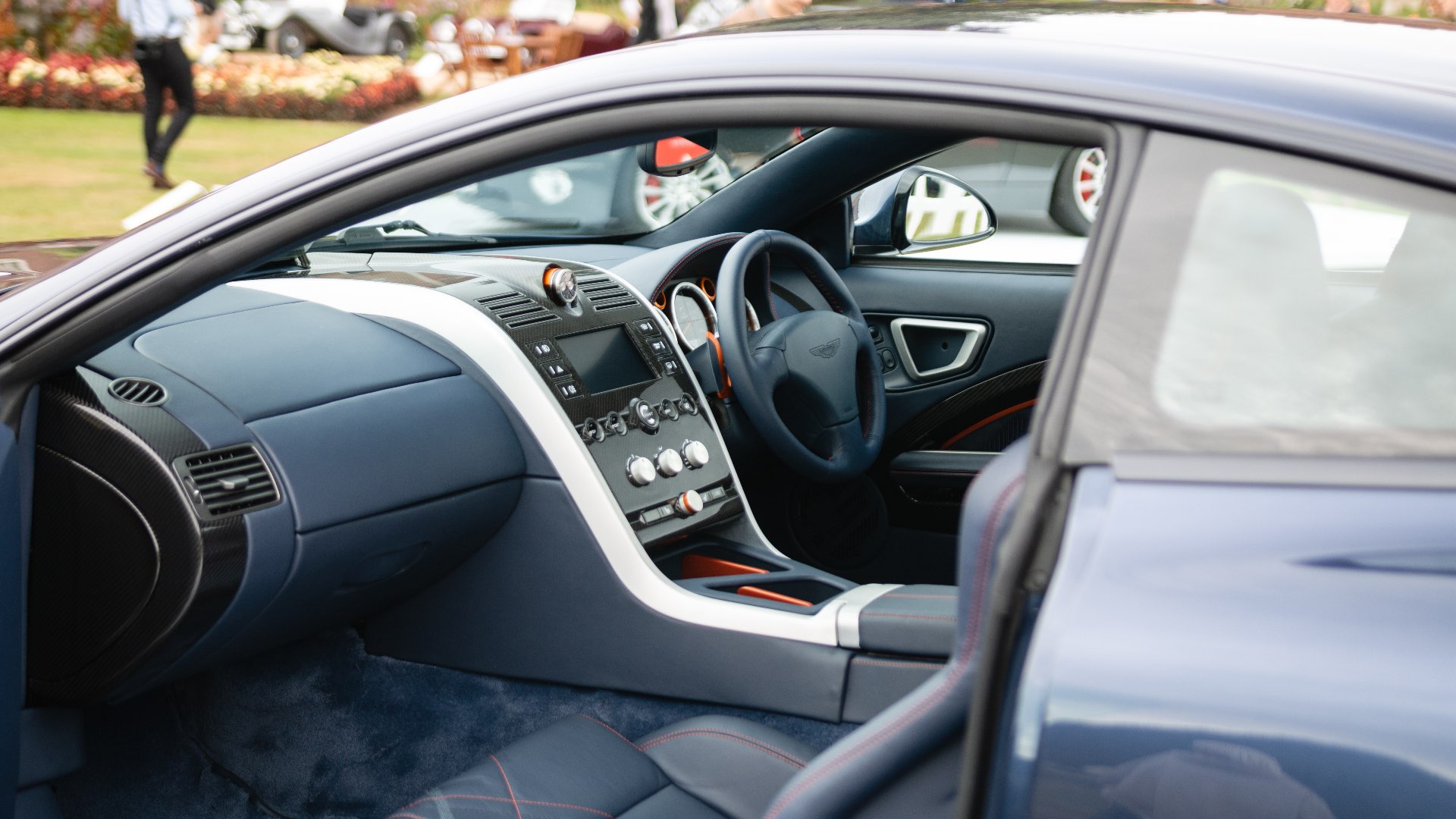
If the exterior is timeless, the cabin was a comparative disappointment from day one. It’s here that Callum says the most work needed to be done. Gone are the dull black plastics and cheap buttons, replaced by symmetrical carbon fibre on the centre ‘waterfall’, with up-to-date eight-inch infotainment. And yes, that’s Apple CarPlay you see.
Elements from later Astons are included, and the air vents are carbon strakes instead of plastic. What remains is the steering wheel, albeit re-trimmed in blue leather with a thinner rim. The shift paddles are borrowed from newer Astons, while the lower-set sports seats are trimmed with Callum’s own tartan design. You’ll find the same tartan-effect forged in metal for the bonnet vents, too. No sign of deployable shotguns, though…
The centrepiece for the cabin is the Bremont luxury watch that sits atop the dashboard, where you’d find the Sport Chrono dial in a Porsche. Thankfully, it can be removed when you park. Bremont is also responsible for the new instrument binnacle.
The start of something special
Of course, the Vanquish isn’t an automotive oil painting. In period, the driving experience was as muscular as the styling suggests. Vanquish 25 gets stiffer anti-roll bars, tuned dampers and custom springs, along with that lower ride height. The goal is to provide the sharper sporting edge that modern GT buyers expect, while maintaining the comfort of a grand tourer.
With re-designed wheels and newly calibrated suspension, the Vanquish 25 should have a lighter, pointier feel in the bends. And because nobody gets nostalgic about below-par brakes, modern Aston ceramic rotors are fitted – cooled by air ducts at the front.
Side-by-side comparison of the original Aston Martin Vanquish (Ian Callum’s own car) and the Vanquish 25.
There are lots of detail changes you might initially miss, including the door mirrors, beefier sills, smoother window rubbers and front splitter. pic.twitter.com/KHL7ZnofsJ
The V12 was the jewel in the original Vanquish’s crown. No matter how much more accomplished an equivalent Ferrari or Porsche felt at the time, the Aston would win you over as soon as the engine fired. The Vanquish 25’s 5.9-litre V12 gets a 60hp boost, to 580hp. There’s a new carbon induction system and re-tuned exhaust. So don’t worry, that rumbling soundtrack should be preserved.
Lastly, the bane of the original Vanquish: its gearbox. While the Vanquish 25 won’t come with a manual option, you can get a proper six-speed automatic in place of the much-derided automated manual.
Ian Callum’s love letter to his own best work won’t be for everyone, not least because it costs £550,000 (including the donor car). If you hadn’t twigged, 25 is the number of examples they’re going to make. Ian Callum says there are more projects to come, but this seems a promising start. Bring on the reborn Escort Cosworth.
Ian Callum on the Vanquish 25 – Tim Pitt
We’re in the grandiose gardens of Hampton Court Palace, surrounded by classic cars at the annual Concours of Elegance event. Less positively, it’s just started drizzling and, by the time of my late-afternoon interview slot, Ian Callum has probably been asked the same questions hundreds of times today.
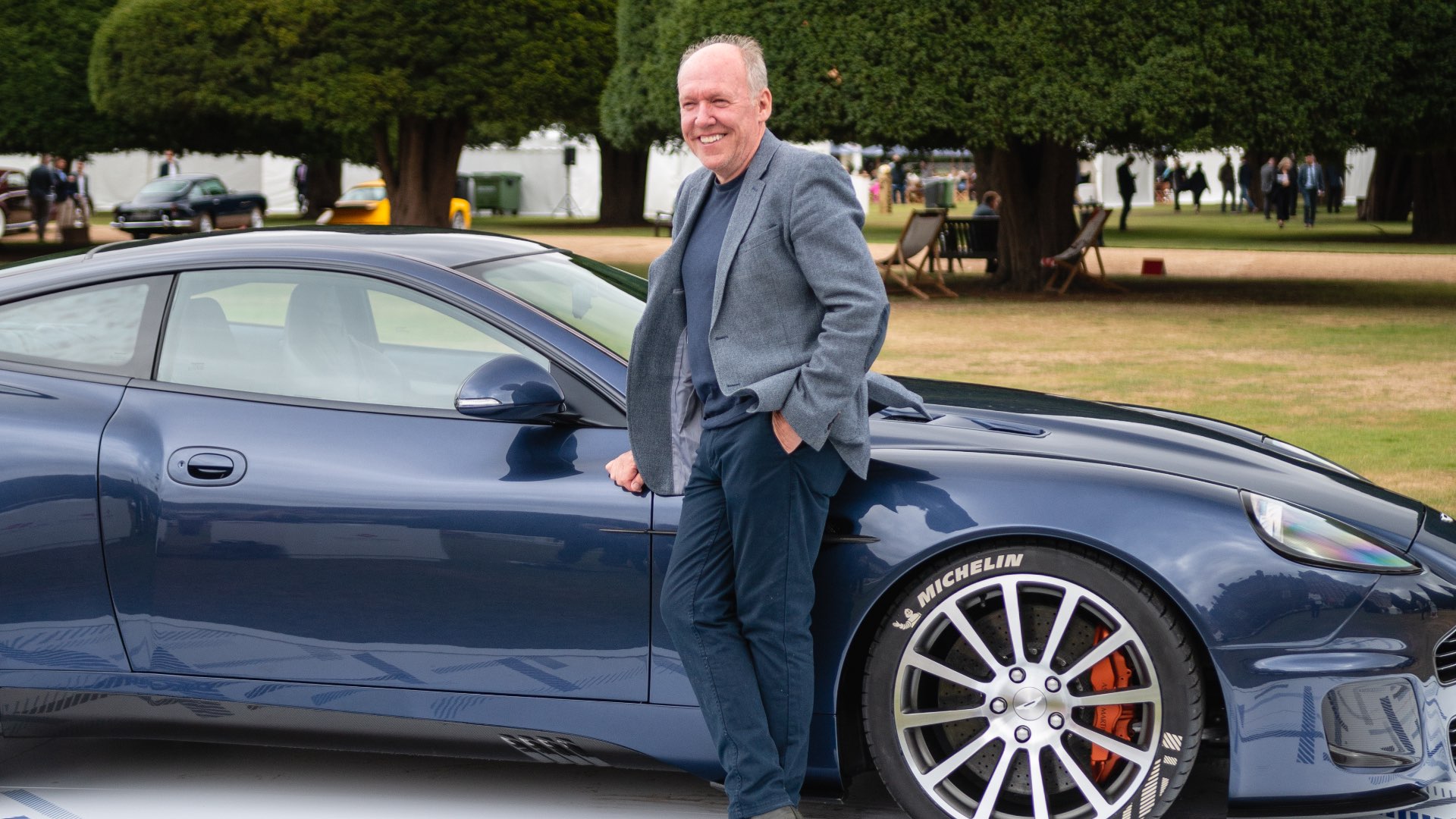
Not that he’s letting on. Callum’s pride and enthusiasm for the Vanquish 25 are infectious. “It has always been one of my absolute favourite cars,” he says with a smile. “That’s why I bought one.” Ian’s own Vanquish – original spec and painted in a very ‘007’ shade of grey – is parked on a plinth next to the ’25’. “I planned to modify this one for personal use,” he explains, “but David Fairbairn [programme director at Callum’s eponymous new design consultancy] suggested making it our first project.”
Asked to pick his favourite details, Ian cites the deeper front grille graphic (“I never liked the DB7 spotlamps either”) and upswept rear diffuser. “It would have been easy to do something more flamboyant, but that’s not in keeping with what the car’s about.” Interestingly, the Vanquish 25 has gained official approval from Aston Martin: “They respect the fact that I was the original designer and they’ve given it their blessing.”
Callum hopes to have the first Vanquish delivered by the end of 2019, and the entire 25-car run built within two years. “There’s plenty more we want to get on with,” he says. And while Callum is adamant he doesn’t want to “redesign somebody else’s car,” he says the next project won’t be an Aston. A Jaguar or even a classic Ford, perhaps? “We don’t know yet, but it will be more in-depth, with bespoke bodywork. Eventually, we hope to build a car from scratch.”
As Ian dashes for his next interview, I’m left feeling enthusiastic about the Vanquish 25 too. After all, ‘restomod’ Porsches are commonplace, yet a modified, modernised Aston is something quite different. I’m intrigued to see what Ian does next.
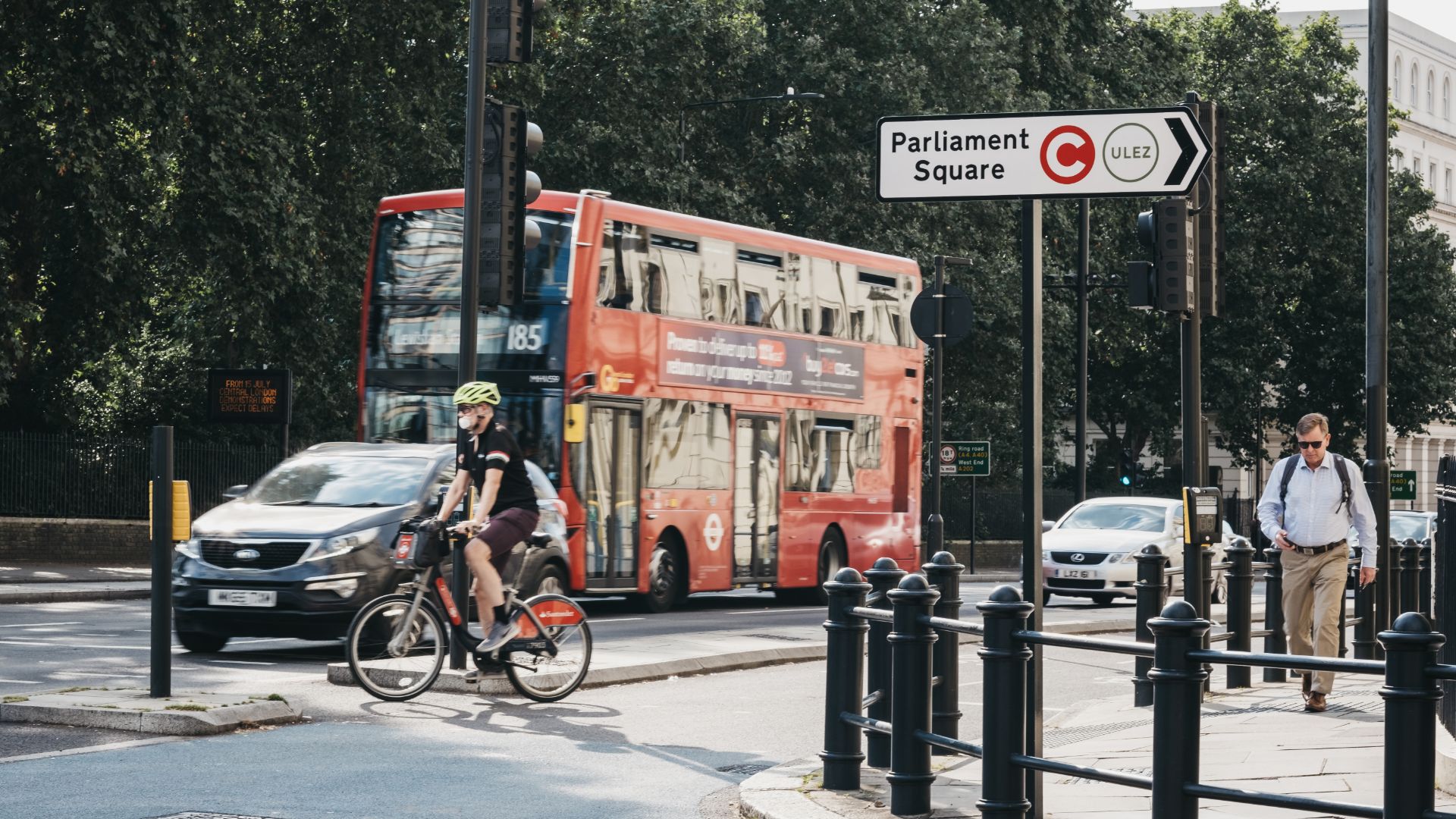
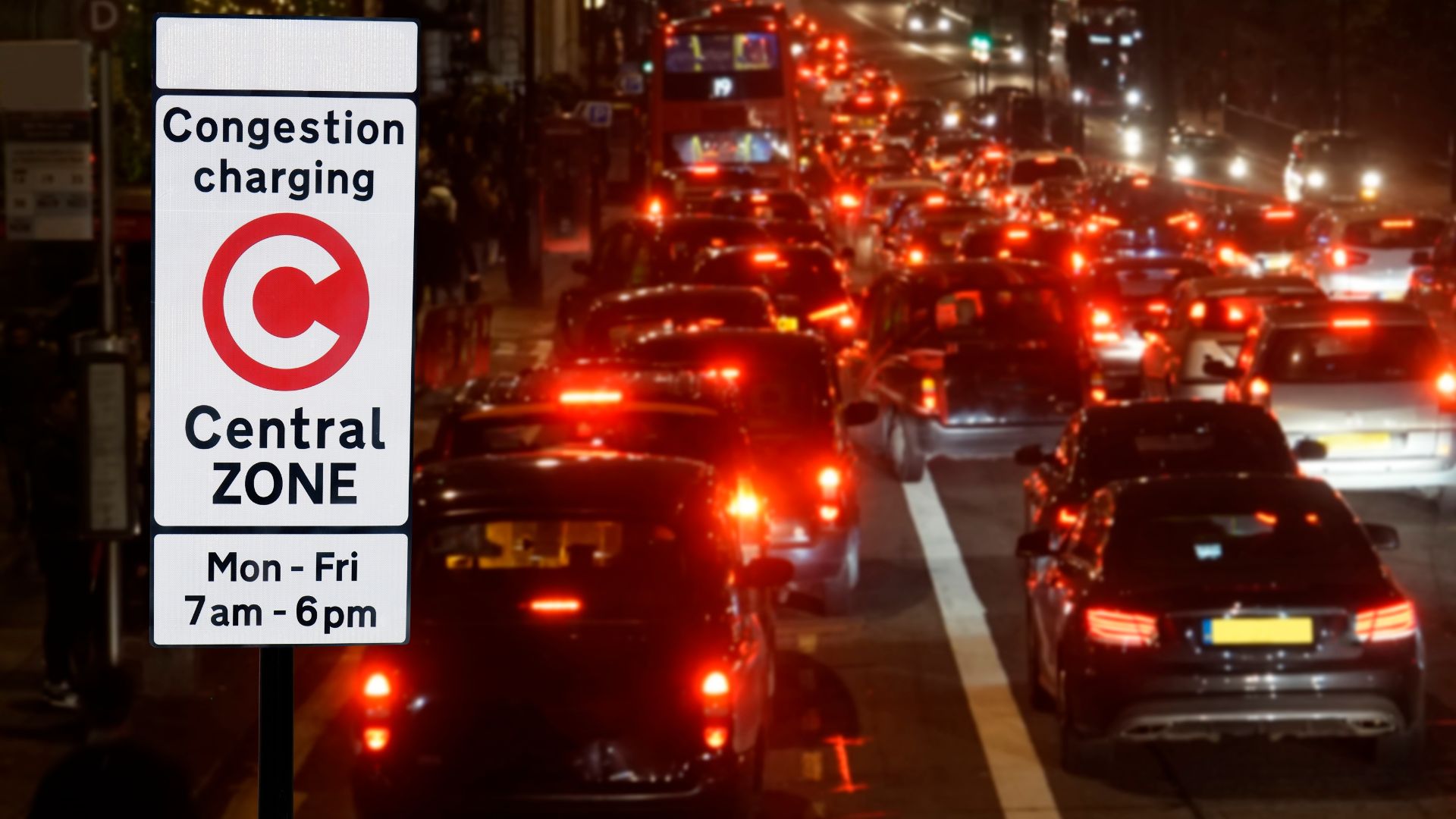
Transport for London (TfL) has announced plans to reduce speed limits in the capital. The limit within the central Congestion Charge zone limit is dropping to 20mph in 2020.
This is the first phase in a plan to cut speeds across London. Limit reductions of 10mph are planned for 80 miles of 50mph and 40mph roads, too.
The primary aim is to reduce pedestrian casualties. According to the World Health Organisation, any roads where pedestrians and cars regularly share space should have a 20mph limit.
Research says that a pedestrian who is hit by a car travelling at 20mph is five times more likely to survive than if they were hit at 30mph. Speed is a factor in more than one in three (37 percent) collisions where a person is killed or injured in London.
TfL has completed a risk analysis on roads with the highest likelihood of collisions. Factors include death and serious injury figures, the density of pedestrian usage in the area and speed limits in surrounding areas.
If you’re worried that lower speed limits will cause congestion, this is also a factor in judging the suitability of a limit reduction.
TfL says that the limits will mostly be ‘self-enforcing’. That means signs, road markings, speed bumps, raised crossings, traffic islands and other elements that encourage slower driving.
What it doesn’t mean, apparently, is a barrage of speed cameras.
One happy side effect of lower speed limits could be less pollution. An Imperial University evaluation said that there would be no net negative effect on emissions. It also suggests that lower speeds could mean reduced particulate matter from tyres and brakes, given the reduction in acceleration and deceleration cycles.
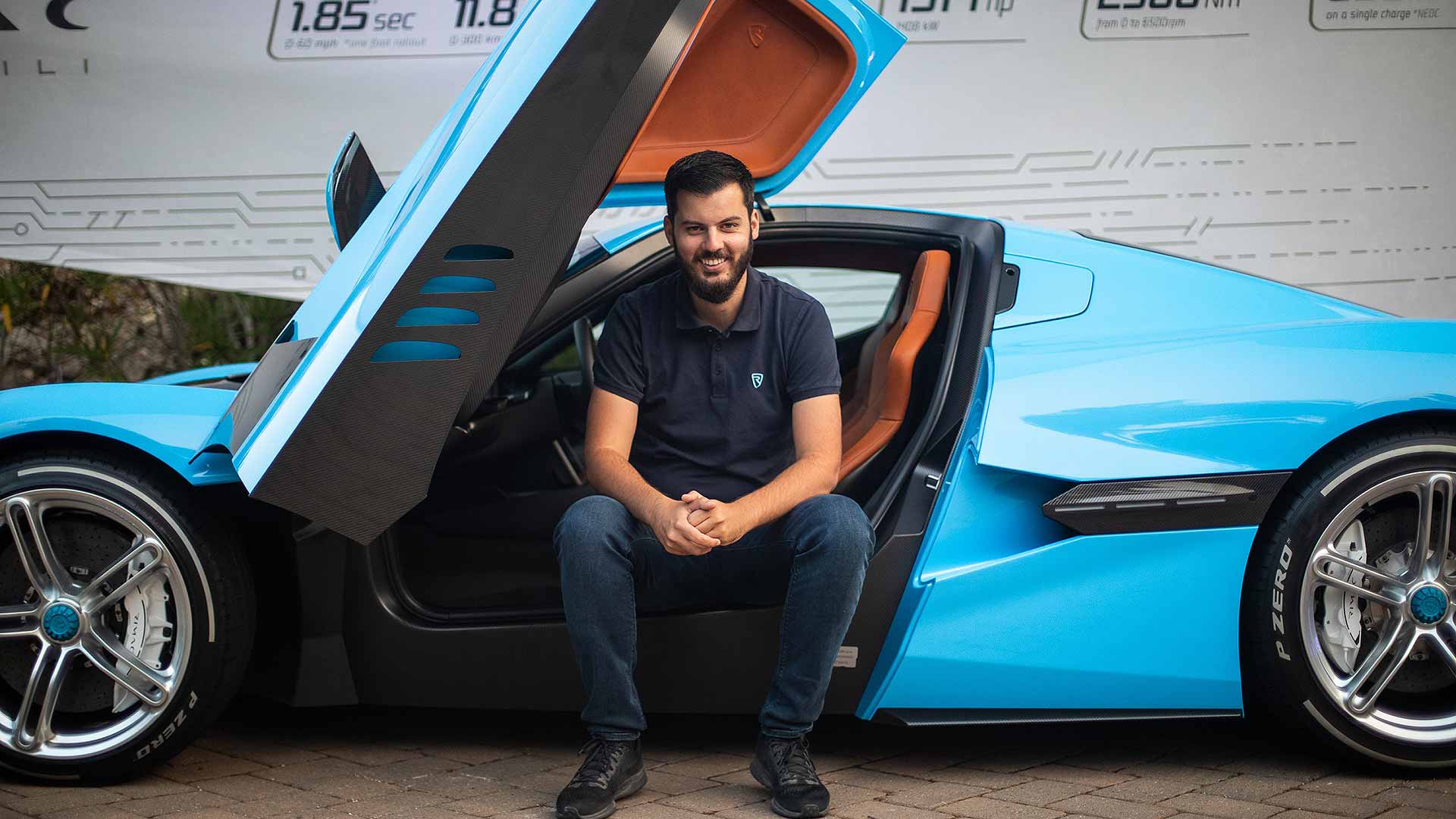
Porsche has increased its stake in Rimac Automobili to 15.5 percent following the purchase of an additional 5 percent share of the Croatian electric hypercar firm.
The German sports car company is strengthening its partnership following its initial investment in Rimac back in June 2018.
“It quickly became clear to us that Porsche and Rimac could learn a lot from each other,” said Lutz Meschke, Porsche AG CFO.
“We are convinced of Mate Rimac (pictured above) and his company, so now we have increased our stake and are expanding our cooperation in battery technology.”
As Porsche scales up its electric car portfolio, it will increasingly harness Rimac’s expertise in EV powertrains, batteries and other components related to electrification.
Porsche also plans to utilise Rimac’s expertise in autonomous driving.
Founder Mate Rimac remains CEO of the firm, which today employs 600 people. “It was one of the most important milestones in our history to win Porsche as a partner,” he said.
“The fact that Porsche is now increasing its stake is the best confirmation of our cooperation and the basis for an even closer relationship.”
Porsche’s investment will speed up development capabilities at Rimac, so it can support other automotive companies. It will also help the firm launch its new C_Two electric hypercar, which it describes as the most technologically advanced model ever launched.
Final development is now underway, ahead of customer deliveries beginning in 2020.
There are numerous ways fraudsters try to dupe used car buyers. Whether it’s the condition of the car itself, or the process of paying for it – you have to be vigilant at every stage.
Vehicle valuation specialist HPI has compiled a list of the methods car sales scammers use. Here are the six main issues to be aware of.
Clocking
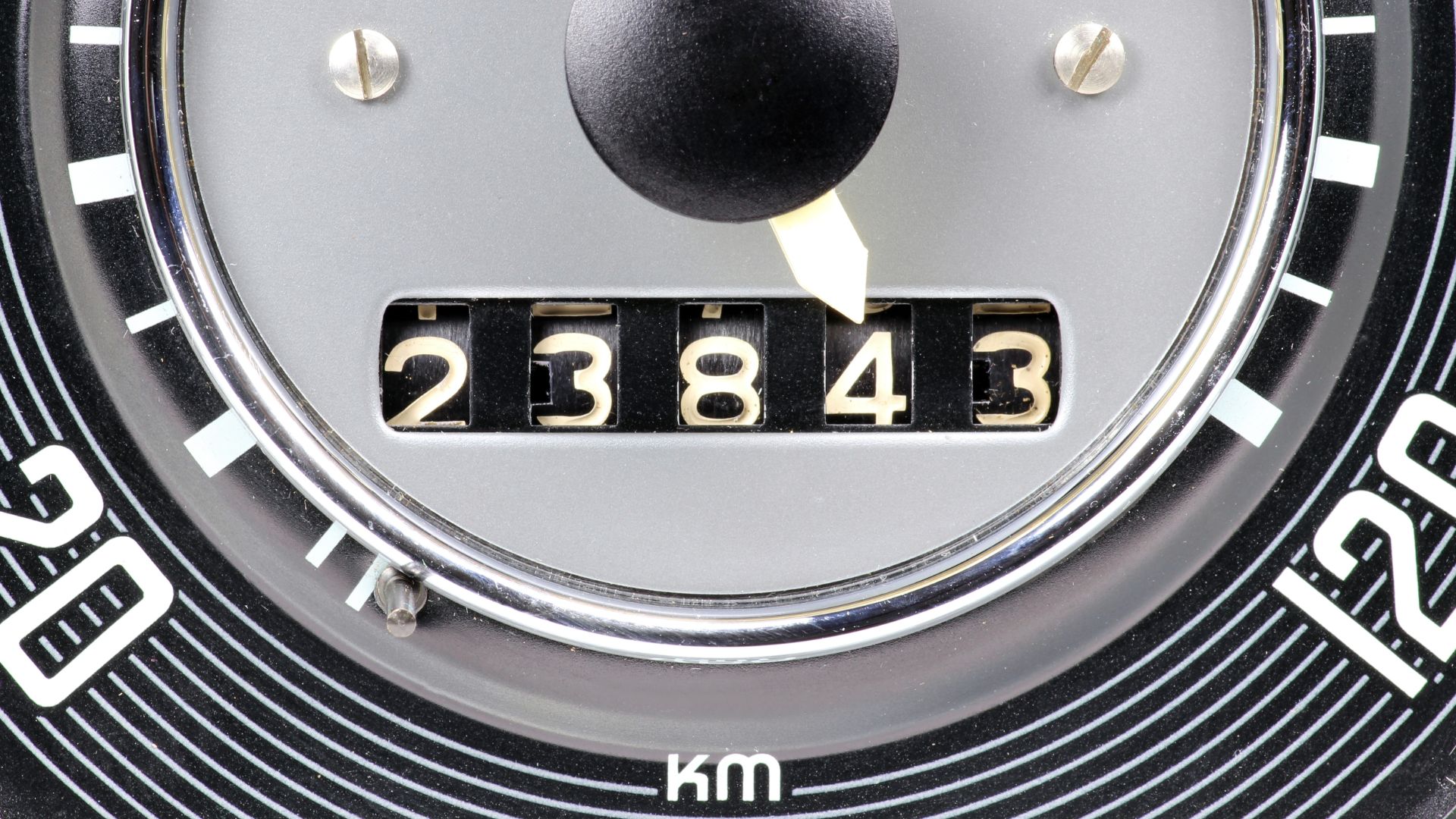
It’s the oldest trick in the book. For as long as cars have been on the road, those selling them have been winding back mileage. Fewer miles mean more money, after all.
Clocking is less of a problem with modern cars. MOT history checks via the government website can usually show you the progress of a vehicle’s mileage over the years.
Needless to say, if it goes from 70,000 to 30,000 between one MOT and the next, drop it like a hot potato. You should expect a documented service history with any car you buy, so use this to double-check.
One of the most dangerous scams, being the victim of a cut-and-shut means your car could be unsafe to drive.
A cut-and-shut is a crashed car that has been welded together with a donor car. Needless to say, structural strength often isn’t up to par.
Inspect the car you’re buying closely. Look at door shuts and panel gaps to see if they’re tight and even, then examine the chassis underneath.
Cloning
Cloning is a bit less ‘Dagenham Dave’ and a bit more ‘organised crime’. It involves a car being stolen and given the identity of an identical model that isn’t stolen.
It likely won’t come with a V5 registration document, so that’s your first warning sign. If you’re not sure, call the DVLA to confirm the V5 is genuine.
Similarly to cloning, a stolen car is given a new identity by a scammer. The difference here is that the identity is from a car that’s been written off. Yet another reason to be cautious around cars with crash categorisations such as ‘Cat D’.
Make sure the chassis number matches the V5, and that the vehicle identification (VIN) plate hasn’t been tampered with.
Aim to match the address where you view the car with the V5, too. If you have a stolen car, the police will seize it and you’ll be out of pocket, regardless of who is at fault.
Hire car fraud
It’s as simple as it sounds. This involves a scammer hiring a car and then selling it to you.
In other words, it’s the sale of a stolen car. Carry out all the basic checks, including the V5 document, and walk away if there isn’t one.
Millions buy their first cars without checking them over
Deposit fraud
Deposit fraud is where a scammer will pressure you to send money in advance, especially if you can’t view the car right away.
It’s a technique used by long-distance fraudsters, and indeed people selling parts as well as cars. If you must send a deposit, get a receipt.
Even deposit-holding third-party services can be risky. Make sure any service you use is registered and approved by Trading Standards.
Ecotricity, the company that established the first electric car charging network in the UK in 2012, is upgrading its network. To that end, the cost of charging will increase.
The unit cost of Ecotricity’s energy will go up on 4 October 2019, with the Electric Highway rate of 30p per kWh rising to 39p. Fully Charged tariff members get a reduced rate of 19p per kWh.
Prices up, but Ecotricity makes a loss
Britain is one of the CHEAPEST places in Europe to own an electric car
In spite of the price rises, however, the Electric Highway will continue to lose money. It says, profits aren’t attainable yet because the user base isn’t at capacity.
Put simply, not enough people drive plug-in vehicles yet. The Ecotricity charging infrastructure seems ahead of the game in terms of the capacity it needs, but is due an upgrade in technology. Faster charging speeds should draw more customers, too.
Upgrading the UK’s oldest charging network
Hybrid and EVs surge ahead for second-hand sales
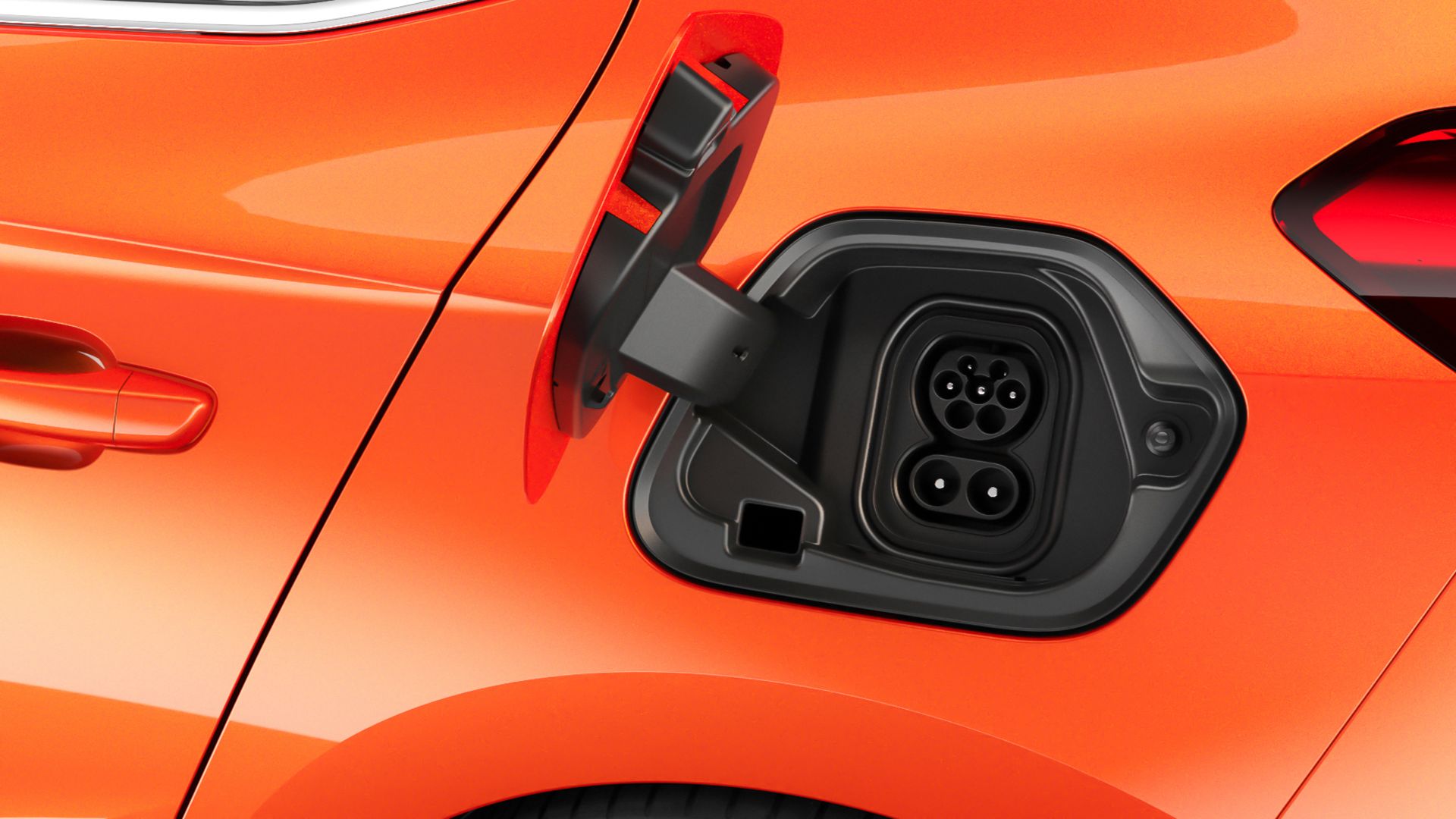
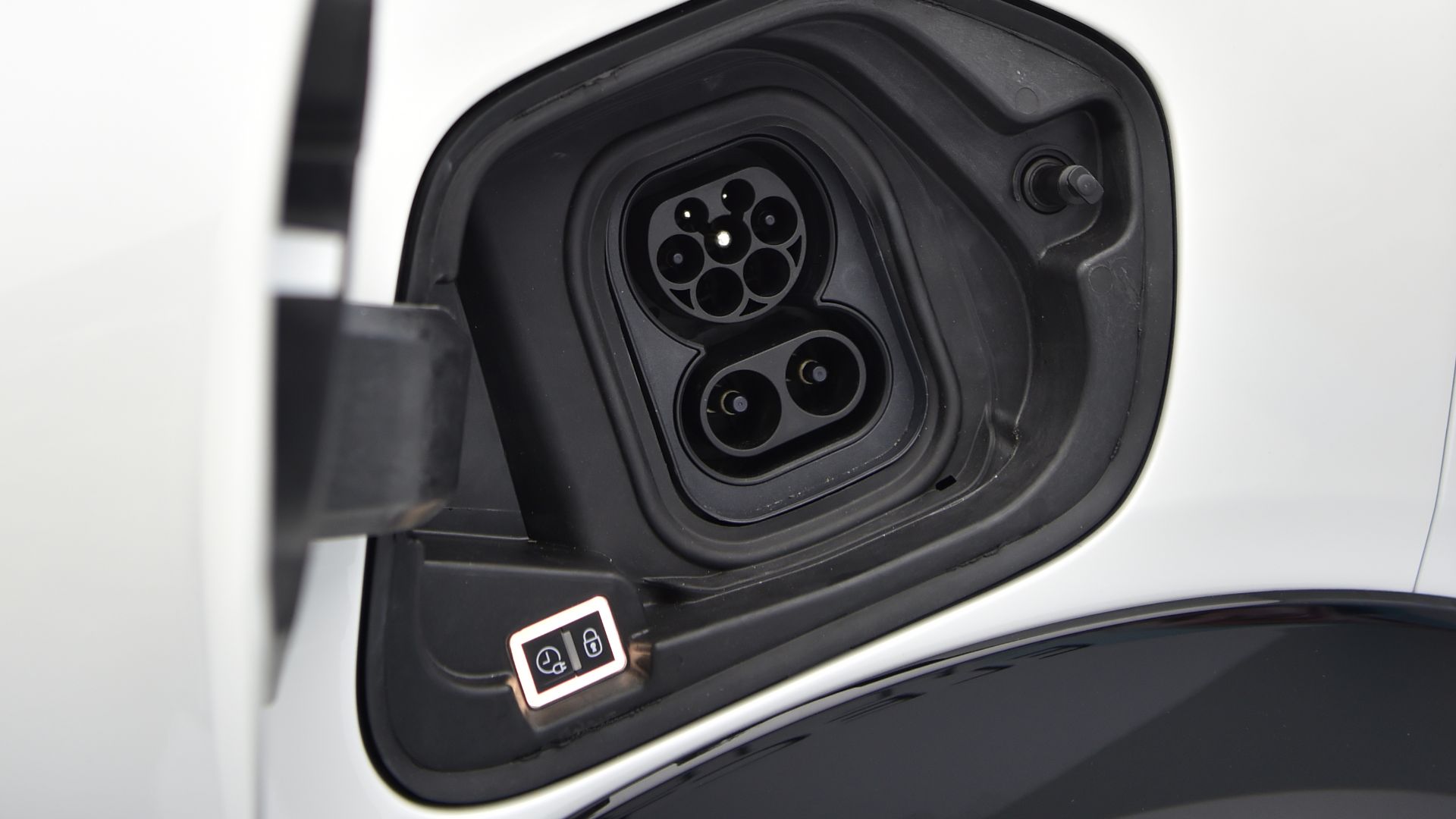
Electric car technology has come a long way since 2012. It’s Ecotricity’s intention that the entire network is upgraded to include CCS charging and contactless payment.
Rapid chargers will begin rolling out over the next month to replace the existing 50kW ‘pumps’. In the longer term, ultra high-speed charging facilities are coming. More than 50 applications have been submitted to secure grid capacity for 350kW charging.
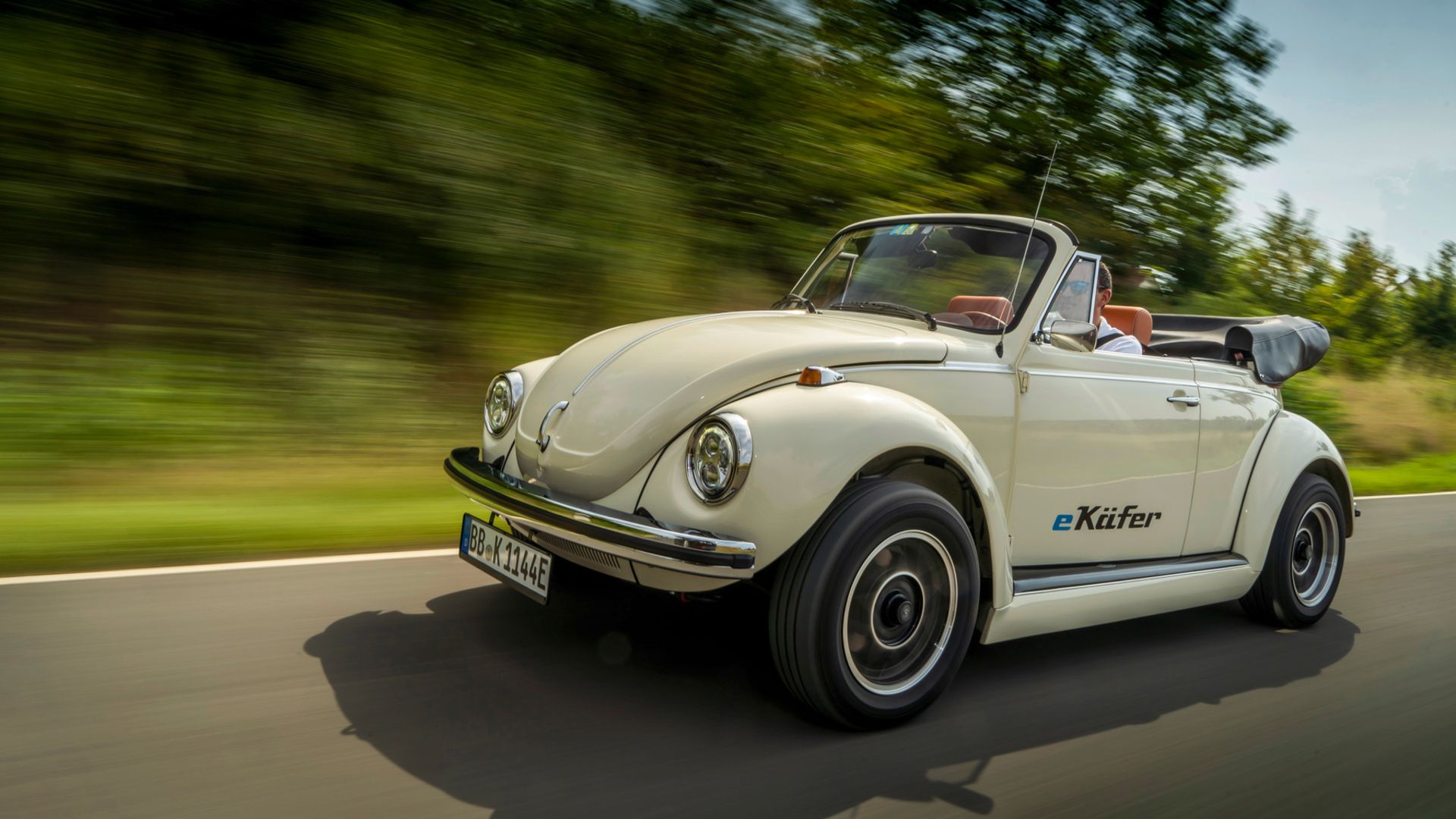
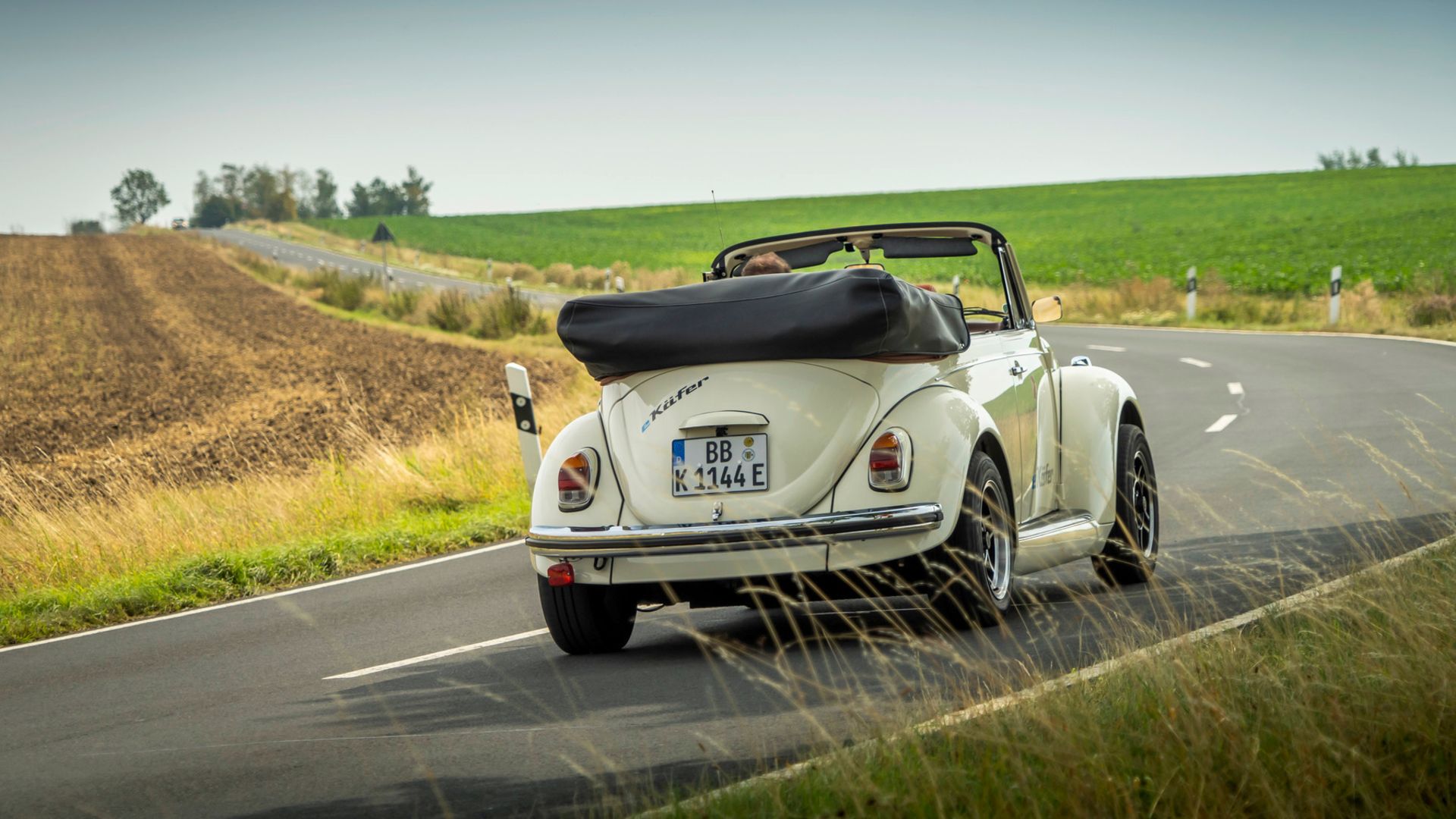
Volkswagen has given a classic Beetle a heart transplant. It’s goodbye to the air-cooled chunter that defined seven decades of the original people’s car, and hello to the futuristic hum of electric power. The Beetle will be on display at the 2019 Frankfurt Motor Show.
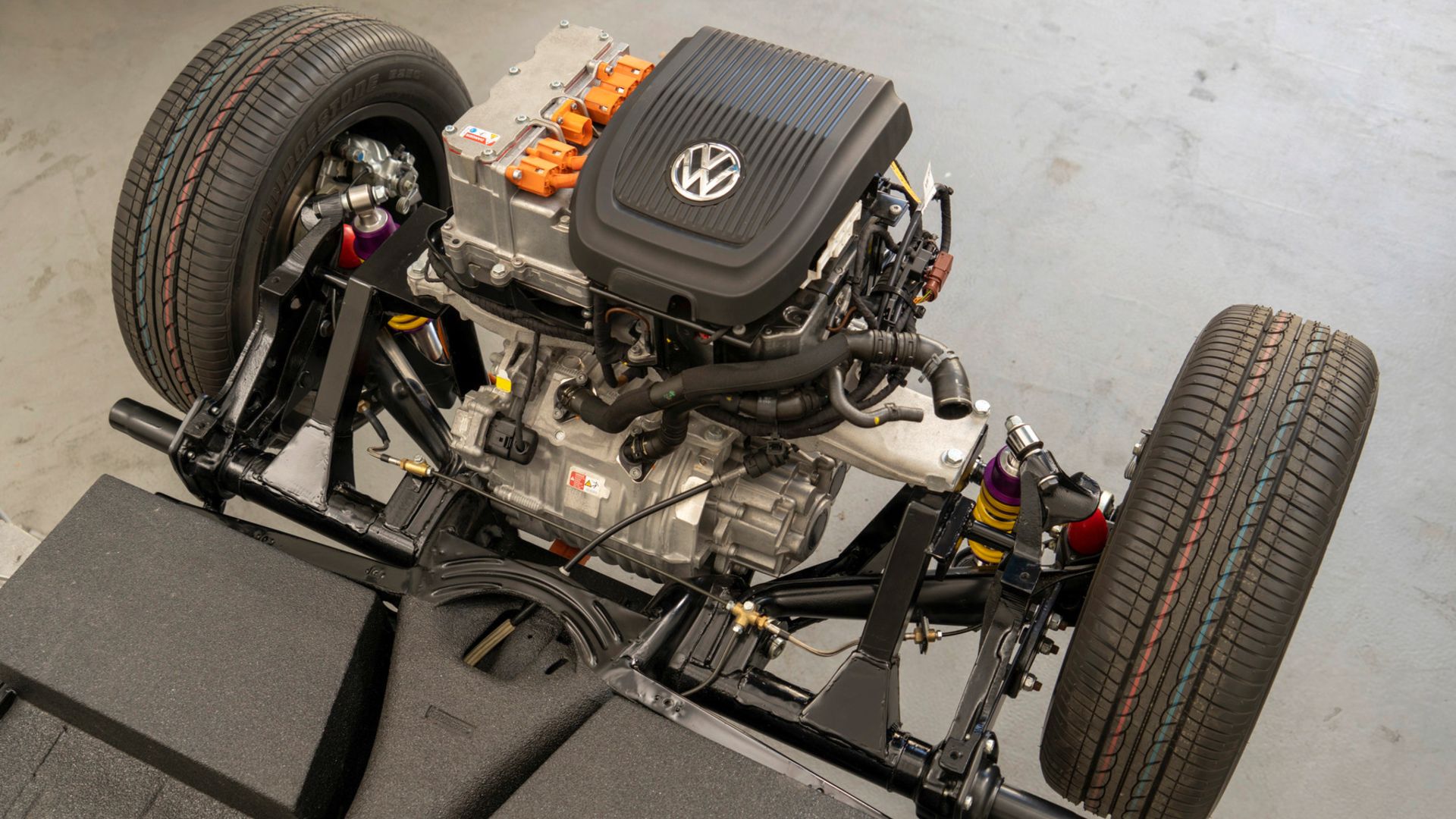
Volkswagen has teamed up with eClassics for the project. However, the powertrain, including battery, transmission and motor, is borrowed from VW’s e-Up electric city car.
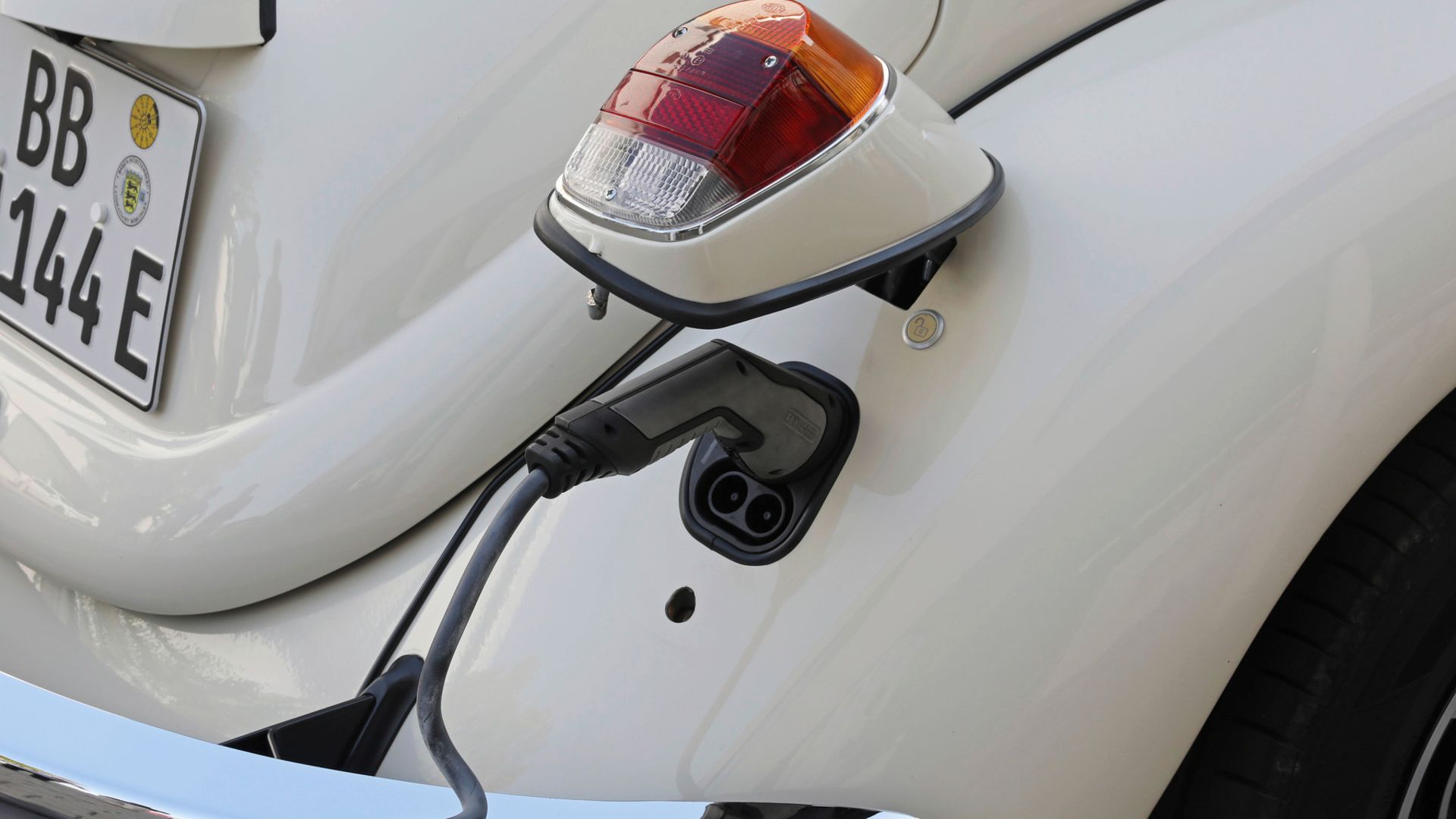
The result is perhaps the heaviest classic Beetle ever made. By comparison with modern cars, however, it’s a featherweight, at 1,280kg. It’ll go more than 120 miles on a charge, and can be recharged up to 90 miles of range within an hour.
Will you be able to buy one? Well, Volkswagen is talking up the capability of its components division, so there’s a very real possibility.
“The electrified Beetle combines the charm of our classic car with the mobility of the future,” said Thomas Schmall of Volkswagen.
“Innovative e- components from Volkswagen Group Components are under the bonnet – we work with them to electrify historically important vehicles, in what is an emotional process.
“We are also providing Beetle owners with a professional conversion solution, using production parts of the highest quality.”
While Volkswagen provides the parts, eClassics is responsible for fusing car and powertrain.
“We are proud that we and Volkswagen Group Components could get the show on the road with this project. We are also looking forward to seeing many e-Beetles on the street soon,” said MD of eClassics, Dennis Murschel.
More electric classics coming soon
Britain is one of the CHEAPEST places in Europe to own an electric car
What’s perhaps even more interesting is that the Beetle won’t be a one-off. The marque is investigating the possibility of electrifying other classics from its back-catalogue. VW is even considering infusing classics with its latest Modular Electric Drive Matrix (MEB) electric car tech.
“We are already working together to prepare the platform for the Bus,” explained Thomas Schmall. “An e-Porsche 356 could also be pursued in the future.”


 Is Ferrari trolling the Frankfurt Motor Show? On the eve of 2019’s biggest motoring bunfight, the Italian marque has staged its own Universo Ferrari event in Maranello, revealing two new convertible supercars. Cue media meltdown.