Home Blog Page 325

Highways England is turning motorway lights back on

0

Highways England switches lights back on

Highways England is ending its policy of switching off some motorway lighting between midnight and 5am.

The government-owned company has maintained this policy since 2009 on 100 miles of the road network. A recent report, however, indicated that ‘lighting unlit’ sections saw casualty rates increase by 88 percent. These included non-functioning lighting, as well as lighting that was turned off. That’s a rise from 93 to 175 casualties between 2010 and 2017.

Highways England says the switch-off policy ended in 2018. This, because of the installation of more efficient LED lights and, presumably, the negligible savings a switch-off would make. It’s not yet linked the revocation of the switch-off to safety concerns.

Highways England switches lights back on

“Safety is our top priority,” said head of road safety Richard Leonard. 

“On our roads we light what needs to be lit, and we know where those locations are. We have a greater understanding of where night-time collisions occur and the impact road lighting would have. This means we can target lighting where it is needed, rather than putting lights everywhere.

“We are absolutely committed to further reducing deaths and injuries on England’s motorways and major A roads. This will require a concerted effort and investment over the long term.”

Are lit areas more dangerous?

Highways England switches lights back on

  • Upgraded M6 is 30 percent safer, says Highways England

Conversely, the company actually points out that its data suggests that ‘you are more likely to be involved in a casualty incident on a lit section of road’. This could, however, be because areas they choose to light are, by comparison, more dangerous.

Why? Because when it reviews lighting, it carries out safety risk assessments to see if it’s still needed. Therefore, if the lights are on, they’re likely needed. It’s a piece of road that lighting is viewed to help make safer, but not necessarily by comparison to roads that don’t warrant it. In short, the lights indicate that a section is viewed as less safe than those without lighting. The lighting is there to help, if only in part, but isn’t the cause.
Advertisement

You can now experience classic Ferraris in Italy

0

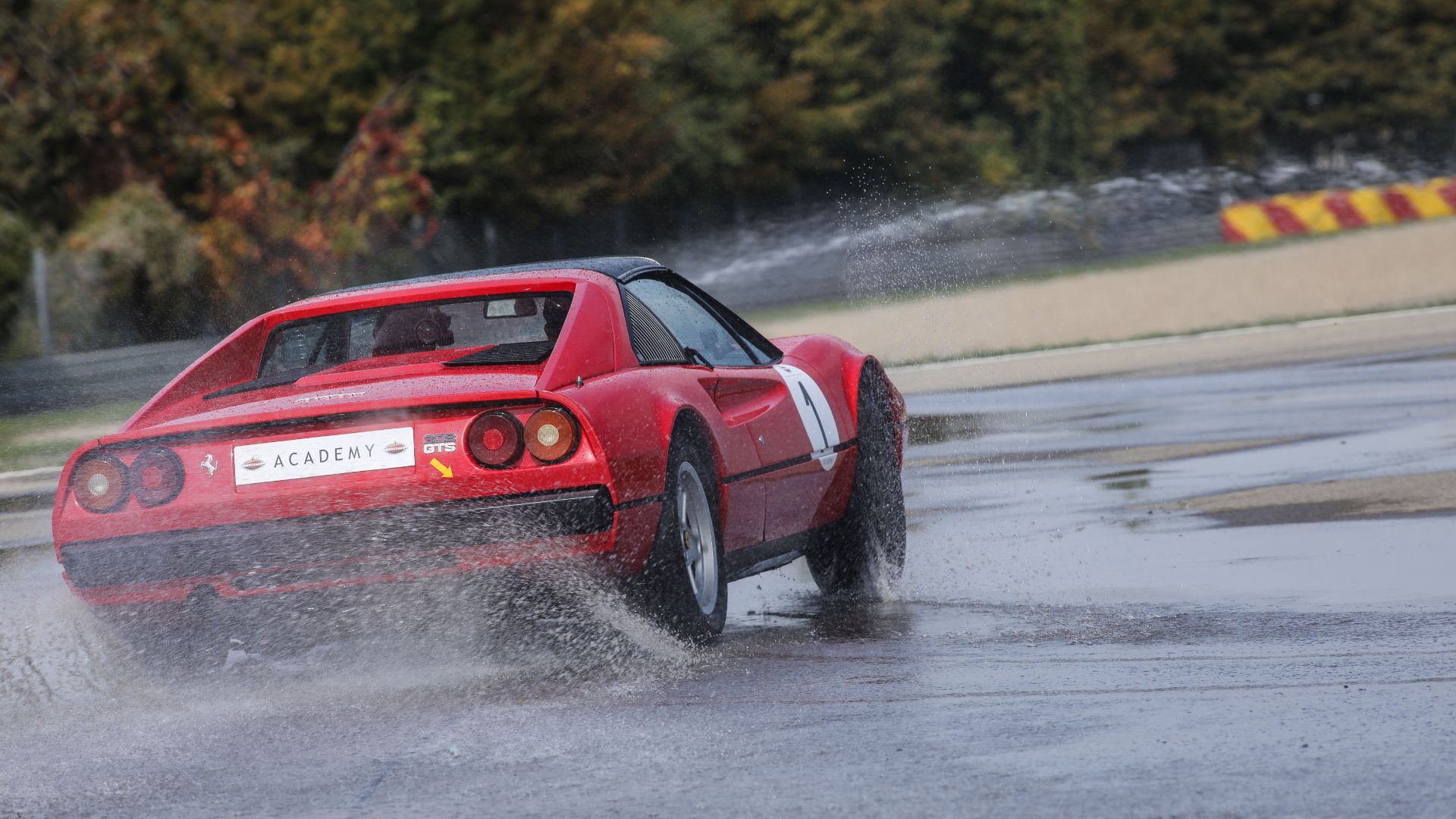
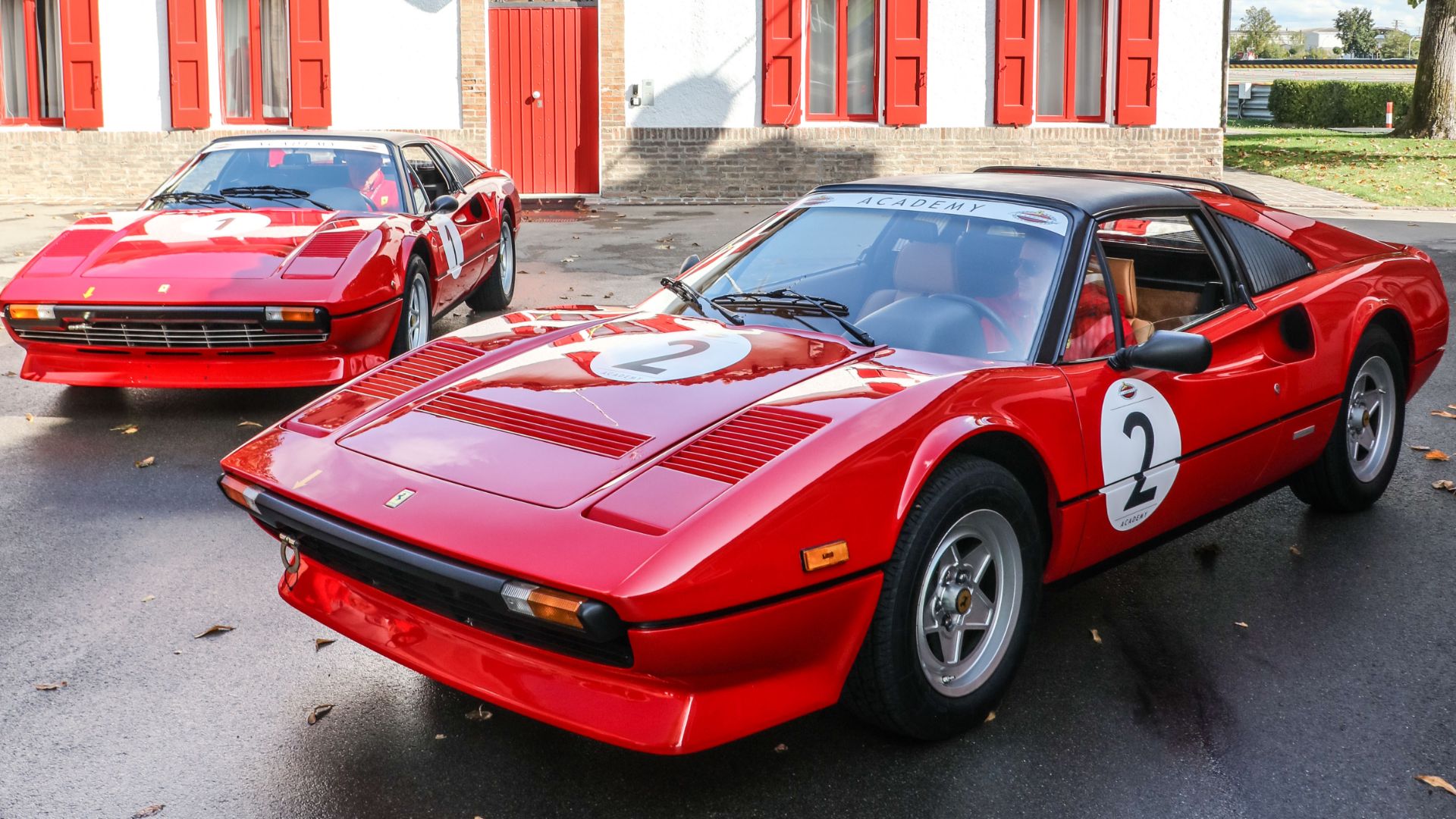
Ferrari Classiche Academy

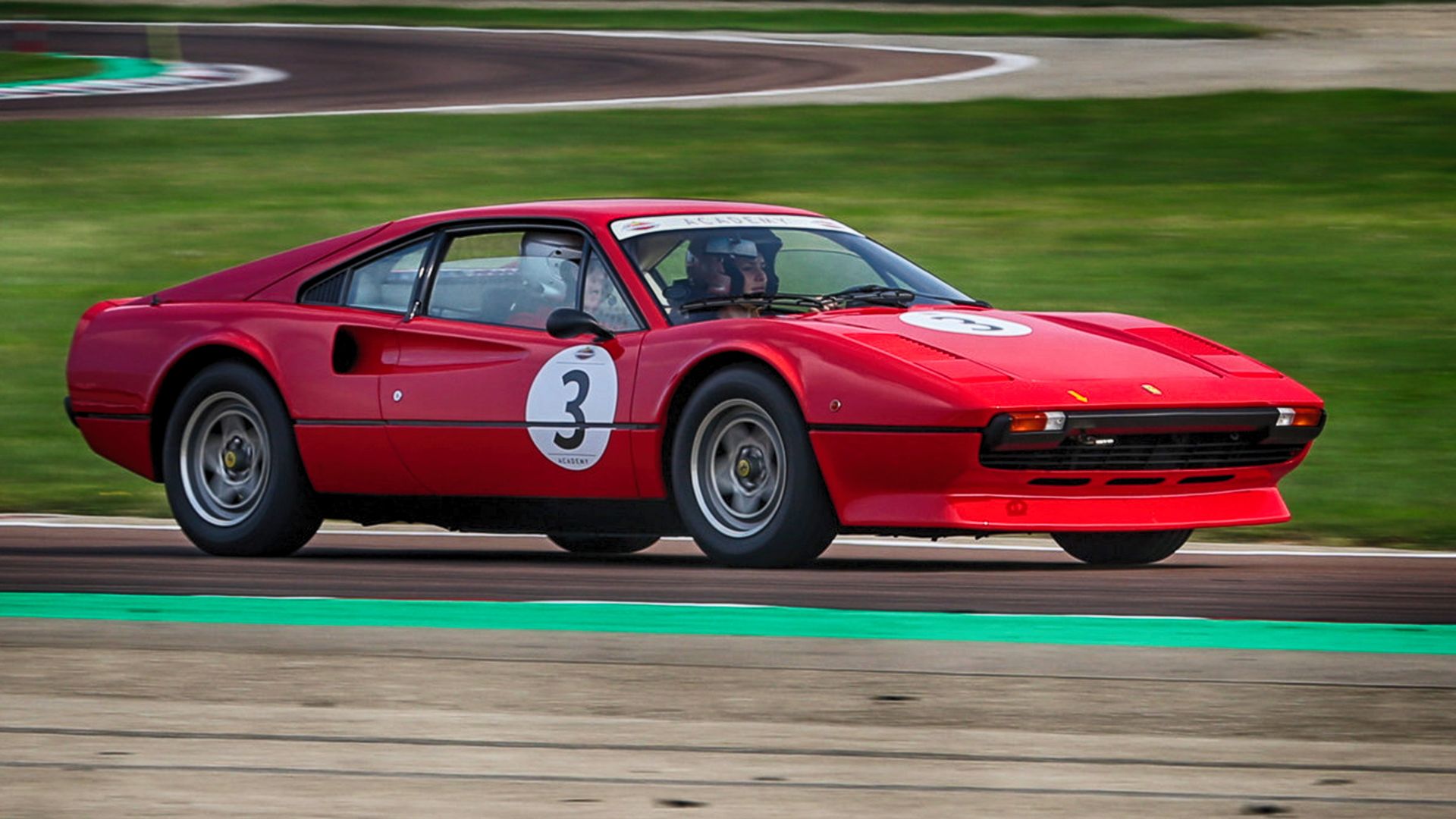
Ferrari’s new Classiche Academy is underway, and it makes possible one of the great automotive impossibilities: the opportunity to see, learn about, feel and drive classic Ferraris. This, and more, takes place over two days of immersion in the world of Ferrari at the marque’s Fiorano circuit.

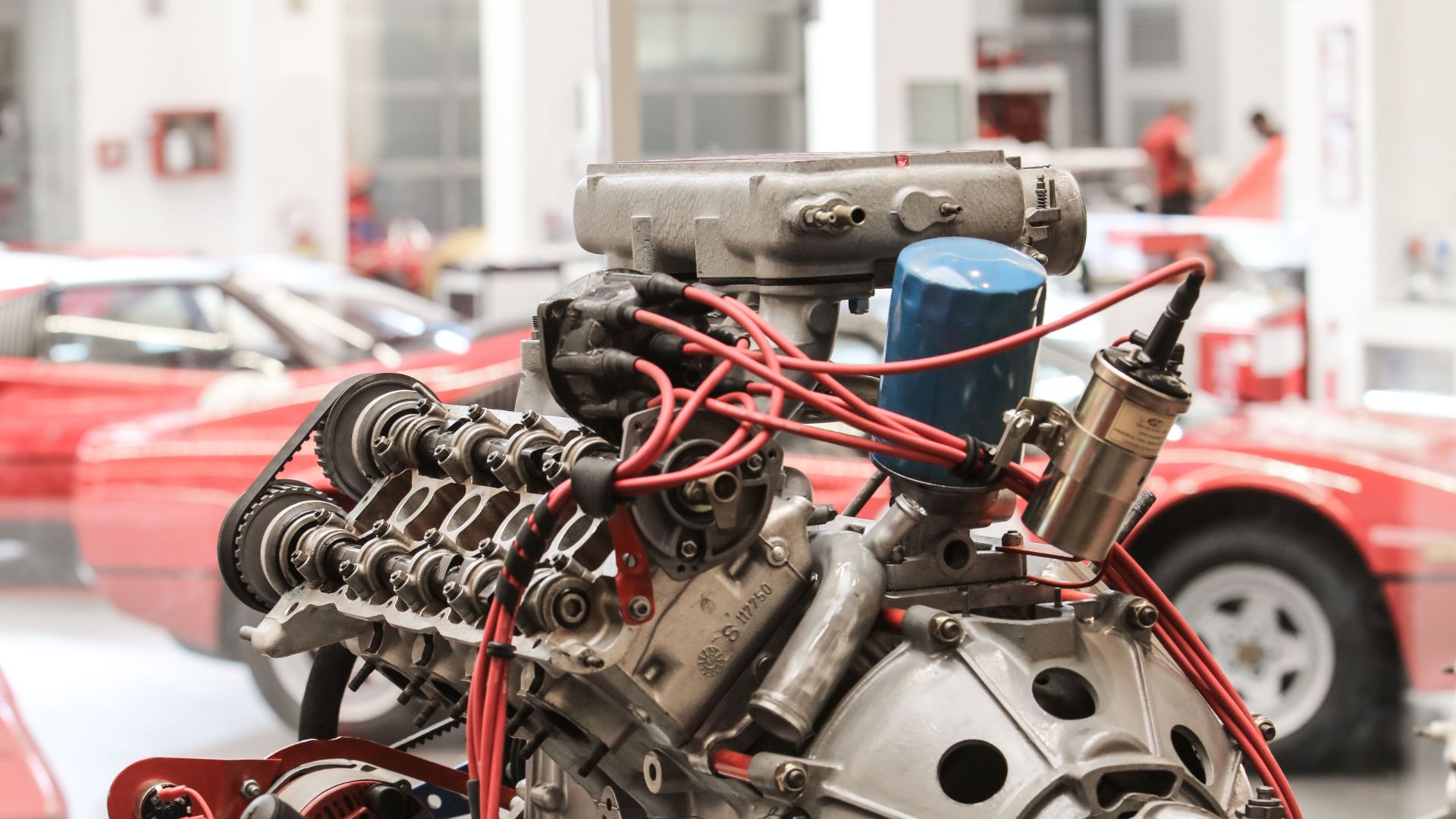
Not quite the multi-million-pound V12 GTs of the 50s and 60s. You do, however, get the authentic 70s and 80s experience, with a 308 GTS and GTBi. Unlike any other supercar driving experience, Ferrari opens by taking you underneath these early era Ferrari supercars, to discover what makes them tick.

Ferrari Classiche Academy

  • Road rage is getting worse, says RAC survey

Then you go for a tour of the Officine Classiche Ferrari, where you can view technical drawings and notes taken by engineers in period. The marque has an archive of notes, drawings and race reports going back to 1947. 

Driving classic Ferraris

Ferrari Classiche Academy

The track experience shouldn’t be the standard UK fare of ‘stay in a gear, don’t go over X,XXXrpm’, either. With the Classiche Academy, you get a course in vehicle dynamics and corner management.

You learn various driving techniques like high-speed counter steering, wet-weather driving, heel and toe and double clutching. It’s all stuff you’d at least hesitate to try on the road in your own car, let alone in someone else’s classic Ferrari.

Ferrari Classiche Academy

  • More than half want driving age raised to 18

This is all because Ferrari wants to deliver pre-digital driving experiences and to encourage the learning of car control in cars with no safety net to catch you. Again, how many people who actually own these cars dedicate time to learning how to drive them?

Imagine in 30 years time if Ferrari offered a two-day course at Fiorano where you got to learn to drift ‘classic’ 458s? That’s the kind of thing this is for 70s and 80s supercar aficionados.

Advertisement

Classic cars converted to electric ‘are not historic’

0

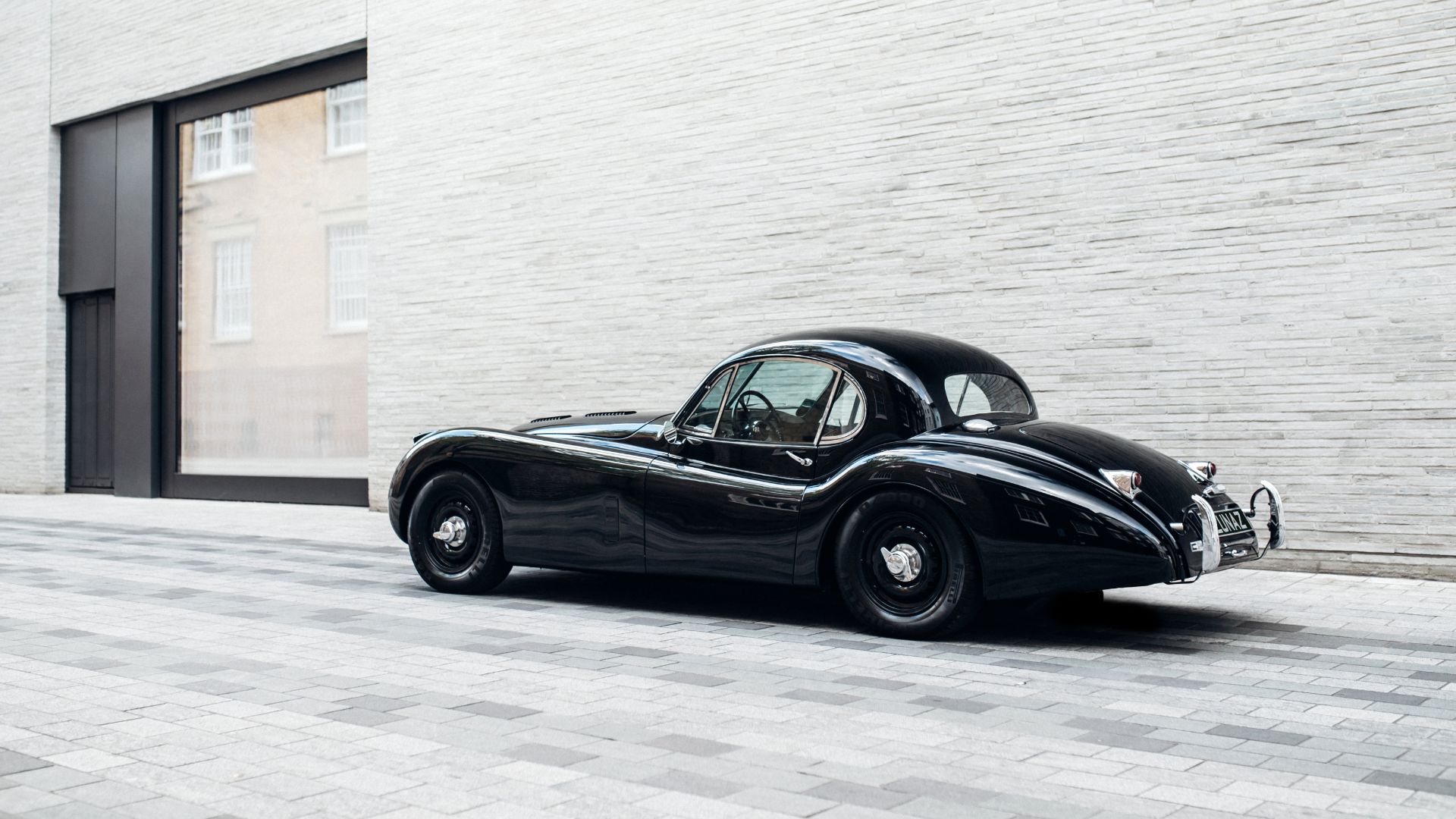
Lunaz electrified classics

The international federation of historic vehicles says it is unable to promote or support the conversion of classic cars to electric power.

FIVA (the Federation Internationale des Vehicules Anciens) ‘understands the motivation of some owners to electrify their vehicles” and that ”all modifications are a matter of personal choice”.

It also acknowledges that electrification allows vehicles to meet modern environmental standards, with the additional benefit of increased power and performance.

However, in a rather damning statement, FIVA has slammed the electrification of historic vehicles, saying it ‘cannot promote, to owners or regulators, the use of modern EV components (motors and batteries) to replace historic vehicle’s powertrain’. 

An increasing number of classic cars are being converted to electric, including the Volkswagen Beetle, Jaguar E-Type Zero, Renault 4L Plein Air, Jaguar XK120, Aston Martin DB6 Volante Electric and Ferrari 308 GTE.

What is a historic vehicle?

Lunaz electrified classics

According to FIVA, a historic vehicle is ‘a mechanically propelled road vehicle’ that is:

  • At least 30 years old.
  • Preserved and maintained in a historically correct condition.
  • Not used as a means of daily transport.
  • Part of our technical and culture heritage.

The final point is open to interpretation, but the reference to ‘historically correct’ leaves us in little doubt. An electrified classic cannot be classed as a historic vehicle.

Tiddo Bresters, FIVA’s vice president, legislation, said: “It is not, in our opinion, the shape or body style of a vehicle that makes it ‘historic’, but the way in which the entire vehicle has been constructed and manufactured in its original form.

“Hence if any owner, motor engineer or manufacturer chooses to make such conversions to a historic vehicle, FIVA would strongly recommend that any changes are reversible, with all the original components marked and safely stored.

“In this way, the vehicle may – if so desired in the future – be returned to its original state and may once again become a historic vehicle.”

FIVA’s stance is certain to spark a debate in the pubs of Great Britain and on classic car forums. Let us know your thoughts on the matter in the comments below.

Advertisement

Electric Mini laps the Nurburgring without braking

0

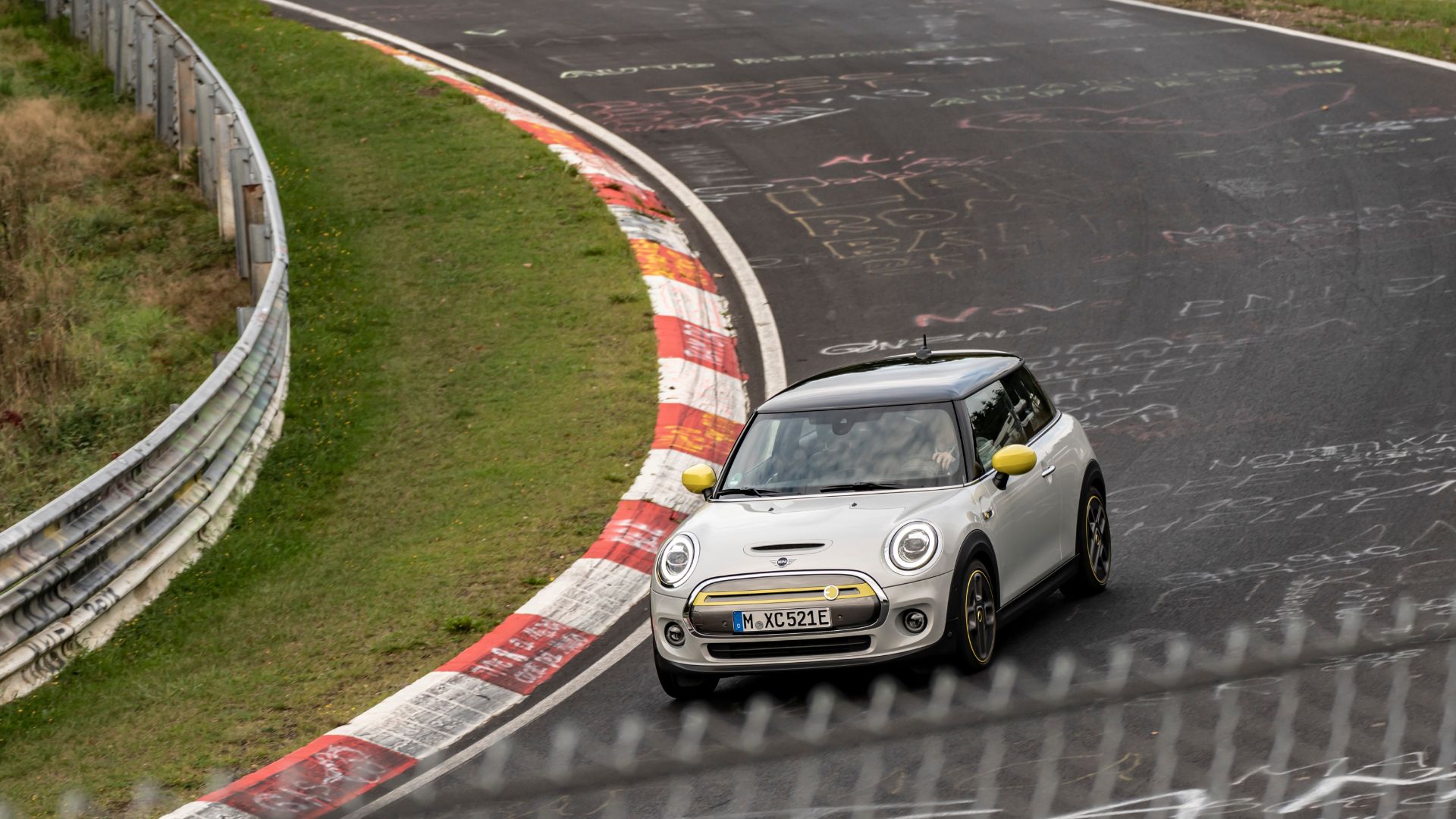
Mini Nurburgring no brakes

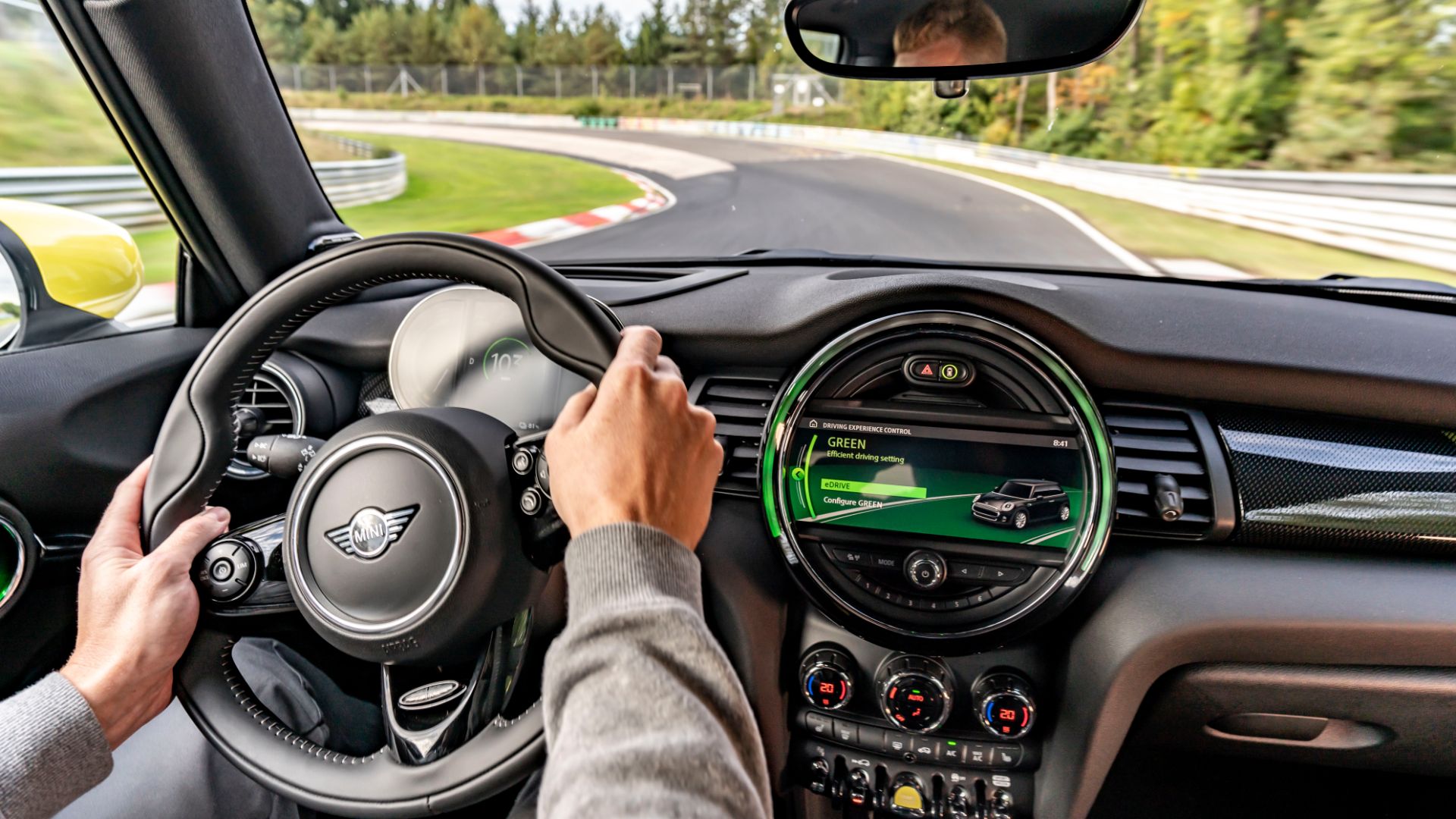
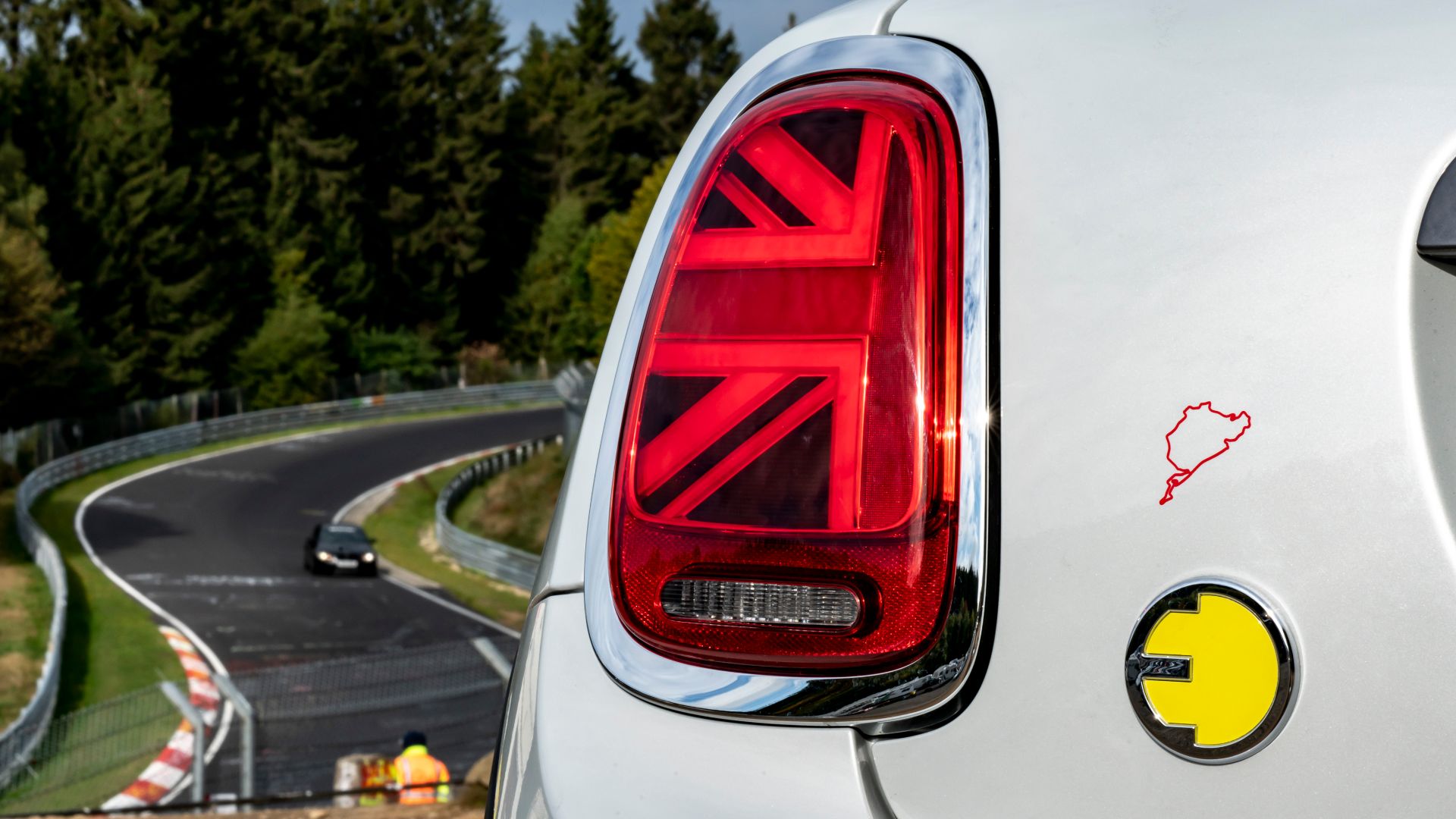
It takes a certain level of bravery to take to the Nurburgring at all. But one Mini driver has lapped the infamous circuit without even touching the brake pedal. His goal: to test the new electric Mini Cooper SE’s Green Mode regenerative systems.

For clarification, we’re not talking about flat-out driving. Rather, the lap required perfectly measured inputs of throttle to engage the right amount of battery-charging regenerative braking at the right time. 

The Green Hell in Green Mode

Mini Nurburgring no brakes

  • More than half want driving age raised to 18

What’s the point of driving the Nurburgring if not flat-out? Well, besides the PR kudos that comes with taking your car there, it’s great for testing and calibration.

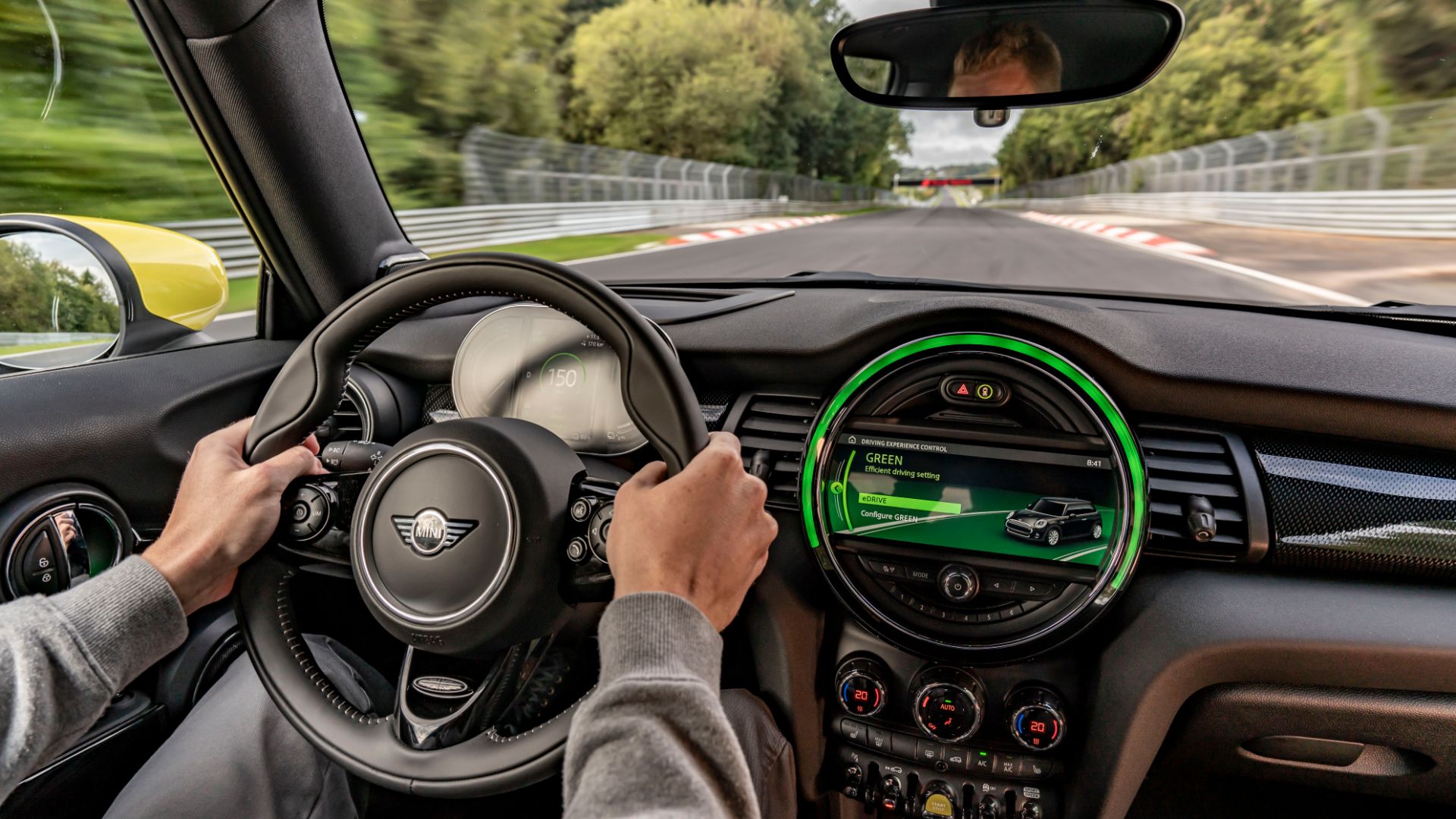
As with many electric cars, the Mini allows you to select how much retardation and regeneration you get when off the throttle, to the point where you can drive with one pedal. The Mini’s system is two-stage and adjustable with a toggle switch to the left of the start-stop button.

  • JCB is now building its electric digger

Mini Nurburgring no brakes

There’s a whole new challenge in selecting the right amount of regeneration for the coming corner. The softer stage provides 0.11g of deceleration, while the harder setting provides 0.19g.

Mini calls it ‘timely toggling’, to ensure ‘soft recuperation ahead of extended bends and full energy recovery with corresponding deceleration ahead of tight curves’.

The car will let you know which mode you’re in, with recuperation rates displayed, and LED lighting to correspond. The toggle switch also has its own LED that lights up in energy recovery mode.

Mini Nurburgring no brakes

“The first lap in the ‘Green Hell’ already reveals the extent to which the two-stage recuperation increases driving fun in tandem with efficiency,” said a Mini spokesperson.

Advertisement

How much does it cost to charge a Tesla Model 3?

0

Tesla Model 3

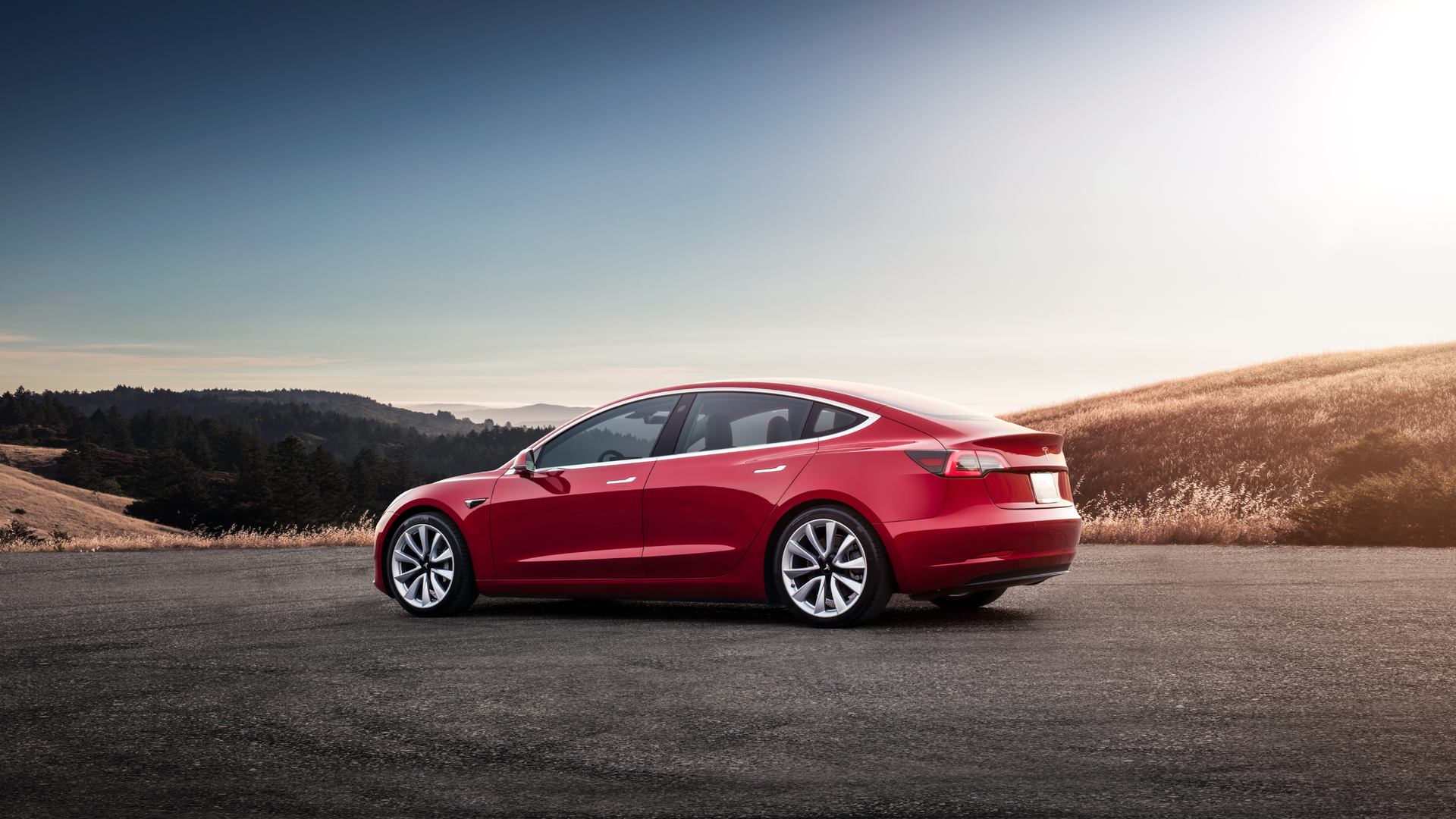
The Tesla Model 3 is one of the most talked about cars in Britain. Our Tim Pitt said “it could be a game-changer for Tesla: the car that propels it into the mainstream“. But how much does it cost to charge?

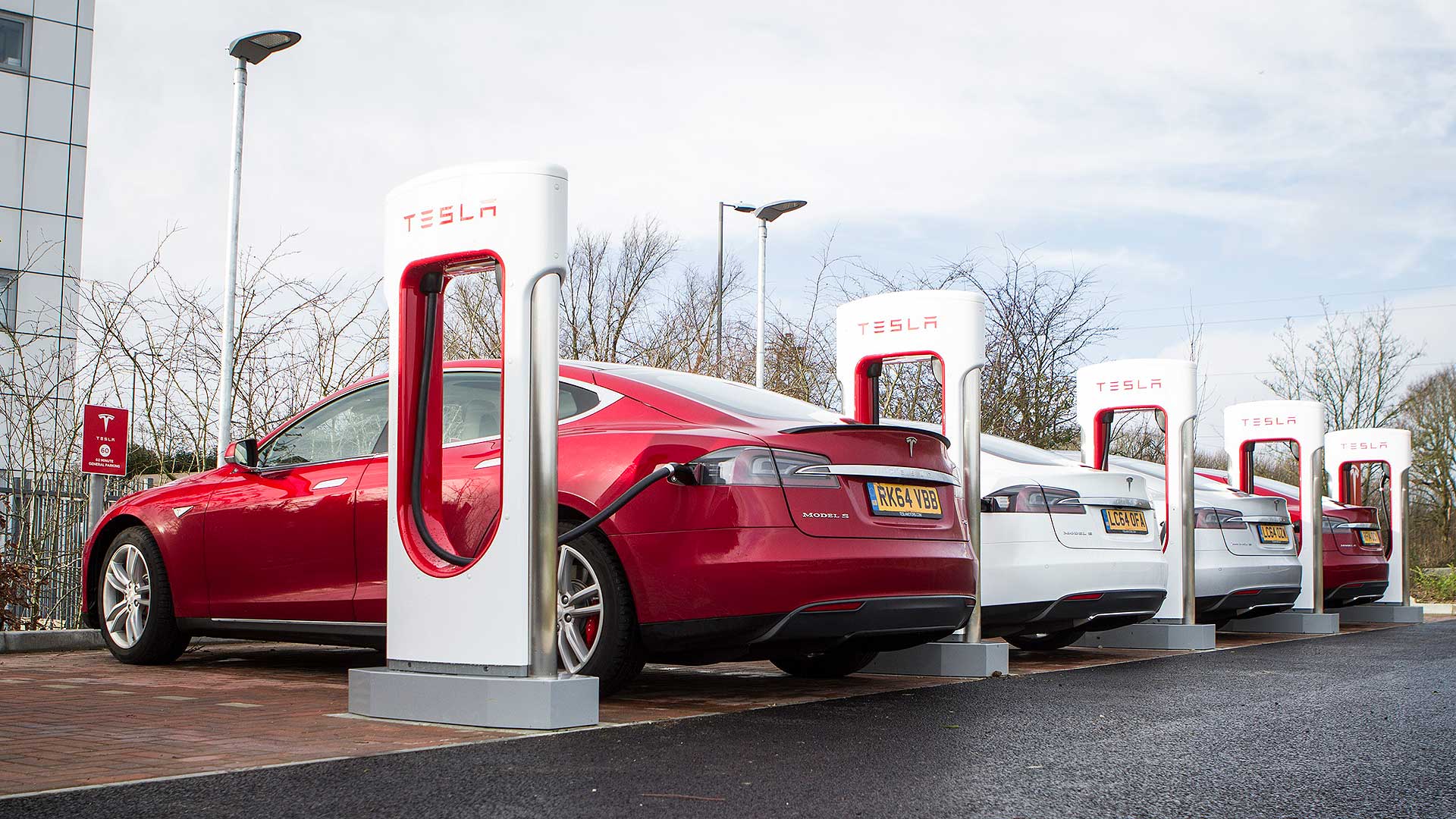
You’d be forgiven for feeling slightly confused. Some Tesla owners don’t pay for using the Supercharger network, while others do. Cutting to the chase: you WILL have to pay to charge a Tesla Model 3.

Anyone who bought a Model S or Model X before 2 November 2018 enjoys free and unlimited access to the Supercharger network. Cars bought after this date are subject to an annual allowance of 400kWh before paying to use the network.

Then, in August 2019, Tesla reinstated the unlimited free Supercharging as part of the Model S and Model X sales package. It isn’t clear how long this will last, but it doesn’t apply to Model 3 owners. 

Model 3: cost of charging

How much you pay to charge your Tesla Model 3 depends on where you’re charging. The following guide is based on prices correct at the time of writing:

  • Tesla Supercharger: based on a price of 24p/kWh, a full charge in the Model 3 Standard Range Plus costs £12. This delivers a range of 254 miles.
  • Public charging network: using a Pod Point rapid charger should cost between £7.52 to £10.26 for a 20 to 80 percent charge. Other rapid chargers are available.
  • At home: based on a cost of 14p/kWh, it should cost £7 for a full charge when using a domestic supply.

Prices vary, while access to a rapid charger network could involve a registration fee and monthly charge.

Tesla Superchargers in Britain

There are currently nearly 15,000 Superchargers across the world, and that number is growing all the time. However, it’s worth noting that the Model 3 is the first Tesla to come with a CCS charging port, so you aren’t restricted solely to the company’s Supercharger network. 

Click here to read our Tesla Model 3 UK review.

Advertisement

Newcastle named best city for car parking

0

City parking UK

New data reveals which UK cities offer the best car parking facilities. The study by InsuretheGap, assessed cities based on the number of parking spaces per resident, average walking distance from the city centre and prices per hour.

It might not surprise you to learn that London comes last. It seems the further from the capital a city is, the better. However, there is good news for the people of Newcastle.

Paradises for parking

City parking UK

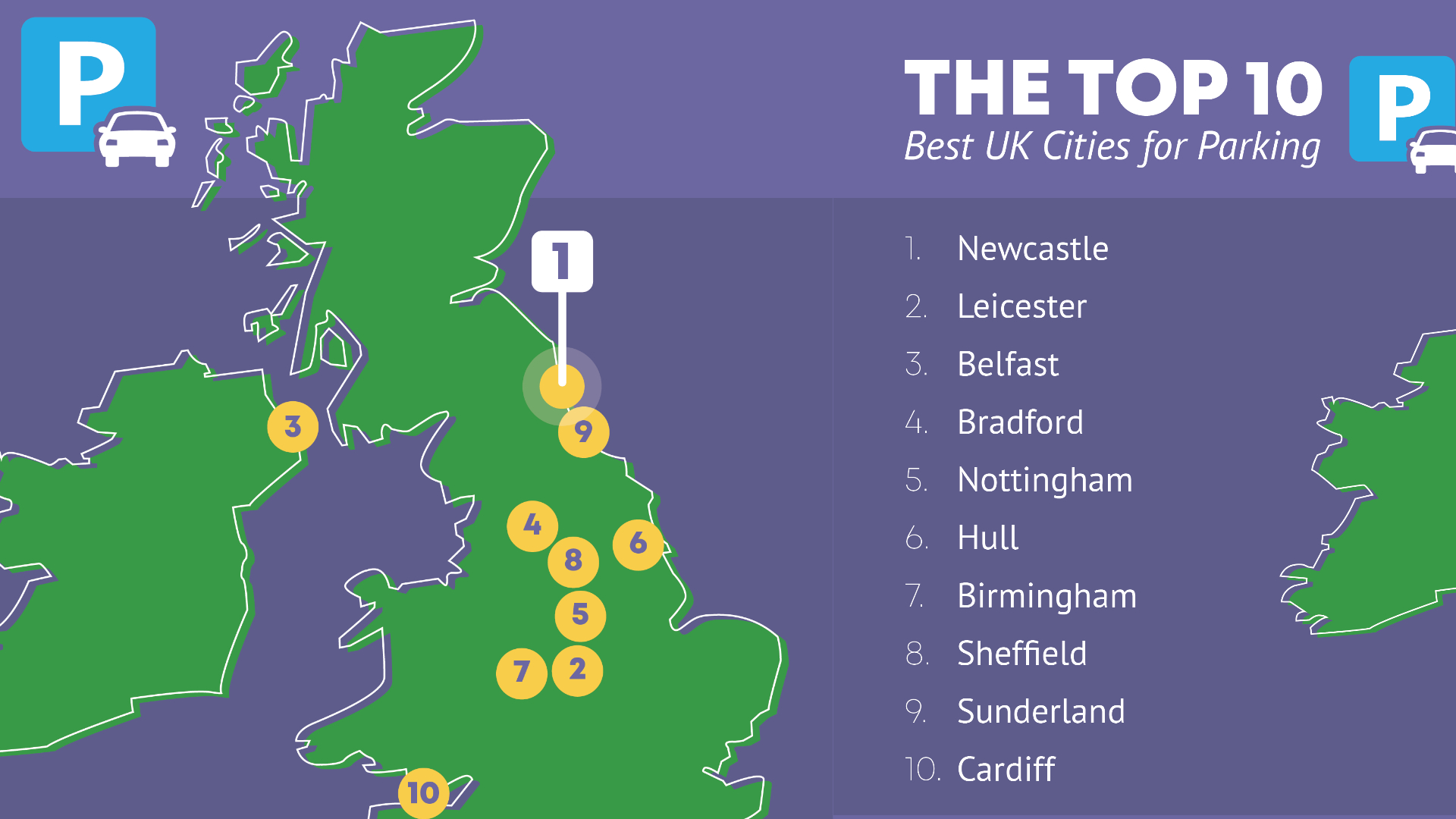
In 10th place is Cardiff. Although it has plenty of spaces per resident, it’s not so hot when it comes to walking distance and price. Sunderland in ninth, does better for walking distance, but suffers when it comes to the number of spaces. It claws things back massively on price, though, being the cheapest in the country. How does £1.73 for two hours of parking sound?

Sheffield in eighth does OK, with a great score for walking distance. Birmingham in seventh suffers enormously when it comes to available spaces, but good walking distance and competitive pricing redeem it. Sixth-placed Hull, meanwhile, is something of a jack-of-all-trades. 

  • Road rage is getting worse, says RAC survey

City parking UK

The top five best cities for parking do well in combining all three. Nottingham in fifth is a prime example. Bradford in fourth has a poor number of spaces per resident, but competitive costs and the best walking distances on the list. 

Belfast, Leicester and Newcastle round off the top three, each with great availability and pricing. Belfast falls short somewhat when it comes to walking distances. It does have the most parking spaces per resident on the list, though.

City parking UK

“Trying to find a parking space, especially one in a good location and at a reasonable rate, seems to be getting more difficult,” said Ben Wooltorton of InsuretheGap.com.

“This data highlights areas that are doing well in providing adequate parking for residents and visitors. The other end of the scale indicates where drivers might need to put in a little more research and planning to find the space they want.”

Advertisement

Ford launches ‘Charging Solutions’ system for electric cars

0

Ford Charging Solutions ecosystem

Ford has launched a range of electric car charging equipment and software. The company claims it is ‘putting to bed’ concerns around EV charging that current and prospective owners may have.

The arrival of the Ford Charging Solutions system follows a similar announcement by Volkswagen last month.

Ford Charging Solutions ecosystem

A new Connected Wallbox makes up only part of what Ford calls its ‘Charging Solutions ecosystem’. It can deliver five times the quantity and speed of charge that a domestic plug socket offers. This means ‘customers can be sure their Ford electric vehicle will fully recharge overnight’. Standard on all Ford electric cars will be the Ford Home Charge Cable, which plugs in like any other gadget.

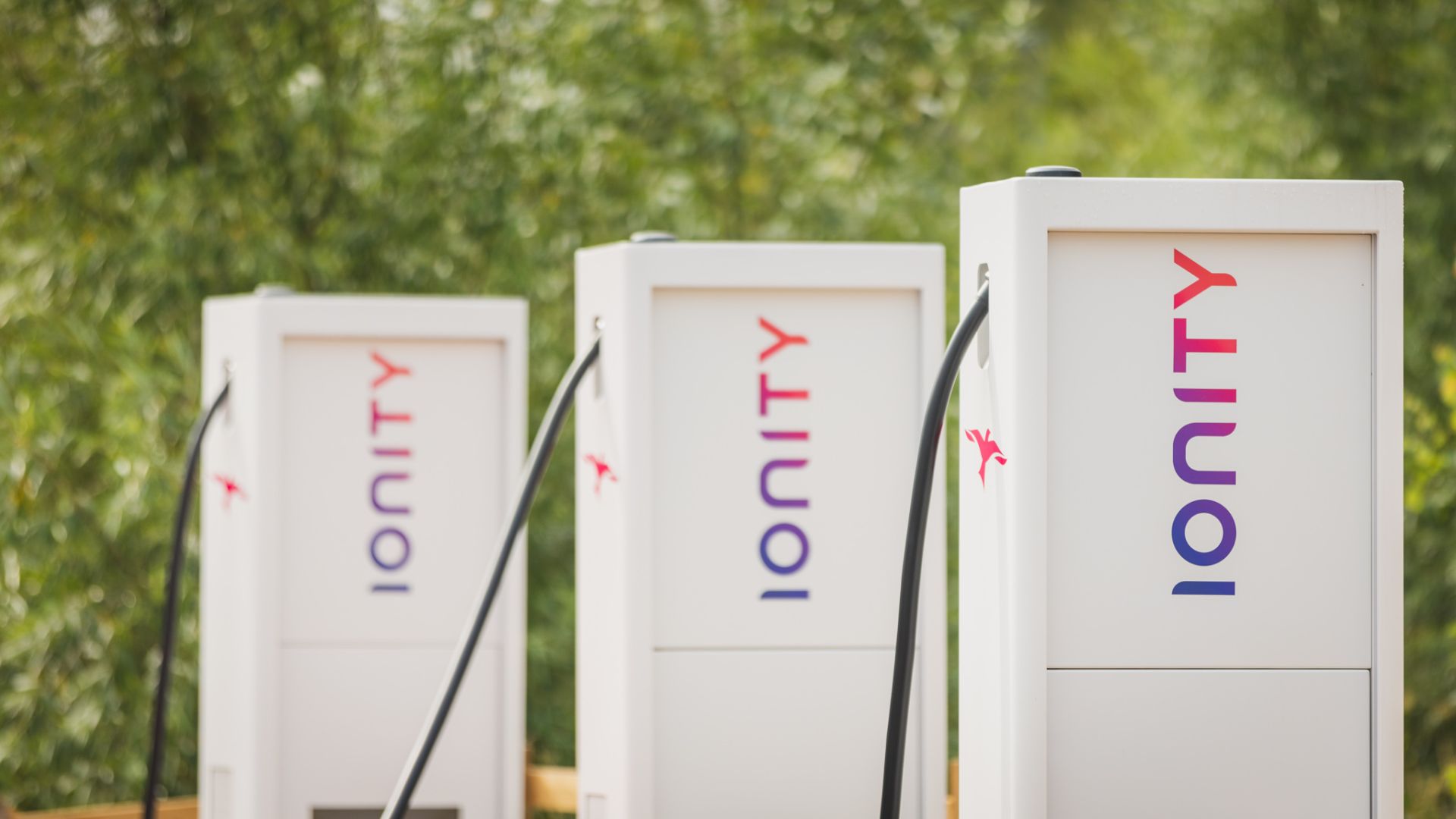
Next is the FordPass connectivity system. It includes an on-board modem and app with access to the growing Ionity public EV charging network. The app goes beyond the UK, too, with a total of 125,000 charging locations across 21 countries included.

Ionity chargers that manage up to 150kW are currently being installed, with 400 expected to be in ‘key locations’ across Europe by the end of 2020. The app also allows you to monitor your car’s charge status, as well as plan routes around stops at network chargers.

“One of the biggest hold-ups for customers considering an electric vehicle has been the fear of running out of power or the inability to find a place to plug in,” said Ted Cannis, Ford’s director of global electrification.

Ford Charging Solutions ecosystem

“By offering industry-leading charging access, including the largest network of public charging stations among any automaker, we are dismantling those barriers, allowing more customers to confidently enjoy the benefits of owning an electric vehicle.”

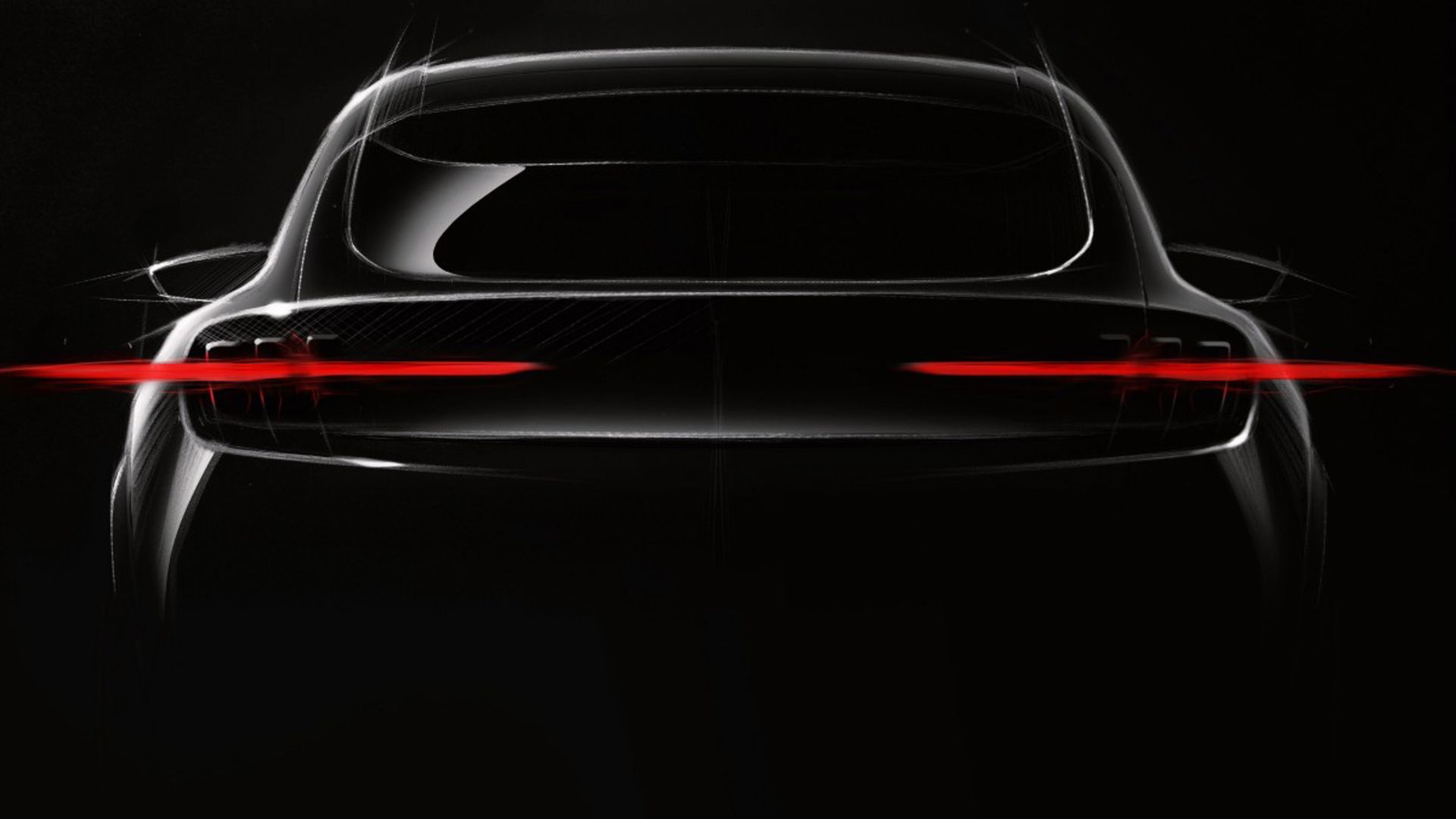
Of course there’s no point talking up charging if you haven’t a Ford-badged vehicle to charge. That’s where the new ‘Mustang-inspired’ electric SUV comes in. It’s now confirmed as having a targeted WLTP electric range of 370 miles. Ford says 10 minutes hooked up to an Ionity 150kW station would give the electric SUV 57 miles of range.

Advertisement

Insurance ‘rip off’ as young drivers pay more than double

0

Young driver insurance premiums

New data reveals the youngest drivers pay up to 149 percent more for car insurance. The average premium, based on 750 survey respondents aged between 17 and 24, is £1,176. This compares with the national average of £471.

The survey was a part of the Young Driver Rip Off Report, supporting the launch of insurance app Honcho. It also revealed that once insurance is paid for, young drivers typically have just £77.99 left to play with every month.

Young driver insurance premiums

  • Half think higher premiums for car insurance renewal should be illegal

Perhaps unsurprisingly, 42 percent of respondents admitted they have considered downgrading to third-party cover to reduce costs. And 37 percent said they had increased their voluntary excess to keep their upfront premium down.

“With so many expenses to juggle the last thing young people need is to be faced with extortionate insurance premiums in order to be on the roads,” said Gavin Sewell, CEO of Honcho.

  • Why a football team sticker could void your car insurance

Motorists overpaying on insurance by £1.2billion

  • Road rage is getting worse, says RAC survey

“However, the implications of higher insurance premiums for the younger generation go way beyond the purse strings. Many youngsters rely on being able to drive to get to and from their place of work or to meet with peers to socialise. It’s not right that they should be penalised for their age, but especially at a time when mobility is so key in their development.

“A significant percentage are also being forced to put themselves at greater risk by taking out less comprehensive cover, which could come around to sting them when trying to make a claim.”

Advertisement

Aston Martin DBX is ready for dogs, kids and sports

0

Aston Martin will soon reveal its new DBX SUV in full; ahead of this, the teasers continue, with the British firm now confirming details of 11 lifestyle-ready accessory packs.

Peer closely in the images below for your first look at a camouflage-free DBX.

Aston Martin president and CEO Dr Andy Palmer says the aim for the DBX, from the outset, was for it to “become an integral part of customers’ everyday lives.

“With these lifestyle packs, I think we have been able to ensure that DBX is a vehicle that not only enables but also enhances experiences.”

The Pet Pack has produced the cutest images. It comprises a boot partition and a tailored bumper protector for dogs making use of the DBX’s voluminous 632-litre load bay.

Aston Martin DBX accessories

A portable washer will also ensure adventurous dogs can be cleaned prior to jumping back on board.

An Event Pack includes a hamper, picnic blanket and event seating, similar to the ‘tailgate seat’ found on the Rolls-Royce Cullinan. Because Aston knows what British picnics can be like, this pack also includes extra umbrella storage. 

Aston Martin DBX accessories

There’s a Touring Pack, with tailored luggage, leather cabin saddle bags and a lockable box under the front passenger seat. And an Essentials Pack features a centre console organiser, rear seat entertainment holder and a heated cup

The Snow Pack is neat. Along with the usual ski bag, ski rack on the roof and snow chains, it also includes a boot warmer, which “makes the first ski run of the day that little bit more pleasurable”.

Aston Martin DBX accessories

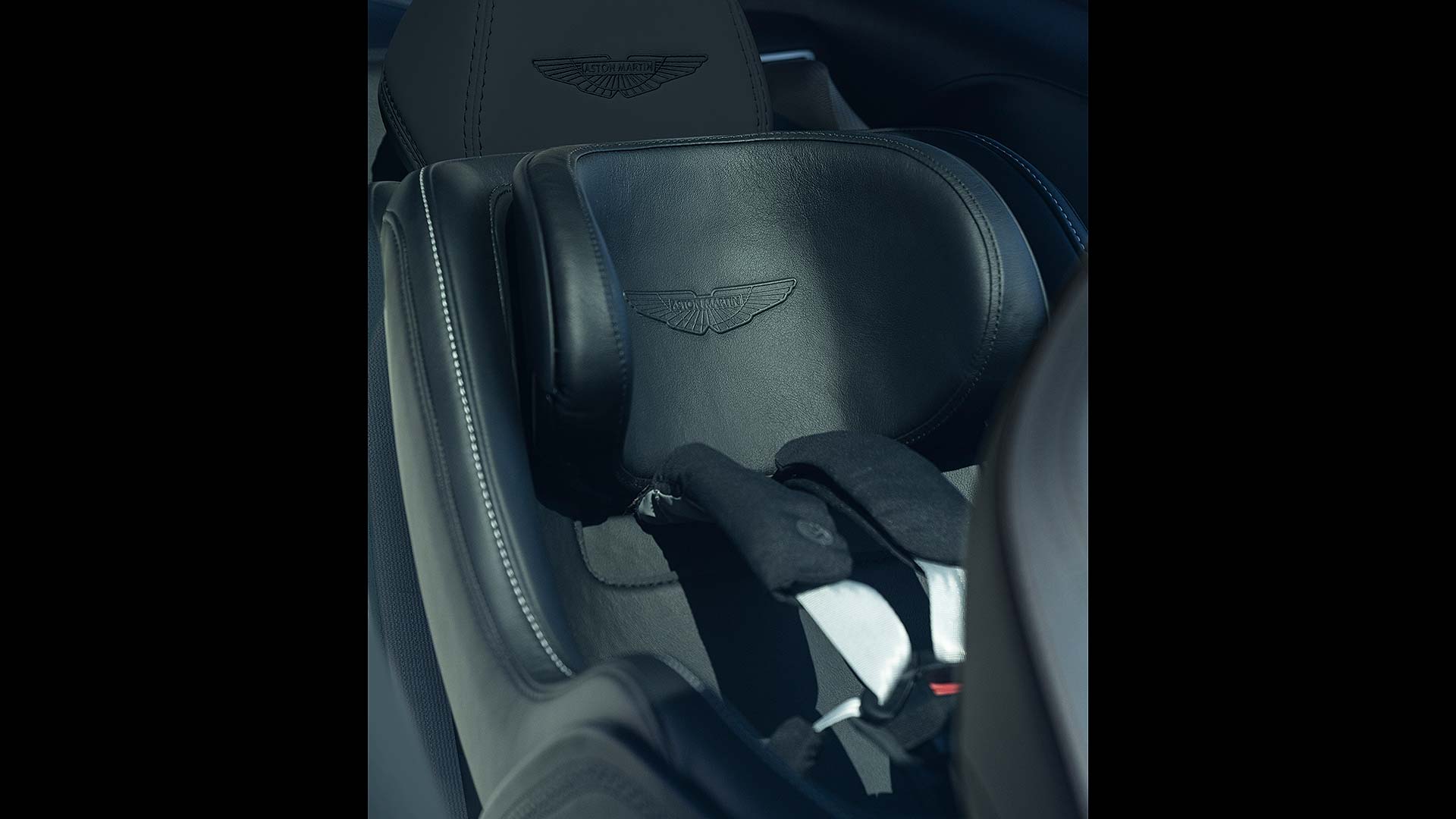
Three special edition Maxi-Cosi child and baby seats will be offered too, for babies, toddlers and children between 15kg and 36kg.

Aston Martin DBX accessories

Advertisement

Millennials will keep the car alive, says report

0

Millennials will keep the car alive

Millennials hold the key to reversing the slump in the automotive industry. That’s according to the Millennials and Auto Trends Report published today.

Market uncertainty, anti-diesel legislation, low emission zones and the popularity of ride-hailing apps such as Uber paint a gloomy picture for the industry. But the survey of 2,150 millennials (aged 23 to 28) from across the world presents a brighter outlook.

In Europe, 79 percent of millennials already own a vehicle, while half of respondents who do not own a car expect to buy one within the next five years.

Interestingly, despite the common perception of millennials as an environmentally conscious generation, petrol and diesel are the engines of choice for 53 percent. On the flip side, that would suggest 47 percent of the respondents drive an alternative fuel vehicle (AFV).

Perhaps surprisingly, 82 percent of the respondents have never used a ride-hailing app or use them less than once a week. Those who thought the rise of Uber, car sharing schemes and short term rentals would kill the car could be mistaken.

What do millennials look for in a car?

Millennial likes his car

What’s important to young car buyers? The infotainment system? Smartphone connectivity? The colour? Not necessarily.

Seventy percent of the respondents said price is an important consideration, which suggests competitive PCP deals could be around for a little while longer.

Other factors include fuel economy (59 percent), style (34 percent) and safety (30 percent).

Paul Teuten, managing director at Duff & Phelps, the company behind the survey, said: “Our Millennials and Auto Trends Report challenges conventional wisdom that millennials prefer alternatives to car ownership and provides encouraging evidence that millennials will drive the automotive industry forward.

“The European findings, in particular with over 80 percent of millennials never or rarely using ride-hailing and car-sharing services, underscores this and casts doubt on the presumed notion that ride-hailing services are increasingly used by this population. The automotive industry should take note and adapt to this by continuing to make the right technological investments to satisfy millennial preferences.”

With 77 percent of the respondents saying car ownership is a necessity for independence, it’s going to take a major shift in culture and legislation to release the automobile’s grip on our lives.

Advertisement