A section of Oxford Street in London is to be closed to traffic from later this year as part of plans drawn up by Westminster Council.
Under the proposals, the stretch from John Prince’s Street to the west of Oxford Circus, through to Great Portland Street to the east will be shut to buses and taxis, creating two ‘pedestrian piazzas’ on either side ofOxford Circus.
There will still be traffic along Regent Street but this will be “calmed” through longer green phases at pedestrian crossings and other measures, Westminster Council said.
The authority added that by prioritising people over vehicles, the changes could improve air quality as the works on Oxford Circus are expected to reduce vehicle traffic and improve efficiency of bus journeys across the area.
“There is an urgent need to tackle issues with pedestrian congestion and safety, poor air quality and noise. The serious congestion of Oxford Circus, of people and of traffic, is unsustainable and demands action,” said Westminster City Council leader Rachael Robathan.
“In the aftermath of the pandemic, and with the arrival of the Elizabeth Line, there is an overwhelming need and a compelling opportunity to build back better; a business-as-usual approach will no longer work.
“We hope the creation of these pedestrian-only piazzas at Oxford Circus will not only improve safety, security and accessibility, but create an iconic destination at the heart of London.”
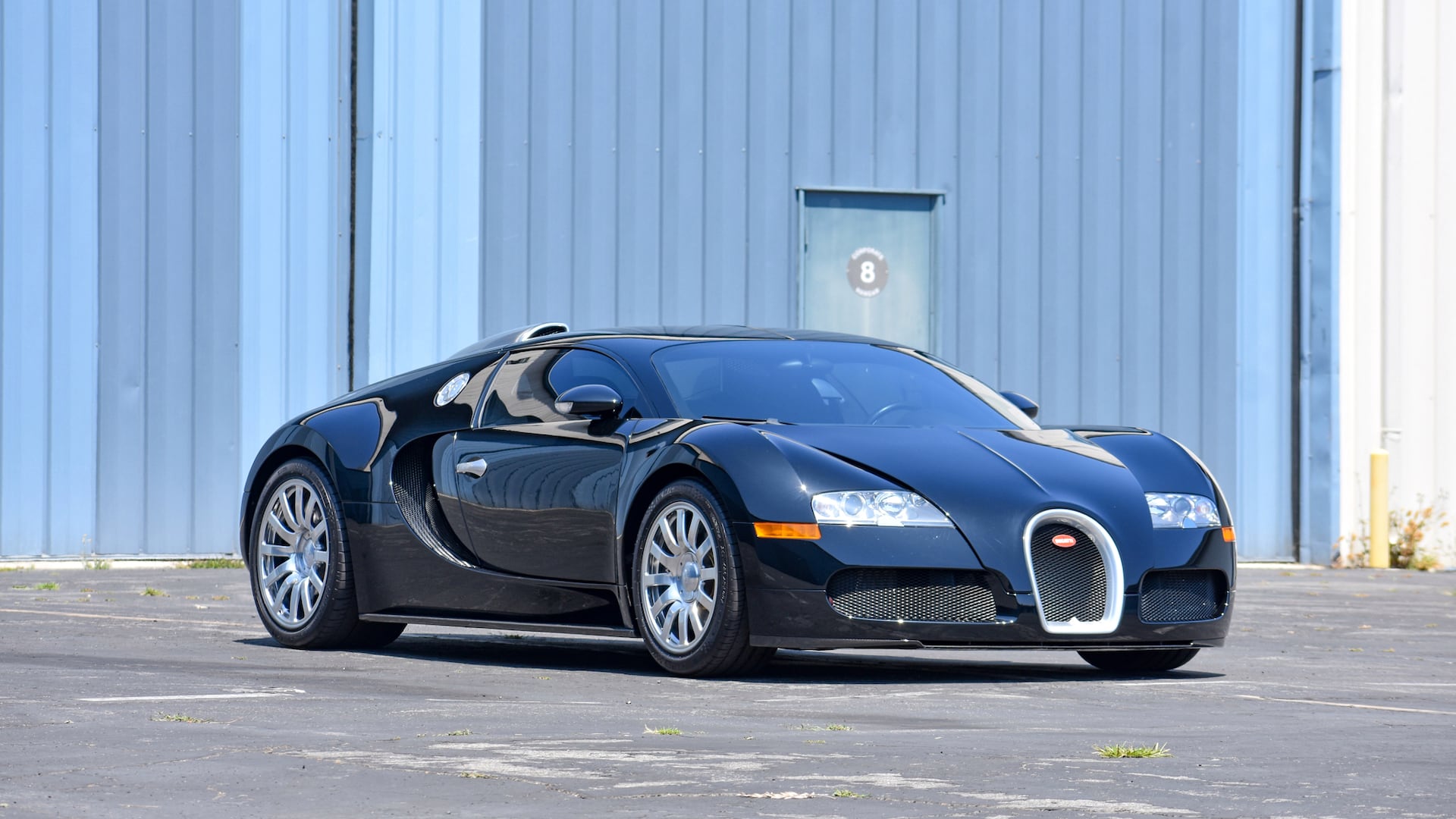
The ultimate hypercar of the early 2000s is currently available for online auction.
A 2008 Bugatti Veyron has been listed through the Premium section of Bring a Trailer. It offers a rare chance to buy one of the 76 examples made for the United States.
Making the 253 mph Veyron even more special, is that it has taken the accolade of being the 50,000th vehicle listed on the auction website.
The pursuit of excellence
The Veyron was the product of a single-minded pursuit, to deliver the aims of the late Volkswagen Group Chairman, Ferdinand Piëch. A passionate and determined engineer, Piëch masterminded the purchase of the Bugatti brand and then set big goals for a new car.
Following a number of concept cars in the late 1990s, Piëch eventually agreed to the Veyron’s design. This included ensuring the car could hit 400 km/h, but be just as usable as a Volkswagen Golf.
After years of testing and development, the Veyron EB 16.4 was finally launched in September 2005. The name was a tribute to Pierre Veyron, a 1930’s racing driver who won the Le Mans 24 Hours race with Bugatti.
No replacement for displacement
The Veyron’s centrepiece is the 8.0-liter W-16 engine, fitted with four turbochargers and two intercoolers. Such an impressive feat of engineering resulted in an output of 987 horsepower and 922 lb-ft of torque.
When using the special key to unlock “high speed” mode, the Veyron is capable of hitting 253 mph. This achievement saw it claim a Guinness World Record in 2005, for being the fastest production car in the world.
A permanent all-wheel drive system was installed to handle all the power, with a bespoke seven-speed dual-clutch transmission manufactured by Ricardo. These rapid gear shifts allowed for a 0-124 mph time of just 7.3 seconds.
Ensuring the Veyron stops quickly are carbon ceramic brakes, aided by a rear wing that can move to act as an air brake.
Performance and refinement
Although the incredible engine and carbon fiber chassis are all about performance, the Veyron remains luxurious inside.
The car listed on Bring a Trailer has an interior finished in black leather, matching the Beluga Black exterior paintwork. Alcantara is used for the headlining, and machine-turned aluminum is the main trim used on the center console.
Automatic climate control, and a Burmester sound system, add to the refinement. However, the 280 mph speedometer, and magnesium paddles for the gearbox, will be the main focus for any Veyron driver.
Pleasingly, this Veyron has not spent its life living in a garage. The odometer currently shows 8,000 miles, and the car benefits from a custom stainless steel exhaust and a new battery.
A landmark car for a landmark event
Bugatti produced 252 examples of the standard Veyron EB 16.4 between 2005 and 2011. Just 76 cars were sent to the United States, with this being the 29th example.
Supplied with the Veyron is an original HP iPaq Pocket PC, used to obtain performance data from the car, and a battery tender. Most important of all, the special key used to put the Veyron into top-speed mode, is still in its case.
As such a rare car, and one that marks a special milestone in Bring a Trailer history, expect plenty of big bids for the Veyron. The auction is live now, and will run until Friday, June 25.
Half of all drivers (51 percent) believe they are paying too much for their car insurance now they cover fewer miles than before the pandemic.
That’s according to the RAC, which said a similar proportion – 50 percent – of motorists are unable to switch to a cheaper policy without being charged.
The car breakdown giant said its poll of 2,100 drivers ‘suggests many are starting to question whether they are being charged a fair price for their insurance’. It speculated this issue is likely to get worse over time, as 27 percent of those surveyed expect to drive fewer miles in future.
Of those motorists who feel they are now paying too much for their insurance, 50 percent said they would get charged if they cancelled their current policy to seek a better deal. Three percent said they knew they couldn’t cancel their current policy without incurring an exit fee.
The RAC added that 51 percent have driven fewer miles than they predicted when they bought or renewed their car insurance policy. Also 54 percent of respondents said they find it hard to predict their annual mileage when asked by an insurance company.
‘Uncertainty around travel needs’
“While it remains to be seen how our driving habits change as a result of the pandemic, it seems fair to presume that many of us won’t go back to driving the sort of miles we used to – especially if a degree of home-working becomes the norm,” said RAC head of insurance development, Laura Truman.
“This shift is clearly prompting drivers to question whether the cost of their car insurance is reasonable. This might partly be because in so many cases motorists are forced to lock themselves into annual insurance contracts, the price of which is partly determined by the policyholder’s estimate of how many miles they’ll cover in a year.
“This is something we know drivers found difficult to estimate before the pandemic but considering all the uncertainty surrounding people’s future travel needs it must now be even harder.”
Auction company Barrett-Jackson has announced it will sell the first collector car NFTs (non-fungible tokens) at its Las Vegas event.
It means bidders will be able to purchase a unique digital package, commemorating the previous sale of a special car.
The first four cars to have NFTs auctioned are all unique models, sold at the Barrett-Jackson Scottsdale event in March 2021.
Just what is a non-fungible token?
NFTs have become hot property in 2021, being used to sell everything from artwork to music, and even tweets.
An NFT is described as a unit of data, stored on a blockchain register. It identifies a digital item as being unique, and buying an NFT gives you proof of ownership. This digital record of its uniqueness creates the NFT’s value.
Winning one of the Barrett-Jackson NFTs will allow the bidder to store their purchase in an online wallet, giving them a slice of automotive history.
‘Look at this photograph‘
The four cars set to have their NFTs auctioned are ‘VIN 001’ first production examples, previously sold for charity.
Ford fans can bid on NFTs for the 2021 Ford Mustang Mach 1 or 2021 Ford Bronco. Mopar enthusiasts are likely to be drawn to the 2021 Ram 1500 TRX Launch Edition NFT. The 2022 GMC Hummer EV Edition 1 completes the NFT options.
Winning one of the Barrett-Jackson NFT auctions does not gain the highest bidder a new car. Instead, they will take digital ownership of a special commemorative package.
For each car this will mean one exclusive video, three still images, and an illustration of the sale. Two VIP Muscle Lounge tickets for a future Barrett-Jackson event will be included as well.
Getting the block (chain) party started
Barrett-Jackson has collaborated with Motoclub on the non-fungible token project. Motoclub’s digital wallet will offer winning bidders a place to store and trade their NFTs.
With Barrett-Jackson being the first major auction house to trial the sale of collector car NFTs, estimating their value is hard. Will bidders really want to digitally own a set of pictures and videos of a car, which belongs to someone else in real life?
We should have an answer on Saturday, June 19, when the NFTs cross the (digital) auction block in Las Vegas.
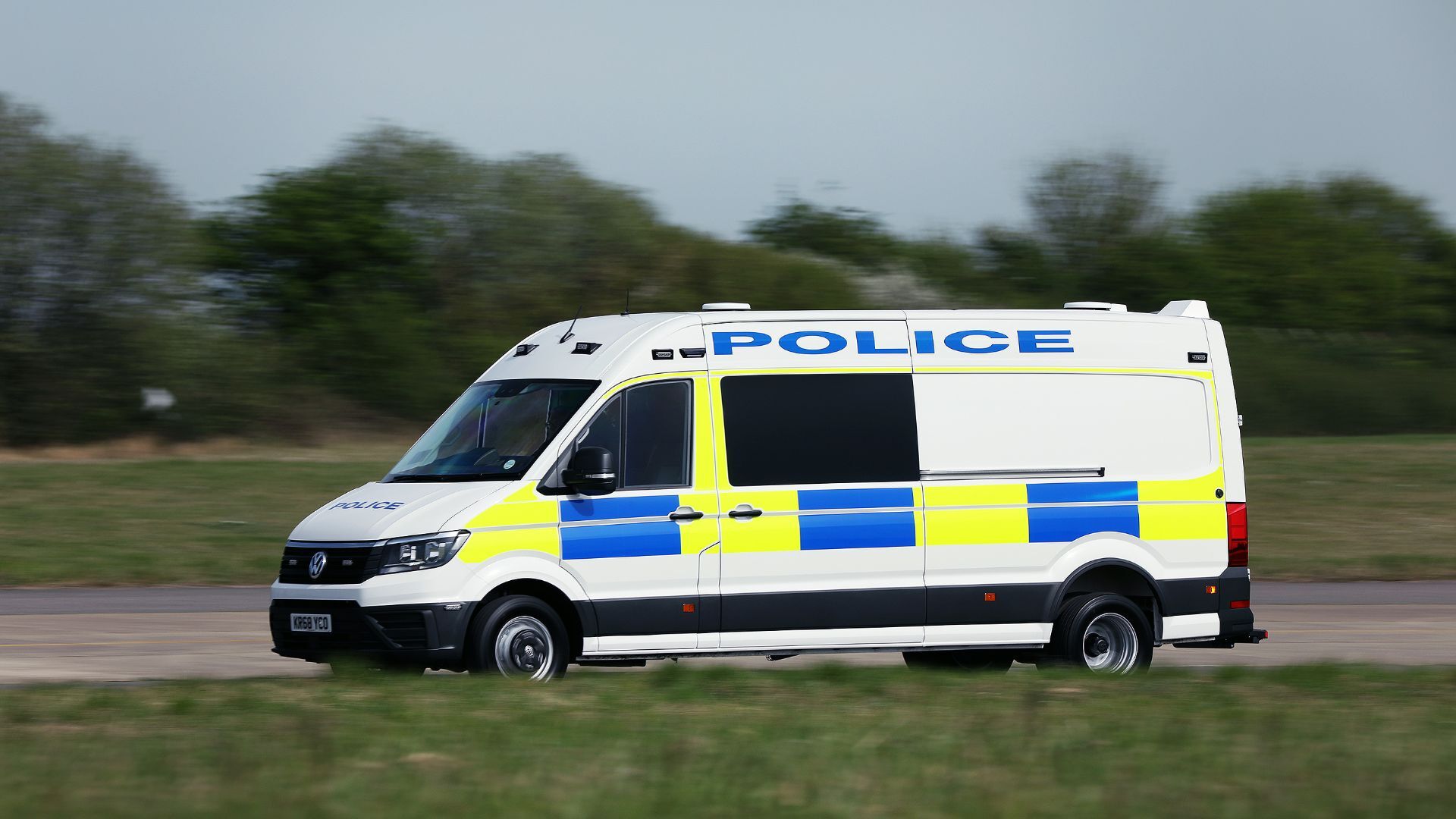
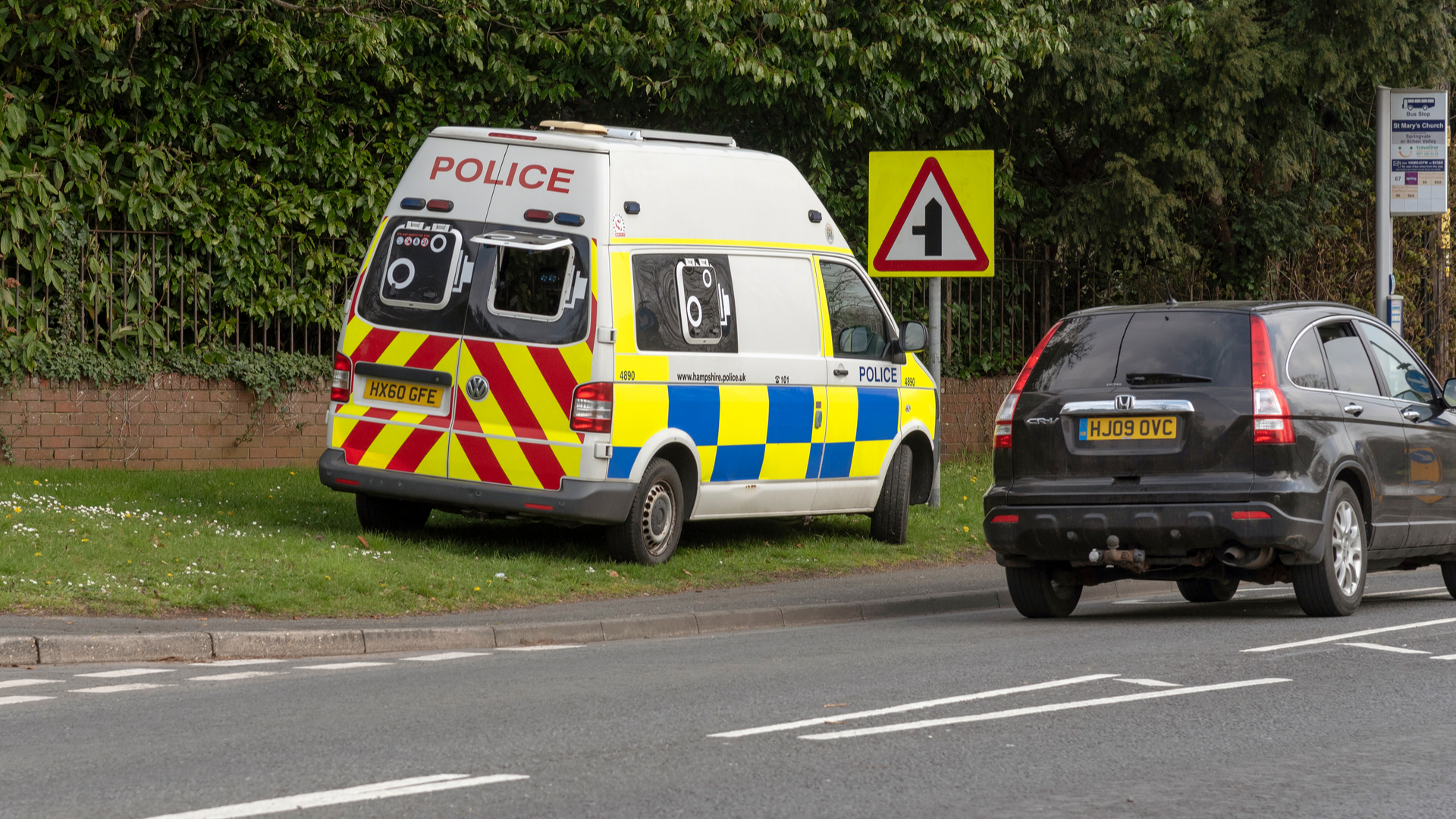
The AA added a ‘worrying long-term trend of drivers thinking they can avoid prosecution has set in’, with the perception of being caught for an offence ‘barely moving’. The only exception is speeding, where drivers feel there is more chance of being caught now compared to 2017.
The AA said it is ‘concerned that the continuous low levels of expectation that law-breaking drivers will be caught may encourage others to drive in a dangerous manner’.
According to the poll, more than eight out of 10 drivers believe that having a more visible police presence would help make roads safer, though only a fifth said they were likely to see a police presence on their local roads compared to a quarter on motorways.
While the presence on local roads has remained the same since 2017, the perceived likelihood of seeing a police officer on a motorway has dropped from 29 percent, the motoring organisation reported.
‘More traffic cops needed’
“Drivers clearly feel that the lack of police officers on the roads means that the likelihood of getting caught for some major offences is hugely diminished. In order to achieve zero road deaths by the end of the decade, we need to do more to warn drivers that if they break the law they will be caught,” said Edmund King, AA president.
“With more than eight of out 10 drivers saying that a more visible police presence would help make roads safer, more cops in cars are needed to change the tide. We hope the response to the roads police consultation includes an ambitious plan to recruit more traffic cops in order to stop acts of bad driving early and before a fatal collision.
“There is also clear evidence that the most serious traffic offenders are much more likely to be involved in mainstream serious crime, and therefore targeting dangerous drivers helps reduce overall crime rates.”
Let’s be honest, nobody likes paying for parking. Finding somewhere to park for free is one of life’s little pleasures, like discovering an old fiver in your coat pocket or when your friend finally decides it’s his round.
I rarely pay for parking in my local towns: I know where I can park for nothing, in bays that will give me enough time to have a haircut, consume a couple of overpriced coffees or browse the charity shops for second-hand car books. What else is there to do in town?
Recently, though, when the weather was particularly British, I decided to park in the centre of town. Having blown the cobwebs off my wallet, I found £2 for a two-hour stay – who said the days of highway robbery were over? – and wandered over to the pay and display machine.
Before purchasing the ticket, I was told to enter my car registration number, which proved to be rather tricky, as the keypad was at a height designed for Lilliputians. I headed back to the car in need of a physio and contemplating the beginning of the end for a common random act of kindness.
Put up a parking lot
Most of us have returned to a car to find unspent time on a ticket. With an hour or two left, not only does passing the ticket to somebody else feel like a nice thing to do, it also feels like the right thing to do.
Sure, the ticket says ‘non transferable’, but who’s to know? Saving a fellow motorist a few quid is a good deed for the day and, admittedly, an opportunity to get one over on the establishment.
But those days are drawing to a close. The rise of number plate-controlled pay and display machines and the ‘pay by mobile’ car parks will bring an end to this opportunity to deliver a gesture of goodwill. It’s the end of an era. Soon, letting people out of junctions and allowing room for cyclists and motorcyclists will be all we have left to share the love on the road.
It’s no big deal in the great scheme of things, I grant you. But I for one will miss this rare example of motoring fellowship.
Four projects that aim to drive uptake of zero-emission vehicles have been awarded government funding. The cash comes from the Department for Transport’s £20 million zero emission innovation fund.
The projects have received funding in the latest round. These are a device that provides battery health data for used EVs, a battery that boosts charging power during peak times, a zero-emission ambulance and a solar-powered fridge for commercial vehicles.
In total, 62 projects have been funded through the scheme so far. The Department for Transport said projects funded ‘could unlock some of the biggest barriers to EV ownership by providing ground-breaking solutions to battery health and charging for both urban and rural areas’.
One of the winners in the latest round is the BEVscan project, led by Agile Charging to develop a plug-in device for EVs that records battery health. The aim is to improve the experience of buying second-hand electric vehicles. The founders of Agile Charging – which is also developing a portable EV charger – created E-Car Club, a car-sharing scheme that was sold to Europcar in 2015.
‘Making electric vehicles more attractive’
The second winner is the Chilled OXproject to develop a solar-powered refrigeration unit for small commercial vehicles. This is claimed to offer a 37 percent increase in battery range.
The third project to get funding is the hydrogen-powered Specialist Health Vehicle being developed by HV Systems Limited. It will build a zero-emission ambulance with a hydrogen range extender system, which aims to ‘overcome the limitations of existing ICE vehicle conversions’.
The final project, called Rural Grid Boosting, will develop a kinetic battery to provide a temporary power boost for ultra-fast EV charging during times of peak demand in rural areas.
“Ahead of the major climate summit COP26 this year, investment in exciting projects such as these is key to making the switch to electric vehicles more attractive for drivers than ever before,” said Transport Secretary, Grant Shapps.
“Not only will they propel us further towards our net-zero ambitions, they will also help harness some of the brightest talent in the UK tech industry, encouraging businesses to become global leaders in EV innovation and creating jobs as we build back better.”
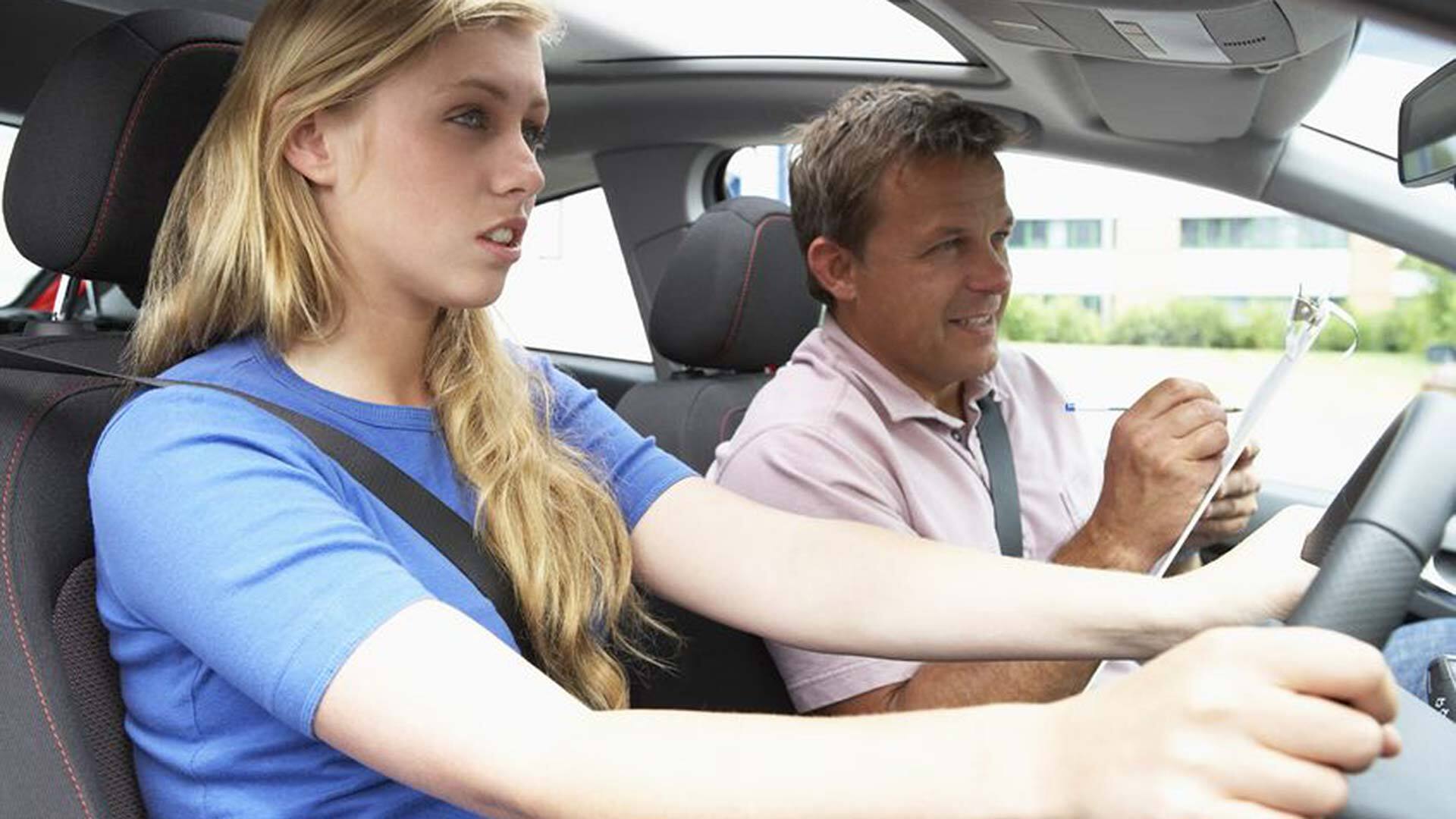
Those who pass their driving test at the first go are the safest drivers, according to new data.
Price comparison website MoneySuperMarket’s data looks at the number of attempts drivers had to pass their test. This is then compared with the number of car accidents they experienced in both their first three years of driving and across their driving lifetime.
The findings show that new drivers who require fewer test attempts also have fewer accidents. One third (33 percent) of first-time passers have had zero accidents since passing their test, while half (51 percent) did not have an accident in their first three years on the road.
First-time passers also recorded the fewest accidents over their driving lifetime to date: 1.5 on average. That’s less than the national average of 2.3.
Londoners least likely to pass
One third (32 percent) of second-time passers also have a clean driving licence since passing their test, and nearly half (46 percent) had no accidents during their first three years on the road. Drivers who passed on their second attempt had a lifetime average of 1.7 accidents.
In comparison, 18 percent of drivers who took five attempts to pass had no accidents over their driving lifetime. Of this group, a quarter (25 percent) reported having three or more accidents in their first three years of driving, as well as an average of three accidents over the course of their driving lifetime.
Welsh drivers are the most likely to pass their test first time, at 48 percent, followed by those in Scotland (47 percent). Londoners have the least success at passing first time, at 37 percent.
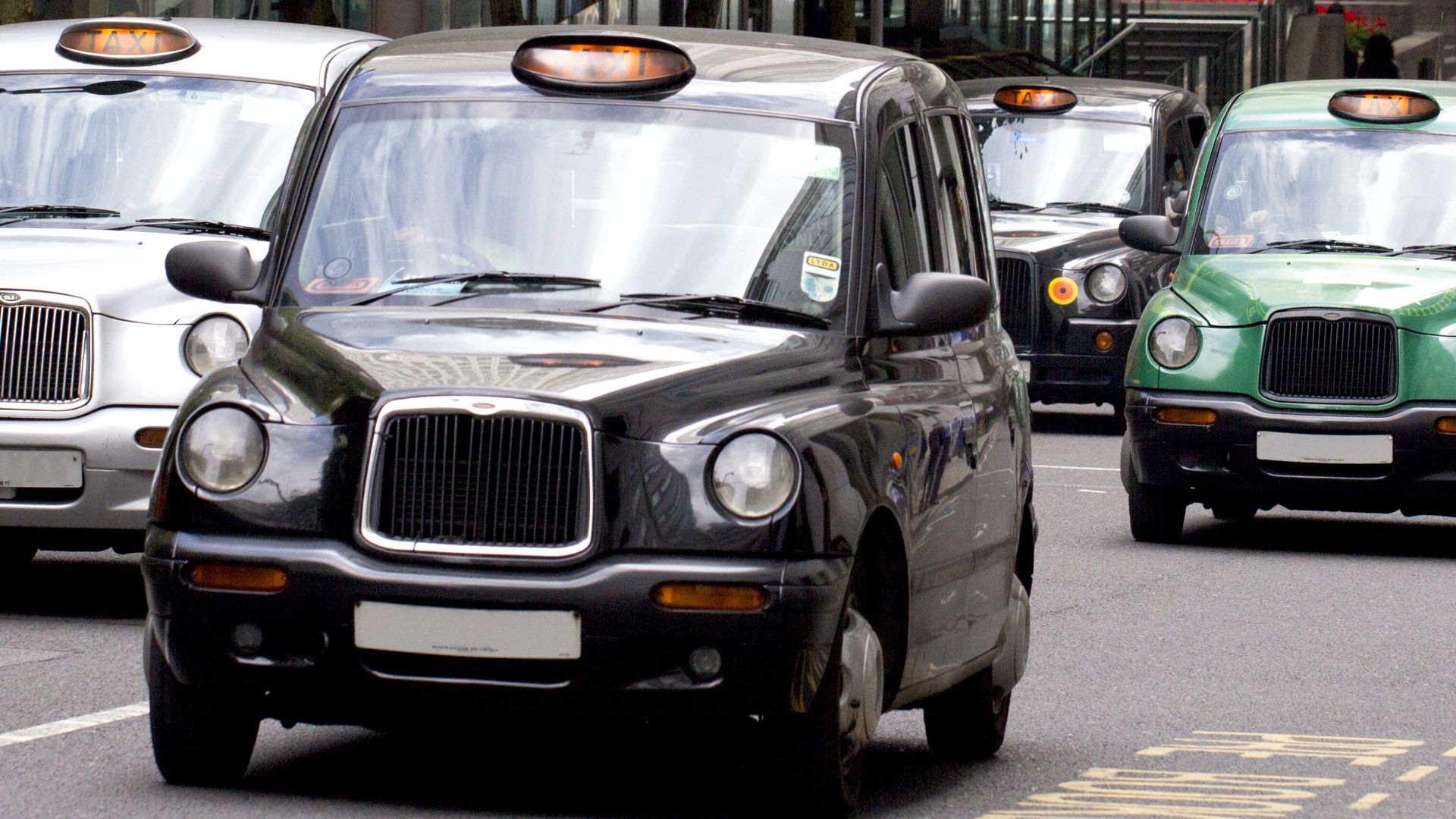
Taxi operators may see a surge in demand as the coronavirus restrictions are eased.
According to a poll, 21 percent of adults – equivalent to 11 million people in the UK – said they plan to use cabs more often than before the pandemic.
The survey by Alfi, a manufacturer of screens for taxis, said a quarter of those who plan to use taxis more will use public transport less, with 10 percent saying they won’t use public transport at all.
Alfi said the primary reason for people wanting to switch from using public transport is a concern over the transmission of coronavirus. However, tests conducted by Imperial College London for Transport for London repeatedly failed to find traces of Covid-19 in the air and on surfaces touched by passengers on the tube and on buses.
‘Planning to socialise more’
Additionally, research by the Rail Safety and Standards Board found the risk of contracting Covid-19 while travelling by train is about 1 in 11,000 journeys. This is equivalent to less than 0.01 percent, based on an hour-long train journey in a carriage with no social distancing or face coverings.
The risk also more than halves if passengers wear a face covering. These have been mandatory when travelling by train since June 2020, unless the passenger is exempt.
The survey says more than a third of people (34 percent) will be relying on taxis because they plan to socialise more. Around 10 percent of those planning to take more taxis say it is easier to book as there are now more on the roads.
Additionally, five percent are planning to use cabs more because they sold their car during the pandemic.
Porsche has launched a new Touring Pack for the 911 GT3. It adds a few creature comforts, along with notably more restrained styling.
Ticking the Touring Pack option box removes the huge rear wing, adding silver trim for the window surrounds, silver exhaust outlets and a new ‘GT3 Touring’ badge for the engine cover. The standard LED headlamps are also swapped for smoked units.
Inside, the steering wheel, gear lever and door panels are trimmed in leather instead of plastic, while the seats also feature partial leather trim. The Touring has brushed black aluminium trim for the dashboard and sill treadplates, too.
This isn’t the first time a performance-focused 911 to feature a comfort-biased option. The tradition stretches back to the 1973 Porsche Carrera 2.7 RS and was revived on the previous ‘991’ generation 911.
The GT3 Touring Pack model is powered by the same 510hp 4.0-litre flat-six engine in the ‘standard’ GT3. Unlike the old model, buyers can choose from either a six-speed manual gearbox or seven-speed PDK dual-clutch automatic.
The manual GT3 will get from 0-62mph in 3.9 seconds, which drops to 3.4 seconds when fitted with PDK. That’s despite the latter ’box increasing the car’s kerb weight from 1,418kg to 1,435kg. Top speed is 199mph with the manual and 198mph with the auto.
The 911 GT3 Touring is priced from £127,820. Included in the price is a ‘bespoke driving experience’ around the Silverstone circuit, along with a unique wristwatch.