Home Blog Page 158

Opinion: Are electric cars really too expensive?

0
Vauxhall Corsa-e

Electric cars cost too much’. Well, yes, they are expensive. But too expensive? I’m here to argue they’re not.

Let’s look at a perfect example: the award-winning, best-selling Vauxhall Corsa, which is offered in petrol, diesel and pure electric Corsa-e guises.

Now, you can buy an entry-level Corsa for £17,015, whereas the cheapest Corsa-e is £26,690. There, argument proven: electric Corsa costs £9,675 more than a petrol one. Those handy with numbers will note it’s a 44 percent increment, compounding the point: EVs cost almost half as much again as normal cars.

Although many make it, though, this isn’t quite a fair comparison. For starters, the basic Corsa is an SE Edition. The entry-level Corsa-e is a Griffin, which comes with extra goodies such as LED ambient lighting, heated front seats and steering wheel, bigger 17-inch wheels and a contrast black roof.

Vauxhall Corsa-e

More significantly, there’s also the power difference. Your basic Corsa has only 75hp (and no turbo), while the Corsa-e has 136hp (58 percent more oomph, data fans). The cheapest turbocharged Corsa turbo is the 100hp SE Edition; yours for just under £1,000 more (narrowing the EV gap to around £8,500).

Want a 130hp petrol Corsa? You’ll have to spend £23,265 on an SRi Edition – suddenly, that near-£10k difference is right down to £3,425.

You do get an auto gearbox with the SRi Edition 130, as you do by default with the Corsa-e. But you also have to pay for petrol, which is much more expensive than electricity if you charge at home. Convenience that’s denied to the petrol Corsa buyer.

Vauxhall Corsa-e

Oh, and as nobody pays cash for new cars, we must look at PCP payments. The basic Corsa SE Edition is yours for £205 a month over four years, with a £2,739 customer deposit that Vauxhall boosts by an extra £1,000.

The Corsa-e SE Premium PCP (oddly there’s no deal listed for the Griffin) is £269 a month, with a £4,408 customer deposit, swelled further by a £2,500 contribution from Vauxhall.

So going electric is £1,669 more expensive up front, then an extra £64 per month. What’s that, the price of a few filling station visits? Which of course, you don’t have to do in the Corsa-e.

Electric cars are more expensive. But nothing like to the extent lazy top-line comparisons suggest. And in terms of finance deals, the Vauxhall figures prove that some EVs are already comparable with petrol cars.

Throw in the fact that electric cars are going to get cheaper still, and the issue of cost disparity may be resolved sooner than many people think. 

Do you agree with our calculations? Will your next car be electric? Share your thoughts in the comments below

ALSO READ

Your electric car questions answered

Vauxhall Corsa review

Nissan Ariya electric SUV ordering opens

Advertisement

Nissan Ariya electric SUV available to order, priced from £41,845

0
Nissan Ariya

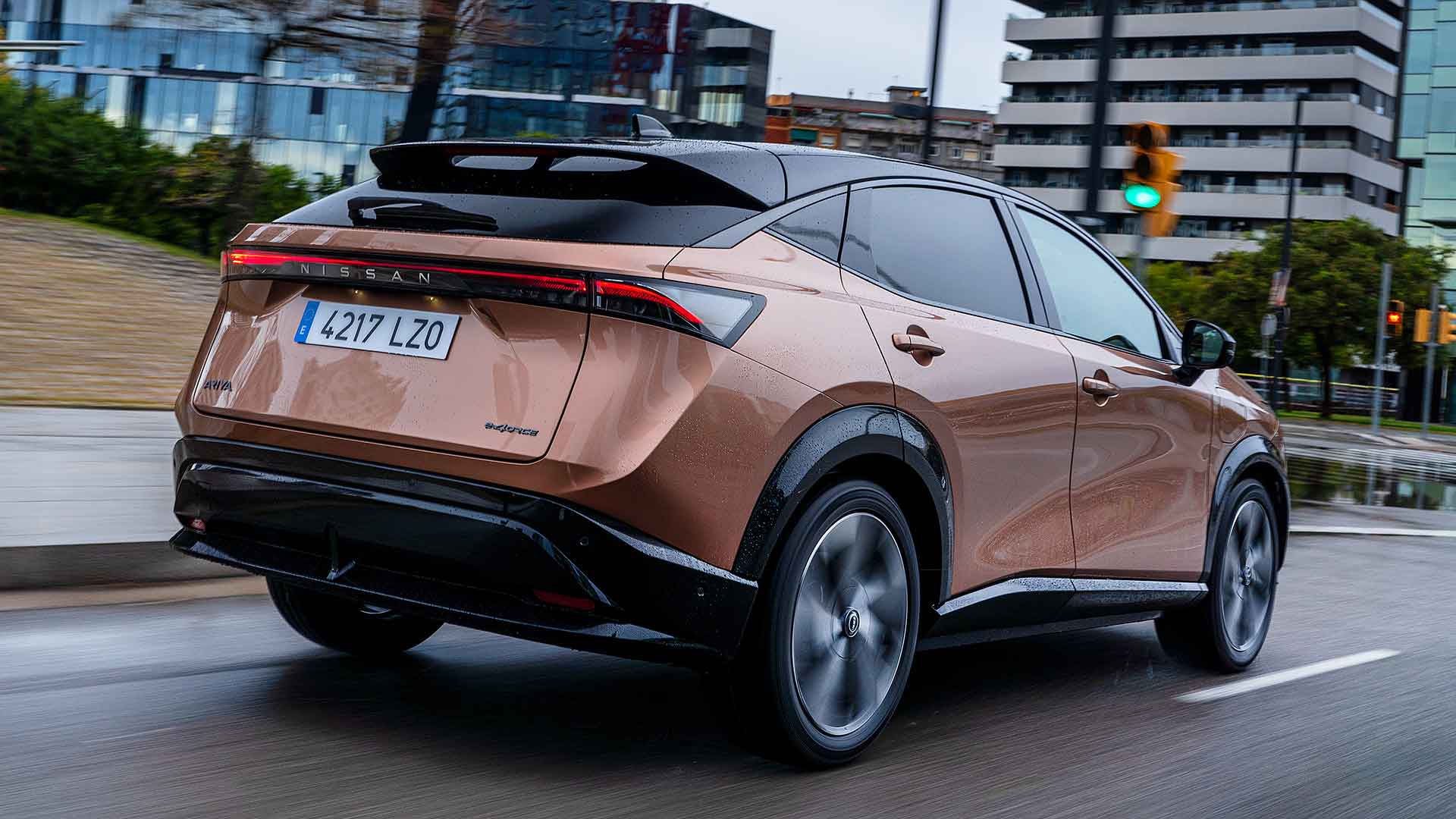
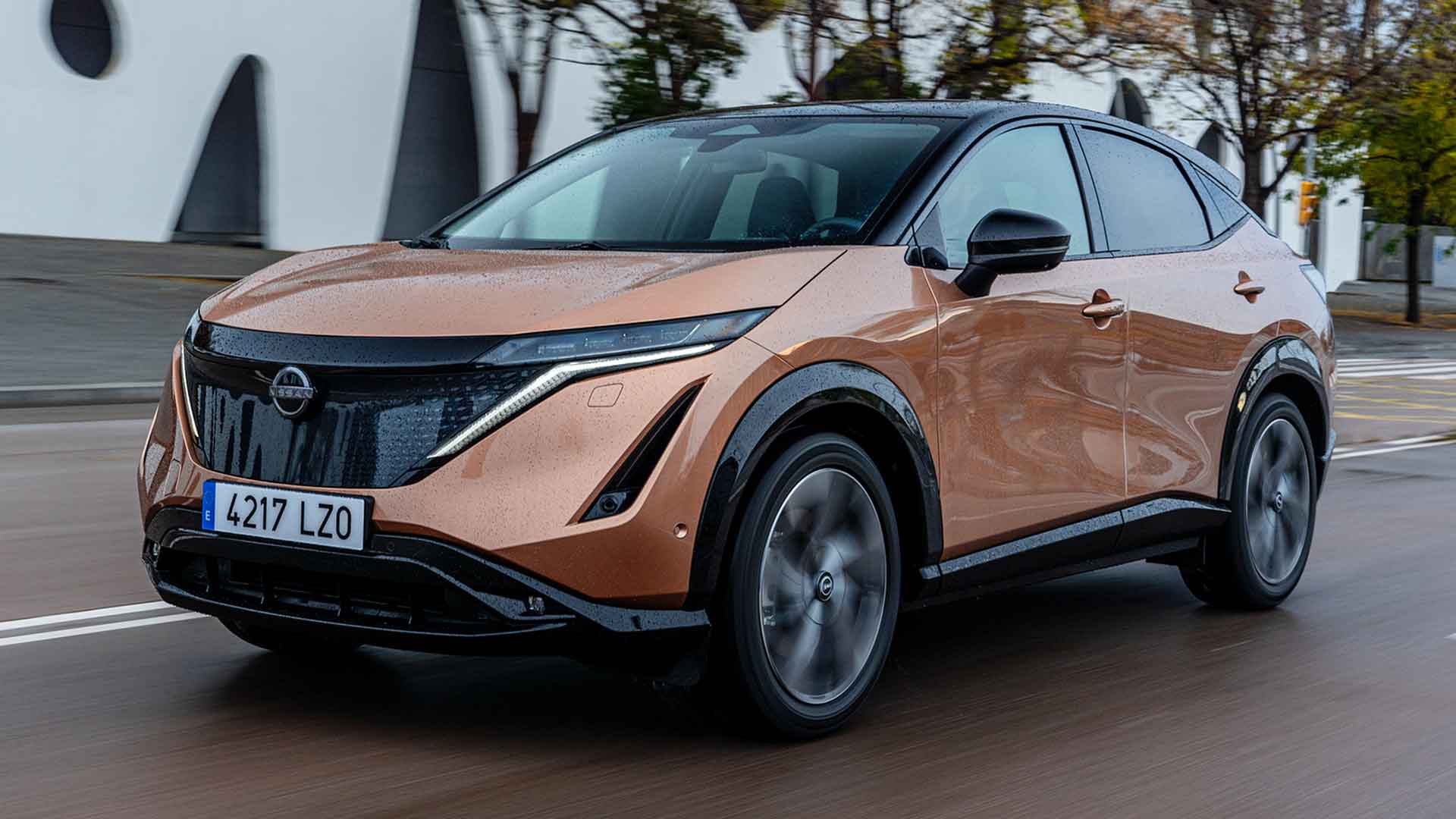
Deliveries of Nissan’s new range-topping electric SUV, the Ariya, will start in summer 2022, with prices from £41,845.

This places the Ariya in direct competition with cars such as the Ford Mustang Mach-E and Kia EV6. Pre-ordering through an online configurator is now open.

Nissan has also revealed PCP deals, which start from £629 a month on the best-selling version (for those who can afford the £6,616 deposit).

Nissan says PCP rates are aided by class-leading retained values. The Ariya will hold on to 57 percent of its list price after three years and 30,000 miles, according to industry analyst CAP.

“The Ariya has an attractive, futuristic premium exterior design, and the interior uses excellent materials with good fit and finish,” says CAP.

Nissan Ariya

The Ariya will be offered with two battery sizes, 62kWh and 87kWh. The longest-range model will be capable of 310 miles on a full charge.

Nissan is also selling the Ariya in more efficient two-wheel-drive or grippier e-4orce all-wheel-drive guises.

Trim versions open with Advance; Evolve is mid-grade (and expected to be the best-seller), while Performance is the range-topper.

Performance models feature goodies such as 20-inch alloys, a panoramic sunroof, blue Nappa leather seats, a Bose sound system and a digital head-up display.

Nissan Ariya

Living up to their name, Performance models boast 394hp for 0-62mph in 5.1 seconds. But even entry-level Advance versions have 217hp.

“We’re taking over a decade of experience in leading the market with electric vehicles, and ensuring our customer-focused expertise and network capability delivers a model that’s as rewarding to own as it is to drive,” said Nissan UK MD Andrew Humberstone.

“We know that UK customers are going to be seriously impressed with the new standards Ariya will bring to the segment in 2022.”

Nissan Ariya prices

  • Advance 63kWh: £41,845
  • Evolve 87kWh: £51,090
  • Evolve 87kWh e-4orce: £53,790
  • Performance 87kWh e-4orce: £58,440

Nissan Ariya range

  • Advance 63kWh: 223 miles
  • Evolve 87kWh: 310 miles
  • Evolve 87kWh e-4orce: 285 miles
  • Performance 87kWh e-4orce: 248 miles

Nissan Ariya power and performance

  • Advance 63kWh: 217hp, 0-62mph in 7.5sec
  • Evolve 87kWh: 242hp, 0-62mph in 7.6sec
  • Evolve 87kWh e-4orce: 306hp, 0-62mph in 5.7sec
  • Performance 87kWh e-4orce: 394hp, 0-62mph in 5.1sec

ALSO READ:

Radical new Nissan Ariya electric SUV revealed

Renault shock: ZERO Euro NCAP crash test score for electric Zoe

Every Nissan Leaf to be built with renewable energy as solar farm doubles

Advertisement

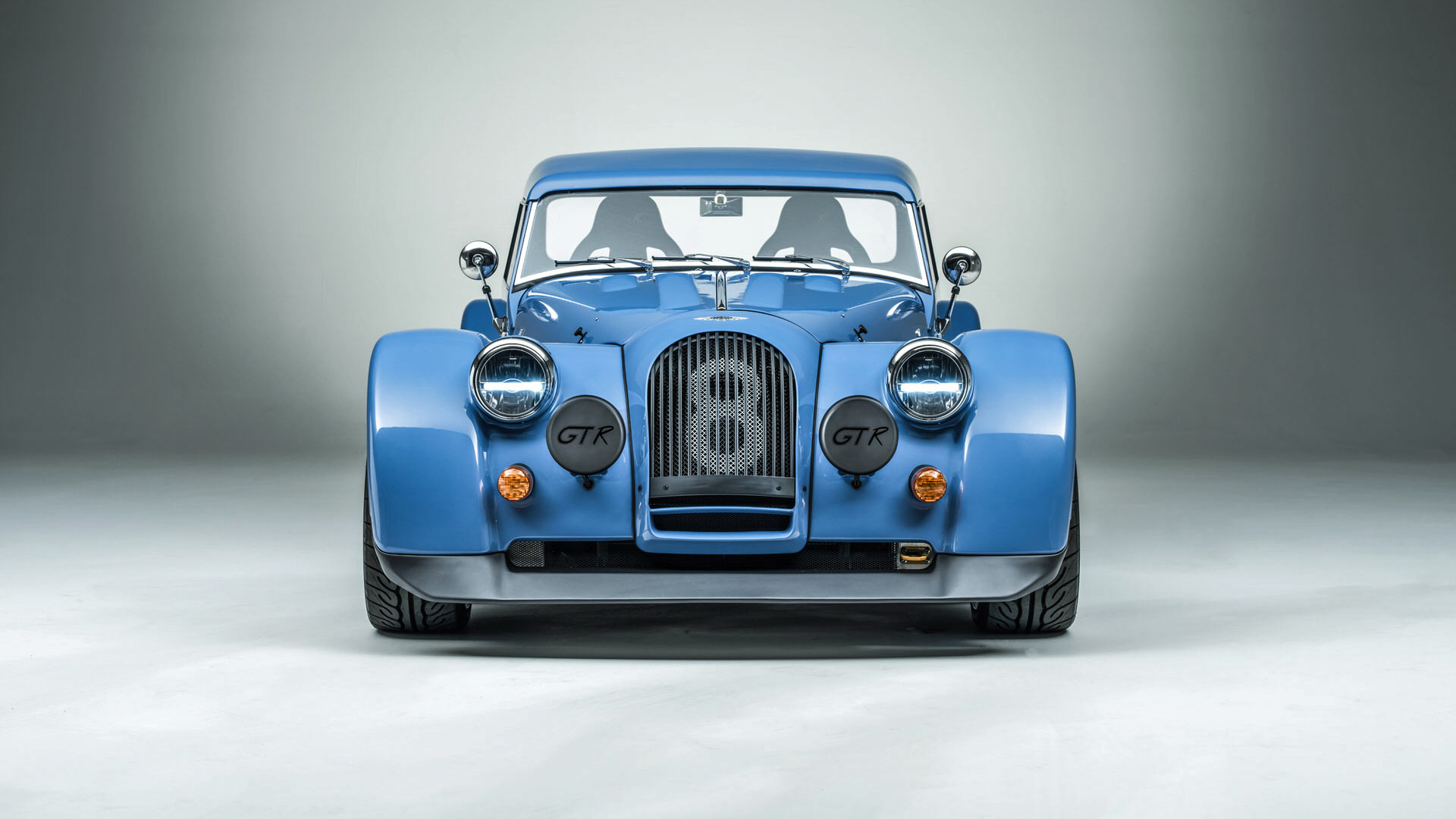
The most powerful Morgan ever: wild new Plus 8 GTR hits the road

0
Morgan Plus 8 GTR

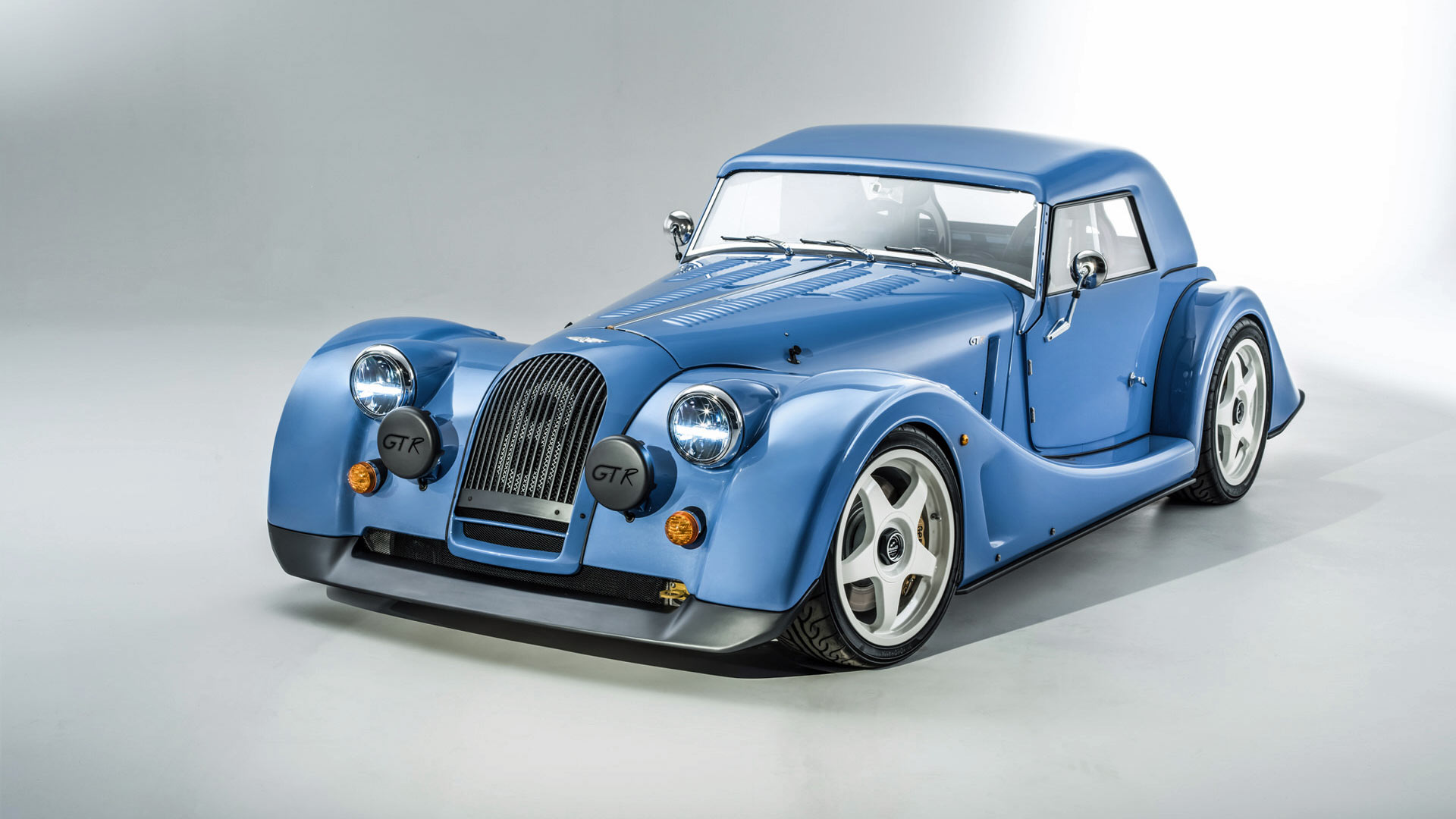
Morgan has finished building the first example of the most powerful car in its history.

Based upon the discontinued Morgan Plus 8, the limited-edition GTR boasts high performance and racing technology,

Morgan’s motorsport heritage has played an important part in influencing the design of the Plus 8 GTR, too.

Into the deep blue yonder

Morgan Plus 8 GTR

During the 1990s, Morgan campaigned a Plus 8 race car, affectionately known as ‘Big Blue’. That car inspired the creation of the GTR, with the first example painted in Yas Marina Blue. 

The use of a BMW paint colour is fitting, given the Plus 8 GTR features a BMW-sourced 4.8-litre V8 beneath its long bonnet. 

This engine has been tuned, and fitted with a ‘cannon-style’ twin-exit exhaust system to extract more performance.

A peak output of 375hp helps the Plus 8 GTR secure the title of Morgan’s most powerful production car ever.

Classic style, modern performance

Morgan Plus 8 GTR

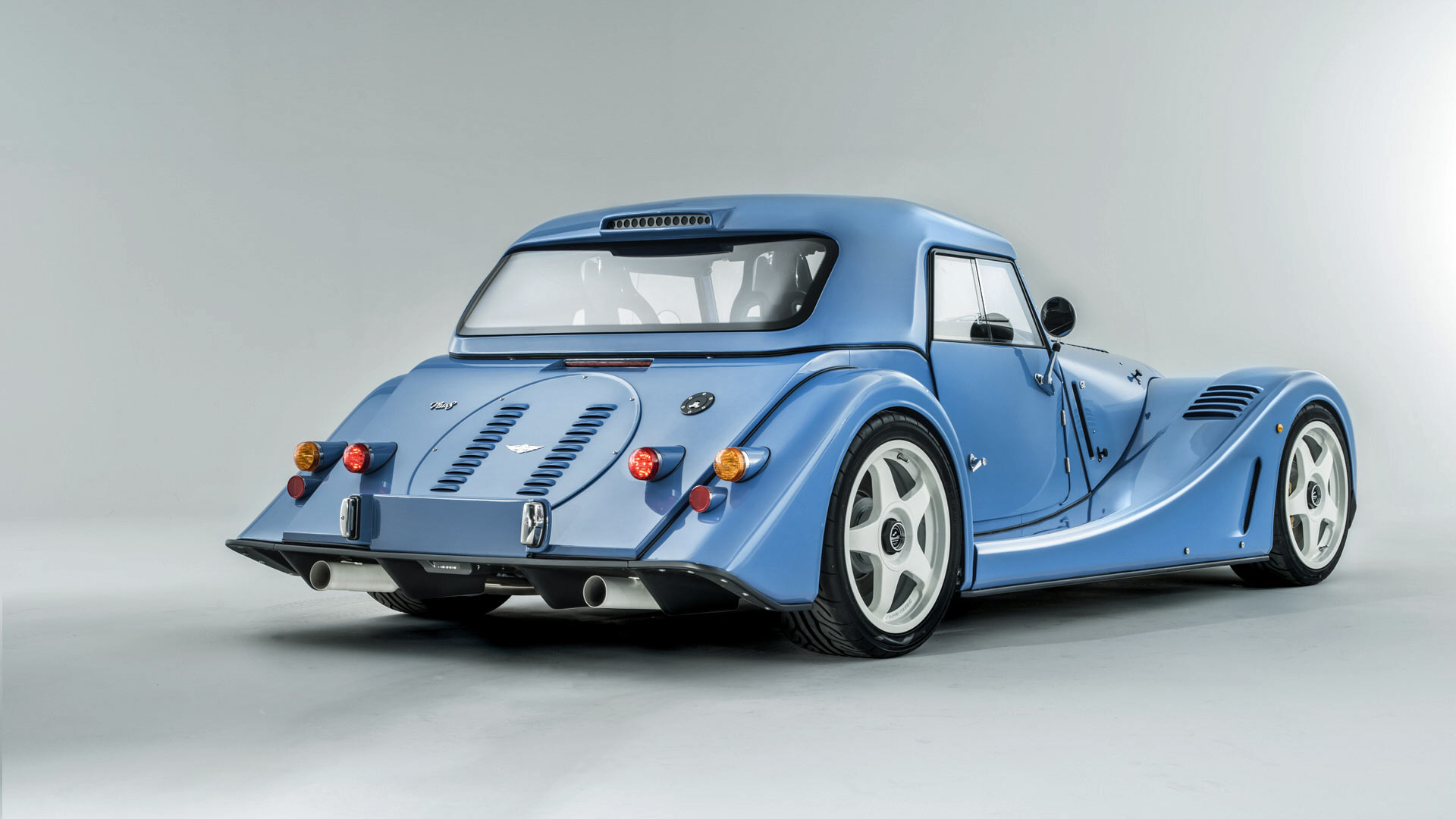
Production of the Plus 8 GTR was made possible by the availability of rolling chassis from a discontinued external project. All cars will be built from unused and recommissioned chassis and powertrains.

Each of the nine cars will be crafted by hand, with their owners able to work closely with Morgan’s design team. It means each Plus 8 GTR will be tailored to their specific taste, including the option of an automatic or manual gearbox. 

All cars feature bespoke bodywork, including a new rear end and resculpted wheelarches. These are made from aluminum, as are the front wings and deep front splitter. 

The use of five-spoke centre-lock alloy wheels is also a deliberate nod to Morgan’s racing history.

Race-ready on the inside

Morgan Plus 8 GTR

The interior is less about wood and leather, and much more about carbon fibre. The hard-top roof features a vent to channel air into the cabin, just like a racing car. Buyers can specify lightweight carbon fibre bucket seats, too. 

Special Plus 8 GTR dials will be fitted, along with a plaque denoting the number of each car in the build sequence.

Morgan says the remaining eight cars have all commenced production, despite the project only being announced in February 2021. Several cars are due for completion before the end of this year, with the rest to be finished in the first quarter of 2022.

ALSO READ:

Morgan Plus Four CX-T review

Fast farewell: driving the final Morgan Plus 8 roadster

Morgan Plus Six review

Advertisement

New Fiat Ducato van will text its owner if stolen

0
Fiat Van Theft Warning Message

Owners of new Fiat Ducato and E-Ducato vans will receive a text message if their vehicle is stolen. 

Offered as part of the Fiat Professional My Uconnect app, the Theft Assistance feature can detect a potential break-in

The app also alerts the owner if the van is towed without authorisation, or if the battery is disconnected.

It comes as recent Office for National Statistics figures reveal that more than 92,000 vehicles were stolen in the UK last year. Vans accounted for seven of the top 10 stolen vehicles.

Find My Fiat Ducato

Fiat Van Theft Warning Message

Fiat Professional’s Theft Assistance function will send a text message to the owner, and can also send an email alert. App notifications, or receiving a phone call, can also warn owners of a theft. 

Once alerted, a Fiat My Assistance operator will locate the GPS coordinates for the van. This works similarly to the ‘find my phone’ function on modern smartphones, allowing owners to track their van.

Fiat says its latest technology also allows the police to track a stolen van.

When the van stops moving, the engine will automatically be immobilised and the ignition disabled.

Peace of mind for professionals

Fiat Van Theft Warning Message

Richard Chamberlain, managing director of Fiat Professional said: “Knowing a vehicle is stolen roughly every 10 minutes in England and Wales is a cause for concern and an experience that owners will be looking to avoid at all costs.

“This innovative theft assistance technology will undoubtedly give both current and future owners of the Ducato and E-Ducato peace of mind that their van and possessions are in the safest possible hands.”

Theft Assistance is offered as part of the free My Uconnect app, available across the range of Fiat Professional vans. Numerous services can be accessed via an Apple or Android smartphone, or through the van’s own Uconnect multimedia screen. 

Crash assistance, roadside assistance and navigation functions are included, too. Owners of the electric E-Ducato can also get support with finding charging devices.

ALSO READ:

Renault shock: ZERO star Euro NCAP safety rating for electric Zoe

Jenson Button tests new Radford 62-2 sports car for first time

1 in 5 motorists IGNORE dashboard warning lights

Advertisement

Jenson Button tests new Radford 62-2 sports car for first time

0
Radford 62-2

Jenson Button has pushed the new Radford 62-2 to its limits, in the company of a classic Lotus 72. The former F1 world champion drove the sports car on-track, joined by Emerson Fittipaldi’s 1970 racer. 

The 62-2 is the first car from reborn British coachbuilder Radford, most famous for the customised Mini de Ville – popular with celebrities in the 1960s.

Radford also built the original Ford GT40 prototype and a shooting brake (estate) version of the ‘James Bond’ Aston Martin DB5. 

Black and gold

Radford 62-2

Today, the Radford name has been resurrected by Button, along with business partners Ant Anstead (of Wheeler Dealers fame), Mark Stubbs and Roger Behle. The mid-engined 62-2 is based on the Lotus Exige, but collaborations with other car brands are already underway. 

In John Player Special guise, the 62-2 sports the same black and gold livery as the 72. Power comes from a 600hp supercharged 3.5-litre V6, which drives the rear wheels via a six-speed manual gearbox.

With carbon fibre bodywork and an aluminium chassis, the car weighs less than 1,000kg without fluids. 

On the Button

Radford 62-2

Driving the Radford at Hethel, Lotus’s home test-track in Norfolk, Button achieved 0-62mph in 2.9 seconds and 0-124mph in 8.4 seconds. Top speed is electronically limited to 186mph.

“To finally drive the type 62-2 for the first time was obviously a very special moment, the cockpit already feels like home,” said Button.

“The car felt great, well balanced in high and low-speed corners and it ran faultlessly all day, which is the perfect base for the months of setup tweaking that will follow for me. We want to ensure this car is a pure driver’s car that pays due respect to the DNA of Lotus, but also delivers the luxury of a Radford.”

Simplify, then add lightness

Radford 62-2

Clive Chapman, son of Lotus founder Colin Chapman, also joined the test session. He said: “Seeing this modern Radford Lotus Type 62-2 in action on the Hethel track today has been really very special.

“The way it has taken the spirit and legacy of the original Type 62, combined it with the iconic JPS livery, and revived it for the modern day sports car enthusiast is an admirable achievement.”

Only 62 examples of the new Radford will be made (12 of the top-spec JPS) and owners are invited to a one-day track event, with driving tuition from Jenson Button himself. First deliveries are due in summer 2022.

ALSO READ:

Jenson Button relaunches Radford cars – with help from Lotus

Lotus Elise Sport 240 Final Edition review

‘My dad borrowed a Bond car’ – chief engineer on a life at Lotus

Advertisement

Renault shock: ZERO star Euro NCAP safety rating for electric Zoe

0
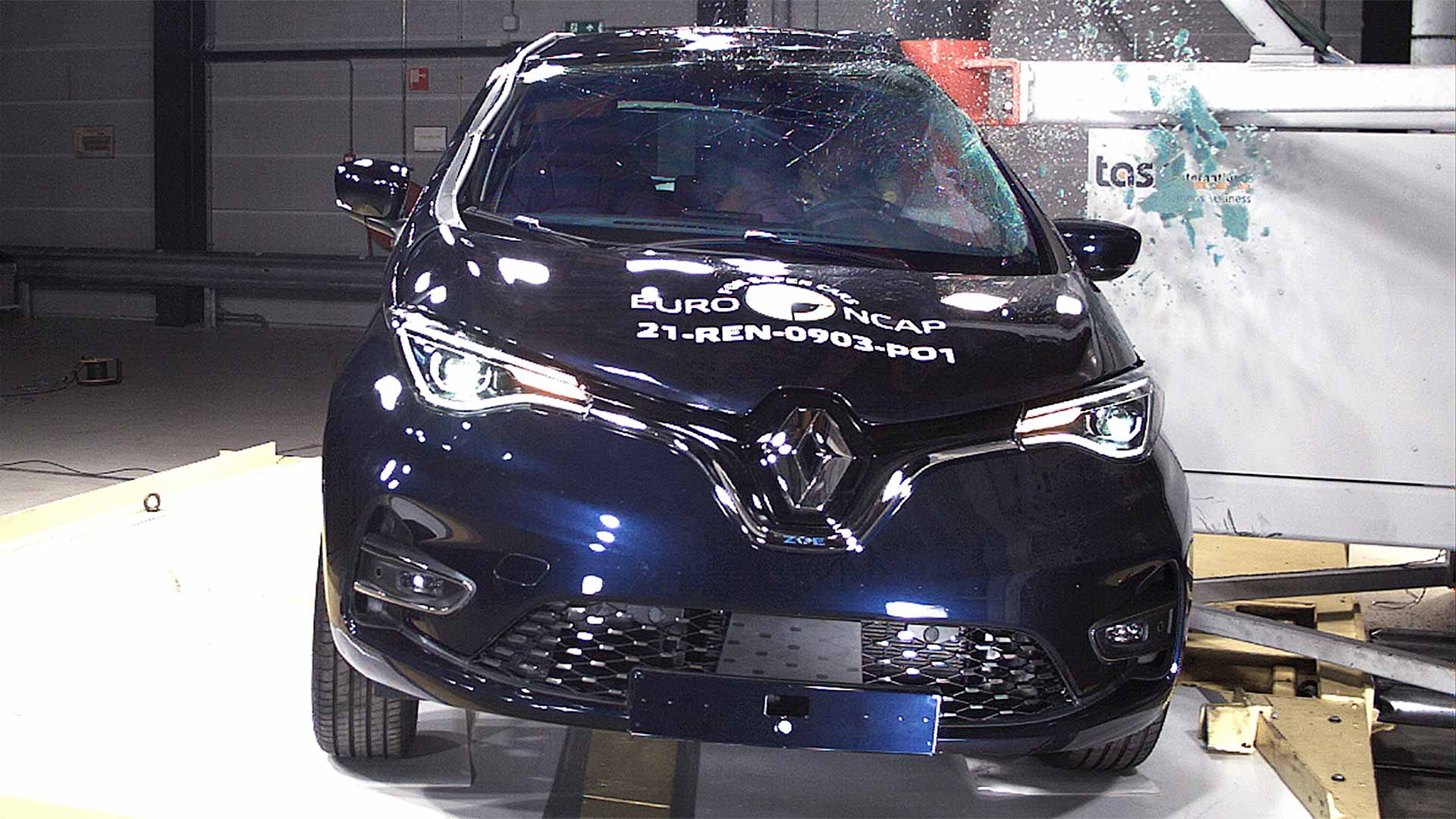
Renault Zoe side pole impact test

The Renault Zoe electric car has been awarded a zero-star crash-test score by safety organisation Euro NCAP.

It is only the third car in Euro NCAP history to be given a zero-star rating, a dubious honour also held by the Fiat Panda and Fiat Punto.

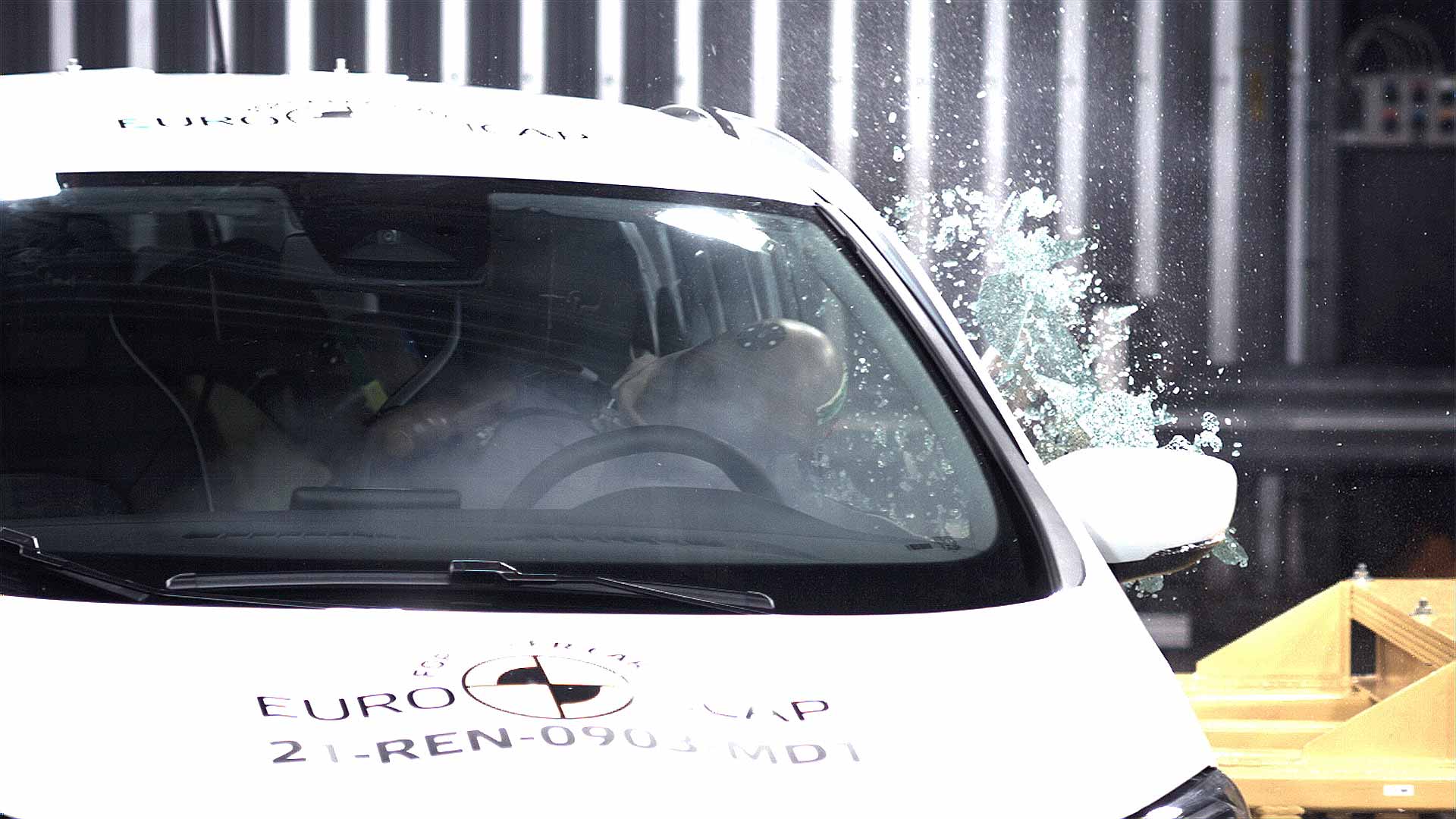
The poor-performing Zoe scored particularly badly in the side pole test, an assessment that Euro NCAP describes as severe – but one that replicates real-world collisions into trees or telegraph poles.

In the Zoe test, the driver’s head directly impacted the intruding pole, potentially causing serious injury and threat to life.

Surprisingly, the score appears to be so poor because Renault has removed safety features originally fitted to the Zoe.

The pre-facelift version of this model was first tested by Euro NCAP in 2013, when it achieved a glowing five-star rating.

However, the removal of features such as side airbags, combined with Euro NCAP raising its testing requirements every two years, has left the Zoe trailing.

‘Worst in 11 years’

Renault Zoe side mobile barrier test

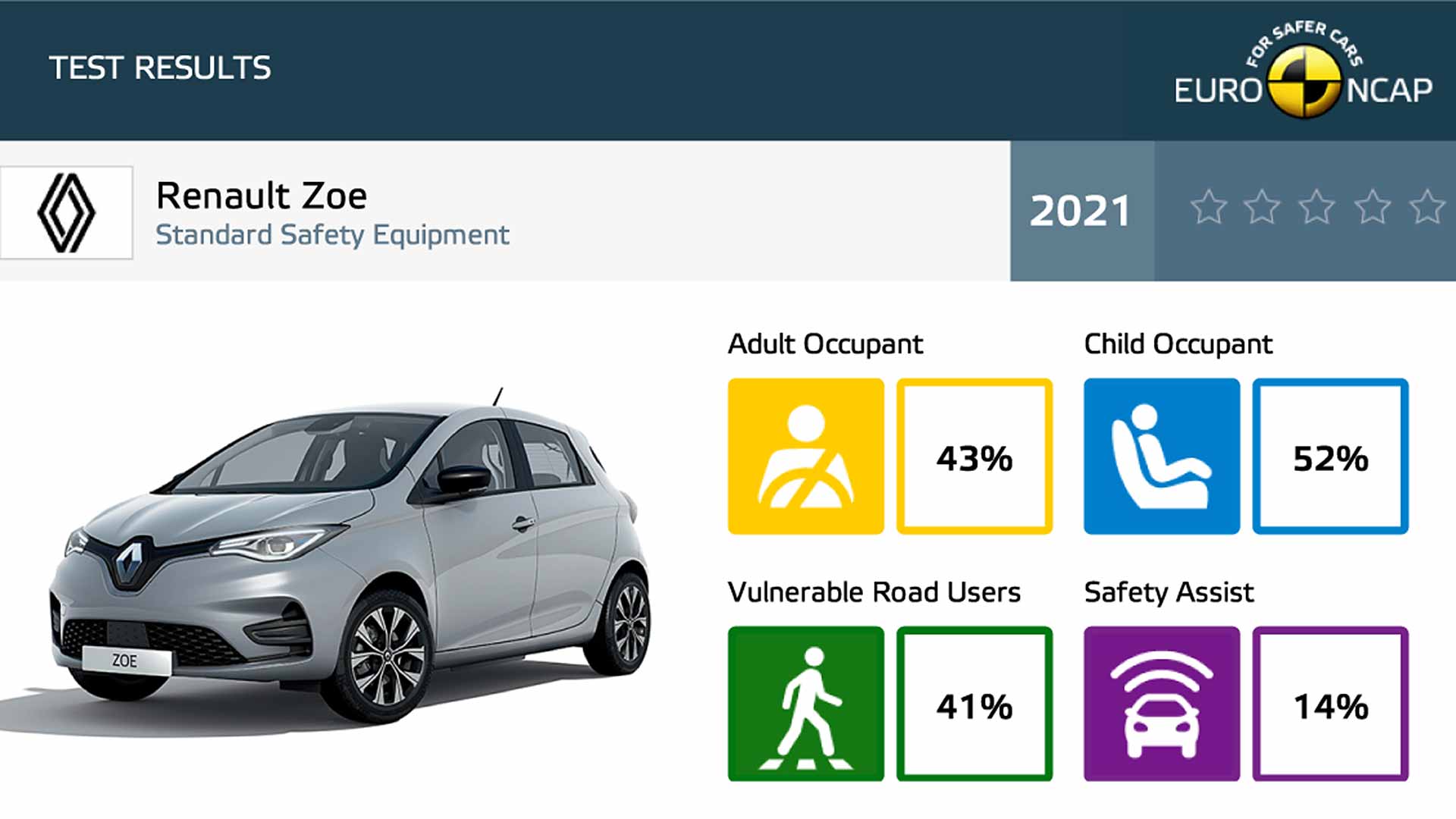
“The adult occupant score of 43 percent for the Zoe is the lowest we have seen in 11 years,” said Thatcham Research executive and Euro NCAP board member, Matthew Avery.

“It is a shame to see Renault threaten a safety pedigree built from the inception of the rating.

Renault was the first car maker to score a five-star Euro NCAP score back in 2001 with the Laguna 2 – ironically helped by the first fitment of side head airbags, now lacking in the Zoe.  

Renault Zoe Euro NCAP datasheet

The Zoe also goes without active safety tech, such as lane departure warning and autonomous emergency braking, resulting in a dreadful 14 percent rating in the Safety Assist category.

These features are fitted to the Renault Clio, a five-star Euro NCAP car. Euro NCAP points out this model also costs £10,000 less than the Zoe EV.

“Drivers should not have to trade off safety for zero emissions,” the organisation says.

‘Poor and weak’ Dacia

Renault Zoe side mobile barrier test

It was an EV double-whammy for the Renault Group too, as value sister-brand Dacia saw its new Spring budget electric car score just one star.

In the Adult Occupant Protection test, it achieved a below-par 49 percent rating through ‘poor and weak protection across several areas… which could result in life-threatening injuries’.

Ironically, this is despite the Spring featuring the full side airbag that has been removed from the Zoe. The Spring also lacks active safety assistance tech, with the company arguing that customers don’t want it.

Euro NCAP disagrees: “An opportunity to exponentially improve safety has been missed – not only for Dacia Spring drivers but also for other road users.”

Euro NCAP highs

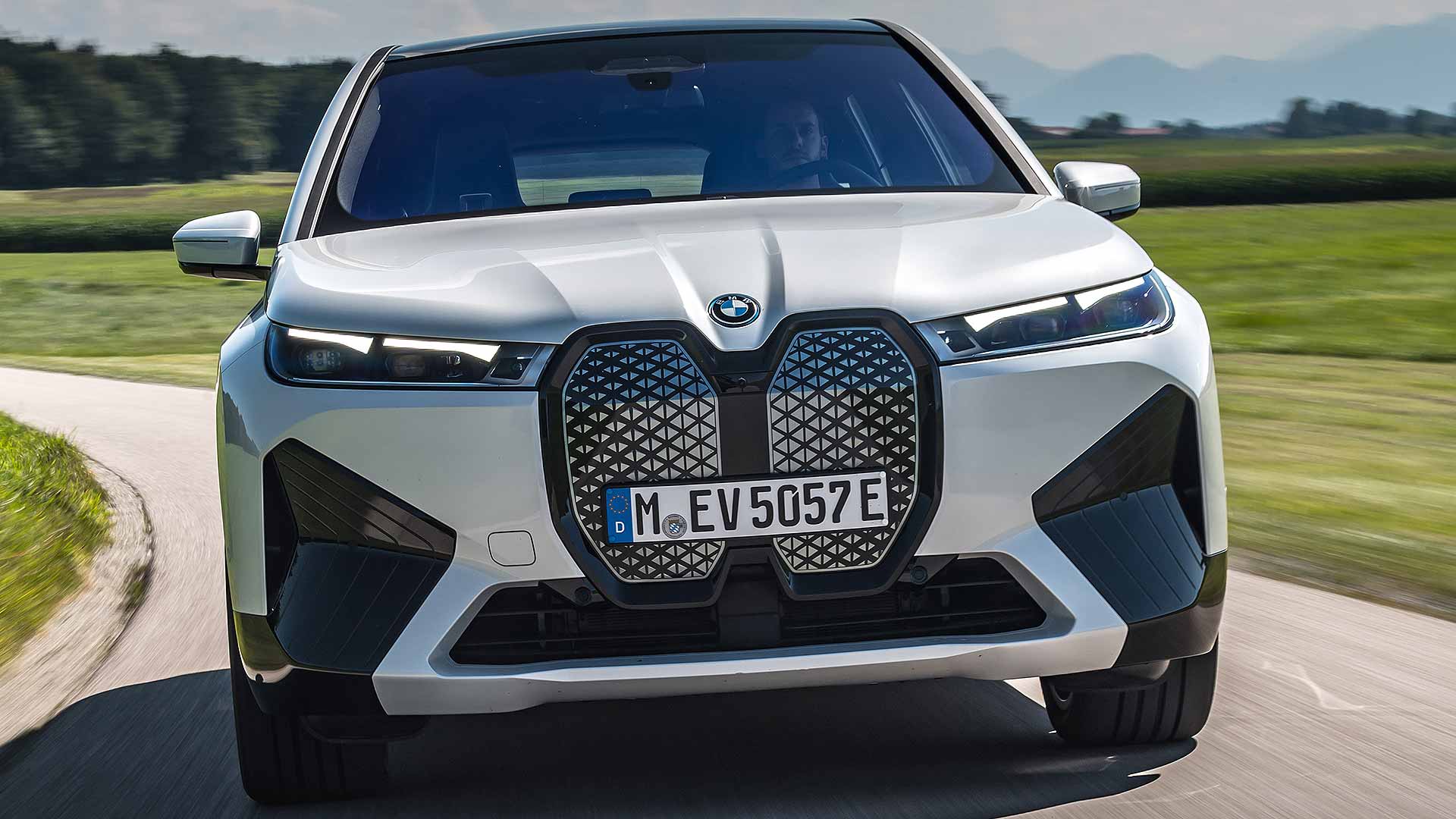
BMW iX

Fortunately, other cars tested in the latest round performed much better. The BMW iX electric car, Genesis G70 saloon and GV70 SUV all scored five-star ratings.

The BMW achieved 91 percent for Adult Occupant Protection and the Genesis duo scored 89 percent. They also feature a full suite of active safety tech.

“It’s reassuring to see that some manufacturers are still safeguarding their customers,” said Mr Avery.

“The G70 and GV70 have continued the excellent ratings that Genesis has delivered so far on its vehicles. The BMW iX also performed well, although we have come to expect nothing less from BMW.”

The more affordable Nissan Qashqai and new Skoda Fabia also won five-star ratings, alongside the Mercedes-Benz EQS, which Euro NCAP said was one of the best-performing cars of the year.

ALSO READ:

Dacia Sandero scores just two stars in Euro NCAP test

Euro NCAP launches new Assisted Driving grade

Electric cars get top marks in Green NCAP tests

Advertisement

Lexus reveals off-road ROV Concept with radical hydrogen engine

0
Lexus ROV Concept

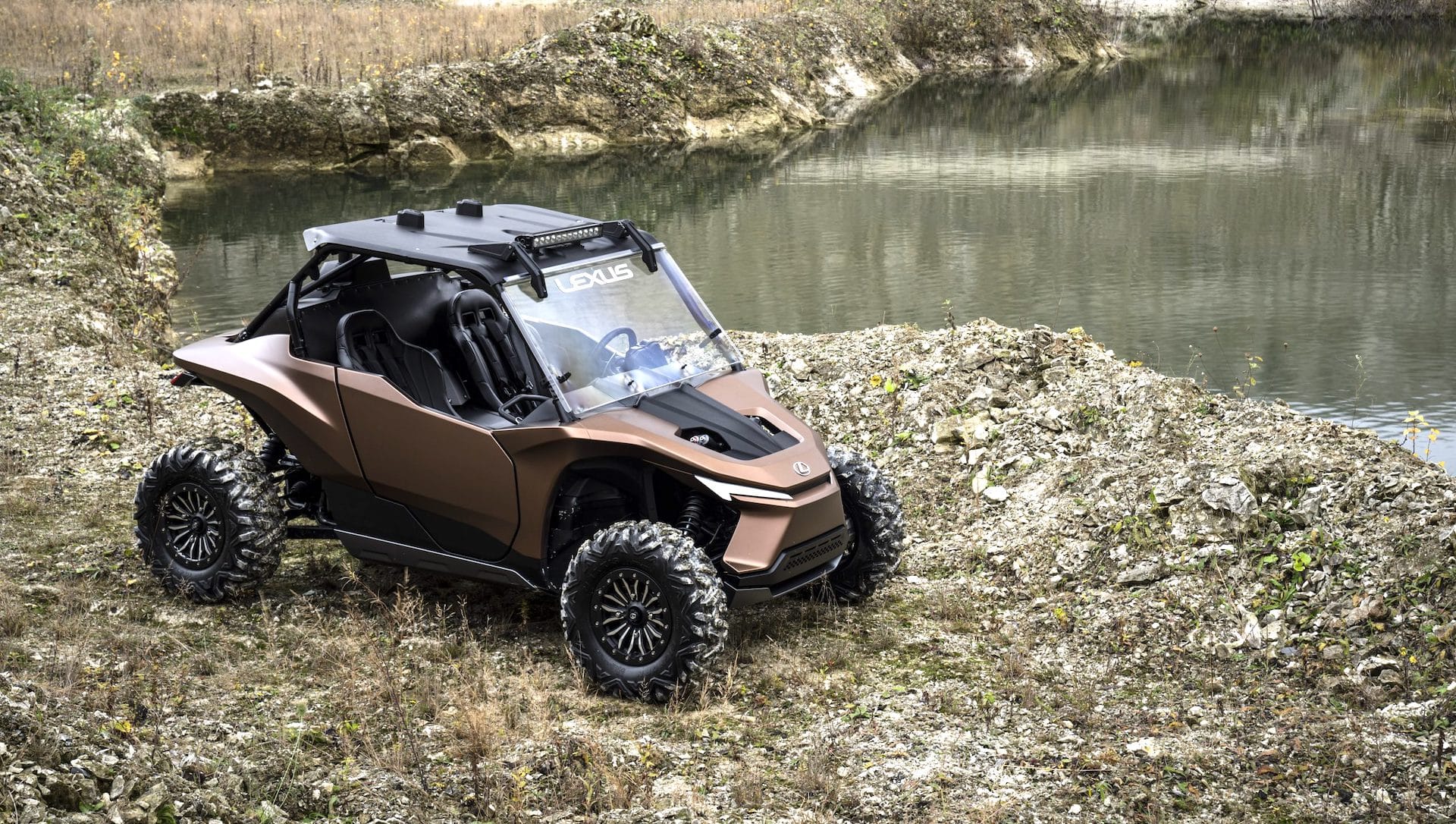
Lexus has revealed the ROV Concept, the company’s first hydrogen-powered vehicle

Choosing to build an ROV (recreational off-highway vehicle) may seem a strange move for a luxury car brand. However, Lexus says it wants to bring a premium experience to the off-road domain. 

More significantly, the ROV Concept demonstrates an all-new hydrogen-burning combustion engine.

Lexus ROV Concept

Modern hydrogen vehicles, such as the Toyota Mirai, have typically used a fuel-cell design. These generate electricity to provide propulsion, with pure water the only by-product. 

However, the ROV Concept features a new 1.0-litre internal combustion engine. This burns hydrogen directly as a fuel source, working just like a traditional engine. 

Lexus says this results in almost zero emissions, with only a small amount of oil burned while driving.

Instant throttle response

Lexus ROV Concept

Using an internal combustion engine does, according to Lexus, produce instant throttle response and a ‘pleasing engine note’.

Despite being a rugged off-roader, the ROV Concept retains design features Lexus owners will be familiar with. 

The exterior features the company’s trademark ‘spindle’ grille, with front and rear lights inspired by the latest Lexus design language. The dark bronze paint colour was developed especially for the ROV Concept.

Lexus ROV Concept

Inside, there’s plenty of carbon fibre trim, along with two well-upholstered sports seats. Lexus says the dashboard follows its ‘Tazuna’ philosophy, with minimal gauges to avoid distracting the driver. 

For now, the ROV will remain a concept: an example of what the company can do with hydrogen power.

Spiros Fotinos, head of Lexus Europe, notes that it “fuses our desire to also develop lifestyle-oriented products with our ongoing research into new technologies that contribute to carbon neutrality”.

ALSO READ:

RML Short Wheelbase: Brit-built retro supercar nears production

This Hemi-powered 1968 Dodge Dart is ready for action

What motorsport fans can expect at Velocity International

Advertisement

Save up to £300 by switching car insurance at the right time

0
Best Car Insurance Renewal Time

New research into car insurance renewal prices has revealed the best time for drivers to consider switching policies. 

Leaving it until the last minute is likely to result in paying more, but being prepared in advance could deliver considerable savings.

Analysis by Compare the Market has found that switching 20 days before the date of renewal could deliver an average saving of £306.

Be prepared or pay more

Best Car Insurance Renewal Time

Buying a new policy 20 days before renewal would see a typical car insurance premium cost £401. As time runs out, closer to the date of renewal, the quoted price will continue to rise. 

Indeed, switching a policy on the date of renewal could result in paying a considerable £707 instead. 

Compare the Market found 32 percent of all enquiries were by drivers switching on their renewal date. More than half (58 percent) are slightly more prepared, looking to change a week before their renewal. 

However, changing a week before could still cost an average of £506. This results in drivers losing out on a potential £105 saving.

Avoid waiting to switch in 2022

Best Car Insurance Renewal Time

Those with insurance policies renewing soon are likely to pay more. December is typically the most expensive time of the year for car insurance. 

An average policy taken out in December would cost £703. Taken out in March, it would cost just £639 instead. 

Compare the Market warns against waiting until January 2022, though. New pricing regulations, introduced by the Financial Conduct Authority (FCA), will take effect to prevent insurers offering better discounts to new customers.

Premiums for those switching could be higher next month, as insurers may increase costs to recoup the difference.

ALSO READ:

Car dashboard warning lights: what do they all mean?

How are winter potholes formed?

How to save money on parking your car

Advertisement

1 in 5 motorists IGNORE dashboard warning lights

0
Halfords Warning Light Jumper

New research has found that more than a fifth (22 percent) of UK motorists are currently ignoring a warning light on their car’s dashboard. 

According to estimates by Halfords, this means a staggering 117 million lights are illuminated on vehicles across the country right now.

Almost a third (30 percent) of drivers admit to simply overlooking warning lights. Less than half of drivers are confident of knowing what they mean

This is despite 18 percent of those surveyed saying they suffered a breakdown by failing to pay attention to an illuminated dashboard light. 

No paradise by this dashboard light

Halfords Warning Light Jumper

Excuses for leaving warning lights lit included drivers not having the time to rectify them. Not believing them to be safety-critical was another key reason.

However, brake system problems accounted for 18 percent of warning lights left on, with 16 percent attributed to airbag faults.

MOT failures or fixed-penalty fines can result from ignoring certain lights. 

To help highlight the scale of the problem, Halfords has released a limited-edition Christmas jumper for a special auction.

An illuminating opportunity

Halfords Warning Light Jumper

Decorated with illuminated warning lights, bids can be placed for the bespoke jumpers until 10 December. All proceeds will be donated to the IAM RoadSmart road safety charity. 

Helpfully, each jumper comes with a Halfords guide to explain exactly what every warning light means. 

Following the launch of the new jumpers, Tony Greenidge, CEO of IAM RoadSmart, said: “Dashboard warning lights should never be ignored. Not only will they lead to an MOT fail, but they are almost always a pre-warning that something is about to stop working and that you could suddenly be stranded in a very dangerous place.  

“The last thing anyone wants over the festive period is a totally avoidable breakdown, so get everything checked before that big trip and your car will be one less thing to stress about during the holidays”

ALSO READ:

Car dashboard warning lights: what do they all mean?

How are winter potholes formed?

How to save money on parking your car

Advertisement

EVERY Nissan Leaf EV to be built with renewable energy as solar farm doubles

0
Nissan Leaf

Nissan is to double the size of the solar energy farm at its huge Sunderland factory – and, once complete, it will generate 20 percent of the plant’s needs.

This will be enough to build every Nissan Leaf electric car per year using fully renewable energy.

Pre-pandemic, around 43,000 Leaf EVs were made at Sunderland.

Work on the giant 20MW installation is already underway and it is expected to be complete by May 2022.

It will complement Nissan’s existing solar and wind farms.

“We have been using renewable sources on-site for more than 15 years,” said Nissan Sunderland manufacturing VP Alan Johnson.

“The expansion of our solar farm is an integral part of the Nissan EV36Zero project and the company’s journey to carbon neutrality.”

Sunderland goes green

Nissan Sunderland aerial photograph

The Sunderland project is the first of 10 planned by the Japanese giant – to which an initial £1bn has been committed by Nissan, its partners, and Sunderland City Council.

The Nissan EV36Zero project is the firm’s ambition to build a “flagship EV hub creating a world-first EV manufacturing ecosystem”. It will be centred around the Sunderland, UK factory.

The project will bring together electric vehicles, renewable energy and battery production; it will, says the firm, “set a blueprint for the future of the automotive industry”.

It has been praised by UK PM Boris Johnson, who called it “a major vote of confidence in the UK and our highly-skilled workers in the North East.

“Commitments like these exemplify our ability to create hundreds of green jobs and boost British industry, whist also allowing people to travel in an affordable and sustainable way so we can eliminate our contributions to climate change.”

ALSO READ

1 in 5 motorists ignore dashboard warning lights

Fuel retailers will ‘lose all credibility’ if they don’t cut prices THIS WEEK

Audi A8 flagship gets new look and updated tech for 2022

Advertisement