McLaren has unveiled a special one-off Artura supercar, designed to highlight International Women in Engineering Day.
The car’s unique design celebrates one year of McLaren’s partnership with children’s rights charity, Plan International.
Guests attending the Goodwood Festival of Speed will be able to see the custom Artura as part of McLaren’s public display.
The search for female role models
McLaren has also published details of a survey, undertaken by Plan International, examining the attitudes of schoolgirls to engineering careers.
Some 61 percent of those surveyed said they wanted to see more female engineering role models.
A considerable 75 percent of schoolgirls said they are interested in pursuing a science, technology, engineering and maths-based (STEM) career.
However, nearly a quarter (24 percent) said they worry about being good enough to study STEM subjects.
Workshops for future STEM stars
Plan International and McLaren aim to tackle the barriers highlighted in the recent research, and do more to promote STEM careers to girls. McLaren has pledged to host skills-based educational workshops for 1,000 girls by 2025.
The first of these sessions was hosted by McLaren’s Ella Podmore. Having previously completed a degree in materials engineering, Ella joined McLaren as an intern engineer in 2016.
In 2021, Ella was crowned the 2021 Young Woman Engineer of the Year by the Institution of Engineering and Technology.
Last year also saw another of McLaren’s female employees, Rachel Brown, provide the inspiration for a Lego mini-figure. As principal development engineer for the Ultimate Series of cars, her miniature recreation was included with the Lego Speed Champions McLaren Elva.
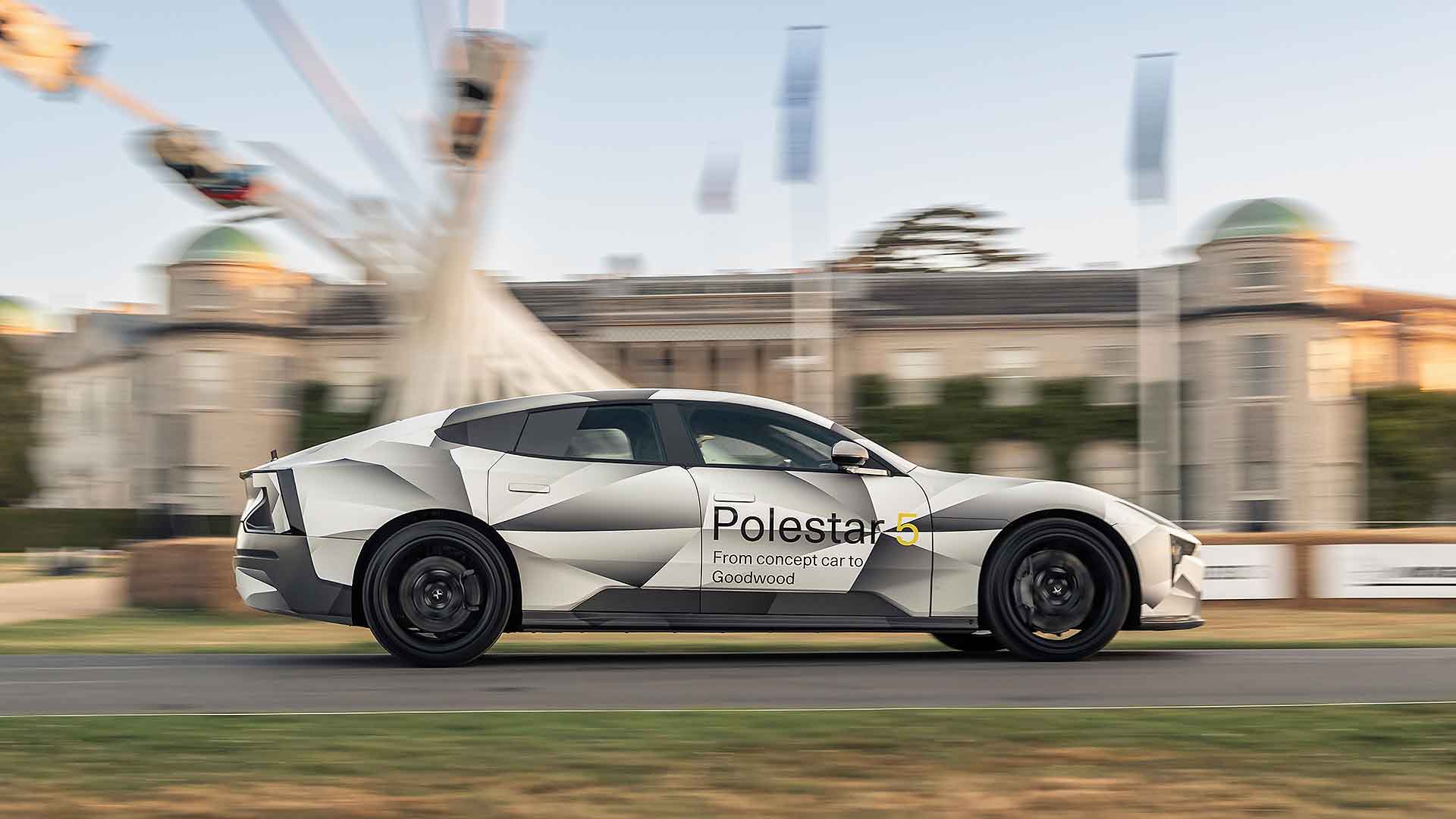
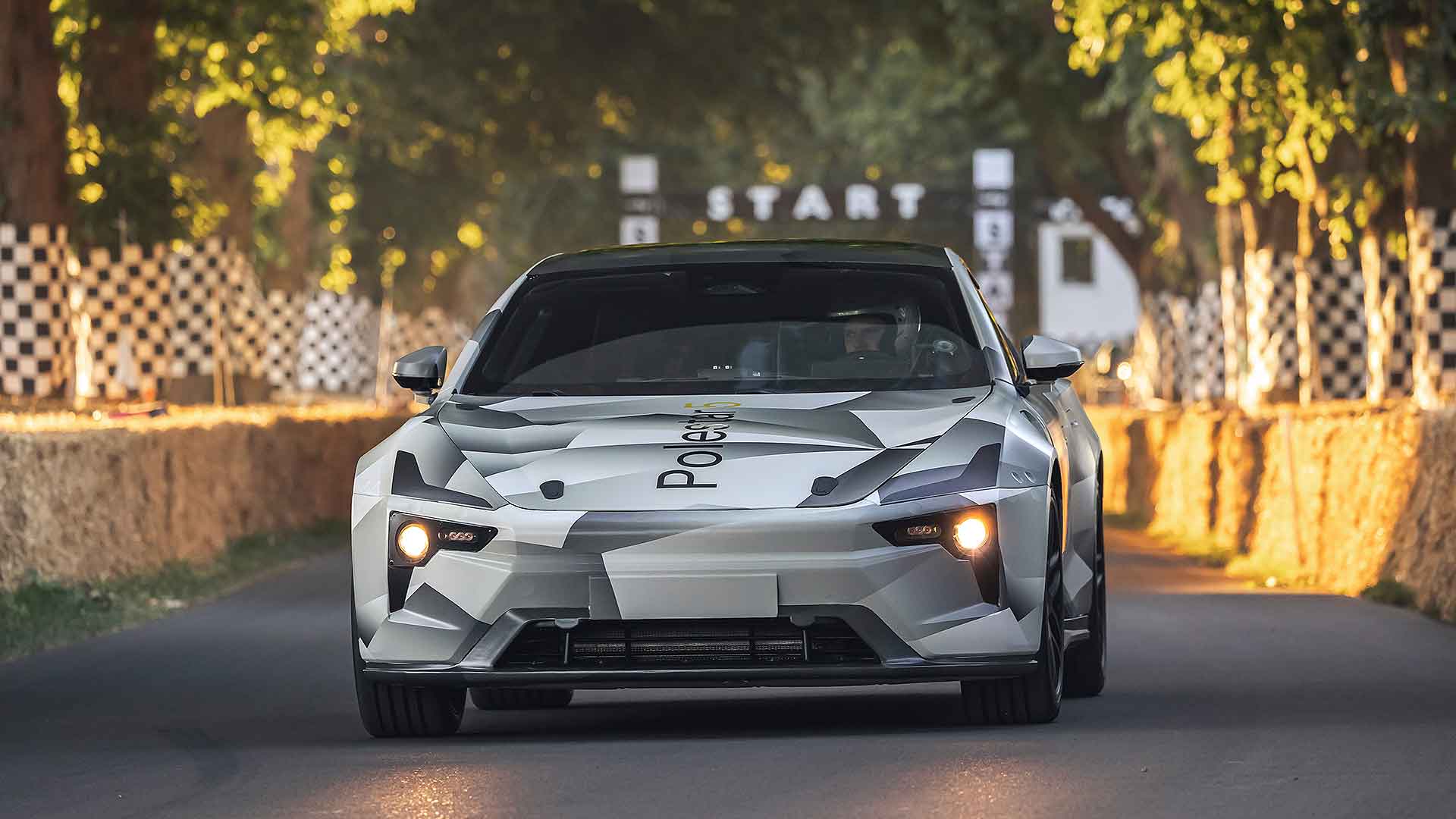
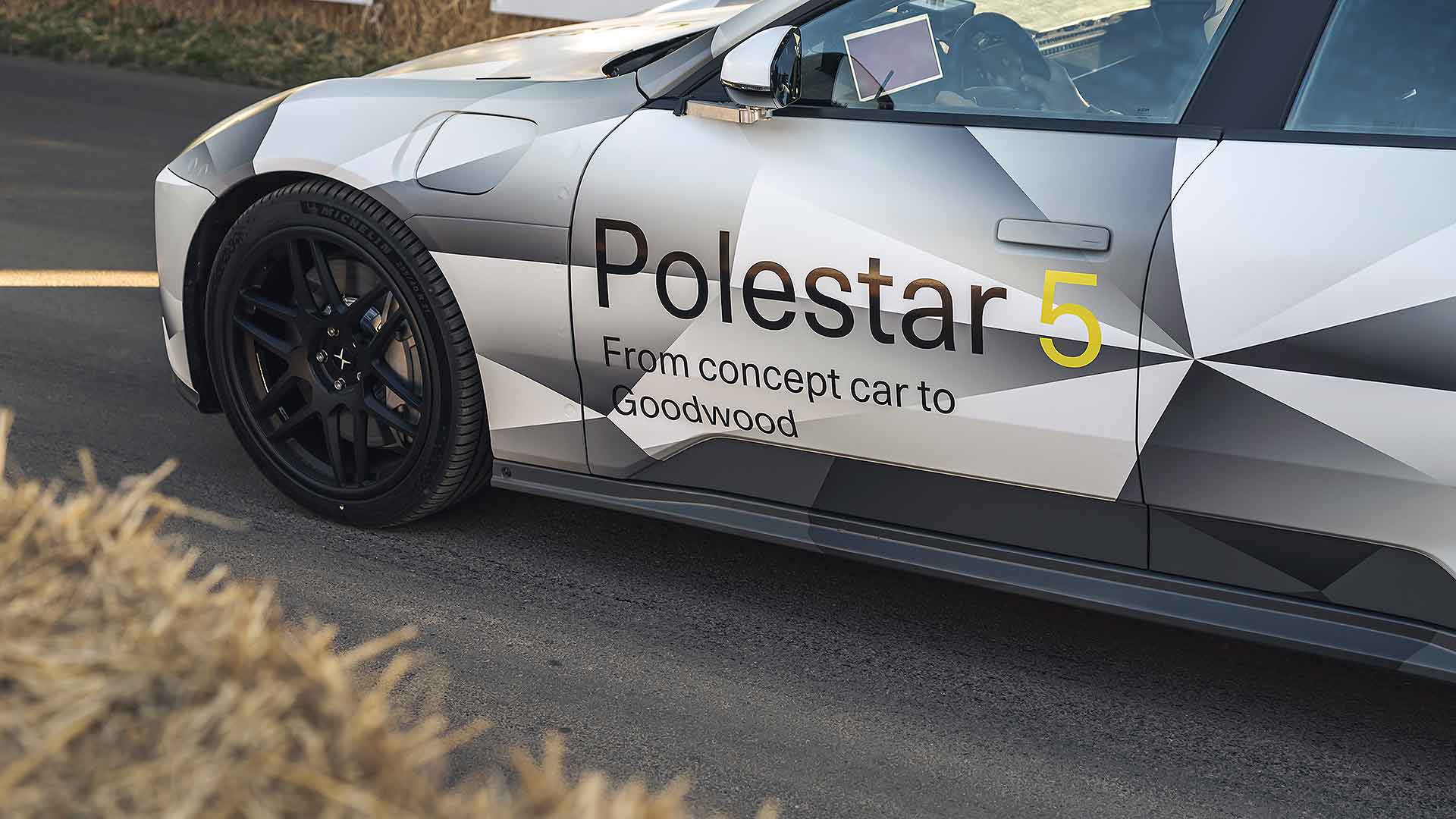
Polestar has revealed that its new four-door electric GT car, the Polestar 5, has a power target of 884hp – a figure well in excess of even the most powerful Porsche Taycan EV, the Turbo S.
Polestar’s rival to the Taycan will also boast an 800V architecture, delivering ultra-fast charging to those who make the most of its mighty power output.
This is a very public teaser ahead of its full launch in 2024.
New benchmark
Jorg Brandscheid, Polestar CTO and head of R&D, said: “The new powertrain we are working on will set a new brand benchmark in our high-performing cars.
“Combining strong electric motor engineering ability with advances in light-weight platform technology is leading to truly stunning driver’s cars.”
“The platform combines low-volume performance car attributes with modern technological advances to bring light-weight, high-rigidity sports car chassis technology into mass production.”
Polestar CEO Thomas Ingenlath is calling the Polestar 5 “a company-defining project”.
In a novel approach, Polestar is tracking the development of the Polestar 5, the production version of 2020’s Precept concept, in a YouTube documentary series.
Ahead of the Polestar 5’s launch, the firm will launch the Polestar 3 and Polestar 4 electric SUVs – both described as “pure Polestars”.
Hot Wheels could make your car into a special die-cast model, creating an instant miniature icon.
The 2022 Hot Wheels Legends Tour spans 14 countries across the world, with the overall winning vehicle transformed into a toy.
This year will put extra pressure on enthusiasts from the UK, as last year’s winning car hailed from Somerset.
Performance, authenticity and ‘garage spirit’
Hot Wheels is asking owners of unique and interesting cars to put forward their life-sized vehicle for the 2022 Legends Tour.
Enthusiasts simply need to upload a short video to the Hot Wheels website, along with a brief explanation about their car. Entries close on 31 August 2022.
Ten contenders will selected, then assembled before a live studio audience in October.
A new UK judging panel will be responsible for assessing the 10 finalists, looking for a car that embodies Hot Wheels performance, authenticity and ‘garage spirit’. The panel includes Helen Stanley and Jonny Smith, alongside renowned car designer Ian Callum CBE.
Twice the chance to win
This year sees entrants have a double chance at seeing their car made into a die-cast model. Along with the overall winner, the judges will pick a regional Fan Favourite to become a 1:64 miniature, too.
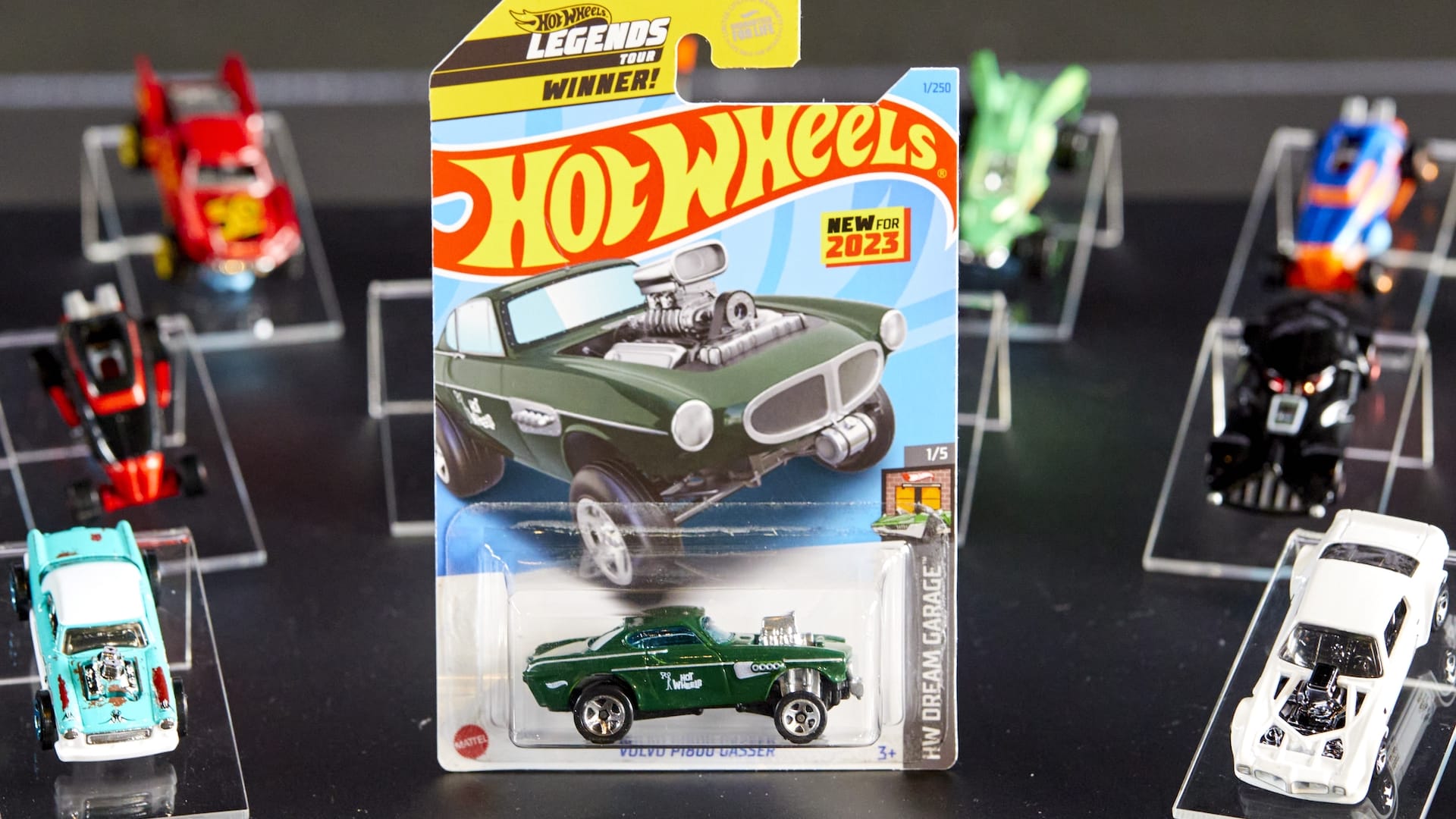
Last year, Lee Johnstone’s Volvo P1800 Gasser (pictured above) won the UK leg of the competition, before going on to be crowned the global champion.
“I never imagined that we would win, but it’s been amazing to be part of the design process and meet the team that is responsible for creating the toy cars that fans of any age love,” said Johnstone.
“You just can’t beat that thrill of seeing your car scaled down in the Hot Wheels pack. I’d urge anyone to enter just to share that moment. It’s unforgettable!”
Following the launch of Dacia’s new corporate identity, the Romanian car company has released an augmented reality (AR) app.
Available for a range of smartphones and tablet devices, it lets customers visualise how a new Dacia looks in virtual 3D.
The app works in up to life-size 1:1 scale, helping drivers see how a Dacia could literally fit into their lives.
Experience a virtual Dacia
Customers can use the augmented reality app to place a virtual Dacia anywhere they want. Dacia says this could be in their garage, a car park, or even ‘the great outdoors’.
Along with the ability to view the exterior of new Dacia models, the AR app lets drivers examine the interior in detail. This includes use of Dacia’s new ‘link’ badge for good measure.
The updated Dacia range will be on display at the 2022 Paris Motor Show in October, before vehicles arrive in dealerships.
Sales staff can also make use of the AR app, demonstrating different trim levels to interested customers.
Simplified trim levels
Dacia is also updating the names of its various trim levels. The new range starts with the Essential grade, offering low-price entry-level motoring. This is followed by Expression, with Journey as the new range-topping trim option.
Customers can download the Dacia AR app for free via the Apple or Google Play app stores now.
Dacia is the latest car manufacturer to offer an augmented reality app, following Porsche and Bentley.
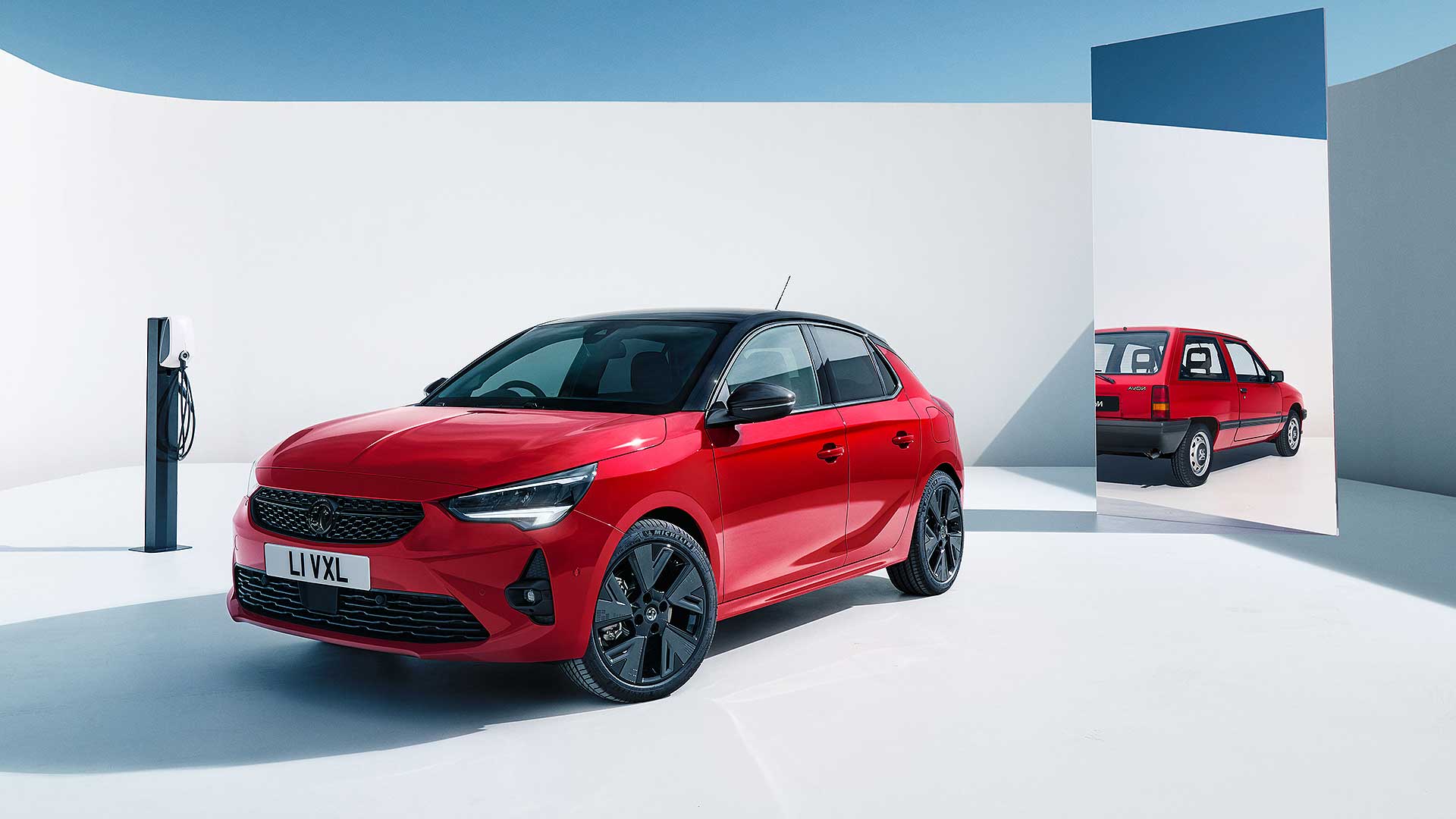
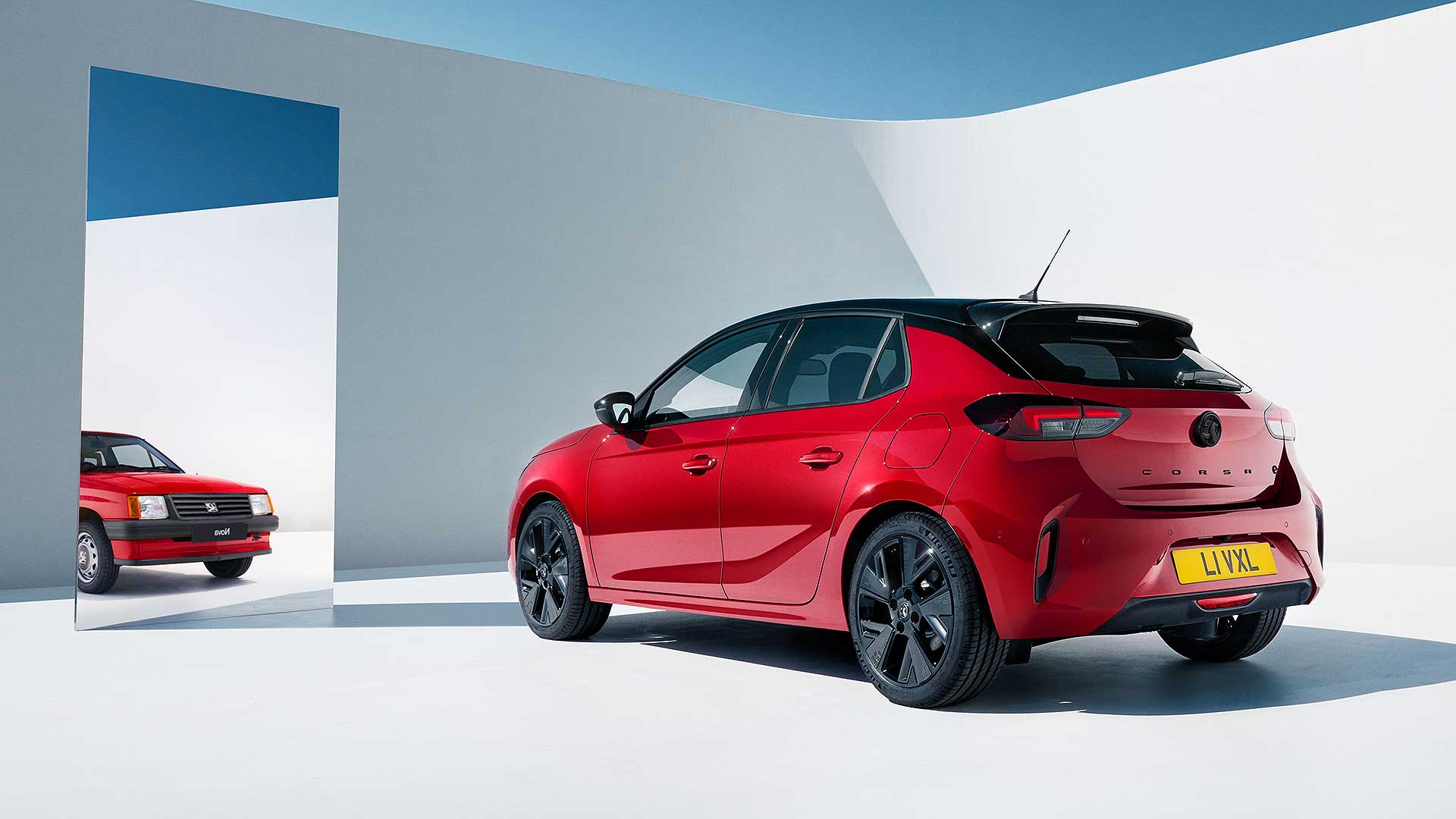
Vauxhall is celebrating 40 years of the Corsa and Nova supermini line with a new tartan-infused pure electric Corsa-e Anniversary Edition.
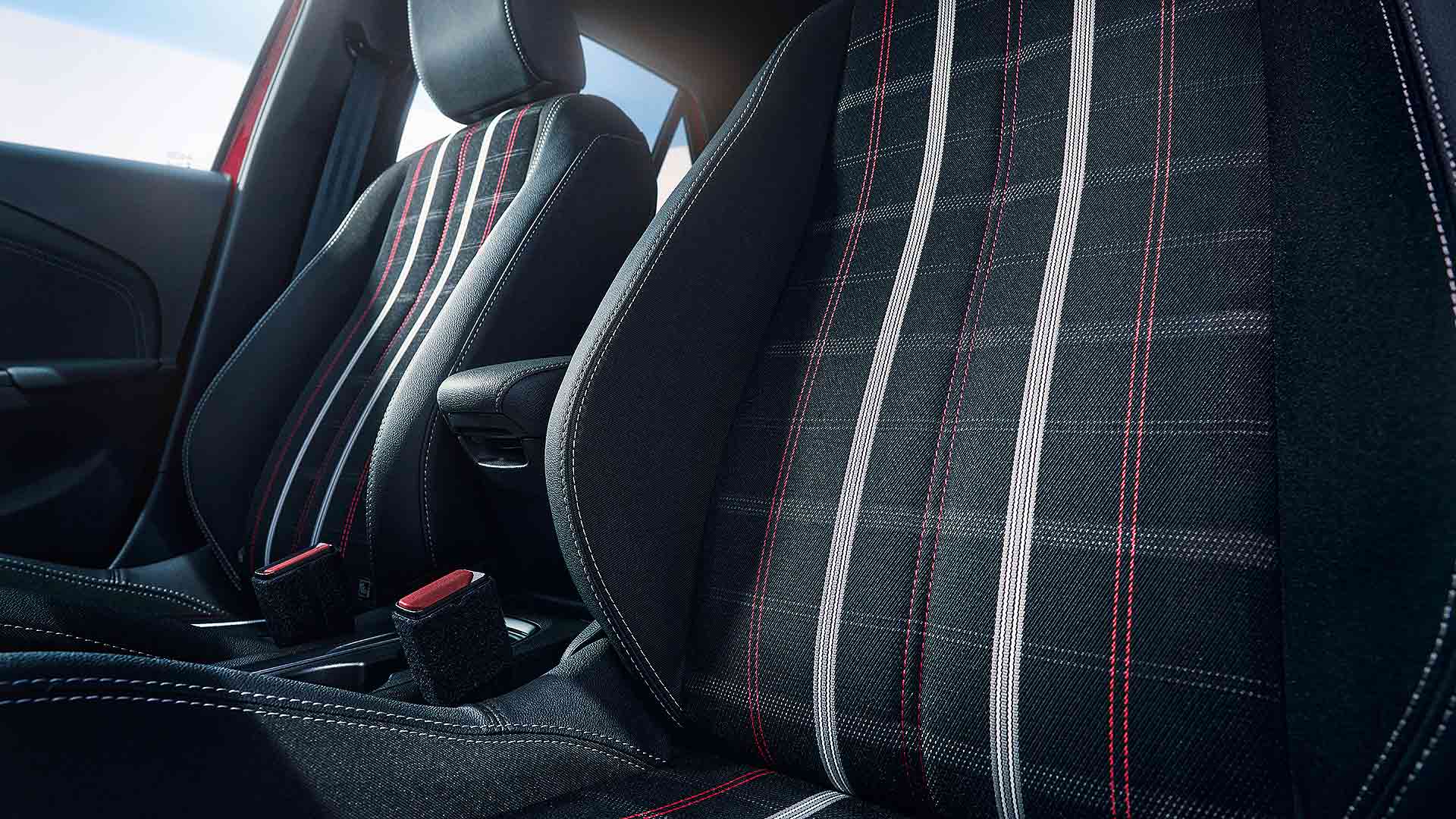
Limited to 1,000 units, the special Corsa-e comes in custom Record Red paint – and, inside, has tartan upholstery inspired by the 1980s Nova SR.
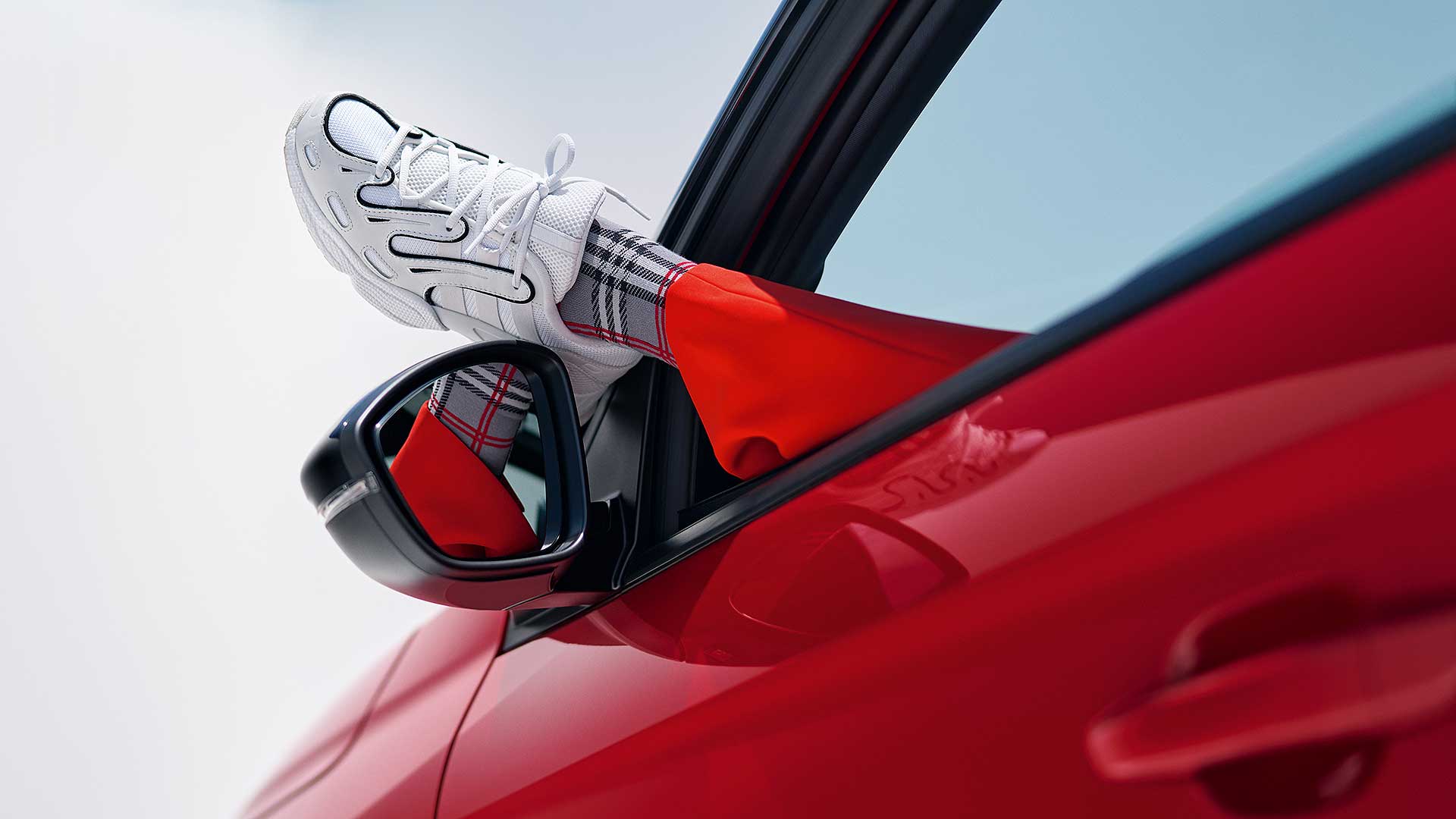
In a novel touch, each Anniversary Edition also comes with a box of collectors’ socks featuring both classic and modern versions of the Vauxhall tartan.
Available to order exclusively online, the Corsa-e Anniversary Edition costs £31,000.
Heritage-inspired colour
Vauxhall says the Record Red paint is inspired by the original Nova’s Carmine Red hue.
The Corsa-e Anniversary Edition gets a black grille, black front and rear Vauxhall Griffin logos and black ‘Corsa’ lettering on the bootlid, a feature also seen on the new Astra.
The 17-inch wheels are gloss black with matt grey inserts.
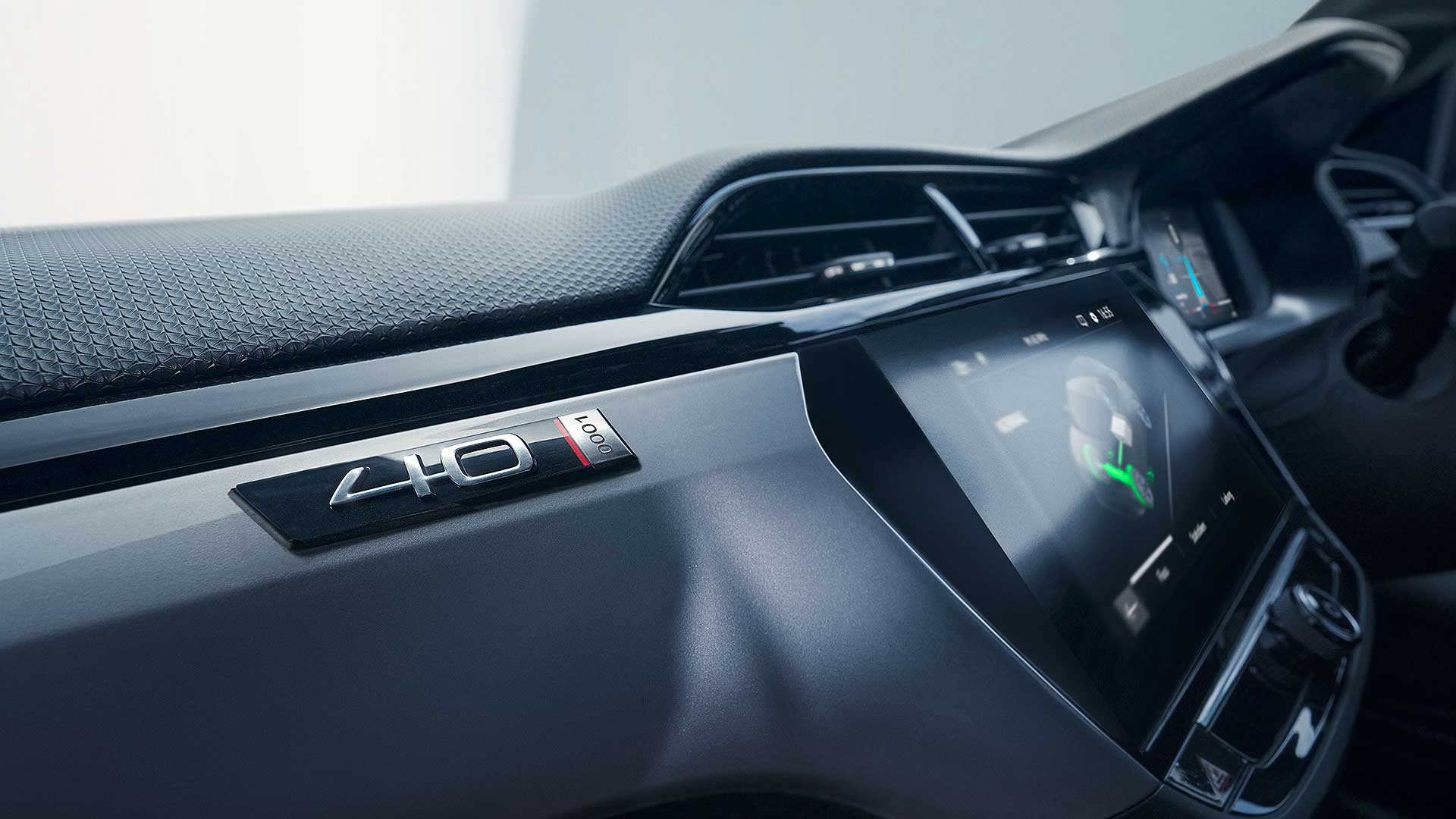
Inside, there’s a black dashboard strip and numbered plate to mark its limited edition status.
Based on the GS Line variant, standard equipment also includes heated front seats and steering wheel, 7.0-inch touchscreen infotainment and a 7.0-inch digital instrument cluster.
The 136hp electric motor is combined with a 50kWh battery, giving a driving range of up to 222 miles.
100kW rapid charging is standard, for an 80 percent charge in 30 minutes.
Emerging as the UK’s best-selling car in 2021, the latest Corsa, which was launched in 2019, continues to lead the sales charts so far in 2022.
The Corsa-e was also the UK’s best-selling electric car last month.
More than two million Corsas have been sold in the UK to date.
Kia is giving the public its first opportunity to see the EV6 GT electric car in action at the 2022 Goodwood Festival of Speed.
Along with topping the EV6 range, the new GT model also becomes the most powerful production Kia to date.
With dual electric motors, the GT generates an impressive 577hp, combined with a substantial 546lb ft of torque. All-wheel drive will help when tackling the challenging Goodwood hillclimb route, too.
Press to engage GT mode
All this electric power allows the EV6 GT to accelerate from 0-62mph in just 3.5 seconds. It can also achieve a top speed of 165mph, pushing it into genuine sports car territory.
Bespoke to the flagship Kia model is a neon green ‘GT’ button on the steering wheel. Used to engage GT mode, this tailors the electric motors, brakes, suspension and steering for maximum performance.
Standard equipment includes 21-inch alloy wheels, seats trimmed in black suede with neon green highlights, and GT styling. An electronic limited-slip differential and electronically controlled suspension are also standard.
Available to order now, the Kia EV6 GT will cost from £59,995, with the first deliveries expected towards the end of 2022.
Ready to charge the hill
Driving the EV6 GT during the weekend will be rallying star, Jade Pavely. Last year, Jade won the T2 Class of the British Rally Cross Country Championship, while also working as a reporter for the World Rally Championship.
Jade first drove at the Goodwood Festival of Speed in 2012, and has returned several times since. She thus has more than sufficient experience to guide the EV6 GT up the nine-corner, 1.16-mile hillclimb route.
In between making runs up the hill, the EV6 GT will be on show in Goodwood’s First Glance paddock. The new Kia Niro EV will be displayed in the ‘Electric Avenue’ area.
The radical Czinger 21C made its UK debut at this week’s Concours on Savile Row. The American hybrid hypercar shared a red carpet with 30 exotic and classic cars along one of London’s most famous streets.
Highlights of the two-day event included several rare Ferraris, the legendary Barnato-Hassan Bentley and the new McLaren Artura. However, the outrageous and otherworldly Czinger was arguably the main attraction.
According to company co-founder Lukas Czinger, who gave us a guided tour, it “pushes the boundaries of design, performance and sustainability”.
Ready for take-off
Styled like a fighter jet and scarcely any slower, the 21C has a central driving position with the passenger (or “co-pilot”, as Czinger likes to call them) sitting directly behind. The car’s aero-scuplted body is carbon fibre, while its chassis is made from 3D-printed composite parts.
Forward thrust comes from Czinger’s own 2.9-litre twin-turbo V8 – the world’s most power-dense production engine, which produces 330hp per litre and revs to 11,000rpm.
Visiting the Concours on Savile Row today – and interviewing Lukas Czinger.
First saw the Czinger 21C hypercar in March 2020 (my final event before the first lockdown), but it has changed a lot since then.
Factor in two torque vectoring 800-volt electric motors and the combined result is a ferocious 1,250hp, plus the ability to drive 12 miles in EV mode.
Perfect power-to-weight
With a kerb weight of 1,250kg, the 21C has a ‘perfect’ power-to-weight ratio of one horsepower per kilogram. It will hit 62mph in 1.9 seconds and reach a top speed of 253mph (just not on Savile Row, thank you).
Czinger has also set production car lap records at Laguna Seca and the Circuit of the Americas, where the 21C went six seconds faster than a McLaren P1.
Just 80 examples of the Czinger 21C will be made and UK sales are via H.R. Owen in Berkeley Square, Mayfair. If a Ferrari or Lamborghini seems a tad run-of-the-mill, expect to pay £1.8 million and take delivery towards the end of next year.
Now read on for our exclusive interview with Lukas Czinger at the Concours on Savile Row.
Why start a car company?
My dad [co-founder Kevin Czinger] and I have always had a passion for cars. His older brothers were Chevy mechanics and he grew up drag-racing American muscle cars.
My idol was Paul Walker in The Fast and the Furious, so my first car was a highly modified Mitsubishi Evo VIII. The innovations we developed in 3D printing allowed us to build a car without the enormous upfront investment that is usually required.
What makes the 21C different to other hypercars?
Above all, our unique production process – using 3D printing that is 20 times faster than the industry standard, plus patented bonding adhesives – makes for a stiffer, lighter and higher performance chassis. We’ve compressed a decade of automotive development into two years.
What inspired the car’s design and in-line seating configuration?
‘Form follows function’ was the rule here. We took on Nick Alcock, previously the lead aerodynamicist at Williams Advanced Engineering, to hone the car’s aero. The in-line configuration reduces frontal area and thus minimises drag. A central driving position also keeps the car perfectly balanced, which is ideal for high-speed track work.
Why did you develop a V8 engine in-house?
Mainly for packaging reasons. The engine compartment is a very tight fit and most off-the-shelf options were too wide. Our requirements in terms of power [950hp, plus 300hp from two electric motors] were very demanding, too.
Here are the gorgeous guts of the Czinger 21C.
Its 2.9-litre twin-turbo V8 is built in-house and drives the rear wheels, with two electric motors to power the fronts.
Combined output is 1,250hp, for a ‘1:1’ power-to-weight ratio of one horsepower per kg. pic.twitter.com/d7hhK3RyVS
Is the 21C primarily intended for road or track use?
The 21C is fully crash-tested and emissions-compliant, so it can be driven on the road. However, it truly shines when you take it on a track. The high-downforce specification seen on this car is especially suited to track use.
We also plan to reveal a low-drag version that is geared towards the road, with less fixed aero and a small amount of luggage space.
Did you benchmark the 21C against any rival hypercars?
Our car is unique, but we did check out others in the marketplace. In terms of quality, Bugatti was our benchmark. For on-track performance, we looked at the McLaren Senna. And for everyday usability on the road, our target was the McLaren 720S.
Could the 3D-printing build process be scaled up?
Absolutely. We are already working with eight major car manufacturers, including a very famous British brand. Outsourcing to our ‘digital production’ process is very attractive, as car companies only pay for what they use – and there’s no need for huge factories or long production lines. We’re moving into other industries as well, such as aerospace and defence.
What is next for Czinger?
Czinger will reveal a concept car at the Pebble Beach Concours this August. It’s a two-door, four-seat coupe, which will be higher volume and more affordable than the 21C. Our overall target is 10,000 cars a year. We want to become the American Ferrari.
The worst of the pandemic may be over, but widespread flight cancellations and the complications created by Brexit mean that many holidaymakers have opted to stay in the UK.
If you plan to tow a caravan this summer (or indeed a trailer, such as a boat or horsebox), you must check your driving licence to see what you are legally entitled to tow.
The rules differ depending on when you passed your driving test, as explained below.
If you passed your test BEFORE 1 January 1997
In general, if you passed your driving test before 1 January 1997, you can drive a vehicle and trailer combination up to 8,250kg maximum authorised mass (MAM).
If you passed your test on or AFTER 1 January 1997
If you passed your test on or after 1 January 1997, you are now able to tow trailers up to 3,500kg MAM.
These rules were simplified in December 2021 and DVLA will automatically update your driving licence, adding the category ‘BE’ to your record.
The next time you apply for a driving licence, it will show the category ‘BE’. You don’t need to contact the DVLA for this to happen.
Restrictions on motorhomes
The date of 1 January 1997 is also important when it comes to driving a motorhome. If you passed your test before then, you will have category C1 entitlement on your driving licence. This permits you to drive vehicles up to 7,500kg.
Drivers who passed their test after 1 January 1997 can drive a motorhome up to 3,500kg and tow a trailer up to 3,500kg behind it. In order to drive a larger motorhome (up to 7,500kg), you will need to pass an additional driving test. This will add the C1 category to your licence.
Harvey Alexander of the Caravan and Motorhome Club, said: “There’s been a significant rise in the number of people choosing to spend their holidays caravanning.
“Leisure vehicles provide a fantastic way to explore parts of the country you may have never experienced before, and it’s very important to us that we do all we can to help holidaymakers do so safely and legally.”
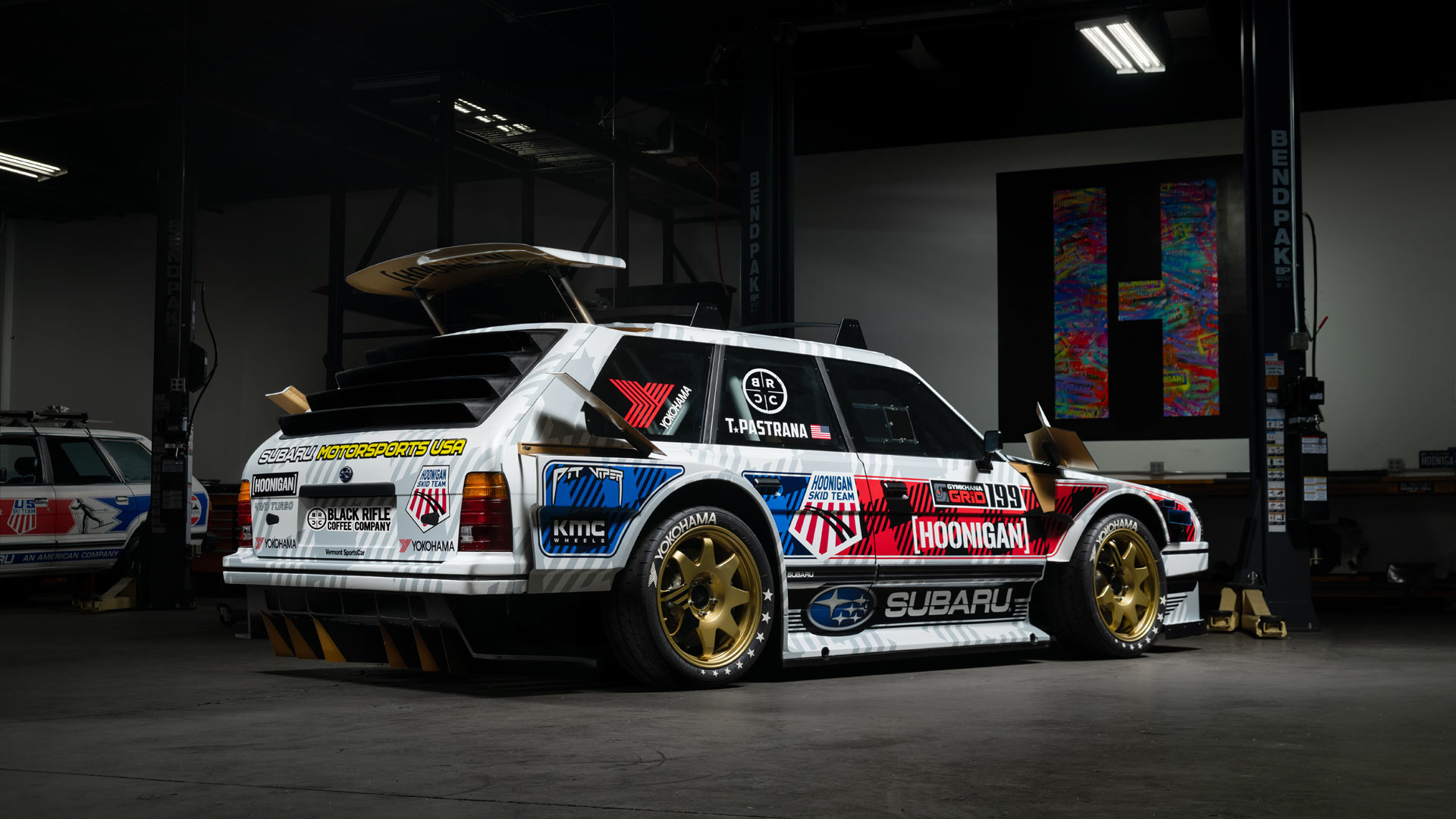
Nestled among all the exotic supercars and motorsport machines at the Goodwood Festival of Speed will be a humble 1983 Subaru GL.
However, this is quite clearly not your grandmother’s old wagon. Instead, it’s a potent rally weapon developed by Subaru Motorsports USA and Hoonigan.
The Subaru will be driven at Goodwood by professional racing driver and stuntman, Travis Pastrana. Last year saw Pastrana finish second in the Hillclimb Shootout, and he will be gunning for victory with the ‘Family Huckster’.
Classic name, modern tech
The name is a pastiche of the woodgrain-clad Wagon Queen Family Truckster, which starred in the National Lampoon’s Vacation movie.
Similarities end with the name, though, as this special Subaru uses a state-of-the-art tubular spaceframe chassis clad in lightweight carbon panels. There is not a hint of woodgrain anywhere.
Active aerodynamics include a gigantic rear wing, along with hydraulic aero flaps that can be deployed manually or automatically. A functional roof rack is designed to draw air into the rear-mounted radiator.
World Rally Championship-specification suspension has been installed, with lightweight KMC wheels fitted. These have been custom-made to resemble the eight-spoke design used by Subaru during the 1980s.
Powered-up for the hillclimb
The turbocharged flat-four engine powering the Family Huckster owes very little to classic Subarus either. Developed from the Airslayer STI, previously driven by Pastrana at Goodwood, it generates an incredible 862 hp.
A six-speed sequential transmission is fitted, along with Subaru’s trademark all-wheel-drive system. The differential is said to incorporate knowledge from Pastrana’s record-setting run at the 2021 Mt. Washington Hill Climb.
Attention to detail can be found in the scanned recreation of a 1983 Subaru GL dashboard. This exact replica has been formed from blue carbon fiber, and even incorporates a period-correct radio.
A 12-inch digital dashboard also resembles the instrument panel you would have found inside the classic Subaru.
The raddest of wagons
After its debut at the Festival of Speed, the Family Huckster will take a starring role in Hoonigan’s award-winning Gymkhana series. Pastrana will be in charge of driving the Subaru wagon for its film debut.
“The GL wagon is an iconic Subaru that I thought would be pretty rad to see flying through the air,” said Pastrana. “Surprisingly, the Family Huckster is a lot smaller than the Airslayer. Combine that with the boxy shape and you have a perfect recipe for next-level precision driving.
“An active rear wing is helpful to an extent, but the ’83 wagon flies about as well as you would imagine… kind of a like a brick. This makes the jumps way more sketchy, but also more entertaining and less predictable. The Family Huckster is without a doubt my all time favorite vehicle to drive. I can’t wait to show the world at Goodwood, and later this year in the next Gymkhana.”
Orders for the first Dacias wearing the firm’s new logo and brand identity have now opened.
The first ‘rebranded’ cars will be delivered later this year.
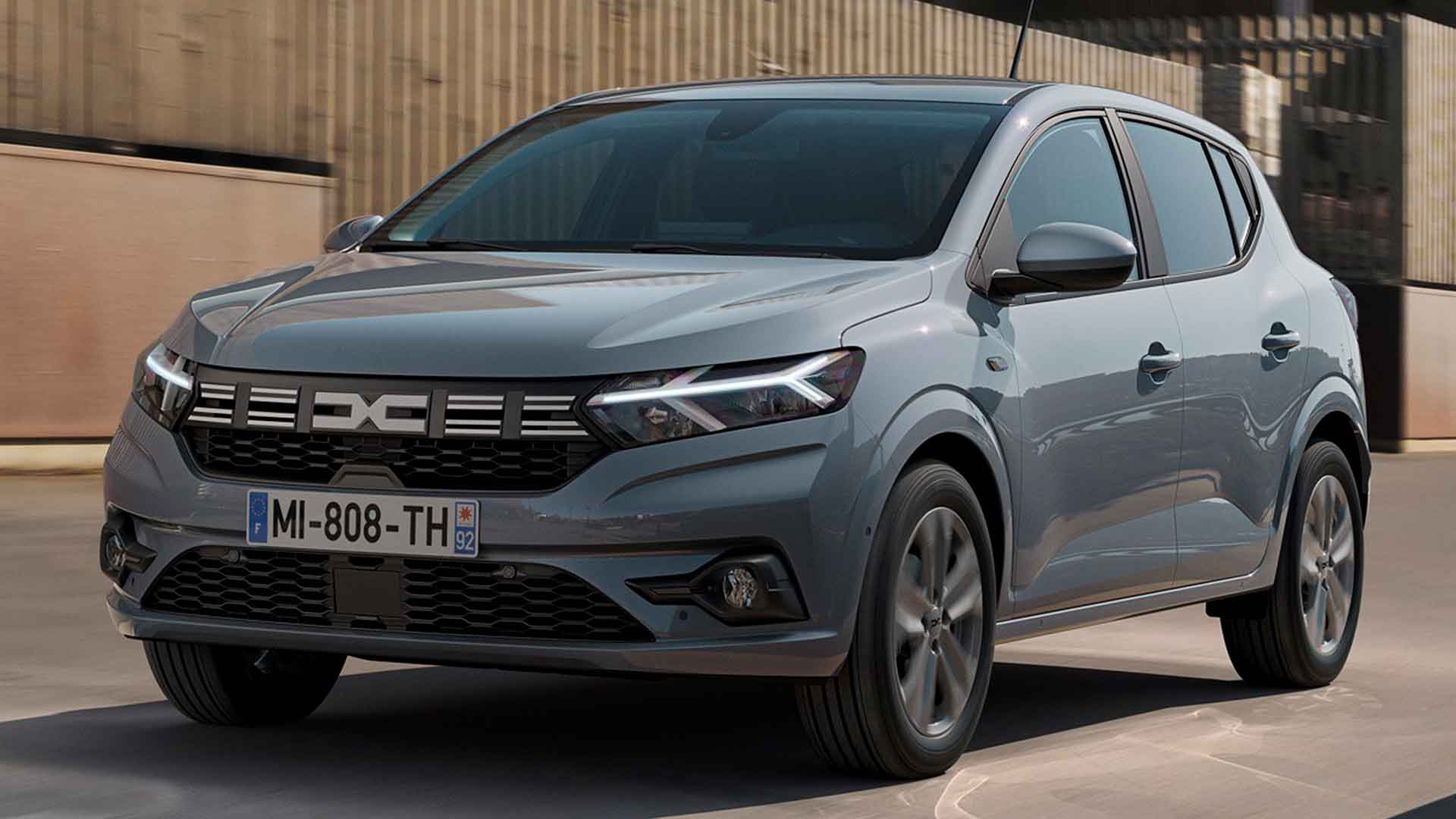
Already being rolled out across the dealer network, the new ‘Dacia Link’ emblem features in the middle of a redesigned grille, and on the centre of each wheel.
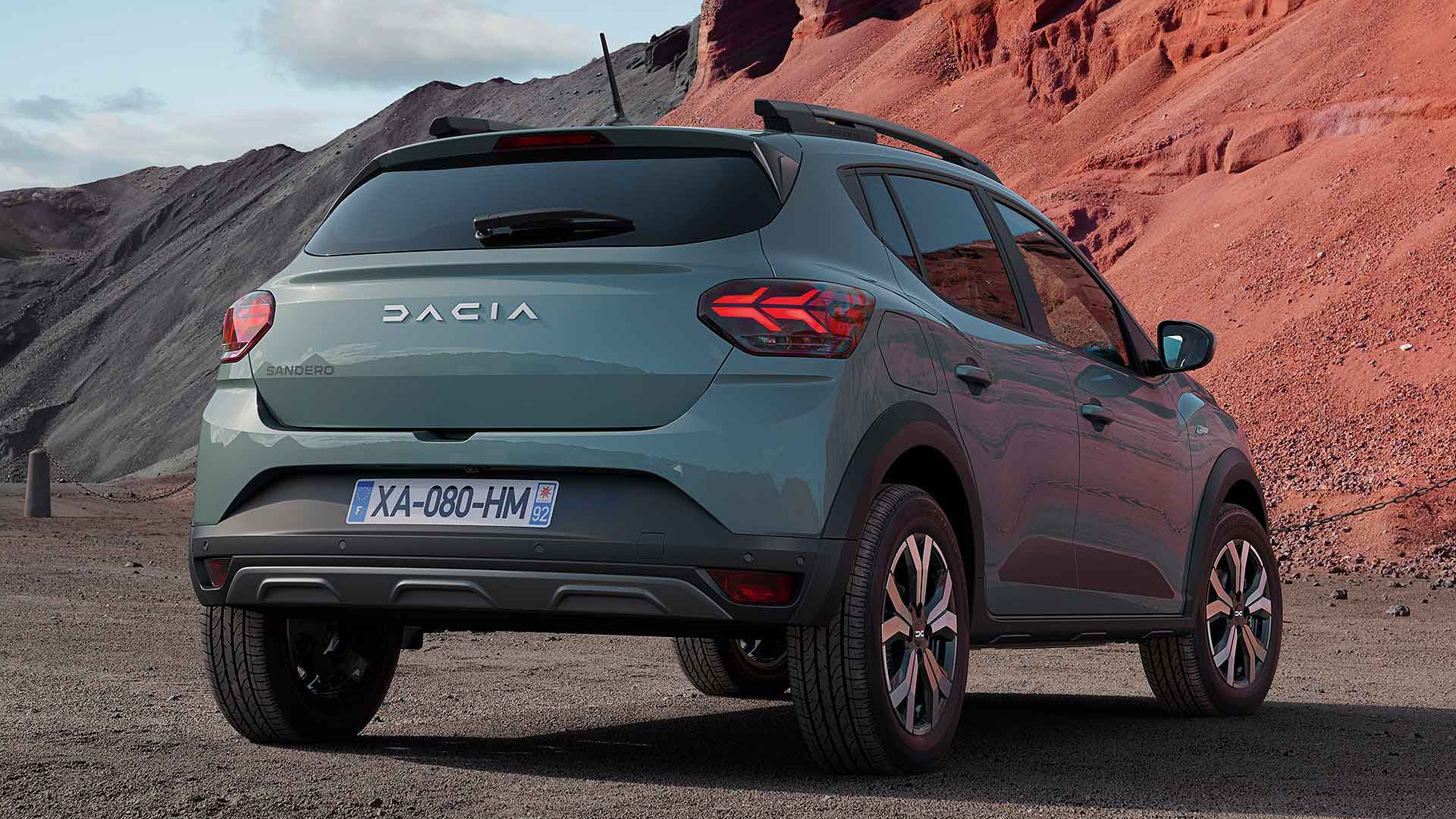
There is also a redesigned Dacia logo at the rear of the cars, along with on the steering wheel. The lettering is ‘pared back, so only the essentials remain’.
This is in line with the Dacia approach of just offering the bare necessities, with no bells or whistles, says the firm.
In line with this comes another promise: Dacia will become the first brand in the Renault Group to have a top speed limited to 111mph.
Furthermore, Dacia will also gradually abandon chrome trim, and all leather of animal origin.
Back to basics
The rebrand includes the use of a new signature colour, called Dusty Grey. This is a similar shade to natural moss, ‘underscoring Dacia’s close ties to nature’.
“Dacia now has a brand new skin, but still the same DNA,” said Dacia performance director Lionel Jaillet.
“This change is an opportunity to show that our way of doing automotive can still be as essential as it is appealing.”
David Durand, Dacia design director, said: “The streamlined logo is highly symbolic of the brand’s focus on getting back to basics.
“Similarly, the Dacia Link emblem evokes simplicty and robustness. It also carries the symbolism of the link, a strong element of the Dacia community.”
The firm says rolling out a new visual identity across all models at the same time is probably an industry-first, and has required plenty of coordination across the production lines.
The new look will also debut on cars shown at this year’s Mondial de Paris show in October 2022, with first customer deliveries beginning soon afterwards.