Nissan taken control of Japanese rival Mitsubishi by completing a deal to take a 34% equity stake in the crisis-hit manufacturer.
Mitsubishi will become part of the Renault-Nissan Alliance – which is now one of the world’s top three car groups. Combined, they will this year sell more than 10 million cars.
It means the tireless Carlos Ghosn, already CEO of Renault and Nissan, now becomes chairman of Mitsubishi too. He has conducted a reshuffle of his management time so he can find the time to do it – and one of them is a Brit: Nissan chief performance officer Trevor Mann now becomes COO of Mitsubishi.
Mitsubishi was ripe for takeover after admitting it had been lying about the fuel consumption of dozens of models for the past 25 years. Ghosn, never one to mince his words, admitted Mitsubishi was on the ropes and the equity takeover was one charged with helping it recover.
“We are committed to assisting Mitsubishi Motors as it rebuilds customer trust,” said Ghosn. “This is a priority as we pursue the synergies and growth potential of our enlarged relationship.”
Economies of scale will give the giant new global group “breakthrough technologies and manufacturing capabilities to produce vehicles to serve customer demand in every market segment and in every geographic market around the world.” It possesses a formidable arsenal of size, reach and technology.
“At a time of unprecedented change in the global auto industry, this strategy will build on our existing strengths and management capabilities to ensure increased competitiveness, better products for our customers and attractive returns for shareholders.”
A car’s reliability is the great unknown when buying a used car – or is it? By using data from reliability surveys, you can reduce the chances of buying an unreliable motor, saving you time, hassle and money in the long run. We’ve used data from the Warranty Direct Reliability Index to provide a list of the 10 least reliable cars in the UK. The results are presented in reverse order.
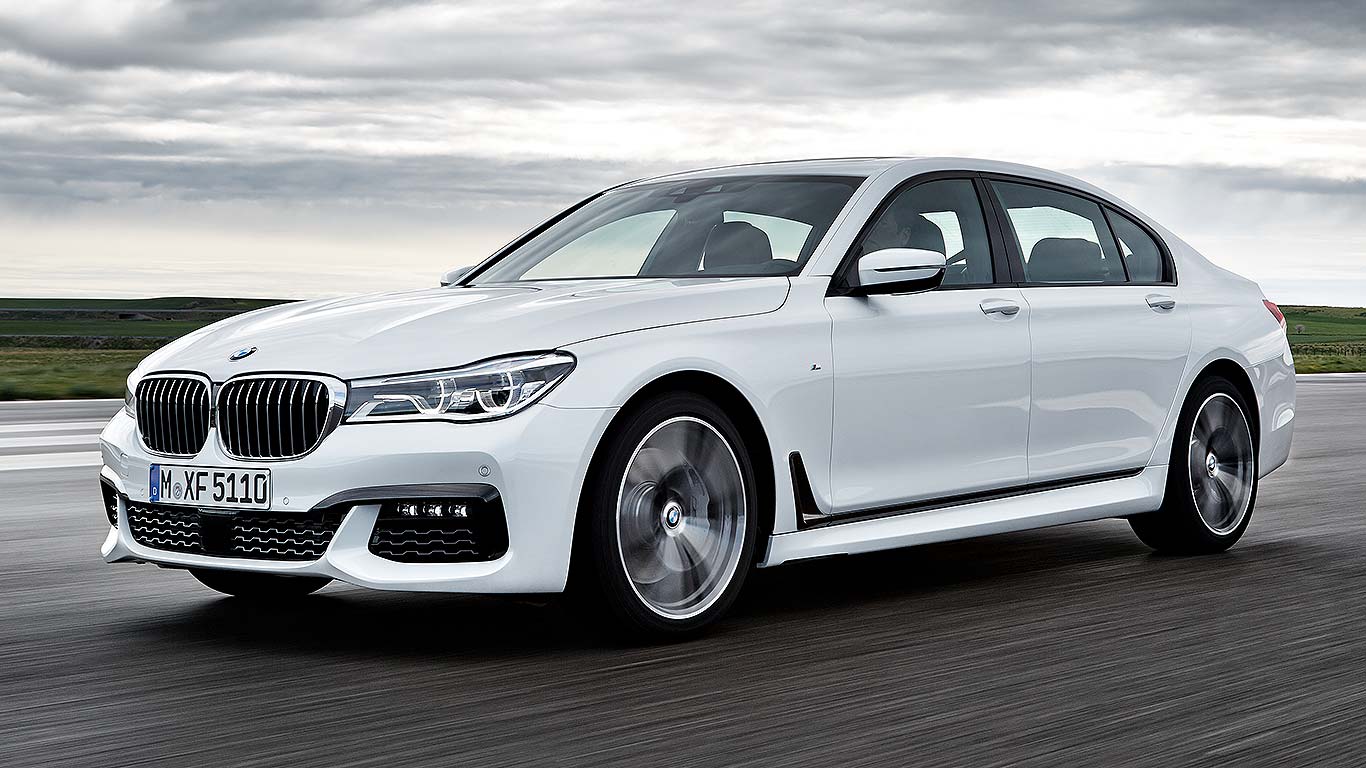
10. BMW 7 Series (2008-2015)
Reliability Index: 350
The new BMW 7 Series is a technological tour de force, but if the Warranty Direct survey is anything to go by, there might be issues over its long-term reliability. The outgoing 7 Series has an average repair cost of £614.48.
9. Mercedes-Benz S-Class (1999-2006)
Reliability Index: 359
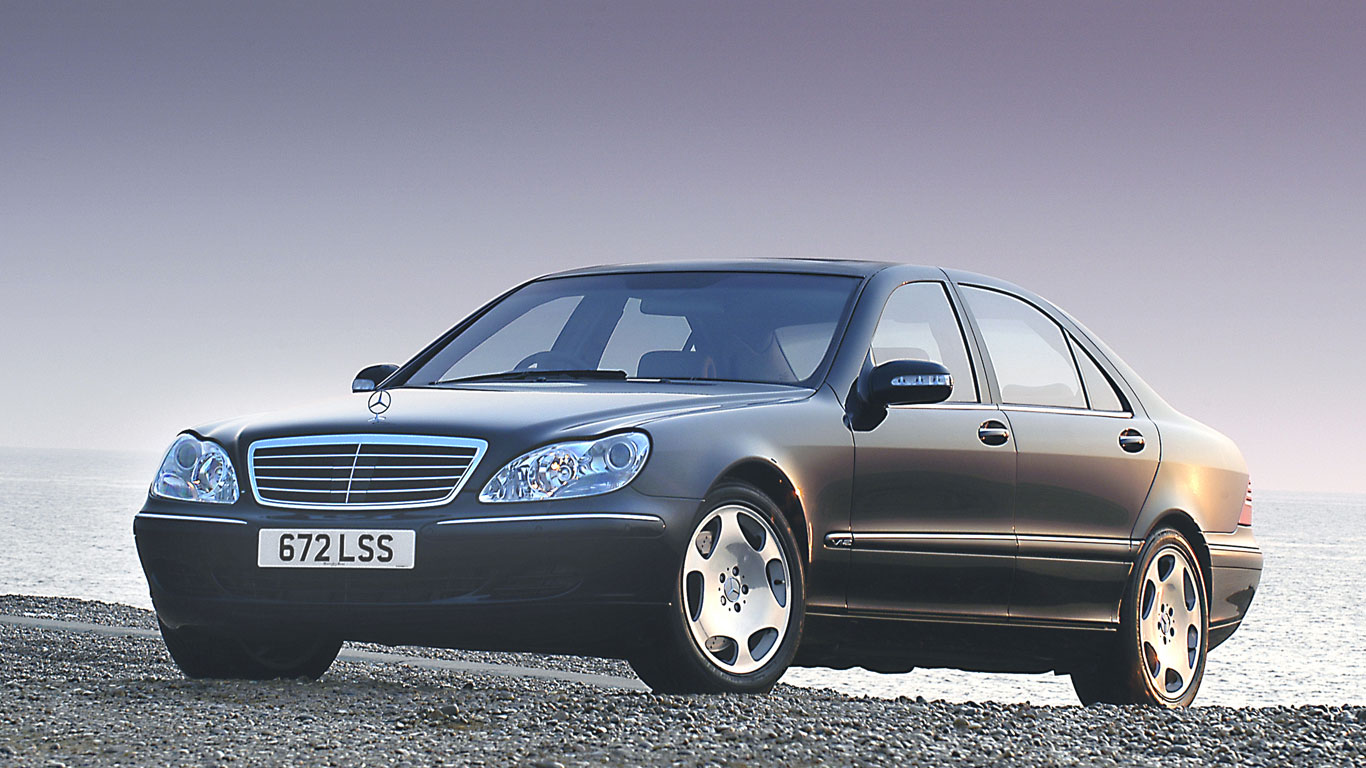
And here’s the second Mercedes-Benz S-Class to appear on the list. Watch for electrical gremlins and suspension problems when buying a Mercedes-Benz S-Class built between 1999 and 2006.
8. Skoda Superb (2002-2008)
Reliability Index: 360
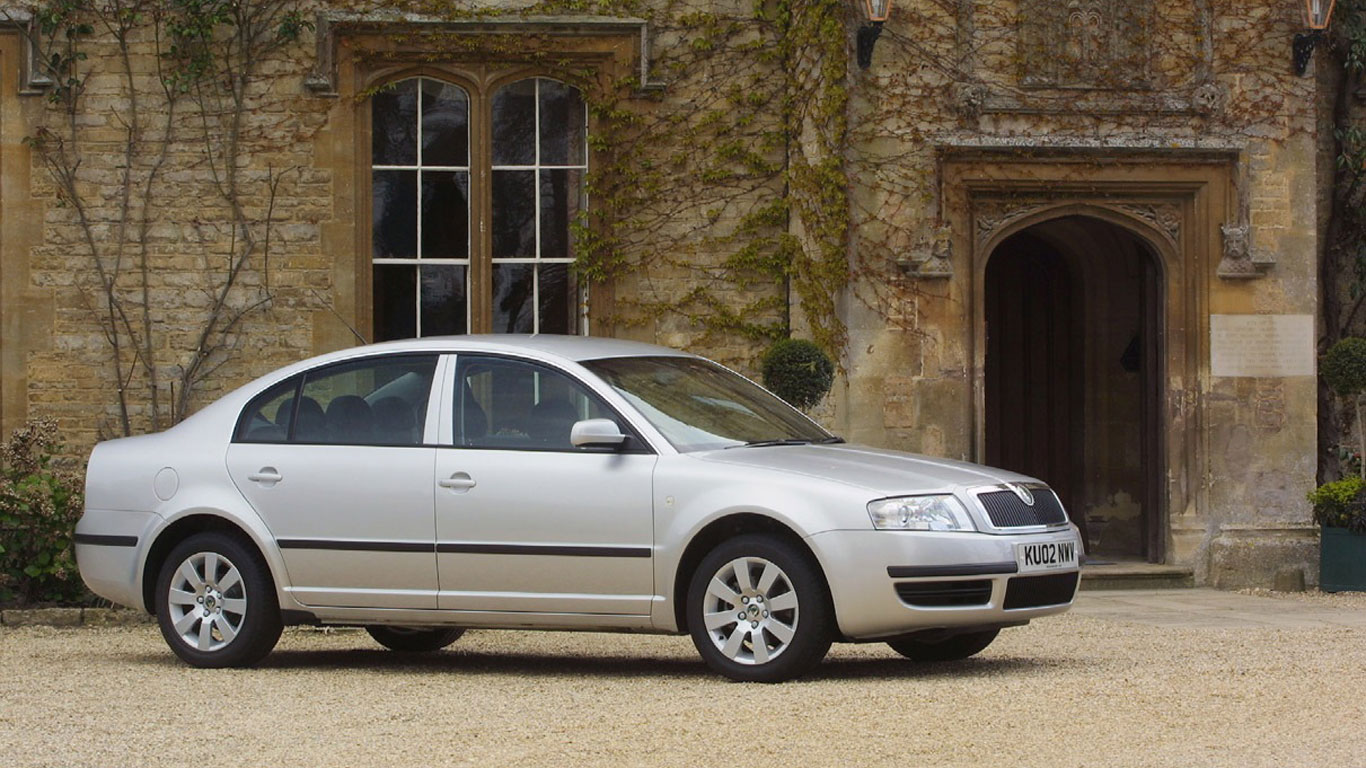
Bit of a surprise this one, with the original Skoda Superb finishing eighth on the list of the most unreliable cars. Many of these cars were used for private hire duties and are most likely to suffer from engine problems.
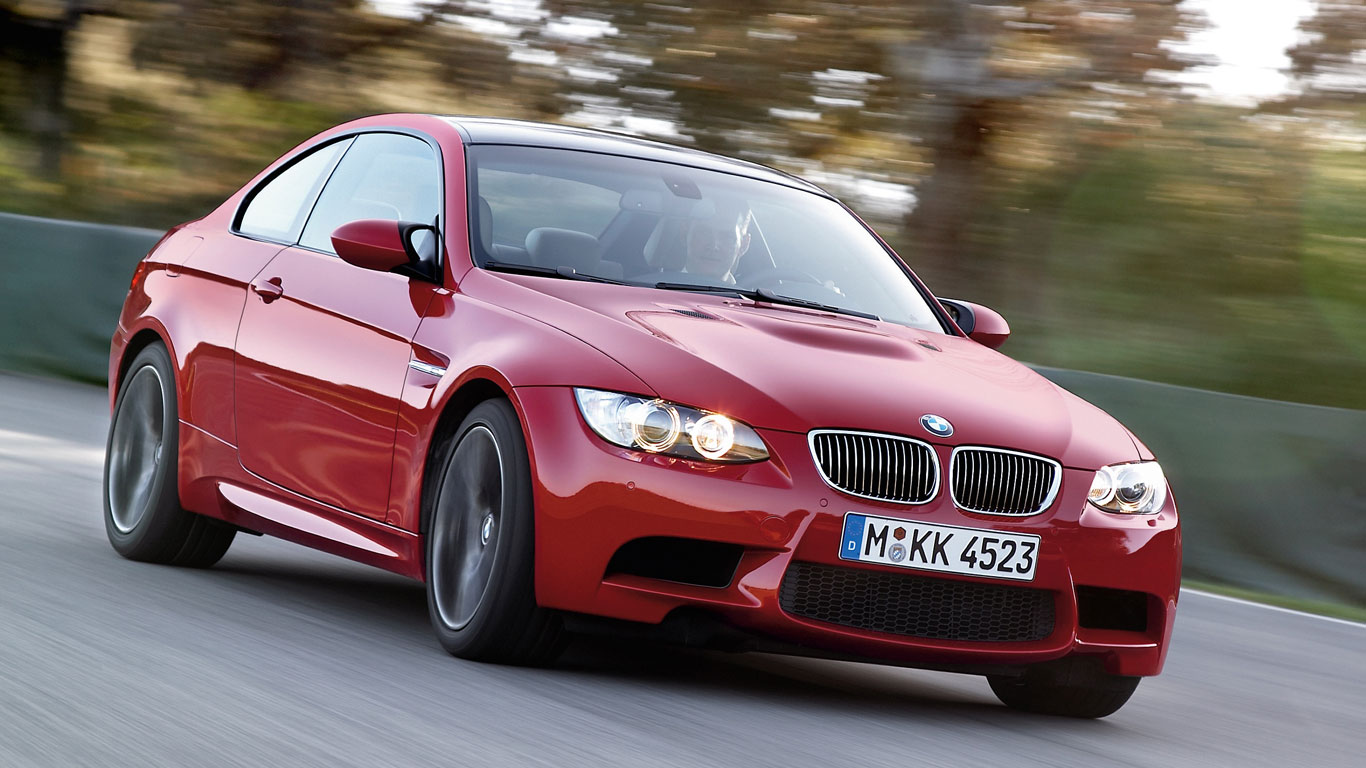
7. BMW M3 (2007-2013)
Reliability Index: 408
No single issue stands out when looking at the BMW M3, which suggests the reliability issues are simply down to the fact that these cars will have been driven hard. The average cost of repair is £635.26.
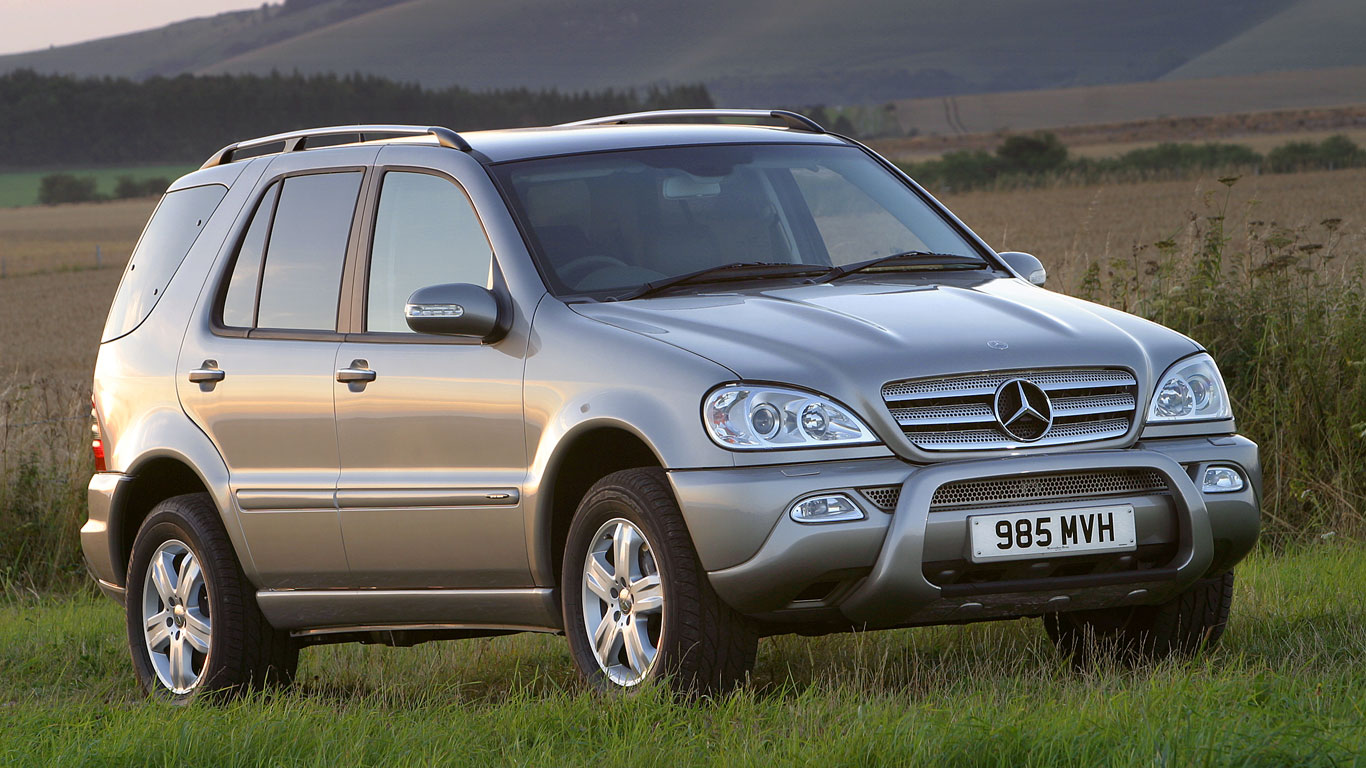
6. Mercedes-Benz M-Class (1998-2006)
Reliability Index: 409
Another appearance for the Mercedes-Benz M-Class, this time in the shape of the original version, launched in 1998. This has always been a car to approach with caution, with the Warranty Direct survey suggesting the suspension is the key area to look out for.
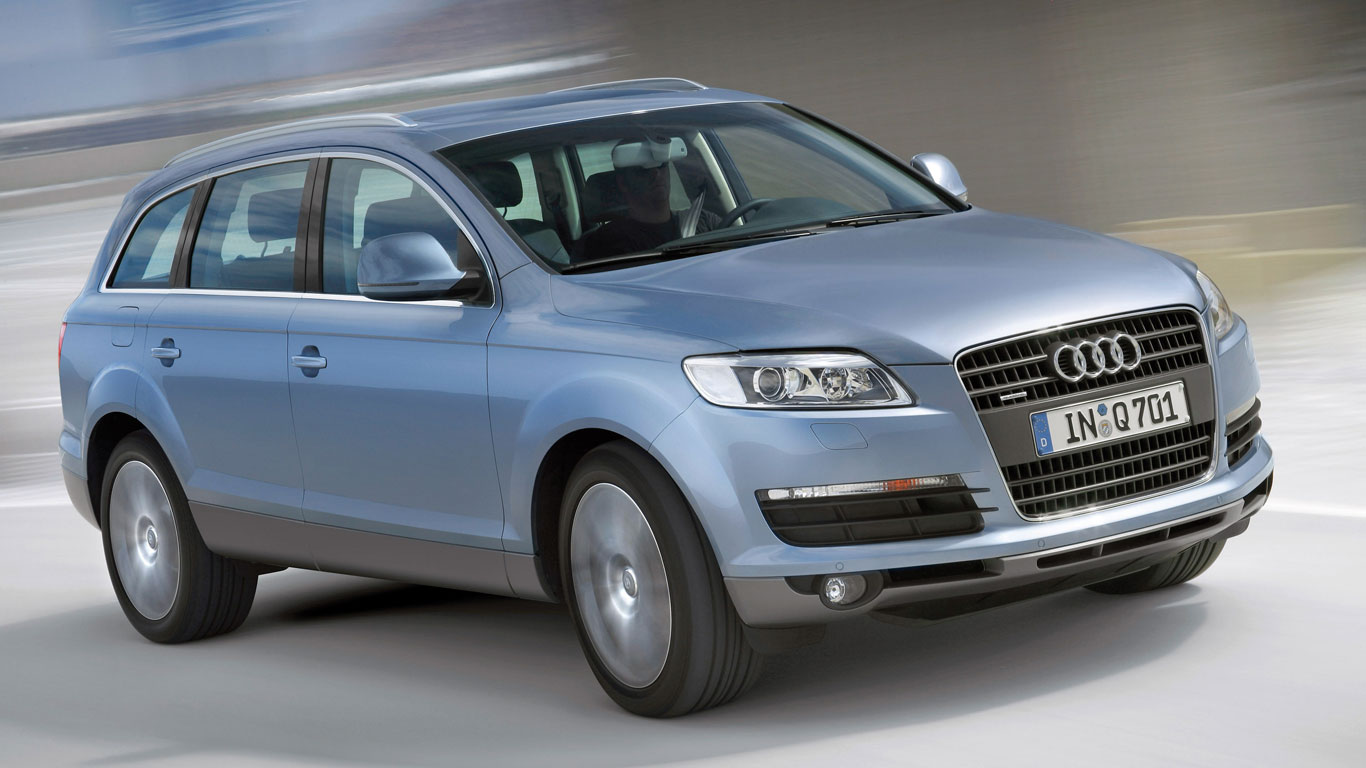
5. Audi Q7 (2006-2015)
Reliability Index: 426
We’re into the top five, so these are the cars you need to look at with your eyes wide open. Or, at the very least, take a mechanic along for the ride. The Audi Q7 is a supersize SUV with supersize repair bills. Bank on spending £733.50 should something go wrong.
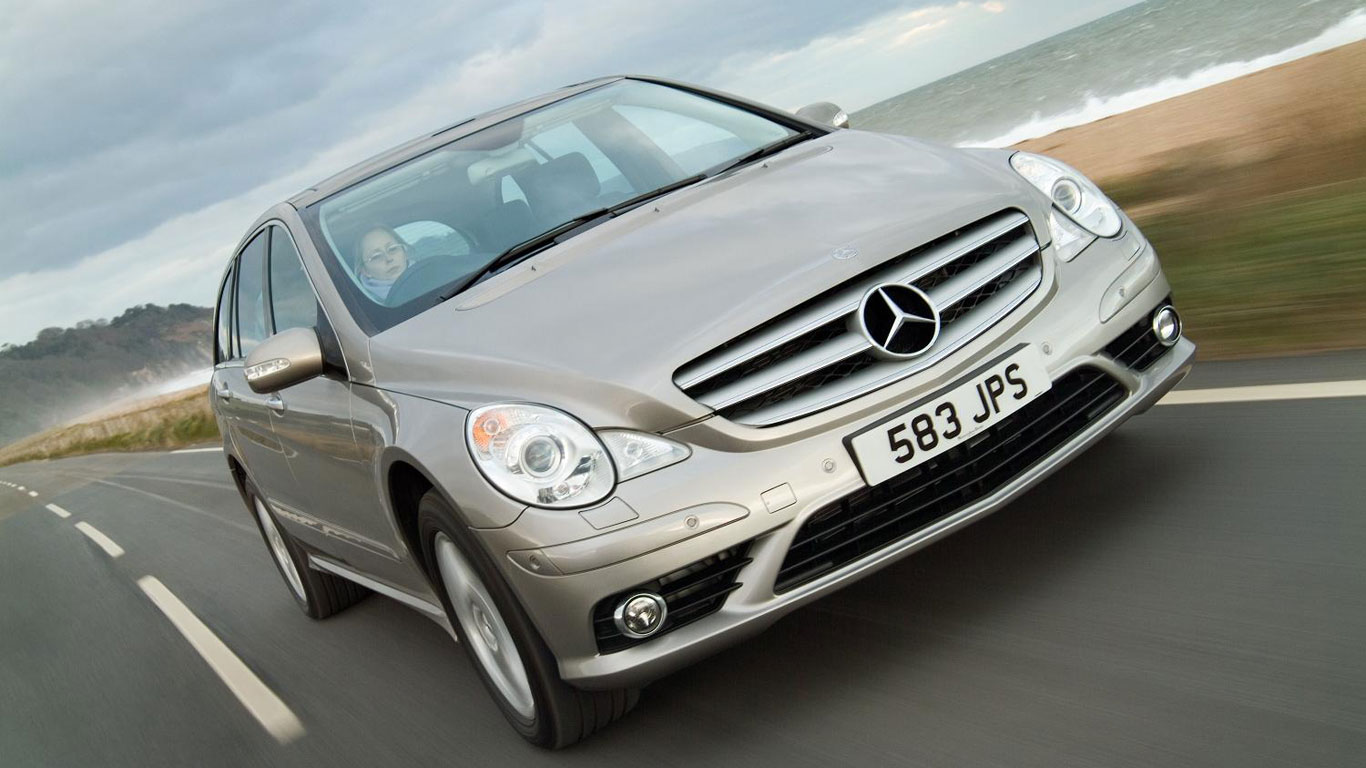
4. Mercedes-Benz R-Class (2006-2012)
Reliability Index: 490
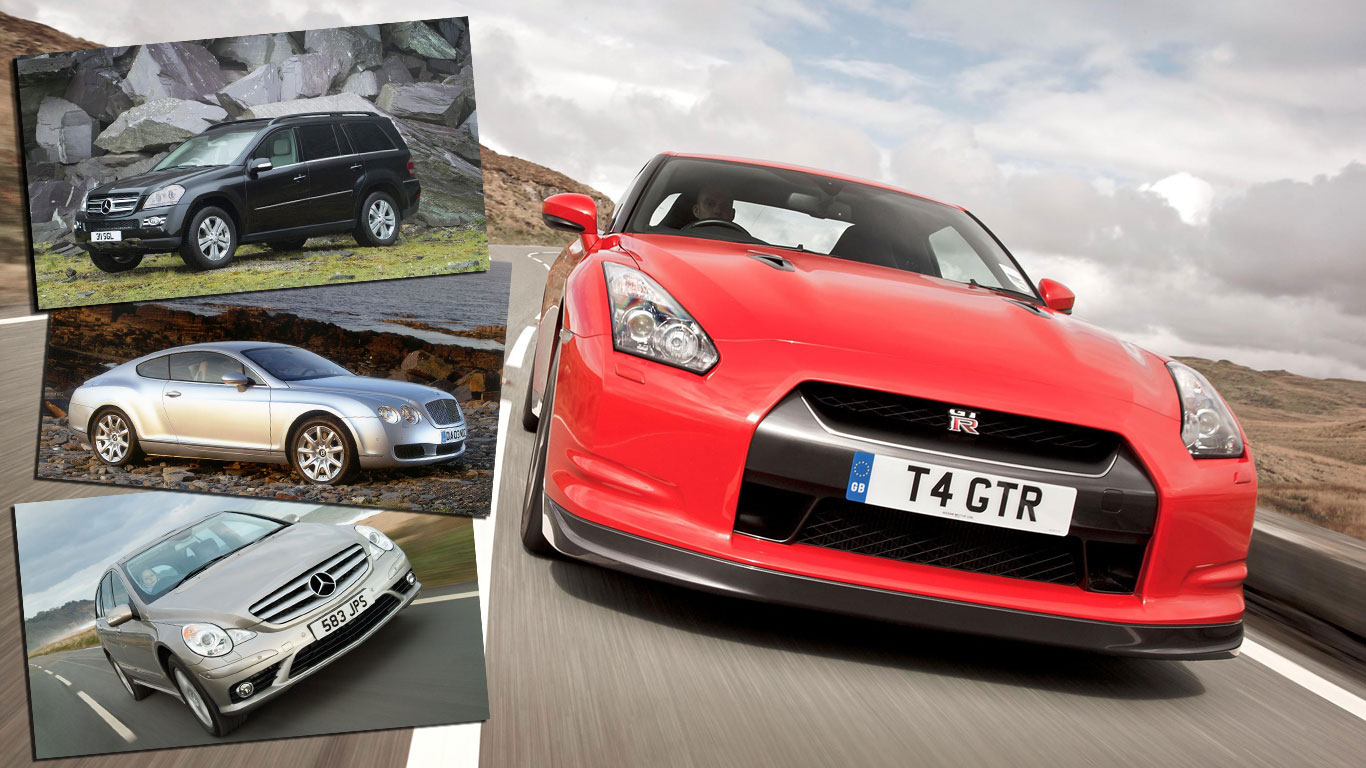
It’s got a face only a mother could love and a reputation for reliability that begs the question: do you really want a Mercedes-Benz R-Class?
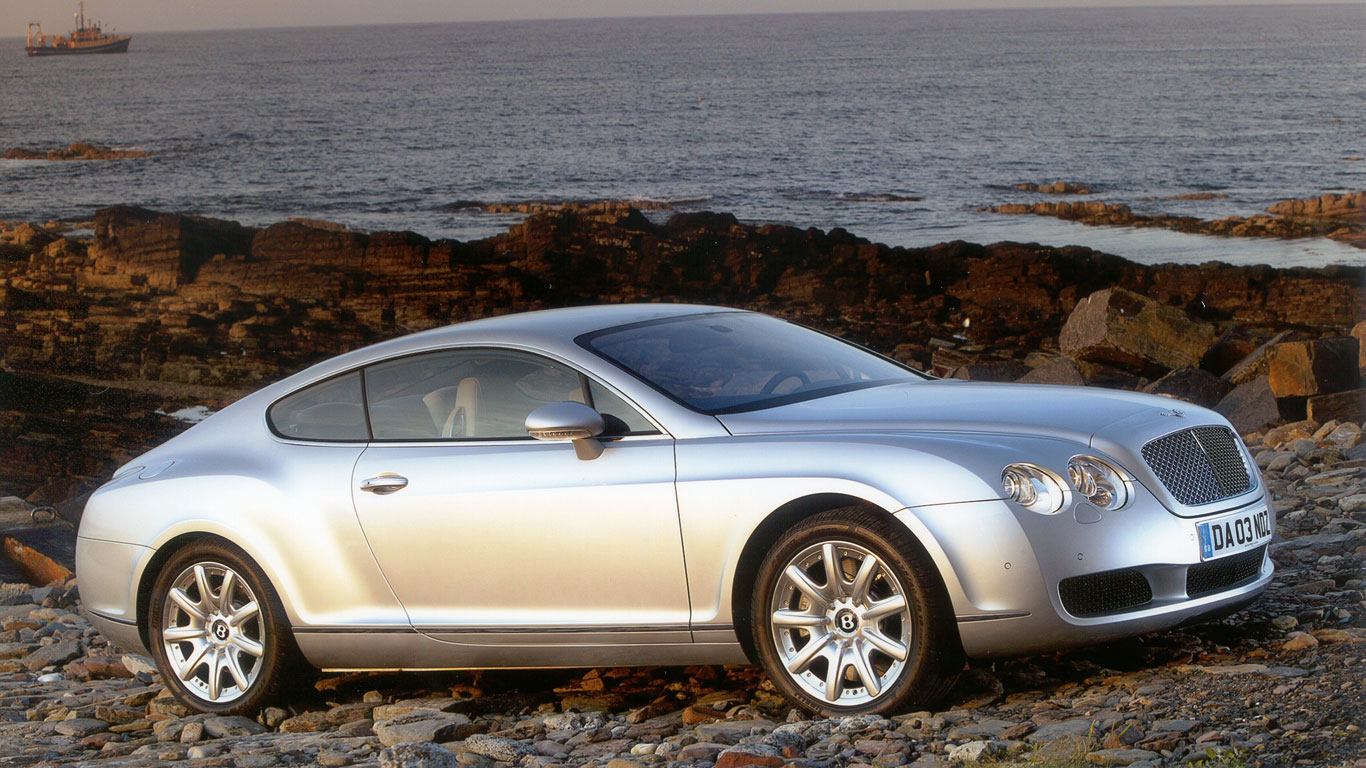
3. Bentley Continental GT (2003-2012)
Reliability Index: 502
And so we reach the final three: the least reliable cars in the UK. If you own a Bentley Continental GT you can probably afford the £603.49 you’ll spend on repairs, but it’s worth noting that suspension and electrical problems are likely to occur.
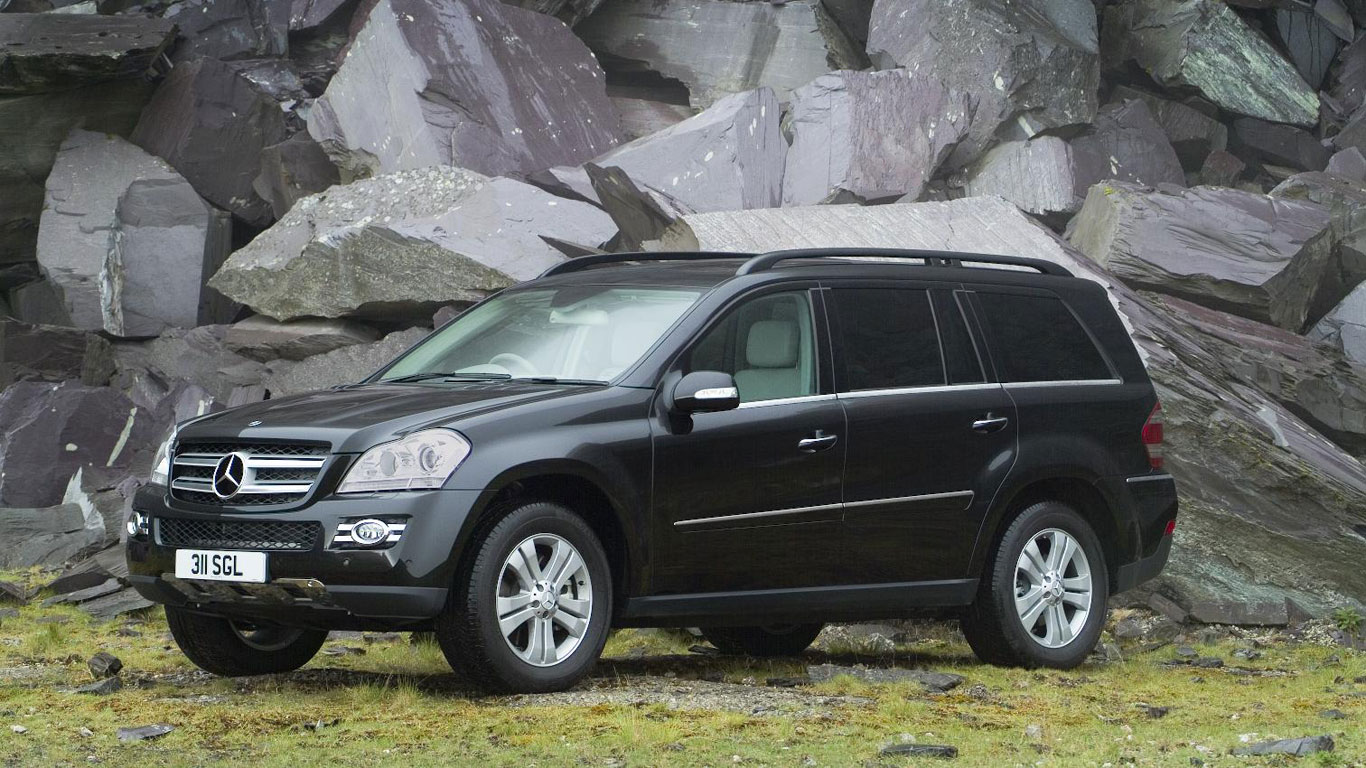
2. Mercedes-Benz GL (2006-2012)
Reliability Index: 533
With a Reliability Index of 533, you need to be on your guard when buying a Mercedes-Benz GL-Class. Everything about this supersize SUV is big, including the £563.90 average repair cost.
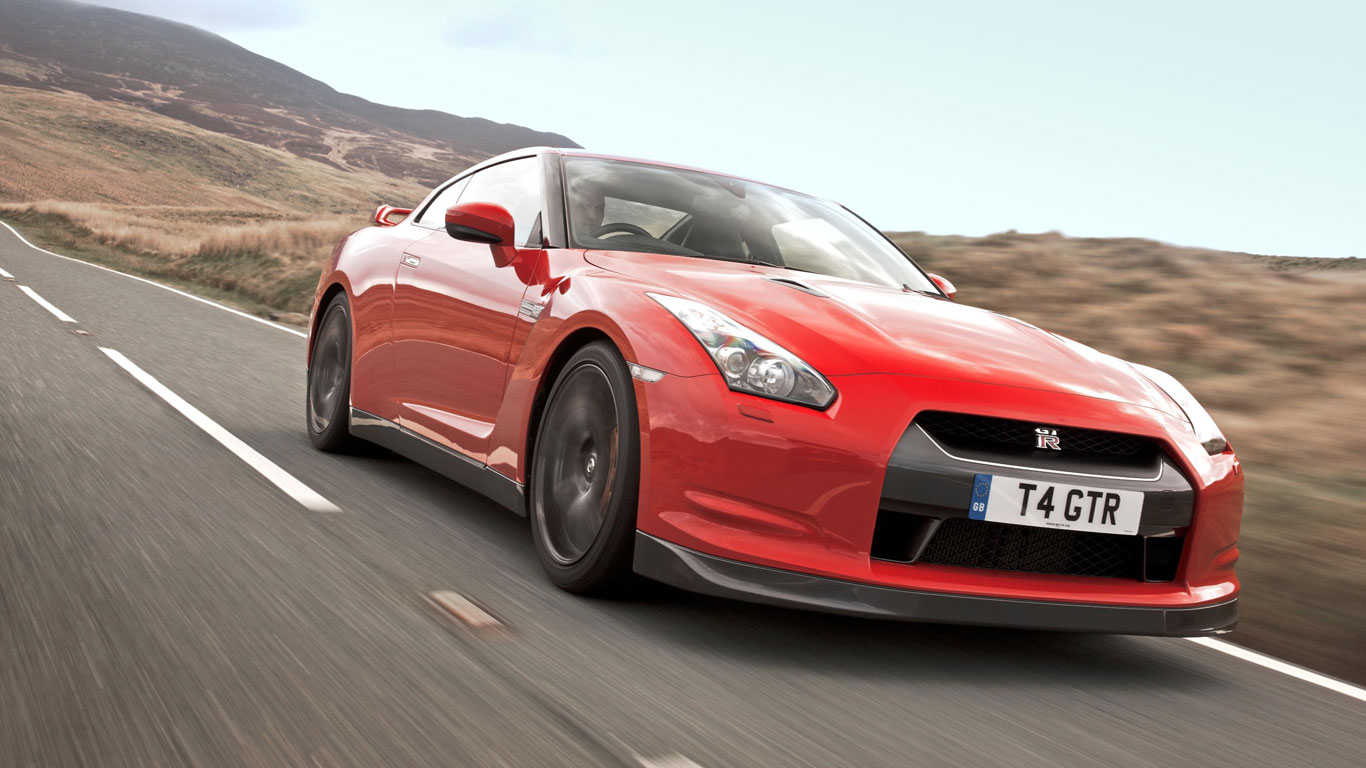
1. Nissan GT-R (2009-2016)
Reliability Index: 626
This is it: the least reliable car in the UK, according to Warranty Direct. Or is it? Look at the data and you’ll discover a blemish-free record for air conditioning, cooling, fuel system and transmission, and figures for engine, electrics and gearbox that are no worse, if not better, than the other 49 cars on the list. The problem is the average cost of repair, which comes in at an eyebrow-raising £3,516.01. Worse still, the average mileage of the Nissan GT-Rs surveyed was just 21,690.
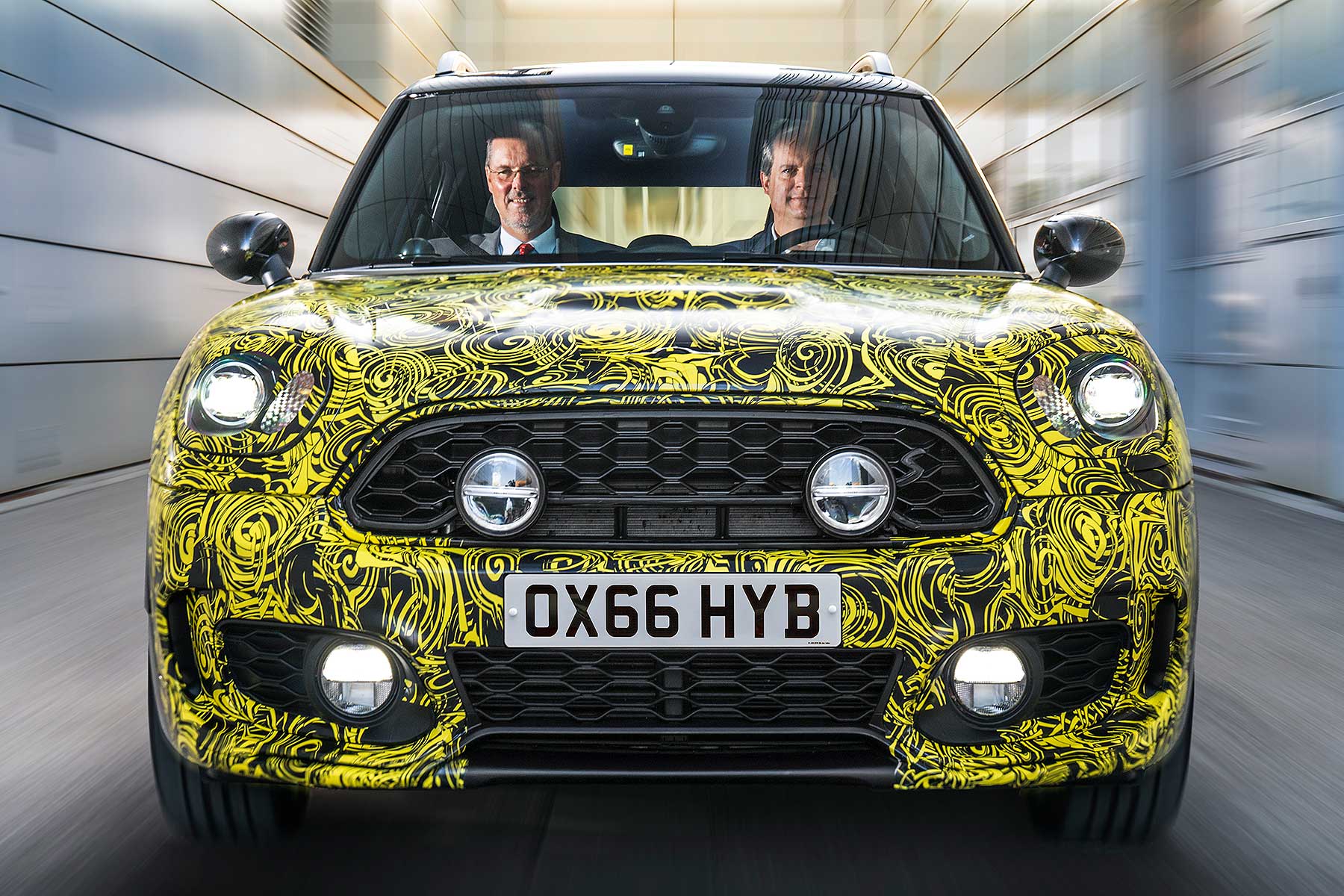
MINI will launch a plug-in hybrid version of the new Countryman that will offer full electric drive at speeds of up to 80mph – making it the first all-electric production-spec MINI.
The new Countryman PHEV, of which development is almost complete, will intriguingly also become the first rear-wheel drive MINI ever sold. Well, in full EV mode at least: the electric motor drives the rear wheels with the combustion engine driving the fronts.
BMW 330e driven
Plug-in hybrid orders CANCELLED as carmakers struggle to meet demand
More car news on Motoring Research
That also means the new Countryman PHEV’s all-wheel drive system will itself be a hybrid setup. Which MINI bosses say will be optimised to provide “catapult-like acceleration”.
Indeed, the firm is already stressing the fun-to-drive element of the first-ever MINI hybrid, which uses technology similar to that in the BMW 330e (itself derived from the i3 electric car). This is not a car focused solely on efficiency, says MINI, but driving fun is also high on the agenda.
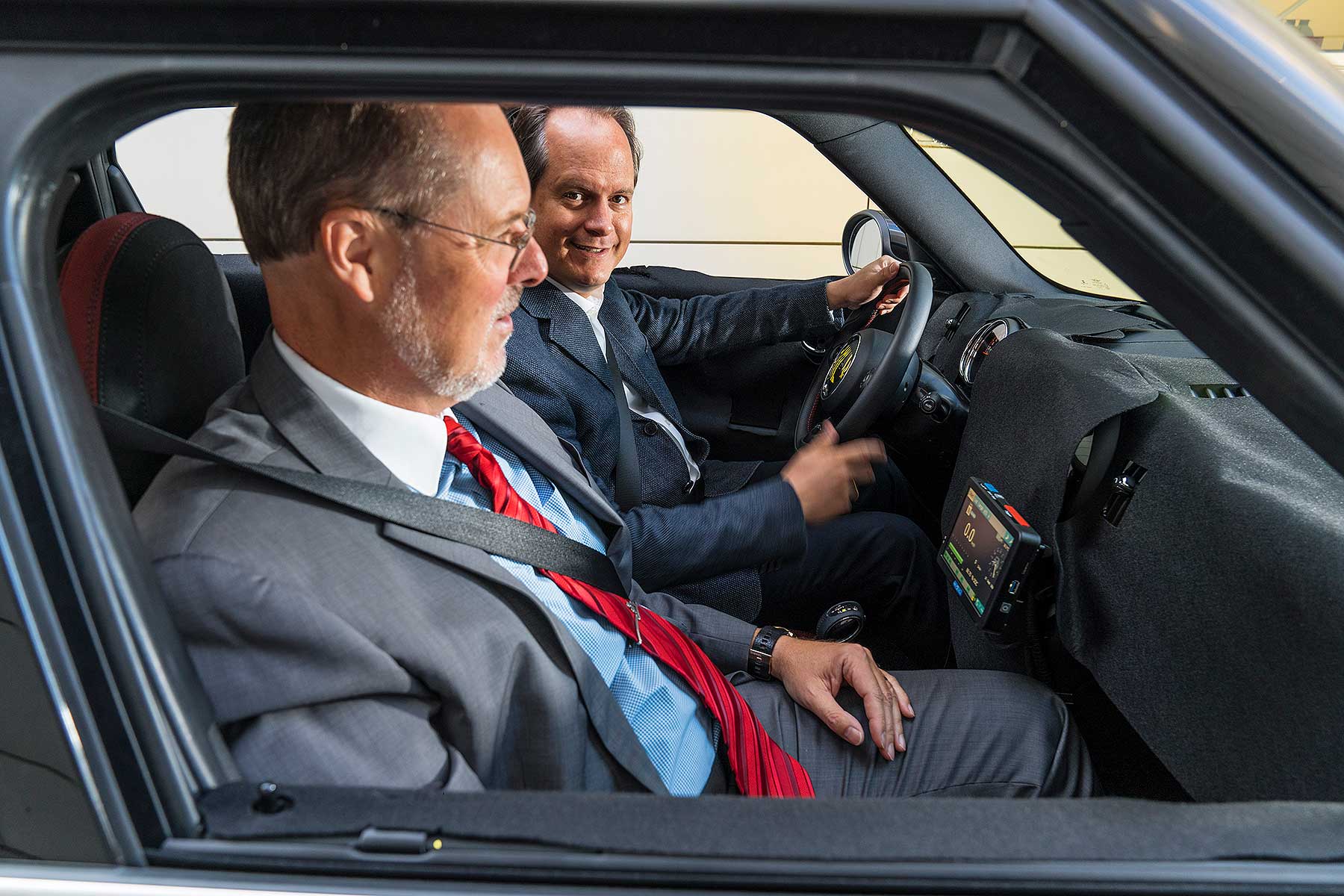
MINI’s kept changes over a regular model minimal. The starter button glows yellow instead of red; there’s a power display on the instrument cluster rather than a rev counter – oh, and the car always starts up in electric mode rather than hybrid.
Set the multi-mode electric system to Auto eDrive and you’ll be able to do up to 50mph before the engine kicks in. Set it to Max eDrive and this increases to 77mph.
There’s an incentive for letting the engine kick in, reckon BMW bosses: “Unparalleled acceleration performance” when compared to regular combustion engine cars.
New Mini Countryman teased
By revealing the first plug-in hybrid MINI, the firm is also teasing the next-generation Countryman, due for reveal before the end of the year. Set to go on sale in 2017, the new Countryman will be the biggest MINI ever, and much more of a compact SUV-style model than the current car.
The size of the car in the images above is no optical illusion…
Set to challenge models such as the new Audi Q2, the second-generation Countryman is derived from the flexible platform used in the current MINI Hatch, and also seen in the BMW X1. It’s thus going to be roomier and more practical than the current model, although it looks as if MINI is set to retain the bluff-nose styling of today’s car.
As well as a hybrid, regular diesel and petrol engines will be offered, with manual and automatic gearboxes plus front- or all-wheel drive. It’s likely the plug-in hybrid version will follow a little after the launch of the regular cars.
Nissan’s chief executive Carlos Ghosn has said he feels confident that the firm will continue to do business in the UK after meeting prime minister Theresa May to discuss post-Brexit Britain.
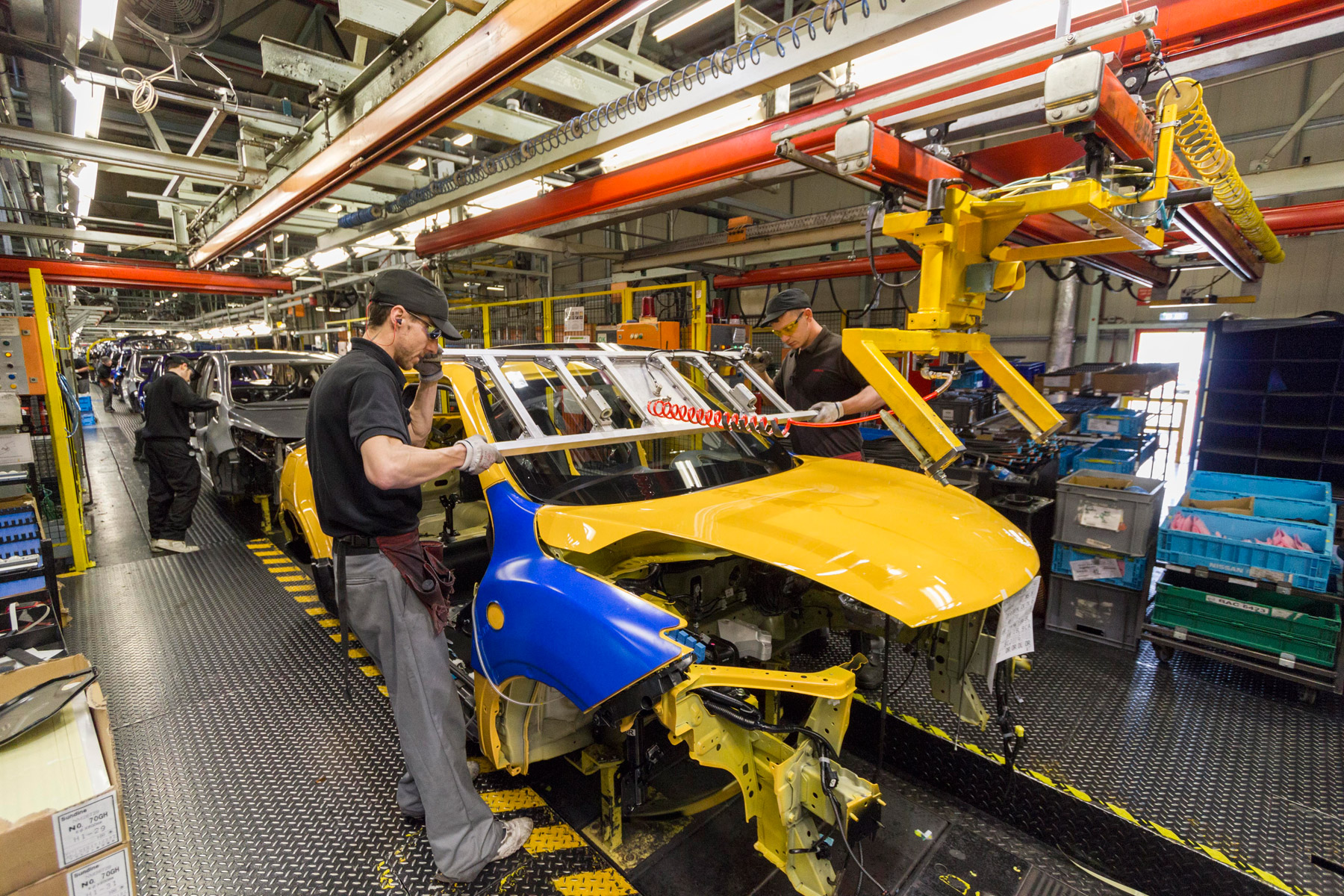
The firm’s Sunderland factory employs around 7,000 people and churns out 500,000 cars a year – with 80% being exported to more than 130 countries around the world. This means it could be a huge blow to the UK car industry if the Japanese carmaker moved production elsewhere.
“Since Mrs May’s appointment, we have maintained a clear dialogue with the UK Government during this challenging time,” Ghosn told reporters this afternoon. “It was my pleasure to be here today for a positive meeting with the Prime Minister and key members of her Government and I welcome their commitment to the development of an industrial strategy for Britain.”
At this month’s Paris Motor Show, the Nissan boss said he needed ‘a commitment’ from the Government if he was to continue investing in the UK. Along with the Sunderland plant, Nissan operates a design centre in London, a research and development centre in Cranfield, Bedfordshire, and a sales and marketing HQ in Rickmansworth, Hertfordshire.
“Following our productive meeting, I am confident the government will continue to ensure the UK remains a competitive place to do business,” added Ghosn, not hinting whether a firm tariffs had been made with the prime minister.
“I look forward to continued positive collaboration between Nissan and the UK Government.”
Following the discussions, May spoke out in praise of the UK’s automotive industry, describing it as a “great British success story [with] Nissan at the heart of it”.
“Over the past 30 years [Nissan has] had an excellent relationship with the UK Government,” she added, “a track record of investment and innovation, and their Sunderland plant is one of the most productive anywhere in the world – a testament both to their company and the skill of our workforce.
“We are now at the start of the complex negotiating process as Britain exits the EU and I have been clear that there will be challenges ahead. But I am confident we will achieve the best deal for Britain and the Government will engage closely with employers and investors as part of our work to create a global Britain.
“This government is committed to creating and supporting the right conditions for the automotive industry to go from strength to strength in the UK, now and into the future.”
May added that she was pleased to meet with Ghosn today and said she’d continue to work closely with Nissan.
Time-saving perks such as being able to drive in bus lanes could convince company car drivers to consider electric vehicles, fleet and leasing company Arval has said.
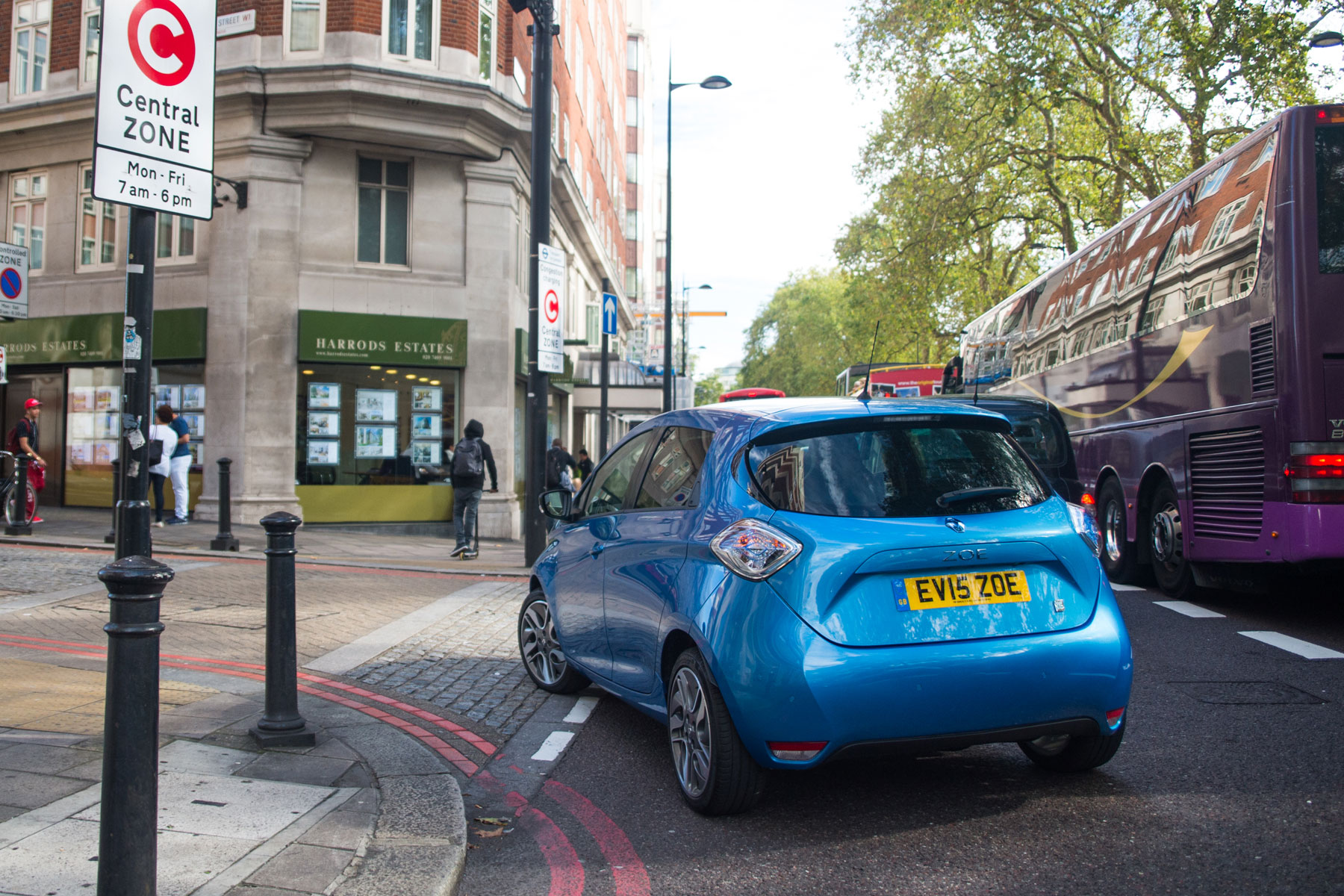
Four Go Ultra Low cities – Nottingham, Bristol, Milton Keynes and London – received shares of £40 million government funding earlier this year and are now starting to implement schemes to encourage EV use.
New 2016 Mercedes-Benz E-Class revealed in Detroit
Mercedes-Benz E-Class review: 2016 first drive
More car news on Motoring Research
Milton Keynes is offering free parking for EVs while Nottingham and Derby are expected to allow EV drivers to use bus lanes in the future.
“Anyone who has ever worked in Milton Keynes knows that most of the parking is publicly operated and quite expensive, so free parking is a genuine benefit,” said Arval UK’s fleet consultant David Watts.
“Similarly, the Nottingham and Derby scheme to offer EVs access to bus lanes is something that costs the council little but gives a genuinely useful advantage to EV company car drivers or fleet operators. If you could knock 10 minutes off your commute every day or reduce the travelling time between jobs for commercial drivers, then this is another positive element for those people and organisations that are starting to consider an EV.”
Although the schemes won’t encourage overnight adoption of electric cars, says Arval, it will contribute towards a ‘nudge’ effect that could see more widespread adoption by fleets and company car users.
Alternatively-fuelled cars are still a small niche – accounting for just 3.4% of all new cars registered last month – but they are increasing in popularity, with registrations up a third in September compared to the same period in 2015.
“We are at a stage where there is widespread interest in EVs but relatively few fleets have bitten the bullet and actually acquired any,” added Watts. “However, momentum is building. There is growing awareness of how to operationally manage the limited range of EVs and the circumstances in which they are most appropriate for businesses.
“Vehicles like the Tesla Model S have had an impact on EV perception because of their range. The moment that increased range technology begins to filter down to more mainstream areas of the fleet sector, there are a lot of people who we believe will not hesitate to go EV.”
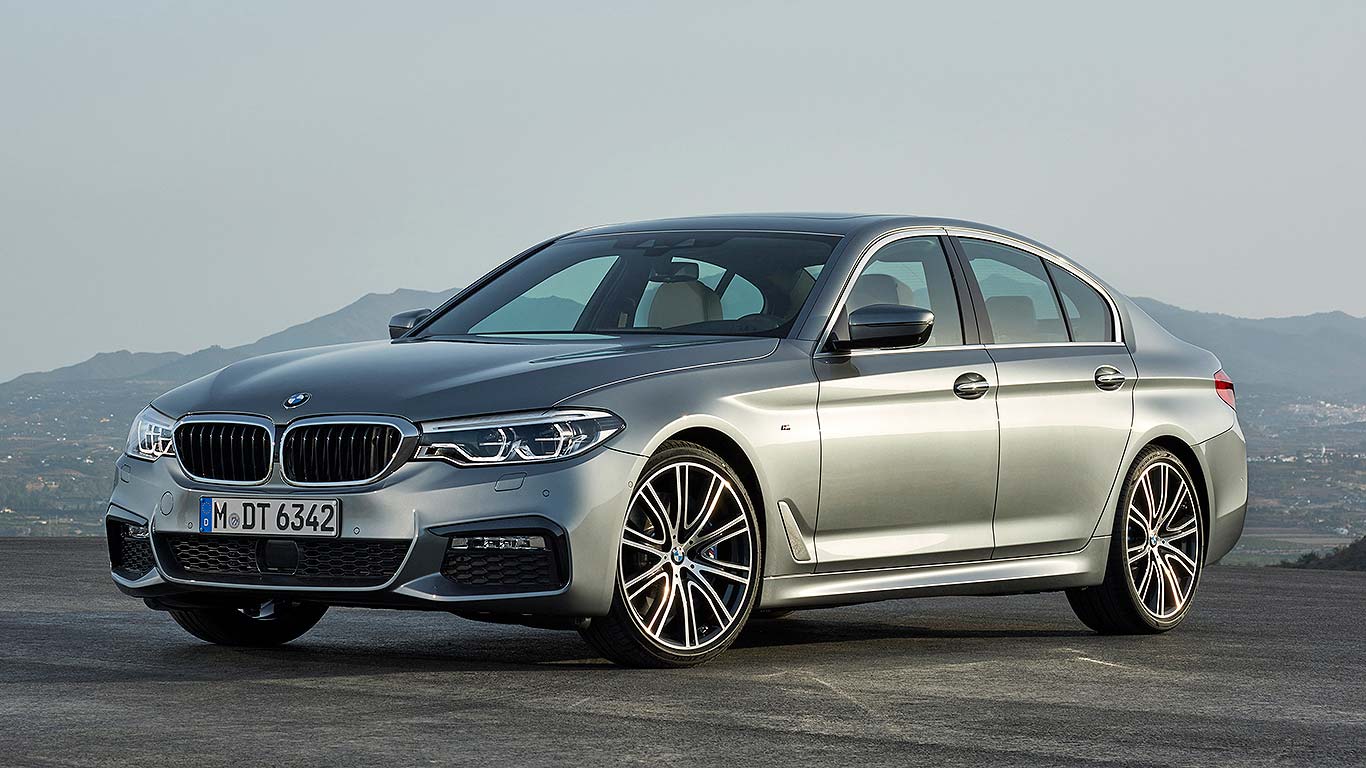
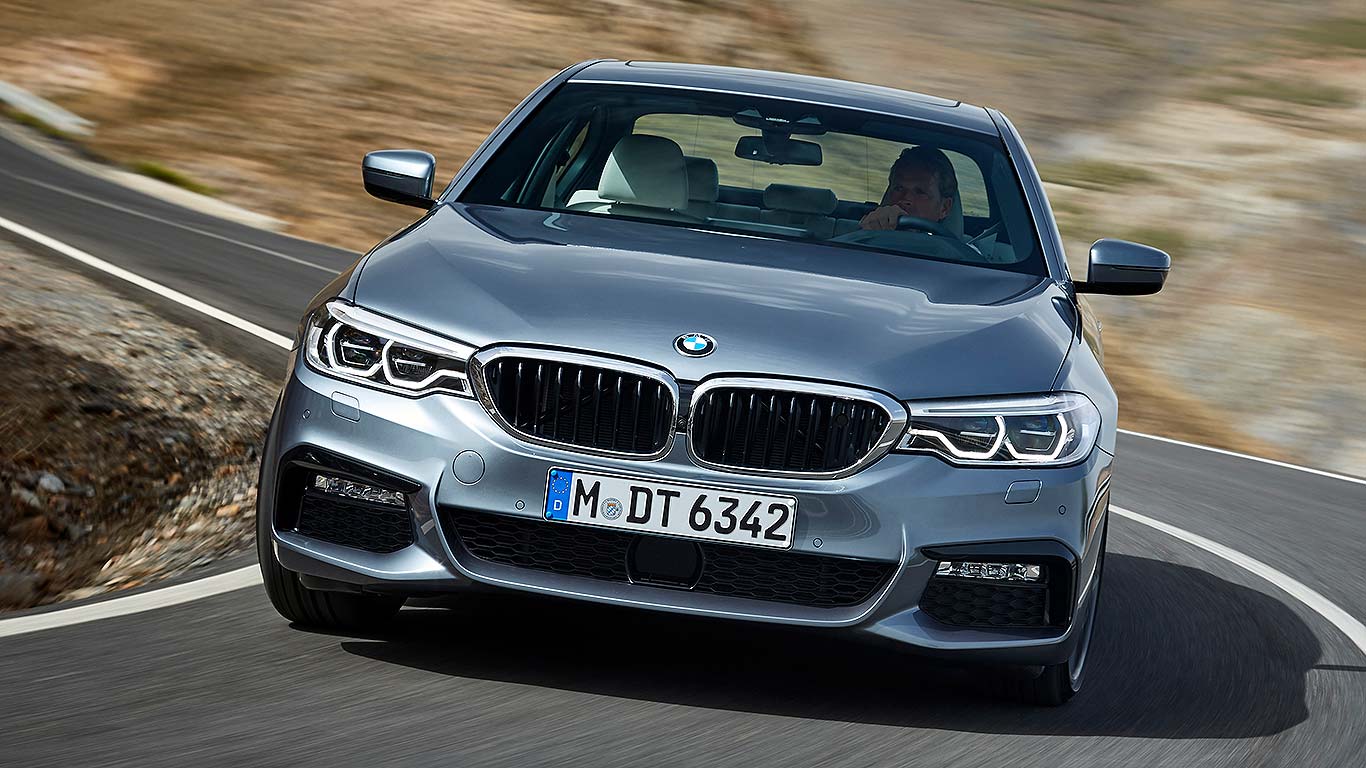
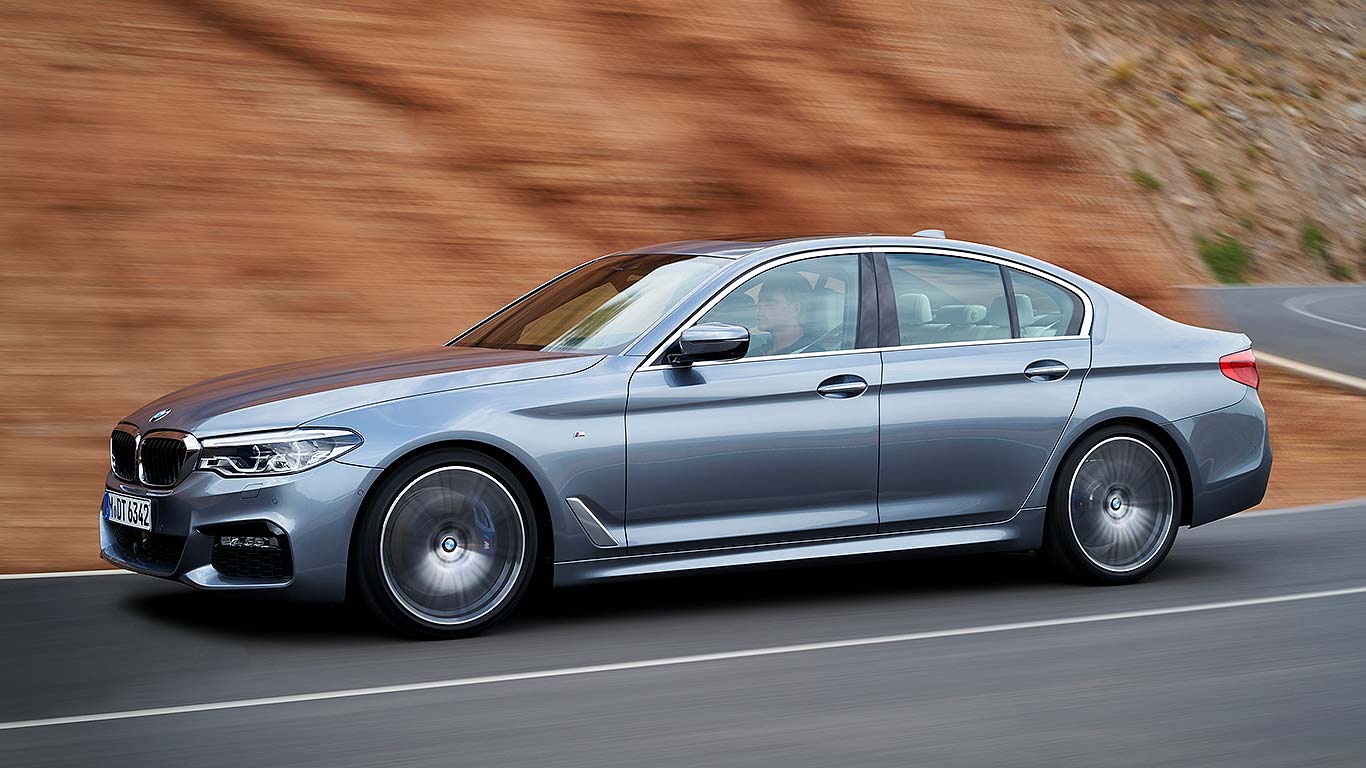
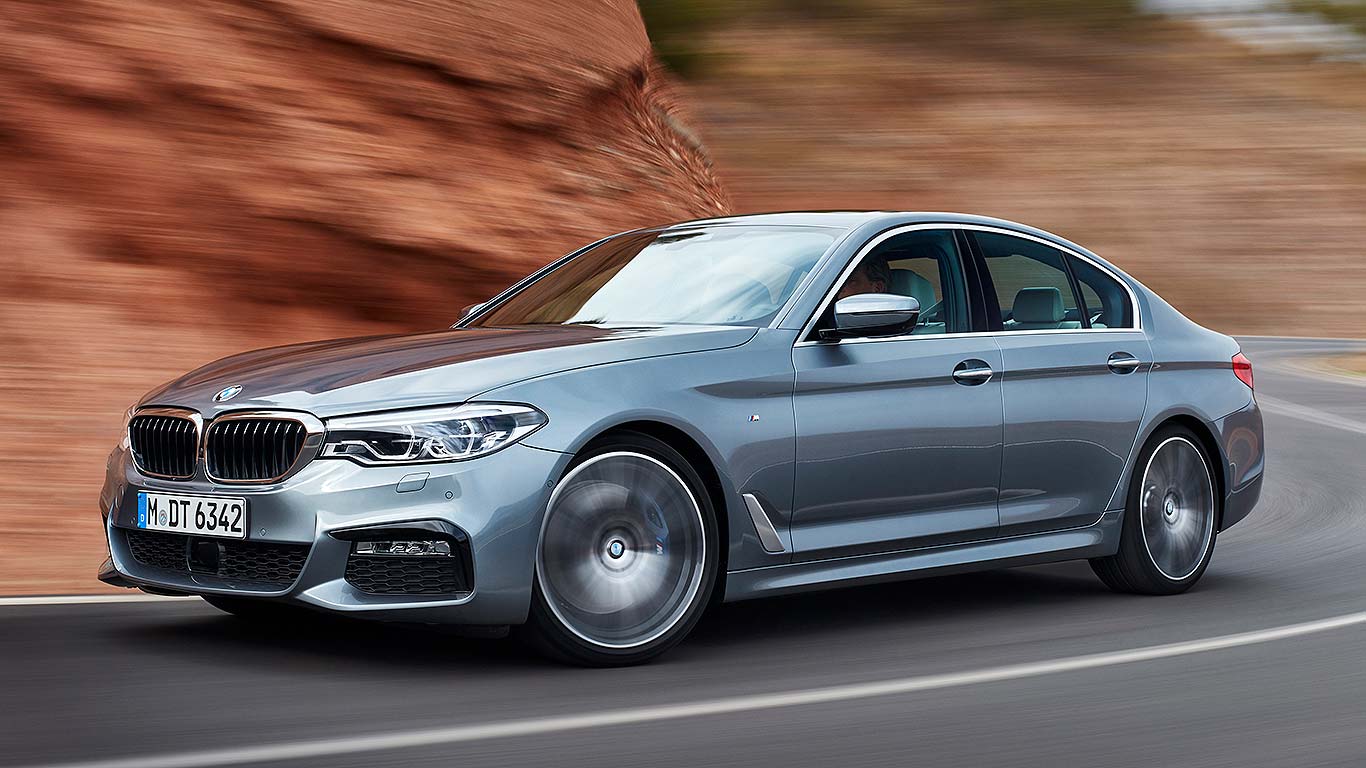
BMW has revealed the all-new 2017 5 Series, a car that packs a serious amount of 7 Series-inspired technology beneath its evolutionary lines.
The styling may not seem to break any boundaries, but BMW is using onboard tech to revolutionise its rival to the Mercedes-Benz E-Class – and it will even partly drive itself. On sale next February, the new 2017 BMW 5 Series really is the most advanced 5 ever. Taking ownership of that fancy touchscreen smart key will be a quite a thrill. Here’s why.
New BMW 5 Series: first impressions
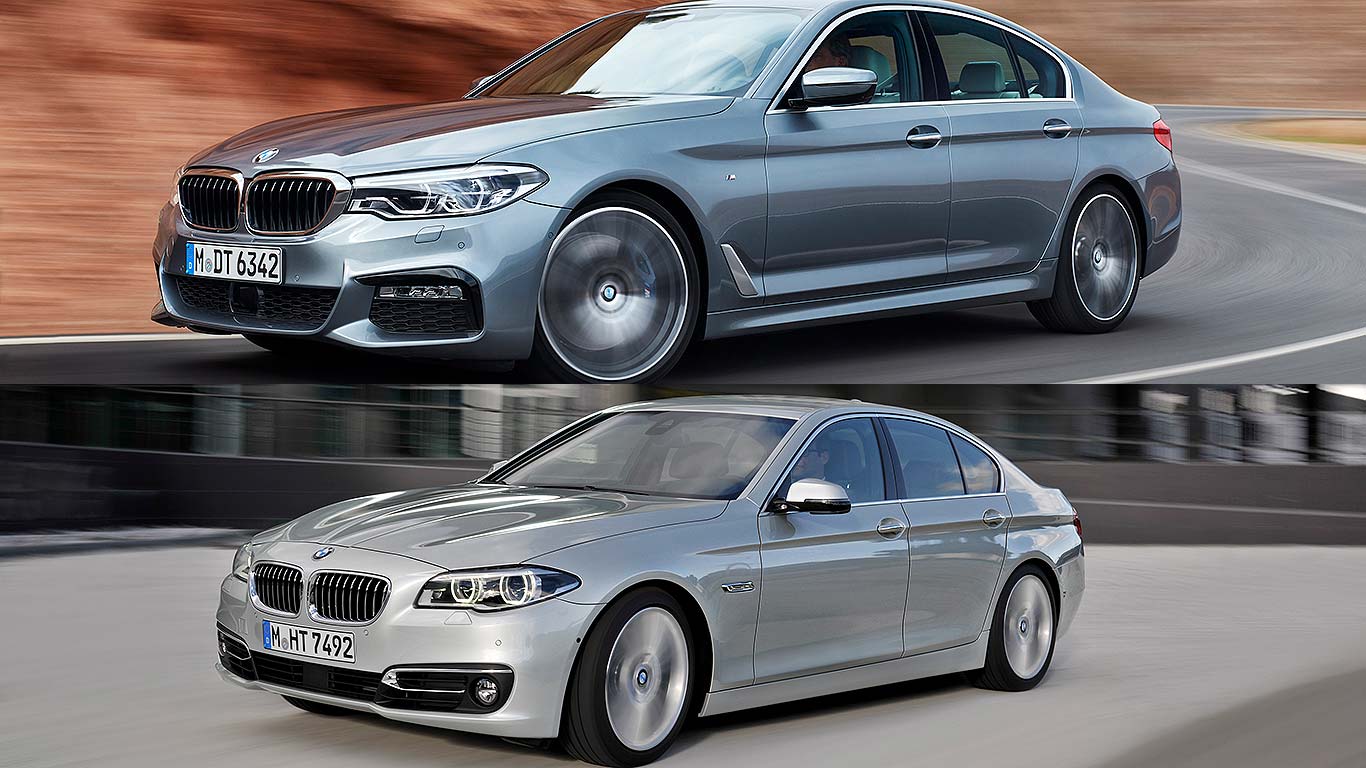
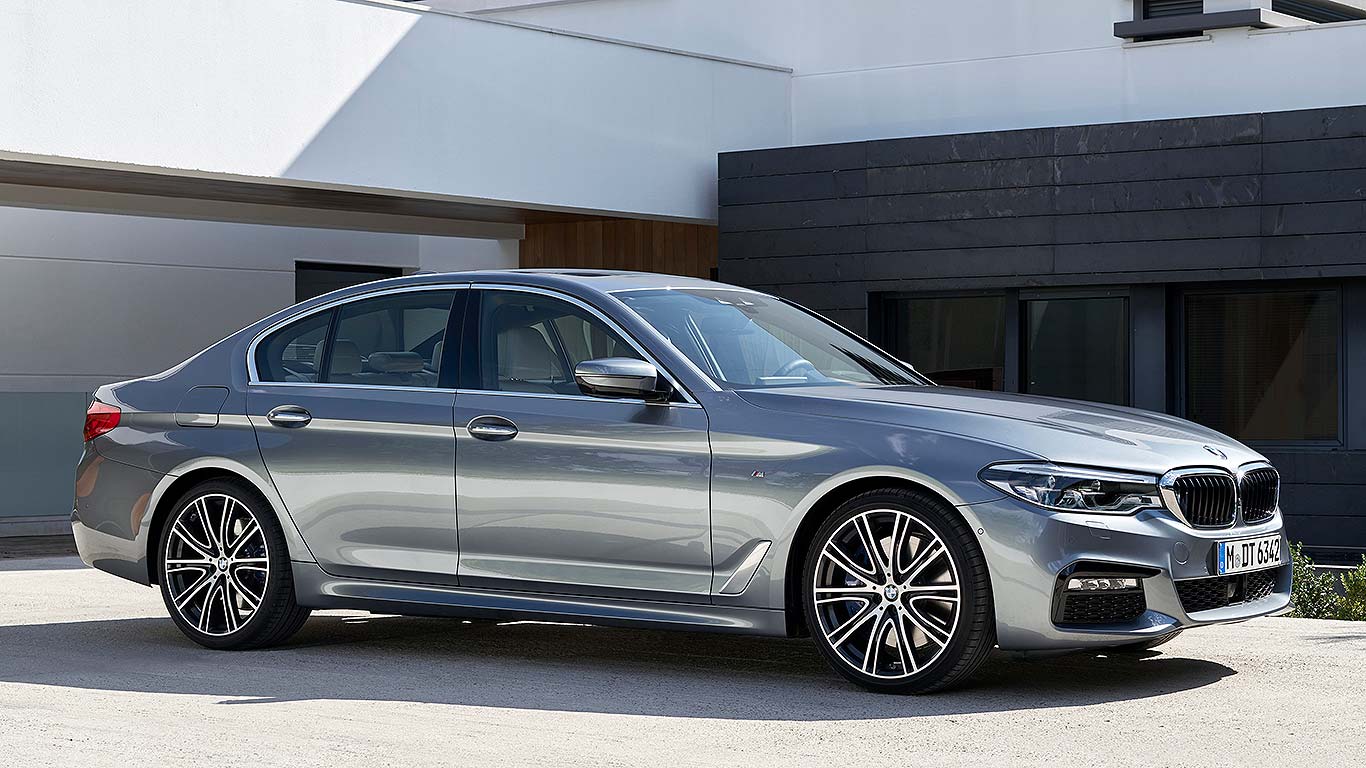
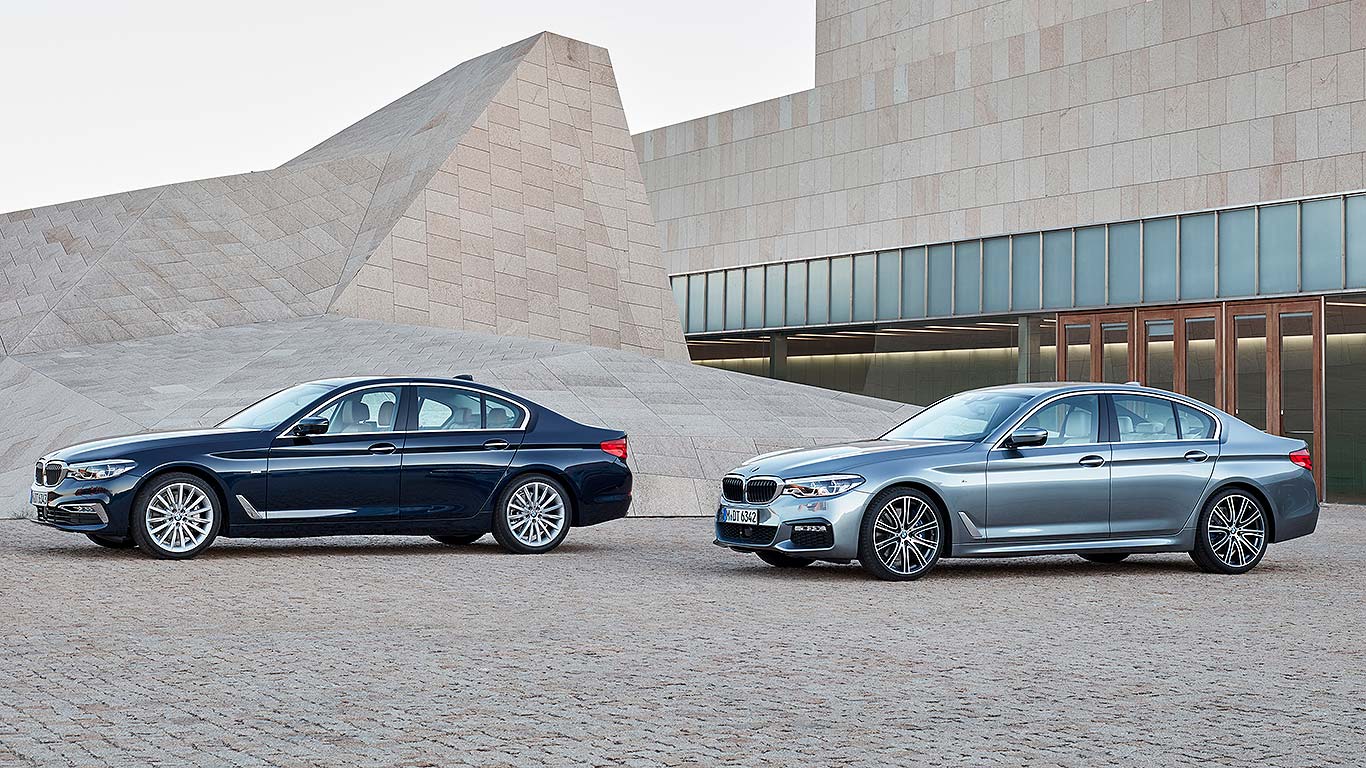
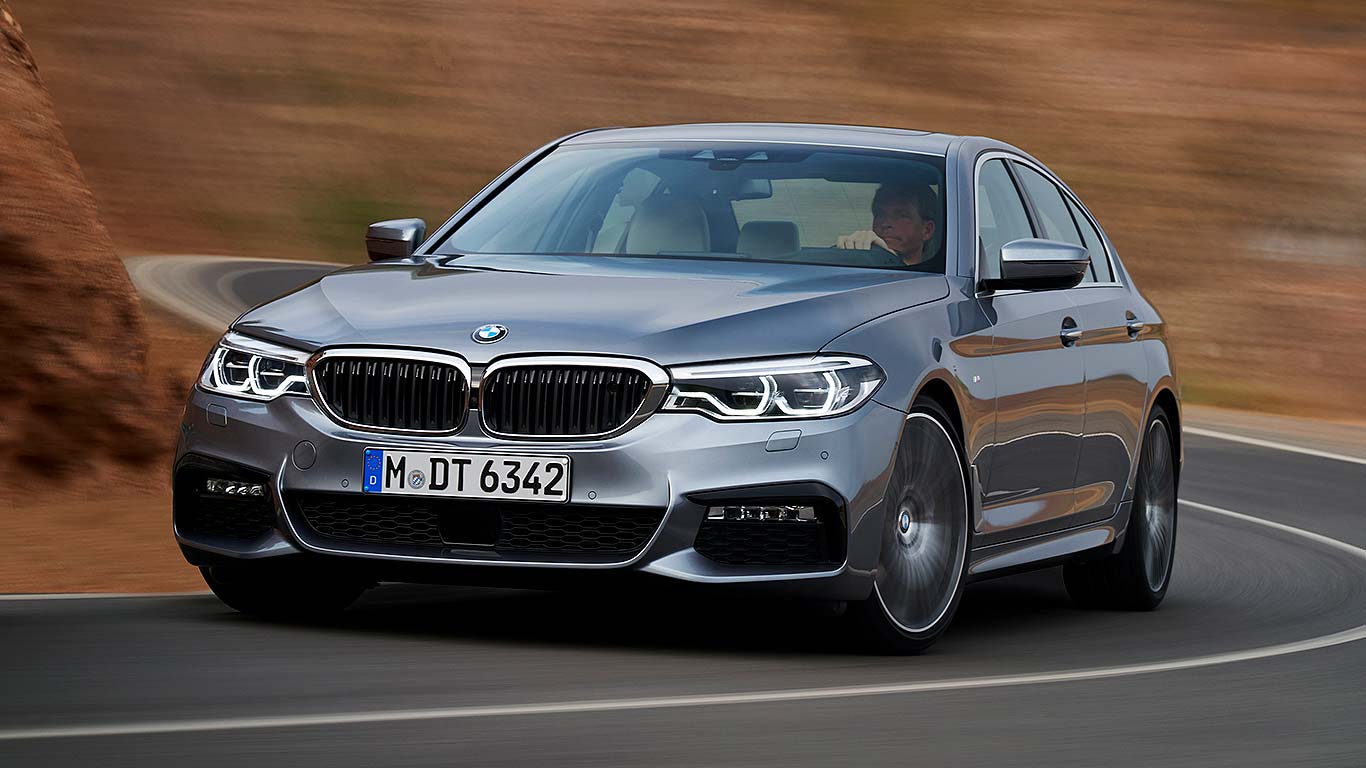
Put the old 5 Series alongside the current one, and the similarities are clear. This is BMW’s most profitable car and it’s not about to upset the applecart with quirky looks. What’s new are the crisper, sharper creases and broader, slimmer rear end, both aping the more modern features of the 7 Series luxury car.
Long nose, short tail
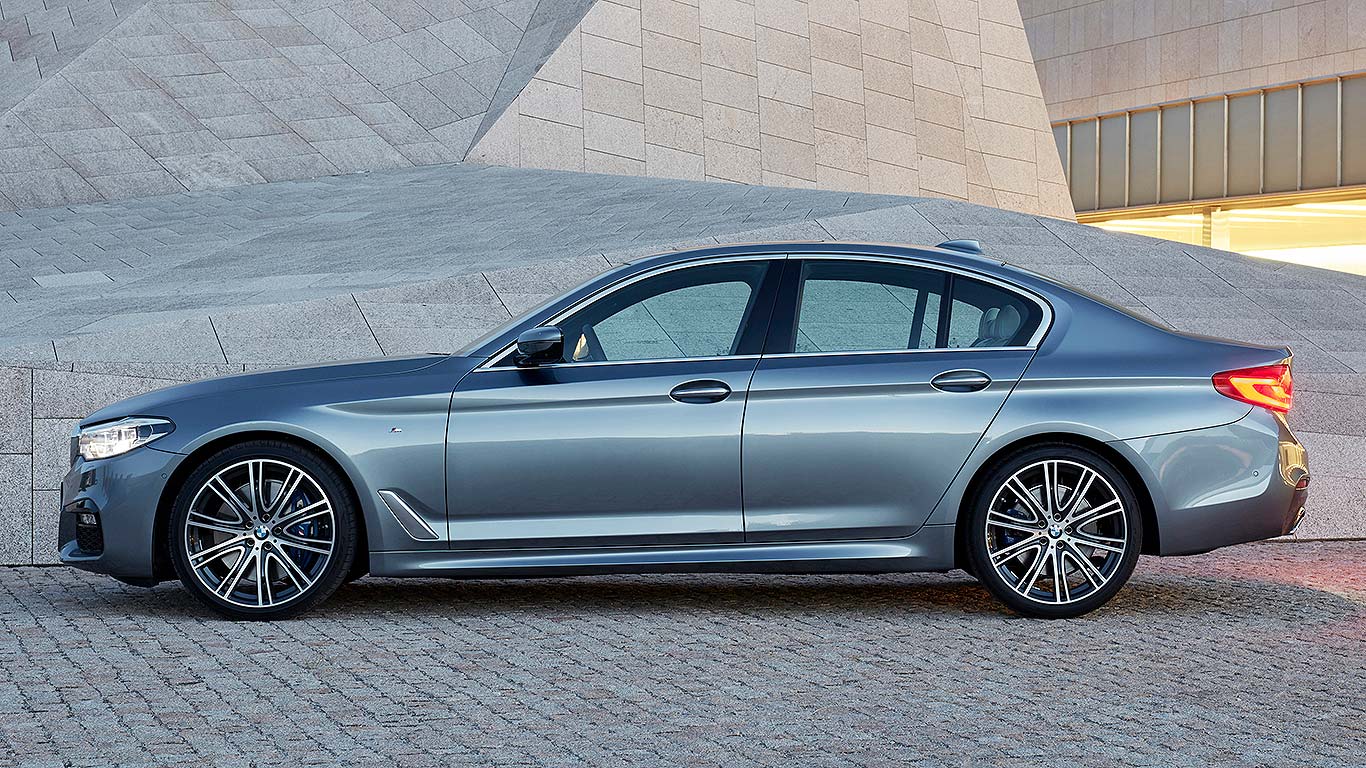
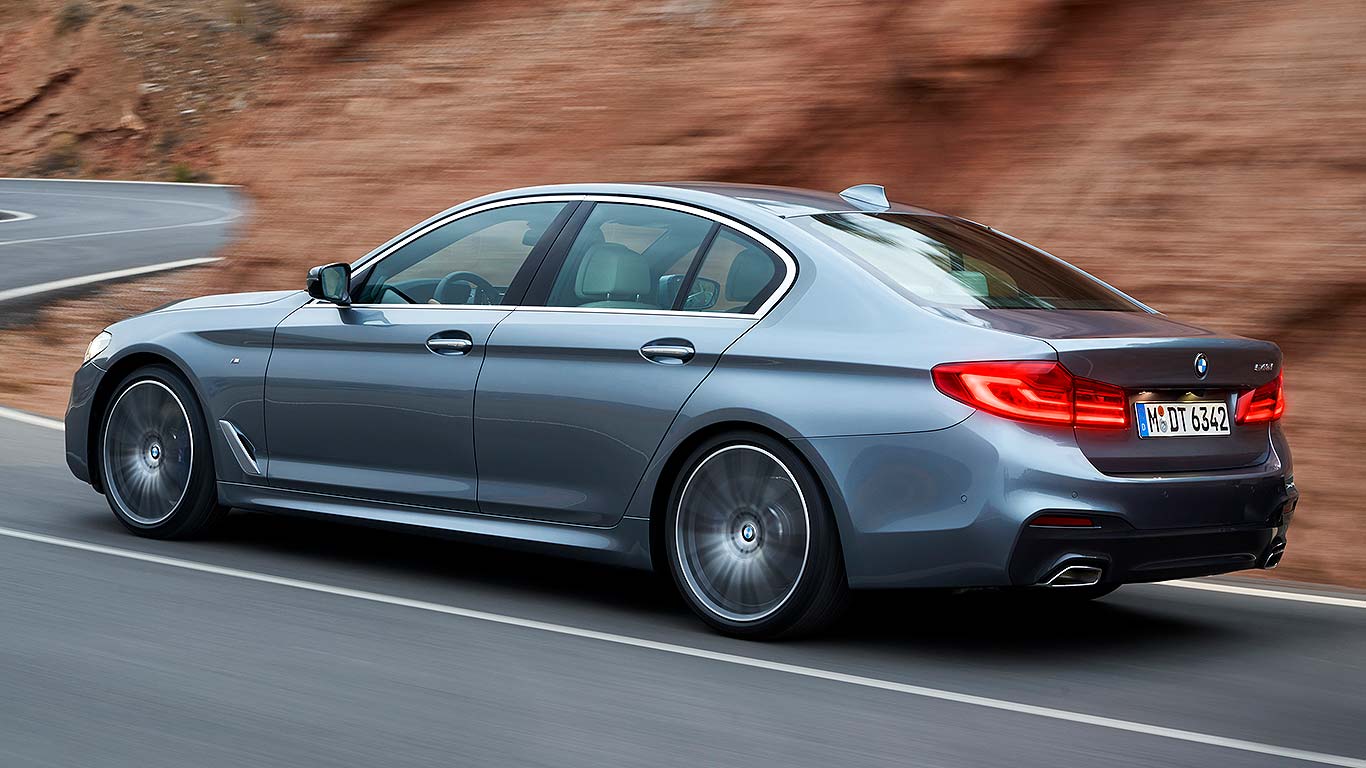
BMW’s proud of the proportions of the new 5. The front end is long, with the cockpit set back and the rear end is relatively pert. This gives a sleek, sporty look in profile. Also note the racier roofline that’s surprisingly coupe-influenced for a big four-door executive saloon.
The new BMW 5 Series will let you watch over it from afar
Volvo S90 review: should you buy one over a BMW 5 Series?
More car news on Motoring Research
New 5, huh: how will I spot it over an old one?
At first glance, they’re similar, some may sniff. They’re not, and the difference should be clear in the metal. The giveaways are the new 5’s broader headlights that feed into a wider kidney grille, a more tightly-sculpted front bumper, more sharply-creased sides and much more detail in the lower body sides. The tail lamps are wider too, and the rear end seems less dumpy than any 5 in decades.
It still reminds me of something
The new 5 Series is closely related to the new 7 Series, the first BMW saloon created in its modern style. Crisper, more complex and modern than the somewhat chunky current cars, it’s a striking look that the new 5 will carry well.
Let’s get technical. What platform is the new 5 Series based on?
The new 5 Series, codenamed G30 in BMW-speak, uses the firm’s Cluster Architecture platform – dubbed CLAR. The 7 Series is already derived from this and so too will be the new 3 Series. It’s a flexible-platform approach similar to that used by Audi, who’s MLB Evo architecture is used in ever-more cars from A4 to Q7.
So the 5 Series is partly made from carbon fibre?
Well spotted: the 7 Series’ CLAR platform does indeed use carbon fibre. But the 5 Series doesn’t: that’s far too expensive for this sector, says BMW. Instead, it’s all lightweight steel and aluminium – so light, the car is up to 100kg lighter than today’s model.
What engine choice will the new 5 Series offer?
The launch engine range will be familiar to today’s motors – they’re drawn from the latest BMW TwinPower range. The entry 520d will be a 190hp 2.0-litre four-cylinder turbodiesel, the 3.0-litre six-cylinder 530d will produce 265hp and there will be 252hp 2.0-litre four-cylinder turbo 530i and 340hp 3.0-litre six-cylinder turbo 540i petrols as well. In time, a 518d, 518i and 550i will follow – as will, of course, a high-performance M5.
The important stuff: how fast is the new 5 Series?
Even the slowest new 5 Series, the 520d, can do 0-62mph in 7.5 seconds. The 530d cuts this to 5.7 seconds, or 5.4 seconds in grippy 530d xDrive guise. Prefer petrol? The 530i four-cylinder does 0-62mph in 6.2 seconds, and the 540i xDrive is almost as fast as a Porsche 911 Carrera: it does 0-62mph in 4.8 seconds.
Let me guess, the new 5 Series uses less fuel than the current one?
Yes, the new 5 is more efficient than today’s car. Most will be sold in 520d guise, which will return a supermini 68.8mpg and emit just 108g/km CO2. For a large car that impersonates a 7 Series, that’s ridiculously good. Prefer all-wheel drive? The 520d xDrive will still do 62.7mpg. Prefer six cylinders? Even the 530d will do 60mpg. The 530i petrol averages 49mpg and the 540i xDrive, with the engine from the M140i, returns a sparking 39.2mpg.
Is the new 5 Series greener and more economical?
As the new 5 Series is lighter, BMW’s boasting that it’s more economical. The 520d is the current standout: 65.6mpg is 2.8mpg better than before. In time, a low-CO2 520d EfficientDynamics will launch, returning an unheard-of 72.4mpg and emitting 102g/km. A plug-in hybrid 530e iPerformance, using similar tech to today’s 330e, will also roll out, emitting just 49g/km. It will do 28 miles in full EV mode and, on the combined cycle, average 134.5mpg.
Will I finally be able to buy an all-wheel drive BMW 5 Series?
BMW has offered an xDrive on the continent for years – but never in right-hand drive guise. It will now though: G30 5 Series xDrive will stop any sniggering at stranded 5 Series drivers in the snow for good. It’s offered on the three high-volume models: 520d, 530d, 540i.
Will it still be good to drive?
Suspension is an even more sophisticated iteration of today’s class-leading 5 Series, with double wishbone front suspension, five-link rear and four types of active-type damping. You can even get active anti-roll.
I have a small garage. How big is the new 5 Series?
The new 5 is 4,935mm long, 1,868mm wide and 1,466mm high. Length, width and height have all increased slightly over today’s car, but they’re modest (width by 6mm, height by just 2mm) and have been done to boost interior space.
Can I park the new 5 Series by remote control?
You have a small garage, huh. You’re in look. It still sounds a bit space-age, but it’s a reality on the 7 Series, and now the tech comes to the 5 Series: Remote Control Parking. Stand outside your new 5 and drive it into that tight space, or your narrow garage, simply by operating the remote keyfob. Nobody needs to be within the car, and you can then turn the engine off and lock it up again via the remote. Incredible.
But will it drive itself when I’m in it?
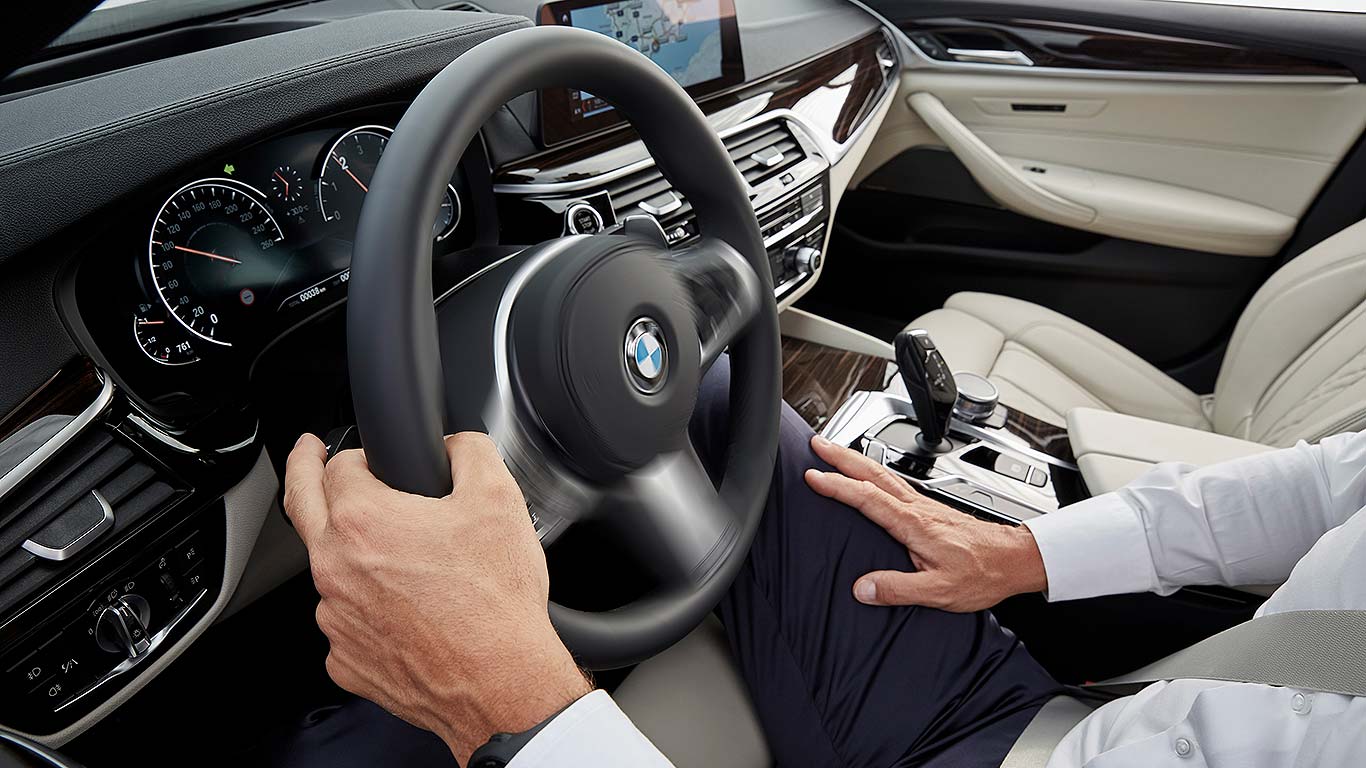
Here’s a controversial one for the new 5 Series: the Ultimate Driver’s Car is going to start driving itself. The Driving Assist Plus package will help you steer around sudden obstacles that appear in the road, even at 100mph, while a steer-assist function will steer the car for you within lane even if you only have a couple of fingers on the wheel. It’s not quite self-steer, but it’s pretty much there: “drivers can now take their hands off the wheel much more often than in the past,” states BMW, oddly: surely when we took our hands off the wheel in the past, we crashed? Which, incidentally, won’t be a concern here: the optional Driving Assistance Plus safety pack will see to that.
What’s it like inside?
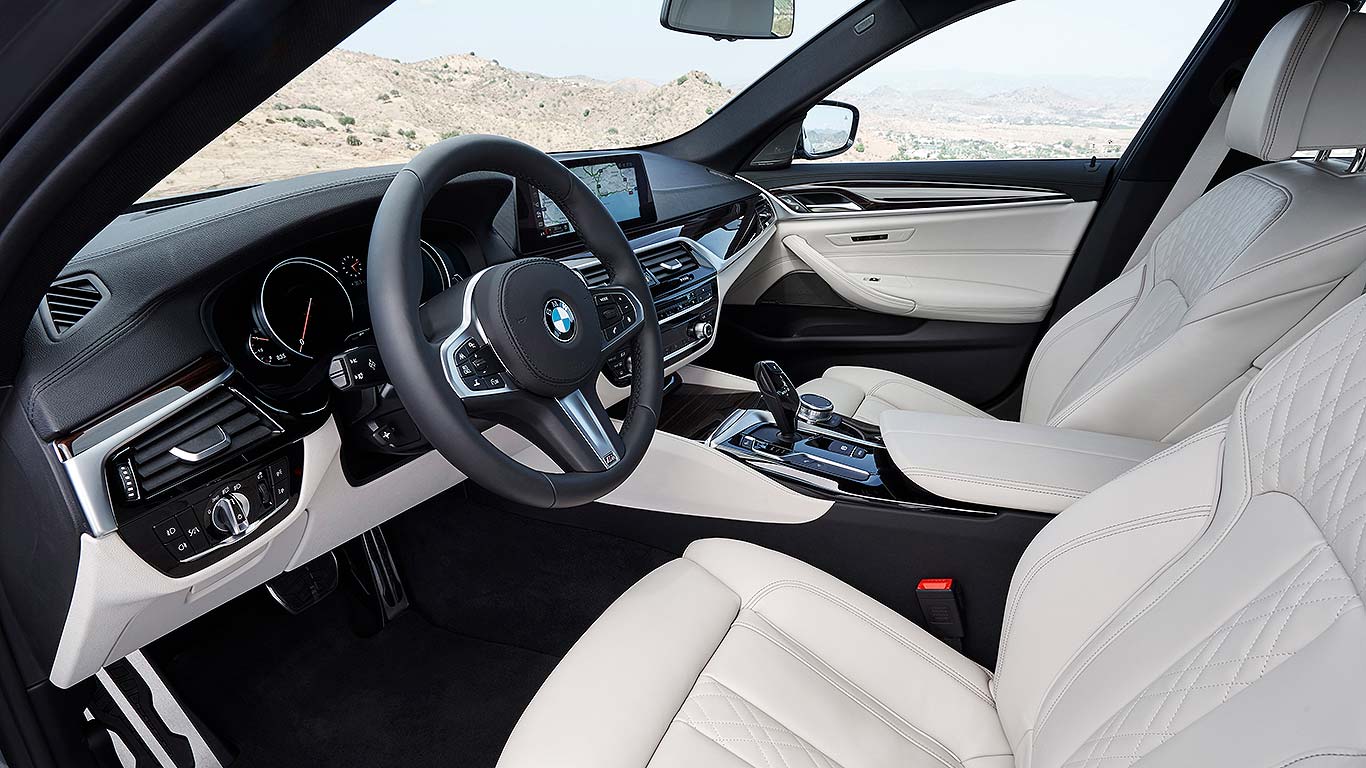
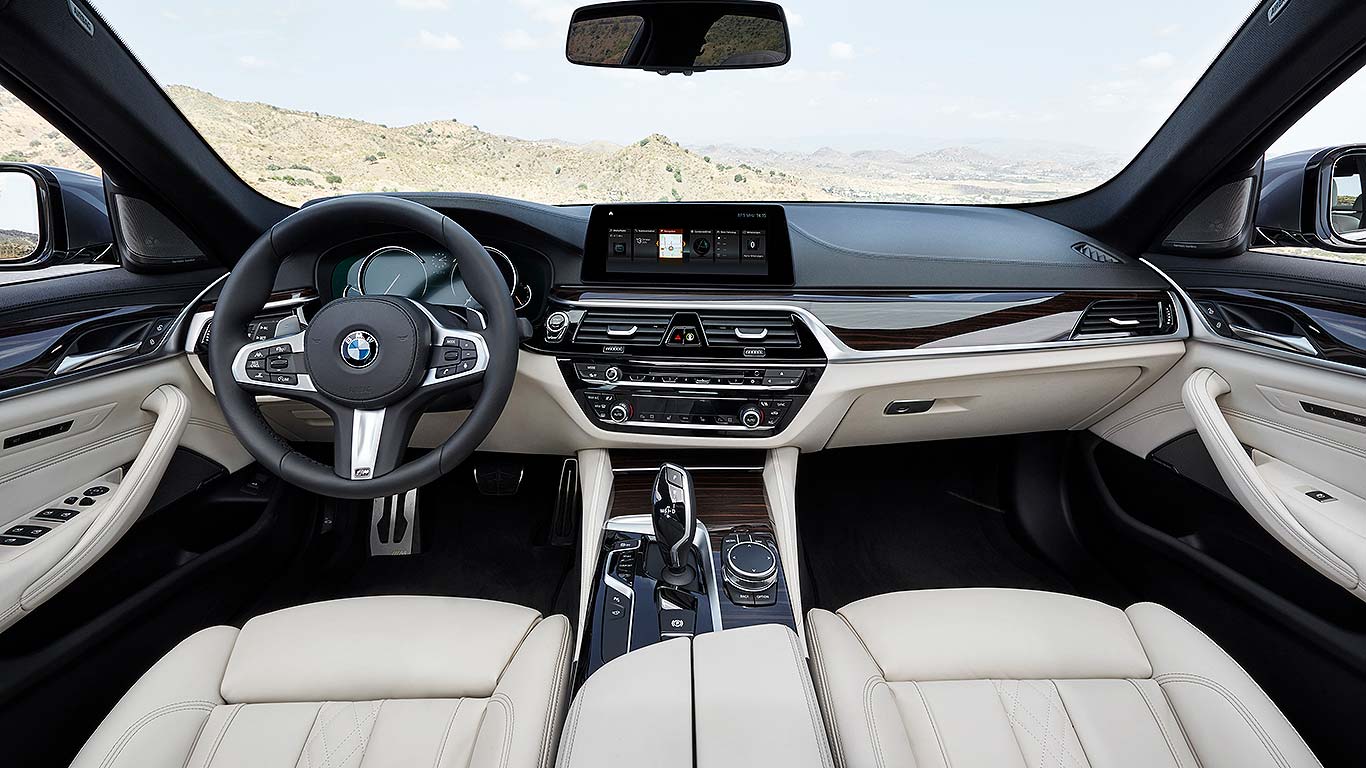
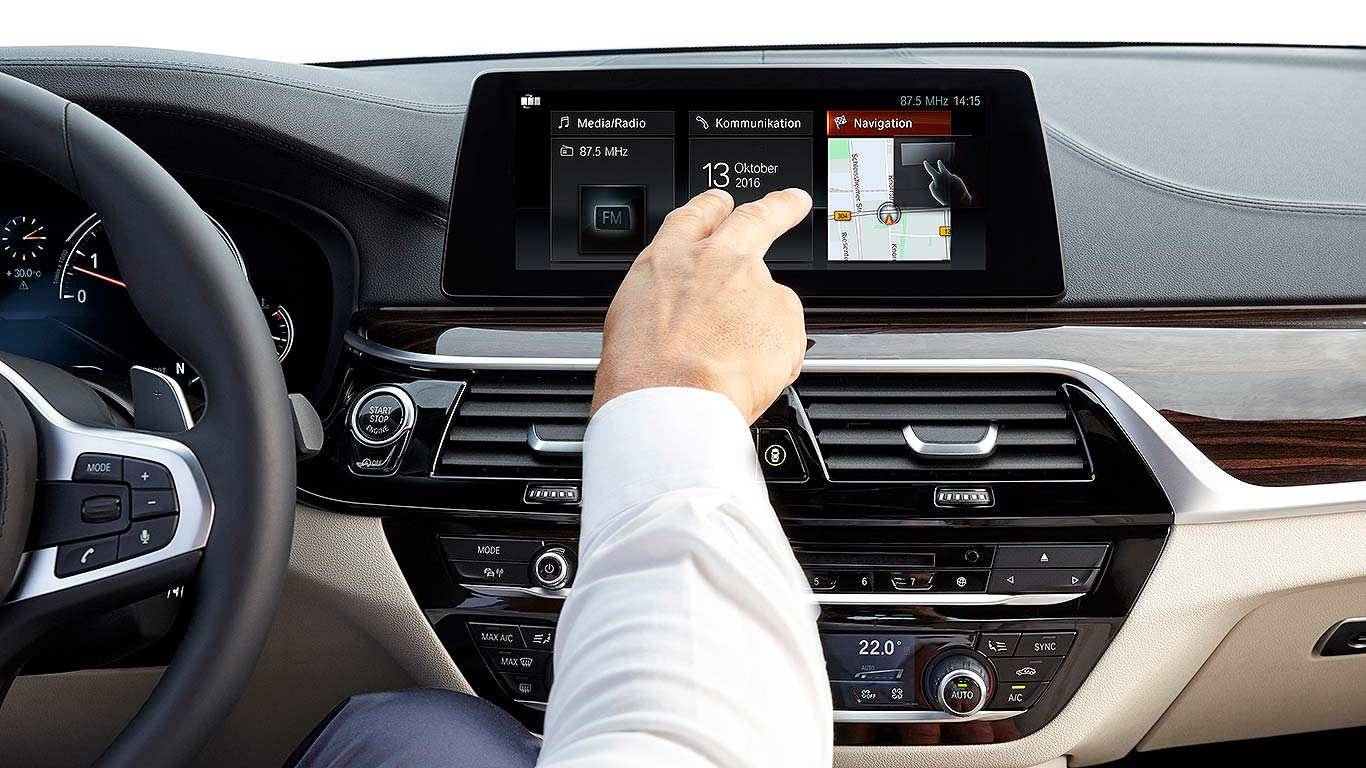
Like the outside, the interior is familiar. It’s a bit similar to today’s car, rather more similar to a 7 Series – but built from more meticulously-crafted materials than ever. The big infotainment screen now stands proud from the dashboard – because it’s now touchscreen-enabled. The previous one could only be controlled by the rotary dial. BMW has retained that too, meaning there are two ways of using the infotainment screen.
How high-tech is the infotainment?
Widescreen sat nav is standard on all: no poverty-spec small-screen sat nav on basic models here. BMW’s offering Apple CarPlay on the new 5, a wifi hotspot for up to 10 mobile devices, and is the first car brand to build Microsoft Office 365 into a car – so businesspeople can check emails, calendar entries and contact details while on the move. Don’t listen to Chris Evans, clear your inbox before you get to your desk instead.
What’s this about gesture control?
Gesture control was introduced on the 7 Series. Now it’s here on the 5 Series. Control the infotainment, sat nav, audio and other features via hand movements and finger gestures – the most satisfying thing is being able to bat away a nuisance call with, literally, a swipe of the hand in front of the gearlever. Seriously cool.
How roomy is the G30 BMW 5 Series?
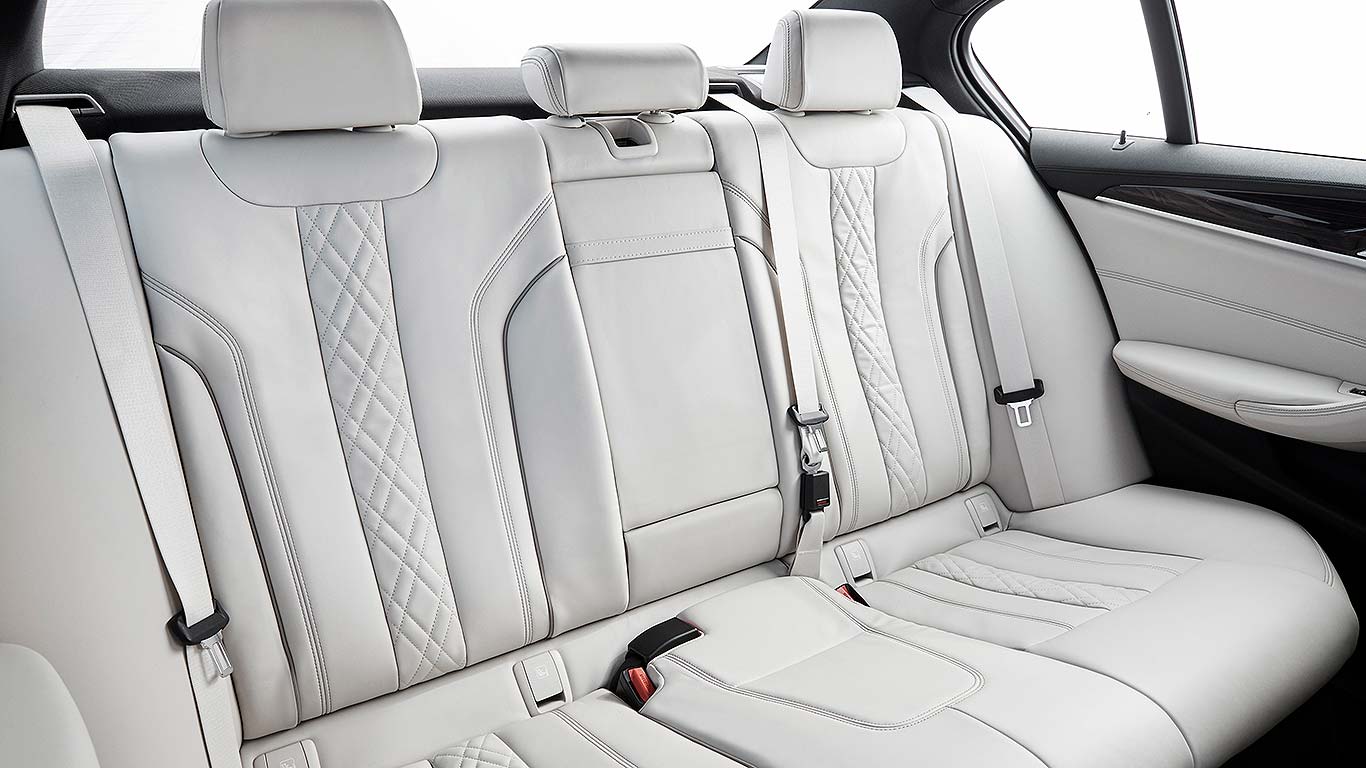
There’s “noticeably” more room, promises BMW. Headroom is improved, elbow and shoulder room are up and those in the back have more room to spread out. It’s easier to step in and out as well, while the more slimline dashboard makes it feel roomier in the front. It’s quieter within too, says BMW.
Put the boot in: how big is it?
The boot has a lower sill for easier loading. Despite the flowing roofline and sharper rear end, capacity is up to 530 litres; not the absolute largest in this sector, and it looks a bit narrow in the image here, but that’s still a class-competitive figure. Need more space? The Touring estate 5 Series follows soon after this saloon.
When will the new BMW 5 Series go on sale?
The new 2017 BMW 5 Series will go on sale in October, ahead of its market launch in Q1 2017. BMW will be keen to take pre-orders, particularly from fleets eager to reward execs with a new 5 ready for the March 2017 ‘17’ registration.
How much will it cost?
The new BMW 5 Series will cost from £36,025. That’s for a 520d SE, which today costs £32,615 as a manual, or £34,165 as an auto – and, from launch, BMW will only be offering the 520d as an auto. So, less than a £2k increase for a car that has more kit as standard: sound fair to you?
What rivals is the new 5 Series up against?
BMW’s most feared rival is the new Mercedes-Benz E-Class, itself an ultra-sophisticated car that’s more like a mini-S-Class than ever. The Audi A6 is getting on a bit these days, so doesn’t worry BMW. Perhaps the next-biggest headache it has in Europe is the Jaguar XF, which is superb to drive and these days ticks sensible-shoes stuff such as rear seat space and infotainment tech as well.
Any cool details about the new 5 Series I need to know?
Like the headlights? For the first time in years, they now have glass covers, rather than plastic, for an extra-sparkling look. LED headlights are standard, too. It’s ludicrously slippery through the air: the Cd drag coefficient of 0.22 sets a new sector benchmark. You can have an air ionisation system (which also includes a fragrance diffuser). Like your audio? Choose from basic, the 12-speaker BMW upgrade, a 600 watt harmon/kardon premium system and a very premium Bowers and Wilkins Diamond system that pumps out 1,400 watts.
That’s all very cool. Any more?
Ever rolled up to a junction, spotted a gap, only to find the stop-start has kicked in and left you stranded? The new 5 Series cures this with intelligent auto stop-start. It uses the sat nav, stereo camera and radar to ensure stop-start won’t be activated when it’s unwarranted or would be inefficient. We’re familiar with active cruise control and speed limit displays, but how about active cruise control that knows the speed limit up ahead and will blend the car’s speed up or down accordingly? The new 5 has it. It will also stop you driving the wrong way onto a motorway, roundabout or one-way street, and warn you if other vehicles have priority at confusing junctions.
This is an important car for BMW, huh?
You bet. Not only has BMW sold 7.5 million of the things since the 5 Series was launched back in 1972, analysts say (the current F10 5 Series alone has sold 2 million models). It’s also the firm’s most profitable car, unit-for-unit. It’s very important indeed…
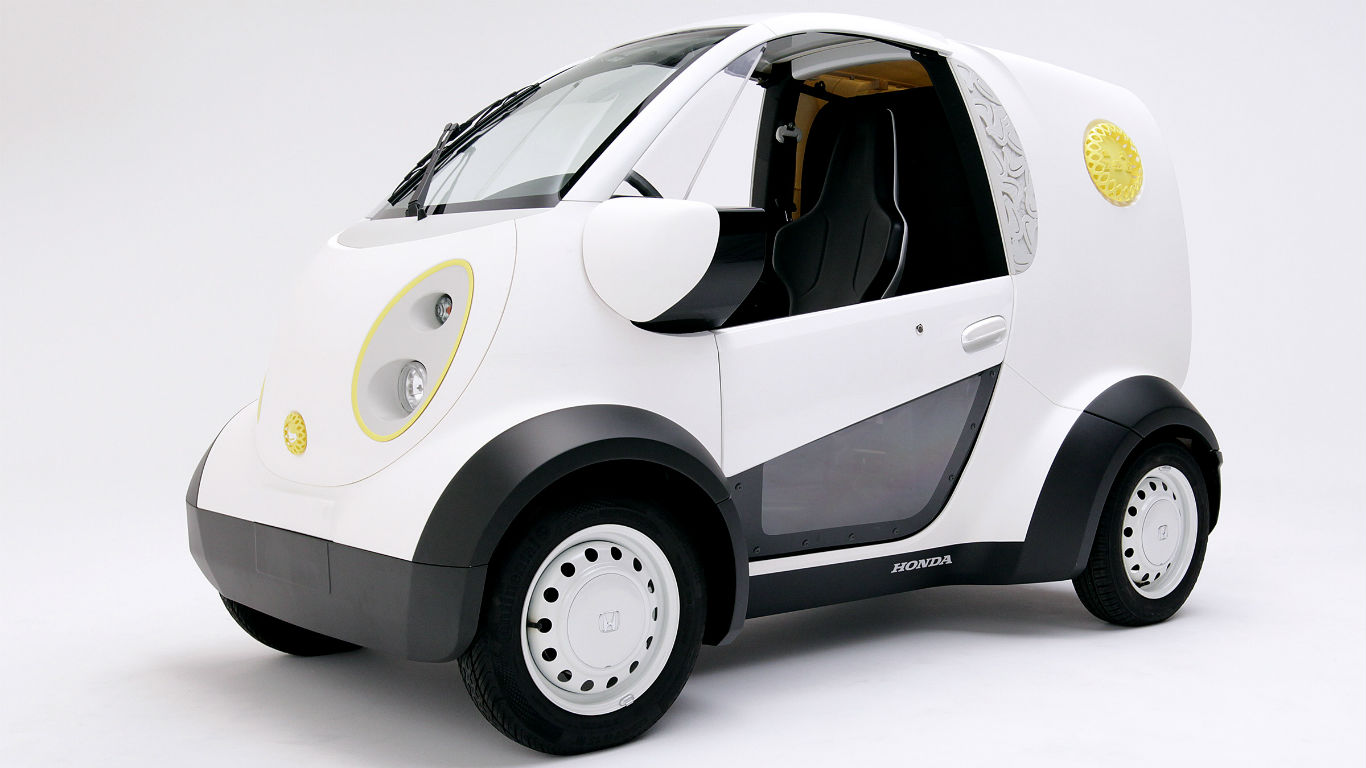
Ever wished your printer could create an electric van you could use for delivering dove-shaped shortbread? That’s what Honda has done. Sort of.
The 2.5-metre Micro Commuter electric van is based on a lightweight pipe-frame chassis, while the powertrain uses the same Micro EV technology as the firm’s MC-β ultra-compact electric vehicle, sold in Japan.
Fancy a new Ford? Now you can print your own
More car news on Motoring Research
The clever bit, however, is the 3D printing methods used for the exterior panels and luggage space.
Based on an open innovation model, the Micro Commuter will be used by the Japanese Toshimaya Corp to carry out deliveries of its ‘Hato sablé’ dove-shaped shortbread. Erm…
The Micro Commuter was developed alongside Japanese 3D printing firm Kabuku Inc, and can travel up to 50 miles on a charge. If you’re feeling brave (remember, it’s actually made of paper), it can hit 43mph.
Oh, and that paper body helps with its kerb weight, which comes in at around 600kg. Not that you’ll want one running over your toe.
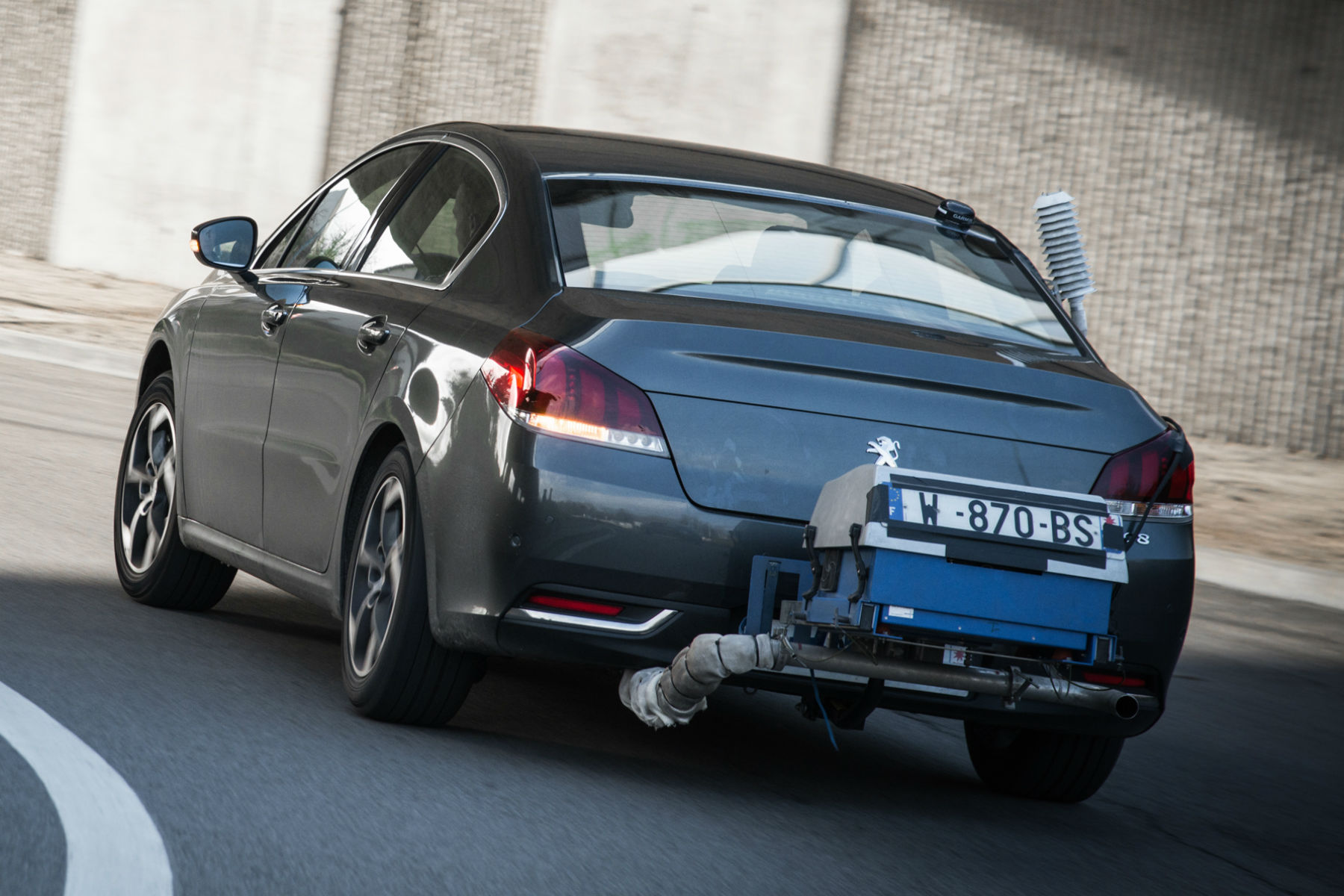
PSA Peugeot Citroen has revealed the exact methods it uses to calculate real-world fuel economy figures across its range.
The company announced real-world figures for 30 cars across its range earlier in the year, and has said it plans to reveal 20 more by the end of the year.
Peugeot Citroen: our cars are officially ‘clean’ and cheat-free
Peugeot-Citroen raided by French authorities over emissions probe
More car news on Motoring Research
It’s part of a move to appear more transparent, with PSA being one of a number of manufacturers blaming the official NEDC fuel economy test for generating unachievable MPG figures.
Why is the official NEDC test to blame for unachievable fuel economy figures?
The New European Driving Cycle (NEDC) fuel economy test is used to calculate official MPG and CO2 figures for all new cars on sale in Europe.
The test is split into two sections: urban and extra-urban cycles. The first test, the urban cycle, covers a stop/start journey of 2.5 miles at an average speed of 12mph, intended to be representative of driving through a congested town or city. The car starts off cold and touches a maximum top speed of 31mph.
After this test, the now warmed-up car is put through the extra-urban cycle. This covers a distance of 4.3 miles at an average speed of 39mph.
The CO2 and fuel economy results for each cycle are then combined to provide the official CO2 and fuel economy figures quoted by manufacturers.
However, the official test has been criticised by consumers and car manufacturers alike. Carried out on a rolling road, it’s not influenced by real-life conditions such as other traffic, weather conditions and driving styles.
Developed before hybrid and electric vehicles were commonplace, it also produces extremely unrealistic fuel economy and CO2 figures for cars such as the Mitsubishi Outlander PHEV. As the test takes place when the plug-in hybrid Outlander is freshly charged, it covers most of it under electric power, hence the Outlander’s official 156.9mpg. When the Outlander’s short electric-only range runs out, its real-life fuel economy will be much lower than this figure.
So what’s Peugeot Citroen doing about it?
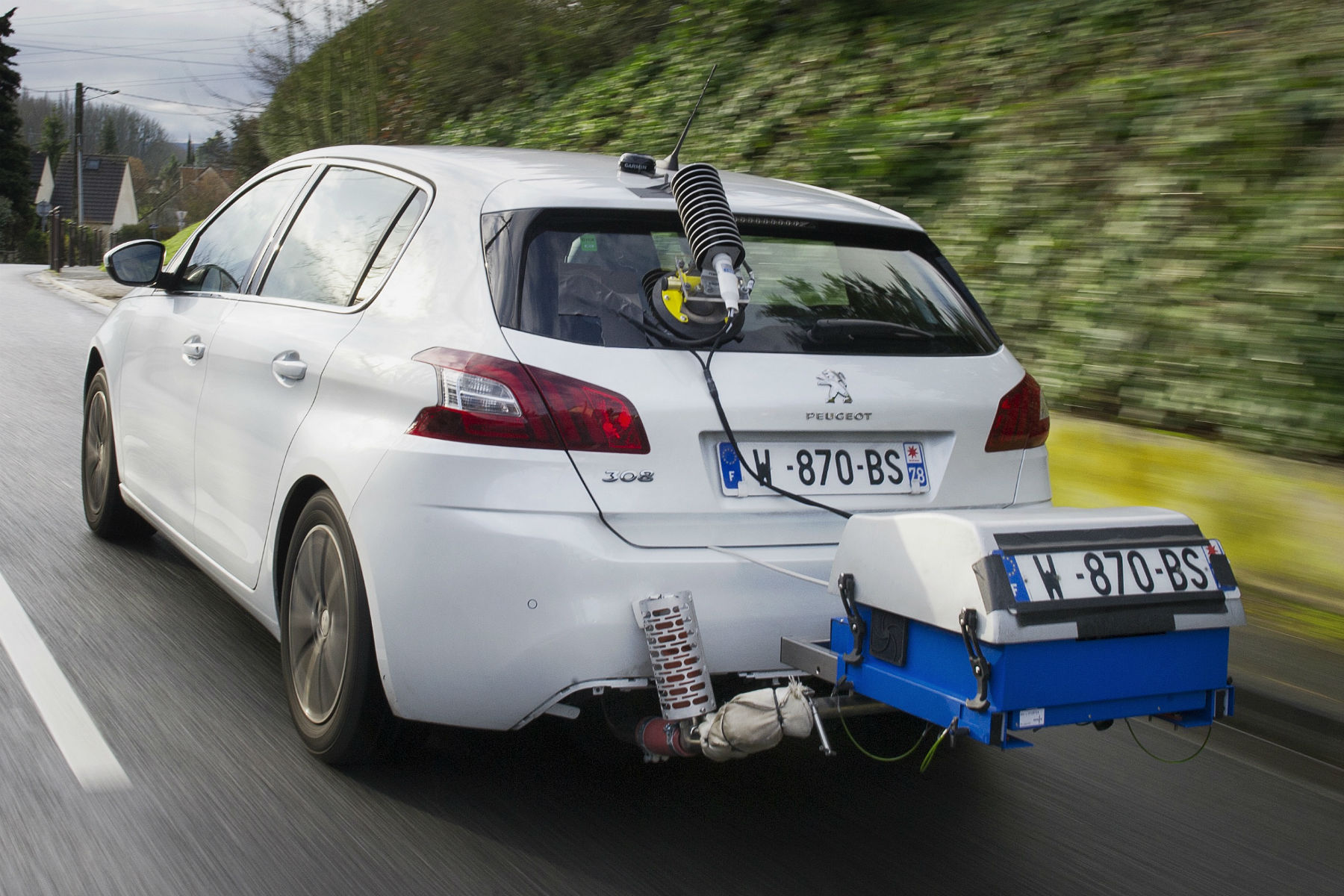
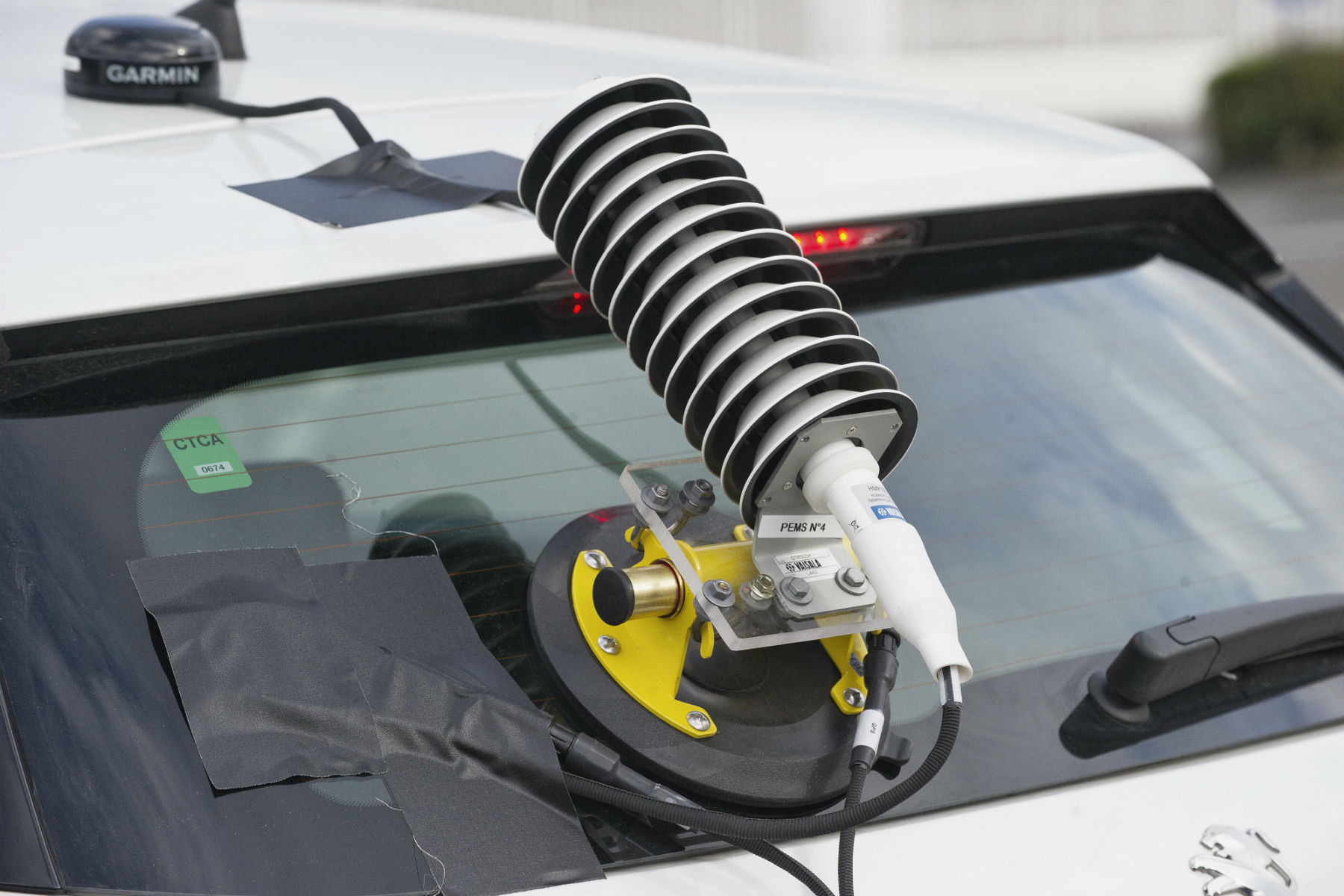
PSA Peugeot Citroen has announced that, along with the official NEDC tests (a European requirement), it will conduct real-world fuel economy tests across its range, and publish its findings.
To carry out the tests, the car manufacturer is working with environmental organisation Transport & Environment. It tests cars in real-world conditions, stipulating that ambient temperatures must be ‘normal’ (not too hot or too cold), while a set route should be followed.
During the test, 22.8km (14.2 miles and 24.7% of the total distance) must take place in urban areas; 39.6km (24.6 miles and 42.9% of the total distance) on rural roads; and 29.9km (18.6 miles and 32.4% of the total distance) on motorways.
Tyres must be inflated to ‘normal’ pressures and the driver should ideally not be a trained driver. The car should be driven exactly as a customer would, with all speed limits adhered to and typical acceleration for the type of car.
The test also requires at least one passenger being carried in the car, with the climate control being set to 21°C.
Transport & Environment’s clean vehicles director, Greg Archer, said: “The real-world test developed with PSA Group provides full transparency towards customers and more representative information to drivers than the new laboratory test, helping them choose the most fuel-efficient cars. This scientific approach is robust, reproducible and reliable in measuring real carbon emissions.
“We urge the European Commission and all carmakers to use this test for regulatory and advertising purposes,” he added.
What are the results of PSA’s real world tests?
So far, 30 Peugeot Citroen models have completed the test, with most averaging around 20mpg below the official NEDC figure. Here’s an example of models tested, with another 20 set to be announced before the end of 2016.
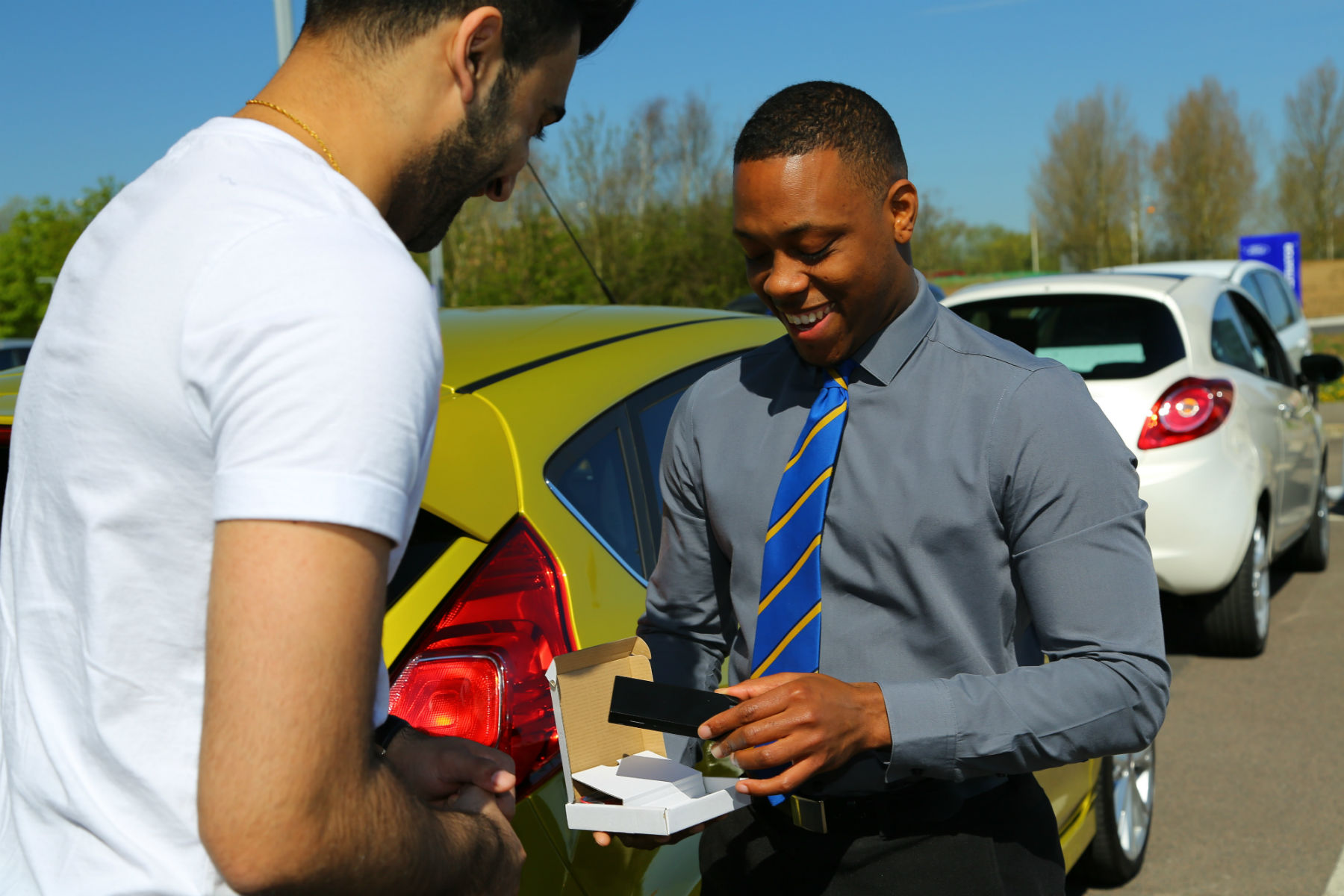
A black box manufacturer is calling on the Government to make telematics-based insurance a legal requirement for all drivers under the age of 21.
The increasingly popular telematics insurance policies are aimed at young drivers who are traditionally seen as higher risk, and pay more for their insurance as a result.
Young drivers in UK most likely to be distracted by ‘attractive pedestrians’
Want to save money on your car insurance? Get haggling
More car news on Motoring Research
These policies fit a black box to the driver’s car, monitoring things like how often they speed, and where and when they drive. They can even report how aggressive they are during braking and cornering.
Careful drivers who avoid risky times and places are rewarded with lower premiums, while high-risk drivers are penalised with pricier insurance – and even face having their policy cancelled.
Black box provider Wunelli says the Government should be doing more to encourage the use of black boxes to monitor young peoples’ driving, claiming that drivers with telematics insurance are 20% less likely to be involved in a crash.
It says new drivers are now paying close to £2,000 a year in insurance on average, and this could go up as the Government increases insurance premium tax for the third time in five years.
The company says young drivers should be encouraged to use telematics insurance by cutting tax on black box policies, or going one step further and making it mandatory for under-21s.
It claims that, with 1,732 road deaths last year (and 14% of the drivers killed aged under 24), the UK Government could save millions by making telematics a legal requirement for young motorists. This would replace the income generated from the tax imposed on young driver policies.
“As the UK currently has no graduated licensing in place, it is crazy to think that young drivers can pass their test one day and the next day be driving a car full of people, on the motorway late at night,” said Wunelli’s founding director, Paul Stacy.
“Even if they have traditional motor insurance, there is no way to monitor their driving behaviour in those crucial first few years.”
According to the latest travel trends survey, the average 17-20 year old drives 1,307 miles per year – meaning they pay more than 12 times more per mile compared to older drivers.
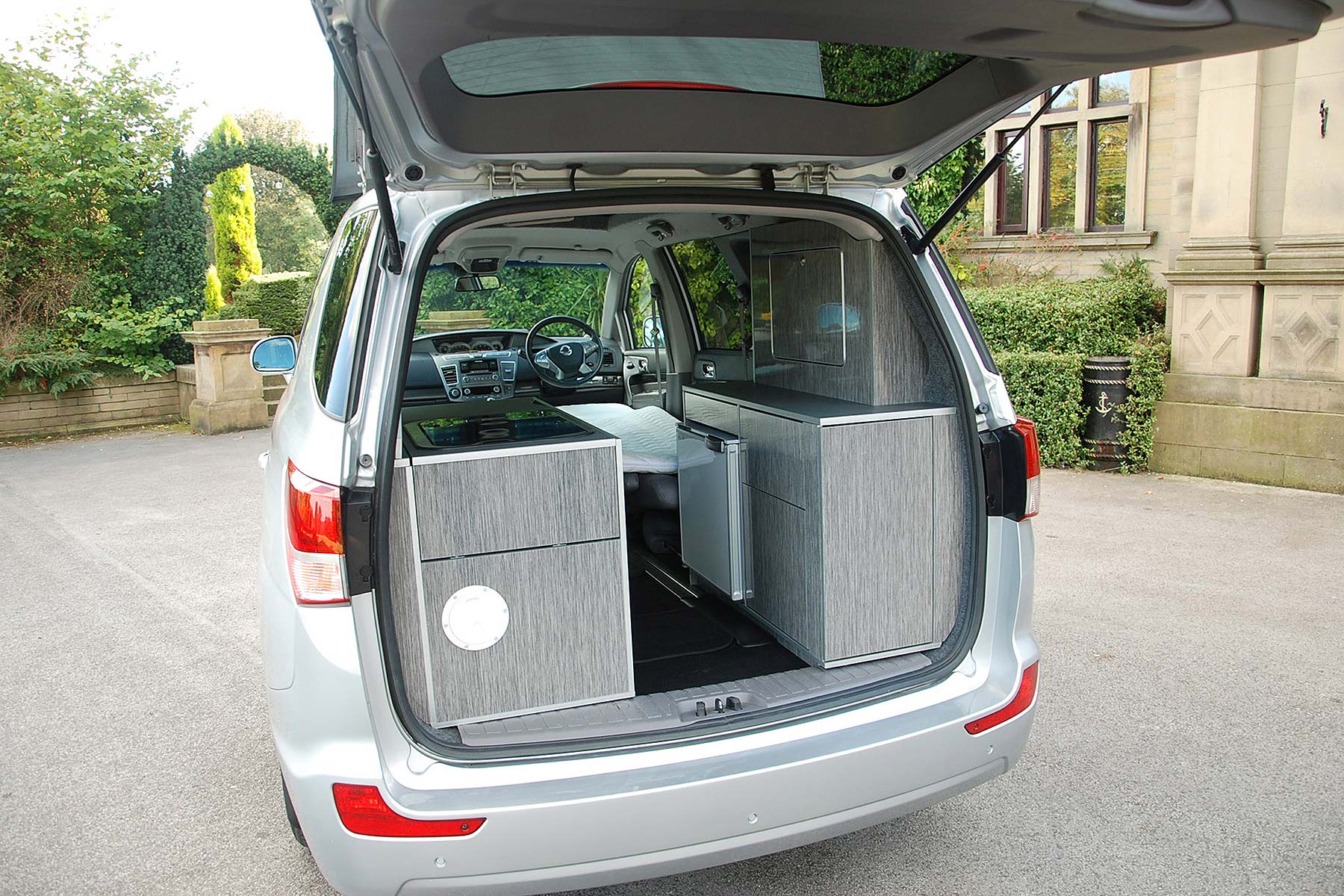
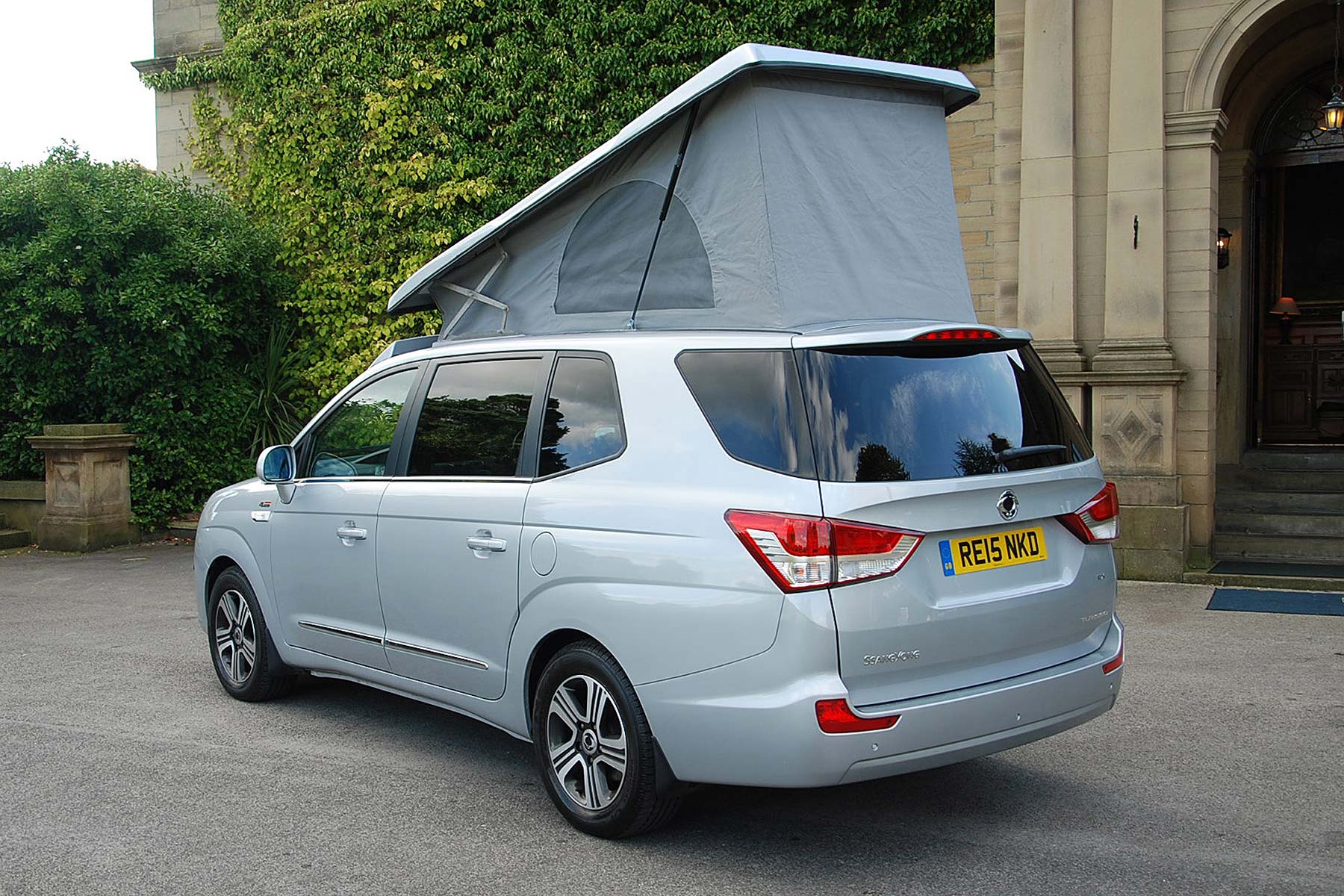
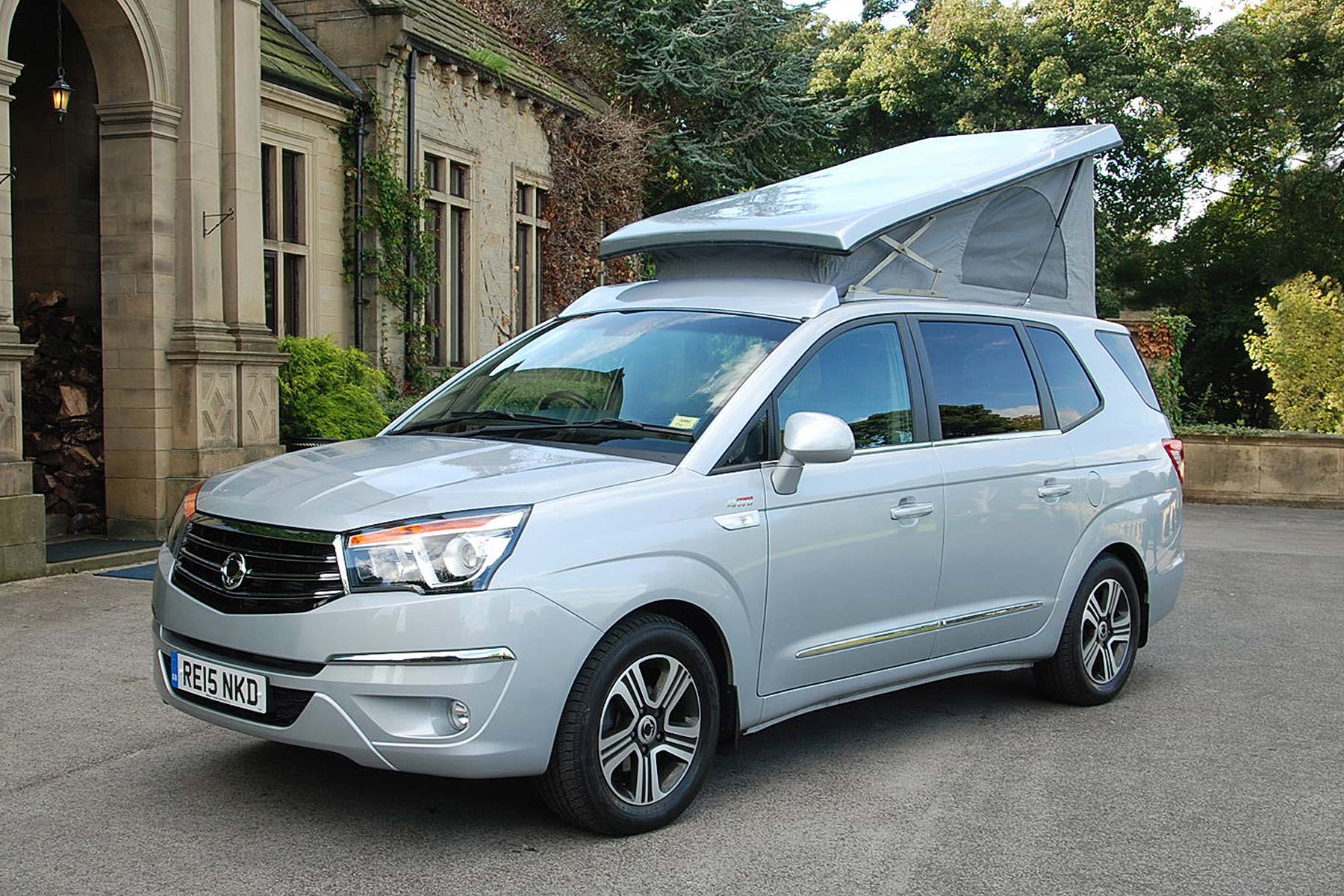
Ever-resourceful value brand SsangYong has revealed its latest special-build vehicle – a campervan version of its big Turismo MPV called the Turismo Tourist Camper.
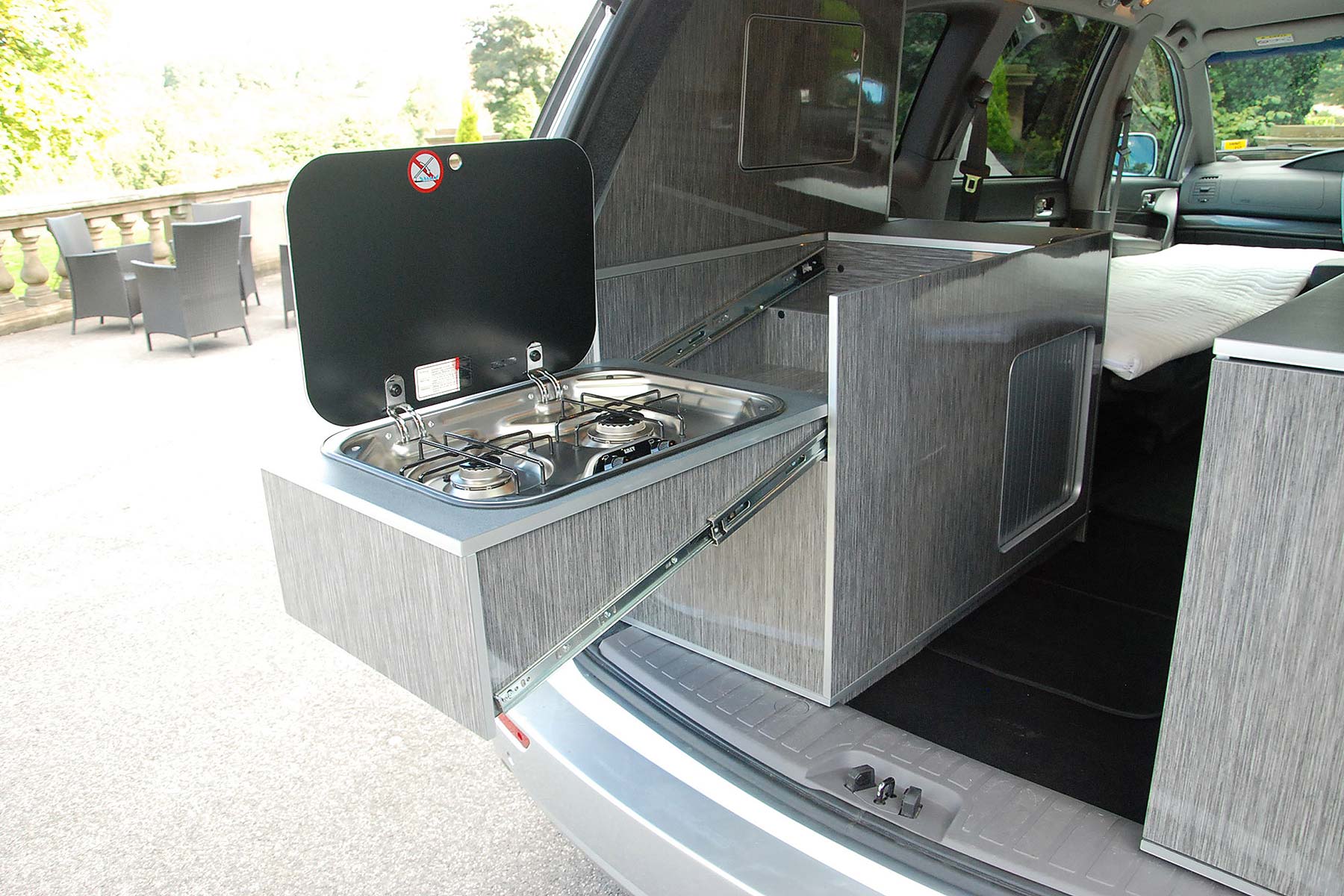
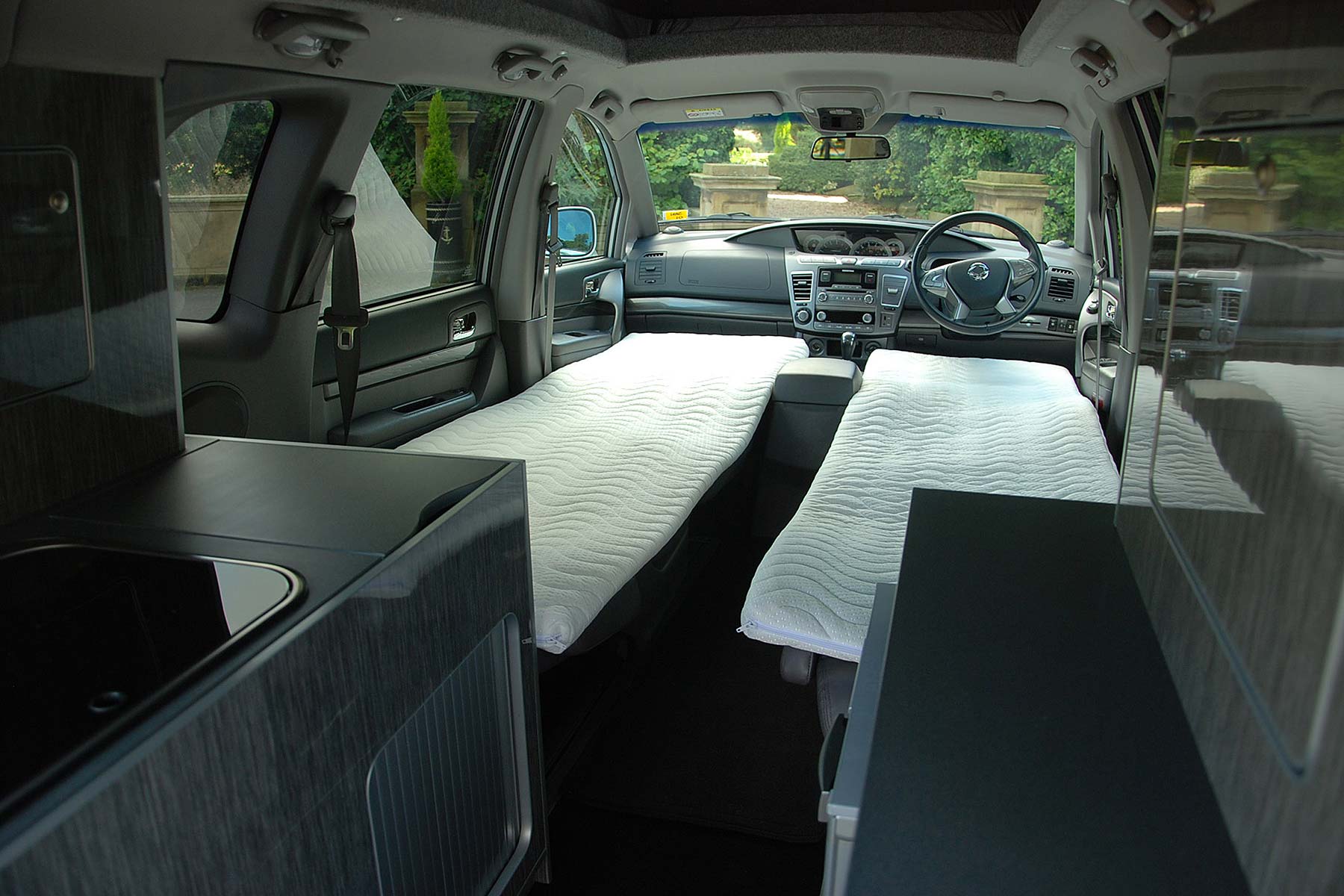
Set to cost from £29,995, the two-berth motorhome has been remodelled with an elevating roof, swivel seats in the front, rear tailgate awning, a hob, a fridge, a toilet and, yes, even a kitchen sink.
The seats fold to create twin beds (they have in-fill cushions and fancy memory foam toppers), and a four-berth version is optional.
You can now get PCP deals on caravans and motorhomes
50 cars you can buy with 0% finance
The world’s fastest motorhome is for sale on eBay
The hob slides out the back so you can use it outdoors, a bit like a barbeque, and SsangYong will sell you optional Eberspacher central heating, a mains hook-up and a solar panel.
The conversion has been carried out by motorhome experts Wellhouse Leisure, which “has done an excellent job in creating such a great vehicle for the booming leisure market,” said SsangYong Motor UK CEO Paul Williams.
“Turismo is one of the largest cars on the market, and in standard form offers seating for seven adult passengers and their luggage, and therefore ideal for conversion into a two-person campervan.”
Powered by a 2.2-litre turbodiesel, the Turismo Tourist Camper produces 178hp and has either a six-speed manual or Mercedes-Benz seven-speed automatic, and either front- or four-wheel drive.
It’s also probably the only campervan on sale in the UK to have a five-year unlimited mileage warranty.
The new SsangYong Turismo Tourist Camper goes on show today at the Motorhome & Caravan Show at Birmingham’s NEC: the show runs until 16 October.
 Nissan taken control of Japanese rival Mitsubishi by completing a deal to take a 34% equity stake in the crisis-hit manufacturer.
 A car’s reliability is the great unknown when buying a used car – or is it? By using data from reliability surveys, you can reduce the chances of buying an unreliable motor, saving you time, hassle and money in the long run. We’ve used data from the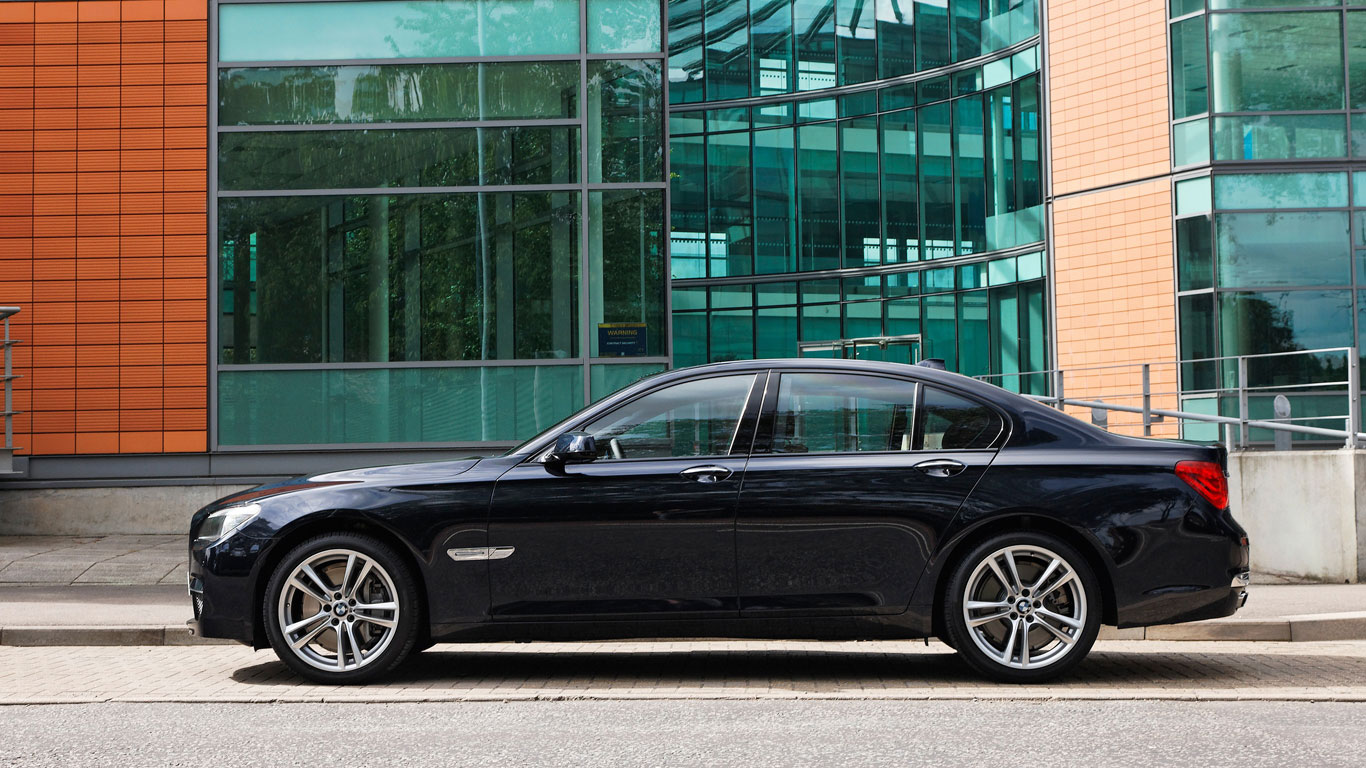
 MINI will launch a plug-in hybrid version of the new Countryman that will offer full electric drive at speeds of up to 80mph – making it the first all-electric production-spec MINI.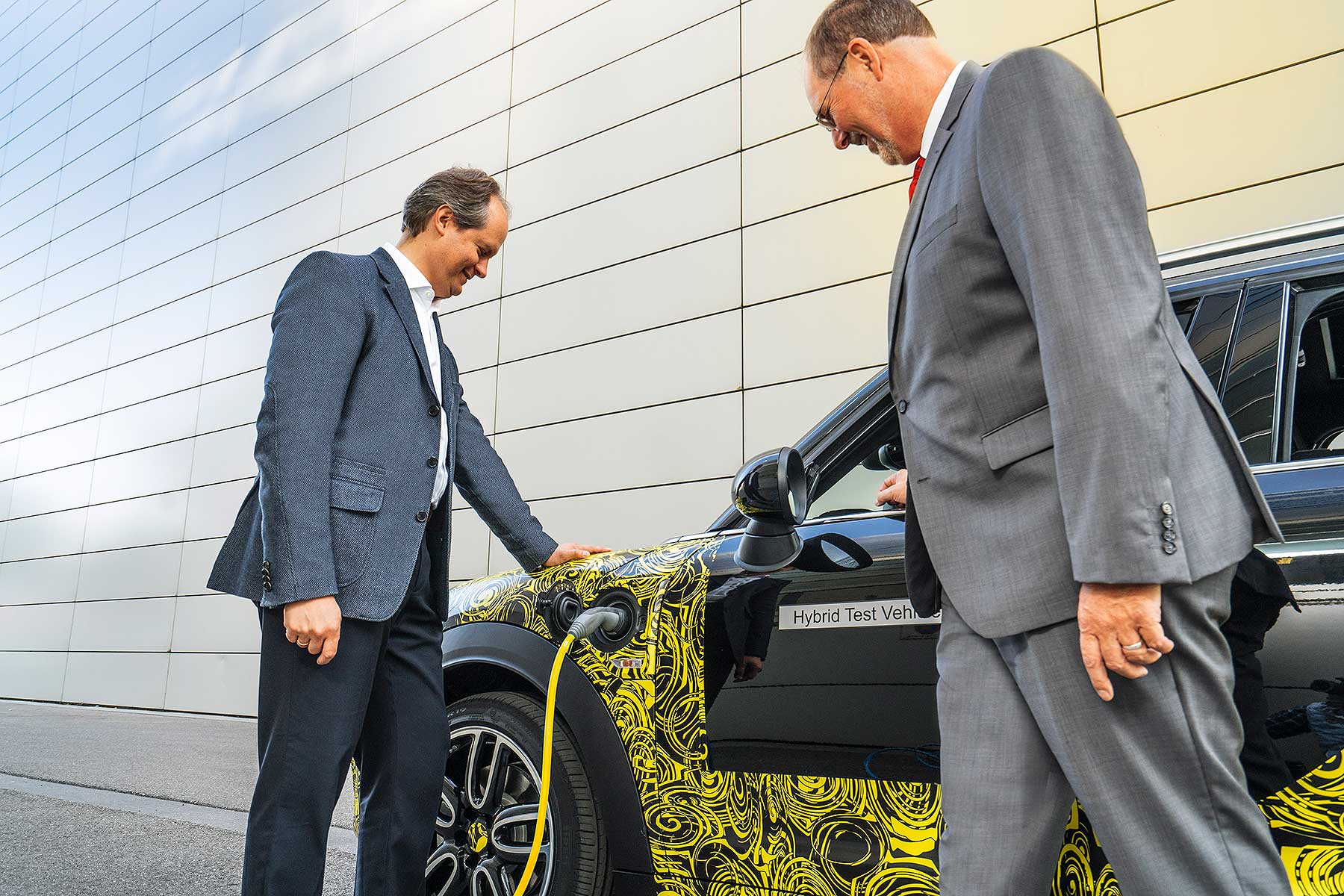
 BMW has revealed the all-new 2017 5 Series, a car that packs a serious amount of 7 Series-inspired technology beneath its evolutionary lines.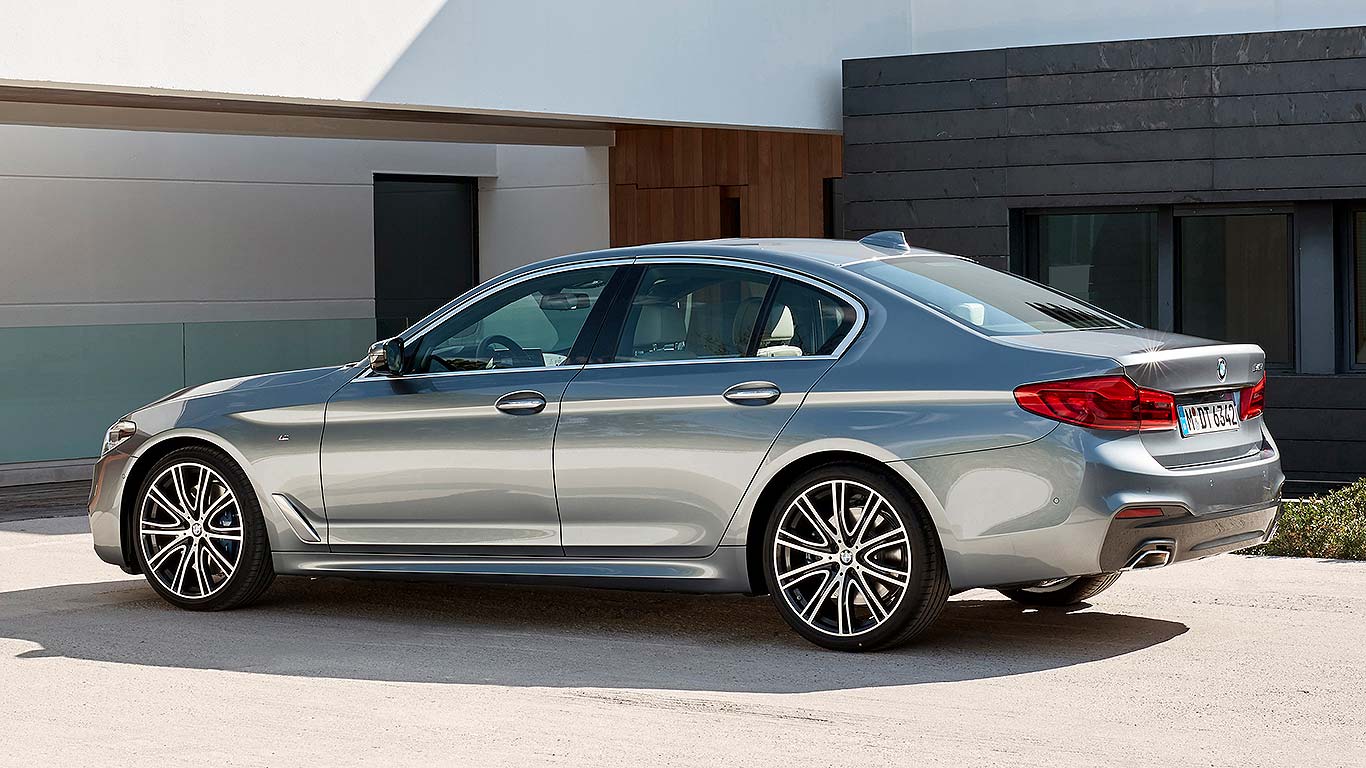
 Ever-resourceful value brand SsangYong has revealed its latest special-build vehicle – a campervan version of its big Turismo MPV called the Turismo Tourist Camper.