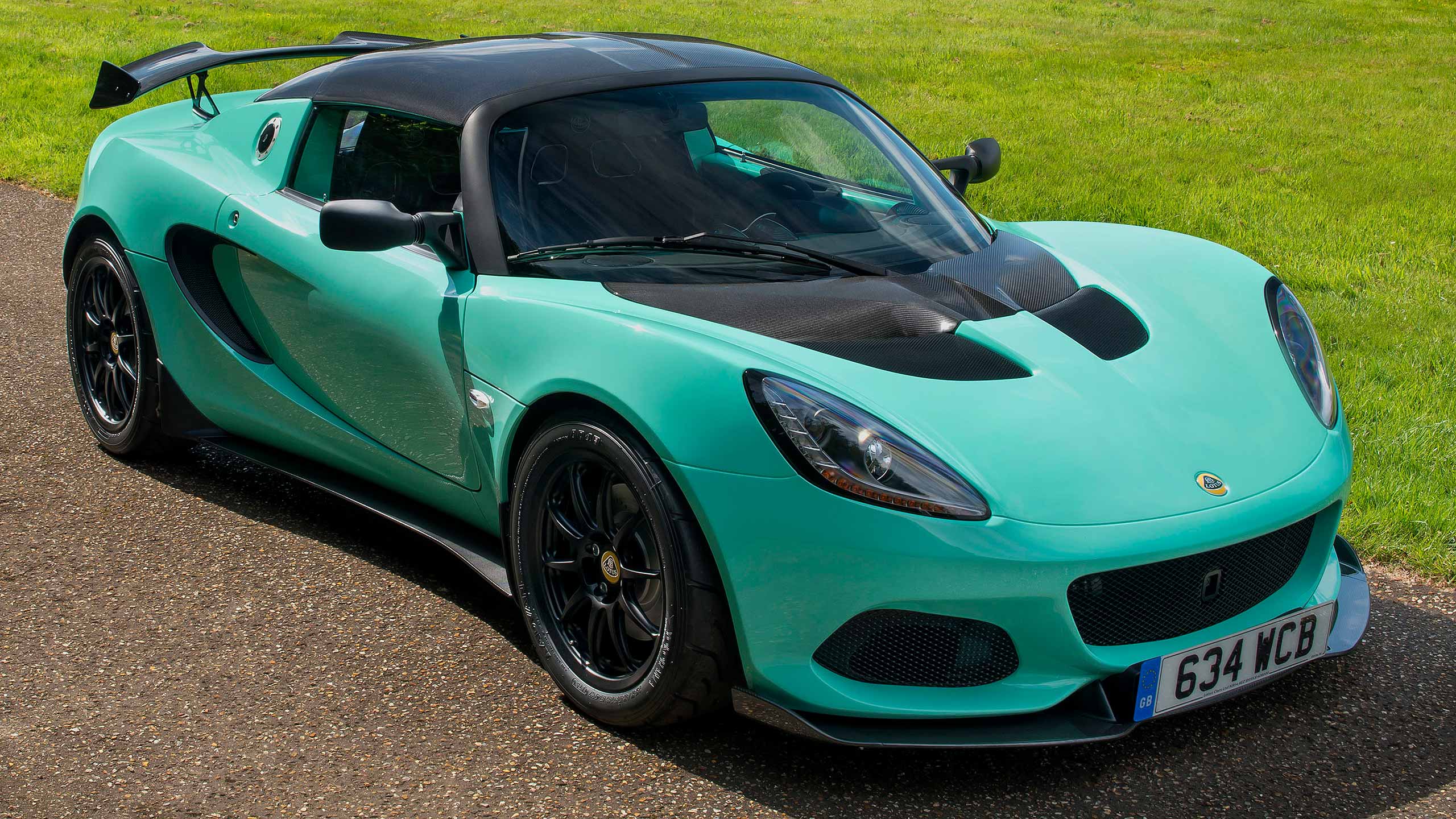
 The new Lotus Elise Cup 250 is the fastest and most focused four-cylinder Lotus sports car ever, providing the revised Elise line-up with a range-topper that the firm says is “punching well above its weight”. Not that its weight is exactly lardy: ongoing mass-reduction measures have taken the dry weight down to a potential 860kg.
That’s still some way above the 723kg kerbweight of the original 1996 Elise, but that was a pretty basic car with just a 118hp Rover K-Series engine. This one has a supercharged 1.8-litre putting out 243hp for 0-62mph in just 4.3 seconds (0-60mph dips below 4.0 seconds). The 154mph top speed isn’t bad either, considering its serious aerodynamic bodykit that delivers 125kg of downforce at 140mph.
More Lotus on Motoring Research:
- Light fantastic: new Lotus Elise Sprint driven
- Why the Lotus Exige Sport 380 is a £67k bargain
- 2016 Lotus Evora Sport 410 review: a British Porsche-beater?
Lotus ‘Cup’ models are described as bridges between road and track. They’re extreme, but the package can also be used every day. You’ll get the most from racy componentry such as Eibach springs, Bilstein dampers, AP Racing twin-pot front brakes, forged alloy wheels and Yokohama Advan A048 LTS tyres on the track, but they’ll deliver on the road as well.
And it’s Lotus fans that have directed this car, says Group Lotus CEO Jean-Marc Gales. “We know what existing Lotus enthusiasts demand from our cars and we are also bringing in many new customers who can see clearly that we offer an unrivalled combination of performance, styling, dynamics and value for money.
“A Lotus rewards like no other car.”
Lotus Elise Cup 250: in detail
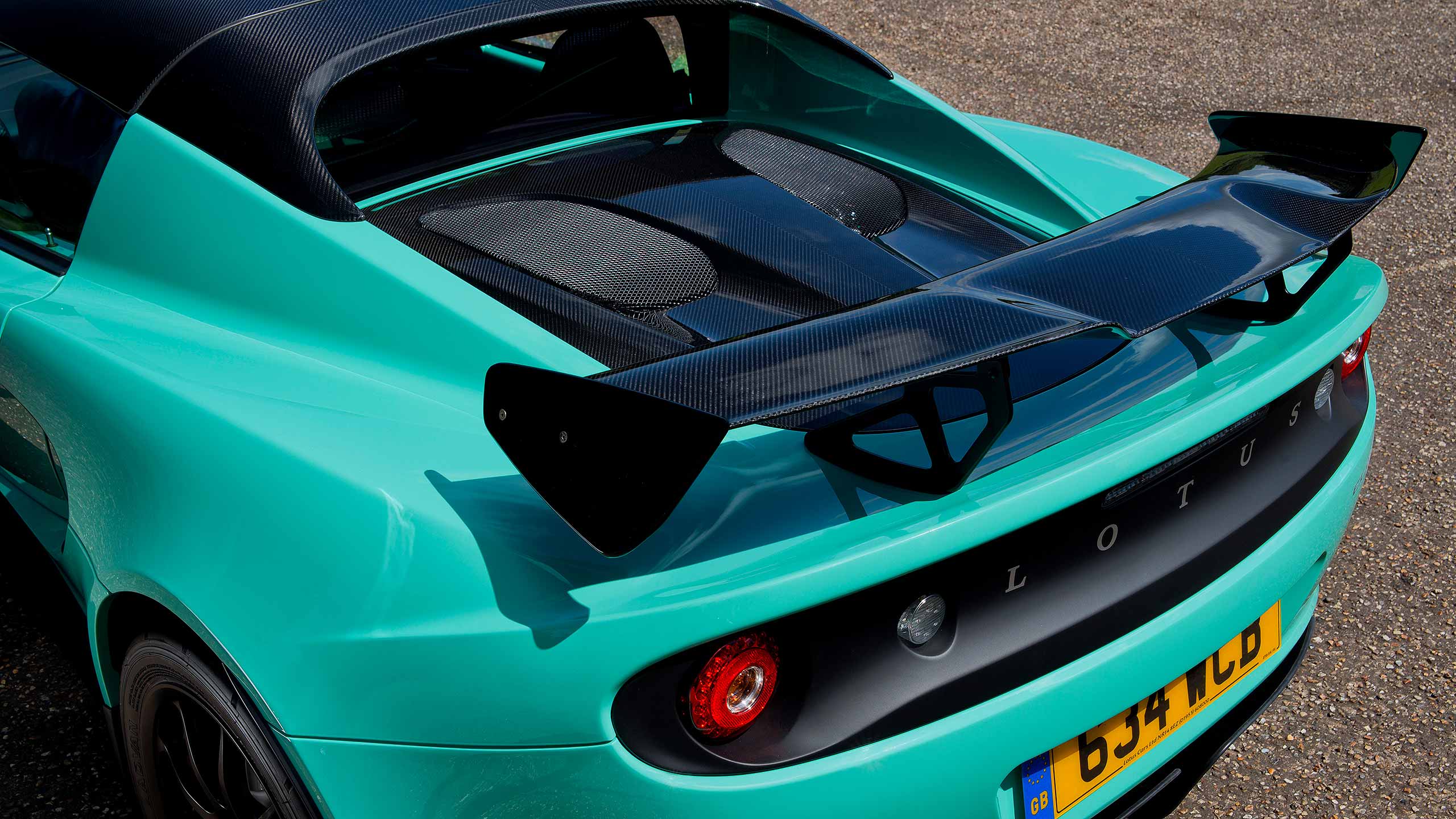
For the Elise Cup, Lotus took the standard Elise Sport and Sprint suspension, and upped the damper rates both in compression and, by a much greater amount, rebound. 288mm disc brakes are cross-drilled and ventilated, and Lotus offers optional two-piece discs (for £1500) that save 1kg per corner.
Lotus has fitted a T45 steel roll-over hoop, to further stiffen the chassis, and the sticky Yokohama tyres are able both on road and track (and over a broad range of temperatures, promises Lotus – they’re not tyres that only ‘switch on’ when warm).
There’s a standard lightweight lithium ion battery, polycarbonate rear screen, hand-made carbon fibre racing seats, and a rorty exhaust note that can be further spiced up – and another 7kg cut from the kerbweight – thanks to a £4000 titanium exhaust option.
All told, the new Elise Cup 250 is 14kg lighter than its predecessor. The kerbweight is 917kg, the dry mass is 884kg and, if you indulge in all the options (such as a £3400 carbon aero pack that cuts 3.4kg, a carbon hard top that saves 3kg in return for a £3000 outlay and so on), the Cup 250’s lightest possible weight is 860kg. If you then want to spoil it all (but keep cool) by adding on air con, you’ll need to fork out £1250, while a noise insulation kit is £350.
Available to order now, the new Elise Cup 250 costs from £47,000 – and Motoring Research will be driving it soon…
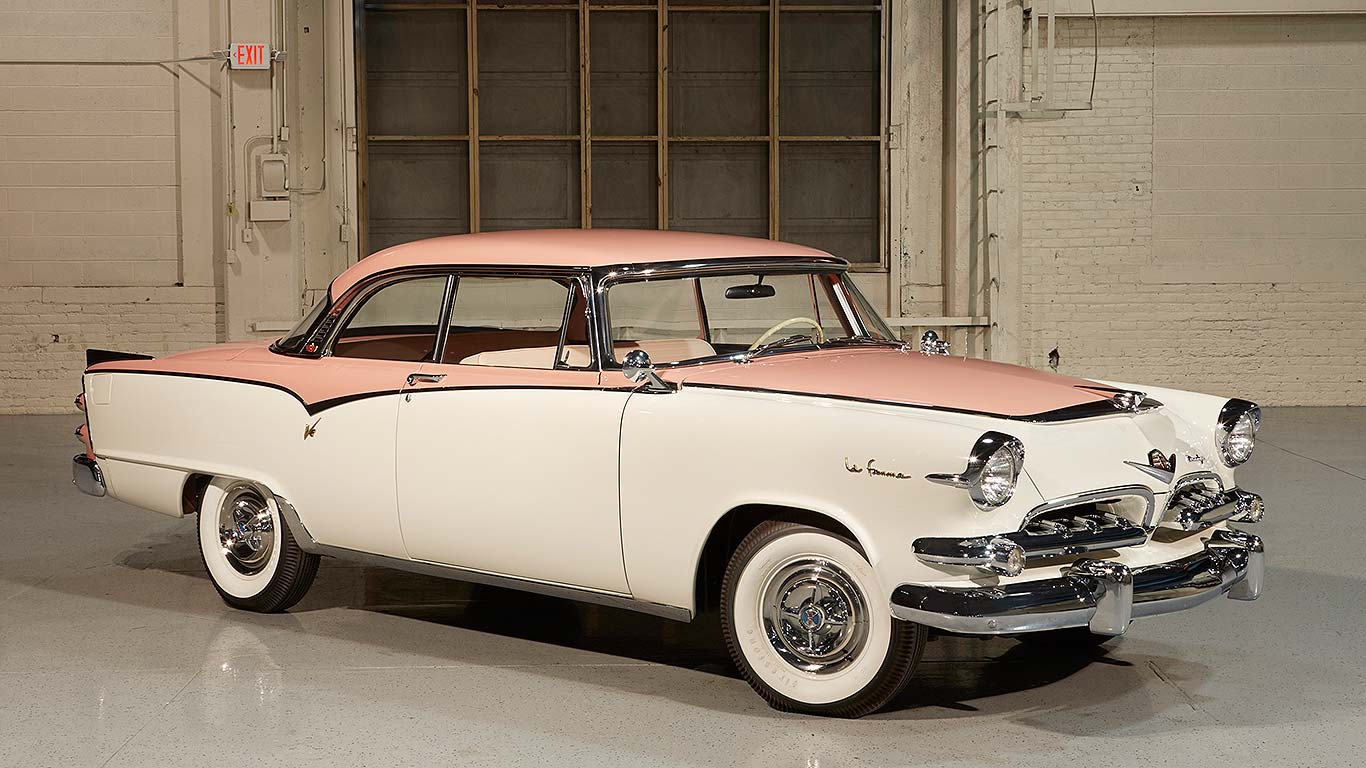 The Dodge La Femme arrived on the scene in 1955, a year when America was thriving with post-war prosperity. The baby boom was in full swing, and more people lived in the growing suburbs than in any other type of community, drawn by elbow room, fresh air, and affordable housing for growing families.
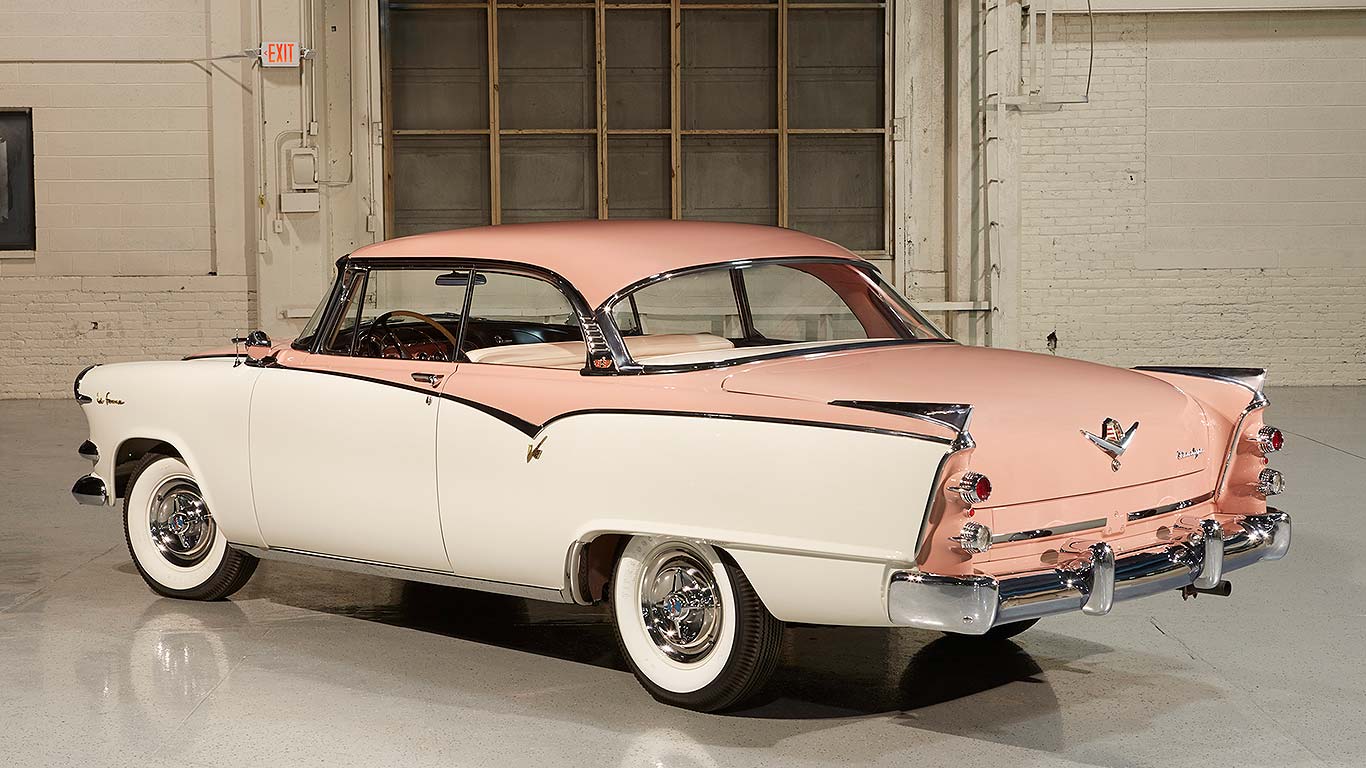 Women were going to work in greater numbers than ever before by the mid-1950s, accounting for about one-third of the workforce and increasing overall household income. They were also taking a greater interest in cars; about one half of all adult women held a driver’s license. The automobile industry recognized that women were a growing presence in the marketplace, and actively sought to court to them.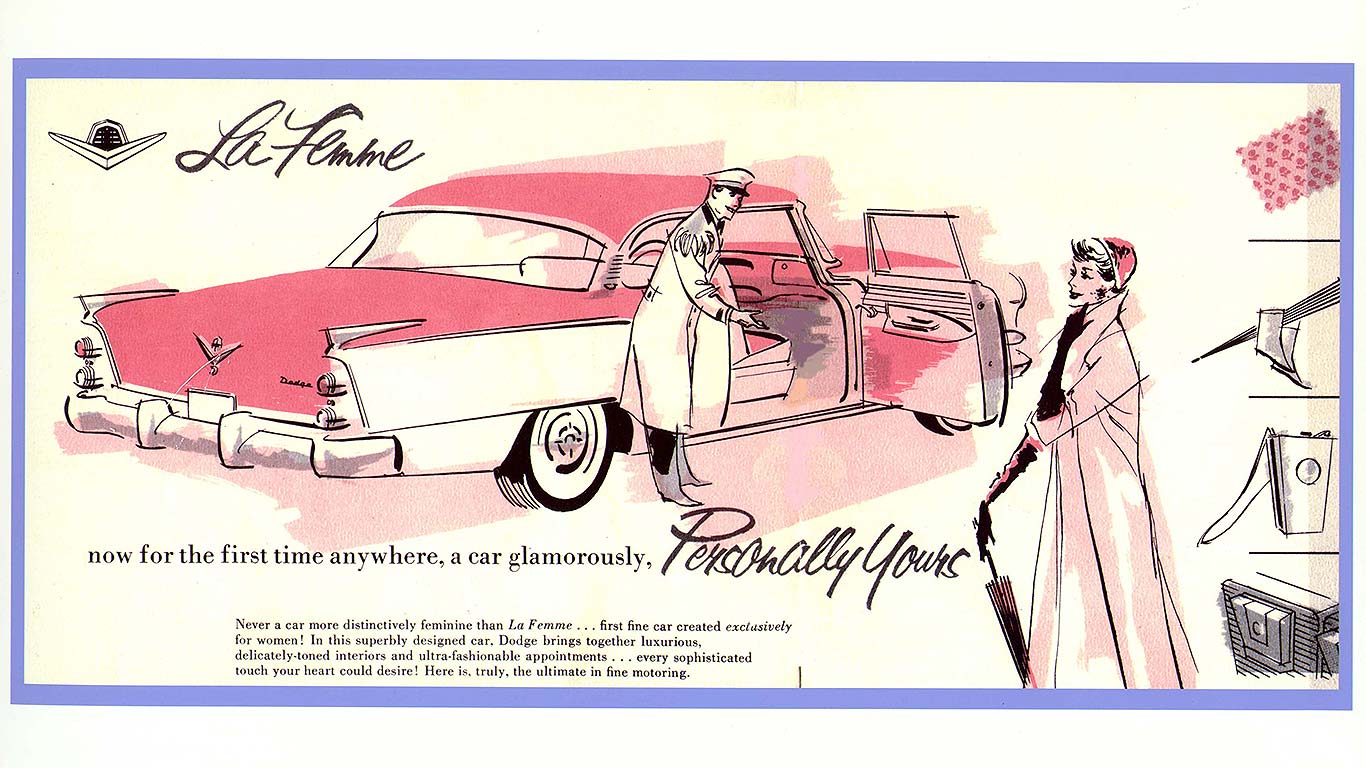
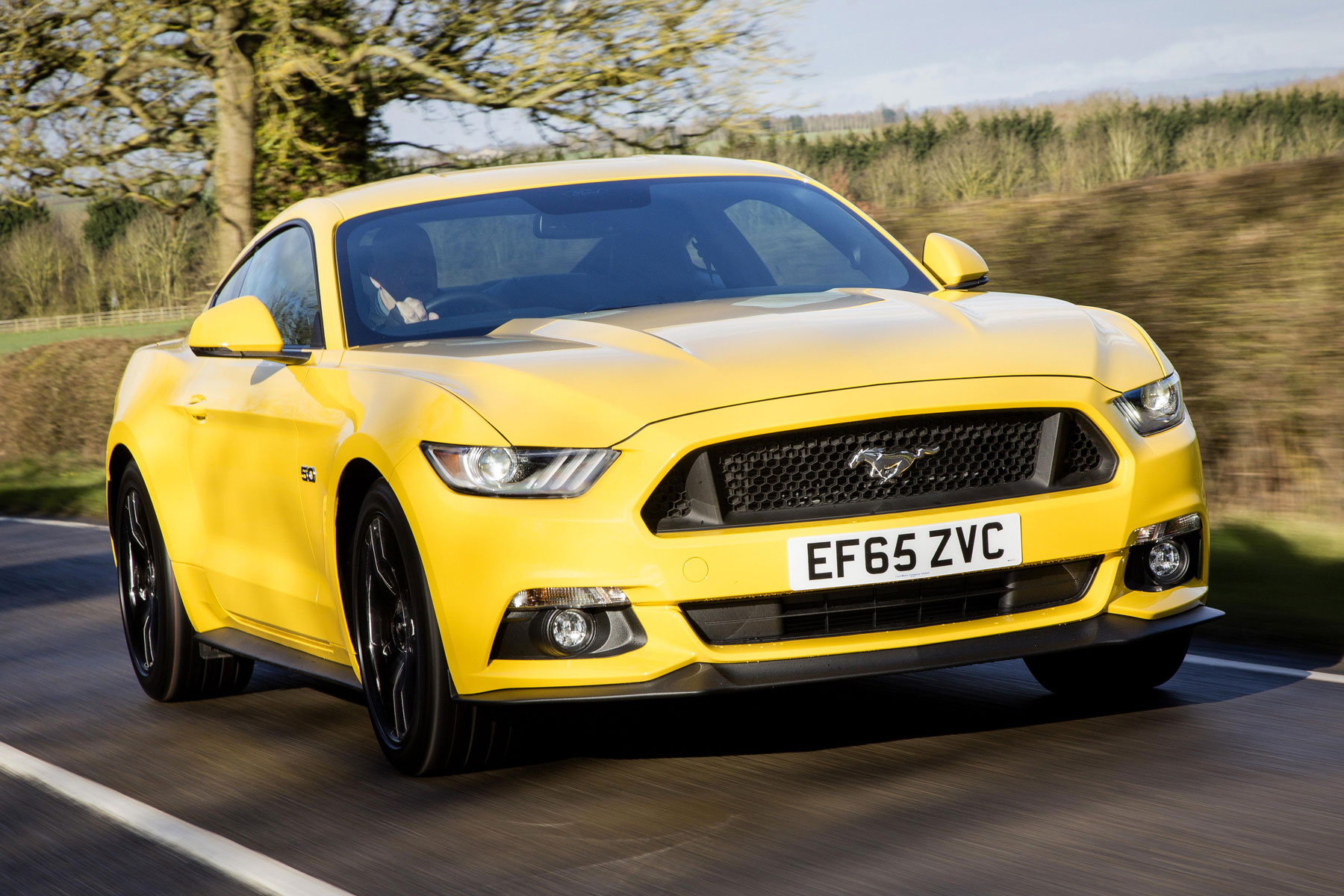
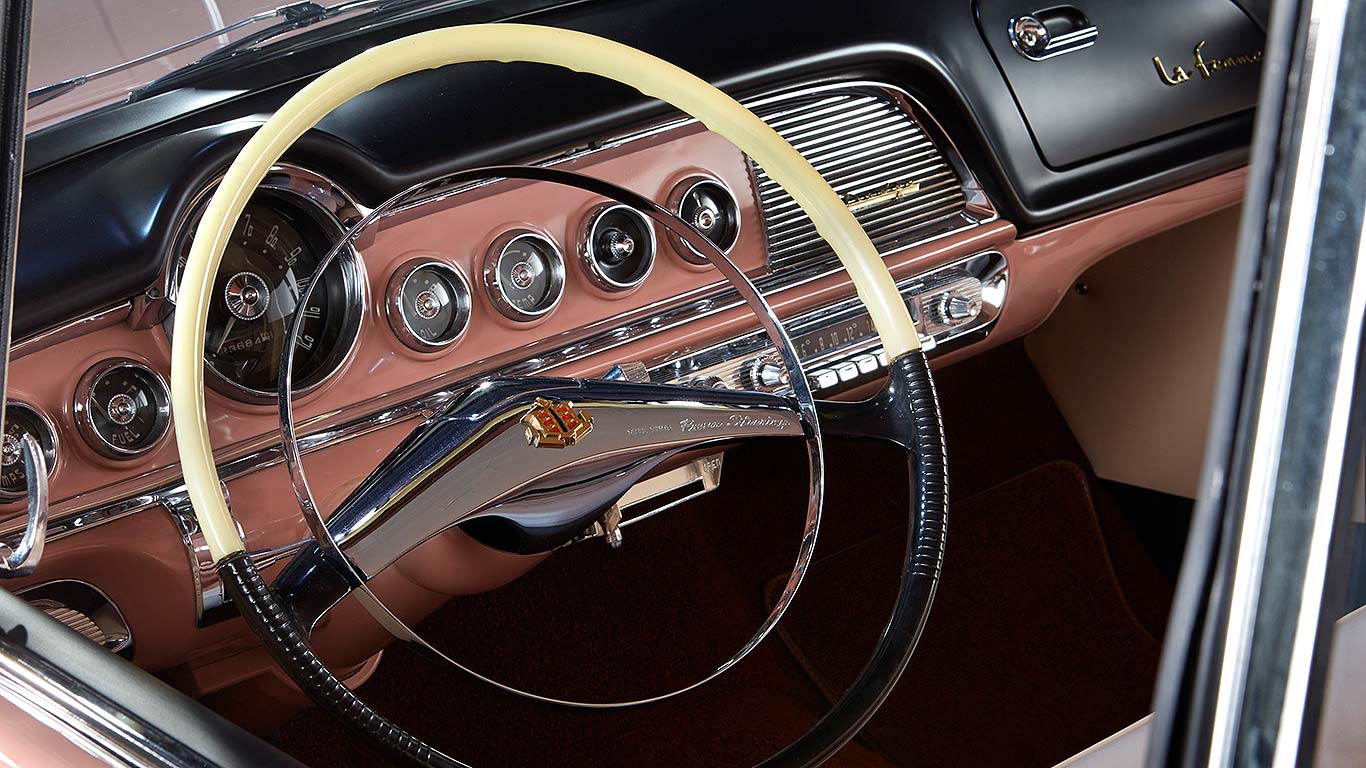 Yet what the La Femme represents, however obtusely, is a recognition by the American automotive industry, and therefore the largest sector of industrial manufacturing on the planet, that women were an rising economic force, and that it was imperative that their specific wants and needs be addressed. So great was this tide that by 1958, GM executives from all over the country came to the unofficially named Feminine Auto Show to see the cars created by its six female designers. Not too many years later, Ford released its own car created to appeal to women: the now world-famous Mustang.
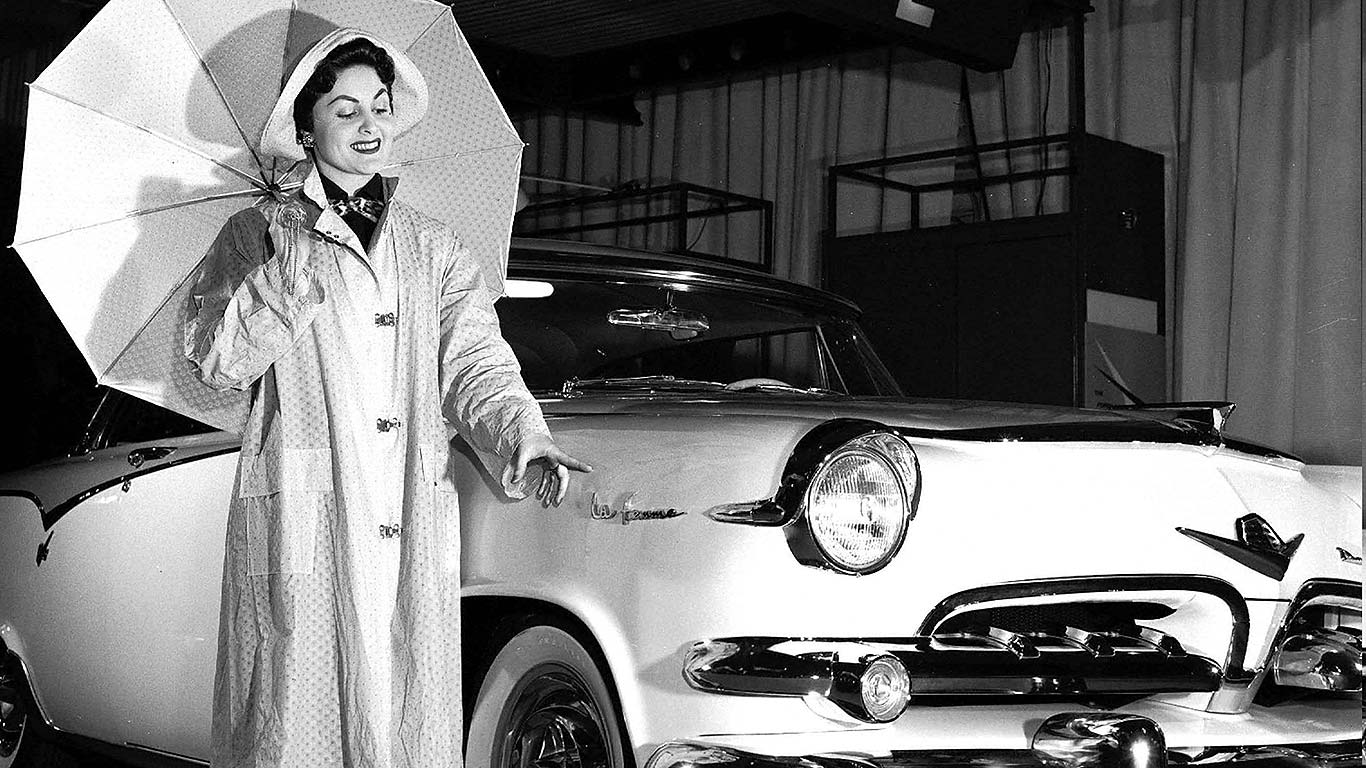 Women make or influence a majority of new car purchases today, and manufacturers do everything they can to appeal to them. Marketing is a science, and demographics can target a person by age, gender, region, education level, and myriad more variables. Once a target demographic is acquired, the manufacturers do their best to present a vehicle that has the performance levels, economy, and features that demographic wants. This La Femme ad from 1956 illustrates the difference between a car “designed with the ladies in mind” (as stated in the above ad) and the modern practice of designing a car that offers the attributes a particular demographic wants.
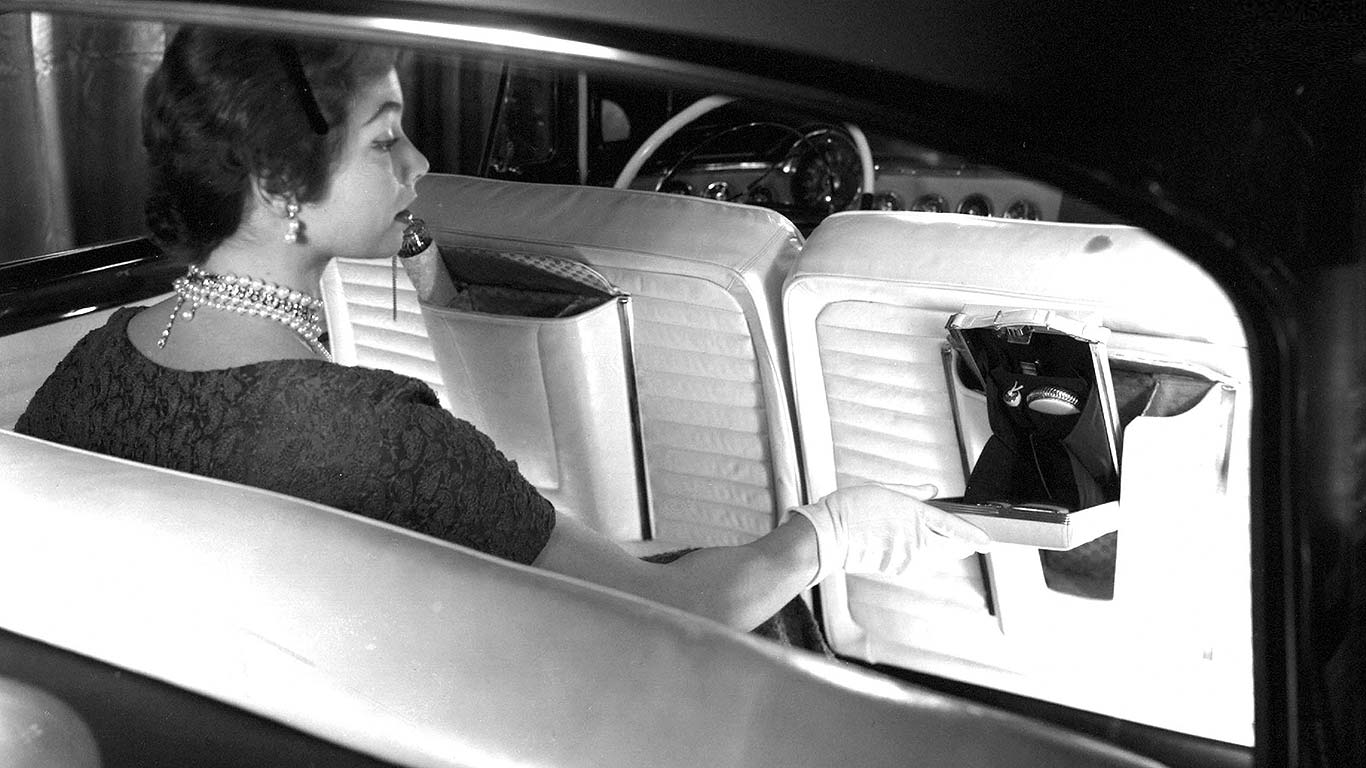 Viewed through today’s standards, the marketing material shouts, “Hey, princess! Pink is for girls!” which hits every wrong nerve in modern psyches. It discolors perception of the La Femme, which is a powerful, well-engineered, and stylish vehicle. It’s designed by Exner, has a wicked Hemi under the hood, and comes with a matching umbrella, just like a new Rolls Royce.
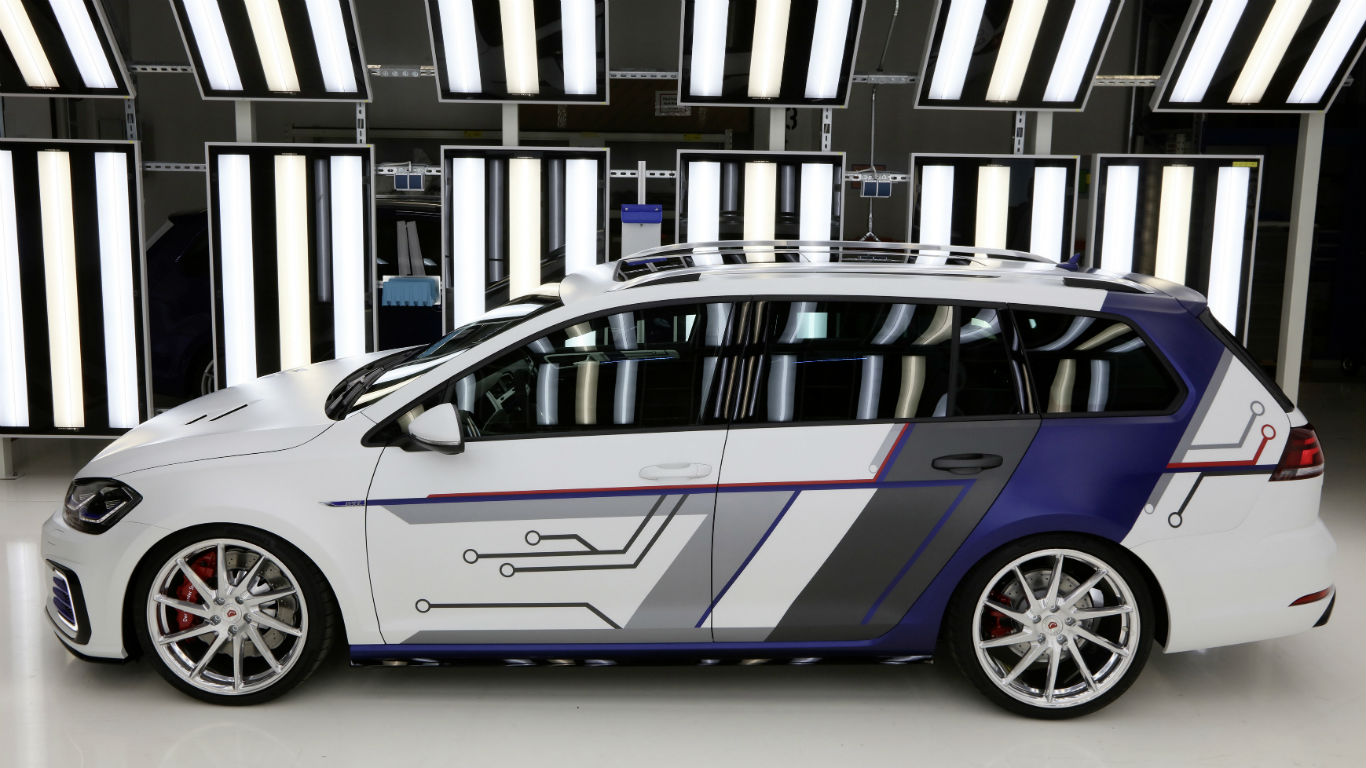
 The Austrian town of Reifnitz on the side of Lake Worth, or Worthersee, has hosted the ‘GTI Treffen’ festival for 36 years. Originally a small meet of Volkswagen enthusiasts (just 100 cars attended the first event), more than 100,000 fans from all over Europe now head to the Alps at the end of May. We sent a snapper to the event and captured some of the weird and wacky VWs in attendance.


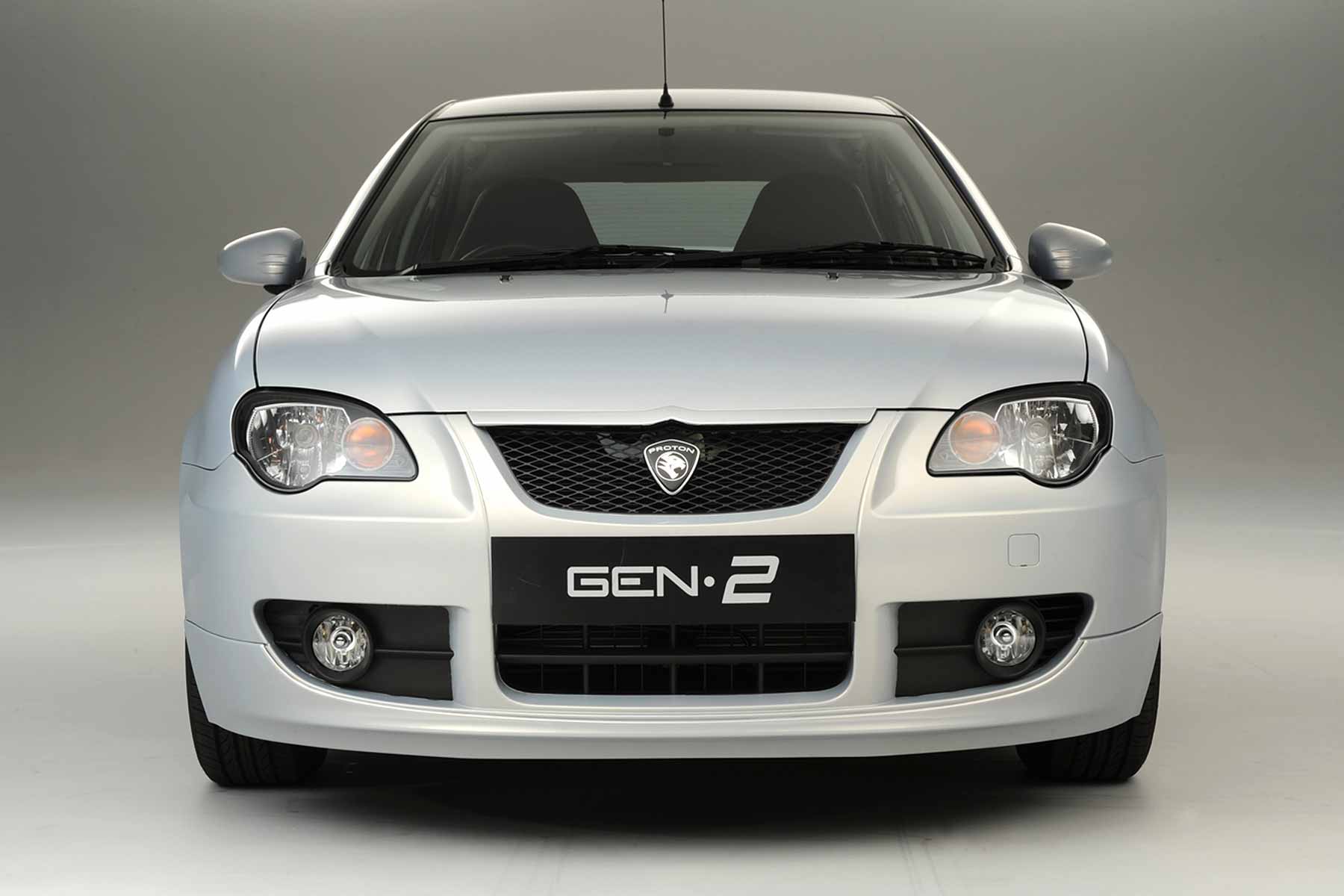 Under-pressure Malaysian car firm Proton’s future has finally been secured after Geely Holding agreed to buy a stake in the firm after pipping PSA Peugeot-Citroen to make the winning bid. The deal is good news for British sports car enthusiasts because Proton owner DRB-Hicom also controls Lotus Cars – and Geely’s completed a full takeover of it.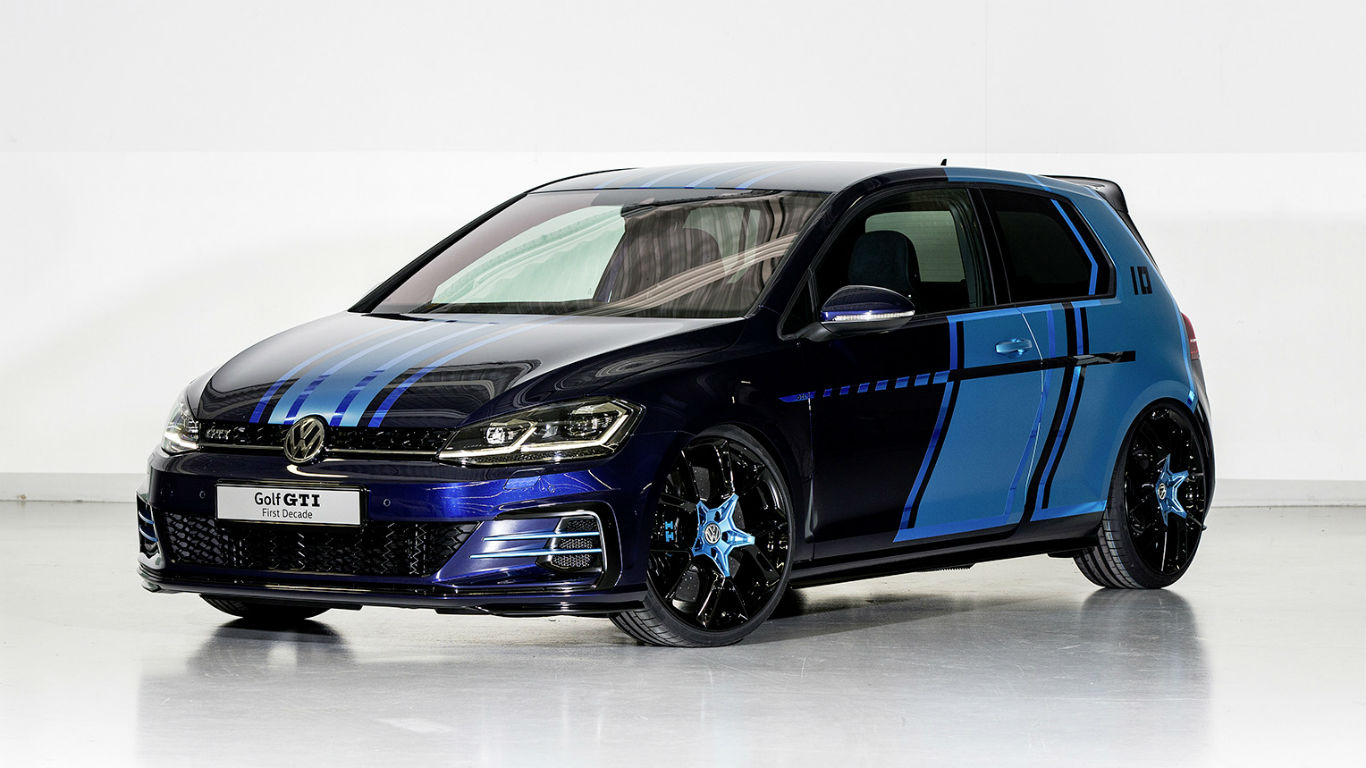
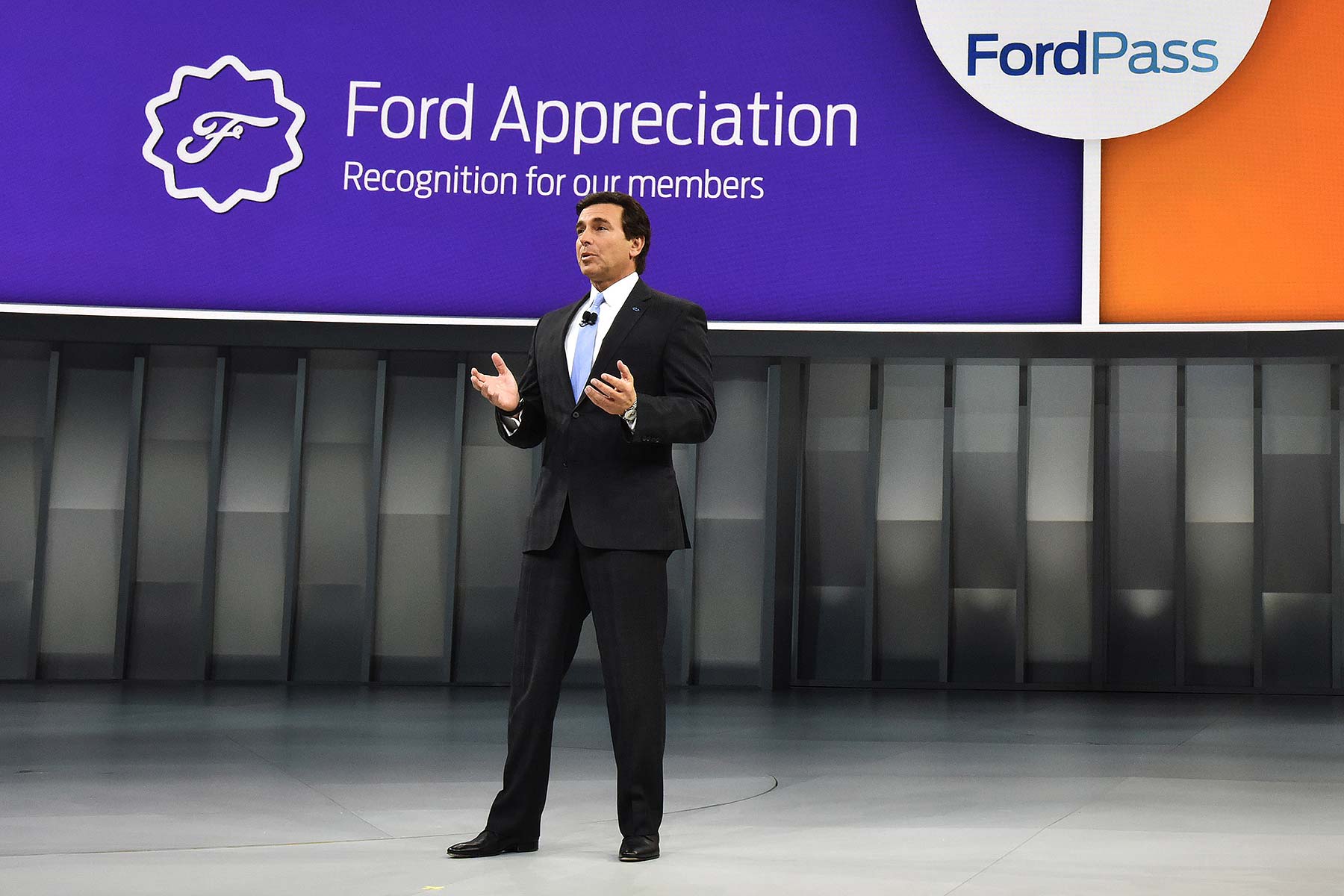 Ford has announced that CEO Mark Fields is to leave the company and be replaced by Jim Hackett, head of company subsidiary Ford Smart Mobility.