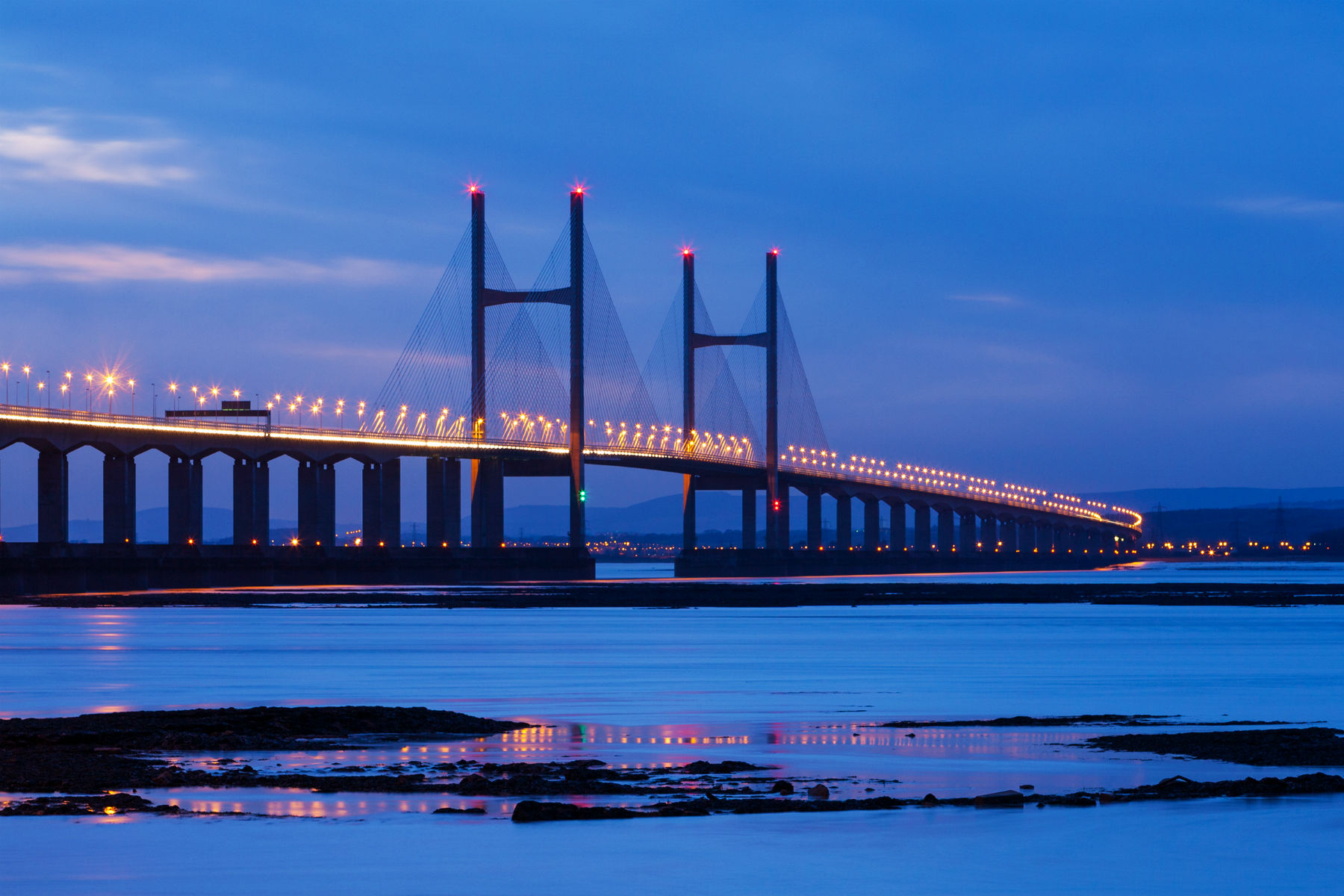
The UK Government has said the toll for crossing the Severn Bridge into Wales will be scrapped by the end of 2018.
Car drivers currently pay £6.70 to cross the bridge from England to Wales – while van drivers pay £13.40 and lorries £20. The Conservatives, Labour and the Lib Dems all pledged to axe the controversial tolls in their 2017 election manifestos, saying doing so would give the Welsh economy a much-needed boost.
Around 25 million journeys are made across the two Severn crossings every year, with a study commissioned by the Welsh Government suggesting scrapping the tolls would boost the Welsh economy by £100 million.
Making the announcement in Newport, Welsh secretary Alun Cairns said: “The decision to abolish the Severn tolls next year sends a powerful message to businesses, commuters and tourists alike that the UK government is committed to strengthening the Welsh economy.
“By ending tolls for the 25 million annual journeys between two nations, we will strengthen the links between communities and help to transform the joint economic prospects of south Wales and the south-west of England.
“I want to ensure that visitors and investors know what Wales has to offer socially, culturally and economically. Most importantly, I want the world to know how accessible we are to business.”
Some motorists have previously described the toll fees as a ‘tax on Wales’, with regular users paying as much as £1,400 a year.
Although a date hasn’t been set, the tolls will be axed once the cost of building the second crossing, opened in 1996, is repaid and ownership transfers from a private consortium to Highways England.
Transport secretary Chris Grayling said: “Tens of millions of motorists a year will benefit from the end of tolls on the Severn bridges, saving them money and cutting journey times. Abolishing the crossing fee will also drive economic growth for businesses in Wales and the south-west and further strengthen the bond between our two great countries.”
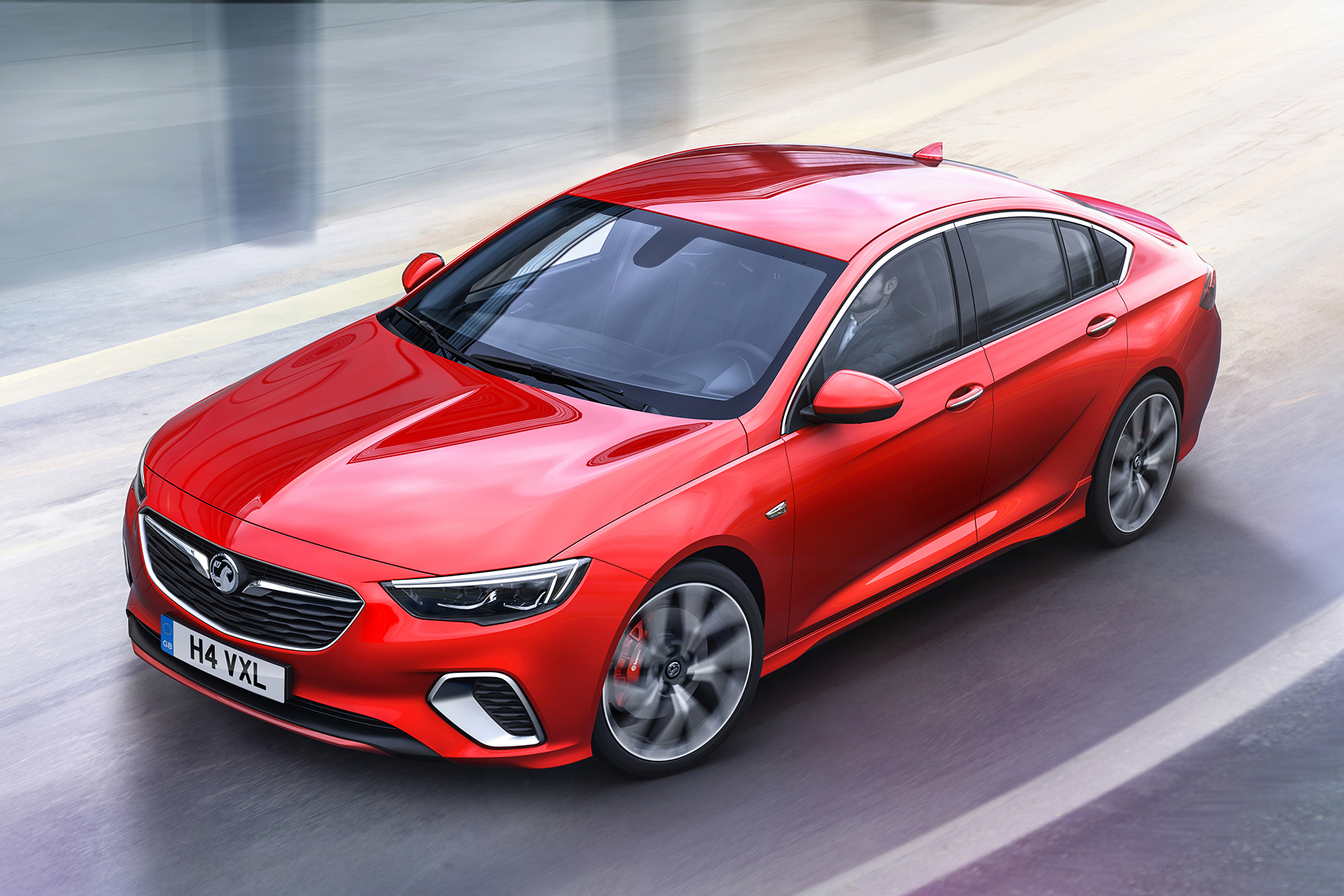
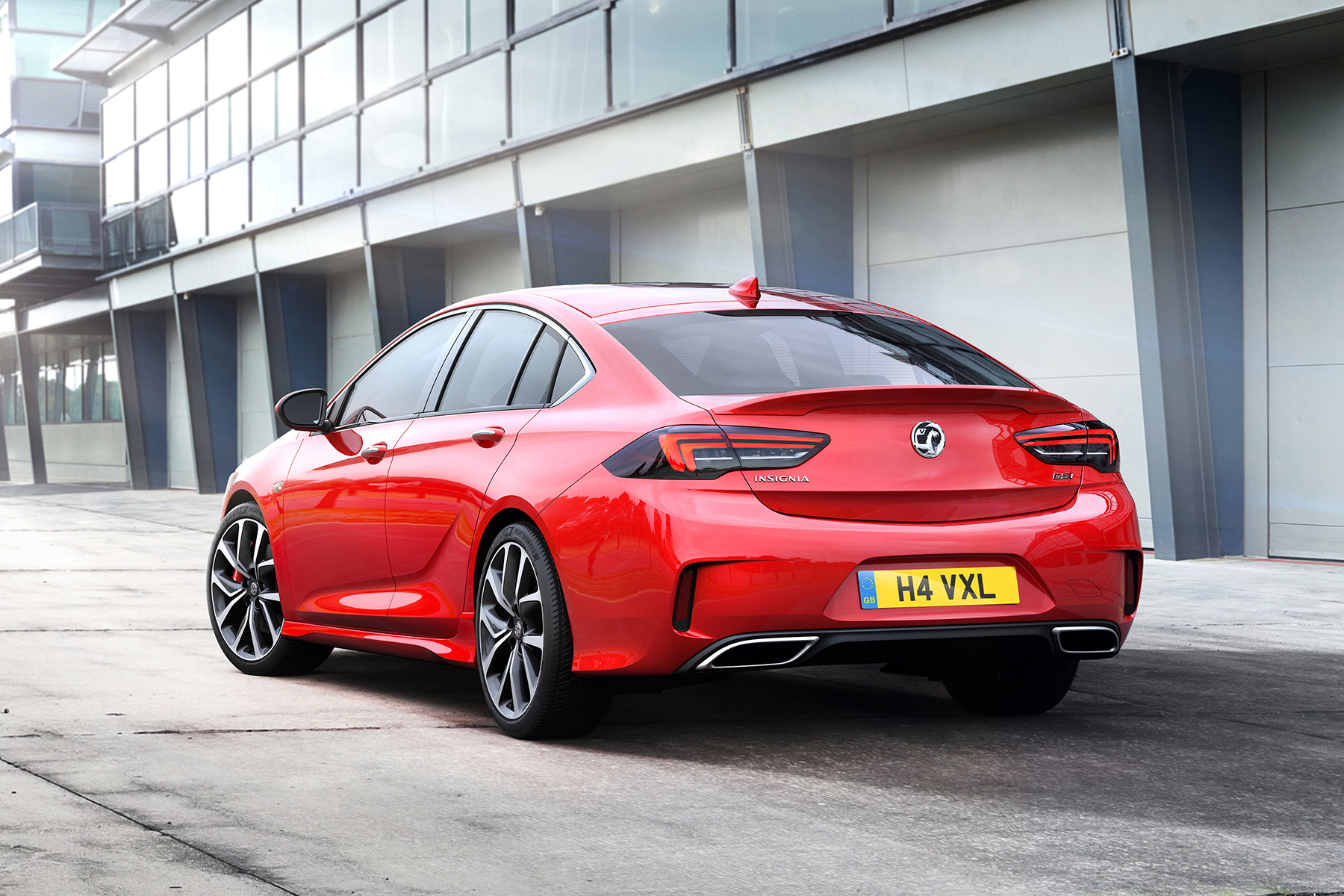
Good news fast Vauxhall fans: the firm has announced it’s bringing back its iconic GSi badge. But rather than appearing on a hot Astra (something the current range is lacking), it’s set to appear on a warmed-up Insignia at this year’s Frankfurt Motor Show.
It’s more than just a trim level, though. The new Vauxhall Insignia Grand Sport GSi, to give it its full name, sends power (all 260hp of it) from its 2.0-litre turbo engine to all four wheels. Upgraded brakes help stopping, while a 160kg weight saving and chassis tuning on the Nurburgring aid handling.
Sports suspension lowers the warm Insignia by 10mm, while specially developed shocks provide a firmer ride. It oughtn’t be too hard, though – the setup will work with Vauxhall’s FlexRide chassis to constantly adapt steering and suspension settings.
Drivers will have a choice of the usual three driving modes: standard, tour and sport – while a fourth ‘competition’ mode has been developed for the Insignia GSi. With a double press of the ESP button, this switches traction control off and allows a degree of oversteer.
Michelin Pilot Sport tyres on 18-inch alloys are fitted as standard (20-inch wheels will be available as an option), while torque vectoring shifts power between all four wheels to reduce understeer. Keen drivers might be disappointed to hear that an eight-speed automatic gearbox will be standard fit, although they can manually take over using steering wheel paddles if they wish.
We’ll have to wait for Frankfurt to see the inside, but Vauxhall says sports seats will be available in a choice of two leather combinations, each featuring a GSi logo.
Exterior highlights include a rear spoiler as well as two chrome exhaust pipes, while chrome air intakes near the front of the car add to the sporty look.
Vauxhall’s yet to confirm a price or on sale date – we’ll find out more when the Insignia GSi makes its official debut at the Frankfurt Motor Show in September. It’s worth noting, too, that it might not be the only hot Insignia on the horizon – a VXR model is mooted.
We all know that performance cars and hot hatches of the 80s and 90s are in demand, but what about the other cars that are seemingly appreciating in value? We spent some time on Auto Trader, identifying the everyday old cars that are worth more than you might think. Of course, the asking prices aren’t necessarily reflective of the market value.
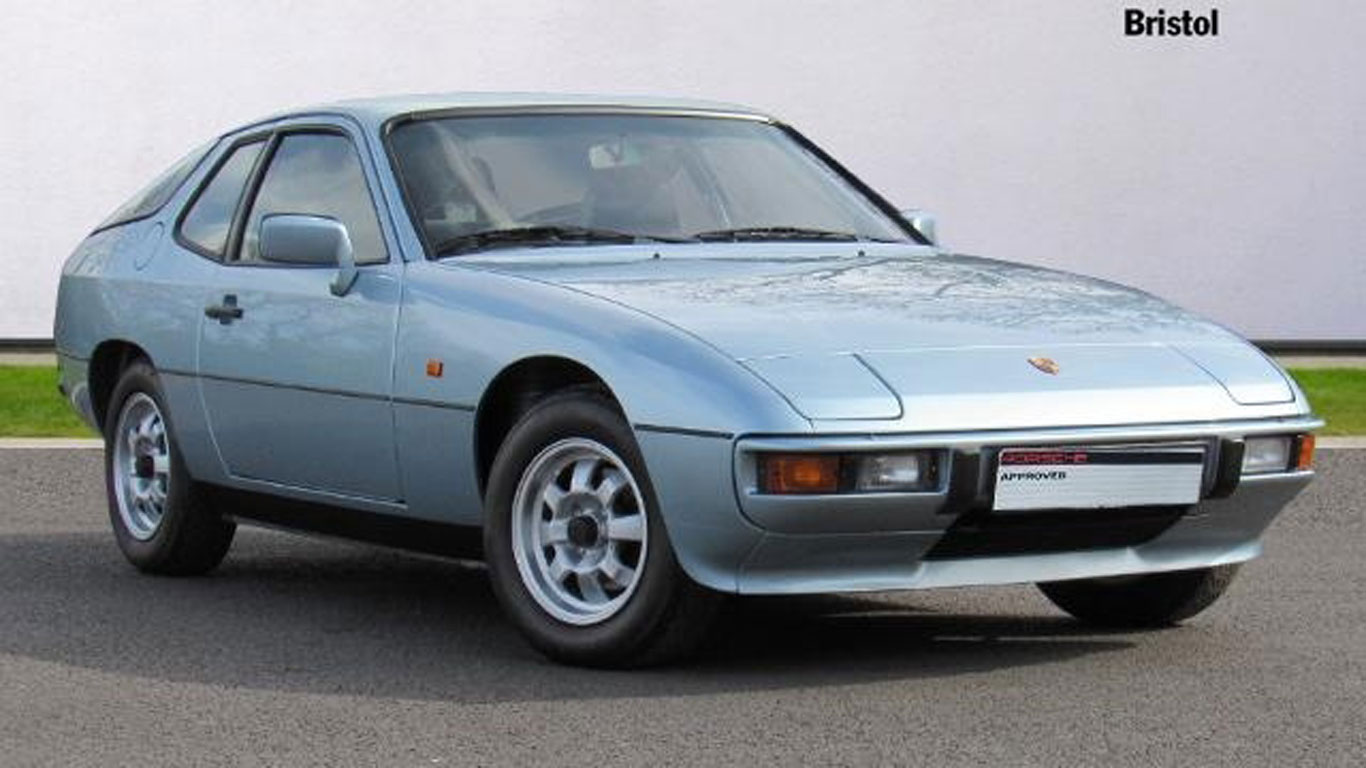
Porsche 924: £29,990
While we’d struggle to class a Porsche as an ‘everyday’ old car, the 924 is very much the entry-level to the brand. Besides, it was destined to wear a Volkswagen badge and was launched with a four-cylinder Audi engine. We like the 924, but £30k is a jaw-dropping price. You could buy a five-year-old Cayman for that money…
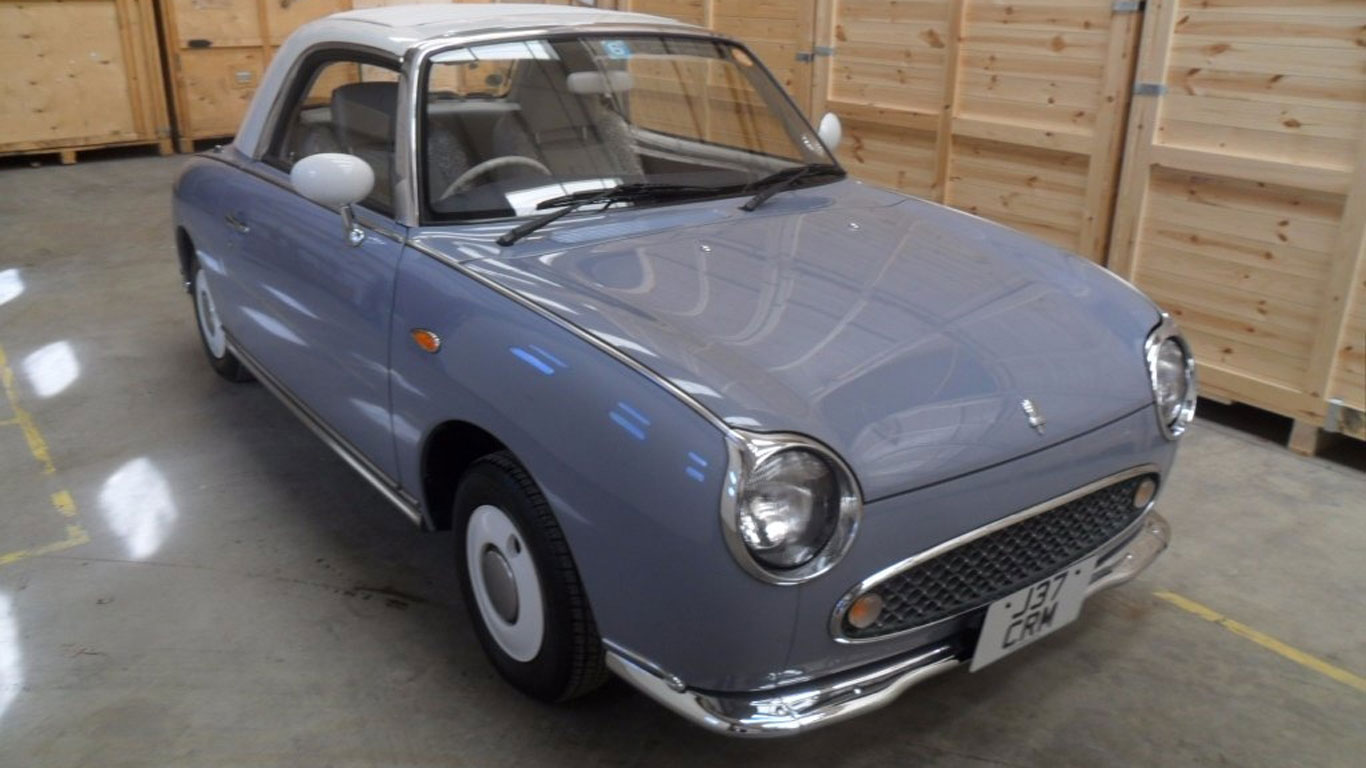
The Figaro was Nissan’s way of saying happy 50th birthday to itself: a retro-inspired cutesy based on the humble Micra. Figs4u, the self-proclaimed ‘home of the Nissan Figaro’, claims that “good examples appreciate by about £1,000 per annum”, which might explain why this Royston dealer is asking for £22,995 for this example. Wow.
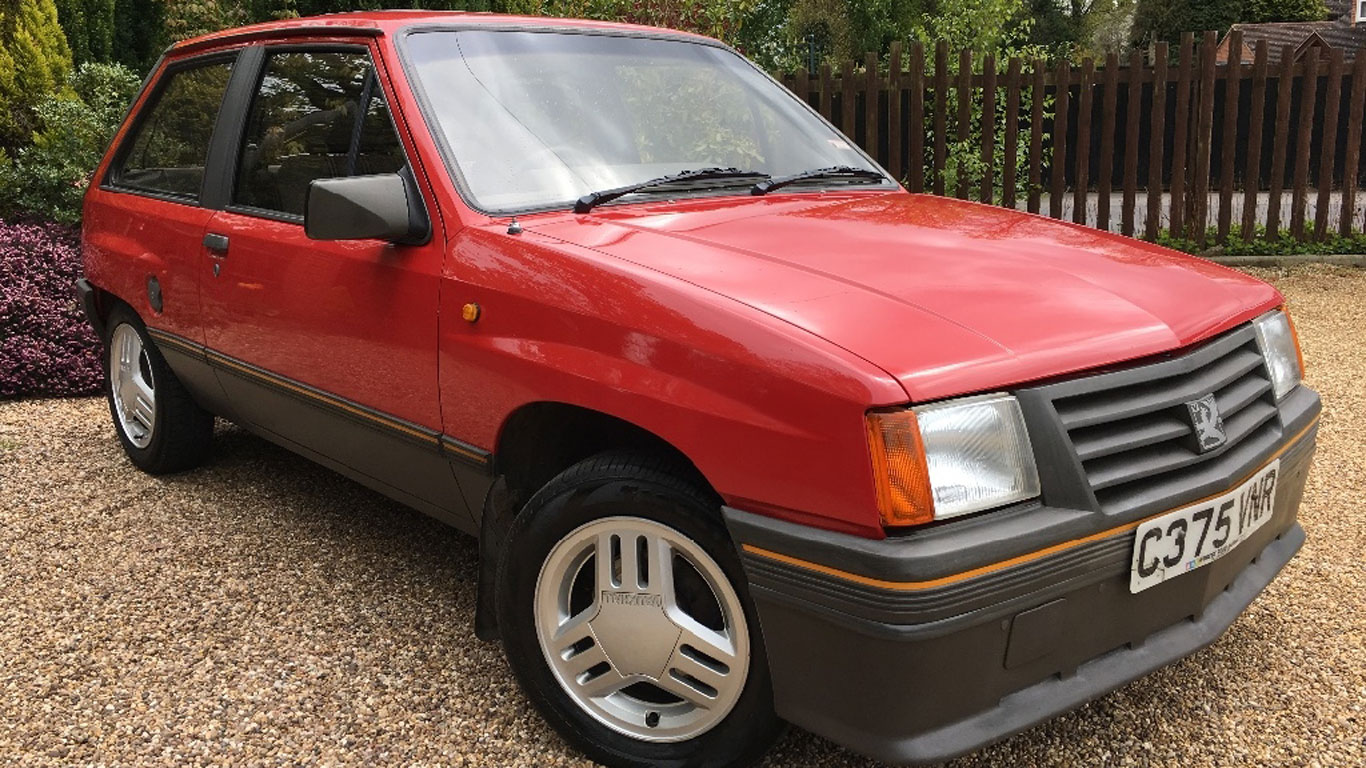
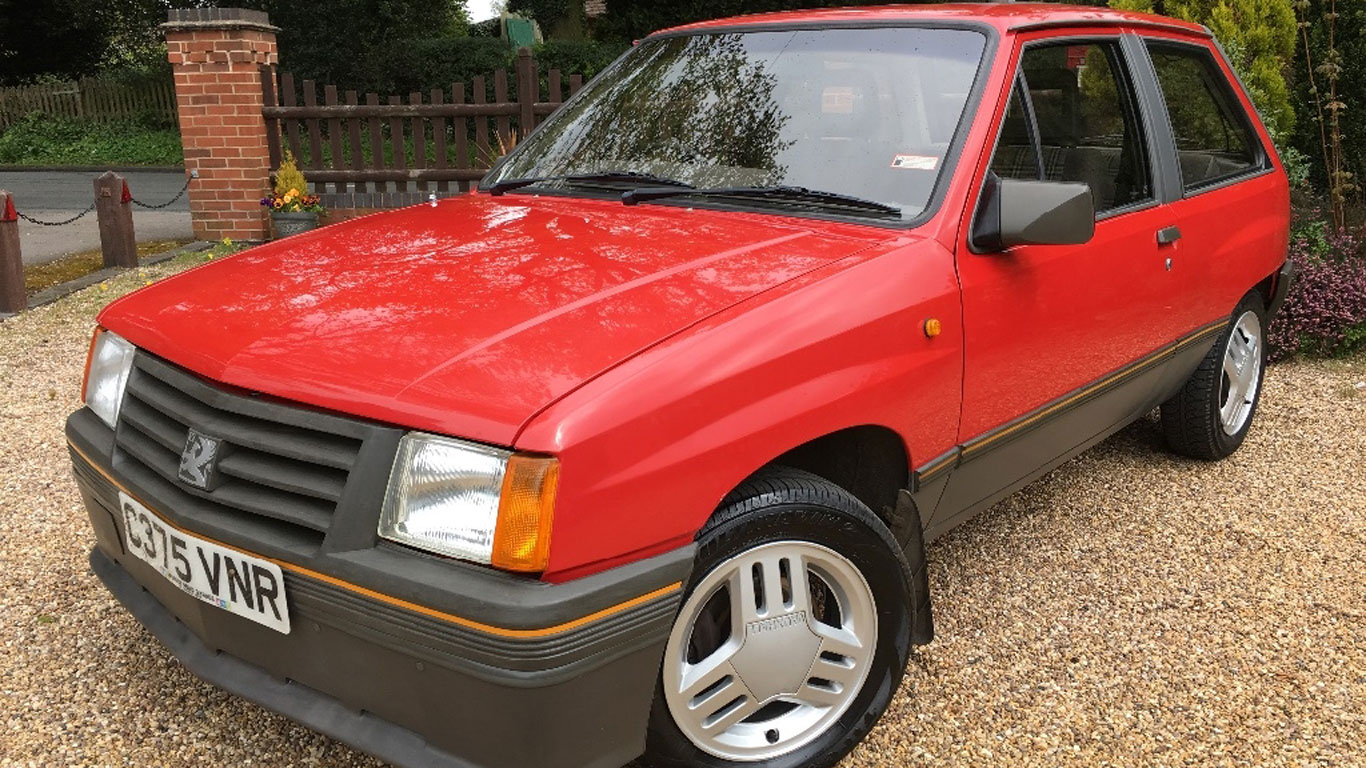
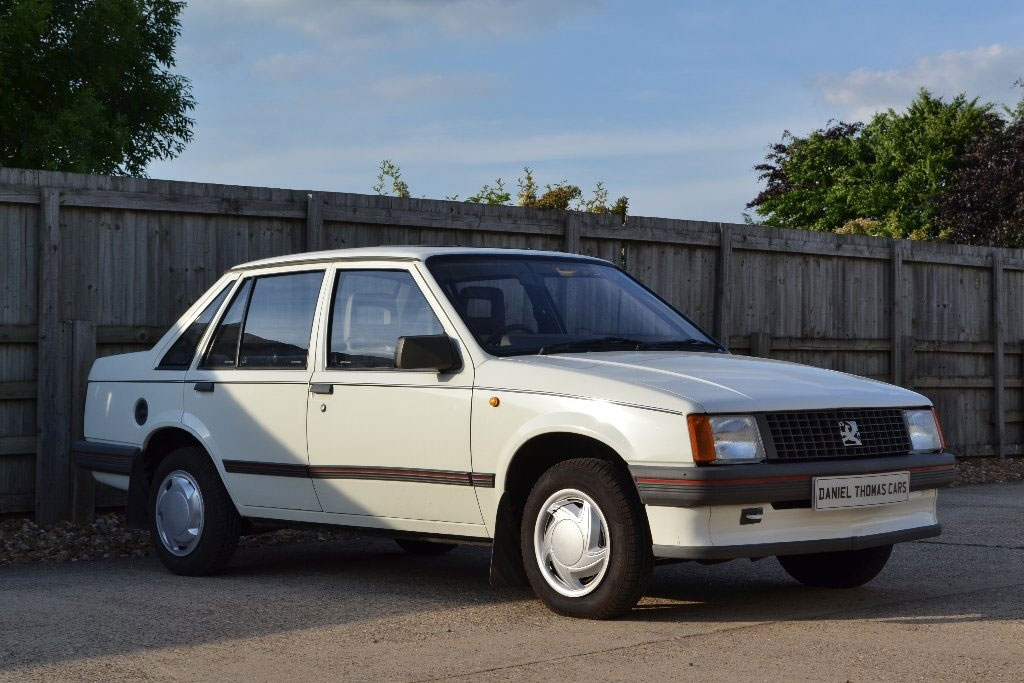
“Macho for not mucho,” proclaimed the 1985 press ad for the Vauxhall Nova SR. Back then, the 1.3-litre upstart would set you back a mere £5,766, which is about £17,043 in today’s money. This admittedly delightful low-mileage example is available for a smidgen less. Macho for a little too mucho? You decide.
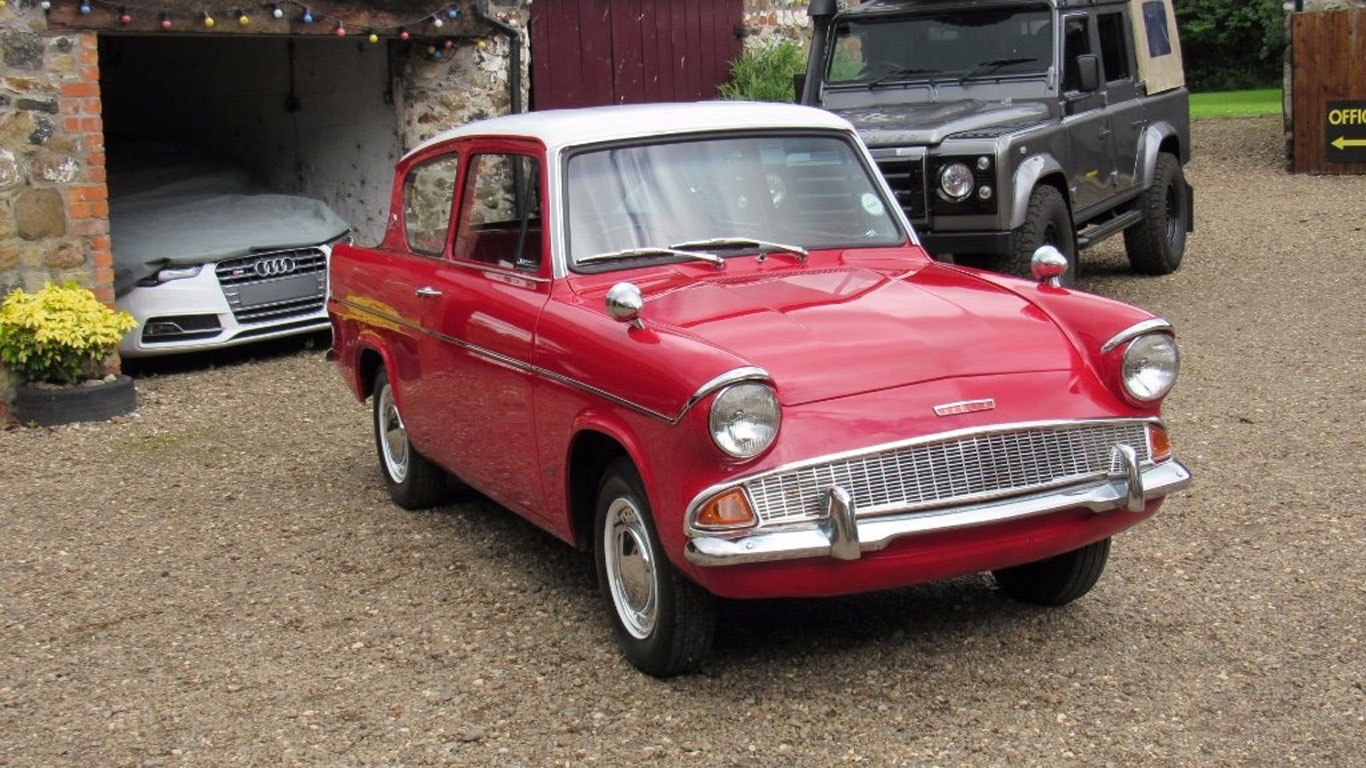
Today, the Anglia 105E is most famous for its Harry Potter connection, but this was a ground-breaking car for Ford. More than a million were built, with production commencing in 1959 and continuing until 1967. This late example was imported from South Africa, one of three countries to produce the forerunner to the Escort.
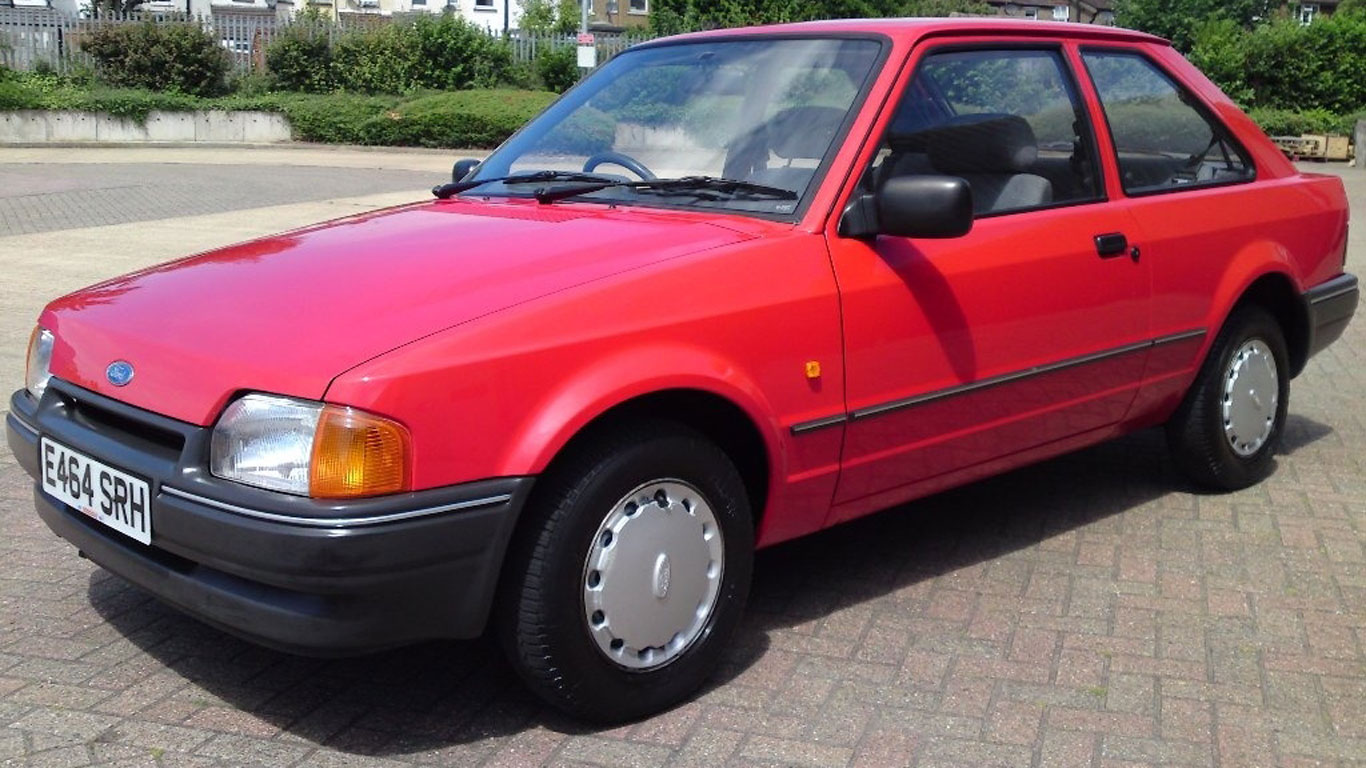
Speaking of the Escort, how’s this for an eye-watering price? We’ve grown accustomed to the rising prices of RS and XR models, but £11,500 for a common or garden 1.4L seems optimistic. The last MOT listed some advisories for rust, but we suspect these may have been sorted.
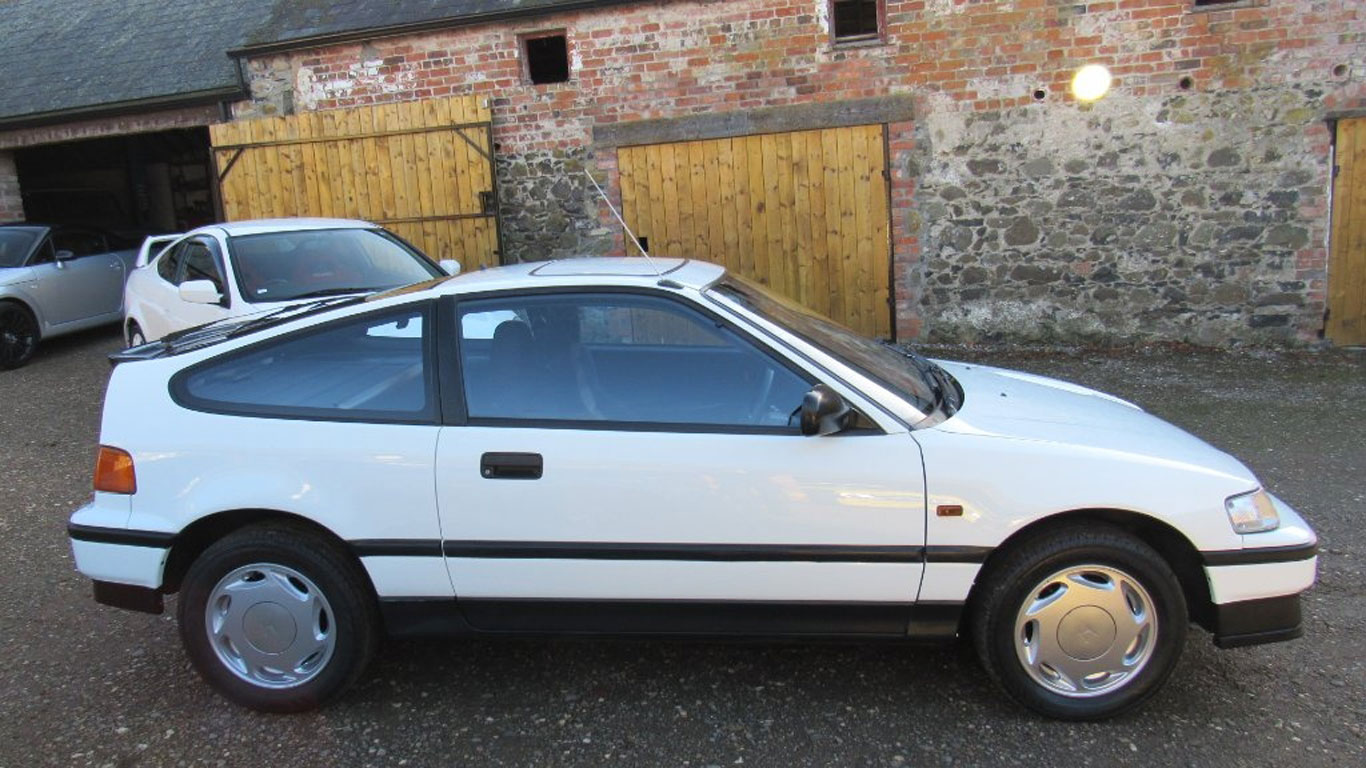
The second generation CR-X arrived in 1988: an altogether more grown-up successor to the mad-as-a-box-of-frogs original. It occupied its own niche, falling somewhere between a hot hatch and a genuine sports car. The 1.6-litre 16v engine was an obvious highlight, along with terrific handling. Good enough to warrant an £11k price tag?
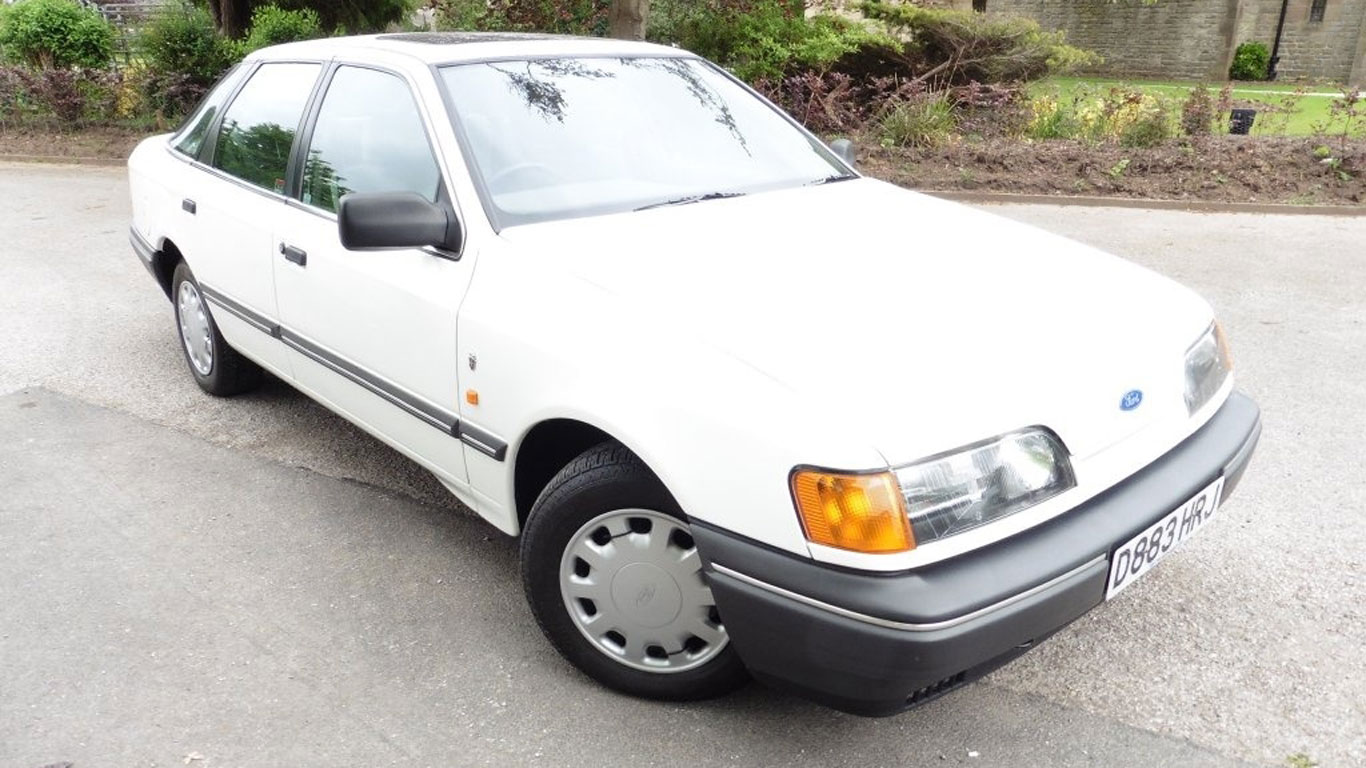
“Where would you find another like this?” asks the dealer selling this 1986 Ford Granada 2.8i Ghia. It’s a fair point, because we can’t remember the last time we saw a Mk3 ‘Granny’, let alone one as delightful as this. More tempting than a Ford Mondeo Vignale? We think so, even without the concierge service.
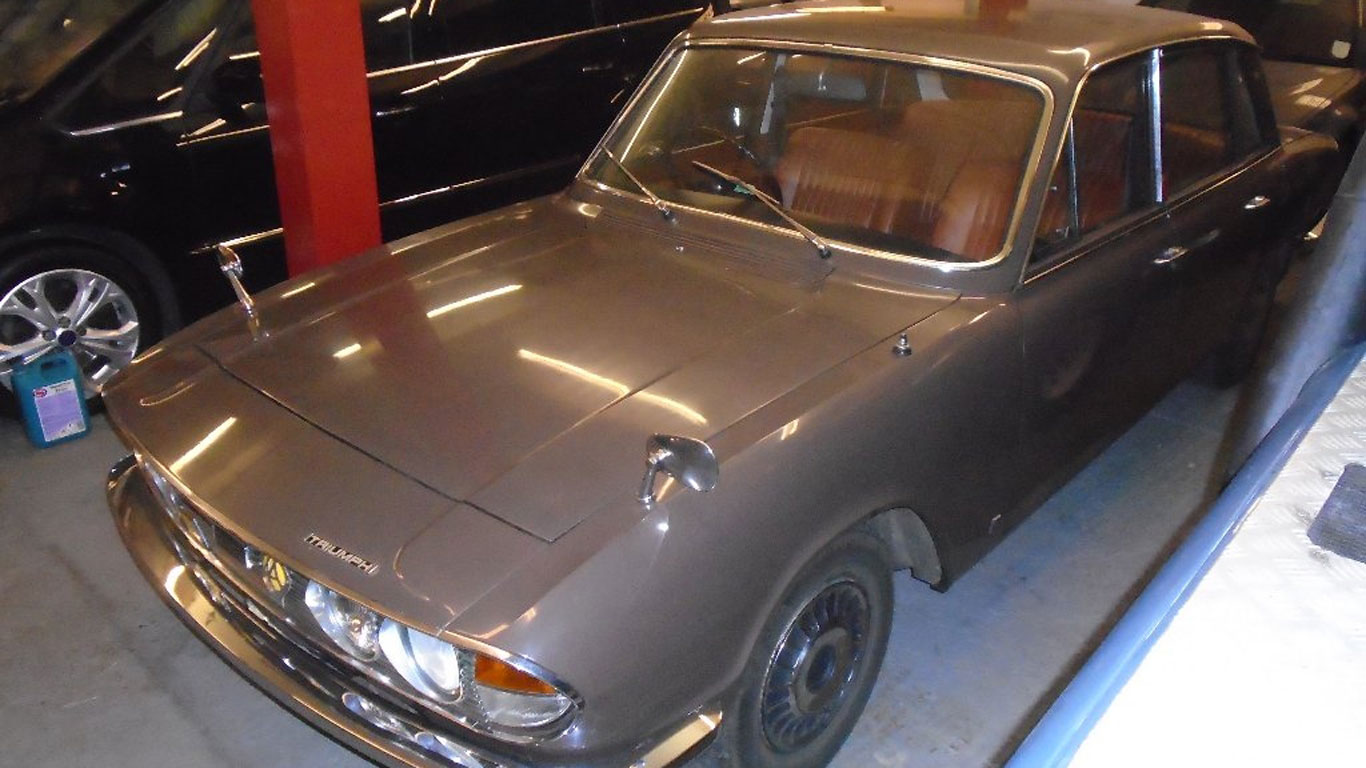
The Michelotti-styled Triumph 2000 was unveiled in 1963, with the Mk2 arriving in 1969. “Totally original the best,” says the dealer selling this 1971 example, which is said to be “rust free” with an interior that “still smells new”. It was effectively replaced by the Rover SD1, meaning the big Triumph had no direct successor.
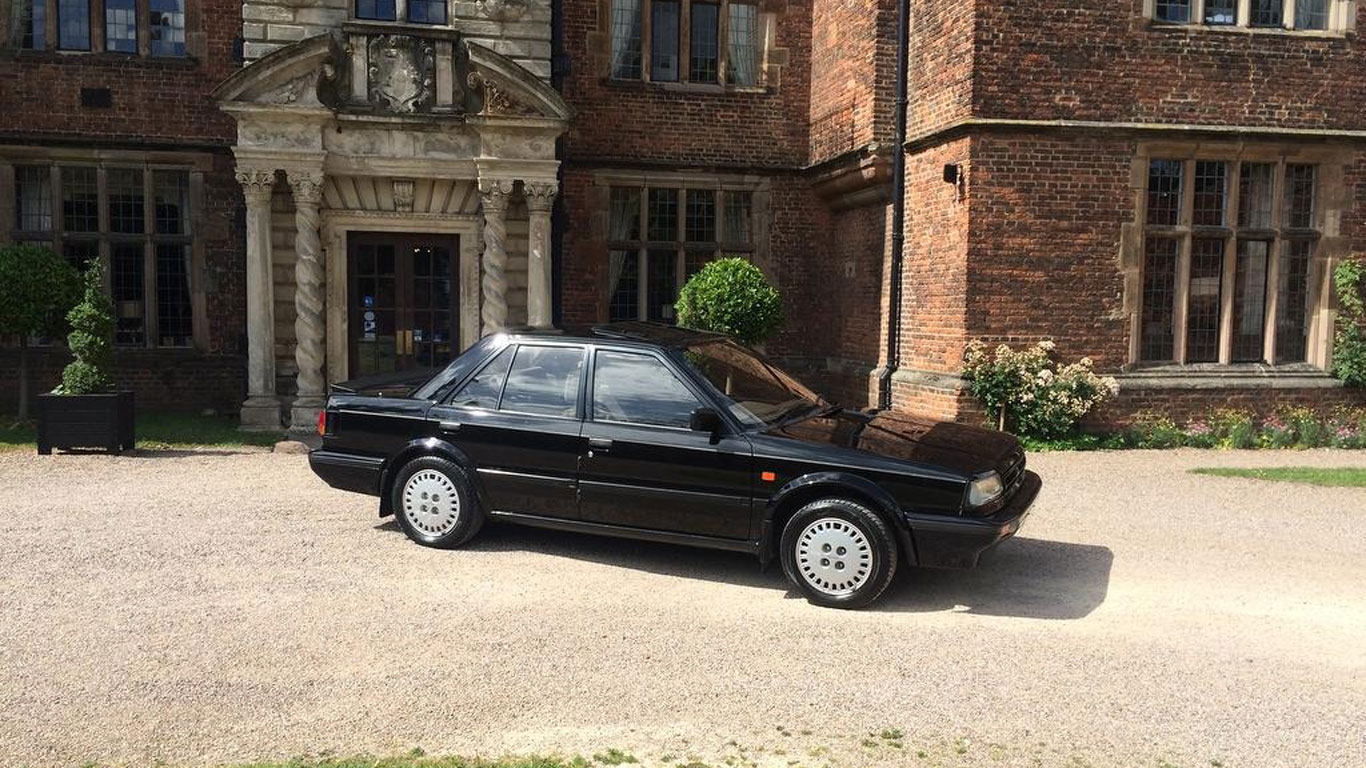
“The ZX Turbo is not what you might call an exciting car to drive, but it does everything a driver asks of it with extreme competence,” said Autocar in 1986, before admitting that “it’s probably the best saloon car the company [Nissan] has offered to British drivers.” We want this 1988 example more than is probably healthy,
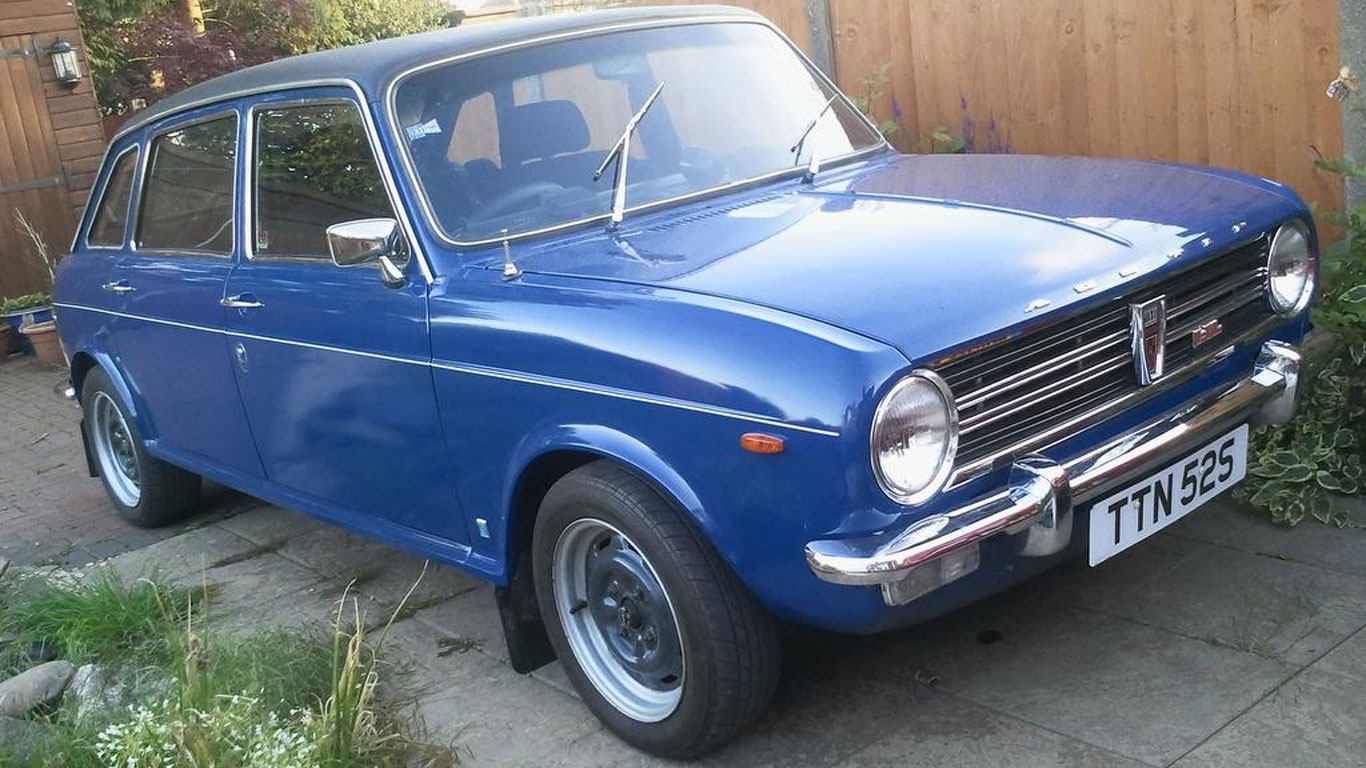
Often unfairly named as yet another British Leyland disaster, the Austin Maxi was a thoroughly decent car. Launched in 1969, it was highly versatile, offering hatchback practicality at time when four-door saloons were the norm. This 1978 example was formerly owned by the club secretary of the Austin Maxi Owners Club.
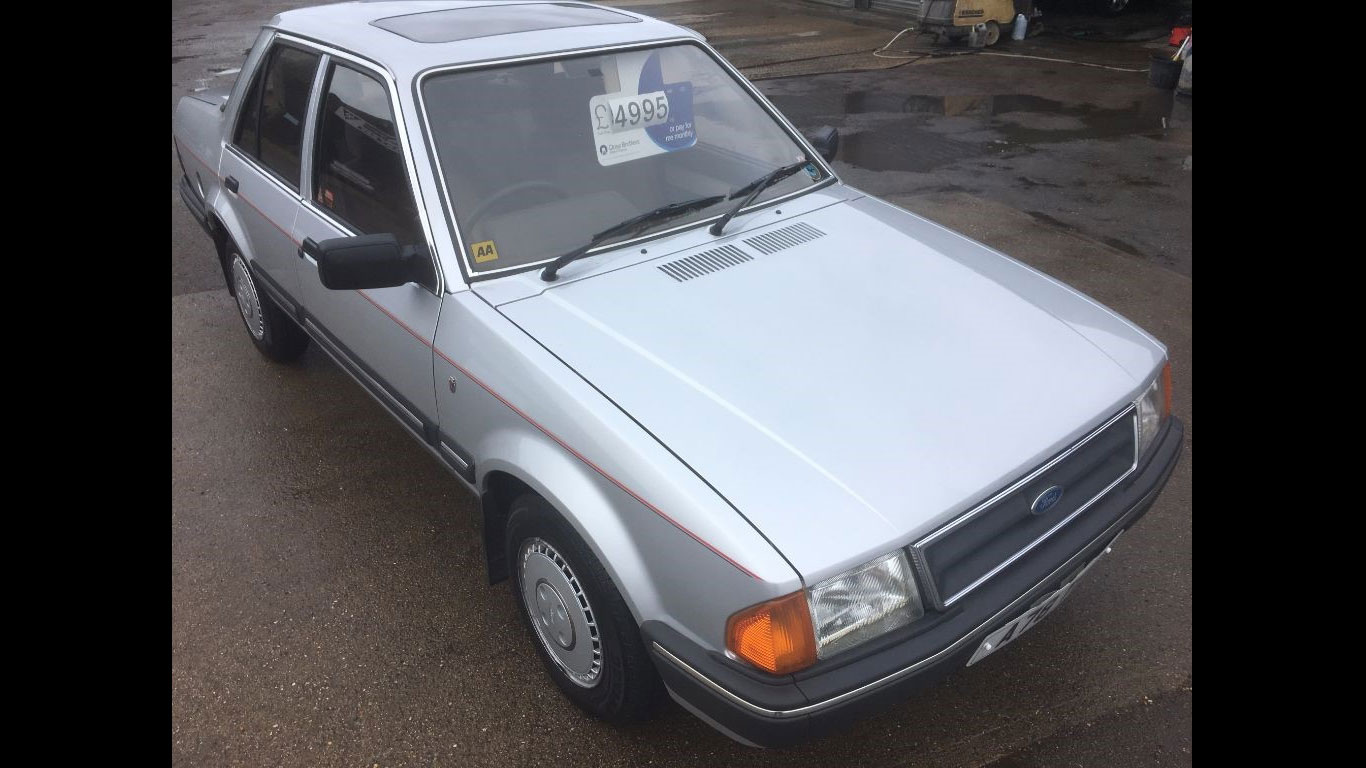
If we’re honest, we’d prefer an Orion 1.6i Ghia, which was very much the thinking man’s Escort XR3i of the time. This Orion 1.6 Ghia automatic offers a more sedate hint of motoring in the mid 80s, but the slush ‘box should ensure that it escapes the attention of retro-modifiers. That and the price tag…
This 1986 Vauxhall Nova 1.2 Merit ‘Shatchback’ was supplied new by Shaw & Kilburn of Luton and Berkhamsted and delivered to a Vauxhall Motors employee. In truth, this one ought to be part of Vauxhall’s amazing heritage collection.
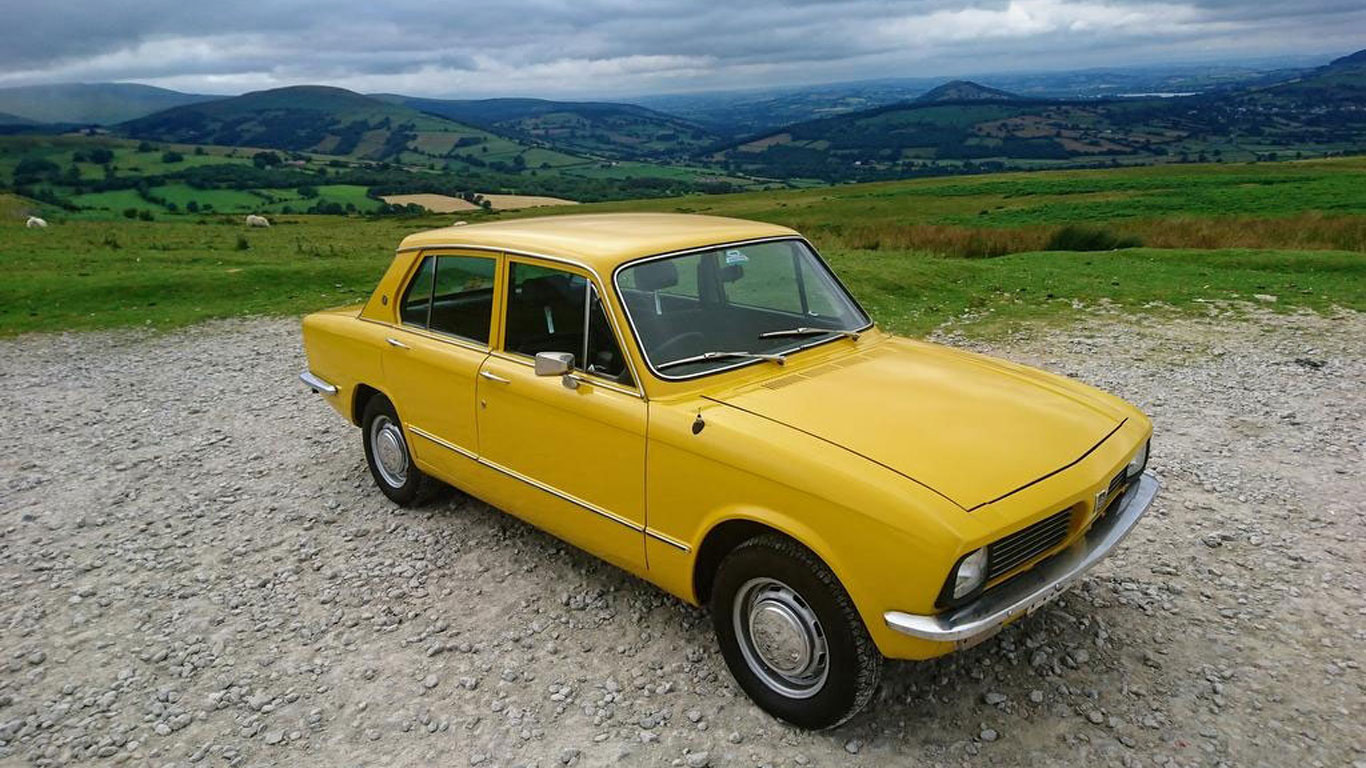
To be fair, we’re not sure this meets the ‘worth more than you think’ criteria, but we like the look of it so much, we’re giving it pride of place in our list. This Triumph Dolomite looks resplendent in Inca Yellow and, if the description is anything to go by, it’s ready for the summer season of classic car shows. Just add ‘Jerusalem’ to this photo for the quintessential English scene.
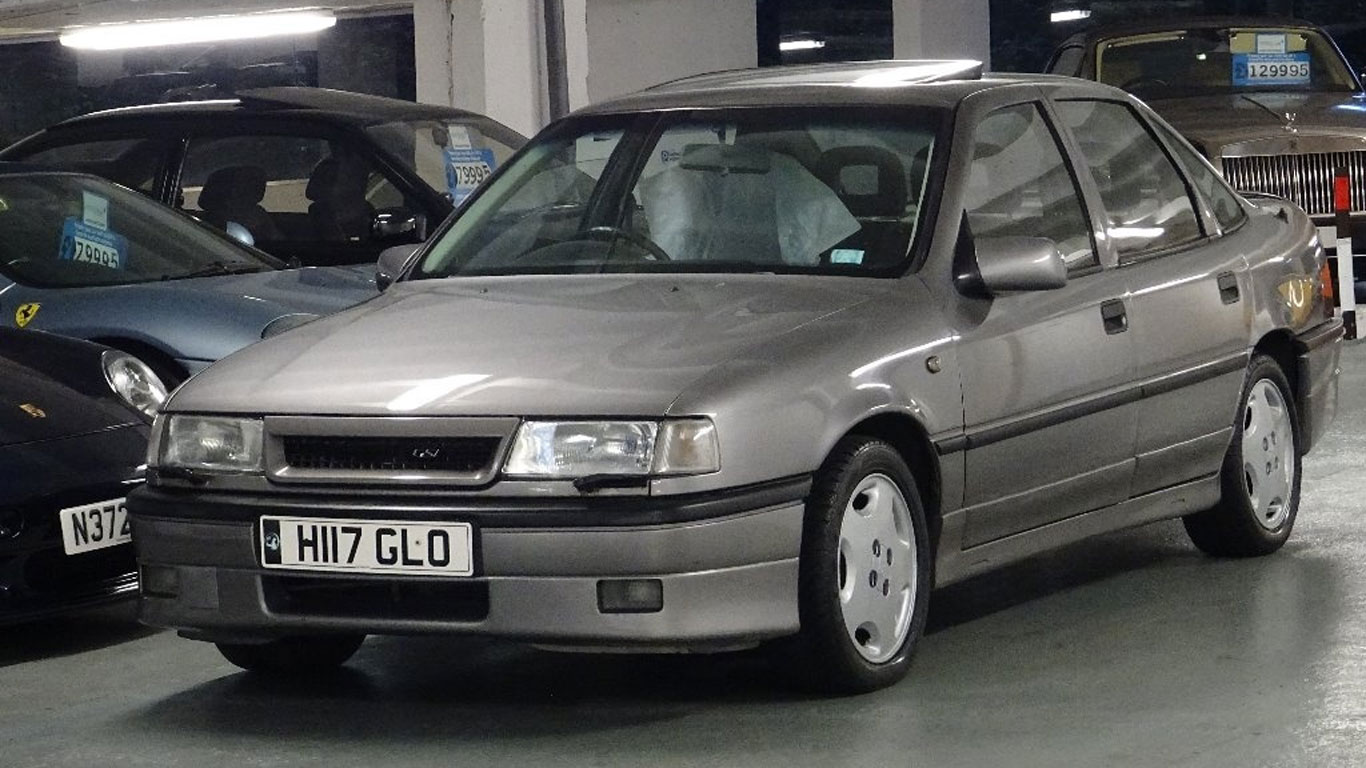
This Vauxhall Cavalier GSi has covered around 170,000 miles and appears to be on sale at a dealer offering more illustrious motors. In truth, the 2.0-litre 16v engine is a peach and there’s something rather appealing about this go-faster rep special. The towbar is a worry, mind.
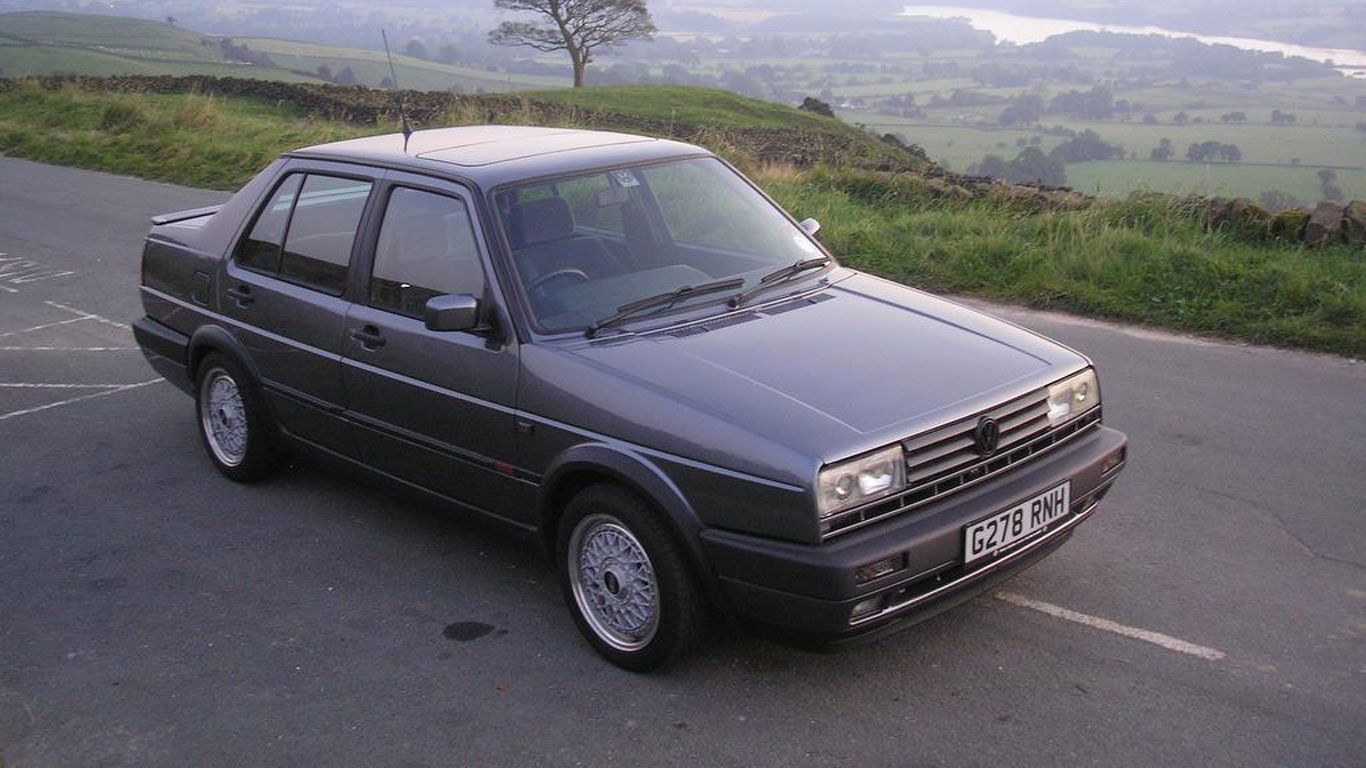
The ‘Dub’ scene will always inflate the prices of retro Volkswagens, which means that the £3,250 being asked for this Jetta is not entirely unrealistic. “You will struggle to find a car in better condition,” claims the seller.
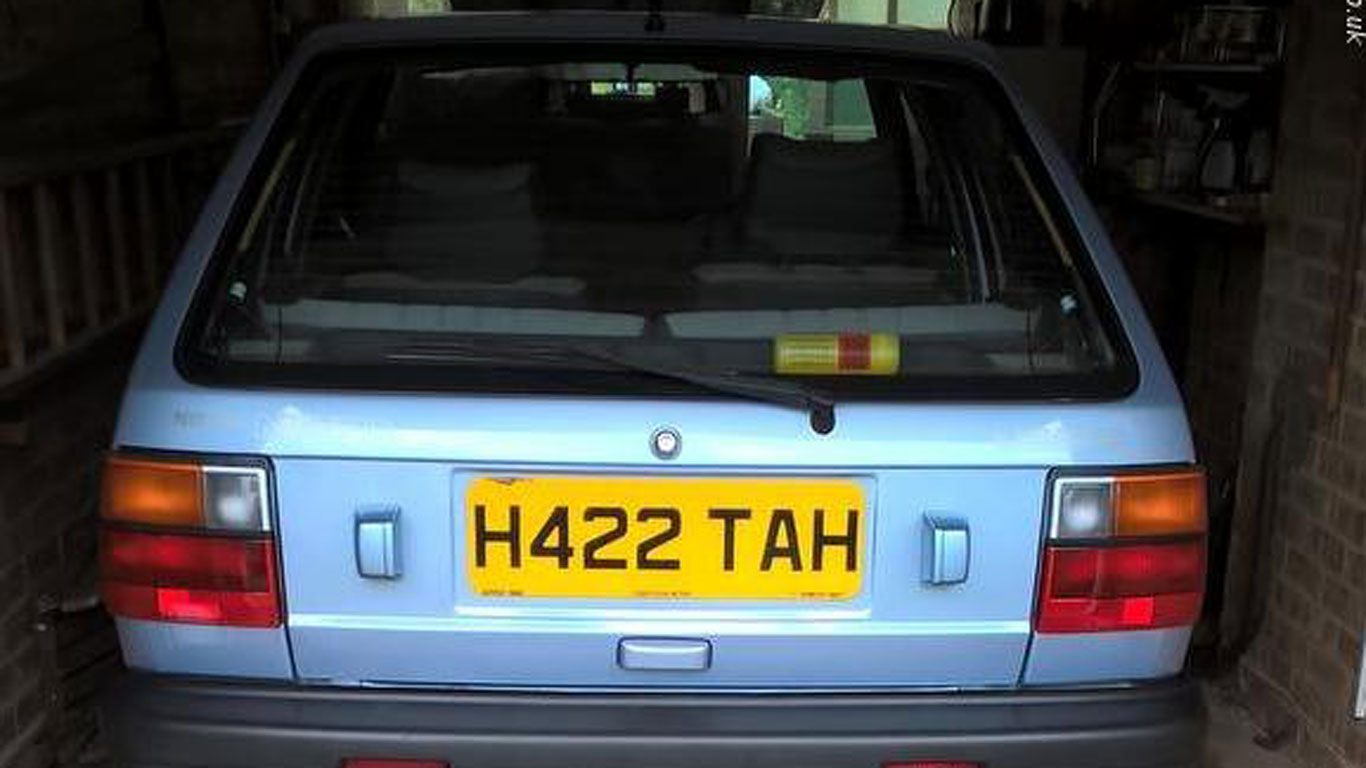
“This car is a vintage type. Since 1999, it had been sitting in a locked garage which is part of the house until 2016 when [it] had been pulled out for sale,” says the ad. The K10 Micra was a driving school favourite of the 80s and early 90s, but we’re not sure the nostalgia factor will be enough for this 1991 automatic to realise £3,000.
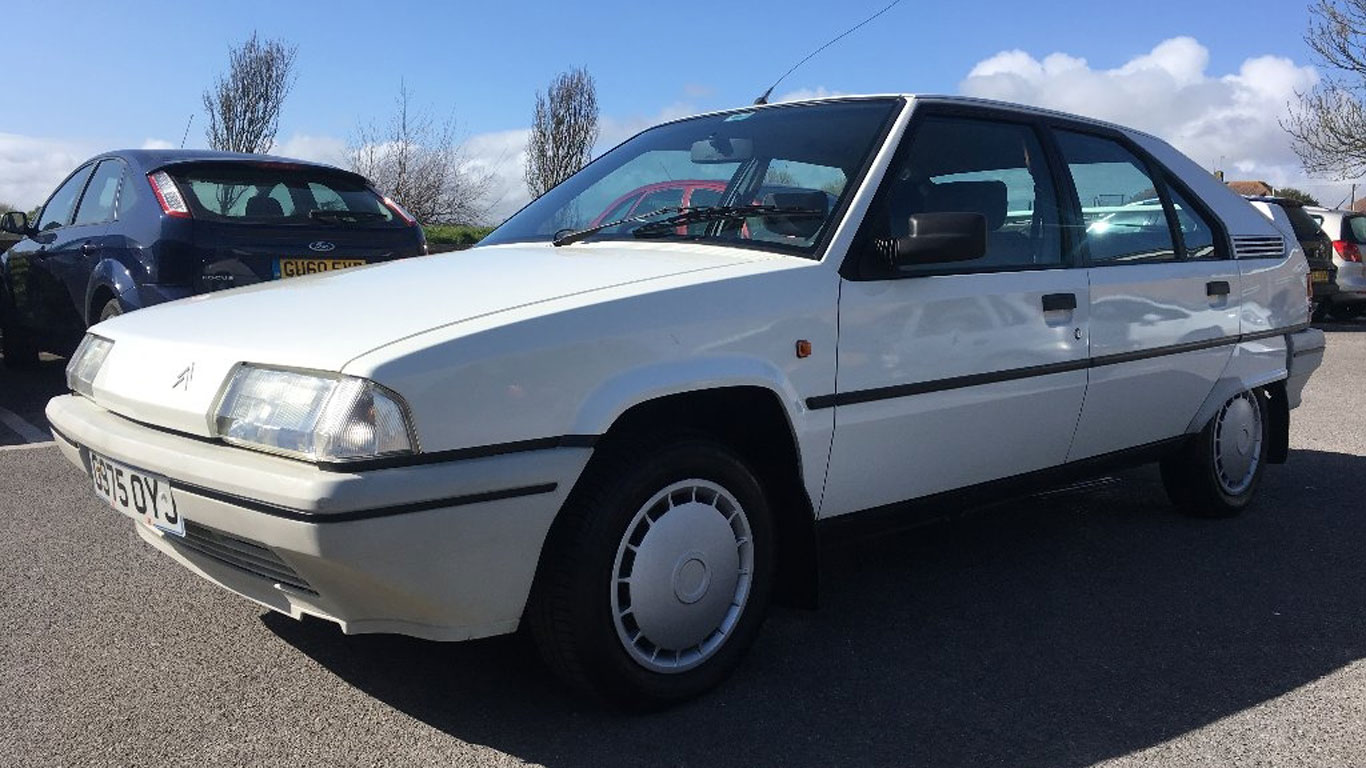
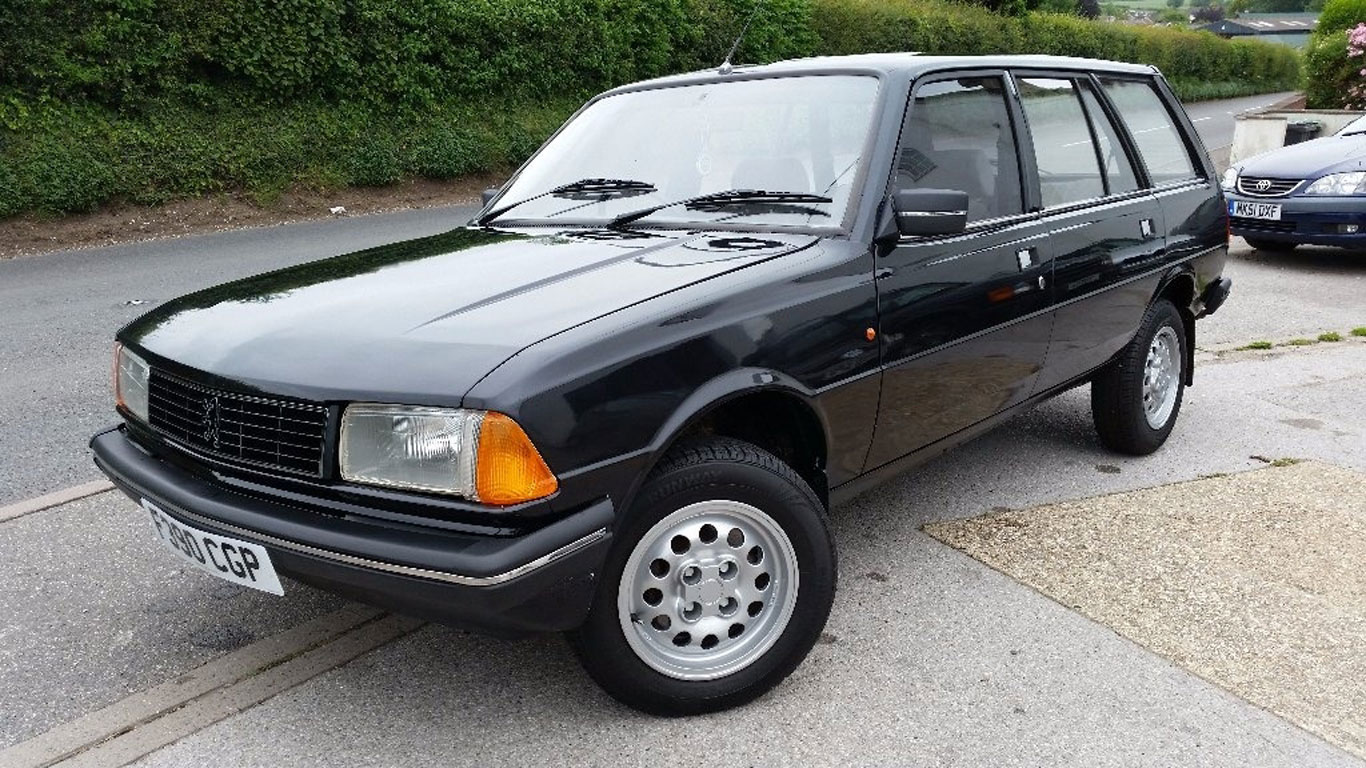
Once a familiar sight on Britain’s roads, the Citroen BX is fast becoming an endangered species. A future classic if ever there was one, grab a BX while they’re still relatively cheap.
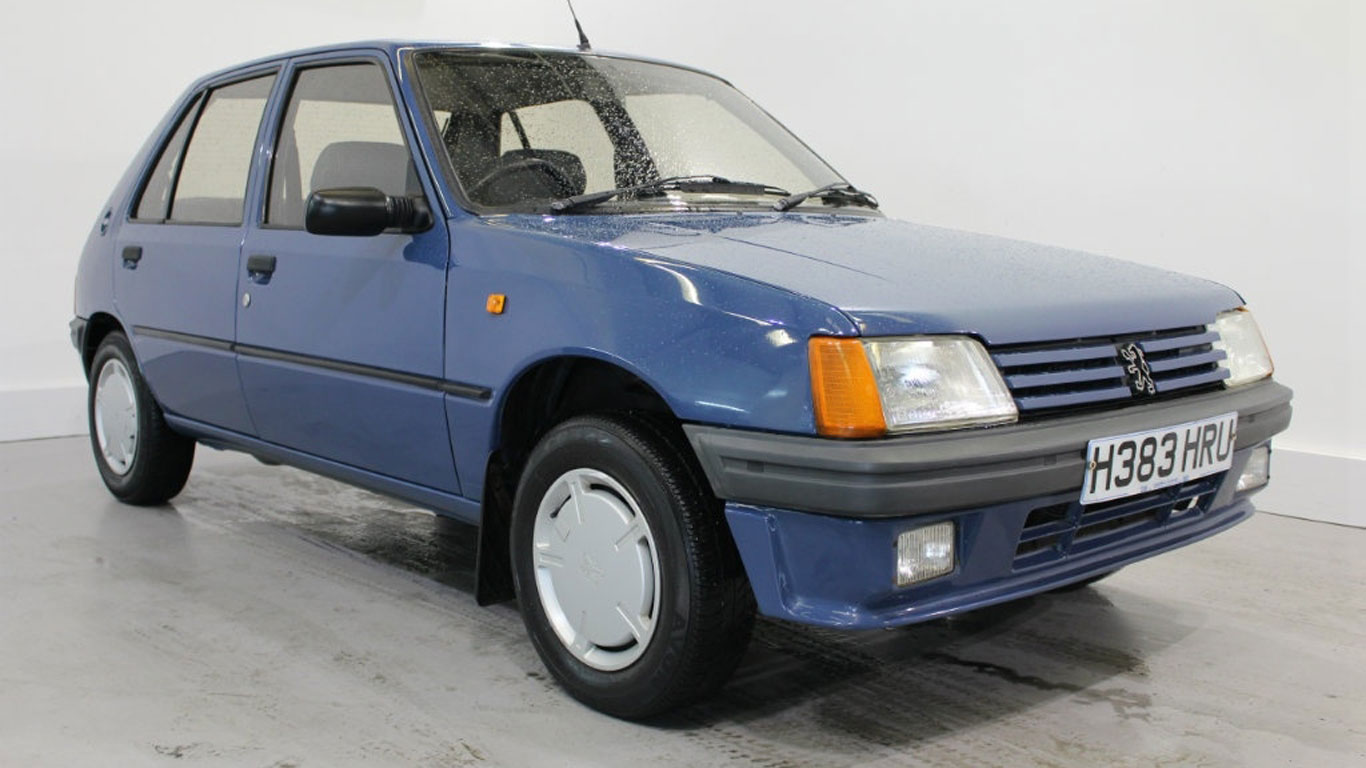
The GRD and GTi might sit at opposite ends of the Peugeot 205 range, but the diesel is not without appeal. Contemporary reviews praised the 1.8-litre diesel for its smoothness and “truck-like pulling power”, not to mention its dislike of filling stations. With 205 GTi prices fast approaching re-mortgage territory, gems such as this 1990 example become all the more appealing.
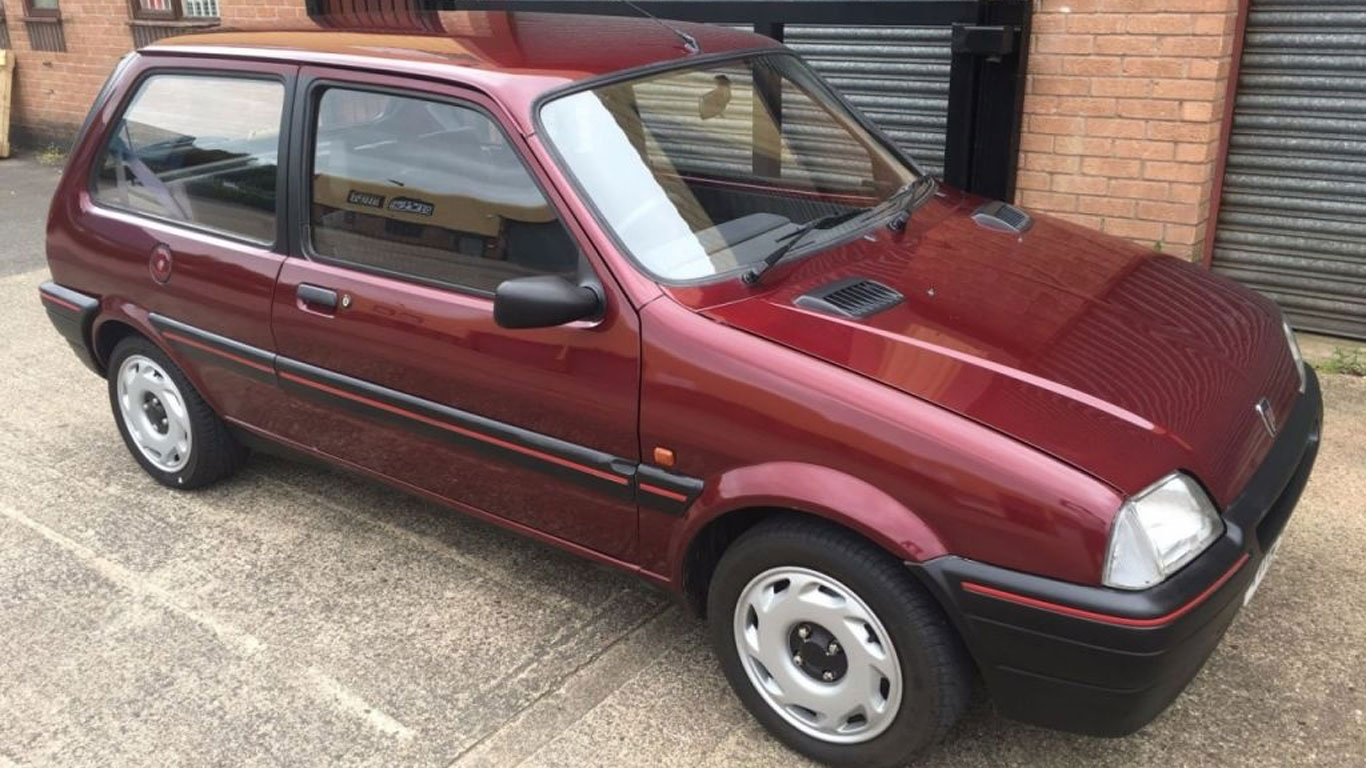
While you were sleeping, Austin and Rover Metros have become desirable, which is reflected in the asking prices. “NO RUST ANYWHERE WHATSOEVER,” screams the description, which is reassuring.
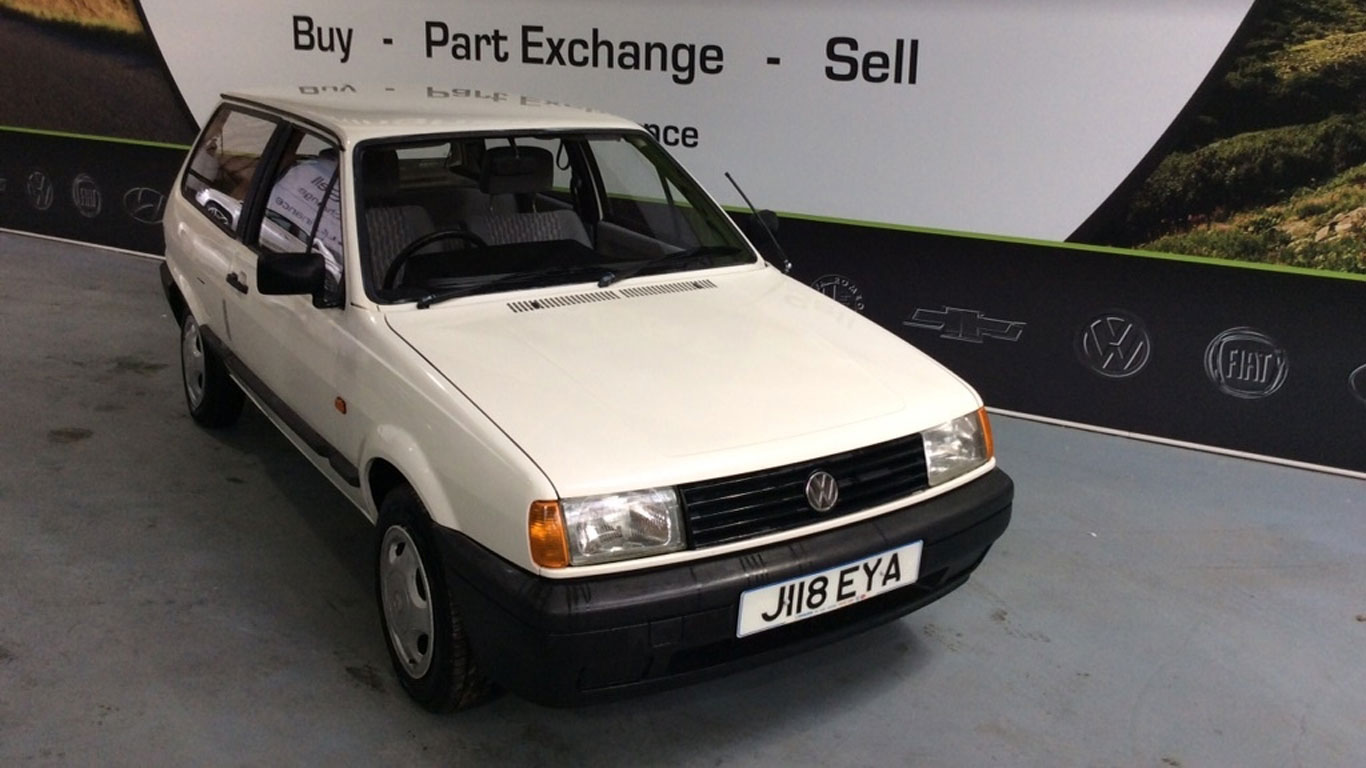
A Mk2 facelift Volkswagen Polo owned by one family since new and with 10 main dealer service stamps is sure to excite diehard Dub fans. It looks incredibly clean, while the original dealer number plates is a good sign of originality.
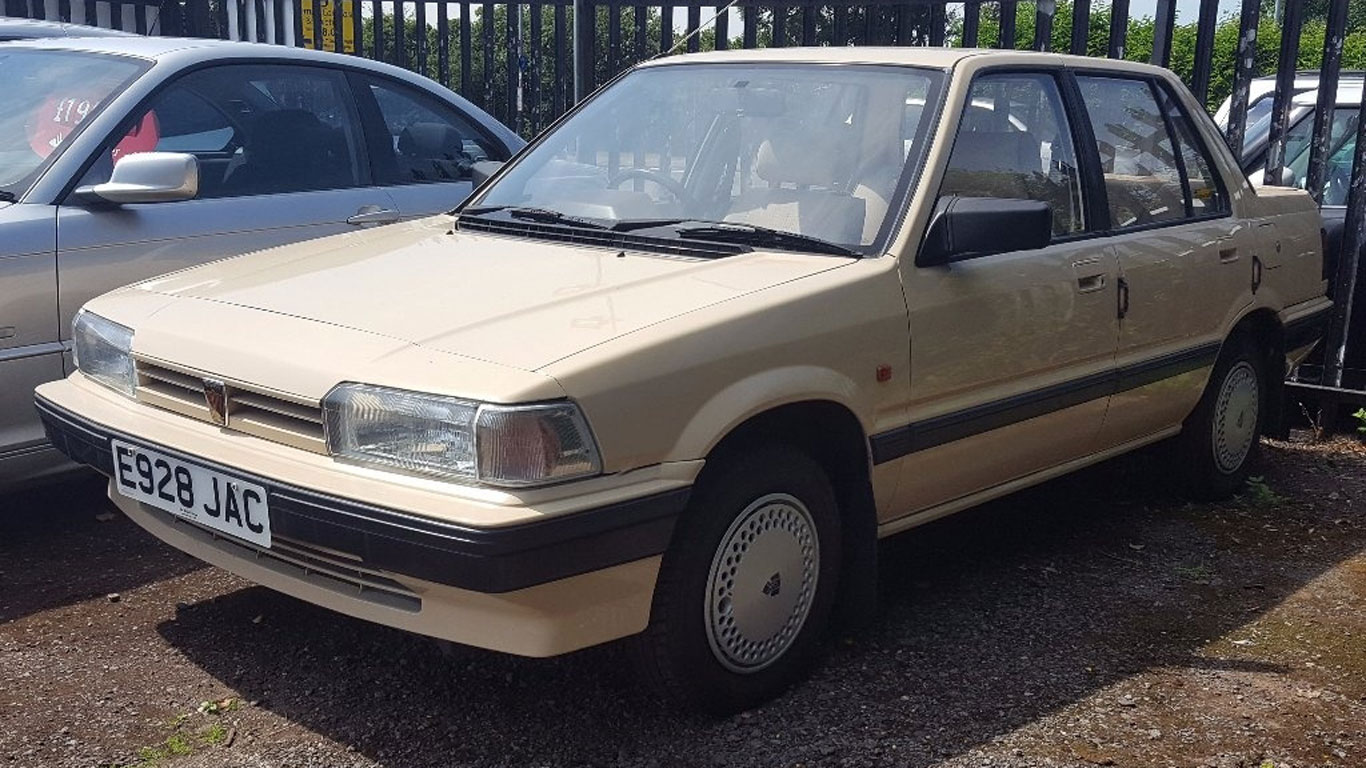
This ‘hearing aid beige’ Rover 213 is being offered by a Kia main dealer and has probably been ‘chopped in’ for a Picanto or Rio. The MOT history makes for encouraging reading, with the annual trips to the test station seemingly the only journeys made by this ‘classic’.
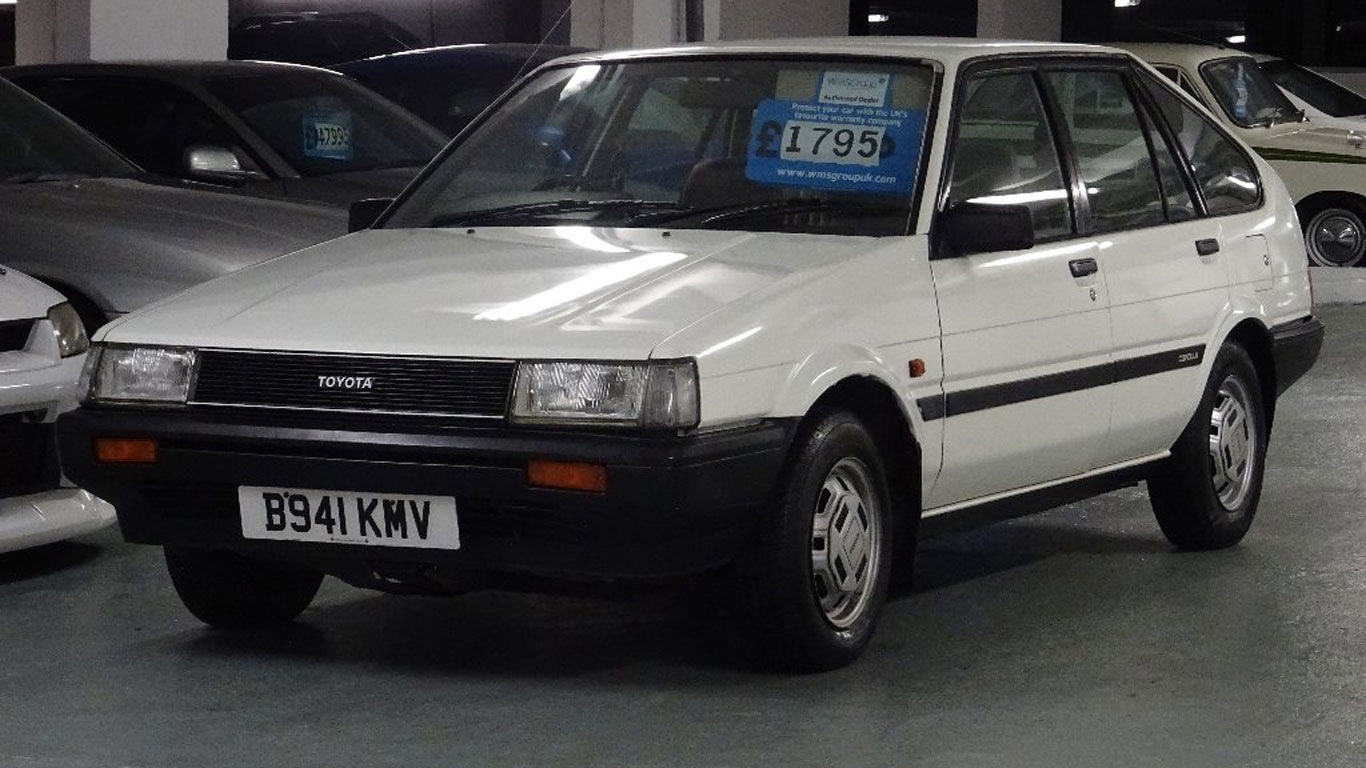
While you probably don’t lie awake at night dreaming of a white Toyota Corolla automatic, this 1984 example will earn you more kudos points than a Yaris Hybrid or Aygo. No, really, it will.
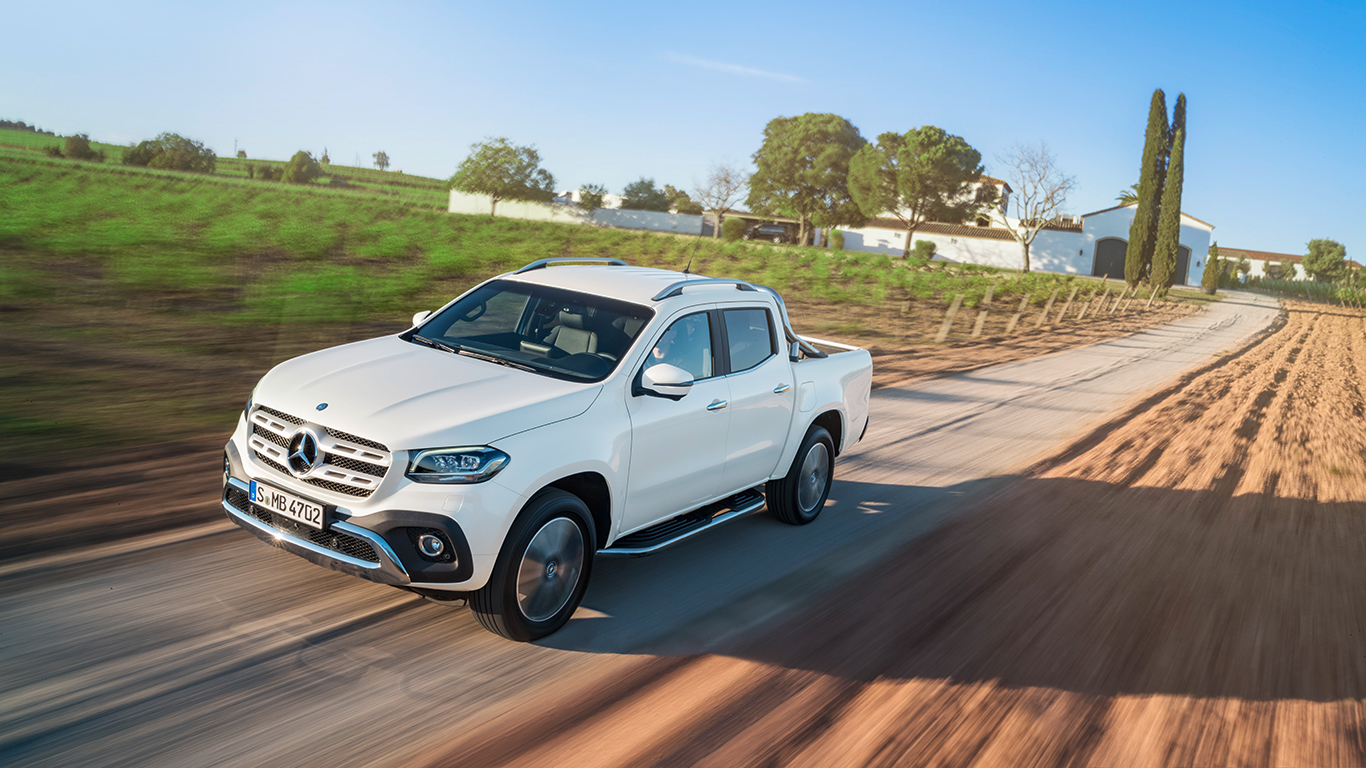
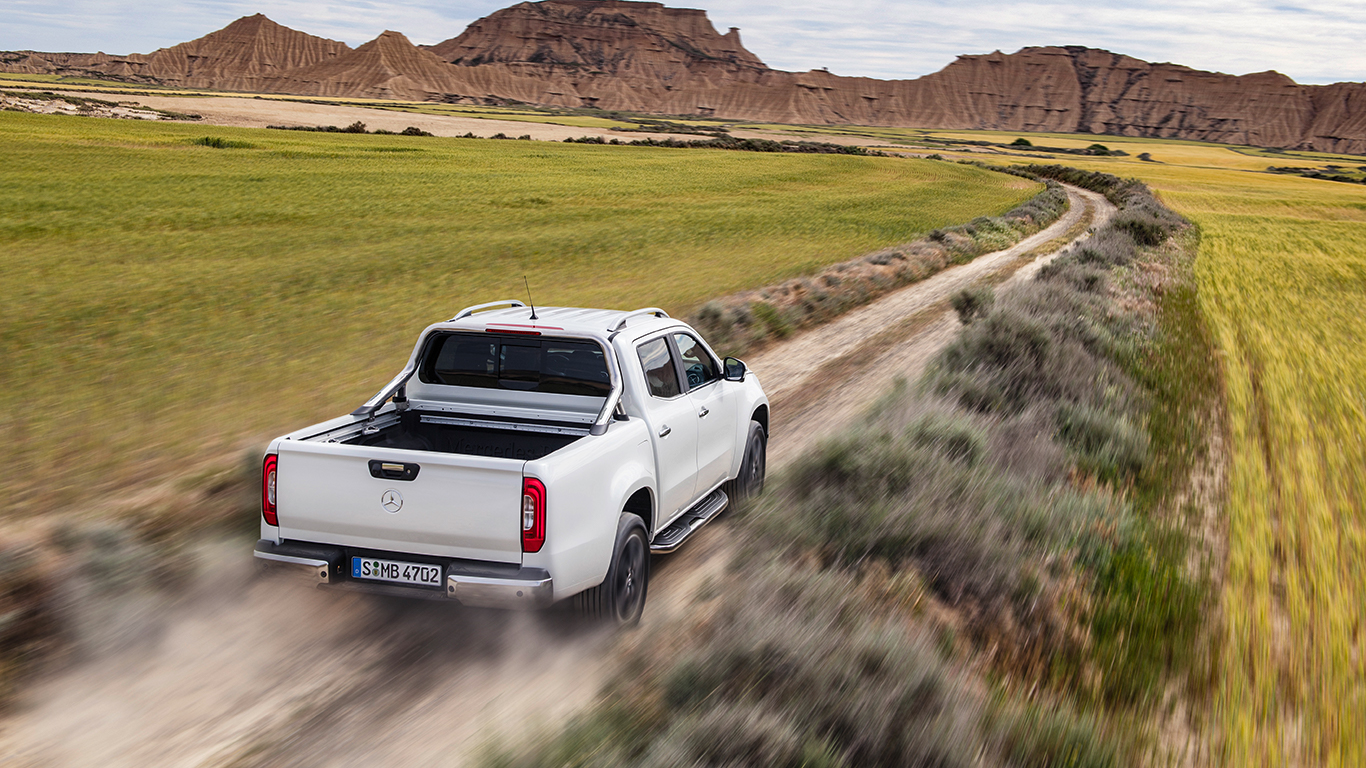
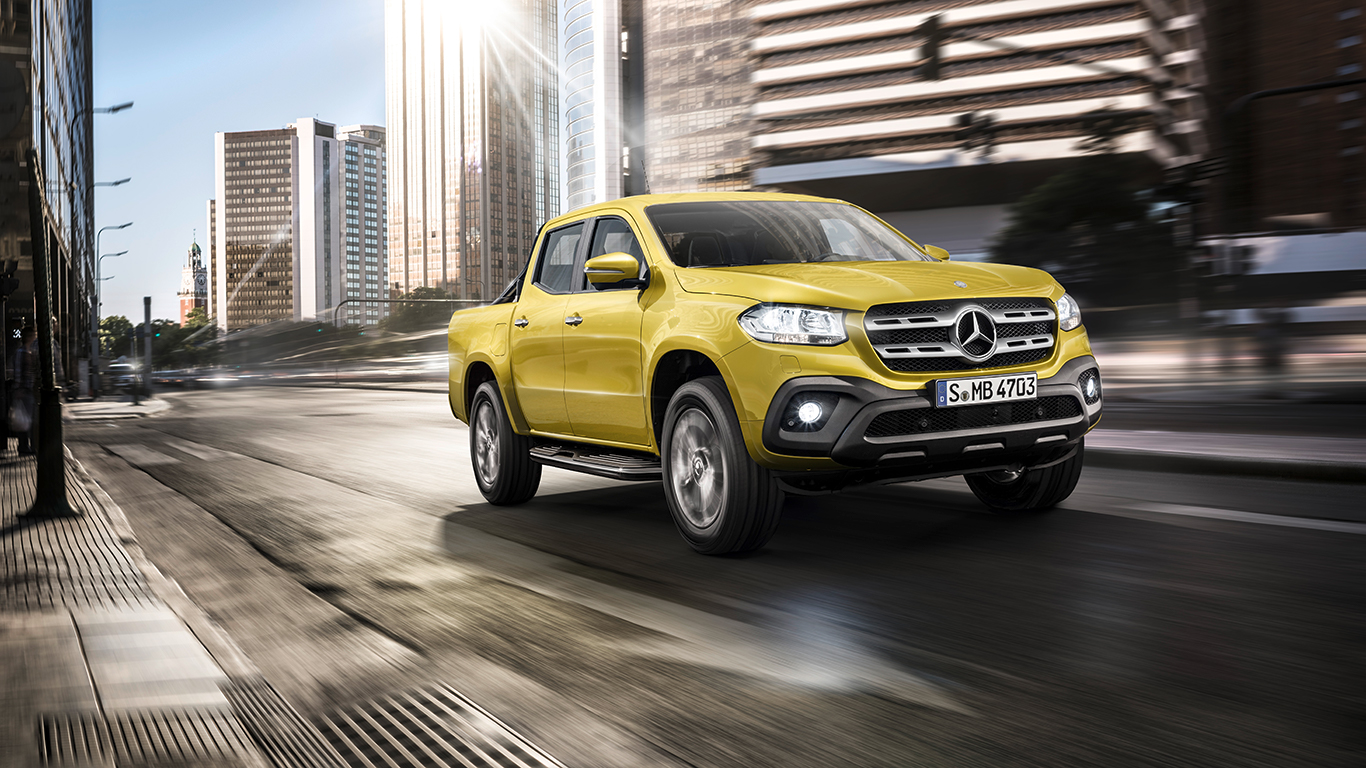
Finally, after teasing us with not one but two concepts, Mercedes-Benz has revealed exactly how its posh pick-up will look when it hits the UK at the end of 2017.
We got a pretty good idea of how the Nissan Navara-based Mercedes would appear when the firm revealed its second X-Class concept at the end of the last year. While the concept was shown in two versions – the bling Stylish Explorer with its 22-inch alloys and extra chrome, and the rough-and-tough Powerful Adventurer with chunky tyres and an electric winch – buyers of the production model will be able to choose three difference variants.
The basic X-Class Pure is intended as a rugged workhorse, while still being comfortable and stylish enough for visiting customers or taking the family out. The mid-level Progressive model is a little more stylish, while the top-spec Power is “a lifestyle vehicle beyond the mainstream,” says Mercedes, “suitable for urban environments as well as for sports and leisure activities off the beaten track.”
Why is Mercedes making a pick-up?
Simply, because there’s a demand for it. Just like Mercedes was an early entry into the SUV segment with its original M-Class, it’s hoping to trigger a premium pick-up niche. With pick-up trucks like the Mitsubishi L200 and Toyota Hilux increasingly being seen as company car tax-friendly lifestyle vehicles rather than all-out workhorses, Mercedes reckons there’s a market out there for something a little more upmarket.
By using its commercial vehicle knowledge (from the Unimog to the Vito), Mercedes says it’s in a good place to offer the first truly premium pick-up on the market (although Volkswagen’s Amorok could put up a fight for the title). It helps that, through Daimler AG’s relationship with the Renault-Nissan Alliance, Mercedes has a good base (and factory) ready to go. It just needs to make it a little chintzier.
Tell me about the technology
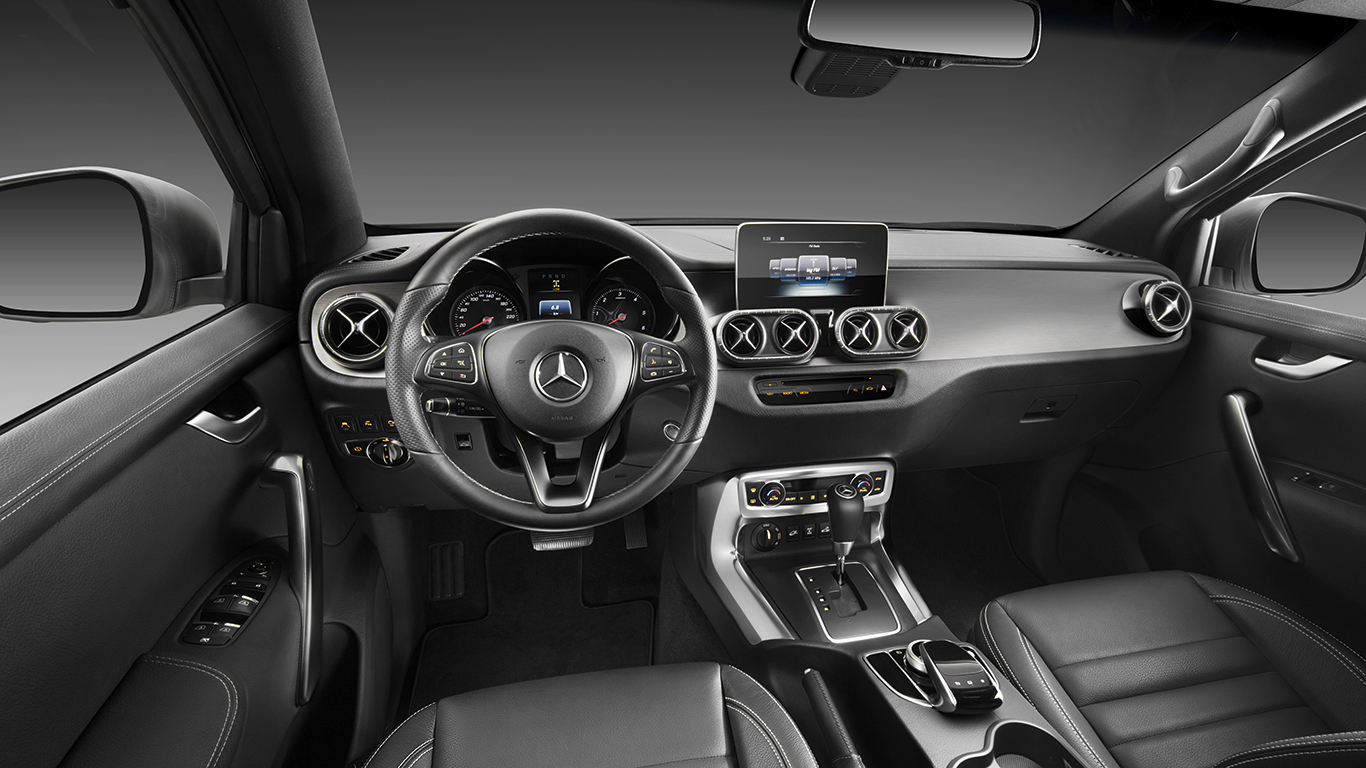
While pick-ups traditionally fall short when it comes to safety features, the X-Class features no fewer than seven airbags as standard as well as i-Size points for fitting child seats. Further passive safety features from elsewhere in the range are also available: including Active Brake Assist, Lane Keeping Assist and Traffic Sign Assist.
A 360-degree camera is also available to aid parking, while an infotainment system (up to 8.4-inches depending on spec) with an in-built SIM card allows you to access certain features remotely (great if you’ve forgotten where you’re parked or how much fuel the truck has).
What about the engines?
As well as a platform, the X-Class shares a diesel engine with the Navara. The 2.3-litre turbodiesel is available as the turbocharged X220d with 163hp, or twin-turbo X250d producing 190hp. Buyers get a choice of rear- or engageable four-wheel-drive with both power outputs, while a six-speed manual gearbox is standard across the range. A seven-speed auto can be chosen as an option for the X250d.
A V6 turbodiesel will arrive in summer 2018. Badged the X350d, the range-topping engine will provide 258hp and more than 400lb ft of torque. Four-wheel drive will be standard with the V6, as well as a seven-speed automatic transmission with steering-wheel paddles.
Mercedes-Benz X-Class: release date and price
UK prices are yet to be confirmed, but its €37,294 sticker price in Europe roughly translates to £33,000. If it makes it across the channel without adjustment (unlikely), that’ll make it marginally more expensive than the entry-level Volkswagen Amarok.
If you’re keen, Mercedes-Benz dealers are taking £1,000 deposits, with European deliveries beginning in November 2017.
A quarter of secondhand car dealers are concerned that the number of cars with mileage discrepancies is on the rise – with many worried about the effect the issue will have on their business.
It follows news earlier in the year that as many as one in 16 cars on UK roads could be displaying the wrong mileage, with the rise of PCP deals fuelling the increase in clocked cars.
The company behind the survey, Cap HPI, says it’s becoming easier to alter digital odometers with technology to do so easily accessible via the internet. With PCP and PCH finance schemes offering tempting deals based on mileage limits, drivers might be more tempted than ever before to fraudulently reduce their mileage to avoid paying excess mileage penalties.
“There’s no doubt that the escalating problems associated with clocking and mileage tampering are now starting to become a cause for concern by dealerships across the UK,” said Cap HPI’s head of industry relations, Barry Shorto.
“The situation demands a tough stance from the industry and the government as not only is it costing honest motorists millions but it is tarnishing the good names of established and reputable car dealers across the UK who are on the receiving end of this deception.
More buying advice on Motoring Research:
Car clocking is on the rise – and PCP deals could be to blame
The four-step guide to avoid buying a cloned car
Is your green car hiding a dark secret?
“There’s also the vital issue of driver safety which unscrupulous clockers have no regard for whatsoever in their quest to make a quick buck.”
While it’s illegal to sell a car with the wrong mileage on the clock without declaring it, the law around whether it’s legal to actually adjust the mileage isn’t as clear. Companies offering this service say they’re acting within the law – with some making the car’s owner sign a declaration saying they won’t sell the vehicle on without informing the new owner that the mileage has been altered.
Top Gear presenter Chris Harris talked about the next series of the hit show in an exclusive interview with Motoring Research.
Harris was at the National Motor Museum, Beaulieu, for the relaunch of World of Top Gear. The exhibition includes many famous – and infamous – cars from the show, including the Ford Transit ‘Hovervan’, Reliant Robin space shuttle and electric ‘Hammerhead Eagle i-Thrust’.
“There’s a lot of history here,” he explained at the press conference. “We’re trying very hard to be silly”.
Asked about working on Top Gear so far, Harris said: “I’m still pinching myself. I don’t think it’ll ever sink in. I’ve basically been around Kazakhstan with Matt LeBlanc, messing about in cars – I think that’s most blokes’ dream isn’t it?”
Of the forthcoming series, due in 2018, he revealed: “I like to think the best thing I’ve done on Top Gear is yet to happen. I’ve been to France and shot an older car and I’ve been to Norway and shot a younger car”. This fuelled speculation that the ‘younger car’ could be either a Range Rover Velar or four-cylinder Jaguar F-Type, both of which debuted in Norway recently.
We also asked Harris – who owns an eclectic collection of cars – what’s next on his must-buy list. “It’s never-ending,” he said, “I wake up on a different day and need a different thing. I want a [Ferrari] F40, but I can’t afford an F40. And I’d like a [Porsche 911] GT3 because that new 4.0-litre engine is stunning.”
Harris also talked-up the Porsche Panamera Sport Turismo and Audi RS4 Avant as fast family wagons, but his most effusive praise was reserved for something rather more humble: “That new Suzuki Ignis: doesn’t that look good? I see them on the road and think ‘that’s a funky car'”.
Drifting with a ‘Driving God’
After posing with the Rodius-based ‘SsangYacht’, the 670,000-mile Volvo V70 he drove in Kazakhstan, and other “absurd motor-vehicle-based objects” inside the World of Top Gear, Harris made his way to Beaulieu’s display area. There, he entertained the crowds with smoky powerslides in a 510hp Mercedes-AMG C63 S Edition 1.
“Want to join him for a few passenger laps?” asked the BBC PR lady. It seemed rude not to, so we donned our crash helmets and clambered aboard. Chris disabled all the stability control systems then served up a masterclass on how to shred a set of tyres in two minutes. “I quite like my job,” he joked.
We clambered out, dizzy and thankful that we’d postponed lunch. Harris is clearly a hotshot driver and a genuine asset to the Top Gear team. We look forward to seeing what he does next.
It is hoped the high visibility orange surface will make the emergency area easier to spot by panicked motorists in a crisis, and also encourage drivers only to use it in an emergency. The new orange emergency refuge is also better signalled by improved signage.
Highways England chief executive Jim O’Sullivan said the objective was to give motorists more confidence when using them, and also make it clear exactly where they are able to safely stop on a smart motorway.
“The bright orange colouring will make them as easy as possible to spot and should also discourage drivers from using them in non-emergency situations. I hope it helps drivers feel more confident about using a smart motorway: we know that smart motorways are safe.”
Transport secretary Chris Grayling said the government was also running other initiatives into safe smart motorway use, such as national TV, radio and social media campaigns on issues such as not driving in lanes closed by ‘red X’ signs’. Highways England calls it a concerted drive to improve awareness of smart motorway driving.
The trial orange emergency area is on the M3 near Camberley. If the trial is a success, it will be rolled out to emergency areas on smart motorways across the country, as part of other upgrades for the network.
These will be influenced by the findings of a review into the design and spacing of emergency areas on smart motorways. It is due to report in the autumn.
More on Motoring Research:
More than 50,000 drivers a year hit with fines on smart motorways
Opinion: Motorways are smart. Pity drivers aren’t
Revealed: the smart motorways most likely to hit you with a ticket
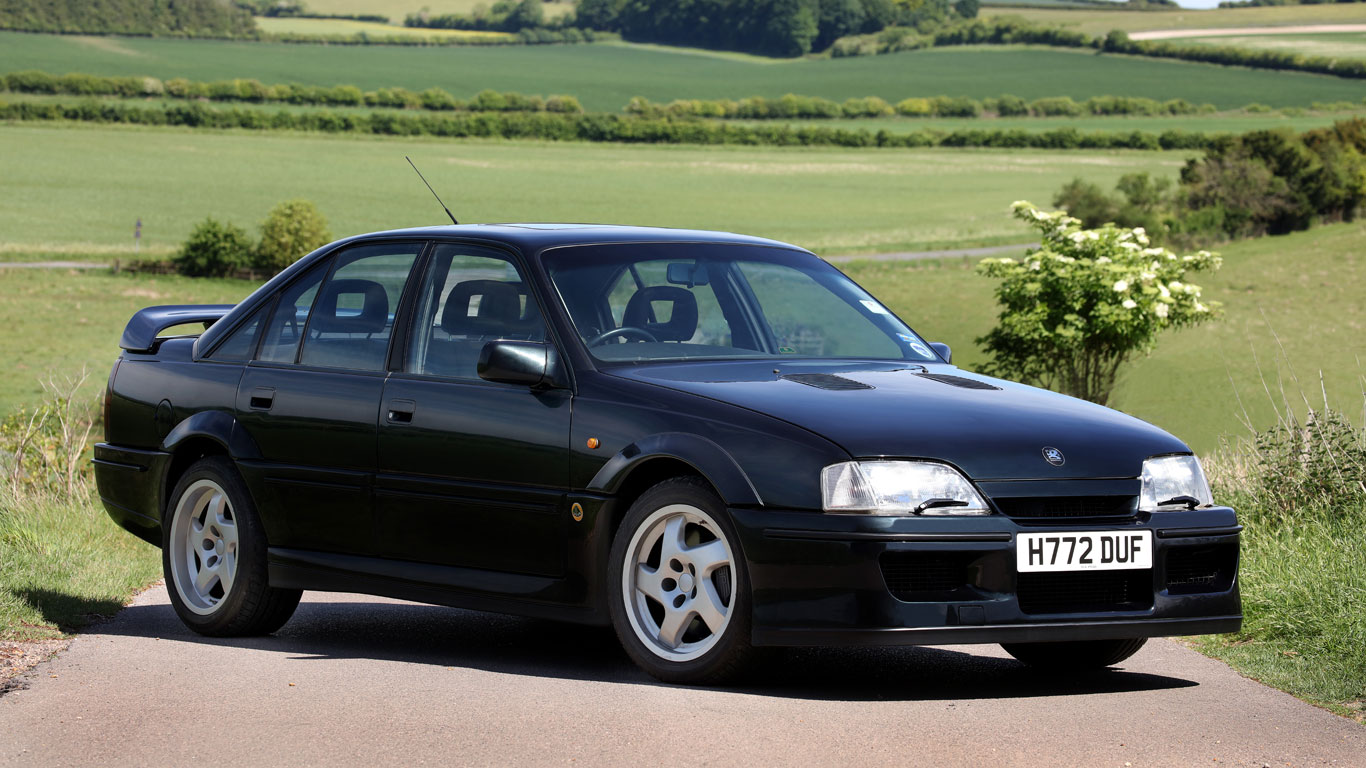
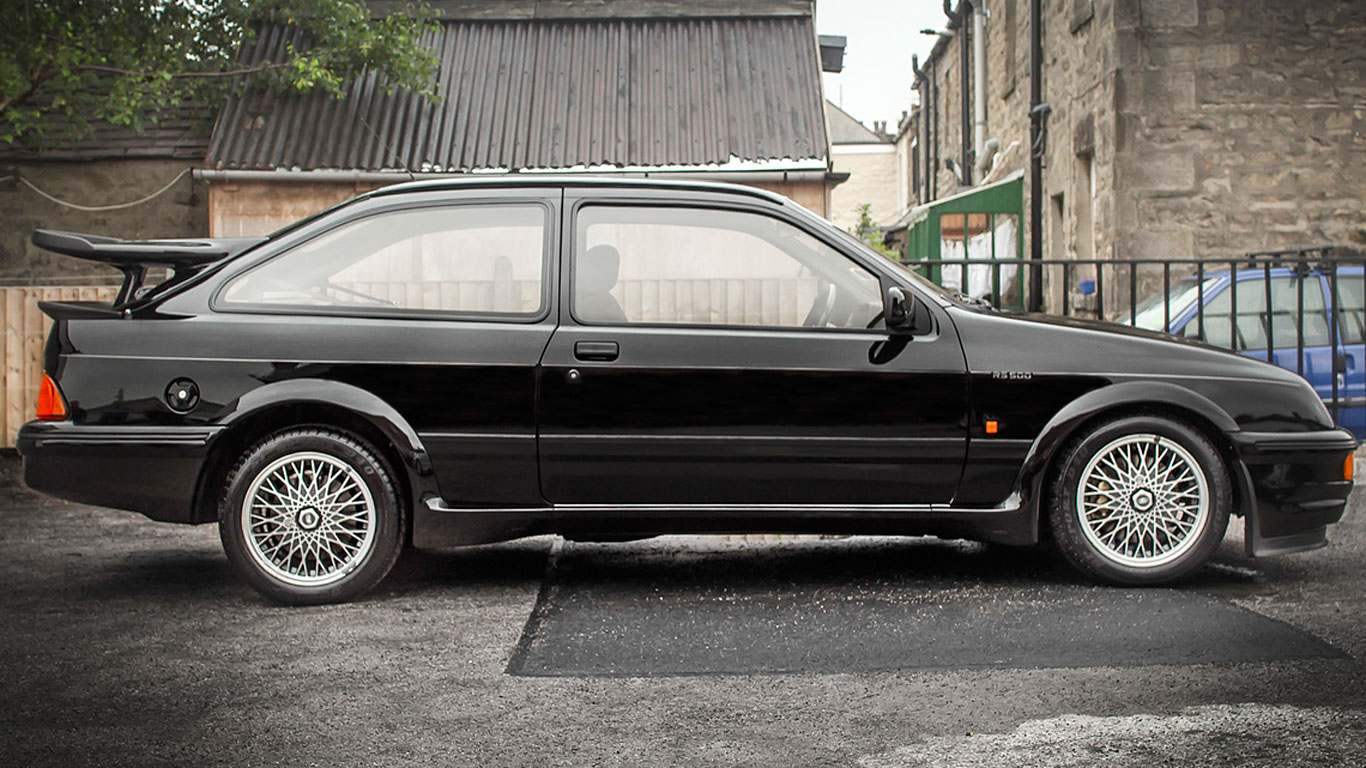
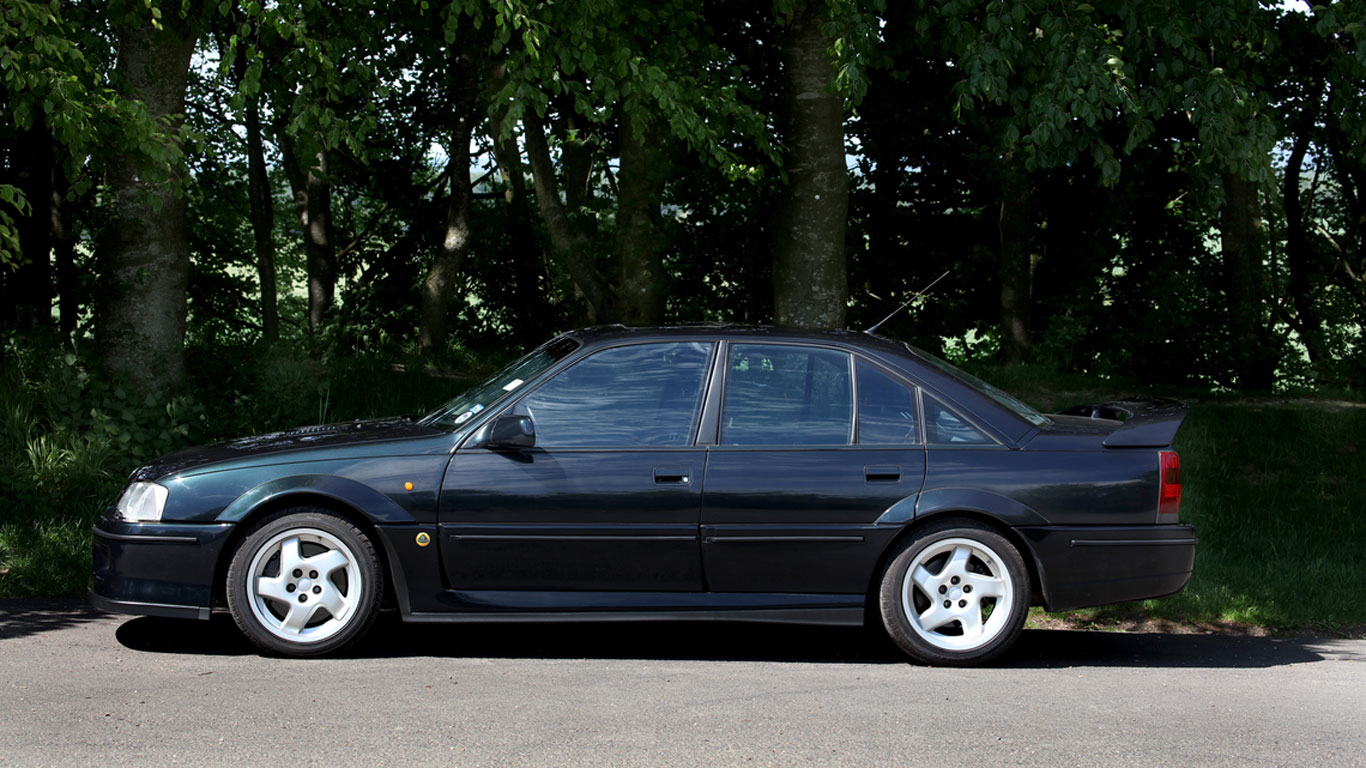
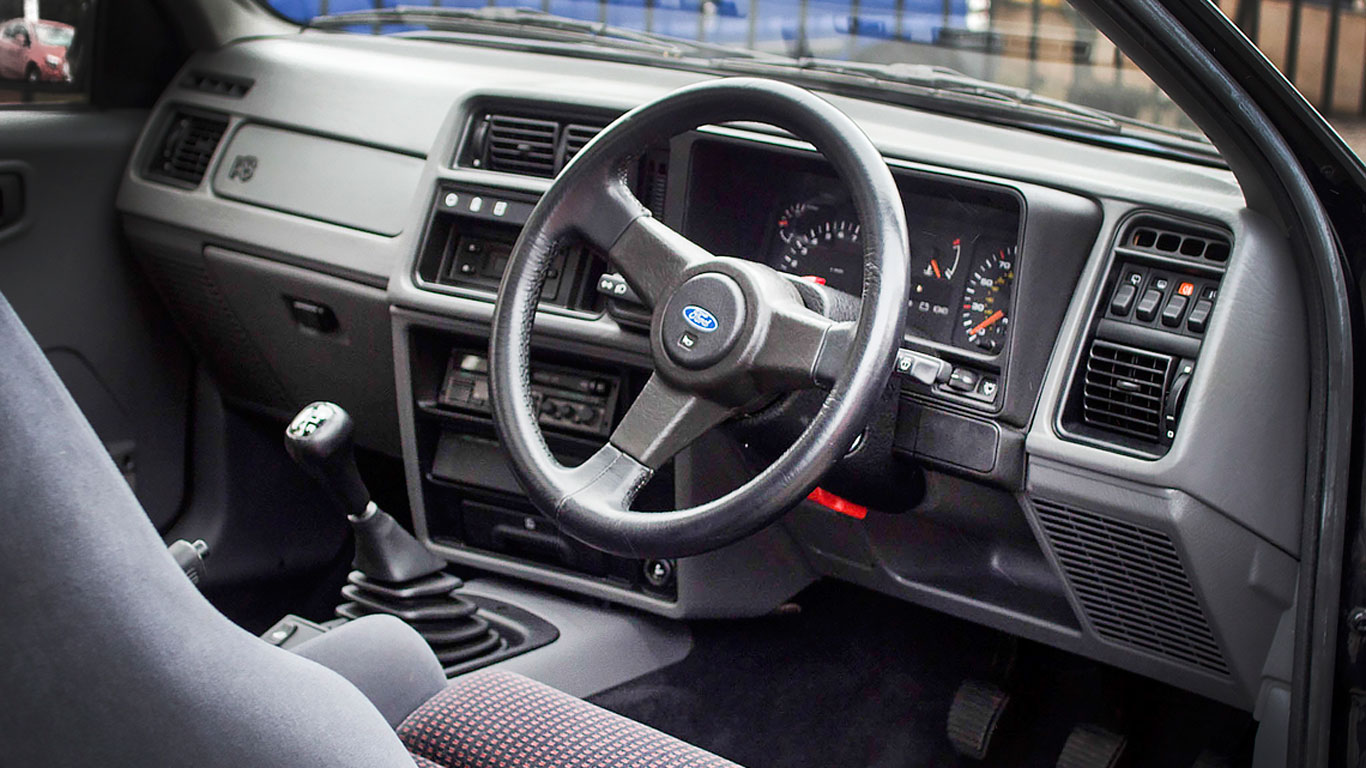
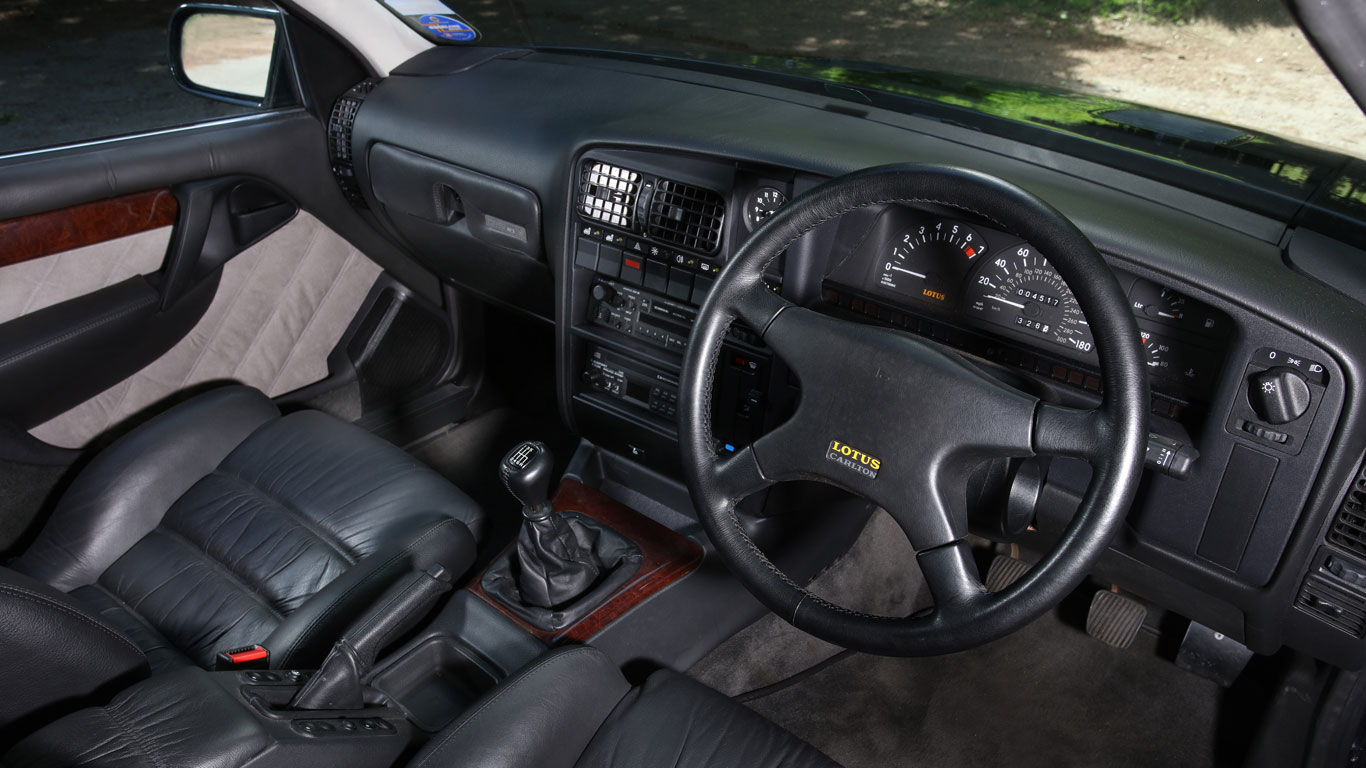
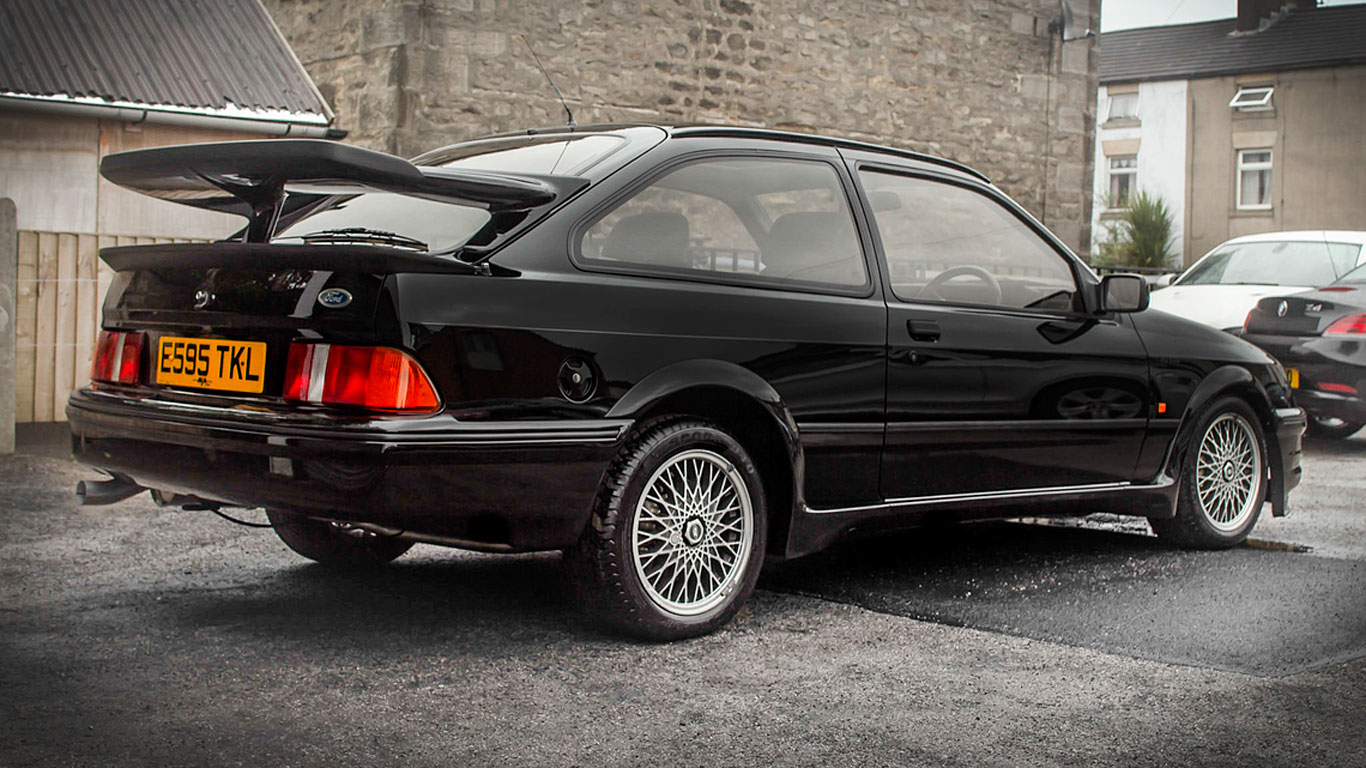
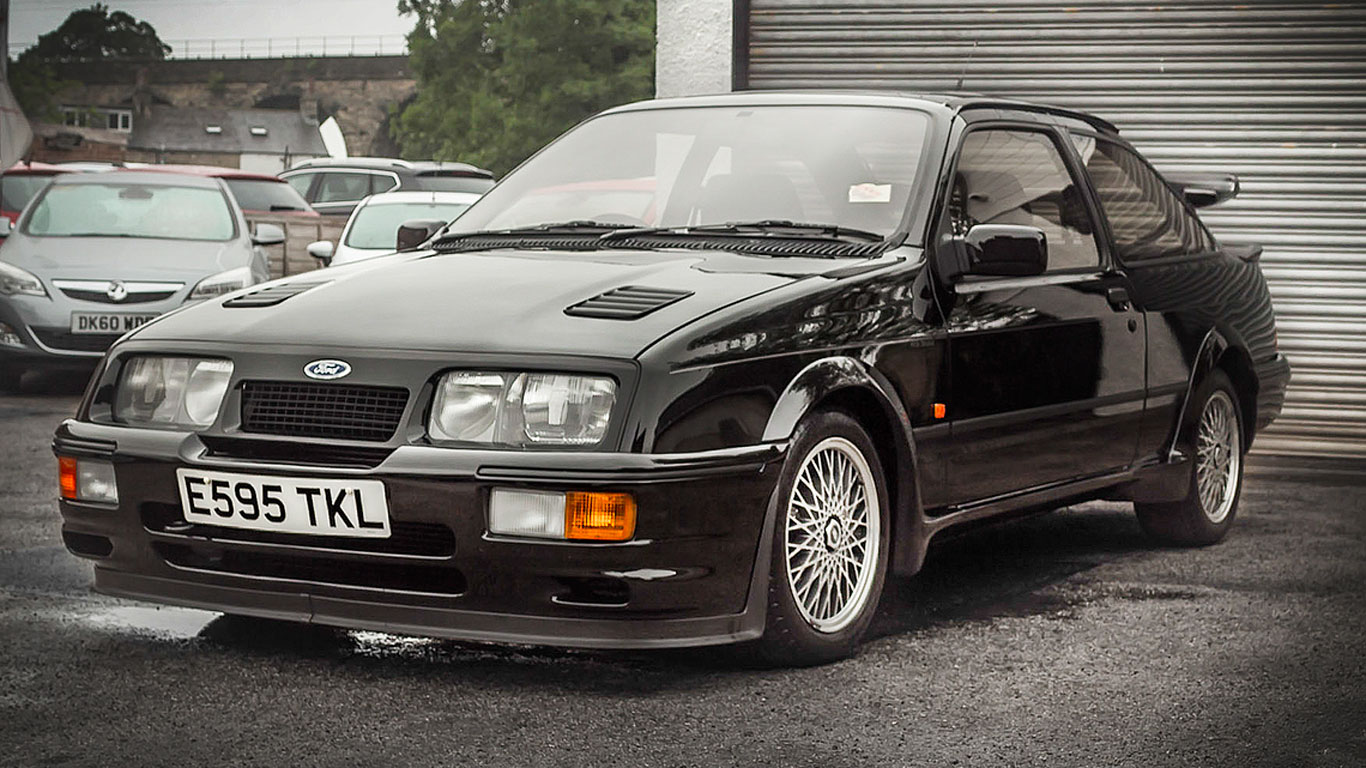
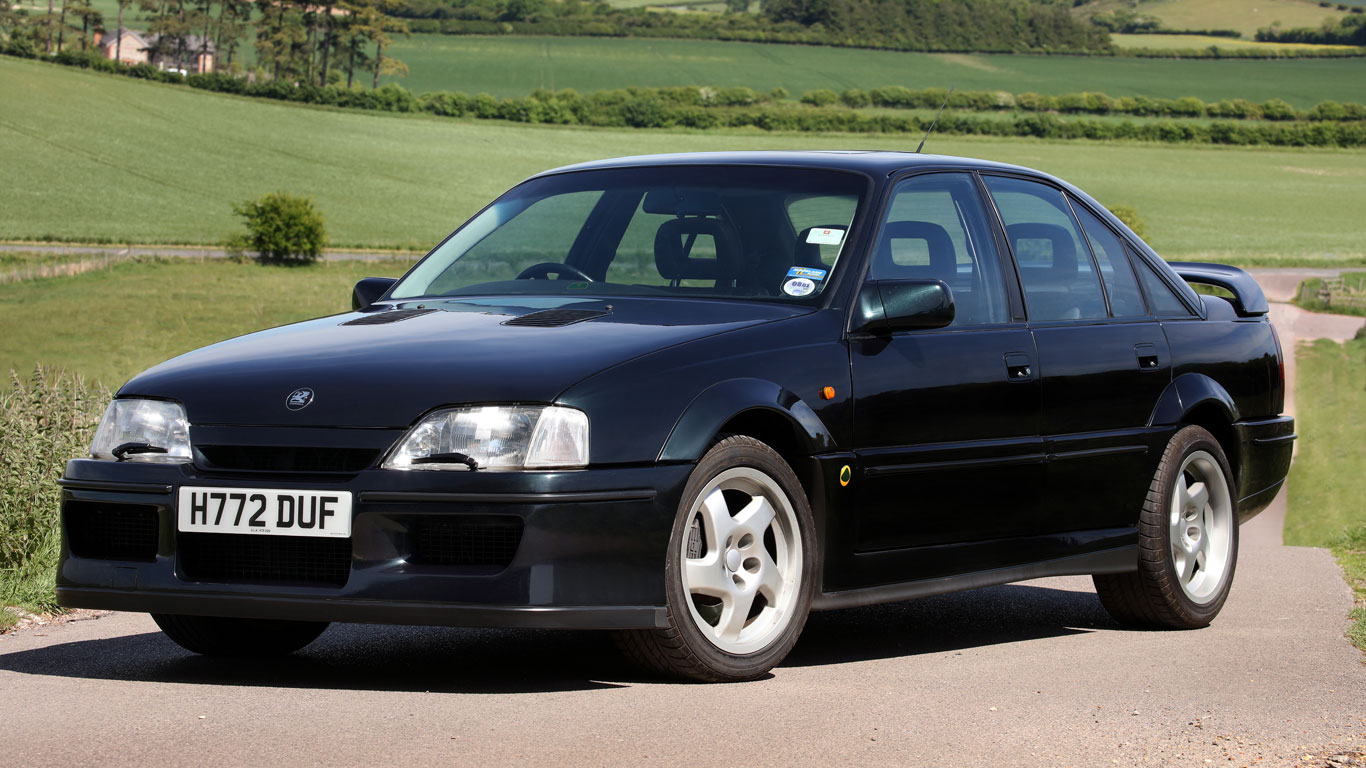
The Ford Sierra RS Cosworth and Vauxhall Lotus Carlton share a few things in common, most notably the fact that they’re both based on more humble vehicles. Right now, performance cars of the 80s and 90s are hot property, which is why we’ve selected two from the forthcoming Silverstone Auctions Classic Sale.
The auction takes place over the weekend of the 29th and 30th July, with this pair likely to be in demand. Which working class hero would you drive home from Silverstone?
More modern classics on Motoring Research:
Ford Sierra RS Cosworth: Retro Road Test
Vauxhall Chevette HS: Retro Road Test
Made in Dagenham: Ford’s secret classic car collection
Ford Sierra RS Cosworth
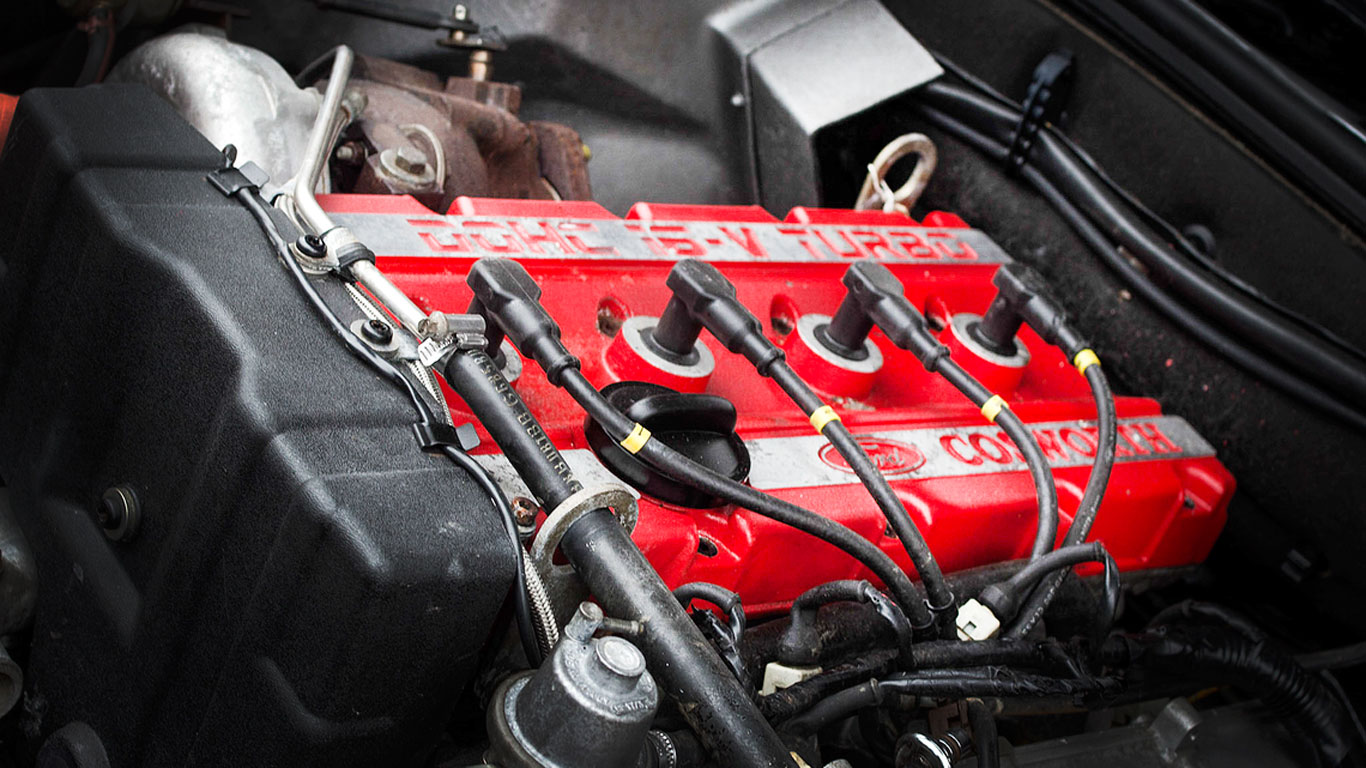
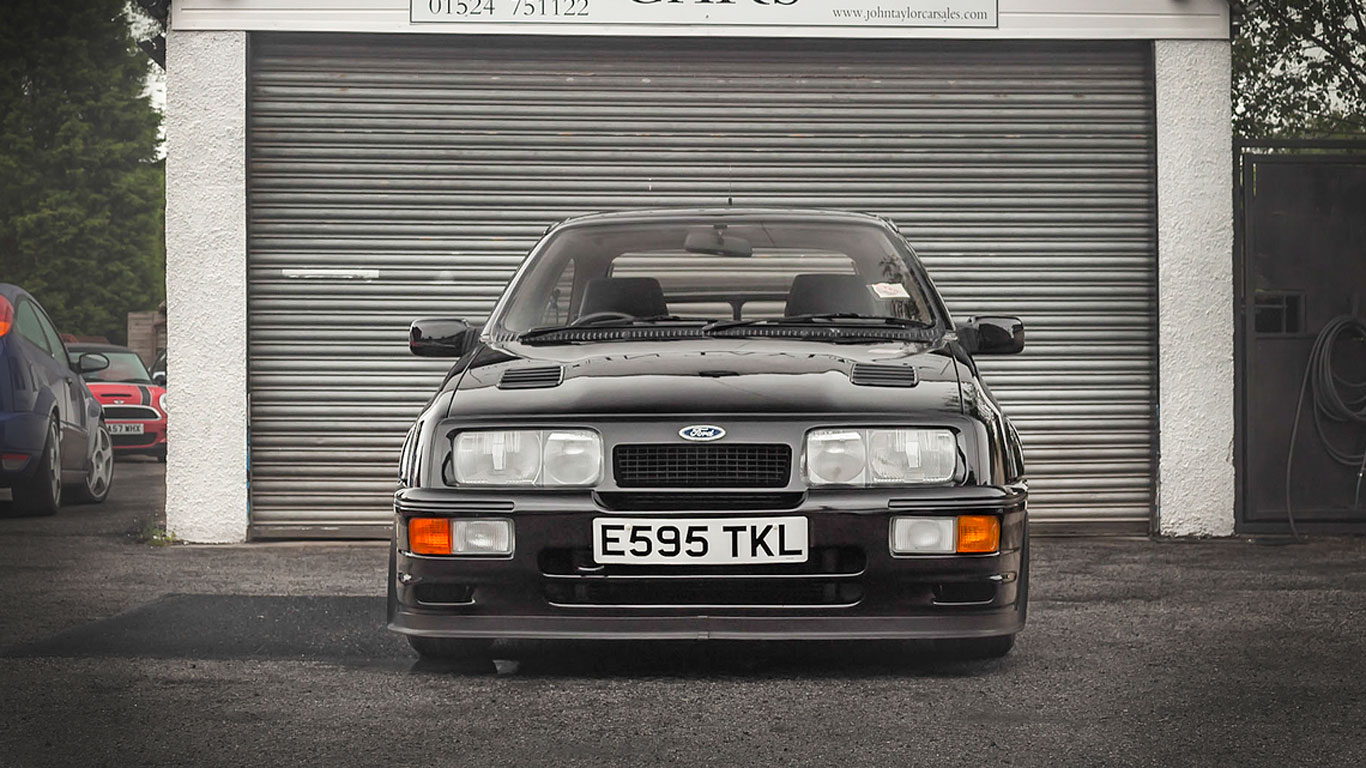
The Ford Sierra RS Cosworth represents the very essence of the performance car of the 1980s: turbocharged, extroverted and in-yer-face. It arrived in 1985, with a Garrett T3 turbocharger adding muscle to Ford’s 2.0-litre engine. In ‘standard’ guise it packed a 204hp punch, enough to haunt the dreams of Integrale and Quattro owners. The RS500 upped the ante even further, as we’re about to discover…
Vauxhall Lotus Carlton
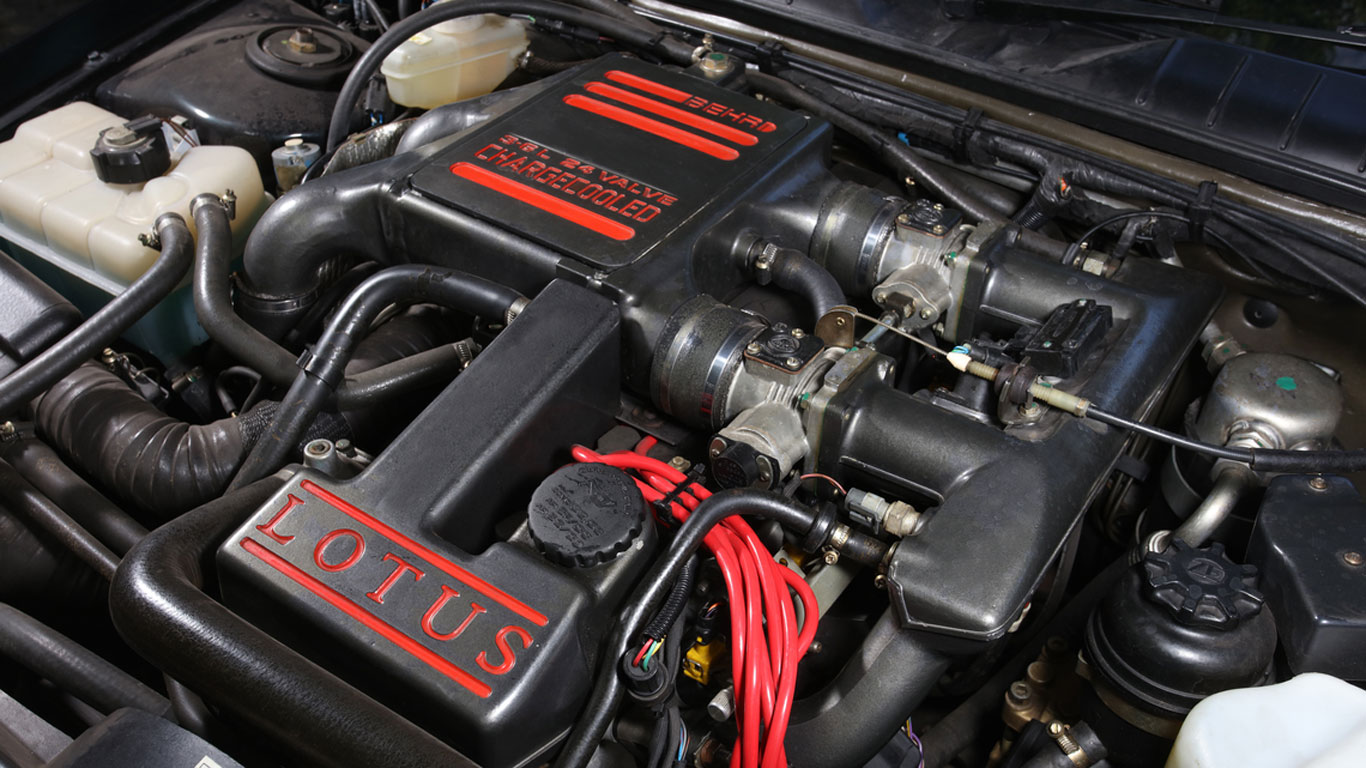
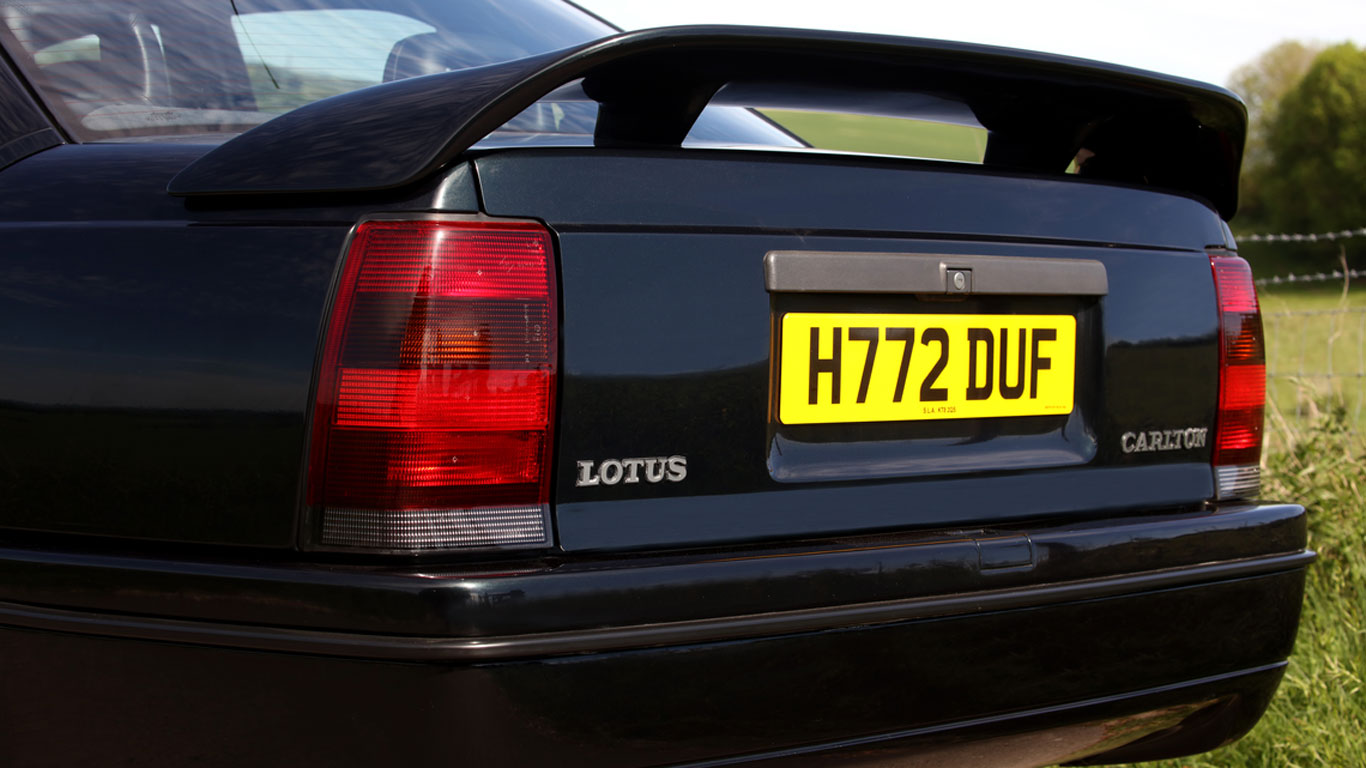
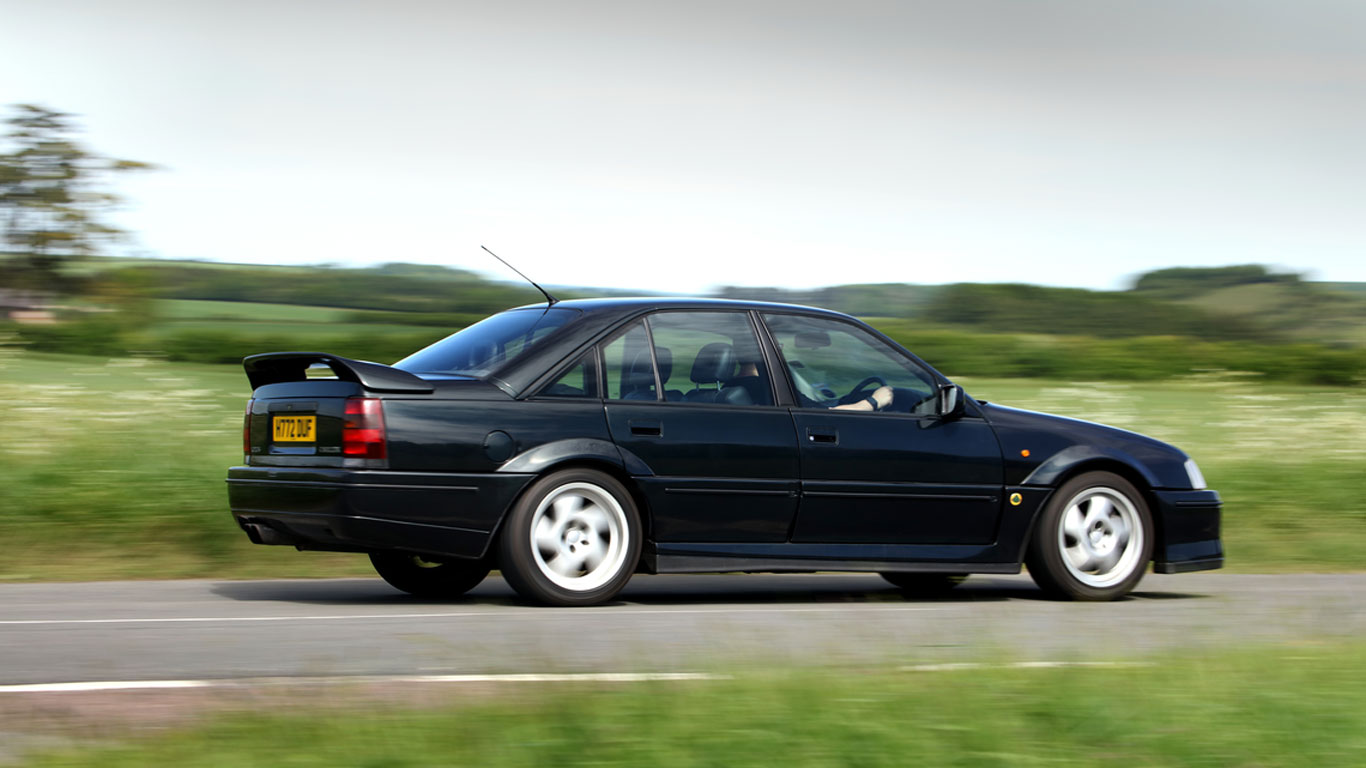
If the Sierra RS Cosworth was as loud and brash as a Game of Thrones battle scene, the Vauxhall Lotus Carlton was more Nordic Noir – introverted and sombre-suited. But beneath the stealth-like saloon lies a performance car of real pedigree. It’s arguably the greatest Q-car of all-time. Choosing between the Carlton and the Cossie will split opinion like a Brexit debate, but we’ll provide the facts for you to make an informed decision.
Ford Sierra RS500 Cosworth: performance
To create the limited edition RS500, Ford sent the RS Cosworth to Tickford. A Garrett T31 turbocharger, larger intercooler and induction system combined to increase the output to 224hp, although race versions could develop as much as 600hp.
Vauxhall Lotus Carlton: performance
Why have a single turbocharger when you can have two? The Lotus Carlton was powered by a 3.6-litre engine paired with two Garrett T25 turbochargers to develop a mighty 377hp at 5,500rpm and 419lb ft torque at 4,200rpm.
Ford Sierra RS500 Cosworth: top speed
Thirty years on, the RS500’s performance figures remain hugely impressive. Top speed was 153mph, with the 0-62mph time blitzed in a mere 6.2 seconds. Ford and Tickford had the sense to fit uprated brakes.
Vauxhall Lotus Carlton: top speed
Given a long enough runway, the Lotus Carlton would still be hurtling towards the horizon when the Cossie had maxed out. In fact, the Carlton could hit a top speed of 176mph, making it faster than a Ferrari 348. It was, at the time, the fastest four-door saloon on the planet.
Ford Sierra RS500 Cosworth: auction car
This example left the Tickford factory in July 1987 and was delivered to a Mr Souter in Kent. He sold the car 13 months later to a wealthy individual who kept the Sierra for 29 years. It remained untouched in a garage for 26 years, before being ‘rescued’ by Cosworth specialist John Taylor. It has since been recommissioned and is presented in its original unrestored condition.
Vauxhall Lotus Carlton: auction car
This 1991 example is car number 28 and was sold new in Blackpool. It spent a number of years in dry storage, which explains why there are just 4,500 miles on the clock.
Ford Sierra RS500 Cosworth: rear wing
To the untrained eye, there’s little to distinguish the RS500 from the ‘regular’ RS Cosworth, but the tailgate spoiler beneath the ‘whale tail’ rear wing is one giant clue. RS500 decals are another giveaway.
Vauxhall Lotus Carlton: rear spoiler
The more you look at the Lotus Carlton, the more you notice the visual differences to the standard saloon, but the overall effect is far more discreet. The rear spoiler is a neat addition, but the wide arches, bodykit and bonnet vents are harder to spot.
Ford Sierra RS500 Cosworth: Daily Mail
The Ford Sierra RS Cosworth was a joyriders’ dream in the 1980s, but we don’t believe the car ever upset the Daily Mail. Its drivers might have ruffled a few feathers, but you can hardly blame the car for the actions of the people, even if it was easier to break into than a Fisher Price money box.
Vauxhall Lotus Carlton: Daily Mail
The Lotus Carlton, on the other hand, was unable to escape the wrath of the Daily Mail. Too fast for the road, declared the newspaper, with the Association of Chief Police Officers labelling it ‘an outrageous invitation to speed’. Such notoriety only served to create a legend.
Ford Sierra RS500 Cosworth: estimate
When it was launched in 1987, the RS500 cost £19,950, compared to the £15,950 of the standard Cosworth. Today, this example, which has a mere 10,733 on the clock, is likely to fetch between £90,000 and £100,000.
Vauxhall Lotus Carlton: estimate
Which kind of makes the £60,000 to £70,000 estimate for the Lotus Carlton seem like a bargain, especially when it cost around £48,000 when new. If the price is too much for you, there’s another example in the auction, with a pre-auction estimate of £22,000 – £26,000.
If you fancy placing a bid on the Carlton or the Cossie, the Silverstone Classic Sale takes place on the 29th and 30th July 2017.
Would you get out of bed at silly o’clock in order to be one of the first to drive on a new stretch of road? Probably not, but we did, so you don’t have to. Or something.
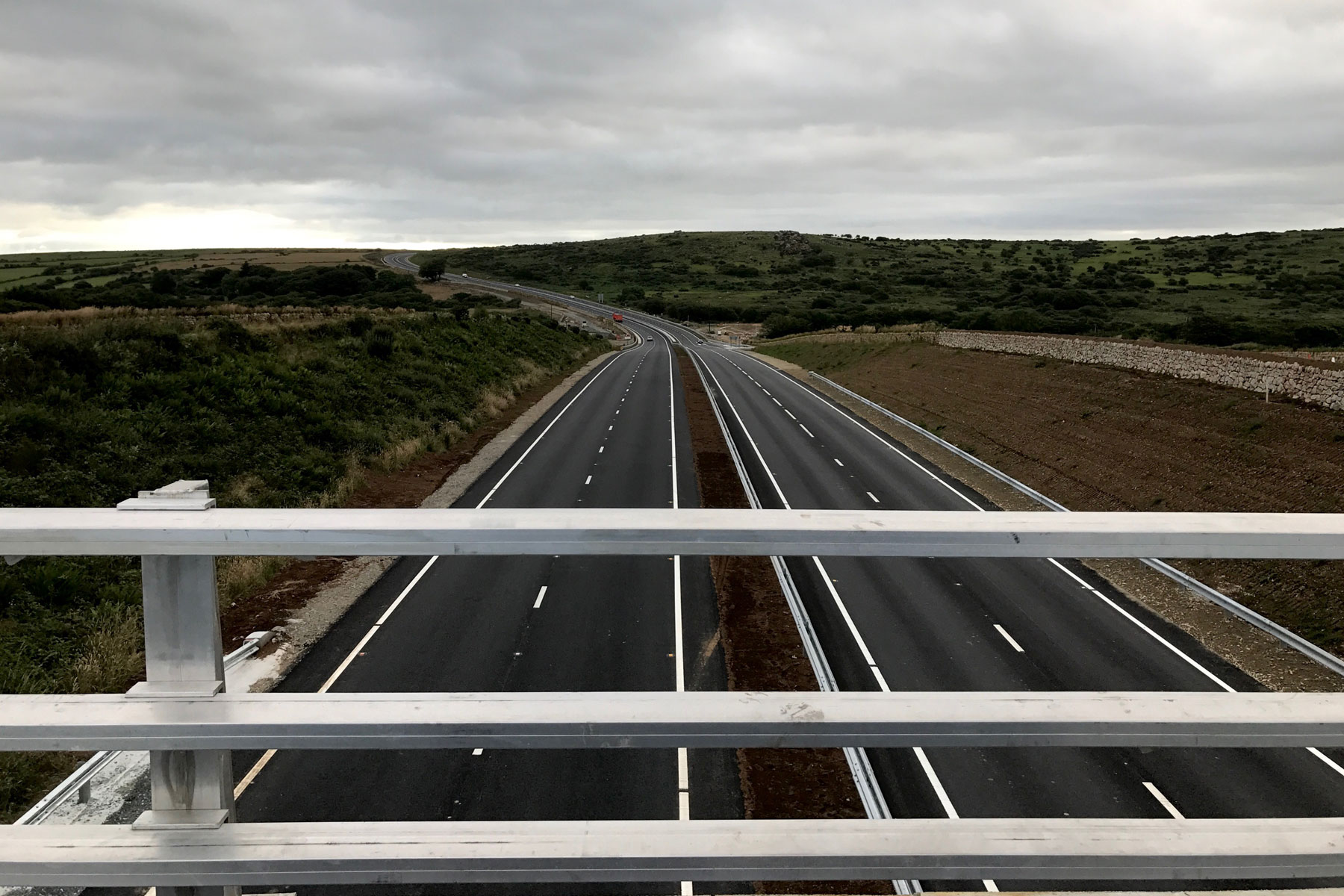
Finally, following two years of delays and a blanket 40mph speed limit, the dual carriageway across Bodmin Moor at Temple is open, bringing welcome relief to local residents, businesses and the millions of tourists who visit Cornwall every year.
It removes another section of single carriageway between Scotland and Cornwall, with Carland Cross – some 30 miles west on the A30 – the next bottleneck on the way to Land’s End.
Recently, Highways England announced plans to upgrade the road between Carland Cross and Chiverton Cross, with work expected to commence in 2019/2020 at a cost of between £100 million to £250 million.
A champagne moment for Cornwall?
In effect, then, the dual carriageway at Temple simply shifts the problem further into Cornwall, but let’s not allow that to get in the way of what is a momentous day for the county and the A30.
Or, at least, it should be. As we arrived at 6am, the night workers were removing the cones from the point of the overnight diversion at Launceston, but there was no fanfare. No ribbon across the road. No councillor armed with champagne, cheerily declaring the road open.
Instead, the dignitaries have chosen to gather on a bridge at a more respectable time of day, by which time thousands of motorists will have blessed the virgin tarmac, enjoying the disappearance of the average speed cameras that have welcomed people to Cornwall for the previous two years.
It’s a far cry from the days when booklets were produced to mark the opening of a new road. “The opening of the Preston By-pass marks the beginning of a new era of motoring in Britain,” said the official bumf for Britain’s first motorway in 1958.
As the excellent Chris’s British Road Directory rightly says, we’ve become a little blasé about new roads, cursing them during construction and not giving them a second thought once they have opened.
In fairness, Kier – the company entrusted to handle the construction work – has done an excellent job of keeping motorists updated with progress, even if the completion date is a year behind schedule.
This was the scene at 6.55am, less than an hour after the road officially opened:
I woke at the crack of dawn to be one of the first to drive on the new stretch of #A30 across Bodmin Moor. I don’t get out much. pic.twitter.com/VnBP3j3xIJ
It’s not quite finished. There’s still a fair bit of work to do either side of the dual carriageway and the bridge across the A30 at Temple Tor won’t be open until the end of July. But crucially, the holidaymakers who will converge on Cornwall over the coming weeks and months will discover that their west journey is just that little bit easier.
More time to spend on the beach, or at least queueing at the roundabout where the A30 meets the A39 at Carland Cross.
Here’s a video of our early morning drive on Cornwall’s newest dual carriageway. If nothing else, it shows just how changeable the weather can be on Bodmin Moor. Little wonder the project was delayed by heavy rainfall.
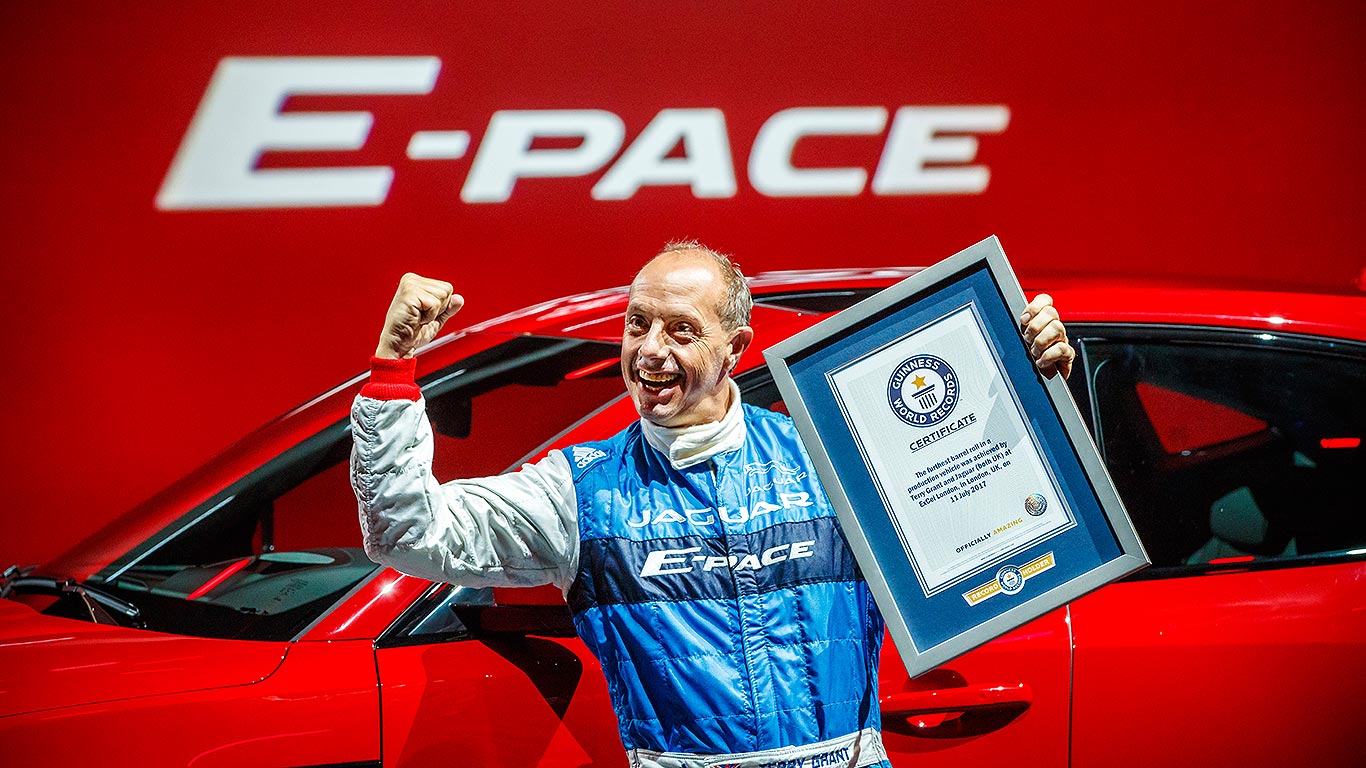
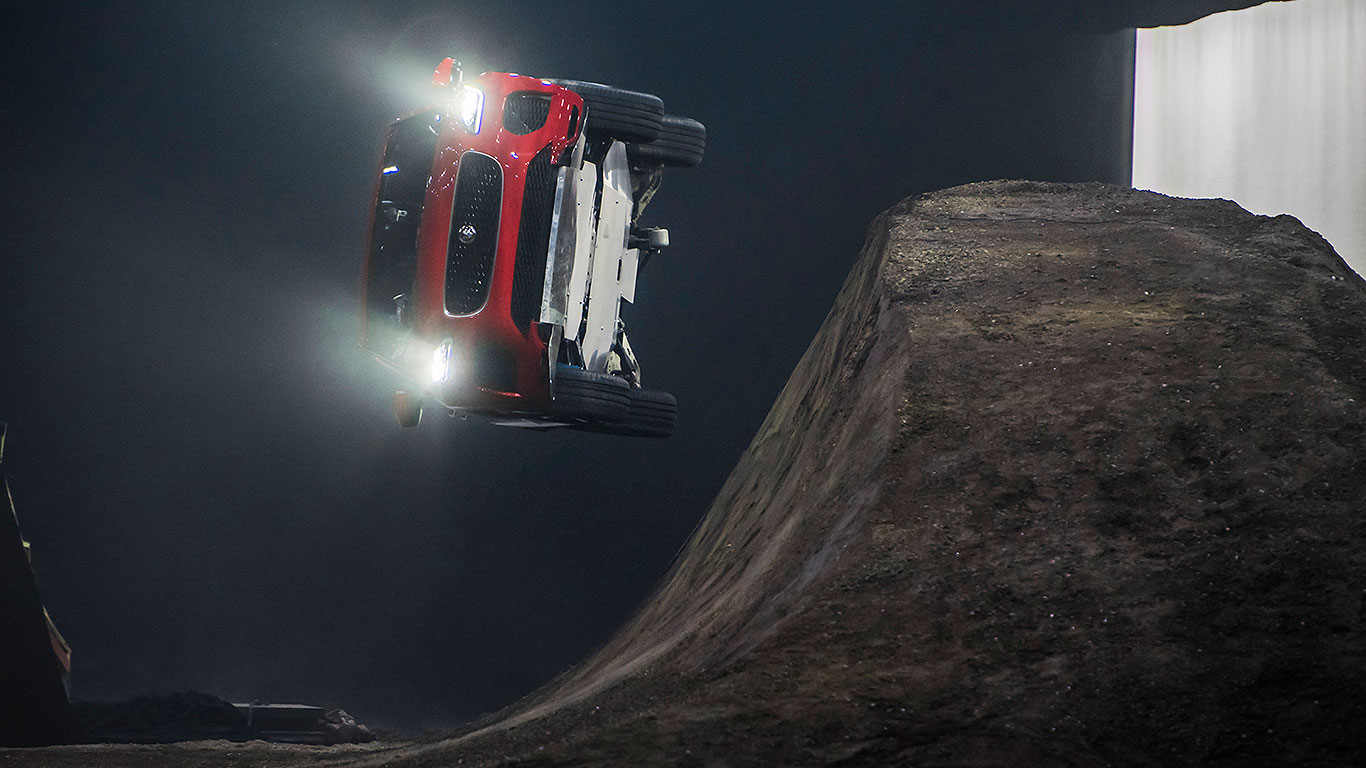
Jaguar has launched the new E-Pace SUV with a bang by recreating a famous James Bond stunt and performing the longest barrel roll ever. Guinness World Records adjudicators were on hand at the performance, held at London’s Excel, to officially hand over the certificate.
Part of the global reveal event for the new E-Pace small SUV, stunt driver Terry Grant was behind the wheel of the record-breaking car: he can now add Furthest Barrel Roll in a Production Vehicle to his other Guinness World Record, that of the Highest Loop-the-Loop – also performed in a Jaguar.
This was a formidable challenge: not many locations in the UK are big enough to house the record attempt. It required a 160-metre run-up and more than 15 metres between take-off and landing, during which Grant experienced forces of 5.5-g.
The E-Pace twisted through a 270-degree roll and landed on all four wheels still travelling rapidly: Jaguar spent months calculating the exact speed Grant had to be travelling at before take-off, using CAD modelling and production-spec E-Pace data.
“As far as I am aware no production car has ever cleanly completed a bona-fide barrel roll and therefore it has always been an ambition of mine to perform one ever since I was a boy,” said Grant.
“After driving the Jaguar F-Pace in the record-breaking loop-the-loop, it has been amazing to launch the next chapter of the Pace story in an even more dramatic dynamic feat.”
Grant’s first Jaguar World Record was set back in 2015, when he helped launch the F-Pace with that iconic loop-the-loop drive in Frankfurt. This E-Pace stunt surely topped that though, and Grant was clearly ecstatic by the end.
DJ Pete Tong later performed – and even he was impressed. “Jaguar breaking the Guinness World Record for the barrel roll… seeing this stunt recreated right in front of us… it was mind-blowing.”
The officials agreed. “This amazing feat really was a sight to behold,” said Guinness World Records adjudicator Pravin Patel. “While I’ve seen the barrel roll stunt in film, witnessing this incredible feat in real life was something pretty special.”
The barrel roll was first performed in the 1974 Bond film The Man With The Golden Gun. It was the world’s first computer-modelled car stunt, and an incredibly complicated routine to perform: there are umpteen parameters and the original routine all had to be performed in one take. Apparently, they nailed it on the first shot…


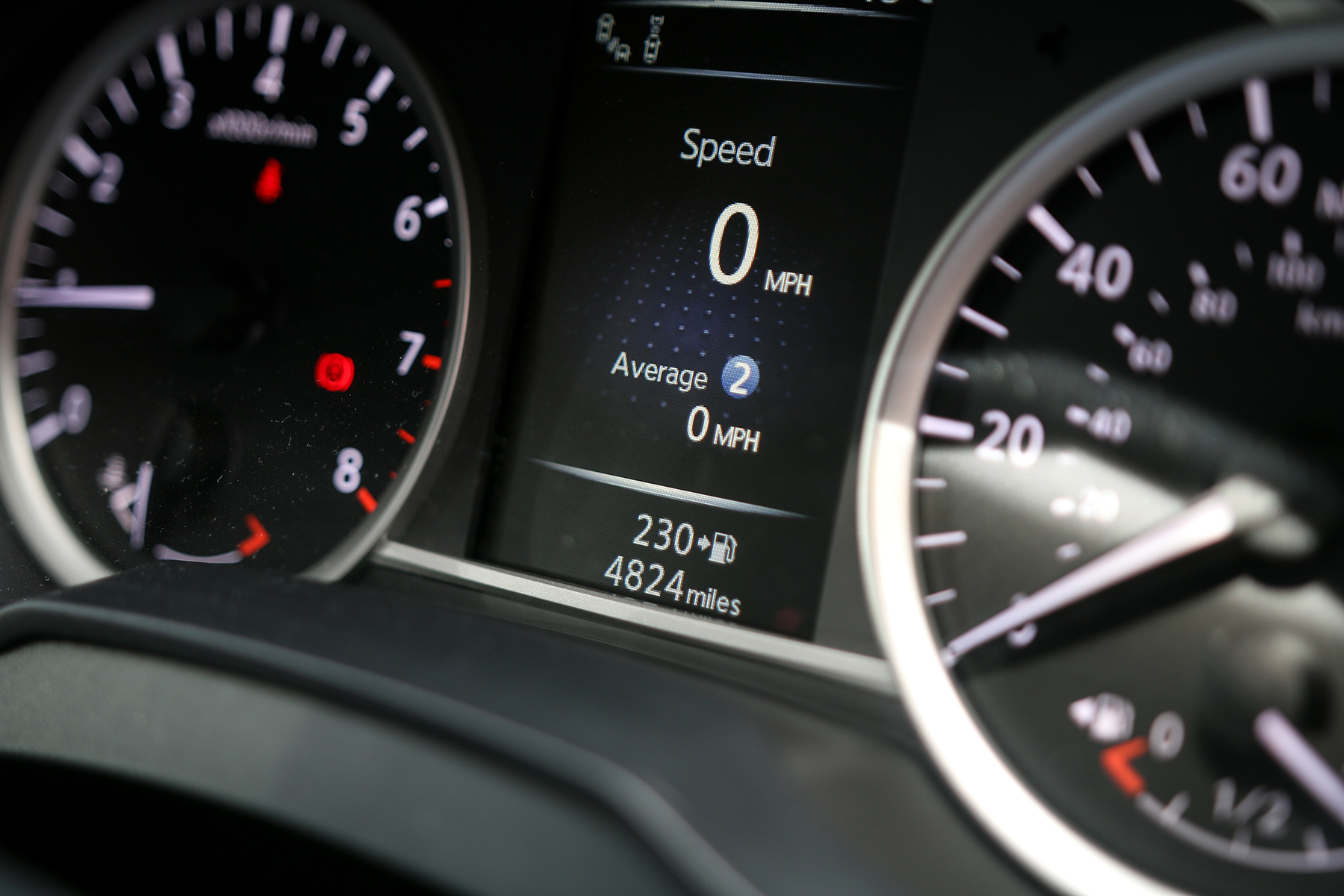
 Top Gear presenter Chris Harris talked about the next series of the hit show in an exclusive interview with Motoring Research.
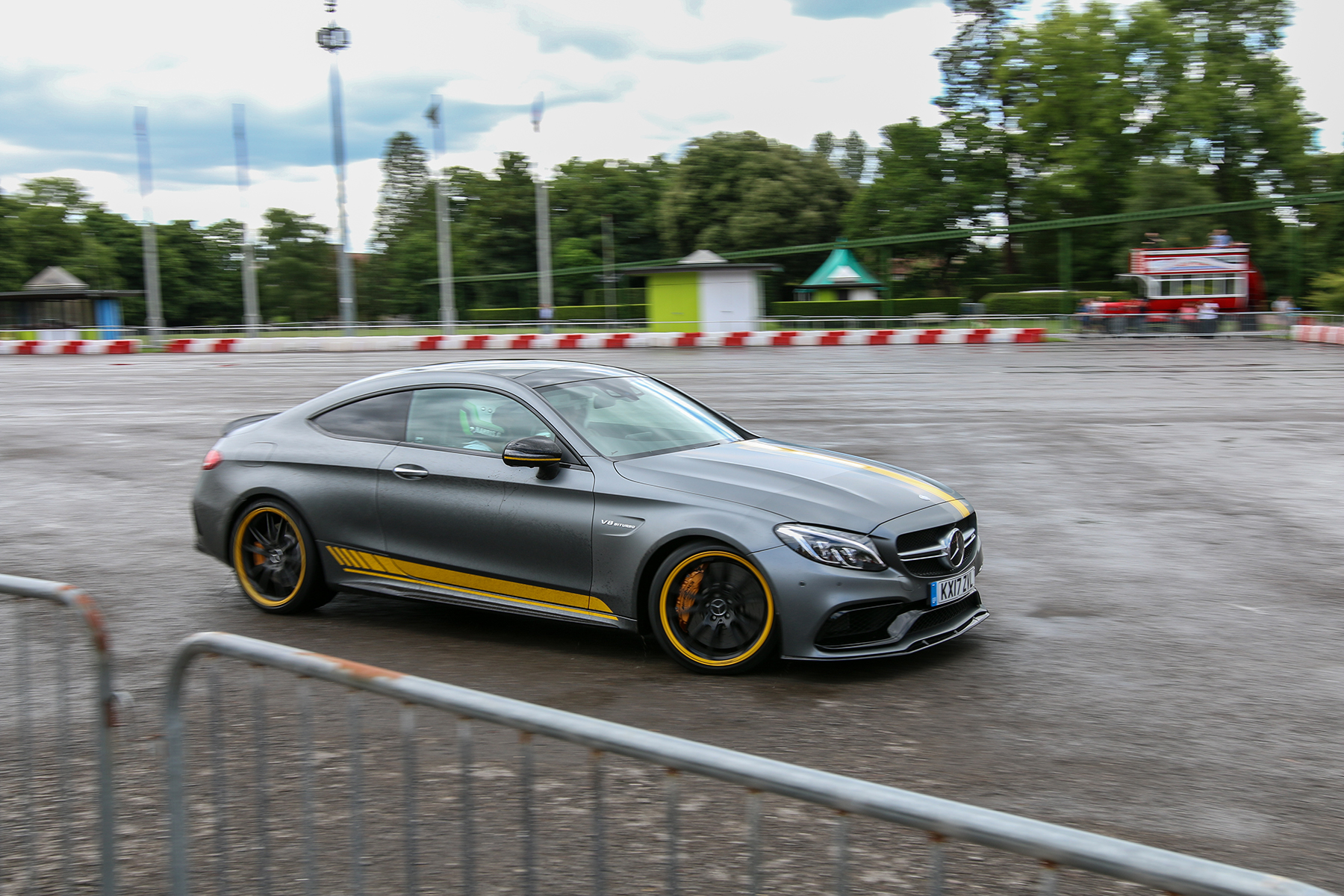 Drifting with a ‘Driving God’
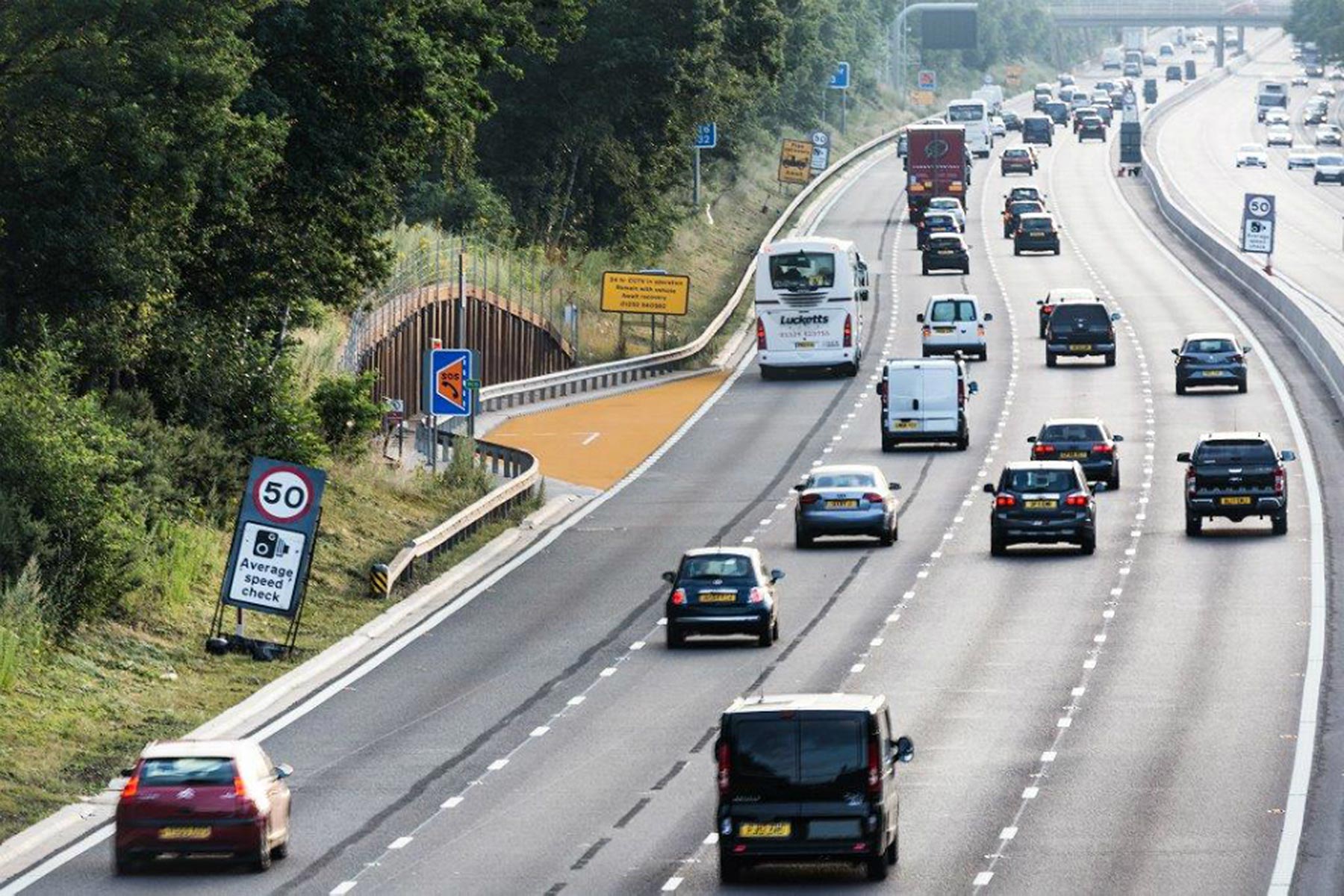 A smart motorway emergency refuge area on the M3 motorway in Surrey has turned orange as part of a Highways England trial to encourage their safe use.
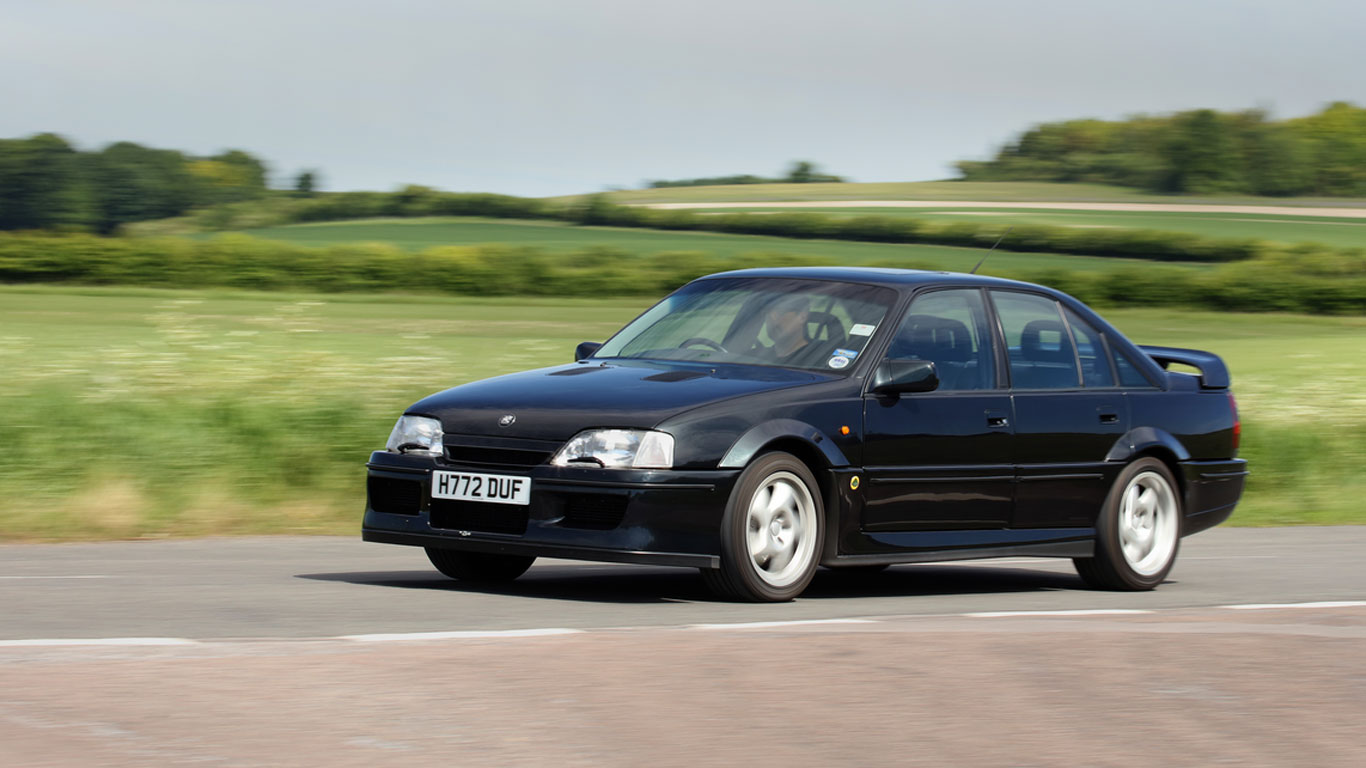 The Ford Sierra RS Cosworth and Vauxhall Lotus Carlton share a few things in common, most notably the fact that they’re both based on more humble vehicles. Right now, performance cars of the 80s and 90s are hot property, which is why we’ve selected two from the forthcoming Silverstone Auctions Classic Sale.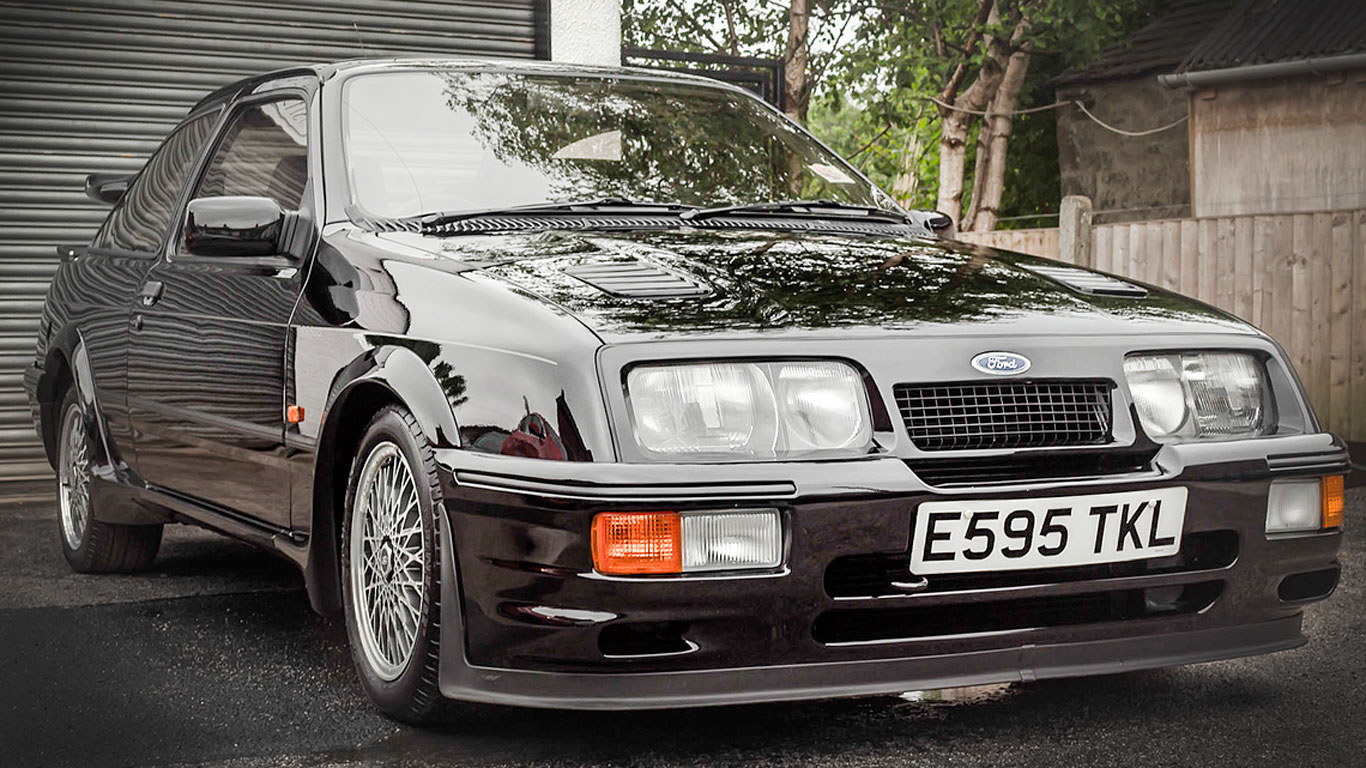
 Jaguar has launched the