Home Blog Page 522

iOS 11: How to use the ‘Do Not Disturb While Driving’ iPhone feature

0

iOS 11: How to use the 'Do Not Disturb While Driving' iPhone feature

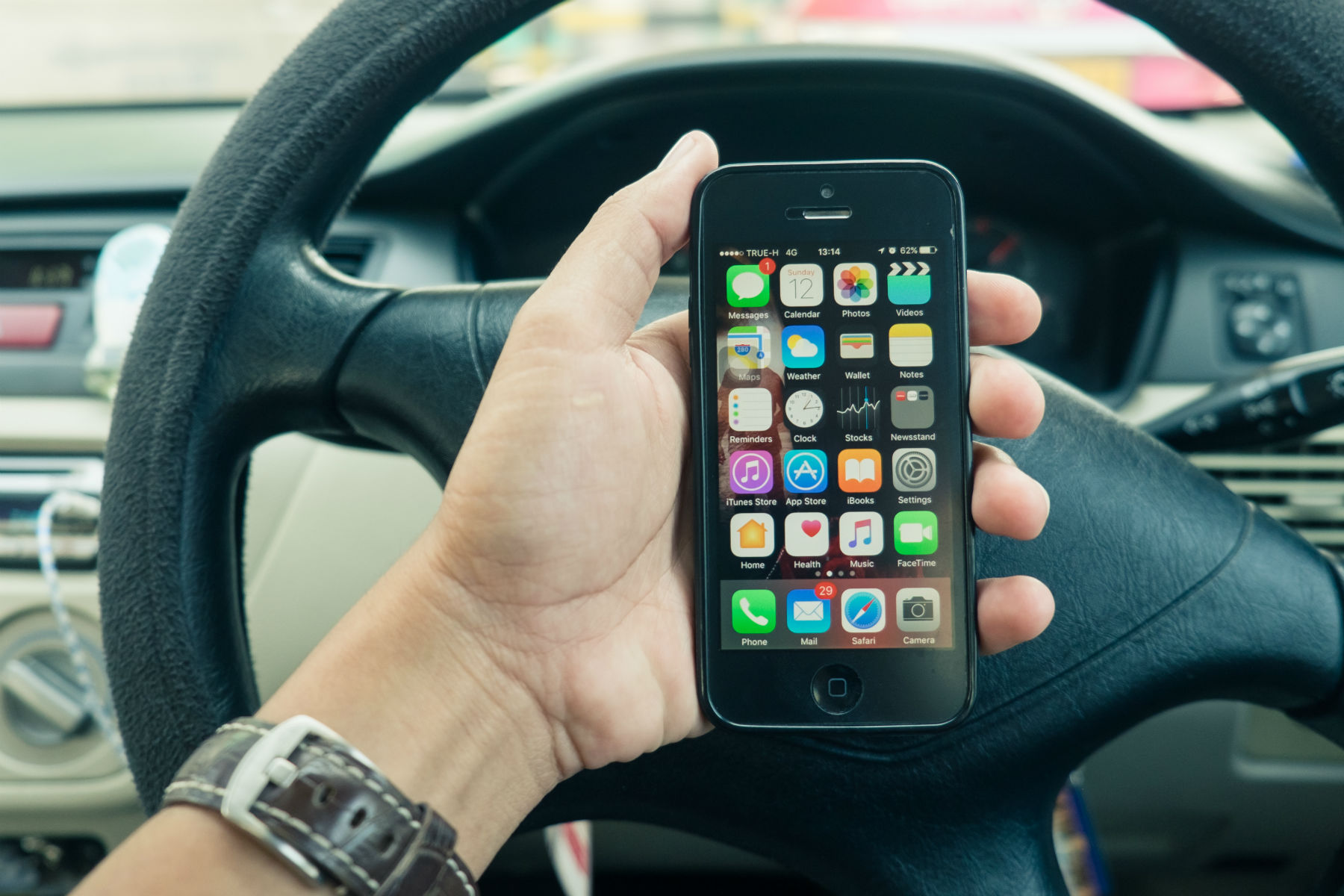
Apple has released its latest iOS 11 operating system, bringing with it a useful tool for drivers: a ‘Do Not Disturb While Driving’ mode. This blocks phone notifications while you’re at the wheel, with the aim of reducing crashes caused by people using their phone while driving.

If you’ve just installed iOS 11, your phone will detect the first time it thinks you’re driving and, once you’ve arrived at your destination, show a description of the Do Not Disturb While Driving feature. If you tap a button to enable the feature, it’ll turn on automatically when connected to your car’s Bluetooth, or when it senses driving motion. Alternatively, you can select to turn on the feature manually.


What does Apple’s ‘Do Not Disturb While Driving’ feature do?

Apple’s ‘Do Not Disturb While Driving’ mode is an extension to its ‘Do Not Disturb’ feature, which can be enabled for certain times, turning off notifications when, for example, you’re asleep or at work. The driving mode can be turned on manually, or can be triggered by connecting to a car’s Bluetooth. There’s even an automatic setting, which disables notifications when it detects the movement of a vehicle. You can manually turn this off, though, for those occasions when you’re a passenger in a moving car.

While active, Do Not Disturb While Driving will disable any notifications: such as incoming calls and text messages. Your iPhone screen will stay dark, and there’s an option to turn an automatic response to texts – telling contacts that you’re currently driving. This can be customised for certain contacts.

It can also let through notifications from your favourite contacts, or if a caller dials twice within three minutes.


Driving organisations are campaigning for Android and Microsoft phones to introduce similar features. Statistics from 2015 reveal that 22 people were killed and 99 seriously injured when a driver was using their mobile phone at the wheel.

“Illegal handheld phone use is one of the biggest in-car problems of our time and it will take a concerted effort to get the message across to drivers that it’s simply not okay,” said RAC’s Be Phone Smart spokesman Pete Williams.

“We need organisations to work together and to come up with creative ways of helping drivers realise that no text or tweet while driving is worth the risk.

“Apple’s iOS update is a major step forward and will mean that handsets used by millions of people will, for the first time, include in-built software that can reduce the distraction risk posed by handheld phones. Now we need the other major operating systems – Google’s Android and Microsoft’s Windows Mobile – to follow suit.”

Harsher penalties for mobile phone use at the wheel were introduced earlier this year, with police handing out £200 fines and six penalty points for drivers caught using a handheld phone.

More on MR:
Advertisement

Renault ticked off by ASA for Alpine tweet

0

Renault ticked off by ASA for Alpine tweet

The Advertising Standards Authority (ASA) has upheld a complaint over a tweeted posted on the Alpine UK account.

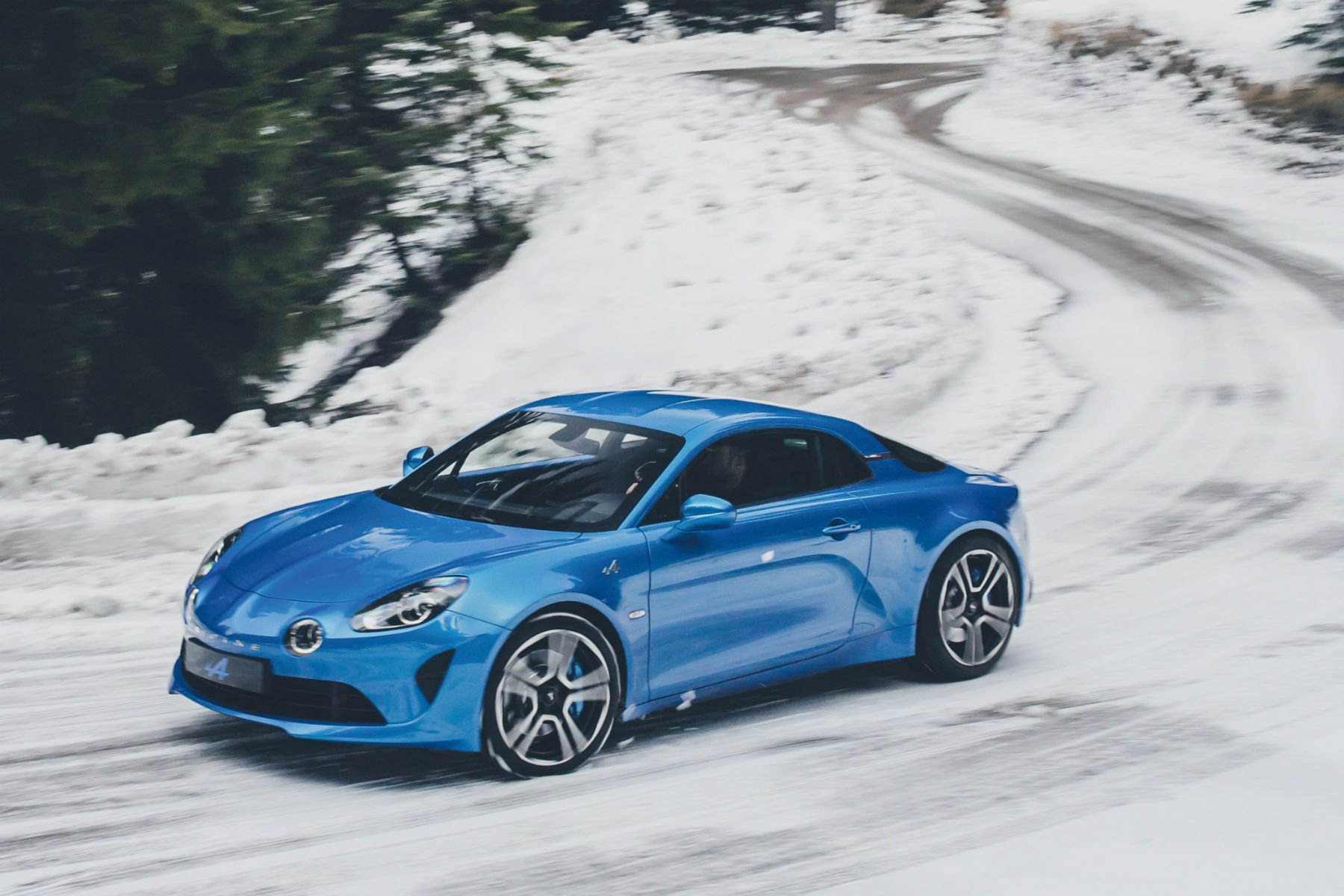
The tweet from the Alpine Cars UK Twitter account, posted on 8 March 2017, said: “Mountains and twisted roads: The #AlpineA110 in it’s [sic] favorite [sic] playground.” It showed a video of the Alpine A110 being driven along the closed Col de Turini mountain road by French racing driver Nicolas Lapierre.

A complainant was concerned that the video “glamourised and promoted dangerous driving,” as it showed the car being driven at speed on a twisty road, including one shot of the car skidding at a corner.

Renault said the focus of the video, which has now been deleted, was not on speed but about “demonstrating agility and handling”. As the car used was a prototype, its speed was limited to ensure it did not exceed 90km/h (around 56mph), and it was filmed on a closed road under the supervision of the Monaco Automobile Club.

Regardless, the ASA upheld the complaint, saying that it “considered that speed and acceleration were the main messages of the ad, that parts of the ad implied excessive speed, and that the ad encouraged and condoned irresponsible and potentially dangerous driving.”

Despite Renault offering to amend the ad with a warning stating that the professional driving should not be replicated on public roads, the ASA ruled that such a message would be insufficient and the ad should never appear again in its current form.

More Alpine on MR:

The tweet was posted a day after the Alpine A110’s official debut at this year’s Geneva Motor Show. The Porsche Cayman rival is powered by a four-cylinder turbocharged engine producing 250hp. It weighs just 1,080kg and marks a return for Renault’s Alpine sports car brand. The A110 will go on sale in spring 2018.

The ASA has also investigated a TV advert for the Jaguar F-Type which appeared in June 2017. Five viewers complained that the ad’s message, “DON’T JUST TAKE THE CORNER. OWN IT”, promoted dangerous driving. The complaint wasn’t upheld as the ASA considered that “viewers were likely to interpret it as relating to responsible cornering where the driver was very much in control.”

Advertisement

Land Rover Discovery pulls a 110-tonne road train

0

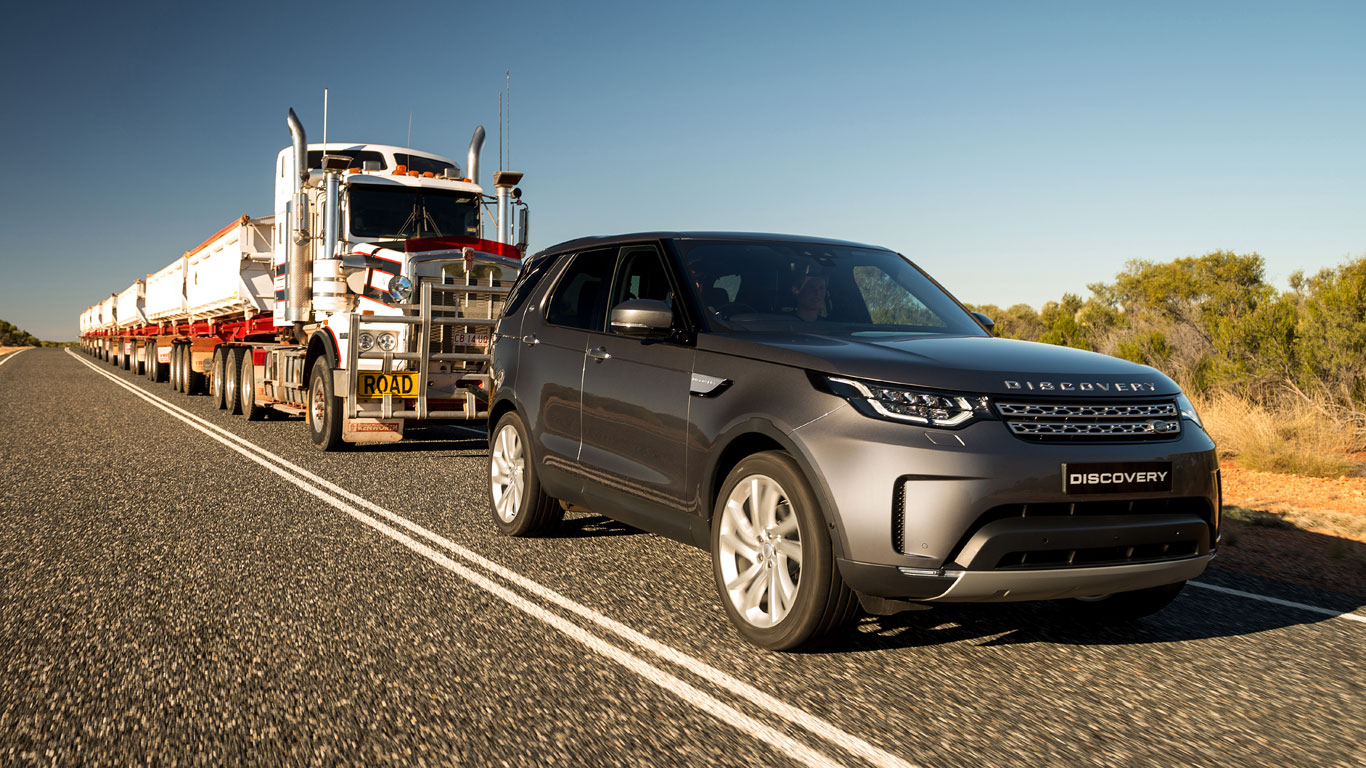
Land Rover Discovery pulls a 110-tonne road trainEver wondered if a Land Rover Discovery is a tad overkill for lugging a four-berth caravan to a home counties campsite? Well, a 2018 Disco 5 has successfully lugged a 110-tonne road train across the Australian Outback.

The PR stunt (a way of drawing attention away from its offset rear number plate, perhaps?) saw a 3.0-litre Discovery TD6 tow a truck with seven (count ’em, seven!) trailers for nearly 10 miles along a closed section of the Lasseter Highway.

Although road trains are normally limited to four trailers in the Australian Outback, Land Rover obtained special permission to tow seven trailers as well as the 12-tonne tractor unit. This was retained to operate the hydraulic brakes fitted to the trailers. The road train was also carrying 10-tonnes of ballast.

With 258hp and 443lb ft torque, the Discovery TD6 can legally tow up to 3,500kg on public roads. The car used in the stunt kept its standard eight-speed automatic transmission and four-wheel-drive system and was hooked up to the road train using a factory-fitted tow bar attachment.

“Towing capability has always been an important part of Discovery DNA and the raw weight of the road train tells only half the story here,” said Land Rover product engineer, Quentin Spottiswoode. “Pulling a rig and seven trailers, with the rolling resistance of so many axles to overcome, is a huge achievement. We expected the vehicle to do well but it passed this test with flying colours, hitting 44km/h [27mph] along its 16km [9.9 mile] route.”

The Discovery is available with Advanced Tow Assist technology, which uses the rear camera to take the stress out of reversing trailers. You can even steer the vehicle using the rotary Terrain Response 2 controller on the centre console, while the system provides assistance, calculating steering inputs required to achieve the desired outcome.

Improvements for the 2018 model year include the addition of a 300hp four-cylinder Ingenium petrol engine and a new TFT display cluster in place of conventional dials.

More Land Rover Discovery on MR:

ALSO READ

The cheapest new cars with five stars for safety

The decade that taste forgot: 70s stars at Frankfurt

Amazon Alexa comes to BMW and Mini

Advertisement

‘Show me, tell me’ questions form part of new UK driving test

0

'show me, tell me'

Changes to the UK driving test will prepare new motorists for ‘real life driving’, according to the Driver and Vehicle Standards Agency (DVSA).

From 4 December 2017, the so-called ‘show me, tell me’ part of the test will change, with new drivers expected to complete the ‘show me’ test while driving. One question will be asked, which could include how to operate the horn, open the side window or switch on the headlights.

More on Motoring Research:

In the new test, the examiner will ask the ‘tell me’ question at the start of the examination, before any driving takes place. Examples include how to check the brake lights, the oil level or tyre tread depth.

“DVSA’s priority is to help you through a lifetime of safe driving,” said chief driving examiner, Lesley Young. “It’s important that learner drivers work with their driving instructor to make sure they can operate the in-car controls safely whilst they’re driving.”

https://www.youtube.com/watch?v=lI08tzIfo4c

The DVSA has published two videos showing new drivers how to carry out these basic safety tasks. Simple they might be, but the DVSA has warned that if a candidate loses control of the car while answering the ‘show me’ question, it will result in a serious or dangerous fault. In other words: the candidate fails the test.

The changes to the ‘show me, tell me’ section of the exam are part of a series of updates to the UK driving test, including increasing the length of independent driving to 20 minutes, following directions from a sat-nav and changes to the reversing manoeuvre.

Carly Brookfield, chair of the steering group for national approved driving instructor associations (NASP), is behind the changes, saying: “Whilst in-car, on the road practice with a professional driver trainer is an important part of delivering safer drivers to our busy roads, we also recommend the use of supplementary learning resources such as ‘how-to’ videos from authoritative sources in driver education.”

Further details of the changes to the driving test can be found on the government website, but here are the ‘show me, tell me’ questions in full:

‘Show me’ (one question, during test)

  • When it’s safe, show me how you’d wash and clean the rear windscreen.
  • When it’s safe, show me how you’d wash and clean the front windscreen.
  • When it’s safe, show me how you’d switch on your dipped headlights.
  • When it’s safe, show me how you’d set the rear demister.
  • When it’s safe, show me how you’d operate the horn.
  • When it’s safe, show me how you’d demist the front windscreen.
  • When it’s safe, show me how you’d open and close the side window.

‘Tell me’ (one question, before test)

  • Tell me how you’d check the brakes are working before starting a journey.
  • Tell me where you’d find the car’s recommended tyre pressures and how you’d check each tyre.
  • Tell me how you’d make sure your head restraint is correctly adjusted so it provides the best protection.
  • Tell me how you’d check the tyre have sufficient tread depth and are in a safe condition.
  • Tell me how you’d check the headlights and tail lights are working.
  • Tell me how you’d know if there was a problem with your anti-lock braking system.
  • Tell me how you’d check the indicators are working.
  • Tell me how you’d check the brake lights are working.
  • Tell me how you’d check the power steering is working before starting a journey.
  • Tell me how you’d switch on the rear fog lights and explain when you’d use them.
  • Tell me how you switch your headlights from dipped to main beam and explain how you’d know the main beam is on.
  • Open the bonnet and tell me how you’d check the engine has sufficient oil.
  • Open the bonnet and tell me how you’d check the engine has sufficient coolant.
  • Open the bonnet and tell me how you’d check that you have a safe level of hydraulic brake fluid.
Advertisement

Cars over 40 years old exempt from annual MOT tests

0

It follows a consultation in which more than half of respondents objected to the proposals

All cars over 40 years old are soon be exempt from the annual MOT roadworthiness test – despite most classic car drivers thinking it’s a bad idea.

More than 2,000 members of the public took part in an official consultation, with more than half stating that they were against the proposals. A total of 1,130 respondents opposed plans to introduce a rolling exemption for vehicles over 40 years old, with many stating that all vehicles travelling on public roads should have an annual test for safety reasons. By comparison, 899 respondents said they thought the proposals were a good idea.

The Government has today announced that it will proceed with the exemption for all vehicles constructed or first registered more than 40 years ago, on a rolling basis. Currently, all cars registered before 1960 are exempt from the MOT test, meaning there are roughly 197,000 vehicles on the road that don’t need to be MOTed.

This change in the law will mean a further 293,000 vehicles (one percent of all cars on the road) won’t need an MOT.

Justifying the decision, the Department for Transport said most cars of this age are usually well maintained and only used occasionally, making it ‘unreasonable’ to require an MOT. It also said the modern MOT was ‘no longer relevant’ to older cars.

“We would like to thank all those who responded to the consultation for their valuable input, and have noted the views expressed,” said roads minister, Jesse Norman MP. “After considering the responses, we have decided to exempt most vehicles over 40 years old from the requirement for annual roadworthiness testing.

“Vehicles that have been substantially changed, regardless of their age, will not be exempt from annual roadworthiness testing.”

Owners of classic cars that fall into the exemption will be able to submit their cars for a voluntary MOT, despite it not being a legal requirement.

Advertisement

Mercedes-AMG Project One: an F1 racer for the road (WITH VIDEO)

0

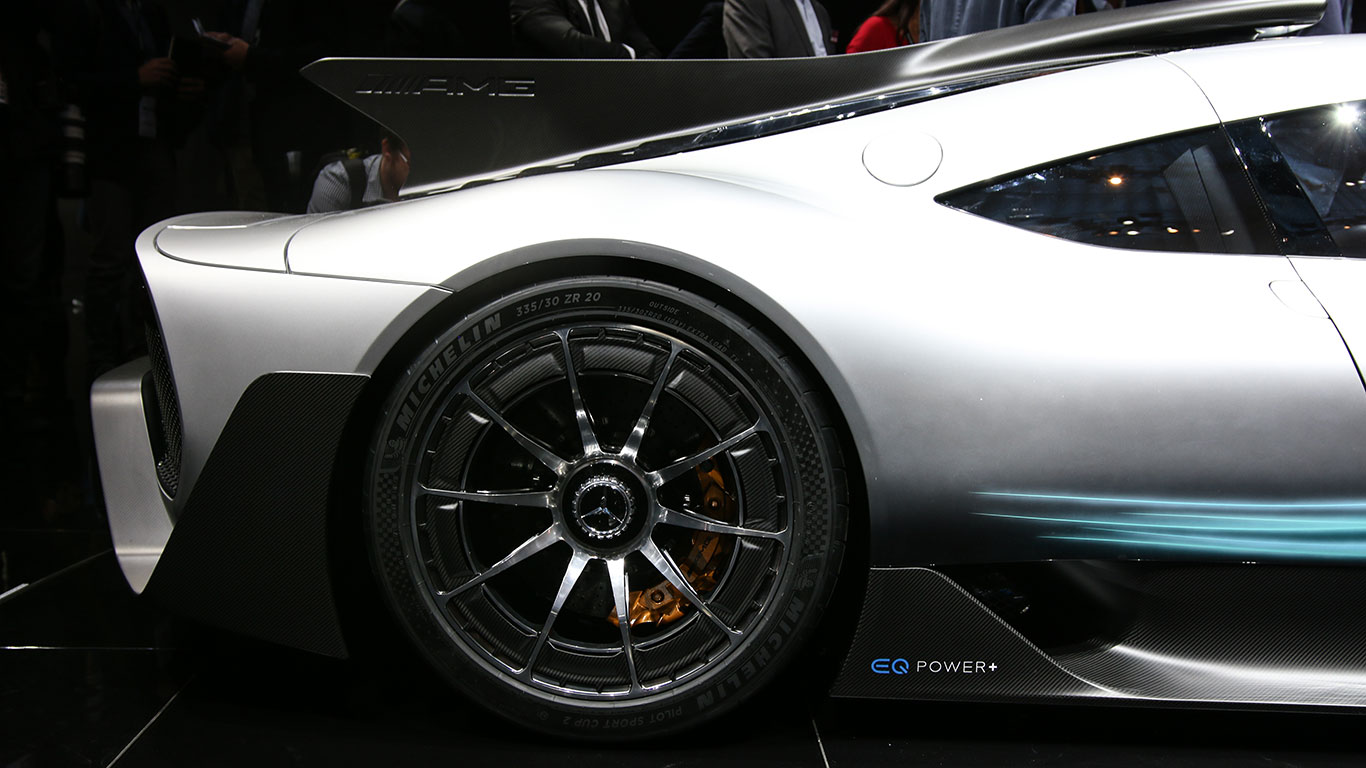
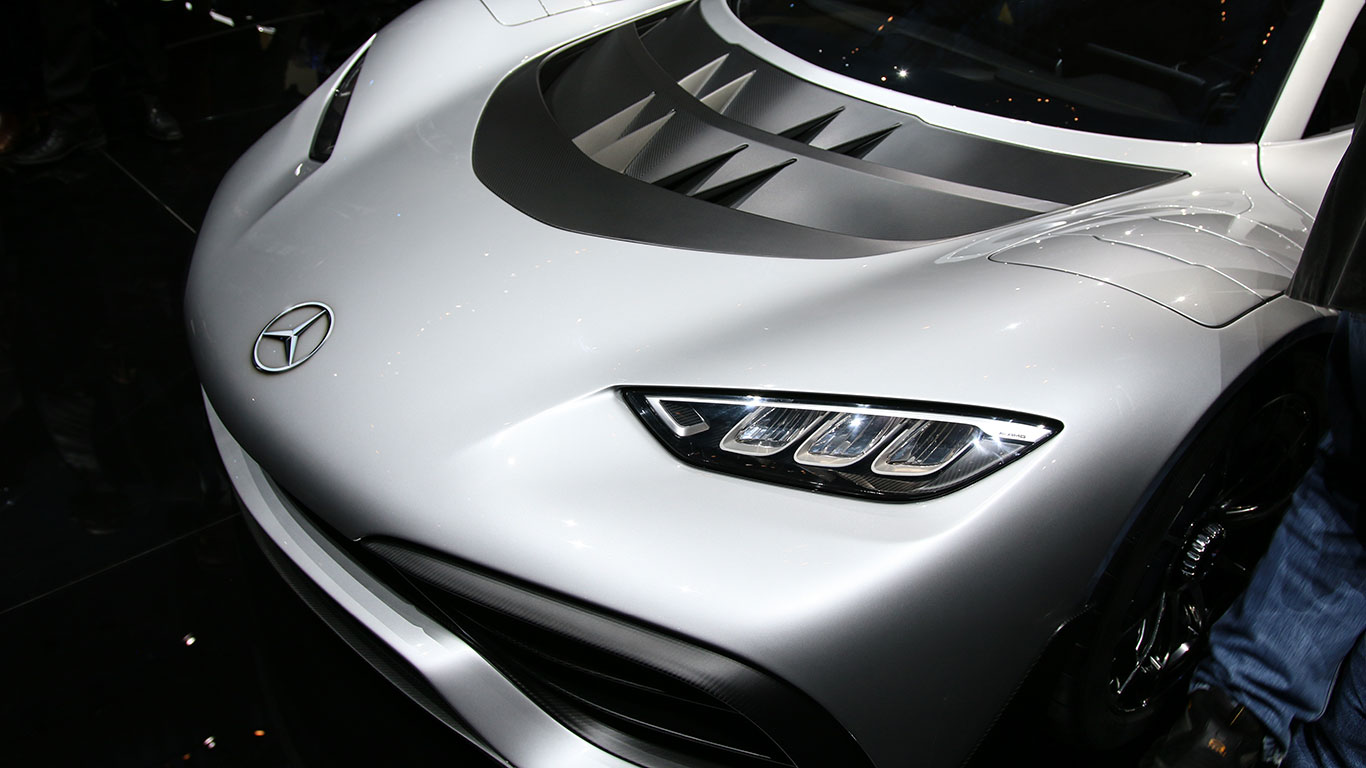
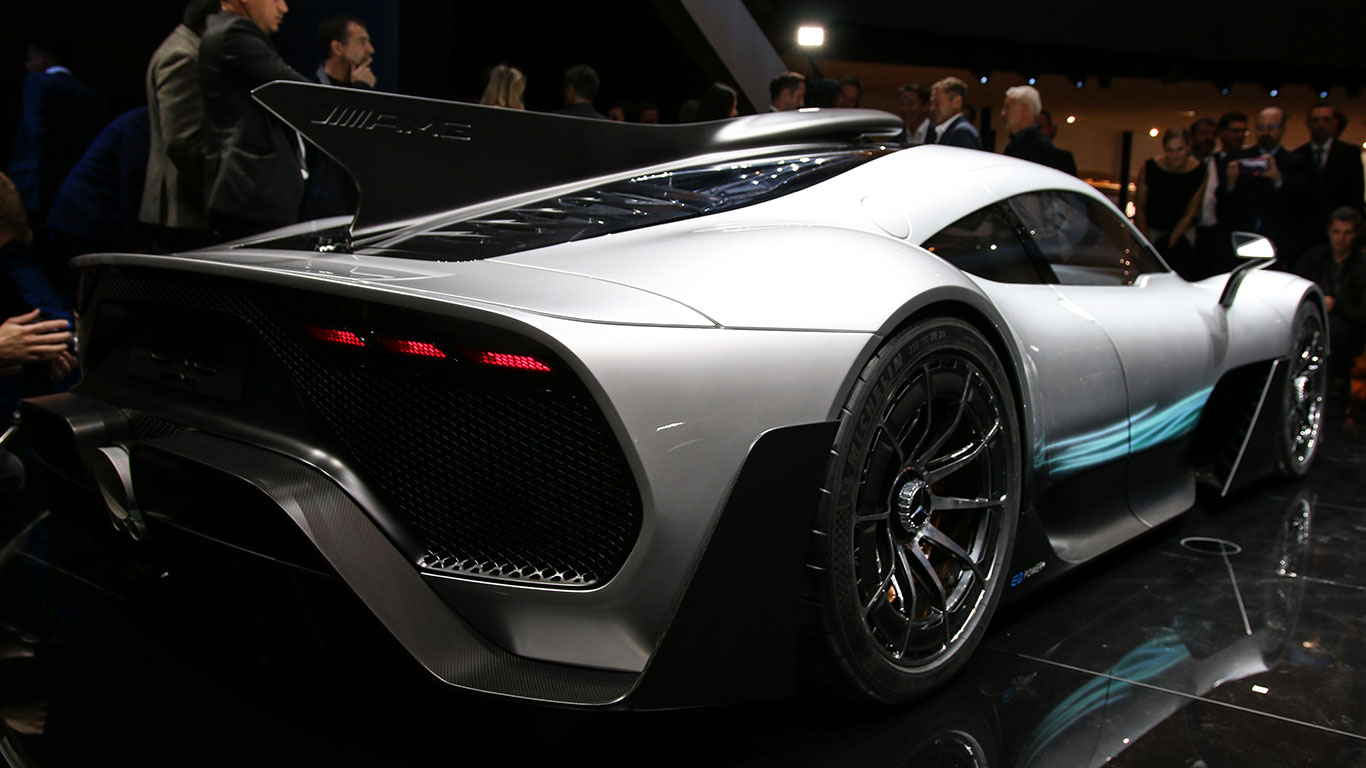
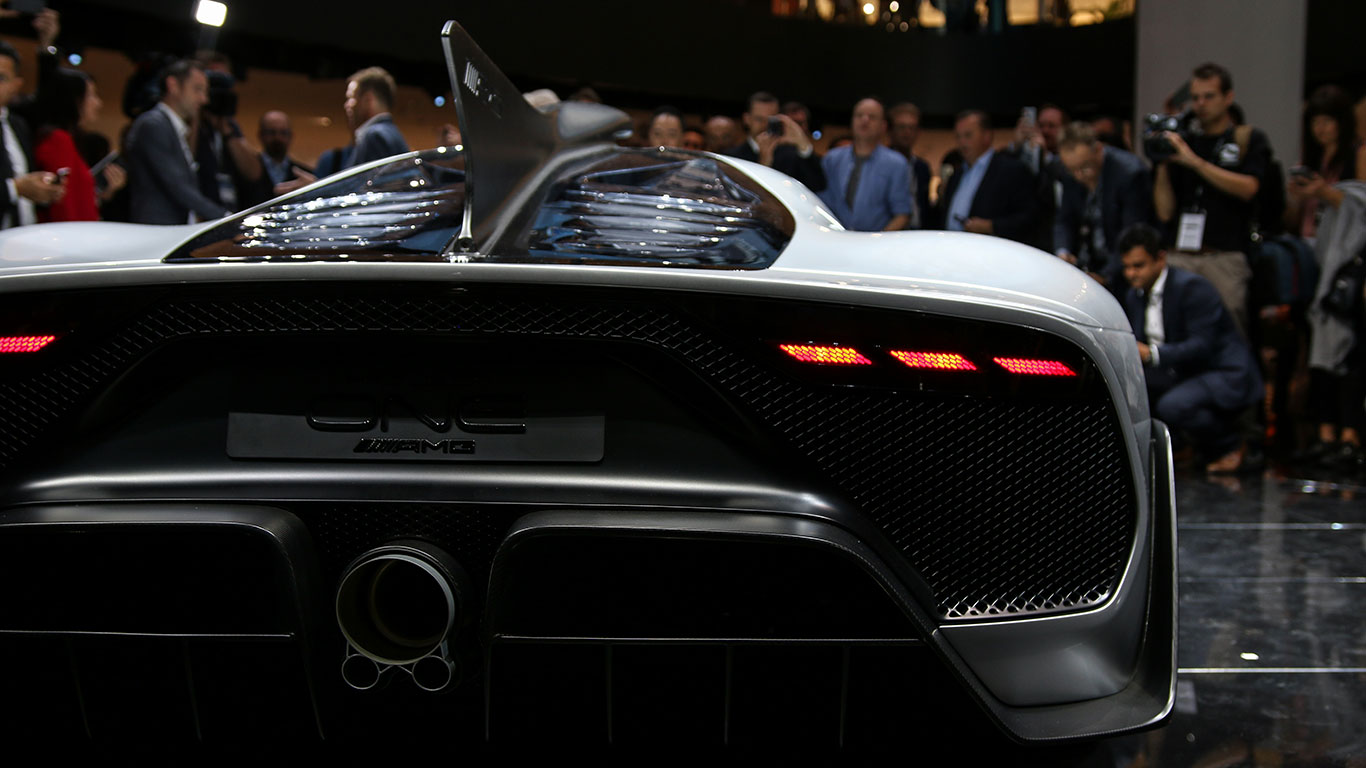
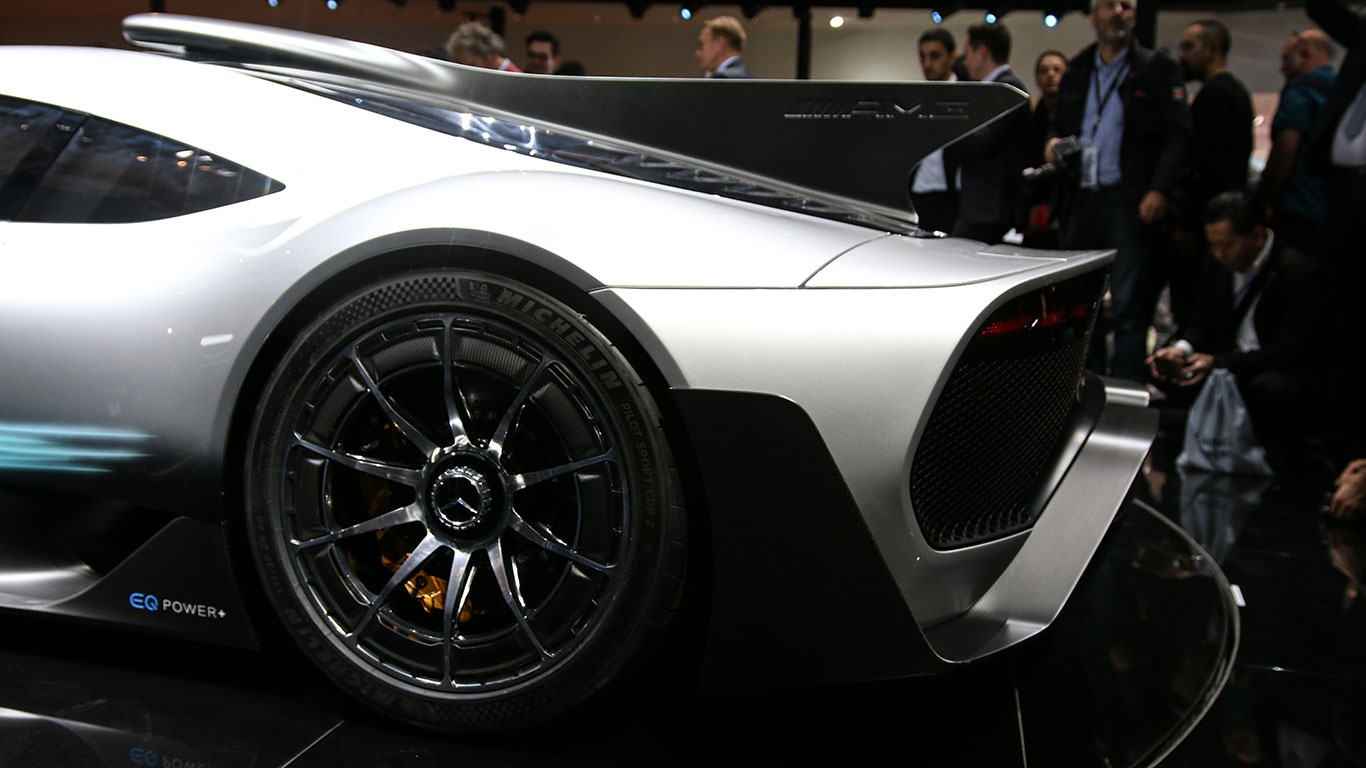
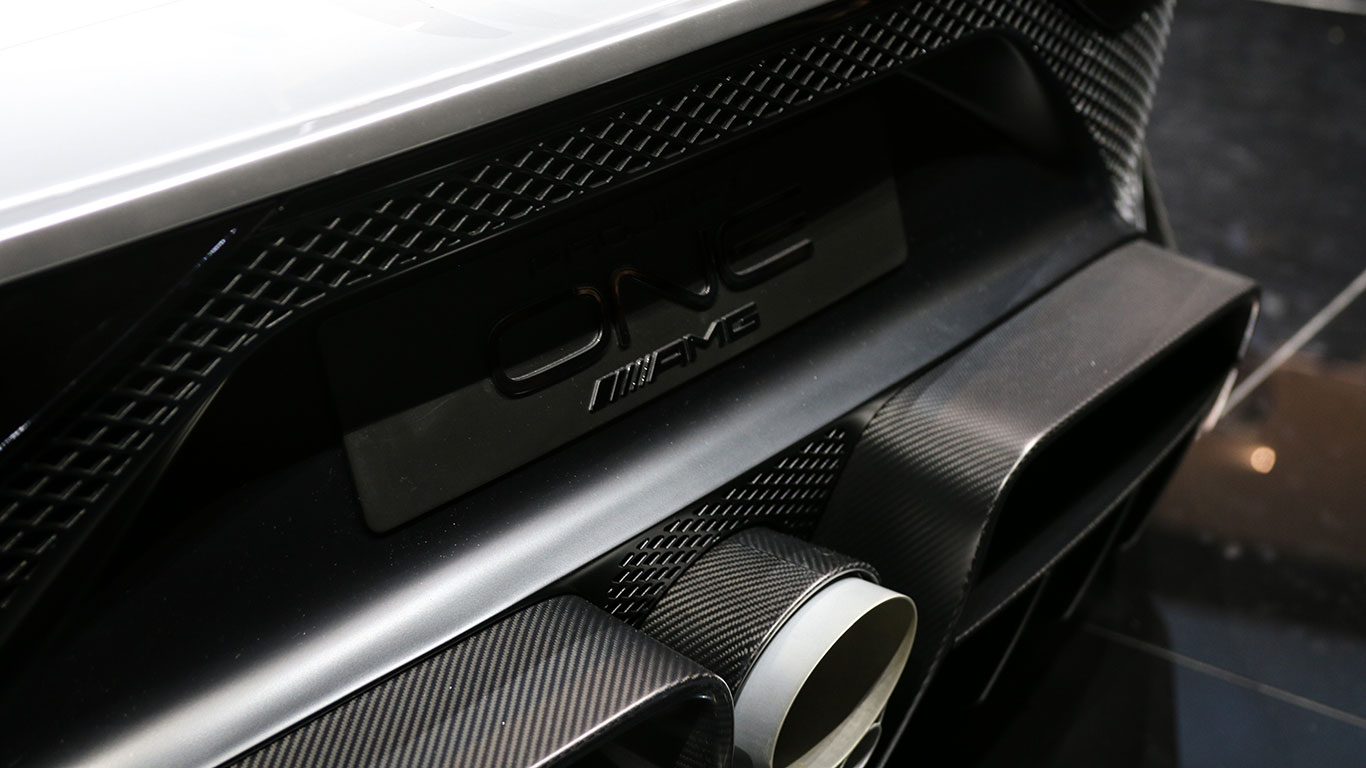
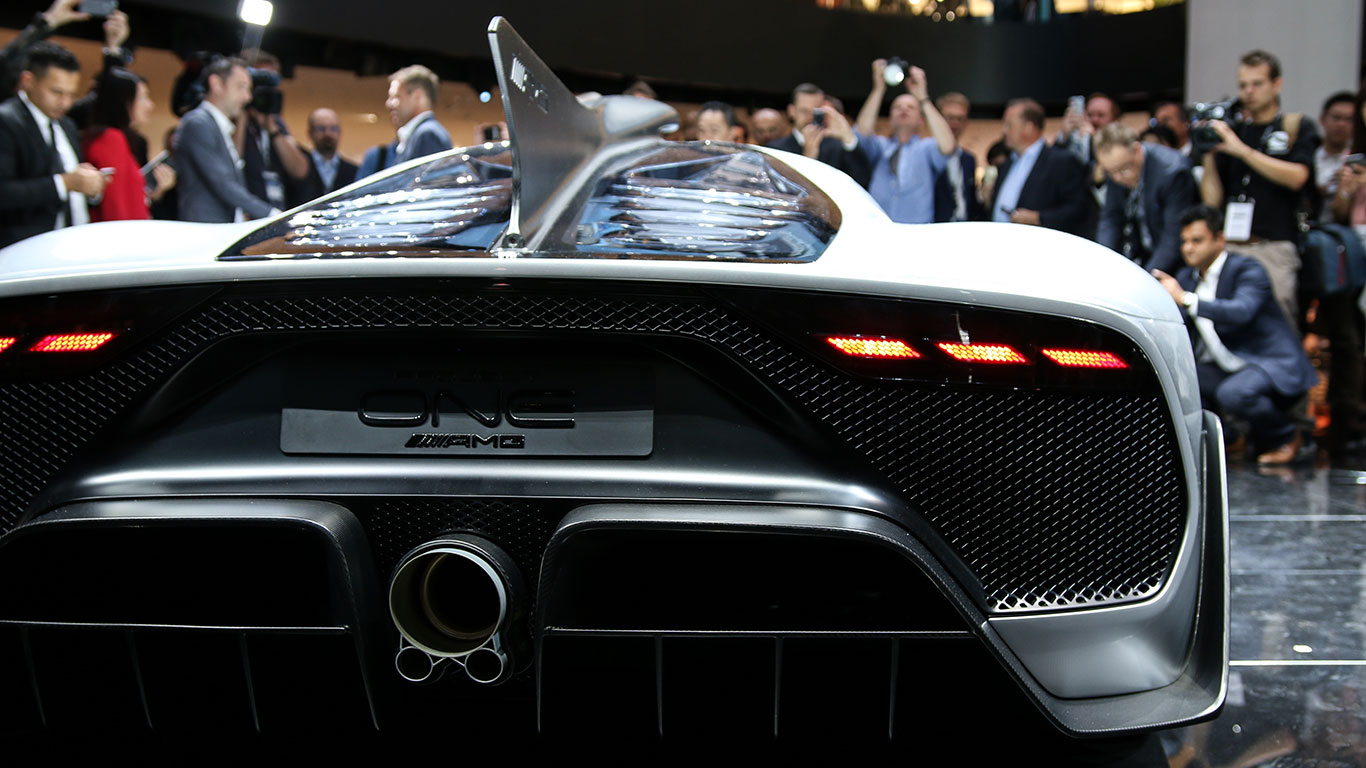
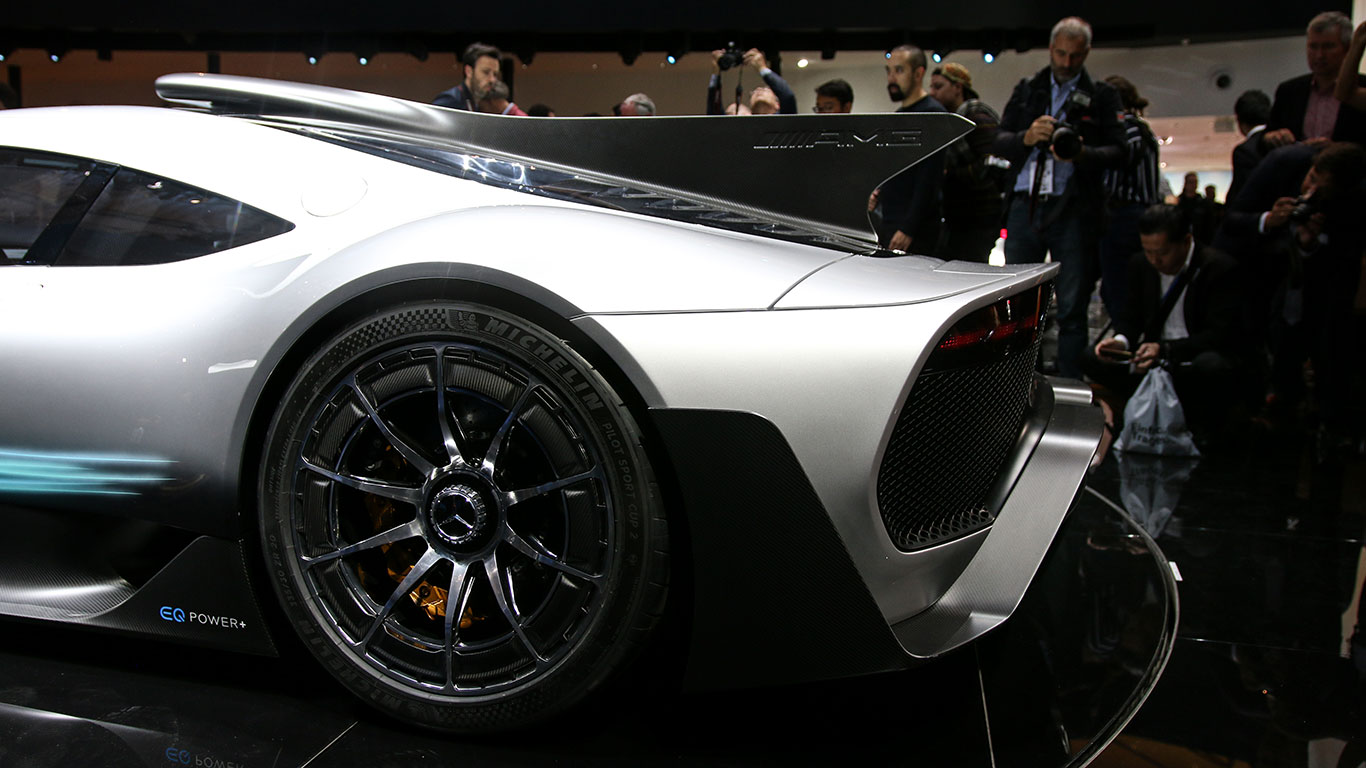
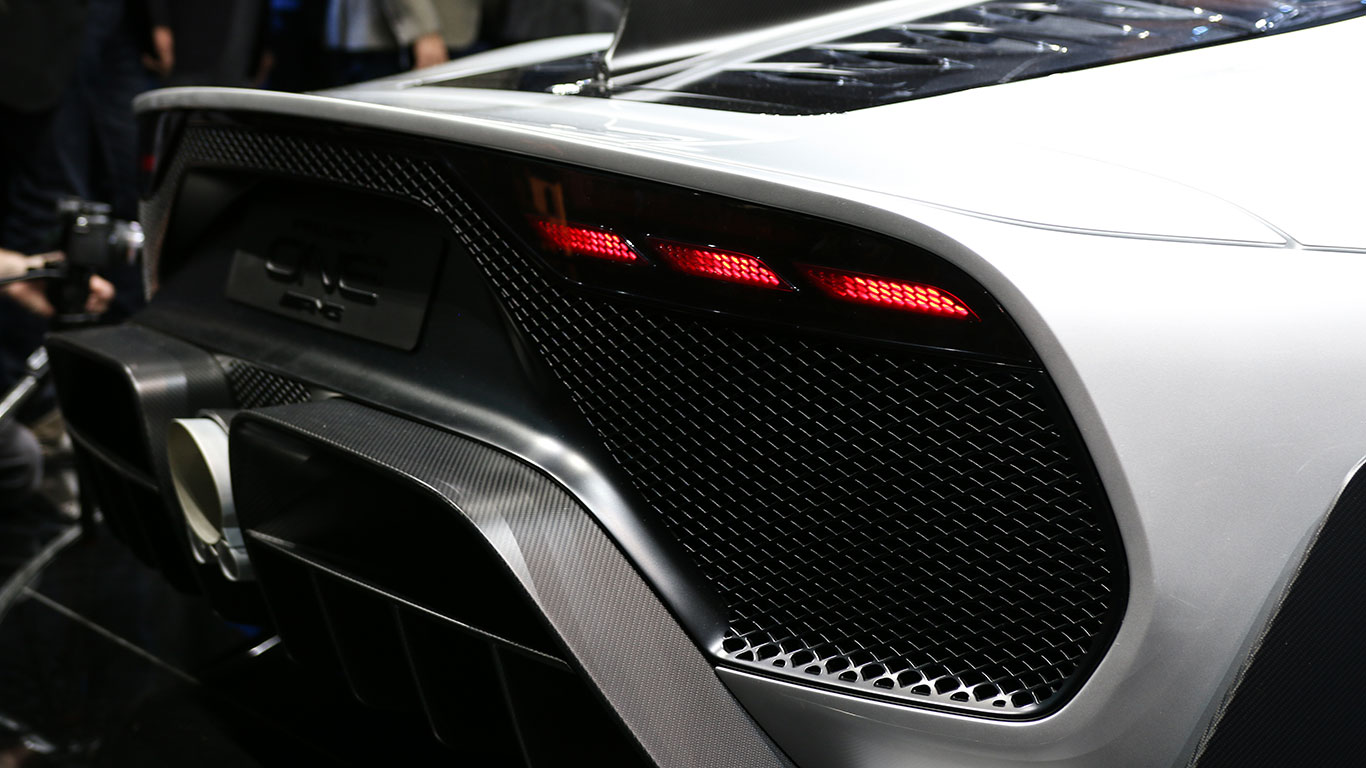
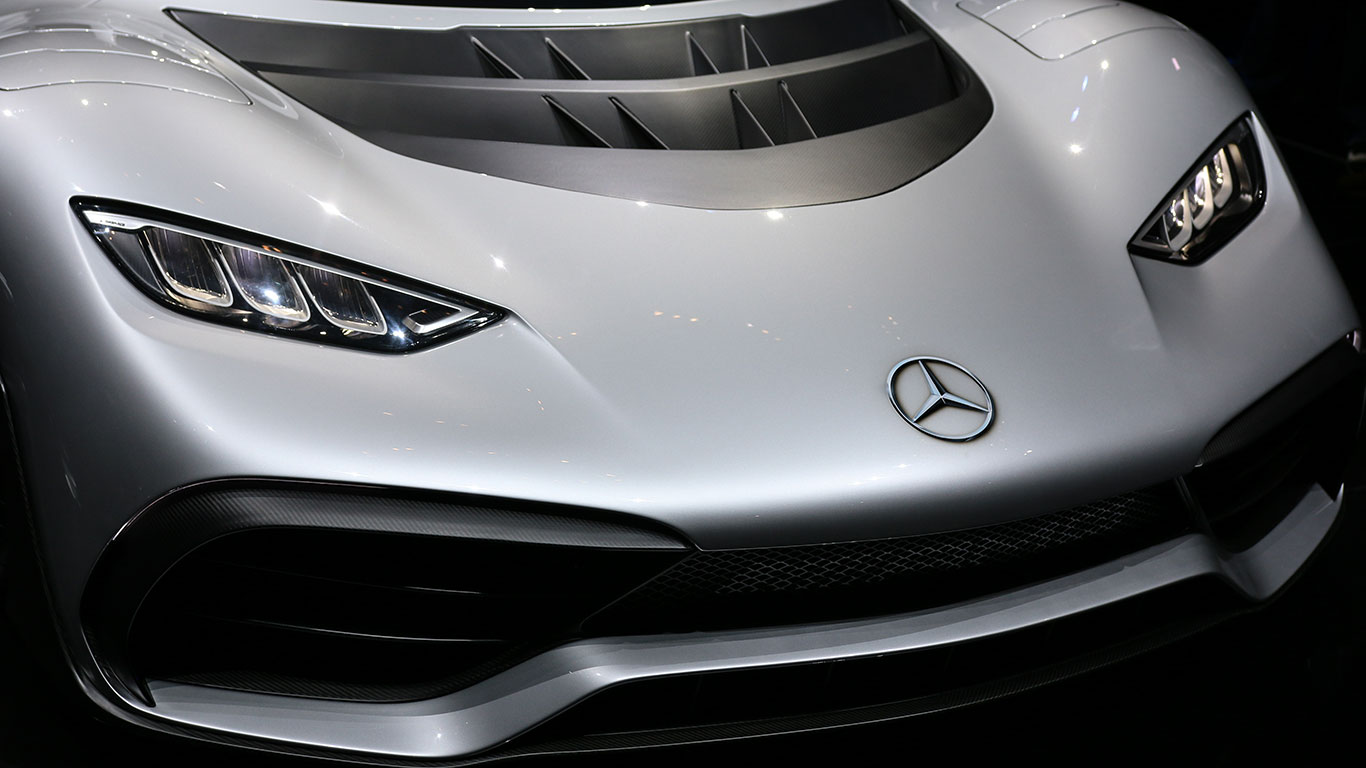
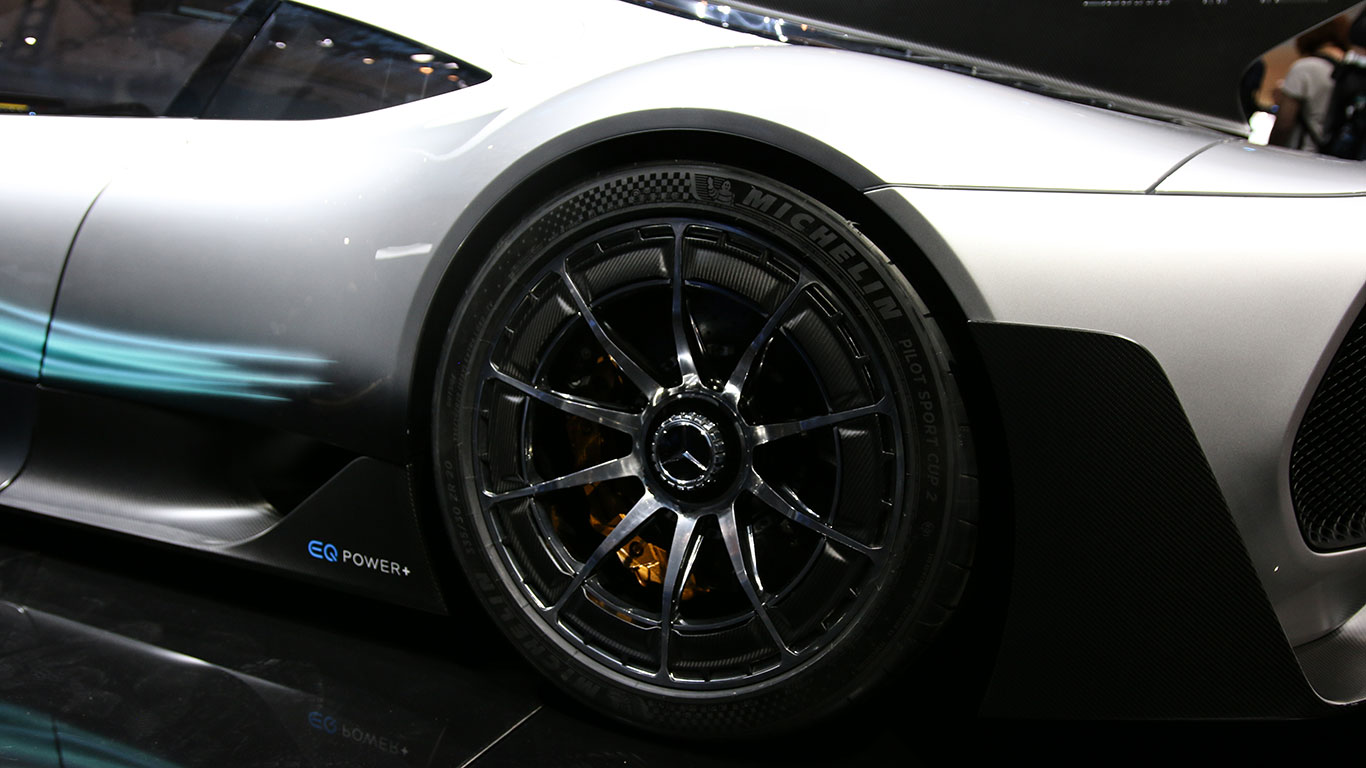
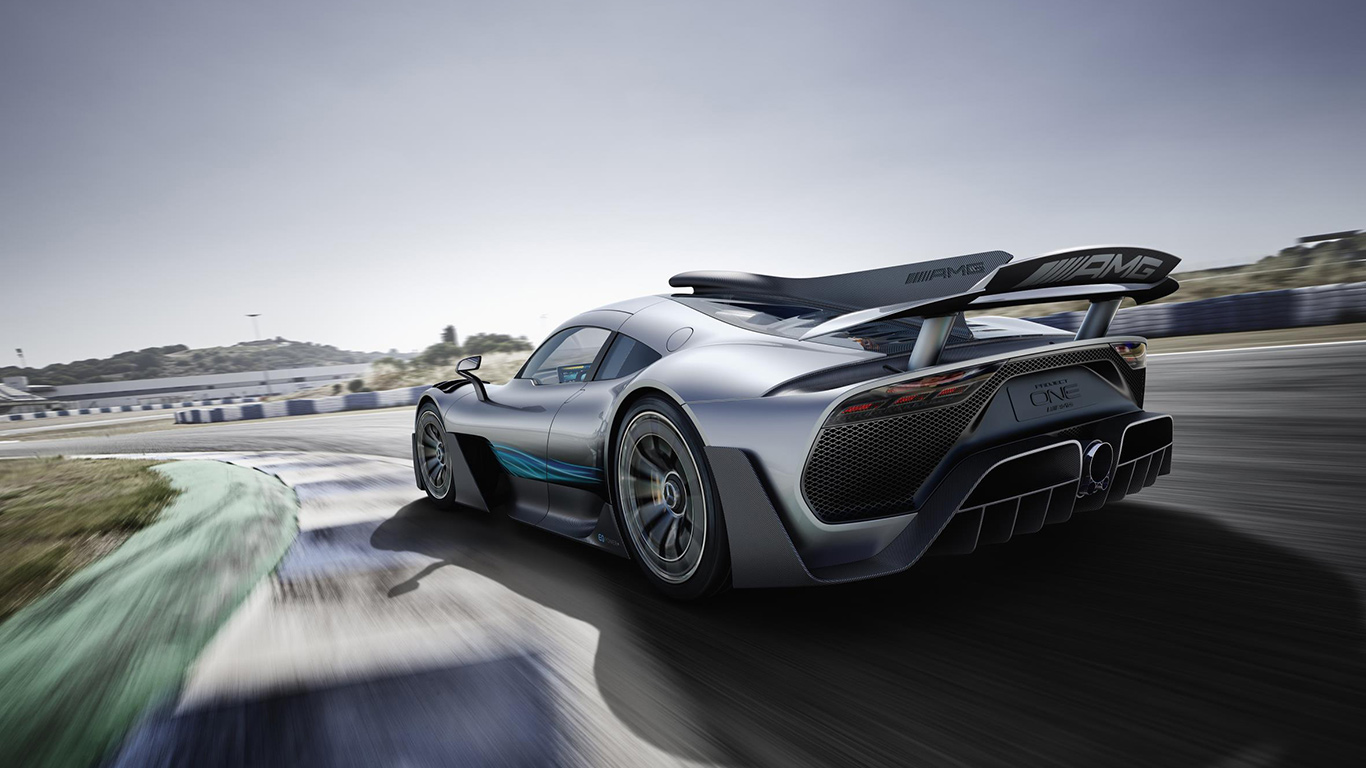
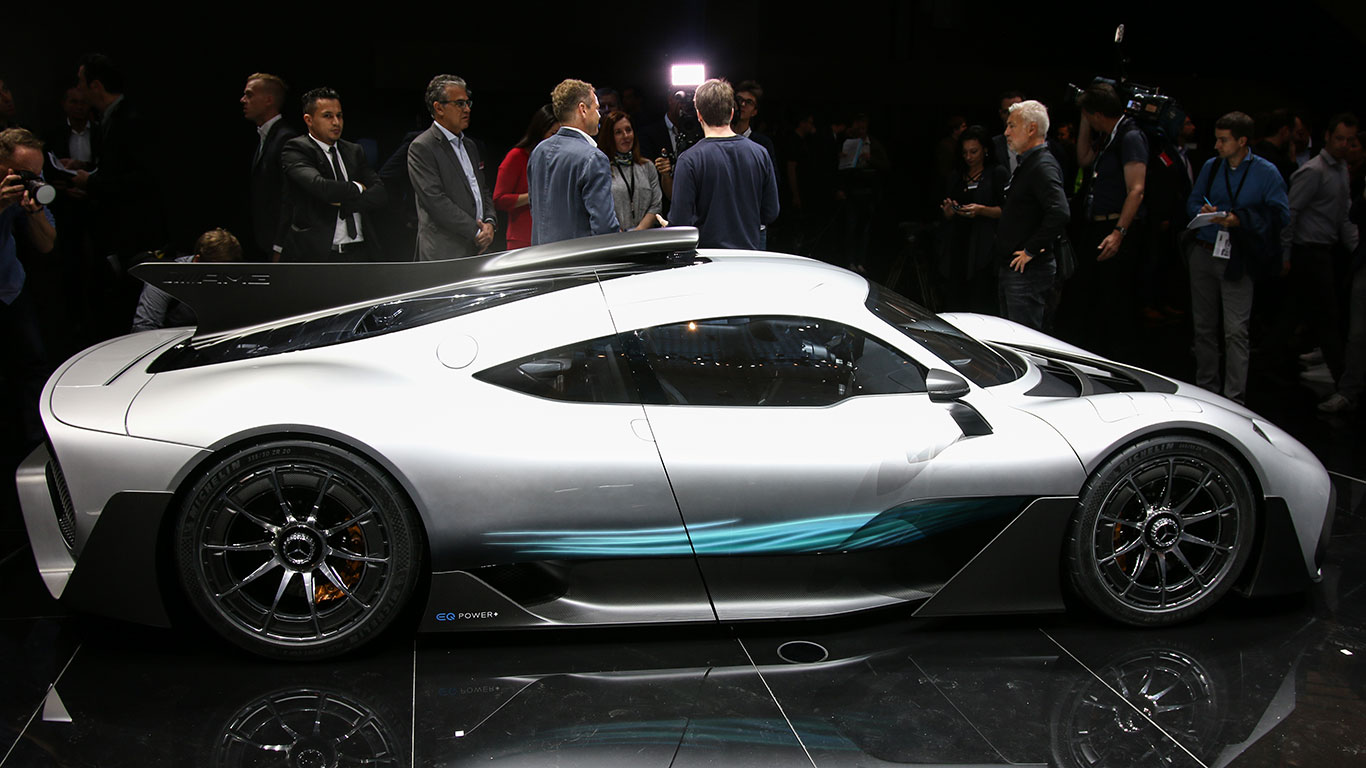
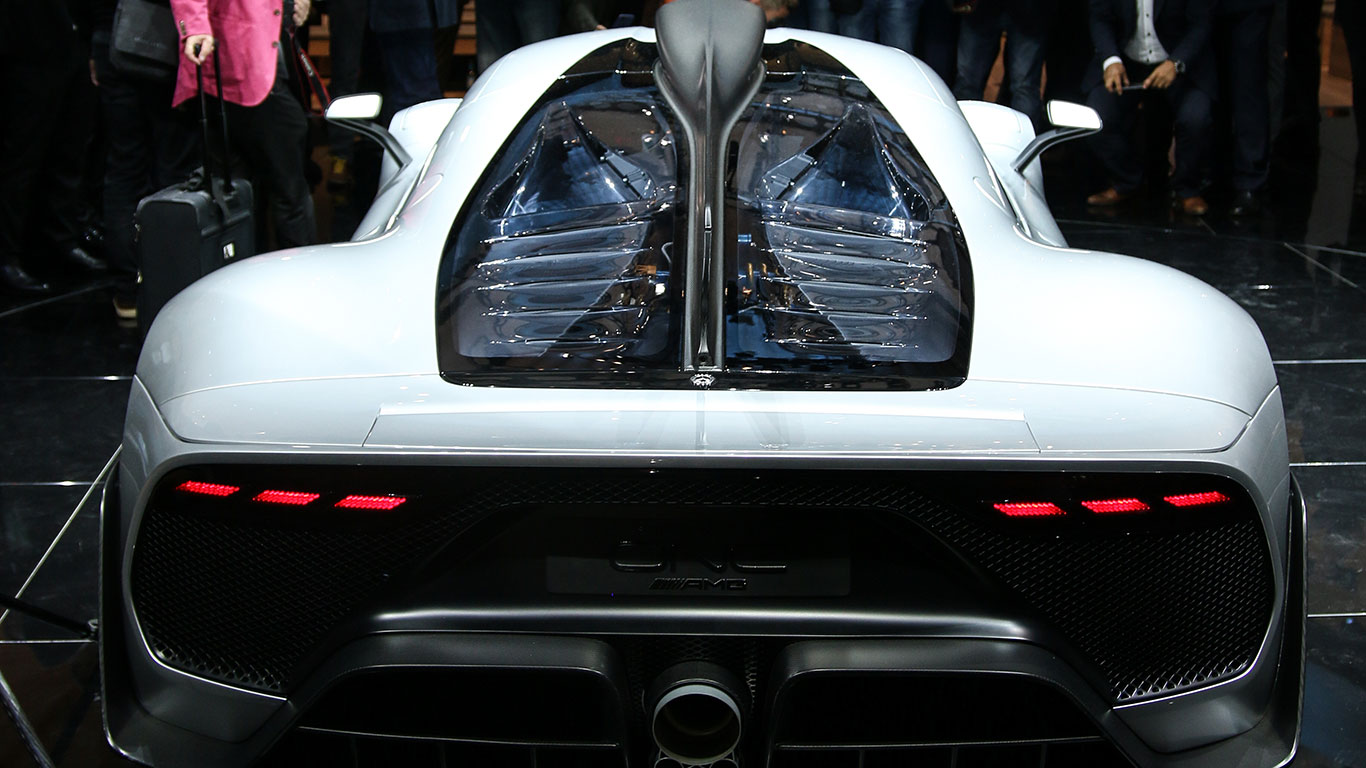
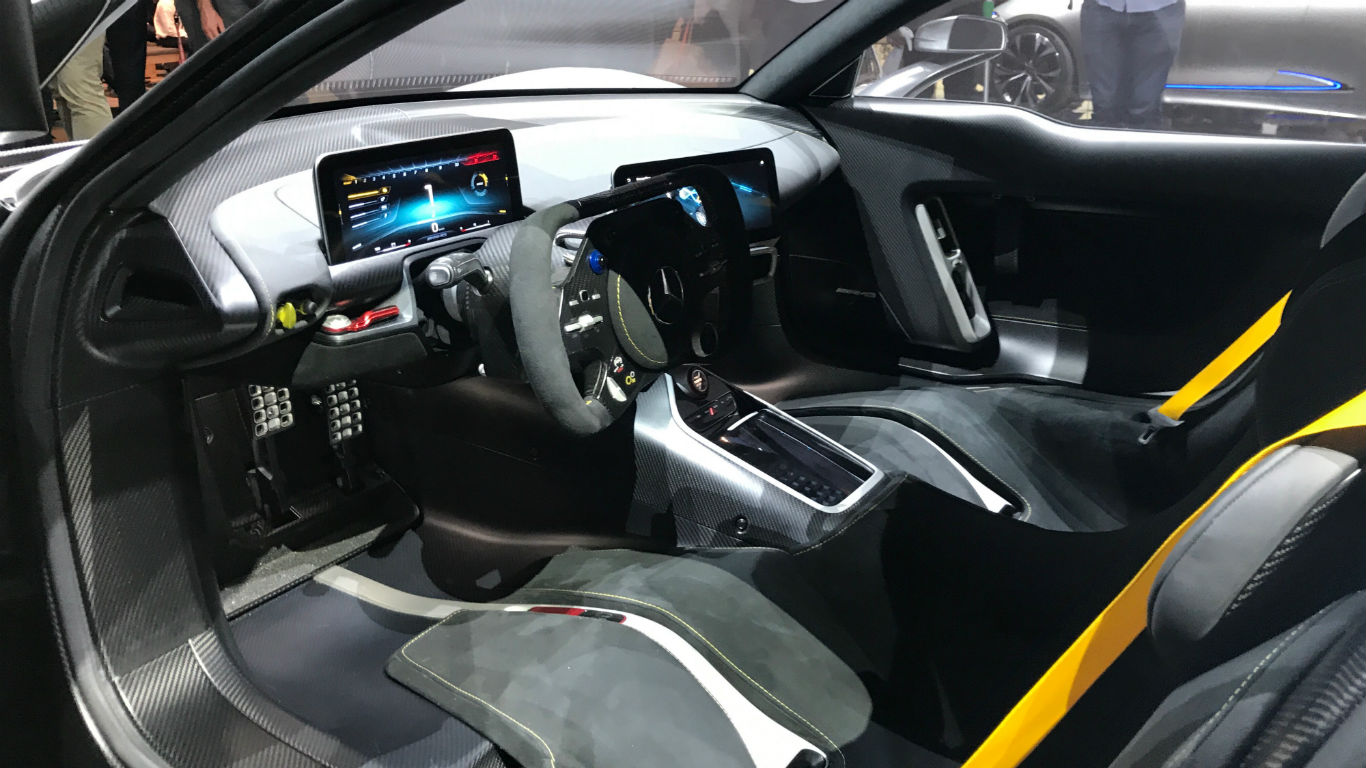
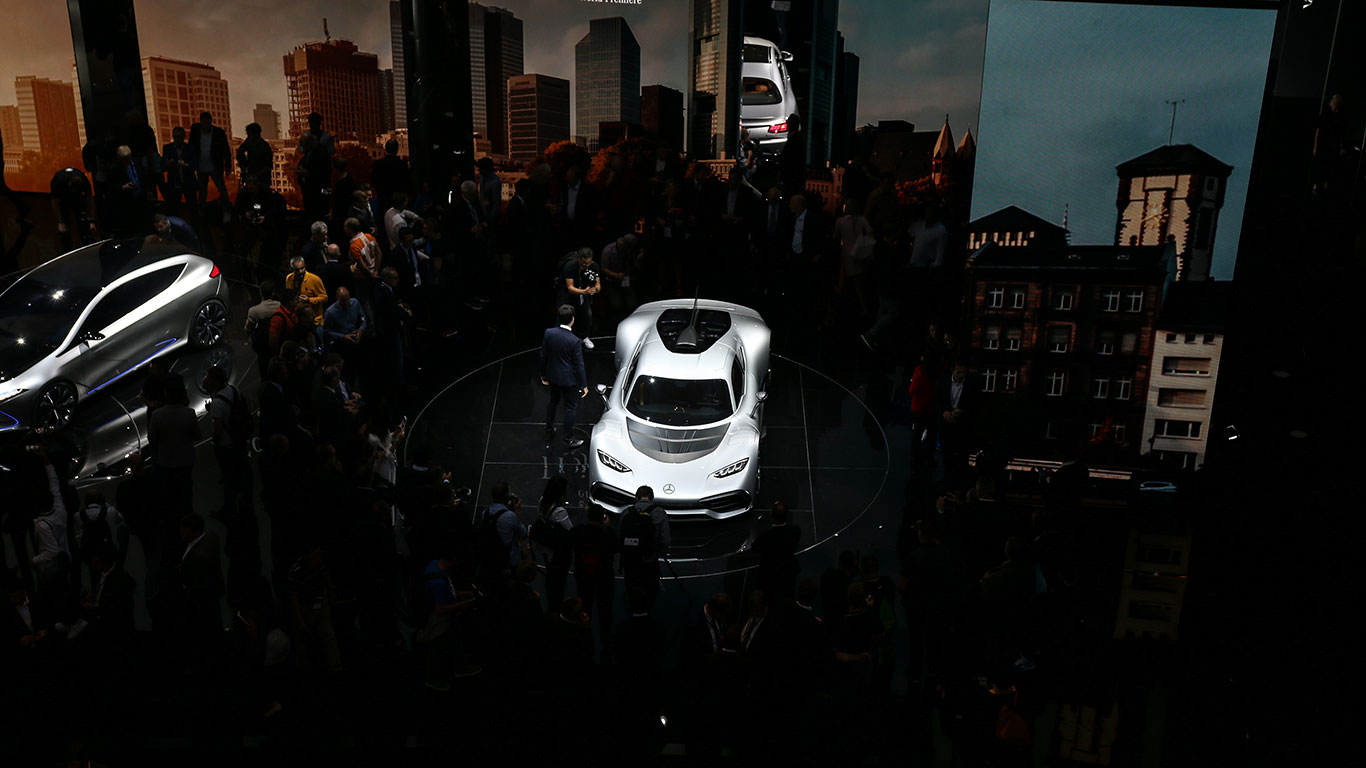
Mercedes-AMG Project OneMaking a road car inspired by an F1 racer is one thing. Building one that uses the same 1.6-litre turbocharged V6 as an actual grand prix car is another thing entirely. However, that’s exactly what powers the new Mercedes-AMG Project One.
More Frankfurt Motor Show on MR:

Weekend wheelsMercedes-AMG Project One

Strictly speaking, it’s not 100% identical to the engine found in the cars driven by Lewis Hamilton and Valtteri Bottas. For a start, the internal combustion engine is tuned to use super unleaded petrol, whilst the rev limit is turned down to just 11,000rpm to promote longevity.

Like an F1 car there is hybrid power, with four electric motors featured on the Project One. Each front wheel is powered by an individual 120kW motor, whilst the single turbocharger is also boosted by an electric motor.. The fourth motor is attached directly to the engine, and operates like the MGU-K device in the F1 car, to aid acceleration.

One thousand horses

It sounds complicated, and clearly is, but the headline figure is a combined total power output in excess of 1,000hp. That might be less than a Bugatti Chiron, but the lightweight carbon fibre construction and eight-speed paddle-shift gearbox hardly make that a disadvantage.
Lapping up the power

The sprint from 0-124mph is claimed to take just six seconds, with a top speed in excess of 218mph. Rather impressive from a vehicle than can still cover 16 miles on electric power alone.

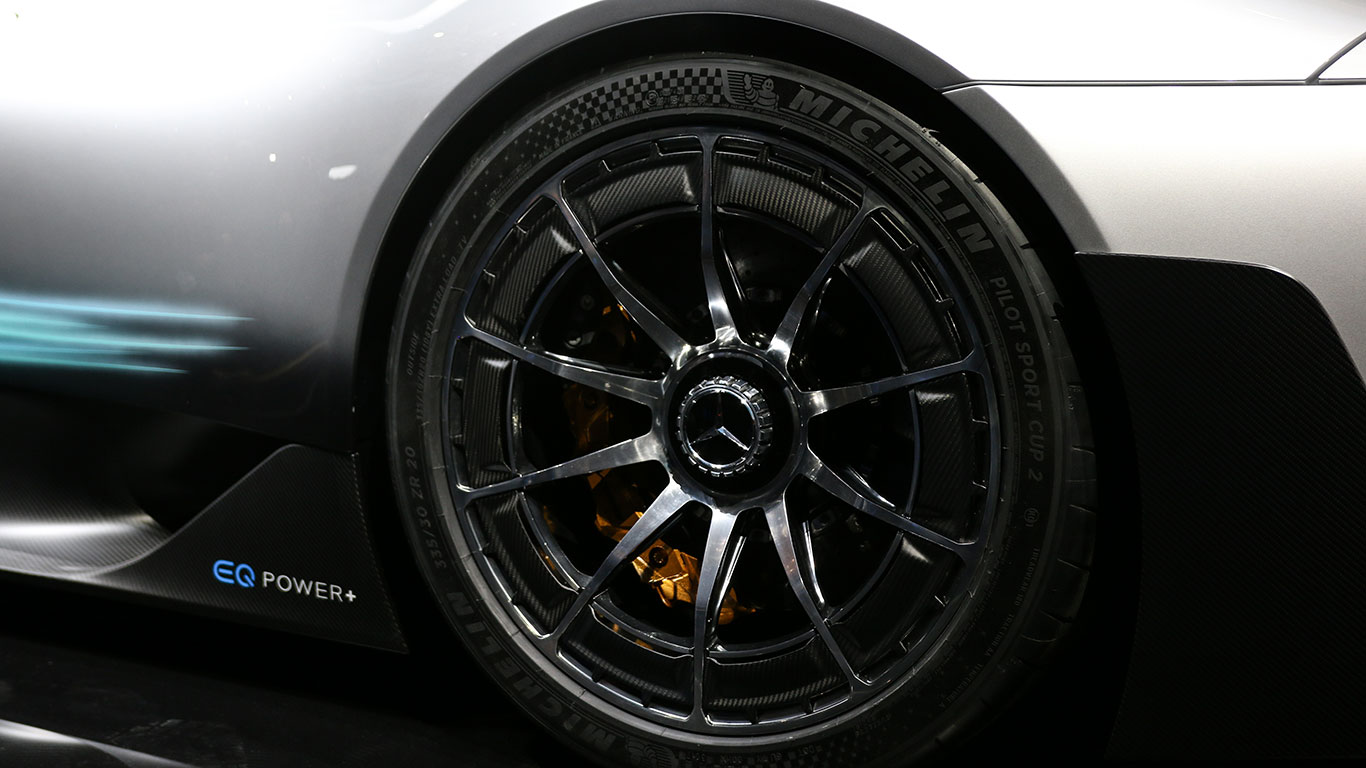
Controlling all this power is a three-stage ESP system, which includes the option to be completely turned off. There’s also ABS for the carbon ceramic brakes, and the ability for the for torque vectoring from the electric motors. Combine this with a two-stage deployable rear wing and the Project One should be driveable by mere mortals.

No team ordersMercedes-AMG Project One

Despite the carbon-clad exterior, Mercedes-AMG has kept the Project One relatively civil inside with air conditioning and a 12-inch infotainment display. There’s even room for a brave, or foolish, passenger to join in the fun.

At present, Mercedes-AMG is calling the Project One a concept, and plans to take another 18 months to develop the finished road car. However, 275 lucky buyers will get to take home this show-stopper in 2019.

Advertisement

Smart is to become an electric car company

0

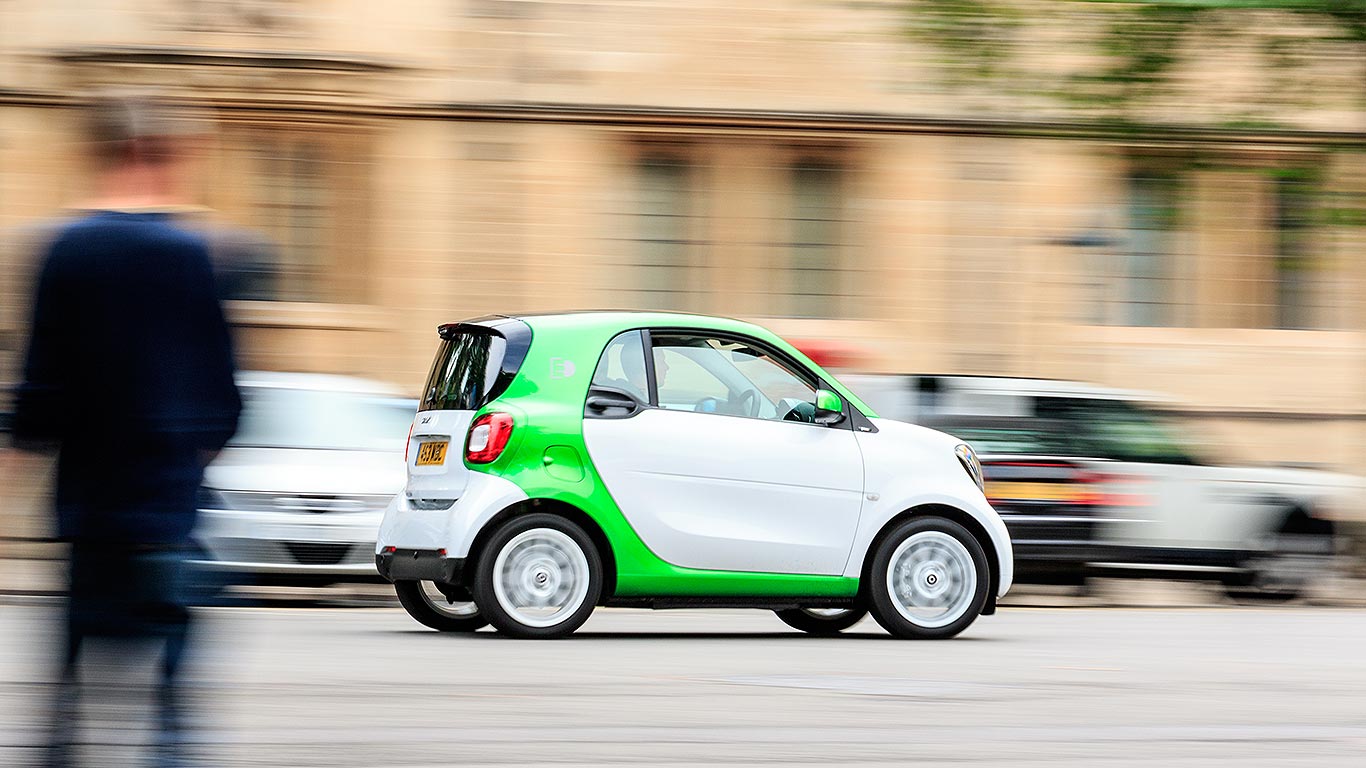
Smart Fortwo EDSmart will become the world’s first car company to move from an all-combustion engine line-up to a fully-electric range of EVs, company chief Dr Dieter Zetsche announced at the 2017 Frankfurt Motor Show.
  • 2017 Frankfurt Motor Show on MR

The move is a significant one, as although there are pure-electric car companies such as Tesla, no traditional brand has yet fully ditched petrol and diesel engines. In the next few years, Smart will be the first.

“We are planning to move our Smart brand entirely to electric drive in Europe and North America by the end of the decade,” said Dr Zetsche. “The rest of the world will follow shortly after.”

Dr Zetsche went further and called time on all petrol and diesel-engined city cars, saying they have no place in the cities of tomorrow. “There’s clearly no question that the city car of the future will travel electrically and with zero emissions.” Music to the ears of people such as London Mayor Sadiq Khan, who are already accelerating moves to bar diesel and older petrol cars from the UK capital.

Technology will help make the switch more convenient, explained Dr Zetsche. Mercedes-Benz is already considering a wireless charging concept, he revealed – demonstrated by a futuristic Smart show car called vision EQ ForTwo that, thanks to autonomous drive, didn’t just lack a combustion engine, but also did without a steering wheel or pedals.

“This Smart has all it takes for individual and intuitive transport in the city of the future.” The autonomous tech will come in time. But the all-electric range of Smarts is set to become reality far sooner…

Advertisement

New Ford Focus RS Edition with LSD costs £35,795

0

Ford Focus RS

Desperate to fix rumours that hype around the Focus RS has died down for, oh, a good few weeks now, Ford has announced a special edition called, er, the Edition.

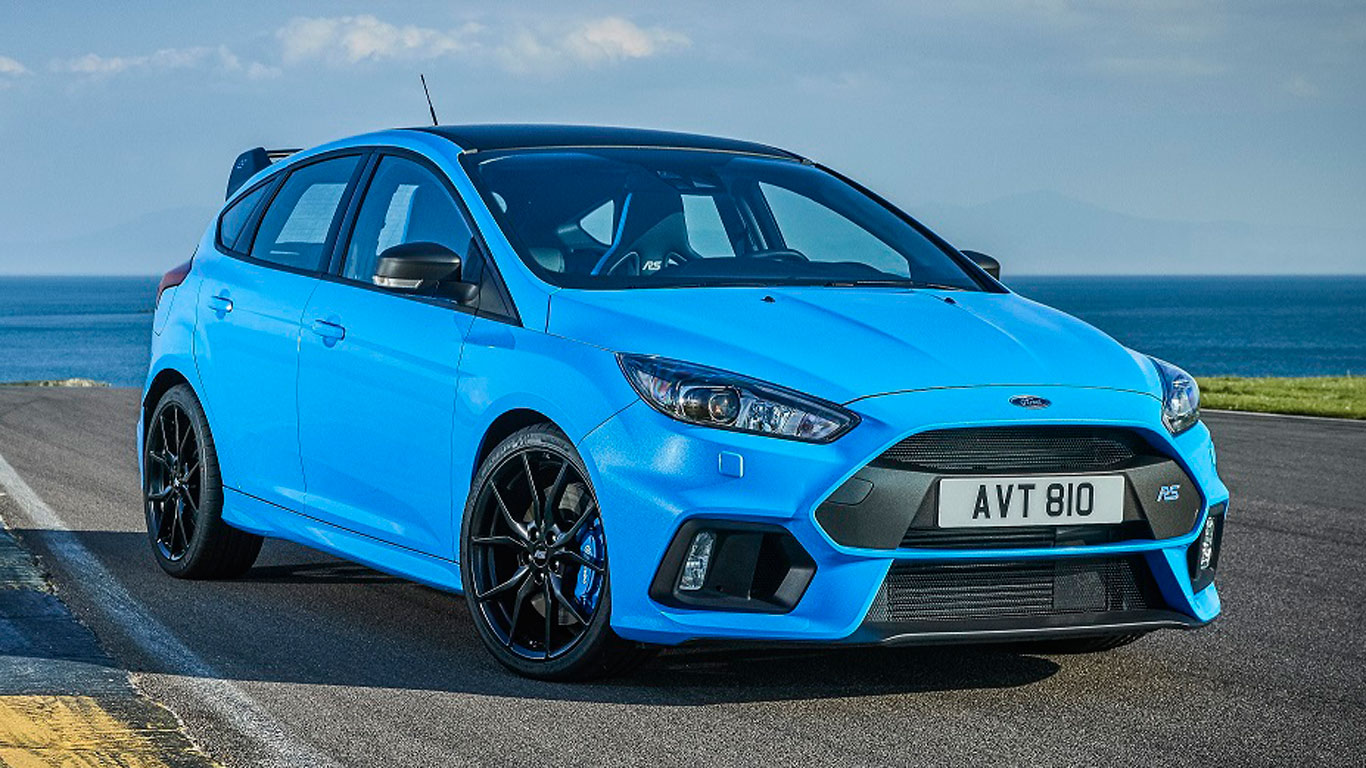
With a £35,795 price tag (£3,530 more than the regular model), the Edition doesn’t add any more power. But don’t write it off as just as marketing ploy just yet, because it does come with a Quaife limited-slip diff. And that means it’ll handle even better than the already brilliant standard Focus RS. Which means it’ll be worth an extra £3,500 of anyone’s money.

Don’t worry, oppo fans: the four-wheel-drive Focus RS Edition still has a drift mode, able to send up to 70 percent of power to the rear for sideways shenanigans. But rather than relying on its torque vectoring system to apply the brakes to either of the front wheels the second they start to spin up, the Quaife diff shifts torque to the wheel with the most traction. A proactive way of making a fast getaway, if you like.

“For hardcore driving enthusiasts, the additional mechanical grip offered by the Quaife LSD will make it even easier to carry speed through a corner on the track, and maximise acceleration on the way out,” explained Ford Performance director, Europe, Leo Roeks. “The new setup also delivers greater mechanical stability and control when braking hard, and will help drivers set the car up for power-slides using drift mode.

“The Focus RS Edition takes our ‘fun to drive’ philosophy to a new level for an everyday road car.”

More fast Fords on MR:

Fancy differentials aside, the Focus RS Edition comes with Nitrous Blue paint as standard, as well as a matt black roof, door mirrors and spoiler. The 19-inch inch alloys have been painted black, while inside Recaro seats have extra Nitrous Blue detailing. There’s some extra carbon fibre, too, as well as rear privacy glass.

Ford originally planned to introduce an RS500 special edition with power boosted to as much as 400hp, but rumours emerged last year that the project was going to be dropped due to an insufficient business case for the so-called ‘super-hatch’.

Order books for the Focus RS Edition are now open, but be quick. With a new Focus due next year, it’ll soon be time to say goodbye to the current Ford Focus RS as we know it…

Advertisement

New BMW 8 Series: let’s party like it’s 1999

0

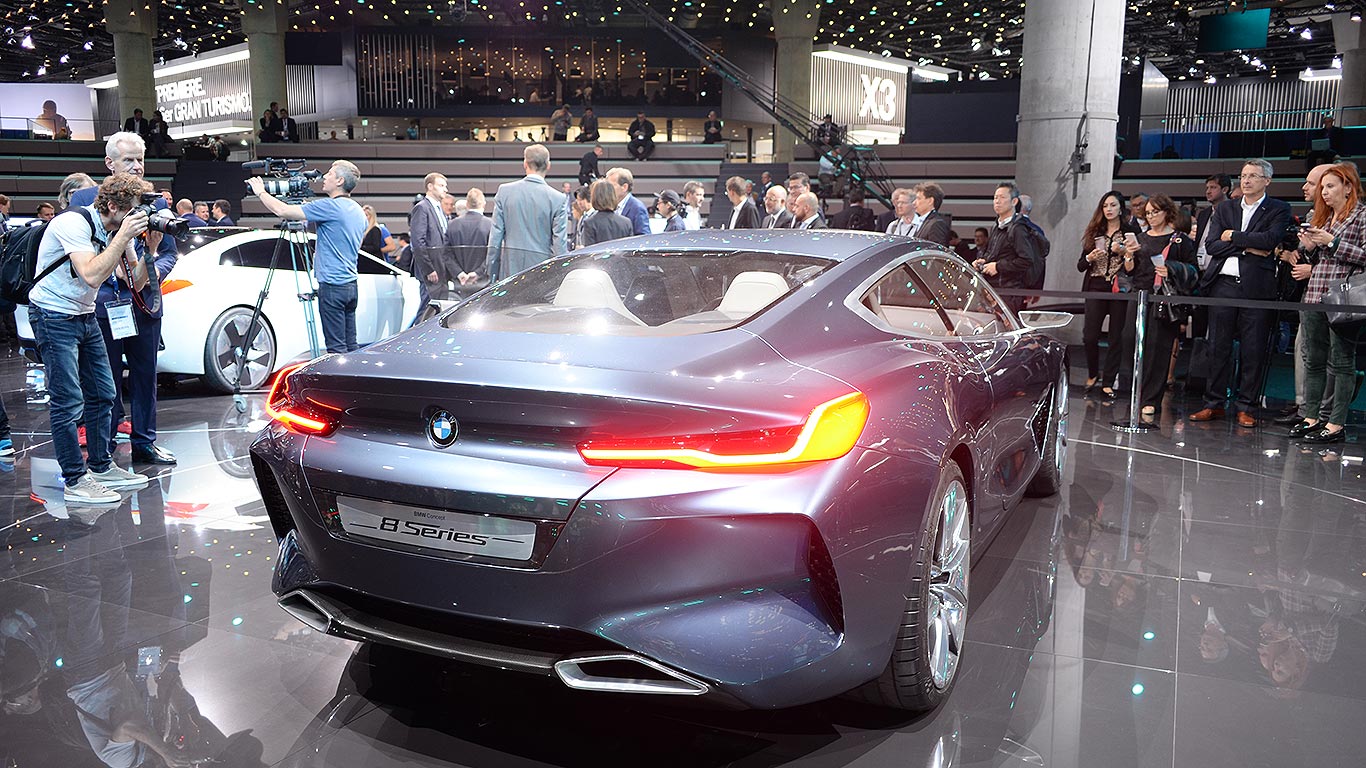
BMW 8 SeriesWhat goes around comes around. When production of the BMW 8 Series ended in 1999, Bavaria abandoned the large coupe sector, before launching the controversially-styled 6 Series in 2003. Now, nearly two decades on, the 8 Series is back, signalling the end of the 6 Series.
More Frankfurt Motor Show on MR:

BMW 8 SeriesBMW is pushing further up market, you see, with what it calls a “new presence for its luxury cars”, rolling out ever larger vehicles with levels of refinement that would give a boutique hotel room a run for its money. Some are best viewed from behind the sofa – you’ll have seen the X7 – while others can slacken jaws for all the right reasons.
An athletic gentleman

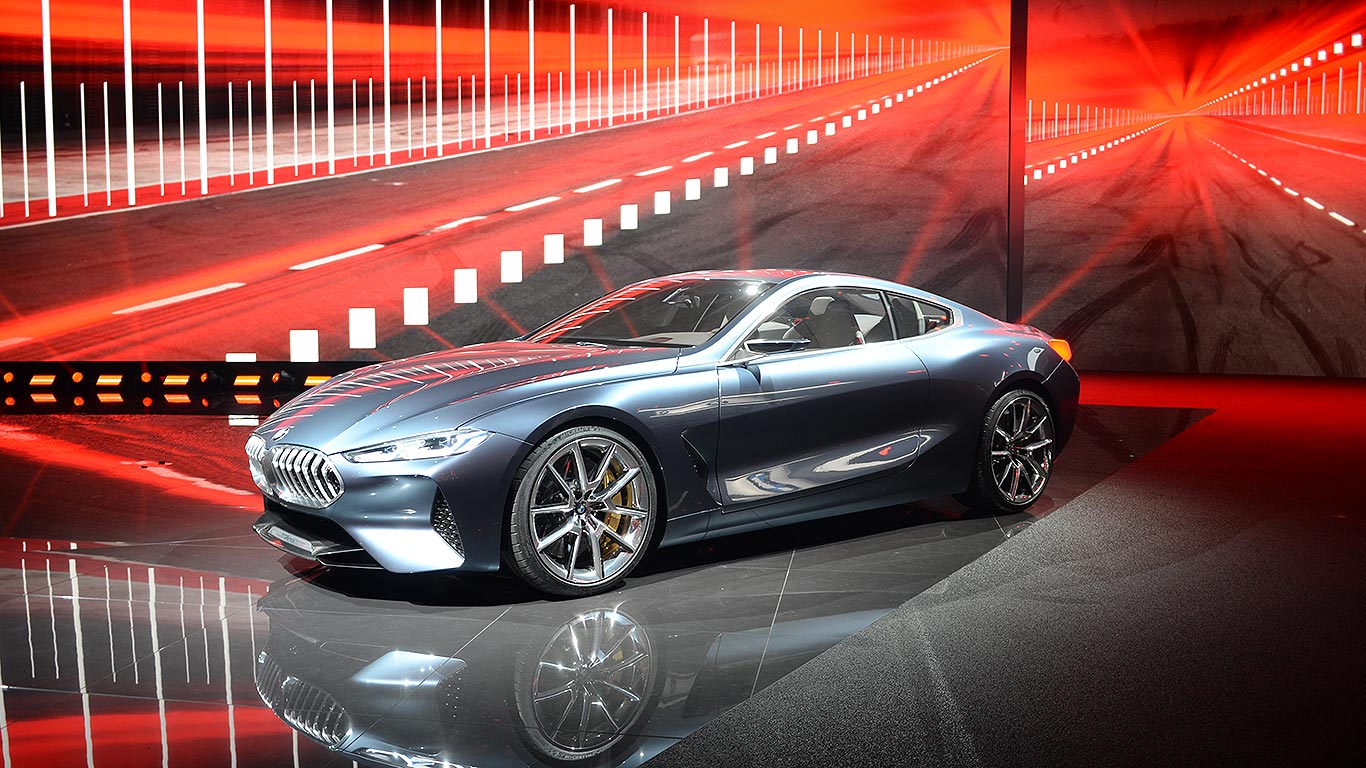
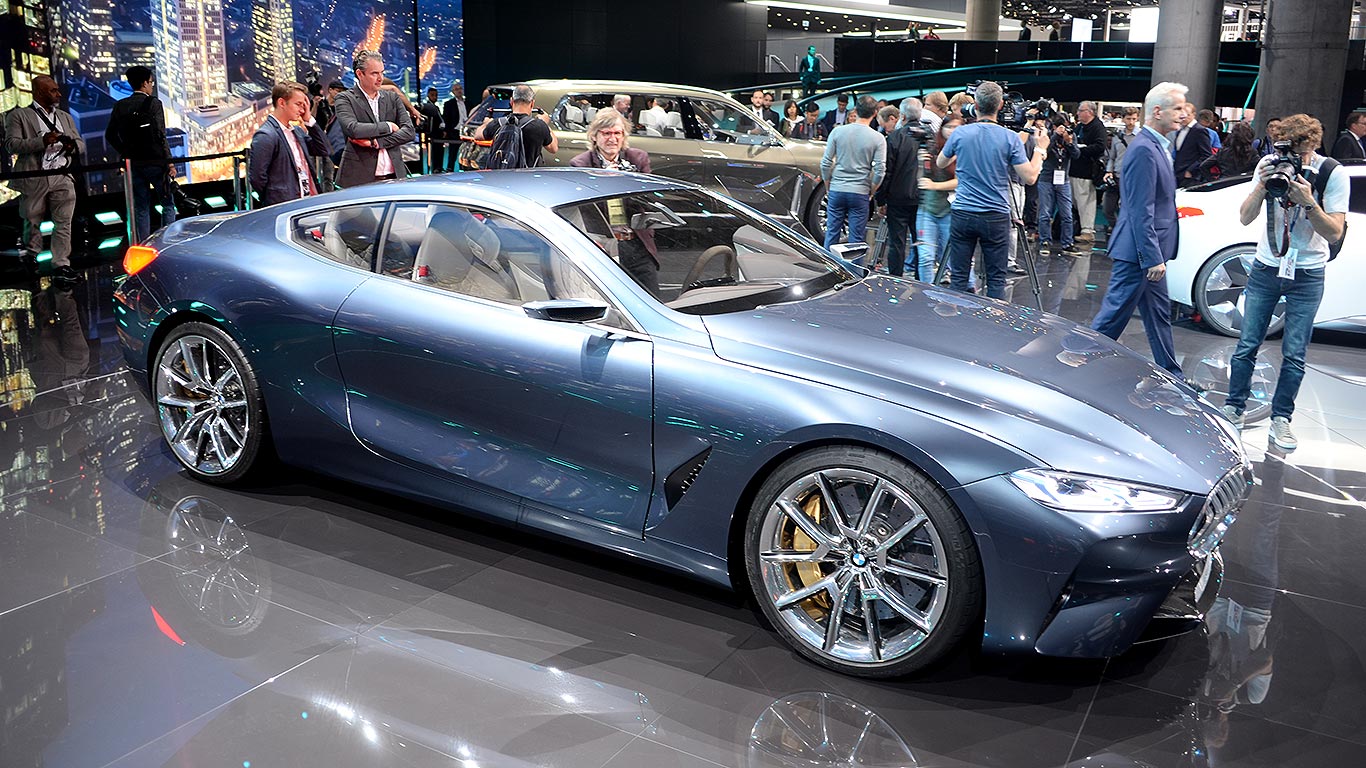
According to BMW, the Concept 8 Series “combines the agility of an athlete with the manner of a gentleman” which, in standard lingo, means that it’s as home hurtling across continents at Autobahn speeds as it is on the Buttertubs Pass.

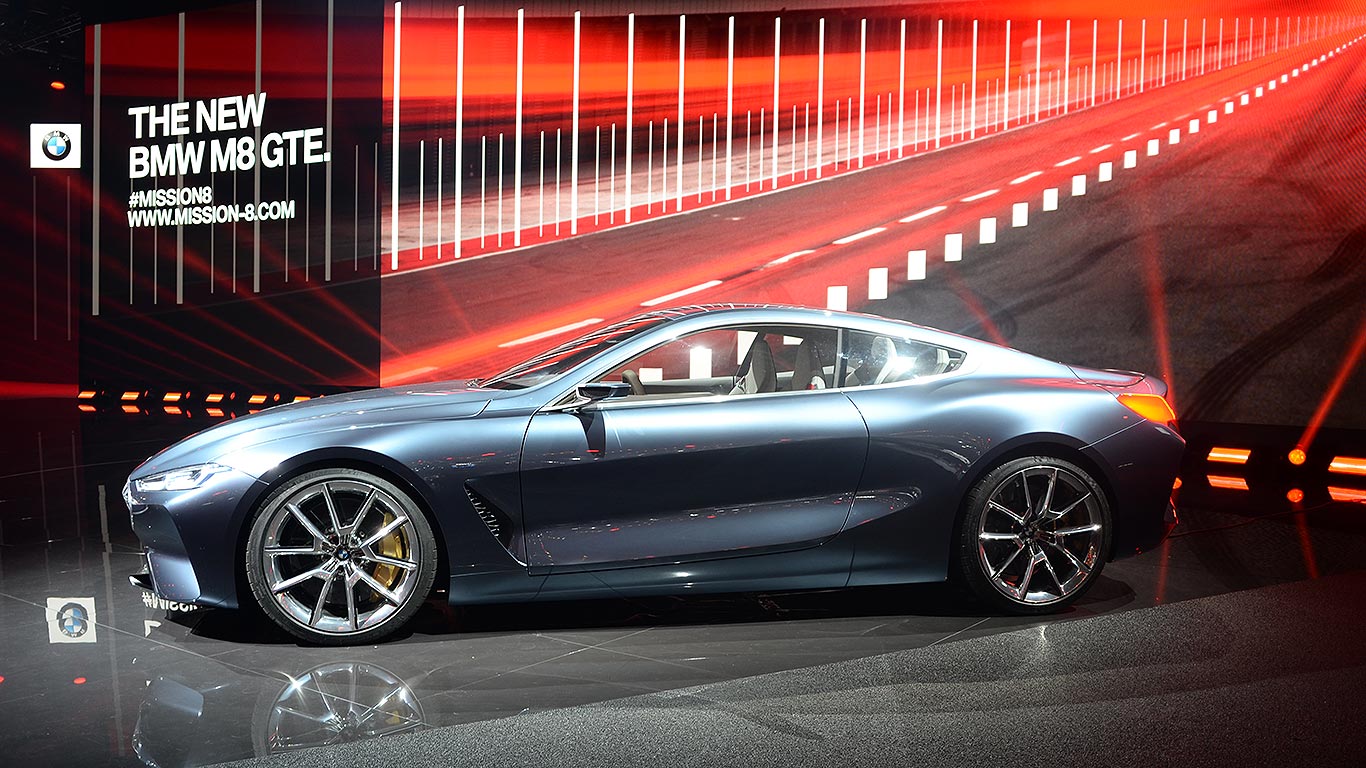
BMW 8 SeriesOpinions will inevitably vary on the success, or otherwise, of the styling, but there’s a rakish elegance to the 8 Series. If the svelte coupe is the Kendall, the bloated X cars are the Kim. In profile, it is devastatingly handsome, almost arrow-like in appearance.
M8 is coming, too

BMW has chosen not to muddy the waters with talk of powertrains, prices and specs, but the M8 GTE World Endurance Championship car hints at a future M8 flagship. You can expect details of the showroom 8 Series when the production version is unveiled at the Los Angeles motor show in December.BMW 8 Series

Mercedes is gearing up for a fight by giving its S-Class Coupe a nip and tuck ahead of the 8 Series’ launch in 2018. Stuttgart’s take on the £100k super-coupe is more brutish in appearance, a bit too ‘here and now’. The 8 Series is a stargazer: a welcome tonic to the glut of crossovers and SUVs that litter our streets.

The 8 Series is back. Come next year, we’ll be partying like it’s 1999.

Advertisement

Opinion: How motorsport is making electrified cars cool

0

Frankfurt Motor Show 2017Unless you’re Greenpeace, it won’t have gone unnoticed that electrification was a big part of the 2017 Frankfurt Motor Show. From Volkswagen’s commitment to become a new leader in electric vehicles, to concept offerings from Mercedes-Benz and BMW, battery and hybrid power was everywhere.
The fallout from dieselgate, plus the recent announcement of plans to ban the sale of new combustion-engine-only cars in the UK by 2040, has resulted in a big rise in car buyers interested in alternatively-fuelled vehicles. But that doesn’t mean manufacturers haven’t got work to do in promoting their newly electrified products.

Frankfurt Motor Show 2017

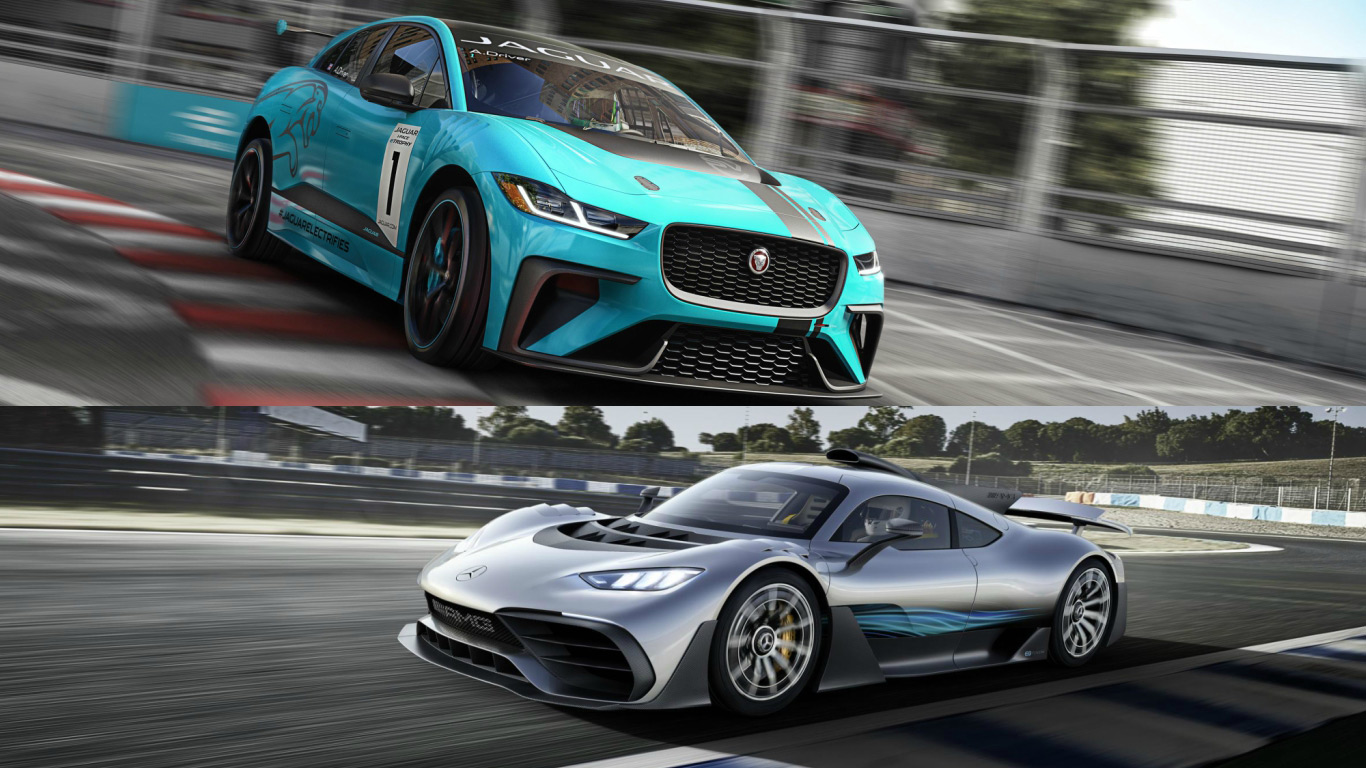
Using motorsport to sell cars is nothing new, but Frankfurt 2017 saw two alternative takes, one from Jaguar and the other from Mercedes-AMG, on pushing the electrification message through the lure of racing.

More Frankfurt Motor Show on MR:

Assault and batteries

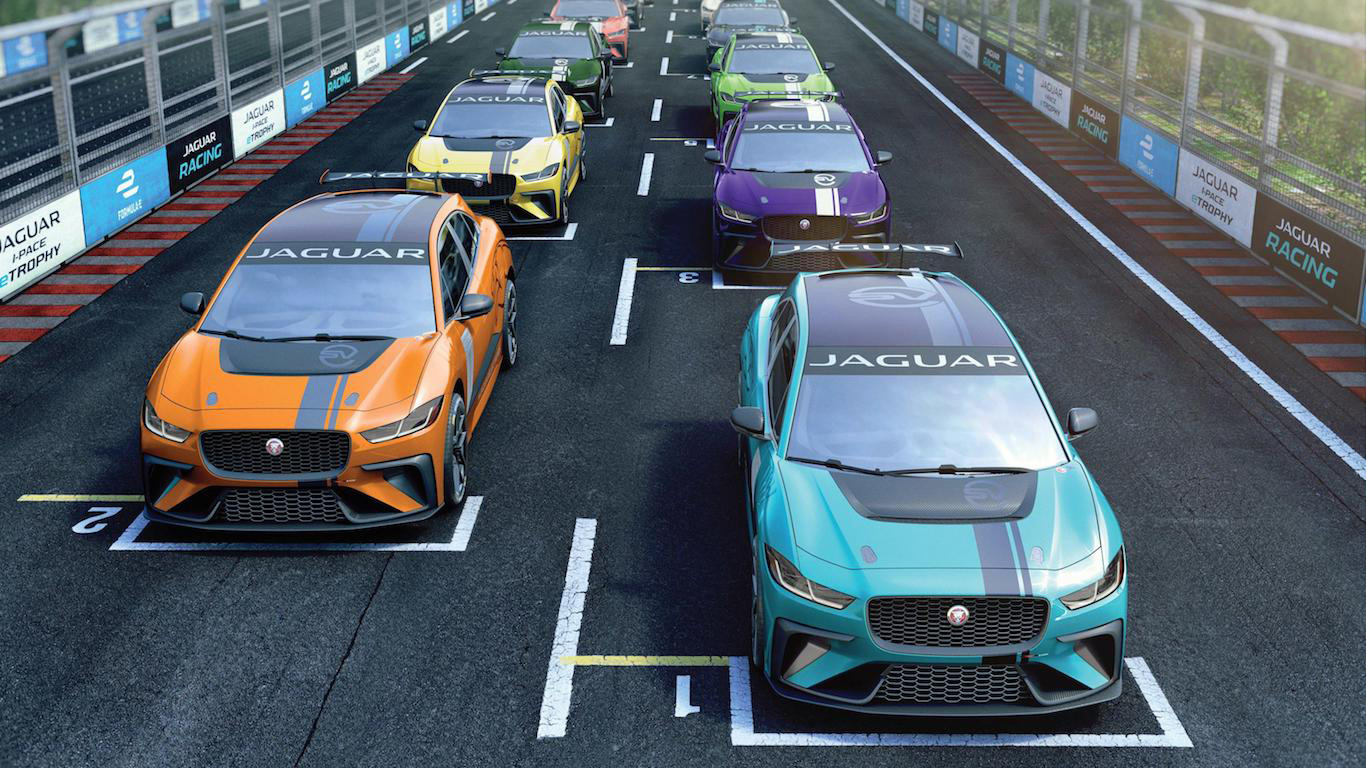
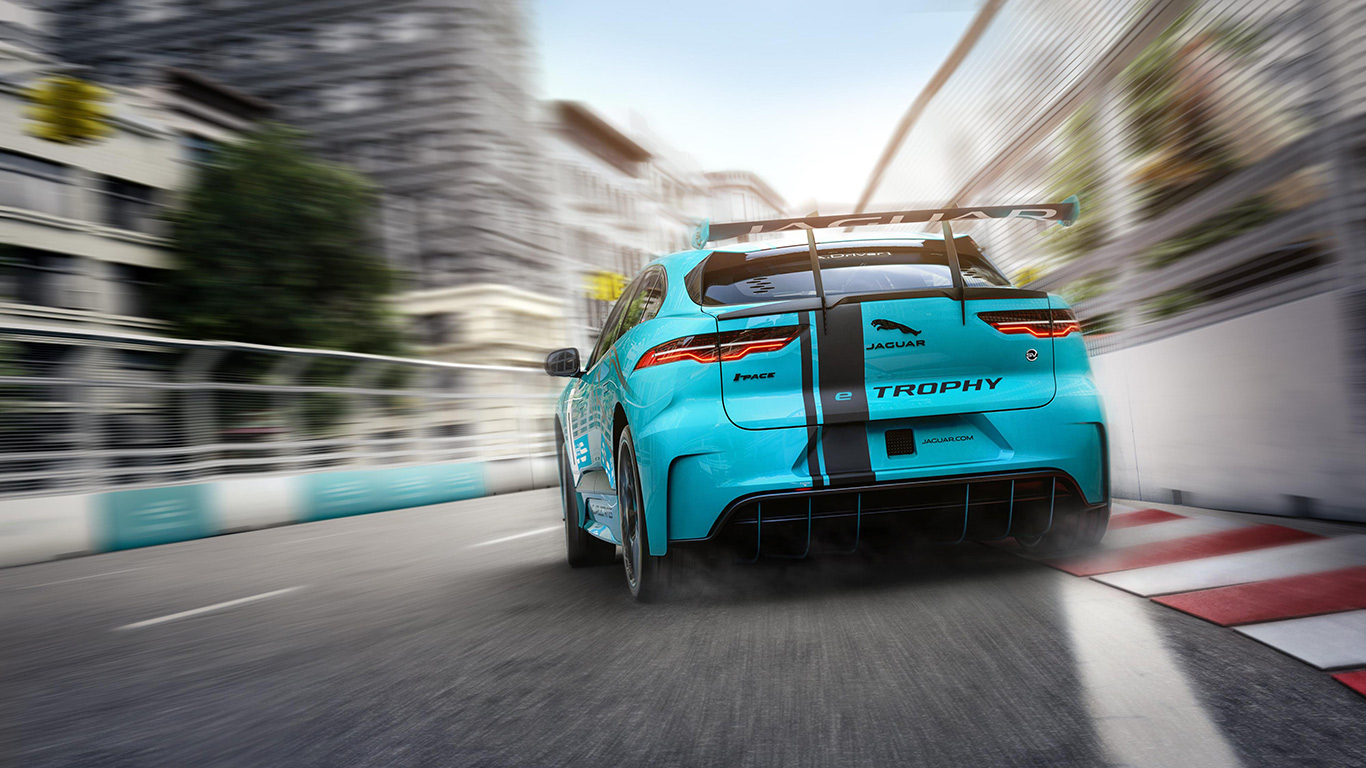
Jaguar announced the creation of the first production-based race series for electric vehicles with the I-Pace eTrophy, set to launch at the end of 2018. Set to support the FIA Formula E Series, the eTrophy will pitch 20 identical I-Paces against each other, with VIP guest drivers thrown into the mix as well.Frankfurt Motor Show 2017

It’s a bold strategy, especially for a car that won’t make it into the hands of the general public until 2018. The key to the eTrophy is that it seeks to make electrification appear normal. Formula E has tried hard, but issues like needing to change cars mid-race have hardly helped its image.

The eTrophy has the potential to become a battery-powered BTCC. For Jaguar it creates a very simple link between the race car people can watch on TV, and one they can head to their local dealership and buy.

Casserole of complexityFrankfurt Motor Show 2017

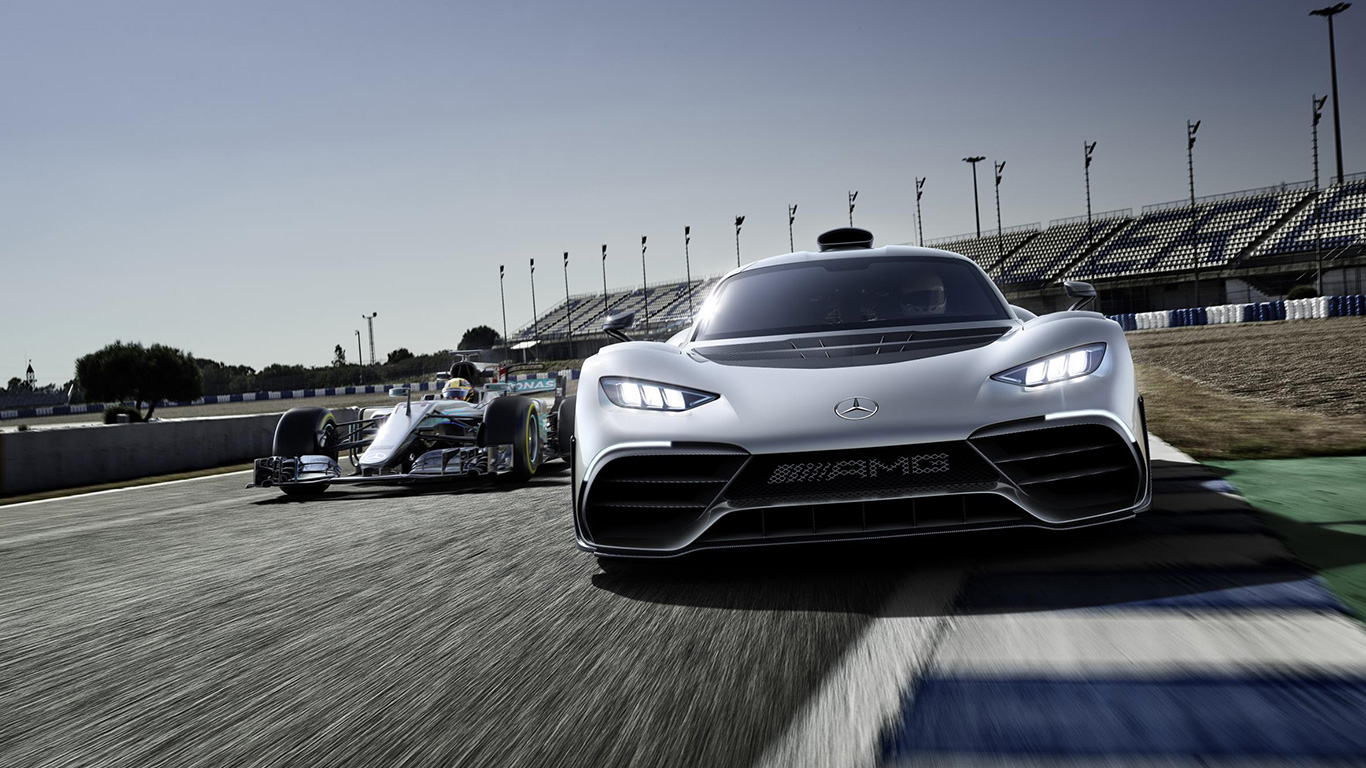
In contrast, Mercedes-AMG has used the hybrid powertrain from a contemporary Formula 1 racer to create the Project One: possibly the biggest talking point of the Frankfurt show. The headline-grabbing 1,000hp  peak power figure is imposing, but wading through the details of how it achieves that output is a challenge in itself.

Four electric motors, including an electrically-assisted turbocharger, and an 11,000rpm rev limit for the petrol engine sound impressive and intricate in equal measure. It’s less the fault of Mercedes, and more the issue with the current Formula 1 engine regulations that have created such a casserole of complexity.

The right formula?Frankfurt Motor Show 2017

The grid-place penalty debacle at the Italian Grand Prix highlighted the mess the current engine situation in F1 has become, one not helped by the reliability woes affecting Renault and Honda. Putting a current Formula 1 car engine into a road-going machine is a brave move, even for the manufacturer dominating the sport at present.

Mercedes-AMG promises that the lessons learned from the development of the Project One will translate into better road car technology, which forms part of the company’s commitment to increased electrification. This may be so, but trying to forge the links between race and road seem a lot harder with the Project One, despite the fact it has an actual motorsport-derived power unit.

Increased electrification is an unstoppable reality, and motorsport can play a key part in showing that it doesn’t have to be hair-shirted and dull. Car manufacturers just need to ensure that buyers can make and understand the connection between road and track.

Advertisement