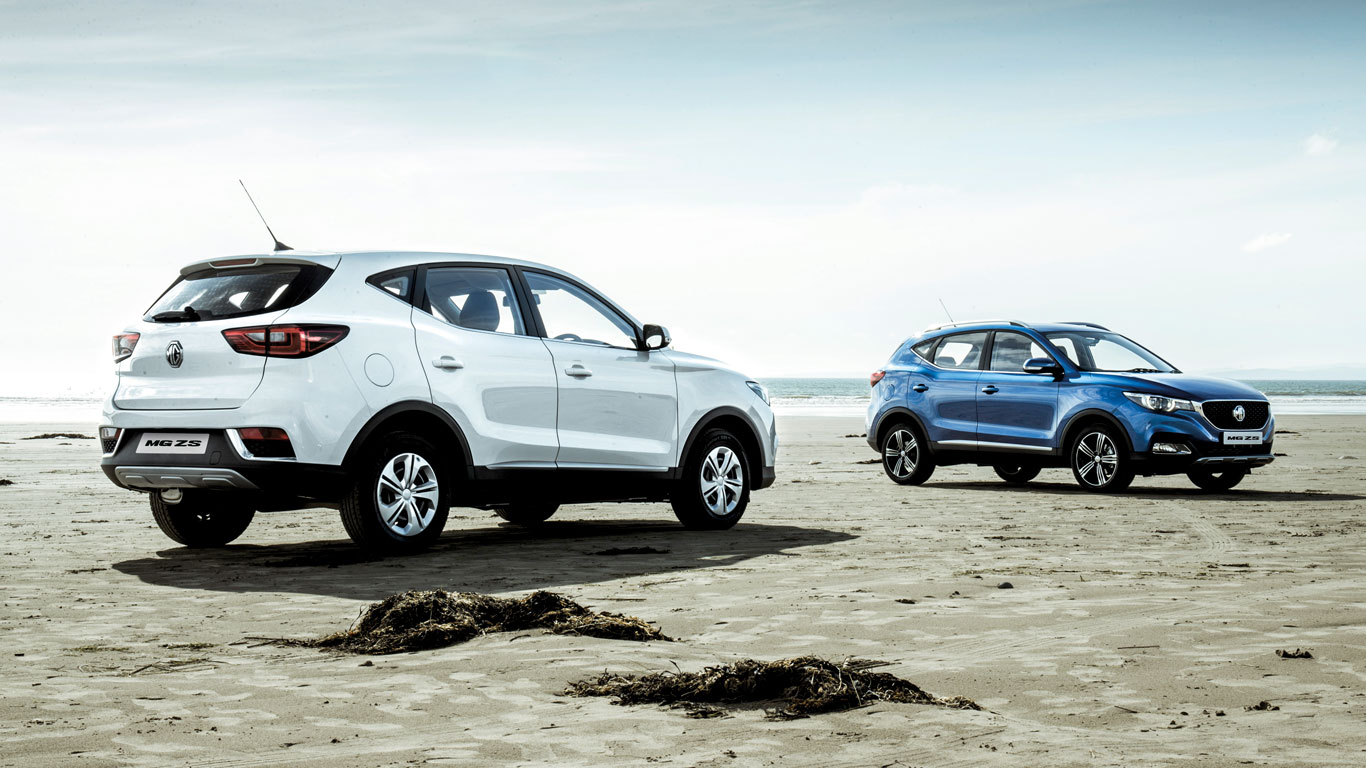
“ZS will, quite simply, double our sales, and push MG towards 10,000 sales in the UK next year,” said Cheyne.
According to the latest figures from the Society of Motor Manufacturers and Traders (SMMT), MG has registered 3,321 cars so far in 2017. Cheyne said the manufacturer is on track to hit a target of 4,500 cars this year – a record for the company since it was reborn under Chinese ownership in 2006.
MG Motor broke the 1,000 cars registration barrier for the first time in 2014, with 2,326 cars sold in the UK. In 2015, 3,152 new MGs were registered, rising to 4,192 in 2016.
Cheyne added: “We retail nearly every single one of our cars. We don’t have dealers with forecourts full of pre-registrations, which is really important for us. Our cars are bought by people’s own money.
“The ZS is definitely the best car, the greatest car we’ve launched. We’ve listened to all of our customer feedback from previous models.
“[It] builds on all the positives and improves on all our other models, to keep the MG brand growing and moving forward. Our early years were more about re-establishing the company rather than actual sales growth. But for the last four years, since 2014, we’ve been growing organically.”
By the end of 2017, MG will have 90 dealers across the UK, giving it more than 65 percent coverage of the UK.
The firm controversially announced in 2016 that it would stop assembling cars at the old MG Rover plant in Longbridge, Birmingham. Previously, it would manufacture cars in China before shipping them across to the UK for final assembly.
The MG ZS was originally supposed to be called the XS, until it emerged that Land Rover owned the ‘XS’ trademark. A last-minute change of plan led to it taking the name of a 90s Rover 45-based hot hatch.
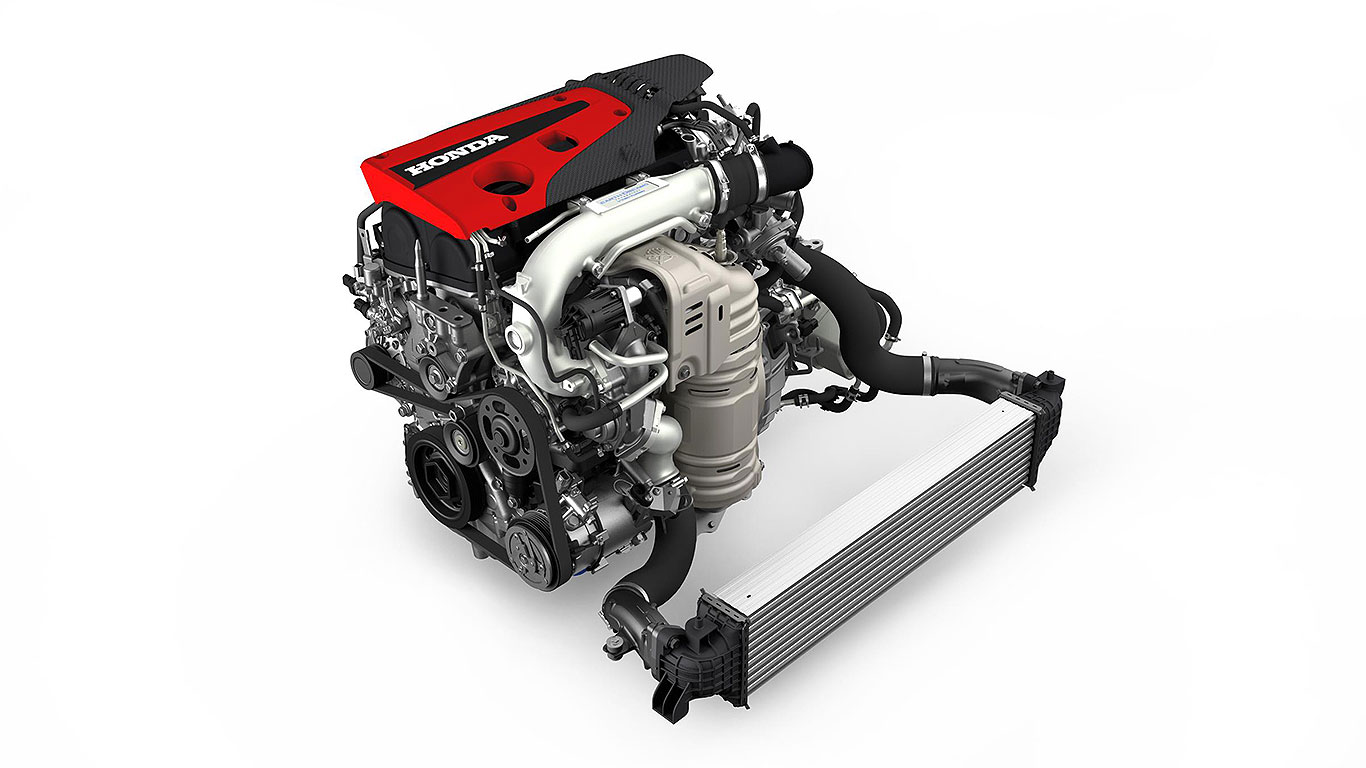
The current-generation Honda Civic Type R’s mighty 2.0-litre i-VTEC Turbo engine is now available in a box, with the launch of a U.S. ‘crate engine’ programme at the 2017 SEMA performance car show in Las Vegas.
The Civic Type R Crate Motor is a North American-spec engine producing 306hp, and will be sold to professional racers competing in motorsport. It’s eligible to be run on verified closed-course racetracks and “builds upon Honda’s long-term commitment to the support of grassroots racing”.
The engine, codenamed K20C1 (the latest in the long-running Honda K series line first launched in 2001), is sold through the Honda Racing Line division, which sells a raft of motorsport parts to Honda racers.
The crate engine comes complete with everything a racing team needs to get it up and running; all they need to do is fork out for it to be shipped from the North American plant that builds the Type R engine.
Price? In the U.S, it’s $6,519. How much is that in pounds sterling? Around £4,600. Rather less than the £30,995 price of an entire Civic Type R, but also indicative of just how much a top-line engine costs.
Honda has in mind racers for the new crate engine, but specialist car firms may also be interested; UK performance car manufacturers Ariel has for some time used the non-turbo predecessor to this Civic Type R engine – just imagine how satisfying a version using the latest turbo engine could be…
Turning to a Japanese brand might be a passport to a stress-free life, if the results of the What Car? Reliability Survey are to be believed. Read on to discover the makes of car likely to be a dream to own. We’ll run through the top 10 manufacturers in reverse order.
Steve Huntingford, editor at What Car? said: “Japanese brands continue to lead by example when it comes to reliability; the breadth of vehicles with near-faultless scores highlights the engineering prowess of Far Eastern manufacturers.” Subaru scores 81.8%.
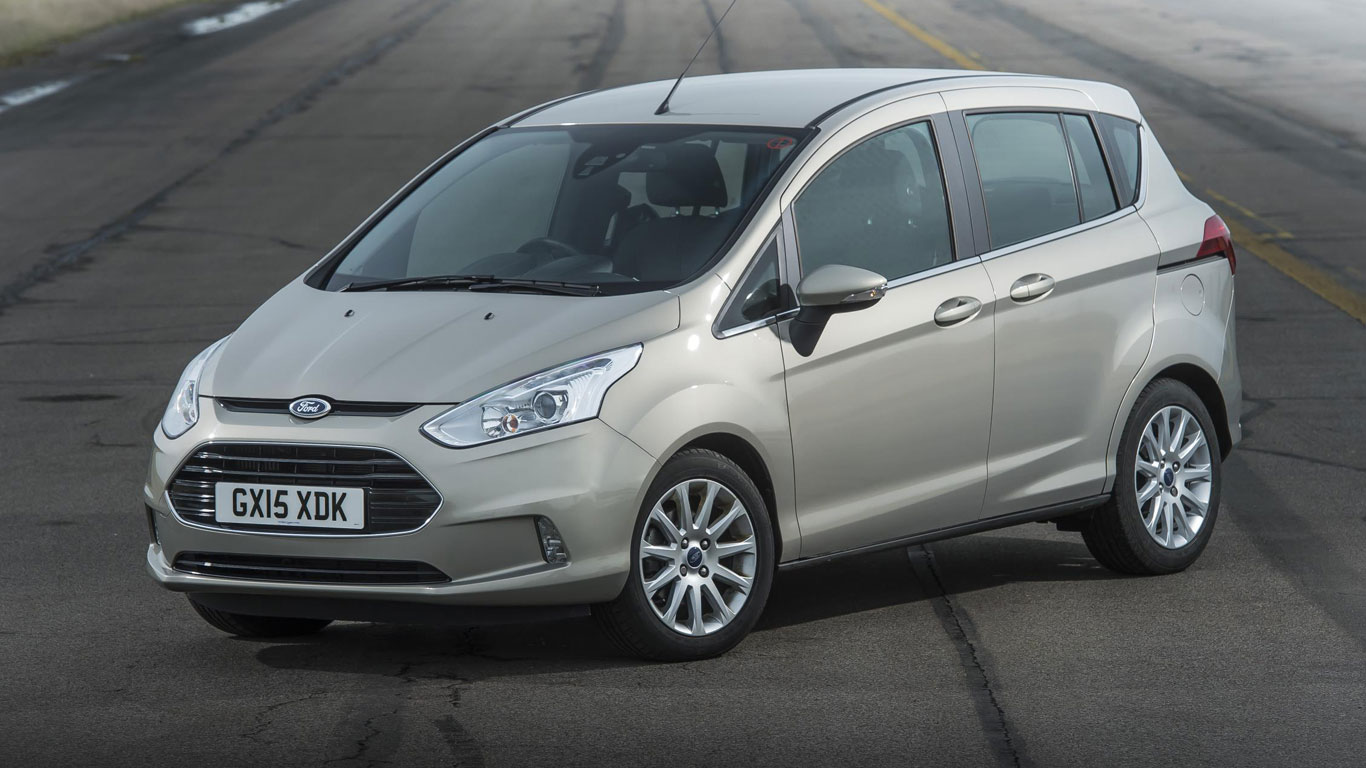
9. Ford: 82.1%
This is a great result for a volume manufacturer, with the B-Max and C-Max performing particularly well. The cars finished first and second in the MPV category, with only 17% and 18% of owners reporting faults with a B-Max and C-Max, respectively.
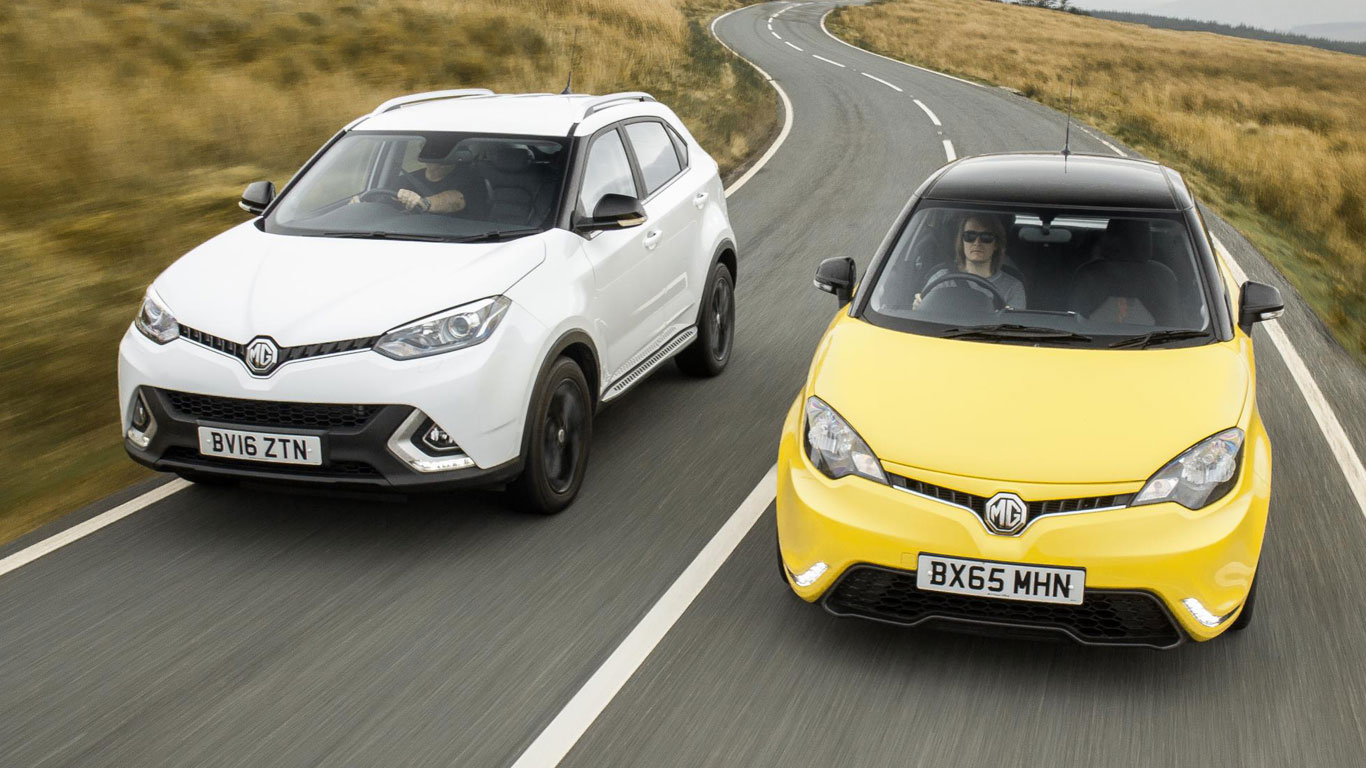
8. MG: 83.4%
Fair play to MG, because eighth place is a tremendous result for a niche brand. A new ZS crossover is on the way, and MG will be hoping it proves to be as reliable as the MG3.
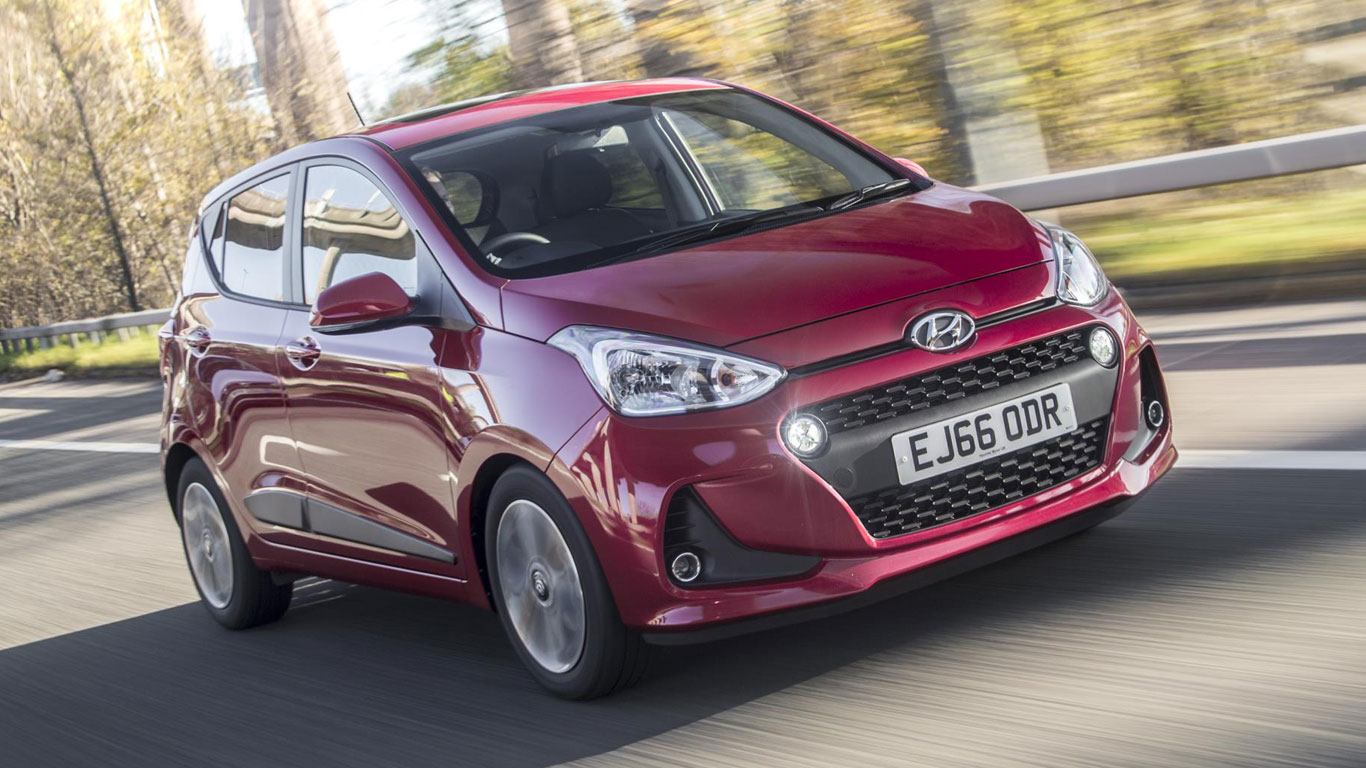
7. Hyundai 84.8%
The Hyundai i30 secures a top three finish in the family car category, with only 15% of cars suffering faults. These minor niggles were fixed under Hyundai’s excellent five-year warranty in less than a week.
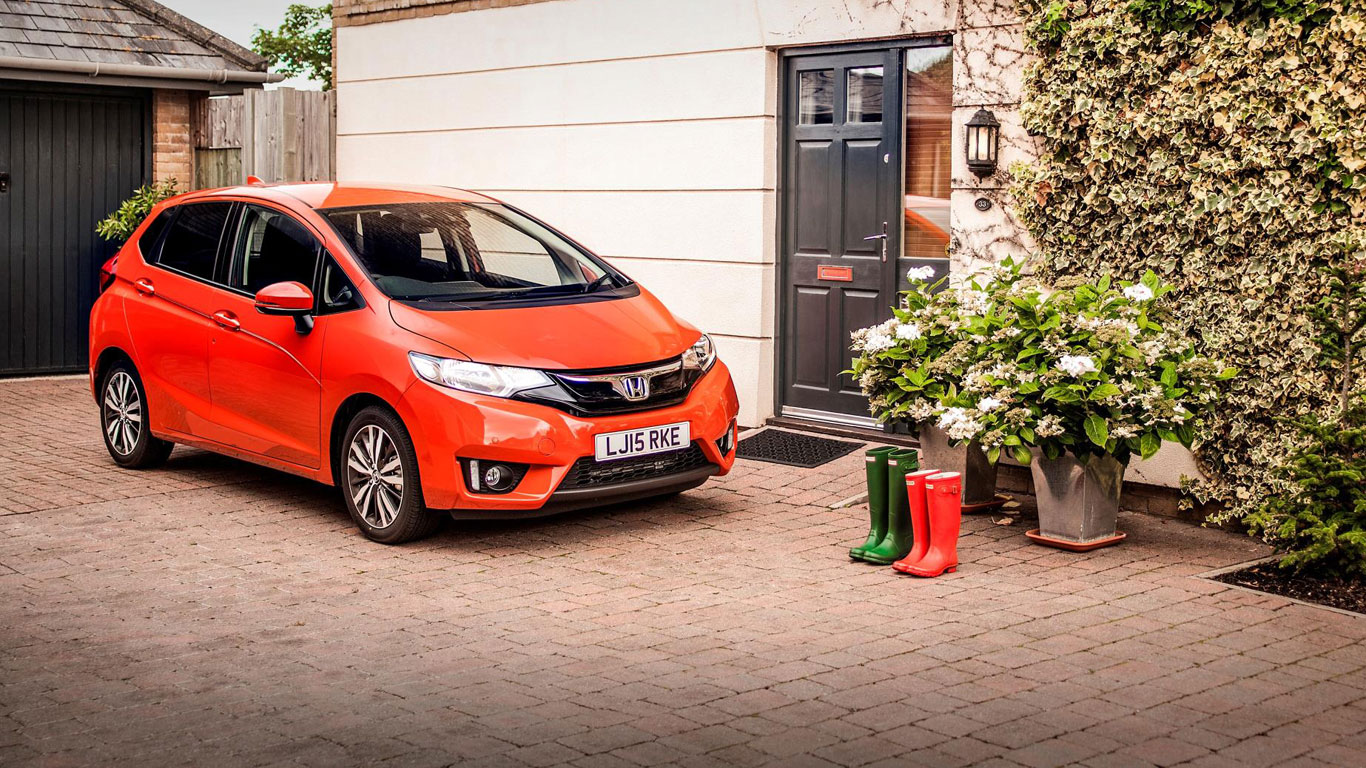
6. Honda: 84.9%
Not one Honda Jazz owner reported any faults with their car, giving the supermini a perfect reliability score. Meanwhile, the previous-generation Jazz sits in fourth place in the small cars category, with only minor niggles reported.
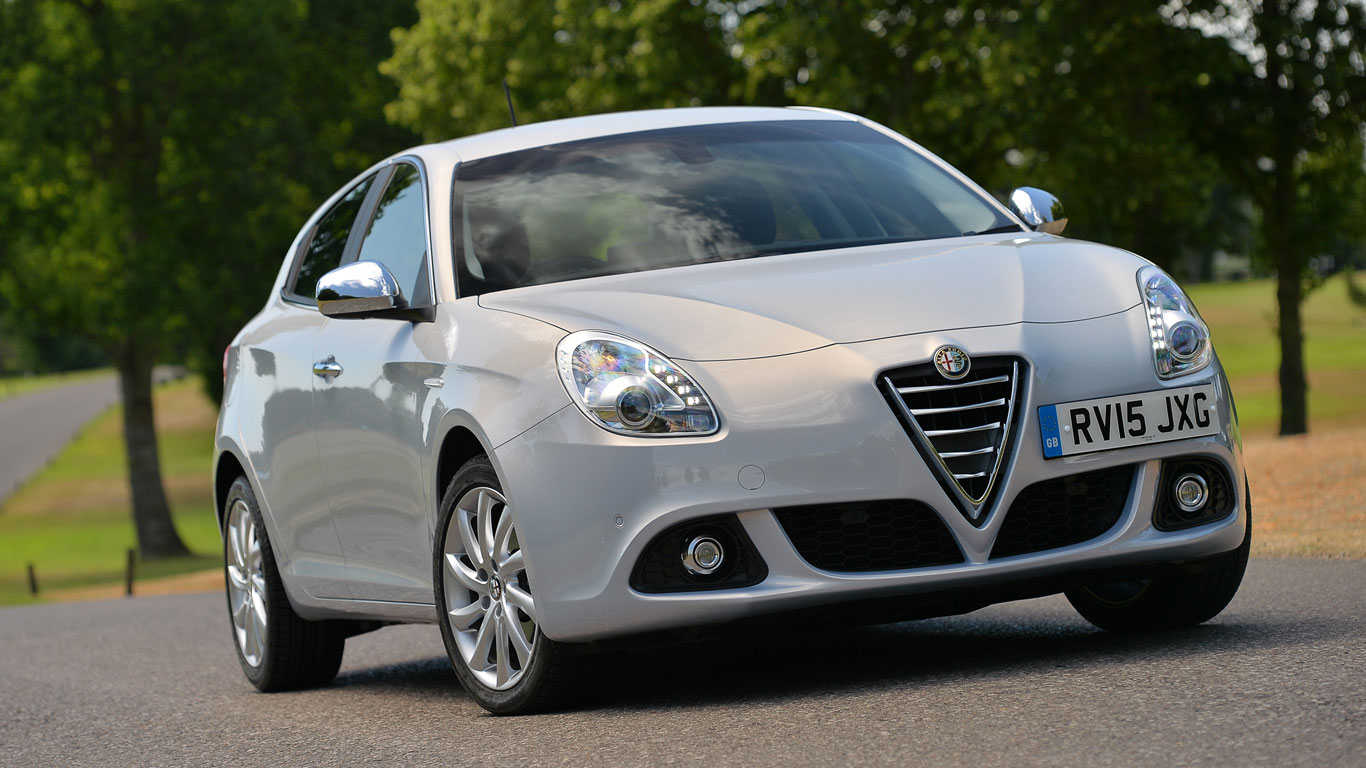
25. Alfa Romeo: 85.8%
Heard the one about the Alfa Romeo that was more reliable than a Honda? It’s often said that truth is stranger than fiction, but you’d be forgiven for thinking we’d lost our marbles if we told you a new Alfa could be more dependable than a car built by the Japanese giant. The fact is: Alfa Romeo finished fifth in the latest What Car? Reliability Survey, one place higher than Honda.
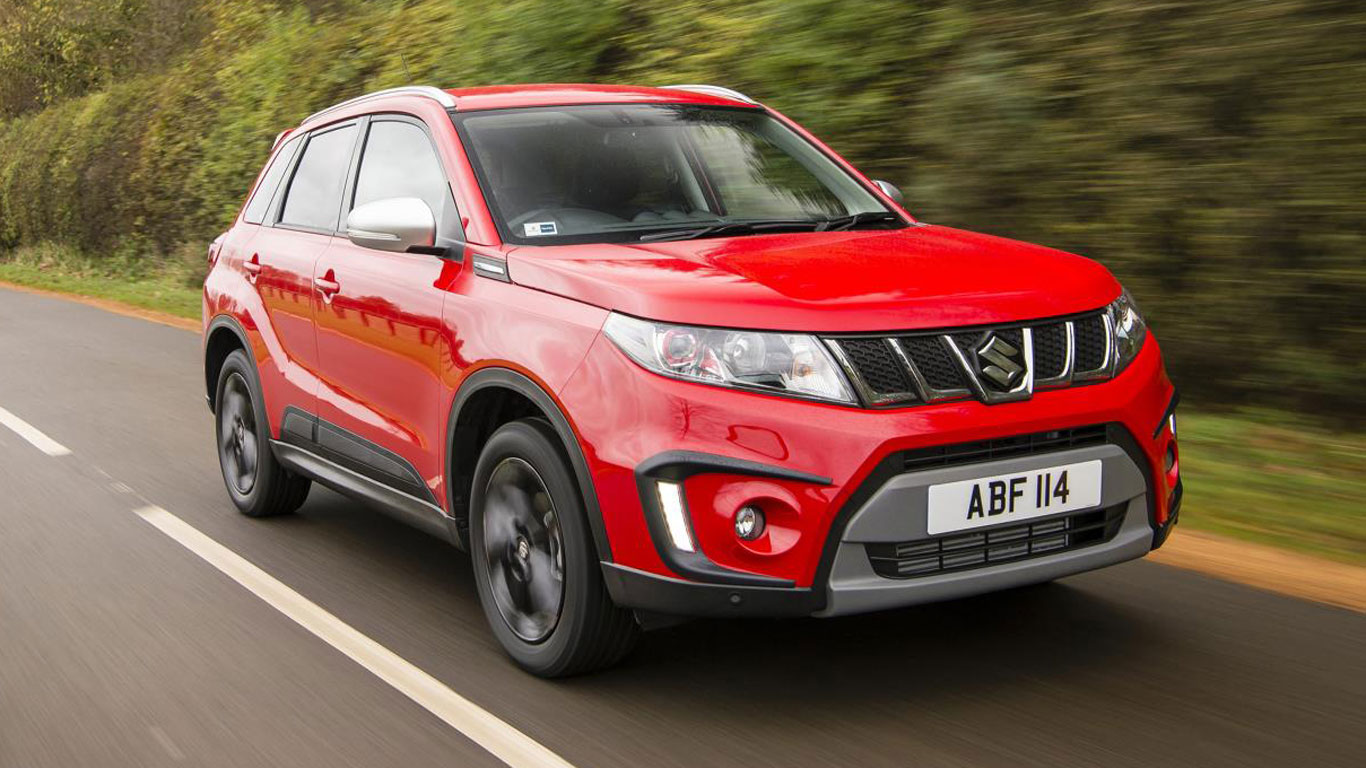
4. Suzuki: 86.6%
Suzuki just misses out on a top three finish, but this is a strong performance for a brand focused on value for money.
3. Toyota: 89.6%
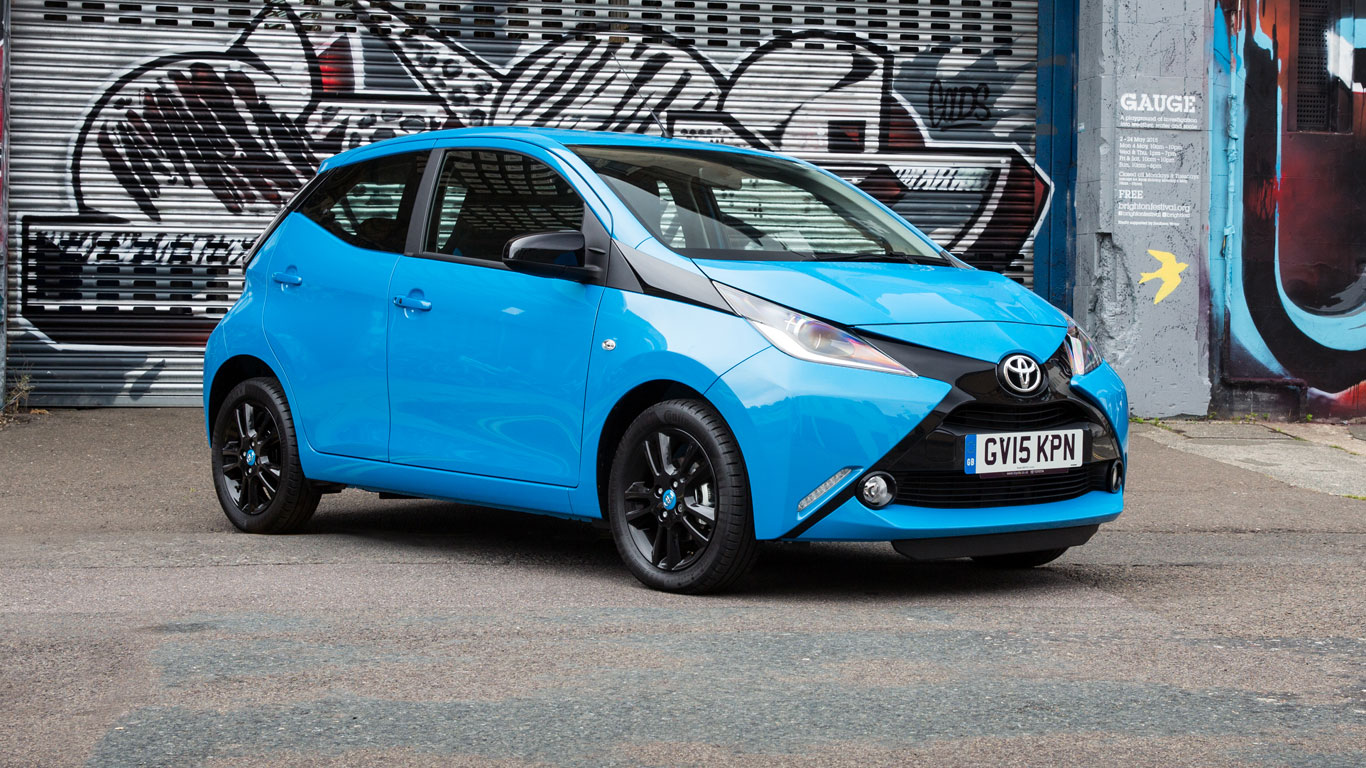
Toyota’s star performer is the Aygo, with owners reporting no faults with their cars. Indeed, 13% cited reliability as the thing they liked most about their car.
2. Mitsubishi: 90.8%
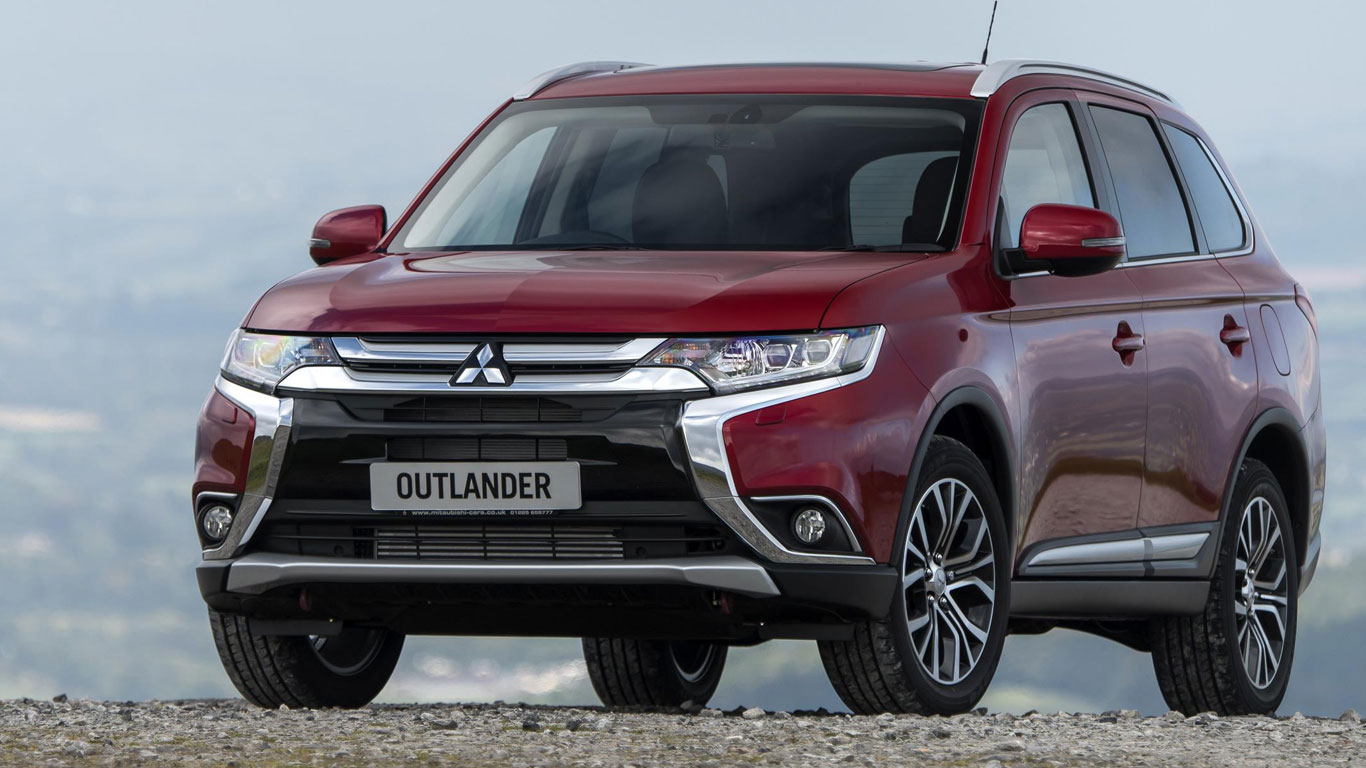
The Mitsubishi Outlander emerges victorious in the large SUV category, ahead of some big-name premium brands. Less than 10% of Outlanders suffered a fault, 75% of which were fixed in a day. All were fixed for free in less than a week.
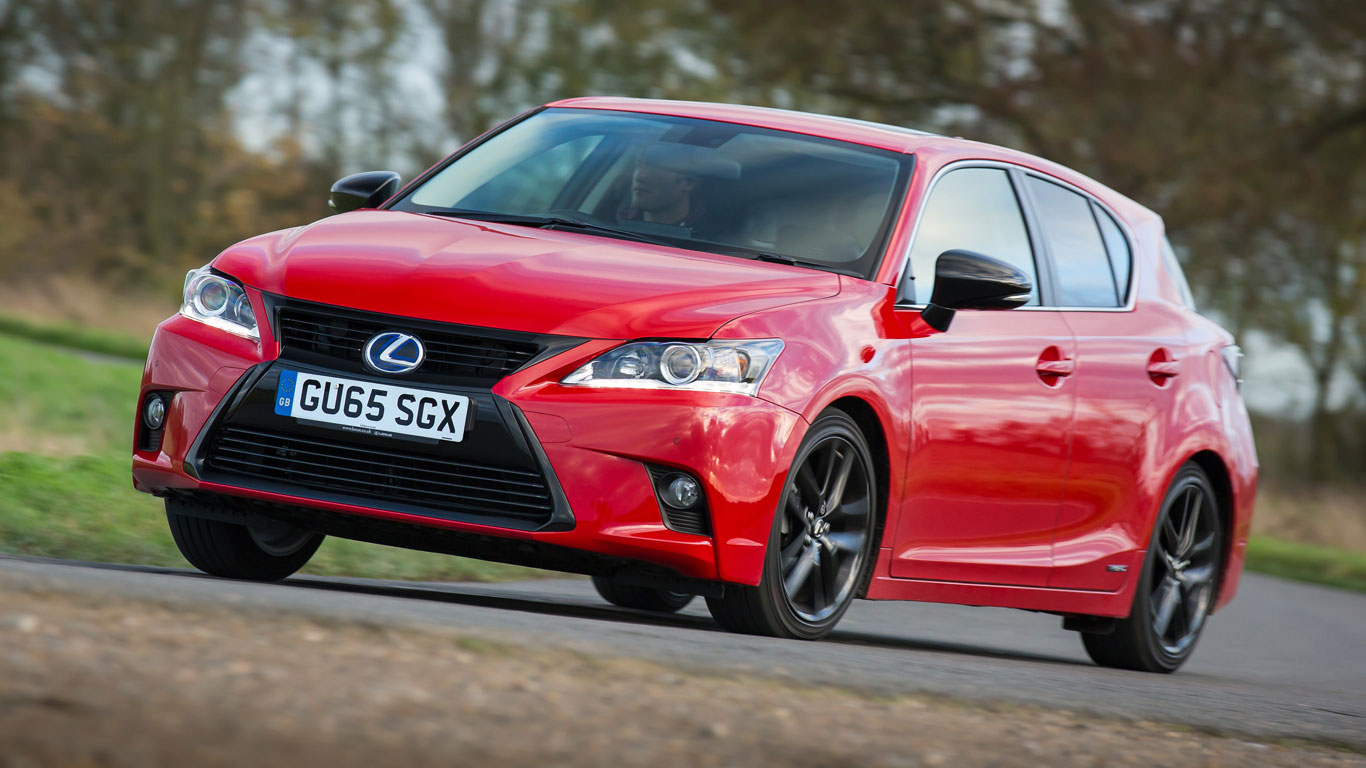
1. Lexus: 92.1%
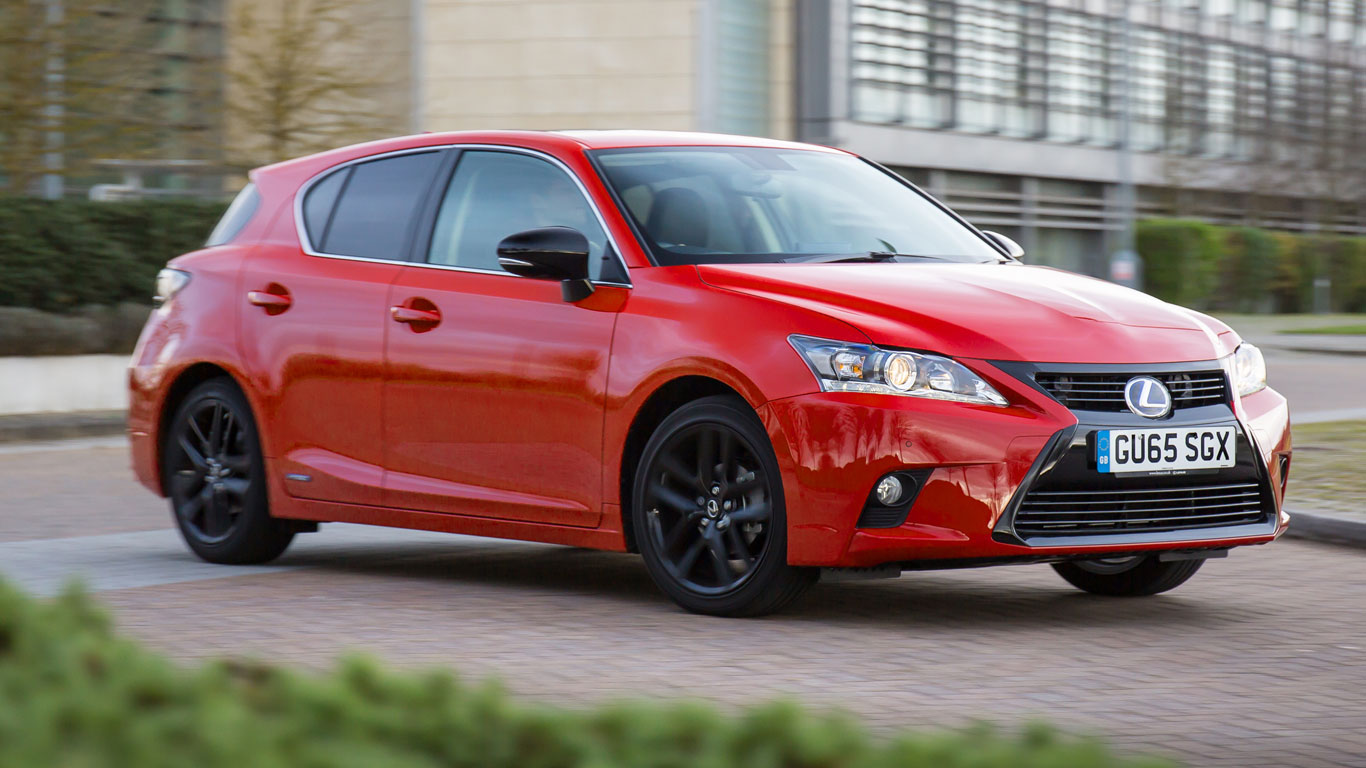
For a stress-free life, buy a Lexus. The CT 200h is the standout model, with a 100% reliability score. Meanwhile, the Lexus IS finished second in the executive car category.
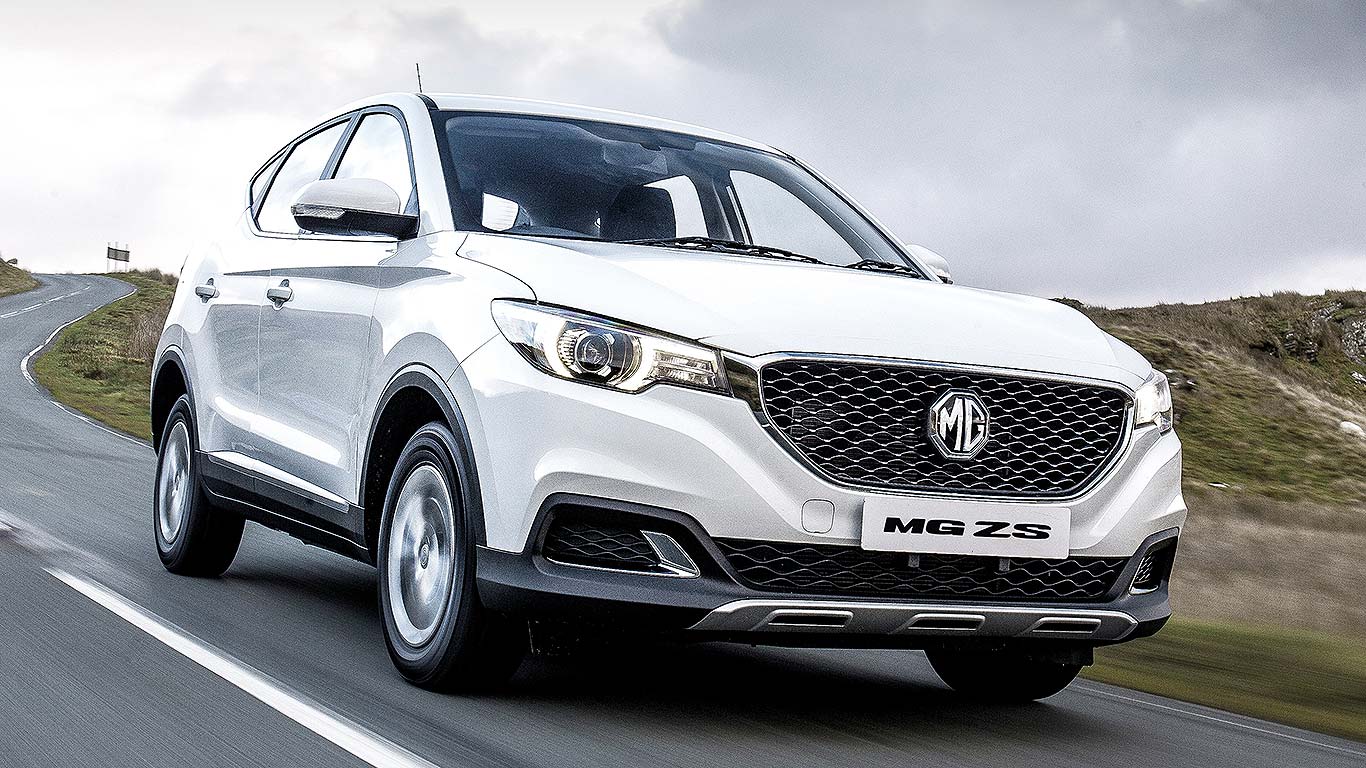
The new MG ZS compact SUV will benefit from the firm’s first seven-year warranty, bosses have announced. MG thus becomes the first brand on sale in the UK to match the pioneering seven-year warranty offered by Kia since 2010.
The new MG seven-year warranty is capped to 80,000 miles, unlike the 100,000-mile limit offered by Kia, but it’s otherwise broadly similar to the Korean maker’s offer – including being transferrable to any future owner.
MG says the seven-year warranty extends the regular manufacturer’s warranty and guarantees only genuine MG parts are used, should any warranty work be required.
Matthew Cheyne, MG Motor UK’s head of sales and marketing, said: “This is MG putting its money where its mouth is. With the introduction of a seven-year warranty, we are making a clear statement of intent about the quality of our design, engineering and manufacturing.
“Drivers can be confident that the increased warranty does not diminish the level of cover provided and is not an insurance-based product. MG Motor UK believes so strongly in the quality of the new MG ZS that it is backing the fantastic warranty itself.”
The MG ZS is the firm’s new rivals to the Nissan Juke. It launches in dealerships from 1 November, priced from £12,495, thus significantly undercutting alternatives such as the Vauxhall Mokka X, Peugeot 2008 and Renault Captur.
MG’s also offering 0 percent finance from launch, with monthly payments starting from £199. Cheyne is bullish about the new car’s fortunes: “Benefiting from global design expertise, but reengineered specifically for UK roads, we are confident that the MG ZS will prove exceptionally popular. The seven-year warranty makes it even more compelling.”
Motoring Research is driving the new MG ZS this week: come back soon to see whether the firm’s excitement in the new car is merited…
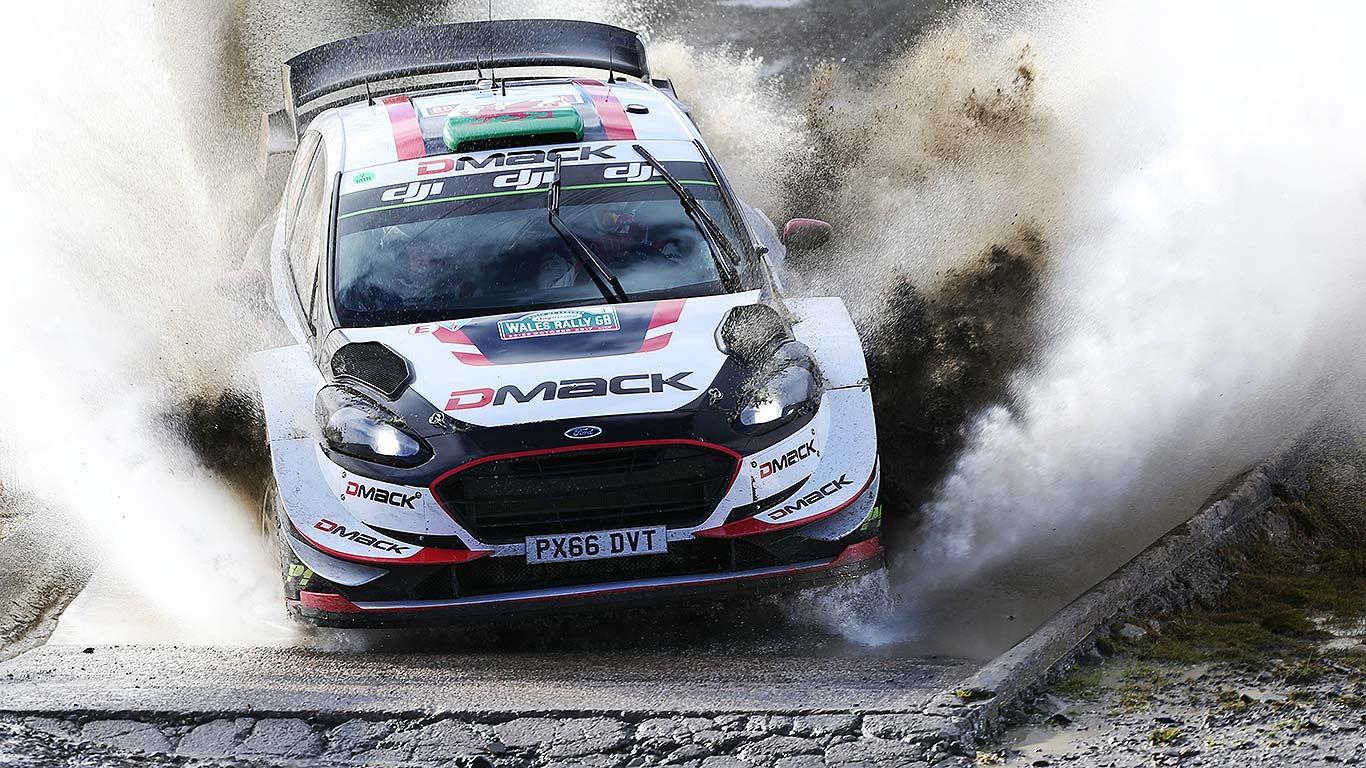
Welsh home hero Elfyn Evans has WON the 2017 Wales Rally GB in sensational style – and promptly been mobbed by adoring fans during the ceremonial finish.
He becomes the first Welshman to win the Wales Rally GB.
It was the 28-year-old WRC driver’s first victory in top-line world rallying, making the maiden victory on home soil even more incredible. Evans and co-driver Dan Barritt won the rally by a huge margin of 37.3 seconds from the Hyundai of Thierry Neuville, after dominating the four-day event.
Evans’ team-mate Sebastien Ogier was also a happy man – by finishing third in the Rally GB, he became 2017 WRC champion. It is his fifth world title.
What’s more, Evans’ team, M-Sport, also won the 2017 FIA World Rally Championship title for manufacturers, giving Ford a well-deserved WRC title for the for the Fiesta WRC – despite the team not having the big-budget full manufacturer support of rivals from Citroen, Hyundai and Toyota.
Rallying runs in the Evans family. Elfyn’s father Gwyndaf was also a high-profile rally driver, winning the 1996 British Rally Championship and driving for Ford in WRC. Evans has gone one better than his dad though, in scooping a WRC win – and the popular Gwyndaf will be one of the proudest fathers in the world as a result.
Gwyndaf Evans Motors is today a Ford dealership – and, we’d wager, likely to be a busy one tomorrow…
*COMPETITION* With @WalesRallyGB almost here,here’s a chance to win a Limited Edition Print of Gwyndaf.Just Follow us and ReTweet. Good Luck pic.twitter.com/bLtJE5q2yx
We’ve all seen a modified Land Rover proudly sporting a ‘One Life, Live It’ sticker across the rear window. While the 4×4 says “I could tackle the Sahara”, the expression on the driver’s face probably says “I’ve got the school run to do”.
For many Land Rover enthusiasts, life dictates that the closest they get to living out their expedition fantasies is a weekend of green-laning in Wales. But even that’s getting trickier, as many byways are having legal rights to drive along them removed following pressure from locals, environmentalists and other byway users.
There are many off-road centres in the UK where enthusiasts can pay a fixed fee to explore the limits of their vehicle and improve their driving skills. But there’s only so much fun to be had driving around a disused quarry before it gets tiresome.
Land Rover has been testing its vehicles within the grounds of Eastnor Castle, in rural Herefordshire, since the early 1960s. Around 5,000 acres and 40 miles of hidden, woodland tracks allow the iconic, British four-wheel-drive manufacturer to test its latest vehicles, untroubled by angry farmers or spy photographers.
And while it’s a private site, with no public access for keen off-roaders in their own 4×4 vehicles, you can purchase a Land Rover Experience session, allowing you access to Eastnor’s varied trails in a choice of vehicles. While these sessions are extremely popular with a variety of customers – from potential Discovery Sport buyers to out-and-out Land Rover obsessives – they don’t quite mimic crossing the Amazon. Until now.
The Eastnor Explorer is a three-day adventure, created to appease the appetite of the most expedition-hungry Land Rover enthusiast. For £325 per driver, per day, it can be taken in one go, using local campsites or B&Bs to make a long weekend out of it. Alternatively, spread the full experience out across three day-long sessions.
We joined a team of wannabe adventurers for a taster of what the new Explorer experience offers. Will it really cut it compared to a real expedition? Going by the expressions on the faces of the instructors as I arrive, I suspect so. These guys spend their working day playing around with the latest Landys in mud, so it takes something special to get them as excited as they are.
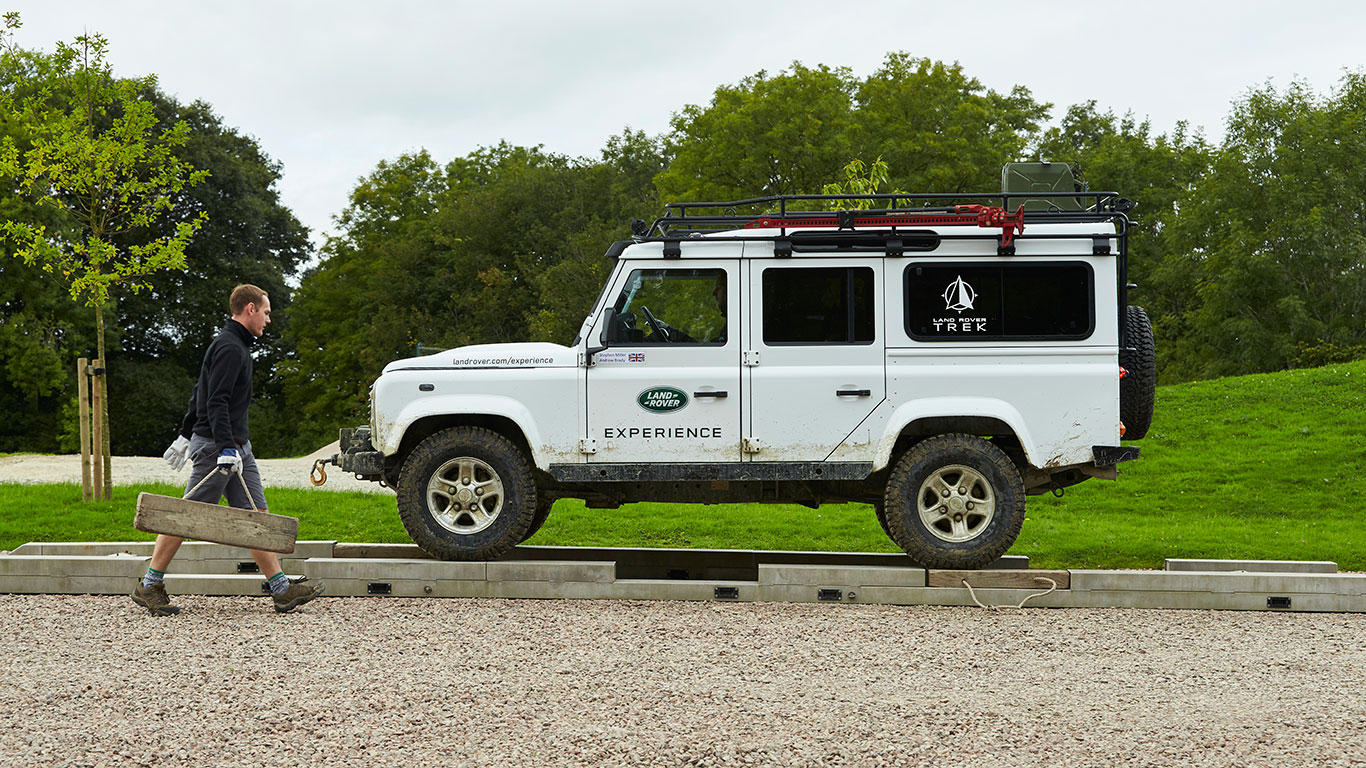
Following a briefing (where we’re handed an adventure pack, containing tools such as a fire stick and compass), we’re led out to our vehicles. Curiously, two Defenders and a Discovery support car await us. This isn’t Land Rover attempting to show off the capability of its latest products – it’s a case of using the best vehicle for the job. And the best vehicle for what we’ve got ahead of us is no longer in production.
As we jump in the Defenders and head off for Eastnor’s private tracks, I question the use of a car that went out of production at the beginning of 2016. “A Discovery or Range Rover would get around the course,” my instructor, Mike Chambers, explains. “But it gets very tight, and there’s too high a risk of body damage.”
Ah, so we could do it in a Discovery. But there’s a high likelihood we might prang it.
“If you’ve got the space, a Discovery 5 is more capable off-road than the Defender,” adds Mike.
So, onto the first challenge of the day. A series of planks have been laid out, a Defender’s width apart, and we have to drive along them. But it’s not as easy it sounds. They’re barely any wider than the Defender’s 285mm tyres, so I’m reliant on my team-mates to spot me across – and prevent the 4×4 falling, oh, a good foot or so off the planks.
It’s designed to mimic a self-made log bridge, but without the danger of damage (or injury) if it goes wrong. While we scoffed at first, I soon realised why they didn’t let us drive over a real log bridge from the off. We’re rubbish. The Defender’s wheels made contact with the ground multiple times. Fortunately we’re not being judged. Yet.
Eventually we’ll be making our own bridge, so next comes a lesson in knot-tying. As someone who was a proud boy Scout, I’m slightly embarrassed to say my rope skills are even worse than my precision driving in a Defender. Fortunately, co-drivers Ollie and Martin are much better than me. I’ll remember that for later.
Back into the vehicles, we head onwards along Eastnor’s tricky tracks, which get noticeably more challenging as the day goes on. They haven’t been designed to flatter the Defender, and certainly not the driver: they’re thick, gloopy mud, and on occasions we need several goes to get through a section. “As slow as possible, as fast as necessary” is the old green-lane maxim, but at times we’re having to pile on the revs in low-range first or second gear to get through tricky sections. Sometimes, during an expedition, you have little choice but to be mechanically unsympathetic.
All too used to leisurely lunches provided by manufacturers on car launches, I raise an eyebrow when passed a tub of petroleum jelly and a cotton eye-pad when 12 o’clock arrives. We’re making lunch ourselves… well, a hot drink and toasted marshmallows. Using a volcano kettle, sheltered under a tarp in the woods, the Vaseline and eye pads are an excellent way of starting a fire, as it turns out.
Pre-packed sandwiches scoffed, it’s back into the Defenders. They’re covered in mud now, but there’s more to come. Our next quest is to find the Camel Bridge, but first we have to pass through a thick quagmire of mud that swallows the Defender in front of us up to its axles. Fortunately, we’re behind – a lesson in why pro off roaders usually travel in multiple vehicles – and give the other team a tug out.
The Camel Bridge was originally built during training for the Camel Trophy, a challenging competition that took place around the world between 1981 and 1998. It spawned the now-commonplace ‘One Life, Live It’ motto that’s often found on modified Defenders.
We end the day off with a small crossing across a river. There are logs already laid out – all we have to do is tie them up and drive across them. While the aforementioned Camel Bridge is now a fairly solid structure, in its early days it was little more than two telegraph poles across a gully, much like what we’re faced with today.
It’s not a huge drop into the river, but it’s certainly enough to put a Defender on its side if the ropes aren’t tied properly. Fortunately, my team mates can remember the morning’s rope exercise better than I can. I grab a stick and look helpful by hitting the knots hard to add pressure. I’m sure it’ll help.
It’s telling that those who tied the ropes weren’t as eager to drive across the bridge, but I trusted their skills so jumped in the Defender and agreed to be spotted across. It’s amazing how intimidating a crossing a few metres high above a small stream can be when you’re relying on knots tied by motoring journalists.
It’s been a rewarding day, and there are smiles and pats on the back all-round. Defenders have been stuck up to their axles in gloop, we’ve got ourselves muddy and new skills have been learned. Is it a replacement for a real-life expedition? Probably not, but for a fun weekend away from the city, it’s as close as you’re going to get.
Anyone’s welcome to take the course, and the instructors are experts in tailoring their tuition to your skills (or lack of them, in my case), but it’s probably best suited to those who already have a little off-road experience – and are perhaps considering a ‘real’ expedition in the future.
The Tokyo Motor Show only happens every two years, placing added pressure on Japan’s car manufacturers to go all-out with the new cars and crazy concepts.
For 2017 they certainly haven’t disappointed: here are some of the high-tech new machines and landmark introductions that make this year’s Tokyo show a classic.
Honda Sports EV Concept
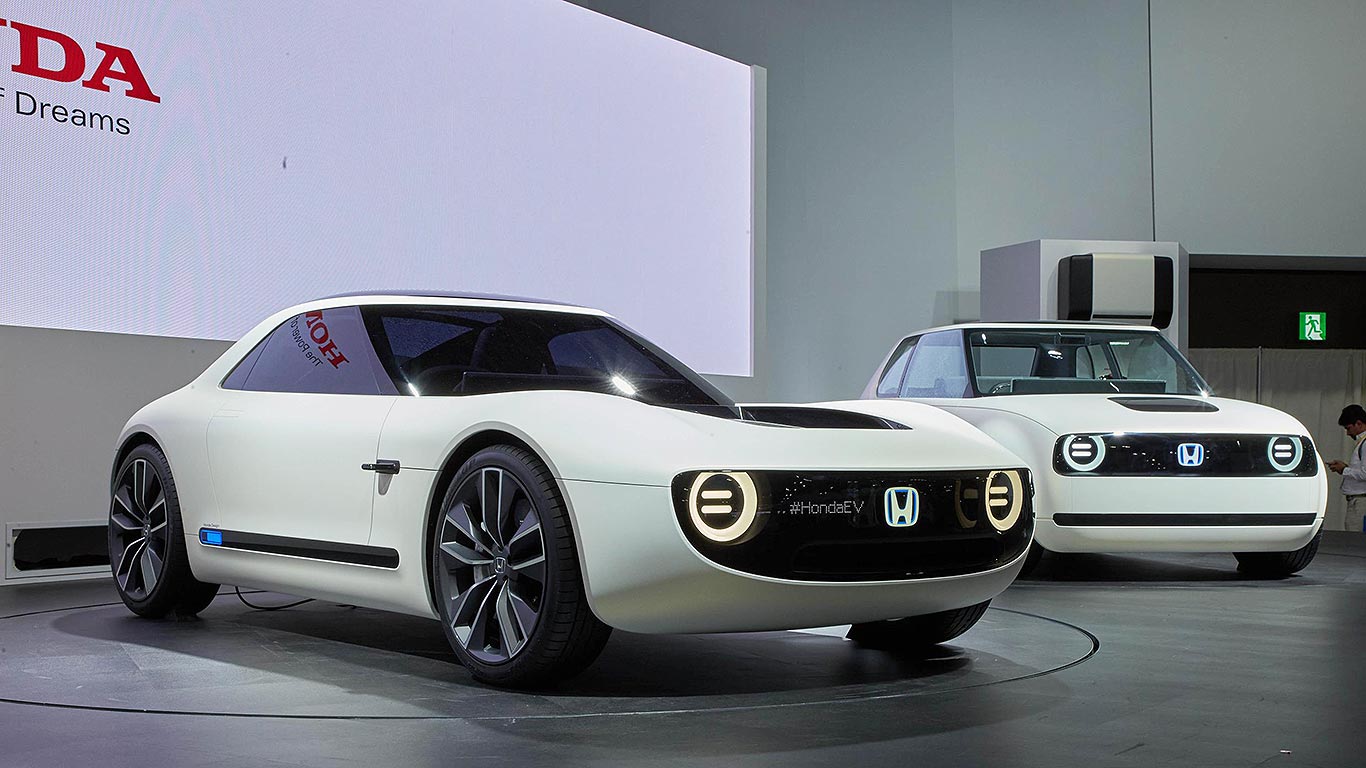
Honda’s done it again. The gorgeous Urban EV Concept was the star of the 2017 Frankfurt Motor Show, and this two-seater Sports EV Concept is another retro-infused gem of a concept we dearly hope makes production. Tech details are again thin on the ground, but the firm does say it includes artificial intelligence. Hopefully not too artificial: a sporty EV sports car infused with some racy Type R spirit would be just the thing to sit alongside that production-confirmed Urban EV, we reckon. Fingers crossed.
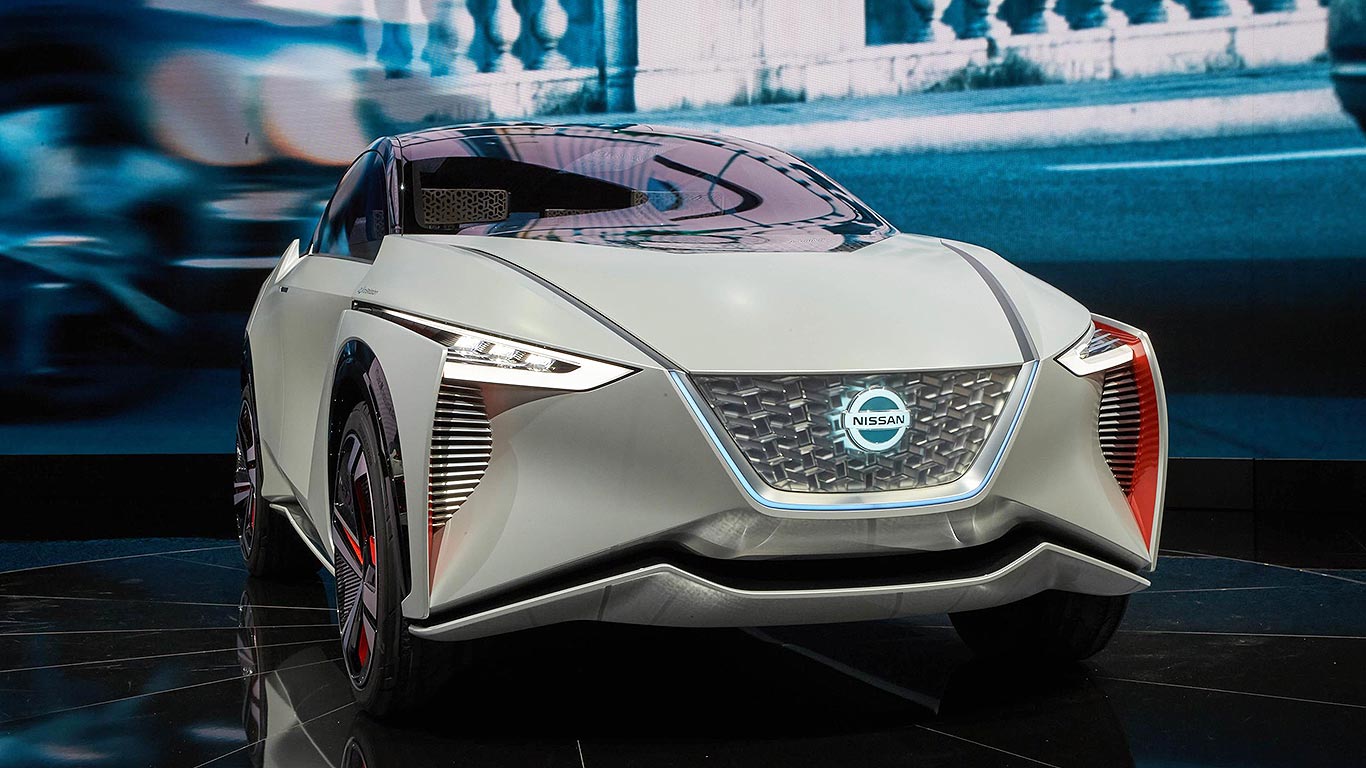
Nissan IMx electric SUV concept
How will Nissan follow up the second-generation Leaf electric car? Why, with an electric SUV, of course. The IMx ‘Leaf SUV’ concept has two powerful electric motors for all-wheel drive, a Tesla-like driving range of 373 miles, offers fully autonomous drive and, in the metal, looks very striking thanks to its high-riding stance and expansive, aero-profiled front end. Expect a toned-down production version before the decade is out.
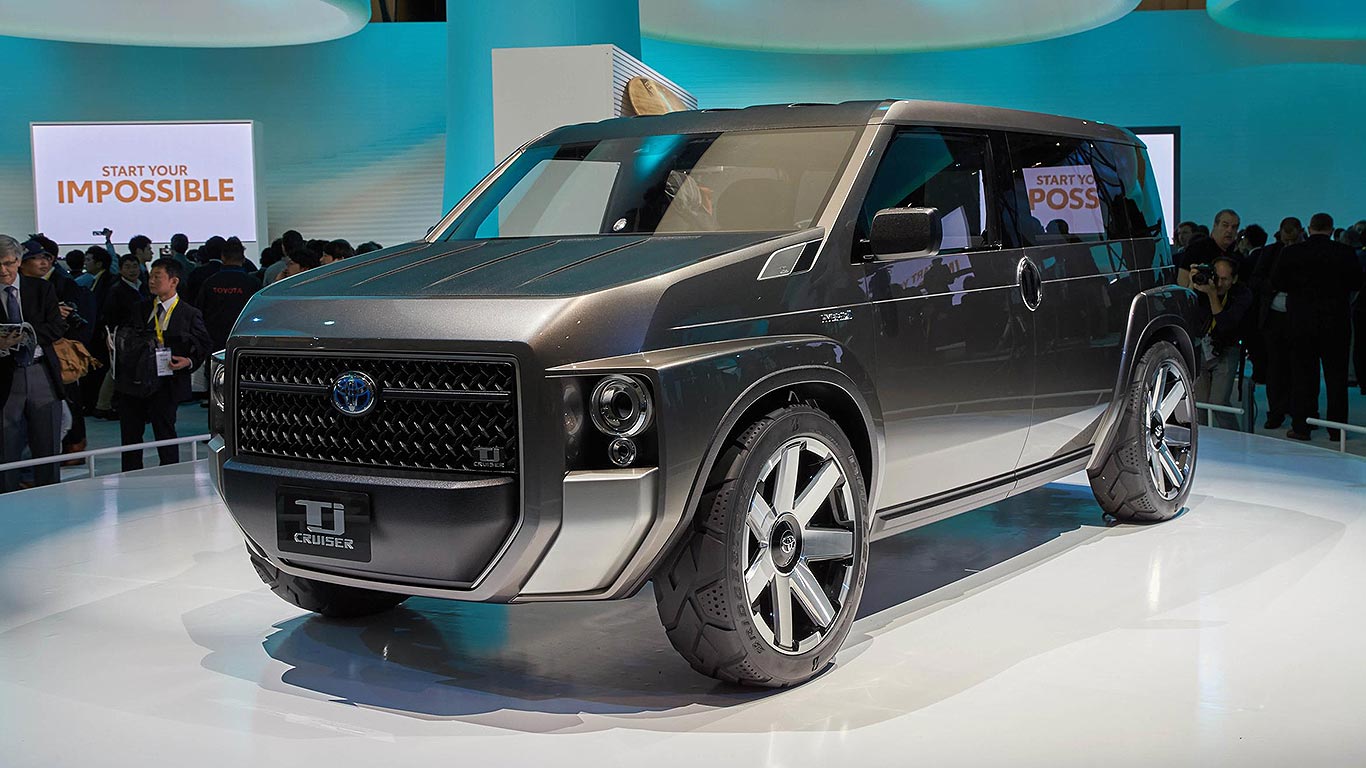
Toyota TJ Cruiser Concept
Toolbox Joy may sound more like a Japanese DIY chain, but here it’s the name applied to a new SUV concept from Toyota. ‘Van-like’ is not usually a quality advertised in press releases, but Toyota is keen to point out the practical potential of the TJ Cruiser, with the ability to swallow surfboards whole.
This cavernous approach is thanks to passenger seats which fold completely flat, along with a giant rear hatch and sliding side doors. Much like a van, in fact. With a 2.0-litre hybrid engine and the potential for four-wheel drive, the TJ Cruiser sounds ready for production.
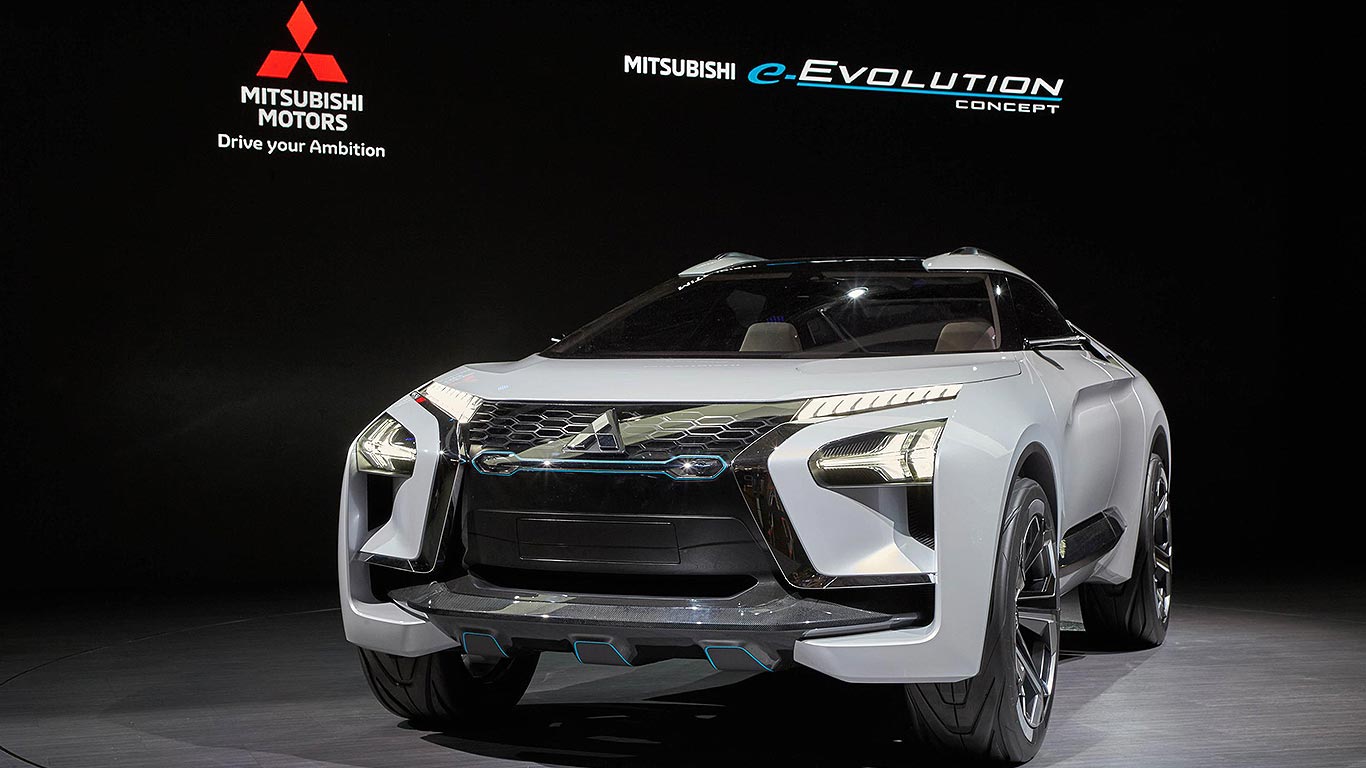
Mitsubishi e-Evolution Concept
Welcome back, Mitsubishi Evolution. However, before you get too excited, take note of the ‘e’ before that famous name. There’s no turbocharged petrol engine tuned to within an inch of its life here, but instead three electric motors powering all four wheels. Oh, and it’s also a high-rise SUV, not a four-door saloon, in case you hadn’t noticed.
Active Yaw Control is still here, just like old times, with the individual motors for each rear wheel helping to adjust cornering attitude: pleasingly, the Tokyo press pack image set includes a shot of it drifting, classic Evo style. What is different is the adoption of Artificial Intelligence, working to understand traffic and road conditions, along with learning the intentions of the driver. Excited? Maybe temper that enthusiasm: insiders suggest this is teasing a future new Mitsubishi SUV, rather than a new electrified Evo performance car…
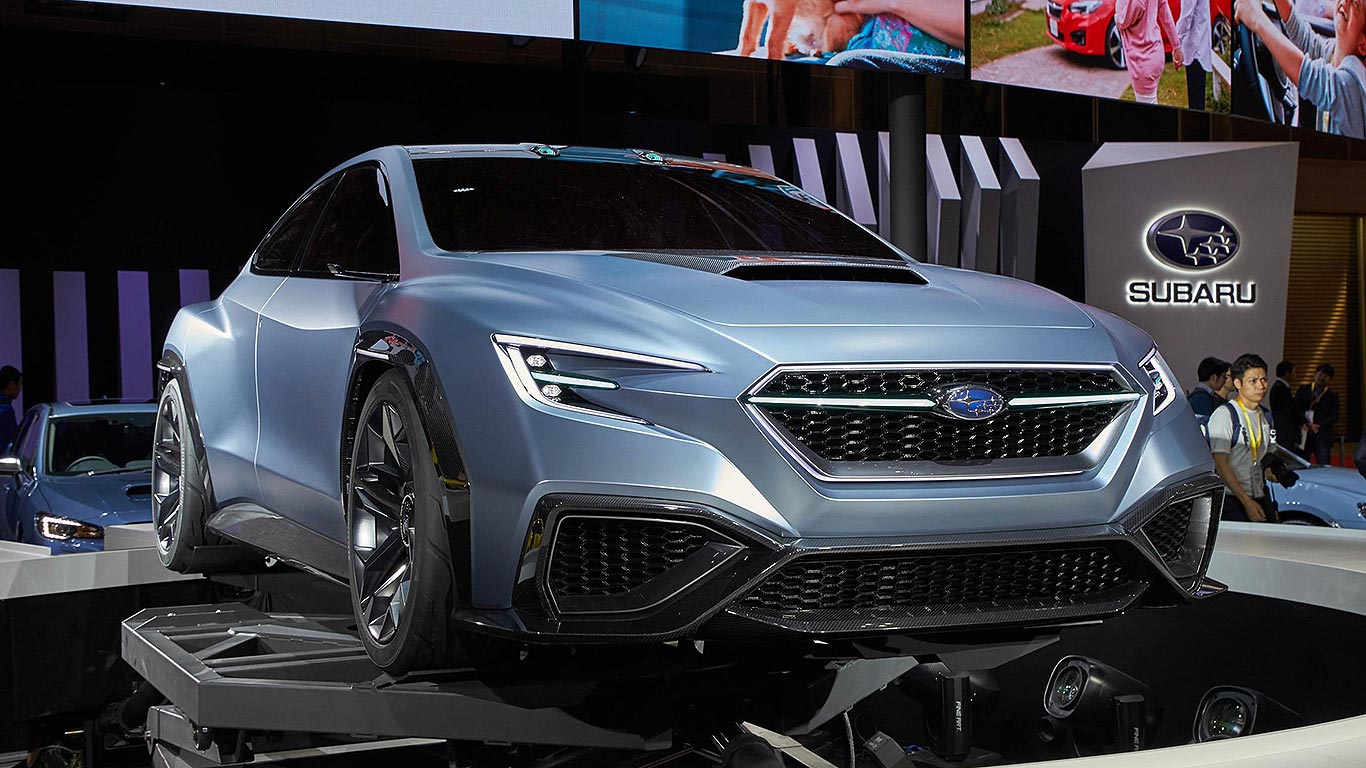
Subaru Viziv Performance Saloon
Speaking of famous 1990s Japanese performance icons… moving onto Subaru, ‘Viziv’ is a range of concept cars that preview the brand’s future. So is the Viziv Performance Saloon our first look at a next-gen WRX? Subaru says it packs a boxer engine and symmetrical all-wheel drive, although further tech details are few and far between. This is about the styling and, on first evidence, we like the authentic WRX details on show. Don’t go toning it down for production now, Subaru…
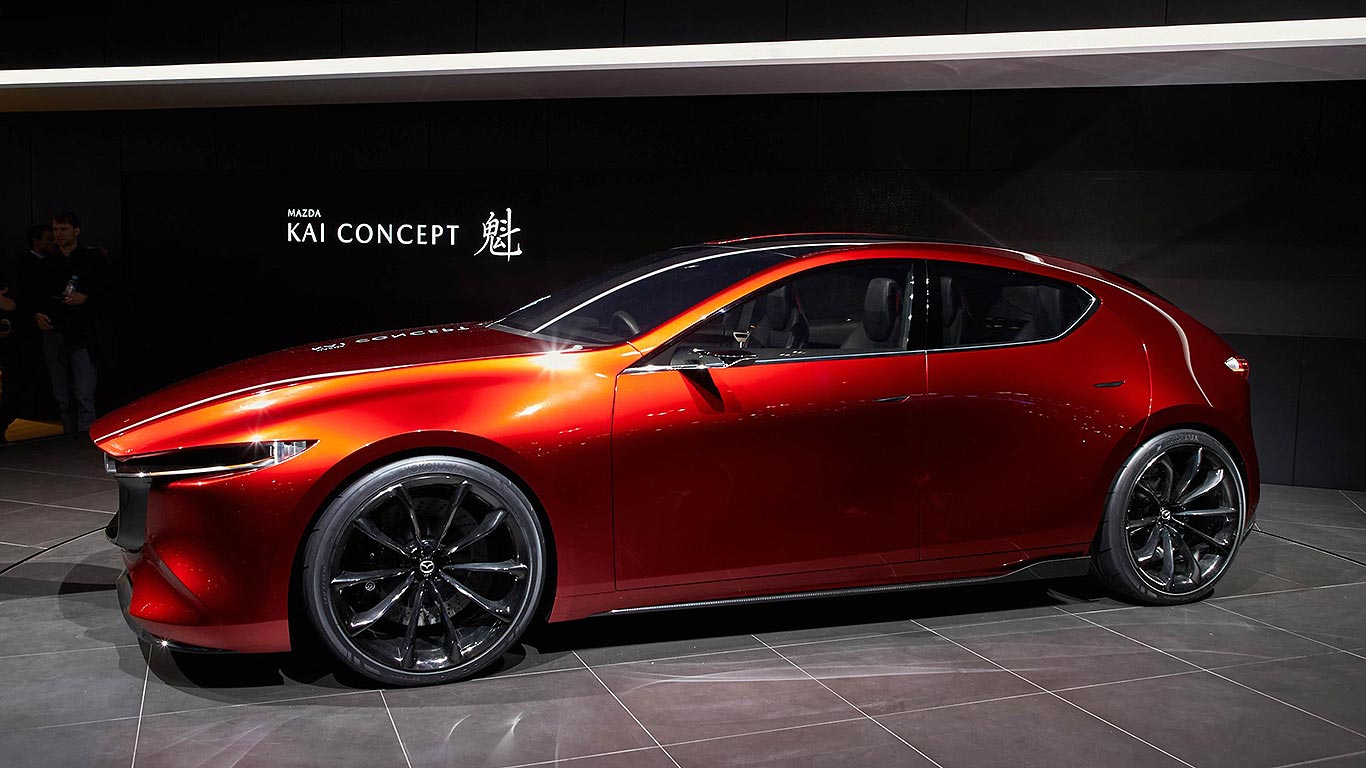
Mazda Kai Concept
A thinly-disguised version of the next Mazda 3, but with a slightly different name, the Kai uses Mazda’s new modular SKYACTIV-Vehicle Architecture. Styling is a continuation of the striking ‘Kodo’ design language first seen on the CX-5 in 2012. We love the MX-5-like interior, coupe-like rear end and flowing surfaces, although presumably, the production version won’t be quite so low-riding…
Beneath the bonnet is another of Mazda’s key innovations; SKYACTIV-X engine technology. Mazda claims this is the first production petrol engine to feature compression ignition. This allows the engine to use a leaner fuel mixture, but generate more power than the existing SKYACTIV-G engine range.
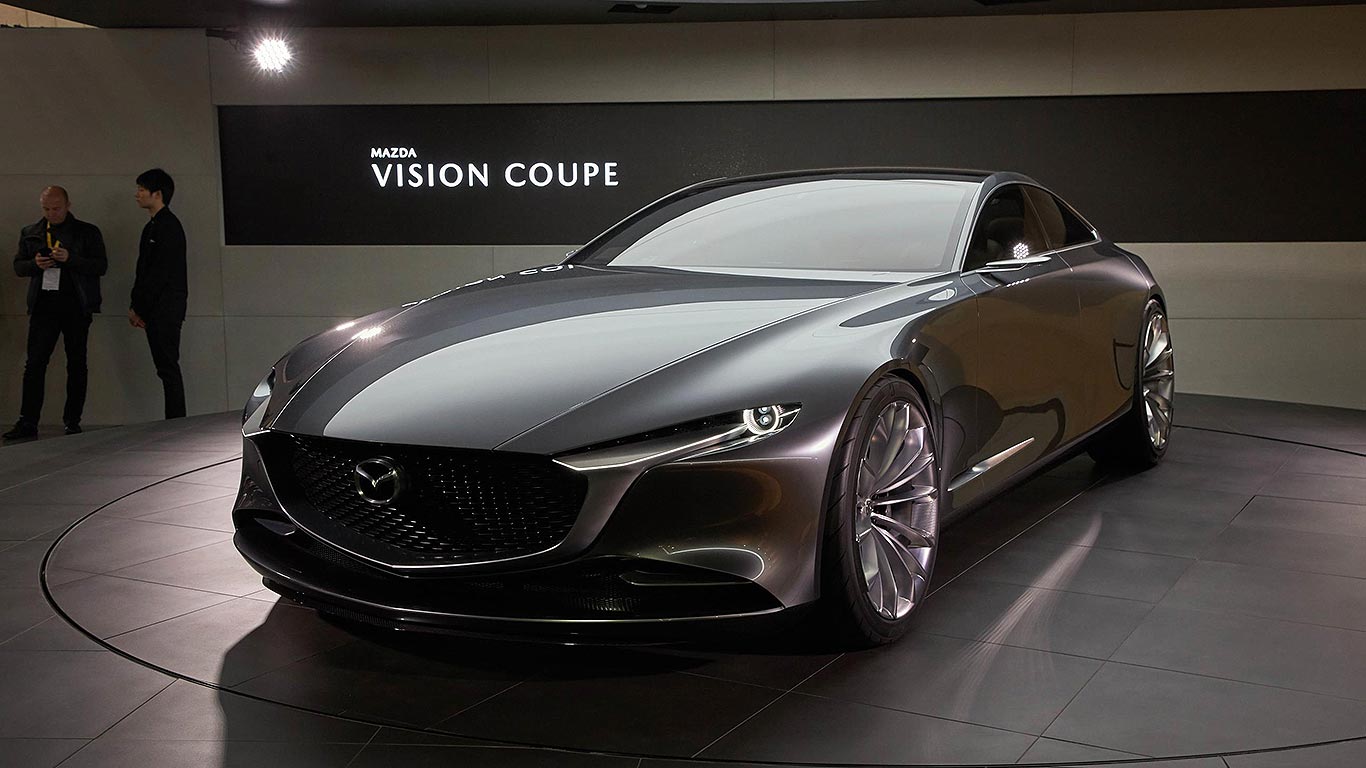
Mazda Vision Coupe Concept
Less likely to make production, but still deeply impressive, the Mazda Vision Coupe continues the Kodo styling philosophy but on a much bigger canvas; this could make a genuine luxury four-door coupe contender, should Mazda ever wish to move into the luxury sector. The interior is designed around the concept of ‘ma’ which translates literally to mean ‘space’. This includes using a giant panoramic glass roof, allowing as much light as possible inside.
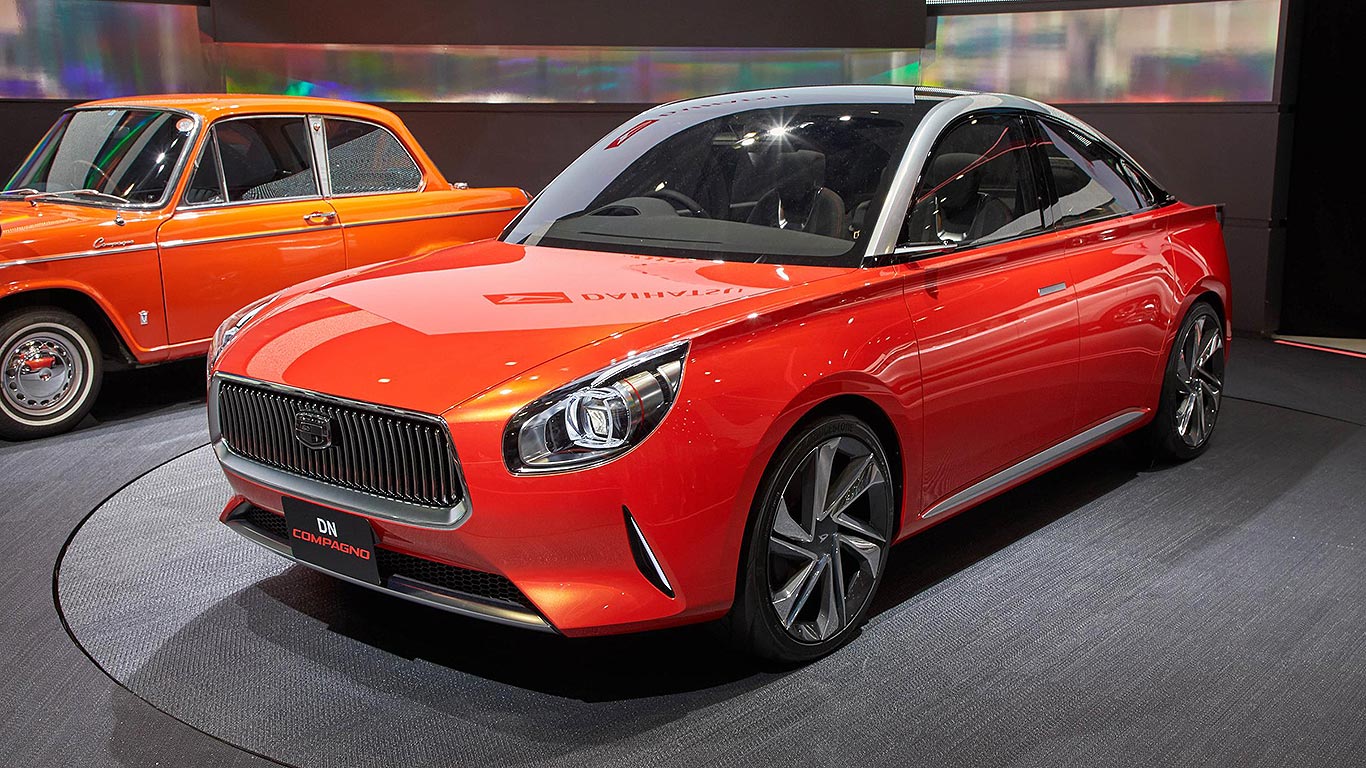
Daihatsu DN Compagno
With Daihatsu celebrating its 110th anniversary in 2017, the brand has gone big in Tokyo with a range of five special concept vehicles. This four-door coupe takes the name, and styling inspiration, from the original 1963 Compagno. Aimed at, in the words of Daihatsu, bringing colourful support to the lives of “active seniors”, it comes with a 1.2-litre hybrid engine.
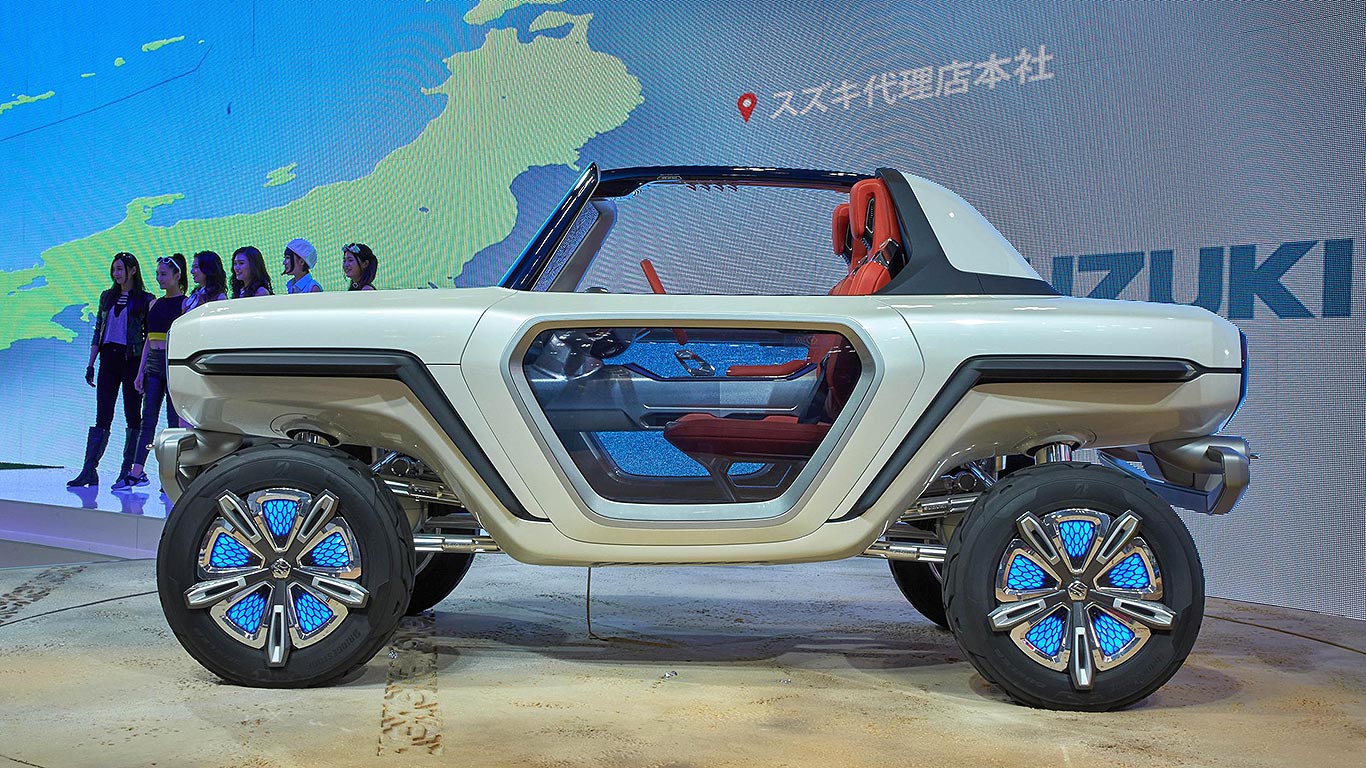
Suzuki e-Survivor Concept
Remember the Suzuki X-90 from the 1990s? Yes, we’d tried to block out the mental image as well, but Suzuki seems determined to cash in on the 90s retro action with the crazy e-Survivor concept. A ladder frame chassis is decidedly old-school, but electric motors driving all four wheels are far more modern. It’s firmly not set for production. Phew?
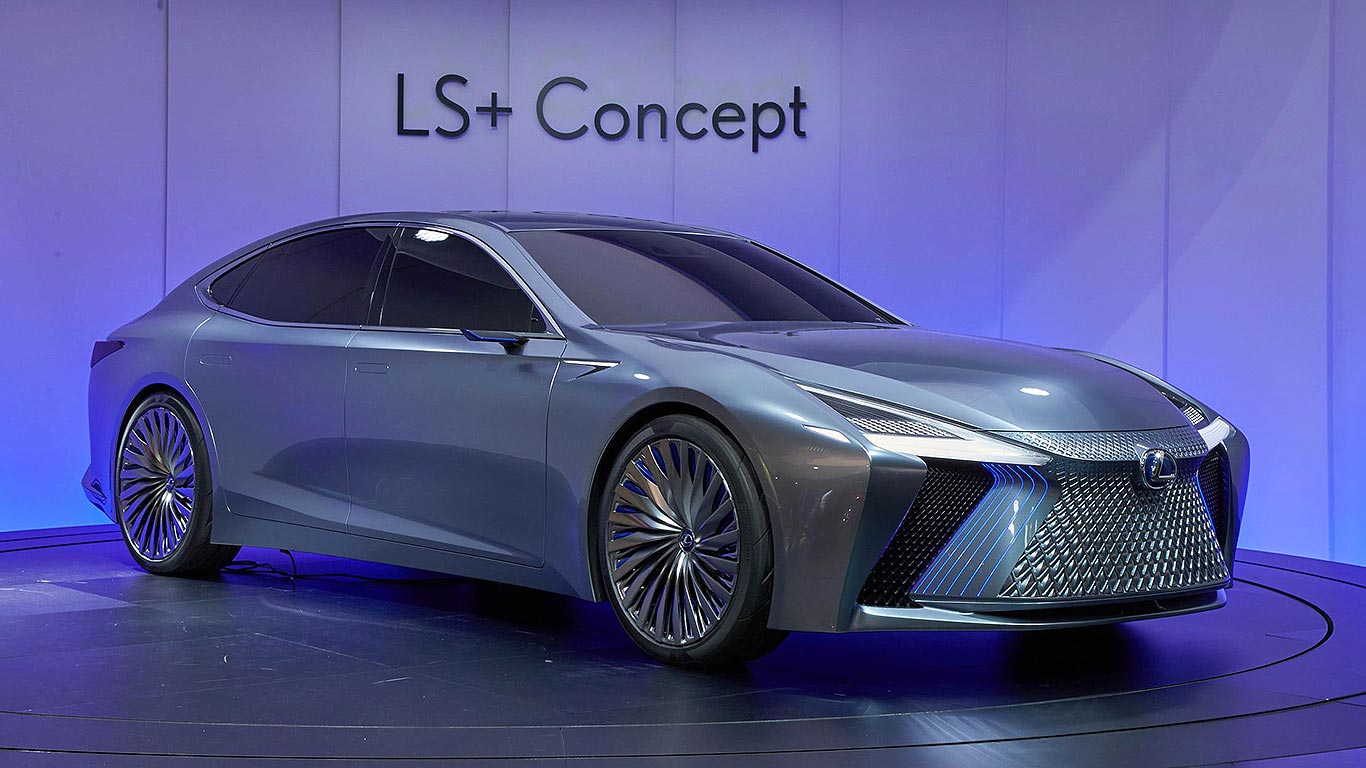
Lexus LS+ concept
A first glimpse at the self-driving Lexus LS luxury limo of 2020, the LS+ pack in ‘Highway Teammate’ autonomous driving technology that the firm says goes beyond the Level 3 tech already seen on the all-new Audi A8. Indeed, Lexus promises this will be next-gen Level 4 compliant, and will even work in cities. A futuristic spindle grille with active aerodynamics marks out the tech-laden LS+ as a forward-looking concept.
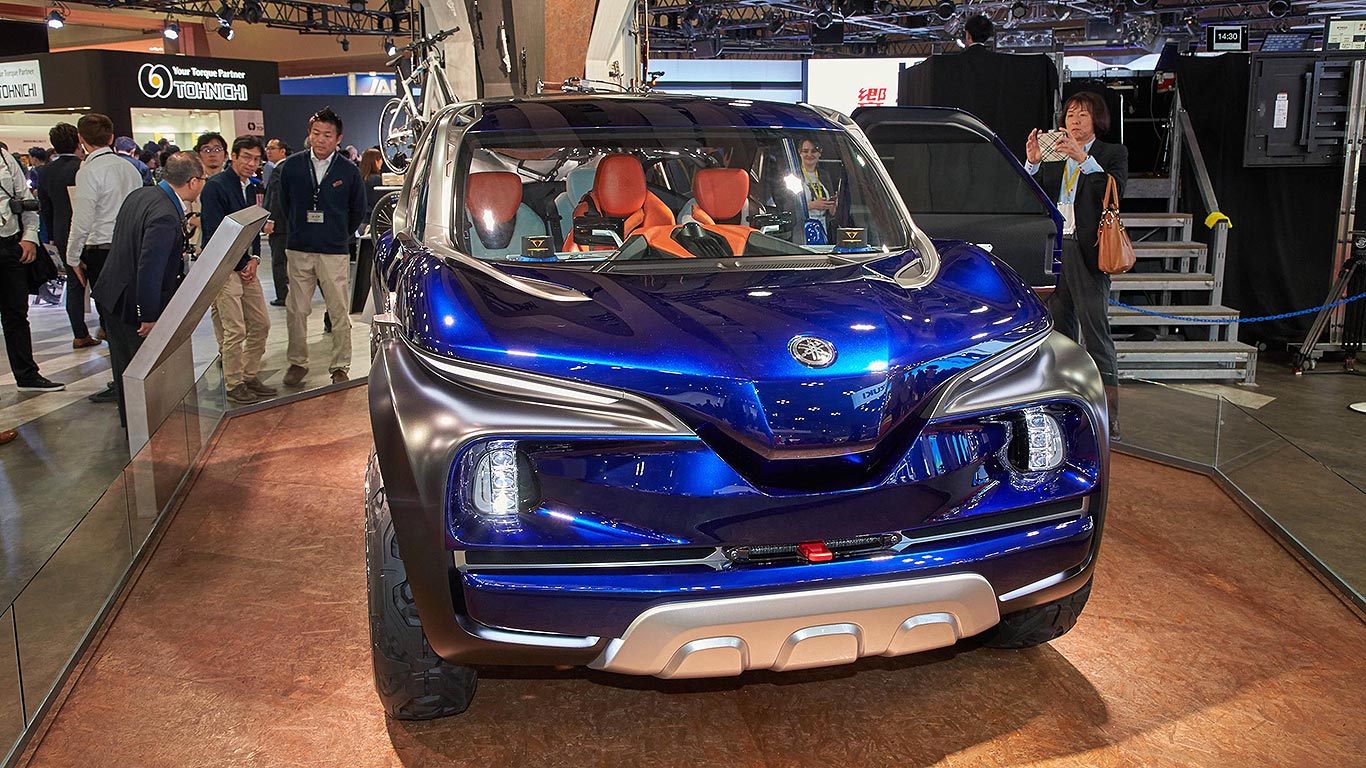
Yamaha Cross Hub Concept
Here’s another cool concept from Yamaha, a sporty-looking SUV pickup that can swallow a Yamaha-branded motorbike. It’s still not decided whether to make the previous two concepts, the 2013 Motiv and 2015 Sports Ride Concept, so we’re not holding our breath. It’s interesting all the same though, not least for its diamond-shaped ‘1-2-1’ four-seat layout.
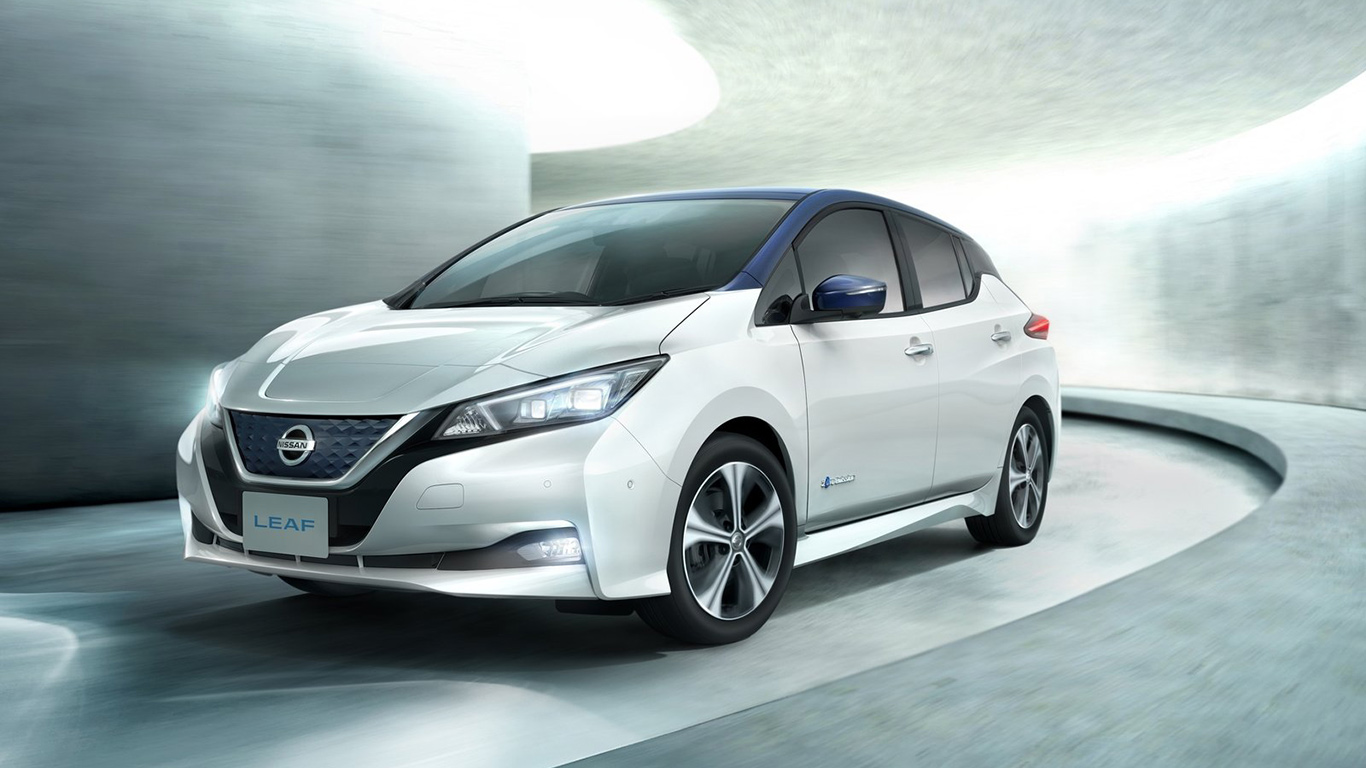
2018 Nissan Leaf
Launched last month, the new Nissan Leaf is getting a very public display at the 2017 Tokyo show. Designed to offer wider appeal through more conventional styling, the new Leaf also features improved battery technology for a claimed 235-mile range. The transformed cabin is more spacious, with greater room for both passengers and luggage, boasting a boot that actually beats a Volkswagen Golf for capacity. Autonomous technology also makes an appearance, too. Eager buyers don’t have long to wait until the January 2018 launch.
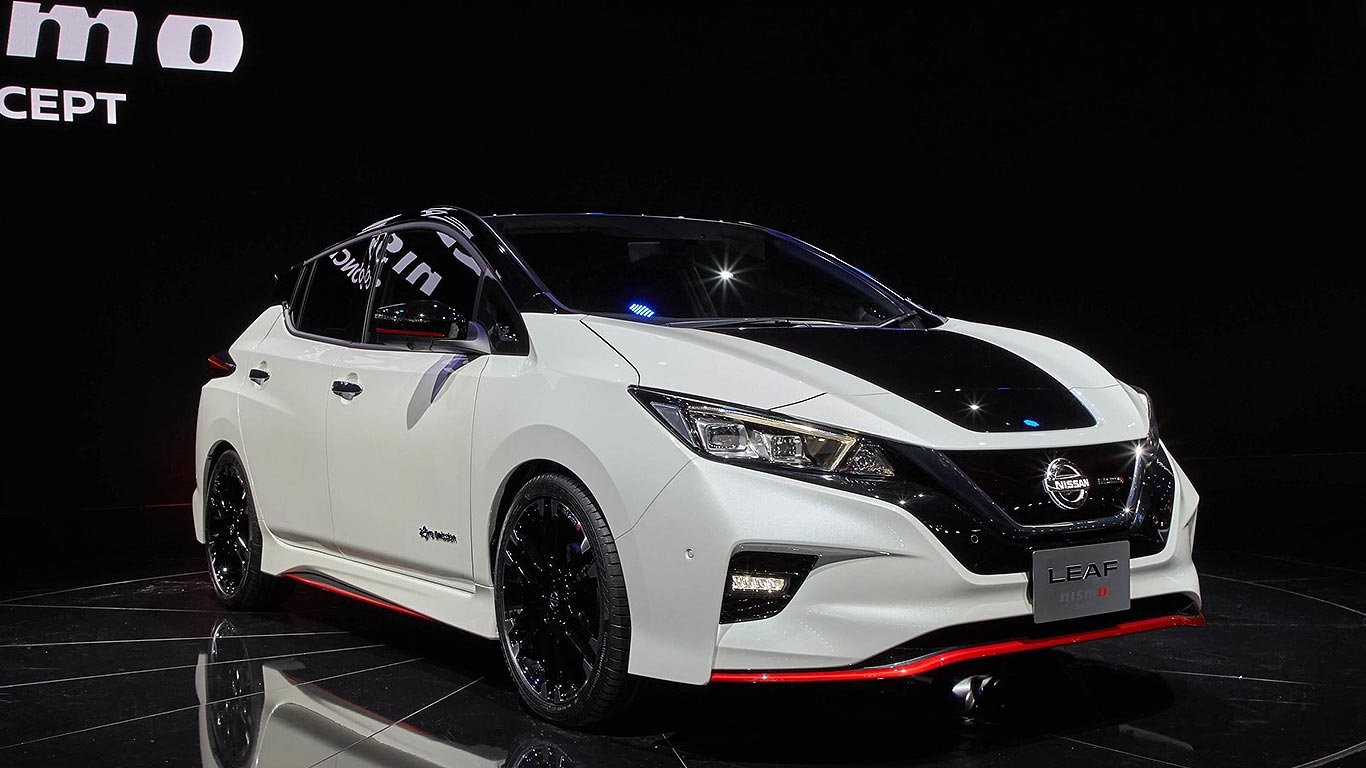
Nissan Leaf Nismo Concept
Taking the styling development of the new Leaf even further, Nissan is showing off a Nismo-enhanced version in Tokyo. Although strictly a concept at present, Nissan wants its EV superstar to shrug off the hairshirt image and have genuine kerb appeal.
Aggressive bumpers, side skirts, bigger wheels and red trim – a styling feature borrowed from the awesome GT-R Nismo – make it certainly more interesting to look at. Don’t expect GT-R levels of power, though.
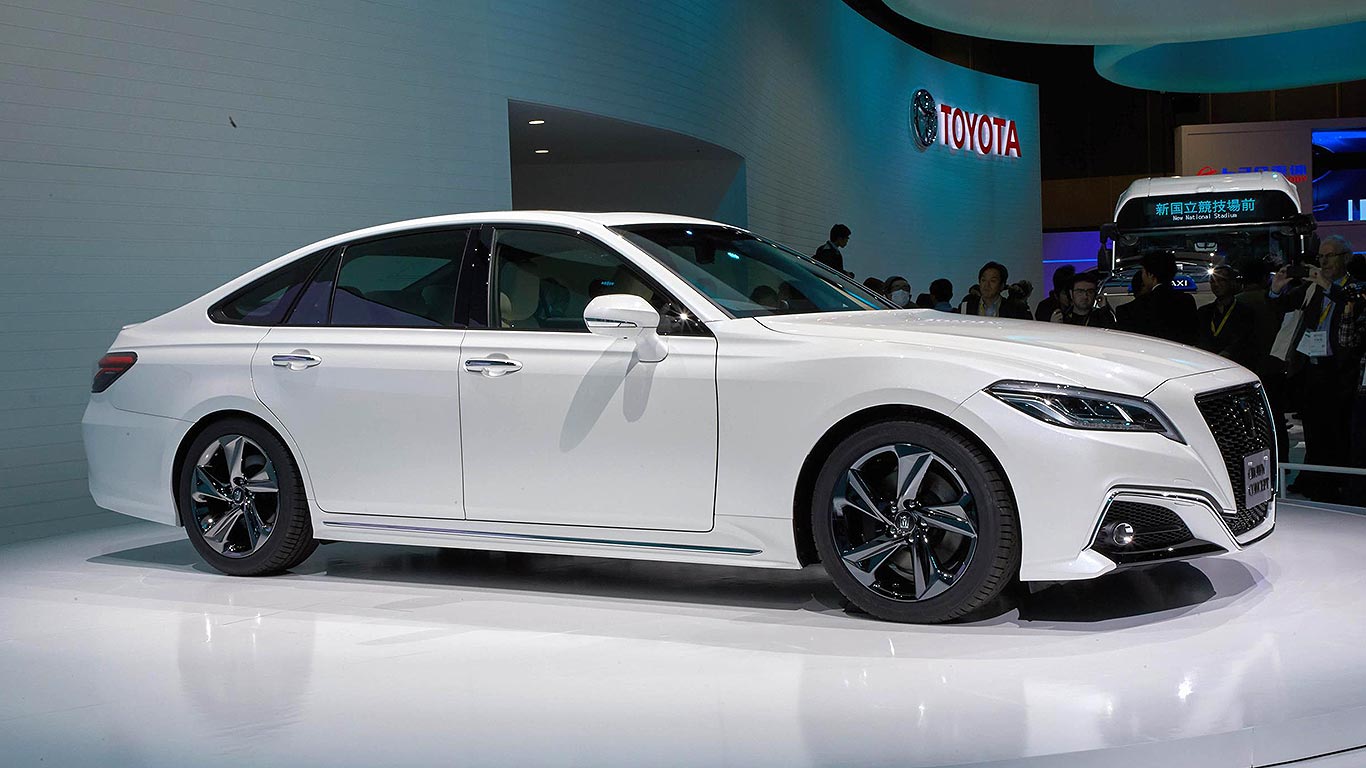
Toyota Crown Concept
With a lineage stretching all the way back to 1955, this is the 15th generation of the Toyota Crown luxury saloon (yes, 15th!). Although on show in concept form, changes for production should be limited, with Toyota promising a car that will be fun to drive, with new underpinnings developed at the Nürburgring.
Perhaps of greater importance to drivers stuck in Tokyo traffic jams is the addition of a Data Communication Module, which records and shares information with other Toyotas. This could allow navigation systems to direct drivers away from traffic, but also allow dealers to diagnose problems remotely. Japanese consumers will get the chance to buy the newest Crown in the summer.
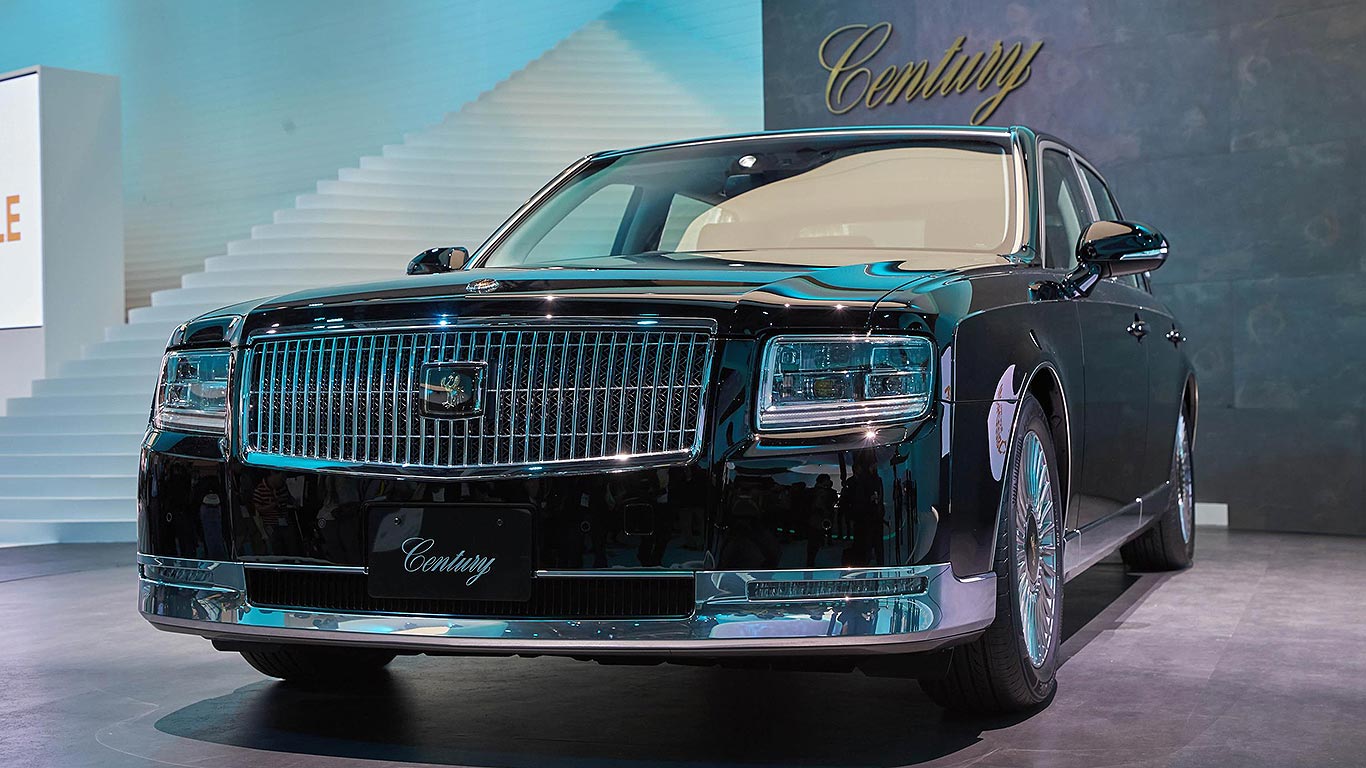
Toyota Century Limousine
Despite being in production since 1967, this is, incredibly, only the third generation of Toyota’s flagship Century limousine. The previous Century formed the basis for the official state car of the Emperor of Japan, no less, meaning there is a lot of pressure to get this right.
Sadly, the 5.0-litre V12 engine makes way for a V8 petrol hybrid, intended to improve urban economy. The wheelbase has been lengthened, and the door apertures heightened, making it even easier for VIPs to enter and exit. Sticking with tradition, the upholstery for the rear seats features wool, not leather, but a 20-speaker sound system is thoroughly modern.
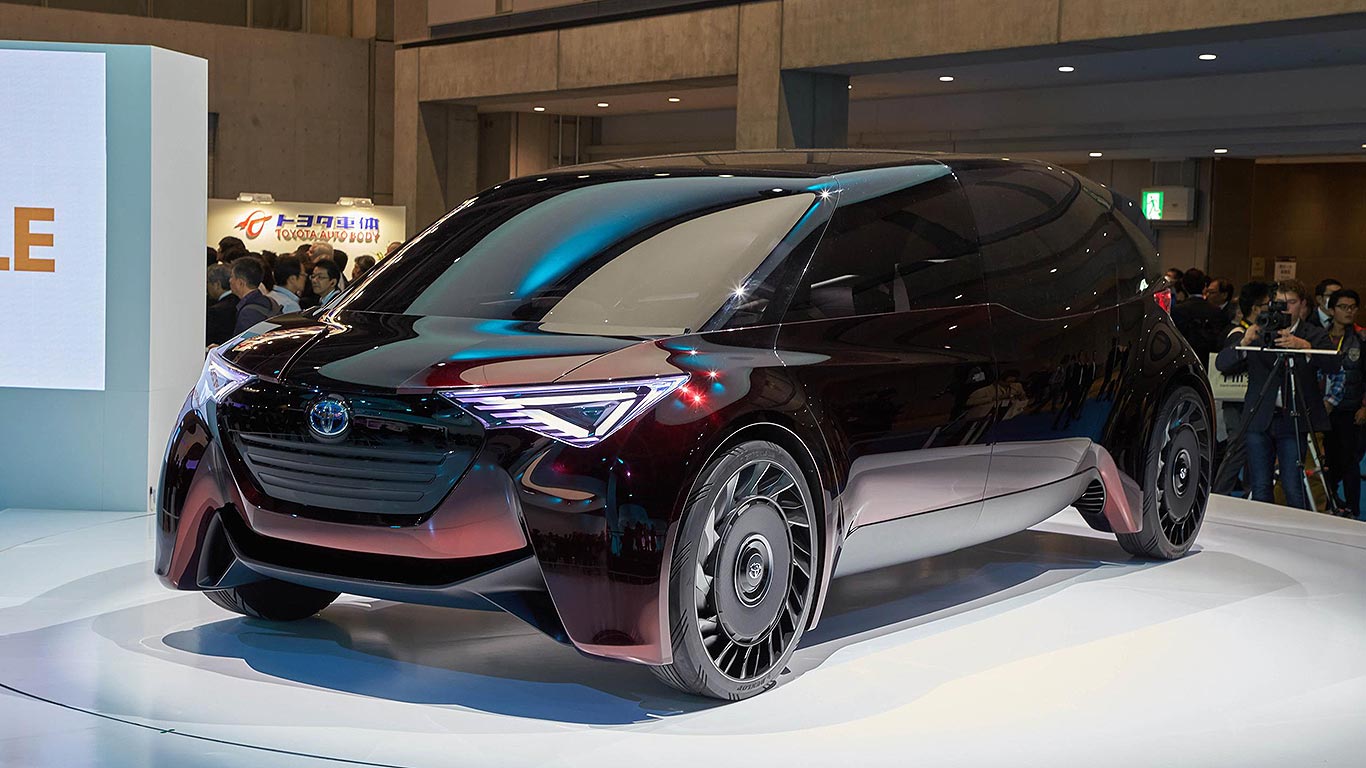
Toyota Fine-Comfort Ride Concept
Utilising a hydrogen fuel cell for power, and electric motors for propulsion, the Fine-Comfort Ride concept is claimed to create a new era of luxury motoring as part of a low-carbon society. Strong words, especially when Toyota has sights set on premium saloons like the Mercedes-Benz S-Class.
With an individual electric motor for each wheel, Toyota argues this allows the Fine-Comfort Ride to maximise interior space and minimise exterior noise. With space for six inside, the concept also includes swivelling seats to allow impromptu board meetings – although not when driving, of course. Exclusively a concept, expect ideas to filter into production vehicles shortly.
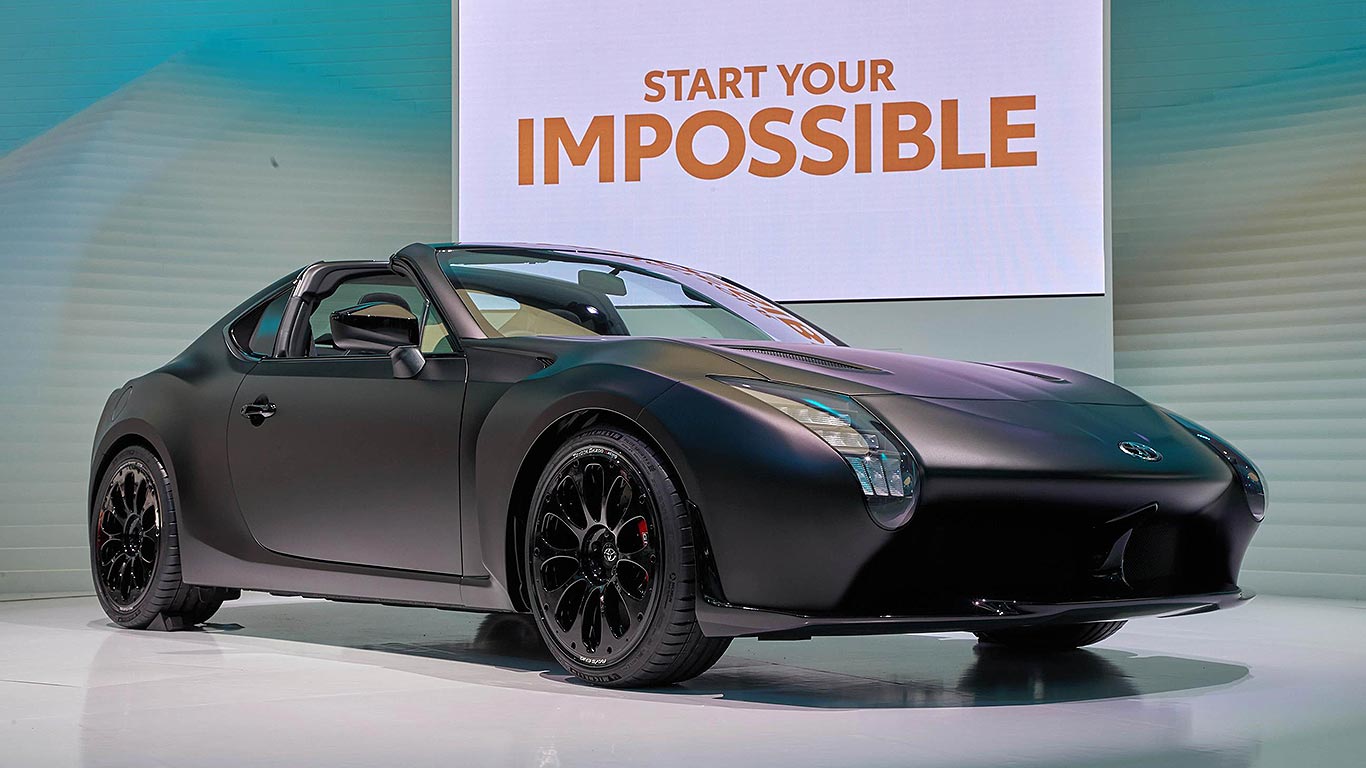
Toyota GR HV Sports Concept
A petrol-hybrid sports car, with a manual-style gearbox, and a targa-top convertible body? Say hello to the GR HV Sports concept car, intended to be the eco-friendly face of performance motoring. A face that features LED headlights inspired by the Toyota Gazoo Racing TS050 endurance race car wedged onto the front of a GT86.
Divisive styling aside, the biggest news here is the use of an imitation H-pattern manual gearshift for the six-speed automatic transmission. In manual mode, the gear stick can be moved as if it were a manual to select cogs, albeit with no physical linkage to the actual transmission. Our first look at a future GT86 hybrid, perhaps?
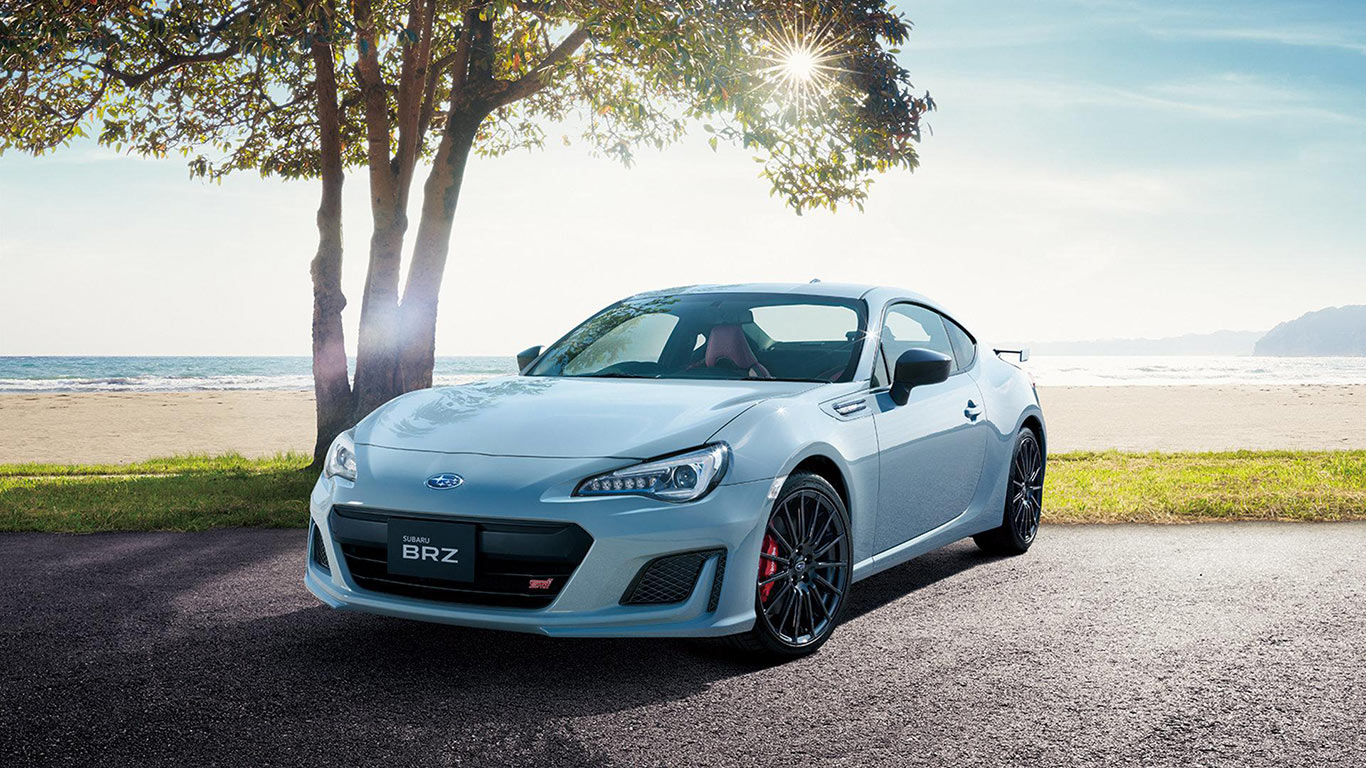
Subaru BRZ STI Sport
Try not to get too excited – the BRZ STI Sport yet again has no more horsepower than the regular version. No, Subaru has not decided to wedge a turbocharger beneath the bonnet of the BRZ, leaving power at 197hp. Instead, the 100 lucky owners will get special Khaki Grey paintwork, a red/black interior, minor aero tweaks and suspension changes intended to make it even more fun to drive. As with the S208, this one is for Japan only.
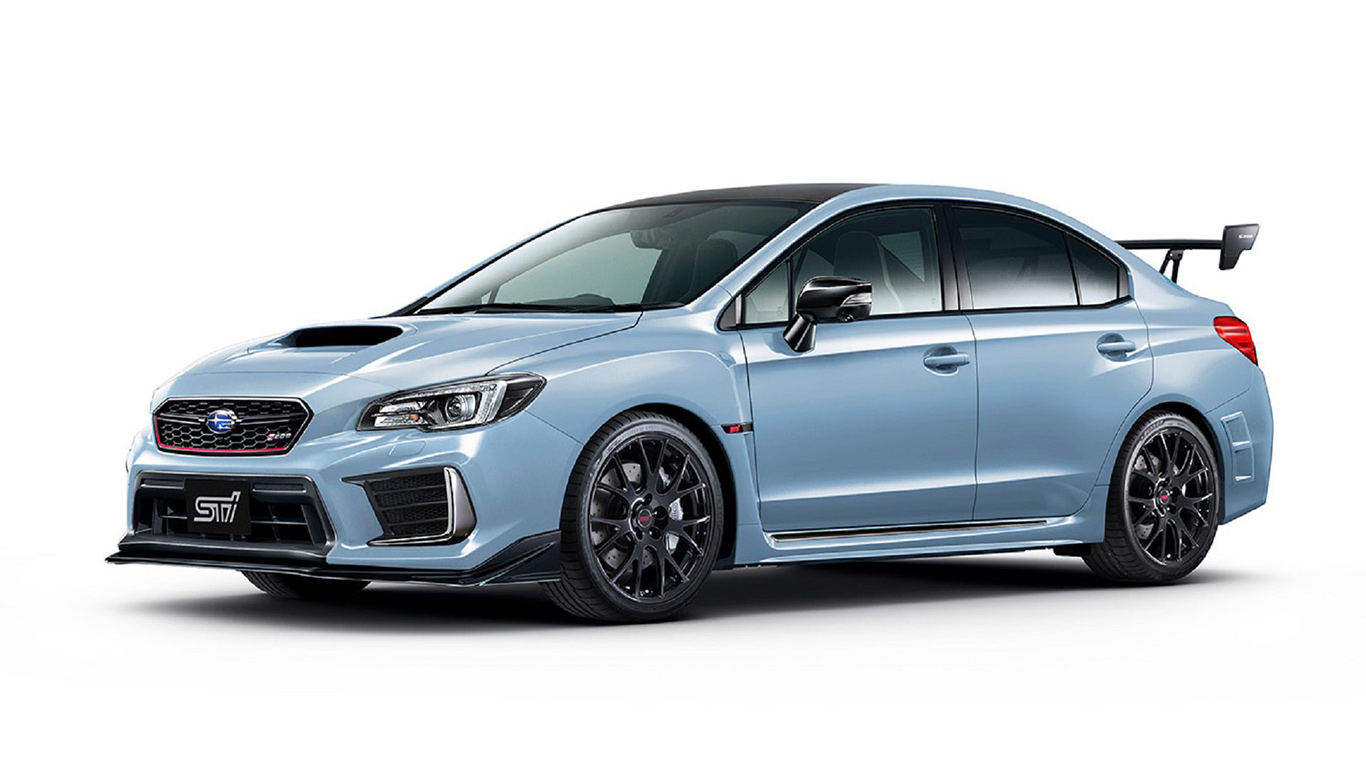
Subaru S208 WRX STI
It’s not an Impreza and hasn’t been for many years. With that out of the way, this is the latest in a line of limited edition WRX STI offerings, stretching all the way back to the terrifyingly-bodykitted S201 of 2000.
The S208 is slightly tamer looking but features hardcore parts like a carbon fibre roof, adjustable rear spoiler, and an uprated version of the 2.0-litre turbocharged flat-four engine. Only 450 examples will be built, and you’ll need to enter a lottery to even have a chance of buying one.
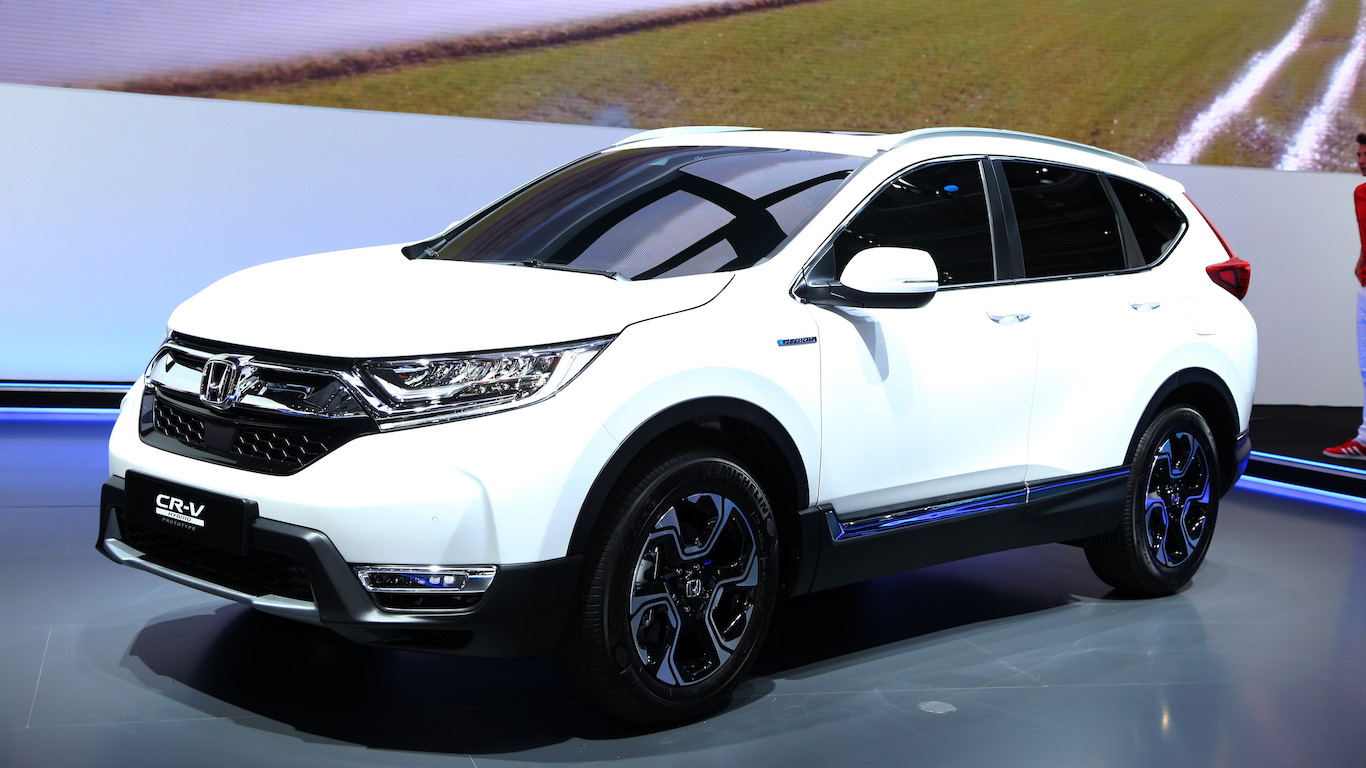
Honda CR-V Hybrid
Japanese consumers have had to wait quite a while for the latest CR-V, with North American buyers having the chance to see it almost a year ago. European customers got the opportunity to see the new Hybrid version at September’s Frankfurt show, but finally, it’s made a ‘home’ debut here in Tokyo.
Honda Urban EV Concept
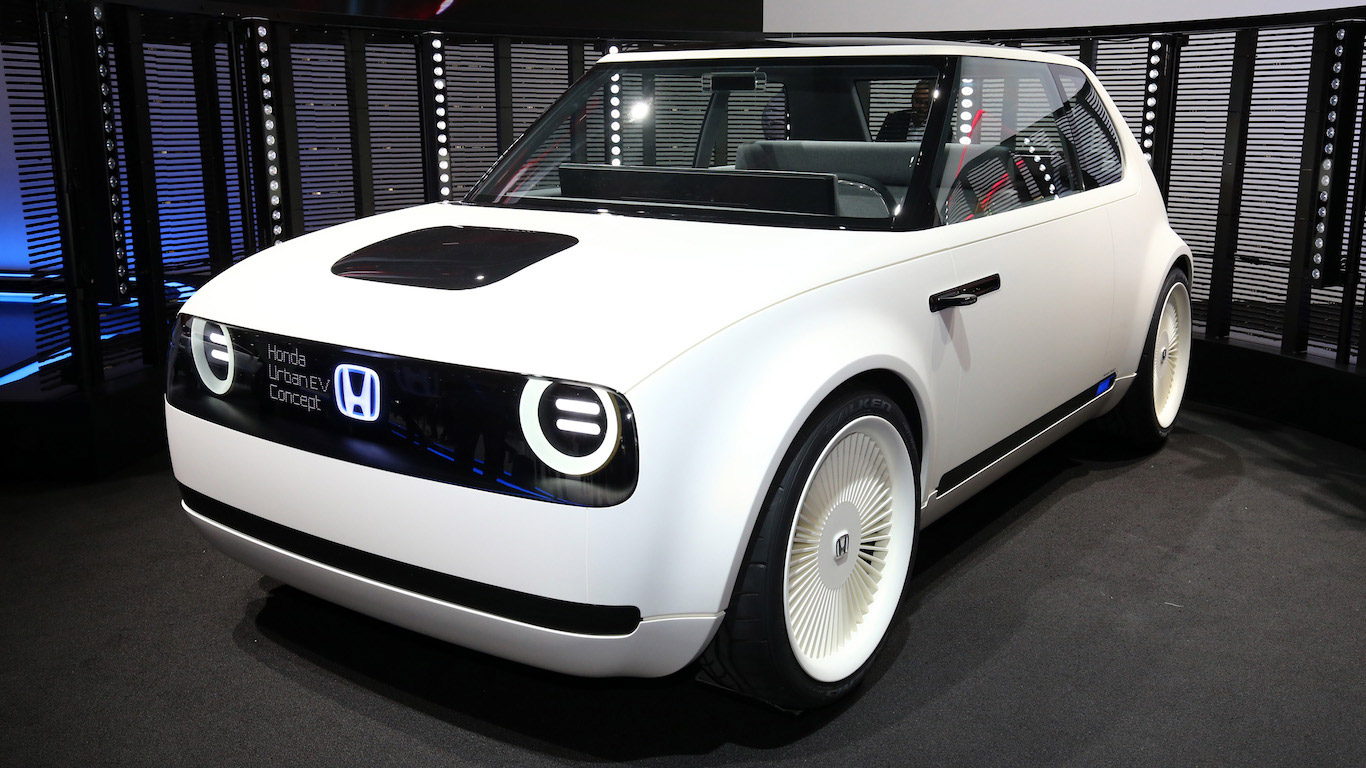
As mentioned, everybody loved it at the Frankfurt Motor Show, so the Urban EV Concept is here in Tokyo doing exactly the same. A second outing hasn’t dulled our enthusiasm for the retro EV hatchback, with styling inspired by the original 1972 Civic. We’re patiently counting the days until a production version goes on sale in 2019…
Daihatsu DN Trec
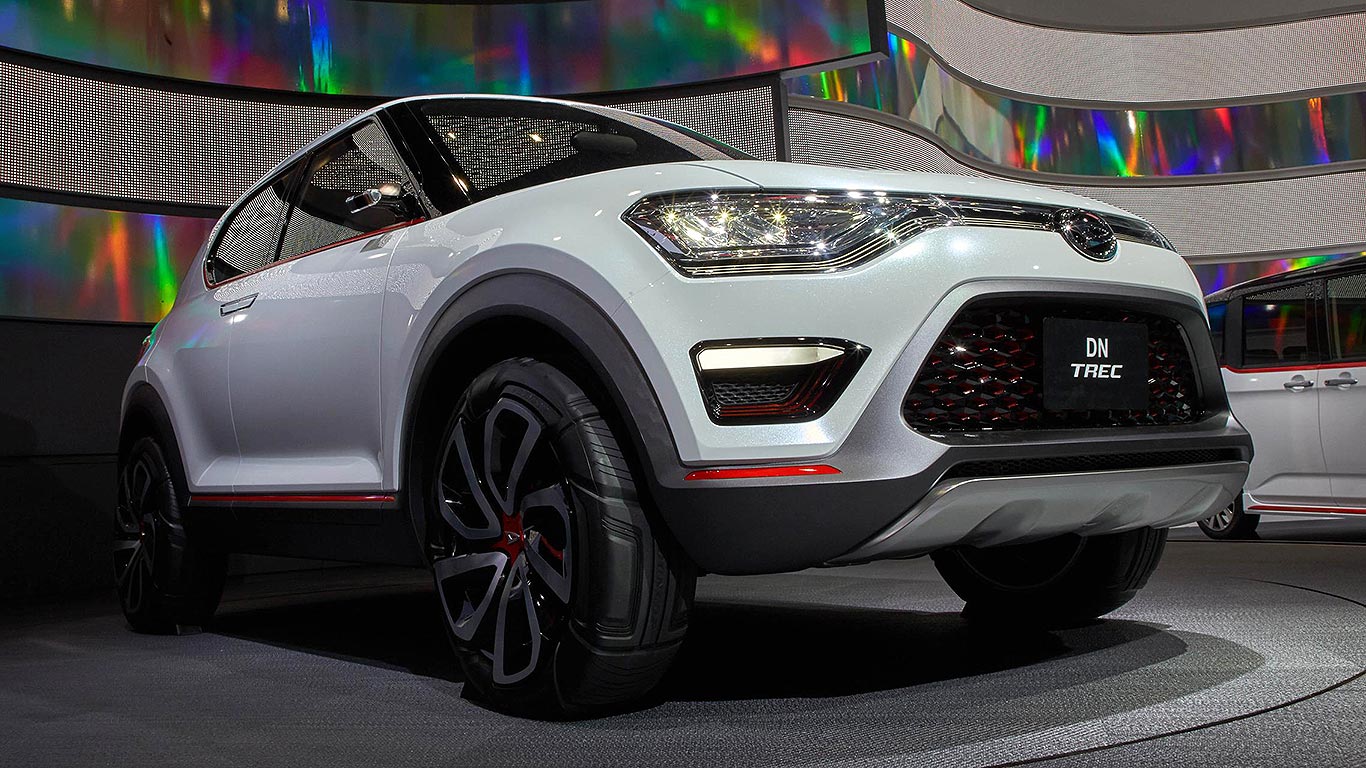
Looking production ready, the DN Trec is a compact SUV suitable for both “daily use and hobbies” according to the firm. Engine choices for this concept are the same 1.2-litre hybrid as the Compagno, or a 1.0-litre turbo petrol unit.
Despite being firmly on-trend, Daihatsu ended European sales in 2011, so this is another car those outside Japan will be denied if production goes ahead.
Suzuki XBEE
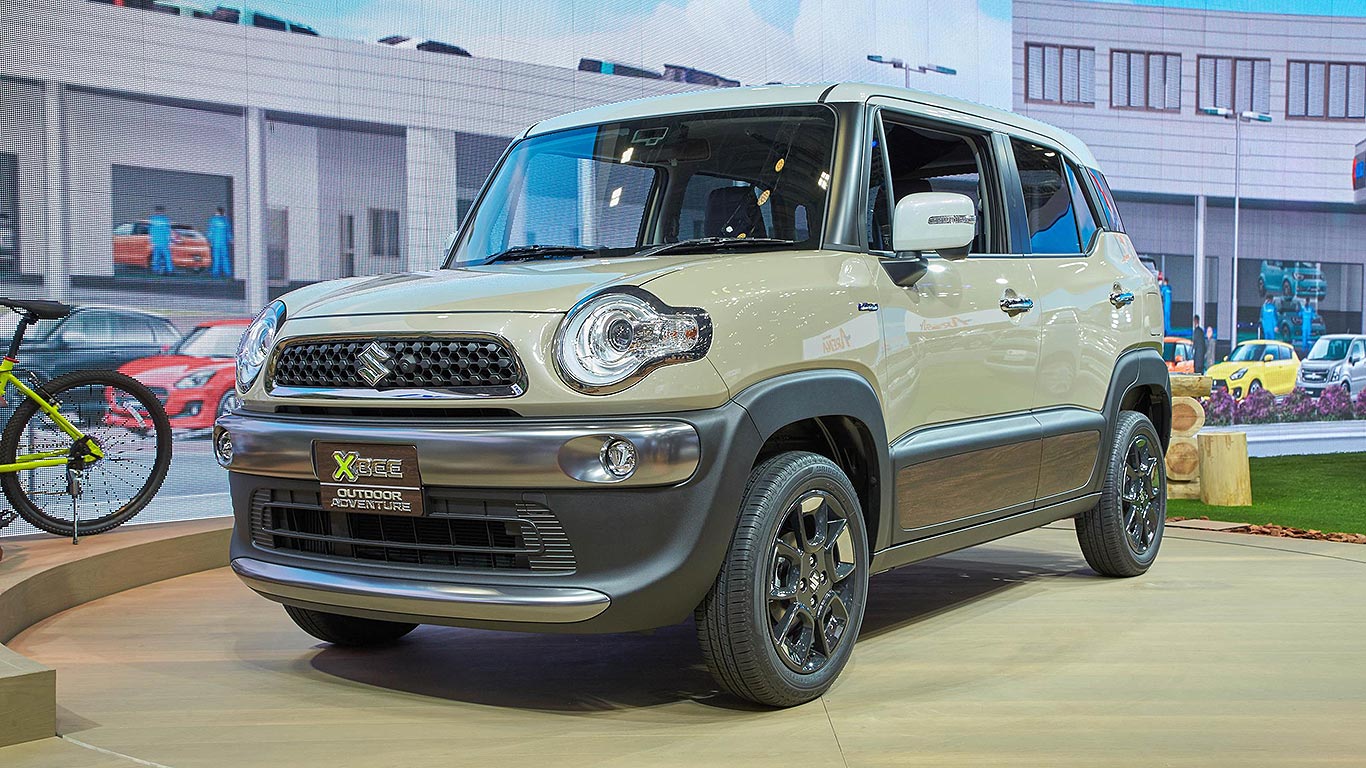
The XBEE (pronounced cross-bee) is a range of three differing takes on the compact crossover idea. Based on the Japanese-market Hustler, the XBEE is being shown in Outdoor Adventure, Street Adventure, and (pictured) regular flavours. All three concepts are said to be aimed at active lifestyles, combining space and off-road capability.
Suzuki Swift Sport
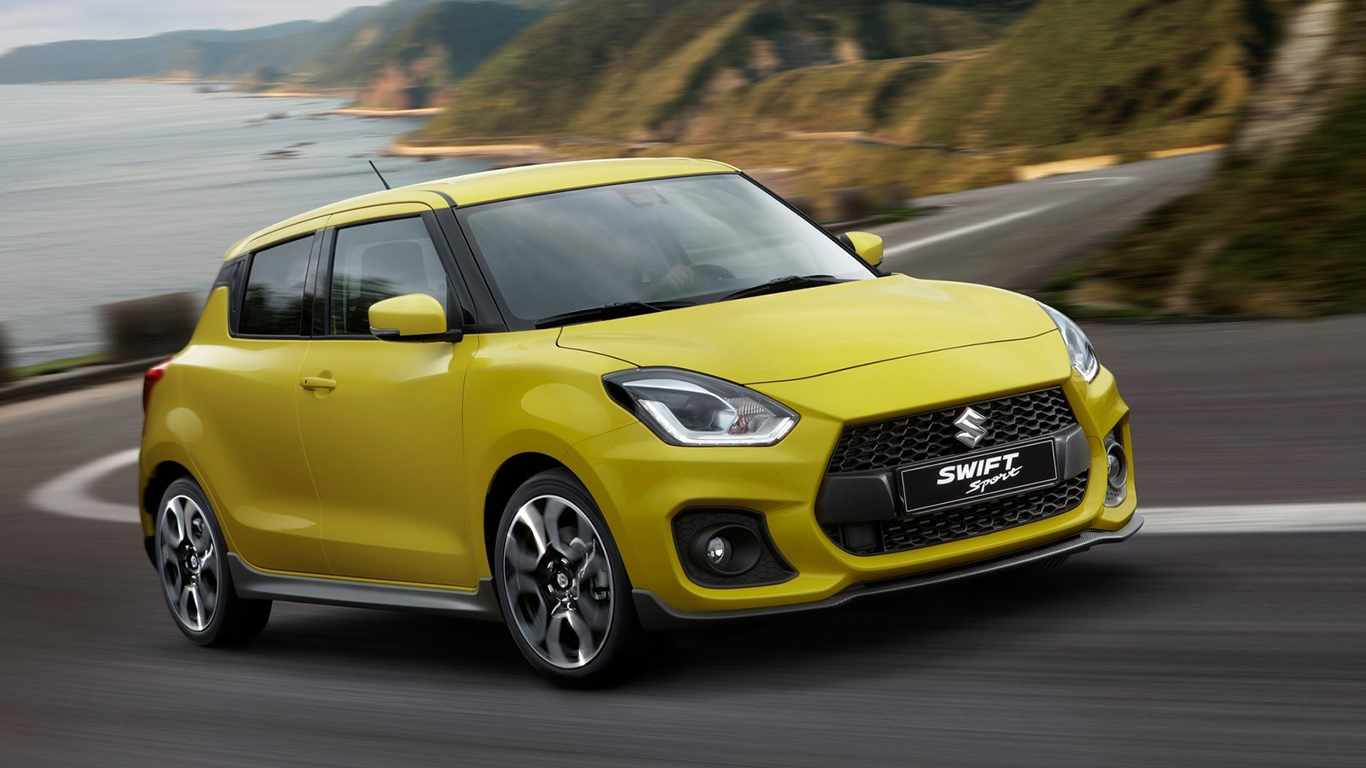
It may have been officially unveiled at the Frankfurt Motor Show in September, but Tokyo is giving the new Swift Sport its first airing at home. We know all the details off by heart now, with a 138hp turbocharged 1.4-litre engine and a kerb weight of less than 1,000kg. We’re just waiting patiently for the chance to try it…
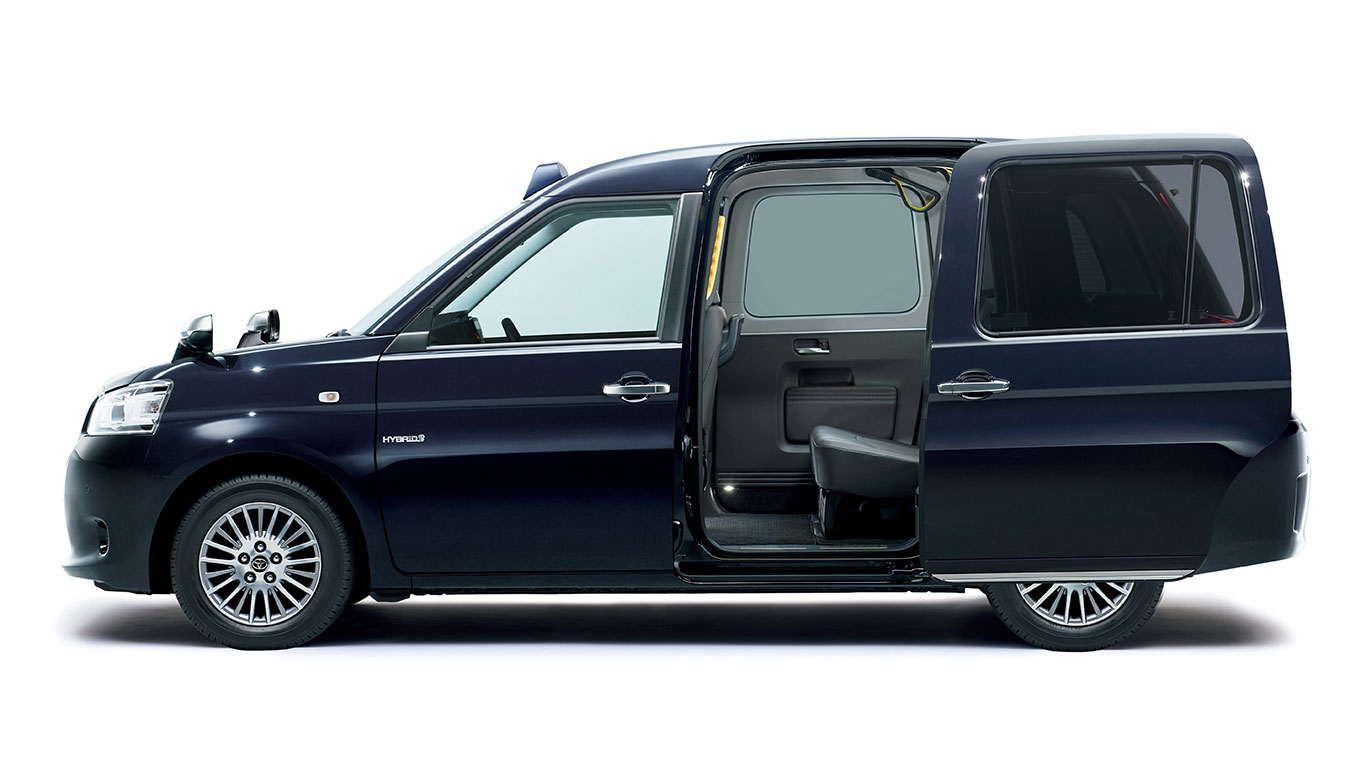
Toyota JPN Taxi
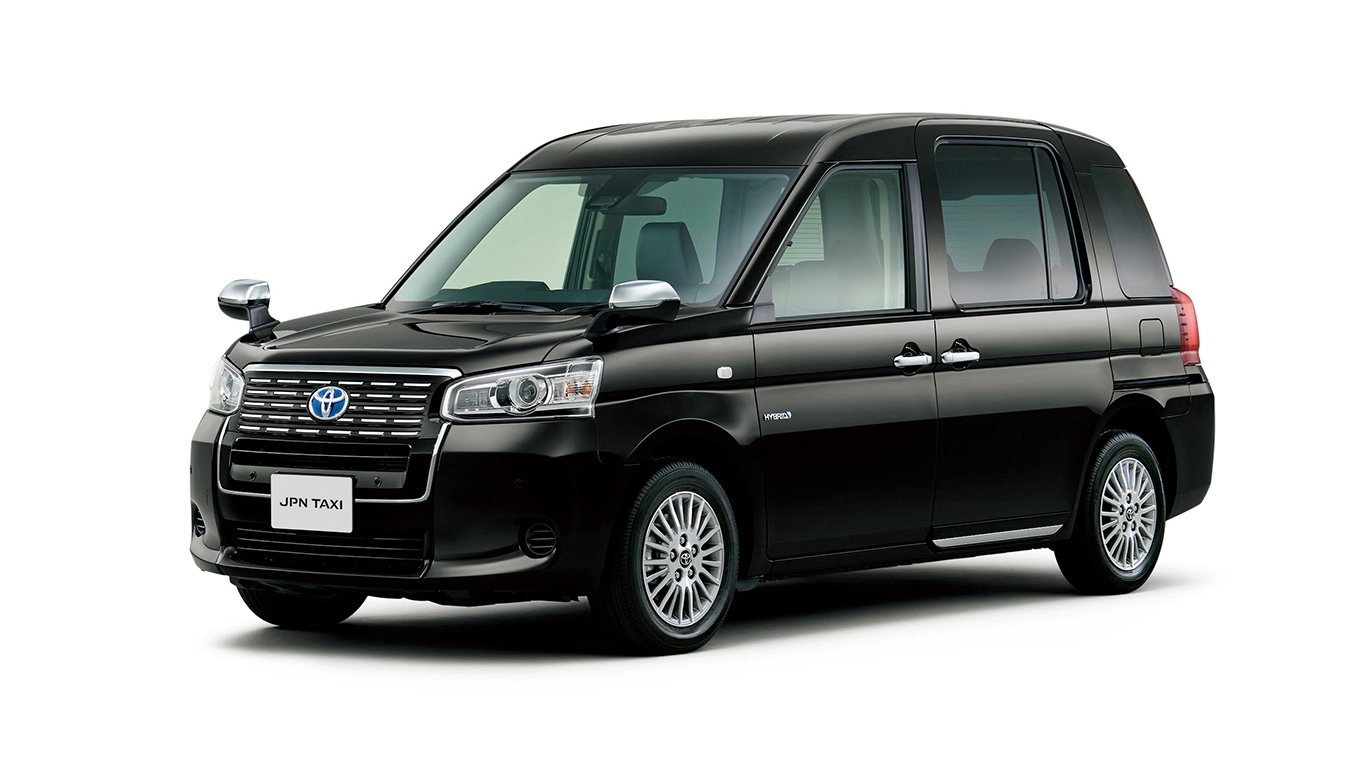
It might look a lot like a London taxi, but the Toyota’s JPN Taxi is firmly rooted in Tokyo as the intended first vehicle that visitors to the 2020 Olympic and Paralympic Games will see. With a low flat floor for improved access, the JPN Taxi also boasts an electrically-sliding rear door to assist wheelchair users.
With a hybrid powertrain featuring an LPG engine and electric motors, the JPN Taxi is capable of a claimed 55mpg, while helping lower city centre emissions. LED interior lighting, six airbags, and climate control are all part of the deal, with prices set at ¥3,277,800 (£22,000 – a mere fraction of the price of the new London Electric Vehicle Company’s TX hybrid taxi).
Toyota Concept-i Series
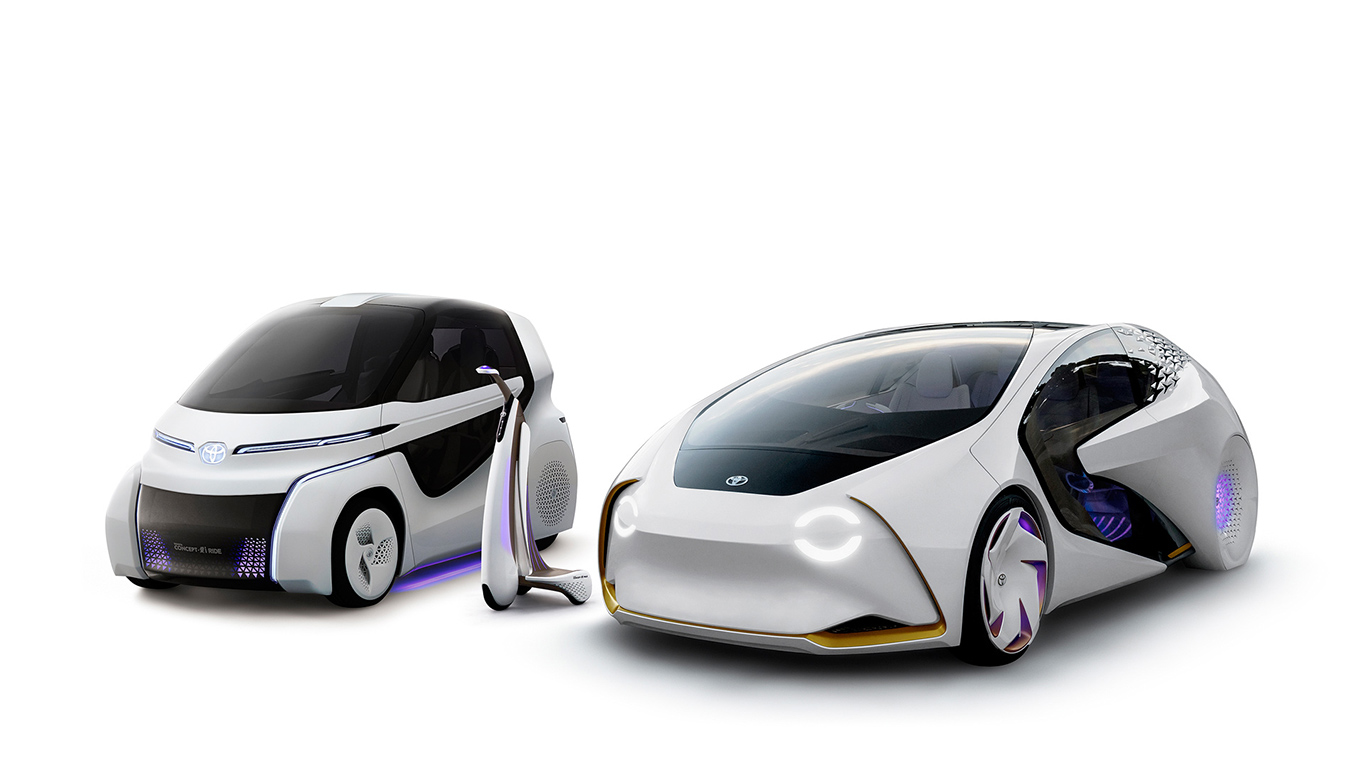
Looking more like a lineup of new Dyson products, Toyota’s Concept-i Series plays to the ‘beyond the motor’ theme of the 2017 Tokyo show. All three offerings are strongly in the futuristic realm, but are linked by using artificial intelligence and automation to make transport easier, but still fun.
The larger Concept-i car was first shown earlier in the year, and features AI that learns which roads make the driver the happiest, and suggests navigation detours accordingly. The smaller ‘RIDE’ concept is intended to be wheelchair accessible, with gullwing doors and special sliding seats. Finally, ‘WALK’ is a three-wheeled version of a Segway, but with voice activation for navigation and without the need to use body weight for steering.
Yamaha MWC-4
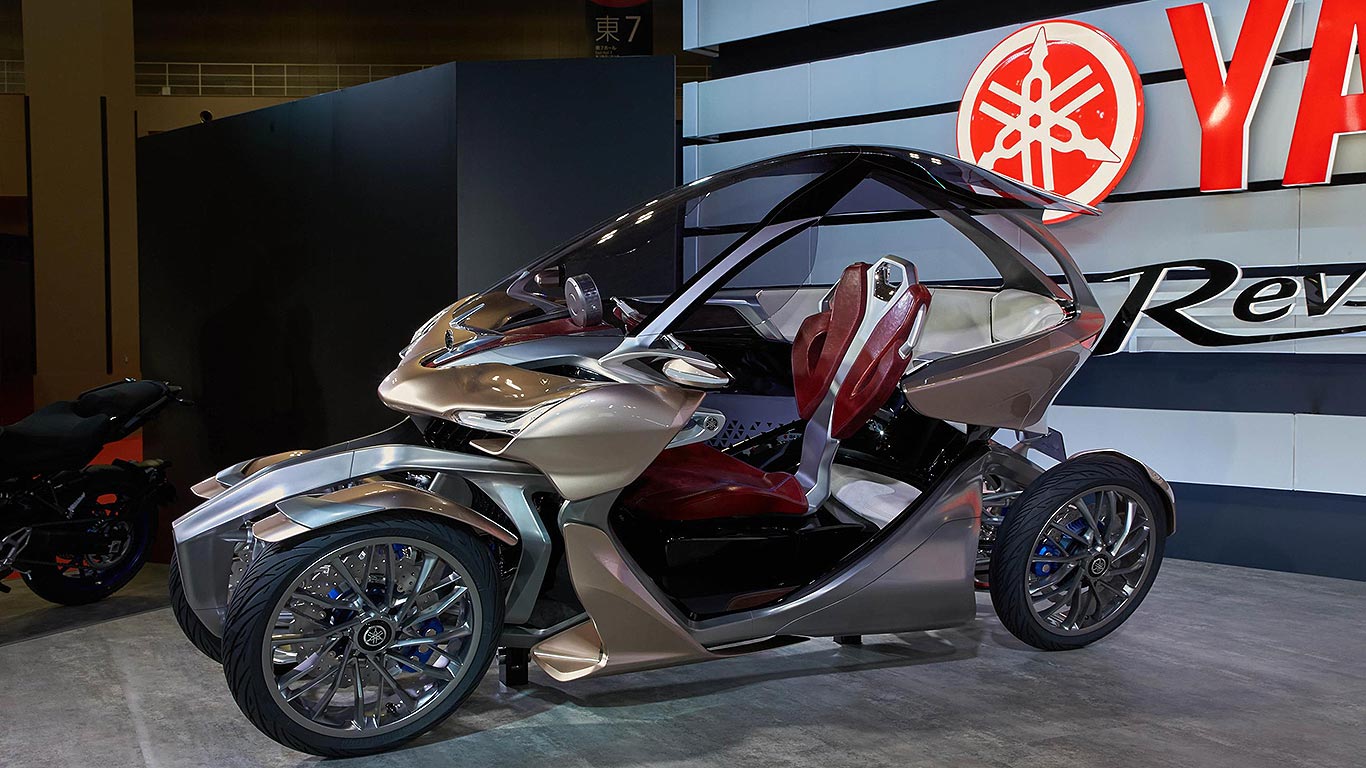
Usually associated with motorbikes, Yamaha has applied knowledge of two wheels into four, creating the MWC-4. Although very much a concept, the MWC-4 is intended to borrow from two-wheeler fun and apply it to personal mobility.
With a chassis that leans, the electric MWC-4 is designed to replicate the experiences of riding a motorbike, but minus the constant fear of falling off. We’re less convinced by the explanation of the styling, which is said to borrow ideas from motorbikes and musical instruments.
Toyota Sora FC Bus Concept
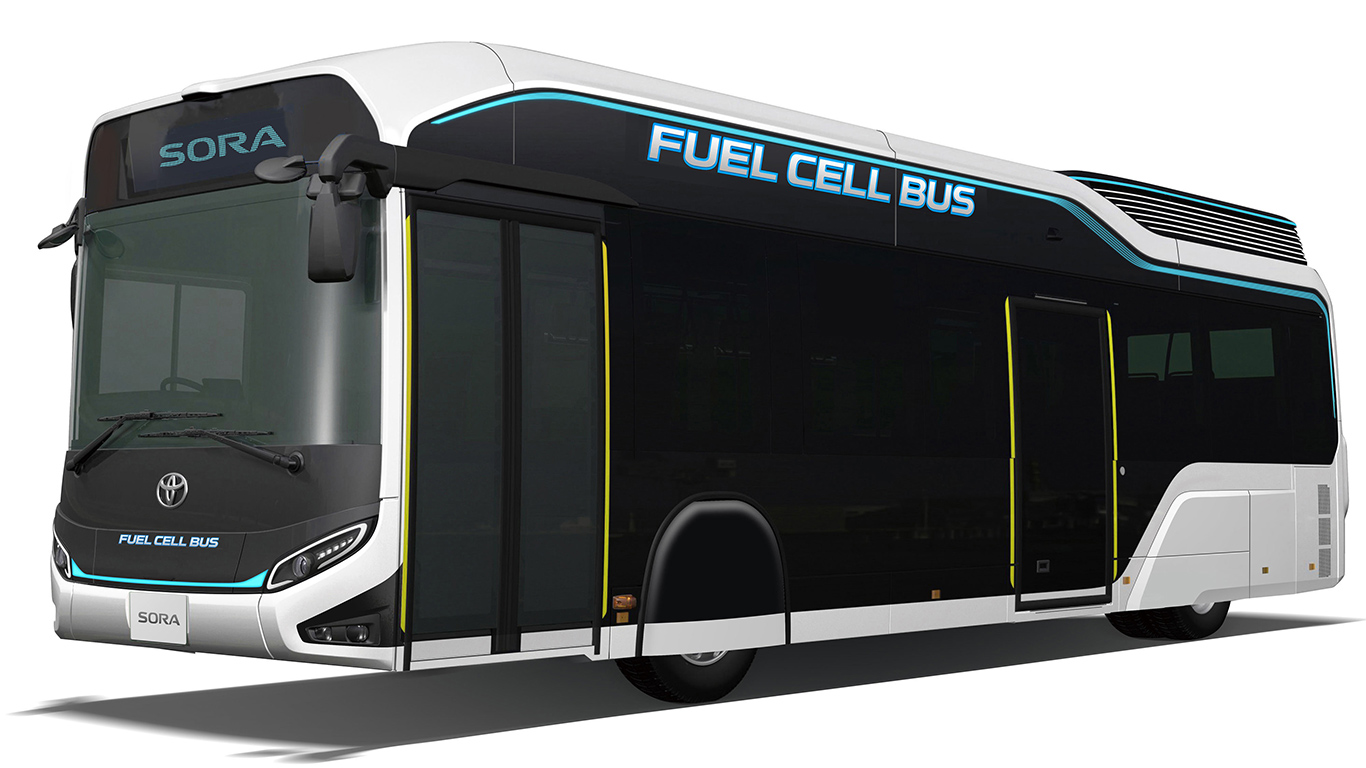
Toyota doesn’t just have concept cars on show in Tokyo, it also has a concept bus! The Sora FC uses a hydrogen fuel cell for power, and previews a forthcoming commercial version due next year.
A fleet of one hundred is planned for the Tokyo metropolitan area, with again an eye firmly on the 2020 Olympic Games for the 79-seater bus. Oh, and the name? Sora is an acronym for Sky, Ocean, River and Air which represents the water cycle. Befitting for a vehicle which runs on hydrogen.
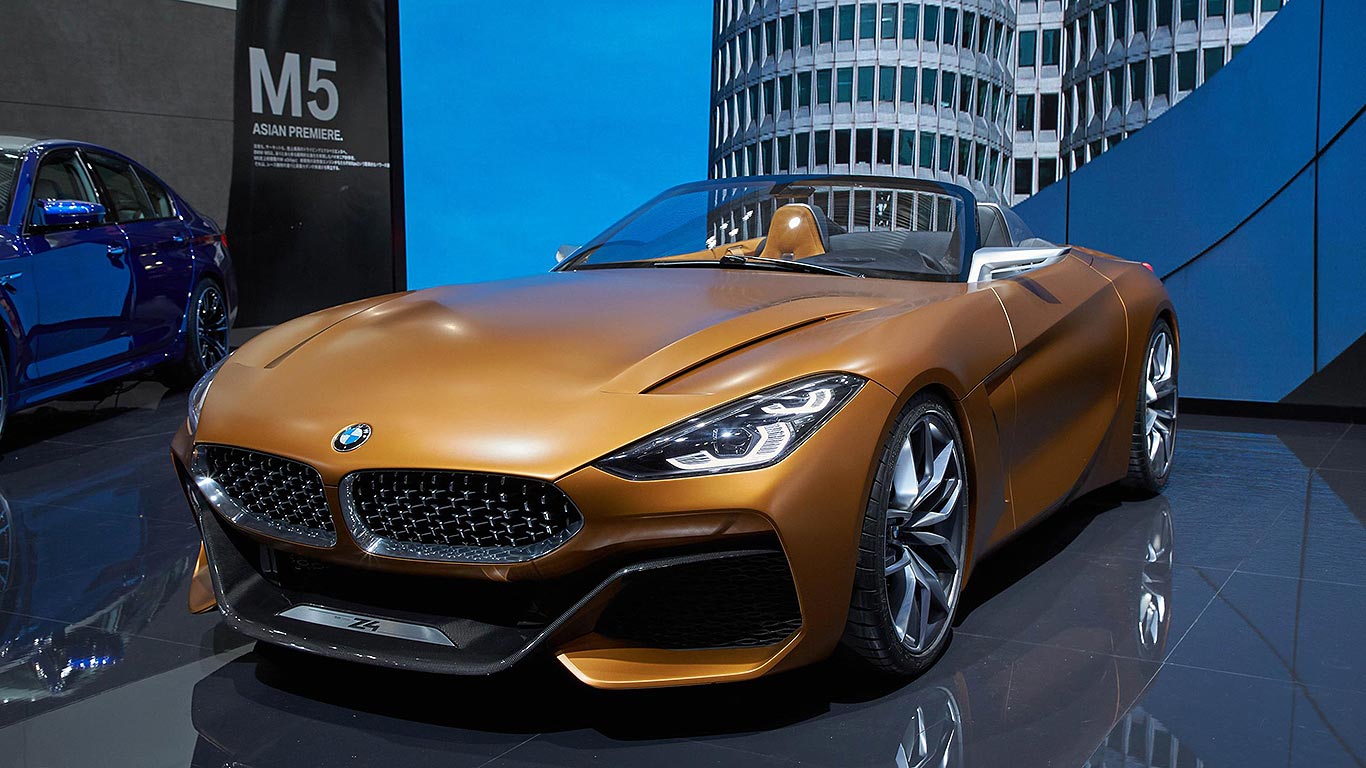
BMW Concept Z4
There had been rumours prior to the show that Toyota would show its all-new Supra sports car. Alas, it was not to be: all we had instead was confirmation it would be sold as a Gazoo Racing-branded machine. Instead, it was up to BMW to keep up the excitement: this Z4 Concept uses the same underpinnings as that hotly-anticipated 2018 Supra…
Almost a third of British drivers will receive a driving penalty notice in a year, new research from the RAC Foundation has discovered. That’s 33,000 driving penalties issued every single day.
A staggering eight million of them come from local authorities in the form of parking penalties, with local councils issuing a further 2.5 million penalties for illegal use of bus lanes and box junctions.
One million drivers will receive a speeding or red light penalty in a year, with half a million being penalised for failing to tax or insure their car. And on top of the 12 million penalties, another 1.2 million drivers dodge them by attending a speed awareness course.
What’s more, a whopping five million more penalties were issued to drivers parking on private land.
Number of average speeds cameras doubles in three years
All these penalties are being issued despite a 24 percent fall in police traffic officers between 2010 and 2014. The amount has ramped up so significantly thanks to automation – in 2015, nine in 10 speeding offences were captured by a camera.
Ever-cheaper automated camera technology is another driver. Back in 2000, it cost £1.5 million for a mile of automated speed cameras. Today, the cost is just £100,000 per mile.
‘No common sense’
The new RAC Foundation report on automated road traffic enforcement was compiled by criminology lecturer Dr Adam Snow. He says that while cameras are not influenced by factors such as race, gender or religion, “they cannot provide either discretion or common sense”.
Road traffic enforcement should be about keeping people safe and managing the road network effectively, he argues. When perceived offences that vary in the risk or harm they cause are punished in the same way, “it offends the public’s sense of proportionality, and hence fairness, and can lead to mistrust”.
Dr Snow is thus calling for a debate on the use of such automated systems, to decide where and when it’s acceptable and appropriate to use them.
RAC Foundation director Steve Gooding says that to remain legitimate for financially-squeezed police forces and councils, “automatic enforcement must be viewed by the public as proportionate.
“While wrongdoing should be punished and not excused, a decline in frontline policing risks an imbalanced approach to enforcement.
“Millions of motorists are being caught by camera, often for arguably minor misdemeanours, whilst more serious and harmful behaviour goes undetected.
“Authorities should constantly be asking themselves whether the number of notices issued suggest a different method is needed.”
Whether you’re a YouTuber, podcaster, blogger or just a social media addict, Motoring Research is offering up-and-coming motoring journalists the chance to kick-start their career with paid work experience.
Formerly the Breakthrough Blogger Award, the Motoring Research Breakthrough Award has been refocused for 2017 in a bid to reward talent across a wide range of platforms.
Awarded in partnership with the Guild of Motoring Writers, judges are looking for strong editorial potential as well as a clear demonstration of talent – no matter what the platform – as well as a healthy helping of enthusiasm. Combine these ingredients with paid work experience providing content for the Motoring Research publishing network, and winning this award could be the first step towards a full-time job within the changing landscape of the motoring journalism industry.
Former winners of the award include MR’s newsletter editor, John Redfern, as well as Keith Jones, continuity editor at Parkers. Other winners include Driving Spirit’s Chris Auty and Fun Rover’s Ben Gribbin.
To enter the award, you need to tell us why you deserve the opportunity to make a breakthrough into the professional world of motoring journalism. You can highlight up to three examples of work, along with a link to your title, channel or other platform. Aimed at aspiring motoring journalists, you may only enter if you wouldn’t otherwise be eligible for Full or Associate membership of the Guild of Motoring Writers.
As well as a paid work experience package with Motoring Research, the winner will also be award two years’ provisional membership of the Guild, as well as an invitation to the Guild Annual Dinner at the Royal Automobile Club in Pall Mall, London, on 30 November.
Entries should be sent to the Guild’s honorary secretary, Chris Adamson, at: honsec@gomw.co.uk. They should include the following details:
The Toyota Crown Comfort has been Japan’s answer to the iconic London taxi for generations: yet its replacement looks more like a black cab than ever before.
Revealed today at the Tokyo Motor Show, the Toyota JPN Taxi is powered by a hybrid powertrain combining an LPG engine with an electric motor. This will help reduce emissions in city centres, says Toyota, while fuel economy of around 55mpg will appeal to taxi drivers. Other impressive modern features include various proactive safety features, as well as six cabin airbags.
It’s practical, too, with a low flat floor providing space to accommodate a wheelchair, while a navigation system and fare meter are placed within easy sight of passengers in the rear. Other clever details include LED lights and extenders for the rear seat belts to make them easier to find at night, while a sophisticated climate control system features an in-built air purifier.
Unmistakably taxi in its appearance, the JPN is available in ‘koiai’ deep indigo paint, a symbol of Japan.
Prices start from 3,277,800 yen (around £21,800), with the firm aiming to sell at least 1,000 units of the JPN Taxi each month. Toyota says it hopes to use the new cab to greet visitors to Japan from around the world when Tokyo hosts the Olympic and Paralympic Games in 2020.
 The current-generation Honda Civic Type R’s mighty 2.0-litre i-VTEC Turbo engine is now available in a box, with the launch of a U.S. ‘crate engine’ programme at the 2017 SEMA performance car show in Las Vegas.
 Turning to a Japanese brand might be a passport to a stress-free life, if the results of the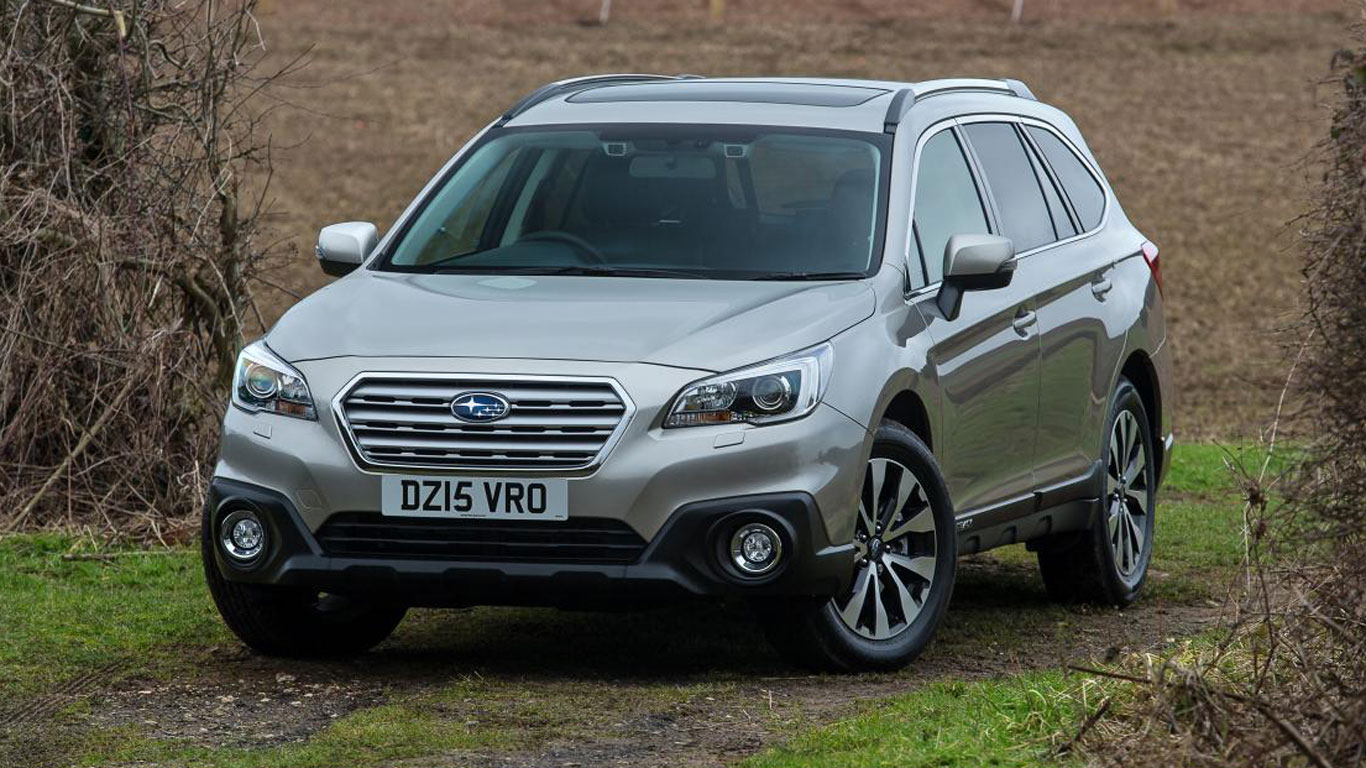
 The new MG ZS compact SUV will benefit from the firm’s first seven-year warranty, bosses have announced. MG thus becomes the first brand on sale in the UK to match the pioneering seven-year warranty offered by Kia since 2010.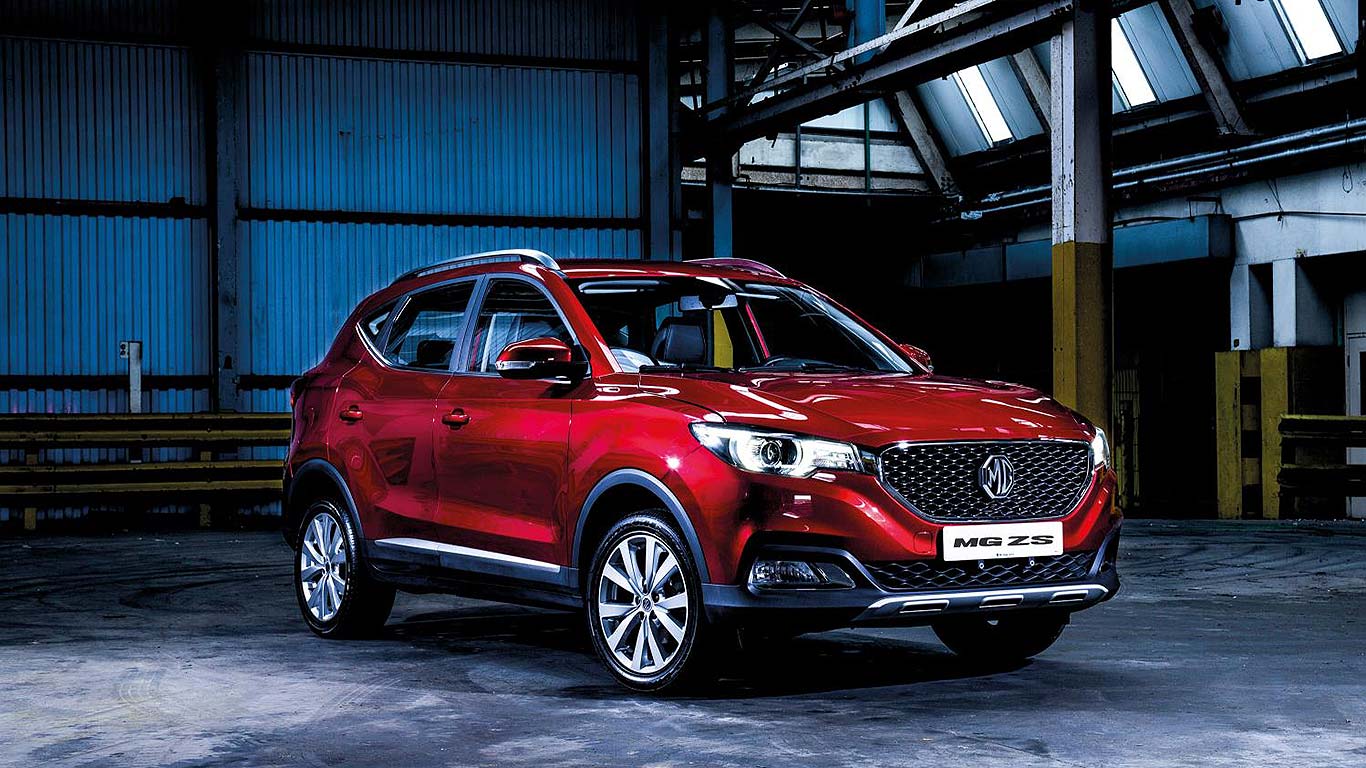
 Welsh home hero Elfyn Evans has WON the 2017 Wales Rally GB in sensational style – and promptly been mobbed by adoring fans during the ceremonial finish.





 The Tokyo Motor Show only happens every two years, placing added pressure on Japan’s car manufacturers to go all-out with the new cars and crazy concepts.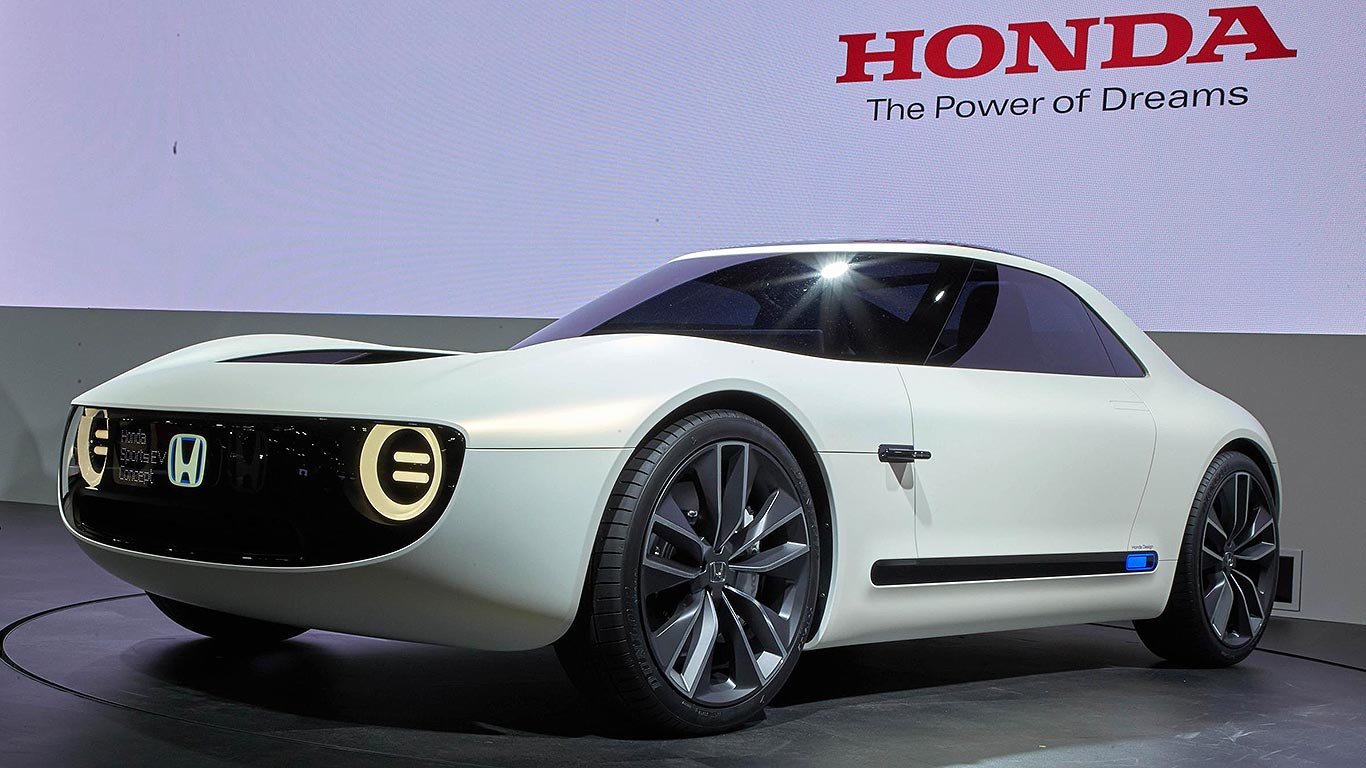
 Almost a third of British drivers will receive a driving penalty notice in a year, new research from the RAC Foundation has discovered. That’s 33,000 driving penalties issued every single day.