Home Blog Page 506

McLaren Senna: what you need to know

0

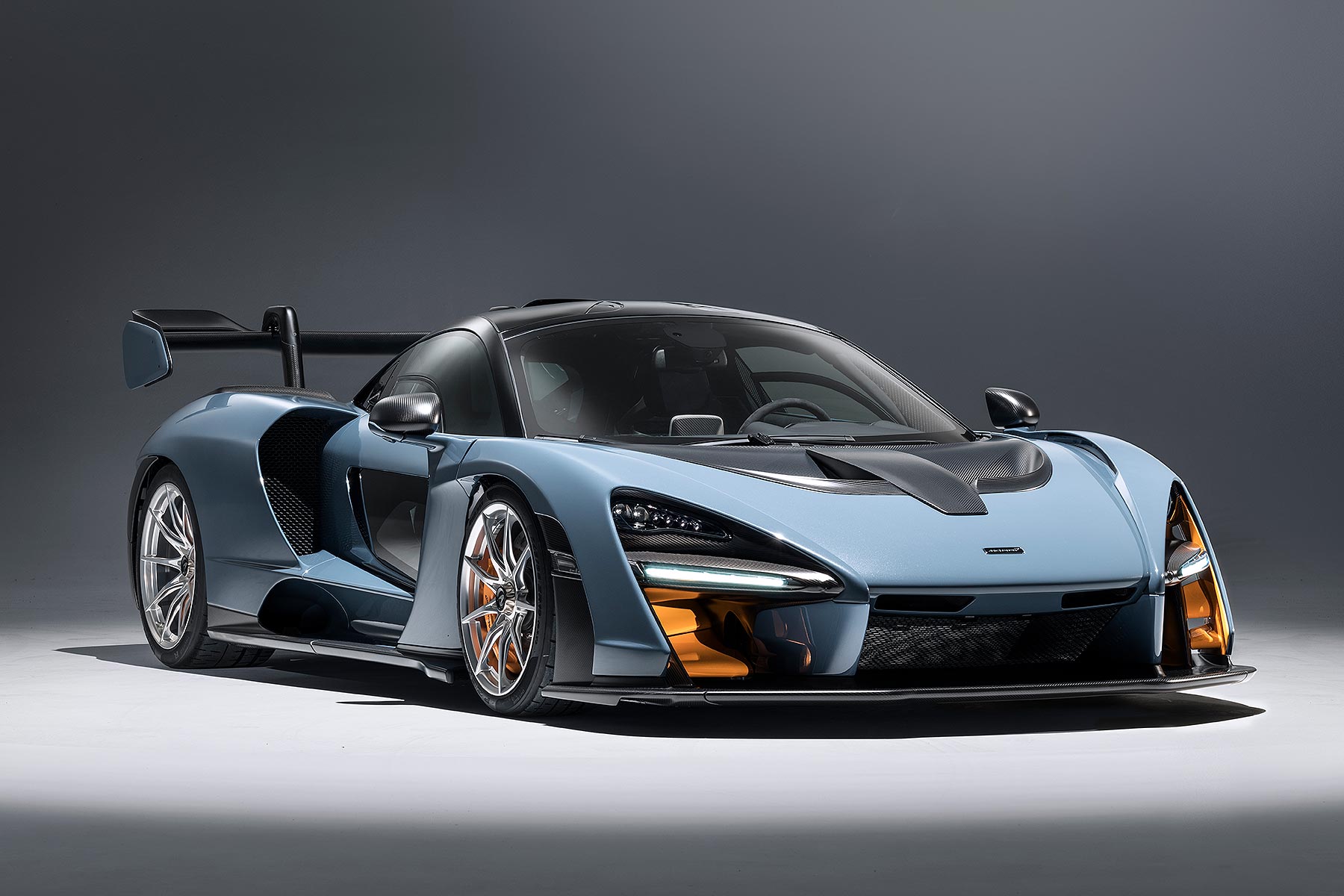
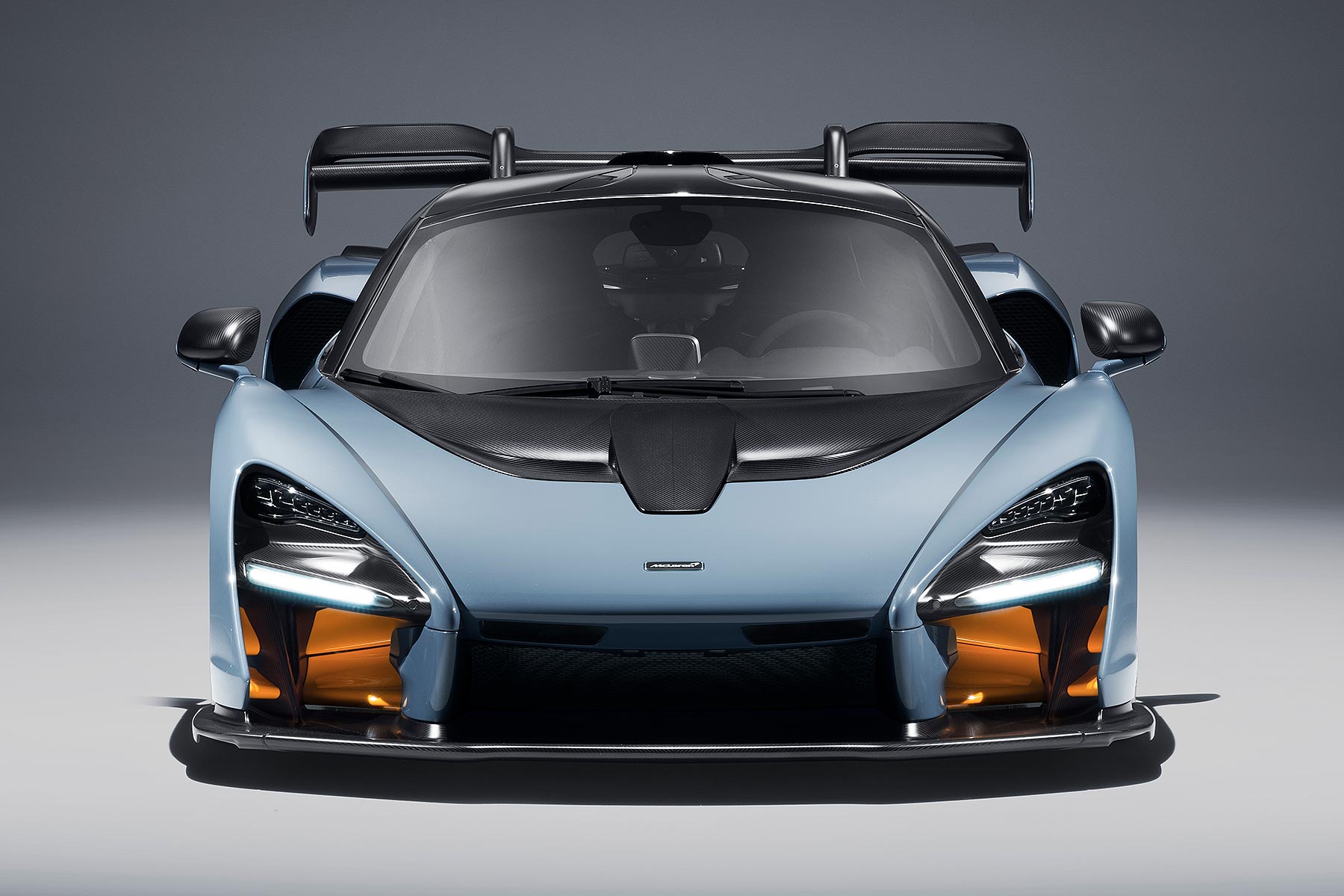
McLaren SennaThe McLaren Senna lives up to the three-time World Champion driver’s name by being the most extreme road car ever built by the British firm. It’s a bona fide McLaren Ultimate Series machine that is said to provide the purest connection between driver and car ever achieved by the company.

After revealing it during its 2017 festive party at McLaren Automotive HQ in Woking, the firm is now releasing full details about the new hypercar – with the headline being a combination of 800hp, 800Nm of torque and 800kg of downforce.

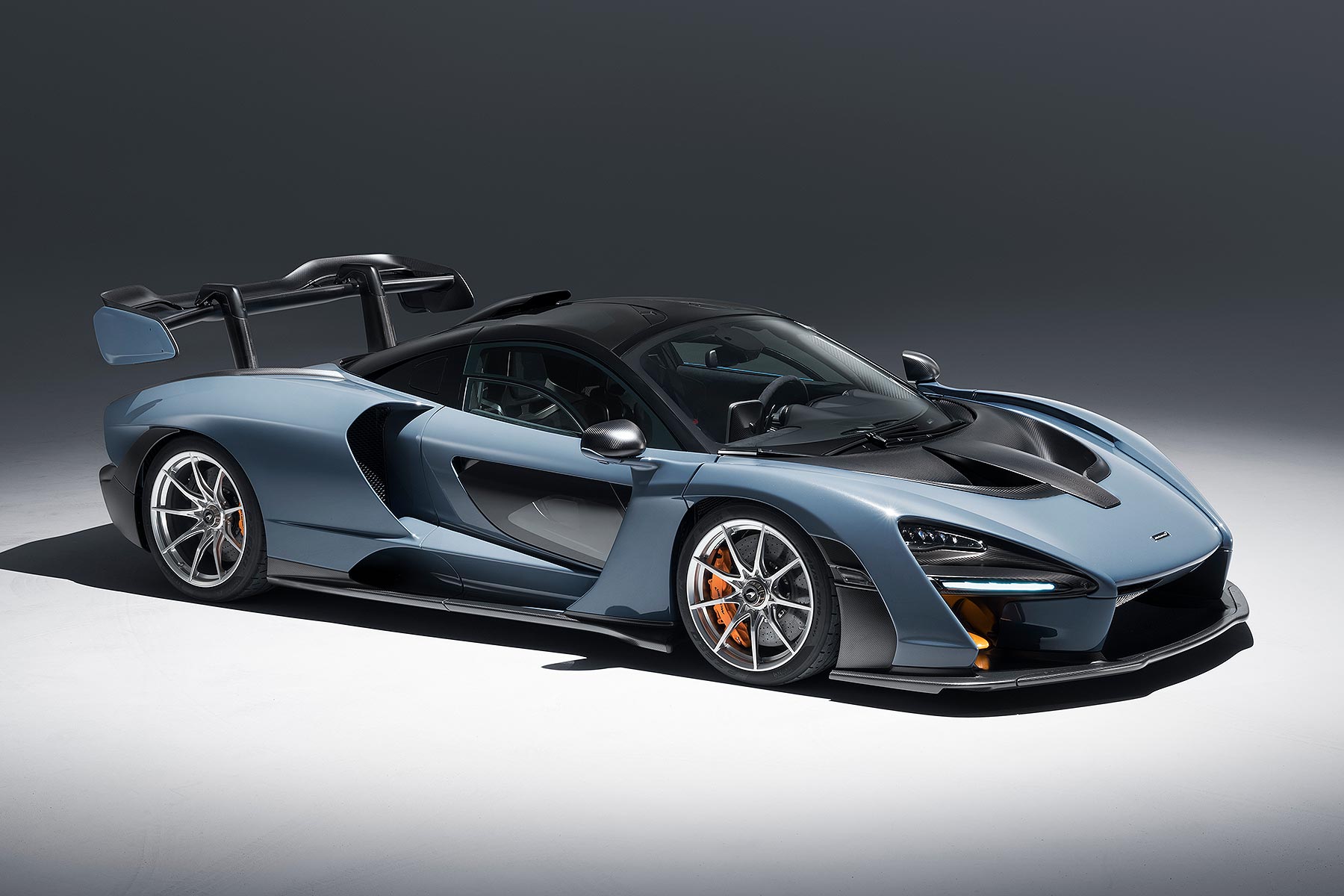
The latter is why it looks as extreme as it does. McLaren insiders admit they’ve had to bite their tongue since the car’s release, as onlookers question why its styling is so uncompromising. “Form follows function,” says McLaren: it’s aggressive because the active aerodynamics are so damn powerful.

“You commit yourself to such a level where there is no compromise,” Ayrton Senna once said. “You give everything you have; everything, absolutely everything.” Now, hopes McLaren, it should be clear why the Senna looks like it does.

Only 500 will be made, with production starting in Q3 2018. McLaren Senna prices start at £750,000 (and a portion of that will go to the Ayrton Senna Foundation).

In a special ceremony to mark the opening of its new composites factory in Sheffield, England, McLaren told us everything about the new Senna. Before christening the new factory by laying down some rubber with the new car – fittingly, with an original Senna McLaren watching on. 

Here’s what you need to know about the McLaren Senna.  

McLaren Senna: in detail
McLaren Senna

Unlike cars such as the Ferrari FXX and Aston Martin Valkyrie, the McLaren Senna is no track-only special. It may be the ultimate track-focused McLaren, but it’s still legal for road use. “But not sanitised to suit it,” adds McLaren. This is a car for which the racket from air rushing through the roof-mounted ‘snorkel’ intake is described as a positive.

McLaren Automotive CEO Mike Flewitt calls it a car like no other, in which every element has an uncompromised performance focus. The rawest, most responsive, most engaging McLaren ever. Organic styling is out, a design language “purposefully fragmented in its pursuit of absolute performance” is in.

The firm references the McLaren P1. That was a car designed to be the best driver’s machine on road and track. This is way more focused. The Senna is designed to be the best road-legal track car. Benchmarks on the circuit are being chased. The road-going stuff is almost inconsequential.
McLaren Senna

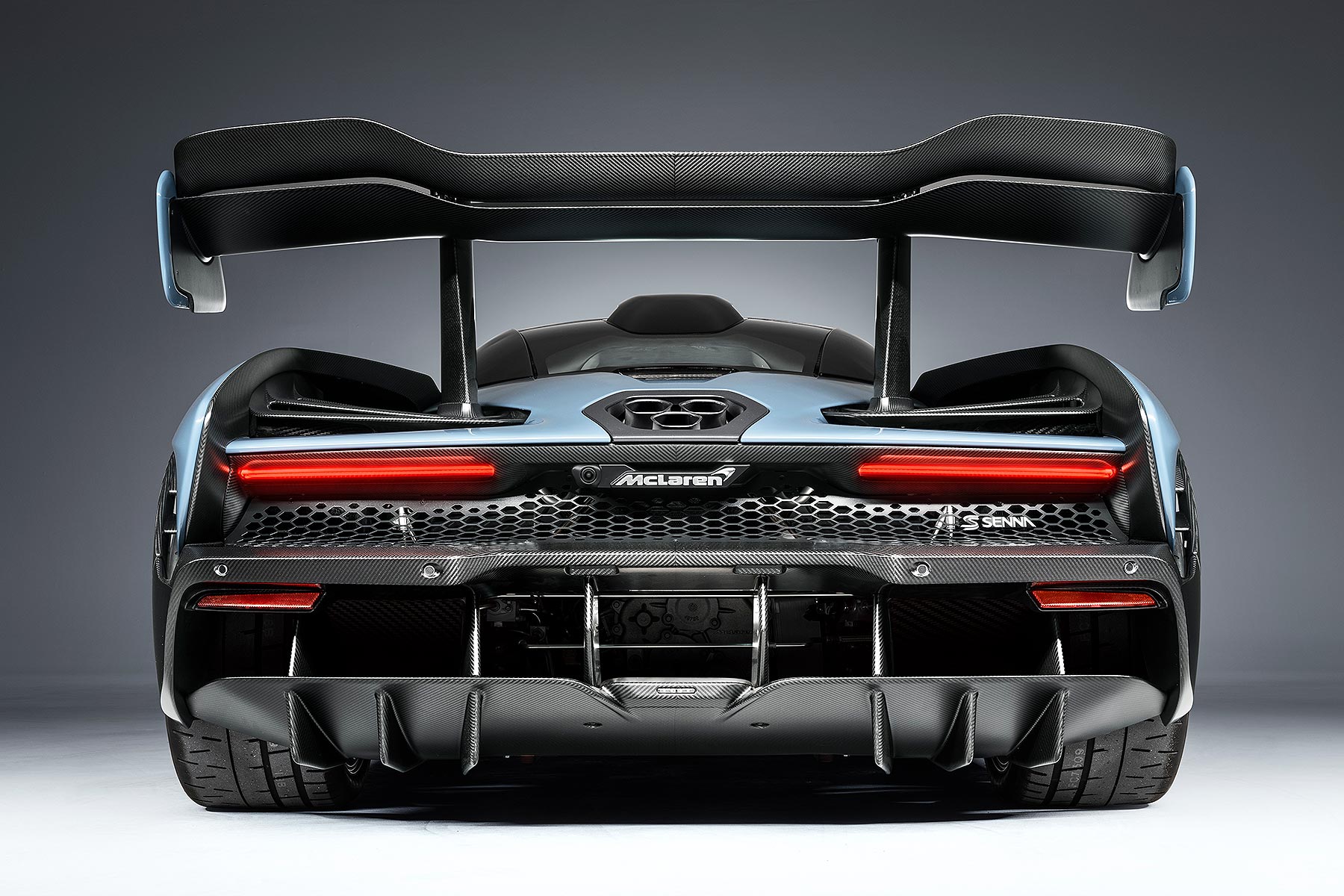
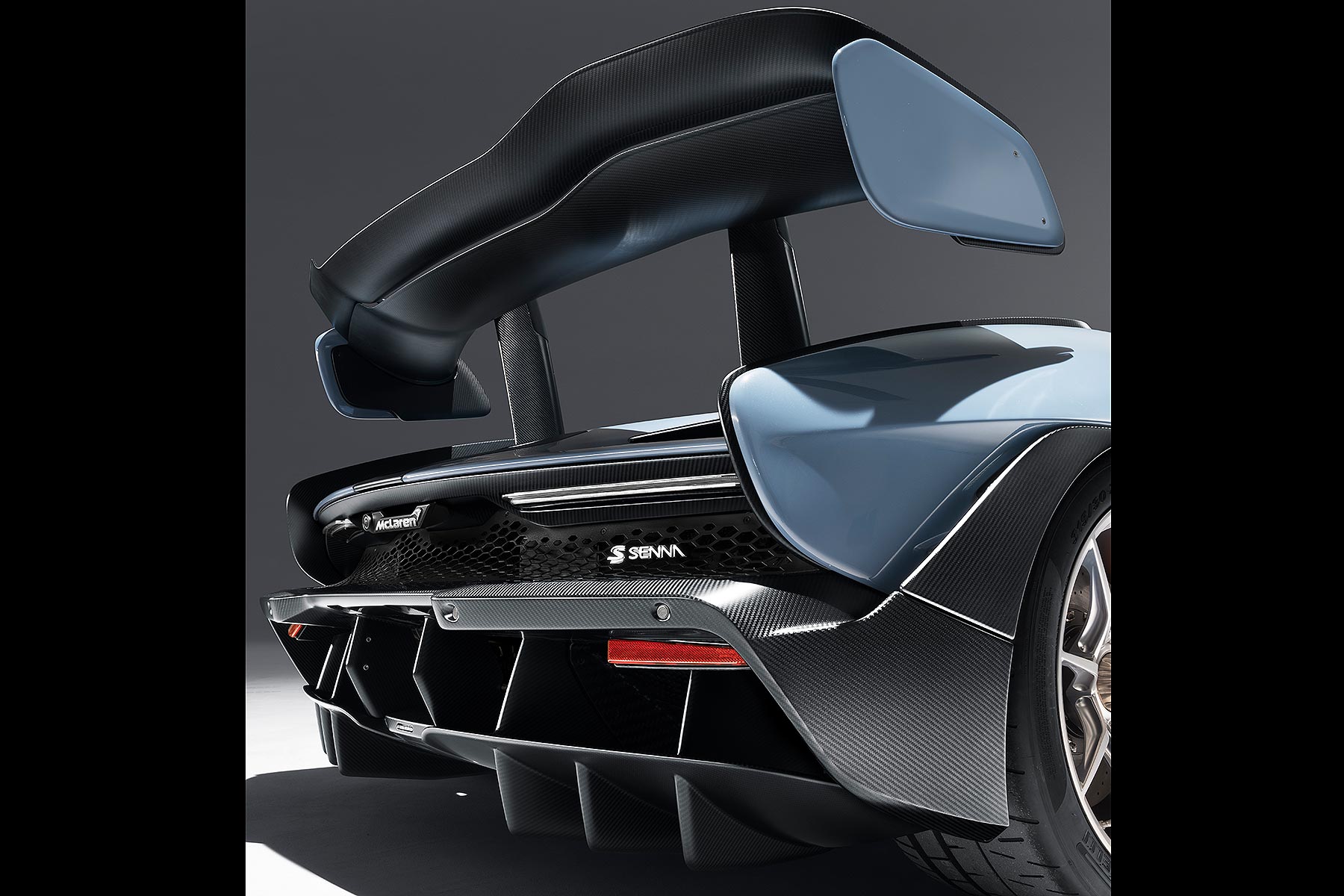
Aerodynamics are active front and rear. The front aero blades and ‘swan neck’ rear wing constantly vary their profile and there’s even an air brake function when you slam on the anchors. Downforce levels are maintained even when turning into a corner, resulting in “extraordinary” speeds through the bends.

“You cannot follow a single line from the front to the rear without it massing through a functional intake or vent,” says McLaren. In spite of all the criticism, the designers reckon it’s the most honest-looking McLaren they’ve yet achieved.

Even one of the paint options is unique. Caliber Black is a special lightweight colour that’s been formulated to cut the amount of paint actually needed to paint a Senna.

McLaren Senna: engine and suspension 
McLaren Senna

The familiar McLaren 4.0-litre V8 engine has been tuned up to 800hp and 580lb ft of torque (800Nm). It’s McLaren’s most potent road car engine yet. It will do 0-62mph in 2.8 seconds, 0-124mph in 6.8 seconds, 0-186mph in 17.5 seconds. And because, at 1,198kg, it’s the lightest McLaren since the original F1, it boasts a power-to-weight ratio of 668hp per tonne. Unique components include bespoke cams and by-cylinder ion sensing that allows higher pressures and temperatures than other McLaren engines.

An Inconel and titanium exhaust is piped through the rear deck, shaped to not disturb the rear aero. McLaren’s made it road legal with auto-close internal valves – but for continues with less strict noise regulations, a valve-less twin-exit unit is offered, sans silencer box and third exhaust exit.

McLaren reckons it’s ferocious, gets 10dB louder for every 2,000rpm, quite different to any other McLaren road car: it’s more like a motorcycle race engine, says the firm.
McLaren Senna

Pumped-up racing-spec carbon ceramic brakes will take it from 124mph to a standstill again in 100 metres.

Suspension uses RaceActive Chassis Control II (RCC II), an evolution of the 2012 P1’s setup. Adaptive dampers are hydraulically connected both left to right and front to back. Like the 720S, it’s continuously variable: unlike the 720S, there’s now a Race mode that lowers the ride height and centre of gravity, and “significantly” stiffens it.

Conventional springs and anti-roll bars have thus been ditched, along with the compromises to pitch, roll, heave and warp stiffness. The Senna’s hydraulic setup is staggering in its scope and even McLaren’s top-level descriptions of what it can do stretch to many, many pages. One thing that caught our eye is McLaren Variable Drift Control, or VDC: it “allows a driver to hone their skills,” and presumably become a drift king in their £750k Senna.

McLaren’s wrapped the Senna around its latest Monocage III central carbon fibre tub, the strongest monocoque it’s ever made for a road car. All the bodywork is carbon fibre as well, contributing to its bantamweight.

McLaren Senna: inside story
McLaren Senna

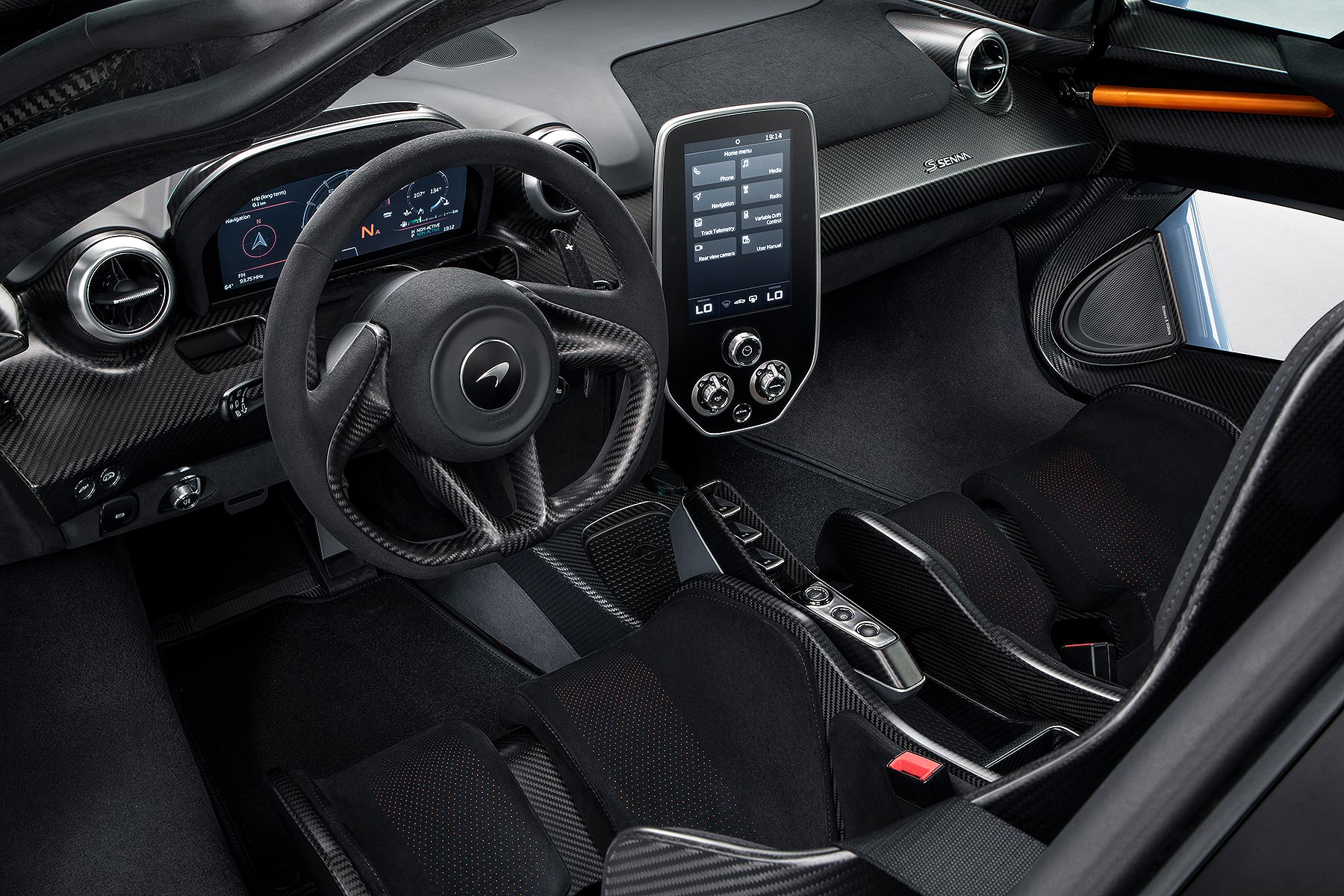
If you ever get to drive a McLaren Senna, prepared to be “hardwired into the experience at all times” – through the steering wheel, seat, even the pedals. The firm says it’s abandoned its trademark usability in the focus on making it thrilling. There have been no compromises here.

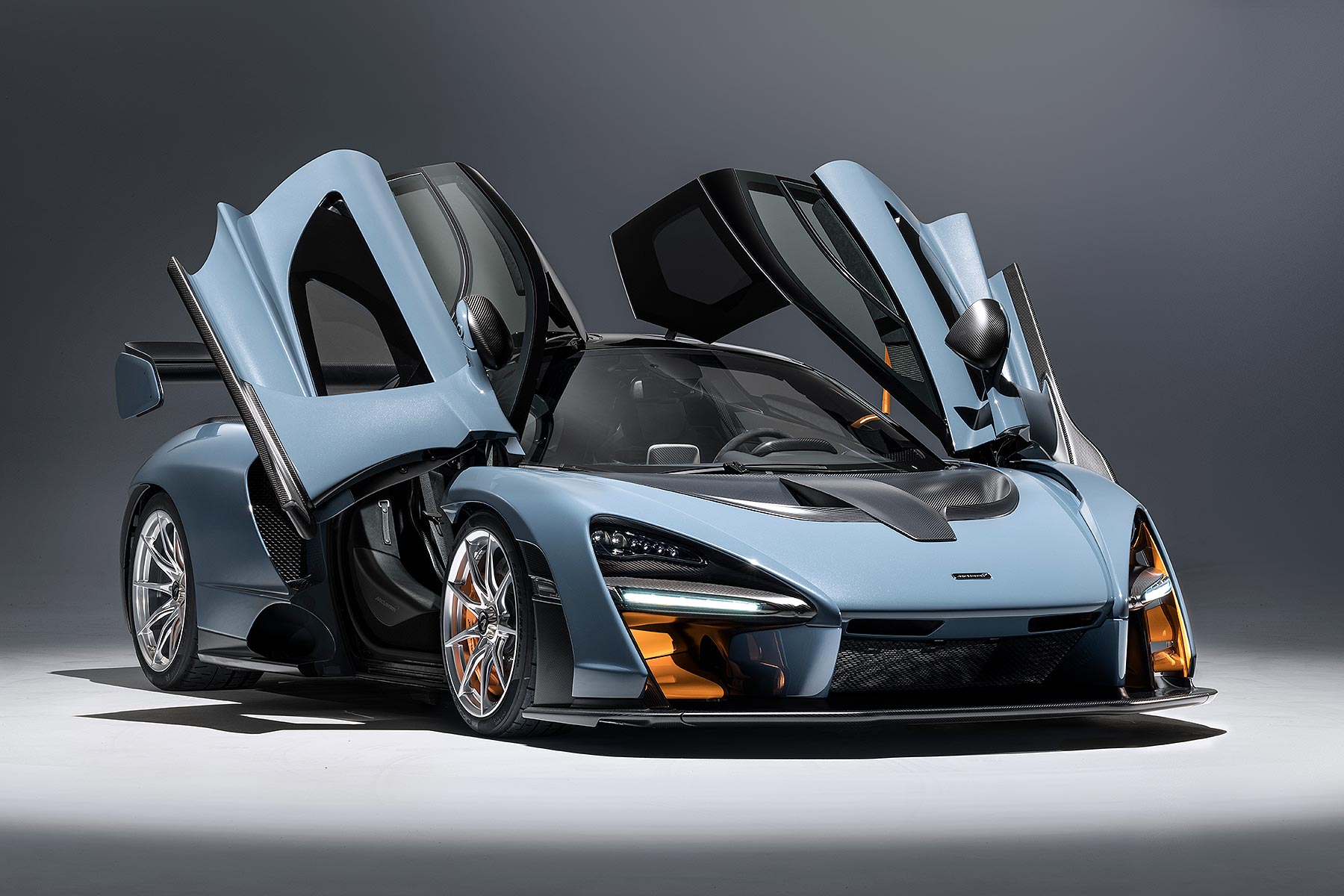
A standout feature are optional glazed lower doors, adding to the car’s already-amazing visibility and making it even more thrilling on a racetrack – you can see the kerbs you’re pummelling. They’re made of Gorilla Glass, so should withstand being smashed by stones or tyre marbles.

It’s been fully stripped back inside, using carbon fibre and Alcantara instead of fancy soft-touch plastics. Even the door struts are exposed, to save weight: the chance to colour-code them is a first for any car brand.
McLaren Senna

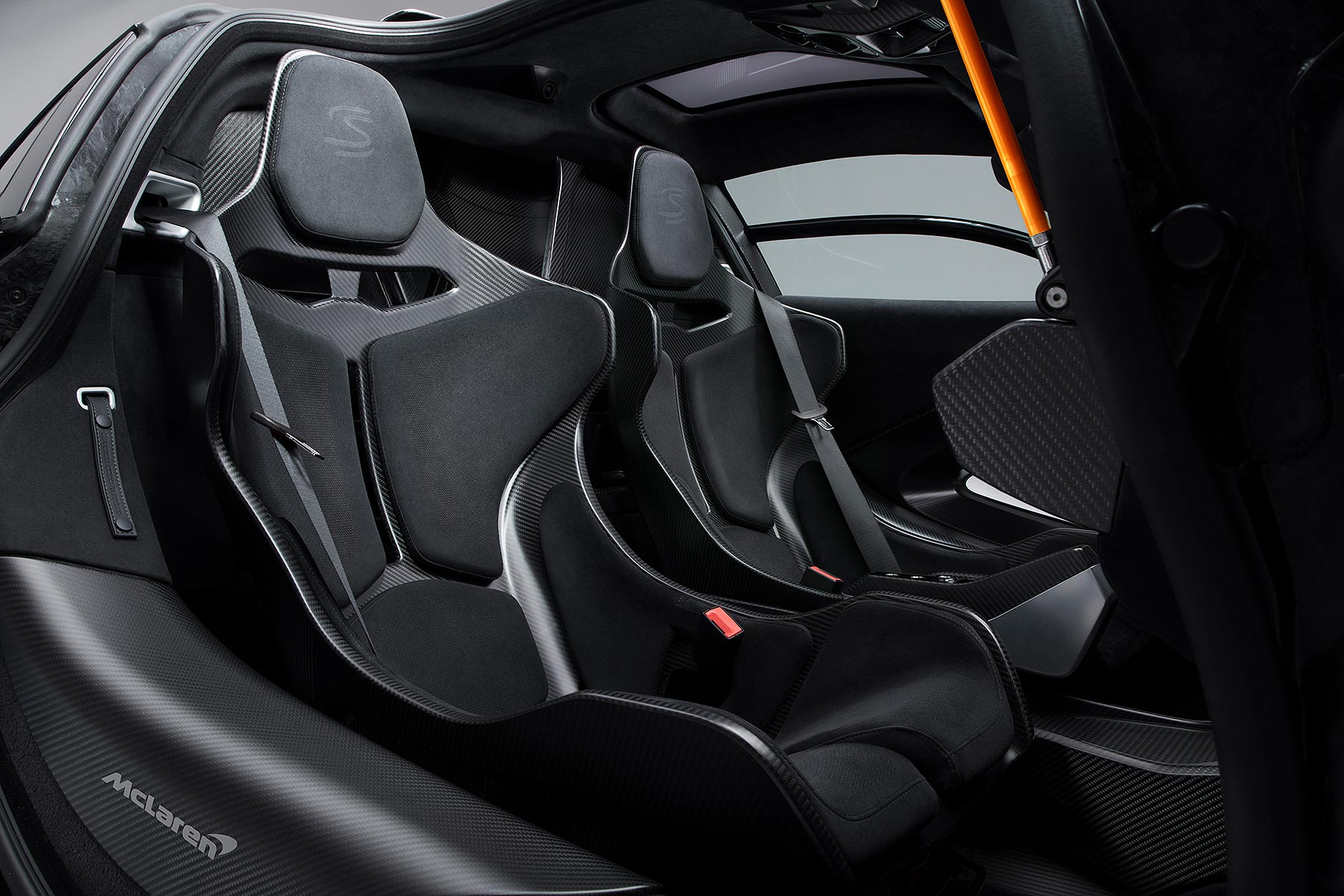
Seats are super-lightweight and weigh just 8kg each. They’re not fully-trimmed, having padding only in the right places. This doesn’t only look cool, McLaren also says it helps keep overall-clad occupants cool when driving hard on a racetrack. The driver’s stress levels are managed by minimising buttons inside, and locating the essential controls on the roof console. And there’s an optional ‘push-to-drink’ system for keeping hydrated when working it hard.

Owners can also choose to have McLaren Track Telemetry fitted, capturing data in real time. It can be augmented by a three-camera system (one looking forward, one mounted inside and one in the rear bumper for corner exits) for the ultimate F1 post-trackday analysis.
McLaren Senna

For added authenticity, Senna’s nephew Bruno is working with McLaren to hone the Senna. He reckons it honours his uncle “because it is so utterly focused upon the driver, and their absolute connection with the vehicle”. Don’t think it’s raw and rabid though, adds McLaren. “This is not a vehicle balanced on a knife edge; the intuitive connection comes from trust, from the fact that car and driver are as one”.

It’s “real performance,” reckons McLaren Automotive vehicle line director Andy Palmer, “accessible and attainable because of an intuitive connection”. It’s set to be quite some car. 

So now can you love the way it looks?

Click on the images to see the McLaren Senna in full

Advertisement

Diesel snubbed as used petrol cars hit record price high

0

Diesel snubbed as used petrol cars hit record price high

The average secondhand diesel car hit a record price high of £10,713 last month – up a whopping £1,733 compared to January 2017.

That’s according to the latest results released this morning by Auto Trader’s Retail Price Index.

The index, which monitors the price of used cars in the UK, reveals that the average price of a used car hit £12,775 in January – six percent higher than a year earlier.

On average, a secondhand diesel cost £14,405 in January. That’s an increase of £777 compared to 2017, but lagging behind petrol models.

The car classified website reveals that 22 percent of all searches that take place on Auto Trader each month are based on fuel type. The share of car buyers selecting diesel when searching on Auto Trader fell from 71 percent in November 2016 to an annual low of 54 percent in December.

This figure has continued to decline into the new year, dropping to a new low of 53 percent of all fuel-related searches in January.

Meanwhile, petrol has steadily gained further: rising from 26 percent of searches in November to a high of 43 percent in January.

Alternatively-fuelled vehicles (including hybrid and electric cars) made up just four percent of all fuel-related searched in January. This remains the same as December, but marking a one percent increase compared to January 2017.

“With new diesel registrations continuing to tumble, it’s very reassuring to see used diesel prices not only retaining their value, but actually increasing in January,” said Auto Trader’s retailed and consumer product director, Karolina Edwards-Smajda.

“It’s clear, however, just how harmful the government’s strong anti-diesel stance has been on the automotive industry. We can see that the misstep in not clarifying the difference between new Euro6 and older vehicles has seriously dampened consumer buying confidence, reflected in both the ongoing fall in new diesel registrations, as well as the searches on our market place.

“Unless the government is prepared to soften its position on diesel and offer car buyers greater incentives for buying electric, the year ahead will remain unnecessarily challenging for the market.”

Read more:

Advertisement

Jaguar is putting the 1955 D-type back into production

0

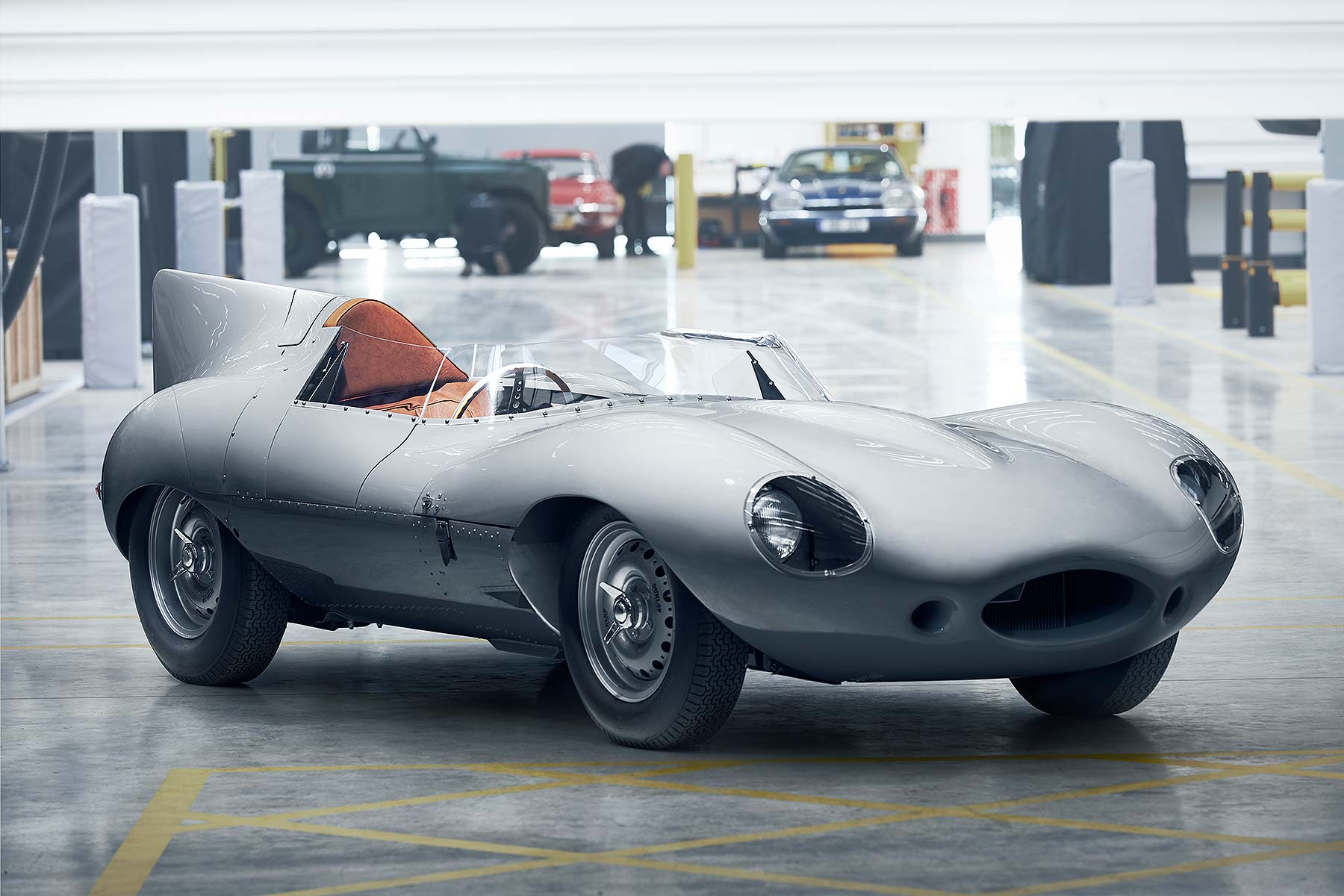
2018 Jaguar Classic D-typeIn 1955, Jaguar planned to build 100 D-type racing cars. In the end, it only built 75, with production ending in 1956.
Today, at the 2018 Salon Retromobile show in Paris, the Coventry firm is to announce it’s restarting production of the D-type, to make the final 25 models and finally take production up to the planned 100-car total.

An engineering prototype will be displayed at the retro car show to mark the occasion.

Although they’re all-new, each of the 25 2018 D-types will be entirely period-correct, produced using the original engineering drawings and production records. Jaguar Classic has been through Jaguar’s entire archives to discovery everything it needs to know to start remaking the classic D-type.

The Jaguar D-type recreation follows the firm’s famous ‘bring-back-to-life’ Lightweight E-types and XKSS projects.

Kev Riches, Jaguar Classic engineering manager, said: “Recreating the nine D-type-derived XKSSs was hugely satisfying, and an even bigger technical challenge than the six missing Lightweight E-types, but lessons learned from the XKSS project have given us a head start on the final 25 D-types.”

Period detail is guaranteed, he promised. “Each one will be absolutely correct, down to the very last detail, just as Jaguar’s Competitions Department intended.”

Famous Jaguar competitions manager Lofty England helped defined the D-type in the early 1950s, and today’s buyers, like then, can pick either a 1955-spec Shortnose or a 1956-spec Longnose; the Retromobile exhibit is a Longnose, which is marked out by:

  • Extended bonnet
  • Tail fin
  • Wide-angle cylinder head
  • Quick-change brake calipers

Under England’s watch, the D-type won the Le Mans 24 Hours race in 1955, 1956 and 1957.

Tim Hannig, Jaguar Land Rover Classic director, said: “The opportunity to continue the D-type’s success story, by completing its planned production run in Coventry, is one of those once-in-a-lifetime projects that our world-class experts at Jaguar Land Rover Classic are proud to fulfil.

“The Jaguar D-type is one of the most iconic and beautiful competition cars of all time, with an outstanding record in the world’s toughest motor races. And it’s just as spectacular today.”

Advertisement

Revealed: the cheapest cars to insure

0

Revealed: the cheapest cars to insureLooking to save money on your car insurance? Comparethemarket.com has released details of the top 10 cheapest cars to insure, based on the average price returned for cars with more than 1,000 enquiries for a particular model. By choosing one of these cars, you stand a better chance of not paying through the nose.
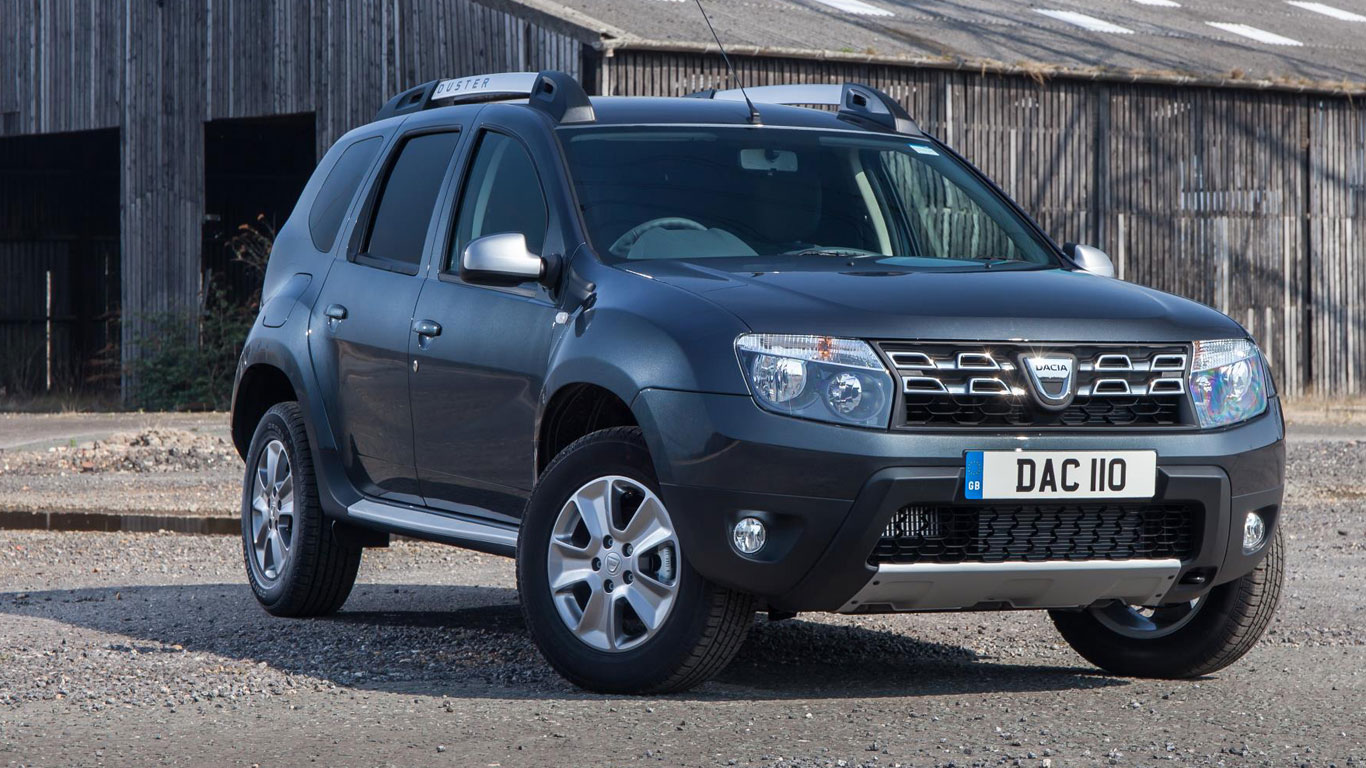
10. Dacia Duster: £541.72

Revealed: the cheapest cars to insure

According to Comparethemarket.com, where you live and where you store the car can have a big effect on the price of car insurance. The premium is affected by the risk of the vehicle being stolen and being bumped into when parked. Having access to a garage might lower the premium, but some insurers increase the price based on drivers misjudging the width of their car.

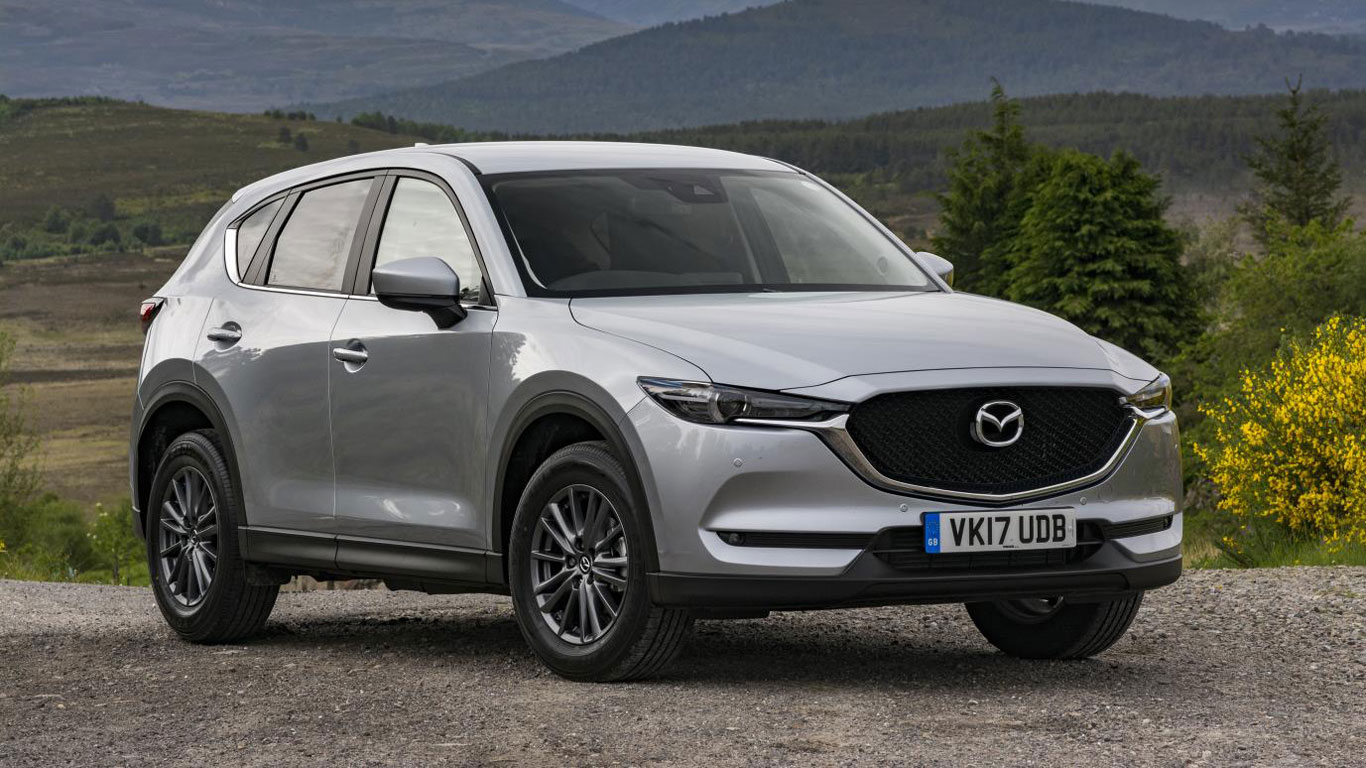
9. Mazda CX-5: £535.95

Revealed: the cheapest cars to insure

Your employment status will have also affect the premium. For example, you’ll pay more if you drive regularly as part of your job or if you carry expensive tools or equipment in your vehicle. Racing drivers pay more, as do journalists and window cleaners

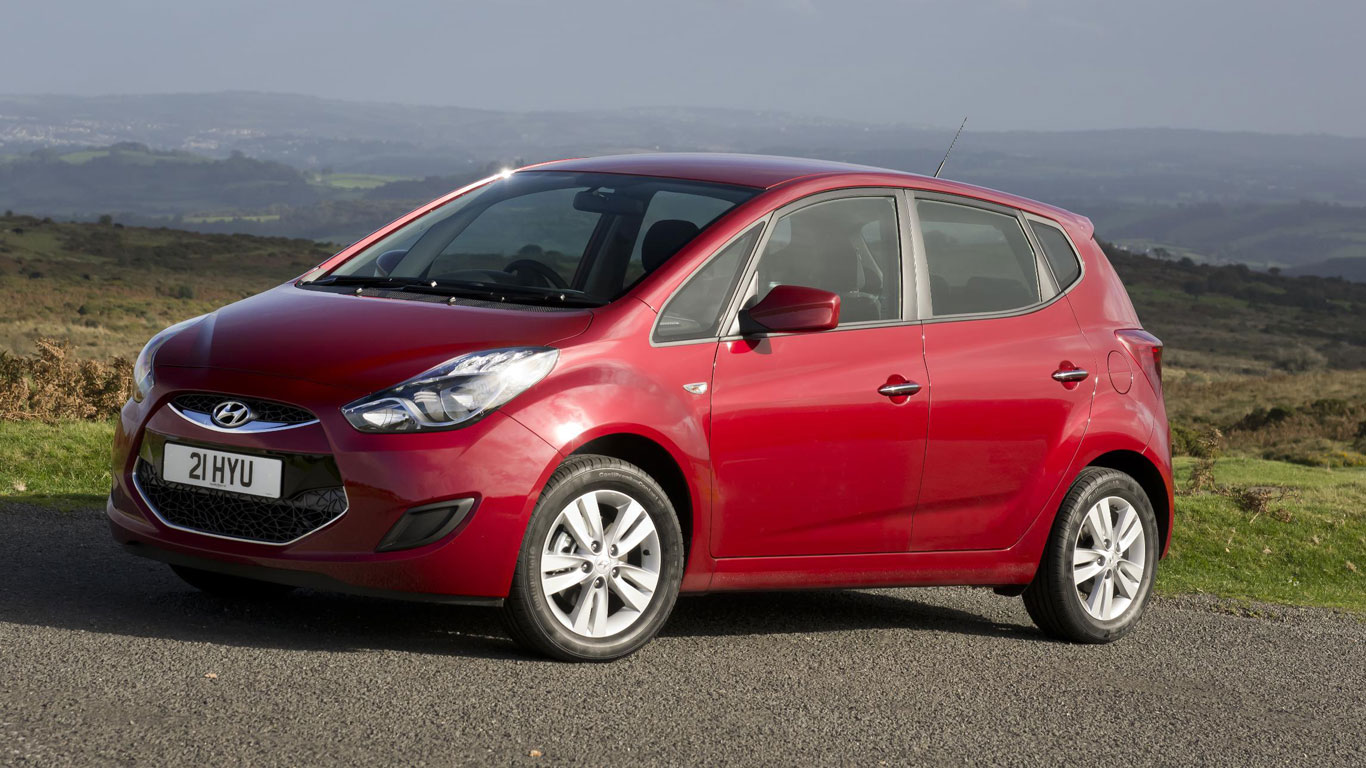
8. Hyundai ix20: £531.21

Revealed: the cheapest cars to insure

Well-mannered and law-abiding citizens drive cars like the Hyundai ix20, which is why it’s a cheap car to drive. Having three points on your licence for a minor speeding offence will have a small impact, whereas a previous ban for drink-driving will make it hard to find a cheap policy. Some insurers will refuse to insure a previously convicted drink-driver.

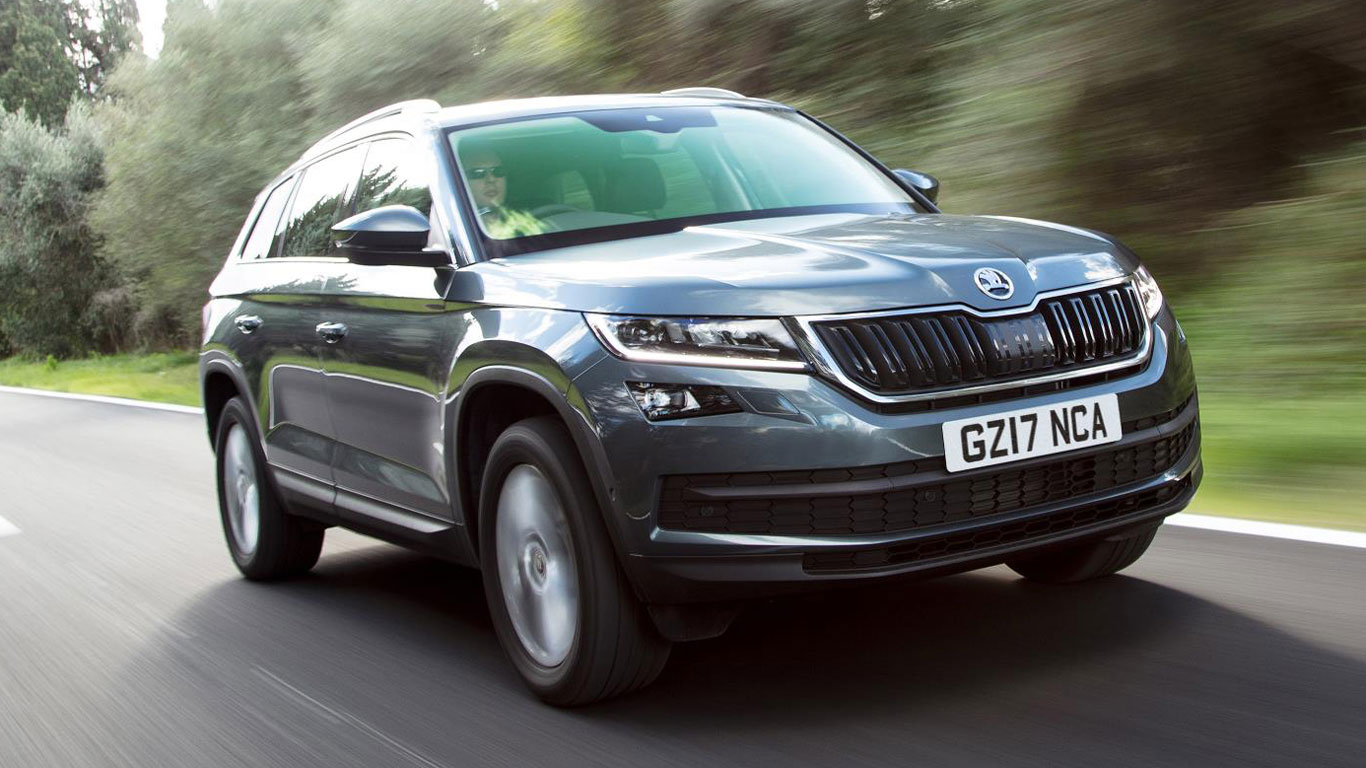
7. Skoda Kodiaq: £515.48

Revealed: the cheapest cars to insure

The Skoda Kodiaq is one of the best crossovers on the market, but it’s not going to appeal to a young driver. For 17 to 25-year-olds, the cost of insurance can be as expensive as the vehicle itself, but the premiums will start to decrease from the age of 26.

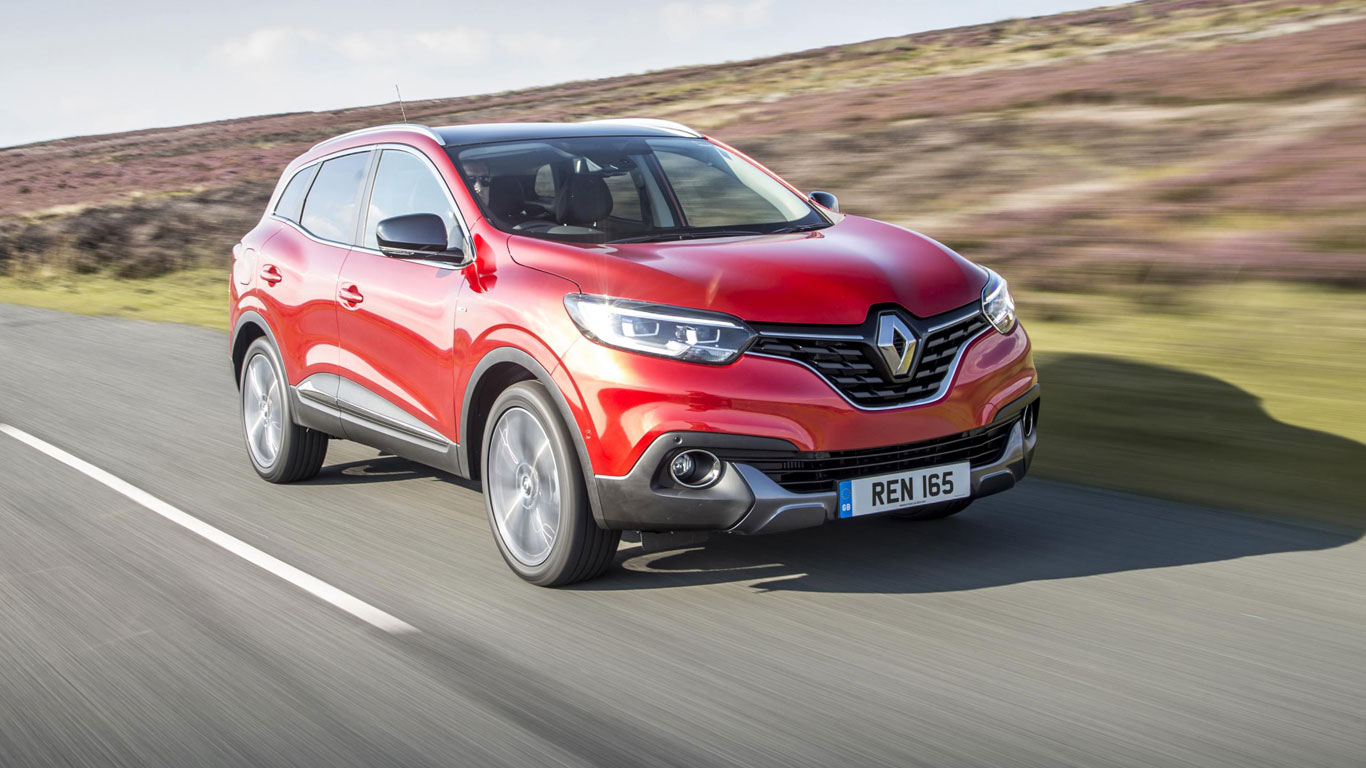
6. Renault Kadjar: £507.89

Revealed: the cheapest cars to insure

Comparethemarket.com is very specific here, referencing the Renault Kadjar Dynamique S Nav dCi 110 as one of the cheapest cars to insure.

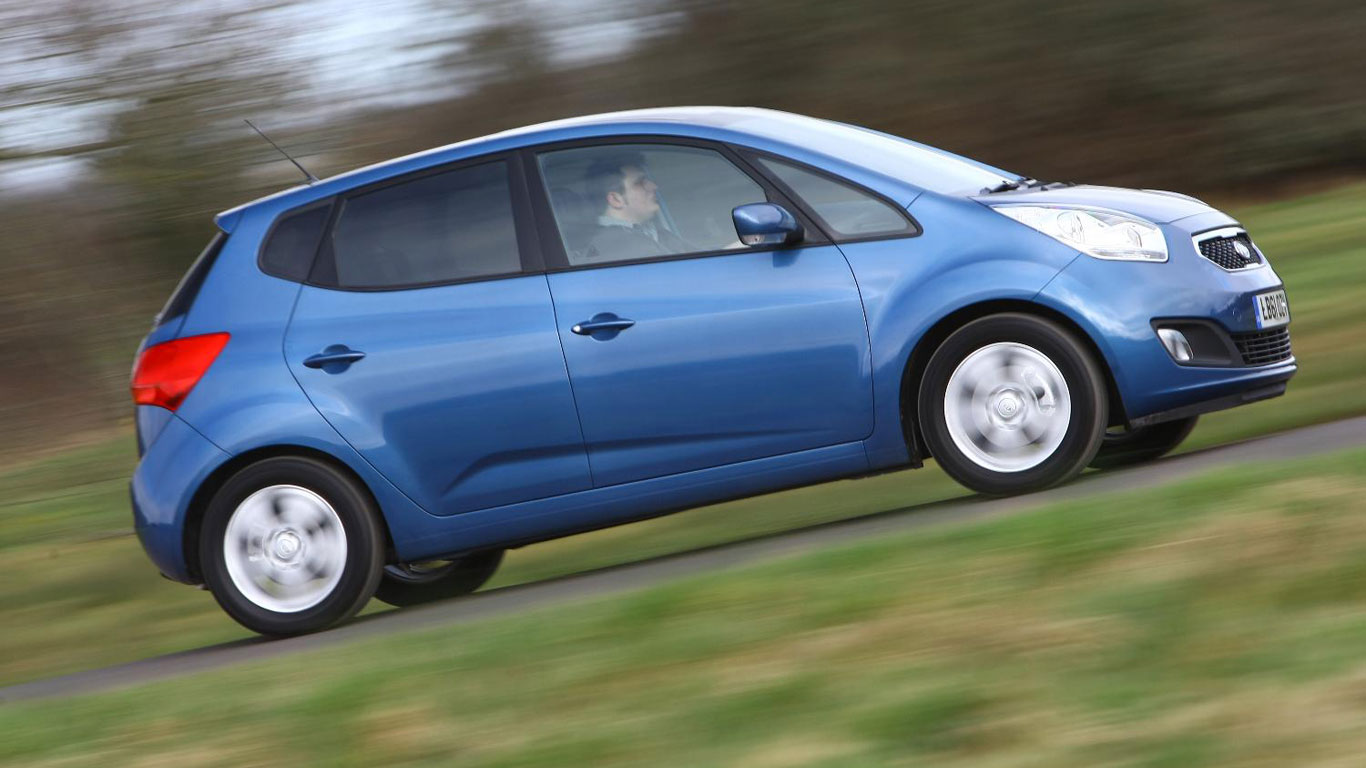
5. Kia Venga 3: £499.26

Revealed: the cheapest cars to insure

Look, it’s the Kia Venga…

Comparethemarket.com loves the Kia Venga, boys.

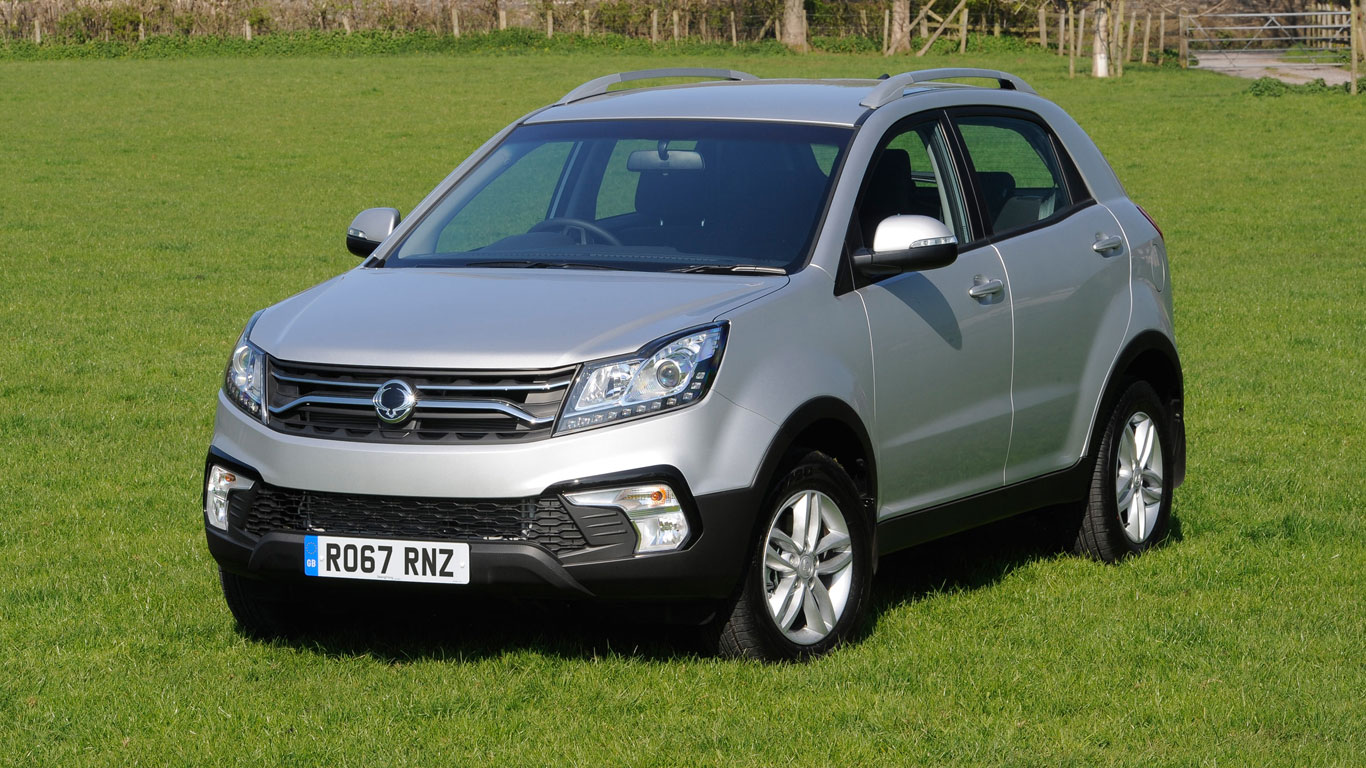
4. SsangYong Korando: £495.92

Revealed: the cheapest cars to insure

The SsangYong Korando offers exceptional value for money, with prices starting from as little as £16,295. It should be cheap to insure, with Comparethemarket.com quoting an average of £495.92 for the SUV.

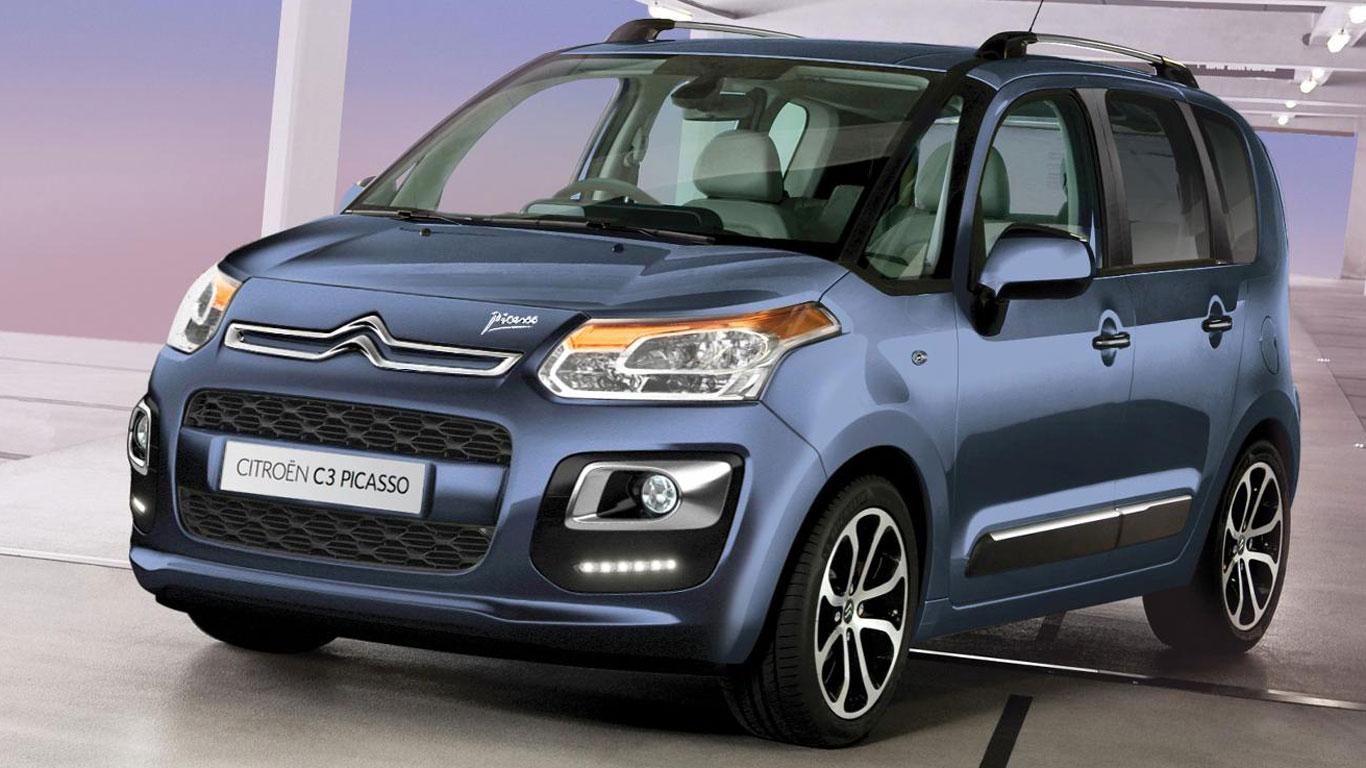
3. Citroen C3 Picasso: £488.22

Revealed: the cheapest cars to insure

The Citroen C3 Picasso has been replaced by the new C3 Aircross, but the old model is the one to have if you’re hoping to save money on your car insurance.

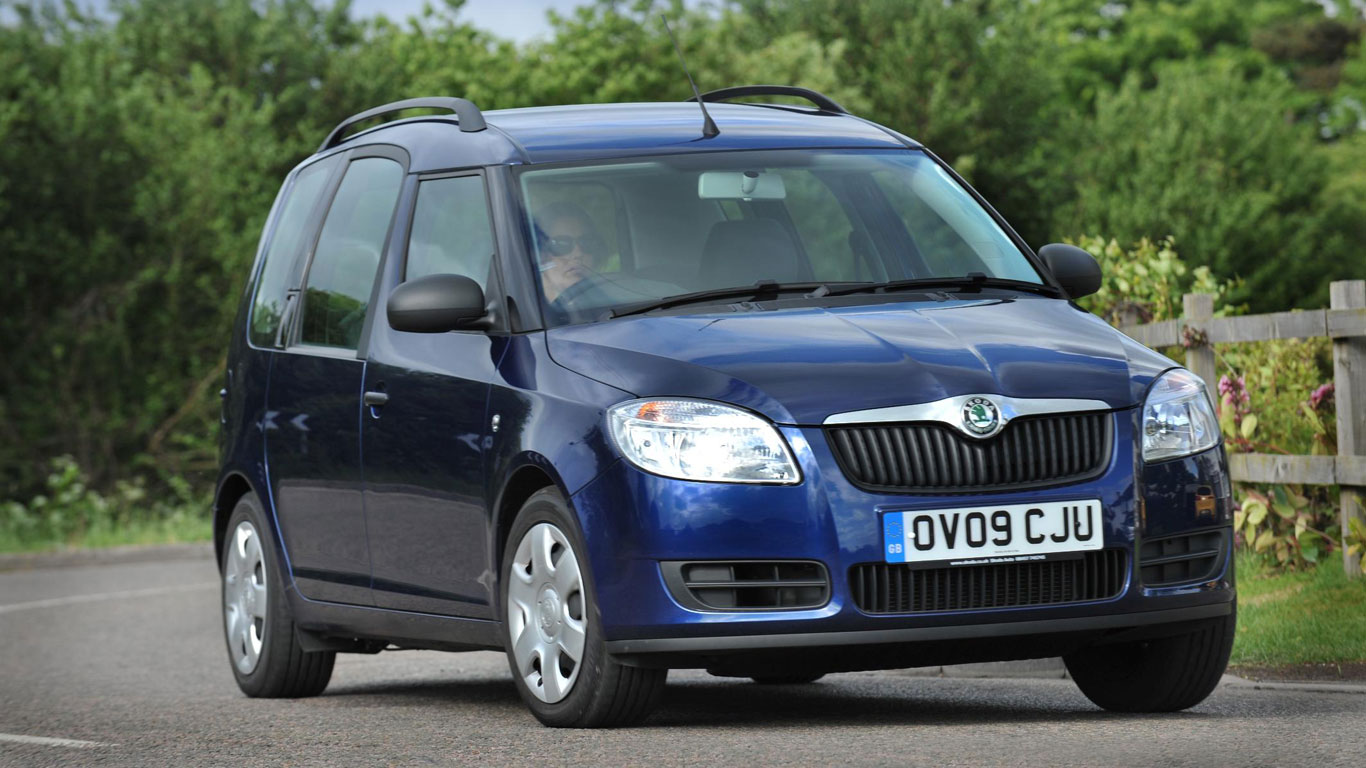
2. Skoda Roomster: £481.44

Revealed: the cheapest cars to insure

The Roomster disappeared from the Skoda range in 2015, but its practicality and clever packaging means that it’s a popular used car. It’s good to know it’ll be cheap to insure.

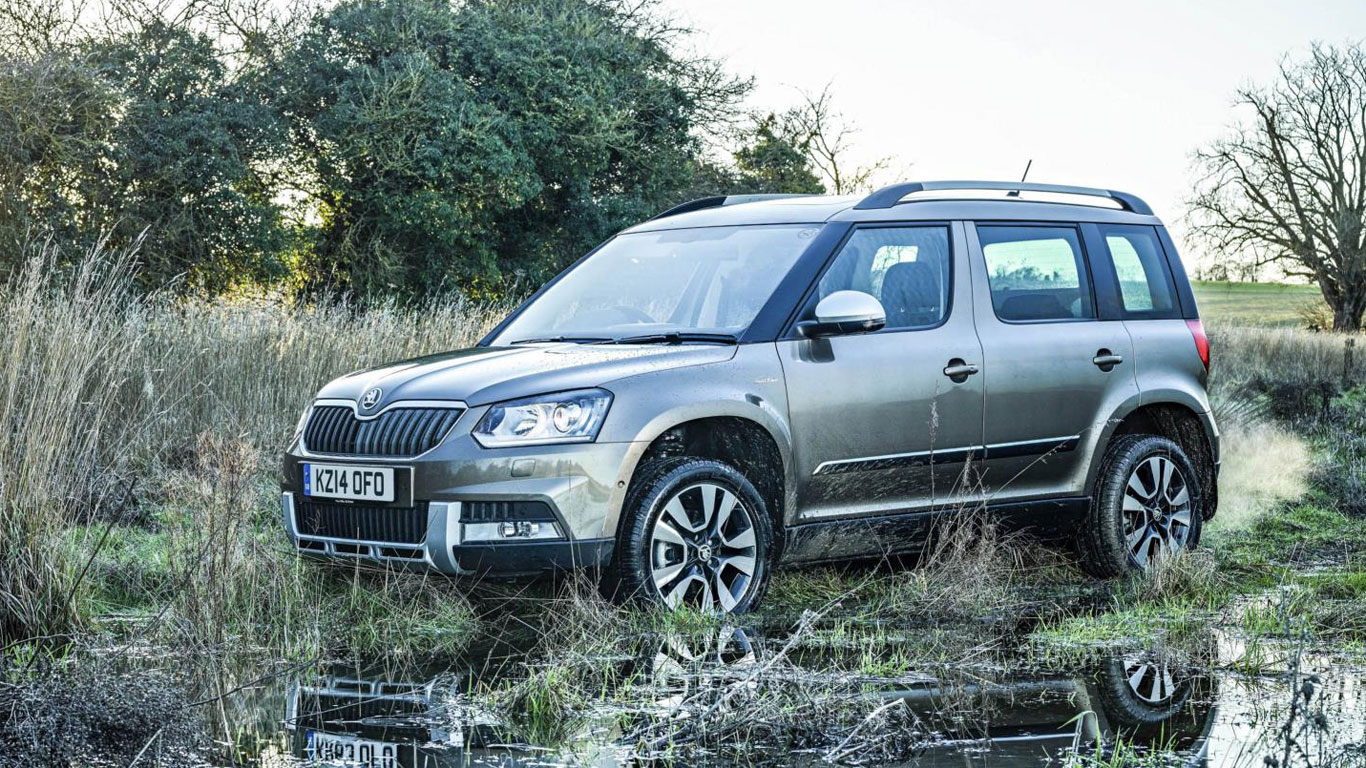
1. Skoda Yeti: £456.49

Revealed: the cheapest cars to insure

But it’s not the cheapest, because that accolade belongs to the now-departed Skoda Yeti. Another good reason to buy the quirky and brilliant Yeti, as if you needed an excuse.

Read more:

Advertisement

Rocket man: Rare Elton John Aston Martin up for auction

0

Rocket man: Elton John's rare Aston Martin up for auction

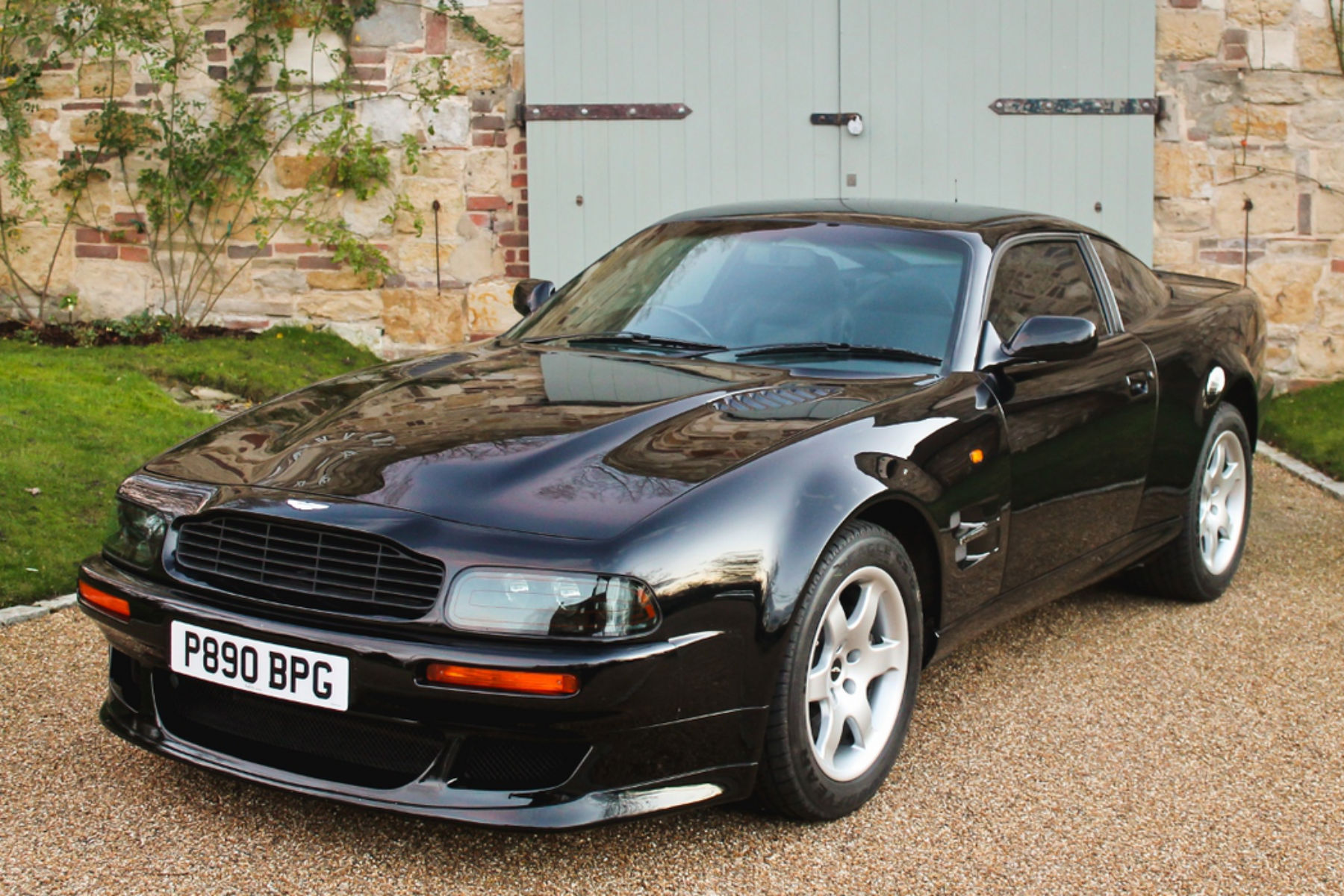
A 1997 Aston Martin V8 Vantage V550 ordered new by Sir Elton John will face the gavel at the Silverstone Auctions Race Retro classic car sale next month.

Showing less than 10,000 miles, auctioneers reckon this rare Aston could make as much as a quarter of a million at auction.

Based on the Virage coupe, the V550 nameplate was a nod to the 550bhp (558hp) twin-supercharged 5.3-litre V8 engine that took the two-tonne car to 60mph in 4.6 seconds and on to a 186mph top speed.

One of the last Astons to be hand-built at Newport Pagnell, Elton is said to have ordered it himself and had it built to his specification. Finished in black with a black leather interior, it’s one of just 239 V550s sold around the world, making it one of the most desirable supercars of its time.

“Sir Elton is a global superstar and is still making headlines around the world, so it’s a pleasure to offer for sale this Aston Martin that he ordered new back in 1997,” said Silverstone Auctions’ classic car specialist, Adam Rutter.

“As well as enjoying celebrity ownership, this stunning V8 Vantage has been maintained regardless of expense and has a mere 8,663 miles on the clock, that’s equivalent to being driven about 400 miles only a year.”

With such a low mileage, Elton must have hardly used his ultra-desirable Aston. Indeed, the auctioneers say it still has a ‘new car’ smell, helped no doubt by the sumptuous wood (look at it!) and leather.

Chassis number #70174 has spent a lot of time at specialist Rikki Cann and comes with the original service book showing 19 stamps in total. The seller says more than £7,600 was spent on work on the Aston last year.

Rutter added: “Our Race Retro auction is a rare opportunity to own one of the last coach-built Aston Martins. If that wasn’t enough, then throw in the fact it was ordered new by Sir Elton John and you have a truly special car.”

Watch: Jeremy Clarkson drives an Aston V8 Vantage V550

Read more:

Advertisement

New Kia Ceed confirmed for Geneva 2018

0

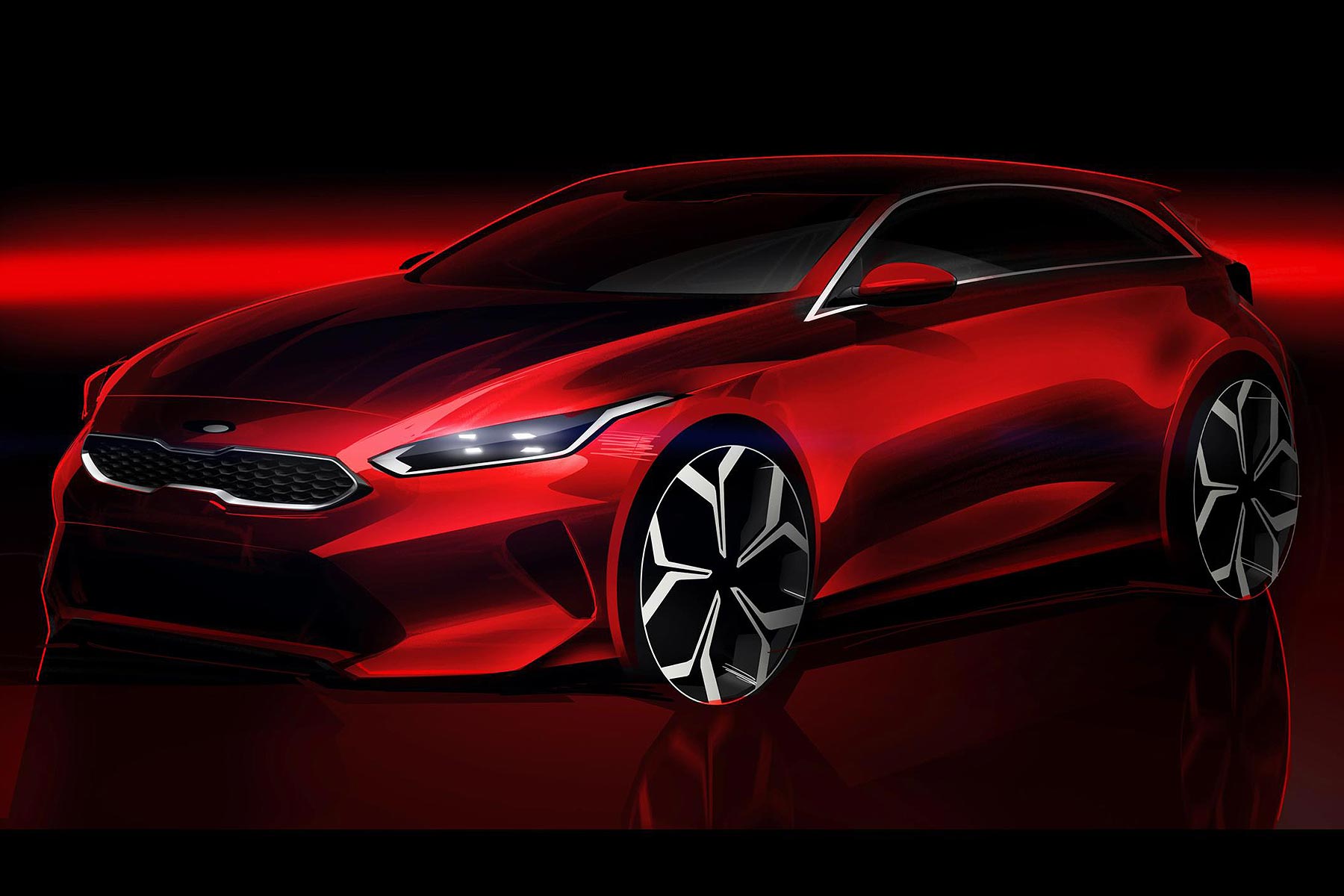
2018 Kia Ceed teaserKia has confirmed the new 2018 Ceed will make its world debut at the Geneva Motor Show in March. The European-designed car will be shown in five-door hatchback guise, plus “a second member of the Ceed family”.

It’s not yet clear what this second variant will be: Kia is dropping the slow-selling Pro_Cee’d three-door. Early rumours indicate the Geneva surprise could be a Kia Stinger-inspired fastback or shooting-brake style model: sister company Hyundai has recently rolled out a fastback version of its i30 hatchback.

Kia says the new Ceed hasn’t just been designed in Europe, but has been fully developed and engineered here too. Indeed, Kia says it’s been honed exclusively for Europe’s more challenging roads. Buyers are thus promised a more engaging drive, new engines and some innovative new tech.

The i30 offers 120hp 1.0-litre turbo and 140hp 1.4-litre turbo petrol engines, both of which will also be available in the new Ceed. The 1.6-litre turbodiesel will also be upgraded, and there’ll be a choice of manual or DCT automatic gearboxes. 

It’s also going to be simpler to write: at last, Kia has dropped the apostrophe from the name – so Cee’d becomes Ceed. Few got it right anyway, and the firm has at last banished two generations of irritation with this third-generation model.

Kia has reminded us what Ceed actually stands for, too: Community of Europe, with European Design. We hope it’s thus just a coincidence that European left-hand drive sales have been confirmed to begin in Q2 2018, but the UK on-sale date is currently simply to “be announced in due course”…

Also read: 

Advertisement

You can now pay for BP fuel with your smartphone

0

BPmeBP has become the latest fuel retailer to launch a smartphone app-based payment system, called BPme. The system is already live in more than 500 BP filling stations and the firm is targeting nationwide rollout by the spring.

Instead of visiting the filling station shop to pay for fuel, or fiddling with pay-at-pump systems, the BPme tech allows hands-free payment entirely through the app. Before leaving the car, users select the pump they’re at, wait for a ‘Start Fuelling’ dialogue, and then can leave their phone in the car and do just that.

The firm joins Shell in offering app-based payment tech: the Shell Fill Up & Go system was launched in 2017.

BPme

BP says the app will “give our customers a little bit of time back” and, says its UK head of retail Nicola Grady Smith, is a particular boon for parents who may not want to leave their children alone in the car while they go to pay for fuel.

Offered on both Android and Apple iOS, the app works by storing the user’s payment card details (and also their Nectar card, if they wish). The app will locate nearby BP filling stations and can route them to it via navigation apps including Waze, and BP says it will function even if only 3G signal is available.

“BPme has been designed to minimise data and battery usage,” adds the firm. And, for safety reasons, it “can only be used inside a vehicle”.

BP has, however, not changed its policy on using smartphones outside of cars on filling station forecourts – the practice is still prohibited. But this could be subject to change in the future, hinted BP bosses, if and when expert guidance is revised. Today’s smartphones, said one exec, are much safer than older handsets…

For now, though, UK filling station practices are similar – if you’re spotted on your phone while filling up, the fuel pump will be cut off and you’ll be given a stern warning… 

Filling stations apps – download here

Apple iOS

Google Play (Android)

Advertisement

Renault slashes its UK warranty for new cars

0

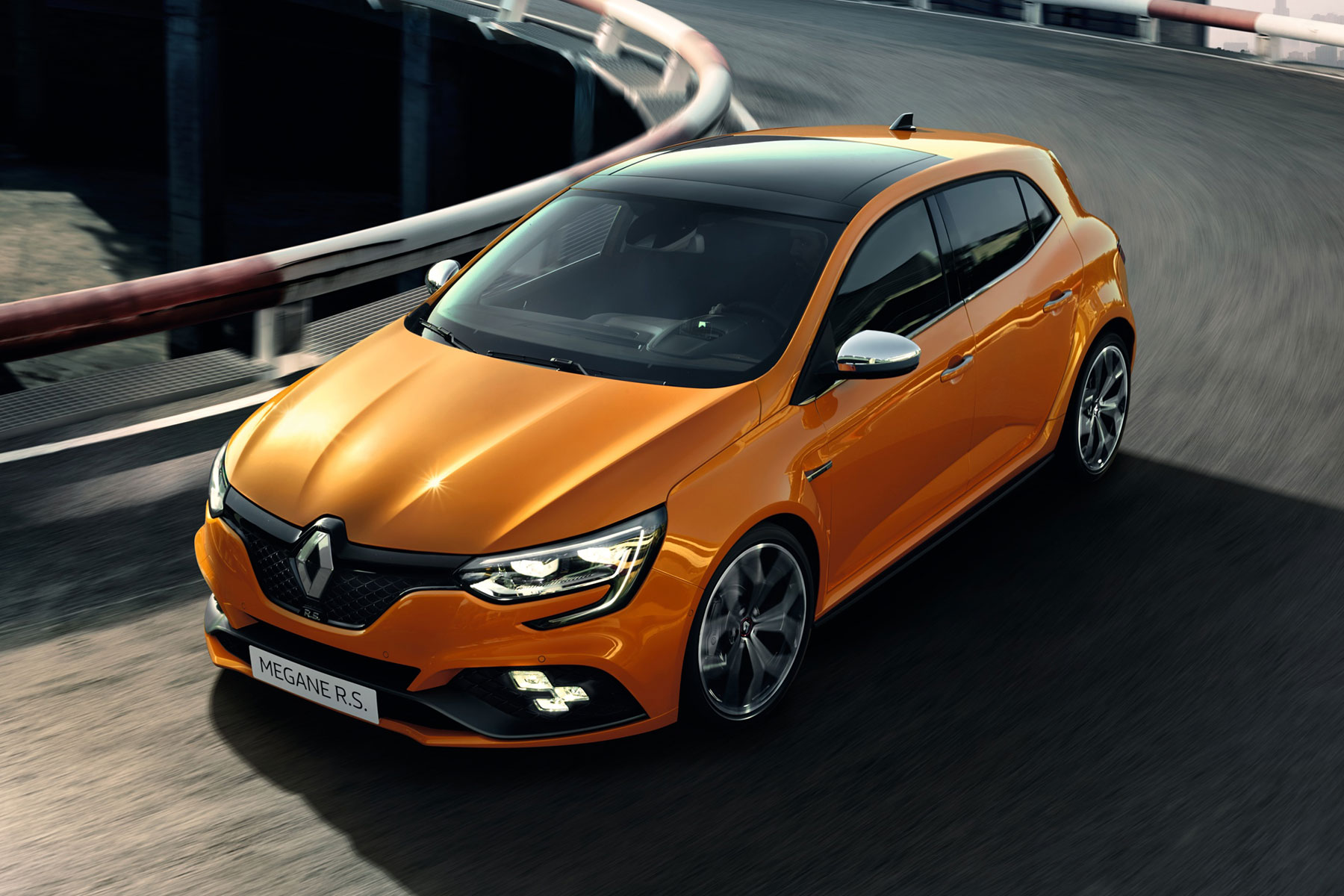
Renault Megane RSRenault has cut its UK new car warranty from four years to three, with the change kicking in for all cars and vans ordered from 1 February 2018. The standard warranty deal is now three years and 60,000 miles, or three years and 100,000 miles for the Renault Zoe EV and Koleos SUV.
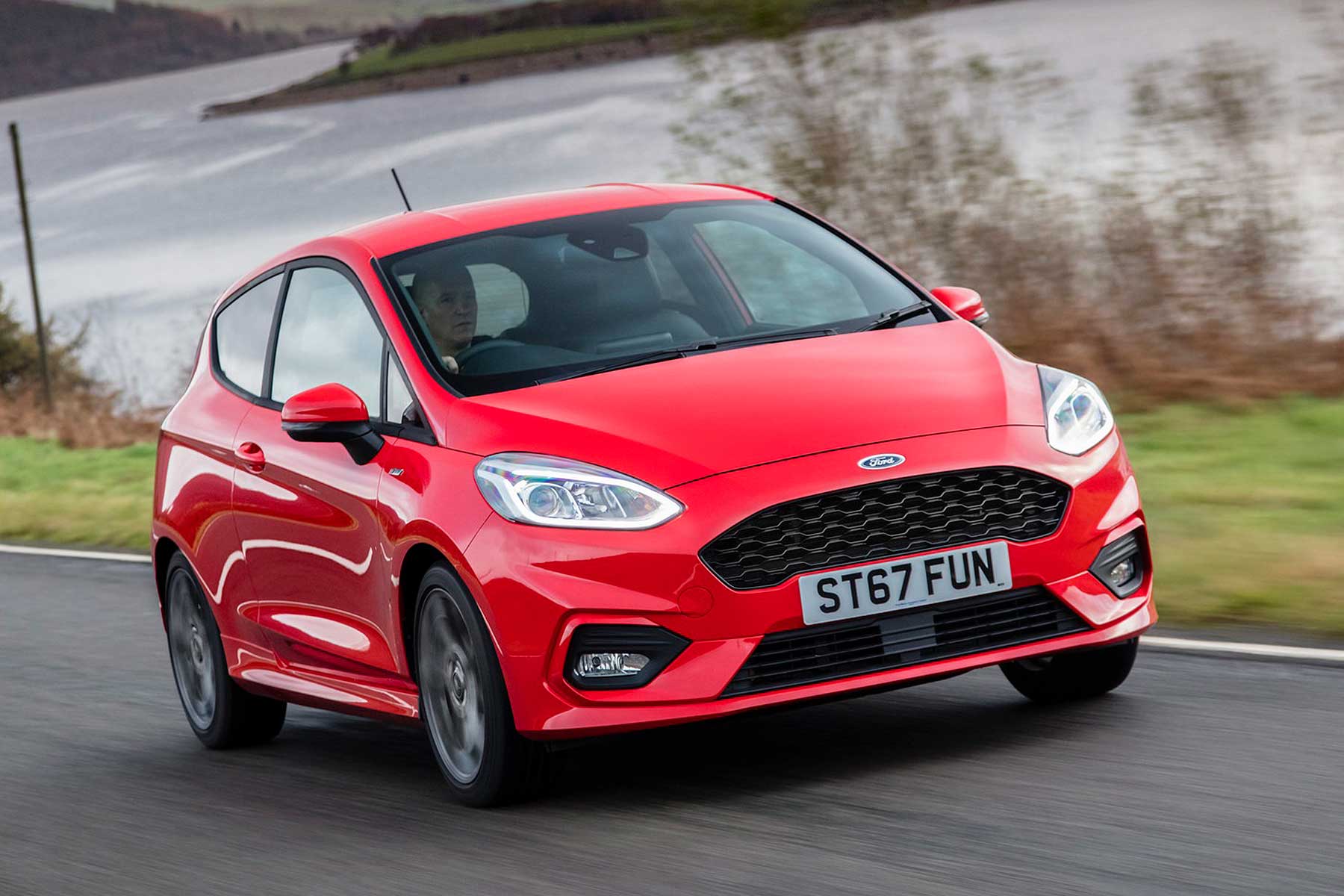
The firm has given new car buyers something in return, though. A new EasyLife Pack is now offered on all new Renaults: it’s a £99 add-on that includes three years’ free servicing.

Renault says this will potentially save owners more than £500 over three years.

It’s transferrable too, so if they sell the car (or trade it in early through a PCP upgrade), the new owner can still benefit from the free servicing deal.

Renault UK MD Vincent Tourette says the EasyLife Pack “will help customers save money on their servicing, manage future costs and ensure their vehicle is maintained by authorised, trained and professional staff in one of our nationwide retailers”. It will be accepted in all 160 Renault UK dealers.

The firm is making the move because so many new car buyers use three-year PCP deals, meaning the perceived benefits of an extended warranty are diminishing. Cheaper running costs are of greater interest – hence the appeal of Renault’s free servicing pack.

And for those upset by losing the fourth year of warranty, Renault will let customers add it back on, along with an extra year of roadside assistance, for £300. Four years’ servicing and warranty costs £400, and a full four-years servicing, warranty and roadside assistance pack is £500.

As with the £99 EasyLife Pack itself, these costs can be added to the finance agreement, so buyers don’t have to fork out for them upfront.

Read more:

Advertisement

New car registrations down 6.8 percent in January 2018

0

New car registrations down 6.8 percent in January

Data released this morning reveals that the UK’s new car market fell by 6.8 percent in January compared to the same period last year.

The Society of Motor Manufacturers and Traders (SMMT) reports that 163,615 cars were driven off forecourts in January – with diesel being the hardest hit.

Fewer than 59,000 diesels were registered last month compared to 78,905 in January 2017 – something the SMMT describes as ‘concerning’.

“The ongoing and substantial decline in new diesel car registrations is concerning, particularly since the evidence indicates consumers and businesses are not switching into alternative technologies, but keeping their older cars running,” said SMMT chief executive Mike Hawes.

“Given fleet renewal is the fastest way to improve air quality and reduce CO2, we need government policy to encourage take up of the latest advanced low emission diesels as, for many drivers, they remain the right choice economically and environmentally.”

The organisation says the figures illustrate the importance of diesel cars and engines to the UK economy. Last year, more than two in five of the cars leaving British production lines were diesels, while manufacturers also produced more than 1 million engines – directly supporting some 3,350 jobs and, combined with the UK’s petrol engine output, delivering some £8.5 billion to the economy.

The sale of alternatively-fuelled cars, including hybrid and electric vehicles, increased by 23.9 percent from 7,279 to 9,020. They now account for a market of share of 5.5 percent.

Data of the best-selling cars in January reveals that the new Ford Fiesta is proving to be a hit with buyers – with nearly twice as many registered compared to the Volkswagen Golf, which sits in second place. Curiously, the once-popular Vauxhall Corsa has dropped to eighth place.

The best-selling cars in January 2018

Car model Number registered
Ford Fiesta 8,335
Volkswagen Golf 4,310
Ford Focus 4,105
Nissan Qashqai 3,851
Vauxhall Mokka X 3,767
Mercedes-Benz A-Class 3,358
Kia Sportage 2,622
Vauxhall Corsa 2,587
Ford Kuga 2,580
Mercedes-Benz C-Class 2,478

Read more:

Advertisement

New 2018 Mercedes-Benz A-Class: 11 things you need to know

0

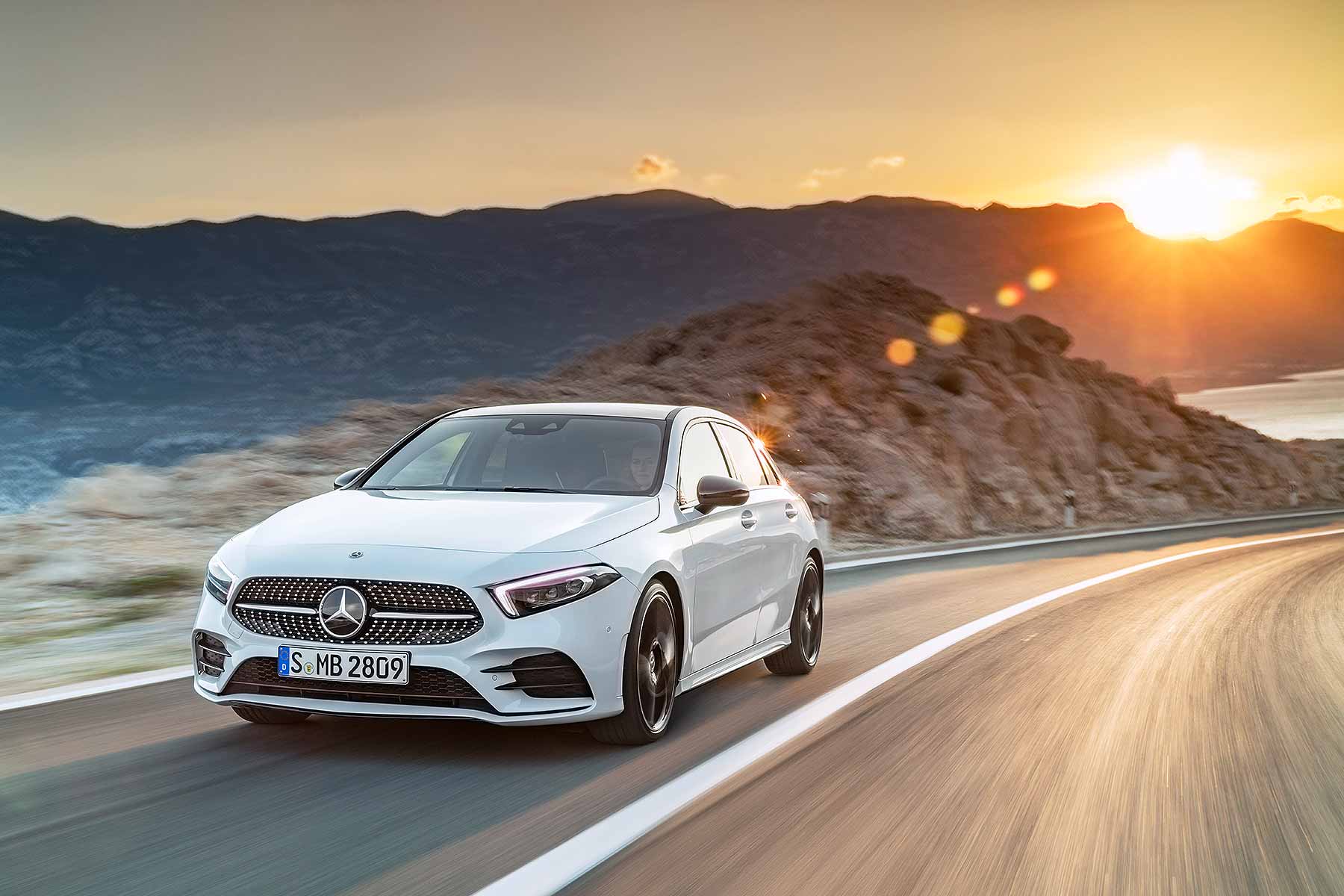
New 2018 Mercedes-Benz A-ClassThe new fourth-generation Mercedes-Benz A-Class has been revealed. The firm is bullish, saying it redefines modern luxury and revolutionises interior design in the compact class; ordering opens in March and deliveries begin in the spring.
The new A-Class is bigger than before, with a 370-litre boot now just 10 litres shy of a Volkswagen Golf. It’s easier to get in and out of – particularly in the rear – and easier to see out of as well. Naturally, it’s safer than ever, with S-Class-grade safety assist tech available, while comfort options include climate-controlled massaging front seats, 64-colour ambient lighting (including illuminated air vents) and semi-autonomous driving functionality.

Engines are all-new. The 1.4-litre (actually, 1,332cc…) M282 motor sounds the star of the show: it has cylinder deactivation, produces up to 167hp when they’re all activated, and should return diesel-like economy. The M260 2.0-litre puts out a handy-sounding 224hp and the OM608 1.5-litre turbodiesel produces a meagre-sounding 116hp but is bound to deliver good economy, low CO2 and, thanks to standard AdBlue NOx-reducing tech, ultra-low exhaust nasties. It will be a star of the new WLTP fuel economy rules.

What else is standout about the new A-Class, though? Here are 11 things you need to know.

1. The new Mercedes-Benz A-Class is the first Merc not to have a cowl atop the dash. Instead, the dash ‘wing’ stretches from side-to-side, with the freestanding screens sitting proud on top.

2. Even the basic A-Class has twin 7-inch colour displays. The next one up has a 7-inch and a 10.25-inch display; the range-topper has dual 10.25-inch displays (that’s 26cm), housed under a single piece of glass. The central display is touchscreen, for the first time – you can pinch-zoom maps, like you do on a tablet device or smartphone.

3. The choice of ambient lighting colours has increased fourfold, from 12 to 64. To help you find the perfect hue, Mercedes-Benz has preassigned 10 colour ‘worlds’, delivering “an avant-garde lighting display with spectacular colour changes”.

4. The new MBUX (Mercedes-Benz User Experience) multimedia system has artificial intelligence (AI). If you always listen to PM on Radio 4, it will learn this, and suggest it to you at around 16.50 each weekday. It will learn who you regularly call and when, and pre-empt this for you. If you regularly drive a route, it will pop this up as a suggestion on the home screen: all you need to do is accept. It’s going to be quite uncanny.

5. It has voice control. Shout, “hey, Mercedes!” and you can fire instructions to your A-Class like you do your Amazon Alexa device.

6. It has a Cd drag factor of just 0.25. This is very aerodynamically slippery indeed – the best in its sector, in fact.

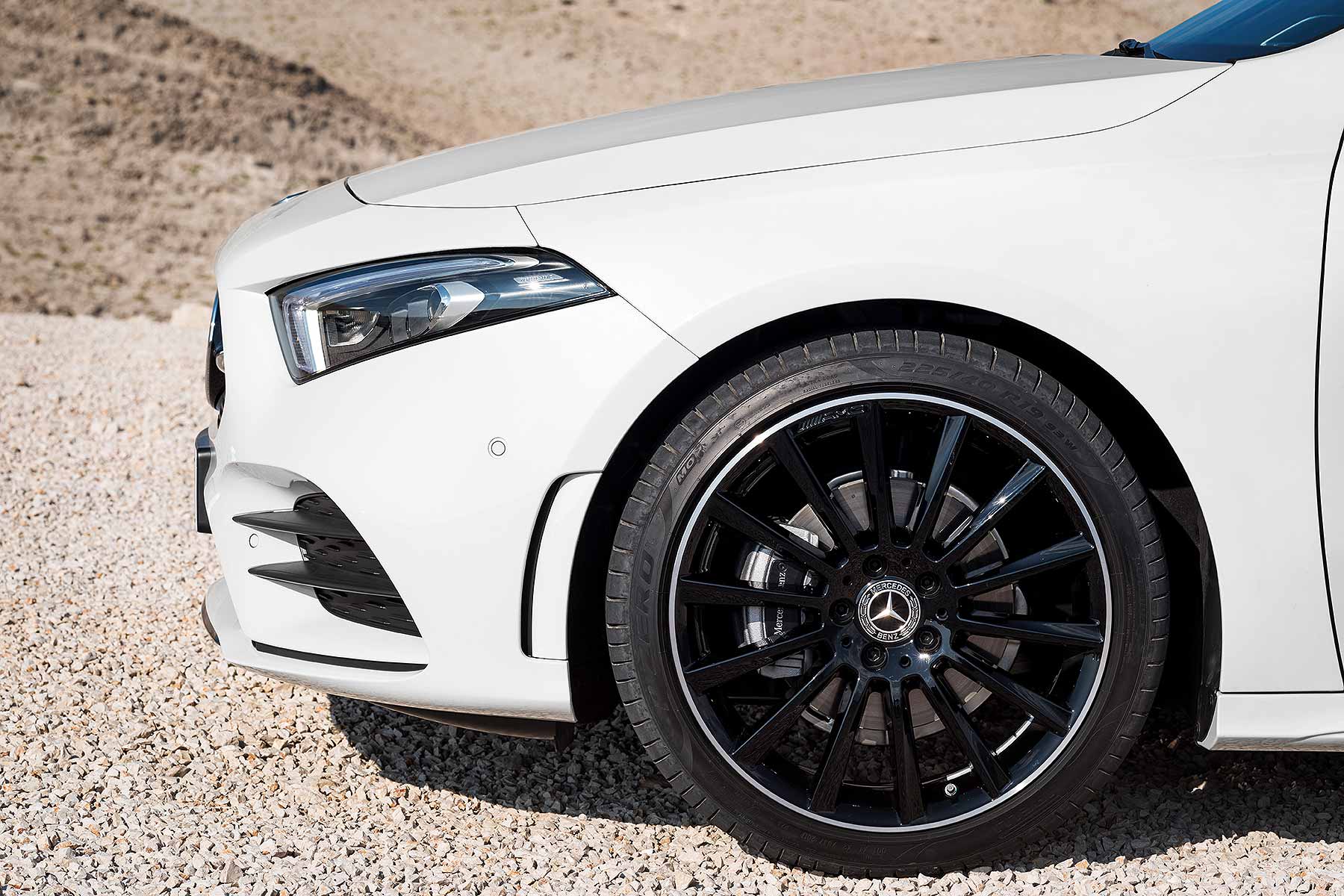
7. Even the smallest alloy wheel is 16-inches. The largest goes up to 19 inches. Will the future Mercedes-AMG A-Class nudge into the 20″s?

New 2018 Mercedes-Benz A-Class

8. Three engines will be offered at launch: the A 200 is a 1.33-litre, the A 250 is a 2.0-litre and the A 180 d is a 1.5-litre. The A200 does up to 55.3mpg when fitted with the 7G-DCT automatic, although only this auto version has cylinder deactivation functionality. It works on partial loads between 1,250rpm and 3,800rpm.

9. Mercedes-Benz has built a new Technology Centre for Vehicle Safety (TFS). The new A-Class is the first Merc to be developed there. Findings from real-life accidents have gone into it, helping optimise “every single bodyshell component… according to the loads and stresses encountered”.

10. Entry-level A 180 d and A 200, surprisingly, have basic (and cheaper) torsion beam rear suspension. Only A 250 and all 4MATIC models have a more advanced four-link independent rear suspension. You can get three types of dampers though: comfort, ‘sports comfort) lowered by 15mm, and active damping.

11. Mercedes-Benz has spent four years developing the new A-Class. It’s covered 12 million test kilometres, with “a few hundred” test cars covering miles in 10 countries (the UK was, sadly, not one of them).

And finally…

Mercedes-Benz surprisingly mentions the “Elk test” in its launch information for the new A-Class. The car “soon attracted criticism” following its 1997 launch, it says: “because an A-Class overturned… and Mercedes-Benz responded: the A-Class was given a revised suspension system and ESP as standard”. The firm, it says, duly raised the safety of compact cars and “put its stamp on the whole industry. It started the success story that is the A-Class.”

Advertisement