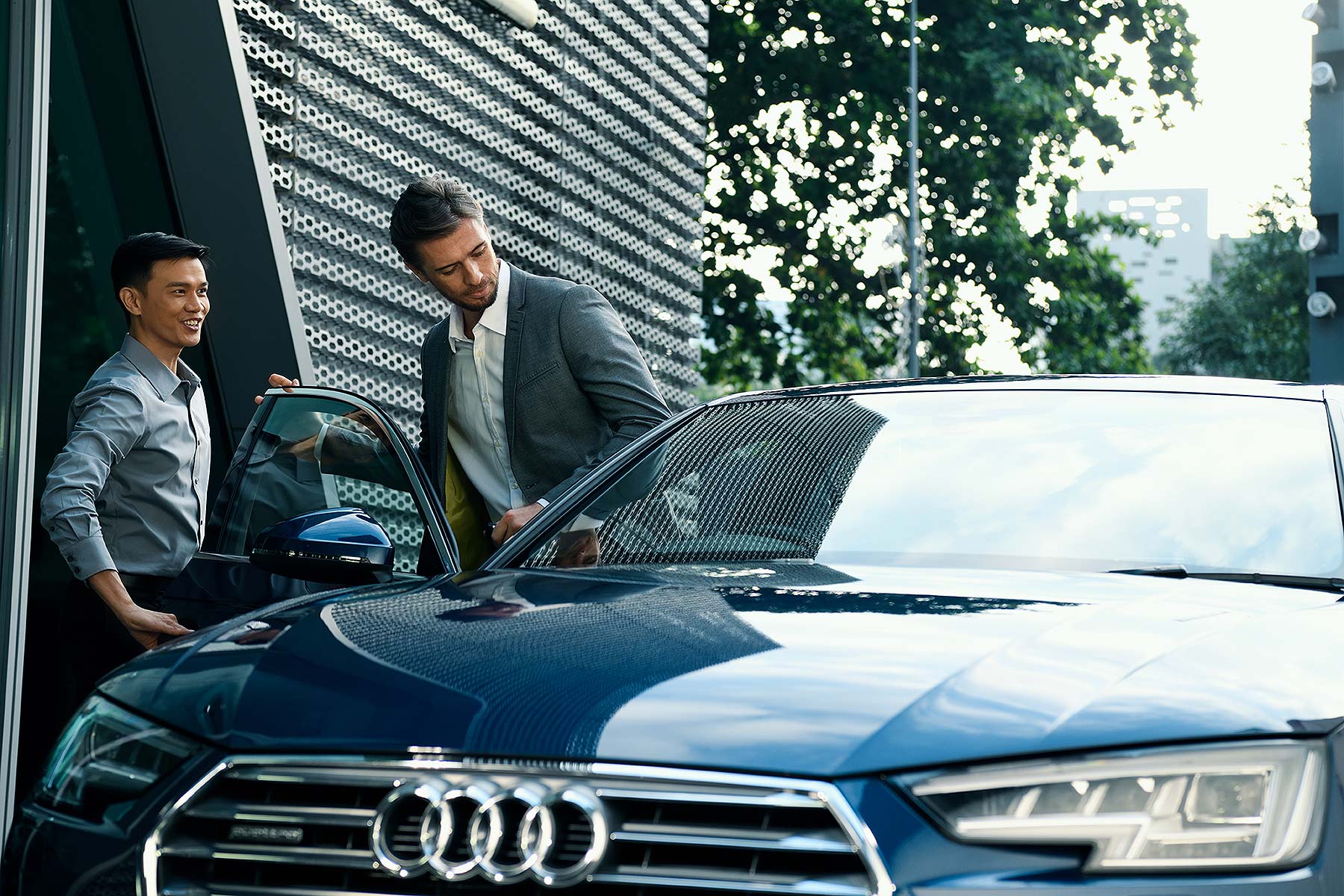
Like the idea of driving a new Audi, but don’t want to commit to buying one? The launch of the Audi On Demand ‘mobility service’ in the UK is your answer.
With prices starting from £70 a day (they range up to £190), motorists can rent an Audi for periods as brief as one hour, up to 28 days. The fee covers everything – including fully comprehensive insurance and roadside assistance – and there’s no mileage limit.
Delivery and collection are free within a 30-mile radius of an Audi dealer, and renters can also collect from the showroom itself.
At the moment, it’s only Audi Manchester (in Oldham) that’s offering the Audi On Demand car rental service, but others will soon follow. Edinburgh and Glasgow are launching this week, with Newcastle, Birmingham and London all launching in 2018.
Longer-term, Audi plans to take the scheme nationwide.
How does it work? First, register on www.uk.audiondemand.com, says the firm. If you’re eligible, you can then choose from a “continually expanding” menu of cars that currently includes:
Audi A1
Audi A3
Audi A4
Audi A5
Audi Q3
Audi Q5
Customers at selected locations will also find they can try an Audi A5 Cabriolet, Audi S3 or Audi A5.
To take delivery of the car, customers need to show a custom QR code, plus photo ID and a valid driving licence. And that’s it – then drive away in a brand new Audi for as long as your loan agreement says.
“Audi On Demand is the premium mobility service with a difference,” said Audi UK director Andrew Doyle. “The traditional model of ownership is constantly evolving and this innovative concept firmly puts Audi UK ahead when it comes to meeting customer demand and transforming into a digital premium car company.”
There are plans to launch a service for business customers in 2019, and roll out yet more mobility products “based around the same mantra of customer flexibility and convenience”.
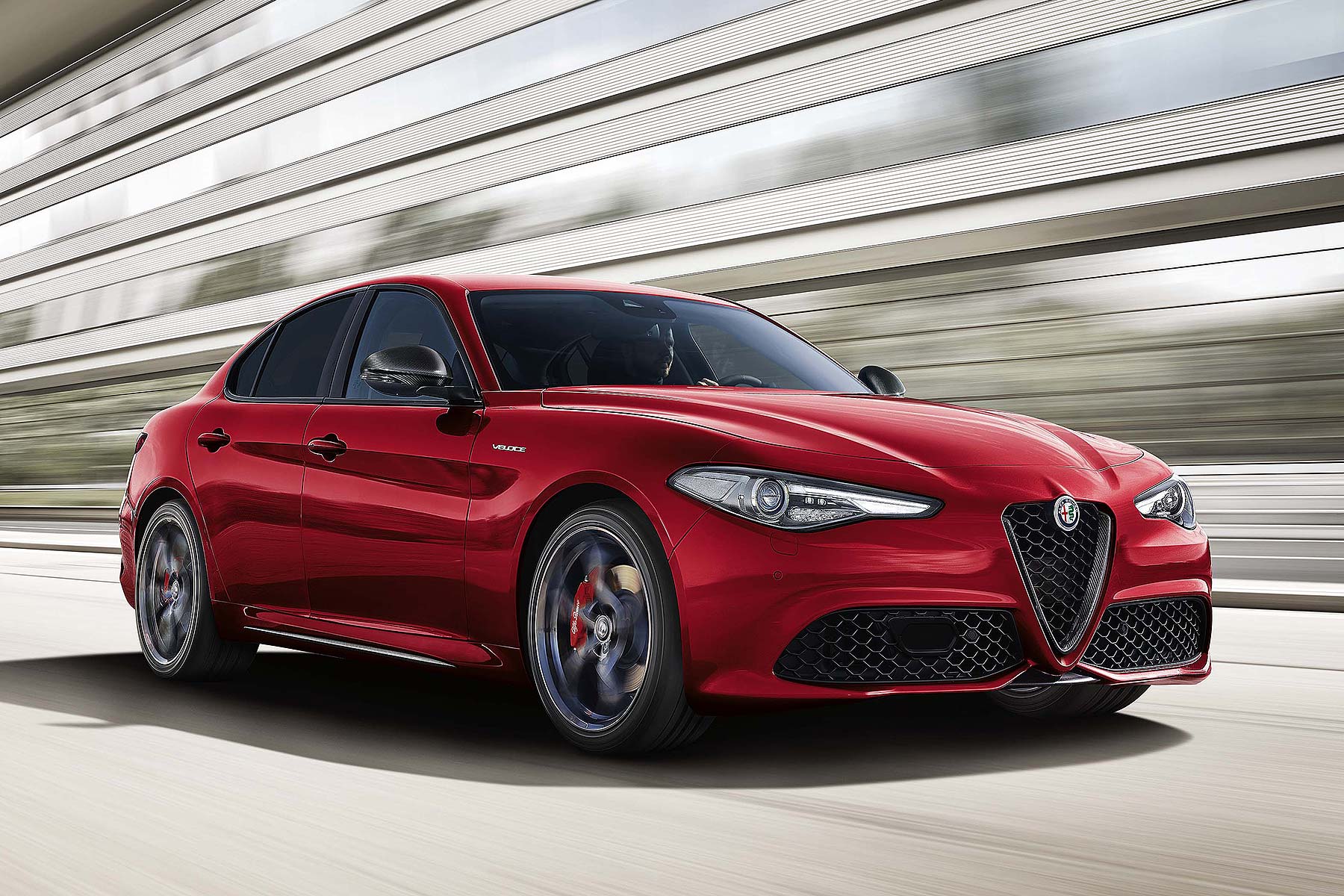
Alfa Romeo is upgrading the Giulia and Stelvio range in time for the September 2018 registration change, with cleaner Euro 6D ‘WLTP-compliant’ engines, new trims, and the introduction of both Apple CarPlay and Android Auto across the range.
The top 40 cars available with Apple CarPlay in the UK
The smartphone-linking functionality is part of the 8.8-inch Alfa Connect infotainment system, which also includes standard sat nav on all models.
The Euro 6D upgrade sees AdBlue NOx reduction added to both 2.2-litre turbodiesels – and they both receive a 10hp power boost, so are rated at 160hp and 190hp respectively. In the Giulia, both claim 57.7mpg and CO2 emissions of 129g/km.
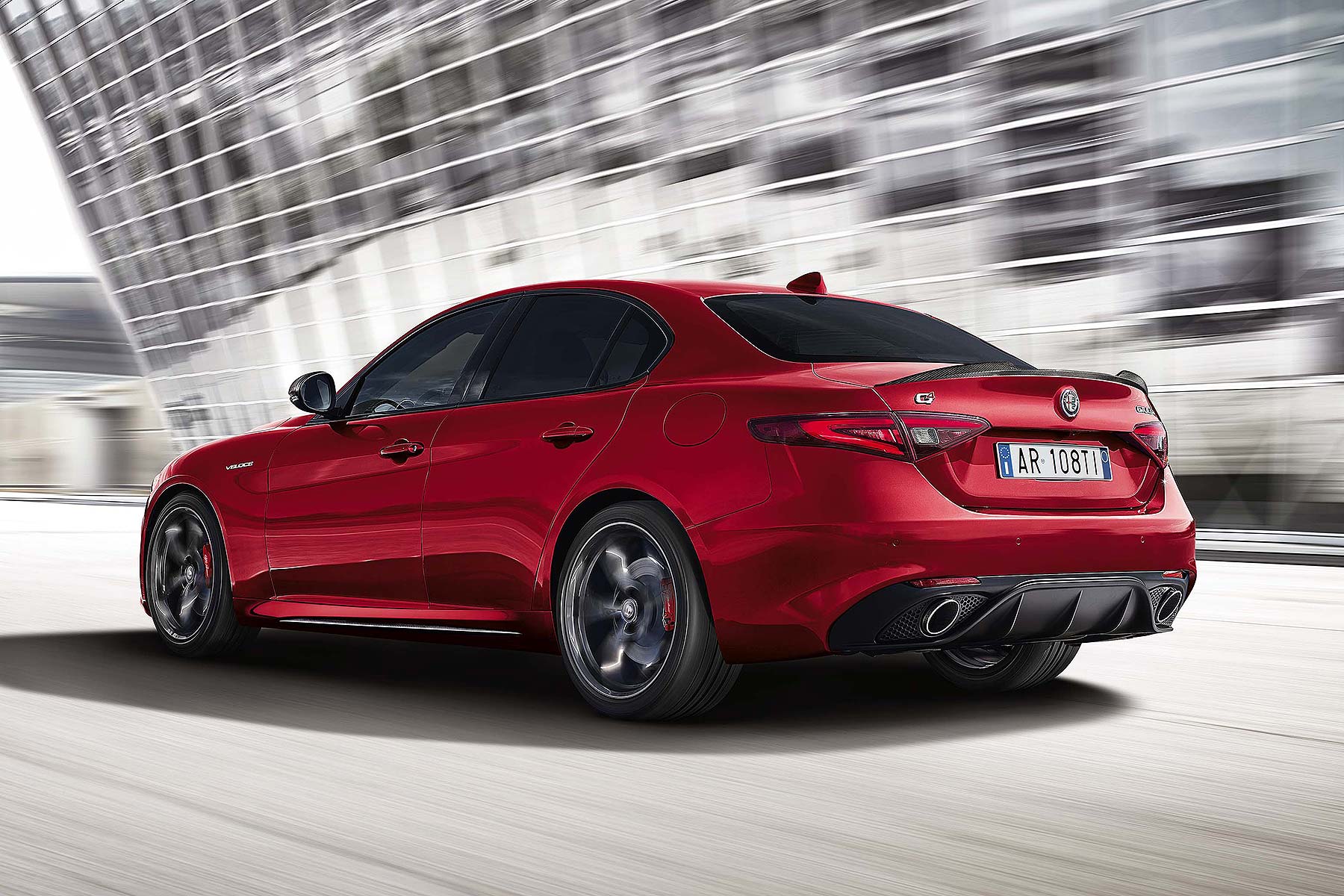
The 2019 model year Giulia range, which starts from £32,490, receives an equipment boost for individual models, too. Speciale versions have new 18-inch diamond-cut alloys, rear privacy glass and black brake calipers, while Veloce models get dark-finish five-hole 18-inch alloys, rear privacy glass and a standard auto-unlock Convenience pack.
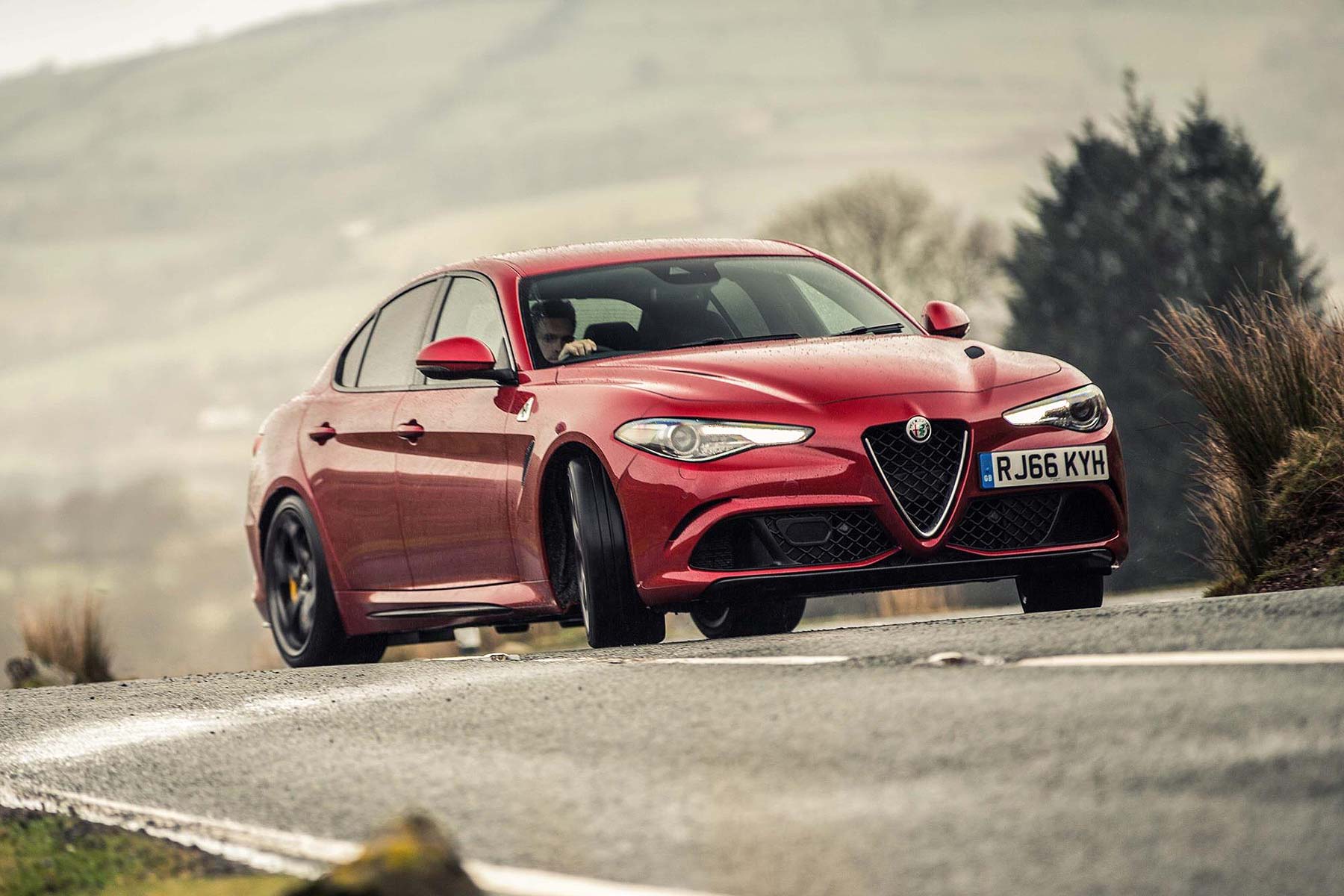
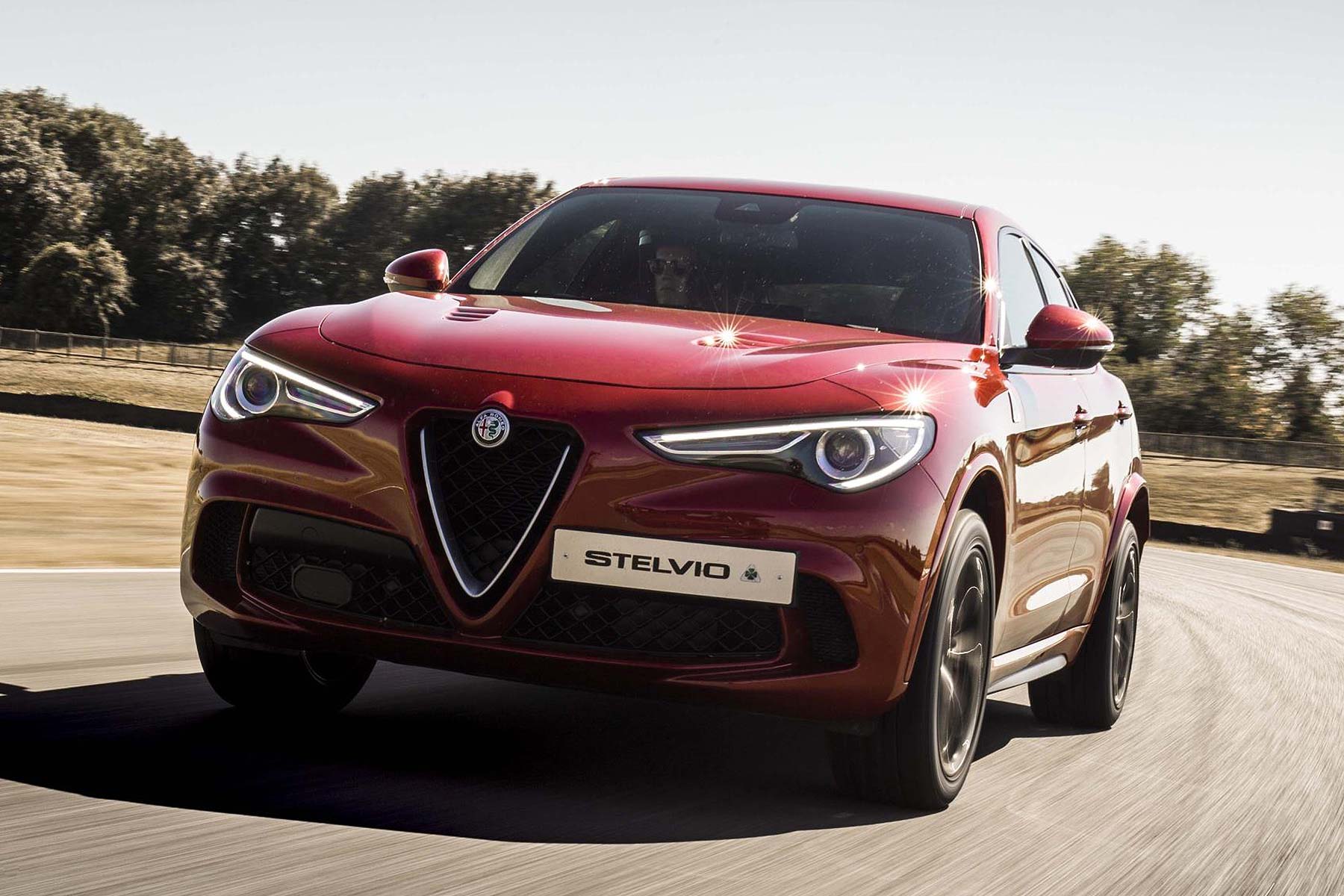
The fiery Quadrifoglio (pictured above) also gets rear privacy glass, along with anodised black brake calipers and, for the more practicality-minded, 20/20/40 split-fold rear seats with a third rear centre seatbelt.
Alfa has introduced a new model for the 2019 model year, called Giulia Veloce Ti. Priced from £45,500, this is aimed at mixing Quadrifoglio looks with more accessible (and affordable) Veloce 280hp 2.0-litre turbo petrol performance.
The Veloce Ti gets the 19-inch dark five-hole alloys previously reserved for the Quadrifoglio, plus carbon grille and door mirrors, red brake calipers and the choice of optional Competizione Red and Trofeo White. There’s a £1,650 Carbon Pack option too.
(Top tip for spotting it at a glance over the Quadrifoglio? The replacement of the ‘green cloverleaf’ shields on the front wings with a ‘Veloce’ badge – although it doesn’t get the flared arches of the QV, either…)
Inside, Quadrifoglio leather and Alcantara sports seats are fitted, plus carbon interior trim, leather dashboard, black rooflining and illuminated carbon door sills. A Quadrifoglio in all but engine – and the turbo four still does 0-62mph in 5.7 seconds, while also returning 40.9mpg instead of barely 30mpg…
And the 2019 Stelvio range? Priced from £36,990, Super models receive Michelin Crossclimate winter tyres, the Speciale has rear privacy glass and black brake calipers, and the Quadrifoglio gets rear privacy glass, anodised brake calipers and 20-inch five-hole alloys in silver.
Alfa also reminds us that its cars are now offered with a five-year, 75,000-mile warranty, which is backed up with three years’ free servicing and five years’ roadside assistance. A sign, perhaps, that modern Alfas now appeal to the head as well as the heart?
2019 Alfa Romeo Giulia prices
Price
Giulia 2.0 Turbo petrol 200hp Super
£32,490
Giulia 2.2 Turbo diesel 160hp Super
£33,140
Giulia 2.2 Turbo diesel 190hp Speciale
£36,990
Giulia 2.0 Turbo petrol 280hp Veloce
£38,975
Giulia 2.0 Turbo petrol 280hp Veloce TI
£45,500
Giulia 2.9 V6 Bi-Turbo 510hp Quadrigolio
£62,500
Giulia 2.9 V6 Bi-Turbo 510hp Quadrigolio NRING
£82,500
2019 Alfa Romeo Stelvio prices
Price
Stelvio 2.2 Turbo diesel 190hp RWD Super
£36,990
Stelvio 2.0 Turbo petrol 200hp AWD Super
£37,590
Stelvio 2.2 Turbo diesel 190hp AWD Super
£38,790
Stelvio 2.2 Turbo diesel 210hp AWD Speciale
£43,390
Stelvio 2.0 Turbo petrol 280hp AWD Speciale
£44,790
Stelvio 2.2 Turbo diesel 210hp AWD Milano Edizione
£45,090
Stelvio 2.0 Turbo petrol 280hp AWD Milano Edizione
A survey of 2,000 UK motorists by Citnow has uncovered the 10 best-loved features owners found in their cars.
These range from interior ‘easter eggs’ that surprise and delight, to genuinely useful features that we’re surprised aren’t seen more widely.
Let’s look at the list…
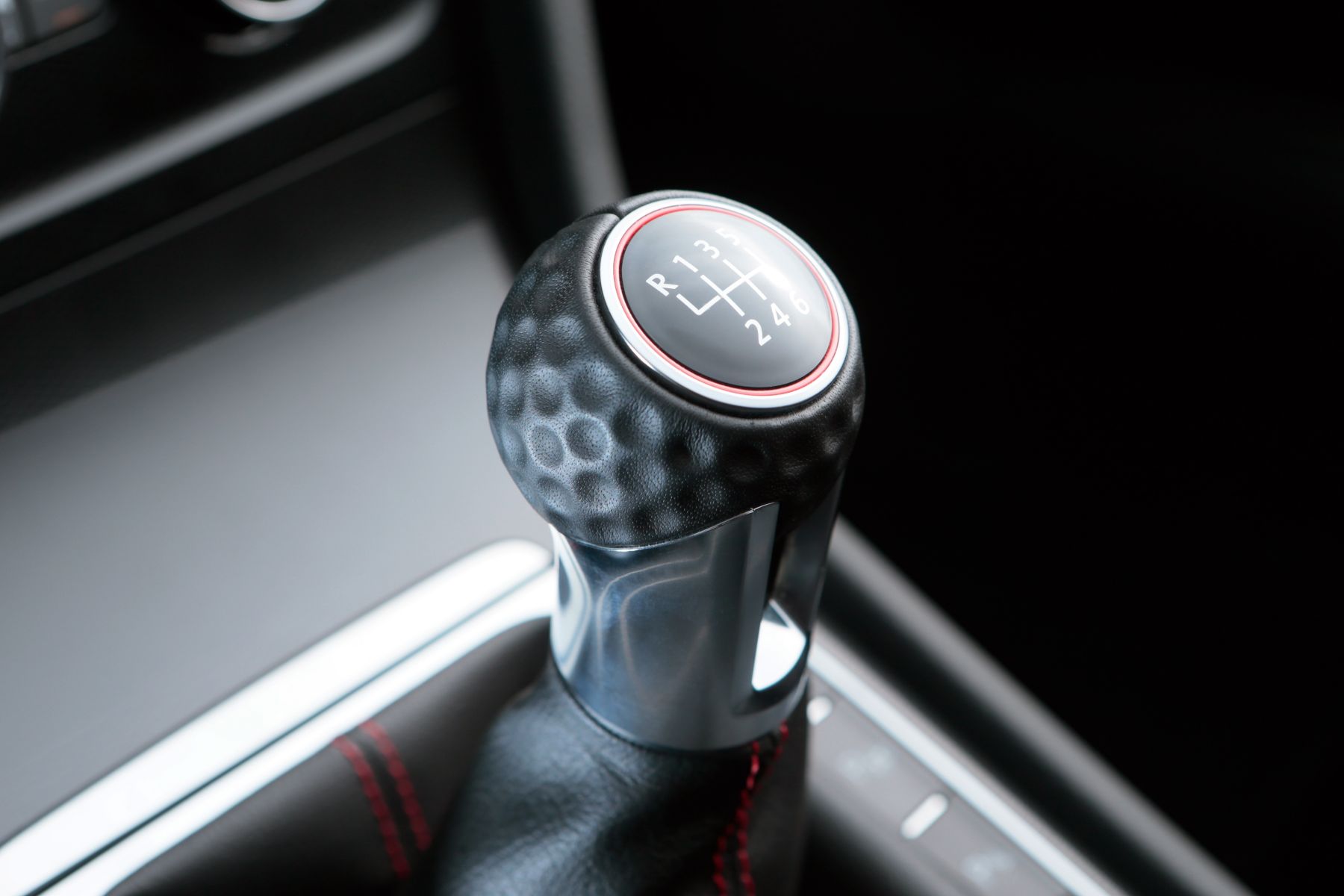
Volkswagen Golf GTI: golf ball gearknob
‘GTI’ is one of the most prestigious names in hot hatchery and by extension, one of the most revered badges on the road. Today, the Volkswagen Golf GTI is the perfect double act of genuine class-beating competency and fun throwbacks to GTIs of old. One example of the latter is the golf ball on the gearknob, which heads the list of best-loved features .
Volkswagen Beetle: flower vase
If you thought the golf ball shifter was a fun trinket, the Volkswagen Beetle and its dashboard vase will appeal. The ‘New Beetle’, when it arrived in 1997, aimed to distil the cultural phenomenon of the original in a contemporary package. Yes, even down to some flower power… Motoring meets botany, resulting in perhaps the weirdest feature of any car from the last 20 years. It makes number two on the list.
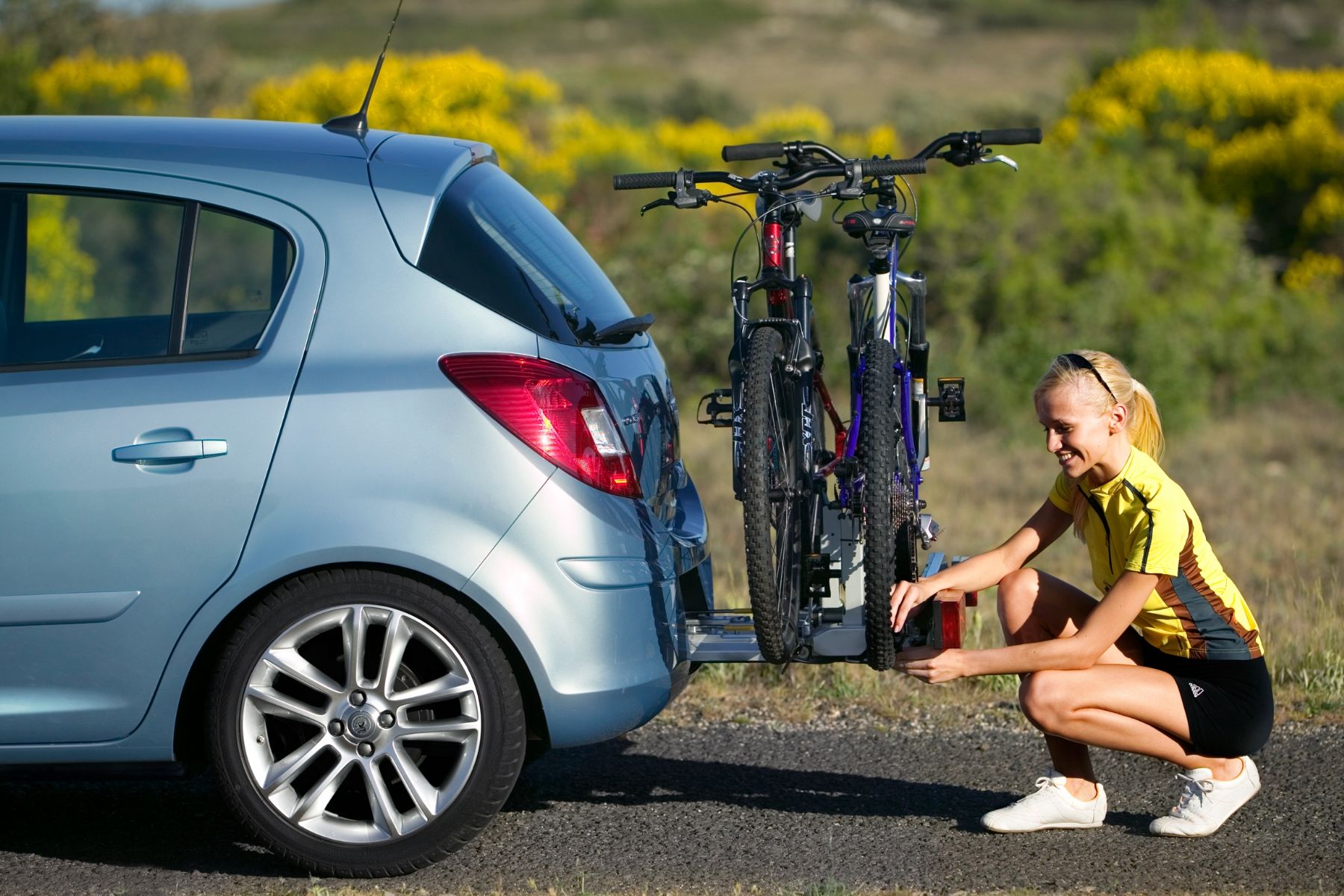
Vauxhall Corsa: Flexfix integrated bike rack
The Beetle’s vase can be best described as a gimmick that’s most useful when you’re without a place to store your pens. The Flexfix slide-out bike rack on the Corsa (available as far back as 2000) is of rather more use to more people. Clever packaging makes it third on the best-loved list.
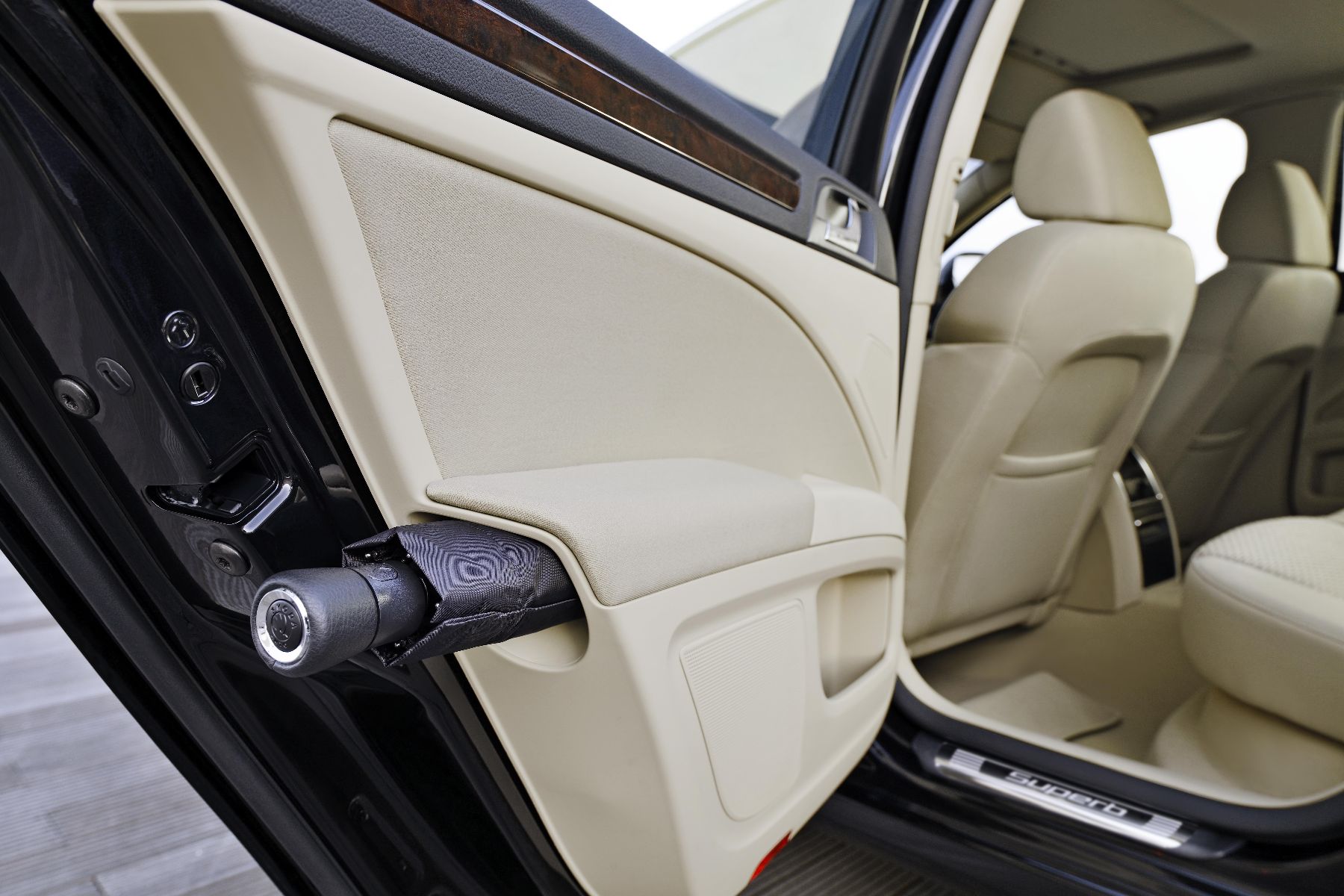
Skoda: integrated umbrella
This one, especially for Brits, is a no-brainer, and somthing you’ll find in both a Rolls-Royce and a Skoda Superb. The door-stored umbrella has to be a godsend whenever you park up in wet weather. The challenge is remembering that it’s tucked away there.
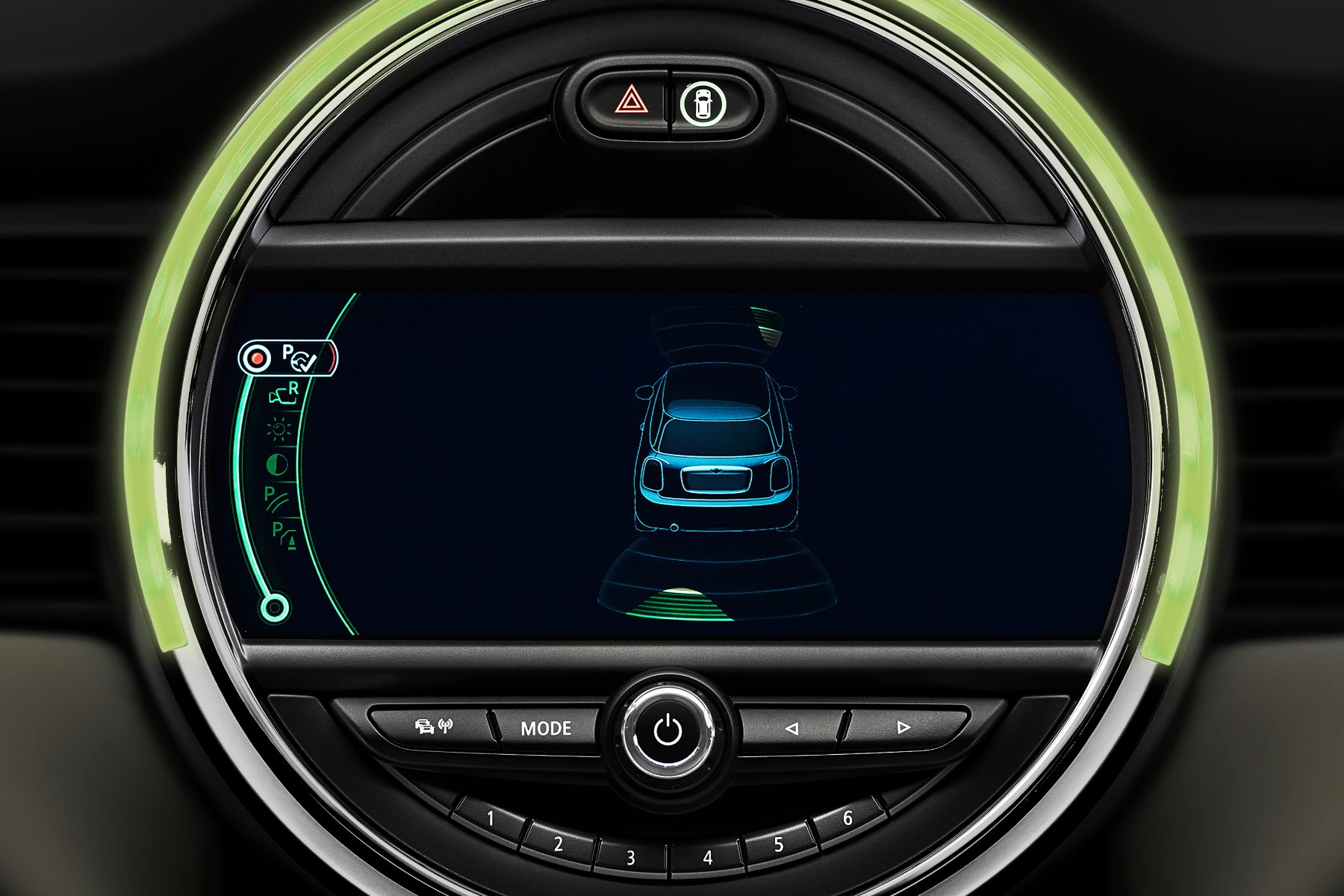
Mini: ambient lighting
In the coolness stakes, this is close to the top. Ambient lighting has proliferated throughout the car market, but the playful implementation in the Mini is rated one of the best-loved features by buyers.
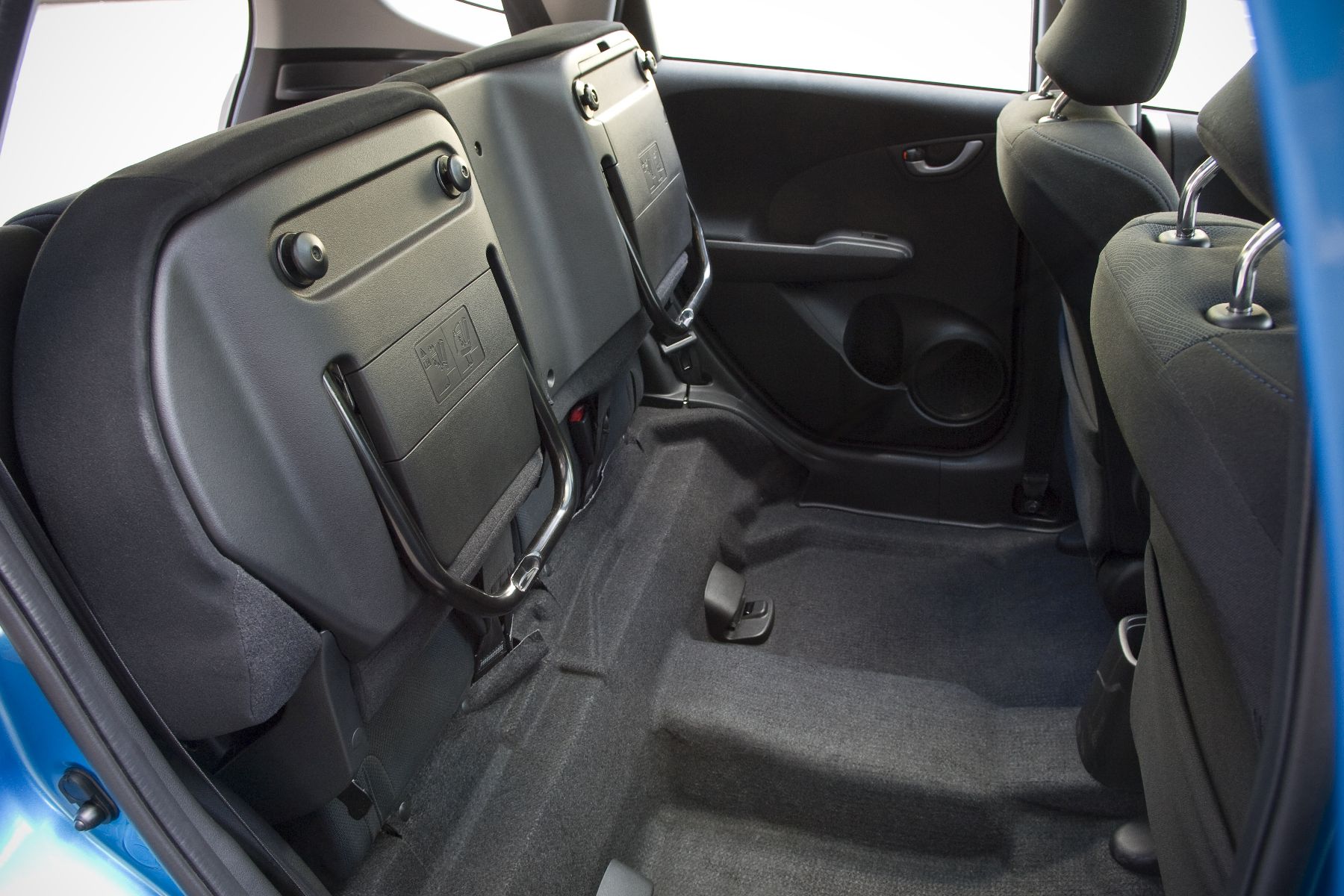
Heading the list of practical but not necessarily cool quirks are Honda’s ‘Magic Seats’. These flip-up rear seats, which create a floor-to-ceiling storage space, debuted on the Jazz in the early 2000s and eventually made their way onto the Civic. Unlike a lot of what’s on this list, they are a genuinely useful feature if your Jazz or Civic is thus equipped!
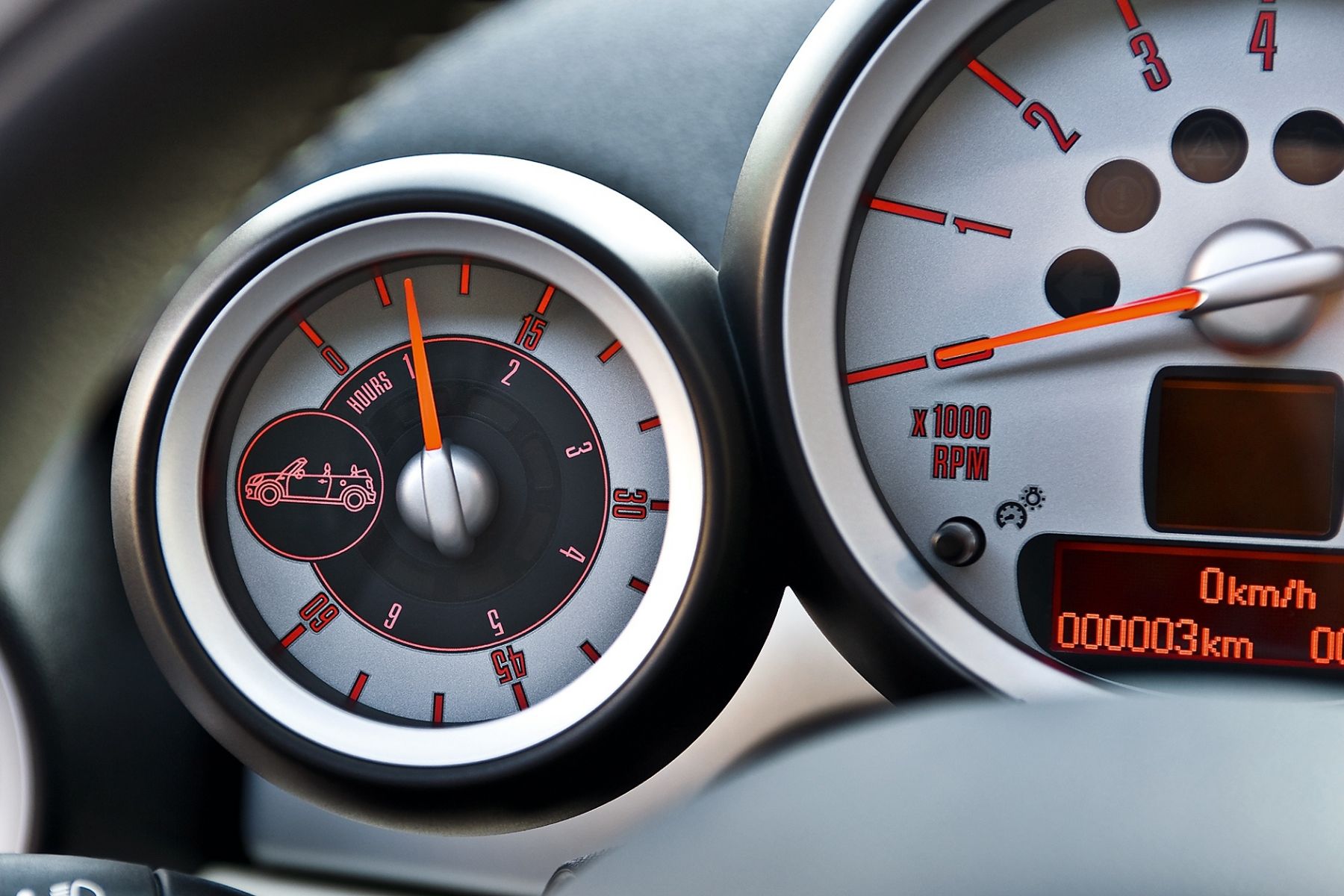
Mini Convertible: Openometer
Aaaaaand… we’re back to the gimmicks. It doesn’t get much sillier than the Mini Convetible’s ‘Openometer’. This gauge records the amount of time you have spent travelling with the roof down. At least you can say with the utmost certainty how much sunshine you’ve got, before deciding whether to buy another drop-top.
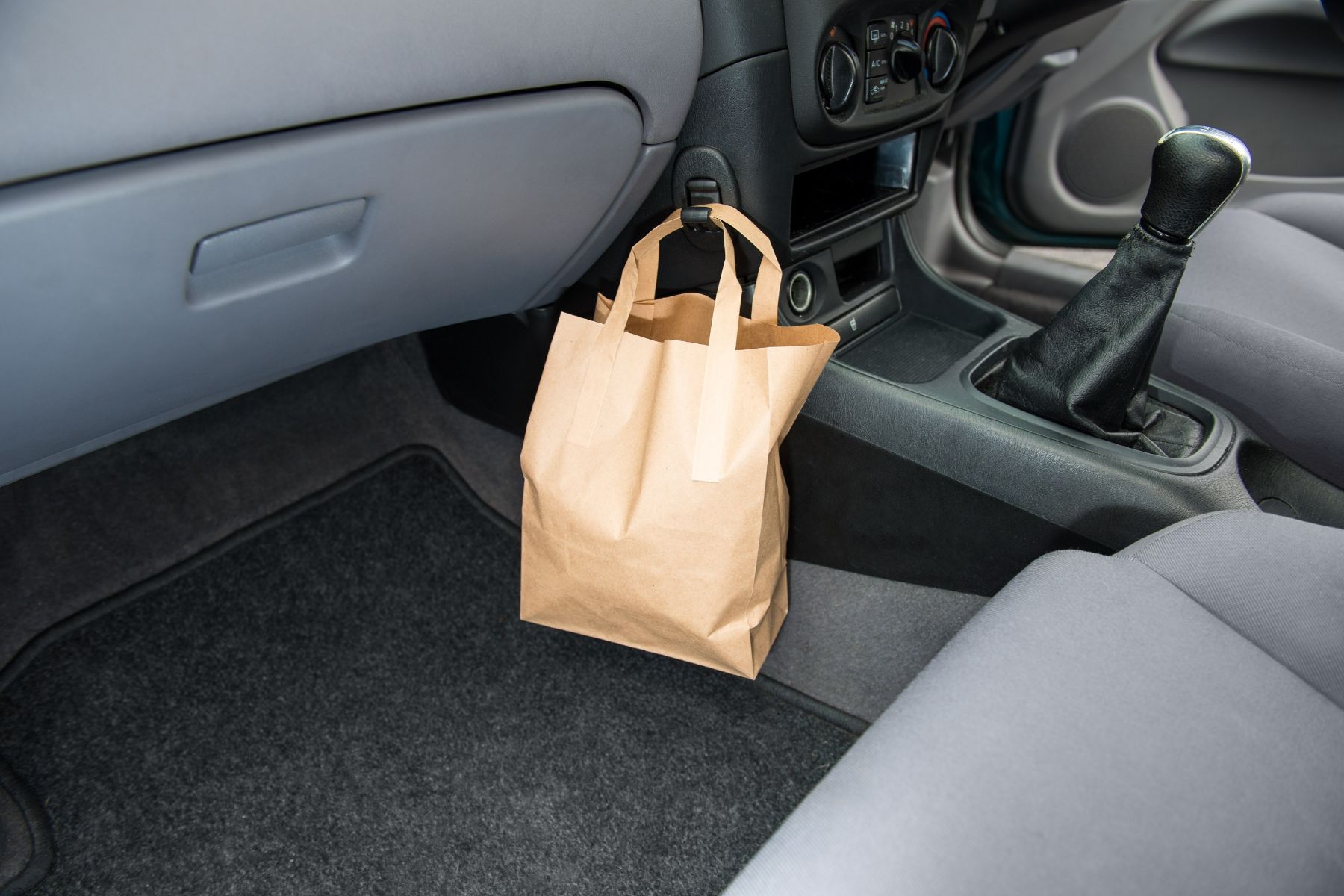
Nissan: curry hook
As unknown features go, this is about as middle-of-the-road as they get. How many cars do you know of with a hook specifically for takeaways? Er, none? Well, there is one. From 1996, the Nissan Almera came equipped with this feature, which you can now find in the boots of many new cars.
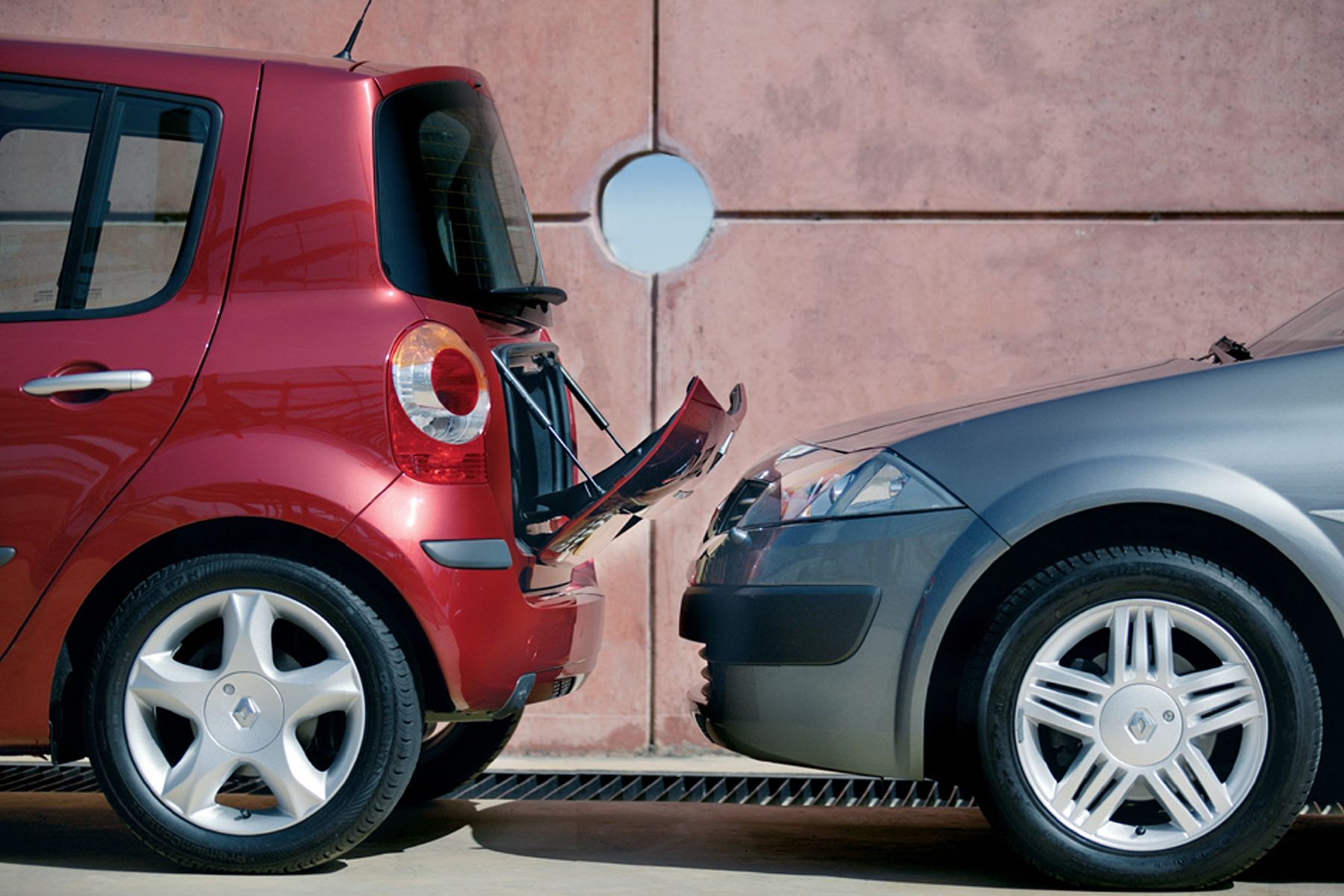
Renault Modus: Boot Chute
This is a feature that was absolutely infamous at the time, mostly among journalists. The boot chute is one of those great ideas that simply didn’t catch on (the name surely didn’t help, although this was, remember, the company that also gave us the Renault Wind).
Too close to a car or a wall behind you? Need to load shopping? No problem! The lower part of the tailgate opened to create a ‘Boot Chute’. It provided excellent access for luggage in confined spaces. Bring it back, Renault!
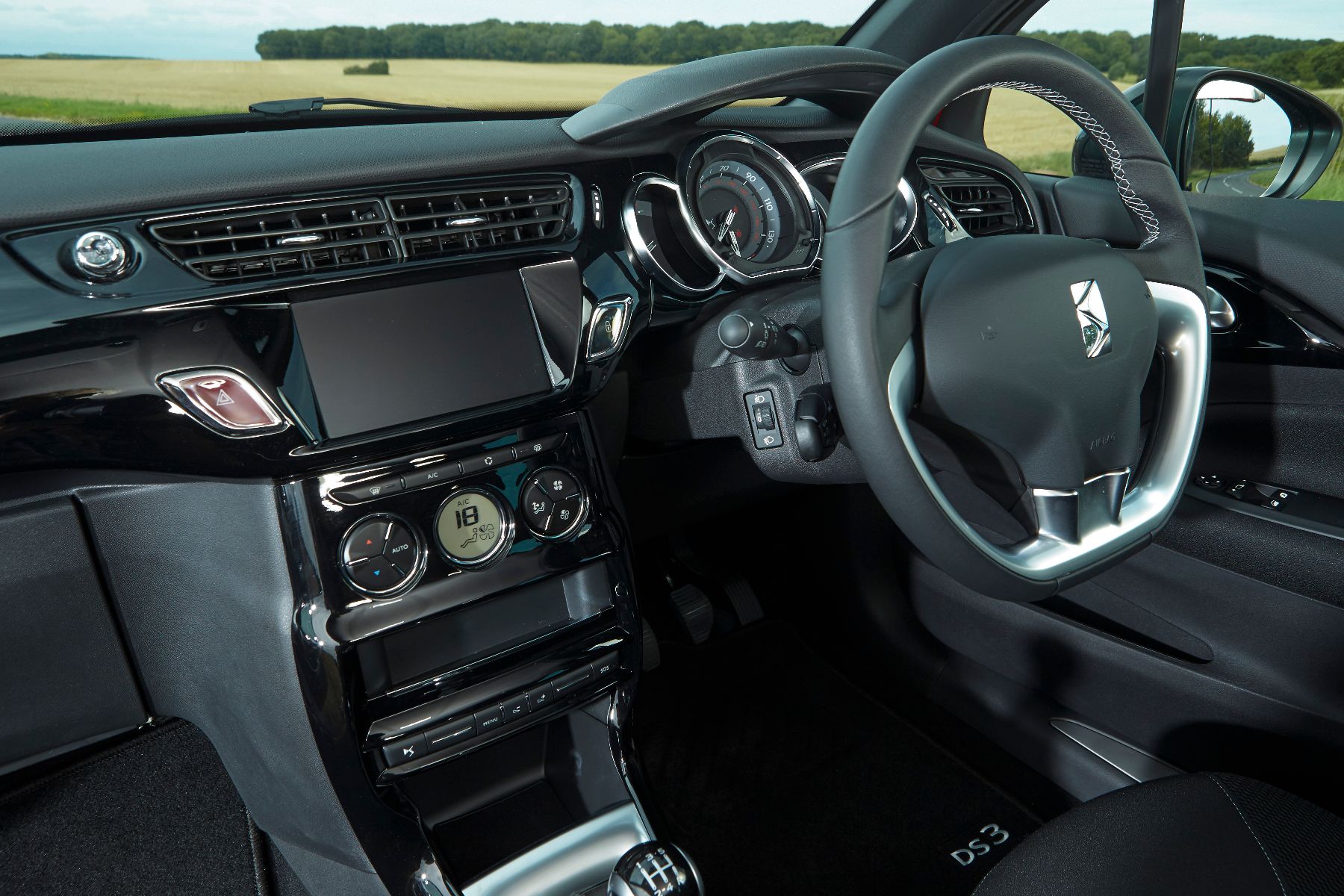
DS 3: perfume dispenser
The last item on the list is the DS 3’s perfume dispenser. Of course, it’s not actually exclusive to the DS. Many cars are now getting integrated fragrances, but it remains a laughable hidden feature.
Or is it? Plenty of us fit our own air fresheners, so why should a built-in one seem weird? Regardless, it rounds off the top 10 hidden features that buyers love.
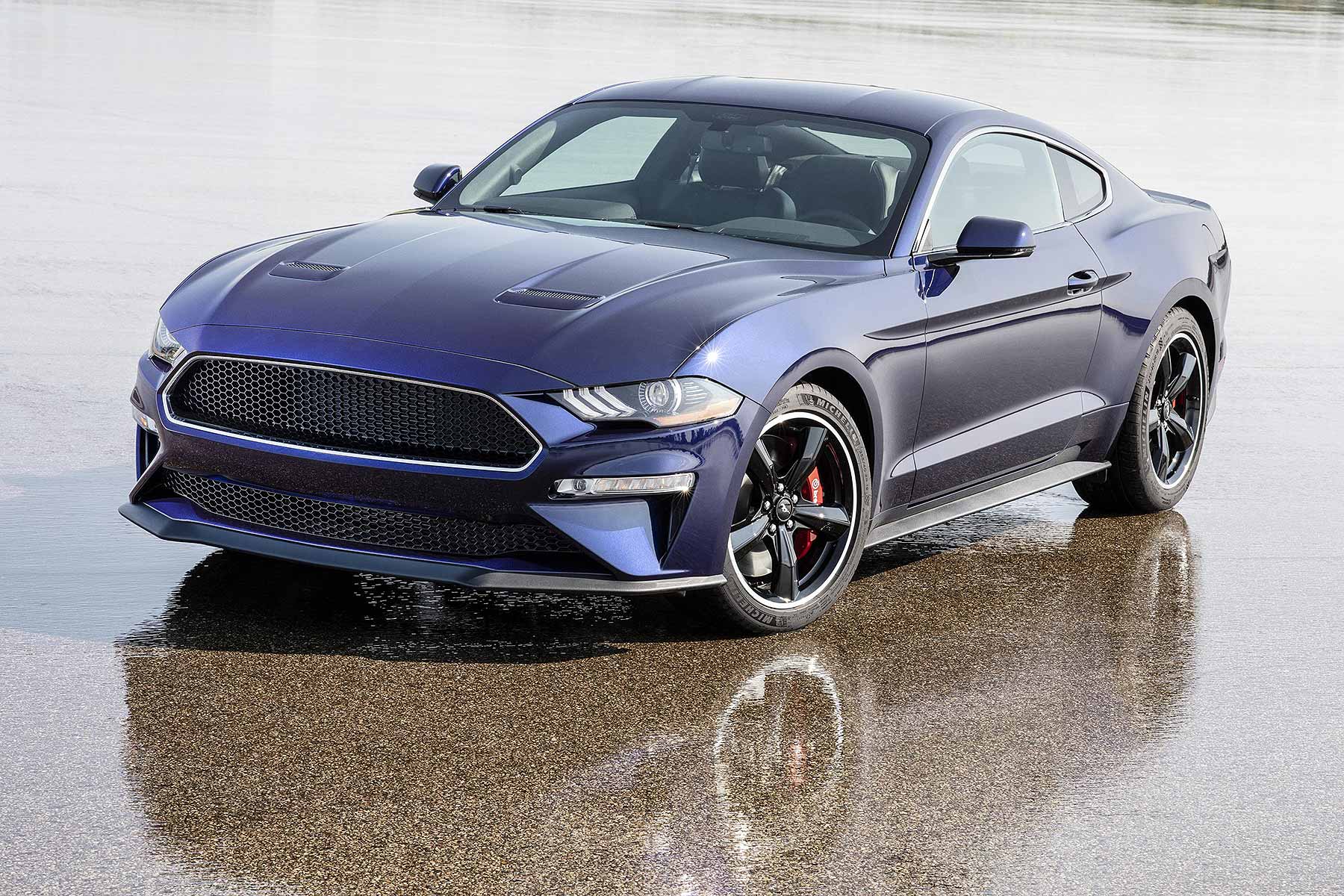
Ford has built a one-off Mustang Bullitt in BLUE and is now raffling it to raise up to $60,000 for the Juvenile Diabetes Research Foundation (JDRF).
Instead of the iconic Dark Highland Green (or the Shadow Black alternative that few are expected to option), the JDRF Mustang Bullitt is finished in Kona Blue metallic and comes with bespoke grey wheels.
The blue exterior theme is carried through inside: the black leather seats and dashboard are stitched with blue thread.
The special Mustang is the star of Ford’s stand at the 2018 Woodward Dream Cruise; it’s on show at the Ford Media Club House at Kruse and Muer, Woodward Avenue in Royal Oak. There, visitors can buy a ticket for the raffle, for $10 a go.
Bullitt comes in two colors: Dark Highland Green or Shadow Black —except for this one.
Ford will later move the JDRF Mustang Bullitt to Mustang Alley at the intersection of 9 Mile and Woodward Avenue in Ferndale.
But although it has a cool new blue paint job, the Mustang Bullitt is unchanged beneath the surface. Which means the 5.0-litre V8 still puts out 480hp, for a top speed of 163mph.
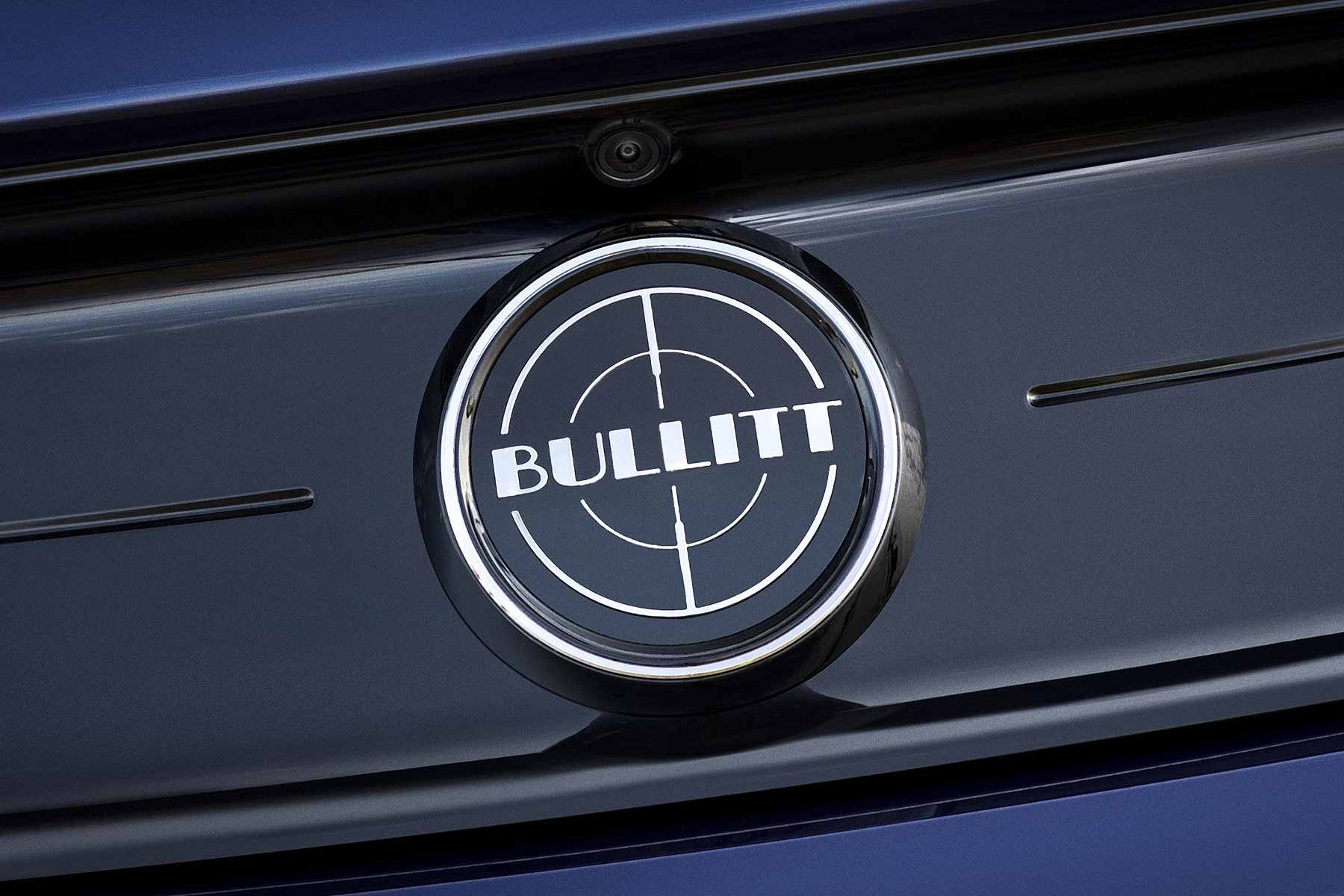
It has the same minimal badging too, and Ford has retained both the blacked-out grille and, of course, the white cue ball gear shifter.
The raffle will close on November 9th. The winner will be selected on November 13th.
Can’t visit Woodward Dream Cruise but still want to be in with a chance of winning the blue Mustang Bullitt? You can also buy tickets online – visit: www.onecause.com/jdrfbullitt.
Go on – it’s all for charity. And it could secure you one of the most collectable Mustangs on the planet…
We believe that a true hot hatch should be front-wheel drive, powered by a four-cylinder engine, based on a humble hatchback and have a glass tailgate at the rear. Or, maybe we’re just getting old.
Some of the hot hatches featured in this gallery are pretty conventional, while others bend the rules just a little…
Aston Martin Cygnet V8
Our Ethan Jupp suggested this might be the world’s craziest hot hatch, and he might have a point. Unveiled at this year’s Goodwood Festival of Speed, the Toyota… sorry, Aston Martin Cygnet V8 boasts a power-to-weight ratio of 371hp per tonne and will hit 60mph in 4.2 seconds. Whether you’d feel safe taking the supermini formerly known as the iQ to its 170mph top speed is up for debate, but you have to admire this crazy one-off.
Renault 5 Turbo
If a V8-powered Toyota iQ with a posh badge stretches the definition of a hot hatch, things aren’t going to improve with the Renault 5 Turbo. It had very little in common with the regular Renault 5 parked on the high street, with its unique parts making it extremely expensive to build. This meant it was also expensive to buy, which is why Renault launched a cheaper Turbo 2.
MG Metro 6R4
The MG Metro 6R4: Austin Rover’s supercar and the most bonkers Metro you’ll ever meet. It’s amazing to think that you could buy the 6R4 rally car off-the-shelf for £40,000. Even more amazing was the fact that this mighty Metro sounded like an F1 car, performed like a supercar and was talented enough to do battle with any contemporary rally car.
Peugeot 205 T16
It took Jean Todt and his team at Peugeot-Talbot Sport just two years to produce a mid-engined four-wheel drive rally car, yet despite the haste, the 205 T16 proved to be a formidable machine on the rally circuit. The competition car and its road-going equivalent were light years away from the regular 205, but the T16 offered showroom appeal by the lorry load. In its day, the four-wheel drive, mid-engined T16 cost £26,999 – the equivalent of £77,770 today.
Volkswagen Golf W12-650
Probably the most outlandish Golf ever made, the 650 in the Golf W12-650 referred to the car’s power output: 650ps. This power was sent to to the rear wheels – so not an authentic hot hatch, then – via a six-speed Tiptronic gearbox. It wasn’t just the power that was pumped up to the max: the bodywork is such that it looks almost cartoon-like, too wild to be a reality. Which, of course, it wasn’t. The W12 remains a concept, which is probably good news for the world’s driving licences.
Audi A1 Quattro
For the ultimate Audi A1, forget the 231hp S1 launched in 2015, what you really need is the 256hp A1 Quattro of 2012. Only 333 were built, each one commanding £41,020 when new, so it’s hardly surprising that only 19 were sold in the UK, especially when you consider that it wasn’t available as a right-hooker. Essentially, the A1 Quattro is an S3 in a supermini suit, which means that it’s super-quick: 0-62mph in 5.7 seconds and a top speed of 152mph.
Renaultsport Clio V6
Not content with building the world’s finest hot hatches, Renault decided it could extract even more from its humble supermini. The Clio V6 was the kind of crazy idea that rarely sees the light of day, yet somehow Renault really did remove the rear seats and stick a 3.0-litre V6 into the back of a supermini. The original Clio V6 developed a reputation for being a little lairy, but the Mk2 was more refined, thanks to a little help from Porsche.
Volkswagen Golf GTI Clubsport S
Volkswagen has a habit of building special editions to mark important milestones in the history of the Golf GTI, and the Clubsport S was its 40th anniversary present. That it broke the official Nurburgring record for a front-wheel drive car is largely irrelevant, but the fact that this thing pumped out a whopping 310hp certainly isn’t. Sure, it’s not as wild as the W12, but the Clubsport S had no rear seats and, more importantly, it made production.
Renaultsport Megane 275 Trophy-R
The Megane 275 Trophy-R is another hot hatch with a Nurburgring lap record to its name and is, as the spiritual successor to the R26.R, one of the most hardcore Meganes you can buy. Renaultsport left no stone unturned in pursuit of weight-saving, removing everything from the rear wiper to the back seats. In return it added Michelin Pilot Sport Cup 2 tyres, Speedline alloys, Recaro bucket seats, Ohlins adjustable dampers, composite front springs and an Akrapovic titanium exhaust to create the ultimate version of one of the world’s best hot hatches.
Dodge Shelby Omni GLHS
Who else but Carroll Shelby would build something as bonkers as the Omni GLHS. Powered by a 2213cc engine mated to a Garrett turbocharger, the 175hp Dodge could hit 60mph in a sports car-taming 6.7 seconds. Mr Shelby added Koni shocks, 15-inch ‘Centurion’ alloys and Goodyear performance tyres to the mix to create an all-American take on the hot hatch formula. The car pictured was owned by Carroll Shelby and sold for $27,500 at Monterey in 2016.
Mazda 323 GT-R
Built for Group A homologation purposes, the Japan-only Mazda 323 GTR was based on the GTX and packed a 210hp punch, stiffer suspension, all-wheel drive, larger breaks and obligatory body enhancements.
Nissan March Super Turbo
In the case of the March Super Turbo, Nissan isn’t guilty of adding unnecessary superlatives to a car’s name. You see, the 930cc Nissan March – or Micra – featured a supercharger and a turbocharger to create a SUPER TURBO. A lowly 110hp might not seem like a lot, but the twin-charged March weighed less than a bag of sugar, helping it to hit 62mph in 7.7 seconds. Not to be confused with the familiar ex-driving school Micra.
Mercedes-Benz A45 AMG
Until Audi unleashed the 400hp RS3, the Mercedes A45 AMG was the most powerful production hot hatch of the modern era. Three hundred and eighty one horsepower. Think about that for a moment – 381hp @ 6,000rpm. It remains a staggering figure for what is essentially a five-door family hatchback, especially when 300hp seemed like a lot just a few years ago.
AMC Gremlin 401-XR
We featured this AMC Gremlin 401-XR in April when it was listed for sale on bringatrailer.com. Only 21 examples of the 6.6-litre 401-XR were ever built, with Denwerks Vintage Car Shop creating car number 22 four years ago. In true American style, it was more at home on the quarter-mile than it would be on a B-road, but you’ve gotta love the Stateside take on the hot hatch recipe.
Mazda 3 MPS Extreme
Even in their standard guise, the Mazda 3 and 6 MPS models are spoken about in hushed tones, famed for their no holds barred attitude to horsepower. Unveiled in 2007, the 3 MPS Extreme was, ahem… even more extreme, with Mazda squeezing an additional 27hp from the 2.3-litre turbocharged engine. The 282hp Extreme also featured Cootes suspension lowered by 25mm, 19-inch BBS alloys and cosmetic upgrades.
Vauxhall Astra VXR Extreme
Back in 2014, when the Vauxhall Astra VXR Extreme broke cover at the Geneva motor show, a 300hp front-wheel drive hot hatch was a big deal. How times have changed. The Extreme also featured extensive use of carbon fibre, aluminium front wings, six-pot Brembo brakes, Hankook tyres, Recaro bucket seats, six-point harnesses and an Alcantara-clad steering wheel. In Renaultsport style, Vauxhall ditched the rear seats for a safety roll bar.
Volkswagen Golf GTI 16S
Many of the cars featured here need to be viewed in the context of the era in which they were built. This is certainly true of the Golf GTI 16S, which is arguably the factory high-performance version Volkswagen should have built. Some 1,600 were built for the French and Swiss markets, with Oettinger swapping the original 8-valve engine for a light alloy 16-valve. The result was a 0-62mph time of 7.6 seconds and a top speed of 121mph.
Sbarro Super Twelve
The Sbarro Super Twelve – an 80s supercar the size of a Mini. This thing was powered by two six-cylinder 1300cc Kawasaki engines, each with its own five-speed gearbox. With 240hp on tap in a car weighing just 800kg, the performance figures are rather terrifying. A 0-60mph time of 5.0 seconds and a power-to-weight ratio to rival a Lamborghini Countach. What a thing!
Volkswagen Polo R WRC Street by B&B
There have been many wild Volkswagen creations over the years – we could have filled the entirely gallery with Wörthersee special editions or aftermarket creations. The Polo R WRC Street by B&B cost a staggering €41,850, but the performance figures are as astonishing as the price. Total output of 362hp and 376lb ft – more powerful than the Polo WRC rally car!) – provided a top speed of 168mph and a 0-62mph time of 5.2 seconds.
Audi RS3 Sportback
Remember when hot hatches were slightly unhinged, lightweight and relatively affordable? The Audi RS3 Sportback is light years away from this vision of utopia, with a £44,755 price tag, 400hp and a 0-62mph time of 4.1 seconds. Thanks to its 2.5-litre five-cylinder engine, it sounds fantastic, but the driving experience is more large car than hot hatch.
Peugeot 308 R Hybrid
Peugeot unveiled the 308 R Hybrid at the Shanghai motor show in 2015, and while a production version hasn’t been released, this could represent the hot hatch of the future. By pairing a 1.6-litre turbocharged engine with a couple of electric motors, Peugeot created a 500hp monster, good enough to hit 62mph in 4.0 seconds. Green credentials are provided courtesy CO2 emissions of just 70g/km.
Renault Twin’Run V6
Renault built the 5 Turbo and Clio V6, so why did it stop short of putting the Twin’Run V6 into production? Powered by a 3.5-litre V6 developing 320hp, the Twin’Run paid homage to the Renault 5 courtesy of its headlights and side decals, while the four LEDs are a nod to the light racks used on night specials.
MINI JCW Challenge
Developed in secret at the MINI Plant in Oxford, the JCW Challenge was approved by BMW, but the Germans acted merely as facilitators, letting the Brits run wild. The result was a race-bred MINI featuring Nitron shocks, Mintex brakes, Quaife limited-slip differential and Team Dynamics wheels. The 2.0-litre turbocharged engine was unchanged, with MINI saying: “It’s not about ultimate speed, but how much fun you have between [the corners].” Only 100 were built, each one costing £32,000.
Nissan Micra 350SR
What, another Nissan Micra? Again, the 350SR is a world away from the Micra driven by your gran, with a 350hp Nismo-fettled 3.5-litre V6 powering the rear wheels, along with a host of upgrades under the bonnet. The project took two years to complete and cost around a quarter of a million pounds to build.
Toyota Aygo Crazy
We conclude with a car that’s Crazy by name and crazy by nature: the Toyota Aygo Crazy. Powered by a mid-mounted and turbocharged MR2-sourced 1.8-litre engine, the Aygo Crazy developed 200hp and cost Toyota a rumoured £100,000 to produce. The Yaris GRMN is arguably the Aygo’s spiritual successor.
Policing the mean streets of America is a difficult job. So it means any extra help would be welcomed with open arms.
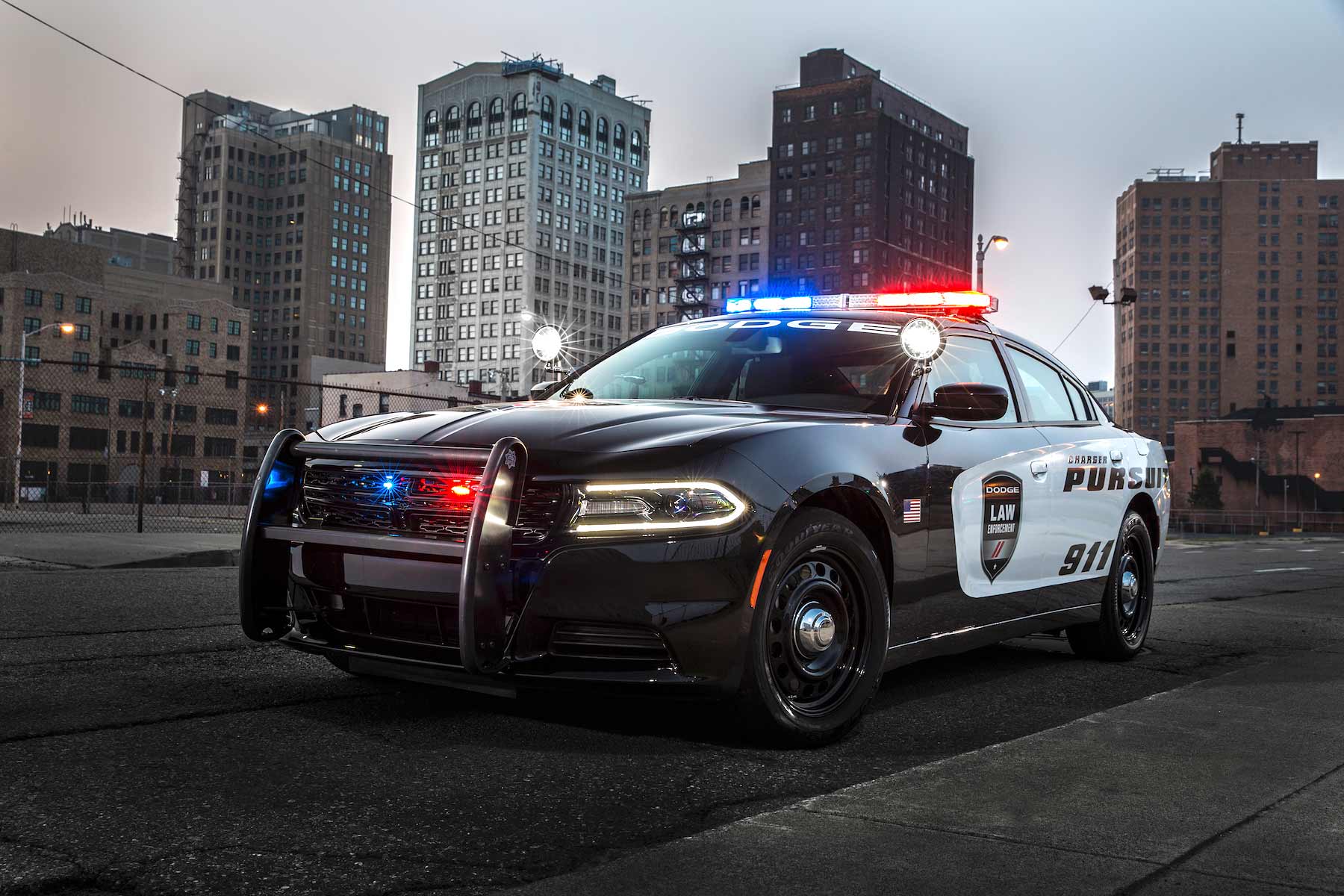
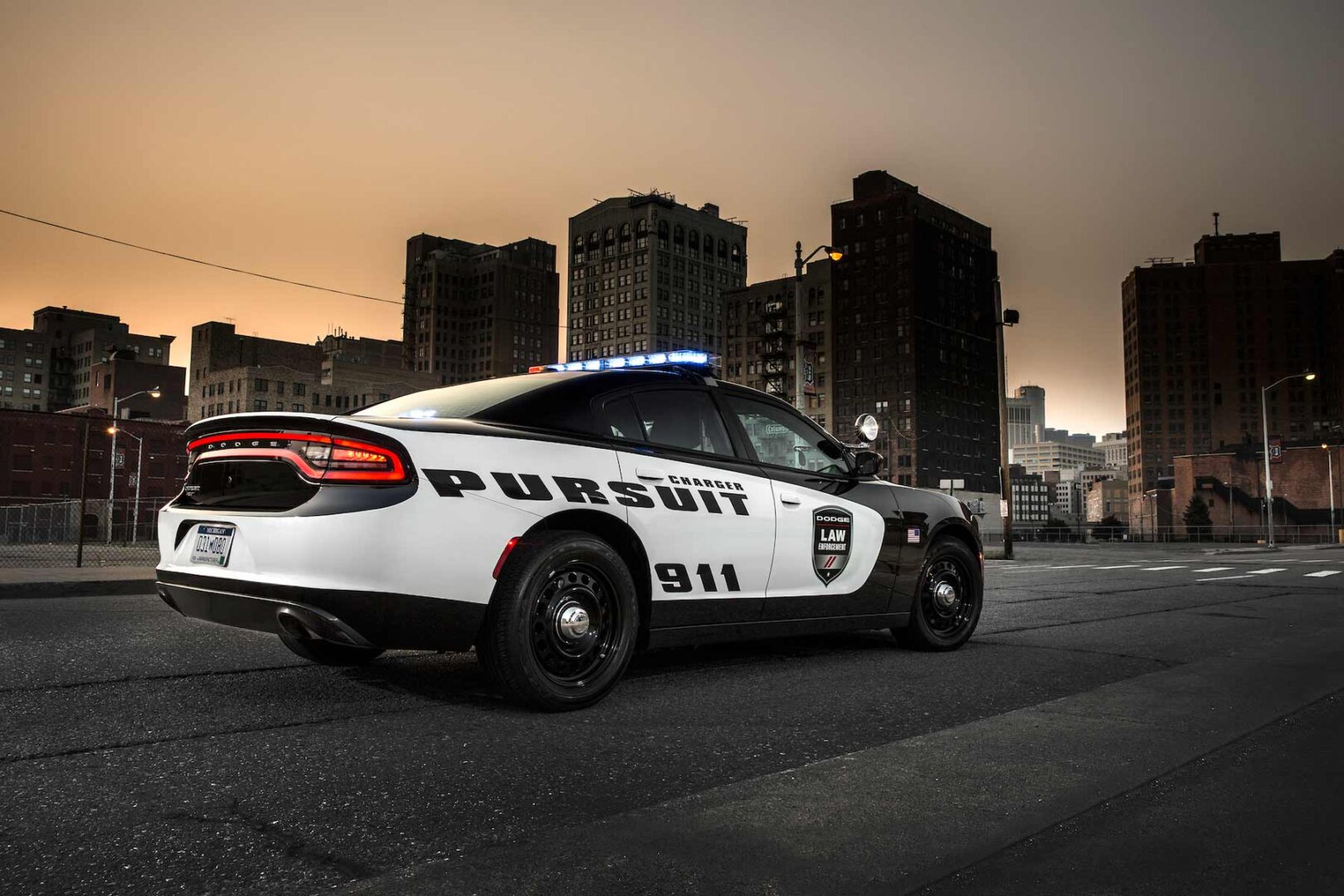
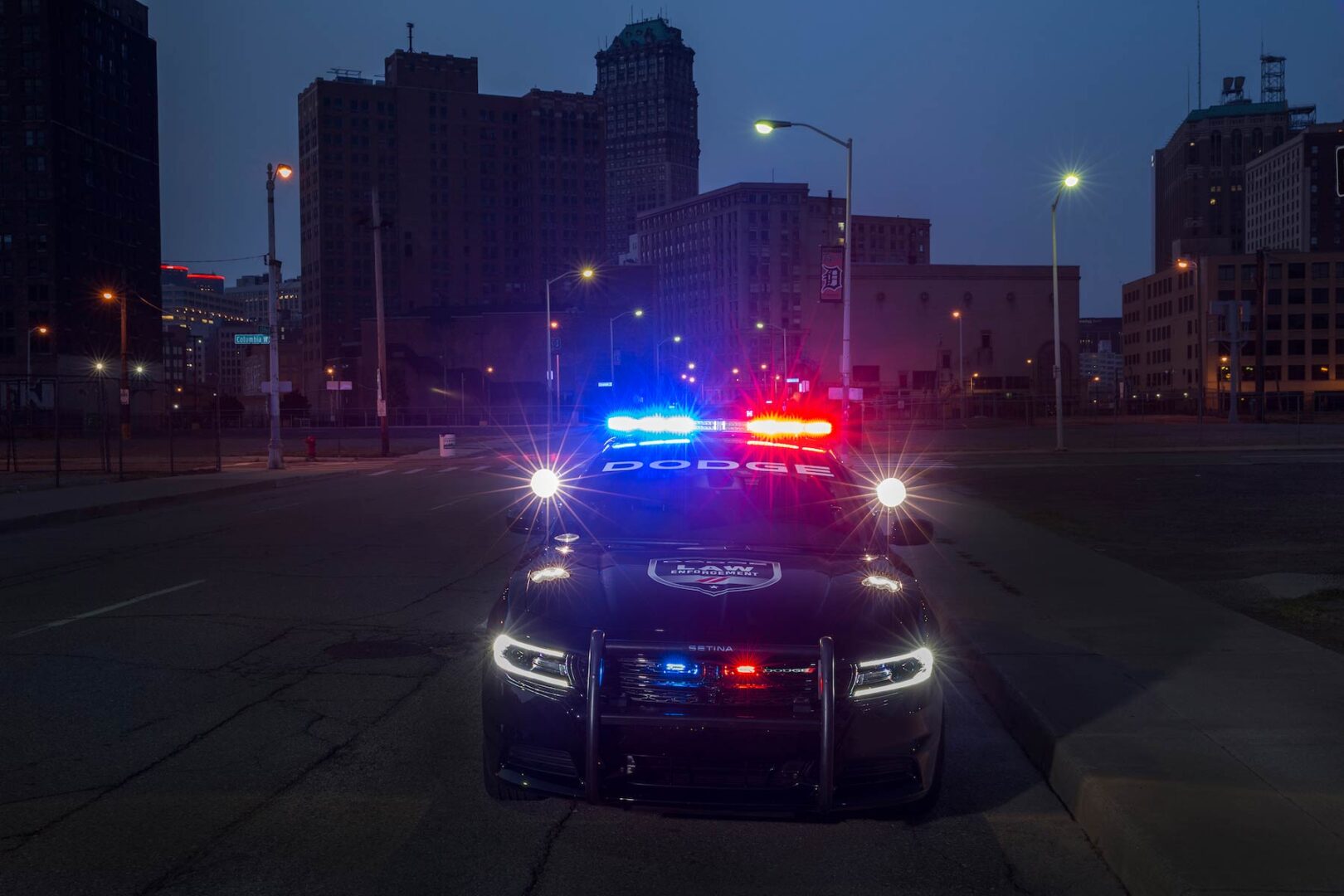
As a result, picking the Officer Protection Pack when ordering a new Dodge Charger Pursuit car would seem to be an easy choice for fleet managers.
The system makes use of sensors, and a rear-facing camera, to look out for persons approaching the vehicle from behind whilst stationary. Officers working alone, and potentially lost in paperwork, are said to be particularly at risk of attack.
On detecting motion at the rear, the Charger Pursuit acts to alert the officer to the danger. A chime sounds inside the car, and the rear-view camera shows an image of what is going on.
Depending on the policies of the particular law enforcement agency, further automatic responses can also be programmed into the Officer Protection Pack.
Doors can be set to lock automatically, windows to roll up, and various lights to flash. All of these measures are intended to help officers assess potential threats, and react accordingly.
First introduced in 2017, more than 10,000 Charger Pursuits have been specified with the Officer Protection Pack. Expect this number to rise, and the system is now a no-cost option for 2019 model year cars.
The Dodge Charger Pursuit is America’s best-selling police car, taking a substantial amount of the valuable law enforcement market. 2019 versions of the Charger Pursuit are offered with a choice of V6 and V8 engines, the latter available with AWD.
We’re sure officers are excited about features like the Protection Pack, but the chance to drive a 370 horsepower Charger for work sounds rather appealing, too.
This year has also seen Dodge released a pursuit-rated version of the Durango SUV, powered by a Hemi V8 engine.
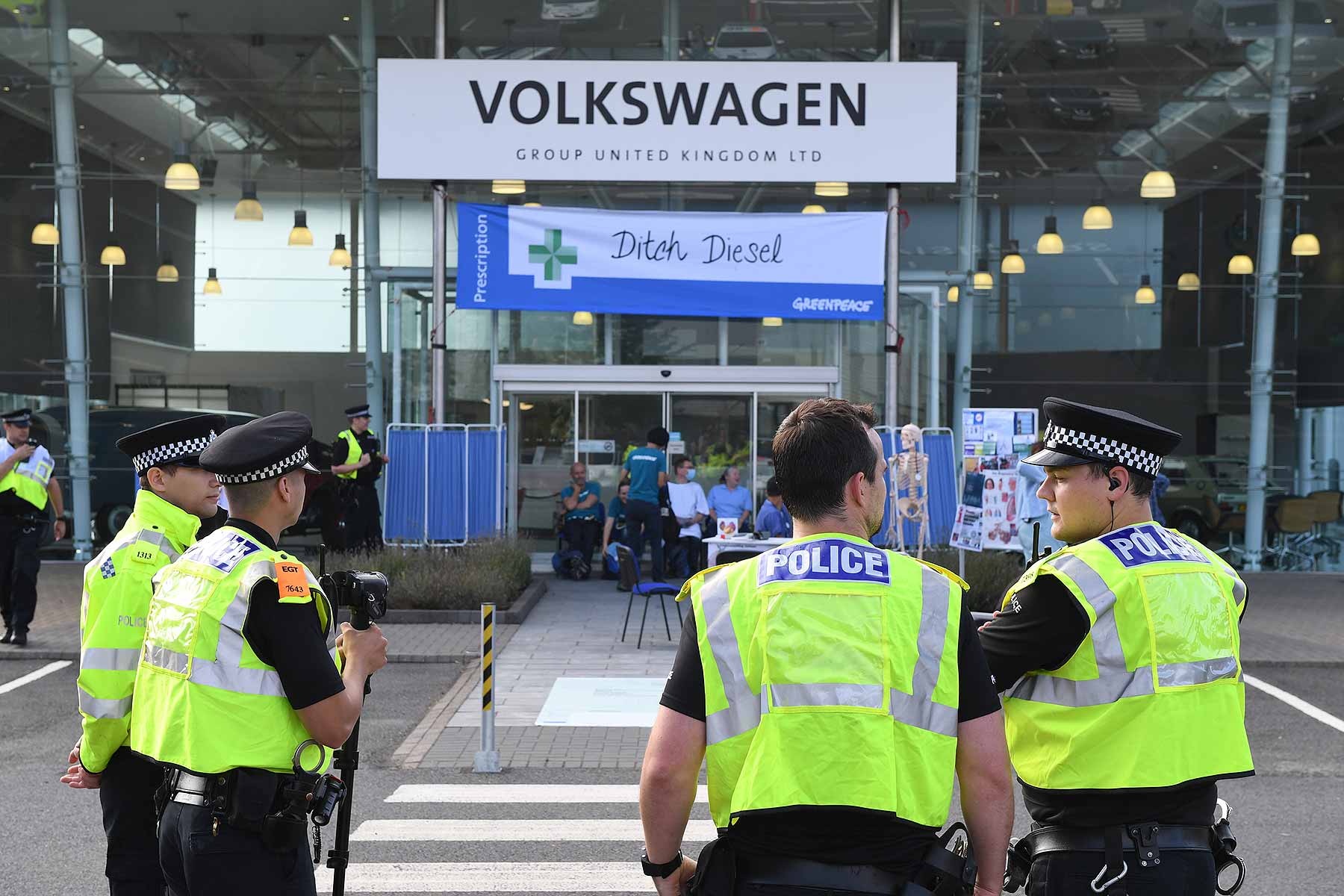
Greenpeace UK is staging a protest outside Volkswagen Group UK’s Milton Keynes headquarters, which it claims has blocked more than 800 staff from starting work this morning.
The environmental organisation is demanding Volkswagen stop building new diesel cars and switch to 100 percent electric.
Mel Evans is Greenpeace’s clean air campaigner and said that, as the UK’s biggest seller of new diesel cars, “Volkswagen is complicit in an air pollution crisis that’s filling up emergency departments and GP surgeries.
Medics and activists are turning @UKVolkswagen HQ into an emergency diesel pollution clinic.
Not even VW can ignore the diesel health crisis when it’s at their place of work – and they definitely can’t ignore it if it’s all over social media too. RT pic.twitter.com/0V9i9iPrpr
“Volkswagen sold us a lie about diesel being clean. Its diesel addition is seriously harming people’s health.”
The firm, she claimed, “won’t meet with us and won’t listen. So today we’ve brought the truth about diesel to its doorstep”.
The Greenpeace demonstration, which went live at 7am, mocked up a hospital with “a diesel pollution clinic outside to offer advice”. Greenpeace also has medics in attendance; it is offering heath checks to staff and members of the public.
The protest, added Greenpeace, was a peaceful one, aimed at securing a meeting with Volkswagen Group UK MD Paul Willis.
Your mission if you choose to accept: help us get @UKVolkswagen’s boss, Paul Willis, to return our calls.
Diesel pollution is causing horrendous suffering across the UK and storing up a lifetime of troubled health for our kids.
Doctor in respiratory medicine, Arash Saleh, was at the protest. “Diesel pollution is causing horrendous suffering acrosss the UK and storing up a lifetime of troubled health for our kids. If you could see it, diesel would be banned tomorrow.”
“Volkswagen is aware of a protest at its Blakelands premises this morning,” said a spokesman for the firm.
“The safety of our employees is our principal concern and so the matter is now being handled by the police.”
In response to Greenpeace’s claims and demands, they added: “The Volkswagen Group has launched the most comprehensive electrification initiative in the automotive industry with “Roadmap E”. This will bring an additional 80 new electric vehicles to the Volkswagen Group model range by 2025.
“Roadmap E brings a 20 billion Euro investment to electric vehicle technology with the goal of 25 per cent of Volkswagen Group vehicle production comprising electrified vehicles by 2025 and 50 per cent by 2030.”
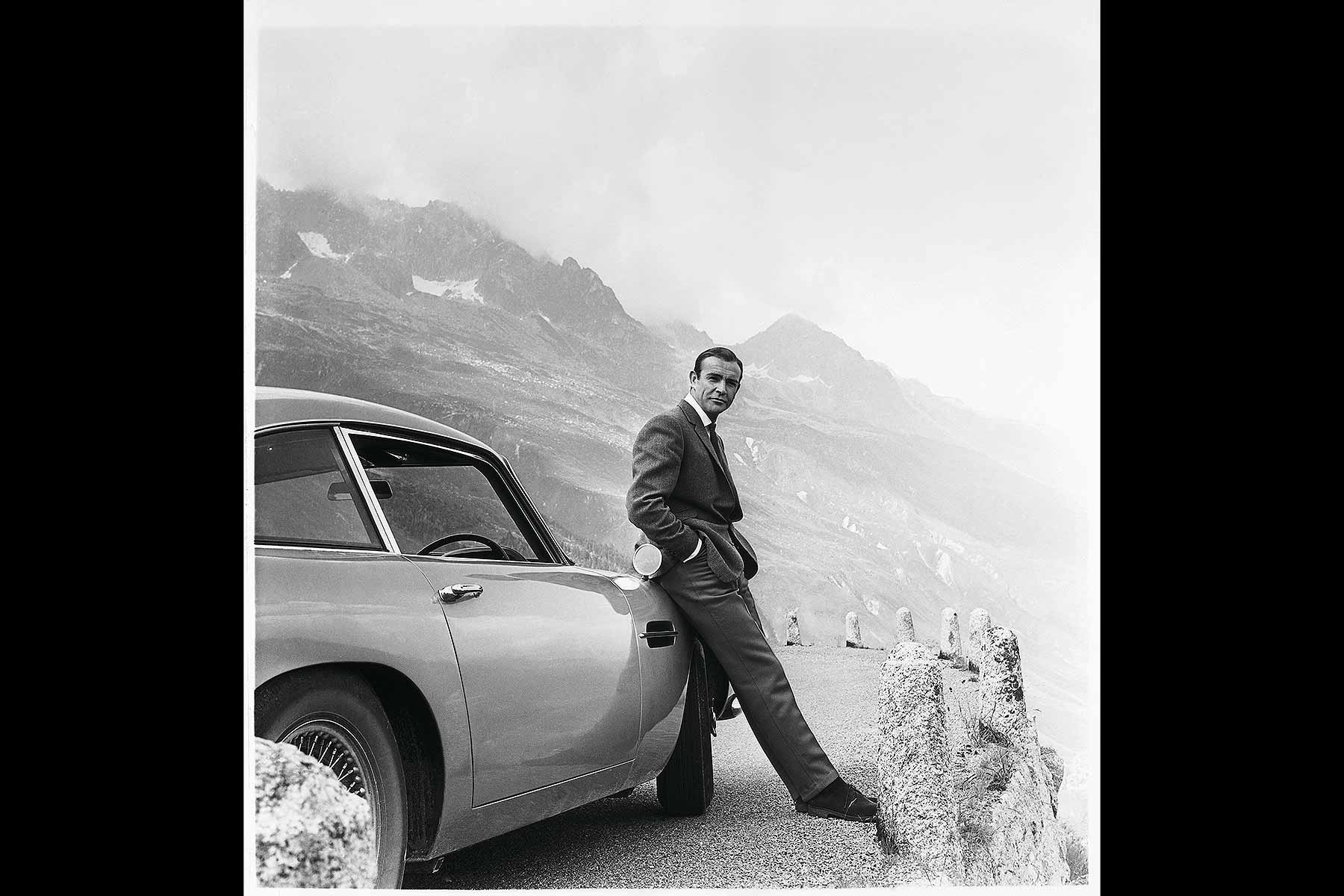
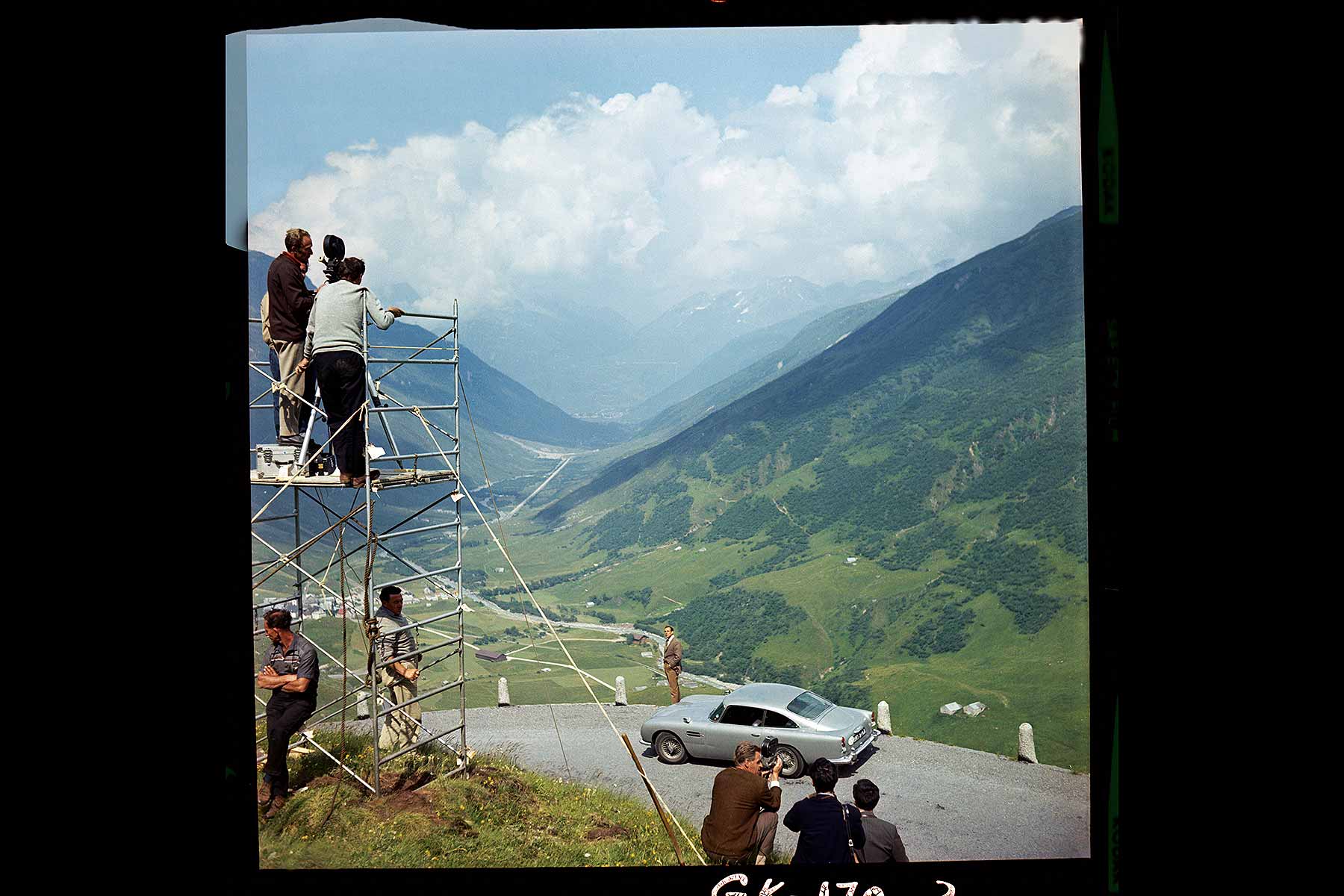
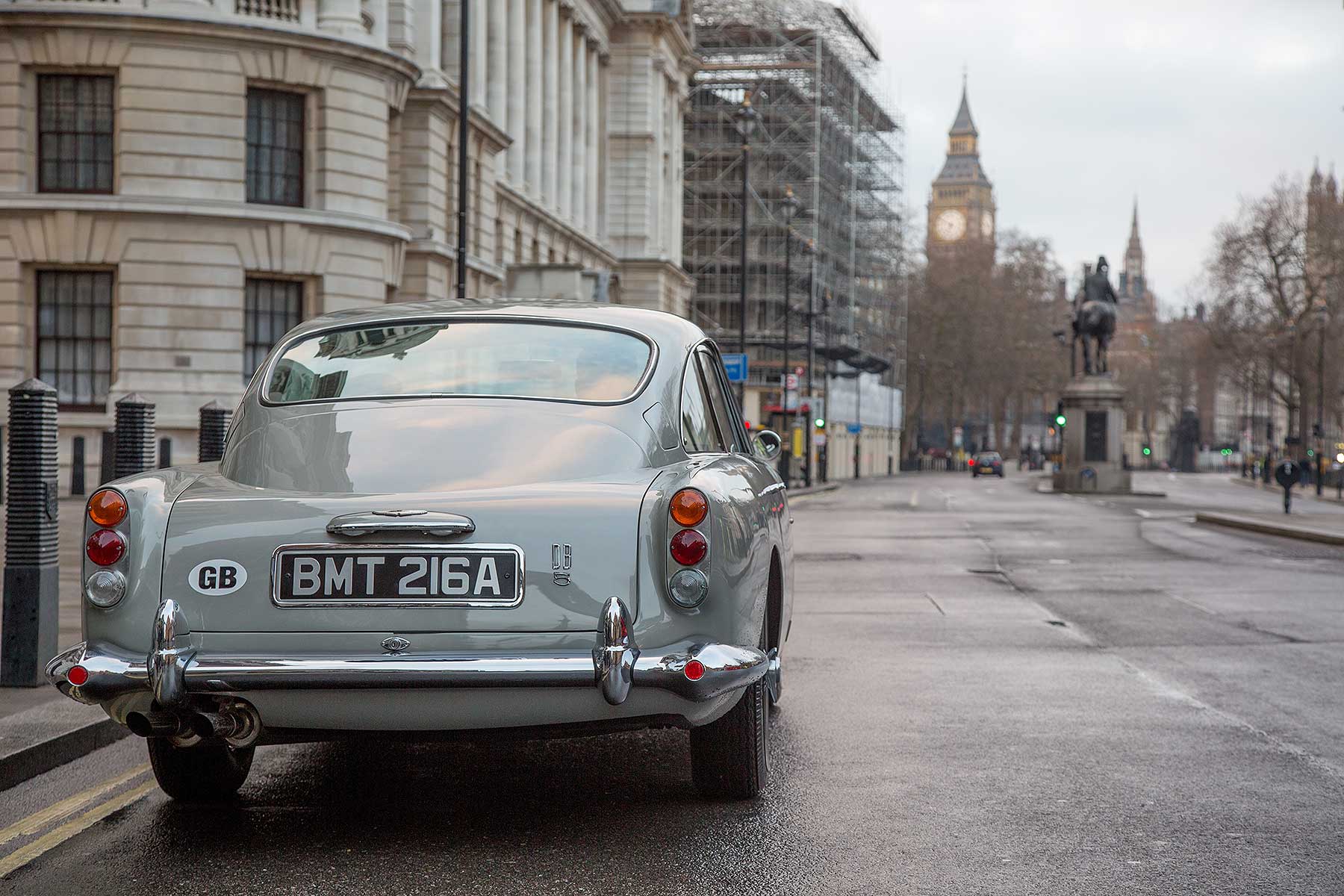
Aston Martin is building a series of brand-new James Bond ‘Goldfinger’ DB5 classics, with each recreation set to sell for £3.3 million. The first cars will be delivered in 2020.
The cars are being built in a partnership between Aston Martin and James Bond film producer EON Productions. They are described as being authentic reproductions – even down to the array of working gadgets each will carry.
Chris Corbould OBE, the special effects guru on eight James Bond films, will develop the gadgets. And, being an Oscar winner, he knows a thing or two about them…
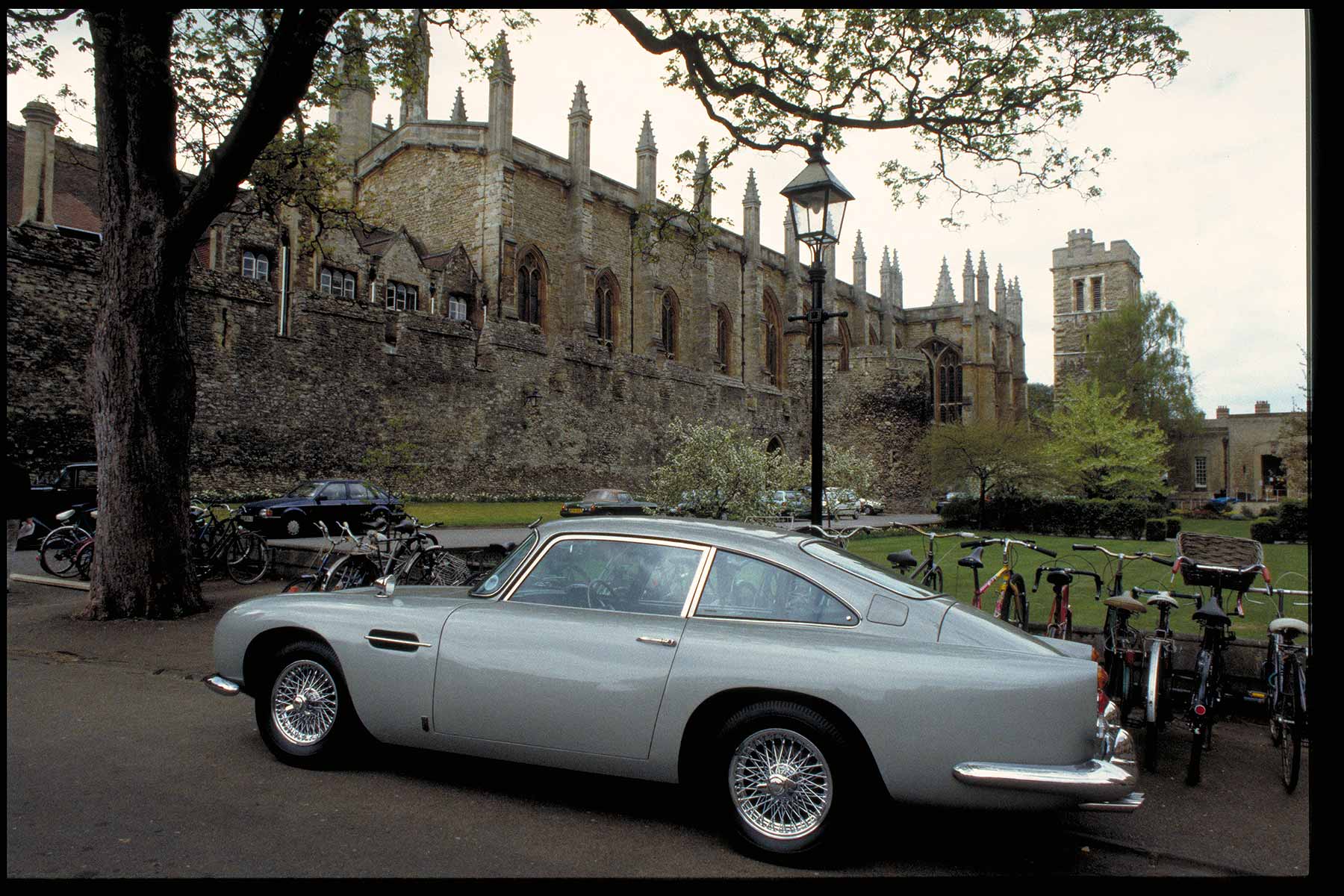
The Aston Martin Goldfinger DB5s will all be built in Newport Pagnell, at Aston Martin Works. That’s where the original DB5s were assembled; the recreations are Aston’s follow-on project from its recent DB4 G.T. continuation series.
Every Goldfinger edition will be finished in the same Silver Birch paint as the original. However, unlike the original, they won’t be road-legal.
Aston Martin & EON Productions to create 25 Goldfinger DB5 continuation cars
· Cars include working gadgets to be developed by Oscar winner Chris Corbould.
· Built at Aston Martin Works, Newport Pagnell–the original home of the DB5
· First customer deliveries scheduled for 2020 pic.twitter.com/fMFpEdKUhy
Andy Palmer, president and CEO, Aston Martin, said: “The connection between Aston Martin and James Bond is something of which we are very proud and it is remarkable that the DB5 remains the definitive James Bond car after so many years.
“To own an Aston Martin has long been an aspiration for James Bond fans, but to own a Silver Birch DB5, complete with gadgets and built to the highest standards in the very same factory as the original James Bond cars? Well, that is surely the ultimate collectors’ fantasy.
“The skilled craftspeople at Aston Martin Works and the expert special effects team from the James Bond films are about to make this fantasy real for 25 very lucky customers.”
Goldfinger was the third James Bond movie and the DB5’s appearance alongside Sean Connery made it a movie legend. Corgi quickly followed up with a die-cast model of the Goldfinger DB5; in 1965 alone, 2.5 million of them were sold.
The DB5 has also featured in 1965’s Thunderball, 1995’s GoldenEye, 1997’s Tomorrow Never Dies plus a trio of appearances with Daniel Craig in Casino Royal, Skyfall and Spectre.
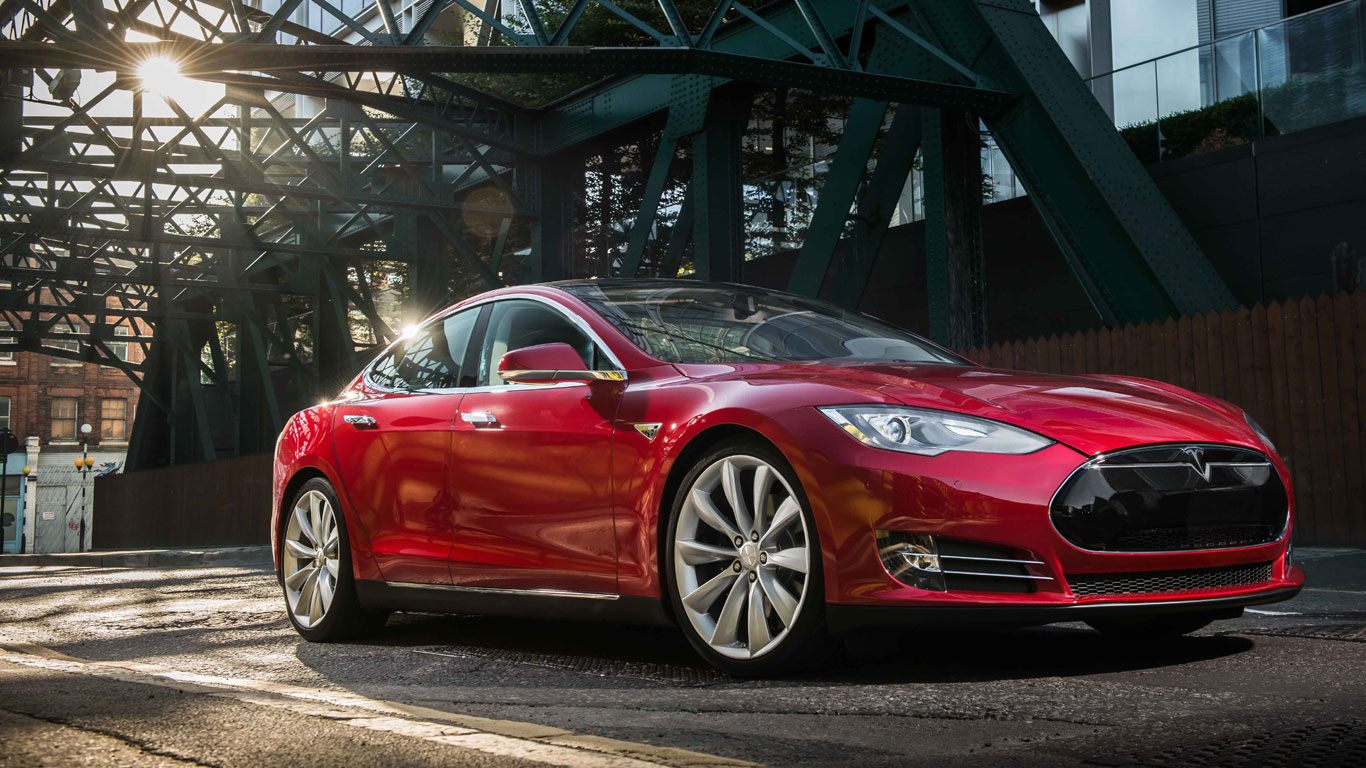
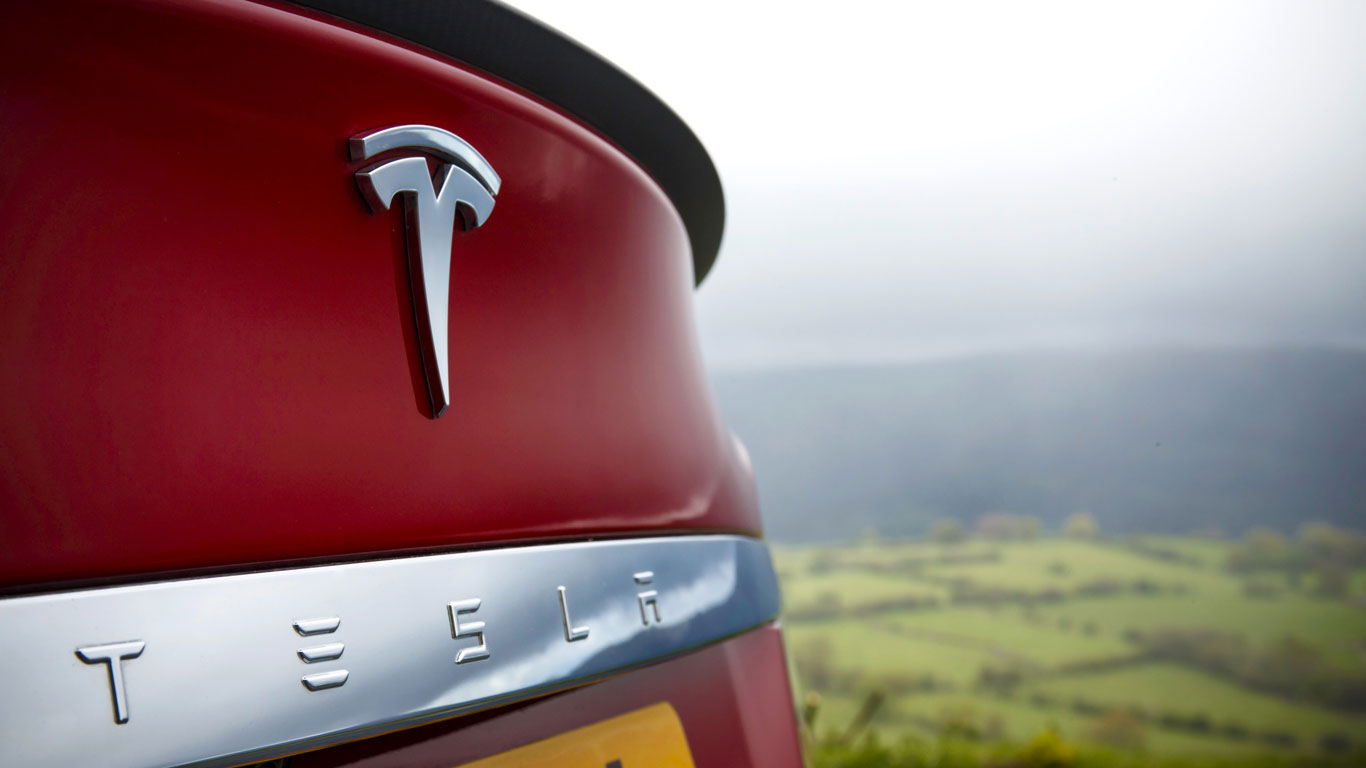
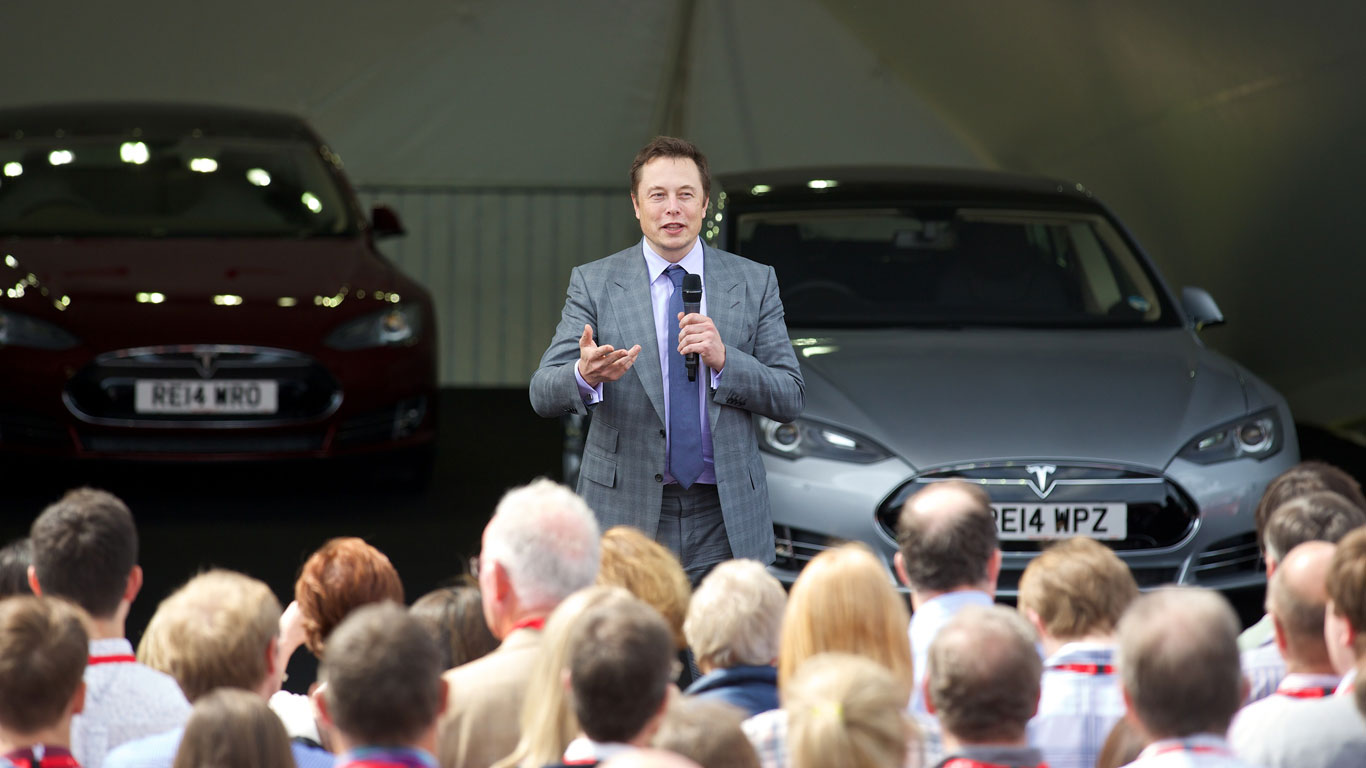
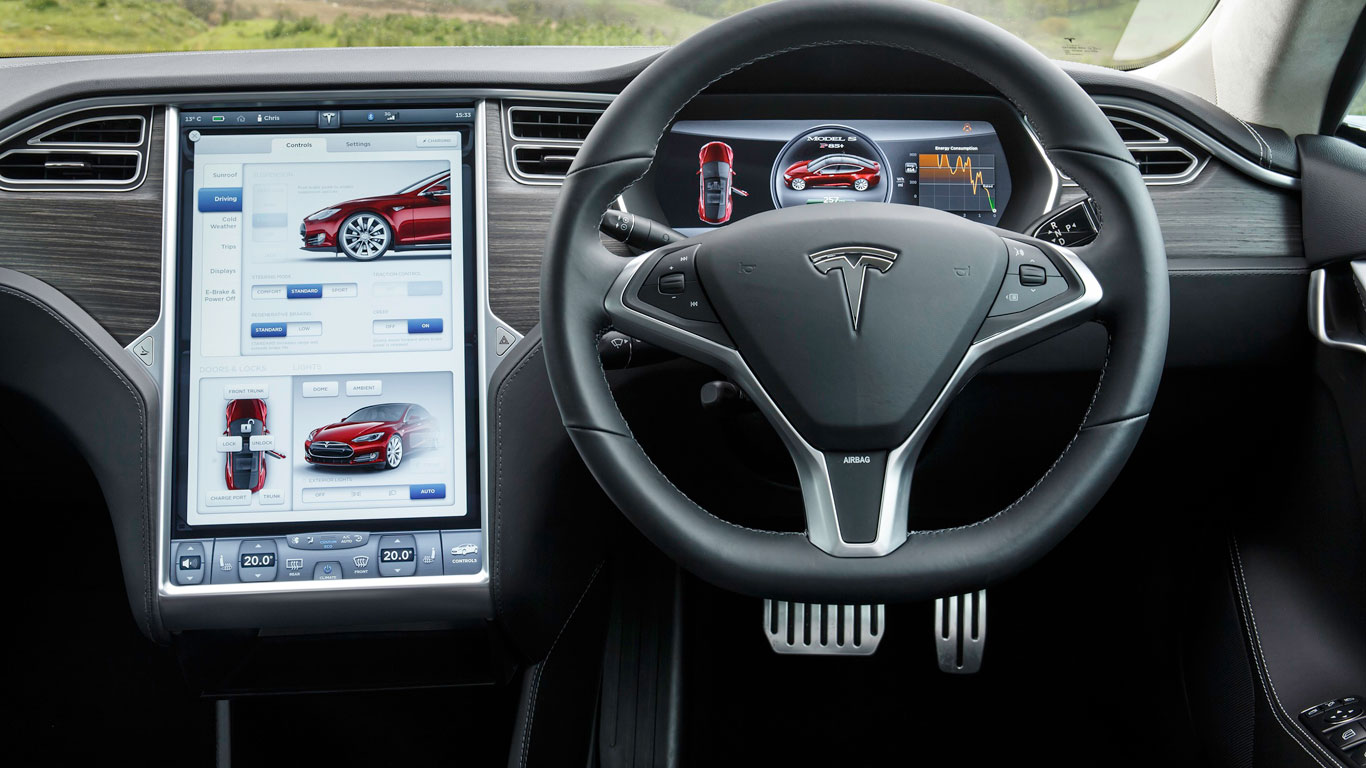
The rate at which Tesla Inc. – formerly Tesla Motors – has gone from nothing to something is rivalled only by a Model S P100D in Ludicrous mode. Love him or hate him, Elon Musk has put the electric car maker at the centre of the automotive universe, but the journey hasn’t been as smooth and linear as an EV’s acceleration. This is a brief timeline of Tesla events.
No compromise
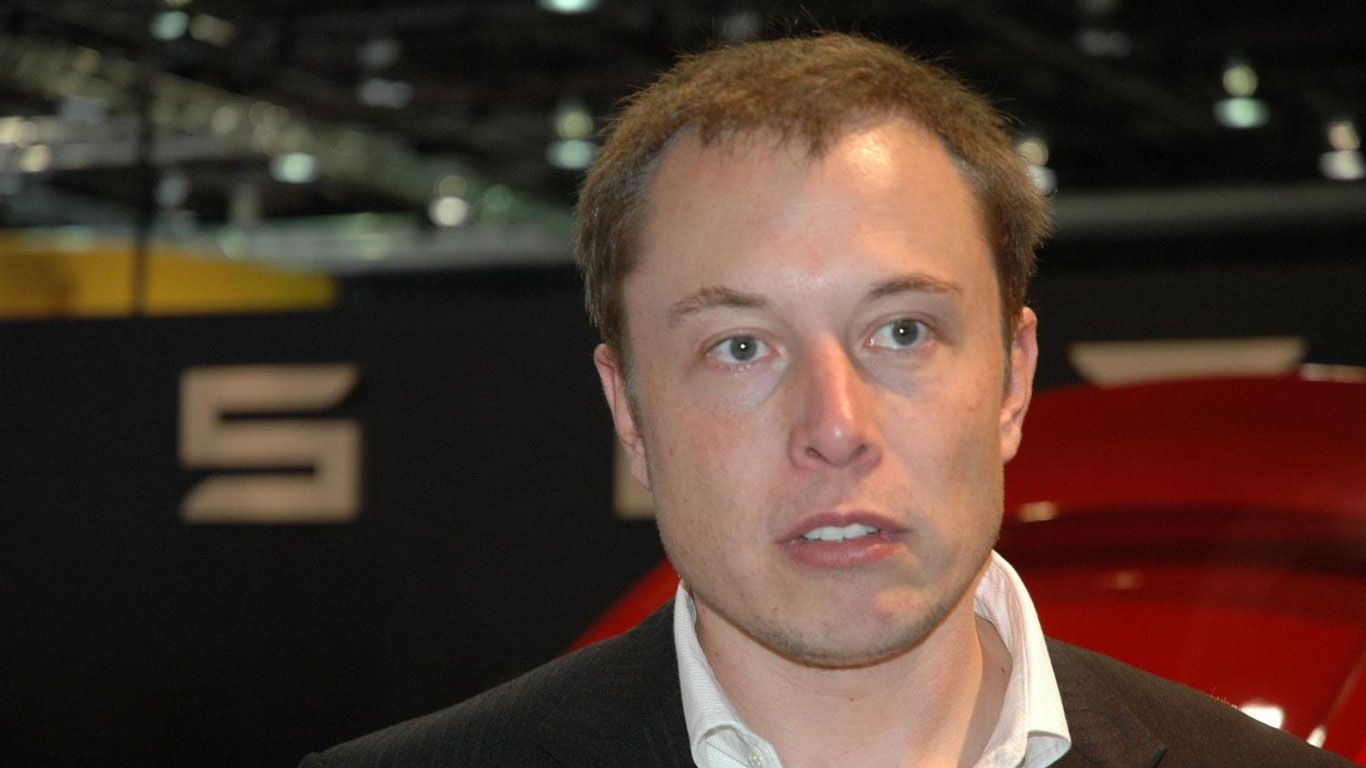
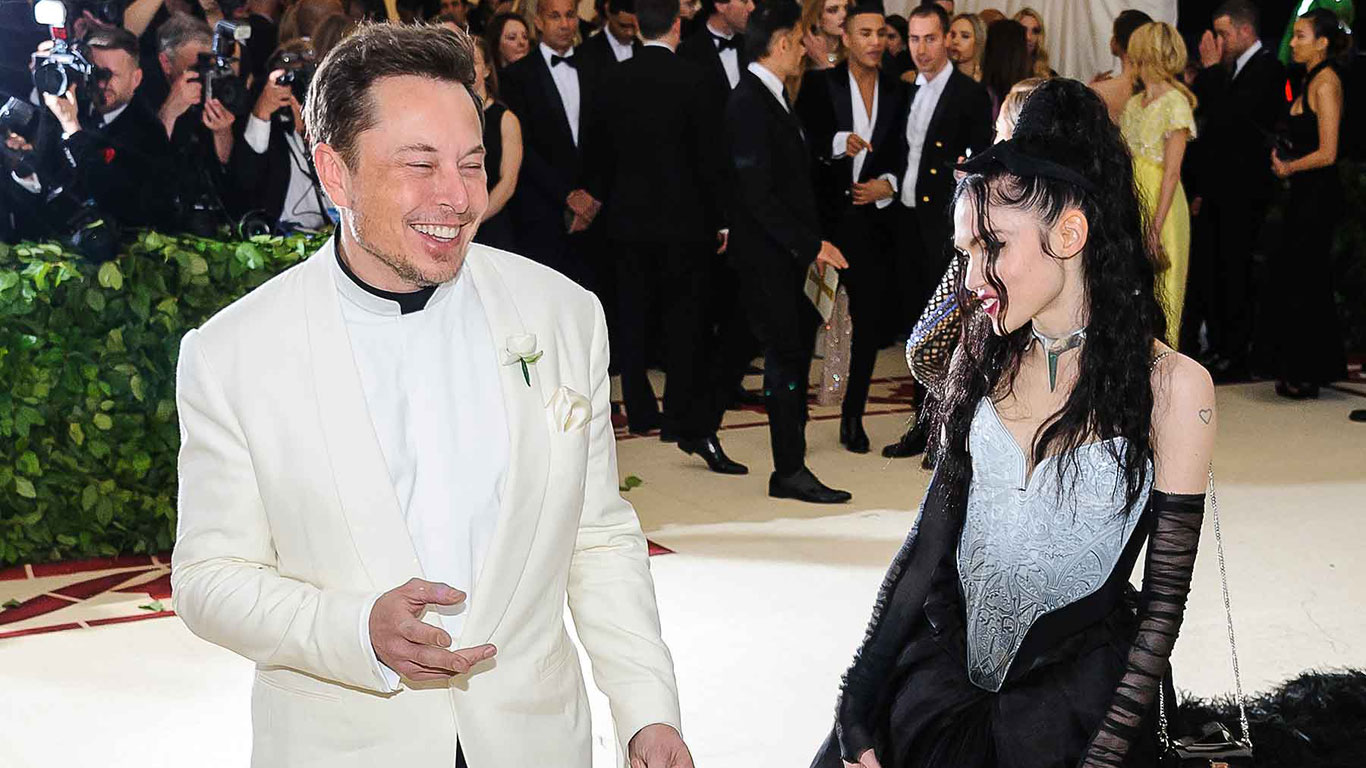
Tesla Motors was founded in 2003 “by a group of engineers who wanted to prove that people didn’t need to compromise to drive electric – that electric vehicles can be better, quicker and more fun to drive than gasoline cars”. Its founders: Martin Eberhard, Marc Tarpenning, Ian Wright, J.B. Straubel and a guy named Elon Musk. You may have heard of him.
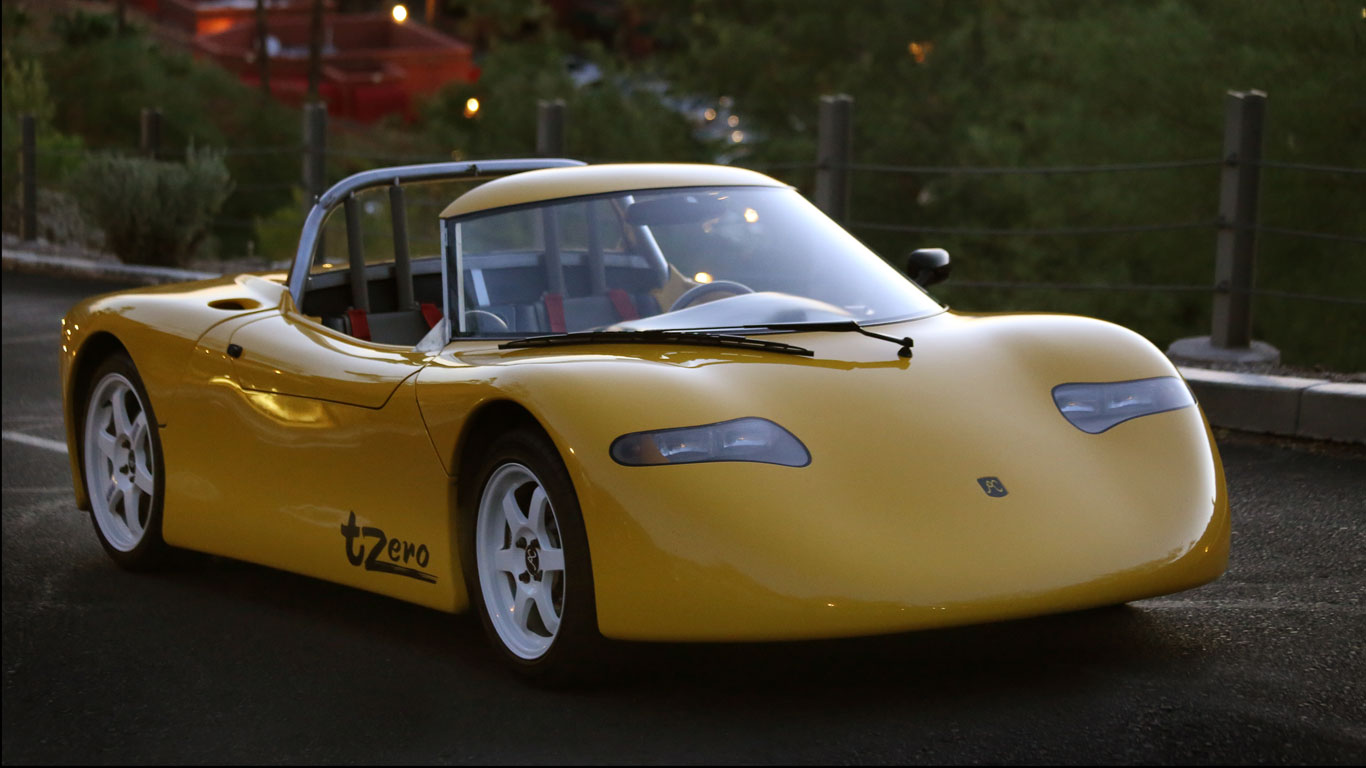
The Tzero
According to a brilliant piece on Business Insider, the story began when product designer Malcolm Smith took a call from Martin Eberhard. He was invited to an office in California where he found Eberhard and his partner Marc Tarpenning working on an electric car using a Piontek Sportech kit car as a base. The car was called the Tzero, and the pair harboured dreams of building an electric car to sell to the public.
Incorporated July 2003
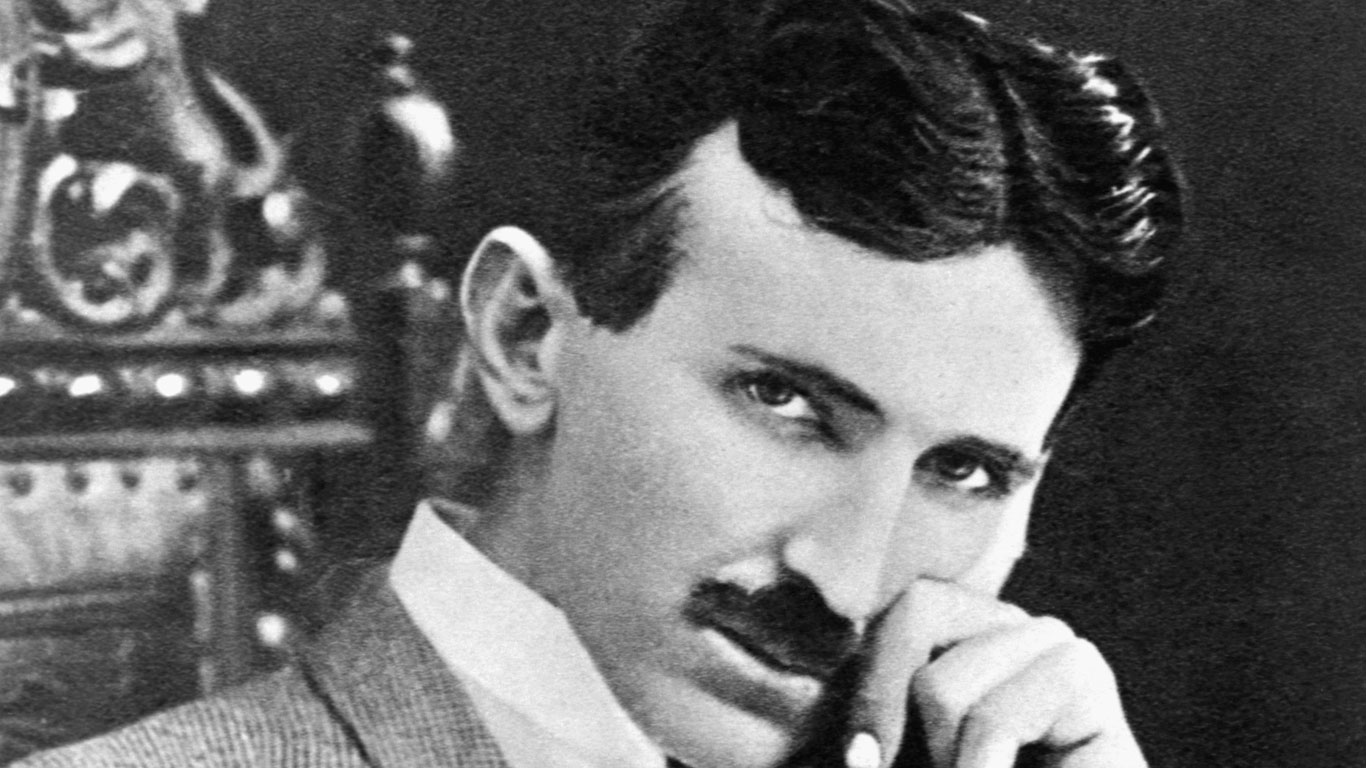
Marc Tarpenning purchased the teslamotors.com domain in April 2003, before the company was incorporated on 1 July 2003. The name pays tribute to Nikola Tesla, the Serbian-American inventor of the AC induction motor.
Musk ups his game
Malcolm Smith was one of the first 20 employees of the new car company, with an official title of vice president of vehicle engineering. The next step was to secure funding, as building and sustaining a volume car manufacturer wouldn’t be cheap. Cutting a long story short, Musk invested $7.5 million in the business and became chairman of the board.
PayPal and space rockets
Elon Musk made his money when PayPal was sold to eBay for $1.5 billion in 2002. He also established SpaceX in the same year. Interviewed for a National Geographic documentary, Musk spoke about his plans for the future of the world. These plans, which he made at college, centred on the internet, making life multiplanetary and sustainable energy.
Under pressure
With so much at stake, it’s understandable that things got a little heated. Musk fell out with Eberhard, who resigned from his executive position and became president of technology, with Michael Marks taking over as interim CEO in 2007. Later in the year, he was replaced by Ze’ev Drori, the former CEO of Clifford Electronics, before Musk took on the role of CEO in 2008.
Job cuts
Tesla Motors wasn’t in the best of shape. By the time Musk became CEO in October 2008, he had already invested $55 million of his own cash and was forced to fire 25 percent of the workforce. The fact that he managed to secure $40 million of funding saved the company from bankruptcy.
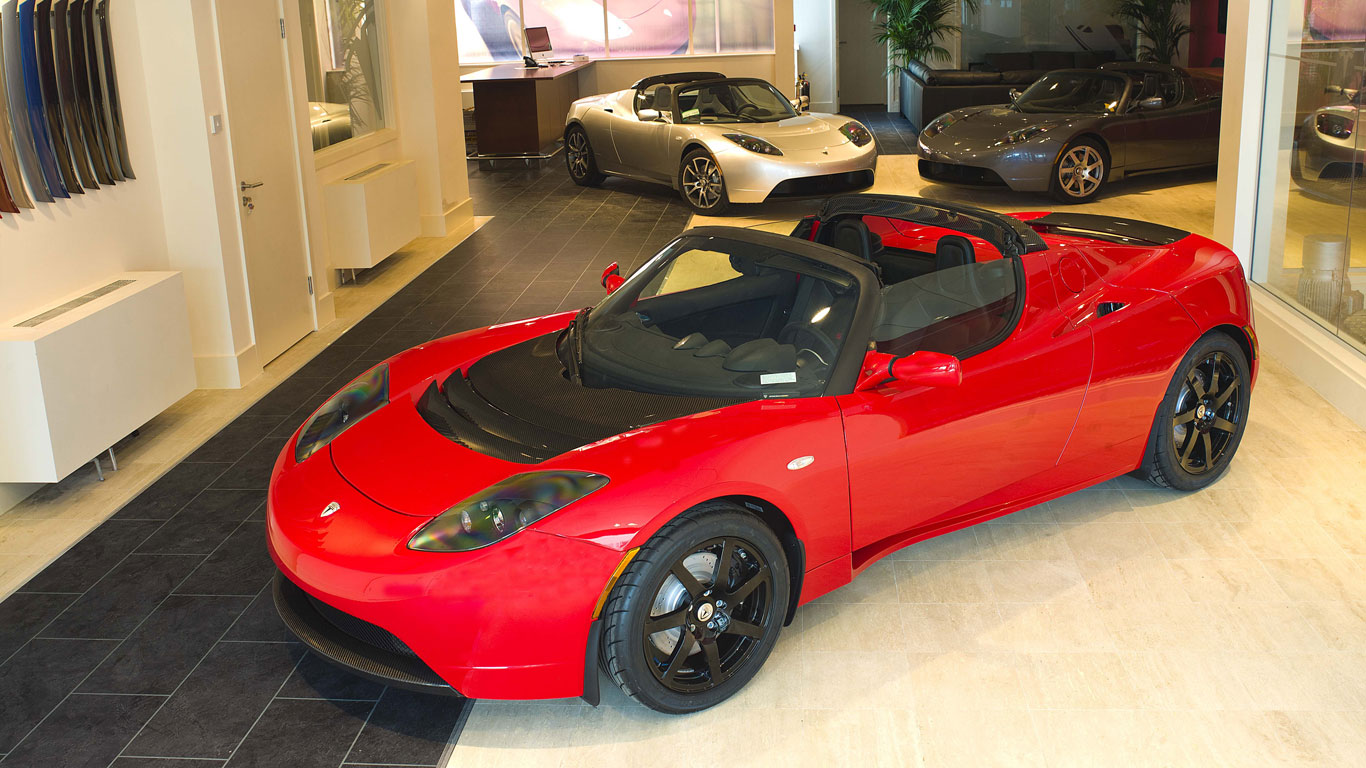
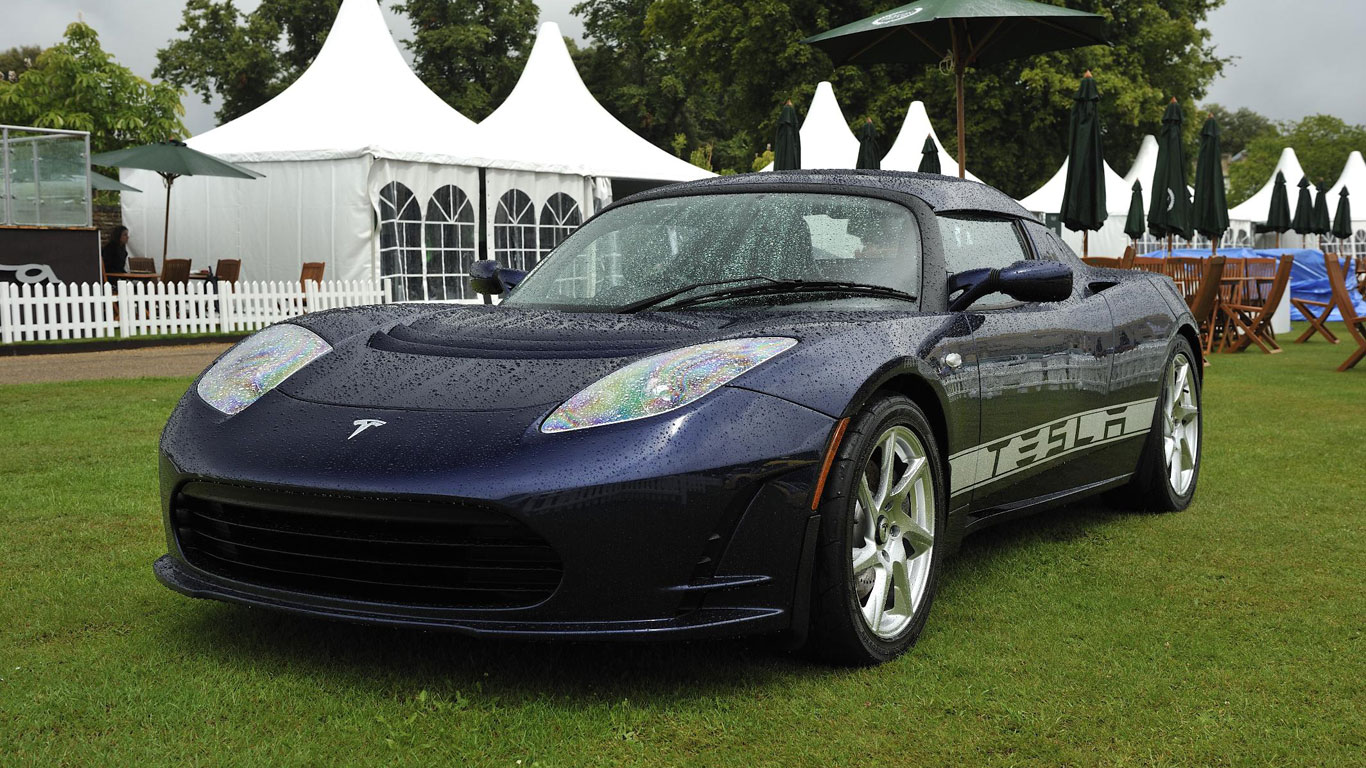
Tesla Roadster
The story of the Tesla Roadster begins in 2003, when Eberhard and Tarpenning muscled in on the Lotus stand at the Los Angeles Auto Show. Tesla knew that it had to piggyback an existing platform to get established – the cost of building an entire car would be too prohibitive. Lotus seemed like a good fit, with its own engineering and design divisions, not to mention a track record of working with other companies. At the time, Lotus was building the VX220/Speedster for General Motors.
Tesla Roadster
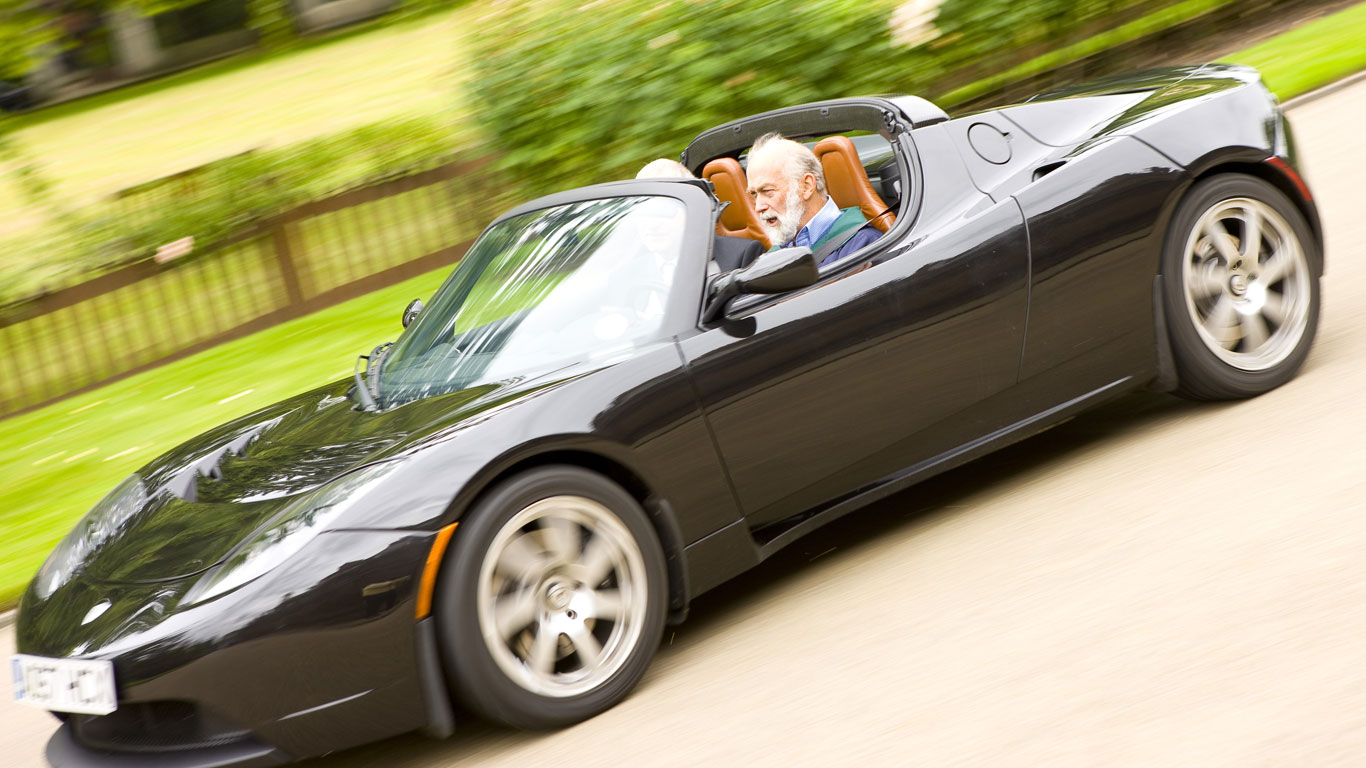
Tesla struggled to agree on a design for the Roadster. The team didn’t want something that screamed electric like the GM EV1, but it was the British designer Bill Moggridge who sent the team down a path of building something that looked like a traditional sports car, with a hint of retro about it. Following another call for designs, one proposal stood out: that of Barney Hatt, the principal designer at the Lotus Design Studio.
Tesla Roadster
Martin Eberhard emptied a room at his house and invited friends and colleagues to vote on the different proposals. Each person was given red and green sticky-notes, with red for ‘bad’ and green for ‘good’. Writing in 2006, Eberhard said: “No doubt about it. Barney had a few red notes to be sure, but he was hands-down the winner. I never expected it, because his first proposals (before Bill’s brief) were awful.”
Tesla Roadster
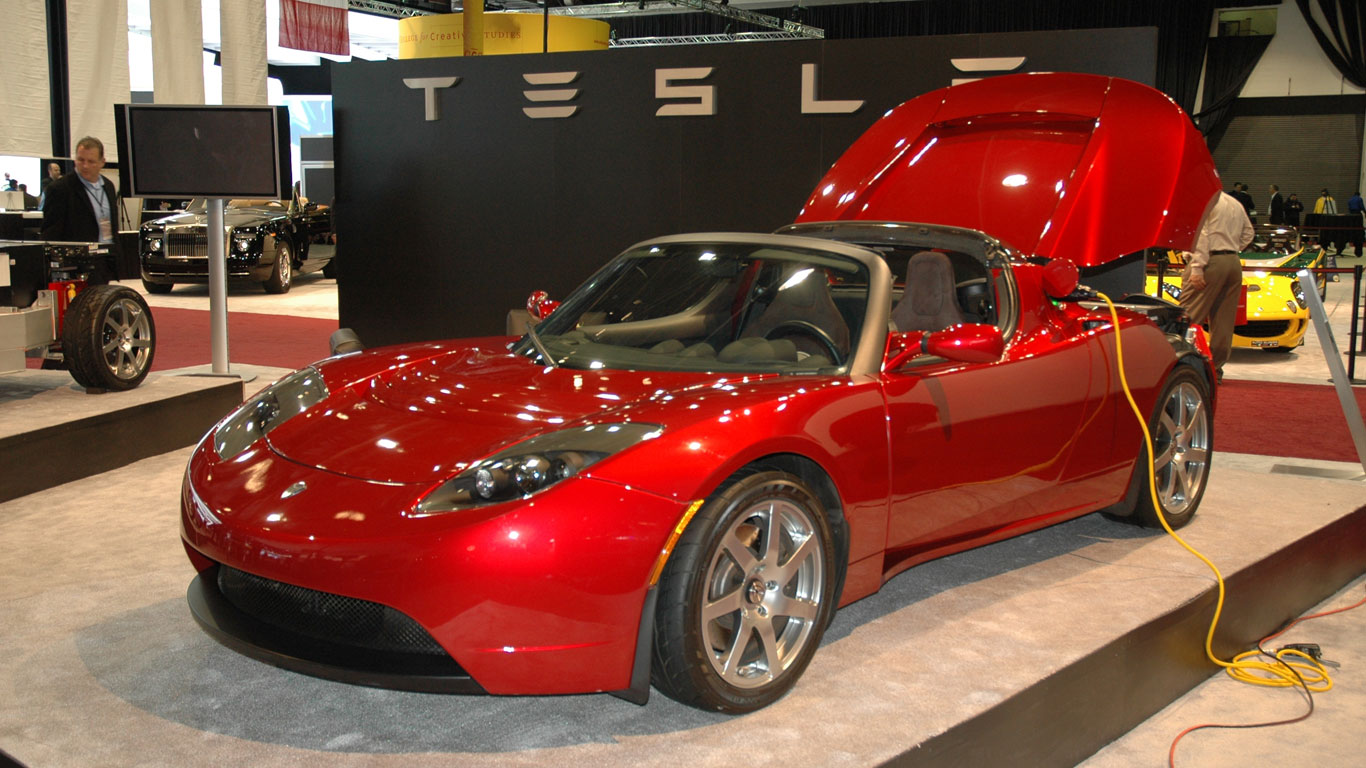
The first design mule was completed in 2004, before the Tesla Roadster was unveiled in 2006 at the Barker Hangar in Santa Monica. Tesla hoped to sell 100 cars at the event, with guests invited to spend $100,000 on the electric dream. Two weeks later, Tesla had received 127 reservations. The plan was to start shipping in 2006, building 500 cars a year by 2007, before making a profit by 2008. In reality, the Tesla Roadster didn’t start shipping until February 2008, with regular production commencing a month later.
Tesla Roadster
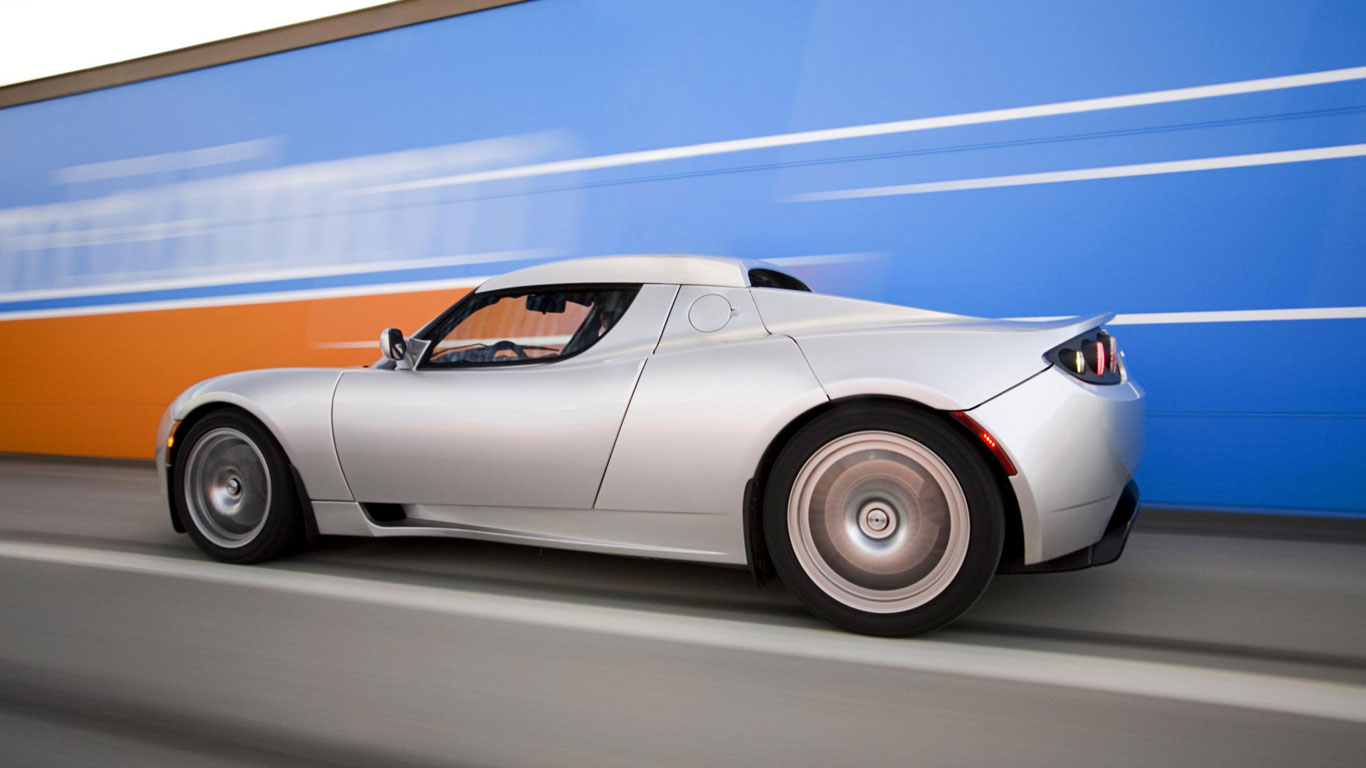
At the time, Tesla claimed that the Roadster could deliver a range of up to 245 miles, although this was revised to 211 miles. It could also hit 60mph in just 3.7 seconds, giving it supercar-levels of performance. Not that Top Gear, and in particular, Jeremy Clarkson, was about to give the Roadster an easy ride.
Tesla vs Top Gear
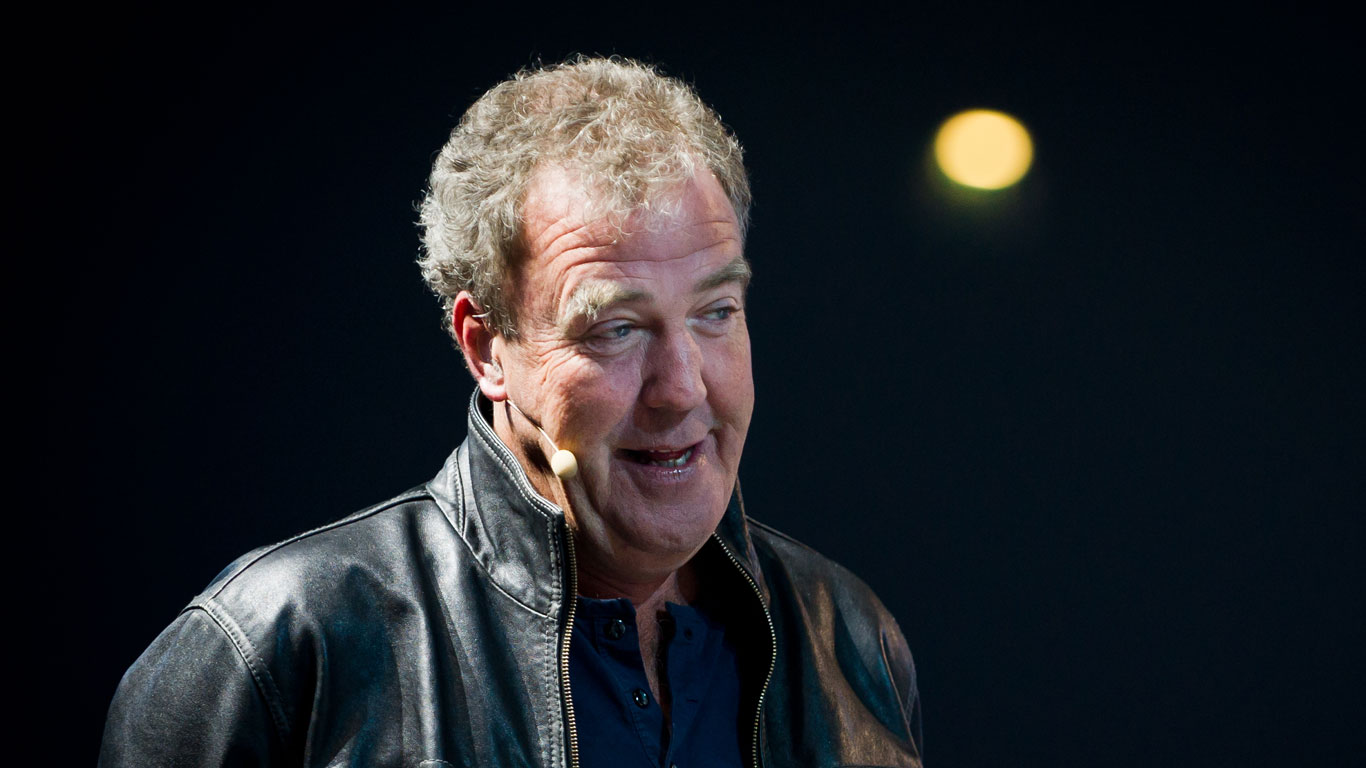
Clarkson famously claimed that, when driven hard, the true range was just 55 miles, and television footage showed the car being pushed into a hangar by four men. We also watched as one Roadster overheated and the other one suffered from brake failure. Tesla sued the BBC for what it called “libel and malicious falsehood”, claiming “the breakdowns were staged and the statements [were] untrue”. Tesla lost the case.
Tesla Roadster
Early troubles and a 2009 recall aside, the Roadster successfully put Tesla on the automotive map, but what was essentially a second car for wealthy individuals was only ever going to be a springboard for bigger things. Tesla knew that it needed a larger car with mass appeal. That car would be the Model S.
Growing pains
The year 2010 was to be a significant one in the history of Tesla. Elon Musk started by telling a judge that he was out of cash and living off emergency loans, while Tesla had lost a reported $290m in seven years. At the time, the company had sold just 1,063 cars and could boast a mere 12 showrooms around the world. However, the dream was far from over.
Tesla goes public
In April 2010, Daimler acquired a 10 percent equity stake in Tesla, with the American company receiving $50m in return. A few weeks later, the firm received a $465m loan from the US department of energy. Then, in June, Tesla made history by becoming the first American car company to go public since Ford in 1956. It sold 13.3m shares at $17 each.
Tesla factory opens
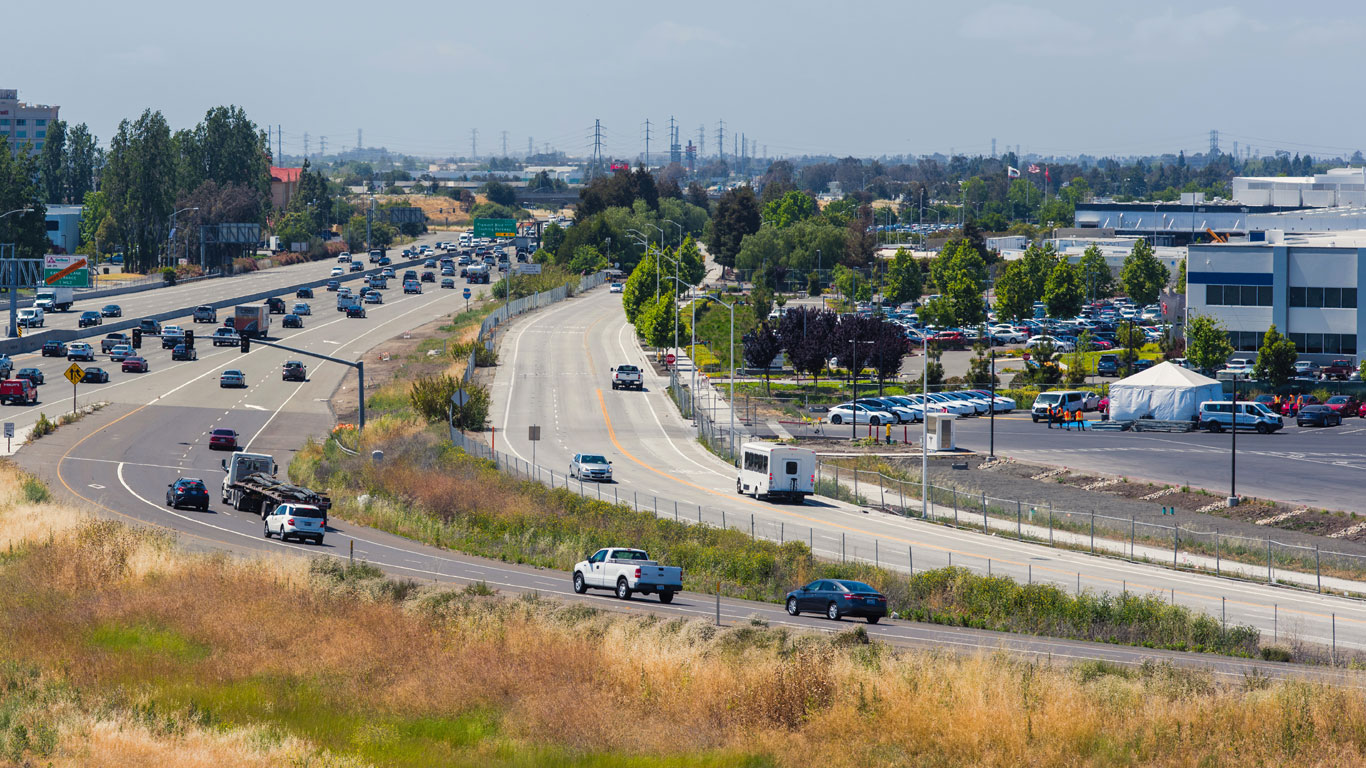
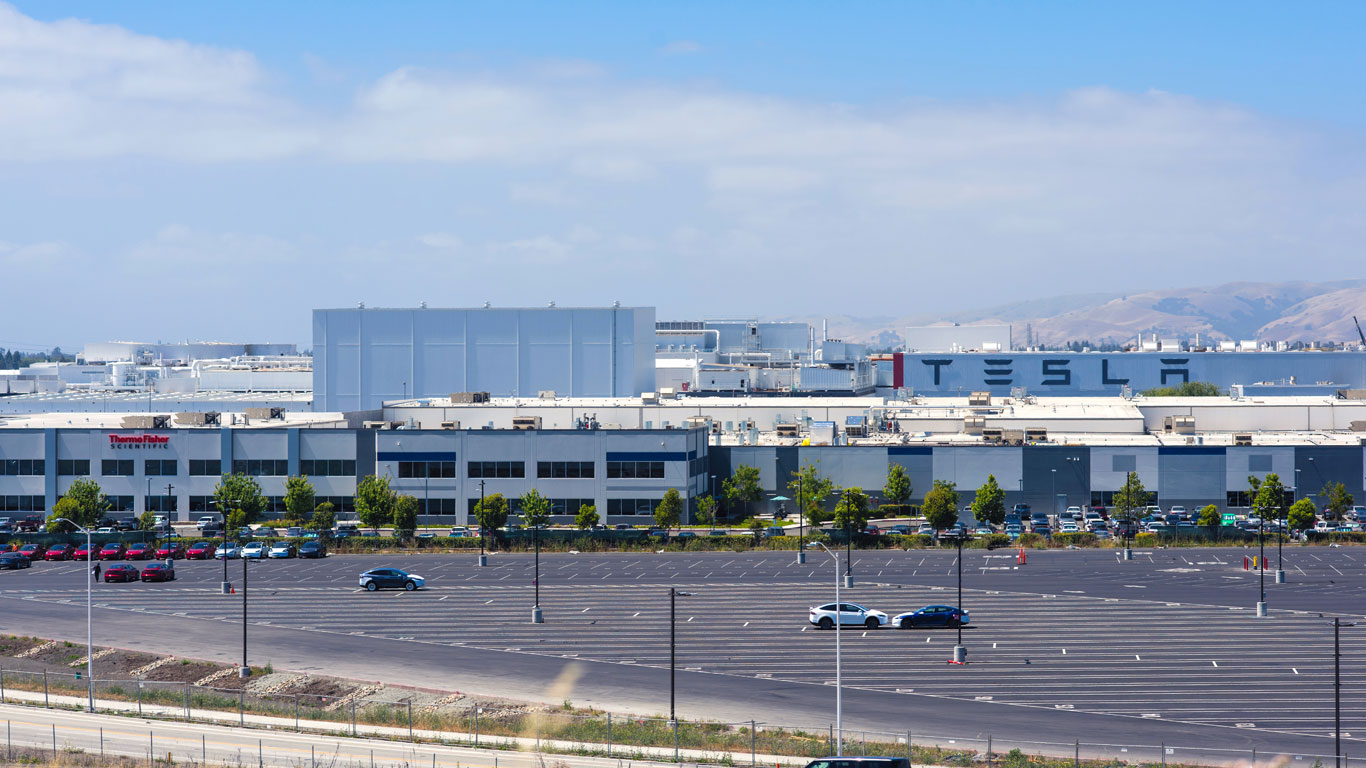
The next significant step was the purchase of the former General Motors and Toyota factory in Fremont, California. Tesla added skylights to provide the workers with natural light and painted the floors white, giving it the feel of a tech plant, rather than a factory first used by GM in 1962. Employees were also given access to bikes to make their way around the 5.3 million square feet of manufacturing and office space, with machines painted red to make everything feel on-brand.
A new sales and marketing model
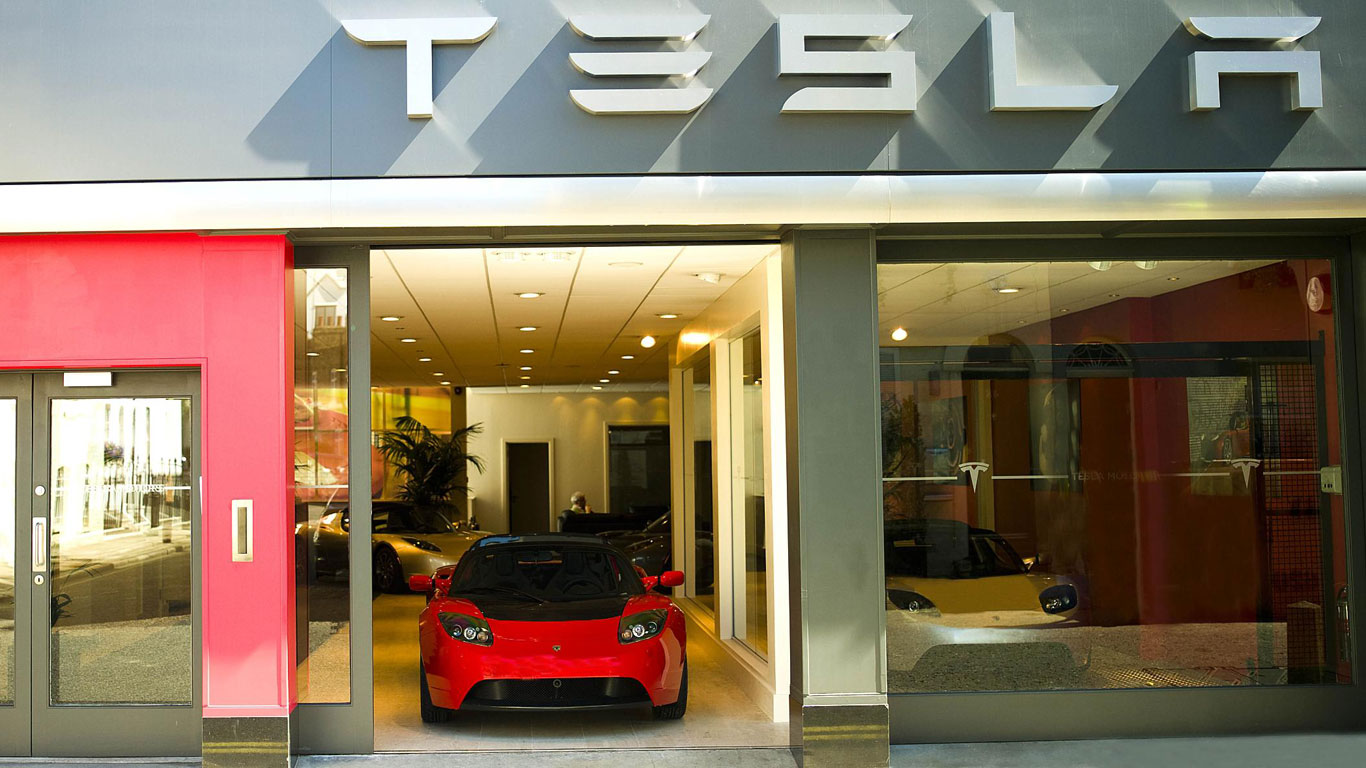
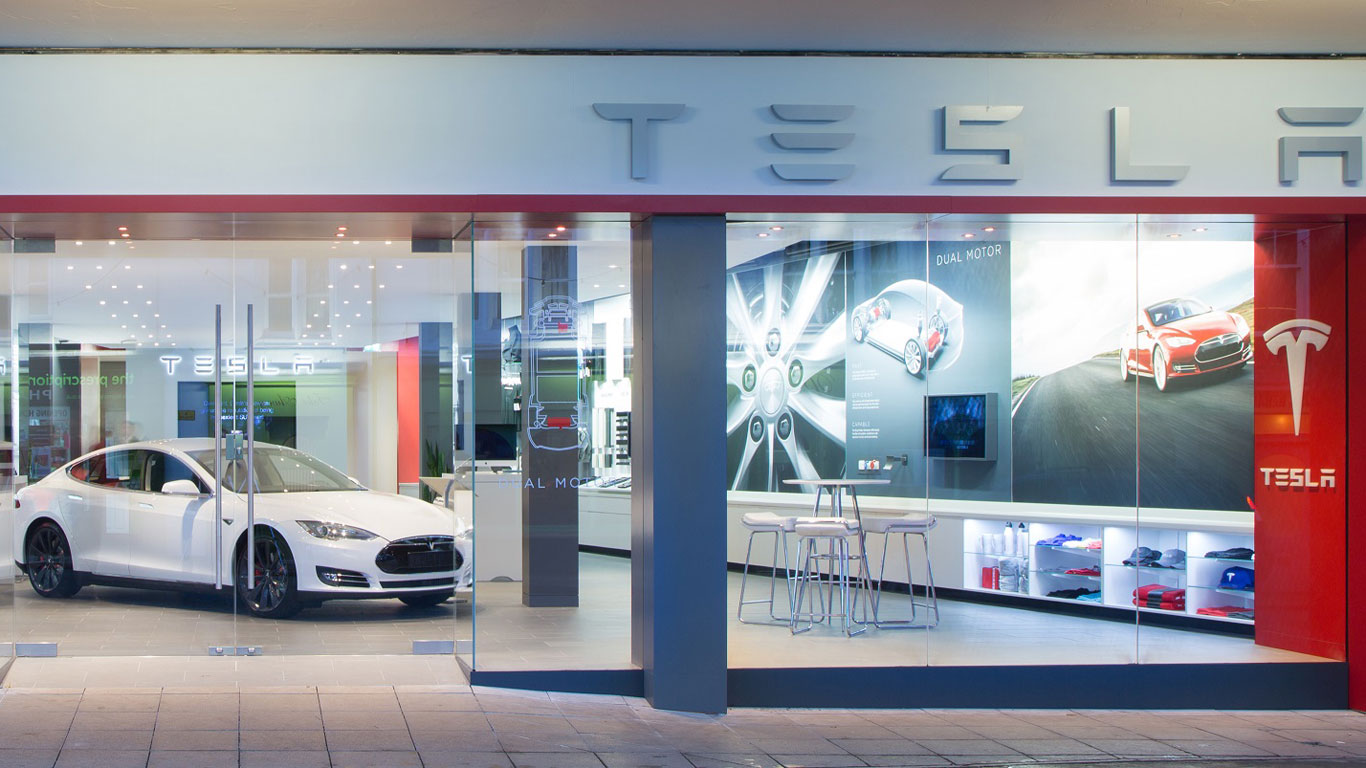
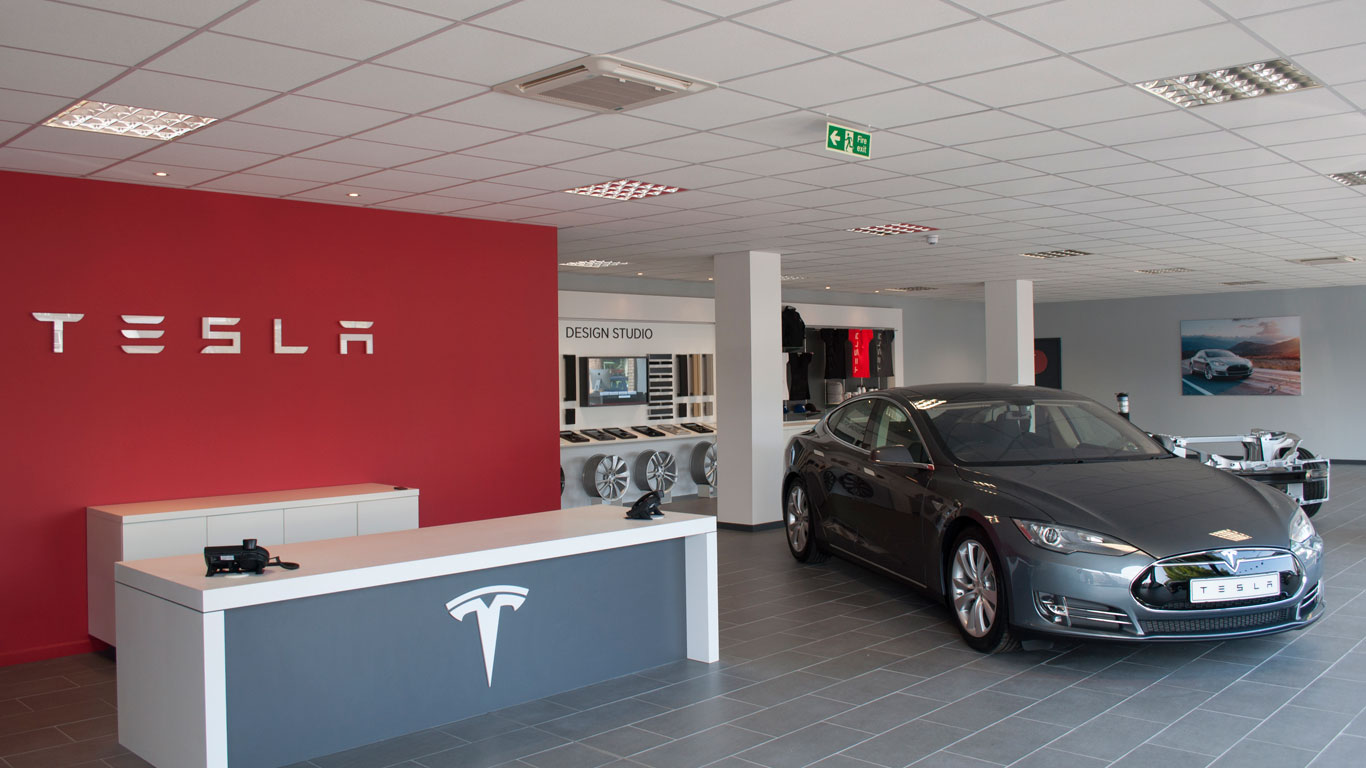
Ever the maverick, Elon Musk ripped up the automotive sales and marketing rulebook and adopted a strategy that was more tech-led. There are no dealers, with Tesla creating its own-branded stores. “The type of place we are striving for combines the feel of an Apple store with a Starbucks and a good restaurant,” said Musk. Meanwhile, Tesla decided against using an ad agency or paying for advertising.
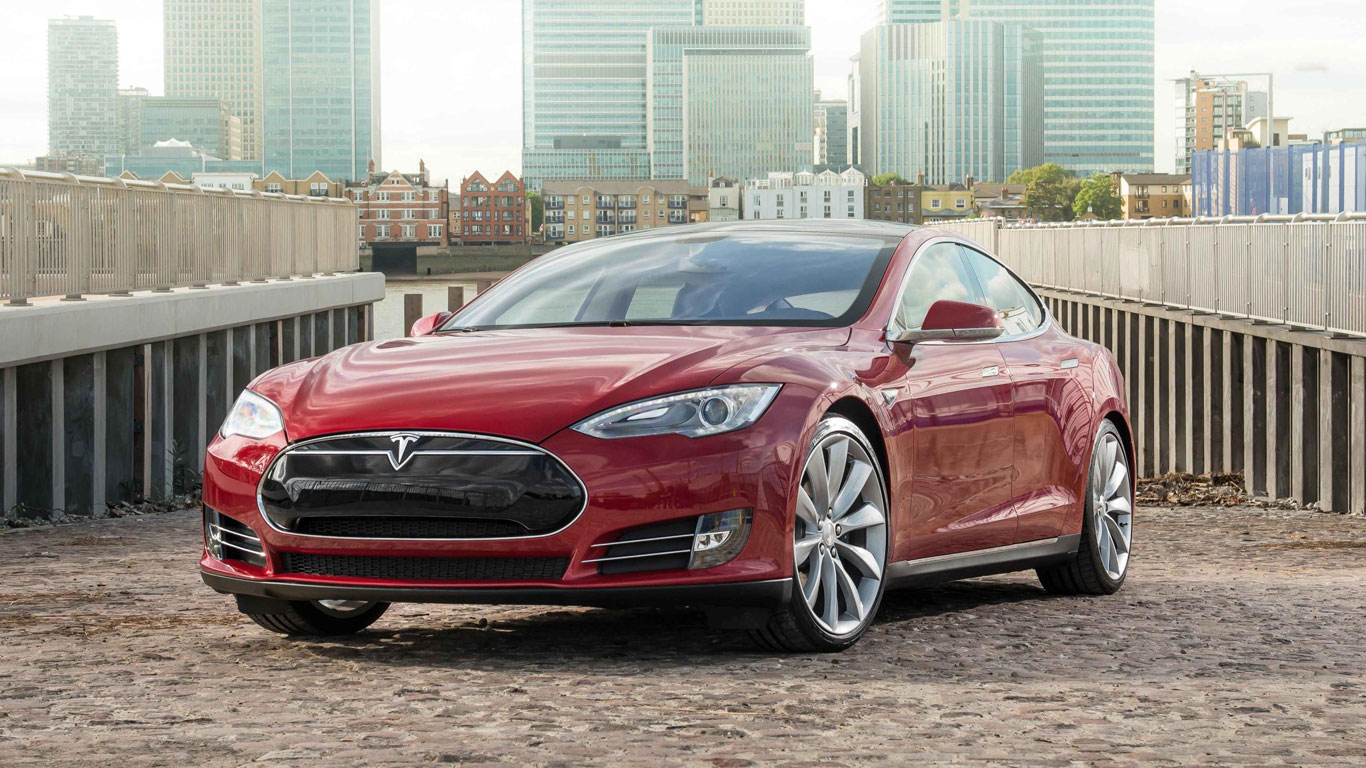
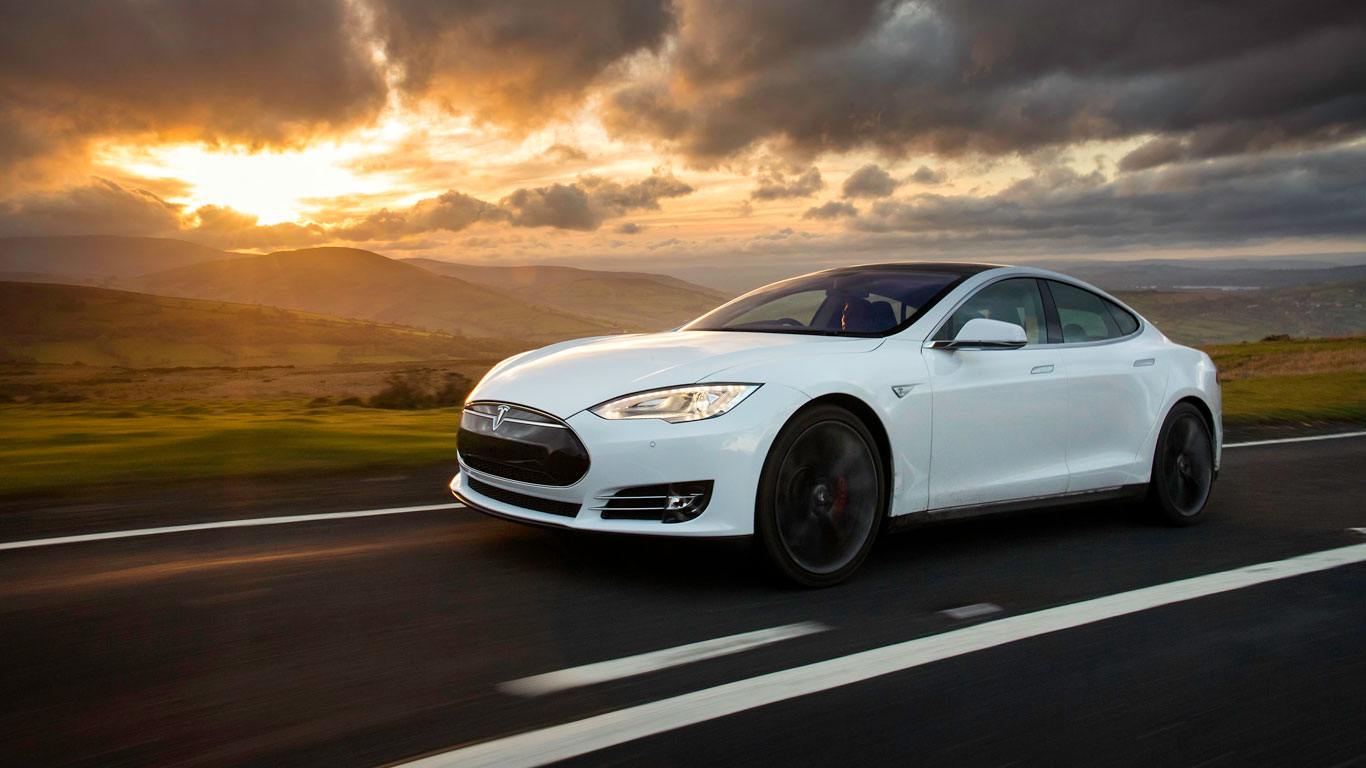
Tesla Model S
Musk’s maverick approach to Tesla’s growth strategy was bold but effective, seeing him likened to Tony Stark of Iron Man fame. Invest in reputation first, then worry about profit later, he said in a documentary, with his showmanship helping to mask delays, product issues and financial woes on more than a few occasions. His decision to host a ‘ride and drive’ event to satisfy and pacify impatient Model S customers was a stroke of PR genius.
Tesla Model S
To achieve its aims, Tesla hired the former Toyota production engineering manager Gilbert Passin as vice president of manufacturing. Meanwhile, Tesla drafted in former Mazda North America design chief Franz von Holzhausen as its chief designer. “Tesla is changing the paradigm,” said Franz. “We’re going to turn the world on its ear and create high demand through design. There is a new hunger in the air for automotive design and looking to where automobiles are going in the future. Tesla will capture this through good design and engineering.”
Tesla Model S
Model S deliveries began in June 2012 and the electric saloon started collecting awards within a few months. It also helped Tesla achieve its first quarterly profit in May 2013, before outselling the Mercedes-Benz S-Class, BMW 7 Series and every large luxury saloon in the US. A year later, Morgan Stanley labelled Tesla “the world’s most important car company.”
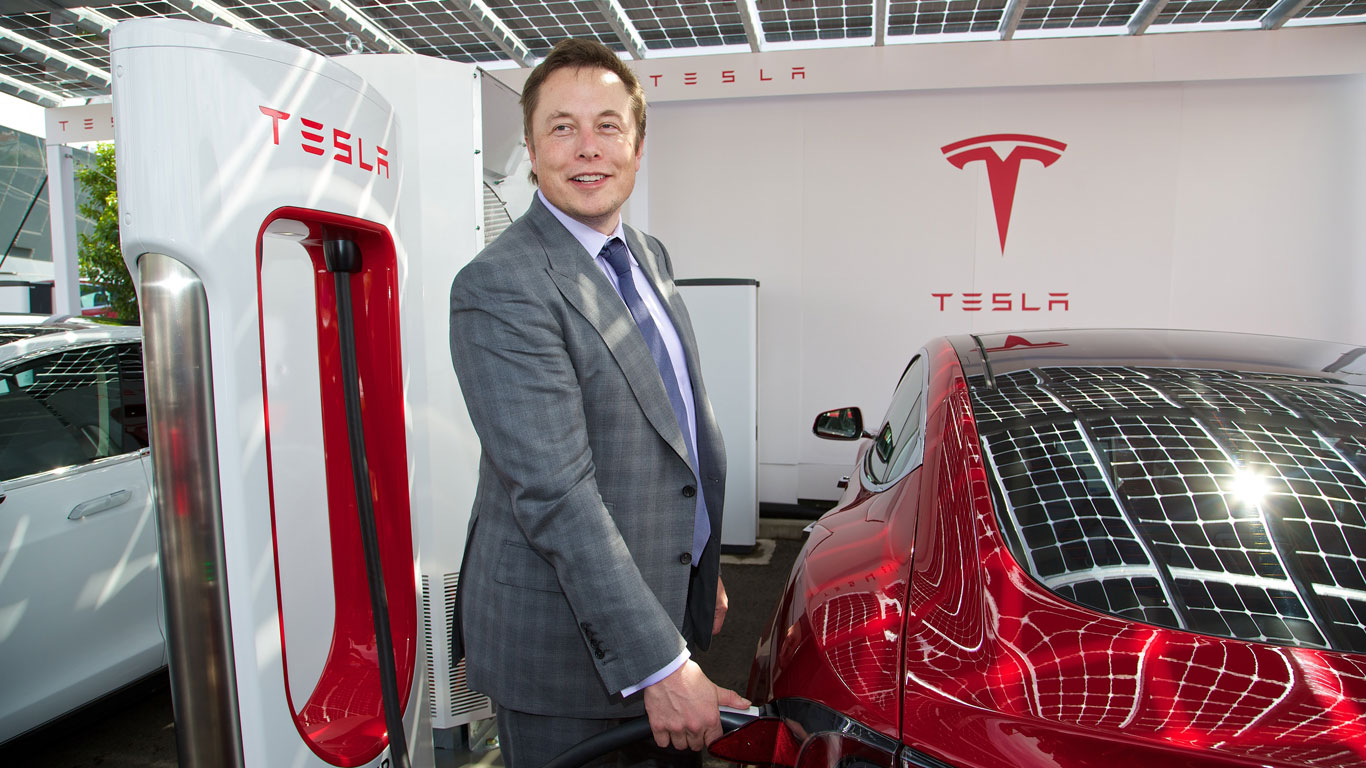
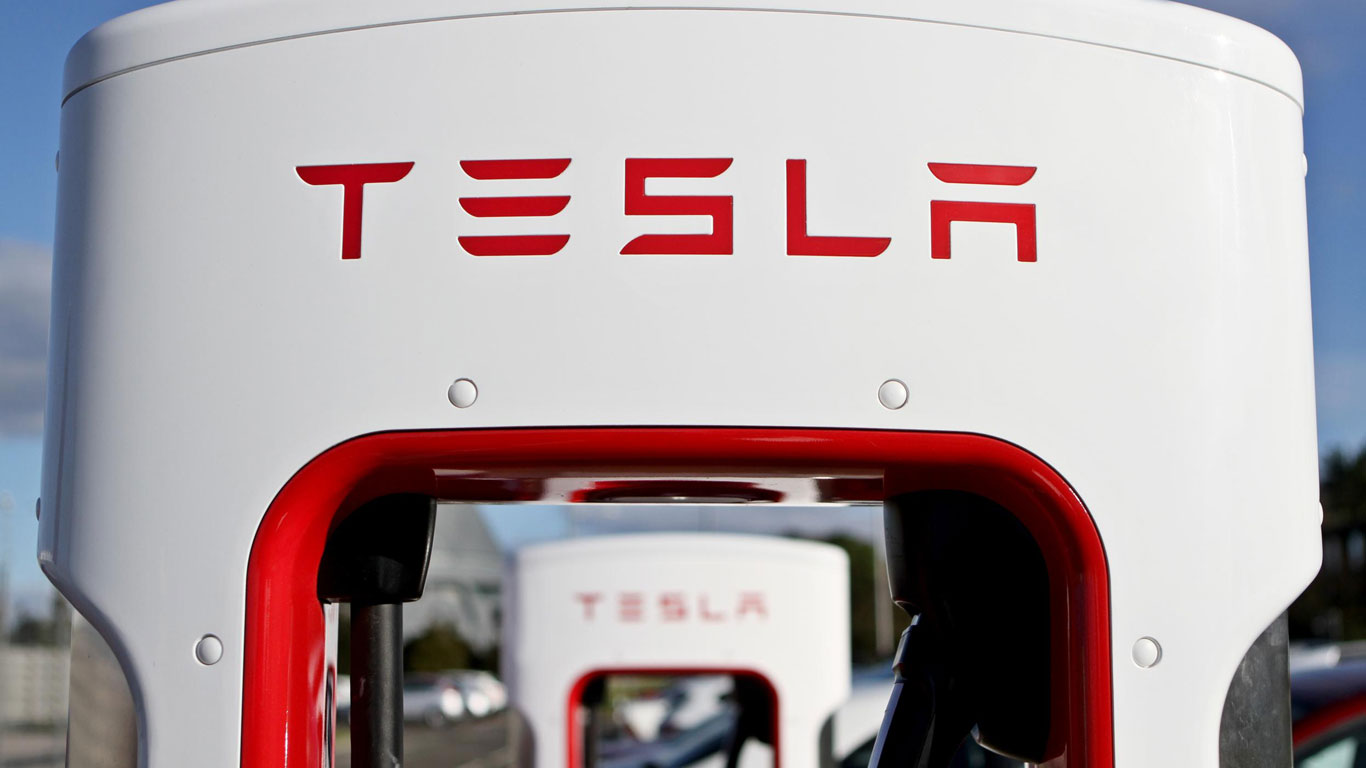
The first Supercharger
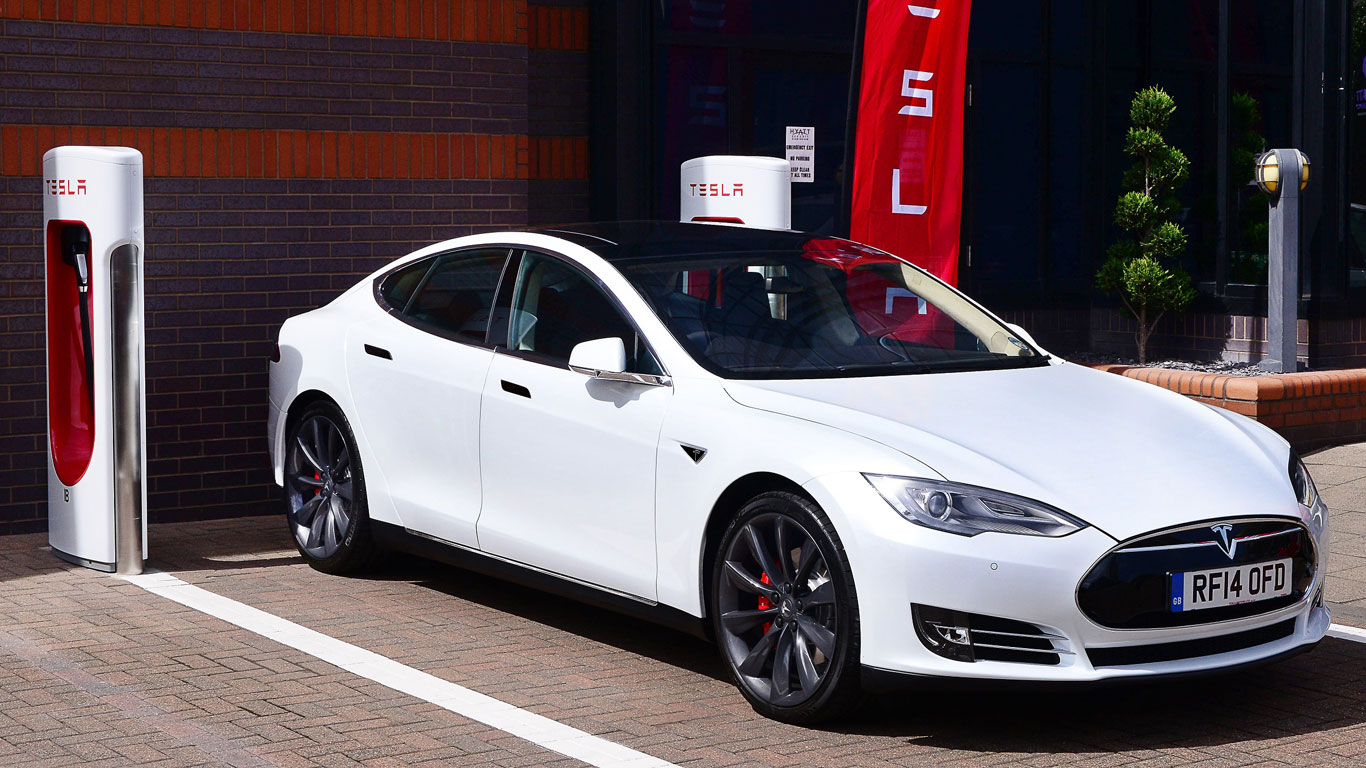
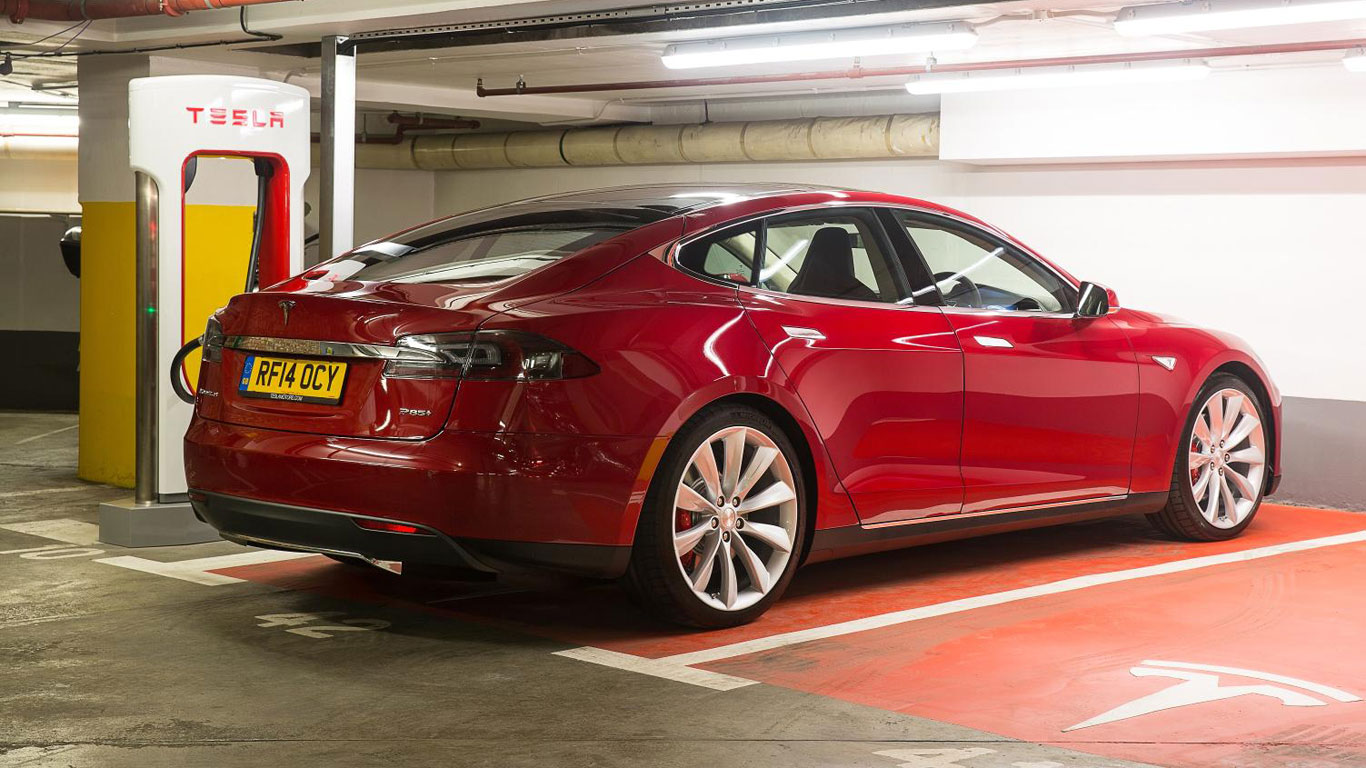
To satisfy demand, Tesla opened its first Supercharger in California in 2012, before embarking on an ambitious growth strategy. In June 2018, Tesla tweeted that it had opened its 10,000th Supercharger – located in Belleville, around 100 miles east of Toronto. A Supercharger can provide a Model S with around 170 miles of range in just 30 minutes.
Fire fighting
The Model S soon became the poster star of the EV industry – a glamorous, tech-laden advertisement for the electric car. But it wasn’t smooth sailing for the world’s first all-electric luxury car. A series of fires in 2013 led to a drop in share value, with Tesla also reporting disappointing third quarter results. The first fire involved a sharp object puncturing the battery pack, with Musk defending the Model S, saying: “For consumers concerned about fire risk, there should be absolutely zero doubt that it is safer to power a car with a battery than a large tank of highly flammable liquid.”
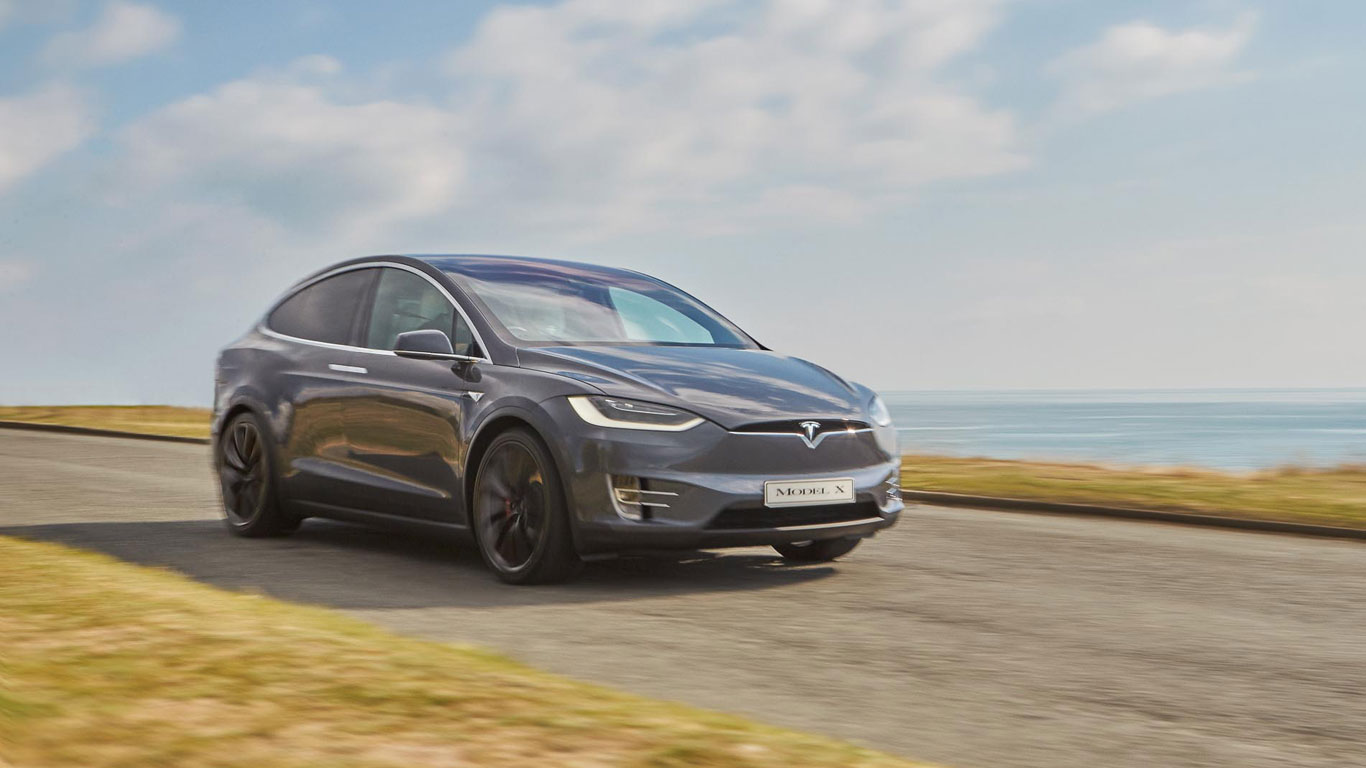
Tesla Model X
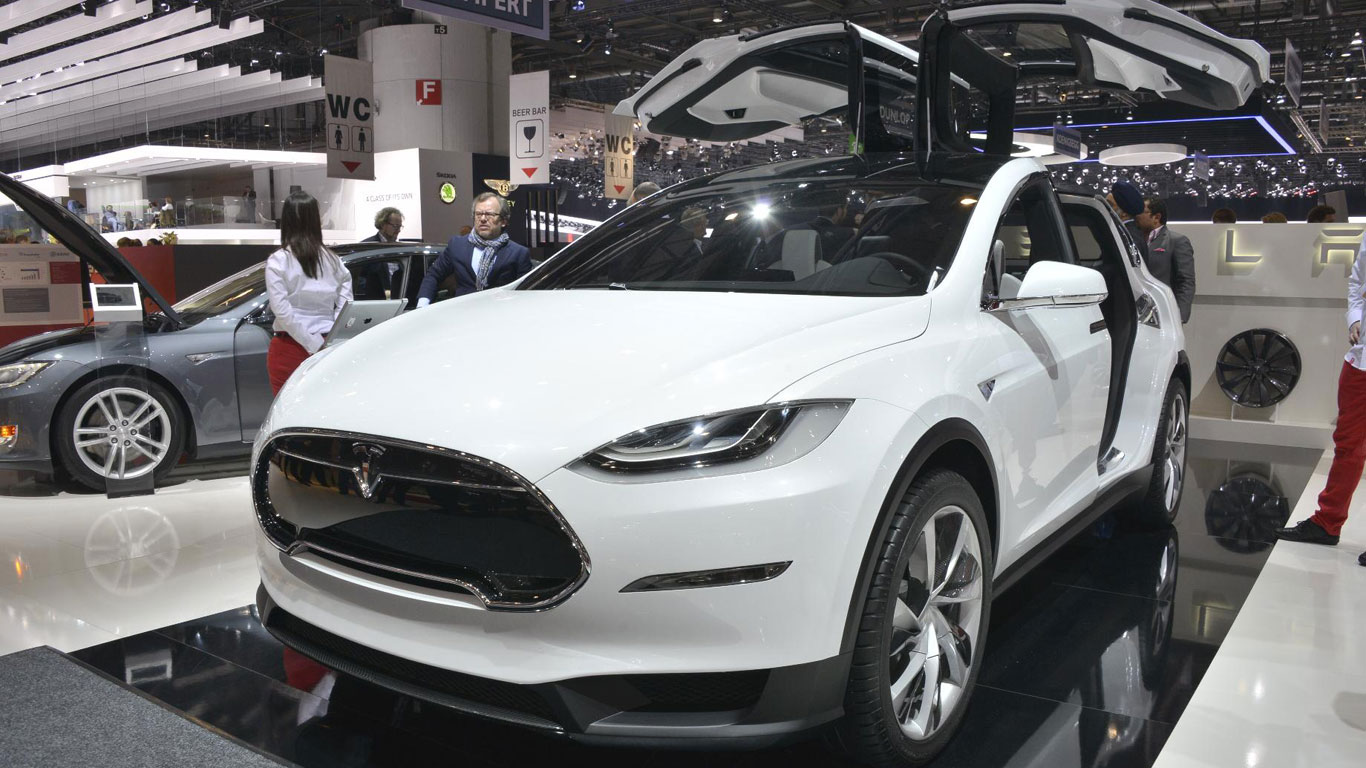
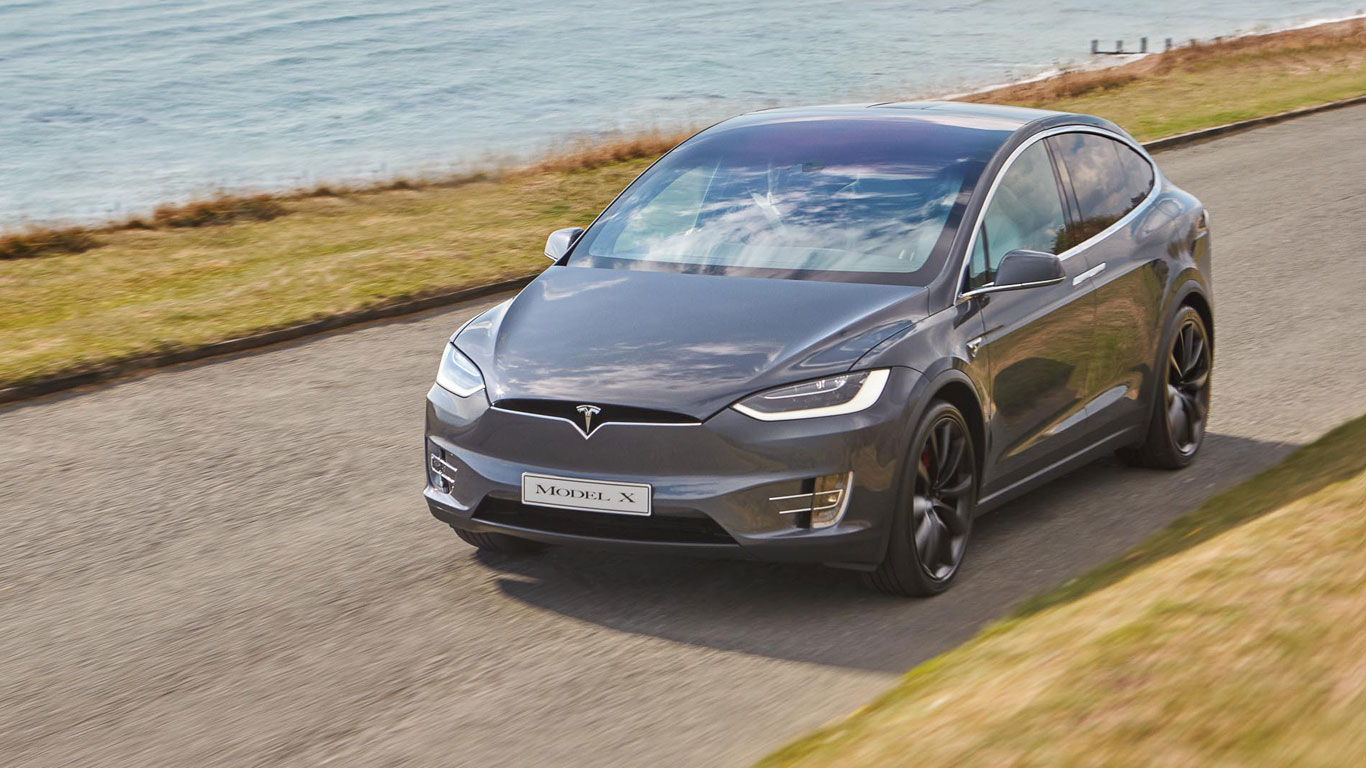
Tesla unveiled the Model X in 2012, with deliveries commencing in September 2015. Tesla calls it “the safest, quickest, most capable sport utility vehicle ever”, with the Model X boasting seven seats, all-wheel drive, a five-star safety rating and a range of up to 295 miles. In December 2015, Tesla announced that it had sold the 100,000th Model S, making it the second best-selling electric car behind the Nissan Leaf.
Tesla Energy
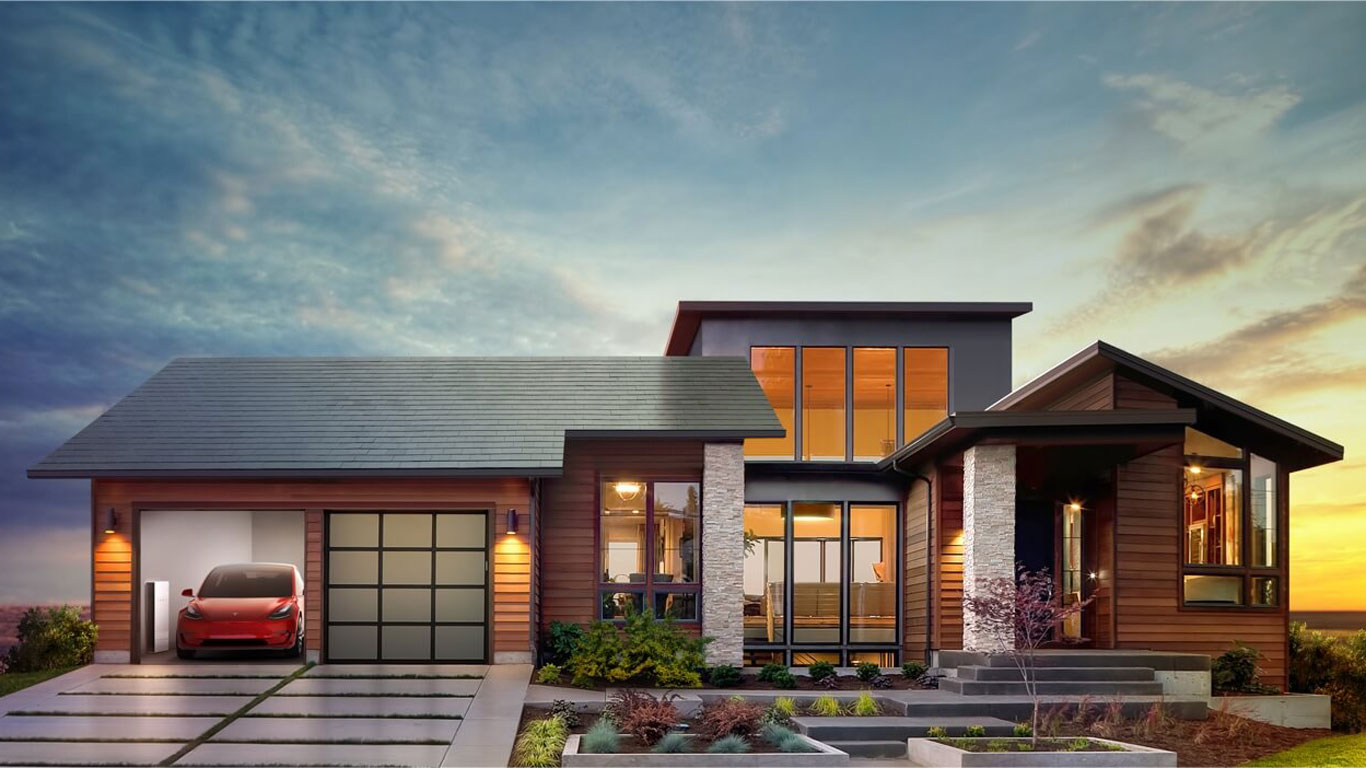
In 2015, Tesla Motors unveiled Tesla Energy, with a promise to deliver storage systems or batteries for homes, business and utility companies. It’s part of a vision to create a fossil fuel-free lifestyle in which people generate their own electricity to power their homes and recharge their car batteries. A year later, Tesla announced plans to buy SolarCity to “create the world’s only integrated sustainable energy company, from energy generation to storage to transportation.”
Tesla Model 3
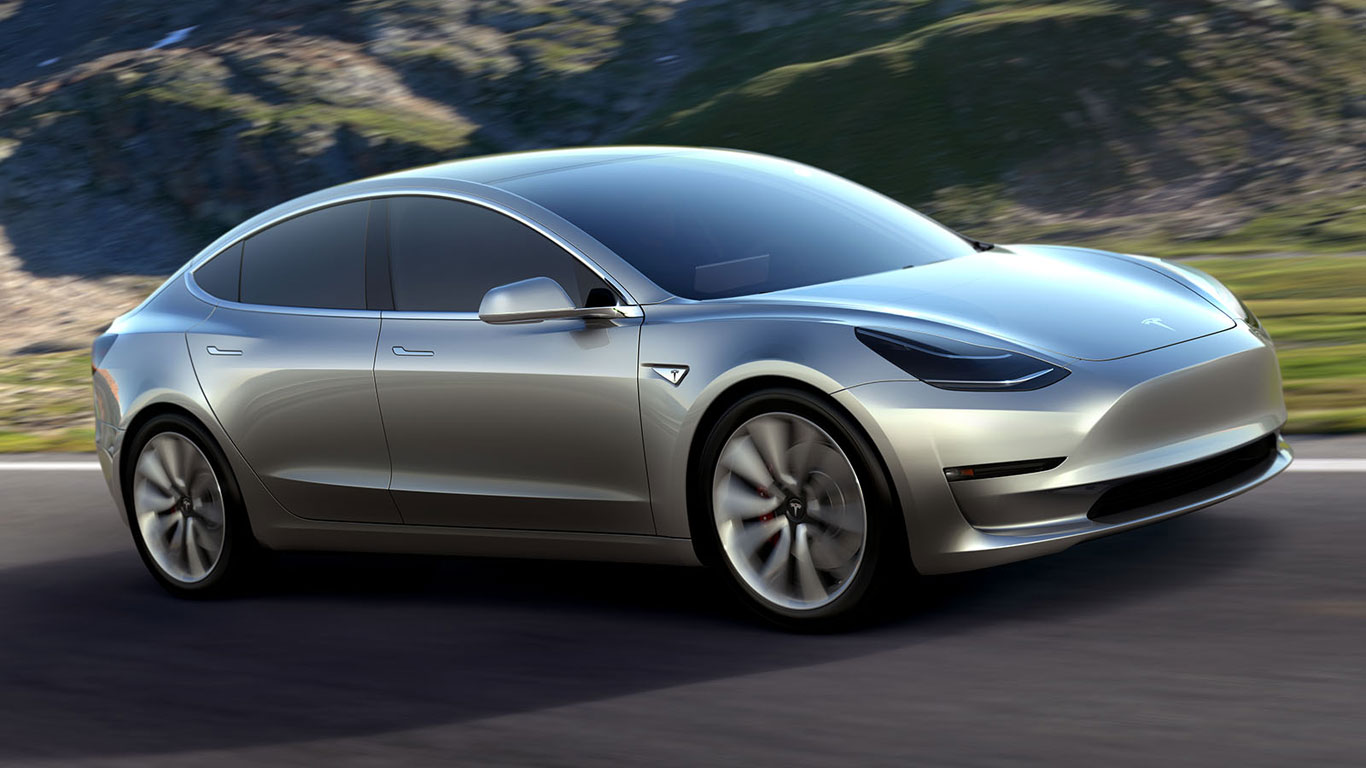
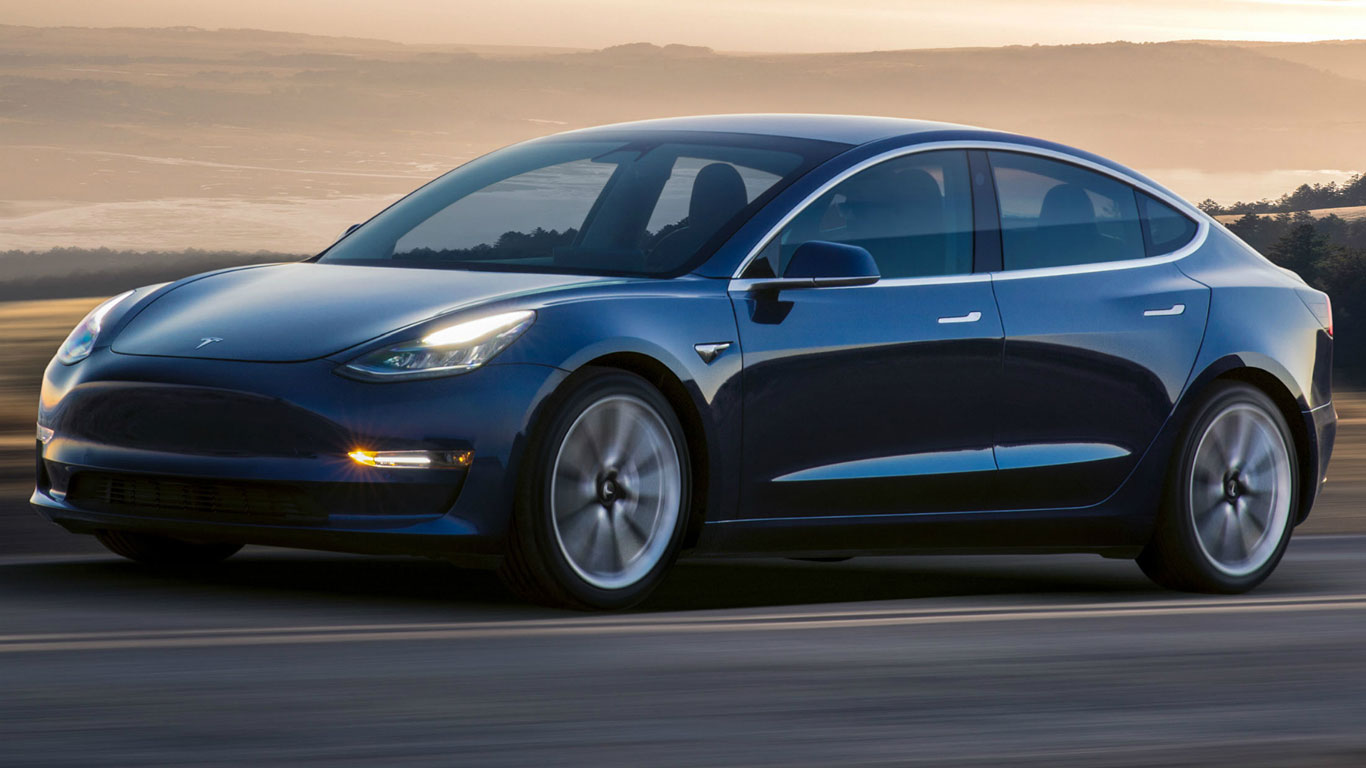
The Tesla Model 3 was unveiled in 2016, with Musk saying the firm had received 276,000 pre-orders for its affordable electric car. Customers were asked to put down $1,000 deposits to reserve their vehicle with Musk aiming to produce around 500,000 units a year once production reached full capacity. In October, Tesla announced its second and only other quarterly profit.
Tesla Model 3
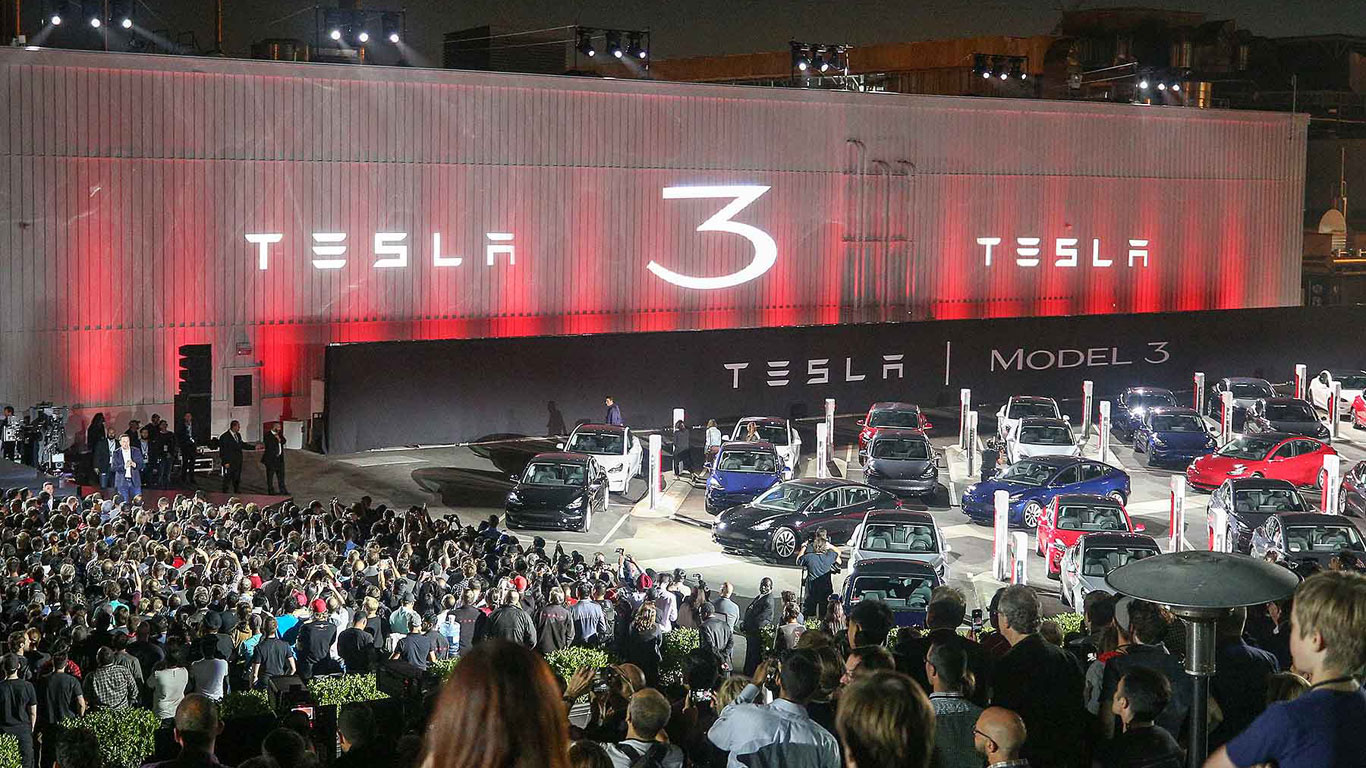
The first 30 Model 3s were delivered to their owners at an event in Fremont in July 2017, although by the end of the year the firm admitted that delivery numbers were falling well short of expectations. Shares fell as Tesla said: “As we continue to focus on quality and efficiency rather than simply pushing for the highest possible volume in the shortest period of time, we expect to have a slightly more gradual ramp through Q1, likely ending the quarter at a weekly rate of about 2,500 Model 3 vehicles. We intend to achieve the 5,000 per week milestone by the end of Q2.”
Easter eggs and theatre
Always keen to divert attention away from production and financial matters, Tesla has incorporated many so-called ‘Easter eggs’ in its models. These include the Lotus Esprit from The Spy Who Loved Me on the suspension menu, a Mario Kart setting for Autopilot, a door and light display for the Model X, and the surface of Mars on the map display. More seriously, in February 2017, Tesla Motors officially changed its name to Tesla Inc, marking a symbolic shift for the company.
Global production
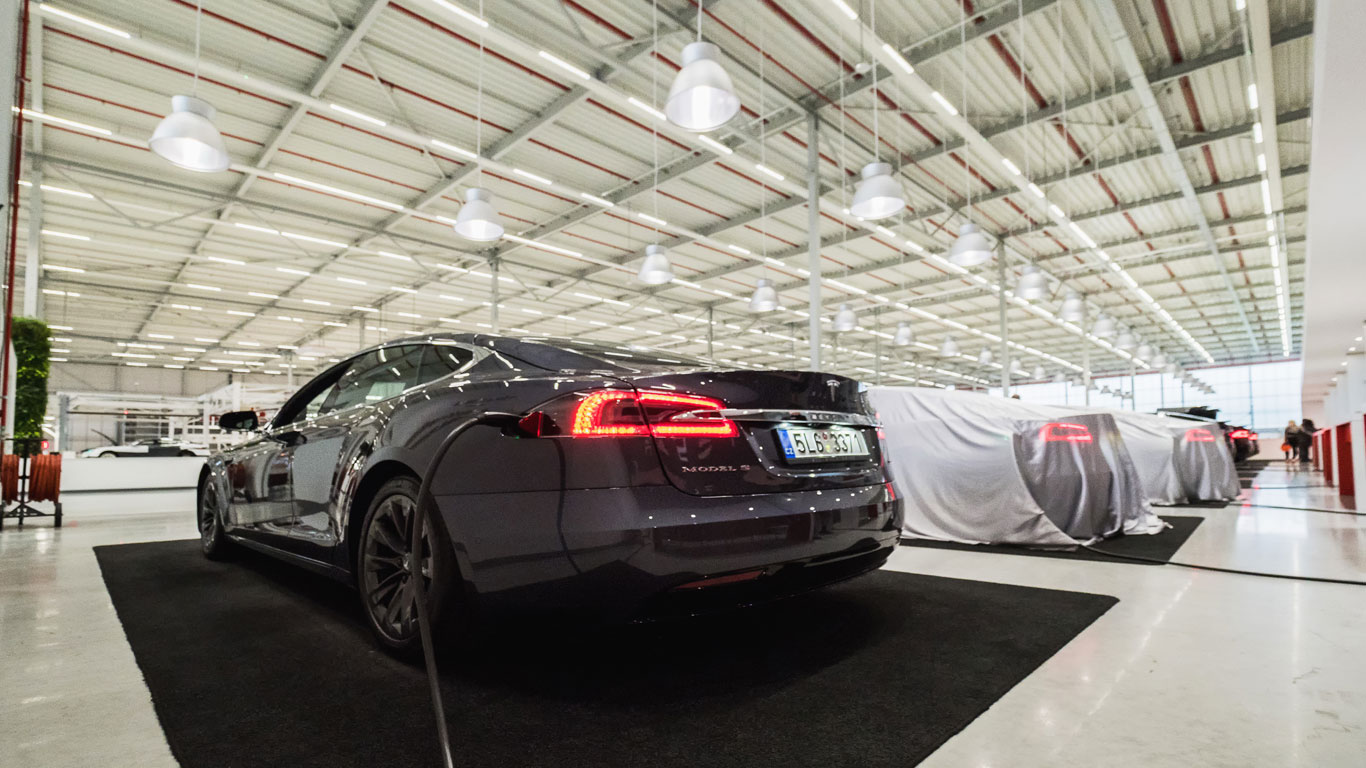
Tesla began manufacturing in Portugal and Taiwan in 2017, which followed the opening of an assembly plant in the Netherlands in 2013. The Tilburg factory serves as the final assembly and distribution point for vehicles sold in Europe, with Bryan Batista, European sales director, commenting: “It’s very exciting to see our cars arriving in Europe and being welcomed by their proud owners here in Tilburg. This location is pivotal to Tesla’s European operations, which are expanding rapidly over the coming months with openings of around 15 new stores and service centres.”
Spaceman
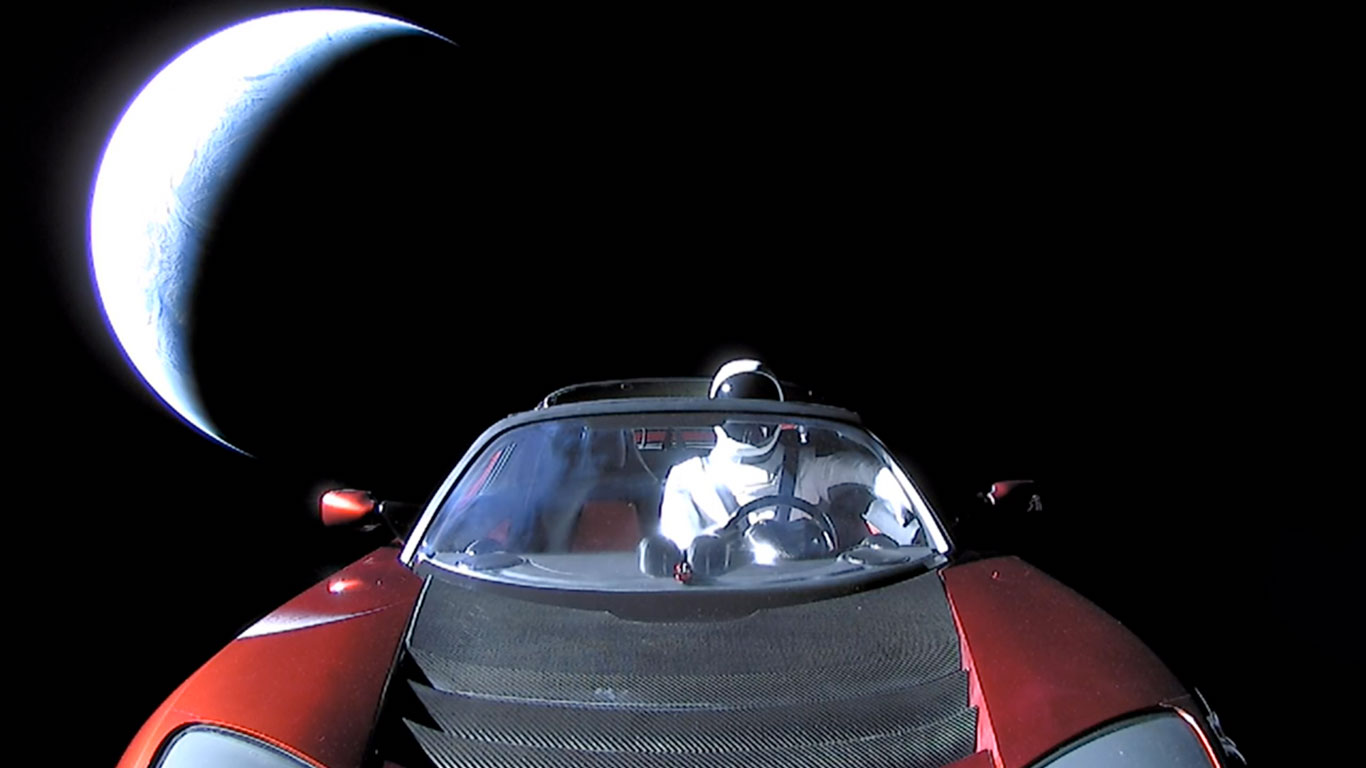
In February 2018, Elon Musk sent a Tesla Roadster into space, claiming: “It’s kind of silly and fun, but silly and fun things are important.” The Roadster was placed on the nose cone of the Falcon Heavy, the most powerful rocket on earth, with the stereo programmed to play David Bowie’s Space Oddity on repeat.
Model X accident
A fatal crash involving a Model X hit the headlines in March 2018 after it was revealed that Autopilot was engaged at the time of the accident. “The driver’s hands were not detected on the wheel for six seconds prior to the collision,” said a company statement. In 2016, a Model S driver was killed in Florida when a driver failed to spot a lorry crossing its path. A preliminary investigation into the Model X crash revealed that the vehicle increased its speed from 62mph to 70.8mph in the three seconds before the collision. Tesla is keen to stress that Autopilot is designed to be used with both hands on the wheel.
Share slumps and losses
In April 2018, shares rose by 6.9 percent when Musk announced that Tesla would not need to raise more capital in 2018, only for the value to slump by 8.6 percent following a bizarre and heated conference call with a group of analysts. He told one analyst he was asking “boring bonehead questions” that were “not cool.”
5,000 Model 3s
In July, Tesla announced that it had built 5,000 Model 3s during the last week of the month, only to reveal its biggest ever loss in August. However, the value of Tesla shares actually increased, with Tesla claiming it will deliver positive cash flow and a profit in the second half of 2018.
Tesla to go private?
Elon Musk announced in August that he was considering taking Tesla private, although the company’s board of directors subsequently said that they had yet to receive a formal proposal. In the latest update, Musk said: “I’m considering taking Tesla private because I believe it could be good for our shareholders, enable Tesla to operate at its best, and advance our mission of accelerating the transition to sustainable energy.”
What’s next?
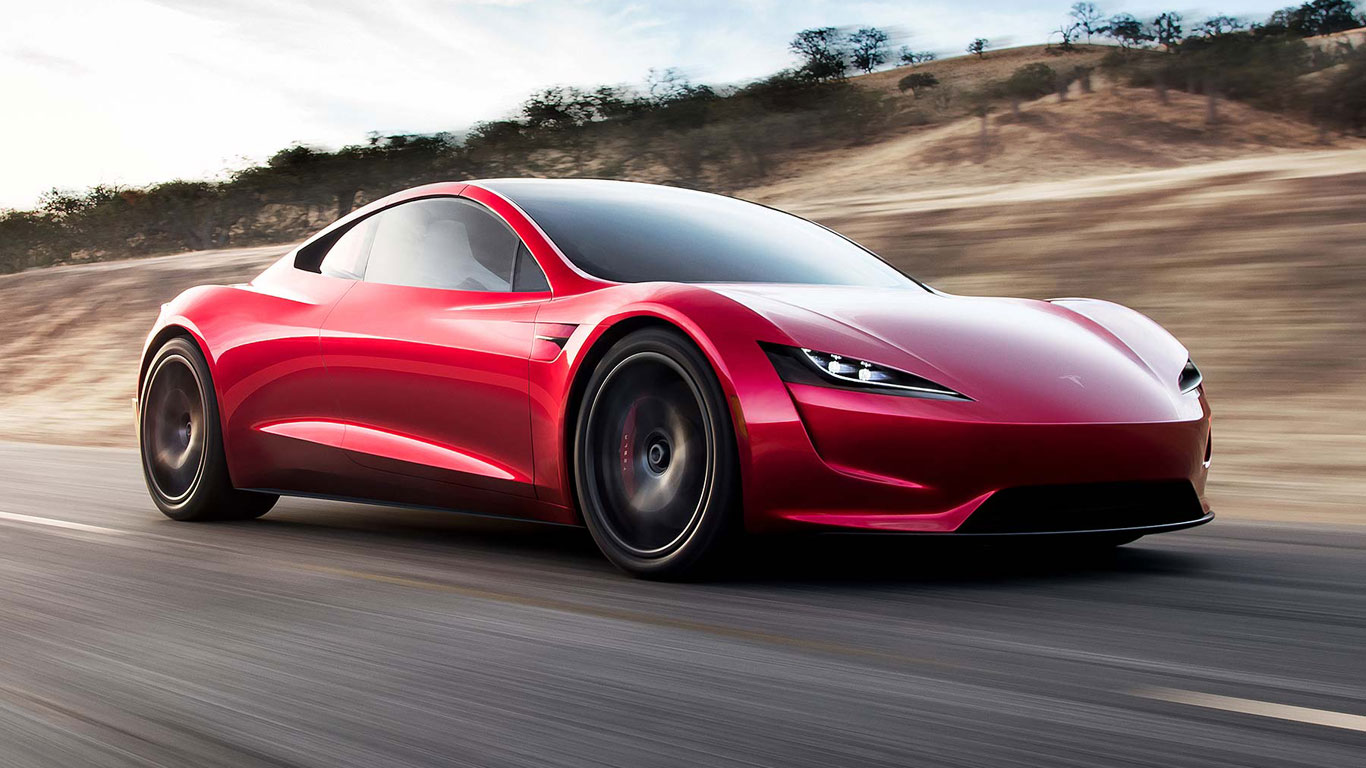
Tesla has crammed enough events, achievements, controversies and tweets into its first 15 years to last other companies a lifetime. We haven’t mentioned the Gigafactory, which broke ground in 2014 and is expected to be the largest building in the world. Or the ill-advised tweet following the rescue of the boys stuck in a flooded cave. Or the all-new Tesla Roadster and Semi truck. And you can bet your bottom dollar that we haven’t heard the last of Musk’s tweet about taking the company private. Whatever happens, the next 15 years are going to be far from boring.
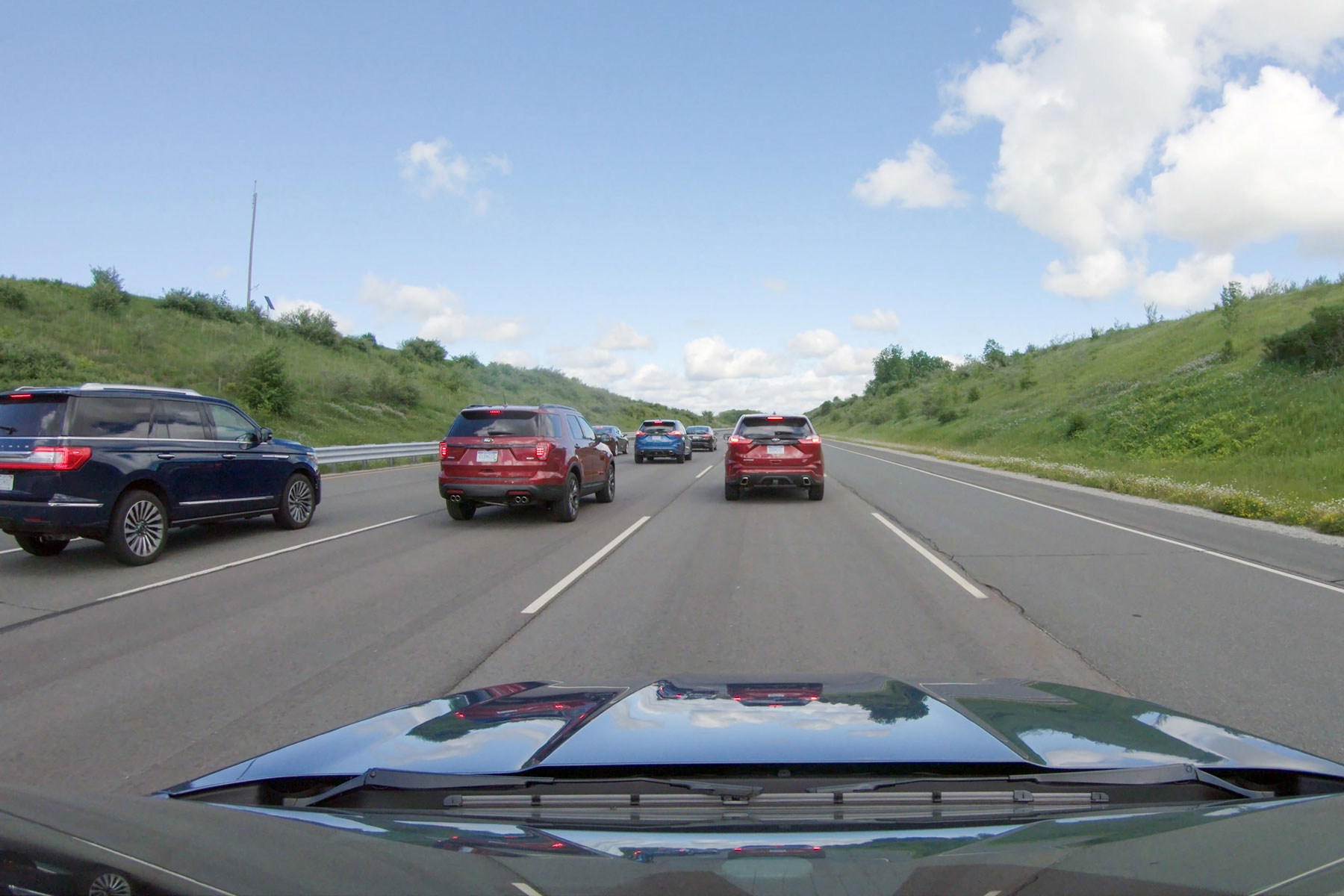
Adaptive cruise control could cut congestion and reduce the instances of ‘phantom’ traffic jams, according to Ford and scientists from Vanderbilt University, Tennessee.
Using a series of closed-course experiments, the researchers compared the performance of drivers using adaptive cruise control to drivers not using the technology.
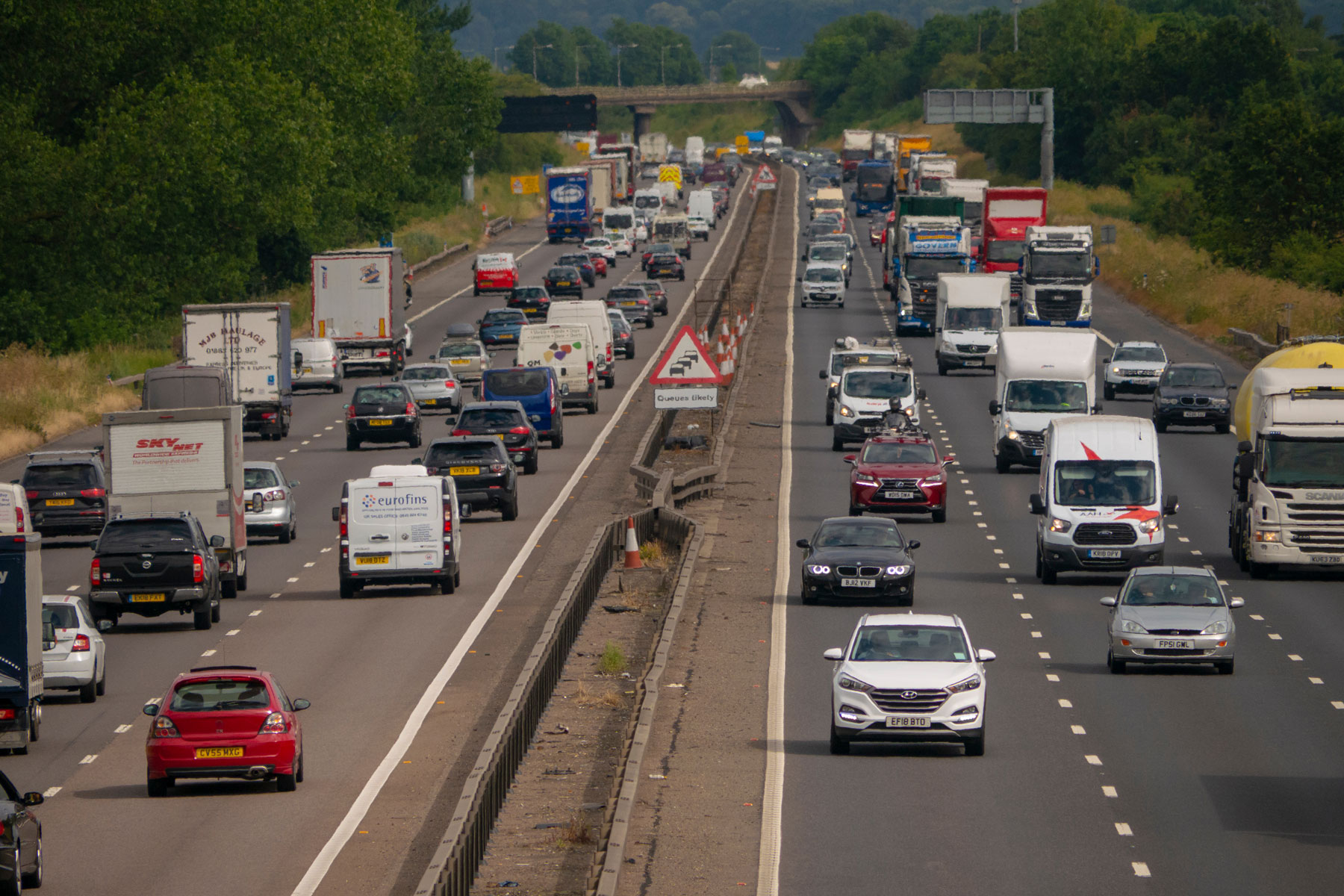
More often than not, it is drivers who cause traffic jams, with our delayed reactions having a ripple effect that can cause congestion for no apparent reason. Hence the term ‘phantom’ traffic jam.
Adaptive cruise control uses radar technology to adjust the vehicle’s speed while maintaining a set distance to the car in front. Drivers without the system simply accelerated to keep up with the flow of traffic, before braking when other cars slowed.
The result was that the use of adaptive cruise control reduced the likelihood of a phantom jam, with the researchers concluding that there was a measurable improvement in traffic flow, even if only some of the cars are fitted with adaptive cruise.
The video provides good evidence, even if the experiment was conducted on closed roads using just 36 drivers. It stands to reason that vehicles maintaining a safe distance will create an even flow of traffic, reducing instances of erratic braking and acceleration.
“For years, traffic researchers and engineers have been looking to smart vehicle technologies to reduce traffic congestion, whether that’s vehicles that talk to each other or vehicles that can predict the road ahead,” said Daniel Work, civil engineering professor at Vanderbilt University.
“This demonstration was a unique opportunity to understand how commercially-available active driver-assist technologies can be used to positively influence traffic flow.”
What is adaptive cruise control?
In a nutshell, adaptive cruise control (ACC) uses radar or sensors to adjust the speed of the vehicle to match the flow of traffic, with some systems edging closer to a fully autonomous future. It’s similar to standard cruise control, in that it will maintain a constant speed, but will also accelerate and decelerate to match the prevailing traffic conditions.
Should the car or cars in front of the vehicle begin to slow, the vehicle’s engine management system will act accordingly, applying the brakes if necessary. Visual and audible warnings are given should the driver not react in time, although some systems can bring the car to a complete stop.
Other systems also include a traffic jam assist, which handles the braking and accelerating in areas of congestion. According to the SMMT, 6.9 percent of new cars are fitted with ACC as standard, with 29.3 percent offering it as an option.
 Like the idea of driving a new Audi, but don’t want to commit to buying one? The launch of the Audi On Demand ‘mobility service’ in the UK is your answer.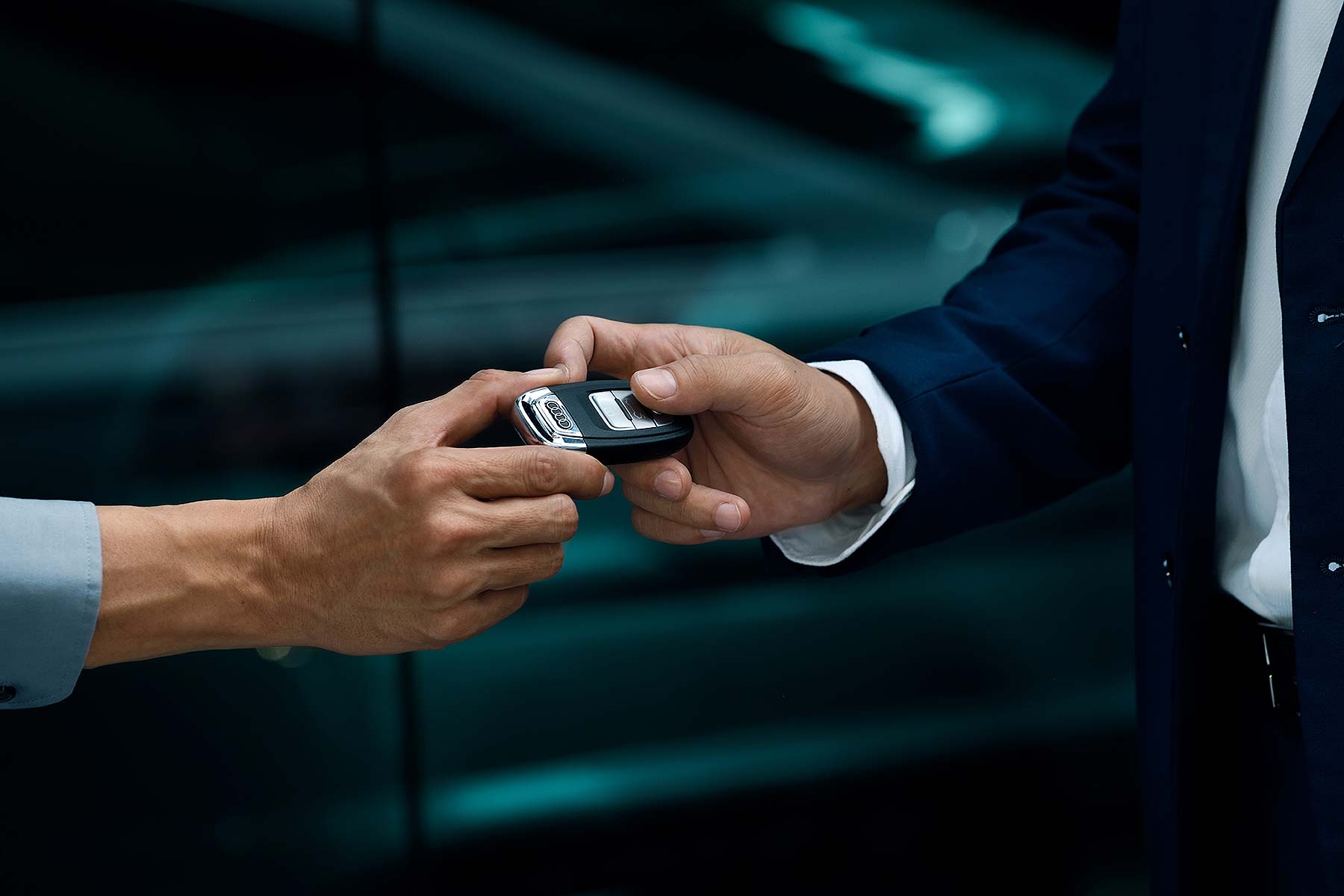

 Alfa Romeo is upgrading the Giulia and Stelvio range in time for the September 2018 registration change, with cleaner Euro 6D ‘WLTP-compliant’ engines, new trims, and the introduction of both Apple CarPlay and Android Auto across the range.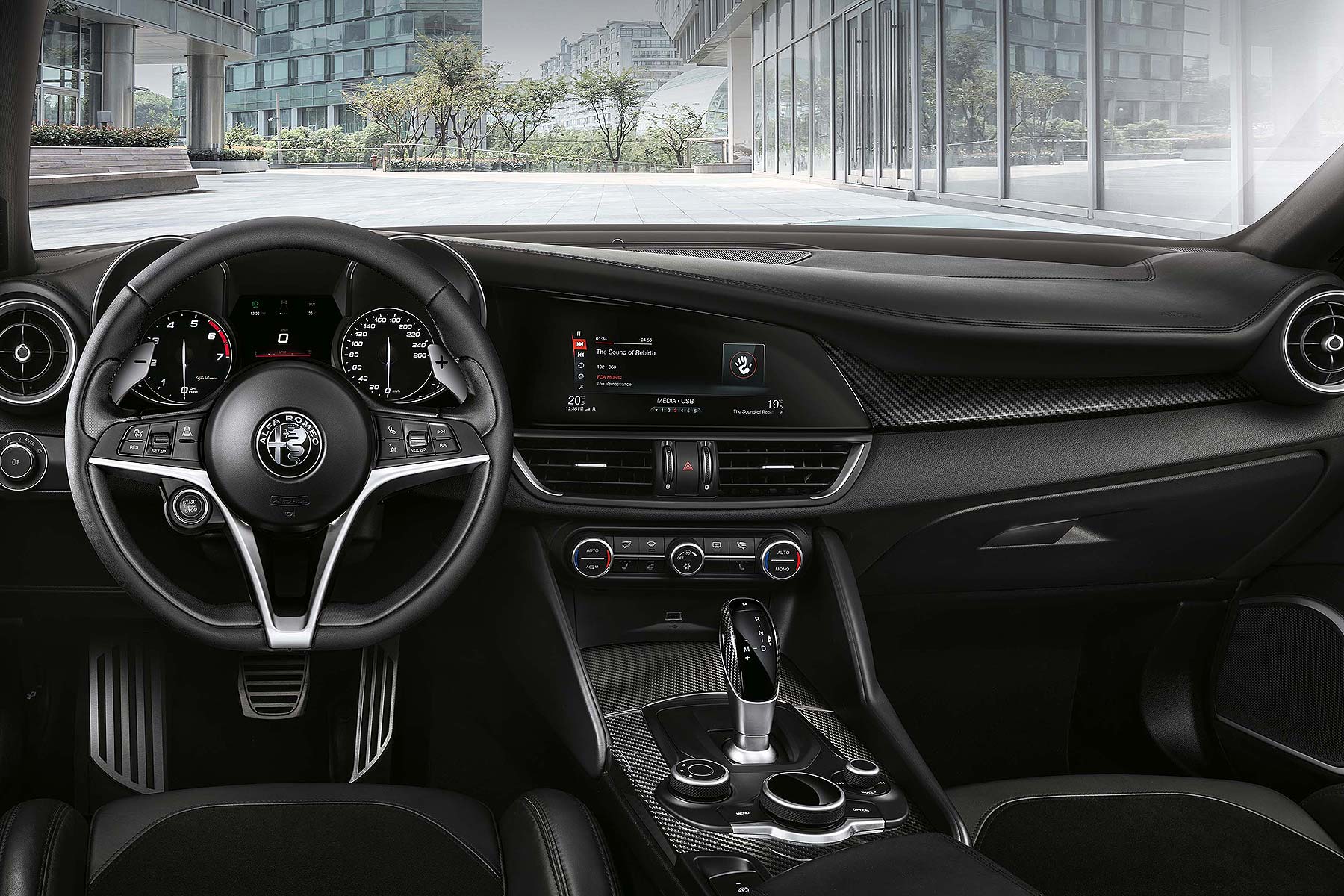
![Volkswagen Beetle Vase [Cabrio dash]](https://www.motoringresearch.com/wp-content/uploads/2018/08/Volkswagen-Beetle-Vase-Cabrio-dash.jpg)
![Volkswagen Beetle Vase [from above]](https://www.motoringresearch.com/wp-content/uploads/2018/08/Volkswagen-Beetle-Vase-from-above.jpg)
 Ford has built a one-off Mustang Bullitt in BLUE and is now raffling it to raise up to $60,000 for the Juvenile Diabetes Research Foundation (JDRF).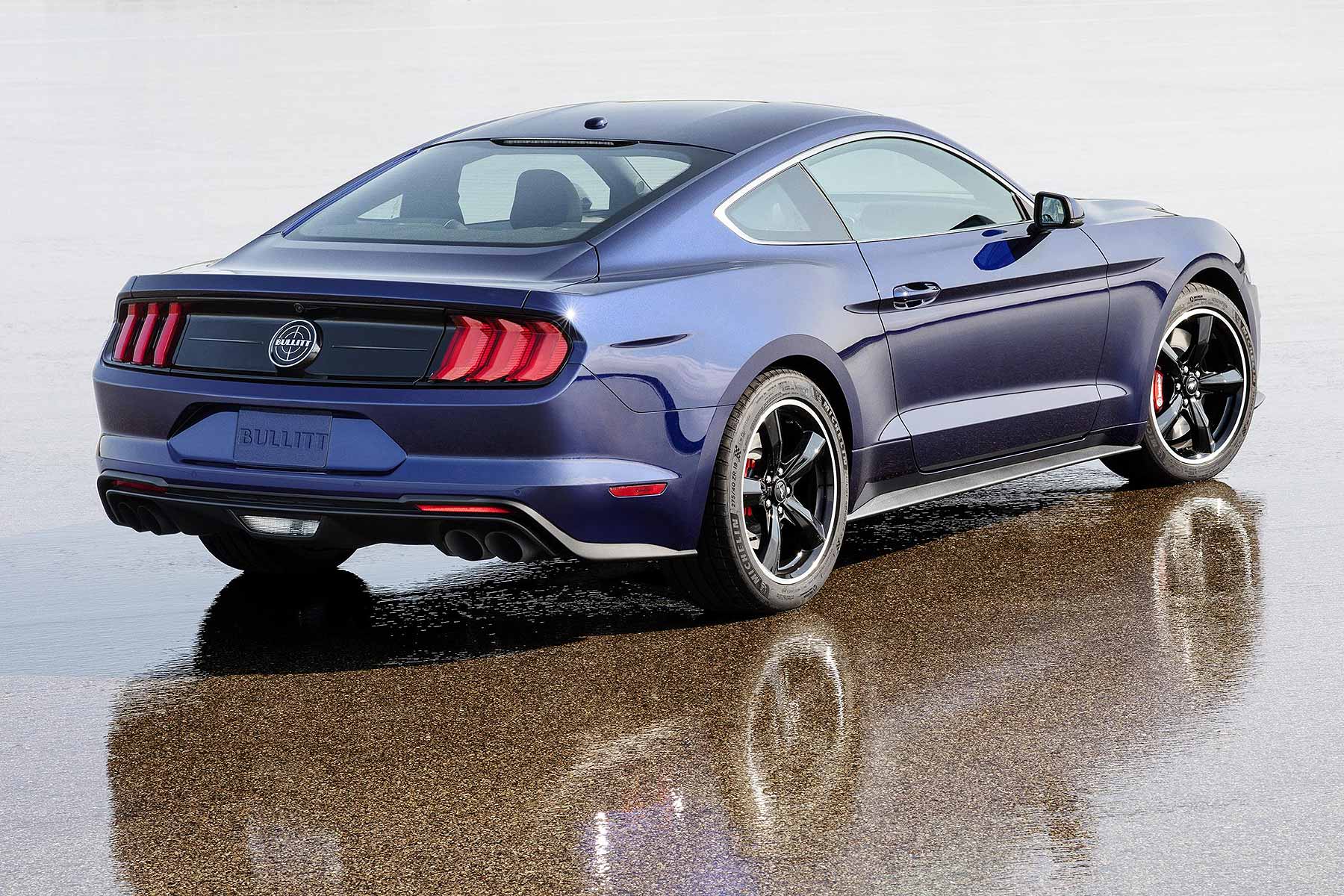
 We believe that a true hot hatch should be front-wheel drive, powered by a four-cylinder engine, based on a humble hatchback and have a glass tailgate at the rear. Or, maybe we’re just getting old.


 Greenpeace UK is staging a protest outside Volkswagen Group UK’s Milton Keynes headquarters, which it claims has blocked more than 800 staff from starting work this morning.


 Aston Martin is building a series of brand-new James Bond ‘Goldfinger’ DB5 classics, with each recreation set to sell for £3.3 million. The first cars will be delivered in 2020.