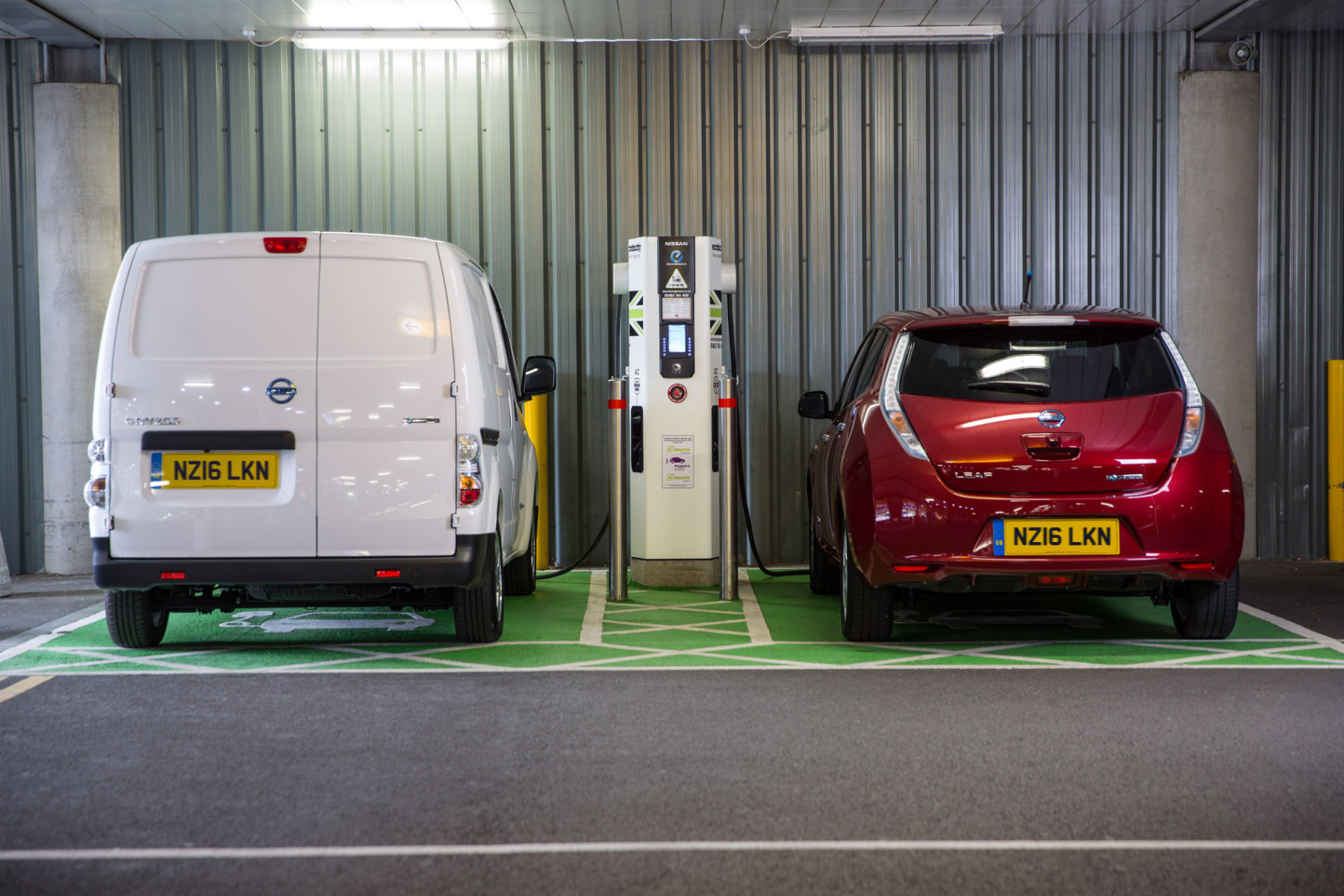
Google has provided a solution to the problem of where to charge your electric car. The latest version of its Google Maps navigation app comes complete with charging locations.
It’s an issue we’ve contended with regularly when testing electric cars. We’ve often found ourselves giving up and draping a wire across the pavement from home.
Unless you’re local and know your charge points, or have done some research ahead of setting off, finding a suitable charging point for your electric car can be tricky. Google’s latest Maps update should, in theory, lessen this struggle by including charging locations in its database – as it already does for petrol stations.
How does the Google Maps update work?
All you need to do is search for a keyword like “EV charging” and the nearest supported stations will be displayed.
Information on the types of ports available, charge speeds and how many ports there are is included, too. As with most registered locations on Maps, users will be able to upload photos, plus rate and review these charge points. Any businesses that feature chargers will also be able to add information on them within the app, too.
Charge points included for the UK are Tesla superchargers, Chargemaster and Podpoint, and coverage also includes the USA, Australia and New Zealand. We assume that will only expand in the future.
The update is available now and we’re keen to test it out.
Read more:
How to find the cheapest petrol and diesel near you
Worried about slippery conditions? Go on a track day
The 0-62mph time has been delivering pub bragging rights and Top Trumps victories for years. Here, we reveal 30 new cars that can sprint to 62mph (100kph) in less than three seconds, making them the kings of the drag strip and legends of the traffic light Grand Prix.
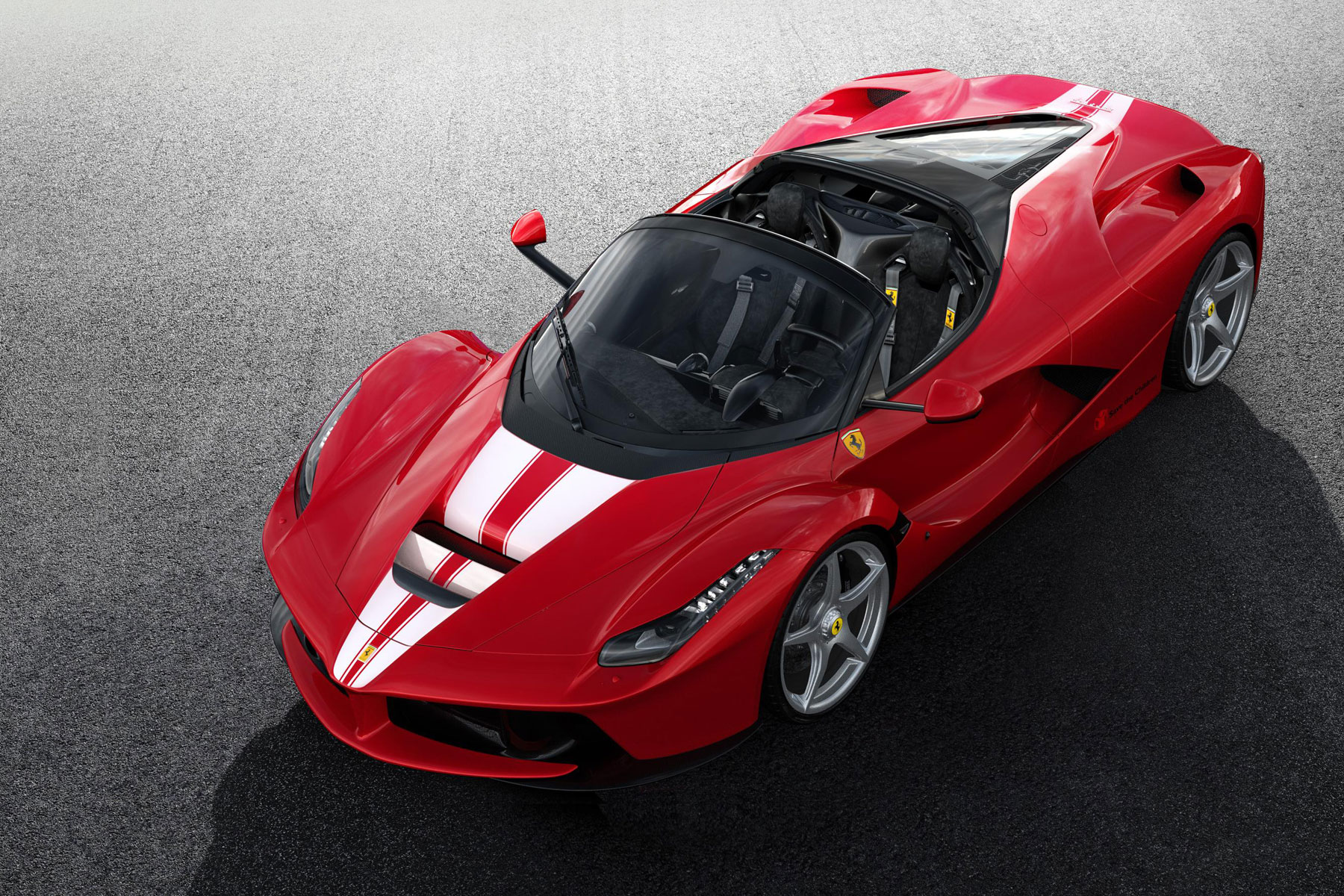
Ferrari LaFerrari Aperta – less than 3.0 seconds
Launched to mark Ferrari’s 70th anniversary, the LaFerrari Aperta was unveiled at the 2016 Paris Motor Show, by which time all production slots were already accounted for. Ferrari quotes a 0-62mph time of sub-three seconds, so 2.9 seconds is probably a good estimate.
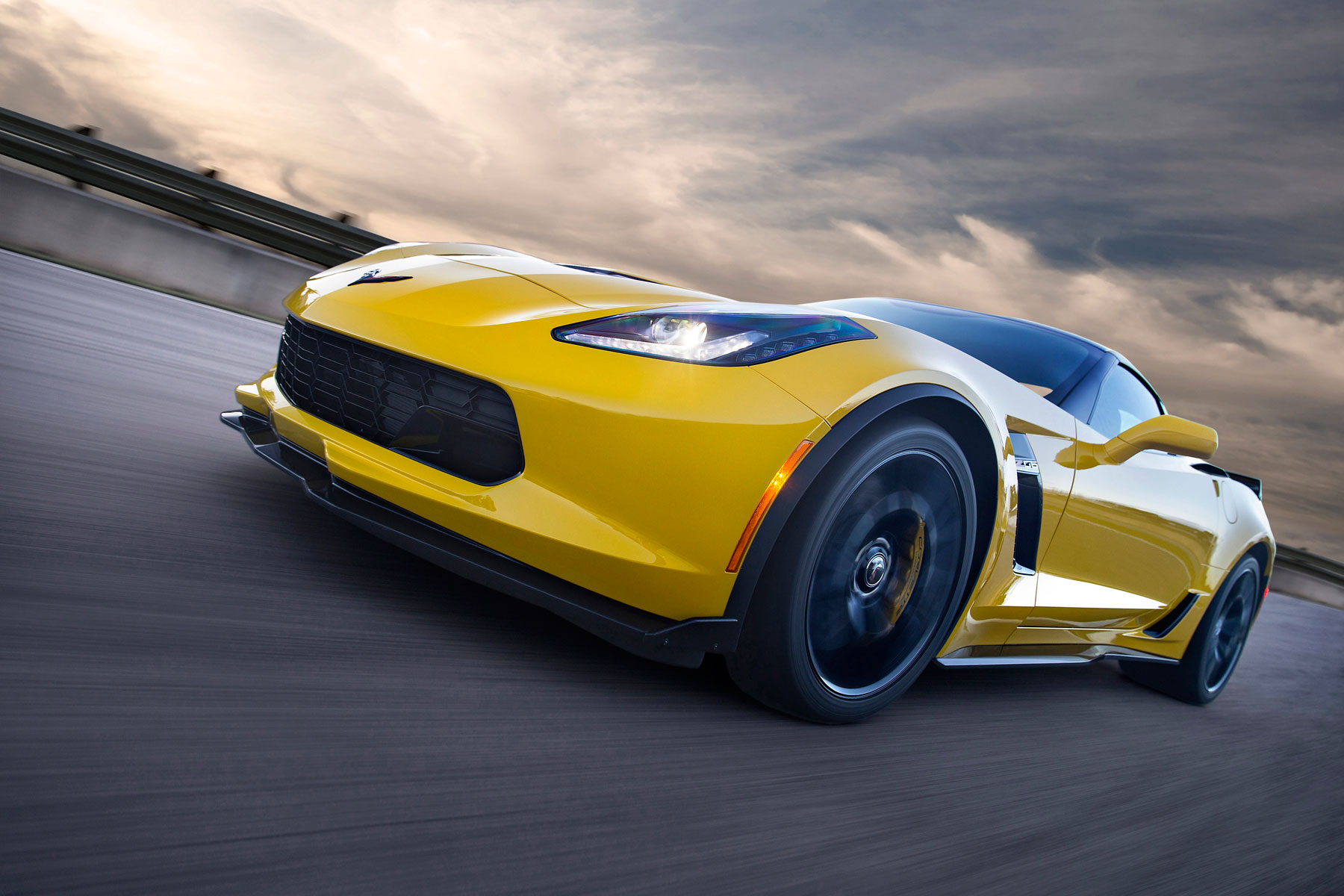
Chevrolet Corvette Z06 – 2.95 seconds (0-60mph)
The Corvette has been upsetting the supercar establishment for generations, and the latest Z06 can sprint to 60mph in just 2.95 seconds courtesy of its 650hp and 650lb ft 6.2-litre supercharged V8 engine.
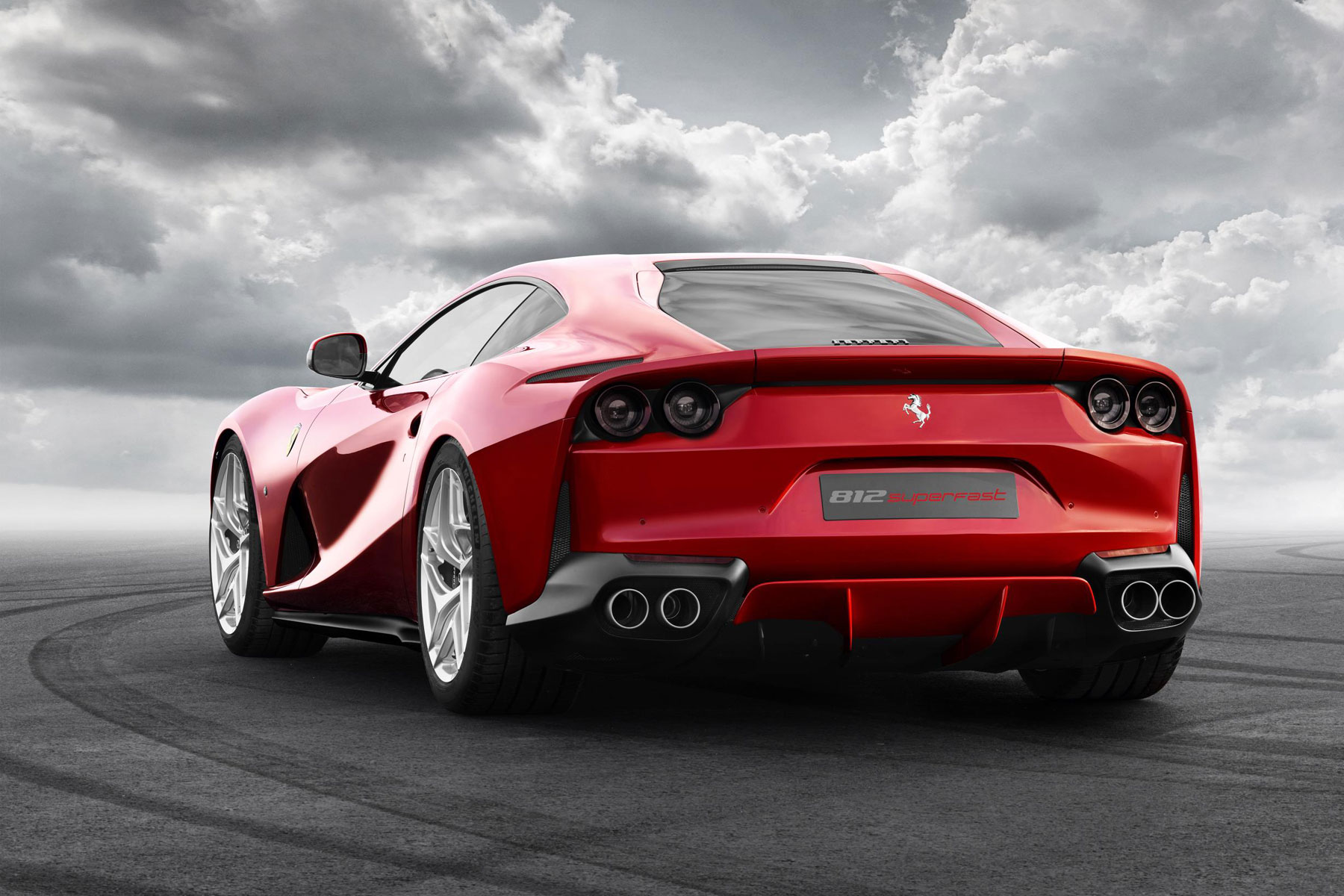
Ferrari 812 Superfast – 2.9 seconds
The replacement for the Ferrari F12 was unveiled at the 2017 Geneva Motor Show, with the 812 Superfast powered by a new 6.5-litre V12 engine producing 788hp. This is sufficient for it to hit 62mph in 2.9 seconds.
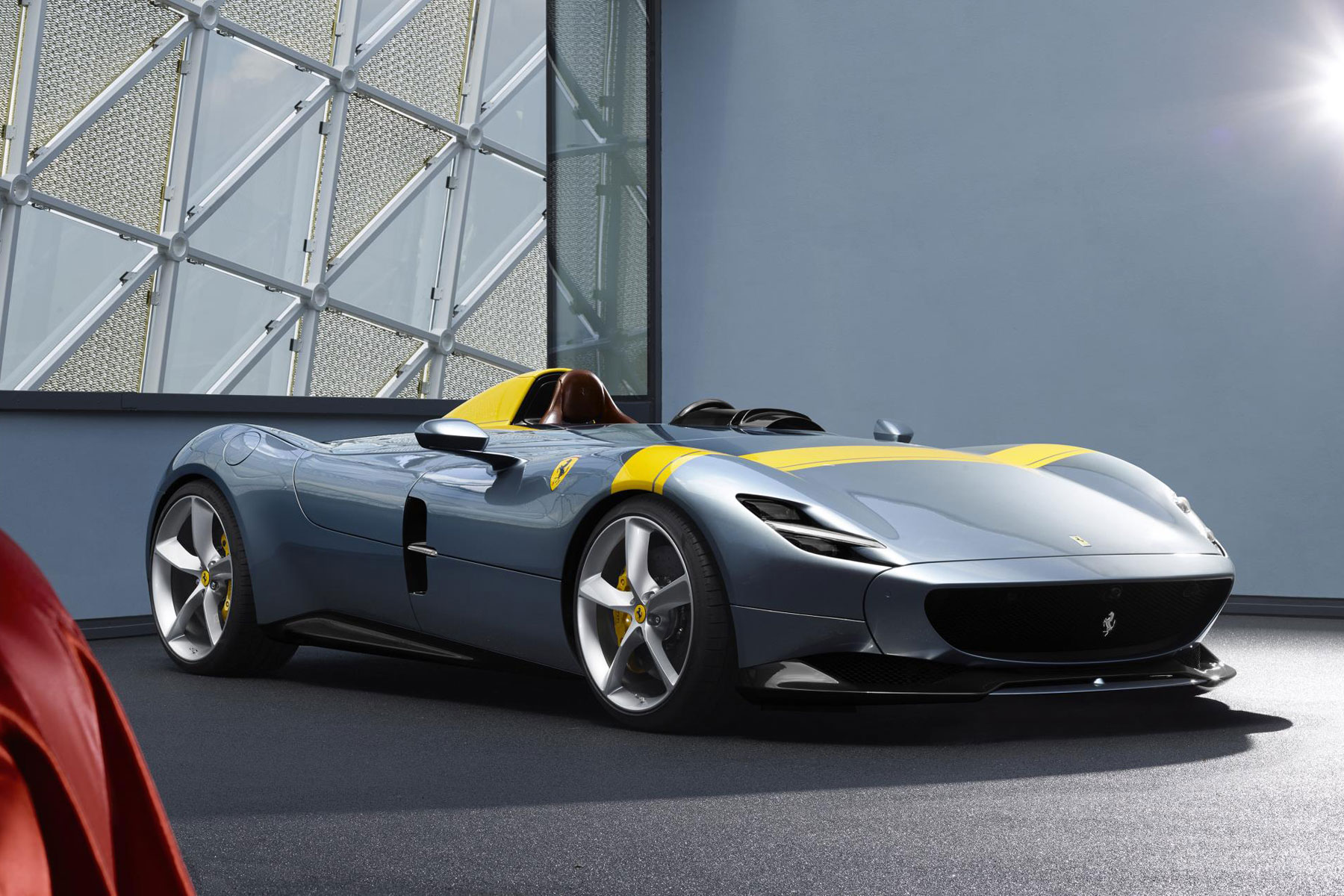
Ferrari Monza SP1/SP2 – 2.9 seconds
The Monza SP1 and SP2 are the latest super-special Ferraris to hit the streets, with the pair unveiled at the 2018 Paris Motor Show. Both are powered by the 800hp V12 engine from the 812 Superfast, delivering a 0-62mph time of 2.9 seconds.
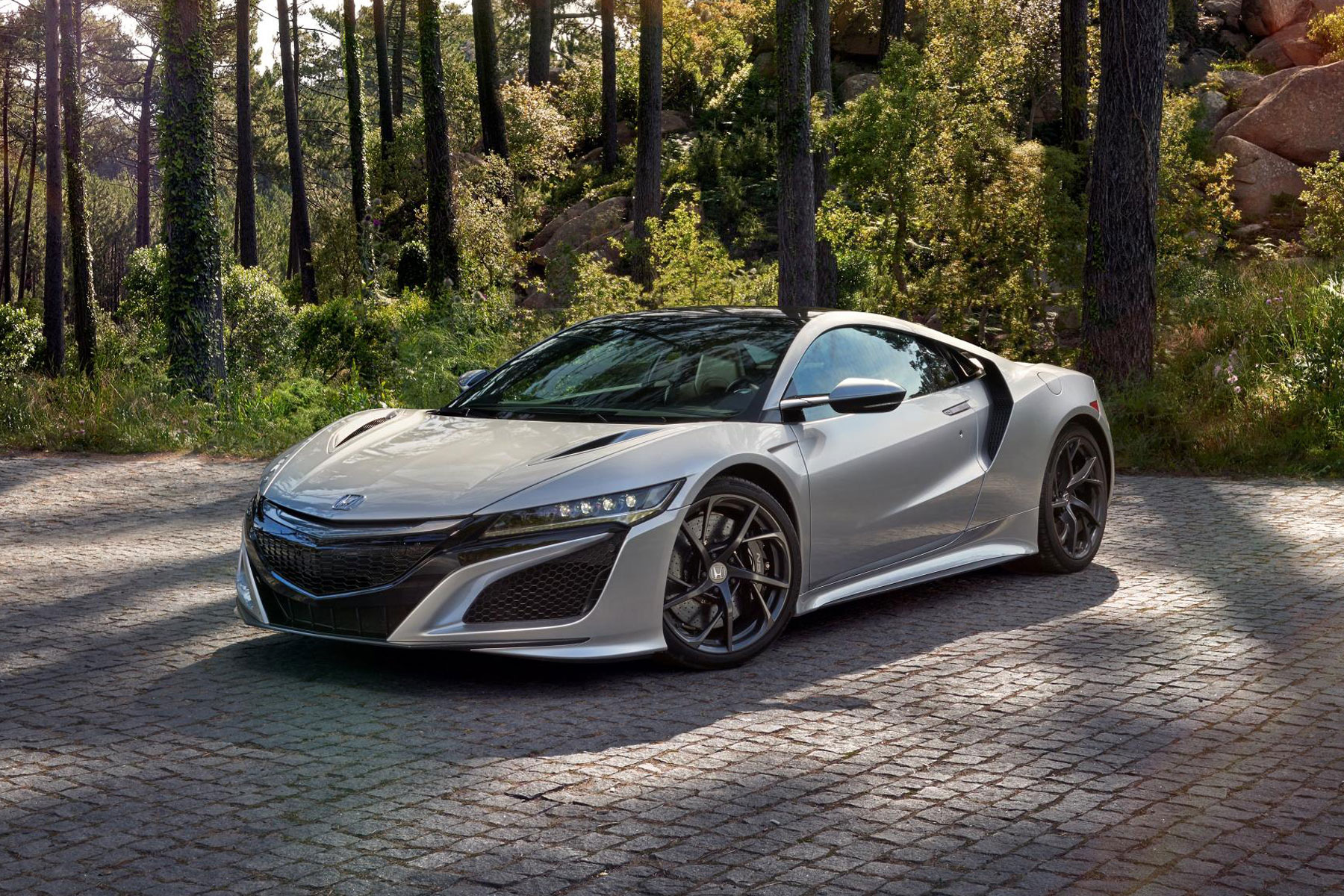
Honda NSX – 2.9 seconds
Honda hasn’t quoted an exact 0-62mph time, preferring to say it will take less than 3.0 seconds. A time of 2.9 seconds seems to be the common consensus, although a claim that it’s quicker to 62mph than a Porsche 911 Turbo S would mean a time of 2.8 seconds.
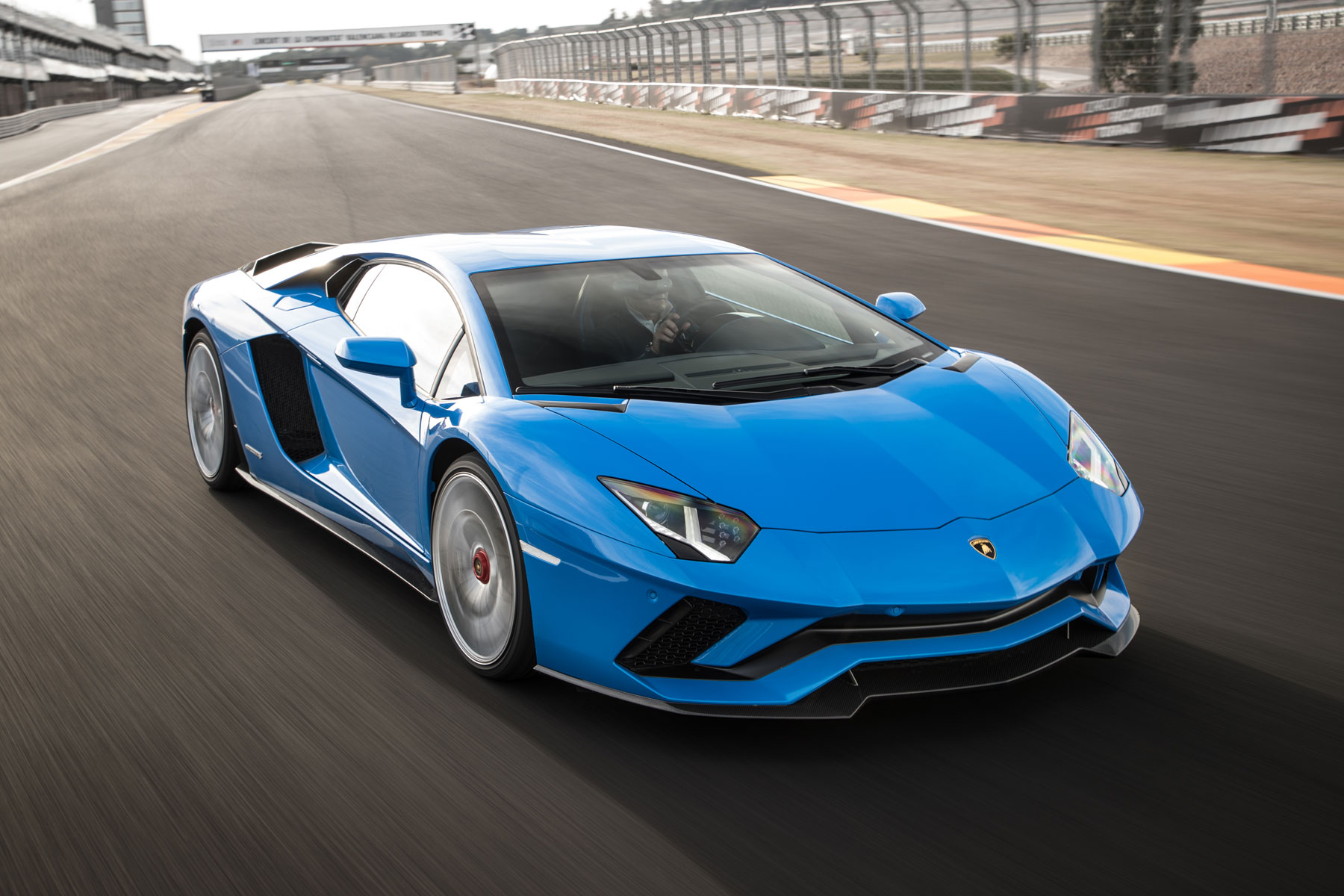
Lamborghini Aventador S Coupe – 2.9 seconds
The V12 engine in the Lamborghini Aventador S Coupe has been tweaked to deliver 740hp, a full 40hp more than the ‘standard’ Aventador. It also boasts four-wheel steering, 130 percent more front downforce and a 0-62mph time of 2.9 seconds.
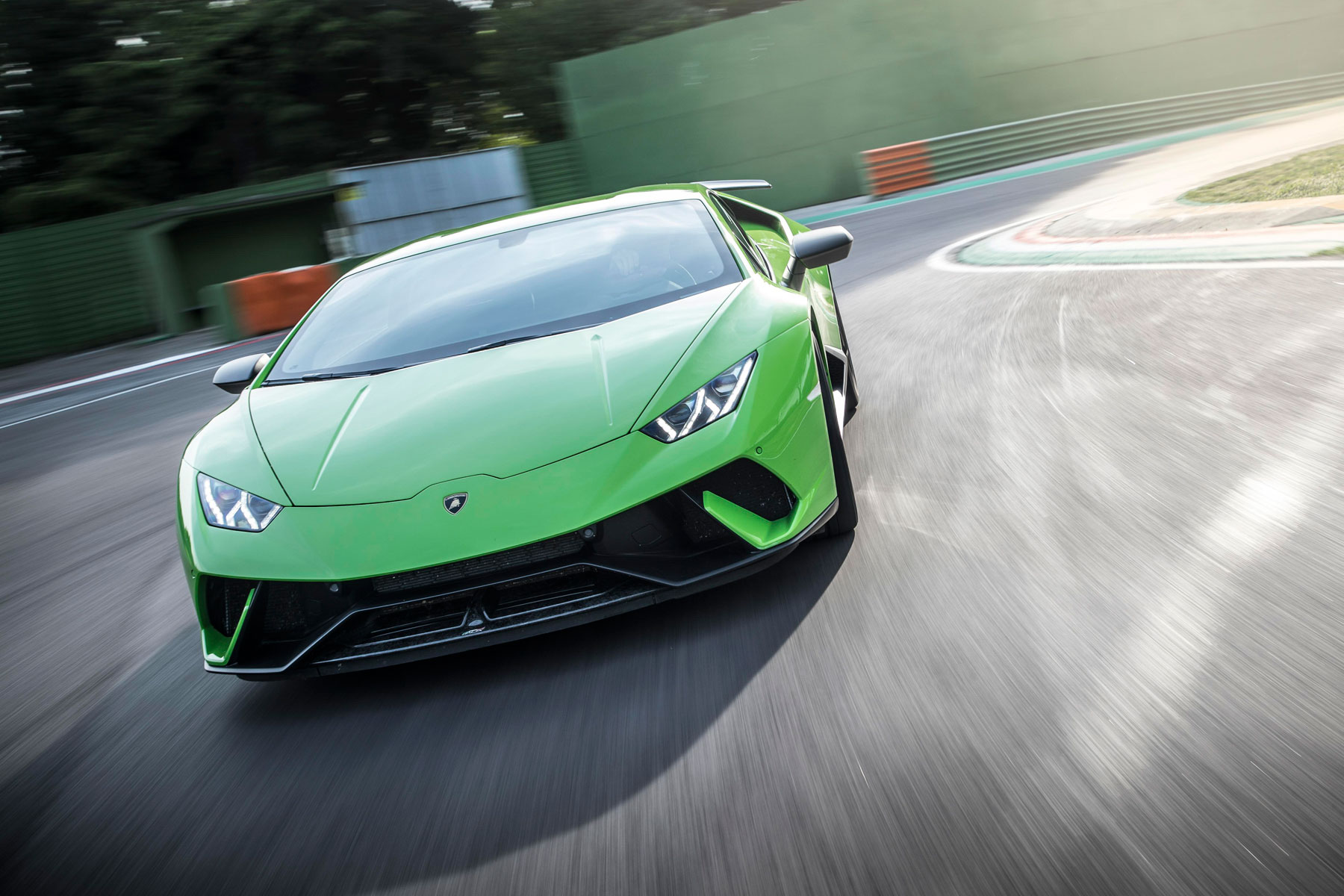
Lamborghini Huracan Performante – 2.9 seconds
According to Jeremy Clarkson, this is the greatest car in the world, with The Grand Tour host naming the Lamborghini Huracan Performante as his car of the year at the News UK Motor Awards. It’ll complete the 0-62mph dash in 2.9 seconds before going on to hit a top speed of 201mph.
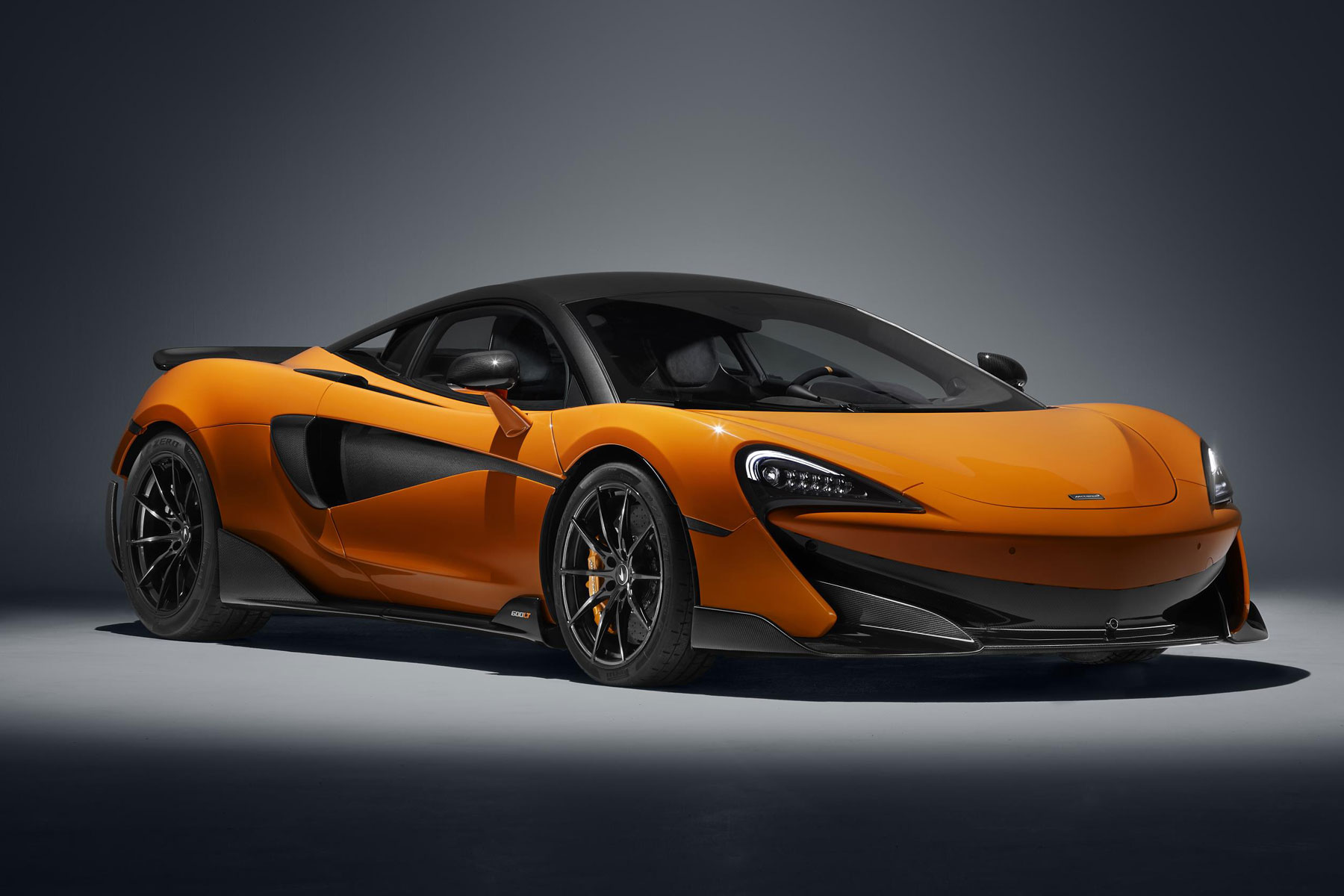
McLaren 600LT – 2.9 seconds
Pfft, what does Clarkson know? Our very own word-wizard Tim Pitt reckons the McLaren 600LT is the best driver’s car of 2018, and we believe him. This track-focused take on the 570S boasts a 3.8-litre twin-turbocharged V8 developing 600hp and, with every lightweight option fitted, a dry weight as low as 1,247kg. The result: a 0-62mph time of 2.9 seconds.
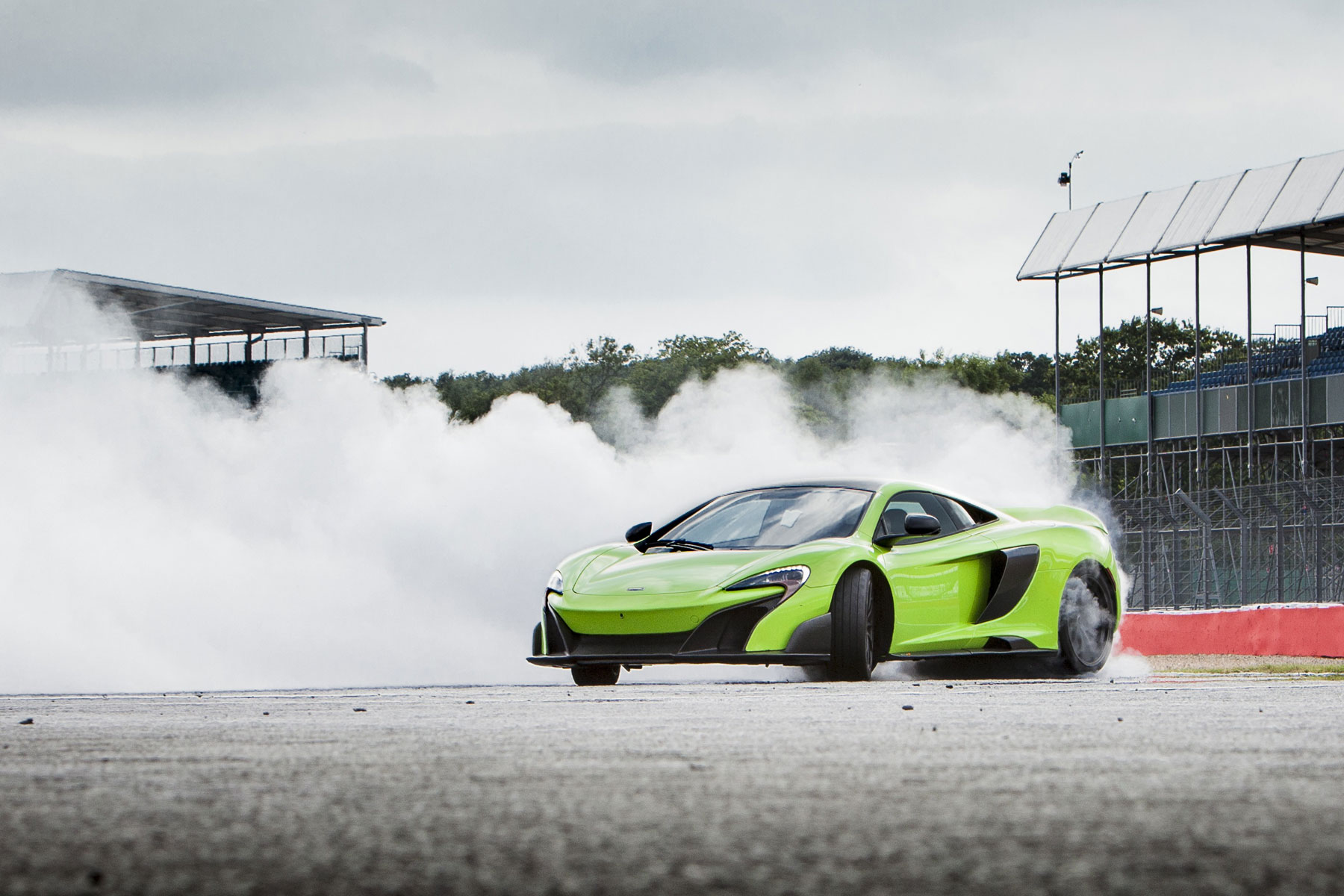
McLaren 675LT – 2.9 seconds
Not to be confused with the 650S, the McLaren 675LT is closer in spirit to the iconic P1, being just half a second slower than the hybrid hypercar. It’s also 100kg lighter than the 650S, thanks to an obsessive approach to weight-saving, including a 1mm thinner windscreen.
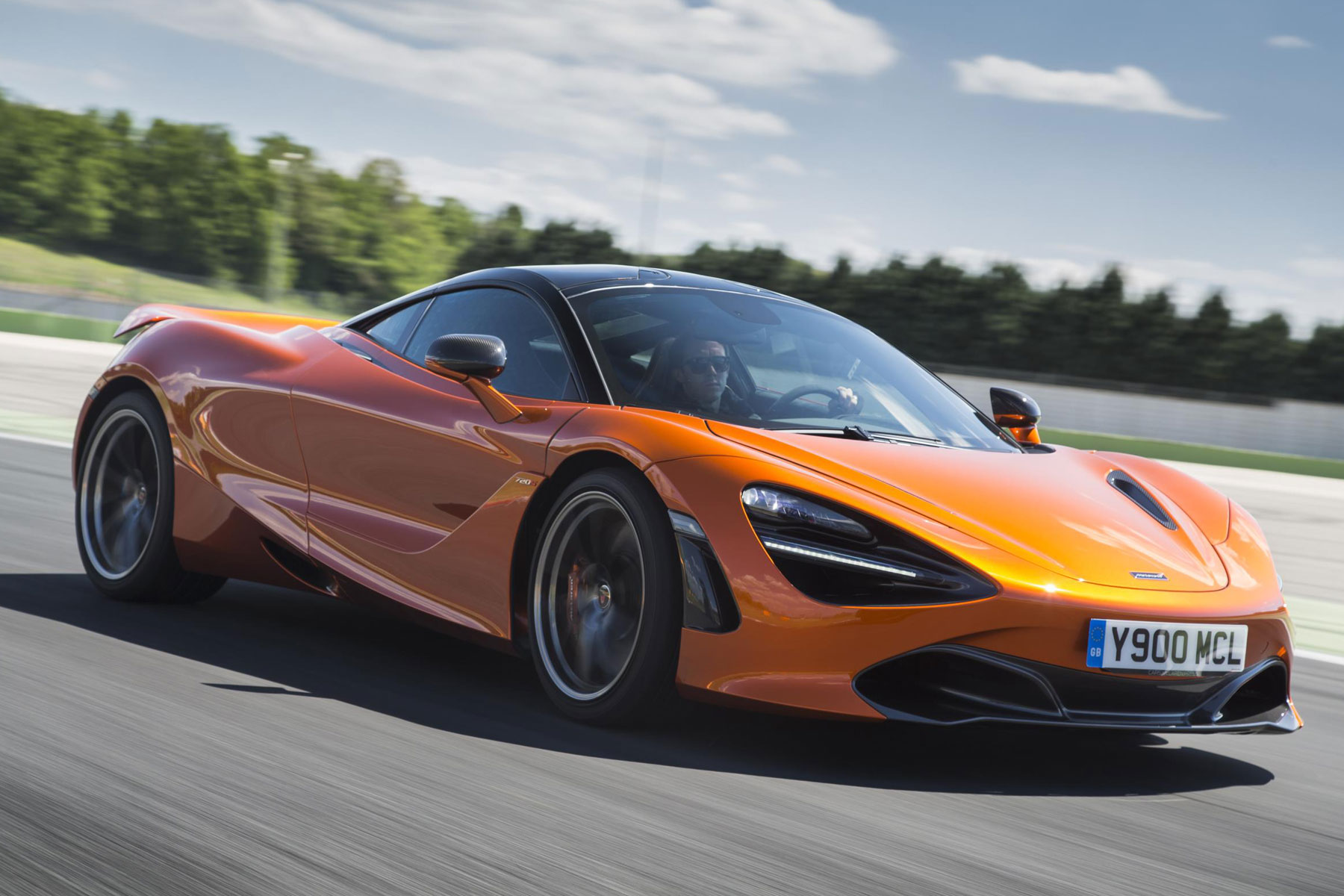
McLaren 720S – 2.9 seconds
The 720S is McLaren’s sole offering in its Super Series, which occupies the middle ground between its entry-level Sports Series and extreme Ultimate Series vehicles. Such is the rate of progress at McLaren, this series-production car is scarcely slower than the limited-run P1.
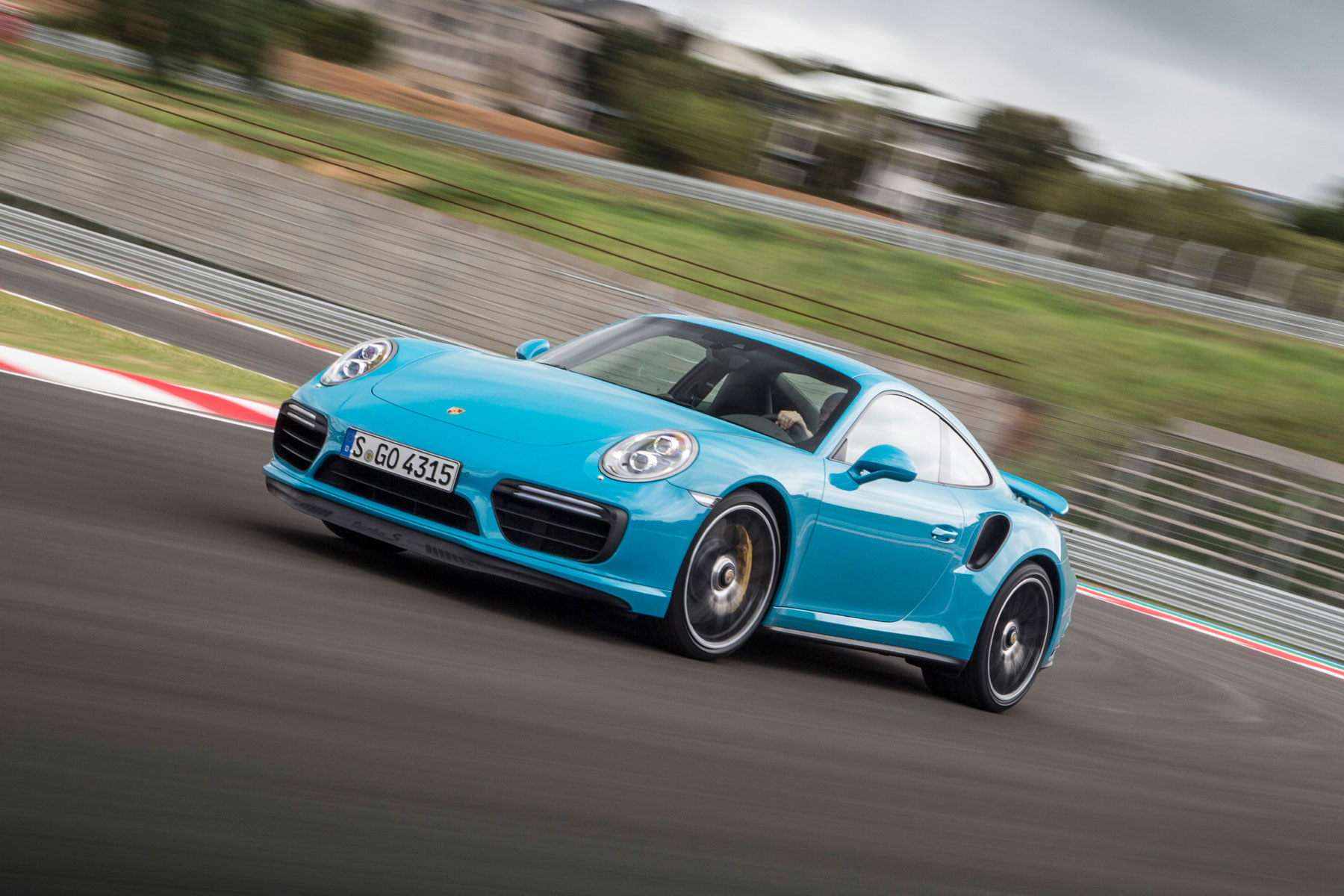
Porsche 911 Turbo S – 2.9 seconds
Officially, the Porsche 911 Turbo S will sprint to 62mph in 2.9 seconds, but with launch control and the PDK transmission, the figure might be closer to two and a half seconds. It’s blisteringly quick.
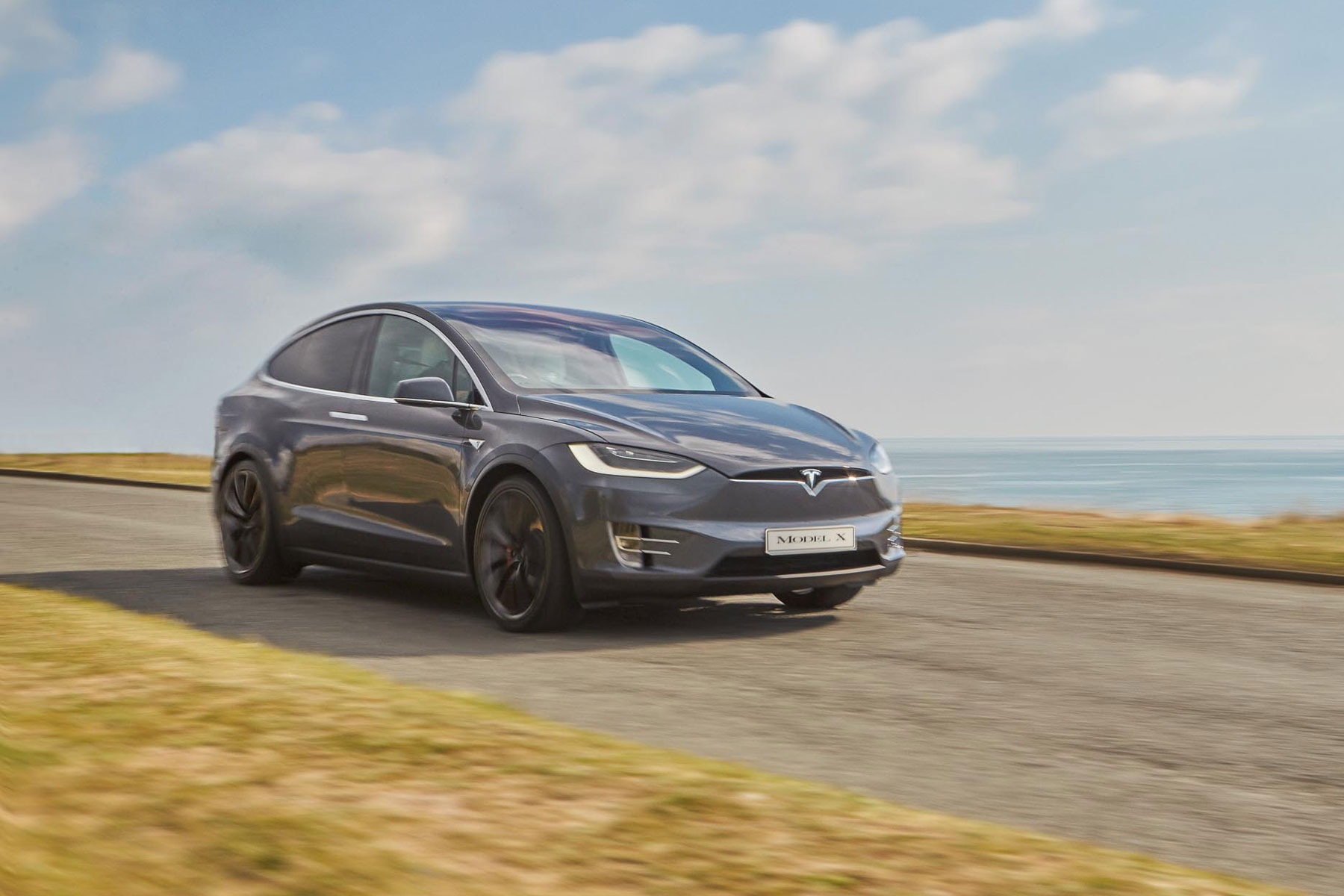
Tesla Model X – 2.9 seconds (0-60mph)
There’s always a little blurring of the lines in the race to claim the fastest 0-62mph time, with some manufacturers quoting a 0-60mph time instead. Take the Tesla Model X, which will hit 60mph in just 2.9 seconds. Not bad for an SUV.
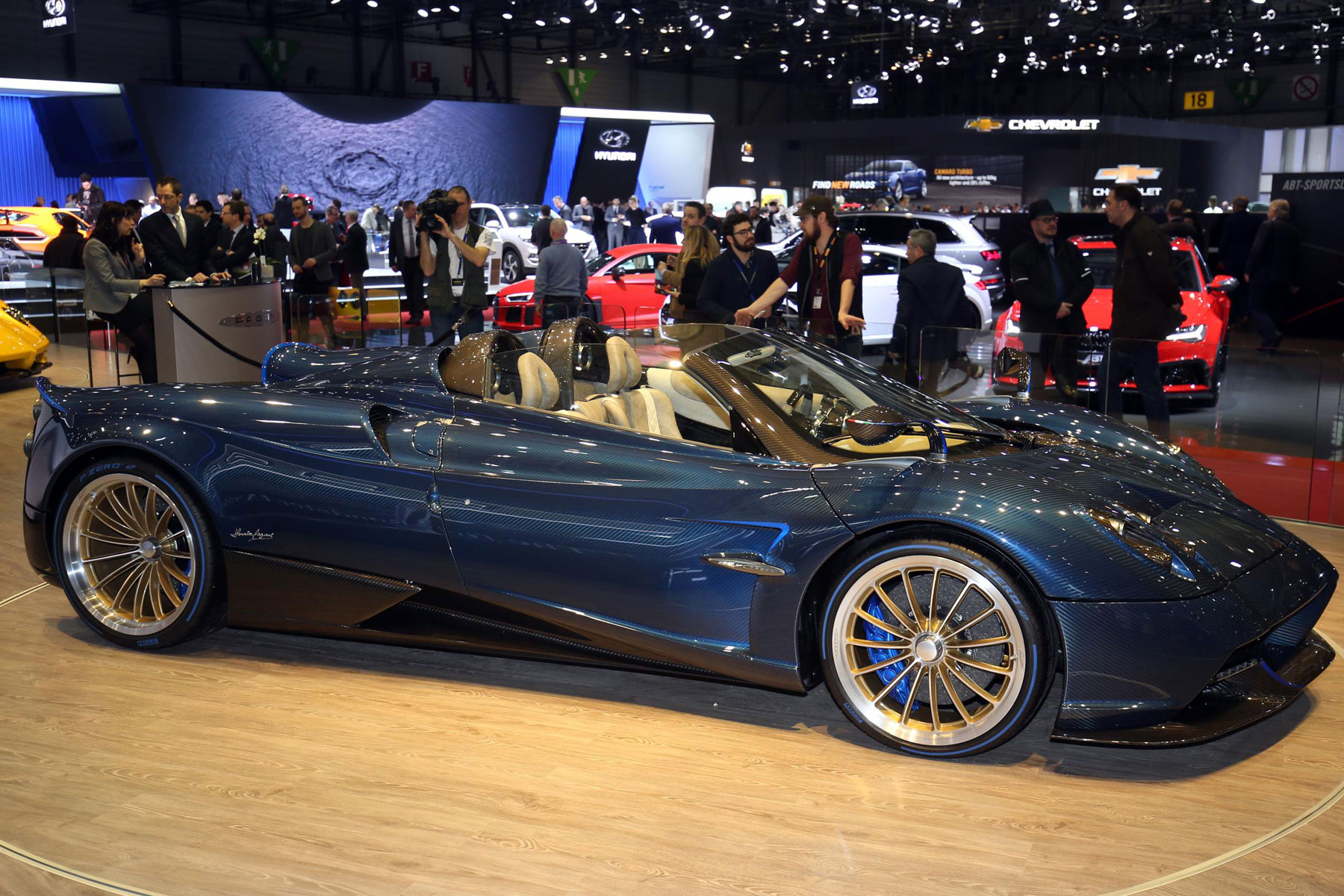
Pagani Huayra Roadster – 2.9 seconds
The Pagani Huayra Roadster is even lighter than its tin-top equivalent, weighing in at just 1,280kg. Its Mercedes-AMG V12 engine develops 764hp, which contributes to a 0-62mph time of 2.9 seconds.
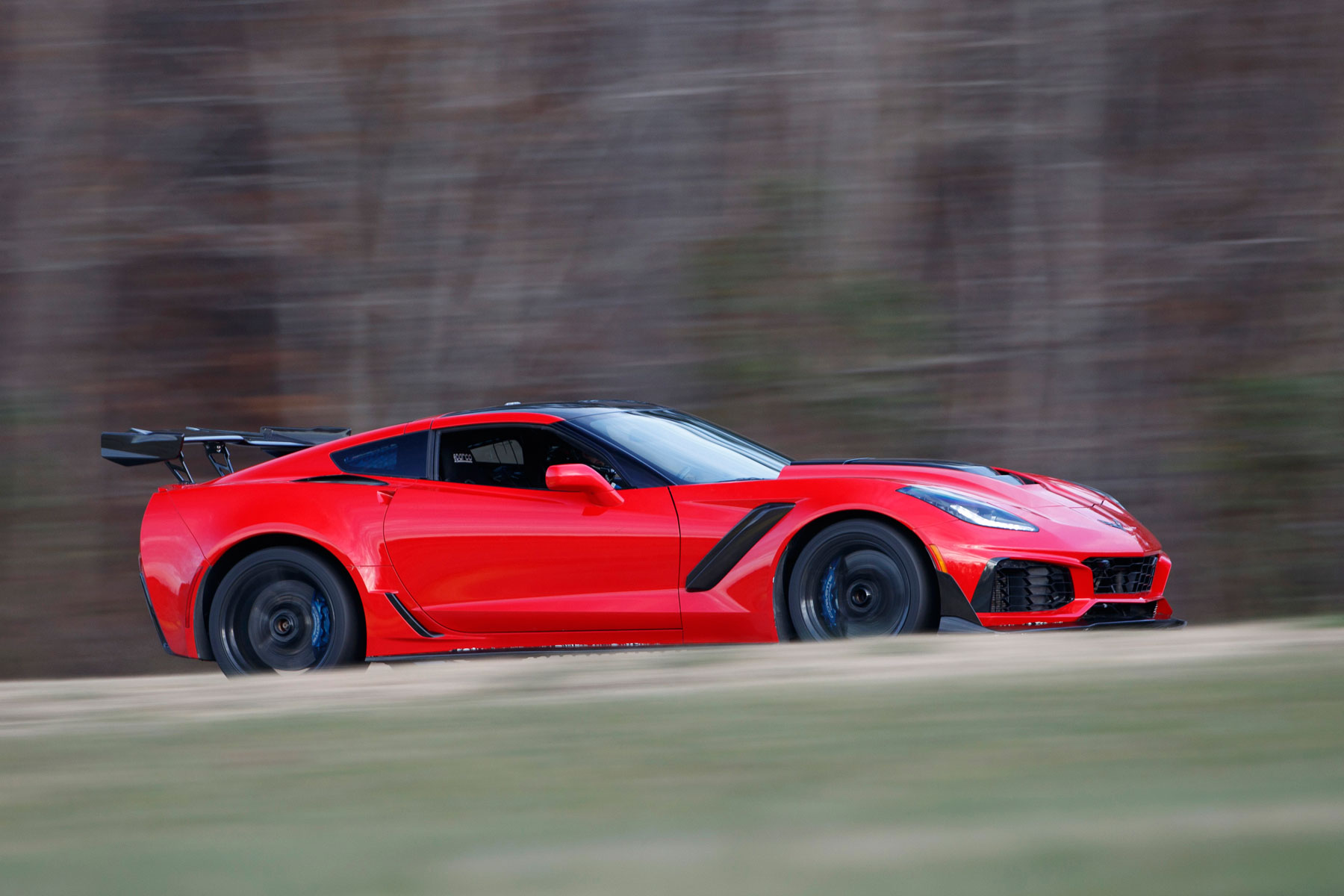
Chevrolet Corvette ZR1 – 2.85 seconds (0-60mph)
This is the fastest and most powerful production Corvette to date, with the 6.2-litre supercharged V8 developing 755hp and 715lb ft of torque. It offers a top speed of 212mph and a sprint time of 2.85 seconds. Note: in common with the Z06, the time is for 0-60mph, not 0-62mph.
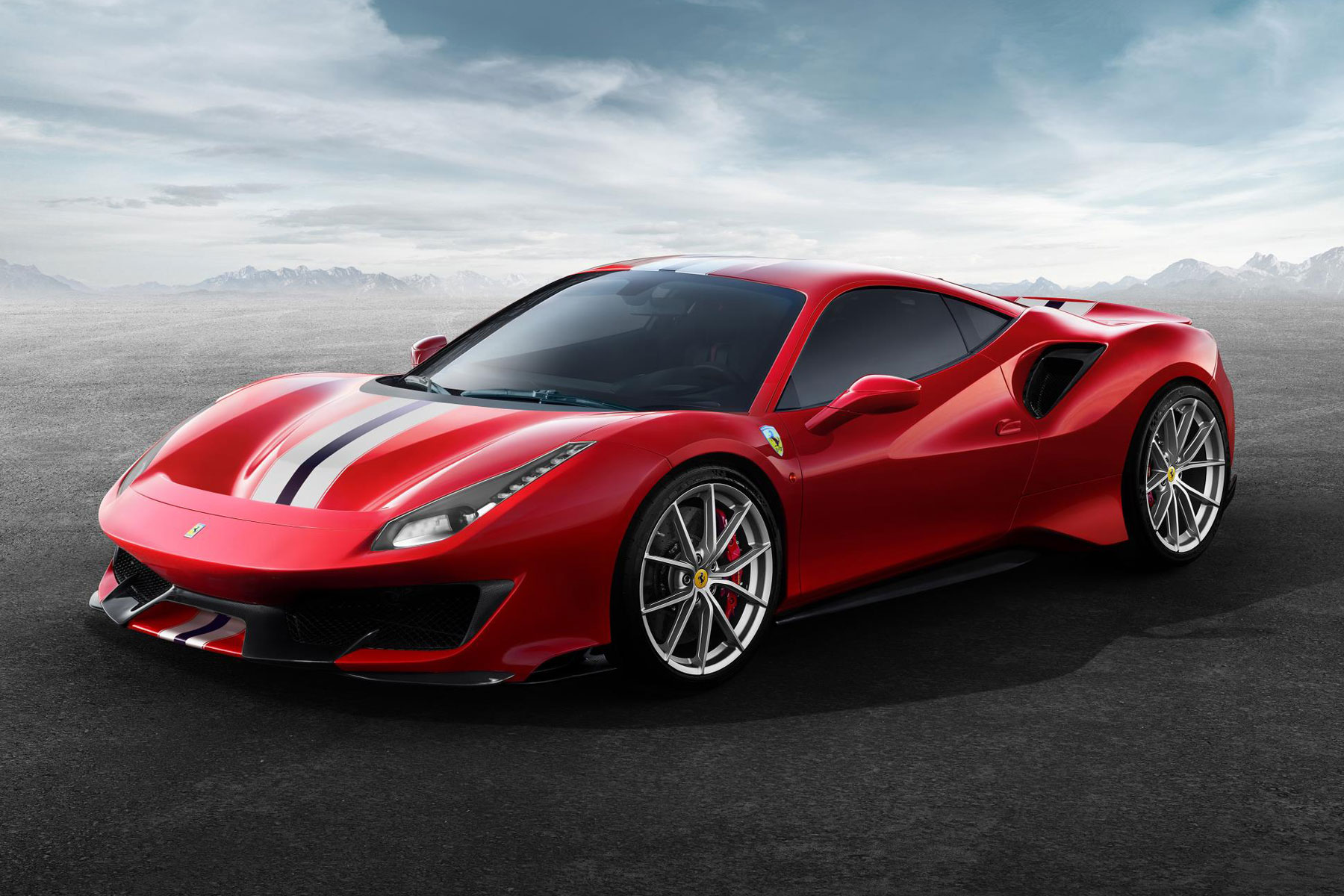
Ferrari 488 Pista/Spider – 2.85 seconds
Whether you opt for the ‘standard’ Ferrari 488 Pista or the Spider, the 0-62mph time remains the same, at 2.85 seconds. That’s a great result for the Spider, which weighs 100kg more than the coupe.
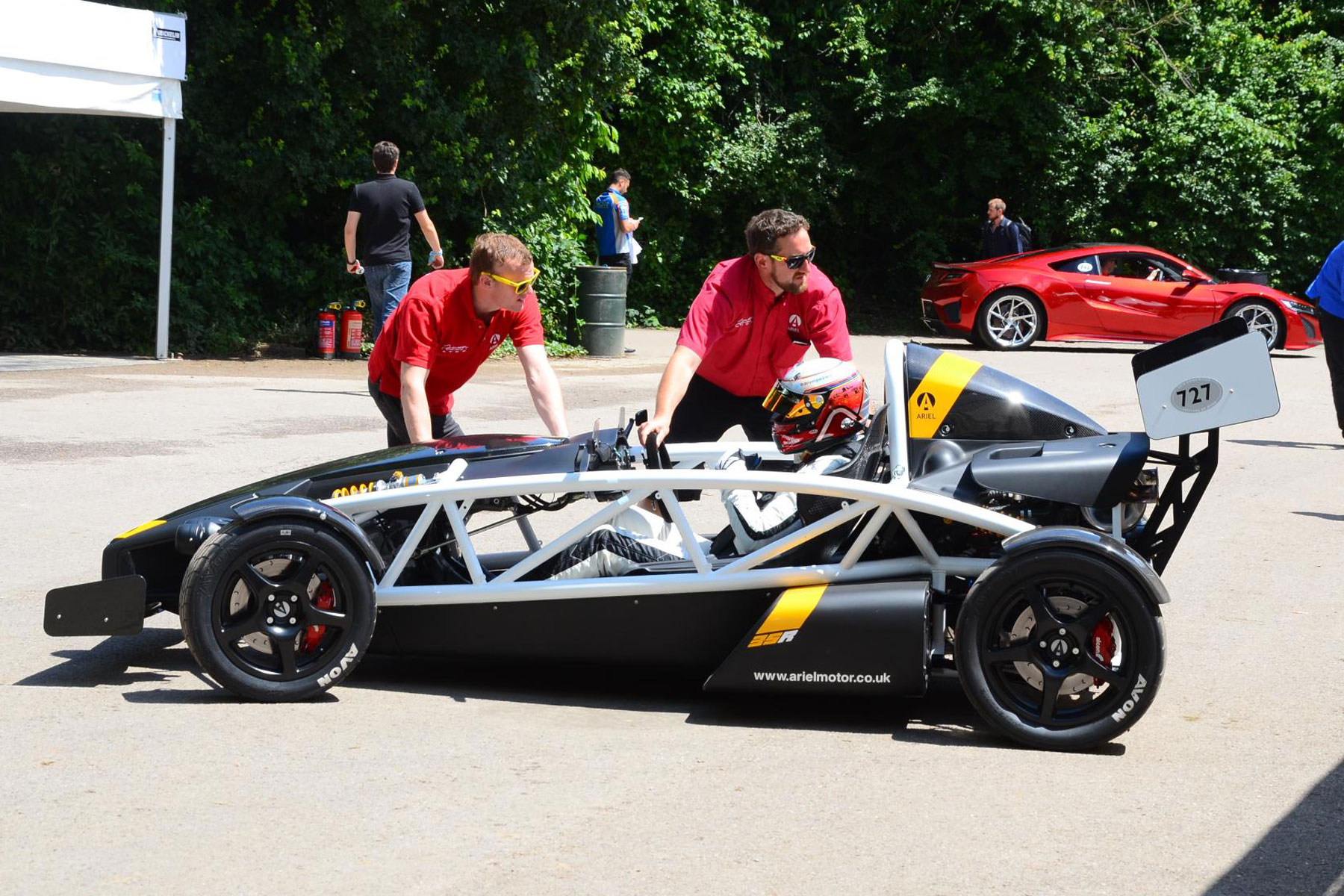
Ariel Atom – 2.8 seconds (0-60mph)
Maranello might sound more evocative than Crewkerne, Somerset, but the Ariel Atom can show many a Ferrari a clean pair of heels. A 2.0-litre turbocharged Honda VTEC engine is mated to a car weighing just 595kg to deliver astonishing levels of performance. It’ll do 0-60mph in 2.8 seconds, before hitting a top speed of 162mph, if you’re brave enough.
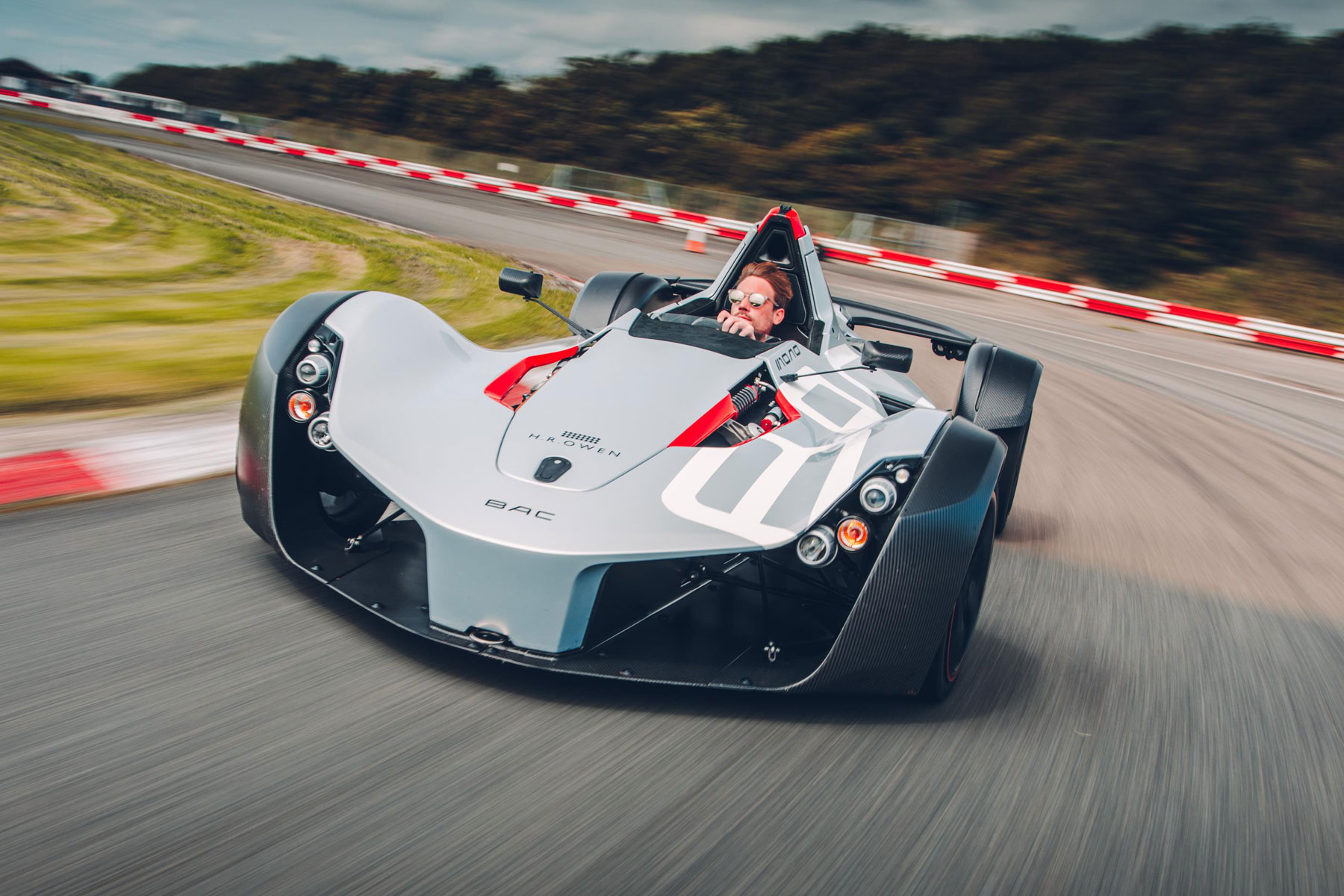
BAC Mono – 2.8 seconds (0-60mph)
From Crewkerne we head north to the Compass Point Industrial Estate, Liverpool, which is home to the BAC Mono. With power sourced from a 2.5-litre four-cylinder engine, the Mono can hit 60mph in 2.8 seconds.
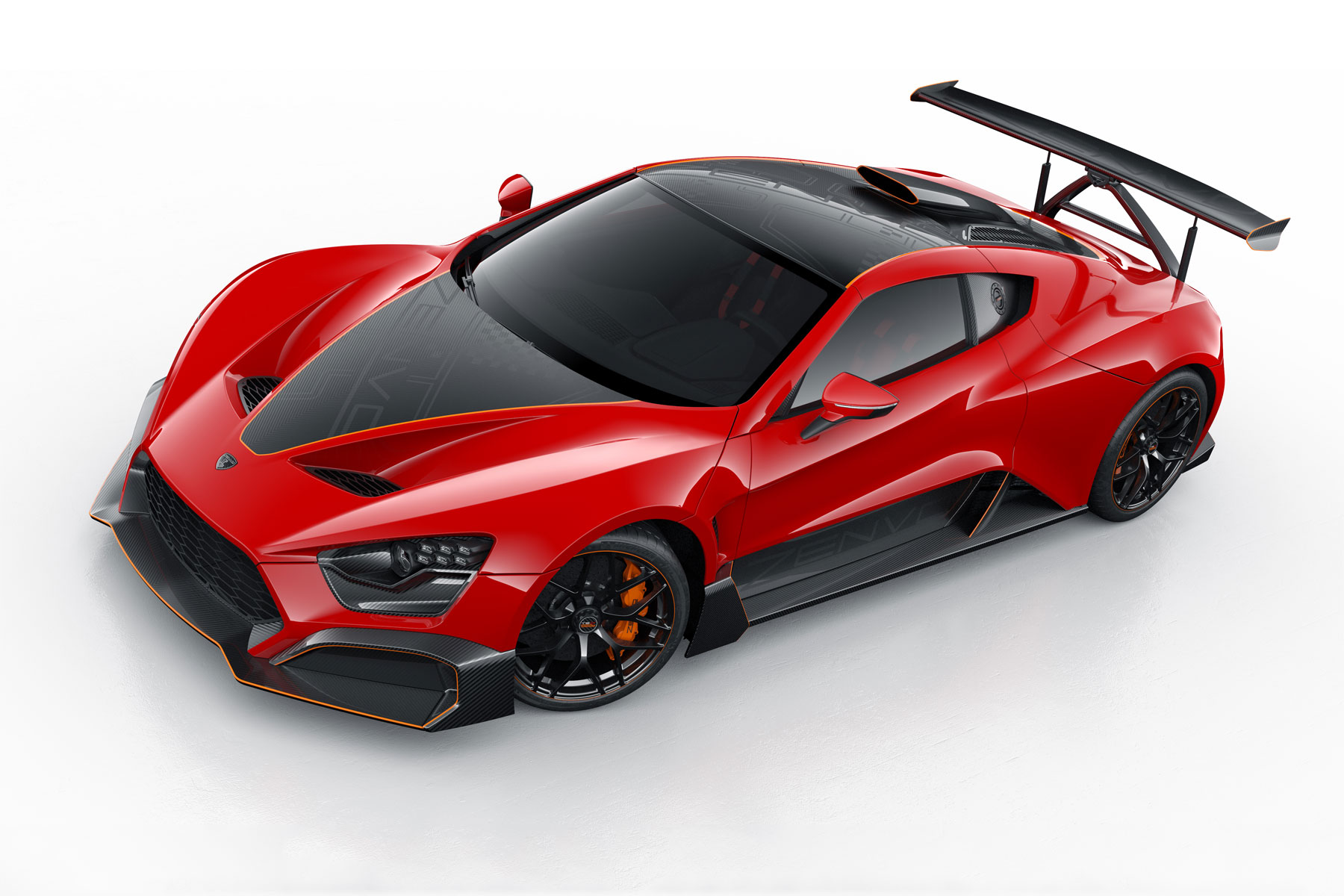
Zenvo TSR-S – 2.8 seconds
For some hardcore Danish action, look no further than the Zenvo TSR-S. Thanks to a twin-supercharged 5.8-litre V8 engine developing a mighty 1,194hp and an overall package some 100kg lighter than the TS1 GT, the TSR-S will bring home the bacon in 2.8 seconds.
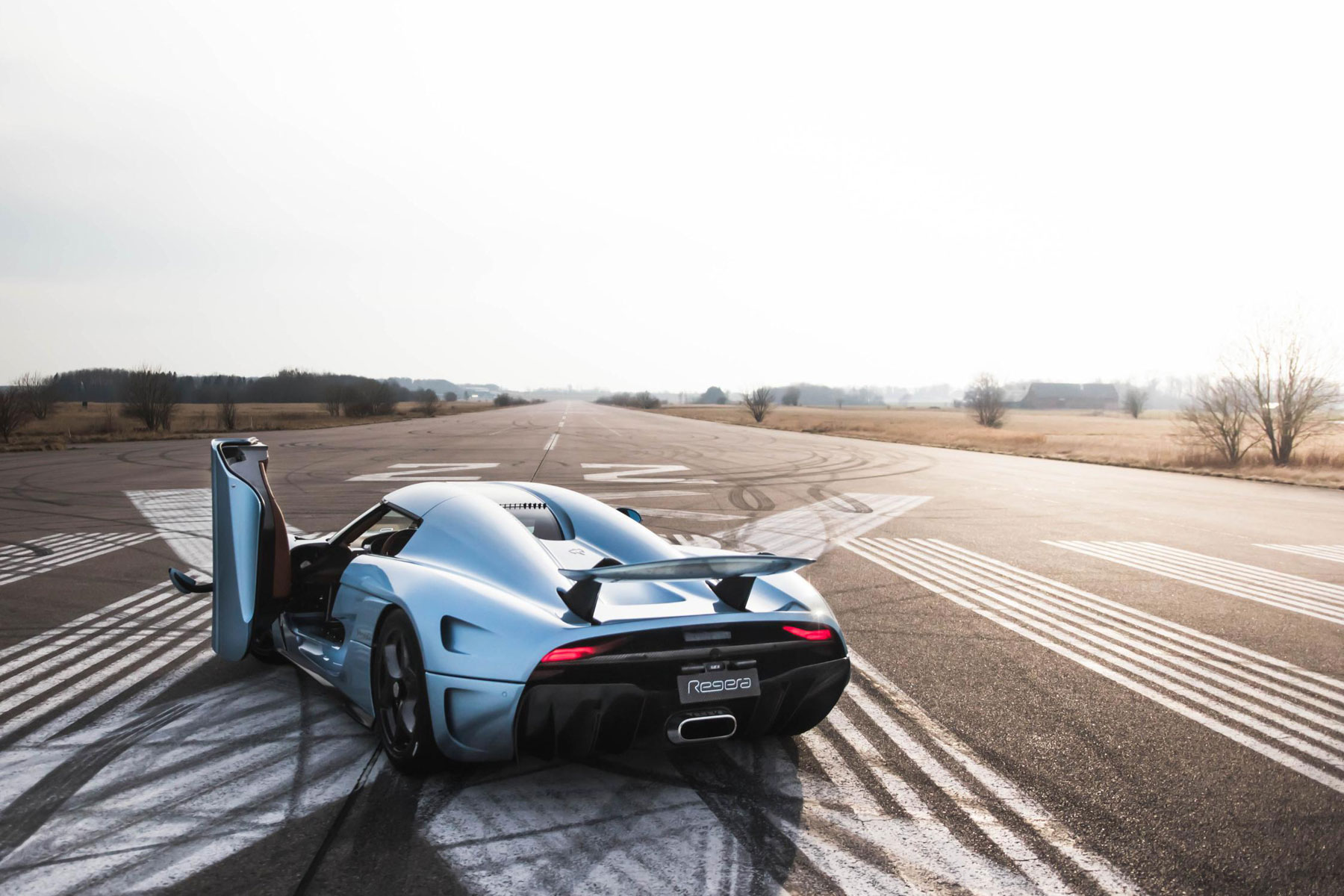
Koenigsegg Regera – 2.8 seconds
Forget supercars and hypercars, Koenigsegg says its Regera is a “luxury Megacar”. It combines a twin-turbocharged 5.0-litre V8 engine with three electric motors to deliver over 1,500hp, which is enough for a 0-62mph time of 2.8 seconds.
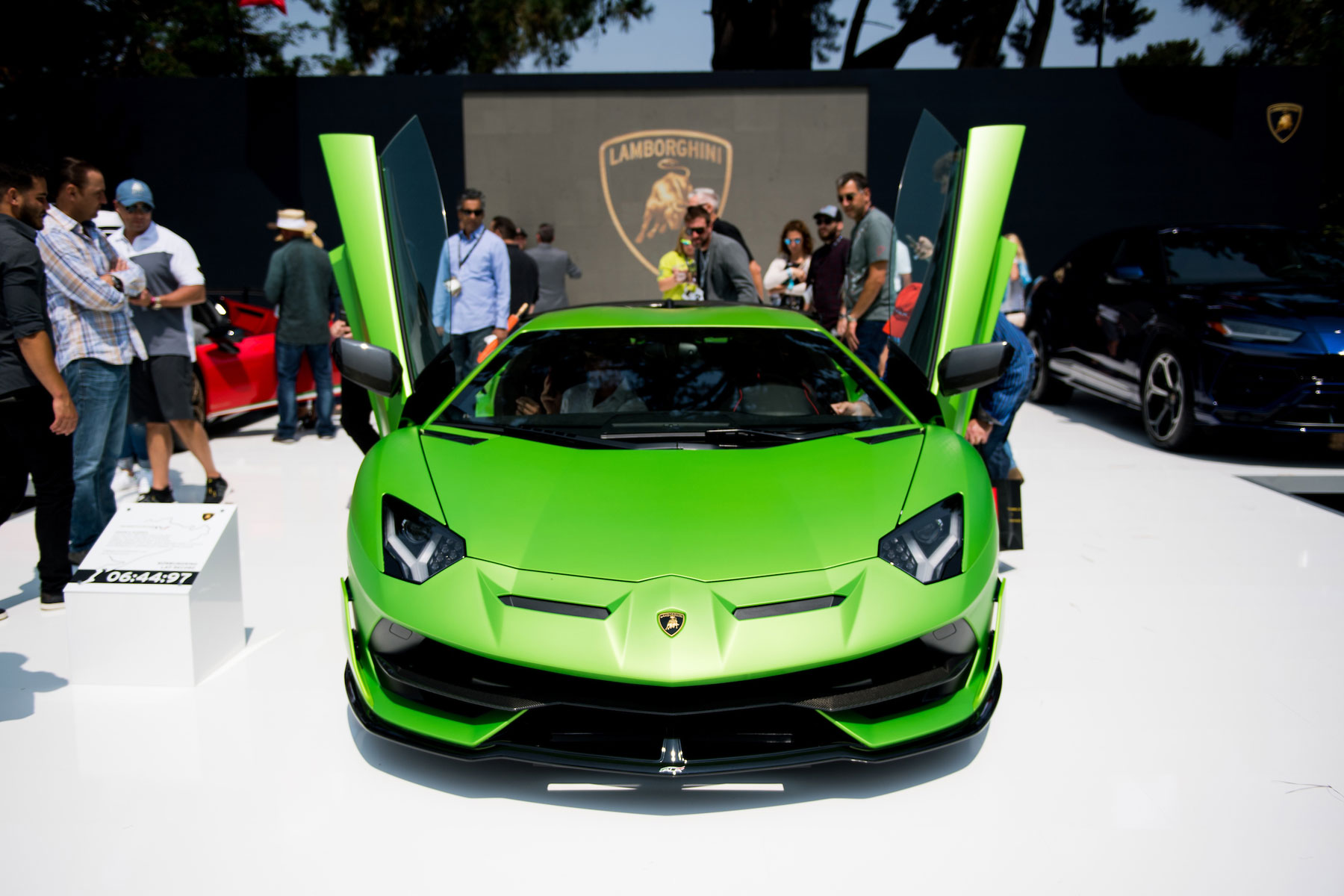
Lamborghini Aventador SVJ – 2.8 seconds
The hardcore Aventador SVJ might be the last naturally-aspirated V12 Lamborghini, but what a swansong. It has claimed a Nürburgring lap record, it weighs 50kg less than the Aventador S and its dry-sumped V12 develops 770hp. Only 900 cars will be made and most have already found buyers.
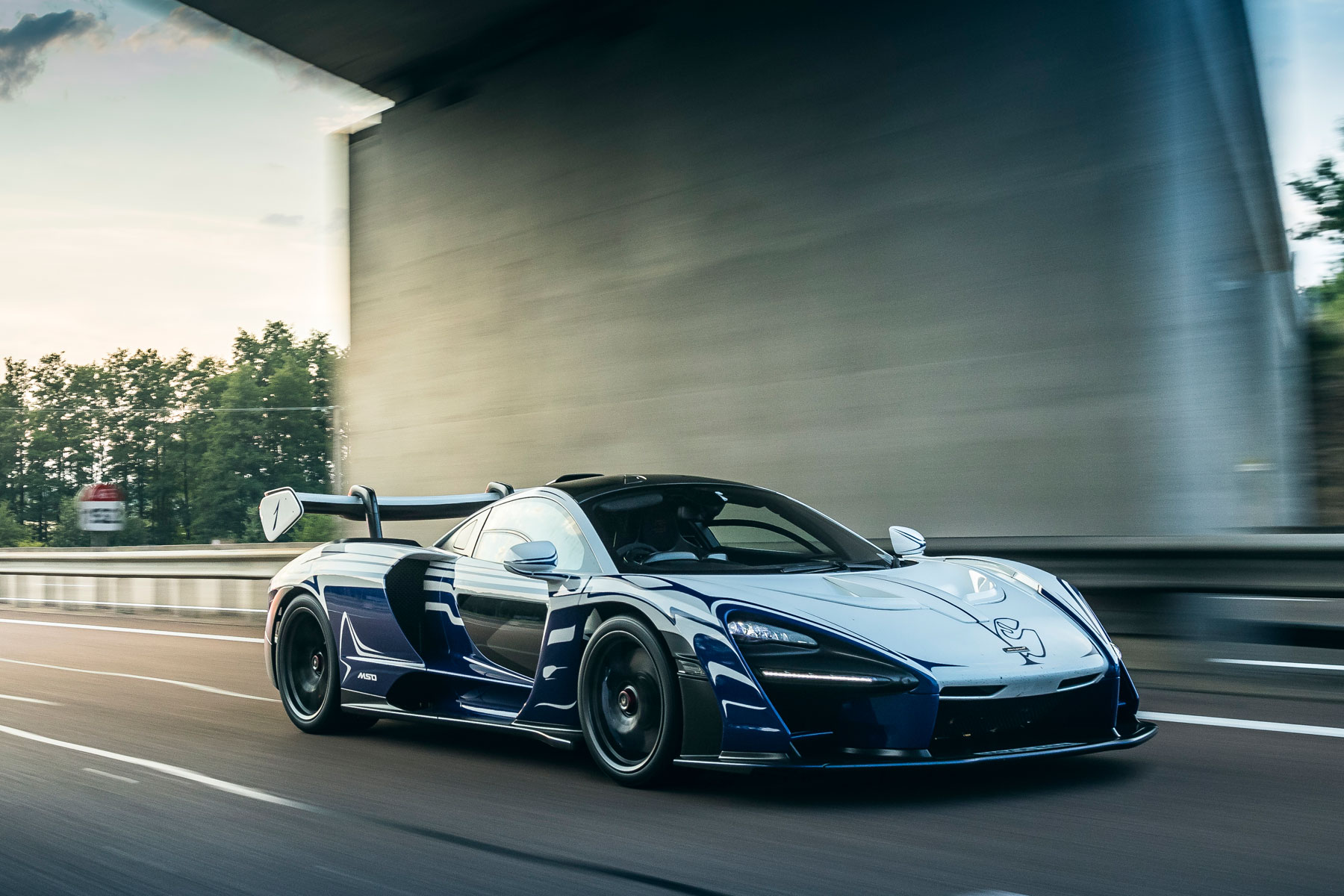
McLaren Senna – 2.8 seconds
Here’s London businessman David Kyte, owner of McLaren Senna number 001, on his way to the South of France. All 500 were sold before its launch in December 2017, way ahead of its public debut at the 2018 Geneva Motor Show.
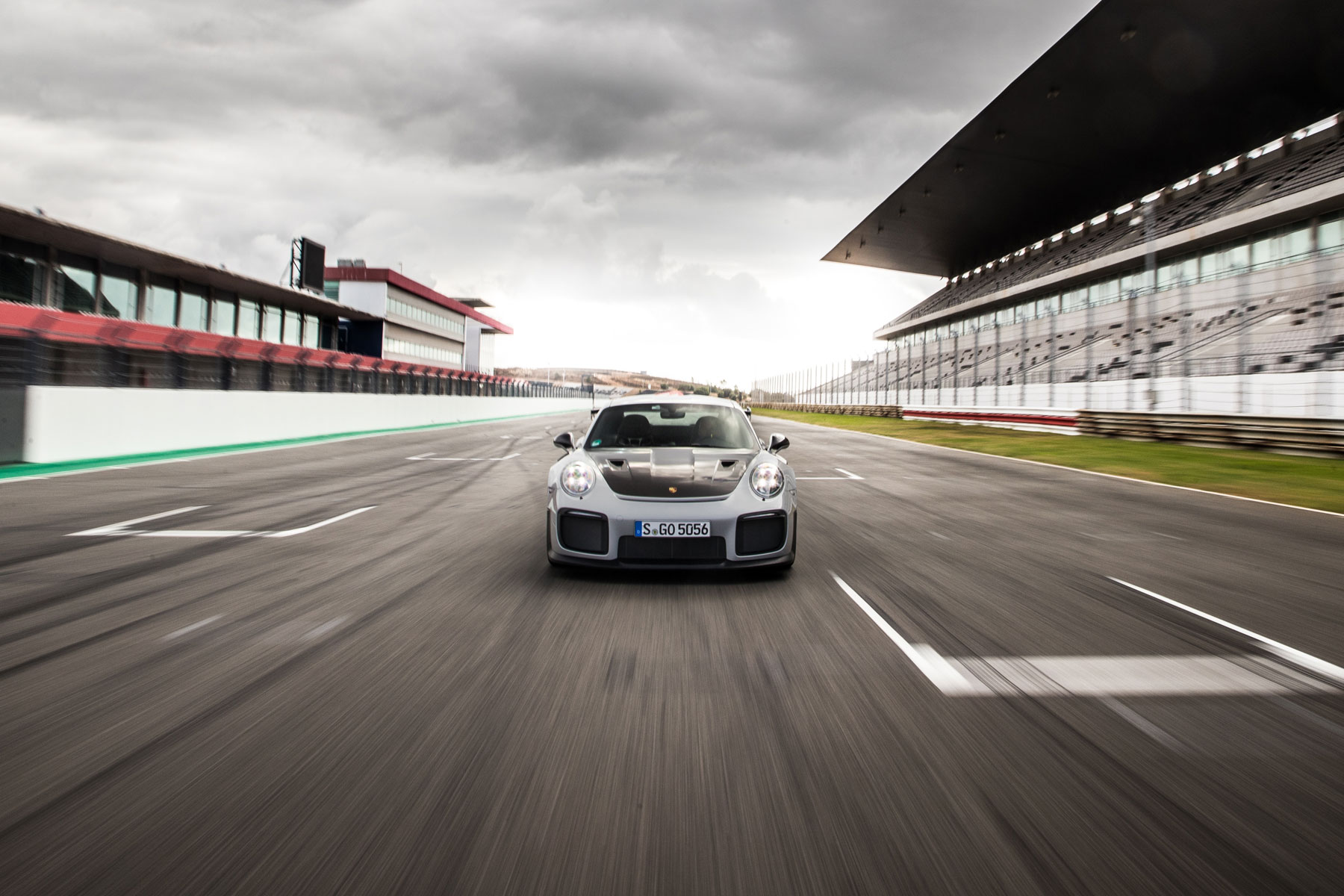
Porsche 911 GT2 RS – 2.8 seconds
The rear-wheel drive Porsche 911 GT2 RS costs a cool £207,506 and offers a mighty 700hp from its 3.8-litre twin-turbocharged engine, making its the most powerful Porsche road car ever built. It’s also the quickest, with a 0-62mph time of 2.8 seconds.
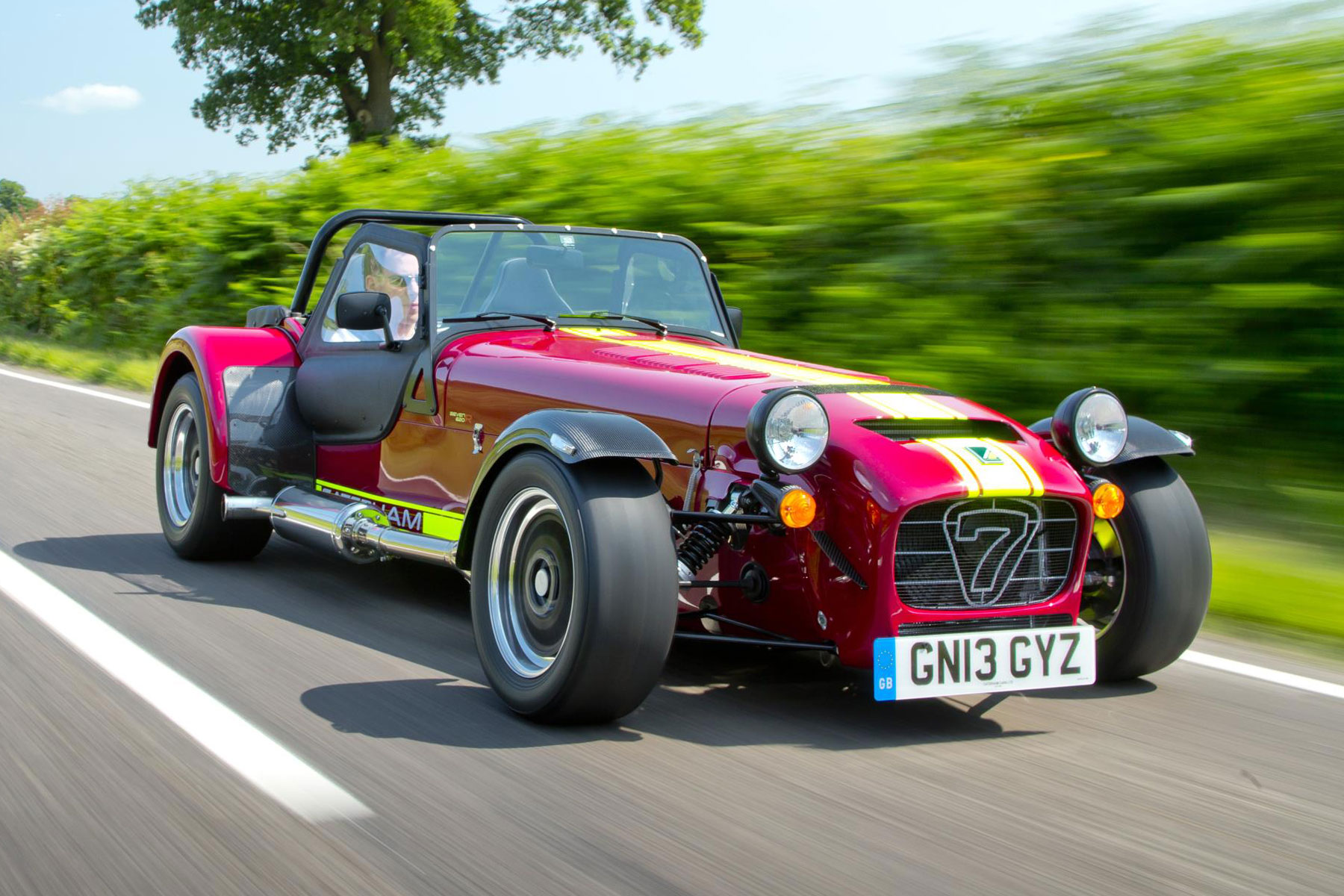
Caterham Seven 620R – 2.79 seconds
At this end of the gallery, tiny margins matter, which is why Caterham quotes a 0-62mph time of 2.79 seconds for the 620R. The car “is equipped with the sort of performance that is very hard to explain within the constraints of the English language or the laws of physics,” says Caterham.
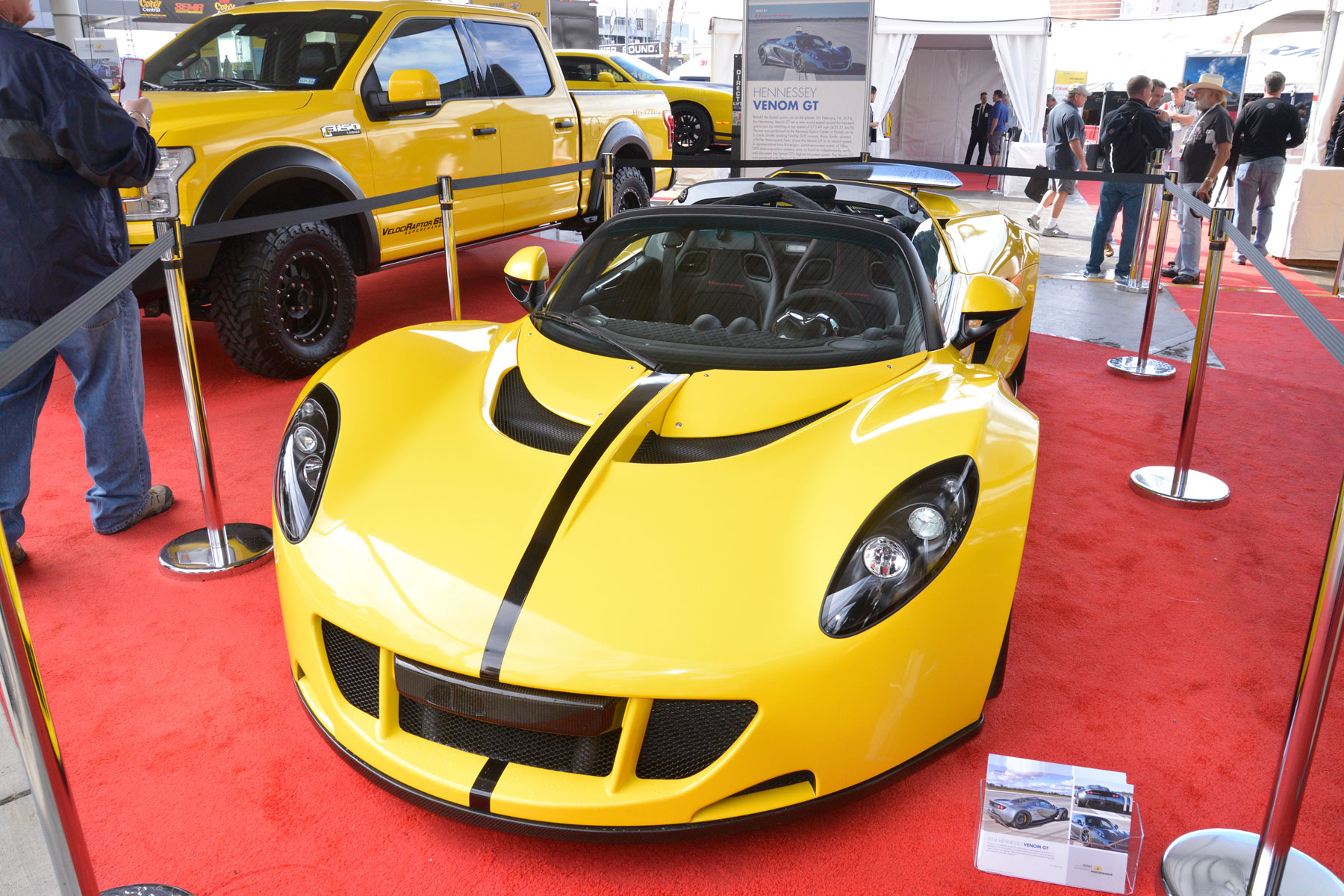
Hennessey Venom GT – 2.7 seconds (0-60mph)
A mainstay of galleries focused on acceleration and top speed, the Hennessey Venom GT can boast a 0-60mph time of 2.7 seconds, a 0-100mph time of 5.6 seconds and a 0-300km/h time of 13.63 seconds, with the latter an official Guinness World Record.
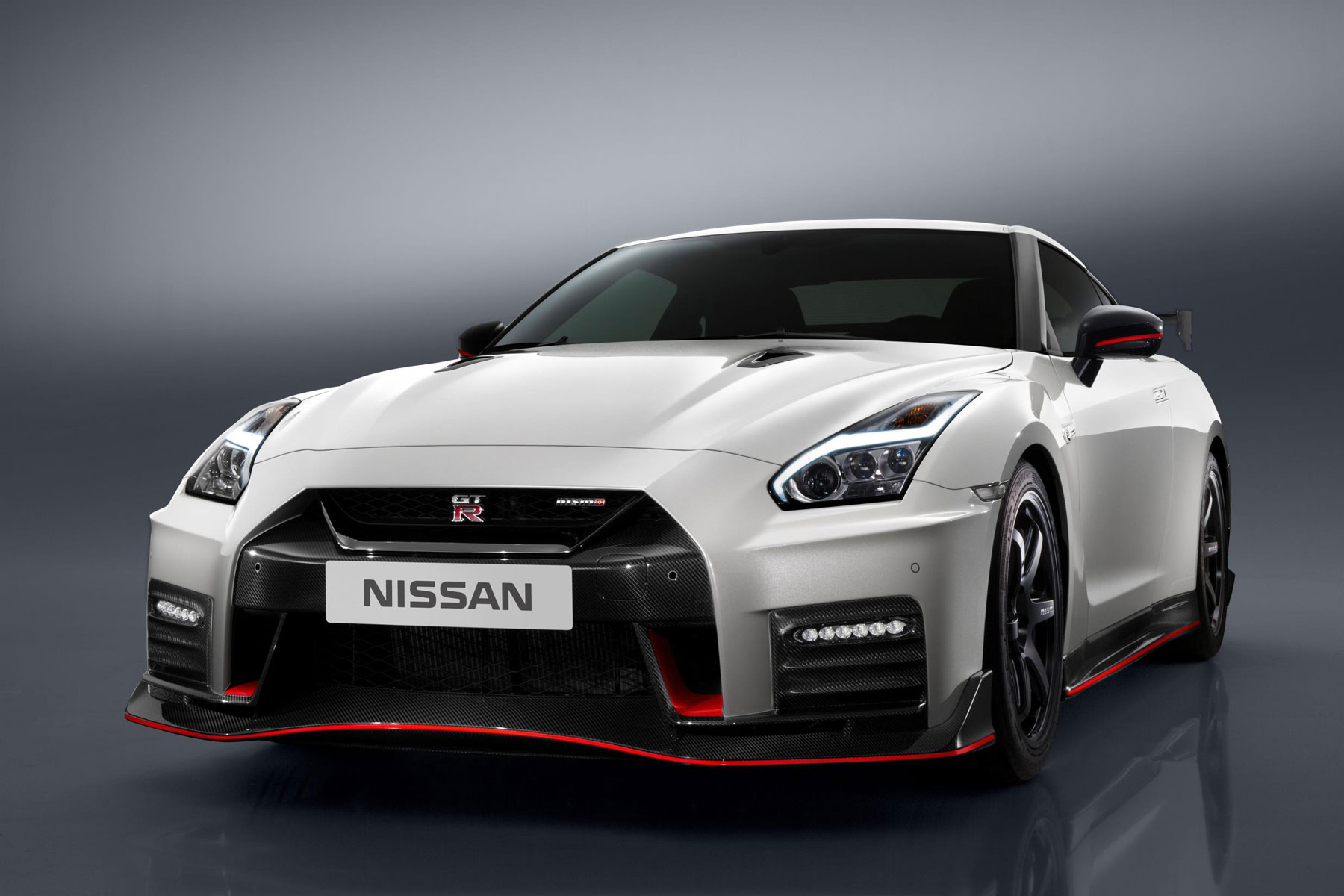
Nissan GT-R Nismo – 2.7 seconds
The Nissan GT-R Nismo is powered by a twin-turbocharged 3.8-litre V6 engine developing 600hp, which is enough for a 0-62mph time of 2.7 seconds. Yours for £151,995.
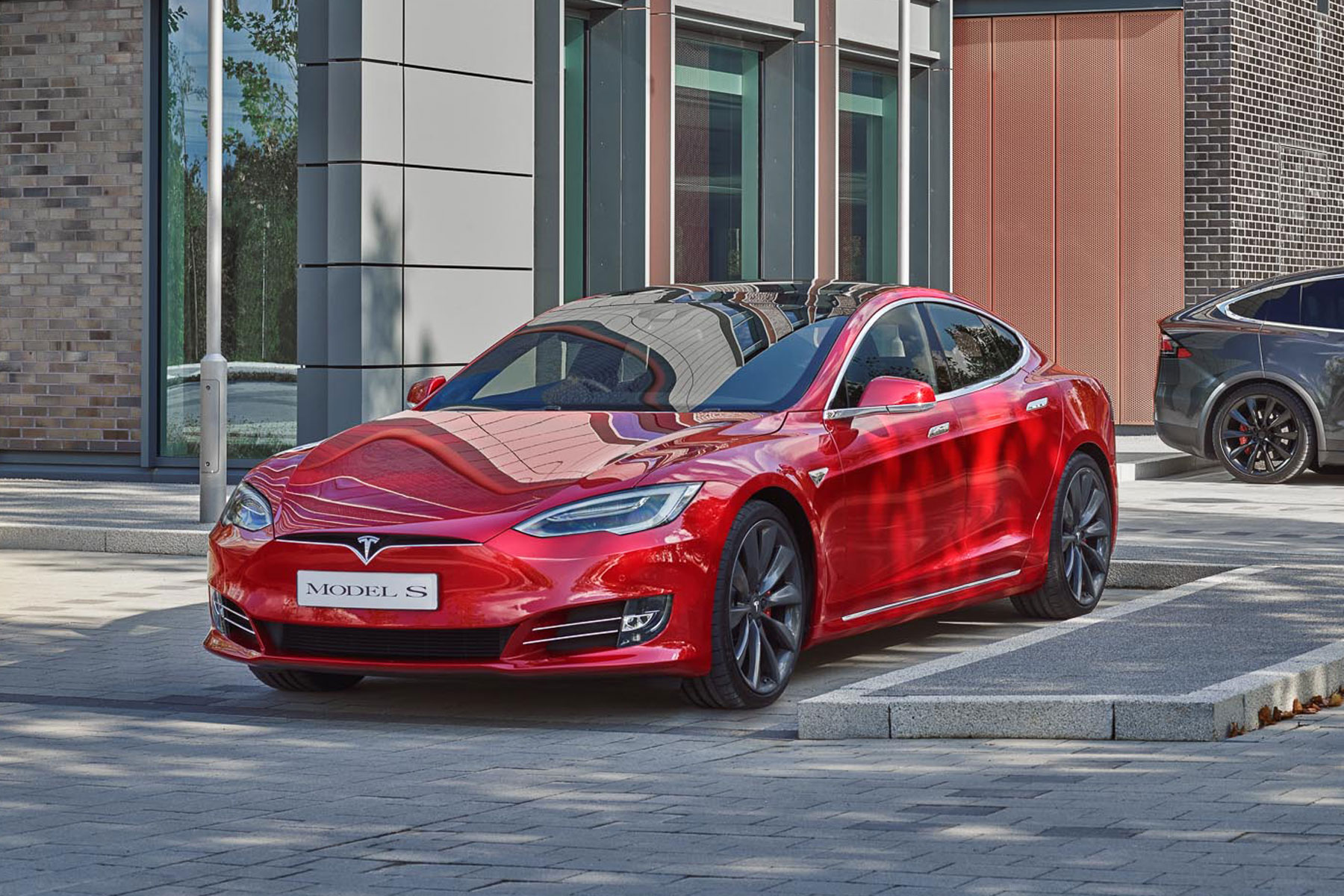
Tesla Model S P100D – 2.5 seconds (0-60mph)
The acceleration of the Tesla Model S P100D is, quite literally, Ludicrous. Officially, the electric saloon will hit 60mph in 2.5 seconds, but we’ve read reports of 2.4 seconds.
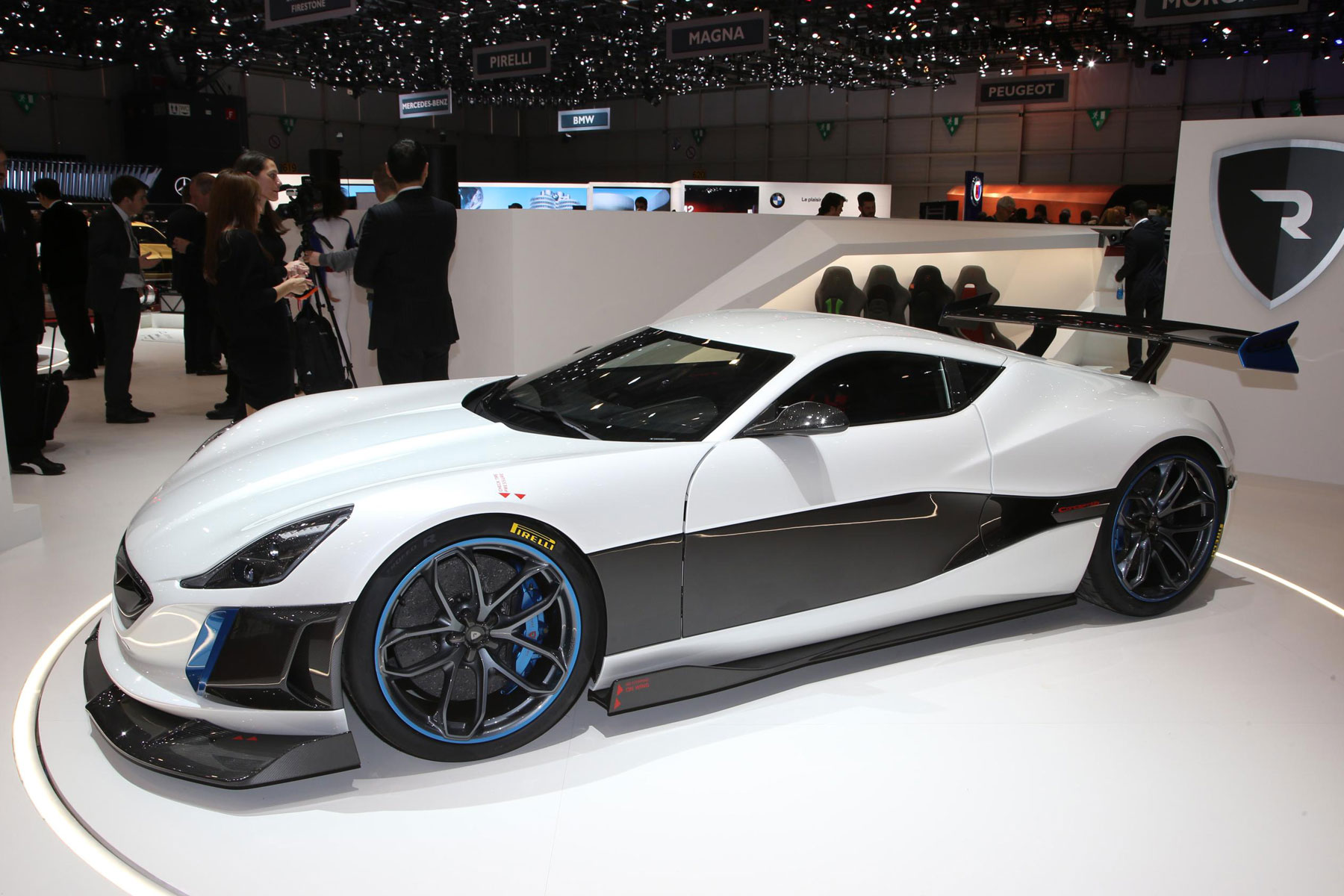
Rimac Concept One – 2.5 seconds
The performance figures of the Rimac Concept One are simply astonishing: 1,224hp, 221mph top speed and 1,180lb-ft of torque. The most important figure, for the purposes of this gallery, is the 2.5 seconds it takes the electric hypercar to hit 62mph.
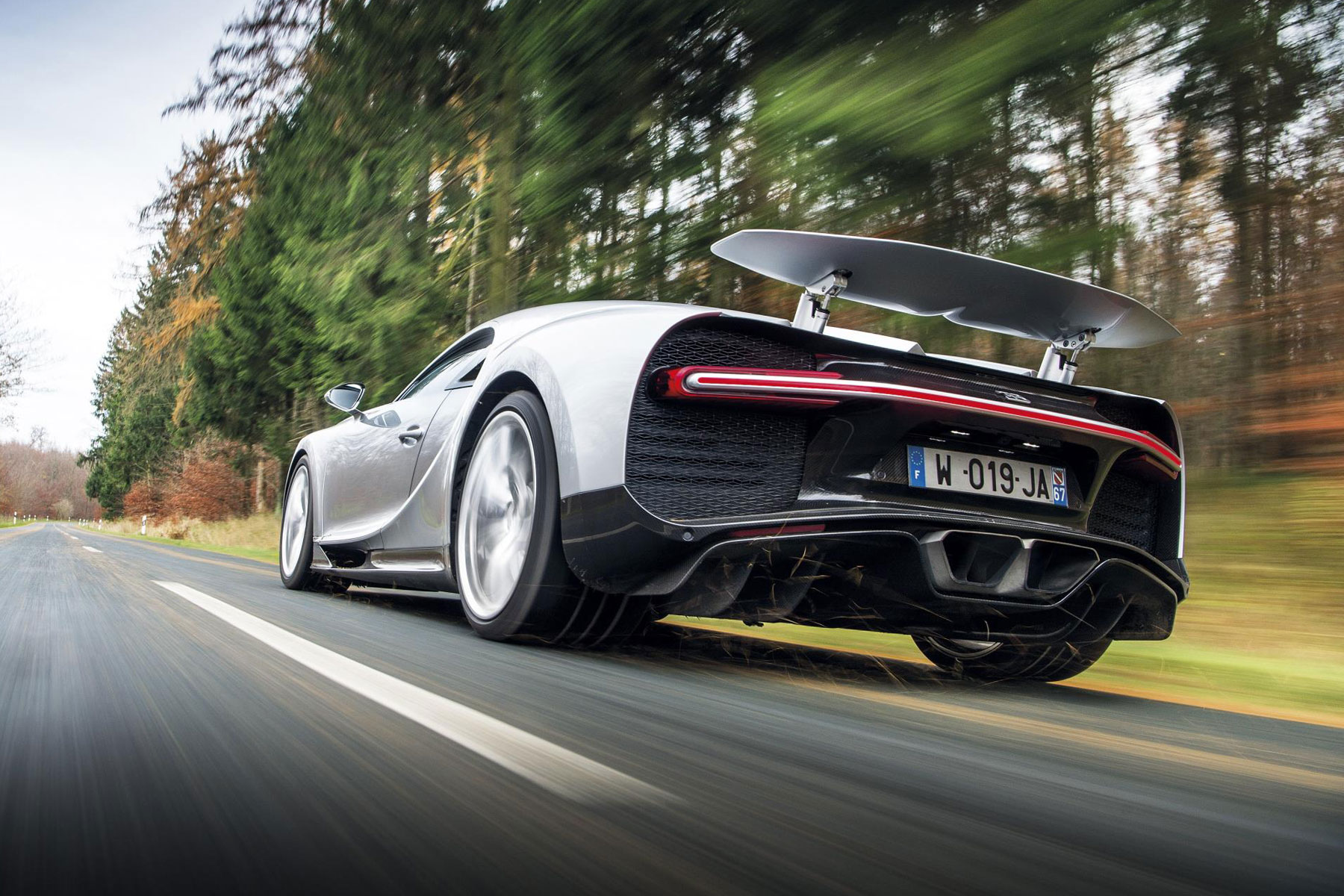
Bugatti Chiron – less than 2.5 seconds
Forget three seconds, the Bugatti Chiron will sprint to 62mph in less than 2.5 seconds. Quick, but not the quickest car to feature in this gallery.
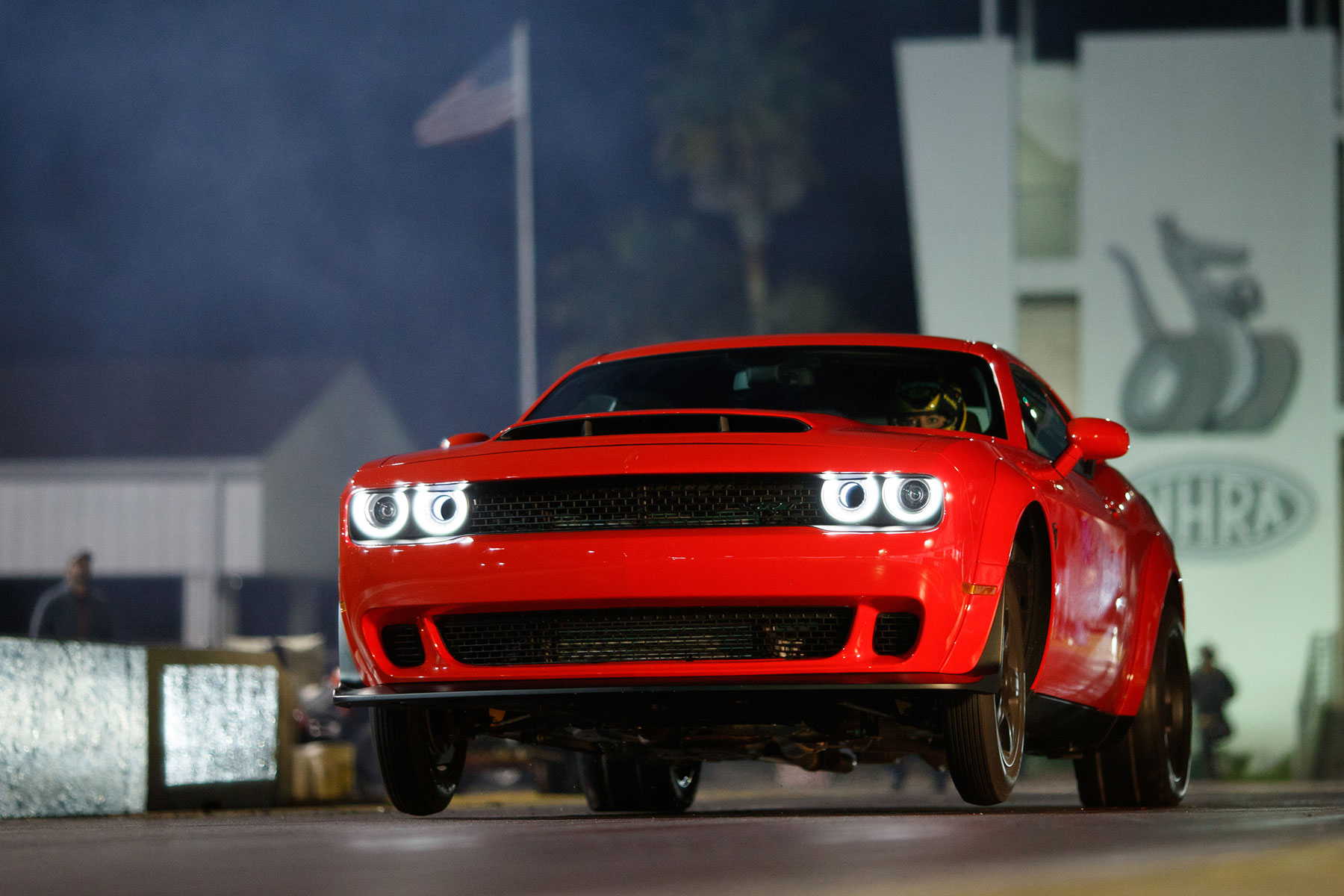
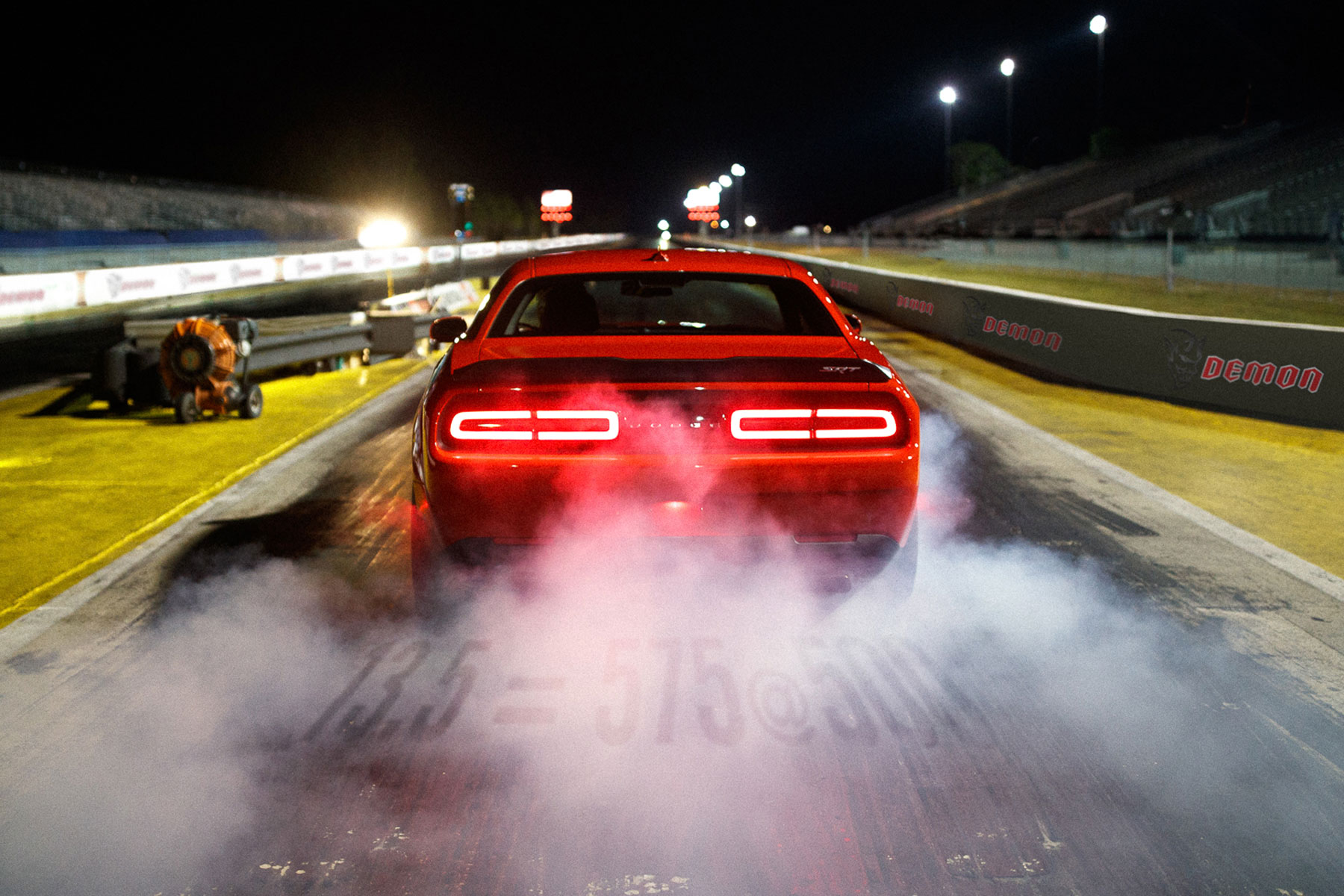
The Challenger SRT Demon is a schoolboy’s dream, with Dodge rolling out a number of ‘firsts’, ‘highests’ and ‘fastests’ in support of the car. Highest horsepower of any production car, highest G-force by a production car, first wheelie by a production car and world’s fastest quarter-mile production car, to name but four. Dodge also claims the world’s fastest 0-60mph production car title…
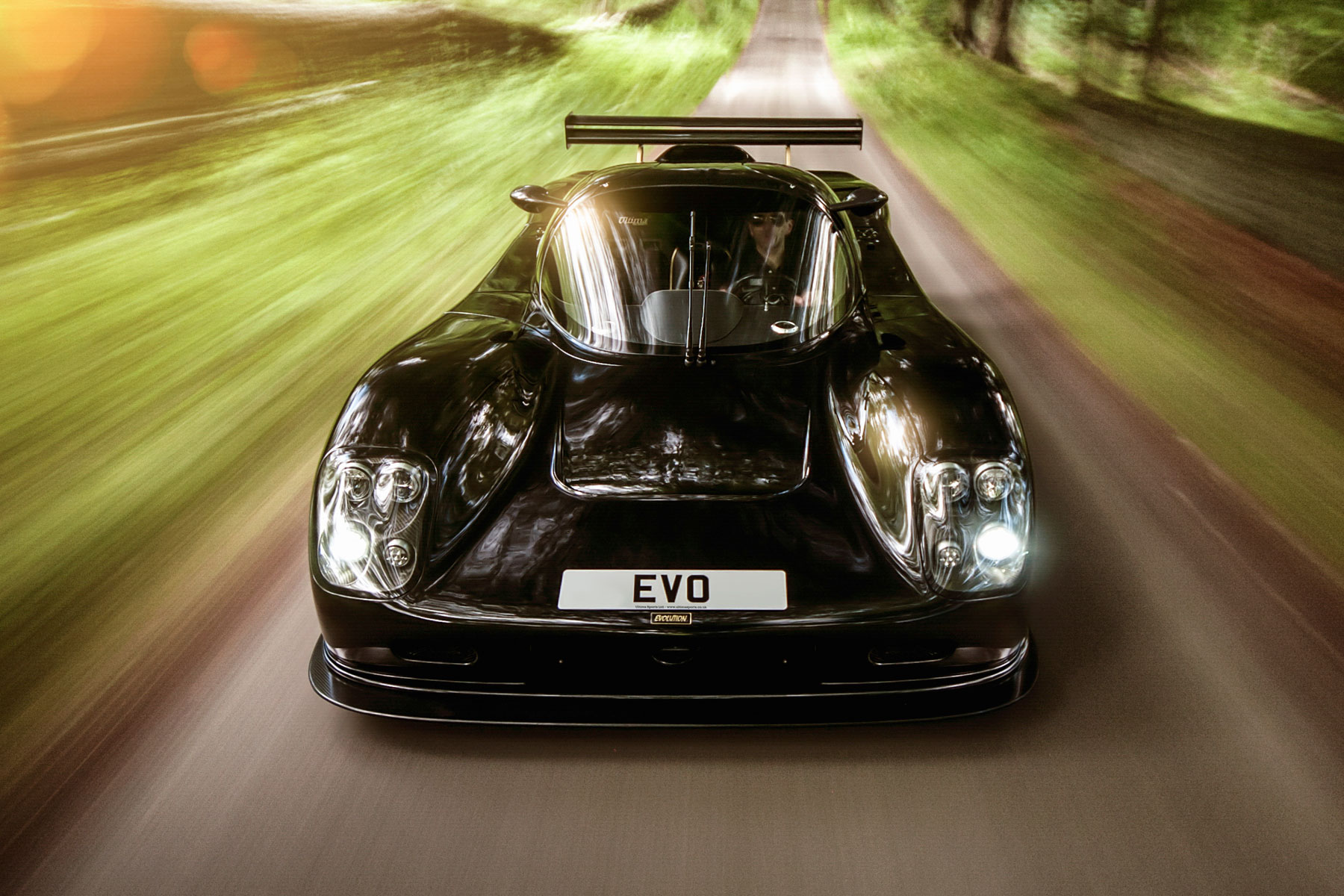
Ultima LS V8 Evolution – 2.3 seconds (0-60mph)
We reckon the team at Hinckley will have something to say about that. The Ultima LS7 V8 Evolution will hit 60mph in 2.6 seconds, while the supercharged version will complete the sprint in 2.3 seconds. Bonkers, British and brilliant.
Ahead of a crunch Brexit summit in Brussels later today, the European car industry has warned politicians of the ‘far-reaching impacts’ of a no-deal Brexit, which it says would threaten their very business model.
“The clock is ticking but it is not yet too late,” said Erik Jonnaert, secretary general of the European Automobile Manufacturers’ Association (ACEA). This is the body that represents Europe’s 15 major car, van, truck and bus makers.
“We are urging the negotiating teams on both sides to redouble their efforts to successfully conclude a withdrawal deal.”
A no-deal Brexit would be disastrous, says ACEA. Many car makers are making contingency plans, such as a temporary post-Brexit shutdown, but “no amount of contingency planning can realistically cover all the gaps left by the UK’s withdrawal from the EU on WTO (World Trade Organisation) terms”.
This would apply a 10 percent tariff to cars traded between the UK and the EU. “Profit margins in our industry are significantly lower than 10 percent.
“These costs will either be passed onto the consumer or will have to be absorbed by the manufacturers.” Many believe the latter is more likely, adding thousands to the price of new cars both in the UK and Europe.
No-deal doom
The Automotive industry’s reliance on ‘just-in-time’ and ‘just-in-sequence’ deliveries is now well known. 1,100 trucks cross the Channel each day to serve this.
Some carmakers are looking for short-term warehousing to deal with any post-Brexit blips, but “the space required to stockpile for more than short time would be absolutely huge – and expensive”.
Smaller companies would be particularly badly hit. They do not have internal system, IT platforms and staff to deal with it – so would struggle with customs declarations, tariff classification, customs valuation and calculations based on content origin.
“Everything possible must be done to secure a future exchange of goods, services and people that is frictionless,” said Sigrid de Vries, secretary general of the European Association of Automotive Suppliers (CLEPA).
“Any change… will have an adverse effect on the competitiveness of individual companies and the sector as a whole.”
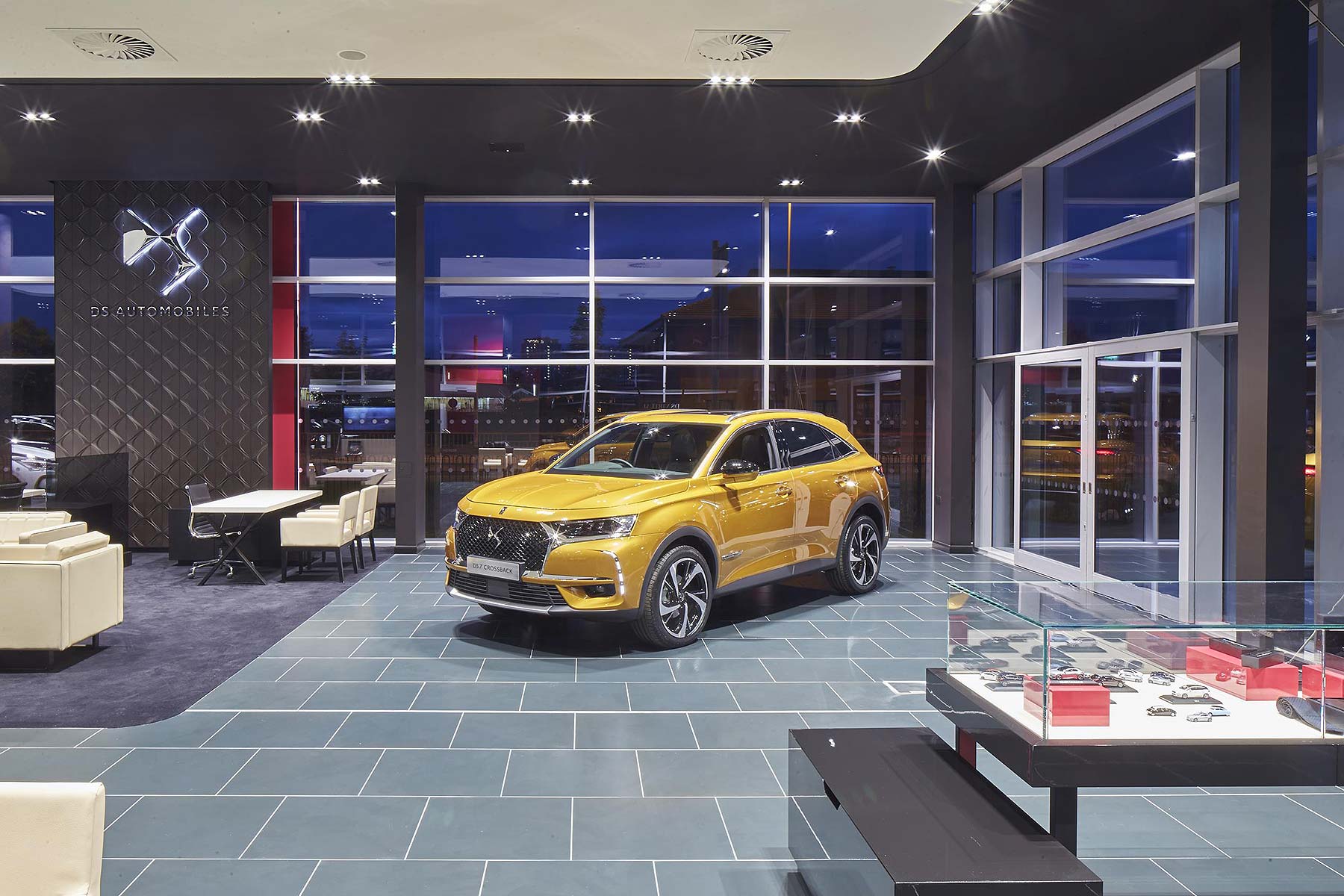
A big fall in September new car registrations in the UK has been mirrored across Europe, new figures show. The overall EU new car market was down 23.5 percent and Germany, the biggest market, suffered a whopping 30.5 percent fall.
The introduction of new WLTP fuel economy regulations is the cause, says the European Automobile Manufacturers Association (ACEA). This is also behind a 31 percent spike in August sales, weeks before the new regulations became law.
The upshot has been a sore lack of supply of WLTP-ready new cars, with many manufacturers struggling to get their cars tested and approved to the new regulations in time. And some of the brand seemingly caught out by the WLTP switchover may surprise you…
Audi, for example, saw a breathtaking 60.7 percent fall in new car registrations in September – from 76,776 cars in 2017, to just over 30,000 this year. Volkswagen registrations more than halved, which represents almost 80,000 fewer new VWs taking to the road than this time last year.
Nissan registrations were down 45.5 percent, Fiat was down 32.8 percent and Renault was down 31.7 percent. One of the biggest fallers in percentage terms was Porsche, recording a 68.8 percent decline, while Alfa Romeo almost matched Audi in one unenviable sales metric – its 60.5 percent fall.
Other brands appear to have been much smarter. Kia enjoyed a 2.9 percent increase in new car registrations, as did Volvo. And although Land Rover registrations were down 17 percent, Jaguar was actually up a very praiseworthy 33.5 percent.
Despite the red number, the European new car market is still up compared to 2017, by a meagre 2.5 percent. The worry must now be that WLTP supply issues continue into October and turn this into an overall loss.
Europe’s biggest car brand, Volkswagen, has already suggested its deliveries won’t recover until at least November…
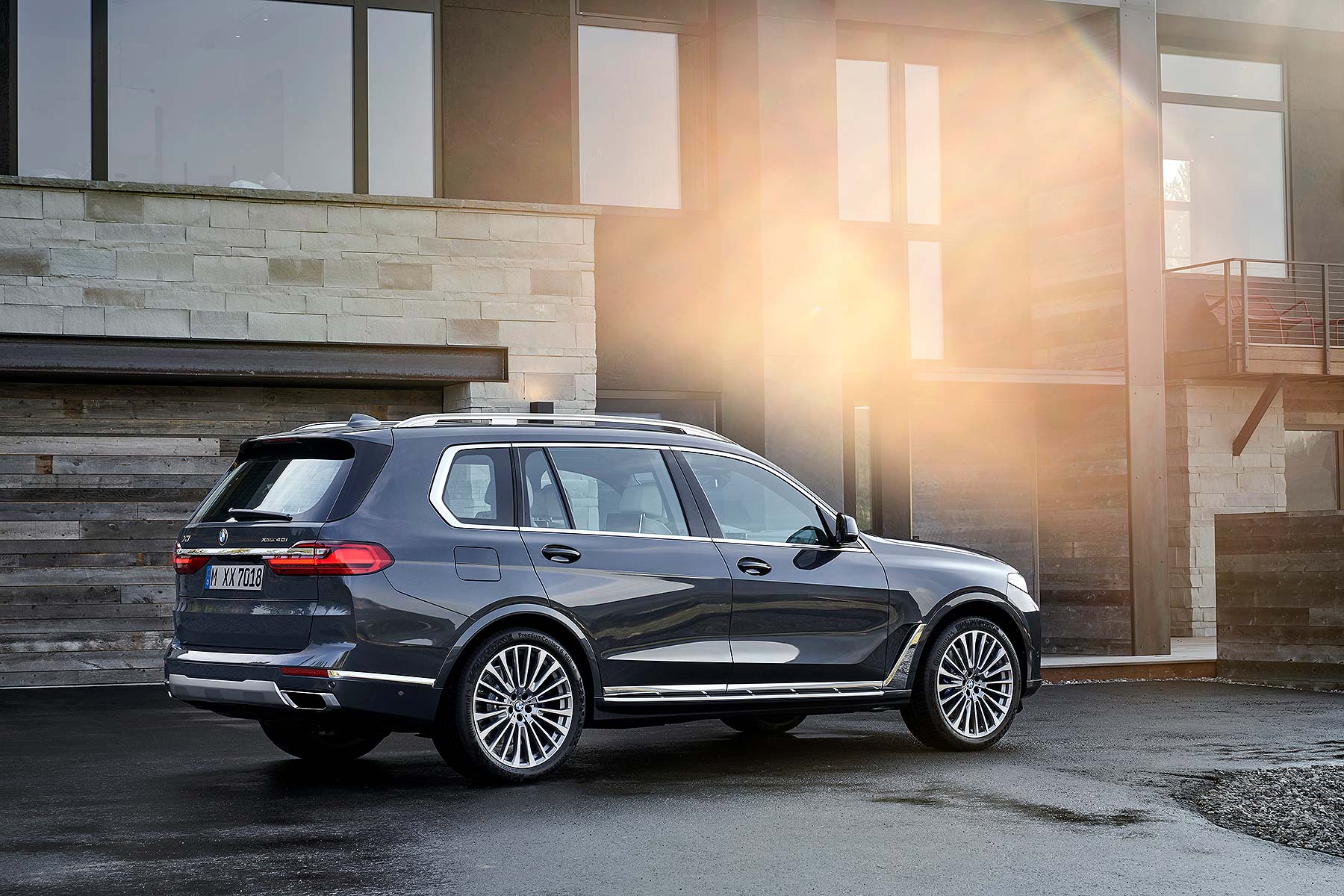
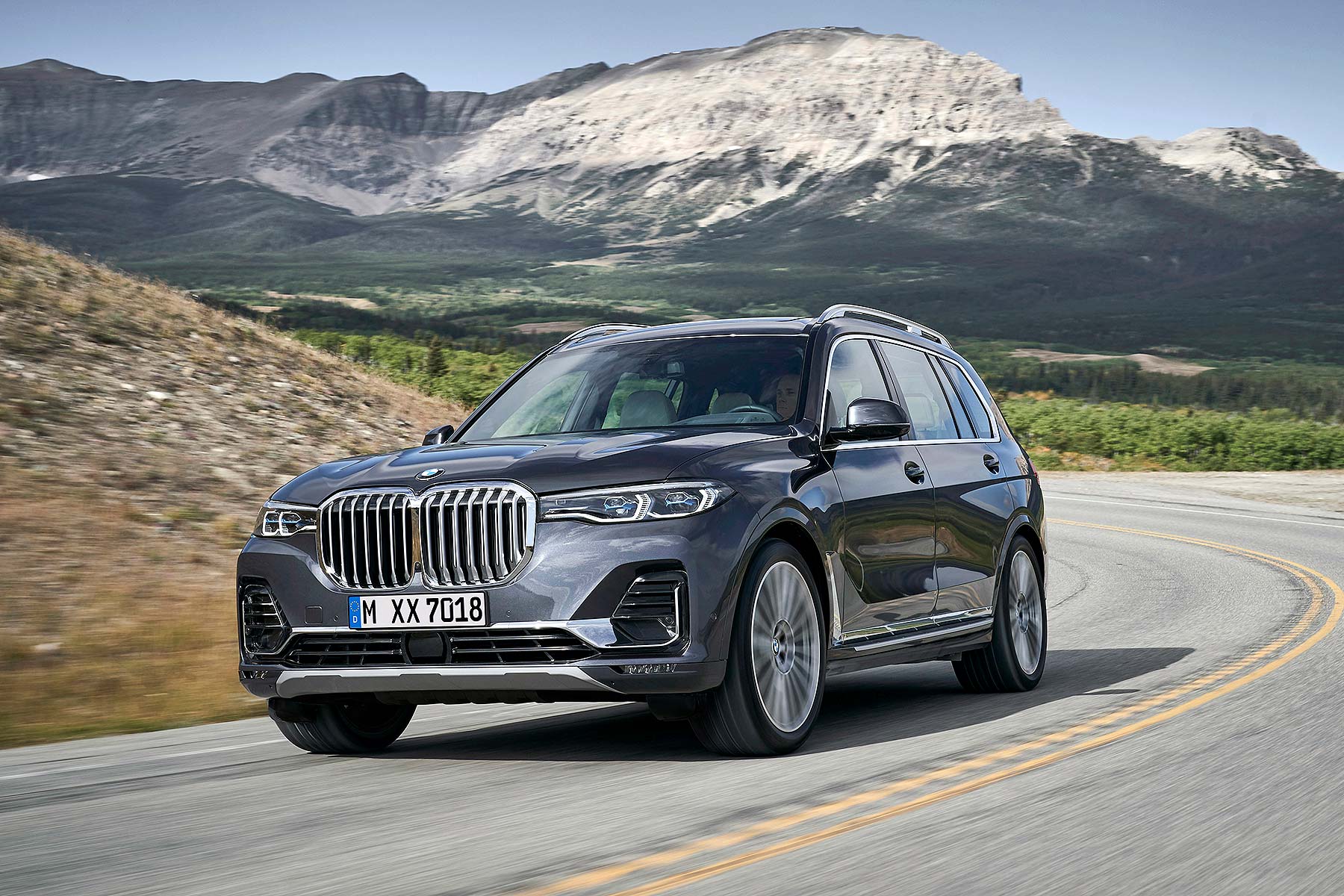
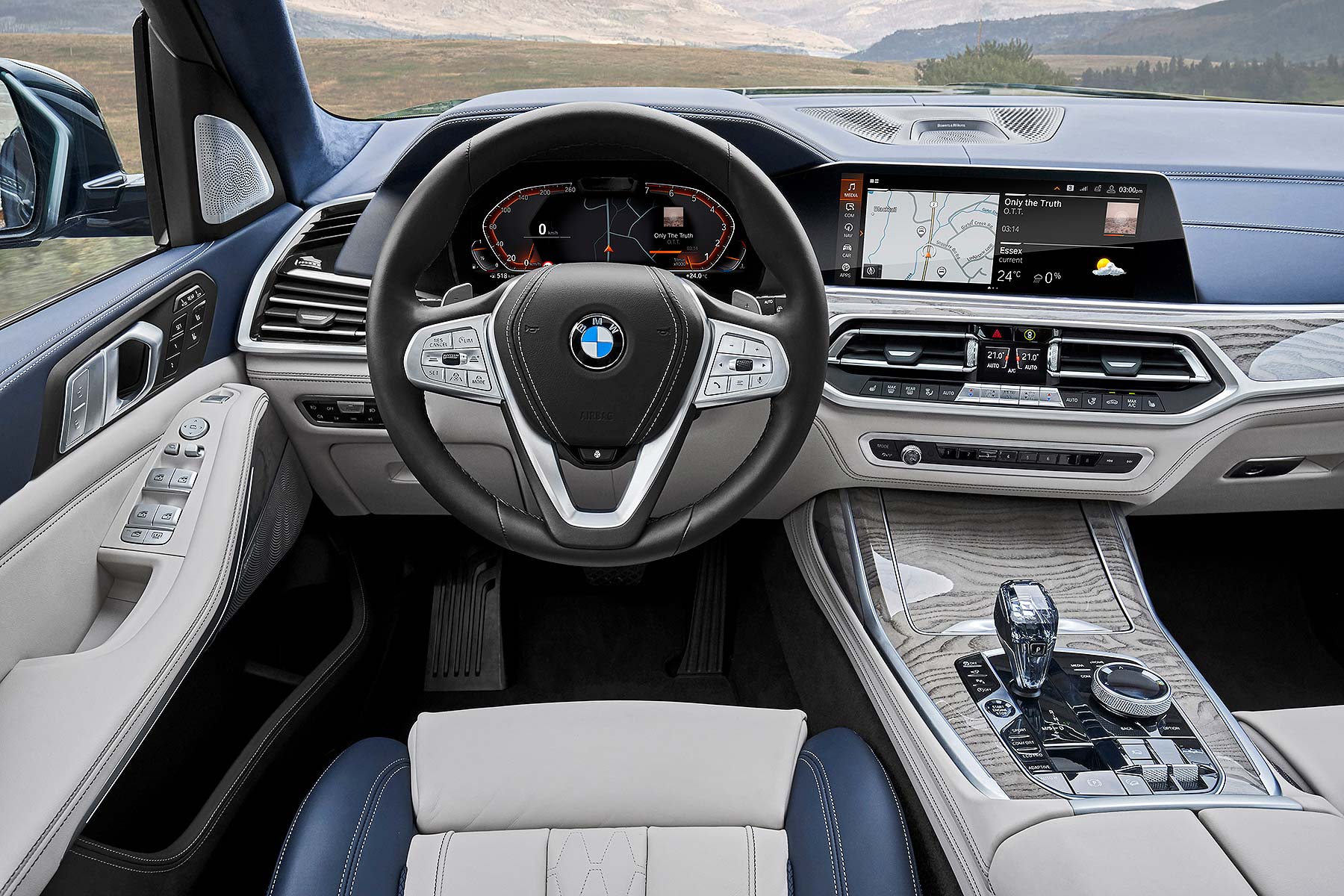
The BMW SUV range has a new flagship. The big and bold BMW X7 goes on sale in April 2019 with a starting price of £72,155 and a desire to further grow the brand’s luxury car sales with what’s essentially a 7 Series SUV for seven people, just as the Mercedes-Benz GLS is an S-Class 4×4.
You can decide on the styling (all the images are in our slideshow). BMW simply says it’s clearly structured and demonstrates its latest design language. No, look past the humungous grille, if you can, and look to the doors. The rear ones are longer than the front, you’ll notice. This is significant.
The new BMW X7 wants to be the ultimate passenger’s machine.
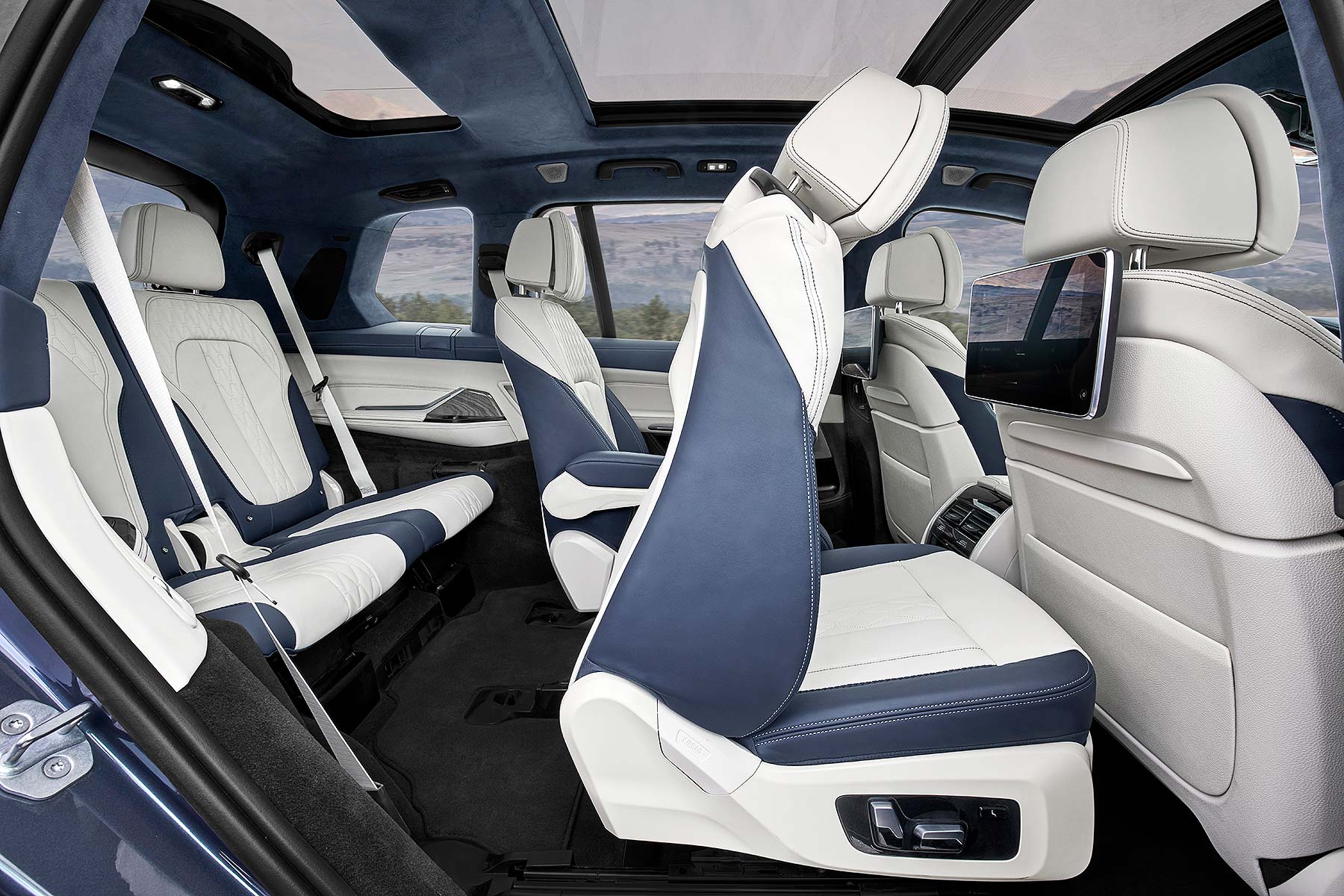
For starters, it’s huge: over 5.1 metres long, two metres wide and 1.8 metres tall. The wheelbase is a massive 3.1 metres. But this creates enough space inside for BMW to boast of even the third-row seats being full-size chairs, with space between them – “a first for a 4×4”.
BMW Concept X7 iPerformance: the 7 Series SUV
The middle-row bench is plush, but even plusher is an optional two-seat configuration, using seats with “the same functionality and adjustment range as the front”, which surely is another first. The seats have all sorts of electric-adjust tricks to make entry and egress as unencumbered as possible: the driver even has a button to auto-slide both front seats forward, just to give rear passengers that bit more space.
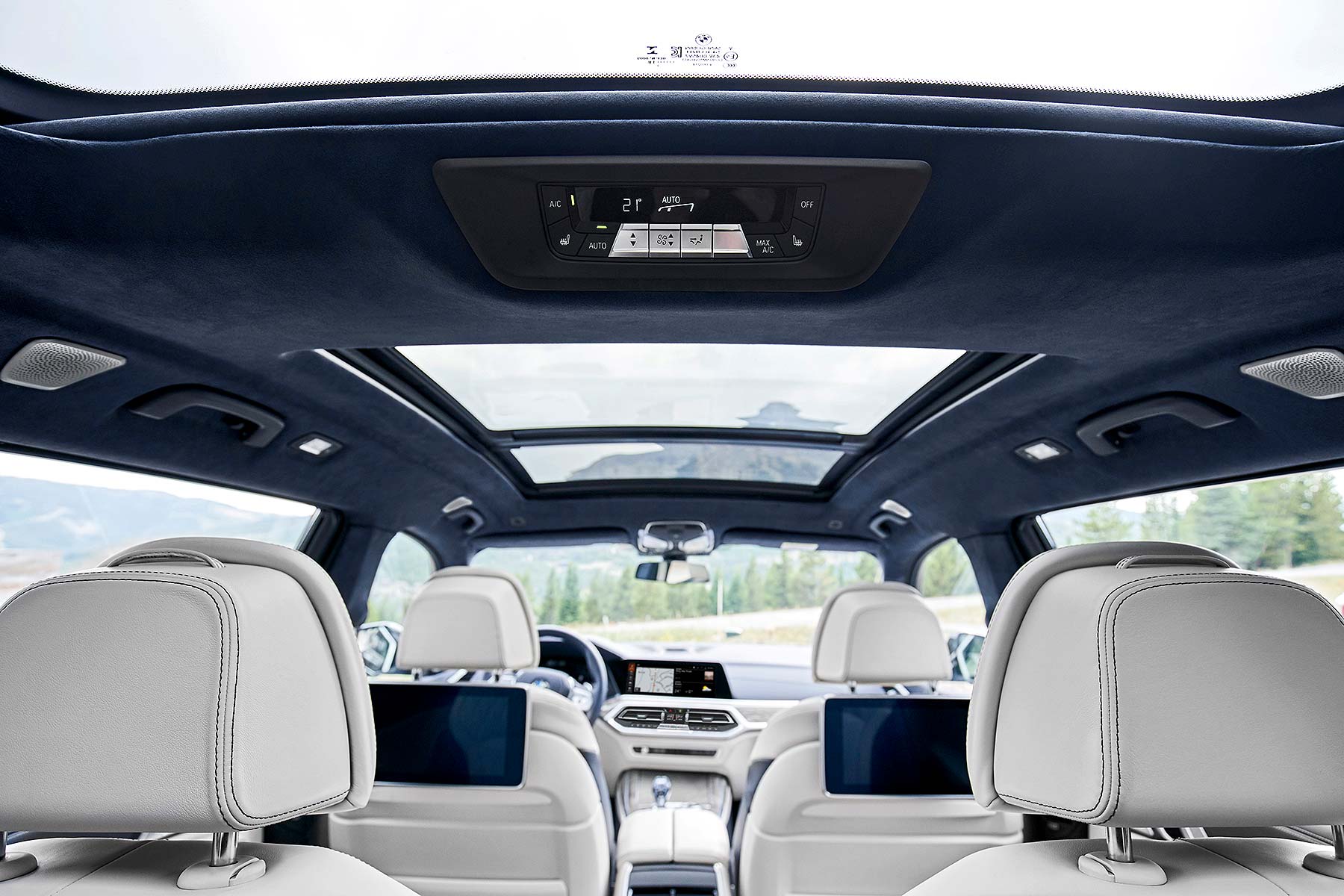
Every seat is adjusted electrically, finished in leather, and heated, as standard. But, whisper it, the front seats can also be optioned with ventilation and massaging. Don’t tell those in the back. Hopefully standard four-zone climate control will distract them – five zones are optional, with additional third-row controls and vents.
Also standard is an electric three-piece panoramic glass roof, and BMW’s offering an option from posh sister company Rolls-Royce – an LED overlay for the glass surface, creating a starlit sky effect.
Beneath the X7
Less surprising are the X7 engines: 3.0-litre six-cylinder in-line motors, either a 340hp turbo petrol in the xDrive40i or a 265hp turbodiesel in the xDrive30d, boosted to 400hp with an extra turbo in the M50d. All get a standard eight-speed auto.
The 30d will do 43.5mpg; the M50d will do 0-62mph in 5.4 seconds.
A variation of the architecture used in the BMW 7 Series is employed for the X7. It has self-levelling air suspension as standard, with height-adjust: lower it 40mm to help load passengers, or raise it 40mm for off-roading. The M50d, with its 22-inch wheels (21-inches are standard) lowers automatically by 20mm above 86mph.
Optional Integral Active Steering – the rear-wheel steer system – is optional, and will attempt to make the big X7 feels smaller than it is. Active anti-roll is also offered, as is a comprehensive off-road package.
Inside, the gorgeous-looking interior comes as standard with the fully-digital BMW Live Cockpit Professional dial cluster and the new BMW Intelligent Personal Assistant (say ‘hey, BMW’). 10-speaker audio is free, a Bowers & Wilkins system with 20 speakers and 1,500 watts is optional.
More big numbers, because everything about the new BMW X7 is big. It won’t be a machine that’s universally loved, but it undoubtedly makes a statement and will belatedly expand BMW’s large luxury saloon line into the highly profitable, hot-selling SUV sector.
Get used to it, because that big grille will be coming to your rear-view mirror from next spring.
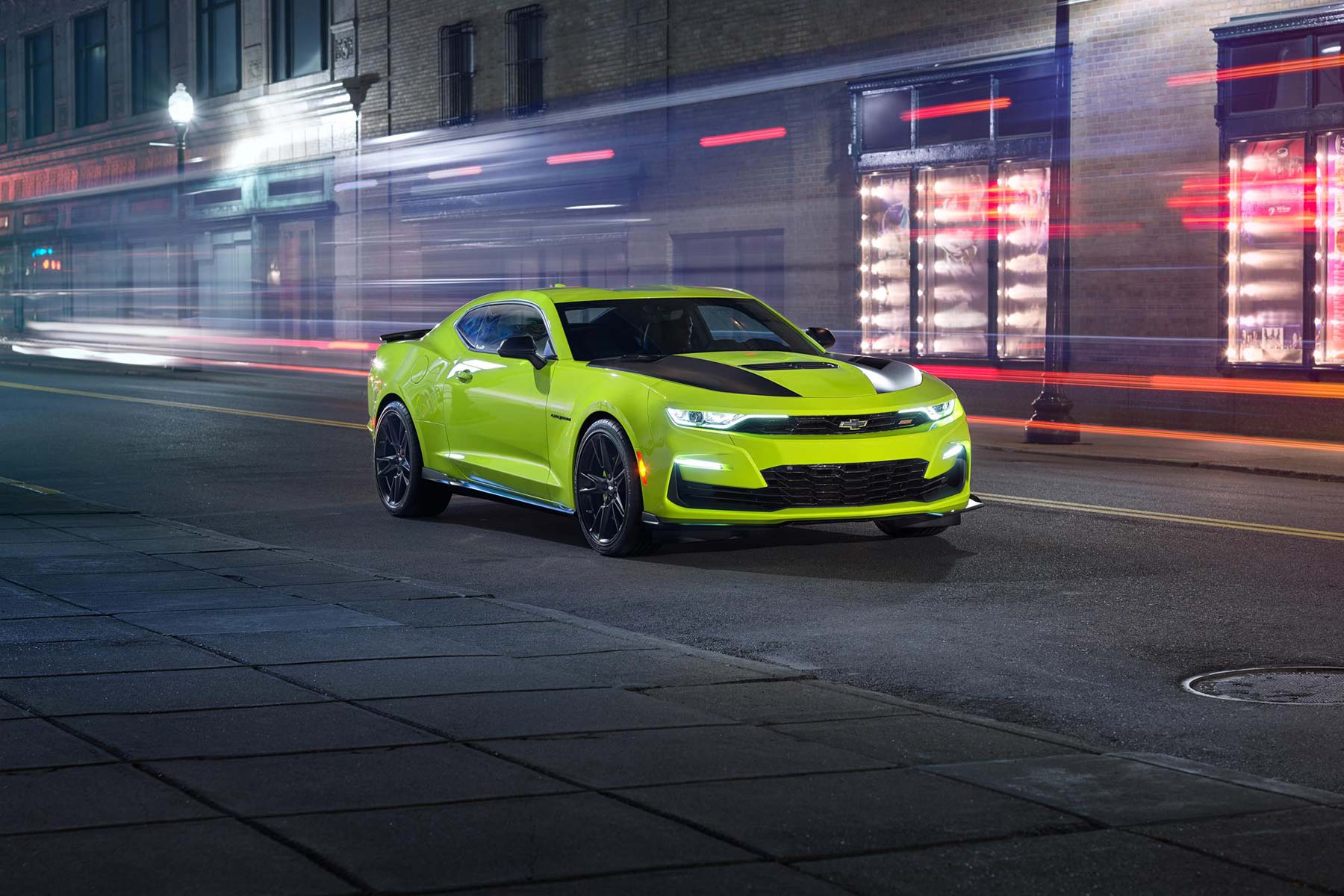
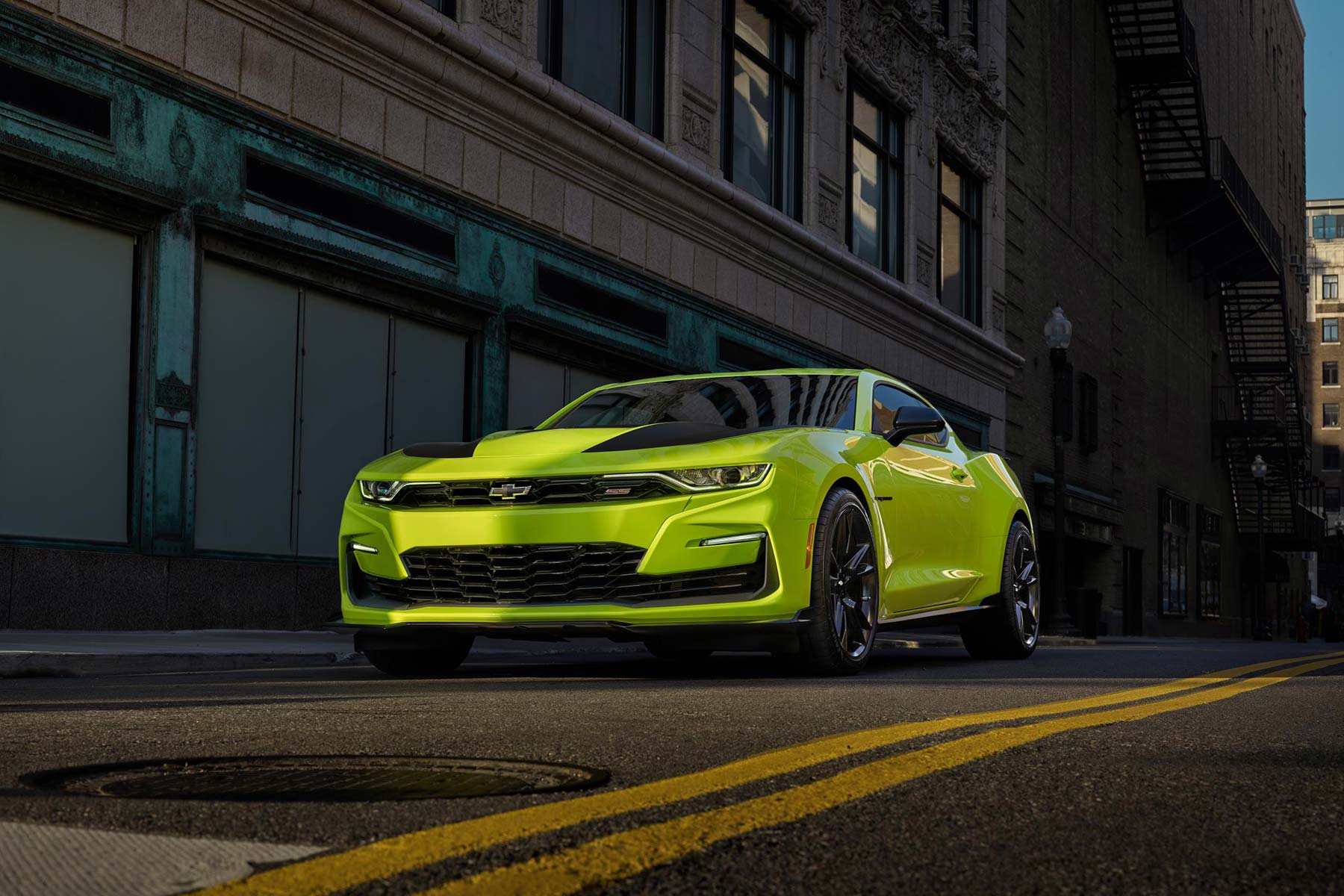
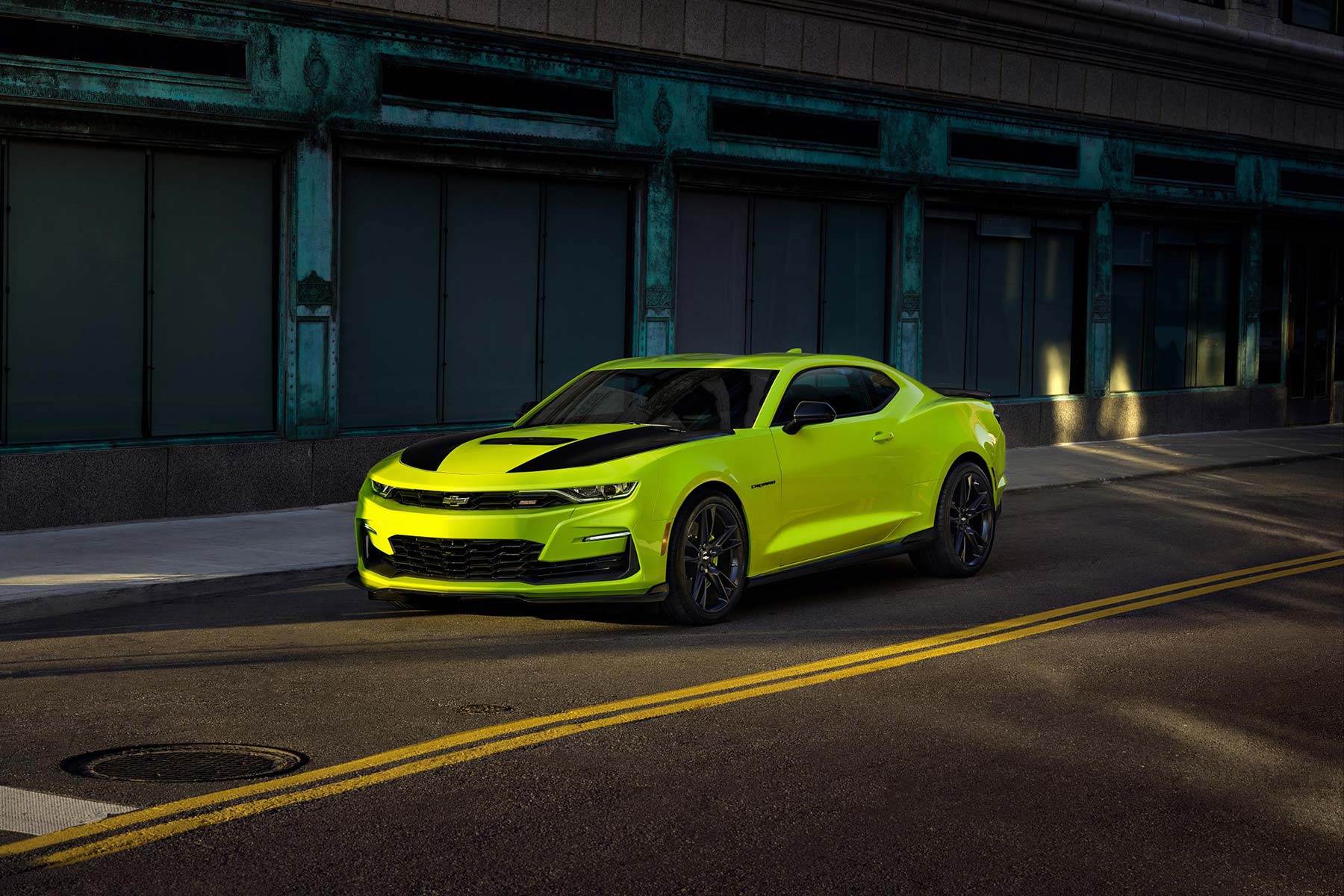
The updated Chevrolet Camaro might already look distinctive, but ticking the new option for Shock paint will guarantee it standing out in a crowd.
An eye-searing mixture between bright yellow and lime green, Shock is just one of the new hues on offer for the 2019 Camaro. Crush, Riverside Blue Metallic, Shadow Grey Metallic, and Satin Steel Grey Metallic will also be available to order.
However, the attention-grabbing Shock is, unsurprisingly, the paint of choice for Chevrolet’s Camaro SS show car at the forthcoming 2018 SEMA Show in Las Vegas.
Designed to display the array of Chevrolet accessories and performance parts on offer, the SEMA show car will certainly stand out.
Chevrolet is keen to point out that the range of performance upgrades and styling additions are all designed and created by the same factory engineers. This means they have no negative impact on the manufacturer warranty, and should fit without too much swearing or bleeding knuckles.
Parts on offer for the 2019 Camaro include a new bodykit, a black rear spoiler, Recaro performance bucket seats, and black SS badging. Upgraded Brembo six-piston brakes and tuned suspension components can also be found on the parts list.
Along with the range of new paintwork choices, the 2019 Camaro also features a number of distinctive changes. All LS, LT and SS models gain a new front fascia design, along with signature LED lighting at both front and rear.
The SS model Camaro has also gained a new ten-speed automatic gearbox option, whilst all cars benefit from new wheel designs and updated infotainment systems.
Chevrolet is making a major effort for the 2018 SEMA Show, with more than a dozen cars set to be on display. These range from the shocking 2019 Camaro, through to vintage models featuring Chevy’s crate motor options. The latter includes a 1973 Chevrolet Laguna, fitted with a 755 horsepower supercharged LT5 V8 engine.
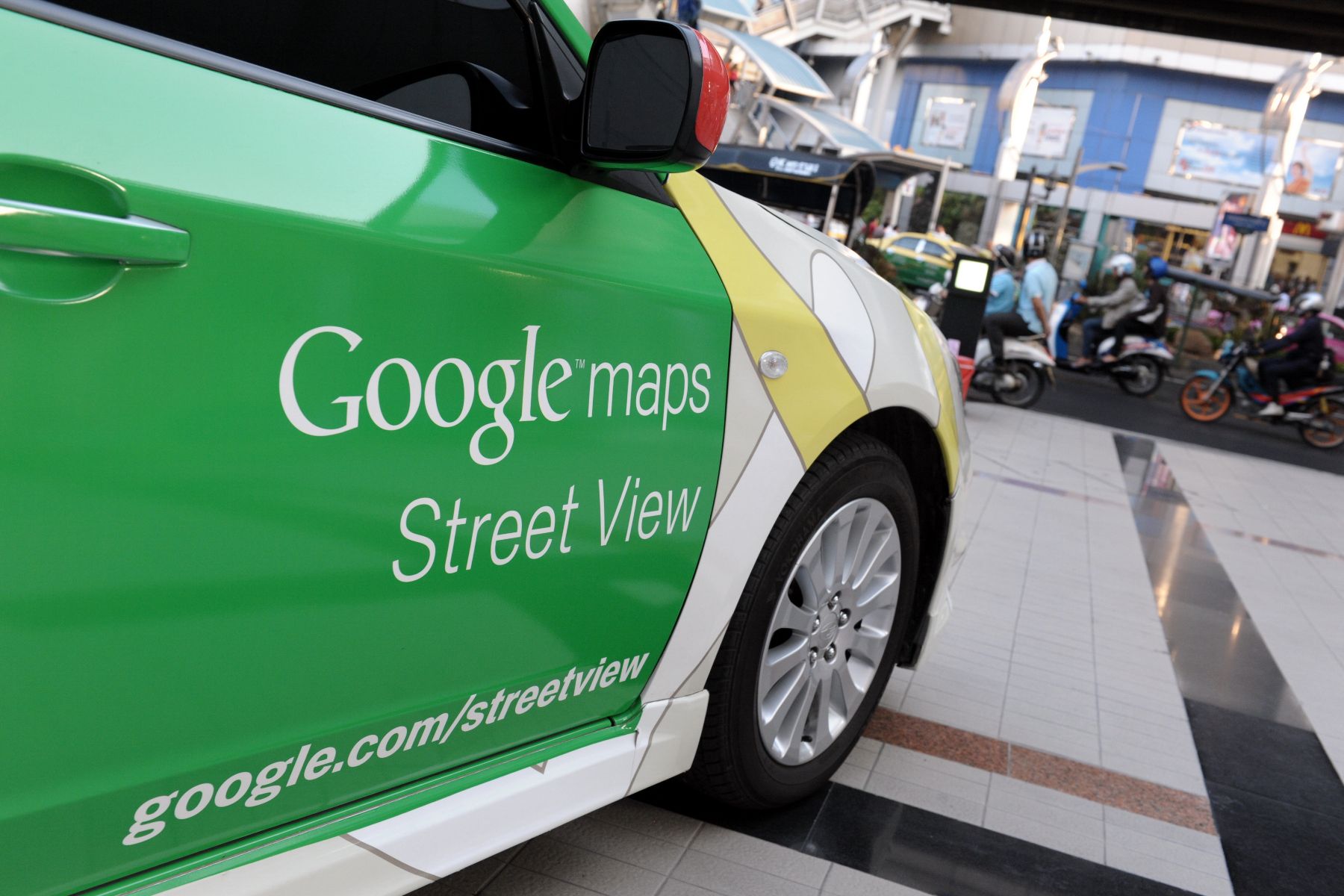
Google has run a street-by-street air pollution mapping scheme in California for nearly three years. Now, the innovative and revolutionary program is going global – and it’s coming to London.
The system uses sensors to measure levels of various gases in atmospheric air. These include the infamous ‘dieselgate’ gas, nitrogen dioxide, along with CO2, ozone, particulates and more.
While Google partnered with Aclima in the US, UK company Air Monitors is working on the one-year London project. London mayor Sadiq Khan has been very vocal about his ambitions to tackle air pollution.
Using two Street View cars, Google will provide detailed data on the state of the city’s air. Their sensors will take readings every 30 metres as the cars trundle around the city. Areas known as pollution blackspots will get static sensors fitted to buildings and lampposts in order to closely monitor fluctuations in air quality (or lack thereof).
The results of all of this? You can bet more specific data on air quality will inform policymakers when it comes to low-emission zones, expansion of the congestion charge zone and more.
Air pollution is the “biggest environmental risk to health in the European Union” according to a recent report by the European Court of Auditors.
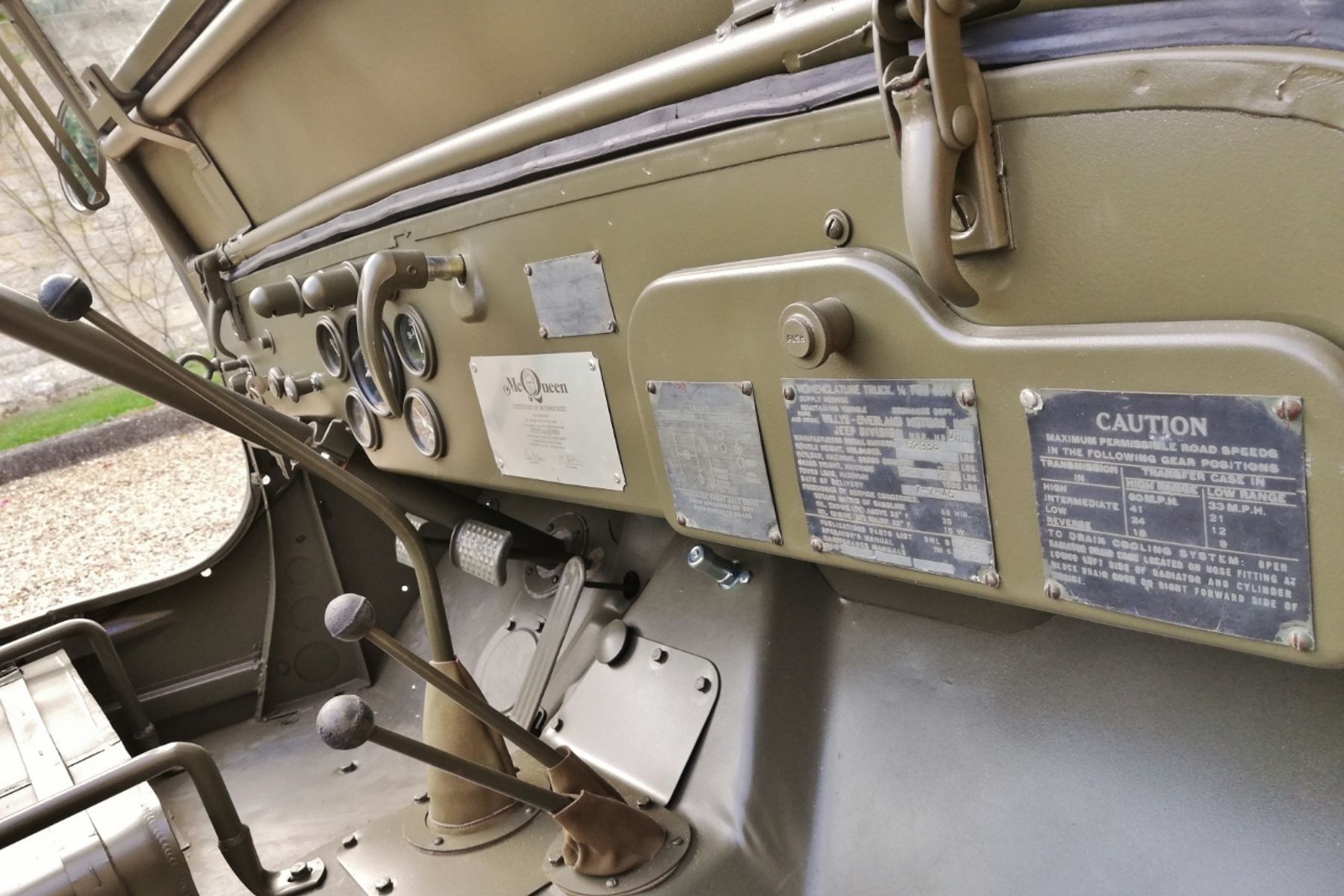
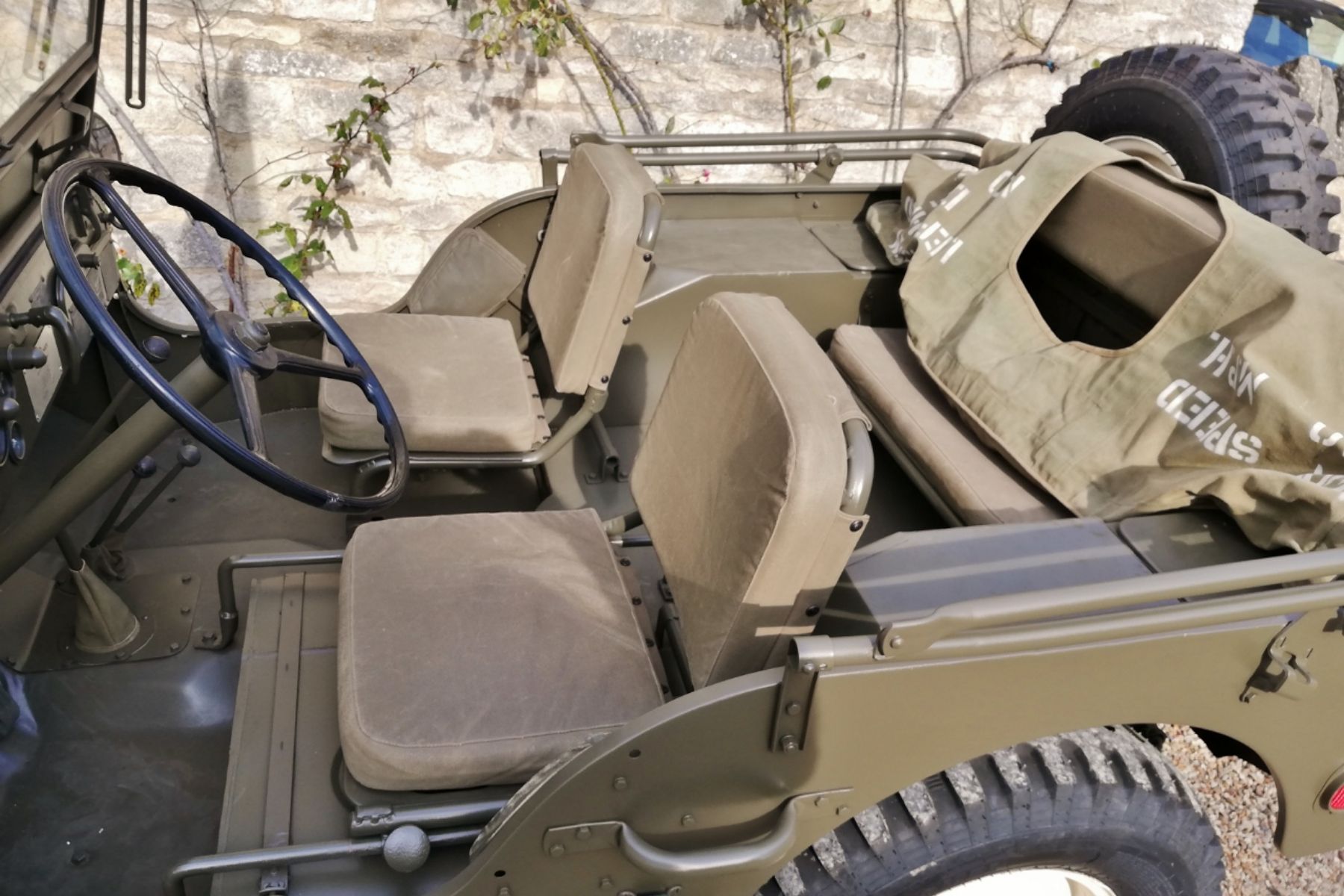
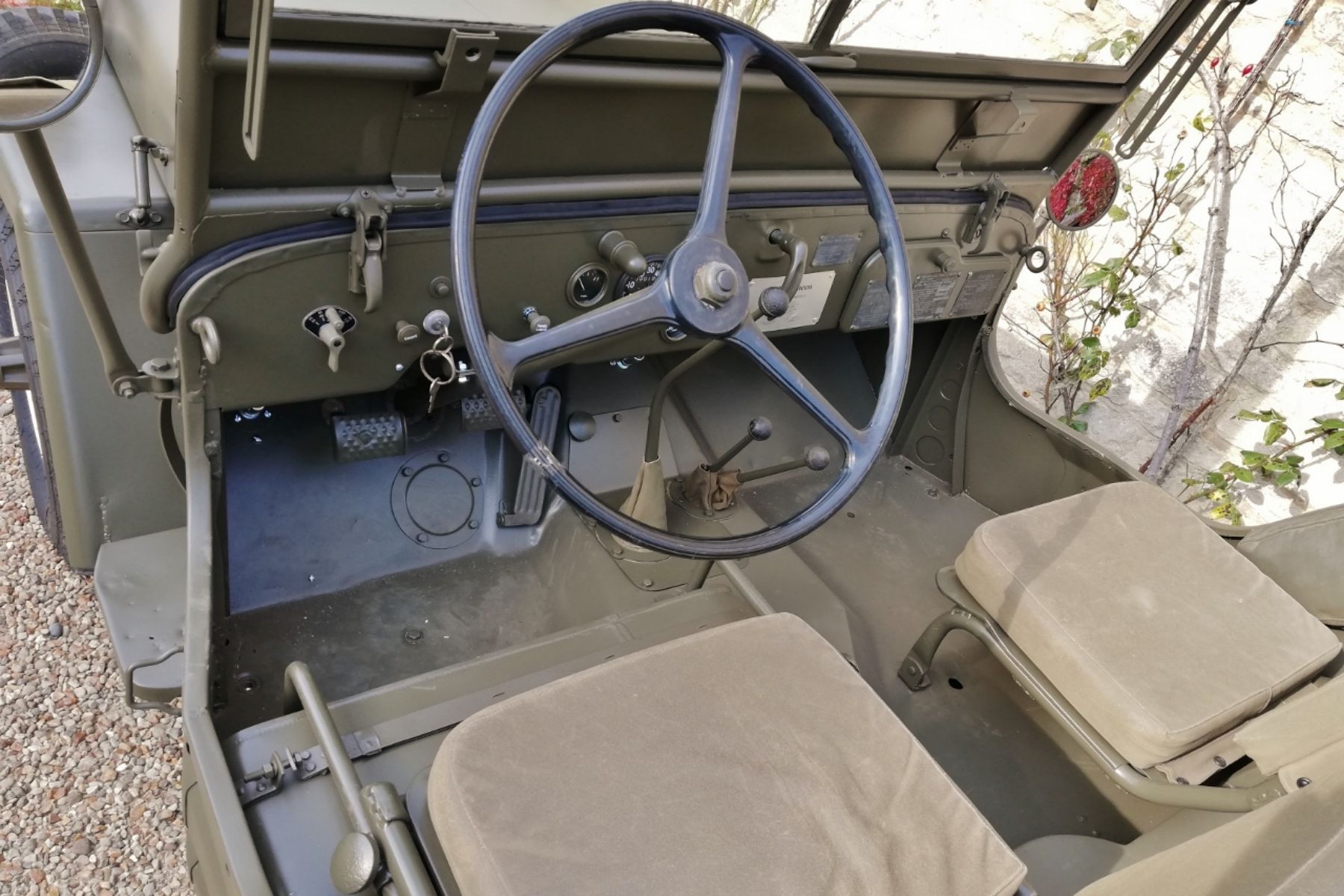
A Willys Jeep previously owned by movie legend and ‘king of cool’ Steve McQueen is up for grabs. Just get yourself to the Classic Motor Show at Birmingham, England’s NEC in November.
There are few more famous drivers on the big screen than McQueen. He drove some of the greatest cars in pop culture, from the Ford Mustang in Bullitt to the Porsche 917 in Le Mans.
McQueen was even seen behind the wheel of such a Jeep on the big screen, in the 1959 film Never So Few.
The sale of his very own Jeep is being held by Silverstone Auctions on 10 and 11 November at the Classic Motor Show.
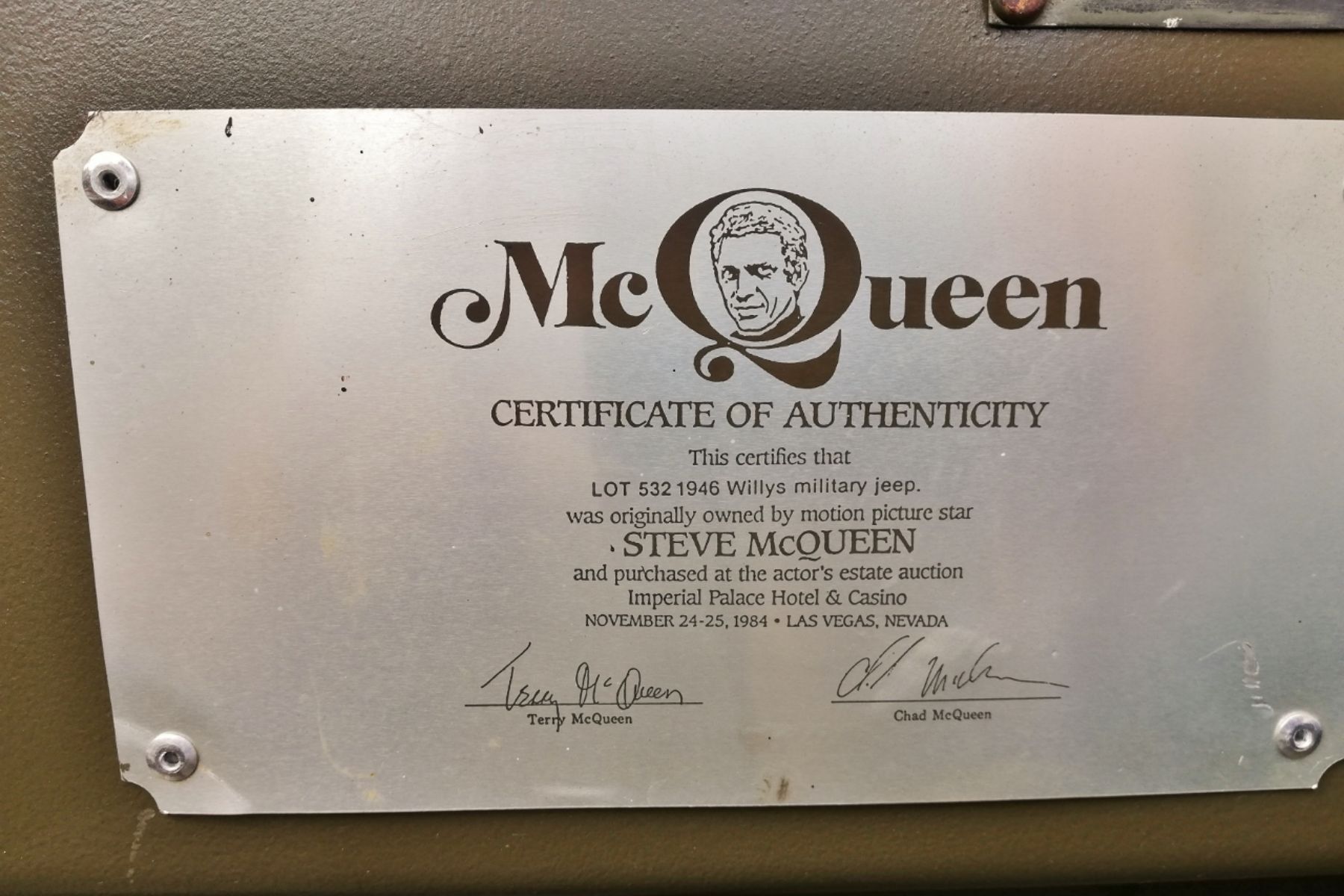
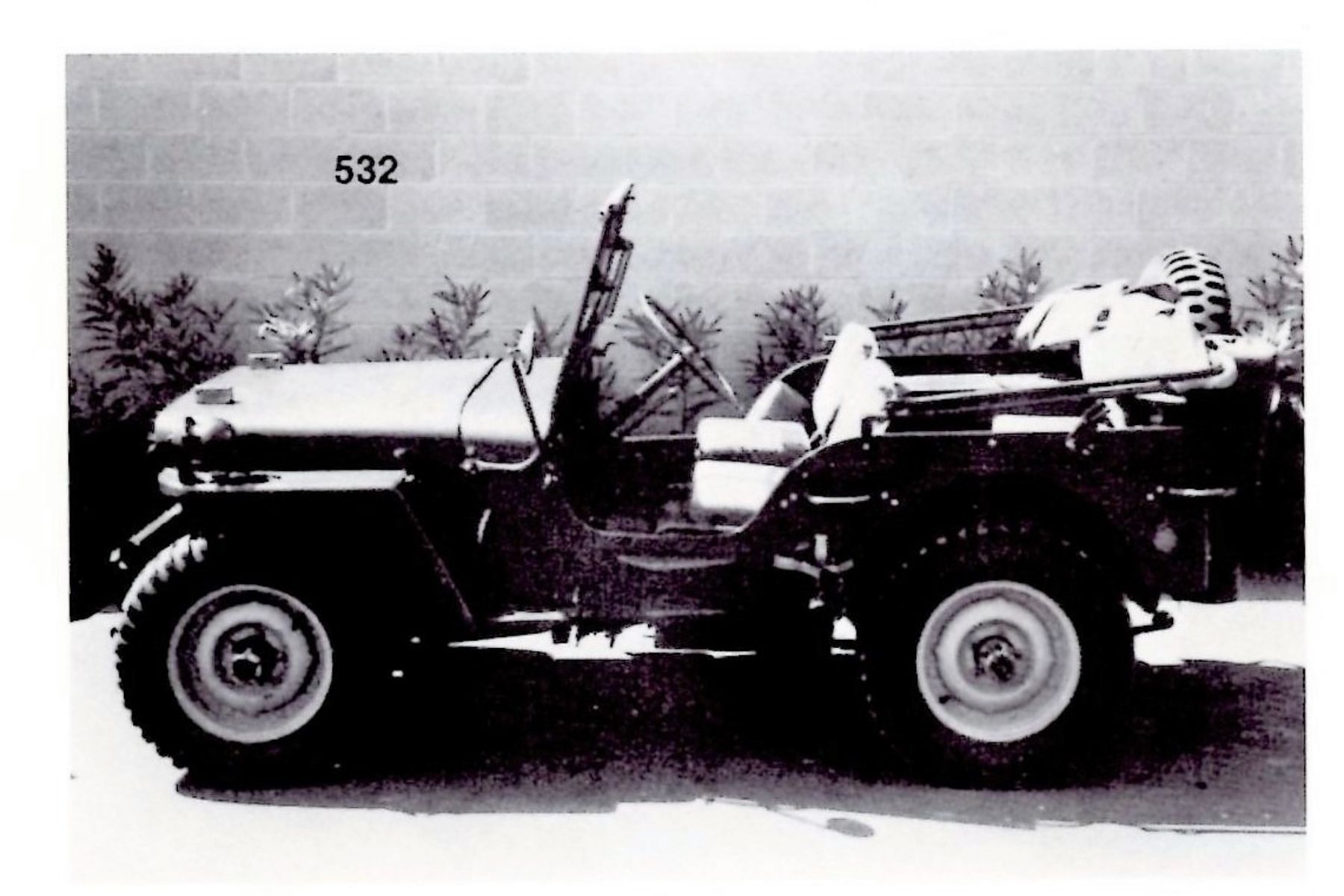
The car was delivered to the US Army in July 1945. First auctioned in Las Vegas in November 1984, the car comes fully decommissioned and restored, with McQueen estate certification and plaques denoting its history.
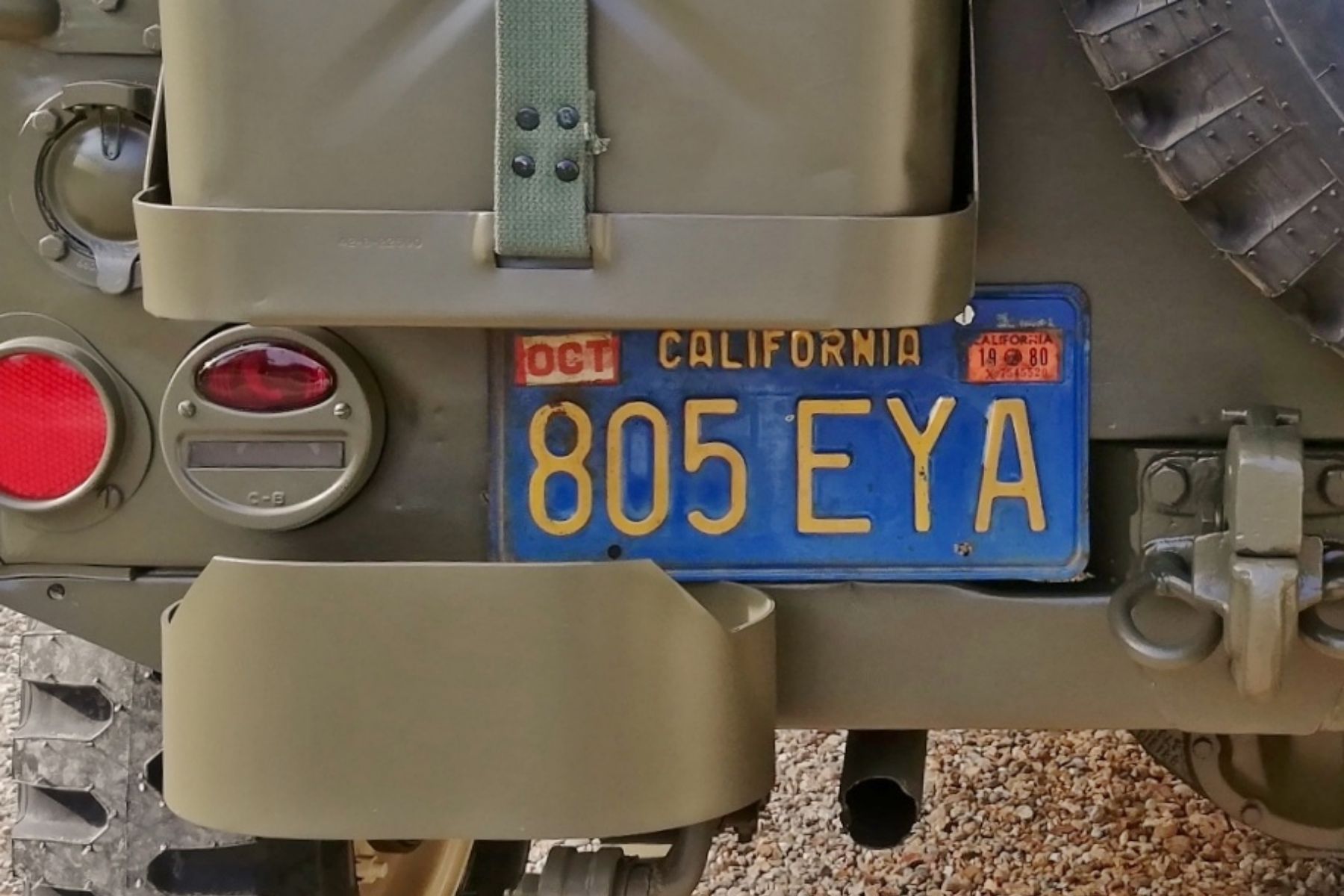
The Jeep is as it was when McQueen owned it. It even comes complete with original California number plates, dated for road use until the end of October 1980. That’s just a week before McQueen’s death in early November 1980.
Silverstone Auctions expects the car to make between £80,000 and £100,000 (that’s $105,000 and $132,000) when it hits the block at the NEC.
“Steve McQueen’s reputation both as an actor and as a racing driver is historic,” said Adam Rutter, classic car specialist at Silverstone Auctions.
“This car is a truly unrepeatable and unmissable opportunity for both car enthusiasts and movie fans alike and undoubtedly the star of the auction.”
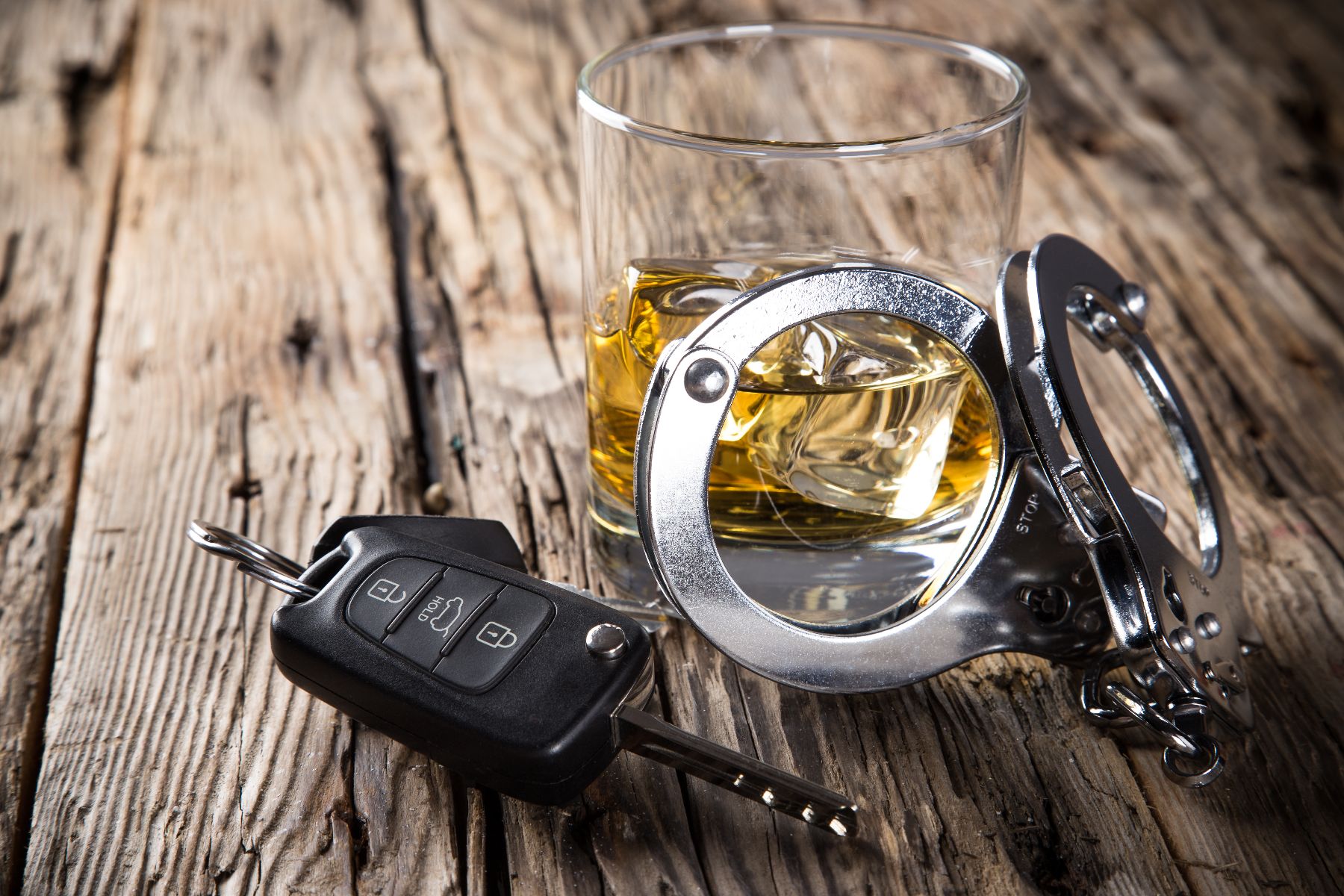
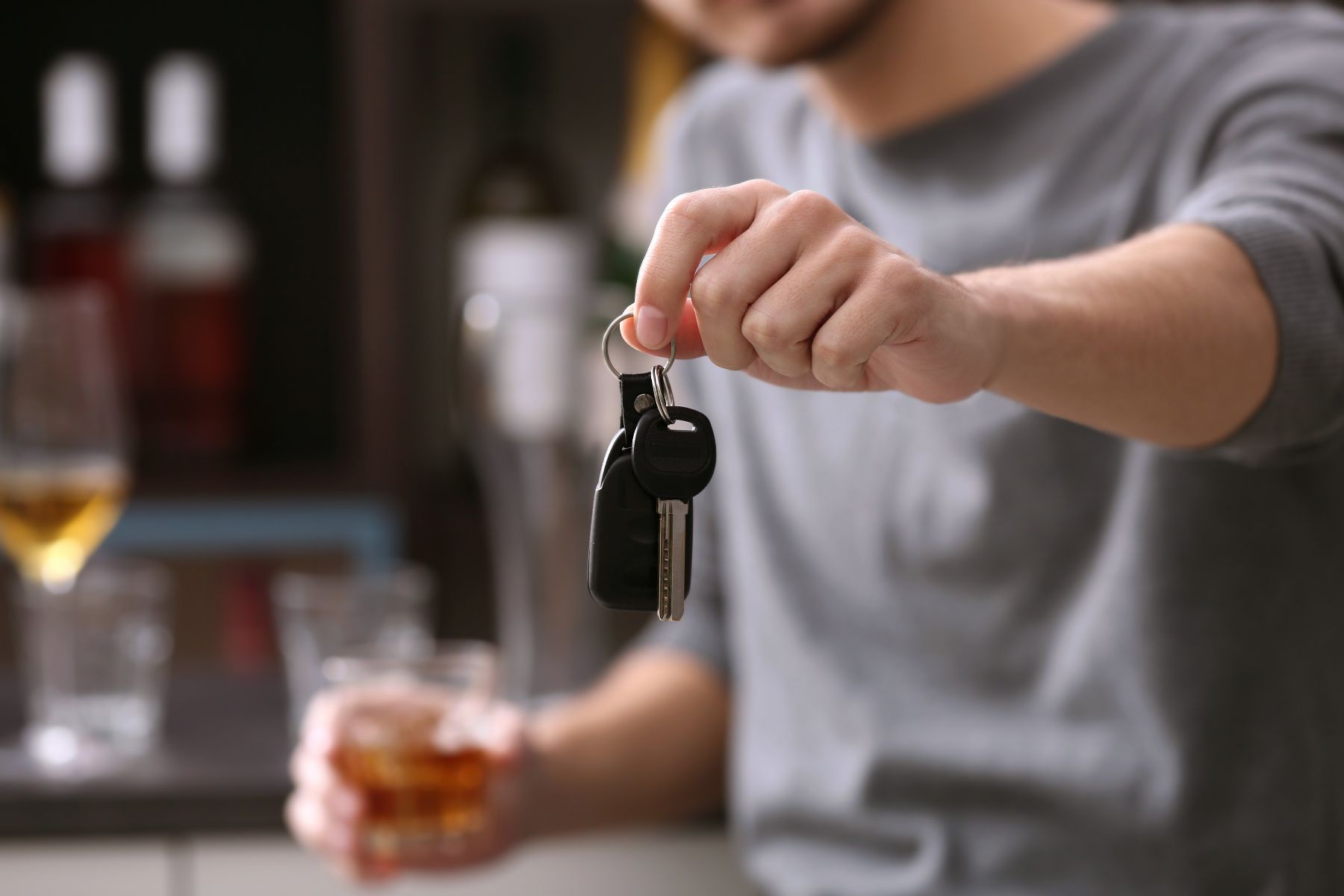
A study has found that Scotland’s reduced drink-drive limit has made very little difference to the number of people injured in related accidents. A new strategy to discourage hardcore offenders is needed, says IAM Roadsmart.
The lower limit of 50mg of alcohol per 100ml of blood was introduced in December 2014, but to little effect. The University of Strathclyde’s Department of Economics looked at accident and injury rates between 2009 and 2016. The monthly accident rate in Scotland was 740.63, with a fatality rate of 14.96 in the two years preceding the limit reduction from 80mg.
The two years after the new limit saw an average of 704.13 accidents per month, with a fatality rate that was, in fact, higher – at 15.25. This was also consistent with England and Wales, where the original 80mg limit remains.
Nevertheless, there is consistent support for a UK-wide reduction in the alcohol limit, even if a number of hardcore offenders remain unfazed by Scotland’s more strict approach.
“We urge the Government to put resources into tackling the real problem areas when it comes to drink-driving – young drivers, those with alcohol problems and those who simply don’t believe they will ever get caught,” said Neil Greig, IAM Roadsmart’s director of policy and research.
“The best way to catch those who ignore the limit is through intelligence-led high-profile policing, so investment in roads policing must be protected. The reality of being caught must be matched in education campaign messaging.”
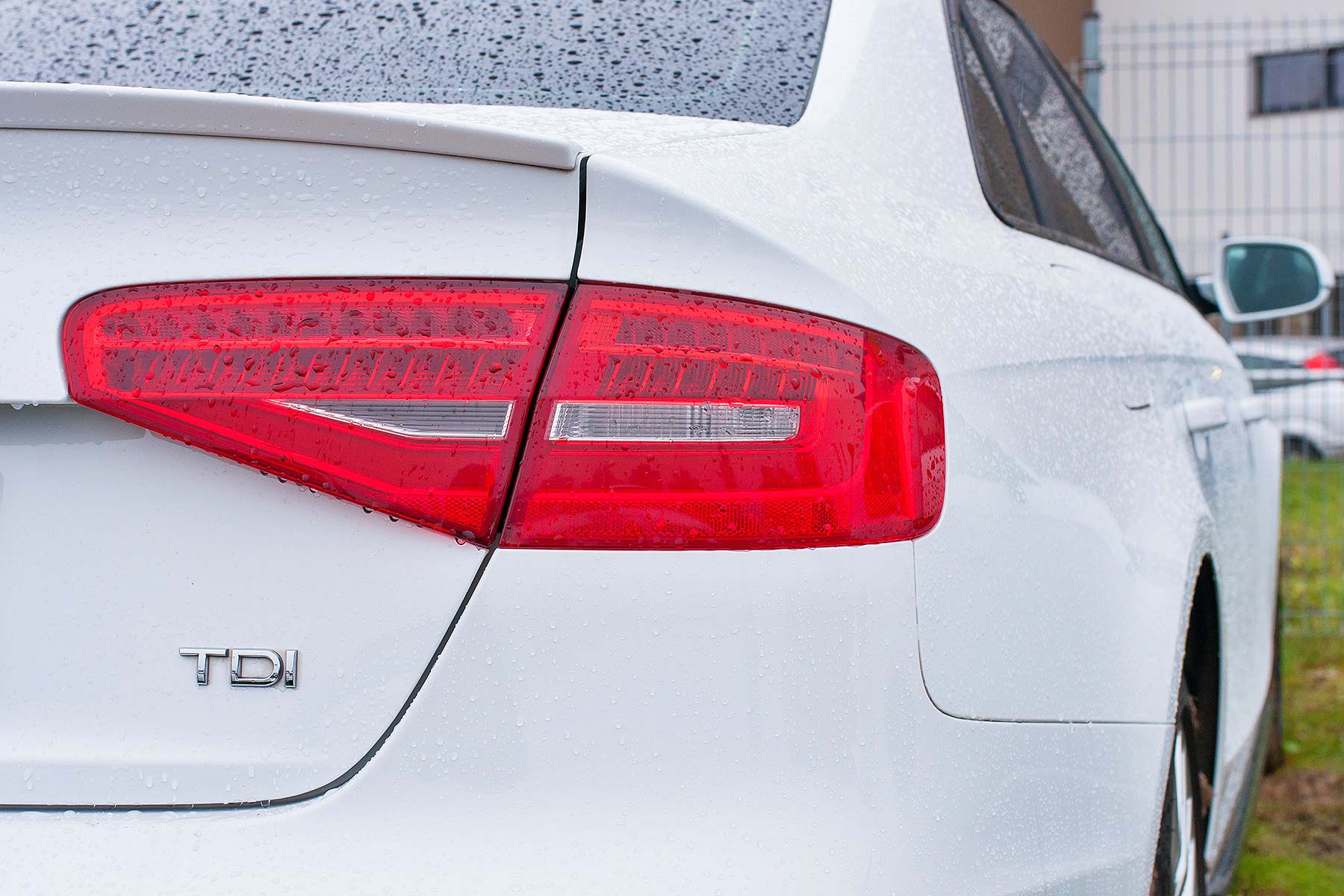
Audi has accepted responsibility for fitting V6 TDI and V8 TDI diesel engines with illegal emissions software and has been fined £700 million by a Munich public prosecutor.
Part of the fallout from the 2015 Volkswagen ‘dieselgate’ scandal, Audi’s acceptance of the fine brings to a close investigations by German prosecutors.
Only £4.3 million of the Audi fine is for regulatory offences: the maximum legally permitted. The other £696.7 million is a penalty for economic benefits it enjoyed through selling cars with ‘defeat devices’.
Affected cars were “advertised, sold to customers, and placed on the market with an impermissible software function in the period from 2004, and continuing to have an effect until 2018”.
Audi AG says it does not intend to appeal the fine, bringing an end to the legal case in its home market. It is not the end of the matter, though, as former CEO Rupert Stadler remains in jail over fraud and false advertising allegations.
The firm adds that because of the heavy fine, Audi Group “will significantly undercut major financial key performance indicators forecasted for the fiscal year 2018”.

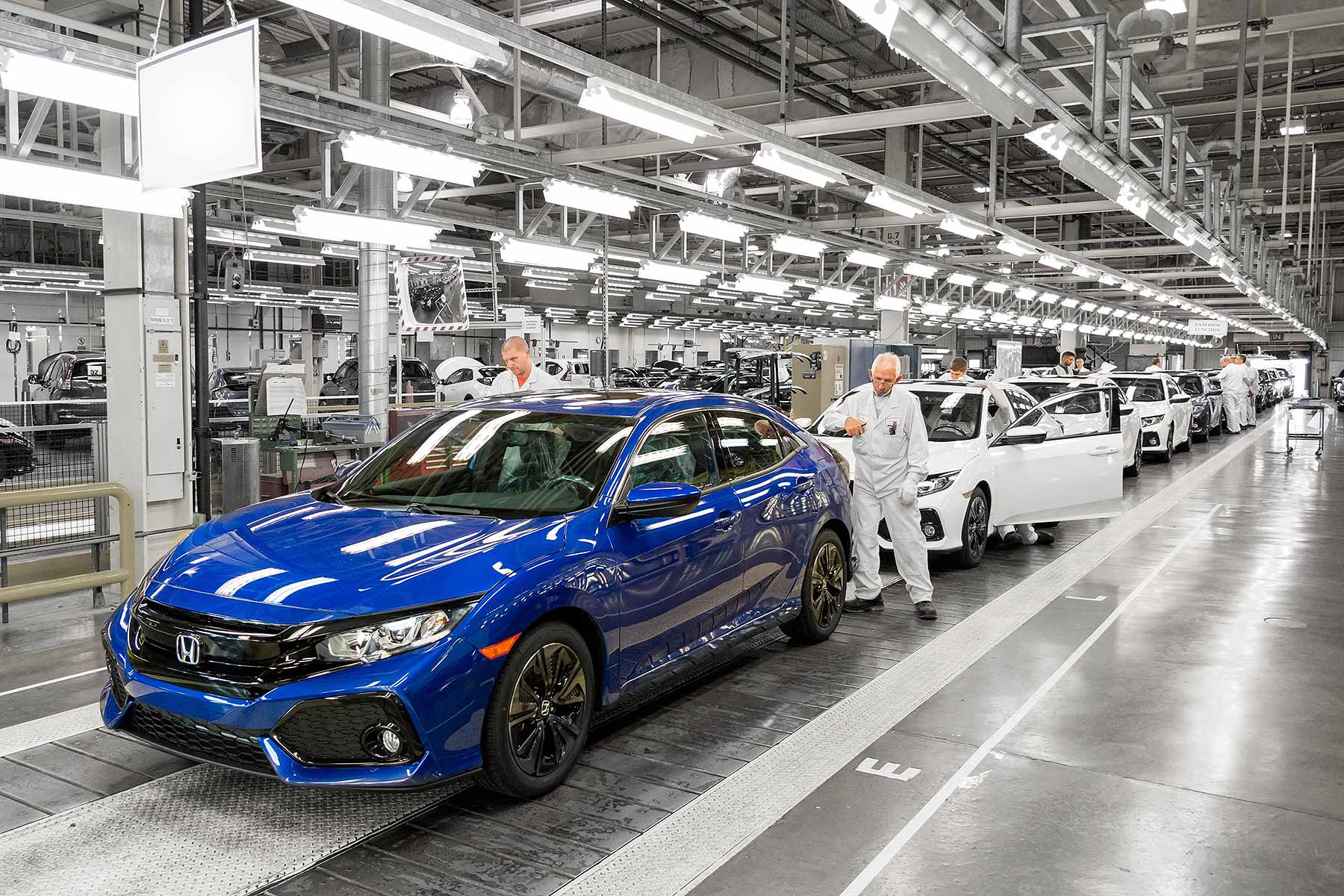 Ahead of a crunch Brexit summit in Brussels later today, the European car industry has warned politicians of the ‘far-reaching impacts’ of a no-deal Brexit, which it says would threaten their very business model.
 A
A 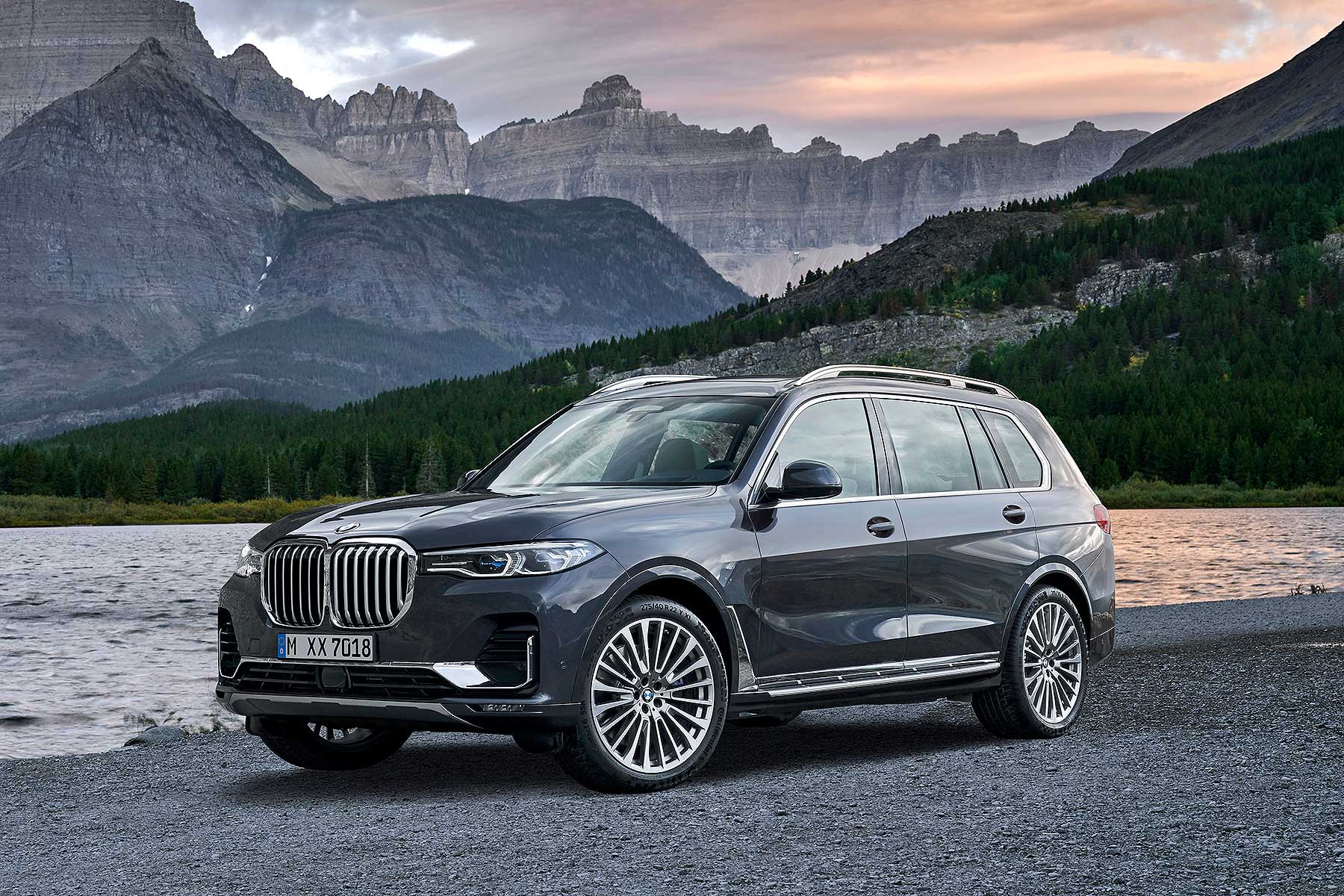 The BMW SUV range has a new flagship. The big and bold BMW X7 goes on sale in April 2019 with a starting price of £72,155 and a desire to further grow the brand’s luxury car sales with what’s essentially a 7 Series SUV for seven people, just as the Mercedes-Benz GLS is an S-Class 4×4.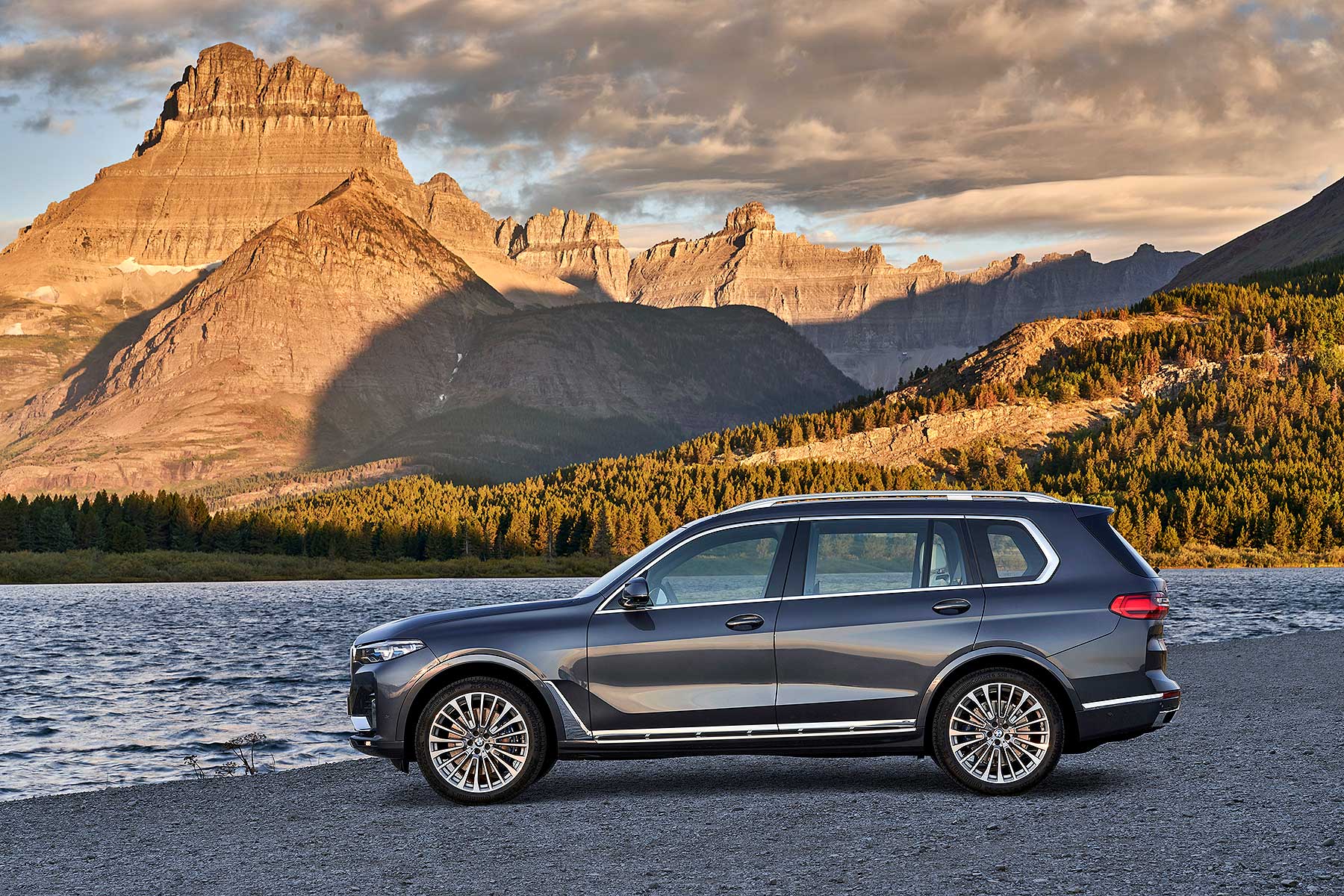





 Audi has accepted responsibility for fitting V6 TDI and V8 TDI diesel engines with illegal emissions software and has been fined £700 million by a Munich public prosecutor.