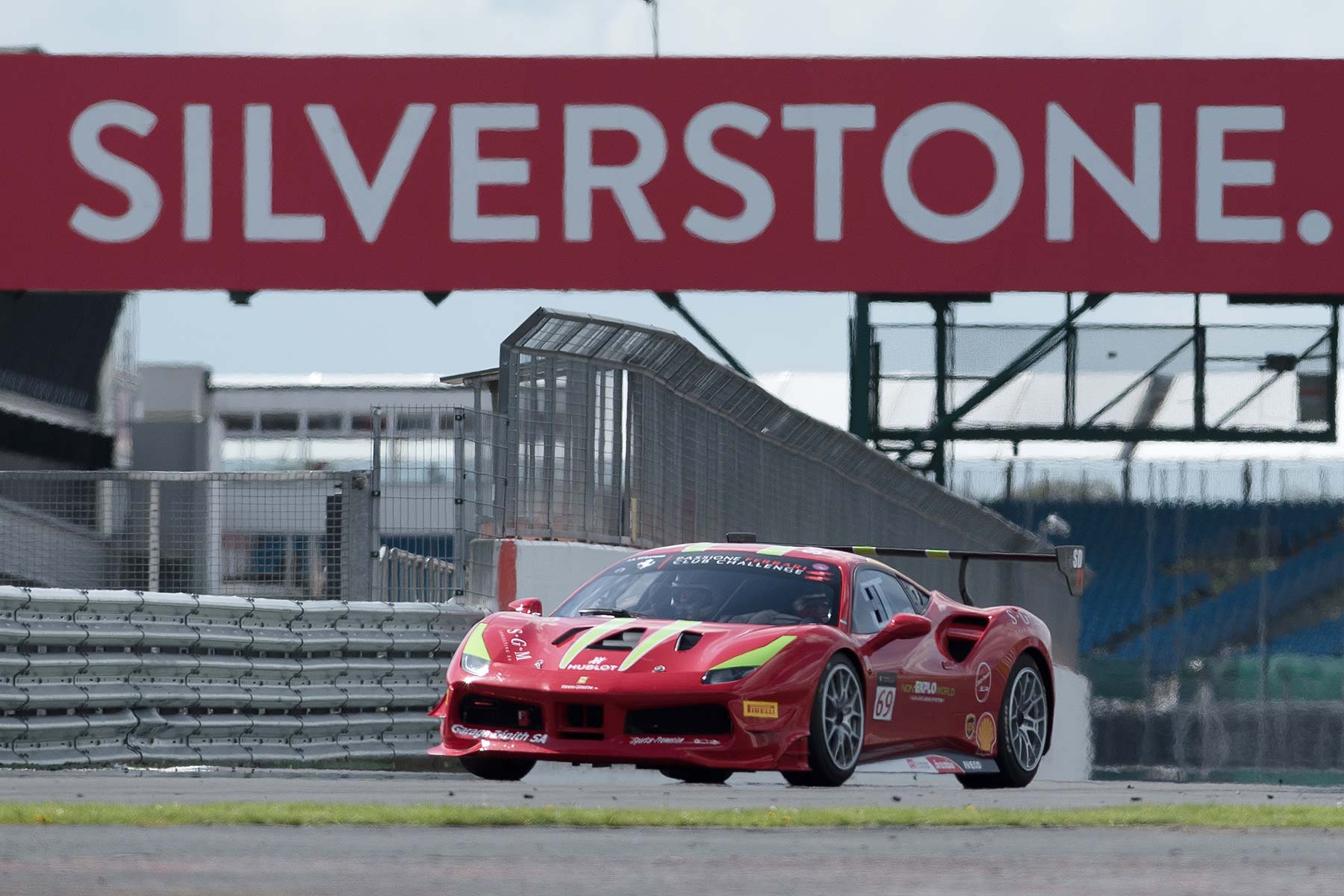
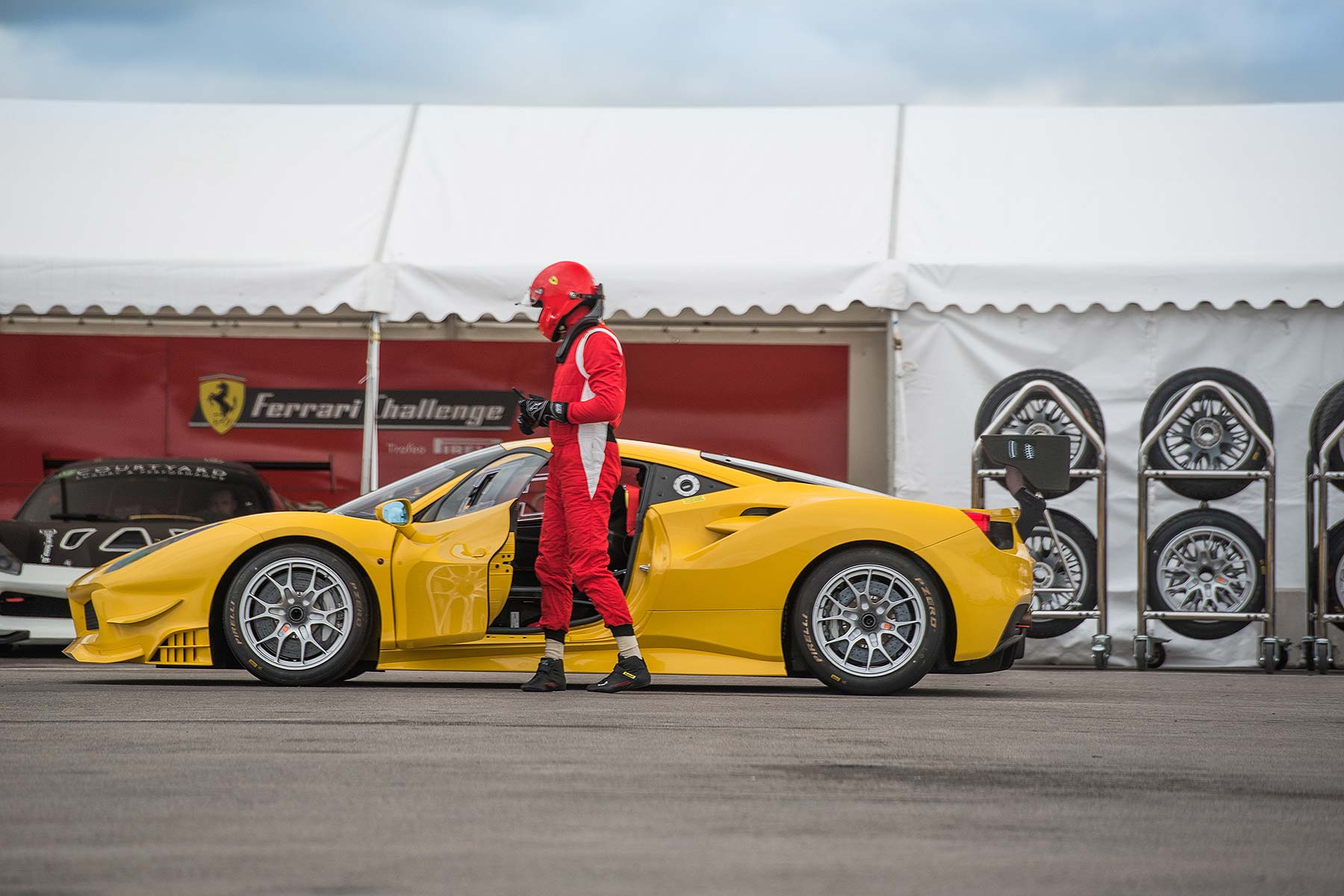
Britain is getting its own one-make Ferrari racing series, with the Ferrari Challenge UK series launching at Brands Hatch on 25 April next year.
It’s the first time Ferrari has dedicated a one-make racing series to a single market. The Ferrari 488 Challenge cars will run on four race circuits, with two races running at each circuit.
Overseen by Ferrari Corse Clienti, the new series will be run to exactly the same rules and regulations as other Ferrari Challenge series globally.
The difference comes in the race licence requirements. Drivers can race with an MSA National A licence, rather than the International C licence that’s necessary for the other Ferrari Challenge series.
This makes it more accessible to UK drivers who may not have the necessary signatures to upgrade – and could also see the Ferrari Challenge UK series become a recognised stepping stone up through the Ferrari racing ladder.
Any client who owns a Ferrari 488 Challenge racer can enter the series. Want to know more, says Ferrari? Contact your local dealer – they’ll have all the information you need.
The Ferrari-first single-market series is recognition of how important Britain is for the Italian brand: it’s the second-largest market in the world for Ferrari.
The UK is also the second-oldest Ferrari export market, after the U.S., with imports beginning back in the late 1950s and official imports commencing in 1960.
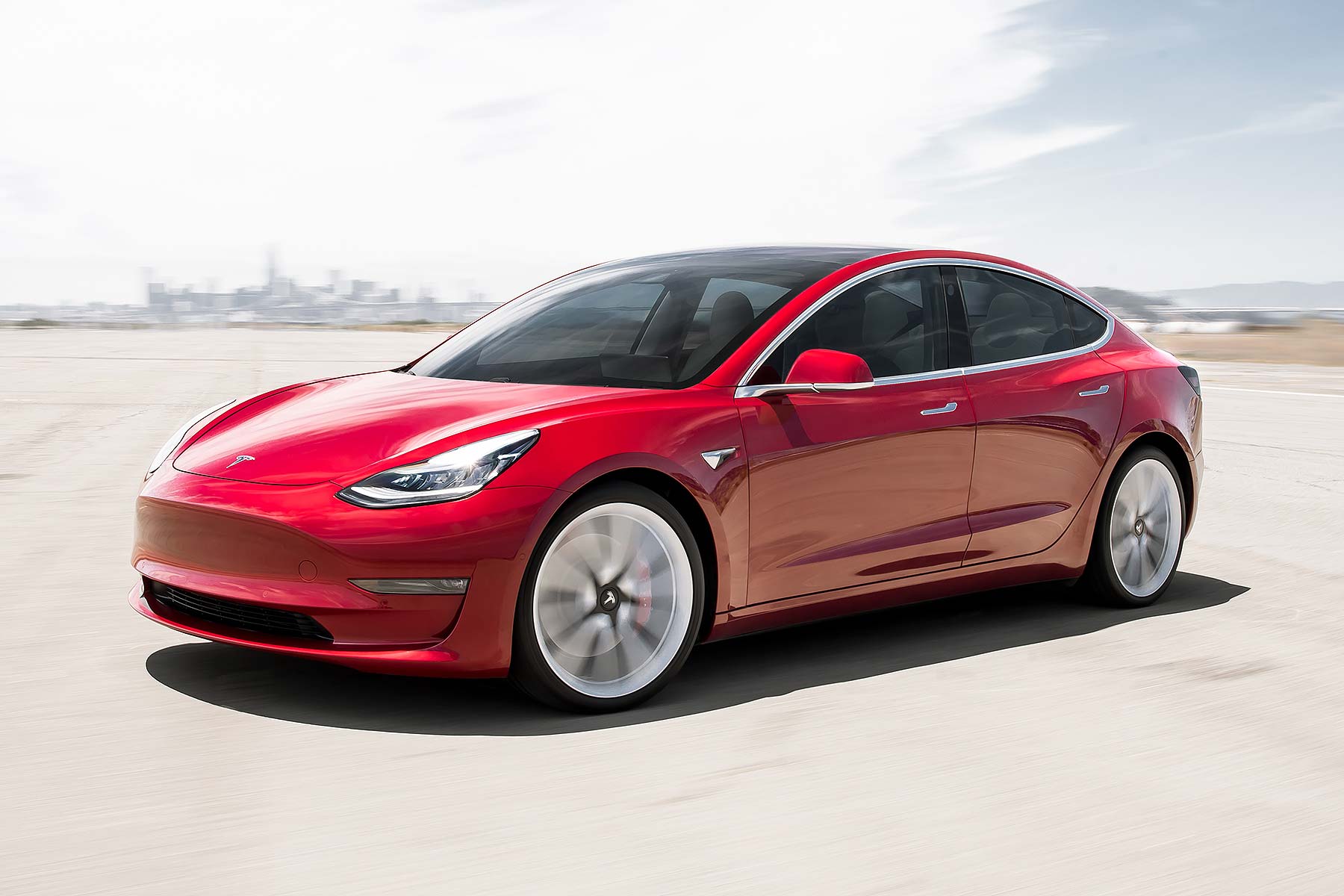
Tesla has introduced a new, more affordable version of the Model 3. Or, we should say, Elon Musk has introduced it. The Tesla CEO tweeted yesterday, telling his followers about a mid-range version of Tesla’s crossover EV.
The new model costs from $45,000 (£34,550) in the US and offers 260 miles of range. Incidentally, it uses the same battery pack as the 310-mile-range model, only with fewer cells.
Performance is down, too. While the long-range car will do 0-60mph in 4.5 seconds and a 145mph top speed, the new one needs 5.6 seconds and tops out at 125mph.
Just released lower cost, mid-range Tesla Model 3 & super simple new order page https://t.co/cz0TQn7IOZ
The Model 3 has already brought a mixture of success and criticism for the company. While it’s selling very well, Tesla has struggled to keep up in terms of production, quality and delivery. The £26,900 ($35,000) introductory model is yet to reach showrooms, too, with a debut planned for 2019.
This mid-range Model 3, it seems, is intended to serve as a stop-gap. Nevertheless, Tesla ownership is now $10,000 closer for many American buyers.
It could well turn out to be the sweet spot in the range, offering the best mileage for your money.
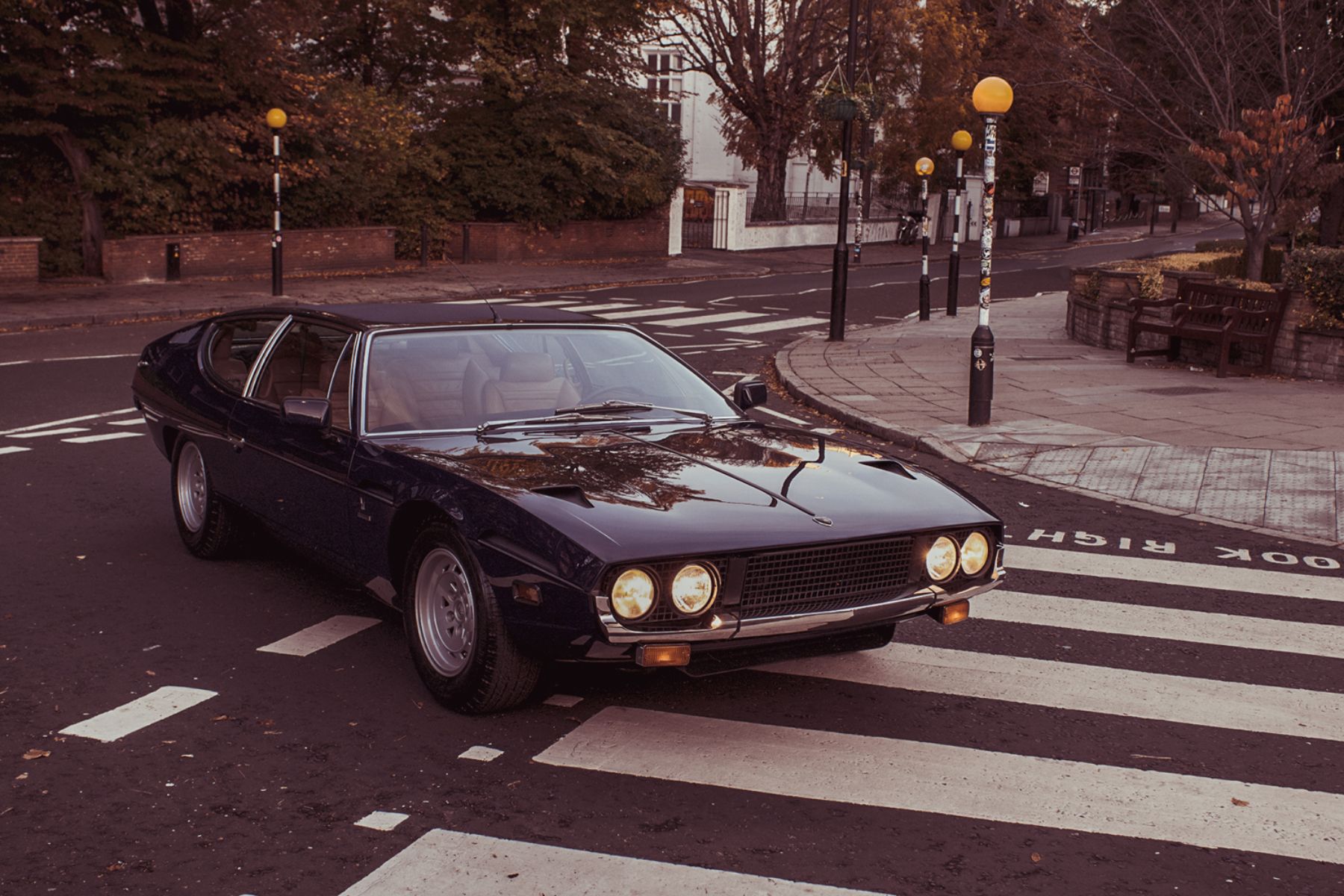
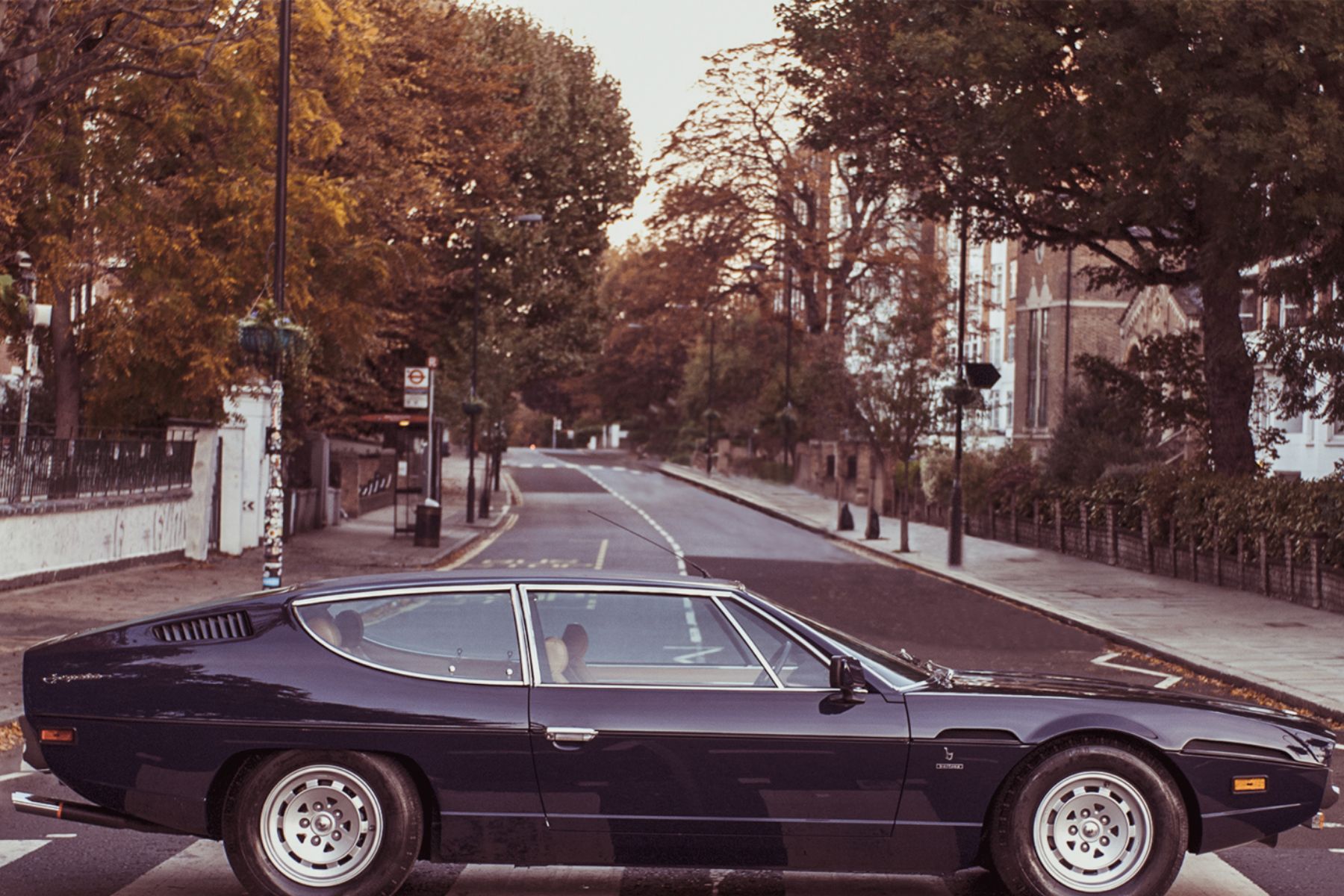
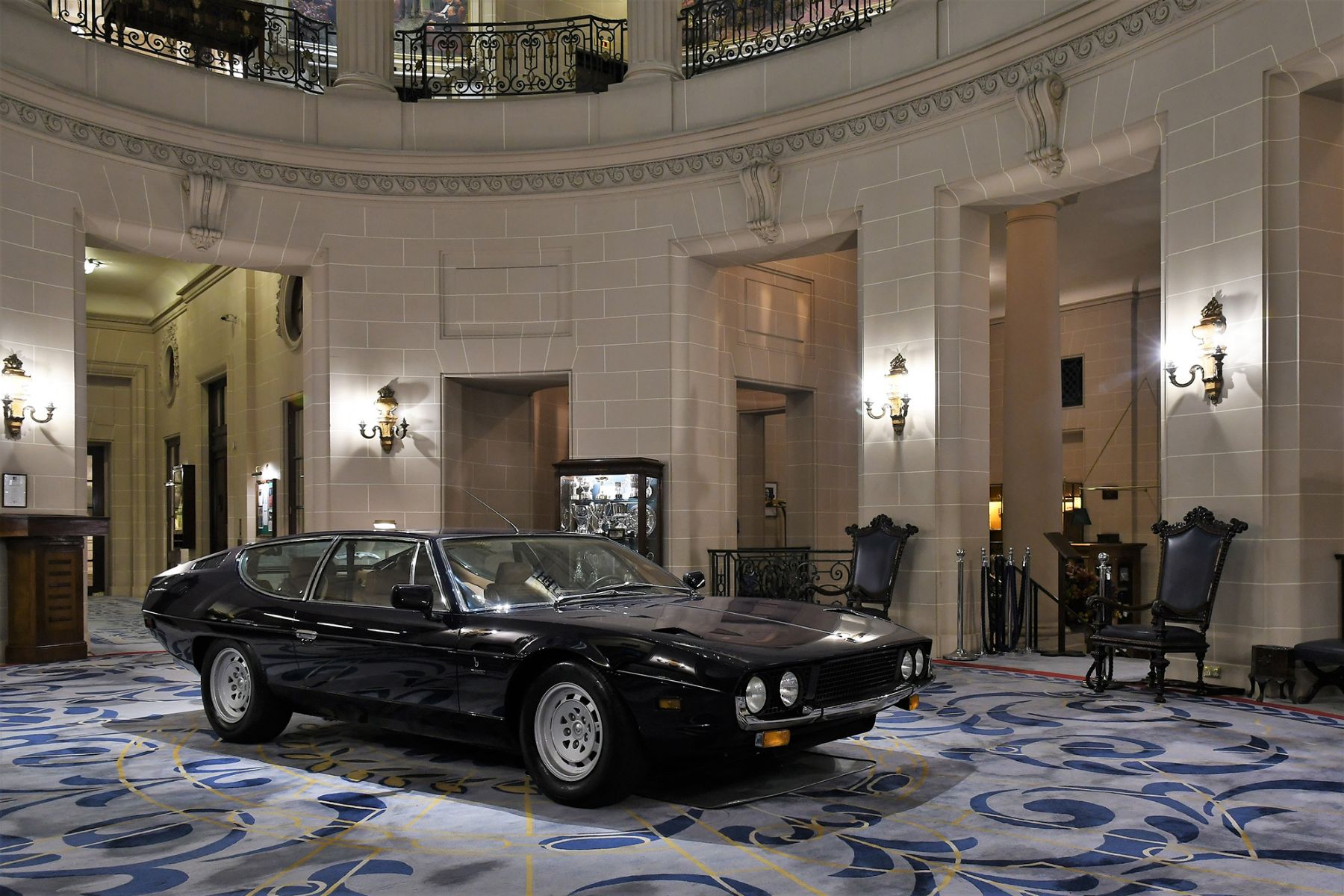
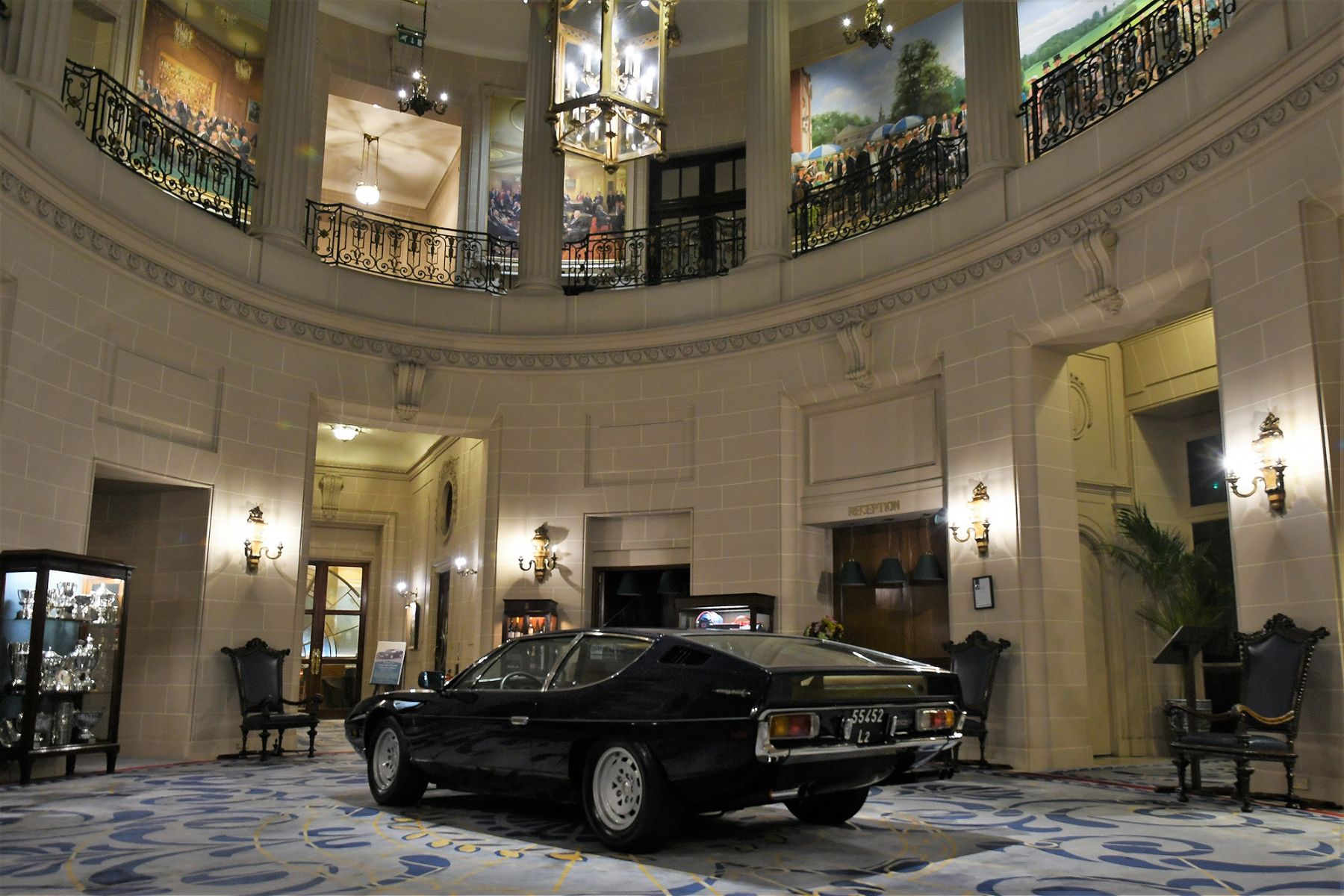
One of Lamborghini’s most legendary models has turned 50 this year. But it’s not one of the flagship supercars (the Miura celebrated its 50th a couple of years back). Rather, it’s the ultimate Lamborghini V12 grand tourer – the Espada.
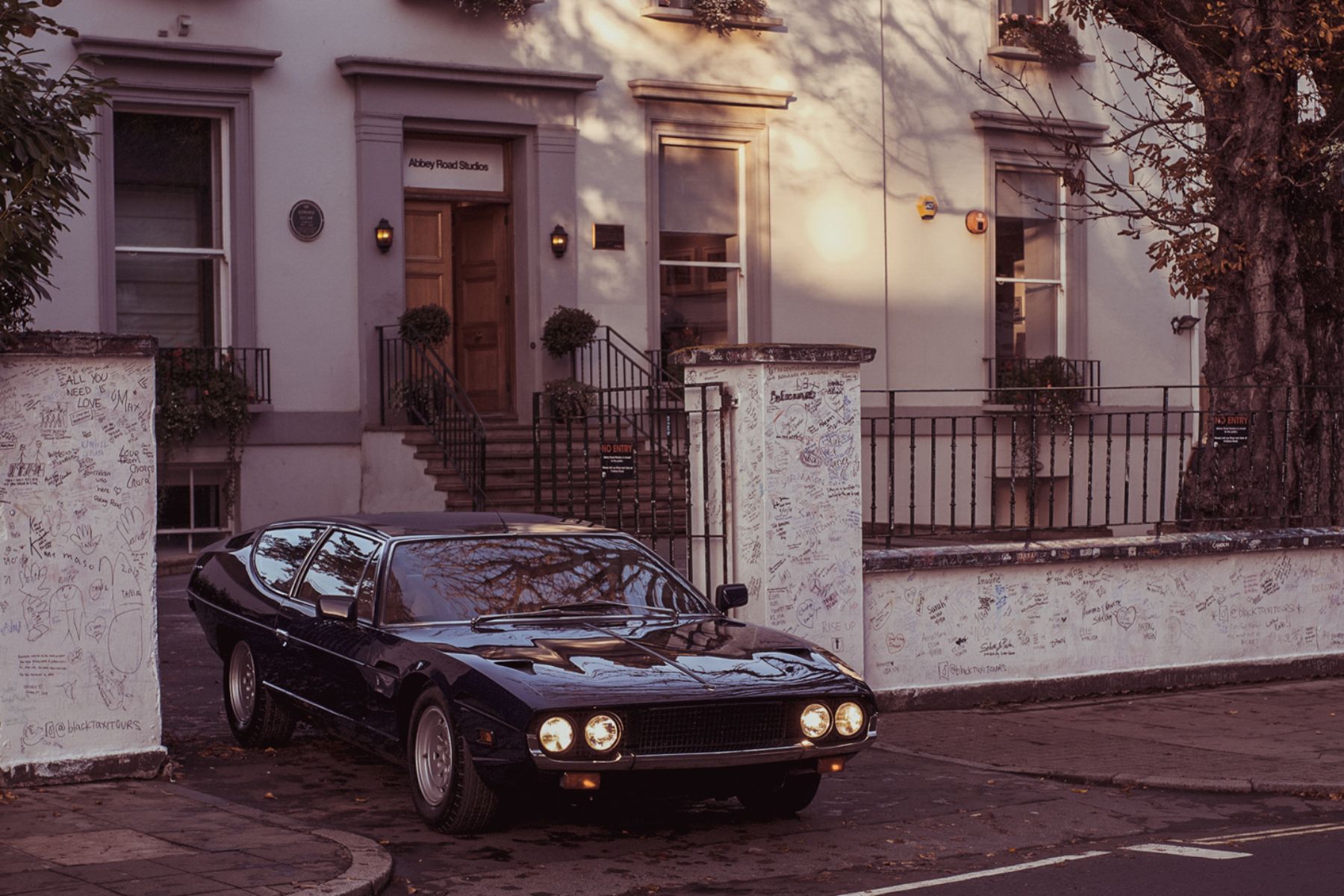
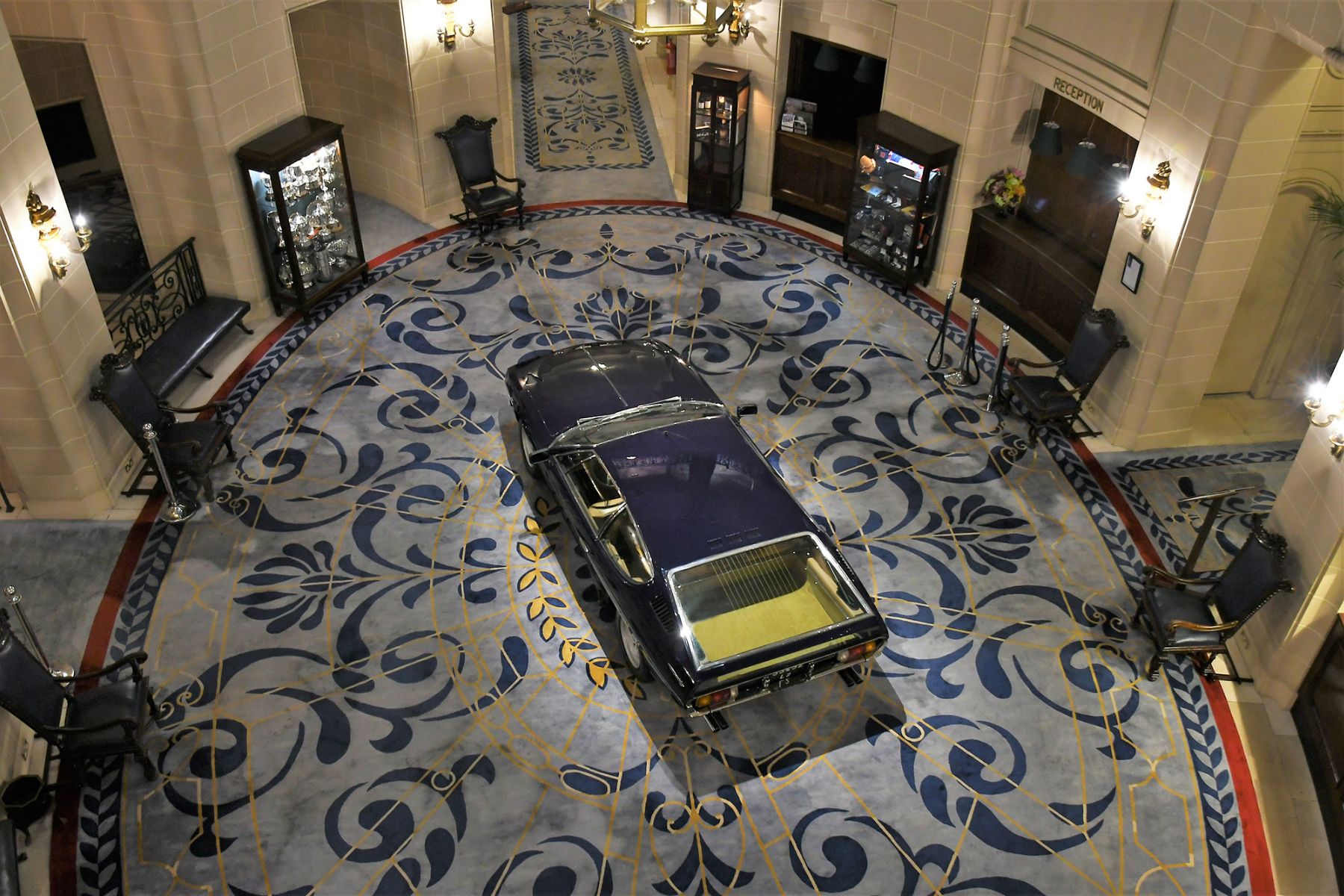
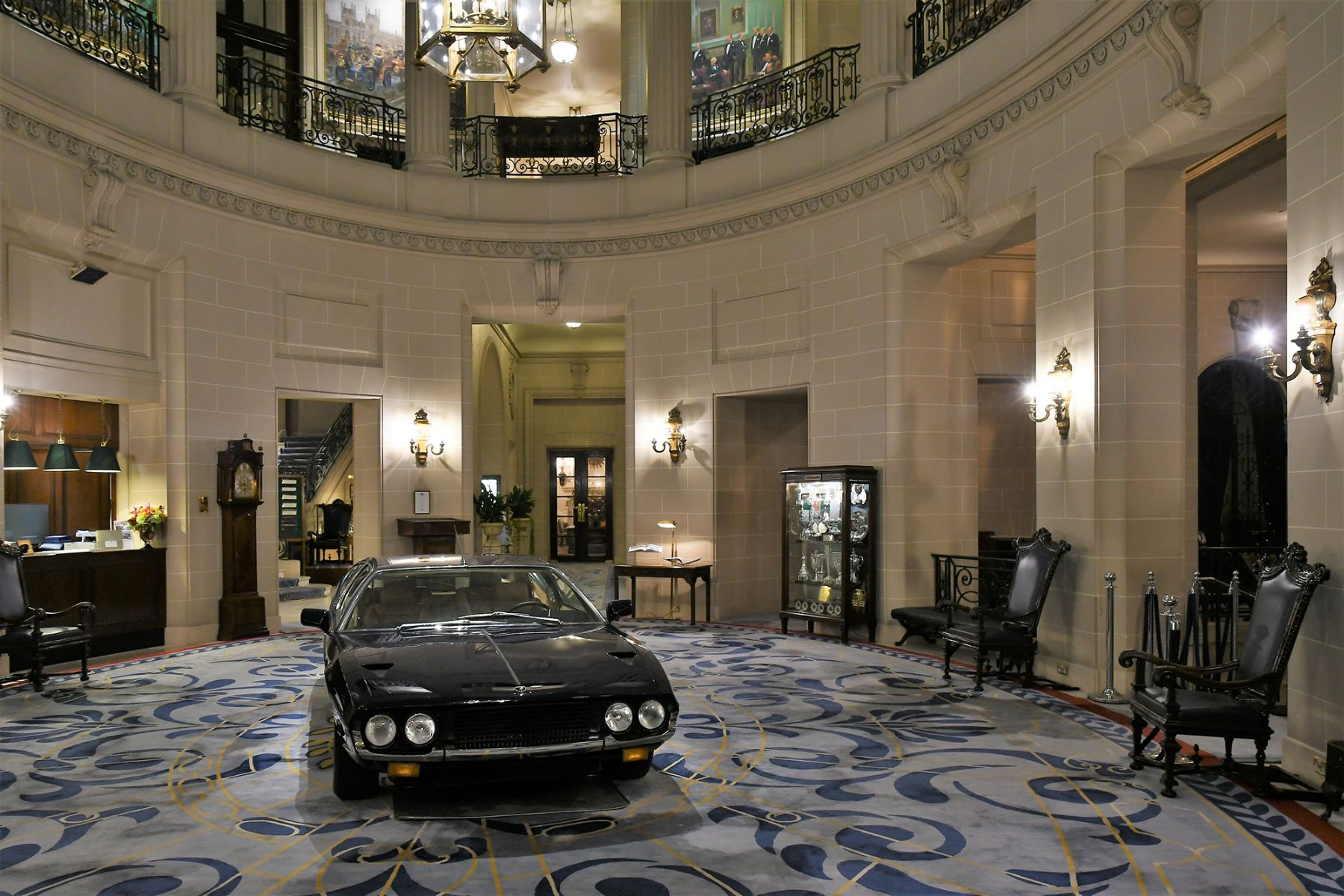
How do you celebrate a 50th birthday? You take one of the most desirable and decadent GT cars on a grand tour, of course. And that’s exactly what Lamborghini did: driving the museum’s 1976 Espada Series III from Sant’Agata to London.
The first port of call was the prestigious RAC Club in Pall Mall, where the car was displayed on the Rotunda for guests and members at the 50th anniversary meal.
As the rock star’s ride of choice in the 1960s, it then seemed fitting for the Espada to visit Abbey Road Studios. There, the Beatles recorded Hey Jude the year the Espada debuted. Naturally, the famous road crossing outside the studio made for a superb photo opportunity; the Espada may be 50, but age and guile don’t exempt it from tourist clichés.
In period, the Espada was one of Lamborghini’s best-sellers. From its debut in 1968 until the end of production in 1978, a total of 1,217 were made.
That’s no great shakes by today’s standards; the Gallardo sold more than 10 times that in its 11-year life. For 1970s Lamborghini, though, the Espada was an important car. Today’s it remains one of the most important Lamborghinis ever made.
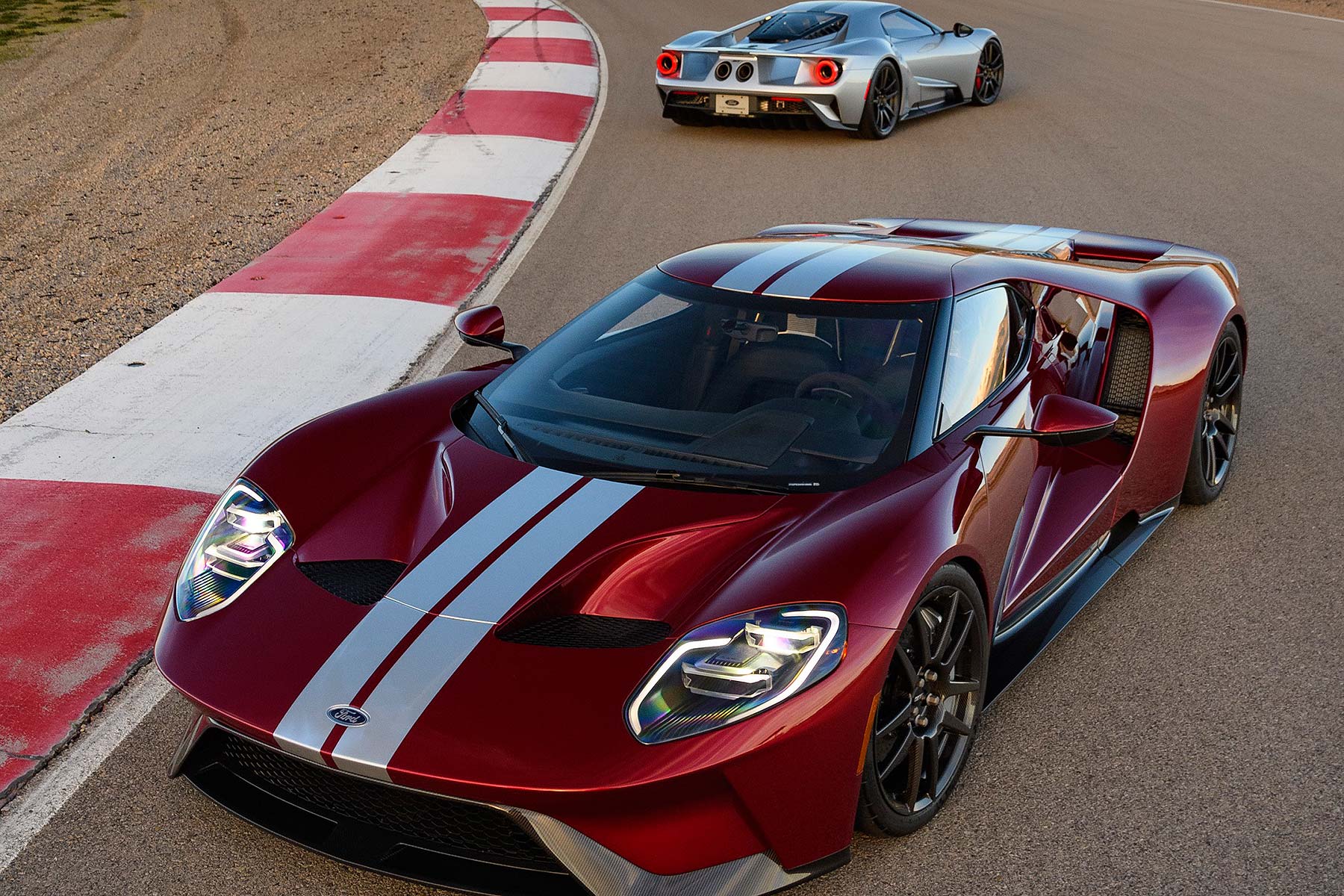
So many supercar buyers are eager to buy a new Ford GT, the firm has decided to extend production for two more years.
The application window for orders will open again on 8 November for exactly one month – and the UK is among the markets selected for ordering.
Racing in the blood: the story of the Ford GT40
Ford Performance director Hermann Salenbauch said the decision to keep on building the 216mph GT was because of “unprecedented demand”. Orders have outstripped supply by more than six to one, he said.
The Ford GT will still remain exclusive, he insisted, but a few more lucky customers will now get one – including some “in addition to the 80 Ford GT owners in Europe who’ve taken delivery to date”.
Ford originally planned to build 1,000 GTs over four years, with production beginning in late 2016. Build slots will now cease in 2022, rather than 2020.
Even those who manage to apply for a GT are not certain of actually owning one, though. Ford says prospective owners should “submit their applications at fordgt.com [when it opens on November 8]… successful applicants will work with the Ford GT Concierge Service for a personalised purchase experience”.
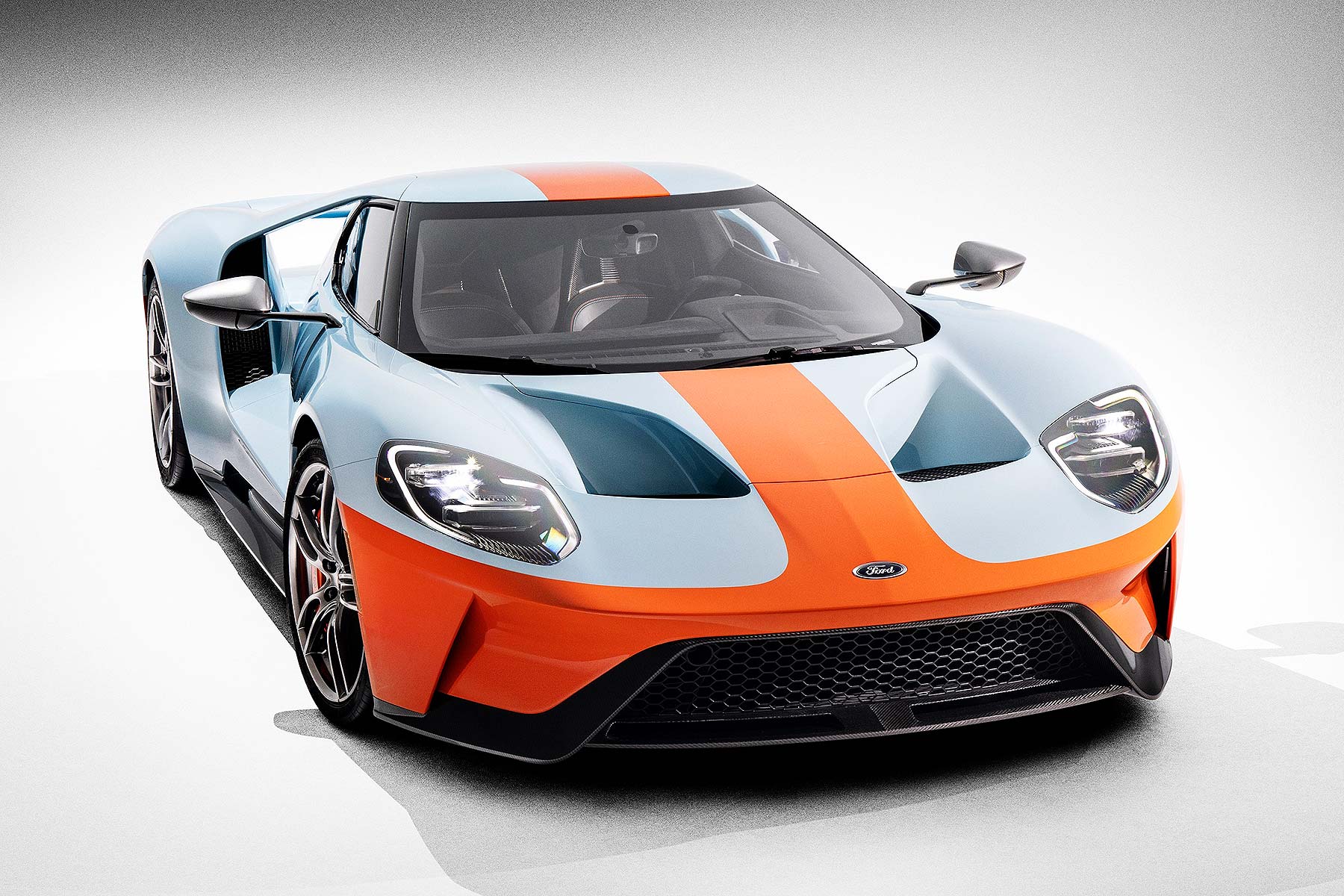
Among the options for the fresh batch of Ford GT buyers will be the Heritage Edition model. This wears a Gulf Oil racing livery in Heritage Blue and Heritage Orange. It marks the 50th anniversary of the Ford GT40 that won the Le Mans 24 Hours in 1968 and 1969.
MPs want the government to bring forward its proposed 2040 ban on the sale of new petrol and diesel cars by eight years to 2032 – and have criticised it for being ‘vague and unambitious’ about zero emission cars.
The Business, Energy and Industrial Strategy Committee (BEIS), a parliamentary select committee, also blamed a lack of public charging points for electric vehicles (EVs) for the lack of growth in the UK EV market – although David Martell, chief executive of electric car charging company BP Chargemaster, said the committee’s report “appears to be based on outdated information.”
BEIS chair Rachel Reeves MP said: “For all the rhetoric of the UK becoming a world leader in EVs, the reality is that the government’s deeds do not match the ambitions of their words.”
She said that targeting zero-emissions new car sales by 2032 would show the world Britain is serious about being a EV leader.
“The government needs to get a grip and lead.”
The car industry, however, has does not believe the transition is realistic. “Government’s 2040 ambition was already extremely challenging,” said Mike Hawes, chief executive of automotive trade body the Society of Motor Manufacturers and Traders (SMMT).
“To fast-track that by eight years would be nigh on impossible.
“Zero emission vehicles make up just 0.6 percent of the market, meaning consumer appetite would have to grow by some 17,000 percent in just over a decade. This is unrealistic and rejects the evidence put forward by SMMT on behalf of the industry.”
On this decision, Reeves was clear: “The Department for Transport’s slashing of the Plug-in Grant scheme drives the incentives of buying an electric vehicle into reverse.
“Cutting support is a perverse way to encourage drivers to move into non-polluting cars. This is only the latest sign of the government’s inconsistent approach to develop the market for electric vehicles.”
Hawes agreed: We said we need world class infrastructure and world class incentives to have any chance of delivering so the recent cuts to the Plug-in Car Grant and lack of charging facilities – both of which are severely criticised by the Committee – show just how difficult it would be to accelerate this transition.”
BEIS wants the government to maintain the grants, give electric vehicles preferential Vehicle Excise Duty Rates and bring forward preferential EV company car tax rates “without delay”.
The new McLaren Speedtail, which will be revealed on 26 October, is such a bespoke car, it’s even getting its own special bonnet badge option.
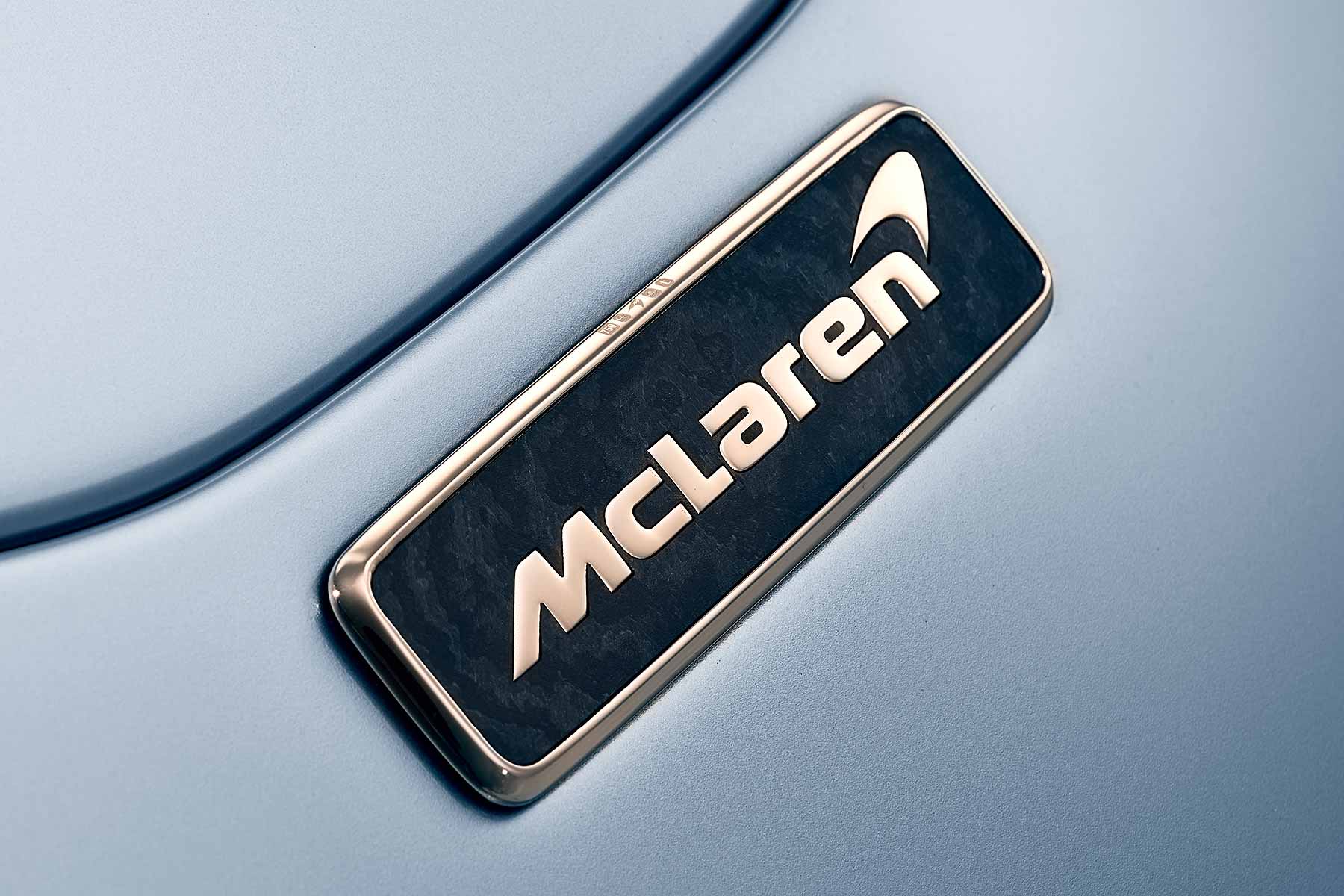
Each of the 106 hyper-GT cars can be fitted with a set of three 18-carat white gold badges: two brand badges at the front and a model name at the rear.
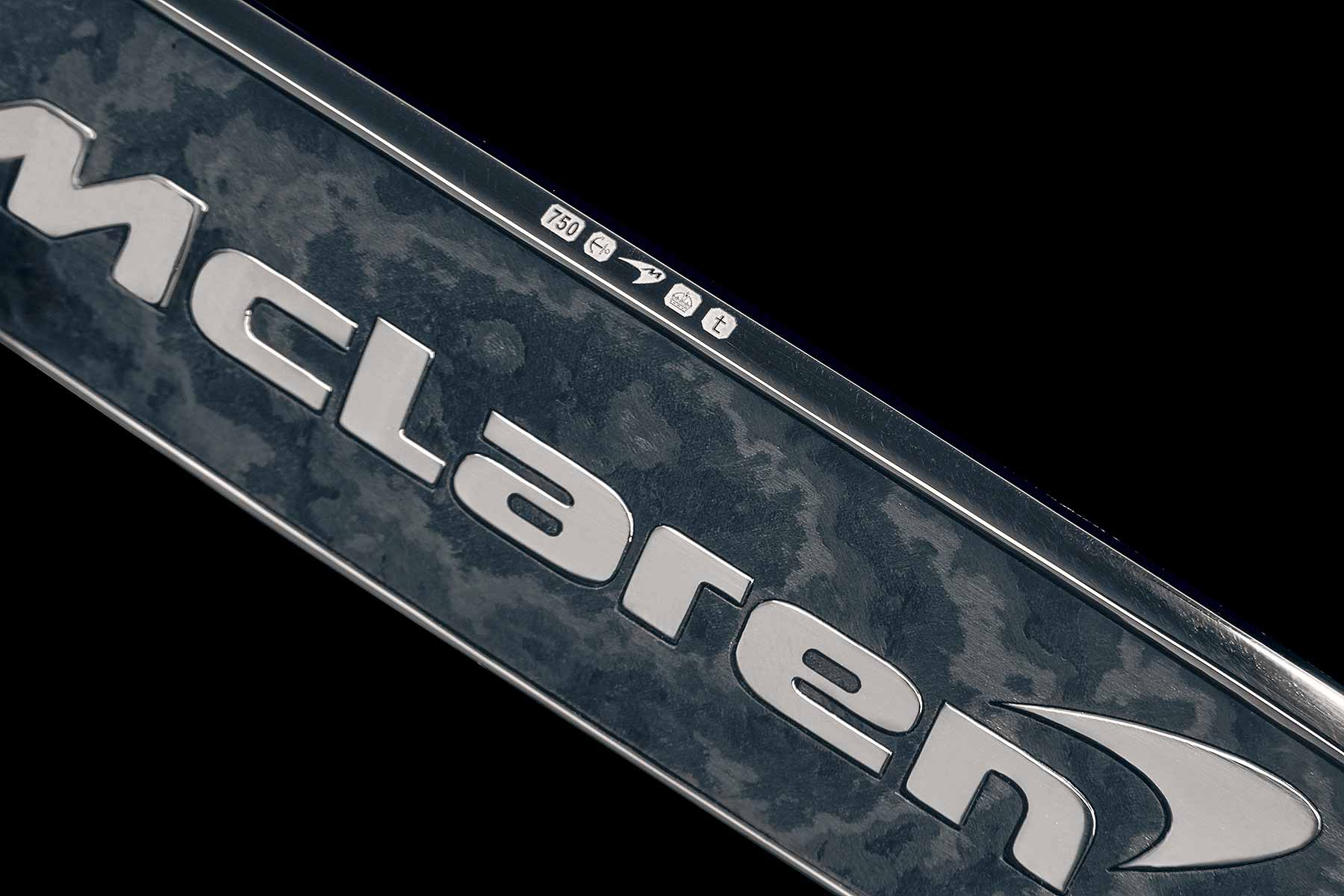
They’ll be made in Birmingham’s famous Jewellery Quarter, by Vaughtons – a firm established in 1898 that also creates Olympic gold medals and trophies for the FA Cup.
The badges carry laser etching showing when and where they were made, as well as the McLaren ‘Speedmark’ logo. The carbon fibre inserts use ‘Thin Ply Technology’ (TPT) that’s exclusive to McLaren.
McLaren says the front badge weighs 100 grams. If that’s too heavy, a lacquered transfer can be fitted instead. This “weighs almost nothing”.
But going for gold is more authentic, reckons McLaren. The Speedtail is the spiritual successor to the 1993 F1, which used a gold foil heat shield in its engine bay.
“A new gold standard”
Emphasising that this is a new, ultra-posh and premium McLaren, the firm’s design director Rob Melville said that “as beautiful pieces of exquisitely hand-crafted jewellery, the white-gold badges perfectly set off a car that in every way represents a new gold standard [very good – Ed.] for McLaren luxury.
“They fit perfectly with the philosophy of the Speedtail, the most luxurious car in McLaren Automotive’s portfolio, as well as paying homage to its forebear, the McLaren F1.”
For those who don’t want to fork out for the white gold badge set, the standard badge is made from aluminium with a gloss black inlay.
And if white gold is still not quite rich enough, McLaren is offering a fourth option for Speedtail badges – to have them made from solid platinum.
A survey by MoneySupermarket has found 76 percent of drivers want to be in control of their own vehicle, rather than leave it to autonomous systems. Equally, 68 percent don’t trust autonomous tech and another 68 percent don’t believe it’s safe.
Almost one in two are suffering ‘driverless dread’ and think introducing autonomous cars is a bad idea, with the over-55s being particularly negative about it. Almost half of 24 to 34 year-olds were receptive to self-driving cars, though.
MoneySupermarket editor-in-chief Tom Flack said it’s “understandable that people are sceptical, as full control over their vehicle will be lost.There will no doubt be a transitional period where people get used to the new technology on offer.”
The comparison website does, however, believe autonomous cars are a good thing, “reducing accidents and bringing down the cost of motoring, including insurance”.
The survey also looked at ethical issues: who is at fault if an autonomous car crashes. A total of 45 percent of respondents would blame the car manufacturer, but 34 percent would blame the ‘driver’ – even if they weren’t driving at the time.
Curiously, 18 percent say nobody would be at fault if a driverless car crashed.
Other worries include rising costs such as soaring MOT prices, while 42 percent believe car insurance will actually become more expensive when autonomous cars take to the roads in significant numbers.
As for the joy of driving, it may not be all it’s cracked up to be. Only 36 percent of people are worried about the arrival of autonomous cars because they enjoy driving…
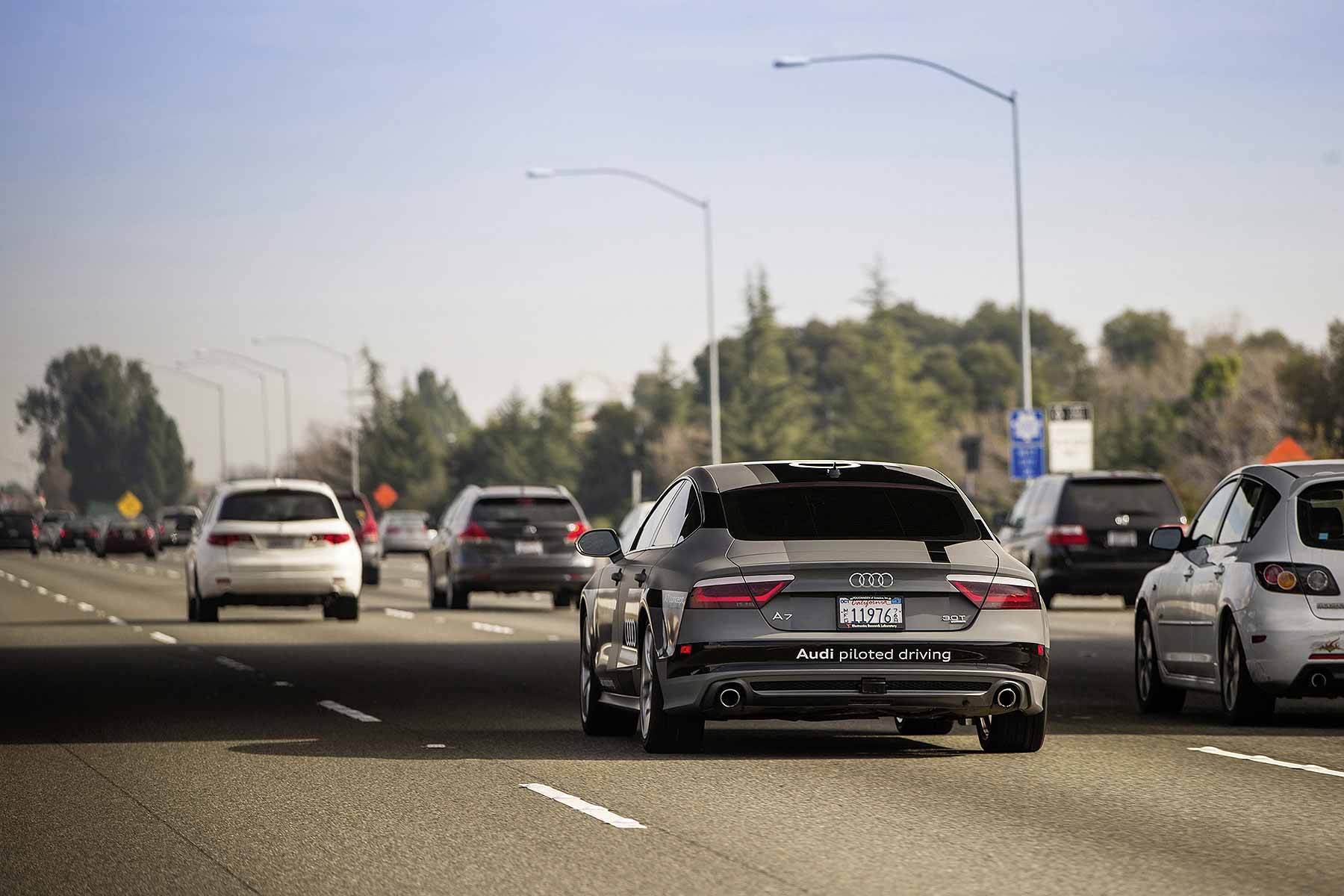
Thatcham Research has warned that car buyers are already becoming dangerously confused by new driver-assistance technology.
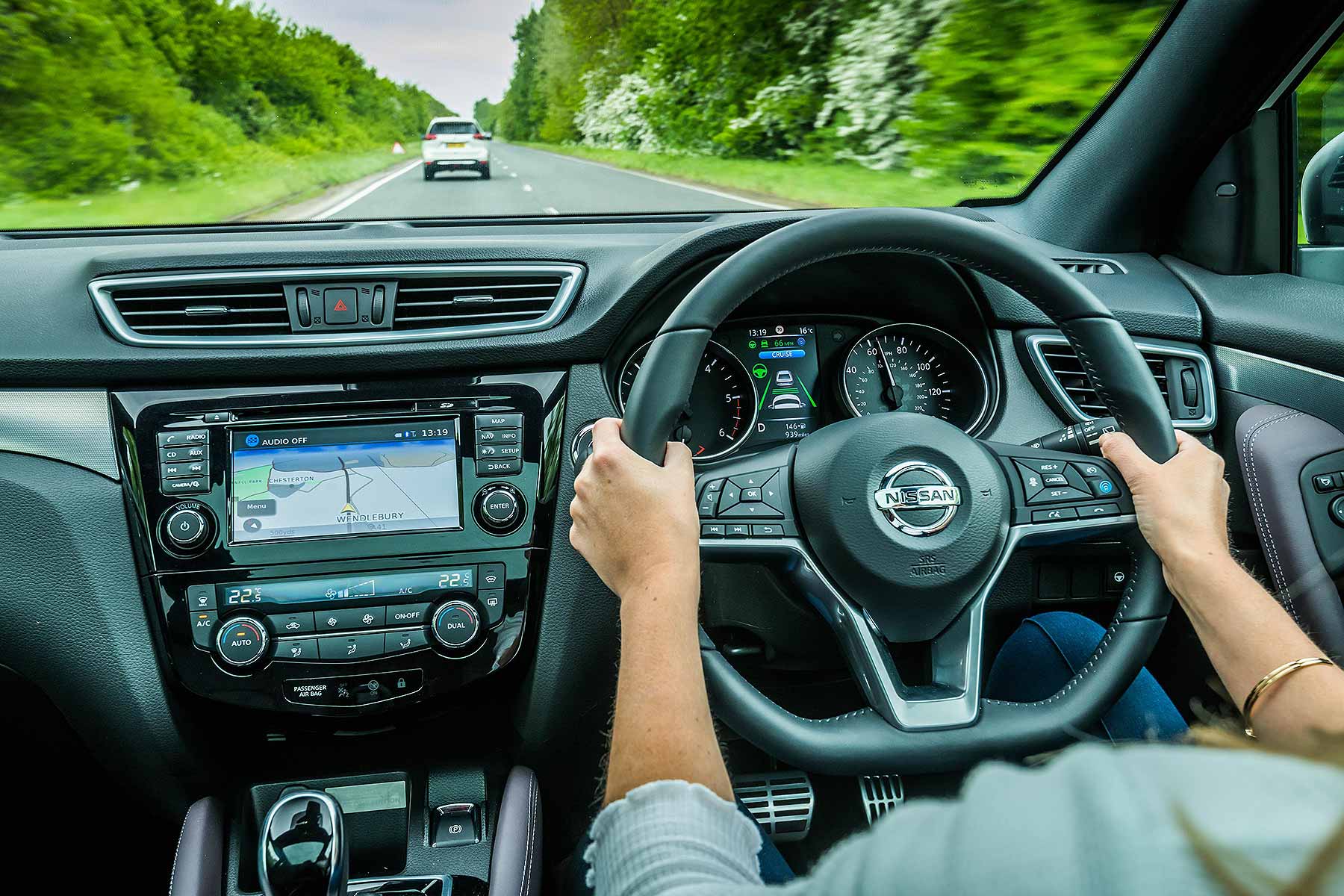
Its concerns follow the latest Euro NCAP crash-tests, which assessed ‘highway assist’ technology in 10 cars. These systems bundle up adaptive cruise control, lane centring and speed assist to aid the driver on motorways.
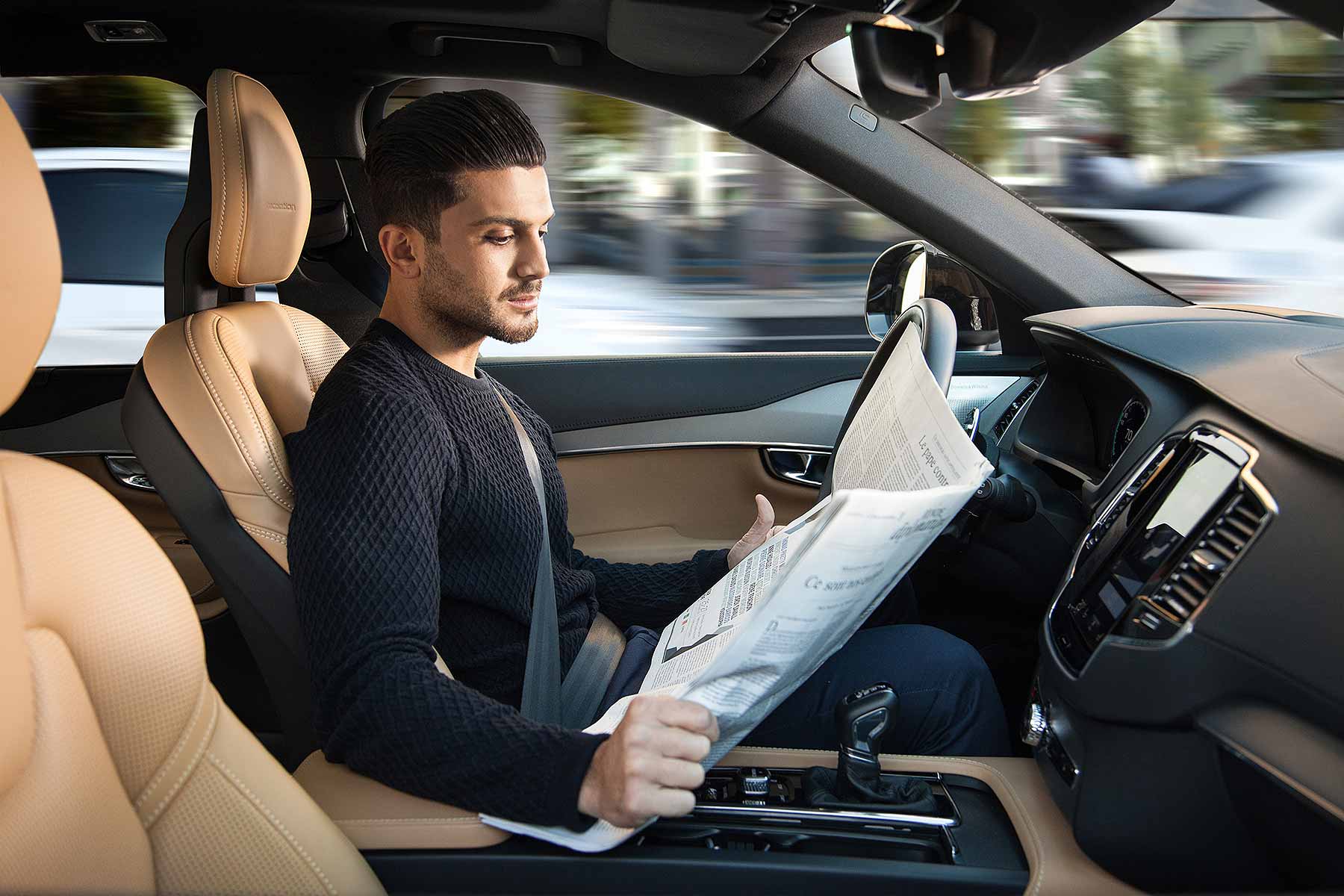
But Thatcham Research says over-hyped branding by car firms is leading motorists to misinterpret such tech as ‘autonomous’ – and alarmingly, 71 percent believe they can buy a car that drives itself today.
Matthew Avery, director of research at Thatcham, blamed car manufacturers for marketing the systems in such a way that drivers believe they can give up control.
When automated driving tech goes wrong
“Carmakers want to gain competitive edge by referring to ‘self-driving’ or ‘semi-autonomous’ capability in their marketing, but it is fuelling consumer confusion.
“This is exacerbated by some systems doing too much for the driver, who ends up disengaged.
“If used currently, highway assist systems will improve road safety and reduce fatalities, but they won’t if naming and marketing convinces drivers that the car can take care of itself.”
Euro NCAP’s findings are clear: no car on the market today offers full automation or autonomy. Highway assist systems offer driver assistance “but should not be confused with automated driving.
“Cars, even those with advanced driver assistance systems, need a vigilant, attentive driver behind the wheel at all times,” said Euro NCAP secretary general Michiel van Ratingen.
How carmakers are confusing car buyers
Thatcham Research highlighted some examples of marketing from car firms that it believes is confusing customers into believing the self-driving car is already here.
Audi: “The new Audi A6 is developed to take a step towards autonomous driving thanks to the Audi AI garage pilot and the Audi AI parking pilot”
BMW: “semi-autonomous driving due to Driving Assistant Plus”
Citroen: “DS Connected Pilot is a step closer to autonomous driving, but still allows you to retake full control of the car at any point”
Mercedes-Benz: “The C-Class is able to drive semi-autonomously in certain situations”
Tesla: “All Tesla vehicles produced in our factory, including Model 3, have the hardware needed for full self-driving capability at a safety level substantially greater than that of a human driver”
Volvo: “For smoother driving from standstill up to motorway speeds, Pilot Assist semi-autonomous drive supplements Adaptive Cruise Control buy adding gentle steering support to help keep the car centred in its lane and at a set speed”
Car makers: safety is ‘number one priority’
Mike Hawes from the Society of Motor Manufacturers and Traders (SMMT) has responded, insisting that “safety is the number one priority for car makers, which spend billions developing technology that mitigates driver error, reduces accidents and saves lives.
“Many new cars are now available with advanced assistance systems where the driver must remain in control at all times, including lane keeping assist, blind spot monitoring and emergency braking.
“Such systems are already making our roads safer and are expected to save 2,500 lives by 2030.
“We understand this survey found that 118 people in the UK believe they can buy ‘a car that drives itself’ today, but as most would accept, fully self-driving cars are still a long way off.”
Because full self-driving cars are so far off, the SMMT believes industry and regulators should now take the opportunity to clearly clarify exactly what makes a vehicle fully autonomous.
“This will ensure there is a common understanding and that all autonomous cars meet exacting international standards.”
Who had the best crystal ball: George Orwell or American singer Rockwell? It’s a strange question, but news that General Motors (GM) used in-car wi-fi to gather music listening data presents the ideal landscape for this surveillance-led tussle.
For the past three months, GM has tracked the habits of 90,000 drivers in Los Angeles and Chicago who agreed to take part in a ‘proof of concept’ study. The aim: to see if there’s a direct relationship between what we listen to in the car and what we buy.
So, if Kelis singing about milkshakes promotes an urge to visit McDonald’s, or The Beatles’ Octopus’s Garden tempts you into an impromptu visit to Otter Nurseries for a punnet of pansies, your car will spill the beans.
Speaking of which, if Weezer’s Pork and Beans results in you making a diversion via a supermarket… well, you get the picture.
Why? Because GM and its ilk can sell the data to advertisers, who in turn can use the insights to produced targeted radio advertising. It might not spell the end of those annoying radio ads, but it might mean the messages are more relevant to you.
To some, this will fuel the fire of concerns over data gathering and privacy, while others might embrace the future of targeted ads and reminders to buy some dog food on the way home from work.
According to GM, one commuter who listened to a country and western radio station made regular visits to a Tim Hortons restaurant. At the very least, this could result in Tim Hortons ads playing during The Bobby Jones Show on BIG 95.5 FM, but who’s to say it couldn’t be extended to include special offers sent directly to the car’s infotainment system?
For now, the data is kept anonymous, but targeted corporate-to-car ads must represent the golden goose for advertisers.
Every breath you take
GM spokesperson Jim Cain said: “Connected radios generate data that could allow for more radio markets to be measured and provide other valuable insights.
“This data is then aggregated and anonymised and would represent the results over a very large sample size and would not include any personally identifiable information.”
GM is quick to point out that customers using the connected services must opt-in by accepting terms of use and privacy statements, but where will this end? If a manufacturer knows what station you’re listening to, who’s to say that the data couldn’t be extended to highlight bad habits?
No, we’re not talking about picking your nose in a traffic jam, but that time you did 85mph on the motorway or parked on a double yellow line. This information would be of interest to the authorities.
As for the answer to our original question, we reckon George Orwell had the best handle on the future, although there’s something poetic about the fact that Rockwell released his hit single in 1984.
You’re being watched and listened to. Things were more straightforward in the days of a Goodmans car radio – you could listen to Agadoo without fear of anyone finding out. Anyone fancy some pineapple or ground coffee?
Meridian Vehicle Solutions has a number of plug-ins on order, such as the BMW 530e iPerformance and Kia Niro, and these will still qualify for the grant.
But “future additions are looking very unlikely” said managing director Phil Jerome. “This is really disappointing.
Charging ahead: plug-in hybrid car sales leap by a third
“There is rapidly growing demand from fleets for plug-in hybrids, and we made a strategic decision earlier this year to meet that need.
“The dozens of vehicles that we already have on order will, we are sure, easily be placed on lease.”
However, removing the grant now adds £2,500 to the purchase price of any new acquisitions – and, potentially, hundreds of pounds per month to the price of a plug-in lease, explained Jerome.
“The maths no longer stacks up… the pricing is no longer commercially viable.
“It leaves us in a very odd and frustrating position, where we are able to supply the current plug-ins that we have on order to fleets that want them – but then will probably have to step back from the plug-in market unless manufacturers cut prices.”
Calling the move “hard to understand”, Jerome also said he was frustrated the grant will be removed in just weeks, giving fleets almost no chance to plan and react strategically.
“With WLTP, company car tax and the cut in grants – all occurring against the backdrop of Brexit – it is difficult not to feel that the government is intent on making life as difficult as possible for fleets.”
 Britain is getting its own one-make Ferrari racing series, with the Ferrari Challenge UK series launching at Brands Hatch on 25 April next year.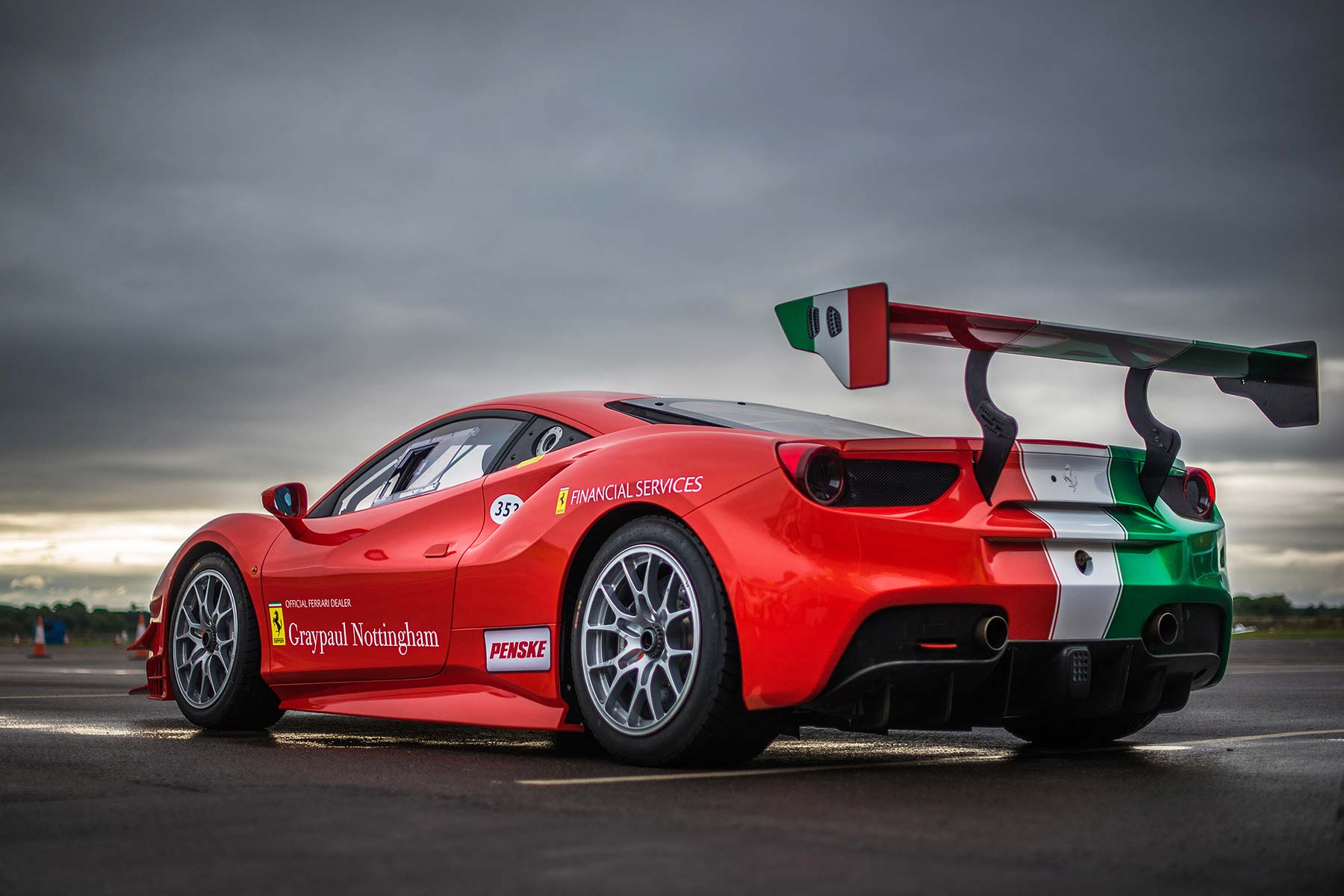

 So many supercar buyers are eager to buy a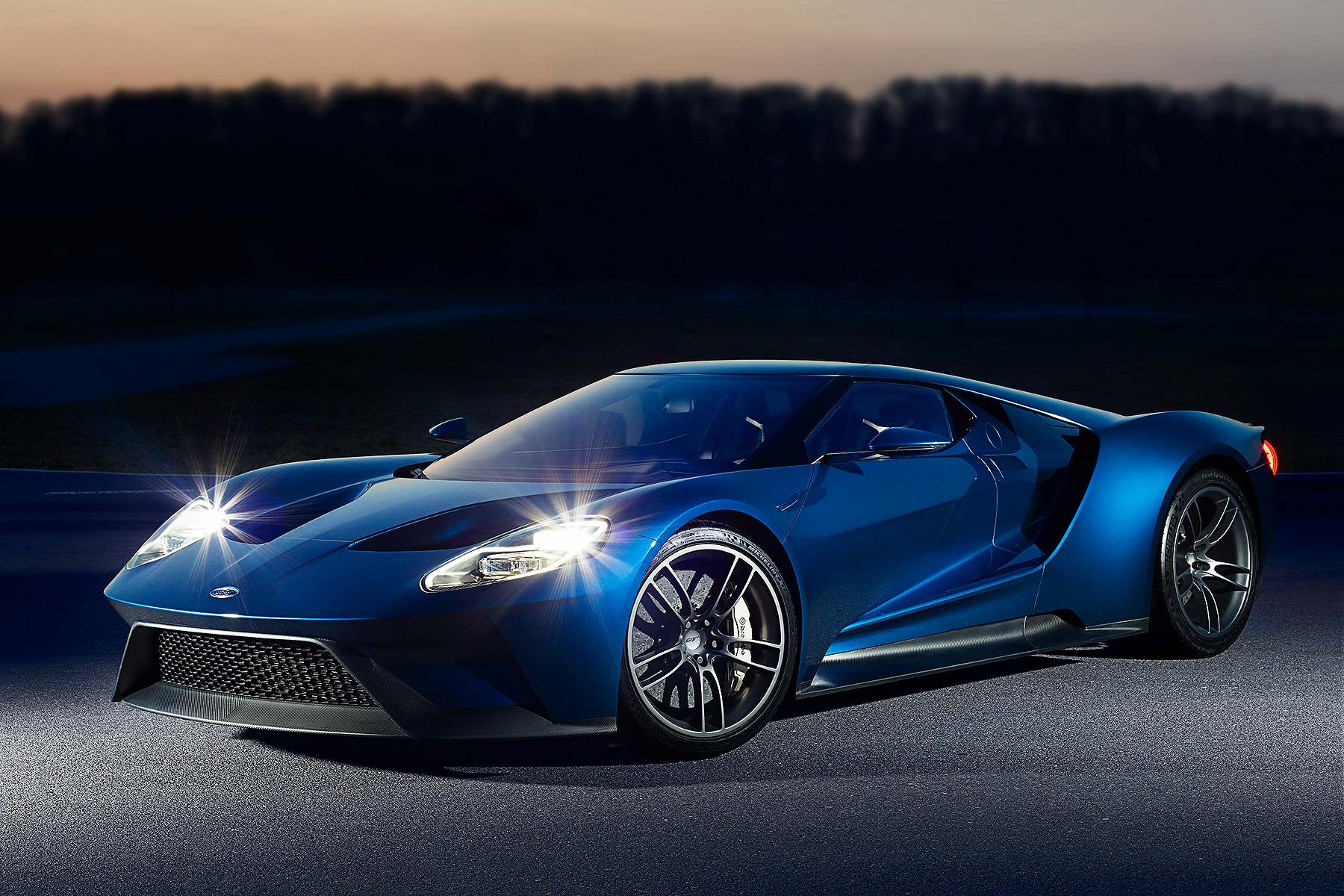
 MPs want the government to bring forward its proposed
 The
The 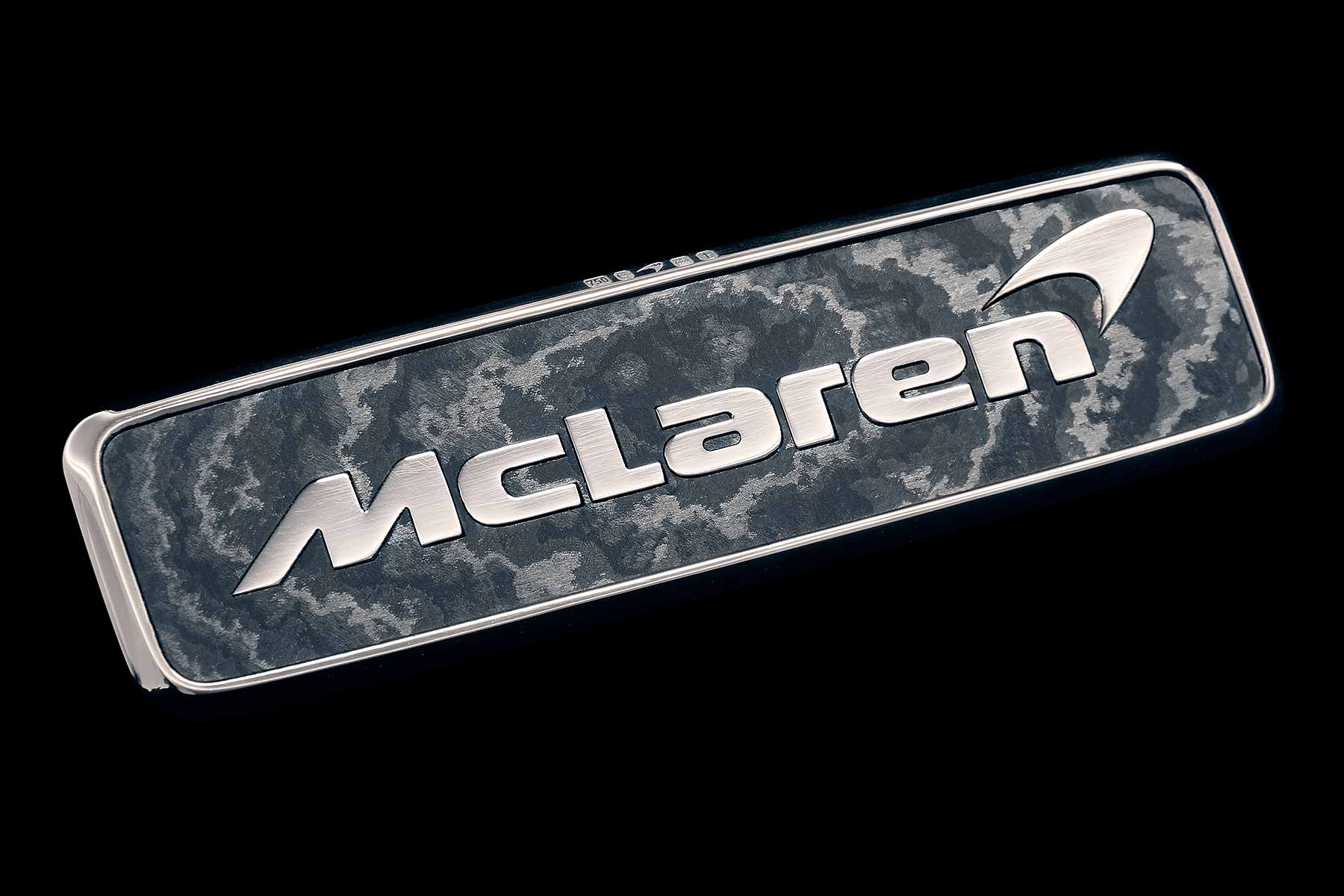
 As news emerges that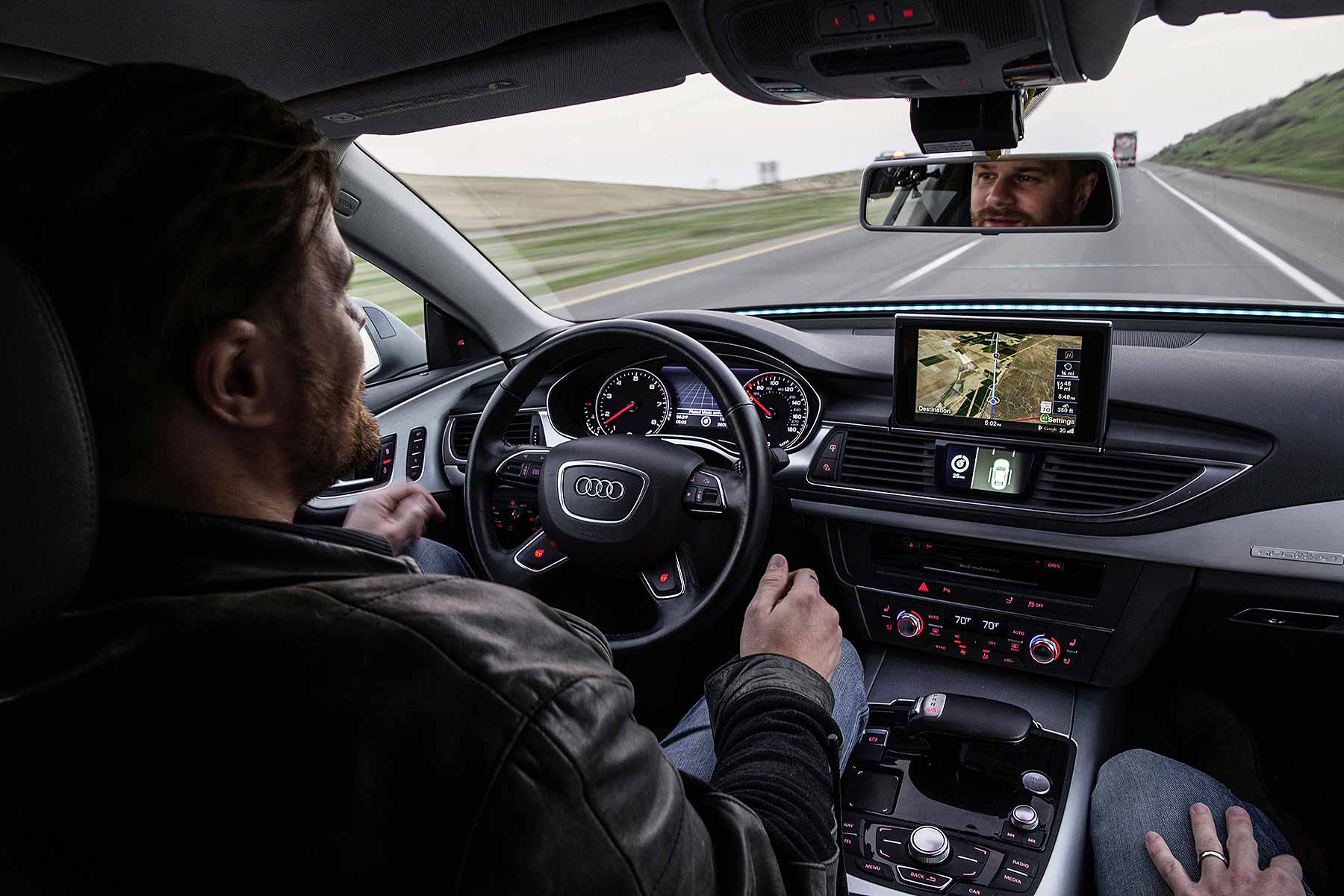
 Thatcham Research has warned that car buyers are already becoming dangerously confused by new driver-assistance technology.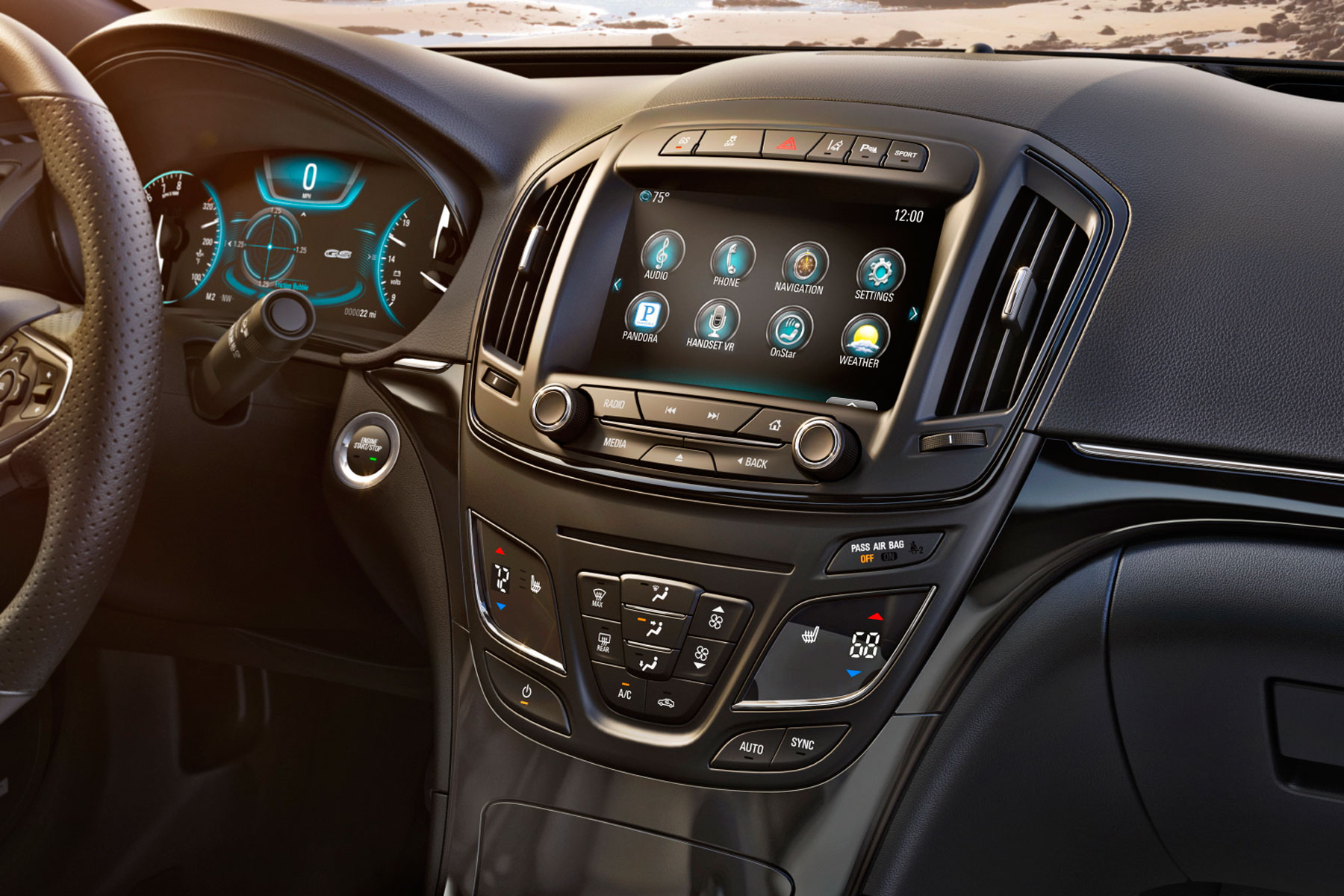
 An influential fleet leasing company says it has canned plans to bring more ultra-low emission vehicles onto its books after the