Home Blog Page 324

Proof: Electric cars ARE cheaper to run than normal ones

0

Kia e-Niro - greatest cars of the decade

Electric cars can travel up to THREE TIMES the distance of their petrol or diesel rivals for the same money, according to new research. 

A new ‘miles per pound’ (mpp) figure reveals how much a car can travel for £1 of petrol, diesel or electricity. This creates a level playing field for new cars, making it easier to compare conventional cars with their electrified rivals. Based on these figures, electric cars are CHEAPER to run.

Although electric cars tend to be more expensive to buy than their petrol and diesel counterparts, the monthly running costs are much closer, working in favour of EVs.

For example, the Kia e-Niro and Renault Zoe 65kW can achieve 33.1 miles per pound (mpp) of electricity.

Meanwhile, the most economical version of the Ford Fiesta can achieve a figure of 9.3mpp.

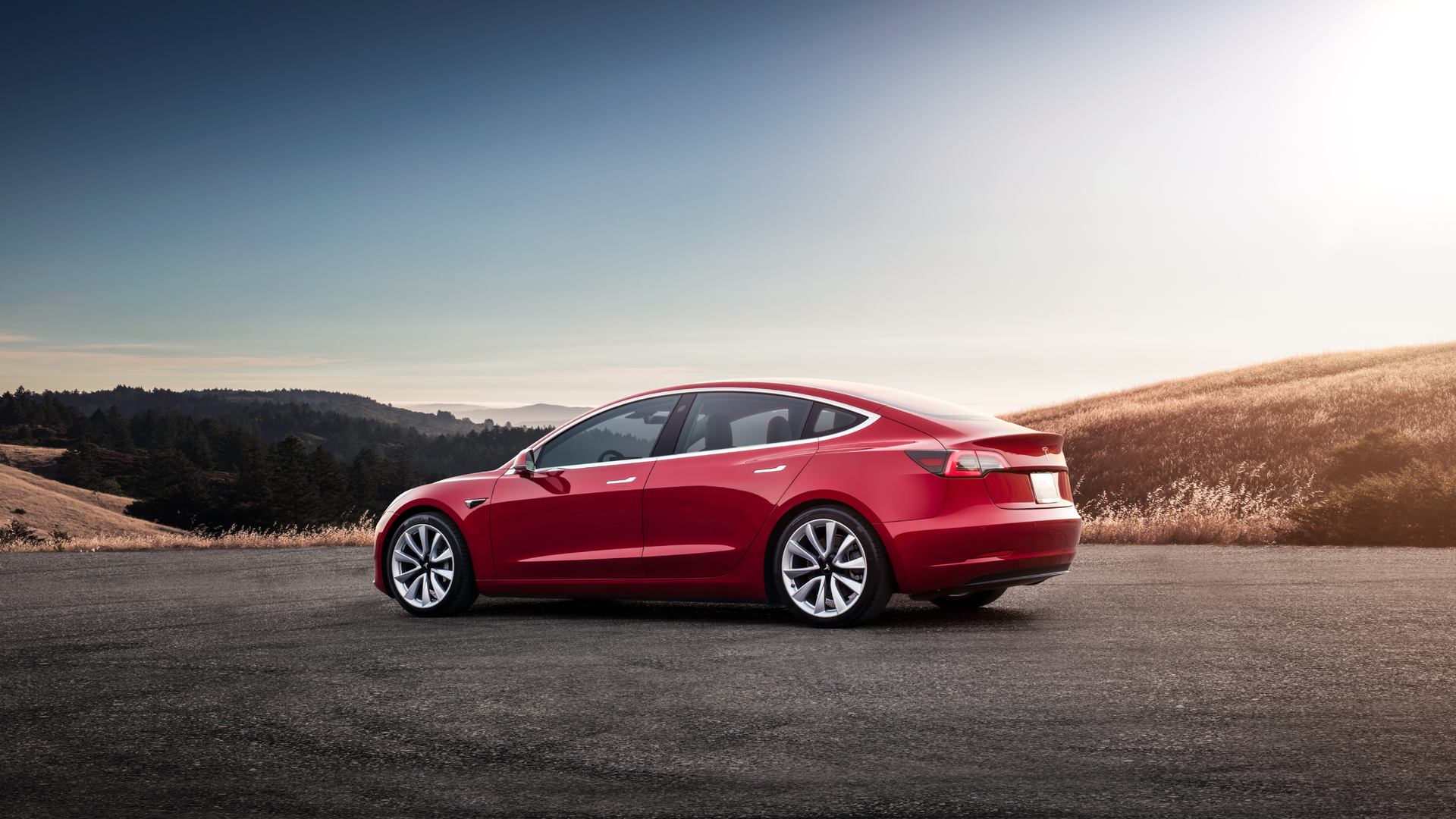
The Tesla Model 3 standard range is the third most economical (32.3mpp), the Volkswagen e-Golf fourth (30.8mpp), with the BMW i3 fifth (30.0mpp).

‘Demystifying the running costs’

Keith Adams, editor of Parkers, the website behind the research, said: “We created miles per pound as a way of demystifying the running costs of electric vehicles (EVs) because above and beyond their range, and how long they take to charge, there is little uniformity in how carmakers express just how much energy these cars use.

“In a nutshell, it tells you how much it costs to drive any EV after plugging it up at home and topping it up on domestic electricity.

“In addition, miles per pound should help drivers who know how many miles they cover in a year to work out up-front fuelling costs, and possibly choose a more expensive electric car over its petrol counterpart.”

Top five electric cars

  1. Kia e-Niro First Edition: 33.1mpp
  2. Renault Zoe 65k: 33.1mpp
  3. Tesla Model 3 Standard Range: 32.3mpp
  4. Volkswagen e-Golf: 30.8mpp
  5. BMW i3: 30.0mpp

Top five hybrids

  1. Toyota Yaris: 10.1mpp
  2. Toyota Corolla: 9.5mpp
  3. Kia Niro: 9.3mpp
  4. Lexus CT: 9.5mpp
  5. Suzuki Ignis: 9.3mpp

Top five petrol and diesel

  1. Honda Civic Saloon 1.6 i-DTEC: 10.8mpp
  2. Ford Focus 1.5 EcoBlue: 10.8mpp
  3. Honda Jazz S 1.3 i-VTEC: 10.3mpp
  4. Dacia Logan MCV Blue dCi 95: 10.3mpp
  5. Kia Ceed 1.6 CRDi: 10.1mpp

The miles per pound data is only available for cars on sale since 2017 and that are also currently available to buy new.

Advertisement

Top Trumps is a reason to get excited about Christmas

0

Top Trumps sports cars

Like it or not, Christmas is coming. In fact, in just a couple of months we’ll be deep into office Christmas party season.

If that fills you with dread, some Top Trumps playing cards could provide some light relief.

Avoid unwanted interest from your line manager by studying the performance figures of the BAC Mono. Charm Samantha from marketing with the 0-62mph time of the LaFerrari.

Knowing the ‘cool factor’ of the Pagani Huayra is almost certain to lead to promotion. Probably.

A set of Top Trumps has been the gift that keeps on giving for over 40 years, with tens of millions of packs sold worldwide. Winning Moves, the company behind Top Trumps, says it’s the UK’s number one card game.

There have been all kinds of themes over the years – FHM, Trolls and Frozen, to name a diverse trio – but cars are the best. Why? Because this is a motoring website.

Nostalgic glee

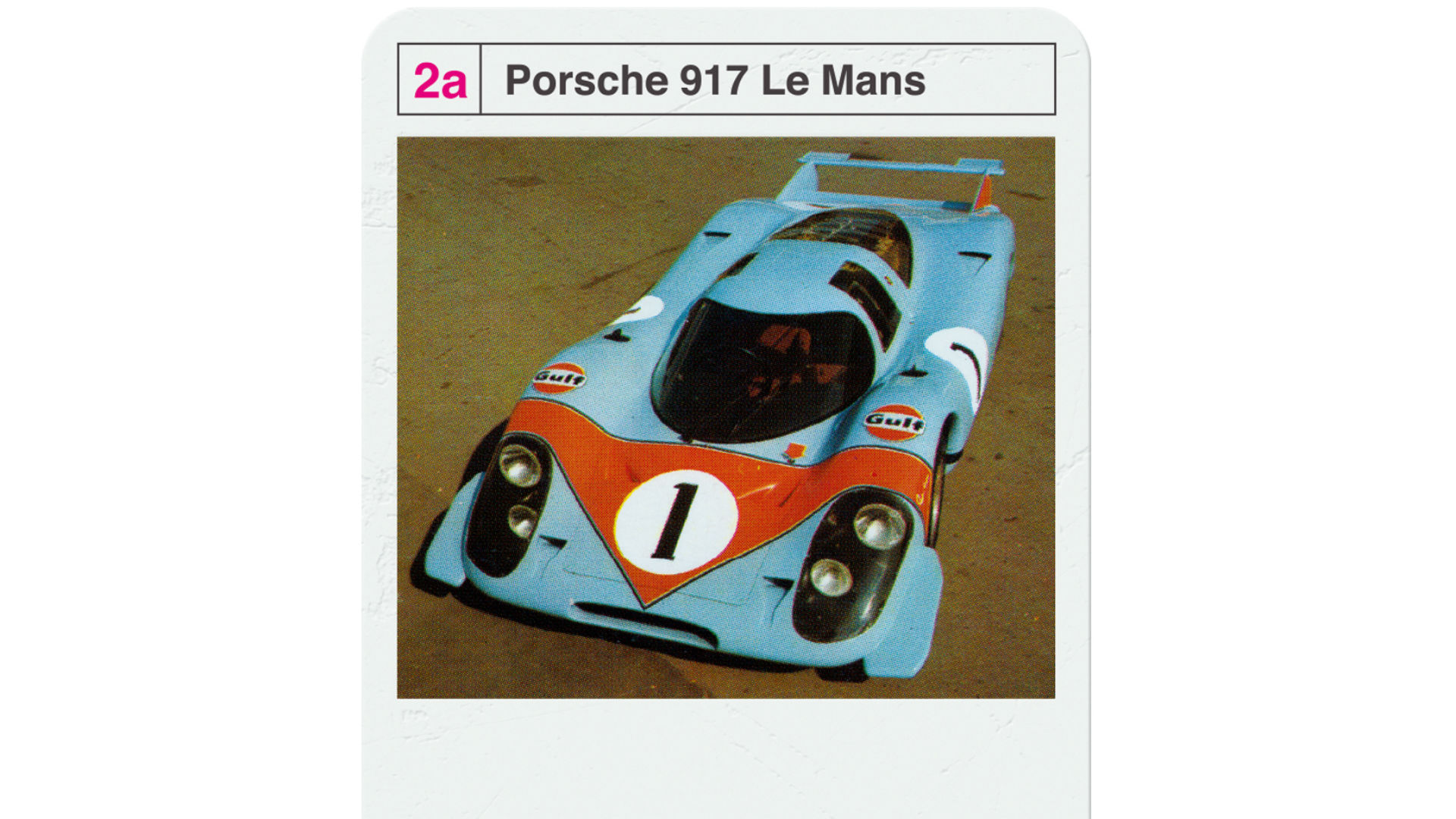
Porsche 917 Top Trumps

The company has been in touch about three sets you can buy for Christmas, including two retro packs.

Sports Cars Top Trumps is your standard fare: cars with crazy horsepower, even crazier top speeds and ‘cool factors’ that are off the scale.

Crazy Cars Too Trumps Retro allows you to “immerse yourself in crazy nostalgic glee”. At least, that’s what it says here. Some of the cards look pretty wild, but we only have eyes for the Porsche 917.

Finally, the Exotic Sports Cars Top Trumps. It dates from 1992 and includes cars like the Vector W8 Twin Turbo, Ginetta G33, Ferrari F40, Lamborghini Diablo and Jaguar XJ220. To paraphrase John Travolta, this is the one that we want.

Aside from the newly designed cassette pack, it looks the same as it did in 1992, so it fills us with crazy nostalgic glee.

The packs cost £6.99 and are suitable for ages 6 and over. Apologies to any pre-schoolers who fancied some nostalgic glee.

Advertisement

Finalists revealed for AUTOBEST Best Buy Car of Europe 2020

0

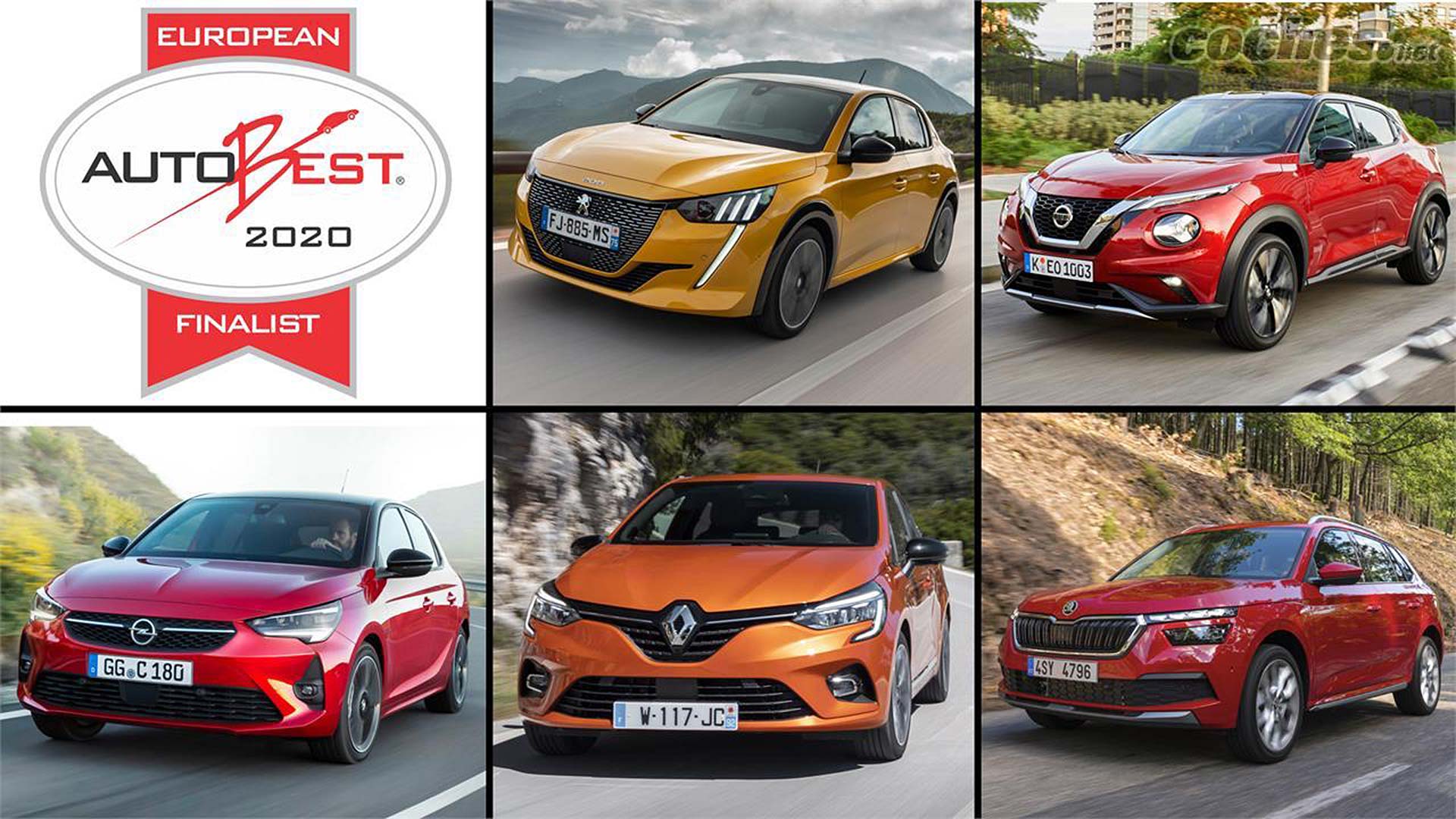
AUTOBEST 2020 finalists - Nissan Juke, Peugeot 208, Renault Clio, Skoda Kamiq, Vauxhall Corsa

Five cars are in the running for the AUTOBEST title of Best Buy Car of Europe 2020 – also known as the award for Europe’s best real-world new car.

All-new versions of the Nissan Juke, Peugeot 208, Renault Clio, Skoda Kamiq and Vauxhall Corsa are the five finalists. They will now undergo detailed assessment by jurors from 31 European countries.

The AUTOBEST organisation will hold a Final Test at the Intercity Istanbul Park F1 circuit in Turkey, where jurors will submit their final votes. Each juror – one from each country – will assess each car on a detailed 13-point voting matrix. 

All votes are transparent and will be published when the winner is announced in mid-December.

“At AUTOBEST, we closely follow the trends in the industry, and continuously learn from European consumers what they are looking for when buying new cars,” said AUTOBEST founder and chairman Dan Vardie. 

“We believe the final five is an expression of these trends.”

AUTOBEST Best Buy Car of Europe 2020 finalists

  • Nissan Juke
  • Peugeot 208
  • Renault Clio
  • Skoda Kamiq
  • Vauxhall Corsa
Advertisement

Highways England is turning motorway lights back on

0

Highways England switches lights back on

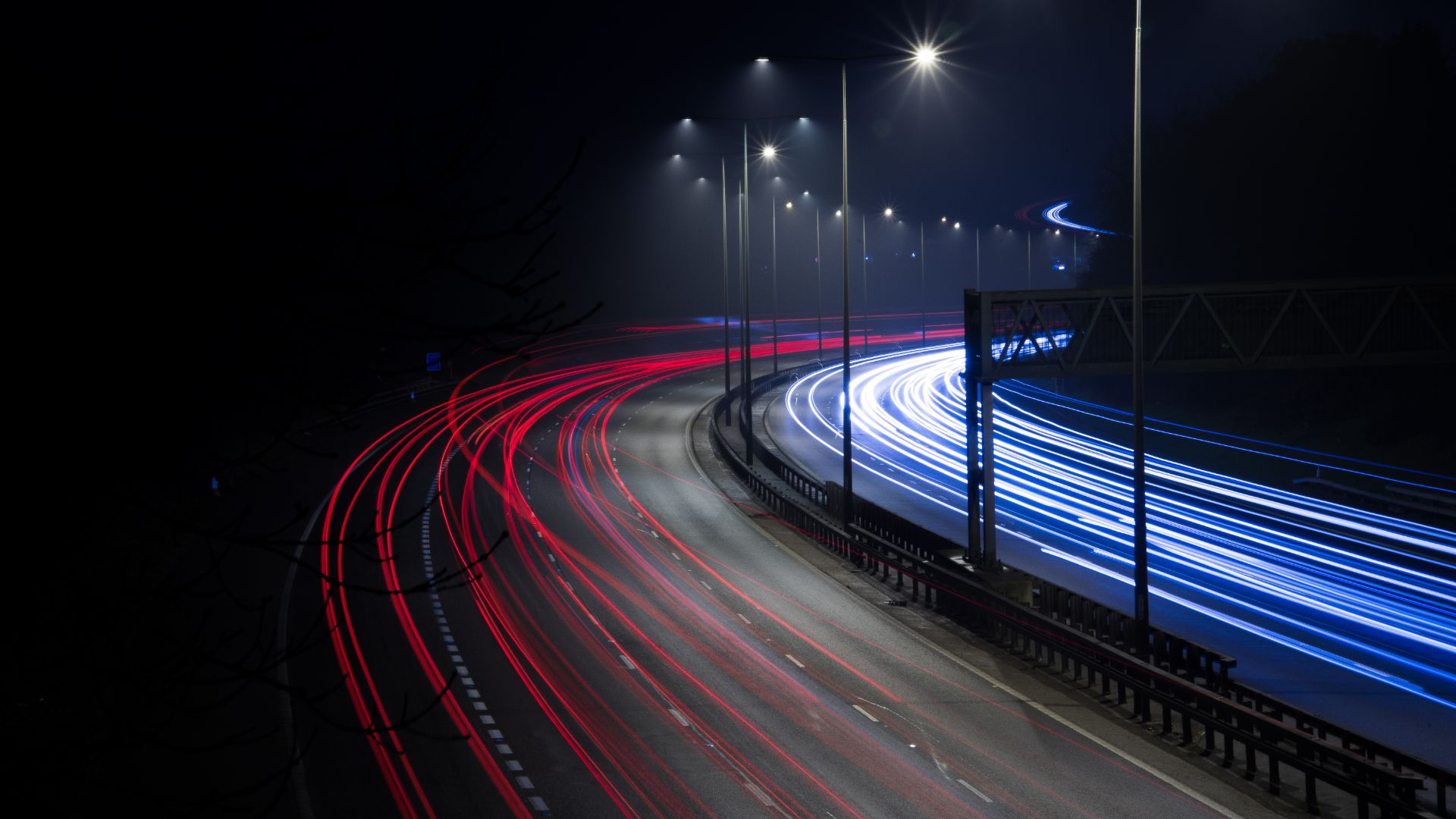
Highways England is ending its policy of switching off some motorway lighting between midnight and 5am.

The government-owned company has maintained this policy since 2009 on 100 miles of the road network. A recent report, however, indicated that ‘lighting unlit’ sections saw casualty rates increase by 88 percent. These included non-functioning lighting, as well as lighting that was turned off. That’s a rise from 93 to 175 casualties between 2010 and 2017.

Highways England says the switch-off policy ended in 2018. This, because of the installation of more efficient LED lights and, presumably, the negligible savings a switch-off would make. It’s not yet linked the revocation of the switch-off to safety concerns.

Highways England switches lights back on

“Safety is our top priority,” said head of road safety Richard Leonard. 

“On our roads we light what needs to be lit, and we know where those locations are. We have a greater understanding of where night-time collisions occur and the impact road lighting would have. This means we can target lighting where it is needed, rather than putting lights everywhere.

“We are absolutely committed to further reducing deaths and injuries on England’s motorways and major A roads. This will require a concerted effort and investment over the long term.”

Are lit areas more dangerous?

Highways England switches lights back on

  • Upgraded M6 is 30 percent safer, says Highways England

Conversely, the company actually points out that its data suggests that ‘you are more likely to be involved in a casualty incident on a lit section of road’. This could, however, be because areas they choose to light are, by comparison, more dangerous.

Why? Because when it reviews lighting, it carries out safety risk assessments to see if it’s still needed. Therefore, if the lights are on, they’re likely needed. It’s a piece of road that lighting is viewed to help make safer, but not necessarily by comparison to roads that don’t warrant it. In short, the lights indicate that a section is viewed as less safe than those without lighting. The lighting is there to help, if only in part, but isn’t the cause.

Advertisement

You can now experience classic Ferraris in Italy

0

Ferrari Classiche Academy

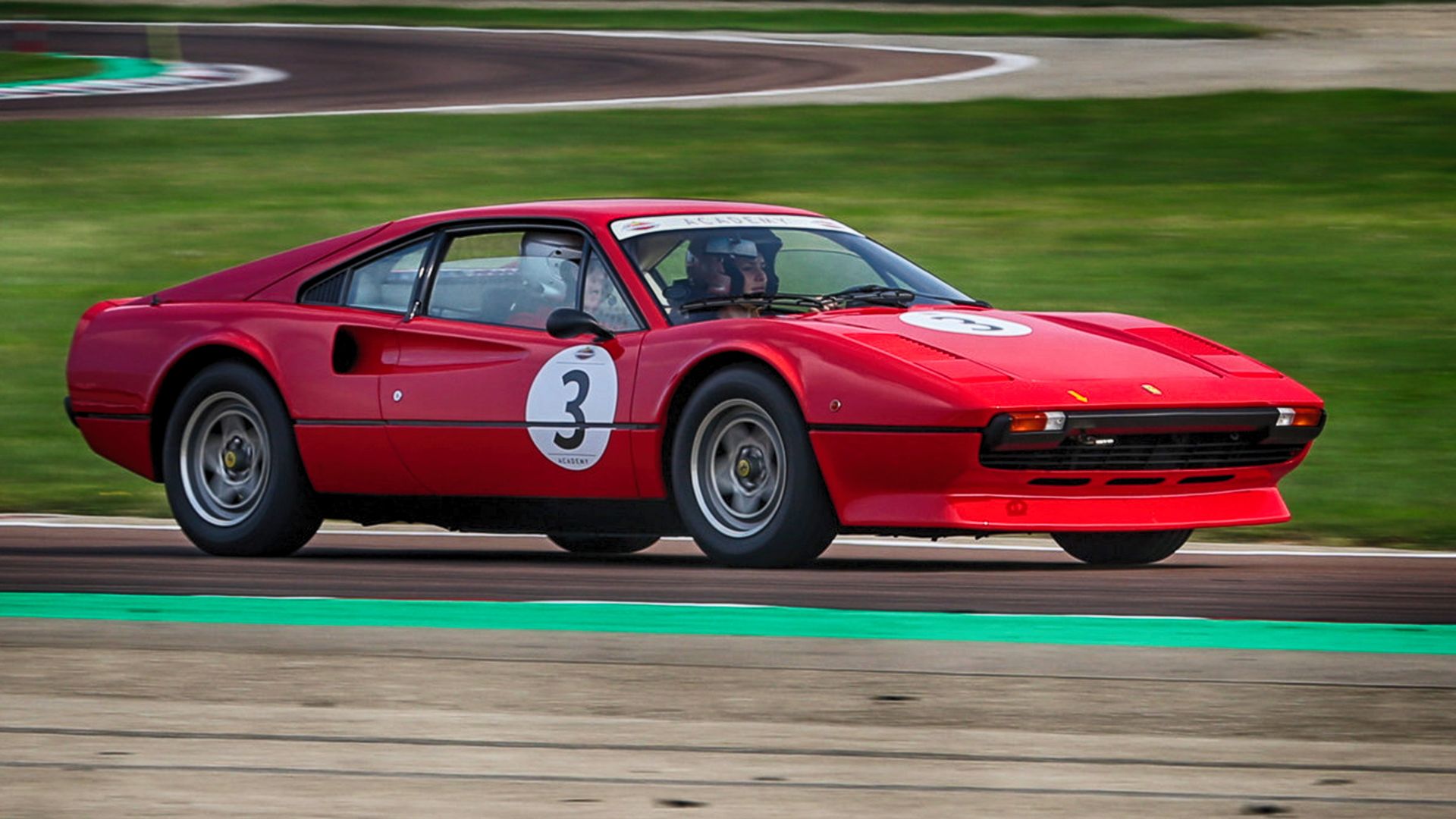
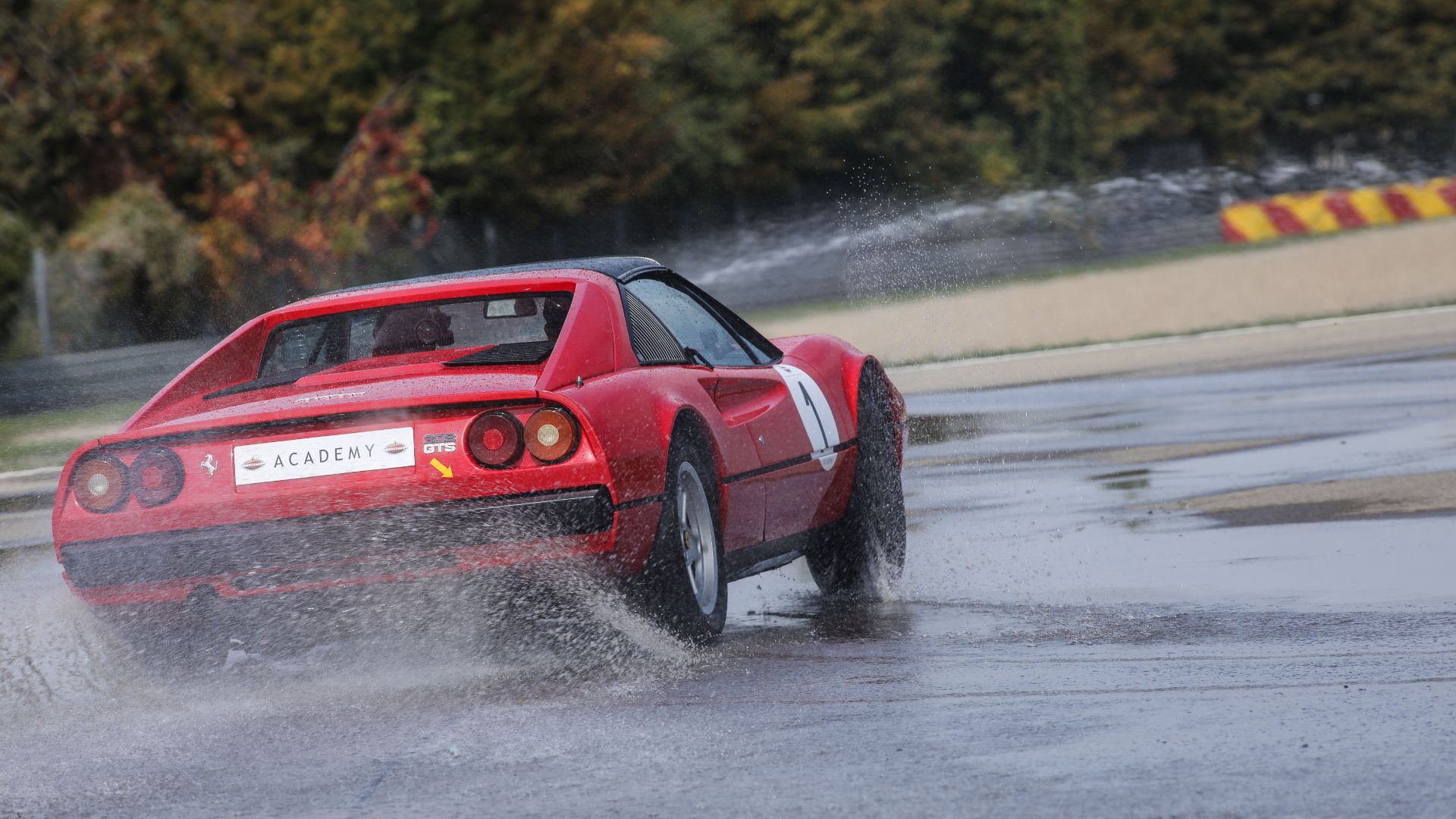
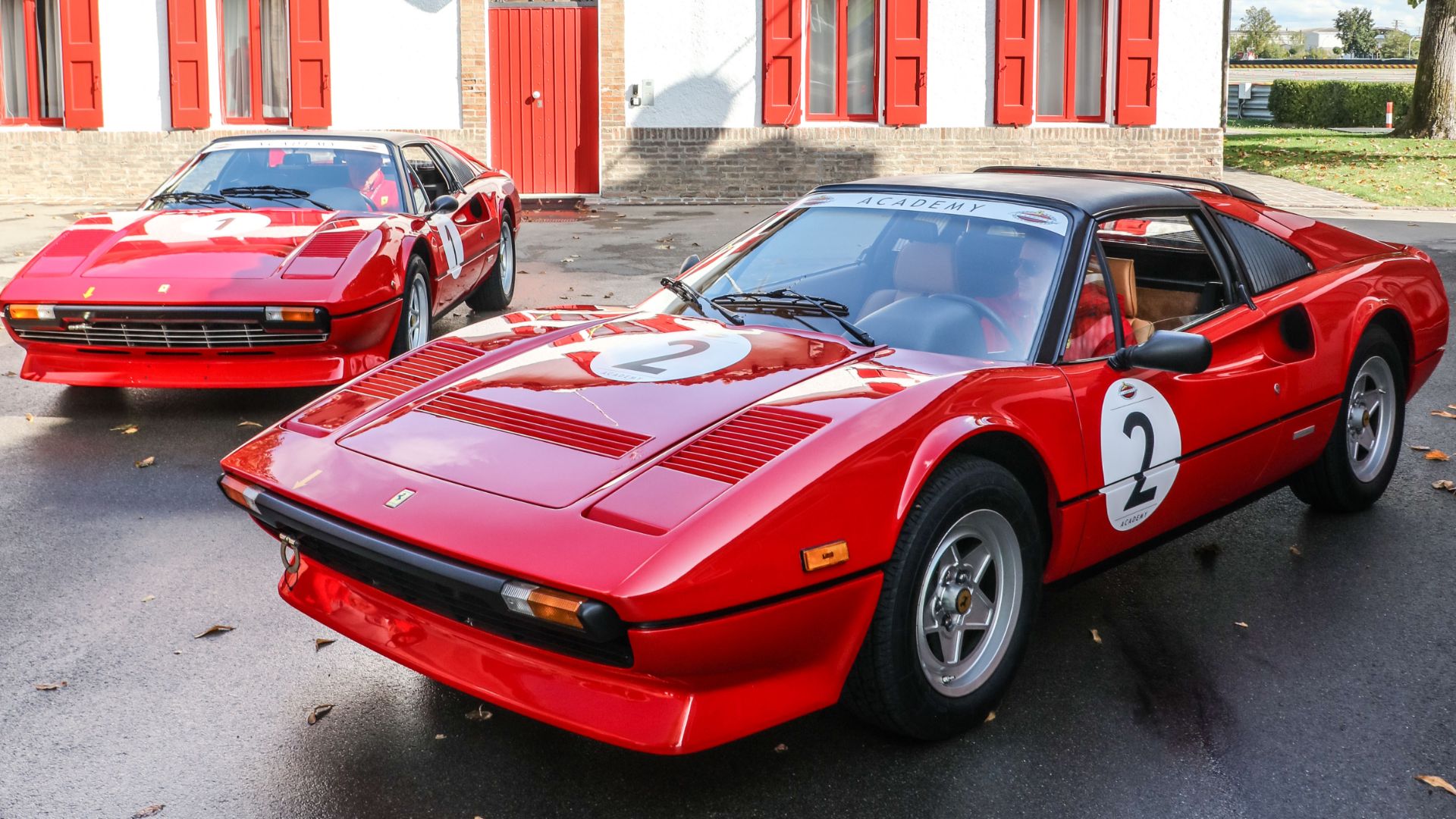
Ferrari’s new Classiche Academy is underway, and it makes possible one of the great automotive impossibilities: the opportunity to see, learn about, feel and drive classic Ferraris. This, and more, takes place over two days of immersion in the world of Ferrari at the marque’s Fiorano circuit.

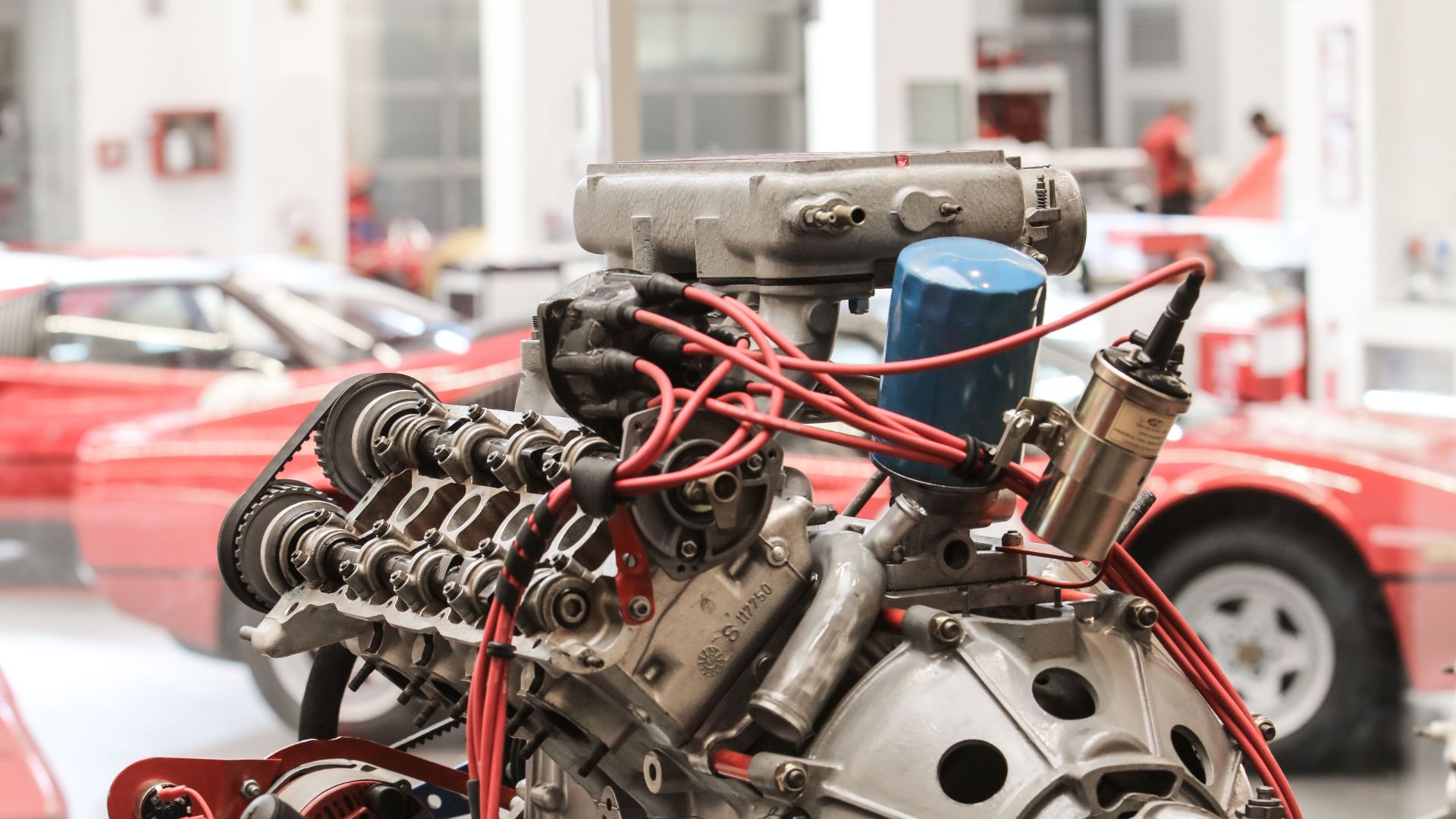
Not quite the multi-million-pound V12 GTs of the 50s and 60s. You do, however, get the authentic 70s and 80s experience, with a 308 GTS and GTBi. Unlike any other supercar driving experience, Ferrari opens by taking you underneath these early era Ferrari supercars, to discover what makes them tick.

Ferrari Classiche Academy

  • Road rage is getting worse, says RAC survey

Then you go for a tour of the Officine Classiche Ferrari, where you can view technical drawings and notes taken by engineers in period. The marque has an archive of notes, drawings and race reports going back to 1947. 

Driving classic Ferraris

Ferrari Classiche Academy

The track experience shouldn’t be the standard UK fare of ‘stay in a gear, don’t go over X,XXXrpm’, either. With the Classiche Academy, you get a course in vehicle dynamics and corner management.

You learn various driving techniques like high-speed counter steering, wet-weather driving, heel and toe and double clutching. It’s all stuff you’d at least hesitate to try on the road in your own car, let alone in someone else’s classic Ferrari.

Ferrari Classiche Academy

  • More than half want driving age raised to 18

This is all because Ferrari wants to deliver pre-digital driving experiences and to encourage the learning of car control in cars with no safety net to catch you. Again, how many people who actually own these cars dedicate time to learning how to drive them?

Imagine in 30 years time if Ferrari offered a two-day course at Fiorano where you got to learn to drift ‘classic’ 458s? That’s the kind of thing this is for 70s and 80s supercar aficionados.

Advertisement

Classic cars converted to electric ‘are not historic’

0

Lunaz electrified classics

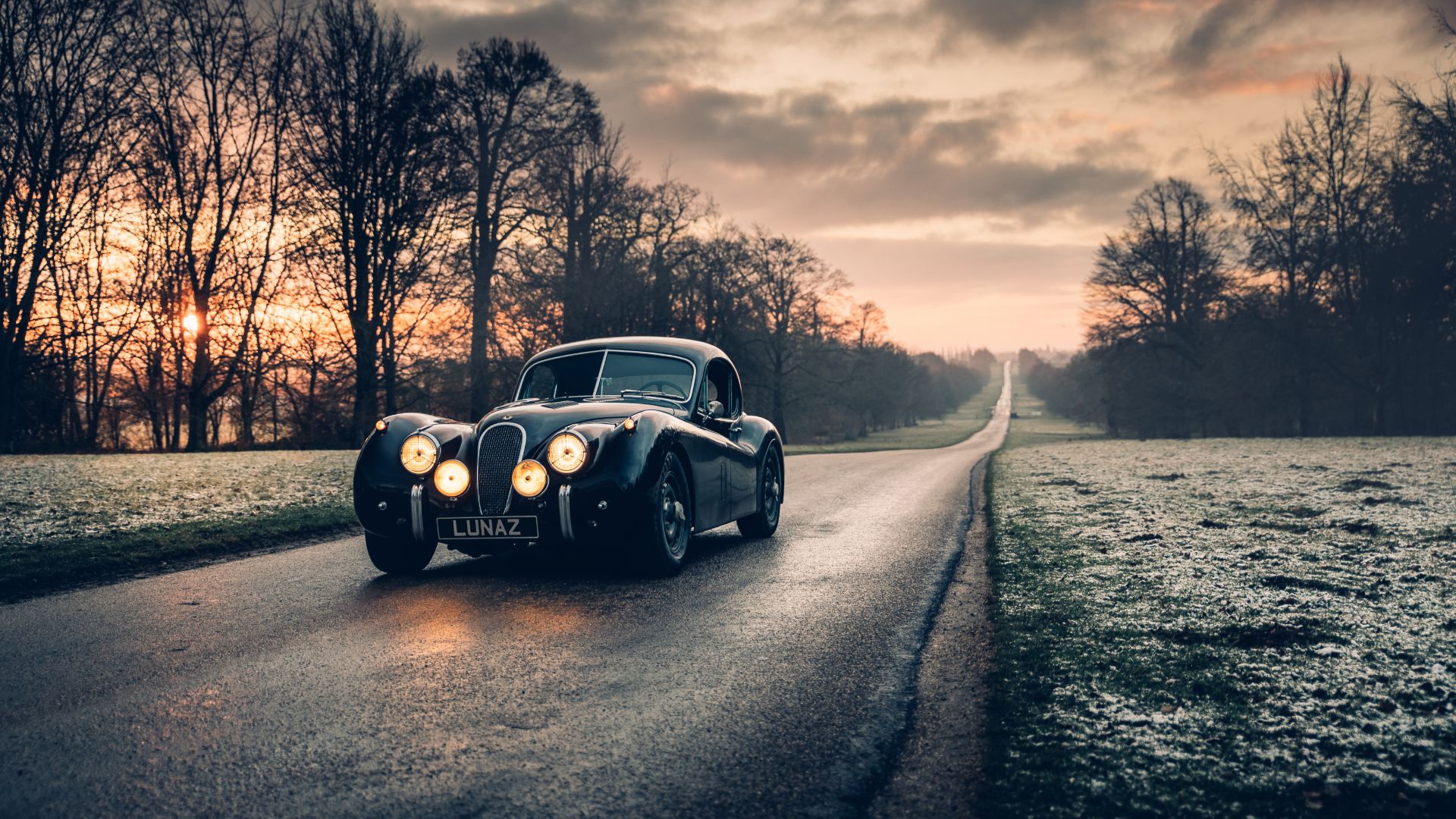
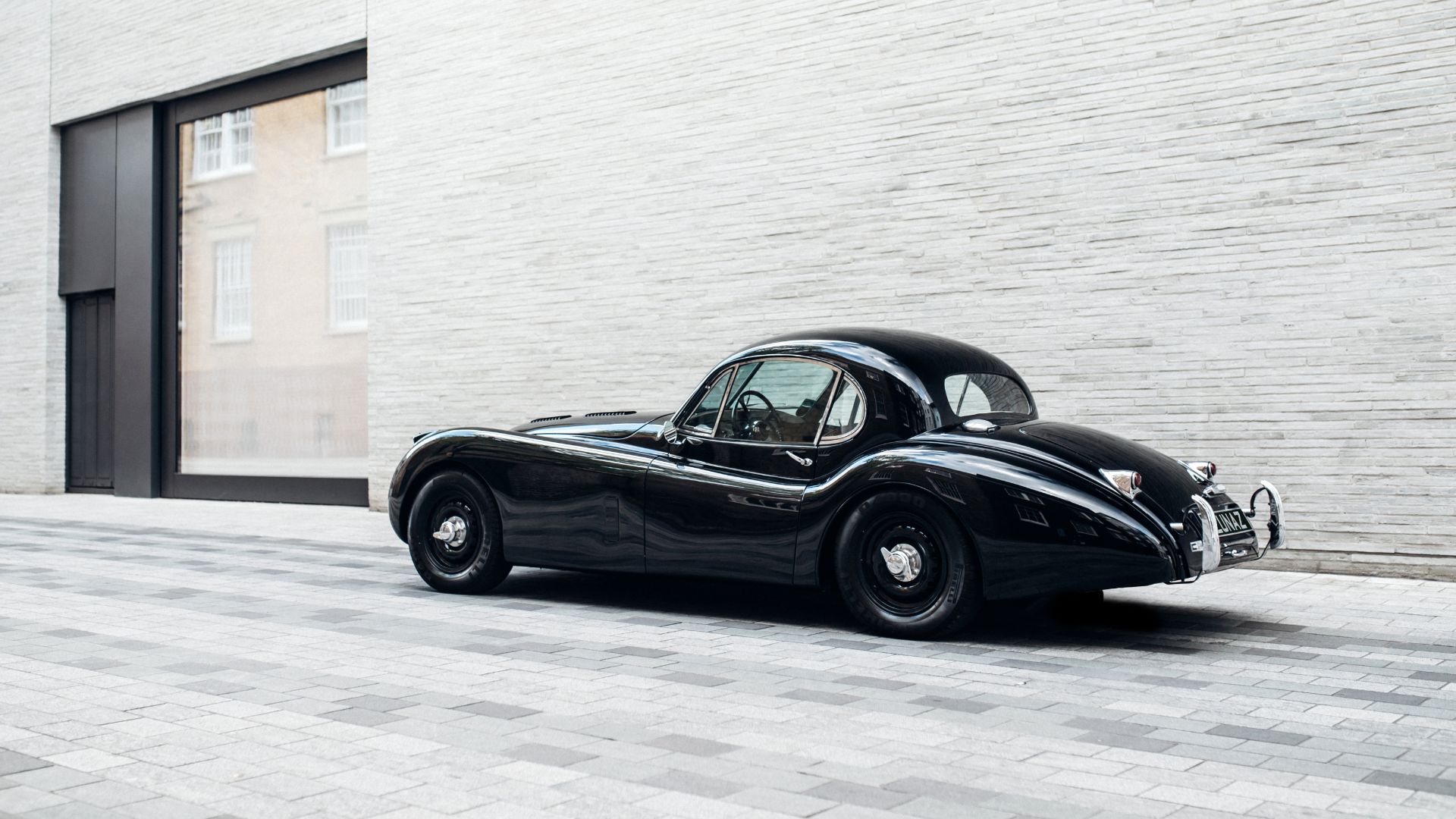
The international federation of historic vehicles says it is unable to promote or support the conversion of classic cars to electric power.

FIVA (the Federation Internationale des Vehicules Anciens) ‘understands the motivation of some owners to electrify their vehicles” and that ”all modifications are a matter of personal choice”.

It also acknowledges that electrification allows vehicles to meet modern environmental standards, with the additional benefit of increased power and performance.

However, in a rather damning statement, FIVA has slammed the electrification of historic vehicles, saying it ‘cannot promote, to owners or regulators, the use of modern EV components (motors and batteries) to replace historic vehicle’s powertrain’. 

An increasing number of classic cars are being converted to electric, including the Volkswagen Beetle, Jaguar E-Type Zero, Renault 4L Plein Air, Jaguar XK120, Aston Martin DB6 Volante Electric and Ferrari 308 GTE.

What is a historic vehicle?

Lunaz electrified classics

According to FIVA, a historic vehicle is ‘a mechanically propelled road vehicle’ that is:

  • At least 30 years old.
  • Preserved and maintained in a historically correct condition.
  • Not used as a means of daily transport.
  • Part of our technical and culture heritage.

The final point is open to interpretation, but the reference to ‘historically correct’ leaves us in little doubt. An electrified classic cannot be classed as a historic vehicle.

Tiddo Bresters, FIVA’s vice president, legislation, said: “It is not, in our opinion, the shape or body style of a vehicle that makes it ‘historic’, but the way in which the entire vehicle has been constructed and manufactured in its original form.

“Hence if any owner, motor engineer or manufacturer chooses to make such conversions to a historic vehicle, FIVA would strongly recommend that any changes are reversible, with all the original components marked and safely stored.

“In this way, the vehicle may – if so desired in the future – be returned to its original state and may once again become a historic vehicle.”

FIVA’s stance is certain to spark a debate in the pubs of Great Britain and on classic car forums. Let us know your thoughts on the matter in the comments below.

Advertisement

Electric Mini laps the Nurburgring without braking

0

Mini Nurburgring no brakes

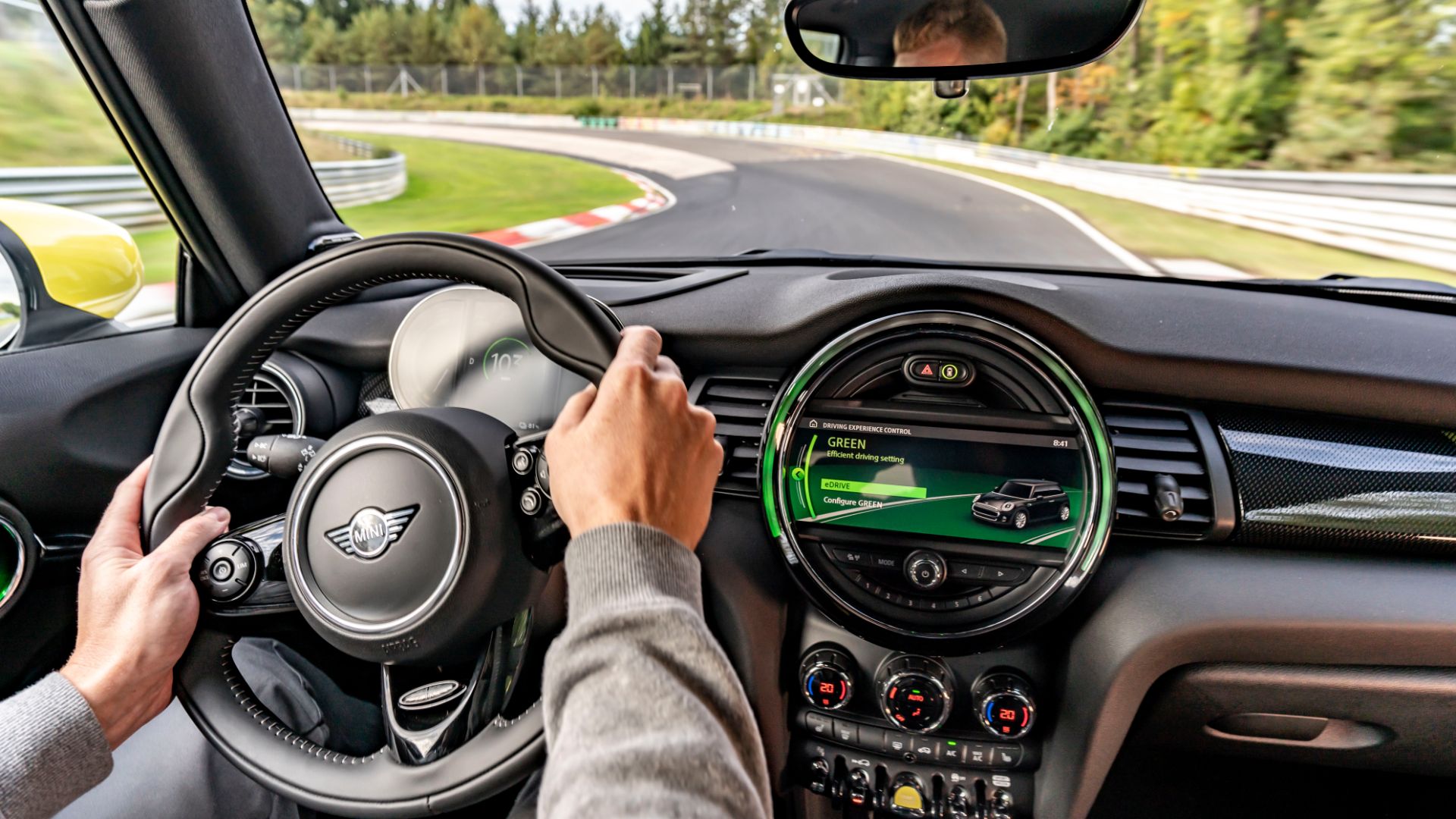
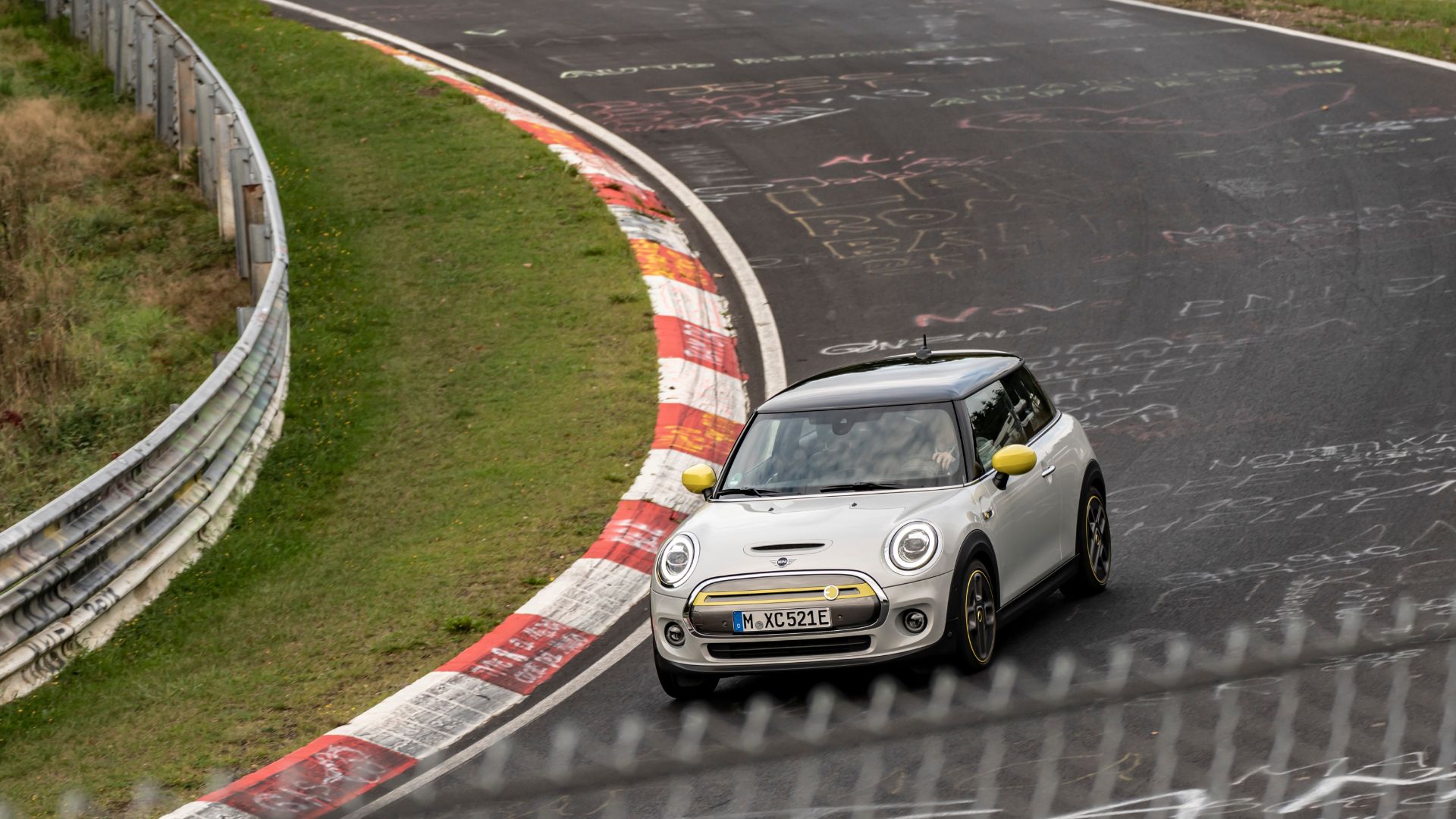
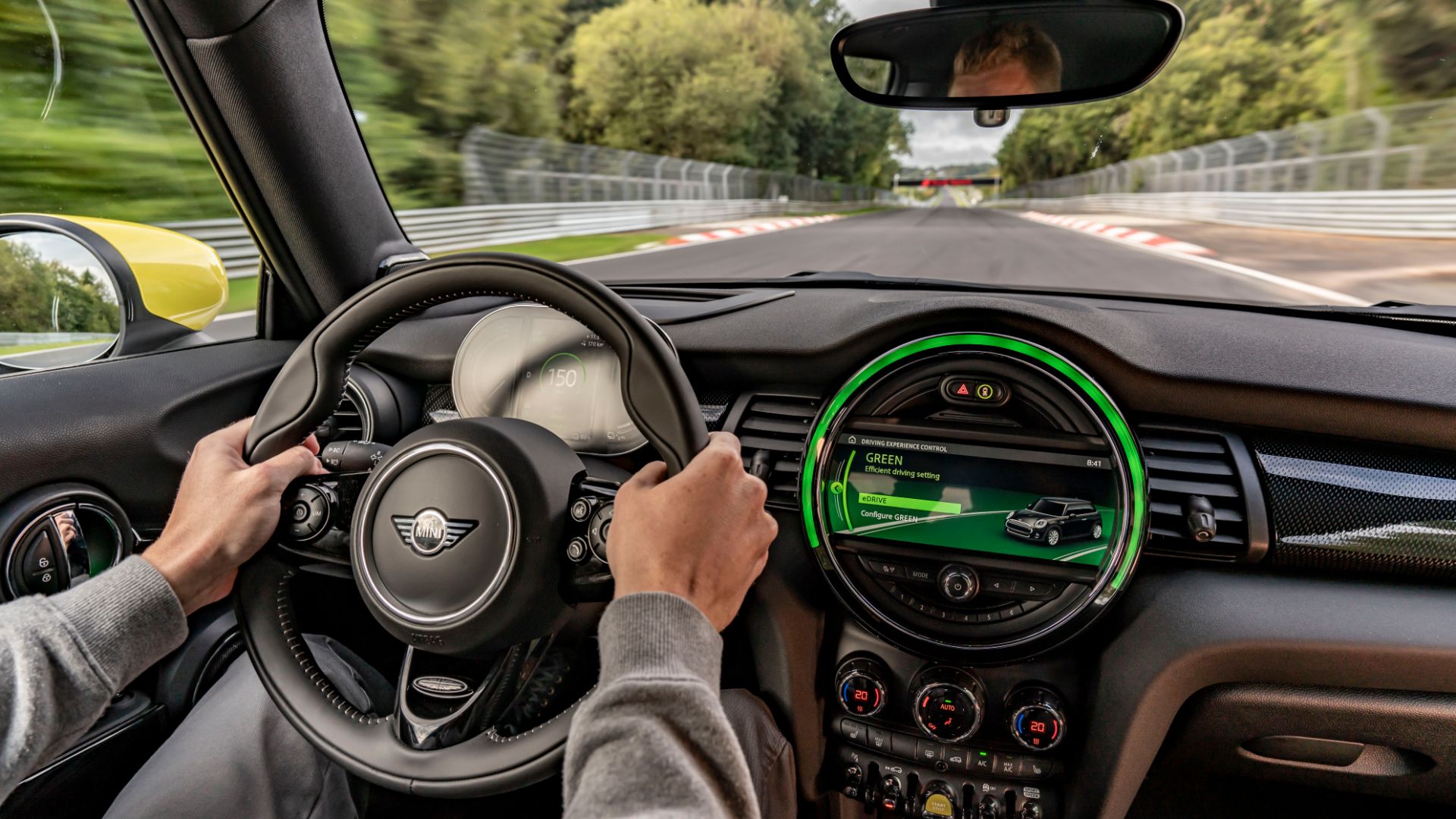
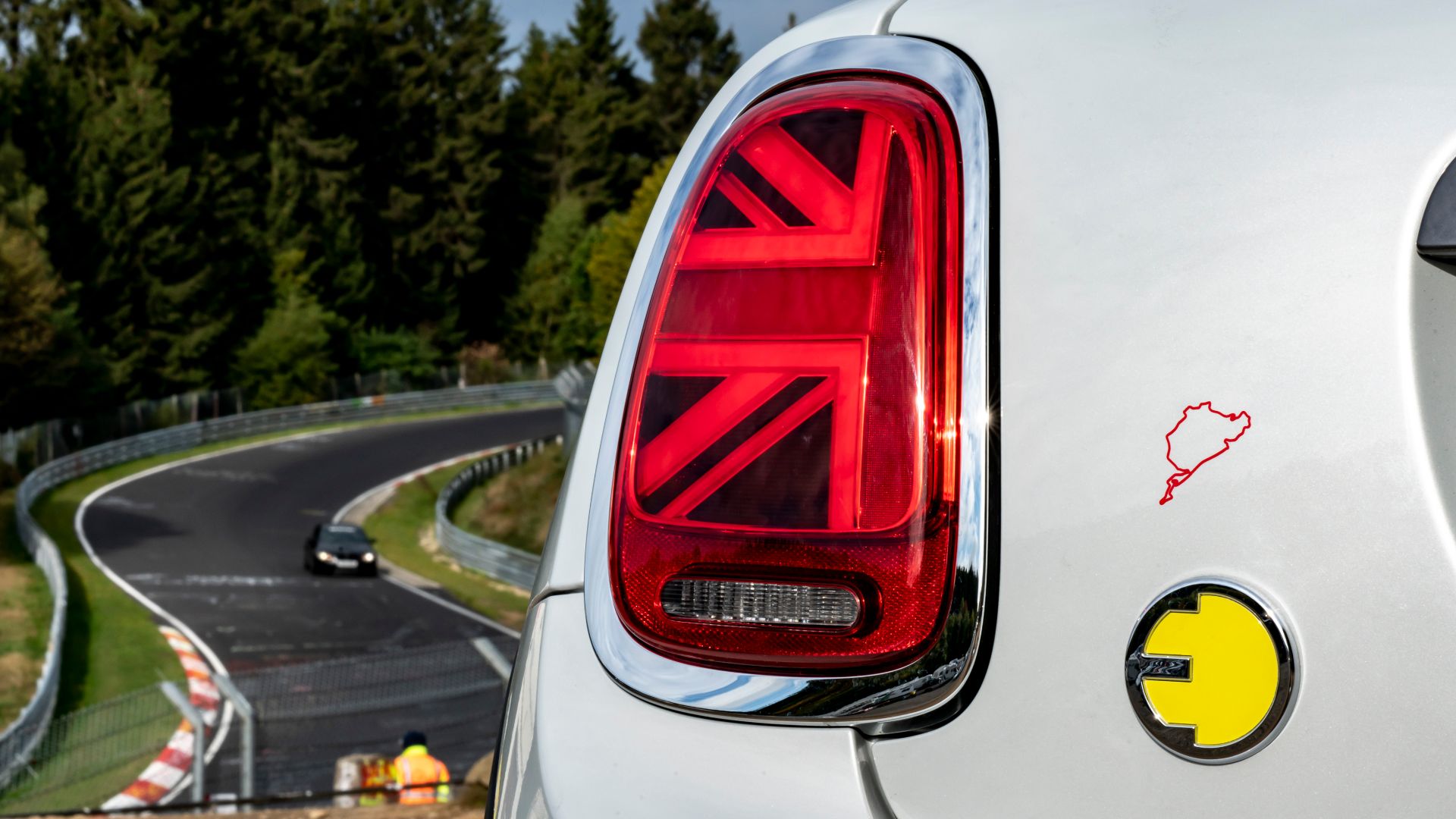
It takes a certain level of bravery to take to the Nurburgring at all. But one Mini driver has lapped the infamous circuit without even touching the brake pedal. His goal: to test the new electric Mini Cooper SE’s Green Mode regenerative systems.

For clarification, we’re not talking about flat-out driving. Rather, the lap required perfectly measured inputs of throttle to engage the right amount of battery-charging regenerative braking at the right time. 

The Green Hell in Green Mode

Mini Nurburgring no brakes

  • More than half want driving age raised to 18

What’s the point of driving the Nurburgring if not flat-out? Well, besides the PR kudos that comes with taking your car there, it’s great for testing and calibration.

As with many electric cars, the Mini allows you to select how much retardation and regeneration you get when off the throttle, to the point where you can drive with one pedal. The Mini’s system is two-stage and adjustable with a toggle switch to the left of the start-stop button.

  • JCB is now building its electric digger

Mini Nurburgring no brakes

There’s a whole new challenge in selecting the right amount of regeneration for the coming corner. The softer stage provides 0.11g of deceleration, while the harder setting provides 0.19g.

Mini calls it ‘timely toggling’, to ensure ‘soft recuperation ahead of extended bends and full energy recovery with corresponding deceleration ahead of tight curves’.

The car will let you know which mode you’re in, with recuperation rates displayed, and LED lighting to correspond. The toggle switch also has its own LED that lights up in energy recovery mode.

Mini Nurburgring no brakes

“The first lap in the ‘Green Hell’ already reveals the extent to which the two-stage recuperation increases driving fun in tandem with efficiency,” said a Mini spokesperson.

Advertisement

How much does it cost to charge a Tesla Model 3?

0

Tesla Model 3

The Tesla Model 3 is one of the most talked about cars in Britain. Our Tim Pitt said “it could be a game-changer for Tesla: the car that propels it into the mainstream“. But how much does it cost to charge?

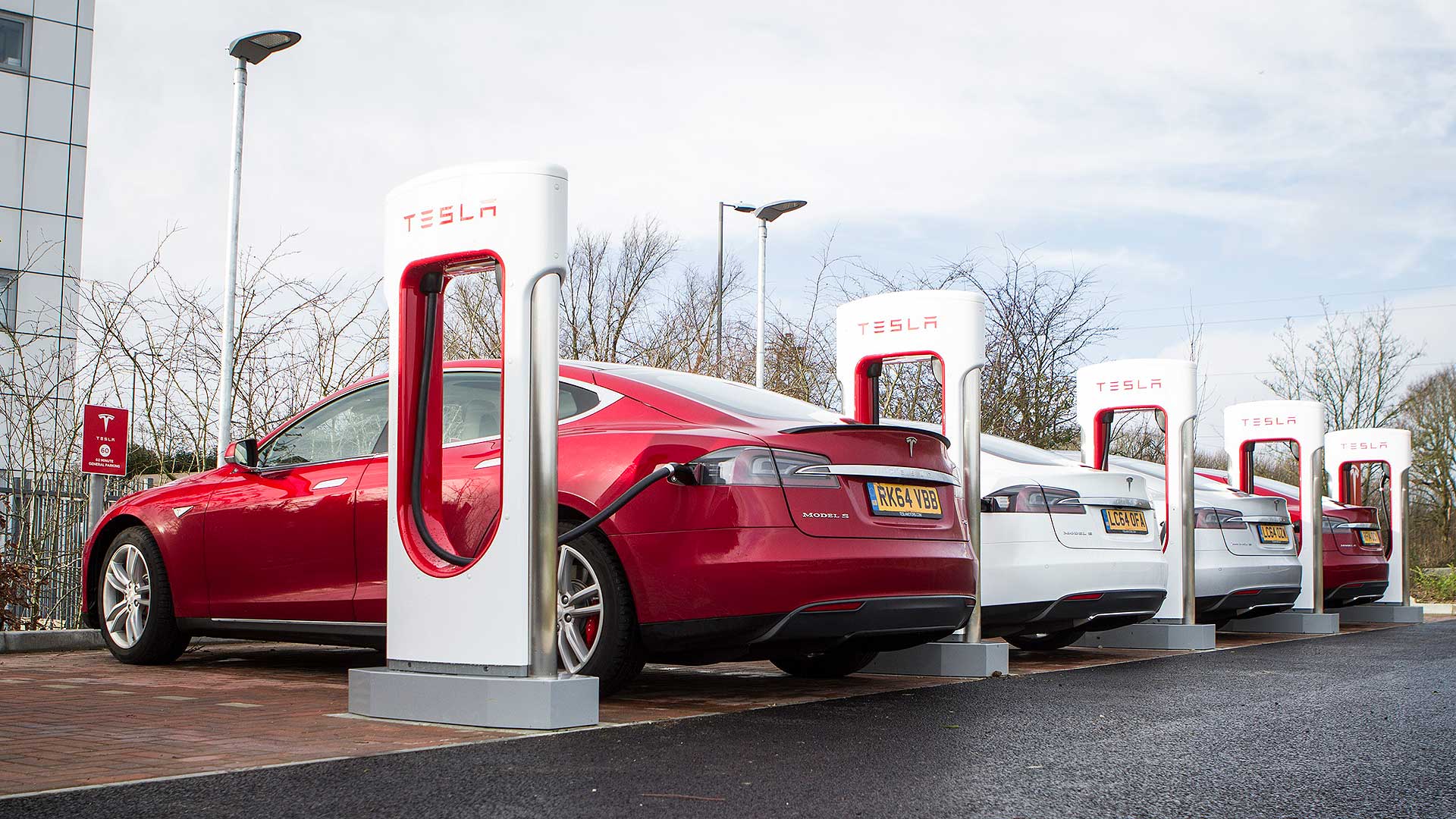
You’d be forgiven for feeling slightly confused. Some Tesla owners don’t pay for using the Supercharger network, while others do. Cutting to the chase: you WILL have to pay to charge a Tesla Model 3.

Anyone who bought a Model S or Model X before 2 November 2018 enjoys free and unlimited access to the Supercharger network. Cars bought after this date are subject to an annual allowance of 400kWh before paying to use the network.

Then, in August 2019, Tesla reinstated the unlimited free Supercharging as part of the Model S and Model X sales package. It isn’t clear how long this will last, but it doesn’t apply to Model 3 owners. 

Model 3: cost of charging

How much you pay to charge your Tesla Model 3 depends on where you’re charging. The following guide is based on prices correct at the time of writing:

  • Tesla Supercharger: based on a price of 24p/kWh, a full charge in the Model 3 Standard Range Plus costs £12. This delivers a range of 254 miles.
  • Public charging network: using a Pod Point rapid charger should cost between £7.52 to £10.26 for a 20 to 80 percent charge. Other rapid chargers are available.
  • At home: based on a cost of 14p/kWh, it should cost £7 for a full charge when using a domestic supply.

Prices vary, while access to a rapid charger network could involve a registration fee and monthly charge.

Tesla Superchargers in Britain

There are currently nearly 15,000 Superchargers across the world, and that number is growing all the time. However, it’s worth noting that the Model 3 is the first Tesla to come with a CCS charging port, so you aren’t restricted solely to the company’s Supercharger network. 

Click here to read our Tesla Model 3 UK review.

Advertisement

Newcastle named best city for car parking

0

City parking UK

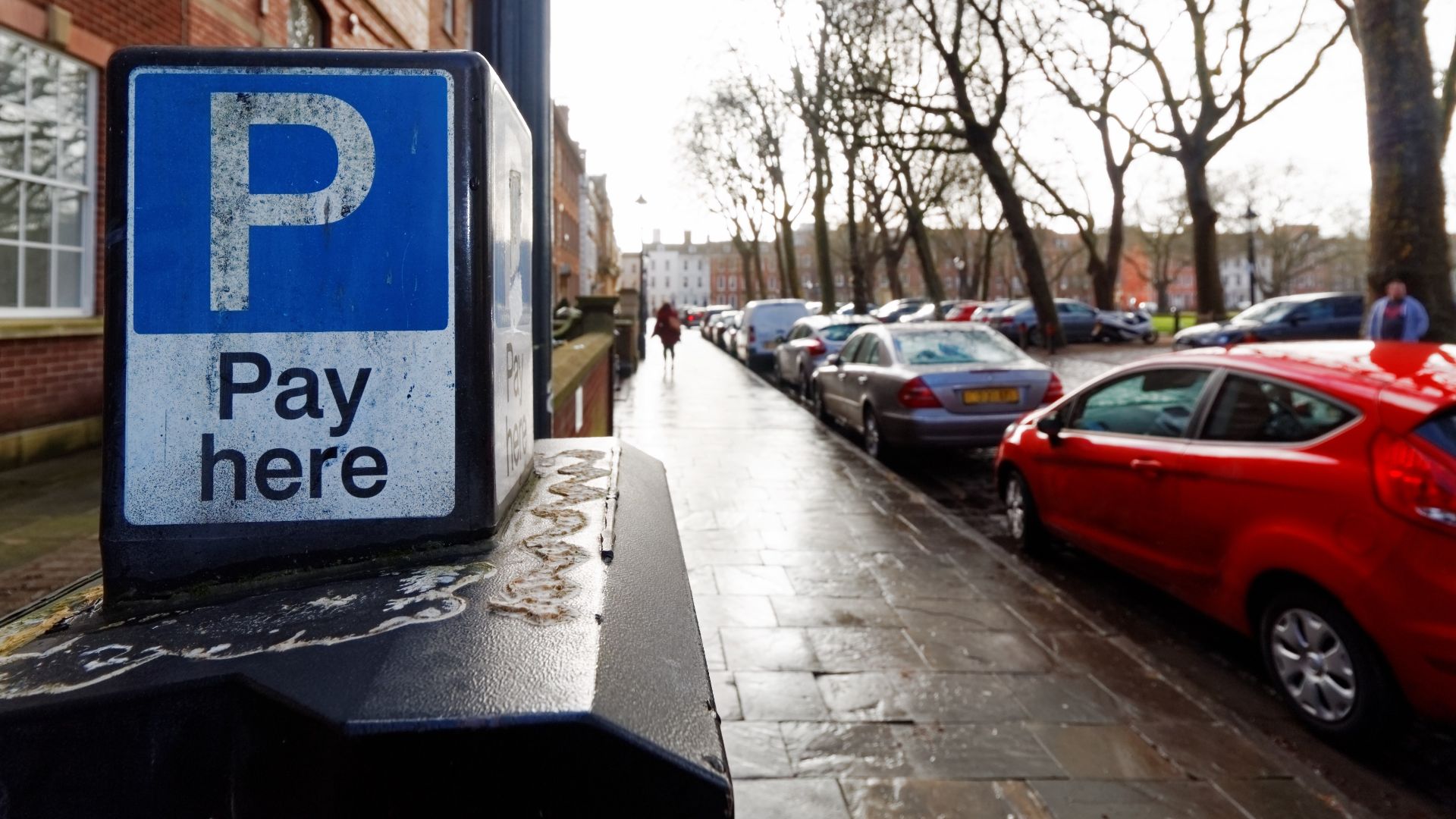
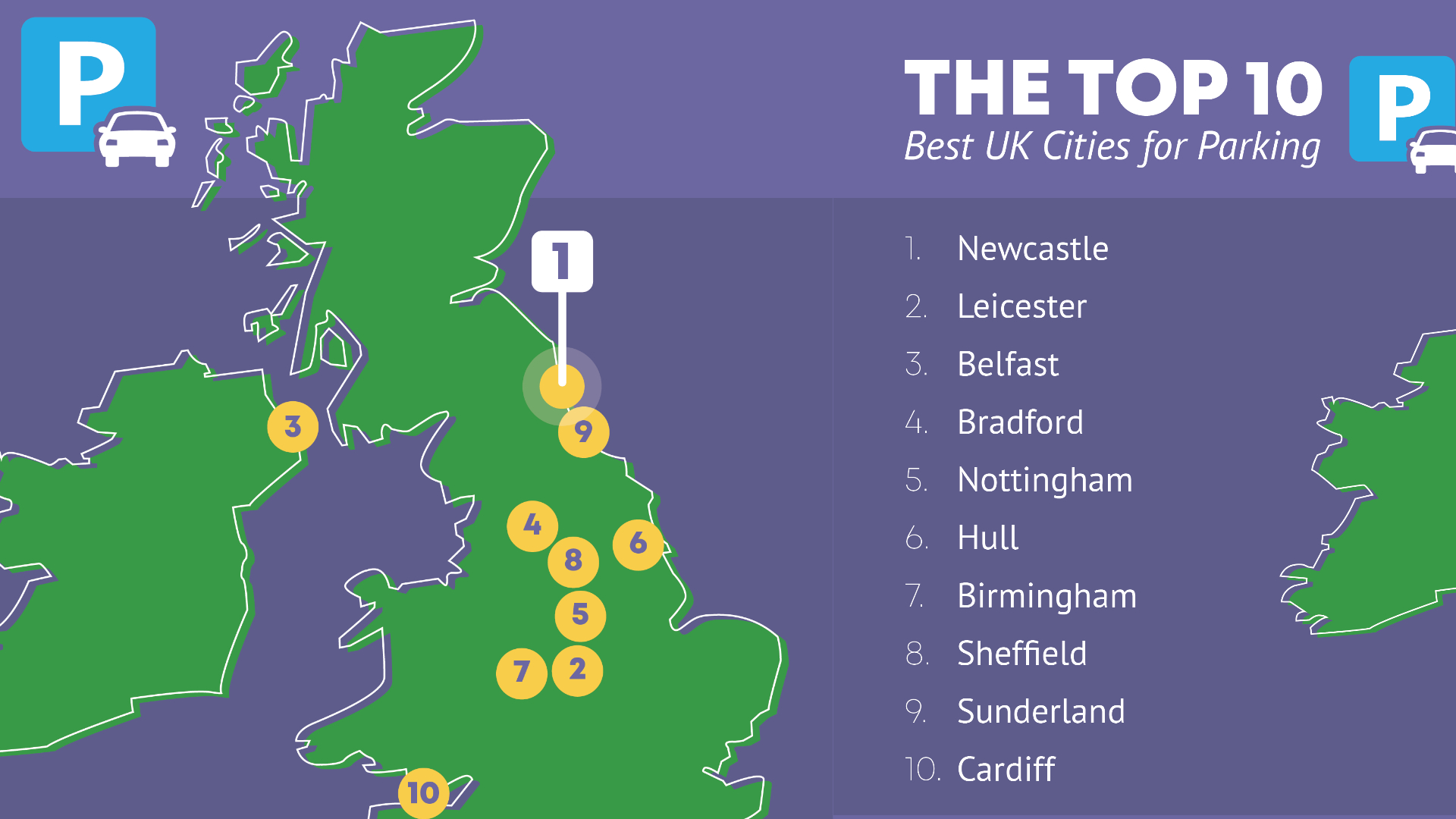
New data reveals which UK cities offer the best car parking facilities. The study by InsuretheGap, assessed cities based on the number of parking spaces per resident, average walking distance from the city centre and prices per hour.

It might not surprise you to learn that London comes last. It seems the further from the capital a city is, the better. However, there is good news for the people of Newcastle.

Paradises for parking

City parking UK

In 10th place is Cardiff. Although it has plenty of spaces per resident, it’s not so hot when it comes to walking distance and price. Sunderland in ninth, does better for walking distance, but suffers when it comes to the number of spaces. It claws things back massively on price, though, being the cheapest in the country. How does £1.73 for two hours of parking sound?

Sheffield in eighth does OK, with a great score for walking distance. Birmingham in seventh suffers enormously when it comes to available spaces, but good walking distance and competitive pricing redeem it. Sixth-placed Hull, meanwhile, is something of a jack-of-all-trades. 

  • Road rage is getting worse, says RAC survey

City parking UK

The top five best cities for parking do well in combining all three. Nottingham in fifth is a prime example. Bradford in fourth has a poor number of spaces per resident, but competitive costs and the best walking distances on the list. 

Belfast, Leicester and Newcastle round off the top three, each with great availability and pricing. Belfast falls short somewhat when it comes to walking distances. It does have the most parking spaces per resident on the list, though.

City parking UK

“Trying to find a parking space, especially one in a good location and at a reasonable rate, seems to be getting more difficult,” said Ben Wooltorton of InsuretheGap.com.

“This data highlights areas that are doing well in providing adequate parking for residents and visitors. The other end of the scale indicates where drivers might need to put in a little more research and planning to find the space they want.”

Advertisement

Ford launches ‘Charging Solutions’ system for electric cars

0

Ford Charging Solutions ecosystem

Ford has launched a range of electric car charging equipment and software. The company claims it is ‘putting to bed’ concerns around EV charging that current and prospective owners may have.

The arrival of the Ford Charging Solutions system follows a similar announcement by Volkswagen last month.

Ford Charging Solutions ecosystem

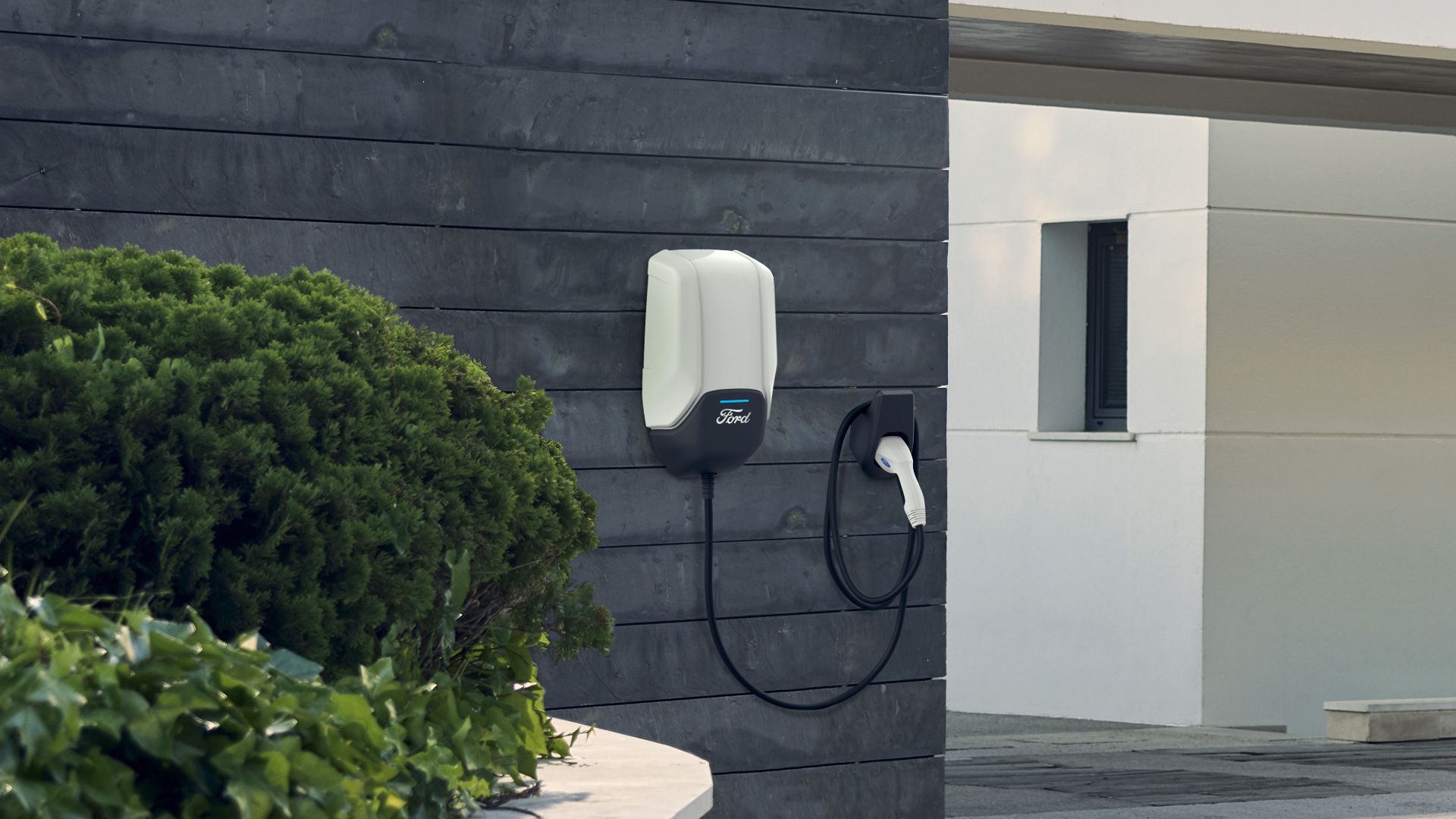
A new Connected Wallbox makes up only part of what Ford calls its ‘Charging Solutions ecosystem’. It can deliver five times the quantity and speed of charge that a domestic plug socket offers. This means ‘customers can be sure their Ford electric vehicle will fully recharge overnight’. Standard on all Ford electric cars will be the Ford Home Charge Cable, which plugs in like any other gadget.

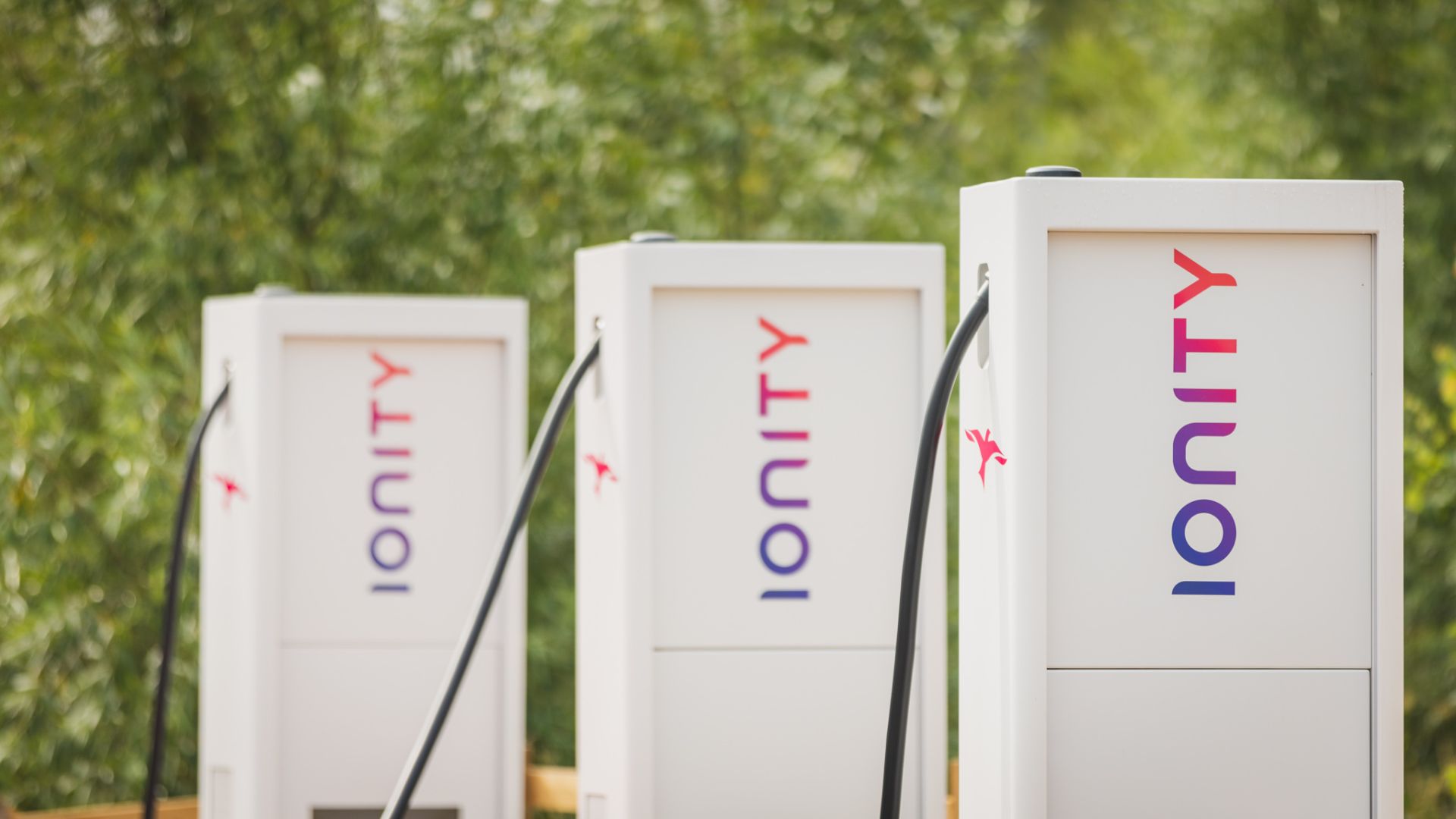
Next is the FordPass connectivity system. It includes an on-board modem and app with access to the growing Ionity public EV charging network. The app goes beyond the UK, too, with a total of 125,000 charging locations across 21 countries included.

Ionity chargers that manage up to 150kW are currently being installed, with 400 expected to be in ‘key locations’ across Europe by the end of 2020. The app also allows you to monitor your car’s charge status, as well as plan routes around stops at network chargers.

“One of the biggest hold-ups for customers considering an electric vehicle has been the fear of running out of power or the inability to find a place to plug in,” said Ted Cannis, Ford’s director of global electrification.

Ford Charging Solutions ecosystem

“By offering industry-leading charging access, including the largest network of public charging stations among any automaker, we are dismantling those barriers, allowing more customers to confidently enjoy the benefits of owning an electric vehicle.”

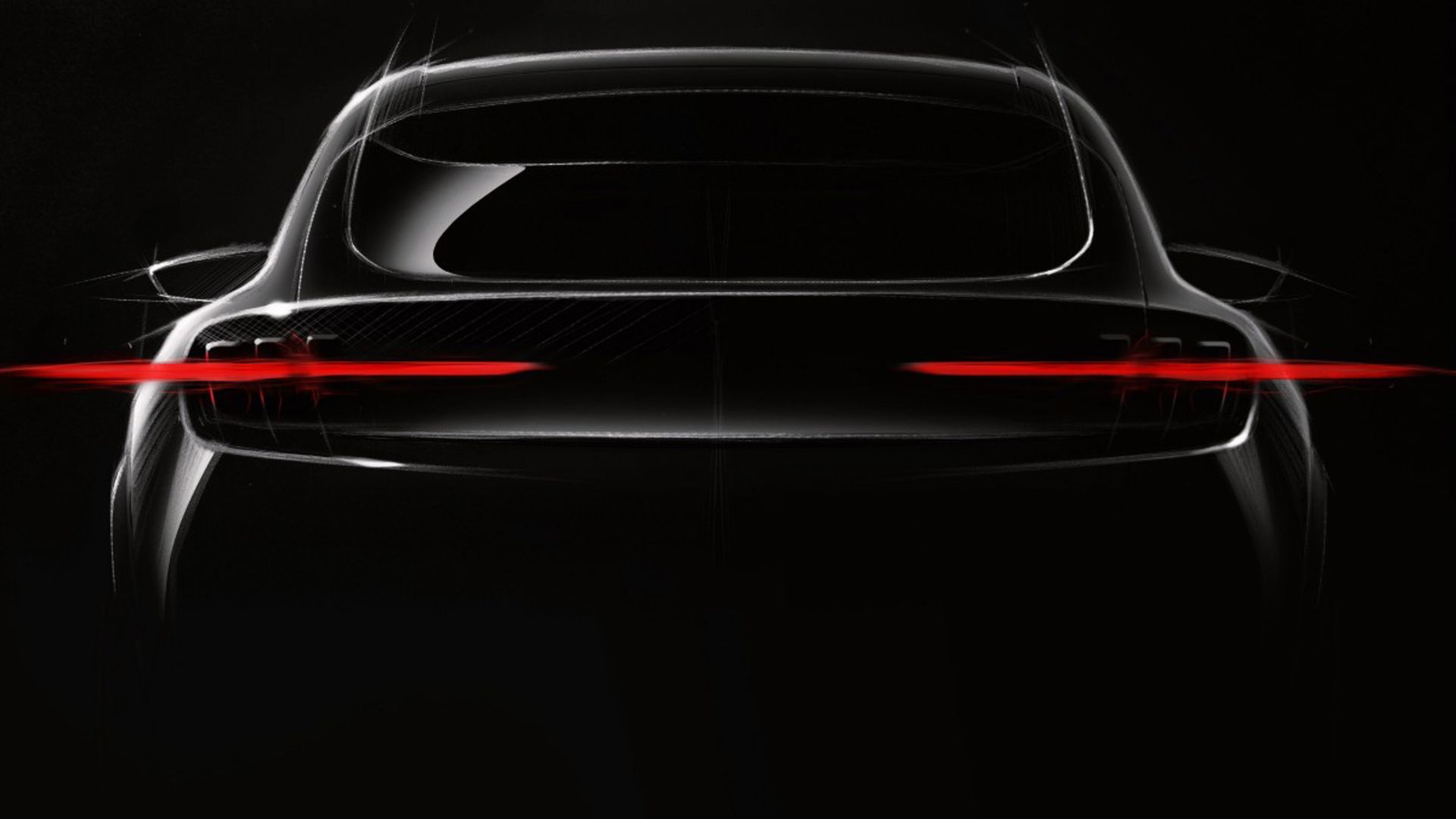
Of course there’s no point talking up charging if you haven’t a Ford-badged vehicle to charge. That’s where the new ‘Mustang-inspired’ electric SUV comes in. It’s now confirmed as having a targeted WLTP electric range of 370 miles. Ford says 10 minutes hooked up to an Ionity 150kW station would give the electric SUV 57 miles of range.

Advertisement