The MOT extension due to coronavirus has now expired. Under the scheme, MOT tests for cars, motorcycles and light vans due from Monday 30 March 2020 were granted a temporary six-month exemption.
The idea was to allow key workers to get to work, and for people to access essential food and medicine, during the Covid-19 outbreak.
The six-month exemptions were granted automatically, but they ended on 1 August 2020.
As a result of the exemption, the number of MOT tests declined 79 percent in April 2020 and 61 percent in May 2020, according to DVSA data.
And the knock-on effect has been a 160 percent leap in MOTs last month (April 2020), says the Book My Garage website.
How did the MOT extension work?
MOT expiry dates were automatically extended by six months, owners didn’t need to do anything. This was actioned about a week before the original MOT due-date was about to expire.
A new paper MOT certificate was not issued, to save on paperwork.
However, the online MOT record showed the revised date, so the police could tell drivers still had a current MOT.
Car insurance remained valid under the MOT extension. Motorists are required to have a current MOT as part of car insurance rules (Section 47 of the Road Traffic Act 1988).
This legislation applied in England, Scotland and Wales. There were separate arrangements for Northern Ireland. Such an exemption could potentially be reintroduced in the event of another lockdown. Thankfully, this looks unlikely.
What about MOTs for lorries, buses and coaches?
MOTs for lorries, buses and coaches were suspended for up to three months from 21 March 2020.
Heavy goods vehicles (HGVs) and public service vehicles (PSVs) were issued with a three-month certificate of temporary exemption (CTE).
The government reminds operators to keep their vehicles maintained, in a safe-to-drive and roadworthy condition.
They should also still be operated within the terms of the operators’ licence conditions.
Can I be prosecuted for not having an MOT?
Yes, all cars must have a valid MOT. In addition, motorists are responsible for making sure their car is always safe to drive, or ‘roadworthy’.
Even cars with an MOT can be unsafe and classed as unroadworthy.
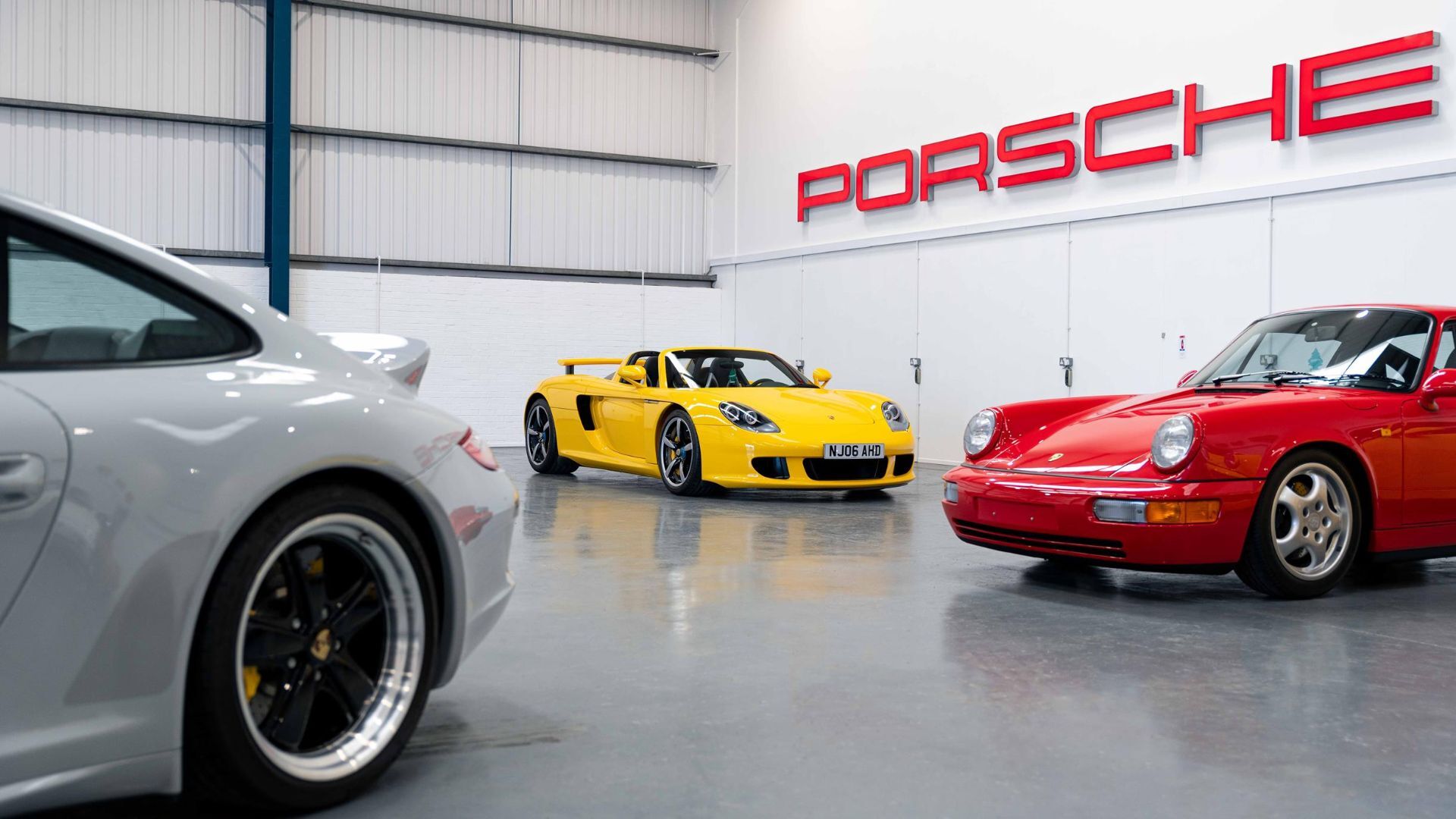
A collection of 23 rare modern Porsches has gone up for sale this week – and all are being offered without a reserve price.
Marketed through online auction platform Collecting Cars, ‘The Leonard Collection’ has a particular focus on rare Porsche RS models.
The cars have been assembled over the last decade by an enthusiast ‘with an obsession for originality and quality,’ says Collecting Cars. The collection is being put up for sale as the owner wants to downsize his fleet and spend less time caring for his vehicles.
Highlights include three examples of the Porsche 964 Carrera RS, including a 1991 car in Guards Red that is still unregistered and has delivery mileage of just 101 miles.
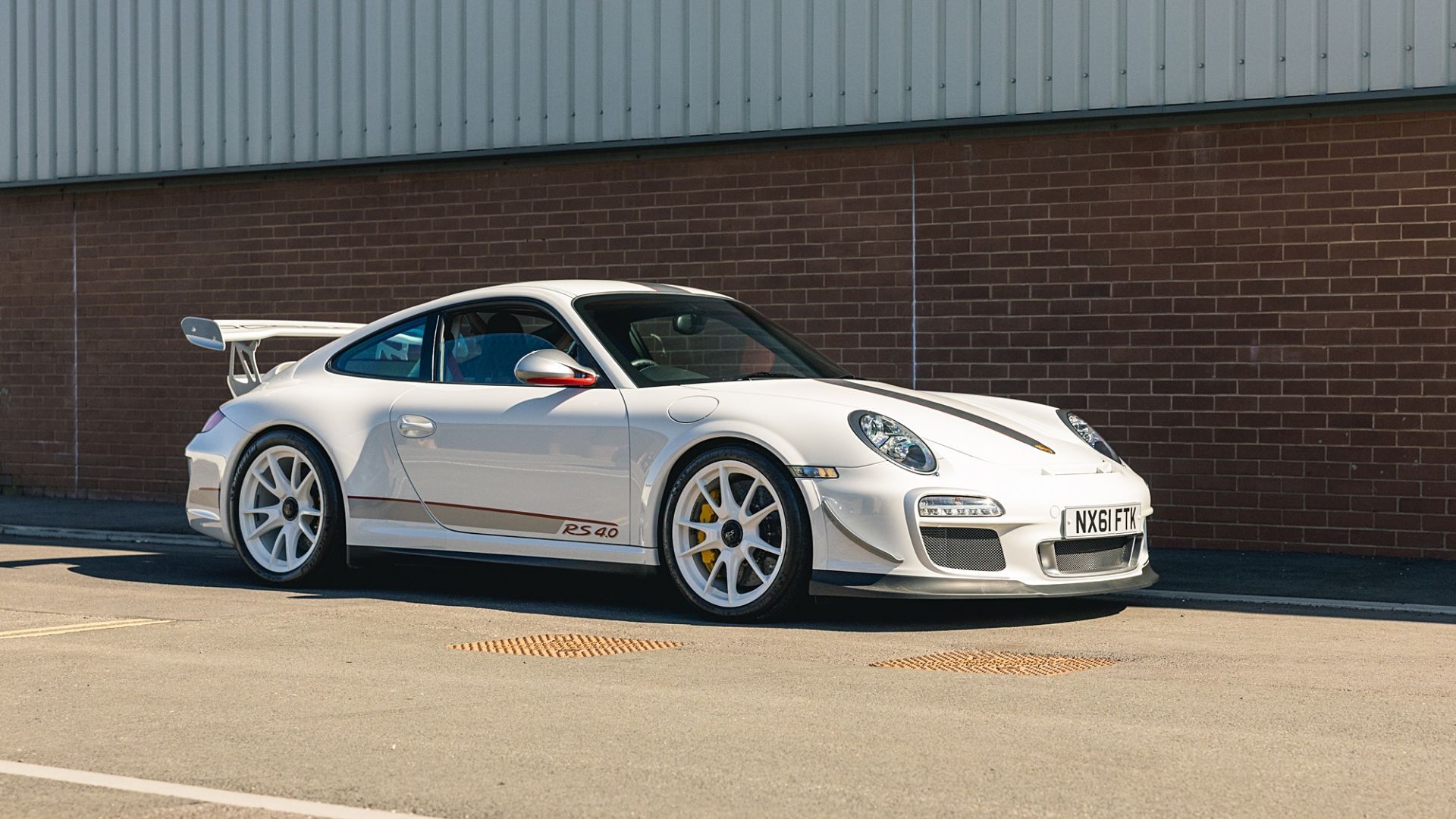
There’s also a Porsche Carrera GT with 4,000 miles on the clock, plus a Porsche 997 GT3 RS 4.0 with just 713 miles on the odometer.
In addition to 23 Porsches, a further 15 vehicles are also being sold. These include a 2004 Ferrari 360 Challenge Stradale and 2008 Ferrari 430 Scuderia, two examples of the 1990s Ferrari F512 M, a fully restored 1972 Chevrolet Corvette Stingray, plus a 2005 Ford GT.
“It is an astonishing offering from a passionate enthusiast who has spent years sourcing the highest-quality examples available, and there is no doubt the cars will capture the imaginations of our global audience of bidders,” said Edward Lovett, CEO of Collecting Cars.
Volkswagen has teased the updated version of its Polo GTI hot hatch, ahead of the car’s unveiling next month.
Normally, Volkswagen’s annual GTI weekend at Lake Worthersee would take place from 12-15 May. However, the event has been cancelled for the second year in a row due to the pandemic.
Up to 100,000 Volkswagen fans convene at Reifnitz, a small town next to the lake in the Austrian Alps, to celebrate modified Volkswagens. And each year, the brand reveals either a concept or production model at the show. This year, it would have been the Polo GTI’s turn.
Little is known about the new model beyond the initial sketch that has been released. Volkswagen claims it will have ‘exceptional driving dynamics in combination with exceptional everyday usability’ and represents ‘pure dynamism and expressive design’. No actual specification details have been confirmed yet.
The previous Polo GTI was powered by a 2.0-litre 202hp petrol engine, which produced 200bhp. It was only available with a dual-clutch automatic gearbox in the UK.
In his review, Tim Pitt said: “It may be in the middle of Volkswagen’s graphic equaliser, but the Polo doesn’t feel middle of the road. Granted, it’s more of a slow-burner than some, but that’s part of its charm.
“I even prefer the standard DSG auto gearbox. Just think twice before you go ‘full Worthersee’ and gold-plate the engine.”
Ferrari has unveiled an even more powerful limited-edition version of the 812 Superfast.
Called the 812 Competizione, the new car is for people who don’t think the mighty 812 Superfast isn’t quite super or fast enough already.
It shares the same 6.5-litre V12, but offers more power – an extra 31hp – and a higher rev range. The new total is 830hp, with a redline of 9,500rpm, up from 8,900rpm originally. It’s the highest-revving production engine from Maranello to-date.
A Competizione A model, based on the open-roof GTS version of the 812 – is also offered.
To create more oomph from an already very powerful engine, Ferrari has redesigned the pistons, fitted 40 percent lighter titanium conrods, layered a ‘diamond-like carbon coating’ on the piston pins and rebalanced the crank.
There are also new cylinder heads, F1 technology for the cams, a redesigned intake system and variable geometry inlet tracts.
The gearbox is the same as the one in the ‘standard’ Superfast, although shift times are cut by five percent. The Competizione is also 38kg lighter. The 0-62mph sprint is achieved in 2.85 seconds and top speed is 211mph.
Prices have not been confirmed, but they are a little academic. All 999 versions of the coupe have been sold already, as have the 599 examples of the Competizione A.
Just over half of all drivers would like to see increased use of average speed cameras, according to new research from the RAC.
In total, 58 percent of the 3,068 drivers polled said they preferred the use of cameras that measure speeds between locations, rather than a fixed camera. Just 18 percent said a fixed camera is best for policing speeds on motorways.
The preference comes as 56 percent of motorists admitted to breaking the speed limit on motorways, with a third – 34 percent – saying they have travelled at more than 80mph. Just three percent said they have exceeded 100mph on a motorway.
When asked why they broke the speed limit on a motorway, 39 percent of drivers said they were following the example set by other motorists, although 31 percent said it was because they considered it safe to travel faster than 70mph.
Other common reasons for speeding on a motorway were: nothing else being on the road (28 percent); the speed limit being inappropriate (27 percent) and feeling pressure from other drivers behind (26 percent).
The RAC also found that 39 percent admit to frequently disobeying 20mph limits, versus a third (33 percent) on 60mph country roads and 36 percent on 30mph urban roads.
It added 11 percent of the respondents to its poll claimed to have driven above 40mph in a 30mph zone, while 10 percent have exceeded 30mph in a 20mph zone.
Average speed cameras are ‘very effective’
“With so many motorists admitting to driving much faster than they should on the motorway, it was interesting to see such strong support for average speed cameras to be used more widely,” said RAC road safety spokesman, Simon Williams.
“We believe drivers see these cameras as being very effective at reducing speeds over longer distances and controlling traffic flow as well as being fairer than fixed position ones as they aren’t instantly punished for a momentary transgression.”
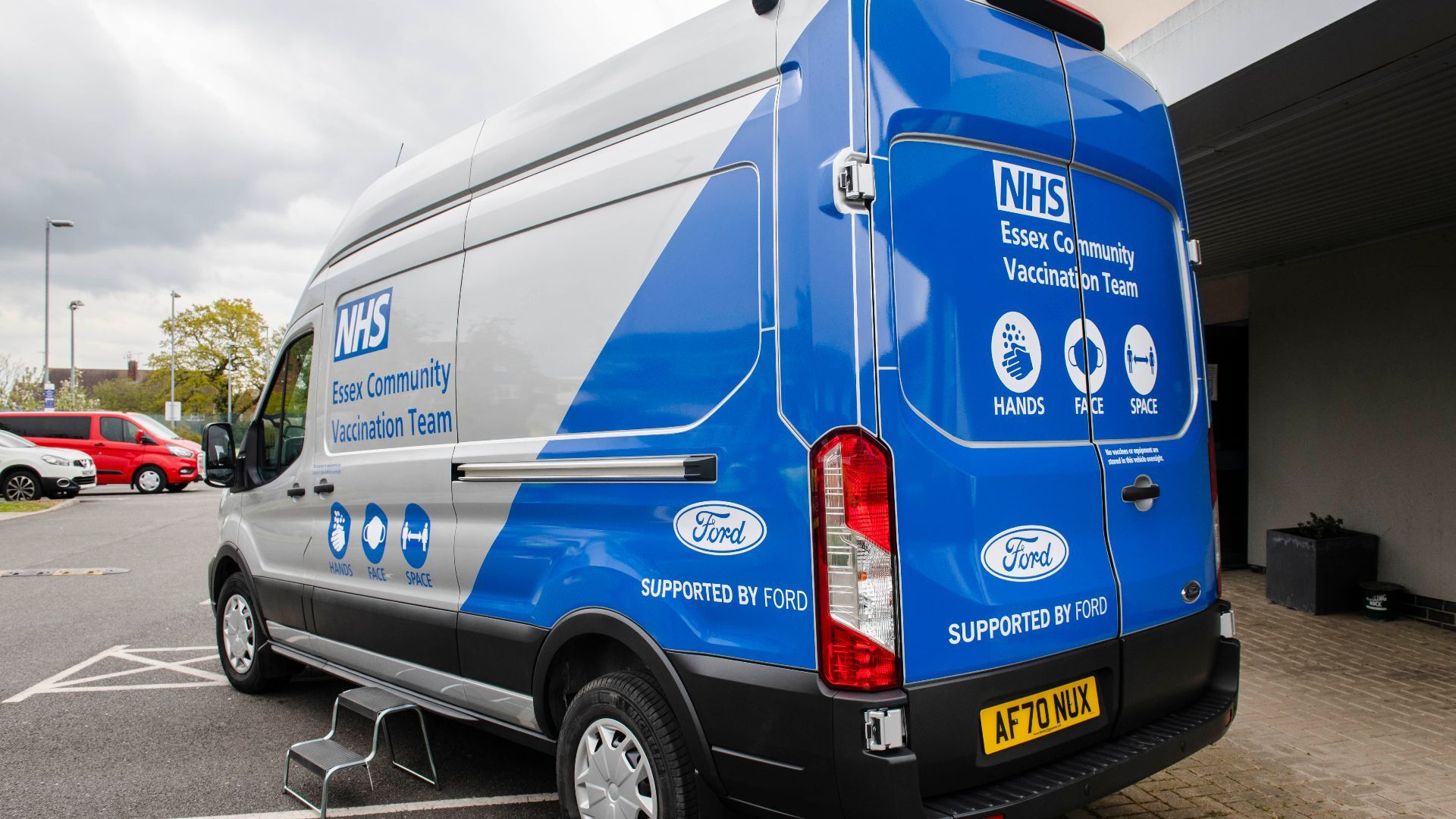
The NHS will trial using a Ford Transit van to deliver Covid-19 vaccinations around Essex from next week.
A specially-converted van will travel around the county in order to boost the number of vaccines in areas where the take-up has been low.
Ford said the van will be a hub for dedicated vaccine clinics in the grounds of churches, mosques and other community venues. The NHS will liaise with community leaders and groups to fill pre-booked appointments and vaccinate as many people as possible.
It has been converted by the West Yorkshire-based Venari Group and includes medical-grade refrigeration with wi-fi monitoring capability, vaccine transport coolers and a collapsible chair for administering vaccines, plus an integrated tablet for accessing and updating health records.
At present, one van is being used and a Ford spokesperson confirmed to Motoring Research that it will be used for at least a year. However, there is scope to increase the number of vehicles if the pilot scheme is successful.
“Over the coming weeks, this Ford Transit will make some incredibly important journeys as a vaccination van,” said Mandy Dean, director of commercial vehicles at Ford of Britain. “Working with the NHS and community leaders to deliver this brilliant scheme and bolster the exemplary vaccine rollout, has been a privilege.”
Dr Smitesh Patel, clinical director at Benfleet Primary Care Network added: “Our goal of giving everyone an equal opportunity to receive this essential vaccine is now in closer reach, owing to the additional support from our valued network of community leaders, Ford and Venari Group. This added mobility has meant the gap will be bridged for so many facing a struggle to visit their local vaccination centre.”
Bristol Cars is to be reborn again – and will focus on electric vehicles in the coming years.
The beleaguered Bristol brand was wound up in 2011 after going into administration, then in 2020 it went into liquidation. It has now been rescued by London property developer Jason Wharton.
This is not the first time Wharton has attempted to revive a former British car manufacturer. Between August 2011 and February 2015, he was an executive director of Allard Sports Cars.
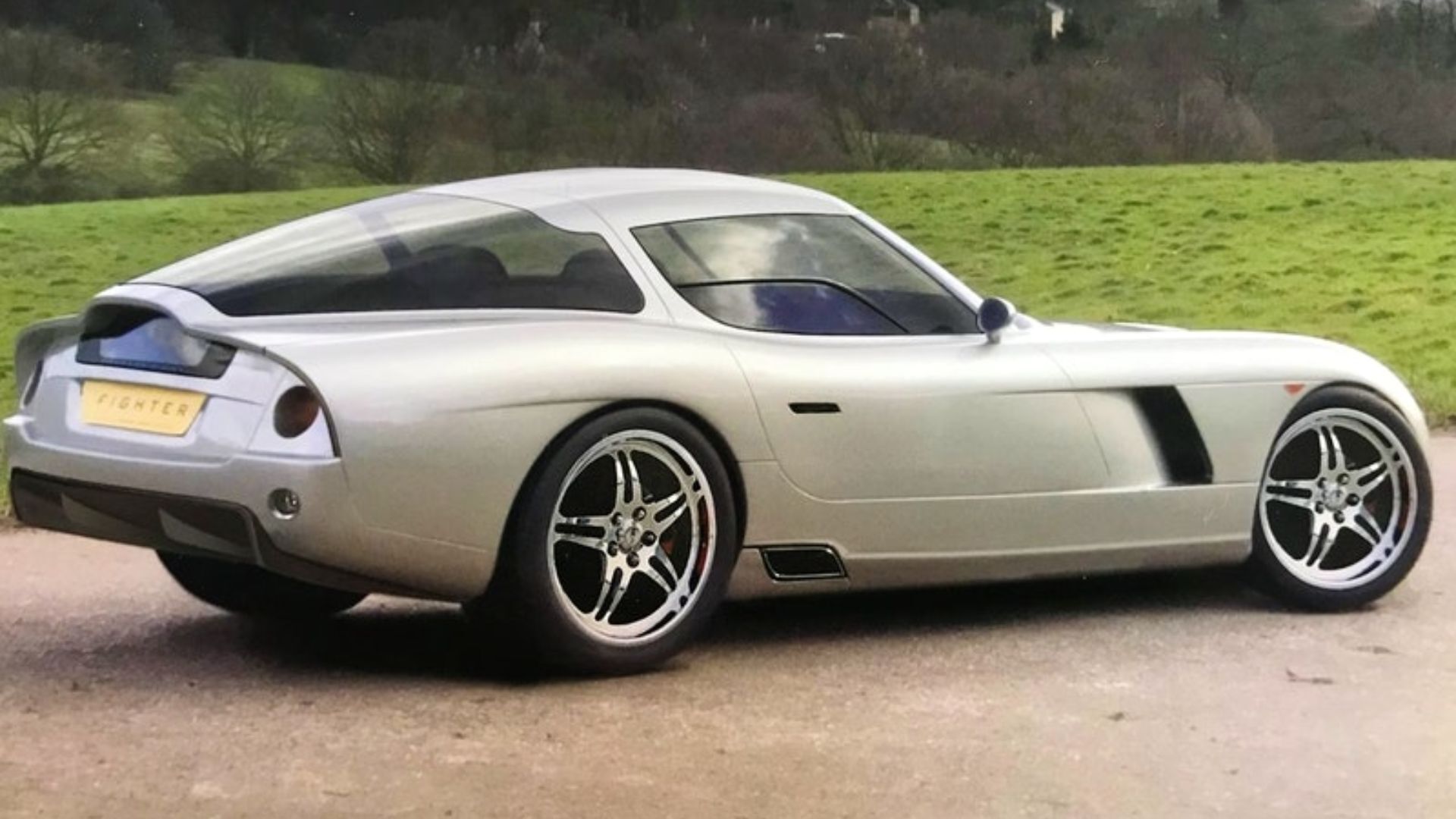
Under Wharton, Bristol plans to re-engineer its back catalogue – it will build eight examples of the 411 Series 8, Fighter and Speedster respectively, with deliveries by 2023. All will be powered by a new 6.4-litre naturally aspirated Hemi Chrysler V8. The company says the suspension, electrical architecture and interiors will be ‘newly updated’.
The Fighter was originally launched in 2004. Just nine examples were sold originally, one of which was bought by Wharton, who appears to be an enthusiast of the brand. In 2018, he asked on Twitter when the Bristol Bullet would be available to buy. Then a year later, he asked if the vehicle had received homologation. It never went on sale.
After the company re-engineers its old models, Bristol says it will then concentrate on making electric vehicles, the first of which will be called Buccaneer. Production of this EV is slated for 2025 and Wharton intends to relocate manufacturing facilities to the Filton area of Bristol, where the original firm was based.
No further details have been released about the new model beyond its name, and that it will be powered by electricity.
The company is currently without a chief executive, head of engineering and non-executive directors. Bristol said it plans to appoint people to these positions in 2022, alongside a ‘significant capital raise’.
“I see myself as a long-term investor in this iconic British brand,” said Wharton. “Part of my role is to take it forward and develop it so it can finally become sustainable as a premium automotive business – hence our need to move with the times and introduce a fully battery electric model.”
A joint police operation to tackle catalytic converter theft resulted in a thousand stolen ‘cats’ being recovered, plus more than 50 people being arrested.
Coordinated by the British Transport Police, the operation saw forces come together alongside the Joint Unit for Waste Crime. They carried out enforcement action, intelligence-led site visits, forensic marking and educational events.
Catalytic converters clean harmful gases before they exit a vehicle’s exhaust pipe, but may be stolen for the precious metals they contain. According to the National Police Chiefs’ Council (NPCC), the value of these metals has increased recently, sparking the interest of organised criminal gangs.
Between 19 and 23 April, police officers visited 926 sites, including catalytic converter processing plants, scrap metal dealers, vehicle dismantlers and catalytic converter buyers.
They also made 56 arrests, stopped 664 vehicles, recovered 1,037 stolen catalytic converters and 297 items of stolen property, and identified 244 offences.
During the week, the police also held catalytic converter marking demonstrations to help drivers protect their vehicles, with 1,610 cars being marked by officers
Making it harder to sell stolen metals
“The positive results from this week are testament to why it’s vital we join forces to share information and specialist knowledge to disrupt those operating in this area of crime,” said Charlie Doyle of the National Police Chiefs’ Council.
“By taking a multi-agency approach, we are maximising our ability to identify those who are involved in catalytic converter theft, making it harder for them to sell stolen metal and gain from their criminal activities.”
Slightly later than planned, this weekend sees the start of the 2021 British Touring Car Championship (BTCC) season.
Fans have been counting down the days to the return of the biggest national motorsport series in the UK.
Teams and drivers will be at Thruxton in Hampshire, ahead of three races this Sunday that promise plenty of on-track action.
If you are new to the BTCC, we have a full guide to everything you need to know about it.
What is the British Touring Car Championship?
The BTCC is one of the oldest motorsport competitions in the world, with roots that stretch back to 1958. Production-based cars, like those driven by millions across the country, have been the foundation of the series since it began.
Each race weekend consists of a qualifying session on Saturday, followed by three individual races on Sunday. Various regulations aim to make the racing as competitive as possible, with a real emphasis on entertaining spectators and those watching at home on TV.
The series has become well known for close contact action, with plenty of rubbing and barging between competitors. It means that a BTCC race weekend is unlikely to be without a dose of drama and controversy, along with unpredictable results.
What cars do they use in the BTCC?
Cars used in the BTCC are meant to resemble modified versions of the ones that fans have parked on their own driveway. That means a mixture of family hatchbacks and compact saloons, ranging from the BMW 3 Series to the Honda Civic Type-R.
Using standard production cars as a base helps lower the overall costs of competing. BTCC cars are built to Next Generation Touring Car (NGTC) rules. This includes standardised parts for suspension, aerodynamics, brakes, and wheels.
All models must use a turbocharged 2.0-litre petrol engine, producing around 350 hp. Teams can choose to build their own engine, or use a standard motor developed by the BTCC organisers.
Which car manufacturers are involved in the BTCC for 2021?
Unlike the heydays of the 1990s, the BTCC currently has only a small roster of official manufacturers competing. The 2021 season will see BMW and Toyota taking part using the 3 Series saloon and Corolla hatchback respectively.
Motorbase Performance is also classed a manufacturer entry, making use of the Ford Focus ST.
The remainder of the grid for 2021 is formed from private independent teams, featuring cars such as the Cupra Leon, Infiniti Q50, and Hyundai i30 N.
NGTC rules means that smaller outfits can still compete against the factory-backed contenders.
What are the future plans for cars used in the BTCC?
In order to stay relevant to the cars driven by those who watch BTCC racing, the series has committed to introducing hybrid petrol cars in 2022.
Although not set to be as complicated as the systems used in Formula One, drivers will be able to use the hybrid electric power for an additional performance boost.
Testing during 2020 saw a Cosworth hybrid-powered BTCC Toyota Corolla hit the track, successfully completing numerous evaluations.
Do the rules make racing in the BTCC competitive?
Chief Executive Alan Gow is renowned for trying to make racing in the BTCC as close as possible. Various rules and regulations aim to stop situations like Formula One, with a single team or driver dominating the competition.
Starting positions are dictated differently for each of the three races across the weekend.
Grid places for race one are determined by qualifying on Saturday. Certain rounds in 2021 will test a new 25-minute qualifying session, followed by a top-ten shootout for pole position.
Race two is based upon the finishing positions of race one.
Finally, race three uses the finishing order of race two, but with randomised reversed positions. It is all intended to encourage overtaking and prevent races from being a foregone conclusion before they even start.
Four rounds will also see drivers made to use a different ‘option’ compound tyre for at least one race.
Why is success ballast used in the BTCC?
Success ballast is a key part of the aim to keep BTCC cars and drivers closely matched throughout the season.
Extra weight is added to the cars of the drivers in the top ten championship positions before each race weekend. The extra ballast is intended to reign the leaders in, with the driver in first position carrying the most weight.
For 2021, the first-place driver will have to carry 75 kilograms of weight, increased from the 60 kilograms used last year.
The success ballast is adjusted after each race, according to the top ten finishing positions.
Is contact allowed between BTCC cars?
Despite being a non-contact series, packed grids, and rules that encourage competition results in cars getting up close and personal on track.
However, the championship organisers have taken an increasingly strict view on contact, punishing drivers who cause unnecessary collisions.
A panel of three stewards reviews incidents that happen on track, with former BTCC driver James Cole part of the trio for 2021.
Who is the defending BTCC champion?
Proving that independent teams can challenge the major manufacturers, Ash Sutton is the current defending BTCC Drivers’ Champion. Sutton drove the Laser Tools Racing Infiniti Q50 to victory in 2020, taking his second title win, and is back for more in 2021.
The Manufacturers’ Championship was won by Team BMW (West Surrey Racing), along with the Teams’ title.
Michael Crees was the winner of the Jack Sears Trophy. This is contested by drivers who have never previously achieved a podium position in the BTCC.
Who are the other drivers competing in the BTCC for 2021?
The relative accessibility of BTCC means it appeals to drivers from a wide range of racing backgrounds.
Jade Edwards will become the first female driver to contest a full BTCC season since 2007. She made her BTCC debut in 2020, and will be driving for the BTC Racing team this year.
Nic Hamilton, the younger brother of Formula One superstar Sir Lewis Hamilton, returns for 2021. He will be driving a Rokit Racing-liveried Cupra Leon.
BTCC regular, and Fifth Gear TV presenter, Jason Plato is back for the 2021 season, having taken a sabbatical for 2020. His long-time rival, Matt Neal, will not be driving this year though.
Rick Parfitt Jr., son of the late Status Quo musician Rick Parfitt, will be driving a Hyundai i30 N. He has previously raced sports cars in the British GT Championship.
What support races does the BTCC have for 2021?
The BTCC is the main draw on each race weekend, but it is not the only on-track action taking place. Numerous other support championships compete at each event, ensuring a packed day of racing.
Leading the support act is the Porsche Carrera Cup GB, which has helped develop a range of endurance racing drivers since 2003.
Other championships include the Mini Challenge UK, the Ginetta GT4 Supercup, and the single-seater F4 British Championship.
Will spectators be allowed to attend the BTCC in 2021?
The reason for the BTCC season starting later than usual is to enable fans to come to as many race weekends as possible in 2021.
Unfortunately, the opening rounds at Thruxton will take place behind closed doors. However, plans are in place to allow fans in limited numbers to attend races later in the season.
Motorsport Vision, owner of Donington Park, Brands Hatch, Oulton Park, and Snetterton, has said spectators will be allowed to attend. Tickets will need to be purchased in advance
The situation is based upon official guidance, which may be subject to change as the season progresses. If you are considering attending a BTCC race weekend, it is best to contact your local circuit for the latest information.
How can I watch the BTCC on TV?
The BTCC agreed a multi-year deal with ITV in 2015, committing to keeping the series on free-to-air TV until 2022.
Freeview channel ITV4 will show at least seven hours of live coverage from each race day, broadcasting between 10:40 and 18:15. Highlights will also be shown on ITV4 and ITV after each event.
Fans can watch race action online through the itv.com website, which also screens live qualifying on Saturdays.
ITV’s BTCC coverage is led by veteran motorsports presenter, Steve Rider.
2021 British Touring Car Championship Calendar
After a COVID-shortened 2020 season, the BTCC is back to a planned 10 race weekends for 2021. Each race weekend consists of three BTCC races on Sunday.
April marked the sixth consecutive month of petrol price rises, the RAC has reported.
The motoring organisation said unleaded petrol went up by 0.89p during last month, ending at an average of 127.19p per litre – its highest price since January 2020.
The price of diesel also increased – rising by 0.62p to 129.73p per litre: a fifth consecutive monthly increase.
This means it now costs £69.95 to fill up a 55-litre family car with petrol, or £71.35 for an equivalent diesel car.
The RAC puts the rising fuel prices down to an increase in the cost of oil, reporting the cost of a barrel went up by $4.82 (£3.46) last month. It said wholesale petrol and diesel prices are also increasing, and warned this could lead to higher prices for motorists in May.
The price rises are linked to a prediction of increased demand for fuel in the summer. Last June, major oil producing nations said they would continue to restrict oil production, and the RAC warned this ‘double whammy’ could create further petrol and diesel price hikes over the coming months.
Demand for oil is outpacing supply
“April marks six months of rising petrol prices and sadly there’s no end in sight as oil is getting perilously close to hitting $70 a barrel – something we haven’t seen for more than two years,” said Simon Williams, RAC fuel spokesperson.
“With lockdown restrictions easing, it’s very frustrating for drivers that they’re now having to contend with even higher fuel prices just at the point where many will be driving a lot more. But unfortunately, it’s the very fact people are driving more that’s causing petrol prices to go up as demand for oil – and in turn, fuel – begins to outpace supply.”