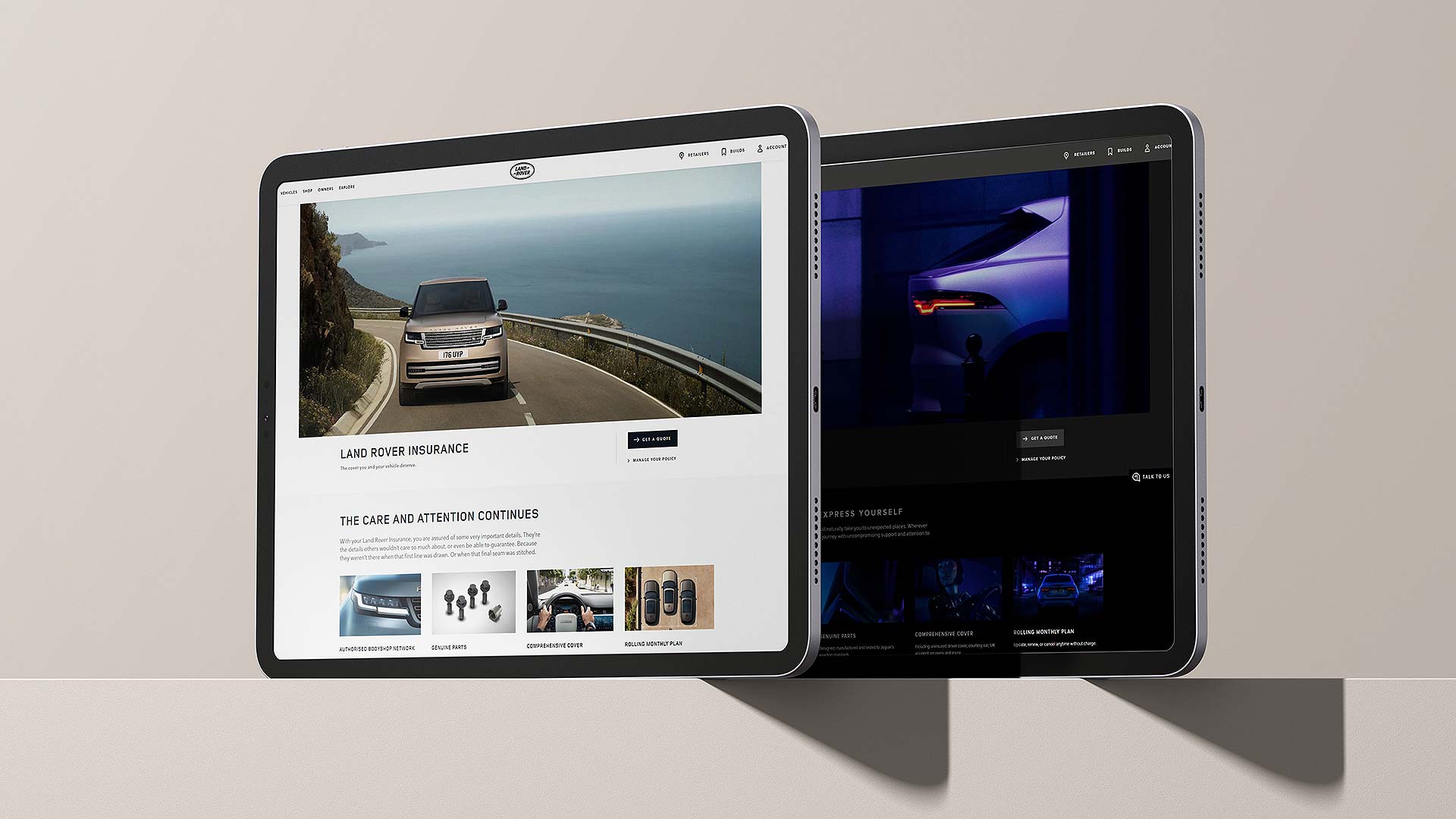
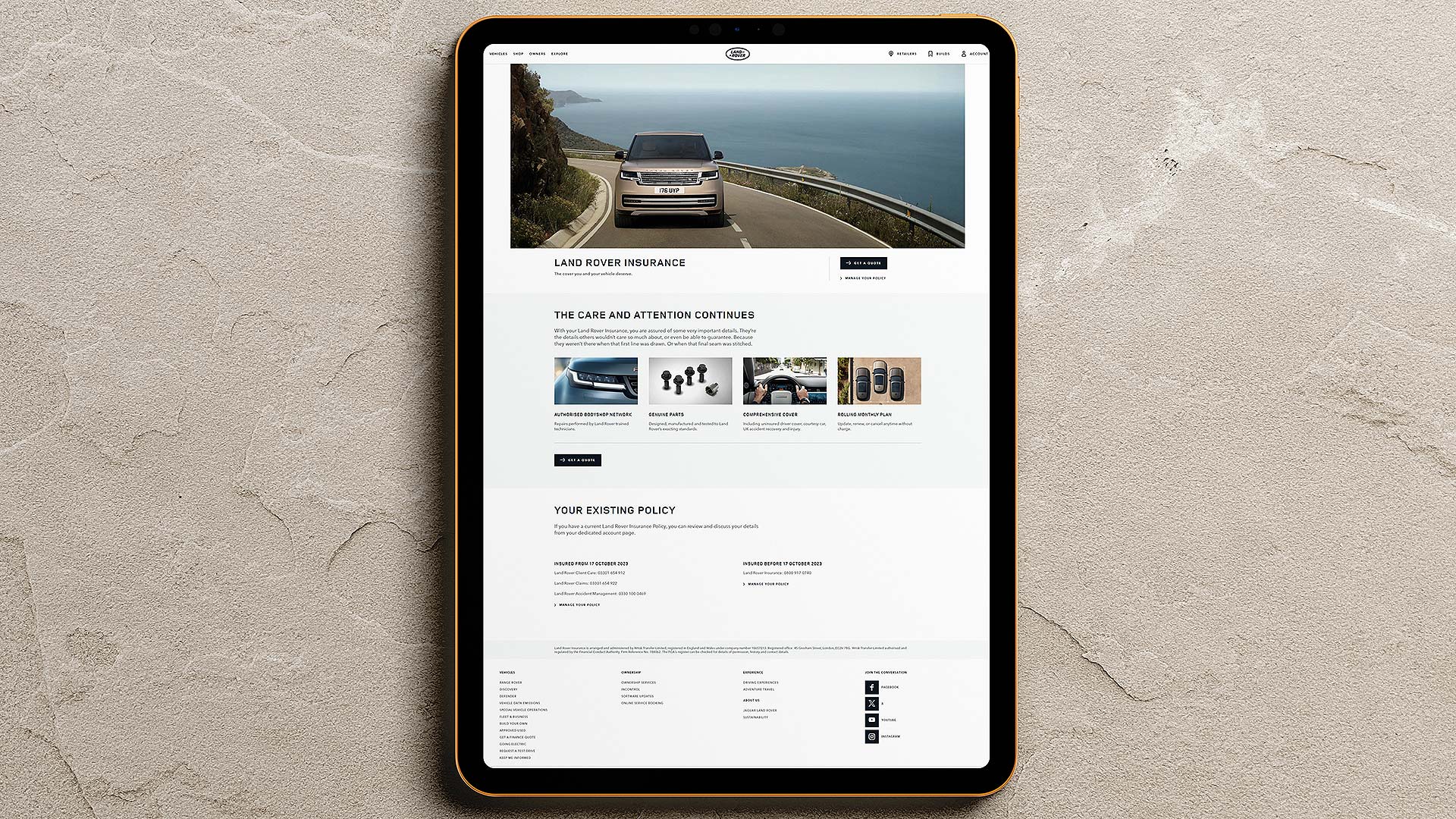
JLR insists the challenges around high insurance premiums for luxury cars are an industry-wide issue.
“Customers of luxury cars and other luxury goods are experiencing an increase in thefts due to organised criminal activity in the UK,” said JLR UK MD Patrick McGillycuddy.
“The desirability of our luxury vehicles, couples with concerns around thefts, has recently led to challenges in obtaining insurance cover for some clients.”
He said JLR now providing its own car insurance is the latest investment in helping customers.
He added JLR will “continue monitoring and refining our service so that even more clients can take care of it”.
The car insurance package also extends to Jaguars, as well as all other models in the Land Rover line-up.
JLR stats show the new Range Rover and Range Rover Sport, launched in 2022, are proving “highly resilient” to theft.
Of the 12,200 new Range Rovers that are on UK roads, only 9 have been stolen since January 2022. That is a 0.07 percent theft rate.
Of the 13,400 new Range Rover Sport on UK roads, only 13 have been stolen. That is a theft rate of 0.1 percent.
A sports car that can tackle rough terrain. An EV that is the height of automotive hedonism. A Lotus SUV. Our favourite cars of 2023 didn’t necessarily stack up on paper – but they certainly made sense on the road (or indeed off it). From a fiery hot hatchback to a decadent GT, this year has been full of surprises and rich in variety.
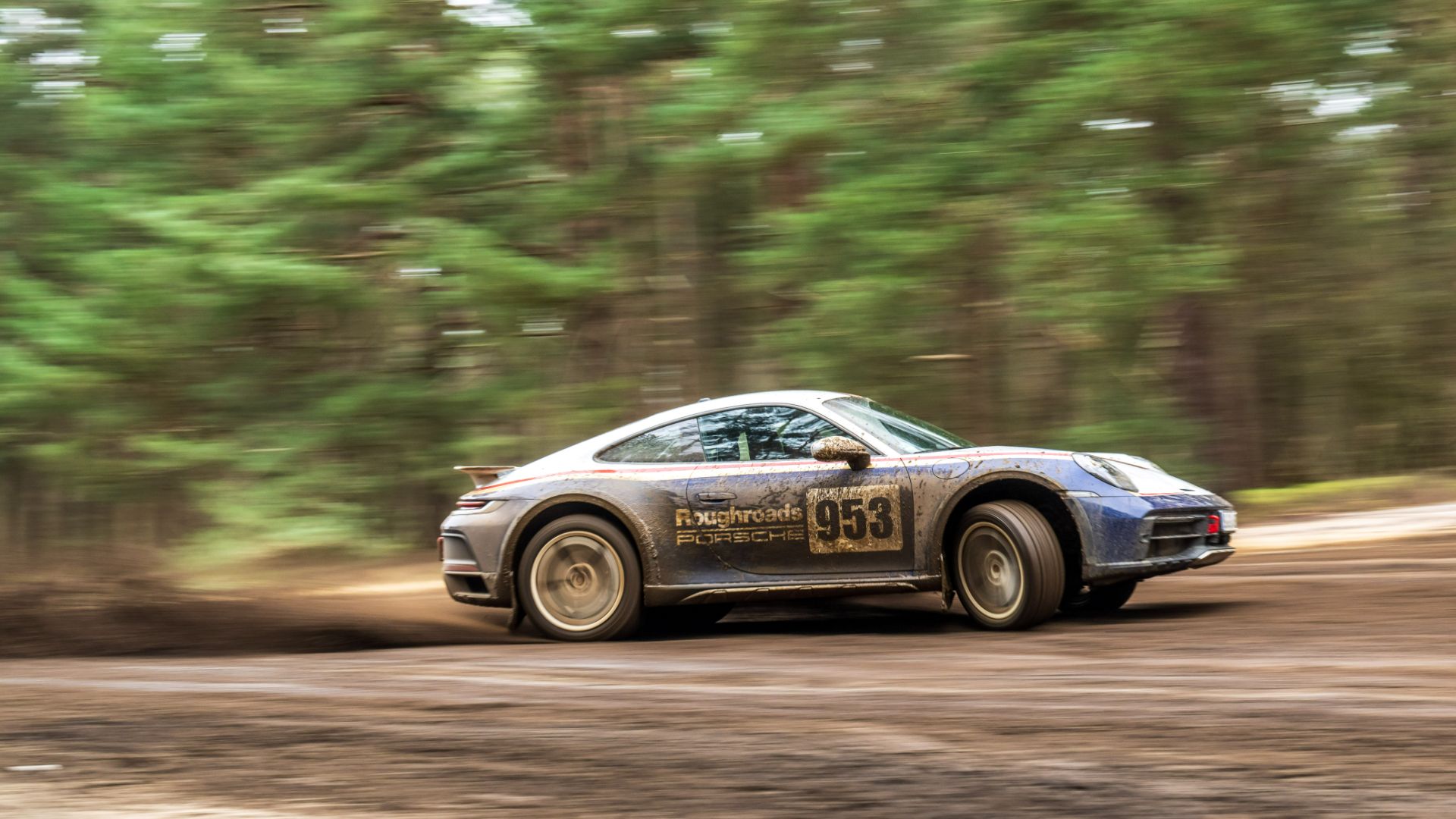
In a wider context, the most significant news was Rishi Sunak’s decision to push the ban on selling new, non-hybrid petrol and diesel cars back by five years to 2035. This gives cars with evocative engines, such as the Aston Martin DB12 and Porsche 911 Dakar, a welcome stay of execution, although time is still running short.
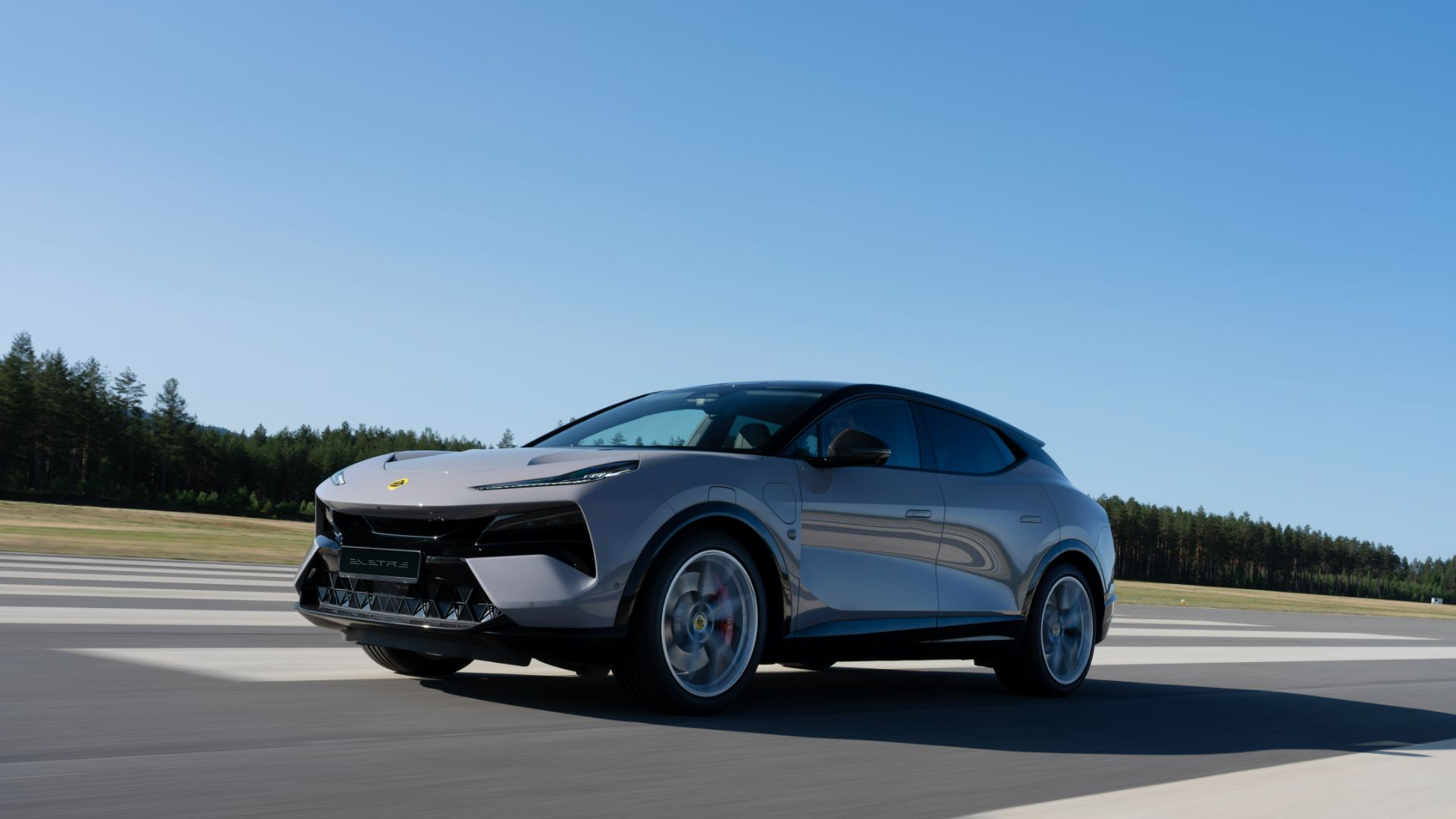
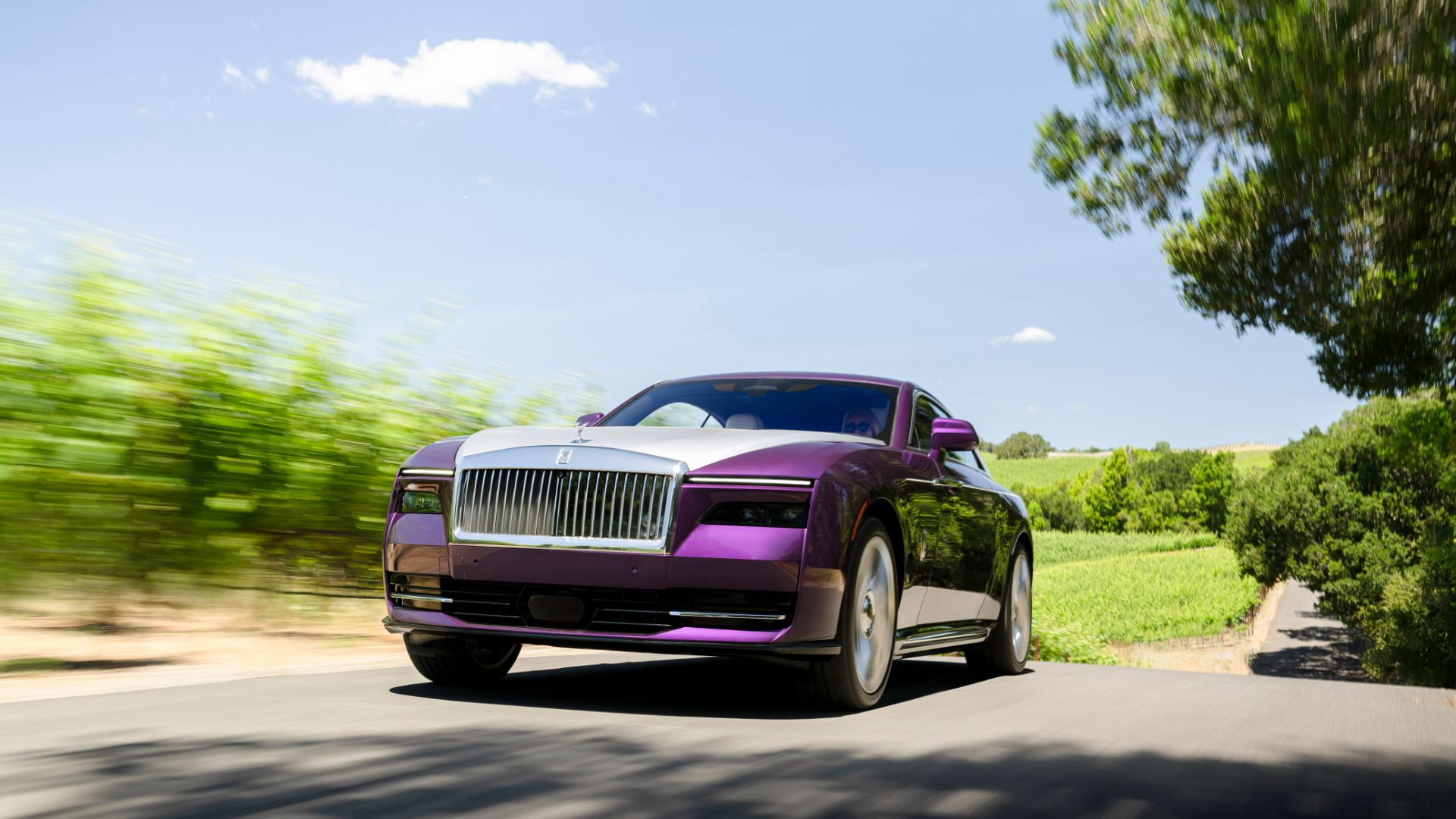
Thankfully, the Lotus Eletre and Rolls-Royce Spectre offer plentiful hope for the electric era (not to mention the British car industry), combining performance with refinement like never before. The public charging network might be lagging behind, but electric cars are racing ahead.
Read on for the five cars that pushed our buttons in 2023, plus five more we’re excited about for 2024 and beyond. We’ve included links to reviews and previews of all the cars featured here, too.
Aston Martin DB12
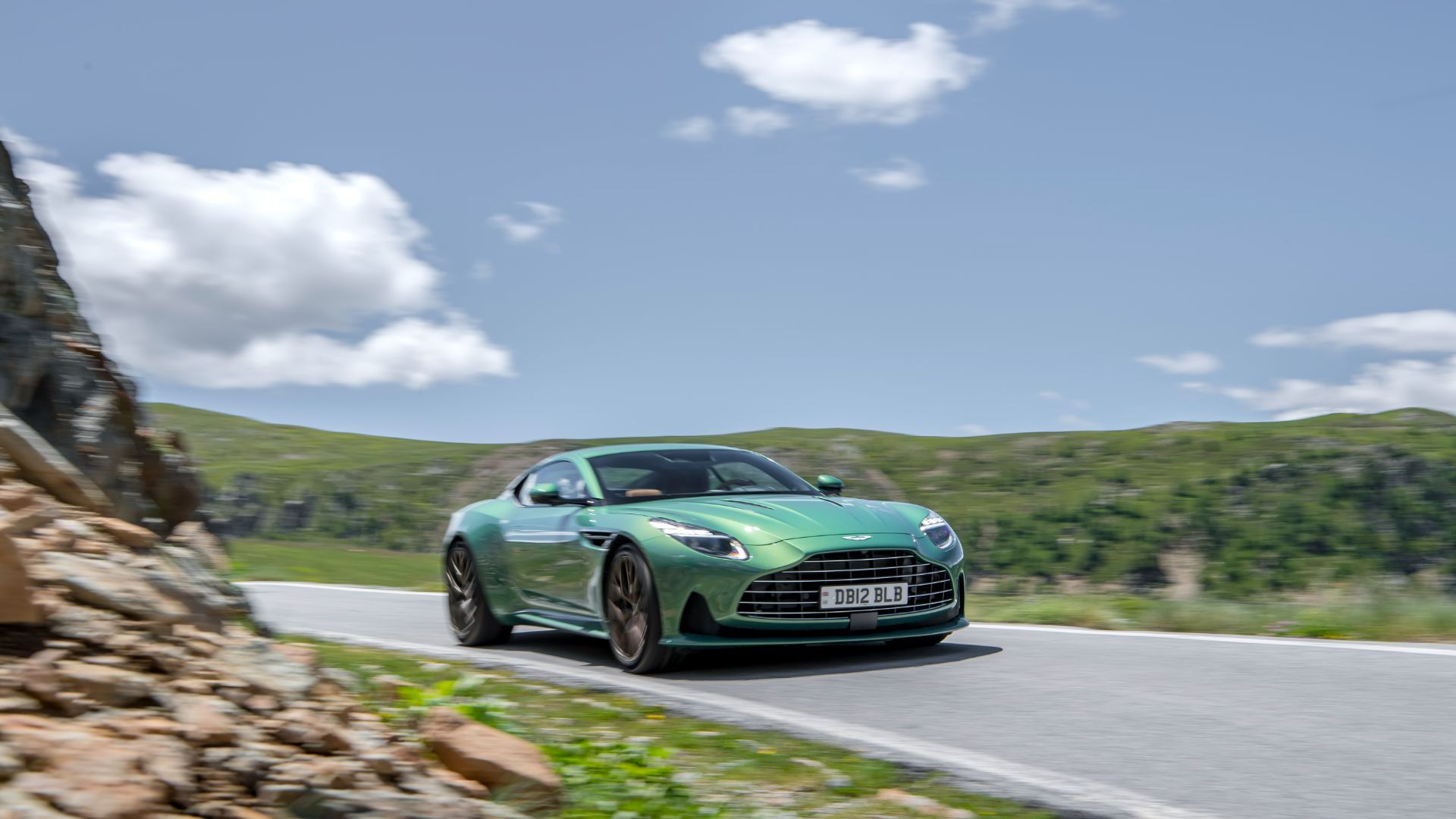
Explosively fast and exhilarating, yet also refined, luxurious and beautiful, the DB12 is everything a modern Aston Martin should be. Hell, you don’t even need to make excuses for the infotainment any more. Forget mid-engined hypercars and SUVs. Forget Formula 1, for that matter. Sporting GT cars are what this British company does best.
Powered by a 680hp 4.0-litre twin-turbocharged V8, the DB12 blasts to 62mph in 3.3 seconds and can reach 202mph. Chassis upgrades include adaptive dampers, a six-axis motion sensor and an electronic rear differential. Inside, a neat new 10.25-inch touchscreen offers over-the-air updates and a connected smartphone app.
We drove the DB12 on the Route Napoleon – a thrilling ribbon of tarmac in the foothills of the French Alps – and it gamely rose to the challenge. With abundant torque, communicative steering and steadfast grip, it felt equally at ease stringing together stacked hairpins as rumbling through Monaco later that day. Want to turn even more heads? The open-air DB12 Volante arrives in early 2024.
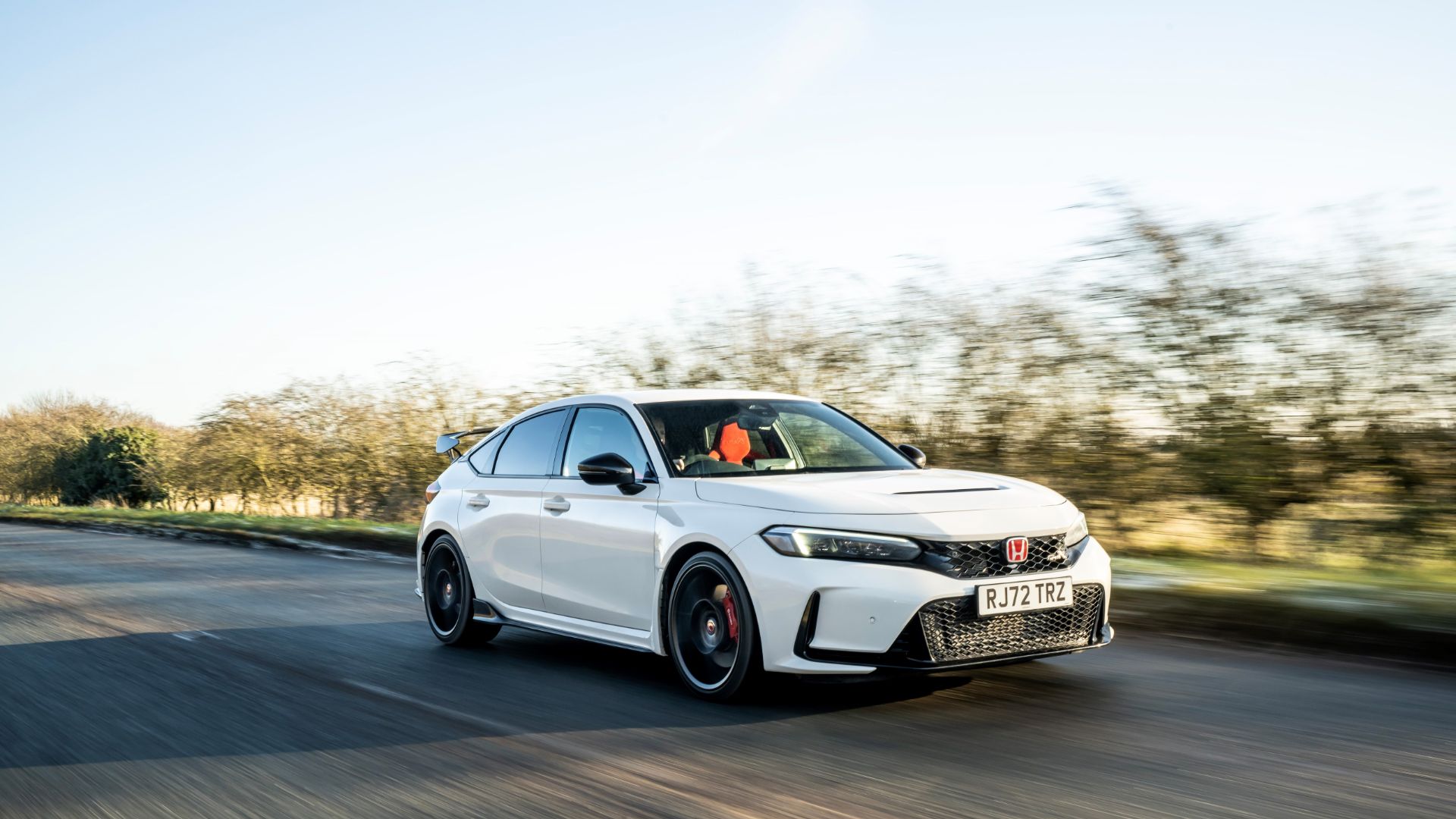
The Civic Type R isn’t the fastest hot hatch you can buy. Nor, despite costing £46,995, is it even the most expensive. Yet when it comes to raw excitement, and an inseparable connection between car and driver, the Type R is a new hatchback without equal.
The credit goes to Honda’s fanatical engineers, who have honed every detail of the ultimate Civic. From its suede-wrapped steering wheel to its rapid-fire manual gearbox, each control operates with the same weighty precision as a GT-department Porsche. The 2.0-litre four-cylinder engine musters 329hp – good for 0-62mph in 5.4 seconds and 171mph – but a gutsy front-wheel-drive chassis is the star attraction here.
Honda has even toned down the Type R’s styling, so it now looks like a car grown-ups could conceivably drive. Your better half may complain about the stiff suspension, but you’ll be enjoying yourself too much to care. This will likely be the last ‘traditional’ Type R, so buy one while you can.
Let’s park the idea that the Eletre isn’t a ‘proper’ Lotus. The company might have survived by hand-building a few hundred sports cars a year, but this electric SUV – and the profits it generates – will allow Lotus to thrive.
The standard 603hp Eletre uses a 112kWh battery and two motors for 0-62 mph in 4.5 seconds and 373 miles on a full charge. Or you can upgrade to the Eletre R, which musters a hypercar-bothering 905hp for 0-62mph in 2.95 seconds and 304 miles of range. Either way, you get a roomy, luxurious interior with 5G connectivity, up to seven touchscreens and its own smartphone app. You can’t say that about an Elise.
Weighing in at around 2.5 tonnes, this Lotus doesn’t handle like an Elise either, yet it isn’t only fast in a straight line. Air suspension and ‘porous’ aerodynamics, along with rear-wheel steering and anti-roll control in the Eletre R, make it accomplished and engaging to drive – and a credible rival for the Porsche Cayenne.
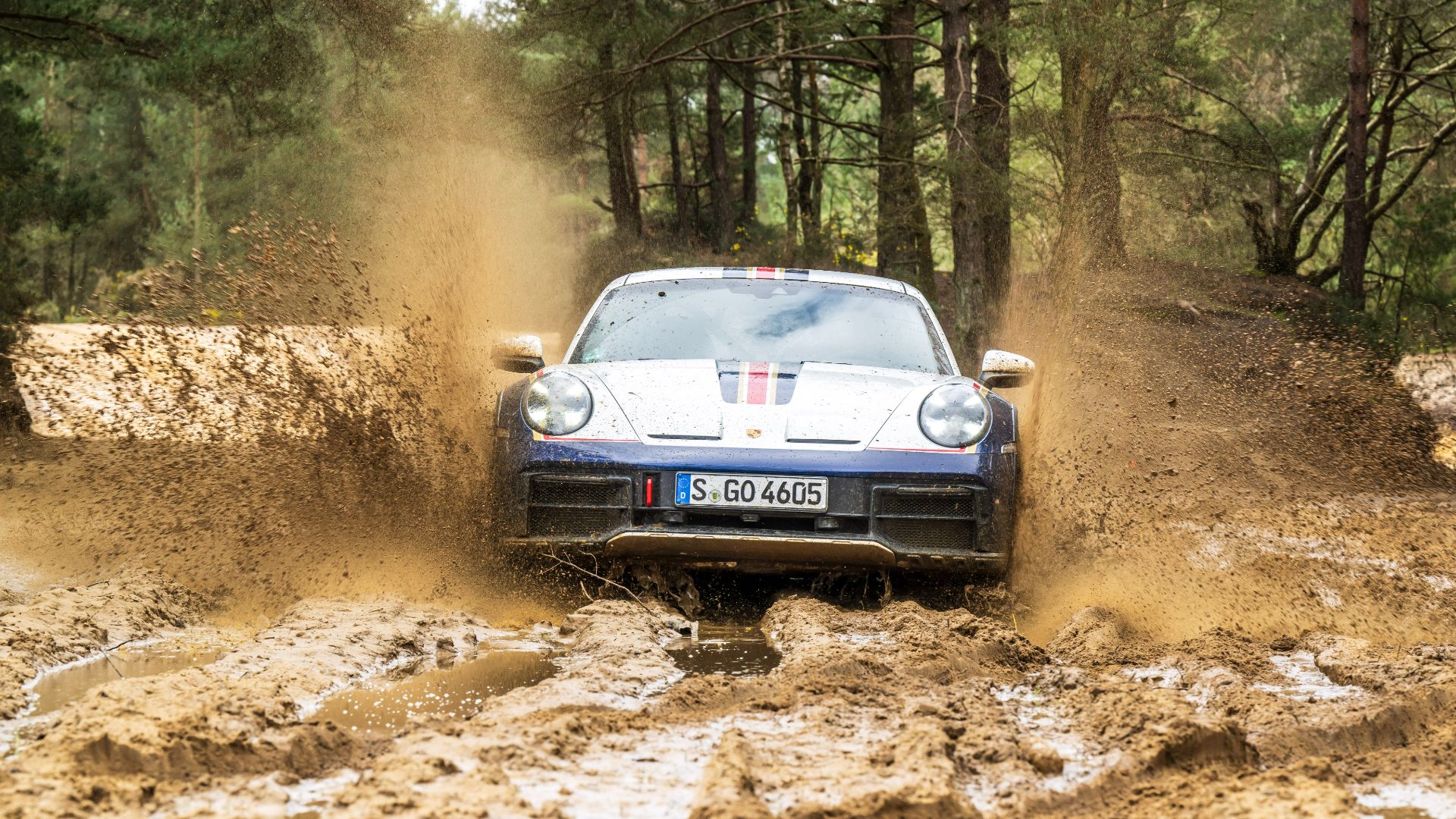
People have been building homebrew ‘safari’ 911s since time immemorial, but it took Porsche nearly six decades to make the idea official. Inspired by the 953 that won the Paris-Dakar rally in 1984, the Dakar features a raised ride height, chunkier tyres and plenty of underbody protection. It’s designed to boldly go where no production 911 has gone before.
In our case, that meant a forest proving ground used to test military vehicles. Splashing through flooded trenches, clambering over deep ruts and chucking the 480hp, four-wheel-drive 911 Dakar sideways on loose gravel was about the most fun we’ve had on four wheels.
Granted, few owners will drive their Dakar with such reckless abandon, but it also excels on the road, where longer suspension travel and lower limits make for a rewarding experience – even at very sensible speeds. Porsche has limited Dakar production to 2,500 cars worldwide (250 for the UK), but don’t bet against it eventually becoming part of the regular 911 range.
Is any car company better suited to going electric than Rolls-Royce? EVs naturally offer instant torque and smooth, near-silent progress – qualities that are perfect for a luxury car. Yes, they are also heavy, but that hardly matters when you have 584hp and 662lb ft under your right foot.
The Spectre is an imposing coupe with rear-hinged ‘coach doors’ and four adult-sized seats. Rolls-Royce has resisted the urge to cram it with touchscreens and tech, preferring analogue controls and traditional craftsmanship. The options for personalisation are almost limitless.
On the road, this is quite simply the quietest car I’ve ever driven: it’s quite eerie at first. Ride comfort, even on massive 23-inch alloy wheels, is suitably sumptuous, while a 102kWh battery and 329-mile range make long journeys eminently possible. When you do finally reach your destination (Saint-Tropez or the Amalfi Coast, perhaps), no car makes an entrance quite like the Spectre.
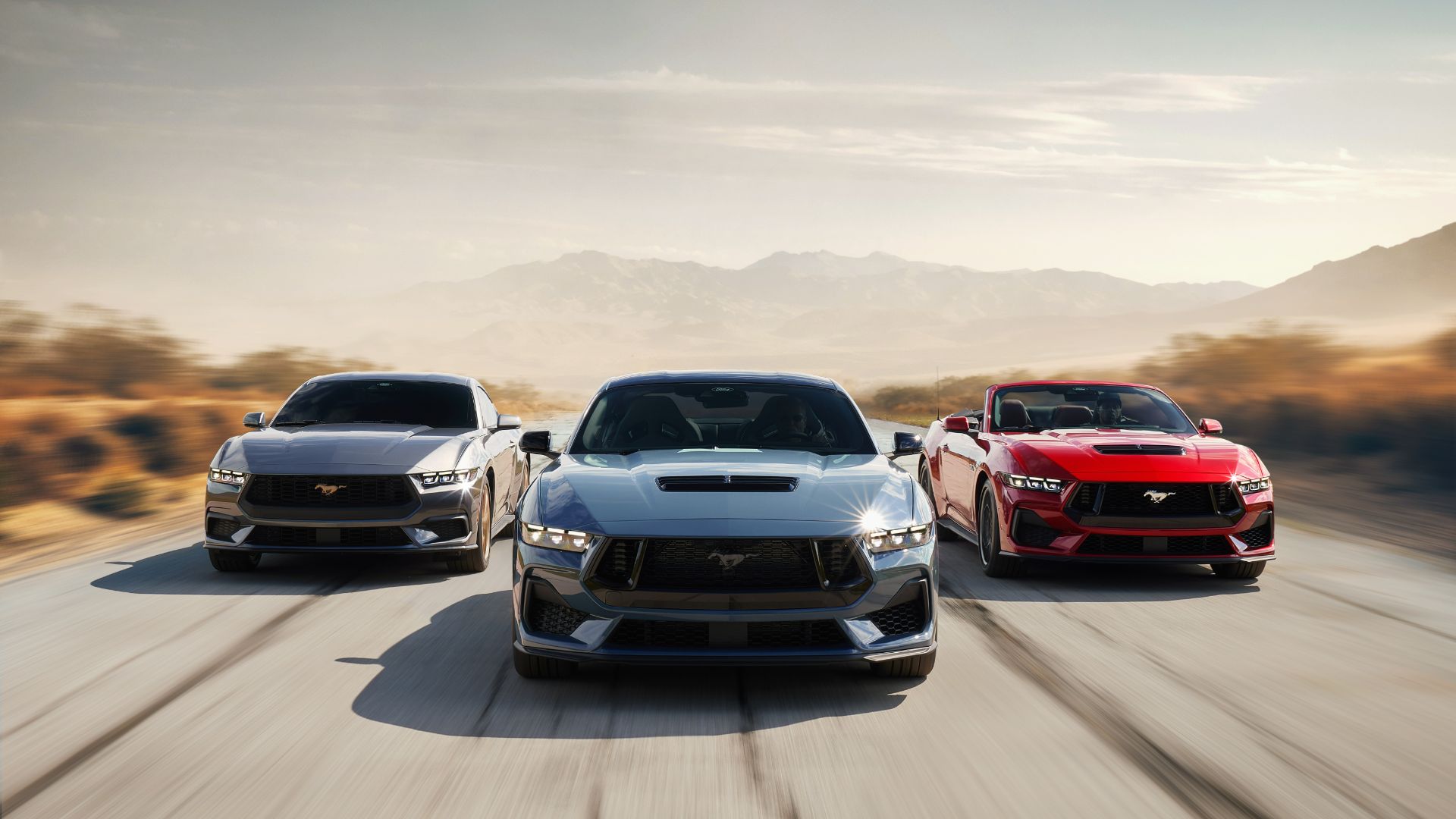
Now into its seventh generation since 1964, the Mustang’s classic curves, burly 5.0-litre V8 engine and manual gearbox seem more appealing than ever. Not sold on old-school cool? Ford also offers a carbon-bodied, 800hp+ GTD version to challenge the Porsche 911 GT3 RS. UK Mustang sales start early next year.
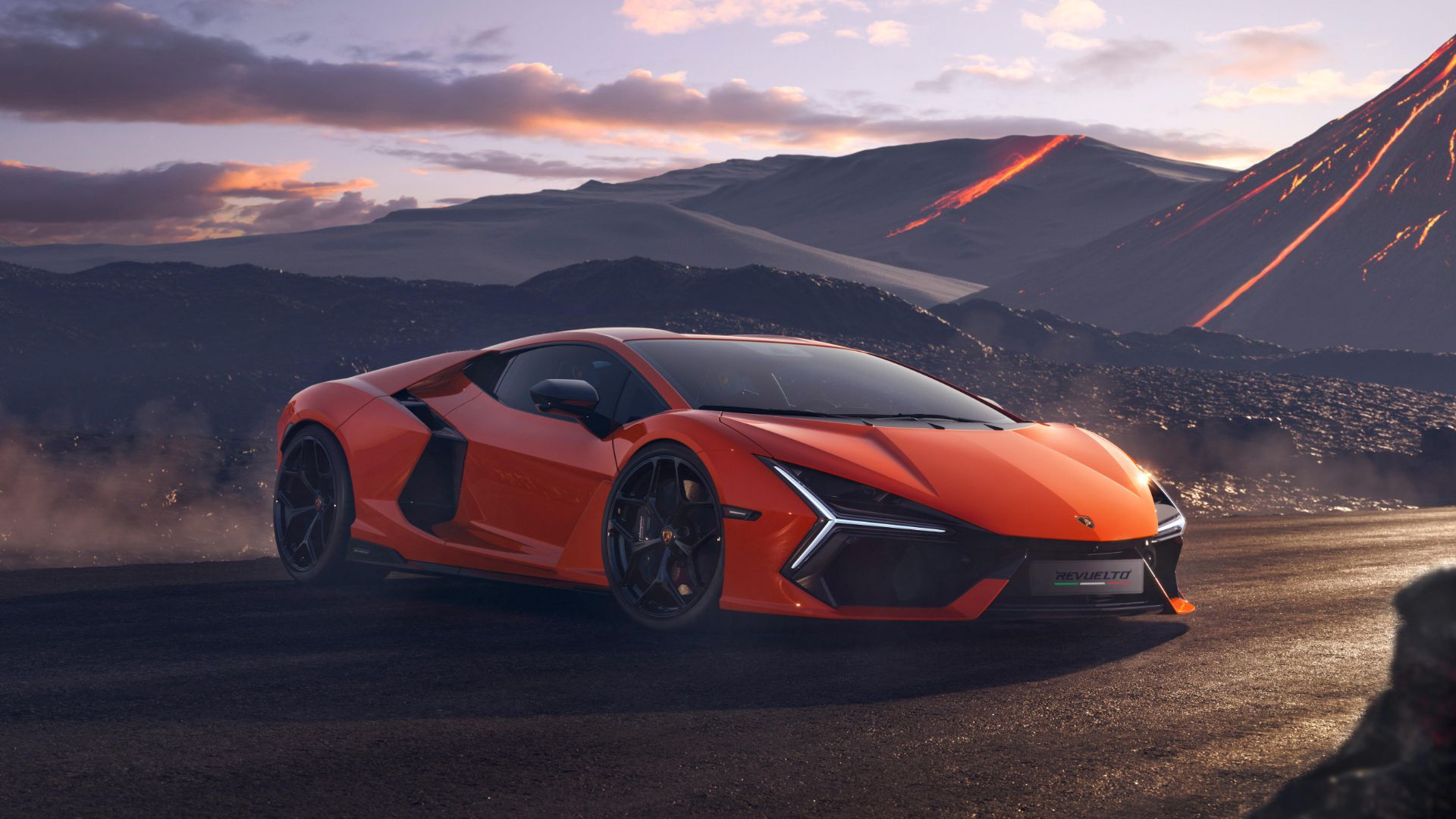
With a grand total of 1,015hp, Lamborghini’s new flagship has accelerated headlong into hypercar territory. The plug-in hybrid successor to the Aventador promises the best of all worlds, from an electric mode for city driving to a naturally aspirated V12 that revs to 9,500rpm. It’s already sold out until 2026.
OK, as this is written, we have just got behind the wheel of the 750S in Portugal. However, if the plug-in hybrid Artura is anything to go by, this lightweight, V8-powered McLaren should be even better on its home tarmac. We said: ‘The 750S breeds confidence and encourages you to push at its limits. Among supercars, its balance and throttle-adjustability are second-to-none’.
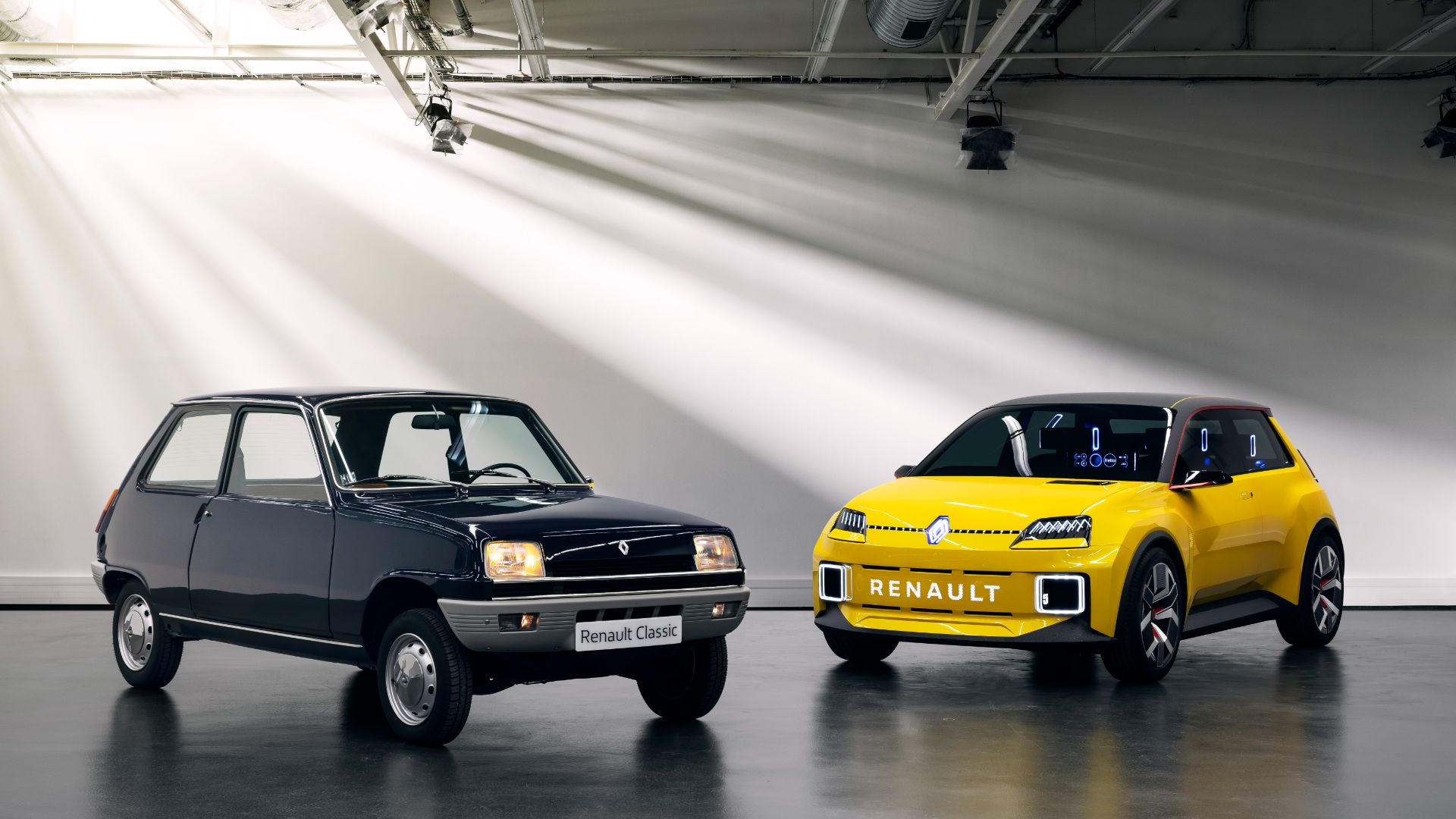
After the runaway success of the reborn Mini and Fiat 500, the return of the Renault 5 seemed almost inevitable. Due in 2025, the new 5 is fully electric, with ‘cheeky’ styling and a lightweight platform also set to underpin a new Renault 4. A sporty Alpine version is confirmed for production, too.
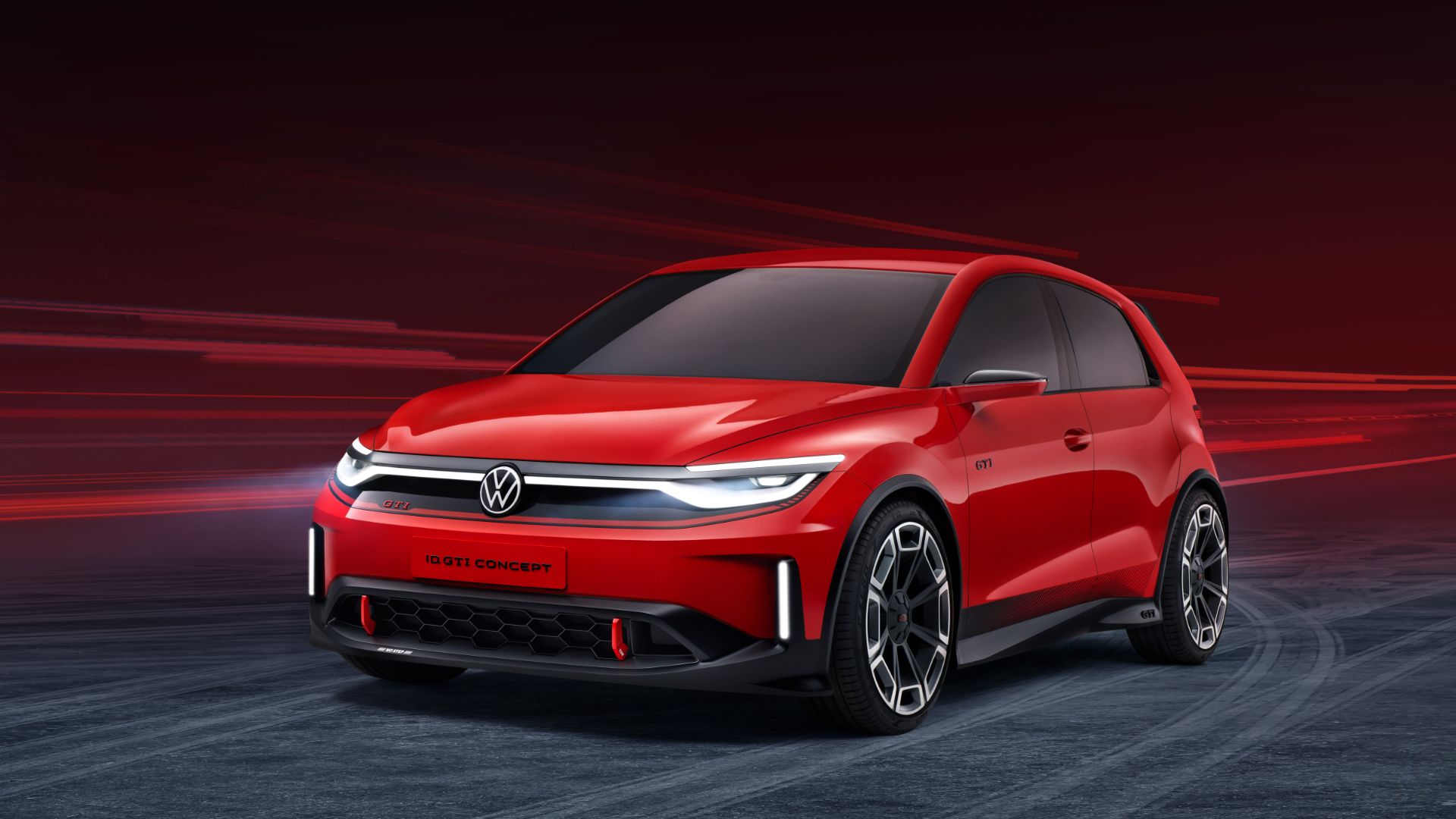
Talking of hot hatchbacks, here is Volkswagen’s vision for an electric GTI. The ID. GTI concept allies classic styling cues – spot the red go-faster stripe – with a futuristic, tech-focused interior. It’s also pleasingly compact: closer in size to a Polo than the current Mk8 Golf. Now VW just needs to build it.
An earlier plan to phase out non-hybrid petrol and diesel cars between 2030 and 2035 has been shelved.
However, the government will still introduce the ZEV Mandate on 1 January 2024. This dictates a minimum EV mix for each manufacturer’s annual sales.
In 2024, each car brand must sell 22% electric vehicles, rising to 80% by 2030. If they fail to meet it, they will be fined £15,000 for each car over target.
A growing number of manufacturers have announced plans to stop selling petrol and diesel cars ahead of the 2035 ban. We reveal the story so far.
Aston Martin – 2030
In a recent Financial Times article, Aston Martin chairman Lawrence Stroll said the company will continue to build internal combustion engines well into the next decade. That said, it will build its first EV in the UK from 2025. Everything points to the ability to buy an Aston Martin with a petrol engine until legislation says otherwise.
Bentley – TBC
Bentley will switch its entire model to offer exclusively plug-in hybrid or battery electric vehicles by 2026, and pure electric vehicles by 2030. This sees it move from being the largest producer of 12-cylinder petrol engines to having no internal combustion engines within a decade.
BMW – TBC
BMW Group told us it expects fully-electric models to account for at least 50 percent of global deliveries by 2030. The company will have 13 all-electric models on the road from 2023, with at least one all-electric model offered in approximately 90 percent of the company’s current market segments. The BMW Group includes BMW, Mini and Rolls-Royce.
DS Automobiles – 2024
DS Automobiles has announced it will only sell electric cars from 2024. The French marque’s electric range is currently limited to the DS 3 E-Tense crossover, but a new EV with a promised 400-mile range is on the way. The pivot to EVs will come six years ahead of the UK government’s 2030 deadline.
Ford – 2030
You’ll almost certainly be able to buy a Ford with an internal combustion engine right up until the 2030 ban, but the company has laid out its path to zero. By mid-2026, 100 percent of its passenger car range will be zero-emissions capable, all-electric or plug-in hybrid, moving to pure electric by 2030.
Honda – TBC
Honda recently announced that it wants its range to be 100 percent battery or hydrogen powered in major markets by 2040. It also intends to offer solid state battery technology in its new EVs by the late 2020s.
Jaguar – 2025
Jaguar is to be reinvented as a pure electric car brand by 2025 with a “dramatically beautiful” range of new cars. CEO Thierry Bollore told Motoring Research his personal car is currently a Jaguar I-Pace. “It is a great car… we have plenty of ideas to make it even better.” Sister company Land Rover has confirmed that it will launch six pure electric variants in the next five years, with the first all-electric model arriving in 2024.
Kia – TBC
Kia told Motoring Research it’s too early to say when it will sell its last internal combustion engine in the UK, but the company is already set to meet its 95g/km emissions target this year. The company’s EV portfolio includes the e-Niro, Soul EV and forthcoming EV6.
Lotus – late 2020s
Lotus will shift to being an all-electric brand by the late 2020s. This is according to a quote from CEO Matt Windle published on the Automotive News Europe website. The decision was made in 2018 after positive feedback. “We took the decision to go straight to EVs after the Emira, which was already in development,” he said.
Mazda – 2030
Mazda told us it does not intend to cease UK sales of petrol and diesel cars ahead of the 2030 ban. It says it believes ‘a multi-solution approach that combines different technologies is the best way forward to reducing CO2 emissions. Electrification is a key pillar within Mazda’s multi-solution approach and by 2030 all Mazda vehicles will be electrified in some form. While electric vehicles are important to reducing CO2, we will still need internal combustion engines to power the majority of cars today and in the coming years.’
Mercedes-Benz
Mercedes-Benz says it will launch three new electric cars in 2021. However, the company is unwilling to comment on any plans to stop selling petrol and diesel cars ahead of the 2030 ban.
MG – TBC
MG sells two EVs: the ZS EV and MG 5 estate car. It told us there’s no plan to cease petrol and diesel sales ahead of the ban, but that an early move to 100 percent electric wouldn’t be a ‘surprise’.
Mini – 2030
Currently, the only pure electric Mini you can buy is the Mini Electric, but everything looks set to change. The last Mini with an internal combustion engine will arrive in 2025, before the company goes fully electric by 2030. New pure electric versions of the Mini Hatch and Countryman are scheduled to launch in 2023.
Nissan – TBC
Nissan says all its ‘new vehicle offerings’ in key markets will be electrified by the early 2030s. “We’re determined to help create a carbon-neutral society and accelerate the global effort against climate change,” said Nissan CEO Makoto Uchida. The company hasn’t confirmed if it will stop selling petrol and diesel cars before the 2030 ban.
Renault – 2030
Renault told us it will stop selling petrol and diesel cars in the UK in 2030. There’s no word on whether the date will be brought forward.
Smart – now
Smart is ahead of the game, having switched to all-electric power in Europe and the USA. Mercedes-Benz and Geely have already unveiled the Smart #1 electric SUV, which has now been followed by the Smart #3. Daniel Lescow, Smart’s vice-president of global sales, said at the time: “It may come as a surprise to some: Smart will enter the market with a fully electric SUV – spacious yet compact. This will be the first vehicle of the joint venture between Mercedes-Benz and Geely, built in China.”
Suzuki – 2030
Like Mazda, Suzuki has no plans to stop selling cars with an internal combustion engine ahead of 2030 and already offers a 100 percent hybrid model range with one plug-in hybrid model available. Suzuki stopped selling diesel engined models in the UK in 2017 due to limited demand.
Tesla – now
There’s no need for Tesla to adjust its sales strategy, because the American company is 100 percent electric. The current range includes the Model 3, Model S and Model X, with the Model Y likely to arrive in the UK next year. The compact SUV is expected to offer 314 miles of electric range.
Toyota and Lexus – TBC
Toyota said it was ‘probably a bit too far forward to provide any definitive response at this stage’. By 2025, the company will offer more than 70 electrified vehicles, including at least 15 pure electric cars.
Vauxhall – 2028
Like DS, British brand Vauxhall is part of the Stellantis automotive empire. It says all the vehicles in its range will offer electrified versions by 2024, then be fully electric from 2028. The Ellesmere Port factory in Cheshire, previously home to the Astra, is shifting to EVs as well – starting with the new Combo-e LCV van.
Volkswagen – TBC
“In the year 2026 will be the last product start on a combustion engine platform,” VW strategy chief Michael Jost told an automotive summit in 2018. A spokesperson confirmed that the German giant will focus on electric cars instead. This doesn’t mean that VW will stop selling petrol and diesel cars ahead of the 2030 ban, but it paves the way for a radical move.
Volvo – 2030
Volvo’s electric strategy dovetails with the UK’s ban on the sale of new petrol and diesel cars. The company says it plans to be fully electric by 2030, phasing out any cars with an internal combustion engine, including hybrids. “To remain successful, we need profitable growth. So instead of investing in a shrinking business, we choose to invest in the future – electric and online,” said Hakan Samuelsson, Volvo chief executive.
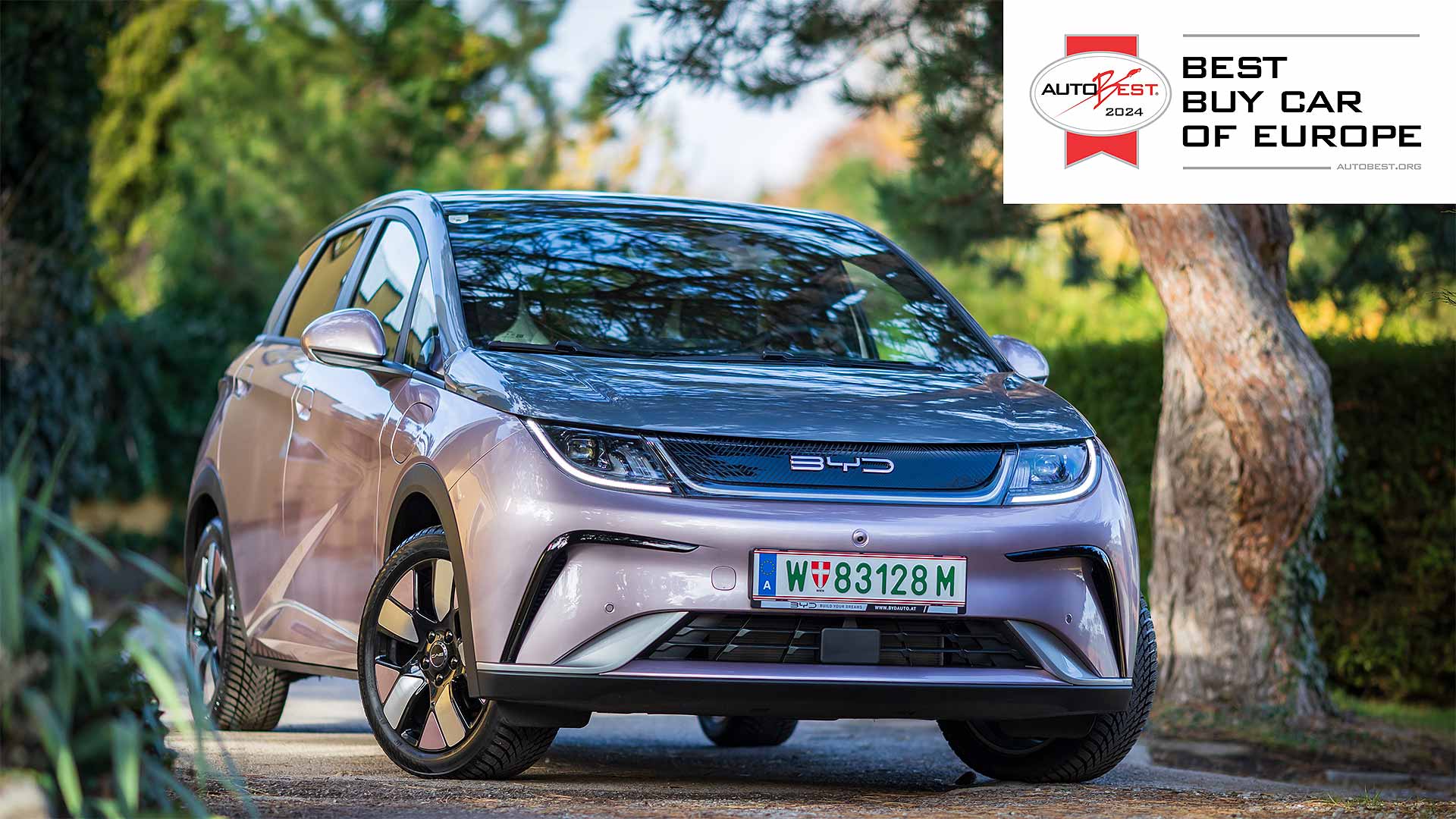
It marks the first time a Chinese new entrant brand has scooped the top AUTOBEST prize.
One of four finalists in the annual AUTOBEST ‘real world car of Europe’ awards, the BYD Dolphin claimed victory with 25.88 percent of voting points.
This placed it just ahead of the new Hyundai Kona, which took 25.44 percent of the points.
Remarkably, the Jeep Avenger scored 24.68 percent of the points, while the Fiat 600 scooped 24.0 percent.
The AUTOBEST jury comprises 32 jury members from across Europe, one from each nation. Motoring Research’s Richard Aucock represents the UK.
The objective is to find the best affordable new car in Europe. Models are assessed across 13 criteria, with a focus on price, running costs and ease of use.
Balanced
“It is one of the most balanced AUTOBEST competitions in a decade,” said founder and chairman Dan Vardie.
“All the finalists proved to be outstanding products, with a great appeal and competence, as checked by the jury members during very detailed tests.
“But in the end, we have a winner – and the BYD Dolphin makes history this year, as the first Chinese brand, with a model manufactured in China, becoming Best Buy Car of Europe.”
The BYD Dolphin pipped the other three finalists following the fourth annual AUTOBEST Final Test at the OAMTC proving ground in Teesdorf.
30 jurors attended the two-day event held in November, where the finalists were tested both on road and track.
AUTOBEST awards 2024
Other AUTOBEST Awards for 2024 include the Sportbest gong, which goes to Prodrive’s David Richards.
Chinese battery firm CATL has won the Technobest 2024 award, for its superfast-charting Shenxing battery. It can deliver almost 300 miles of range after just a 10-minute charge.
The Lotus Hyper OS infotainment system has won the Smartbest 2024 price, while the Continental Detectable Jacket is the Safetybest 2024 winner.
Finally, the super-affordable new Citroen e-C3 EV is the Ecobest 2024 winner.
All winners will be presented with their prizes at the 23rd AUTOBEST Awards Gala, to be held in Luxembourg next spring.
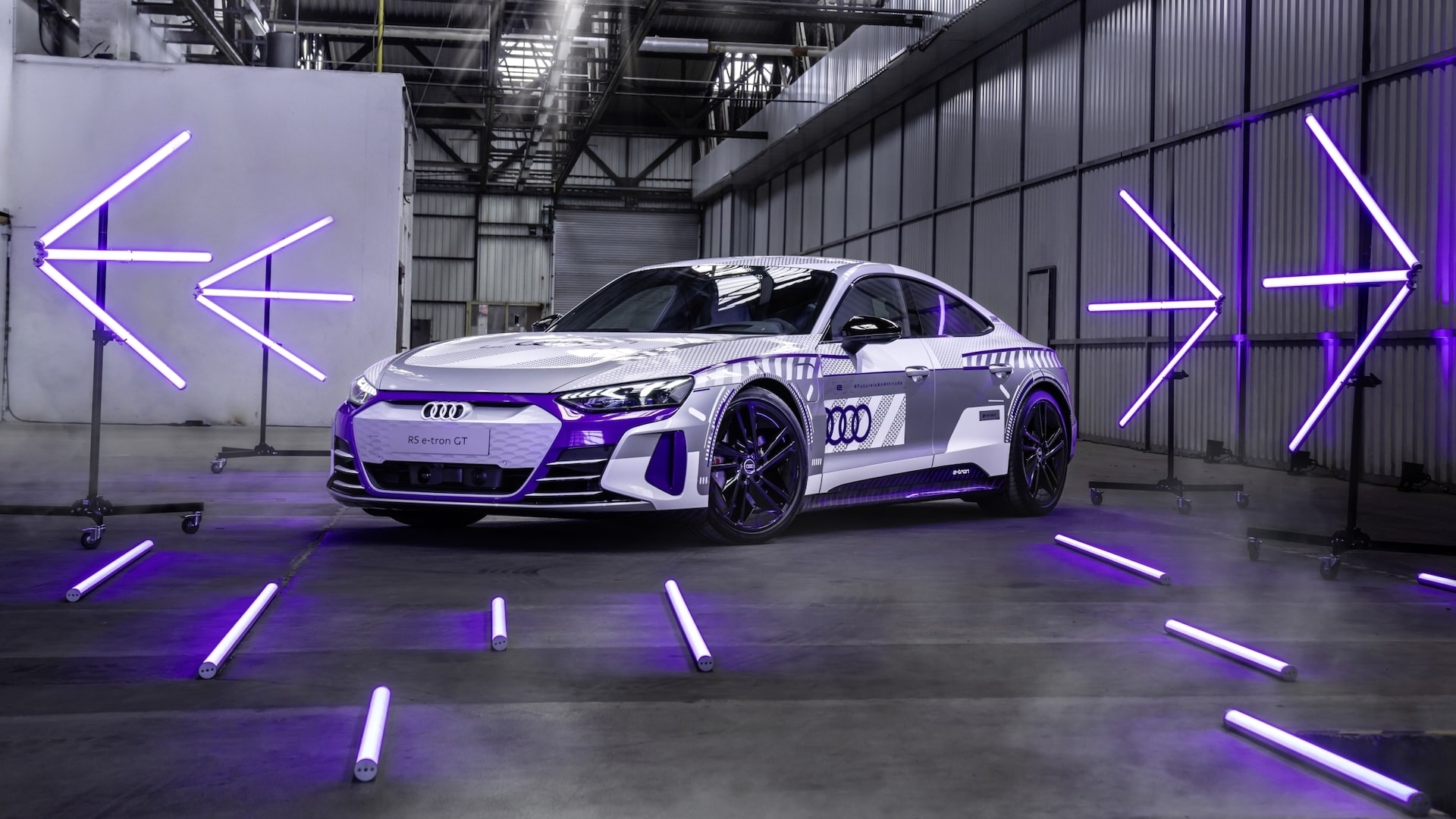
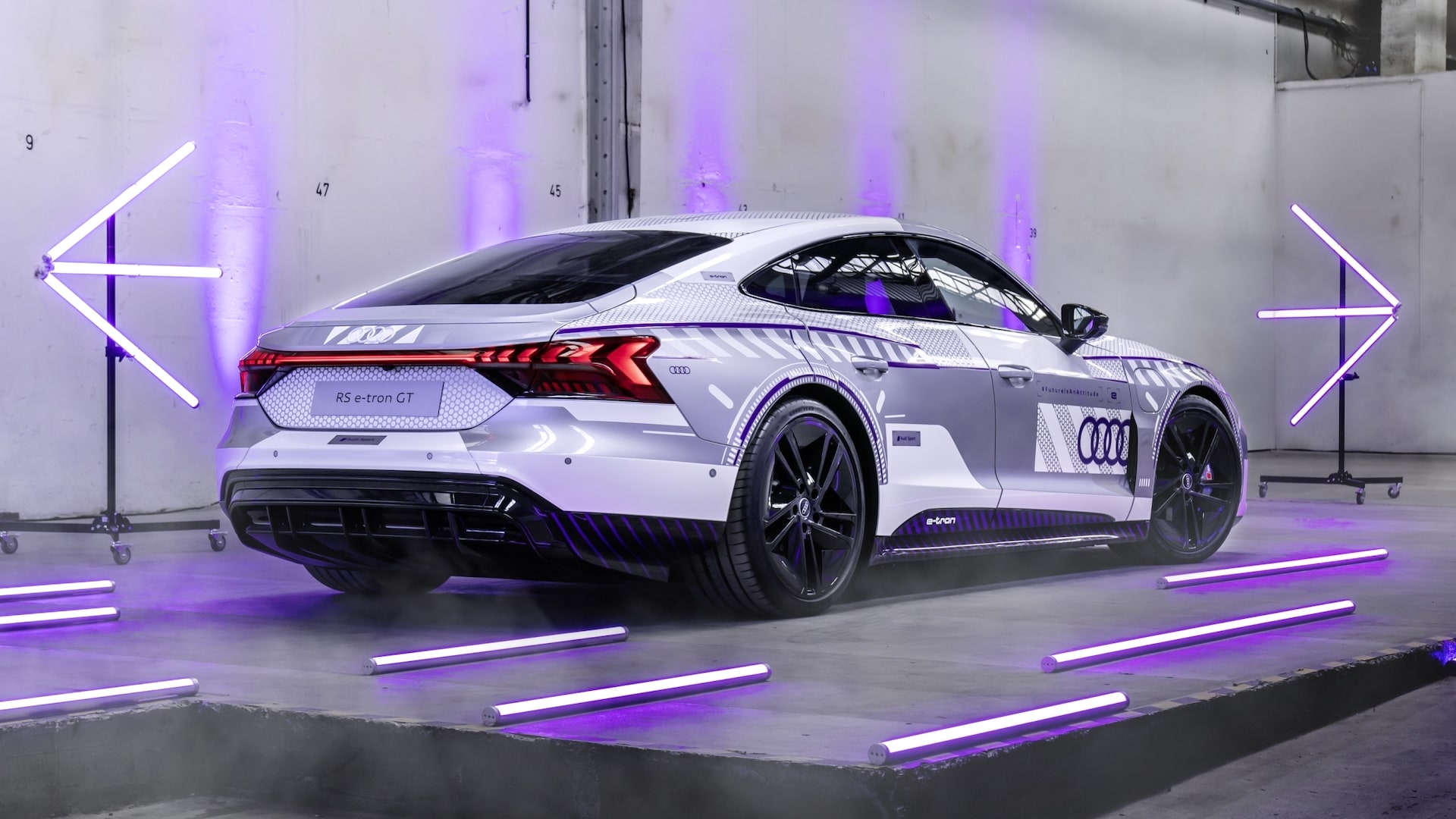
Audi has revealed an ultra-rare special edition of the electric RS E-Tron GT, paying tribute to a spectacular ice racing event.
Only 99 examples of the Audi RS E-Tron GT Ice Race Edition will be sold worldwide, with just four right-hand-drive cars made available to UK enthusiasts.
Named after the annual GP Ice Race in Zell am See, Austria, this collectable coupe also pays tribute to 40 years of Audi Sport. Originally known as Quattro GmbH, the division has produced many high-performance road cars over the years, starting with the Audi RS2 Avant in 1994. Audi Sport was also responsible for the R8 supercar.
Freeze frame
Making the RS E-Tron GT Ice Race Edition stand out is a bespoke livery, created by Audi’s Exclusive customisation team. A Florett Silver RS E-Tron GT with a black carbon fibre roof is the starting point, before a foil wrap is applied.
Silver and white accents in the livery are meant to reference snow crystals and ice lakes, while striking violet tones are inspired by winter sports eyewear. Black 21-inch alloy wheels, along with dark privacy glass, offer a degree of contrast.
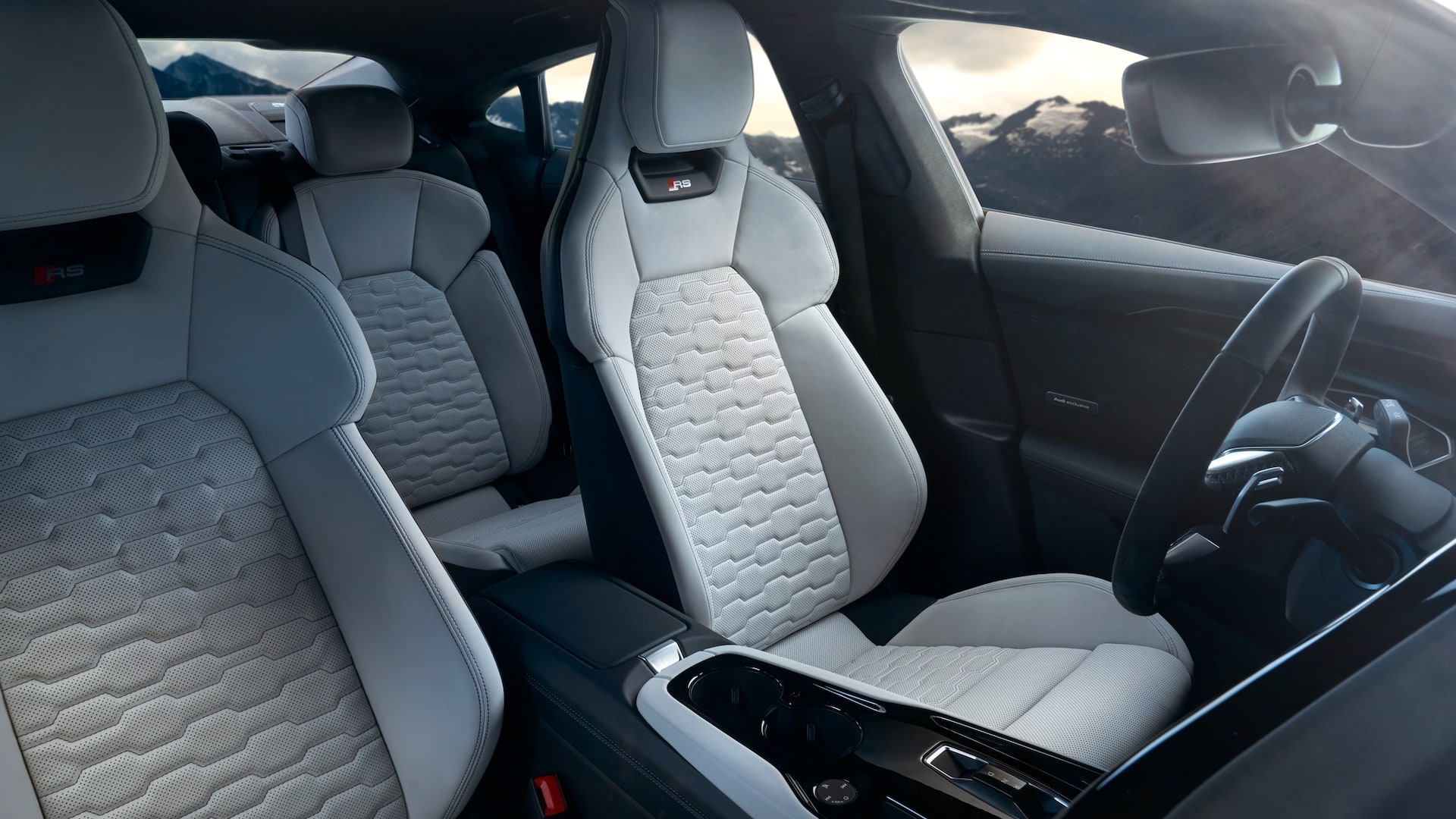
An Audi Exclusive leather package continues the theme inside, with a combination of diamond silver and black upholstery, plus bright violet stitching.
Instead of a physical numbered plaque, the Ice Race Edition has a unique serial number displayed on its infotainment screen. There is also a special background for the Multi Media Interface (MMI), along with a purple setting for the interior ambient lighting.
Cold as ice
The Ice Race Edition comes with front seats with heating and ventilation, a Bang & Olufsen sound system and a head-up display. Standard equipment for the RS E-Tron GT also includes carbon-ceramic brakes, adaptive air suspension and Quattro all-wheel drive.
Audi has left the electric powertrain unchanged, which means 598hp as standard. A ‘Boost Mode’ can lift this to 646hp, and slash the 0-62mph time from 3.6 seconds to 3.3 seconds. Fully charged, the RS E-Tron GT can cover 295 miles.
The price to own one of the four UK examples of this rare commemorative RS E-Tron GT will be £150,630 – around £30,000 more than the standard car.
Keeping your car sanitised is especially beneficial during the winter months, when viruses such as Covid and flu are more widespread. Cleaning your car will reduce the risk of infection, helping keep you and your family safe and well.
In this article, we have put together a list of the key areas to sanitise, both inside and outside the vehicle. You should repeat this process regularly, especially if you are vulnerable to infections or carry a lot of passengers in your car.
For more general advice about cleaning the interior of your car, including removal of food and drink stains, read our separate guide here.
Which parts of the car should I clean?
These are the areas of your car where bacteria is most likely to accumulate. You should pay them particular attention when cleaning:
Around the driver – the steering wheel, centre console, levers, buttons, switches and internal door handle
Around the front passenger – the glove compartment (inside and out), dashboard buttons and internal door handle
Rear-seat area – cup holders, armrests, switches, cabin lights and internal door handles
Seat belt clips – an often overlooked area. Parents could unwittingly spread germs by fastening belts for children
External door handles – the first point of contact with any car. The boot latch is important after a food shop, as many don’t consider the risk of passing germs from a shopping trolley to the car. Handles are also at risk after filling up with fuel. Wear gloves at the pumps or, better still, carry latex gloves in the car
Engine area – if you have performed any car maintenance, clean the bonnet release, engine bay, oil cap, windscreen fluid cap and oil dipstick
Boot – internal release, parcel shelf and spare wheel compartment
Touchscreens – these screens are magnets for grubby fingerprints and germs
Car keys – these can be rife with dirt and bacteria
Which car cleaning products should I use?
Rubber gloves are an essential part of the car cleaning process. Dispose of them afterwards – and avoid touching your face while cleaning. Many home cleaning products are suitable for the job. However, don’t use bleach as this can damage plastics, vinyl and upholstery inside the car.
Damian Jeffries of car service app Fixter says: “Isopropyl alcohol is one of the best products to use and is widely available. However, Isopropyl alcohol is not suitable for leather seats, so it’s vital to use special leather cleaning products for these.”
Normal soap and water is recommended for cleaning touchscreens, as household glass cleaners can affect the anti-glare coatings. Don’t overdo the water, though, or you could make the car’s interior damp, encouraging misted windows and mould – not to mention electrical issues from water seeping into the dashboard.
Few vehicles have generated as much controversy or as many column inches in recent years as the Ineos Grenadier.
Whether it’s the idea being formed in a London pub, the various legal battles with Jaguar Land Rover, or the fact this British 4×4 is built in France, the Grenadier was creating headlines before it even turned a wheel.
Since completed Grenadiers have started to leave the production line, the mud-slinging hasn’t stopped. Its styling, interior quality, road manners and prices have all been discussed and dissected. Ineos certainly faces an uphill struggle to win over the Land Rover faithful.
Pulling the pin
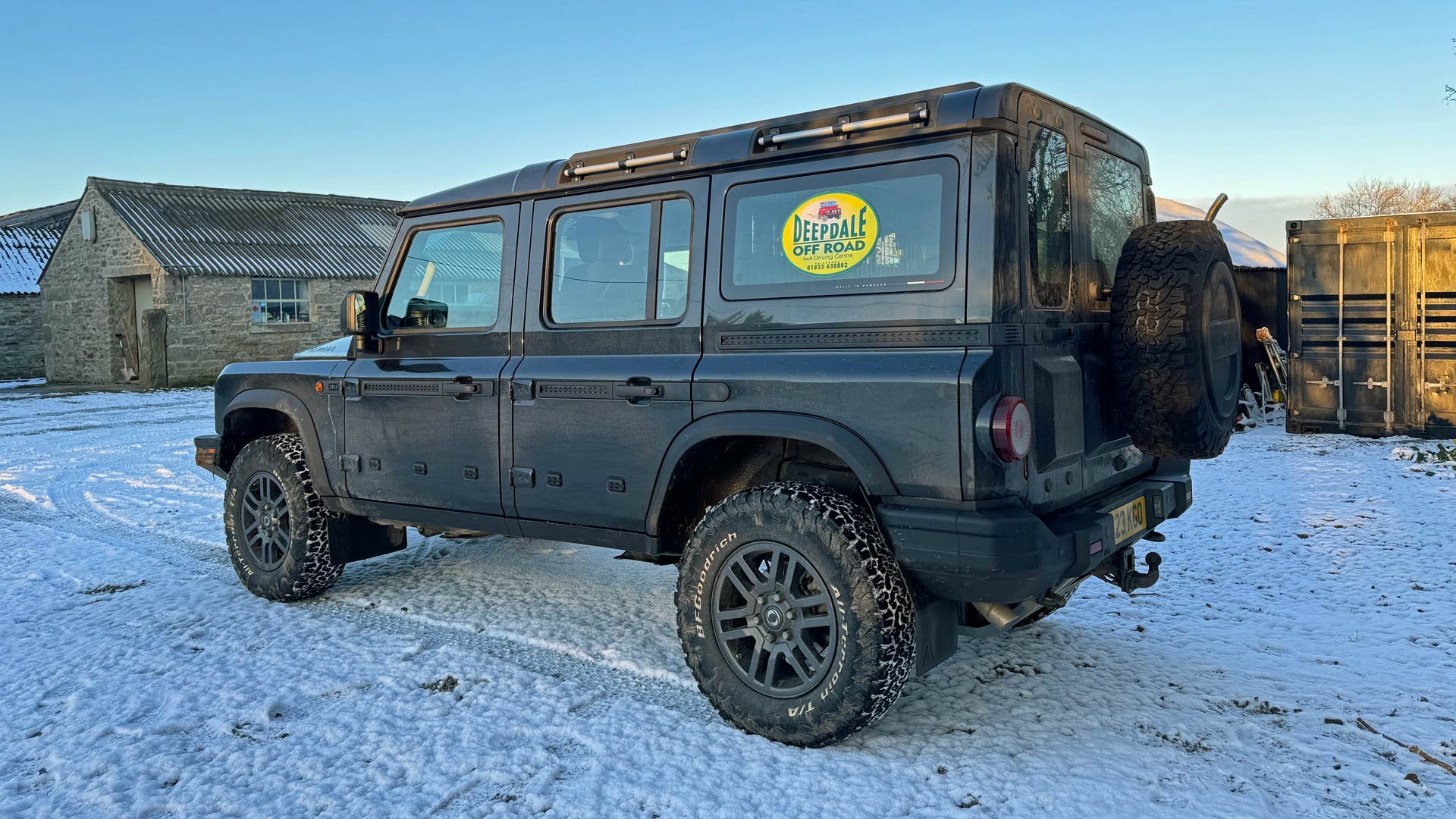
So, when I arrived at Deepdale Off Road Driving Centre in County Durham for a belated birthday 4×4 experience, then found an Ineos Grenadier parked outside, I thought my eyes were deceiving me. Yet although we were minutes from Barnard Castle, there was no need to test my vision – it really was a Grenadier.
Graeme Gill, owner and instructor at Deepdale, was one of the first to put down a deposit for a Grenadier. The off-road centre had previously used classic Land Rover Defenders, but needed a new option for a hard-working 4×4.
With a traditional ladder frame chassis and solid axles, plus those Defender-inspired dimensions that led to a courtroom fight with JLR, the Grenadier was a strong contender for the job.
Strong enough for it to be carrying us across the 15 acres of Deepdale’s snow-covered off-road course, in fact, dodging pheasants and frozen ponds along the way.
A real tough mudder
I’ve previously written about my love-hate relationship with the original Land Rover Defender, following my experiences of learning to drive in one. I’m now firmly in the pro-Defender camp, and understand the appeal it holds for enthusiasts.
There is no denying the Grenadier’s similarities to the vehicle Sir Jim Ratcliffe wanted to emulate. Off-road, its slow steering requires plenty of concentration on what the front wheels are doing – just like in a Defender. But the smooth-shifting ZF automatic gearbox is light years ahead of the stick-stirring needed in a classic Land Rover, even if the BMW-supplied shifter can be fiddly.
Hill descent control was never available in the original Defender either, but is standard on the Grenadier. Even in the worst combinations of mud and slush, it never missed a beat, smoothly guiding the Ineos down steep, slippery slopes.
And the Grenadier was just as effortless going back up those hills, thanks to its BMW-supplied 3.0-litre 249hp diesel engine – along with Graeme’s tutoring and encouragement.
A true 4×4, not an SUV
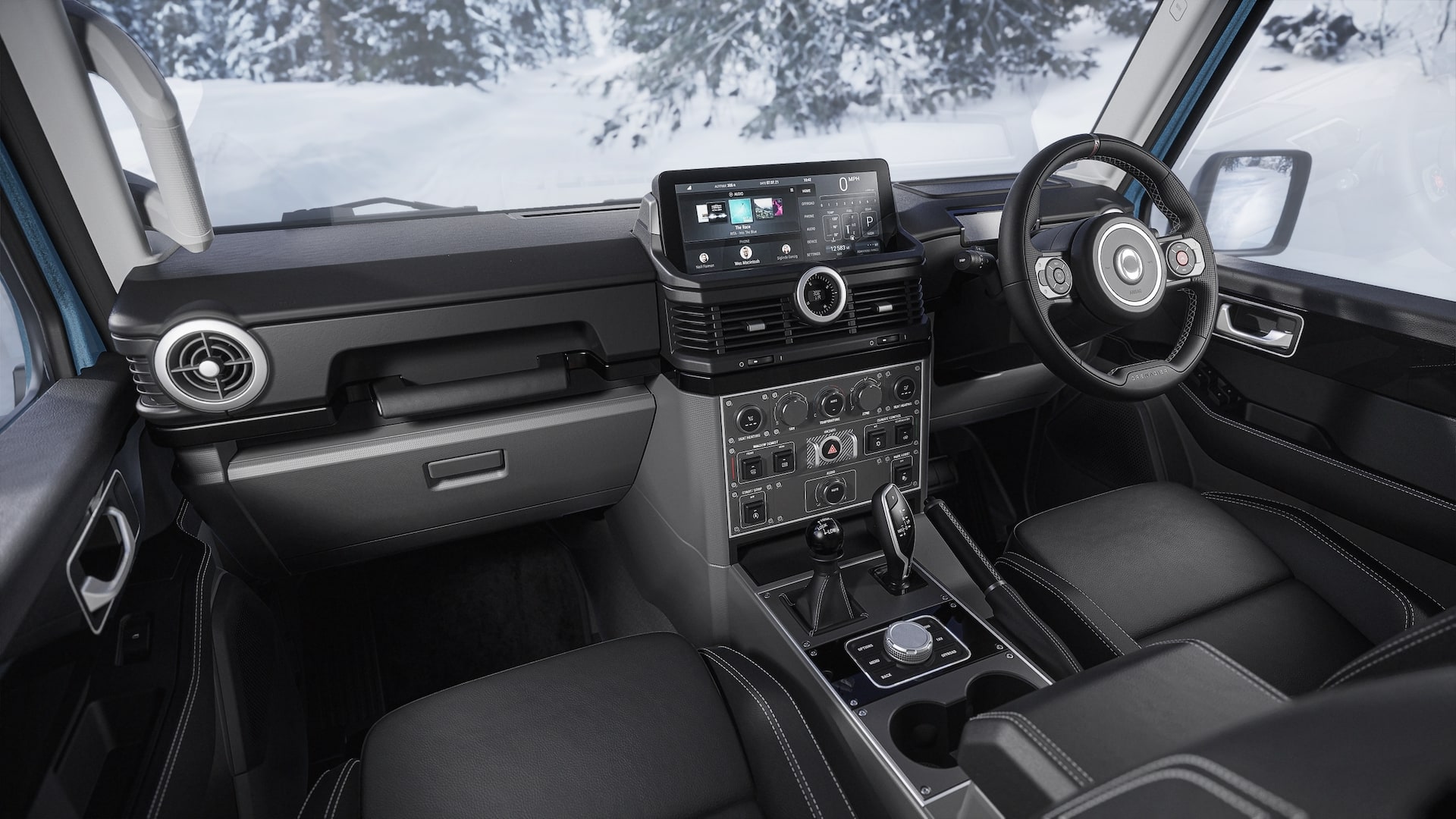
The centre console may seem like a riot of buttons, but the Grenadier’s cabin makes more sense when you start prodding and poking. Having a dedicated switch to engage Offroad mode and disconnect all the driving assistance systems is a neat feature. Locking the centre diff is still done by a pleasingly old-school lever, though.
Being built with such a solid focus on real off-road use has naturally created a 4×4 less suited to life on tarmac. However, a brief road test made it clear the Grenadier is hardly a menace to society. A lack of self-centring for the steering takes some mental recalibration, along with some arm twirling, but it soon becomes second-nature.
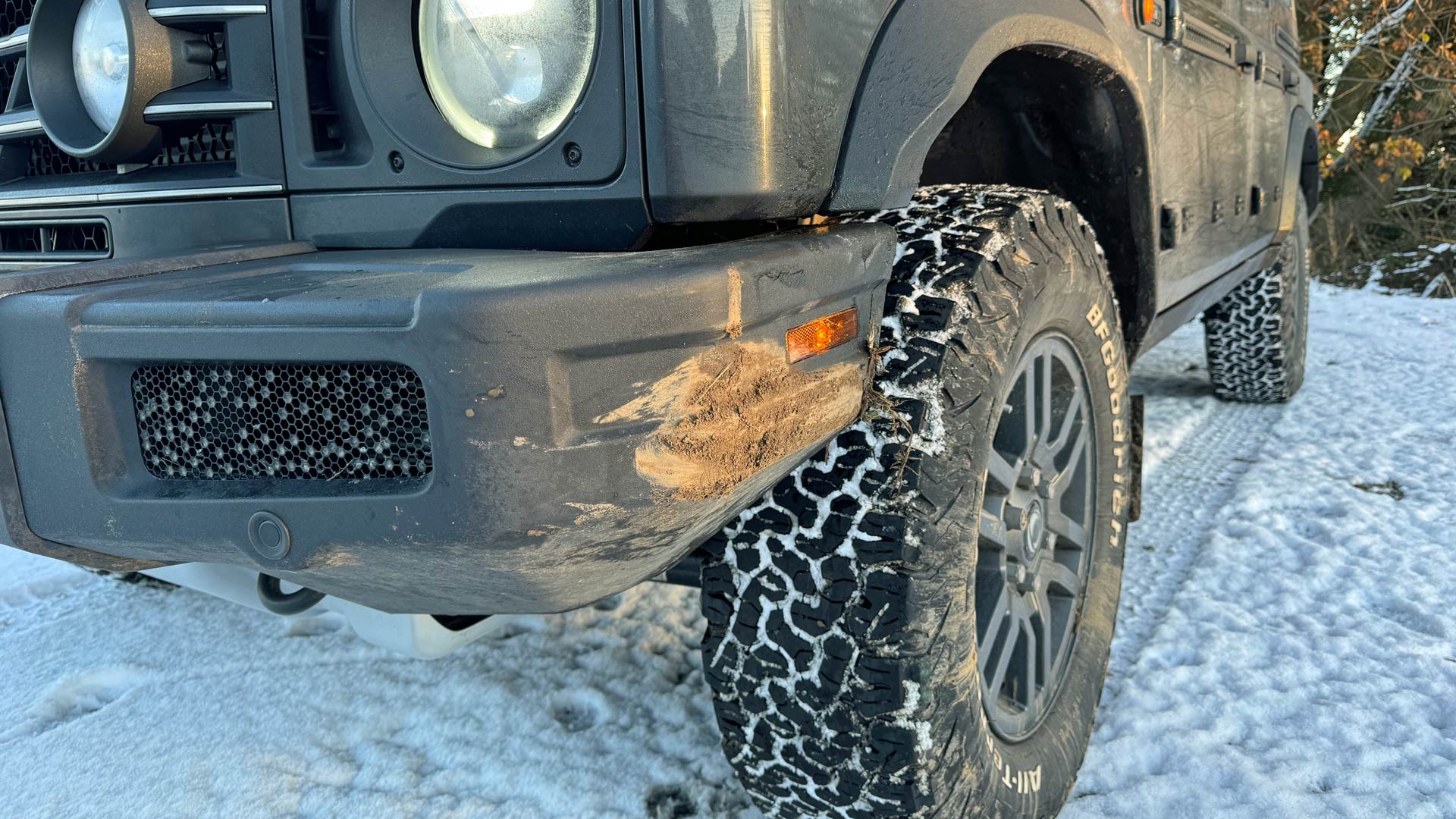
The torque from the BMW diesel makes it more than capable of getting up to speed when joining dual carriageways, and the brakes felt surefooted, even on the chunky BF Goodrich all-terrain tyres. There is enough sound deadening to have a conversation with your passenger at motorway speeds, too.
All part of the charm
Is the Ineos Grenadier perfect? No. Like the original Defender, there is some built-in ‘character’ to address. The driver’s footwell is cramped, there is still not a great deal of elbow room, and it weighs a hefty 2,700kg.
Factor in the substantial price tag – even the cheapest versions now start at almost £65,000 – and it’s easy to see why the Grenadier has taken so much flak.
Clearly, the Grenadier will never replace the iconic status of the classic Land Rover Defender. It can’t hope to replicate the decades of enthusiasm behind the vehicle that inspired it, but the Grenadier does emulate the spirit and abilities of the original.
Buyers expecting the Grenadier to be just another luxury SUV are likely to be surprised. But for those who want a dedicated 4×4 for driving off-road, the Ineos is hard to beat.
Call me a convert, then. Although if money were no object, I would still be straight on the phone to Twisted Automotive for a restomod Defender T110 TVS…
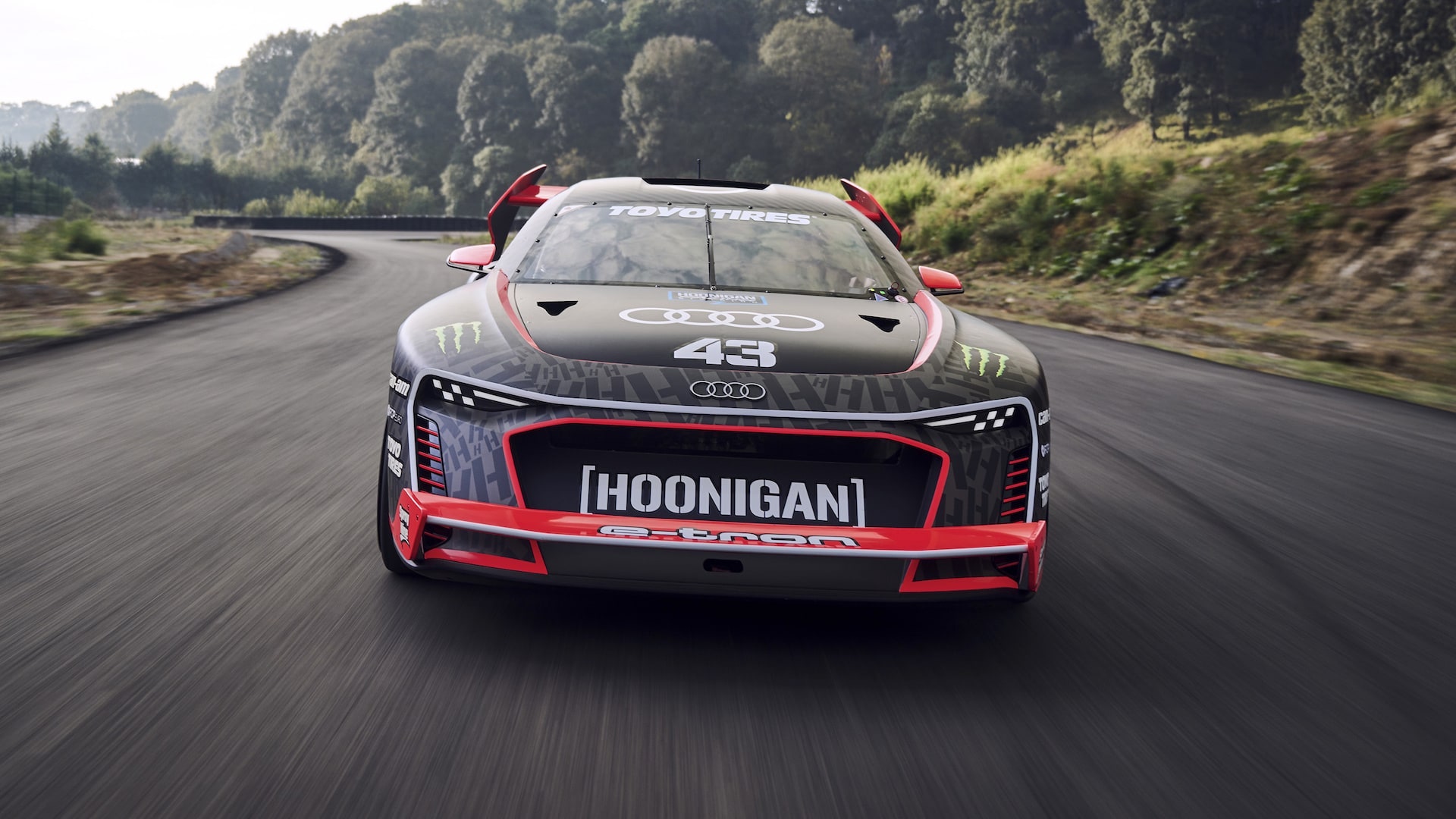
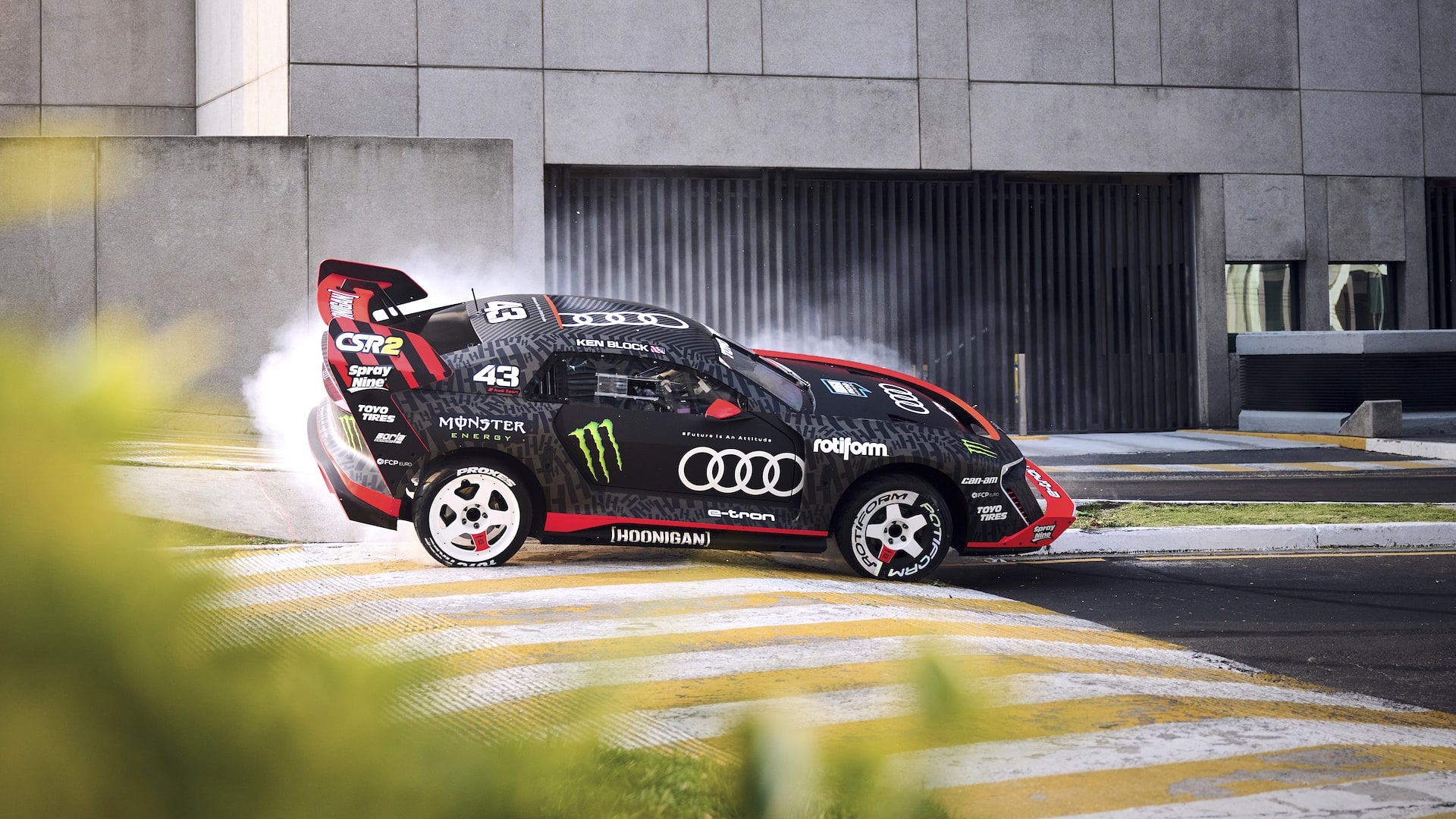
Hoonigan and Audi have released the final chapter in Ken Block’s series of drift videos, which is now available to watch on YouTube.
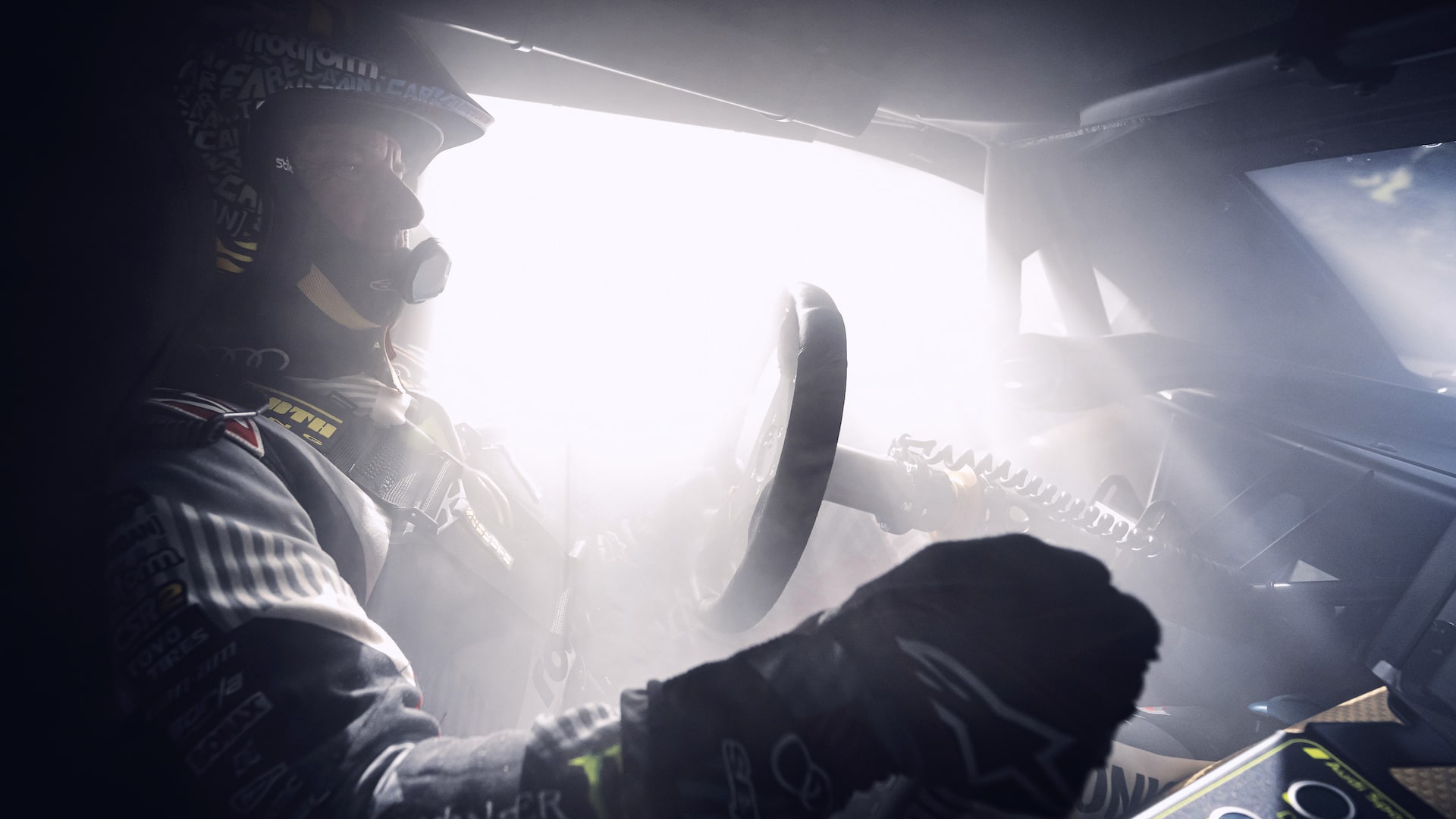
Electrikhana 2 features the incredible 680hp Audi S1 Hoonitron, a bespoke-built drift car, being driven by Block at speed through Mexico City.
Filmed just weeks before Block’s tragic death in January 2023, publication of the video was understandably put on hold. However, the Block family took the decision to complete and release Electrikhana 2 in Ken’s memory.
Vorsprung durch drift
Developed by Audi Sport especially for Ken Block, the S1 Hoonitron features a carbon fibre chassis, two electric motors and an FIA-specification roll cage.
Following completion of the first Electrikhana movie, filmed in Las Vegas, Block requested upgrades to the S1 Hoonitron for his next video. These included reducing the weight of the car, along with creating a digital transmission to simulate multiple gears.
Selected via a paddle shifter, the simulated gearbox allowed Block to perform more accurate slides in Mexico by better controlling the Hoonitron’s power delivery.
Audi Sport also engineered the ability to switch into reverse gear at any speed, and even have the front and rear axles pull in opposite directions. The latter function allowed Ken to perform a huge stationary burnout.
A continuing legacy
Despite Ken’s death, the Block motorsport story looks set to continue. His daughter Lia Block won the 2WD category of the American Rally Association championship in 2023.
She is also set to take part in the 2024 F1 Academy series, and recently drove the Audi S1 Hoonitron in a special feature with French rallying legend, Michele Mouton.
The 43 Institute has been created in Ken Block’s memory, acting as a charitable organisation to support those working in motorsport, action sports and the creative industries.
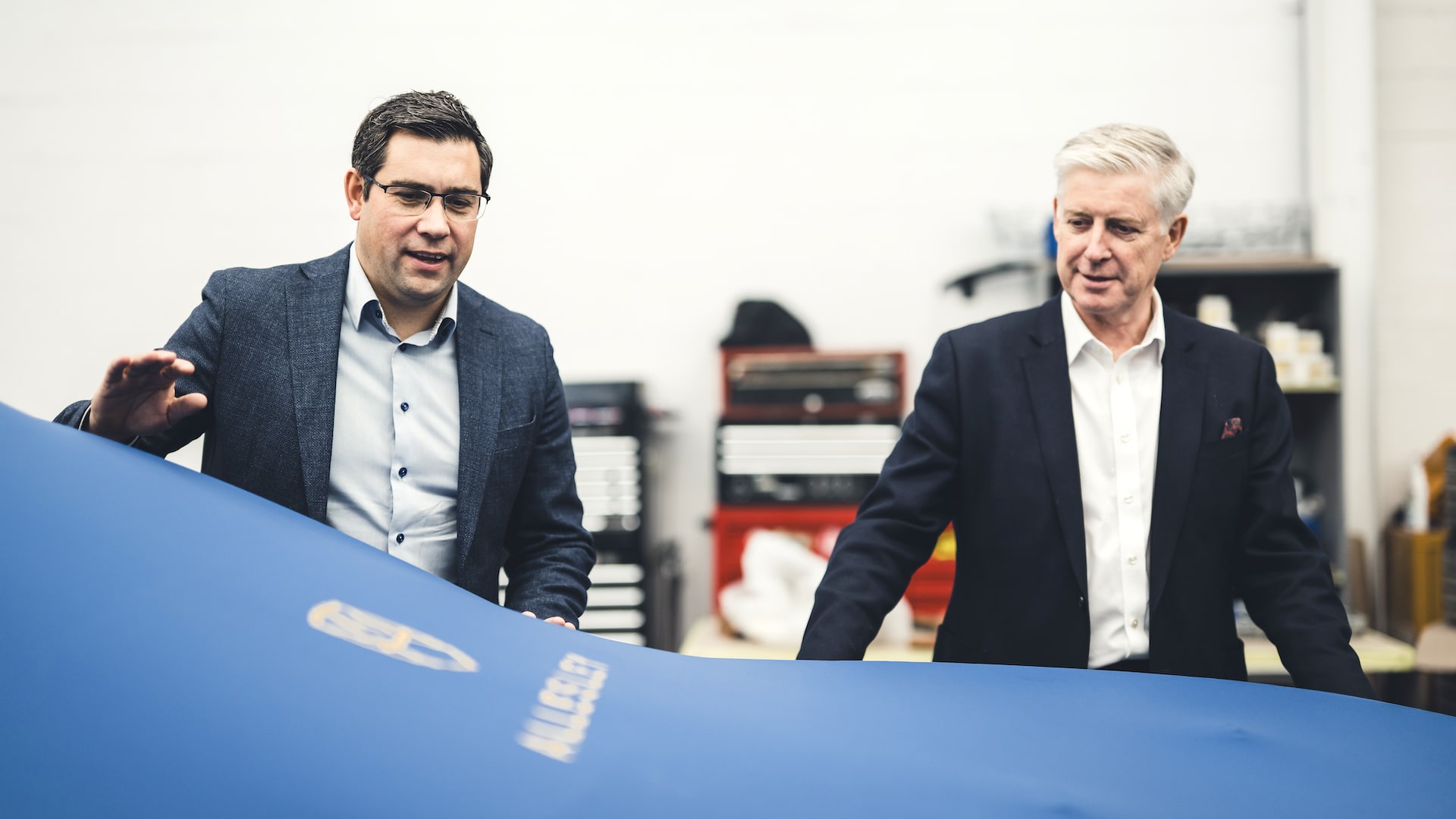
Allesley is new automotive luxury brand, launched with a mission to create coachbuilt cars for those who want something truly bespoke.
Based in Coventry, the 20th century home of the UK’s coachbuilding industry, Allesley aims to channel that history and heritage into modern car design. Both established car manufacturers and private buyers will be able to access its services.
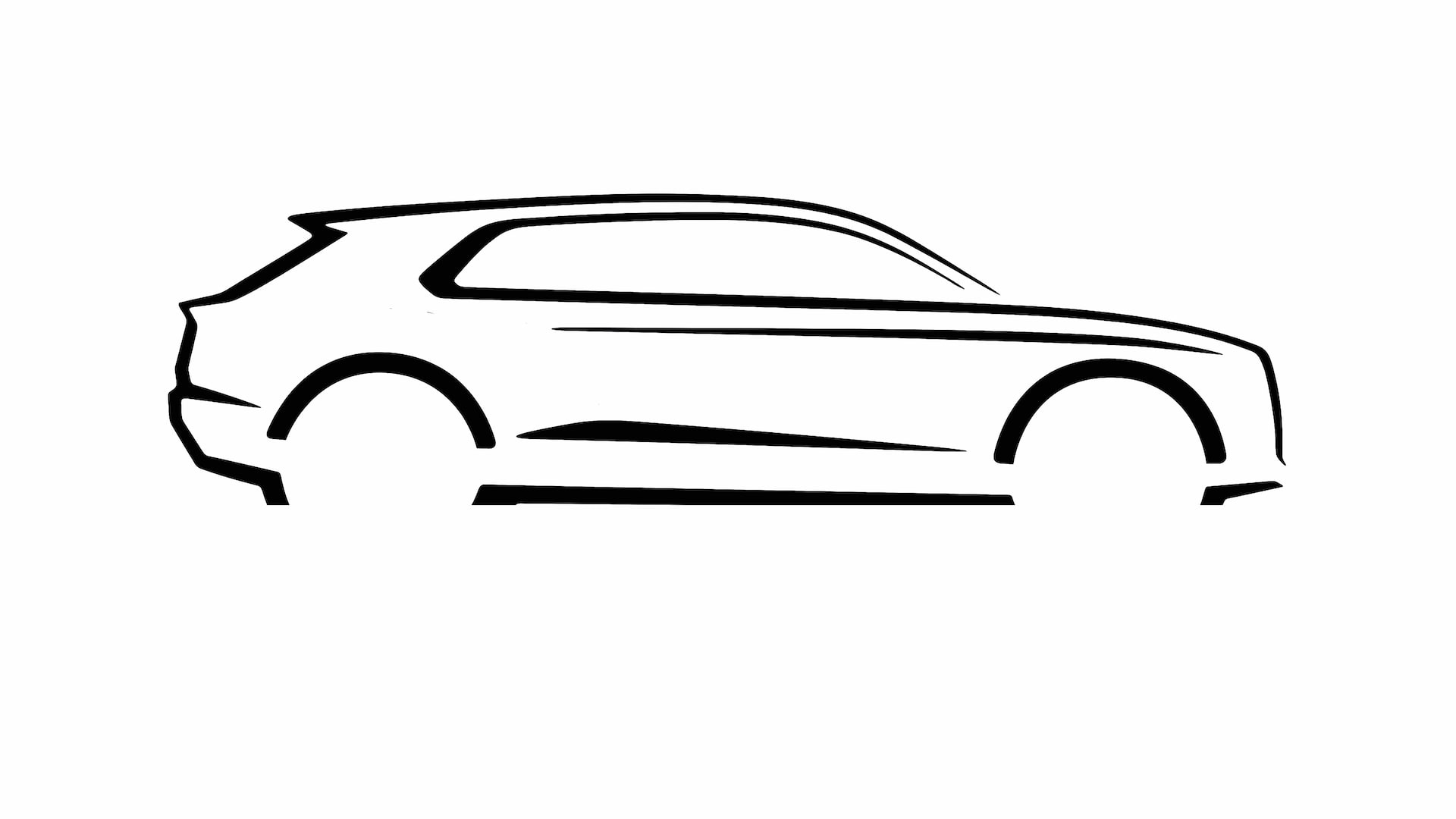
The company’s first creation, a one-off ‘ultra-luxury’ SUV seen in the teaser sketch above, is set to be revealed next year.
‘Design, technology and creativity’
Allesley has brought together experts from within the automotive industry, led by CEO Paul Abercrombie. Having spent a decade in the luxury market, Abercrombie’s achievements include transforming a small architectural practice into a global construction consultancy.
The CEO says Allesley will “transcend all existing standards for bespoke car inception, elevating design, technology and creativity to new heights for a discerning global customer base”.
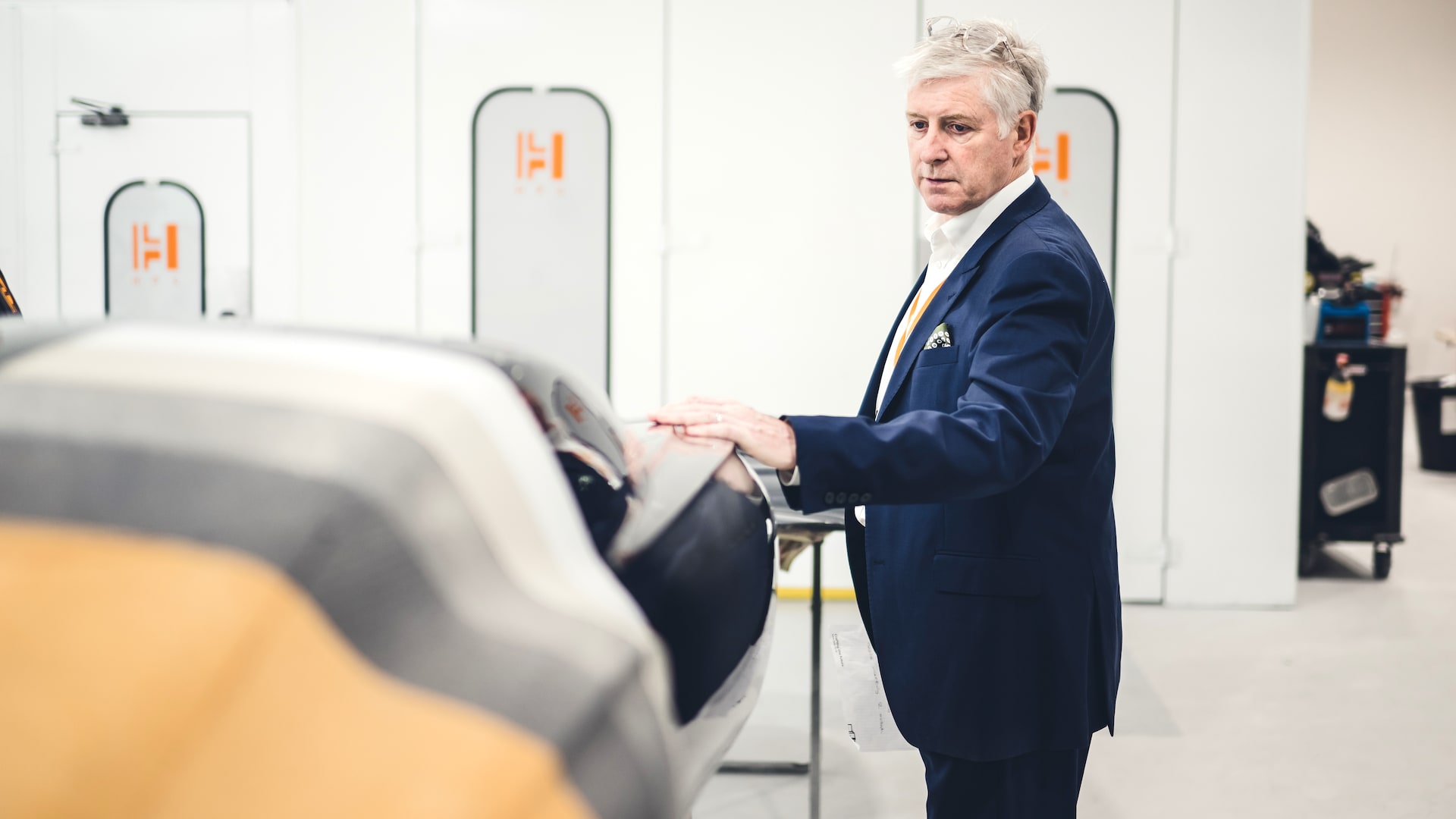
The company will operate as a separate, but linked, associate of the existing HPL Prototypes. This will ensure Allesley has access to HPL’s computer-aided design (CAD) studios, milling machines, trim shop and five-booth paint facility.
Chris Devane, CEO of HPL Prototypes, commented: “As we celebrate our 25th year, the time is right to launch Allesley. This remarkable and exciting new brand will draw on our world-leading expertise, and with a dedicated new team, bring to life bespoke vehicles for a new audience.”
Meet the designers in person
The new company will be based in the same beautiful 1930s Art Deco factory as HPL, where clients will be able to meet designers in person, examine paint and trim options, and use virtual reality (VR) to envisage how their vehicle could look.
Allesley plans to reveal its first project in 2024. The SUV (which we think resembles a Bentley Bentayga in the sketch, albeit possibly with three doors rather than the usual five) is based on an ‘existing world-leading luxury product’, but with every element significantly enhanced.
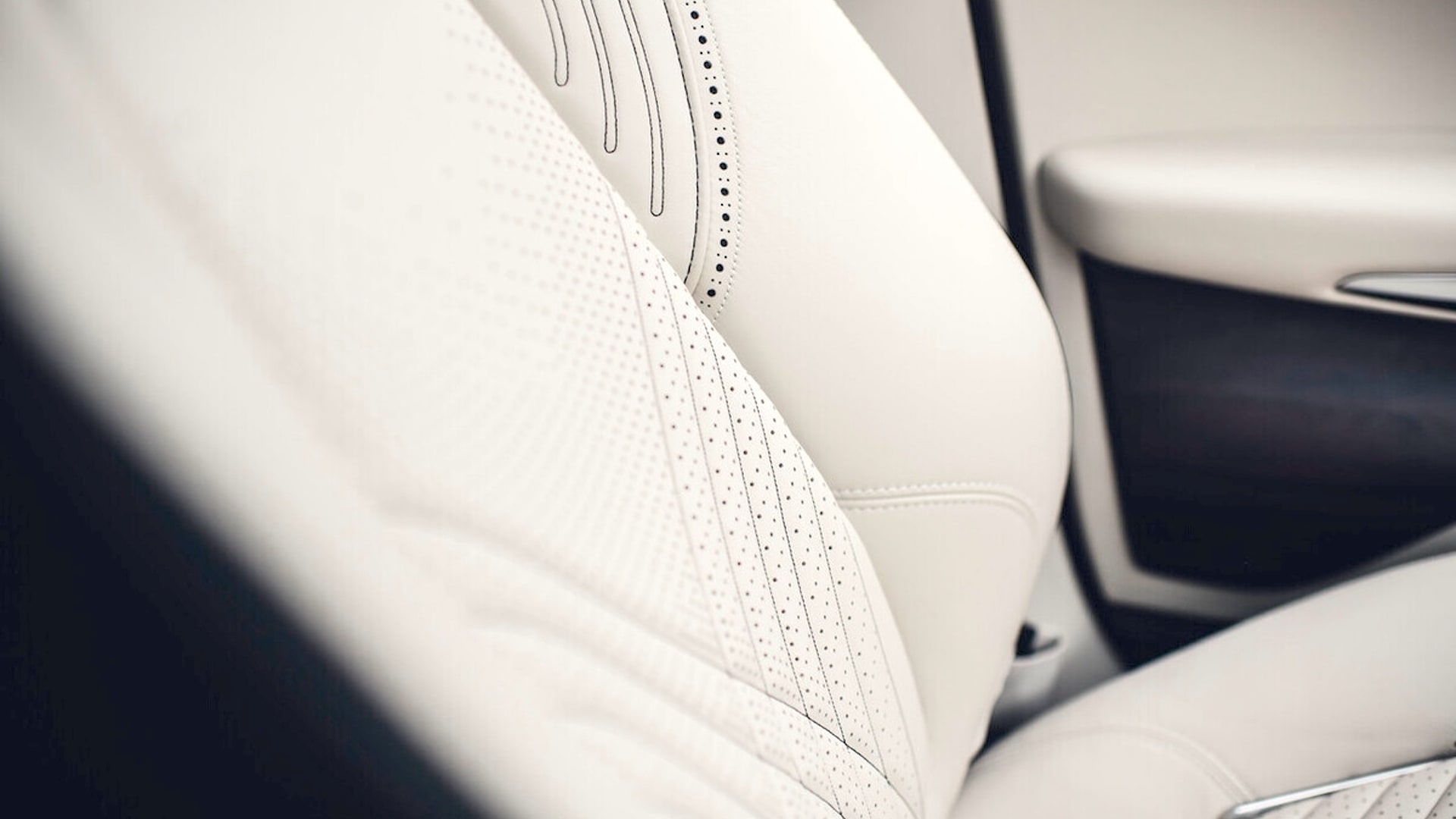
A new coachbuilt body will be combined with an upgraded interior, with the latter claimed to ‘take material quality, craftsmanship and surprise-and-delight features to a new level.’
A group of global automotive leather manufacturers and suppliers called One 4 Leather claims genuine cow hide interiors are better for the environment.
An increase in the number of ‘vegan leather’ alternatives used by car manufacturers has seen animal hide replaced with PU and PVC materials instead.
However, the One 4 Leather group questions how sustainable such products are, and has released data that outlines the potential impact if the automotive industry ditches leather for good. The group aims to dispel myths about the industry, while also hoping to promote the use of leather as a ‘preferred choice’ for car interiors.
On a hiding to nothing?
One 4 Leather references research by the World Wildlife Federation, which notes that leather is a by-product of the meat and dairy industry. As such, One 4 Leather says no cow is bred solely for its hide.
Some 331 million cattle are processed by the meat industry each year, creating more than 2.18 billion cubic metres of leather hide. This is equivalent to twice the volume of Mount Everest.
A substantial 40 percent of all hides are sent straight to landfill. The automotive industry takes 18 percent of the remainder for leather upholstery – enough to wrap around the earth 1.8 times if laid end-to-end.
Do have a cow, man
Based upon these figures, One 4 Leather estimates that if the automotive industry dropped real leather completely, 35 million hides would go to landfill. This would mean an extra 644 million kg of CO2e being emitted each year.
The One 4 Leather group commented, “The automotive industry can make a difference to the planet by using more leather in its cars, thus reducing the number of hides going to waste. If the demand for automotive leather increases by just 10 percent, it would save 3.5 million hides from landfill. That’s a saving of over 64 million kg of CO2e and enough leather for 1.1 million car interiors.
“Car manufacturers are keen to promote greener options to leather in the form of PU and PVC materials. However, most leather alternatives contain more than 80 percent plastic. It’s the small amount of plant or vegetable (mushroom, pineapple, cactus) content that grabs the headlines. These composite materials are difficult and currently very expensive to recycle, so they will inevitably end up in landfill.”



 These are the areas of your car where bacteria is most likely to accumulate. You should pay them particular attention when cleaning: