Home Blog Page 100

New Morgan Midsummer is a coachbuilt project with Pininfarina

0
Morgan Midsummer

Made from cast iron and solid oak, the rear wheelarch jig in the Morgan wood shop has been shaping sports cars for around 80 years (nobody knows exactly how long). But a slimmer, sleeker new wood press now sits alongside it, made especially for the Morgan Midsummer.

“The older tool’s shape means the rear wheelarch of any Morgan is never a perfect curve,” explains chief designer Jonathan Wells. “This is the first car we’ve created entirely using 3D digital design software. Its wheelarches are CAD-drawn concentric curves… so we needed a new jig.”

The future has arrived in Malvern, it seems – even if it still looks conspicuously like the past.

A project with Pininfarina

Morgan Midsummer

A roofless roadster intended to provide ‘a closeness to your surroundings and a raw connection to your machine’, the Midsummer is a joint project with Pininfarina – the Italian design house that sculpted many of Ferrari’s most beautiful cars.

Its impetus came via another Italian connection: Morgan CEO Massimo Fumarola, previously chief project officer at Lamborghini. He provided the link between Malvern and Turin, resulting in a car that combines two centuries of coachbuilding expertise.

Only 50 examples of the Midsummer will be made – all of them snapped up in advance by Morgan’s most loyal customers. A price hasn’t been disclosed and Wells says it “varied wildly” depending on the spec of each car. However, I’m told the ballpark figure is similar to the limited-run Plus Four CX-T of 2021, which started from £204,000.

‘Elegant and eccentric’

Morgan Midsummer

The Midsummer was inspired by traditional Italian barchettas, with swept-back wings and a strong shoulder line created by its wooden door-tops. Its prominent headlights – with integrated indicators – come from the updated Plus Four, while Morgan’s traditional stamped bonnet louvres are replaced by ‘piano key’ vents in front of two tiny aero screens.

Wells says his favourite angle is the rear-three-quarter view, and I’m inclined to agree. The Morgan’s elongated, tapering tail harks back to pre-war designs, and its powerful haunches wrap around 19-inch forged alloy wheels like those of a salt-flats racer. The stainless steel sills are very distinctive, too, visually lowering the car and reflecting the road surface.

Uniquely, where you’d usually find the words ‘Disegno di Pininfarina’, the badges on the Morgan’s front wings say ‘Pininfarina Fuoriserie’. Literally translated as ‘out of series’, the Fuoriserie name reflects the Midsummer’s status as a genuine collaboration between the two companies – not simply a Morgan dressed in Italian couture.

“A Morgan isn’t aggressive, it is elegant. But it’s also eccentric,” affirms Wells. “The Midsummer establishes design foundations to build upon for future Morgan models.”

Softer than a Plus Six

Morgan Midsummer

The forthcoming cars Wells hints at start with the updated Plus Six, due soon, which will look more distinct from its (cheaper, less powerful) Plus Four sibling.

The existing Plus Six is the starting point for the Midsummer, which borrows its ‘CX’ bonded aluminium platform, 3.0-litre turbocharged straight-six BMW engine (also found in the Toyota GR Supra) and eight-speed automatic transmission. Morgan hasn’t quoted any performance figures, but with 340hp and a target kerb weight of 1,000kg, it certainly won’t be slow.

As a driving experience, Jonathan Wells says the Midsummer is “totally different”, with “more compliant dampers and plenty of tyre sidewall for a classic GT feel.” A sealed underbody means “much lower drag than a Plus Six” as well.

A Morgan for grand tours

Morgan Midsummer

As per standard Morgan practice, the Midsummer’s body panels are supported by an ash wood frame, but its interior uses speedboat-style teak. Rather than single pieces of wood, however, each component is hand-made, with up to 126 layers of laminate to ensure strength and durability.

The car’s dials, with their polished centres, are bespoke and its steering wheel also differs from the Plus Six. There’s no boot, but a storage area behind the seats provides space for a couple of weekend bags – ideally a bespoke leather luggage set from Schedoni, the same Italian brand that supplies Ferrari.

Some customers have specified a luggage rack, says Wells, and a full-width windscreen is available if you’d rather not don flying goggles. Other notable requests have included a polished aluminium finish, instead of paint. Wells says every one of the 50 cars will be unique.

Made for Midsummer

Morgan Midsummer

And how about the name? Primarily, Morgan says it’s ‘a celebration of the season that provides optimal weather conditions to experience an open-top barchetta [do they live in England?]’. It also refers to Midsummer Hill, near Malvern, which looks down on the birthplace of company founder HFS Morgan, along with the Pickersleigh Road factory.

Open the Midsummer’s tiny doors and ‘Coachbuilt at Pickersleigh Road’ is stamped into each sill. Wells and the wider Morgan team are clearly proud of this car, and rightly so. Glamorous and gorgeous, it successfully combines quirky British tradition with effortless Italian style. It is unmistakably a Morgan, yet unlike anything the marque has produced in 114 years to date.

Let’s hope the collaboration between Morgan and Pininfarina bears further fruit, and that next time it isn’t only a ‘Fuoriserie’ for the chosen few.

ALSO READ:

Morgan Super 3 review

Fast farewell: driving the final Morgan Plus 8 roadster

Best sports cars to buy in 2024

Advertisement

‘Baby Bugatti’ Type 35 celebrates 100 years of vintage race car

0
Baby Bugatti Type 35 Centenary Edition

Bugatti and The Little Car Company have unveiled the Baby II Type 35 Centenary Edition, designed to celebrate the 100th anniversary of the vintage racing car.

The electric, 75-percent-scale Baby Bugatti features an aluminium body, brass identification plates inside its cockpit and a Bleu de Lyon paint scheme that pays tribute to the six original Type 35 competition models.

Each car has a unique chassis number to match one of the originals, plus hand-painted race numbers on its bodywork. Potentially, they can be made road-legal.

Scaled-down and special

Baby Bugatti Type 35 Centenary Edition

The Baby II Type 35 Centenary Edition was developed using a 3D scan of the original 1924 Bugatti Grand Prix car.

Oxfordshire-based The Little Car Company already makes a version of the Type 35, along with downsized replicas of the Aston Martin DB5 and Ferrari Testa Rossa.

Despite their playful side, TLCC founder Ben Hedley insists his vehicles aren’t toys: “We take classic cars that are now too valuable to drive, then shrink them down 25 percent,” he told Motoring Research.

The most successful racing car ever?

Baby Bugatti Type 35 Centenary Edition

Introduced in 1924, just five full-size Type 35s were built – plus a prototype. They were raced for a decade and, during that period, the cars achieved some 2,500 wins and podium places.

According to Bugatti, that makes the Type 35 ‘the most successful racing car of all time’ – a claim we’re not about to argue with.

All six examples of the Centenary Edition have already been sold and are destined for ‘private collectors across the globe’. However, the ‘standard’ Type 35 is still available from The Little Car Company, priced from £25,000.

ALSO READ:

Ferrari Testa Rossa J driven

Aston Martin DB5 ‘No Time To Die’ edition review

Auto Trader reveals the fastest and slowest-selling used cars

New Volkswagen California camper revealed

One-off TVR Scamander to headline London Concours 2024

Advertisement

How AI can slash EV charging emissions and save drivers money

0
Electric car charging

Artificial Intelligence (AI) technology can be used to reduce the emissions from electric car charging by up to 89 percent – while also saving motorists money.

That’s according to leasing company DriveElectric. Its technology charges EVs when the carbon intensity of the National Grid is at its lowest, and provides data about the carbon emissions saved.

The emissions created by electric vehicle charging are dependent on the carbon intensity of the electricity supply, which in turn is influenced by the amount of renewable energy used.

According to National Grid data, the average carbon intensity of electricity supplied so far in 2024 is 129.9g of CO2 per kWh. However, the lowest figure was 19g CO2/kWh, when the grid was mostly powered by renewable energy. The highest total this year was 295g CO2/kWh.

Timing it right to reduce CO2

Electric car charging

DriveElectric says the carbon emissions associated with charging an EV also have a ‘huge variance’ depending on when the car is plugged in.

According to UK government figures from 2023, an average electric car has emissions of 81g CO2e (carbon dioxide equivalent) per mile. This is based on the total carbon figure for the generation of the energy, including extracting, refining and transporting it. The equivalent figure for a petrol car is 263g CO2e per mile.

DriveElectric says its technology results in the average EV emissions figure being reduced to less than 40g CO2e per mile – and potentially as low as 9g CO2e per mile.

ALSO READ:

1 in 2 homeowners would pave their front garden for EV charging

How can regenerative braking improve your electric car’s range?

An easy guide to electric car jargon

Advertisement

Auto Trader reveals the fastest – and slowest – selling used cars

0

Petrol-powered examples of the Peugeot 208 are currently the UK’s fastest-selling used cars. According to data from online marketplace Auto Trader, these vehicles take an average of 11 days to find a new home.

By contrast, the BMW M2 has the dubious honour of being the UK’s slowest-selling second-hand car, with an average sale taking 104 days. The overall UK average is 28 days.

Auto Trader says May 2024 is the second consecutive month a Peugeot has taken the top spot. In April, the larger Peugeot 3008 took an average of just 12 days to sell.

Toyota Prius

Only one diesel car, the Mercedes-Benz GLA,made it into the top 10 this month, while three alternative-fuel vehicles – the Seat Leon, Toyota Prius and Jaguar I-Pace – also made the fastest-sellers list.

Auto Trader said the fact that just one electric car is included reflects the wider market, where petrol models sell faster than any other type of car. On average, a petrol-engined vehicle needs 27 days to sell, compared with 29 days for hybrids and diesel cars.

However, Auto Trader said demand growth for used electric cars is ‘soaring way ahead of their petrol counterparts’, increasing by up to 54.9 percent year-on-year.

BMW M2

The UK’s fastest selling used cars

Here are the top 10 fastest selling used cars, according to data from Auto Trader.

  • Peugeot 208 petrol – 11 days to sell
  • Toyota Prius hybrid – 12.5 days
  • Seat Leon petrol plug-in (3-5 years old) – 13 days
  • Volvo XC40 petrol – 13 days
  • Jaguar I-Pace – 13 days
  • Seat Leon petrol plug-in (1-3 years old) – 13.5 days
  • Citroen C4 petrol – 13.5 days
  • Mercedes-Benz GLB petrol – 14 days
  • Mercedes-Benz GLA diesel – 14 days
  • Ford Kuga petrol – 14 days

The UK’s slowest-selling used cars

Own one of the 10 cars below? Then you could be waiting a long time before it sells…

  • BMW M2 petrol – 104 days to sell
  • Fiat 500e – 95 days
  • Volkswagen ID.3 – 90 days
  • BMW 2 Series Active Tourer plug-in – 89 days
  • Volkswagen ID.5 – 84 days
  • Audi Q5 plug-in hybrid – 80 days
  • Range Rover Sport petrol – 79 days
  • MG HS plug-in hybrid – 78 days
  • Ford Mondeo petrol – 73 days
  • Mercedes-Benz V-Class – 70 days

ALSO READ:

22 great used cars for £1,500

How to write a perfect used car advert

How to get the best price for your PCP trade-in car

Advertisement

New Volkswagen California camper revealed, now with hybrid tech

0
2024 Volkswagen New California

The latest model in Volkswagen’s long-running and much-loved camper van range has been announced. 

Called the New California, the 2024 model uses the impressive Volkswagen Multivan MPV as its starting point for a camper conversion.

The Multivan platform brings new powertrains, including a plug-in hybrid option, and the promise of greater versatility inside the vehicle.

Given the cult following the Volkswagen California enjoys, getting this model right is clearly important for the German company.

A bigger, better California

2024 Volkswagen New California

The New California is longer and wider than its predecessor but, importantly, no taller. Interior space has increased, and all models now come with sliding doors on both sides. Previously, twin sliding doors were reserved for the range-topping California Ocean.

As before, the New California range starts with Beach trim, before progressing to Coast and Ocean models. All come with a pop-up roof as standard, which acts as a sleeping space.

In entry-level Beach guise, the New California can seat six people inside and comes with car type approval. Moving up to the Coast and Ocean versions sees a reduction in seating capacity, and the California becomes officially classed as a camper van.

Now with plug-in power

2024 Volkswagen New California

Every Volkswagen New California will come equipped with a dual-clutch automatic transmission as standard. Engine options mirror those available for the Volkswagen Multivan, meaning there are three distinct powertrains. 

Buyers can choose a 2.0-litre diesel with 150hp, a 2.0-litre petrol with 204hp or the new-for-2024 eHybrid PHEV version.

Volkswagen’s first plug-in hybrid camper van combines a 1.5-litre turbocharged petrol engine with an electric motor, for a total output of 245hp. It also brings 4Motion all-wheel drive to the party. An electric mode allows the VW to travel small distances on battery power alone.  

Keeping things more traditional, two-tone paintwork remains an option, with three combinations to choose from. That’s in addition to 11 single-tone paint hues, plus three different pop-up roof colours.

Glamping in style

2024 Volkswagen New California

The level of camper van equipment is seemingly endless. The top Ocean model, for example, comes with heated seats, climate control and ambient lighting for the kitchenette area.

A 5.0-inch touchscreen is included on all models, acting as the van control unit. This includes information on water levels, battery charge and even the status of the refrigerator. A dedicated Volkswagen California smartphone app can be used to control the interior functions, too.

Pre-orders for the Volkswagen New California open in June 2024, with the first completed vehicles due for delivery by the end of this year. UK prices and specifications will be announced soon.

ALSO READ:

Volkswagen Grand California 2023 review

Volkswagen ID. Buzz 2023 review

GTI goes electric! Volkswagen reveals ID. GTI hot hatch concept

Advertisement

Half of motorists admit to using washing-up liquid to clean their car

0
Car cleaning

Half of all motorists admit to using washing-up liquid to clean their car – a potentially costly shortcut that could cause thousands of pounds of damage to paintwork.

While washing-up liquid is ideal for removing grease and burnt-on food, it strips away the protective layers of paint on a car’s body panels. This leaves it vulnerable to airborne and waterborne contaminants, along with damage from ultraviolet light.

According to a survey by Autoglym, 48 percent of drivers have used washing-up liquid to clean their vehicle, rising to 56 percent among those aged between 55 and 64 years old.

A third (34 percent) also admitted they have used dishcloths, which can leave behind minor scratches due to their tough fibres. And 12 percent have used a scrubbing brush for car cleaning, while 19 percent have simply used an item of clothing.

A costly error to repair

Car cleaning

According to Autoglym, repainting a family car can cost up to £5,000, so only use dedicated car care products to wash or polish your vehicle. 

“None of these household products have been developed with car cleaning in mind, and some of the scouring pads and brushes could even be causing lasting damage. The good news is that consumers can quickly rebuild essential layers of protection by using products specially formulated to be used on cars,” said Laura Fippen, head of technical services at Autoglym. 

Of course there’s an agenda here, given what Autoglym sells, but Fippen has a point – and now that the weather is (finally) warming up, it now might be time to give your car a spring clean.

Tips for cleaning your car

Car cleaning

Start by using a hose or pressure washer to remove the grime and salt from the underside of the car. Road salt will have a corrosive effect, so should be removed as soon as possible.

Use the pressure washer to blast away all the mud and salt that will have built up under the wheelarches, along with in the sills and around the bumpers.

Clean the alloy wheels using a specialist wheel cleaner, removing the build-up of brake dust with the help of a wheel brush or even a soft-bristle toothbrush. Once clean and dry, adding a layer of wax will help keep your wheels cleaner for longer – and make them easier to wash in the future. 

Taking note of the following points will help make your car look beautiful again, too:

1. Don’t use washing-up liquid. This contains a small amount of salt, which can damage your car’s paintwork.

2. Use a car shampoo. This comes down to personal preference, but a car shampoo will always be preferable to washing-up liquid.

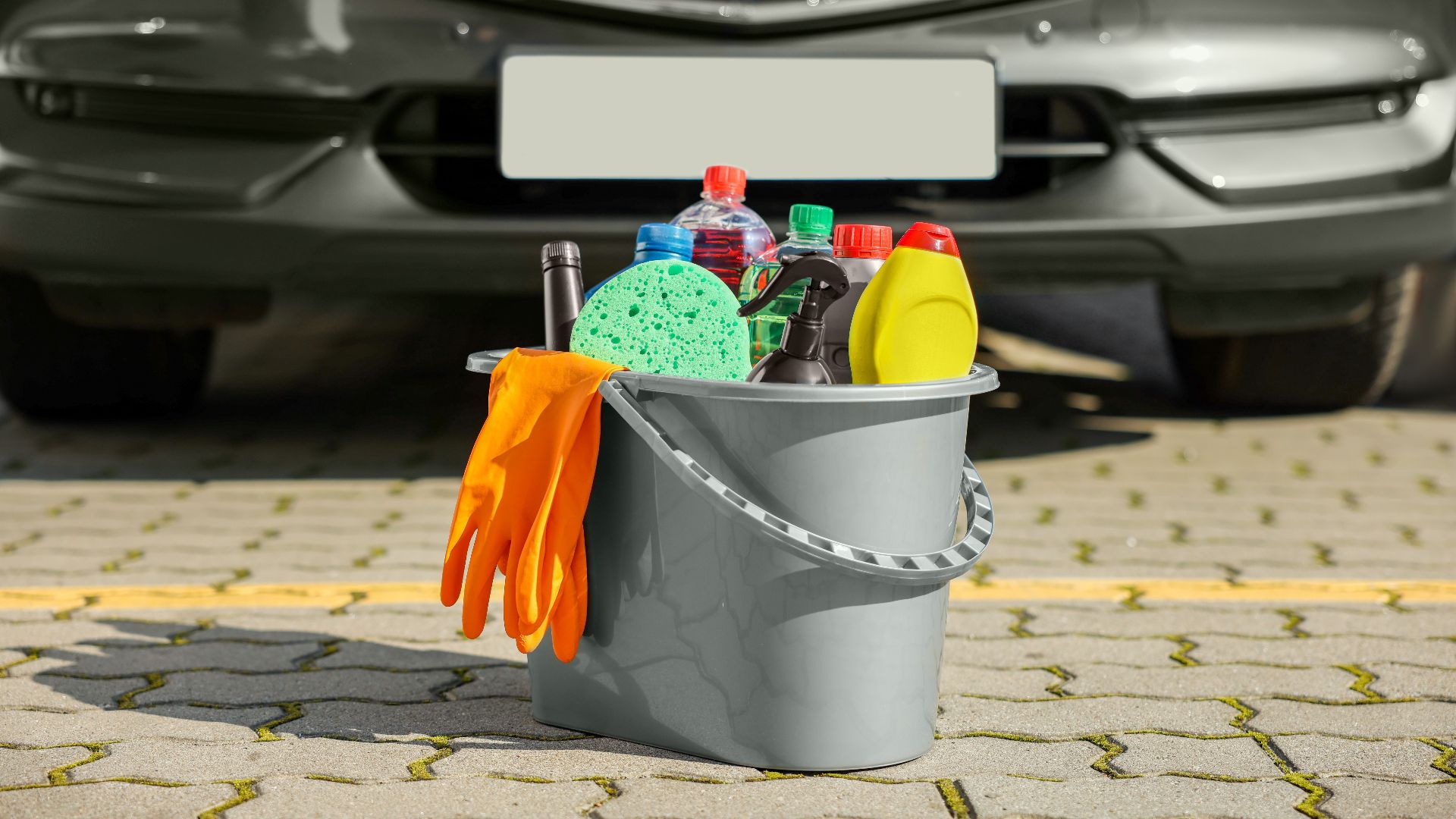
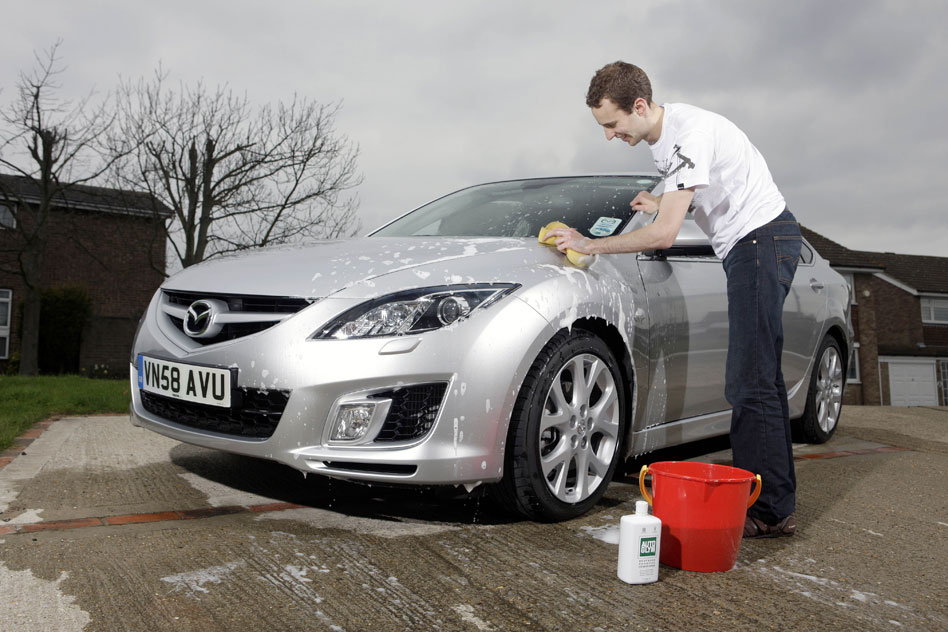
3. Avoid using a traditional sponge. Tiny pieces of dirt and grit will get stuck in the sponge, which will be spread across the paint as you wash it. This will leave little scratches and swirl marks.

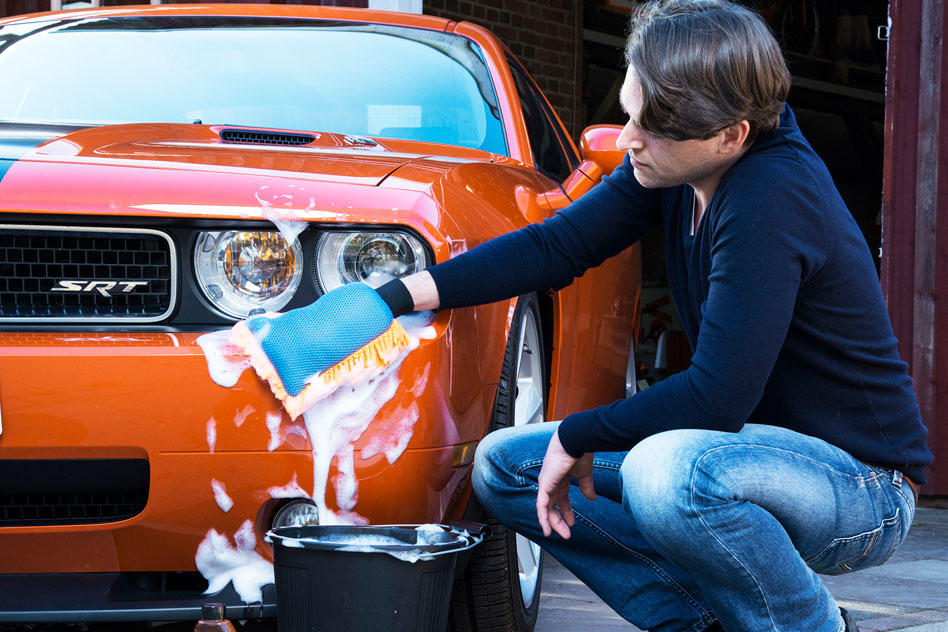
4. Use a wash mitt. These have been specifically developed to get around the problem associated with sponges by absorbing the pieces of grit, keeping them away from the paintwork.

5. Use the two-bucket method. Sorry, but you’re going to need a second bucket. One bucket should contain the washing solution, and the other only fresh water. Soak the mitt in the first bucket and wash the car. Then rinse it out in the fresh water, before dunking it in the wash liquid again.

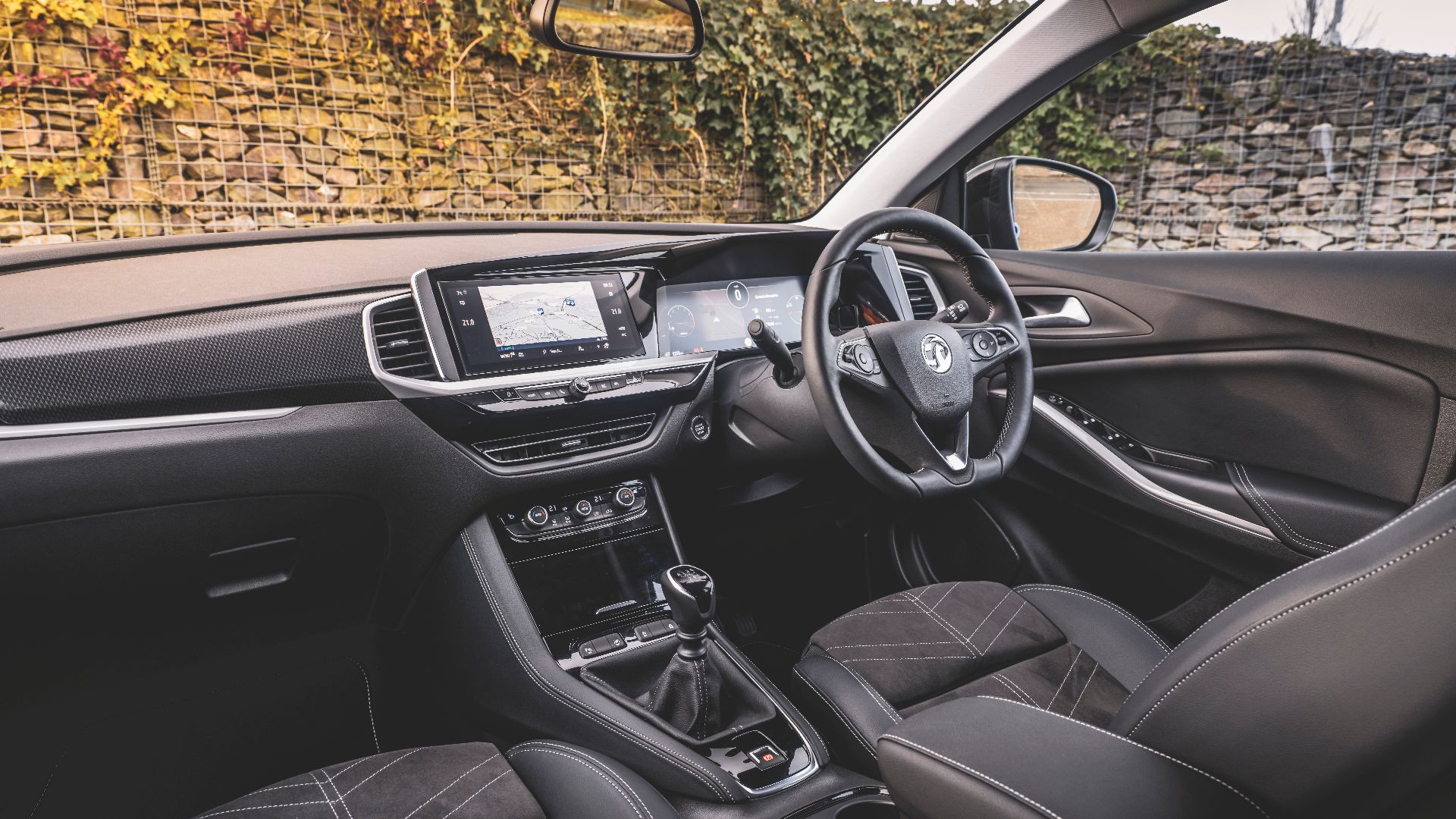
Motoring Research has compiled a seven-step guide on how to clean the interior of your car, which can be found can be found here

To give your car a thorough interior valet, you’ll need a free afternoon, plus the following products: a vacuum cleaner (with the appropriate nozzles), quality microfibre cloths (ideally 300g/m), an all-purpose cleaner spray, plastic brushes, window cleaning fluid and plastic cleaning liquid.

If your car has leather seats, a pH-neutral leather cleaner and leather feed will also help. Good luck!

ALSO READ:

How to give your car a spring clean

How to deep-clean the inside of your car

The best new cars to buy in 2024
Advertisement

Number of cars with a manual gearbox HALVES in last decade 

0
Manual gearbox

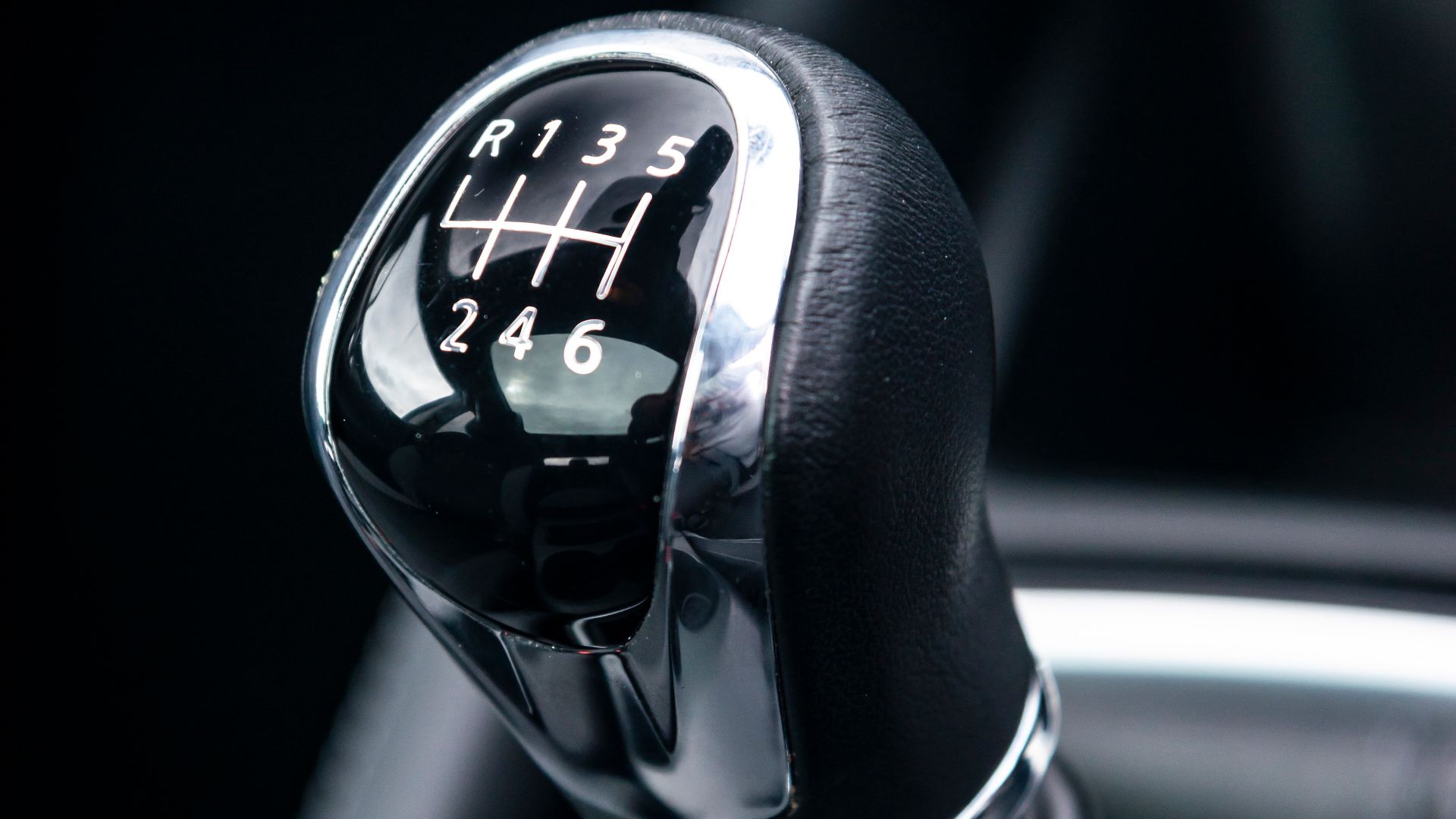
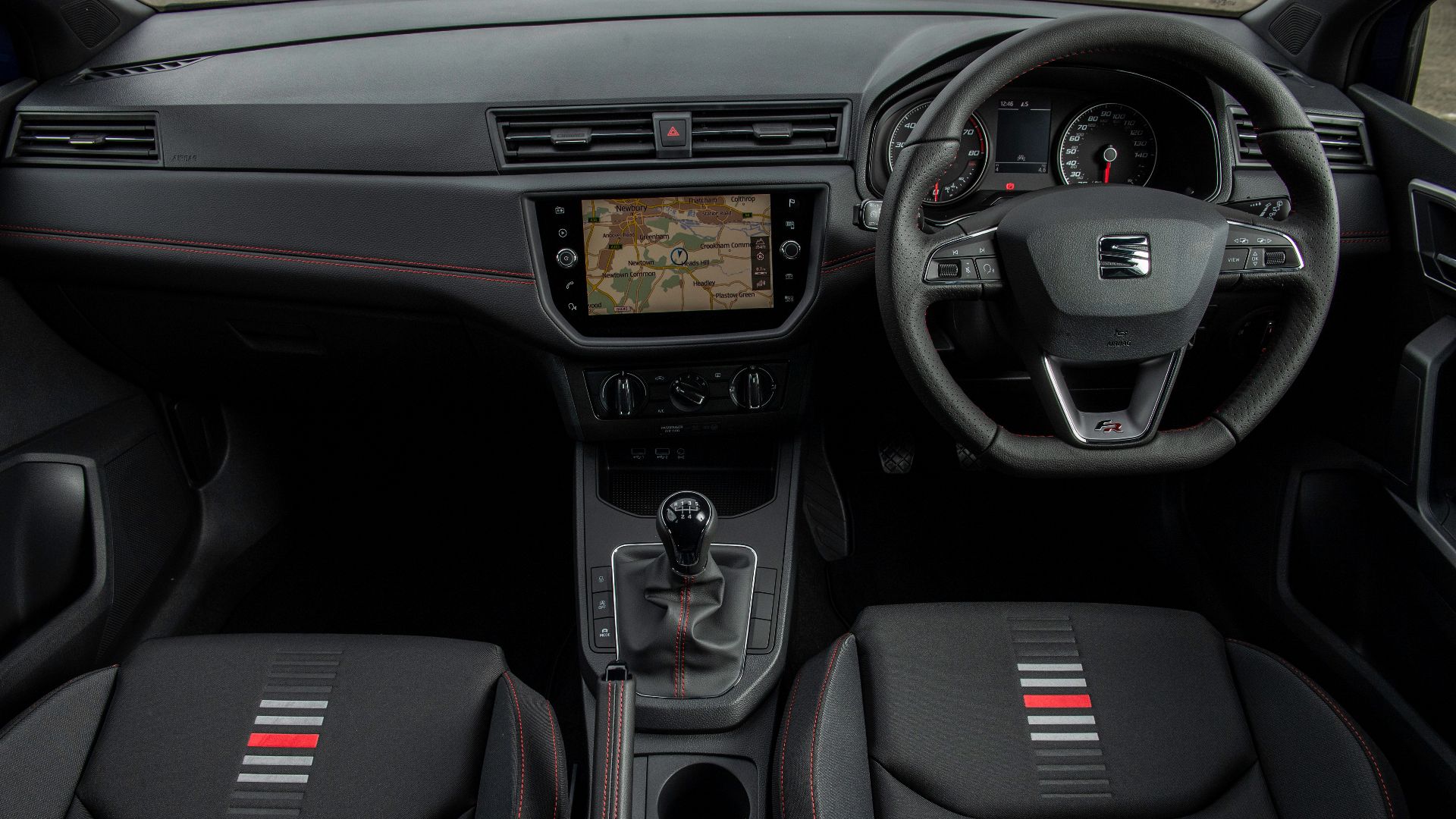
As drivers increasingly opt for automatic gearboxes, the number of new cars available with three pedals has decreased dramatically. 

Could manual gearboxes become extinct in the coming years? That question has been posed after research found the number of new cars available with a stick shift has more than halved in the past decade.

According to used car marketplace CarGurus, which analysed data from the leading 30 car brands in the UK, 89 new models are available with a manual gearbox in 2024. That is down from 197 cars in 2016.

A rapid decline for manual

Manual gearbox

Interestingly, the number of new cars with a manual transmission remained virtually constant between 2014 and 2018, varying by no more than four percent.

However, the decline became noticeable after 2018. And in the past year alone, there has been an 18 percent decrease in new models available with a manual ‘box

Among the manufacturers who no longer offer any new cars with a manual gearbox are Volvo, Mercedes, Jaguar, and Lexus.

New drivers switch to automatics

Manual gearbox

It seems car makers are merely following market trends. There has been a large increase in the number of UK drivers taking automatic-only driving tests, according to Driver and Vehicle Standards Agency (DVSA) data.

During the 2012-2013 period, there were 87,844 automatic-only driving tests. A decade later in 2022-2023, this had increased to 324,064.

However, drivers taking automatic-only tests are ‘potentially missing out on opportunities for savings,’ said CarGurus. It claims buyers can save £3,466 on average if they choose a used car with a manual gearbox over an automatic option.

“Between the increasing consumer demand for cars with an automatic gearbox and the rapid expansion of new EV models coming to market, we could be approaching the end of the road for the manual gearbox,” said Chris Knapman, editorial director at CarGurus UK. 

ALSO READ:

The sports cars still available with a manual transmission

Shift to EVs means manual driving test could be obsolete by 2040

13 easy ways to save money on fuel

Advertisement

Expert explains why so many lorries hit railway bridges

0
Railway bridge strike

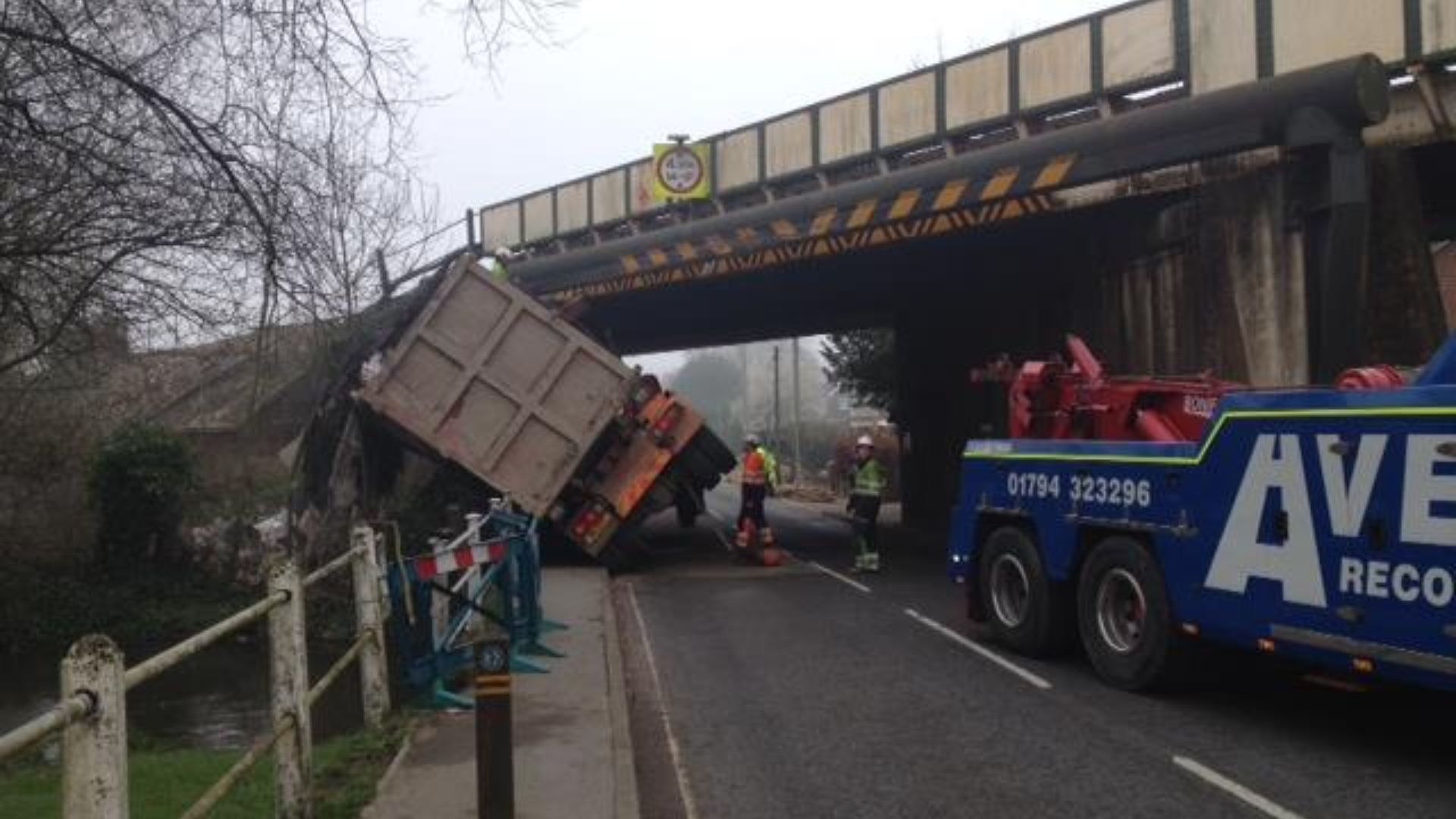
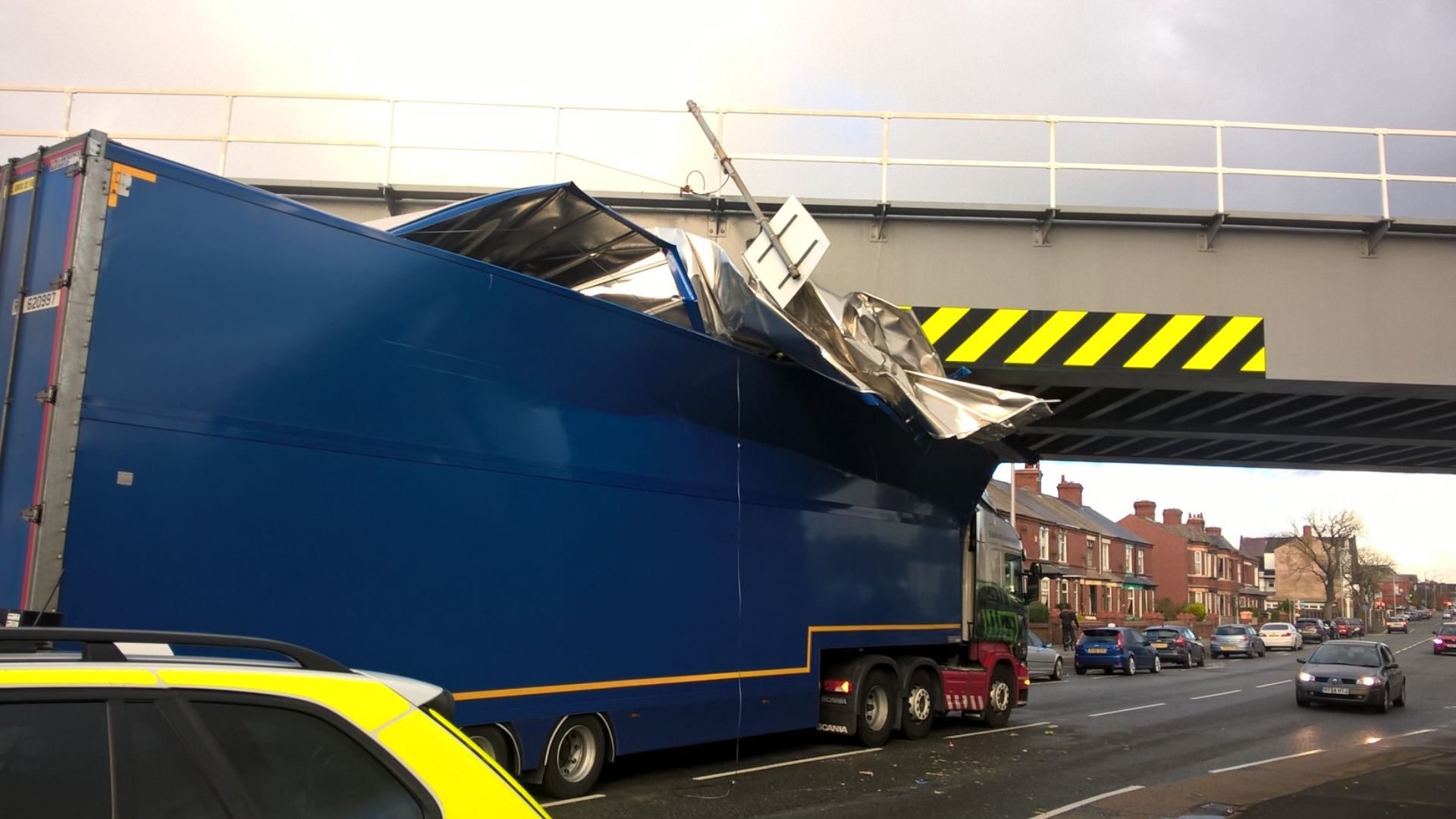
Why do lorries collide with railway bridges? The reasons include the UK not imposing height restrictions, bridge heights being displayed in imperial units, and a lack of cheaply available data displaying how tall structures are.

That’s according to transport consultant, Tom Reddy. In a widely-shared post on X (the social network formerly known as Twitter), Reddy pointed out several flaws in the law and driver training protocols that lead to lorries damaging railway infrastructure on a daily basis.

“There is no legal maximum height in the UK. You can run as high as you like, just don’t hit anything,” he explained. “So we got greedy with height. Europe has a four-metre maximum.” 

£12 million cost of rail delays

Railway bridge strike

Network Rail data shows that in the 2021-2022 financial year, a total of 1,833 bridge strikes were recorded, costing the publicly-owned infrastructure firm £12 million in delay and cancellation fees alone.

Reddy said there is a legal requirement for all vehicles over three metres tall to have a sign in the cab displaying the vehicle height, but “most drivers don’t adjust it.”

The Stonea Road bridge on the B1098 in Cambridgeshire has the unflattering title of the most bashed bridge in Britain. Drivers struck it 33 times in the year ending March 2022. This amounted to £10,526 in ‘unnecessary train delay and cancellation costs’, said Network Rail.

“Legally speaking, in the UK, it is only a requirement to display the bridge height in feet and inches. In reality, most bridges will now display both, but it is not unusual to find imperial only” Reddy said. Potentially, this could cause conversion problems for overseas drivers.

Don’t be a bridge basher

Railway bridge strike

Reddy also blamed the demise of truck-specific maps and the rise of sat-navs for drivers hitting bridges.

“Know your height? Plan your route. But few do that because for the last 20 years, sat-nav has been doing that for us. Paper maps are gone. They saw this coming of course and designed HGV sat-navs, but they are still prohibitively expensive (£300+) so most drivers don’t use them,” Reddy claimed.

Network Rail chairman Lord Hendy of Richmond Hill said: “Bridge bashers cause serious safety issues on the transport network, for both road and rail users. Every incident can delay tens of thousands of passengers while we inspect the bridge and repair any damage – creating a huge cost from public funds.”

ALSO READ:

How to report an unsafe lorry, bus or coach driver

13 easy ways to save money on fuel

What causes potholes on the roads?

Advertisement

Tesla is cheapest car brand for servicing – but most expensive for tyres

0
Tesla Model Y

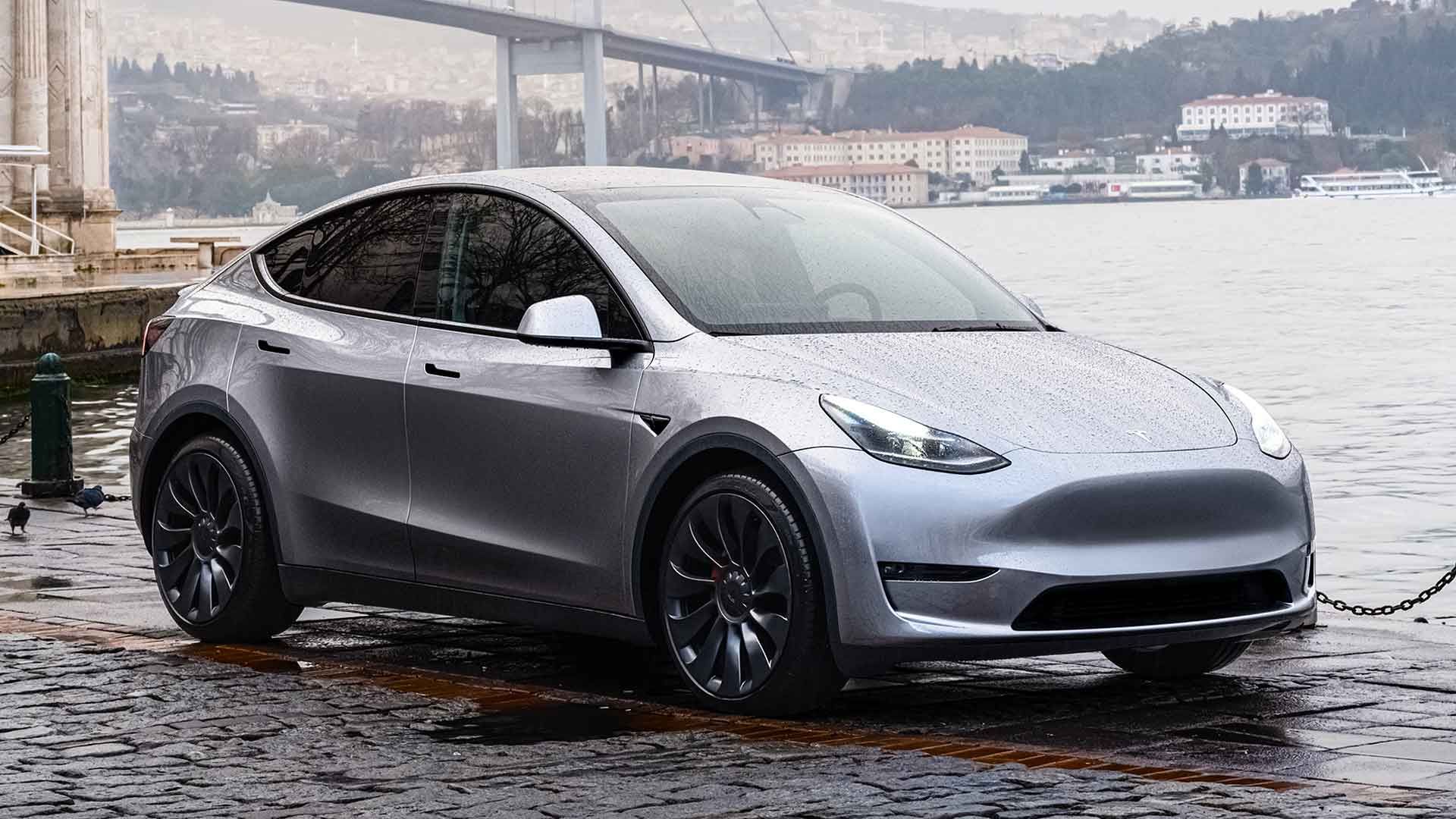
The car manufacturer with the lowest servicing bills is Tesla, according to a new analysis of the top 20 companies’ running costs.

Automotive data provider Cap HPI says that, over a period of three years and 60,000 miles, servicing a Tesla will cost an average of £338. This makes it the cheapest of the 20 best-selling car manufacturers, at £143 less than second-placed Skoda, £195 less than Renault and £217 less than Honda.

However, Tesla finishes in 20th and last place when it comes to tyre costs, dropping the American marque down to 16th for total service, maintenance and repair (SMR) bills.

Tesla also ranks first for brakes, with an average cost of £113. That compares with £916 for Land Rover in 20th place.

Hyundai is the most expensive of the 20 brands analysed for servicing, at £1,122 on average.

Renault is cheapest to run overall

Car servicing

Overall, the manufacturer ranking first for total service, maintenance and repair costs – including servicing, tyres and brakes – is Renault, at £1,883. 

The French firm is followed by Honda (£1,902), Seat (£1,933), MG Motor (£1,999) and Peugeot (£2,039). Tesla comes 16th overall, with a total SMR cost of £2,946. BMW ranks 20th and last, with an SMR figure of £3,944.

“Outside of servicing, tyres are the main cost consideration for EV drivers. These are typically more expensive as they become worn sooner… mainly due to vehicle weight,” said Andrew Turner, senior product specialist at Cap HPI.

Turner said electric cars tend to “have larger or less common tyre sizes that are more expensive”, which could also explain Tesla’s poor showing in this area.

“Fundamentally, when it comes to basic service costs, EV models do cost less to run,” Turner added.

ALSO READ:

Millennials more likely to repair their cars than any other generation

2024 Tesla Model 3 Performance revealed… and it’s even faster

Your EV questions answered on Motoring Electric

Advertisement

Ineos Grenadier expands into a tax-saving van version

0
Ineos Grenadier Commercial

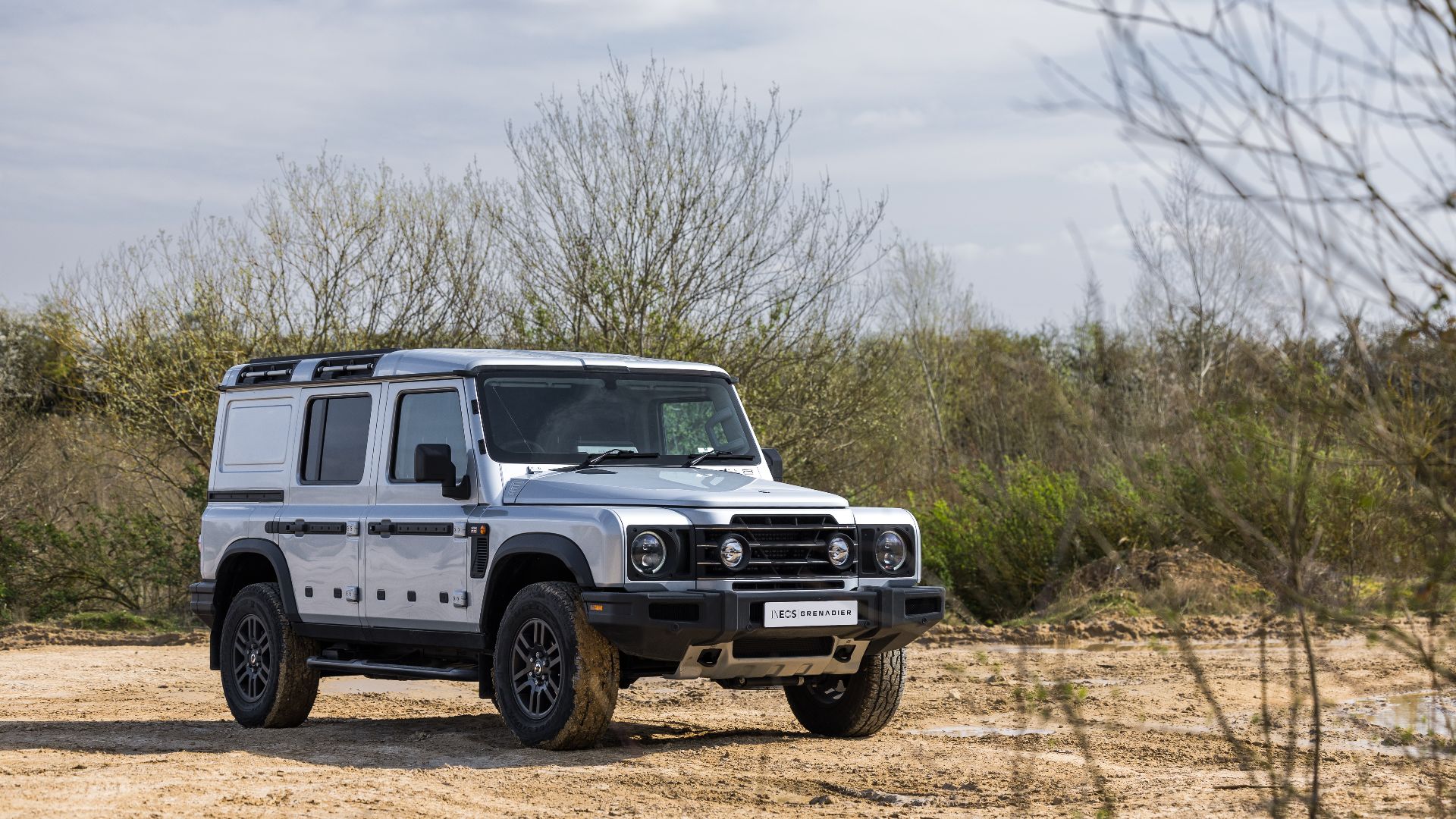
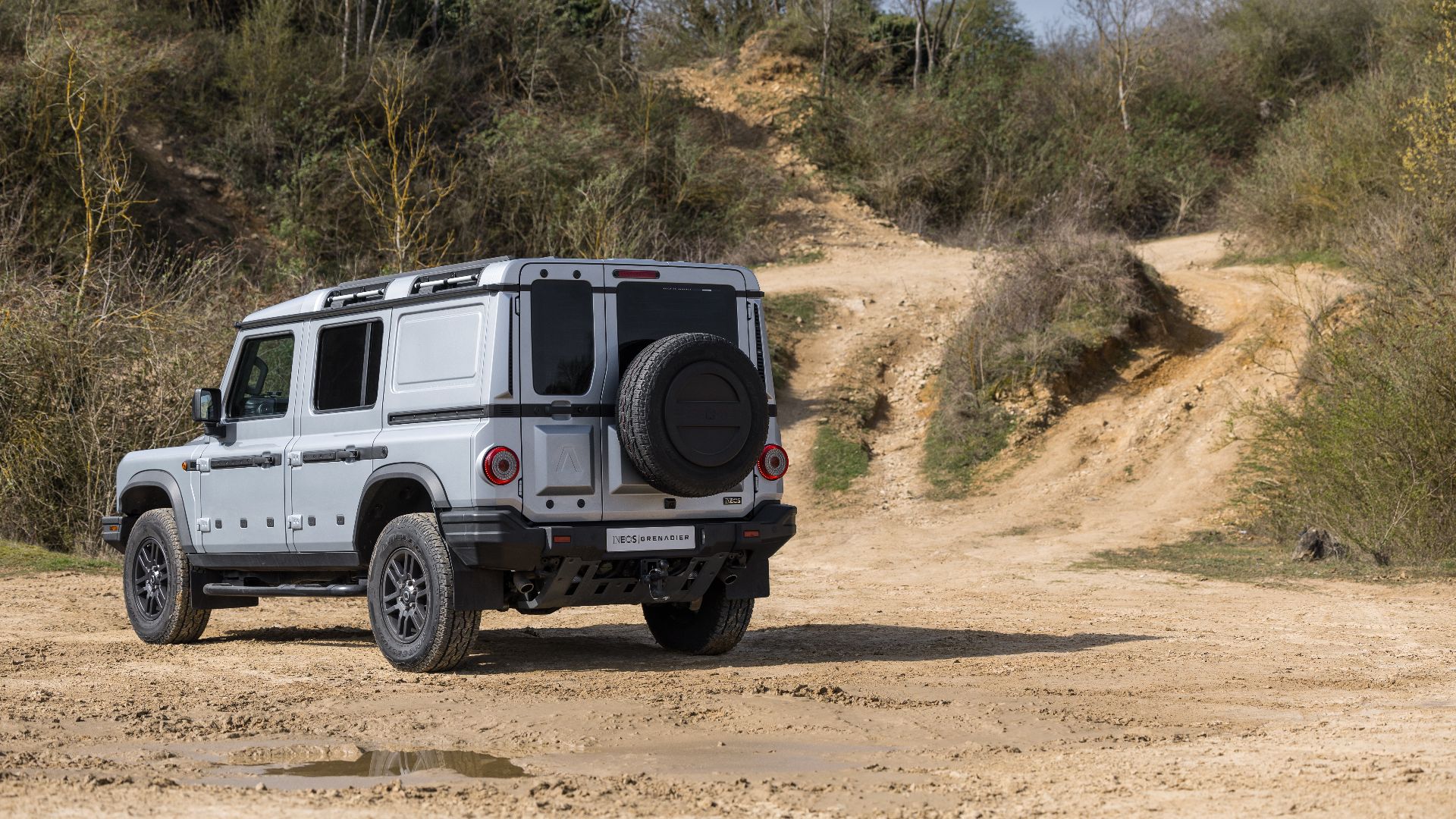
Ineos has launched a van derivative of its rugged Grenadier 4×4, designed for those who need an off-roader for work purposes.

Unlike the regular version of the vehicle – and the previous Grenadier Utility Wagon – the Grenadier Commercial allows business buyers to reclaim VAT and receive lower Benefit-in-Kind (BiK) tax rates compared with the standard SUV.

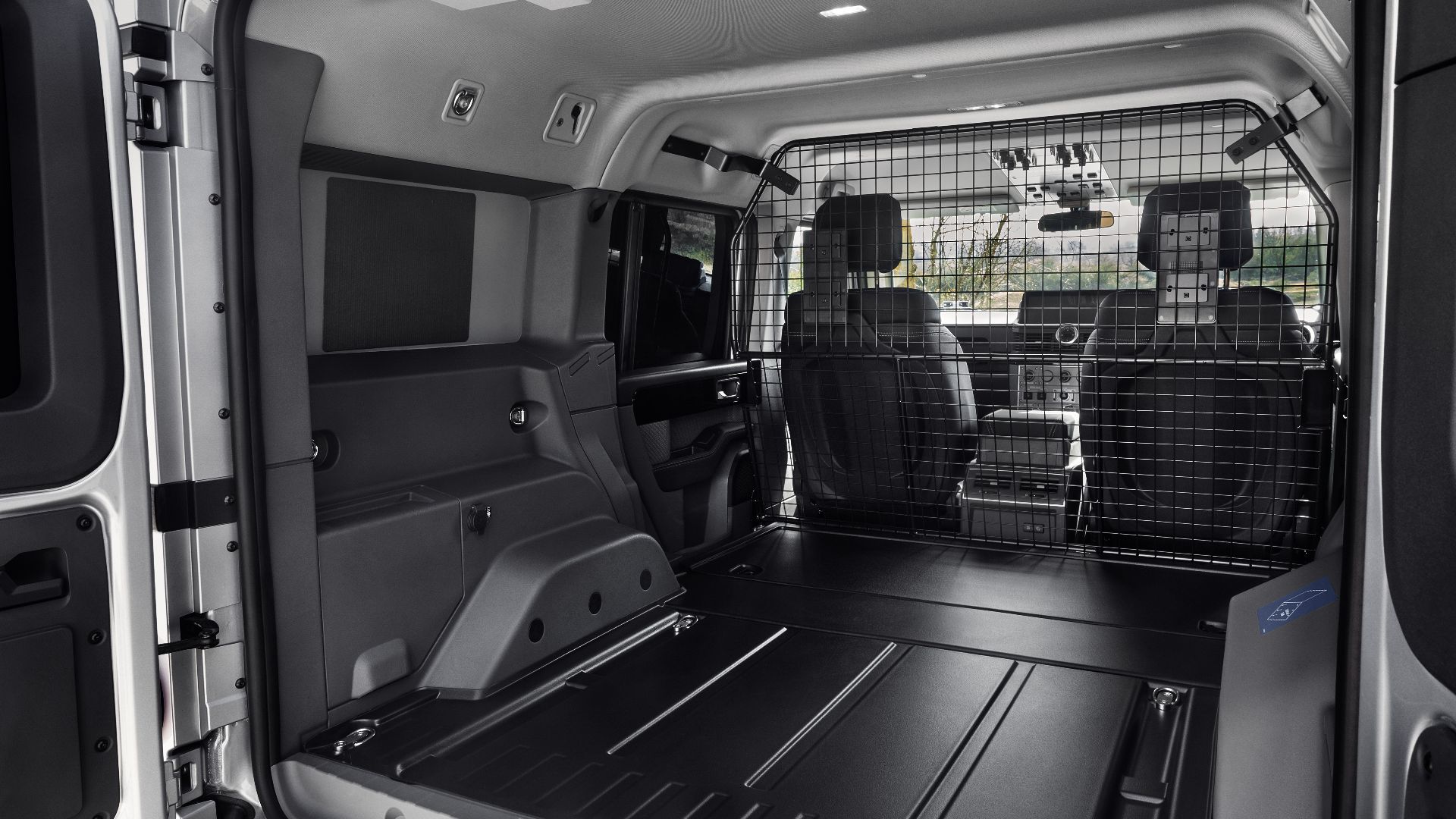
It features a full-length flat floor with a full-height cargo barrier behind the two front seats, and can carry a standard 1,200mm x 800mm Euro pallet. 

The Commercial also has a braked 3.5-tonne towing capacity, more than 2,000 litres of load space and 5.5 tonnes of winching power – the latter useful to potentially recover other, less capable cars.

No rear seats for Grenadier LCV

Ineos Grenadier Commercial

The Grenadier Commercial is only available in the UK. As part of the modifications to make it VAT-exempt, Ineos has removed the chassis mounting points to prevent a second row of seats being added. 

The rear passenger windows have also been replaced with aluminium panels, plus there is blacked-out glazing on the 30:70 split rear doors.

Like its five-seat counterpart, the Commercial is powered by a 3.0-litre turbocharged BMW straight-six engine in petrol or diesel guises.

VAT-free prices from £51,931

Ineos Grenadier Commercial

“Customers in the UK have been asking for this addition to our model line-up since we launched in 2022, so we’re pleased to make this available,” said George Ratcliffe, commercial director at Ineos Automotive. 

“The versatility of the Grenadier platform allows this level of modification without any compromise to the driving dynamics or off-road capabilities.” 

The Grenadier Commercial is priced from £51,931 excluding VAT and is available to order now.

ALSO READ:

Ineos Grenadier 2023 review

Slinging mud: passing judgement on the Ineos Grenadier

Yorkshire-built Twisted 4x4s head for Japan in new export deal

Advertisement