What makes a car a classic? Go too new and you run the risk of looking like you’re trying to up-sell your old snotter that’s at the bottom of its depreciation curve. Conversely, go too old and the declaration of a car as a classic becomes sort of redundant. If it’s carbureted, and didn’t come with seatbelts at first, that ship probably sailed years ago. So when does true classic car status begin?
The Federation Internationale de Vehicules Anciens, otherwise known as the international federation of historic vehicles (FIVA) reckons you can’t go far wrong at 30, given the right make and model. You don’t get much more official than that.
“There’s no magic rule to say when a vehicle becomes a ‘classic’,” says Tiddo Bresters, president of FIVA, “but reaching 30 years of age is one of FIVA’s clear criteria.”
“So in 2020 we’re delighted to welcome a whole new raft of 1990 classics to the fold, as they celebrate their 30th birthday, thanks to their caring owners. Historic vehicles don’t have to be hugely rare or valuable; the ‘new classics’ range from supercars to city cars to motorcycles – but all are important milestones in the story of our motoring heritage.”
Defining a ‘historic’ vehicle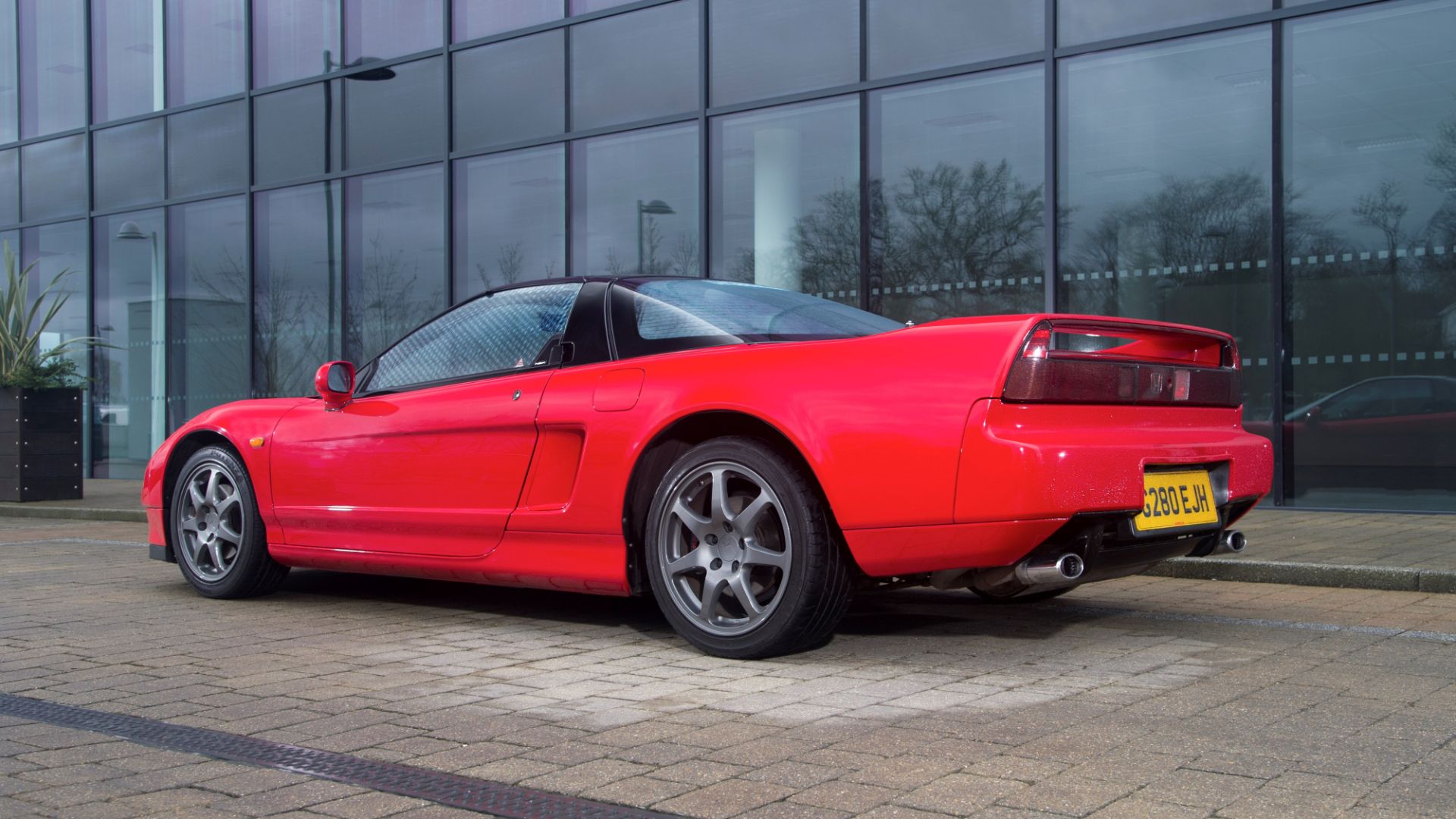
‘Clear criteria’ is no joke either. FIVA has four boxes for you to tick if you want to declare your vehicle is historic. Firstly, it must be at least 30 years old. The second is that it’s “preserved and maintained in a historically correct condition”. That means no modifications, and preferably no rust. Thirdly, and curiously, it mustn’t be a means of daily transport. We’re not sure on that one, given that technically one could use a Ferrari 250 GTO daily.
Fourthly, it has to be “part of our technical and cultural heritage”. It’s 30, clean, unmodified and used sparingly, but does it have its place in the history of the motorcar? Is it a worthy note on the great motoring tapestry? If not, not all is lost. You’ll almost certainly get a spot at the Festival of the Unexceptional. We’d be curious to know what the FIVA makes of that event.
Class of 1990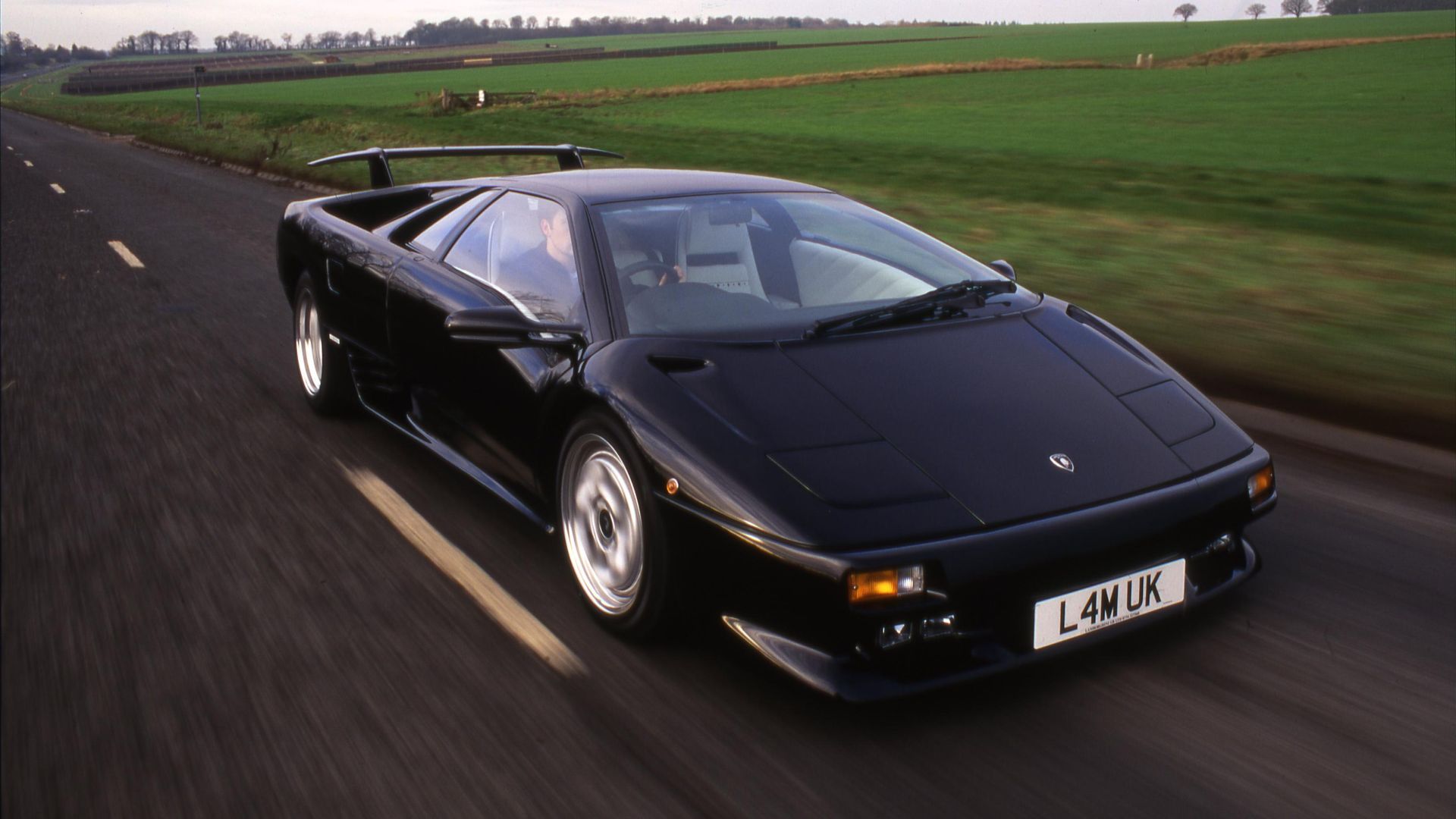
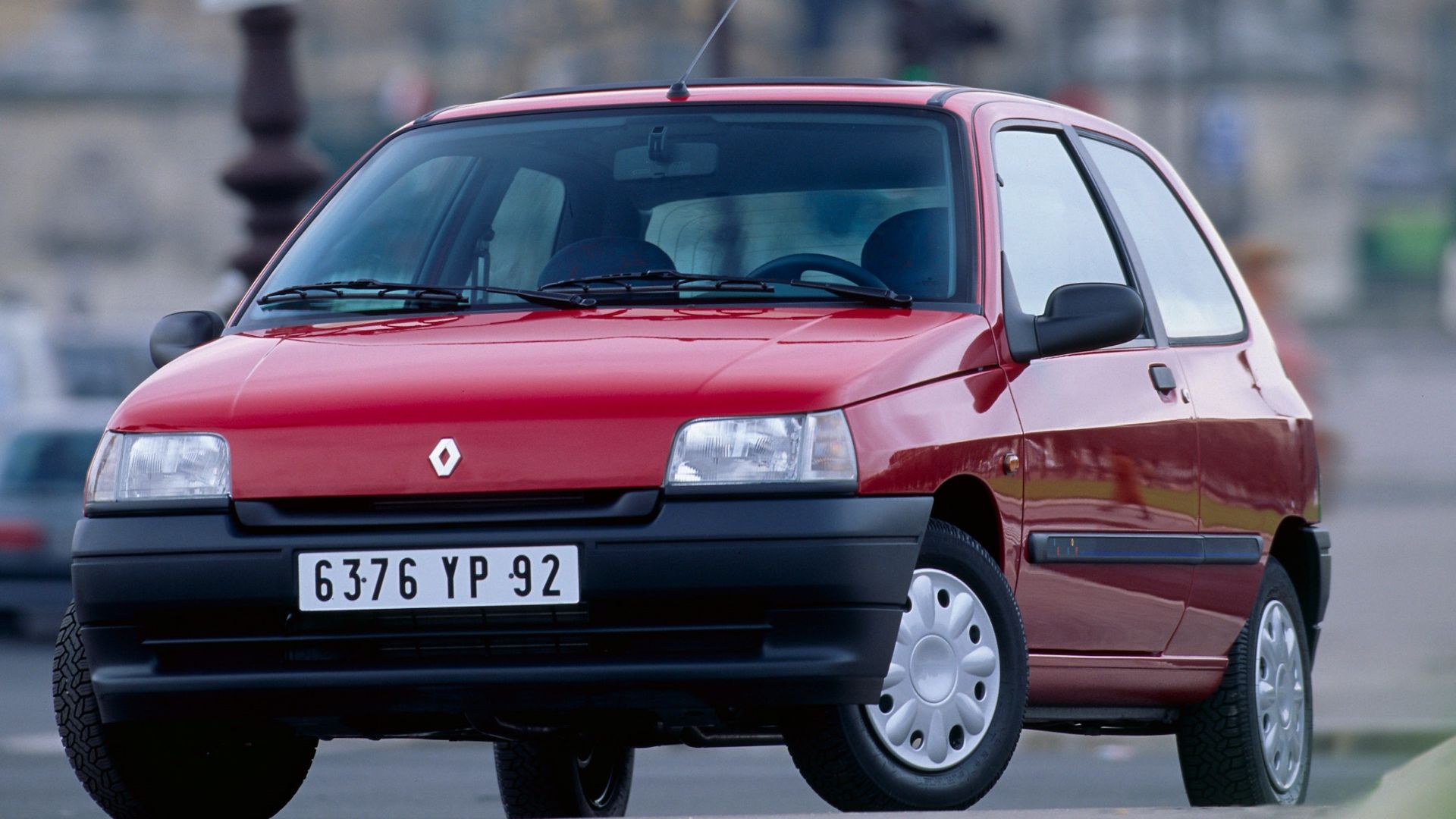
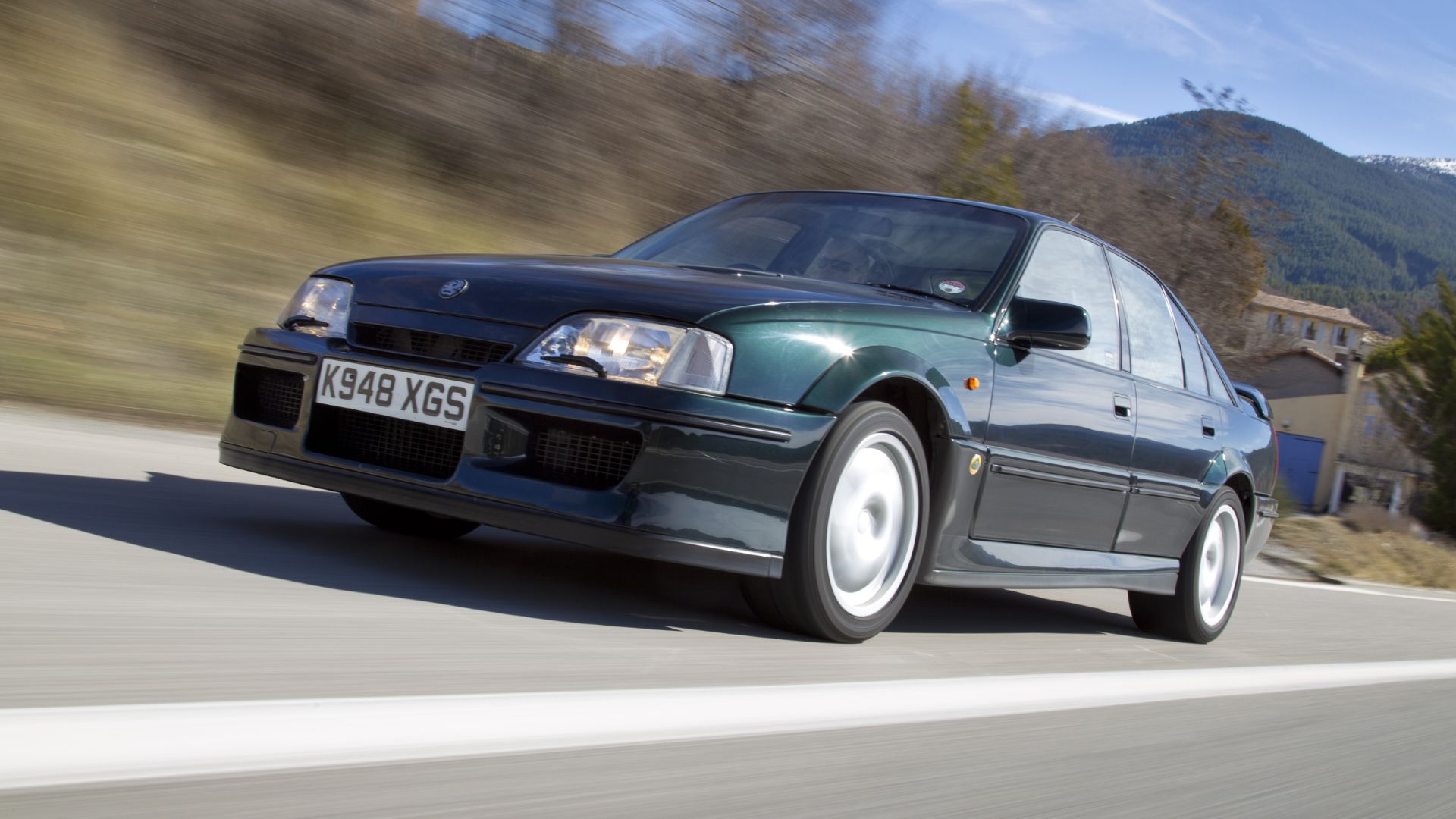
So what cars have secured true classic status? Entries range from the humble Renault Clio supermini, to the rip-snorting Lamborghini Diablo supercar. The Honda NSX also gets a mention, as does the boisterous 177mph Lotus Carlton. In the case of the latter, infamy plays as much a part in classic status as age.
Indeed, all are remarkable cars in their own way, whether that’s because you’re deliciously French (Clio) or are chasing 200mph (Diablo). So perhaps the FIVA is right on that fourth point about technical and cultural heritage.
ALSO READ
Alfa Romeo Stelvo Quadrifoglio 2020 review