Although some may have enjoyed the recent heatwave, those with hay fever have been suffering as their allergies approach their peak.
Along with having to handle the unpleasant symptoms like itchy eyes and a runny nose, hay fever sufferers can also find themselves at risk when driving.
Research commissioned by Volvo conducted a survey of 2,000 drivers in the UK who have hay fever, with nearly four-in-five (79 percent) respondents saying their allergy symptoms impacts their ability to drive safely to some degree.
More than one-in-ten (13 percent) motorists admitted they had been subject to a hay fever-induced sneezing fit so violent, that it had resulted in them having to take both hands off the steering wheel.
Almost one-third (31 percent) said that hay fever had forced them to close their eyes when driving, creating an obvious safety risk.
Younger drivers most affected by hay fever

Despite the impact of hay fever, some 13 percent of respondents said that they continued to drive, even when their symptoms were at their worst. This increased to 9 percent for motorists in the 25 to 34 year-old age bracket.
Of greatest concern was the fact that 4.9 percent of drivers surveyed said they have experienced a near miss caused or worsened by hay fever symptoms.
If extrapolated, this would equate to an estimated 535,000 motorists across the UK.
Younger drivers appear to be more severely affected by hay fever, with 9.4 percent of drivers aged 25–44 report hay fever-related near misses.
This is around five times higher than those in the over-65 age bracket, where only 1.8 percent admitted the same.
Peak pollen season is almost here
A secondary impact for hay fever sufferers is the effect of antihistamine medication. One-in five- of the drivers (18 percent) surveyed say they have felt sleepy or less alert after taking hay fever treatments.
Volvo’s research highlighted that June was the worst month for hay fever, causing peak symptoms for 29 percent of respondents. This was followed by May, at 22 percent, and July affecting 19 percent.
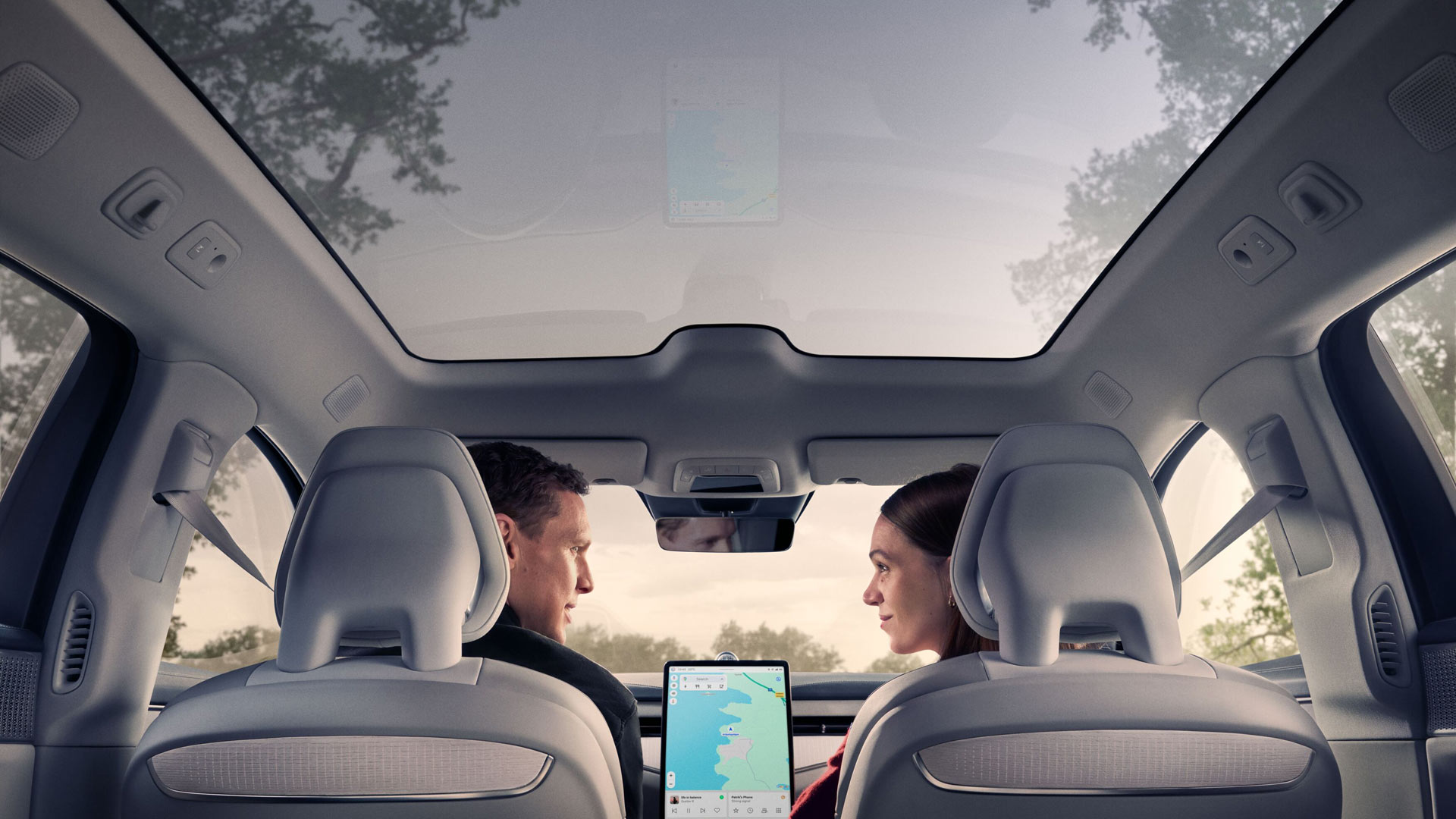
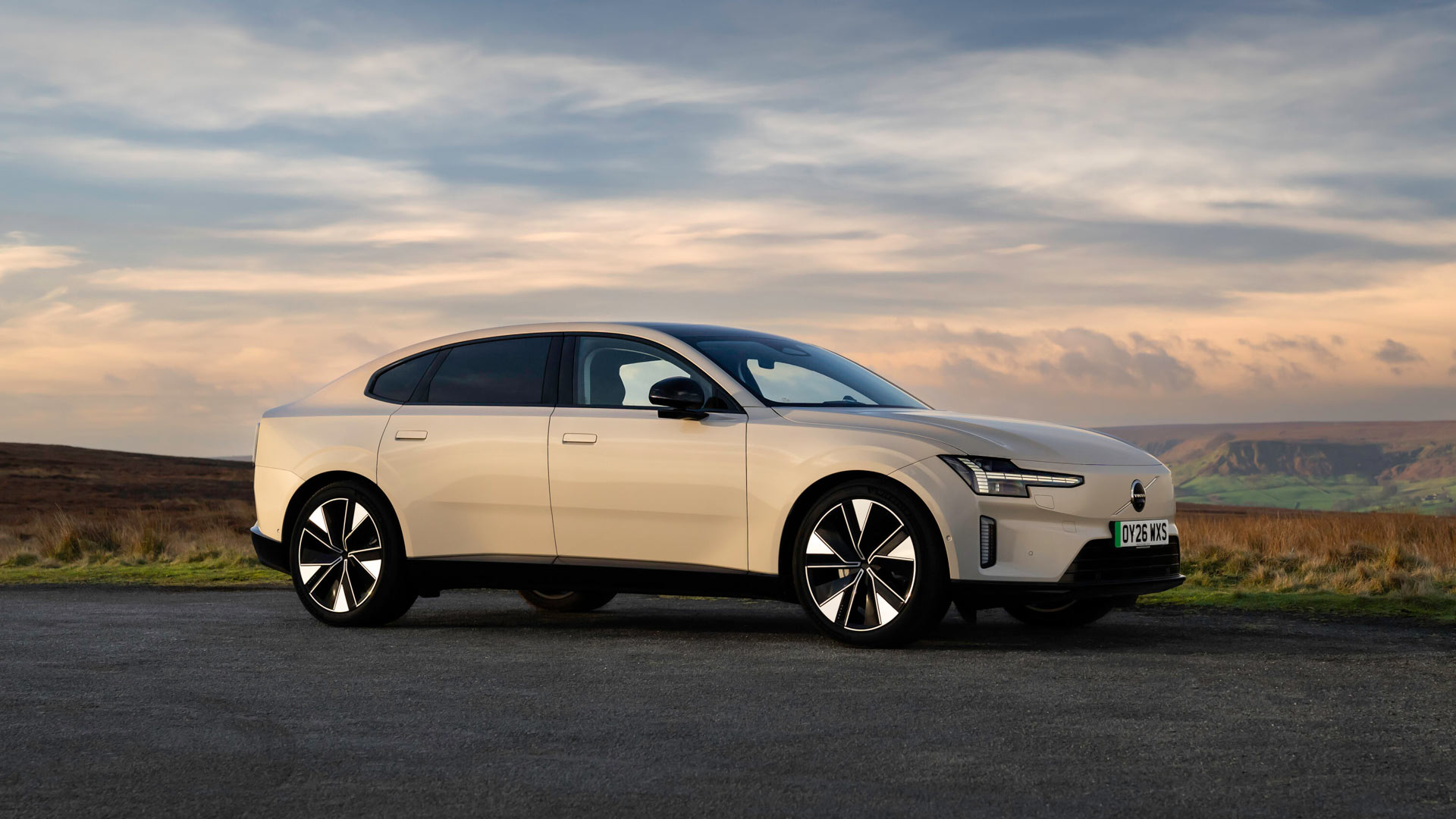
The suggestion from the Swedish marque to help cope with hay fever is to pick one of its latest models. Three- or four-zone climate control systems on the EX90, ES90, and forthcoming EX60 include air purification filters as standard.
These are capable of removing 99.9 percent of grass, tree and pollen allergens from the air reaching the cabin.
Nicole Melillo Shaw, MD of Volvo Car UK, said: “Many drivers associate hay fever with discomfort or inconvenience, but these findings suggest the safety implications are being underestimated.
“As we enter peak pollen season, motorists should think carefully about how they manage symptoms before driving and take steps to maintain a comfortable cabin environment when behind the wheel.
“Fortunately, our vehicles offer excellent cabin filtration systems which significantly reduce the amount of pollen allergens that enter the vehicles.”
ALSO READ:
Hot Wheels is searching for the Tiniest F1 Team Principal
4 in 10 UK councils to offer cross-pavement EV charging this year