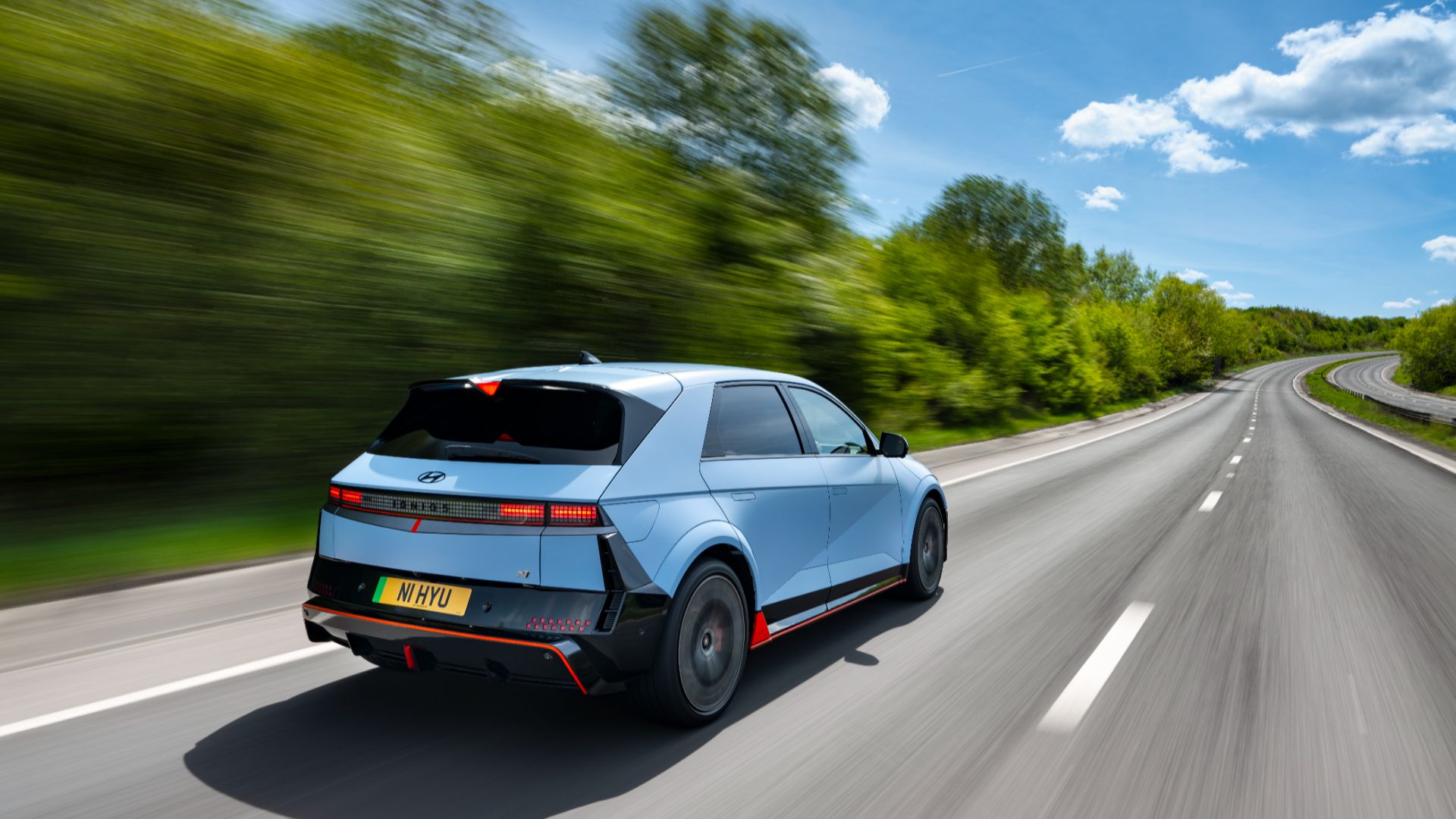
UK owners of electric cars admit that controlling their speed is difficult, due to the different nature of driving an EV.
A survey of 1,000 British motorists found that almost a quarter (23 percent) found it harder to stick to speed limits when behind the wheel of an EV.
For those who actually own an electric car, however, the proportion who find speed difficult to modulate increases to nearly half (47 percent).
The reasons given for electric cars making it harder to judge speed relate to the nature of their propulsion.
Instant access to a large amount of torque, resulting in rapid acceleration, has become one of the key calling cards of electric vehicles.
In addition, the near-silent nature of electric power means the loss of one of the usual indicators of speed when driving.
A different type of rapid charging
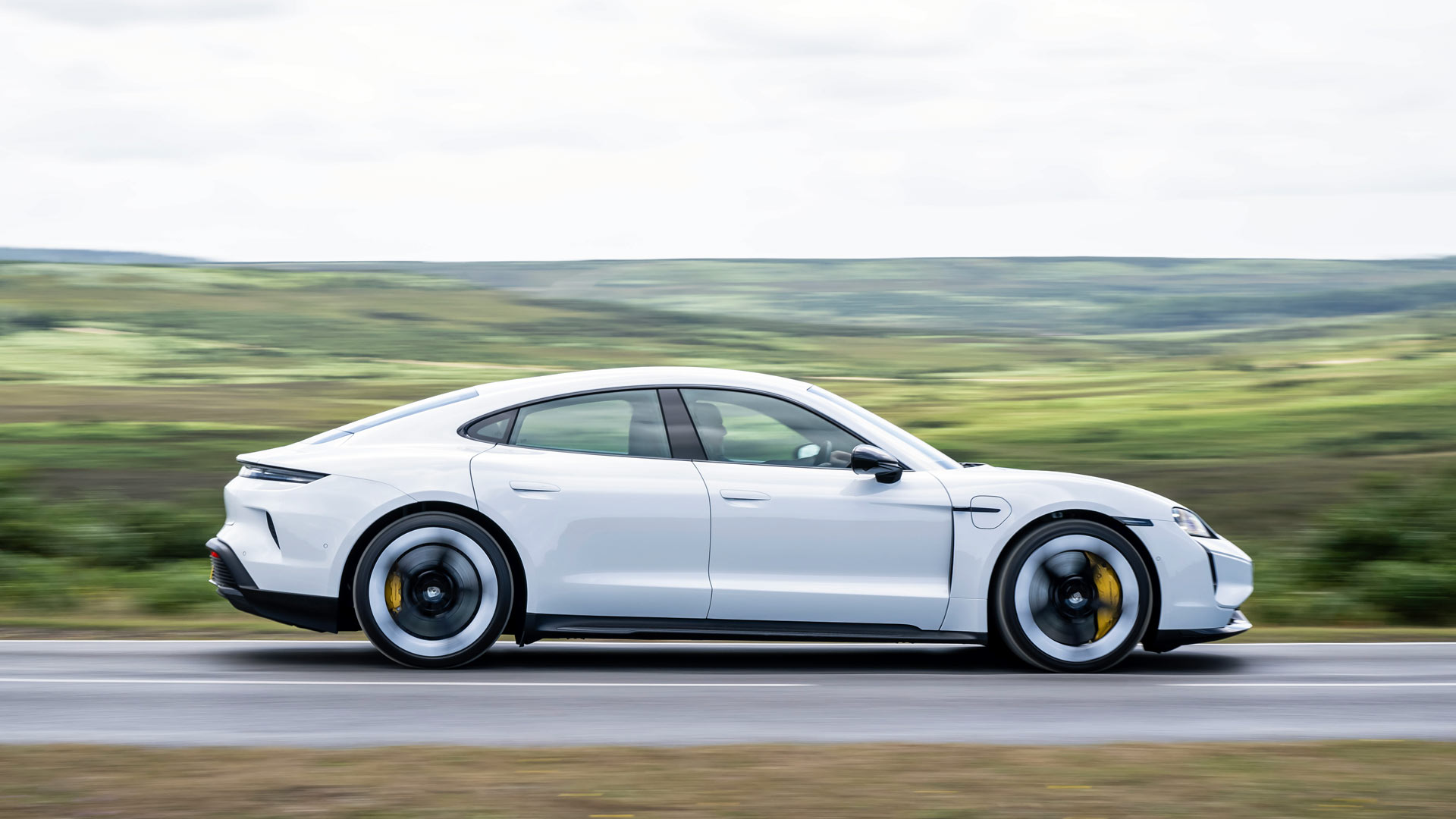
The transition to electric power means that even typical family SUVs now offer levels of performance previously reserved for sports cars.
With a price of less than £34,000, the MG4 XPower, for example, boasts a 435hp dual-motor drivetrain, allowing it to sprint from 0-62mph in just 3.8 seconds.
The Volvo EX30 Twin Motor Performance, meanwhile, delivers a 0-62mph time of only 3.6 seconds. That makes it more than a second quicker than a Ferrari F40.
Road safety technology company Ooono, which conducted the survey, notes that many modern EVs do not come with speed camera alerts included as standard.
Mike Skyte from Ooono said: “Most EVs can tell you where to charge. Very few can reliably tell you where the next speed camera or road hazard is.
“The instant acceleration and near-silent driving experience of EVs can make speed harder to judge for some motorists. As EV adoption grows, technology that helps drivers stay aware of changing road conditions and speed enforcement can play an important role in improving safety and reducing fines.”
Speeding myths still prevalent
Along with understanding the impact of driving an electric car, Ooono also questioned motorists on their knowledge about speeding enforcement. More than a third (35.6 percent) wrongly believed that speed cameras have to be clearly visible, with signs indicating their presence.
In addition, some 12 percent think there is an official ‘10 percent plus 2mph’ rule allowing drivers to break the speed limit. Although many police forces use this as a tolerance before taking enforcement action, it is purely at their own discretion.
Skyte added: “The safest approach is always to treat the posted speed limit as exactly that – the limit. Greater awareness and better information can help motorists avoid both penalties and potentially dangerous situations.”
ALSO READ:
Driving an electric car – how is it different?