The 15 fastest-growing car brands on UK roads
-
Sales go skyward
© PorscheResearch has uncovered the 15 brands that made major gains in the number of their cars being driven on UK roads.
The study by Scrap Car Comparison makes use of data published by the DVLA. It covers a 10-year period from 2013 through to the end of 2023.
It is important to note that this methodology only captures cars actually registered to be driven. As such, there could be any number of vehicles stored off the road, or hidden in garages, via the SORN process.
Join us for a look at which brands are on the up in the British car market.
-

15. Audi: +74 percent
© AudiAudi has undergone a major transformation during the past two decades, cementing its move from leftfield outsider to premium market leader.
The launch of the A1 supermini, along with a near-endless roster of SUVs, has propelled the brand to further success in recent years.
In total, the number of Audi models on the road has gone from an already sizable 1.141 million in 2013, all the way to 1.981 million by 2023. Time will tell if Audi’s radical electrification programme will maintain the same level of demand.
-
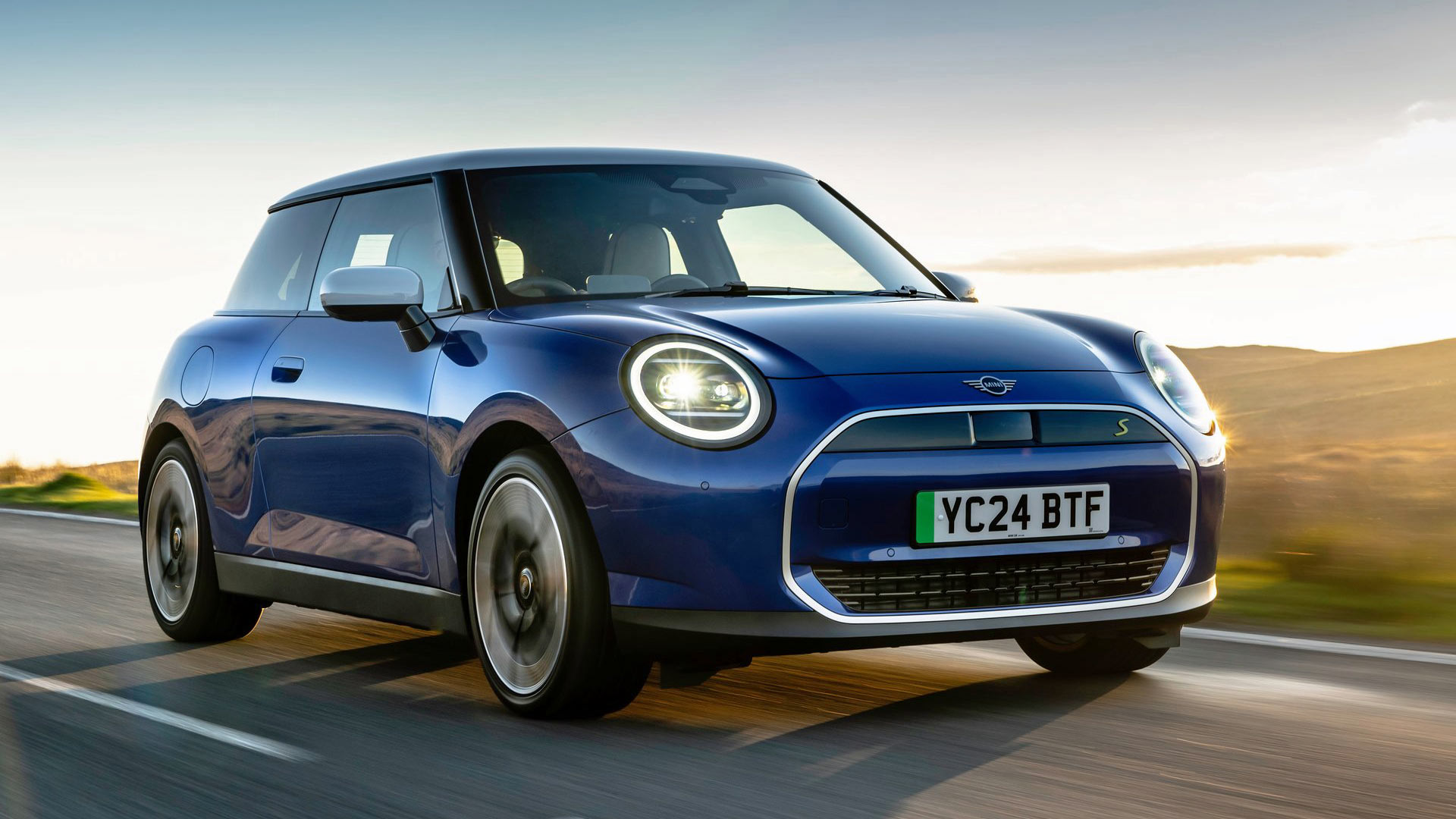
14. Mini: +80 percent
© MiniBack in 2013, Mini had an extensive product range, covering everything from the regular Mini Hatch to the Roadster and Paceman coupe-SUV.
Some of those models are no longer with us, but this has meant a decline in the number of Minis on UK roads. In 2013, 491,122 Mini vehicles were registered to be driven, rising to 884,147 just 10 years later.
Like many of the car manufacturers listed here, BMW has said the Mini brand will be fully electric by 2030.
-
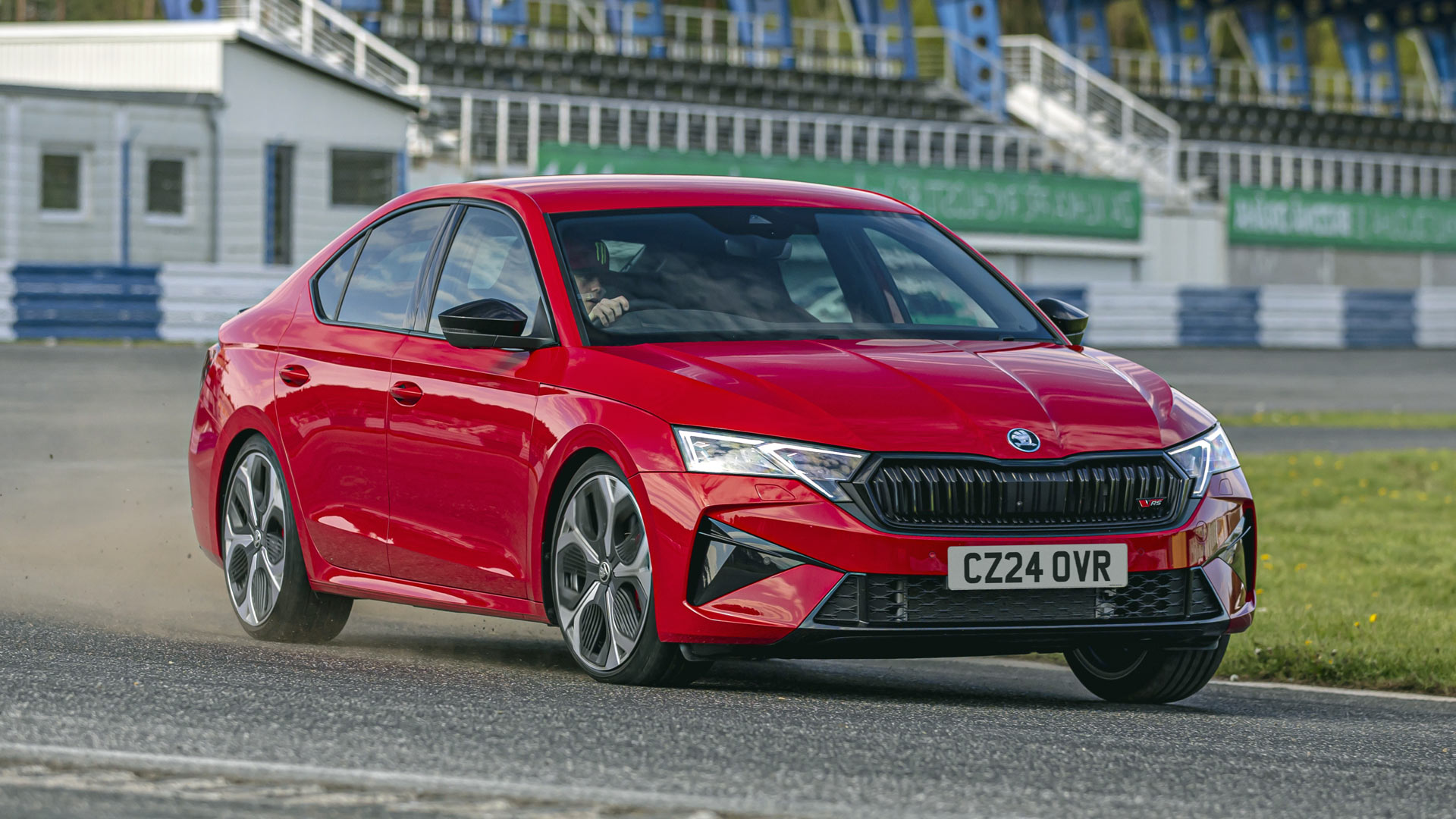
13. Skoda: +84 percent
© SkodaSkoda has undergone quite a transformation during the past 10 years. It has moved from being the budget offering within the Volkswagen Group hierarchy to delivering a far more premium experience.
A model lineup dominated by SUVs, along with the timeless appeal of the Octavia, has helped Skoda to gain popularity. Dependability is also likely to have contributed to the 84 percent increase in the number of Skodas registered.
From 497,471 cars in 2013, last year saw 914,224 Skodas being driven on UK roads.
-

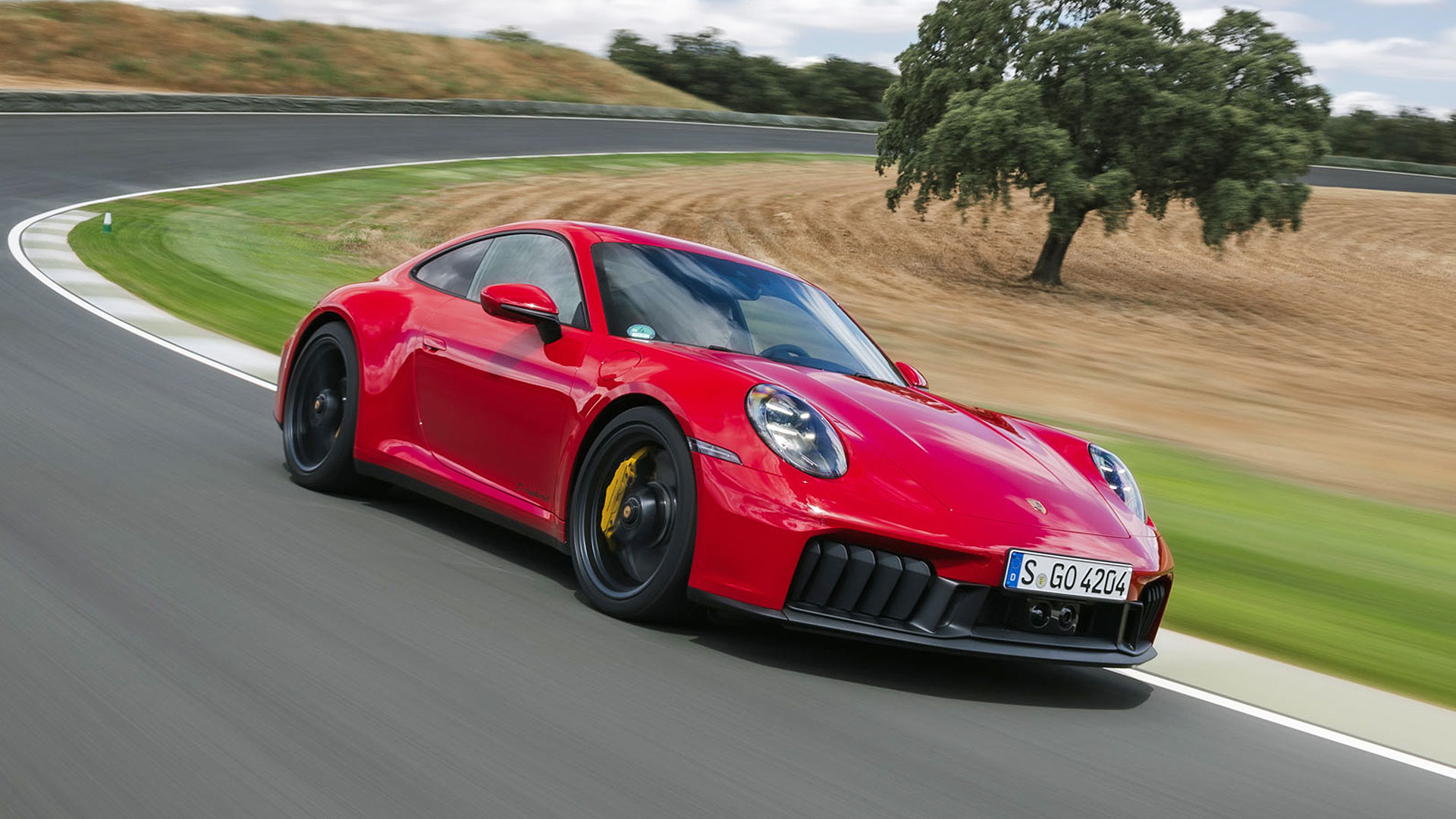
12. Porsche: +95 percent
© PorscheForget any notion of Porsche being a niche sports car manufacturer. Making a pivot towards a range of SUVs saved the company from financial oblivion – and saw sales go through the roof.
The number of Porsches leaving the factories has doubled over the past decade, with the Cayenne and Macan SUVs accounting for almost two-thirds of sales across the globe.
In the UK, this all means that from 104,200 Porsches on the road in 2013, the total had almost doubled to 203,422 in 2023.
-
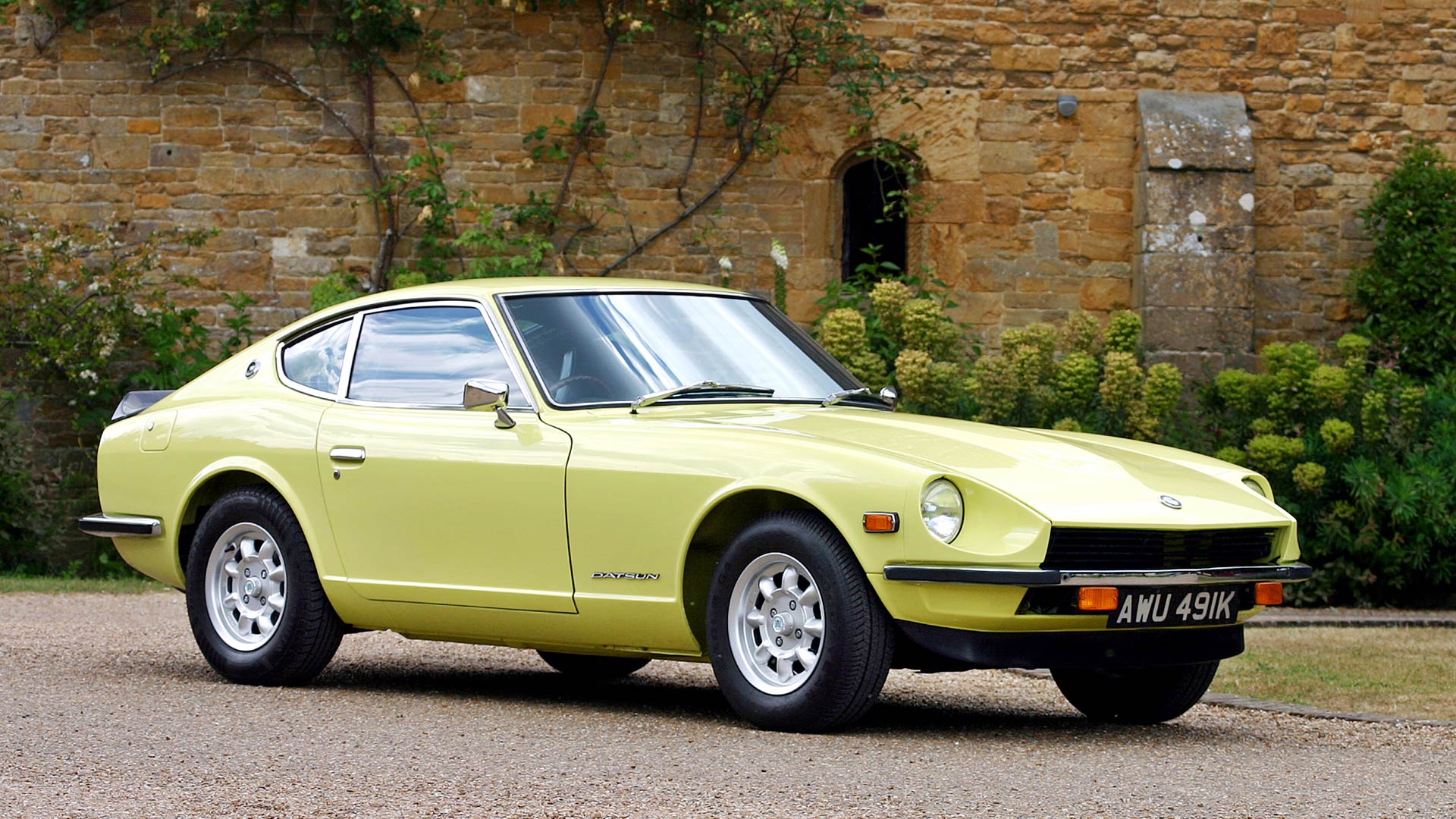
11. Datsun +102 percent
© DatsunEh? How can a car brand that has not been sold in the UK since 1984 more than double its on-the-road total?
Perhaps we can blame it on the internet, and the level of interest surrounding Datsuns such as the classic 240Z. American enthusiasts in particular, via websites such as Bring A Trailer, have driven prices of the retro sports car to new heights.
The 240Z has also seen a resurgence in the UK, aiding the growth in the number of Datsuns on the road from 519 to 1,046 cars in a decade.
-
10. Hyundai +103 percent
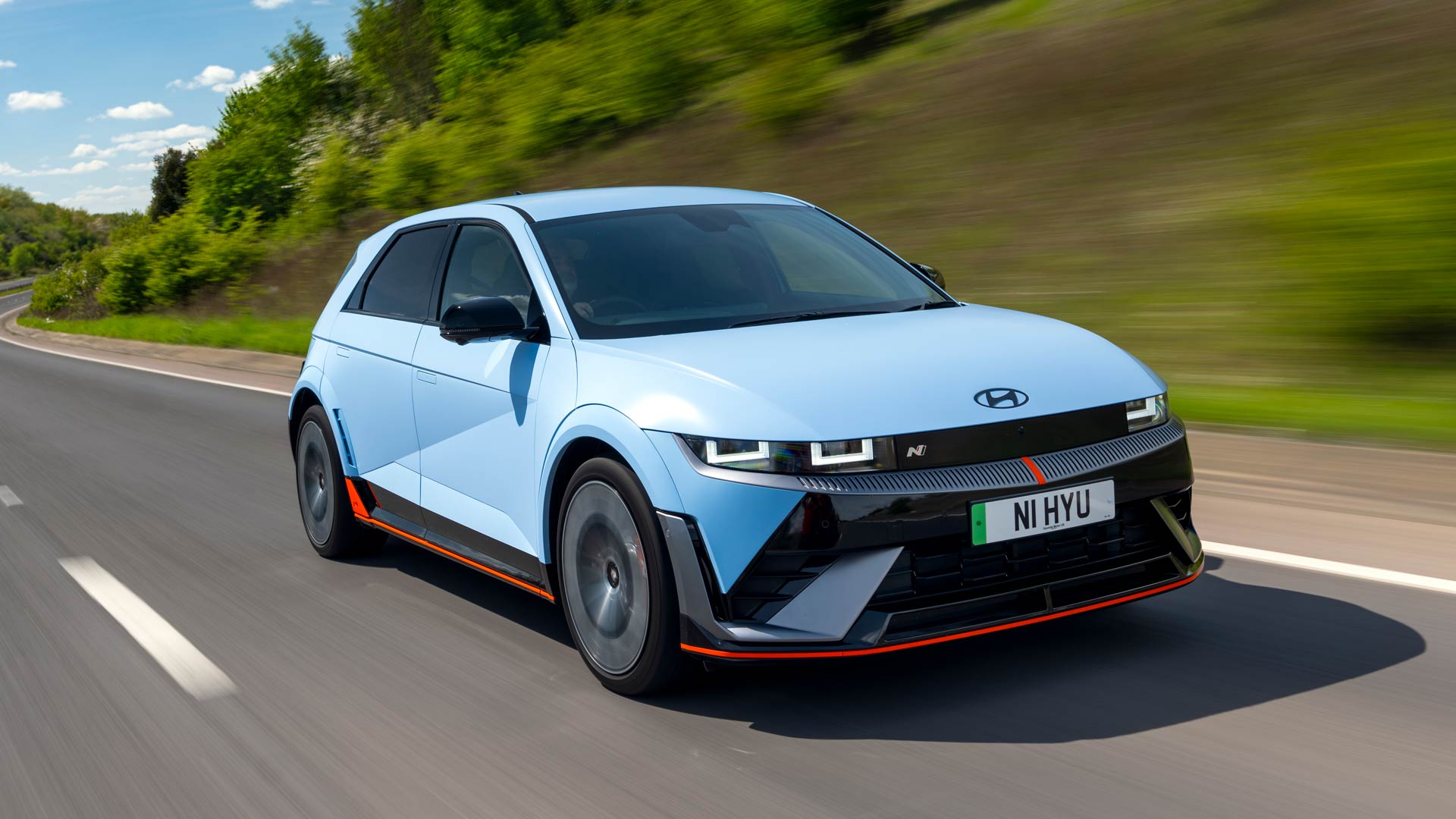
© HyundaiBetween 2013 and 2023, the number of Hyundai cars being driven in the UK more than doubled, rising from 532,172 to an incredible 1.078 million.
Those 10 years represent a dramatic shift in Hyundai’s approach to making and selling cars, too. They included opening a development facility at the Nurburgring in Germany, leading to serious performance cars that challenge the establishment. New EVs such as the Ioniq 5 and 6 have also seen Hyundai push boundaries when it comes to design.
All of this has come alongside Hyundai’s commitment to value, and it continues to offer a five-year warranty on new cars.
-

9. MG: +109 percent
© MGFollowing the collapse of the previous MG Rover Group in 2005, the standalone MG brand has emerged as a global success story. Although all cars may now be assembled in China, the UK is still the company’s second-largest market.
Classic models certainly account for some of the 268,464 MG cars on the road in 2023, but sales of new models have played a substantial part in the increase from 128,201 vehicles in 2013.
A growing portfolio of electric cars and SUVs, including the impressive Cyberster roadster, are likely to see MG continue to grow in stature.
-
8. Maserati +145 percent
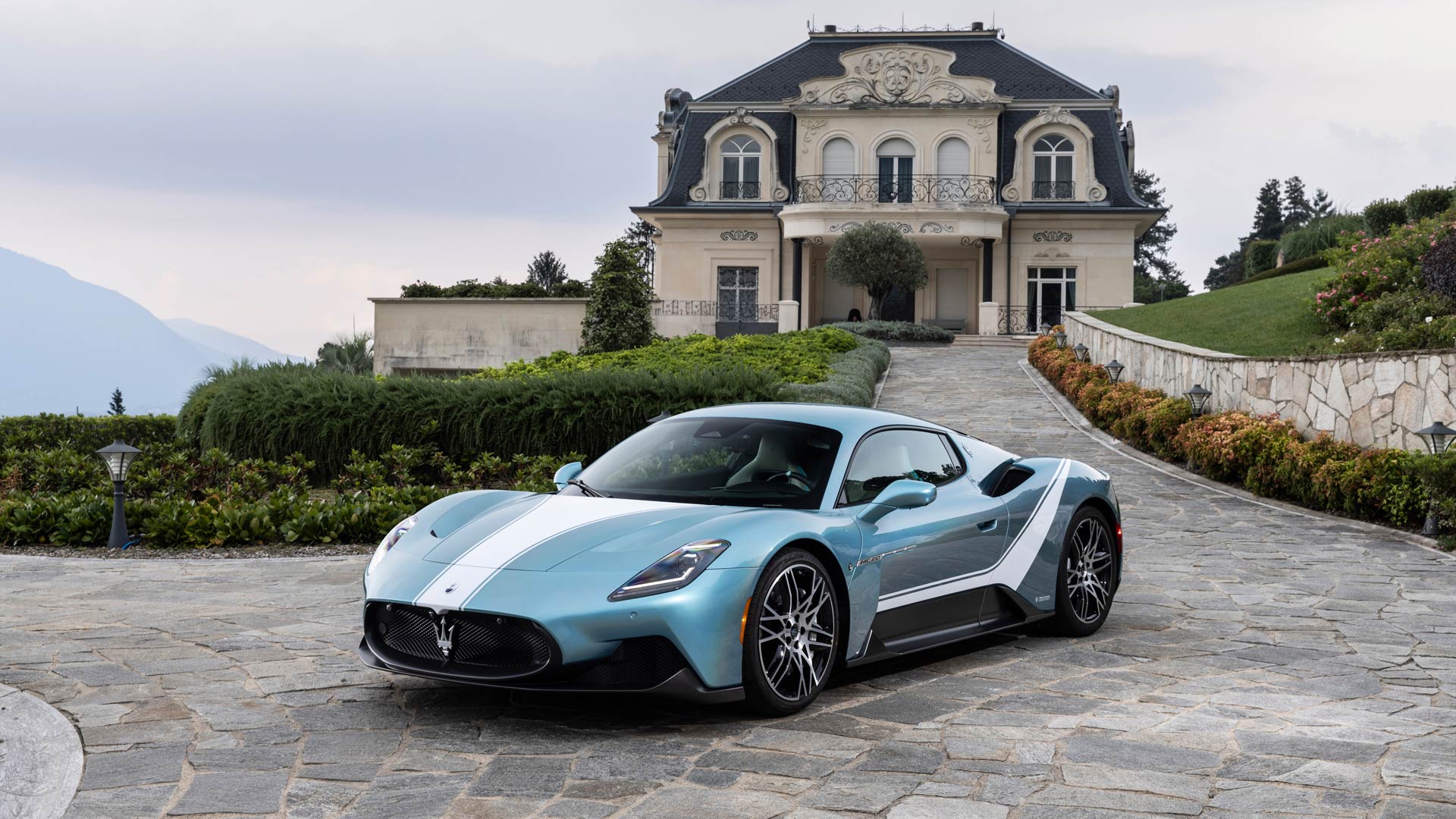
© MaseratiFamed Italian manufacturer Maserati was traditionally a specialist choice, appealing to dedicated enthusiasts in search of style and performance. For much of the 2000s, its annual sales did not exceed four figures.
Then came a complete overhaul in the early 2010s, including the launch of Ghibli saloon and Levante SUV. Widening the Maserati product range saw sales hit a peak of 51,500 vehicles in 2017.
Accordingly, it should be no surprise that the number of Maseratis being driven in the UK jumped from 4,380 to 11,813 between 2013 and 2023.
-

7. Kia +147 percent
© KiaOwned by Hyundai since the late 1990s, Kia has also undergone a major image transformation. From being a seller of budget cars, to producing award-winning electric cars, Kia has achieved a rapid turnaround.
Kia still maintains a degree of affordability, too. And the Korean marque continues to sell new cars with a seven-year warranty as standard.
The latter has probably helped keep more Kia vehicles on the road, with a 147 percent increase from 459,116 cars in 2013 to 1.134 million in 2023.
-
6. Lamborghini +188 percent
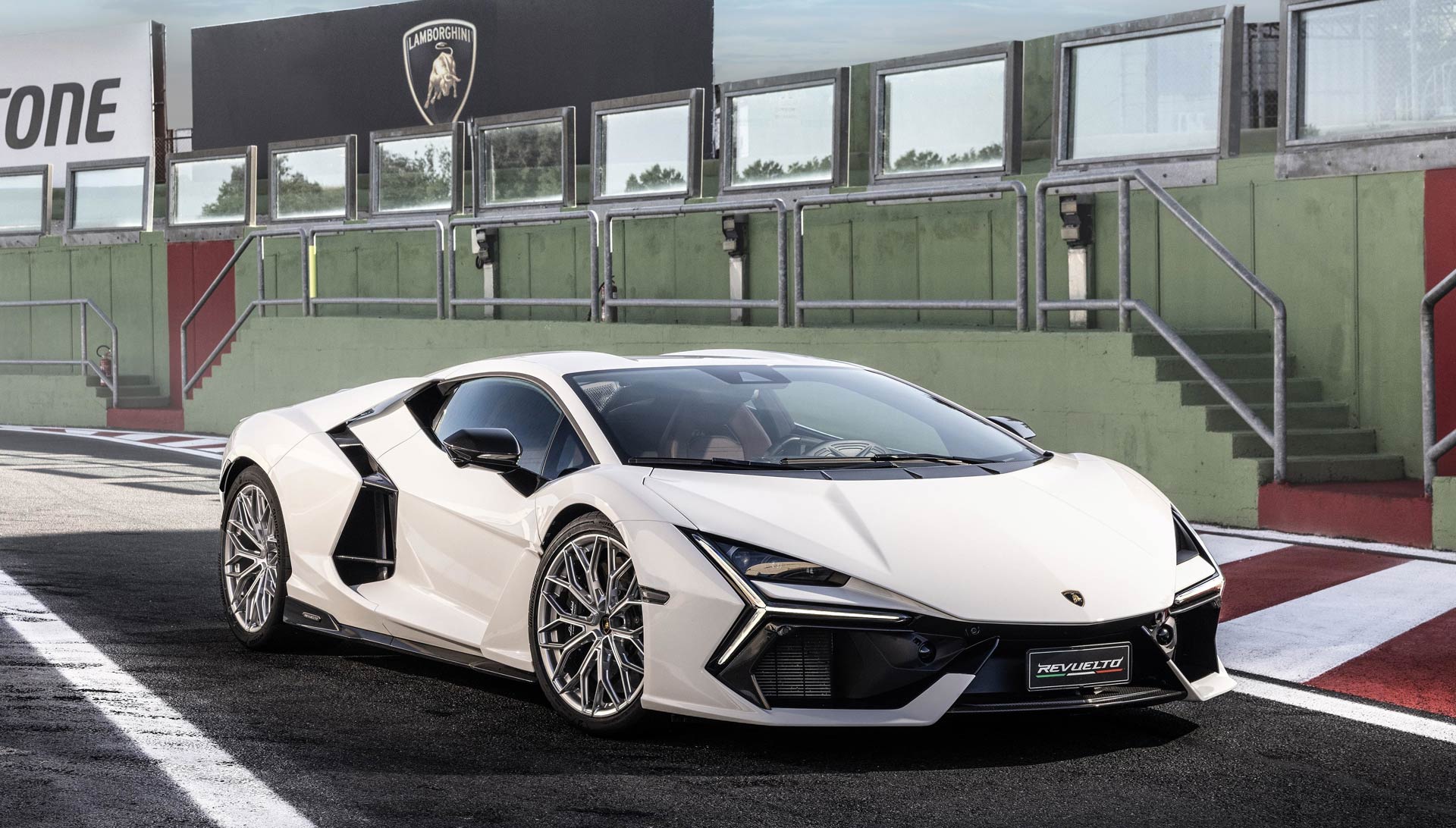
© LamborghiniLike Maserati, Lamborghini was at one stage selling only a handful of new cars each year. In 1999, just one year after Audi assumed control of the Italian supercar maker, just 265 Lamborghinis left the Sant’Agata factory.
Fast forward to 2019 and Lamborghini manufactured 8,205 new vehicles. Most significantly, along with its trademark mid-engined supercars, the Urus SUV has transformed Lamborghini sales around the world.
In 2013, the UK had only 1,668 Lamborghini vehicles on its roads. In 2023, this had rocketed to 4,810, with the Urus accounting for almost a third of this total.
-

5. Abarth +393 percent
© AbarthWe move into the top five with the largest increase in numbers. In fifth place is Abarth, claiming an astonishing 393 percent rise in the number of its cars on the road during 10 years.
Having sunk to become a trim level on the humble Fiat Stilo by the early 2000s, in 2007 the famed Abarth name returned as a standalone brand with its own distinct models.
This began with the Abarth Grande Punto, powered by a 155hp turbocharged 1.4-litre engine. But it would be hot hatch versions of the reborn Fiat 500 that really drove the Abarth renaissance.
-

Abarth goes electric
© AbarthBetween 2013 and 2023, the number of Abarths threading their way through UK streets went from 5,992 to 29,515 cars.
The seemingly endless versions of the 500, 595, and 695 hot hatchbacks (and convertibles) account for more than 27,000 of those Abarths being driven today.
Abarth’s future is, unsurprisingly, an electrified one. The Abarth version of the new 500e is intended to deliver the same miniaturised thrills, but with an electric motor providing the power.
-
4. Infiniti +538 percent
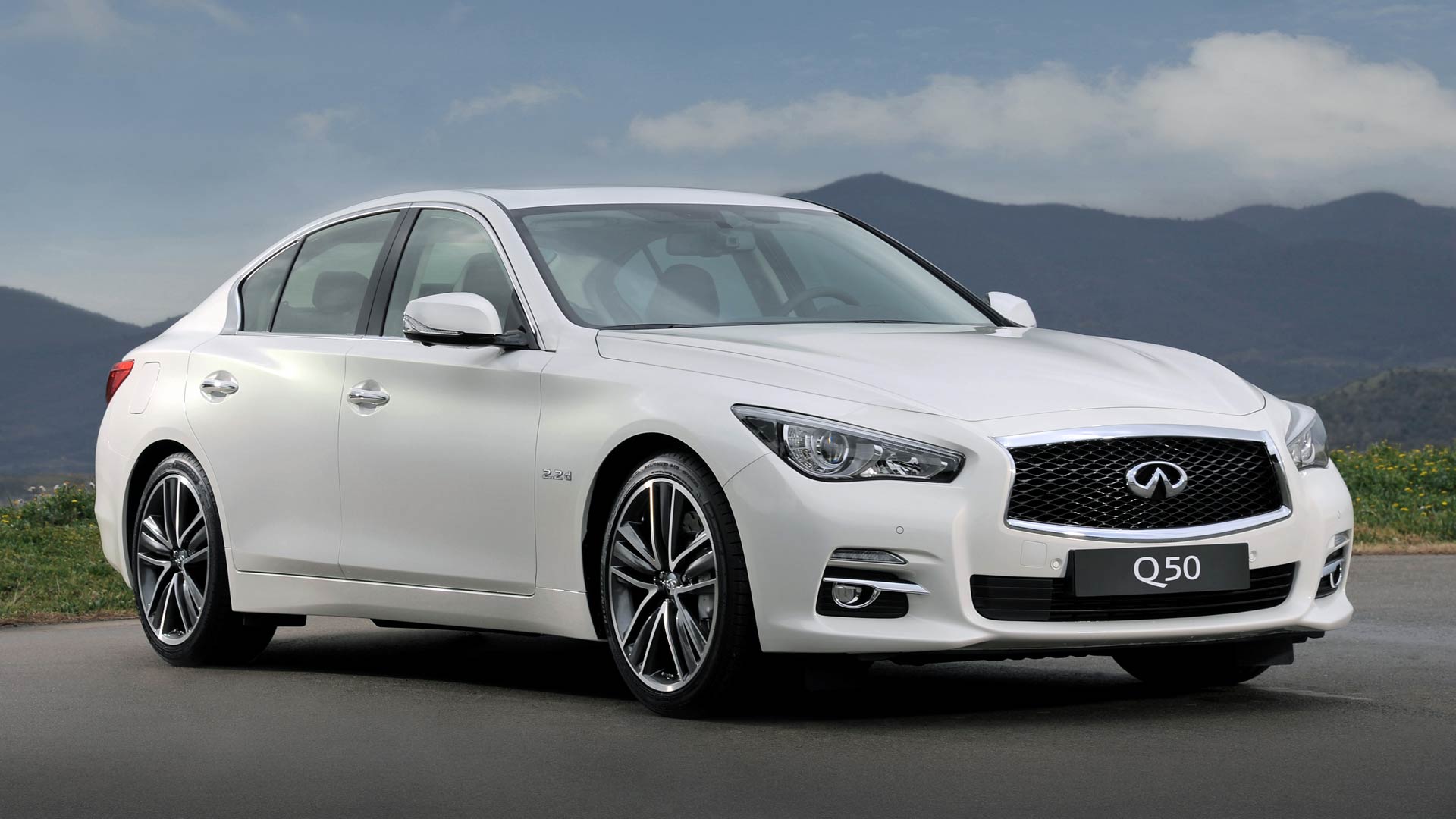
© InfinitiInfiniti started life as Nissan’s luxury marque, intended to compete with Acura and Lexus in the all-important North American market. The United States and Canada remained Infiniti’s focus from 1989 until the early 2000s.
In 2008, then-Nissan CEO Carlos Ghosn embarked on a strategy to turn Infiniti into a global premium brand. This saw small volumes of the EX and FX SUVs start to enter the UK, along with the G37 and M37 saloons.
By 2013, this meant that the UK had 1,526 Infinitis registered for the road.
-
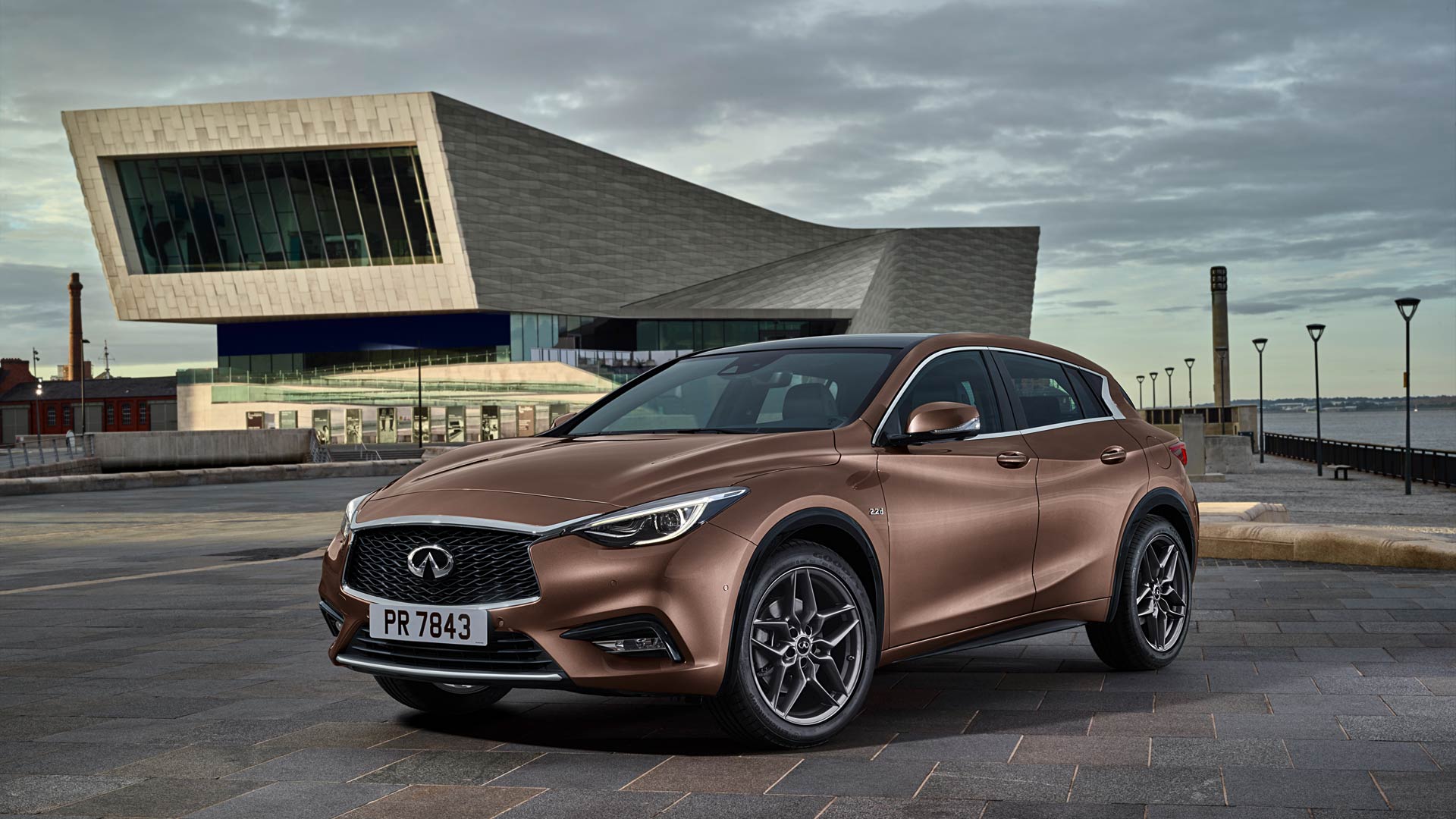
To Infiniti but not beyond
© InfinitiInfiniti’s plans for big European success hinged upon the Q30 hatchback. A thinly disguised version of the third-generation Mercedes-Benz A-Class, production of the Q30 took place at Nissan’s factory in Sunderland, starting in 2015.
Unfortunately for Infiniti, customers failed to be convinced by the Q30. A Mercedes-Benz A-Class offered the same experience, but with a badge people had actually heard of. Poor residual values made the Q30 an expensive ownership proposition, too.
The result was Infiniti withdrawing from the European market by 2020, but not before the number of its cars on UK roads had swelled to 9,732.
-

3. McLaren: +640 percent
© McLarenDespite McLaren’s lengthy motorsport success story, road cars are a far more recent development in the company’s history. The astonishing F1 was the first street-legal McLaren, followed by the SLR as a collaboration with Mercedes-Benz
However, the MP4-12C (later known simply as the 12C), marked the start of McLaren’s major automotive expansion plans when launched in 2011. With a twin-turbocharged 3.8-litre V8, it could reach a top speed of 207mph.
Production started slowly as McLaren developed its manufacturing facilities. This meant that, by the end of 2013, there were only 362 cars from Woking on the UK’s roads.
-
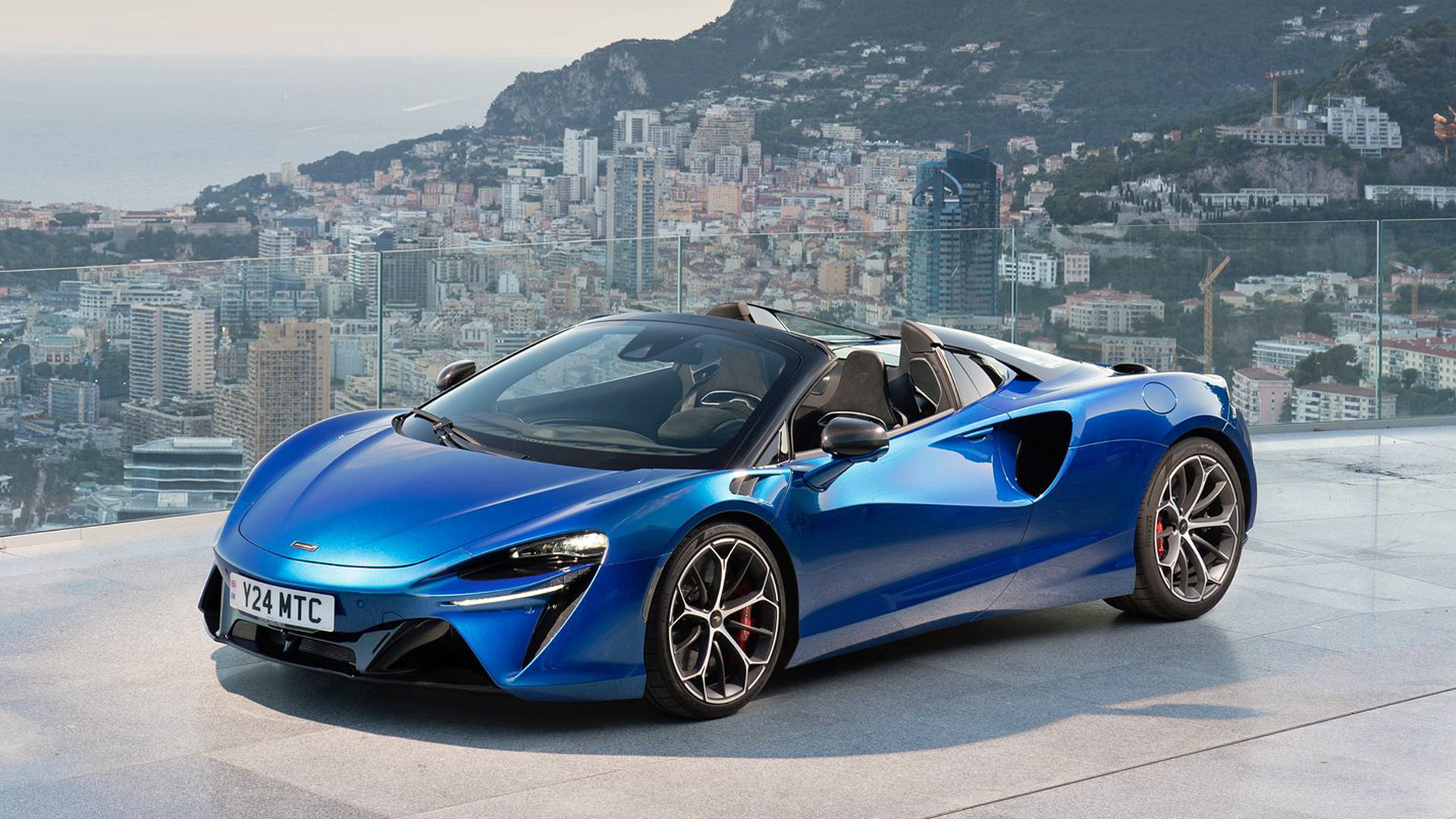
McLaren model range expands
© McLarenSince the launch of the 12C, McLaren’s model range has grown extensively. This includes a number of limited-production hypercars, along with the latest hybrid-powered Artura.
A broadened product lineup, along with a decade of production, has resulted in the colossal 640 percent growth in the volume of McLarens being driven. In 2023, the number registered for road use totalled 2,680.
-
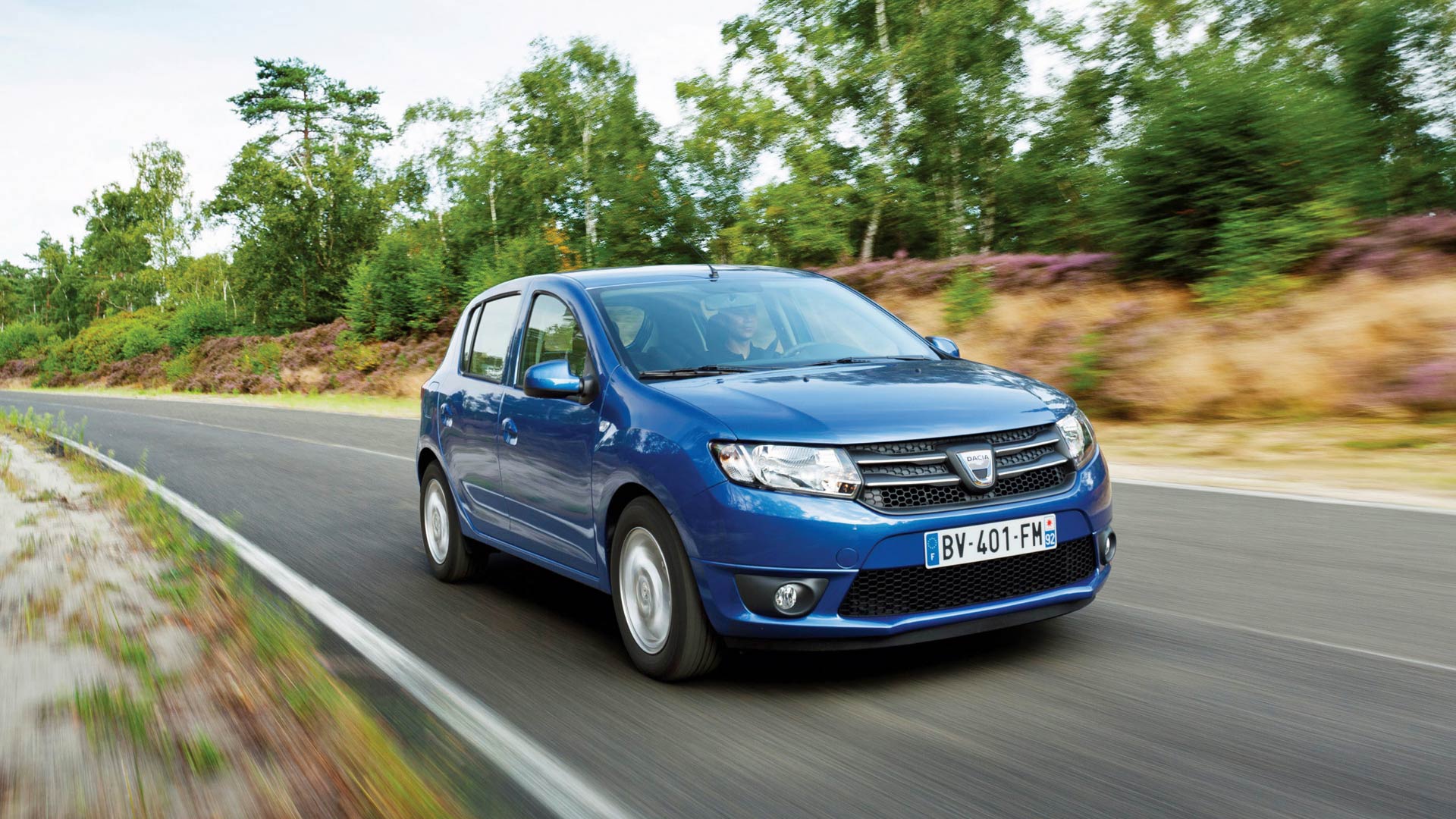
2. Dacia: +1,434 percent
© DaciaTaking second place on our list is the Dacia, a no-nonsense brand that has made a major impact on British consumers.
Dacia’s backstory began in Romania during the 1960s, where it produced Renault models under licence. The French manufacturer fully acquired the Dacia brand in 1999, initially continuing to focus on Eastern Europe.
By the 2010s, Renault began to expand Dacia, with the first examples of the Duster SUV arriving in the UK during 2013. This was followed by the Sandero hatchback and Logan estate.
-
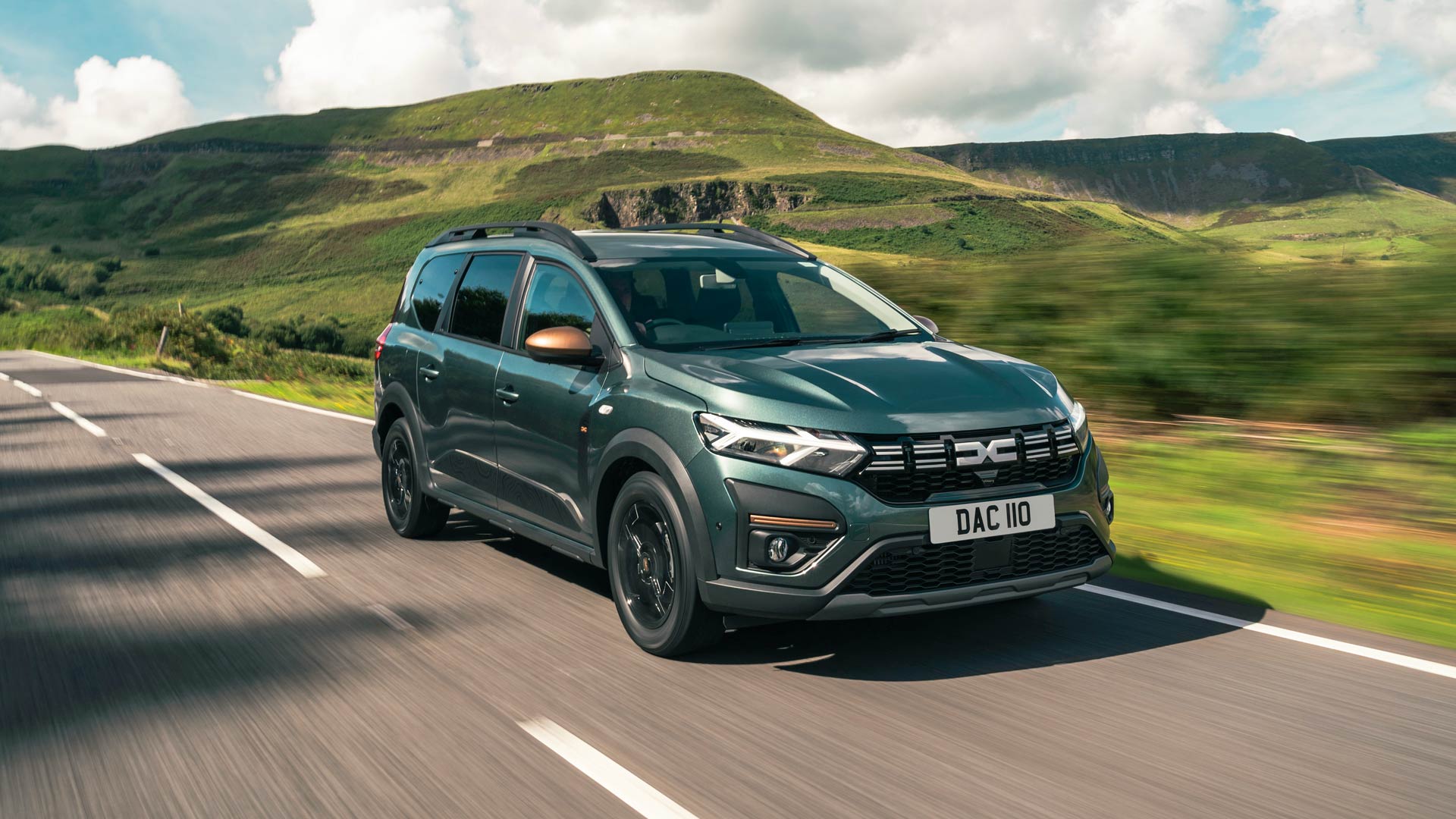
Still delivering value for money
© DaciaUnlike so many other car manufacturers, Dacia has stuck to its guns and resisted the urge to move upmarket.
It means the company continues to offer affordable and practical vehicles, with the Dacia Sandero now a European bestseller.
UK buyers have continued to flock to Dacia. The number on the road catapulted from 16,198 in 2013 to 248,466 cars only 10 years later.
-

1. Tesla: +339,717 percent
© TeslaClaiming the top spot on our list, with an almost unfathomable increase of nearly 340,000 percent, is Tesla.
The all-electric brand has become a global phenomenon, delivering a range of cars and SUVs at a time when traditional automotive giants have struggled with the EV transition.
Back in 2013, only 54 Tesla cars were on UK roads, with this tiny number made up entirely of the original Roadster model. Leap forward to 2023, and there are now 183,501 Tesla vehicles silently cruising the streets.
-

Just how long can the Tesla bubble last
© TeslaTesla’s success in the UK has been notable, to the point that one-in-five of all electric cars on the road comes from the American company.
Such dramatic growth and expansion surely cannot last forever, though. During 2024 so far, global Tesla sales have fallen for two quarters in a row, despite price cuts and other incentives. The divisiveness of Elon Musk, Tesla’s mercurial CEO, is a problem for potential buyers as well.
For now, Tesla maintains its position atop our list, having almost single-handedly changed the UK’s automotive landscape in just 10 years.
