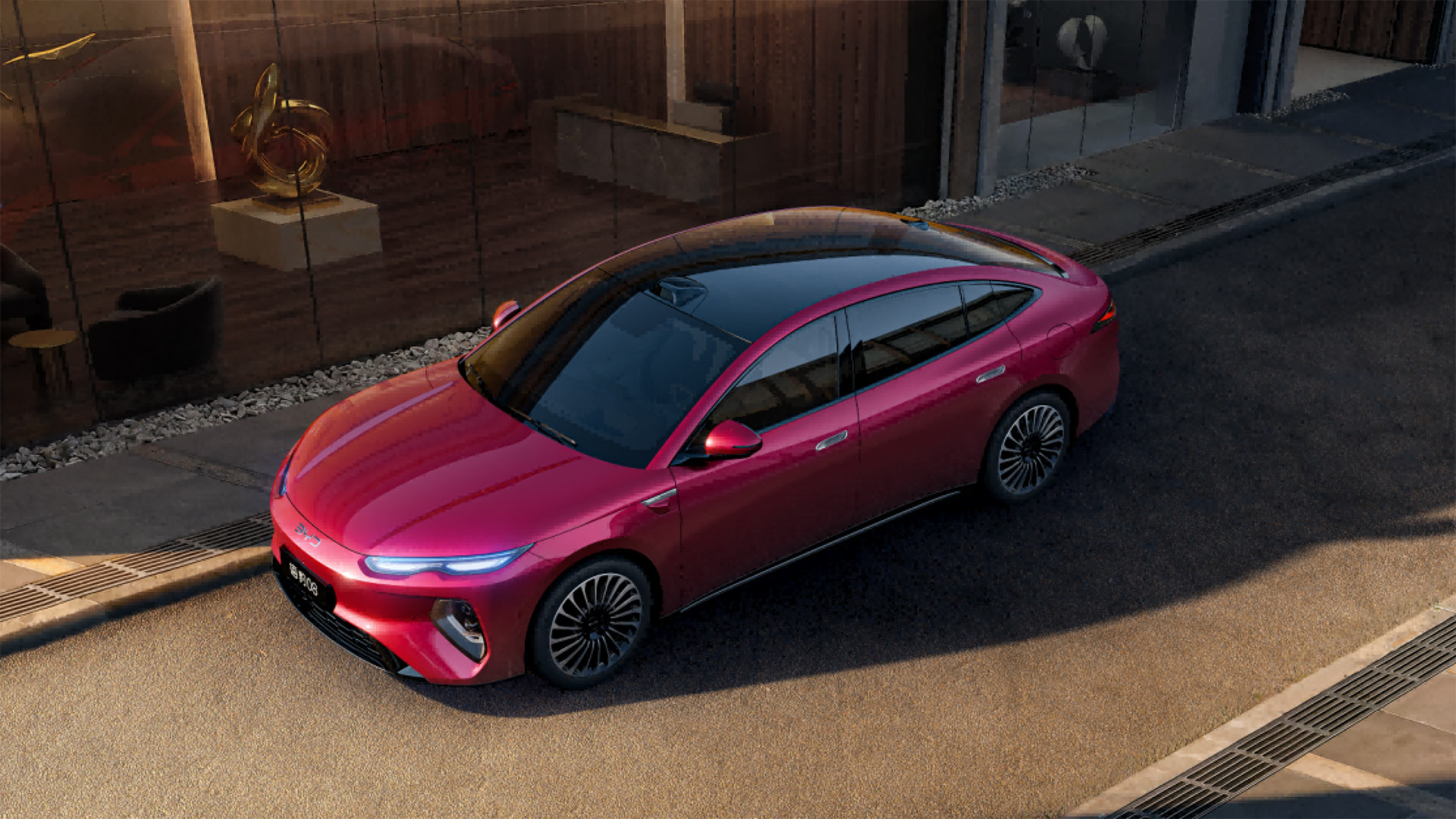
BYD has announced it will pay for damages caused, should one of its cars crash while using autonomous driving technology.
The question of who is liable for collisions involving vehicles in ‘self-driving’ modes is one of the biggest challenges for car companies when introducing autonomous functions.
With such a public vote of confidence in its own software, BYD becomes the world’s first carmaker to openly declare it will pick up the bill for crash damage, personal injury payouts and legal fees, should its autonomous technology be at fault.
For now, the offer of ‘full damage coverage’ only applies to vehicles in the company’s home Chinese market, and lasts for one year.
After that period, drivers will seemingly be on their own when it comes to any tech-related collisions.
Putting financial faith in technology
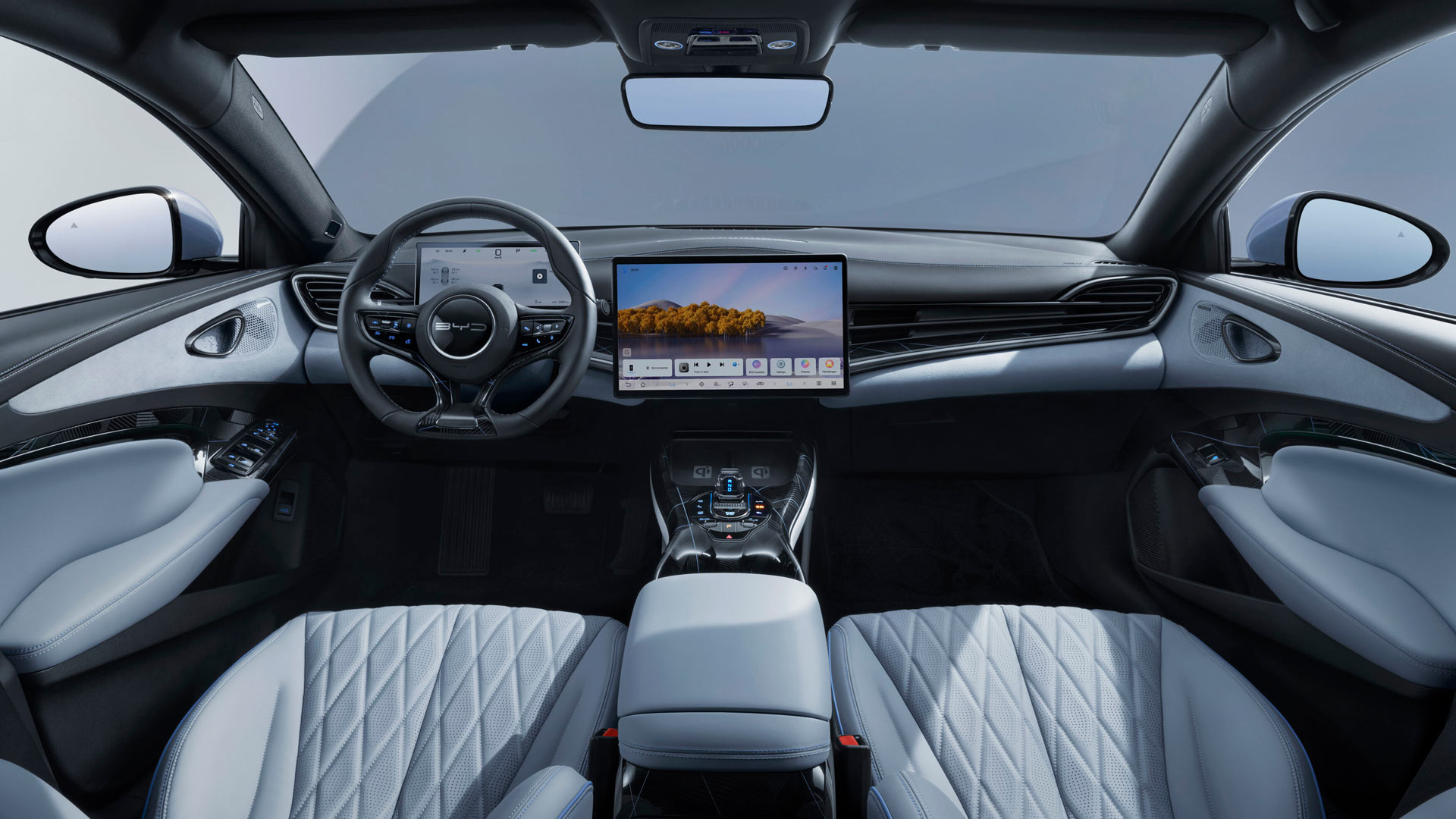
BYD’s autonomous technology is – rather ominously – known as ‘God’s Eye’ in the Chinese market. The full damage offer applies to those who upgrade to the latest version 5.0 of the software.
The guarantee covers drivers when making use of the God’s Eye Intelligent Parking assistance. This is classed as ‘Level 4’ autonomous driving software, and allows the BYD to park itself without the driver touching the steering wheel.
An automated valet parking mode even allows the driver to exit the vehicle, so the car can find a space and park itself autonomously.
The BYD coverage also applies to vehicles using its Urban Navigate on Autopilot (NOA) function, where the car makes its way through stop-and-go traffic, along with handling traffic lights and junctions.
Global real-world data analysis
According to BYD, the confidence in its technology comes from the sheer amount of driving data the company has collected. More than 3.15 million vehicles across the world use versions of its intelligent driving software.
This extends to a staggering 124 million miles driven every day by cars featuring God’s Eye technology. This supplies an almost endless source for BYD’s 5,000-strong team of development engineers to work on.
The backdrop to BYD backing its autonomous technology was the launch of its own purpose-made driving computer chip. Known as the Xuanji A3, it has been designed to support Level 3 and Level 4 self-driving capabilities.
At present, BYD does not have immediate plans to launch its full self-driving technology in the UK. Current government regulations limit vehicles to Level 2 autonomous functions for domestic use, although exemptions are available for specific research trials.
ALSO READ:
Self-driving cars ‘on UK roads from 2026’ as new bill becomes law
BYD to bring ultra-rapid EV Flash Charging network to Europe