Home Blog Page 545

New 2017 MINI Countryman revealed: everything you need to know

0

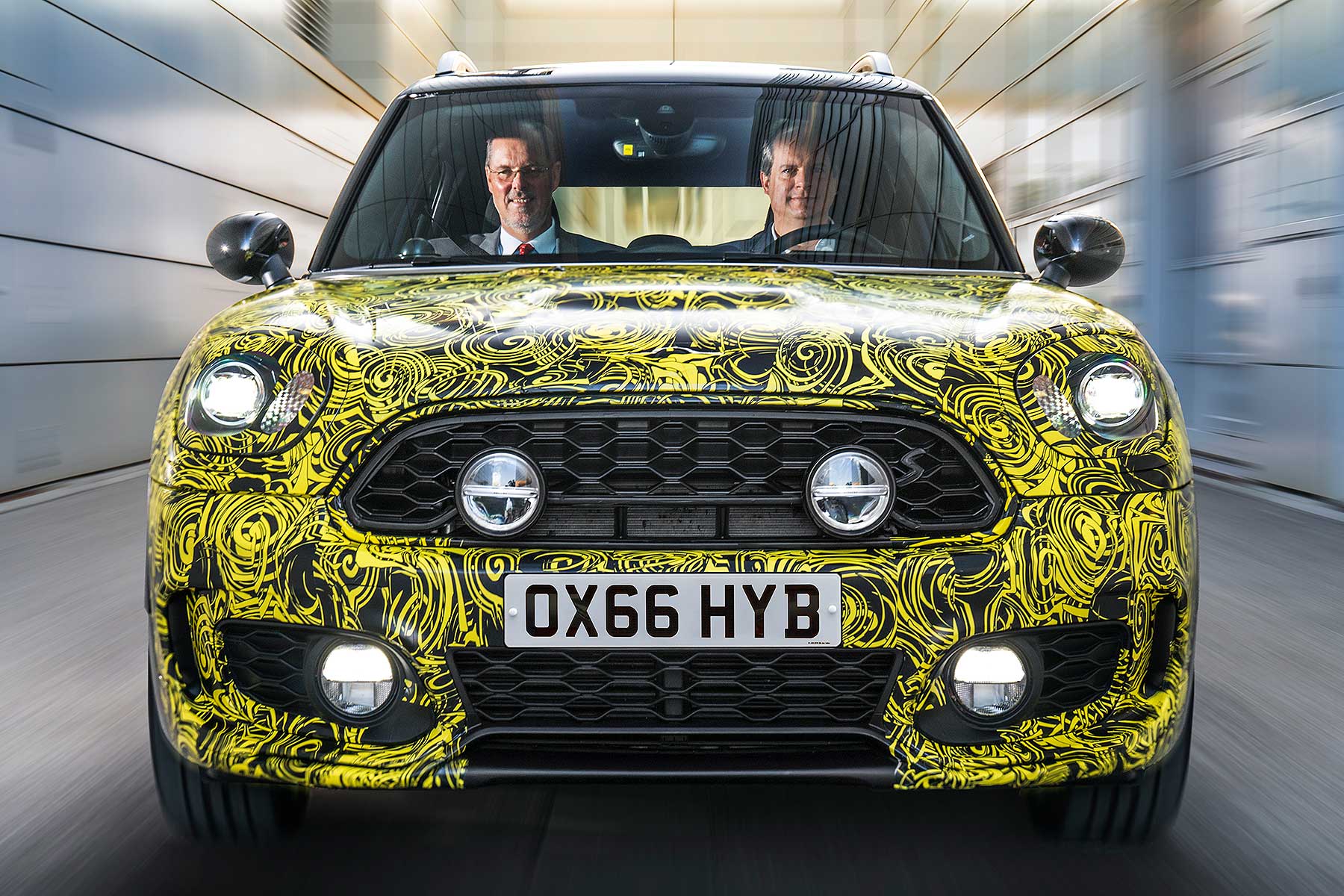
2017 MINI CountrymanThe new MINI Countryman is going after the Nissan Qashqai (and responding to the new Audi Q2) with the biggest Mini-badged model in 57 years.

Giving the most-misunderstood modern MINI much more relevance, the new Countryman may carry similar styling but is a far more well-formed model than the previous one – and, surprisingly, it’s on sale TODAY ahead of deliveries beginning in February 2017. Here’s what you need to know.

How big is the new MINI Countryman?
2017 MINI Countryman

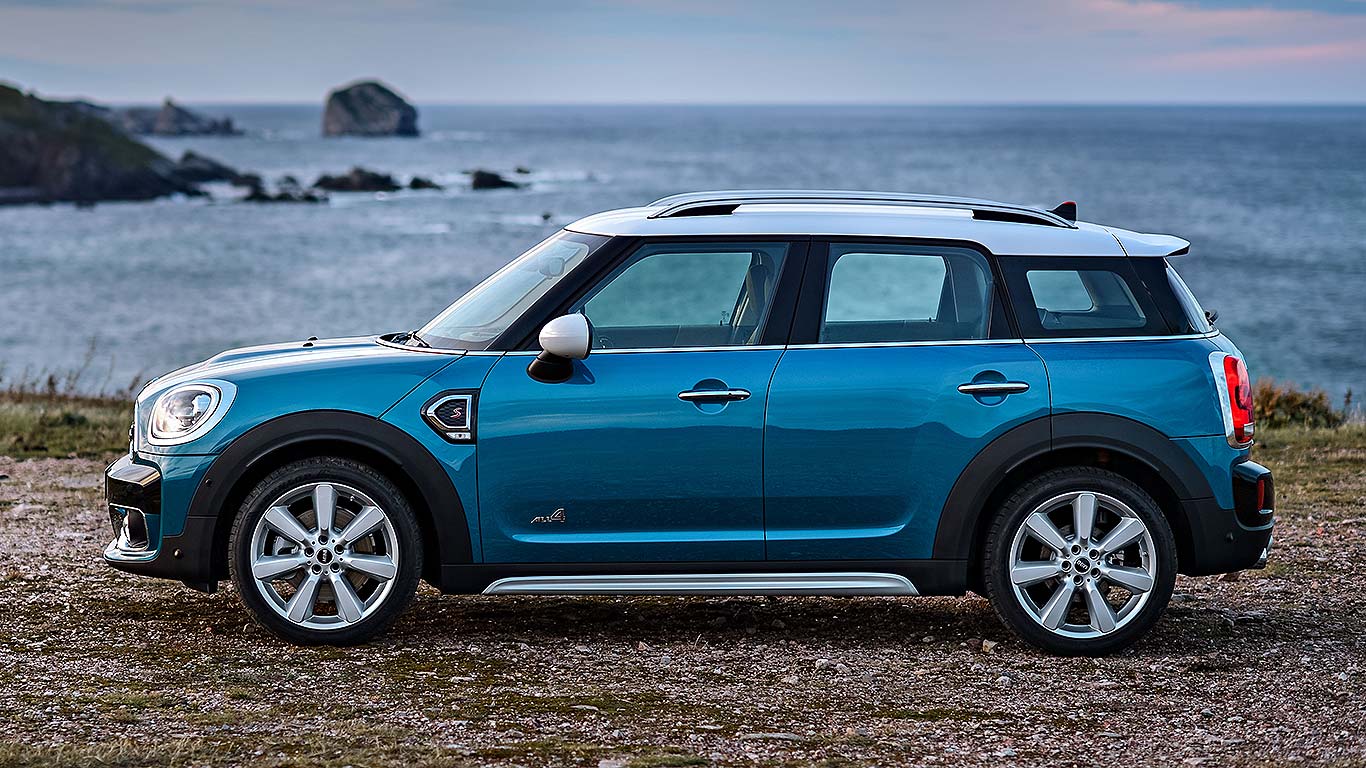
Key to the new MINI Countryman’s potential newfound appeal is the fact it’s grown. A lot. It’s 200mm longer, 30mm wider, has a 75mm longer wheelbase. Instead of being little more than four metres long, it’s now around 4.3 metres in length – a bit longer than the new Audi Q2 and not that far shy of the Nissan Qashqai. “It’s much bigger” say insiders. And it’s this that will make the model relevant.

Where does the new MINI Countryman compete?
2017 MINI Countryman

MINI says the new Countryman is now a C-segment car. That means it’s a crossover-infused alternative to, say, a Qashqai, or a posh MINI you’d consider instead of a Focus – maybe even instead of a Volkswagen Golf. Something the current model could never claim to be. It seems MINI is no longer shy about going big.

The interior is much more upmarket
2017 MINI Countryman

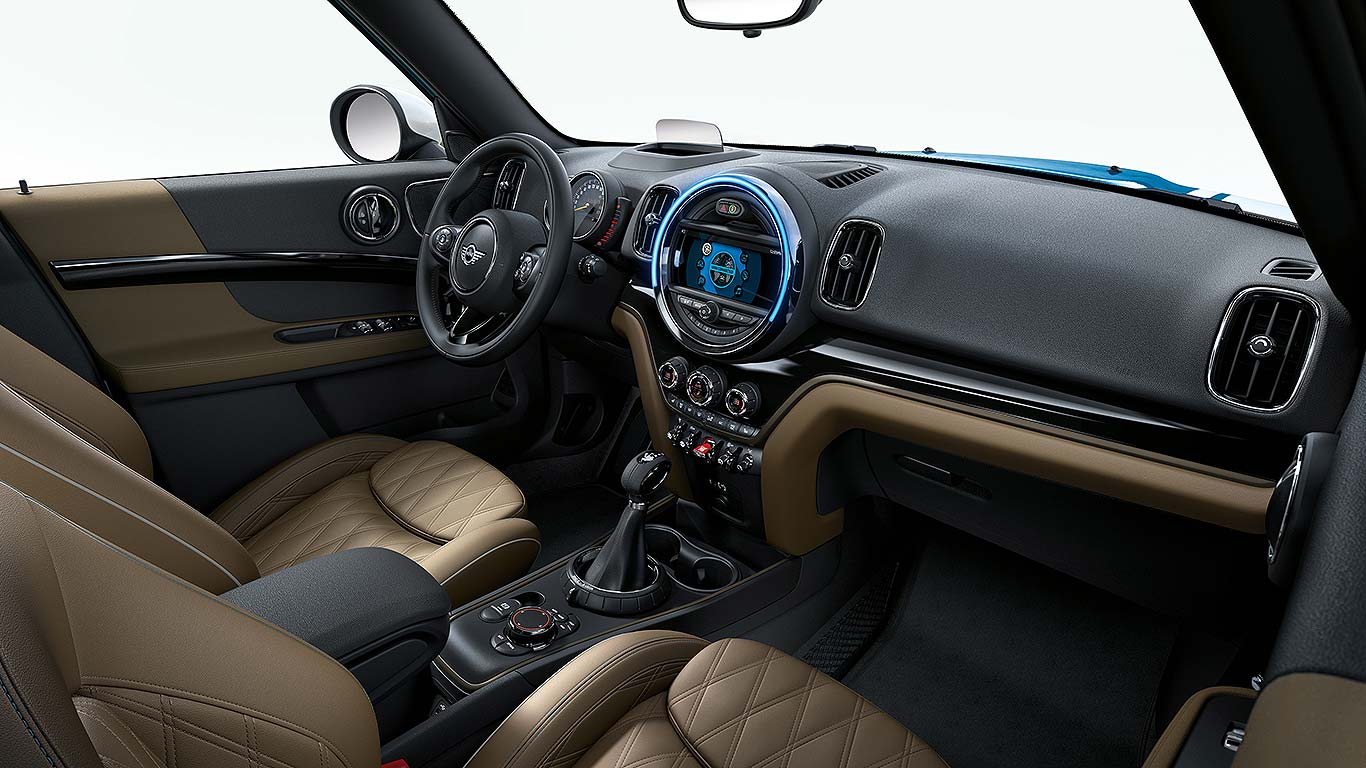
A big criticism of the current MINI Countryman is its rather un-premium interior. That’s cured with this one. Materials are higher-quality, there’s more premium-like attention to detail and it will finally feel like the cool sibling of BMW-brand cars, rather than a curiously downmarket one.

It is much roomier inside
2017 MINI Countryman

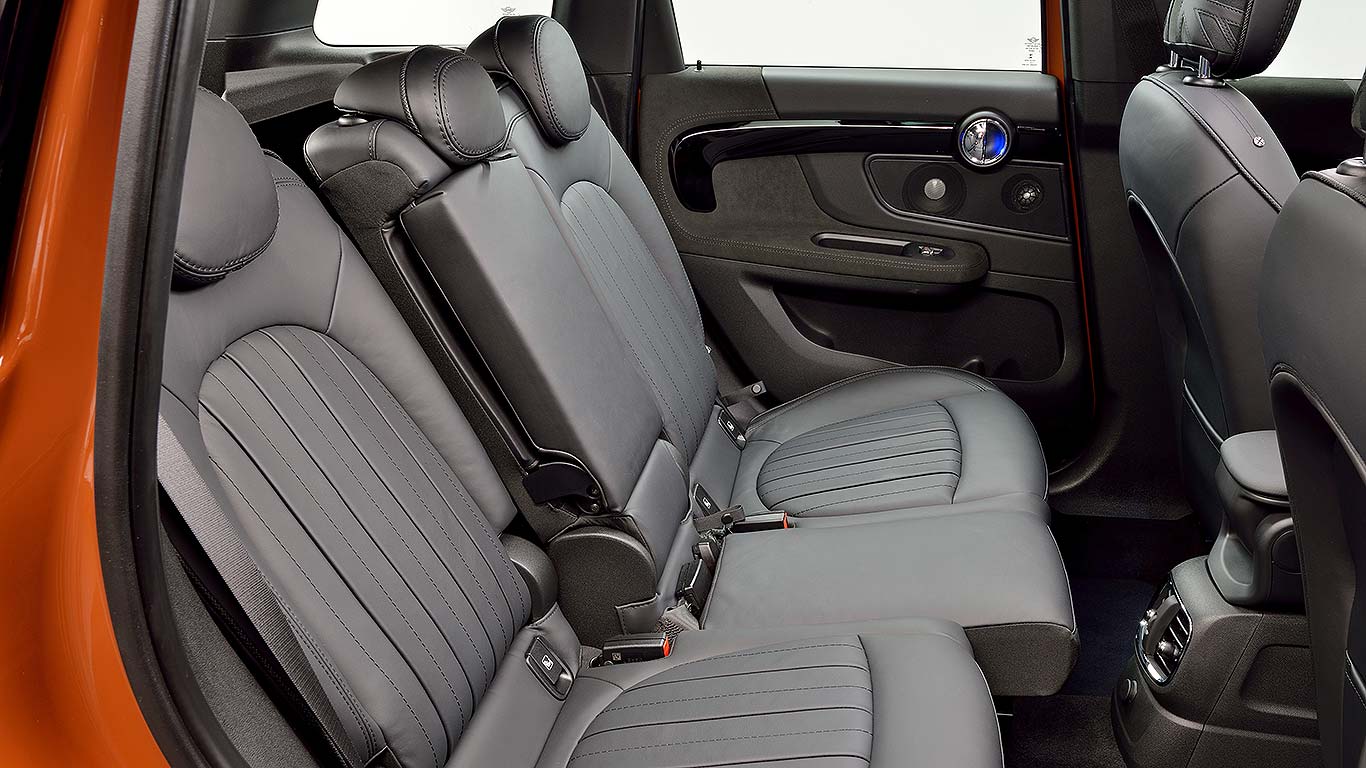
The new MINI Countryman is a full five-seater, says the firm. Again, not something the current compromised car could claim to be. There’s 50mm more legroom and the rear seats slide back and forth by a hefty 130mm.

It has a far bigger boot
2017 MINI Countryman

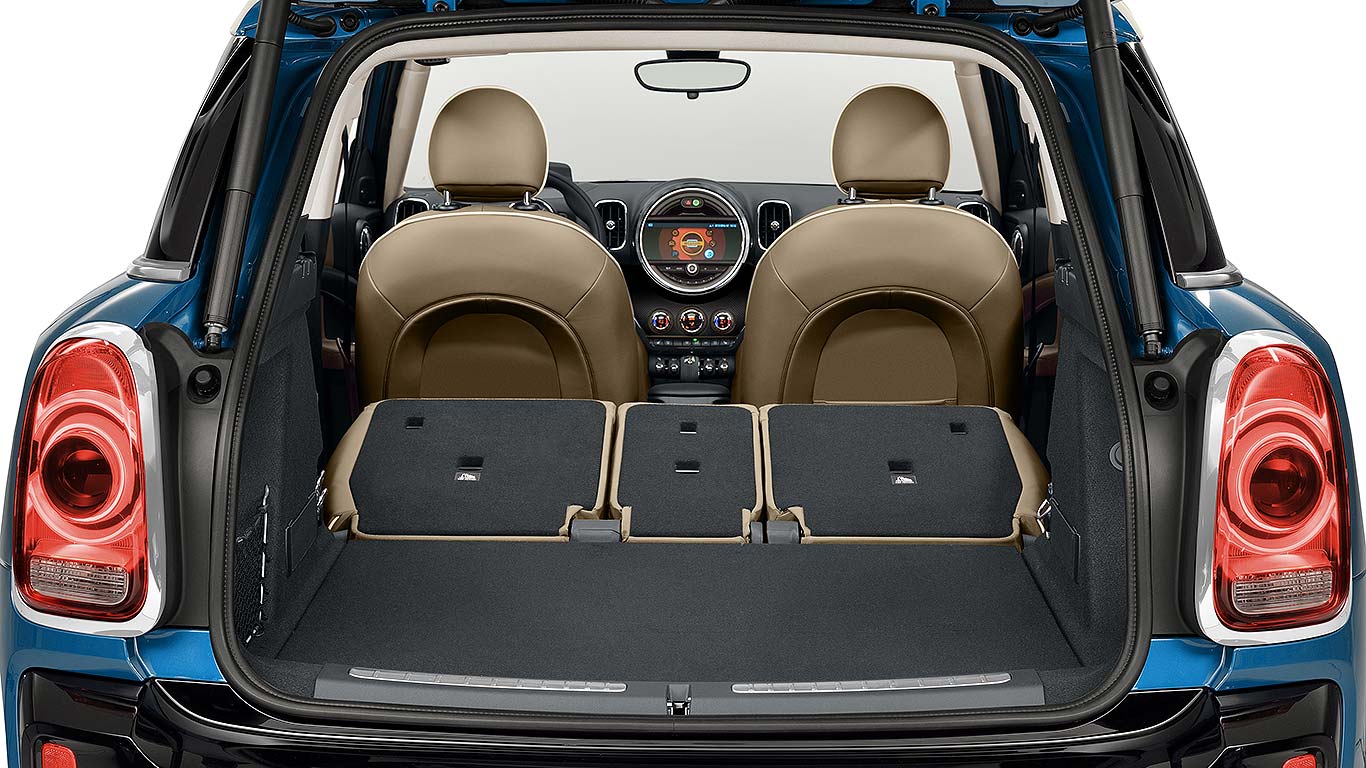
The boot capacity of the new MINI Countryman is… wait for it… 450 litres. And that’s with the seats up. A Volkswagen Golf? 380 litres. This is a massive increase: it’s 20 litres bigger than a Nissan Qashqai, for heaven’s sake! Fold the 40:20:40 split rear seats and it extends to 1,309 litres. That’s 220 litres up on before. MINI goes practical.

It has a picnic bench
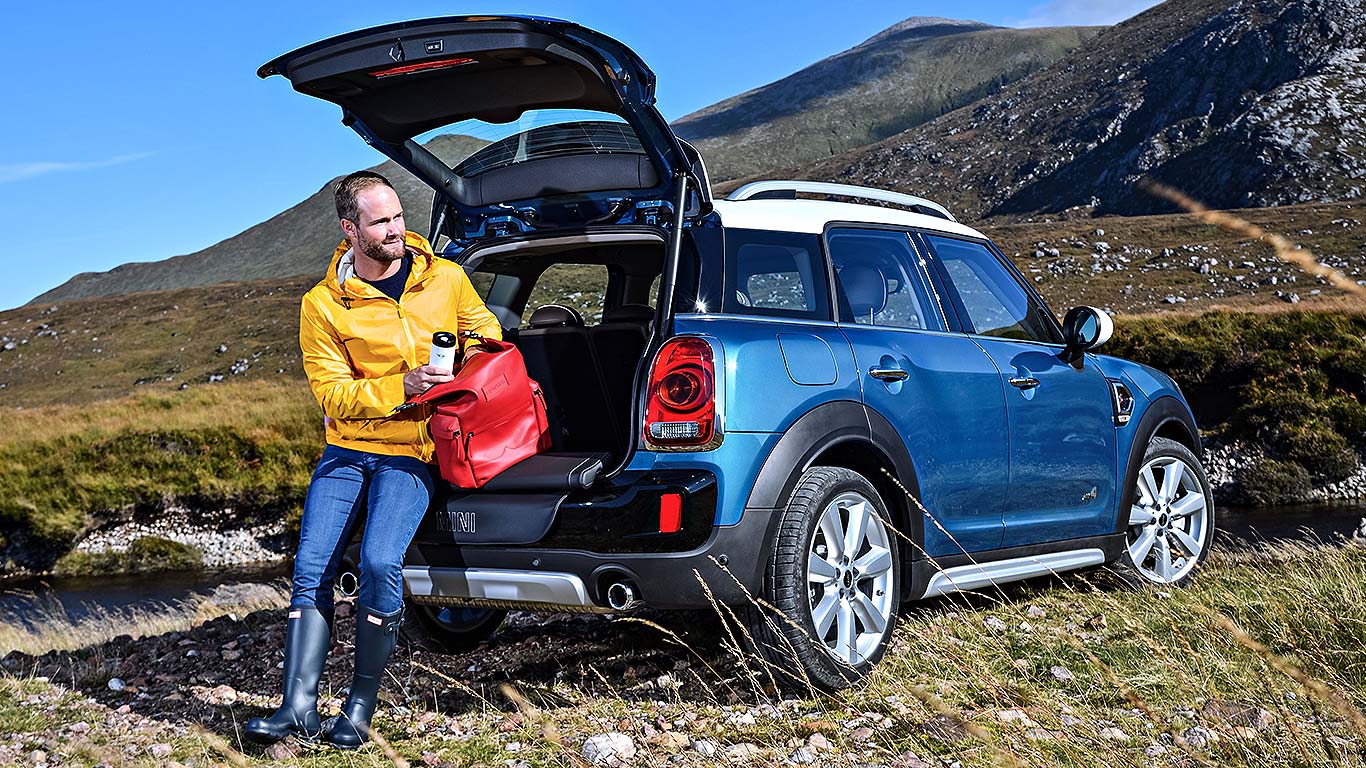
2017 MINI Countryman

Just to underline the new Countryman’s newfound practicality and crossover-ability, MINI is offering an optional ‘Picnic Bench’. This folds out of the boot and provides a seat for two people. Who needs that Range Rover, anyway?

It looks like the current MINI Countryman…
2017 MINI Countryman

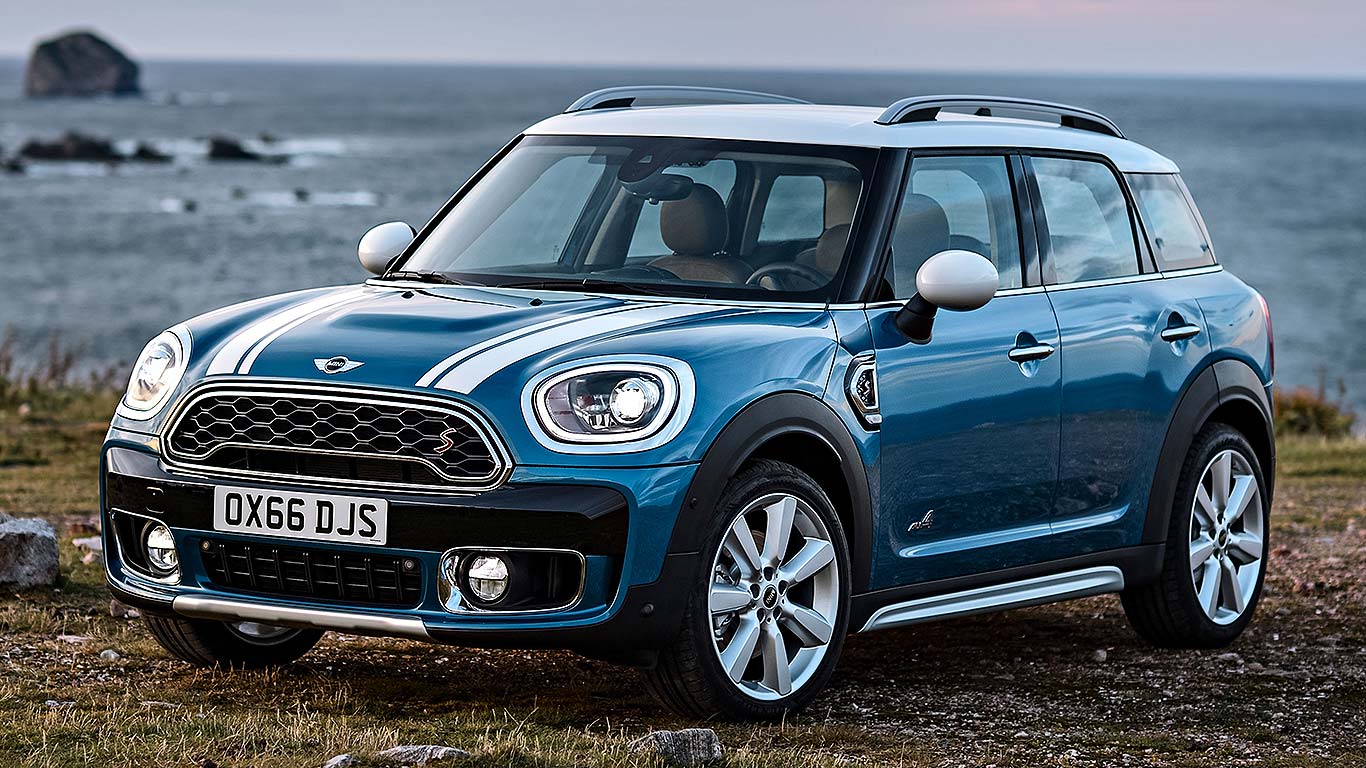
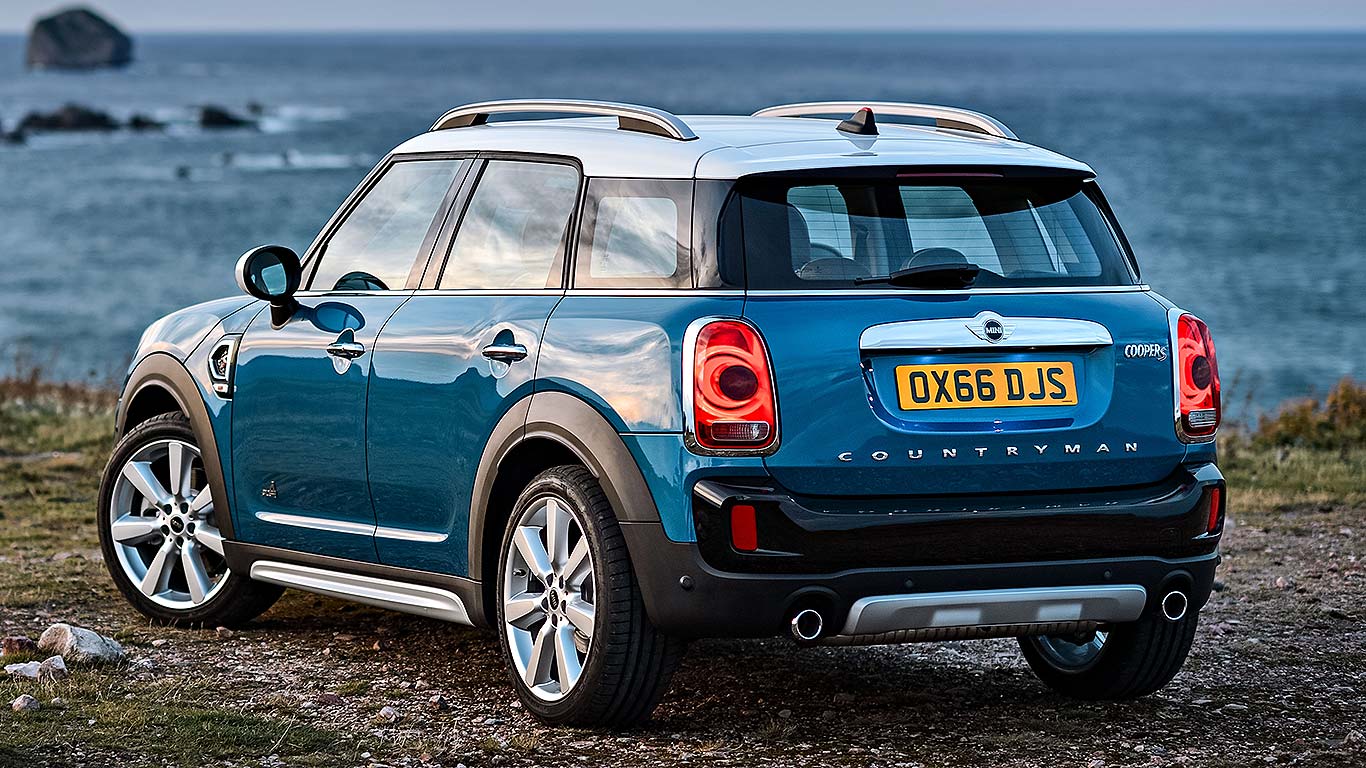
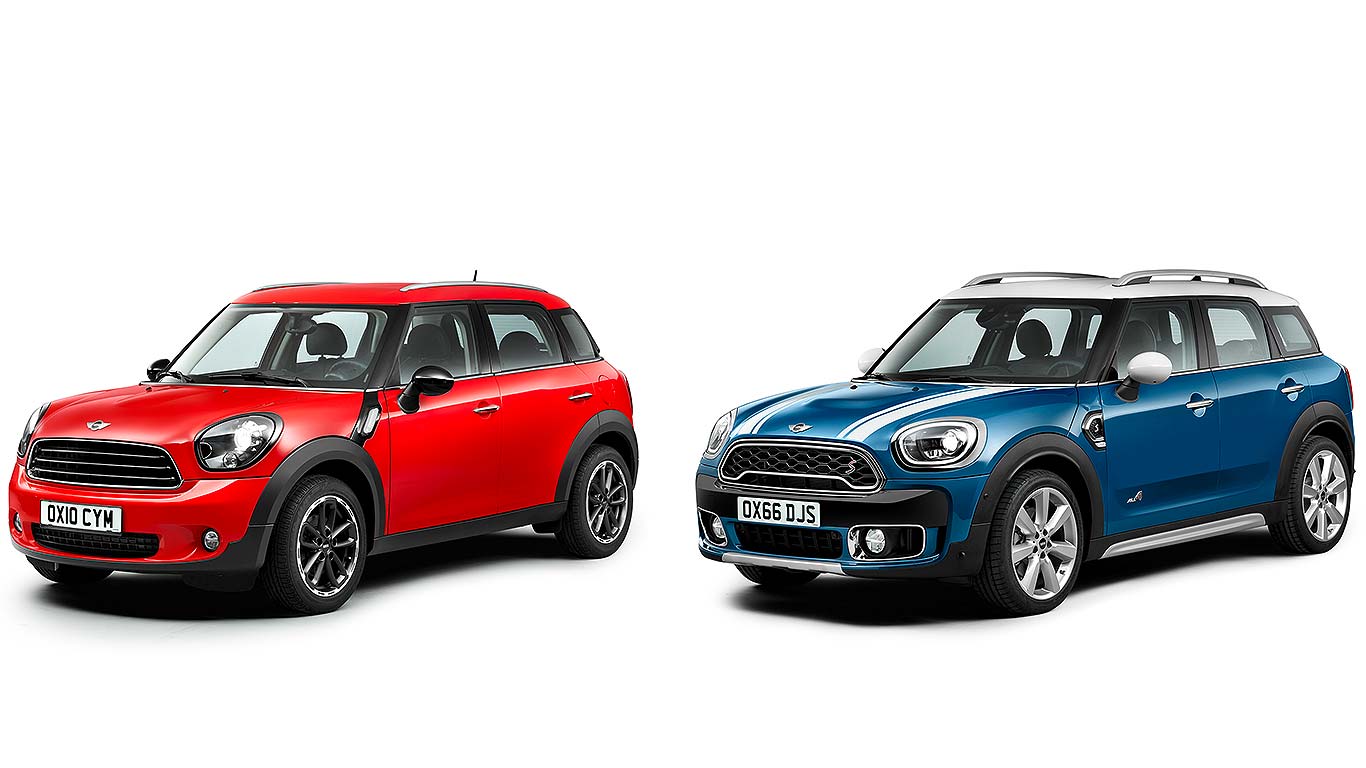
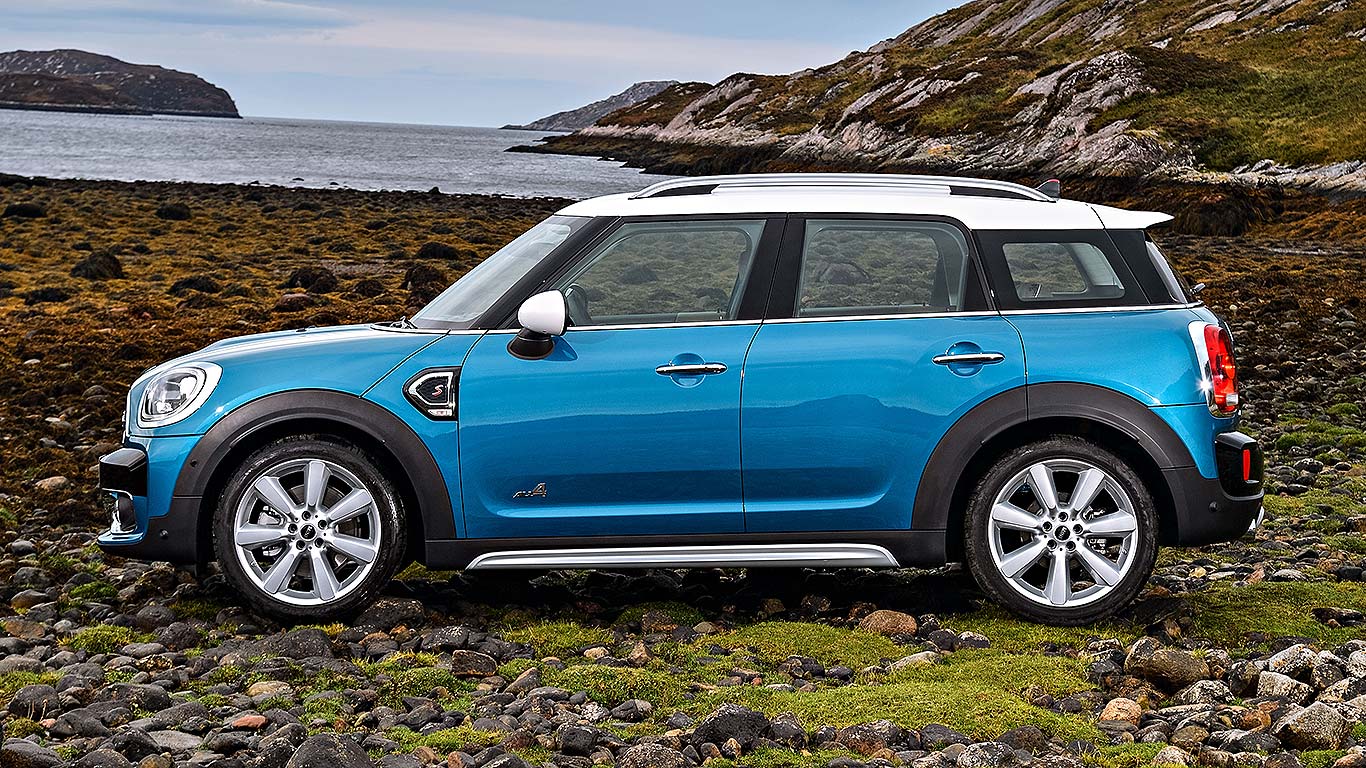
MINI is famed for its evolutionary styling and, despite the revolution beneath the surface, it’s not changed that with this new Countryman. It’s instead given it more muscle and more crossover kudos – check the form in the front and rear wings. Satin aluminium roof rails are standard, matched by aluminium sill plates to make it look taller. Other metal-look bits pump up the 4×4 elements too.

… And MINI is cool with this
2017 MINI Countryman

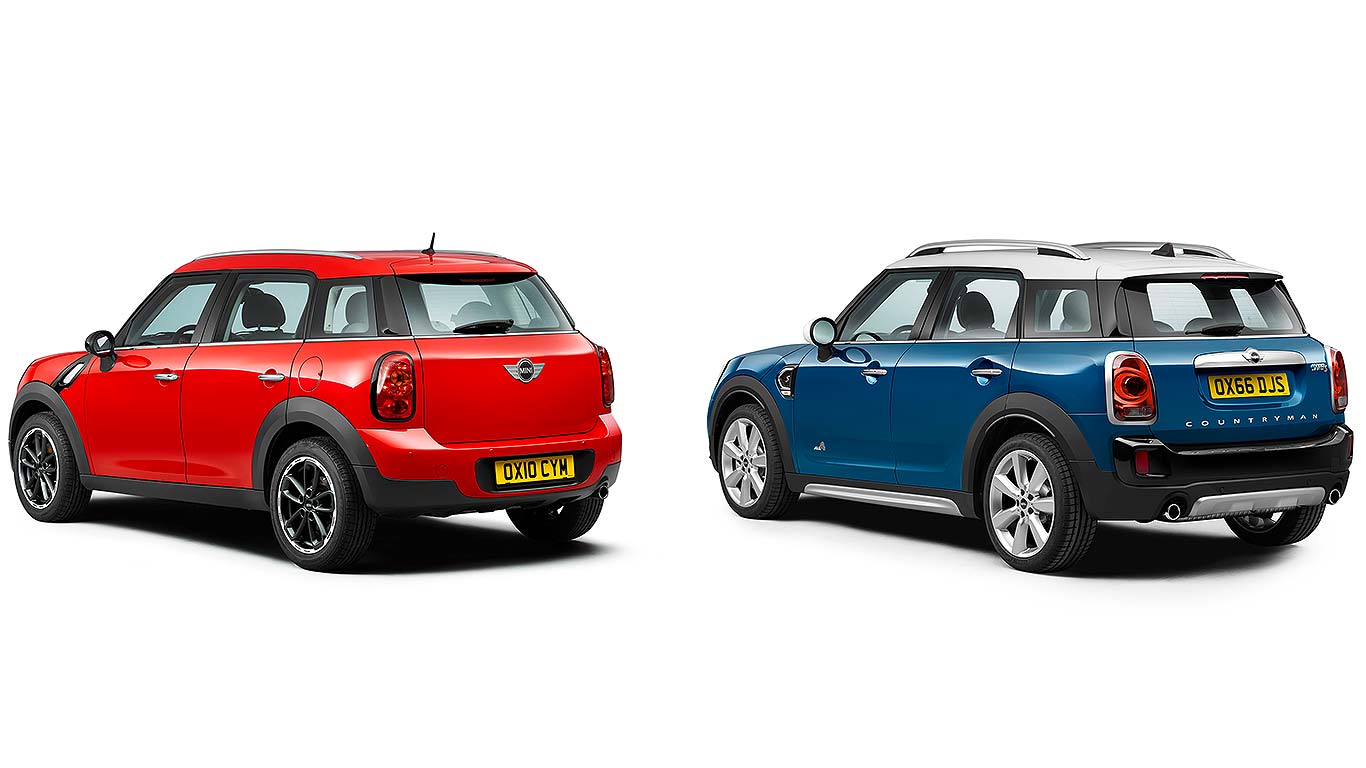
Here’s old (left) and new (right) MINI Countryman. Similar, huh? But how much more presence does the new car have? Second time lucky for the designers?

It can have a central touchscreen
2017 MINI Countryman

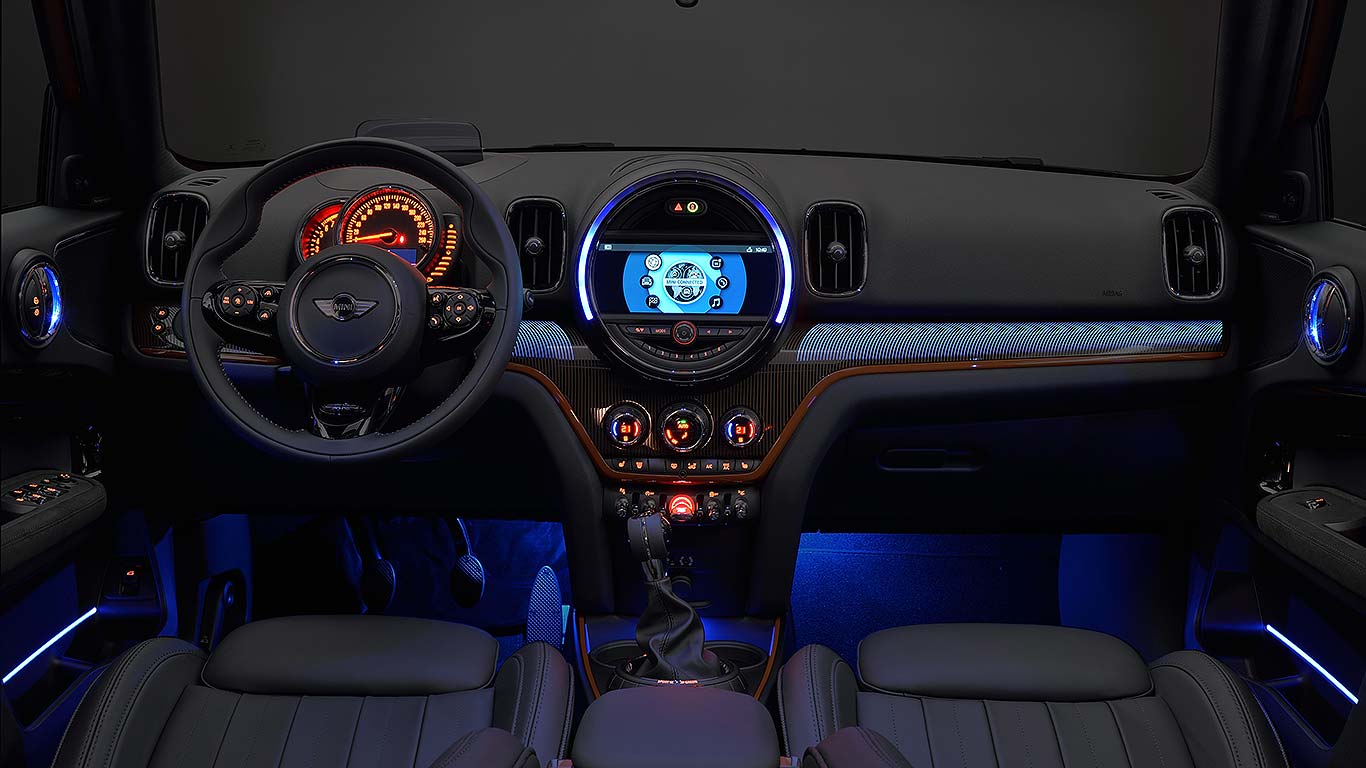
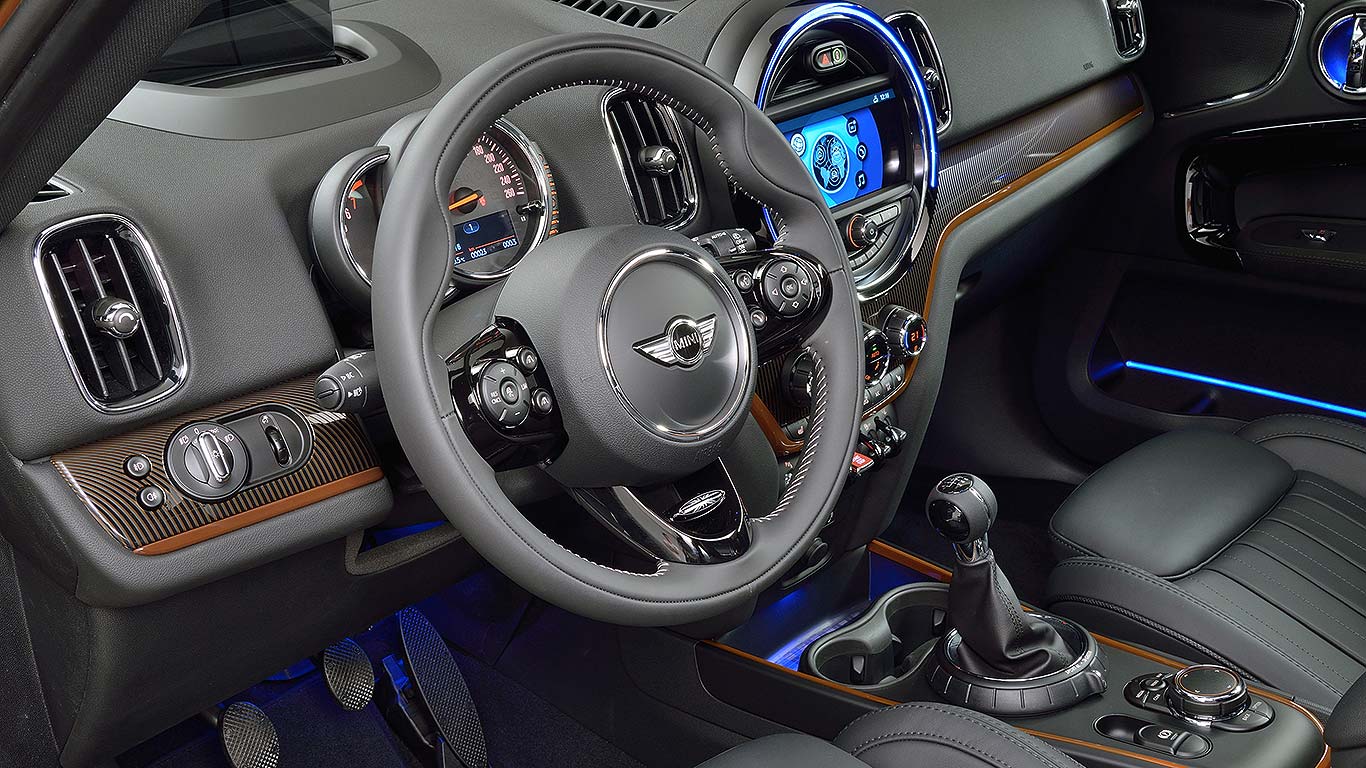
For the first time ever, a MINI has a touchscreen infotainment system. The famous round central display gains prod-ability for a much more contemporary experience. It’s optional – sat nav is standard on all models but usually controlled by the BMW iDrive-style controller by the handbrake – but the 8.8in screen may still become a must-have, just because.

There’s stowage space everywhere
2017 MINI Countryman

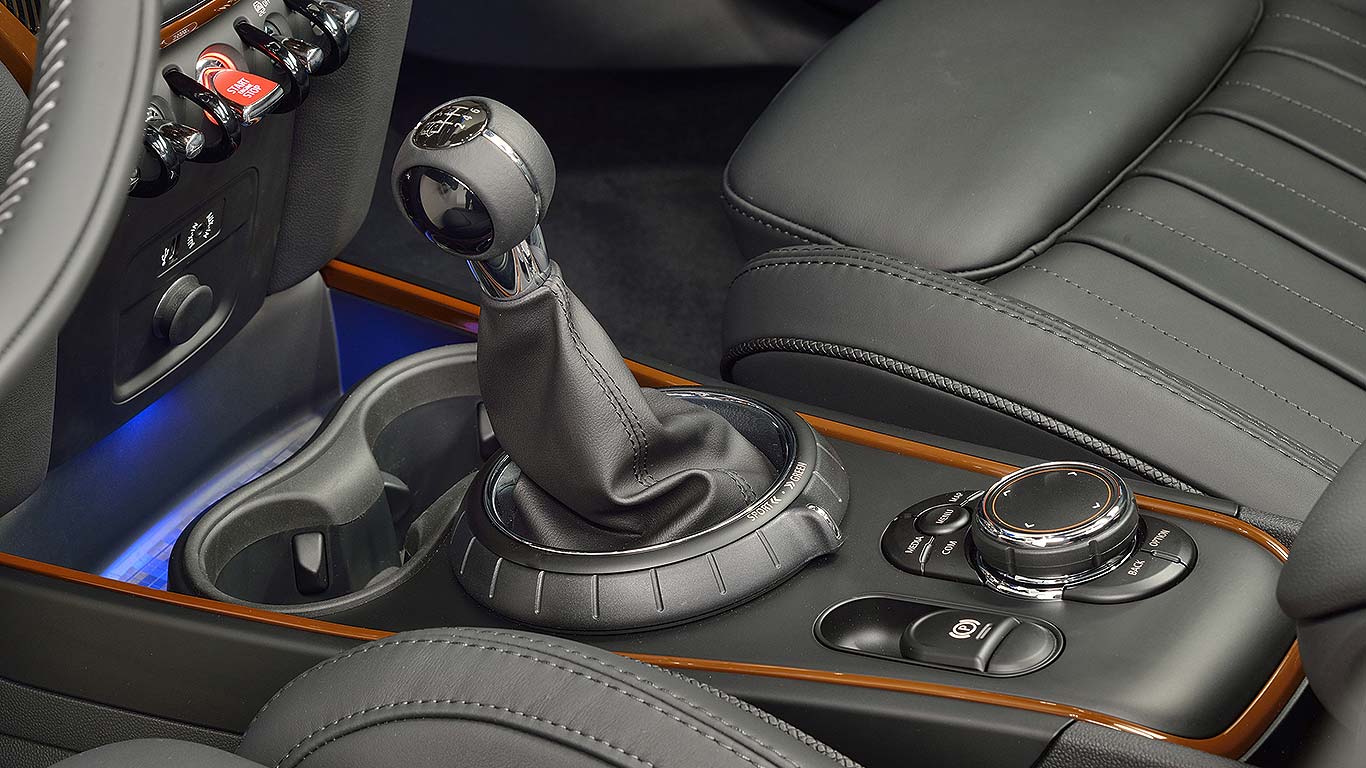
Owners of the current Countryman could, for all MINI’s talk of lifestyley stowage solutions and central sliding rails, never quite find enough suitable places to put their stuff. Fixed here. There’s much more on-board stowage, from front and rear doors that tale 1-litre bottles, to a massive cubby in the centre console, to more cupholders and a space-saving electric parking brake (be gone, impossible-to-use current lever!).

MINI Find Mate helps you find the stuff you’ve lost
2017 MINI Countryman

All this newfound space makes it far more likely you’ll lose stuff on-board. MINI Find Mate to the rescue: these are tags you can put on bags, keyrings, backpacks and the like. It lets you track exactly where they are in the car – and fire a warning bleep to help you find them on-board.

There’s a lot of standard equipment
2017 MINI Countryman

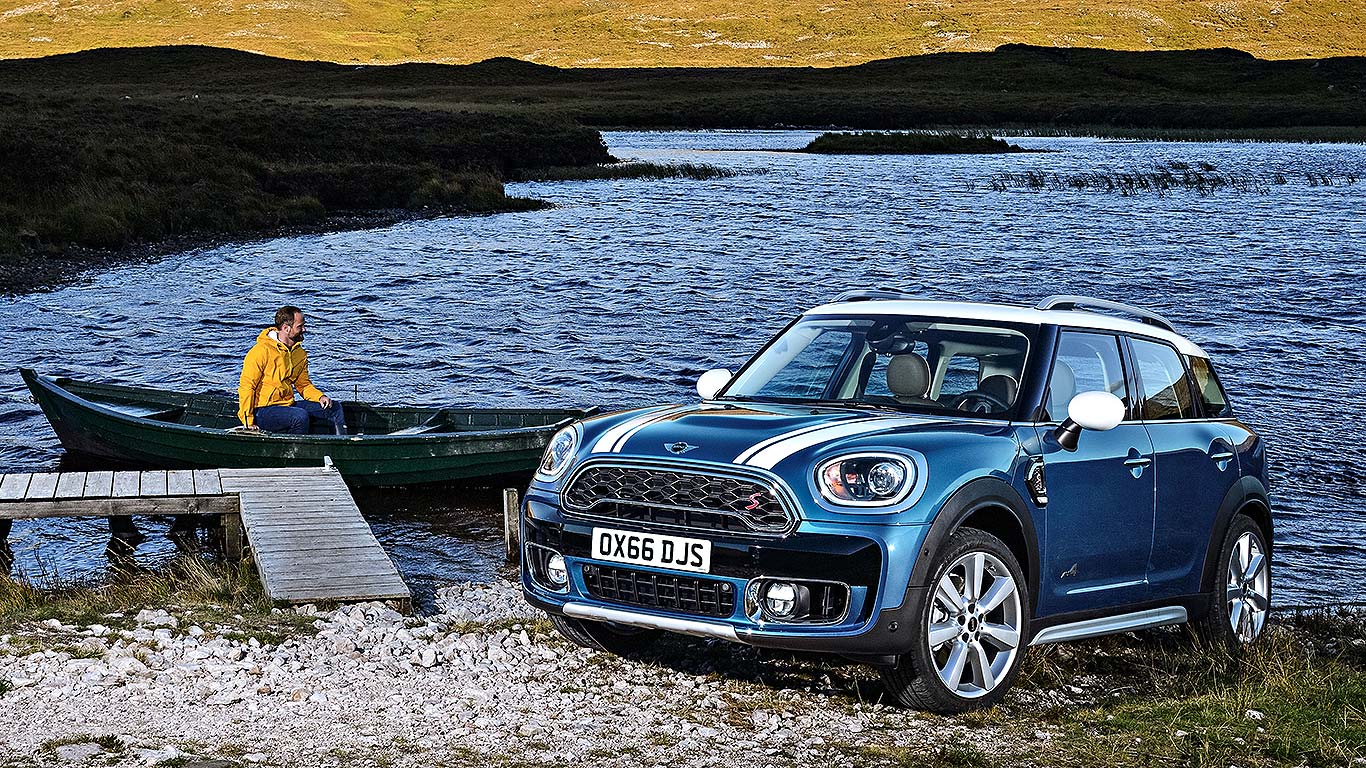
All MINI Countryman get a lot of standard kit. The feature list on all includes sat nav, Bluetooth, cruise control, 16-inch alloys autonomous-brake Active Guard and an emergency e-call feature. Cooper S and Cooper SD models add 17-inch alloys and part-leather upholstery. 75% of buyers will take the Chili option pack, which adds climate control, sports seats, LED headlights and user-selectable driving modes, amongst other bits.

It is now MINI Connected
2017 MINI Countryman

Like BMW Connected, there’s now MINI Connected personal mobility assistant – making the Countryman a MINI that’s fully connected with devices such as the Apple iPhone and Apple Watch. It means there’s an app for communicating with your car (and finding it when you’ve lost it in a car park). The new Countryman syncs with your digital calendar. Will tell you to eat your breakfast more quickly if it spots traffic on your commute.

The new MINI Countryman is faster
2017 MINI Countryman

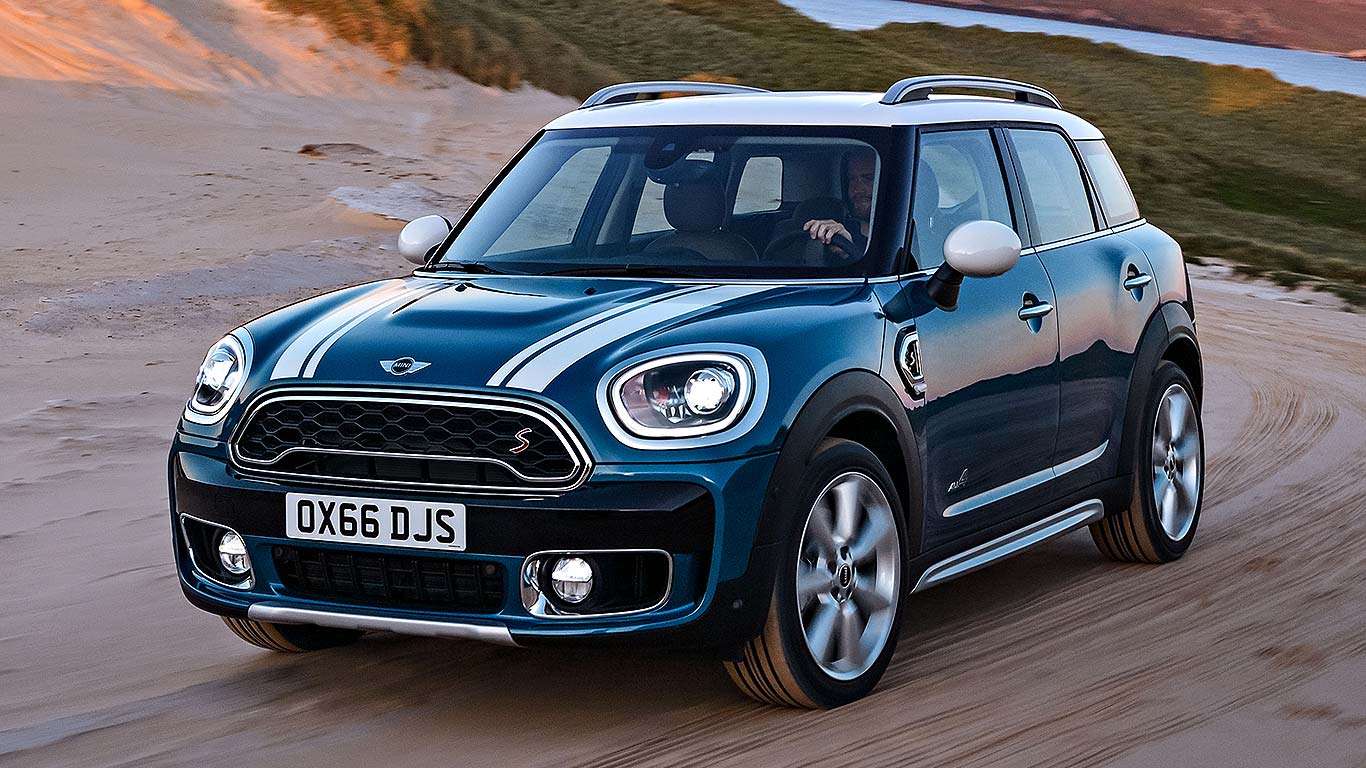
The engine range comprises all-turbo motors: the Cooper-branded engines at launch are a 136hp 1.5-litre turbo petrol Cooper, which does 0-62mph in 9.6 seconds, or a 150hp 2.0-litre turbodiesel that does 0-62mph in 8.9 seconds. The Cooper S has a 192hp 2.0-litre turbo petrol for 0-62mph in 7.5 seconds (or 7.2 seconds if you pick the ALL4 all-wheel drive auto), while the 190hp 2.0-litre turbodiesel Cooper SD does 0-62mph in 7.7 seconds or 7.4 seconds as an ALL4.

The new MINI Countryman is greener
2017 MINI Countryman

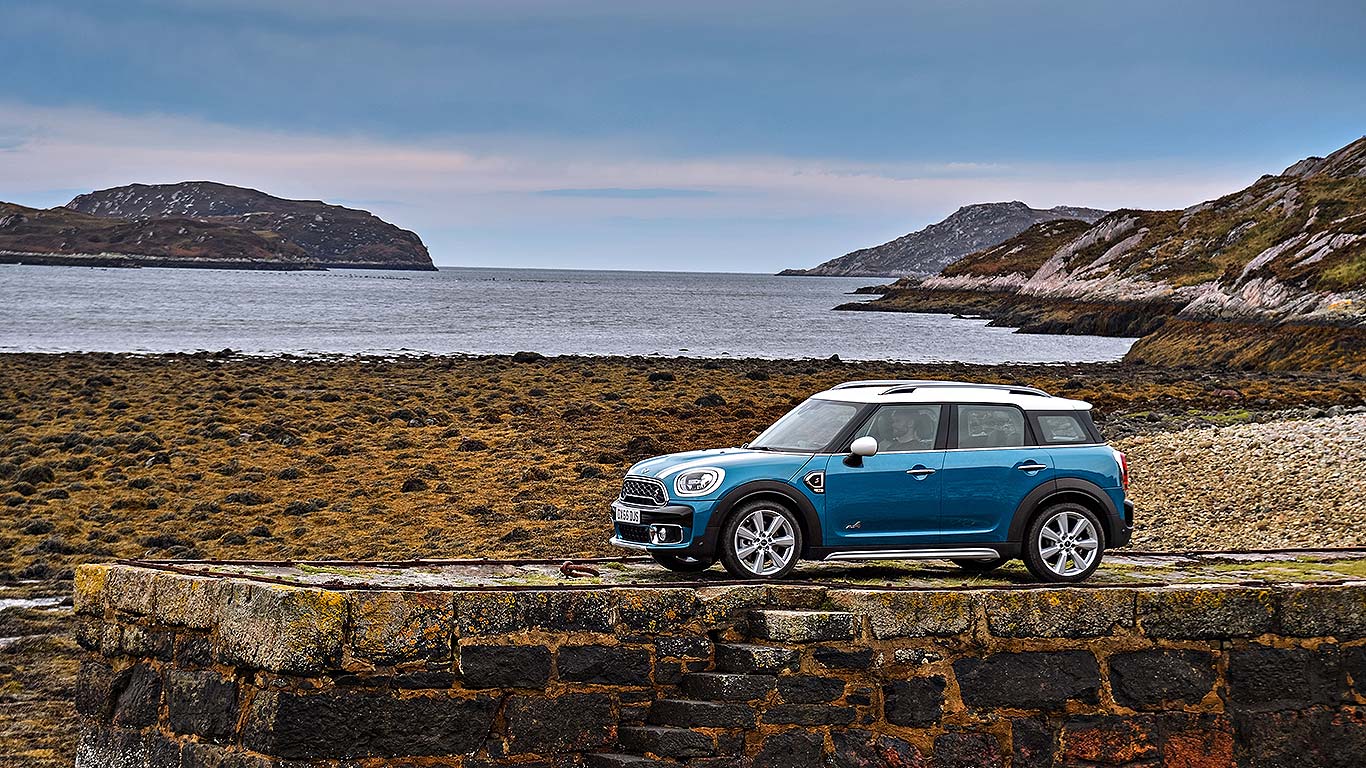
MINI says the new Countryman will average up to 64.2mpg and emit as little as 113g/km CO2. Expect future additional models to be greener still.

There is a plug-in hybrid MINI Countryman
2017 MINI Countryman

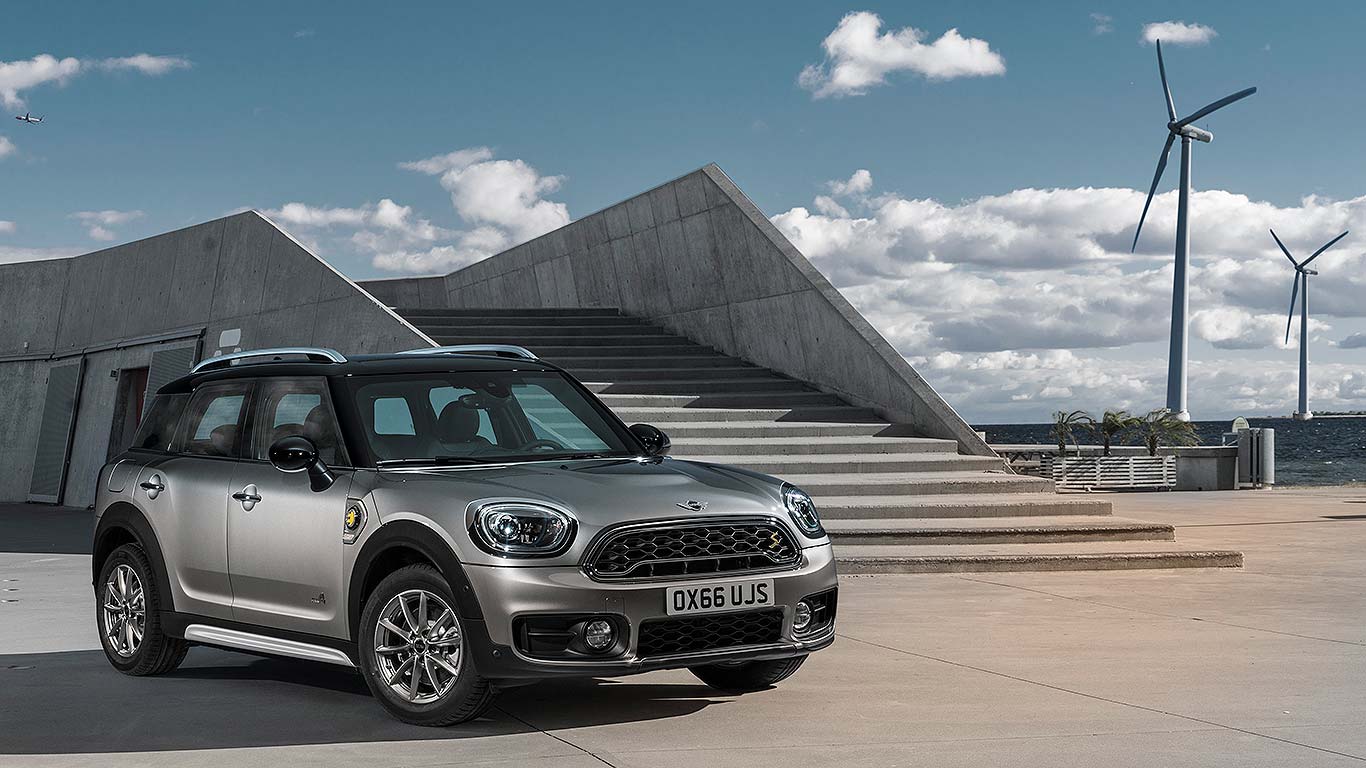
If you want even greener, pick the new plug0in hybrid MINI Cooper S E Countryman ALL4. This has a turbo petrol engine with an electric motor and extended capacity batteries. For a claimed 134.5mpg… combined with 0-62mph in 6.9 seconds. Impressive.

It is better off-road
2017 MINI Countryman

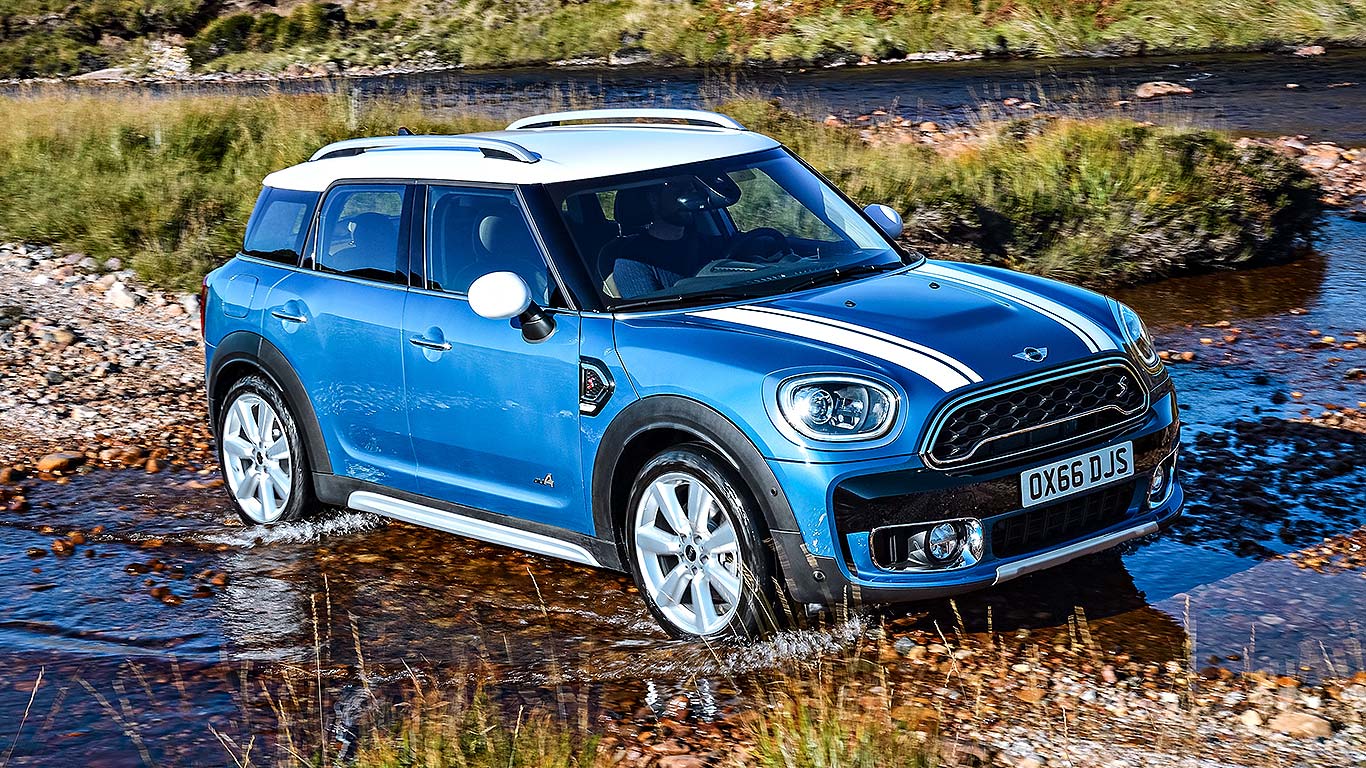
This is the crossover MINI, so BMW’s made the Countryman more able off-road (well, it is derived from the BMW X1, after all…). The all-wheel drive system, called ALL4, is faster-acting and is electronically linked to the stability control system. Great for plugging through streams… but also perfect for dealing with adverse weather conditions. Take that, UK winter.

It even has an off-road gadget
2017 MINI Countryman

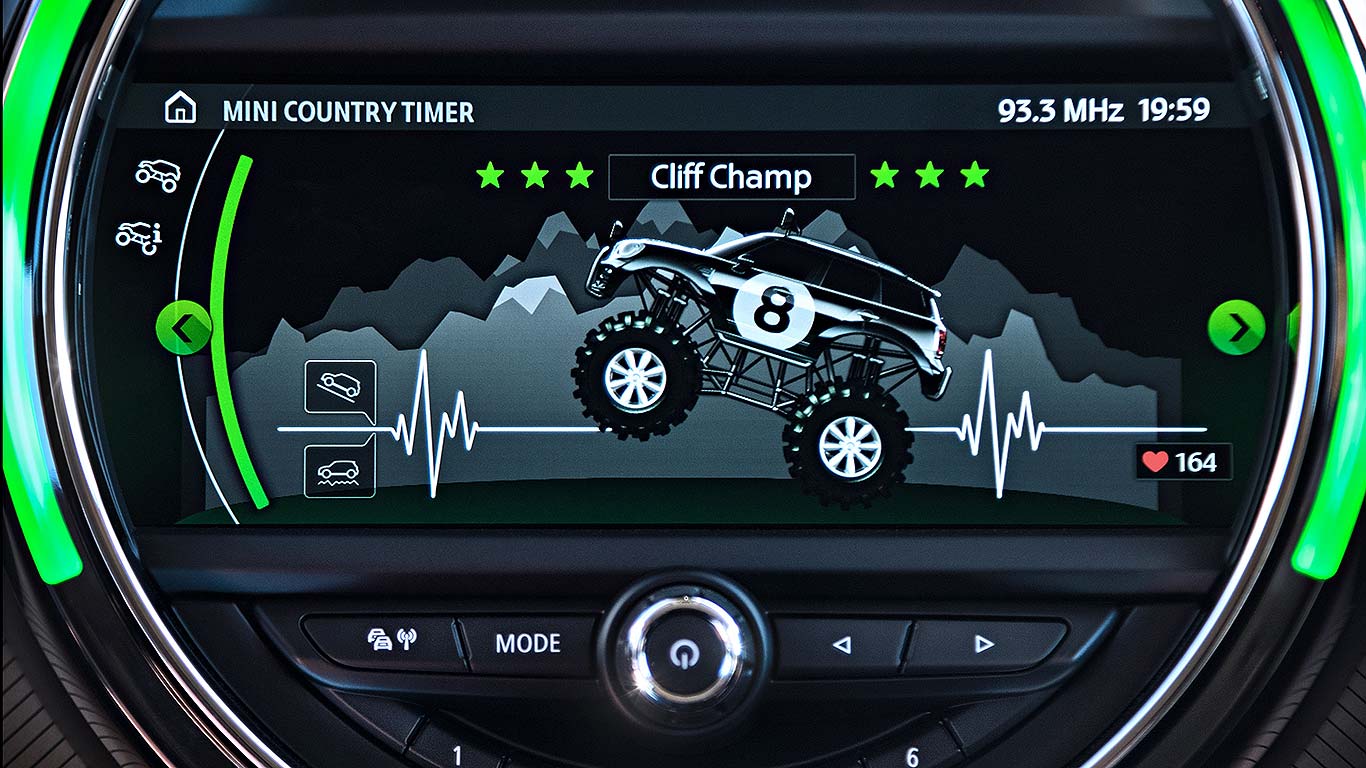
The Countryman has an off-road gimmick called MINI Country Timer. This monitors what it’s driving over and detects slopes, uneven surfaces, even snow-covered tracks. When things start to get challenging, it flashes up what sort of terrain is below on the central display. The more adverse the surface, the more the MINI icon turns from a ‘street cruiser’ into a MINI monster truck ‘cliff champ’. Yes, really.

It costs from £22,465 and is on sale in the UK now
2017 MINI Countryman

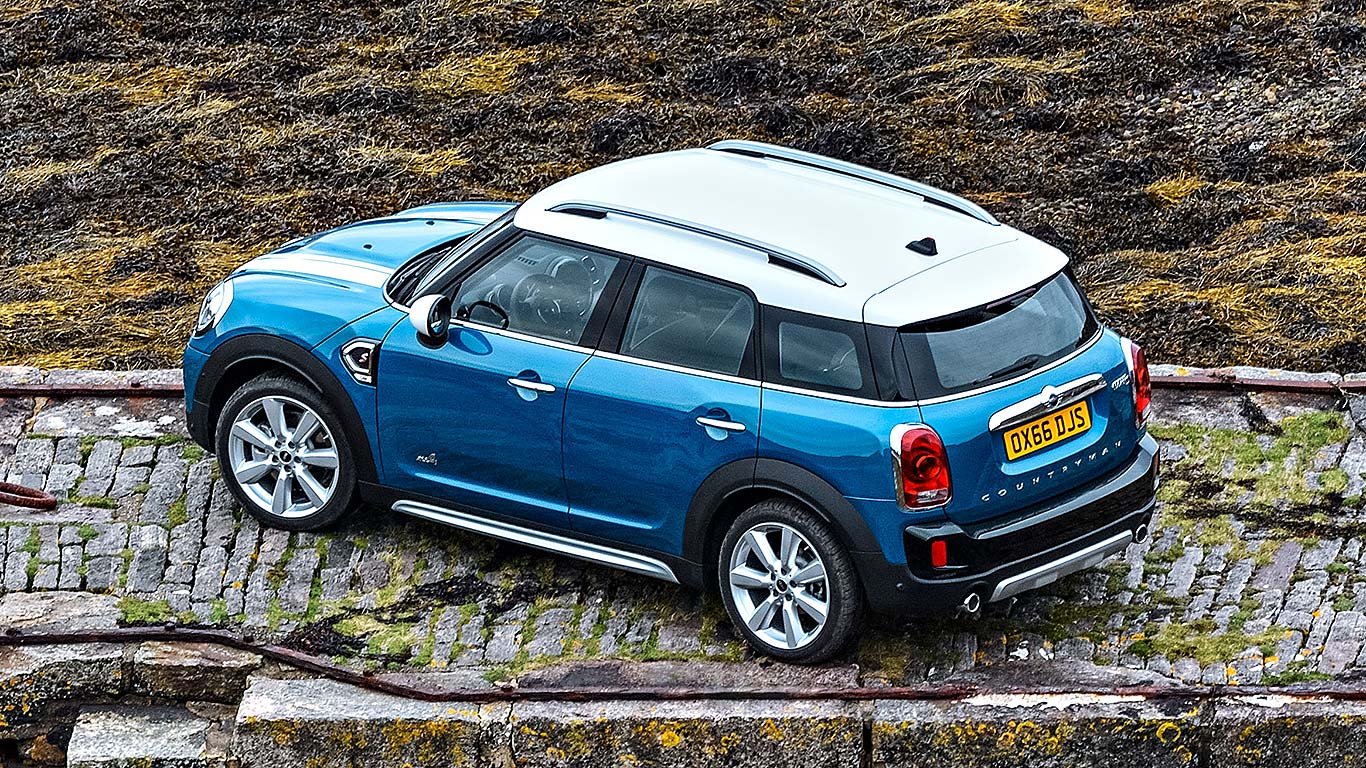
Prices for the new MINI Countryman start at £22,465: that’s for a 136hp Cooper Countryman petrol. Expect a cheaper One Countryman in time. At launch, there’s also a 150hp Cooper D (from £24,425), a 192hp Cooper S (from £24,710) and a 190hp Cooper SD (from £26,350). You can get ALL4 versions of all of them, plus both manuals and automatics. It’s on sale right now and first deliveries are in February 2017.
Advertisement

Petrolgate: the next big car emissions scandal?

0

Ford EcoboostPetrol cars with sophisticated downsized turbo engines risk introducing a new source of harmful particulates emissions into city centres – potentially creating a new ‘petrolgate’ emissions scandal.
Campaign group Transport & Environment (T&E) says the scandal could be just as serious as the dieselgate crisis that has engulfed Volkswagen. The issue is a similar one: cars producing higher levels of harmful emissions in everyday driving than allowed in the lab-based EU emissions tests.

Volkswagen to fit petrol particulate filters to all cars

Diesel won’t do: cars we prefer with a petrol engine

Carbuyers dump dirty diesels in favour of downsized petrols

Only this time, the emissions are particulate matter, or PMs, rather than nitrogen oxides (NOx).

It’s not cheating that’s the problem. It’s carmakers preferring not to fit petrol car particulate filters, called GPFs – and fitting these filters, alleges T&E, could lead to emissions 100 times lower than cars without one.

The filters cost around €25 per car, claims the organisation. It accuses manufacturers of trying to save a bit of cash rather than fix the problem for good.

By a twist of fate, Volkswagen could be spared its blushes this time around. The carmaker has already committed to fitting GPF petrol particulate filters to all its TSI and TFSI turbo petrol engines in the future.

Some new cars buyers may be more frustrated. Earlier this year, new research revealed 70% of buyers weary of dirty diesel stories would prefer buying one of these downsized petrol cars instead…

What’s behind the petrolgate risk?

2018 exhaust emissions regulations are being introduced to tackle particulate emissions from modern turbo petrol cars. A combination of high engine temperatures, high-pressure injection and the greater loads cars experience in real-world driving means many produce more PM on the road than in lab testing.

The 2018 ‘Read Driving Emissions’ scheme is being designed to prevent this. However, T&E alleges leaked documents it’s seen suggest the EU is watering down the regulations to the benefit of carmakers.

Florent Grelier, clean vehicles engineer at T&E, said: “The EU was warned about the risks of new gasoline engines three years ago. Finally, the regulations are being finalised but in a way that bends to the will of the automotive industry. This is a Petrolgate scandal is in the making.

“Unless the European Commission and governments establish strict test procedures to protect the industry from its own short-sightedness, within a few years we will see continuing high levels of particles killing hundreds of thousands of citizens prematurely.”

Advertisement

Everything you need to know about Lynk & Co

0

Everything you need to know about Lynk & Co

Unless you’re familiar with the Chinese car market, you can be forgiven for not having heard of Geely. The multinational giant, based in China, does however own a few Western companies that may be on your radar – including Volvo and The London Taxi Company.

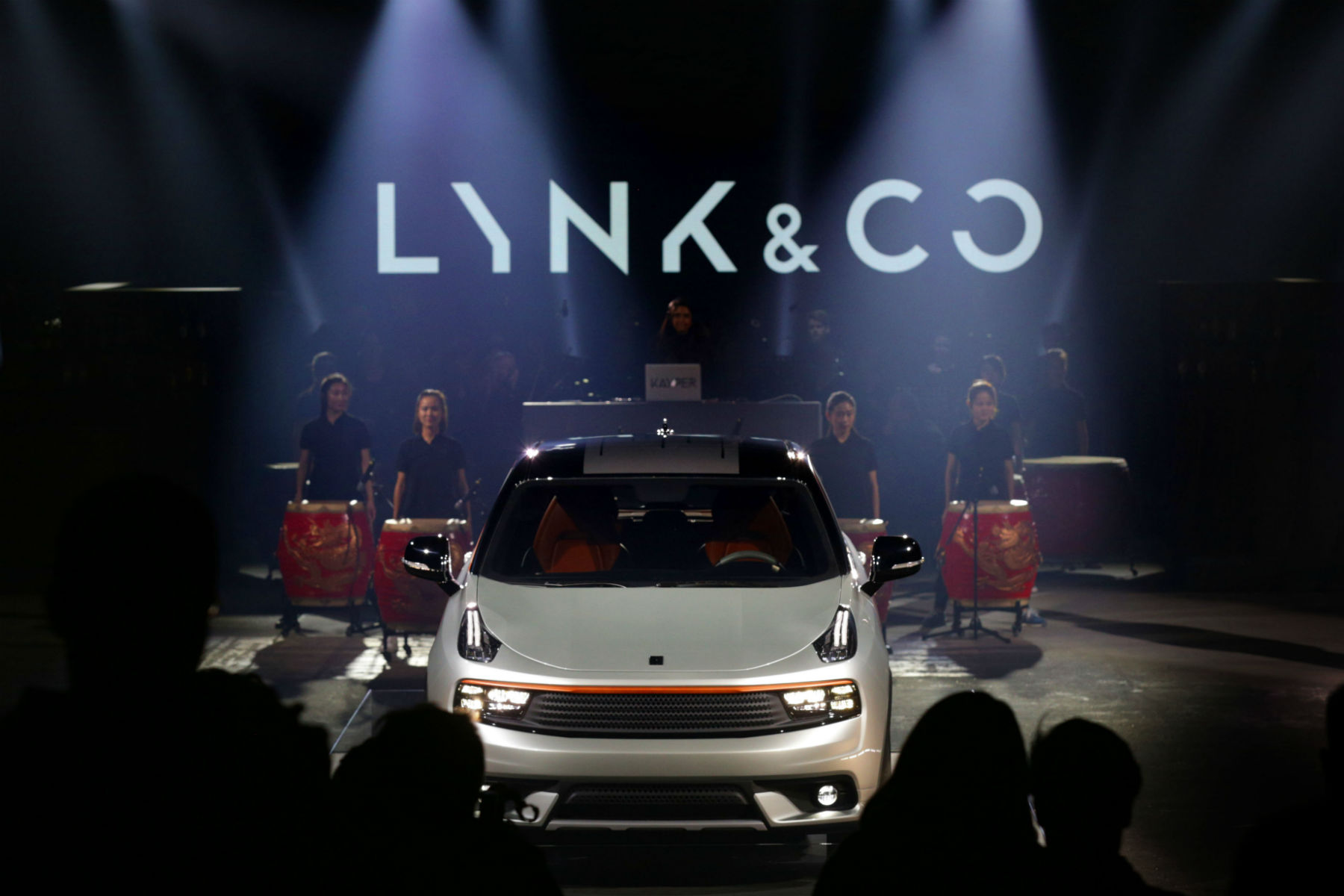
Geely is now launching a new car company, Lynk & Co, which it’s hoping will be a major player in the European automotive market.

  • 20 things you need to know about new Top Gear
  • Volvo XC90 review: 2015 UK first drive
  • More car news on Motoring Research

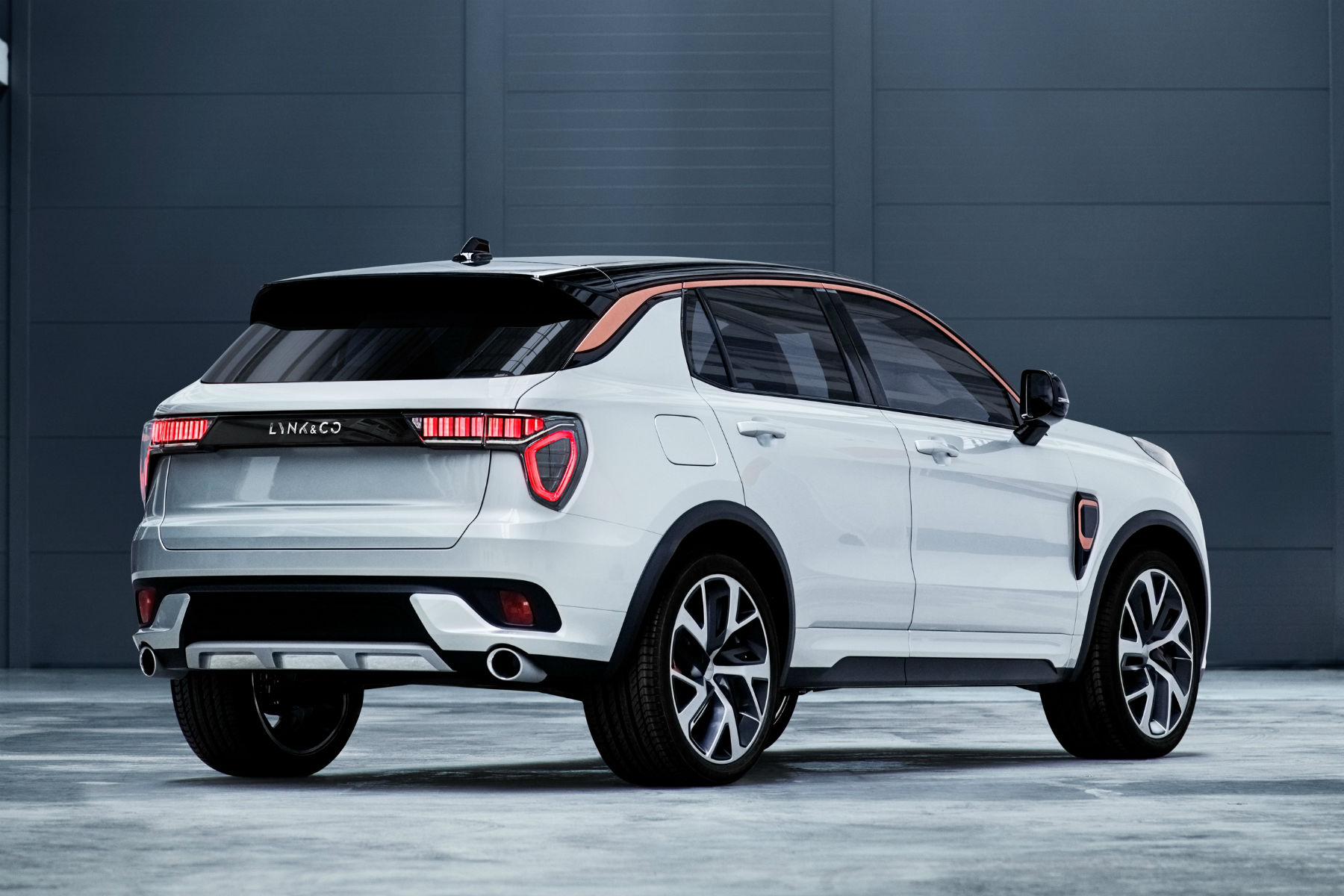
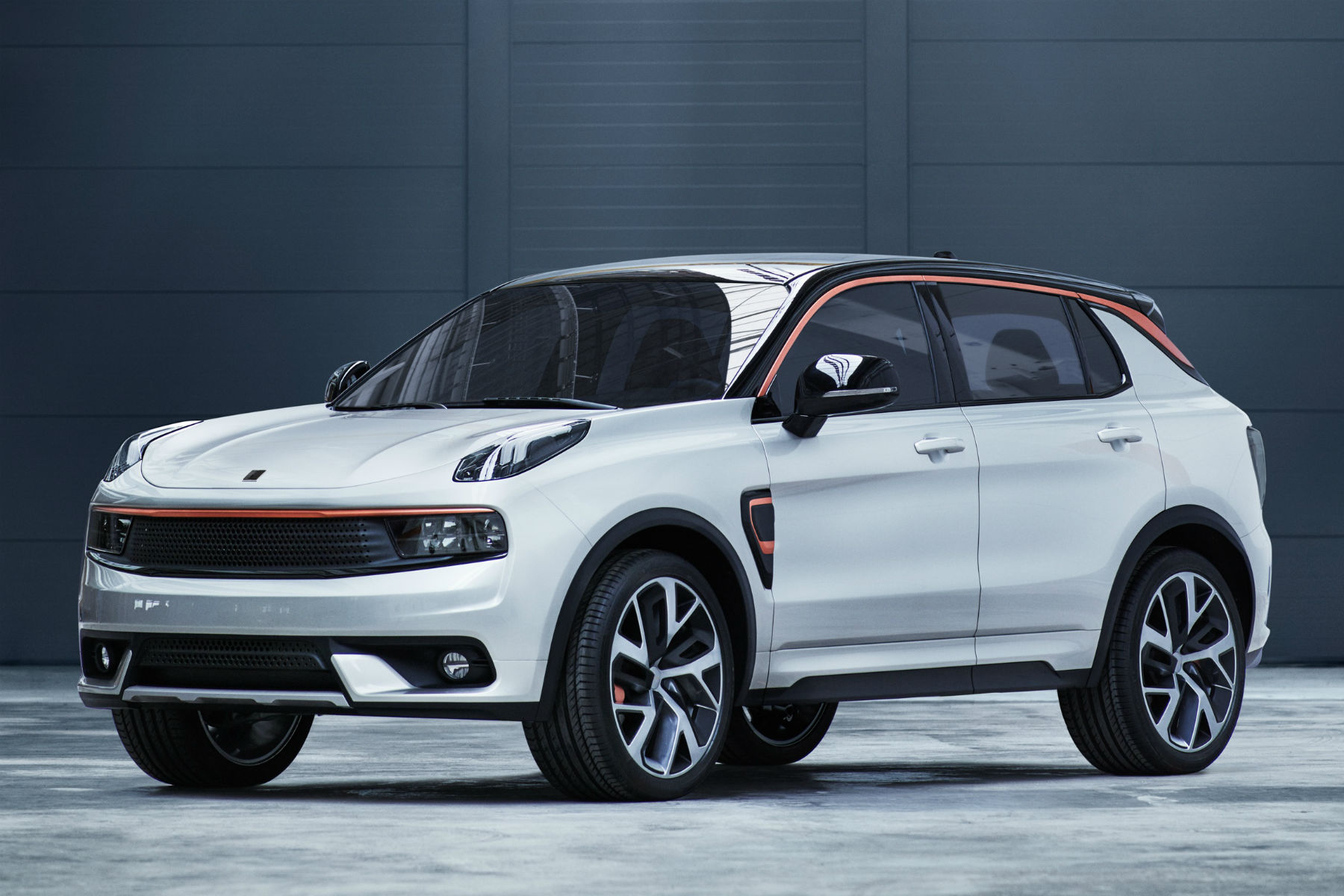
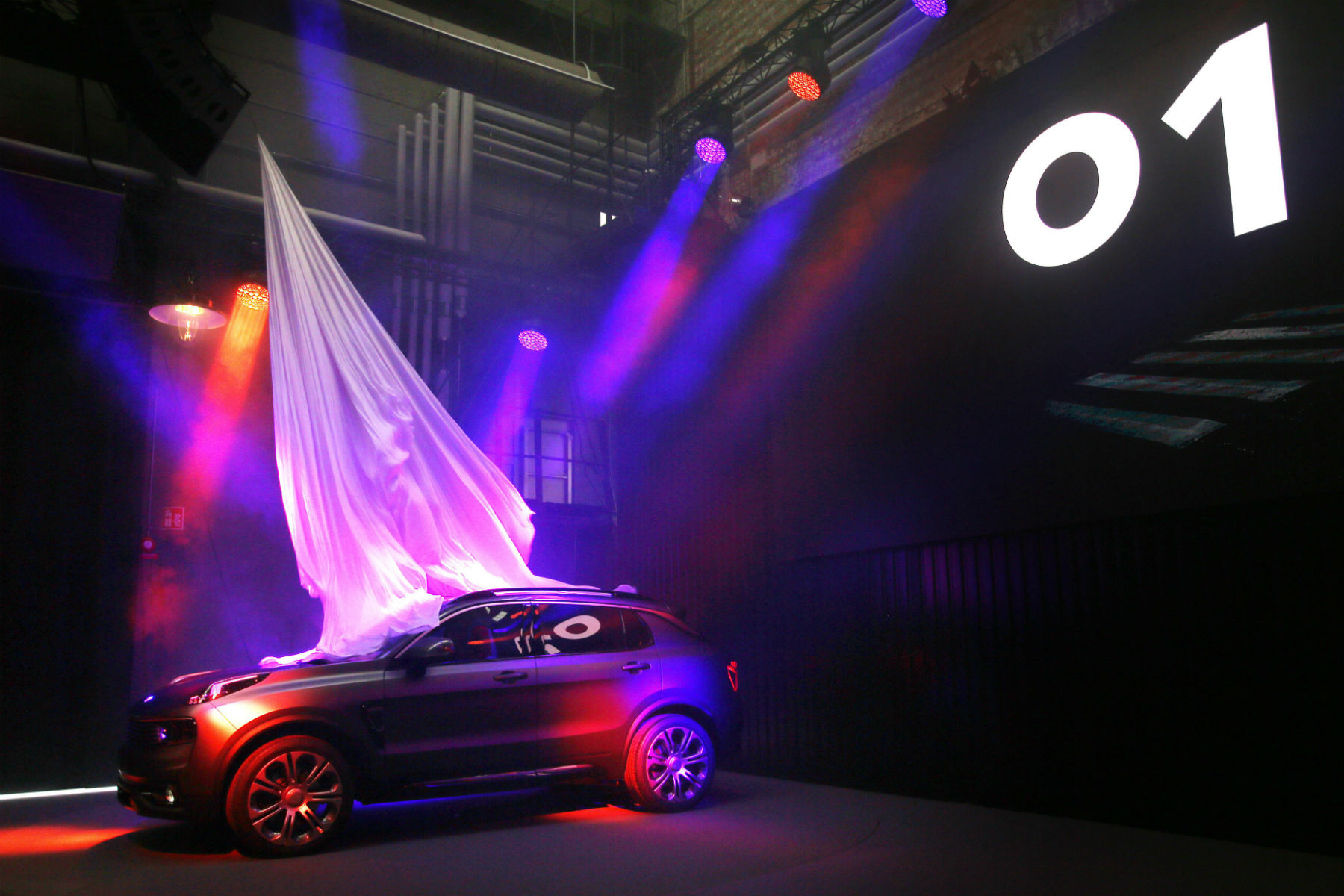
The Lynk & Co 01

 The Lynk & Co 01

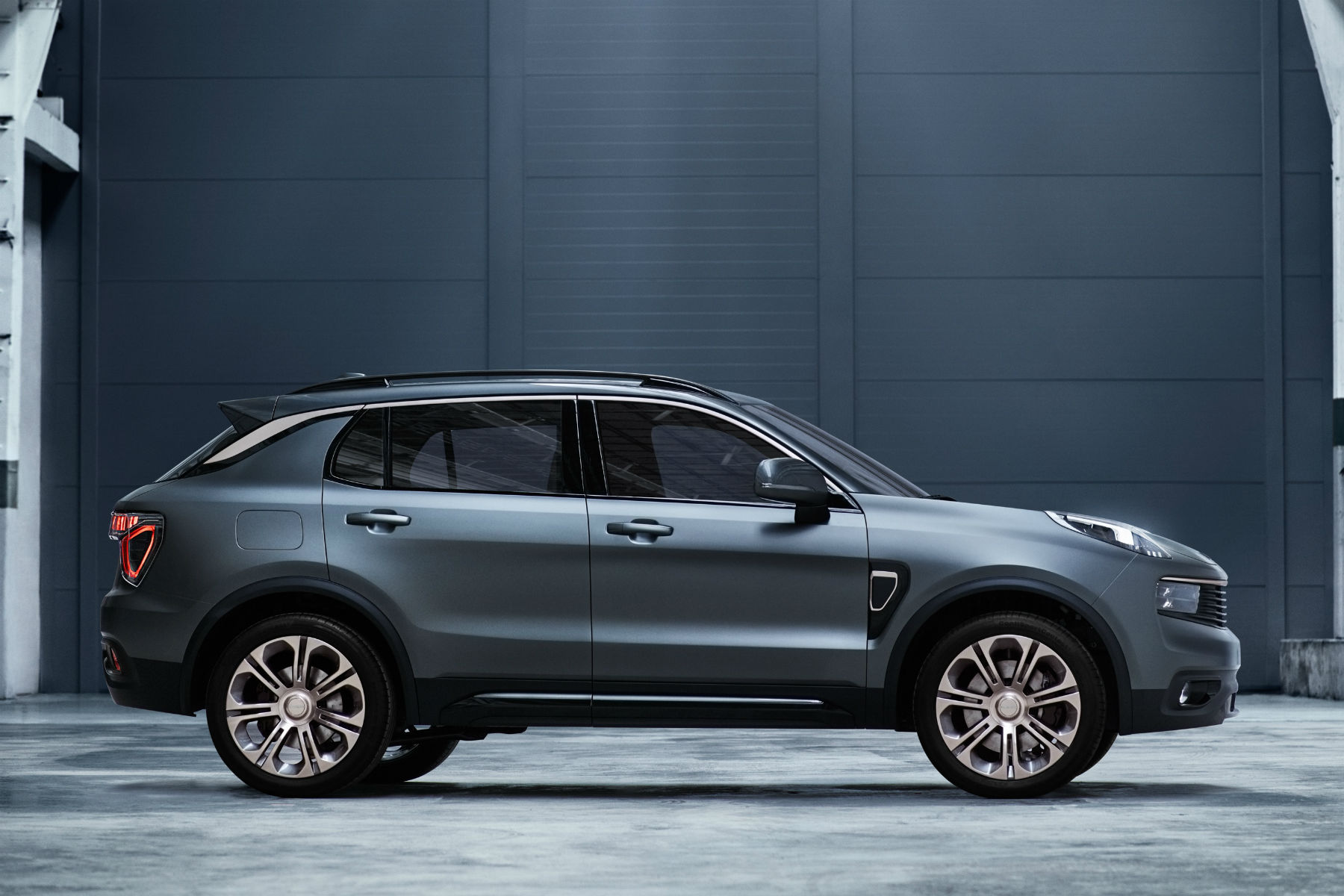
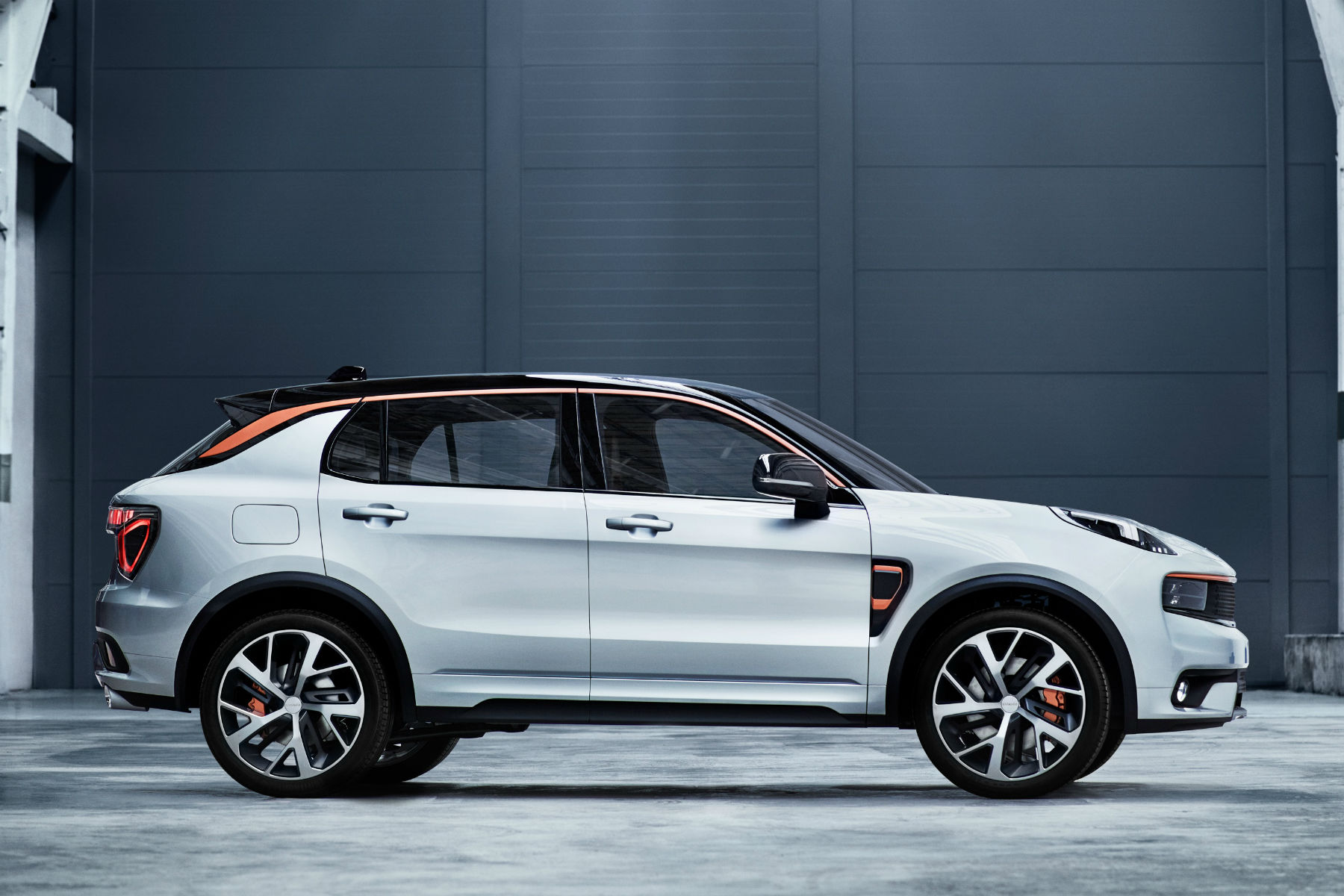
Lynk & Co has revealed its first model, the Lynk & Co 01 – an upmarket SUV which is set to go on sale in Europe in 2018. It’s based on the same CMA (Compact Modular Architecture) platform as the forthcoming Volvo XC40 SUV, as well as the Volvo V40 hatch and S40 saloon.

More models on their way

More models on their way

The firm says it believes in “simplifying and challenging industry conventions,” with this extending as far as the model’s names. That’s why the first car will be the Lynk & Co 01, the second one Lynk & Co 02, thirdly the Lynk & Co 03… etc.

It hasn’t confirmed exactly what we can expect from subsequent models, but it’s fair to assume they’ll bring along a hatch, saloon and crossover. They’ll probably all be based on the same Volvo CMA platform.

What engines will Lynk & Co use?

What engines will Lynk & Co use?

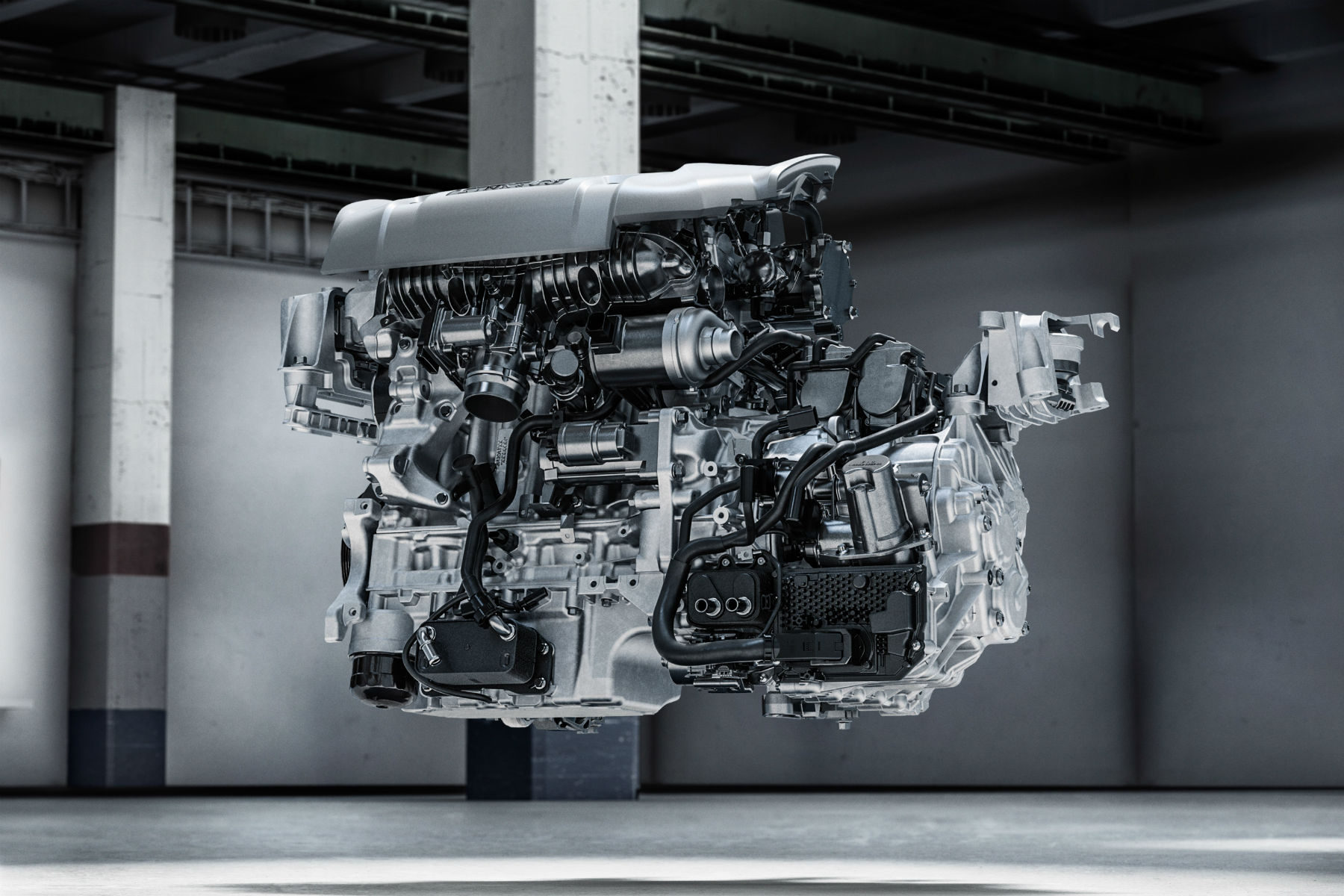
Expect a choice of three- and four-cylinder engines derived from Volvo’s line-up. Being a futuristic company, we’ll see a degree of electrification, and – while diesels are apparently being considered – it’s turbo petrols that make up the bulk of sales.

A seven-speed twin-clutch gearbox has been confirmed, while a manual ’box will also be offered.

The design is… different

The design is… different

To successfully launch a new brand, Lynk & Co is taking a bold approach to design. Despite being designed in Gothenburg, it looks very different to Volvo’s range.

“The design brief for Lynk & Co was simple: the cars should stand out from the crowd and appeal to a truly global audience,” says Geely Design Sweden’s head, Andreas Nilsson.

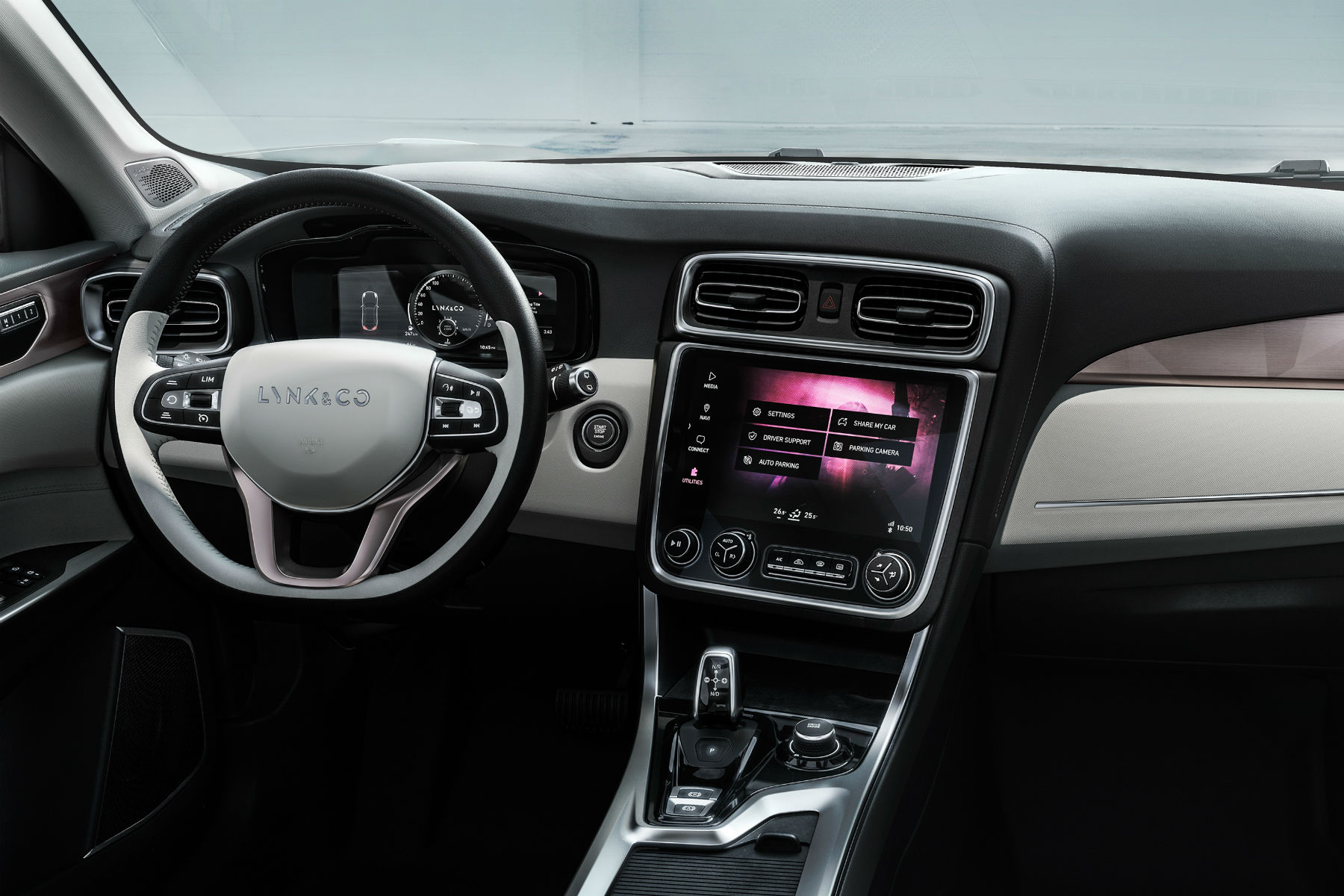
“From a distance, we have a European design approach. Get closer, and you see more and more detail, such as the intricate lights, and the type of grain on the interior leather. A strong wide grille completes the distinctive ‘face’ of the car. We wanted to acknowledge that our users are extremely tech-savvy – a smartphone is an integral part of their lives and our interior design reflects that and feels familiar in the context of new technology.”

We can definitely see an element of Kia Sorento in the design of the 01 and, if you squint, there’s a hint of XC90 at the rear…

It’s hot on in-car connectivity

It’s hot on in-car connectivity

Like it or not, no futuristic car company is going to survive without more than an element of connectivity. Lynk & Co says its at the core of its brand, with all models permanently online. Each model with come with a large central touchscreen – something Tesla introduced with the Model S in 2012.

“While other car brands are undergoing a digital transformation, Lynk & Co is born digital,” explains chief digital officer David Green.

“The lack of legacy systems and the ability to build solutions in the cloud enable us to depart from the old model of car sales and service to bring the customer seamlessly through an omnichannel platform, with intuitive interaction at every touchpoint – from researching and purchase and all the way through to owning, sharing, servicing and re-selling.”

Lynk & Co’s cloud will be developed in unison with Ericsson with help from Microsoft and Chinese e-commerce site Alibaba to “explore a whole new digital customer infrastructure for the car industry”.

Tell me more about Lynk & Co’s sales platform

Tell me more about Lynk & Co’s sales platform

Lynk & Co will be bypassing the current – rather old-fashioned – car sales process. Rather than going to a franchised dealer to buy an 01, customers will buy one online or directly from a manufacture-owned showroom.

Prices are fixed – there’s no room for negotiation, says Lynk & Co – but they’ll be ‘highly competitive’. The car manufacturer suggests it could save as much as 25% by avoiding the traditional dealership model and these savings will be passed onto the customer.

Although Lynk & Co isn’t turning its back on traditional ownership just yet – apparently we’re not ready – it will look at offering subscription-based and shared membership services, meaning you won’t necessarily have to buy a car to drive a Lynk & Co vehicle. Instead, you’ll pay a monthly fee and only have access to the car when you need it.

How much will it cost?

How much will it cost?

So, with all this talk about prices, how much can we expect to pay for a Lynk & Co car? The firm is currently remaining tight-lipped about the price of a new Lynk & Co 01, but some outlets are reporting it’ll start at around £16,000 if you want to buy one outright.

ALSO READ

BMW 740Le xDrive 2016 first drive review

Mini reveals electric plug-in hybrid – and previews new Countryman

Audi A4 3.0 TDI S line (2016) road test review

Advertisement

Volkswagen to fit ‘GPF’ petrol particulate filters from 2017

0

Volkswagen TSI range to get GPF filtersThe new, ultra-green, post-dieselgate Volkswagen is to roll out a new eco initiative: fitting GPF petrol particulate filters to petrol-engined cars.

The GPFs – that’s gasoline particulate filter – will go on sale from 2017 and eventually be fitted to all TSI and TFSI turbo petrol engines. By 2022, that could total seven million Volkswagen Group engines a year.

  • More car news on Motoring Research
  • Dieselgate on Motoring Research

The first engines to get a GPF will be the Volkswagen Tiguan’s 1.4-litre TFSI and the new Audi A5 Coupe’s 2.0-litre TFSI. Other variants will follow as cars and engines are renewed.

Of course, goes the common assumption, petrol engines don’t need particulate filters. That’s technology only those dirty diesels require .

But Volkswagen is on a green crusade, to put right its emissions wrongs. By fitting GPFs to TSI petrol engines, particulates can be cut from their already-low level by a further 90%.

And if you think this is going to cost it a fortune, think of the expense of fitting extensive SCR catalytic converter tech to all diesels – yet that’s what it has committed to do.

Of course, had these expensive exhaust filters been fitted to Volkswagen Group’s US-market models in the first place, the whole dieselgate scandal, and its billions of pounds of costs, could have been avoided…

The Volkswagen GPF commitment is Group-wide, too: models from Audi, Bentley, Bugatti, Lamborghini, SEAT and Skoda will all get them.

Advertisement

Ford Mustang V8 wins fuel economy challenge!

0

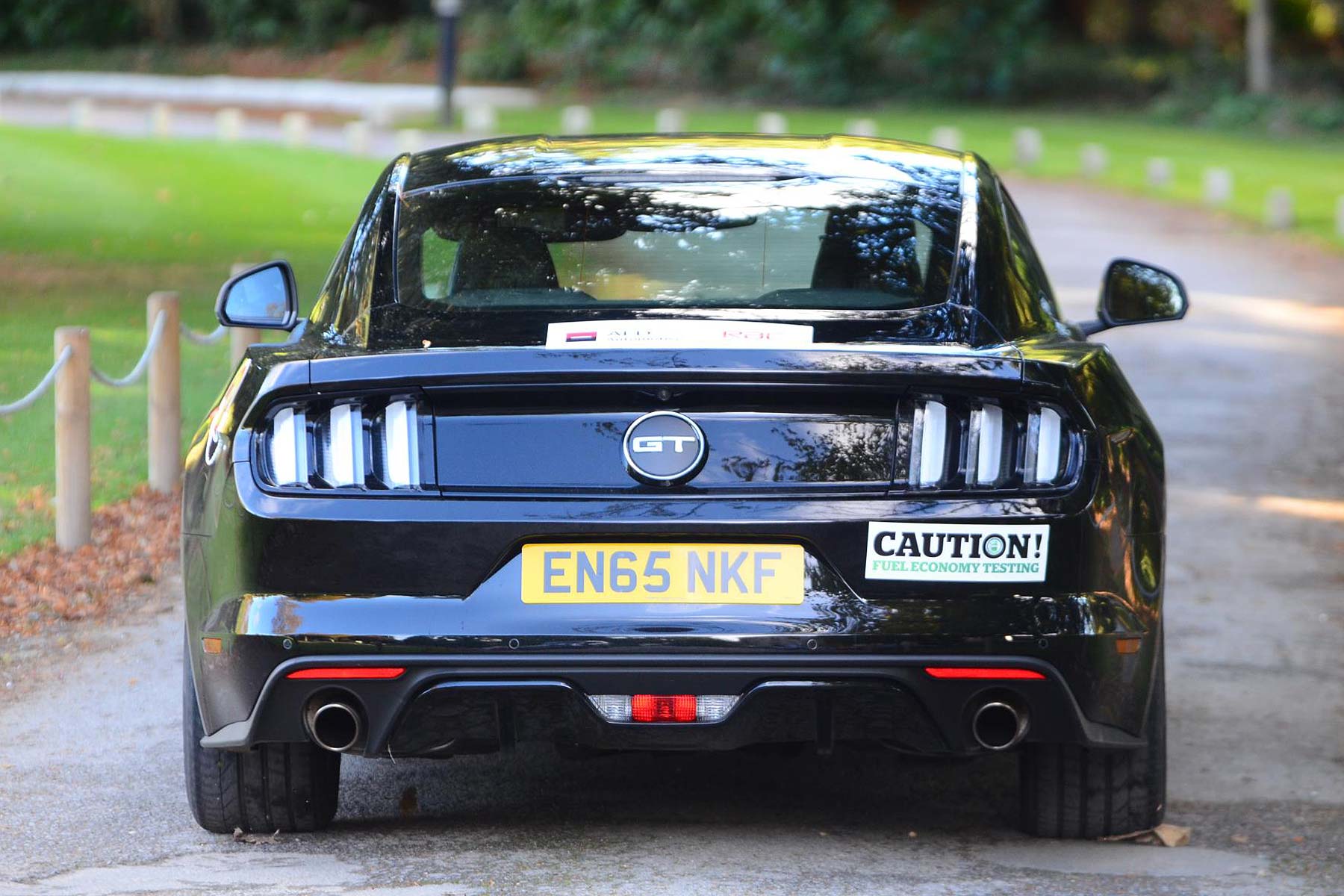
MPG Marathon 2016A 5.0-litre V8 Ford Mustang has won the 2016 MPG Marathon fuel economy challenge, despite its official fuel consumption being just 20.9mpg.

It won because two days of skilled driving saw that figure improved by a staggering 75 per cent – after 450 miles of careful motoring, the real-world MPG of the Mustang rose to a heady 36.6mpg.

The percentage improvement is the highest ever seen on the MPG Marathon, the UK’s biggest and most high-profile annual fuel economy challenge. The Mustang even bettered a Vauxhall VXR8 Maloo which, at 27.4mpg, posted a ‘mere’ 48.5% improvement over its paltry 18.5mpg official figure.

How do you outperform the official MPG test?

Volkswagen tells us ‘our CO2 and MPG may be incorrect’

2017 real-world MPG emissions test approved by EU

This year, a broad range of cars took part, including high-efficiency diesels, high-tech hybrids and hydrogen models, commercial vehicles – and even a Moto Guzzi motorcycle (which achieved 86.9mpg).

Winner of the overall highest fuel economy prize for a conventional car was a Mazda 2 1.6D, which averaged 88.9mpg. That’s an improvement of 5.8mpg over the official average.

Some expected to return over 100mpg in some of the supermini diesels entered. However, this year’s course was described as “the toughest MPG Marathon yet” as organisers aimed to make it as real world, and thus relevant to motorists, as possible. Motorway routes were largely eschewed in favour of cross-country courses, city centre challenges, dual carriageways and suburban passes.

The best overall fuel economy was achieved by a pre-production Toyota Prius Plug-In Hybrid, which averaged 109.1mpg. However, as the entrants were unable to frequently plug the car in during the 450-mile drive, this figure is actually 61% LESS than the official average: NEDC figures say the Prius should average 282.5mpg.

In other words, even careful driving will see Prius Plug-In Hybrid owners achieve 173mpg less than officially claimed, if they can’t actually plug the car in…

Event organiser, Jerry Ramsdale, said: “The diversity of vehicles in the event this year was tremendous, and showed just what can be achieved by adopting a level of eco-awareness from behind the wheel.

“The achievement of the crew in the Ford Mustang was astonishing – our highest improvement ever in the history of the event – and it shows that even the most potent performance cars can be relatively economical if driven sensibly.”

Advertisement

Nissan has taken control of Mitsubishi

0

Carlos GhosnNissan taken control of Japanese rival Mitsubishi by completing a deal to take a 34% equity stake in the crisis-hit manufacturer.
Mitsubishi will become part of the Renault-Nissan Alliance – which is now one of the world’s top three car groups. Combined, they will this year sell more than 10 million cars.

It means the tireless Carlos Ghosn, already CEO of Renault and Nissan, now becomes chairman of Mitsubishi too. He has conducted a reshuffle of his management time so he can find the time to do it – and one of them is a Brit: Nissan chief performance officer Trevor Mann now becomes COO of Mitsubishi.

Mitsubishi was ripe for takeover after admitting it had been lying about the fuel consumption of dozens of models for the past 25 years. Ghosn, never one to mince his words, admitted Mitsubishi was on the ropes and the equity takeover was one charged with helping it recover.

“We are committed to assisting Mitsubishi Motors as it rebuilds customer trust,” said Ghosn. “This is a priority as we pursue the synergies and growth potential of our enlarged relationship.”

Economies of scale will give the giant new global group “breakthrough technologies and manufacturing capabilities to produce vehicles to serve customer demand in every market segment and in every geographic market around the world.” It possesses a formidable arsenal of size, reach and technology.

“At a time of unprecedented change in the global auto industry, this strategy will build on our existing strengths and management capabilities to ensure increased competitiveness, better products for our customers and attractive returns for shareholders.”

Advertisement

Revealed: the UK’s least reliable cars

0

01_least_reliable_carsA car’s reliability is the great unknown when buying a used car – or is it? By using data from reliability surveys, you can reduce the chances of buying an unreliable motor, saving you time, hassle and money in the long run. We’ve used data from the Warranty Direct Reliability Index to provide a list of the 10 least reliable cars in the UK. The results are presented in reverse order.
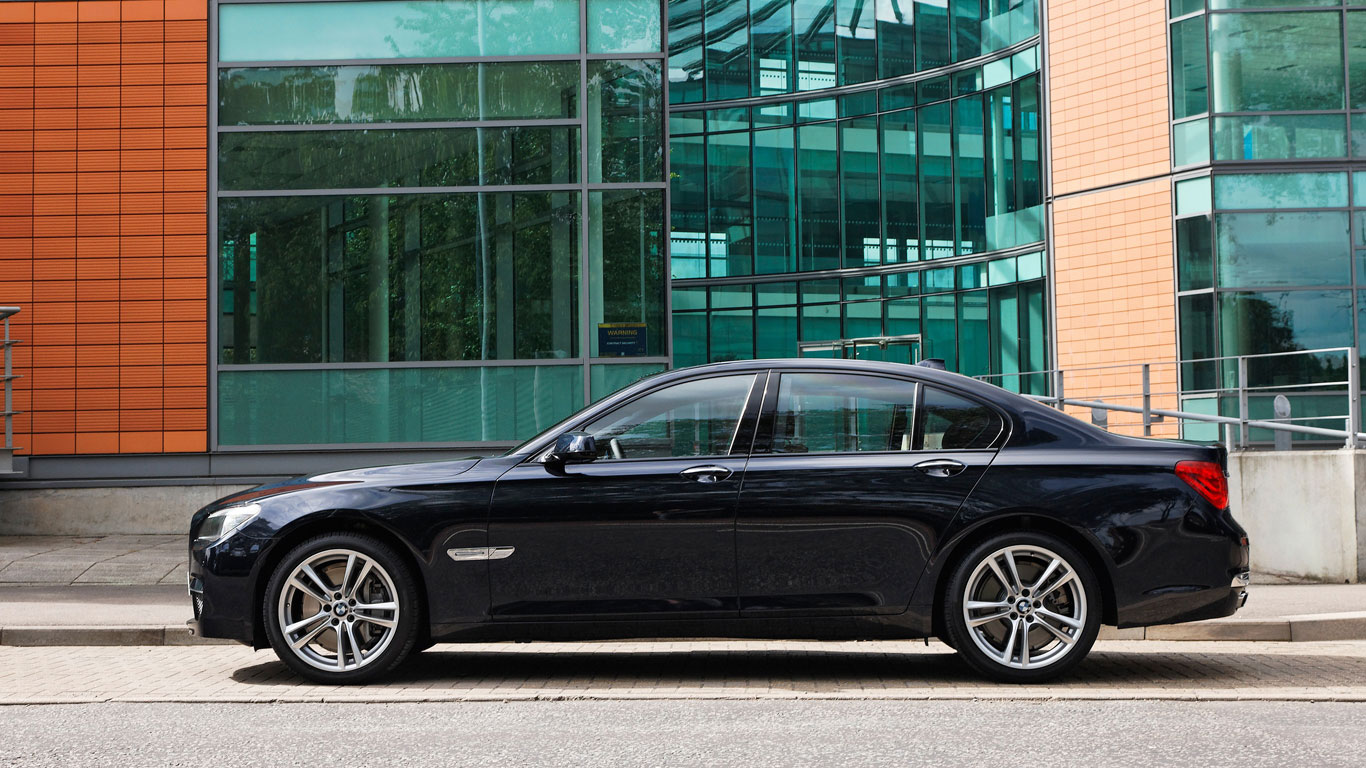
10. BMW 7 Series (2008-2015)Least reliable cars

Reliability Index: 350

The new BMW 7 Series is a technological tour de force, but if the Warranty Direct survey is anything to go by, there might be issues over its long-term reliability. The outgoing 7 Series has an average repair cost of £614.48.

9. Mercedes-Benz S-Class (1999-2006)Least reliable cars

Reliability Index: 359

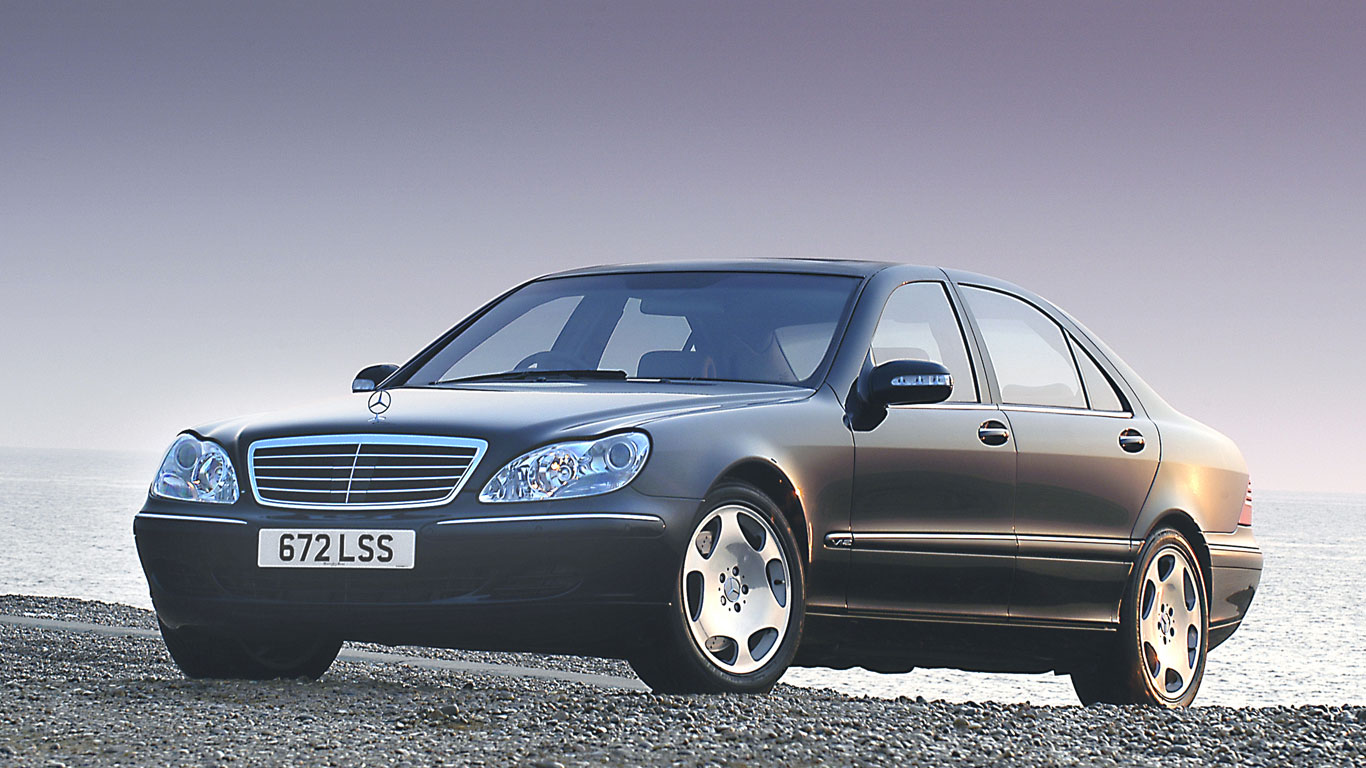
And here’s the second Mercedes-Benz S-Class to appear on the list. Watch for electrical gremlins and suspension problems when buying a Mercedes-Benz S-Class built between 1999 and 2006.

8. Skoda Superb (2002-2008)Least reliable cars

Reliability Index: 360

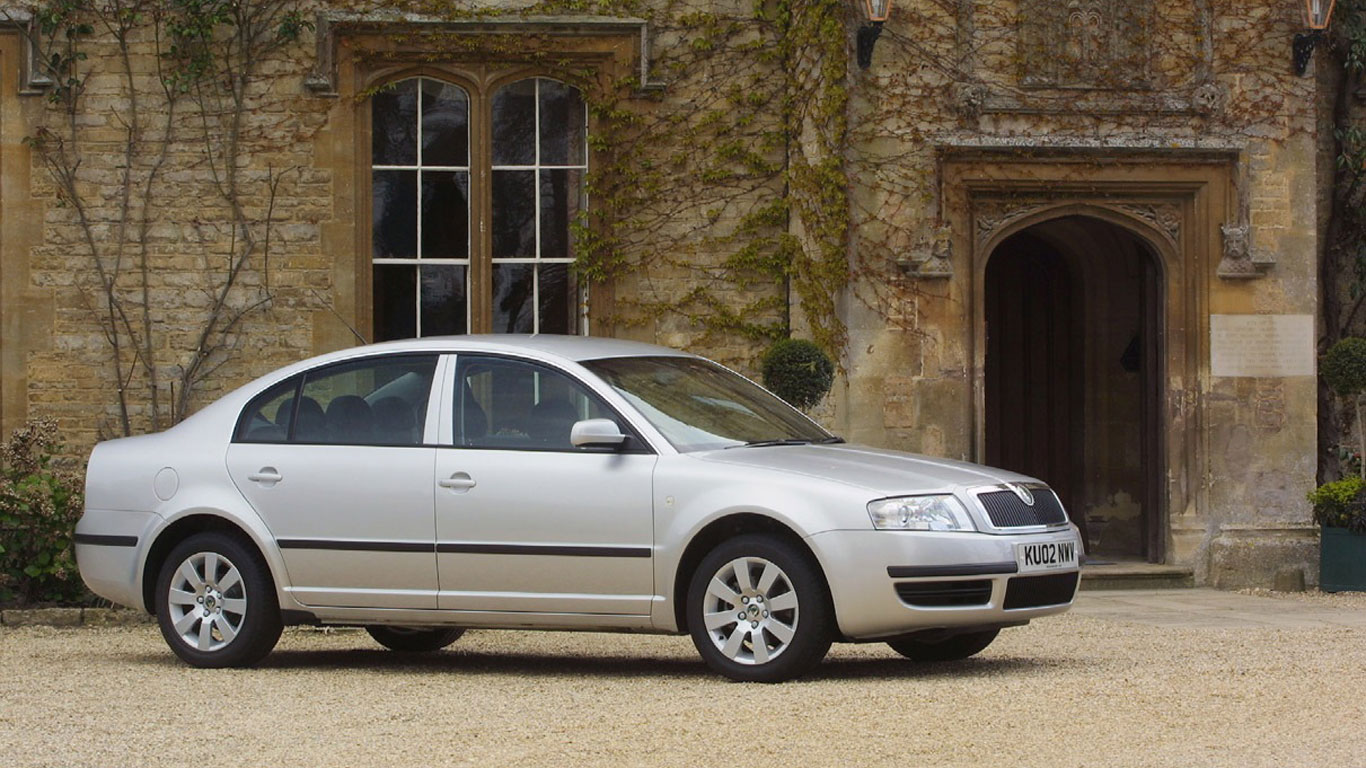
Bit of a surprise this one, with the original Skoda Superb finishing eighth on the list of the most unreliable cars. Many of these cars were used for private hire duties and are most likely to suffer from engine problems.

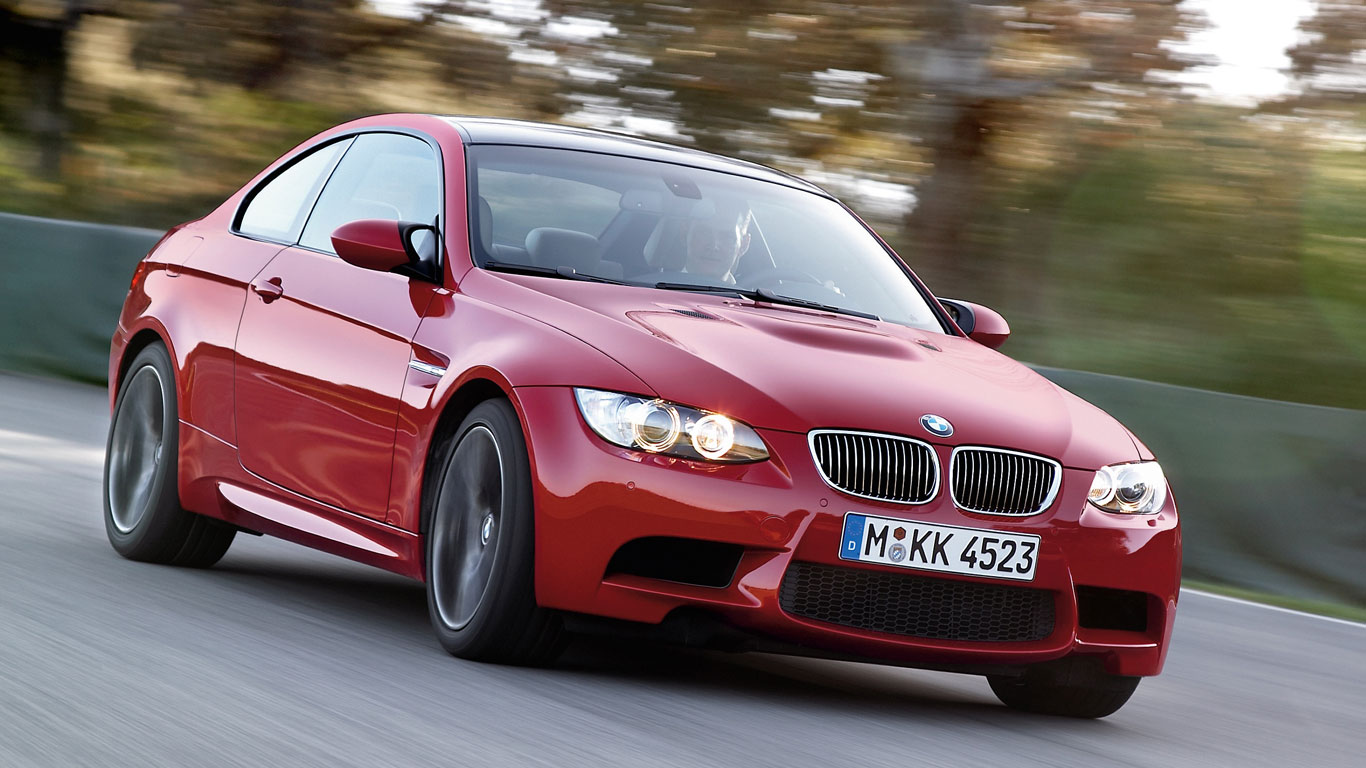
7. BMW M3 (2007-2013)Least reliable cars

Reliability Index: 408

No single issue stands out when looking at the BMW M3, which suggests the reliability issues are simply down to the fact that these cars will have been driven hard. The average cost of repair is £635.26.

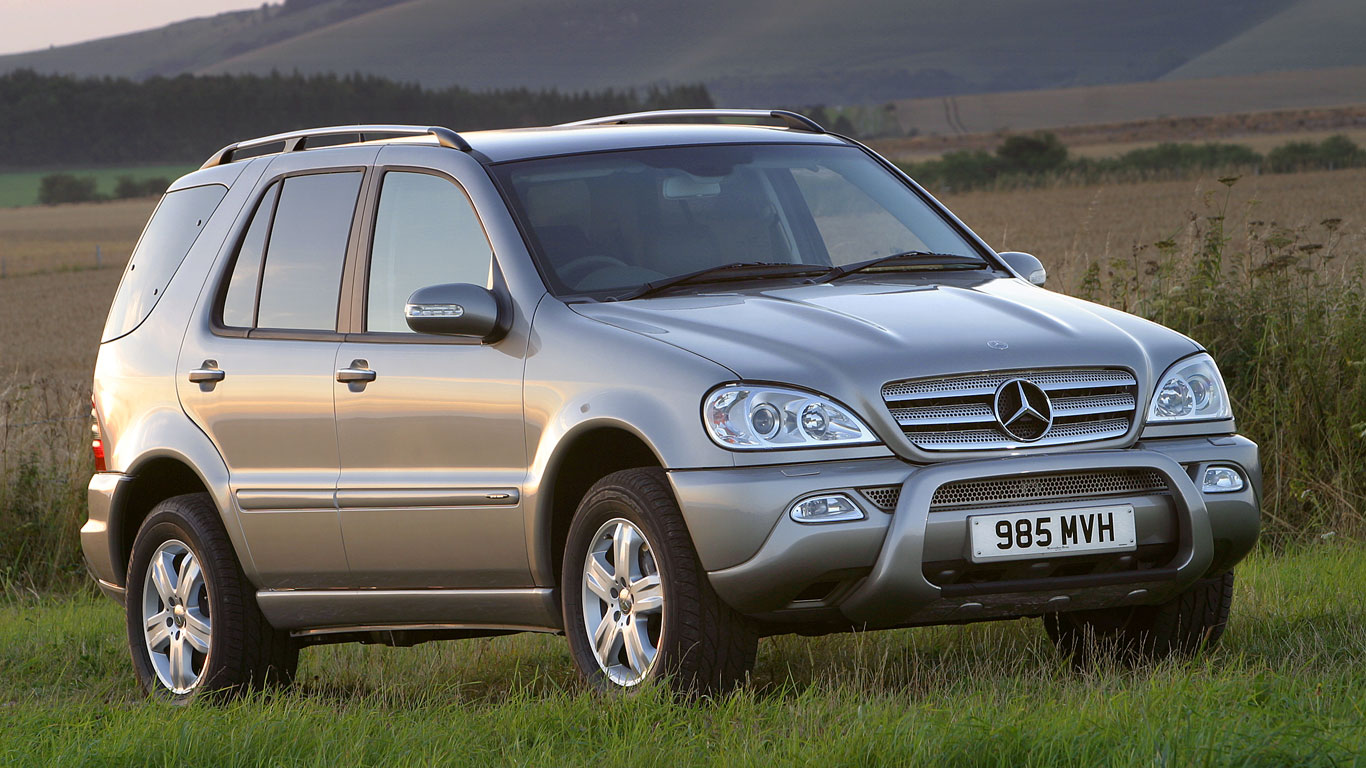
6. Mercedes-Benz M-Class (1998-2006)Least reliable cars

Reliability Index: 409

Another appearance for the Mercedes-Benz M-Class, this time in the shape of the original version, launched in 1998. This has always been a car to approach with caution, with the Warranty Direct survey suggesting the suspension is the key area to look out for.

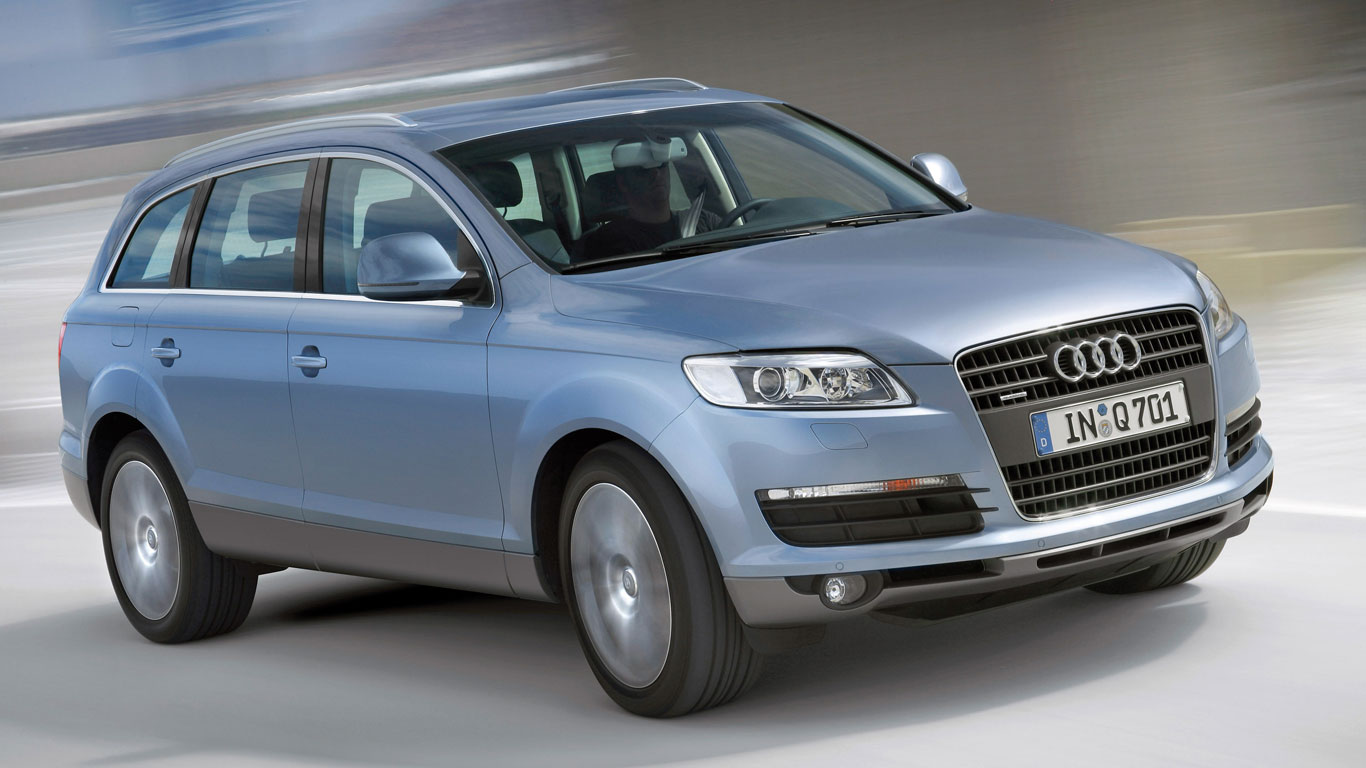
5. Audi Q7 (2006-2015)Least reliable cars

Reliability Index: 426

We’re into the top five, so these are the cars you need to look at with your eyes wide open. Or, at the very least, take a mechanic along for the ride. The Audi Q7 is a supersize SUV with supersize repair bills. Bank on spending £733.50 should something go wrong.

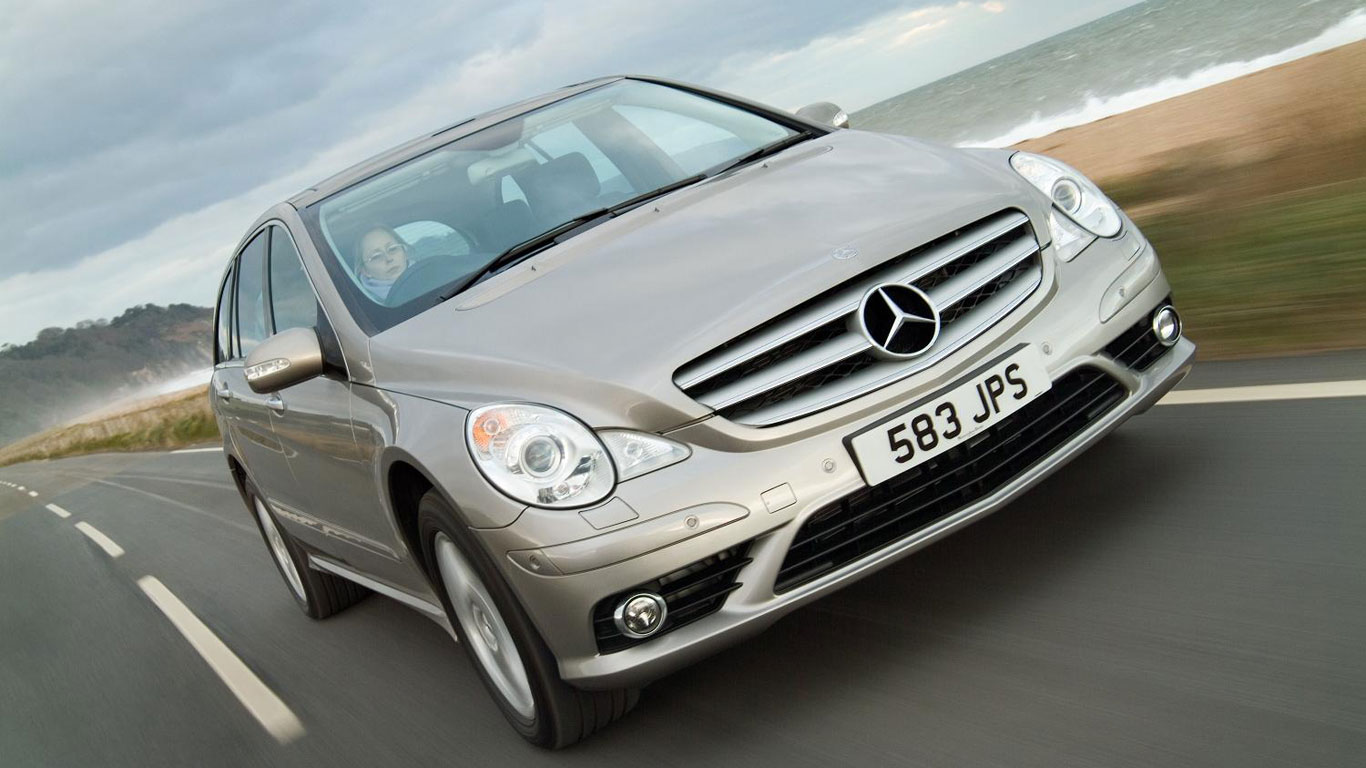
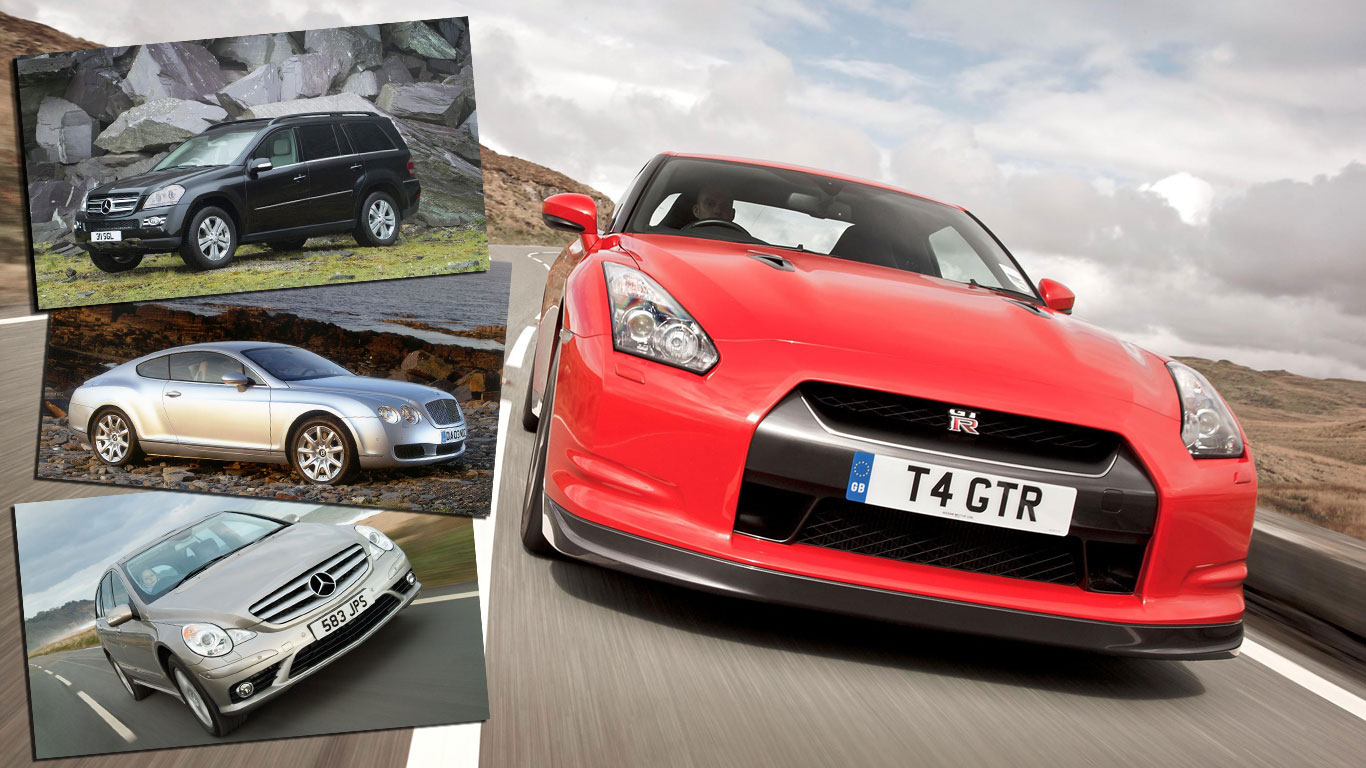
4. Mercedes-Benz R-Class (2006-2012)Least reliable cars

Reliability Index: 490

It’s got a face only a mother could love and a reputation for reliability that begs the question: do you really want a Mercedes-Benz R-Class?

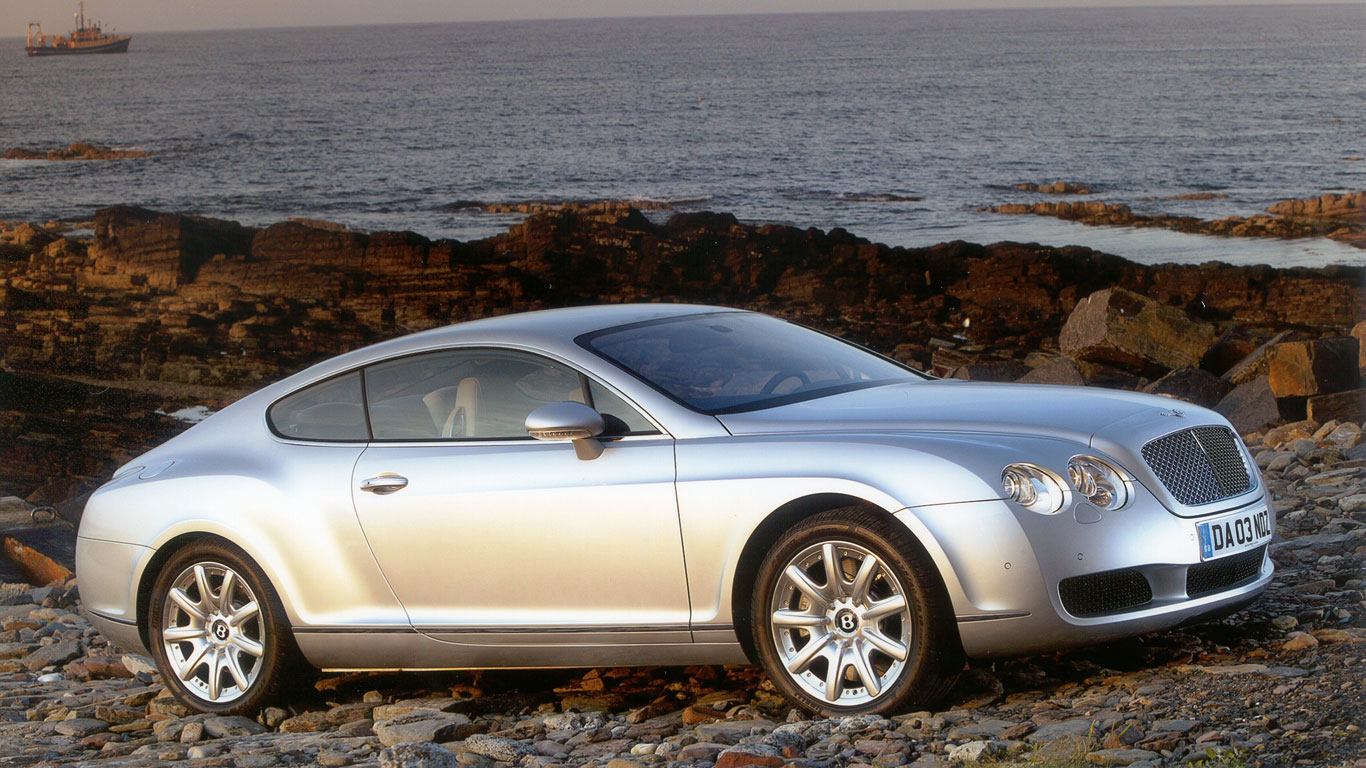
3. Bentley Continental GT (2003-2012)Least reliable cars

Reliability Index: 502

And so we reach the final three: the least reliable cars in the UK. If you own a Bentley Continental GT you can probably afford the £603.49 you’ll spend on repairs, but it’s worth noting that suspension and electrical problems are likely to occur.

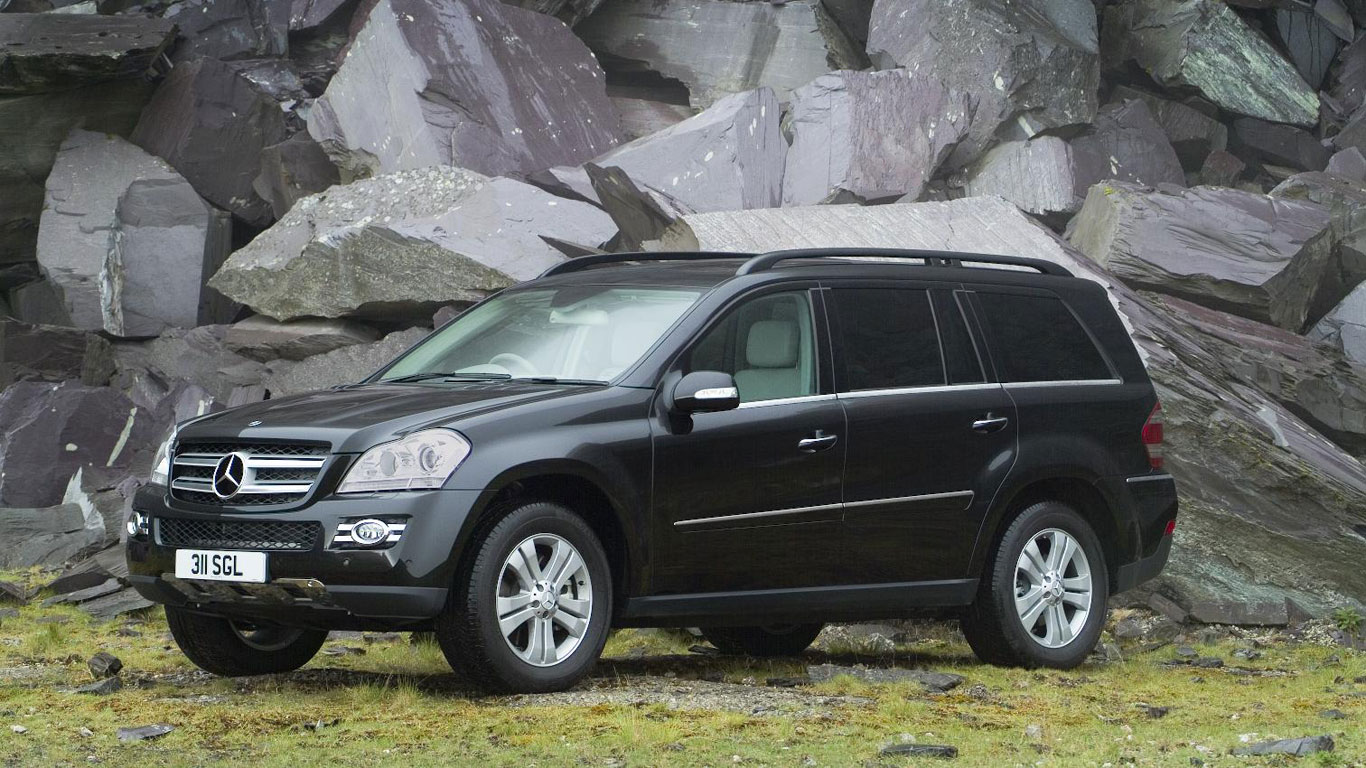
2. Mercedes-Benz GL (2006-2012)Least reliable cars

Reliability Index: 533

With a Reliability Index of 533, you need to be on your guard when buying a Mercedes-Benz GL-Class. Everything about this supersize SUV is big, including the £563.90 average repair cost.

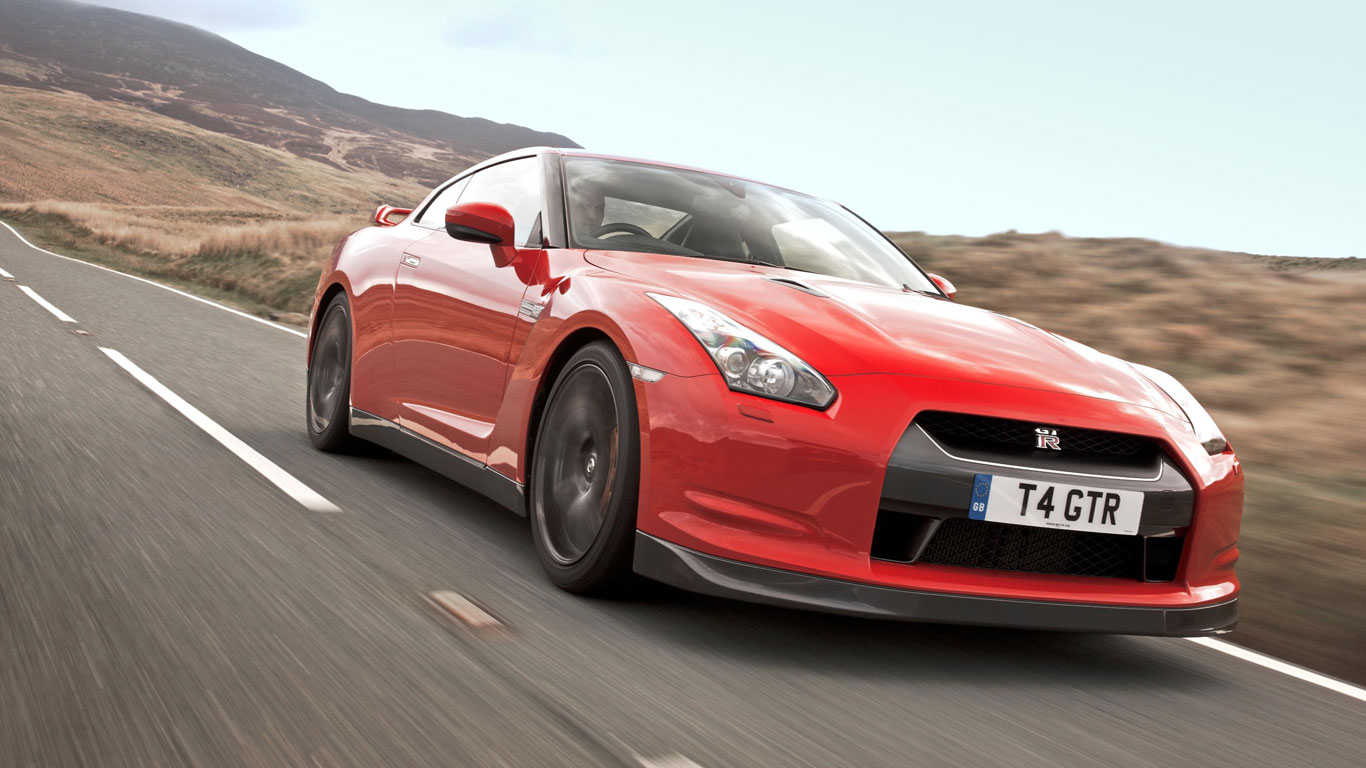
1. Nissan GT-R (2009-2016)Least reliable cars

Reliability Index: 626

This is it: the least reliable car in the UK, according to Warranty Direct. Or is it? Look at the data and you’ll discover a blemish-free record for air conditioning, cooling, fuel system and transmission, and figures for engine, electrics and gearbox that are no worse, if not better, than the other 49 cars on the list. The problem is the average cost of repair, which comes in at an eyebrow-raising £3,516.01. Worse still, the average mileage of the Nissan GT-Rs surveyed was just 21,690.

Advertisement

MINI reveals electric plug-in hybrid – and previews new Countryman

0

Mini Plug-in HybridMINI will launch a plug-in hybrid version of the new Countryman that will offer full electric drive at speeds of up to 80mph – making it the first all-electric production-spec MINI.
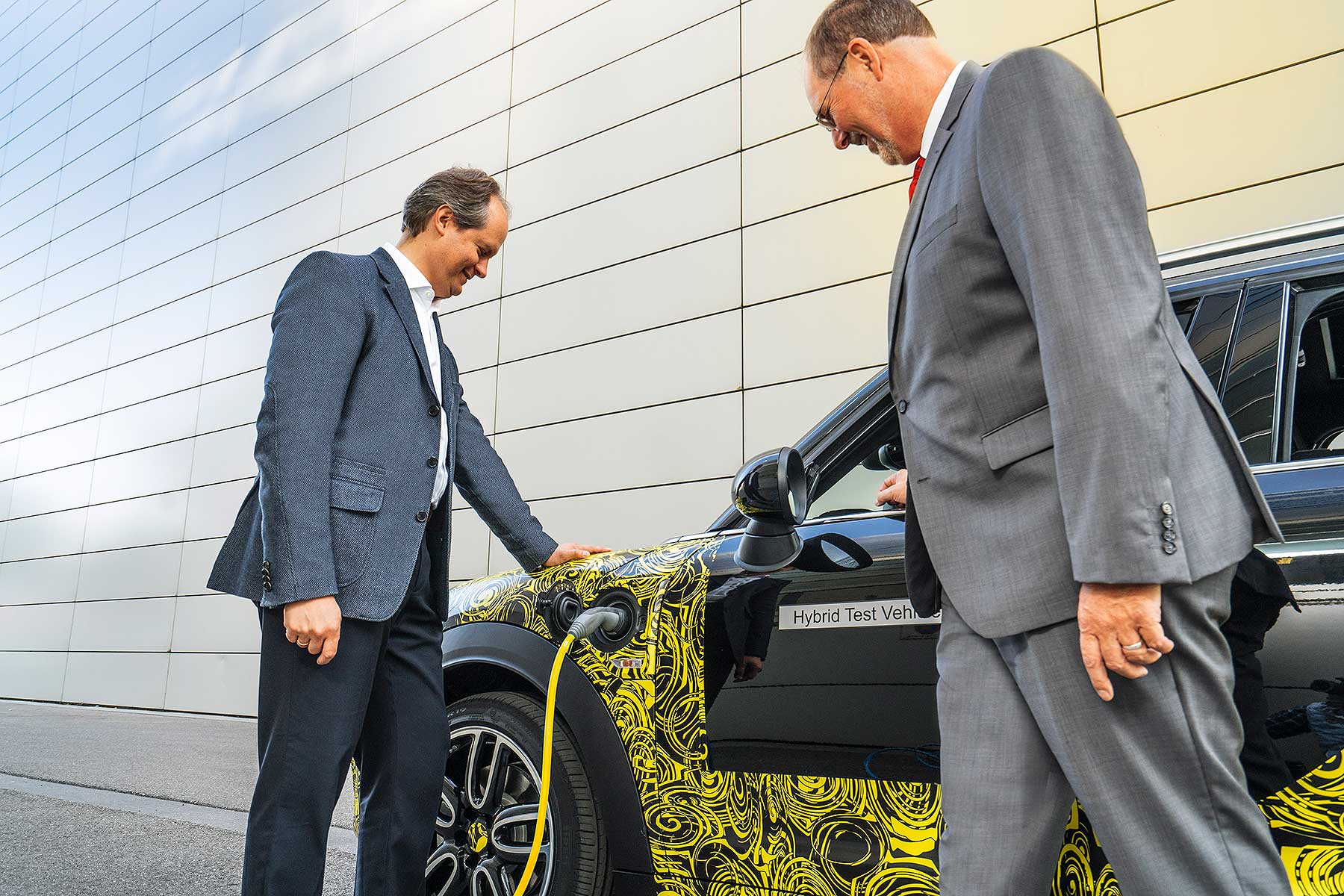
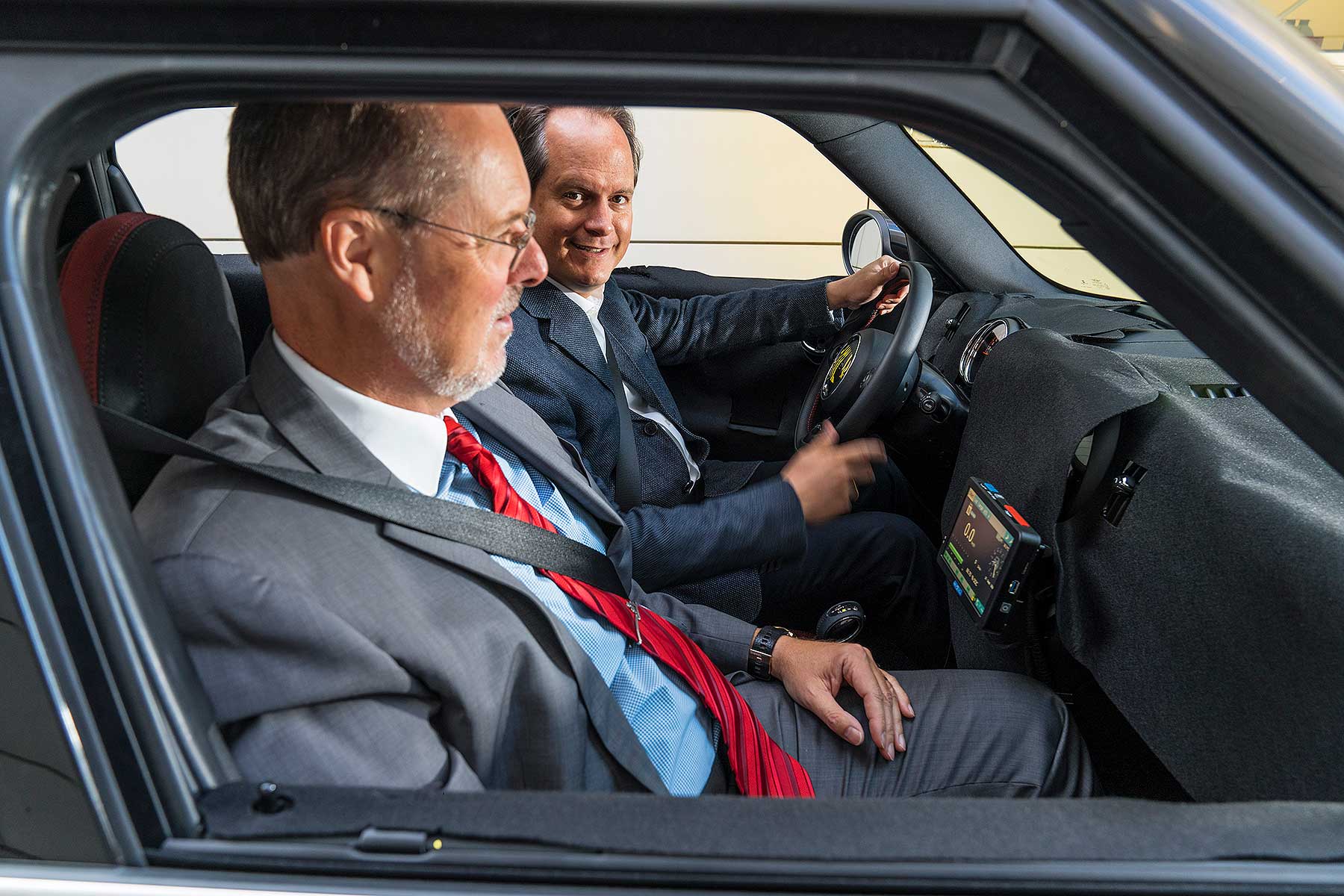
The new Countryman PHEV, of which development is almost complete, will intriguingly also become the first rear-wheel drive MINI ever sold. Well, in full EV mode at least: the electric motor drives the rear wheels with the combustion engine driving the fronts.

  • BMW 330e driven
  • Plug-in hybrid orders CANCELLED as carmakers struggle to meet demand
  • More car news on Motoring Research

That also means the new Countryman PHEV’s all-wheel drive system will itself be a hybrid setup. Which MINI bosses say will be optimised to provide “catapult-like acceleration”.

Indeed, the firm is already stressing the fun-to-drive element of the first-ever MINI hybrid, which uses technology similar to that in the BMW 330e (itself derived from the i3 electric car). This is not a car focused solely on efficiency, says MINI, but driving fun is also high on the agenda.
Mini Plug-in Hybrid

MINI’s kept changes over a regular model minimal. The starter button glows yellow instead of red; there’s a power display on the instrument cluster rather than a rev counter – oh, and the car always starts up in electric mode rather than hybrid.

Set the multi-mode electric system to Auto eDrive and you’ll be able to do up to 50mph before the engine kicks in. Set it to Max eDrive and this increases to 77mph.

There’s an incentive for letting the engine kick in, reckon BMW bosses: “Unparalleled acceleration performance” when compared to regular combustion engine cars.

New Mini Countryman teased

Mini Plug-in Hybrid

By revealing the first plug-in hybrid MINI, the firm is also teasing the next-generation Countryman, due for reveal before the end of the year. Set to go on sale in 2017, the new Countryman will be the biggest MINI ever, and much more of a compact SUV-style model than the current car.

The size of the car in the images above is no optical illusion…

Set to challenge models such as the new Audi Q2, the second-generation Countryman is derived from the flexible platform used in the current MINI Hatch, and also seen in the BMW X1. It’s thus going to be roomier and more practical than the current model, although it looks as if MINI is set to retain the bluff-nose styling of today’s car.

As well as a hybrid, regular diesel and petrol engines will be offered, with manual and automatic gearboxes plus front- or all-wheel drive. It’s likely the plug-in hybrid version will follow a little after the launch of the regular cars.

Advertisement

Brexit: Nissan bosses 'confident' after Theresa May meeting

0

Brexit: Nissan 'confident' car production will continue in UK

Nissan’s chief executive Carlos Ghosn has said he feels confident that the firm will continue to do business in the UK after meeting prime minister Theresa May to discuss post-Brexit Britain.

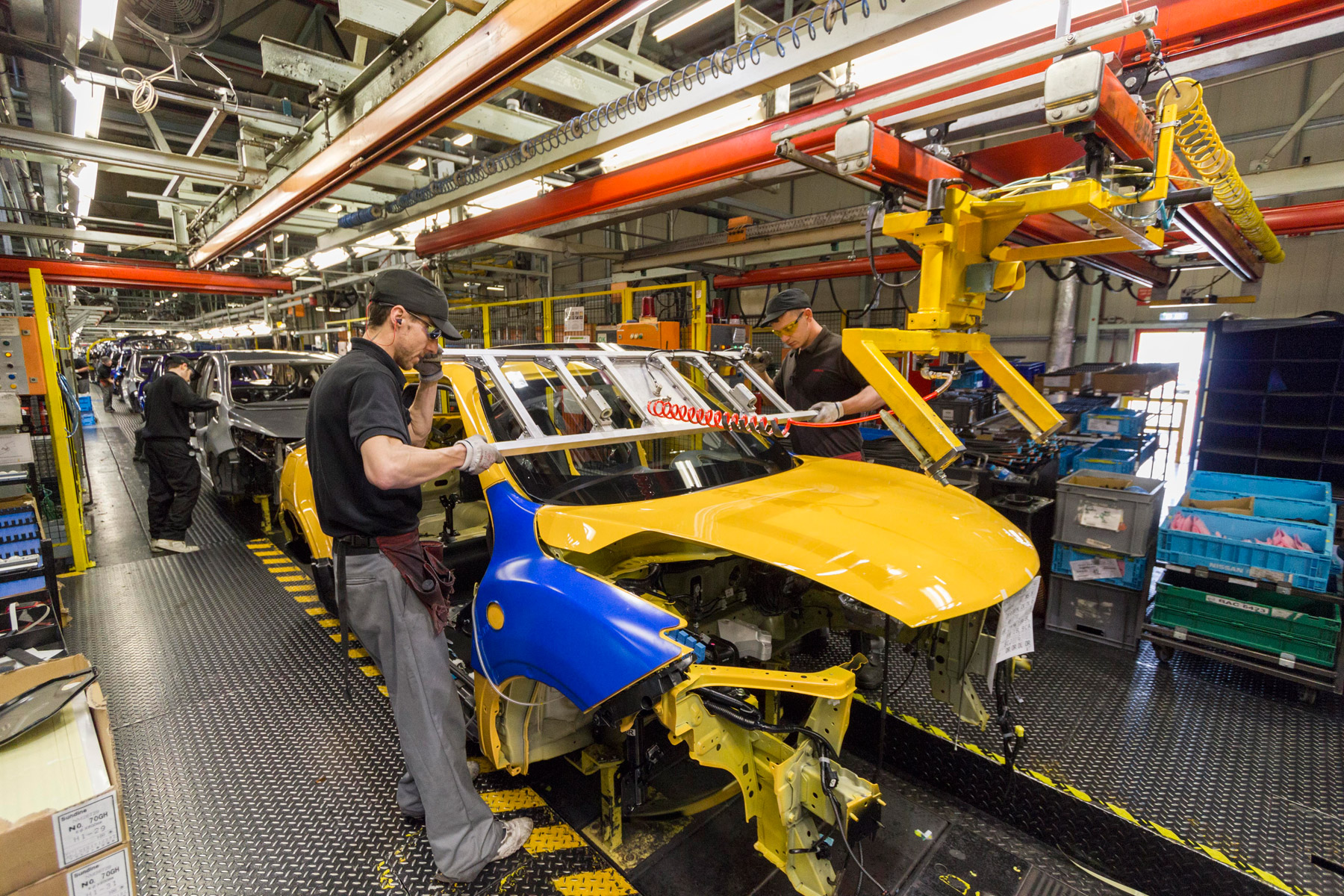
The firm’s Sunderland factory employs around 7,000 people and churns out 500,000 cars a year – with 80% being exported to more than 130 countries around the world. This means it could be a huge blow to the UK car industry if the Japanese carmaker moved production elsewhere.

“Since Mrs May’s appointment, we have maintained a clear dialogue with the UK Government during this challenging time,” Ghosn told reporters this afternoon. “It was my pleasure to be here today for a positive meeting with the Prime Minister and key members of her Government and I welcome their commitment to the development of an industrial strategy for Britain.”

At this month’s Paris Motor Show, the Nissan boss said he needed ‘a commitment’ from the Government if he was to continue investing in the UK. Along with the Sunderland plant, Nissan operates a design centre in London, a research and development centre in Cranfield, Bedfordshire, and a sales and marketing HQ in Rickmansworth, Hertfordshire.

“Following our productive meeting, I am confident the government will continue to ensure the UK remains a competitive place to do business,” added Ghosn, not hinting whether a firm tariffs had been made with the prime minister.

“I look forward to continued positive collaboration between Nissan and the UK Government.”

Following the discussions, May spoke out in praise of the UK’s automotive industry, describing it as a “great British success story [with] Nissan at the heart of it”.

“Over the past 30 years [Nissan has] had an excellent relationship with the UK Government,” she added, “a track record of investment and innovation, and their Sunderland plant is one of the most productive anywhere in the world – a testament both to their company and the skill of our workforce.

“We are now at the start of the complex negotiating process as Britain exits the EU and I have been clear that there will be challenges ahead. But I am confident we will achieve the best deal for Britain and the Government will engage closely with employers and investors as part of our work to create a global Britain.

“This government is committed to creating and supporting the right conditions for the automotive industry to go from strength to strength in the UK, now and into the future.”

May added that she was pleased to meet with Ghosn today and said she’d continue to work closely with Nissan.

Advertisement

Could these perks encourage you to drive an electric car?

0

Could these perks encourage you to drive an electric car?

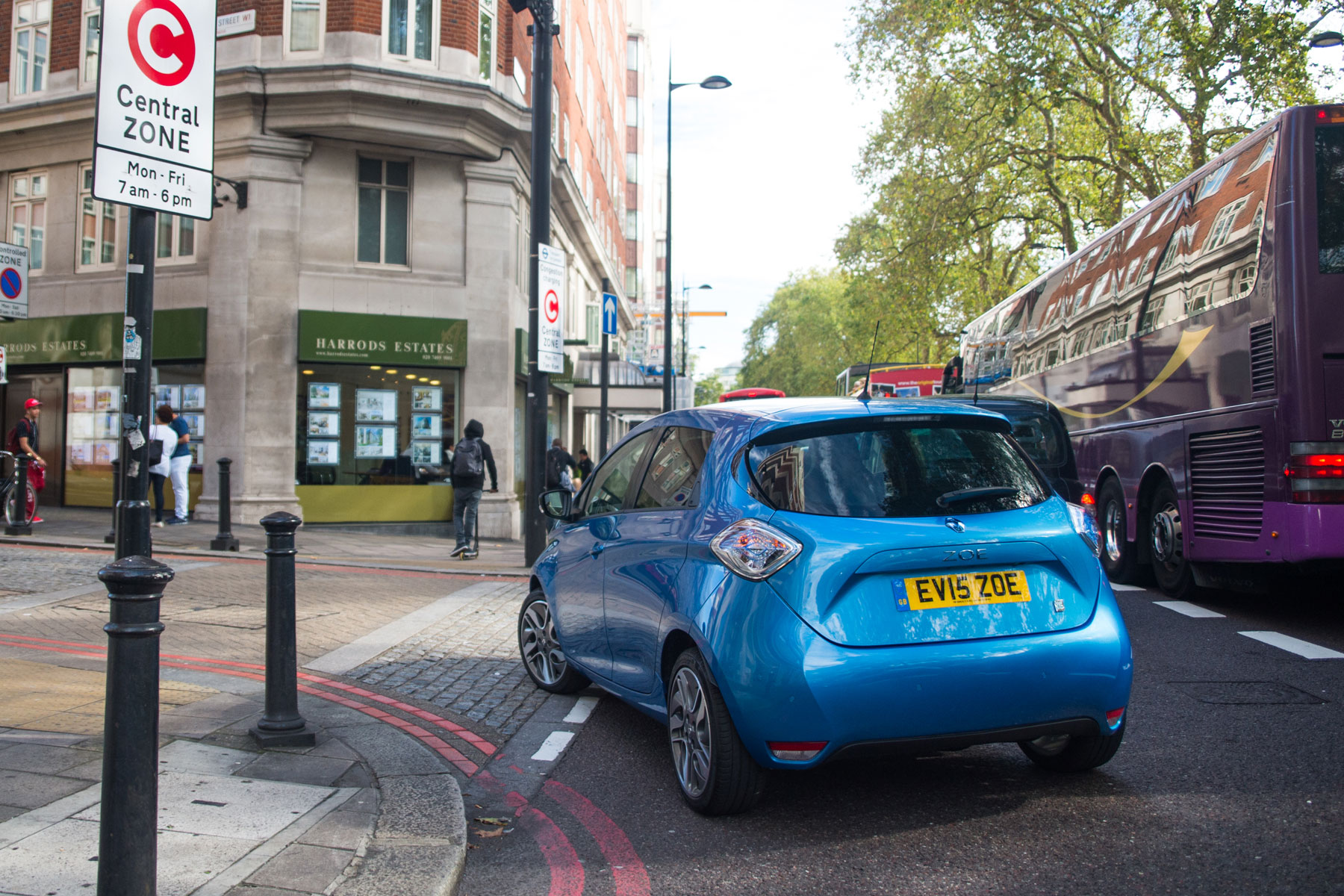
Time-saving perks such as being able to drive in bus lanes could convince company car drivers to consider electric vehicles, fleet and leasing company Arval has said.

Four Go Ultra Low cities – Nottingham, Bristol, Milton Keynes and London – received shares of £40 million government funding earlier this year and are now starting to implement schemes to encourage EV use.

  • New 2016 Mercedes-Benz E-Class revealed in Detroit
  • Mercedes-Benz E-Class review: 2016 first drive
  • More car news on Motoring Research

Milton Keynes is offering free parking for EVs while Nottingham and Derby are expected to allow EV drivers to use bus lanes in the future.

“Anyone who has ever worked in Milton Keynes knows that most of the parking is publicly operated and quite expensive, so free parking is a genuine benefit,” said Arval UK’s fleet consultant David Watts.

“Similarly, the Nottingham and Derby scheme to offer EVs access to bus lanes is something that costs the council little but gives a genuinely useful advantage to EV company car drivers or fleet operators. If you could knock 10 minutes off your commute every day or reduce the travelling time between jobs for commercial drivers, then this is another positive element for those people and organisations that are starting to consider an EV.”

Although the schemes won’t encourage overnight adoption of electric cars, says Arval, it will contribute towards a ‘nudge’ effect that could see more widespread adoption by fleets and company car users.

Alternatively-fuelled cars are still a small niche – accounting for just 3.4% of all new cars registered last month – but they are increasing in popularity, with registrations up a third in September compared to the same period in 2015.

“We are at a stage where there is widespread interest in EVs but relatively few fleets have bitten the bullet and actually acquired any,” added Watts. “However, momentum is building. There is growing awareness of how to operationally manage the limited range of EVs and the circumstances in which they are most appropriate for businesses.

“Vehicles like the Tesla Model S have had an impact on EV perception because of their range. The moment that increased range technology begins to filter down to more mainstream areas of the fleet sector, there are a lot of people who we believe will not hesitate to go EV.”

Advertisement