“Watch this,” says Richard Hammond at the end of the 38-second trailer for the second series of The Grand Tour. He is about to go hillclimbing in the all-electric Rimac Concept One hypercar, and if you’ve been paying attention to the news, you’ll know what happened next.
He could, of course, be referring to the second coming of Amazon Prime’s flagship motoring show, which is returning for a new season later this year. Amazon will be hoping to flog a shed-load of subscriptions off the back of Messrs Clarkson, Hammond and May, and we doubt that the powers that be would have lost too much sleep over the Hamster’s close shave with the Rimac.
There’s no such thing as bad publicity, right? Especially when you’re hoping to shift Amazon Prime membership at £79.99 a year.
The trailer – which is available exclusively to Prime disciples – reveals very little but says quite a lot about the second season. It’s chaotic, manic, OTT and promises more of the same. Oh, and the goat has gone, to be replaced by a monkey.
“A second round of monkey business is just around the corner,” proclaims the frenzied teaser, as it builds up to Hammond’s Swiss incident. It’s not quite the infamous Top Gear’s Patagonia special, complete with H982 FKL number plate and pelting rocks, but it’s sure to put bums on sofas come the autumn, when The Grand Tour is set to return.
Living up to its name, the show will visit the four corners of the globe, dropping in on Switzerland, the grasslands of Mozambique and the world’s largest shopping mall in Dubai. Oh, and let’s not forget the UK’s Eboladrome.
Arctic Monkeys
As for the cars – this is a car show, after all – the trailer reveals the following: Mercedes-AMG GT R, McLaren 720S, Audi TT RS, Lancia 037, Jaguar XJ6 and the Rimac Concept One. Did we mention the Rimac?
Clarkson posted a photo of the Jaguar XJ6 on his Instagram account, with the caption: “My Easter Sunday”. The runway is located in Colorado, and the trailer would suggest he was about to head up into the snow-capped mountains.
The appearance of the Lancia 037 would suggest some kind of Group B tribute, as highlighted by Clarkson’s DriveTribe post, featuring the rally legend lined up alongside an Audi Quattro. Needless to say we doubt these cars will end up being crushed/drowned/torched/wrecked (delete as applicable).
Monkey Man
Aside from that it’s as you were. If you like your motoring show served with tanks, aircraft, pick-up trucks and uncontrollable laughter, you’re in for a treat. If you weren’t a fan of the last series, we doubt this will change your mind.
Over a third of the trailer is devoted to a monkey wandering across the screen before exiting stage right with a number two in his hand. That’s the figure 2, for those with a filthy mind.
With Hammond’s crash, we expect the season premiere to be delayed, with The Grand Tour landing in November 2017.
The new 2018 Audi A8 has been revealed at the glamorous Audi Summit event in Barcelona.
The new rival for the BMW 7 Series and Mercedes-Benz S-Class is, unsurprisingly, loaded with tech, including a fully autonomous mode that uses Audi’s piloted driver system to control the car entirely at speeds of up to 37mph. This makes it the first car to reach ‘Level 3’ autonomy – ahead of the S-Class and even groundbreaking start-up Tesla.
More Audi A8 on Motoring Research:
Watch: Audi showcases lightweight new A8 shell
King-sized Audi A8 L revealed: is this the most luxurious Audi ever?
First 5 Minutes: Audi A8 L
Unfortunately, legislation is yet to catch up, so we won’t be able to use all the car’s autonomous features when it arrives in the UK. To counter this, the A8 also uses lower levels of automation to provide a smoother drive. When stopped in traffic, for example, the stop-start system uses sensors to detect when vehicles in front are beginning to move, then starts the engine ahead of setting off.
Smooth operator
Another clever feature is the A8’s electromechanically actuated suspension. This uses a front-mounted camera to monitor the road ahead 18 times a second. If it detects a bump coming up, it prepares the dampers to provide a smoother ride. Sensors can also detect an imminent side-impact crash and raise the A8’s body on one side by as much as 8mm in half a second – transferring the force of the crash to the car’s strongest areas (i.e. the floor and side sills).
Styling is typically Audi, influenced by the Prologue concept revealed at the 2014 LA Auto Show. Despite a coupe-esque roofline, designers say there’s an extra 20mm of headroom in the rear versus the outgoing model, while a higher beltline than previous Audis gives it a more purposeful look. Although its design is far from shocking, it’s quite a handsome car in the metal.
Light fantastic
At the front, the A8 gets Audi’s clever laser lighting, while at the rear an LED light strip with OLED tech performs trick illuminations as the driver approaches the car.
The A8’s bodyshell is a hybrid construction using four different materials: steel, aluminium, magnesium and carbonfibre. This adds up to 282kg minus running gear – 51kg more than the outgoing model. As for the kerb weight… Audi will reveal that in due course.
As seen on screen
The interior is suitably luxurious, and a marked improvement over its ageing predecessor. Audi has paid great attention to detail, while also keeping things simple. A 10.1-inch touchscreen dominates the dash, helping clear it of buttons and switches, while a secondary touchscreen provides controls for the air conditioning and other comfort functions.
Buyers will initially get a choice of two V6 turbocharged engines carried over from its predecessor in the form of a 286hp 3.0-litre diesel and a 340hp 3.0-litre petrol, while an eight-cylinder 4.0-litre turbodiesel producing 435hp will follow next year.
Plug-in planned
A 6.0-litre W12 will eventually top the range, while a plug-in hybrid powertrain combining a 3.0-litre petrol engine with an electric motor to produce 449hp will be launched in future, too. This will provide an electric-only range of 31 miles, while recharging can be carried out using wireless tech.
Prices are yet to be confirmed, but expect a small increase on the A8’s current £63,520 start-price when orders open later in 2017.
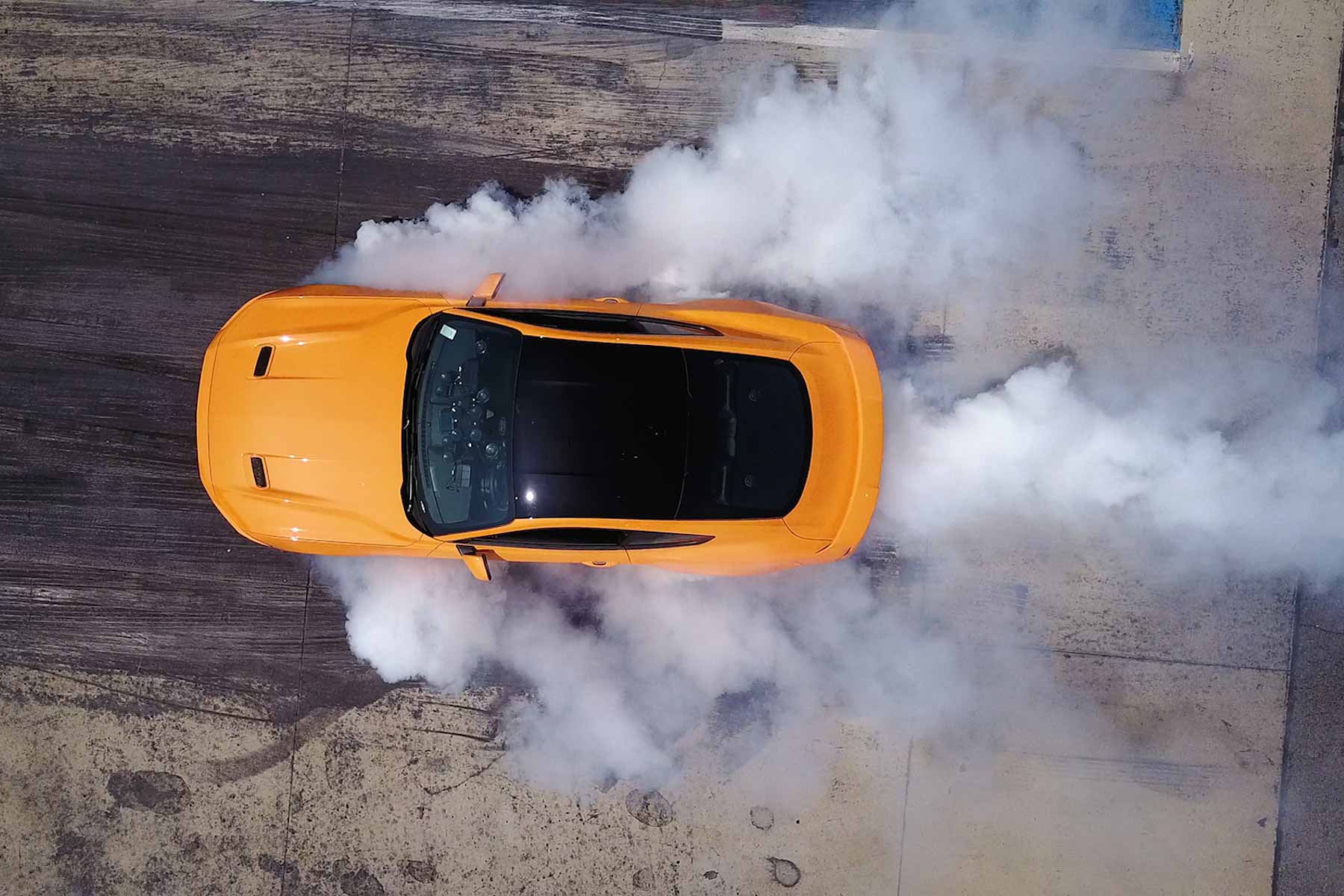
Ford has announced the facelifted 2018 Mustang range will feature the tyre-smoking Line-Lock function on all models, including the eco-optimised 2.3-litre EcoBoost turbo. Previously, Line-Lock was only available on the 5.0-litre V8 GT.
What’s more, Ford is also introducing a new 12-inch digital instrument display – complete with an animation of a spinning wheel creating plumes of smoke when Line-Lock is engaged. Proudly, Ford calls this an “industry first”.
The detail of the animation is exquisite: note how the smoke even drifts over the rev counter bar and speedo…
Also note the big red ‘Track Use Only’ disclaimer: Ford insists this is not a feature for road use.
The facelifted 2018 Mustang range, which is headed to U.S. customers first before rolling out in the UK later, will also offer a 10-speed automatic gearbox for the first time, alongside the six-speed manual: again, you can have Line-Lock on either. There’s a smoother new look front and rear, engine power upgrades and, for the GT, both MagneRide adaptive dampers and active valve performance exhaust options available.
The 2018 Mustang will continue to offer the driver-assist functions that recently improved its Euro NCAP rating from two stars to three stars. There’s a possibility this facelifted model could lead to further improvements if and when it’s retested by Euro NCAP at some point in the future, too.
Ford recruited Vaughan Gittin Jr. reigning Formula Drift Champion, to demonstrate Line-Lock. “You’ve got to love these rad things Ford is doing,” he said. “Who would have thought that we would see an EcoBoost Mustang producing 15 seconds of fury like this?”
What is Line-Lock? A tradition of drag racers, that’s what: ahead of the start line, the furiously spin their rear tyres to heat the rubber and gain extra traction. Ford argues it’s useful here for amateur racers competing in drag races, helping them clock more consistent times.
Really, though, it’s just one big, wonderful, smoke-laden showcase.
It’s operated by the steering wheel buttons: scroll through menus to activate it and the all-electronic system first builds up pressure in the front brakes. Press another button to hold this for 15 seconds and the driver can then hit the accelerator pedal and spin the rear wheels with abandon, while the car itself remains firmly in place.
Perhaps check your local tyre fitter has a set of fresh rear rubber in stock before you indulge, though.
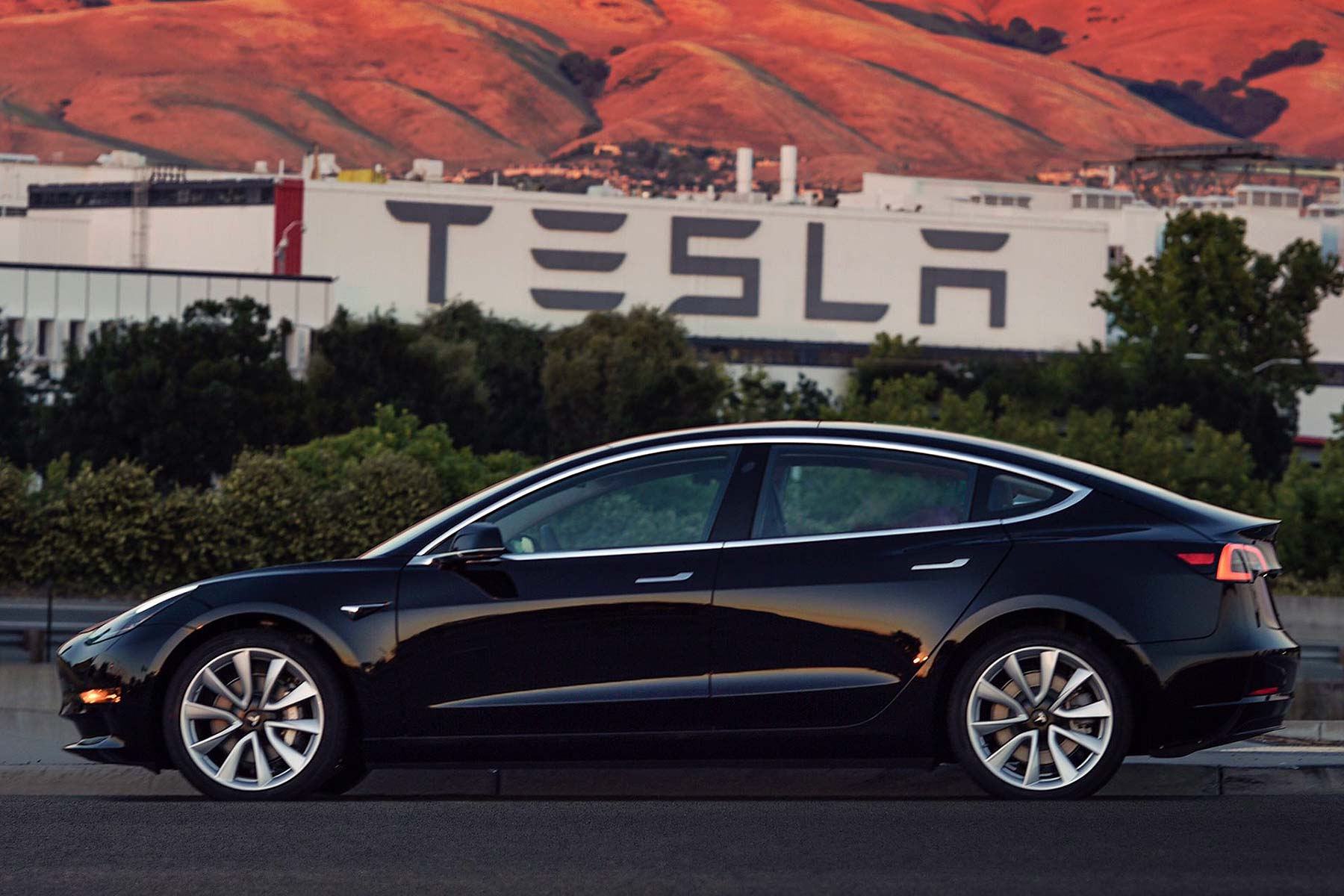
The world’s first Tesla Model 3 has rolled off the production line – and Tesla chief Elon Musk himself is the lucky owner of the historic electric car.
This isn’t the company boss pulling rank, either: a customer called Ira Ehrenpreis actually had rights to the first Model 3, but then passed them on to Musk for his 46th birthday present. “Tks Ira!” said Musk.
Tesla has a hard rule, says Musk: the first car always goes to the first person to pay full price for it. “I have [the] first Roadster and [Model] X, but not first S,” he tweeted.
Angel investor Jason Calacanis owns the first Model S, and later jokingly tweeted to offer Musk the inaugural S:
Now it’s been built, the first Model 3 is going through final quality control checks, later to be joined by 29 other first-run Model 3s. They will be handed over to their new owners in a special ceremony planned for 28 July.
Tesla’s highest-volume car yet, 500,000 preorders have already been placed for the Model 3: buyers in the UK can put down a £1000 deposit to secure their place in the queue.
In order to meet them, Tesla is going to ramp up production quickly: by the end of the year, Musk is targeting an assembly rate of 10,000 Model 3 a week.
In the same week Volvo announced plans to launch only electrified new cars from 2019-on, Toyota Motor Europe has released sales figures showing how far ahead of everyone it is: already in 2017, 40 percent of its European new car sales are electrified hybrid models.
That’s 208,300 units – already more than one-fifth of the total electrified cars Volvo aims to have built by 2025, in 2017 alone. Restrict things to Western Europe and the richness of the hybrid mix goes up further, to one in two of all new cars sold.
It’s even richer for Lexus. On average, 63 percent of Lexus sold throughout Europe are hybrids… and in Western Europe, the hybrid mix is a whopping 99 percent.
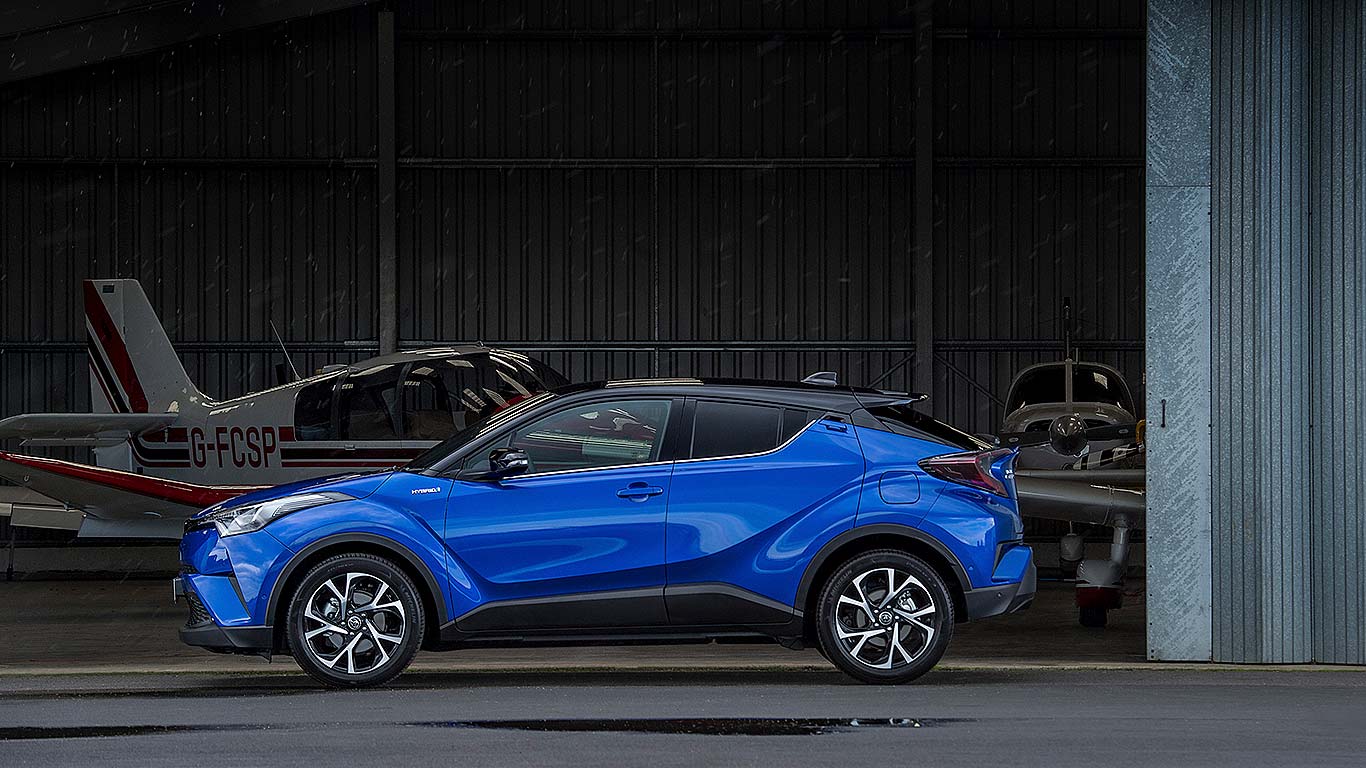
Toyota and Lexus hybrid sales are growing rapidly as well, adds the firm. They’re up 44 percent year-on-year, driven by cars such as the new C-HR crossover: 80 percent of sales are hybrid, says Toyota – it’s Europe’s favourite hybrid Toyota, with 52,400 units sold so far. Meanwhile, Yaris Hybrid sales are up seven percent, and RAV4 Hybrid sales have gone up 75 percent.
“Our sales increased by a remarkable 11 percent,” said Toyota Motor Europe president and CEO Dr Johan van Zyl. “Our hybrid line-up of 15 Toyota and Lexus models, the largest in the automotive sector, drove this double-digit sales increase.”
The best-selling Toyota in Europe so far this year is, by a clear margin, the Yaris, on 108,658 units. Next up is the Toyota C-HR, followed by the Auris and RAV4. Lexus’ best-seller is the NX, on 13,387 units, then the RX. Both the CT 200h and IS range have faded away dramatically though, given both models’ focus on high-volume premium car sectors. Lexus has sold only 3,324 IS models so far in 2017 – despite a recent facelift.
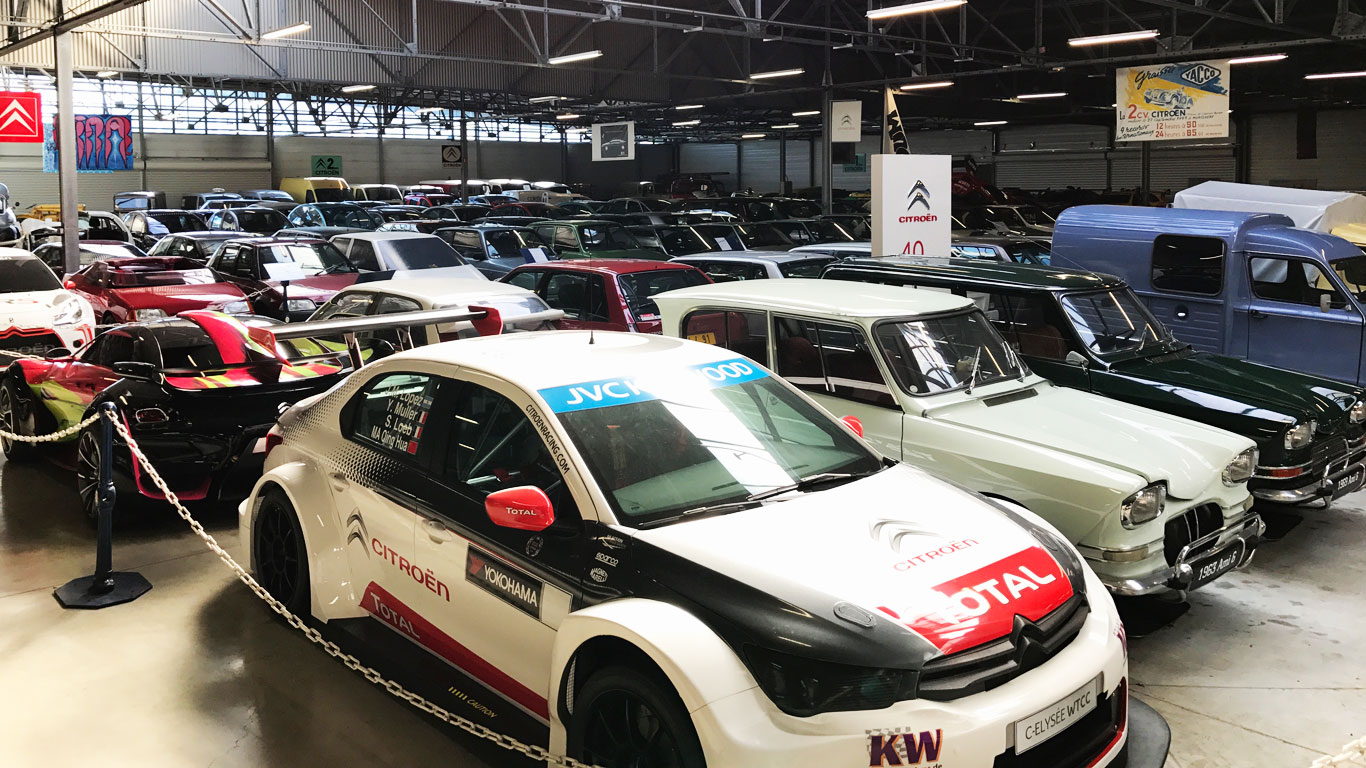
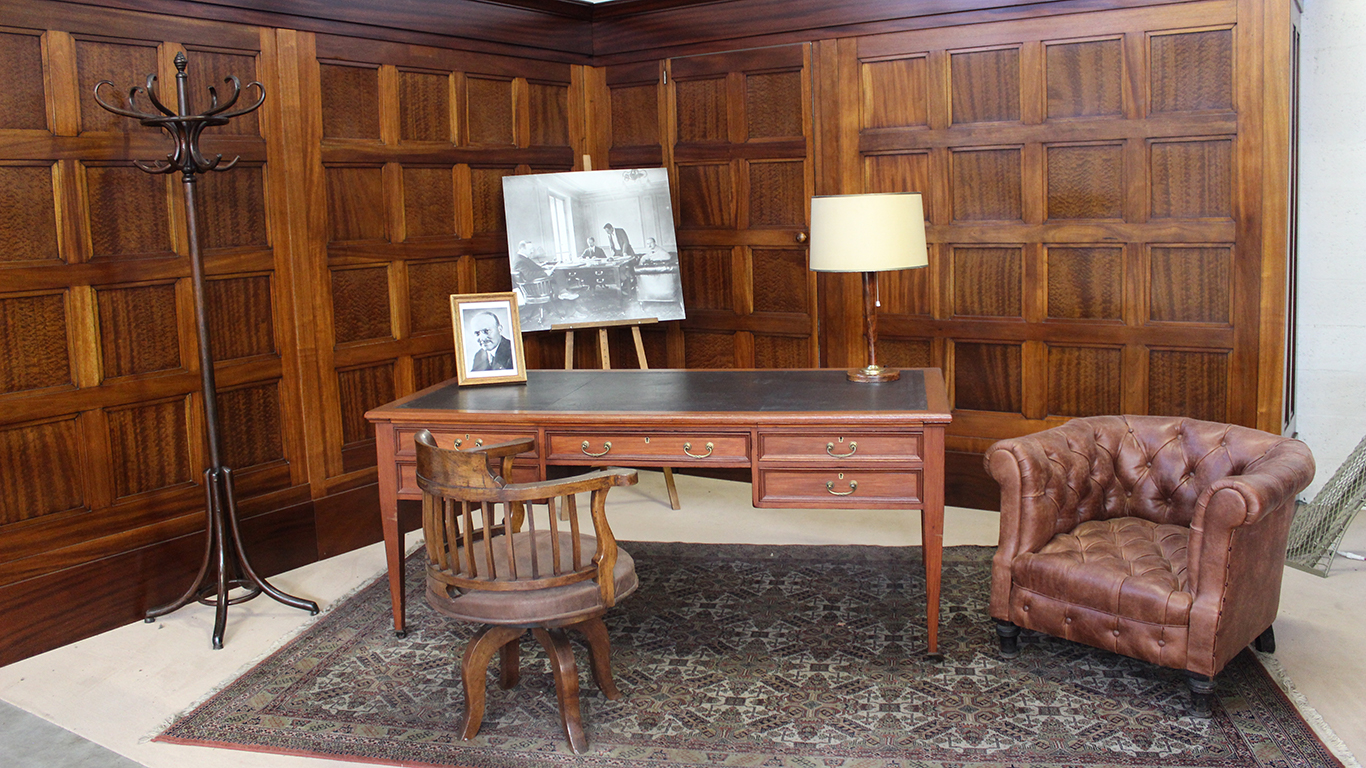
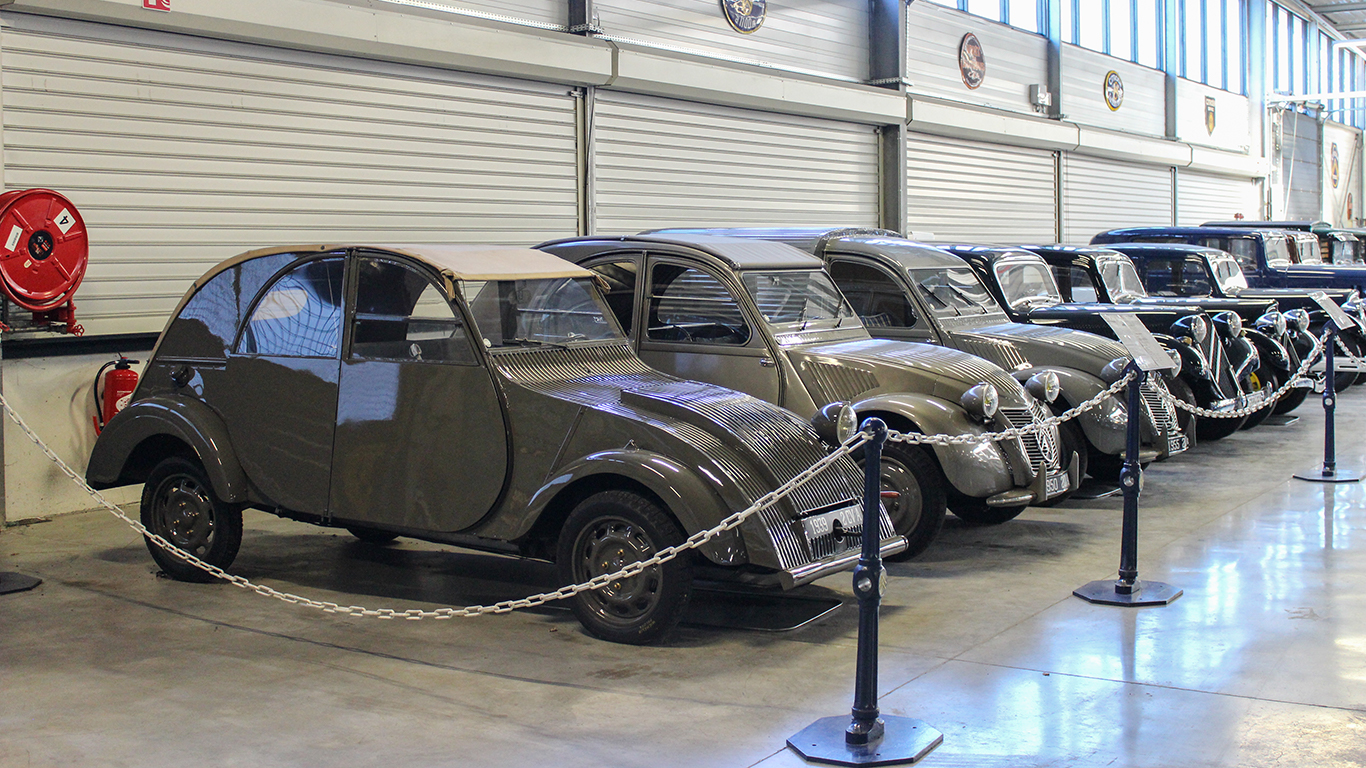
Nestled between the appropriately named Boulevard Andre Citroen and the sprawling 170-acre Aulnay-sous-Bois site, where 8.5 million vehicles rolled off a busy production line, stands a rather anonymous looking building. Within the grey walls sit more than 400 old Citroens, preserved for future generations and maintained by a man in blue overalls.
His name is Yannick Billy and the cars form part of the Conservatoire Citroen: the largest collection of Citroens in the world. For a company with such a proud history, Citroen is reluctant to throw open its doors to the general public. Which only served to make our visit to the house of Citroen all the more special.
Conservatoire Citroen isn’t open to the public, so it cannot be classed as a museum. Instead, entry is via invitation only: not even a sheik armed with two million bucks could rock up and demand entry, said the Citroen UK press man, perhaps flippantly. Indeed, when we turned up at the agreed time, the reception area was cloaked in darkness and nobody was answering the door.
We wandered around to the back door, where we were greeted by Yannick Billy, a long-standing member of the Citroen Heritage team. Our lack of French was matched by Yannick’s lack of English, but eventually we were guided through the workshop – enriched by an intoxicating and evocative blend of oil and petrol – and to the doors to the collection.
A feast for the eyes
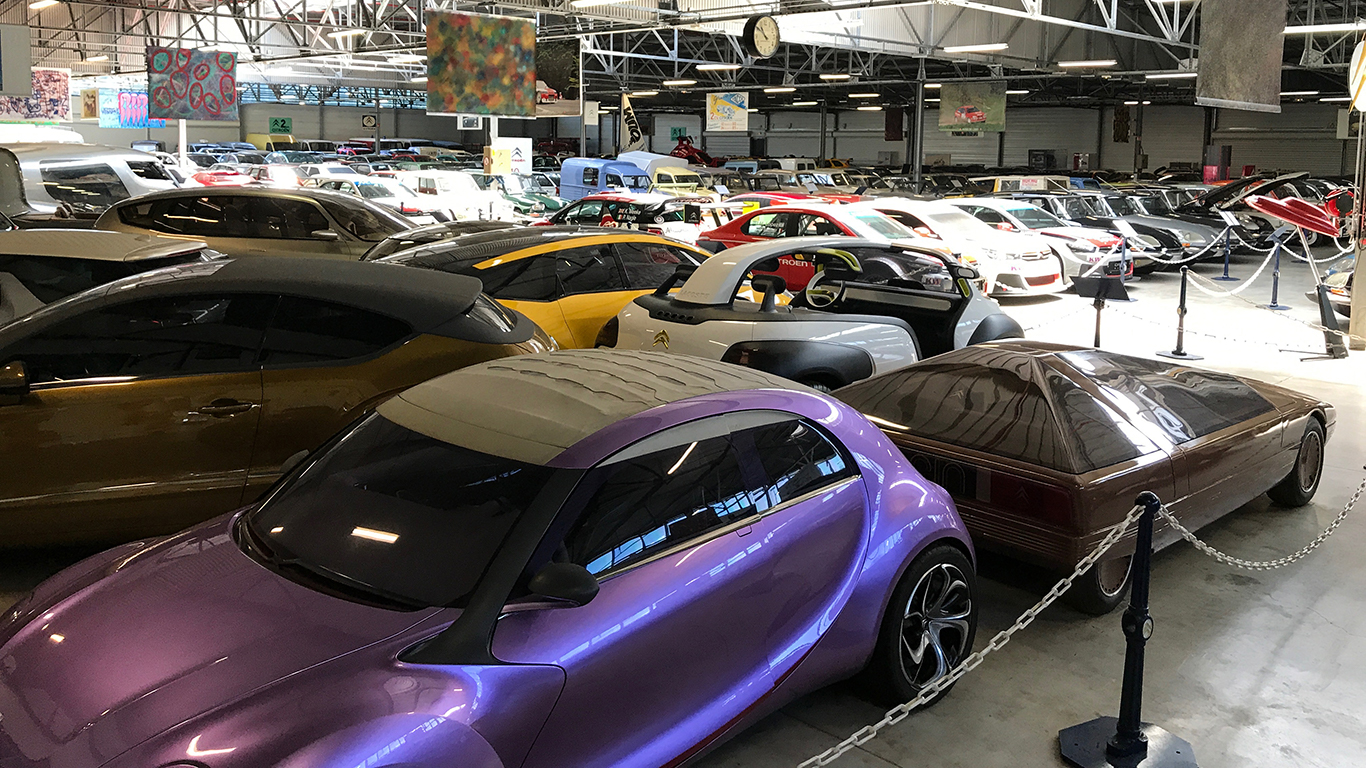
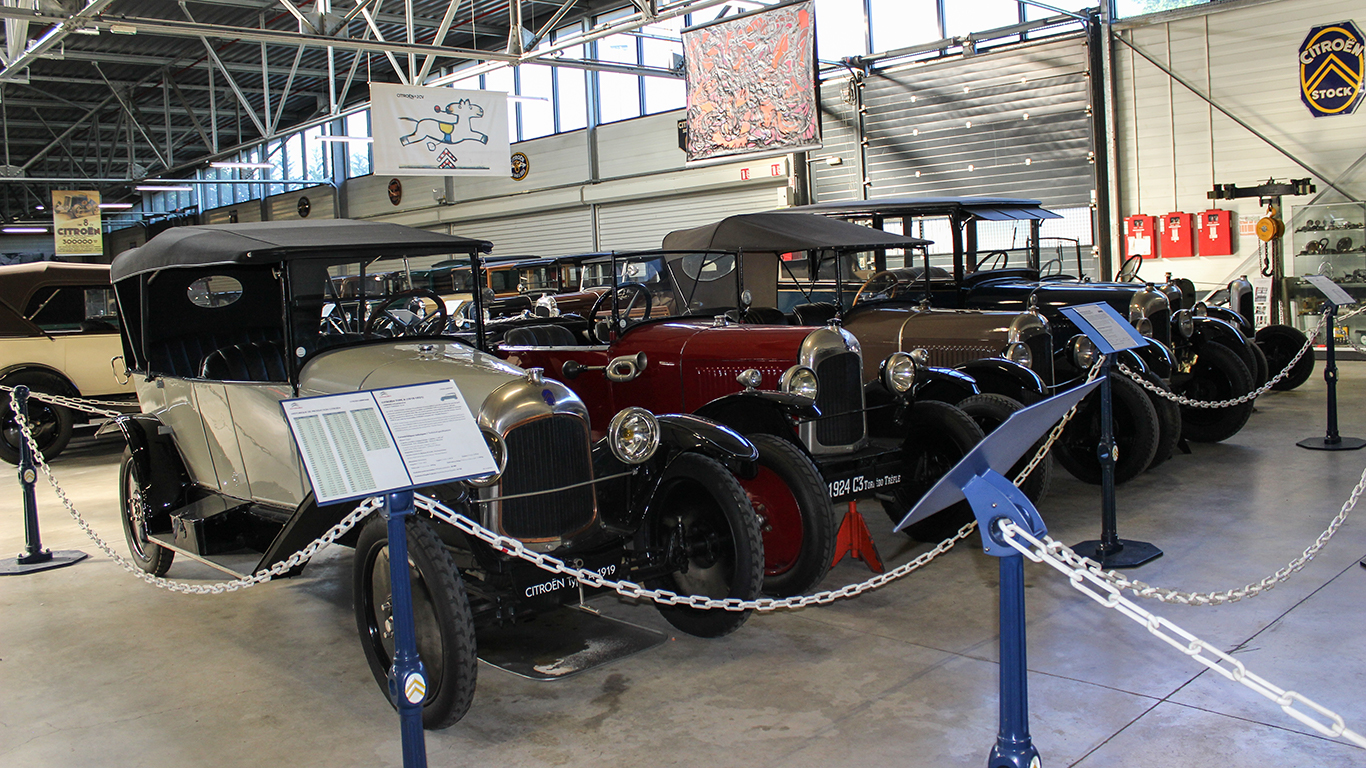
As a Citroen fan it’s almost impossible not to be initially overwhelmed by the spectacle of 400 Citroens in one very large room. But even a non-car person would be amazed by the sheer scale of the place. Citroen’s complete history is here, from the Type A to the latest production models and concept cars.
We were given until noon before we’d be shown the door and told to leave. A little over three hours to immerse ourselves in the history of the world’s most innovative and eccentric car brand. So where do you start?
Top gear wheels
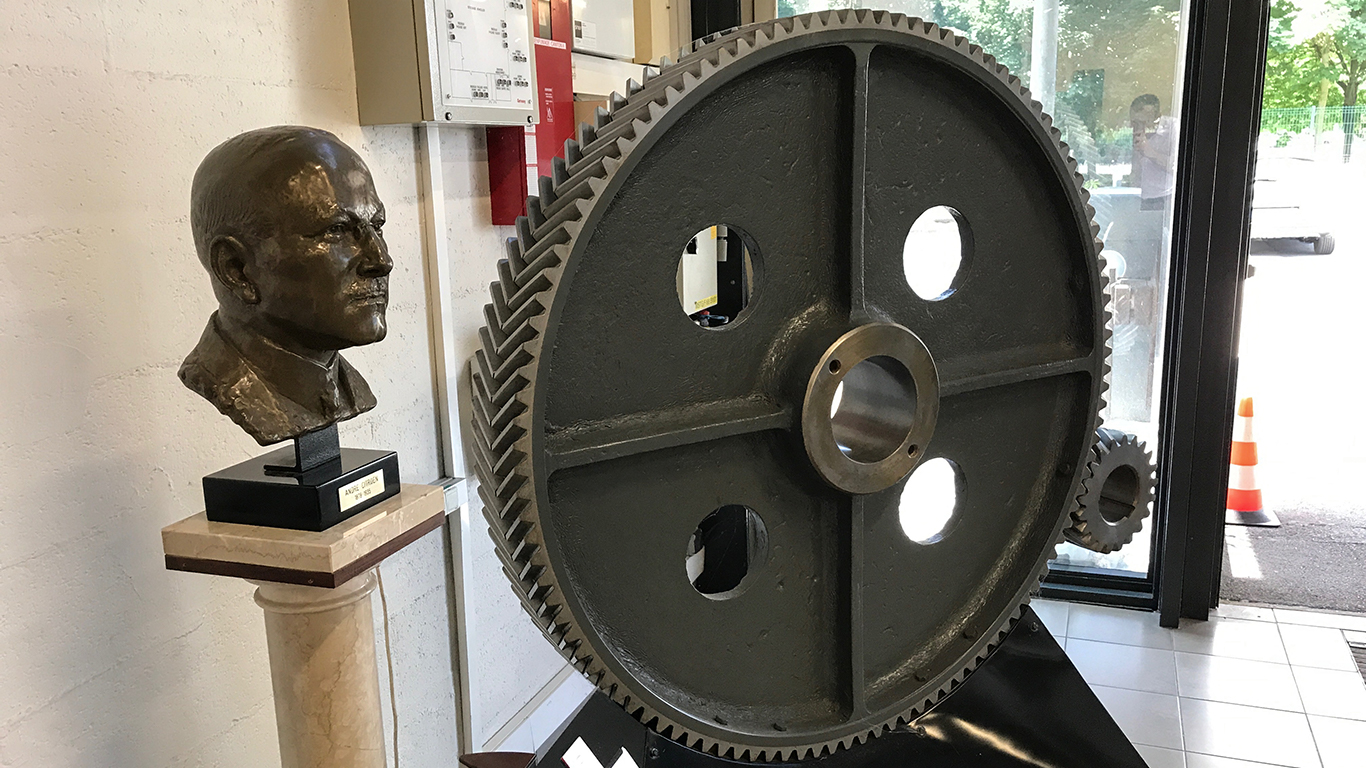
You start, much like Andre Citroen, with the Type A. Citroen’s first vehicle was launched in 1919, but the company’s roots date back to 1905, with the creation of Citroen et Cie. Back then, the company manufactured double-helical gear wheels with V-shaped teeth, the design of which inspired the famous Citroen logo.
Andre Citroen had first seen gear wheels such as these during a visit to Poland in 1900, and he returned to Paris where he took out a patent for their design. A factory was built to house the production facilities and soon his gear wheels were being used across the world. Famously, his wheels formed part of the steering system in the Titanic.
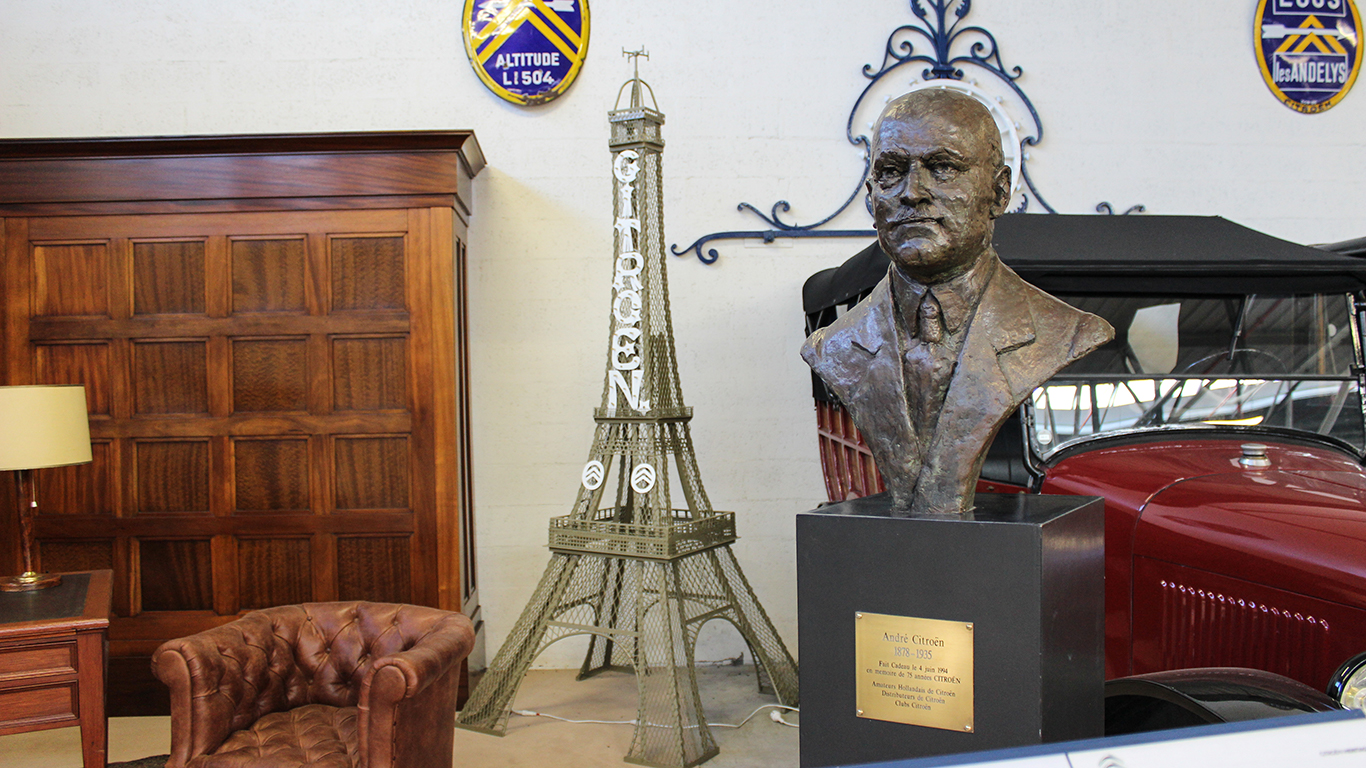
Andre Citroen
In 1912, Andre Citroen went to America where he met Henry Ford and marveled at the production facilities used to build the Model T. He returned to Paris with the aim of building a car of his own, but his plans were put on hold by the outbreak of the First World War.
But from adversity came an opportunity. As an officer, Andre Citroen witnessed his army running out of shells, and he approached the government with plans to mass produce them. He won the contract and by the end of the war he had built 23 million shells from a factory in Paris.
Citroen Type A
With the experience gained through the production of gear wheels and shells, not to mention the capital and production facilities, Andre Citroen was well-equipped to build his first motor car. The Type A arrived in 1919 and was, quite simply, a revelation.
Not only was it Citroen’s first car, but it was also the first mass-produced European vehicle. For the first time, motorists could buy a car ‘ready for the road’. Little wonder, then, that Citroen managed to shift 12,000 Type As within the first two years.
Andre Citroen: industrialist and marketeer
But Andre Citroen was more than simply an ace industrialist. He knew the power of promotion, which is why his name was displayed on the Eiffel Tower at night. Once a month he took out a full page advertisement on the back of France’s biggest newspaper, while aircraft were sent into the skies to write the Citroen name in smoke.
In 1926, Citroen opened a new showroom in London’s Piccadilly, reported to be the grandest and most expensive ever built. The interior was clad in marble and the place felt more like a cathedral than a car showroom.
The icons: Citroen Traction Avant
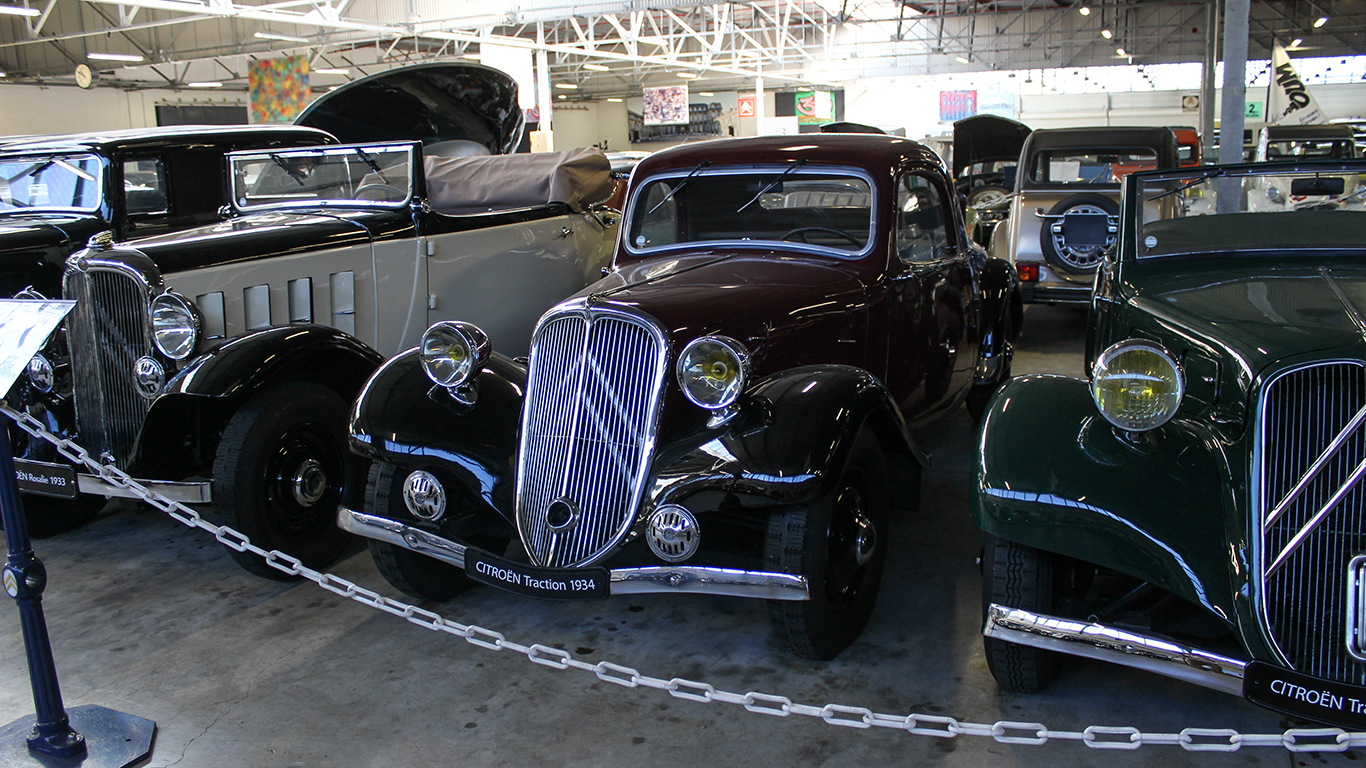
In 1934, Citroen launched the Traction Avant, widely considered to be the godfather of the modern motor car. Three years earlier, Andre Citroen had travelled to the US to visit the Budd Corporation in Philadelphia, where he was shown a front-wheel-drive car featuring a monocoque bodyshell.
He knew that it would be possible to build a shell capable of holding the engine, transmission and suspension together, freeing up space and reducing weight. The Traction Avant was the first mass-produced front-wheel-drive car and it changed automotive production forever. But the cost of development crippled the organisation and Citroen was declared bankrupt in 1934. Seven months later, Andre Citroen died, having lost his health, company and the rights to his name. Michelin Tyres took the reins, with the Traction Avant helping to return the company to profitability.
The icons: Citroen 2CV
In 1935, Citroen started working on the idea of a ‘people’s car’, the so-called TPV, as it was then known. The idea was simple: to create a basic French car for the masses, with Citroen’s chairman, Pierre-Jules Boulanger, describing the design as “a deck-chair under an umbrella”.
Prototypes were built in 1939 and then hidden away during the Second World War, with the French keen for the Nazis not to discover their revolutionary little car. It would arrive at the 1948 Paris Motor Show, with production continuing until 1990, by which time more than 30 different versions had been built.
The icons: Citroen DS
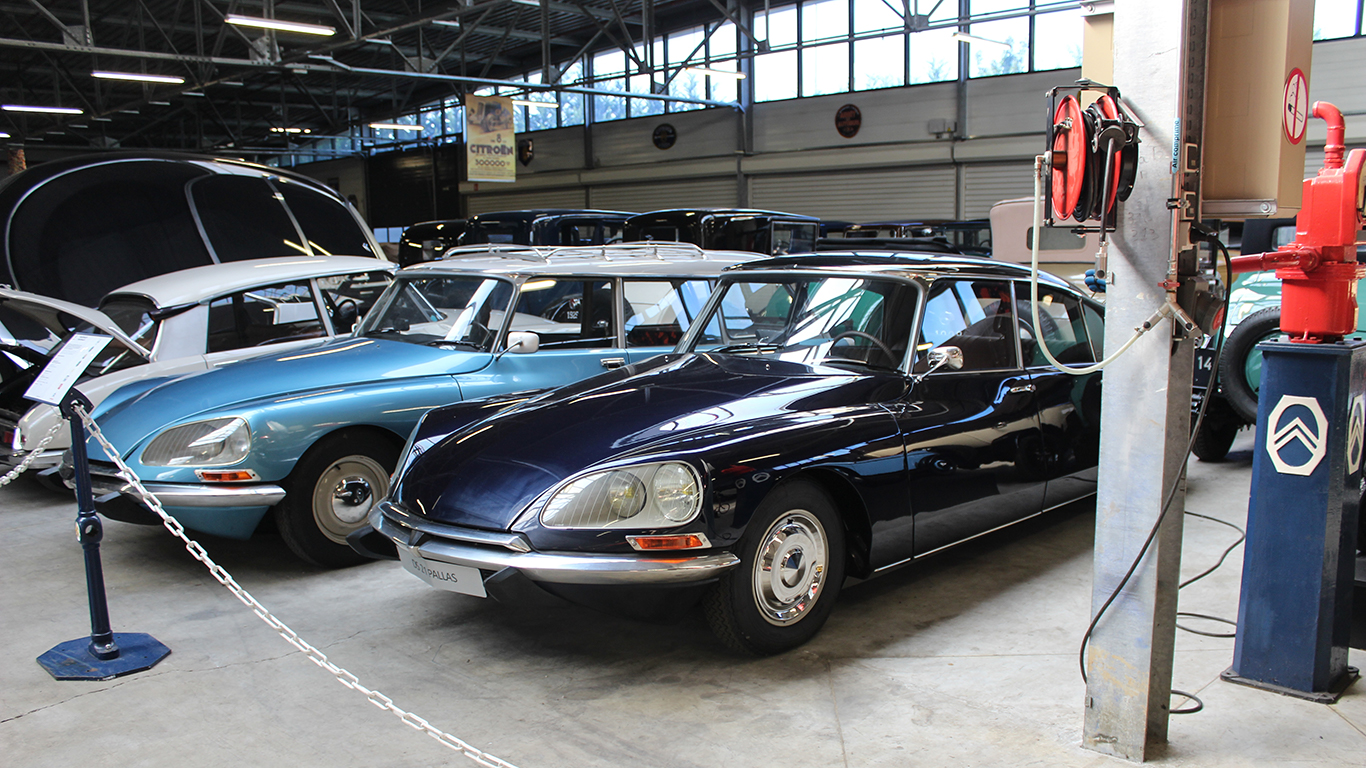
The one other Citroen worthy of the icon tag is the DS. The ‘Goddess’ was unveiled at the 1955 Paris Motor Show and such was the response, 12,000 orders were taken on the first day of the show.
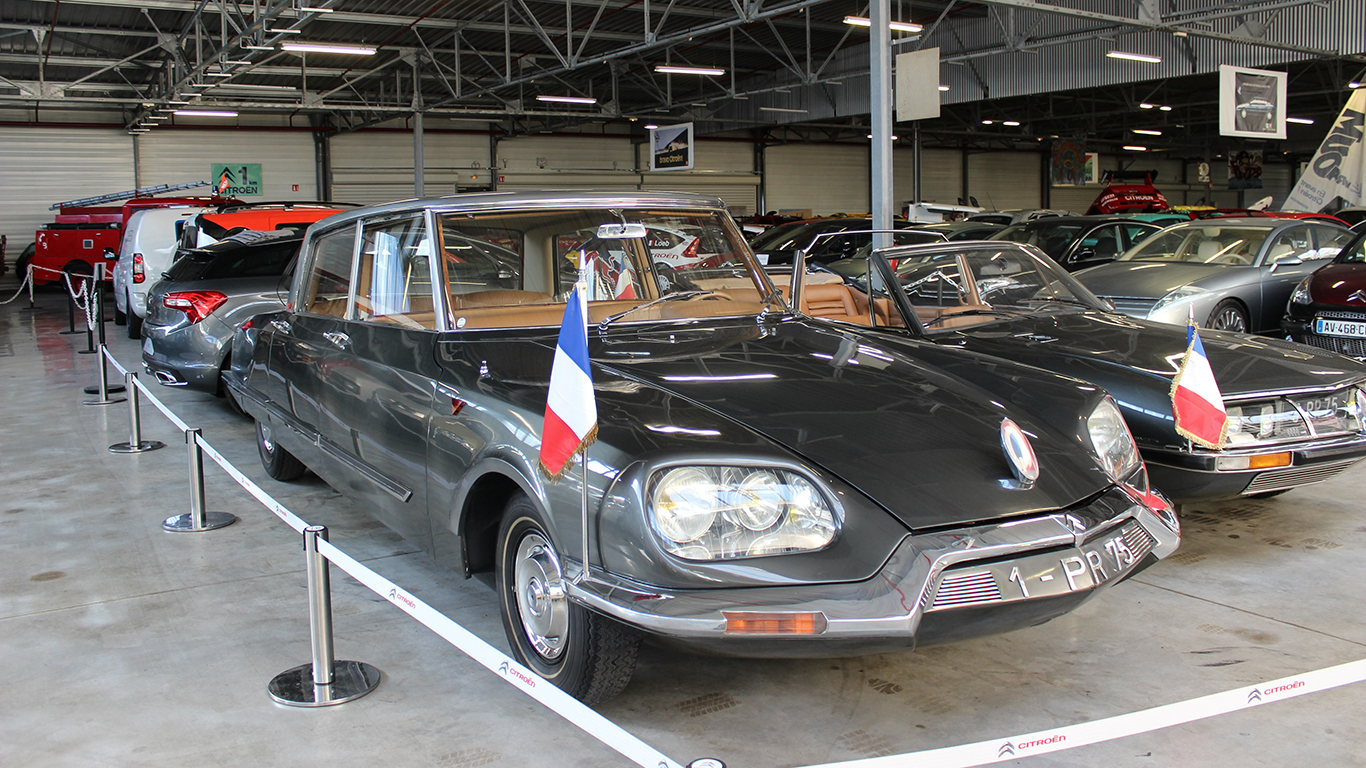
It was the first production car to be equipped with front disc brakes and featured revolutionary hydropneumatic suspension. The car pictured is a DS 21 Pallas, showcasing the restyled front end complete with innovative directional headlights.
The legends: Citroen SM
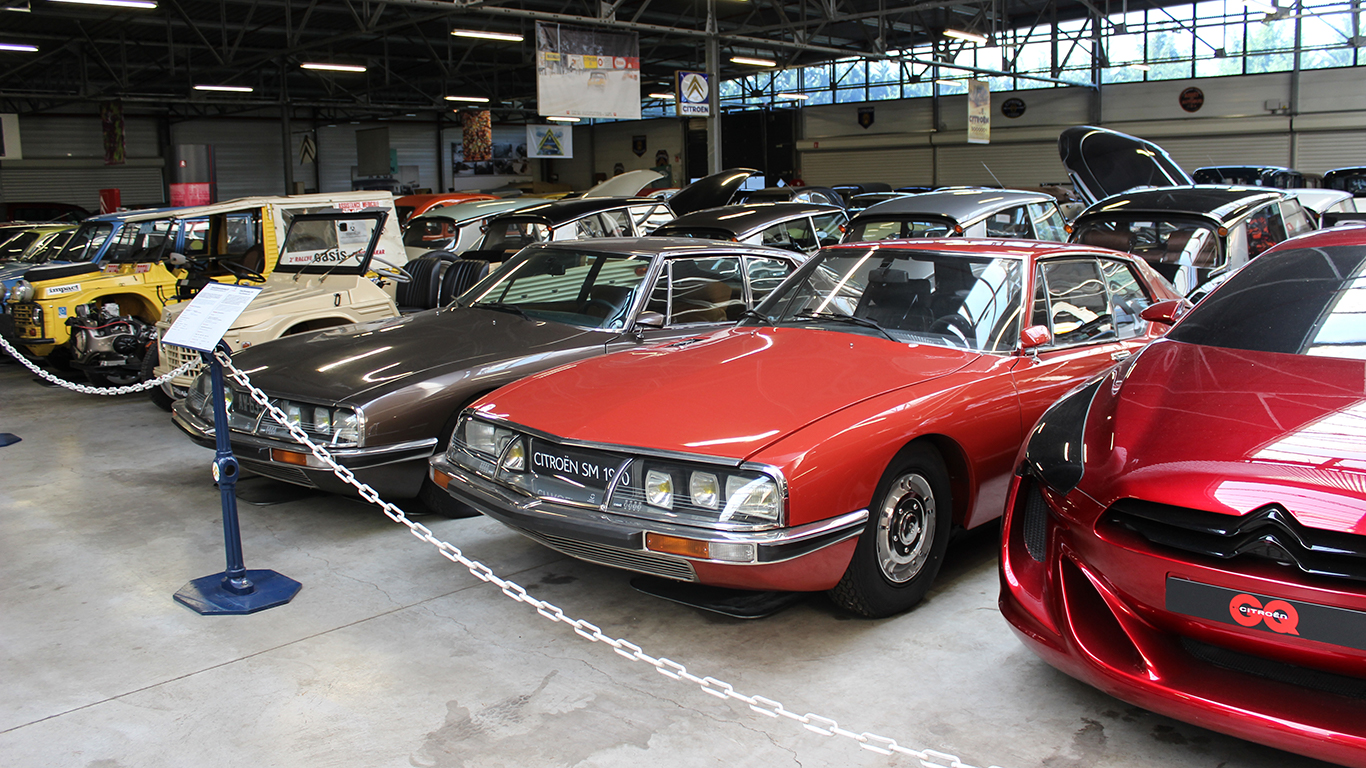
Take the technology found in the Citroen DS, add a Maserati V6 engine and house them in a streamlined body and this is the result: the delightful Citroen SM.
On the right is an original press car from 1970, built at the start of production. On the left is a later, fuel-injected model. Production was short-lived, partly because of the fuel crisis, partly because of reliability issues, and most certainly as a result of Peugeot’s takeover of Citroen in 1974.
The legends: Citroen GS
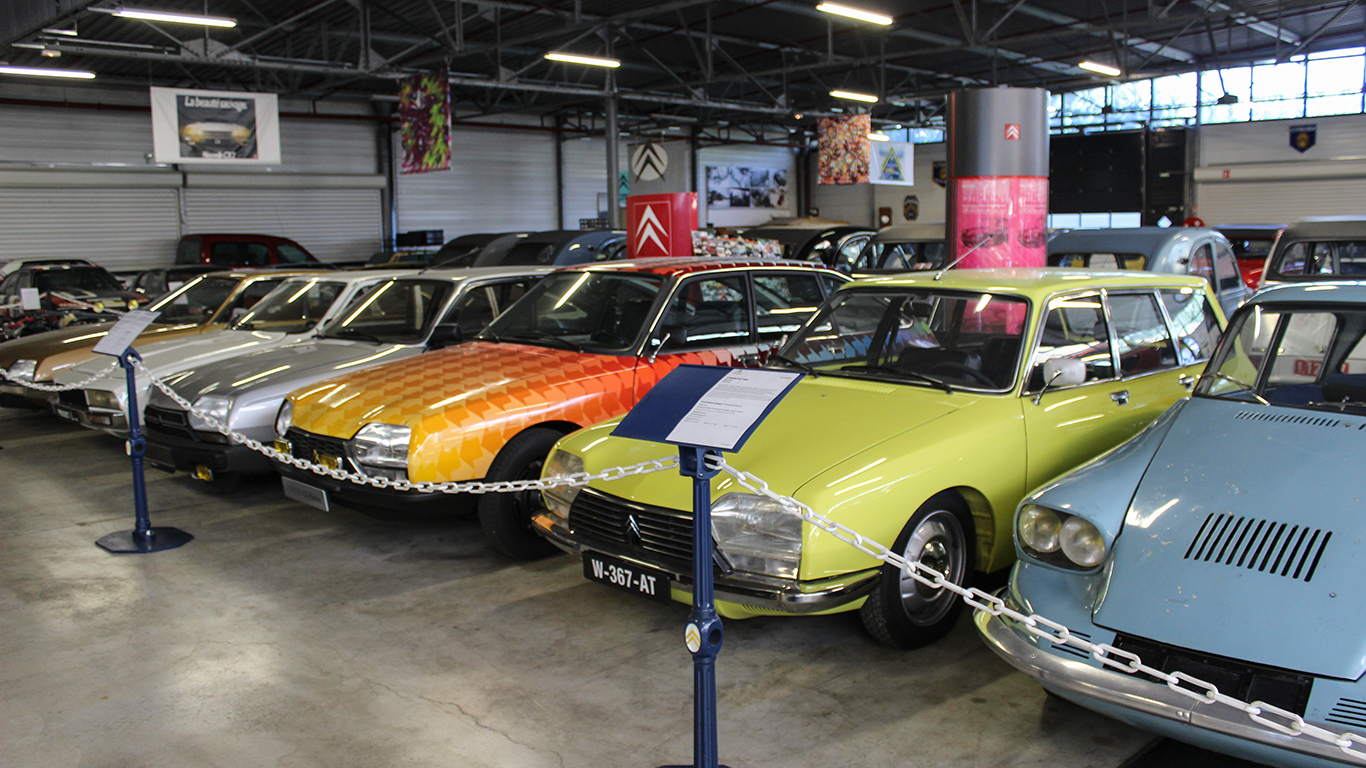
Imagine being at the Paris Motor Show in 1970. Not only was the achingly beautiful SM first shown to the public, but Citroen also unveiled the brilliant GS. A year later, the GS scooped the European Car of the Year award, leaving the Volkswagen K70 and Citroen SM to finish second and third, respectively. Oh, what a time to be alive.
The GS was designed to slot between the Ami 8 and the DS in the Citroen range, delivering hydropneumatic technology to the everyman. The air-cooled flat-four engine gave it an evocative soundtrack, but a hatchback wouldn’t arrive until 1979, with the launch of the GSA.
The legends: Citroen CX
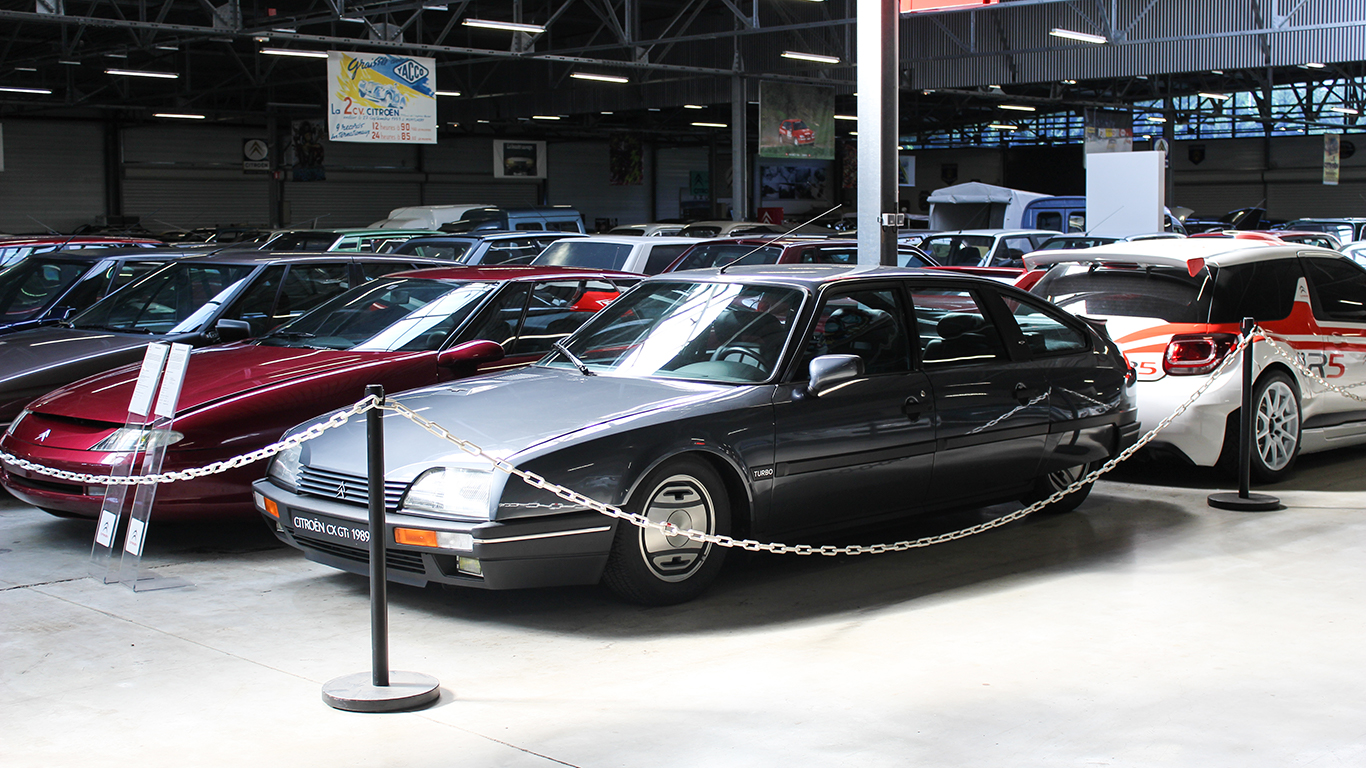
The CX had the unenviable task of following the iconic DS, but while it wasn’t a game-changer like its predecessor, it certainly captured the true spirit of Citroen. Unveiled at the 1974 Paris Motor Show, the CX featured a futuristic and achingly cool dashboard, hydropneumatic suspension and a concave rear window.
A facelift was introduced in 1985, as showcased by this stunning GTI of 1989. Earlier, in 1975, the last Citroen DS had rolled off the production line: vehicle number 1,330,755.
The presidential cars: Citroen DS 21
Nothing can prepare you for the sheer scale of this thing. Designed by the Citroen style department, the DS 21 Presidentielle was built by Henri Chapron and was used by Charles de Gaulle and Georges Pompidou.
Its dimensions are: 6.53m length, 2.13m width and 1.60m height. Oh, and it weighs 2,660kg. The gearbox is designed to maintain a speed of 6 to 7km/h for several hours.
The presidential cars: Citroen SM
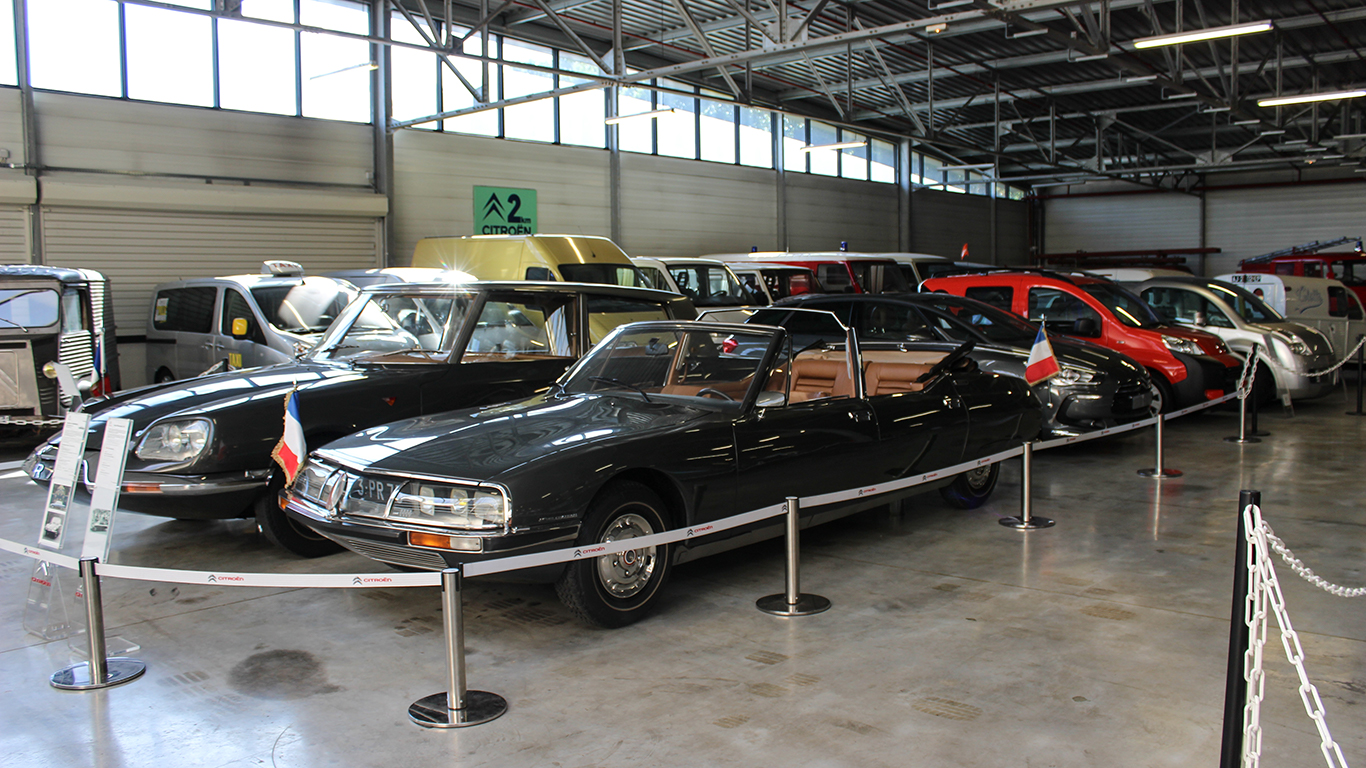
Unsurprisingly, the Citroen SM Presidentielle of 1972 is far more elegant and less imposing than the car it replaced. Once again, Henri Chapron was tasked with handling the build of two majestic presidential cars.
They were delivered in May 1972, just before Queen Elizabeth’s visit to Paris. Her Majesty was pictured in the back, travelling with Georges Pompidou.
The presidential cars: Citroen DS5
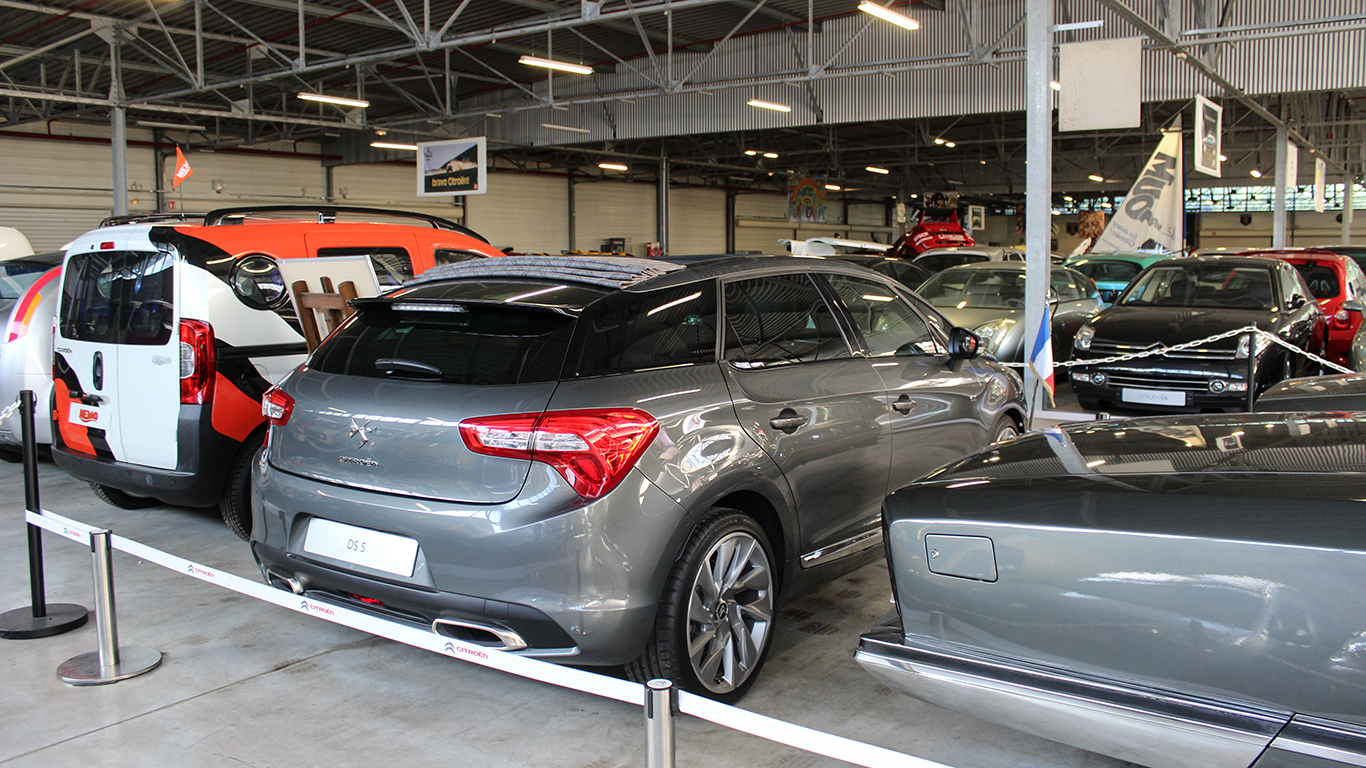
A classic case of ‘they don’t make ‘em like they used to’, this is the Citroen DS5 used by Francois Hollande in 2012.
Today, DS Automobiles has separated from the mother brand.
The concepts: Citroen Project L
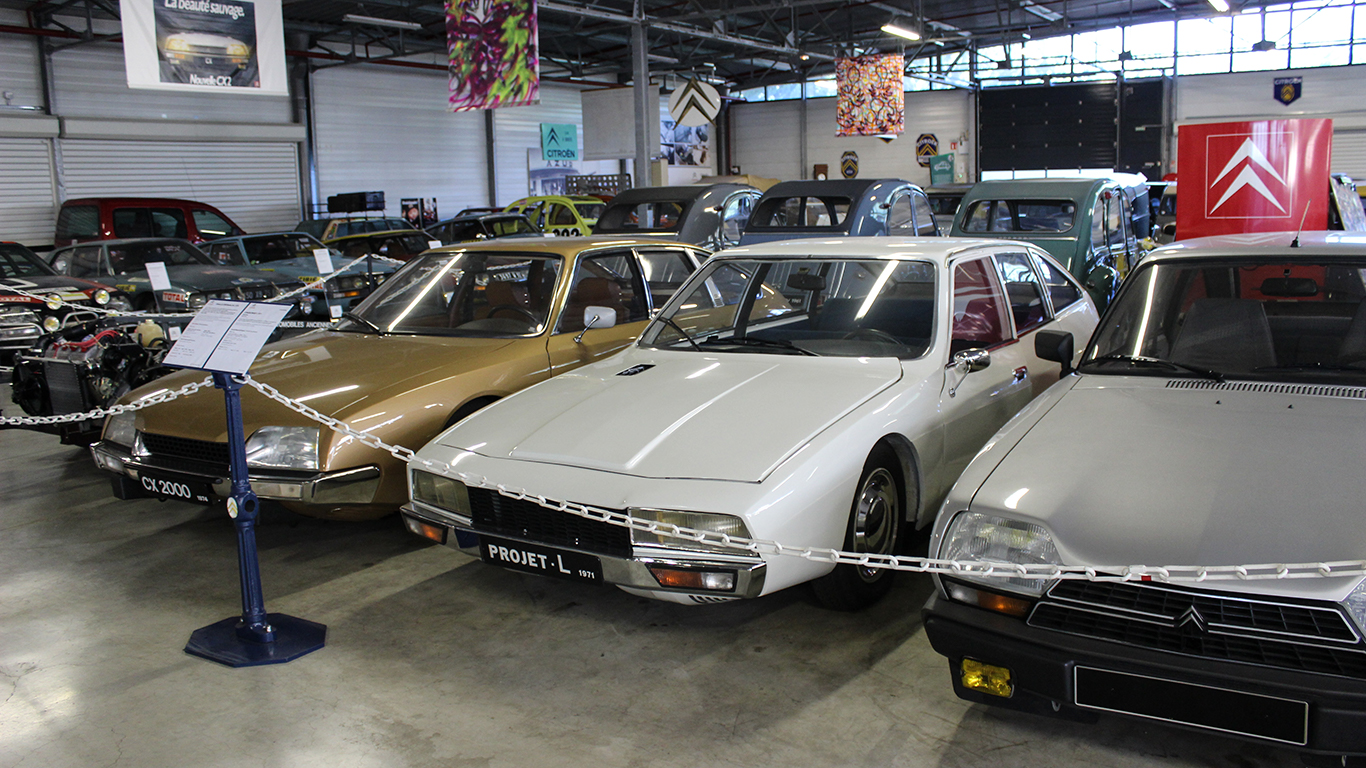
The Project L was the final Citroen designed by Robert Opron and was intended to be a replacement for the DS. It features what’s essentially an SM dashboard with a GS steering wheel, and Citroen called for enough space under the bonnet to house Maserati’s V6 engine.
The concepts: Citroen Activa
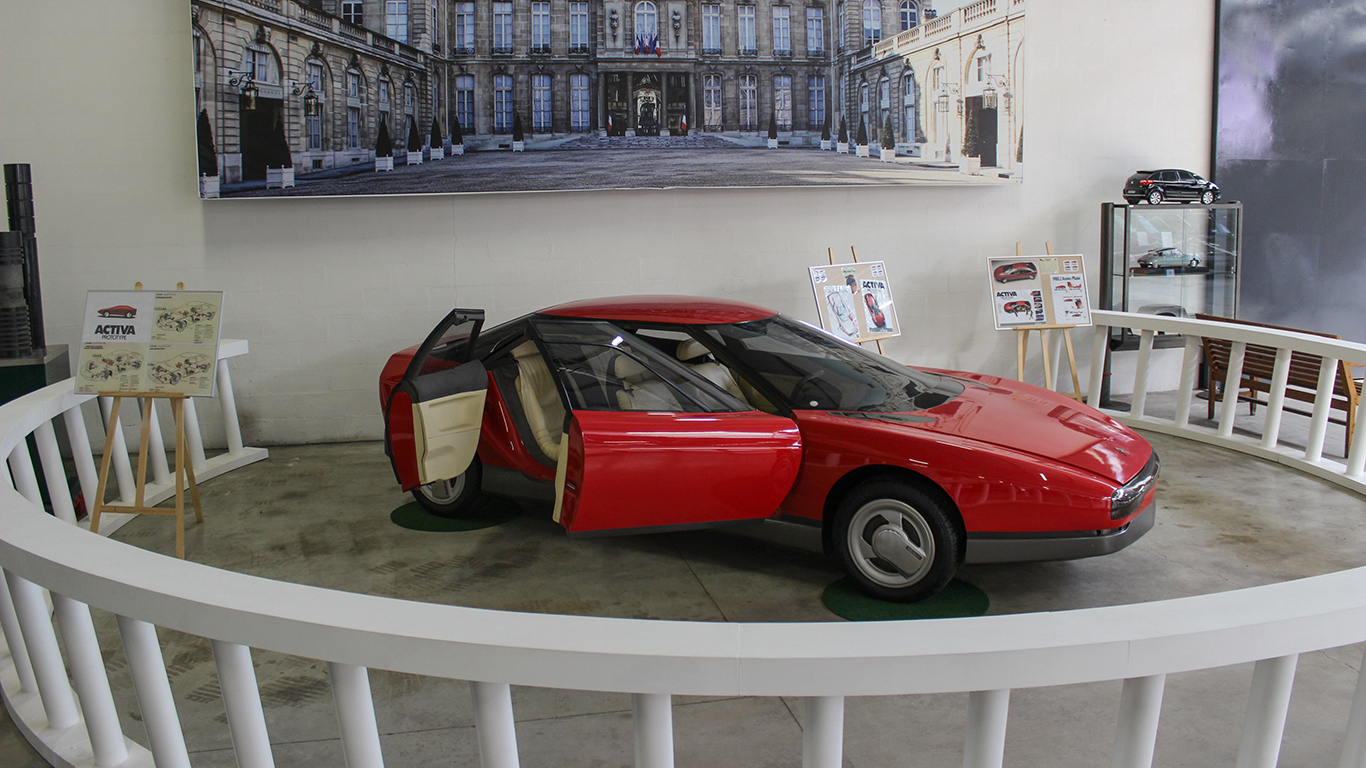
The Citroen Activa of 1988 featured four-wheel drive, four-wheel steer and active suspension, the latter of which would appear as the Hydractive system in the XM. The original Activa concept could also boast ABS brakes and traction control, both of which were considered to be high-tech at the time.
The concepts: Citroen Eole
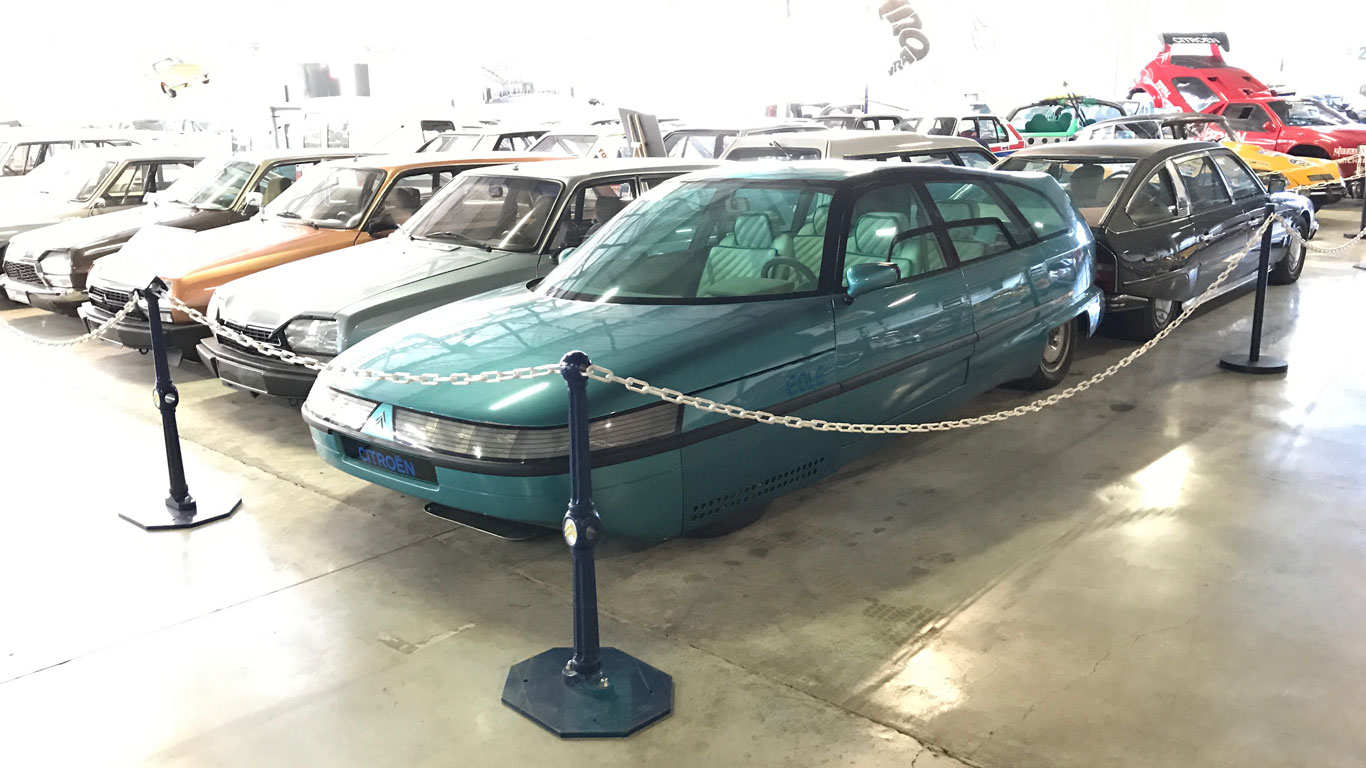
This is the Citroen CX-based Eole of 1986, which claimed a drag coefficient of just 0.19Cd, around half that of the CX. Note the covers over the wheels, which are linked to the car’s hydraulics to lift them clear when steering. The design was intended to showcase the estate car of the future.
The concepts: Citroen Karin
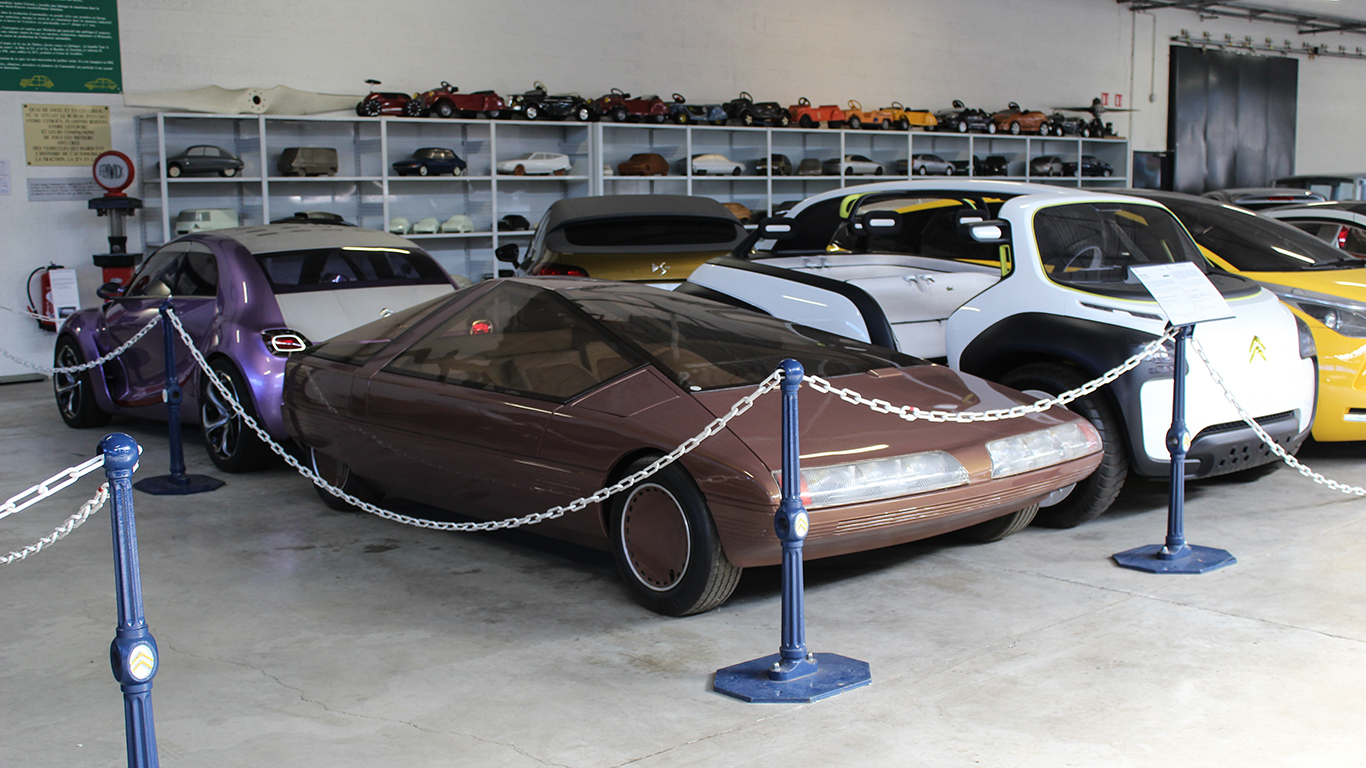
The Karin of 1980 presented the idea of a three-seater, with the driver positioned centrally and ahead of the passengers, some 12 years ahead of the McLaren F1. It was designed by Trevor Fiore but never made it beyond the concept stage. Shame.
The crazy stuff: Citroen RE-2
Yes, Citroen really did build a helicopter. It was designed by Charles Marchetti and first took to the skies in 1971. It used an evolution of the rotary engine found in the Citroen GS Birotor, but flew a mere 38 hours before Peugeot pulled the plug on the project. The RE-2 was grounded.
The crazy stuff: Citroen U23
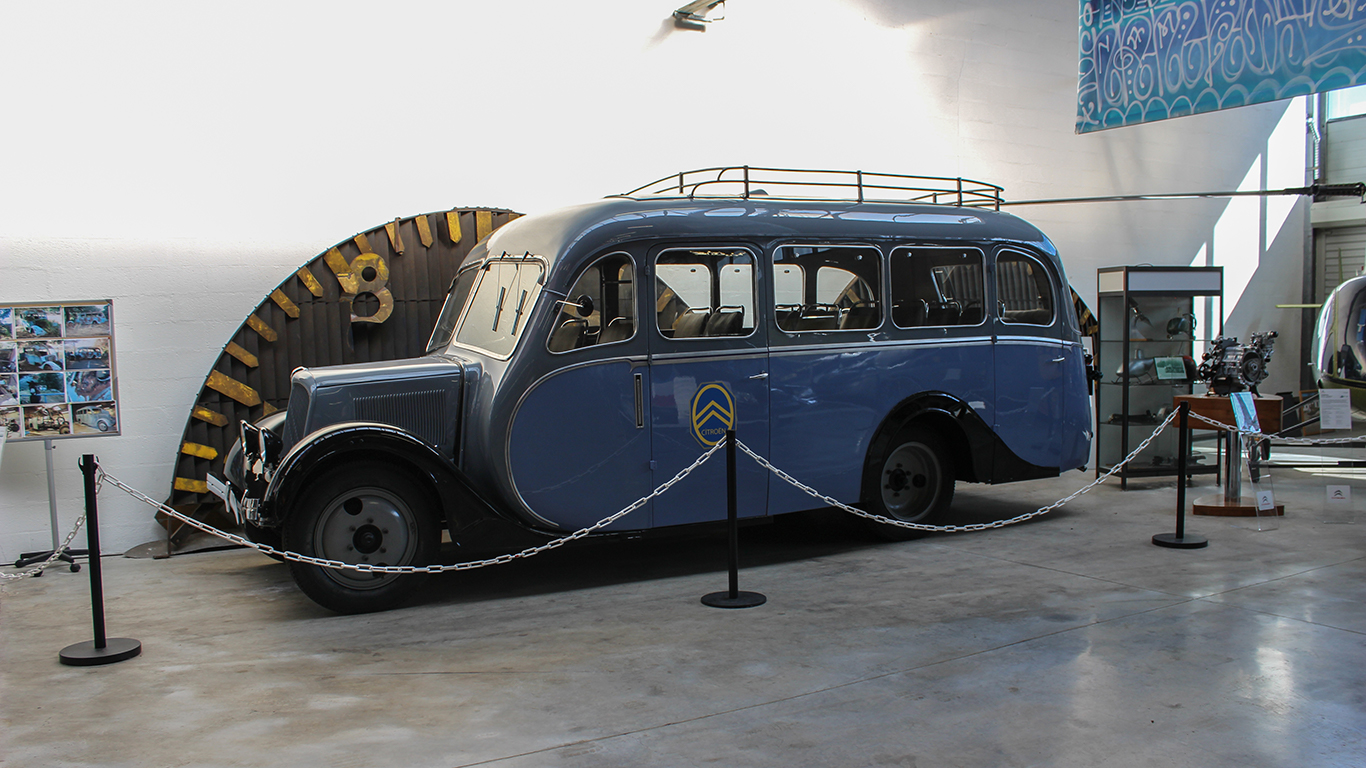
The Citroen U23 was produced between 1935 and 1969. This particular bus was built in 1947 by the Besset facility in Annonay, France. The 18/20-seater was found in Corsica in 2006 and subsequently restored to former glory.
The crazy stuff: Citroen 2CV 007
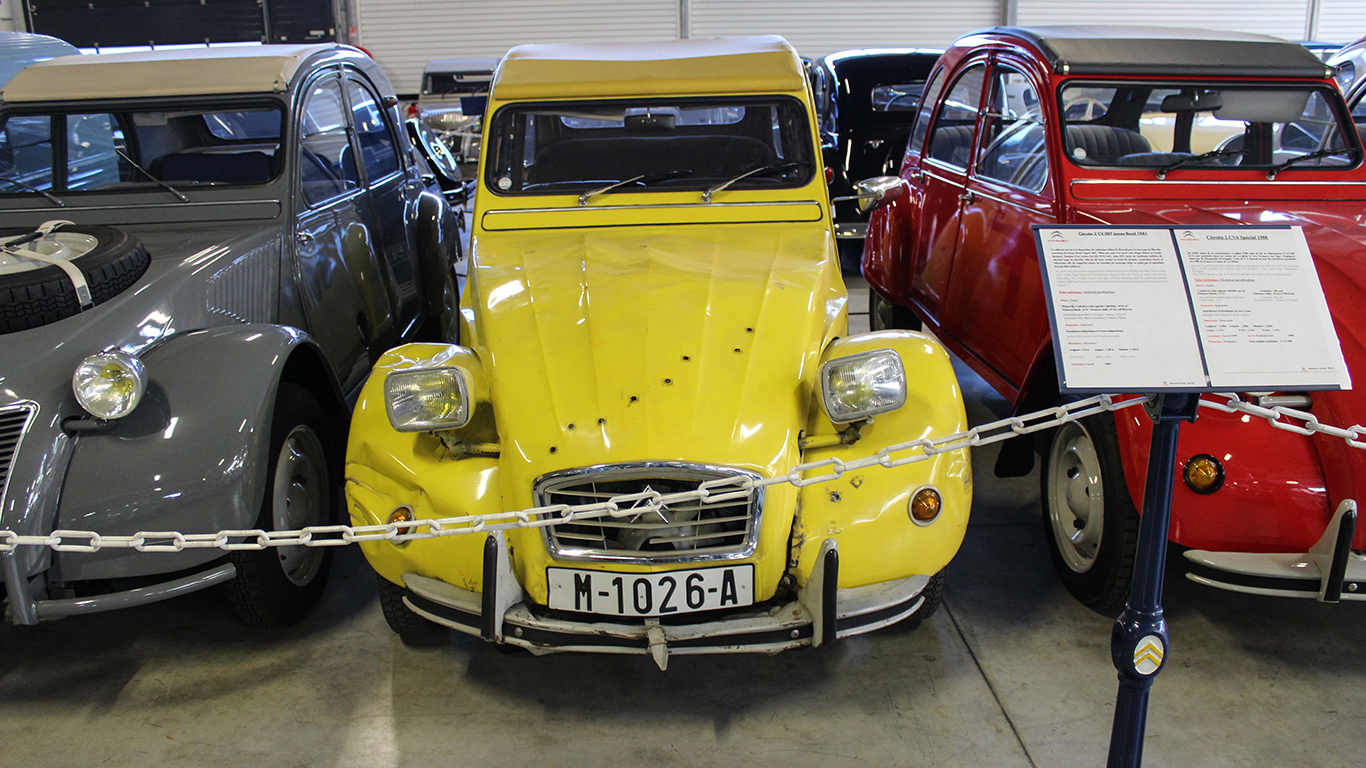
Remember the Citroen 2CV from the James Bond film For Your Eyes Only? It was powered by an engine from a GS and reinforced with a host of safety features, including a roll cage, reinforced plating and raised suspension. Legendary stunt driver Remy Julienne was the man behind the wheel.
The crazy stuff: Citroen Evo Mobil
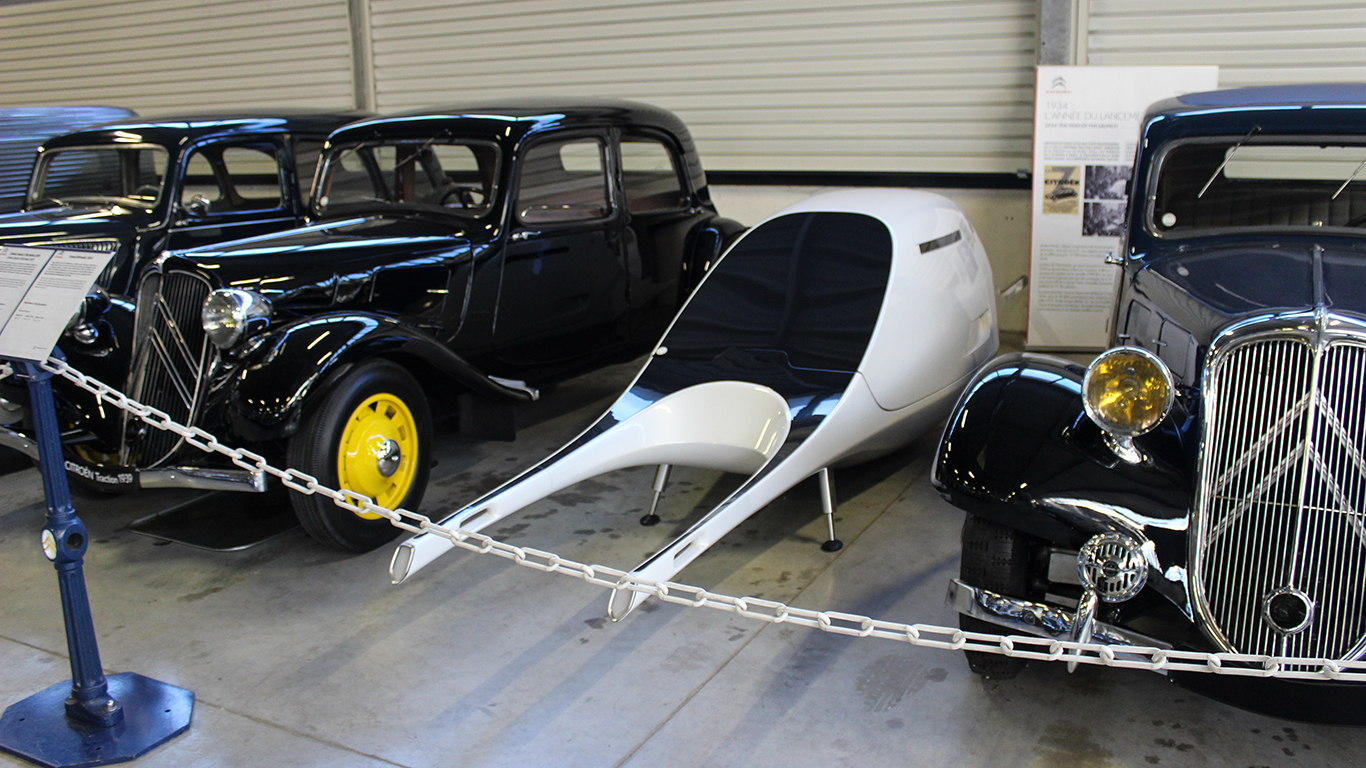
Looks a little out of place in these surroundings, doesn’t it? Look again and you’ll see that it was inspired by the design and build of the Traction Avant. Clever, eh? French designer Ora-Ito used an icon of the past to present a vision of the future. Or something.
The racers: Citroen MEP X27
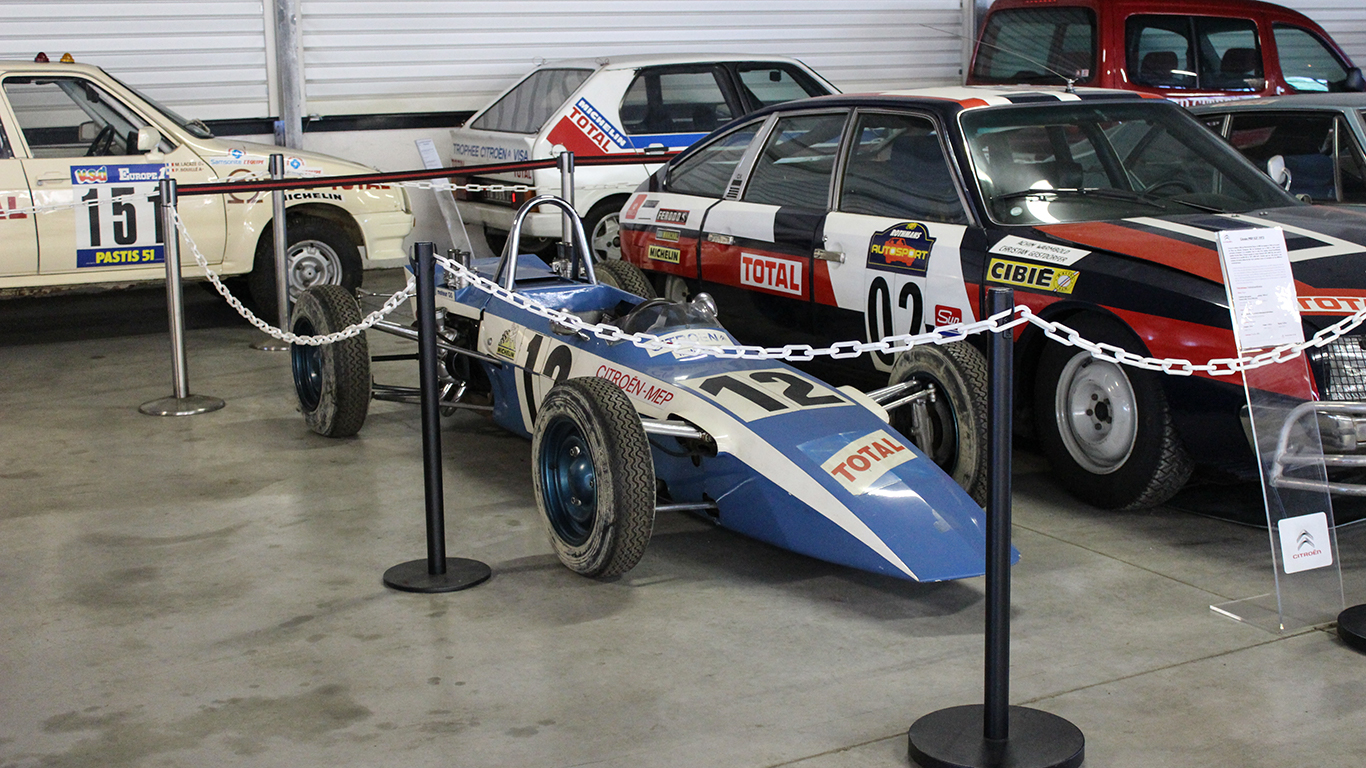
The X27 was the final development of the Citroen-Panhard racecar produced from 1964 to 1975. It competed in the final years of Formule Bleue, which ended in 1975.
The racers: Citroen BX 4TC
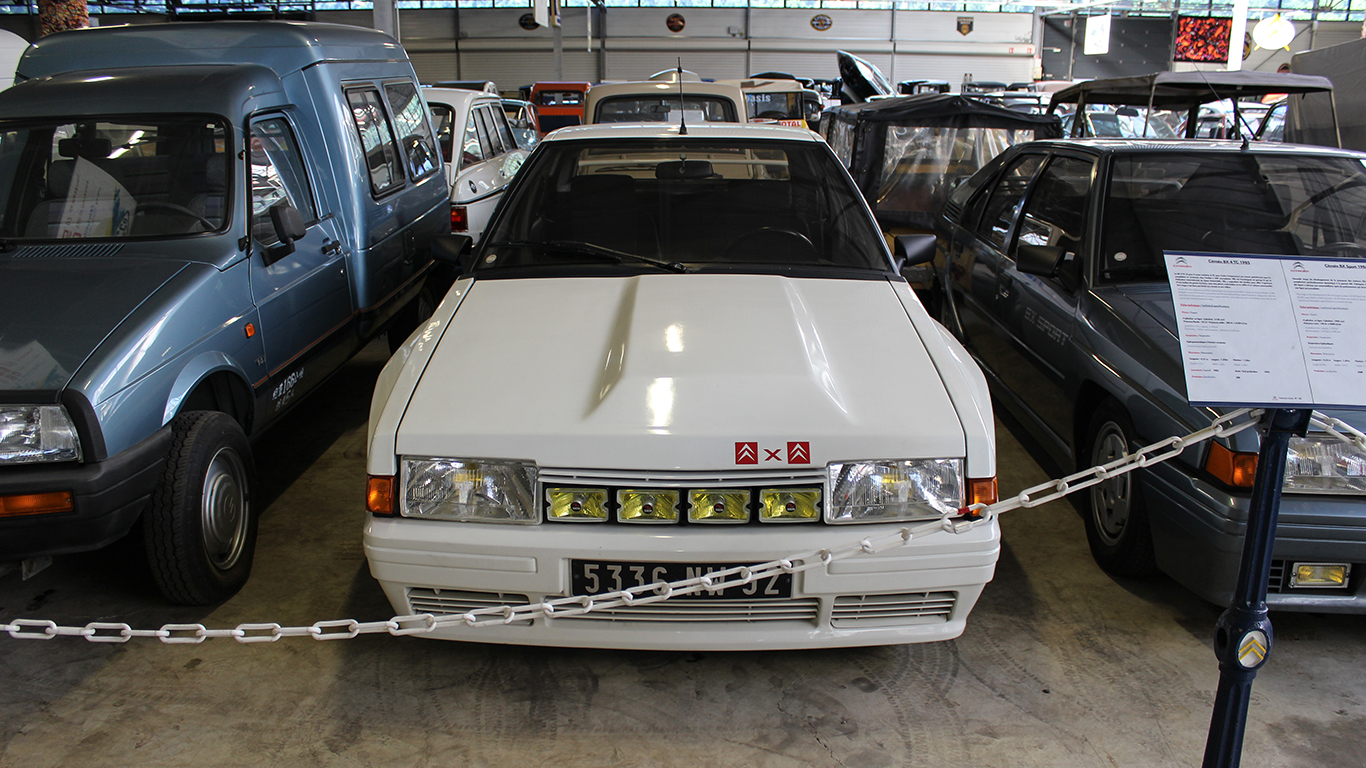
The Citroen BX 4TC is one of the least successful rally cars of all-time, managing just three races before Group B was banned in 1986. The project was so disastrous, Citroen attempted to buy back all road-going versions in order to have them destroyed.
The racers: Citroen ZX Rallye Raid
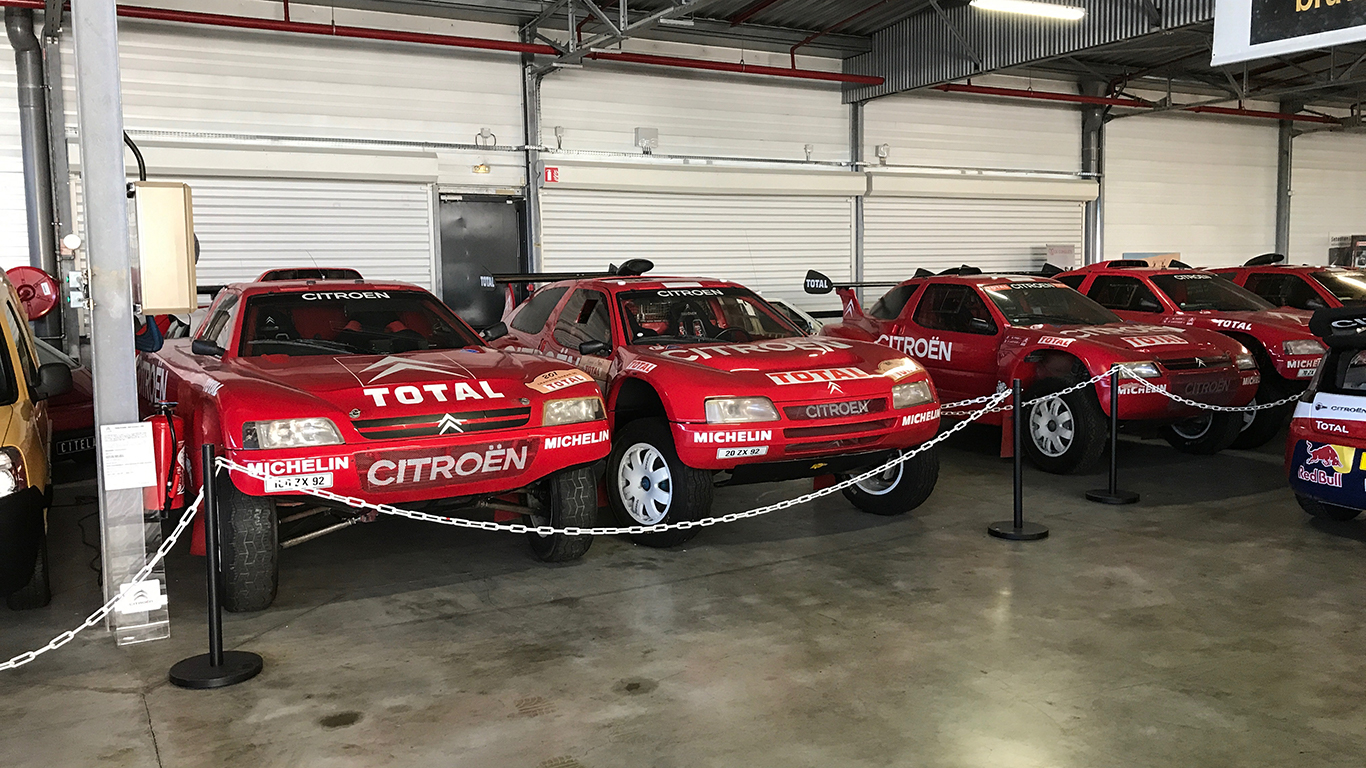
You’re unlikely to see more Citroen ZX Rallye Raid cars in one place. In the 1990s, these were formidable machines, taking no fewer than four Paris-Dakar victories and winning the World Cup for Cross Country Rallies for five consecutive years.
The hot hatches: Citroen ZX 16v
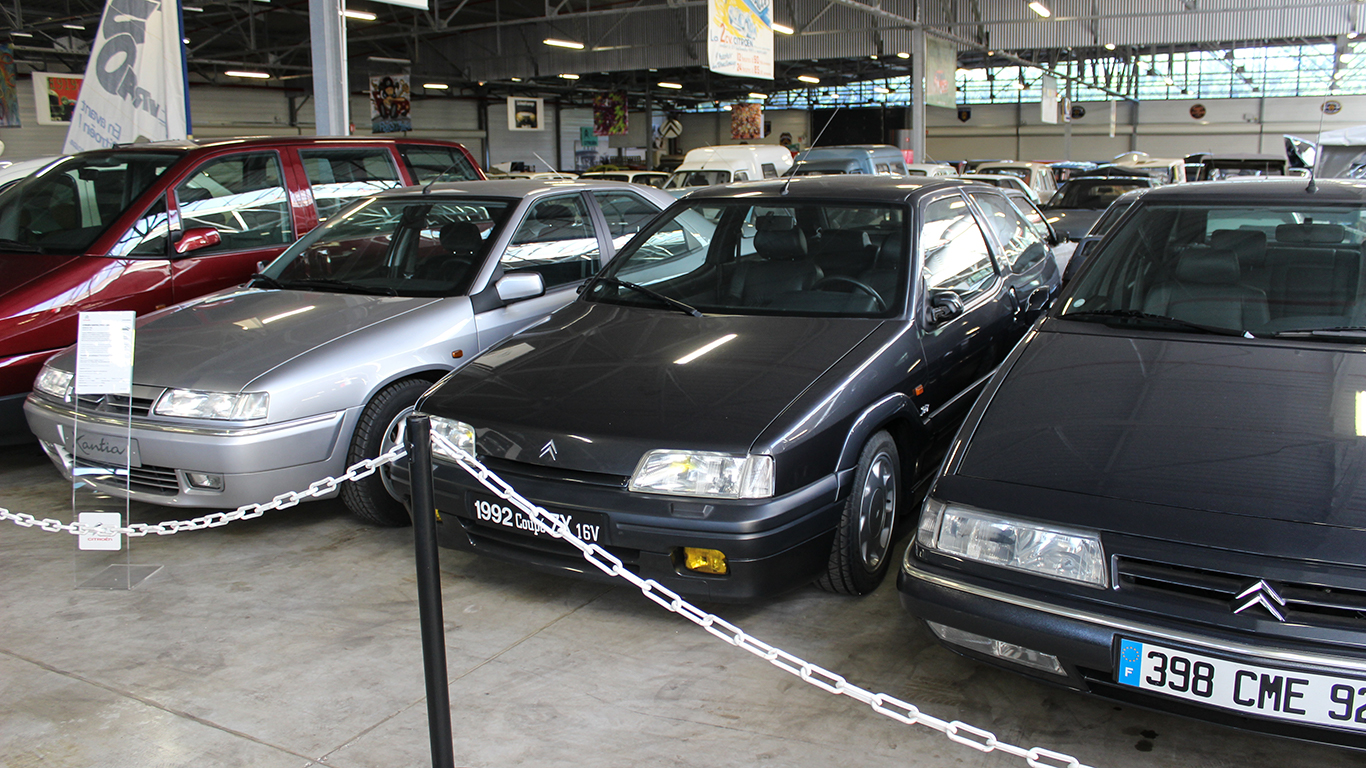
The Citroen ZX 16v is an increasingly rare sight in Britain, with a mere seven registered as being on the road. Thanks to passive rear steering, it’s a genuine delight to drive on a B-road.
The hot hatches: Citroen AX Sport
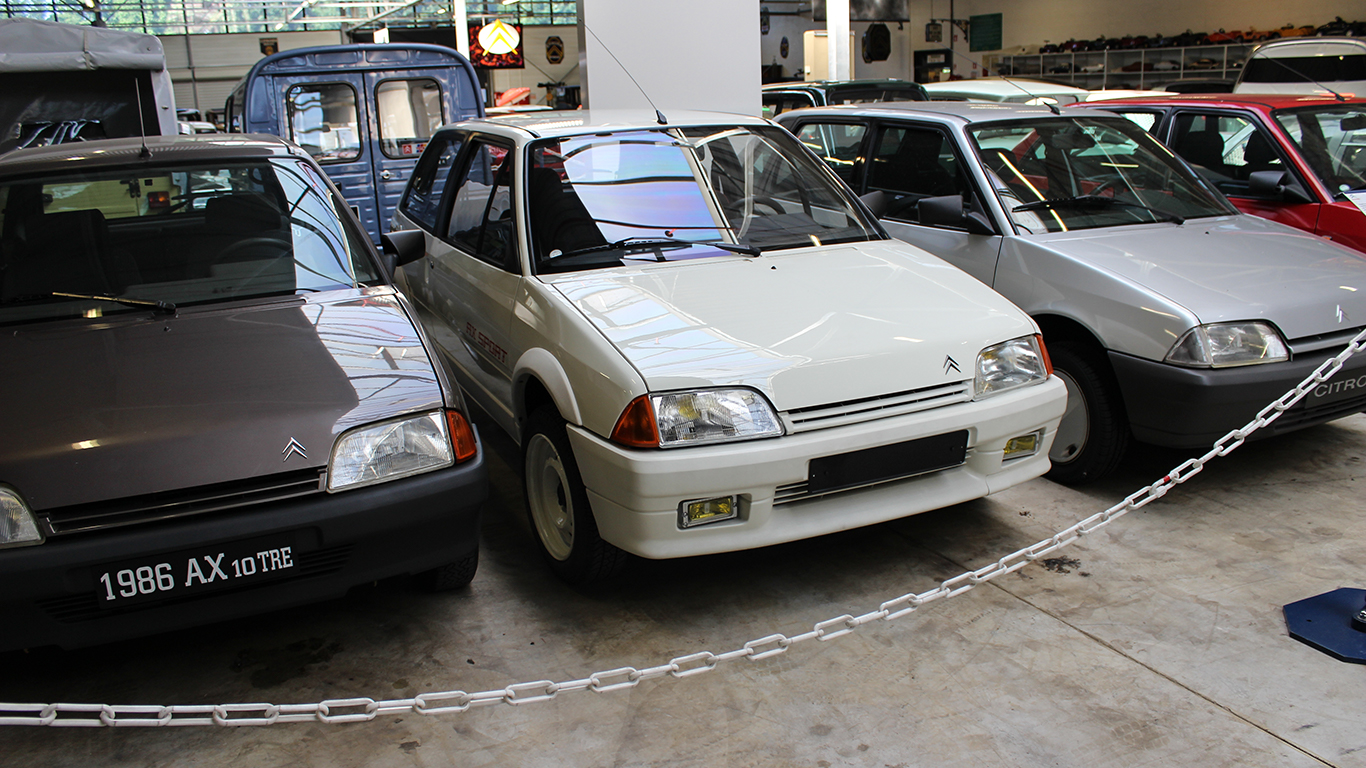
The Citroen AX was a hugely successful car, with around 2.4 million cars produced over a 10-year period. The AX Sport was introduced in 1987 and was a prelude to the more familiar GT and GTI models.
The hot hatches: Citroen Visa GTI
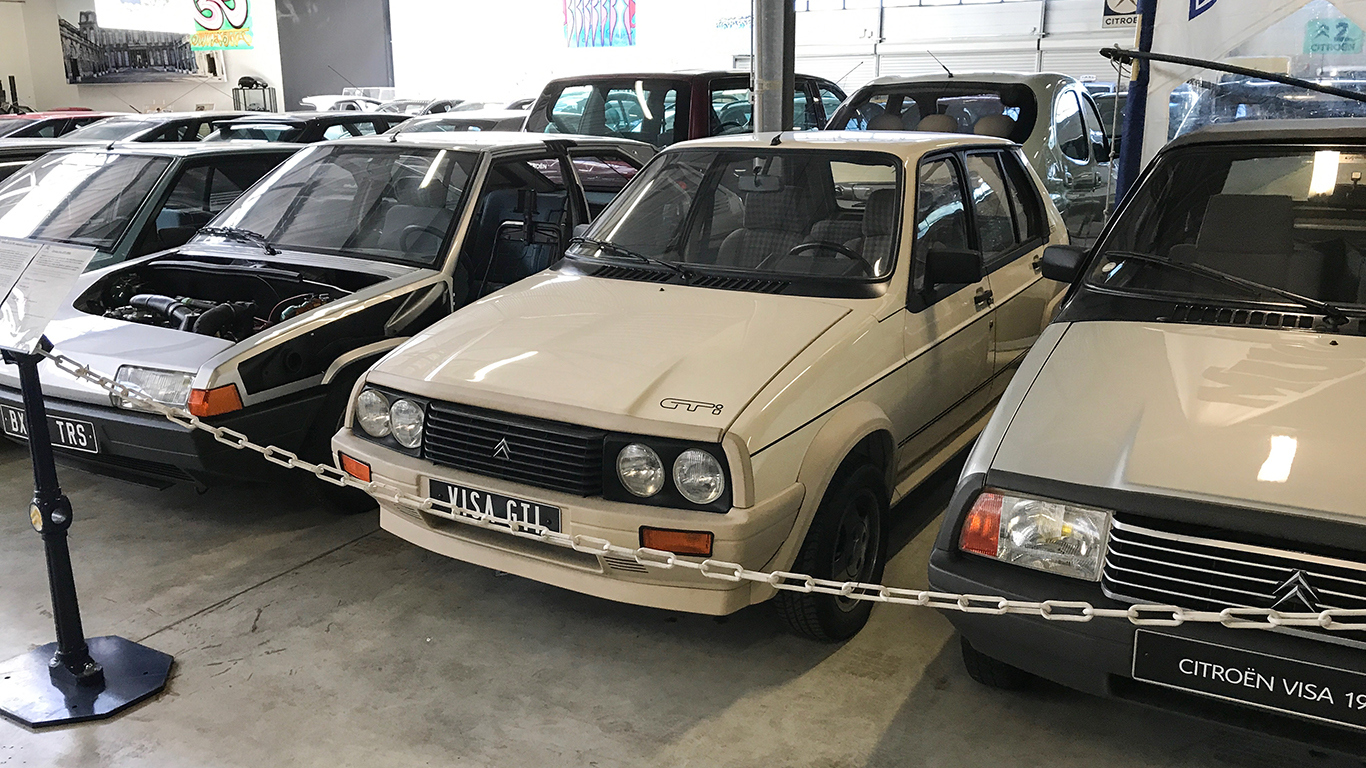
According to the DVLA, there are just five Citroen Visa GTIs on the roads of Britain. Which is a shame, because the Visa GTI is a genuinely good hot hatch, with powered sourced from the same 1.6-litre engine you’d find in the Peugeot 205 GTI. And quad headlights are cool, right?
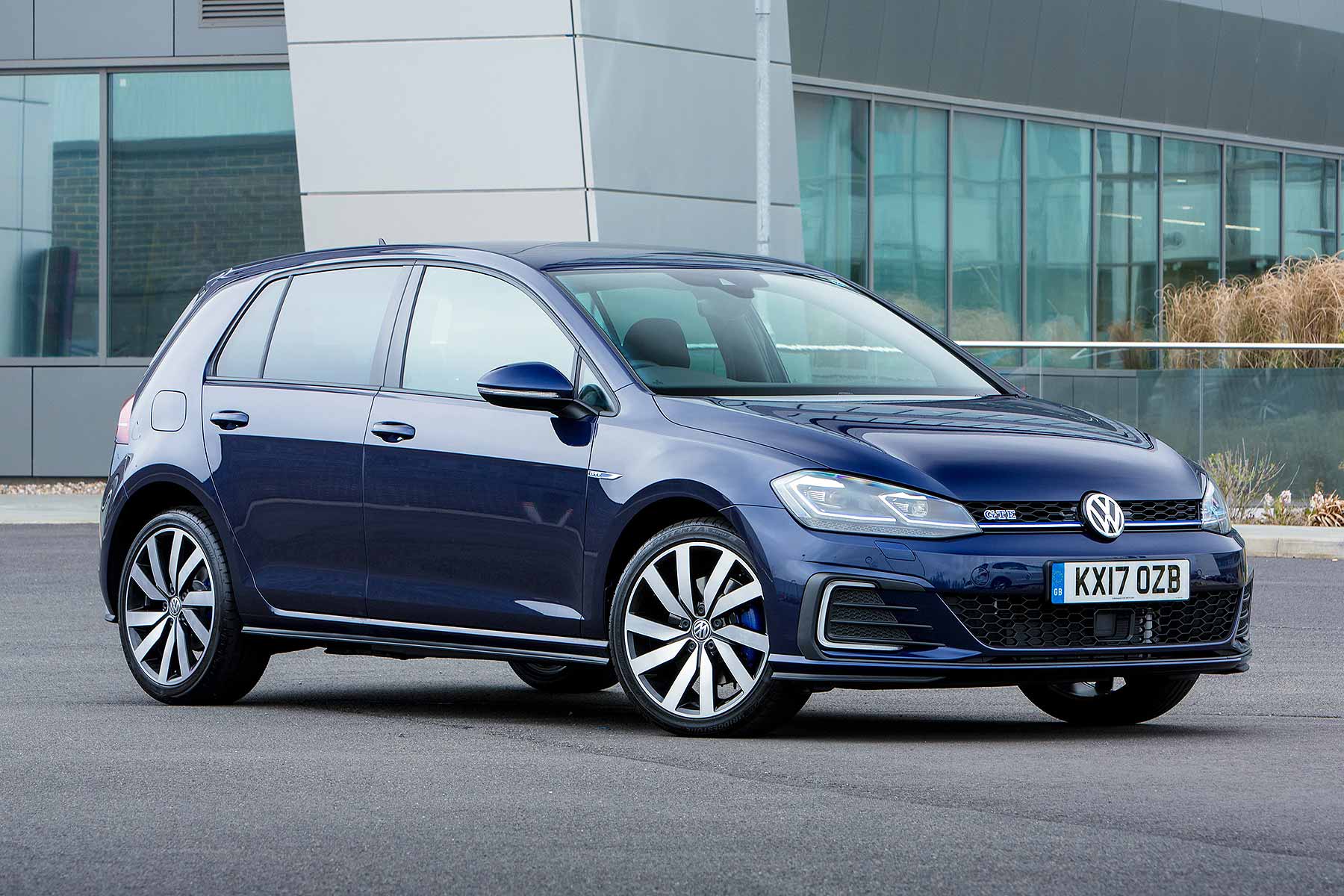
The Volkswagen Golf has ended the Ford Fiesta’s long run as the UK’s best-selling car by marginally beating the Ford supermini by just over 200 units in June 2017 – while the new car market itself declined for a third consecutive month: it fell 4.8 percent compared to a year ago.
The Fiesta still managed to score second place in the new car registration charts though, despite currently being on runout: Ford is in the process of launching an all-new Fiesta, which Motoring Research has already driven.
The Ford Focus came in third place, leaving three cars closely matched at the top of the registrations chart, some way clear of the fourth-place Vauxhall Astra.
The Ford Fiesta is still the best-selling car in Britain year-to-date though, with a safety margin of over 19,000 cars ahead of the next-best Ford Focus…
June 2017 ‘stabilises’
Following a significant uplift in new car registrations in early 2017, monthly figures have fallen away sharply. This is because car buyers were bringing their delivery dates forward to dodge the controversial new VED car tax rules.
As the effect of this change fades, the market is starting to fall back in line with forecasts, while SMMT chief executive Mike Hawes says the first half of 2017 is still the second biggest on record.
“Provided consumer and business confidence holds, we expect demand to remain at a similarly high level over the coming months.”
The growth of alternative fuel vehicles continued: they commanded a 4.4 percent market share in June – up 29 percent on 2016. The decline of diesel continued as well, with registrations falling 14.7 percent. Diesel now takes just 42.5 percent of the overall sales mix, compared to 47.5 percent just one year ago.
10,721 alternatively-fuelled cars (models such as EVs and plug-in hybrids) were registered in June, up from 8311 a year ago. This compares to 103,564 diesel cars and 129,169 petrol cars.
Hawes called for more government aid to help the roll-out of more alternative fuel cars. It’s encouraging to see alternatively fuelled vehicles experiencing rapid growth,” he said, “but adoption is still at a relatively low level and more long term incentives are required if this new generation of vehicles is to be a more common sight on British roads.”
UK top 10 best-selling cars: June 2017
1: Volkswagen Golf (8808 cars)
2: Ford Fiesta (8601 cars)
3: Ford Focus (8283 cars)
4: Vauxhall Astra (6977 cars)
5: Mini (6630 cars)
6: Vauxhall Corsa (5739 cars)
7: Nissan Qashqai (5103 cars)
8: Volkswagen Polo (4705 cars)
9: BMW 3 Series (4264 cars)
10: Mercedes-Benz C-Class (4102 cars)
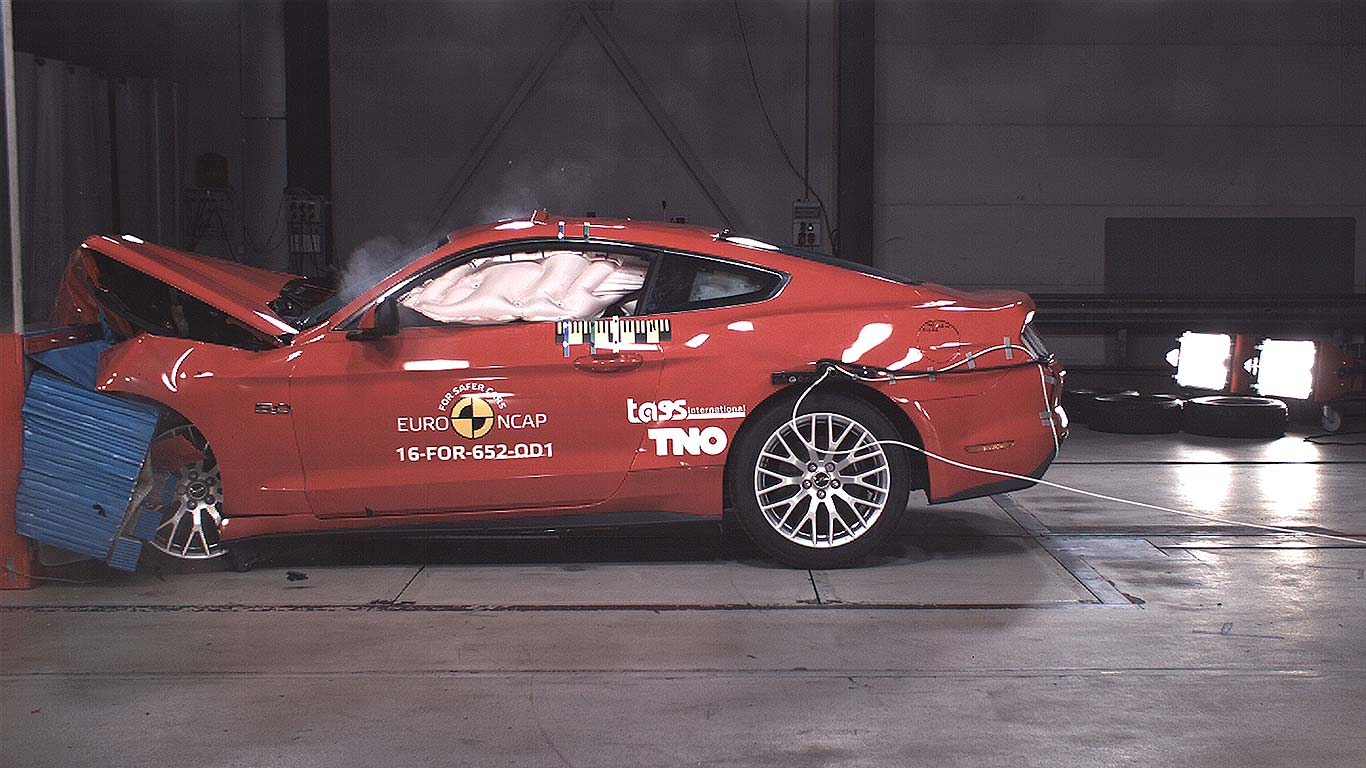
Ford has responded to its lowly two-star Euro NCAP crash safety score for the Mustang sports car by resubmitting an improved model featuring extra safety kit for testing – a move that has earned the Mustang an extra star.
The new three-star Ford Mustang Euro NCAP score comes courtesy of Ford standardising a suite of active safety tech: pedestrian detection, forward collision warning, autonomous emergency braking and a lane-keeping aid.
Ford engineers have also fixed a dangerous fault with the driver’s airbag that saw the dummy’s head still able to strike the steering wheel, despite its deployment.
The improvements came after the Mustang scored just two stars in Euro NCAP testing back in January. This was the first time since back in 2008 that a car had scored just two stars.
UK crash test organisation Thatcham Research says the improved result underlines the sheer power of the Euro NCAP crash test programme: “In just a few months, Ford has responded to improve on the initial low safety rating given to the Mustang,” said Thatcham research director Matthew Avery.
“Our advice to buyers is to always to opt for a Euro NCAP five star car, so a three star Euro NCAP rating is never a cause for celebration. However, Ford’s rapid addition of a suite of standard-fit safety tech and its prompt updates to improve the performance of the airbags and restraints is to be applauded.
“We will continue to apply pressure on carmakers to ensure UK drivers have the safest possible cars.”
Five-star ‘gamechangers’
The latest Euro NCAP crash tests assessed other newly-launched cars as well – and Avery says the five-star new Seat Ibiza has “set a new benchmark in safety for the supermini price-point category”. It has both standard autonomous emergency braking (AEB) and also pedestrian-detecting AEB. “The safety game is now on for carmakers in this category.”
Other five-star cars tested this month include the Alfa Romeo Stelvio, Hyundai i30 and Volkswagen Arteon.
Surprisingly, the new Honda Civic only scored a four-star rating. Euro NCAP says this is because the rear passenger dummy’s head recorded a high impact reading through the side curtain airbag.
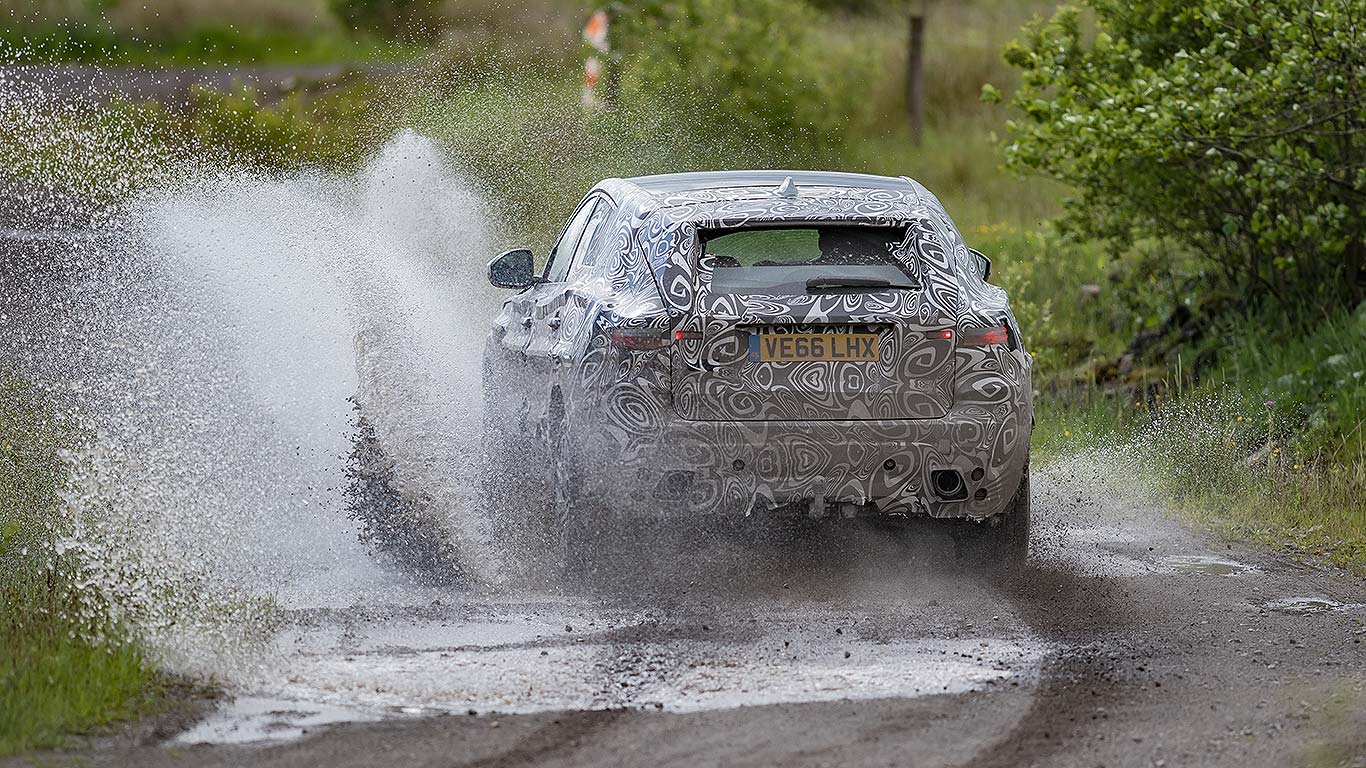
The new Jaguar E-Pace baby SUV will be revealed next week (13 July) and ahead of the debut, some of the firm’s 150-strong prototype test fleet have been shown in action.
Jaguar says it has been testing the new E-Pace, a rival to the Audi Q3 and BMW X1, for more than two years and its engineers have conducted trials on four continents. It’s all to ensure the new baby Jag SUV hits the ground running, free from faults and gremlins.
This is important: some are suggesting the new E-Pace could in time become Jaguar’s best-selling model.
More Jaguar news on Motoring Research:
New Jaguar E-Pace small SUV teased
Gorillaz app will help you get a job at Jaguar Land Rover
600hp Jaguar XE SV Project 8 is the most powerful Jag ever
Plentiful miles have been conducted at the Nürburgring (engineers have counted more than 400 laps) to nail the handling and help Jaguar achieve its aim of creating a dynamic, entertaining driver’s SUV. But it’s also been driven in -40 degrees C and +48 degrees C during more than 120,000 hours of testing. Over 500 engineers have worked on the Jaguar E-Pace test programme.
“Our team of world class engineers and dynamics specialists have meticulously tuned and developed a true Jaguar,” said Graham Wilkins, Jaguar E-Pace chief product engineer. He says the firm has delivered “a compact performance SUV that is true to Jaguar’s performance DNA”.
Jaguar’s conducted durability as well as dynamics tests. One challenge consisted of driving an E-Pace into the middle of a 0.5m deep pool of water, turning off the engine and opening all the doors. The car was then left for an hour… before being stated back up and driven out.
Watch the video for an early dynamic look at disguised prototype Jaguar E-Pace. Want to see the real thing? Come back at 8pm next Thursday, 13 July, for the car’s full global reveal in London. Motoring Research will be there and bringing you all the action – live.
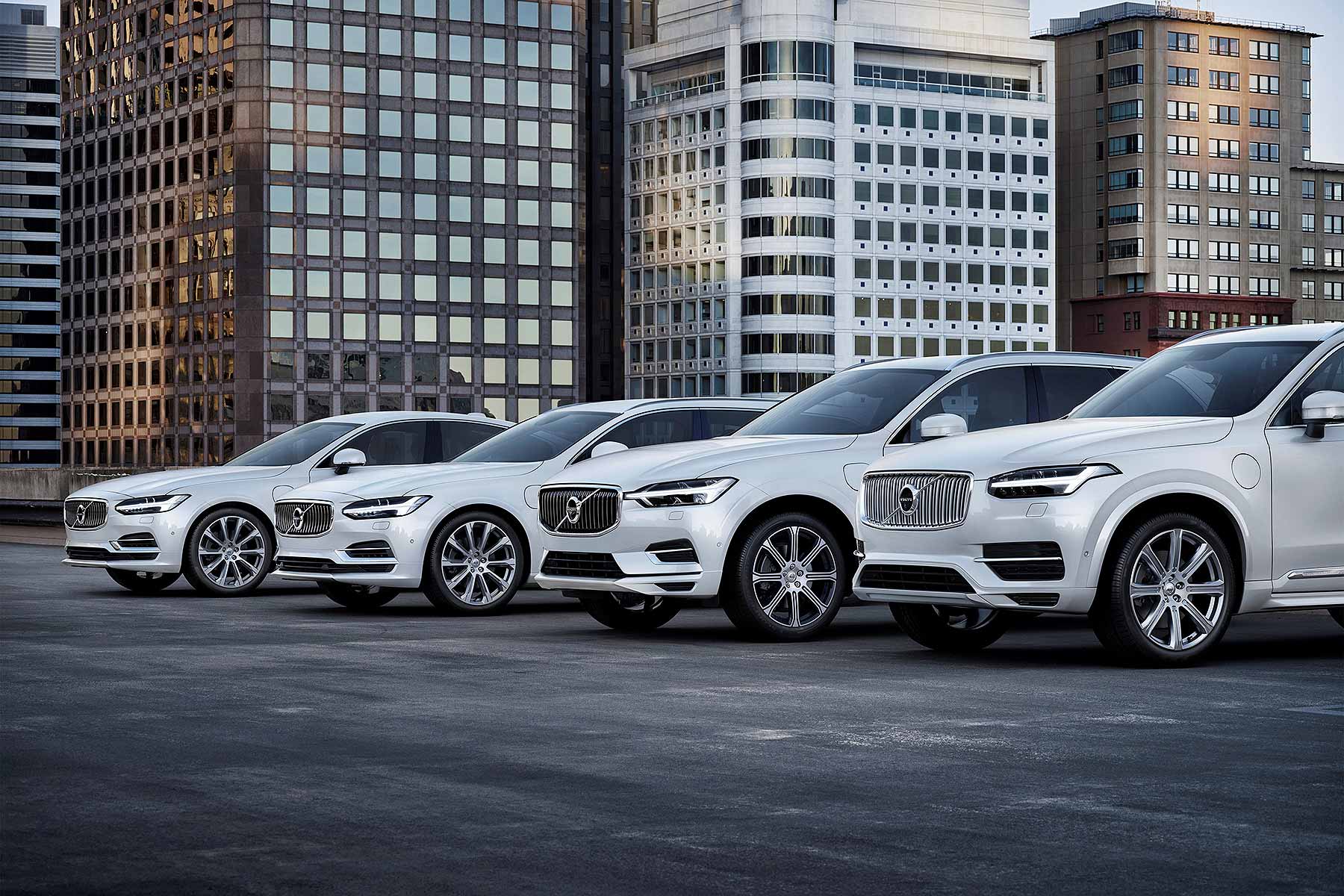
Volvo has announced every new car it launches from 2019 will feature an electric motor, a move it says heralds the “historic end of cars that have only an internal combustion engine”. Volvo’s commitment will see a range of electrified cars offered, including full EVs as well as hybrids and plug-in hybrids.
The commitment means that in the future, as older cars are phased out, no Volvo car will be sold without an electric motor.
Volvo believes the move will see it offer one of the broadest range of electrified cars in the world. “People increasingly demand electrified cars,” said Hakan Samuelsson, president and chief executive of Volvo Cars. “We want to respond to our customers’ current and future needs. You can now pick and choose whichever electrified Volvo you wish.”
The technology will include petrol and diesel-engined plug-in hybrids, advanced 48-volt mild hybrids and full EVs. Volvo Cars will launch five fully electric cars between 2019 and 2021: three Volvos and two performance Polestar EVs.
It’s part of Volvo’s previously-stated commitment to have sold 1 million electrified cars by 2025. “When we said it, we meant it,” said Samuelsson. “This is how we are going to do it.”
Volvo believes the announcement is one of the most significant moves yet in the car industry to phase out pure internal combustion engine cars in favour of zero emissions-capable electrified cars. “Electrification is paving the way for a new chapter in automotive history,” says Volvo.
Volvo’s current electrified range includes T8 Twin Engine versions of the S90 and V90, plus XC60 and XC90 SUVs. This tech combines a high-performance 2.0-litre turbo petrol engine with plug-in hybrid tech. It provides around 30 miles’ zero-emissions fully electric running with an extended range under petrol power when the batteries run flat.
 “Watch this,” says Richard Hammond at the end of the 38-second trailer for the second series of The Grand Tour. He is about to go hillclimbing in the all-electric Rimac Concept One hypercar, and if you’ve been paying attention to the news, you’ll know what happened next.

 The new 2018 Audi A8 has been revealed at the glamorous Audi Summit event in Barcelona.


 Ford has announced the facelifted 2018 Mustang range will feature the tyre-smoking Line-Lock function on all models, including the eco-optimised 2.3-litre EcoBoost turbo. Previously, Line-Lock was only available on the 5.0-litre V8 GT.
 The world’s first Tesla Model 3 has rolled off the production line – and Tesla chief Elon Musk himself is the lucky owner of the historic electric car.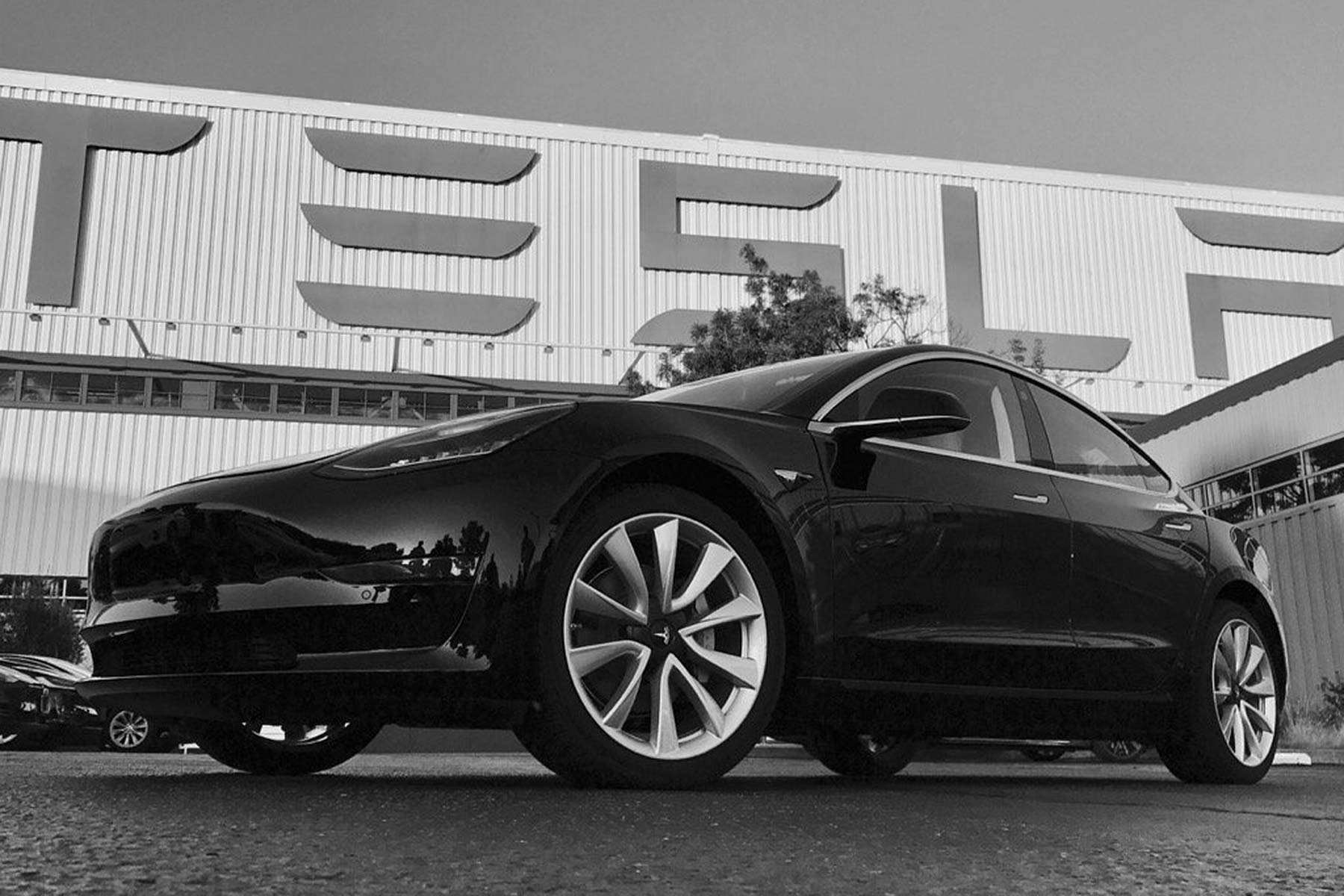
 In the same week Volvo announced plans to
  Nestled between the appropriately named Boulevard Andre Citroen and the sprawling 170-acre Aulnay-sous-Bois site, where 8.5 million vehicles rolled off a busy production line, stands a rather anonymous looking building. Within the grey walls sit more than 400 old Citroens, preserved for future generations and maintained by a man in blue overalls.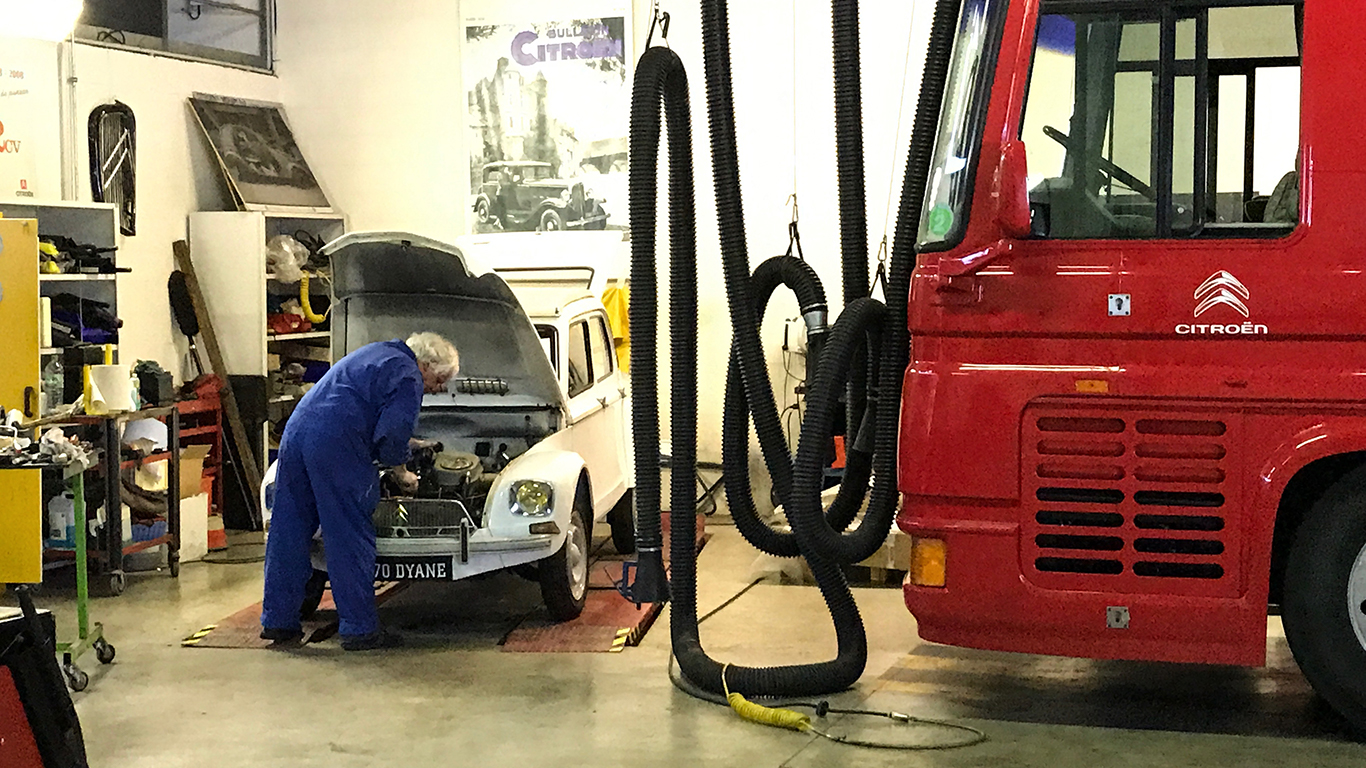

 The Volkswagen Golf has ended the Ford Fiesta’s long run as the UK’s best-selling car by marginally beating the Ford supermini by just over 200 units in June 2017 – while the new car market itself declined for a third consecutive month: it fell 4.8 percent compared to a year ago.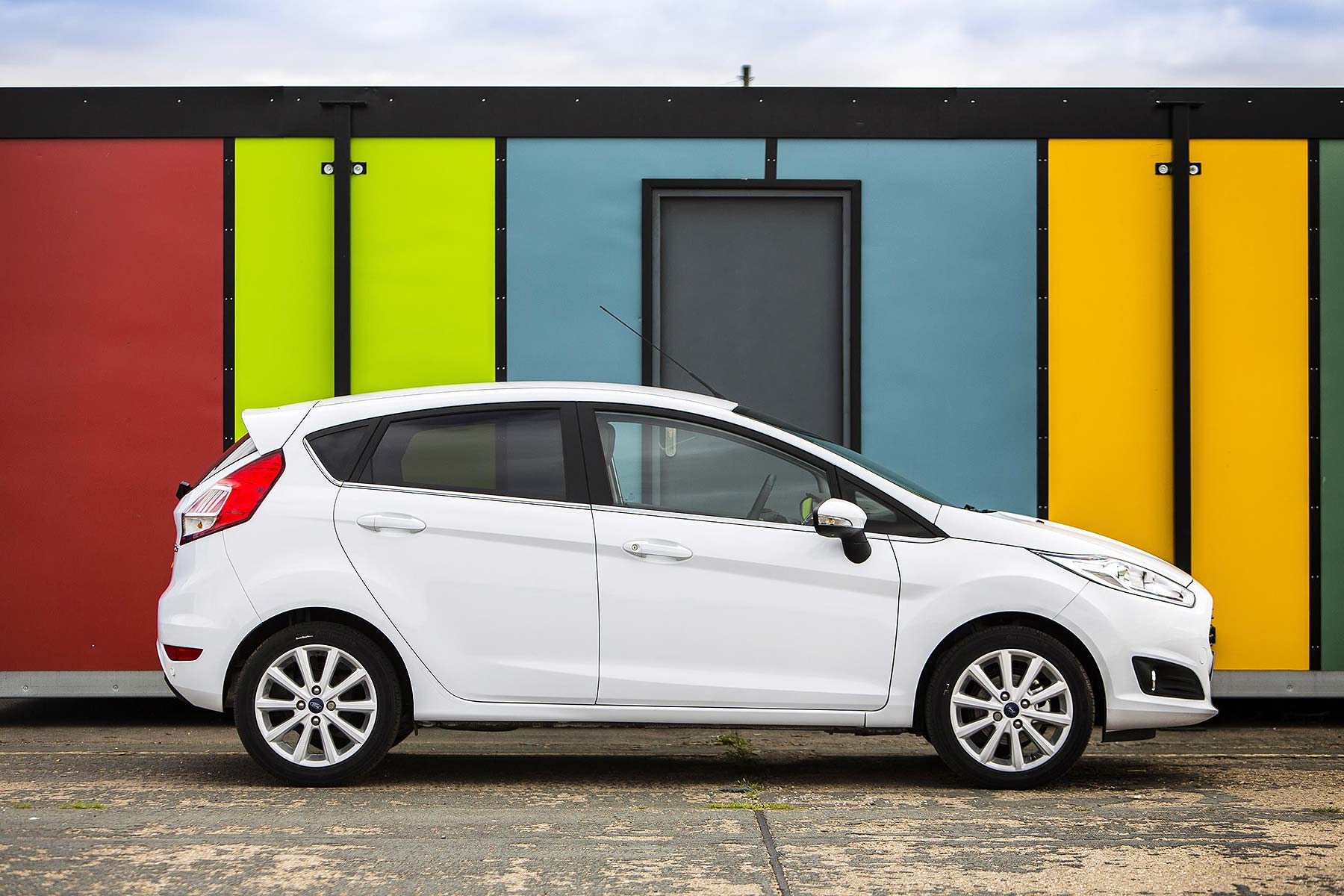
 Ford has responded to its lowly two-star Euro NCAP crash safety score for the Mustang sports car by resubmitting an improved model featuring extra safety kit for testing – a move that has earned the Mustang an extra star.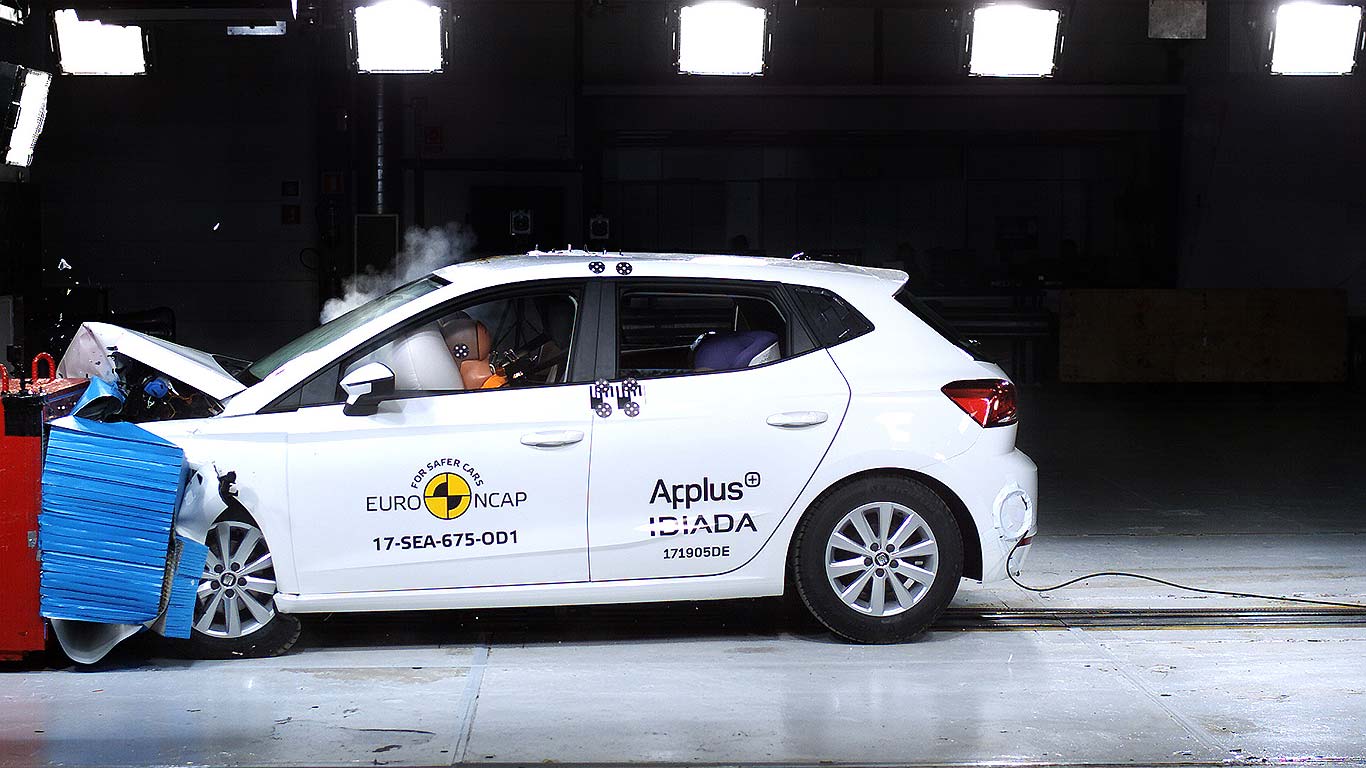
 The new Jaguar E-Pace baby SUV will be revealed next week (13 July) and ahead of the debut, some of the firm’s 150-strong prototype test fleet have been shown in action.
  Volvo has announced every new car it launches from 2019 will feature an electric motor, a move it says heralds the “historic end of cars that have only an internal combustion engine”. Volvo’s commitment will see a range of electrified cars offered, including full EVs as well as hybrids and plug-in hybrids.