Home Blog Page 528

In pictures: the most controversial Fords ever

0

In pictures: the most controversial Fords ever

Ford knows how to appeal to the mainstream car buyer. Its Fiesta supermini has remained the best-selling car in the UK since 2009, while the Focus is a favourite among company car drivers and families alike. It can do performance cars, too, from the Fiesta XR2 to the latest Focus RS. But there have been a few duffers over the years. Keep scrolling to discover the most controversial Fords ever.

More Ford on MR:

Ford Pinto
Ford Pinto

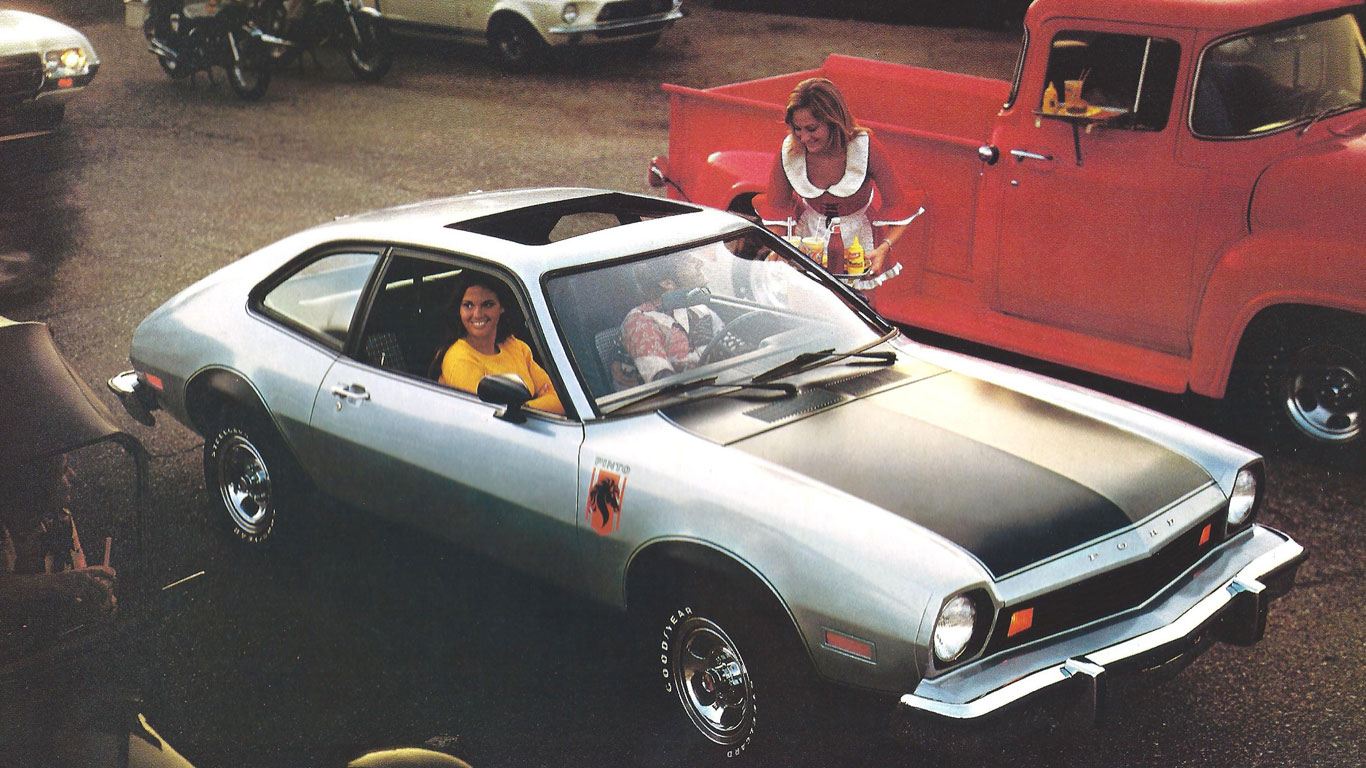
Never mind being one of the most controversial Fords ever, the North American market Ford Pinto is one of the most controversial cars, full-stop. It was subject to a huge recall in 1977 when it was discovered that locating the fuel tank behind the rear axle could have explosive consequences. Ford was accused of knowing about the design fault, and subsequently faced more than 100 lawsuits following the recall.

Ford Bronco
Ford Bronco

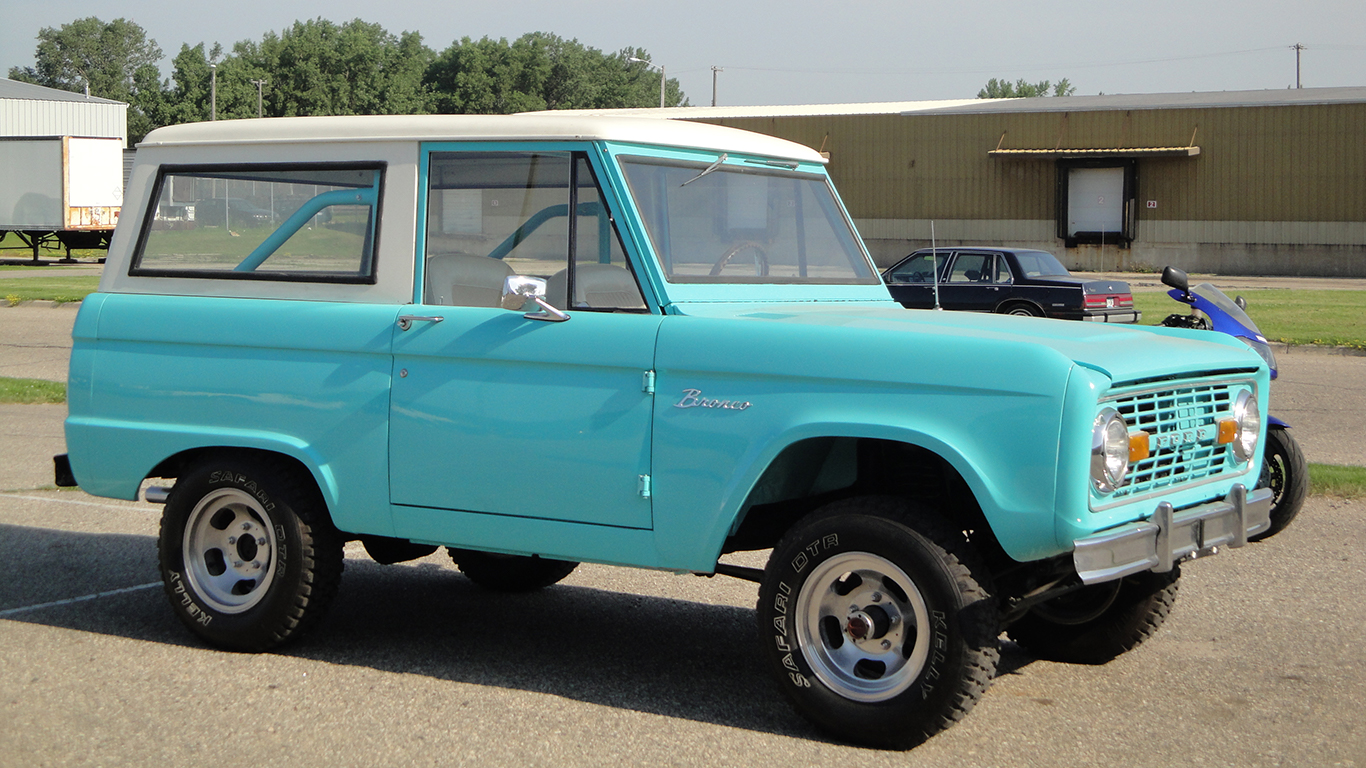
Ford couldn’t have predicted the Bronco’s rise to infamy. When ex-NFL player and movie star OJ Simpson went on the run from police following the murder of his wife and her friend, he used his Bronco as his getaway car. Unfortunately for Ford, more than 95 million people tuned in to watch the chase unfold live on TV. The Bronco has been synonymous with OJ Simpson since then. Bizarrely, Ford has said it will be bringing back the Bronco badge for 2020.

Ford Explorer
Ford Explorer

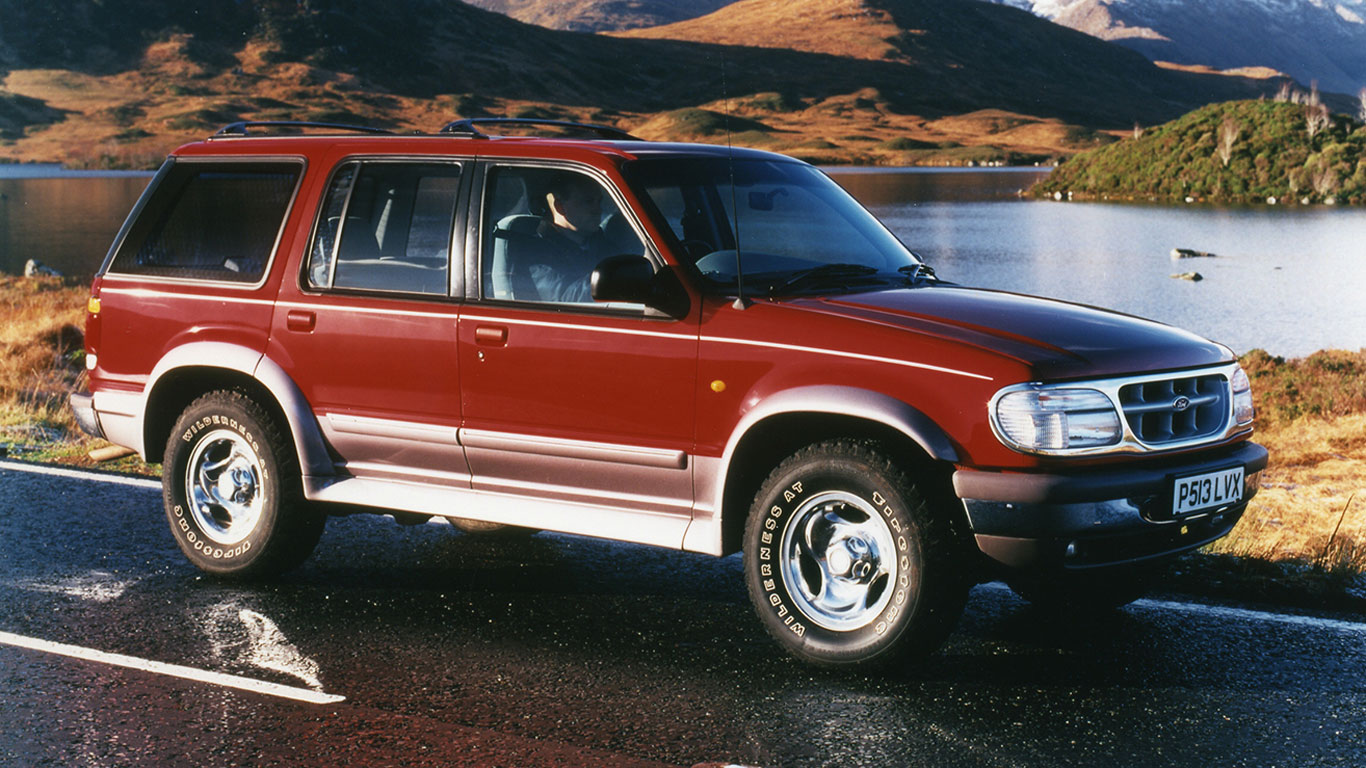
The Ford Explorer was a top-heavy SUV based on the Ranger pick-up truck. In a bid to improve stability while keeping costs to a minimum, Ford lowered the suspension and reduced tyre pressures. This increased temperatures of the standard Firestone tyres during everyday driving, which could lead to the tread separating from the tyre. Blaming Firestone for the issues, Ford issued a recall in 2001, but only after hundreds of crashes involving Explorers, some of them fatal.

Ford Escort Mk5
Ford Escort Mk5

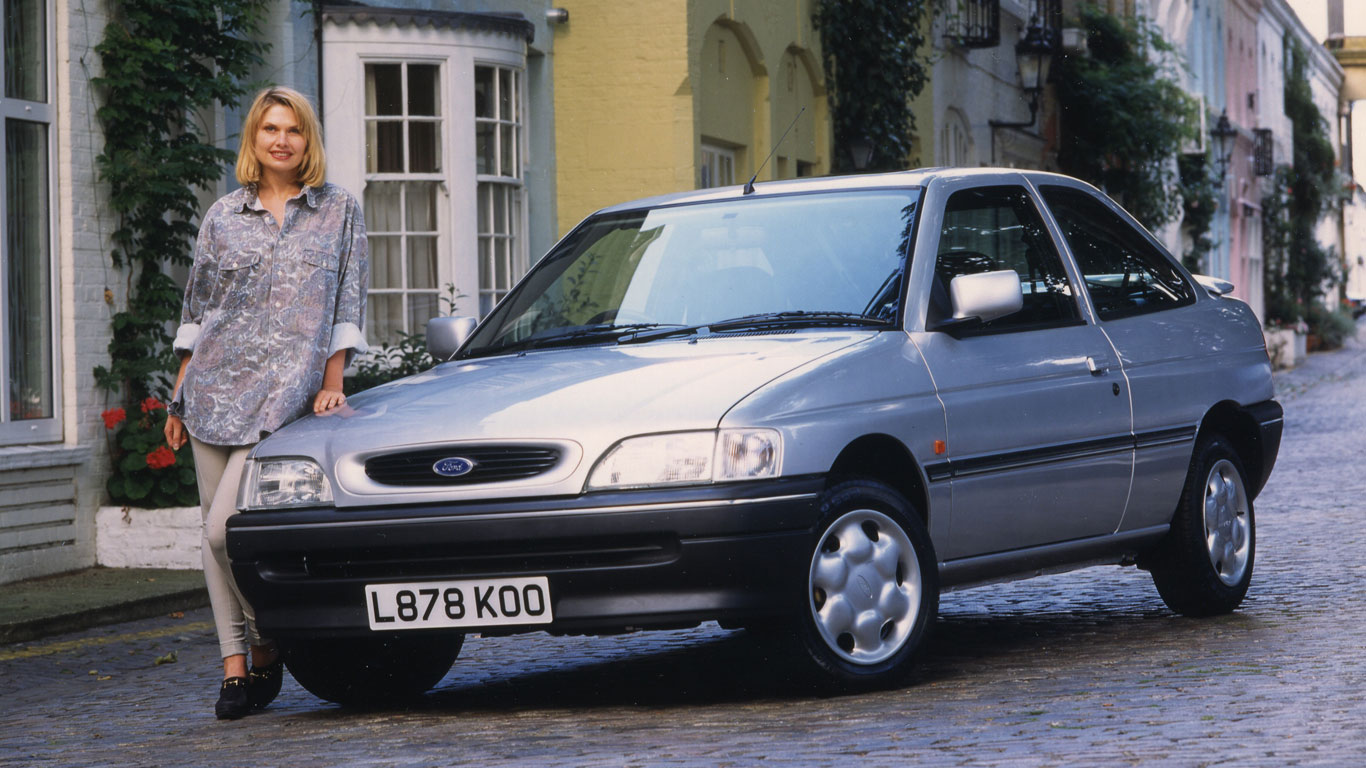
“Ford’s new Escort meets its rivals… and loses”, read the cover of Autocar magazine on 29th August 1990. The fifth-generation model of Ford’s popular family hatchback was a real dud, with disappointing engines, bland styling and handling that couldn’t compete with cars such as the Volkswagen Golf.

Ford Figo
Ford Figo

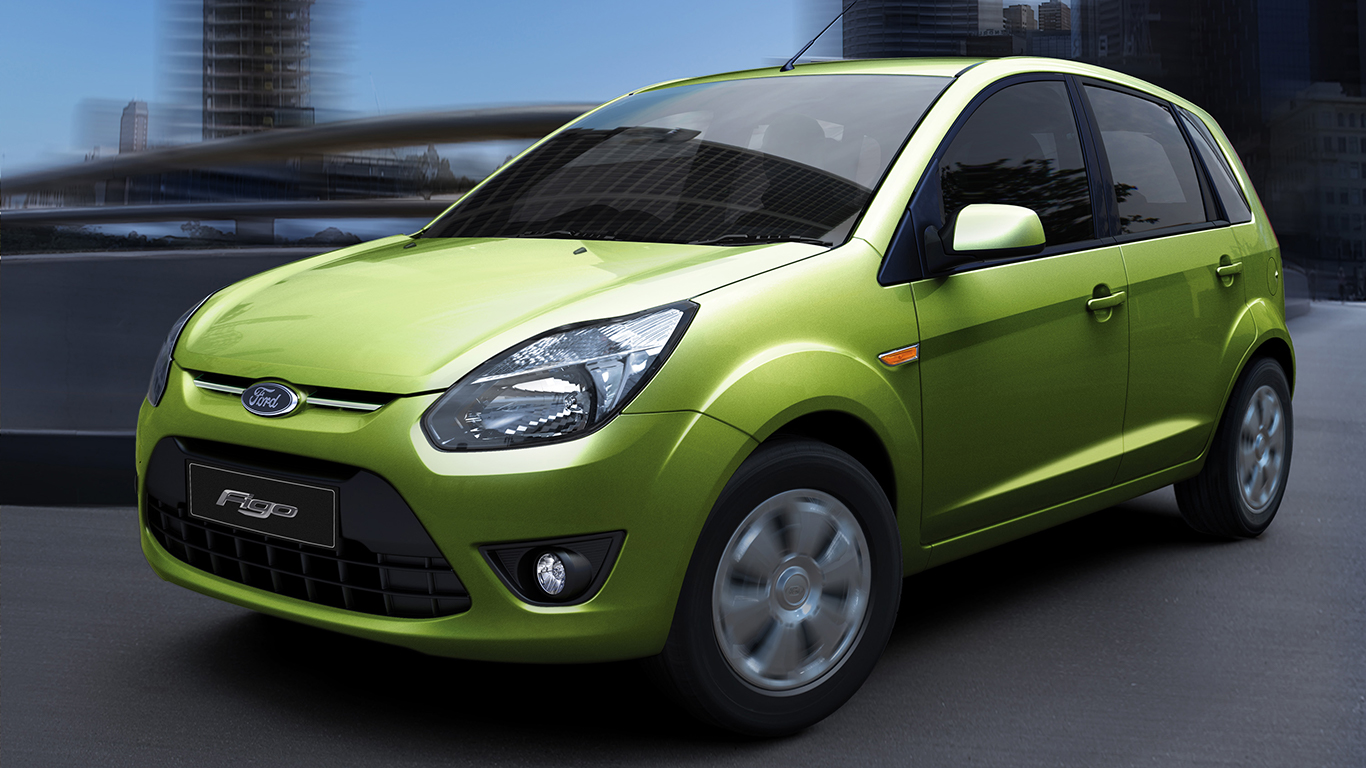
It wasn’t so much the Indian market Ford Figo that’s proved to be controversial, but the advertising around it. An ad for the Fiesta-based supermini appeared on Ford India’s website showing former Italian Prime Minister Silvio Berlusconi with a group of gagged women in the boot of the car. Beneath the picture, it stated: “Leave your worries behind with Figo’s extra-large boot.”

Ford Ecosport
Ford Ecosport

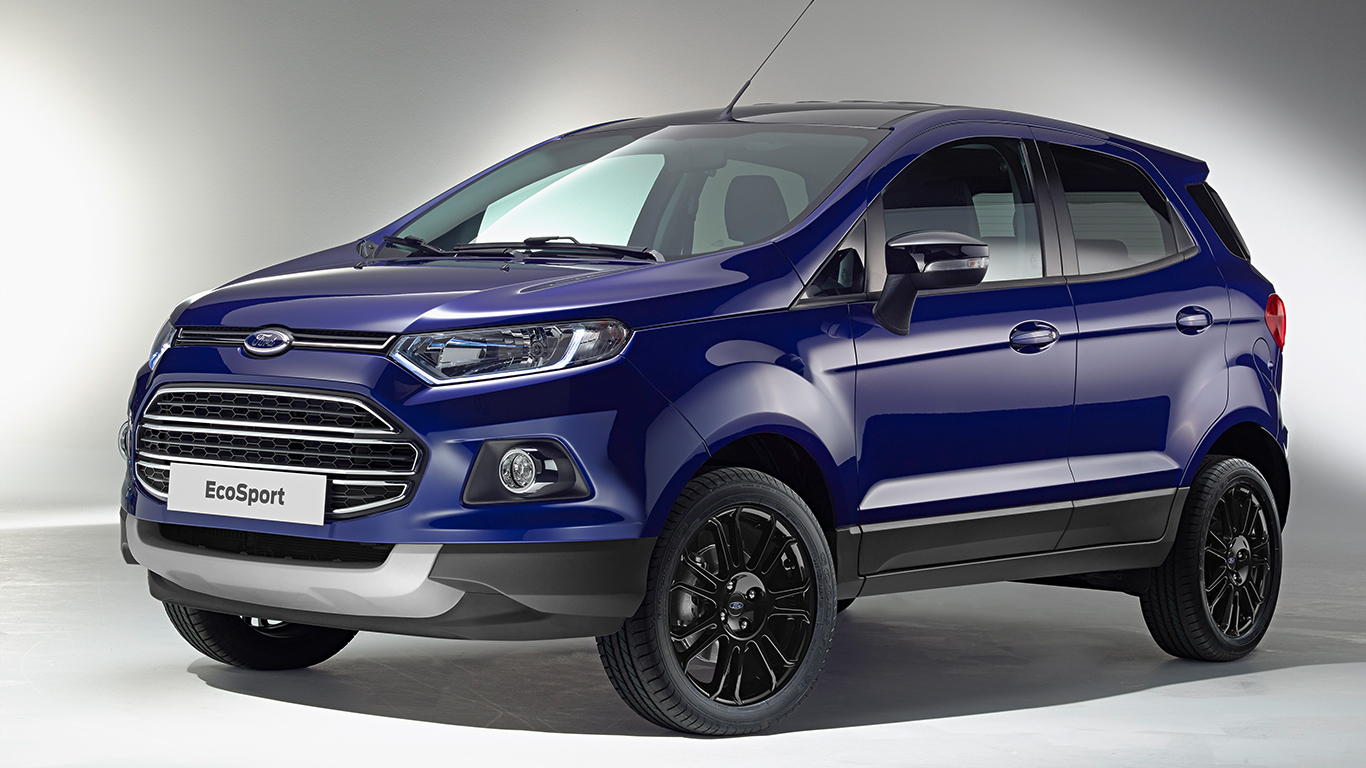
Ford desperately needed a small crossover to rival the Nissan Juke. Rather than designing an all-new Fiesta-based crossover for the European market, it brought its Ecosport ‘world car’ across. Reviewers were pretty unanimous that the Ecosport was one of the worst new Fords in a long time, and sales reflect this.

Ford Capri
Ford Capri

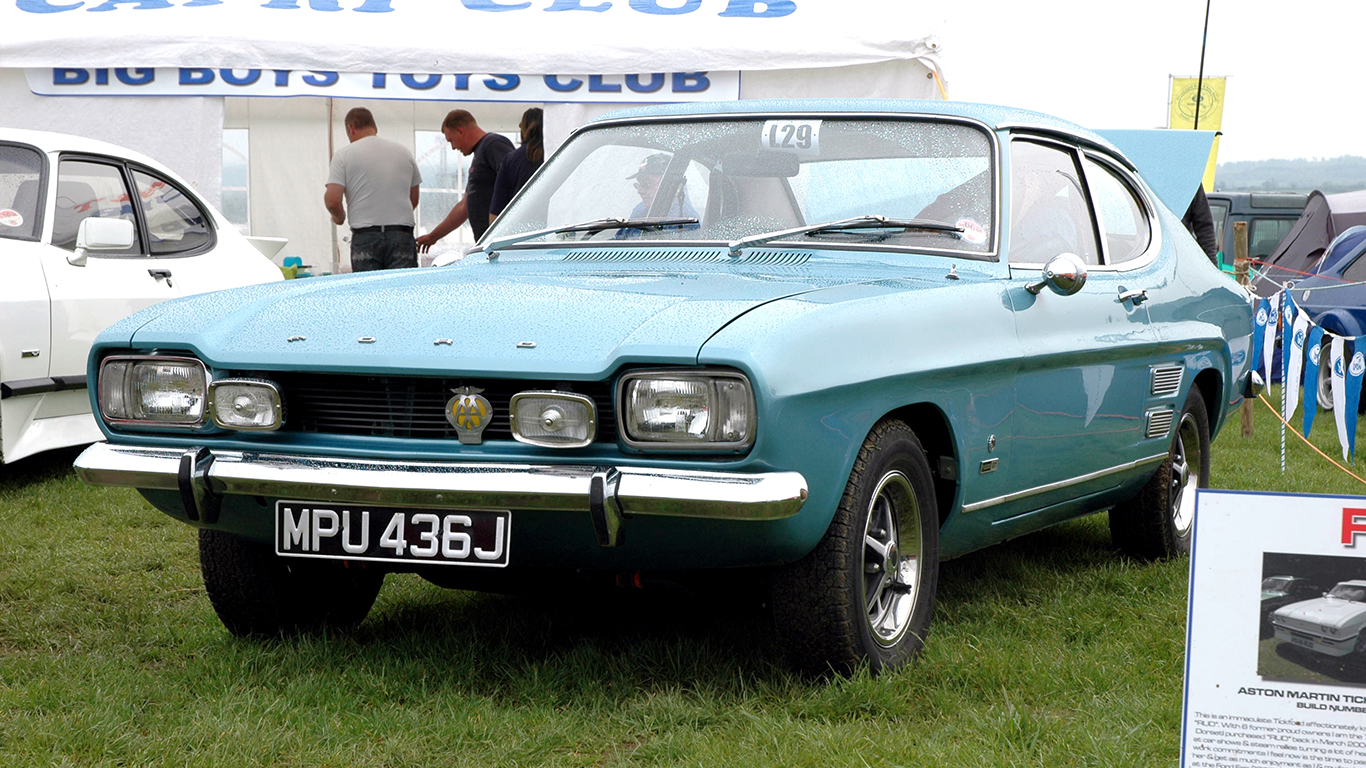
The Ford Capri was intended to be a Mustang for Europe, but it fell well short of being a European pony car. The Mk1 shared a lot of components with the Cortina family saloon, and was offered with a range of engines kicking off with a disappointing 1.3-litre four-cylinder unit. It was far from a European Mustang, but the Capri proved to be a sales hit and is a desirable classic car today.

Ford Escort RS Cosworth
Ford Escort RS Cosworth

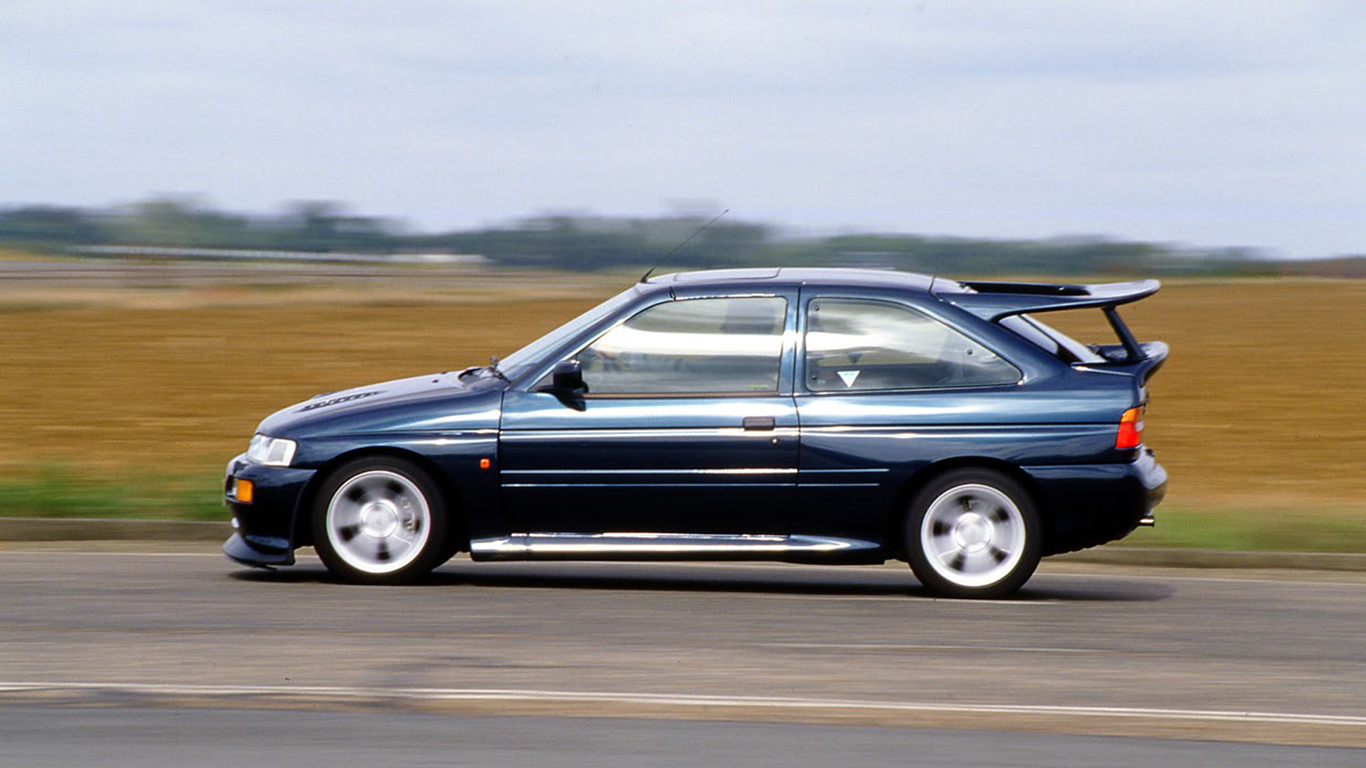
The Ford Escort RS Cosworth was so quick that, back in the day, police cars couldn’t keep up with them. As they were relatively easily to steal, they were very popular with joy riders and more serious criminals alike, making them extremely expensive to insure. A great car, but one that got Daily Mail readers in a twist almost as much as the Lotus Carlton.

Ford Scorpio
Ford Scorpio

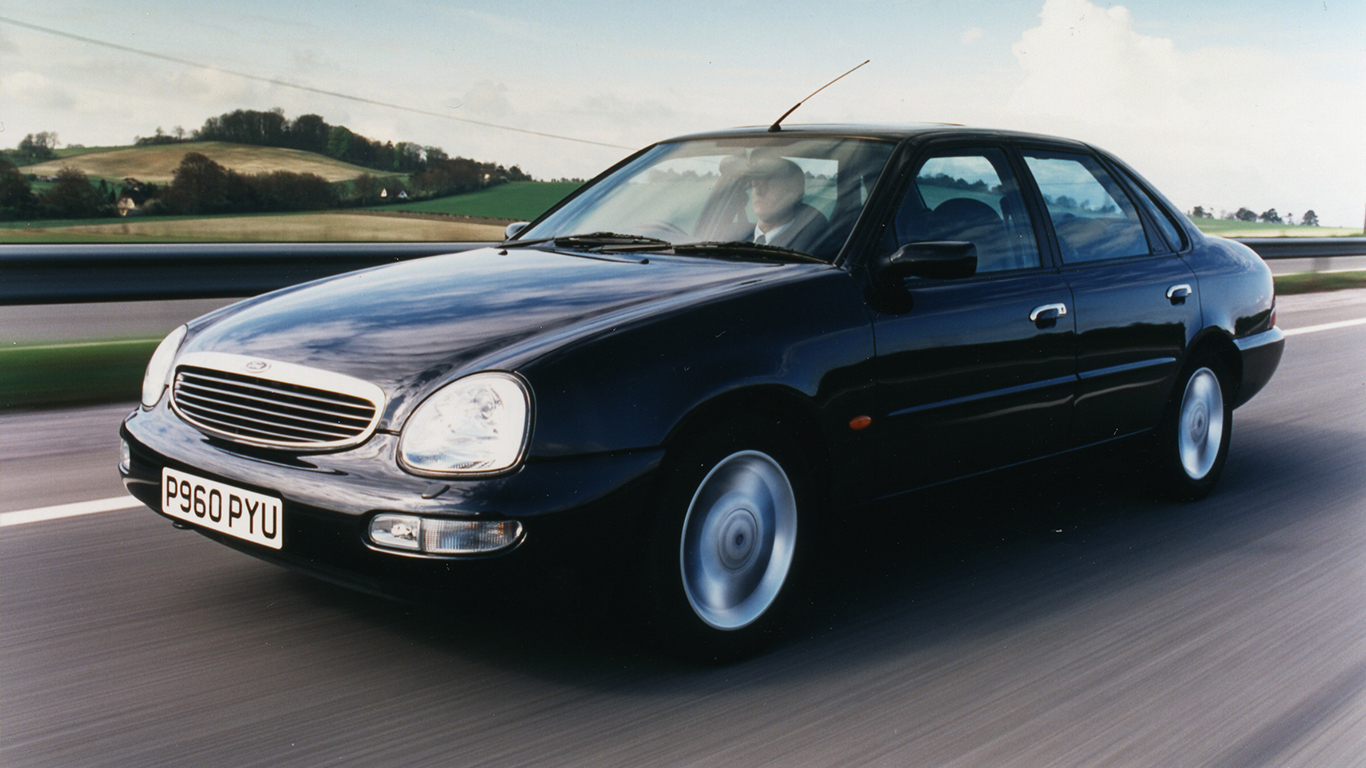
The Ford Granada was a reasonably successful and attractive executive car. We’ve no idea what Ford was thinking when it introduced its replacement, the Scorpio, in 1994. It featured bulbous headlights and to this day, Ford hasn’t revealed the chief designer responsible for its controversial appearance (“Nearly every Ford designer had a go at this one”, said Ford’s product development man at the launch). It wasn’t a massive sales success.

Ford Sierra
Ford Sierra

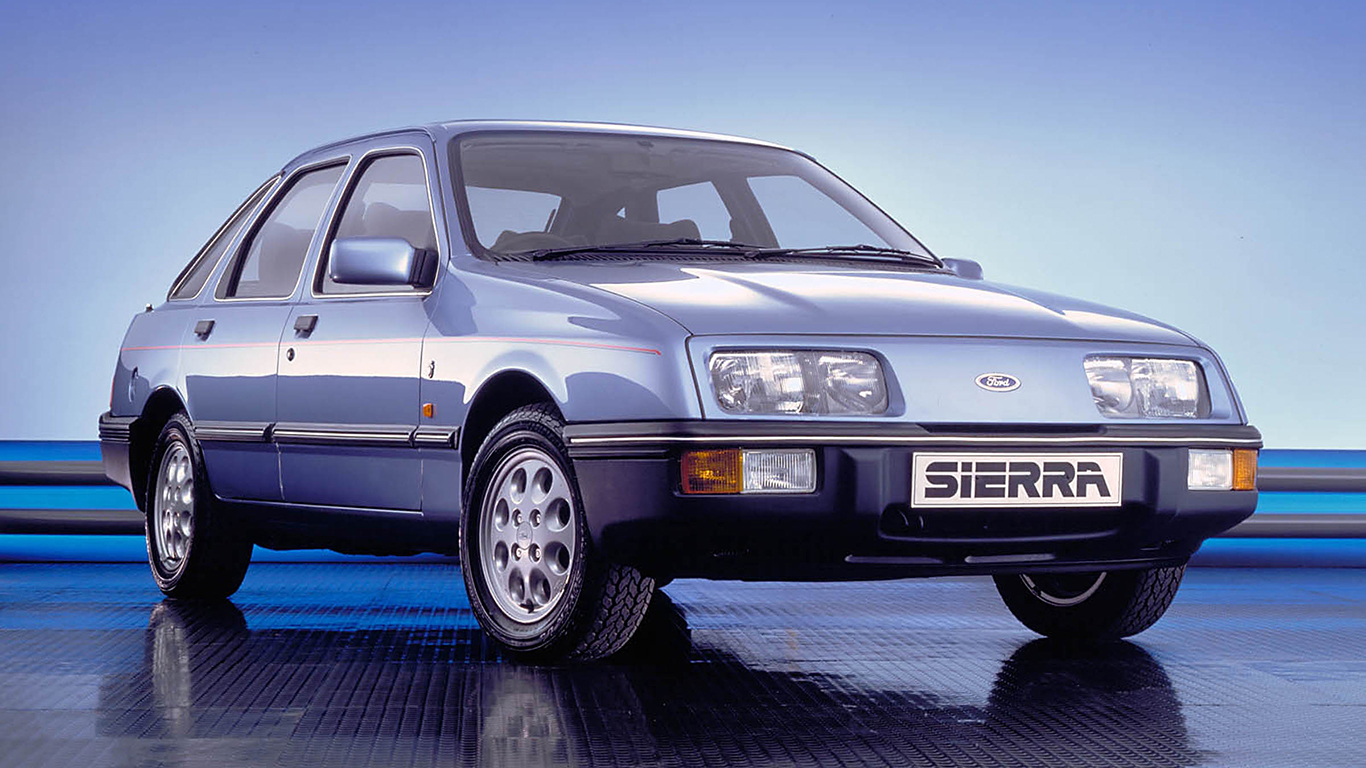
After 20 years in production, Ford axed the popular Cortina and replaced it with this: the first-generation Sierra. Nicknamed the ‘jellymould’ because of its futuristic styling, sales of the Sierra were initially slow. This wasn’t helped by speculation that its design hid crash damage (its smart bumper design could withstand minor impacts, concealing more serious damage underneath), and rumours even arose that Ford might reintroduce the Cortina.

Ford Mustang II
Ford Mustang II

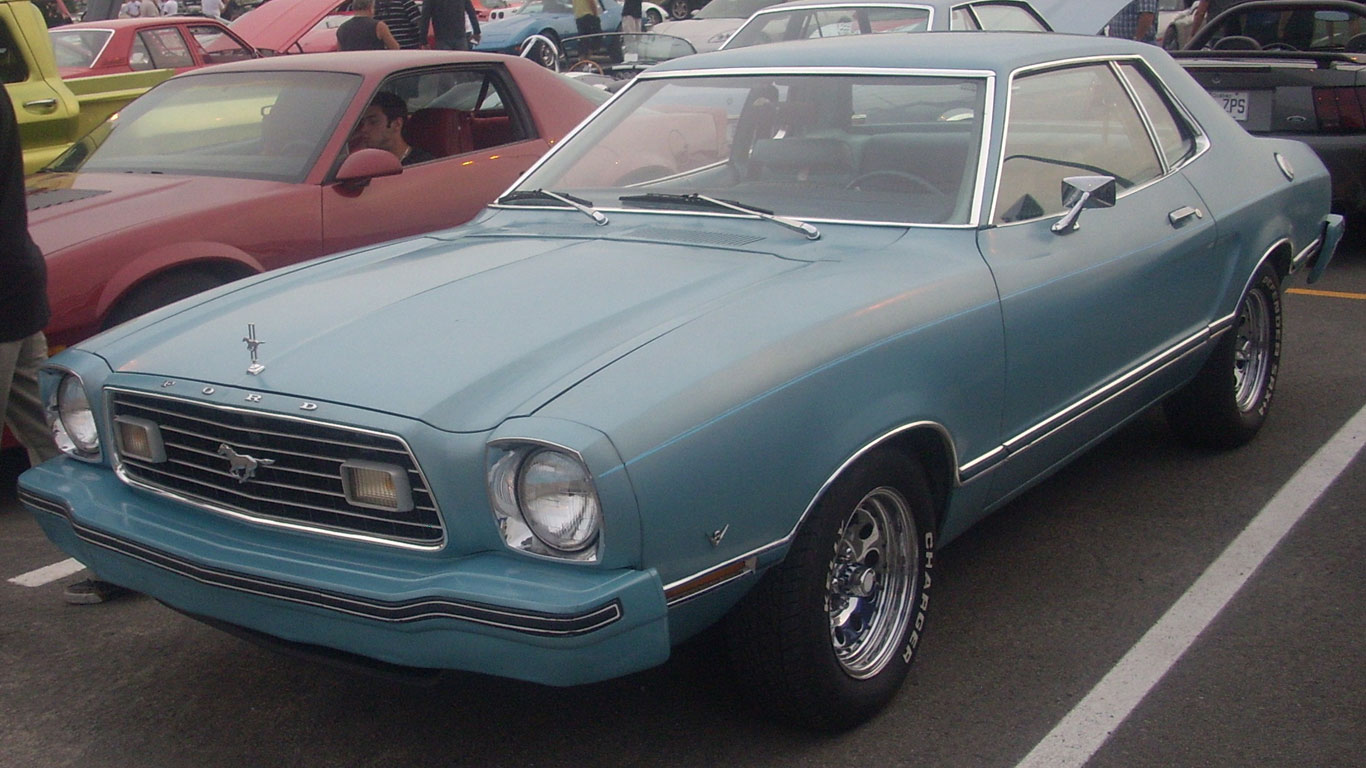
The second-generation Mustang was launched in time for the 1973 oil crisis, and was very different to the original. To appeal to a wider market, the V8 was axed in favour of an in-line four-pot, plus an optional V6. It was based on a smaller platform shared with the Ford Pinto. As soon as America moved on from the oil crisis, Ford had to re-engineer the engine bay in order to squeeze in a V8.

Ford Five Hundred
Ford Five Hundred

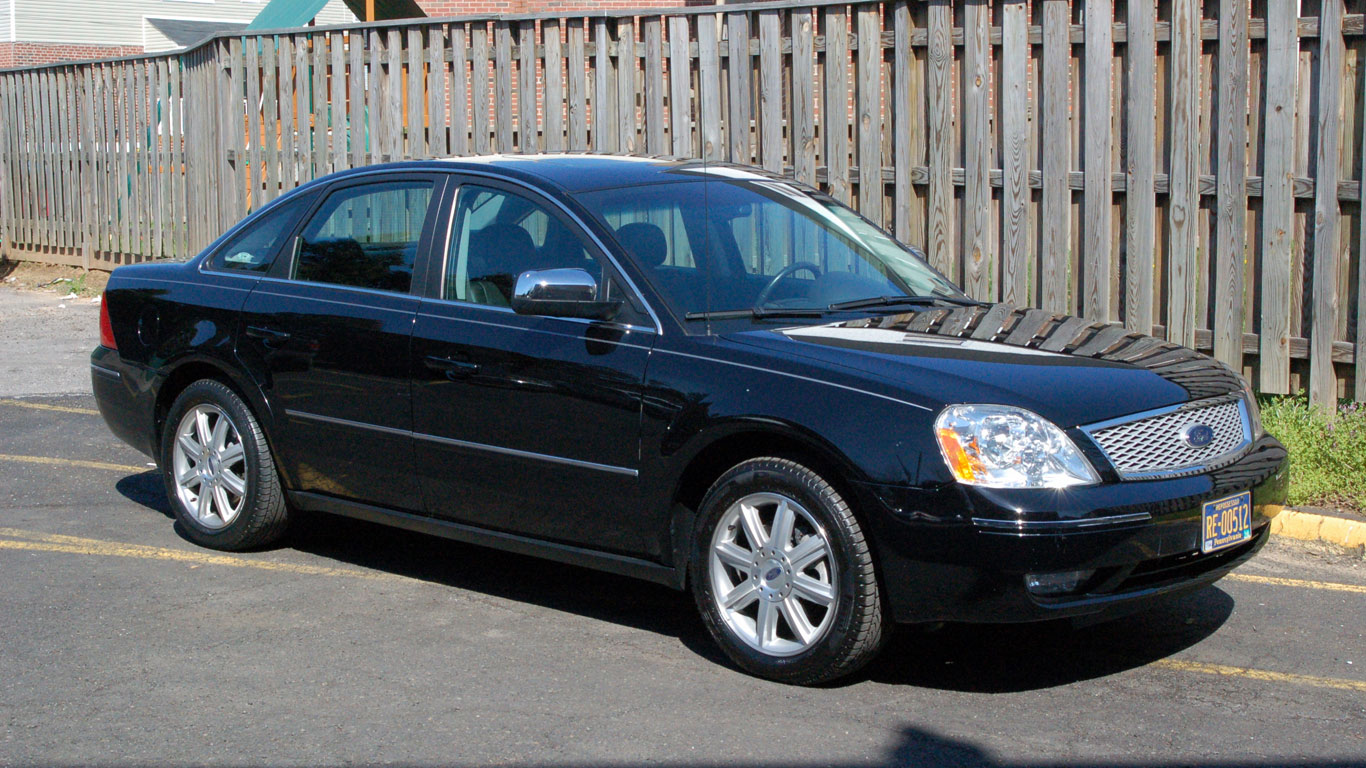
Launched in 2005 as a successor to the popular Ford Taurus, the Five Hundred was uninspiring in many ways. It was based on a Volvo-sourced platform, with no rear-wheel-drive option and bland styling. Its designer, J Mays, likened it to the Audi approach, but buyers weren’t convinced. It was heavily revamped and rebranded as a Taurus after just two years on sale.

Ford Probe
Ford Probe

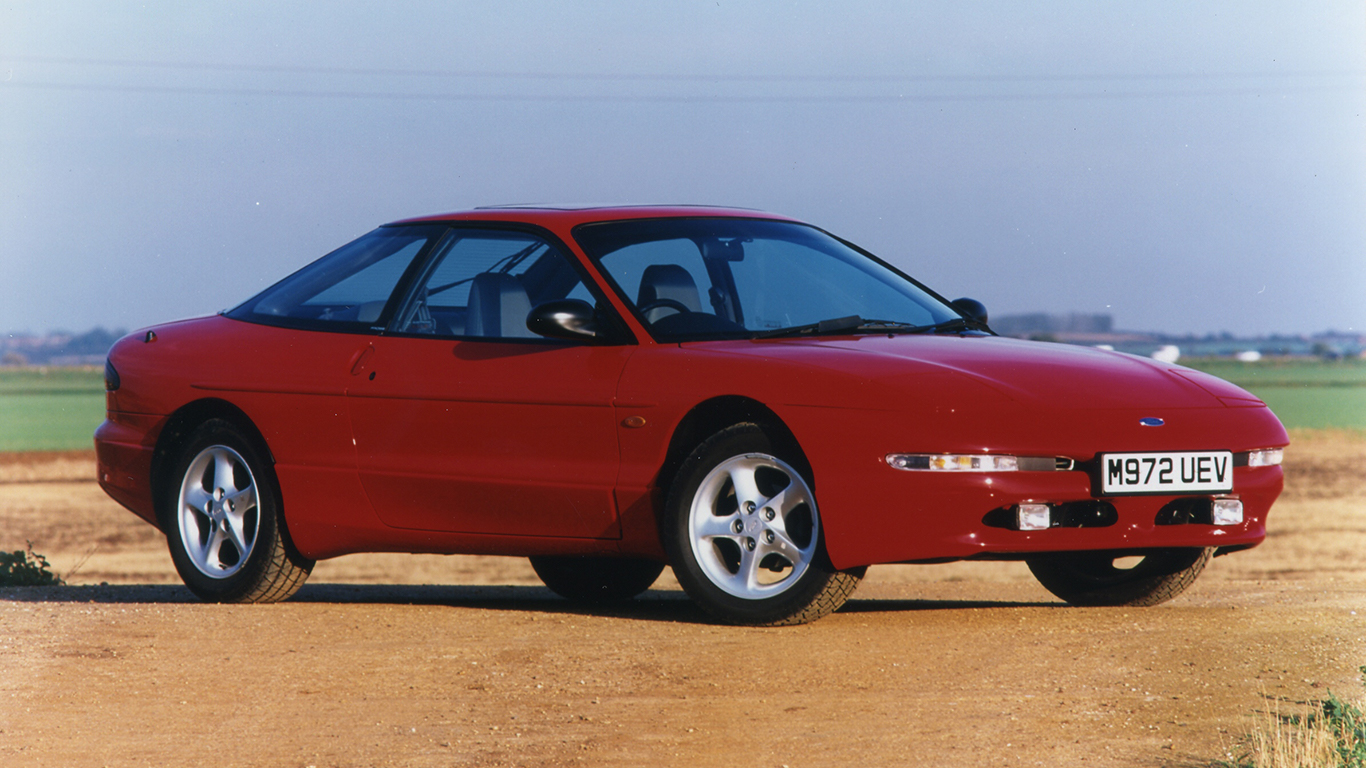
Originally intended as a replacement for the fourth-generation Mustang in America, the Mazda MX-6-based Ford Probe instead filled a gap previously occupied by the Capri in Europe. Divisive looks, along with disappointing engines, front-wheel drive and that name contributed towards the Probe being a flop. It was axed in 1997.

Ford Mustang Mk6
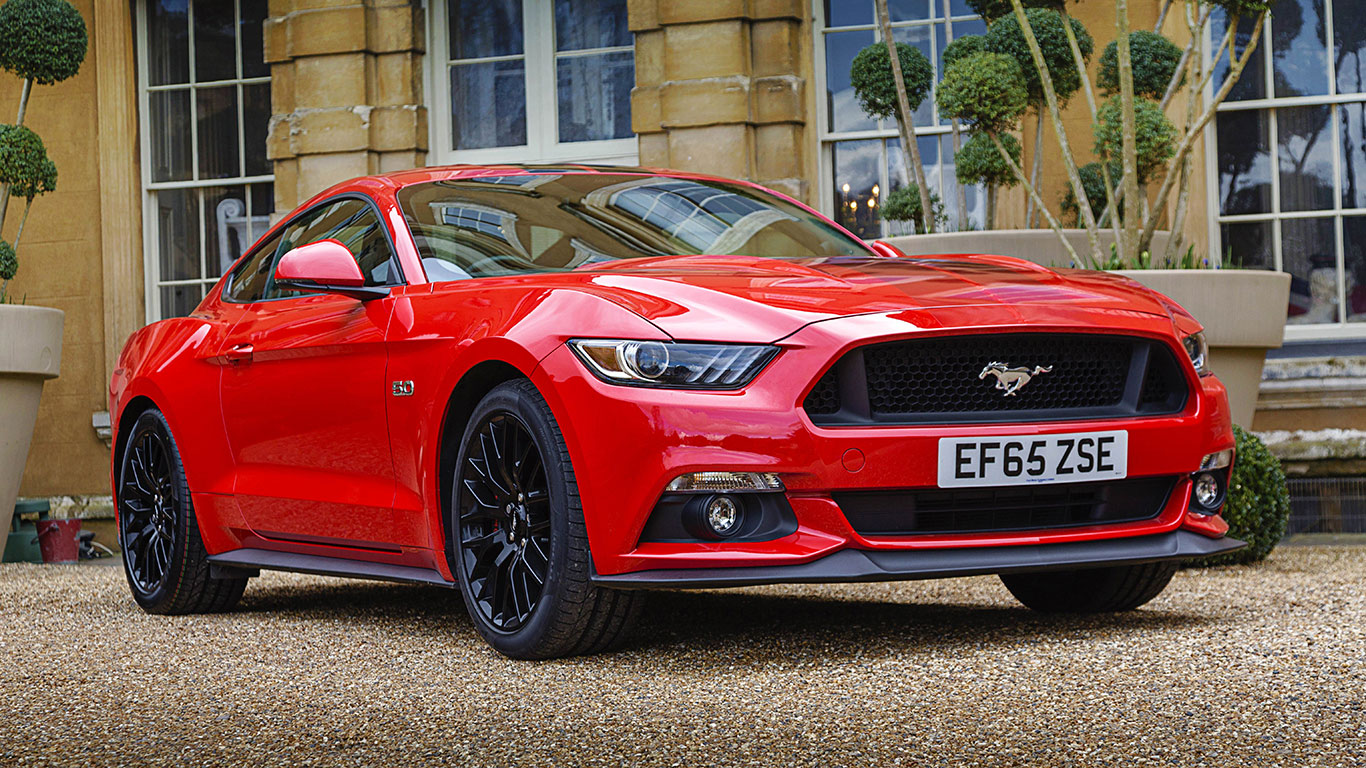
Ford Mustang Mk6

The latest Mustang is the first to be officially sold in Europe, and it’s proving to be a hit for Ford, fast becoming the most popular sports car with more than 250hp in the UK. However, not everyone is a fan. Its Line Lock feature, which lets drivers pull a burnout at the press of a button, was banned in Australia, while initial crash tests in Europe awarded it just two stars.

Ford Model T
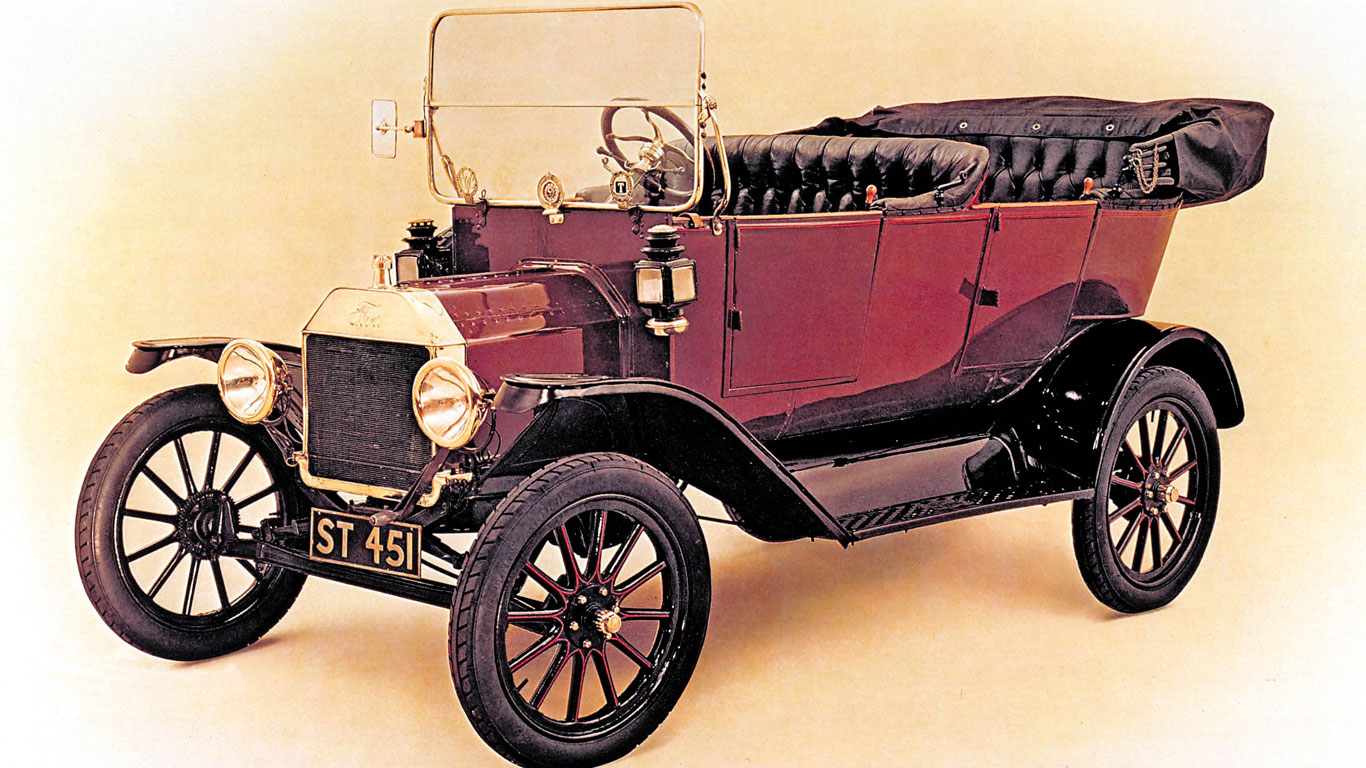
Ford Model T

The Ford Model T is accepted as being the world’s first mass produced car: one that changed the motoring landscape entirely. But you can imagine the hysteria around it at the time? “If I had asked people what they wanted, they would have said faster horses,” Henry Ford allegedly said at the time.

Ford Focus CC
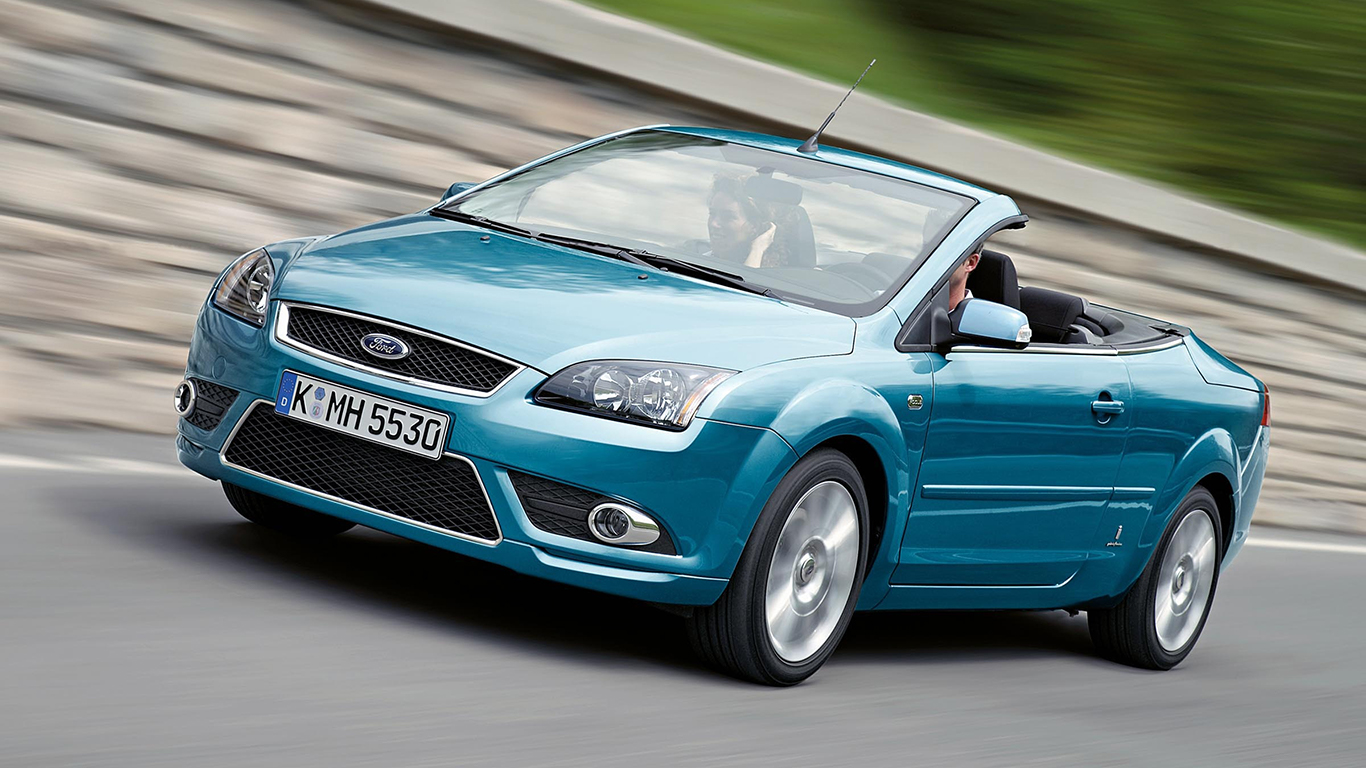
Ford Focus CC

Ford commissioned Italian styling house Pininfarina to turn its popular Focus into a convertible. You wouldn’t believe it to look at it, though. The Focus CC’s two-piece folding hard-top contributes to its ungainly looks, while practicality also took a knock. Added wind noise and issues with the retractable roof mechanism meant the CC sold in relatively small numbers.

Ford Fusion
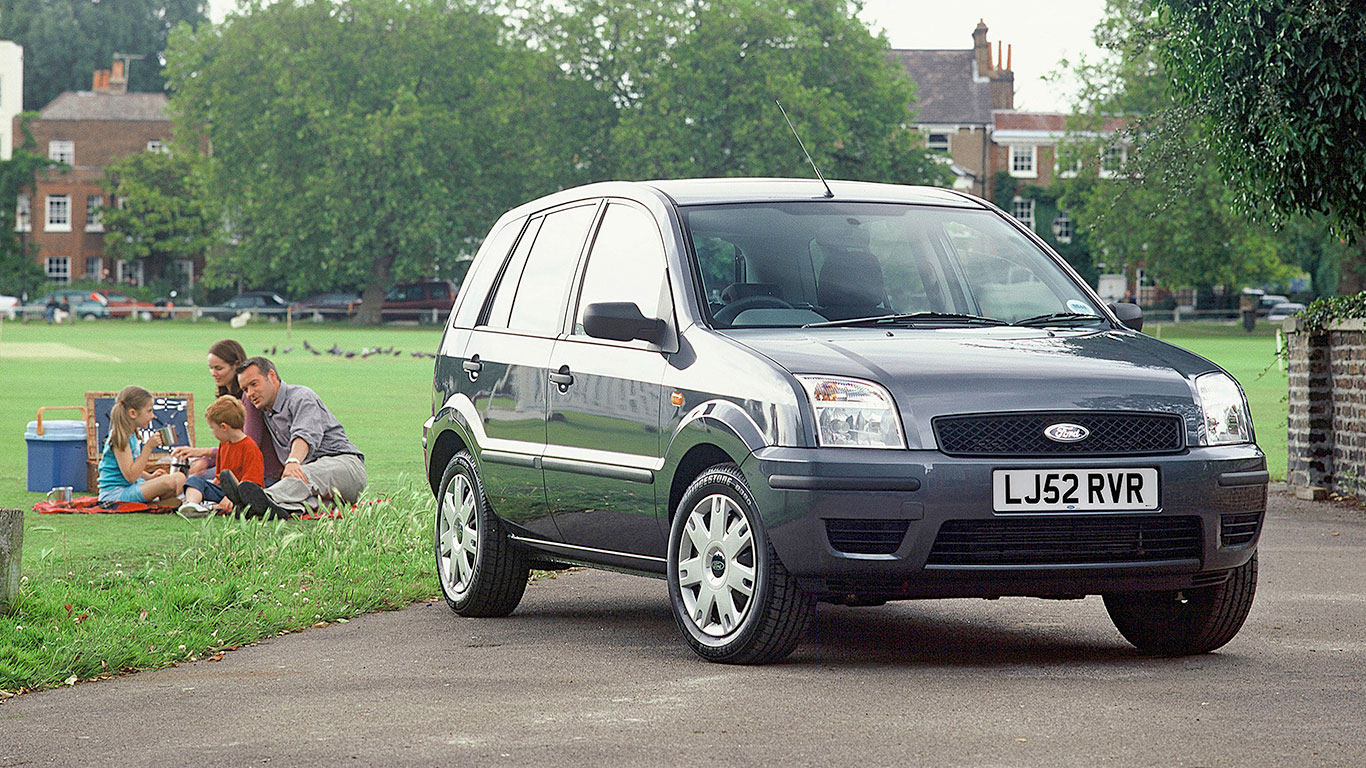
Ford Fusion

In some ways, the Ford Fusion was ahead of its time. Based on the fifth-generation Fiesta, the Fusion was a half-hearted attempt at a crossover, intended to appeal to young, active buyers who’d appreciate the added practicality and beefed-up looks. Instead, it proved to be popular with older drivers who appreciated the ease of getting in and out, along with its increased headroom.

Ford Excursion
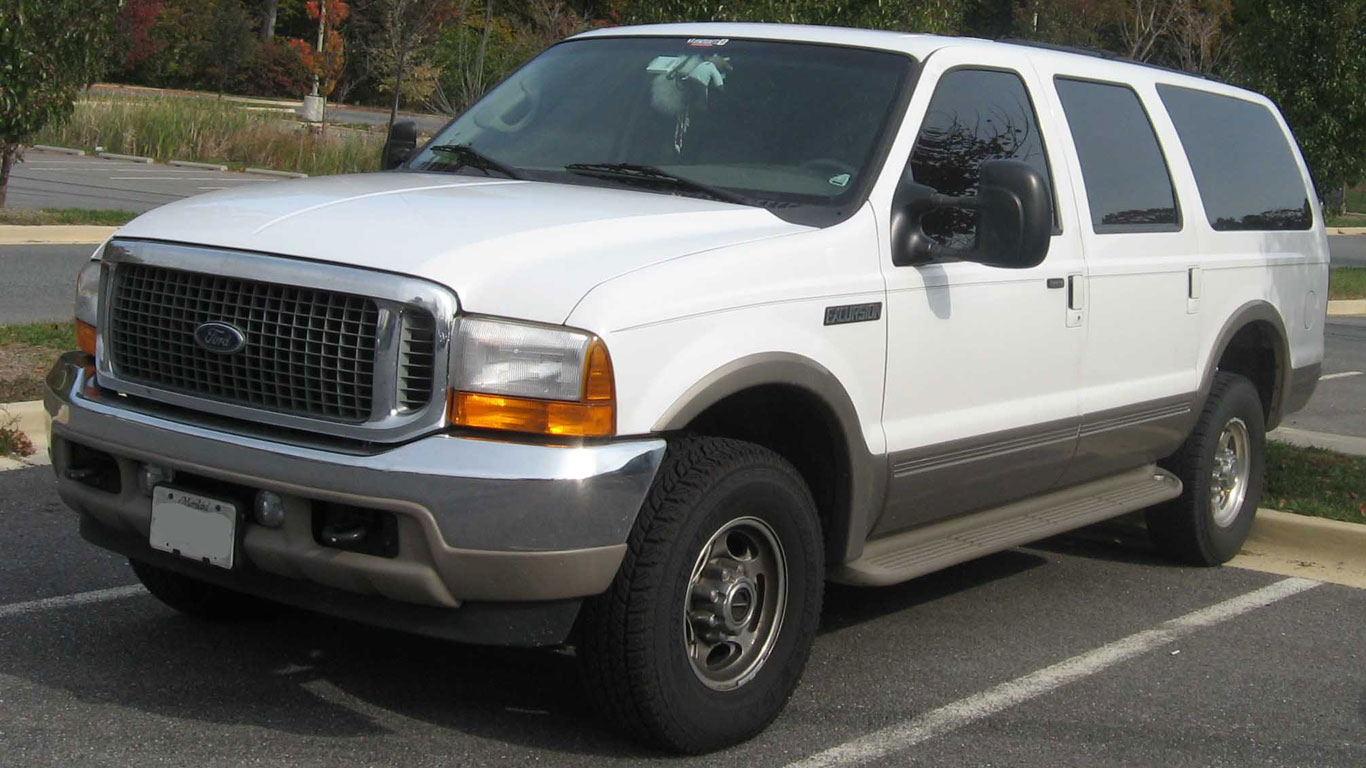
Ford Excursion

Based on the Ford F-250 Super Duty pickup, the Excursion was the longest and heaviest SUV to ever enter production. Intended for the North American market, the Excursion proved to be too big even for American roads, and was axed in 2005.

Ford Torino Talladega
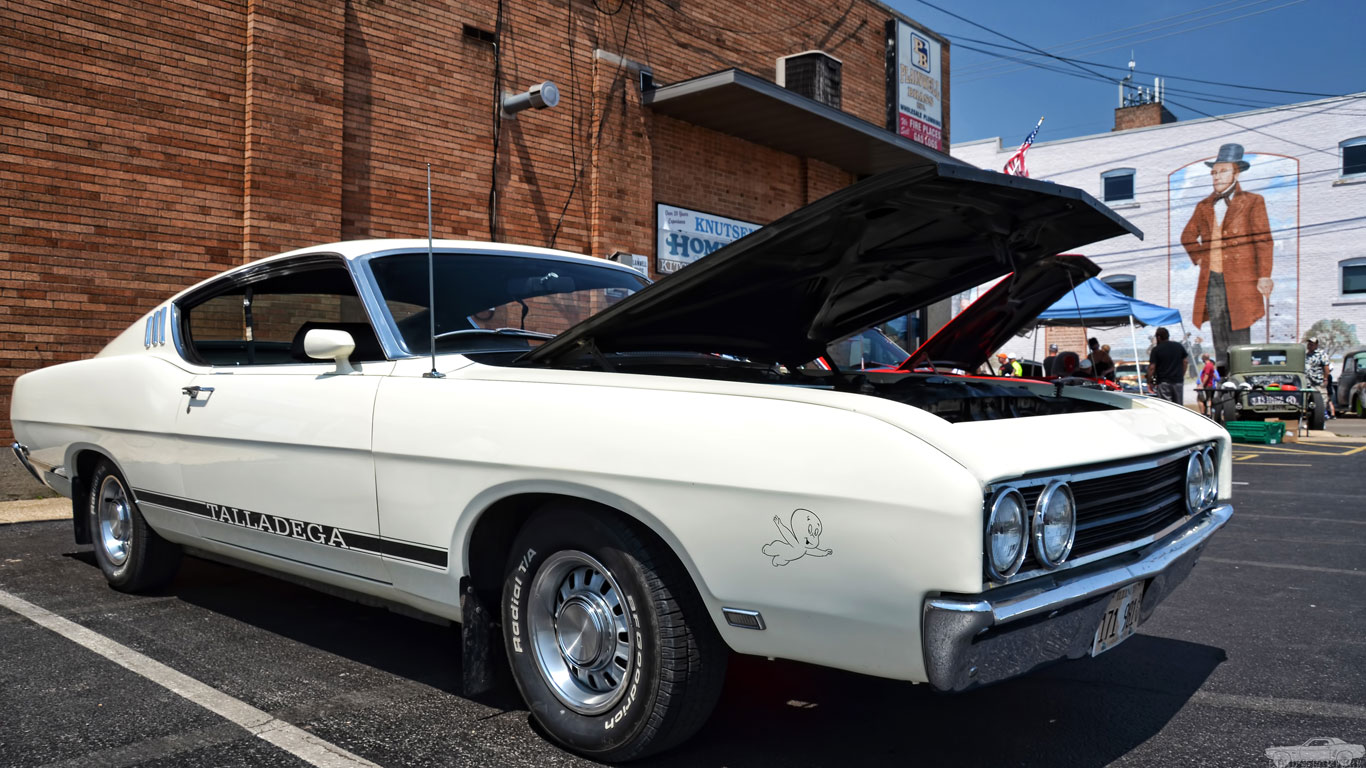
Ford Torino Talladega

The Ford Torino Talladega was a muscle car built for a matter of weeks in 1969 before it was axed on cost grounds. Intended to make Ford more competitive in NASCAR and sold under homologation rules, the beefed-up Torino was named after the Talladega Superspeedway, which opened the same year. It didn’t last long before Ford abandoned all its racing programs after being questioned over their cost compared to improving the efficiency and safety of its road cars.
Advertisement

£2,000 if you swap an old diesel for a green new BMW or Mini

0

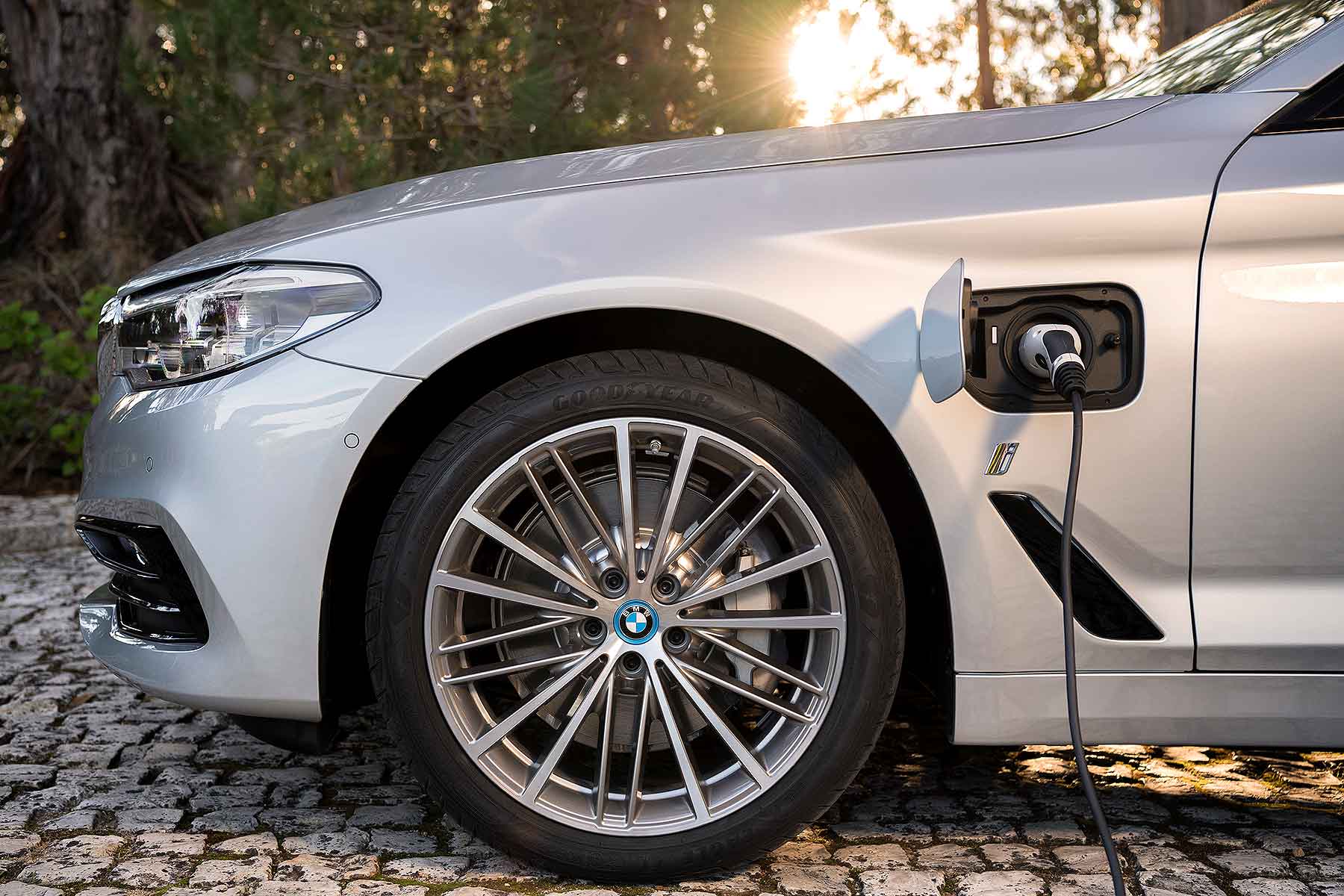
BMW electrified plug-in hybrid carBMW has launched a new scrappage-style scheme that offers owners of older diesel cars an extra £2,000 off any new BMW or Mini – provided the new car emits 130g/km CO2 or less.
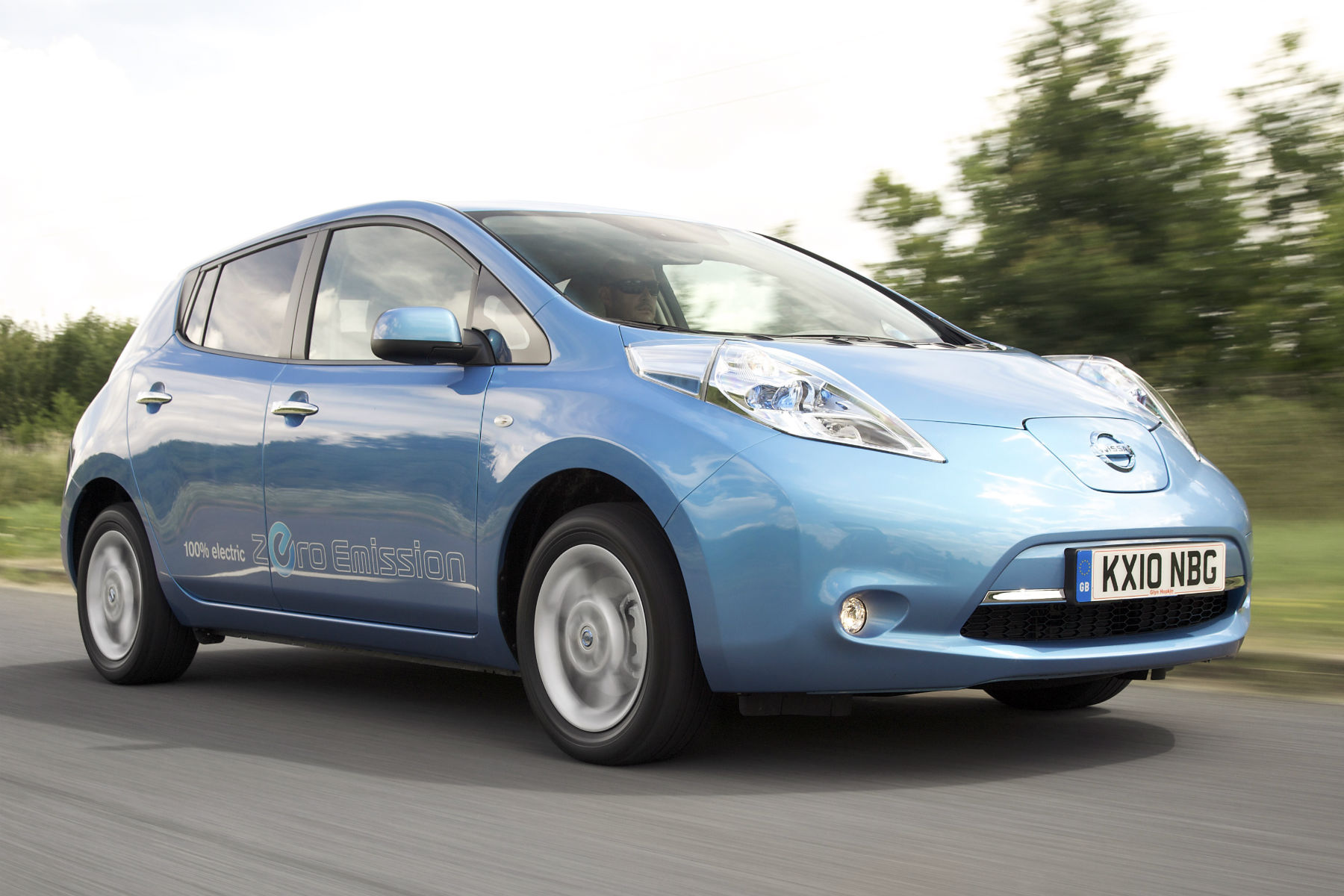
The BMW ‘Lower Emissions Allowance’ incentive is targeting owners of diesels with Euro 4 emissions compliance or less: in other words, most cars built before 1 September 2009 (BMW and Mini car dealers will help determine whether your vehicle is eligible or not).

More on MR: 

The £2,000 allowance is on top of any other trade-in prices, dealer offers, discounts or government incentives, meaning owners of older cars could potentially get quite a tasty incentive to swap into a modern Euro 6 model.

BMW is not forcing people into a petrol car or plug-in hybrid, either: all new models are eligible for the saving, provided they emit 130g/km CO2 or less. “For those who the alternative drivetrains do not suit their lifestyle we still offer allowance qualifying Euro-6 compliant petrol and diesel engine cars that are cleaner than ever,” said BMW Group UK CEO Graeme Grieve.

80 percent of new BMWs emit 130g/km or less, and 70 percent of Mini models are also eligible: the full list is shown on its website. 

BMW does, however, point out that it has a decent range of electrified and electric models, including the i3, i8, BMW I Performance plug-in hybrids and the new Mini Countryman PHEV…

The small print

Not everyone can just go and buy an old diesel tomorrow in order to save £2,000 on a new BMW or Mini, though. “To ensure fairness,” customers must have owned the car for at least a year. The new model must also be registered to the same name and address as the old trade-in dirty diesel.

BMW vows dealers will give a “suitable average price” for their old car as trade-in: this is on top of the £2,000 allowance.

Only private buyers can take up the offer (sorry, those running seriously tired fleets of diesels) and all new cars must be registered by 31 December 2017. 

“BMW offers the widest range of low emission vehicles of any manufacturer,” said Grieve. “We know in the early phases that people still need some incentive to make the jump to fully electric or plug-in hybrid vehicles and that is why we are delighted to announce this new allowance.”

Advertisement

Used electric car searches up 680% on day of 2040 announcement

0

Used electric car searches up 680% on day of 2040 announcement

On the day the Government announced plans to ban the sale of all new petrol and diesel cars in the UK by 2040, Auto Trader noticed a 680 percent spike in searches for electric cars as people panicked about the future of their traditional vehicles.

Data released today by the new and used car website reveals that it saw a 680 percent increase in consumers searching for electric cars on July 26th, as well as a 257 percent rise in petrol ethanol searches. Hybrid searches increased by 170 percent while bi-fuel cars, such as those fitted with LPG conversions, saw a 129 percent rise in popularity.

More electric cars on MR:

The ban will be on sales of all new petrol and diesel vehicles (not including hybrids), and will not affect the sales of secondhand cars. Despite this, the data from Auto Trader suggests people are keen to trade their petrol and diesel cars for plug-in vehicles ahead of the ban coming in.

As diesel cars continue to face a difficult time, Auto Trader says it has seen a dip in the number of people searching for diesel vehicles. Around a quarter of searches on the website are based on fuel type, with 71 percent of those seeking a diesel car in November 2016. This dropped to 54 percent in May 2017, but are now on their way back up – with diesel vehicles accounting for 56 percent of all fuel-specific searches in June.

While more car buyers continue to search for diesel vehicles rather than petrol models, this might be because anyone searching based on fuel type place a higher importance on fuel economy. Three quarters of Auto Trader searches don’t specify a fuel type.

“Given the level of coverage it’s not surprising there has been a decline in searches,” said Auto Trader’s retailer and consumer product director, Karolina Edwards-Smajda. “But despite the ongoing negative rhetoric, the impact on diesel has been fairly limited up to this point. The return to growth on our marketplace is testament to not only the resilience of diesel, but also its popularity amongst car buyers.”

Secondhand diesel values lag behind

As demand for secondhand diesel cars has taken a slight knock, so too have their prices. In July 2017, the average price of a used car was £11,780, 4.5 percent higher than it was for the same month in 2016. Despite this average market increase, diesel is the only fuel type where month-on-month price increases are slowing. The average year-on-year price increase for diesel used cars was just 1 percent in July 2017, compared to a year-on-year price increase of 7.7 percent for petrol vehicles.

Edwards-Smajda added: “While diesels remain a popular option for car buyers, it’s interesting to observe that at a time when the used car market is experiencing year on year growth, the ongoing negative commentary is having a slight impact on their retail value. Given the timing and the fact the slowdown is isolated only to diesel, a coincidence seems unlikely. Price is still increasing year on year, but growth is slowing, suggesting retailers are finding it harder to increase prices.”

Advertisement

The cheapest new cars with 5 stars for safety

0

Euro NCAP Honda Jazz

It’s easy to claim you can’t put a price on safety, but when it comes to buying a new car you don’t need to break the bank to protect yourself on the road.

All of the 20 cars featured here have been given the highest possible rating of five stars for safety by Euro NCAP, yet presently cost less than £20,000.

Safety ratings explained

Cheap five star safety

Established in 1997, the European New Car Assessment Programme (Euro NCAP) has challenged car manufacturers to take safety seriously. Subjecting new cars to a series of crash tests, Euro NCAP independently rates new cars on a scale of one to five stars. As safety technology has developed, Euro NCAP has changed the rating process to take this into account.

This means it’s harder to achieve a maximum five-star rating in 2019 than it was in 2012, with cars also needing standard crash avoidance technology to claim top marks. To keep things recent, our list only includes cars tested since 2013, while any cars no longer in production have been excluded.

Suzuki Ignis (with Safety Pack)

Cheap five star safety

With a starting price of just £10,849, the Ignis supermini is the cheapest car on our list. There is a catch: the five-star rating awarded in 2016 only applies to the Ignis when specified with an optional ‘Safety Pack’.

This pack includes a camera-based automatic braking system that, without, sees the Ignis score just three stars. However, even adding the £750 Safety Pack to the price of the entry-level SZ3 model, still sees the Ignis undercut everything else on this list.

Skoda Fabia

Cheap five star safety

Skoda takes safety seriously, so you can be confident that even the most basic Fabia supermini will have your back, despite costing just £12,255. Awarded top marks when assessed in 2014, the Euro NCAP testers noted that the passenger compartment of the Fabia remained stable on frontal impact, with good protection of head and legs.

The entry-level S trim means no air conditioning or satellite navigation, but you can add a blind-spot monitor and hill-hold assist if you so wish.

Nissan Micra (with Safety Pack)

Cheap five star safety

As with the Ignis, in order to claim the full five stars, the Nissan Micra needs to be equipped with certain safety features. Fortunately, all Micras sold in the UK come with the requisite Lane Departure Warning, and Intelligent Emergency Braking to qualify for five stars. It means you can spend just £12,880 and feel quietly confident.

Toyota Yaris

Cheap five star safety

Currently available with a £525 discount if ordered by 30 June 2019, the Toyota Yaris achieved a maximum five-star rating when it was tested in 2017. Toyota’s Safety Sense package comprises a pre-collision system with autonomous emergency braking, automatic high beam and lane-departure alert, and is standard across the range.

All models apart from the entry-level Yaris Active also feature road-sign assist. Take advantage of the discount and the Yaris range starts from £12,995.

Kia Rio

Cheap five star safety

Order a Kia Rio ‘1’ without the optional Advanced Driving Assistance Pack (ADAP) and you’ll be driving a car with a three-star safety rating. Spend £350 and you’ll own a supermini with a five-star rating. It seems like a small price to pay for an enhanced safety package.

Alternatively, opt for the Rio ‘2’, which features the safety pack as standard, along with alloy wheels, rear electric windows, a seven-inch display, Apple CarPlay and Android Auto. Rio ‘2’ prices start from £14,735, while the Rio ‘1’, without the safety package, costs £12,495.

Honda Jazz

Cheap five star safety

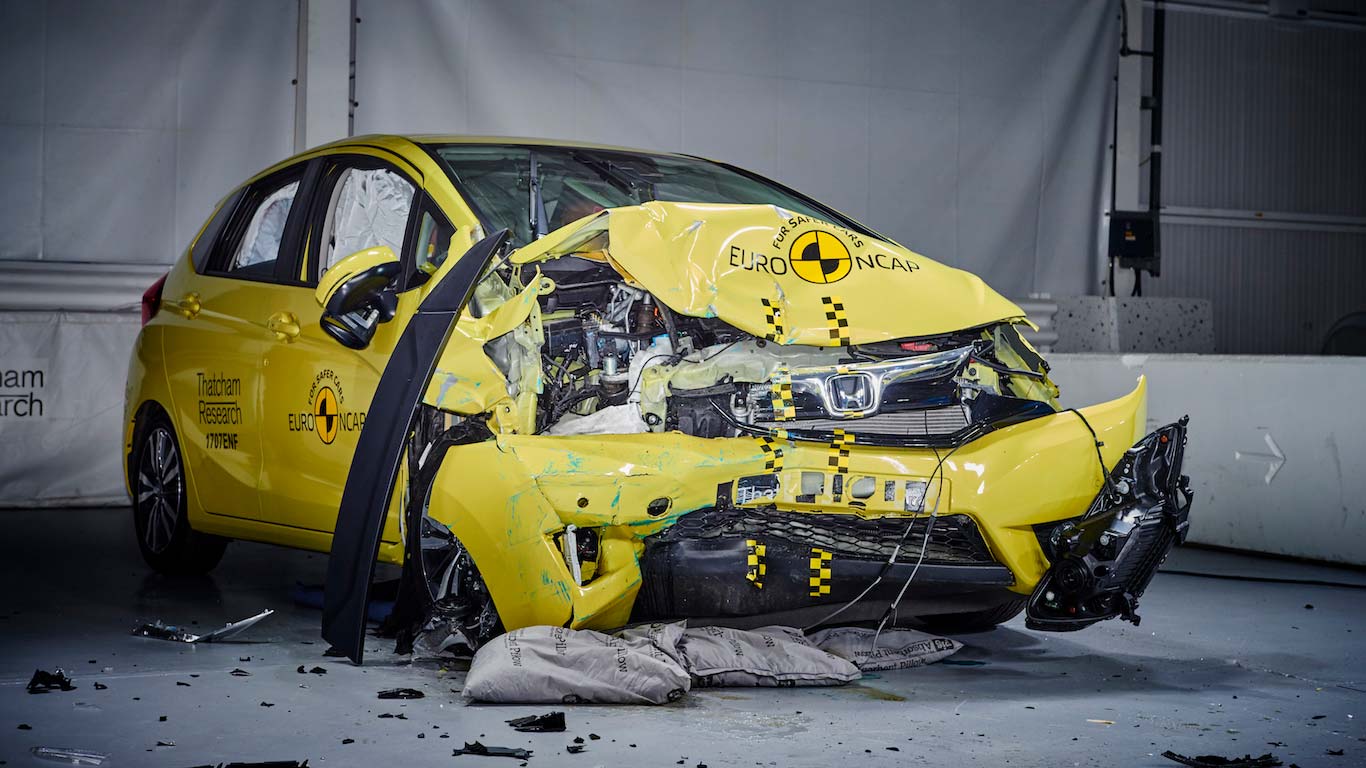
The sensible car of choice for many, it is perhaps hardly unsurprising that the Honda Jazz notched up a strong performance when evaluated by Euro NCAP in 2015. It’s adult occupant rating of 93 percent even outscores the latest Civic, along with good protection against whiplash for both front and rear passengers.

An active city braking system is standard on all models, including the cheapest S version that costs just £14,600.

Seat Ibiza

Cheap five star safety

Scoring an impressive 95 percent for adult occupant crash protection, the Seat Ibiza comes with a wealth of airbags, brake assistance technology, and even a speed limiting function as standard.

With the poverty-spec S model no longer available, the Ibiza range looks a whole lot more desirable, with the entry-level SE offering 15-inch alloy wheels, a 6.5-inch colour touchscreen, LED daytime running lights and metallic paint.

Citroen C3 Aircross

Cheap five star safety

If you’re looking for a reason to opt for the Citroen C3 Aircross over the standard C3 supermini, the fact that the high-riding version achieved a five-star safety rating might sway your decision.

While the scores of 85 percent for adult protection and 82 percent for child protection are marginally lower than those achieved by the C3, the C3 Aircross performed better in the pedestrian safety and safety assist categories. Prices start from £15,550.

Ford Fiesta

Cheap five star safety

Tested in 2017, the Ford Fiesta was rated 87 percent for adult protection and 84 percent for child occupant protection. A score of 60 percent for driver assistance is less impressive, but lane departure warning and lane keeping assist are standard across the range.

Sadly, autonomous emergency braking costs extra. The Fiesta Zetec costs from £15,670.

Volkswagen Polo

Cheap five star safety

The Volkswagen Polo has a solid and dependable reputation to uphold, so a five-star Euro NCAP safety rating was almost guaranteed. A score of 96 percent for adult occupant protection is seriously impressive for a supermini – only the larger and more expensive Mitsubishi Eclipse Cross, Alfa Romeo Stelvio and Volvo XC60 scored higher in 2017.

All Polo models come with autonomous emergency braking, but other systems are optional. Prices start from £15,735.

Suzuki Vitara

Cheap five star safety

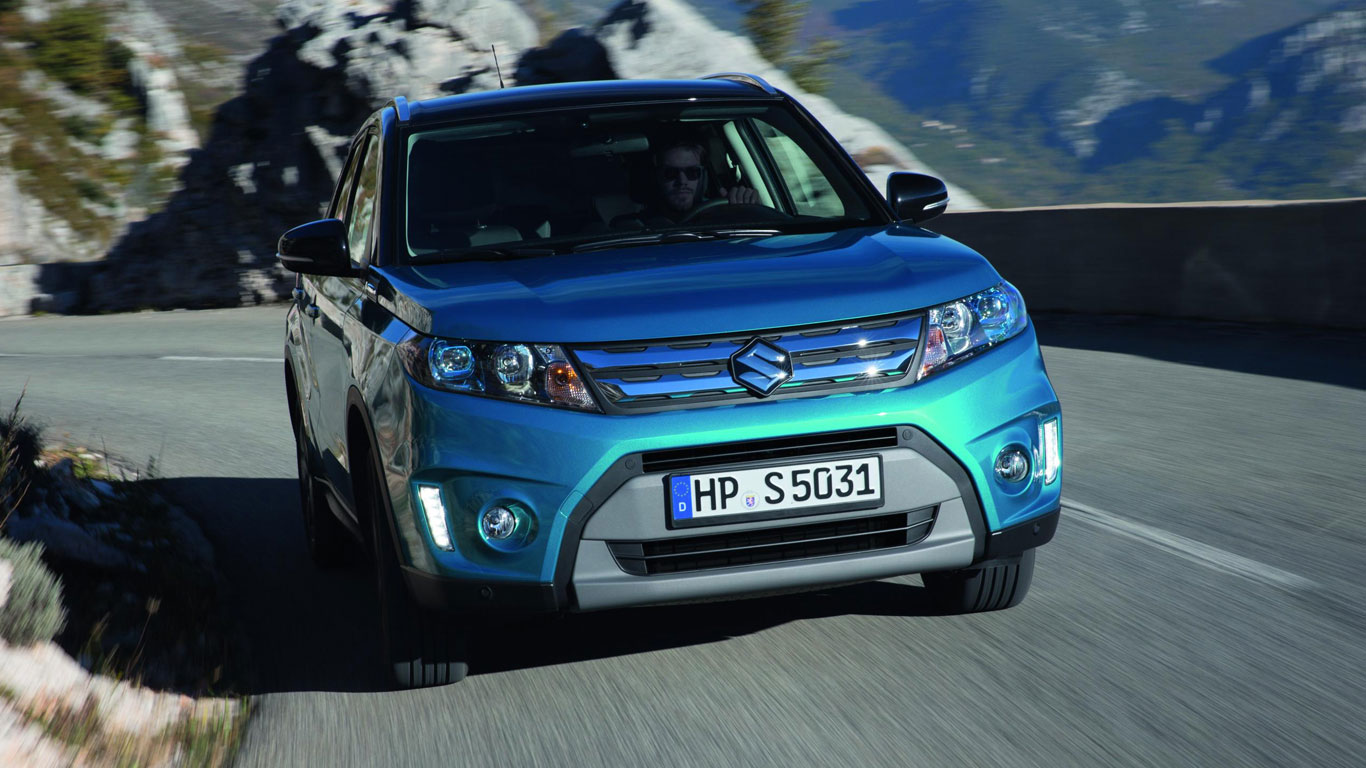
The £16,999 Suzuki Vitara in SZ4 trim comes with seven airbags, Isofix child seat mounts, electronic stability control and cruise control with a speed limiter. Higher specification versions also include radar-operated brake assist, which the Euro NCAP assessors noted as ‘good’ when tested in 2015.

All of the above helps the Vitara make a strong case for itself in the competitive compact SUV market.

Hyundai i30

Cheap five star safety

It should be no surprise that the latest Hyundai i30 comes packed with standard safety equipment. That includes autonomous emergency braking, lane departure warning, lane keeping assist, and a forward-facing camera that scans for potential collisions.

All of this kit comes as standard on even the cheapest S model, priced at £17,130. Euro NCAP was impressed, awarding the i30 five stars after testing it in 2017.

Seat Arona

Cheap five star safety

Another car tested in 2017, the Seat Arona delivered a better set of results than its platform-sharing sibling, the Ibiza. The 95 percent for adult occupant protection and 60 percent for driver assistance systems are the same for both cars, but the Arona’s 80 percent for child protection is three percent higher than the Ibiza’s score of 77 percent.

It’s a likeable compact SUV that’s big on space and surprisingly fun to drive. The Arona range kicks off at £17,150.

Hyundai Kona

Cheap five star safety

While the Seat Arona is based on a supermini, the Hyundai Kona was built from the ground up as a compact SUV. Autonomous emergency braking is optional on trims up to and including Premium SE, and standard on Premium GT.

Blind-spot detection is standard on Premium SE and Premium GT trims, while rear-cross traffic alert is fitted on Premium SE trims and above. All Kona models get driver attention alert and downhill brake control. Kona prices start from £17,305.

Kia Stonic (with Safety Pack)

Cheap five star safety

In standard form, the Kia Stonic was awarded a three-star safety rating, but add the Advanced Driving Assistance Pack (ADAP) to the mix, and the Stonic earns the full five stars. The pack costs £400 on the Stonic ‘2’, but is standard on the ‘3’ and ‘4’. Prices start from £16,815 (without the pack).

Vauxhall Crossland X

Cheap five star safety

The Vauxhall Crossland X is based on the Peugeot 2008, a car that was awarded a five-star Euro NCAP safety rating back in 2013. Four years later, the Vauxhall achieved the same rating – a good result considering the test gets harder every year. All models come with lane-departure warning, traffic-sign recognition and cruise control, with prices starting from £17,715.

Renault Megane

Cheap five star safety

Another Renault, another five-star safety rating from Euro NCAP. Tested in 2015, the Megane made sure the reputation of the French brand was upheld, scoring a very respectable 88 percent for adult occupant safety. Even pedestrian safety was rated well at 71 percent, although try to avoid the hard A-pillars if you have the misfortune of being hit by a Megane.

Prices start from £17,820.

Ford Focus

Cheap five star safety

Tested in 2018, the new Ford Focus delivered a solid set of results, scoring no lower than 72 percent in any of the four categories. Parents will like the fact that it scored 87 percent for child occupant safety – two percent more than the adult occupant score.

The Focus features three radars, two cameras and 12 ultrasonic sensors – more than any other Ford in history. The range kicks off with the £18,305 Style, but you can now order a crossover-like Focus Active.

Vauxhall Astra

Cheap five star safety

Built in Britain, and a favourite of police forces throughout the land, the Astra undercuts many C-segment hatchback rivals, with prices from £18,905.

It also picked up the award for European Car of the Year for 2016, and was tested by Euro NCAP in 2015 where it was awarded all five stars. The assessors noted particularly good performance in side impact testing, despite a rear door coming open unexpectedly.

Honda Civic

Cheap five star safety

The Honda Civic received a four-star rating when it was tested in 2017, but the car was retested later that year following a curtain airbag deployment issue.

With Honda fixing the problem, the Civic was awarded a five-star rating by the safety experts. Euro NCAP said: “Honda has introduced a modified side curtain airbag to lessen the impact of head bottoming out, seen in the previous assessment, of the head of 10-year child dummy in the side barrier test. Honda is working to further develop the side curtain airbag to improve performance in this area.”

Advertisement

In pictures: the festival of fast Fords

0

In pictures: the festival of fast Fords

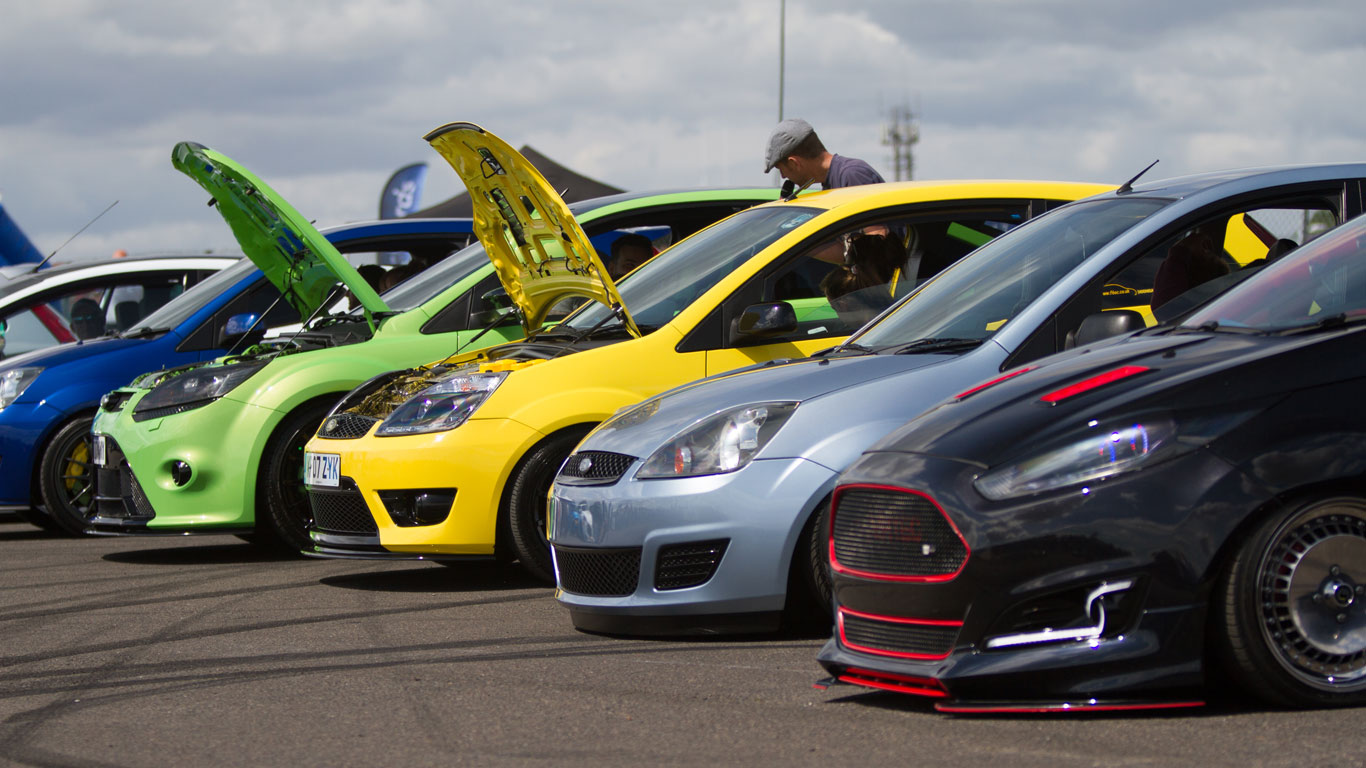
Fast Ford fans flocked to Silverstone this weekend for the annual Ford Fair event. In its 32nd year, more than 18,000 Blue Oval fans visited the show, with a wide range of modern, retro and classic Fords on display. Continue scrolling to see the highlights.

In pictures: the festival of fast Fords

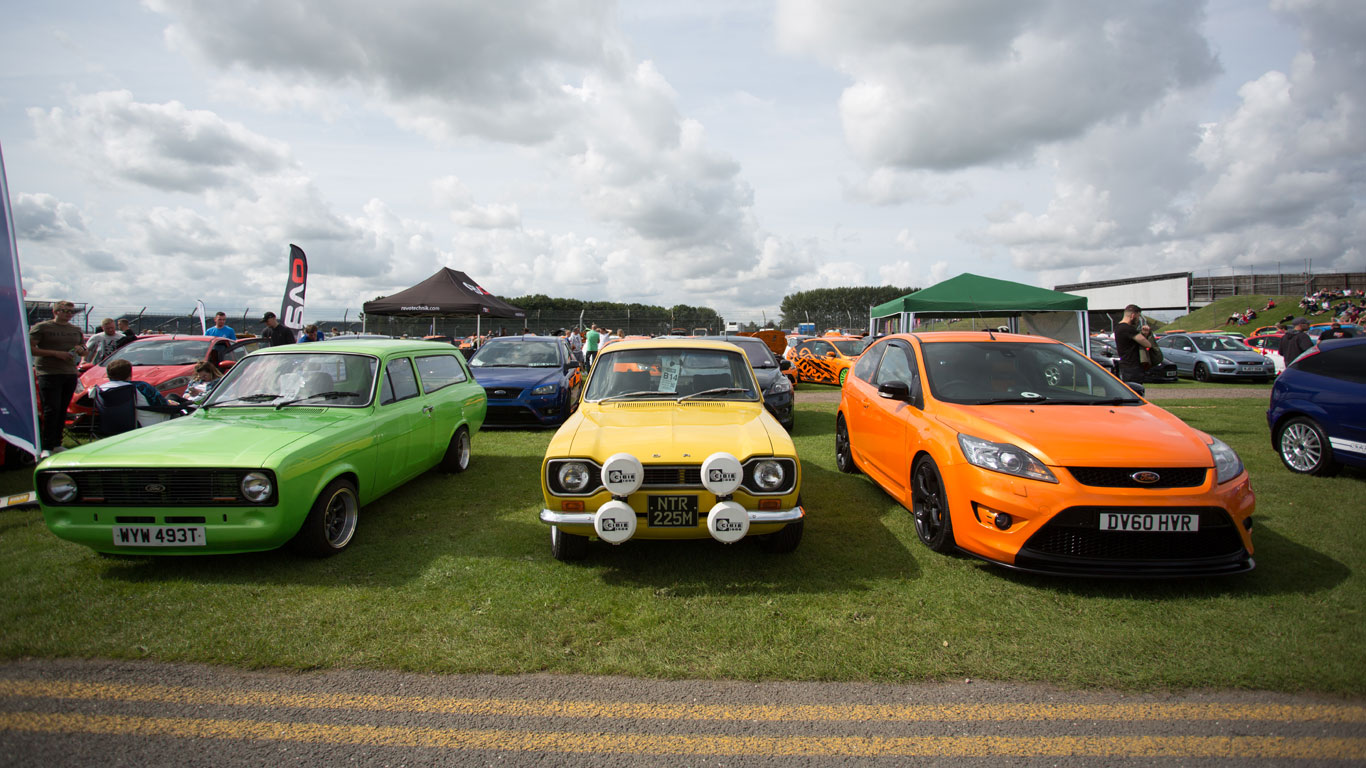
With 4,000 cars at the event, there was a Ford for everyone. How small does this Mk2 Escort look next to a Focus ST?

In pictures: the festival of fast Fords

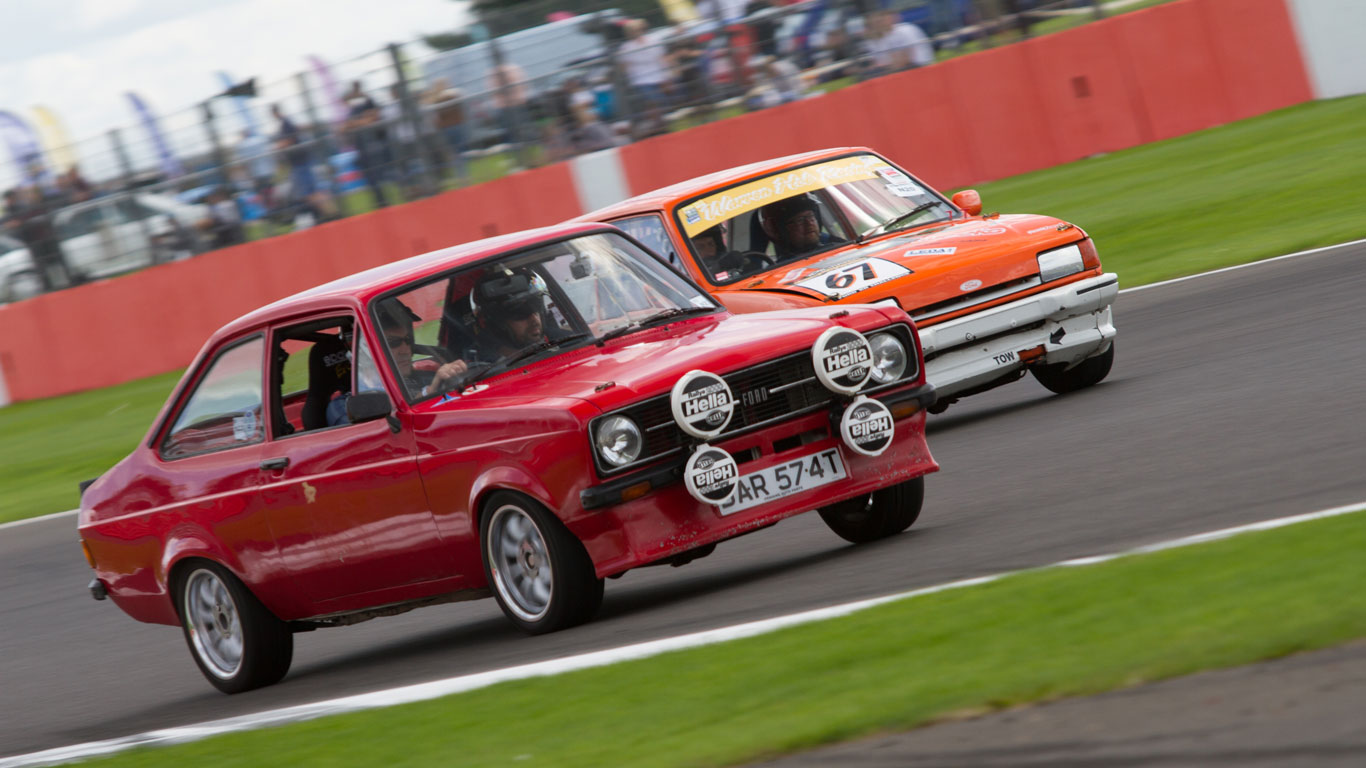
Fans wanting to try their cars on track could book a session on Silverstone’s legendary National circuit throughout the day.

In pictures: the festival of fast Fords

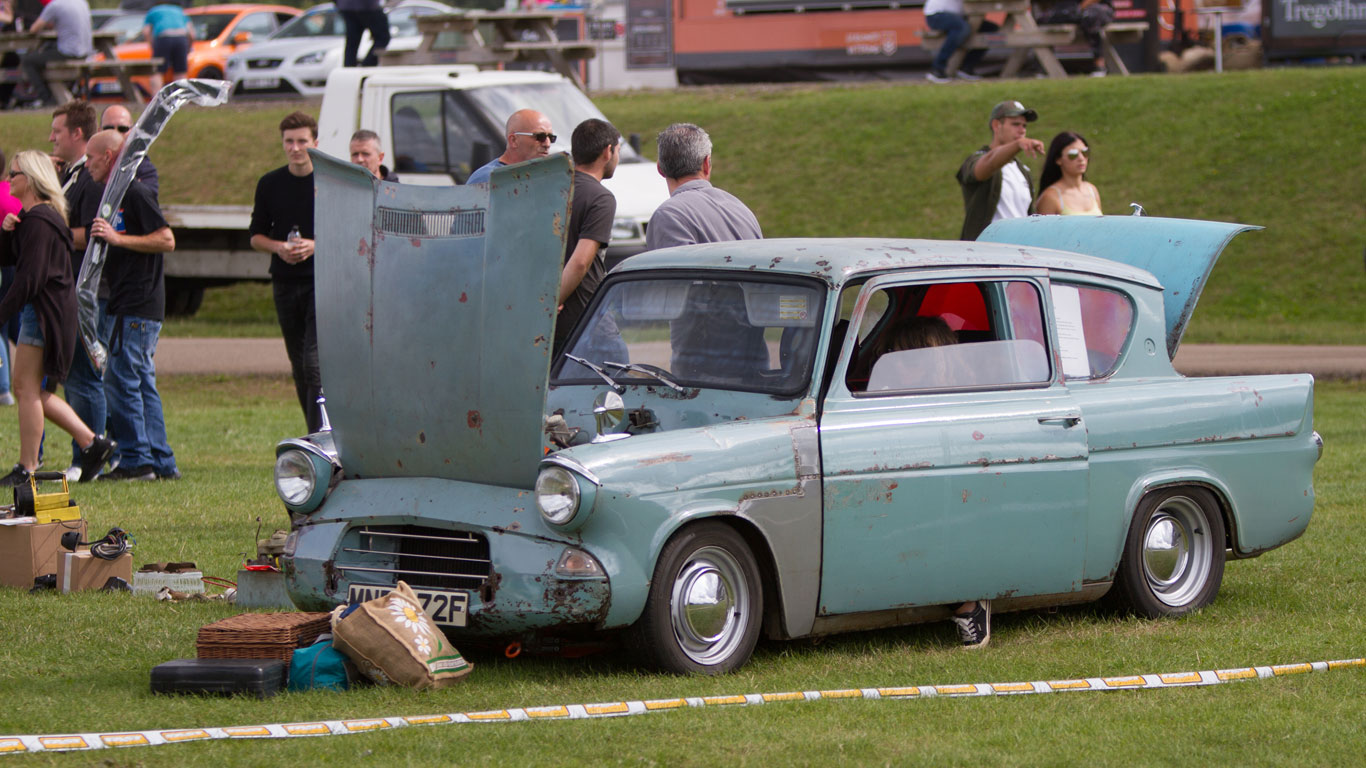
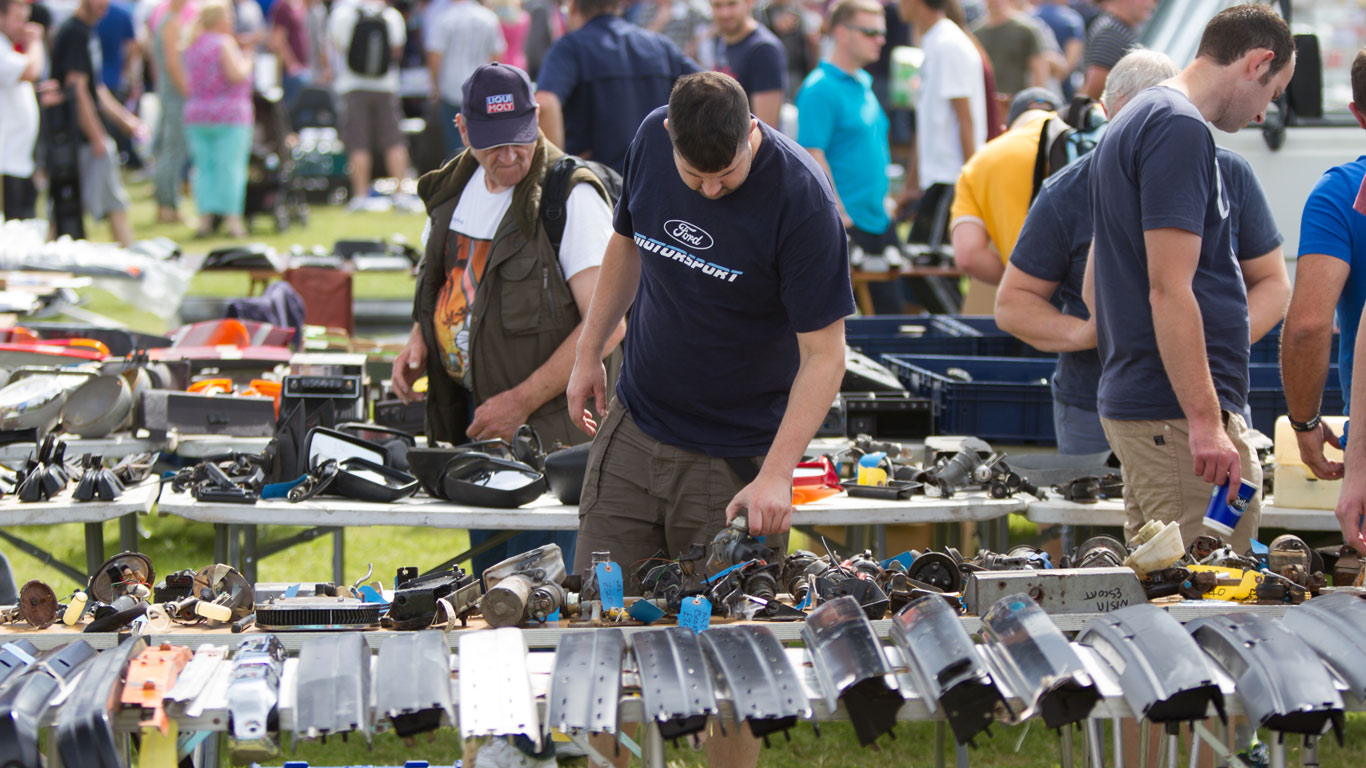
For those searching for a rare part for their Ford, a Retail Village covered a huge area dedicated to traders and a vast autojumble.

In pictures: the festival of fast Fords

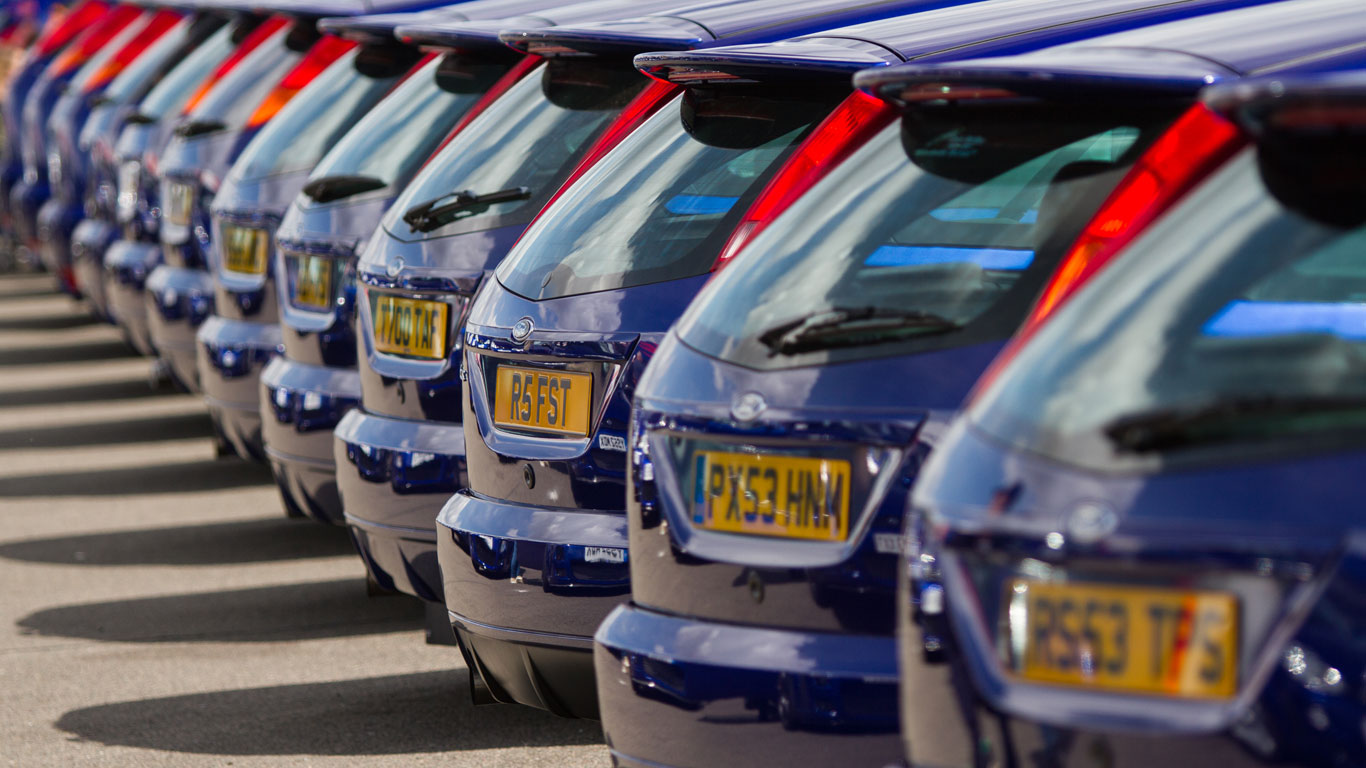
To celebrate 15 years of the original Focus RS, the Mk1 Focus RS Owners Club gathered with a line-up of the rare Imperial Blue cars.

In pictures: the festival of fast Fords

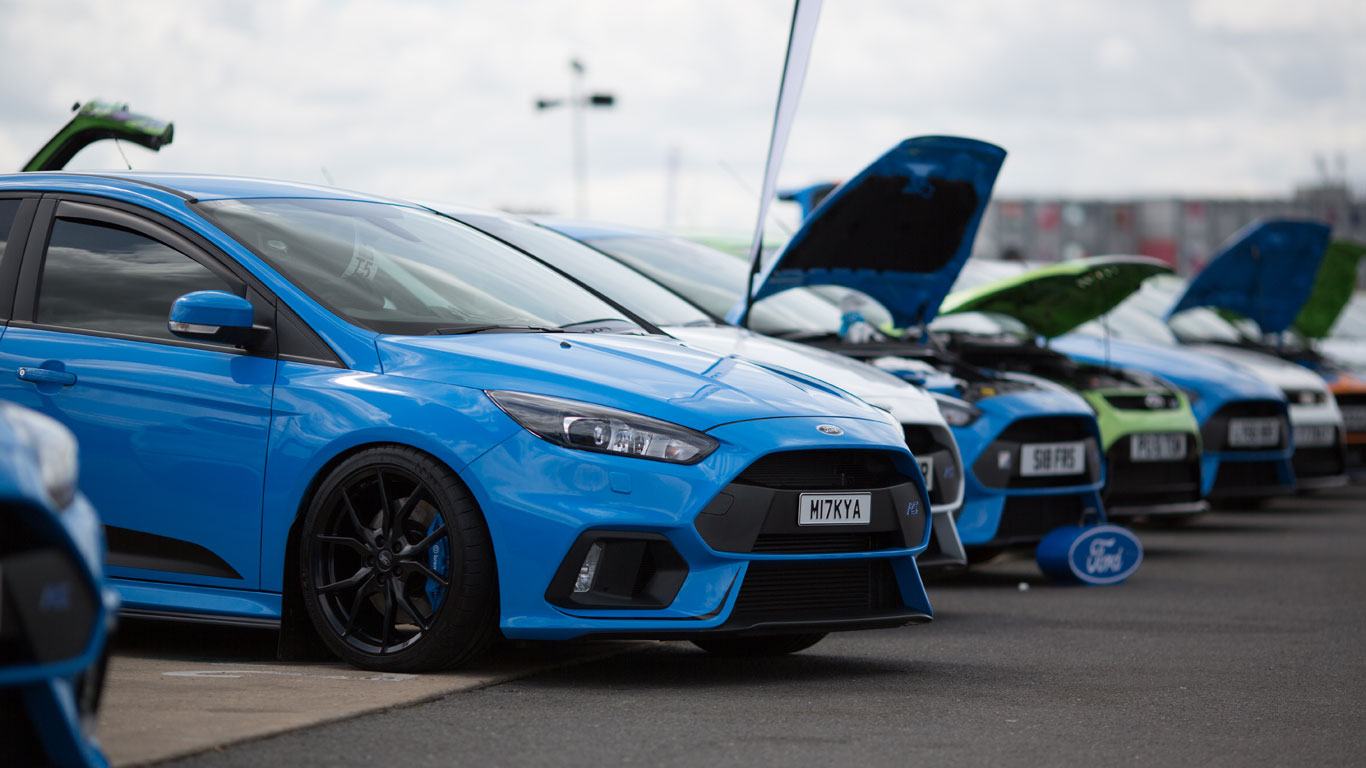
Of course, it wasn’t just the Mk1 Focus RS enjoying all the attention. A line-up of Mk2 and Mk3 models, with a wide range of modifications, also featured.

In pictures: the festival of fast Fords

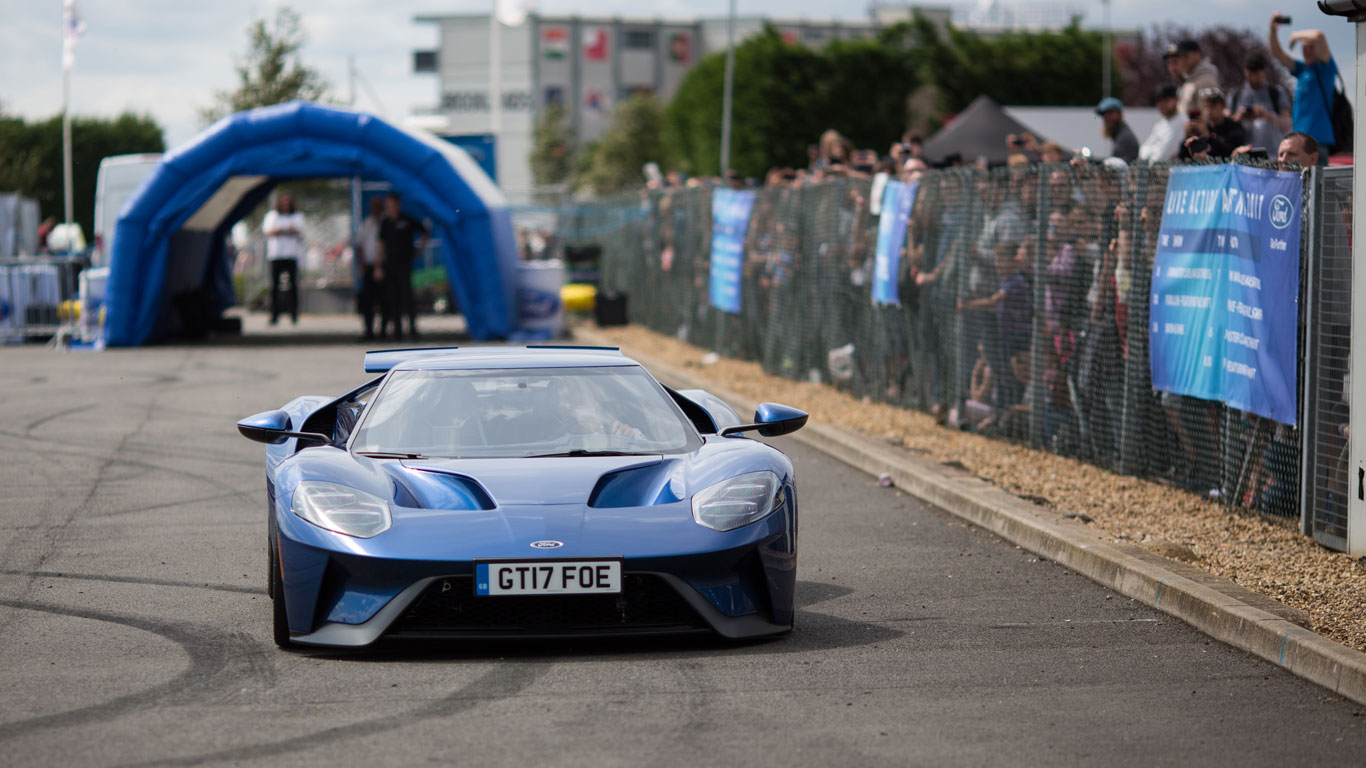
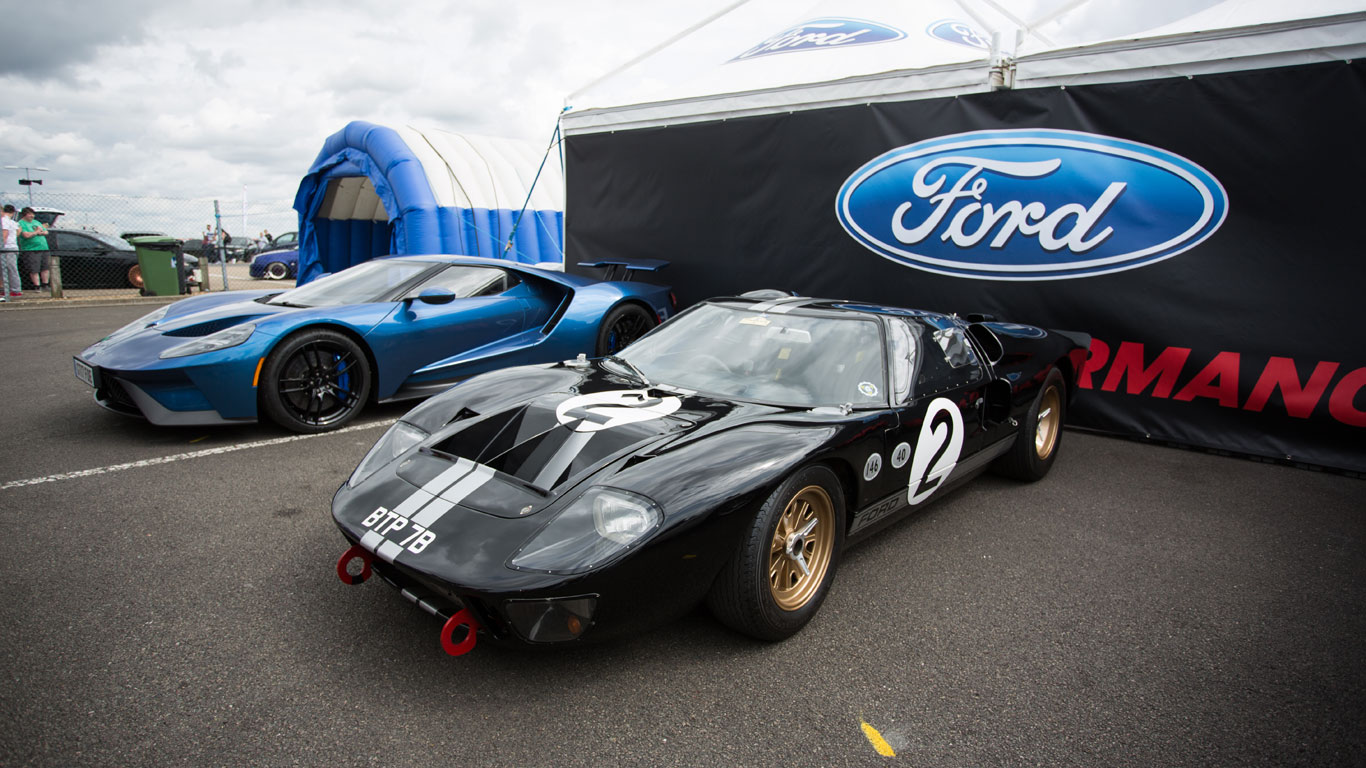
Is this the ultimate fast Ford? Fans enjoyed a rare glimpse of the 2017 Ford GT supercar. Power comes from a 3.5-litre twin-turbo V6 producing 656hp.

In pictures: the festival of fast Fords

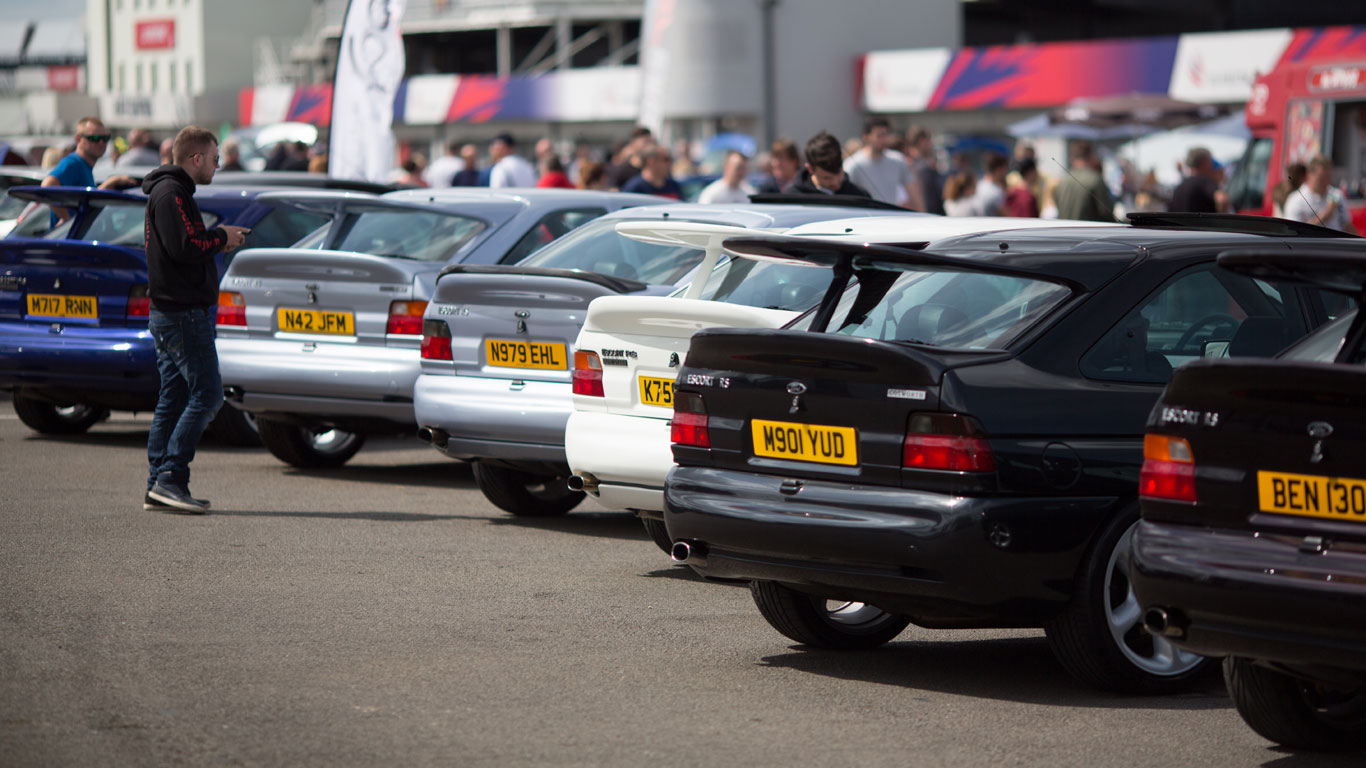
Another iconic anniversary being celebrated at this year’s Ford Fair was 25 years of the Escort RS Cosworth. The blue collar supercar was powered by a 2.0-litre turbocharged engine producing 230hp as standard. But some tuning companies have been able to double that.

In pictures: the festival of fast Fords

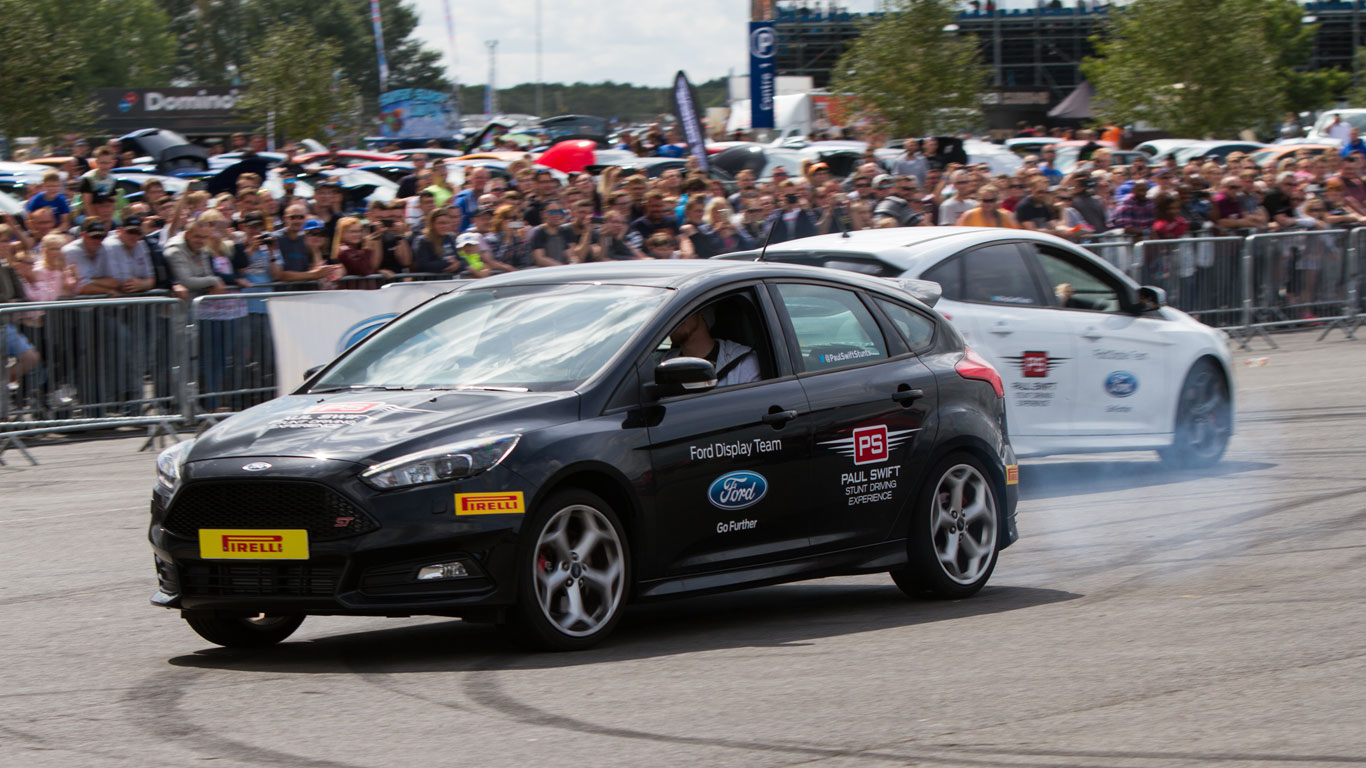
Fast Ford fans not taking their cars out on track could get their thrill by watching stunts in the live action arena. Here, Paul Swift’s team put on an incredible display using Focus STs…

In pictures: the festival of fast Fords

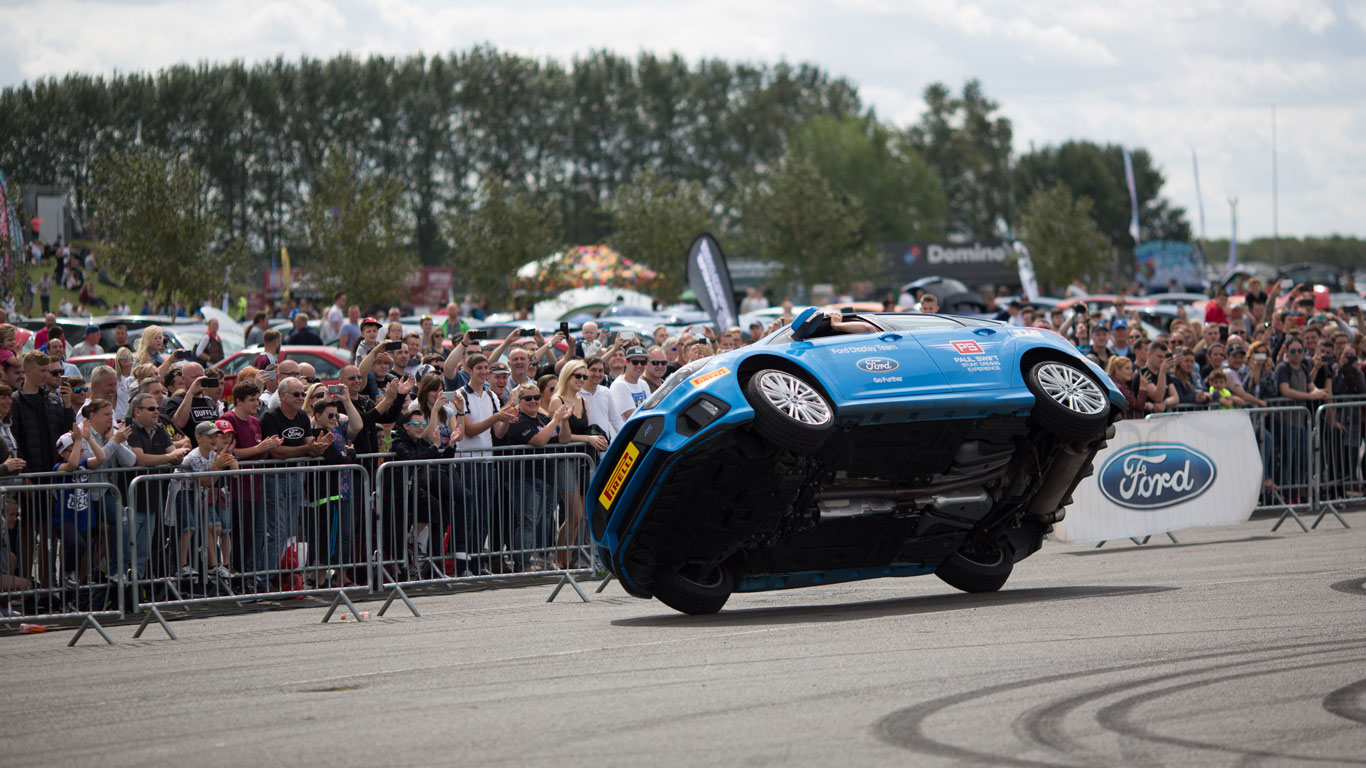
Not to mention a new Focus RS, which was driven around the arena on two wheels.

In pictures: the festival of fast Fords

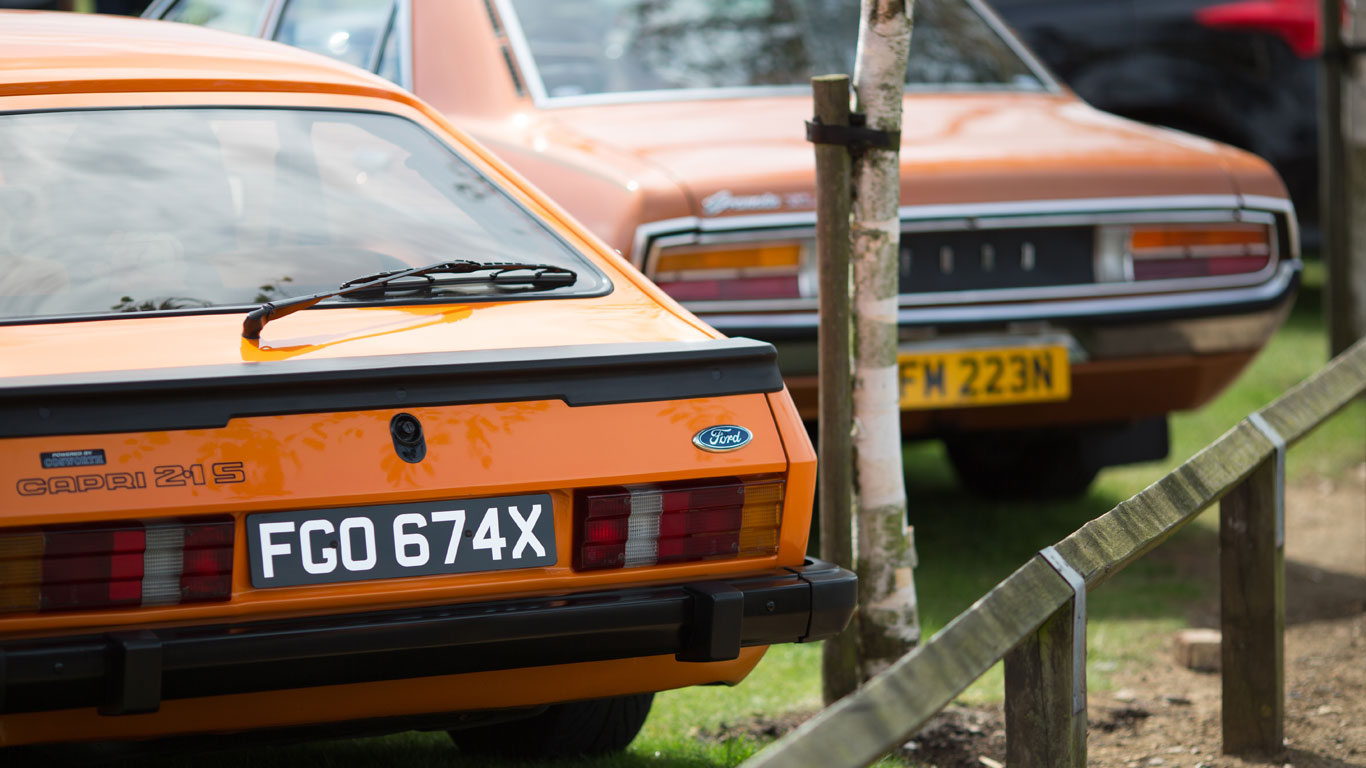
For classic Ford fans, a special Classic Zone featured a variety of Fords from yesteryear.

In pictures: the festival of fast Fords

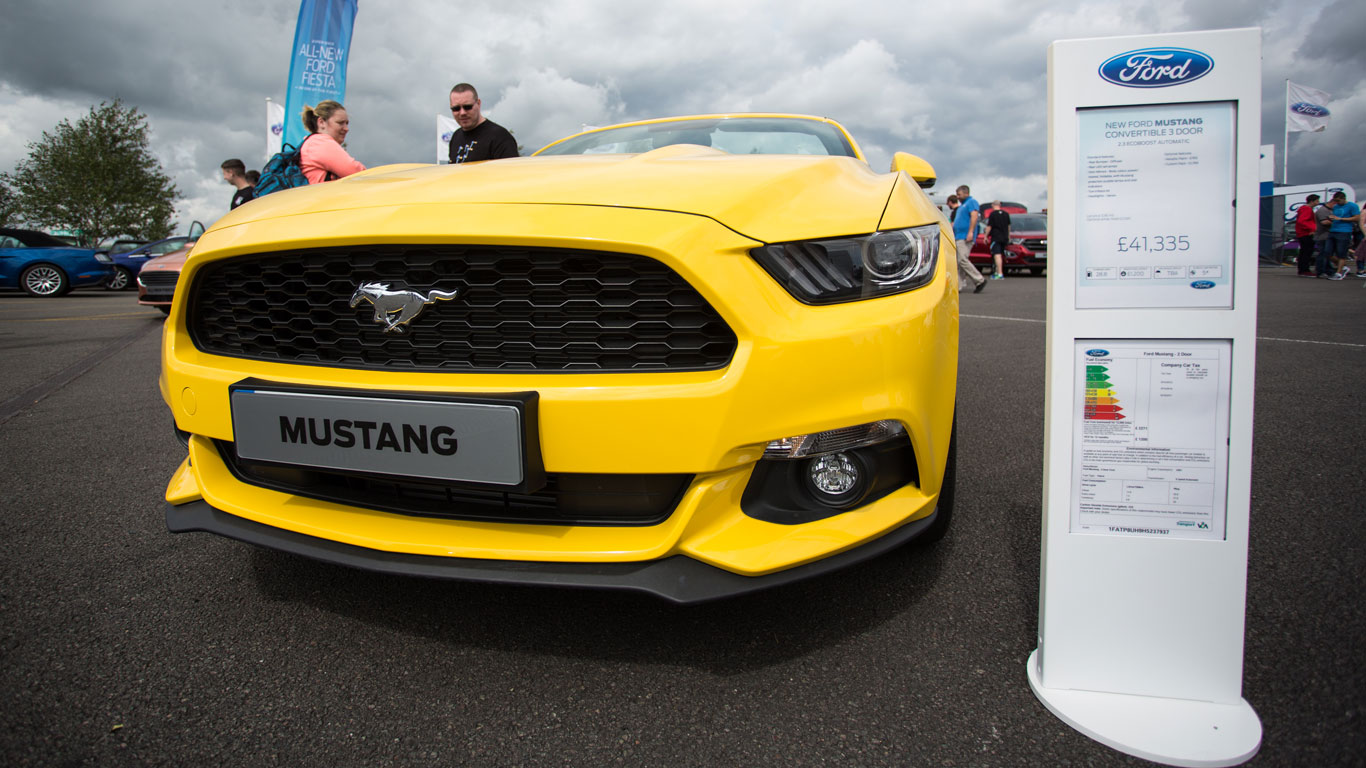
Ford itself also had a number of models on display, just in case any visitors were considering an upgrade. Here’s a Ford Mustang convertible in 2.3-litre Ecoboost guise.

In pictures: the festival of fast Fords

Even in the age of online auctions, nothing beats an old-fashioned autojumble.

In pictures: the festival of fast Fords

Where else will you find an original Ford GT40 parked next to the new GT? Which would you take home?

More Fords on MR:

Advertisement

The best value cars according to owners

0

Best value carsHow do you measure the value of a car? A low price is one thing, but the gloss will soon wear off if you’re forever spending money on parts and repairs. Equally, a more expensive car could be rated as excellent value for money if it never goes wrong and puts a big smile on your face.

And, sure, a new car review might provide some insight into a vehicle’s strengths and weaknesses, but real-world experience is far more valuable. Which is where Auto Trader’s ‘best value’ list comes in. Using the views of 10,000 car buyers, it has created a rundown of the cost-efficiency of 10 car brands. We’ll present the results in reverse order.

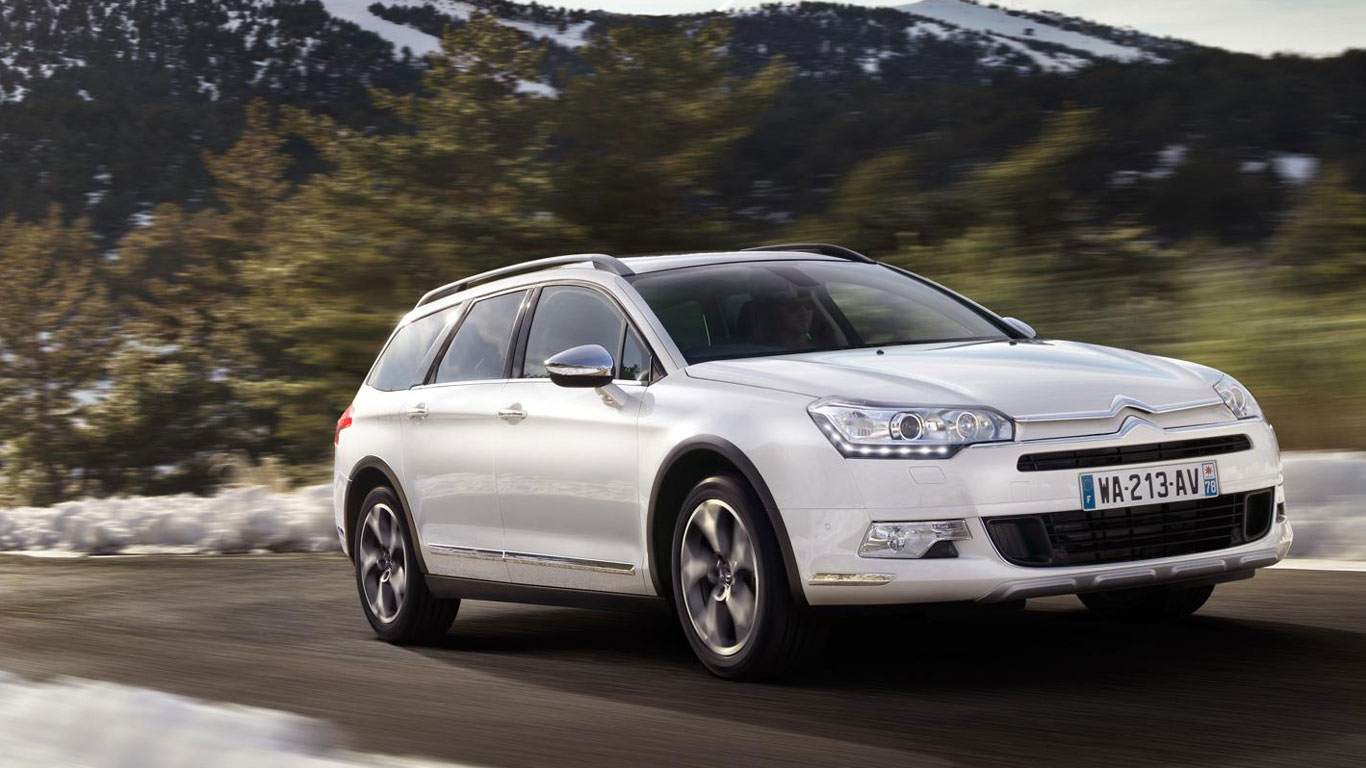
10. CitroenBest value cars

Once upon a time, Citroen was the world’s most innovative carmaker, before it descended into the automotive equivalent of the bargain basement bucket towards the end of the century. Today, the innovation might be lacking, but its range of cars is arguably more interesting than the supposedly premium DS Automobiles. Discuss…

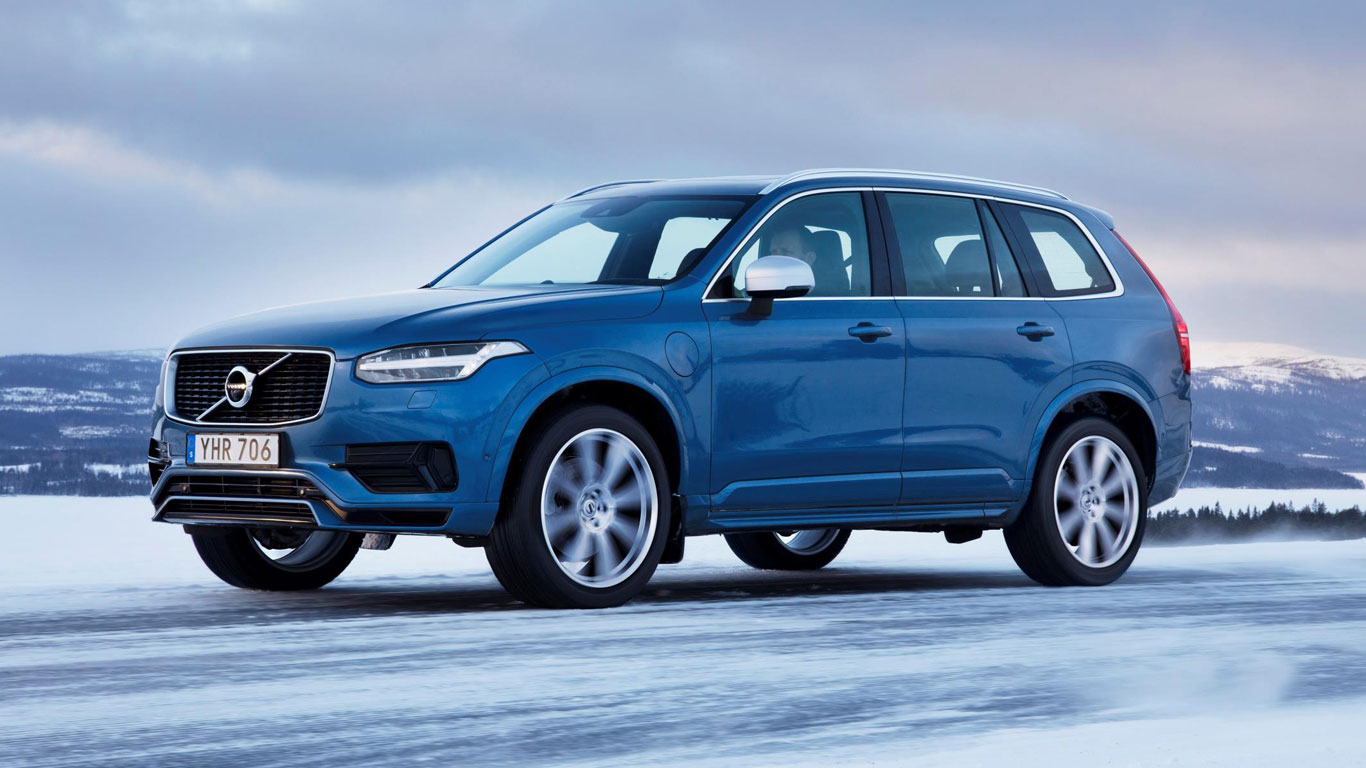
9. VolvoBest value cars

This will be seen as a good result for Volvo, with the Swedish brand keen to compete with the premium Germans without adopting a me-too approach to design and marketing. It’s working, because the XC90, XC60, V90 and S90 are terrific cars.

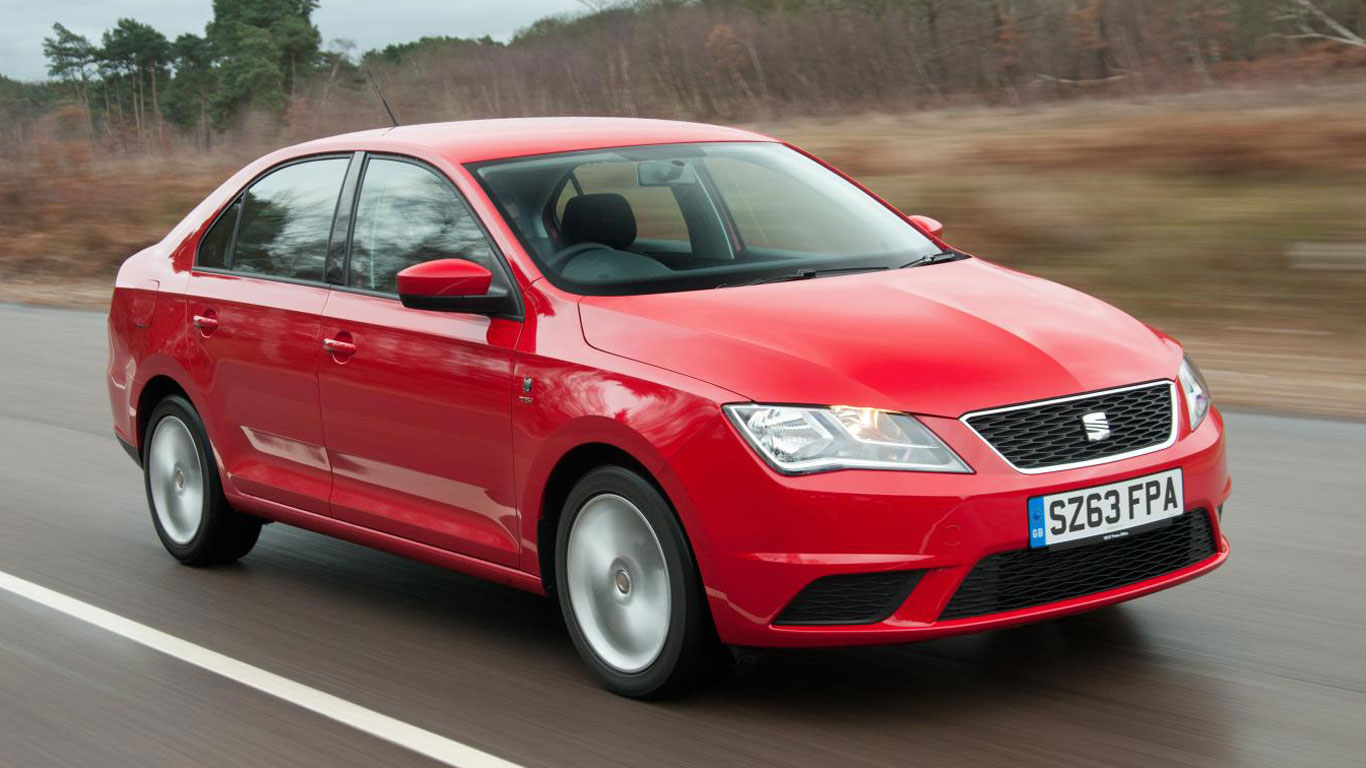
8. SEATBest value cars

SEAT is on a bit of a roll at the moment, with motoring experts hailing the new Ateca as the best thing since somebody took a knife to a loaf of bread. The new Ibiza is also a bit of hit and has the potential to steal sales from its Polo sibling and the new Fiesta. SEAT also sells the Toledo…

7. JaguarBest value cars

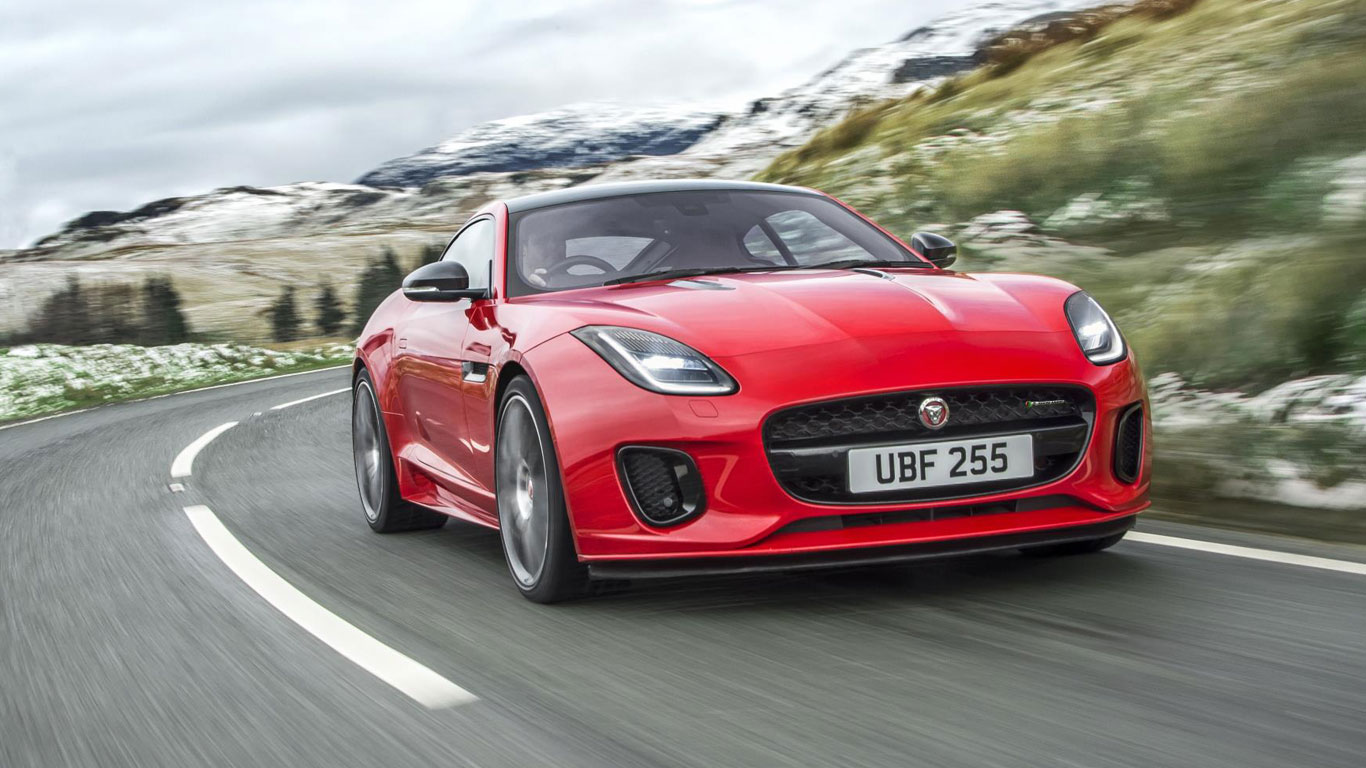
There will be some head-scratching going on at Jaguar Land Rover, with the latter brand near the bottom of Auto Trader’s chart. The Jaguar range is shaping up rather nicely, with products that tick both the ‘head’ and ‘heart’ boxes. If the F-Type appeals to the heart, the F-Pace can appeal to both.

6. LexusBest value cars

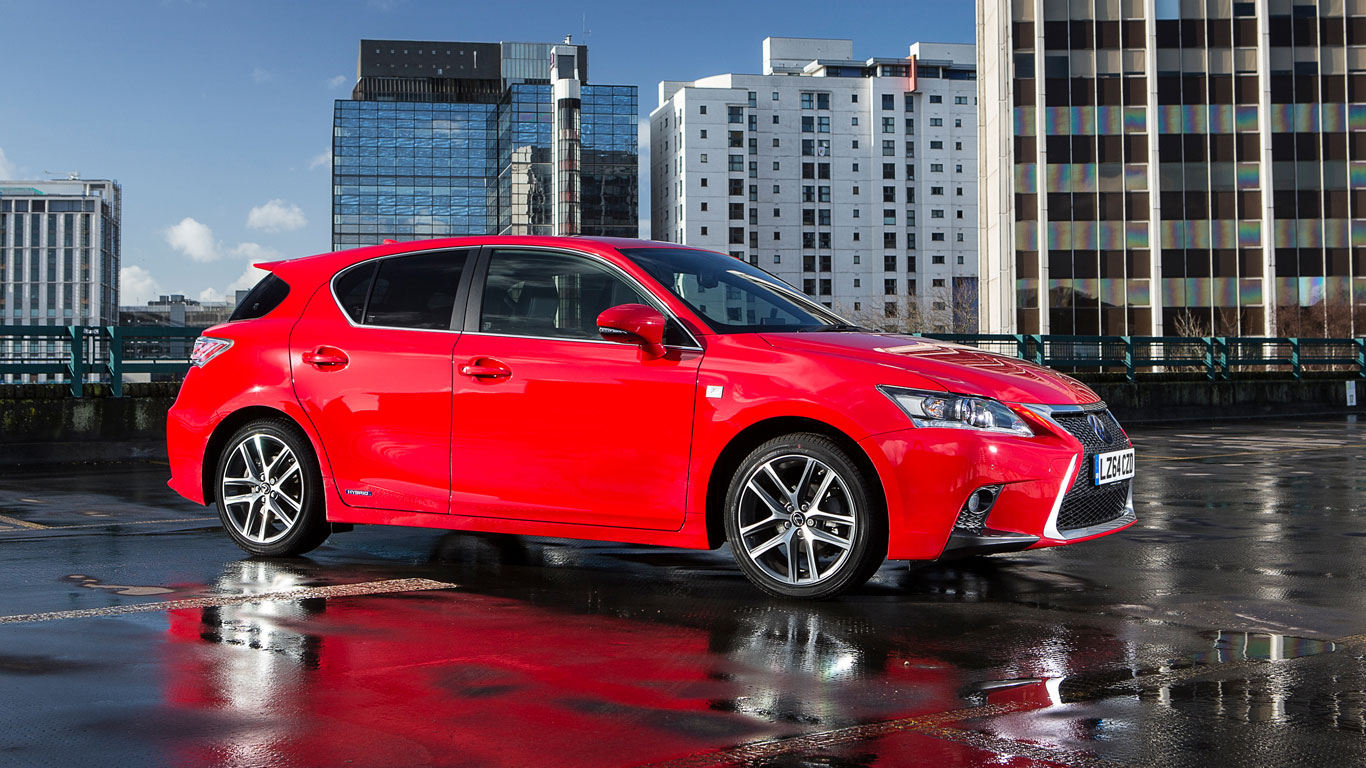
Such is Lexus’ reputation for reliability and excellence, a top 10 finish was almost guaranteed. The posh arm of Toyota tends to score well in customer satisfaction surveys and was recently named ‘Best Manufacturer’ in the Auto Express Driver Power Survey. In the same survey, its dealers were named the best in Britain.

5. SkodaBest value cars

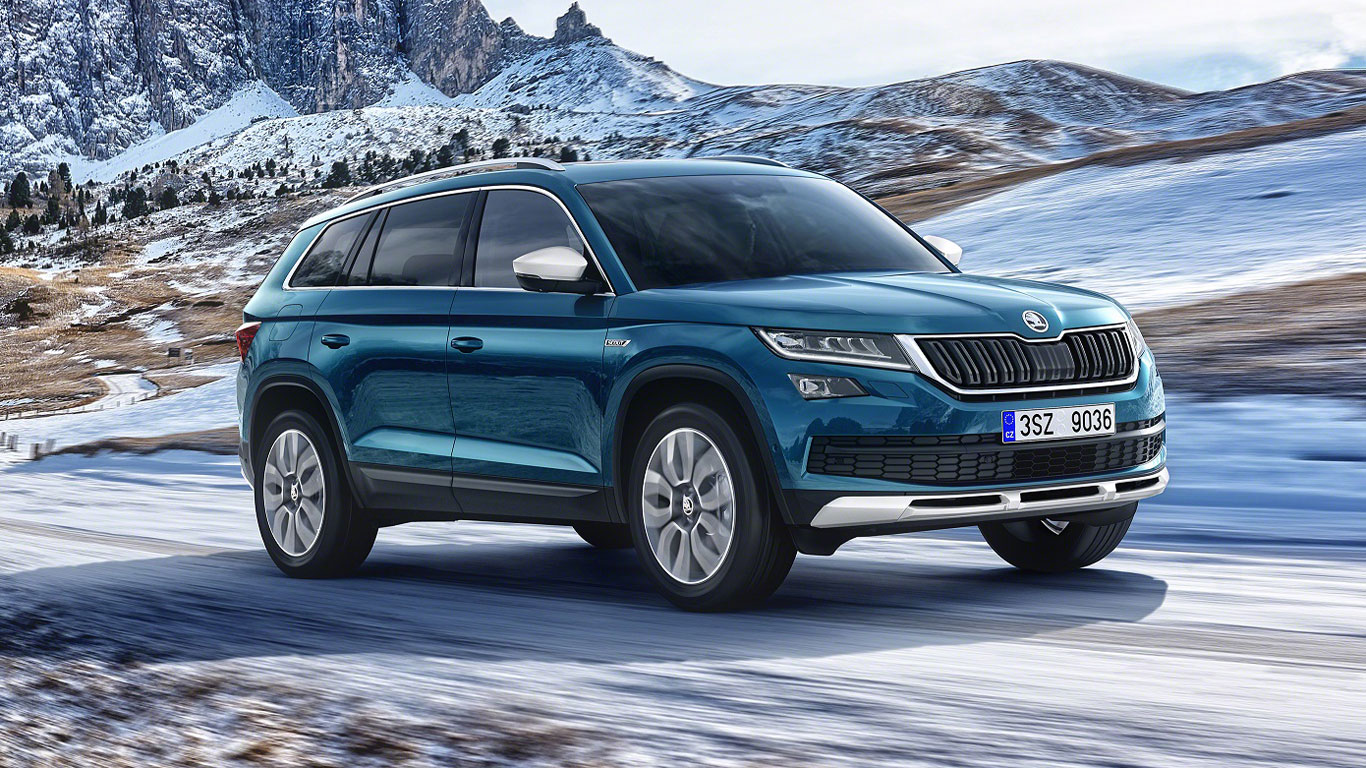
And so we reach the top five, where we find Skoda, which has managed to upstage Volkswagen, Audi and SEAT. The Kodiaq is arguably the most convincing new crossover of 2017, although we’re a little sad to be waving goodbye to the Yeti. Its replacement, the Karoq, has a lot to live up to.

4. HyundaiBest value cars

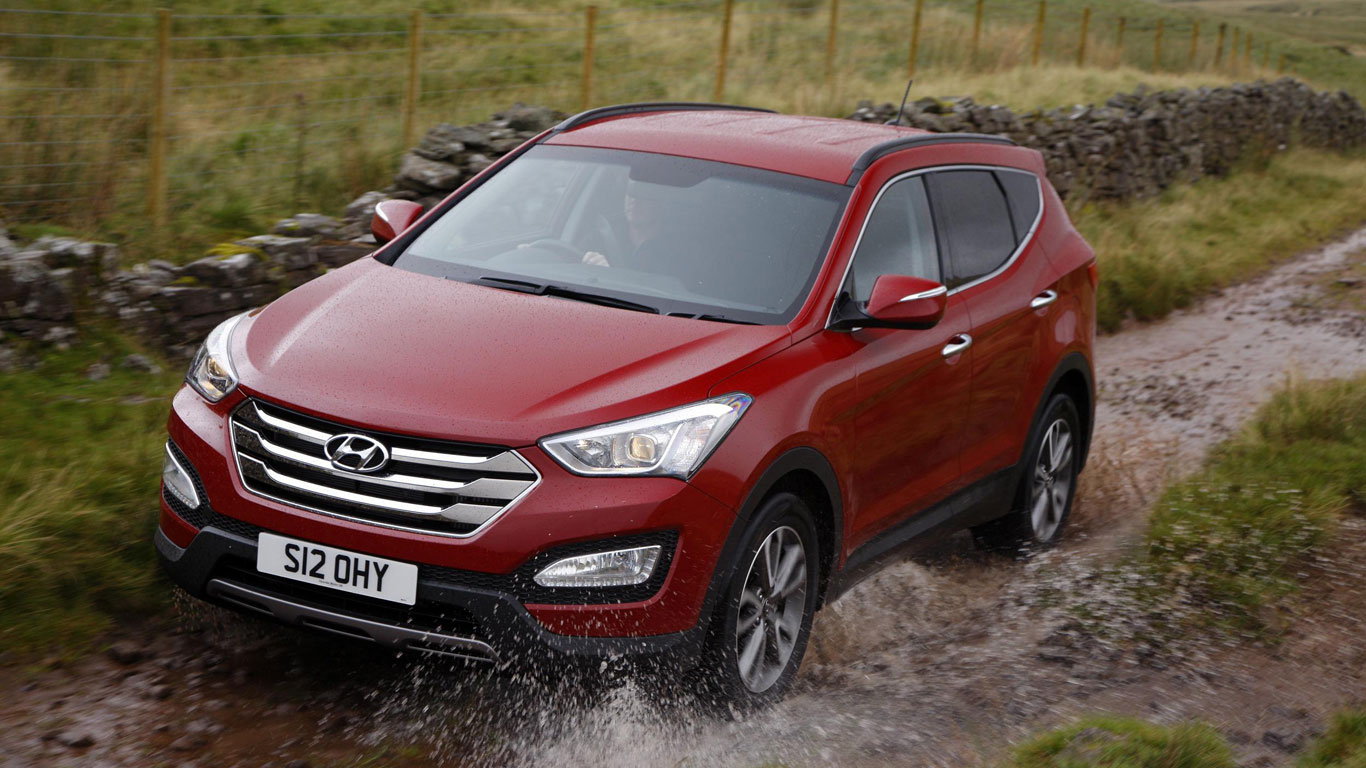
If you’ve been paying attention, you can probably guess the top four using a process of elimination. Hyundai has always appealed to the head, but the launch of the i30 N hot hatch should add some much needed emotional qualities to the brand. Meanwhile, Hyundai offers a five-year unlimited mileage warranty.

3. KiaBest value cars

Speaking of warranties… Kia offers a seven-year warranty, but it’s worth noting that, unlike Hyundai’s five-year cover, this one is limited to 100,000 miles. Kia’s range kicks off with the £9,450 Picanto S, but extends to the £42,045 seven-seat Sorento KX-4.

2. SuzukiBest value cars

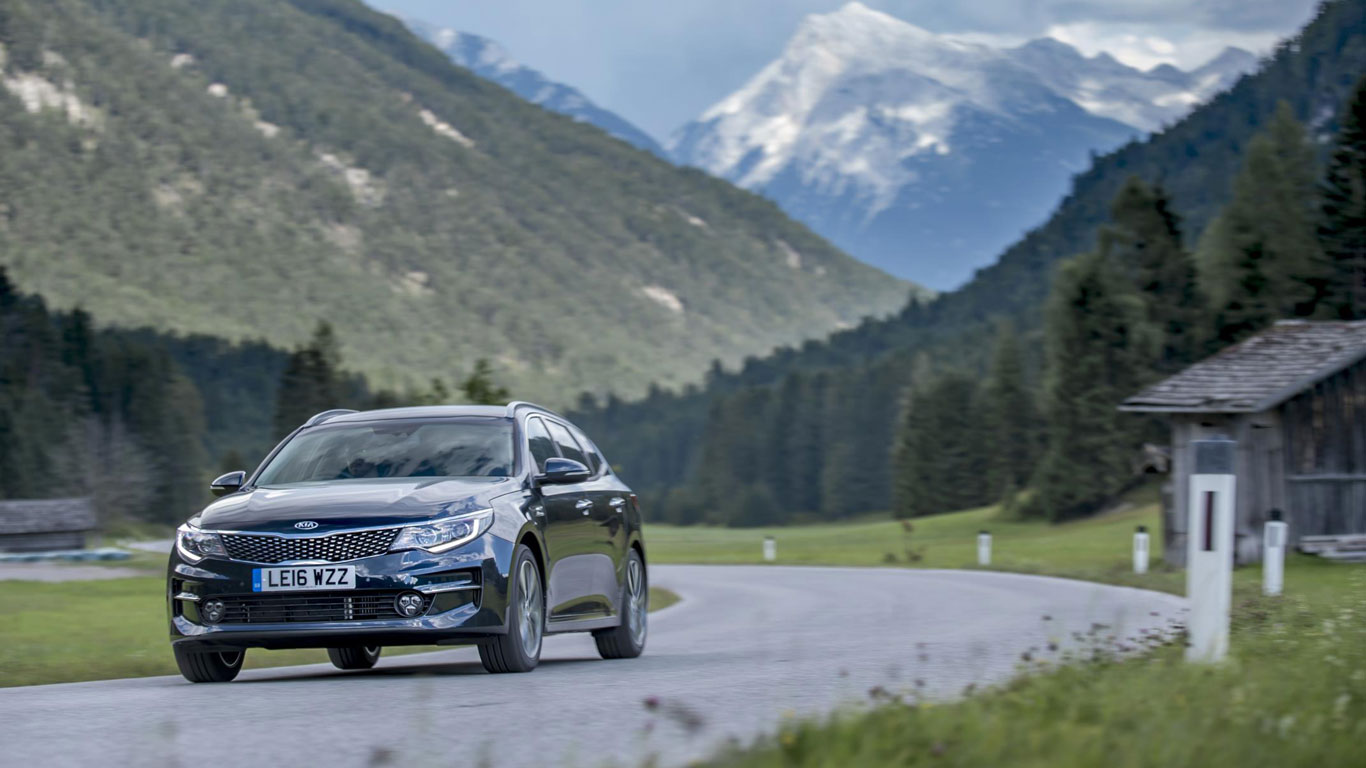
Suzuki doesn’t make an expensive car – although the £22,249 Vitara S raises a few eyebrows – but this result is proof that cheap can be cheerful. There’s a ‘Ronseal’ quality to Suzuki’s range: all the cars do exactly as they promise. Even the bargain basement Celerio is well equipped and surprisingly appealing.

1. DaciaBest value cars

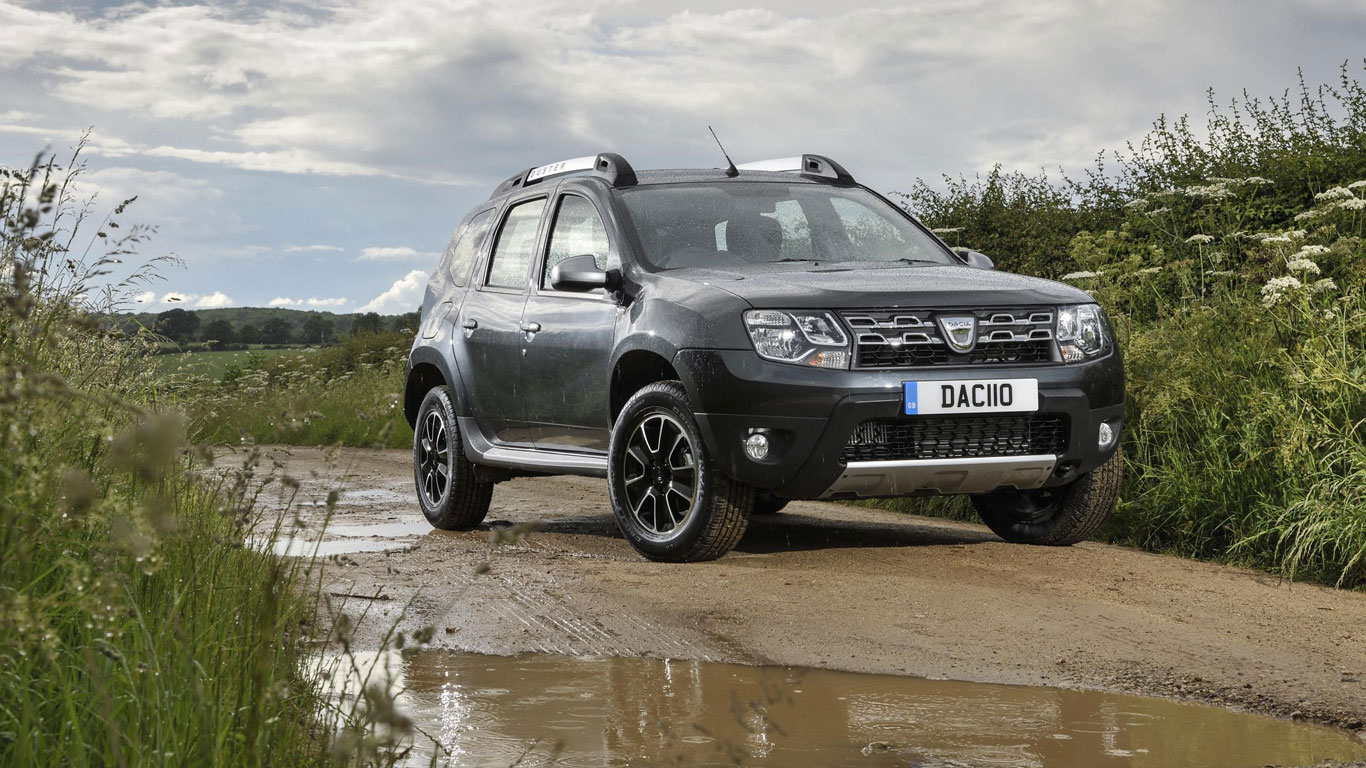
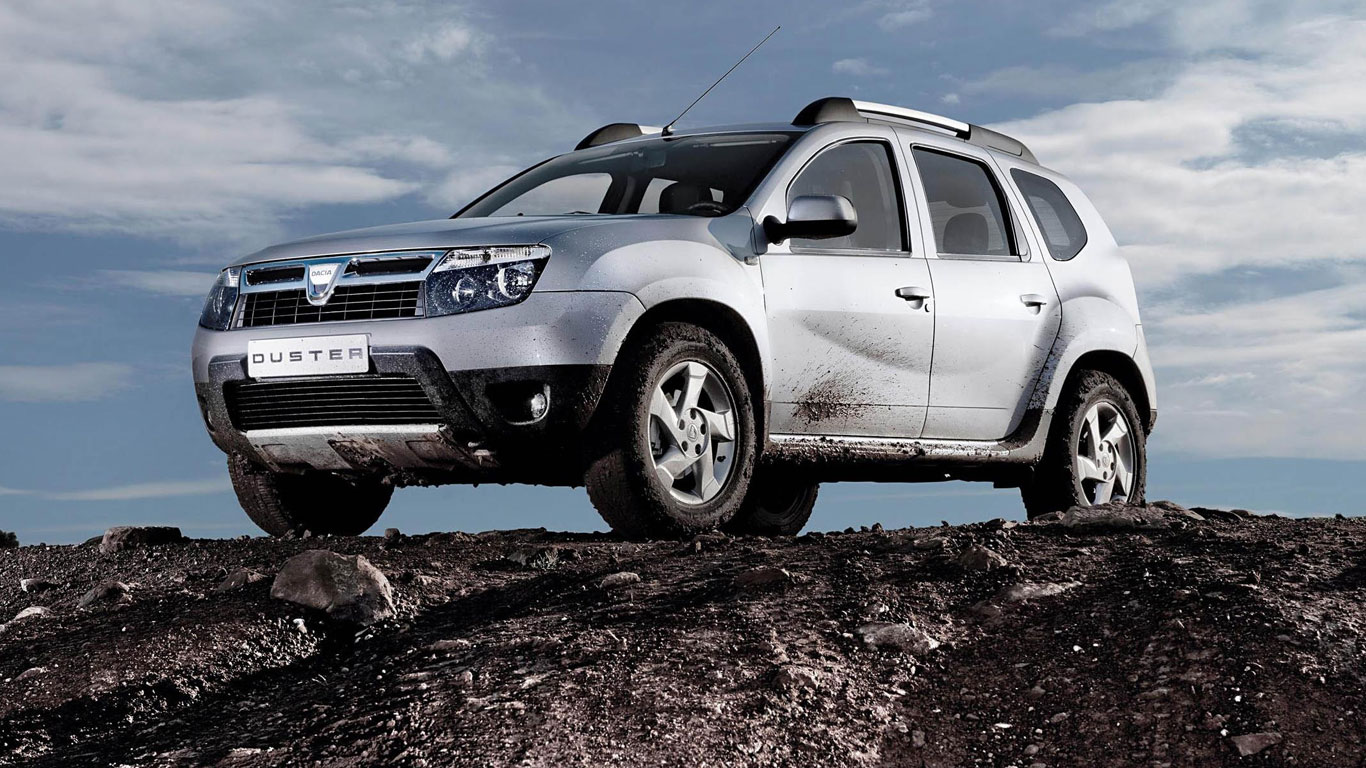
Congratulations, Dacia, because 10,000 Auto Trader readers believe you build the best value cars in Britain. Prices start from £5,995 for the basic Sandero Access, but the majority of buyers splash the cash on some much needed ‘luxuries’. Here’s a side note: far from being worth next to nothing on the secondhand market, we couldn’t find a used Dacia for less than £2,600.

Update (August 31, 2017): Dacia says ‘we keep things simple’

Dacia has responded to news that it’s been voted the best value car brand in the UK. Dacia UK’s head, Louise O’ Sullivan, said: “The Dacia range offers UK drivers the most affordable new cars on the market and a rapidly growing number of them are drawn to the brand because we keep things simple and offer cars we know our customers want.”

It comes a day after Dacia revealed the first photos of its new Duster ahead of its reveal at next month’s Frankfurt Motor Show.

More news on MR:

 
Advertisement

Driving to France: ferry or Eurotunnel?

0

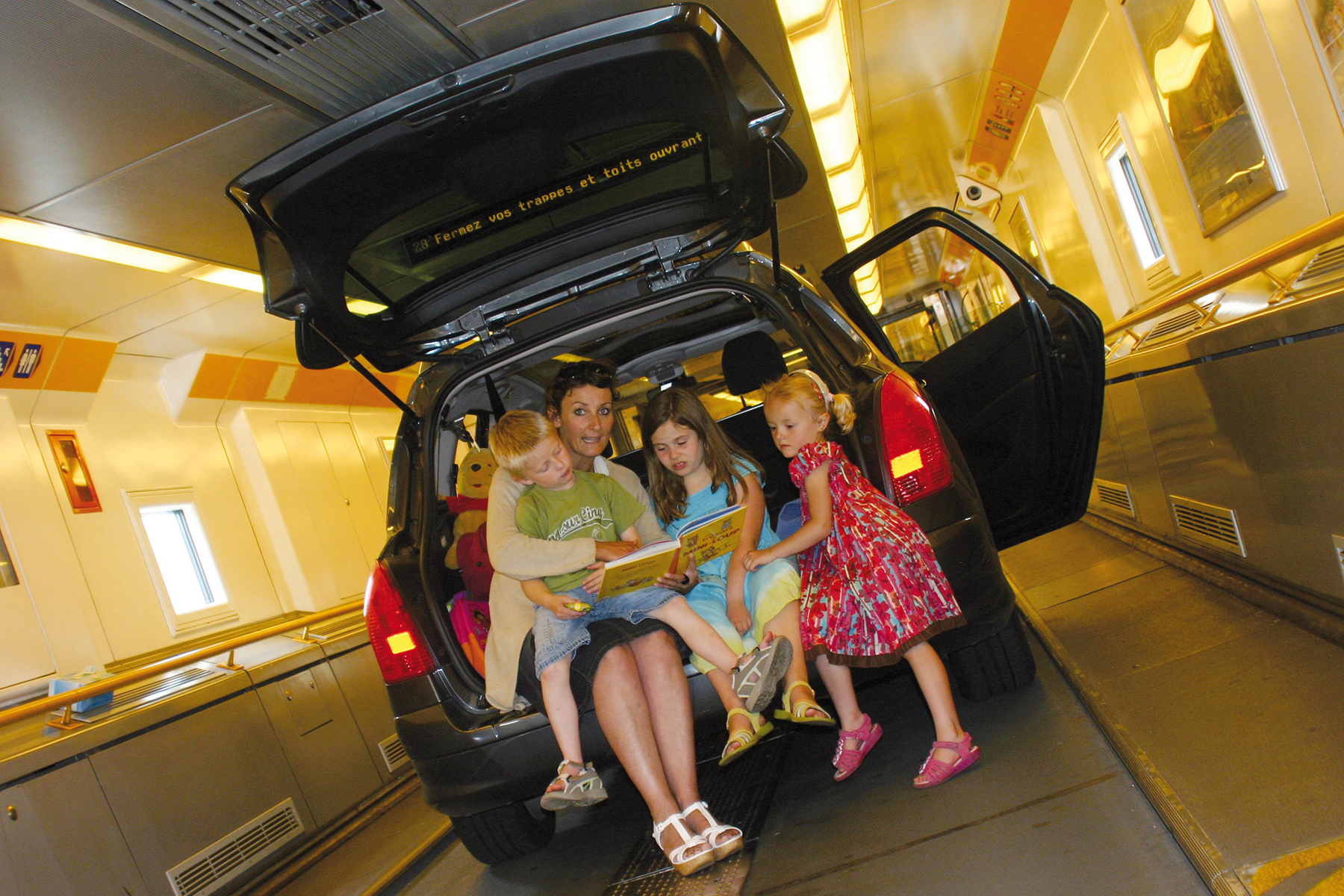
Driving to France: ferry or Eurotunnel?It’s an annual decision. Take the car ferry to France, or pop the car on the train? For many it’s a conclusion they came to years ago. Now, throw away your prejudices and take a fresh look at the pros and cons.

Getting there

With Eurotunnel you’ve only once choice – its down the M20 down to Folkestone. The Dover-based ferries also depart from the much same area of the south east of Kent, and end up a few miles apart from each other in Calais. Dover and Folkestone are some 65 miles from the Dartford crossing on the M25.

You don’t have to go to Calais. DFDS Seaways runs a Dover-Dunkirk service, which places you 25 miles up the coast closer to Belgium, Holland and Germany.

Deeper into France

Driving to France: ferry or Eurotunnel?

How quick is a short crossing?

Speed is why most people choose Eurotunnel. The crossing time to Calais is 35 minutes. P&O and DFDS take around 90 minutes to do the same, or two hours to Dunkirk. Factor in a 60-minute check-in, though, and the difference between train and ferry becomes 95 minutes and 150 minutes.

What about the long ferry crossings?

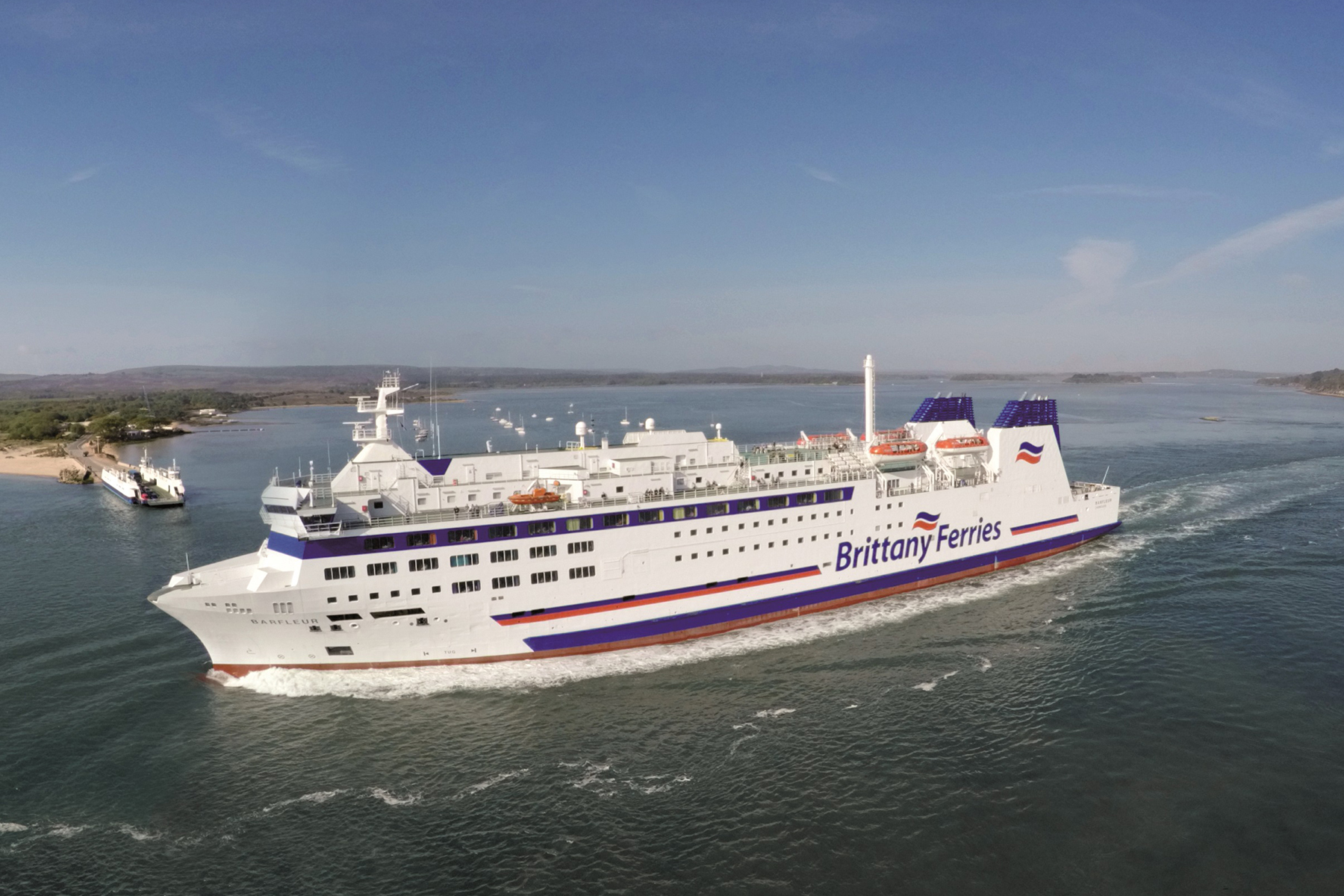
Getting you closer to central and western France will require a longer – and more expensive – ferry crossing. It takes approximately four hours to get to Dieppe, six to Caen or Roscoff, and between eight and 12 to St Malo or Le Havre. Overnight crossings tend to take longer than day crossings, so that you can disembark at a respectable time of the morning. Brittany Ferries also has a high-speed ferry from Portsmouth to Cherbourg that takes just three hours.

How much will it cost?Driving to France: ferry or Eurotunnel?

How long is a piece of string? ‘Fluid’ pricing is commonplace, so that when sales have been high, the best deals disappear – just like Ryanair and Easyjet. Last-minute bookings in August, for a family of four with a car on the short crossings, are around £220 for the ship to Calais, and closer to £300 through the Eurotunnel. Reckon on saving a third of that on the ferries by booking a year ahead. Eurotunnel hasn’t published fares that far in advance, but there will be deals too.

Brittany Ferries, with its longer crossings, is naturally more expensive, and at short notice it was hard to find a crossing for less than £600 at the weekend, rising to nearer £800 on the popular St Malo crossing.

So which is best: ferry or train?

In my view, the ferries win hands down, every time. Do I want to save an hour of my life simply to travel in metal tube, at best industrial-chic, but to my thinking more like putting my car and my family into a larger version of an Underground train? Can I relax here, go for a pleasant walk, get some decent food, find a nice place for a wash and brush up? You already know the answer.Driving to France: ferry or Eurotunnel?

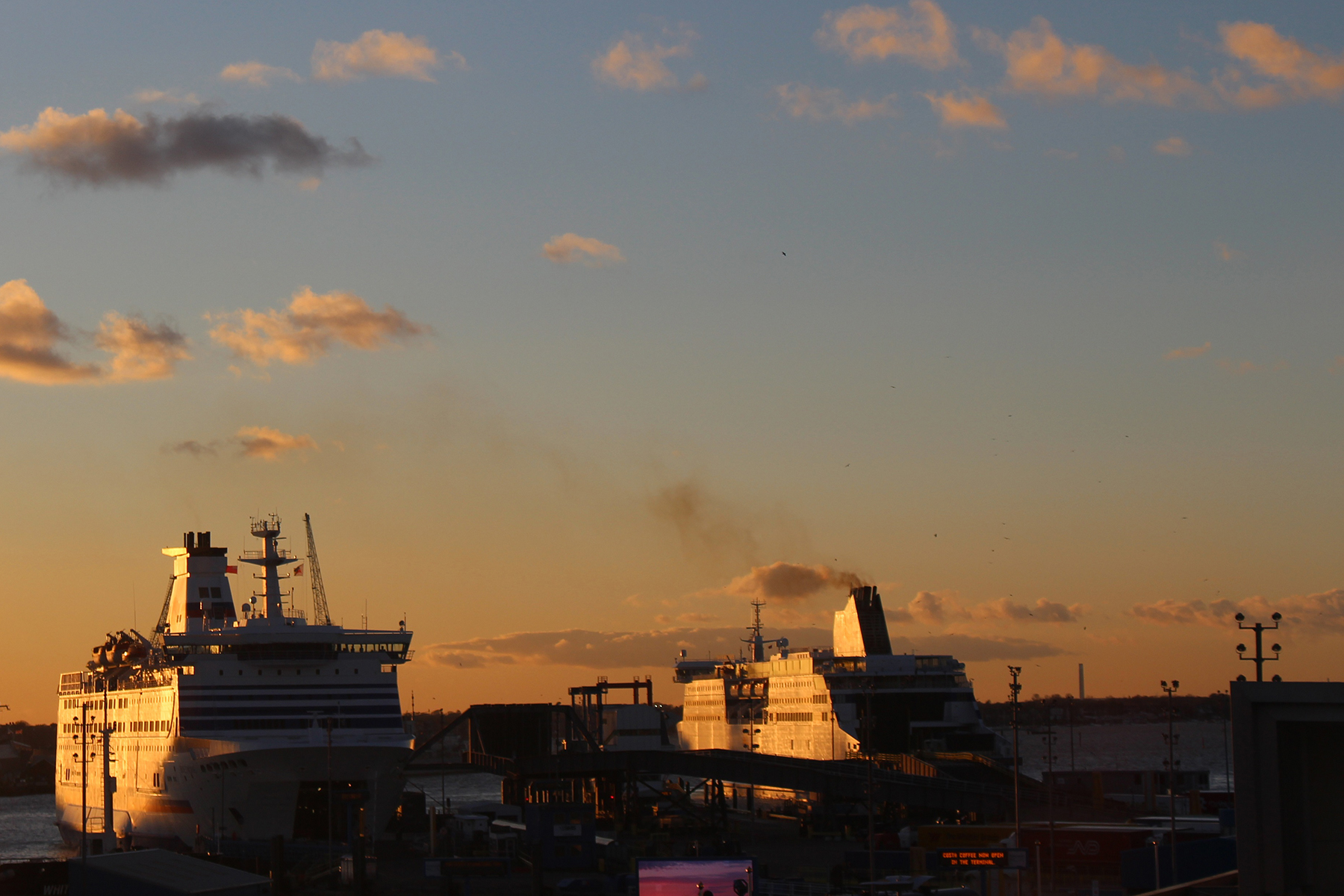
By the time I get to Dover, and I live only 100 miles away, I am ready for a meal, a break, and a tangible sense that I am going on holiday. The ferry does all that for me, and more. Take a long Brittany Ferries crossing and I can step the whole experience up a further notch, with fantastic restaurants and comfortable cabins. My advice is there’s no need to be in such a rush. Chill out and take the boat.

More news on MR:

Advertisement

Revealed: the best-selling cars in July 2017

0

Best-selling cars in July 2017New car registrations have fallen for a fourth consecutive month following uncertainty over Brexit. Figures released by the Society of Motor Manufacturers and Traders (SMMT) reveal that the market is down 9.3%, with 161,997 new cars registered in July. The top 10 best-selling cars of July contains one or two surprises.

More news on MR:

10. Audi A3

Best-selling cars in July 2017

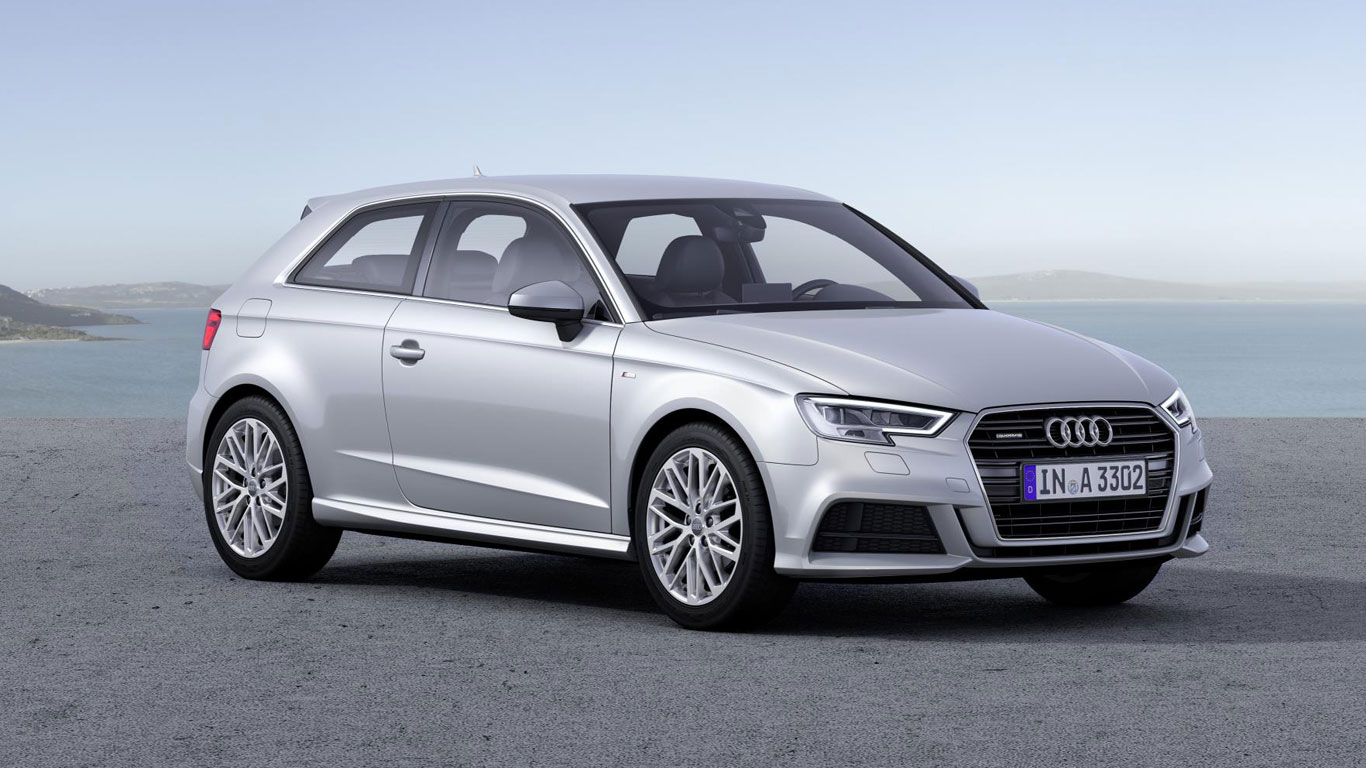
The Audi A3 returns to the top 10 with 2,607 registrations in July. It’s based on the same platform as the Volkswagen Golf, but a premium badge and a first-rate interior tempt buyers into spending a little extra cash.

There’s an A3 for everyone – it comes in three-door hatchback, five-door Sportback, four-door saloon and cabriolet body styles. There’s also an e-tron plug-in hybrid and super-fast RS3. With 400hp on tap, it’s the most powerful hot hatch in the world.

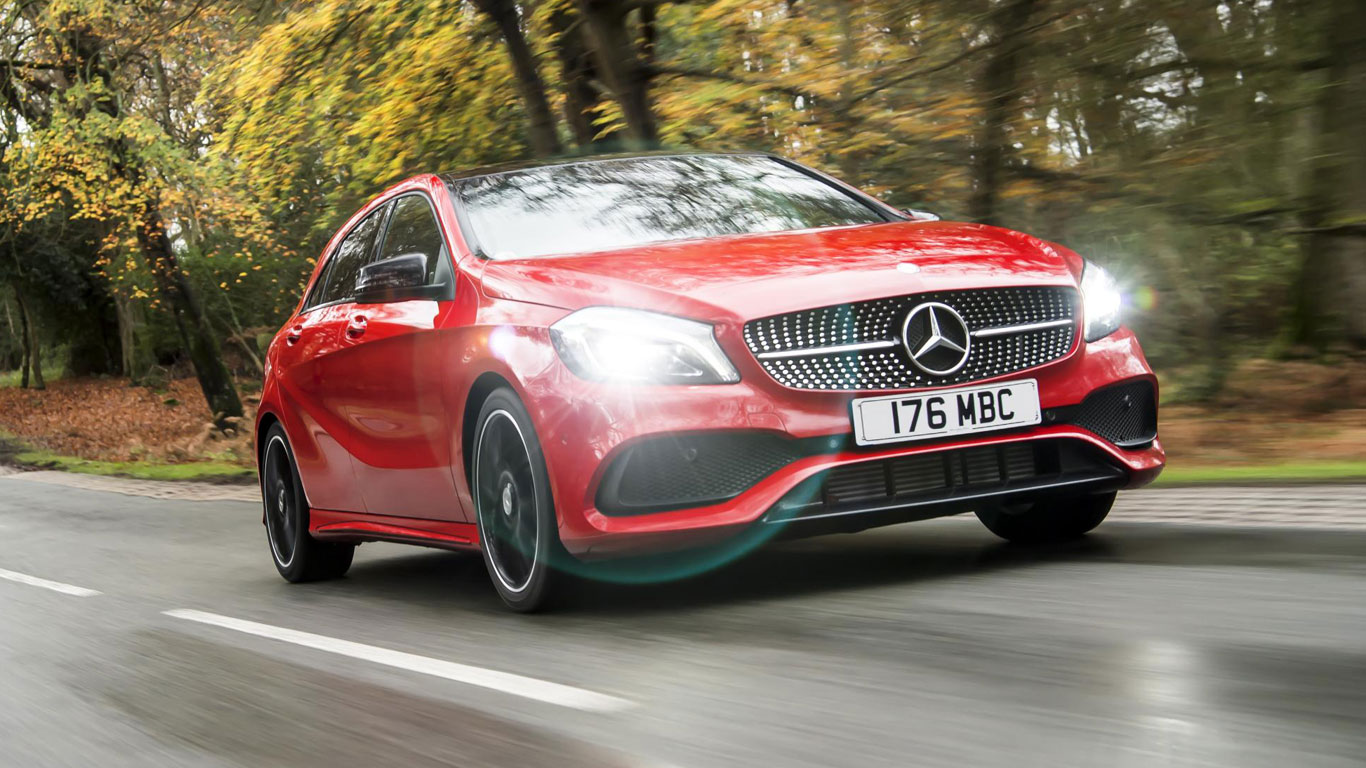
9. Mercedes-Benz A-ClassBest-selling cars in July 2017

Just nudging ahead of the A3 in the battle for premium hatchback supremacy is the Mercedes-Benz A-Class, with 2,809 registrations in July. It’s one of two Mercedes models to make the top 10.

The A-Class has a starting price of £20,715, which just goes to prove that buyers are prepared to pay more for the ‘right’ badge. The range includes everything from the entry-level 180d diesel to the AMG A45 4matic.

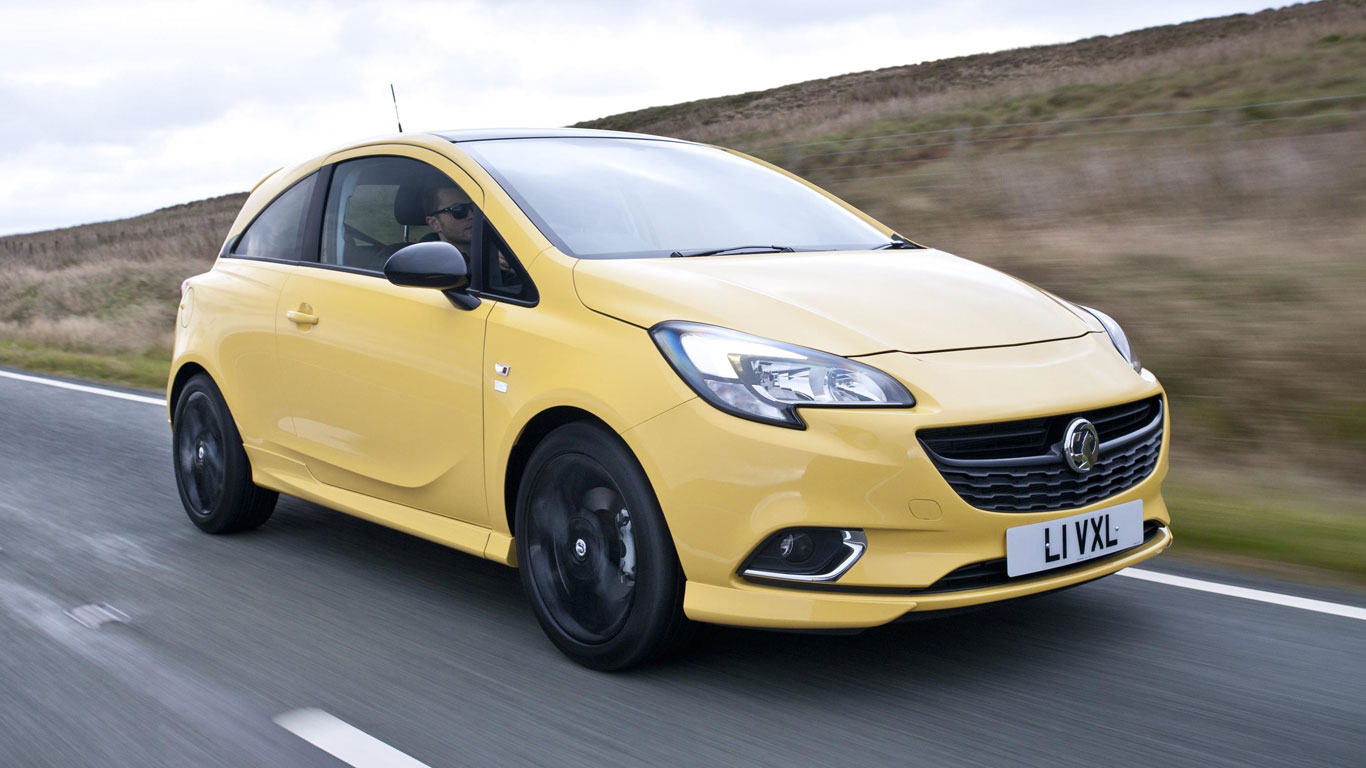
8. Vauxhall CorsaBest-selling cars in July 2017

Last month, the Ford Fiesta was knocked off the top spot by the Volkswagen Golf, as buyers shunned the outgoing model to wait for the new and improved version. A chance for the Vauxhall Corsa to claw back some ground, then?

Only it hasn’t. Instead, the Corsa has slipped to a lowly eighth position, with a grand total of 2,819 registrations. Year-to-date, the Corsa sits fifth overall and is danger of dropping into the bottom half of the table. Oh dear.

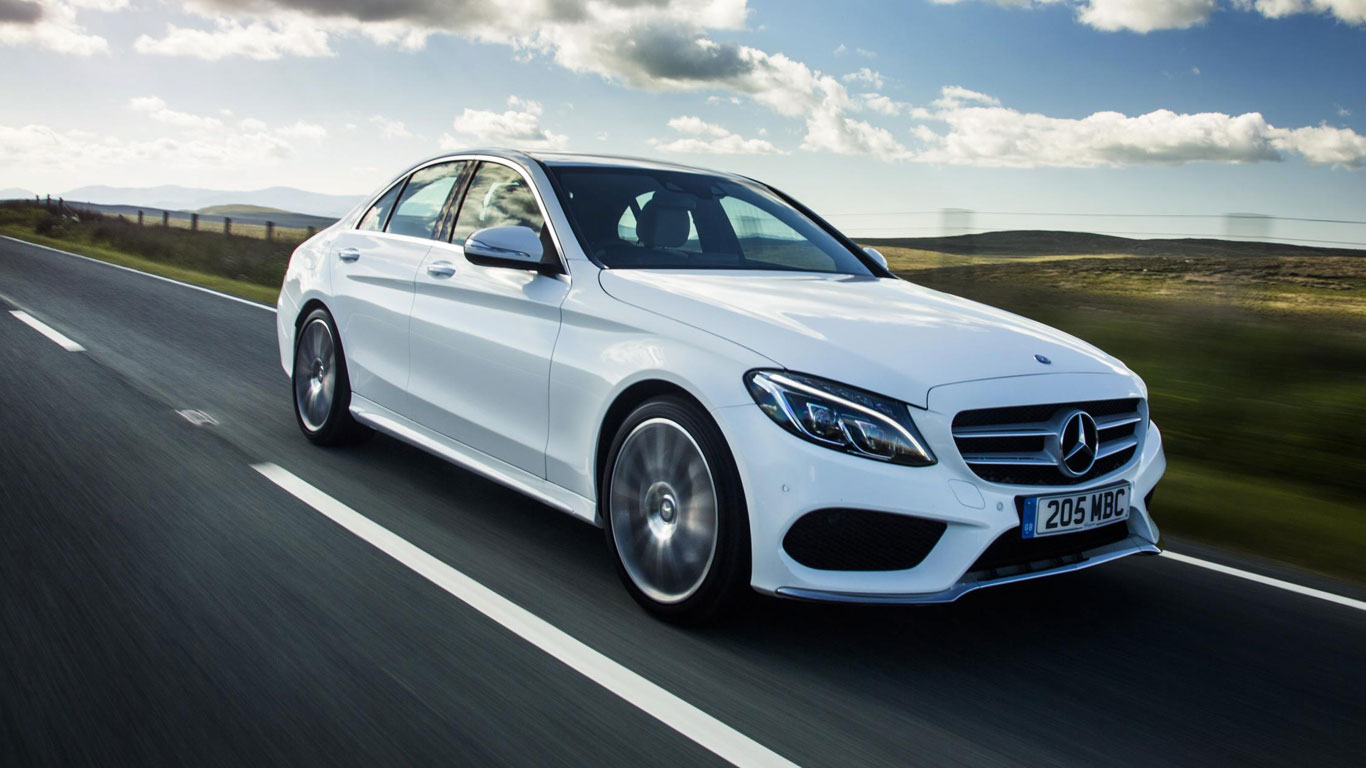
7. Mercedes-Benz C-ClassBest-selling cars in July 2017

The C-Class has climbed to seventh place, having finished 10th in June. We might be told that the crossover is taking over the world, but the C-Class proves that there’s life in the saloon car. A premium badge certainly helps.

To date, some 30,214 C-Class have left Mercedes-Benz showrooms, making it by far and away the UK’s most popular saloon car. Indeed, it’s the only saloon in the year-to-date top 10. The BMW 3 Series has disappeared from the top 10.

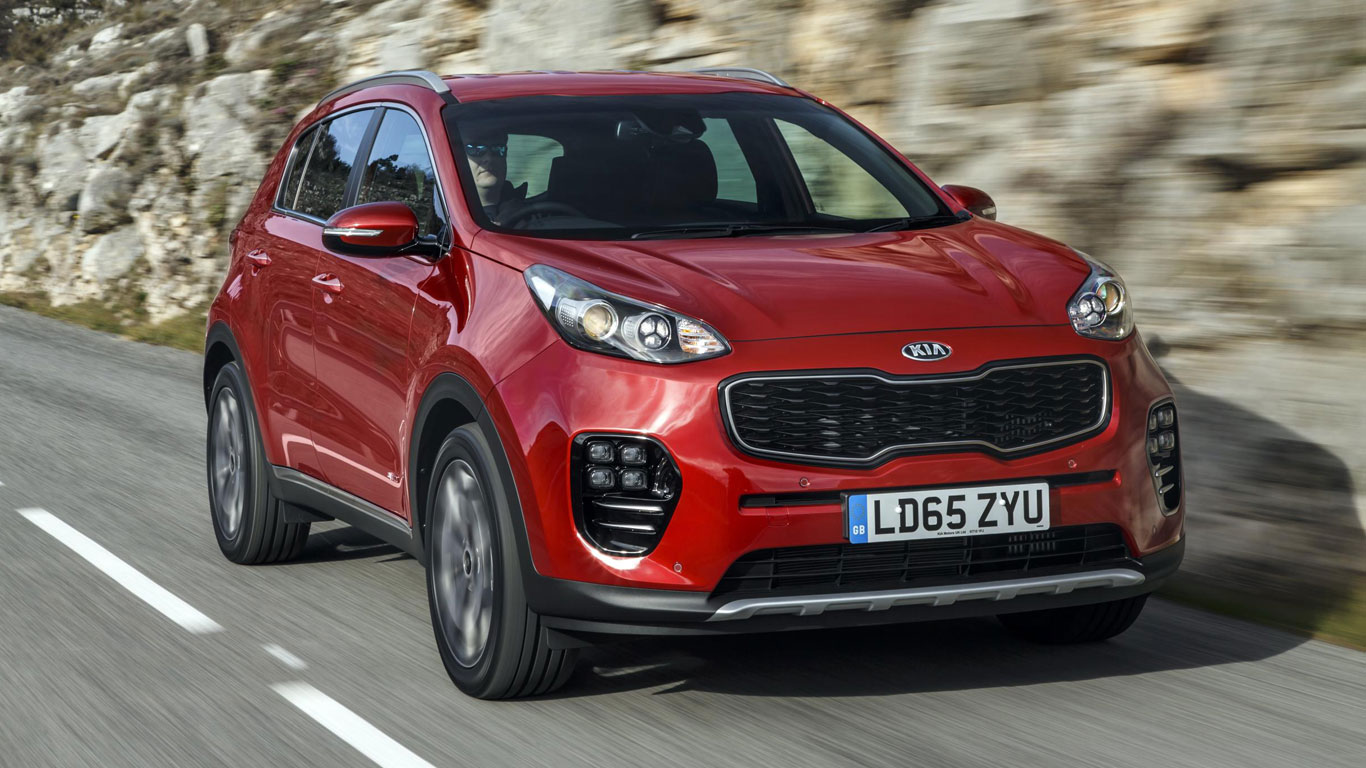
6. Kia SportageBest-selling cars in July 2017

The Kia Sportage is back in the top 10, securing its position as the nation’s second favourite crossover. A total of 3,155 units were registered in July.

The combination of a five-star Euro NCAP rating, seven-year warranty and excellent value for money edges the Sportage ahead in a competitive sector. Amusingly, there are 11 different trim levels to choose from.

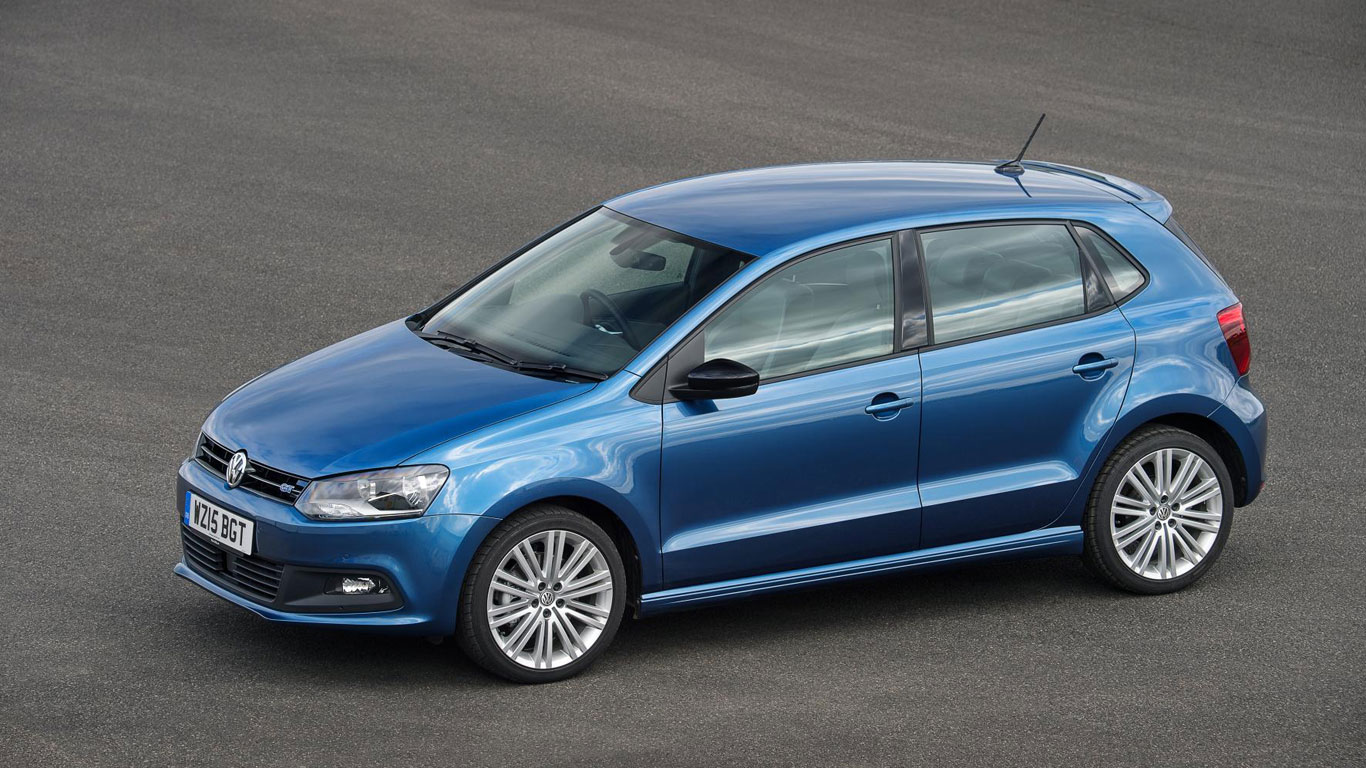
5. Volkswagen PoloBest-selling cars in July 2017

The Volkswagen Polo can also trace its roots back to 1975. A sixth generation Polo will arrive shortly, but the outgoing model is performing well, with 3,227 units shifted in July.

The range kicks off with the basic Polo S at £11,970, with the BlueGT and GTI sitting at the top. So far this year, 30,432 Polos have found homes in the UK. We wouldn’t bet against it overtaking the Corsa by the end of the year.

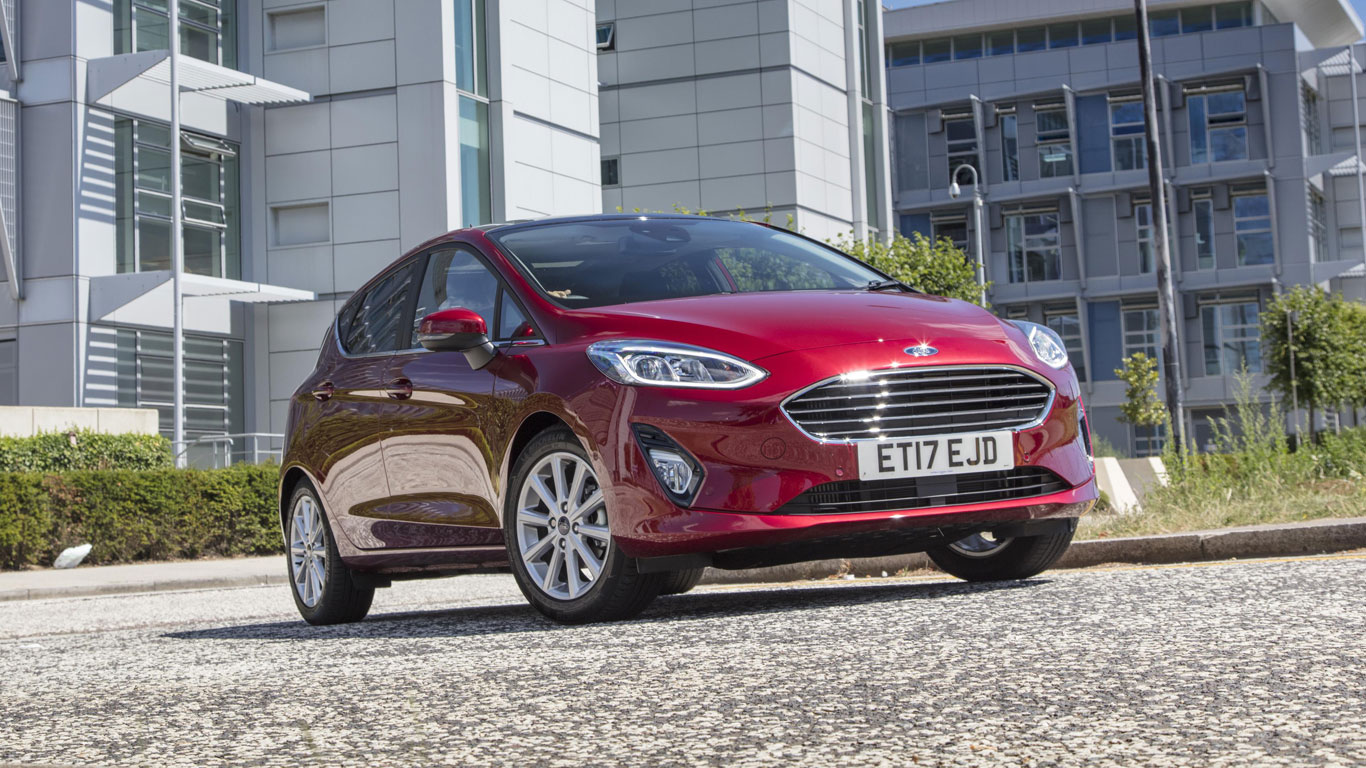
4. Ford FiestaBest-selling cars in July 2017

Oh, how the mighty have fallen. Having sat at the top of the charts for longer than Bryan Adams, the Ford Fiesta suddenly finds itself in uncharted waters. But don’t worry, it doesn’t need a lifejacket.

The Ford Fiesta is a victim of a model changeover, with buyers waiting for the new version, while dealers reportedly struggle to keep up with demand. In a tweet, Tim Holmes, head of PR for Ford of Britain, said: “Quick shout-out to our colleagues in Cologne to build us more new Fiestas!”

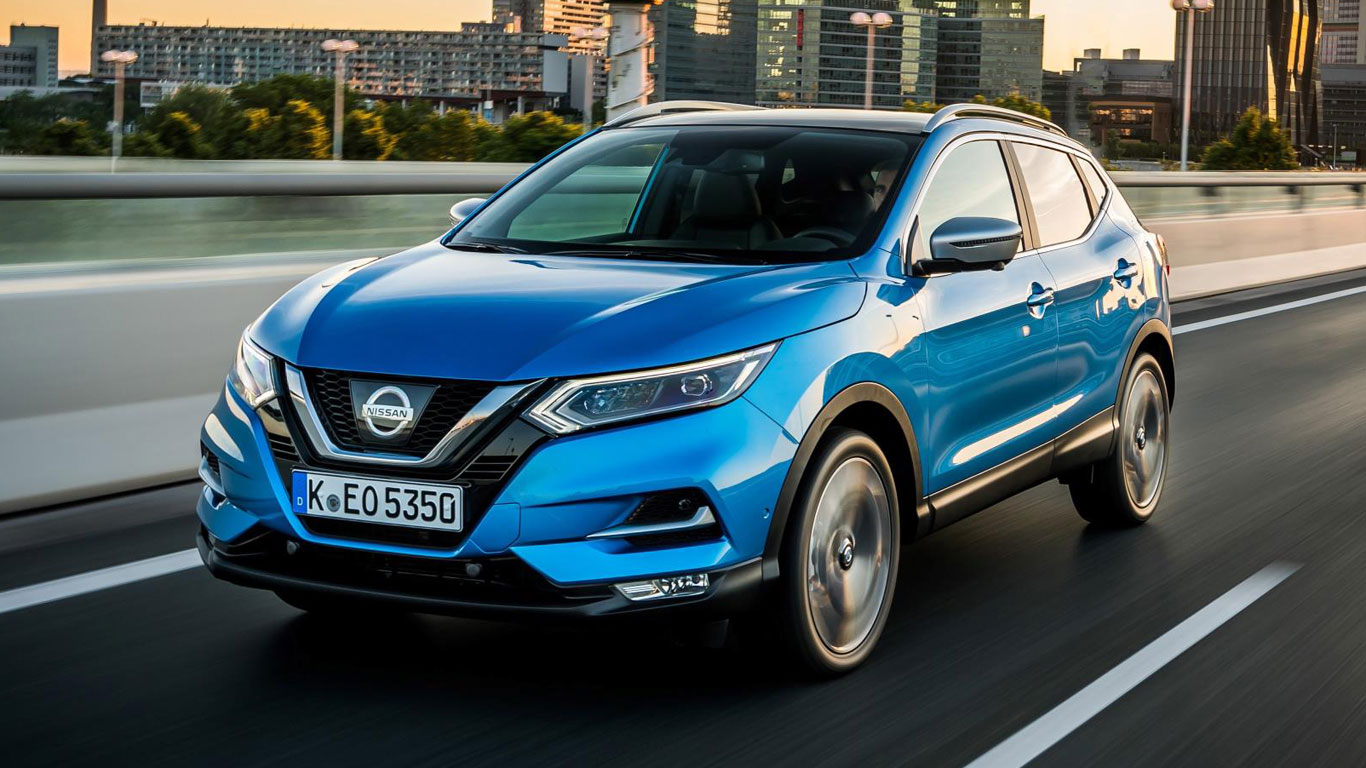
3. Nissan QashqaiBest-selling cars in July 2017

Look, there’s a new face for the UK’s best-selling crossover. Ten years since the Nissan Qashqai arrived on the scene, the second generation model has been treated to a new face, an improved interior and new equipment. A total of 4,640 units were registered in July.

The Qashqai is no longer the freshest or sharpest crossover in its sector, but it remains a terrific all-rounder, which helps it to retain a top 10 position, climbing into the top three in the process.
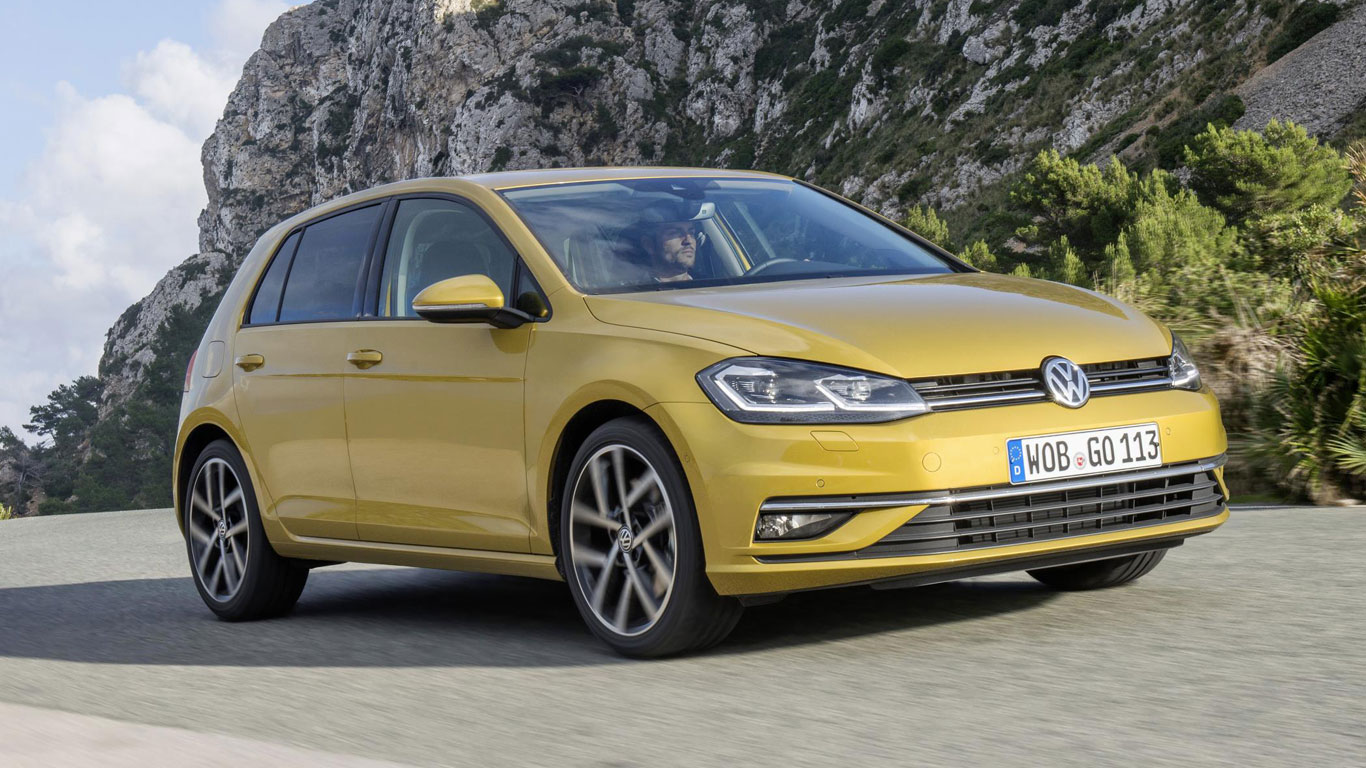
2. Volkswagen GolfBest-selling cars in July 2017

Following its brief stint at the top of the table in June, the Volkswagen Golf returns to second place in July. A total of 5,236 cars were registered last month, helping to cement the Golf’s position as the third most popular car of 2017.

Prices start from £17,765 for the Golf S, increasing to £32,710 for the Golf R. Estate versions are also available, along with electric and hybrid options.

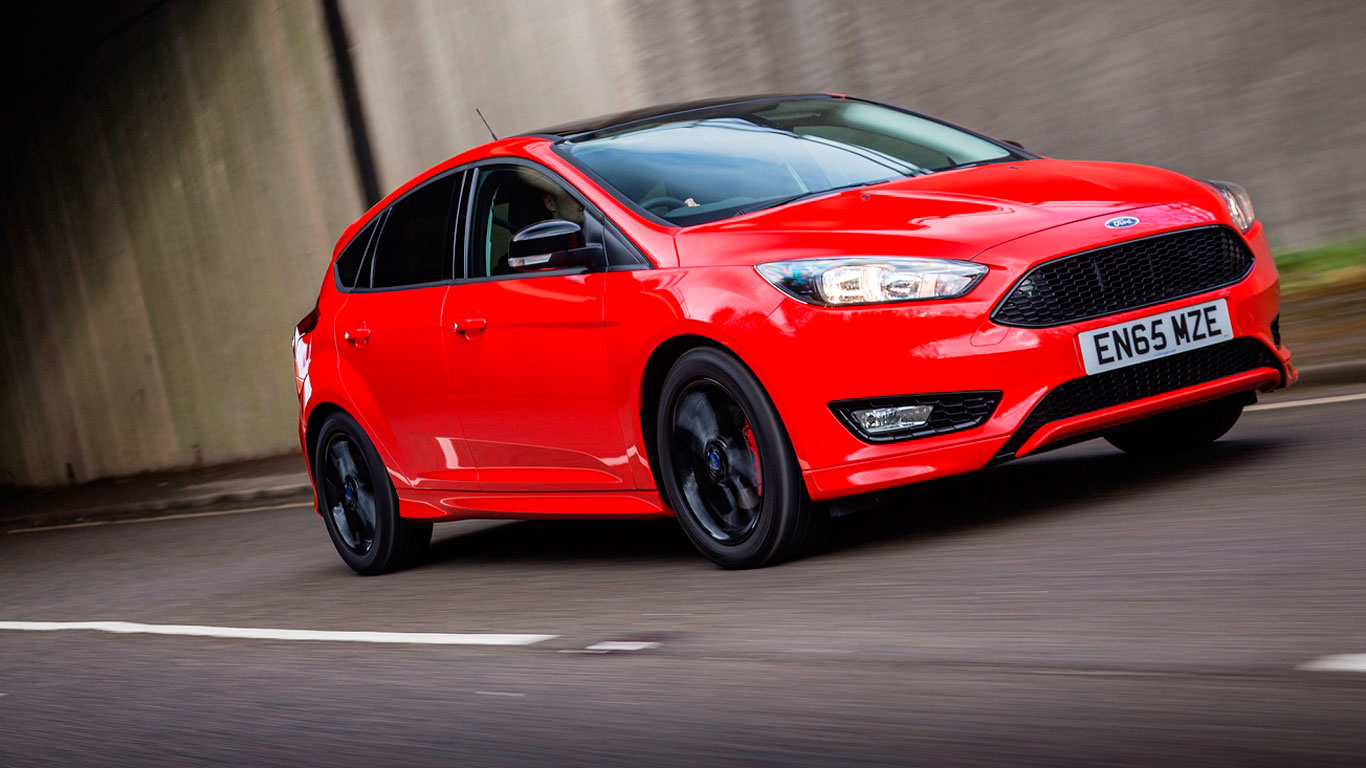
1. Ford FocusBest-selling cars in July 2017

Surprised? The Ford Focus has muscled in on the territory once dominated by the Fiesta, seeing off the Golf in the process. A total of 5,251 units were registered in July, just 15 more than the VW. The Vauxhall Astra doesn’t make the top 10…
Hot on the heels of the new Fiesta, a new Ford Focus will arrive in 2018. We’re not expecting a radical change to the styling, but we expect it to be lighter than the current model with a host of new tech.

Advertisement

Opinion: Why are people not buying Vauxhalls?

1

Vauxhall badgeAnother month of falling new car sales, another decline in registrations of Vauxhalls. Only in July 2017, it was an eye-watering decline. In 2017, nearly 42 percent fewer Vauxhalls were registered than during the same month in 2016. 42 percent!
In raw numbers, that’s a fall from 19,733 cars to just 11,528 vehicles. 8205 fewer cars sold. And for a brand that was once Britain’s de facto number two – and, at times during the 1990s, the best-selling car maker in the country – that’s little short of staggering.


More Vauxhall on MR:

PSA’s purchase of Vauxhall/Opel from General Motors is complete
Ford vs. Vauxhall: retro hot hatch showdown
New car sales plummet for fourth month in a row


Last month, Vauxhall market share was not only obviously worse than Ford, but also below Volkswagen, Audi… even Mercedes-Benz! Fair enough with VW beating it, as the dieselgate-struck brand is currently very keen to cycle people into the uber-desirable new Golf… but the UK’s only genuinely British volume brand beaten by not one but two premium brands? Something’s really not right there.

Vauxhall has in the past said that it’s fine with market share declines, as it’s chasing profitable sales, not sales at any cost. That’s all well and good, but there has to be a limit to this, surely? Has to be a point at which throughput of new cars at dealers simply isn’t good enough? And how much profit can you really stretch out of an Astra or Corsa, anyway

The new Astra is a good car, and a British-built one at that. Why it’s not selling is thus strange: it’s received strong press reviews and surely the UK-made element is more relevant than ever in our Brexit-obsessed world. Point the finger at bad marketing, perhaps? Because there’s no excuse for it not appearing on the top 10 best-sellers chart for July, not when the ageing Ford Focus can take the top spot.

Superminis are Britain’s favourite type of new car, and here, Vauxhall is hamstrung because the dreary Corsa is now so aged. It’s so archaic, it’s not even able to capitalise on the Ford Fiesta being in model switchover mode: whereas the Ford still came fourth, the Corsa barely struggled to eighth, just 10 units ahead of the Merc A-Class.

As for the rest of Vauxhall’s range, they were nowhere: no Mokka X or Crossland X despite Britain’s love of SUVs, no Insignia Grand Sport despite the new model being again well received. In the same week that its takeover by PSA was confirmed, with new boss Carlos Tavares vowing to keep both the German Opel and British Vauxhall brands, something needs to happen in the management suite at Luton, and fast. Because such a pitiful monthly sales performance really can’t go on for much longer.

Advertisement

Anti-pollution tunnels on UK motorways not the answer, says RAC

0

Anti-pollution tunnels on UK motorways not the answer, says RAC

Proposals to build tunnels over the most polluted sections of motorway in a bid to protect locals from harmful emissions have been slammed by the RAC.

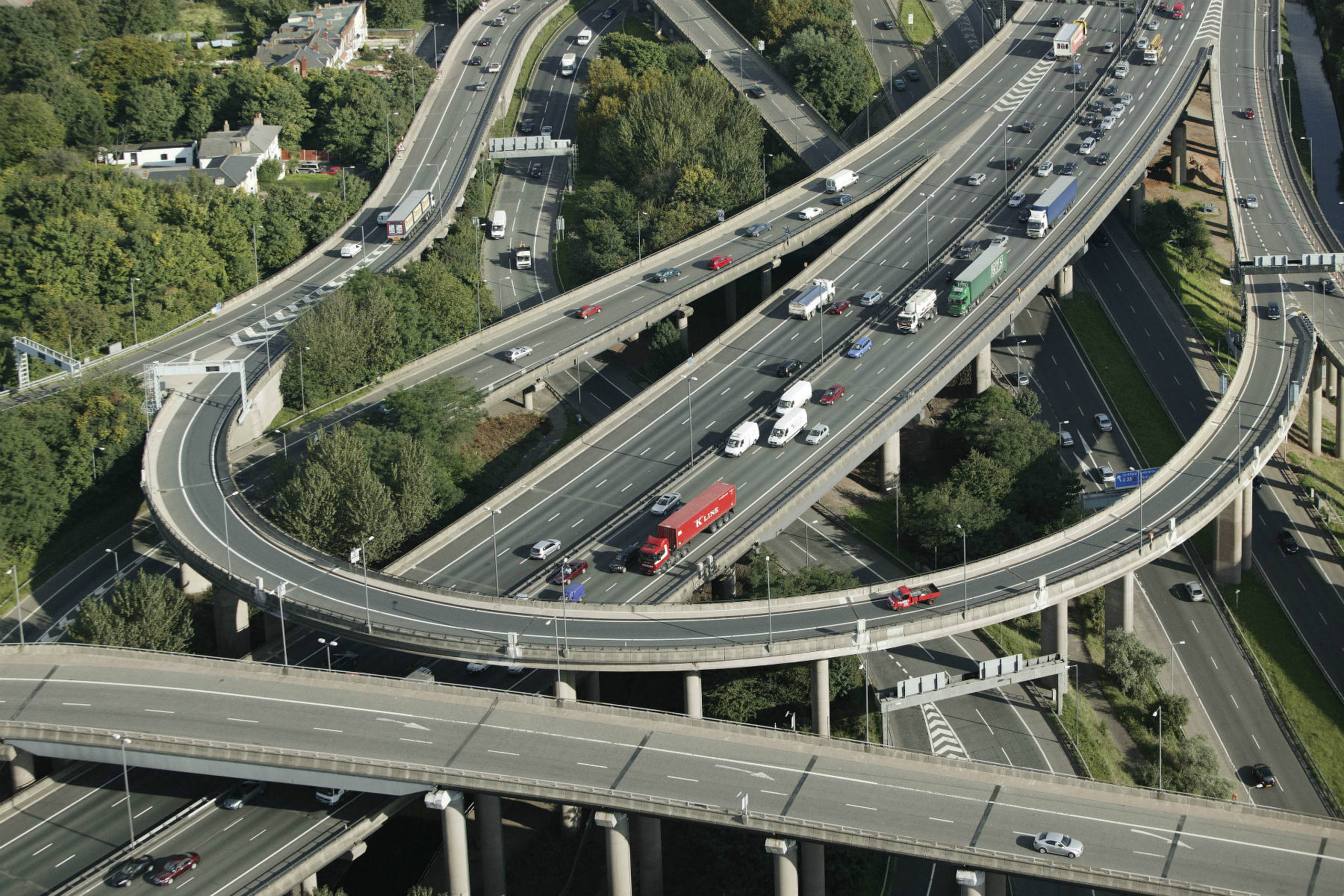
Highways England has revealed in its latest air quality strategy that it’s considering building physical canopies over motorways, using a special material that can soak up NOx emissions. In the report, the government agency says it is “investigating if we can reduce the costs to construct a canopy, which is a tunnel-like structure designed to prevent vehicle emissions reaching our neighbours”.

But the RAC has raised concerns that rather than soaking up toxic fumes, it might instead deflect emissions back into vehicles – potentially causing harm to drivers and passengers.

“We question whether constructing tunnel-like canopies, even if they are made from a material that can partially clean the air, is the right way to deal with the problem,” said the motoring organisation’s spokesman, Nick Lyes. “All this will do is concentrate potentially toxic air over the road which will have an impact on those inside their vehicles who breathe in the trapped pollution.

“The solution should be about reducing levels of pollution by accelerating the transition to ultra-low and zero emission vehicles and encouraging better traffic flow through variable speed limits – something Highways England has started doing on smart motorways.”

Wooden pollution barriers were installed on the M62 near Manchester in 2015, while a three-metre-high fence coated in a nitrogen oxide-absorbing material is currently being trialled.

The measures are part of a £100 million investment by the UK government to improve air quality by 2021.

More air pollution news on MR:

Advertisement