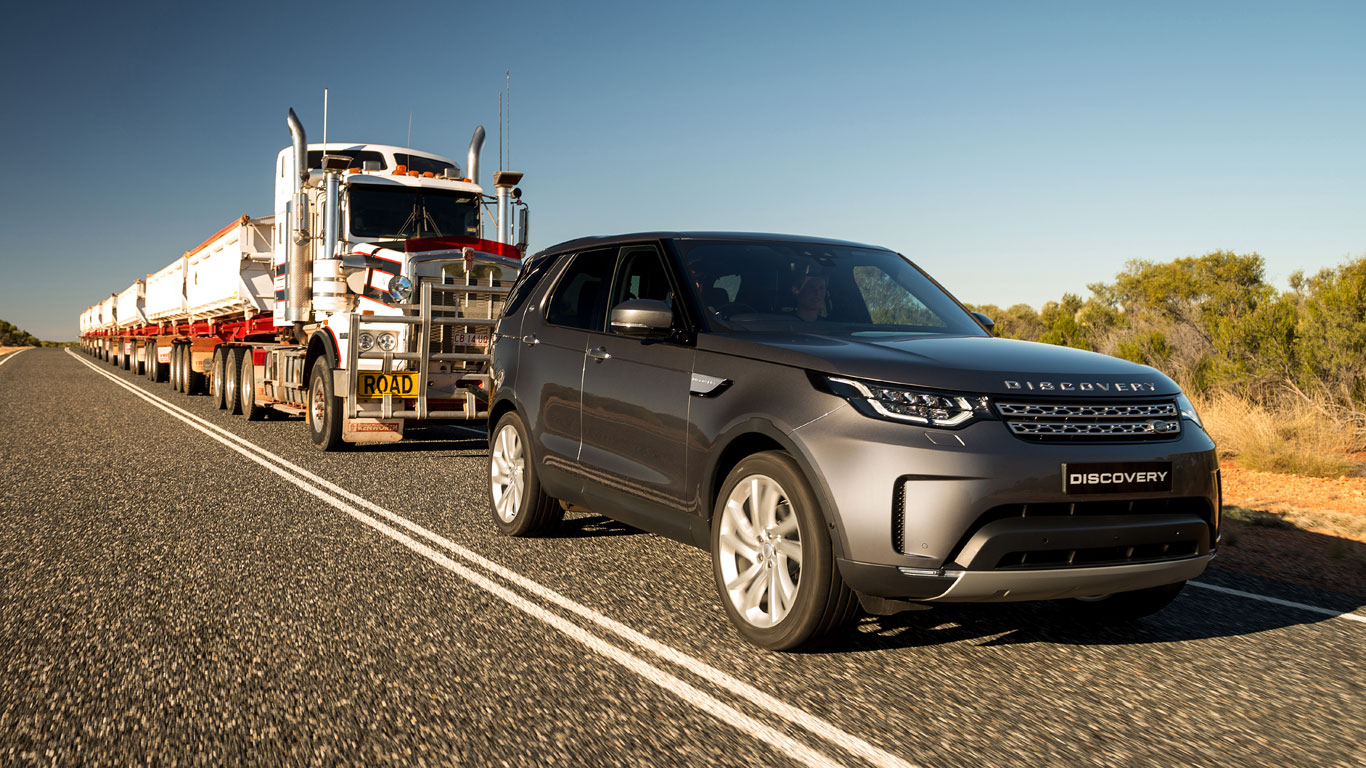
Ever wondered if a Land Rover Discovery is a tad overkill for lugging a four-berth caravan to a home counties campsite? Well, a 2018 Disco 5 has successfully lugged a 110-tonne road train across the Australian Outback.
The PR stunt (a way of drawing attention away from its offset rear number plate, perhaps?) saw a 3.0-litre Discovery TD6 tow a truck with seven (count ’em, seven!) trailers for nearly 10 miles along a closed section of the Lasseter Highway.
Although road trains are normally limited to four trailers in the Australian Outback, Land Rover obtained special permission to tow seven trailers as well as the 12-tonne tractor unit. This was retained to operate the hydraulic brakes fitted to the trailers. The road train was also carrying 10-tonnes of ballast.
With 258hp and 443lb ft torque, the Discovery TD6 can legally tow up to 3,500kg on public roads. The car used in the stunt kept its standard eight-speed automatic transmission and four-wheel-drive system and was hooked up to the road train using a factory-fitted tow bar attachment.
“Towing capability has always been an important part of Discovery DNA and the raw weight of the road train tells only half the story here,” said Land Rover product engineer, Quentin Spottiswoode. “Pulling a rig and seven trailers, with the rolling resistance of so many axles to overcome, is a huge achievement. We expected the vehicle to do well but it passed this test with flying colours, hitting 44km/h [27mph] along its 16km [9.9 mile] route.”
The Discovery is available with Advanced Tow Assist technology, which uses the rear camera to take the stress out of reversing trailers. You can even steer the vehicle using the rotary Terrain Response 2 controller on the centre console, while the system provides assistance, calculating steering inputs required to achieve the desired outcome.
Improvements for the 2018 model year include the addition of a 300hp four-cylinder Ingenium petrol engine and a new TFT display cluster in place of conventional dials.
Changes to the UK driving test will prepare new motorists for ‘real life driving’, according to the Driver and Vehicle Standards Agency (DVSA).
From 4 December 2017, the so-called ‘show me, tell me’ part of the test will change, with new drivers expected to complete the ‘show me’ test while driving. One question will be asked, which could include how to operate the horn, open the side window or switch on the headlights.
In the new test, the examiner will ask the ‘tell me’ question at the start of the examination, before any driving takes place. Examples include how to check the brake lights, the oil level or tyre tread depth.
“DVSA’s priority is to help you through a lifetime of safe driving,” said chief driving examiner, Lesley Young. “It’s important that learner drivers work with their driving instructor to make sure they can operate the in-car controls safely whilst they’re driving.”
https://www.youtube.com/watch?v=lI08tzIfo4c
The DVSA has published two videos showing new drivers how to carry out these basic safety tasks. Simple they might be, but the DVSA has warned that if a candidate loses control of the car while answering the ‘show me’ question, it will result in a serious or dangerous fault. In other words: the candidate fails the test.
The changes to the ‘show me, tell me’ section of the exam are part of a series of updates to the UK driving test, including increasing the length of independent driving to 20 minutes, following directions from a sat-nav and changes to the reversing manoeuvre.
Carly Brookfield, chair of the steering group for national approved driving instructor associations (NASP), is behind the changes, saying: “Whilst in-car, on the road practice with a professional driver trainer is an important part of delivering safer drivers to our busy roads, we also recommend the use of supplementary learning resources such as ‘how-to’ videos from authoritative sources in driver education.”
Further details of the changes to the driving test can be found on the government website, but here are the ‘show me, tell me’ questions in full:
‘Show me’ (one question, during test)
When it’s safe, show me how you’d wash and clean the rear windscreen.
When it’s safe, show me how you’d wash and clean the front windscreen.
When it’s safe, show me how you’d switch on your dipped headlights.
When it’s safe, show me how you’d set the rear demister.
When it’s safe, show me how you’d operate the horn.
When it’s safe, show me how you’d demist the front windscreen.
When it’s safe, show me how you’d open and close the side window.
‘Tell me’ (one question, before test)
Tell me how you’d check the brakes are working before starting a journey.
Tell me where you’d find the car’s recommended tyre pressures and how you’d check each tyre.
Tell me how you’d make sure your head restraint is correctly adjusted so it provides the best protection.
Tell me how you’d check the tyre have sufficient tread depth and are in a safe condition.
Tell me how you’d check the headlights and tail lights are working.
Tell me how you’d know if there was a problem with your anti-lock braking system.
Tell me how you’d check the indicators are working.
Tell me how you’d check the brake lights are working.
Tell me how you’d check the power steering is working before starting a journey.
Tell me how you’d switch on the rear fog lights and explain when you’d use them.
Tell me how you switch your headlights from dipped to main beam and explain how you’d know the main beam is on.
Open the bonnet and tell me how you’d check the engine has sufficient oil.
Open the bonnet and tell me how you’d check the engine has sufficient coolant.
Open the bonnet and tell me how you’d check that you have a safe level of hydraulic brake fluid.
All cars over 40 years old are soon be exempt from the annual MOT roadworthiness test – despite most classic car drivers thinking it’s a bad idea.
More than 2,000 members of the public took part in an official consultation, with more than half stating that they were against the proposals. A total of 1,130 respondents opposed plans to introduce a rolling exemption for vehicles over 40 years old, with many stating that all vehicles travelling on public roads should have an annual test for safety reasons. By comparison, 899 respondents said they thought the proposals were a good idea.
The Government has today announced that it will proceed with the exemption for all vehicles constructed or first registered more than 40 years ago, on a rolling basis. Currently, all cars registered before 1960 are exempt from the MOT test, meaning there are roughly 197,000 vehicles on the road that don’t need to be MOTed.
This change in the law will mean a further 293,000 vehicles (one percent of all cars on the road) won’t need an MOT.
Justifying the decision, the Department for Transport said most cars of this age are usually well maintained and only used occasionally, making it ‘unreasonable’ to require an MOT. It also said the modern MOT was ‘no longer relevant’ to older cars.
“We would like to thank all those who responded to the consultation for their valuable input, and have noted the views expressed,” said roads minister, Jesse Norman MP. “After considering the responses, we have decided to exempt most vehicles over 40 years old from the requirement for annual roadworthiness testing.
“Vehicles that have been substantially changed, regardless of their age, will not be exempt from annual roadworthiness testing.”
Owners of classic cars that fall into the exemption will be able to submit their cars for a voluntary MOT, despite it not being a legal requirement.
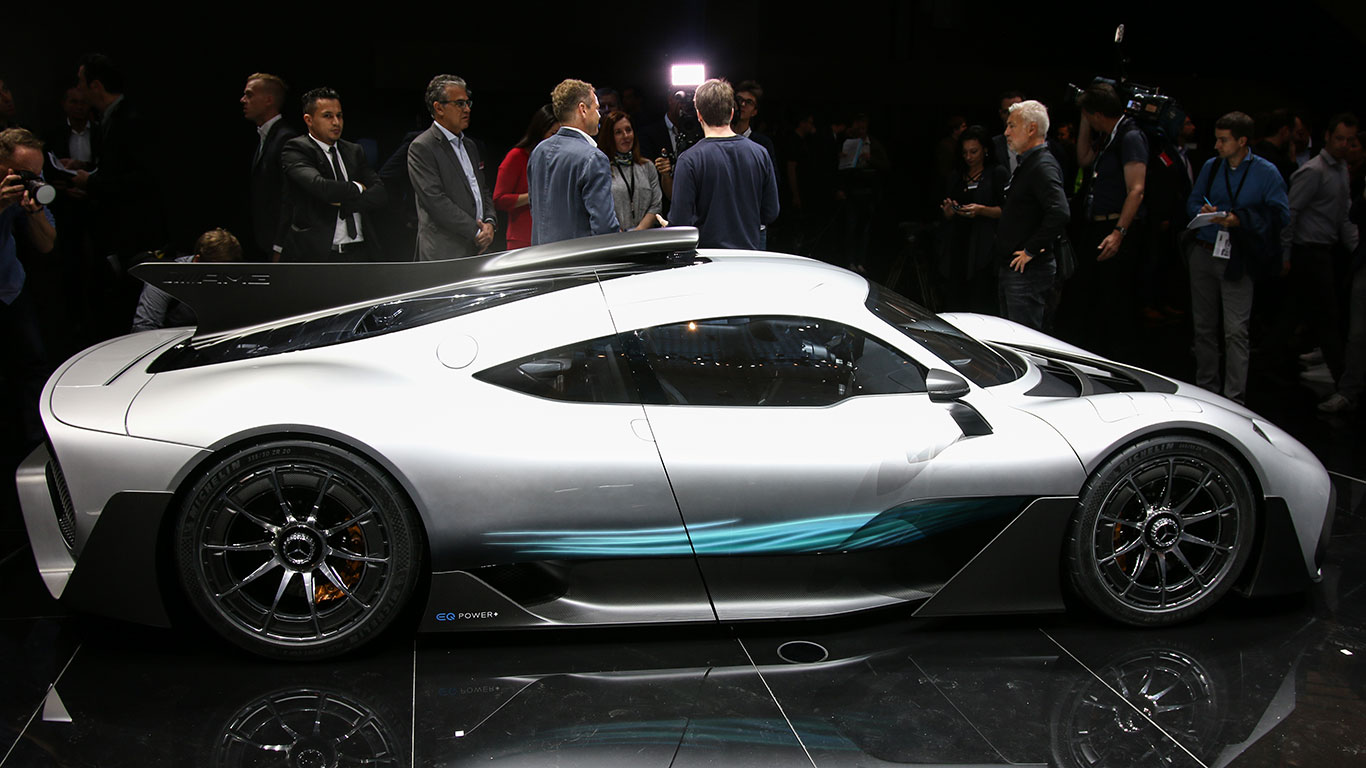
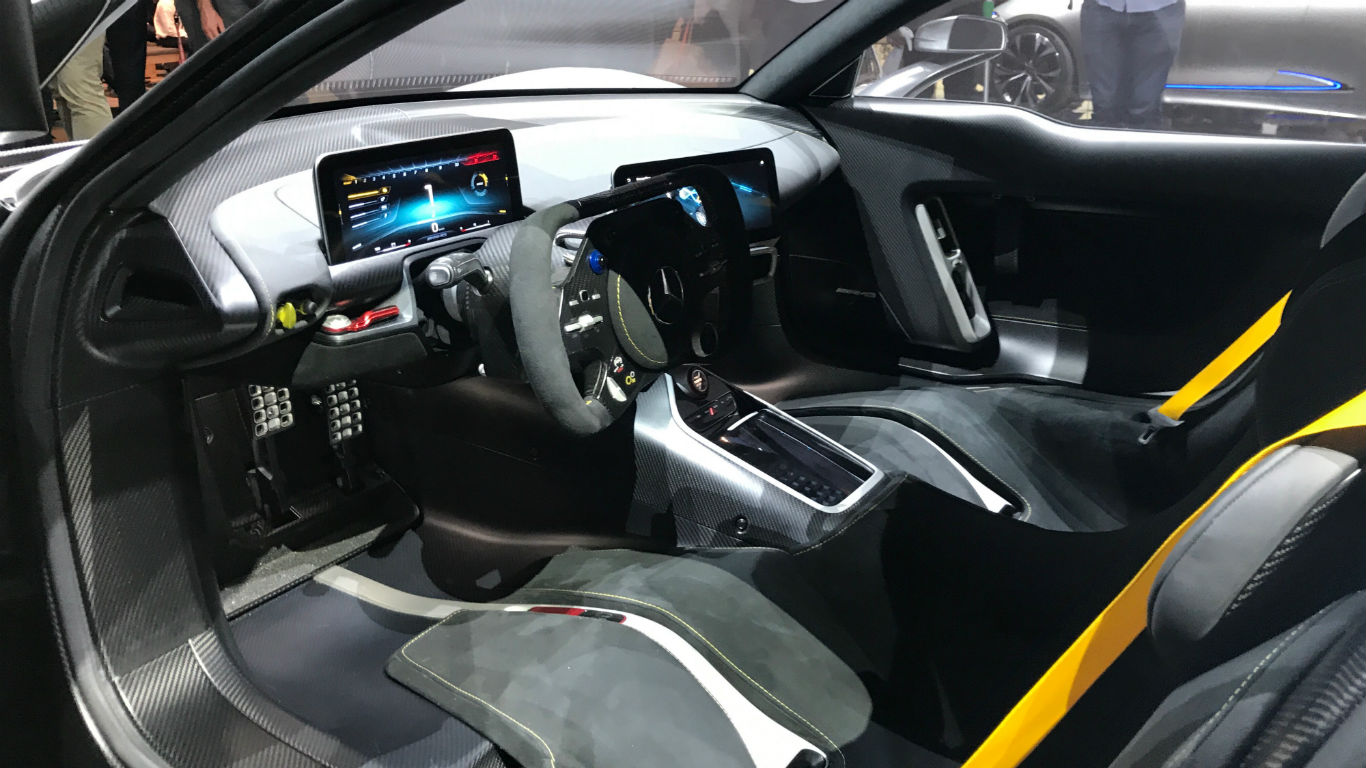
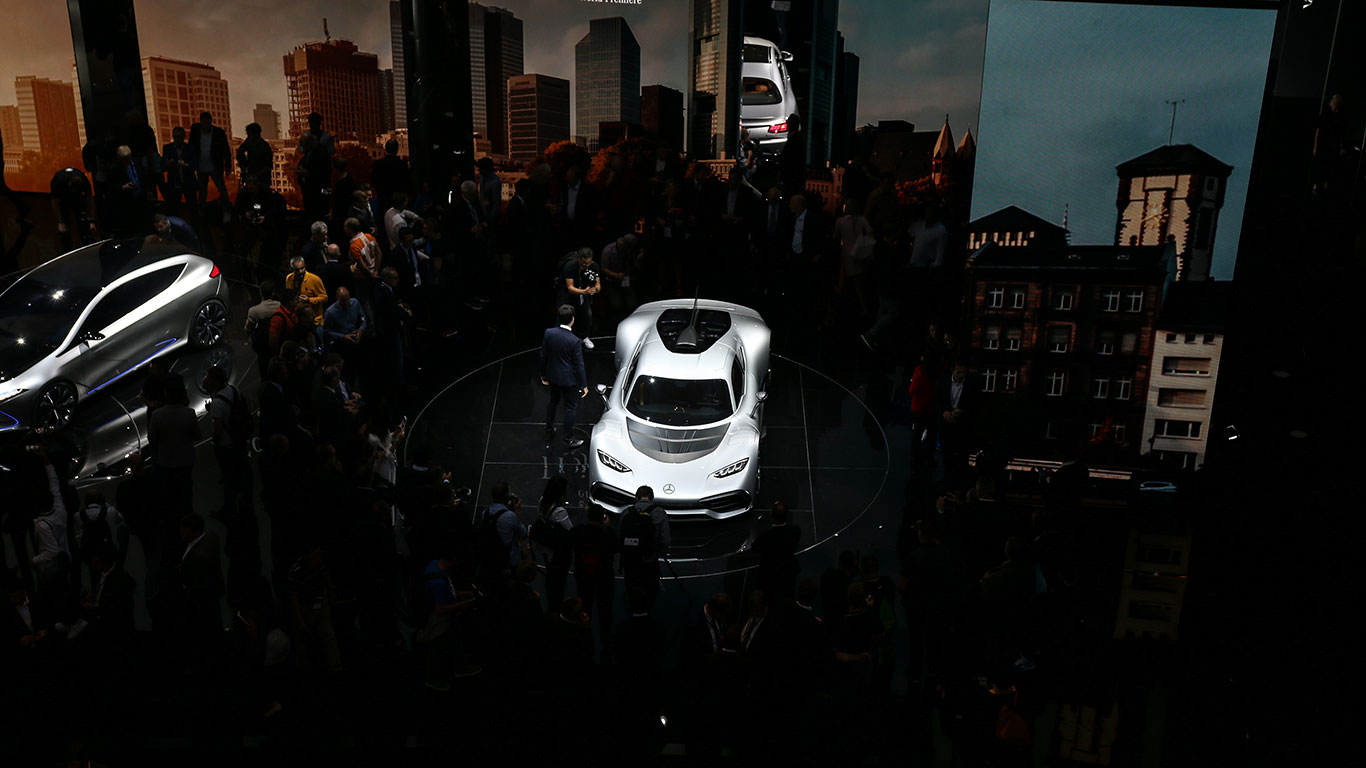
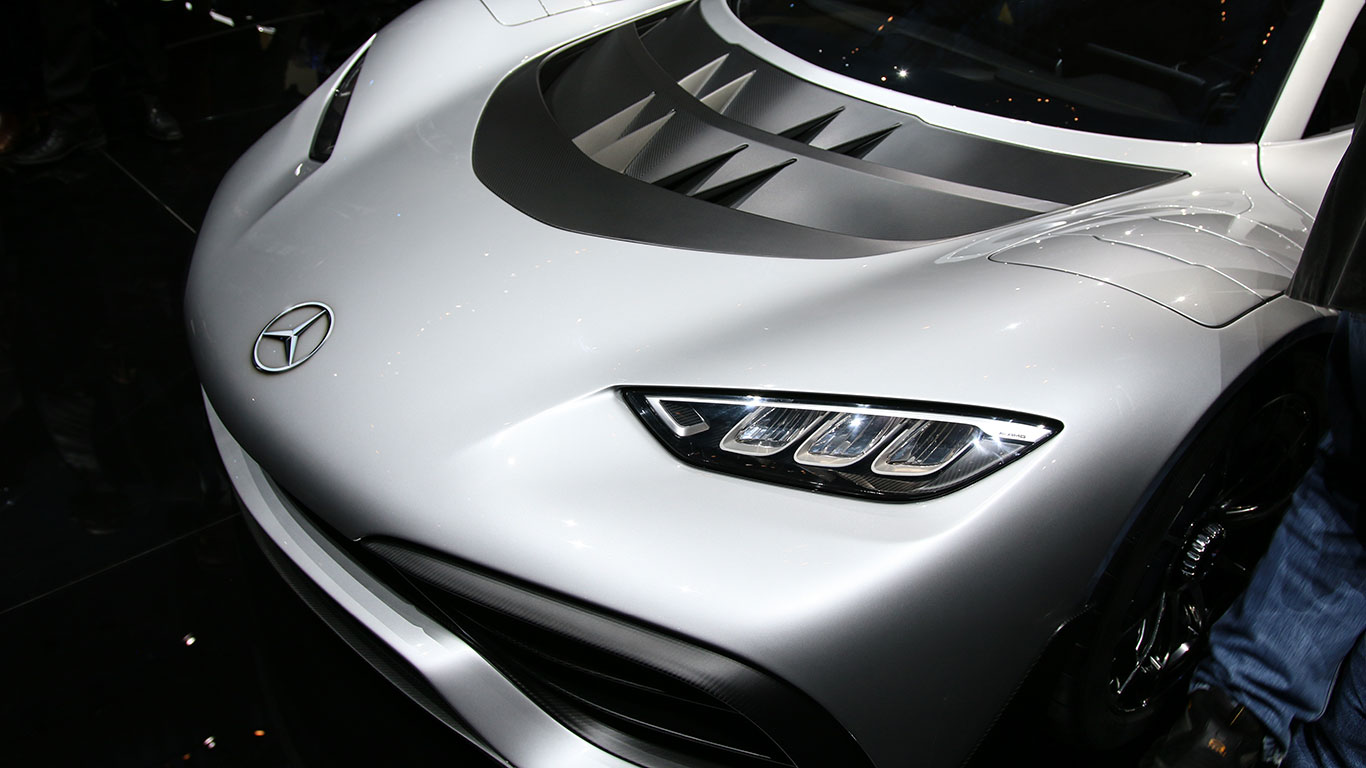
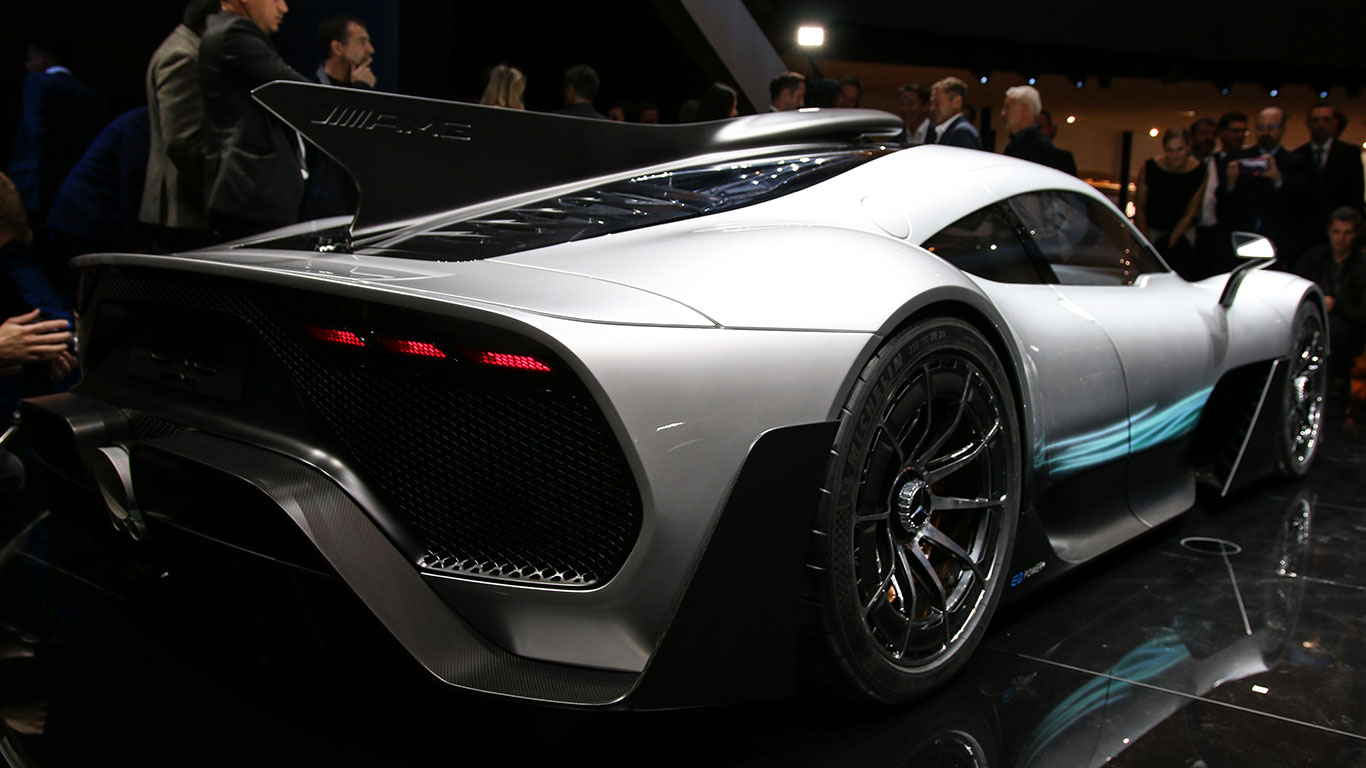
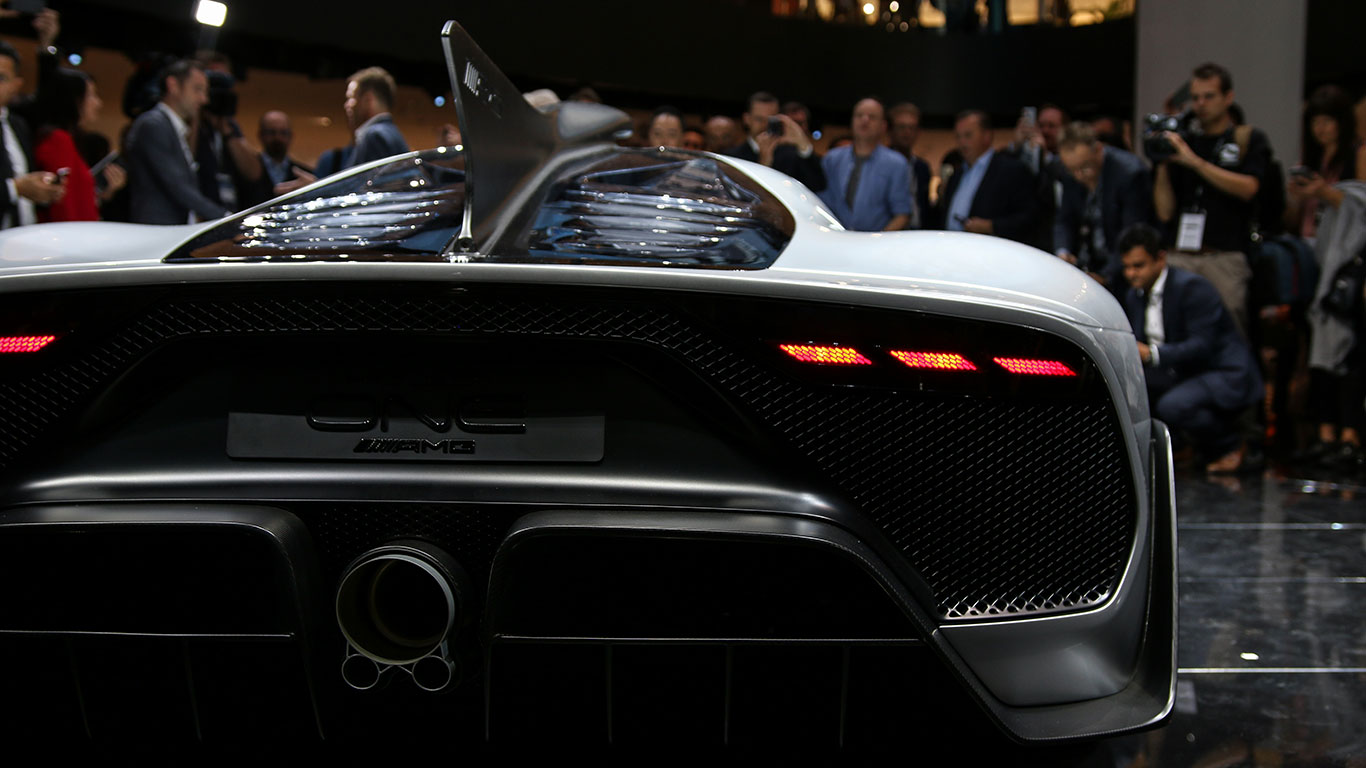
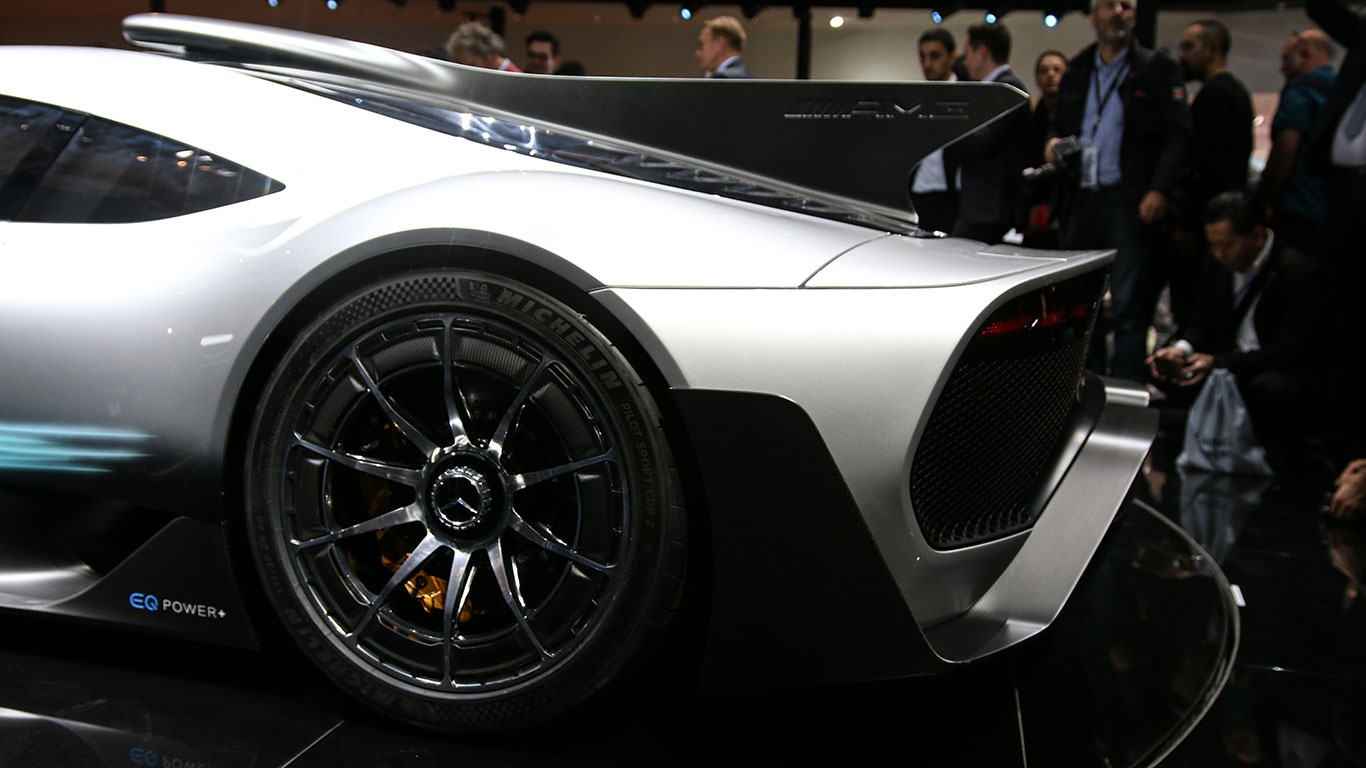
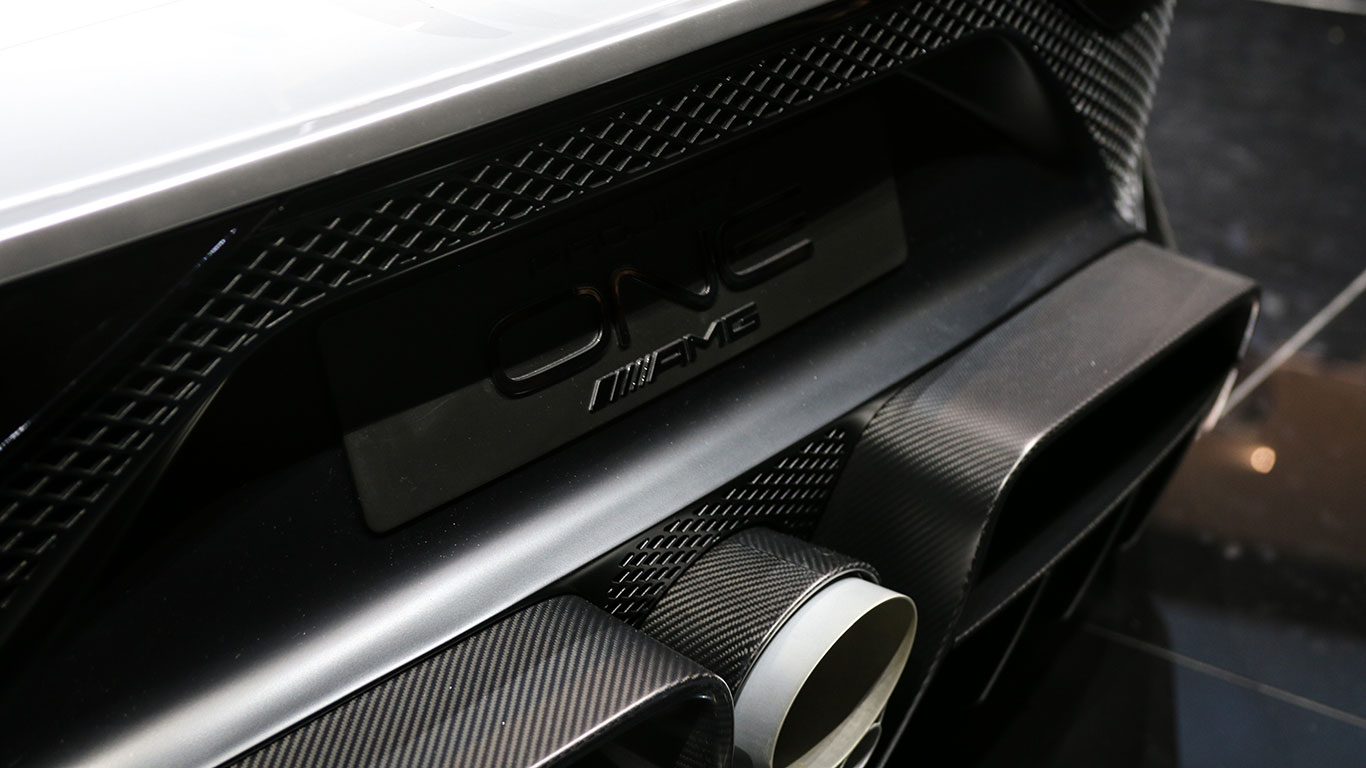
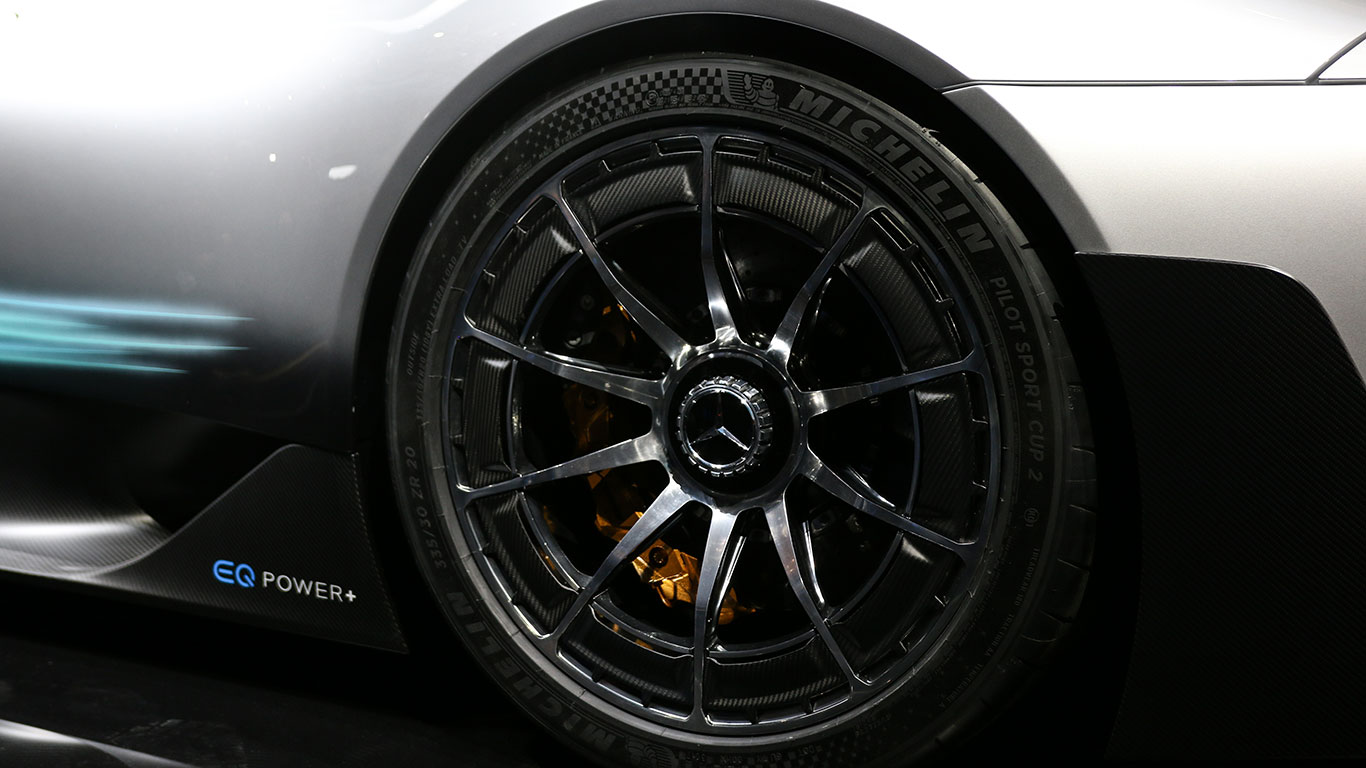
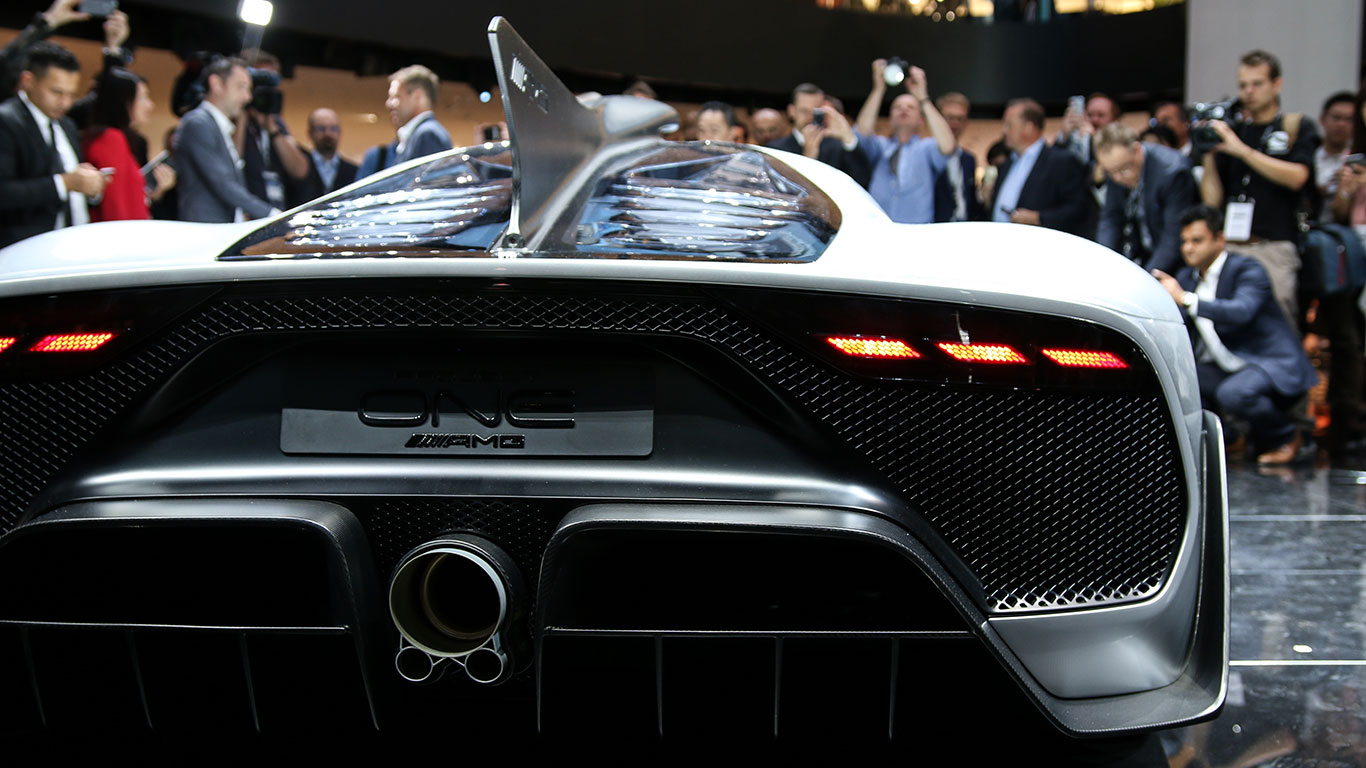
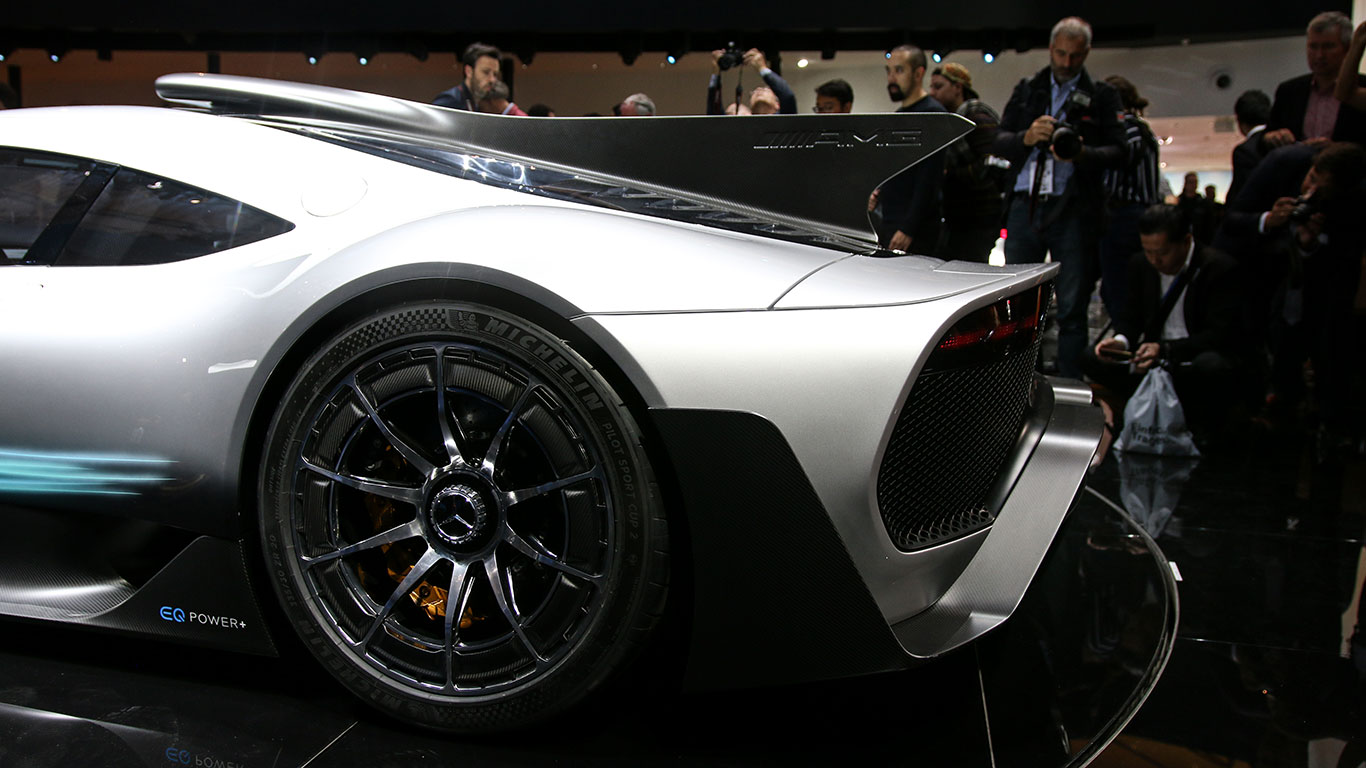
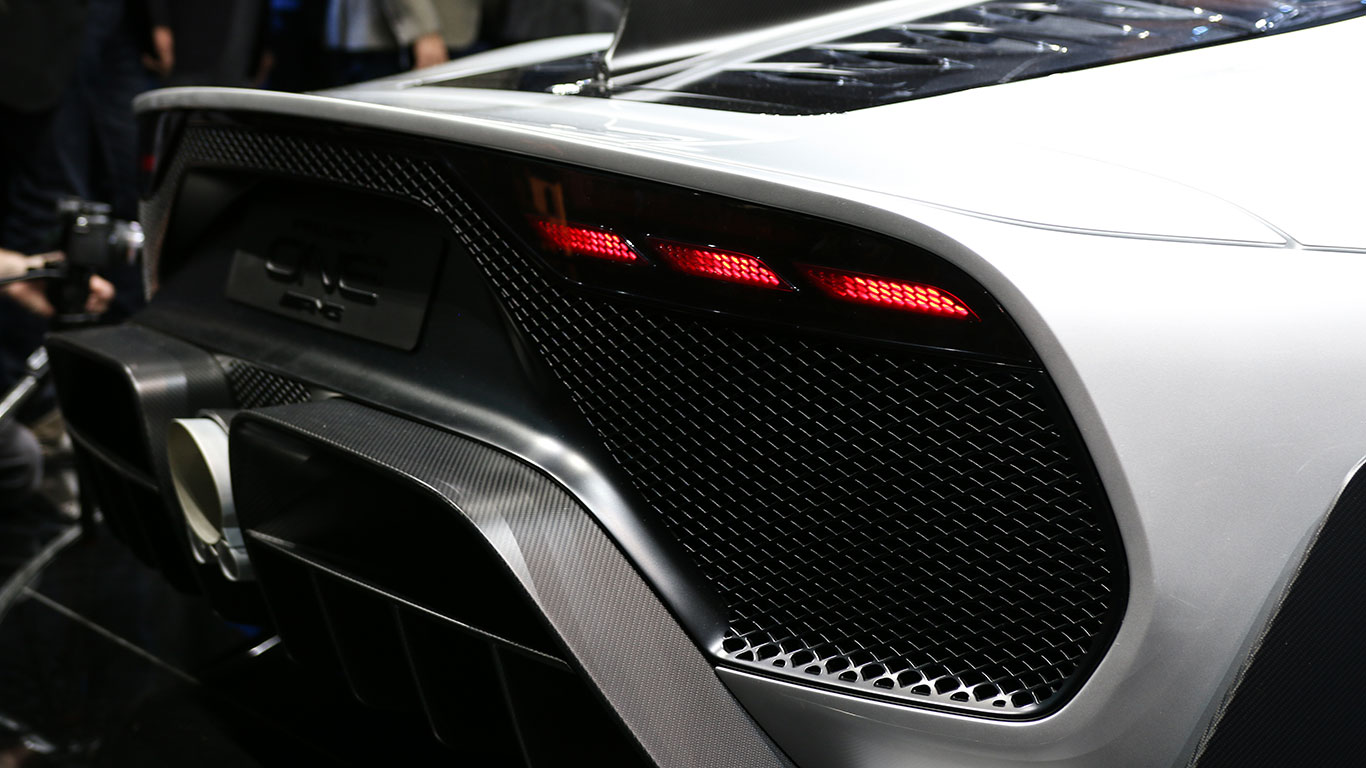
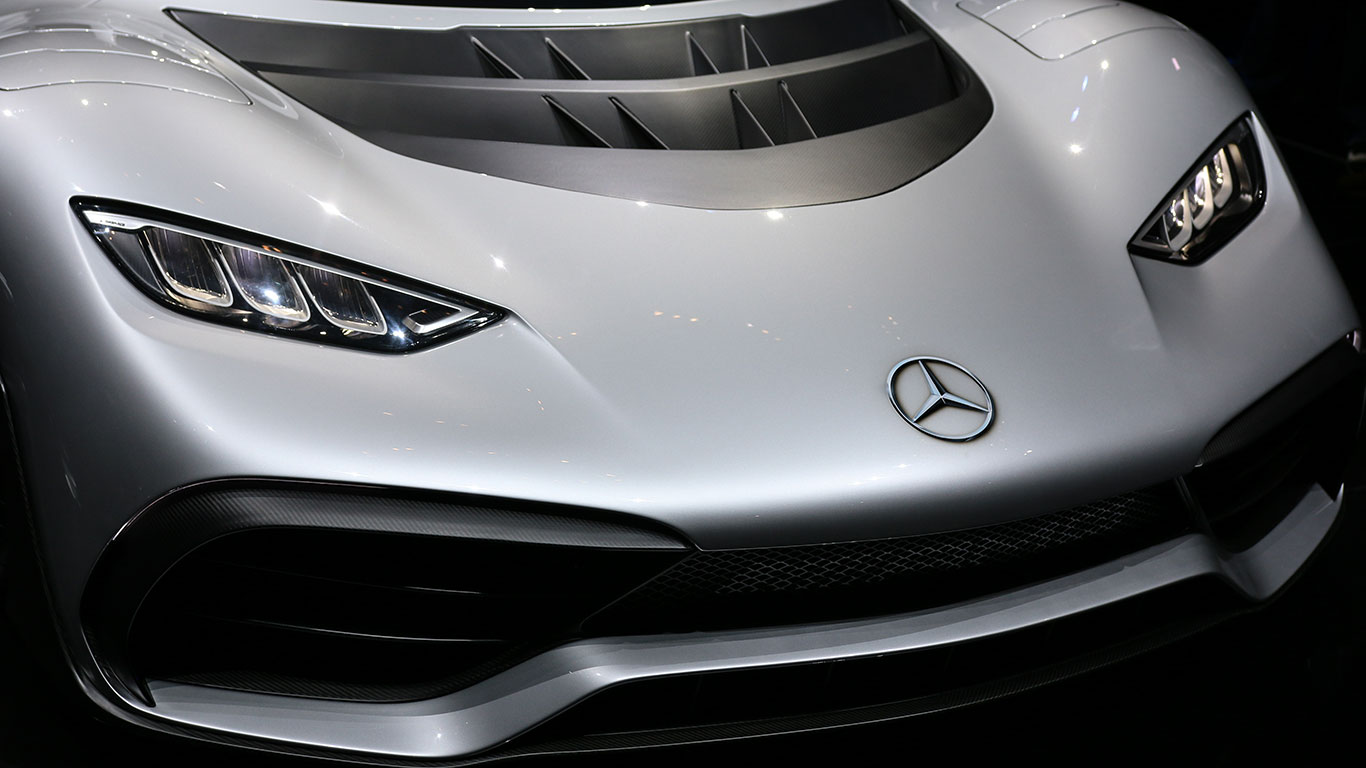
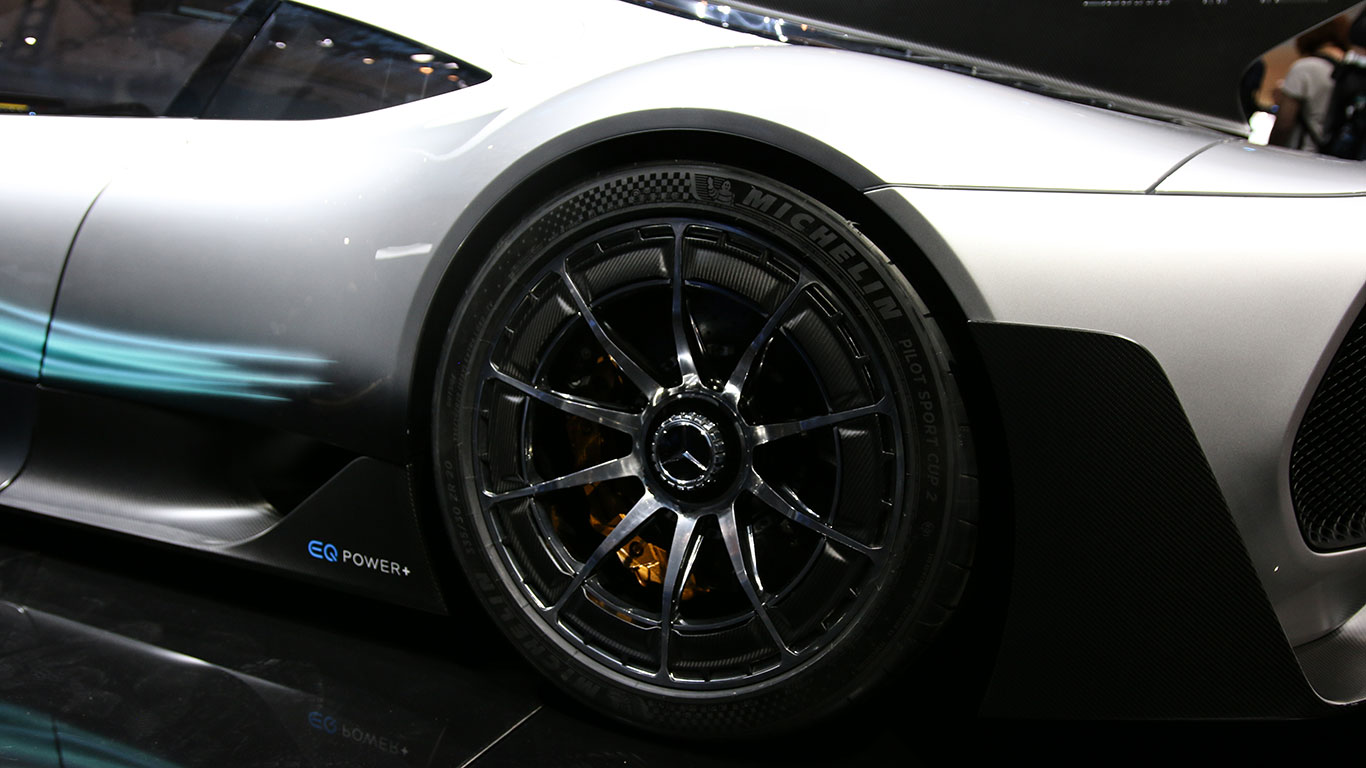
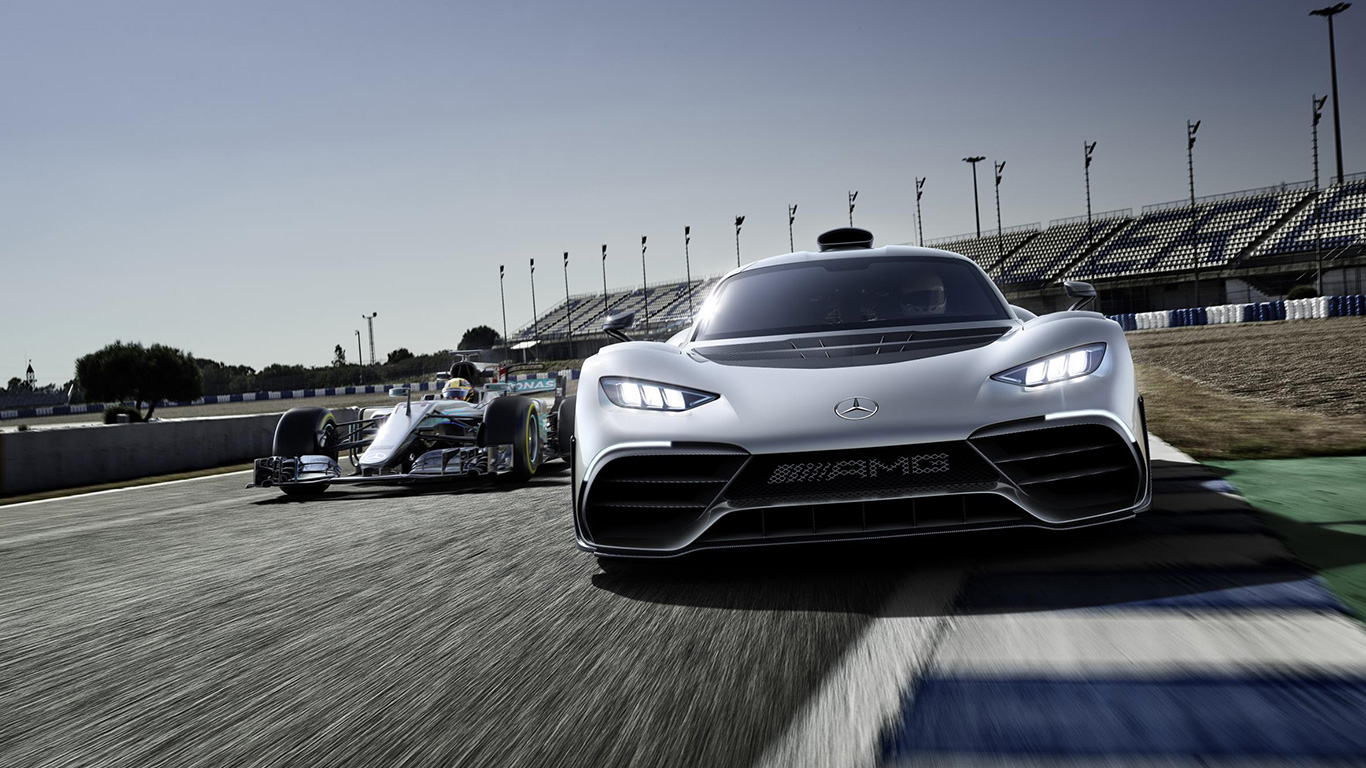
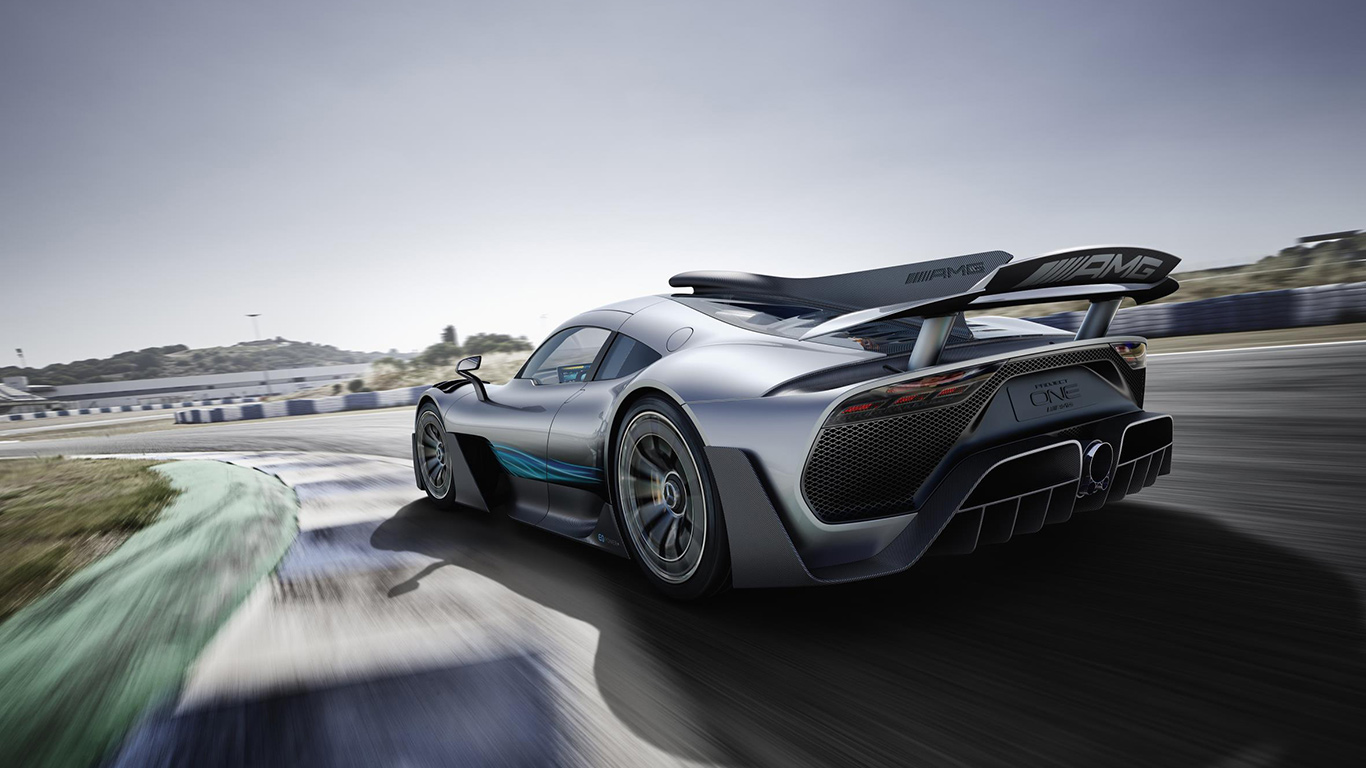
Making a road car inspired by an F1 racer is one thing. Building one that uses the same 1.6-litre turbocharged V6 as an actual grand prix car is another thing entirely. However, that’s exactly what powers the new Mercedes-AMG Project One.
Strictly speaking, it’s not 100% identical to the engine found in the cars driven by Lewis Hamilton and Valtteri Bottas. For a start, the internal combustion engine is tuned to use super unleaded petrol, whilst the rev limit is turned down to just 11,000rpm to promote longevity.
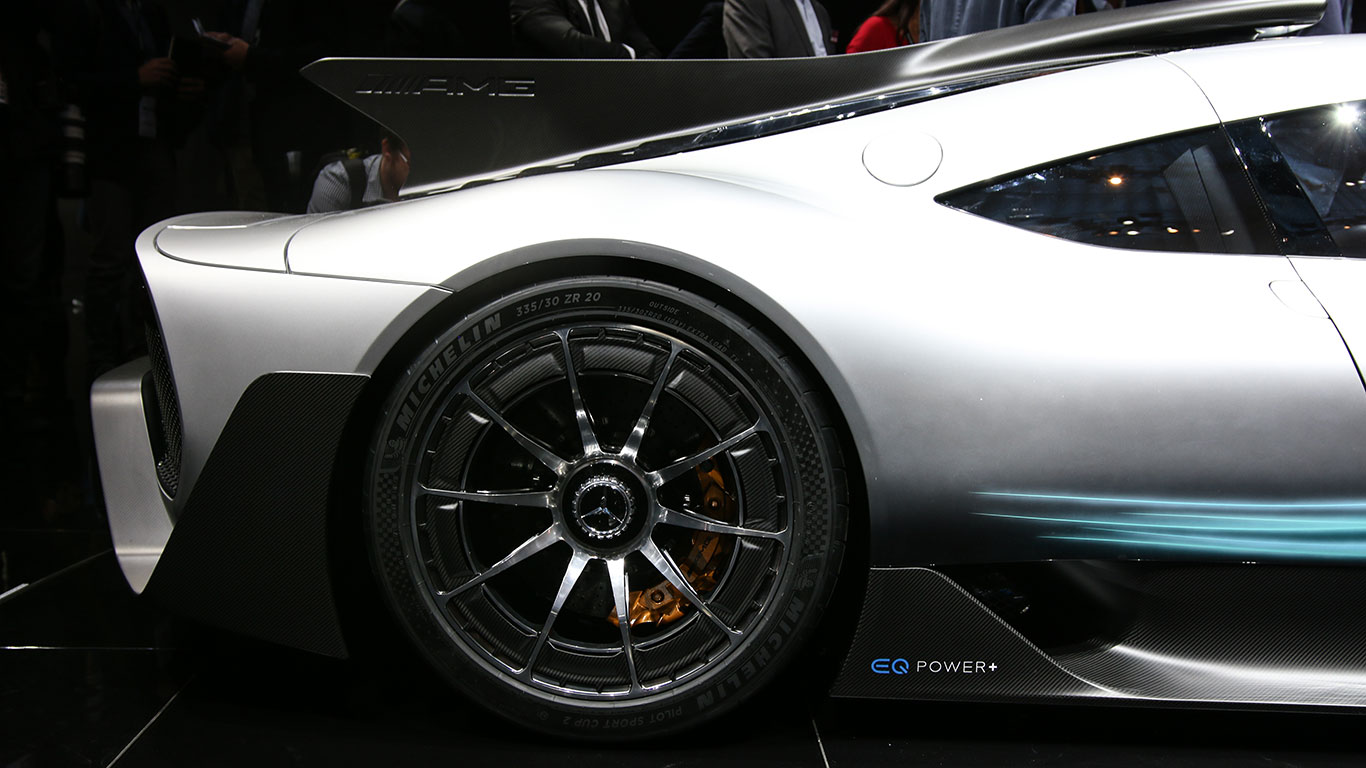
Like an F1 car there is hybrid power, with four electric motors featured on the Project One. Each front wheel is powered by an individual 120kW motor, whilst the single turbocharger is also boosted by an electric motor.. The fourth motor is attached directly to the engine, and operates like the MGU-K device in the F1 car, to aid acceleration.
One thousand horses
It sounds complicated, and clearly is, but the headline figure is a combined total power output in excess of 1,000hp. That might be less than a Bugatti Chiron, but the lightweight carbon fibre construction and eight-speed paddle-shift gearbox hardly make that a disadvantage.
Lapping up the power
The sprint from 0-124mph is claimed to take just six seconds, with a top speed in excess of 218mph. Rather impressive from a vehicle than can still cover 16 miles on electric power alone.
Controlling all this power is a three-stage ESP system, which includes the option to be completely turned off. There’s also ABS for the carbon ceramic brakes, and the ability for the for torque vectoring from the electric motors. Combine this with a two-stage deployable rear wing and the Project One should be driveable by mere mortals.
No team orders
Despite the carbon-clad exterior, Mercedes-AMG has kept the Project One relatively civil inside with air conditioning and a 12-inch infotainment display. There’s even room for a brave, or foolish, passenger to join in the fun.
At present, Mercedes-AMG is calling the Project One a concept, and plans to take another 18 months to develop the finished road car. However, 275 lucky buyers will get to take home this show-stopper in 2019.
Smart will become the world’s first car company to move from an all-combustion engine line-up to a fully-electric range of EVs, company chief Dr Dieter Zetsche announced at the 2017 Frankfurt Motor Show.
2017 Frankfurt Motor Show on MR
The move is a significant one, as although there are pure-electric car companies such as Tesla, no traditional brand has yet fully ditched petrol and diesel engines. In the next few years, Smart will be the first.
“We are planning to move our Smart brand entirely to electric drive in Europe and North America by the end of the decade,” said Dr Zetsche. “The rest of the world will follow shortly after.”
Dr Zetsche went further and called time on all petrol and diesel-engined city cars, saying they have no place in the cities of tomorrow. “There’s clearly no question that the city car of the future will travel electrically and with zero emissions.” Music to the ears of people such as London Mayor Sadiq Khan, who are already accelerating moves to bar diesel and older petrol cars from the UK capital.
Technology will help make the switch more convenient, explained Dr Zetsche. Mercedes-Benz is already considering a wireless charging concept, he revealed – demonstrated by a futuristic Smart show car called vision EQ ForTwo that, thanks to autonomous drive, didn’t just lack a combustion engine, but also did without a steering wheel or pedals.
“This Smart has all it takes for individual and intuitive transport in the city of the future.” The autonomous tech will come in time. But the all-electric range of Smarts is set to become reality far sooner…
Desperate to fix rumours that hype around the Focus RS has died down for, oh, a good few weeks now, Ford has announced a special edition called, er, the Edition.
With a £35,795 price tag (£3,530 more than the regular model), the Edition doesn’t add any more power. But don’t write it off as just as marketing ploy just yet, because it does come with a Quaife limited-slip diff. And that means it’ll handle even better than the already brilliant standard Focus RS. Which means it’ll be worth an extra £3,500 of anyone’s money.
Don’t worry, oppo fans: the four-wheel-drive Focus RS Edition still has a drift mode, able to send up to 70 percent of power to the rear for sideways shenanigans. But rather than relying on its torque vectoring system to apply the brakes to either of the front wheels the second they start to spin up, the Quaife diff shifts torque to the wheel with the most traction. A proactive way of making a fast getaway, if you like.
“For hardcore driving enthusiasts, the additional mechanical grip offered by the Quaife LSD will make it even easier to carry speed through a corner on the track, and maximise acceleration on the way out,” explained Ford Performance director, Europe, Leo Roeks. “The new setup also delivers greater mechanical stability and control when braking hard, and will help drivers set the car up for power-slides using drift mode.
“The Focus RS Edition takes our ‘fun to drive’ philosophy to a new level for an everyday road car.”
Fancy differentials aside, the Focus RS Edition comes with Nitrous Blue paint as standard, as well as a matt black roof, door mirrors and spoiler. The 19-inch inch alloys have been painted black, while inside Recaro seats have extra Nitrous Blue detailing. There’s some extra carbon fibre, too, as well as rear privacy glass.
Ford originally planned to introduce an RS500 special edition with power boosted to as much as 400hp, but rumours emerged last year that the project was going to be dropped due to an insufficient business case for the so-called ‘super-hatch’.
Order books for the Focus RS Edition are now open, but be quick. With a new Focus due next year, it’ll soon be time to say goodbye to the current Ford Focus RS as we know it…
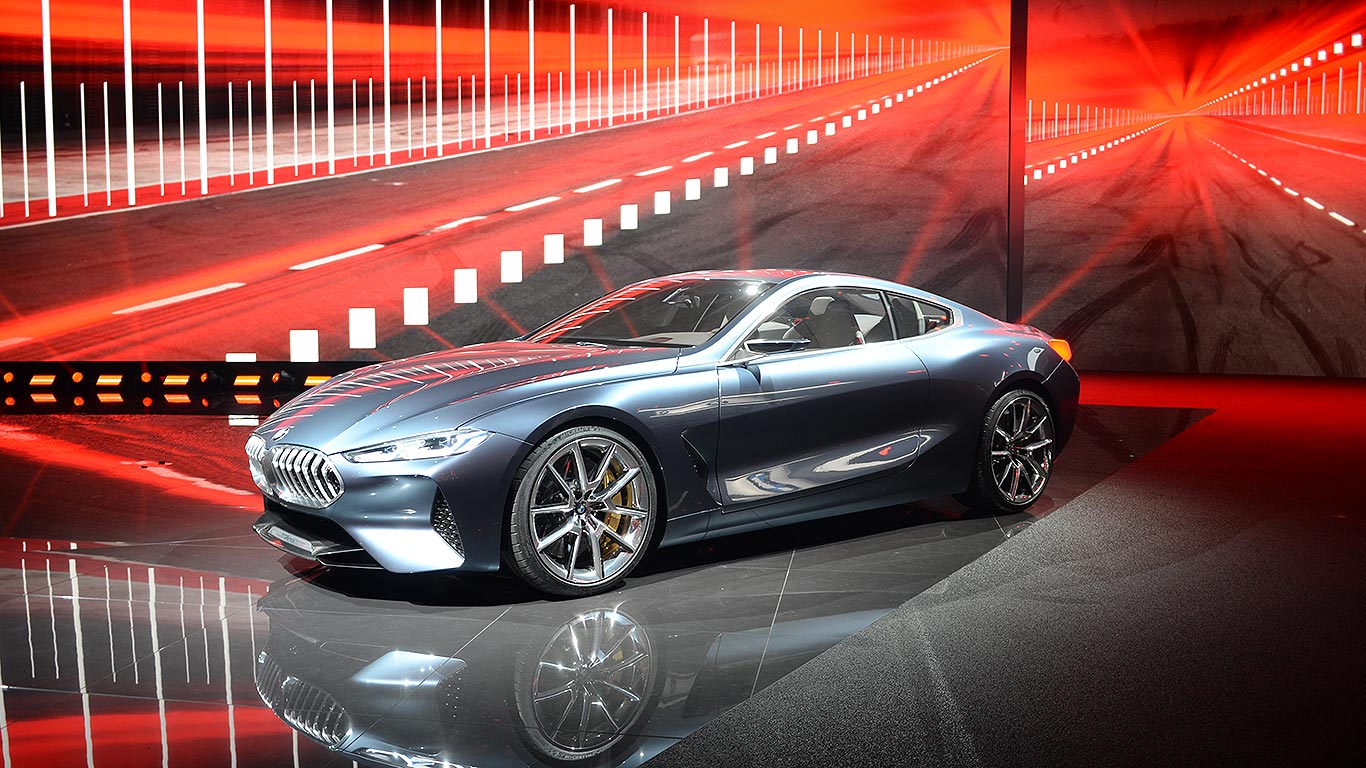
What goes around comes around. When production of the BMW 8 Series ended in 1999, Bavaria abandoned the large coupe sector, before launching the controversially-styled 6 Series in 2003. Now, nearly two decades on, the 8 Series is back, signalling the end of the 6 Series.
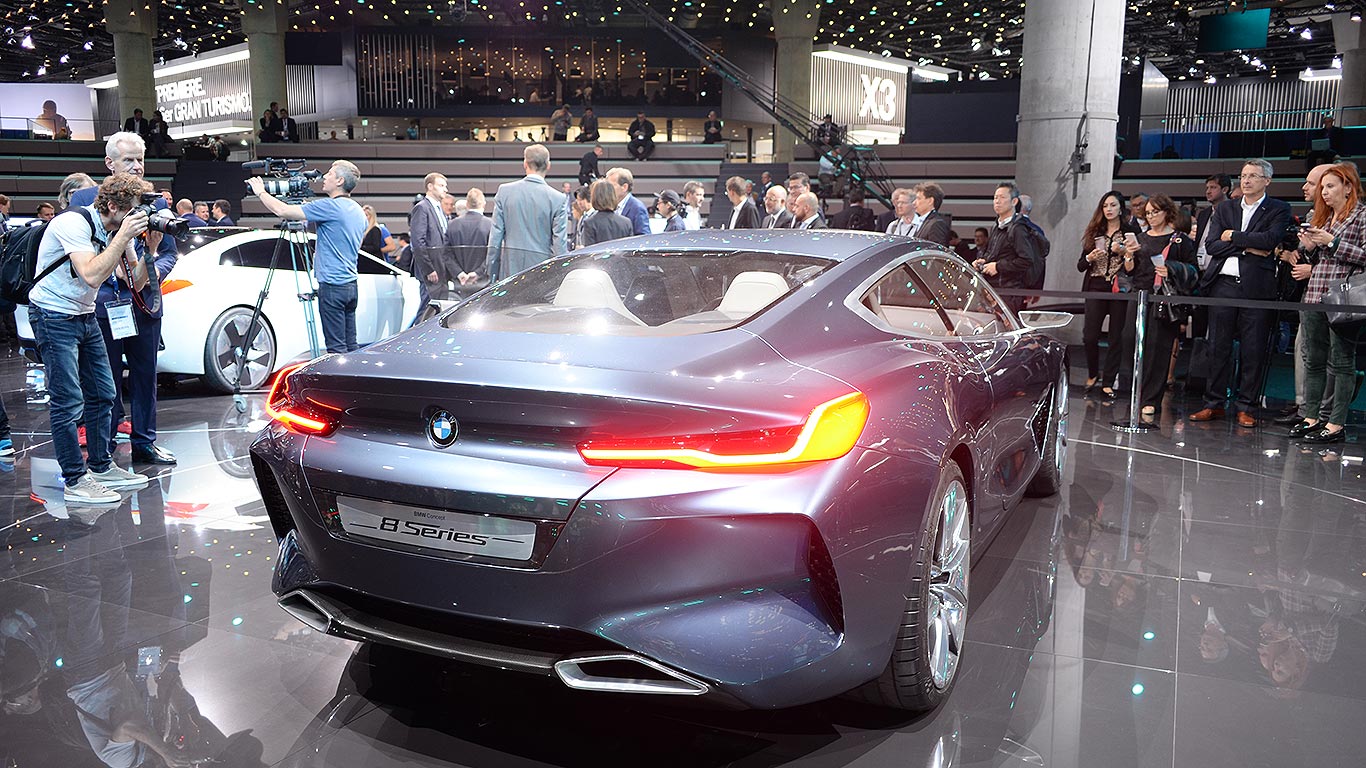
BMW is pushing further up market, you see, with what it calls a “new presence for its luxury cars”, rolling out ever larger vehicles with levels of refinement that would give a boutique hotel room a run for its money. Some are best viewed from behind the sofa – you’ll have seen the X7 – while others can slacken jaws for all the right reasons.
An athletic gentleman
According to BMW, the Concept 8 Series “combines the agility of an athlete with the manner of a gentleman” which, in standard lingo, means that it’s as home hurtling across continents at Autobahn speeds as it is on the Buttertubs Pass.
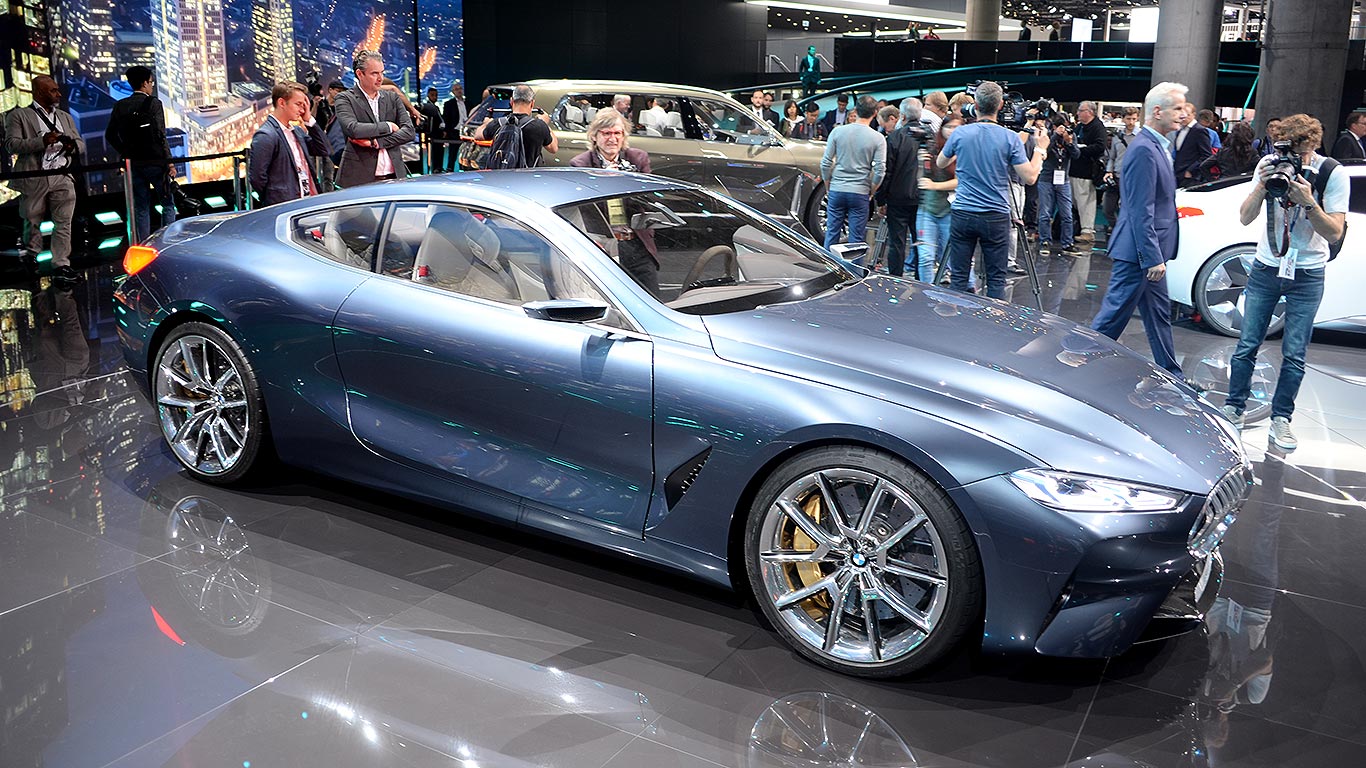
Opinions will inevitably vary on the success, or otherwise, of the styling, but there’s a rakish elegance to the 8 Series. If the svelte coupe is the Kendall, the bloated X cars are the Kim. In profile, it is devastatingly handsome, almost arrow-like in appearance.
M8 is coming, too
BMW has chosen not to muddy the waters with talk of powertrains, prices and specs, but the M8 GTE World Endurance Championship car hints at a future M8 flagship. You can expect details of the showroom 8 Series when the production version is unveiled at the Los Angeles motor show in December.
Mercedes is gearing up for a fight by giving its S-Class Coupe a nip and tuck ahead of the 8 Series’ launch in 2018. Stuttgart’s take on the £100k super-coupe is more brutish in appearance, a bit too ‘here and now’. The 8 Series is a stargazer: a welcome tonic to the glut of crossovers and SUVs that litter our streets.
The 8 Series is back. Come next year, we’ll be partying like it’s 1999.
Unless you’re Greenpeace, it won’t have gone unnoticed that electrification was a big part of the 2017 Frankfurt Motor Show. From Volkswagen’s commitment to become a new leader in electric vehicles, to concept offerings from Mercedes-Benz and BMW, battery and hybrid power was everywhere.
The fallout from dieselgate, plus the recent announcement of plans to ban the sale of new combustion-engine-only cars in the UK by 2040, has resulted in a big rise in car buyers interested in alternatively-fuelled vehicles. But that doesn’t mean manufacturers haven’t got work to do in promoting their newly electrified products.
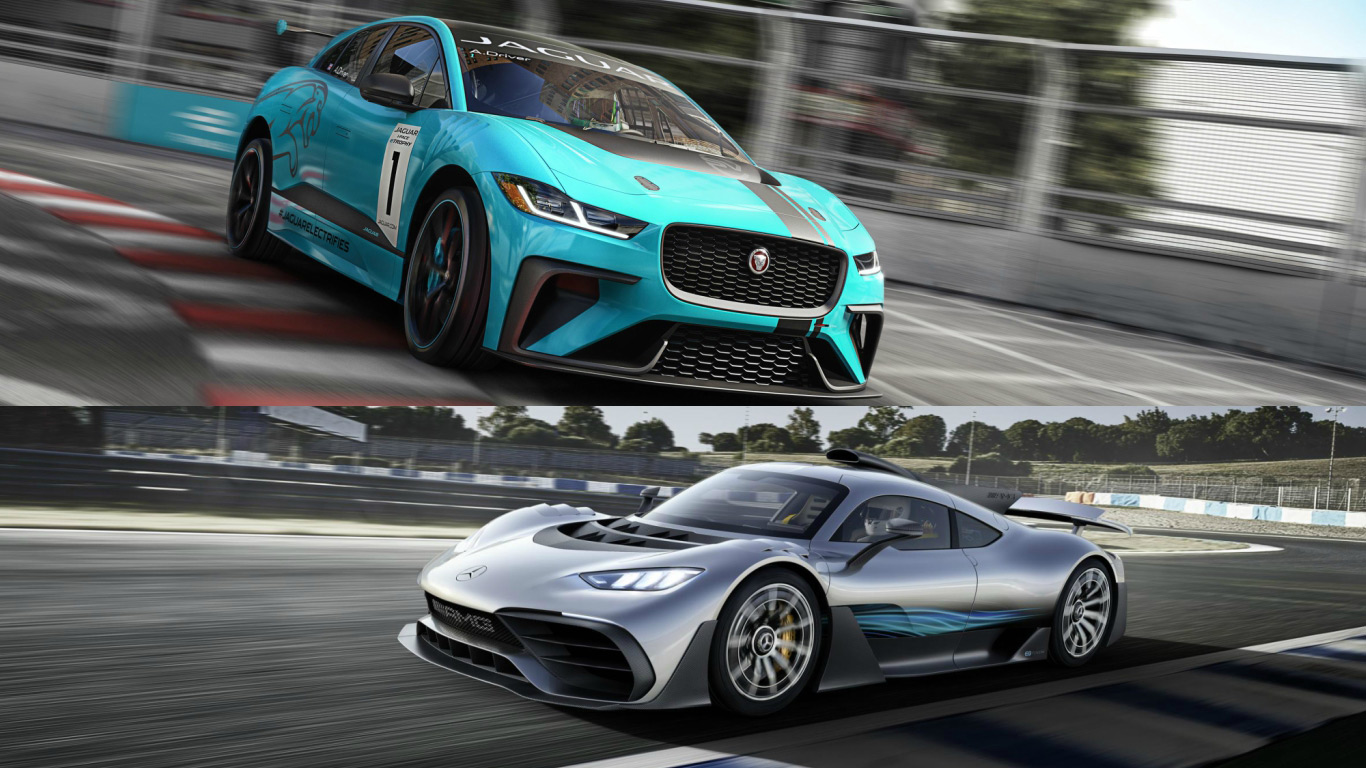
Using motorsport to sell cars is nothing new, but Frankfurt 2017 saw two alternative takes, one from Jaguar and the other from Mercedes-AMG, on pushing the electrification message through the lure of racing.
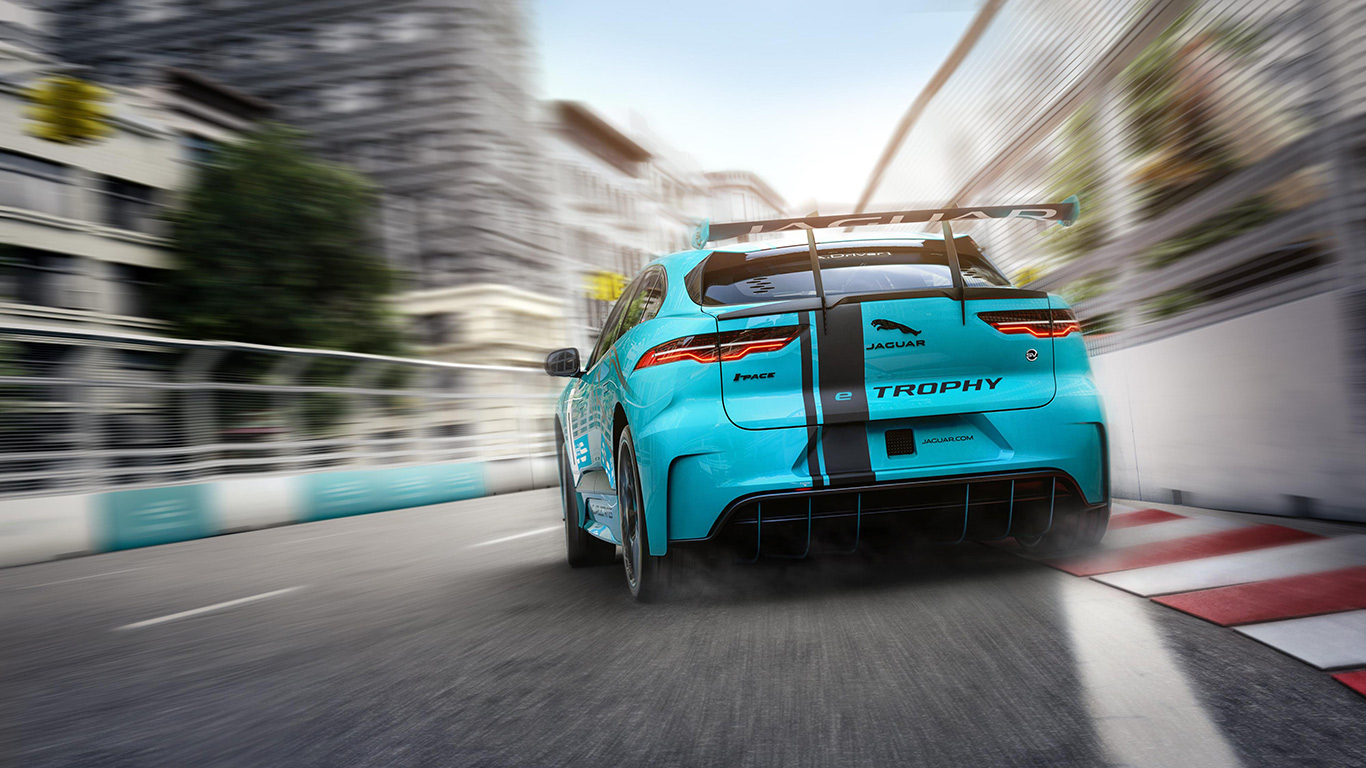
Jaguar announced the creation of the first production-based race series for electric vehicles with the I-Pace eTrophy, set to launch at the end of 2018. Set to support the FIA Formula E Series, the eTrophy will pitch 20 identical I-Paces against each other, with VIP guest drivers thrown into the mix as well.
It’s a bold strategy, especially for a car that won’t make it into the hands of the general public until 2018. The key to the eTrophy is that it seeks to make electrification appear normal. Formula E has tried hard, but issues like needing to change cars mid-race have hardly helped its image.
The eTrophy has the potential to become a battery-powered BTCC. For Jaguar it creates a very simple link between the race car people can watch on TV, and one they can head to their local dealership and buy.
Casserole of complexity
In contrast, Mercedes-AMG has used the hybrid powertrain from a contemporary Formula 1 racer to create the Project One: possibly the biggest talking point of the Frankfurt show. The headline-grabbing 1,000hp peak power figure is imposing, but wading through the details of how it achieves that output is a challenge in itself.
Four electric motors, including an electrically-assisted turbocharger, and an 11,000rpm rev limit for the petrol engine sound impressive and intricate in equal measure. It’s less the fault of Mercedes, and more the issue with the current Formula 1 engine regulations that have created such a casserole of complexity.
The right formula?
The grid-place penalty debacle at the Italian Grand Prix highlighted the mess the current engine situation in F1 has become, one not helped by the reliability woes affecting Renault and Honda. Putting a current Formula 1 car engine into a road-going machine is a brave move, even for the manufacturer dominating the sport at present.
Mercedes-AMG promises that the lessons learned from the development of the Project One will translate into better road car technology, which forms part of the company’s commitment to increased electrification. This may be so, but trying to forge the links between race and road seem a lot harder with the Project One, despite the fact it has an actual motorsport-derived power unit.
Increased electrification is an unstoppable reality, and motorsport can play a key part in showing that it doesn’t have to be hair-shirted and dull. Car manufacturers just need to ensure that buyers can make and understand the connection between road and track.
The Frankfurt Motor Show might be chiefly focused on modern machinery, but retro cars haven’t been forgotten. The questionable creations of the 1970s and 80s have their own display for 2017, so dig out your chest wig and flares. Here we go!
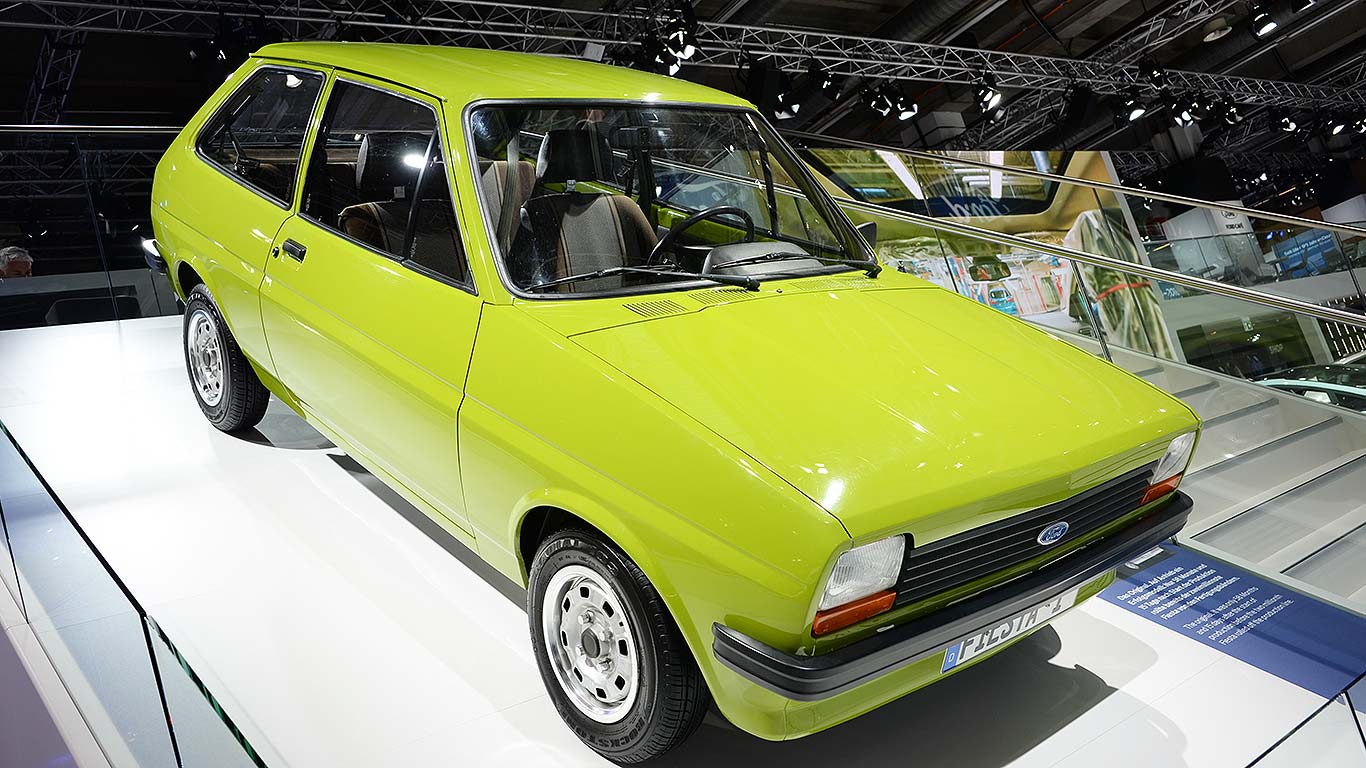
The original Fiesta might be a genuine classic, first launched in 1976, but that doesn’t excuse the extremely ‘1970s’ paintwork here. This shade of green appeared on a number of Ford products during the decade and certainly made the Fiesta stand out in the Frankfurt show hall.
Questionable colour aside, the Mk1 Fiesta was a hit for Ford, taking less than five years for production to exceed two million cars. In the UK, the Fiesta raced to the top of the charts as the best-selling supermini.
Volkswagen Golf GTI Mk1
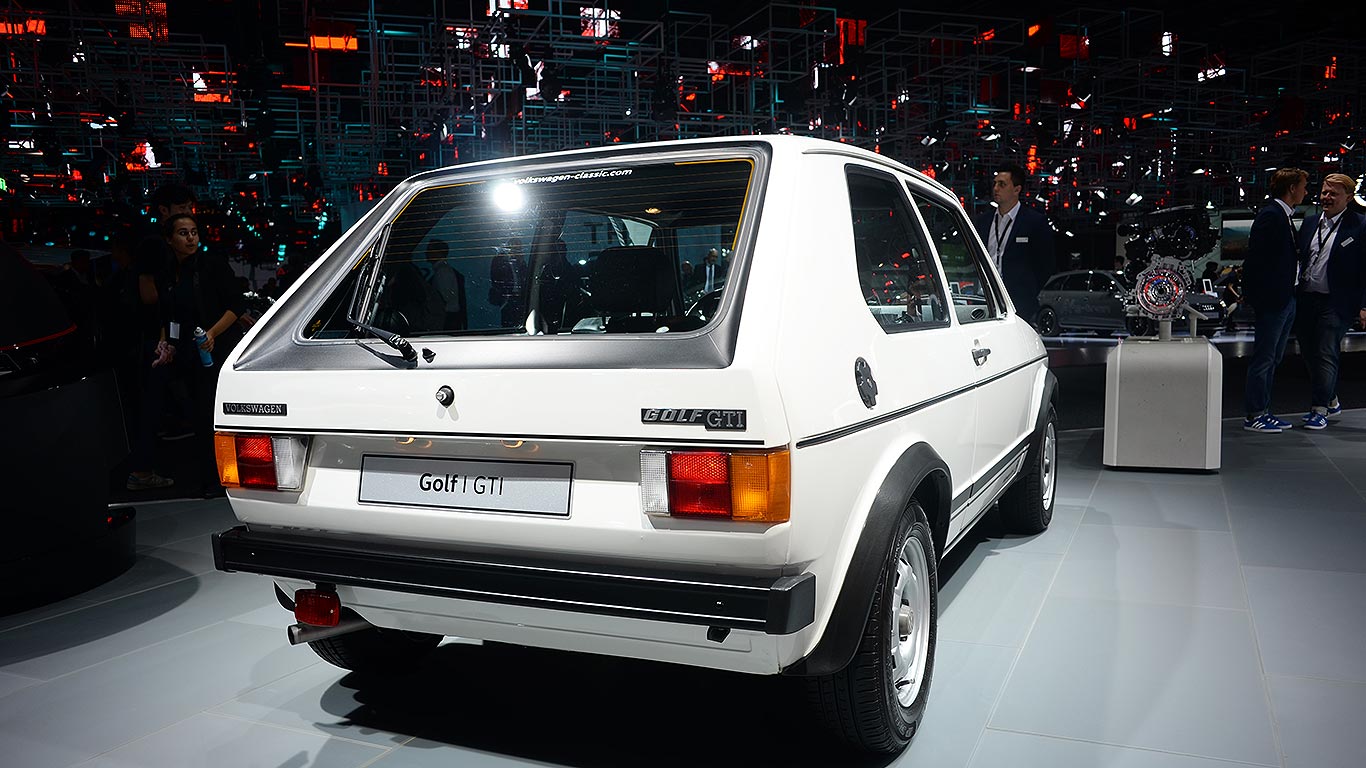
Although it might not have been the very first hot hatch on the market, the original Golf GTI is the one associated with defining the genre. Its power output isn’t even ‘warm hatch’ standard today, but modern cars like the Golf R and Ford Focus RS owe a lot to it.
Compared to current hot hatches, the exterior changes to the Mk1 GTI were minimal. A thin red stripe around the grille was the most obvious sign that this wasn’t a regular 1.1-litre version. Inside, the tartan-trimmed seats certainly made a statement, and continue to be copied to this day in hot Volkswagens. Proof that not everything retro has to be tacky.
B&B Porsche 930 Turbo Targa Rainbow
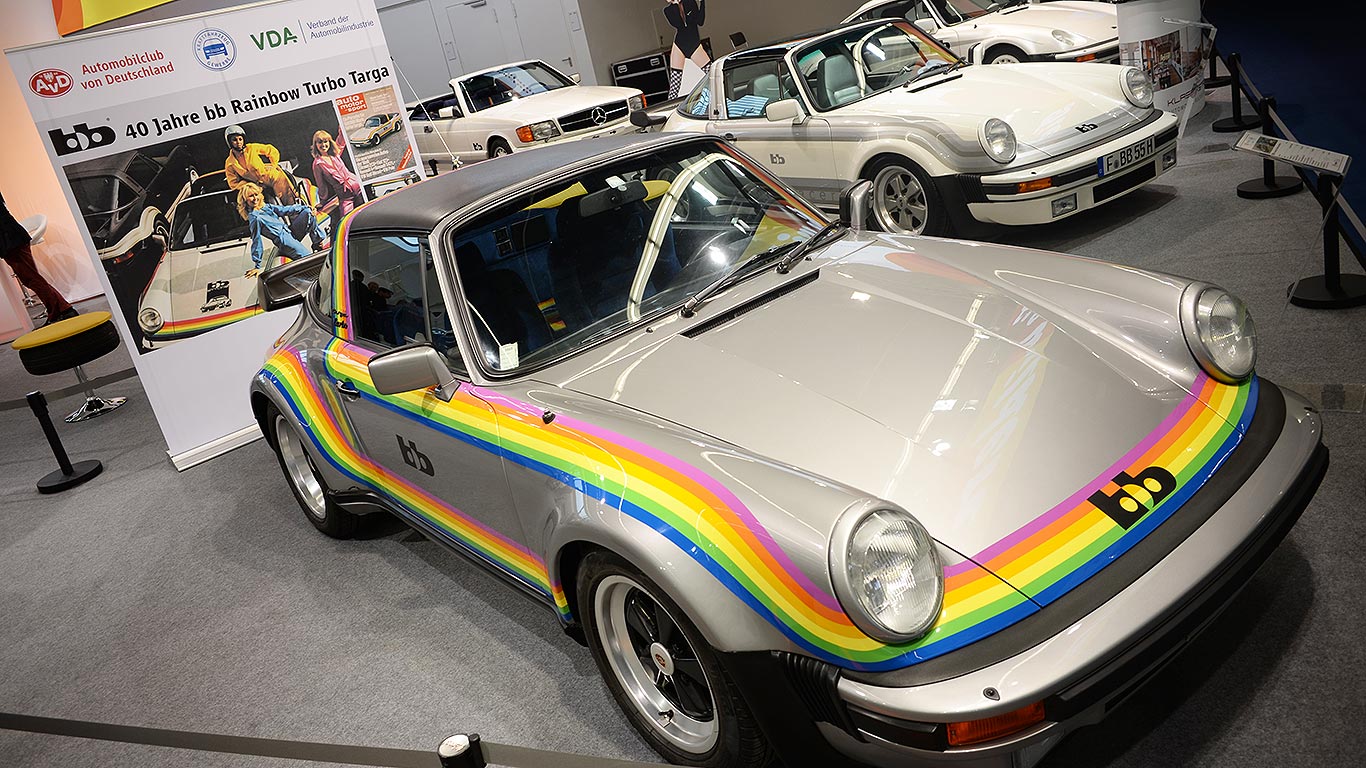
It doesn’t get much more 1970s than this. Rainer Buchmann built a reputation during the decade for tuning and customising Porsches. The Turbo Targa Rainbow was built in 1976, and used to promote the Polaroid camera brand, hence the colourful livery.
With some 300hp, the B&B 930 Turbo had more than enough power for the late 1970s, but matched that with equally outlandish options. Bright velour upholstery was a favourite of the company, while big speakers and CB radios were also on the options list. Imagine Pimp My Ride, but set in West Germany four decades ago.
De Tomaso Pantera
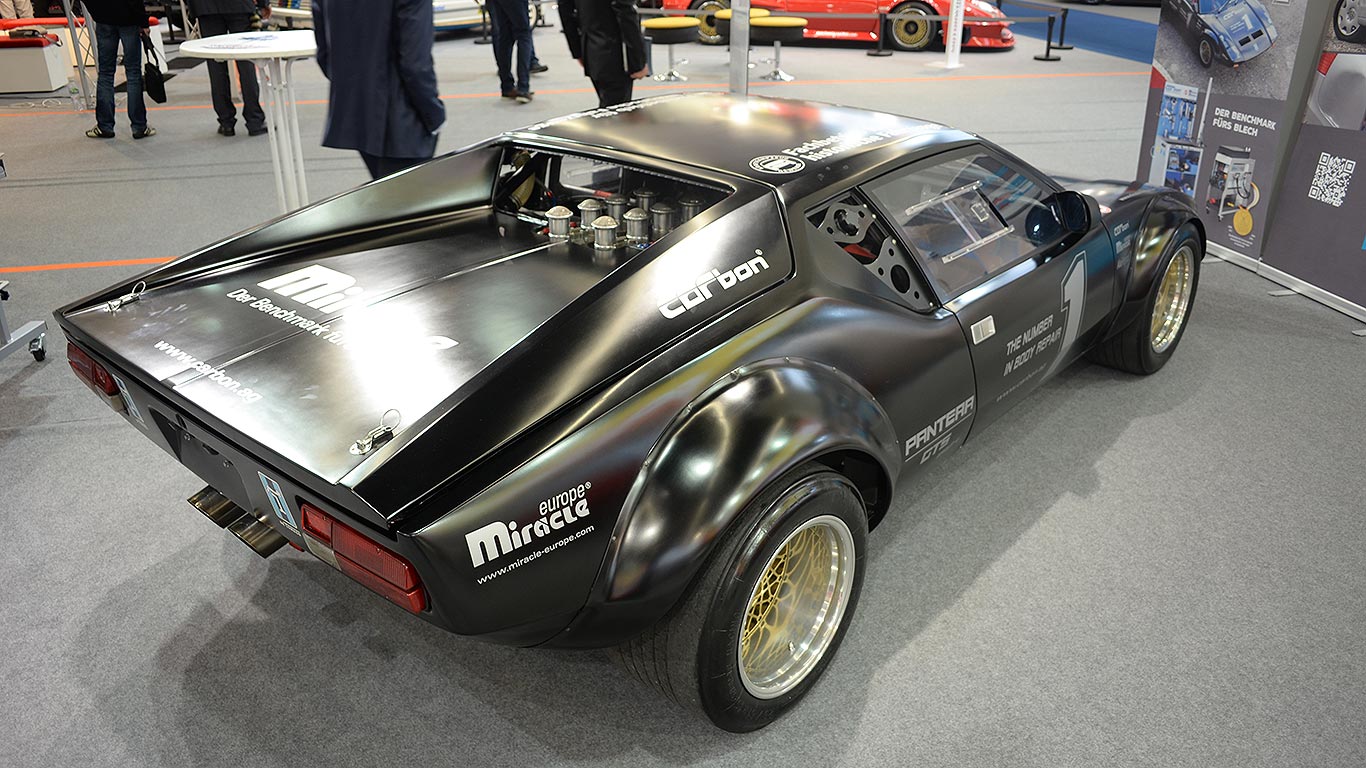
If it’s good enough for Kenny Loggins to sing about in his 1979 song ‘Mr Night’ then it’s surely good enough to be included in any retro collection. First shown at the 1970 New York Auto Show, and put into production the following year, the Pantera was powered by a 5.8-litre Ford V8 engine with 330hp.
Ford was heavily invested in the Pantera project, and even imported the car to be sold alongside Lincolns and Mercurys in US dealerships. The Blue Oval dropped the Pantera in 1975, but the car carried on being produced until the early 1990s, having endured multiple facelifts and modifications.
Ford Capri
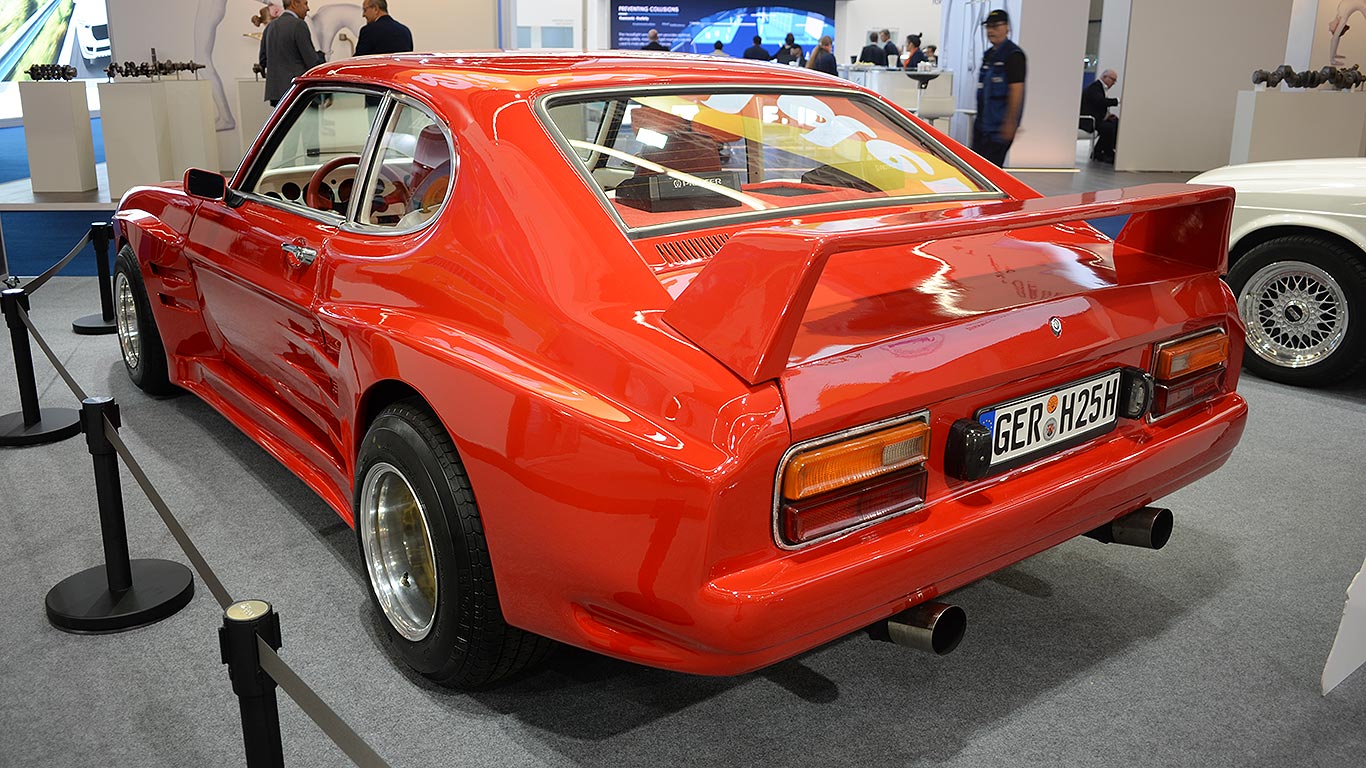
It may have been introduced in 1969, but nothing embodies the idea of European motoring in the 1970s more than a Ford Capri. The rear-wheel-drive coupe was as close as buyers on this side of the Atlantic could get to American muscle, and the blue collar two-door attracted modifications aplenty.
From the furry dice and white leather upholstery inside, to the widened wheel arches and boot spoiler outside, this is clearly not a regular Capri. It might not be as extreme as some of the racing Capris of the time, but it still looks muscular today.
Mercedes-Benz C111-2
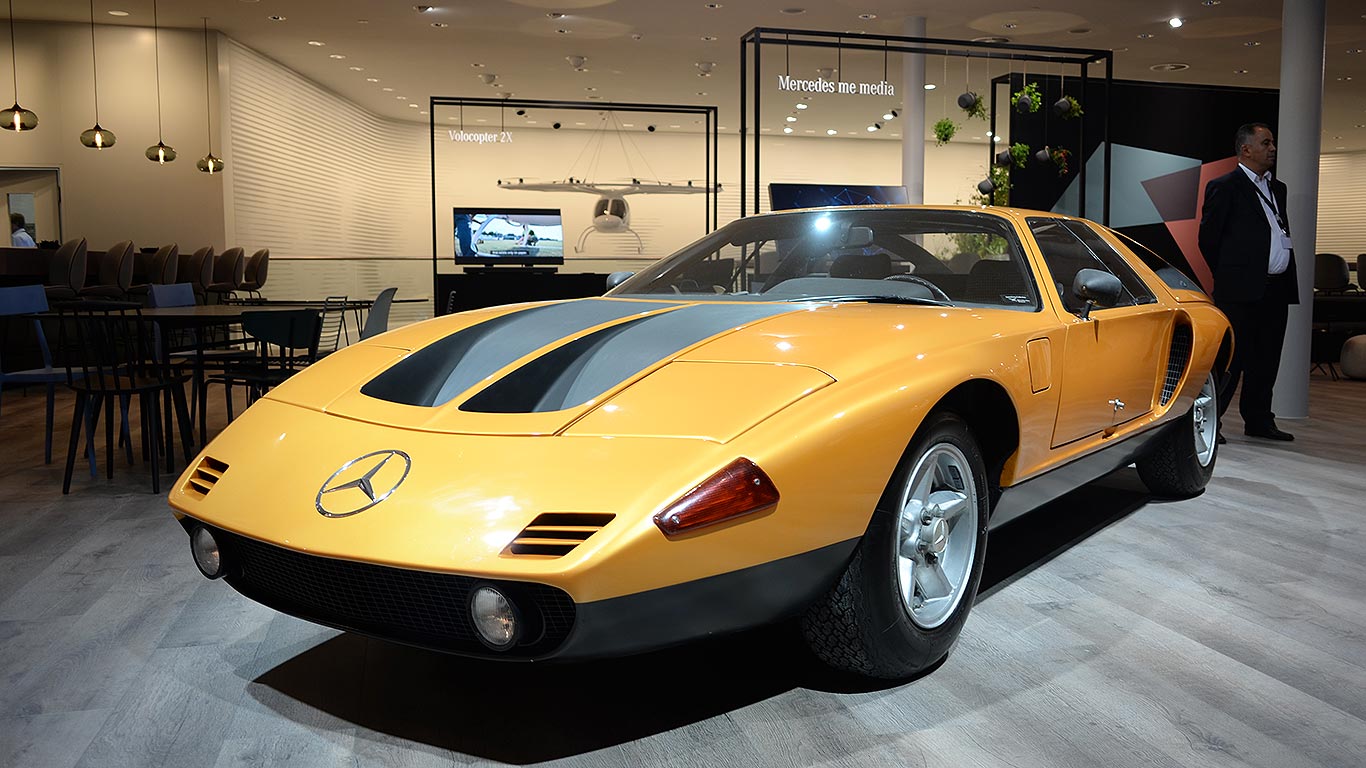
In many ways, the Mercedes-Benz C111-2 was the AMG Project One of its day. The original C111-1 of 1969 used a three-rotor Wankel engine developing 280hp, while the four-rotor C111-2 upped the ante with 350hp. This thing could reach speeds of 217mph, which, in its day, was as eye-opening as the Project One’s performance figures are now.
Ford Gran Torino
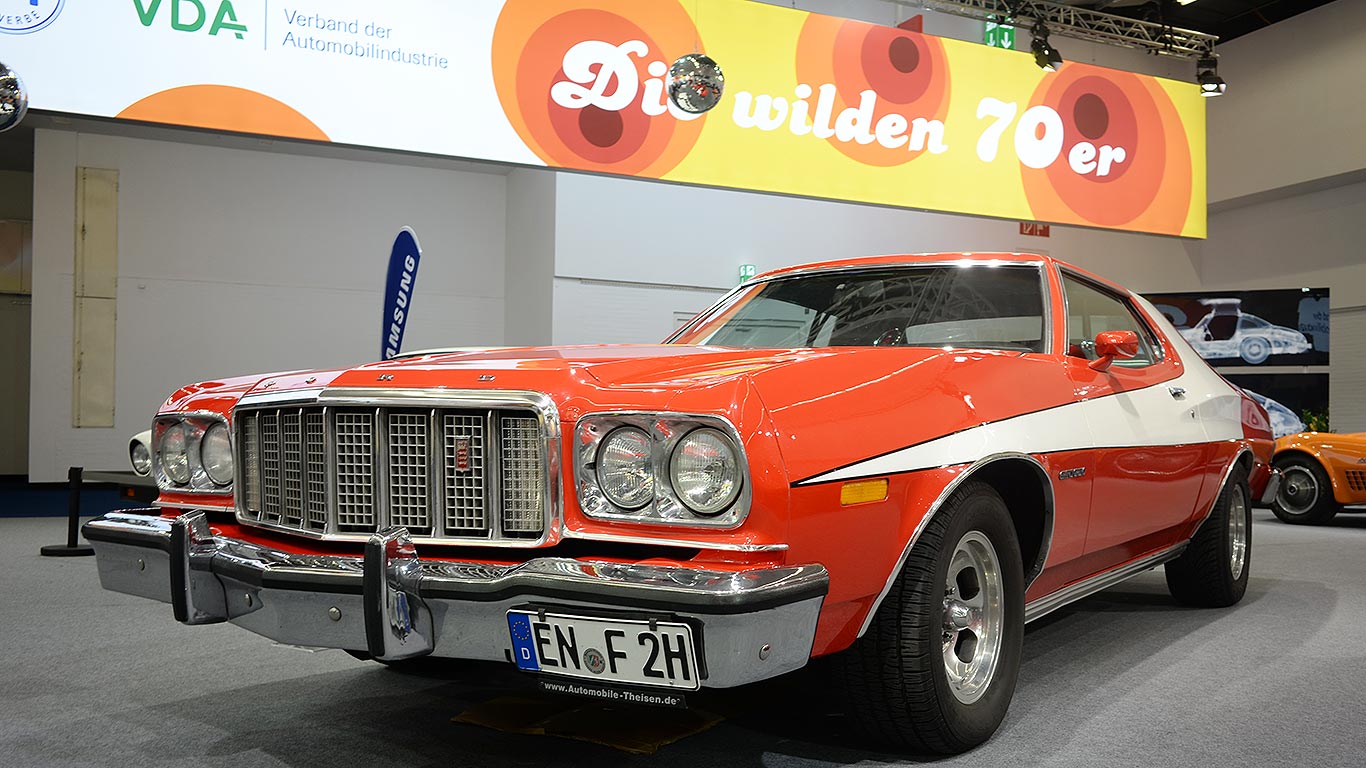
When it comes to iconic TV vehicles, the Ford Gran Torino is up there with the General Lee and the A-Team van. The famous red Ford with the distinctive white stripe was driven by David Starsky and given the nickname ‘Striped Tomato’ by his partner in anti-crime, Kenneth Hutchinson.
A number of cars were used during the filming of the hit 70s cop TV show, but – much to Starsky’s disgust – damage during the call of duty was a regular problem. Often, repairs would take place between filming, to varying degrees of success. Watch episodes filmed towards the end of the first series and it’s not hard to spot the low-rent repair jobs.
Opel Manta A
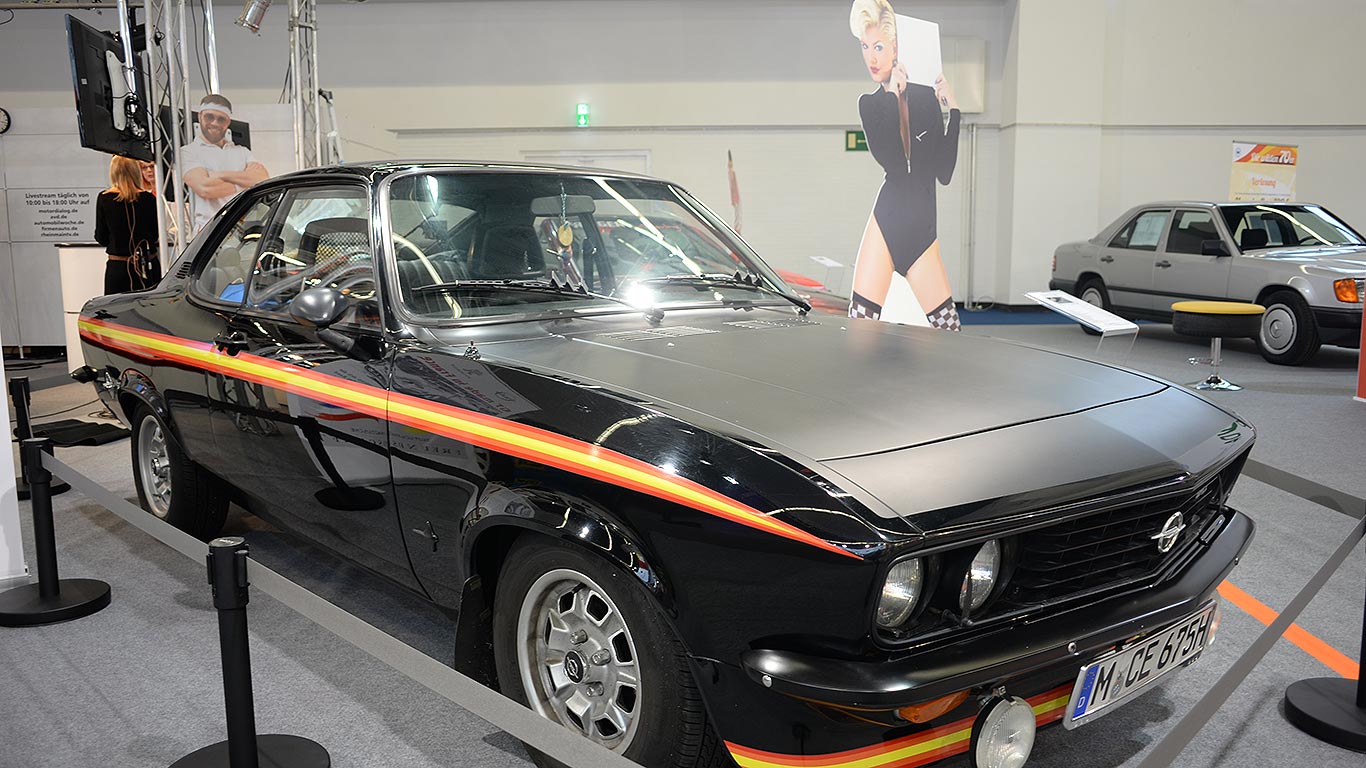
The Manta was Opel’s answer to the Capri, launched a year after its Ford a rival and two months ahead of the Ascona upon which it was based. Like the Capri, it was a two-door coupe with space for four adults, and some 500,000 units were built before it made way for the more familiar Manta B in 1975.
Opel Manta B
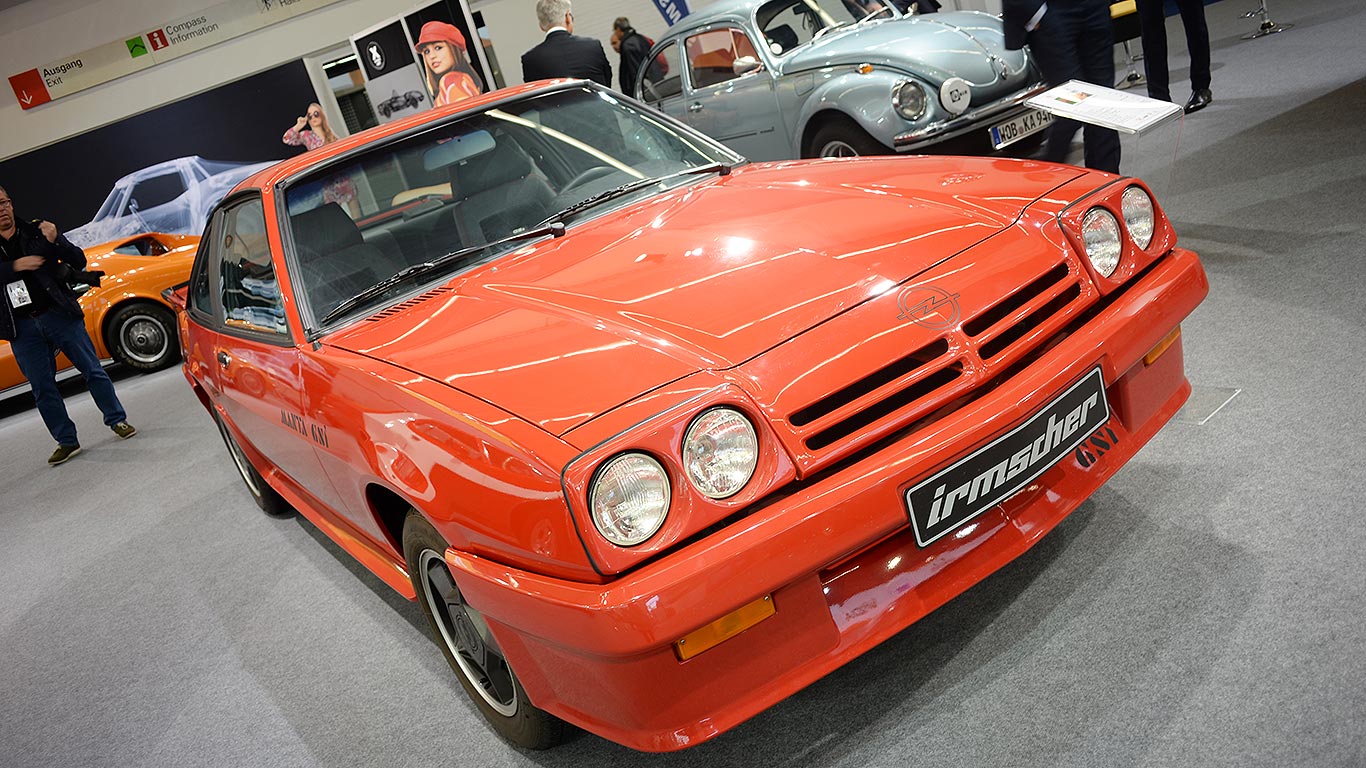
Although the Manta B was launched in the mid 70s, it morphed into something perfectly in-tune with the 1980s. In fact, nothing screams 80s quite like a red Opel Manta GSi with a body kit supplied by in-house tuning arm, Irmscher.
While the Ford Capri developed an unfortunate image crisis in its later life, the Opel Manta largely escaped the gold medallion and hairy chest tag. At least it did in the UK, but the role was reversed in Germany, where the Manta became a little low-rent, especially when viewed alongside the emerging hot hatches of the day.
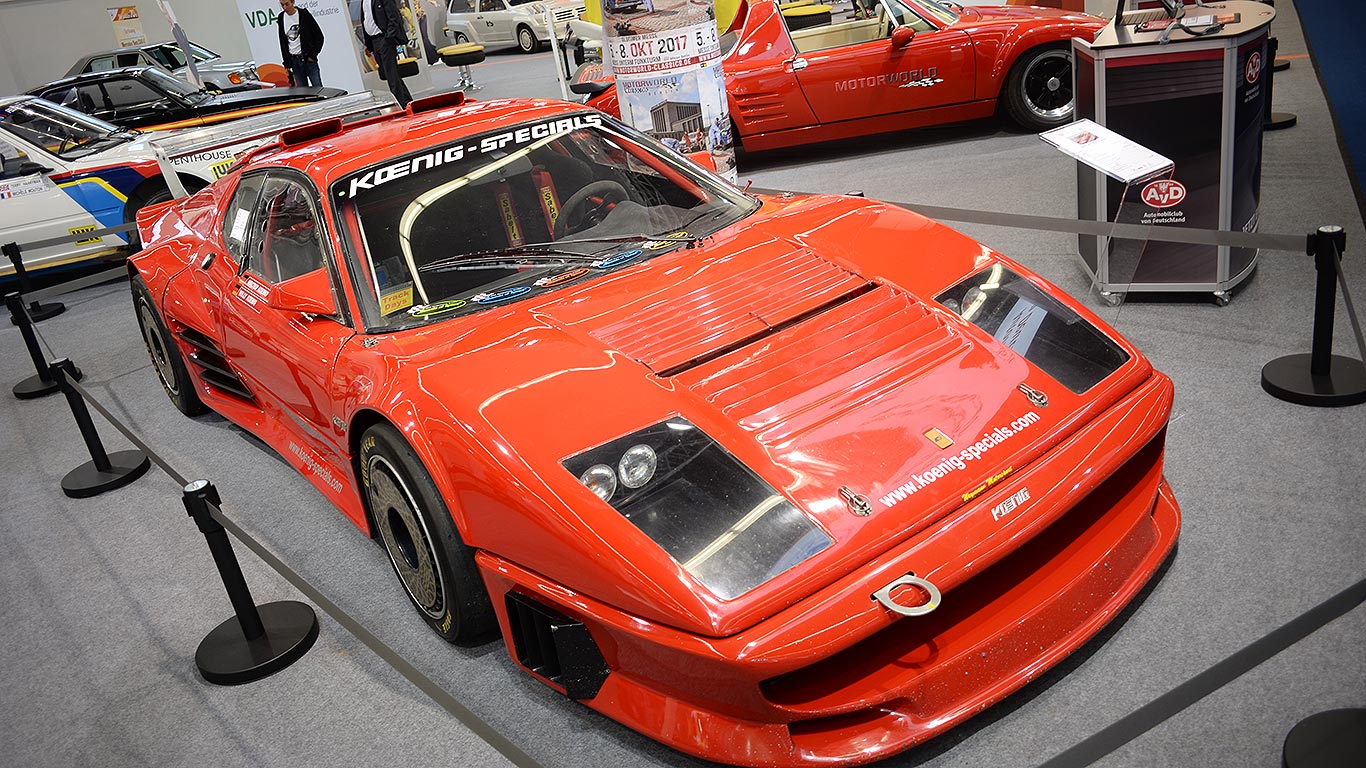
Koenig Specials Berlinetta Boxer
Koenig created some of the wildest modified supercars throughout the 1970s and 80s. Unhappy with the flat-12 engine fitted to the Ferrari Berlinetta Boxer, Koenig added performance parts culminating in a 600hp+ twin-turbo conversion. Fibreglass widebody kits and spoilers were part of the deal, too.
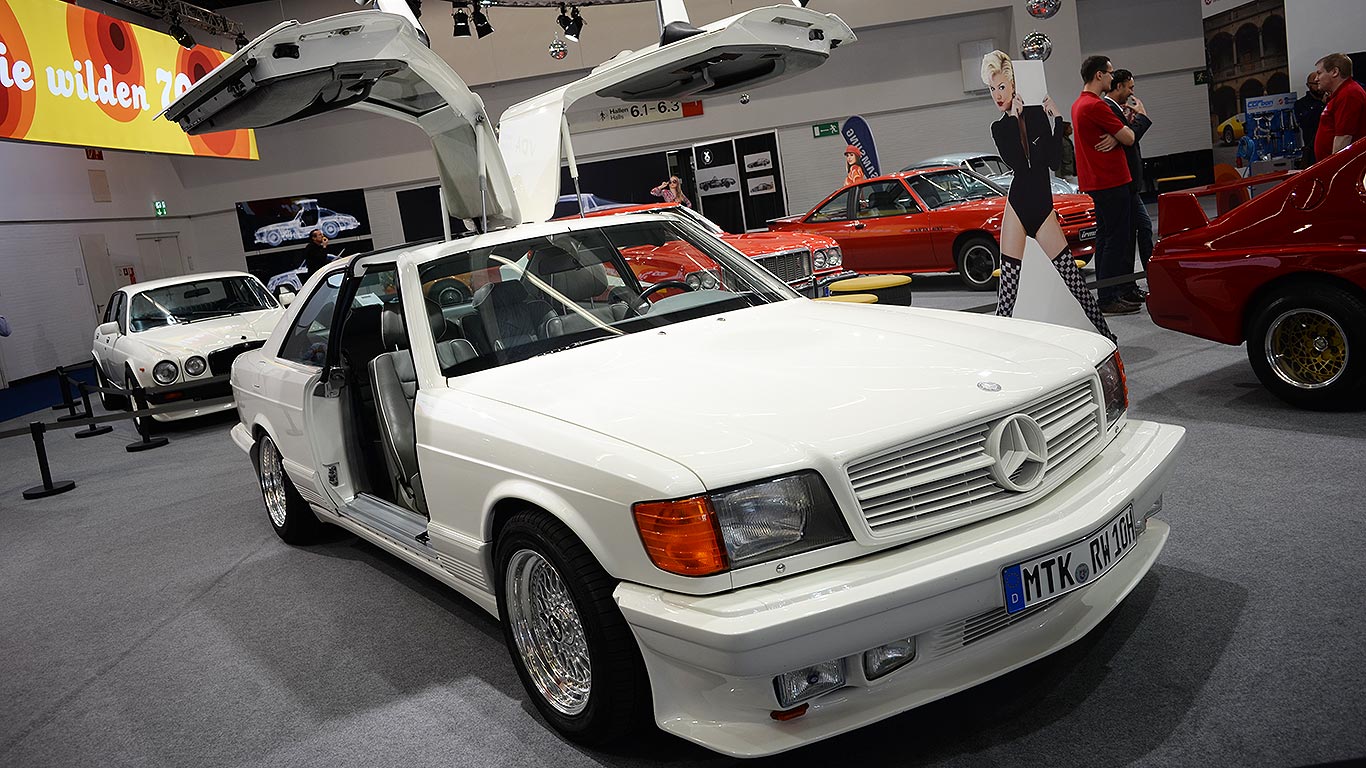
Mercedes-Benz 500 SEC Gullwing
To truly be down with the kids in the early 1980s, you needed to fit your already expensive Mercedes 500 SEC with a set of gullwing doors. Numerous tuning companies offered the conversion, with only the mildest of resemblance to the 300 SL from the 1950s. The only rule was that it needed to be white, to get the full 1980s effect.
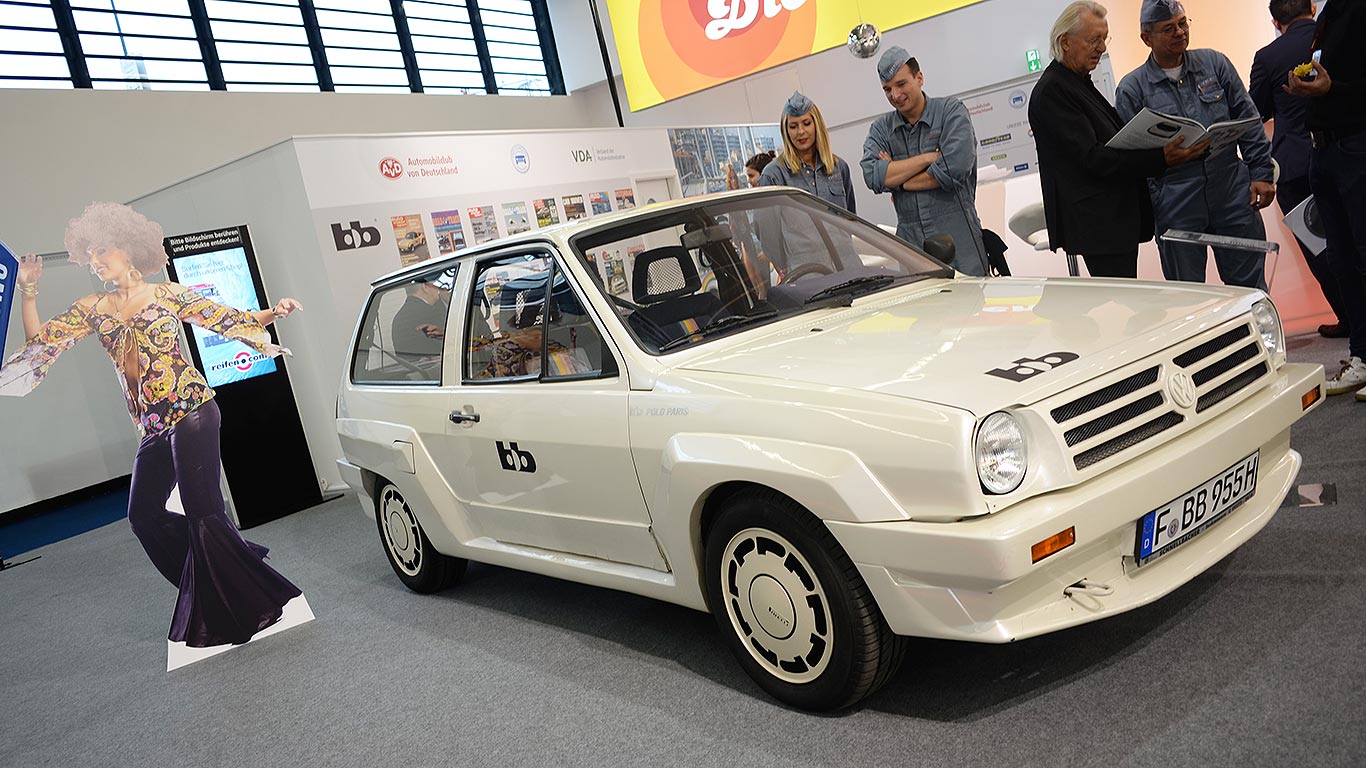
B&B Volkswagen Polo Paris
Rainer Buchmann didn’t just modify Porsches: even the humble Volkswagen Polo came under the spotlight of the B&B team. The Polo Paris was, according to the company, designed to show off feminine elegance and understatement. Apparently that translates into a boxy bodykit, Alcantara interior and 16 speakers for the Blaupunkt stereo system.
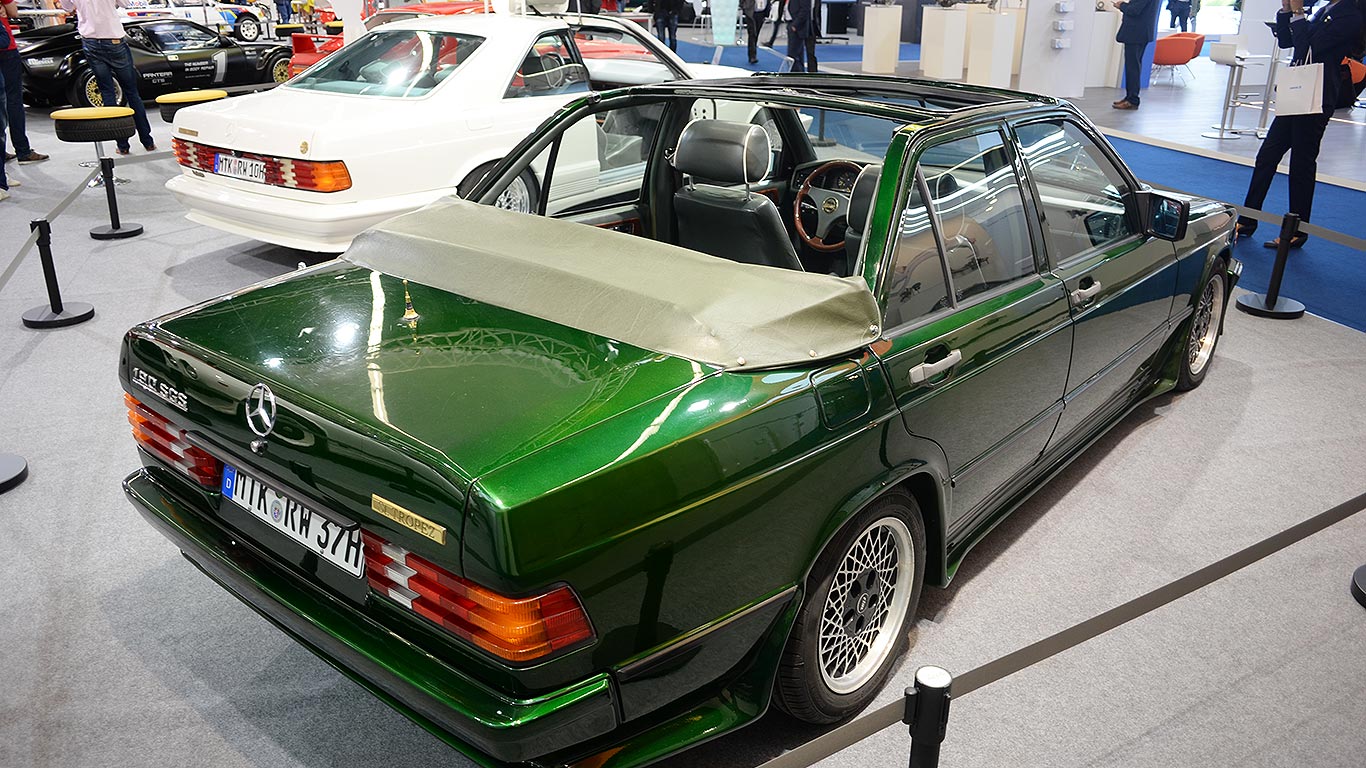
Mercedes-Benz 190 SGS St Tropez
Here’s something you don’t see everyday: a Mercedes-Benz 190E ‘St Tropez’ built by German tuners Styling Garage, or SGS. A quick internet search suggests only five were ever built and two, possibly three, remain in existence. You know when you shouldn’t like something, but you can’t help but nod in approval. Yeah, that.
In 2014, one was sold in Hamburg for £15,000, and the chances are it’s the one on show in Frankfurt. SGS began life as a workshop, before expanding into coachbuilding, with clients in the Middle East. Sadly, in 1986, the company was declared bankrupt. It’s fair to say that nobody at Mercedes-Benz shed a tear, with Stuttgart seemingly unimpressed with the firm’s creations.
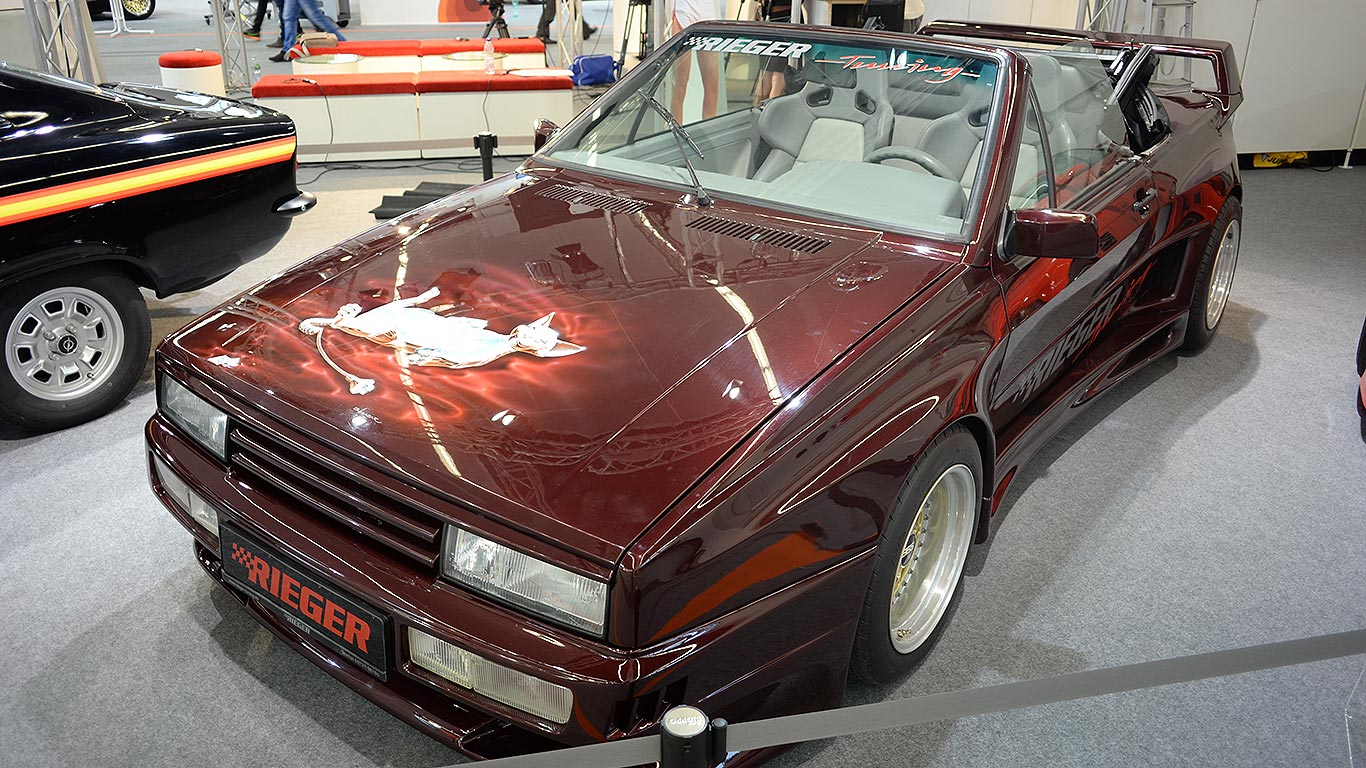
Rieger Volkswagen Corrado
Some things, like the Volkswagen Corrado, are best left alone. Two decades on from the end of production, the Corrado remains one of the best looking cars ever to wear the VW badge, but that doesn’t stop people from messing with it. This Rieger conversion is an acquired taste, as is the bonnet detailing.
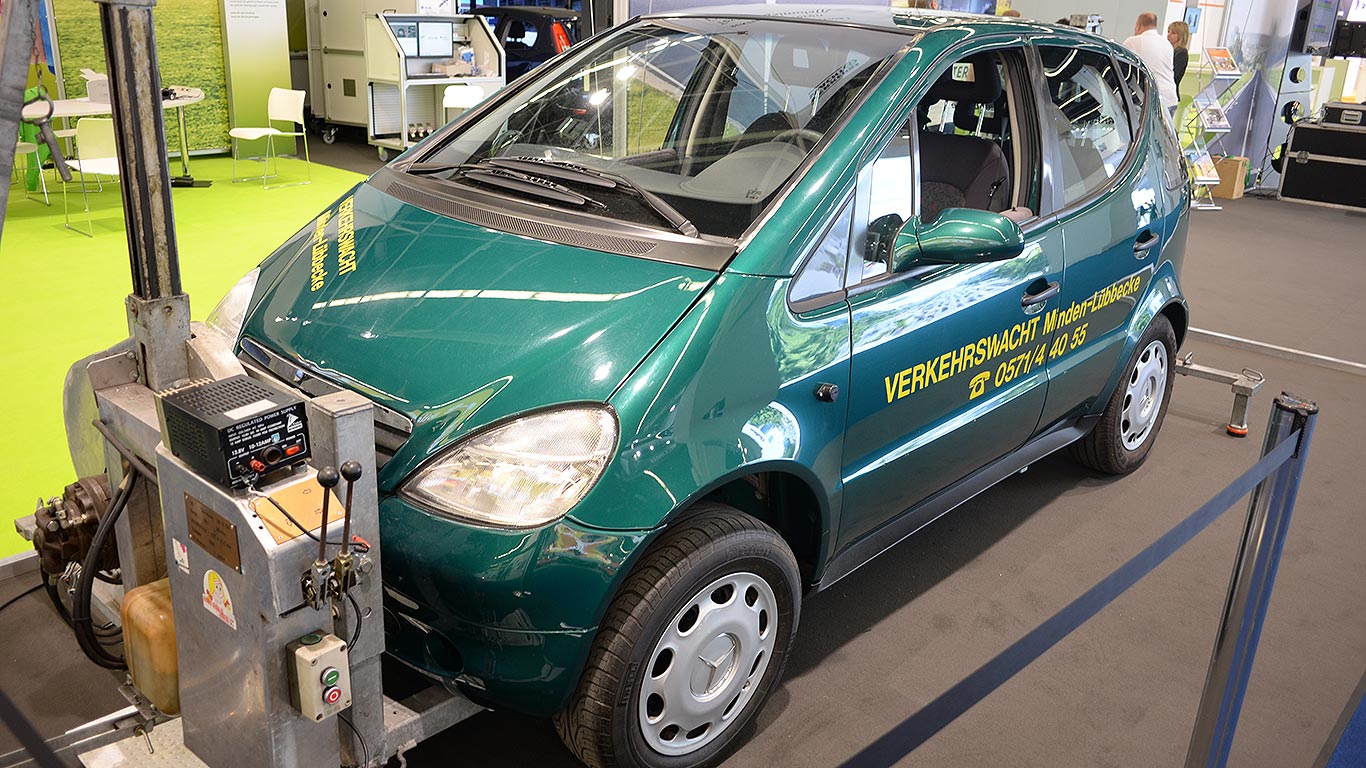
Mercedes-Benz A-Class
Too soon to class the Mercedes-Benz A-Class as ‘retro’? It might surprise to learn that the baby Merc, the company’s first front-wheel-drive car, turns 20 in 1997. It’s fair to say Stuttgart won’t have fond memories of the A-Class, with the car famously failing the Swedish ‘Elk’ test, highlighting a severe stability problem. Worse was to come, with development costs resulting in losses of around €1.7 billion.
As day two of the Frankfurt Motor Show kicks off, join us for a moment of reflection as we look back over the highlights, lowlights, and biggest discussion points from the show floor. Is the Suzuki Swift Sport the car we want more than any other from Frankfurt? And was Greenpeace justified in protesting against all the petrol and diesel models being revealed? Join the discussion by commenting below.
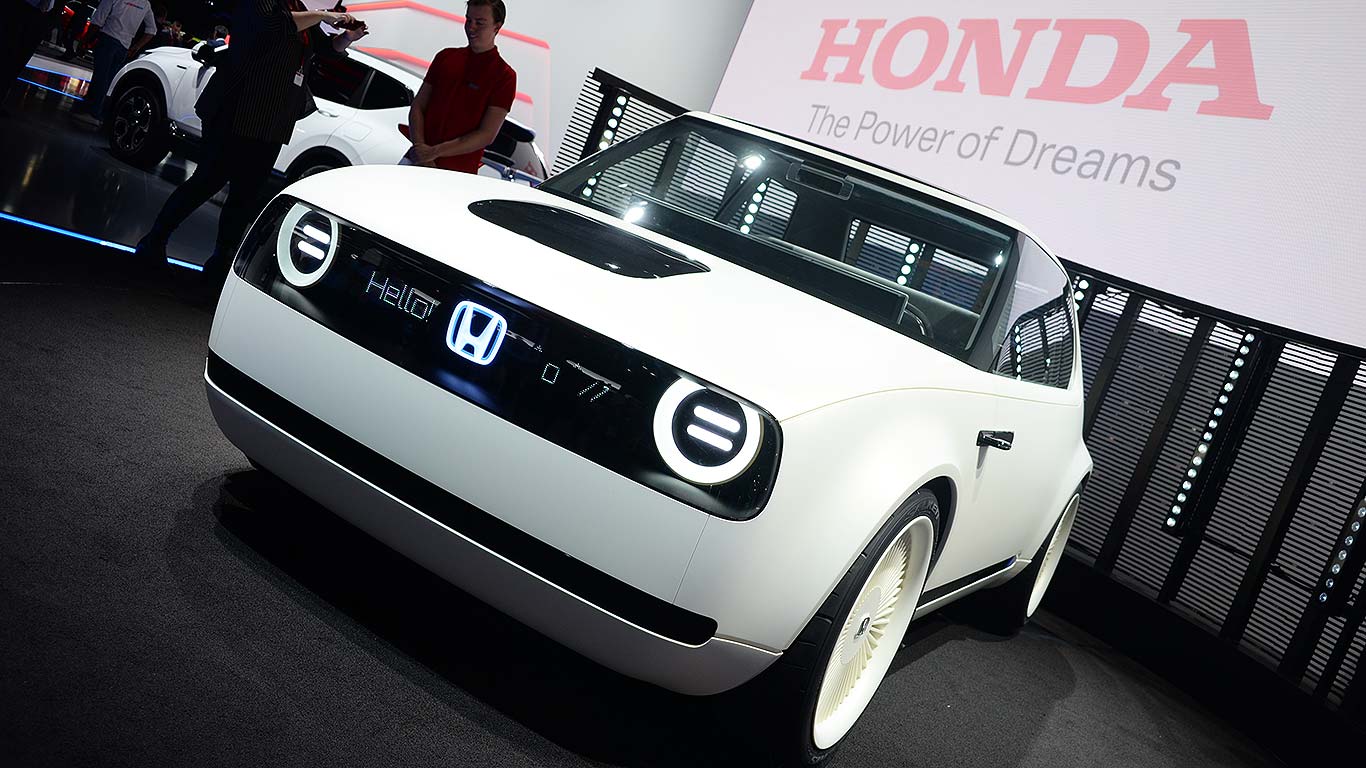
Watch out Fiat 500: Honda has revealed a retro remake of its original Civic and it really isn’t as sh*te as that sounds. The Urban EV Concept is an electric concept car that looks like a 2017 take on the Mk1 Civic, crossed with a 205 GTI and an element of Mk1 Golf thrown in for good measure. And, what’s more exciting, Honda bosses have hinted that it previews an actual new car, due out in 2019.
There are some cool features, such as a blue backlit Honda badge and interactive messages displayed where you’d find the grille on a conventional car. Of course, we’d like to know more about the important bits, though. Honda hasn’t mentioned the range or any performance figures, and there’s plenty of time to mess it up before the production model arrives in two years’ time. But, for many people, this is looking like the star of Frankfurt.
Audi ditches Quattro for RWD
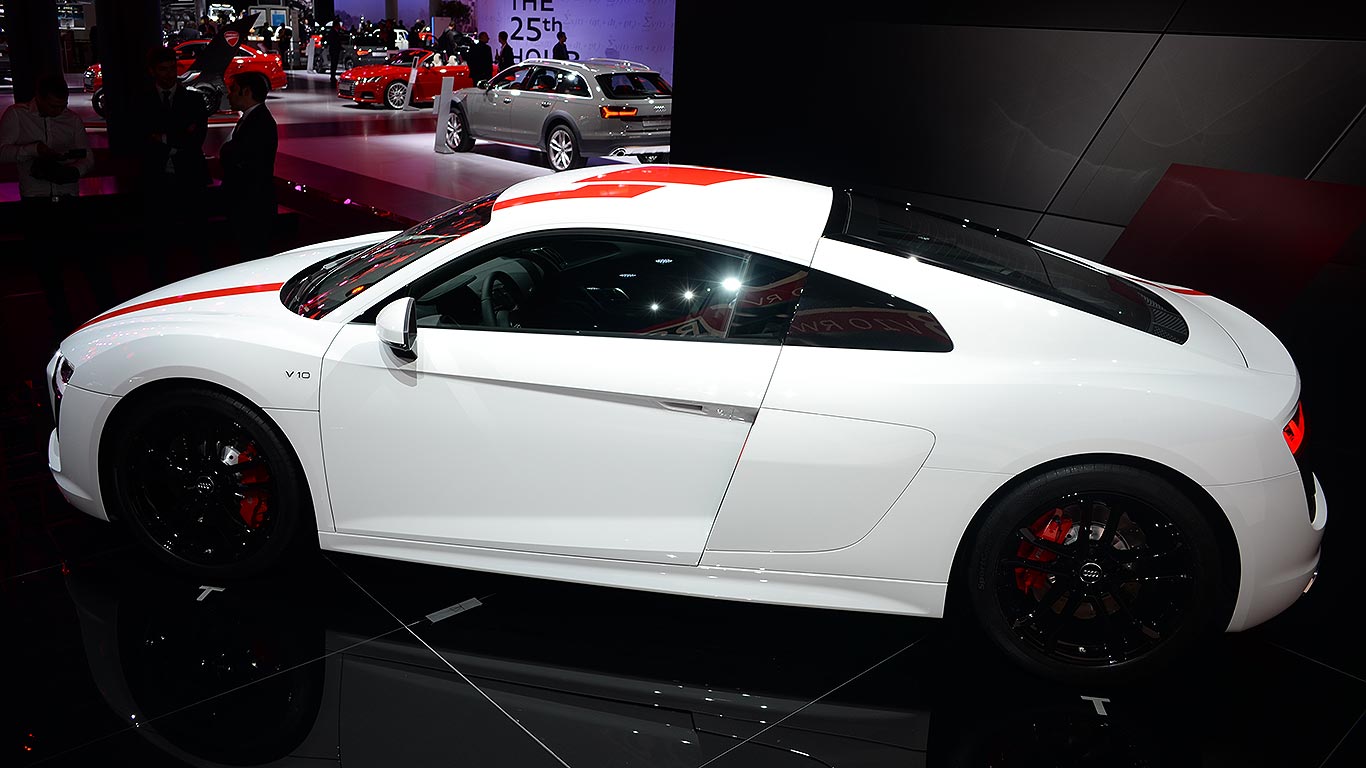
We reckon Audi Sport boss Stephan Winkelmann is a fan of skids. Not only did he change the sub-brand’s name from ‘Quattro’ soon after he arrived last year, it has subsequently revealed a rear-drive R8 at Frankfurt.
The R8 V10 RWS (Rear Wheel Series) is based on the regular R8 V10 in coupe or Spyder form. Only 999 will be built, with deliveries starting later this year and price tags of €140,000 and €153,000 respectively. UK prices are yet to be confirmed, but it’s expected a handful will make it across the channel.
While removing the propshaft and centre diff has been beneficial for the R8’s weight (down 50kg in the coupe and 40kg in the Spyder), a loss of traction has added a few tenths of a second to its 0-62mph times (3.7 seconds and 3.8 seconds). Not that anyone seems bothered: talk on the show floor suggests this is one of the highlights of Frankfurt.
Why is Greenpeace protesting when even the supercars are hybrids?
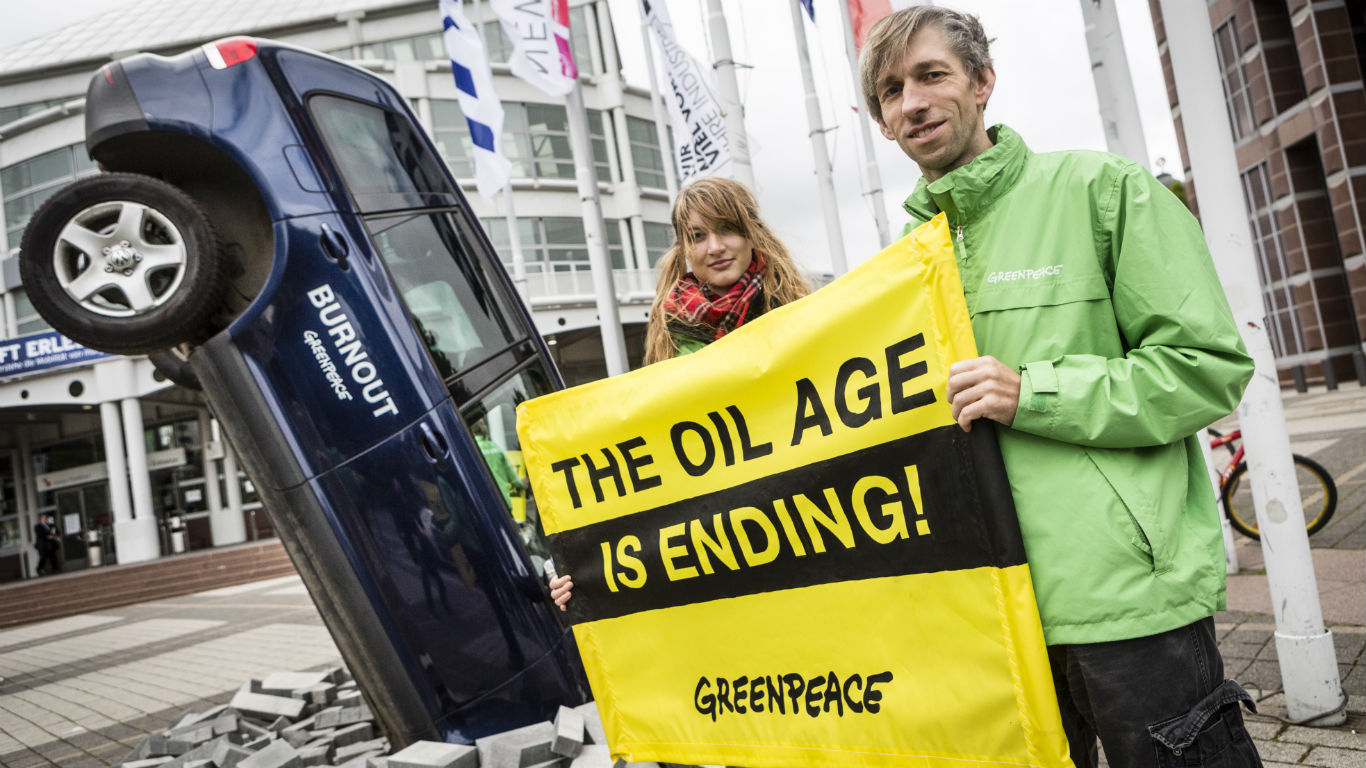
Visitors to the IAA may have been surprised to find Greenpeace supporters outside with a Volkswagen Touareg sticking into the ground and banners saying “the oil age is ending”. The environmentalist group is angry at carmakers for continuing to launch petrol and diesel cars at Frankfurt, signalling “the wrong direction that the industry is headed.”
Of course, they seem to have overlooked the plethora of electrified models making their debut at Frankfurt. Or maybe Greenpeace just doesn’t enjoy skids as much as Mr Winkelmann.
Ford makes the Ecosport even uglier
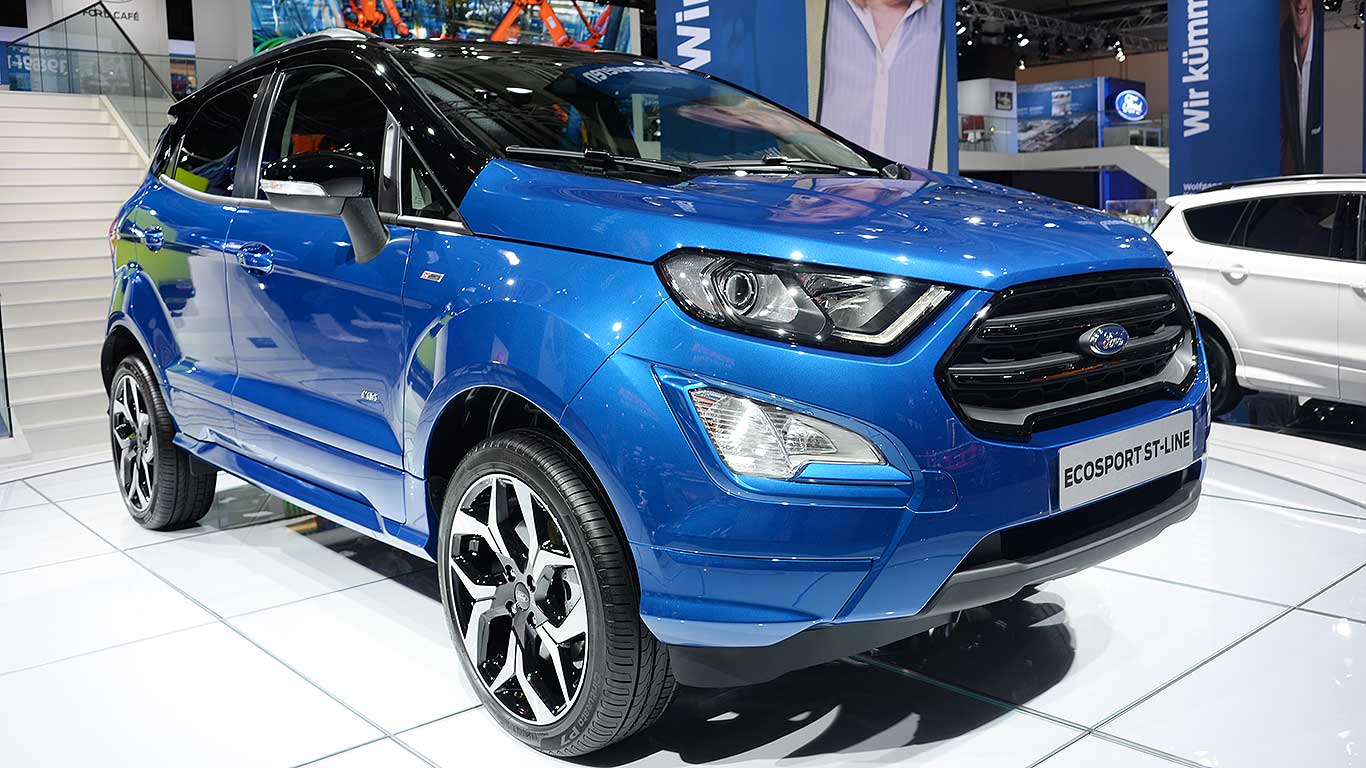
Developed in South America and brought to Europe under the ‘One Ford’ philosophy, the Ecosport has always lagged behind the likes of the Nissan Juke and Renault Captur in the UK. From the off, its stunted looks, cheap interior and below-par driving experience held it back. It’s had no shortage of tweaks, however – as one Twitter user put it, “that thing’s had more facelifts than the population of Beverly Hills.”
It’s been revised again for Frankfurt 2017 and, well, look at it. It’s never been an attractive car but, on appearance alone, we’d suggest it’s still a long way off troubling the Nissan Juke for UK sales. “Wait until you have driven it,” a Ford spokesperson optimistically told us. We can’t wait.
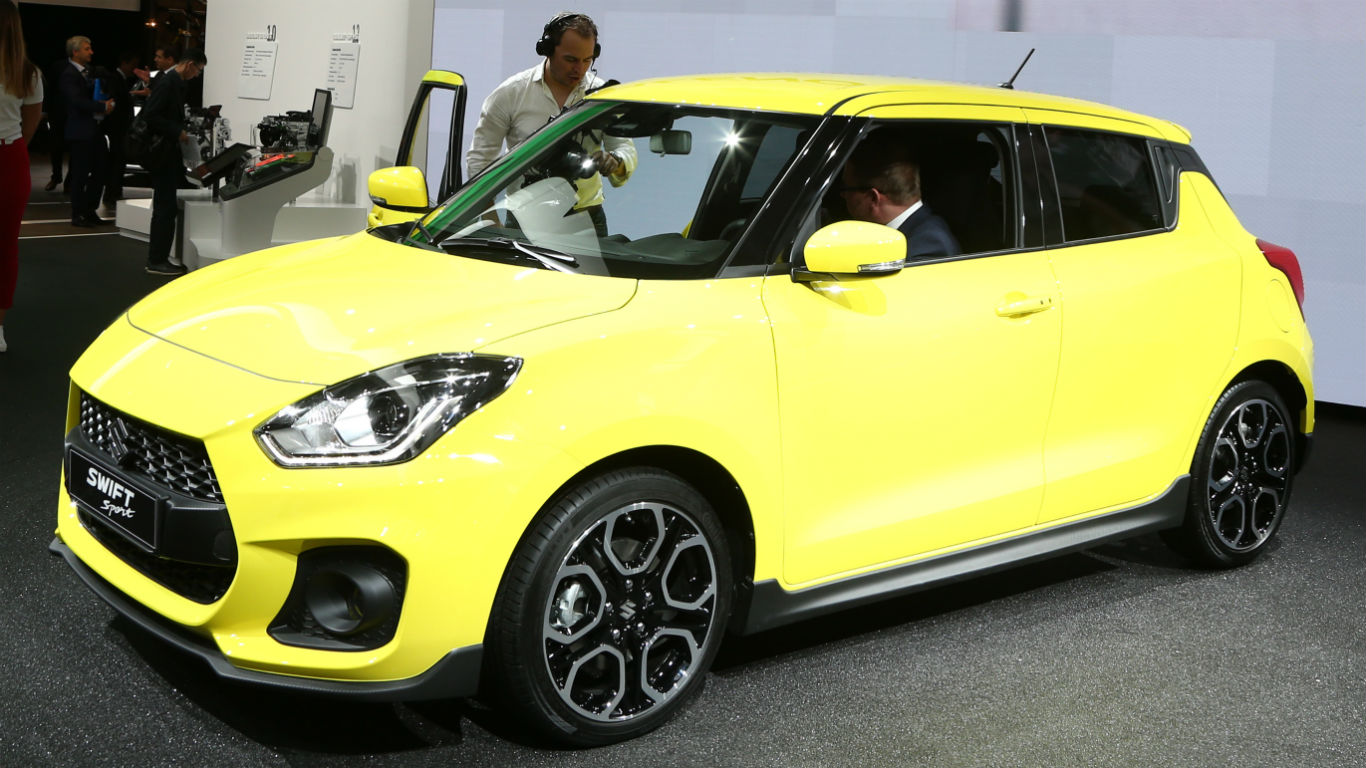
Suzuki Swift Sport resists mega power
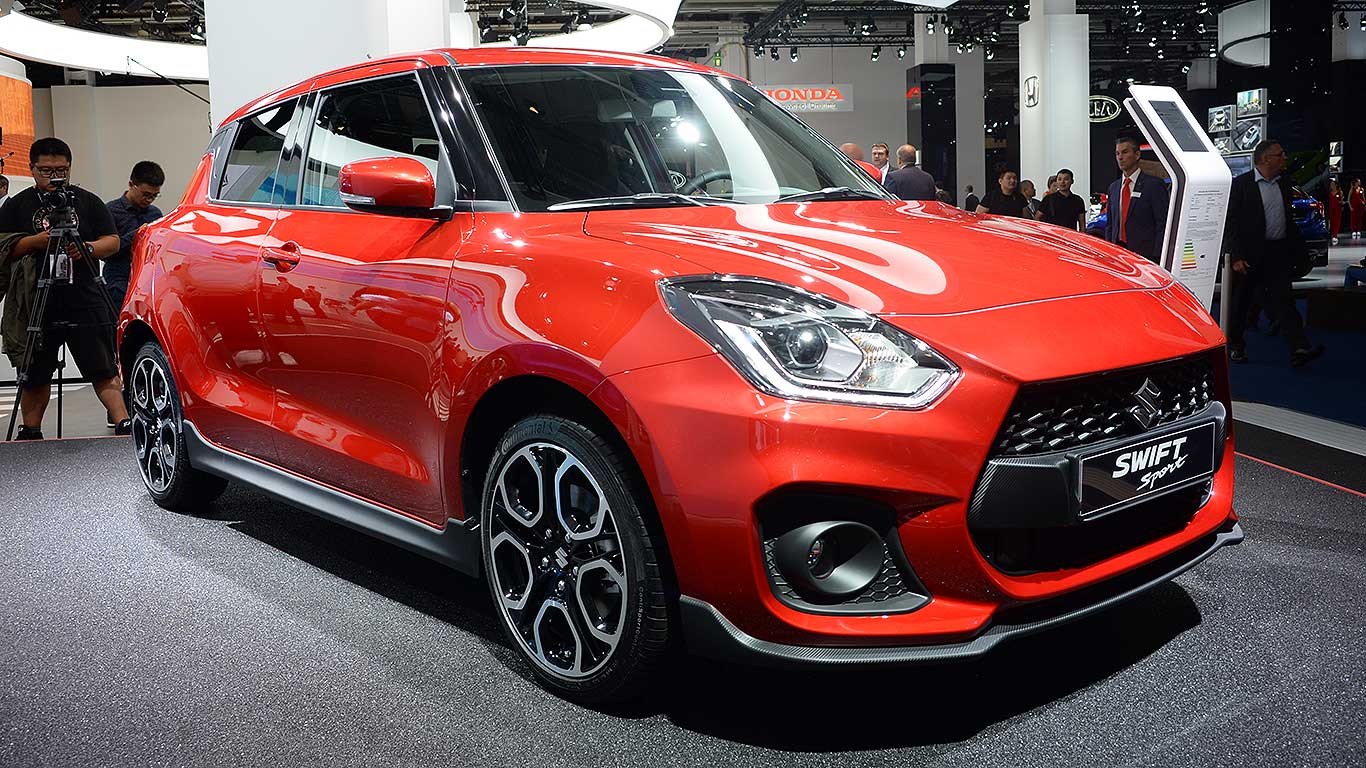
Suzuki’s Swift Sport has always been one of the purest hot hatches on sale. We say ‘hot’… in fact, ‘warm’ would be more appropriate, as outright power and performance have never been what the Swift Sport’s about. It would have been all too easy for Suzuki to go chasing after the Fiesta ST with a moderate power increase for the new Swift Sport, but it appears to have resisted.
While its high-revving naturally-aspirated 1.6-litre engine has been replaced by a 1.4-litre turbo (boo!), power has been increased to 138hp – up by just 2hp over its predecessor (136hp). It’s slightly bigger than its predecessor, unfortunately, but not massively so – and it’s actually 80kg lighter than before, bringing it below a tonne.
Land Rover makes the Discovery more like a Defender
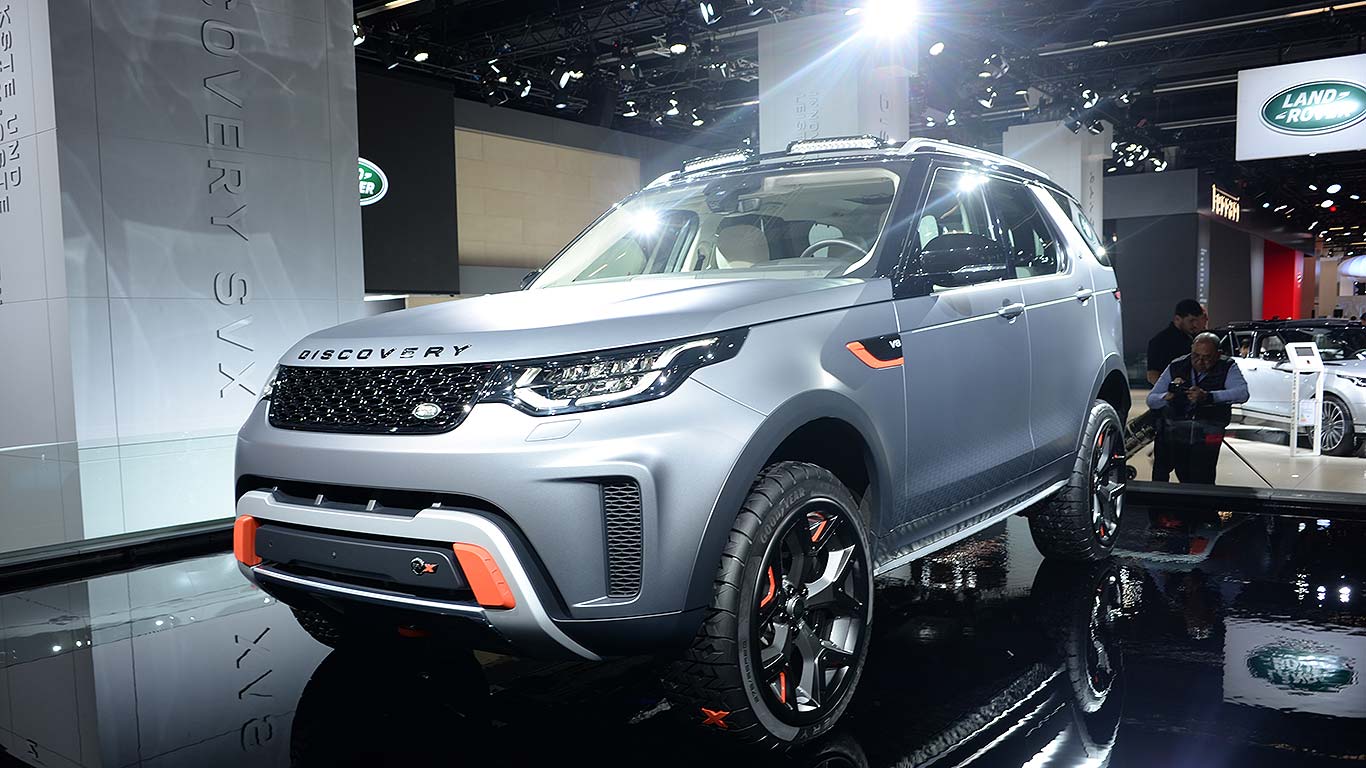
Nope, Land Rover hasn’t revealed a new Defender at Frankfurt. But, in a bid to prevent its stand looking like the double yellows outside a Kensington school at 3.15pm, the firm’s Special Vehicle Operations division has been working on something special. It’s the Land Rover Discovery SVX, with increased ride height, all-terrain tyres and two electronic locking differentials to make it invincible off-road.
Things are also a bit special under the bonnet. JLR’s squeezed its 5.0-litre supercharged V8 engine into the Discovery’s engine bay, producing a whopping 525hp and 461lb ft of torque. Performance figures haven’t been discussed, but it does seem to conflict with the off-road focussed rubber fitted to the forged aluminium alloy wheels.
Production of the Discovery SVX will start at the SVO’s technical centre in Coventry early in 2018. If you want to get your hands on one, rumours suggest you may need close to £100,000.
Porsche upsets 911 R owners
To many, last year’s Porsche 911 R was the ultimate 911. Based on the GT3, with the engine from the GT3 RS and no unsightly rear wing, all 991 911 Rs soon sold out despite their £137,000 price tag – with some specialist dealers suggesting that buyers were happy to pay close to £1 million to get their hands on an example.
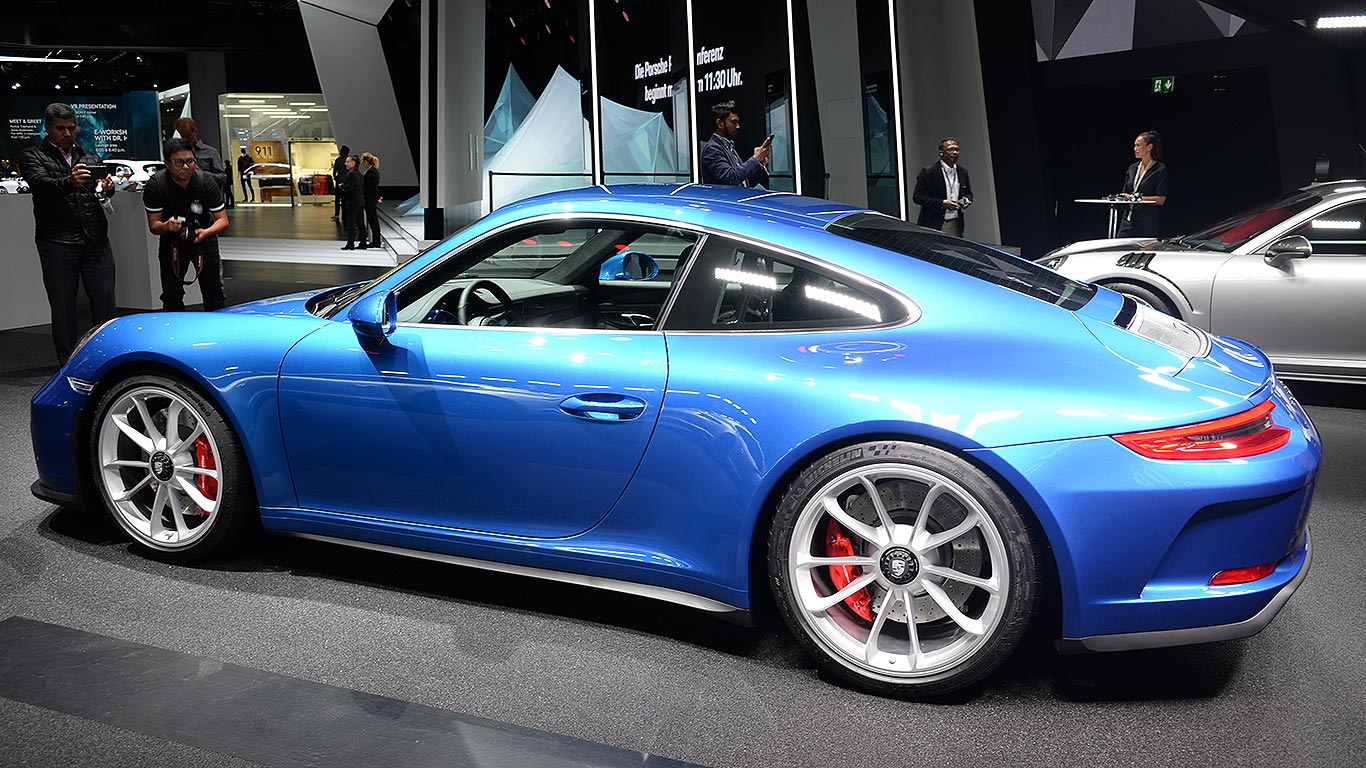
Anyone who has paid a fortune for a 911 R might be a tad annoyed, however, as Porsche has just revealed the very similar 911 GT3 with Touring Package (let’s call it the GT3 Touring). It has the same 4.0-litre naturally-aspirated engine as the GT3, but gone are garish styling features – including the rear wing. And, the best thing about it is the price: it’ll set you back £111,802. That’s the same as a standard GT3.
Mercedes-AMG manages to make even a 1,000hp supercar look bland
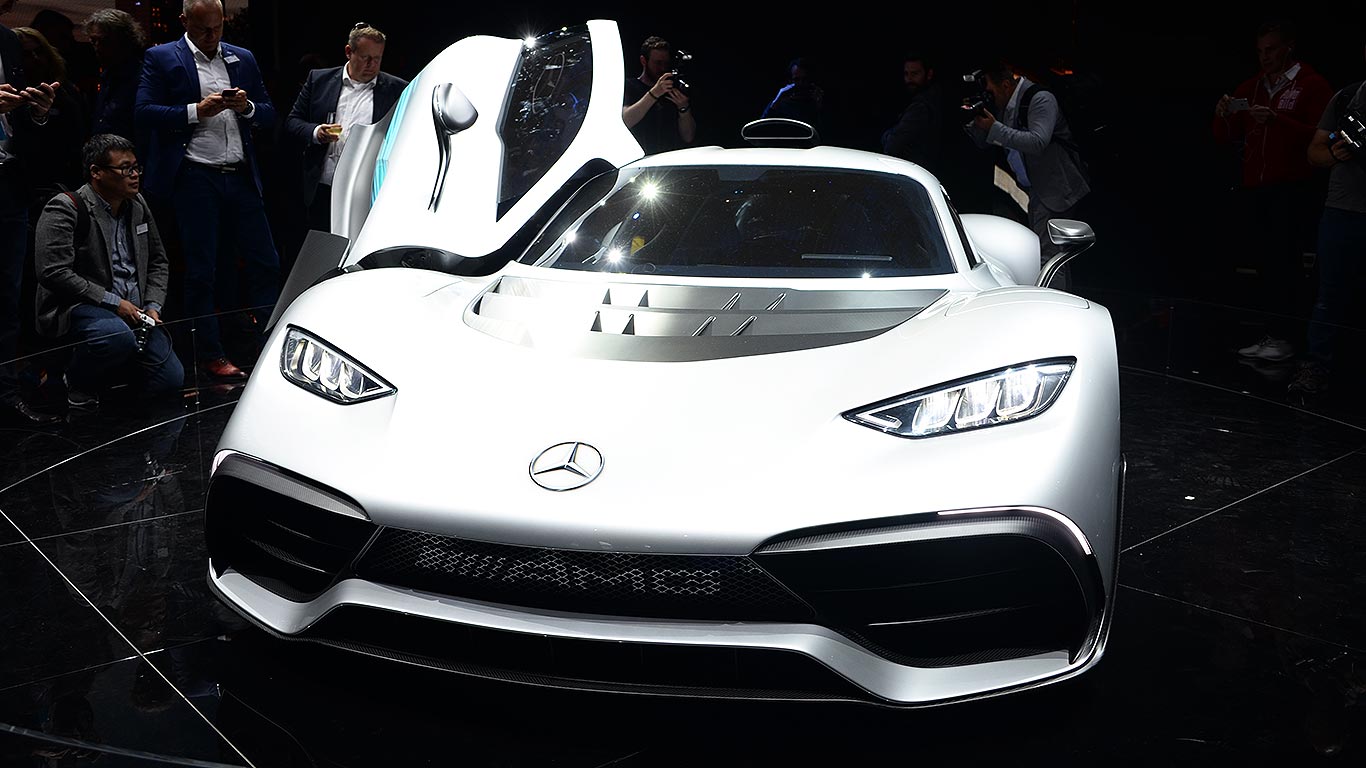
This is the Mercedes-AMG Project One. It’s powered by the same turbocharged 1.6-litre V6 engine as the manufacturer’s F1 car, able to rev to 11,000rpm and, combined with no fewer than four electric motors, exceed 1,000hp. As a result it’ll hit 124mph in less than 6.0 seconds – faster than a Bugatti Chiron.
It all sounds very exciting, doesn’t it? But, well, look at it. It’s just not as dramatic as you’d hope for a Bugatti Chiron-beating hypercar. It looks a bit like the Saleen S7 off the 90s, with a dose of McLaren F1 thrown in. And that’s being kind. Yawn.
Is the BMW X7 the ghastliest car of Frankfurt?
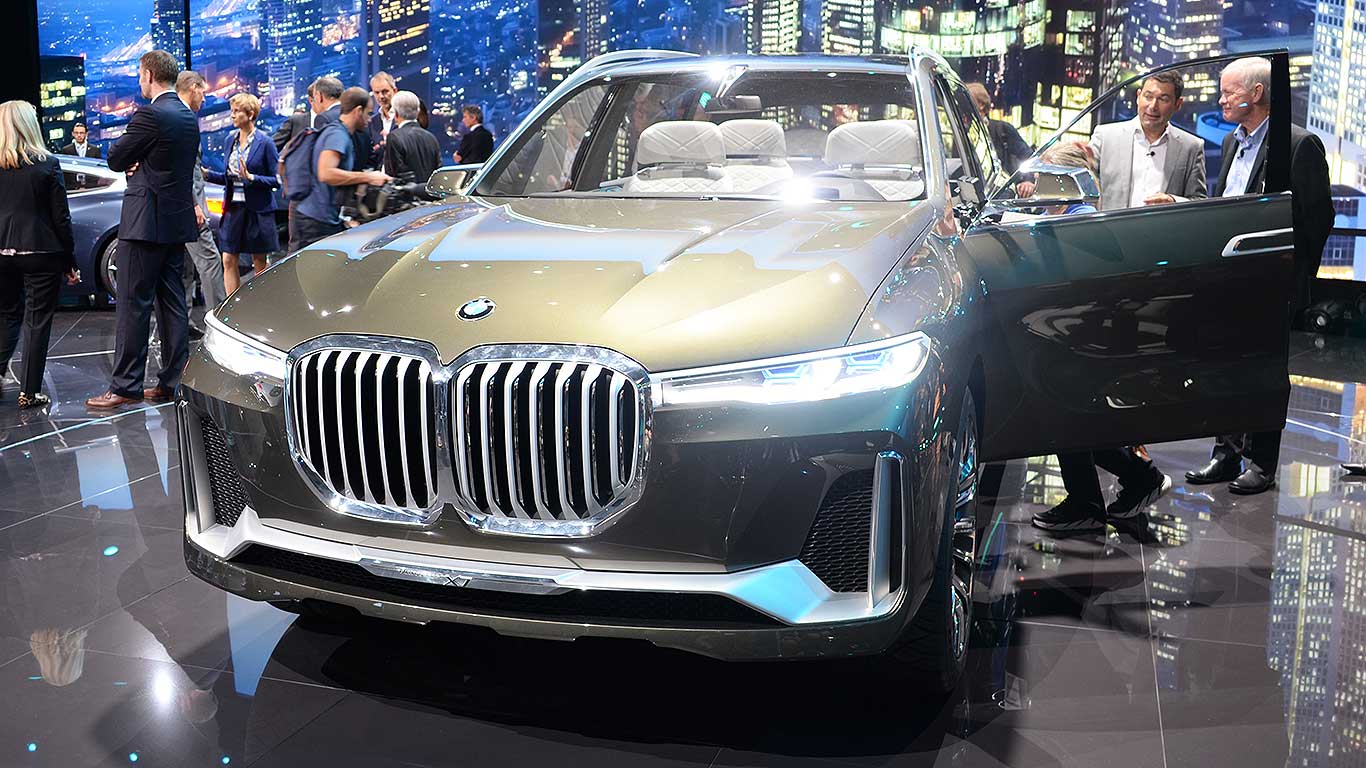
It’d be easy to mistake the BMW X7 for one of the modified monstrosities that usually fill the tuner halls at motor shows. Sharing a platform with the 7 Series, the Range Rover rival has an unmissable kidney grille and masses of chrome. It really is quite something. Oh, and it’s massive.
We can see two positives about the BMW X7. Firstly, you can’t see the exterior when you’re inside it, and the interior is actually rather lovely. There’s lots of space, obviously, along with crystal glass switches and numerous touchscreen monitors. The second bit of good news it that it’s just a concept, for now, and the production version is expected to be heavily toned down when it arrives next year. Phew.
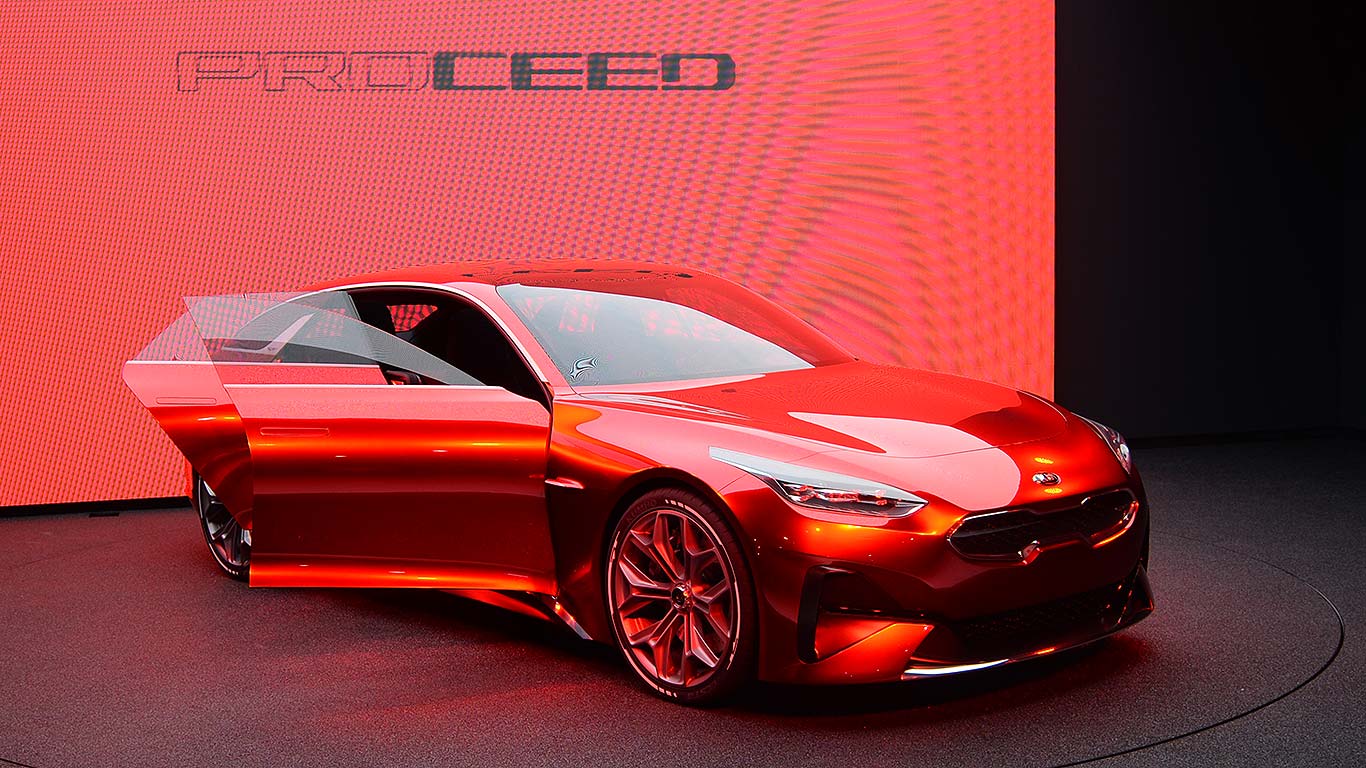
Kia’s Proceed shooting brake is one of the sexiest cars of the show
“If Kia makes this, everyone else selling cars in the C-segment might as well give up now,” said one Twitter user about the Proceed shooting brake. We can’t disagree, really. As attractive as the BMW X7 is ugly, the Proceed concept previews the next-generation Kia Cee’d. Although we call it a shooting brake, Kia calls it an ‘extended hatch’ and has hinted that it could preview a new bodystyle for the Cee’d when it arrives.
Naturally, we doubt the 20-inch alloys or hand-finished ‘rippled black fabric’ interior will make it into production. If the car that arrives at dealers looks anything like the Proceed concept, though, it’s going to be the most attractive Ford Focus rival on the market.
 Ever wondered if a Land Rover Discovery is a tad overkill for lugging a four-berth caravan to a home counties campsite? Well, a 2018 Disco 5 has successfully lugged a 110-tonne road train across the Australian Outback.
 Making a road car inspired by an F1 racer is one thing. Building one that uses the same 1.6-litre turbocharged V6 as an actual grand prix car is another thing entirely. However, that’s exactly what powers the new Mercedes-AMG Project One.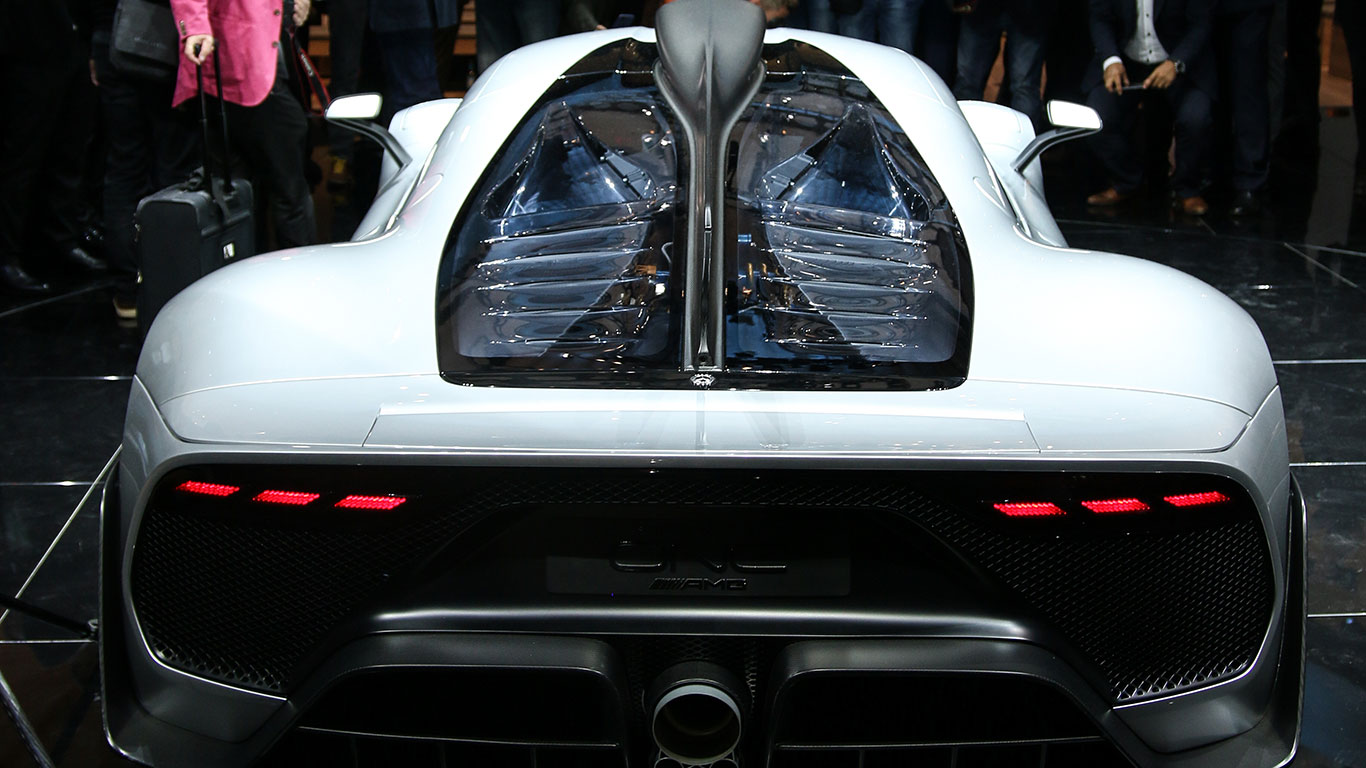
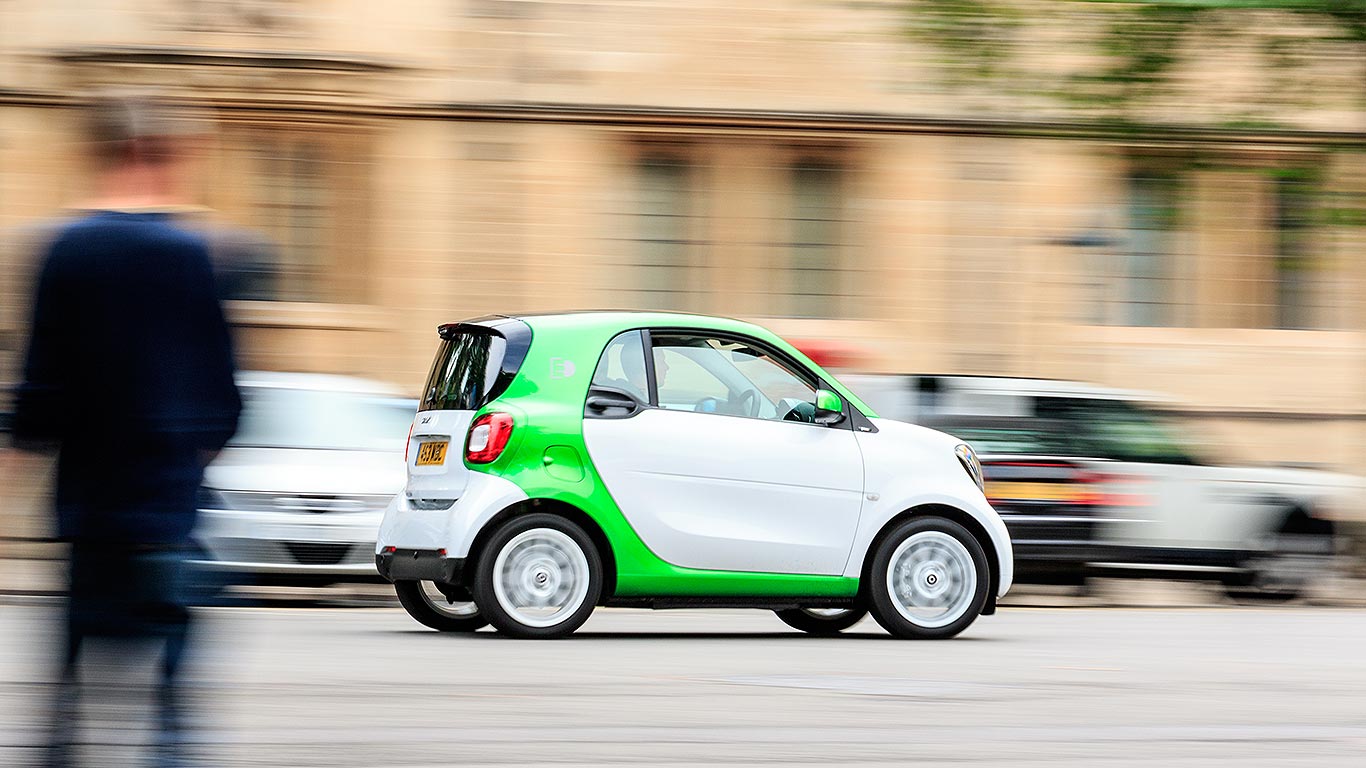 Smart will become the world’s first car company to move from an all-combustion engine line-up to a fully-electric range of EVs, company chief Dr Dieter Zetsche announced at the 2017 Frankfurt Motor Show.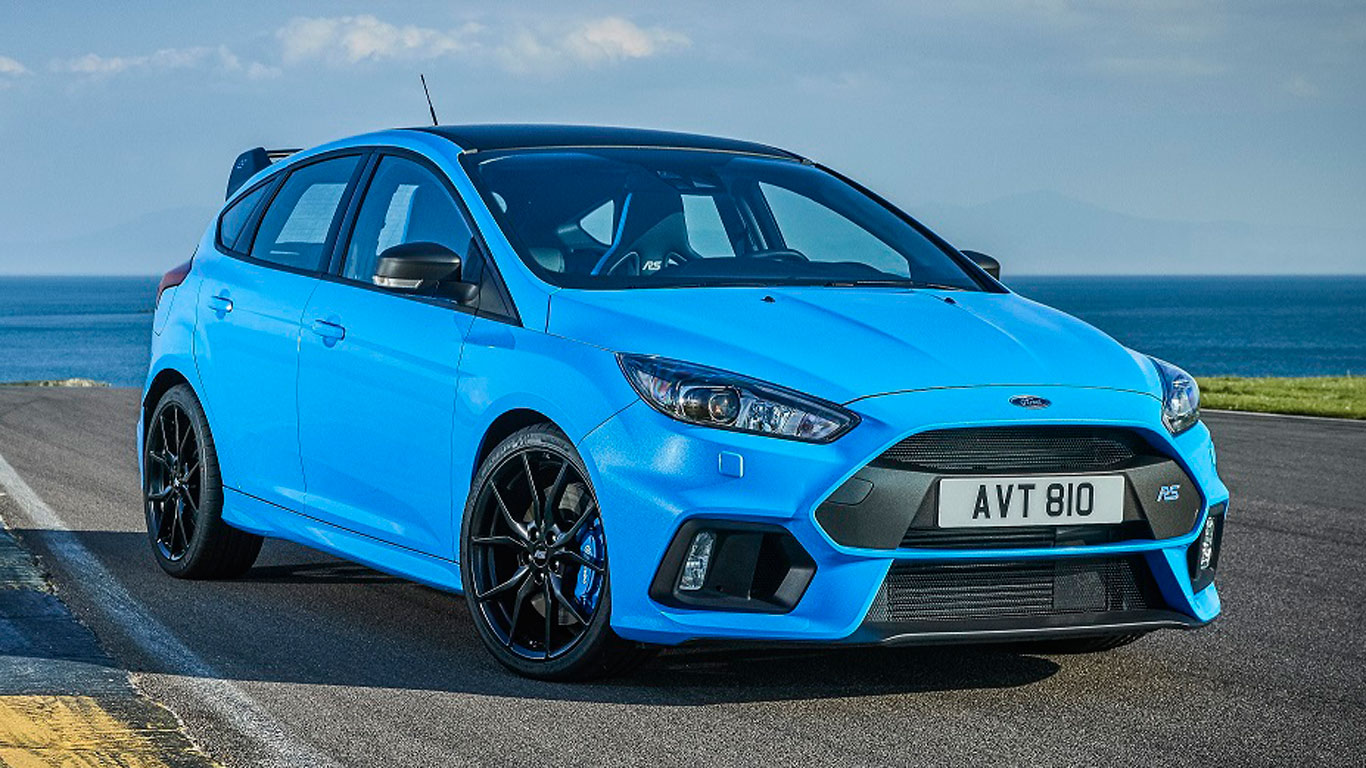
 What goes around comes around. When production of the BMW 8 Series ended in 1999, Bavaria abandoned the large coupe sector, before launching the controversially-styled 6 Series in 2003. Now, nearly two decades on, the 8 Series is back, signalling the end of the 6 Series.
 BMW is pushing further up market, you see, with what it calls a “new presence for its luxury cars”, rolling out ever larger vehicles with levels of refinement that would give a boutique hotel room a run for its money. Some are best viewed from behind the sofa – you’ll have seen the X7 – while others can slacken jaws for all the right reasons.
 Opinions will inevitably vary on the success, or otherwise, of the styling, but there’s a rakish elegance to the 8 Series. If the svelte coupe is the Kendall, the bloated X cars are the Kim. In profile, it is devastatingly handsome, almost arrow-like in appearance.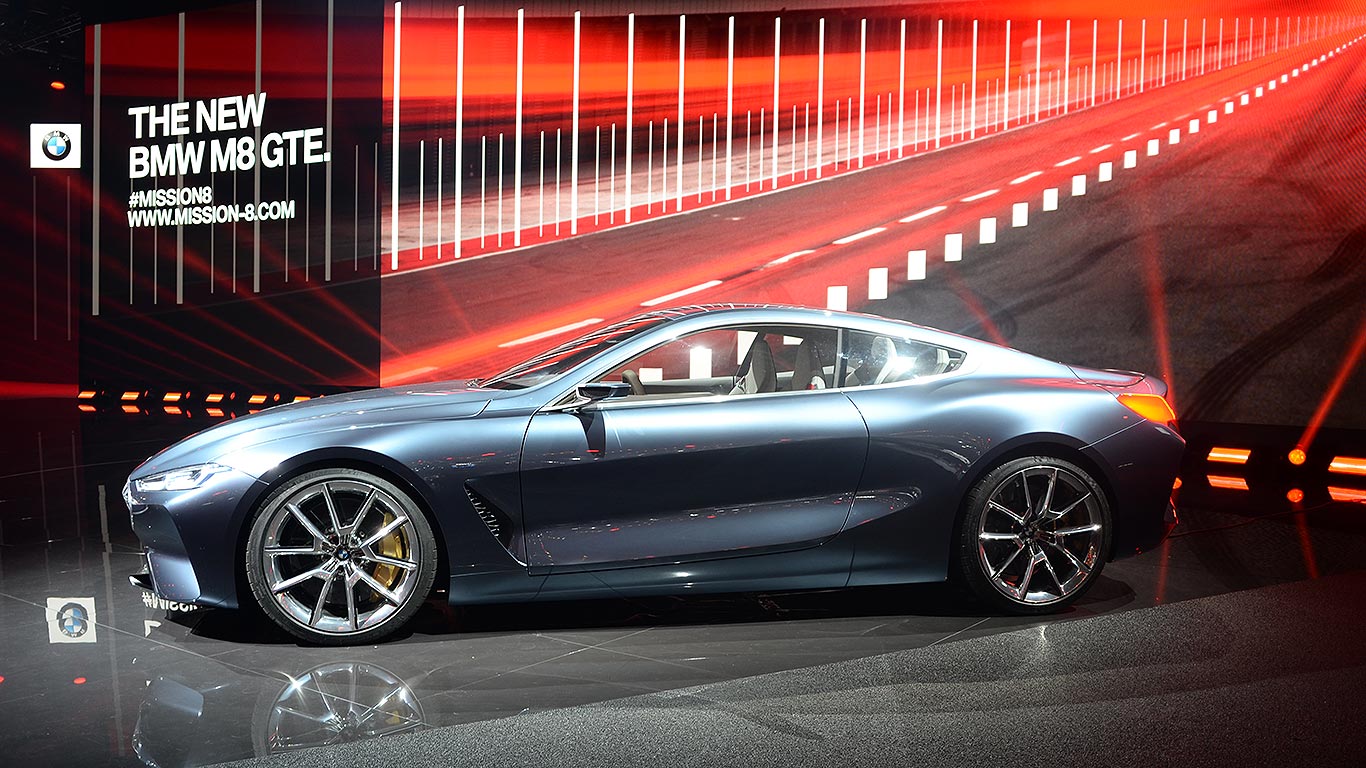
 Unless you’re Greenpeace, it won’t have gone unnoticed that electrification was a big part of the 2017 Frankfurt Motor Show. From Volkswagen’s commitment to become a new leader in electric vehicles, to concept offerings from Mercedes-Benz and BMW, battery and hybrid power was everywhere.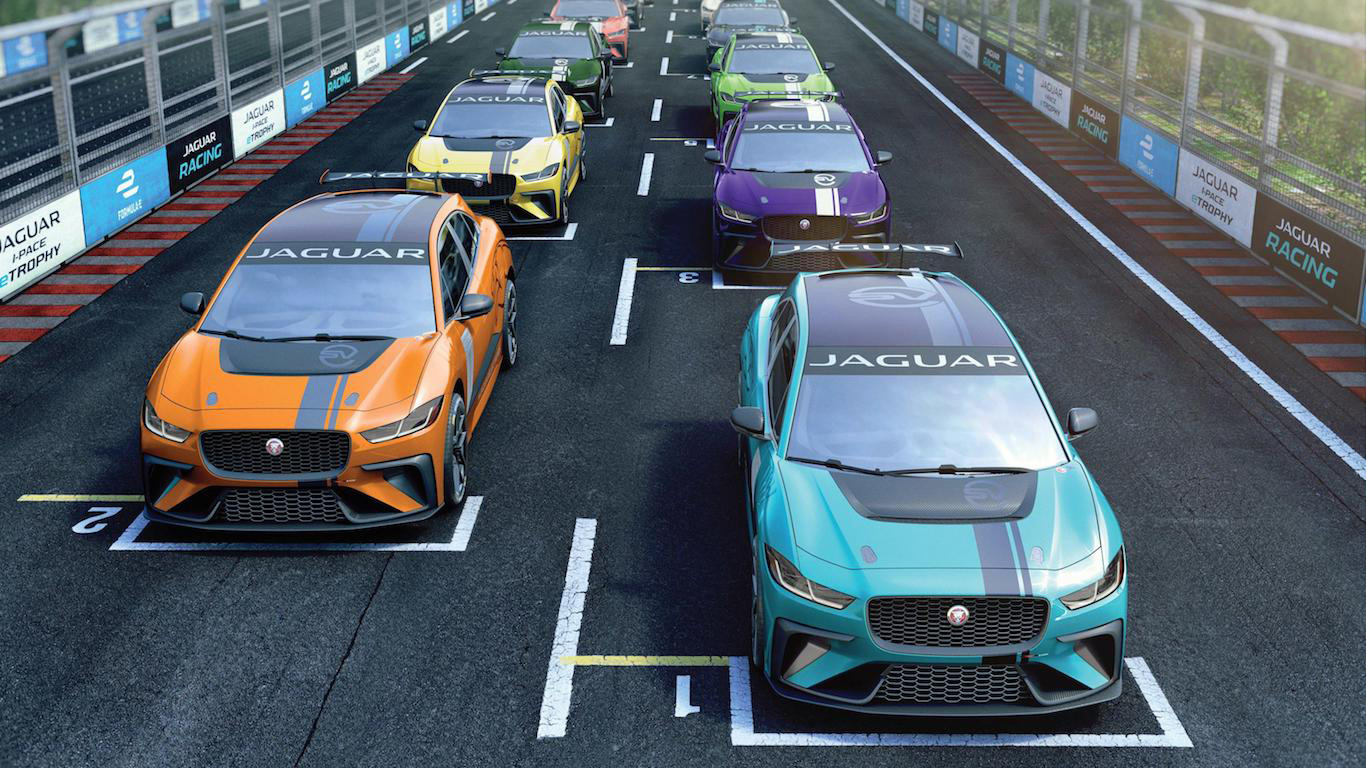
 The Frankfurt Motor Show might be chiefly focused on modern machinery, but retro cars haven’t been forgotten. The questionable creations of the 1970s and 80s have their own display for 2017, so dig out your chest wig and flares. Here we go!