Home Blog Page 510

These are all the cars in The Grand Tour Season 2 so far

0

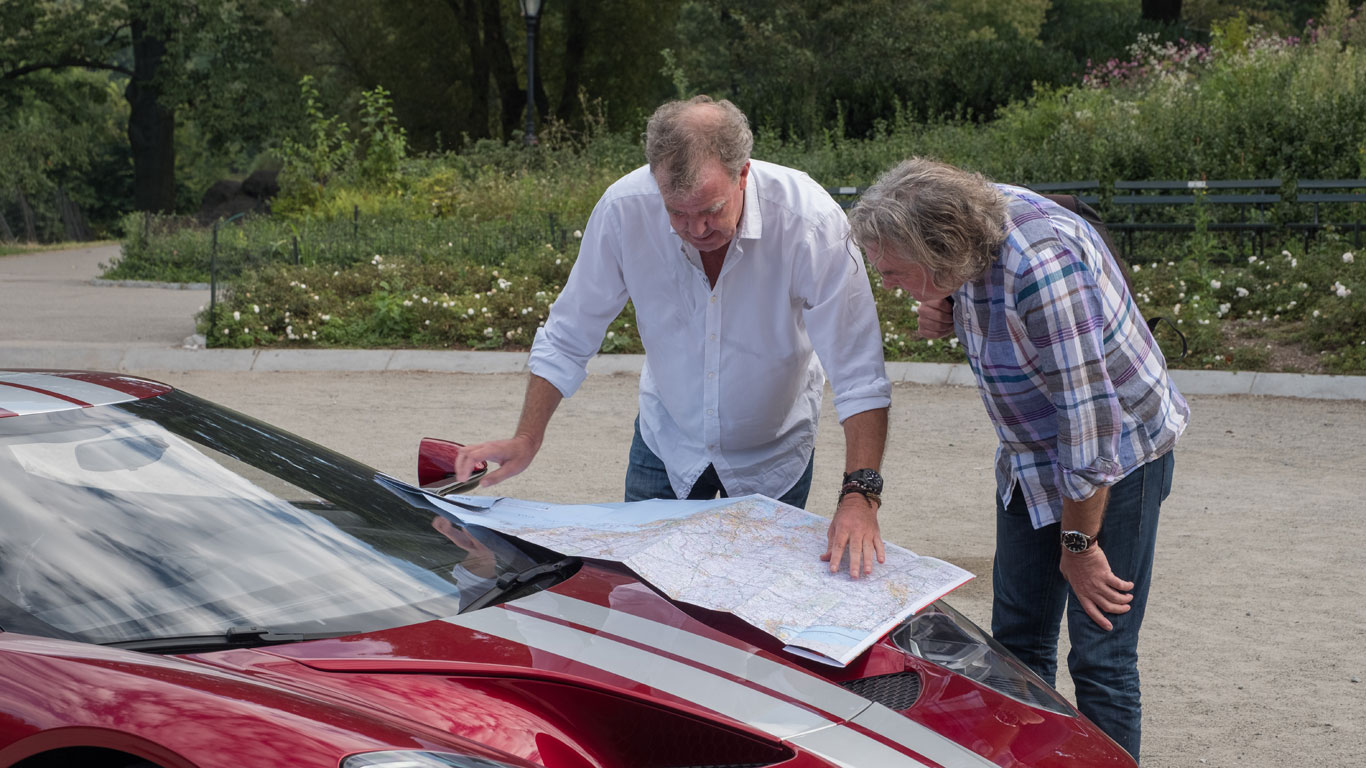
Episode two starts in the tent, but it’s not long before we find Jeremy Clarkson driving through “the concrete canyons of Manhattan” in a Ford GT. It’s “the fastest, most beautiful, and most expensive car Ford has ever made,” says Clarkson. But why is Jezza in New York?

[amazon_link asins=’B073LTCS4V’ template=’ProductCarousel’ store=’motoringresea-21′ marketplace=’UK’ link_id=’8a16f427-dbf5-11e7-9190-f59cb62526c7′]

The race to Niagara Falls

Quite simply, to find out what’s quicker to Niagara Falls: the Ford GT or an airliner. Obviously, Clarkson takes the 3.5-litre twin-turbocharged 647hp GT, hoping to make some use of the 216mph top speed and 2.8 sec 0-60mph time. May, on the other hand, will be using public transport.

Hammond on crutches
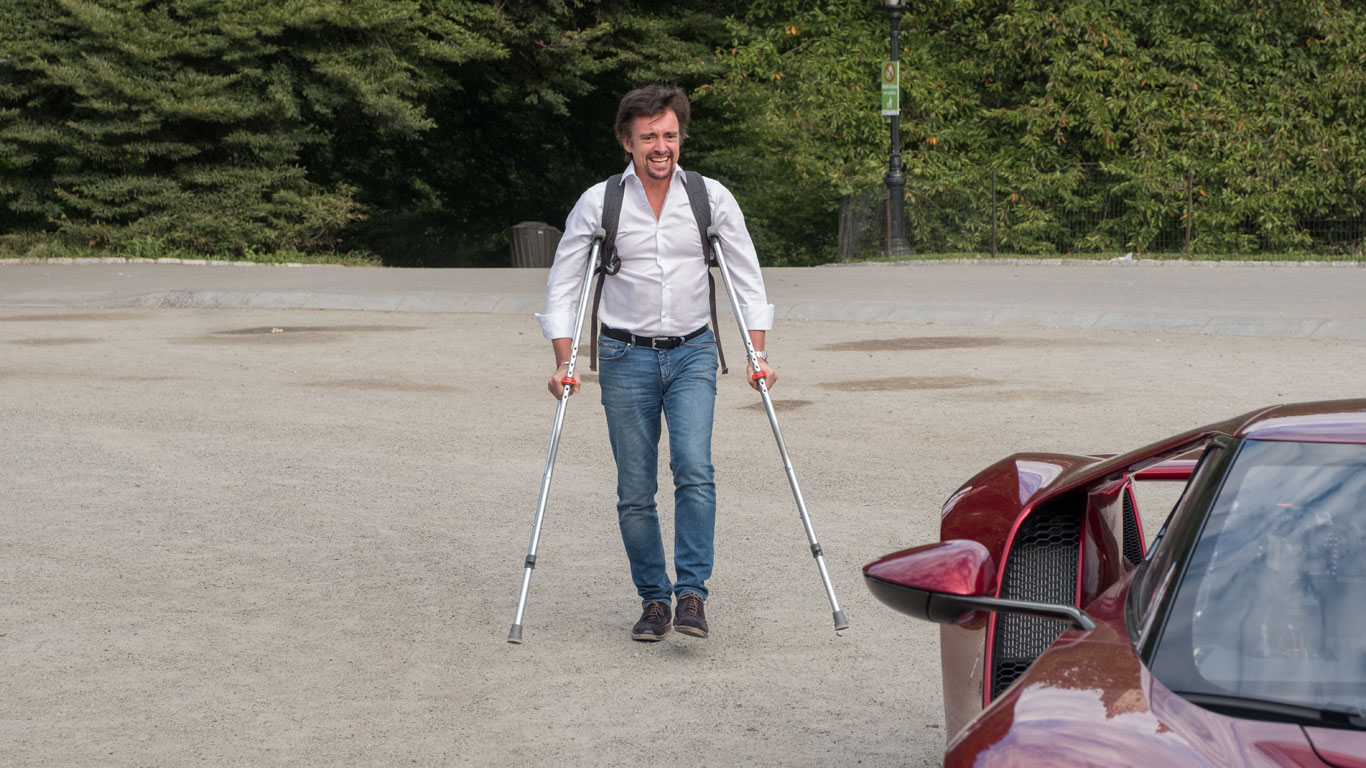
May thinks he’s got this race in the bag, before Clarkson points out that he’s “got a handicap”. The camera then pans to Richard Hammond, who arrives on crutches. He’s suffering from the effects of his crash in the Rimac Concept One, much to the annoyance of ‘Mr Slowly’. Later, May points that they missed a train because Hammond doesn’t know how to slow down when it says ‘finish’ across the road. Ouch.

The race is on
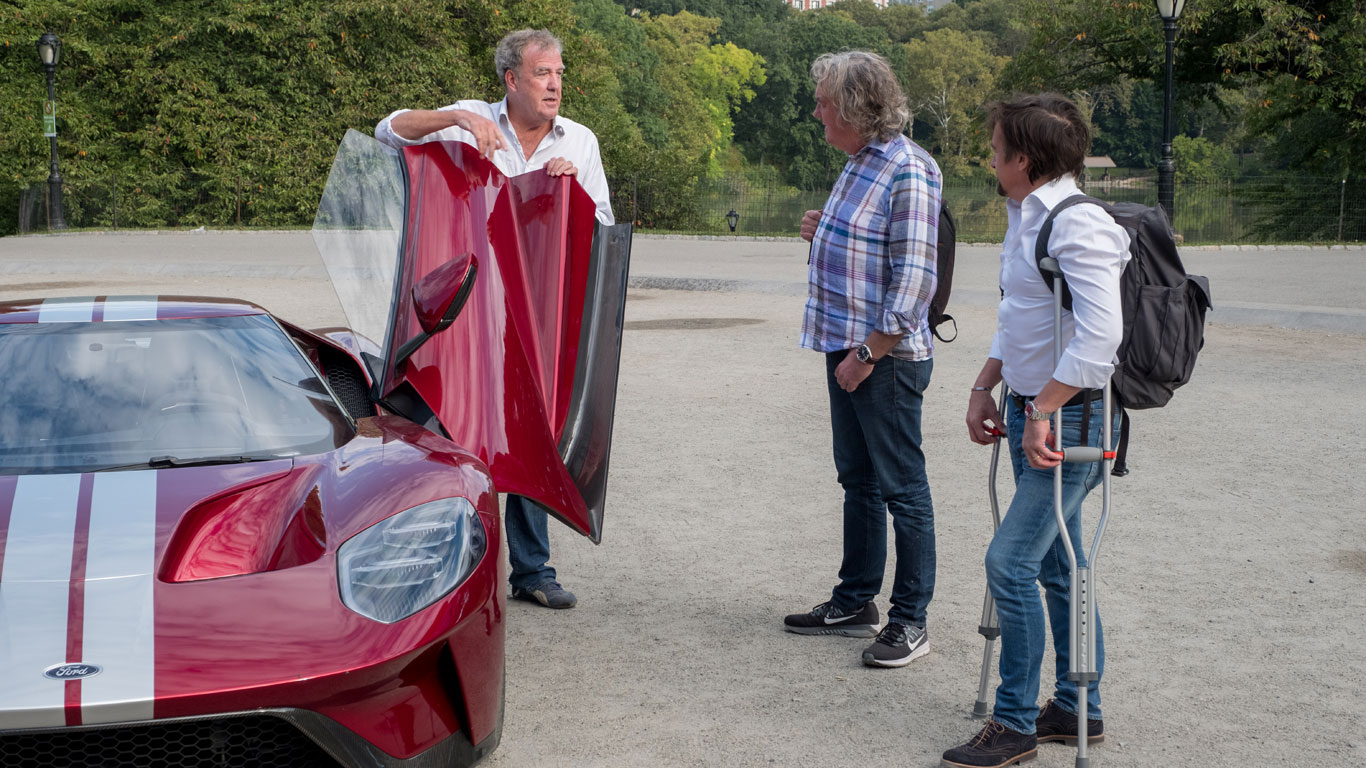
There’s a feeling that we’ve been here before. A Clarkson vs. Hammond and May battle, complete with photo finish finale. Who will emerge victorious following the 420-mile race? That would be telling.

Hammond and May
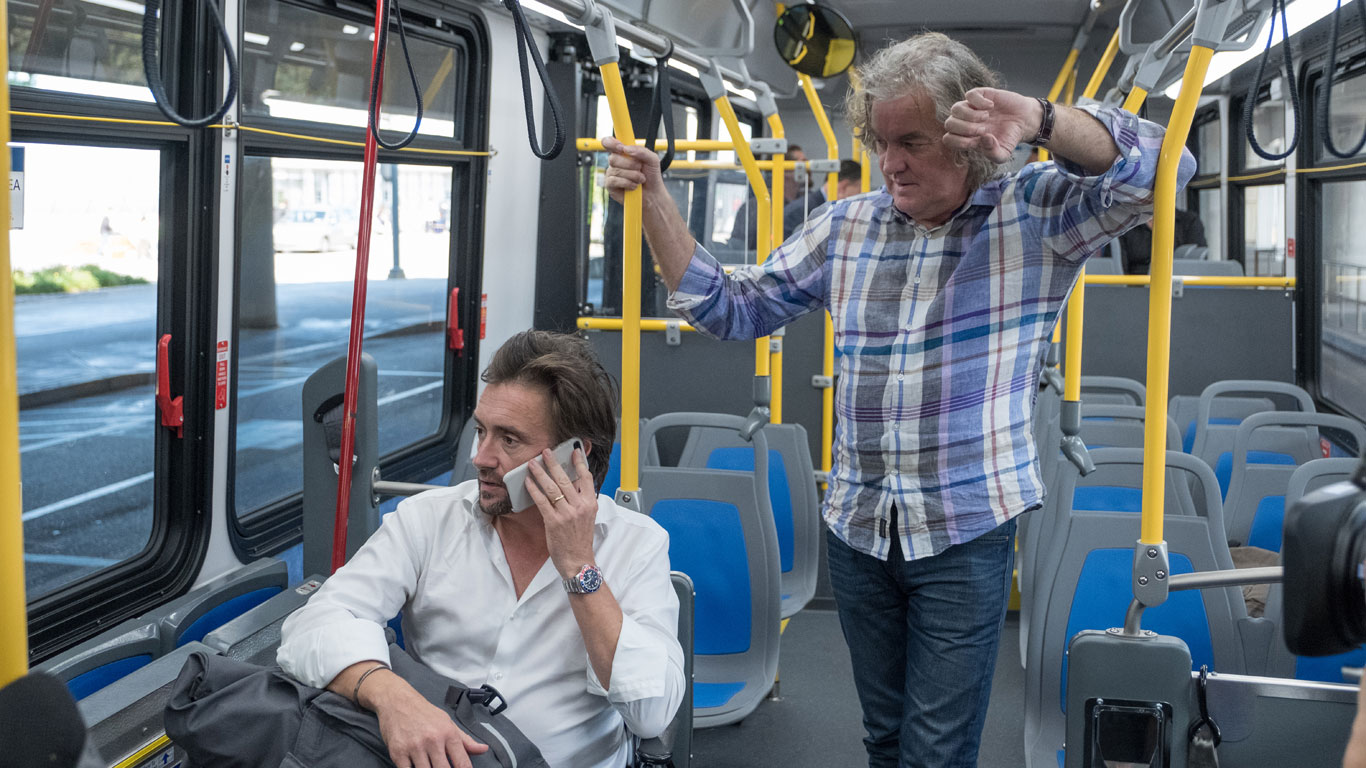
It’s fair to say that Hammond and May aren’t huge fans of American public transport. Hammond is body searched at JFK airport, while the pair have to endure the indignity of flying economy class. #FirstWorldProblems

Ford GT
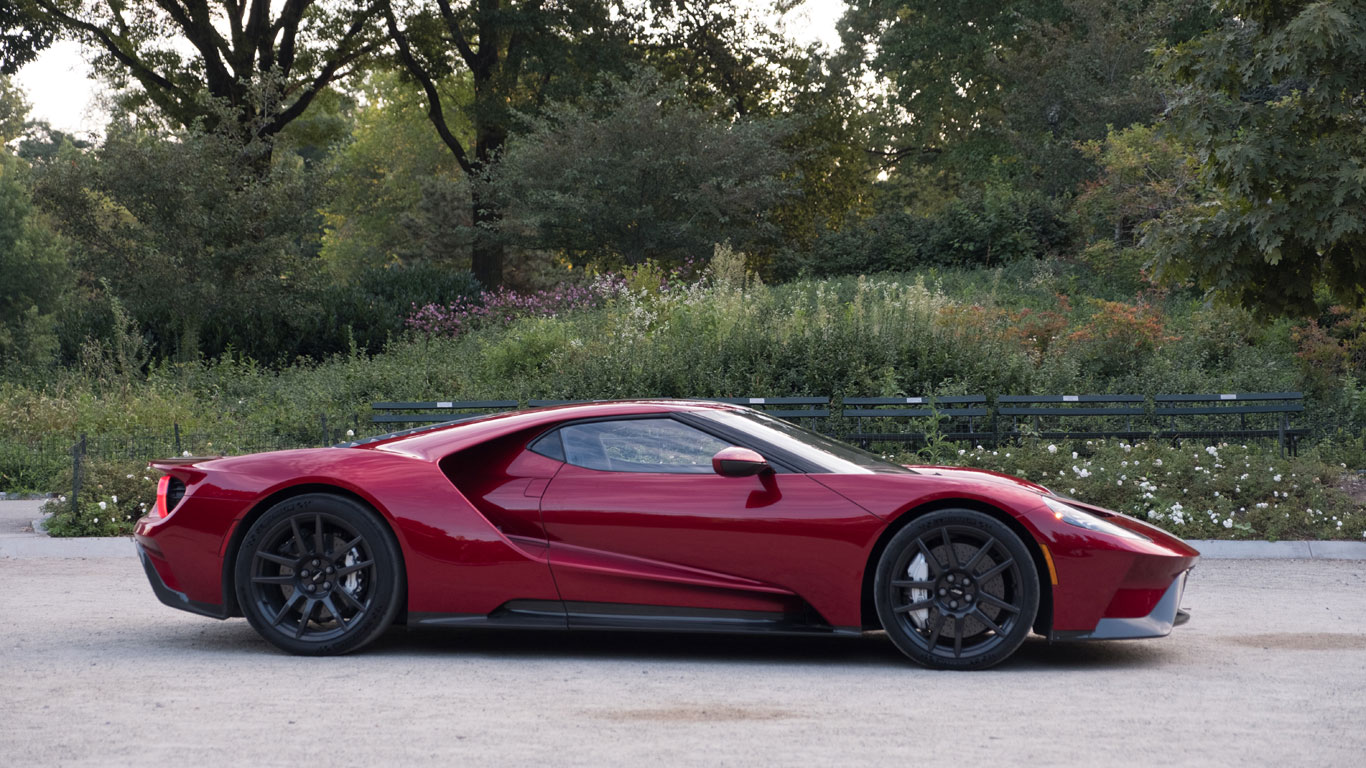
“I have been turned into Richard Hammond by six hours in that car,” said Clarkson, as he makes his way from the Ford GT to the finish line. This follows a claim that the GT has “literally the hardest ride of any car he has driven”. Not that he didn’t enjoy it, comparing the fast Ford to a “mad Caterham” when you put your foot down.

Mercedes-AMG GT R
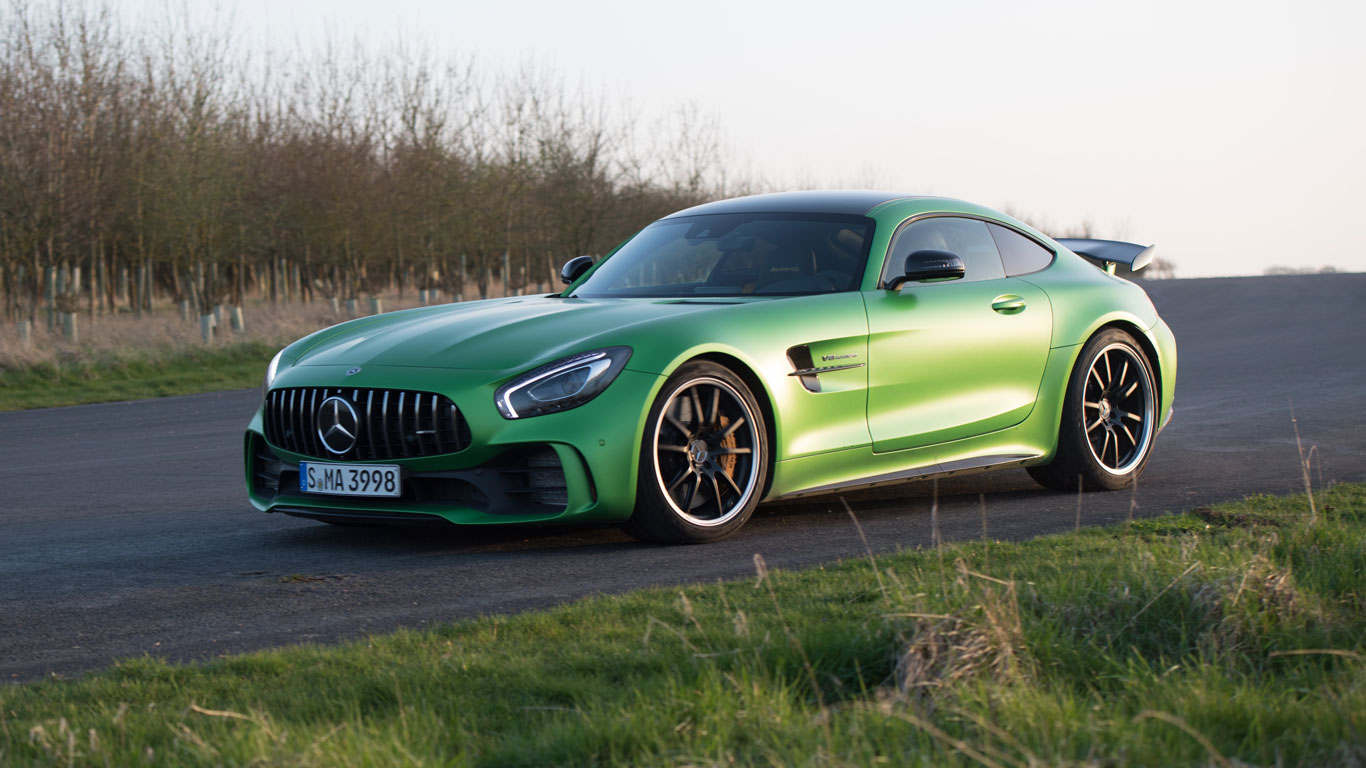
Back in the UK, Jeremy Clarkson takes to the Eboladrome to test the Mercedes-AMG GT R. The ‘Beast of the Green Hell’ is powered by a 4.0-litre twin-turbocharged V8, developing a mighty 585hp. It will accelerate to 62mph in 3.6 seconds, before going on to reach a top speed of 198mph. The price: £143,260.

If you want a Porsche…
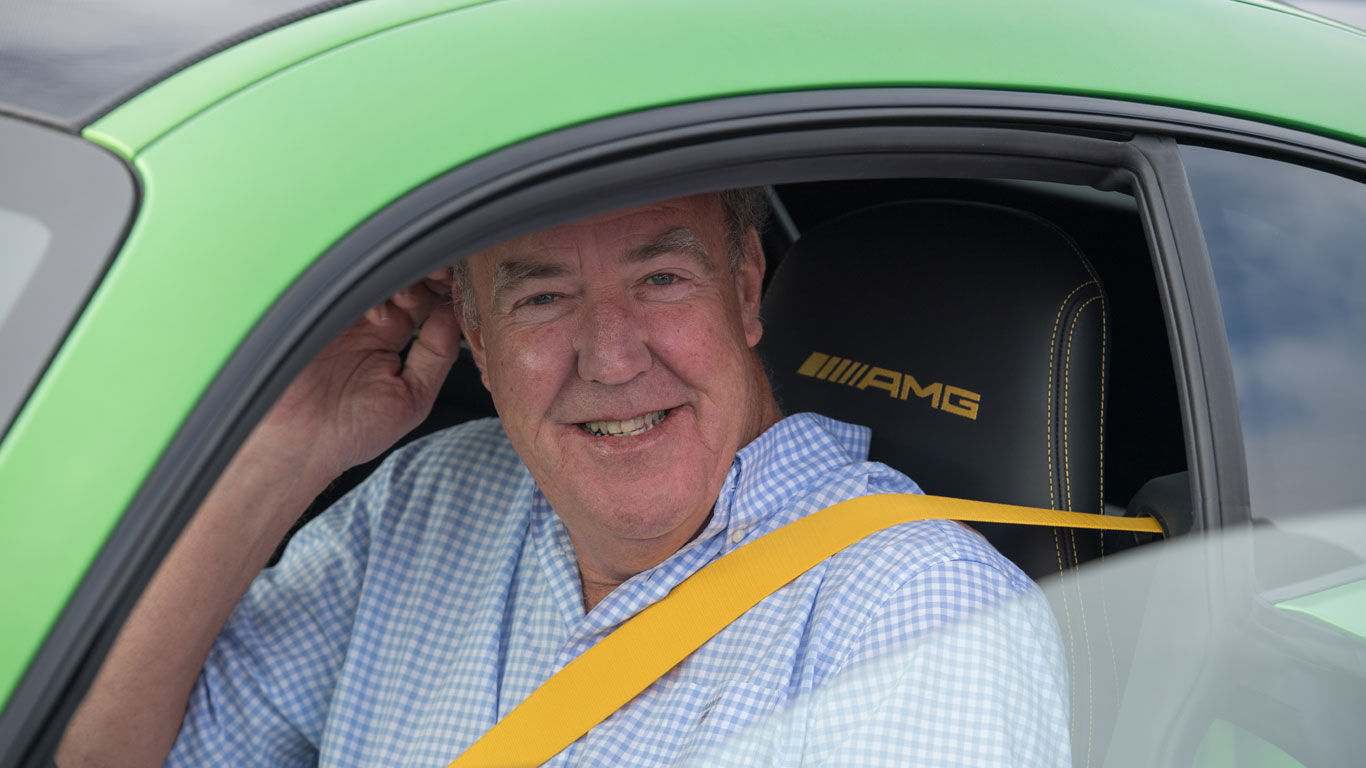
But Clarkson and the team aren’t fans, claiming that if you want something that’s like a Porsche, you should buy a Porsche. On the plus side, the GT R sets the third fastest time around the track, sitting behind the Aston Martin Vulcan and McLaren 650S.

Celebrity Face Off
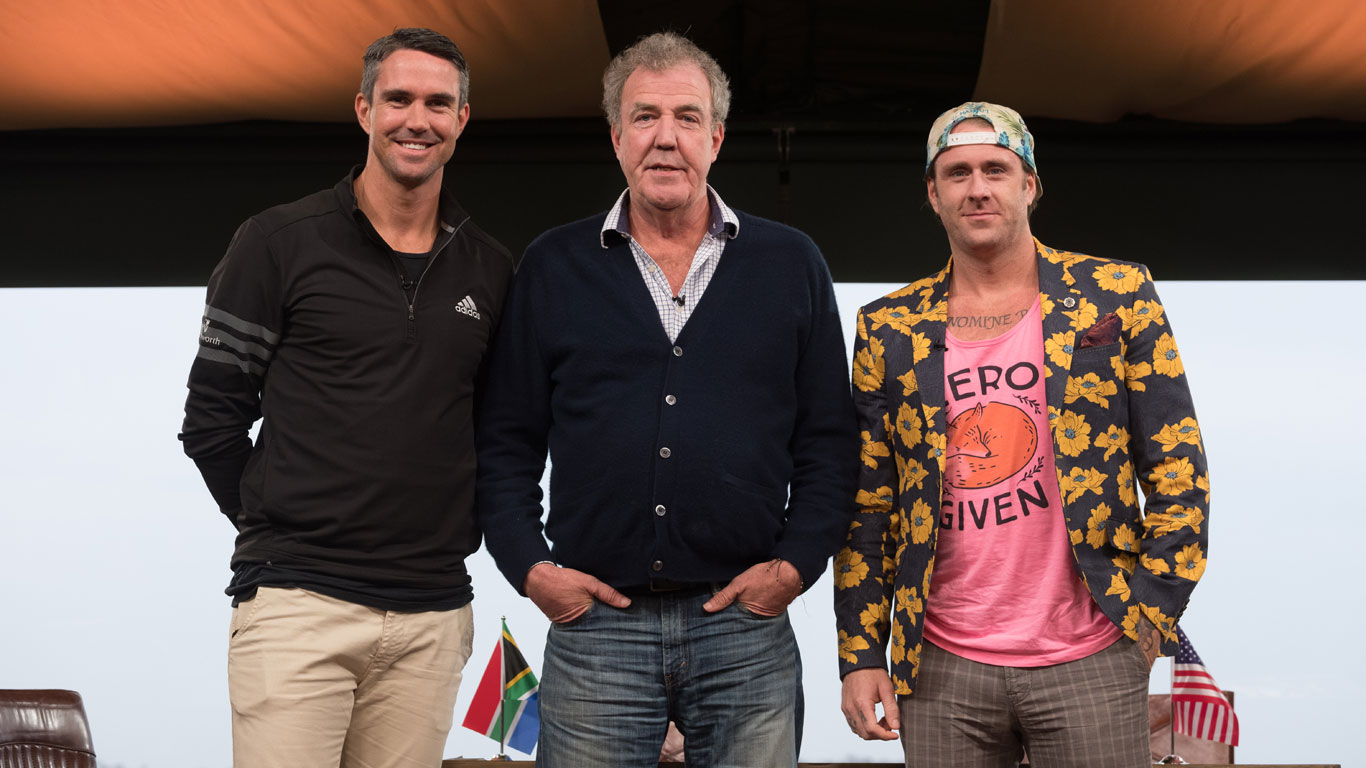
In this week’s Celebrity Face Off, it’s cricket vs. baseball, as Kevin Pietersen takes on Brian Wilson. Both drivers take to the track in the Jaguar F-Type Coupe, to find out who is the fastest person who makes a living by throwing and hitting and catching small balls. Who wins? Put it this way: it’s extremely close.

Season 2, Episode 1
The Grand Tour Season 2 Episode 1

If you missed the first episode of The Grand Tour (where have you been?), he’s a recap of what happened when the boys went to Switzerland. The challenge was, quite simply, to find out which is best: the past, the present, or the future? Over to you, Jezza…

Supercars do battle
The Grand Tour Season 2 Episode 1

“We all know how that ends,” quips Jeremy Clarkson as the first challenge of the new season is introduced. Yes we do: with Hammond, in an air ambulance, after crashing. Again.

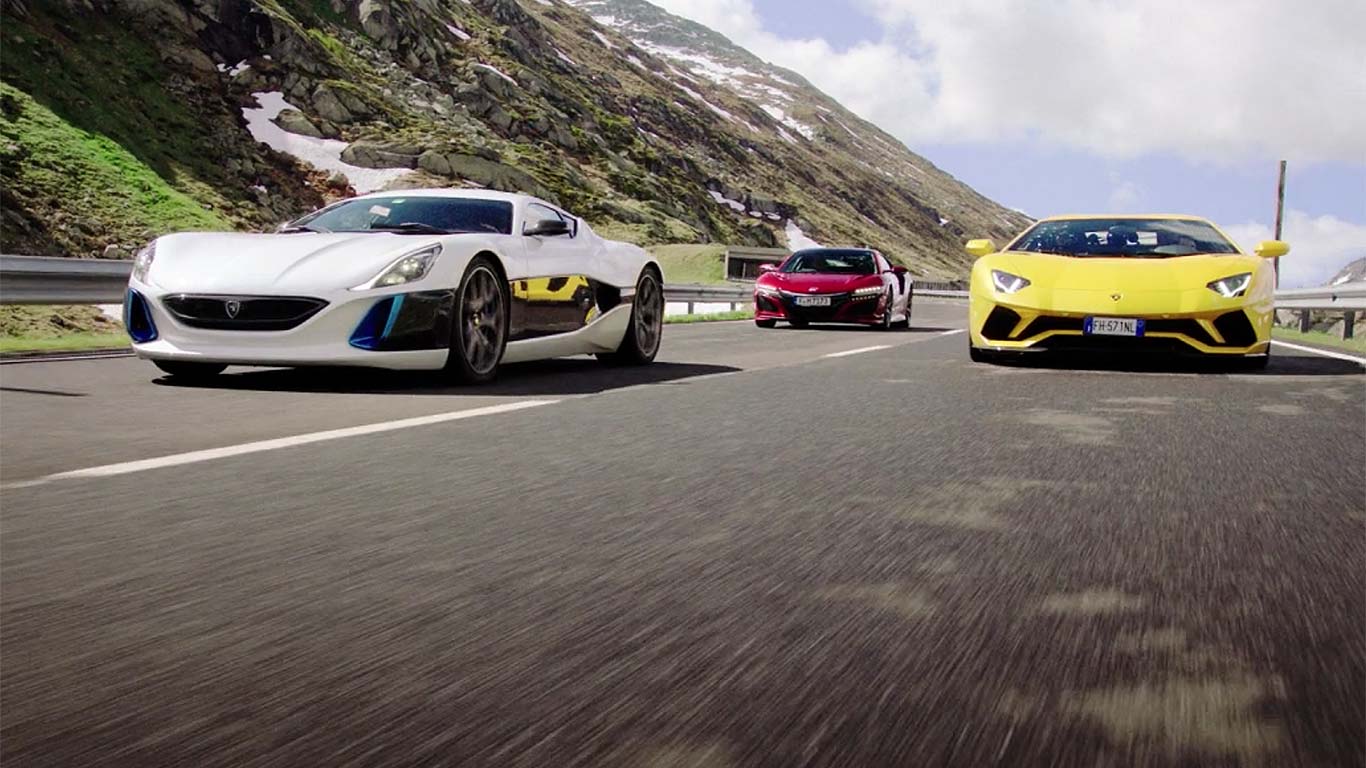
Things started out bang on form: Clarkson, the Neanderthal, was representing the past, with the 730-horsepower Lamborghini Aventador S, all 6.5-litres of snorting, gasoline-guzzling V12. In far-from-subtle bright yellow.

Destination: Switzerland
The Grand Tour Season 2 Episode 1

James May, the “crisp and contemporary” sophisticat of the trio, was showing off the present, with the hybrid Honda NSX. It has 581hp, from combining a 3.5-litre twin-turbo V6 with three electric motors. It can both run on electric and do 0-60 mph in under 3.0 seconds.

Hammond, we know, is in the future – the all-electric Rimac Concept One. The Croatian company was founded by Mate Rimac, and Forbes described the firm as “a company that’s cooler than Tesla”. The Concept One is an all-electric supercar described as having around 1,200 hp.

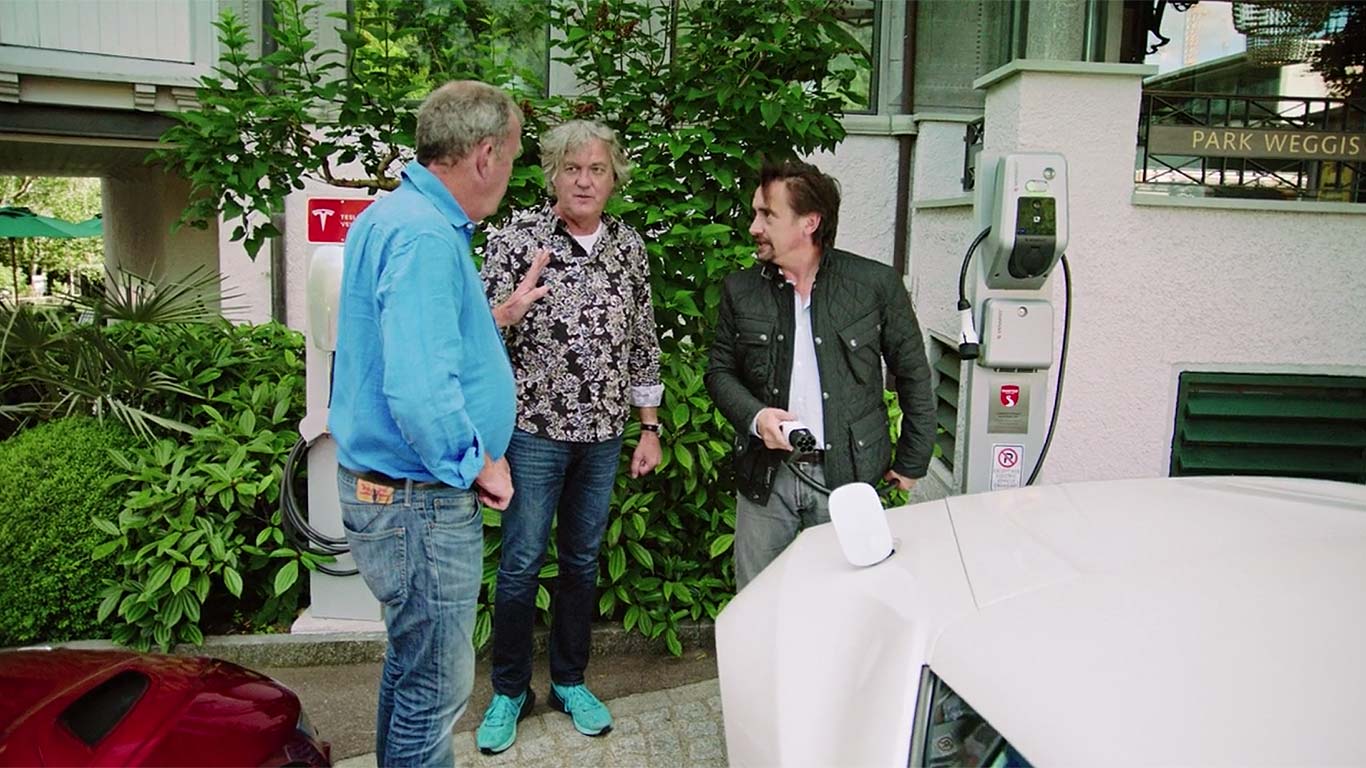
The location for the challenge was Switzerland. Rather improbably, the boys’ base was a natural detox retreat.

Burning rubberThe Grand Tour Season 2 Episode 1
It was EV-driving Hammond who was in charge of the challenge, and he even chose the hotel, despite it not serving beer or anything tasty. What was he thinking? We can’t imagine. Hold on, what’s that in his hand…

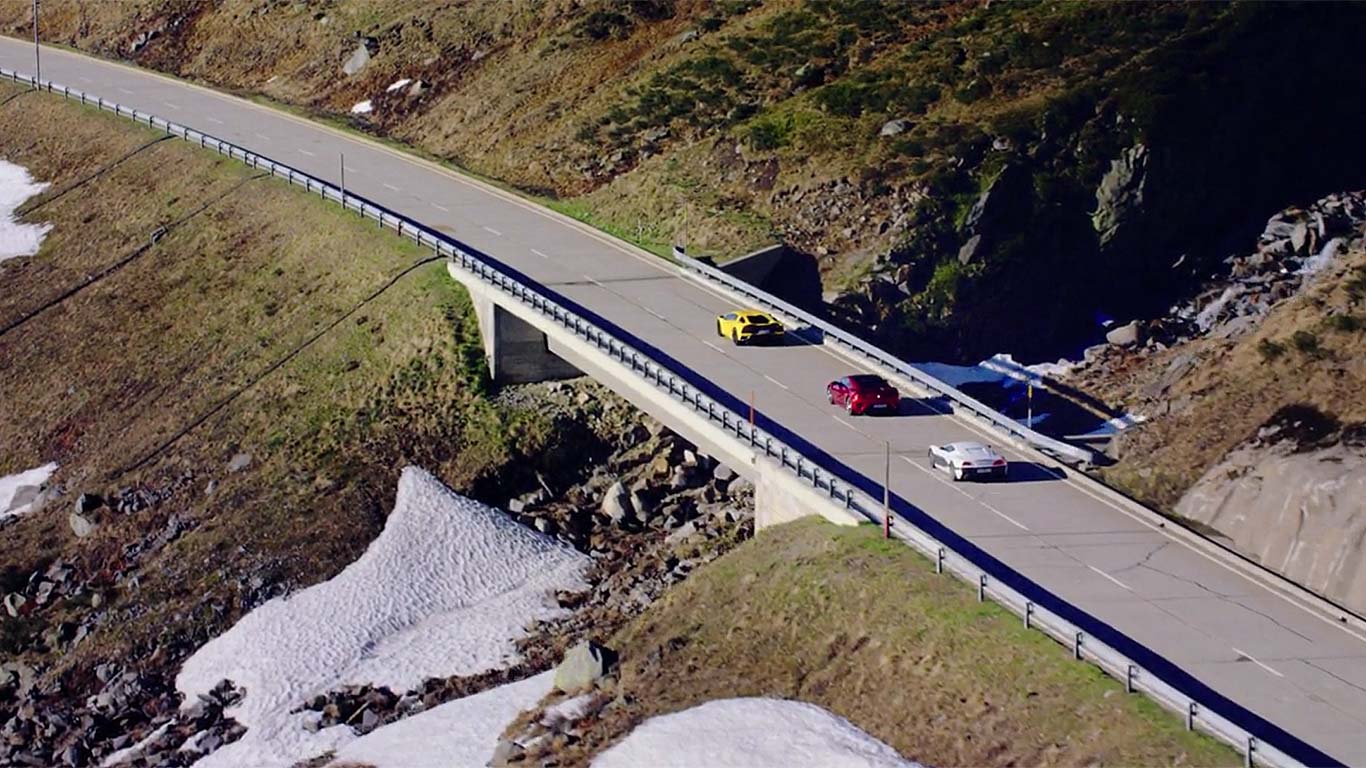
Naturally, after driving through beautiful mountains and scuppering Hammond’s plan to keep driving in between electric chargers, the boys decided to have a race.

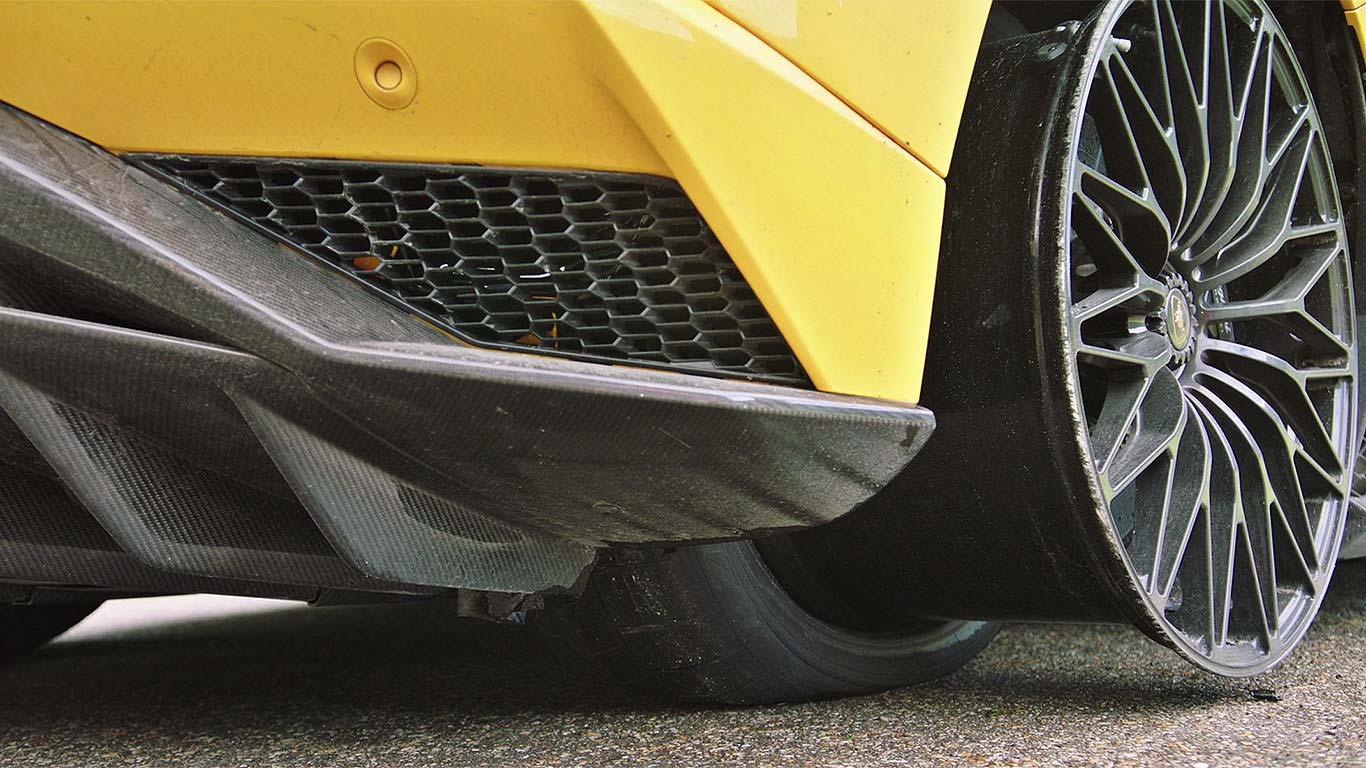
Clarkson was, of course, brimming with confidence, as his car was the lightest, and the noisiest, and the thirstiest. With an empty airfield to play with, Clarkson of course decided to then have a hoon. Which resulted in the destruction of one massive Lamborghini rear tyre. “The tyre pressure warning light came on,” he said. “I ignored it.”

Run to the hills
The Grand Tour Season 2 Episode 1

And then to the big finale – and THAT incident. Although you can’t go circuit racing in Switzerland, you can go hillclimbing. And it was only 200 miles from the hotel. “Which was fine, for some of us,” says Clarkson.

As for Hammond’s range-limited EV, well… “People don’t ride their race horses to the Grand National, do they,” he muses…

They finally got there, to “the most beautiful hillclimb event in the world”. First up, Clarkson, who discovered he couldn’t actually fit in the big Lambo with a helmet on. But who’s that over there – why, it’s Lamborghini test driver Giacomo Barri, who has curly hair and looks a bit like an early-1990s-spec Clarkson. Jezza had a plan…

May was next, sauntering up the hill with inevitably the slowest time to his name.

Burning batteries
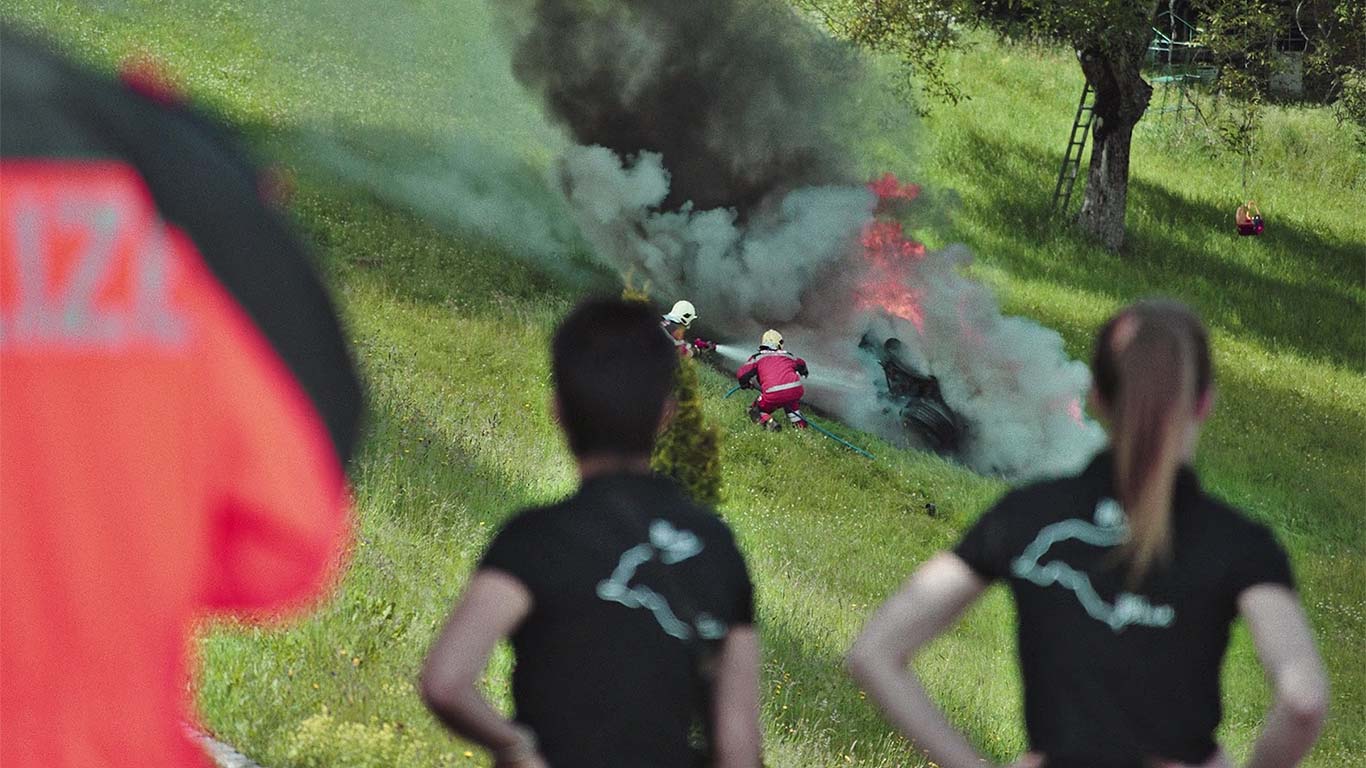
The Grand Tour Season 2 Episode 1

Then, Hammond, in the Rimac – but first, a ‘pep talk’ from Clarkson and May, about how the whole of Croatia was there expecting him to set a new course record.

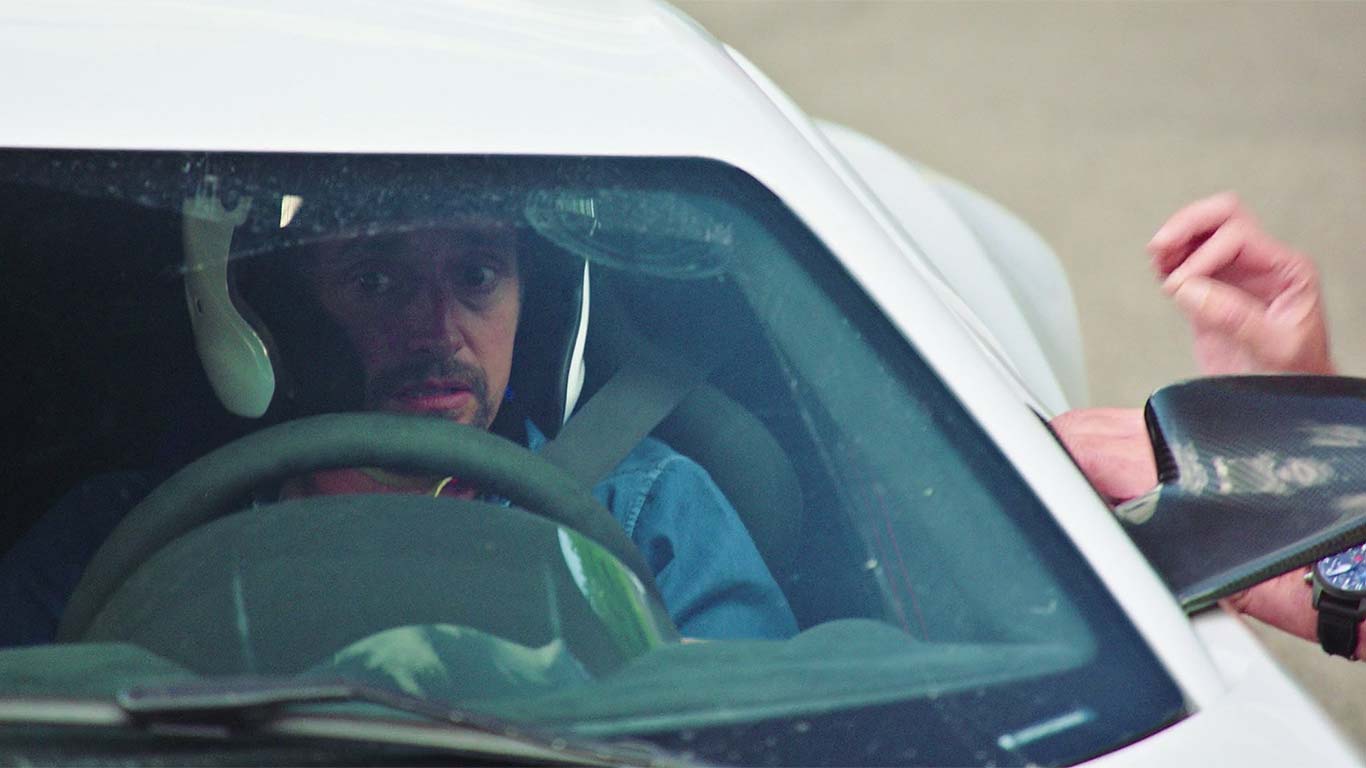
This was Hammond’s face just before he set off…

… and this was the result. Yes, that crash, another Hammond crash, with another air ambulance summoned for him. But did he get the fastest time before crashing after the finish line? 

Celebrity Face-Off
The Grand Tour Season 2 Episode 1

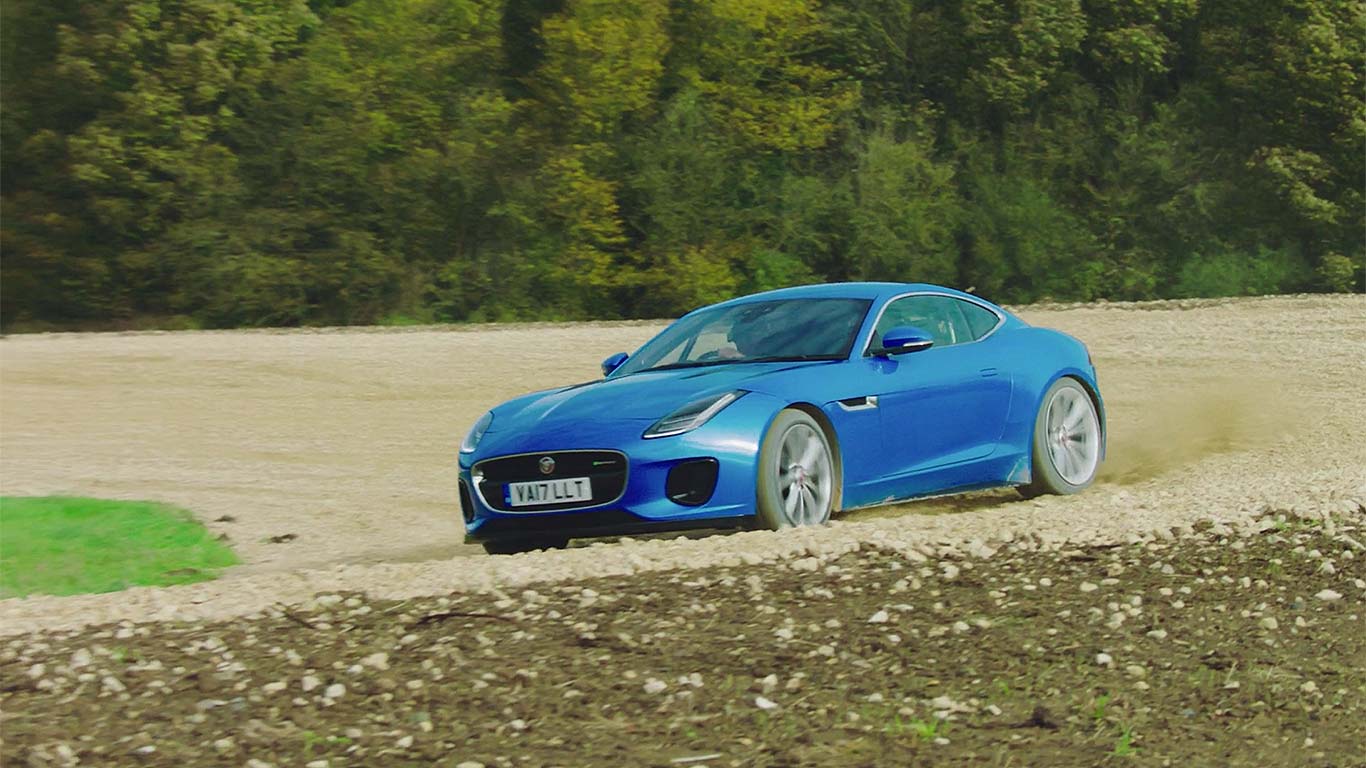
Celebrity Brain Crash is no more. “You all hated it,” said Clarkson. Instead, it’s a new spot, Celebrity Face-Off, where two people working in the same field go head-to-head in a Jaguar F-Type Coupe (a 300hp 2.0-litre turbo). This week – which is the fastest former talent show judge, Ricky Wilson or David ‘The Hoff’ Hasselhoff?

Kaiser Chief’s Wilson looked pretty handy on the new Celebrity Face-Off course, which is part tarmac, part gravel. The Hoff, meanwhile, was less handy. On his practice lap, he stopped just shy of the finish line, for no discernible reason. He did get better on his timed lap – you’ll have to head over to Amazon Prime to find out just how well he did.

Electric dreams
The Grand Tour Season 2 Episode 1

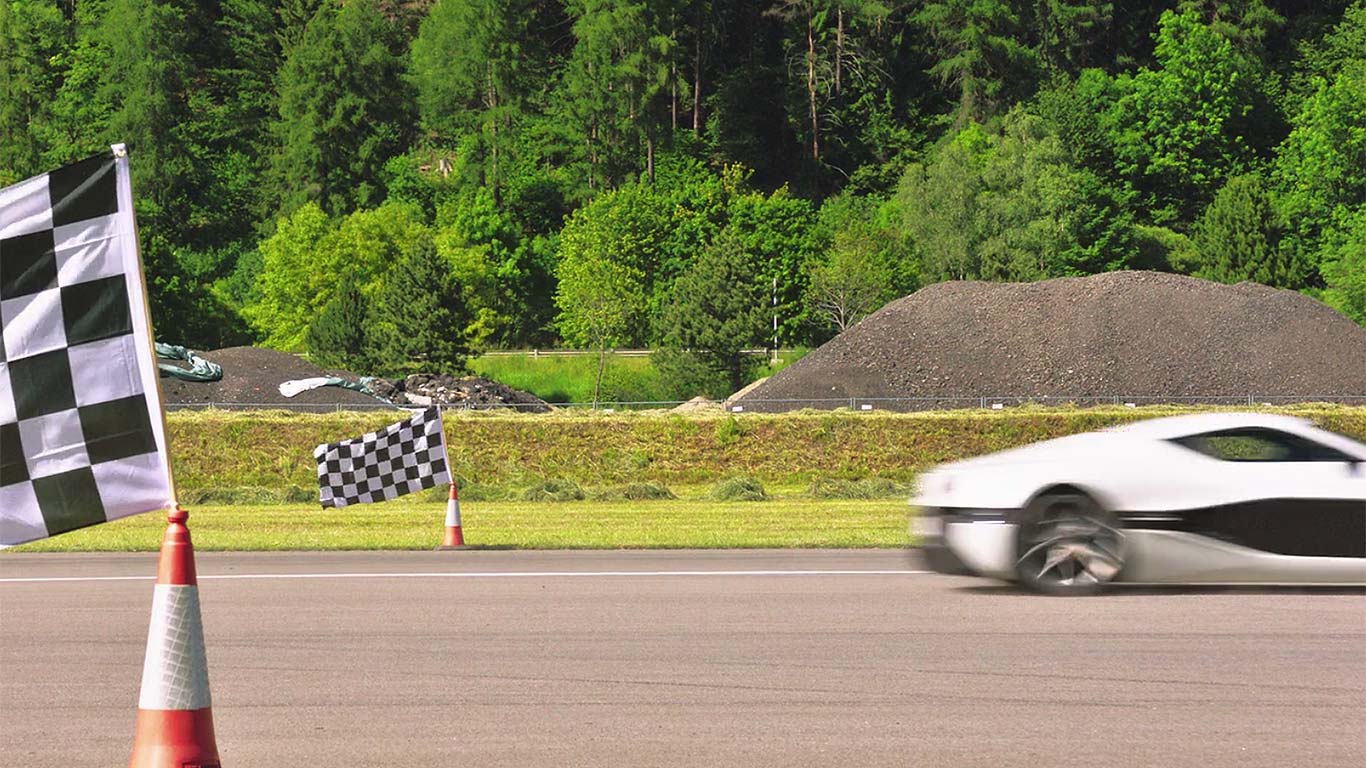
Oh, and that drag strip race? Yes, it was the Rimac that won, by a ludicrous margin. It’s worth tuning in just to see how much faster than the Lambo and Honda it is. The future wins this challenge: can it beat the past and the present to grab overall spoils in The Grand Tour’s first Season 2 challenge, though?
Advertisement

ASA rules that hybrids can’t be described as ‘clean cars’ in adverts

0

ASA rules that hybrids can't be described as 'clean cars' in adverts

The UK’s advertising watchdog has banned an advert for the BMW i3 – disputing claims that it’s environmentally-friendly while being available with a range-extending petrol engine.

The advert, which originally appeared as a sponsored Facebook post, featured a video with the claim: “With zero emissions, the i3 really is a clean car and helps to give back to the environment.”

One person complained about the advert, leading to an investigation by the Advertising Standards Authority (ASA).

BMW responded that the ad used unscripted testimonials from real customers and, although they would usually qualify a ‘zero emissions’ claim with a reference to ‘driving’, in this case the testimonial wasn’t edited.

It also said that the ‘clean car’ reference should be taken in comparison to conventional petrol cars.

The electric BMW i3 is available with a tiny two-cylinder petrol engine which acts as a ‘range extender’. It’s not intended to be used for long distance travel, but as a backup in case the car runs out of electricity.

But the ASA ruled that, because the i3 range-extender has a petrol engine, it’s wrong to describe it as zero-emissions.

It also went a stage further, concluding: “Cars which use petrol cannot be described as ‘zero emissions’ or as a ‘clean car’ and it was not clear from the ad that the claim was in relation to the electric battery model only.”

The ruling could have a knock-on effect for electric and hybrid car advertising in the future, with the ASA issuing a strong statement about what can and can’t be described as ‘clean’.

“This isn’t the first time that the ASA has prevented an electric vehicle advert talking about a car having ‘zero emissions’,” said Tom Callow, a spokesperson for electric car charging firm Chargemaster.

“These ASA rulings appear to create double standards for car advertising, where electric vehicles appear to have to reference the energy required to generate electricity required to power them, but where internal combustion engine vehicles do not have to make the same consideration for the energy required to refine and distribute fossil fuels. At least the ASA does appear to be recognising that pure electric vehicles are the cleanest vehicles you can drive, when both global and local emissions are considered.”

Last month, the ASA ruled that an in-built feature in the Peugeot 208 encouraged irresponsible driving.

>NEXT: Peugeot advert BANNED because this in-car feature is dangerous

Advertisement

Opinion: Does new car technology really make our lives easier?

0

Is new car tech useful

When car technology makes the national news, it’s rarely attached to a positive story. The release last week of footage featuring a new luxury car being stolen with ease, due to its keyless entry system, will have caused pangs of worry for those with similar cars. And although news of the ‘relay theft’ method had been raised previously, seeing it occur on video makes it much more real.

Before this came to light, paranoia as to whether the keyless system automatically locked the car when walking away was possibly the biggest security concern. Not anymore. Modern convenience features like keyless entry are meant to make life easier, but the fear of your car being stolen without criminals even needing the physical keys starts places a question mark over the benefits.

Yes, it might be useful for your car to automatically unlock as you approach – and do the same as you leave – but was a momentary ‘blip’ with a key fob causing consumers such undue hardship? Oh, and there’s also the issue of where to put the typically huge key, in a car now without a receptacle for it.

So while a traditional central-locking key might have been mildly inconvenient, at least it didn’t allow criminals to quietly remove your car from your drive. Or leave a questionable bulge in your pocket.

A touchy subject

Is new car tech useful

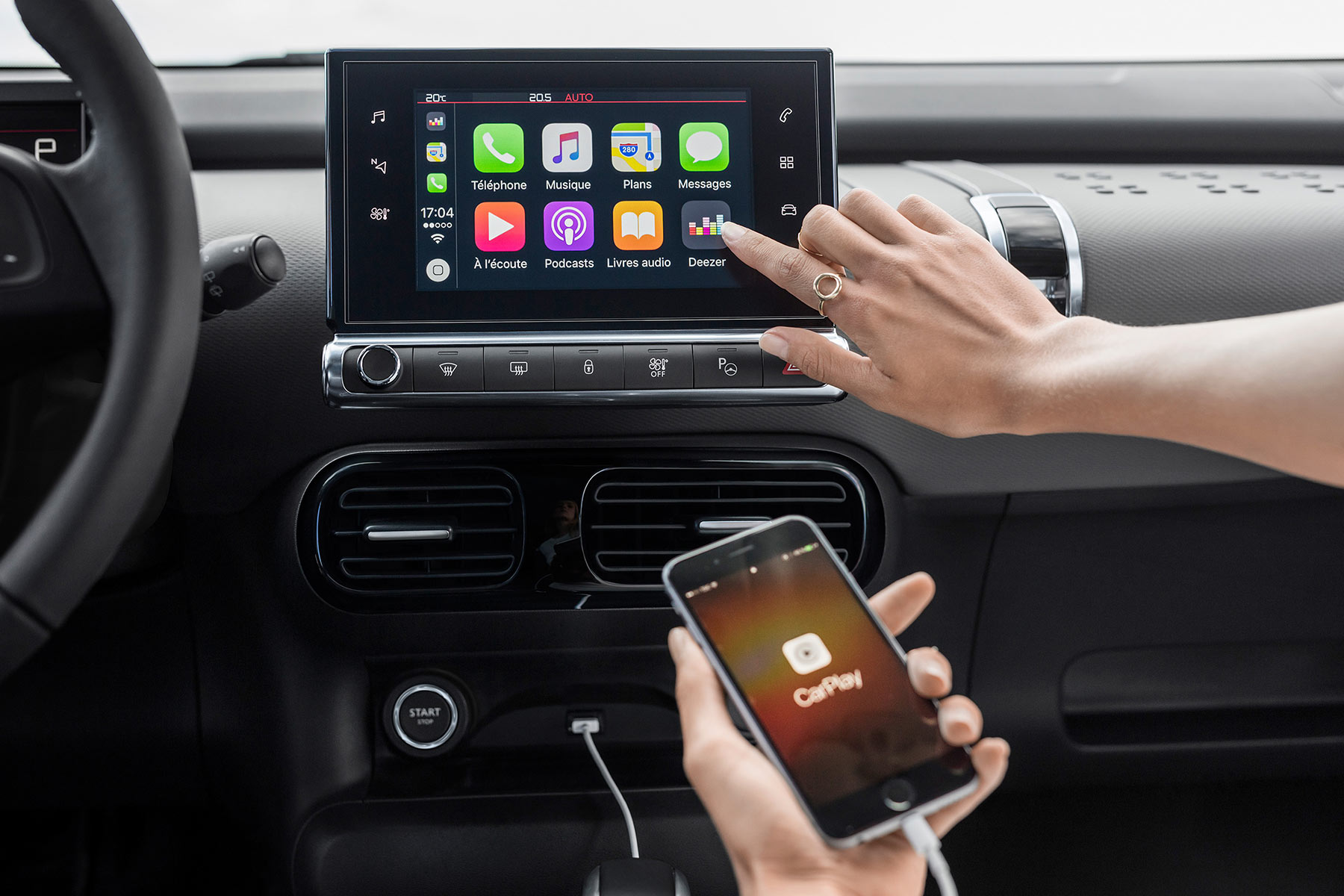
The widespread adoption of touchscreen multimedia systems has allowed manufacturers to cram controls for multiple systems into one place. It’s eliminated the need for countless buttons, letting designers create impressively minimalist interiors. But they cause multiple challenges for drivers.

Combine a modern vehicle featuring stiff ‘sporty’ suspension with a touchscreen system, and changing settings becomes more akin to ‘pin the tail on the donkey’ than a seamless user experience. It’s notable that although controllers like BMW’s iDrive were derided when new, they are often still the preferred solution in premium machines – offering the benefit of direct feedback between driver and car.

Voice command is mooted as a solution to fiddling with buttons or scrolling through touchscreens or media menus. And the latest systems have progressed a long way, with the ability to recognise and learn individual accents.

Yet voice commands are still far from infallible, and often add multiple steps to confirm even simple actions, making them less efficient than using steering wheel-mounted controls or dashboard buttons. It risks being a gimmick that drivers might try once, then never use again.

Conversely, our love for – and reliance on – satellite navigation may become a distracting obsession. A number of high-profile accidents, caused by drivers either paying too much attention to sat nav units, or slavishly following them into danger, demonstrates the pitfalls. That the Driving & Vehicle Standards Agency has felt the need to update the driving test to include taking direction from sat navs also illustrates the importance of the issue.

It might also show how slowly the wheels of bureaucracy turn, given that standalone sat navs, like those included in the driving test, are becoming obsolete due to smartphone-based apps. Whatever type of sat nav is used, it has arguably made visiting new destinations simpler, even if it has created other problems as a result.

Sensitivity training

Unintended consequences have also created new cars reliant on parking sensors and cameras, as modern vehicle designs create blind spots and hamper visibility. With protruding noses to meet crash-test requirements, plus pillar-box-like rear windows as a by-product of sweeping rooflines, cameras and sensors are almost mandatory for manoeuvring many new cars.

This might well be a successful case of using technology to solve a new problem. Nevertheless, it makes drivers reliant on features to undertake basic tasks that millions managed unaided for decades.

Internet of things

Tesla has been praised for the use of over-the-air software updates, meaning tweaks and changes can be made to cars without the need to visit a dealership. This has even included adding an ‘Insane mode’ to performance versions, but also other operating system tweaks such as updating maps – or even the range of adjustment on the headrests.

It again marks Tesla out as having more in common with a tech company, rather than traditional car manufacturer. Using over-the-air updates will be familiar to anyone who owns a smartphone, even if it does bring an inevitable lack of familiarity when a new operating system changes things overnight.

The practicality of fixing flaws and problems without needing to take a car to a dealership is unquestionably a benefit. However, it also opens the possibility for companies to dishonestly cover their tracks. Imagine a ‘dieselgate’ situation, where purely over-the-air software changes could have been used to make all cars compliant with legislation, and the temptation becomes apparent.

The march of new car technology is not going to stop, and the rise of autonomous abilities will make future cars ever more complicated. In itself, this doesn’t have to be a bad thing, and a self-driving destiny has the potential to make commuting and city driving substantially easier.

However, engineers, designers and marketing staff need to ensure they put making the lives of those buying cars easier and safer as priorities. Pointless gimmicks, or technology that is fatally flawed, will do little to make buyers ready to trust their car with more advanced driving tasks – including actually chauffeuring them around.

Advertisement

Diesel car sales plunge 30% in November 2017

0

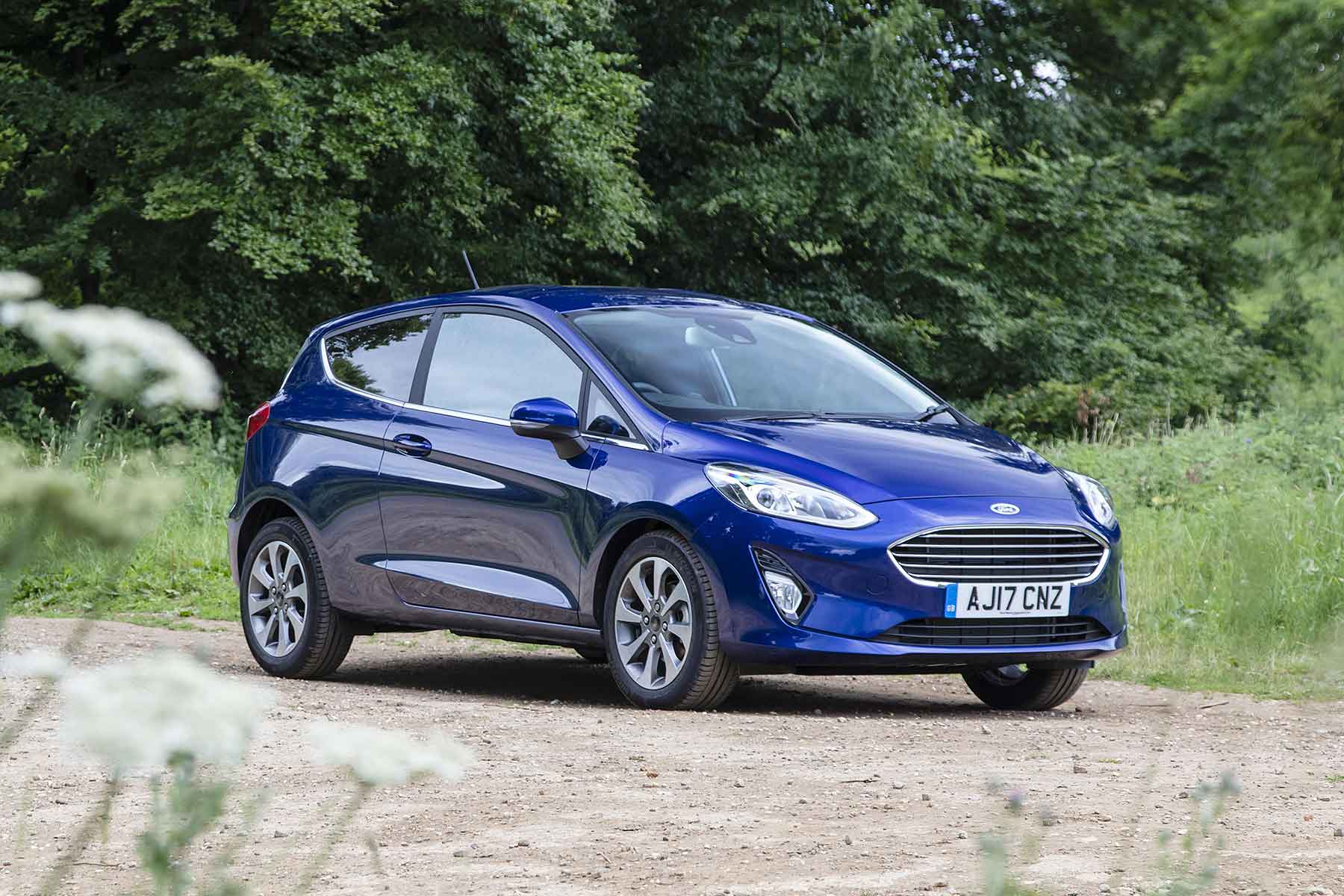
Ford FiestaThe UK new car market continues to decline – and the SMMT says it’s now becoming a major concern as both consumer and business confidence continues to be hurt by the government’s ongoing anti-diesel messages.  
New car sales declined 11.2 percent in November 2017, to 163,541 vehicles, but even this was dwarfed by the fall in new diesel car sales. They were down a whopping 30.6 percent, with a five percent rise in petrol car sales failing to offset the declines.

Alternative fuel vehicle (AFV) sales were up an impressive-sounding 33.1 percent, but such cars represent just a 5.4 percent market share. Diesel, in contrast, now holds a 37.7 percent share – down from 48.3 percent in 2016.

The SMMT strongly disagrees with the current anti-diesel mood. “Diesel remains the right choice for many drivers, not least because of its fuel economy and lower CO2 emissions,” says chief executive Mike Hawes.

“The decision to tax the latest low emission diesels is a step backwards and will only discourage drivers from trading in their older, more polluting cars. Given fleet renewal is the fastest way to improve air quality, penalising the latest, cleanest diesels is counterproductive and will have detrimental environmental and economic consequences.”

The only individual car sector which grew was sports cars, which was up 6.7 percent. Executive cars plummeted 22.2 percent and even mini cars fell 19.8 percent. The UK’s best-selling car segment, superminis, was down 15.4 percent.

The Ford Fiesta continued its re-emergence as the UK’s best-selling car in November, followed by the Volkswagen Golf and the British-built Mini. Also performing strongly was the Nissan Qashqai, Kia Sportage and Ford Kuga, proving how much Brits love their SUVs.

Alarmingly though, not a single Vauxhall appeared in the UK top 10 registrations chart, continuing the eye-opening decline for what was once Britain’s second-largest car brand.

Top 10 best selling cars – November 2017

1 Ford Fiesta

2 Volkswagen Golf

3 Mini

4 Ford Focus

5 Nissan Qashqai

6 BMW 1 Series

7 Mercedes-Benz A-Class

8 Kia Sportage

9 Mercedes-Benz C-Class

10 Ford Kuga

Advertisement

New electric London taxi ready for passengers

0

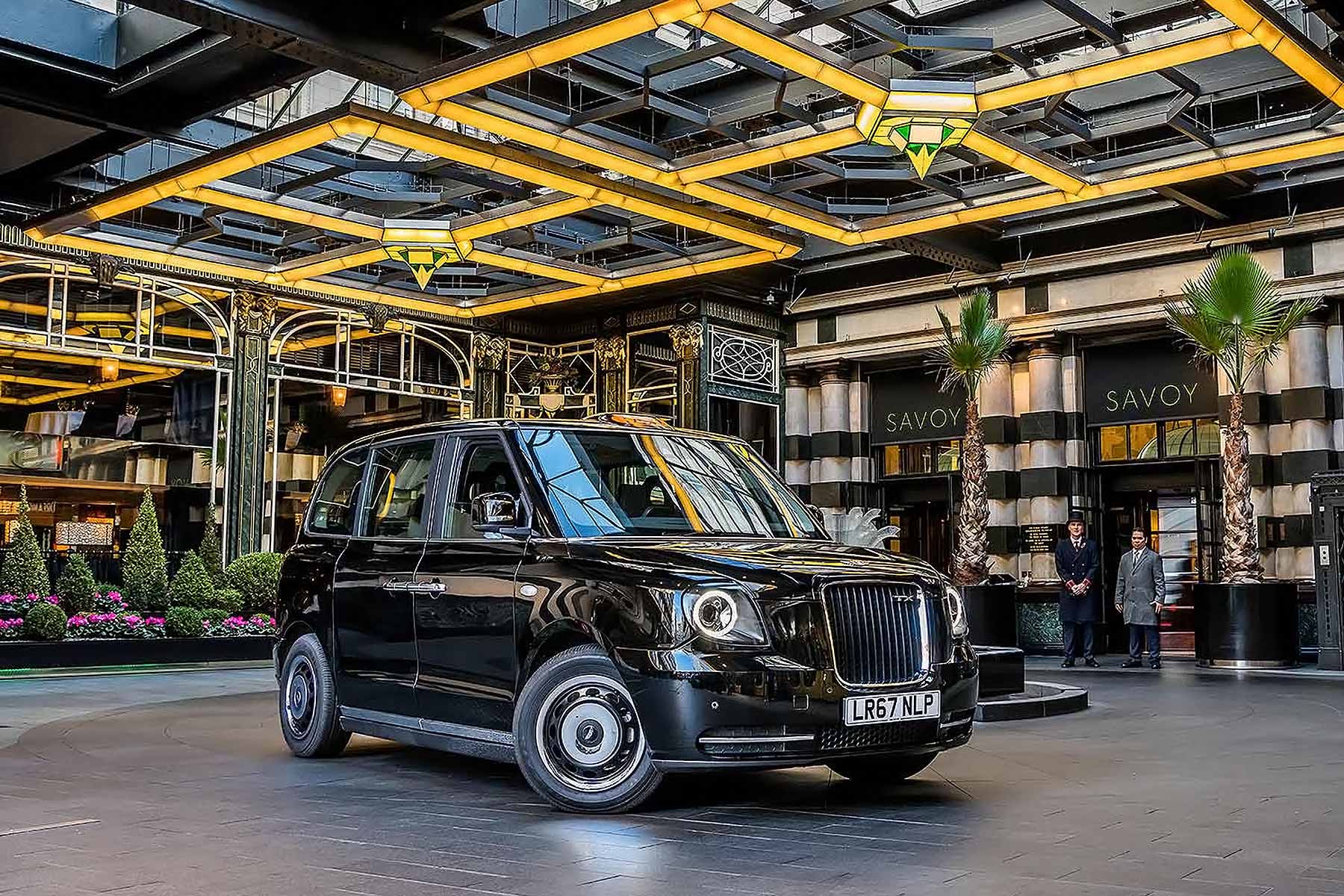
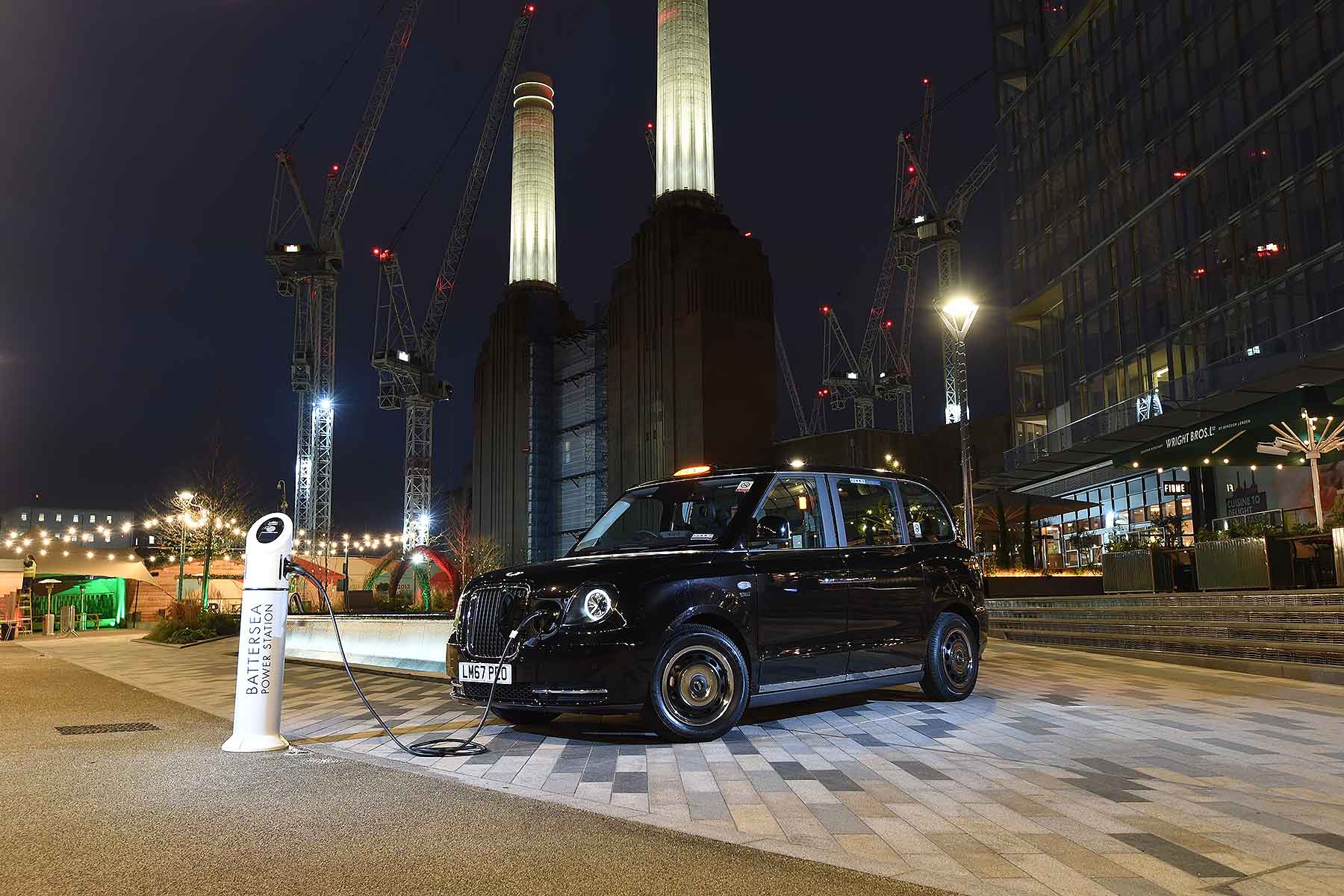
LEVC TX eCity London TaxiThe new electric London taxi has now been fully certified for use by fare-paying passengers and LEVC, the firm behind the new cab, has celebrated with an event at Battersea Power Station – on the 65th anniversary of the Great London Smog.
Chairman of LEVC Carl-Peter Forster called the certification a real milestone. “Our new TX has passed all certification tests and is now able to carry fare-paying passengers.

“It will save drivers money, bring new levels of comfort and convenience to those who hail one and provide the safest and cleanest way of getting around a city by taxi.”

From 1 January 2018, all new taxis in London must be Zero Emission Capable (ZEC). This stipulates they should not emit more than 50g/km CO2, and have a minimum 30-mile electric-only range. No new diesel taxis will be registered in London from January 2018.

Luckily, following ordering opening in August 2017, the first TX taxis will be delivered to London cabbies later this month. Shirley Rodrigues, London’s deputy Mayor for environment and energy, said they “will play a transformational role in the Mayor’s plan to phase out diesel and clean up the transport network. This will help to accelerate improvements to London’s toxic air.”

By the end of 2020, hopes London Mayor Sadiq Khan, there will be 9,000 ZEV taxis on London’s roads, from a total fleet of 23,000 black cabs.

Now it’s been certified in London, LEVC is looking further afield for sales of the new TX cab. “We will deliver new TX models in Europe later in 2018,” said Forster, “and around the world. Our goal is to be the global automotive leader in urban commercial vehicles. We are well on our way to achieving that.”

What is the new LEVC TX London taxi?

LEVC TX eCity London Taxi

The new TX taxi is the most advanced London taxi ever, says LEVC. Passengers are probably going to love it: there’s less noise and vibration than in the rattly, clattery old model, plus more space for six people, charging points for smartphones and even wi-fi connectivity.

It’s accessed via Rolls-Royce-style rear-hinged doors that open 90 degrees, there’s a massive panoramic glass roof, and it can all be paid for via contactless card machines.

The new London taxi even helps protect occupants from toxic air. There’s a multi-filter air intake system – and when the onboard pollution sensor detects outside pollution is really bad, it closes the external air intake and recirculates the air within.

The TX has a range of 400 miles, says LEVC – which includes up to 80 miles of zero-emissions electric driving. It achieves this by juggling battery power with, then they run low, electricity generated by a 1.3-litre three-cylinder petrol range extender engine.

Its fuel efficiency will save cabbies £100 a week in fuel costs, compared to the old diesel taxi. It also has service intervals twice as long and is both easier and faster to repair. The design of the taxi is advanced too. It’s made from aluminium that’s bonded together, a bit like the tech used by Lotus and Aston Martin.

Prices? £55,599 on the road, compared to £45,945 for the old taxi. That’s an increase – but over a five-year deal, it equates to £177 a week, only £10 more than the old taxi… which, reckons LEVC, will be more than accounted for by the fuel cost savings.

Advertisement

£157,800 Lamborghini Urus super-SUV revealed

0

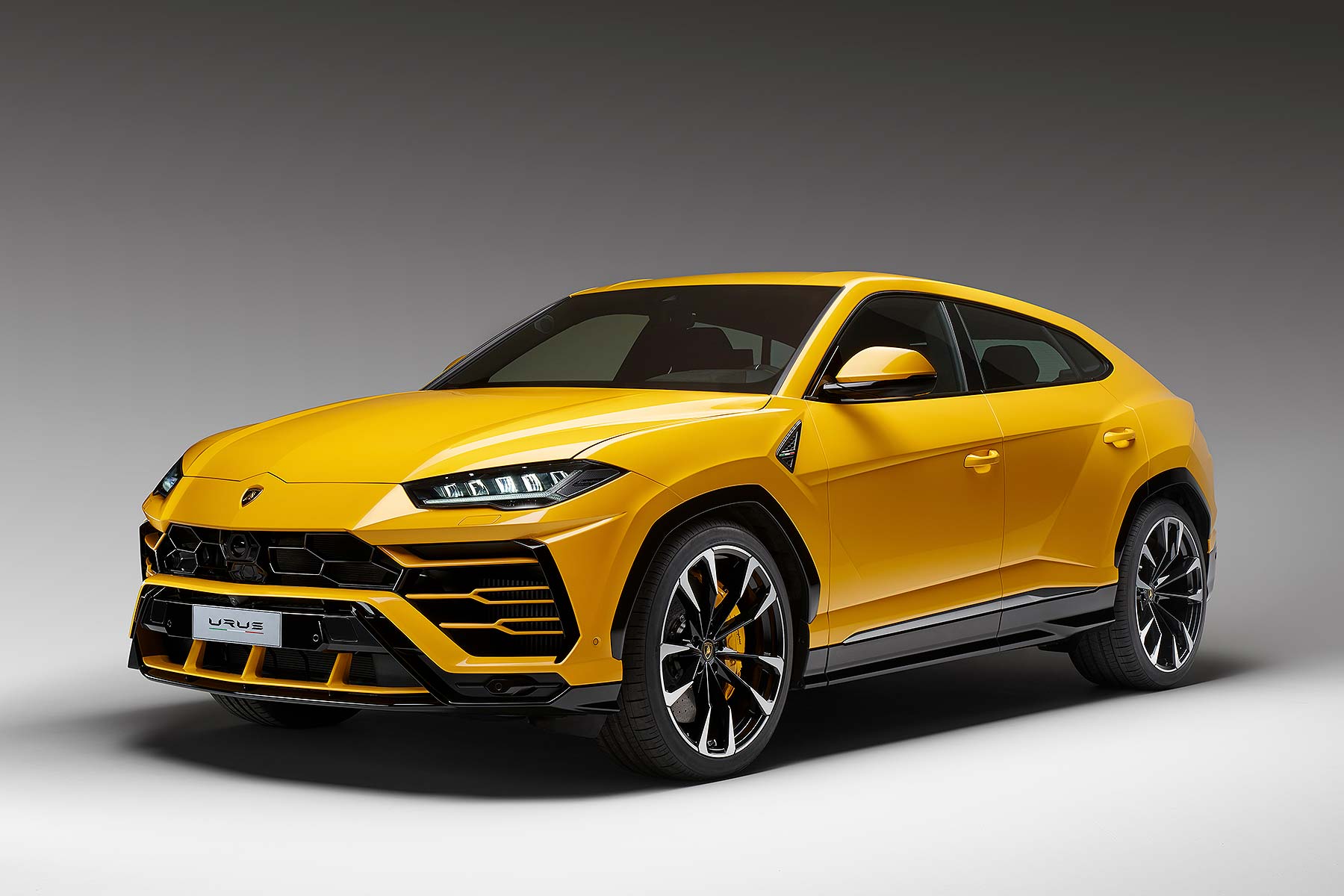
Lamborghini UrusThe new Lamborghini Urus – the firm’s first modern-day SUV – has been revealed in Italy, claiming to have created an all-new niche: the world’s first ‘super sport utility vehicle’, or SSUV. Deliveries begin in spring 2018, with UK prices starting from £157,800.
Packing a Lamborghini-designed 4.0-litre V8 twin-turbo engine (that the firm insists is unrelated to the 4.0-litre V8 in the Porsche Cayenne), it’s the firm’s first turbo motor and will put out a healthy 650hp. This gives it the best power-to-weight ratio in its class (although it still weighs nearly 2,200kg…).

0-62mph? A tasty 3.6 seconds, aided by a punchy eight-speed auto and standard four-wheel drive that can send up to 87 percent of drive rearwards.

Top speed is 189mph which means it will be the fastest five-seat SUV in the world, beating its Bentley Bentayga sister car). It’s also bound to be the fastest around the Nürburgring, and the fastest anywhere else the firm decided to test it, probably.

Lamborghini’s given it a range of bespoke driving modes: Strada, Terra and Neve are the standard ones. Strada is on-road, Terra is off-road and Neve is snow. You can also hook up Sport and Corsa mode for when you’re feeling racy, and Sabbia for when you’re on sand. It’s all masterminded via the central Tamburo driving mode selector.

Like the Aventador S supercar, the Urus has rear-wheel steering, which has the effect of shortening its massive three-metre wheelbase by up to 600mm at speed. It also makes the big SUV easier to park.There’s also electromechanical active anti-roll, tech being used for the first time on a Lamborghini.

When it arrives, Lambo sales will double overnight, to over 7,000 a year. It’s going to be a serious profits-driver for the Italian firm, and is thus one of the most important models it has ever launched.

Lamborghini Urus – Q&A

Where does the name ‘Urus’ come from?

Urus, also known as aurochs, were wild cattle that roamed Europe centuries ago. They were last seen in Poland in 17th century. They were the early Modern Ages ancestors of today’s domestic cattle. Presumably, they also had a fighting edge: all Lamborghini names are derivations of raging bulls.

What platform will the Lamborghini Urus use? 

The Urus will be built on the same flexible architecture already used by the Bentley Bentayga, Audi Q7, Porsche Cayenne and (future) Volkswagen Touareg. It’s called the VW Group MLB evo platform.

How big are the wheels on the Urus?

Standard alloy wheels are 21-inches, and the Urus can have wheels up to 23-inches in diameter. These are the largest in the segment. It also has standard carbon ceramic brakes, which are also the biggest around: the front discs are 440mm, or over 17 inches in diameter…

How economical is the Urus?

This is not something that will worry most owners, but still: the Urus officially averages 22.2mpg and emits 290g/km CO2.

When did we first see the Lamborghini Urus?

Lamborghini first revealed the Urus as a concept car way back in 2012. It’s taken this long for the project to become a production reality; perhaps that early concept car was shown so early simply in order to get people used to the idea of a Lambo SUV?

Is the Lamborghini Urus the firm’s first 4×4?

The Urus is not Lambo’s first 4×4. Back in the 1980s, it sold the LM002, a remarkable military-grade off-roader that was about as subtle as a smack in the face. It wasn’t very sporting but it was still very Lamborghini.

Advertisement

Vauxhall takeover: PSA Group wants a refund

0

Vauxhall takeover: PSA Group wants a refund

PSA Group has told General Motors that it wants a 50 percent refund after it discovered that it had been misled over the emissions strategy of Vauxhall and sister brand Opel.

That’s according to a report by Reuters, which claims that PSA Group is seeking more than half a billion Euros from Opel/Vauxhall’s previous owner. The original deal reportedly cost the French carmaker €1.3 billion.

While neither side is commenting on the matter, PSA CEO Carlos Tavares said last month: “We became aware a few weeks after we finalised the closing that the company was going to the wall on CO2 emissions.

“We put our teams to work to completely rebuild the product and technology strategies. If you fail to comply, the weight of fines you are hit with can threaten the company’s existence.”

EU regulations mandate that manufacturers meet a fleet average of 95g/km CO2 by 2021, down from the current 130g/km. Carmakers could be fined €95 (roughly £84) per car for every gram over the limit, leading to carmakers desperately trying to reduce carbon emissions ahead of the deadline – not helped by a decline in diesel car sales as buyers switch to less frugal petrol cars.

Initially, PSA said it believed Opel and Vauxhall would exceed the 2021 limit by 3.7g/km. That’s now been increased to 10g/km, which could cost hundreds of millions in fines.

According to the Reuters report, GM’s “unrealistically high” sales projections for the electric Ampera-e (which won’t be marketed in the UK) and diesel-powered cars led to the miscalculation.

>NEXT: Why are people not buying Vauxhalls?

Advertisement

2017 driving test changes: everything you need to know

0

2017 driving test changes: everything you need to know

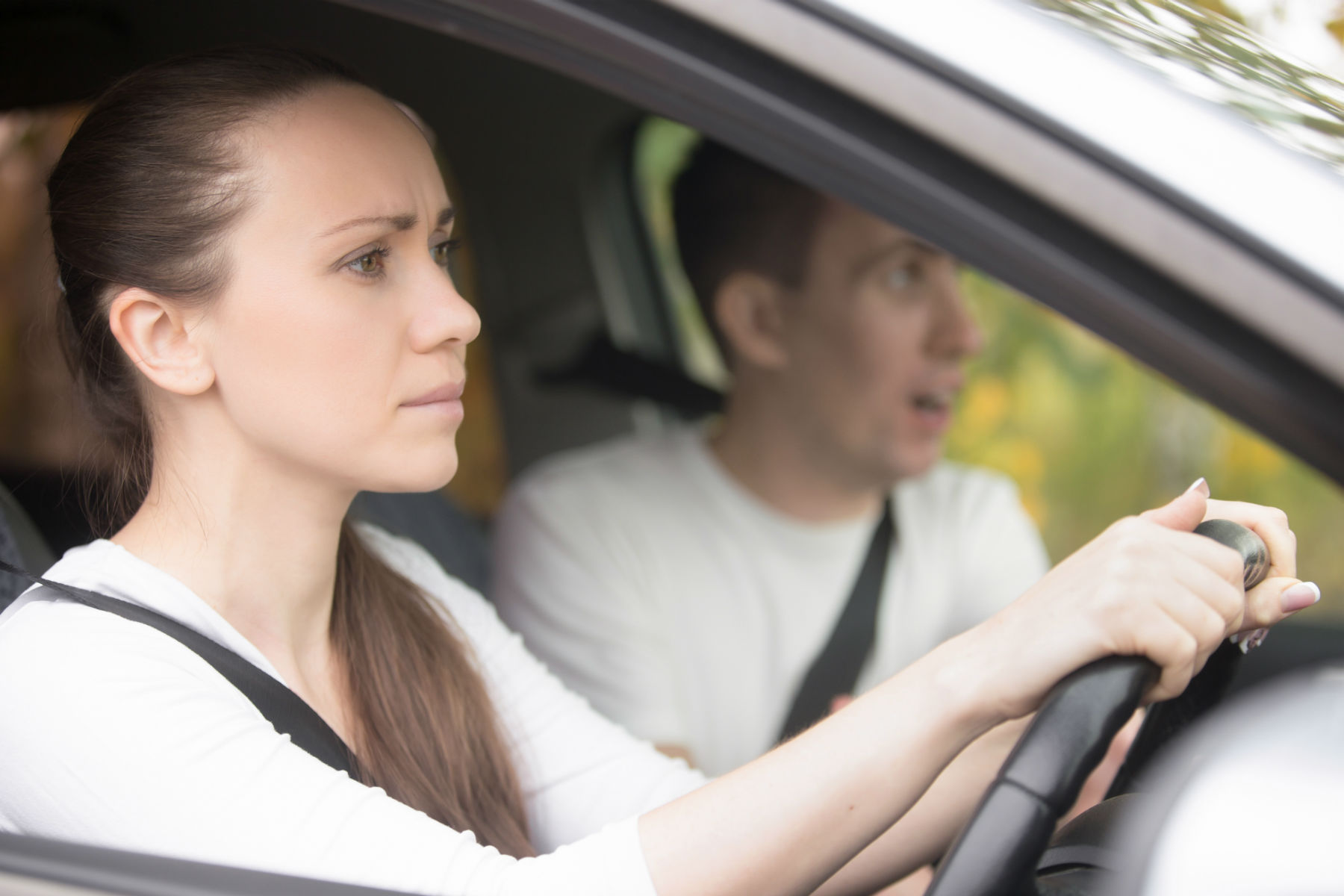
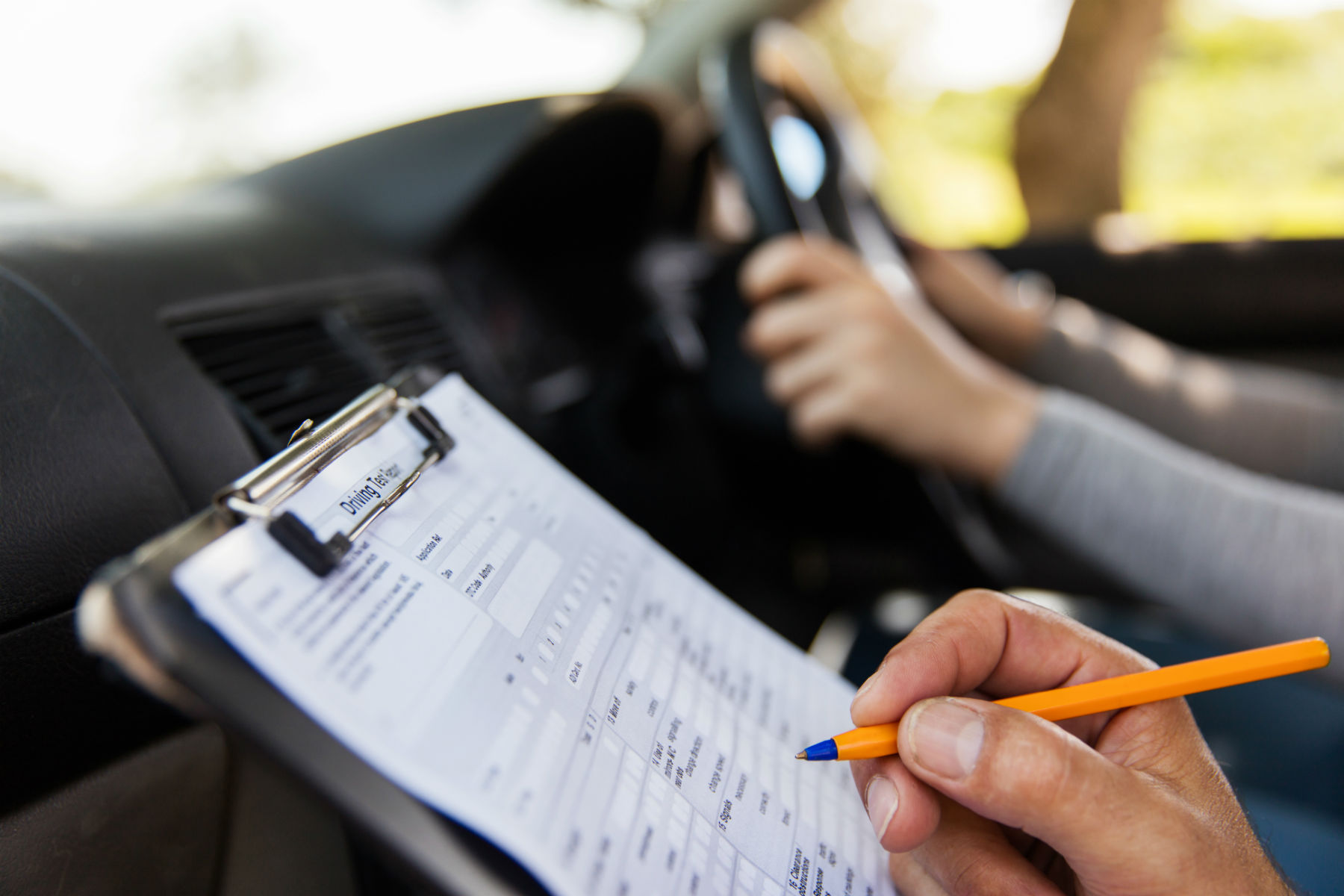
All UK practical driving tests from today will follow a new format, set to reduce the number of crashes involving young drivers by reflecting real-life driving conditions.

Road collisions account for more than a quarter of all deaths of young people aged between 15 and 19, and the Driver and Vehicle Standards Agency says it needs to make the driving test a greater representation of real-life driving conditions.

The driving test will incorporate more high-speed roads (not including motorways), where the majority of fatal collisions occur. With more than half (52 percent) of car drivers using sat-nav, the DVSA says it wants to teach new drivers how to use it responsibly.

“DVSA’s priority is to help you through a lifetime of safe driving,” said DVSA’s chief executive, Gareth Llewellyn. “Making sure the driving test better assesses a driver’s ability to drive safely and independently is part of our strategy to help you stay safe on Britain’s roads.

“It’s vital that the driving test keeps up to date with new vehicle technology and the areas where new drivers face the greatest risk once they’ve passed their test.”

What are the changes?

Independent driving

The ‘independent driving’ section of the driving test was introduced in 2010. Learner drivers were asked to spend 10 minutes of their test navigating from one area to another using their own knowledge and road signs. This is now being extended to 20 minutes – half of the test – and incorporates another change in the test…

Using a sat nav

For the first time, driving test candidates will have to follow directions from a sat-nav rather than turn-by-turn instructions from the examiner during the independent driving part of the test. The examiner will provide and operate the sat-nav device, a TomTom Start 52, meaning all the driver has to do is follow the instructions.

You can’t use your own sat-nav for the test, but you are allowed to ask the examiner for advice if you get confused. You will not be penalised for making a wrong turn unless you make a fault while doing so. One in five learner drivers will be chosen at random, having to rely on road signs rather than a sat-nav to reach their destination.

New reversing manoeuvres

The traditional ‘reverse around the corner’ and ‘turn-in-the-road’ manoeuvres are being scrapped from the test, although the DVSA says driving instructors should still teach them ahead of the test. Instead, candidates will be asked to perform one of the follow reversing manoeuvres:

  • Parallel park at the side of the road
  • Park in a bay (your examiner will tell you whether to drive in and reverse out or the other way round)
  • Pull up on the right-hand side of the road, reverse for two car lengths and rejoin the traffic

Some driving instructors are questioning how safe the last manoeuvre is, especially as the Highway Code states that you must not park against the traffic flow. The DVSA says that, in reality, many drivers do perform this manoeuvre, and it’s better to practise it with a qualified instructor.

’Show me, tell me’ questions

While learners will continue to be asked a ‘tell me’ safety question at the start of the test (such as how to check the tyre pressures), the examiner will now ask a ‘show me’ question during the driving part of the test. An example is how to operate the horn.

Why are driving test examiners striking?

Why are driving test examiners striking?

As the new test comes in, driving test examiners are staging a 48-hour strike in a dispute over pay and work hours.

The Public and Commercial Services Union says examiners will be required to work for longer and harder in exchange for no extra pay as part of the new testing regime.

“PCS members in the DVSA have tried to negotiate around their concerns but the door has been slammed shut in their face,” said PCS general secretary Mark Serwotka.

“They now feel they have no alternative but to take industrial action to bring home to the public how damaging the DVSA proposals are.”

However, the DVSA has responded describing the claims as ‘desperate’ and ‘simply not true’.

“In the last year we’ve recruited more than 320 extra driving examiners – reducing waiting times to an average of seven weeks across the country,” said the DVSA’s director of people, communications and engagement, Adrian Long. “It’s also significantly reduced the number of times we ask examiners to work at other centres – 1.5 days on average in the last four months.

“This means that we are not asking examiners to travel an extra day each week as PCS claim.

“DVSA has met with PCS more than 40 times to try to solve this dispute but, despite our best efforts – including an offer of mediation – PCS has stuck to its unreasonable demands.

“The possibility of constructive discussions has been made even harder by their strike action.”

What does the public think of the changes?

The changes follow a public consultation that over 3,900 people took part in, while a trial of the changes involved more than 4,300 learner drivers and 860 driving instructors.

The proposals were widely supported by the public, with more than 88 percent agreeing with the proposed increase in the length of the independent driving part of the test.

Transport Minister, Andrew Jones, said: “Our roads are among the safest in the world. However, road collisions are the biggest killer of young people.

“These changes will help us to reduce the number of people killed or seriously injured on our roads and equip new drivers with the skill they need to use our roads safely.”

Advertisement

The Motoring Podcast wins Motoring Research Breakthrough award

0

The Motoring Podcast wins Motoring Research Breakthrough Award

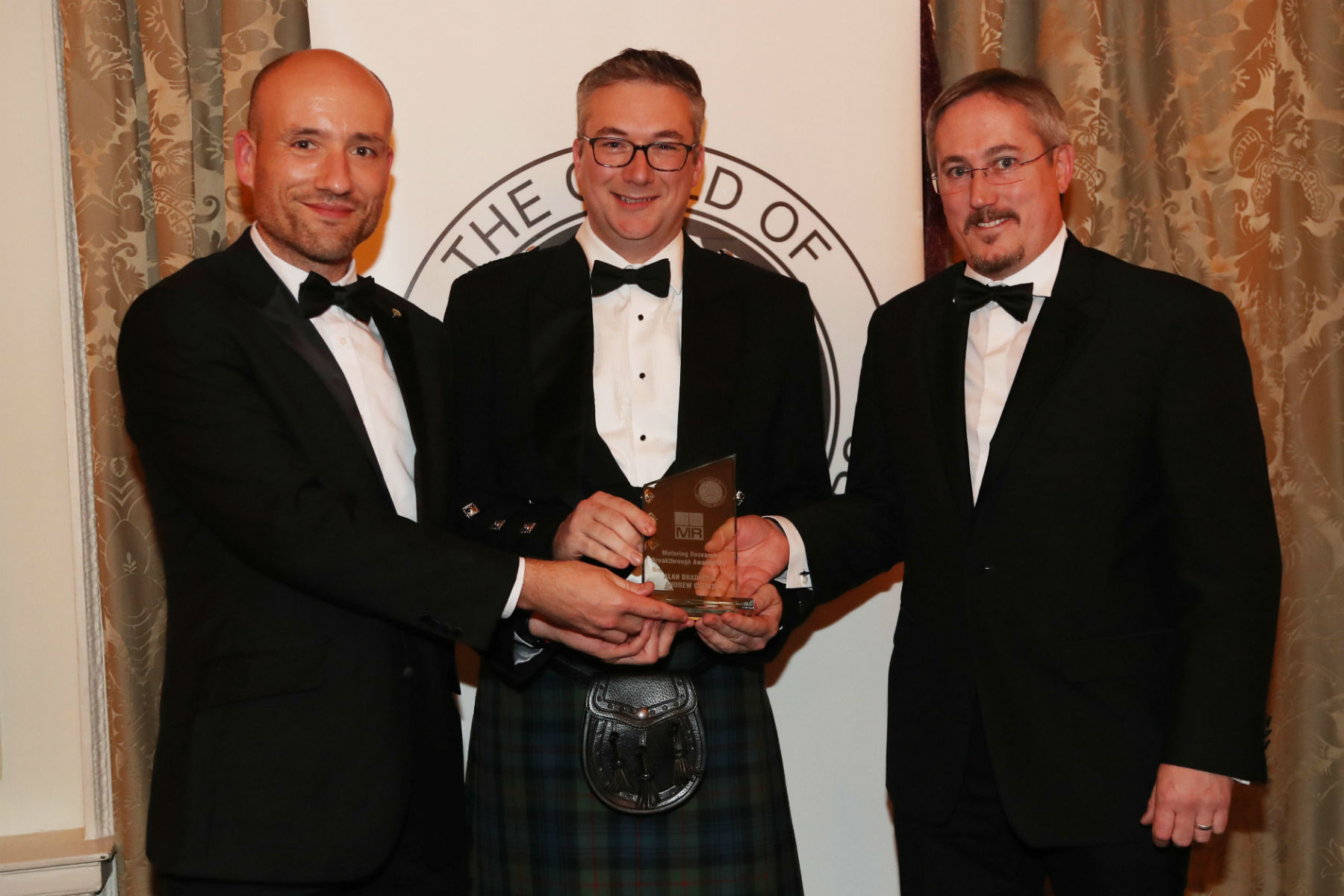
The Motoring Research-sponsored Breakthrough award was presented to The Motoring Podcast at last night’s Guild of Motoring Writers awards.

Formerly known as the Breakthrough Blogger award, it was refocused for 2017 in a bid to reward talent across a wider range of platforms. As such, it attracted entries from videographers, social media influencers, bloggers and podcasters. It was the latter that impressed the judges the most, with the award presented to The Motoring Podcast hosts Andrew Clews and Alan Bradley at the Guild of Motoring Writers annual dinner.

“We chose The Motoring Podcast as a great example of two knowledgeable enthusiasts using their experience and petolheaded passion to create highly engaging and innovative new media,” said Motoring Research managing director, Richard Aucock.

“They clearly commit a lot of time to it each week, consistently creating high-quality broadcasts, and we think this deserves to fully break through and reach a broader audience – and for Alan and Andrew to hopefully then take the next steps in professional automotive journalism.”

As part of the prize, the podcast hosts will win a paid work experience package with Motoring Research, as well as two years’ provisional membership of the Guild.

“Podcasting is still such a fledgling outlet and we’re both surprised and honoured that Motoring Research and the Guild of Motoring Writers have recognised that it has a place in the spectrum of content available today,” said Alan.

Former winners of the award include MR’s newsletter editor, John Redfern, as well as Keith Jones, continuity editor at Parkers. Other winners include Driving Spirit’s Chris Auty and Fun Rover’s Ben Gribbin.

Advertisement

LA Auto Show 2017: the star cars

0

LA Auto Show 2017The LA Auto Show is a feel-good show. Local hotels and restaurants are putting out the Christmas decorations, despite the sunshine and 25-degree temperatures outside, and the just-right size and just-so layout of the stands means it’s a show it feels churlish to gripe about.
Manufacturers reward it by showing some interesting cars, and bringing along Grade-A execs to present them. Sure, the list of genuine world-firsts is slight, but this doesn’t stop LA having its own share of surprises – this year, there were certainly some prominent ones on the roster that proved its status as serious car show. Such as? Let us be your guide…

Alfa Romeo Stelvio QVLA Auto Show 2017

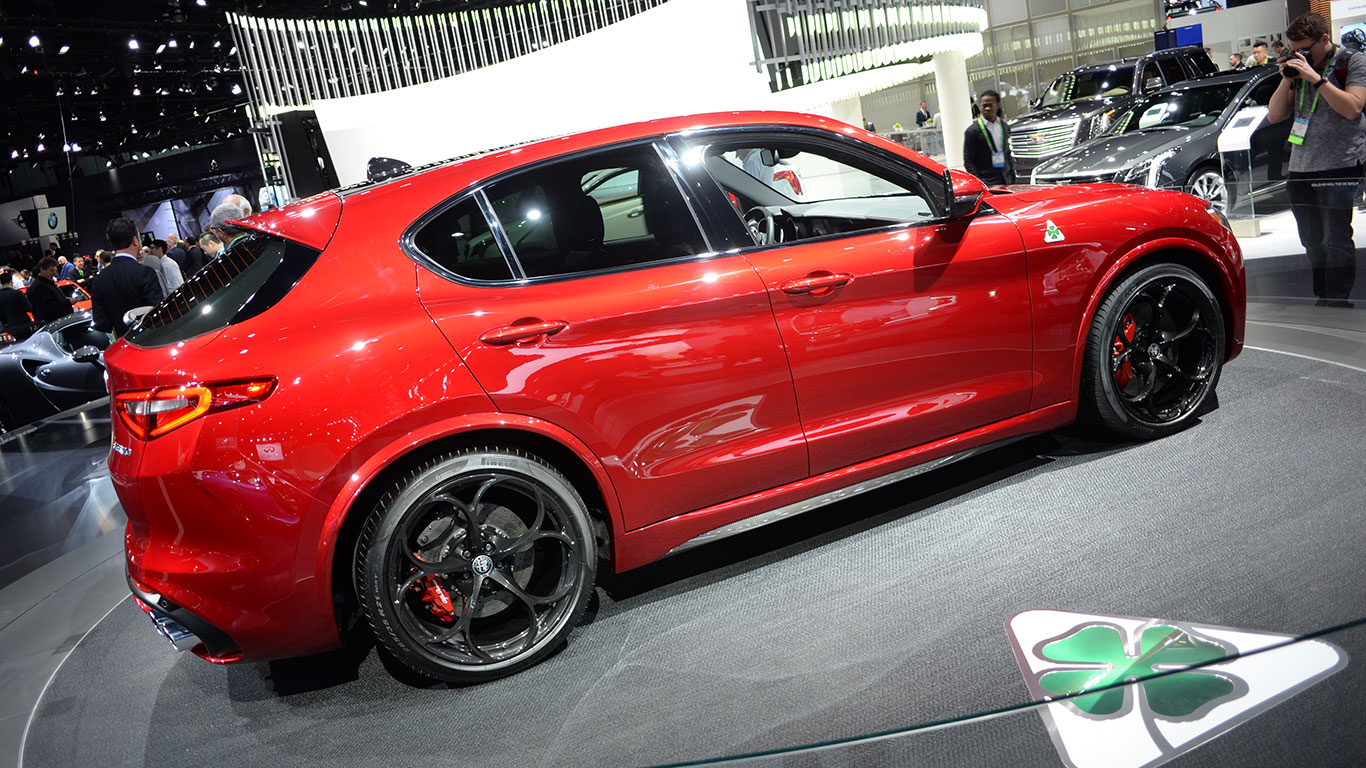
America is back in love with Alfa Romeo. The Giulia was the warm-up: now, the Stelvio SUV is the car winning over hearts, few more so than the potent-looking QV version. Its V6 turbo engine produces 510hp and has, literally, more than a whiff of Ferrari about it, while the gorgeous Alfa red paint of the show stand car couldn’t help but draw onlookers. Your writer remembers when Alfa was relegated to a corridor at LA, merely in the way of the other big brands. Not anymore.

Aston Martin VantageLA Auto Show 2017

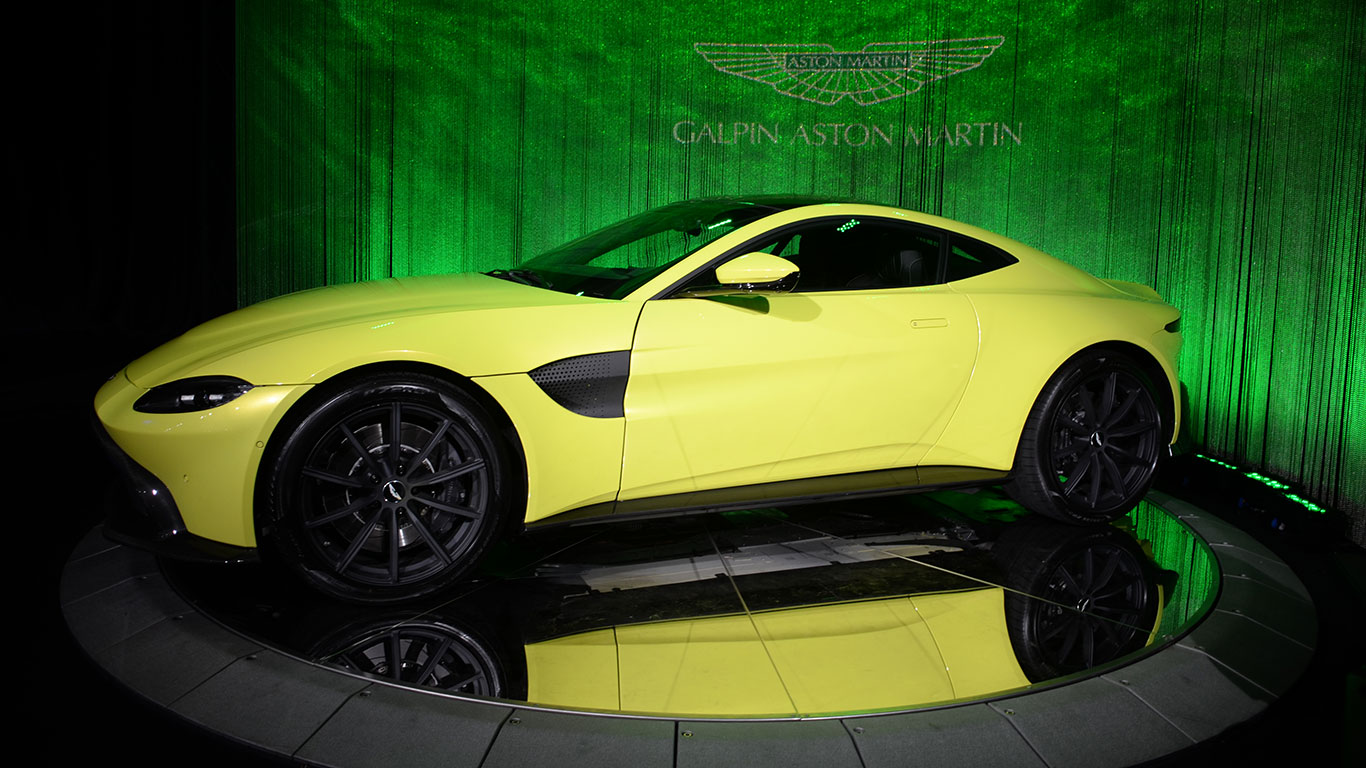
Aston Martin wasn’t there in person, probably because it was still giving itself high fives over the successful UK launch of the new Vantage. That didn’t stop massive local dealer Galpin Motors convincing the firm to ship over one of the first models for it to display on its incredible hall-of-its-own stand. In what other colour, but vivid lime green? Perfect.

BMW i8 RoadsterLA Auto Show 2017

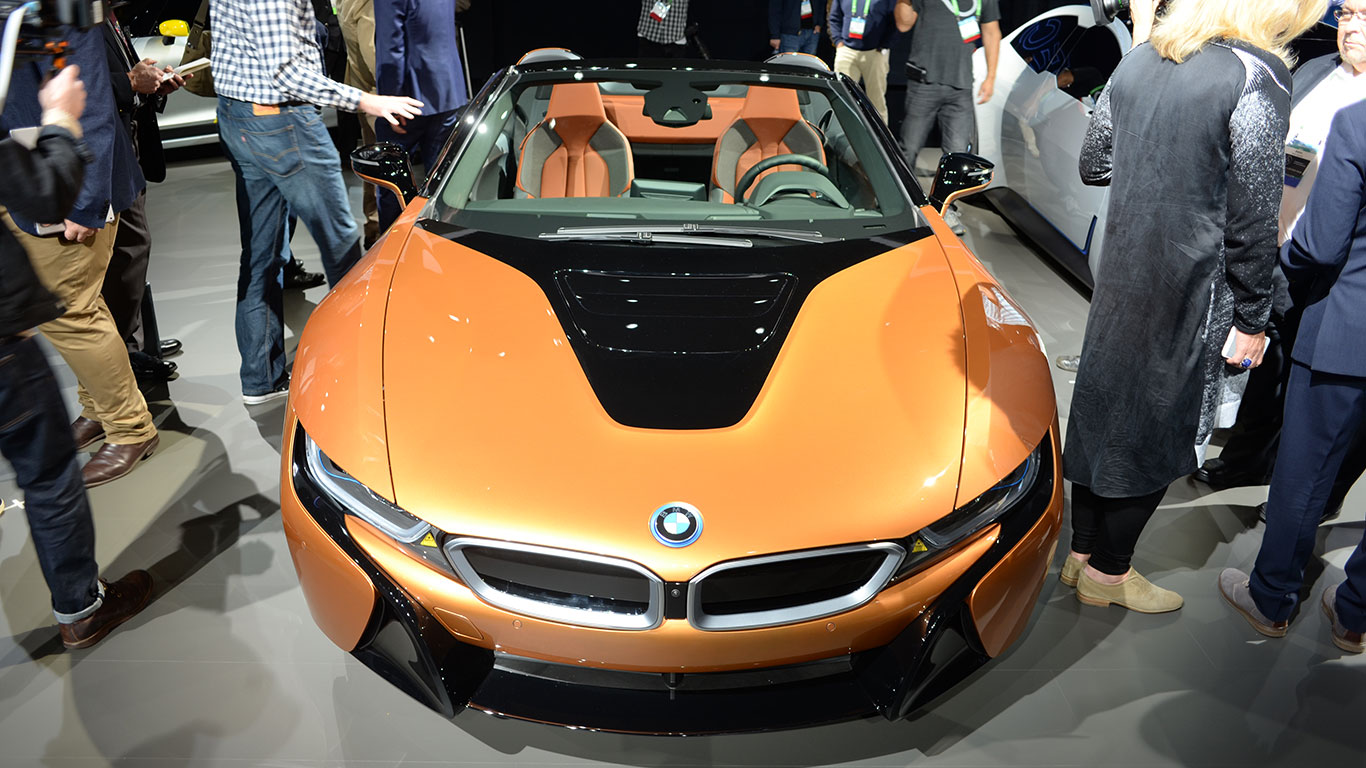
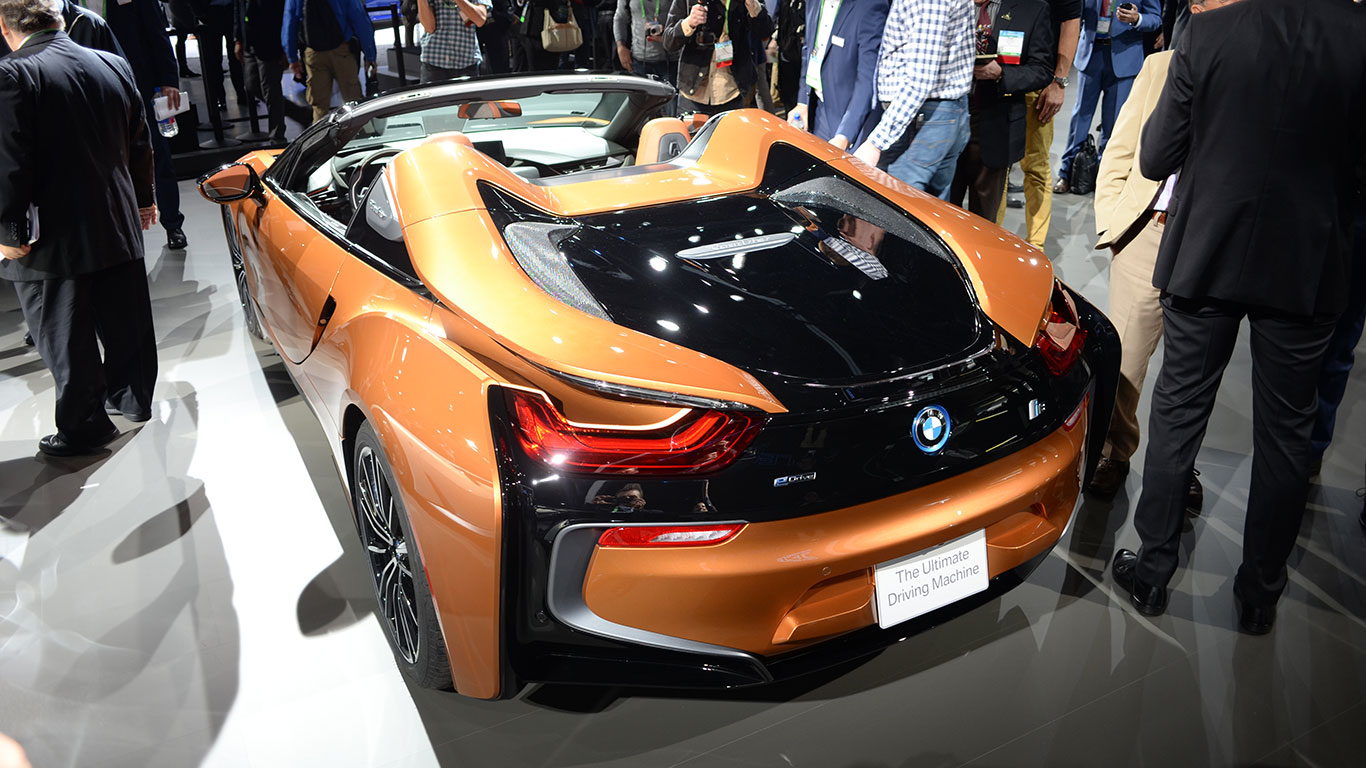
BMW has been chopping the roof off the i8 almost as long as it’s been making the i8. But only now is it an official production car, as opposed to a concept. And it looks even better than we ever imagined. The i8 Coupe, as it’s now called, is a cool car, but don’t be surprised if the majority of buyers choose the i8 Roadster instead.

Corvette ZR1LA Auto Show 2017

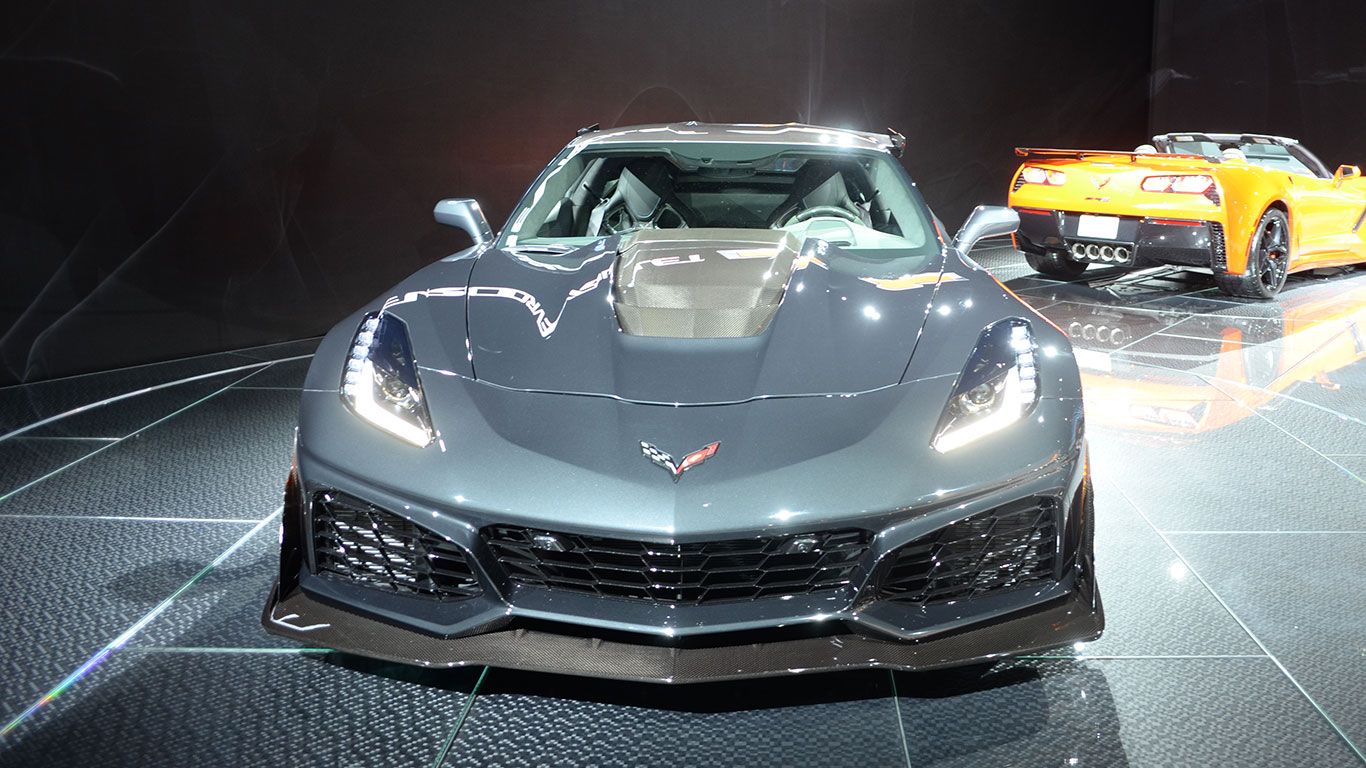
Monster power from a monster Corvette. But also a dinosaur. This is a last hurrah for the front-engined Corvette: its replacement will have an engine in the middle, one producing even more power than this ludicrous powerhouse. If that’s progress, hang the history: we’re all for it.

Infiniti QX50LA Auto Show 2017

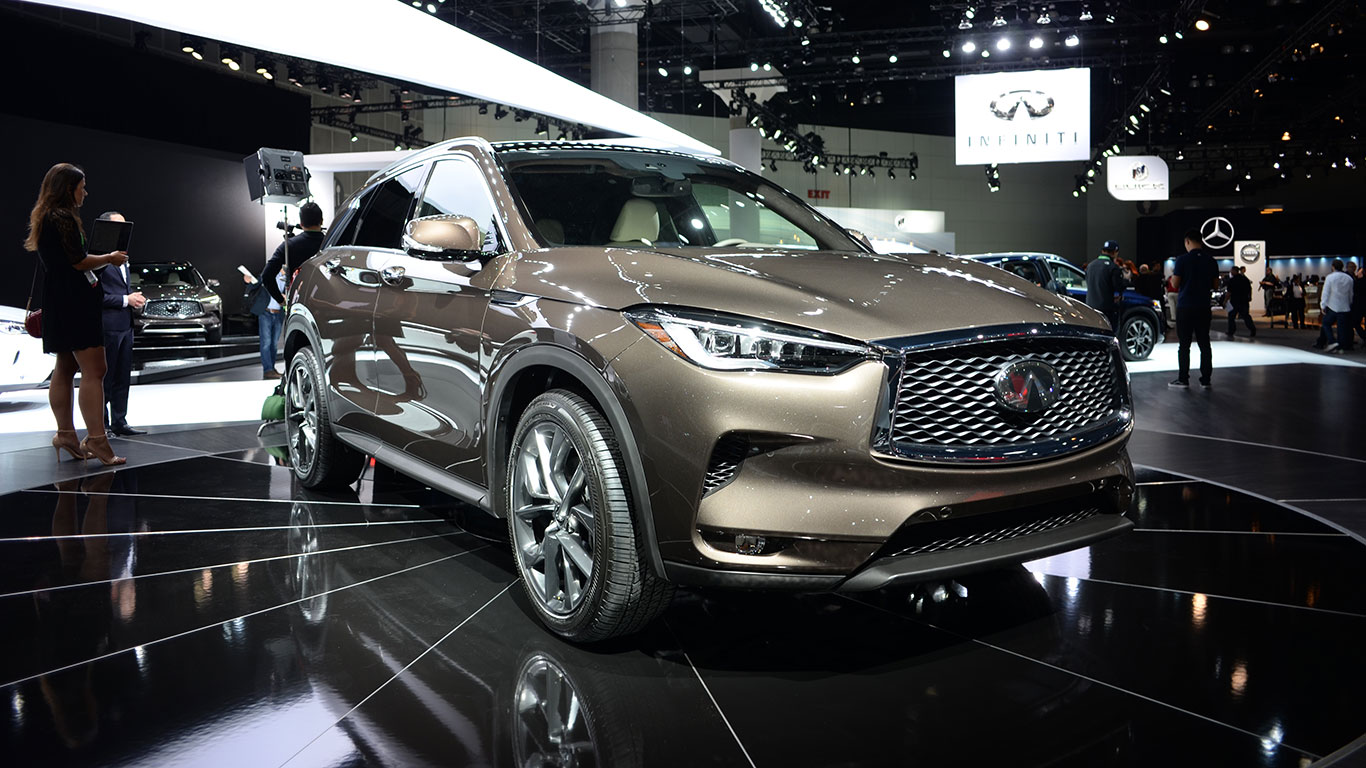
This is the most important Infiniti there’s ever been. Sure, it’s an SUV; god knows, how could it not be? It replaces a similarly-sized SUV that was forgettable. This one won’t be, though. Because it’s powered by the first production-ready variable compression engine in the world. A colossal breakthrough two decades in the making, that means it’s as economical as a diesel but as powerful as a V6. Infiniti’s so confident in the merits of this engine, it’s not offering the pretty new QX50 with any other motor. How rival makers must be stomping their corporate feet at the Japanese premium brand’s potential engineering-led big break into the big time.

Jaguar Project 8LA Auto Show 2017

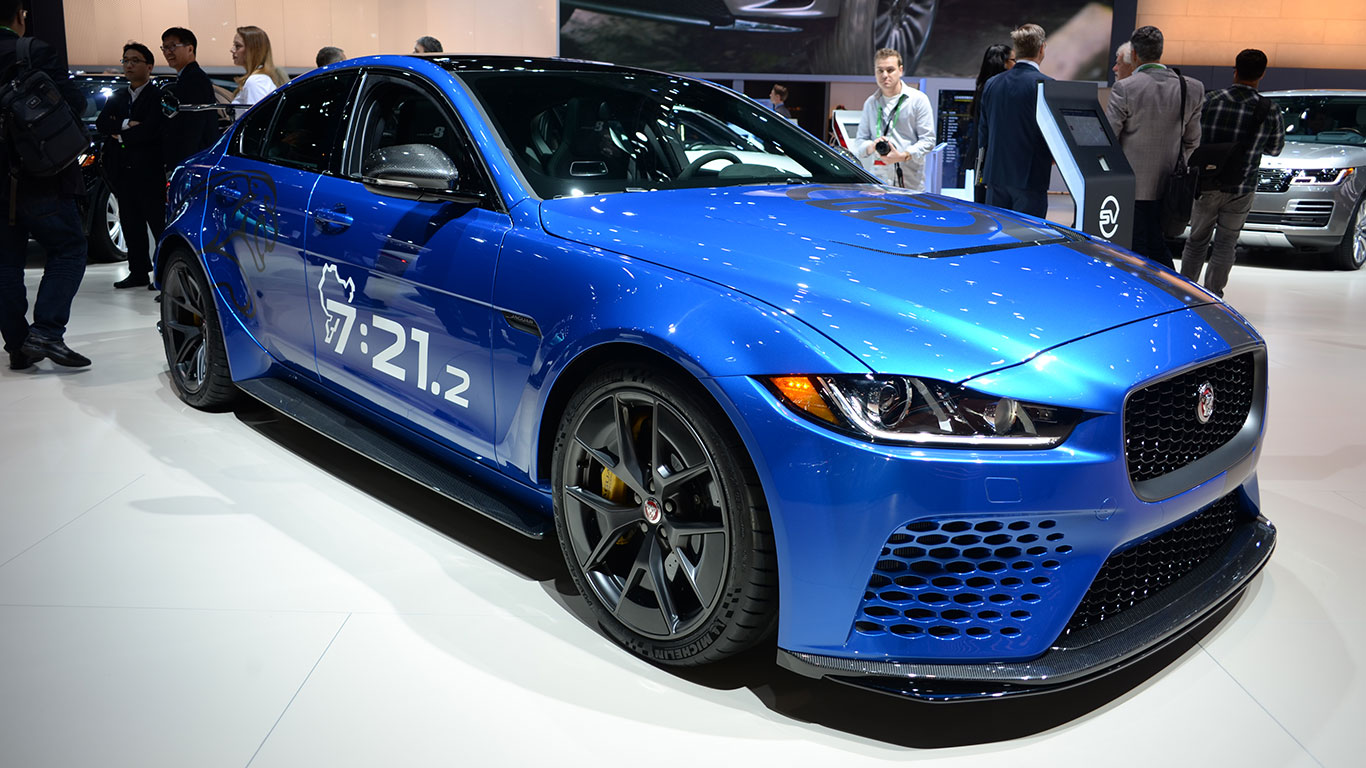
It costs £150k, but for good reason. Very little of a regular XE is actually left. And the reward for Jaguar indulging its SVO engineers with this wild flight of fantasy? A record-breaking Nürburgring lap time. No four-door production-spec car has lapped the Green Hell more quickly than this. It’s 11 seconds faster than the previous record holder, the Alfa Romeo Giulia QV. Dammit, it’s even faster than a Ferrari Enzo. £150k, you say? Bargain.

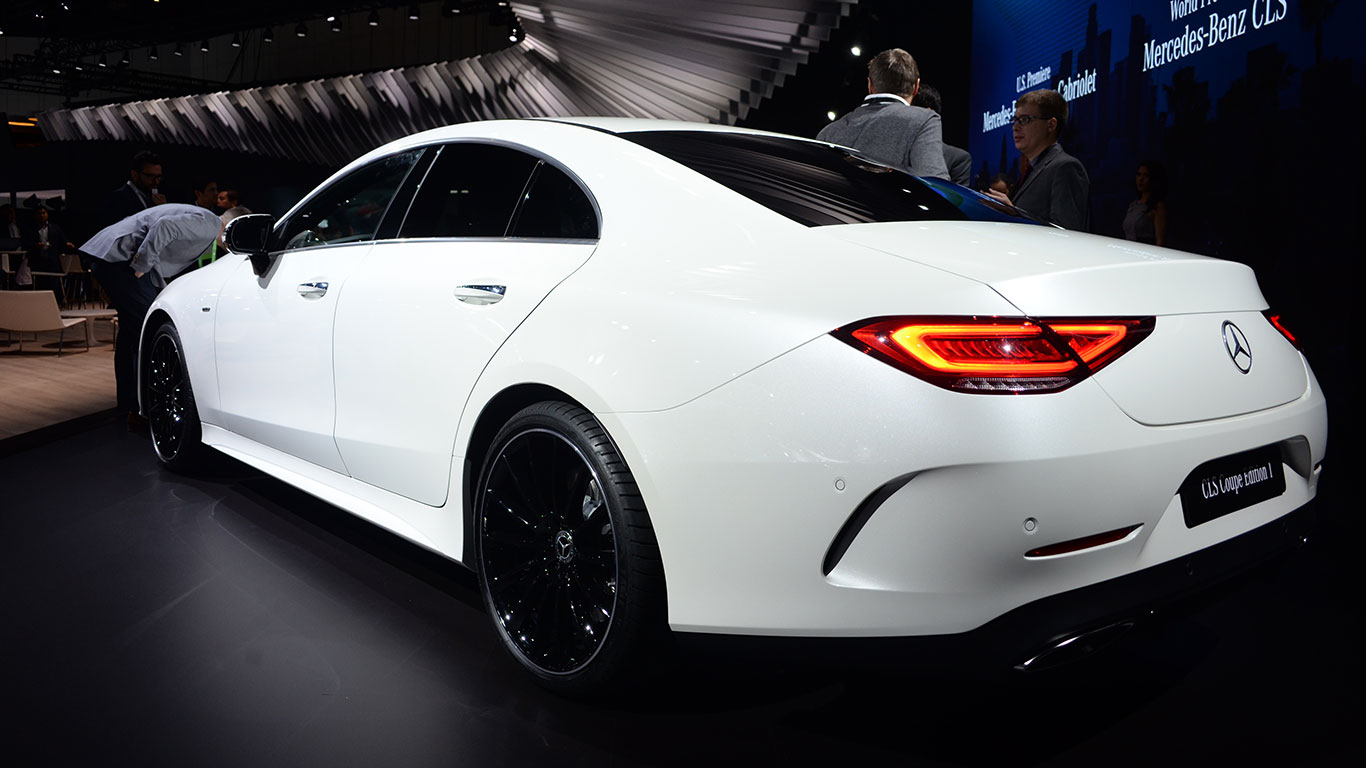
Mercedes-Benz CLSLA Auto Show 2017

The Mercedes-Benz CLS. First one, great. Second one, not so. Here’s that tricky third album, make or break for the CLS. The initial signs are good, with a sexy body shape drawing back to the reason why people loved the original, and steered clear of the ham-fisted second one. Will it sell, for upwards of £55k at a minimum? We’ll see. But we hope so. Not everything needs to be SUV-shaped these days. There’s still room for a bit of beauty.

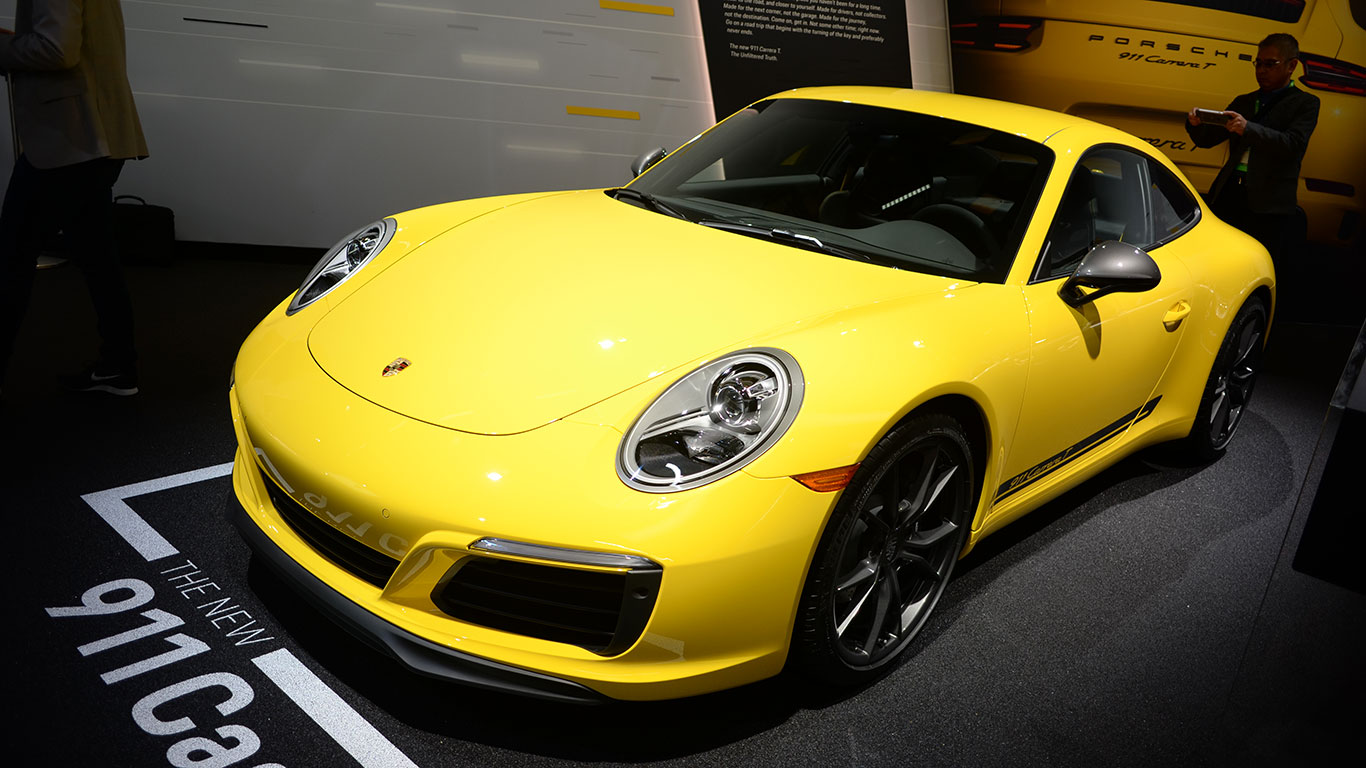
Porsche 911 Carrera TLA Auto Show 2017

The Porsche 911 Carrera T has already gone on sale in the UK, and if you’re one of the people who have placed a deposit on the £85,576 stripped-back 911, you can expect to take delivery in January. That’s one way to chase away the new year blues. Speaking of which, we’d take ours in optional Miami Blue, a snip at £1,877.

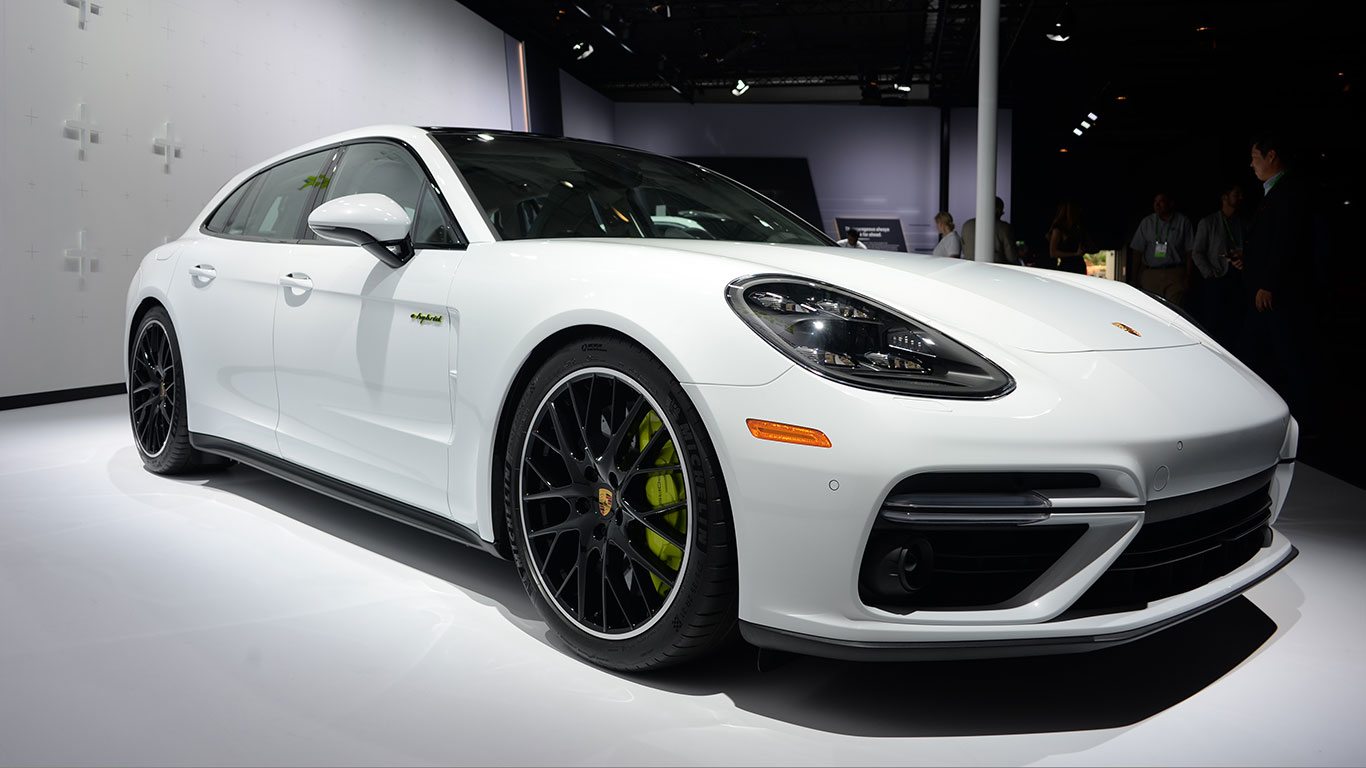
Porsche Panamera Turbo S E-Hybrid Sport TurismoLA Auto Show 2017

This is a formidable machine. With a combined output of 680hp, the all-wheel drive Panamera Turbo S E-Hybrid Sport Turismo will sprint to 62mph in just 3.4 seconds, before reaching a top speed of 192mph. Driven carefully – some chance – you can expect an electric range of 15 to 30 miles. The price: £139,287, before options.

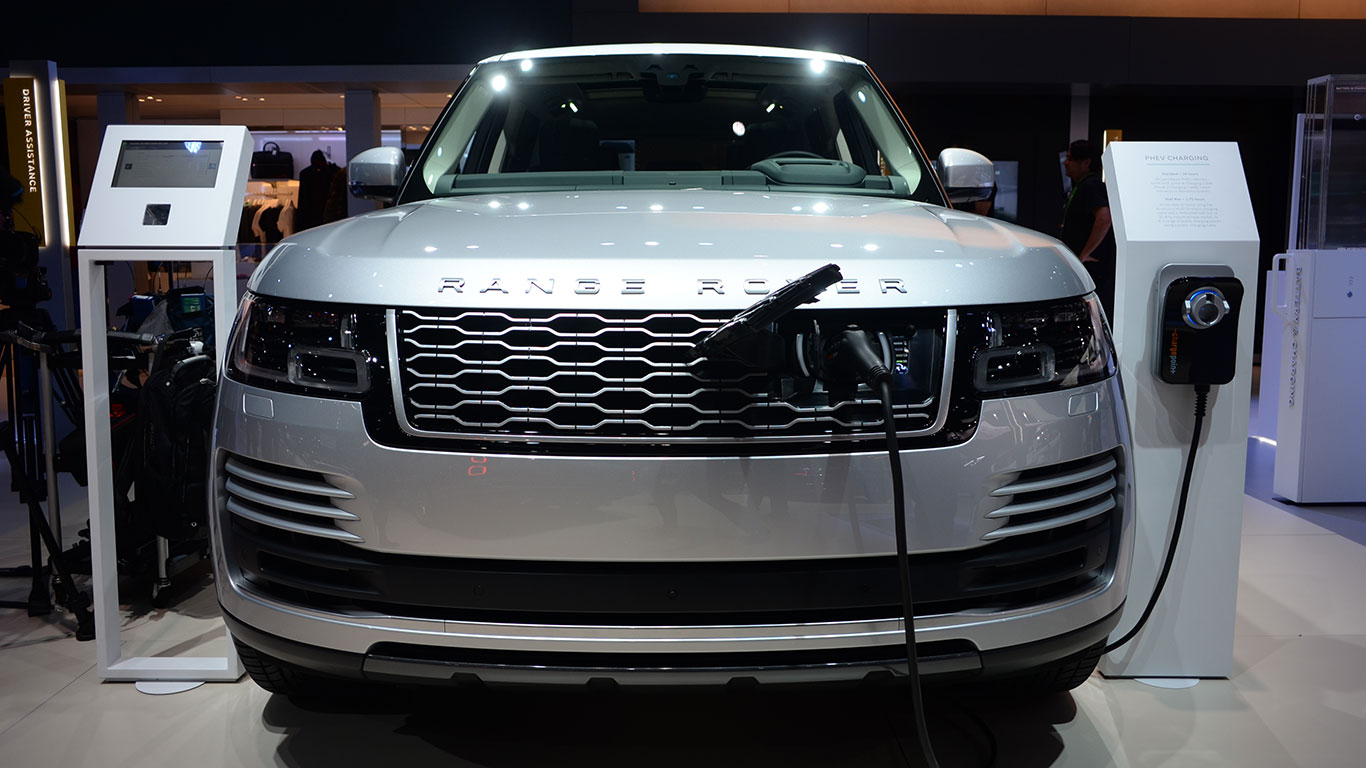
Range Rover faceliftLA Auto Show 2017

The Range Rover’s facelift is subtle, but the big changes lie under the skin, most notably the arrival of a new plug-in hybrid version. The P400e boasts a 31-mile electric range, 101mpg NEDC fuel economy and total power output of 404hp. Prices start from £86,965, but you’ll pay £105,865 for the Autobiography.

Volvo XC40LA Auto Show 2017

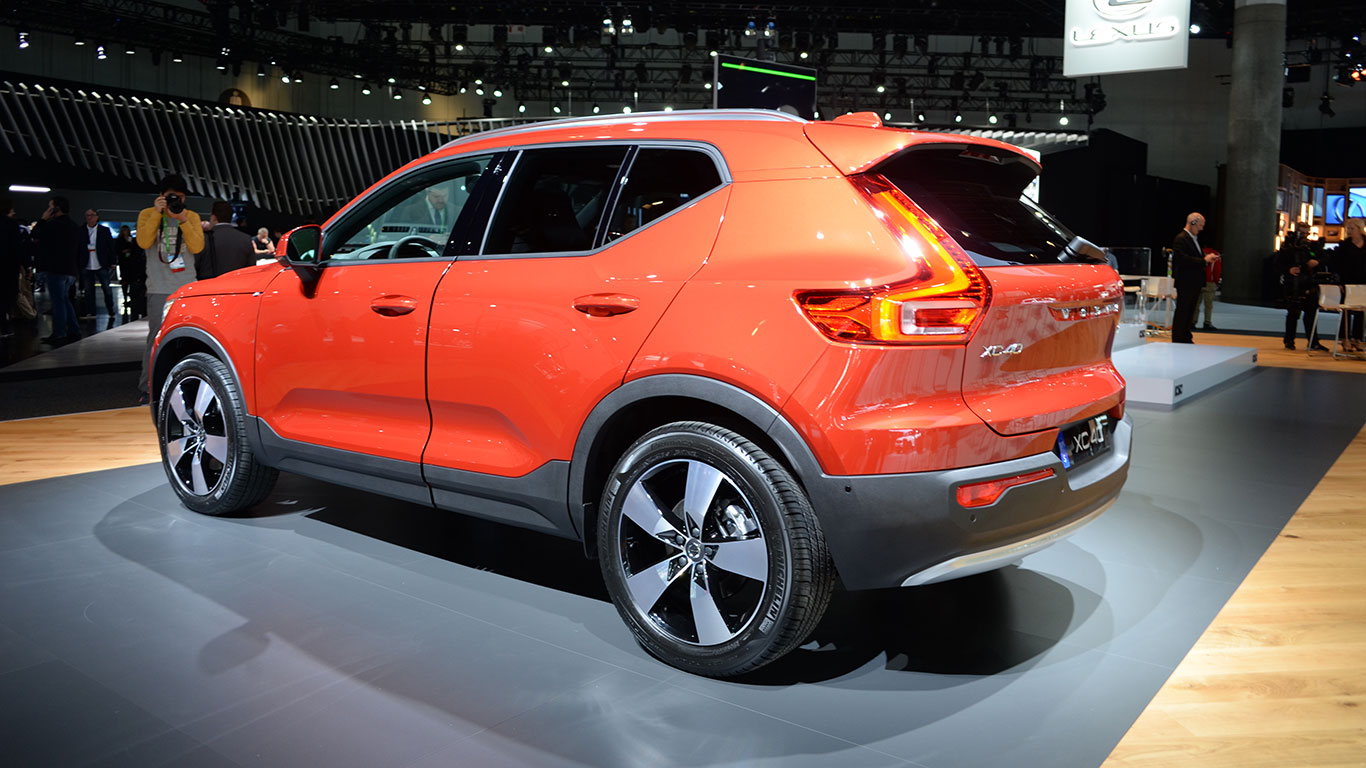
The original XC90 and XC60 were hugely successful in North America, and we expect the XC40 to follow suit. We’ve driven the compact SUV and can confirm that it’s every bit as good as it looks. We had no hesitation in giving it a maximum five-star rating, and the word on the floor in LA is that Volvo has another hit on its hands.

Advertisement