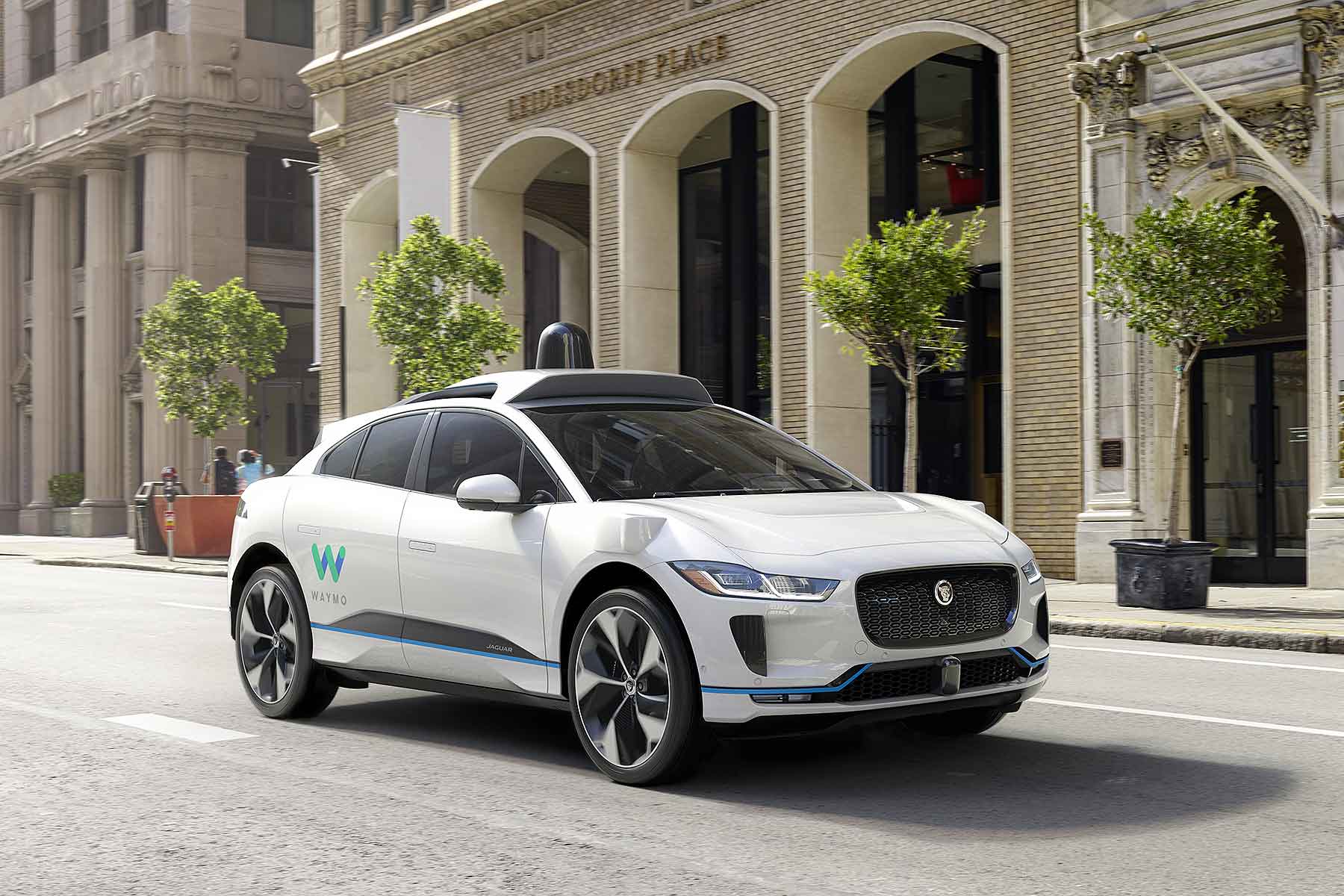
Jaguar Land Rover has announced a huge self-driving car partnership in New York – the Jaguar I-Pace is to become the first autonomous electric vehicle in the Waymo test fleet.
Described as a long-term strategic partnership, the JLR deal with Waymo – formerly Google’s self-driving car project – will see first testing of the I-Pace electric SUV begin in late 2018.
By 2020, the Jaguar I-Pace will join the Waymo driverless test fleet, bringing genuine self-driving electric cars (with nobody in the front seat) to public roads. As Waymo is planning to launch the world’s first self-driving transportation service later this year, it means the public will eventually be able to request an autonomous I-Pace via an app on their smartphone.
The Waymo I-Pace will be on show at the New York International Auto Show this week. It’ll be a first look at a car that could in time become a familiar sight: JLR speaks of building a whopping 20,000 I-Pace in the first two years of production for Waymo’s driverless service.
They could serve as many as one million trips every day.
Prof. Dr. Ralf Speth, JLR CEO, said: “Our passion for further advancing smart mobility needs expert long-term partners. In joining forces with Waymo, we are pioneering to push the boundaries of technology.”
John Krafcik, Waymo CEO said: “While we’ve been focused at Waymo on building the world’s most experienced driver, the team at Jaguar Land Rover has developed an all-new battery-electric platform that looks to set a new standard in safety, design and capability.
“We’re sure Waymo riders will enjoy the safe, premium and delightful experience that the self-driving I-Pace will provide.”
JLR bosses say this arrangement is potentially the first in a number of collaborations with Waymo, the ambitious Mountain View, California self-driving car firm. To date, Waymo has concentred on a fleet of self-driving Chrysler Pacificas.
The New York International Auto Show (NYIAS) is North America’s first and most-attended motor show, dating back to 1900. As the last big show of the international season, this is a chance for manufacturers to showcase any new metal that might be left in the cupboard, as well as springing a surprise or two. Read on to see the hottest new cars in New York.
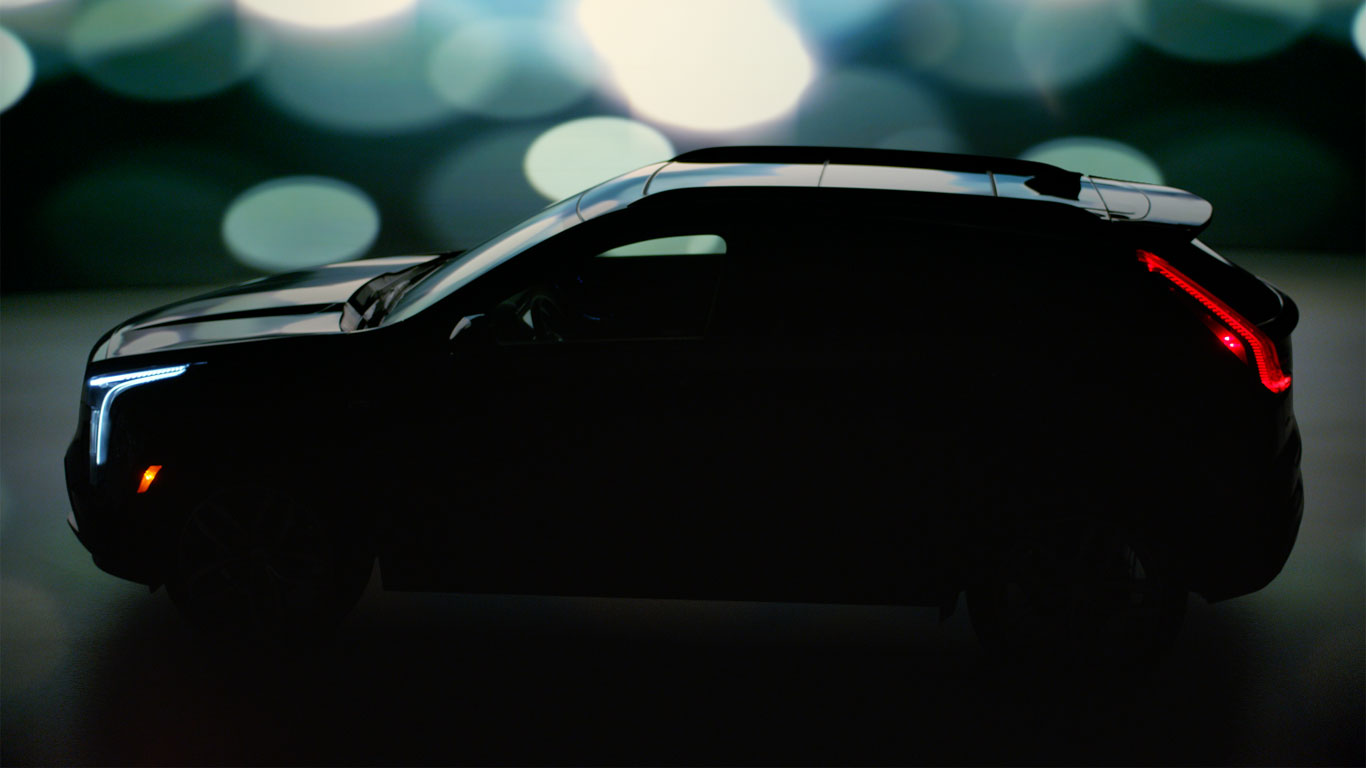
Cadillac XT4
You’ll have worked out by now that life isn’t always fair, so while you really fancy a Cadillac ATS-V coupe or CTS-V saloon, you’re more likely to end up behind the wheel of an XT4. It’s the latest in a seemingly never-ending line of compact crossovers, which slots in below the XT5 in Cadillac’s range of crossovers and SUVs. The front- or all-wheel-drive XT4 is powered by a new 2.0-litre turbocharged petrol engine developing 235hp, which is mated to a nine-speed automatic transmission. It fills a massive hole in the Caddy range and goes head-to-head with the likes of the Volvo XC40, Jaguar E-Pace and BMW X3.
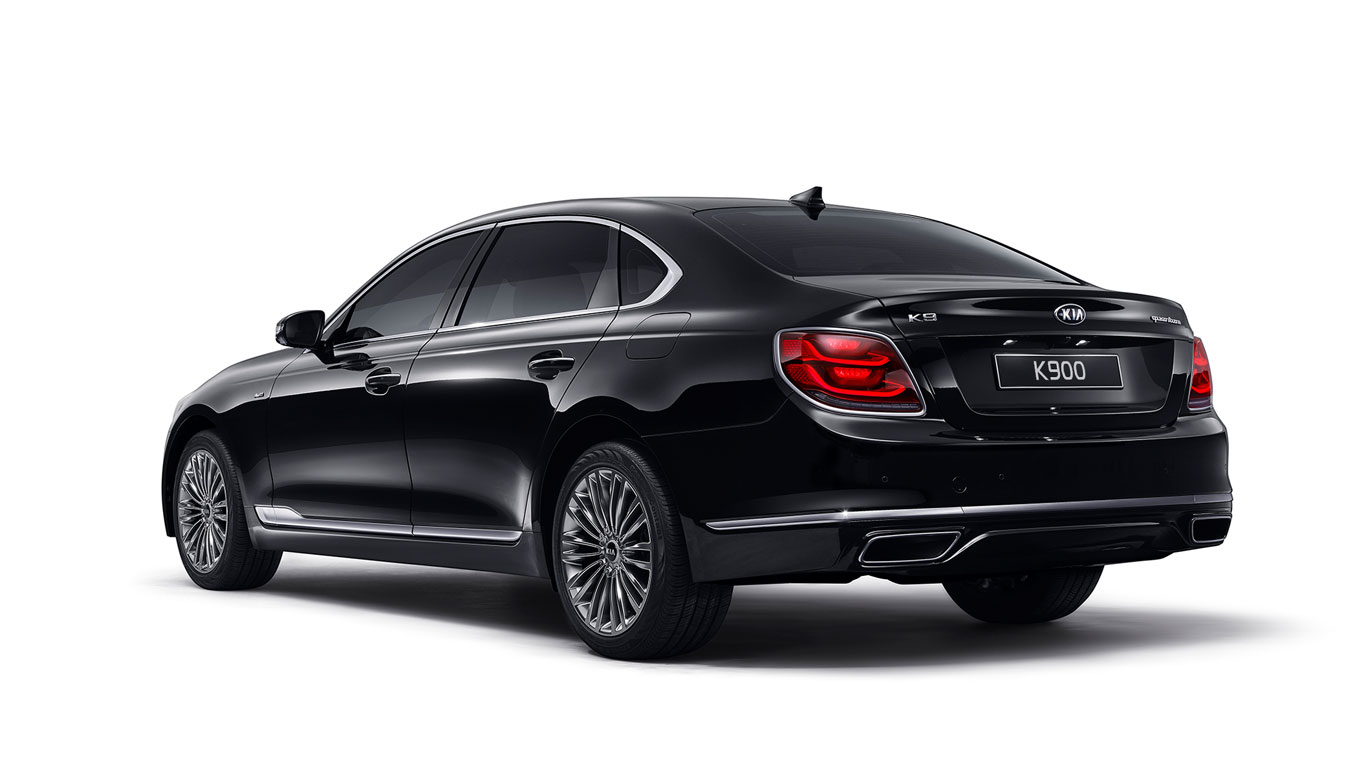
Kia K900
This is the second-generation Kia K900, with the saloon treated to a comprehensive overhaul for its New York debut. It’s longer and wider than before, with a rear end that isn’t too dissimilar to the Mercedes-Benz S-Class. The front and rear overhangs are shorter, pushing the wheels further out to the corners of the car to create a larger cabin. The dashboard is dominated by a 12.3-inch screen, which is accompanied by an analogue clock developed by Maurice Lacroix. The Korean-built K900 will go on sale from the second quarter of 2018, but is unlikely to be sold in the UK.
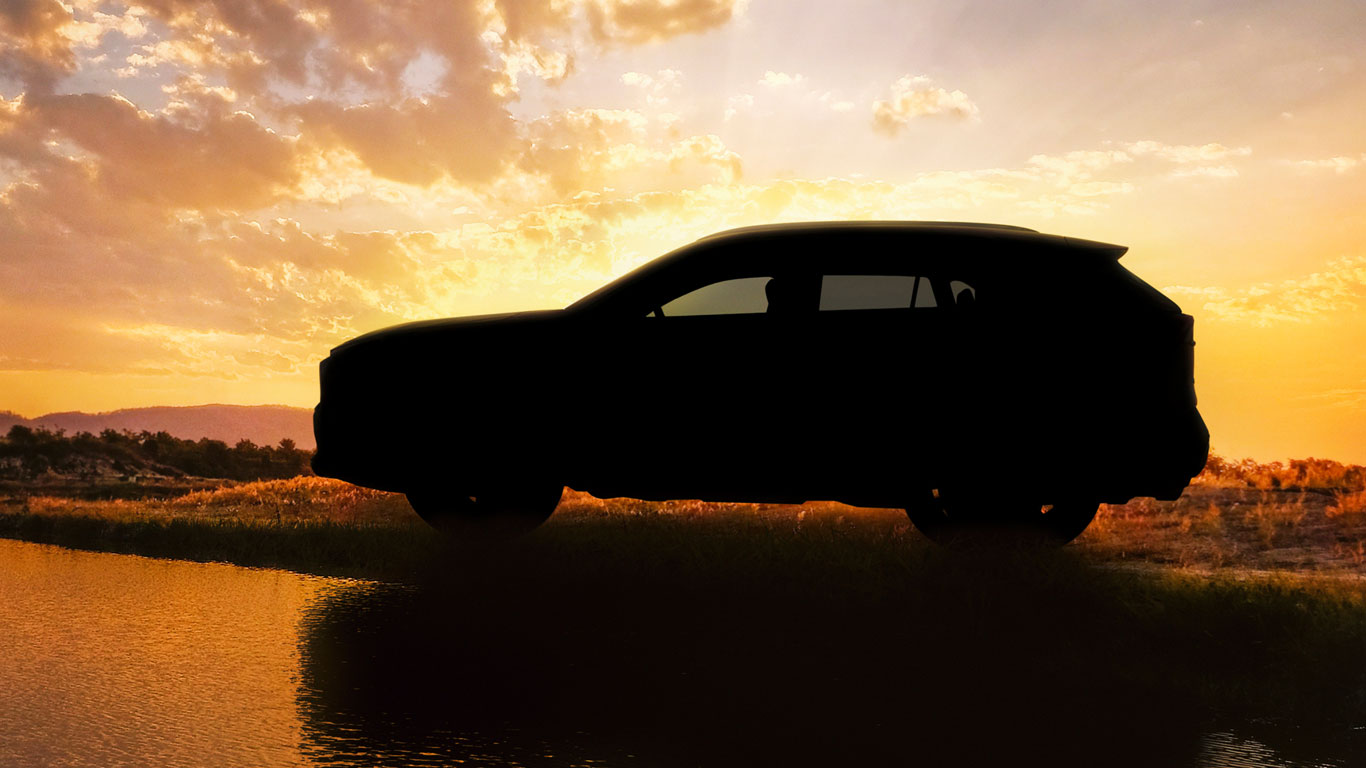
Toyota RAV4
The RAV4 – that’s ‘Recreational Active Vehicle with 4WD’ – arrived in the UK in 1994, with Toyota aiming it at “those with active lifestyles, a sense of fun and who want to be a just a little different.” Back then, a crossover was a leftfield choice, which is in stark contrast to the car industry of today. This is the fifth-generation RAV4 and, while it might have lost its sense of fun, it remains one of the most popular cars in the world. Last year, some 770,000 RAV4s found a home, making it the sixth best-selling car on the planet.
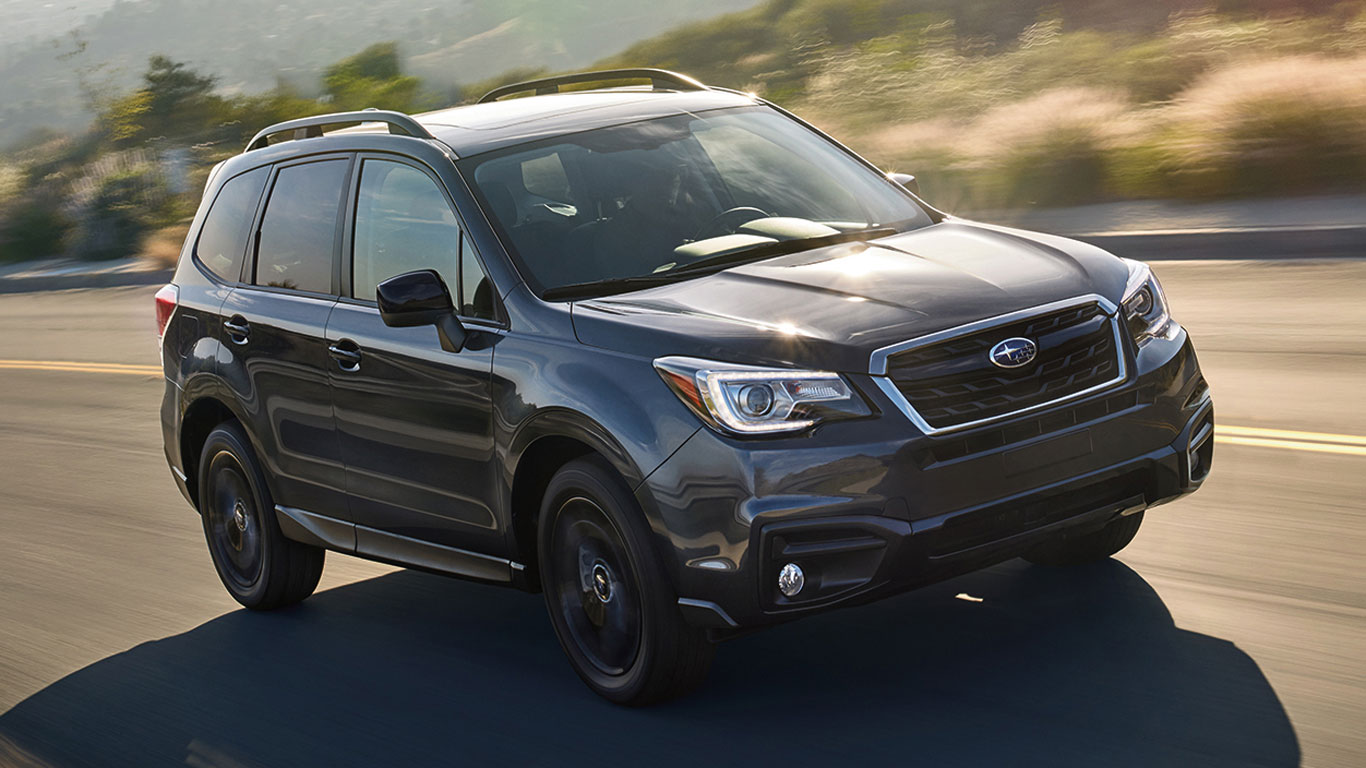
Subaru Forester
Speaking of best-sellers… While the Subaru Forester might hold niche appeal in the UK, it’s actually a strong seller in the US and accounts for 25 percent of the firm’s overall production. This is a much sharper Forester than before (the old car is pictured), with a look that draws heavily from the Viziv concept of 2015. There’s no word on the specs for the UK-bound Forester, but there are rumours Subaru will drop the diesel engine and manual gearbox.
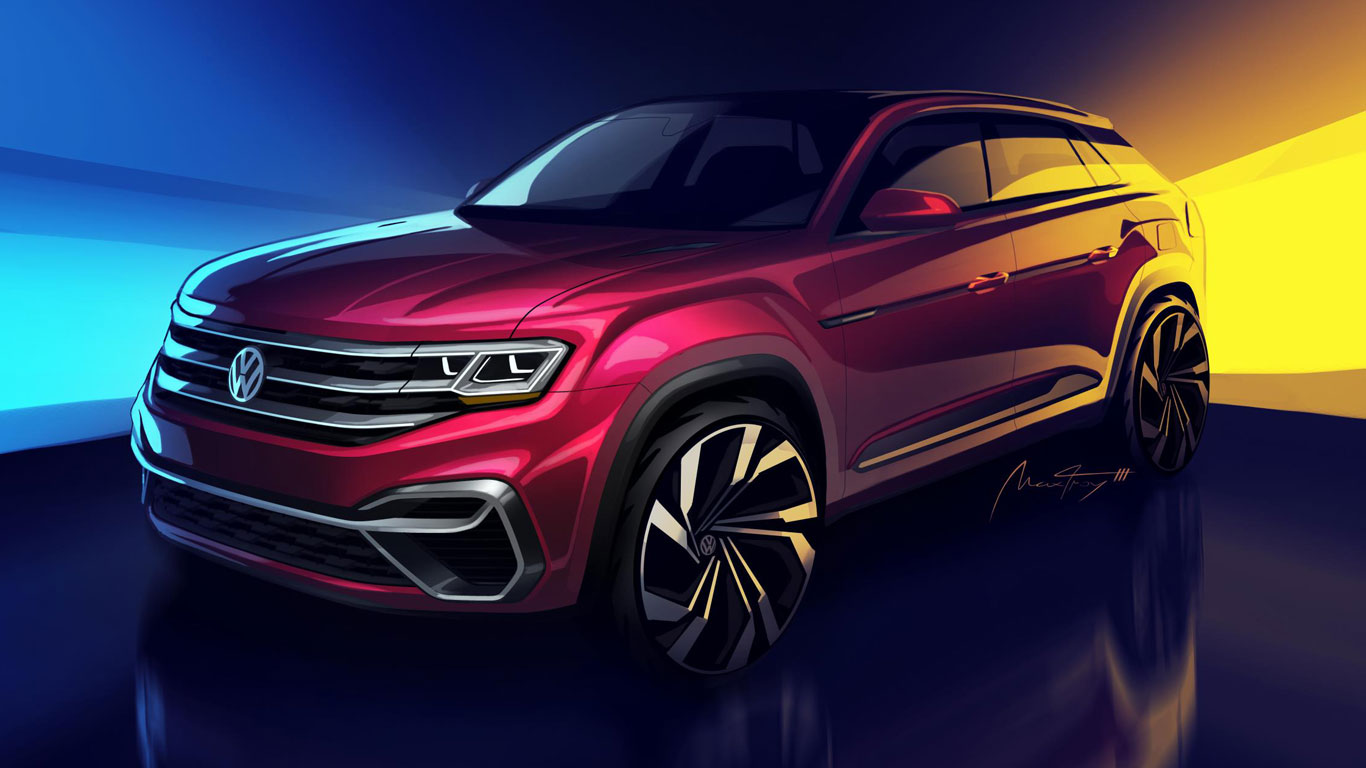
Volkswagen five-seat SUV
This is a five-seat SUV concept based on the seven-seat Volkswagen Atlas, but don’t get too excited because it’s not coming to the UK. Like the Atlas the as-yet-unnamed concept is designed and engineered for the American market and will be the third VW model to be assembled at the Chattanooga factory.
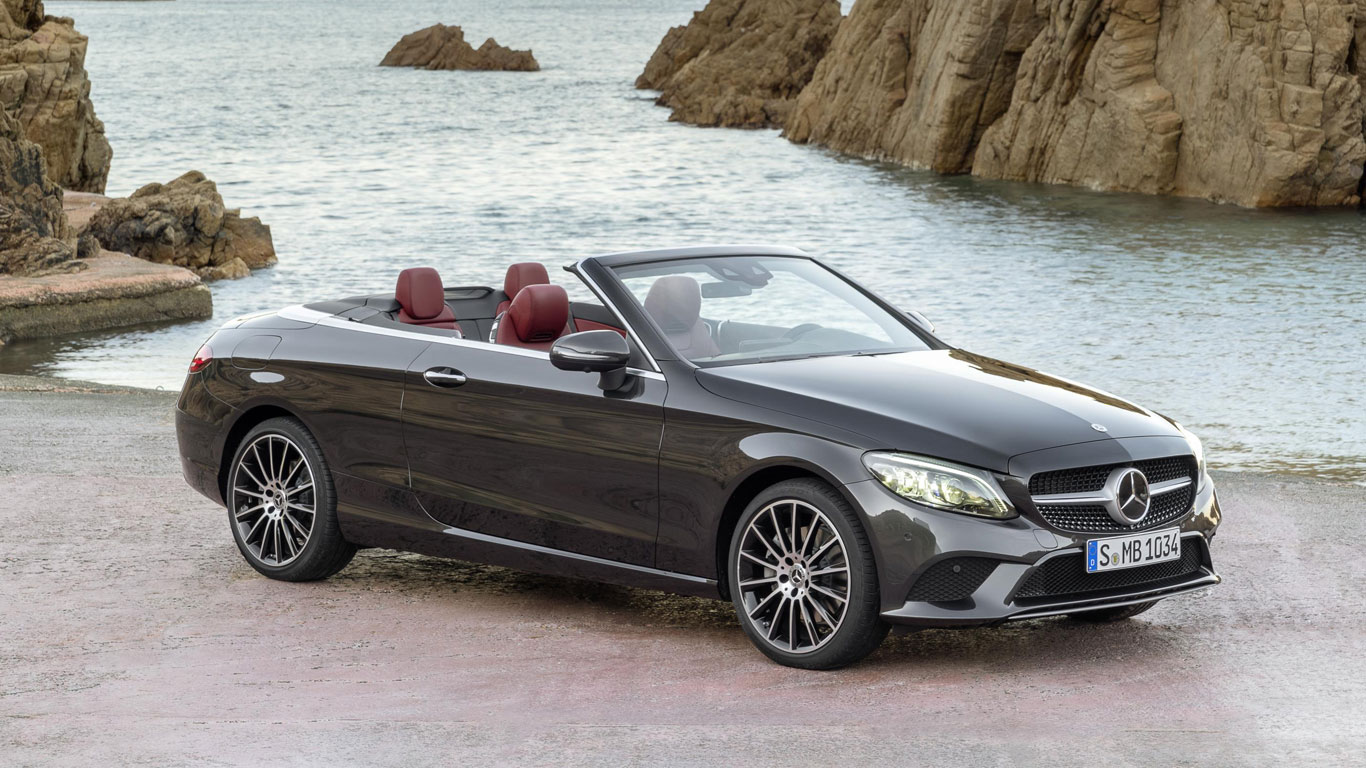
Mercedes-Benz C-Class Coupe and Cabriolet
The updated Mercedes-Benz C-Class saloon and estate made their debut at the Geneva Motor Show, now it’s the turn of the coupe and cabriolet. Scheduled to go on sale in the US by late 2018, the 2018 models feature new front and rear ends, standard-fit LED headlights, a larger media display as standard, and a range of new alloy wheels and colours. UK buyers won’t have as long to wait, as the coupe and cabriolet will go on sale in April, with first deliveries in July. All UK-spec cars will feature sports suspension as standard.
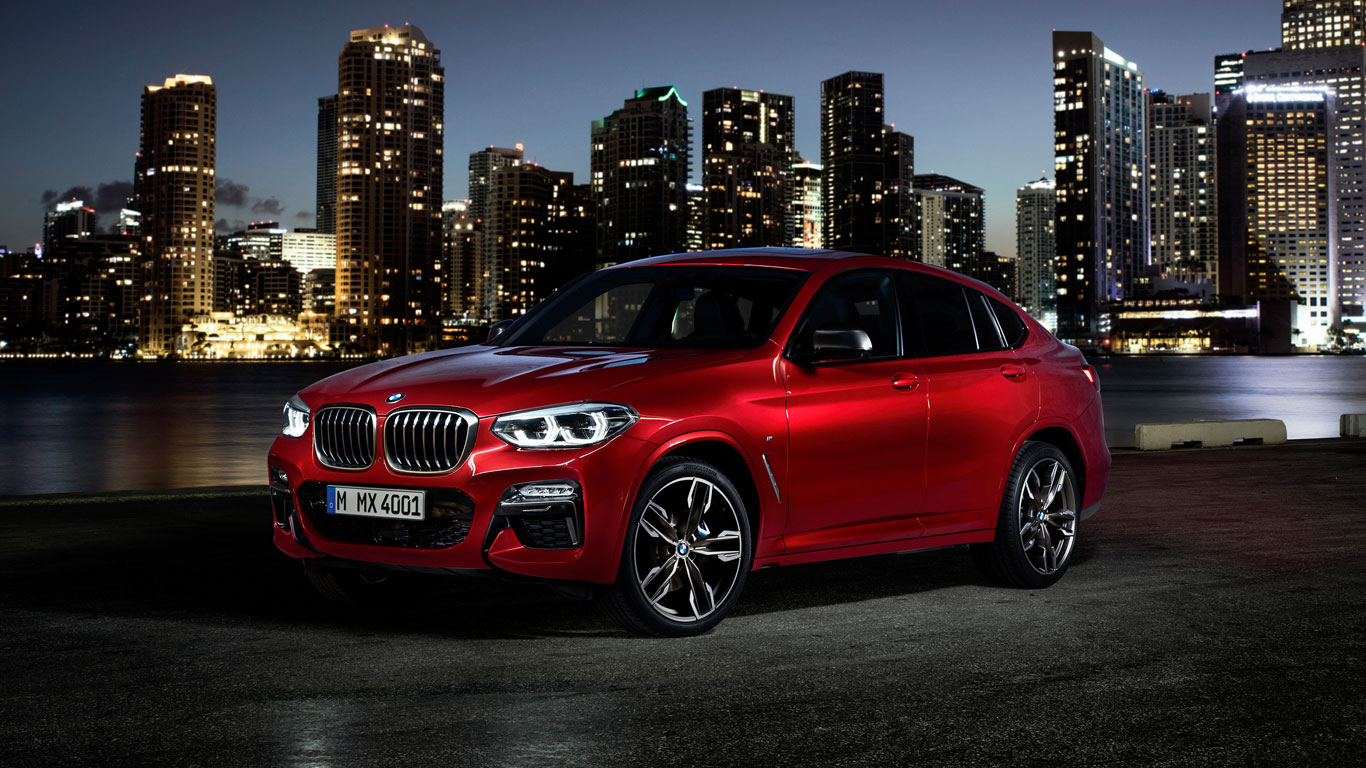
BMW X4
Fresh from its reveal in Geneva, the BMW X4 is set for its North American debut, this time in M40i guise. It’s powered by the same six-cylinder engine you’ll find in the more practical X3 M40i, meaning 355hp and 365lb ft of torque. The new M40i – which features a wider track and a lower centre of gravity – will hit 60mph in 4.6 seconds.
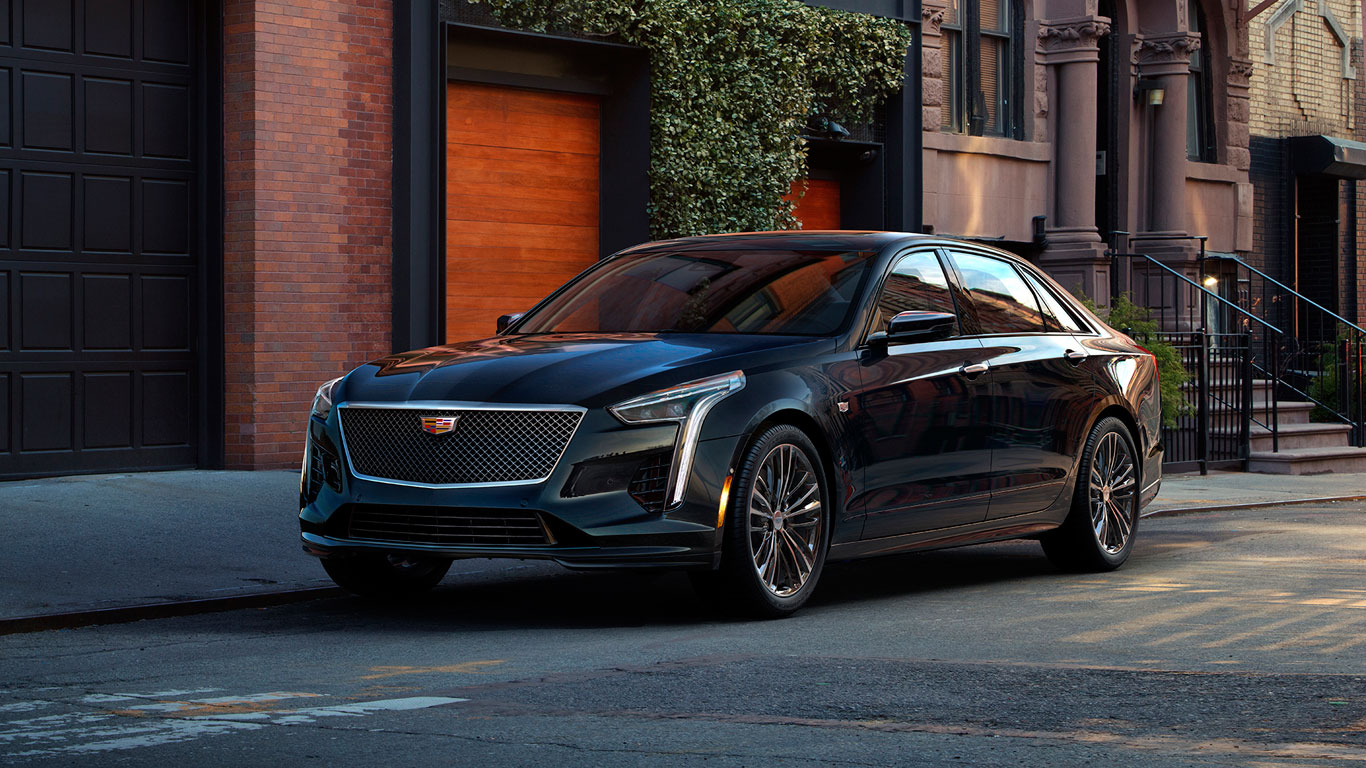
Cadillac CT6 V-Sport
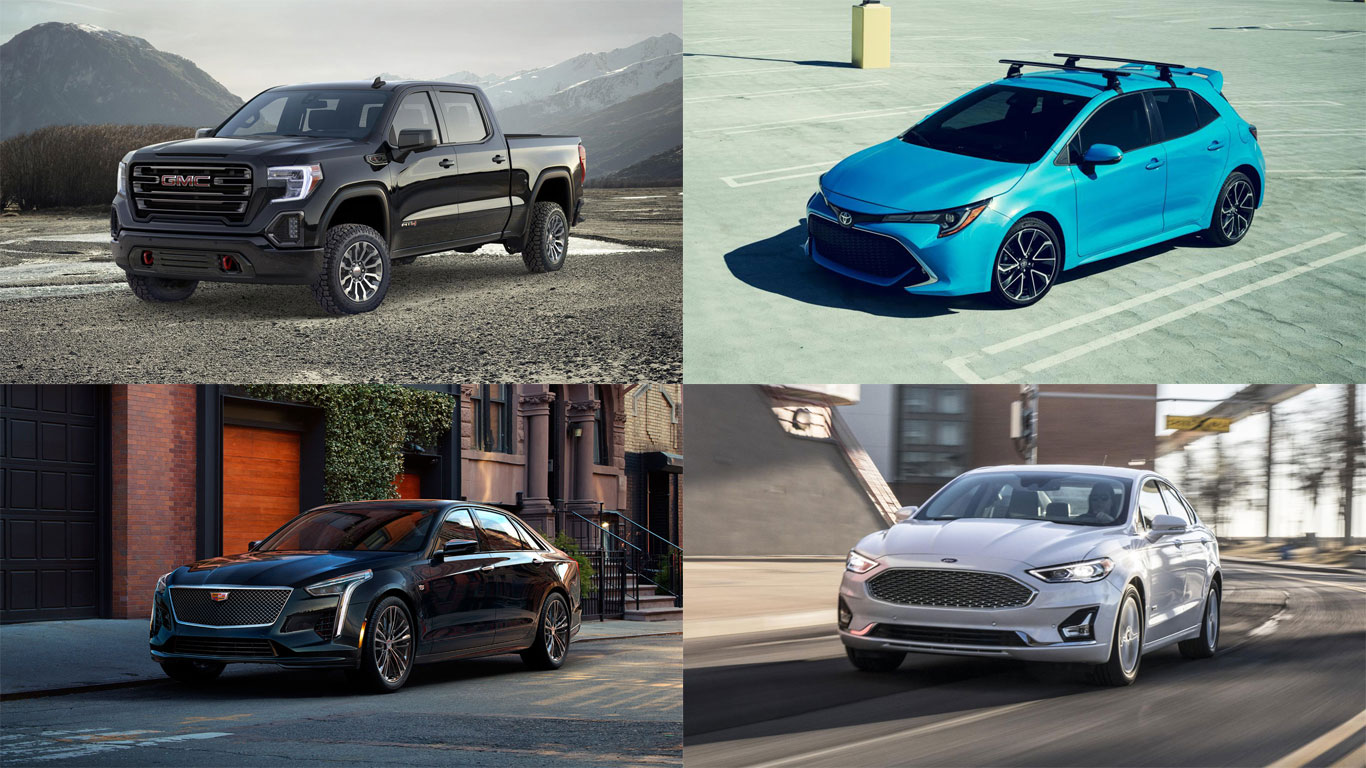
Remember that Cadillac XT4 from earlier? To paraphrase Chris Tarrant, we really don’t want to give you that. This is the new CT6 V-Sport: the first ever V-Performance version of Cadillac’s flagship saloon. It’s powered by an all-new 4.2-litre twin-turbocharged V8 engine, which develops 550hp and 627lb ft of torque to deliver what we’d expect to be outstanding performance figures. “With its lightweight architecture, an all-new Cadillac Twin Turbo V8 coupled with the tightened suspension and revised AWD torque split, we’ve enhanced the CT6 to be well-balanced and capable of all conditions,” said Lyndon Lie, CT6 chief engineer.
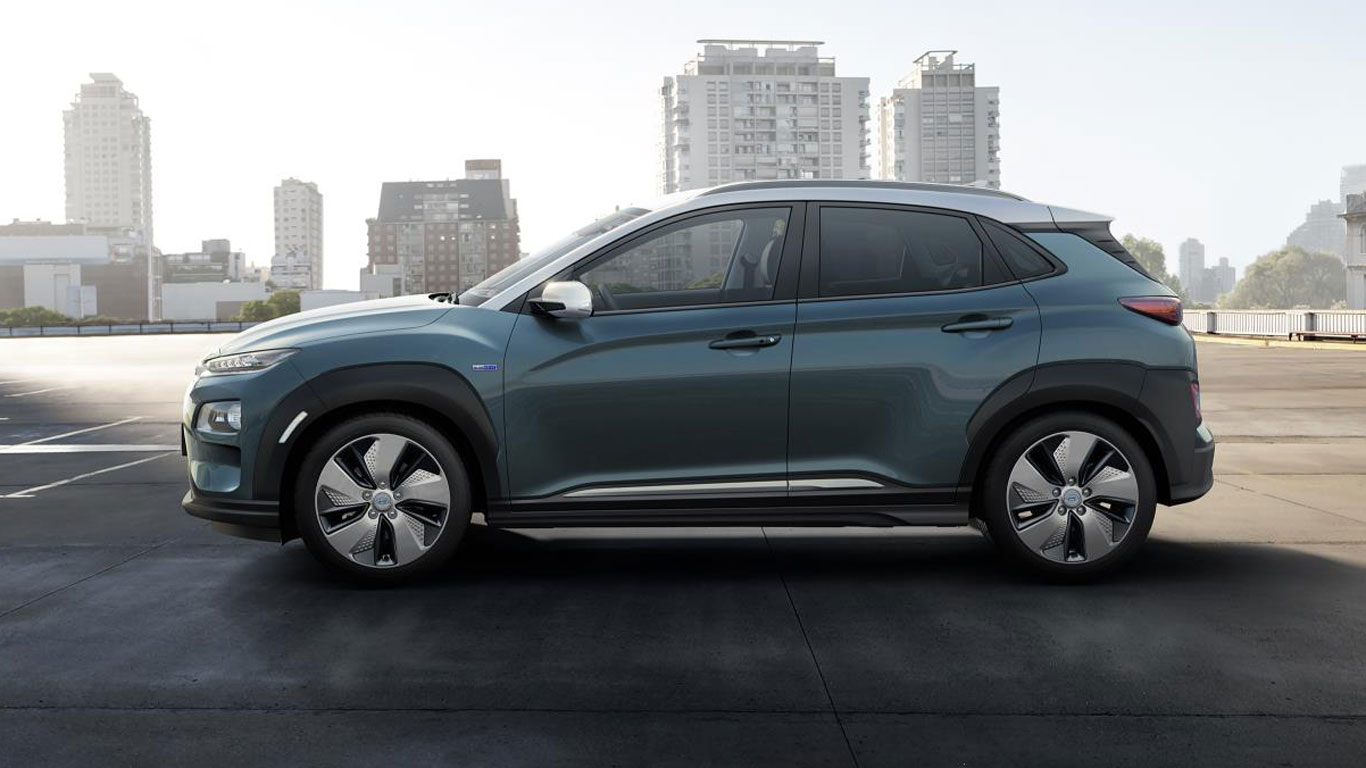
Hyundai Kona Electric
Americans will have to wait a while before they can get their hands on the Hyundai Kona Electric – it will launch in Europe first – but we expect the Korean EV to give the Chevrolet Bolt a run for its money. In the UK, you can expect to pay around £25,000 before government grants for the Kona Electric, which sounds like great value for an EV with up to 186 miles of range and a five-year warranty.
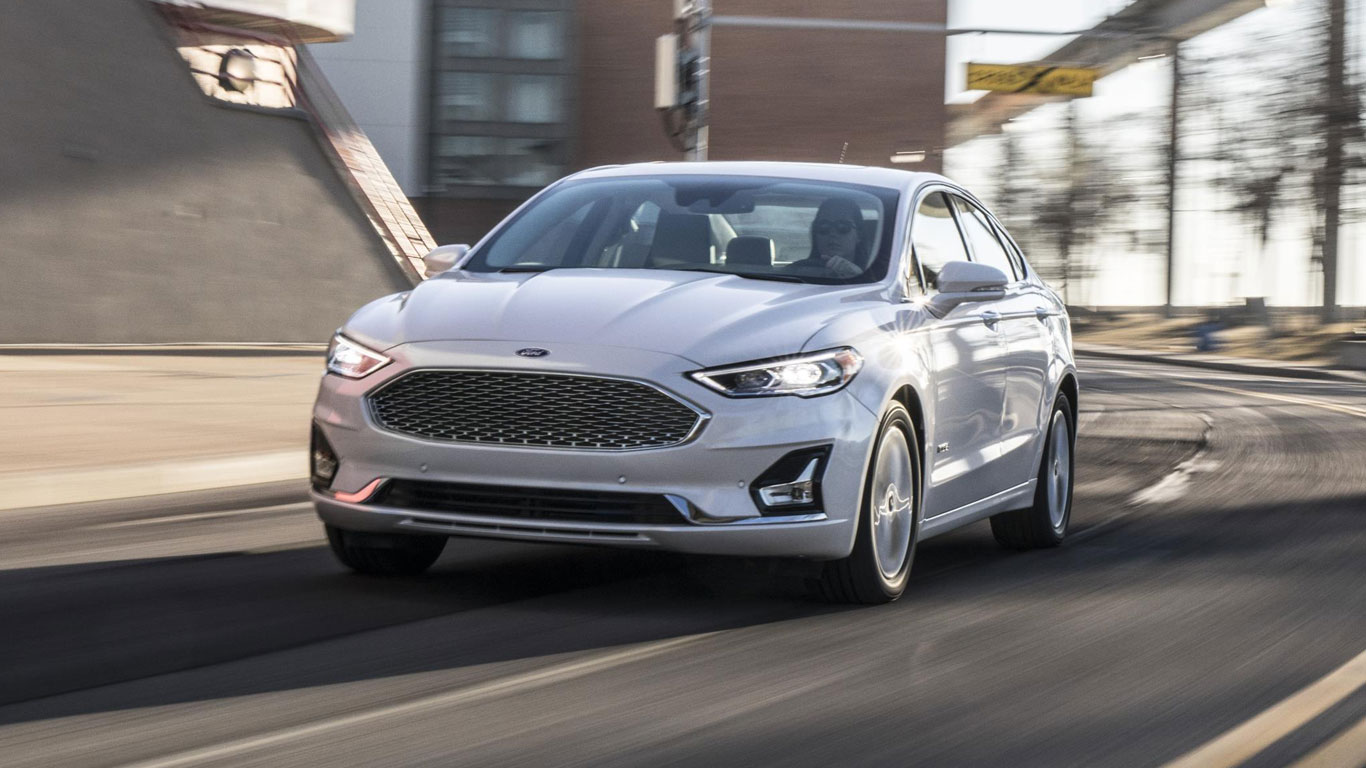
Ford Fusion
The Ford Fusion (Mondeo in the UK) is the first Ford vehicle to be equipped with the new Co-Pilot360 driver-assist technology, which includes emergency braking with pedestrian detection, blind-spot information, lane-keeping assist, rear camera and auto high-beam. Meanwhile, the Fusion Energi plug-in hybrid model has been tweaked to deliver an electric-only range of up to 25 miles – nearly 20 percent greater than the current model. A small number of minor cosmetic upgrades and a suite of new colours complete the updates for the 2019 Fusion.
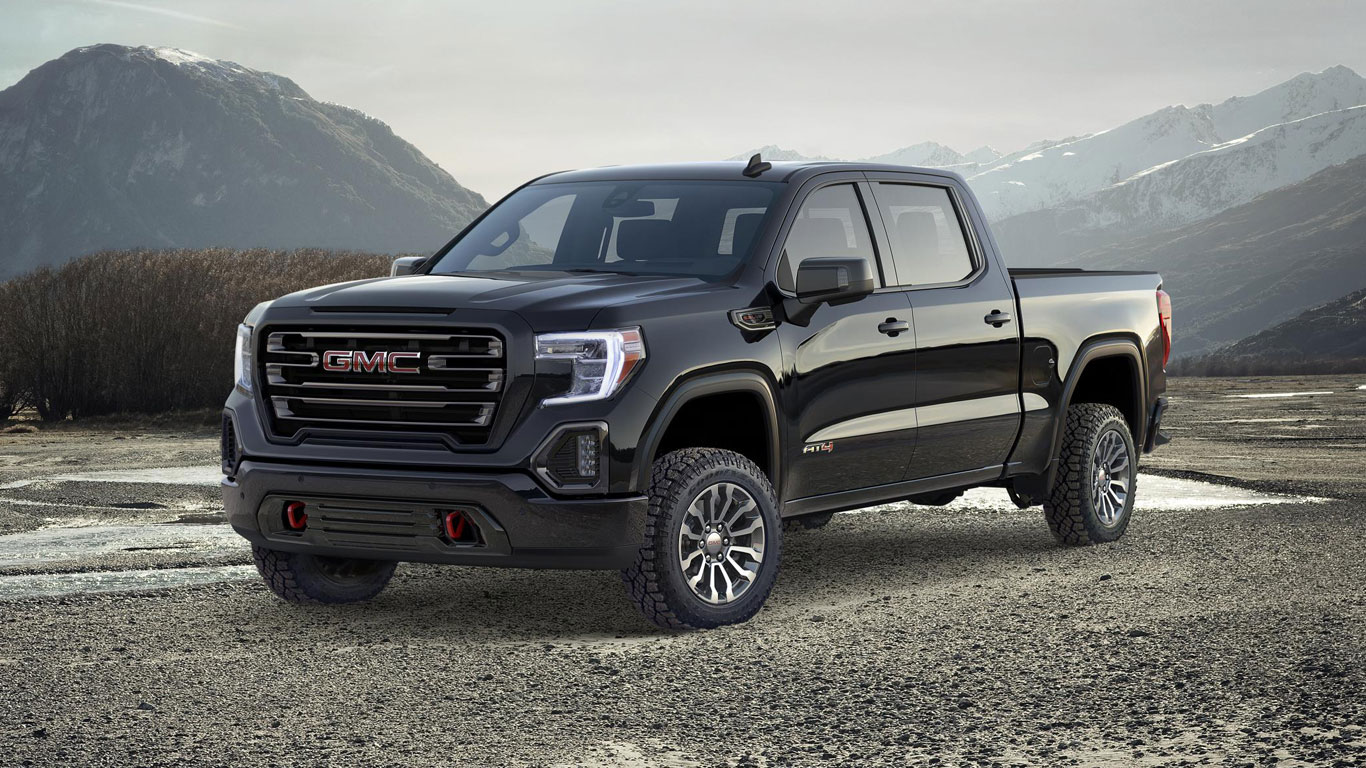
GMC Sierra AT4
Unveiled in New York City, ahead of the motor show, the GMC Sierra AT4 is “designed for the customer who wants an elevated presence on the road and the capability to venture off life’s beaten path,” said Duncan Aldred, vice president of GMC. It’s also the pick-up for those who can resist the lure of the all-conquering Ford F-150. It rides two inches higher than the regular Sierra, and comes with standard features such as four-wheel drive with a two-speed transfer case, locking rear differentials and skid plates. Power is sourced from a 5.3-litre V8, although 6.2-litre V8 petrol and 3.0-litre turbodiesel options are available.
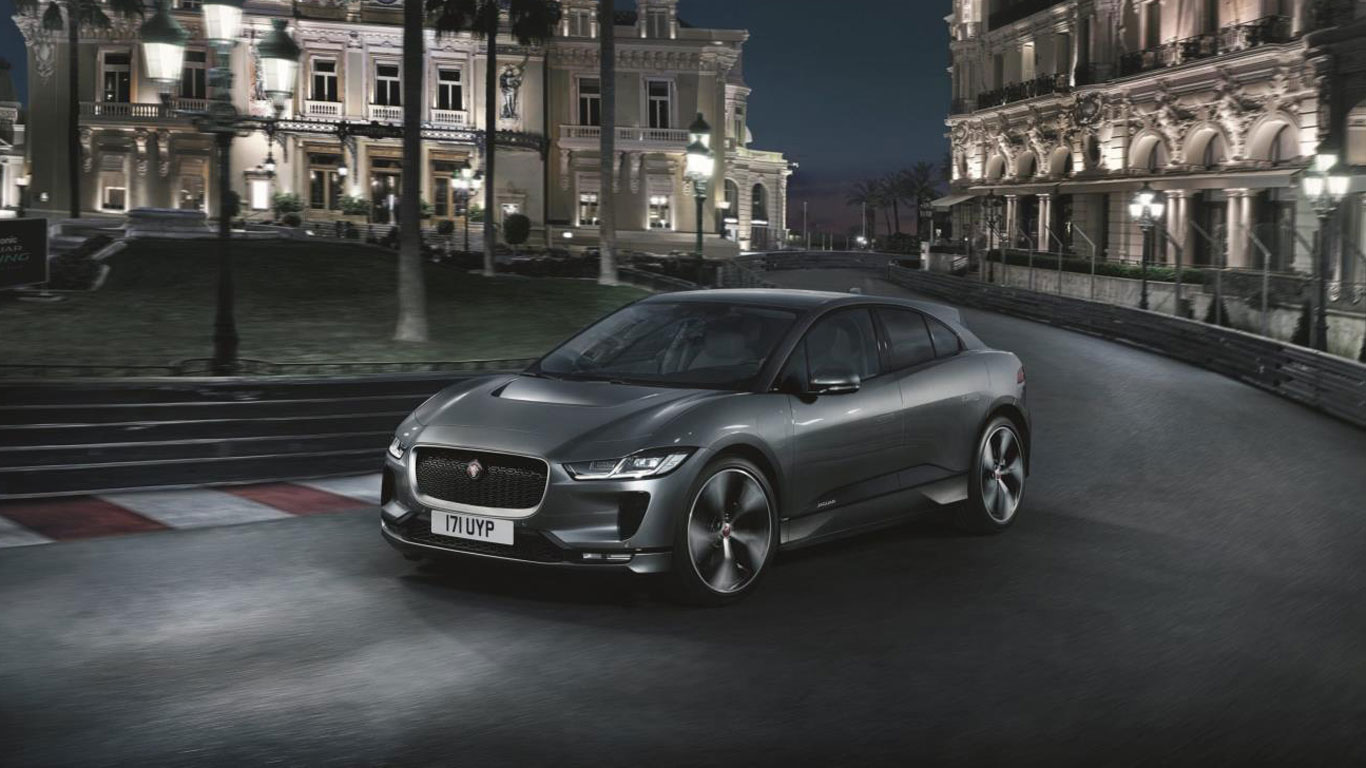
Jaguar I-Pace
Both the XK120 and E-Type made their North American debuts at the New York Auto Show, and now it’s the turn of the production version of the Jaguar I-Pace. Boasting 349hp and 512lb ft of torque from its twin electric motors, the I-Pace takes just 4.5 seconds to accelerate to 60mph, while its 90kWh battery can deliver up to 240 miles of range. In the US, the I-Pace will cost from $69,500.
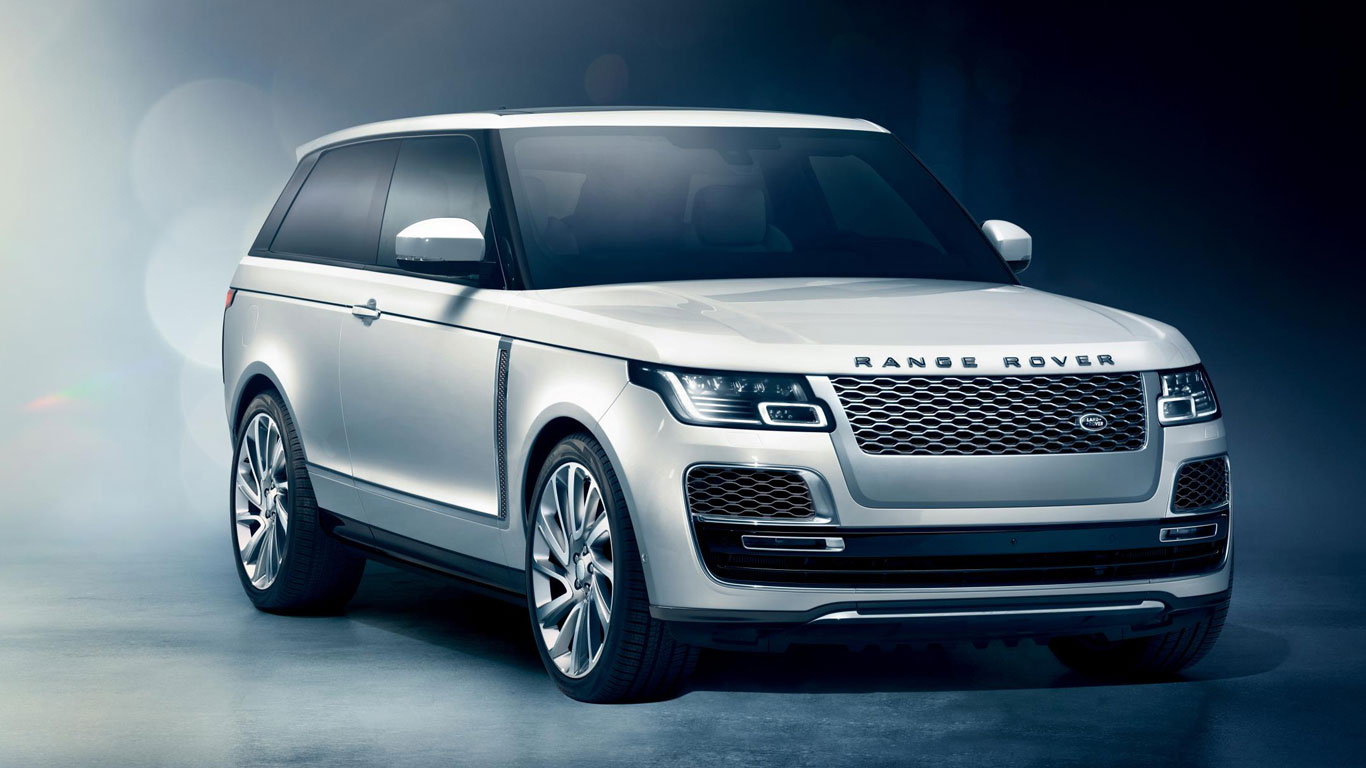
Range Rover SV Coupe
Also making its North American debut, the SV Coupe is the fastest and most exclusive full-size Range Rover ever. Just 999 will be made, each priced from £240,000 in the UK or $295,000 in the US. Its 5.0-litre supercharged V8 engine develops 557hp and 516lb ft of torque, enabling the luxury SUV to hit 62mph in 4.5 seconds and 176mph flat-out.
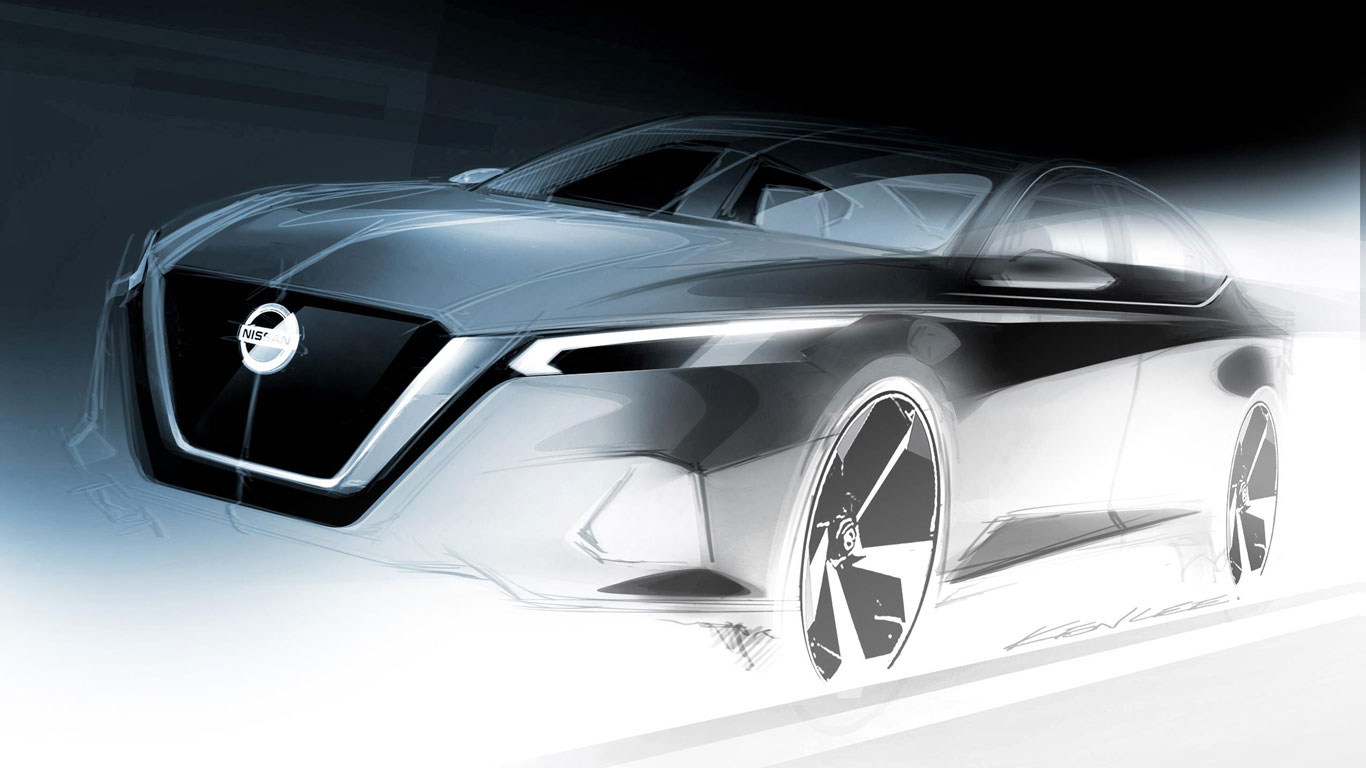
Nissan Altima
The all-new sixth generation Nissan Altima is here, but all we have ahead of its reveal is this teaser sketch. What else do we know about Nissan’s mid-size saloon? Well, it’ll feature the same ProPilot Assist semi-autonomous technology found on the Nissan Leaf and is expected to be larger than the outgoing Altima.
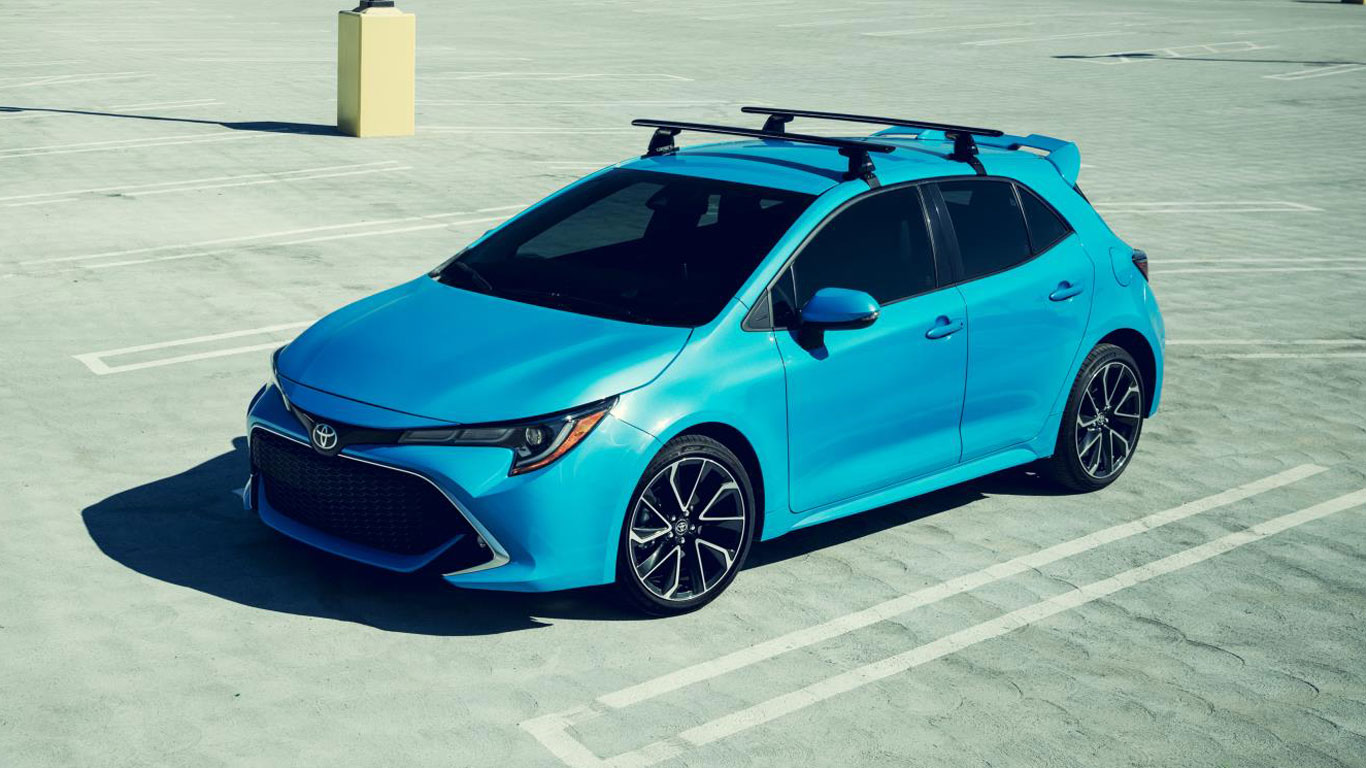
Toyota Corolla
Wait, don’t skip to the next slide, because the new Toyota Corolla is quite exciting. For a start, it’s powered by a 2.0-litre four-cylinder engine, which is rather refreshing in a world of downsizing. It’s also offered with a six-speed manual gearbox and features a revised sport-tuned suspension. We think it looks rather good.
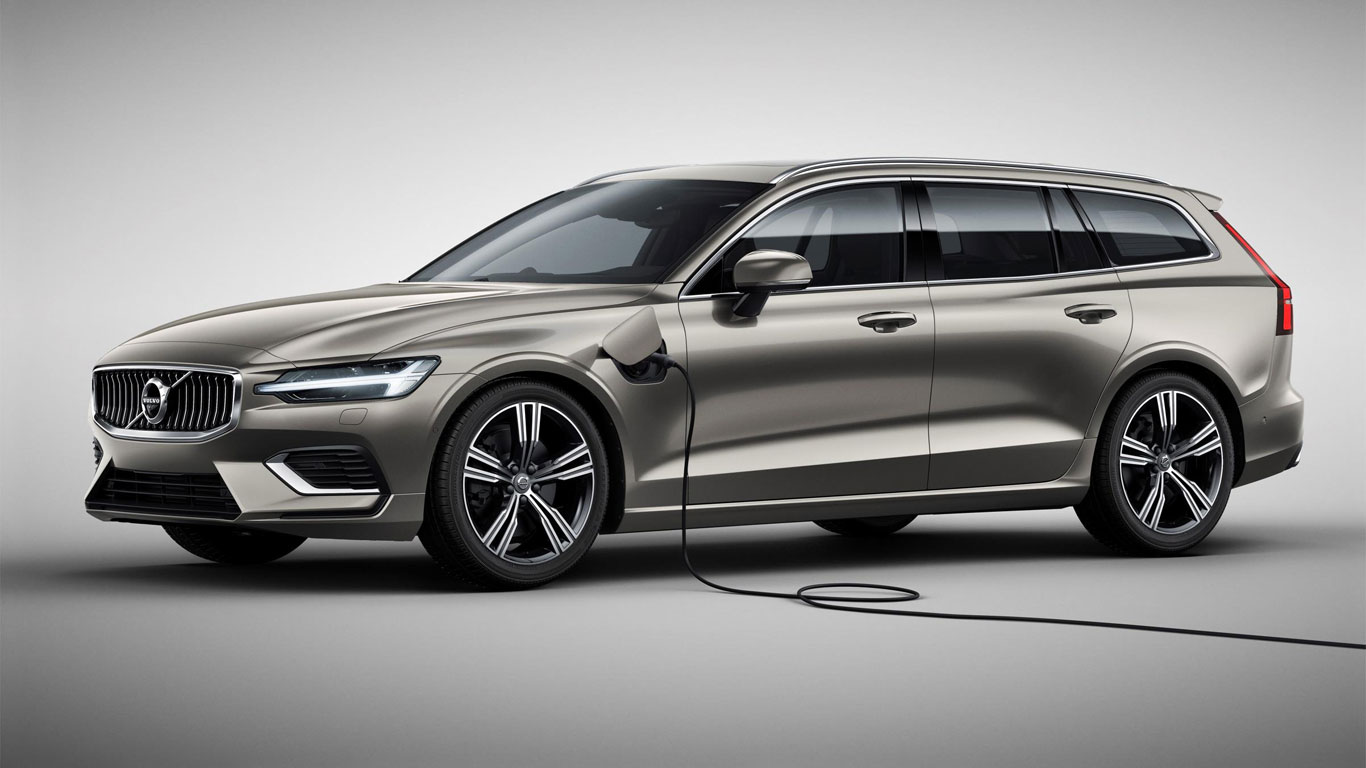
Volvo V60
Yes, yes, yes… the XC90, XC60 and XC40 SUVs are all well and good, but where would Volvo be without a good looking wagon? And few estate cars are as alluring as the new Volvo V60, which makes its North American debut in New York. In the US, the V60 will be available with a T5 front-wheel-drive powertrain with 250hp or T6 all-wheel-drive with 316hp.
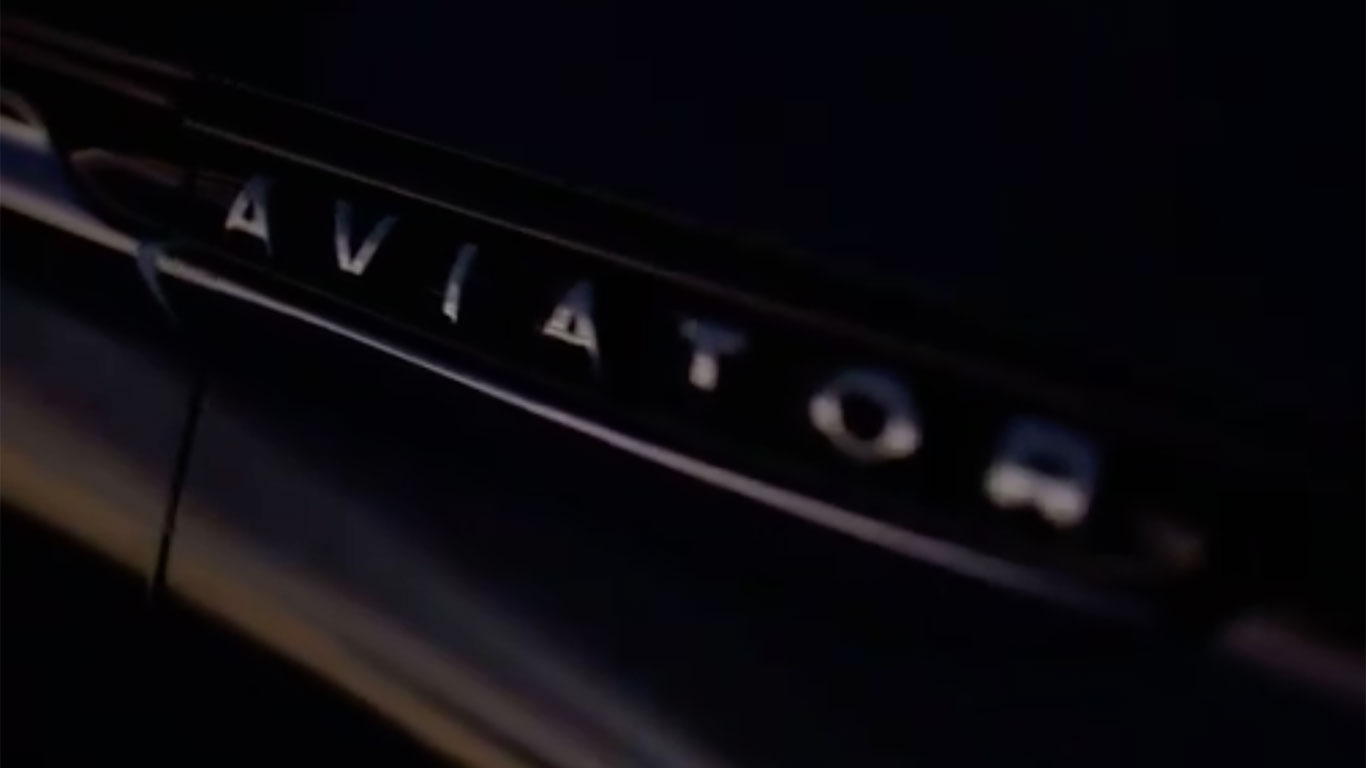
Lincoln Aviator
The last Lincoln Aviator rolled off the production line in 2005 following years of disappointing sales. But now the mid-size luxury SUV is back, although Lincoln is giving nothing away. We do know that it will be based on the Ford Explorer platform and will come with an electrified powertrain option.
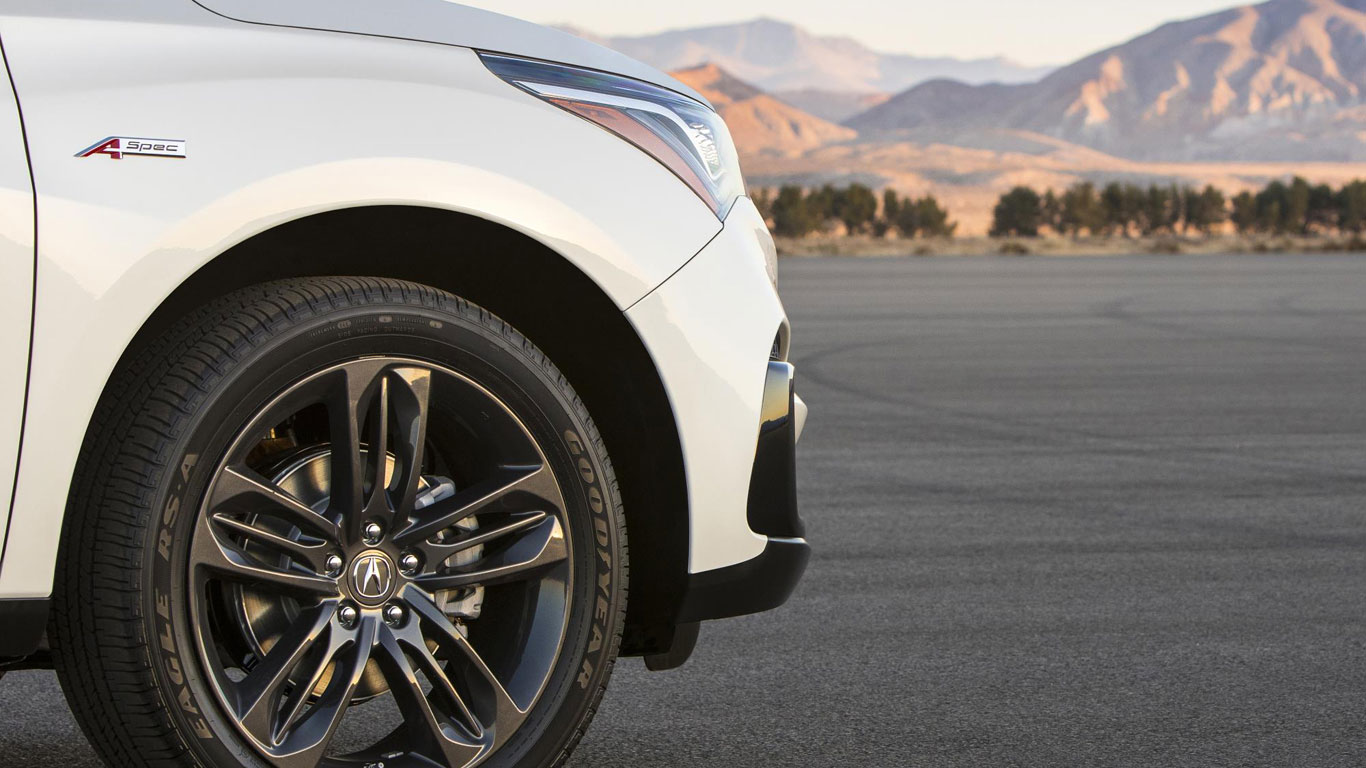
Acura RDX
The third-generation RDX has been designed and developed in America for the first time and is being billed as the “most extensive Acura redesign in more than a decade. The 2019 RDX marks the return of the Acura’s Super-Handling All-Wheel Drive (SH-AWD) to the line-up and pairs it with a new 2.0-litre VTEC turbocharged engine and a segment-first 10-speed transmission. The A-Spec variant (pictured) looks particularly interesting.
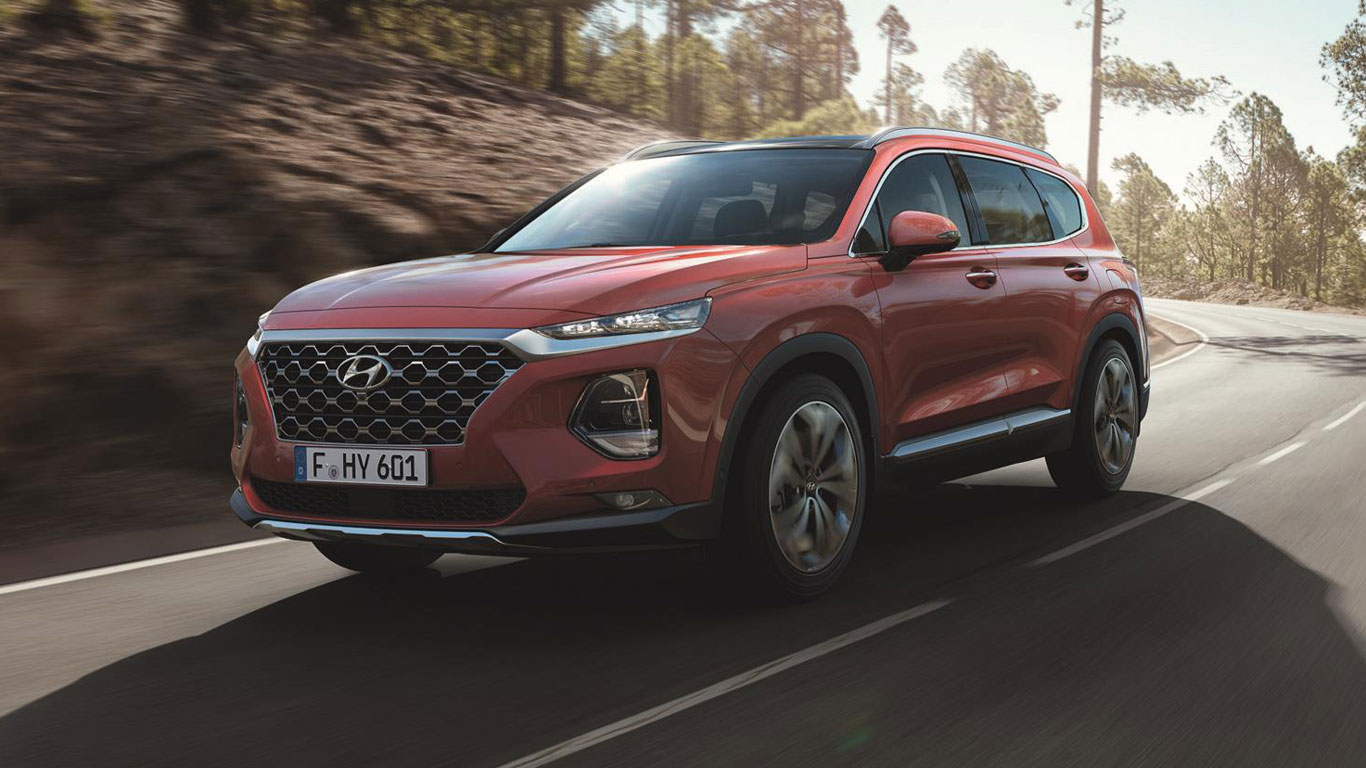
Hyundai Santa Fe
The Santa Fe is the best-selling SUV in Hyundai’s 32-year history in the US, with more than 1.5 million units sold. We’ve seen the 2019 Santa Fe before – first in Seoul, then in Geneva – but the importance of the North American market shouldn’t be underestimated. Three engines will be available in the US: 2.0-litre and 2.4-litre petrol units and a 2.2-litre diesel. Seven seats are available in the Santa Fe XL.
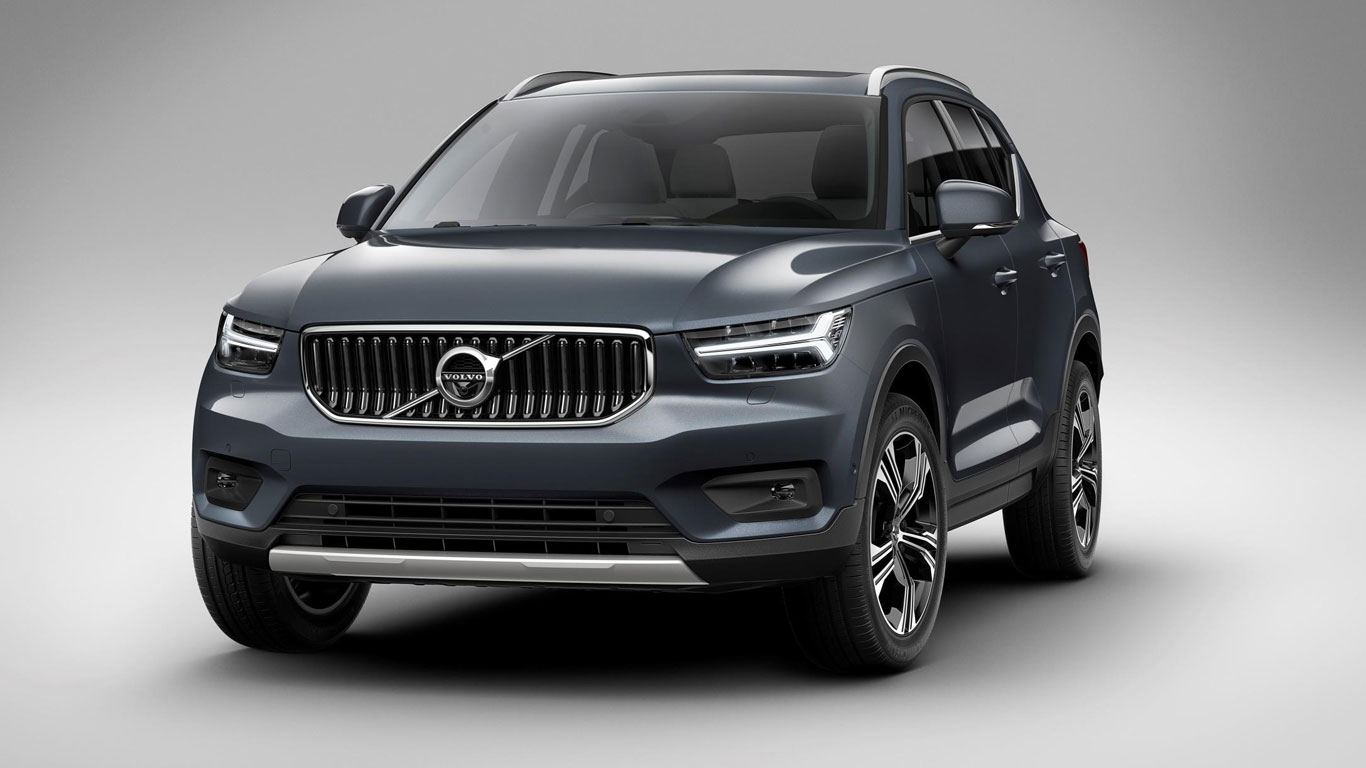
Volvo XC40 Inscription
For the first time in its history, Volvo has three SUVs in its range, including the XC40. The compact SUV makes its North American debut in lavish Inscription trim, “offering unique features and an expanded list of standard equipment that is uncommon in the compact premium SUV market.” Given the success of the XC90 and XC60 in North America, we reckon the XC40 will be incredibly popular in the US.
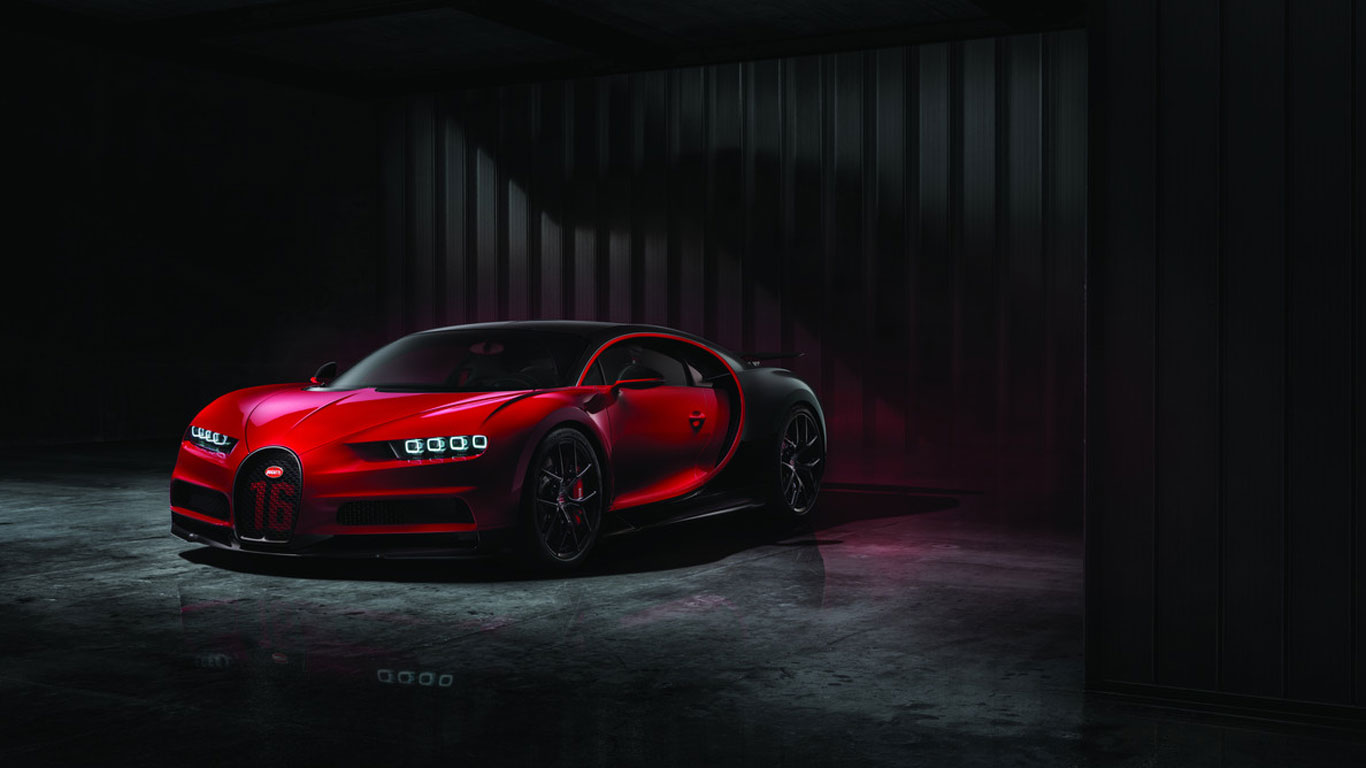
Bugatti Chiron Sport
Following its reveal at the Geneva Motor Show, the Bugatti Chiron Sport is making its North American debut in New York. The power and performance figures are unchanged – like anyone needs more than 1,500hp – but the Sport tips the scales 18kg lighter than the ‘standard’ Chiron. Bugatti claims that the Sport can lap the Nardo handling circuit a full five seconds faster than the Chiron. The North American market is the second strongest region for Bugatti, after Europe.
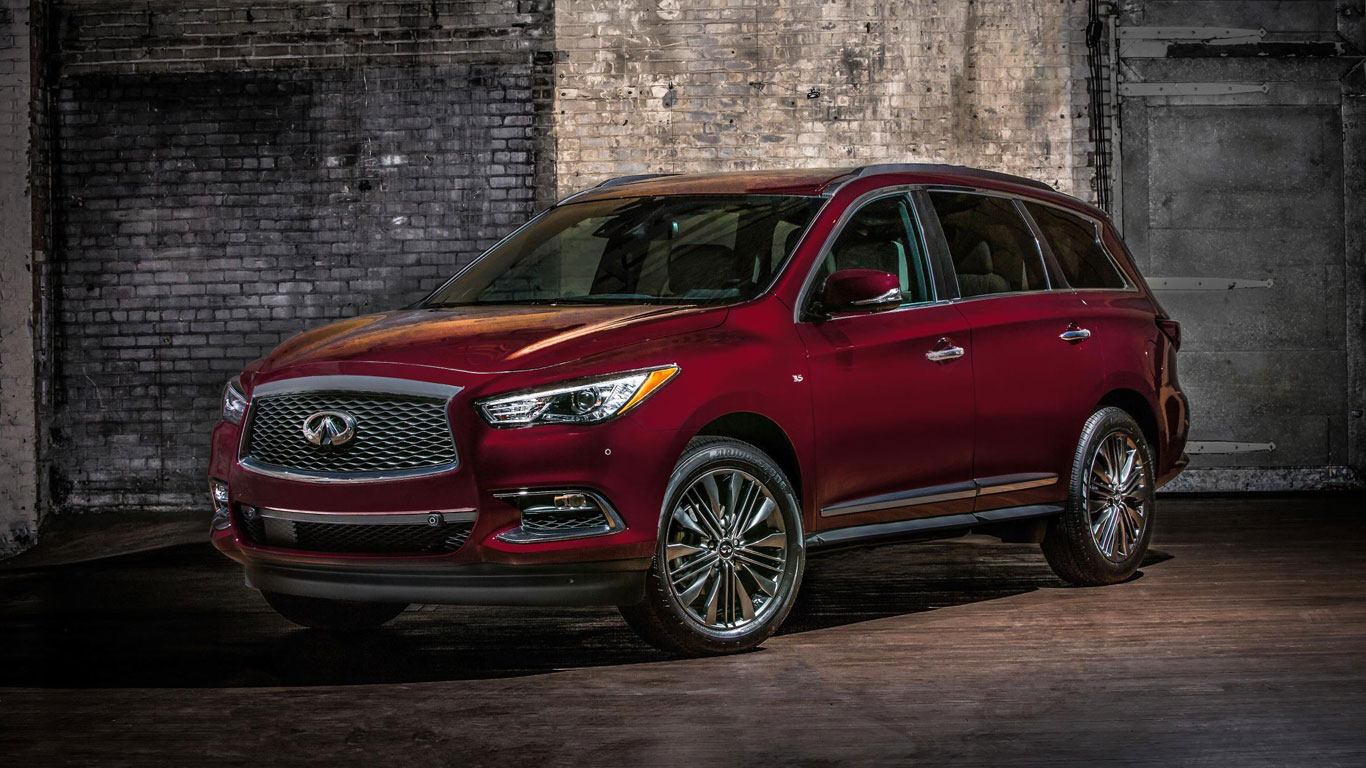
Infiniti QX60 Limited
It’s a busy year for Infiniti, with the new QX60 and QX80 following the launch of the QX50 premium crossover. The QX60 is Infiniti’s best-selling SUV, with the 2019 model featuring a host of cosmetic upgrades, custom 20-inch alloy wheels, stone-coloured leather seats and a suite of safety and security features.
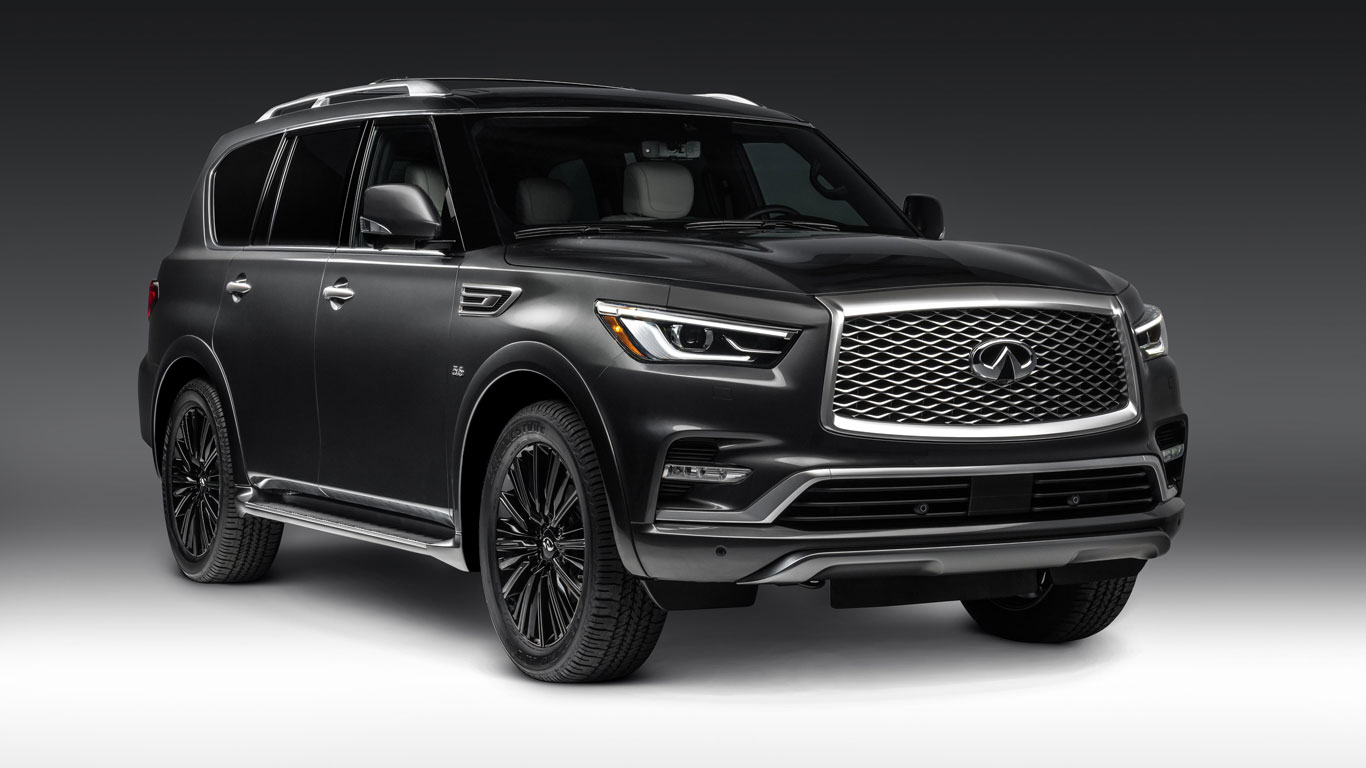
Infiniti QX80 Limited
The Infiniti QX80 is even larger and more luxurious, with a range of options befitting its role as the brand’s flagship SUV. Options include dark machine-finished 22-inch wheels, matte silver open-pore wood trim, illuminated kick plates and Ultrasuede headliner. Power is sourced from a 400hp 5.6-litre V8 engine.
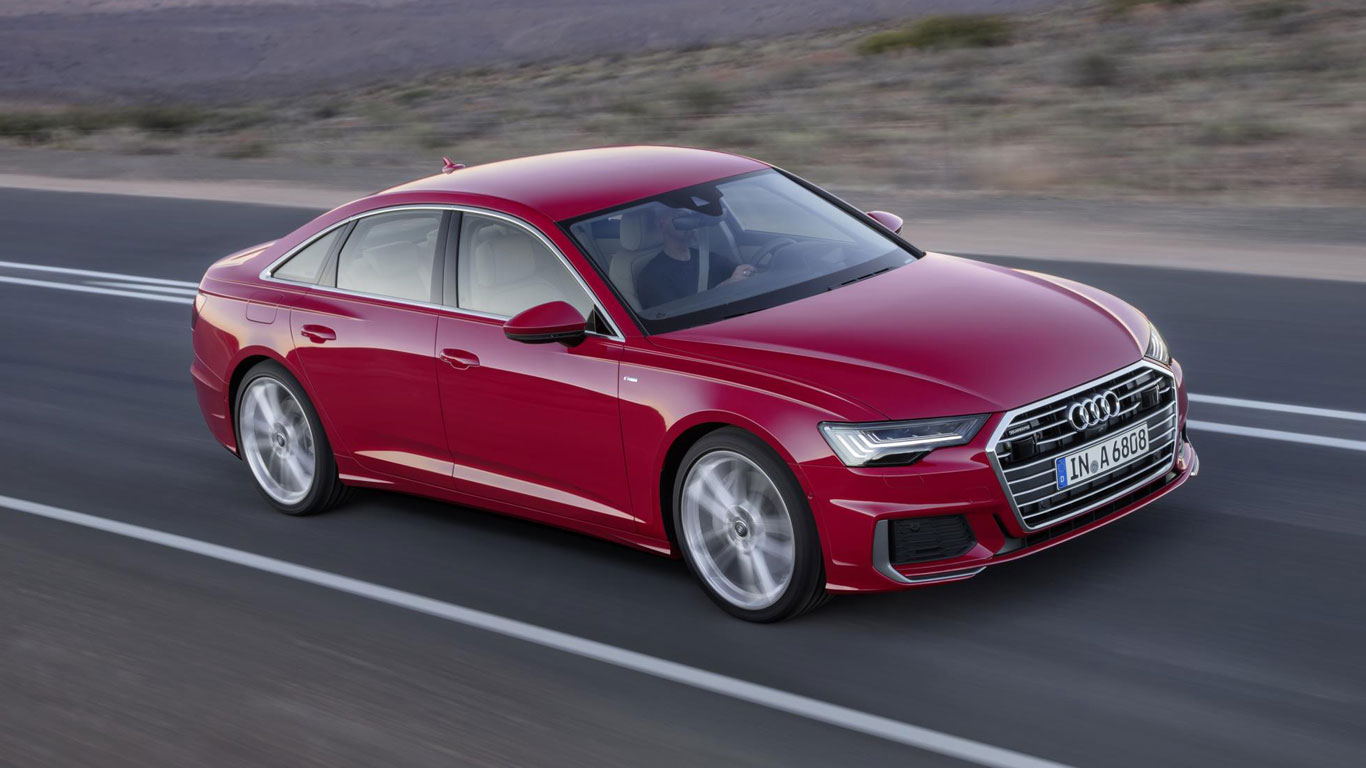
Audi A6
The new Audi A6 features the same infotainment system that debuted in the new A8 and A7, with the MMI touch control replacing the rotary dial and conventional buttons of the previous model. A 48-volt mild-hybrid system will be fitted as standard across the range, reducing CO2 emissions by 10g/km.
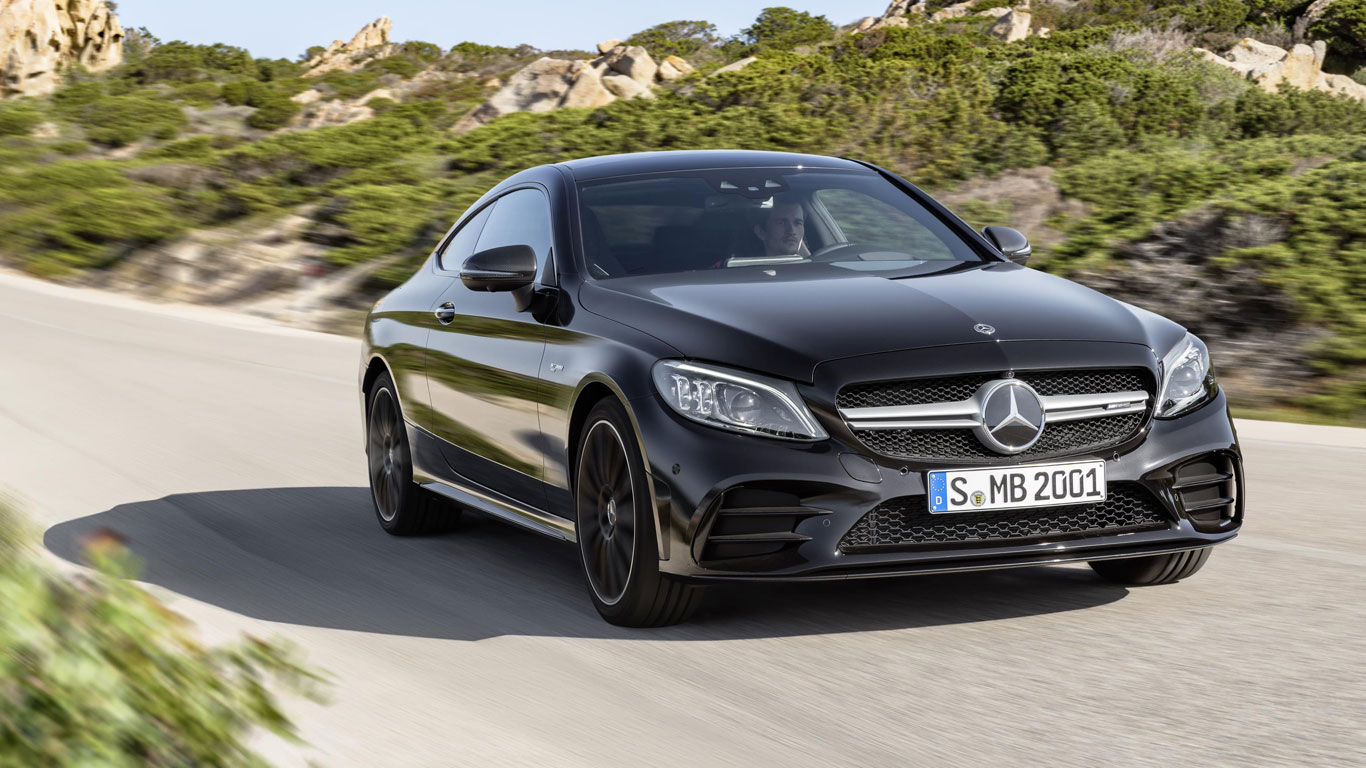
Mercedes-AMG C43 Coupe and Cabriolet
The new Mercedes-AMG C43 coupe and cabriolet models are powered by a 3.0-litre V6 engine, which now delivers 385hp, 23hp more than before. It means that the coupe can accelerate to 60mph in 4.5 seconds, while the cabriolet completes the sprint in 4.6 seconds. Other changes include styling tweaks, interior upgrades, and more personalisation options.
Lexus RC F Sport Black Line
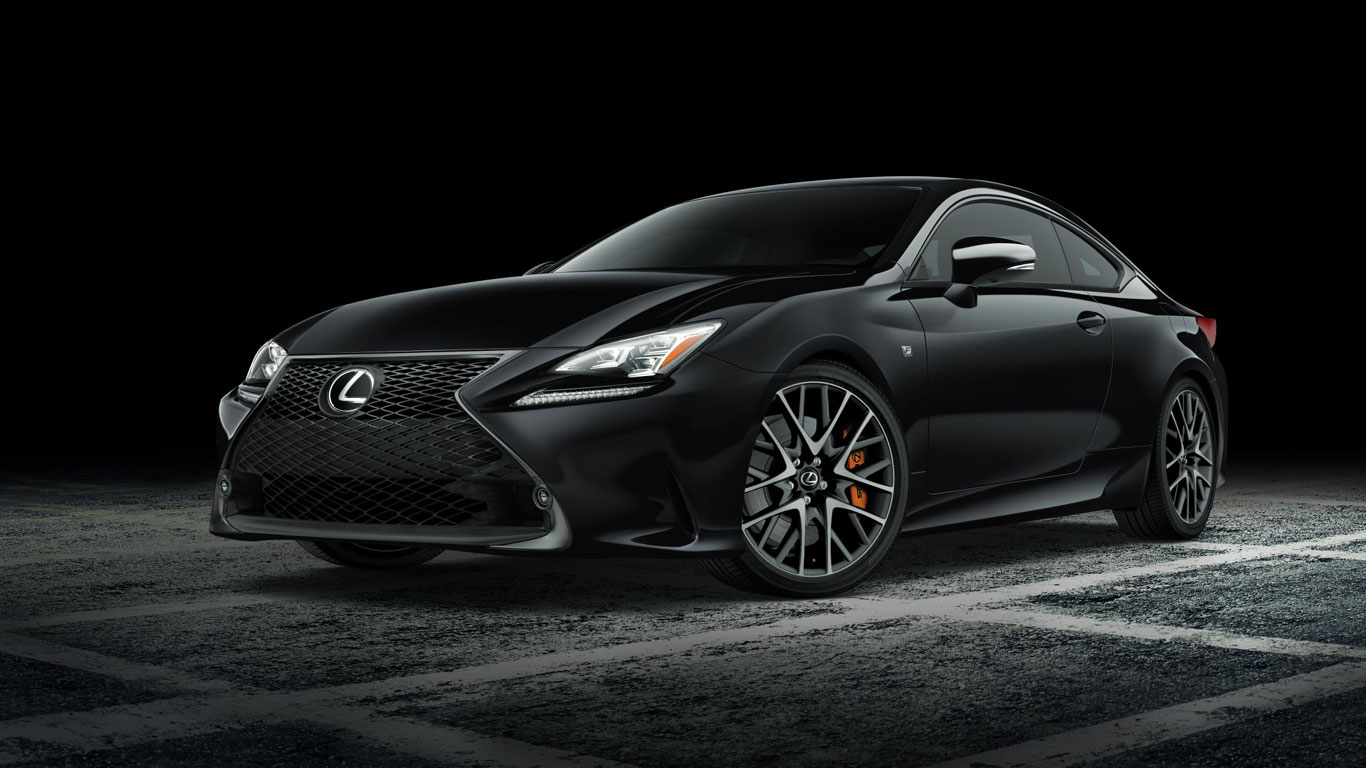
Available on all RC 300 and RC 350 F Sport models, the Black Line special edition features two exterior paint colours, standard matte black wheels, orange or black brake calipers, black chrome accents, and orange interior stitching. Just 650 units will be available.
Volkswagen Arteon R-Line
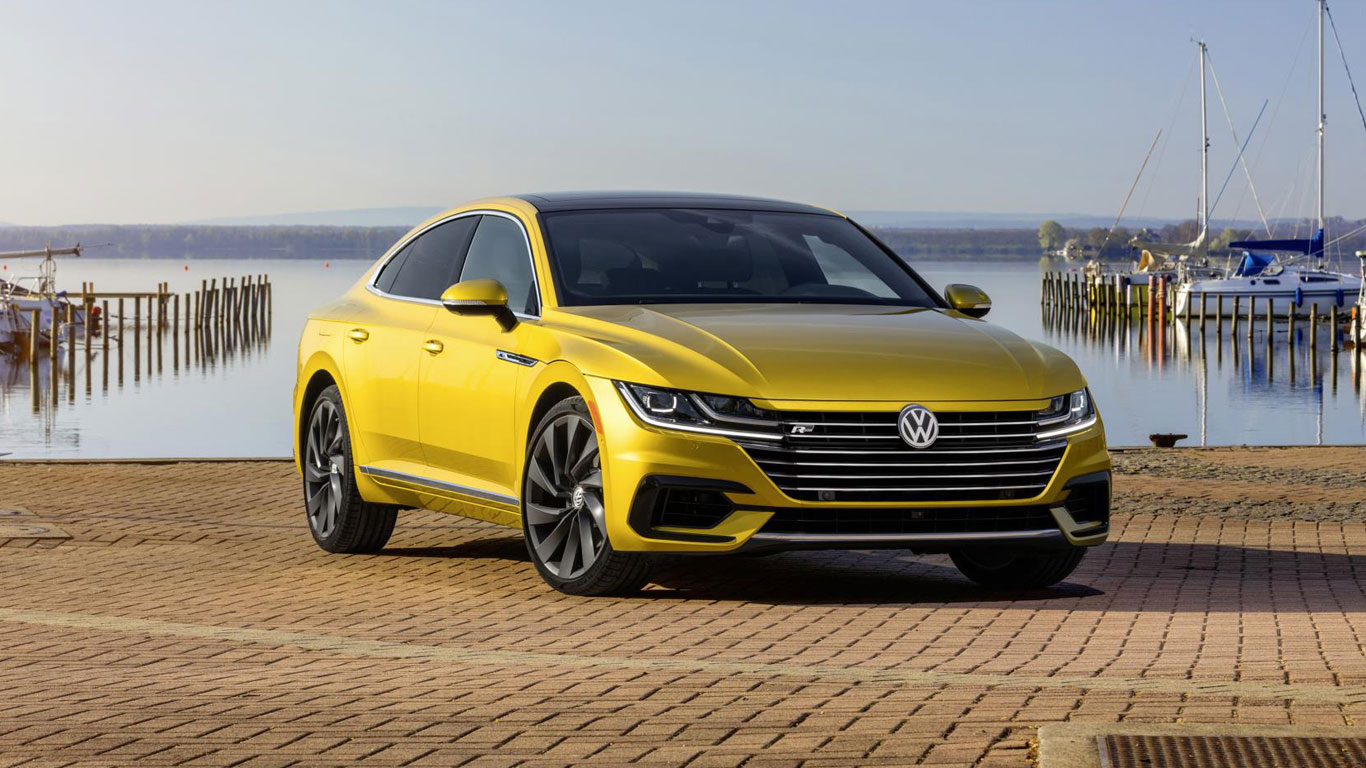
The Volkswagen Arteon R-Line features a choice of 19- or 20-inch alloy wheels, R-Line badges, a unique front bumper, R-Line air inlets, and a gloss black rear spoiler. On the inside, drivers are welcomed by the R-Line logo on the screen, contrast stitching and other interior upgrades. The Arteon will be available to North American customers in the autumn.
Hyundai Tucson Sport
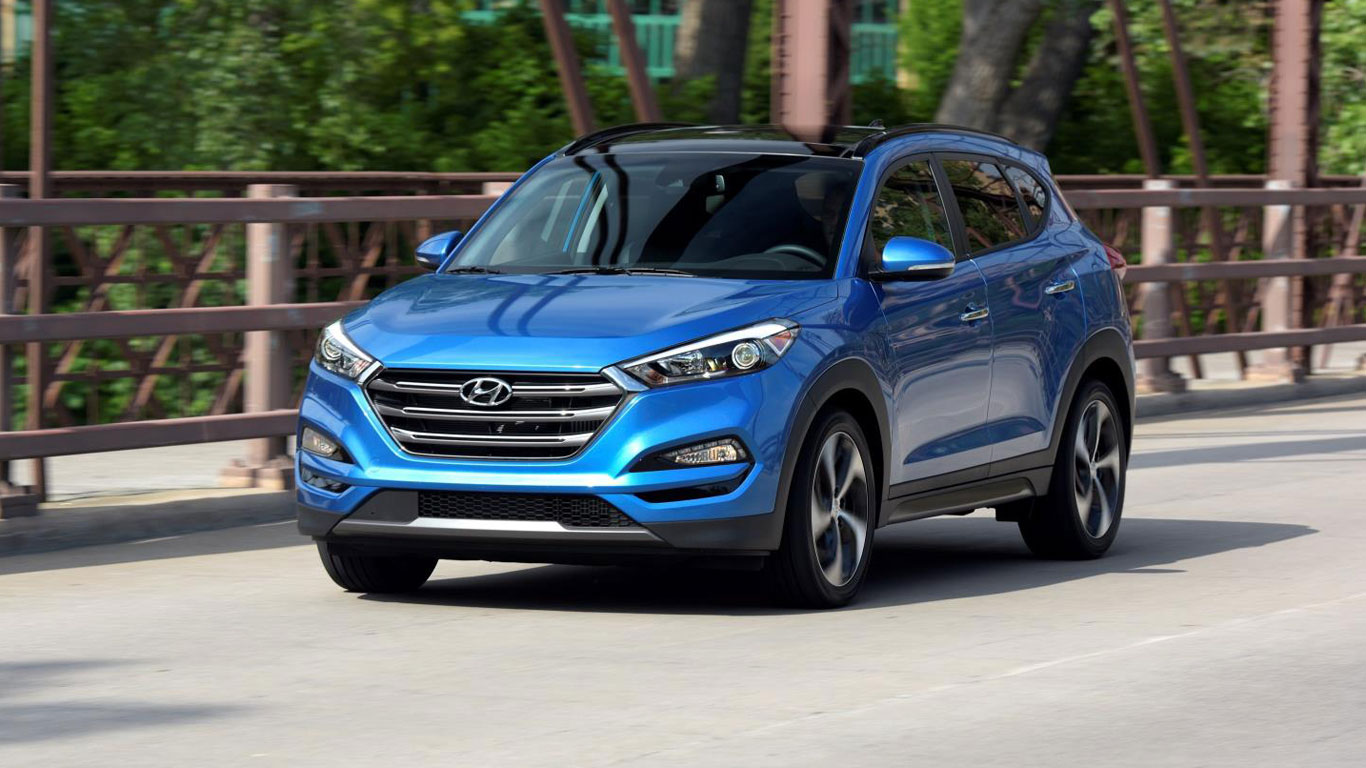
The 2018 Hyundai Sport is now equipped with a 2.4-litre four-cylinder engine developing 181hp and 175lb ft of torque. Sport trim also includes a six-speed automatic transmission, blind-spot detection, push-button start, 19-inch alloy wheels and dual-zone climate control. US customers will be £25,150 for the front-wheel-drive Sport, with all-wheel drive available for an extra £1,400.
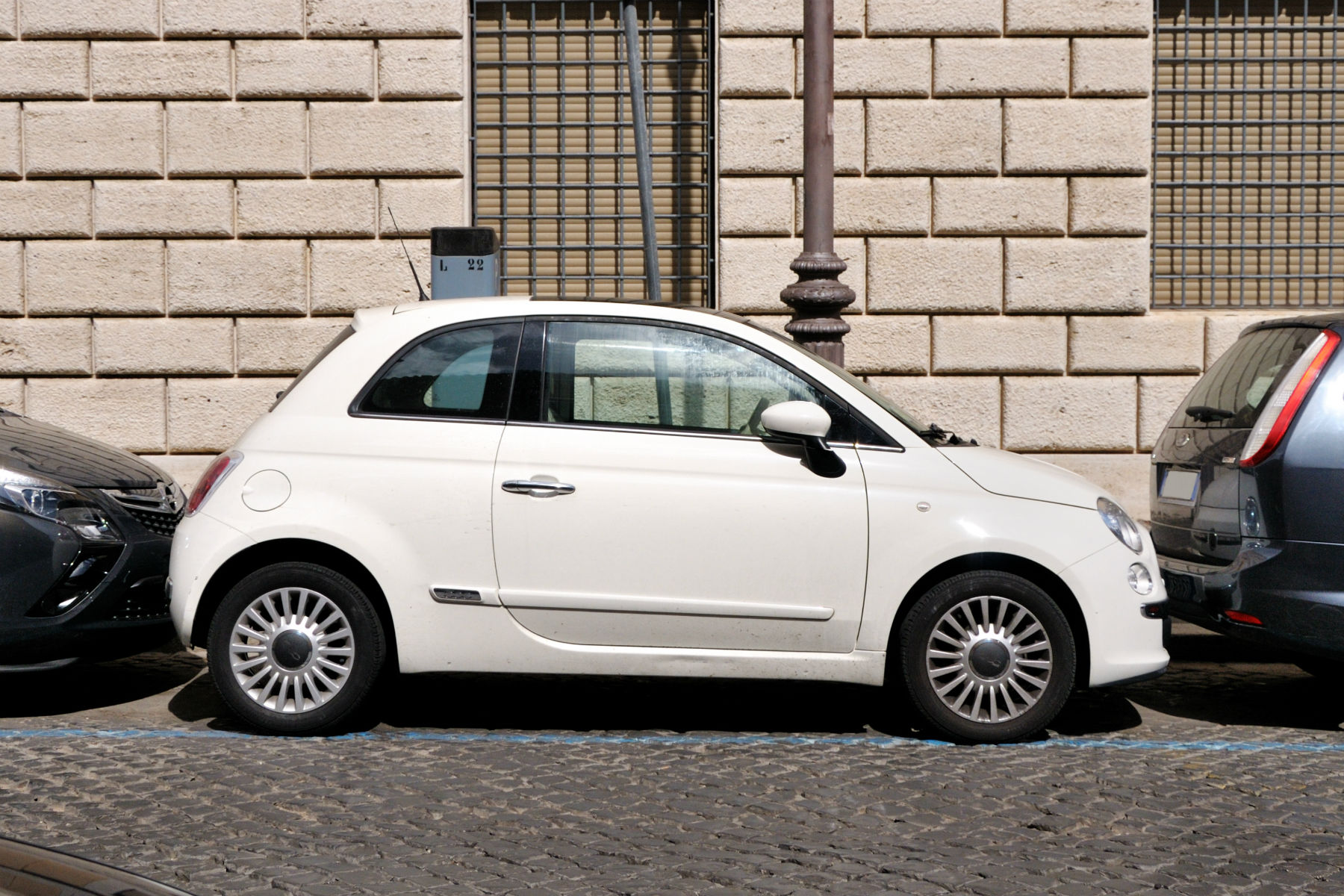
A survey of 2,000 drivers has revealed that parallel parking is the driving manoeuvre we dread the most.
According to the poll, commissioned by the Accident Advice Helpline, many of us are happy to drive almost a hundred metres further just to find an easier place to park.
“Parallel parking has been a thorn in drivers’ sides since the invention of the motor car,” said Accident Advice Helpline’s David Carter.
“We’ve all felt the pressure of getting into a tight parking space on a busy street when there are others watching.
“So it’s no surprise that twice as many people said they dread parallel parking as the next most difficult manoeuvre.”
Reversing into a parking bay and reversing around a corner also made the list of drivers’ more challenging manoeuvres. Motorists also admitted to being daunted by reversing in a straight line.
The survey found that nearly half of drivers admit to attempting a parallel park that went so badly wrong that they gave up halfway through. A quarter have exited the car and let someone else finish off for them.
It’s no surprise, then, that respondents put a reversing camera to the top of their wish list to make parallel parking easier.
10 trickiest parking manoeuvres
1. Parallel park
2. Reverse into a parking bay
3. Reversing around a corner
4. Turn-in-the-road/three point turn
5. Driving forward into a parking bay
6. Reversing in a straight line
7. Parking close to the kerb
8. Navigating a roundabout
9. Emergency stop
10. Pulling up on the right of the road
The Practical Classics Classic Car and Restoration show is in full swing, with enthusiasts filling the halls of the NEC to see all manner of classic cars – from restored beauties to in-need-of-restoration barn finds.
One car manufacturer that is well represented is Ford, with a model to appeal to everyone…
Ford Escort RS Cosworth
With fast Ford prices rising as quick as they are, it’s no surprise to see this RS Cossie roped off at the Classic Car and Restoration Show. Finished it silver, it almost looks understated. Almost.
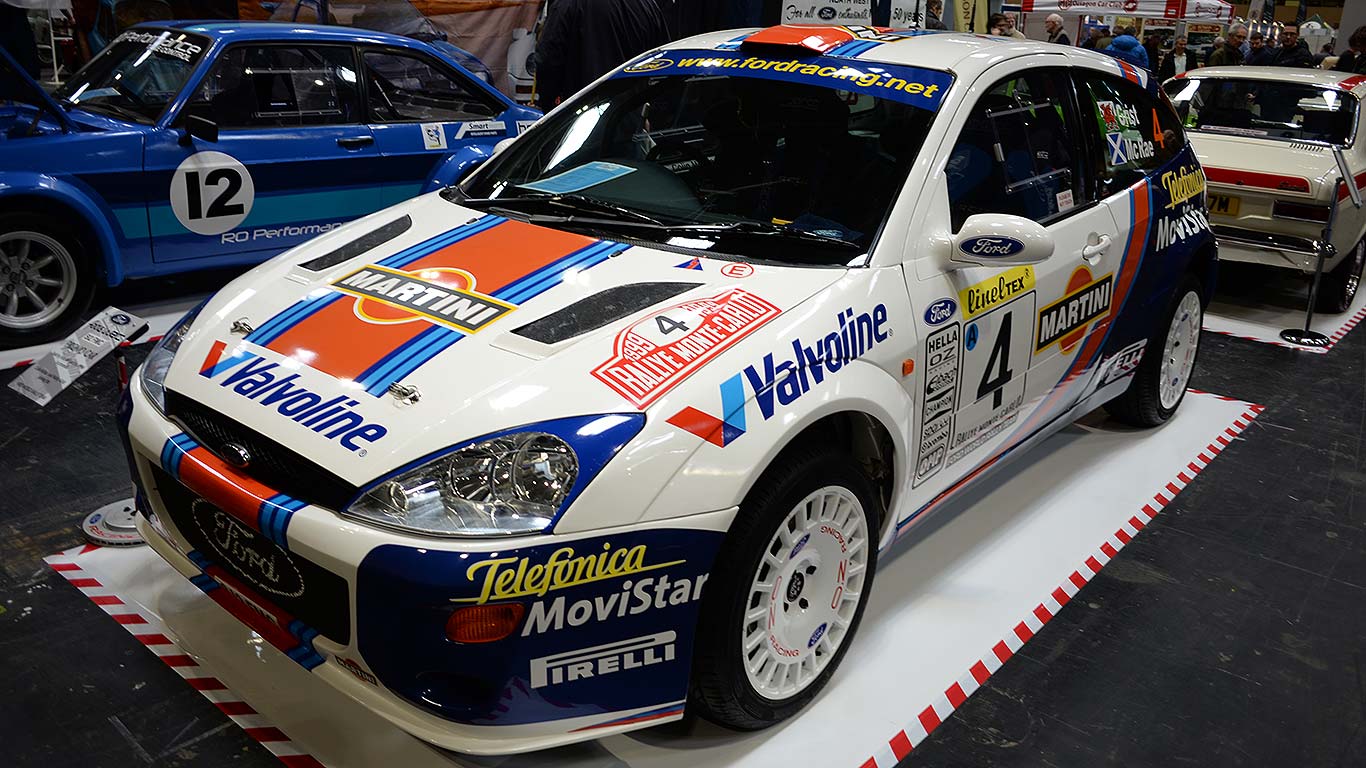
Ford Focus WRC
The Focus WRC is a rally car loosely based on a Mk1 Focus and driven by Colin McRae following his Subaru days. It made its debut at the Monte Carlo rally, where it was disqualified for being equipped with an illegal water pump. It soon picked up 11 world rally victories.
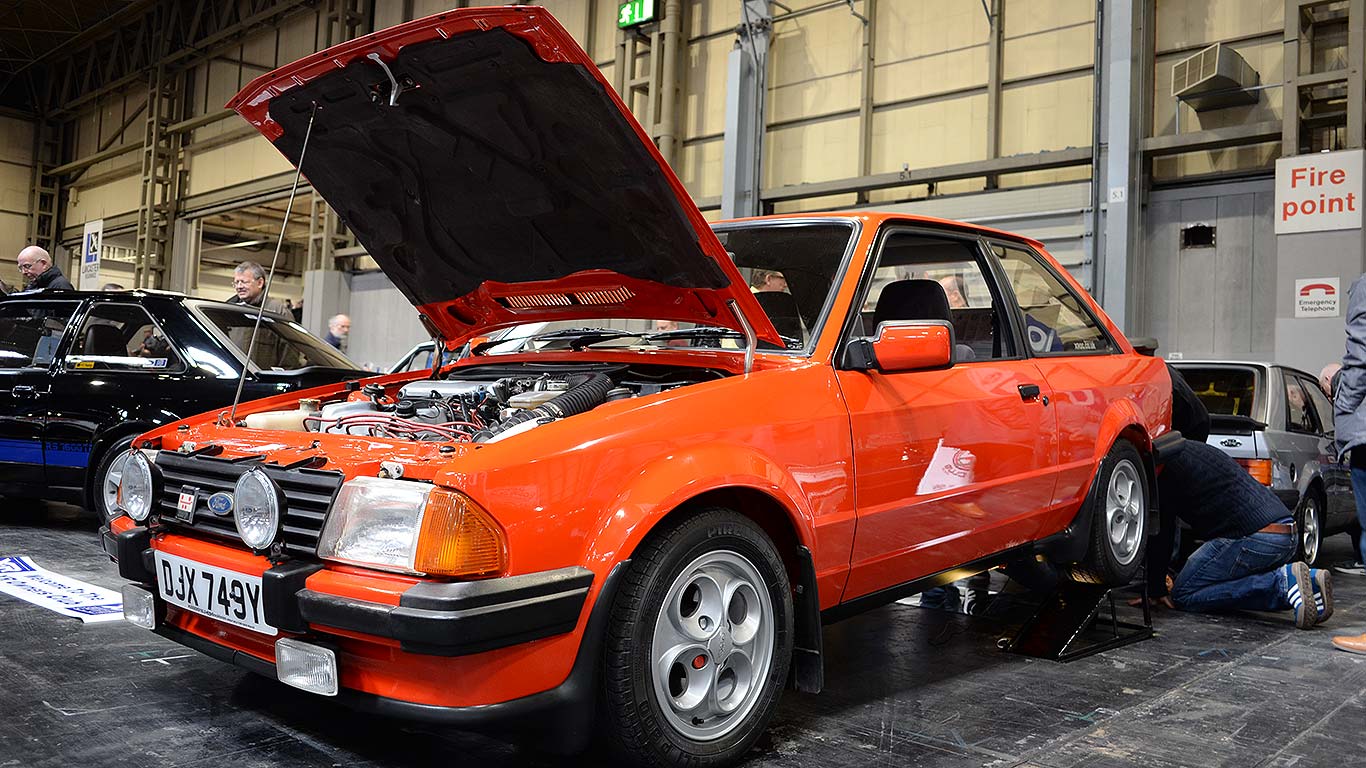
Ford Escort XR3i
Sunburst Red paint. Cloverleaf alloys. Do XR3is get any more perfect than DJX? It’s also got one of the cleanest MOT histories we’ve ever seen, and has covered less than 80,000 miles. It’s high on the ‘want’ list…
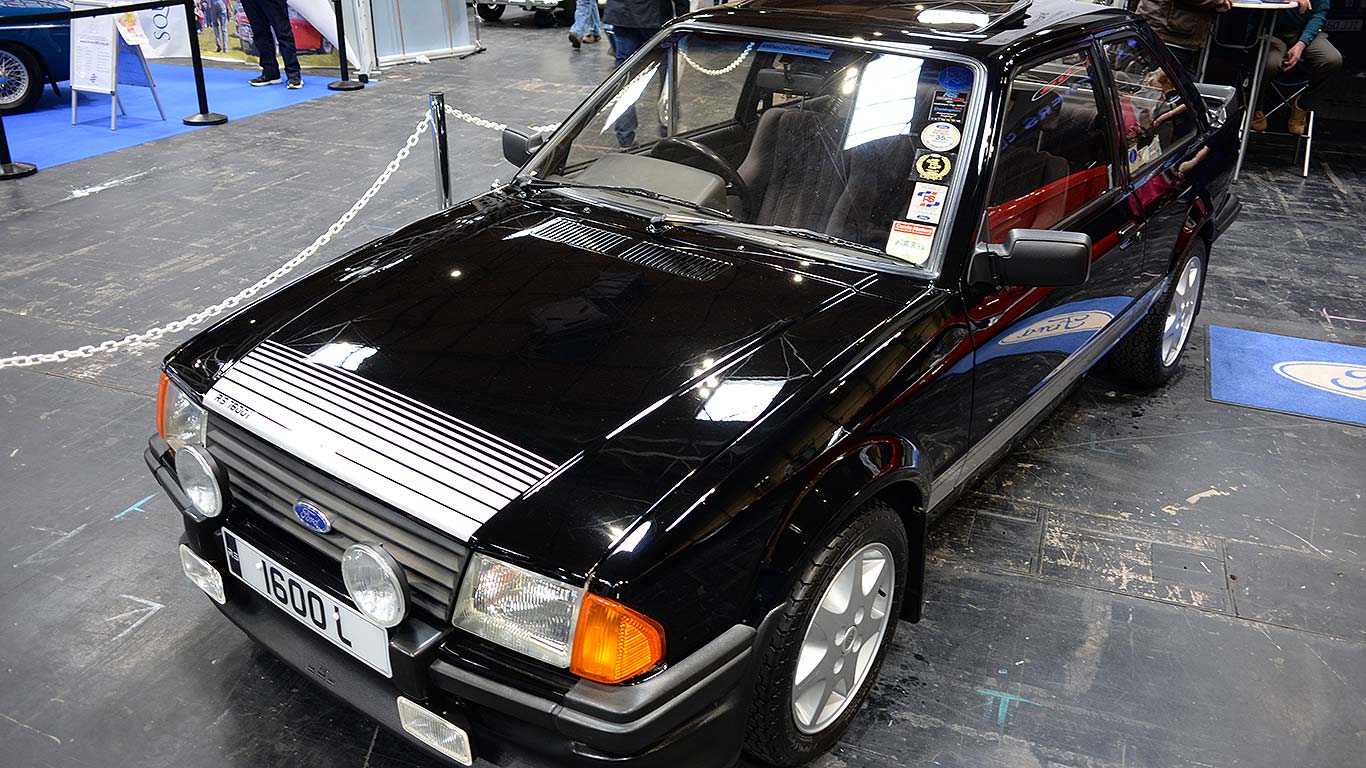
Ford Escort RS1600i
As is this RS1600i. Based on the non-fuel-injected XR3, the RS1600i was a homologation special built to limited numbers. This example at the NEC looks to have escaped the rust that has killed off most examples of the RS1600i. In fact, it’s mint.
Ford Taunus 20M RS Coupe
This is an exceptionally rare car in the UK: a 20M RS Coupe built in Germany in 1971. It was one of the first Fords to be given the Rallye Sport moniker, along with the Mk1 Escort RS1600.
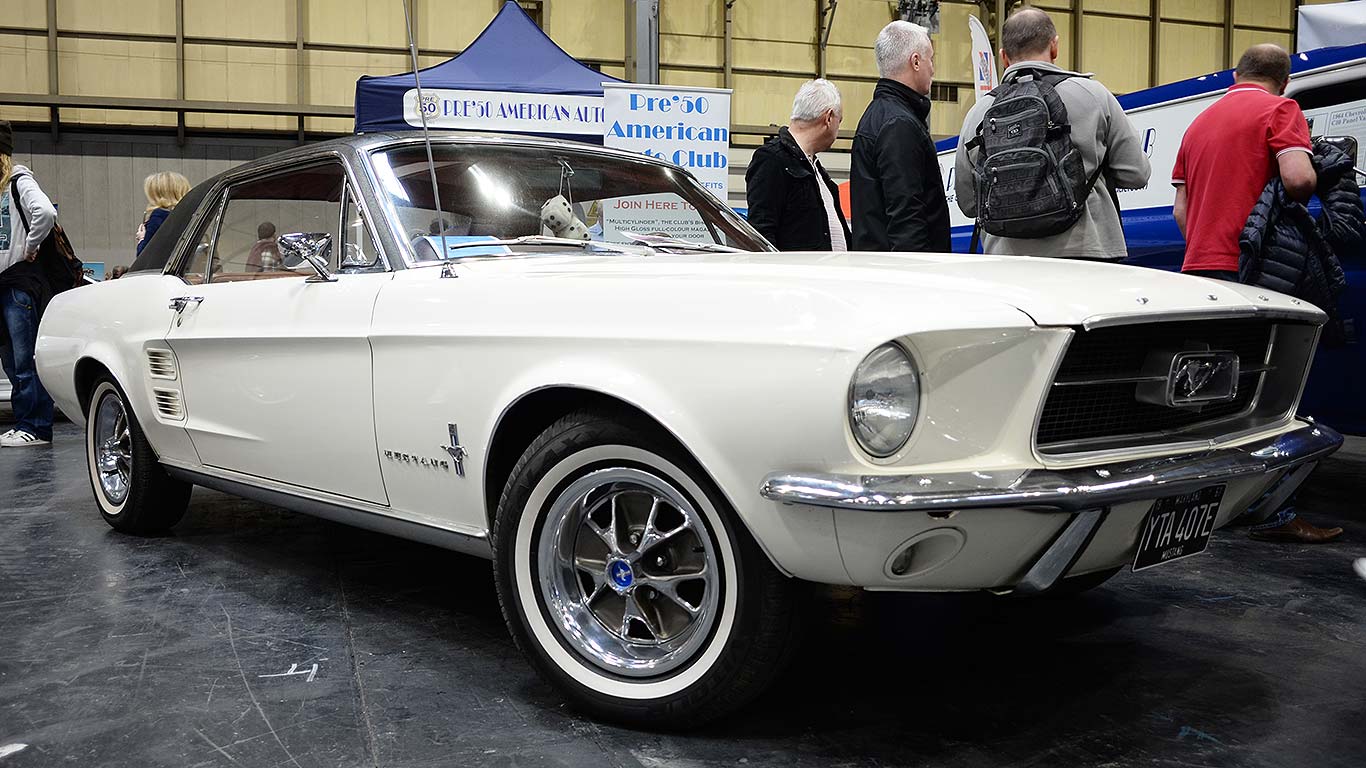
Mk1 Ford Mustang
Mustang fever shows no sign of waning as Ford facelifts the current model, so it’s nice to see such a tidy example of what started it off originally. We particularly like the whitewall tyres.
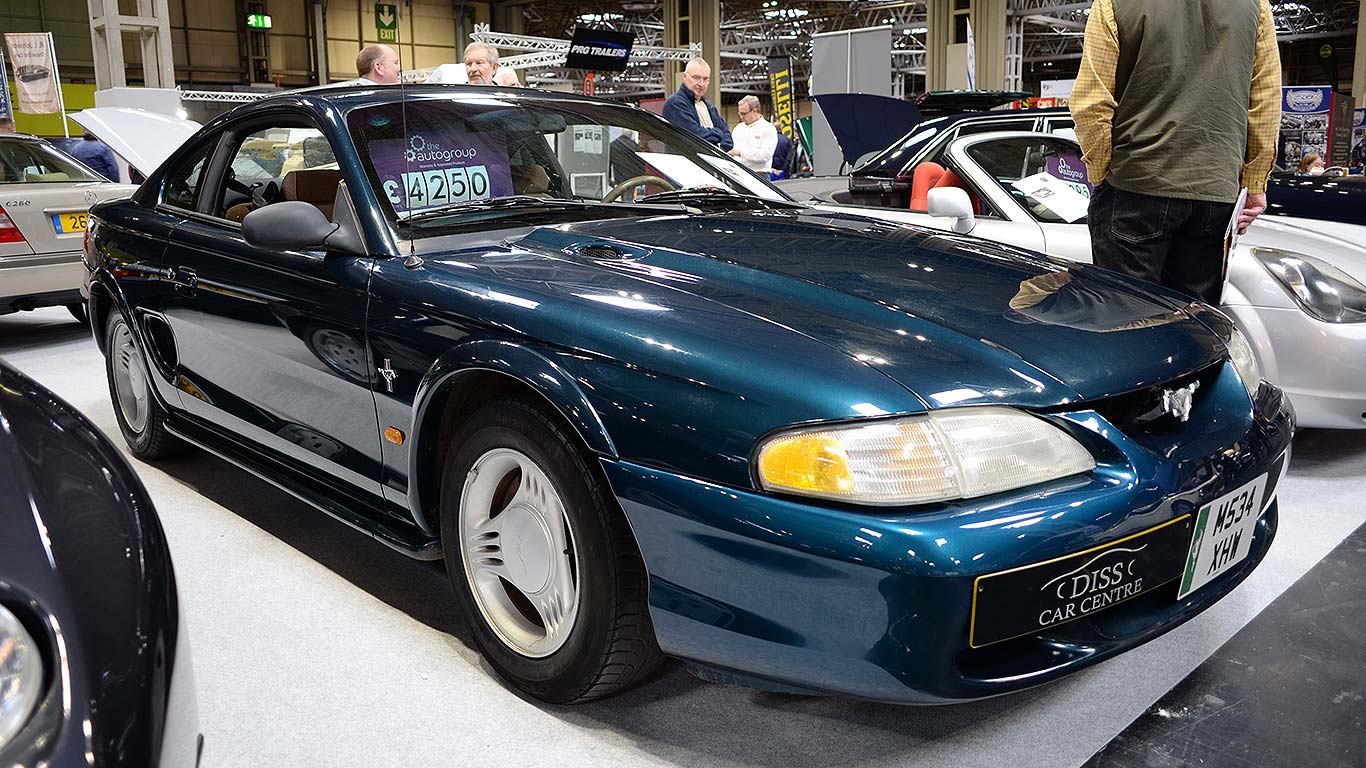
Mk4 Ford Mustang
By the 1990s, the Mustang had got fat. It wasn’t a patch on its former self. Ford’s since restored its honour with the latest one, but if you don’t have that sort of cash, this V6 Mustang is at least a bit of a steal. You can honestly say you do actually own a Mustang – just don’t let on which one…
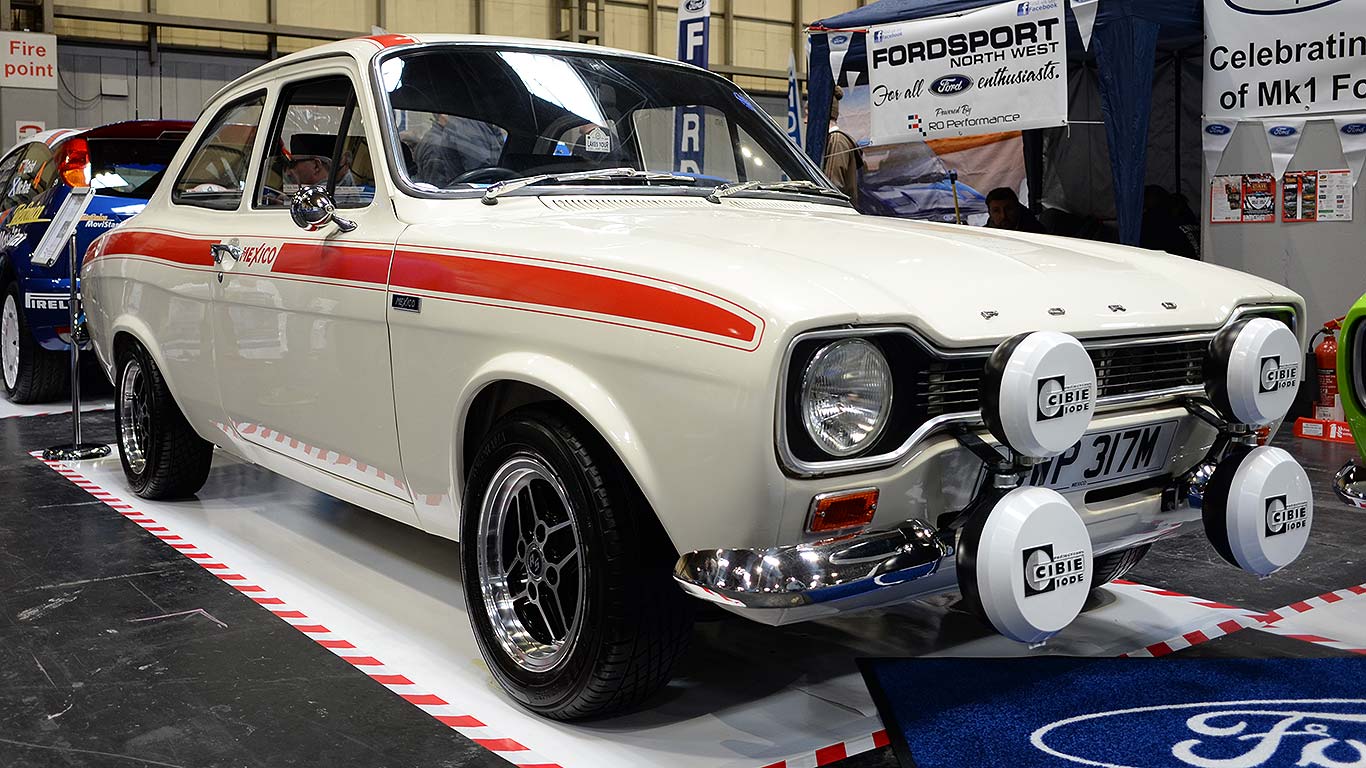
Mk1 Ford Escort Mexico
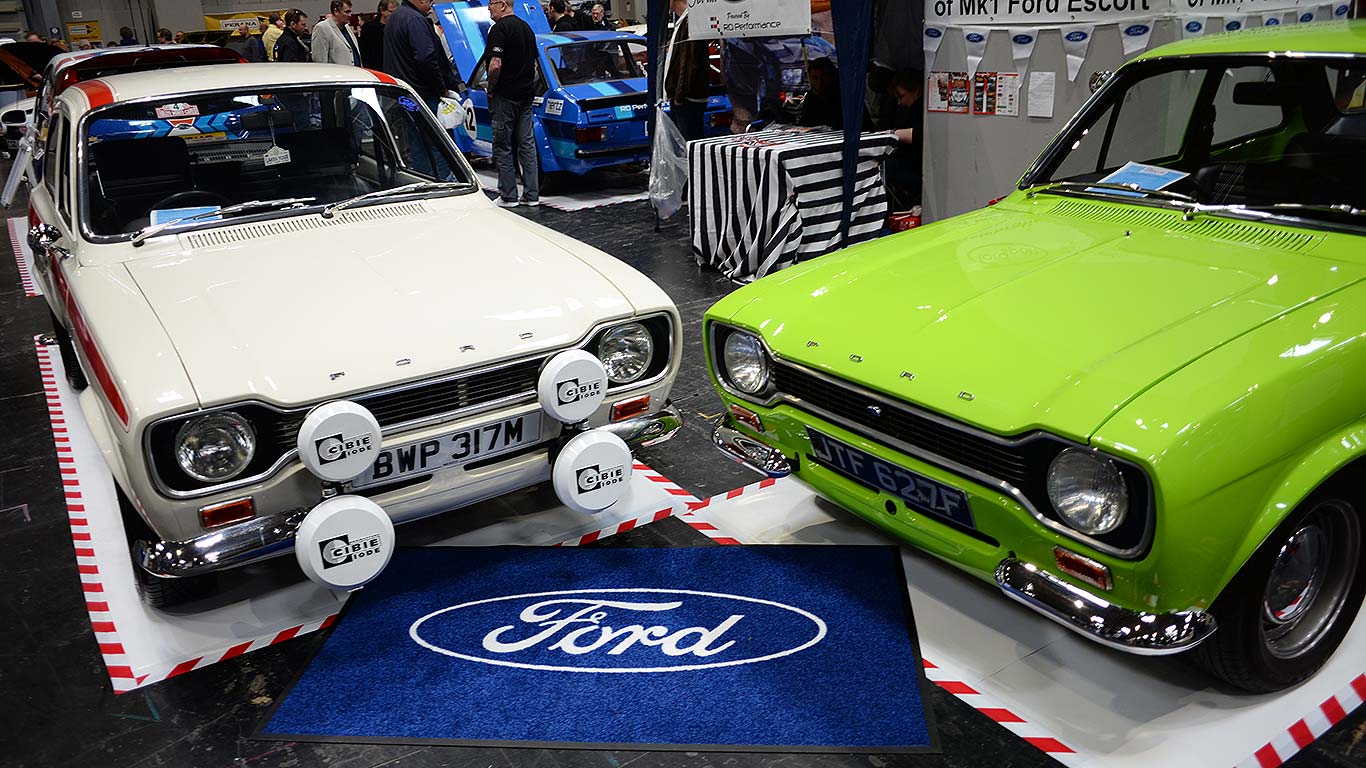
More than 10,000 Mk1 Escort Mexicos were built in celebration of the model’s rallying success in the late 60s and early 70s. Those who couldn’t afford an Escort Mexico wanted an Escort Mexico, so replicas were once very common.
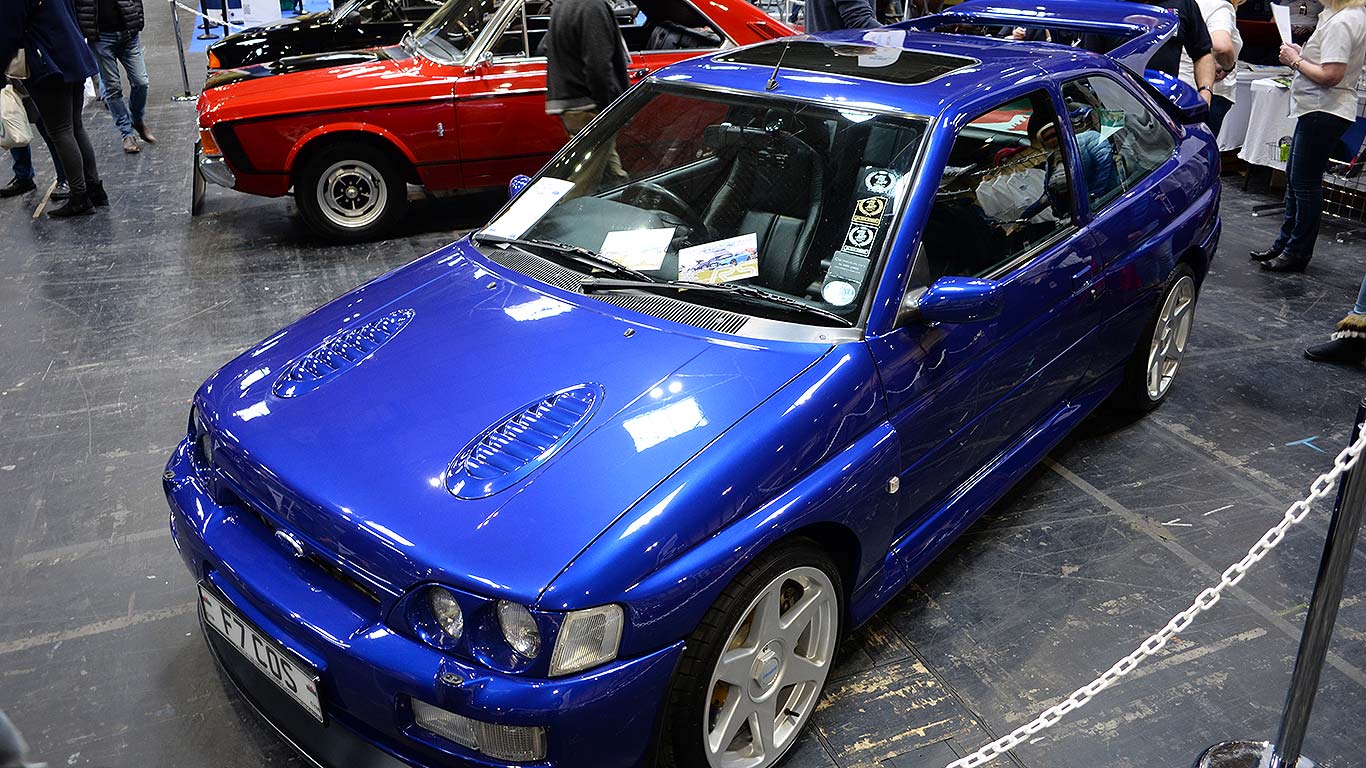
Ford Escort RS Cosworth
Along with the McLaren F1 and Honda NSX, the Ford Escort RS Cosworth is one of THE finest cult cars of the 1990s. Its muscular styling was absolutely millimetre-perfect and the motorsport-focused chassis beneath was so ready-made for the WRC rally stage, it made light work of British B-roads. One of the most covetable fast Fords of all time.
Mk1 Ford Escorts
Take two early Ford Escorts, one in full-bore fast Ford Mexico guise and the other perfect and pristine in cooking shopping-car spec (and the most gorgeous colour). Now try to pick between them. Can’t we just have both of these beauties?
Ford Fiesta XR2
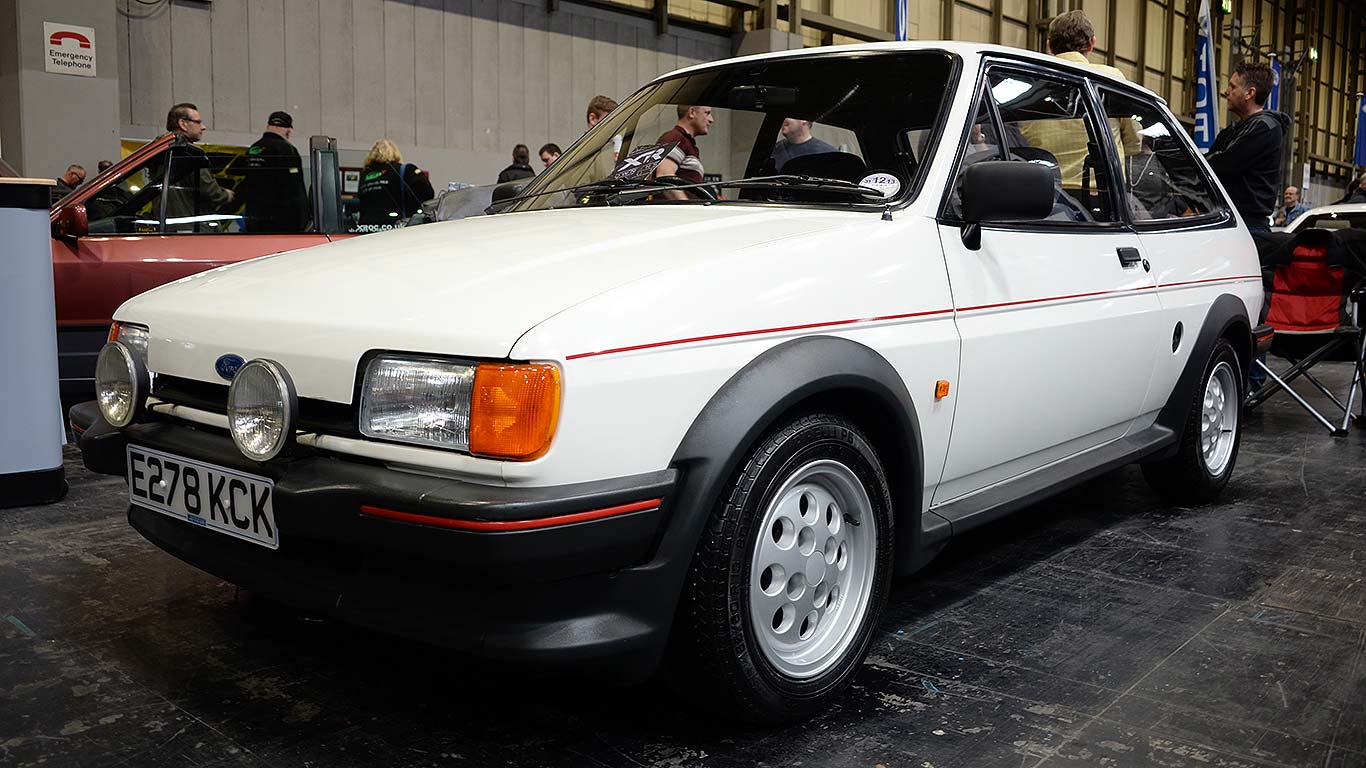
In facelifted guise, the hot Fiesta was one of the most popular hot hatches of the 1980s, along with its sportier bigger brother, the Escort XR3i. It produced less than 100hp but that wasn’t such an issue in those days, thanks to light kerbweights, and sentimental children of the 80s are now busily pushing prices up to well beyond what they cost when new.
Ford Probe
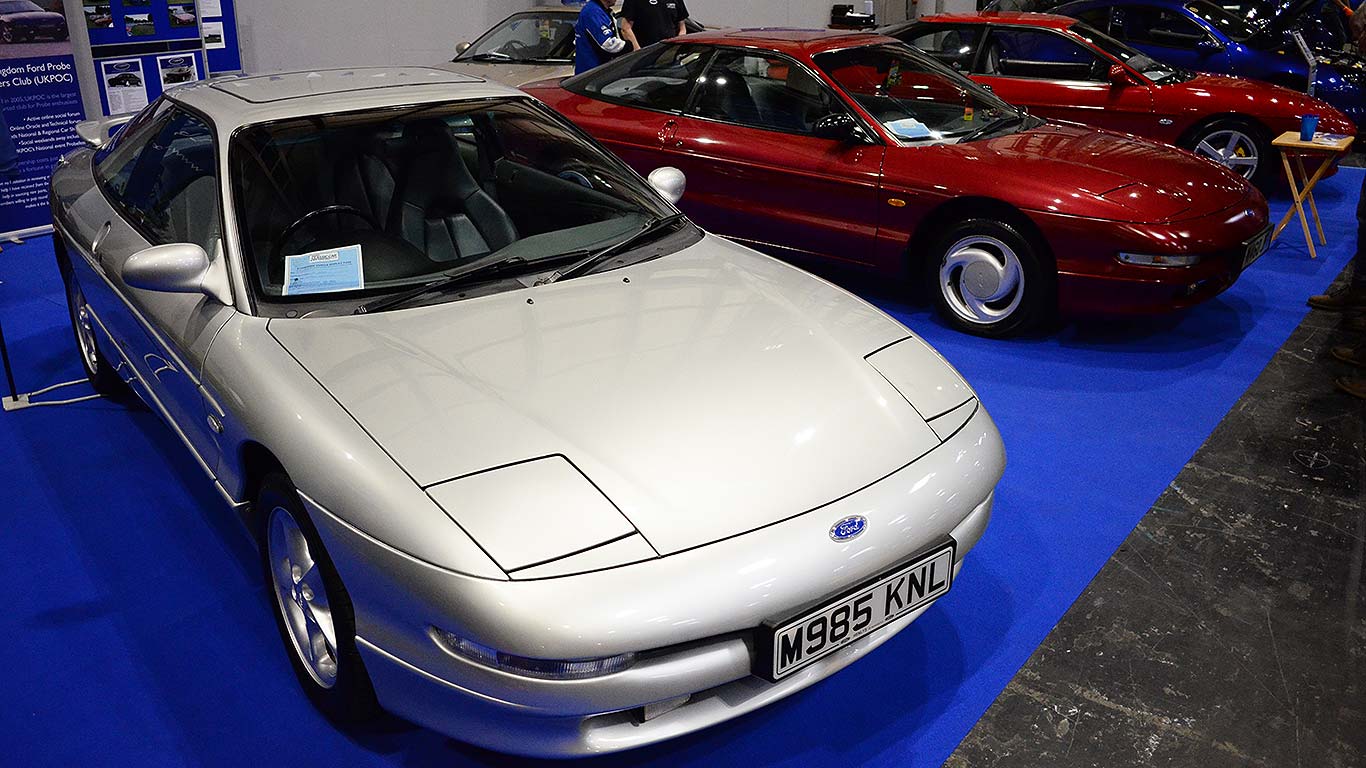
Based on the Mazda MX-6, the Probe was intended to be a modern-day Capri when it was launched in 1993. Its lacklustre styling and front-wheel-drive layout – not to mention a poor interior – meant it wasn’t the sales success Ford hoped for. Today, the Probe is a fairly rare sight, but it’s finally getting recognition as a modern day classic.
Ford Sierra XR4i
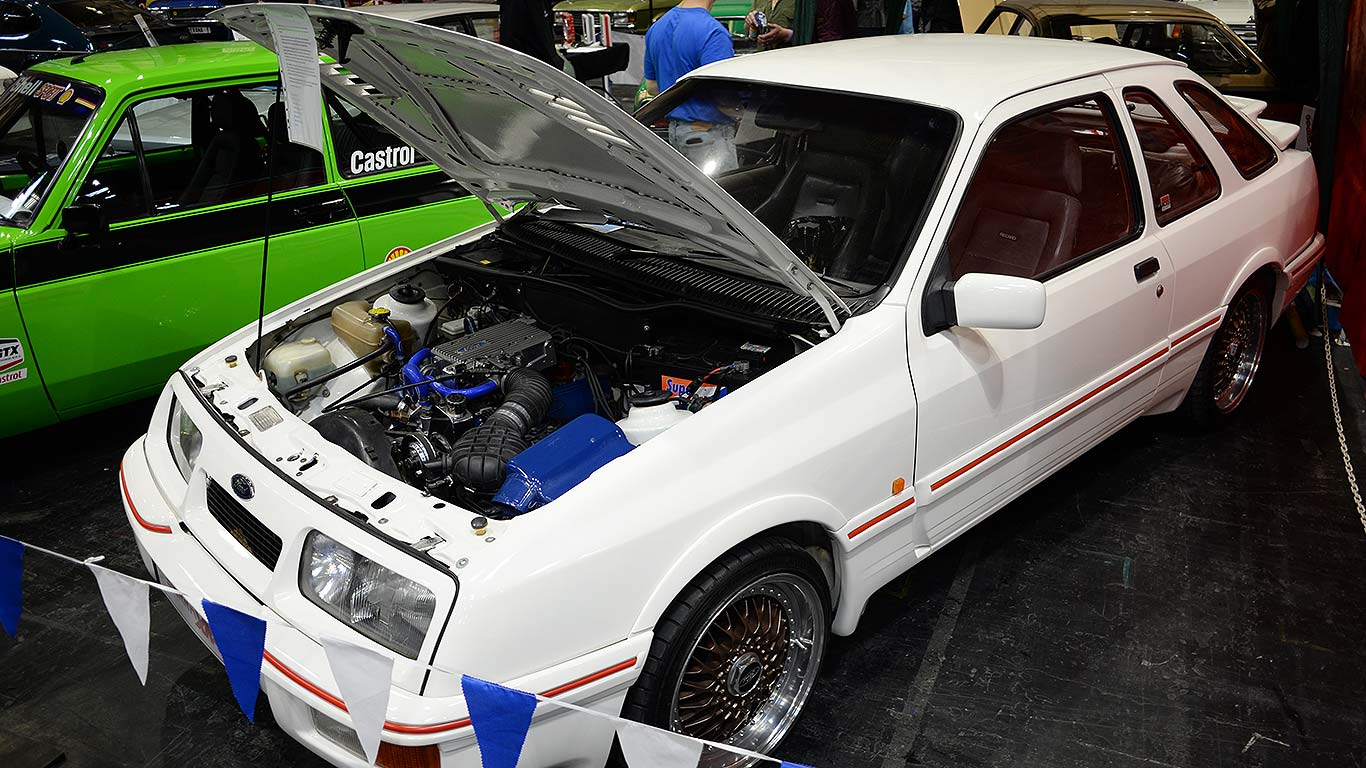
The V6-powered Ford Sierra XR4i was a pretty special thing, with a bespoke three-door bodyshell and fruity engine. With its Cosworth-style ‘whale tail’, it was a bombastic-looking thing, although it ultimately didn’t quite have the right sort of sporting edge to make it a classic. With the roll-out of the Sierra RS Cosworth, it was quietly forgotten…
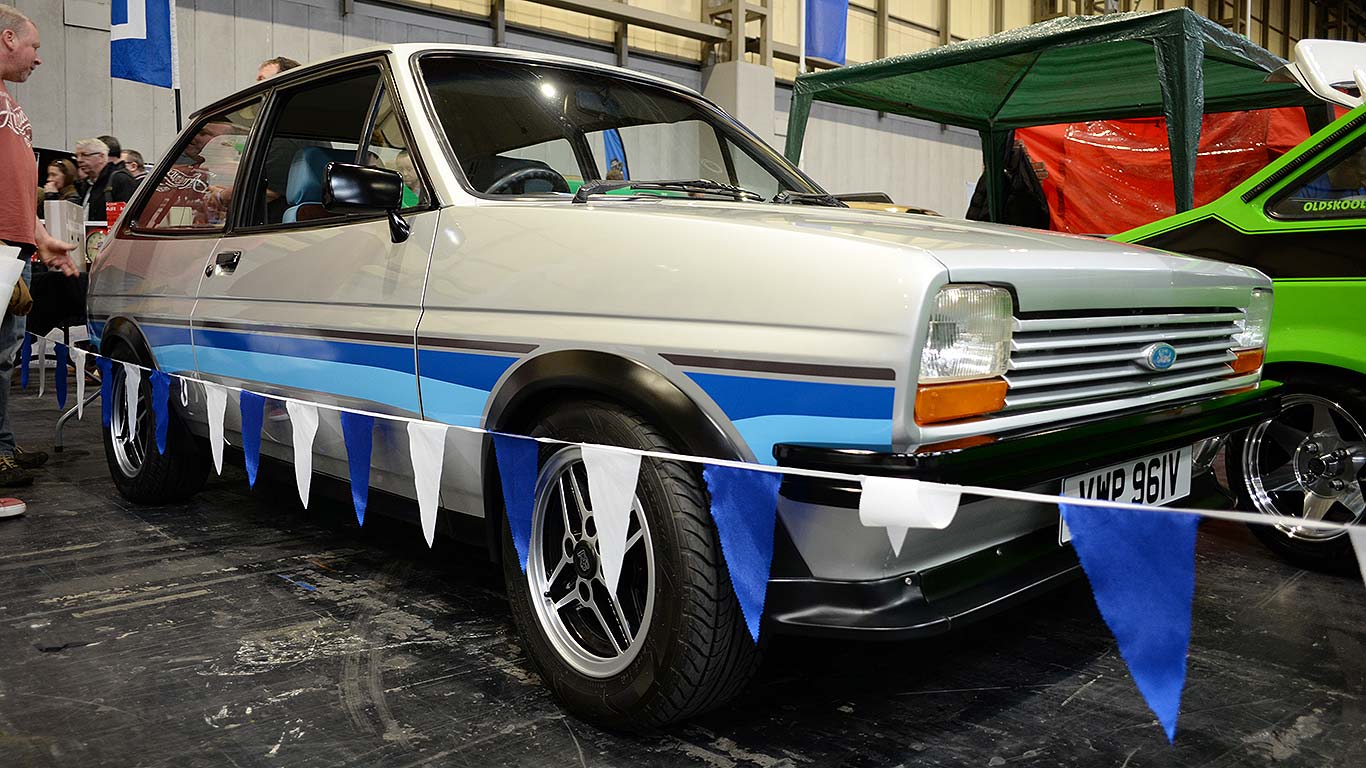
Ford Fiesta Supersport
It took Ford a little while to find the fast Fiesta formula. This Supersport was getting closer, and was certainly a better package than the earlier 1300S it was based upon. But it still only had a 1.3-litre engine, so wasn’t a match for more potent rivals. That would soon change with the 1982 launch of the 1.6-litre Mk1 Fiesta XR2 (a car that actually nabbed a few styling bits from this UK-only Supersport…).
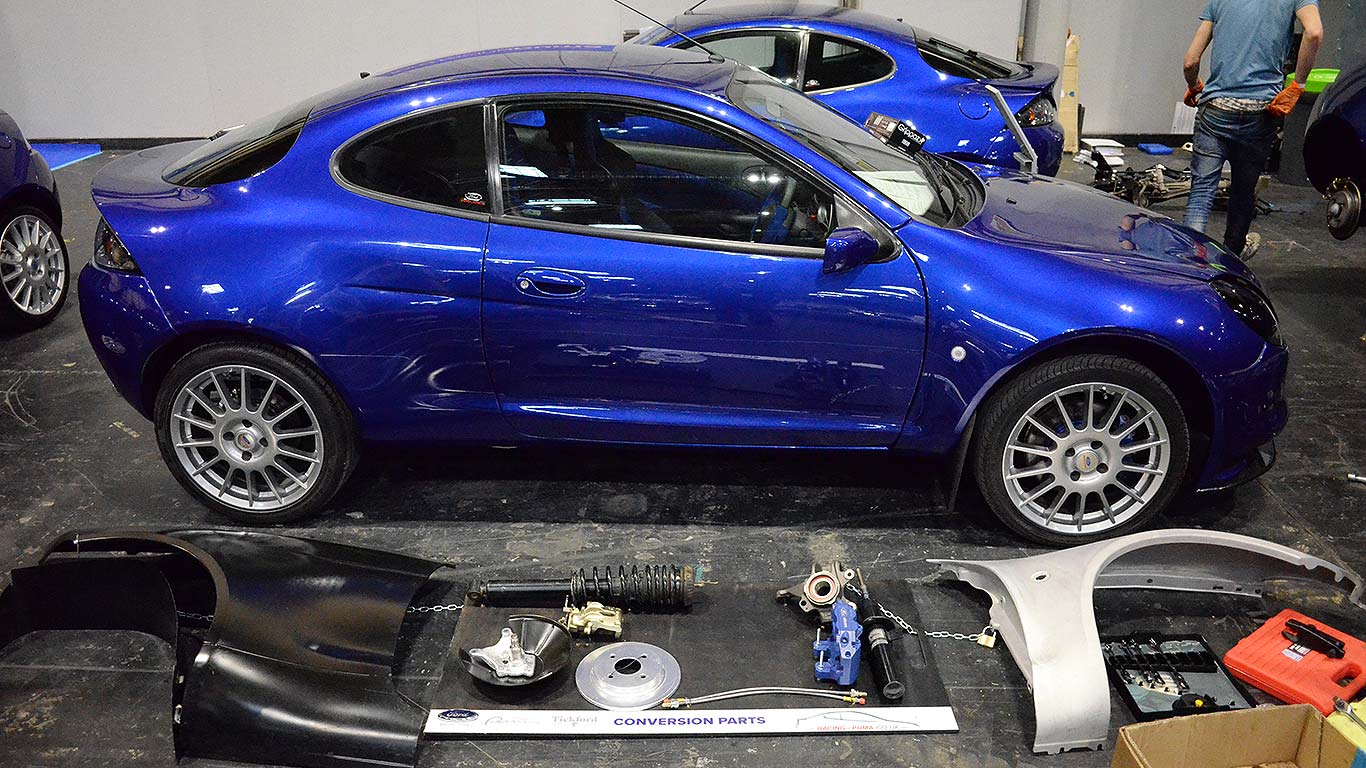
Ford Racing Puma
The Racing Puma was a limited-run model based loosely on the regular Puma. Converted by Tickford, the Racing Puma was heavily modified – with a wider front and rear track, Sparco seats and an engine producing an extra 30hp over the standard car. Although only 1,000 were planned, Ford struggled to sell them due to the high price tag. 500 were shifted in the end, and they’re increasingly seen as a solid investment today.
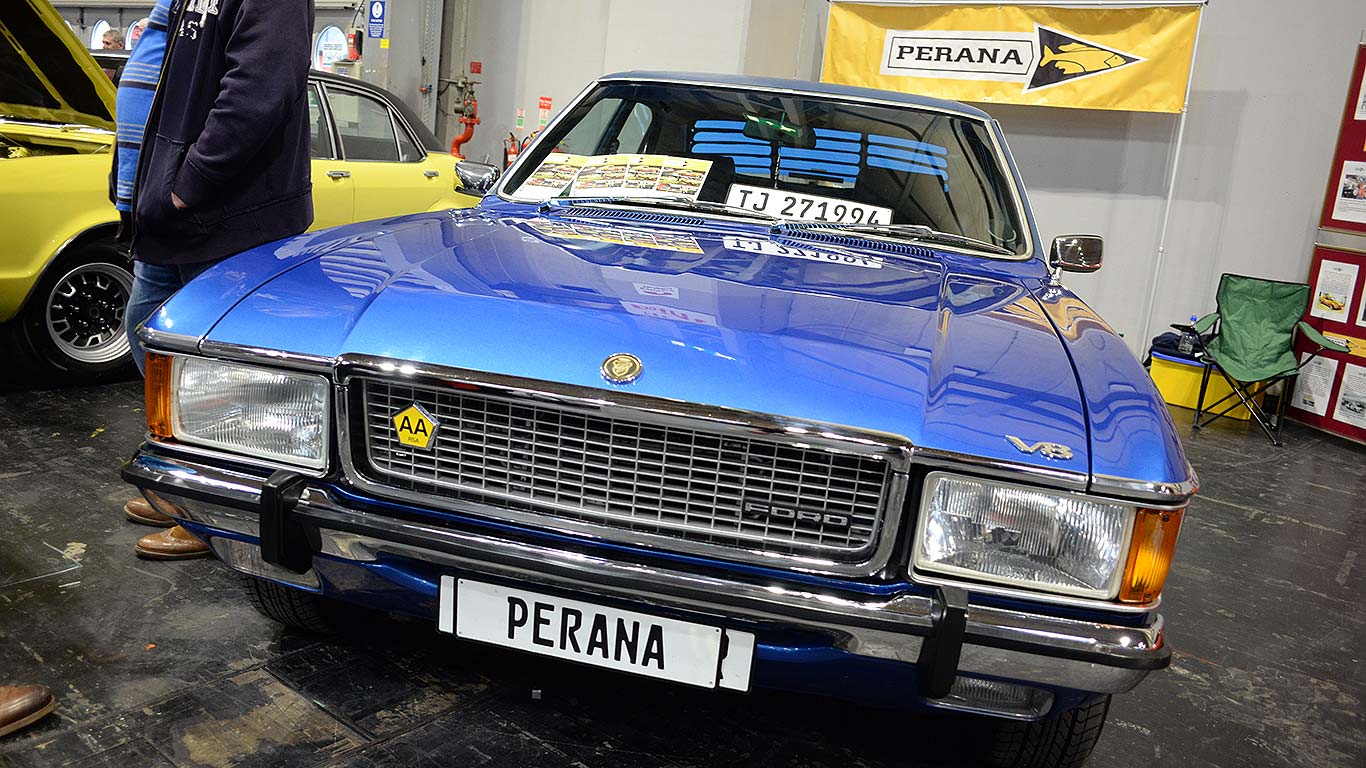
Ford Granada Perana V8
A Ford Granada Perana? What’s that? Why, a bona fide fast Ford that’s what – courtesy of a 5.0-litre V8 Mustang engine under the bonnet. Yes, that would do it. It’s part of the famous range of cars developed by Basil Green in South African starting in the early 1970s.
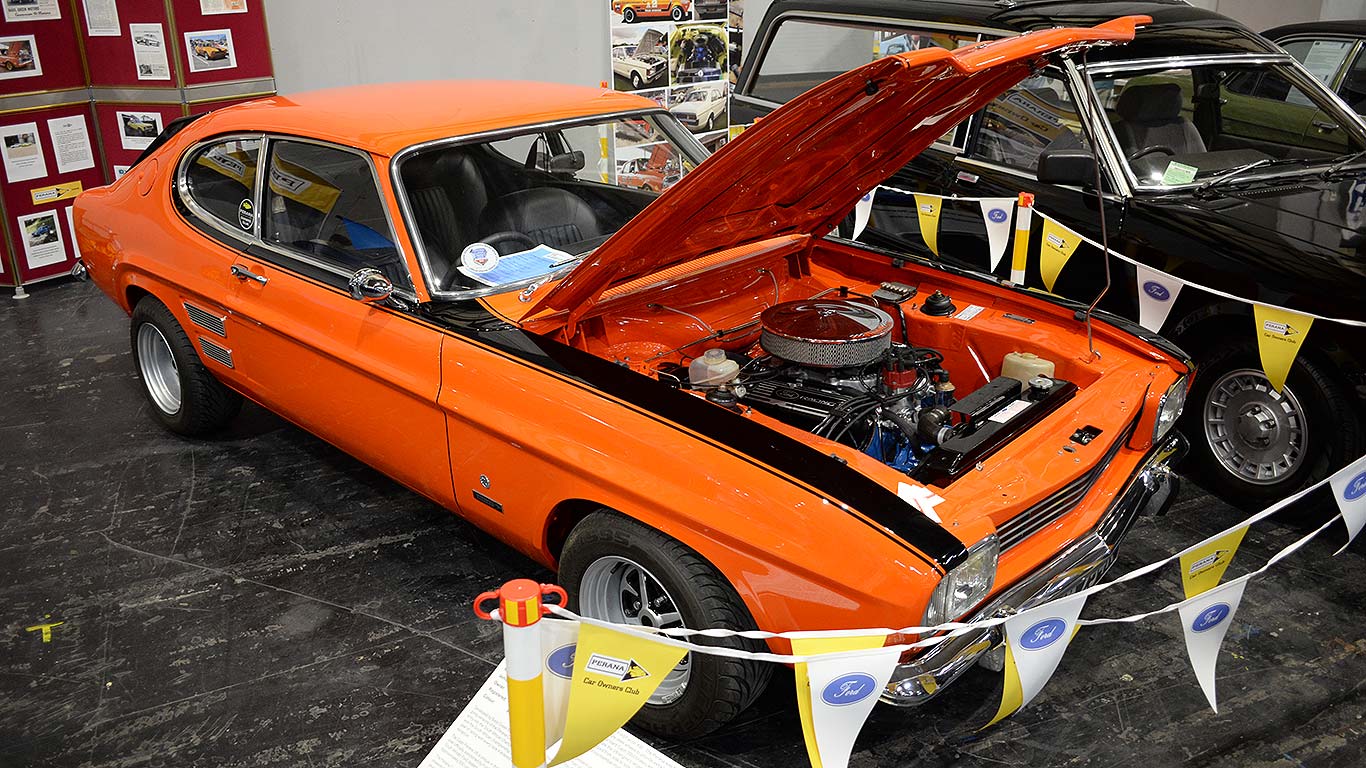
Ford Capri Perana V8
Green also popped a V8 into the Ford Capri. It really was the British Ford Mustang – and remarkably, the Windsor Small Block motor weighed barely any more than the lumpy old 3.0-litre V6 it was swapped for. Buyers could pick from Bright Yellow or the Peri Peri Red pictured here.
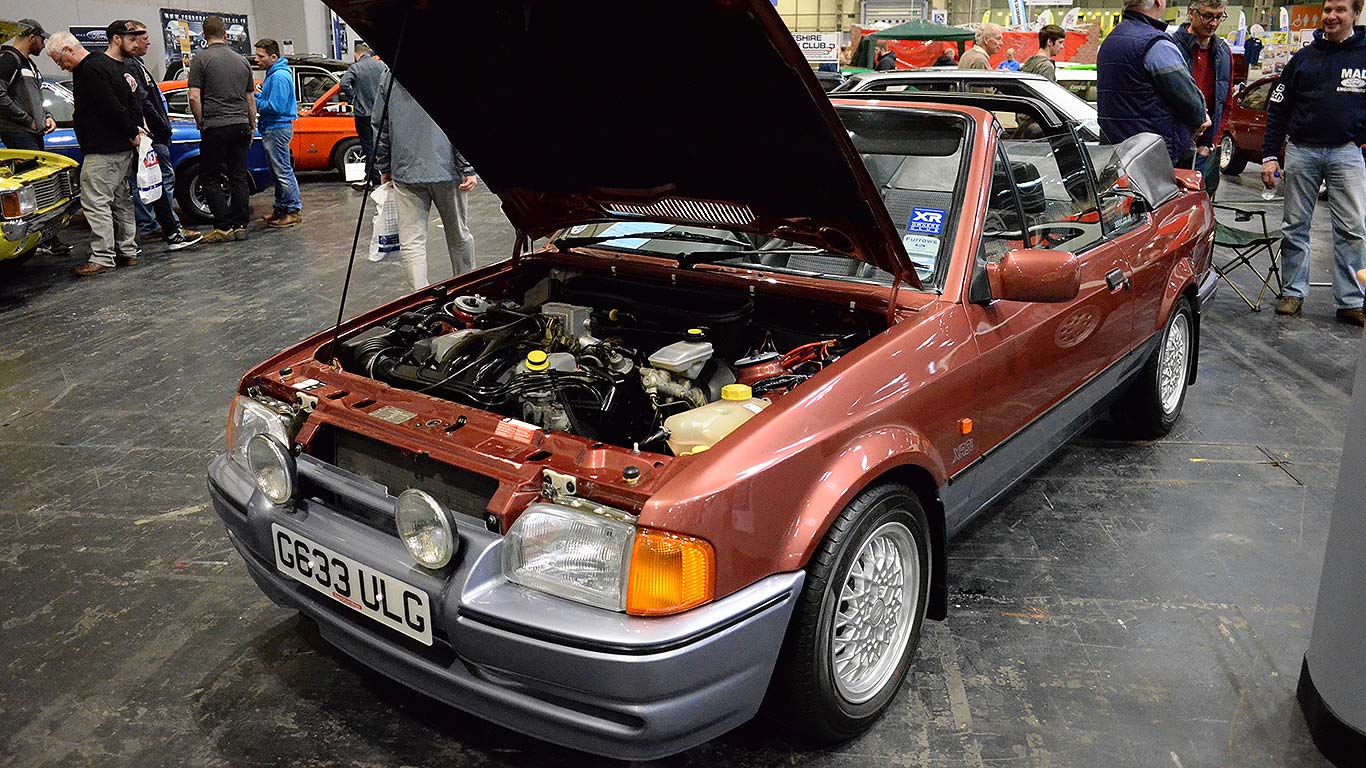
Ford Escort XR3i cabriolet
Those of us of a certain age, who grew up watching Dempsey & Makepeace, will always hanker for a Ford Escort XR3i Cabriolet. This later ‘Mk3.5’ was posher than anything Makepeace ever drove, but still desirable, particularly in this limited-run two-tone paint finish.
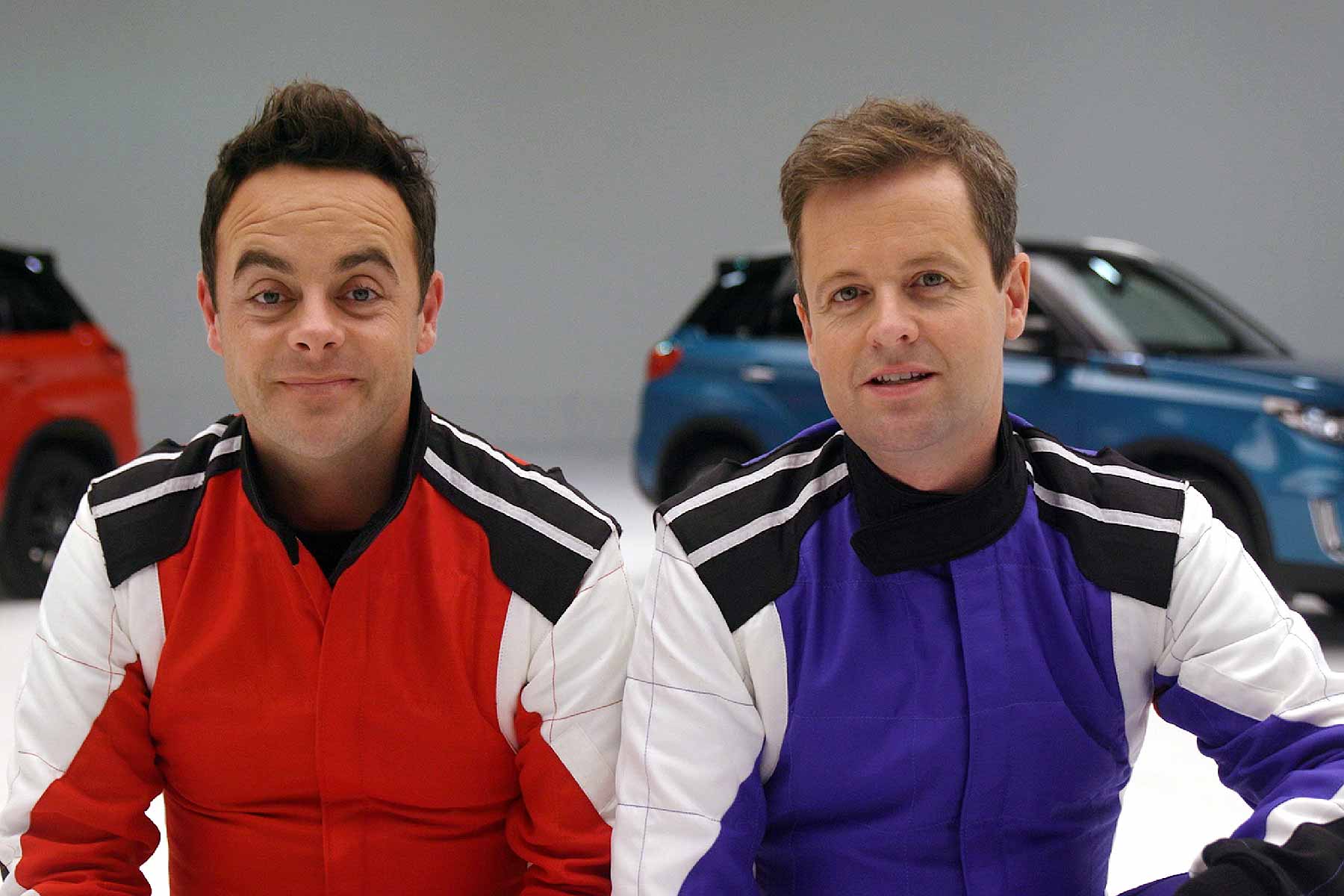
Suzuki GB has announced it is ending its advertising campaign with Ant & Dec, following Ant McPartlin’s drink-driving charge.
The firm says it will air no further material featuring the pair – and its endorsement deal with Ant & Dec has also ended.
“We agree with ITV and Ant & Dec that it was the correct decision not to broadcast Saturday Night Takeaway this weekend. As a car brand. we recognise the seriousness of Ant’s charge.
Original Batmobile signed by Batman stars up for sale
“We completely support Ant’s decision to seek treatment.”
It’s not the immediate end of Suzuki on Saturday Night Takeaway, though. The car firm has agreed to continue its sponsorship of the final two series of the show, with its current advertising films.
“Suzuki very much supports Dec and ITV’s decision to broadcast the shows and as headline sponsors we also want to support the competition winners who have won places on the Plane to Florida for the series finale.”
Ant was charged with drink-driving after being arrested last Sunday after crashing his black Mini Countryman Cooper S. A passenger in one of the other cars he hit – a green Mini – was later taken to hospital as a precaution.
Amateur footage showed Ant emerging from the crashed Mini in a dazed state, after colliding head-on with a BMW X3.
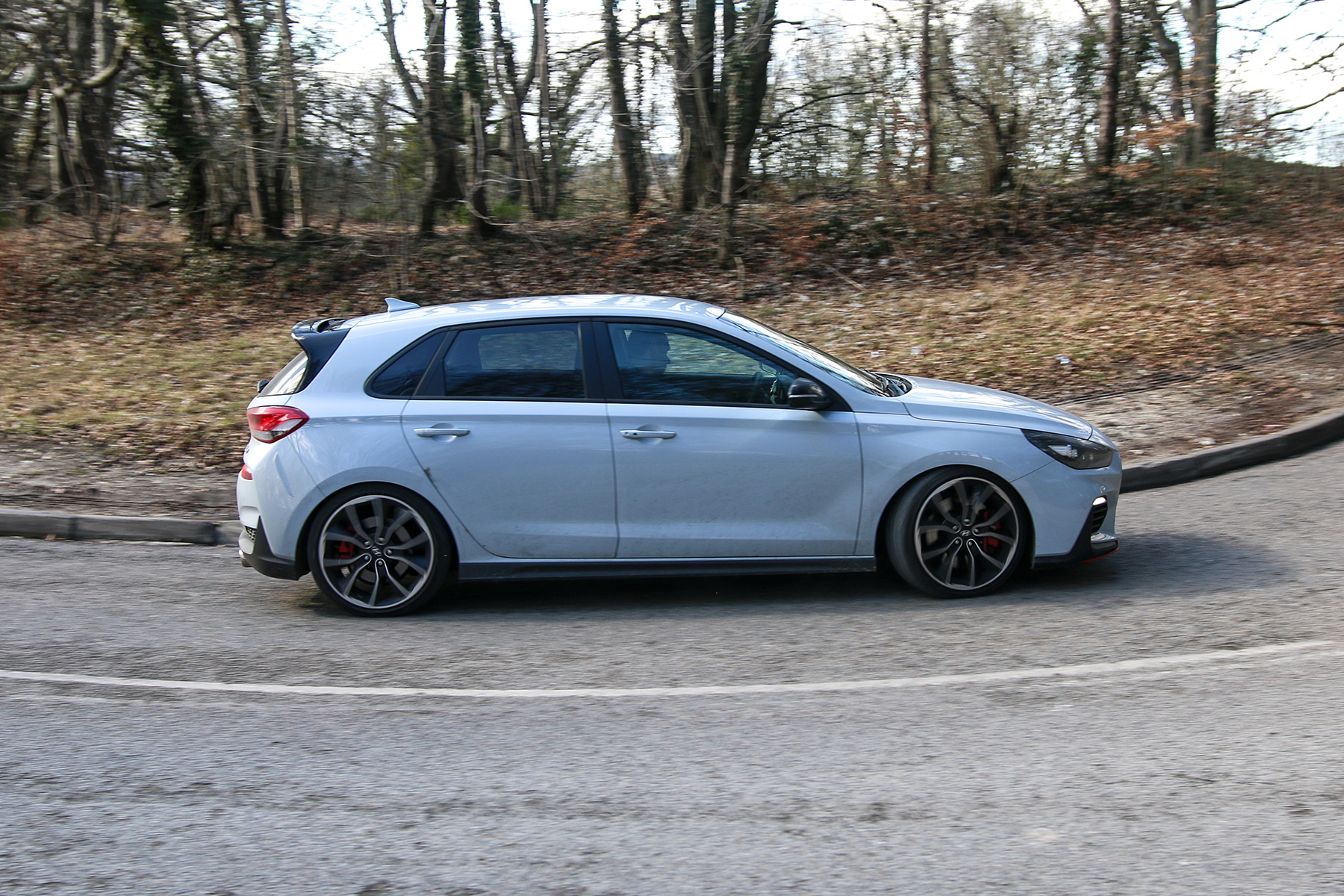
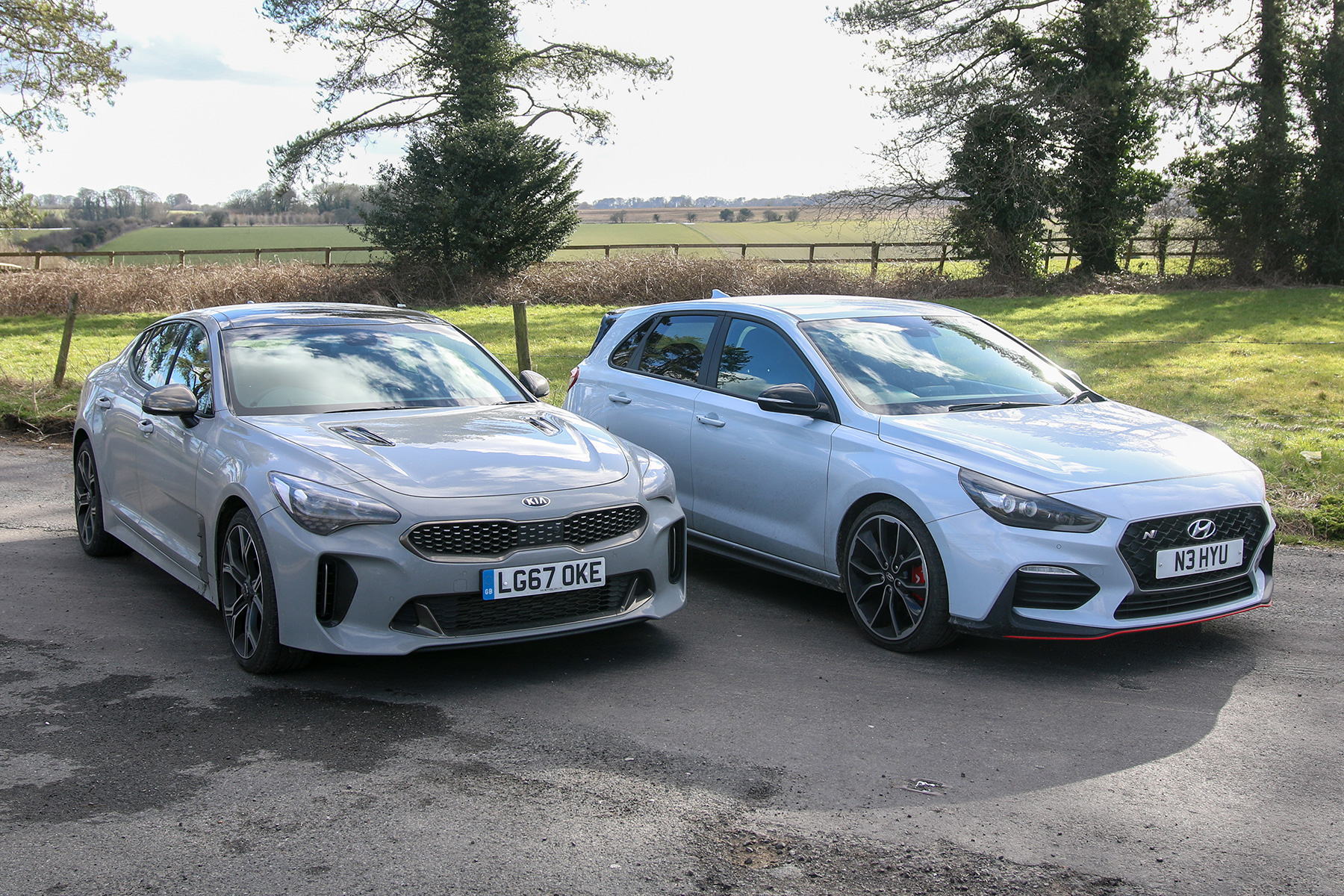
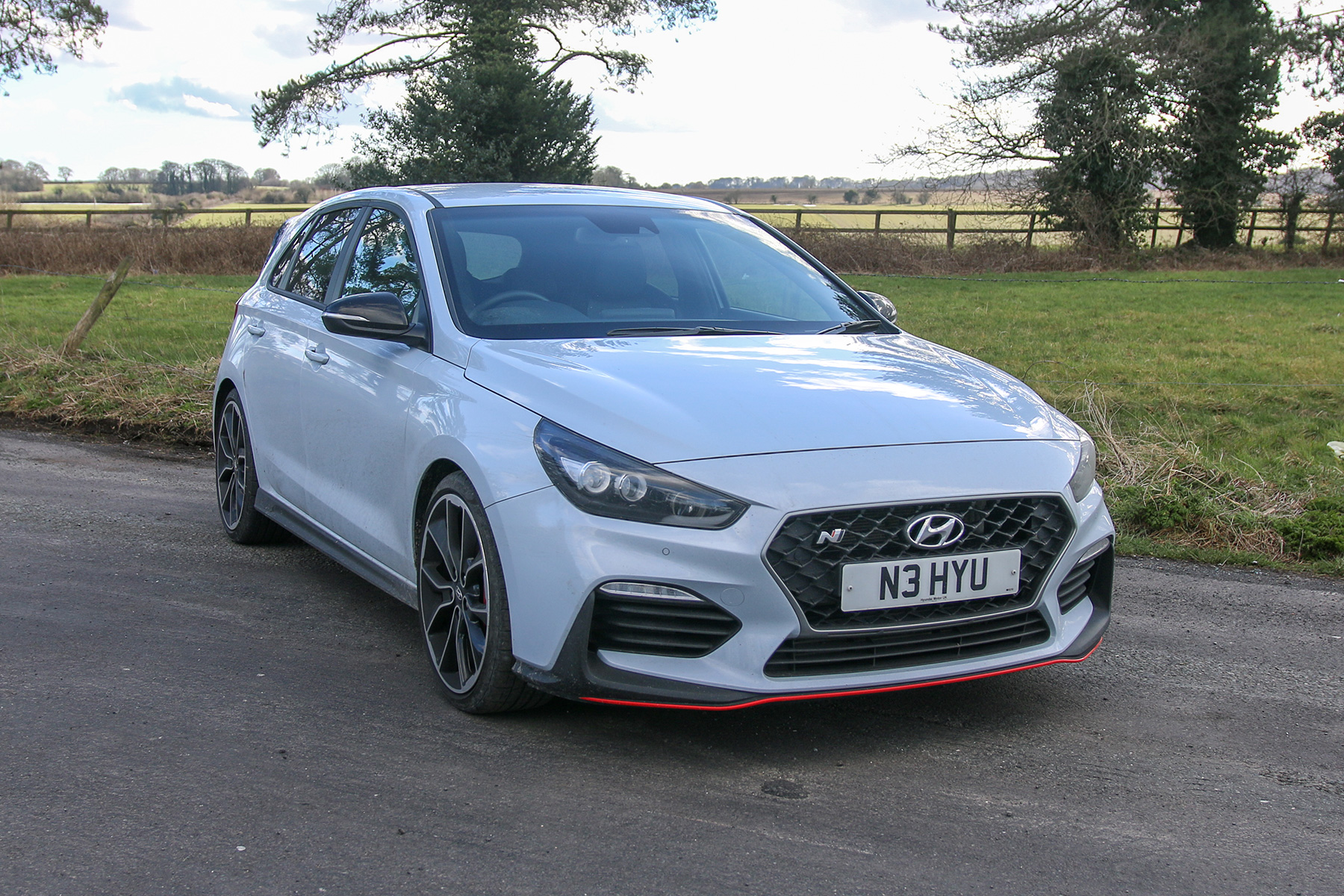
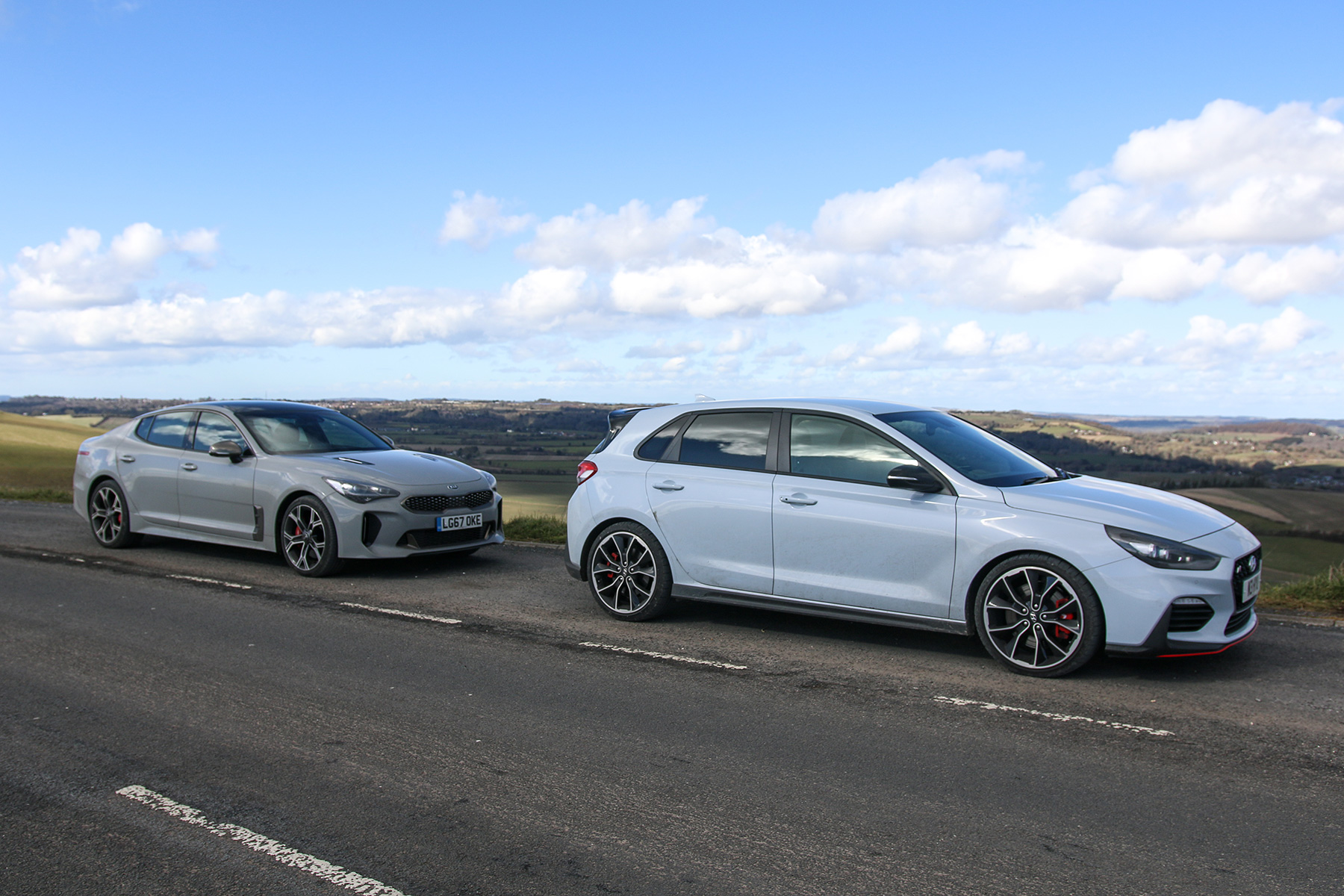
Tim didn’t have the face of a man who had enjoyed his drive. We’d arranged to meet at the site of a former Little Chef on the A303; I’d driven up from Devon in a Kia Stinger GT-S, Tim arrived from Croydon in a Hyundai i30 N.
He was late. “Rubberneckers were gawping at a crash on the other side of the road,” he complained, before muttering something about the artificial pop-pops from the i30 N’s exhaust. It’s fair to say that Tim wasn’t in the best of spirits.
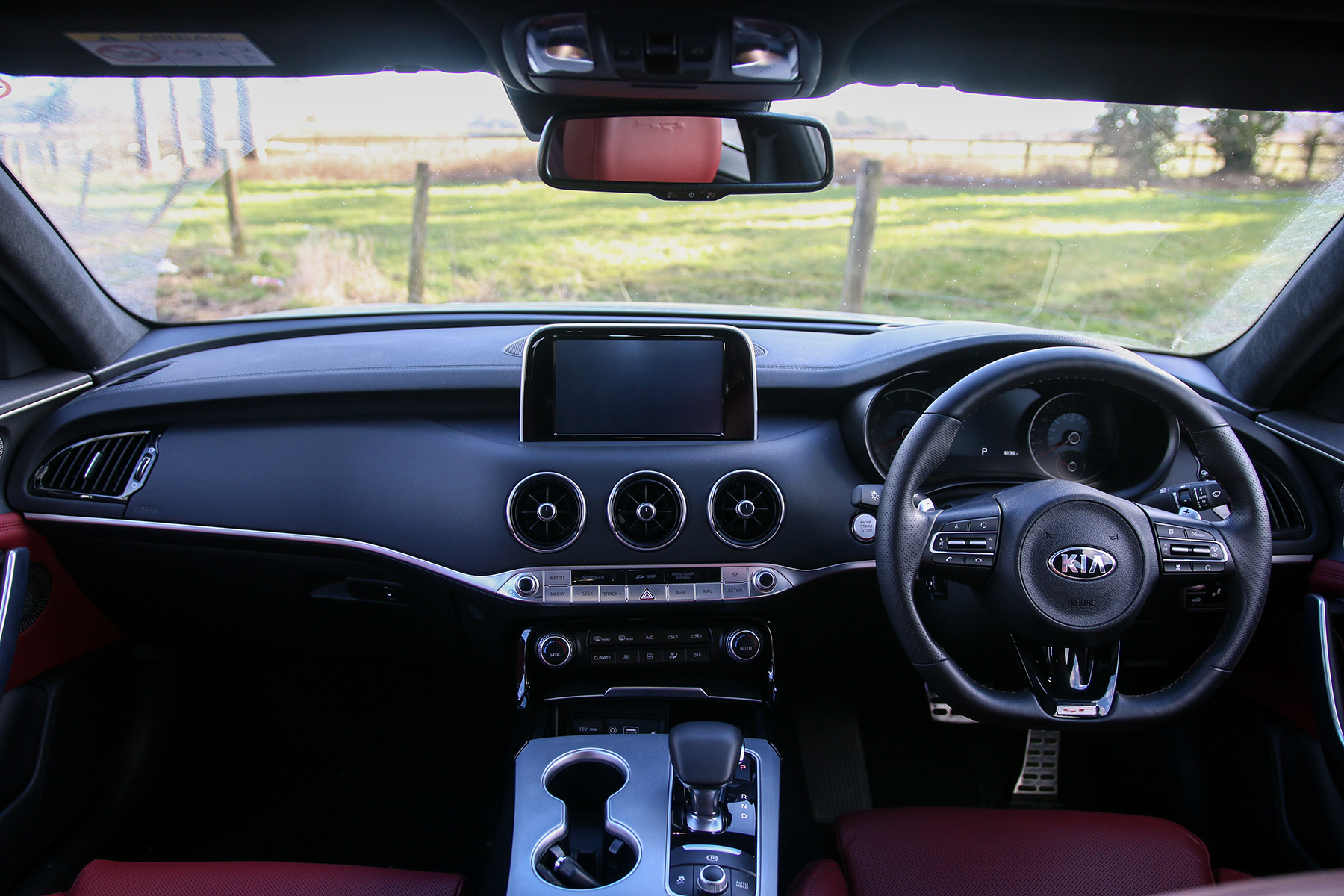
I’d experienced no such problems. Leaving a cold and frosty Dartmoor, roads still lined by piles of drifting snow, I had settled into the sumptuous Nappa leather upholstery of Kia’s performance flagship, climate control set to just-so, steering wheel and seats warming my extremities.
This wasn’t a morning to engage Sport+ mode, which disengages the traction control. But for weaving in and out of the slow-moving traffic on the A30 and A303, the Stinger was proving itself to be an impressive GT car.
No objections to a rowdy exhaust, but the i30N makes EXACTLY THE SAME three pops every time you downshift. It’s all a bit artificial. pic.twitter.com/wCgIHwwaBo
I arrived with time to spare, able to enjoy a large Americano before Tim and Bradley, our videographer for the day, loomed into view over the Wiltshire horizon. Bradley had dispatched with the i30 N many miles previously, providing further evidence that Tim wasn’t warming to the Hyundai.
If a hot hatch fails to stimulate a response to an upstart in a 1.4-litre Corsa, it’s probably not fit to wear the badge. “Do you want to swap cars?” asked Tim. I declined the invitation. I was having too much fun in the Kia and Tim wasn’t exactly selling the Hyundai very well.
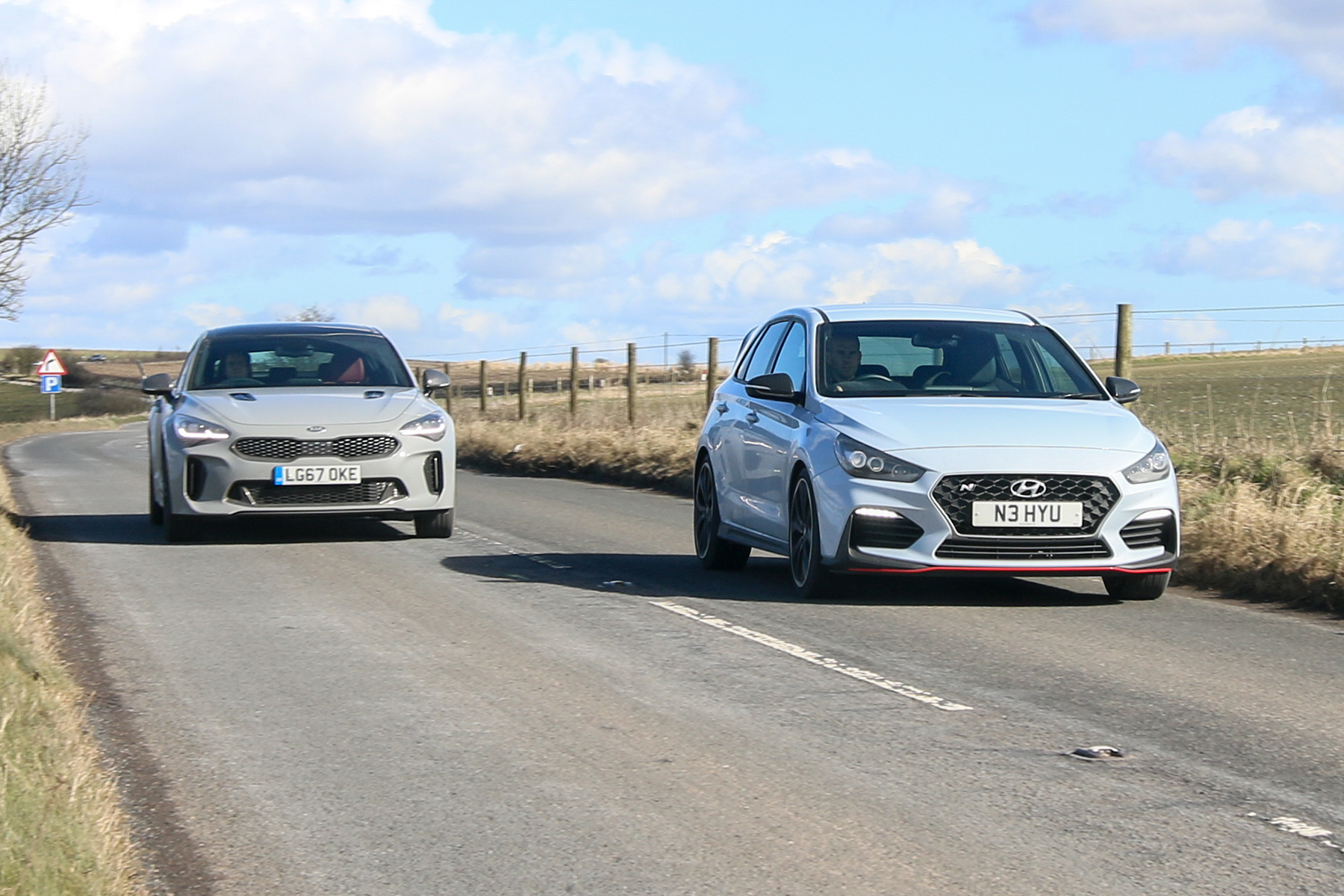
From our rendezvous near West Knoyle, we made our way down the A350 to our base camp for the day: the top of Zig-Zag Hill, on Cranborne Chase. Where better than Britain’s bendiest road to test two of the more welcome ‘beasts from the east’? Drivers can expect to experience the same gravitational forces as on a rollercoaster: maybe this would be enough to lift Tim’s gloom.
From white goods to white knuckles
This wasn’t intended to be your stereotypical twin-test. The cars are at opposite ends of the performance car spectrum, appealing to very different demographics. Brogues and Converse, tweed and Superdry, etc.
No, the point of gathering these two Korean missiles atop a windswept hill in Wiltshire was to mark a changing of the guard. There’s a sense that these cars represent so much more than two performance weapons: there’s a bigger story to tell here.
The Stinger GT-S and i30 N lay down a line of tyre rubber on the road: these brands are shifting from an image of warranties and white goods to wantonness and white knuckles. All of a sudden, where once upon a time people would describe Korean cars in the context of boot size, fuel economy and length of warranty, we’re discussing 0-62mph times, launch control and G-forces.
Video: Kia Stinger GT-S and Hyundai i30 N
Specifications
Of the two, the Kia Stinger enjoyed the most exposure. An appearance on The Grand Tour, numerous front-page features and favourable comparisons with German rivals gave the Stinger – in particular the GT-S – more column inches and screen time than any previous Kia model. This all feels a long way from a rebadged Mazda 121 sat on whitewall tyres.
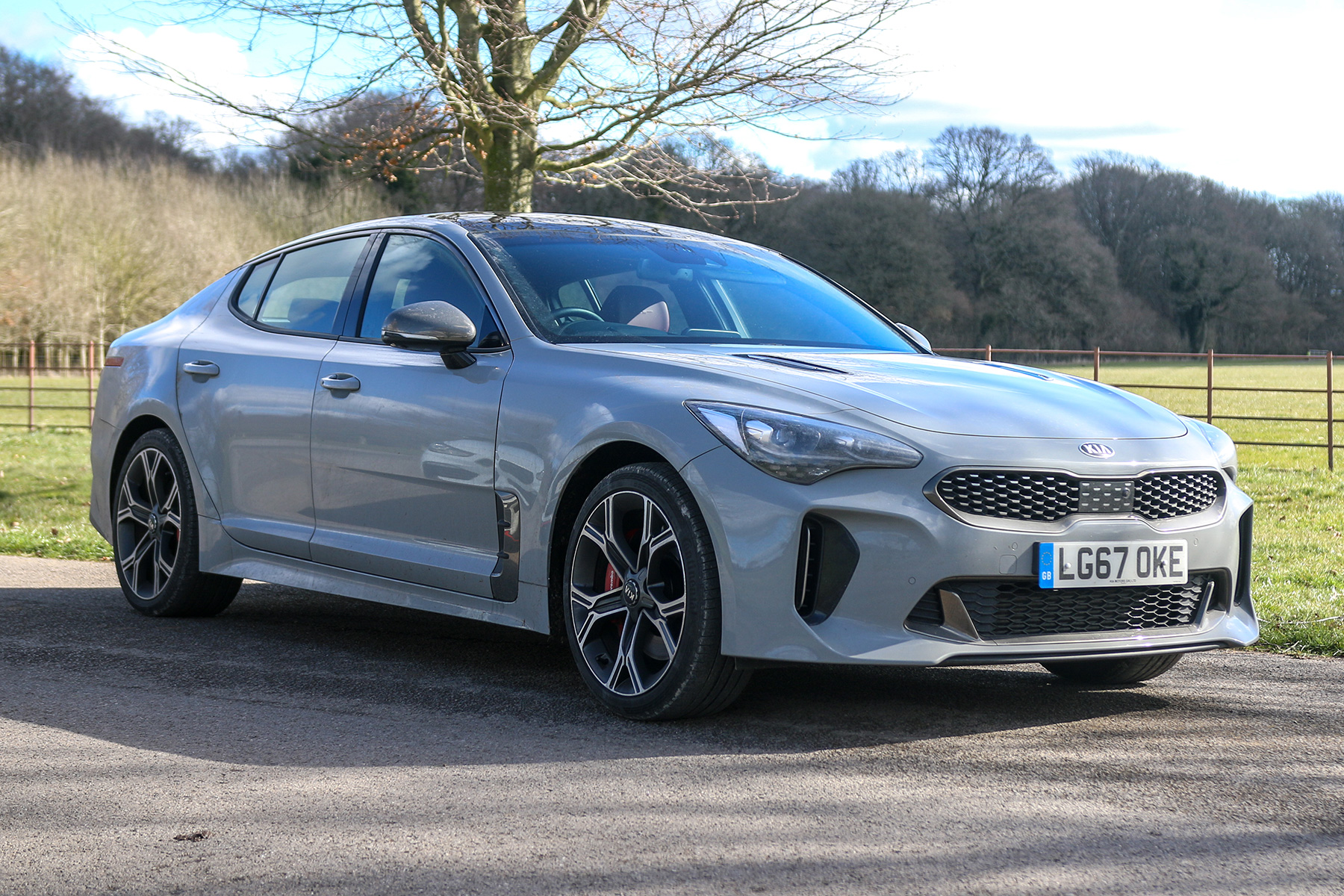
The specs are compelling: 370hp from a 3.3-litre twin-turbocharged V6 engine, enabling the rear-wheel-drive GT-S to hit 62mph from rest in just 4.9 seconds, before maxing out at an Audi-baiting top speed of 168mph. It’s the most exciting South Korean to land in the UK since Song Heung-min arrived at White Hart Lane.
Or is it? The Hyundai i30 N’s figures are no less compelling. In Performance guise, as tested here, the hot Hyundai develops 275hp from its 2.0-litre turbocharged engine, sprinting to 62mph in 6.1 seconds and going on to reach a top speed limited to 155mph.
In a drag race, the Stinger would leave the i30 trailing in its wake. But outright speed is only half the story. By Kia’s own admission, the Stinger is not a ‘hard-edged sports car created to be brutally fast at the expense of comfort’, and it’s worth pointing out that the i30 N was developed by none other than Albert Biermann of BMW M car fame.
For its first high-performance car, Hyundai could have taken the easy route: increase the power, stiffen the suspension, add some larger wheels and cosmetic upgrades and, hey presto, a hot hatch is born. Only Hyundai didn’t take the easy route: there would have been little point hiring Mr M to create the first N-car, only to leave a few stones unturned.
To this end, the i30 N Performance features an electronic limited-slip differential, Pirelli P Zero tyres, an active variable exhaust system, reinforced brakes, multiple adjustments for the driver’s seat, 19-inch alloy wheels, an additional 25hp over the standard N, plus the same 260lb ft of torque, albeit spread over a wider rev range.
But both N cars get five different driving modes – Eco, Normal, Sport, N and N Custom – activated via two blue buttons on the steering wheel. Much has been made about the 1,944 different settings, but in reality, once you’ve found the optimum set-up, you’ll rarely feel the need to change it. But more on the i30 N later.
GT car: Kia Stinger GT-S
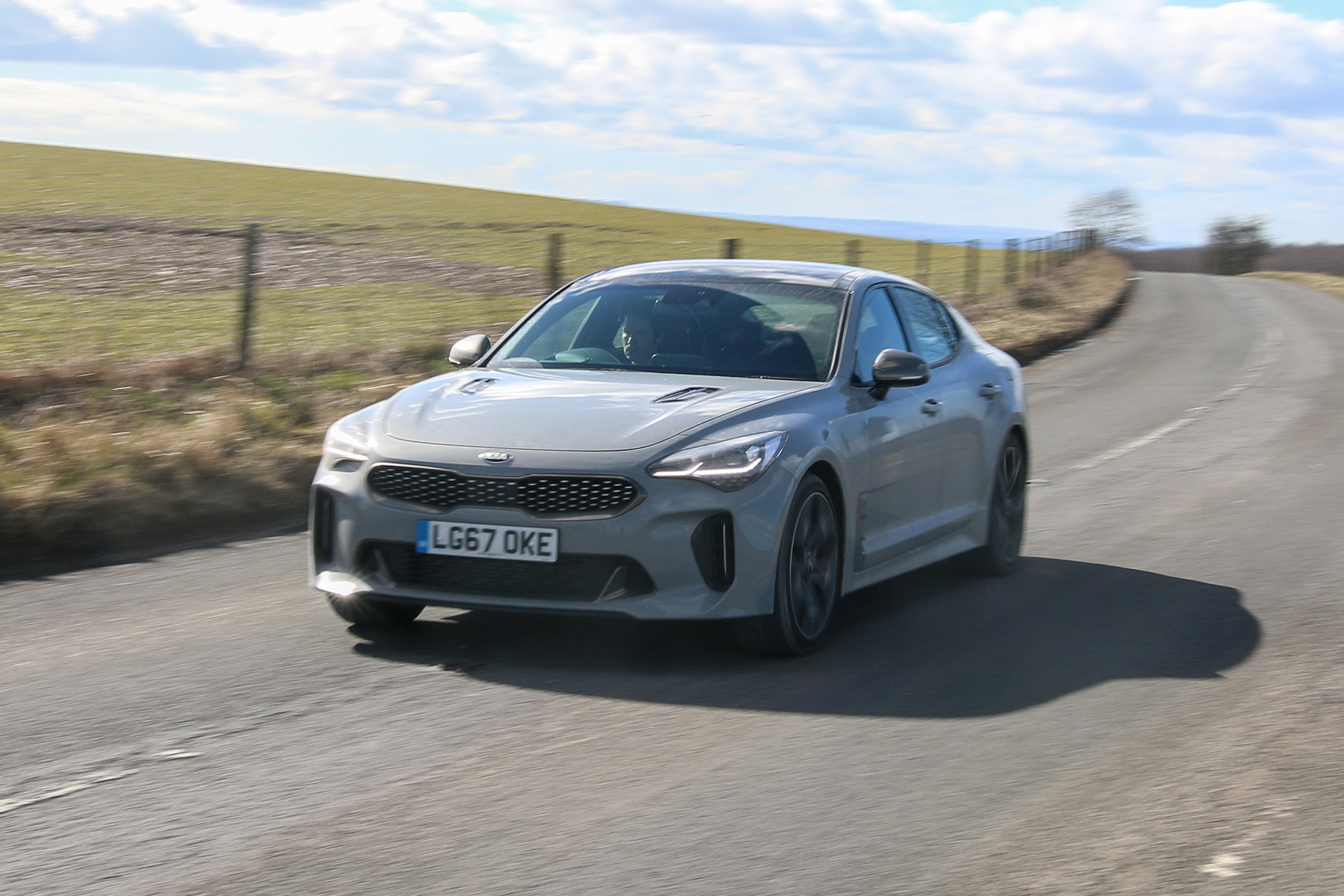
For now, I’m at the wheel of the Kia Stinger GT-S, covering ground on the gloriously open, if a little pockmarked, B3081 across Cranborne Chase. There’s no getting away from the sense that the GT-S would feel more at home on a long distance dash to the south of France or the Swiss Alps, but the Kia’s ability to cover ground quickly and gracefully is nothing short of extraordinary.
It’s that man Albert Biermann again, who took charge of the Stinger’s 10,000km testing regime at the Nürburgring Nordschleife. Let’s hope the German negotiated a decent package when he arrived at the Hyundai-Kia R&D centre. On the basis of what he has achieved so far, Biermann ought to be in line for a hefty bonus.
You sit low, hemmed in by a supremely comfortable heated and ventilated driver’s seat, with four-way lumbar support and two-way side bolster support. The D-shaped heated steering wheel is electronically adjustable, enabling you to find the perfect driving position. First impressions are great.
Things take a turn for the worse when you press the start button, as the V6 engine roars into life with all the sonorous pleasure of an electric toothbrush. There’s a slight improvement when you switch to Sport mode, which relays the engine note through the audio system, but the soundtrack is not a Stinger strong point. A deliberate ploy by the engineers: less shouty and more subtle than the German rivals? Who knows.
But you’re unlikely to be underwhelmed by the cabin. From the microsuede covering the A-pillars and roof lining to the brushed metal on the centre console, the quality of the fit and finish, while not quite up to German standards, is impressive. There’s a bit of unwanted movement from the controls and switches, but I’d defy anyone who is left feeling shortchanged by the interior.
On the move, the first thing that strikes you about the Stinger GT-S is the explosive performance. Power peaks at 6,000rpm, but 376lb ft of torque is available from 1,300pm to 4,500rpm. At 1,907kg, it’s not a lightweight car, but the torque enables you to attack the road with real venom.
It defaults to Comfort mode, but switching to Sport adds weight to the steering, stiffens the suspension and makes the soundtrack slightly less disappointing. The Eco mode is all but redundant in a car like this and gives the Stinger a severe case of lethargy. Like clunk-clicking your seatbelt, most GT-S owners will engage Sport mode as part of their pre-launch ritual.
It’s the low to mid-range punch that is most impressive, making the sprint between corners surprisingly enjoyable for a car of this size and weight. The eight-speed automatic transmission is, for the most part, able to keep up with the ferocious pace, only occasionally selecting the wrong gear when attempting a fast exit from a bend. The paddle-shifters feel suitably weighty, but annoyingly, the system defaults to auto mode after 10 seconds. On a B-road blast, this could become a major annoyance.
The steering is well-weighted if a little lacking in outright feel, but the Stinger is more agile than you’d expect. Sport mode even grants you a dollop of oversteer to give the Kia a more playful edge. Those with more talent and courage would engage Sport+ to release the shackles, but on these roads and at temperatures barely above freezing, I wasn’t going to be that guy.
Besides, you get the sense that the Stinger is more at home fulfilling GT duties than it is mixing it with GTIs. The ride quality is supple, even in Sport mode, while only a tiny amount of wind noise from the door mirrors blots an otherwise near-faultless NVH report. The levels of refinement reach far beyond the £42,595 price tag. And, yes, it’s definitely worth the money.
Fish finger sandwiches and John Peel
By now, Bradley was itching to take some photos, which gave us the opportunity to reflect on the styling of these two jewels in the South Korean car industry crown. You wouldn’t call either of them beautiful, but the Kia is the more attractive of the two.
And so it should be. The i30 N only needs to look good at night, under the orange lights of a retail centre car park or within sight of the McDonald’s drive-thru. It falls somewhere between the sombre-suited Peugeot 308 GTI and the OK-if-you’re-an-eight-year-old Honda Civic Type R. Fine from certain angles, but that rear end is, quite frankly, a bit of a mess.
Yeah, so our South Korean feature wasn’t so original, but at least we got to enjoy a fish finger sandwich at the brilliantly retro John Peel cafe in Shaftesbury. pic.twitter.com/5Ca3N91L82
Meanwhile, the Stinger must compete in a sector where image is everything, and is suitably dripping in presence. Sure, it wears the Kia corporate grille, but it looks quite unlike anything else in the range. There’s a lot for the eyes to take in, and on more than one occasion we found ourselves just stood there, staring at the car. It has that effect on people: folk want to know more about it and what it can do. As a statement, the Kia Stinger GT-S probably says more positive things about you than any of its German rivals.
With Bradley happy with his shots, Tim was craving his turn behind the wheel. We retired to the brilliantly retro John Peel cafe in Shaftesbury for fish finger sandwiches and a debrief, before switching cars for the afternoon session.
Hot hatch: Hyundai i30 N
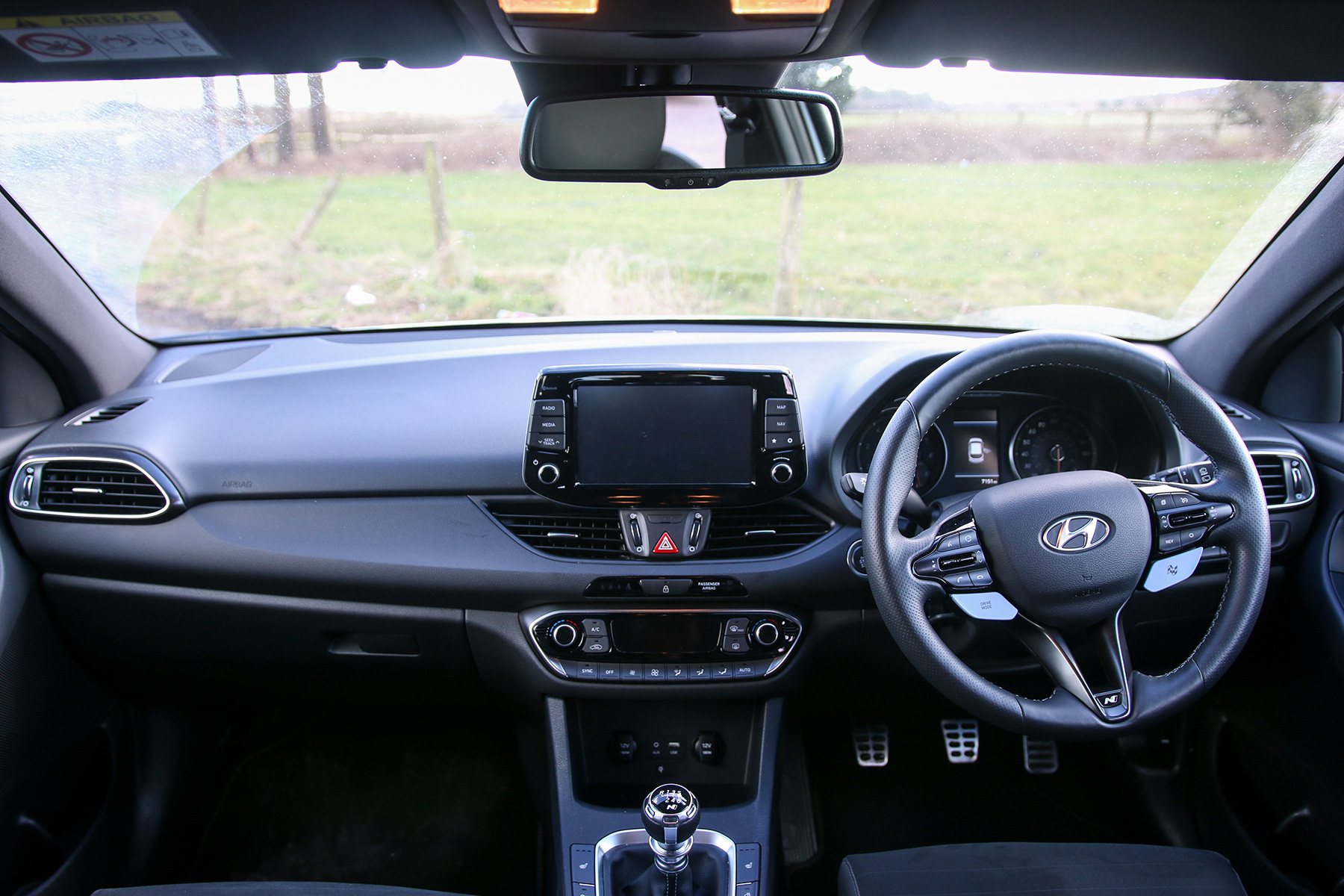
There’s a short drive from the town centre to the bottom of Zig-Zag Hill: just enough time to get used to the switch from GT to hot hatch. First impressions aren’t as favourable: the i30 N’s cabin is bordering on dull, saved only by the sports seats, bespoke gear knob, leather-trimmed steering wheel and N-branded door sill.
But let’s not be too quick to criticise the i30 N. A hot hatch can only work with the tools at its disposal, which is in stark contrast to the Stinger, designed from the ground up to be a lavish GT car. Besides, we’re not here to compare the two cars, and the i30 N Performance is around £12,000 cheaper than its warranty-enriched Korean stablemate.
After the rich and full-bodied Stinger, the i30 N provides more of an espresso-style hit. Unable to resist the temptation to switch to full-on N mode, the i30 reached the foot of Zig-Zag with far more urgency than the Kia. Hardly surprising given that N mode means everything is set at the most intense level.
The exhaust note brings a symphonic soundtrack to the party, creating a sense of theatre that is missing in the Stinger. The burble at idle provides a bucket-load of anticipation, while the ‘after-fire sound’ – or pop-pops, in non-Hyundai speak – is intoxicating and a tiny bit anti-social. If the GT-S could soothe you into middle-aged contentment, the i30 N takes you back a couple of decades. It’s a hooligan, and it’s all the better for it.
The twists and turns of Zig-Zag Hill must have sounded raucous to anyone within a three-mile radius of the i30 N. You’re forced into first gear to make a swift exit from the tightest bends, but the payback is a sound akin to rapid gunfire, as the exhaust emits a multitude of pops on the over-run. The noise reverberates off the trees as the Hyundai makes its way out of the gloom, blinking as it breaks into the sunlight at the top of the hill.
All the while, that E-diff is working its magic, with the limpet-like grip of the i30 N seemingly unfazed by the less than perfect surface of the hill. Switch to Normal mode, and the Hyundai is far less effective, understeering perilously close to the edge of the road if you attempt to exit a bend too quickly.
Yes, the suspension is almost unbearable in its stiffest setting, bouncing the driver up and down like Tigger on acid. However, as I discovered later, you can use Custom to leave everything in the most extreme setting, but soften the suspension to Sport or even Normal mode. On the roads of the west country, the i30 N felt at home as a cream tea – jam first, cream second – and I stand by my point that you only need two modes: Custom and Normal.
Ninety-nine percent of the time you’ll be in Custom mode, revelling in the heroic rev matching and active exhaust, switching to Normal only to pass horse riders, make a quiet exit from a sleepy village, or to relax on a long and tedious schlep up a motorway. Not that you’ll spend too long on boring roads: the i30 N is the kind of car that encourages you to leave a motorway an exit earlier or to take the long way home, again and again.
Korean two-car garage
It was becoming increasingly apparent that Tim was finding his groove in the Stinger. As I tucked in behind, hustling Ronin-style through the tight bends, the i30’s unrelenting grip levelling the playing field, I could only watch as the Stinger catapulted away when the road opened up. Occasionally, the rear end would kick out, adding drama to the occasion. Tim spent the afternoon smiling.
From the outside, the Stinger GT-S has a formidable presence, with the quad exhausts acting like a four-barrel signal of intent. In Ceramic Grey (or primer, as some people called it), the GT-S has the look of a prototype vehicle, although opinions are divided on whether or not this is a good thing. Amusingly, the only no-cost option is Ember Orange, which suggests that somebody at Kia has a sense of humour.
I could wax lyrical about these cars forever more and, blissfully free of a word count, I’m dangerously close to doing just that. But, conscious that Tim needs to add his counterpoint, and you’ve got better things to do, I’ll conclude with some passing comments about the two cars.
These aren’t just great performance cars by Korean standards, they’re great, full stop. The Stinger GT-S is arguably the more impressive of the two, and it speaks volumes that, after a week with the car, it looks like excellent value at £42k.
I haven’t driven its key rivals, so I can’t pass comment on its position in the segment, but let me say this… I’ve just enjoyed one of *the* best drives home. I’m half tempted to carry on to Land’s End. Buzzin’ pic.twitter.com/fmmgCZLf7r
But the i30 N will live long in the memory. Driving back from Zig-Zag Hill, I had one of those drives when the road opens up, the traffic clears, and the planets align. Like the time I drove a Fiesta ST along the entire length of the A470, or a VX220 Turbo on an empty Klausen Pass, or a Racing Puma on the A429 through the Cotswolds – just as the sun was setting. My journey on the A30 in the i30 N gets a chapter in my imaginary book of great drives.
To draw comparisons with other hot hatches would be too miss the point. The i30 N feels like a very special, well-developed and serious performance car. Similar things could be said of the Stinger.
Both deserve to sell in big numbers, but a part of me hopes that they don’t. Many will cling to the tried and tested brands, leaving the enlightened to discover these two heroes. Free-thinkers apply within: extended warranties have never looked more alluring.
Counterpoint: Tim Pitt
Perhaps I expected too much. I’d been looking forward to the i30 N for months, especially after the first slew of five-star reviews. But although it’s a credible contender – and unquestionably the most exciting Hyundai yet – it isn’t the Golf-toppling game-changer some have suggested.
The i30 N is like a Big Mac or Radio 1: fun for short periods but ultimately unsatisfying. My main beef concerns the chassis, which feels slightly leaden in Normal and Sport settings, then responsive but rock-hard in all-guns-blazing N mode. The fast-flowing fluidity of a BMW M140i or Ford Focus RS simply isn’t there.
I’m not sold on the steering either. It’s weighty, but inconsistent – lacking the finely-layered feedback that characterises a great driver’s car. From a standing start, the hot Hyundai is an impressive effort. But I’m sorry Gav, it’s not for me.
The Stinger, on the other hand, feels fit to take on the best in its class. It’s a thoroughly well-sorted sports saloon, with a muscular V6, strong Brembo brakes and playful yet progressive handling. It’s no surprise that Albert Biermann was a key player in the car’s development: remove the badges and you could be driving a BMW.
This isn’t a comparison test, and perhaps the odds are stacked anyway– given that the Kia is over £12,000 more expensive. Still it’s the car that most convincingly takes on the establishment, so the Stinger gets my vote.
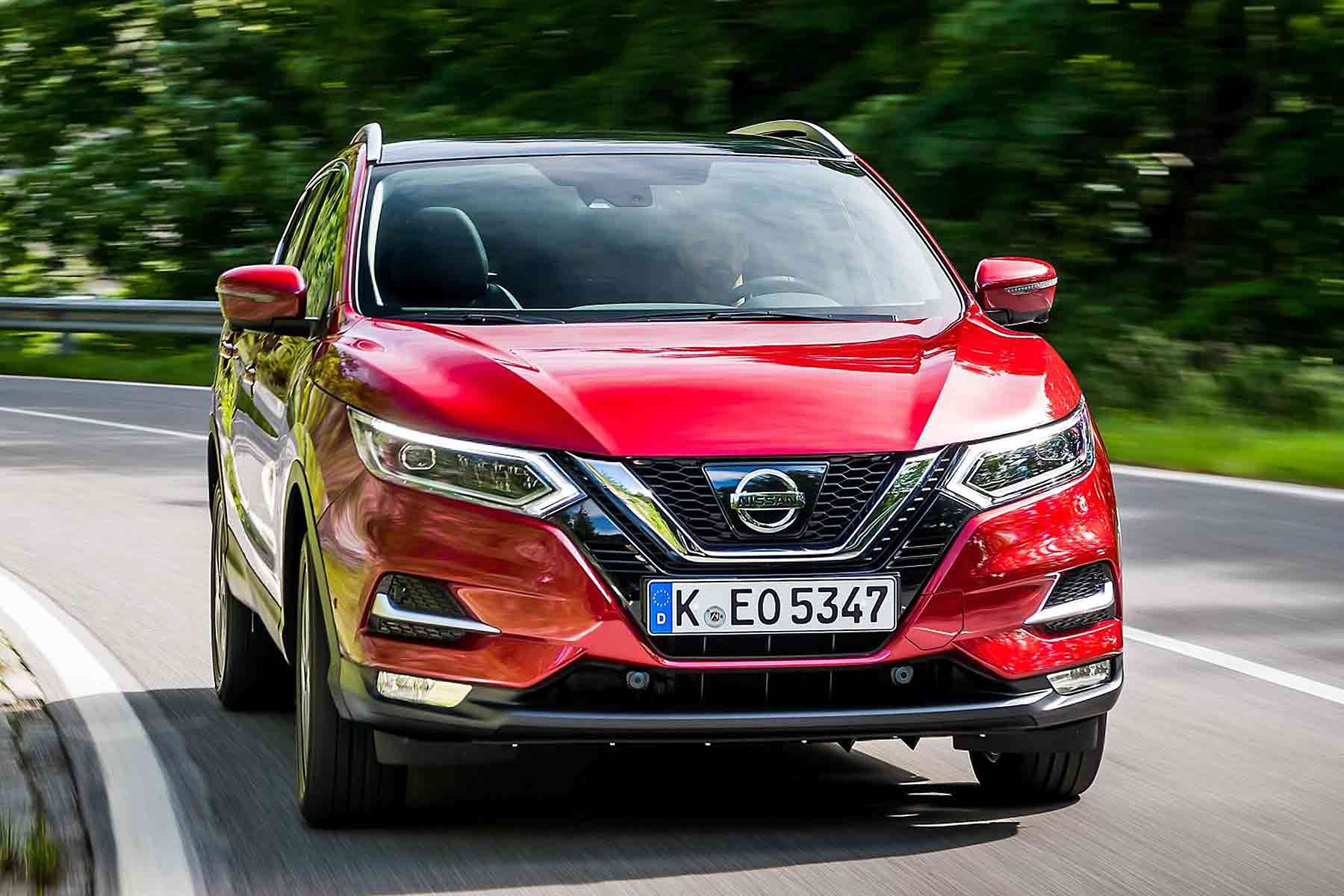
The march of the SUV continued across Europe in February 2018, as the region enjoyed its best February performance in a decade. Overall sales were up 4.2 percent, despite declines in two key markets, the UK and Italy.
Diesel registrations plunged by a whopping 12.8 percent last month, taking the under-attack fuel’s share down to 39.5 percent of overall sales. In Germany, sales were down 19.2 percent, and they plummeted 23.5 percent in the UK.
Petrol sales, however, grew by 16 percent and alternative fuel vehicles outpaced even this with an 18.5 percent boost.
New SUV registrations were up nearly 25 percent, to an incredible 382,600 units. That accounts for one in three sales, although not all SUV sectors are on the up: full-size and luxury SUVs actually declined 12.6 percent last month.
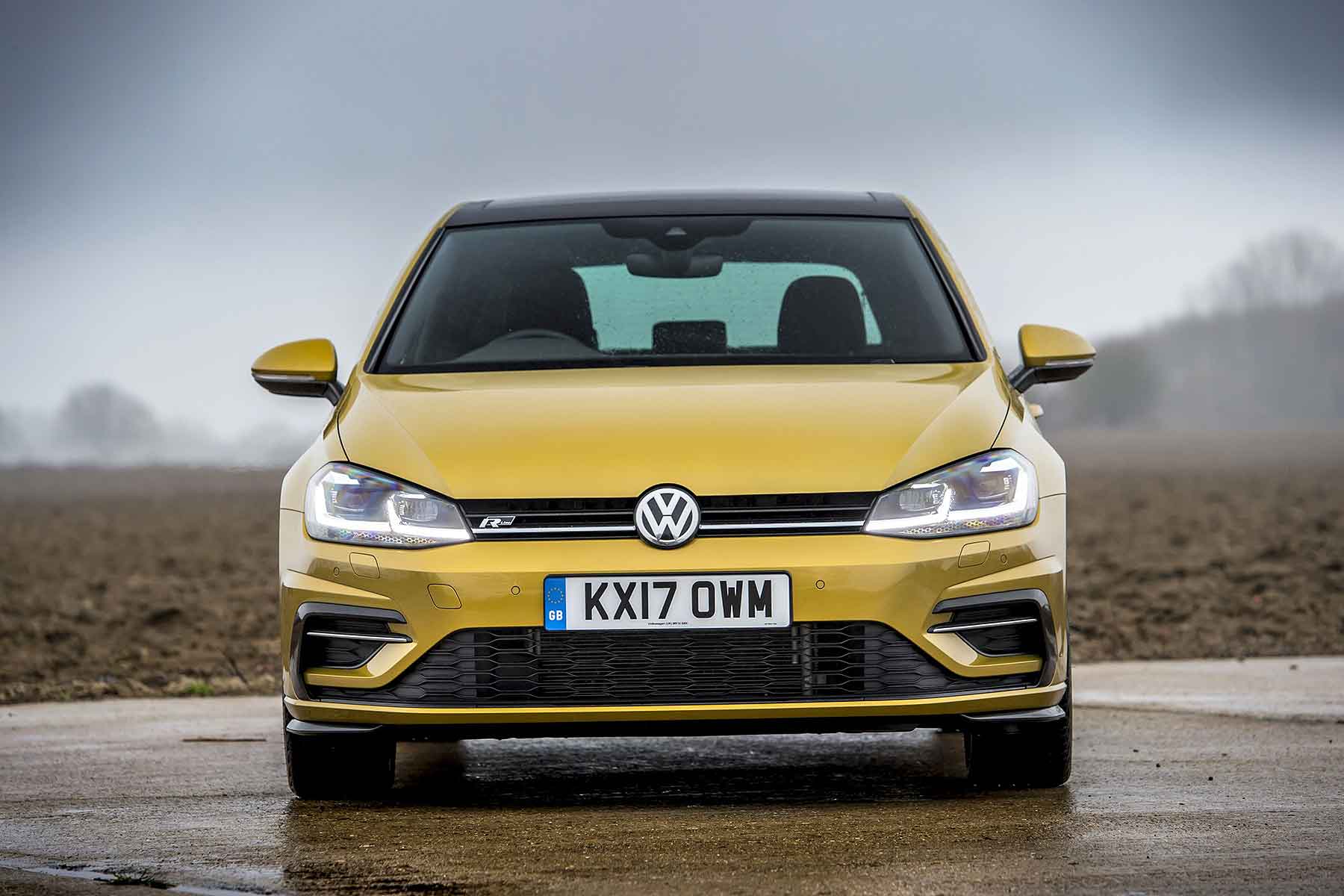
Some brands are really benefitting from the SUV craze. Volkswagen has been on a launch spree, and its SUV sales shot up 37.7 percent, to almost 69,000 vehicles – it’s now behind only Renault-Nissan in terms of overall SUV and crossover volume.
Volkswagen Group also grew its overall European market share, to a commanding 24.3 percent.
City car sales were stable: Renault and Volkswagen registrations declined, but a stronger performance from Ford, Peugeot, Citroen and Skoda helped ensure superminis remained Europe’s second-favourite type of car, favoured by 1 in 5 buyers.
Despite the frenzy to buy an SUV, though, the Volkswagen Golf remained Europe’s best-selling car, with registrations actually growing a healthy 16 percent, to almost 37,000 units. The Renault Clio was second and the Peugeot 208 third. And the best-selling SUV in the EU? Nissan’s Qashqai – which uniquely, neither gained nor lost sales.
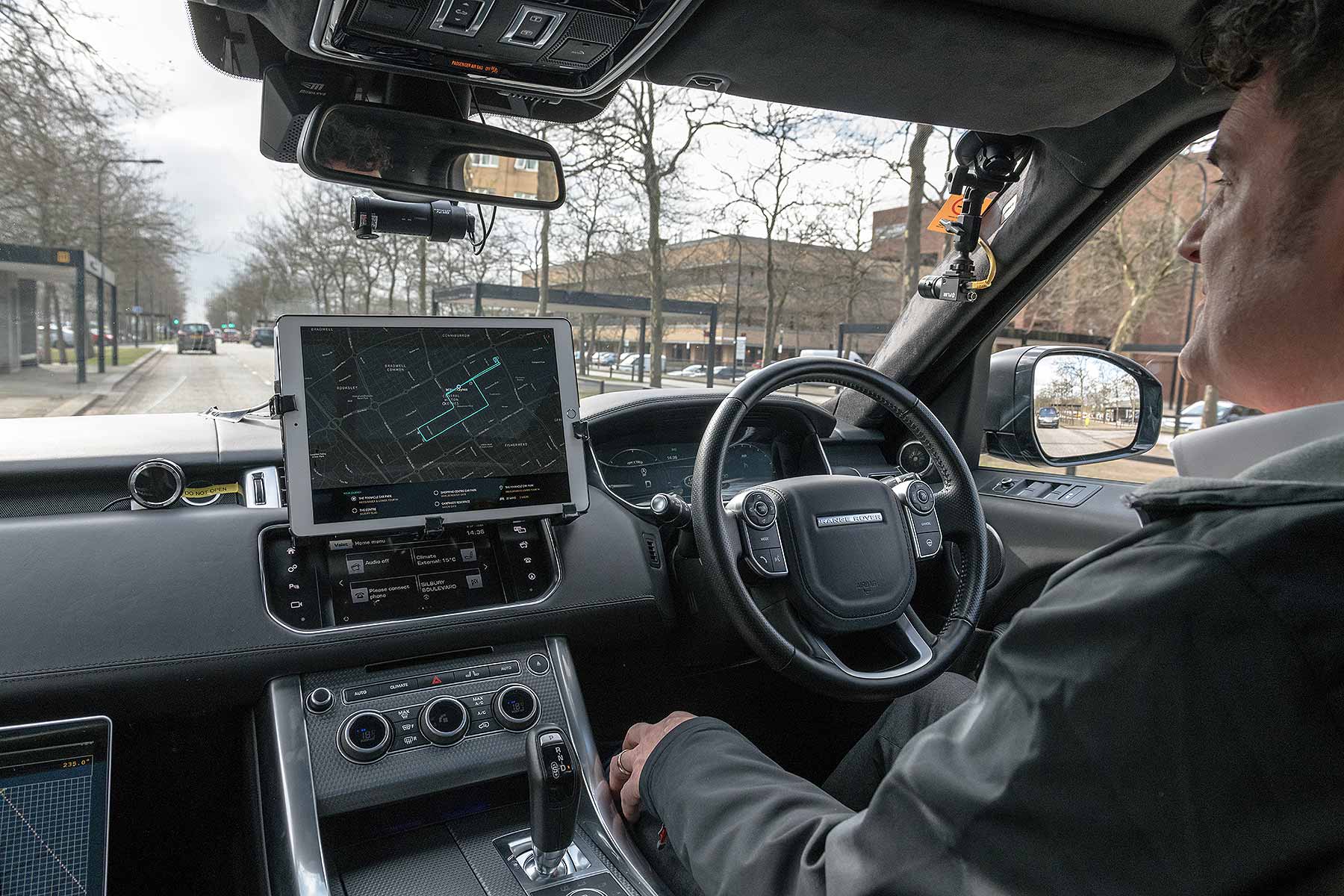
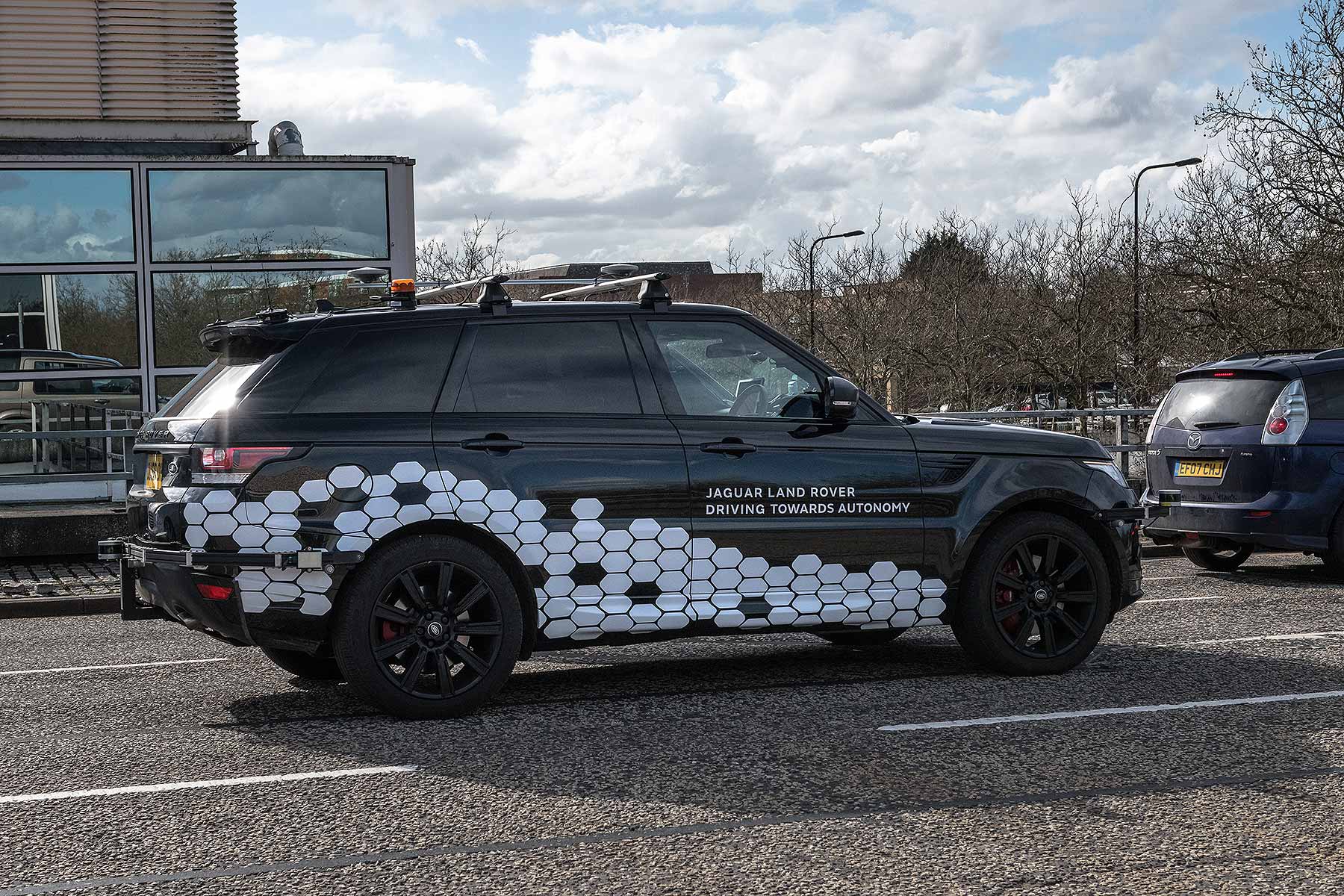
Jaguar Land Rover has demonstrated how self-driving cars can help cut traffic in Milton Keynes, with a public trial on open roads showing how autonomous vehicles can search for parking spots by themselves – and then automatically self-park within them.
The trial is part of a project JLR is running with self-driving consortium UK Autodrive.
Experts reckon autonomous cars could significantly cut city centre traffic, by slashing the number of cars driving round simply looking for spaces. Using information from ‘connected’ parking bays, the autonomous Jaguars and Land Rovers demonstrated how futuristic cars could instantly route to the nearest free bay at the end of your journey.
The ‘self-driving valet’ would then park your car for you in the bay.
Joerg Schlinkheider, JLR chief engineer for automated driving, said: “We’re investing heavily in automated technologies to make our customers’ lives safer and more convenient.
“Reducing the everyday stresses of driving – like squeezing into a tight parking place – means that we can all focus on the more enjoyable aspects of our cars.”
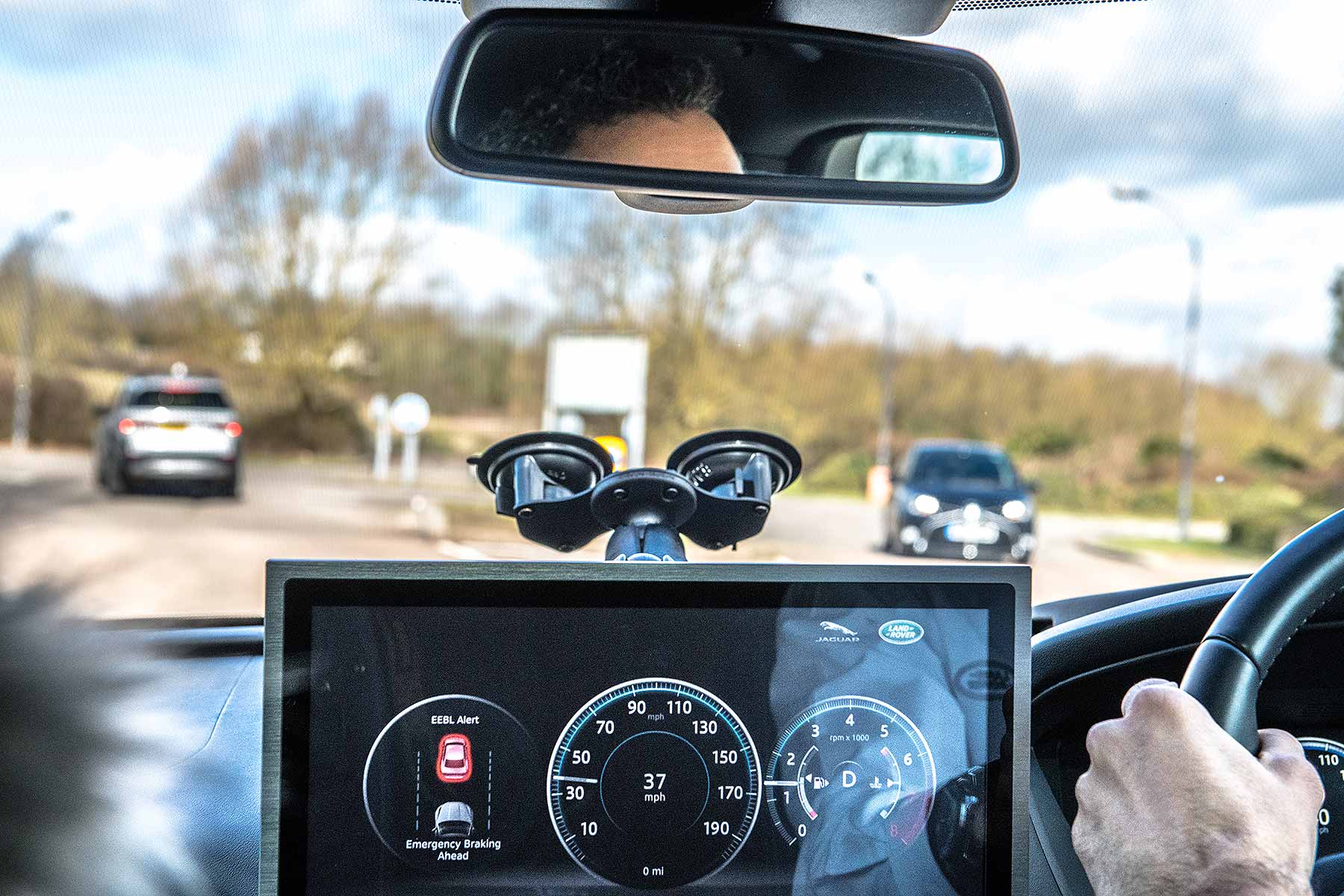
On the roads of Milton Keynes, JLR also showed two advanced driver aid features, called Emergency Vehicle Warning and Electronic Emergency Brake Light. Both of these connected car features involve vehicles ‘talking’ to one another, and to their surroundings.
Emergency Vehicle Warning can sense when a blue light emergency services vehicle, such as a police car or ambulance, is approaching – and which direction it is coming from.
Electronic Emergency Brake Light can detect when a connected car up ahead is braking heavily and instantly sound a warning in the car – “potentially giving drivers several additional seconds to avoid a possible collision”.
News of the JLR demonstration comes days after an autonomous Uber test vehicle hit and killed a pedestrian in Arizona. Uber has since paused all testing of its autonomous vehicles on public roads.
Ford has announced a partnership with Next that will see a showroom open inside a store in Manchester.
The five-car showroom will open in the refurbished Next store in the Arndale shopping centre. A team of 15 Ford product experts and support staff will be on hand to advise customers when the store opens in July. Test drives will also be available, while new cars can be collected from the Next store.
“We have the most extensive dealership network, which has already received significant investment in new FordStores, Transit Centres and Mobile Service Vans to offer customers specialist retail, van and service assistance,” said Ford of Britain MD Andy Barratt.
“These will remain to serve the many consumers wanting to visit a dealer. There is also a growing appetite to browse for cars in other retail environments and online, which we are meeting with these new 2018 ventures.”
At the same time, Ford plans to introduce an online car sales pilot for customers to finance and order cars online. Cars will be delivered for collection from participating dealers.
Revealed in a high-impact presentation at the 2018 Geneva Motor Show, the Range Rover SV Coupe is the fastest and most exclusive full-size Range Rover ever. Just 999 will be made, each priced from £240,000.
The SV Coupe is the latest project from Land Rover’s Special Vehicle Operations (SVO) division: creators of the Range Rover Sport SVR, SVAutobiography and Discovery SVX concept. It’s a three-door, four-seat SUV with sleek styling and a 565hp supercharged V8.
There’s also a huge range of bespoke options, from 23-inch alloy wheels – the largest ever offered on a Range Rover – to more than 100 paint colours.
The SV Coupe is fractionally lower than the more familiar five-door, but overall dimensions are almost identical. Seen in the metal, though, it looks sportier and more compact – yet still recognisably a Range Rover.
Its most distinctive feature is a sleek, tapering glasshouse, with gloss-black pillars to give the impression of a ‘floating’ roof. The trad-RR vertical side vents have moved from the doors to the trailing edge of the front wings to visually lengthen the car. Plus, there’s the option of two-tone paint for the ‘Contour Graphic’, which wraps around the body-sides between the waistline and the sills, and also covers the tailgate.
On 06.03.18 we introduce the new Range Rover #SVCoupé. Hand-assembled by Special Vehicle Operations, this limited-edition will be a celebration of the Range Rover bloodline. pic.twitter.com/83kKBa8B96
Those 23-inch rims are actually Land Rover’s ‘recommended option’. The standard wheels are 22s, with 21s available for those mad enough to take their quarter-mill luxury SUV off-road.
The SV Coupe’s interior provides “accommodation comparable to private jets and yachts,” says Land Rover. It’s certainly plush, with lashings of diamond-quilted leather and wood veneer, plus tactile, ‘frosted aluminium’ finish for many of the controls. The two individual rear seats provide slightly less headroom than those in a regular Range Rover, but this is no ‘kids only’ 2+2: even tall adults should find sufficient space.
Infotainment comes via a 10-inch touchscreen and 23-speaker Meridian hi-fi. The colour head-up display (projected onto the windscreen) can be customised to offer sat nav directions or off-road driving info.
At the press conference, designer Gerry McGovern was visibly proud of the car. “This isn’t a vehicle for the shy,” he opined. “It’s a lady’s or gentleman’s chariot: imposing without too much fussiness.” Referencing the original three-door Range Rover, he said: “We respect the past, but we’re not going to be harnessed by it”.
Range Rover SV Coupe: performance
Technically, the most powerful Range Rover ever is the 575hp Sport SVR. It hits 62mph in 4.5 seconds and 176mph flat-out.
The 565hp SV Coupe falls slightly short: 5.3 seconds and 165mph. Still, with 516lb ft of torque on tap, nobody is likely to complain about a lack of oomph.
Drive goes (naturally) to all four wheels via an eight-speed automatic gearbox with paddles for manual shifts. A low-range transfer ’box, locking rear differential and Land Rover’s six-mode Terrain Response 2 system guarantee impressive off-road ability.
On adjustable air suspension, the SV Coupe rides 8mm lower than a standard Range Rover. A “more driver-focused edge” is promised. Mark Stanton, Special Vehicle Operations Director, said: “This is a meticulously honed vehicle that’s designed for SV clients who love driving.”
The maximum towing weight for the SV Coupe is 900mm, with a towing capacity of 3.5 tonnes.
Range Rover SV Coupe: bespoke options
Each SVO project so far has each pushed boundaries in one specific area. The Range Rover Sport SVR had hitherto-unseen levels of performance, the Range Rover SVAutobiography raised the game in terms of luxury and the Discovery SVX concept is – potentially – Land Rover’s most capable off-roader yet.
With the SV Coupe, Land Rover aims to stretch the limits of personalisation. Indeed, the number of bespoke options makes it unlikely any of the 999 cars will be exactly the same.
For starters, there’s an almost unlimited palette of paint colours available, including new ‘Liquesence’ silver with aluminium flake, plus different shades for the Contour Graphic.
Inside, buyers can also choose contrasting colours. Land Rover suggests light-coloured leather in the front and a darker shade for the rear. “That’s the opposite of what we’d generally do with a chauffeur-driven car: the Range Rover built for the Queen, for example,” explains McGovern (pictured below). “But the SV Coupe is a driver’s car.”
The choice of (beautifully finished) wood veneers ranges from sporty Natural Black Ash to Nautica: a striped, sycamore and walnut blend that recalls the deck of a Riva speedboat.
Beyond this, you’re into the realms of individual personalisation. “We can offer engraved door handles, monogrammed kick-plates, rose-gold badges, family crests stitched into the headrests – anything the client wants, basically,” explains one Land Rover spokesman.
Fortunately, designers are available to guide each SV Coupe customer through ‘bespoking’ his or her car. The whole process takes two to three hours, aided by a computer programme that allows you to visualise the finished article. Want to see if lime green paint works with hot pink alloys? The answer is just a few clicks away…
Range Rover SV Coupe: first verdict
With the entry-level Range Rover costing £76,795 and the RR Sport SVR edging just under £100,000, the SV Coupe looks eye-wateringly expensive. You could buy a Rolls-Royce Ghost for less (although the forthcoming Rolls Cullinan SUV will probably be more).
Does the price tag matter? Probably not. This is a bespoke, luxury product, and aimed at people more worried about exclusivity than money. Finding 999 such ‘clients’ worldwide shouldn’t prove too difficult, especially when the car looks this good. Indeed, one LR insider tells me several pre-order SV Coupes have already exceeded £300k after options.
We’ve turned our noses up at SUV coupes in the past, but there’s something beguiling about this ultimate Range Rover. It’s a special machine, no doubt, and a surefire future classic. The lucky few will take delivery in autumn 2018.
Read more:
The super-tough smartphone that thinks it’s a Land Rover
 Jaguar Land Rover has announced a huge self-driving car partnership in New York – the Jaguar I-Pace is to become the first autonomous electric vehicle in the Waymo test fleet.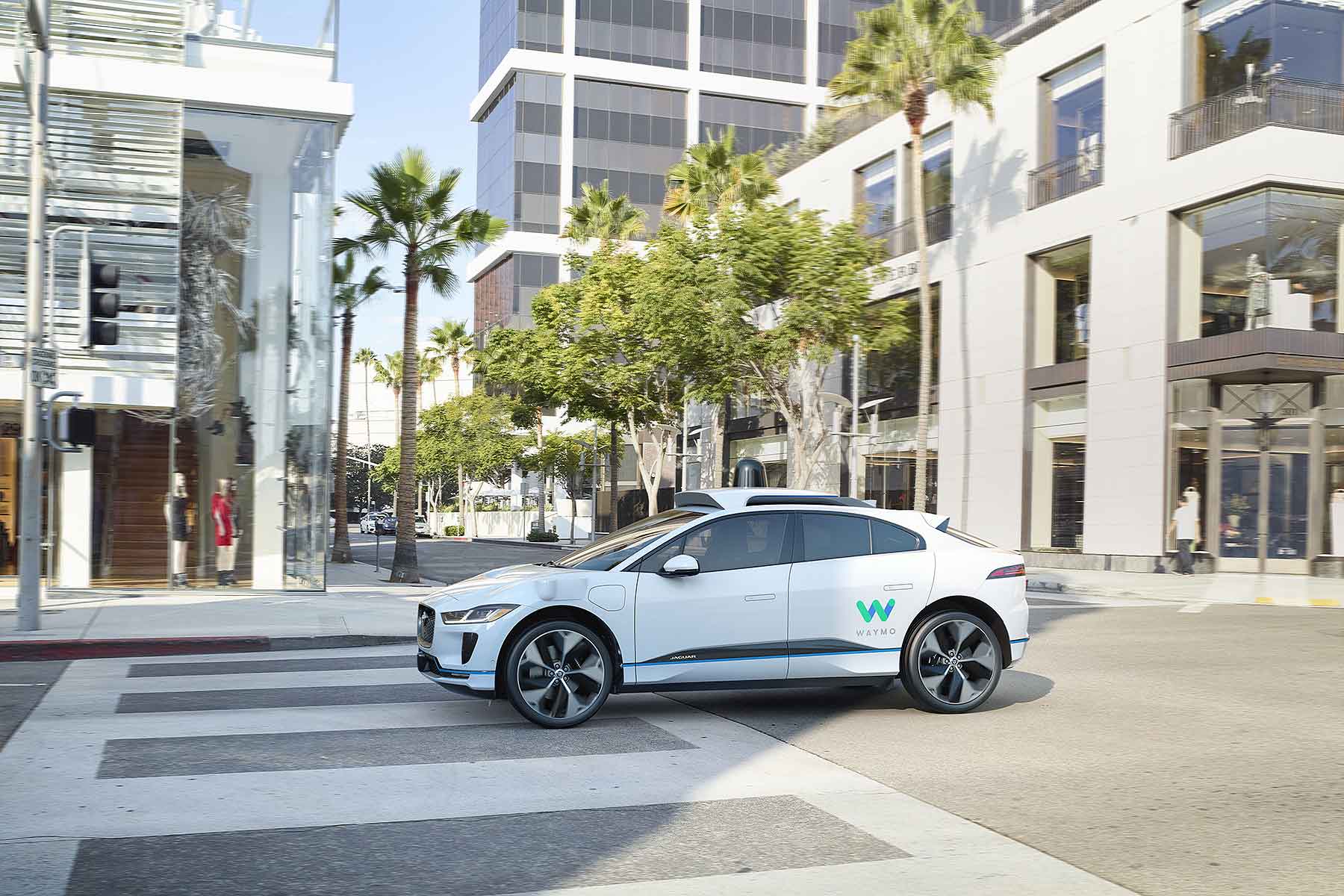
 The Practical Classics Classic Car and Restoration show is in full swing, with enthusiasts filling the halls of the NEC to see all manner of classic cars – from restored beauties to in-need-of-restoration barn finds.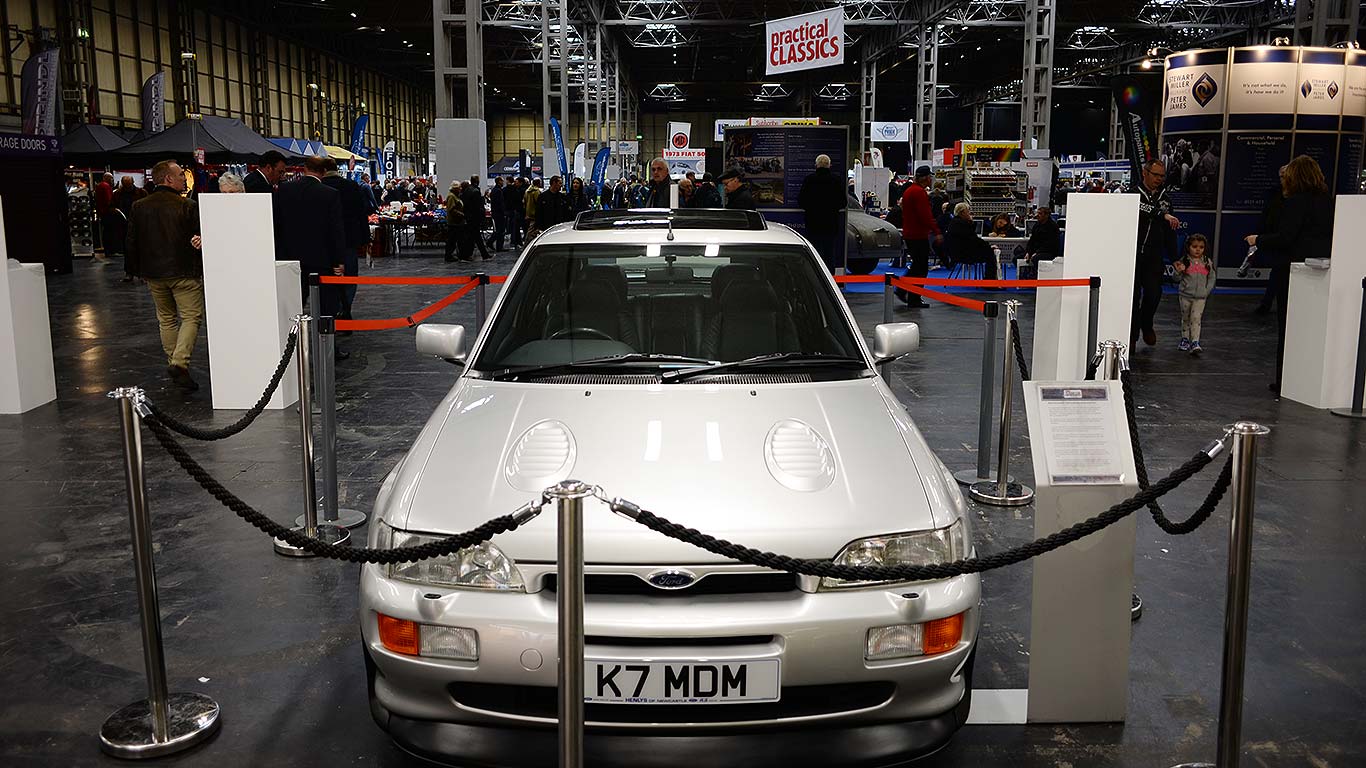

 Suzuki GB has announced it is ending its advertising campaign with Ant & Dec, following Ant McPartlin’s drink-driving charge.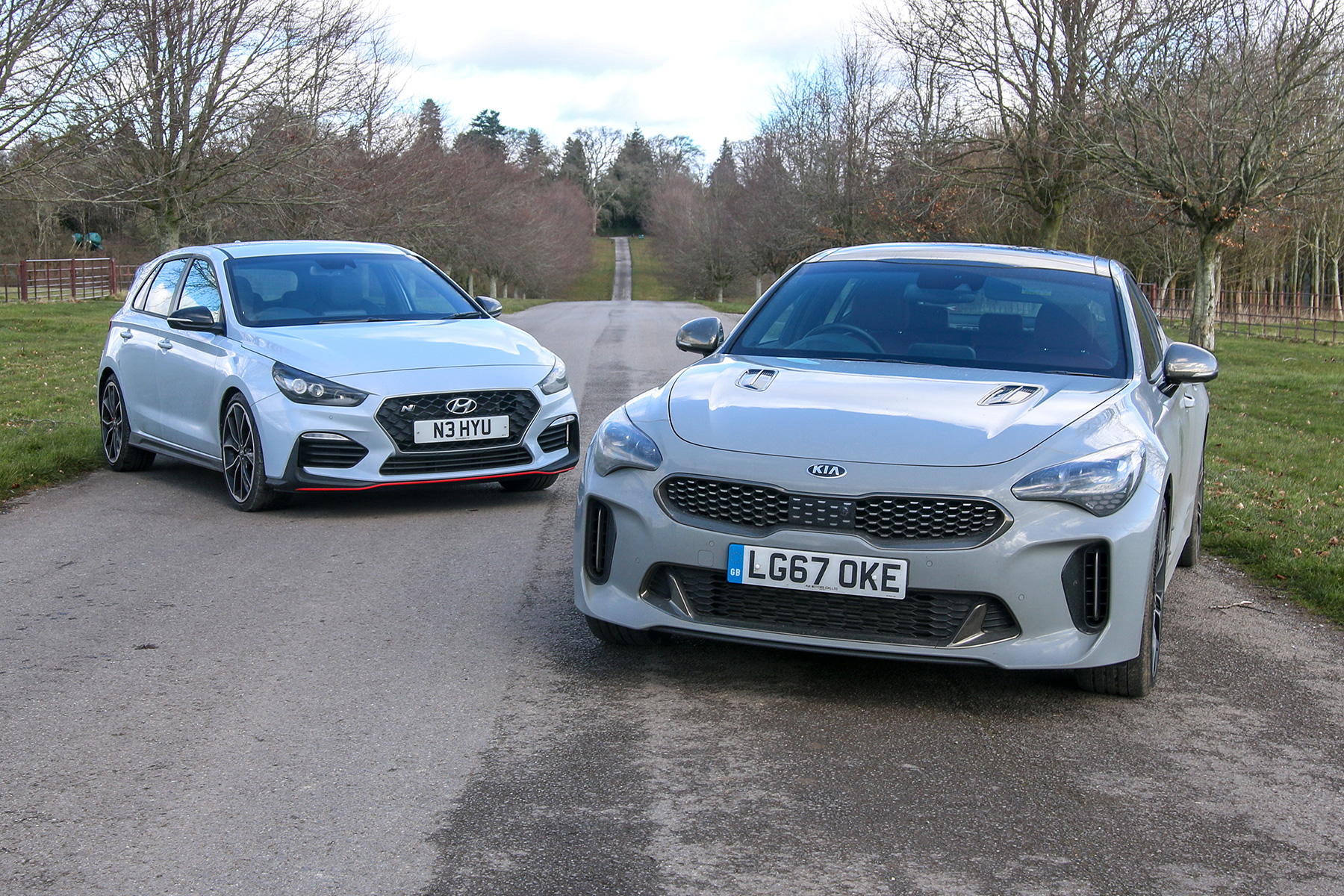
 The march of the SUV continued across Europe in February 2018, as the region enjoyed its best February performance in a decade. Overall sales were up 4.2 percent, despite declines in two key markets, the UK and Italy.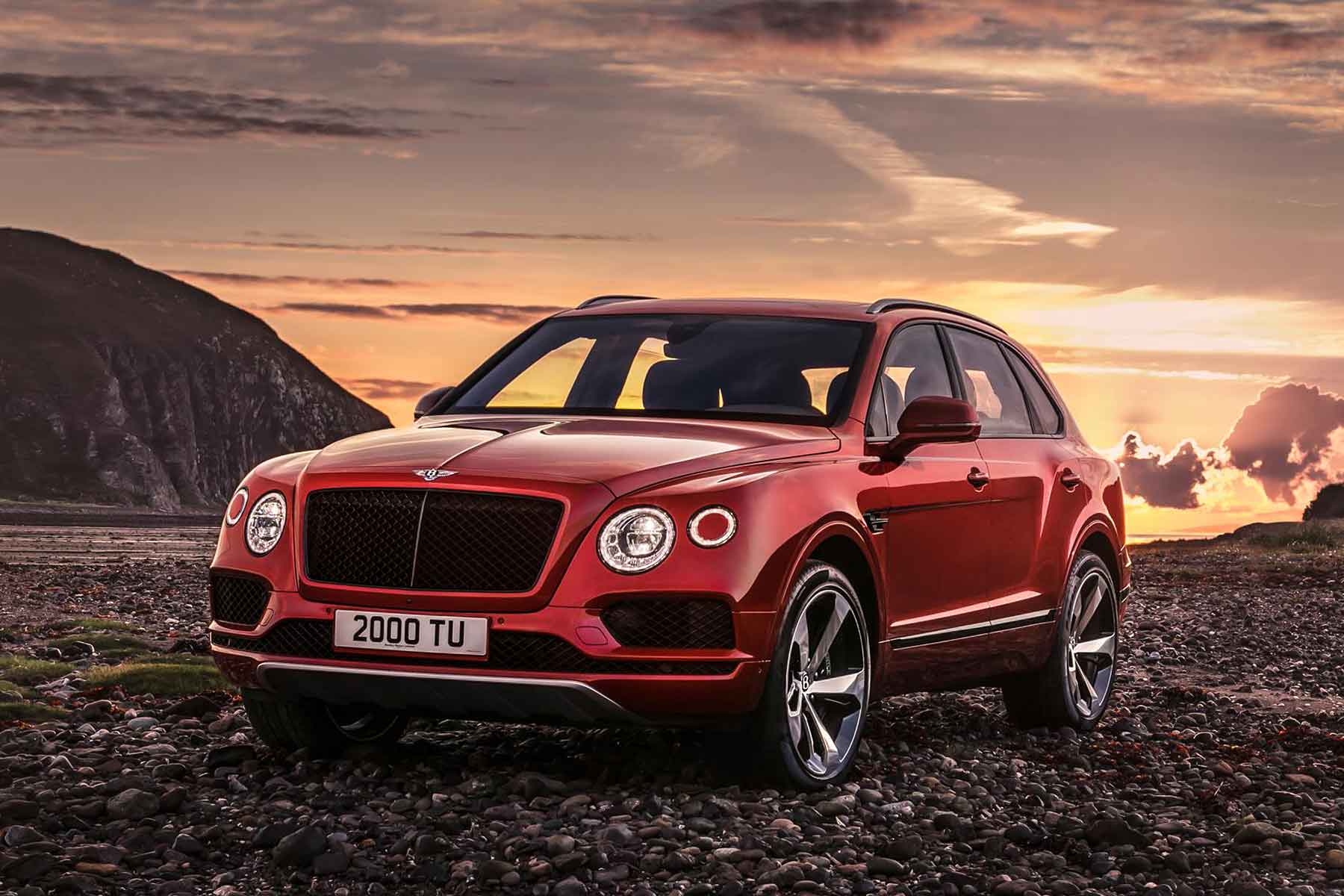
 Jaguar Land Rover has demonstrated how self-driving cars can help cut traffic in Milton Keynes, with a public trial on open roads showing how autonomous vehicles can search for parking spots by themselves – and then automatically self-park within them.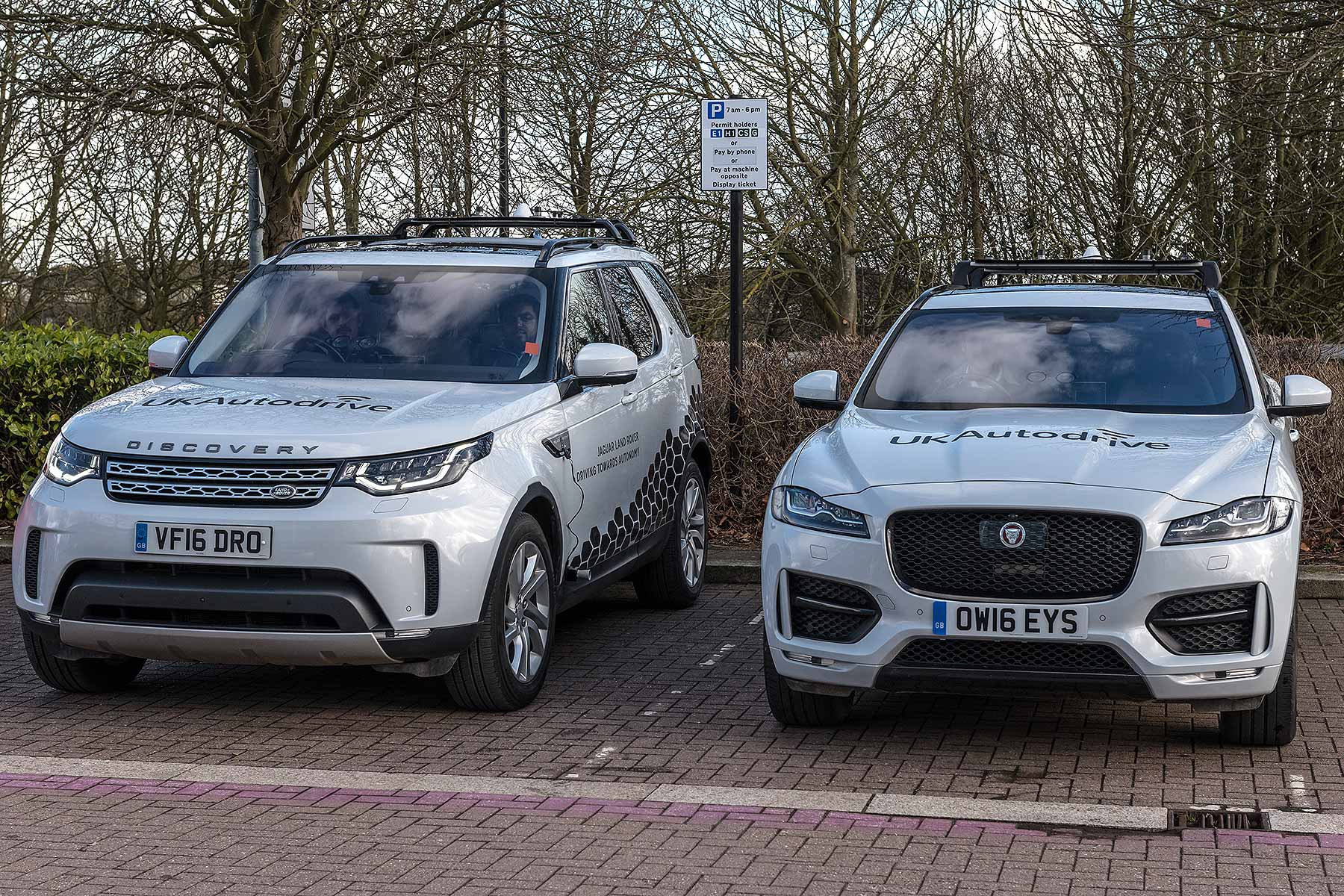
 Revealed in a high-impact presentation at the 2018 Geneva Motor Show, the Range Rover SV Coupe is the fastest and most exclusive full-size Range Rover ever. Just 999 will be made, each priced from £240,000.


