Led by misguided government policy and screaming headlines rather than detailed facts, new car buyers are steering clear of diesels. If they drive mainly in the city, fair enough. An EV, plug-in hybrid or at least a regular petrol is better for them.
However, the vast majority of people in Britain don’t only drive in the city. All those people zipping up and down our motorways for one. EV’s won’t be for them. But by dodging diesel, they’re almost certainly moving into a car that’s worse on fuel economy and worse on emissions. (And, yes, this includes plug-in hybrids.)
But it’s even more alarming than that. Others are choosing not to buy a new car at all, and keeping their old ones. So, holding on to their aged Euro 5 or Euro 4 emissions-compliant motor, instead of buying a clean new Euro 6 vehicle.
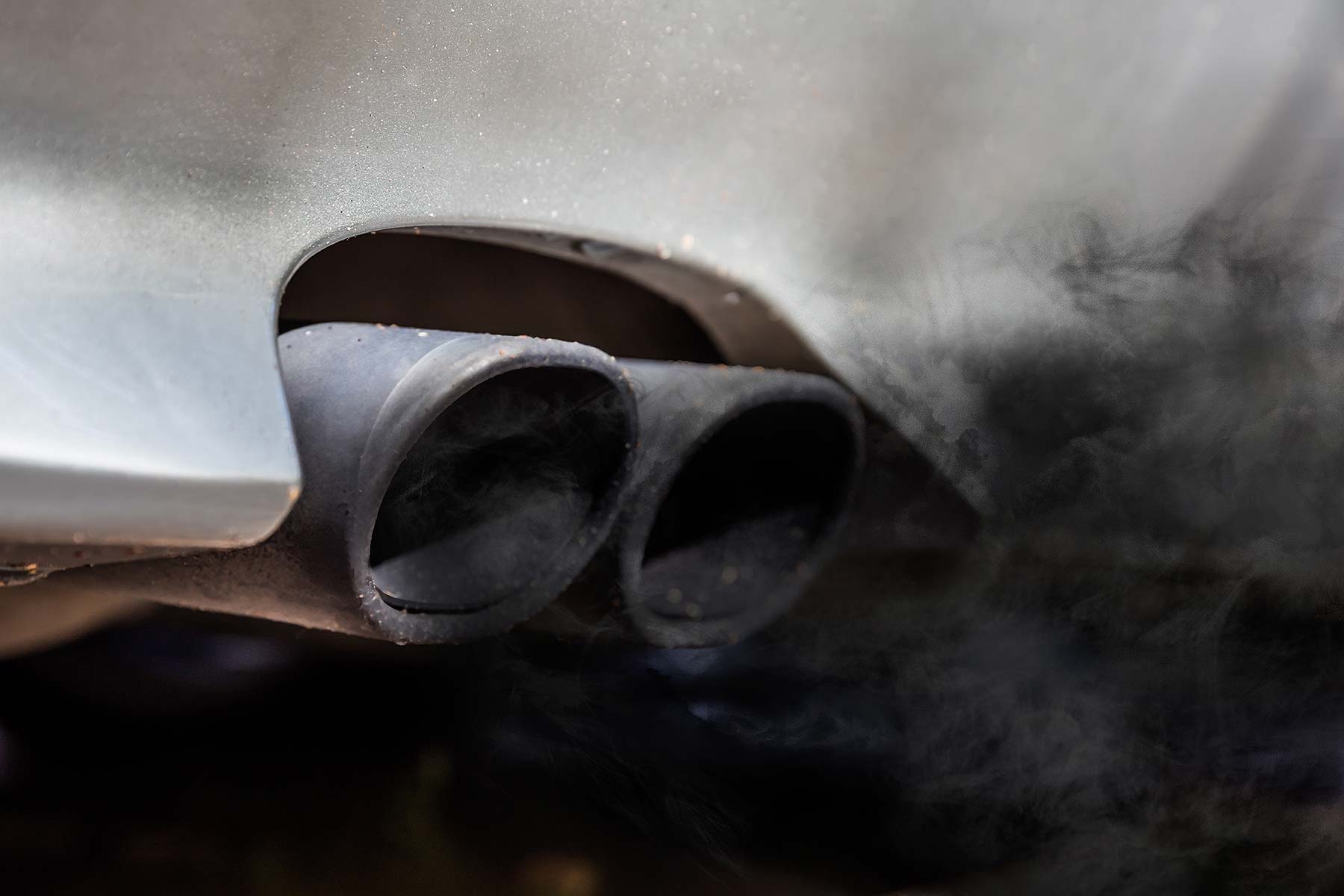
Its emissions systems will be worn, its turbo past its best, its exhaust probably permanently smoky and let’s not even mention the emissions the naked eye can’t see – but hey, at least it’s not a dirty new diesel that, from April, the government will clobber with hefty tax hikes, right?
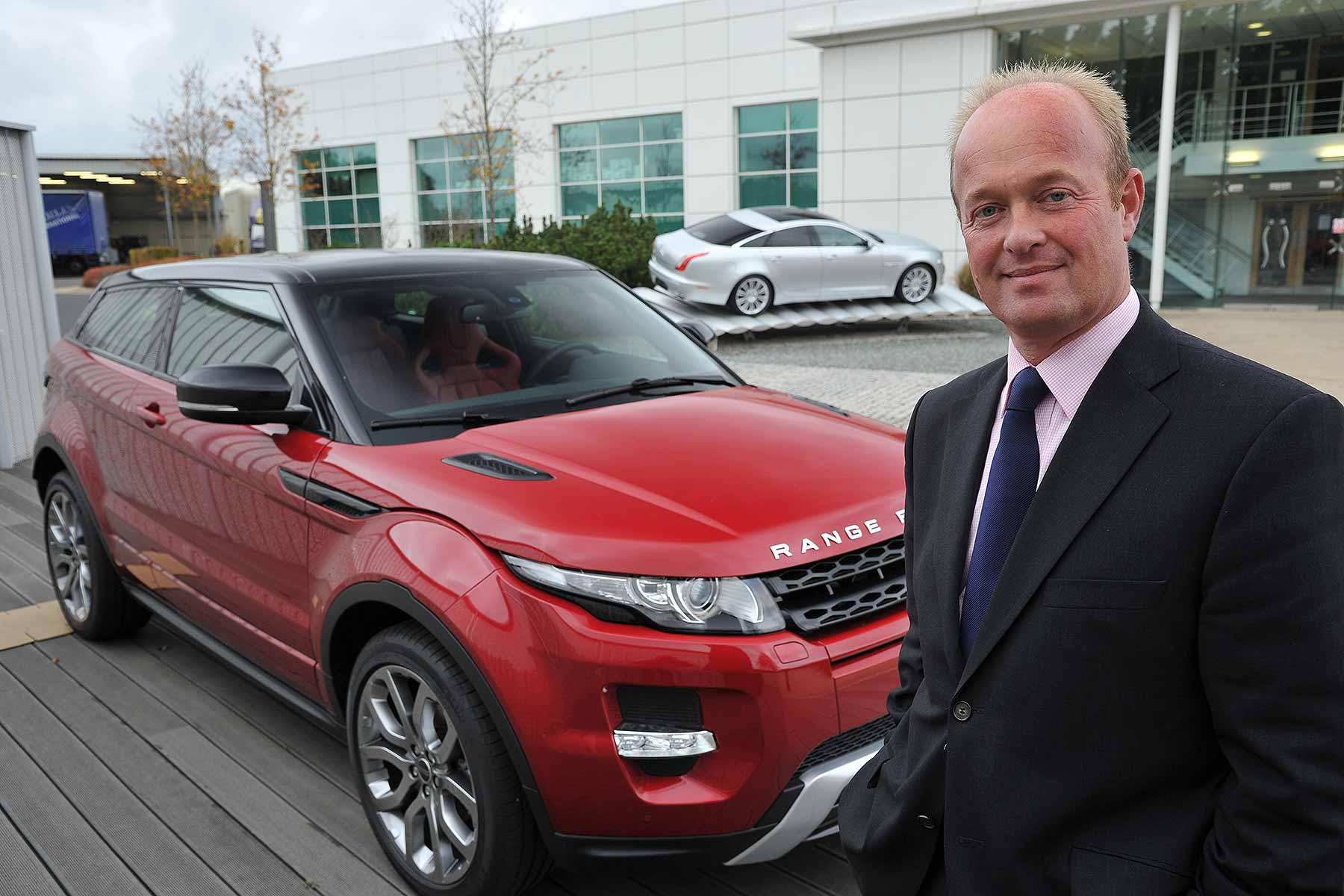
“The single worst thing that can happen is hold-off – it means the most polluting cars will stay on the road indefinitely,” Jaguar Land Rover UK MD Jeremy Hicks told me at the 2018 Geneva Motor Show recently. The monthly new car sales figures suggest people are doing exactly that.
Even the government, in its latest joint inquiry into air quality, agrees that fleet renewal is too slow.
Diesel still has a place. It’s better on CO2 and new diesels are virtually comparable with a modern petrol for all the stuff harming city centre emissions. (Upcoming ‘real world’ WLTP fuel economy tests will validate this.)
We currently don’t have much common sense, though. When a quarter of people think the very worst EU emissions standards are actually the very best, and thousands of people are rushing into cars that are going to cost them more and do less to clean up our air, you have to wonder if it’s even possible to overcome the hysteria.
It’s important we do, though. Because we can’t simply rip up the route map to better air quality and expect things to magically get better. How long will it continue to get worse before people realise this?
Jaguar Land Rover UK MD Jeremy Hicks may be worried about the weight of government-led opinion in the current debate on diesel, but he does not think the argument has been lost, “because there’s good reason and rationale behind it. Last year was the first on record that new car CO2 emissions went up – anyone who’s concerned about the environment has got to think ‘this isn’t good’.”
Hicks has been one of the few automotive industry leaders to publically speak out in favour of modern Euro 6-compliant diesels. Speaking to Motoring Research, he said he is worried that buyers are now so confused, they are choosing to keep their existing older cars rather than swap into new ones. “The single worst thing that can happen is hold-off – it means the most polluting cars will stay on the road indefinitely.”
Hicks blames current government policy that “seems to be to take all diesel cars off the road, rather than just the oldest and most polluting – and it is older diesels that are mainly contributing to air quality issues in cites”.
Describing changes announced by chancellor Philip Hammond (above) in the autumn 2017 budget as a “sledgehammer that will do nothing for CO2,” Hicks expresses frustration with government policy. “It makes no sense at all.” JLR spends a lot of time lobbying the government, he said: “I don’t know how we’ve got to this.”
JLR research has revealed the extent of the confusion. Buyers don’t know the difference between CO2, NOx (nitrogen oxides) and particulate matter (PM). “A quarter of people surveyed think that EU 1 is a higher standard than EU 6.”
It’s actually the exact opposite: EU 1 emissions standards date back to 1992, while the latest ultra-clean EU 6 regulations were mandatory from autumn 2015.
Diesel diligence
There is a glimmer of light on the horizon, though. Last year, said Hicks, it was hard for dealers to make an argument for diesel, such was the weight of public opinion. “Now, we are being more diligent and helping people make the right choice. We are equipping our dealers with tools to help explain this to buyers.” It is working, he added.
“If you live in the city, petrol is almost certainly the right choice. But if you live in a rural area, and cover higher mileages at motorway speeds, diesel still has a place.” Buyers who wrongly move into petrol will face higher fuel bills and emit 15-20 percent more CO2.
“Demonising is the wrong thing – because we are signing up to a future where CO2 levels will rise.
“This is the time to have the courage of our convictions. There are clear environmental and fiscal reasons why I don’t believe in demonising diesel. The route to fixing air quality is to take a balanced approach and ensure people are driving the right fuel for them – not to ban all diesels outright.
“This is penalising the very cars that are part of the solution.”
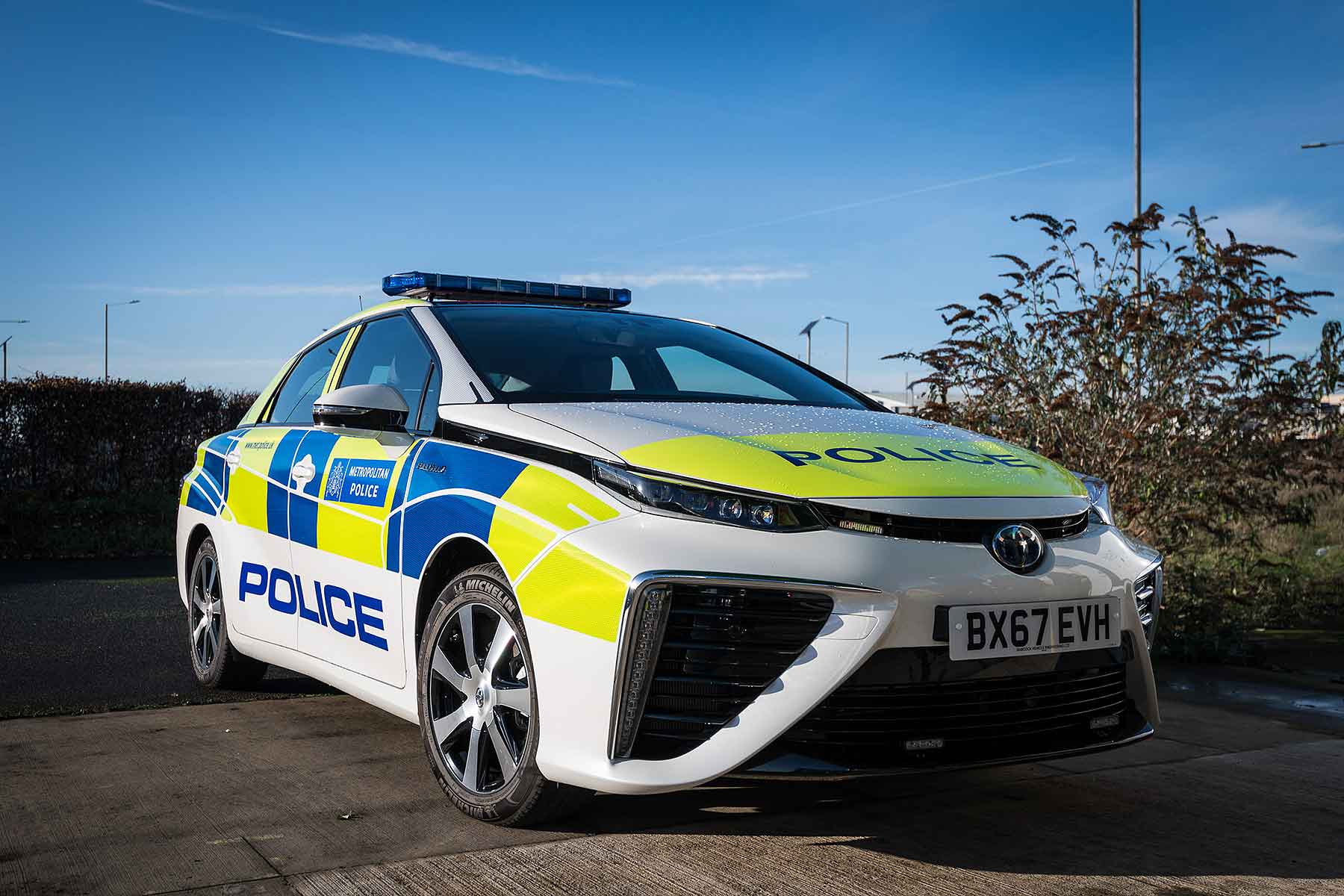
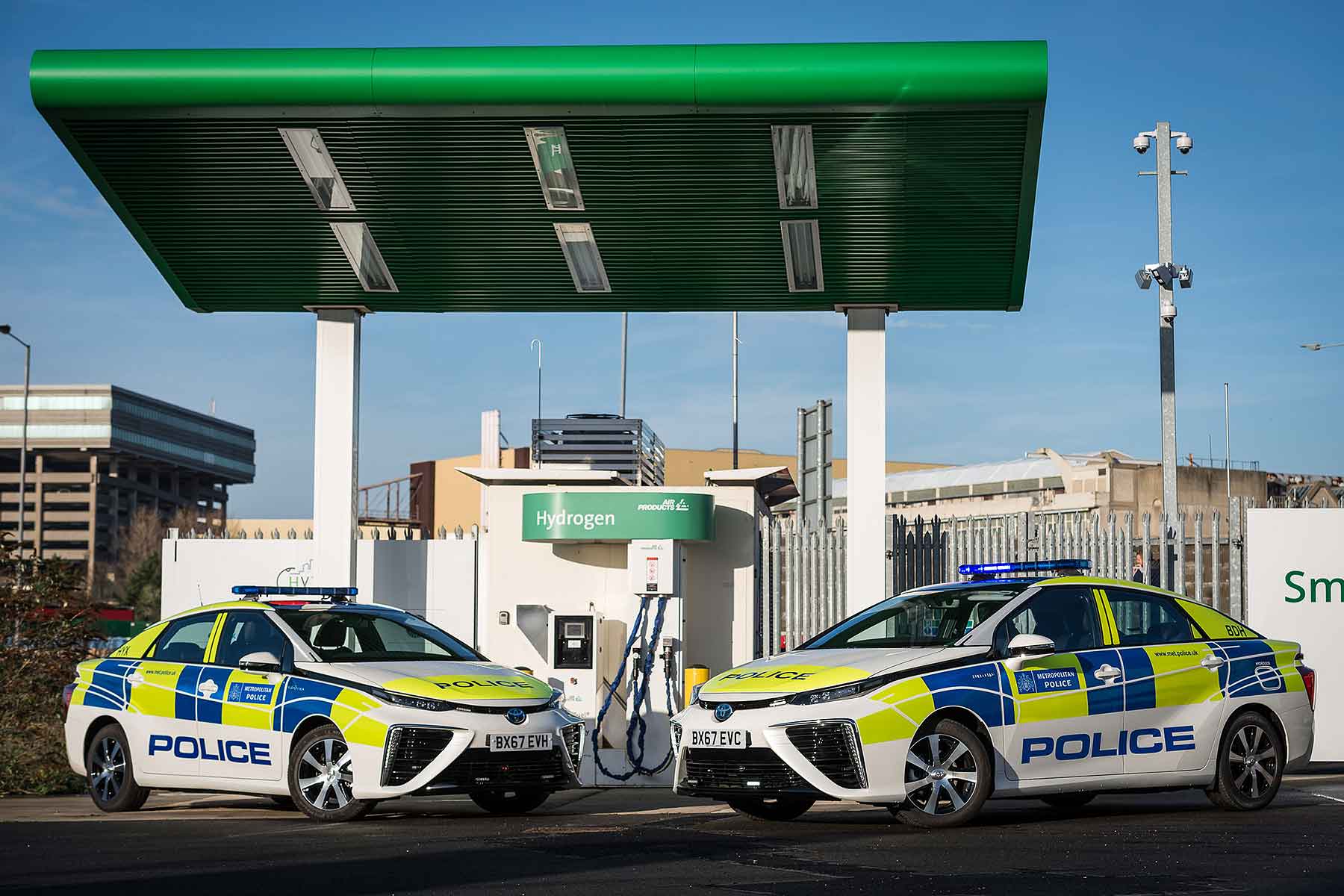
Mindful of London’s poor inner-city air quality, the Metropolitan Police Service has chosen its new fleet of cars carefully – picking 11 new Toyotas whose only ‘tailpipe’ emission is water that’s clean enough to drink.
The 11 Toyota Mirai hydrogen fuel cell cars have just been delivered to the Met, which now plans to use them in both marked and unmarked guise, for overt and covert responses.
Taking on so many Mirais means the Met will actually be running the world’s largest fleet of hydrogen fuel cell cop cars.
The Met’s Commander, Neil Jerome, said the Toyotas are the service’s first zero-emissions vehicles and is the result of work first started back in late 2015 to hybridise and electrify the police car fleet.
And it’s only the start of things, he added. “This is enabling us to make great strides towards our ambition of procuring 550 vehicles as zero or ultra-low emission by 2020.”
Police offers shouldn’t have too many challenges in refuelling them with hydrogen, either. There are now five hydrogen filling stations across London, with more planned for coming months. It’s part of the Mayor’s Hydrogen London partnership that’s charged with making fuel cell cars viable in the capital.
And unlike many electric cars, police driving the Met’s Mirais shouldn’t suffer too much range anxiety, either – a tankful is good for around 300 miles, comparable with a regular car and in excess of most mainstream electric cars.
All of which has pleased Toyota GB director of operations Mark Roden. “The distinctive livery of the Met’s marked cars means even more public visibility for hydrogen powered cars in and around London.
“This is proof that organisations are seeing the future of hydrogen power for zero emission fleets.”
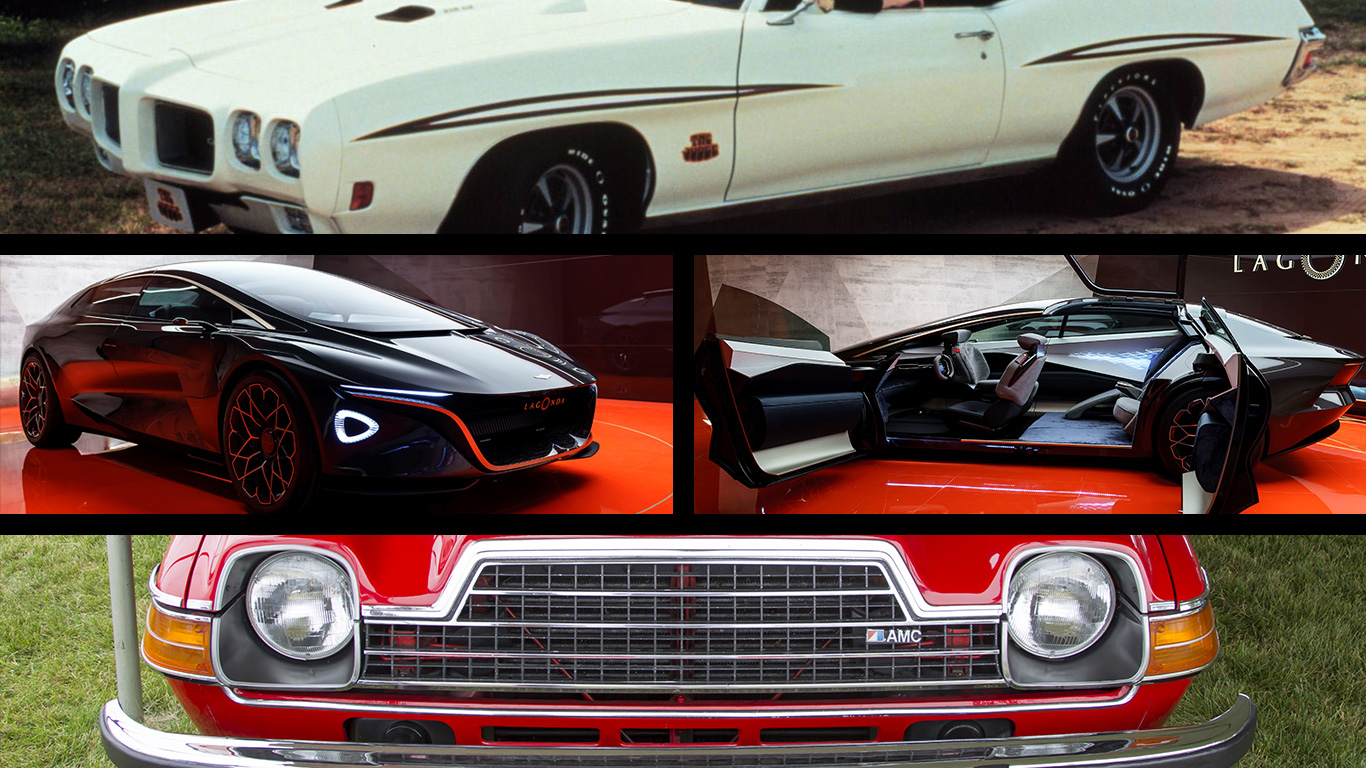
Aston Martin unveiled the Lagonda Vision Concept at the 2018 Geneva Motor Show, which sees a famous old name making a return to the luxury car segment. Which got us thinking: which defunct car brands would we like to see raised from the dead?
Here’s a good selection of former greats, plus a few that have risen or are rising like a phoenix from the flames. Which carmakers would you add to the list?
A brief history of the vinyl car roof
Lagonda
Before we embark on a tour of dead brands, we’ll begin with Lagonda, which, following a decade of promises, is being revived by Aston Martin to create a zero-emissions luxury brand. Unveiled at the 2018 Geneva Motor Show, the Lagonda Vision Concept is a self-driving luxury car, with front seats that rotate 180 degrees. So, if Lagonda can rise from the ashes, what about the other brands?
AMC
When you can list the likes of the Gremlin, Pacer and Eagle in your back catalogue, your place in motoring history is secured. OK, so the Gremlin and Pacer might be memorable for all the wrong reasons, but for 34 great years, the light of the American Motors Corporation (AMC) shone brightly. AMC played the role of underdog, daring to go where Ford, Chrysler and General Motors dare not tread. We miss AMC.
Austin
Austin was the quintessential British car manufacturer, founded by the brilliantly British sounding Herbert Austin in Longbridge, the former heart of Britain’s car industry. It merged with Morris in 1952, creating the British Motor Corporation (BMC), but once it was swallowed by British Leyland, the writing was on the wall. The Seven, Mini and Metro are high points, the Maxi and Allegro are two of the lows.
The Austin Atlantic pictured here? An attempt at wooing North America that sadly didn’t quite work – it should have been a high but quickly became a low…
Autobianchi
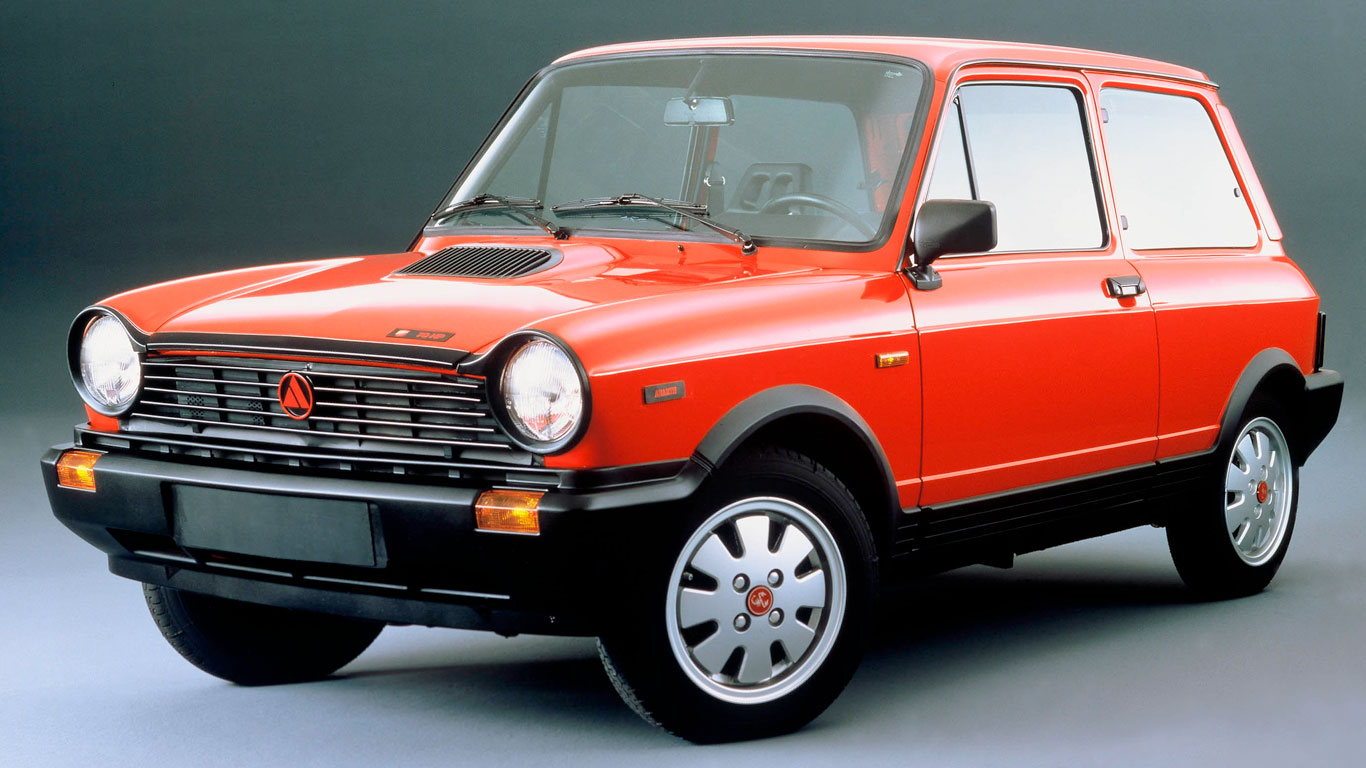
Autobianchi could trace its roots back as far as 1885, when Edoardo Bianchi founded a bicycle manufacturer bearing his name. After the death of Edoardo in 1946, the company passed to his son, Giuseppe. Cutting a long story short, Autobianchi was formed in 1955, with more than a little help from Fiat and Pirelli. The Bianchina was its first car, but the A112 and Y10 are the most notable. The Y10 became a Lancia and, in 1995, Autobianchi was put out to pasture.
Auto Union
OK, so Auto Union essentially became Audi, so the company hasn’t really gone away, but it’s ironic that it was effectively an earlier version of the Volkswagen Group, which would go on to swallow Audi in 1965. Auto Union AG was formed in 1932, with the merger of Audiwerke, Horchwerke and Zschopauer Motorenwerke/DKW. The Audi, DKW, Horch and Wanderer brand names were retained. Auto Union GmbH was founded in 1949.
Bedford
Do you remember the days when things were a lot simpler? With Bedford, Brits knew where they stood. It built honest commercial vehicles, such as the CA van, Dormobile, OB bus and Beagle. Those of a certain age will also remember the Bedford SB mobile cinema. By the time GM closed the Dunstable, England plant in 1986, the Bedford name had been reduced to badge-engineering, rolling out products such as the Suzuki-based Rascal and Isuzu-based Midi. A sad end for a company that kept Britain working for over 50 years.
Bond
Sharp’s Commercials was founded after the Second World War, changing its name to Bond Cars Ltd in 1963. Throughout the 1950s and 1960s, Britain’s Bond produced the three-wheeled Minicar, before building its first four-wheel car, the Equipe, in 1963. It was based on the Triumph Herald and powered by a choice of Triumph Spitfire engines.
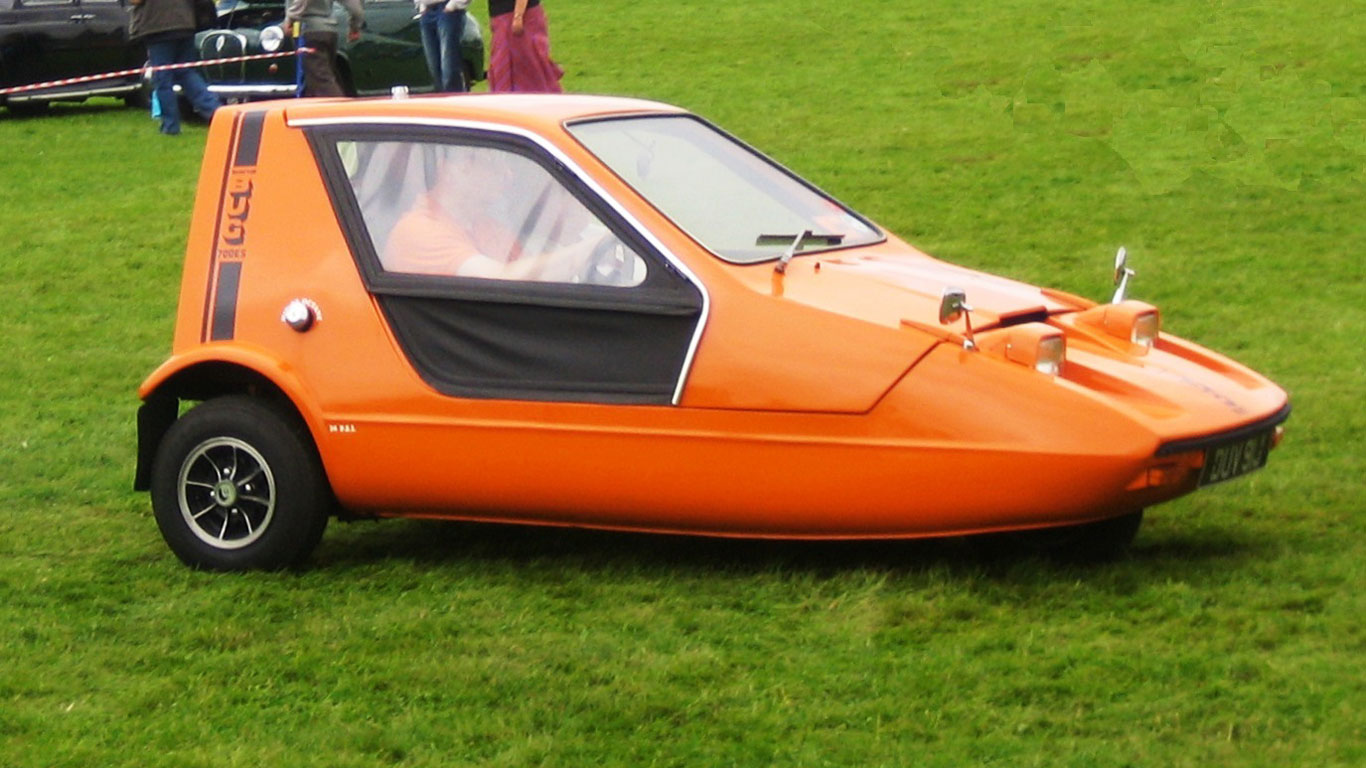
But its most famous car was the vibrant orange Bond Bug, developed by Reliant to appeal to a younger audience. It’s the reason we’d like to see Bond rise from the ashes.
Daewoo
Wait, before you skip to the next slide, there’s a good reason for us wanting to see the return of Daewoo. The Korean giant might not have produced the world’s most desirable motors, but in its 1990s heyday, it took an innovative approach to the selling of new cars. What’s more, the Matiz was based on the Lucciola, a stillborn Giugiaro concept rejected by Fiat. We miss Daewoo and its reasonably-priced cars.
DAF
Yes, we know the DAF Trucks business is still very much alive and kicking, but we still mourn the passing of its car business. The Dutch firm started making cars in 1958 and became famous for the use of a continuously variable transmission (CVT), known as the Variomatic. Notable cars included the 66, which became the Volvo 66, along with the 55, which enjoyed success on world rally circuits. Volvo took full control in 1975, leaving the DAF name to a commercial future.
De Tomaso
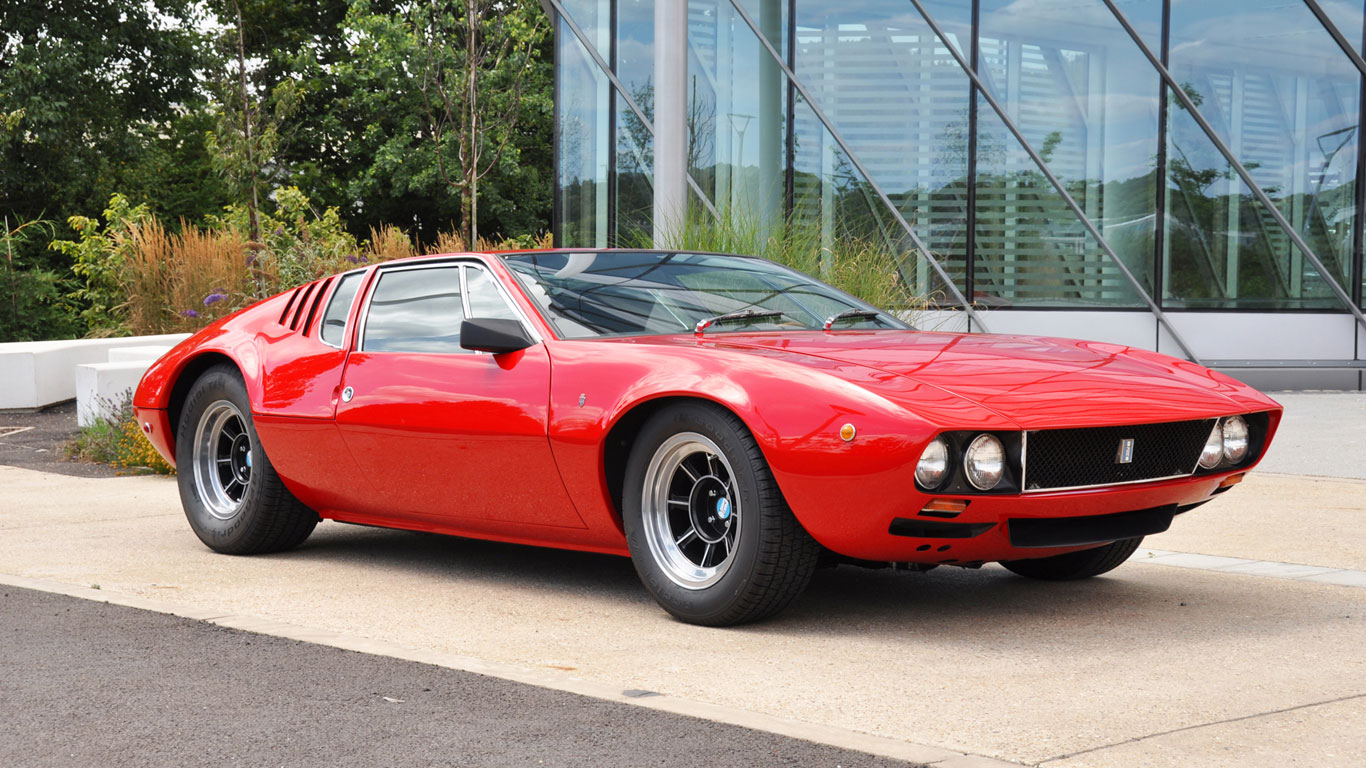
The De Tomaso Mangusta (pictured), Pantera and Longchamp are three of the most masculine sounding car names ever created. The Argentinean Alejandro De Tomaso started building cars in the 1960s, using Ford power and Ghia styling. Later, it would own Maserati, producing the likes of the Biturbo, Kyalami and Quattroporte III.
The company died in 2004 and subsequent attempts to kick-start the firm ended in failure. That said, at the end of 2017, Modena-based ARES Design announced plans to recreate the De Tomaso Pantera using the Lamborghini Huracan. The ARES Project Panther is due to go on sale in autumn 2018.
Duesenberg / Auburn / Cord
Today, your only real chance of seeing a Duesenberg, Auburn or Cord would be at a concours event or a motor museum. In their heyday, these cars represented the pinnacle of American luxury motoring, but were victims of the Great Depression.
Facel Vega
The Facel in Facel Vega was short for Forges et Ateliers de Constructions d’Eure-et-Loir, so you can understand the wish to shorten it. Through the 1950 and 1960s, the French-based company could hold its own alongside the world’s most exclusive cars and were must-have fashion accessories for the rich and famous.
We’d love to see the name return, with a modern-day version of the FV/FVS or HK500 at the top of the list. A new Facel Vega HK500 based on a Chrysler 300?
FSO
At the opposite end of the spectrum is FSO, the company set up by the Polish government in 1951. In the same way Lada built an organisation around the Fiat 124, FSO turned to the Fiat 125. Nearly 1.5 million Polski Fiat 125Ps were built between 1967 and 1991, with the Polski Fiat badge dropped when the license agreement was terminated.
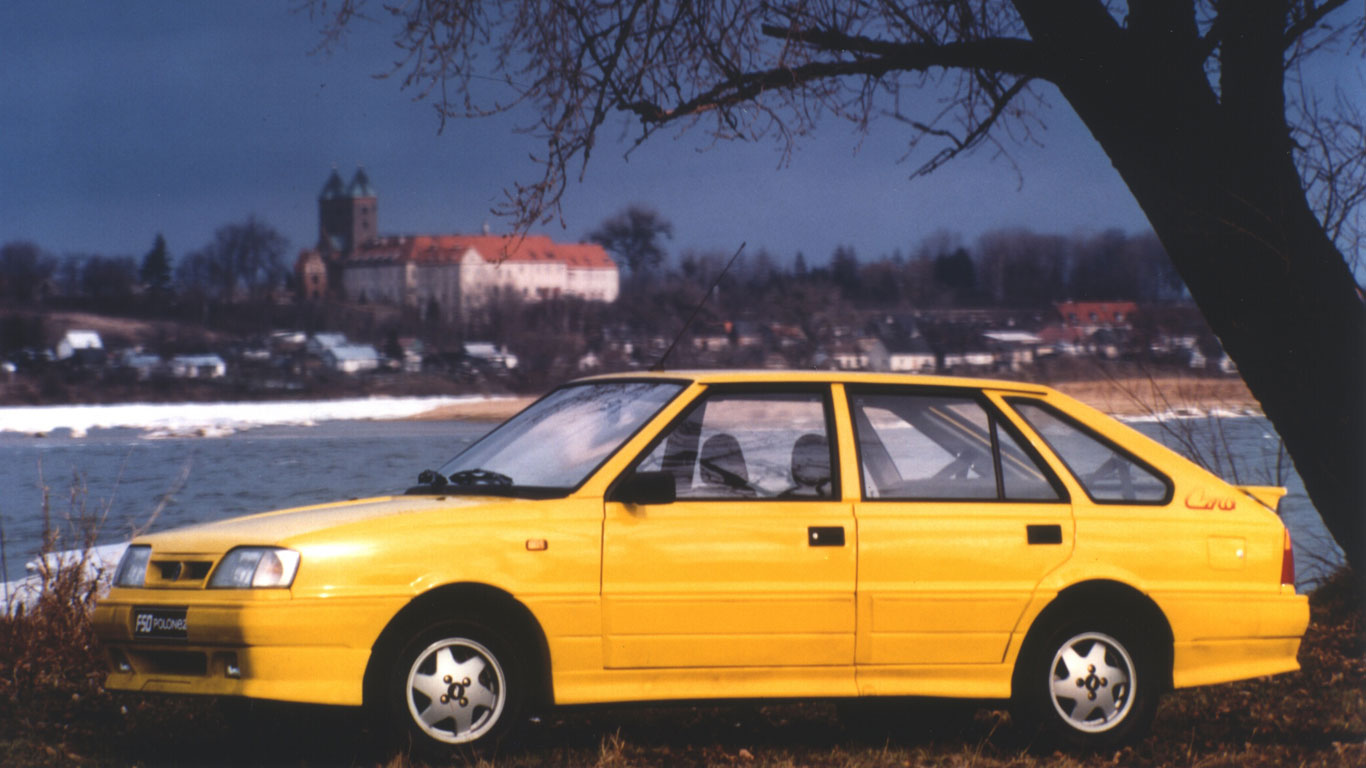
The Polonez was a rebodied 125P, which enjoyed some success in Western European countries such as the UK. We’d like to see FSO return as a budget-led Dacia competitor.
Gilbern
Soon, Aston Martin will start building its new DBX crossover in South Wales, but Gilbern got there first. The Welsh company was founded in 1959 by butcher Giles Smith and Bernard Friese, a German engineer. Until 1973, Gilbern produced a series of pretty, GRP-bodied sports cars, including the wonderfully-named and achingly good looking Invader (pictured). Sadly, the cars were too expensive, not least because of the VAT added to the price of kit cars.
Gordon-Keeble
Goodness, the Gordon-Keeble GT was a handsome machine. Penned by Giugiaro, built by Bertone and powered by a Corvette V8 engine – a dream team. Not only is Gordon-Keeble the most British-sounding company name in the history of Great Britain, it also had one of the greatest badges of all-time. It features a tortoise, chosen for its sense of irony. These are the kind of details that make us yearn for the good old days.
Innocenti
Another former Italian great that didn’t deserve to die, Innocenti started out making Lambretta scooters, before building its first car in 1961. The Innocenti versions of the Austin A40 ‘Farina’ and Austin-Healey Sprite were better than their British counterparts, as was the Mini. The Bertone-styled Mini 90 was a delightful machine, with the later Innocenti Mini de Tomaso taking things a notch further. The less said about the Regent (Allegro – see the Austin ‘lows’…), the better.
Iso
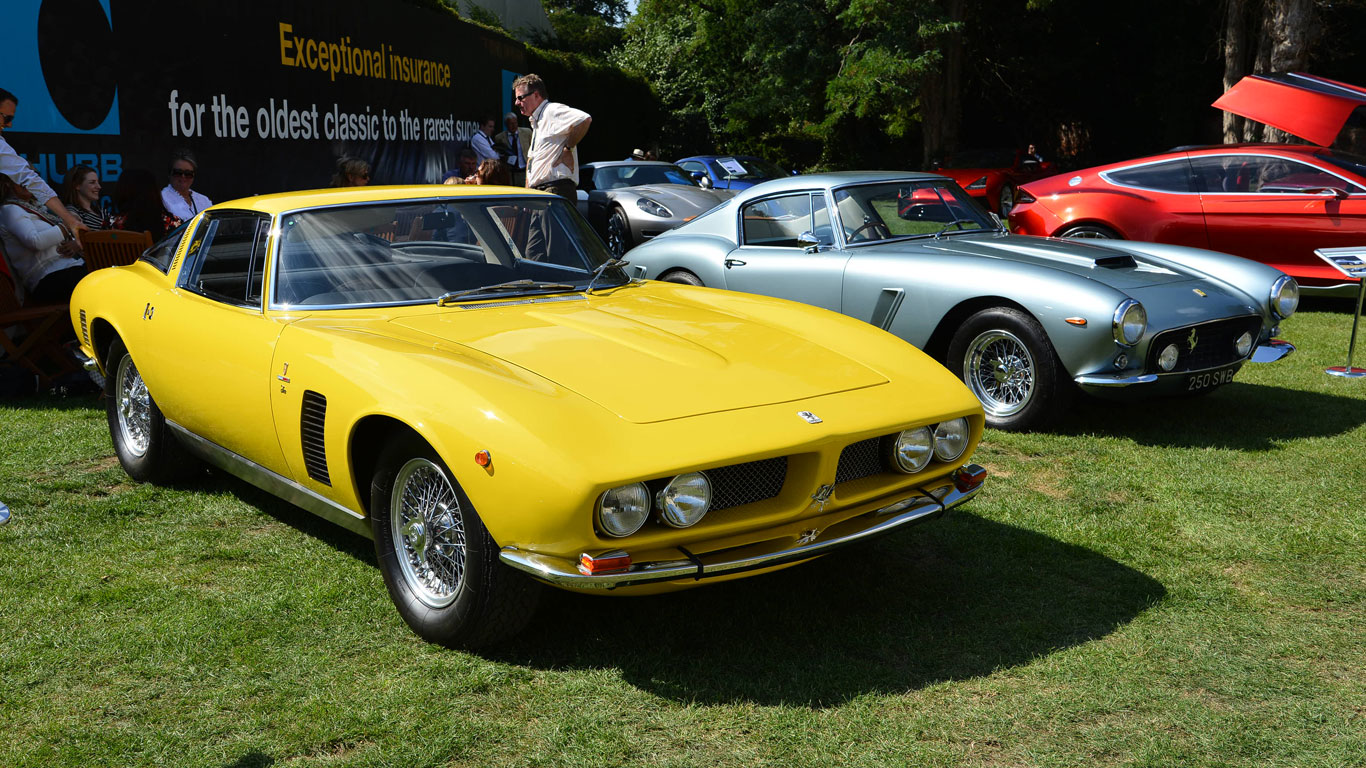
The Iso story is one that is tinged with a sense of what might have been. The ingredients were good – American V8 engines and Italian styling – but the finished product wasn’t quite up to scratch. So while the Italian firm may have harboured ambitions to take on Lamborghini and Ferrari, it couldn’t quite reach these dizzy heights. That said, the Rivolta, Fidia, Grifo and Lele remain objects of real beauty.
Matra
Matra, or Mécanique Aviation Traction was a French aerospace company that ventured into the automotive world in the 1960s. The Djet V and 530 are worthy, but it was the Bagheera and Murena, developed in partnership with Simca, that really caught the eye. The Rancho was a misunderstood forerunner to the modern SUV crossover, while Matra also deserves credit and recognition for the original Renault Espace and Avantime. Sadly, the Matra name died in 2003.
Mercury
The Mercury name was born in 1938, with Ford pitching it somewhere between mainstream Ford products and high-end Lincoln vehicles. By the time of its demise in 2011, Mercury’s share of the market had shrunk to just 1 percent, so you could hardly blame Ford for pulling the plug.
NSU
NSU was established in 1873 as a company producing knitting machines, before moving into bicycle manufacturer under the ‘Germania’ brand name. Motorcycles soon followed, with automobiles the natural progression. Highlights included the Prinz and the much-maligned but innovative Ro80. This rotary-engined car could have been the making of NSU, but it was ultimately the firm’s undoing. In 1969, NSU was taken over by Volkswagen and the name disappeared.
Packard
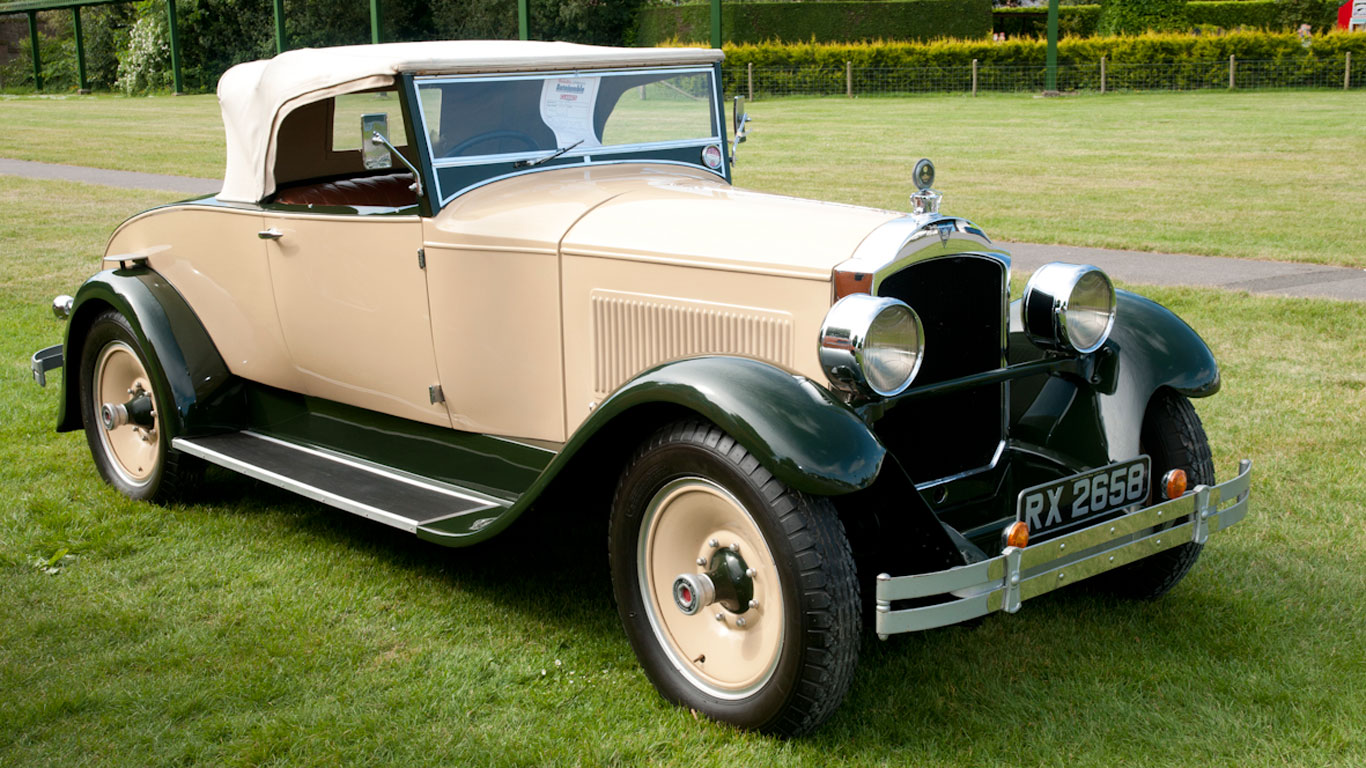
“Ask the man who owns one,” said the advertising material. For the first half of the last century, Packard was one of America’s most revered automobile brands, producing luxurious coach-built cars, with one eye on innovation. The modern steering wheel, the 12-cylinder engine and air conditioning can all be traced back to Packard.
The decline started in the 1940s, when Packard decided to enter the taxi and fleet markets. It soon found it couldn’t compete with the ‘Big Three’, while at the same time it was losing its high-end customers. The end came in 1958, after a disastrous attempt to rescue Studebaker.
Panhard
Not to be confused with Packard, Panhard was a French company formed in 1887. Like the aforementioned DAF, the Panhard name lives on, this time under the ownership of Renault Trucks Defense, but in its day, the automobile side of the business was wonderfully innovative.
Its range of two-cylinder cars were there at the birth of the industry, but the final Panhard – the 24 – was the best of the breed. Citroen purchased Panhard in the 1960s, but falling sales led to its demise.
Plymouth
Although the Plymouth badge featured the Mayflower ship, which had landed at Plymouth Rock, the name was actually taken from Plymouth binder twine, which was popular with American farmers. This was to be Chrysler’s low-cost brand, something that would help the company ride the Great Depression. By the end, Plymouth was reduced to rolling out badge-engineered Dodge and Mitsubishi models, before fading to grey in 2001. It deserved better.
Pontiac
Few American car brands sound as evocative as Pontiac. Pontiac conjures up images of Smokey and the Bandit, of Knight Rider and of the American dream. The once great name was laid to rest in 2009 and the likes of the Trans Am and GTO make us long for its return.
The Solstice, also known as the Saturn Sky and Opel GT, was one of the final cars to wear the Pontiac badge, but we should also mention the much-maligned Aztek, given a new lease of life by its appearance in Breaking Bad.
Rover
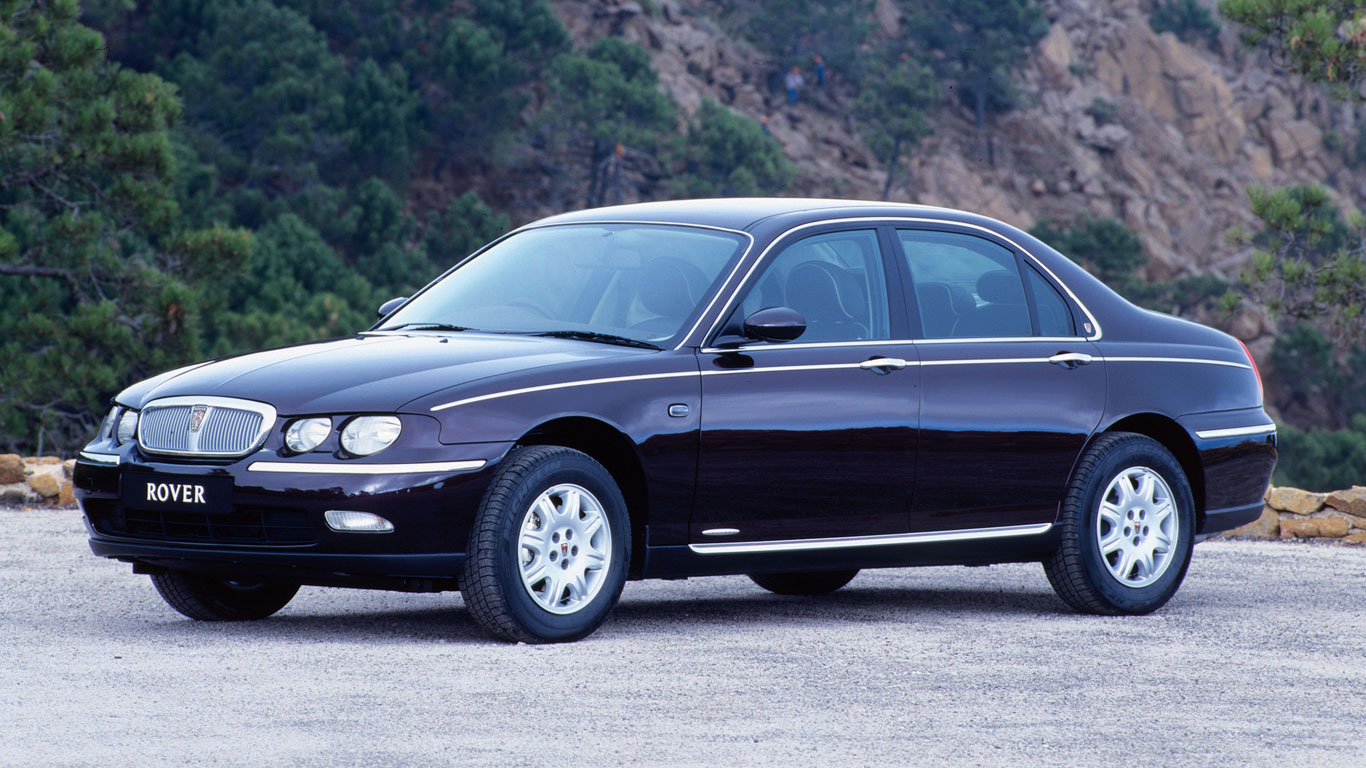
In Rover, Britain had a company that could take on the world. And win. Once independent, Rover was later part of the fifth-largest corporation in the world in the 1970s, but the Honda, British Aerospace and BMW years left this once proud brand looking dazed and confused. The P4, P5, P6 and SDI were true greats, but today, only the Land Rover brand survives. Rover was as British as the BBC, so it’s rather apt that its P4 and P5 models earned it the ‘Auntie’ nickname.
Studebaker
The Studebaker name sounds as American as mom’s apple pie and for over 100 years, it was part of the automotive furniture. Amazingly, the firm was founded in 1852, later incorporated in 1868 as the Studebaker Brothers Manufacturing Company. Back then, it was producing wagons for farmers, miners and the military, entering the automotive industry in 1902. It built some spectacular cars, including the delightful Avanti, but the brand died in 1967.
Triumph
Of all the defunct British car brands, Triumph is the one you’d think would stand the greatest chance of a successful comeback. Even today, the names of its sports cars conjure up images of the British countryside, an empty B-road and a jolly good drive. The TR4, the TR6, the Vitesse, Spitfire and Stag. And we haven’t even mentioned the 2000 and Dolomite. Like so many British car companies, Triumph was a victim of the British Leyland debacle.
Vanden Plas
Carrosserie Van den Plas was a Belgian coachbuilder, established in 1898. A British subsidiary was created in 1913, before it became part of the British Motor Corporation (BMC). Its cars were high-end Austin-Morris products, stuffed with leather, real wood and special paint finishes. In many ways, Vanden Plas was the ‘mainstream premium’ sub-brand of yesterday and although the VDP versions of the Allegro, Maestro and Metro were questionable, we have a huge soft spot for faux luxury. Not to mention fold-down picnic tables.
Allard
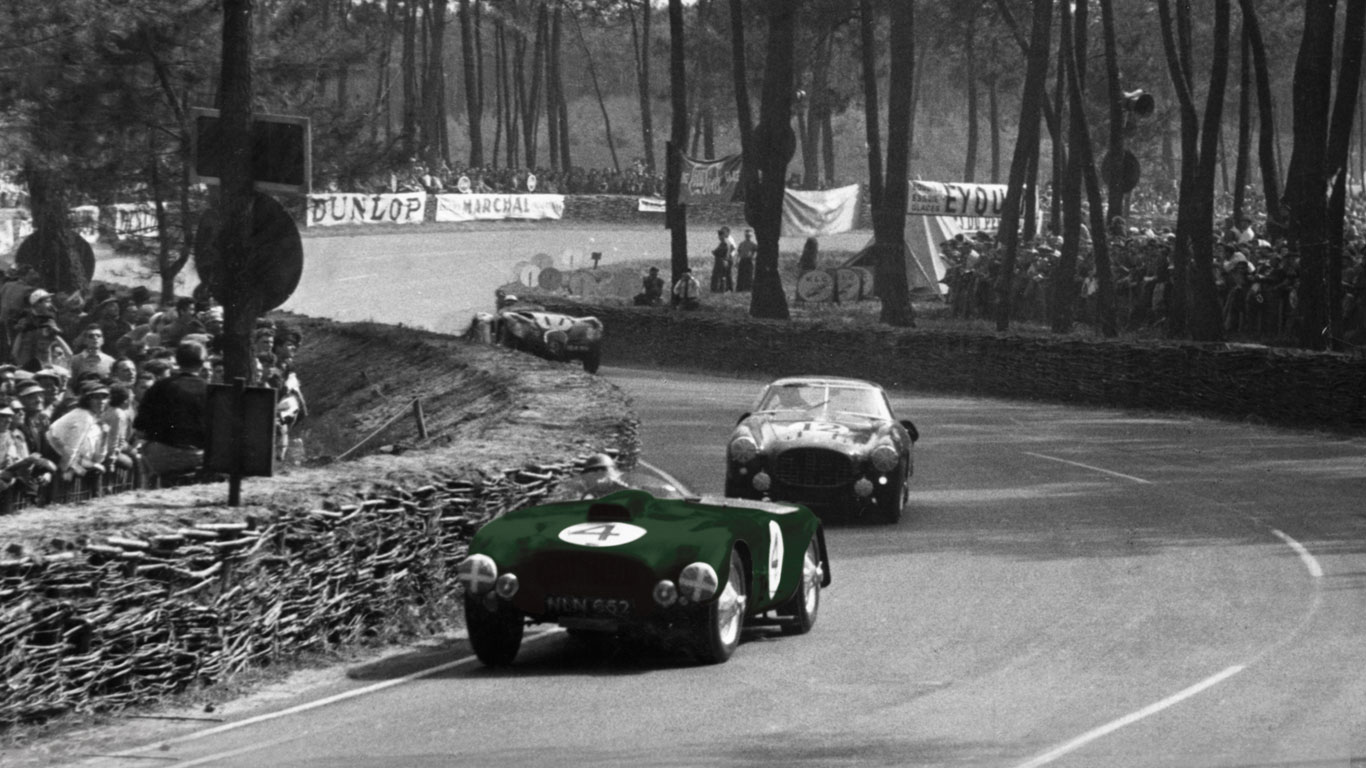
But what of the brands that have risen from the ashes? Allard Motor Company was incorporated in 1945 by Sydney Allard, with the cars powered by American V8 engines. He had built cars before, but production of Allard cars didn’t start until 1946. Sydney raced and rallied many of his cars and the photo shows him ahead of Alberto Ascari’s Ferrari at the 1953 Le Mans race. A fire destroyed the Allard factory in 1966, with Sydney Allard passing away at his home on the same night. In 2012, a new Allard Sports Car Company was formed.
Alpine
In 2016, Renault launched the Alpine Vision concept, breathing new life into a once great French brand. Societe des Automobiles Alpine was founded by Jean Rédélé in 1955, after he had enjoyed motorsport success at the wheel of a Renault 4CV. Its first car was the A106, but it was the A110 rally car that put the Alpine name on the map. Other greats included the A310 and GTA, with Alpine’s Dieppe factory later used to build Renaultsport cars and the Espace.
Alpine is taking deposits on the new A110, which will be available in the second quarter of 2018.
Bristol
Founded as the Bristol Aeroplane Company at the end of the Second World War, Bristol built cars at Filton, England. It soon developed a reputation for assembling exquisite cars using the best craftsmanship, for the most discerning of customers. Highlights included the Britannia, the Beaufighter and the Brigand, not to mention the wild 210mph Fighter.
Bristol fell into receivership in 2011, before being rescued by Kamkorp/Frazer-Nash. Things have gone a bit quiet since Bristol unveiled the $350,000 Bullet speedster in the summer of 2016.
Bugatti
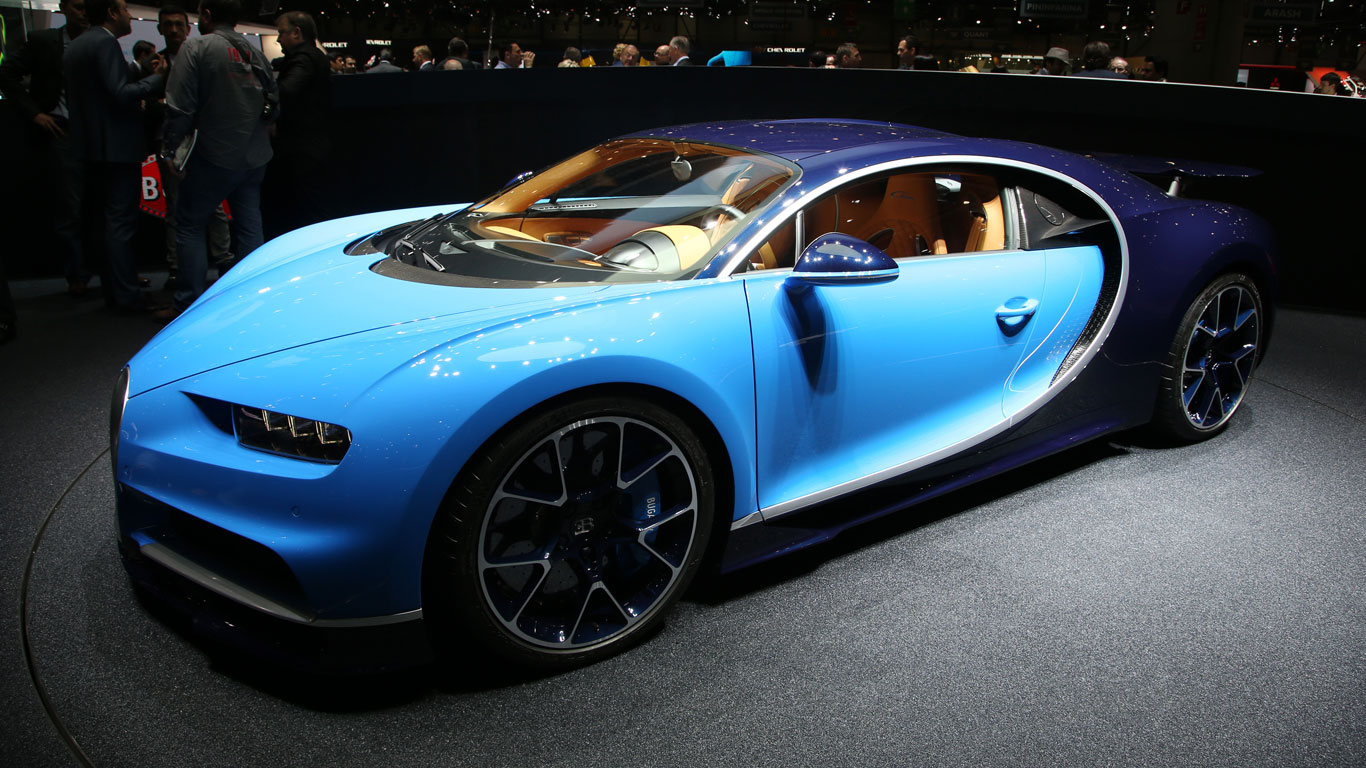
Look, if you’re going to make a comeback, you really ought to do something memorable. In its early days, Bugatti was a force to be reckoned with, powering its way to numerous race wins and offering the last word in speed, luxury and excess. The famous French marque was declared bankrupt in the 1990s, before Volkswagen parachuted in to complete a famous rescue mission. First came the Veyron, then the Chiron.
The rest, as they say, is history.
Datsun
Readers of a certain age will remember Datsun for being one of the first Japanese carmakers to enter overseas markets. Nissan re-launched the historic brand in 2013, with its website saying: “For the young risers, mobility is both physical and social access to opportunities. They deserve nothing but a brand of their own. That’s why Datsun is returning and rising as the badge for the risers.”
DeLorean Motor Company
The company that owns the rights to the original DeLorean DMC-12 has been granted permission to start building new models and selling them in the United States. It’s early days, but given the company purchased all the assets from the failed Belfast factory, there’s no reason why a new DMC-12 wouldn’t be a success. Don’t bank on it being powered by a Renault V6…
Saab
And so to Saab, the once brilliant and eccentric, or brilliantly eccentric Swedish company that died in 2011. Since then, it has been a constant tale of will they, won’t they, but nobody is quite sure whether Saab will indeed be ‘bjorn’ again.
Last year, National Electric Vehicle Sweden (NEVS), the company that bought the assets of bankrupt Saab, claimed it would build five new Saabs by 2018. It has since been told it will be unable to use the name, the rights of which still belong to Saab AB (the Swedish aerospace company).
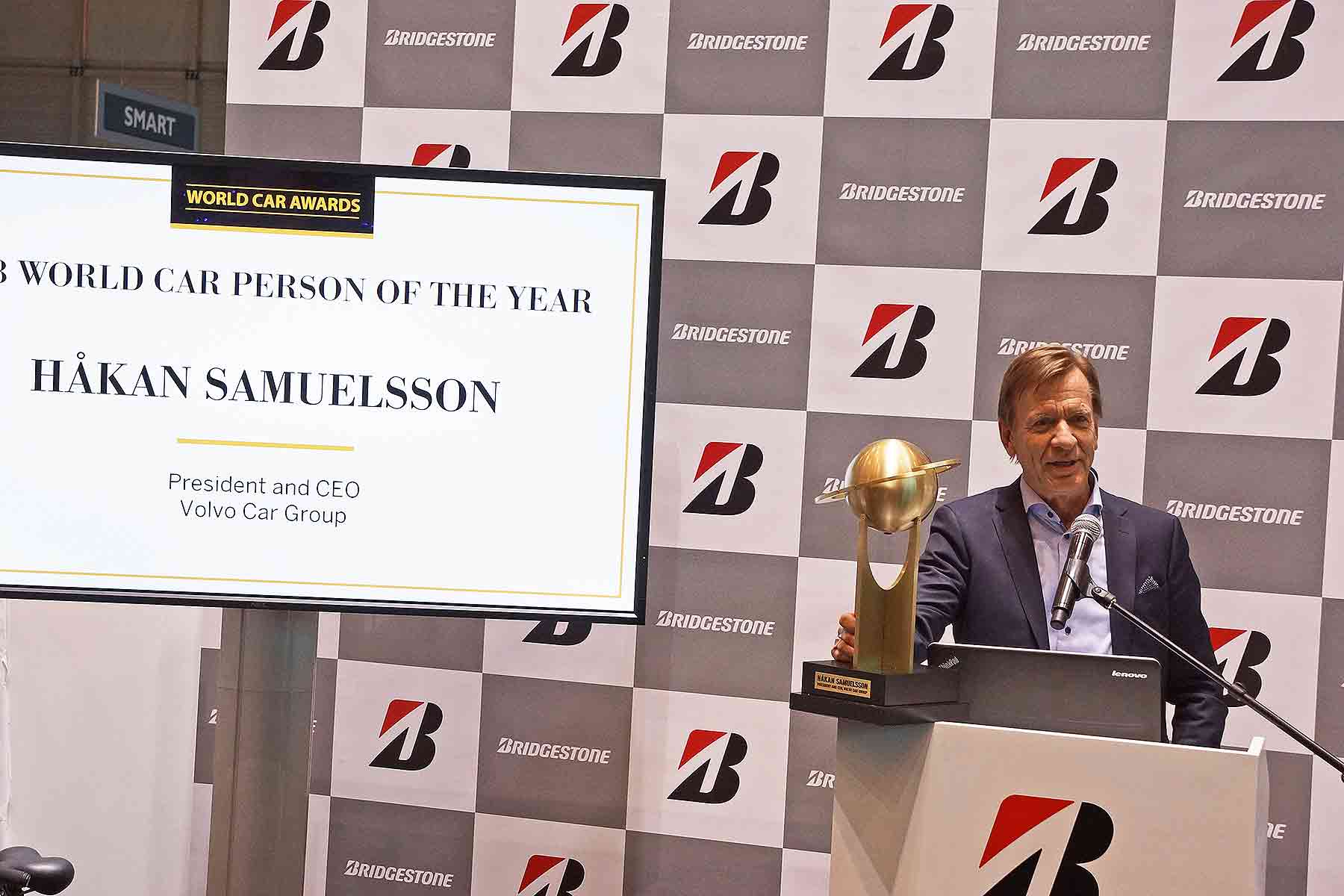
The Volvo XC40 was named European Car of the Year at the 2018 Geneva Motor Show – but that wasn’t the only trophy awarded to the firm at the Swiss extravaganza. Volvo CEO Hakan Samuelsson was also honoured with the inaugural World Car Person of the Year prize, from the World Car Awards organisation.
Samuelsson has led Volvo since 2012 and overseen a remarkable turnaround for the company, from a quirky Swedish brand building middle-market cars for Europe, into a genuinely world-class global luxury brand.
Volvo has grown quickly under his stewardship, with the support of brand owner Geely. More importantly, it has rediscovered its mojo and honed its brand identity, enabling it to compete with other premium brands such as Audi, BMW and Mercedes-Benz.
Modest and understated in that typically Swedish way, Samuelsson accept the prize with humble gratitude. “I see this award as acknowledgement of the efforts made by the entire Volvo Cars organisation in recent years,” he said.
The gong joins other leadership prizes awarded to him recently: German business publisher Springer gave him the 2017 Golden Steering Wheel award and Roadshow by CNET named him the 2018 Disrupter of the Year.
2017 was Volvo Cars’ fourth year of record growth, with a 27.7 percent increase in operating profit and global sales of over 570,000 cars.
But what’s his secret? “Volvo is a no-nonsense company,” he told us at Geneva. “We don’t waste much time.” There are no excessive layers of beaurocracy. “Like many Swedish firms, our organisation is flat and agile.”
And while Volvo is growing, it isn’t becoming too large. In unwieldy organisations, “people hinder one another. You don’t have that when you are a small company.”
Volvo also has a high proportion of female employees – around 30 percent of managers are women, far higher than the industry average. “We have bought in a lot of people over the past few years, and we remain an organisation strong on diversity.”
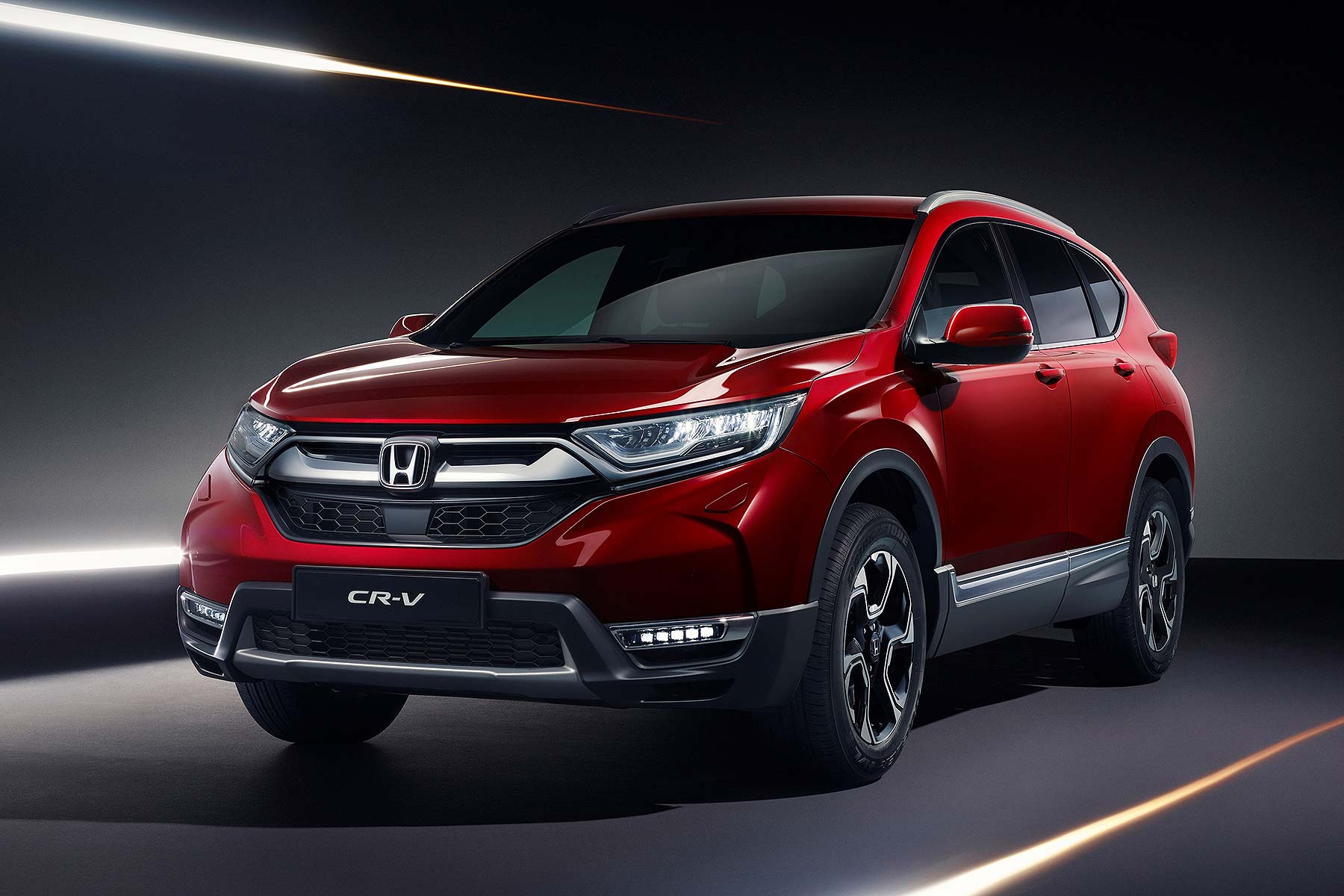
Previous Honda CR-Vs have been famous for offering standout customer-pleasing features. The original one had a shower in the back. The one after that had a refrigerator in the dashboard. The current one has a green button on the dashboard with flower petals painted on, that you press to make it greener.
So, when asked at the 2018 Geneva Motor Show if the all-new CR-V has a standout feature like this, chief development engineer. Takaaki Nagadome pauses for a moment. Then grins. His translator interprets: “He says the rear suspension is the standout for him.”
I nod. It sounds very much like something an engineer would say – or, worse still, something that was lost in translation, I’m not surprised by Nagadome-san’s response. Because he’d earlier spent 10 minutes telling me precisely why the rear suspension was key to the new Honda CR-V evolving from a five-seater into a three-row seven-chair SUV.
See, Nagadome-san is a perfectionist. “We could have made a seven-seater more easily, by compromising from the early stages.” It would have been much easier to evolve either the current platform or stretch and lengthen the latest global Honda platform in a more rudimentary way.
“But third-row passengers would not be comfortable. The floor would be too high, so their knees would be bent too much. This would not be comfortable – and we didn’t want to compromise here.”
So Nagadome-san green-lighted the development of a new, much more compact rear suspension. This took “a big effort”, he said, but the new multi-link set-up has lowered the rear floor as much as possible. Third-row passengers should find it much more comfortable in the back of the new CR-V as a result.
Some engineering chiefs would accept the compromise. Feel the extra development costs, time and complexity would not be worth it. But Nagadome-san has form here. His first job at Honda was engineering the body of the original NSX. One of his former senior roles was in chassis development. He’s an enthusiast, who just happens to be in charge of a family-focused mid-size SUV. And has used this enthusiasm to seemingly make it better than it would have been otherwise.
Proof that the entrepreneurial engineering spirit remains alive and well at Honda.
A walk around the floor of the Geneva Motor Show proves that SUVs are as popular as ever. The hottest new reveals include Jaguar’s electric I-Pace, the Lexus UX and Honda’s CRV. And, with SUVs being such a success story, it’s no surprise to see smaller niches developing within the segment (see BMW’s new X4 and Land Rover’s Range Rover SV Coupe).
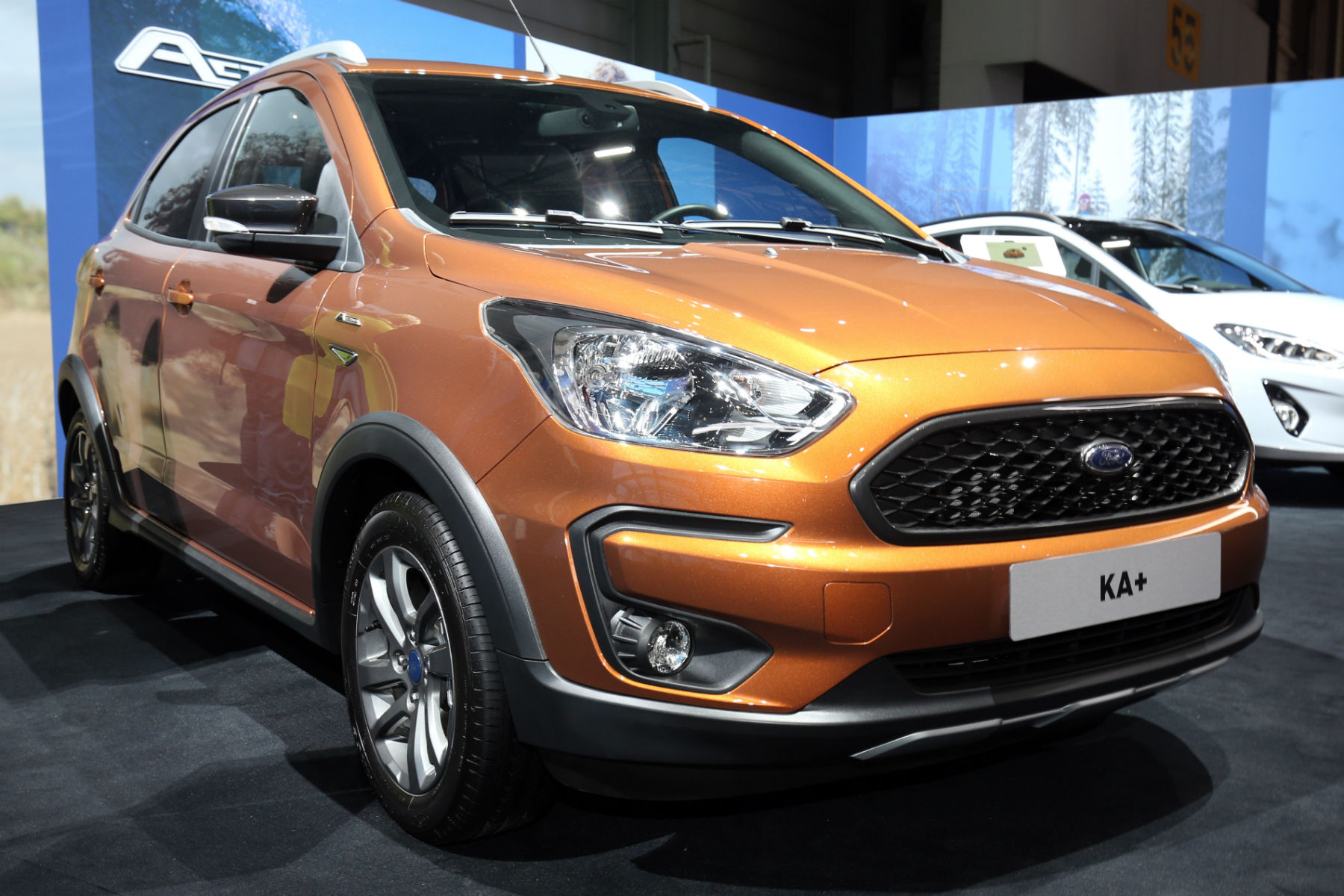
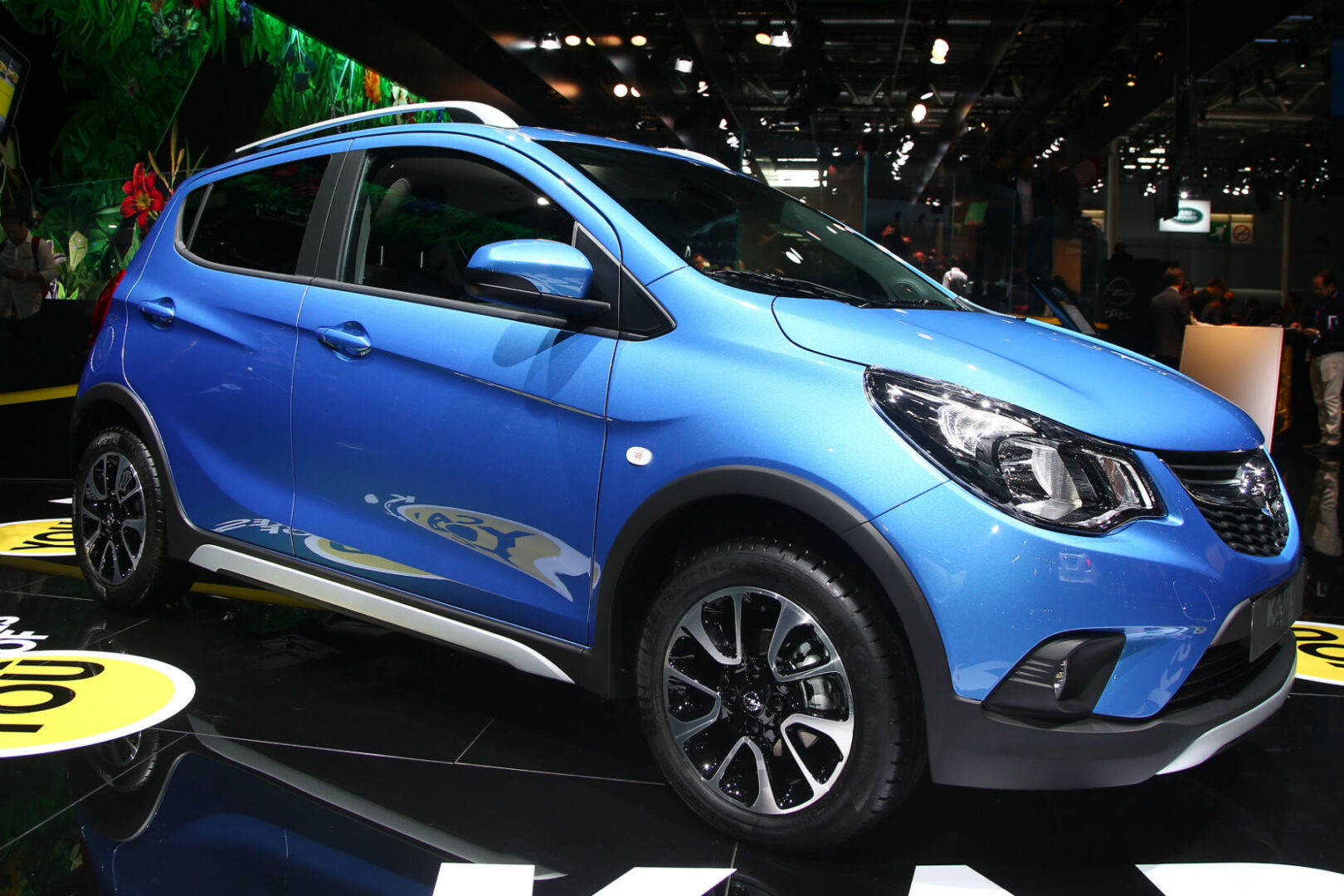
Over on Ford’s stand there’s a facelifted Edge, while hidden away upstairs is the beefed-up Ka+ Active. And it’s the latter that I’m struggling to get my head around.
Now, I understand the popularity of SUVs. Nine times out of 10 I’d prefer an old-fashioned hatchback or saloon myself, but Volvo’s recent XC40, for example, is one of the best cars I’ve driven recently. European Car of the Year judges agreed with me, handing it the overall prize at the eve of the show.
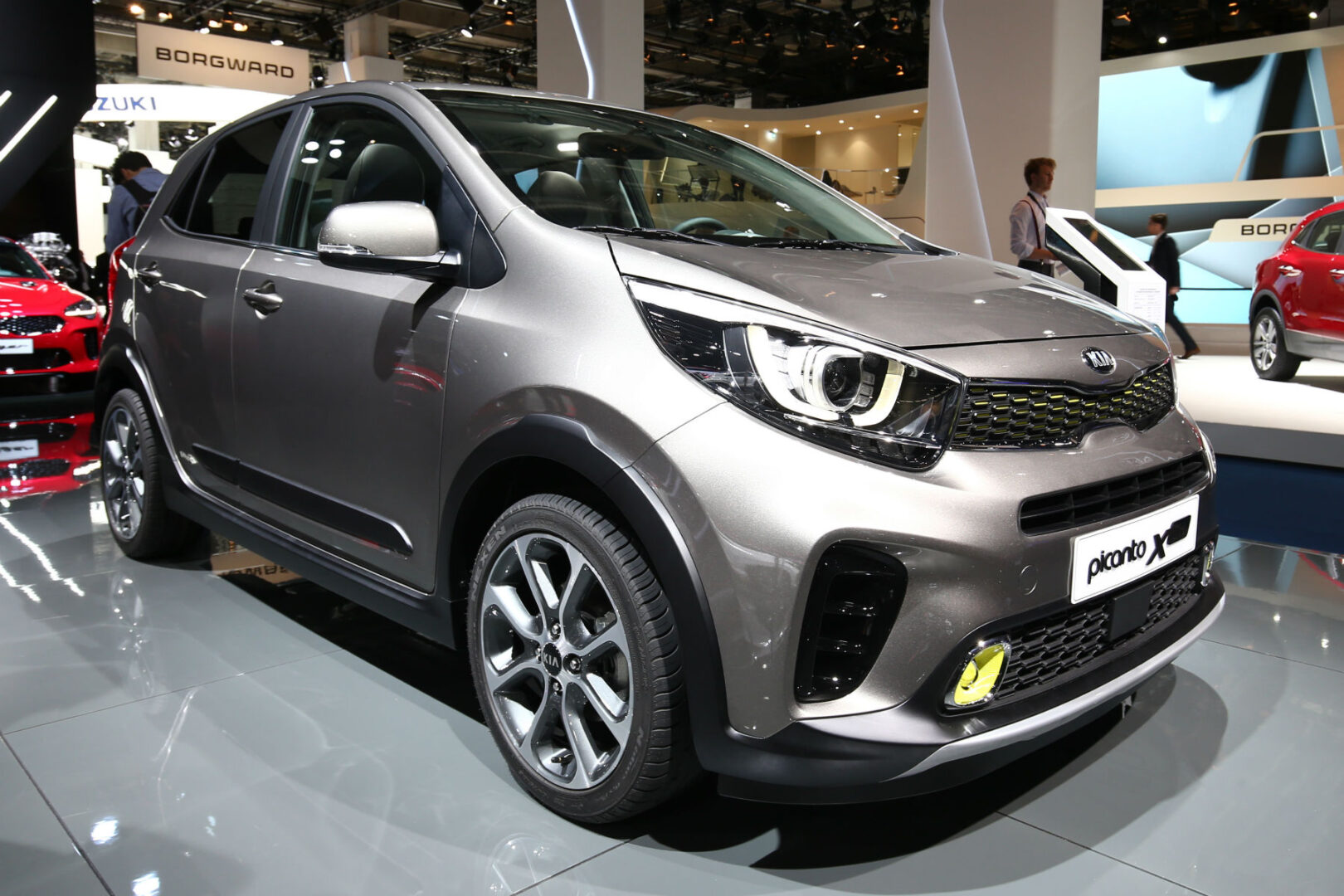
But is anyone convinced by this boom of beefed-up city cars? Vauxhall’s given its Viva the Rocks treatment (following on from the Adam Rocks), while Kia’s launched the Picanto X-Line. The idea, from what I can gather, is that they’ll appeal to the crossover demographic without demanding inflated PCP payments or running costs.
Mechanically, the Ka+ Active is pretty much the same as the regular Ka+. There’s a new petrol and diesel engine line-up announced at Geneva, while power goes to the front wheels via a five-speed manual transmission. There’s no option of a four-wheel-drive powertrain – just like there isn’t with the Viva or Picanto – and that’s what makes it utterly pointless, in my opinion. Yes, people buy front-wheel-drive Nissan Jukes as a status symbol, but you’d be deluded to buy a Ka+ Active as a status symbol.
It’s also the difference between the Ka+ Active and the likes of the Fiat Panda 4×4 and Suzuki Ignis (and even the Swift 4×4). If you live in a rural area or rely on your car in less-than-ideal conditions, a compact city car or supermini with an element of off-roadability makes a lot of sense. But adding body cladding and a marginally higher ride height isn’t going to make one iota of difference.
Is there really demand for jacked-up 2WD city cars? I know the crossover market is huge but does that trickle down to city cars with a slightly higher ride height and some plastic cladding? See also: Viva Rocks, Picanto X-Line. #GIMS2018pic.twitter.com/pCFjiFbh3L
Frankly, it all smacks of the Ford Fusion all over again. Based on the Mk5 Fiesta, the Fusion arrived in 2002. It featured an increased ride height and was marketed at young, aspirational lifestyle people who enjoyed mountain biking and windsurfing at the weekend. In reality it was bought by elderly people who found it easy to get in and out of than a Fiesta. It was axed in 2012
And, if we’re looking back at similar ideas over the years, it’d be rude not to get all nostalgic over the Rover Streetwise. This Rover 25-based wannabe crossover featured bold, plastic bumpers that required regular applications of linseed alloy to prevent fading. Some said it was ahead of its time, I say it was just one of MG Rover’s many bad ideas.
Obviously, there must be a market for these cars. Brands like Vauxhall and Ford don’t launch a new model if there isn’t a confirmed audience for it. But I have to wonder if the buying public are really convinced by some extra body cladding and a few millimetres more ground clearance.
Once upon a time, crazy concepts and ludicrous supercars were the big news at international motor shows. Today, they’ve been all but trounced by the all-conquering SUV, which comes in many shapes and sizes. Here, we select 20 of the best, concentrating on production models, rather than any that might not see the light of day.
One day, we’re going to run out of ‘firsts’. Until then, the press offices will continue to take great pleasure from announcing their world-first this or that. To wit: the Bentley Bentayga PHEV is the world’s first luxury hybrid, although somebody might want to mention this to Lexus. Whatever, it’s most certainly the first hybrid built in Crewe.
The Bentayga with a conscience combines a turbocharged 3.0-litre V6 engine and an electric motor to deliver CO2 emissions of just 75g/km. In pure EV mode, it offers an electric range of 31 miles, while in true Bentley style, the wall charger has been designed by Philippe Stark. Bentley says the Bentayga PHEV is the first step towards full electrification.
Jaguar I-Pace
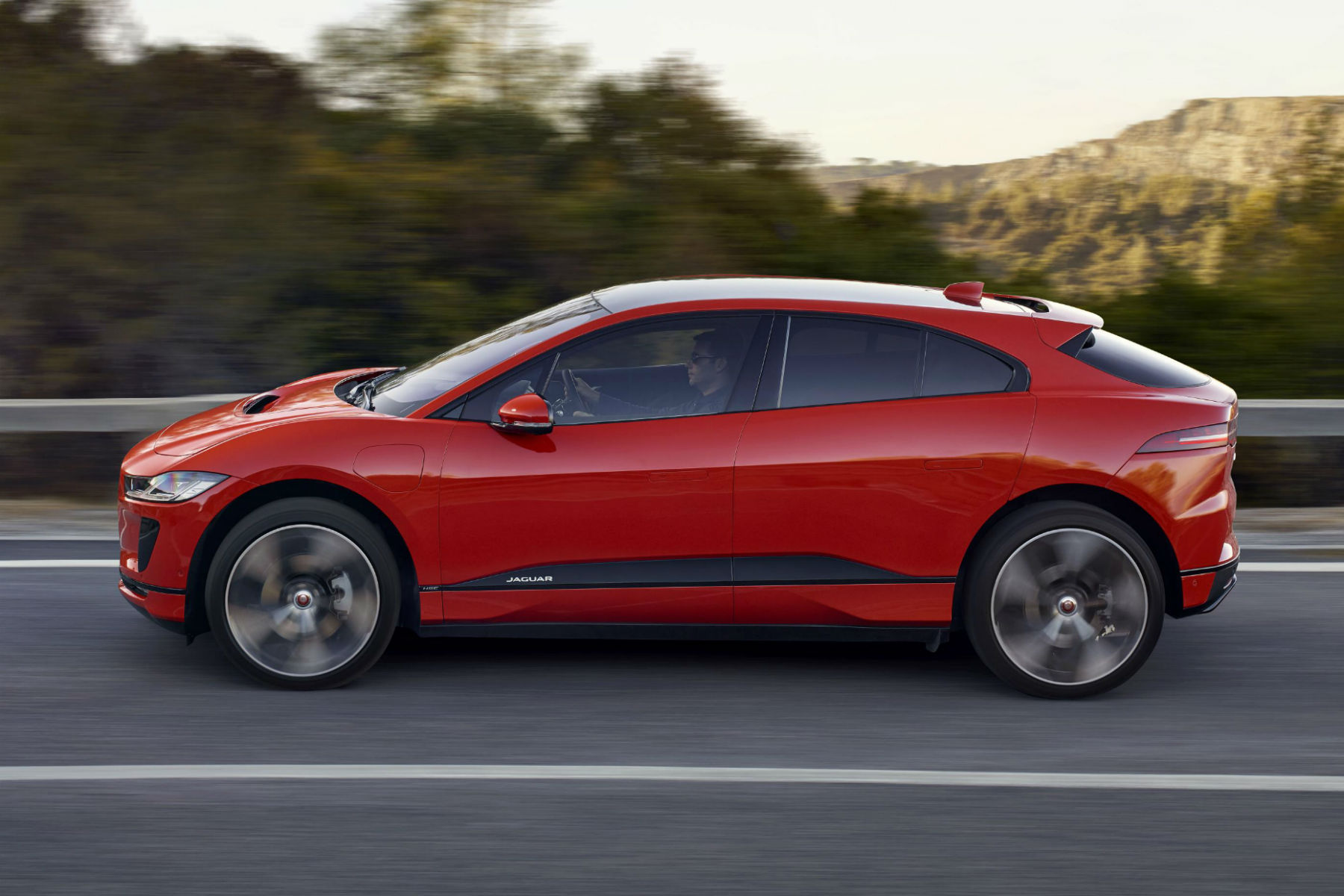
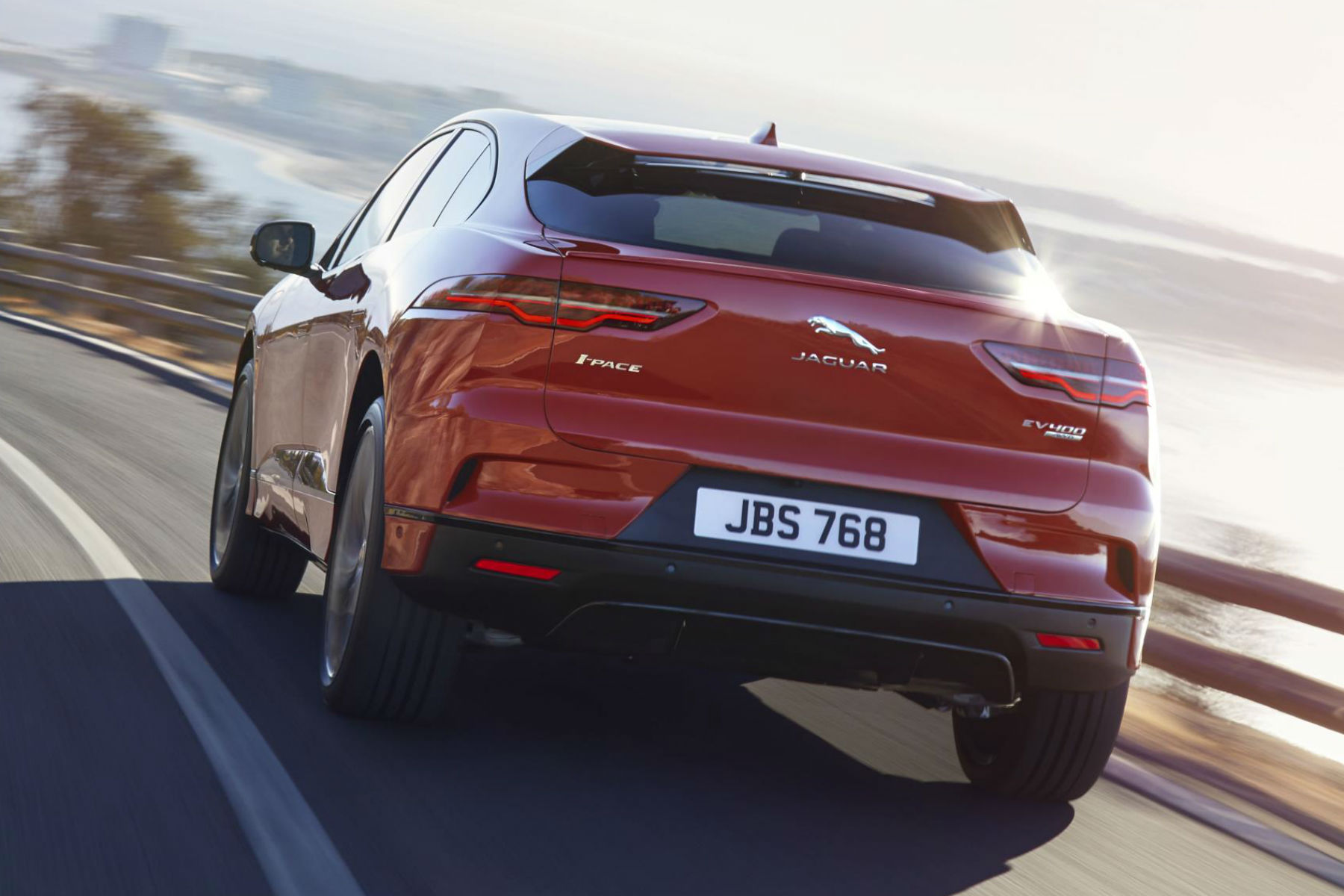
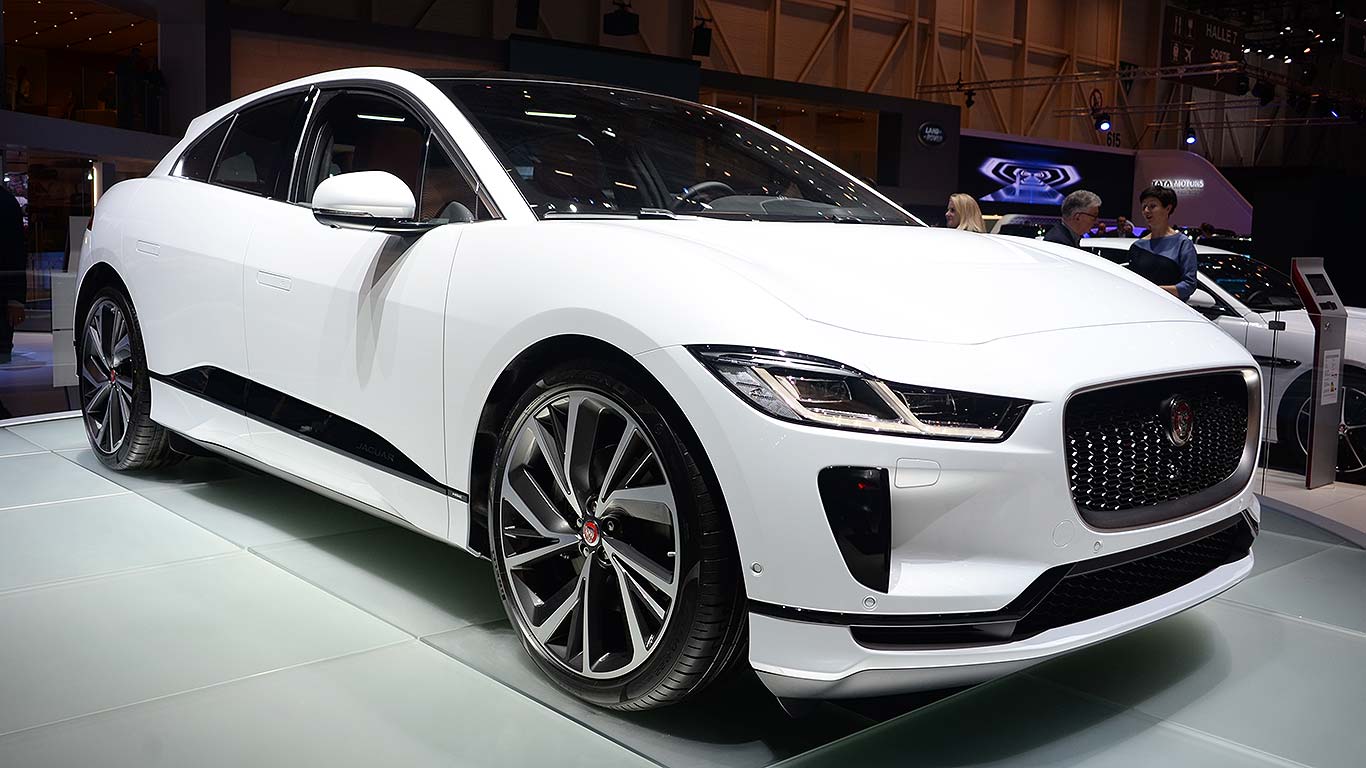
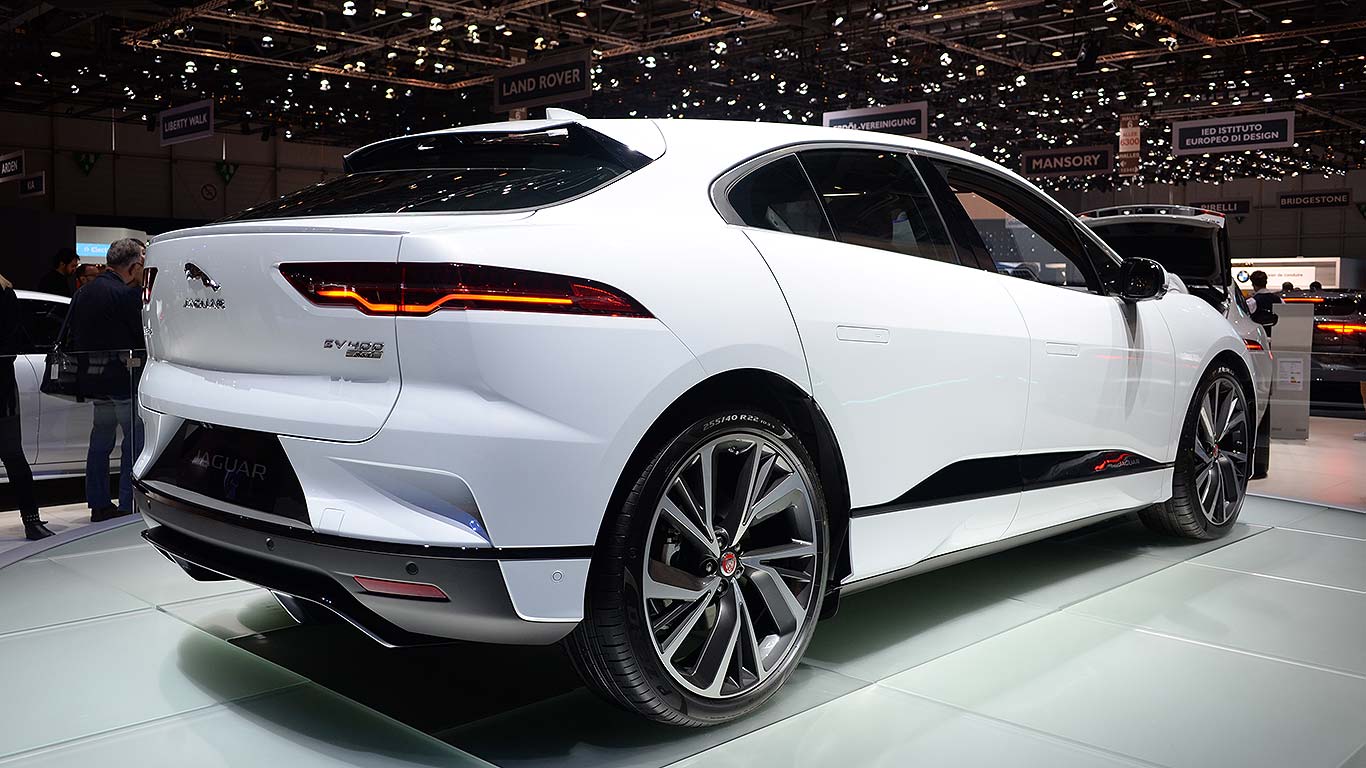
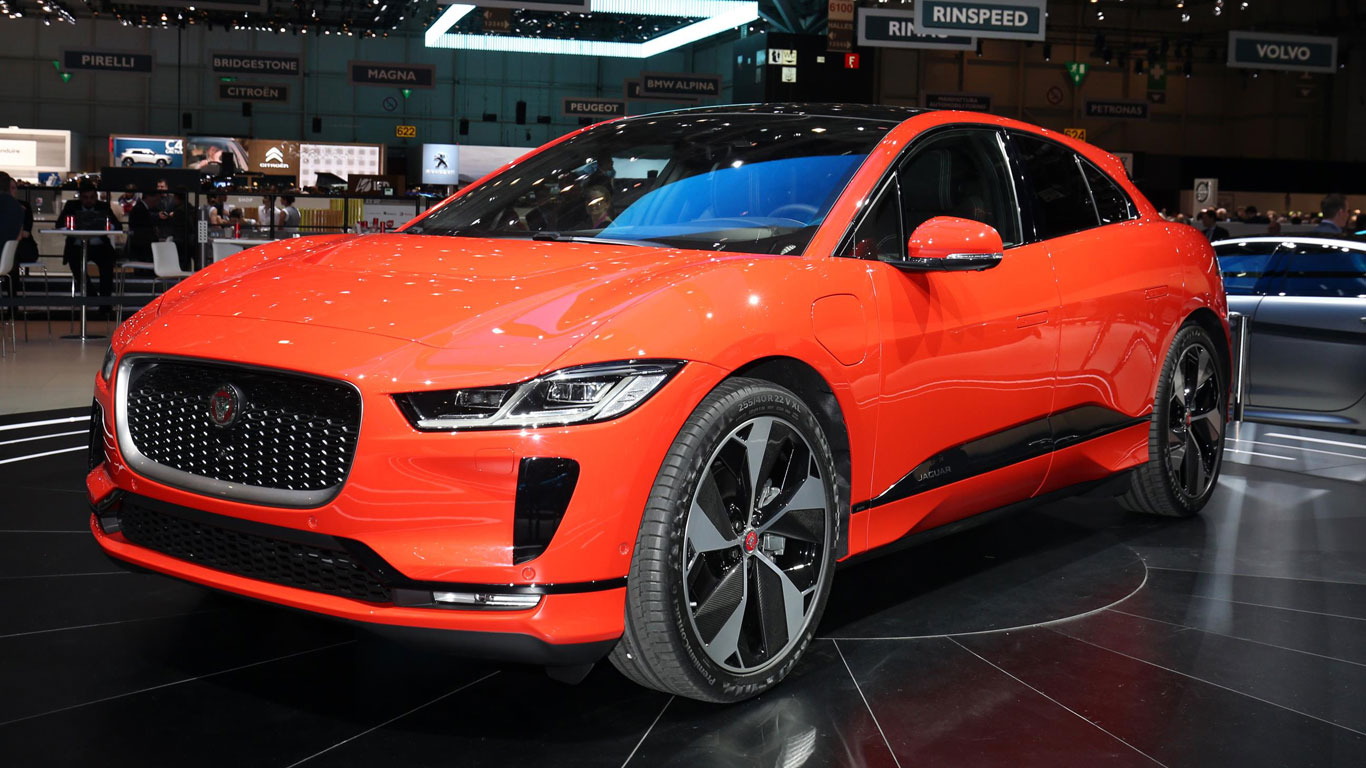
“Landmark car” and “game-changer” are just two of the things we’ve heard said about the Jaguar I-Pace in Geneva. You can understand the gushing praise: here is a car that looks good, slots neatly into a growing segment, offers a realistic range, and is priced to take on Tesla. How can it fail?
The headlines make for compelling reading: a 90kWh battery delivering up to 298 miles range, two electric motors developing 400hp, 50:50 weight distribution, 0-60mph in 4.5 seconds, and five-seat SUV practicality. It’s available to order now, priced from £63,495.
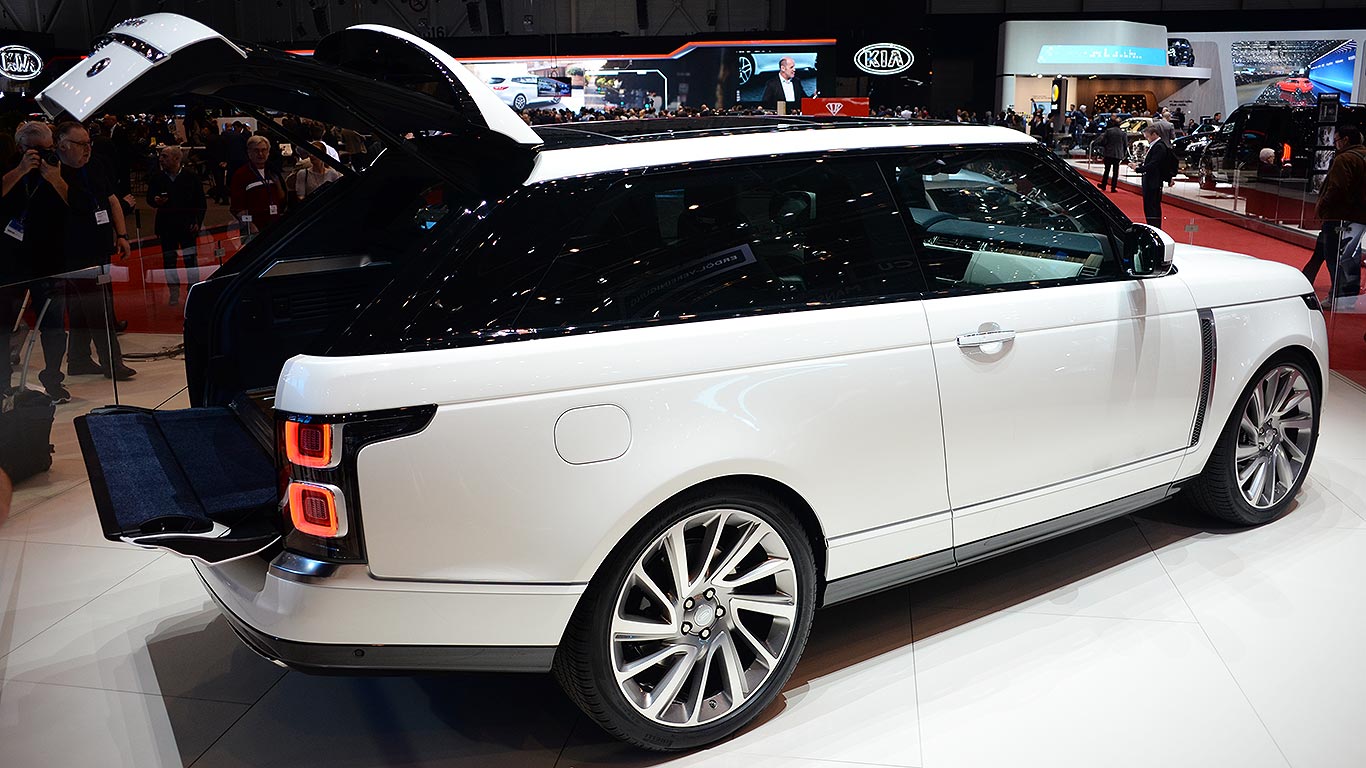
Range Rover SV Coupe
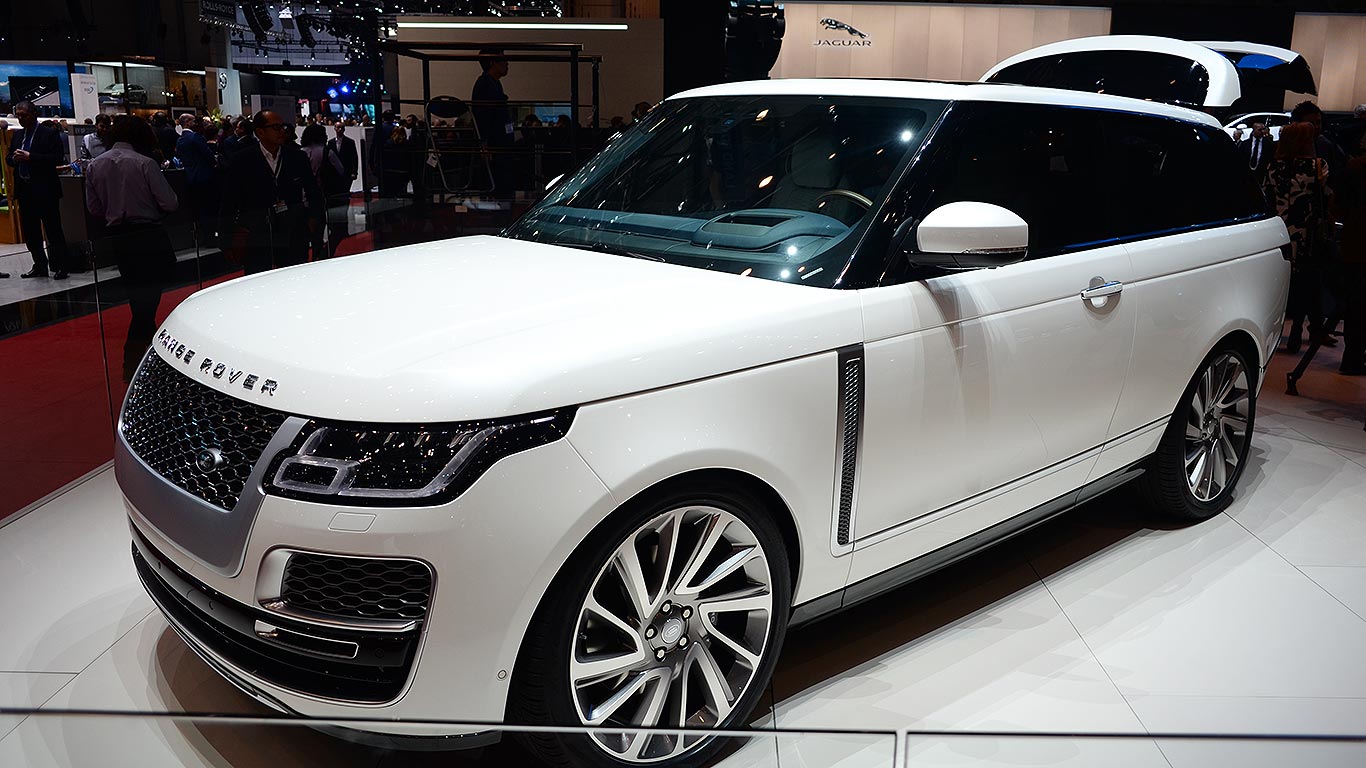
The SV Coupe is the latest car to emerge from Land Rover’s Special Vehicle Operations (SVO) division and is one of the most talked about cars at this year’s show. Land Rover likens the plush interior to something you might find in a private jet or yacht, which goes some way to justifying the eye-watering £240,000 price tag.
Exclusivity is guaranteed, as Land Rover will build just 999, telling us that several pre-order SV Coupes have already exceeded £300,000 after options. These options include 23-inch alloy wheels – the largest ever fitted to a production Range Rover – along with 100 paint colours, different shades of leathers, a choice of wood veneers and – wait for it – your family crest stitched into the headrests.
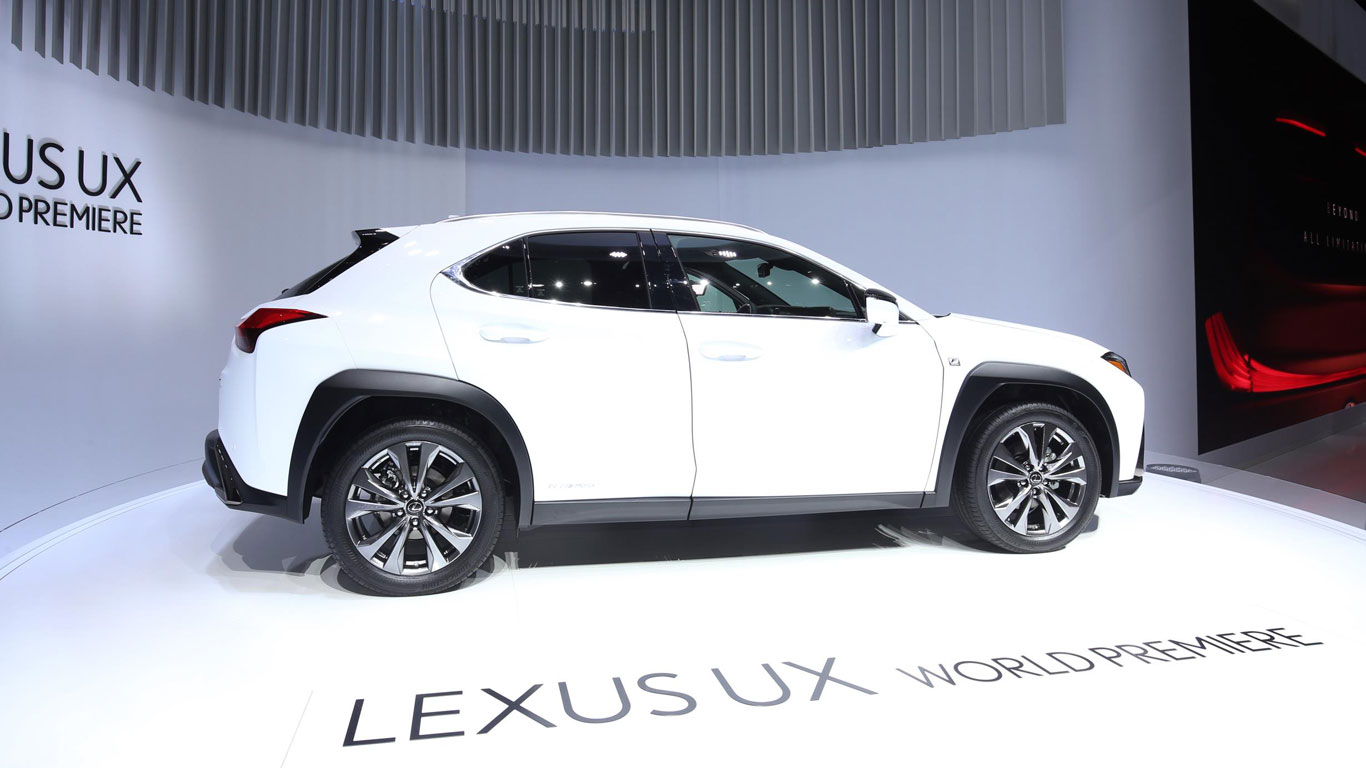
Lexus UX
In an acknowledgment that most of these cars will spend their entire time on the road rather than off it, Lexus is calling its first compact crossover an “Urban Explorer”. The UX is the first Lexus to be built on the new GA-C platform, with the company promising the lowest centre of gravity in its class and a hatchback-like driving experience.
Sounds promising. Chika Kako, chief engineer of the UX goes a little further, claiming that he wanted to deliver car that could change the lives of the mid-30s millennials being targeted by Lexus. The UX 250h will feature a self-charging hybrid system, but we’re still waiting for UK-specific details.
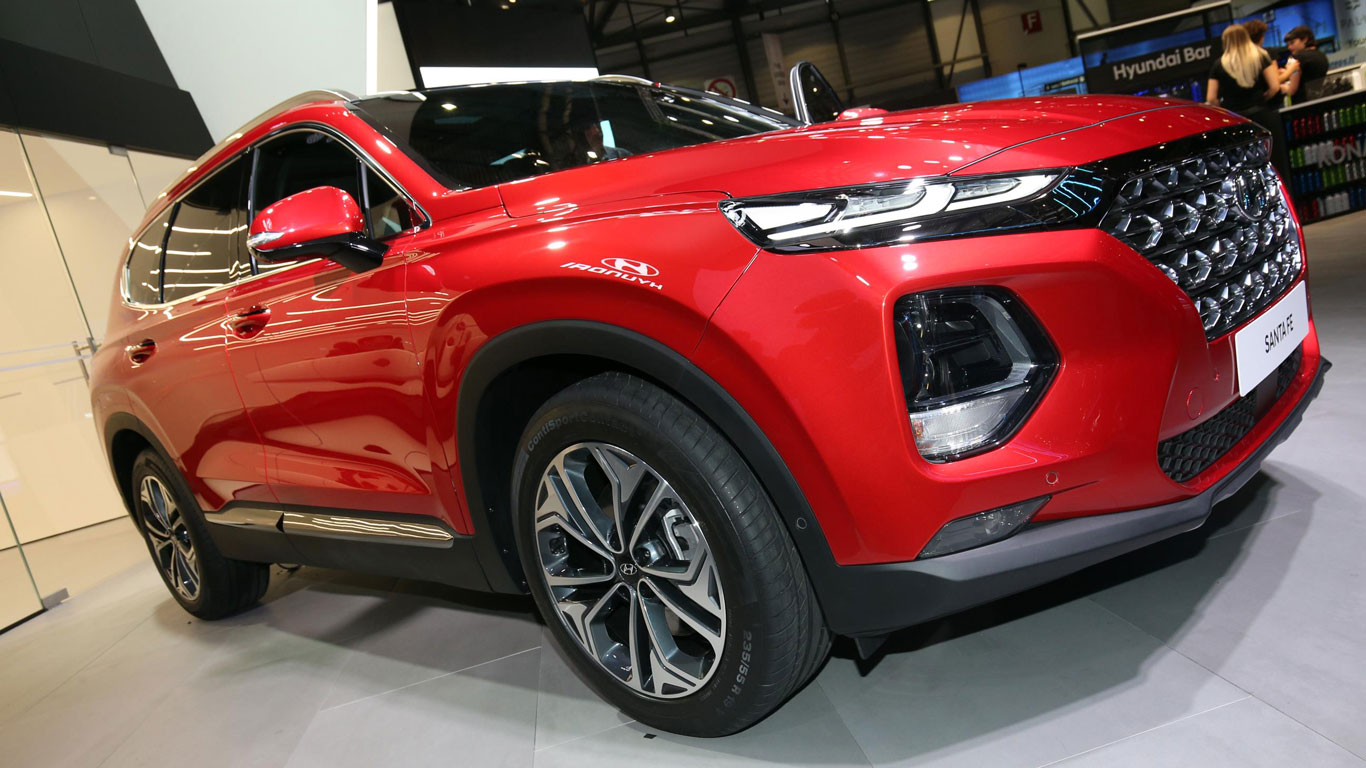
Hyundai Santa Fe
Another real-word SUV, the Hyundai Santa Fe has become a familiar sight across the world since its launch at the turn of the millennium. This new model has a more confident, almost aggressive stance, with Hyundai promising “best-in-class safety features” and exceptional interior space.
If you’re somebody who’s forever forgetting where you left the children, this is the SUV for you. The Rear Occupant Alert monitors the rear seats to detect passengers and alert the driver there are people in the rear seat when leaving the car. Are you reading, David Cameron?
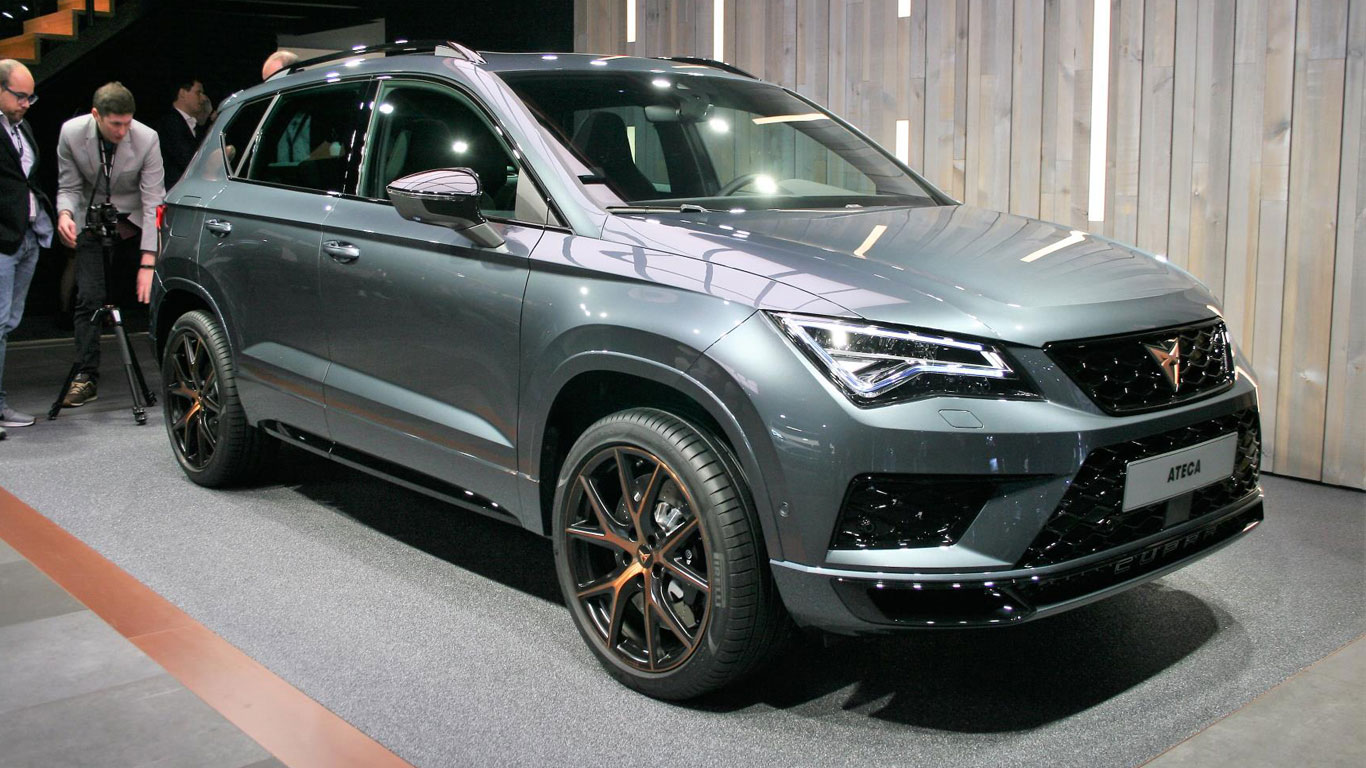
Cupra Ateca
It looks like a Seat Ateca, but the Spanish company would like you to refer to it as the Cupra Ateca. Unveiled last month, the sporty SUV is the first of a number of Cupra models, all destined for a life without any Seat branding. Seven new cars are planned within the next three years, starting with this: the 300hp Ateca SUV.
Putting cynicism to one side, the 2.0-litre turbocharged Cupra Ateca promises to be quite a formidable performance SUV. It’ll hit 62mph in just 5.4 seconds, before going to reach a top speed of 152mph.
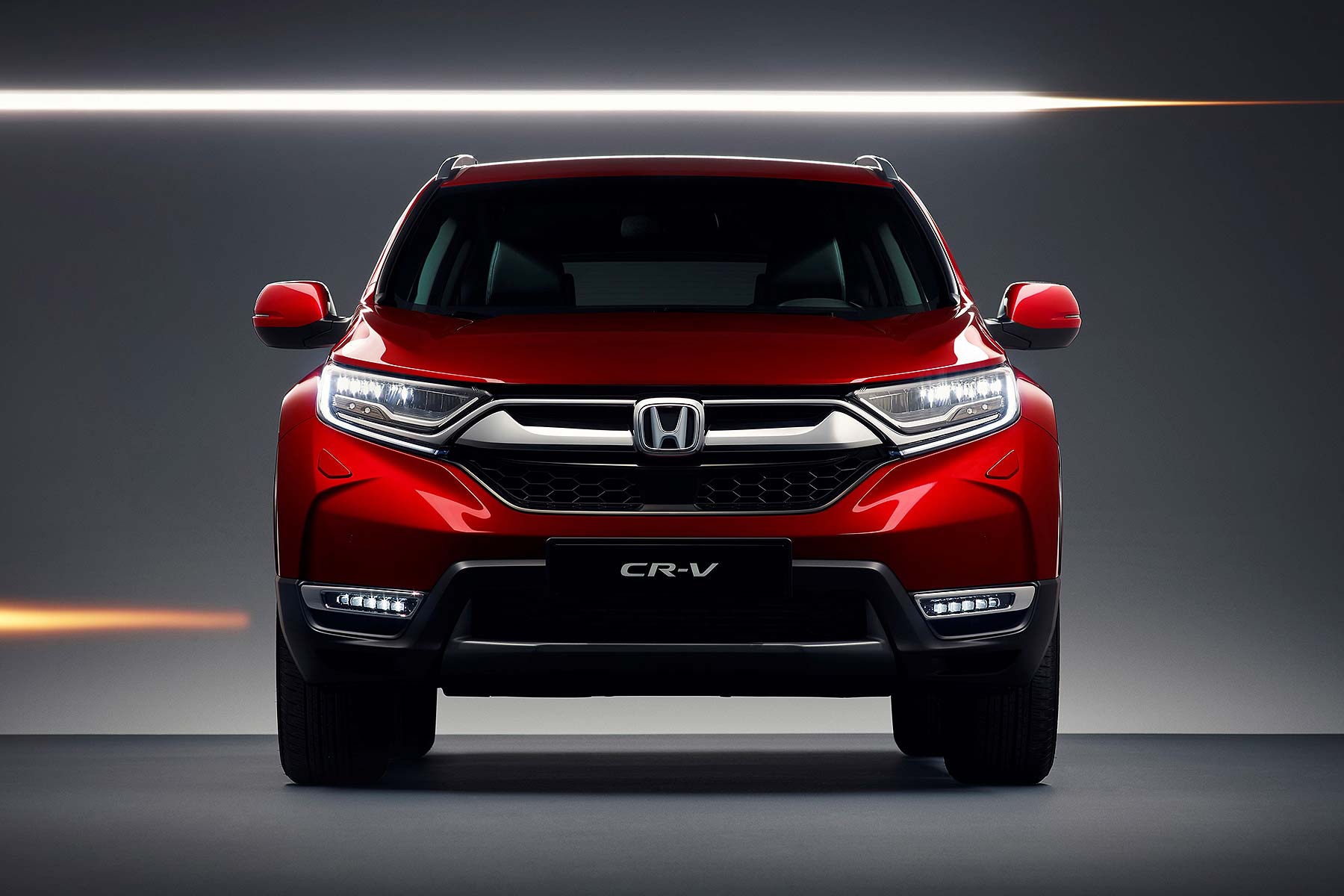
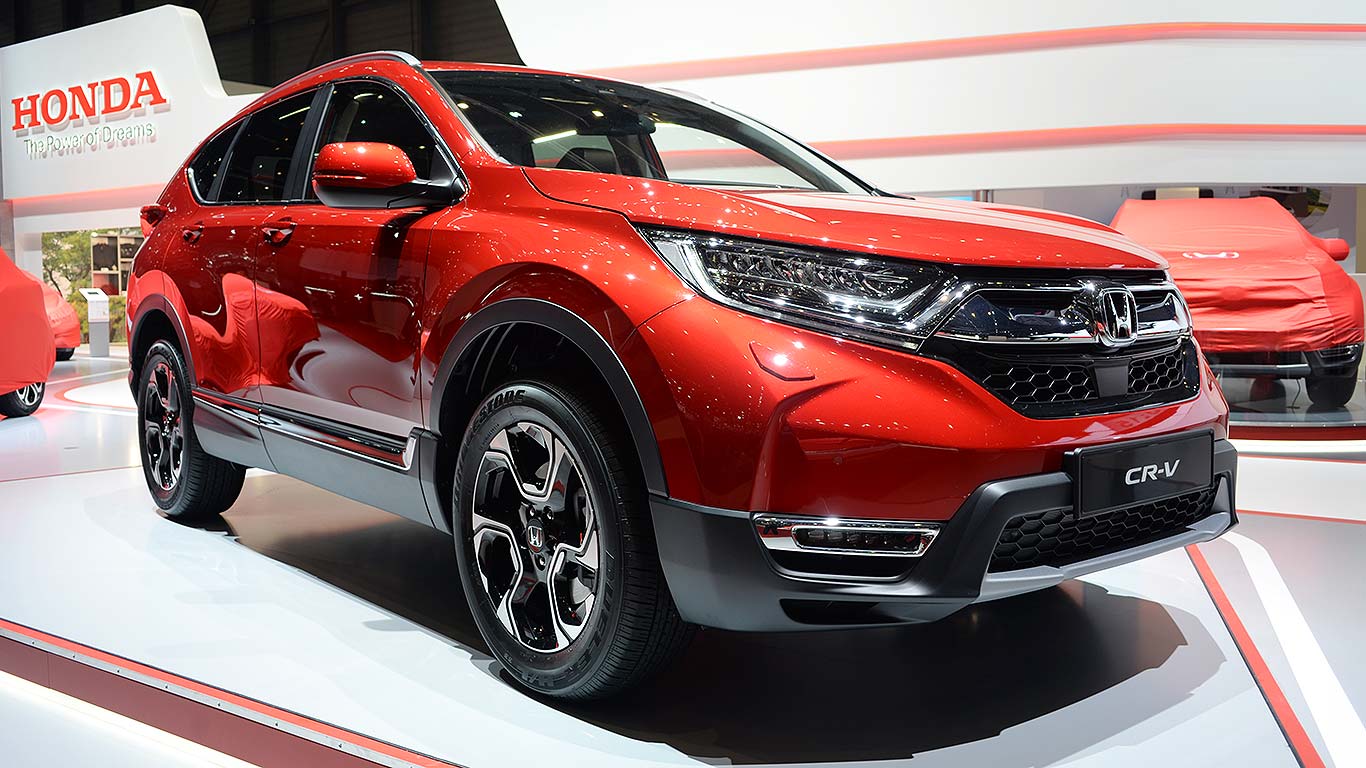
Honda CR-V
We reckon this is the best looking Honda CR-V ever built, but the big news lies under the bonnet. Honda has ditched diesel from the range, with buyers offered the choice of either a 1.5-litre turbocharged petrol engine or a 2.0-litre petrol-electric hybrid.
It’s the first time a CR-V hybrid has been available in Europe, but the first deliveries aren’t expected until early 2019. In the meantime, 1.5-litre versions are scheduled for autumn 2018, with a seven-seat option available.
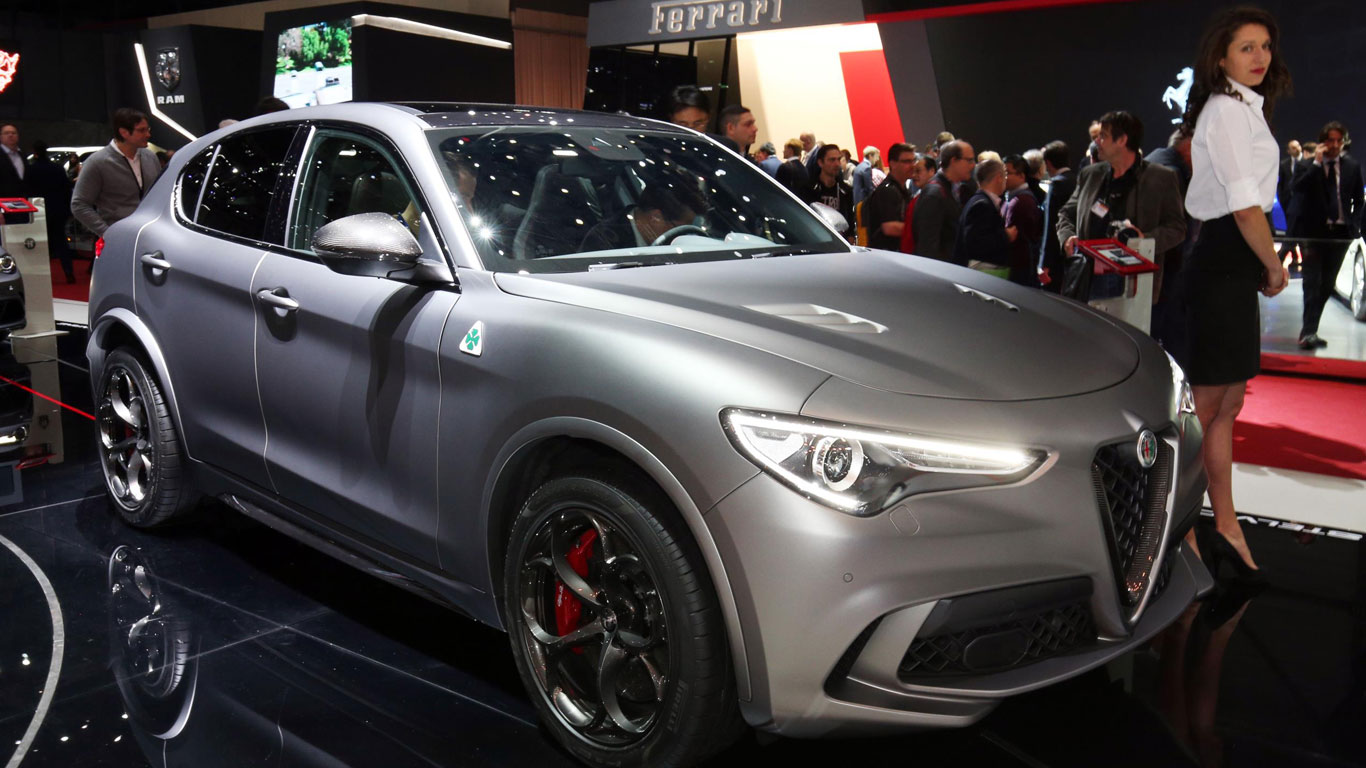
Alfa Romeo Stelvio NRING
The Alfa Romeo Stelvio NRING pays tribute to the record-setting lap of the Nürburging by offering a host of tasty upgrades. Performance is unchanged, but the special edition adds carbon-ceramic brakes, Sparco race seats and a Mopar automatic transmission knob, plus other cosmetic and in-car entertainment goodies.
Just 108 will be built, one for each year of Alfa history, with each car finished in Circuito Grey. An obligatory numbered badge is fitted to the carbon fibre dashboard insert.
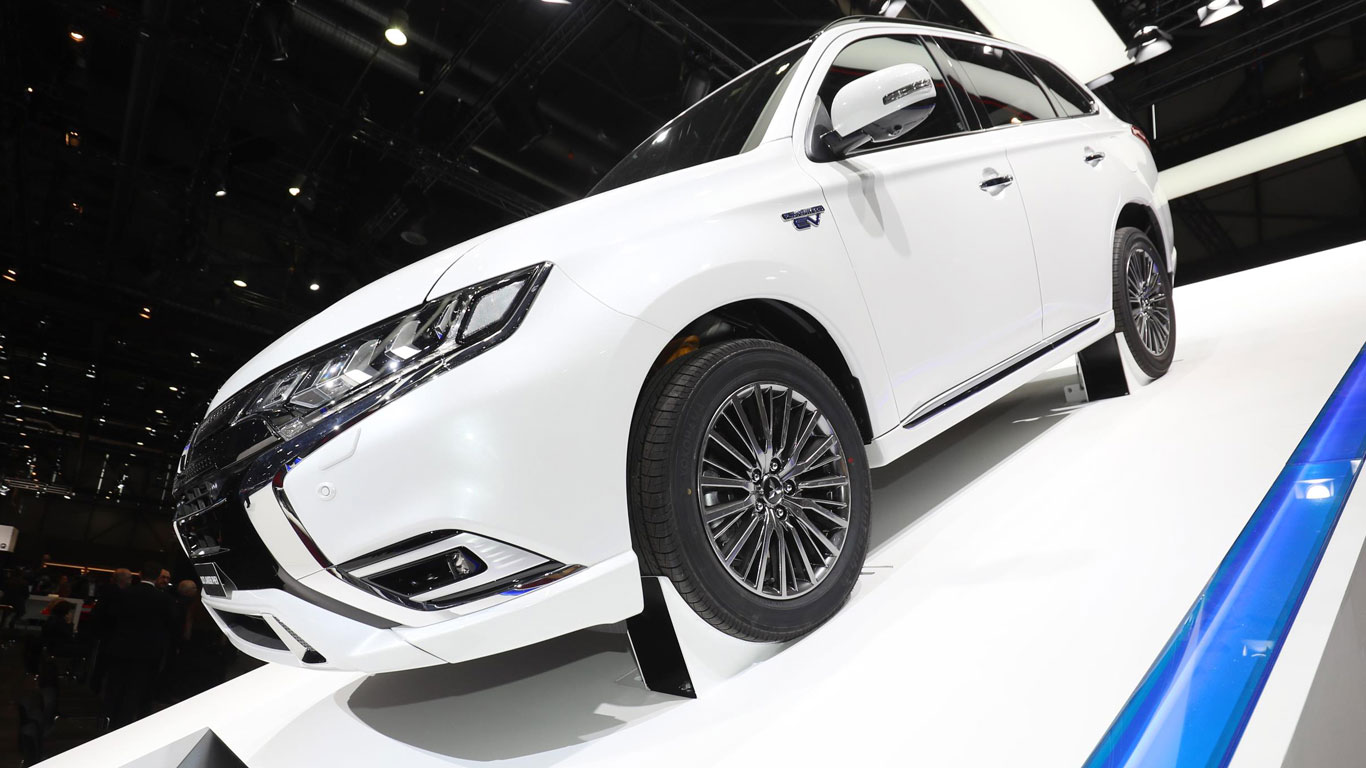
Mitsubishi Outlander PHEV
The Mitsubishi Outlander PHEV has been Europe’s best-selling plug-in hybrid vehicle for the past three years and is the world’s best-selling plug-in SUV. Which means the launch of a new 2019 model is going to be of interest to a lot of people.
A 2.4-litre petrol engine replaces the old 2.0-litre unit, with the 2019 model promising a 15 percent increase in battery capacity and a 10 percent increase in output. There’s also a revised four-wheel-drive system and a host of cosmetic upgrades. It makes the original Outlander PHEV look decidedly dated.
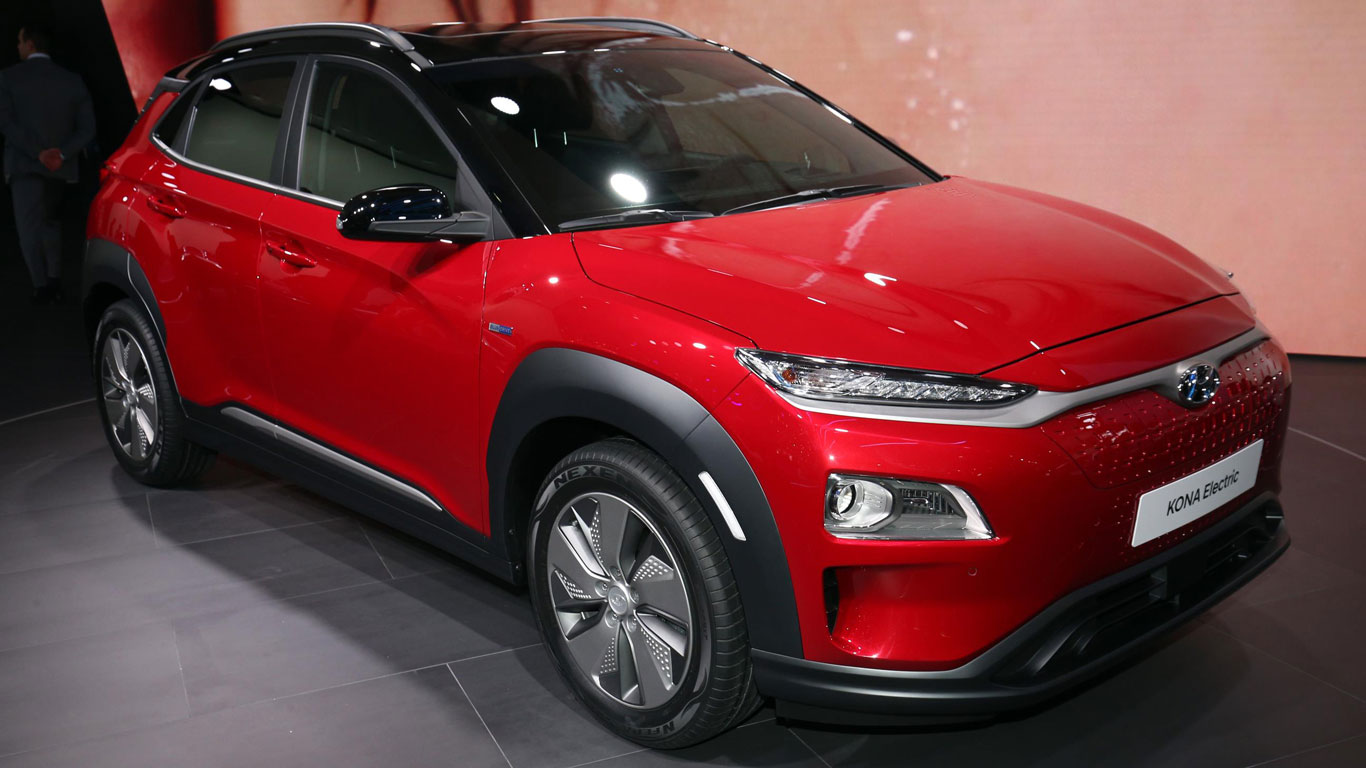
Hyundai Kona Electric
We’ve deliberately excluded crossovers from this gallery, choosing to focus on full-fat SUVs and pick-ups. But we’re prepared to make an exception for the Hyundai Kona Electric, because we think it could be one of the unsung heroes of the show.
It sits 15mm higher than the regular Kona and will be offered in two variants: one offering a range of 186 miles, the other managing 292 miles. Hyundai hasn’t confirmed prices, but if it comes in around the £25,000 mark, there are likely to be many customers forming a queue at dealers.
This is not a normal, full-blooded drive of a new car. If you think you’ve seen a review of the Jaguar I-Pace elsewhere (before June 2018), well, the writers are being economical with the truth.
The truth is that Jaguar whisked a bunch of journalists from the Geneva Motor Show to a small driving-school test track at the end of the airport runway nearby. This would be a 10-minute ‘experience’, rather than a proper first drive.
What can I tell you from 10 minutes? Quite a lot, as it happens. Firstly, the I-Pace looks great in the metal, on the road and out in the open air. Falling between the Jaguar E-Pace and F-Pace SUVs in terms of size, it’s much swoopier than either.
New all-electric Jaguar I-Pace revealed: it’s yours from £63,495 https://t.co/aABhlwQZIE pic.twitter.com/JCVaGN6OjV
This recent trend of the SUV morphed into a coupe has been promulgated by BMW and Mercedes-Benz, who have managed to turn out whole families of shockingly ugly designs that offer nothing over the vehicles from which they were derived.
A special, premium SUV
The I-Pace is a bit special, though, and you’ll surely be happy if you’ve already put your money down. The interior lives up to the promise, too. It feels properly premium with no sign of lightweight features there to compensate for the
weight of all those batteries.
It also drives very well – at least up to 50mph. There’s 400hp, which translates into acceleration that can shame a supercharged Jaguar F-Type.
On the wet track the grip was prodigious – I stuck the chassis into its Dynamic setting and simply floored it wherever possible. The i-Pace hunkered down, the four-wheel drive did its thing and the steering simply seemed connected to my
brain.
First impressions are good
The seats feel comfortable and very supportive, but while rear space looks pretty good, those seats are incredibly flat and rather close to the floor.
How far will it really travel on a full battery, when it’s cold and wet? I suspect not the 300 miles quoted, although there are some clever features that, for example, allow you to warm up the battery (and the interior) while the car is still plugged in, making a major difference to the range.
The jury is necessarily still out. A full appraisal is needed and we’d be even happier to know how those first customers get on over the first 12 months.
Still, there seem to be many who are excited enough to put there cash down right now, and we can hardly blame them.
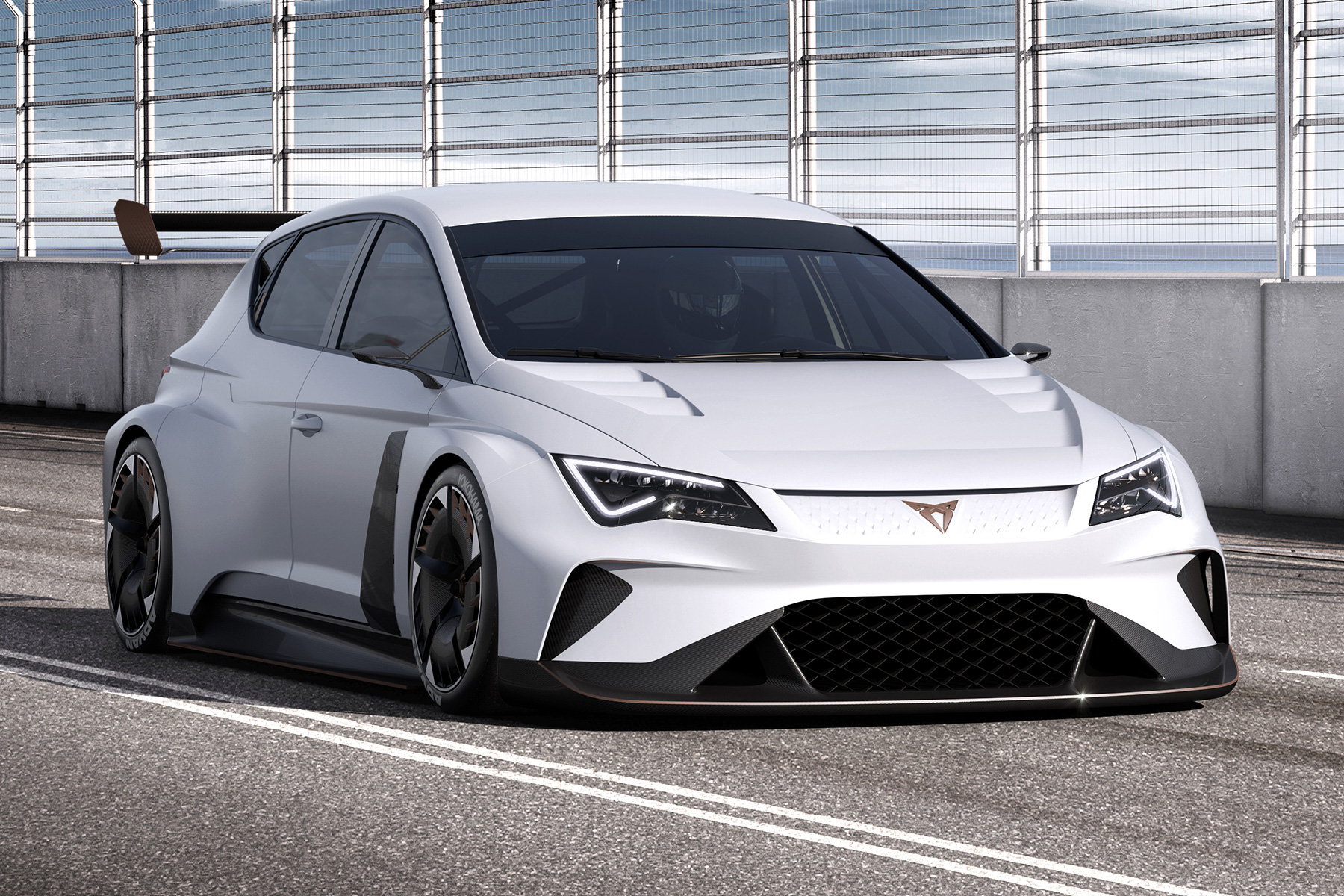
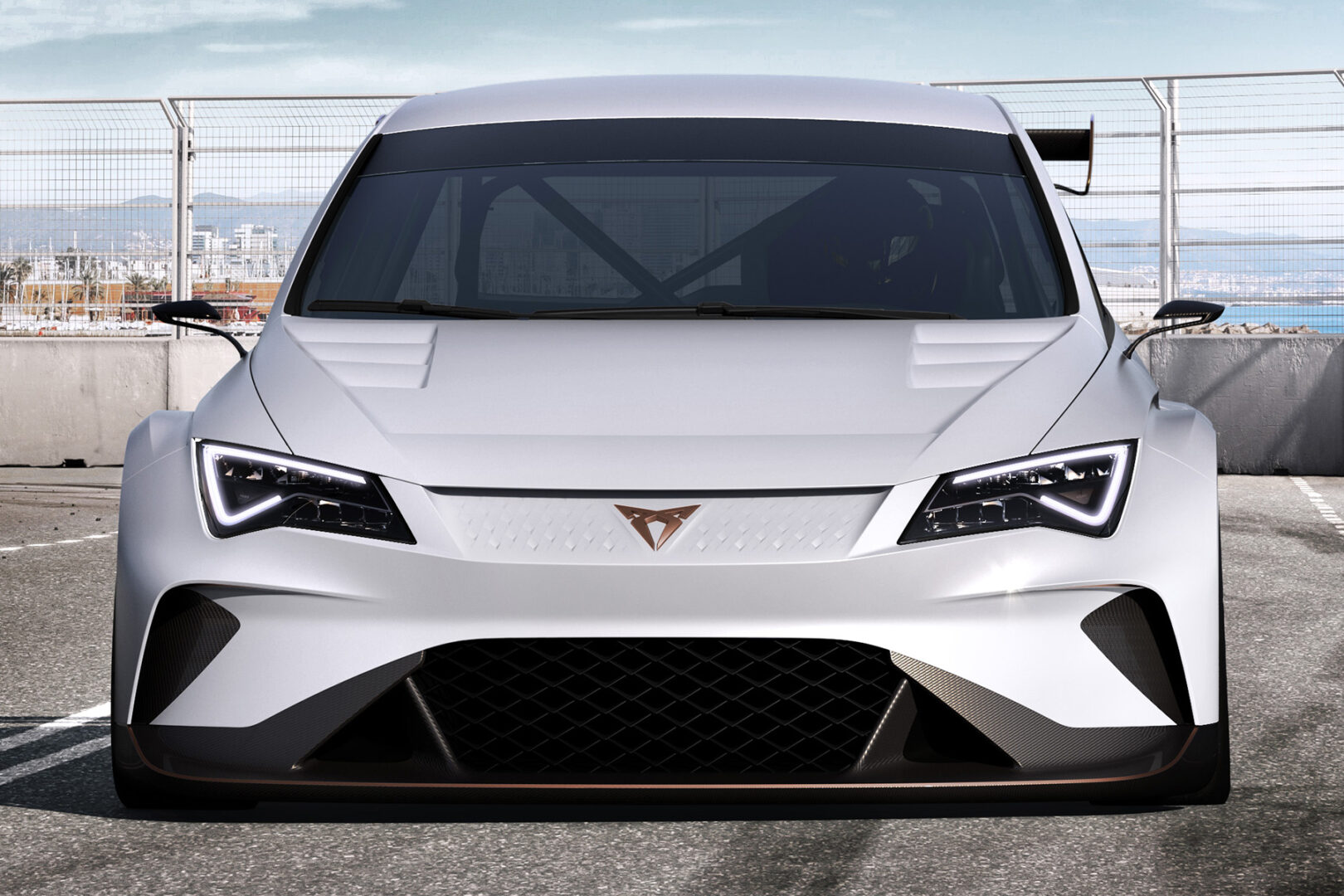
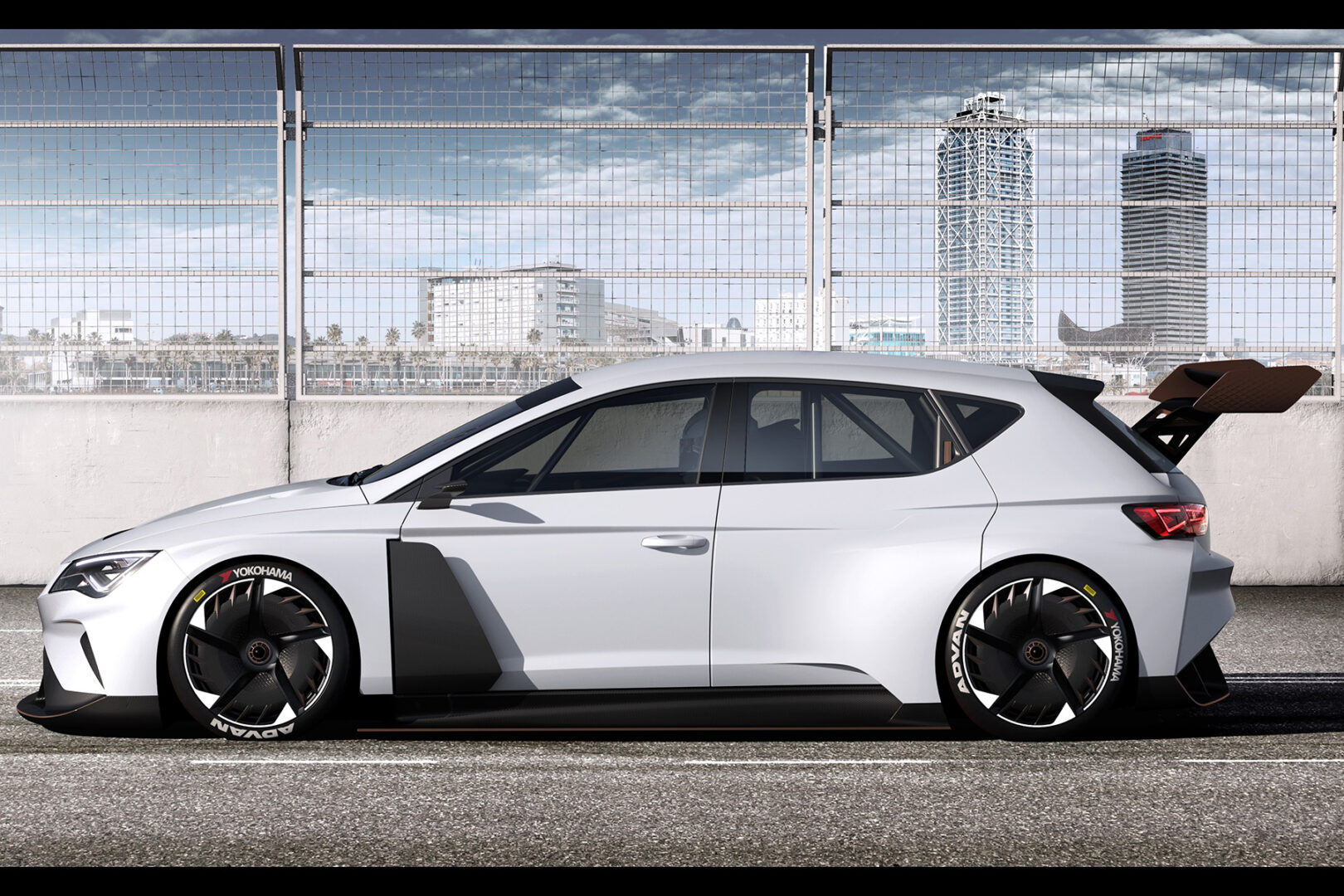
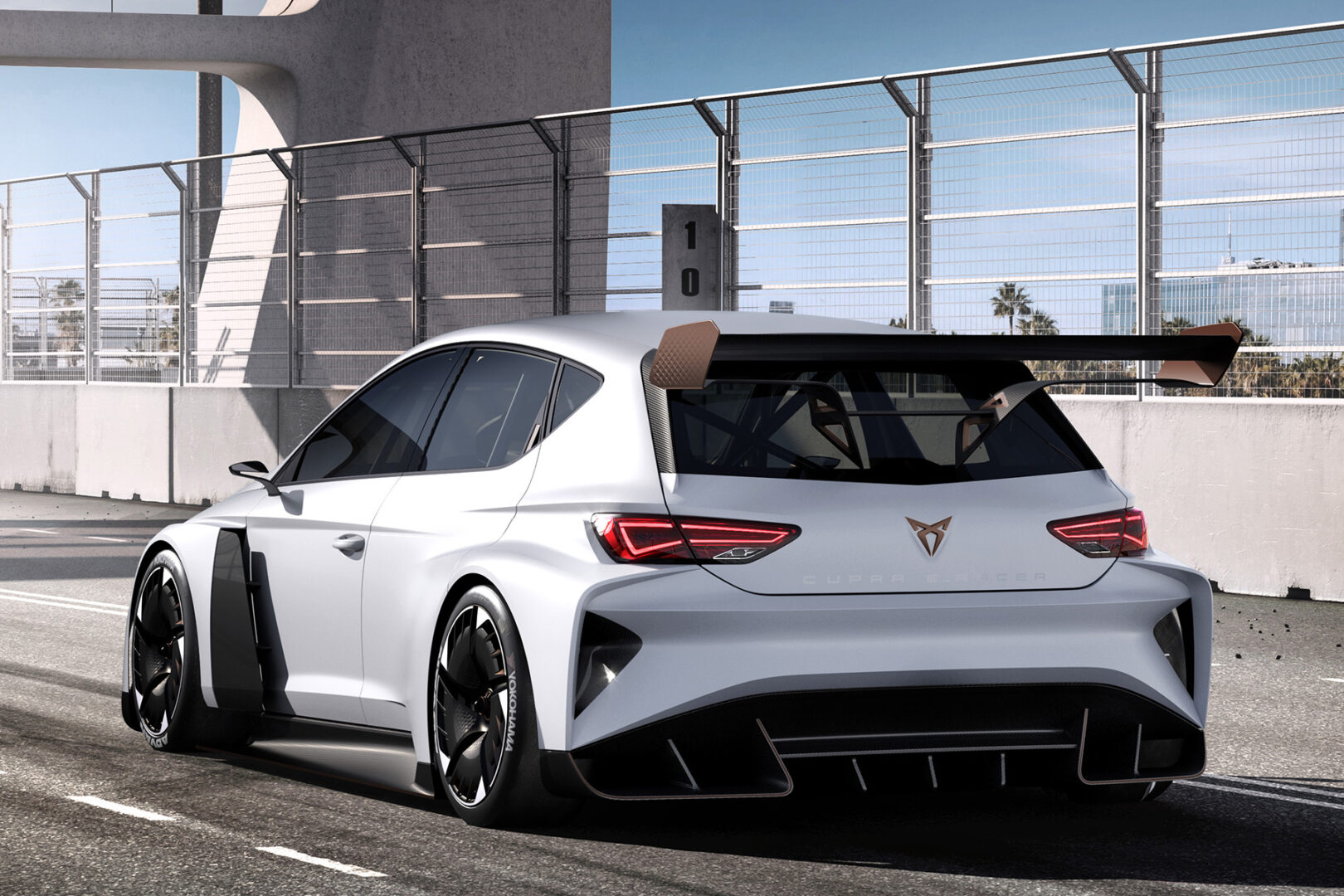
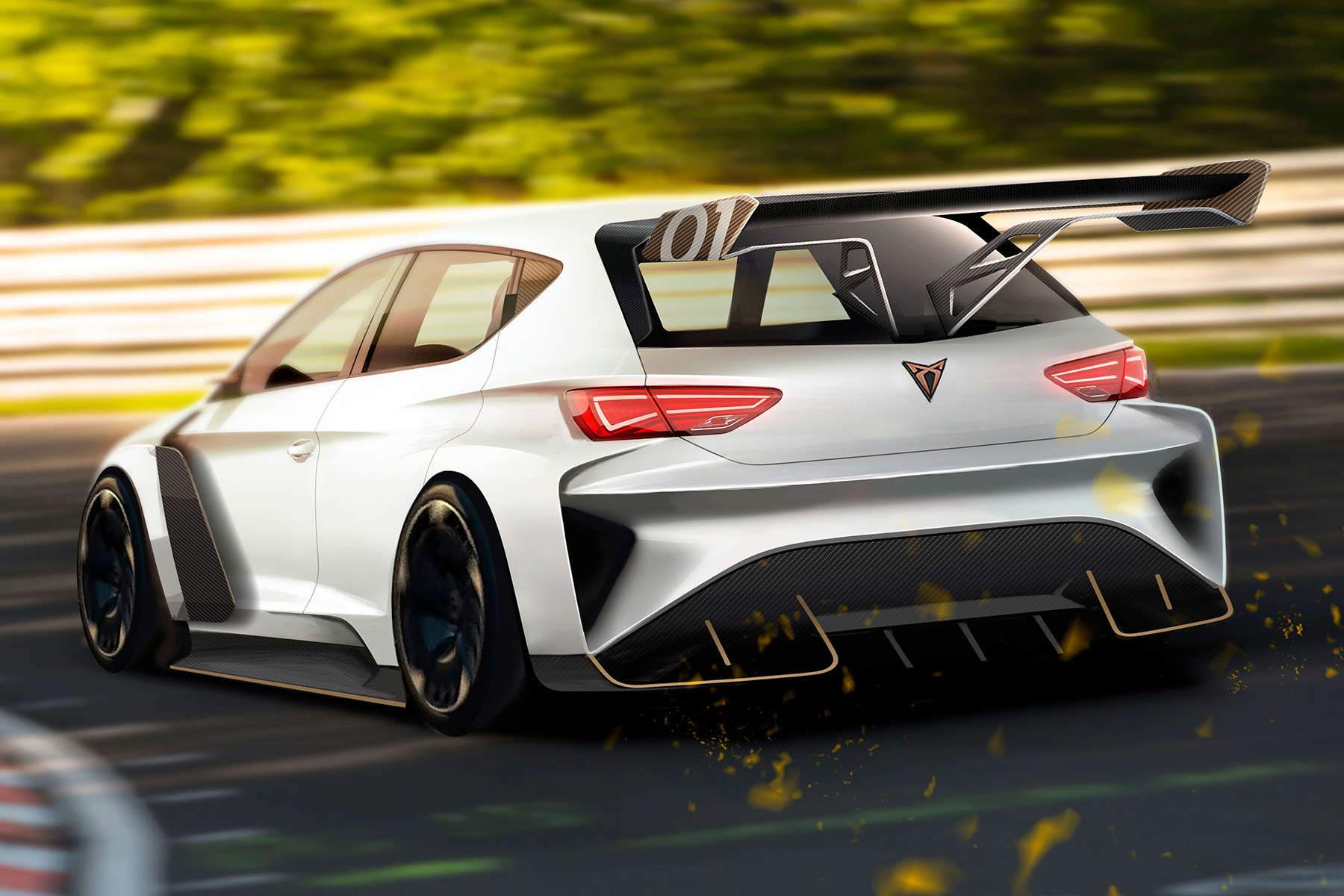
Electric cars can be fun. It’s a message drummed into us time and again by manufacturers pushing their new technology. But is fun simply about quick 0-62mph times? Not necessarily, according to Seat’s sporty offshoot, Cupra. The freshly divorced brand has revealed a 680hp electric racing car at the 2018 Geneva Motor Show, but claims there’s more to it than a 3.2-second 0-62mph time and an incredible 8.2-second 0-124mph time.
Speaking to Motoring Research, R&D boss Matthias Rabe explained that he had big ambitions for the Leon-based rear-wheel-drive e-Racer.
Seat’s new Cupra sub-brand launches with the Ateca. Note the new badge on the front. It’s meant to look like a tribal tattoo, apparently. pic.twitter.com/7EsKDF5cfr
“To be honest, when we said OK, let’s [make] the TCR car electric, I saw some first proposals… they were front-wheel drive and with much lower power. And then I asked, OK, what’s the performance figure? And they showed me something of acceleration in the region of 6.7 seconds or seven seconds and I said ‘no’.
“If we want to go electric, we have to be better than today. In general, with electric, you don’t have the sound experience and therefore I think it is more boring in general, and therefore the car has to be more exciting. So we created a rear-wheel-drive car and we increased the power.”
We asked Dr Rabe to give us three features of the e-Racer that could be used on production Cupra models in the near future. This is what he said.
Torque vectoring
Torque vectoring is fairly commonplace in petrol performance cars of today. In simple terms, it shifts torque between wheels, sending it to the wheel with the most traction to aid grip when setting off and cornering.
But Rabe explains that you can take torque vectoring to the next level with electric cars. Unlike internal combustion-engined vehicles, torque vectoring can also be used during braking. Because of the electric brake modes, you can shift the amount of braking from one side of the car to the other, helping to keep it stable under heavy deceleration.
Added carbon
This is a feature already available on the Cupra Ateca: a carbon fibre exterior pack. It’s optional, “because carbon is very expensive,” explains Rabe. We already know that Cupra will take a similar route to AMG and BMW M Sport, offering sporty option packs for Seat-branded cars, but buyers of Cupra models will also be able to customise their vehicles to their own taste.
The Leon Cupra R features carbon fibre detailing in the form of a front splitter and rear-view mirror casings. Which brings us on to…
Cameras instead of rear-view mirrors
When you think of it, modern road cars are relying on rather old-fashioned technology in the form of three mirrors stuck to the car to inform the driver what’s going on behind them. Cameras are obviously fairly commonplace to aid reversing and tight manoeuvring, and we frequently see them replacing mirrors on concept cars. So why haven’t they made it to road cars yet?
“I love the idea,” Rabe said, “[but] I think we could integrate it from the design even better than on the e-Racer. I have some ideas for that, but the point is why not in the future? It’s a cost thing, but then that’s the nice thing with racing. With racing it’s easy to test it. To bring it into a serial car right now the costs are very high, and it’s complicated in terms of electrical integration. But in the future, maybe.”
Although the answer is mainly down to cost, Rabe says that it is also partly because of legislation. However, “normally legislation just follows technology.”
He continues to point out a number of advantages to using cameras rather than mirrors.
“One advantage is, I think, you reduce the drag because you don’t have the mirrors. Another advantage is, especially with the rear camera, you can focus more on the speed. For example, if you go on the motorway, you can make it very close. If you are in the city, or you’re parking, you can make it very wide and also reduce the dead angle. With a mirror, there’s always a dead angle from the mirror itself or if you turn back you have the C-pillar and as a camera you can overcome this.”
The Cupra e-Racer will be showcased at special events throughout 2018, with a competition for purely electric touring cars planned for 2019. Promising to be “much more active, incredibly dynamic, intense and exciting,” could this be the trigger that gets us enthused about the everyday electric vehicles of the future?
Read more:
In the hot Seat: a history of Cupra hot hatches – Retro MR
 I’ve said it before and I’ll say it again: demonising diesel is daft and we’re going to pay the price with a worsening of air quality.
 Jaguar Land Rover UK MD Jeremy Hicks may be worried about the weight of government-led opinion in the current debate on diesel, but he does not think the argument has been lost, “because there’s good reason and rationale behind it. Last year was the first on record that
 Mindful of London’s poor inner-city air quality, the Metropolitan Police Service has chosen its new fleet of cars carefully – picking 11 new Toyotas whose only ‘tailpipe’ emission is water that’s clean enough to drink.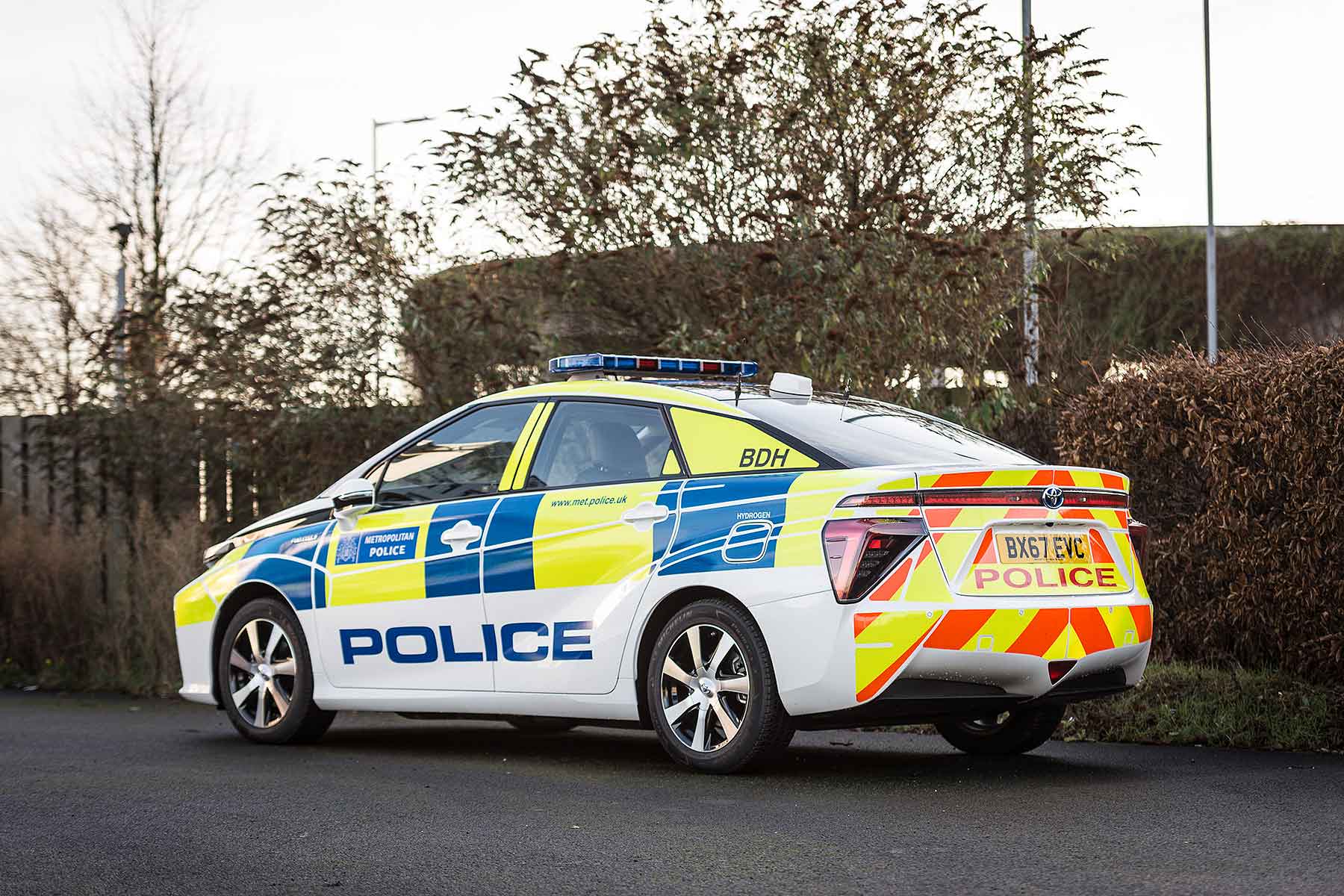
 Aston Martin unveiled the Lagonda Vision Concept at the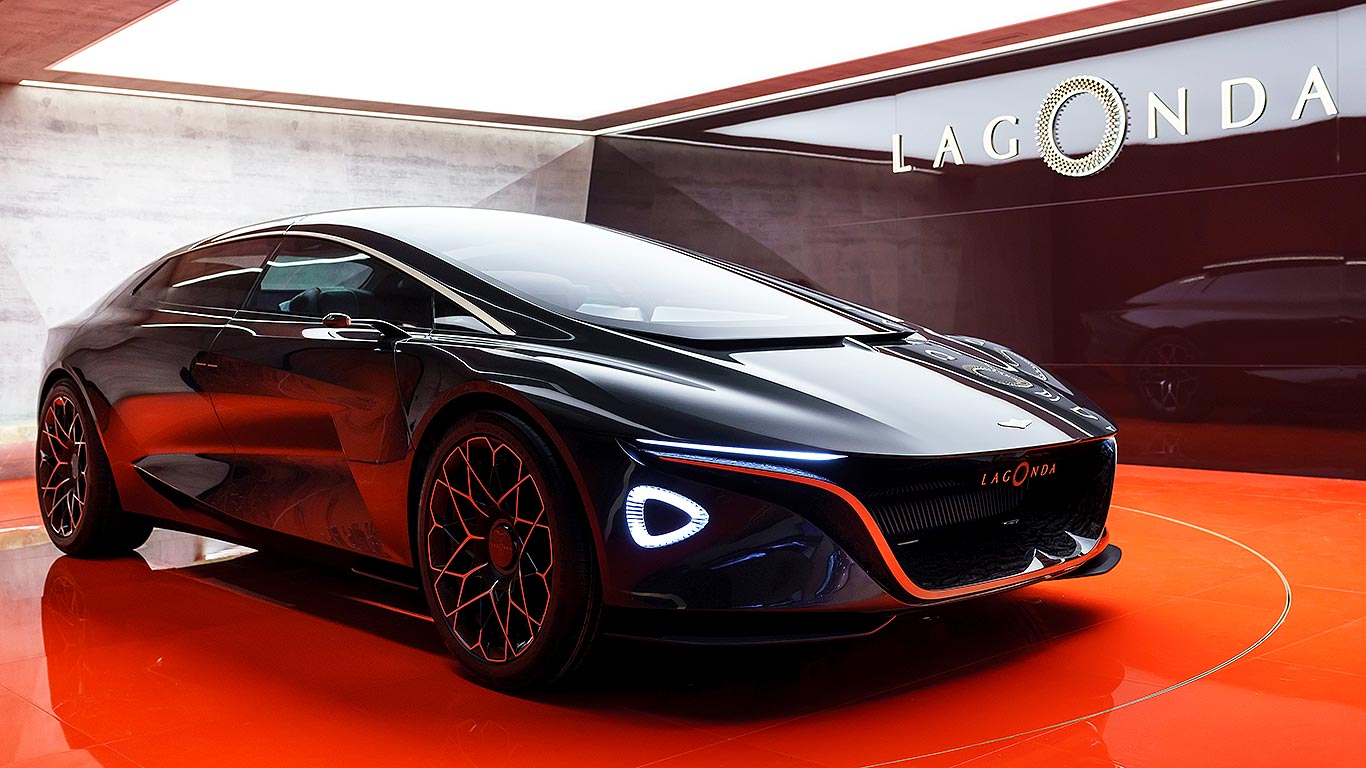
 The Volvo XC40 was named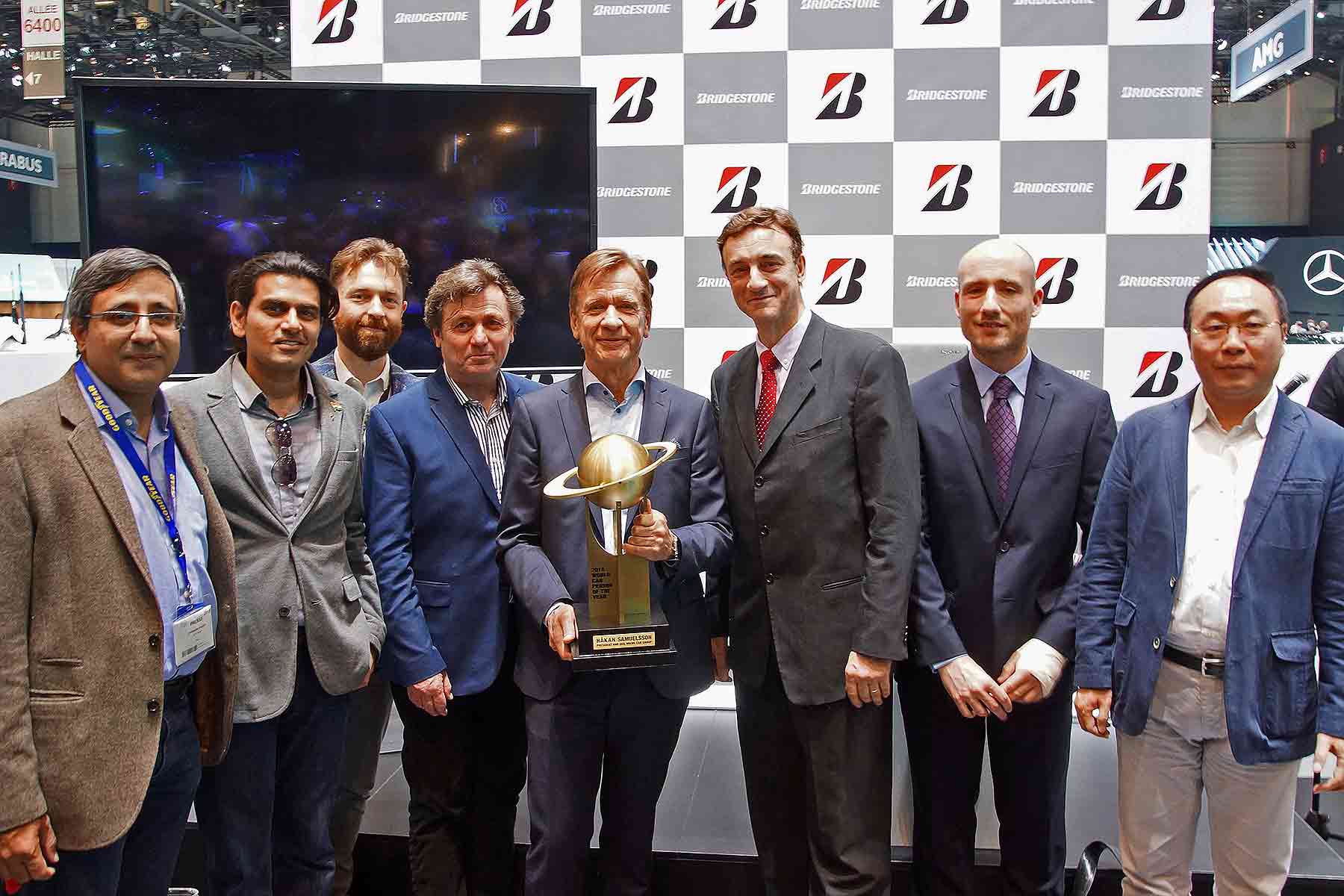

 Previous Honda CR-Vs have been famous for offering standout customer-pleasing features. The original one had a shower in the back. The one after that had a refrigerator in the dashboard. The current one has a green button on the dashboard with flower petals painted on, that you press to make it greener.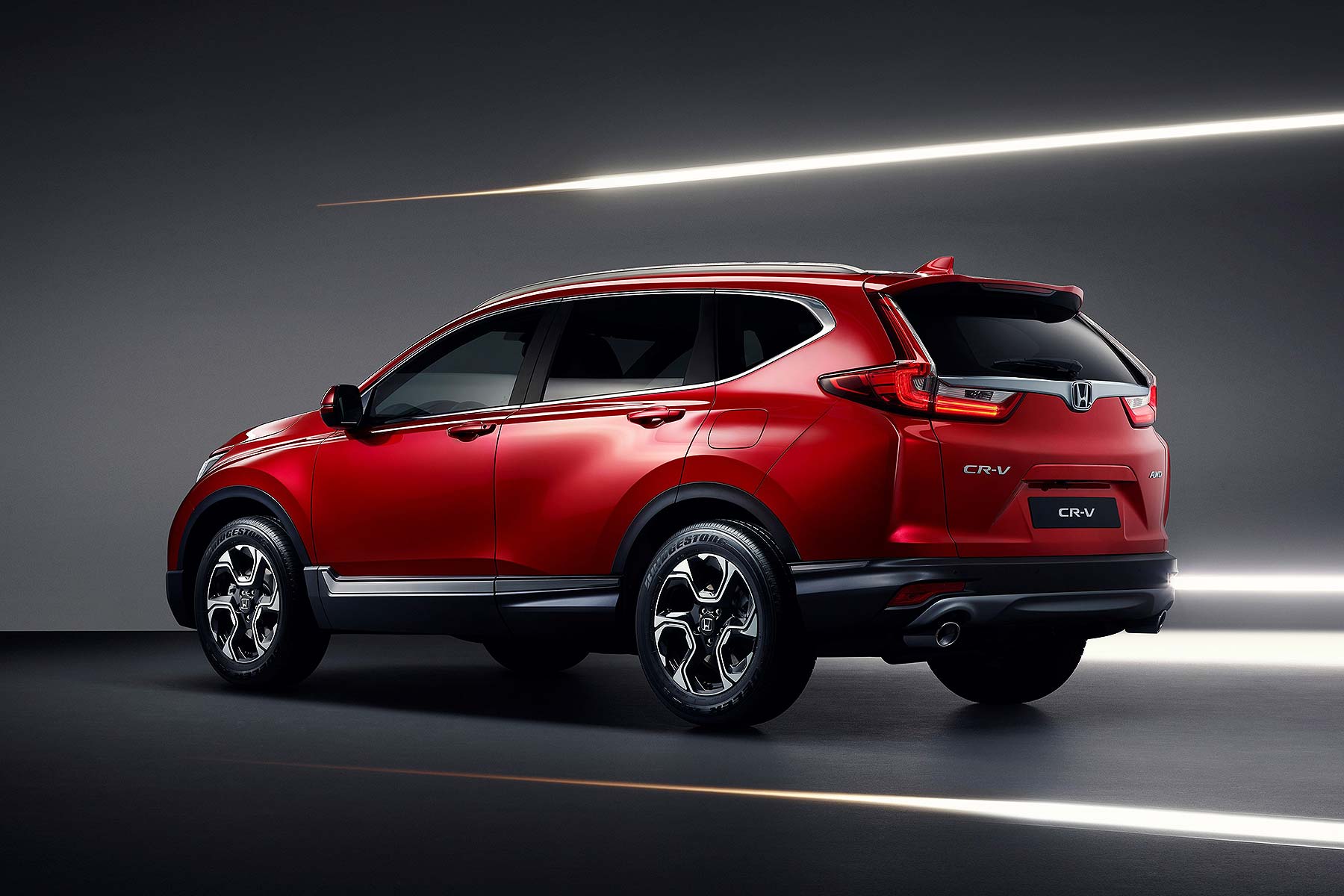
 Once upon a time, crazy concepts and ludicrous supercars were the big news at international motor shows. Today, they’ve been all but trounced by the all-conquering SUV, which comes in many shapes and sizes. Here, we select 20 of the best, concentrating on production models, rather than any that might not see the light of day.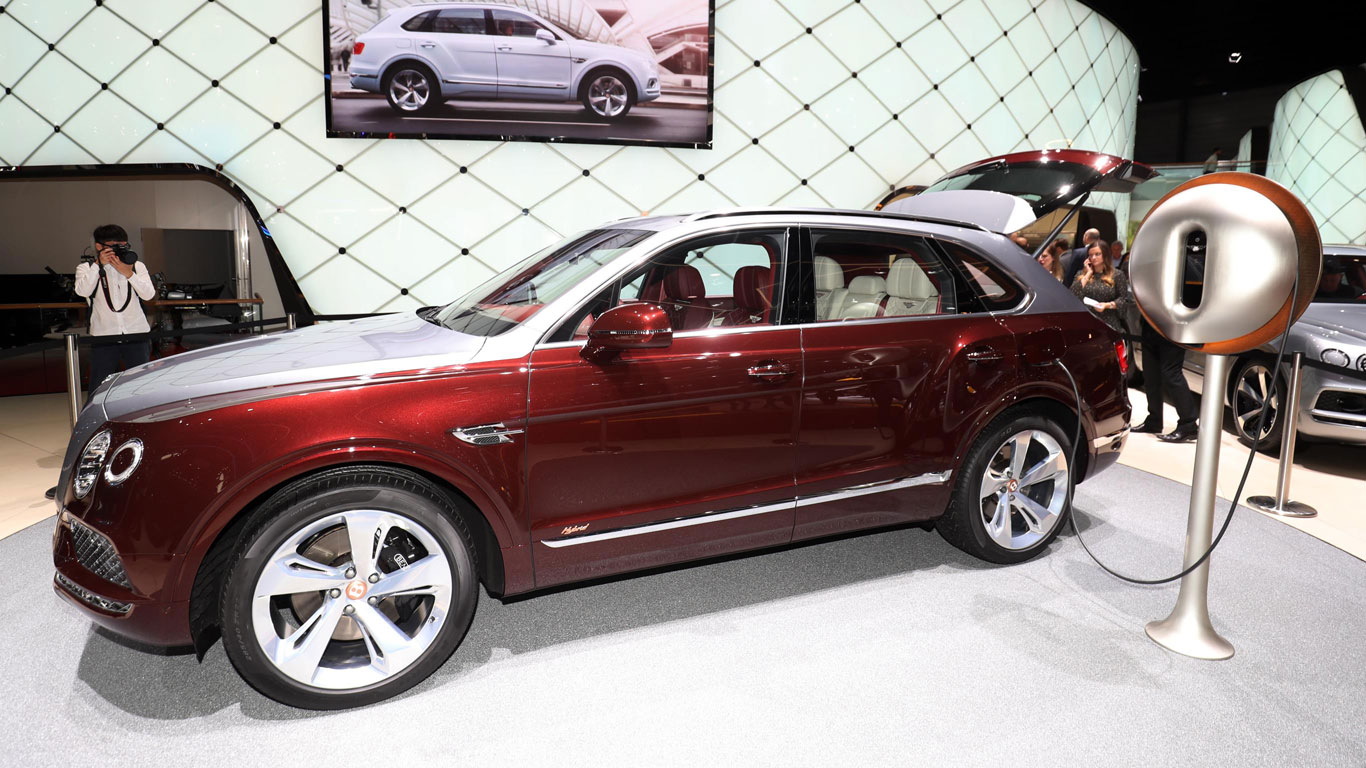
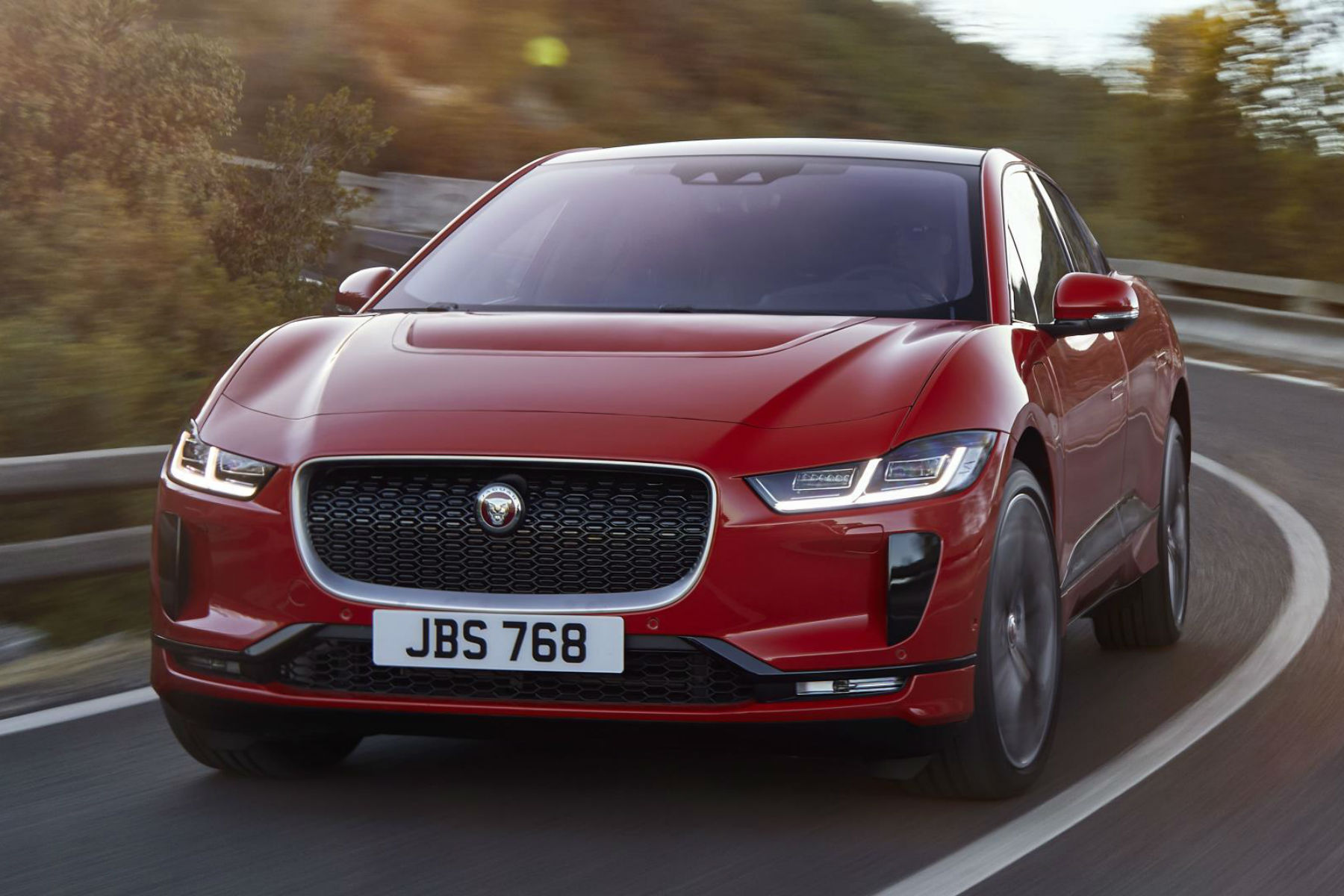 This is not a normal, full-blooded drive of a new car. If you think you’ve seen a review of the Jaguar I-Pace elsewhere (before June 2018), well, the writers are being economical with the truth.