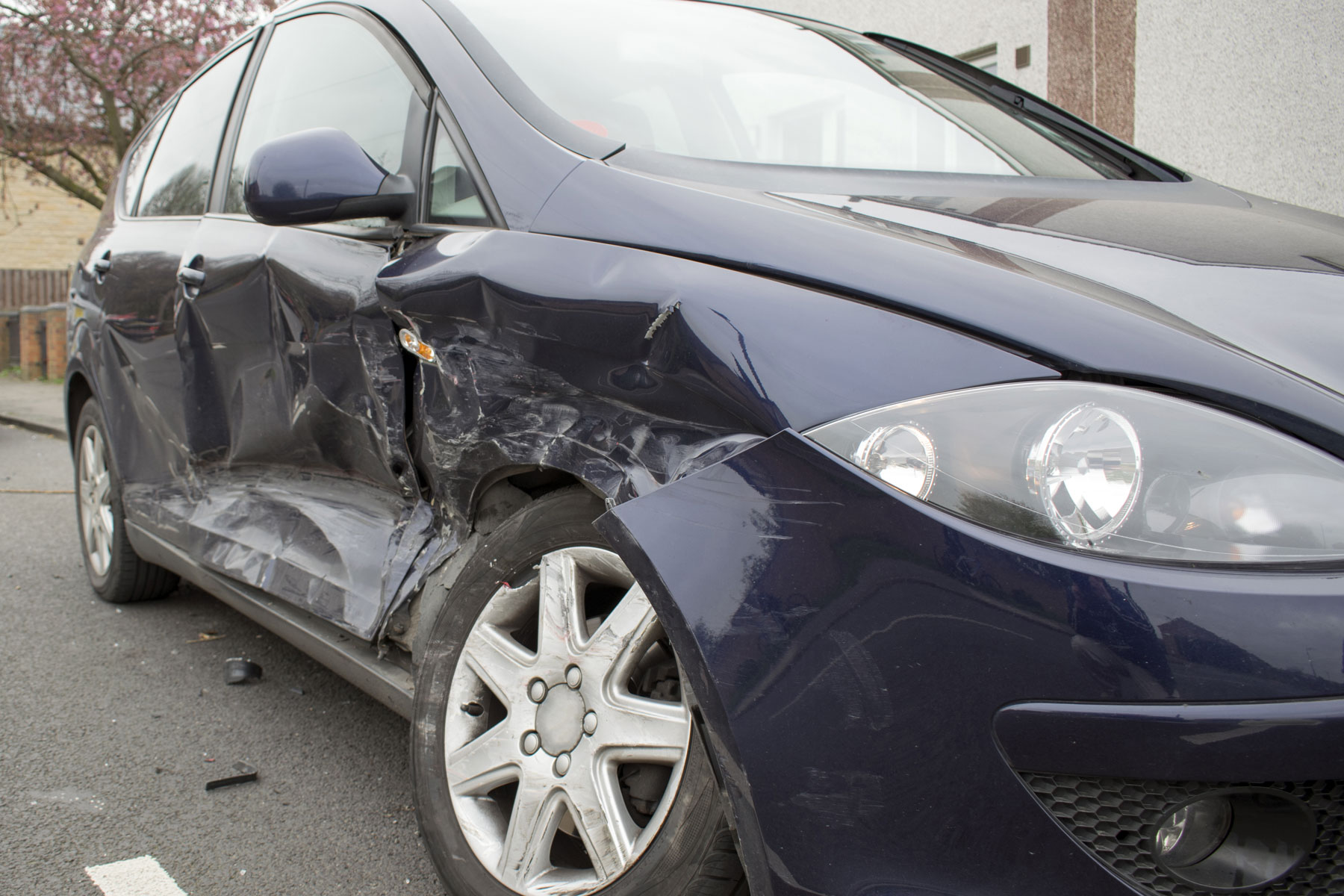
LV has followed Direct Line’s lead in allowing drivers to protect their no claims bonus if they’ve been hit by an uninsured driver or their car is damaged by vandalism.
That’s according to a report by This is Money, with the move designed to benefit customers by allowing them to keep their no claims discount, even if they make a claim.
Heather Smith, managing director of direct insurance at LV, said: “We believe that law-abiding insured drivers should not be penalised for the actions of uninsured drivers or those vandalising their cars.
“It’s bad enough being in an accident at all, let alone finding out that the driver to blame is not insured, but with over one million uninsured drivers on the UK’s roads it’s important that our customers know they are protected. And with many of our cars being our pride and joy, we also feel it’s important that our customers don’t lose out just because someone sadly wanted to vandalise it.”
Direct Line and LV leading the way
With other insurance providers, any money not recouped from the other driver’s insurer would result in the policyholder losing some or all of their no claims bonus unless they’ve paid extra to protect it.
On its website, Direct Line states: “Hit while parked? No one wants to take the rap for someone else’s mistake. That’s why with Direct Line, you won’t lose any of your earned no claim discount where it’s not your fault.”
The no claims bonus is safe if the vehicle is hit while parked; damaged by potholes or poor road maintenance, theft or flood damage; or if it is hit by a wild or domestic animal, an object or debris.
Rob Miles, director of motor insurance at Direct Line, told The Sun: “We understood the frustration when our customers had to make a claim when it’s no fault of their own and there was not a third party to claim against. Then to add further to their annoyance and sense of injustice, they’d lose all or part of their no claims discount.
“However, with these changes to our comprehensive motor insurance policy, this won’t happen anymore, and while we can’t prevent these incidents occurring, we are able to lead the way in making insurance easier and better value for customers.”
Goodness, is that the time? The last we looked, we were busy making and breaking New Year’s resolutions, but when school’s out for the summer, it’s a sure sign that we’re beyond the mid-point of 2018.
With this in mind, we thought it was time to look back at some of our favourite new cars of the year – we’ve driven some absolute crackers. To qualify for the shortlist, we must have driven the car in 2018 and reviewed it on our website.
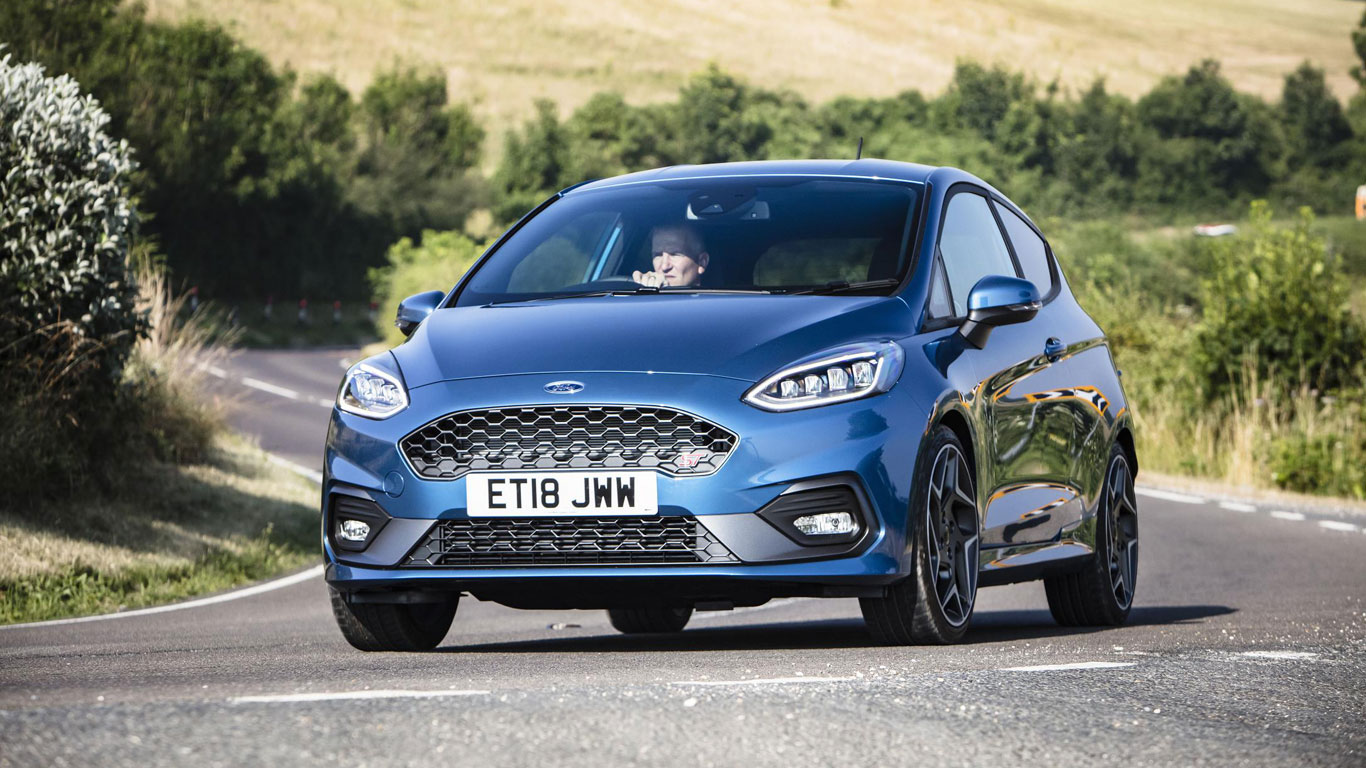
Ford Fiesta ST
We’ll admit to being a little worried when Ford announced that the new Fiesta ST would be powered by a 1.5-litre three-cylinder turbocharged engine. But the fact is, the new ST is better than the old one. The best affordable hot hatch just got better.
Our verdict: “You can perhaps by now tell we think the Fiesta ST is a class act. It sounds a bit like a Porsche 911 and drives even more like one, exuding immense depth and connoisseur’s breeding. The faster you drive, the better you drive, the more it gives back – while doing all the regular Ford Fiesta stuff like being compact in town, easy to handle and comfortable to drive daily.”
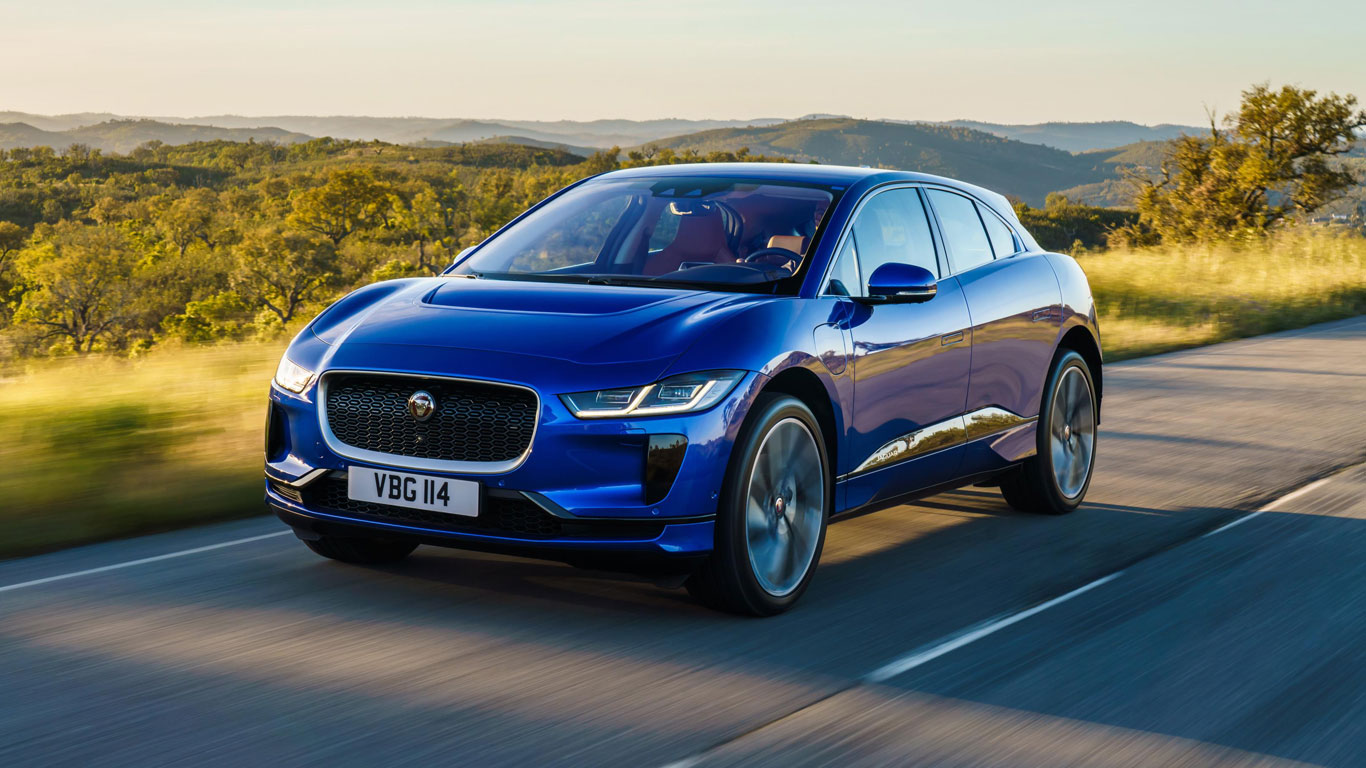
Jaguar I-Pace
Jaguar has caught the Germans napping with the launch of the I-Pace: a fully-electric premium car to take on Tesla. The figures are compelling: 400hp, 256lb ft of torque, 0-62mph in 4.8 seconds and a WLTP range of 298 miles. Right now, the I-Pace is the high bar for others to battle over.
Our verdict: “The Jaguar I-Pace is a landmark car. It’s a fully-formed all-electric vehicle that’s thoroughly convincing to drive, pretty to look at, pleasing to sit in, and sure to be exciting to own. It will turn heads; it will be a talking point and give you kudos in a similar way Teslas do. Perhaps even more so.”
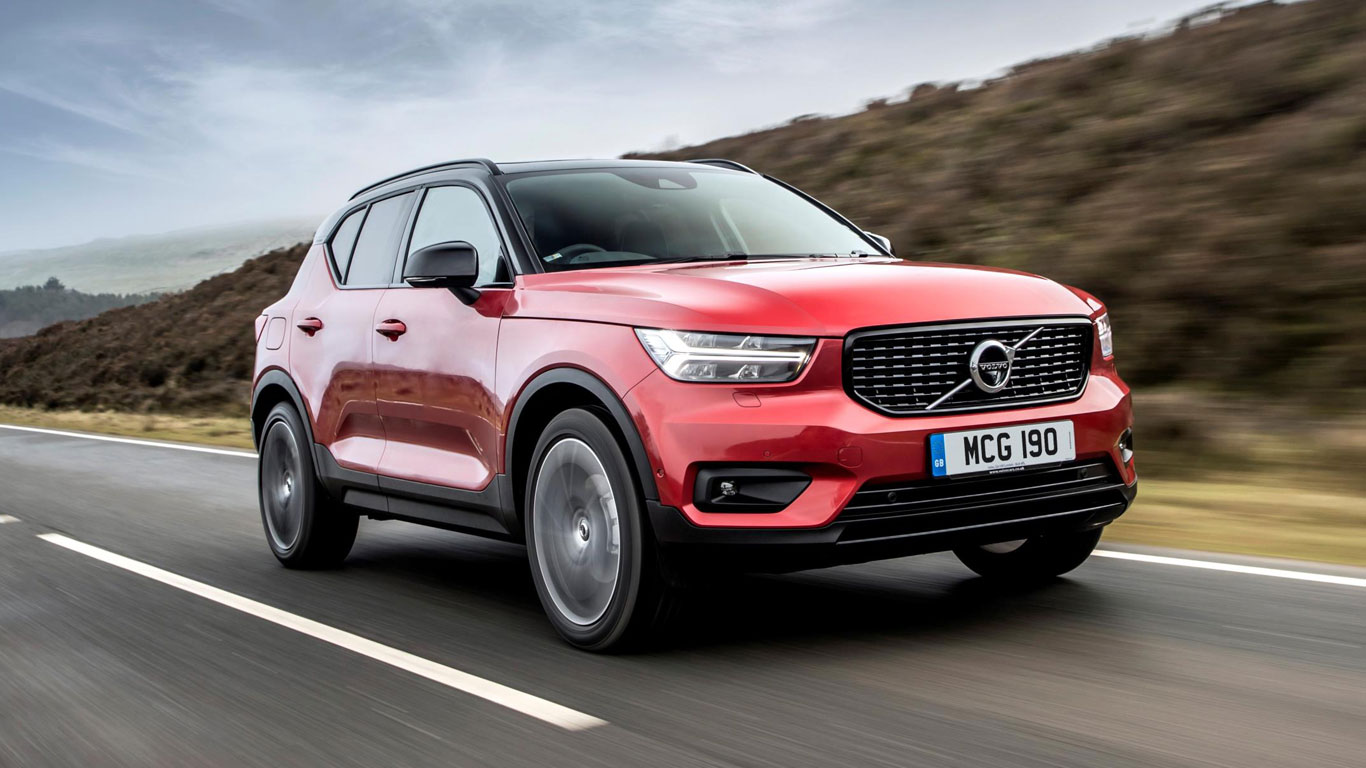
Volvo XC40
It’s rather fitting that the Volvo name stems from the Latin for “I roll”, because the Swedish brand is on a roll. First, the XC90, then the XC60 and now the XC40 – Volvo designs and builds the most attractive and beautifully-appointed SUVs in the sector.
Our verdict: “It looks the absolute business, in our opinion, and the interior is brilliantly Swedish. Volvo’s radically-changing image is one that will appeal to some customers more than, say, BMW and Audi, too. The days of dull estates are long gone.”
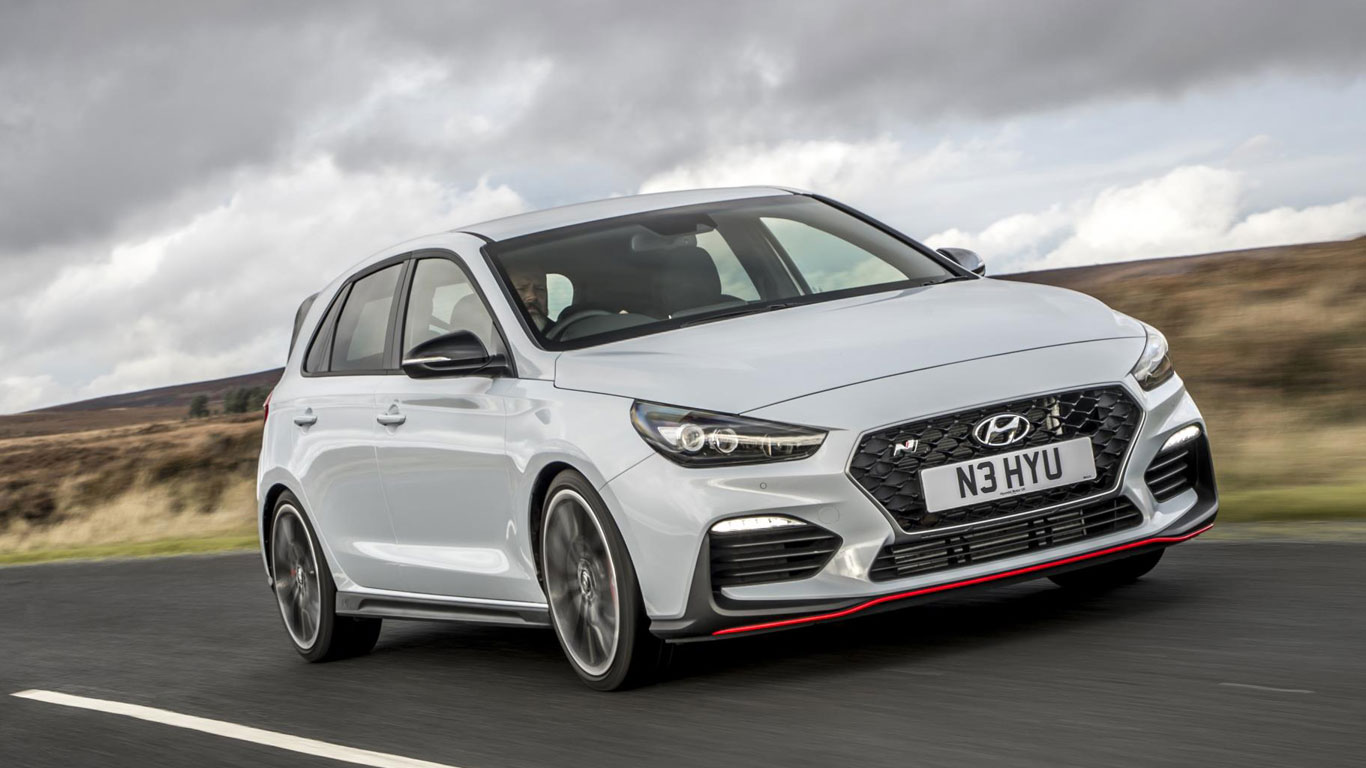
Hyundai i30 N
With the former head of BMW’s M division leading the project, we had a hunch that the Hyundai i30 N would be good, but we were wrong – it’s great. The i30 N goes straight to the top table of the world’s best hot hatches, especially in Performance guise, with its electronic diff, active exhaust, uprated brakes, Pirelli P Zero tyres and additional 25hp over the standard N.
Our verdict: “The i30 N will live long in the memory. Driving back from Zig-Zag Hill, I had one of those drives when the road opens up, the traffic clears, and the planets align. Like the time I drove a Fiesta ST along the entire length of the A470, or a VX220 Turbo on an empty Klausen Pass, or a Racing Puma on the A429 through the Cotswolds – just as the sun was setting. My journey on the A30 in the i30 N gets a chapter in my imaginary book of great drives.
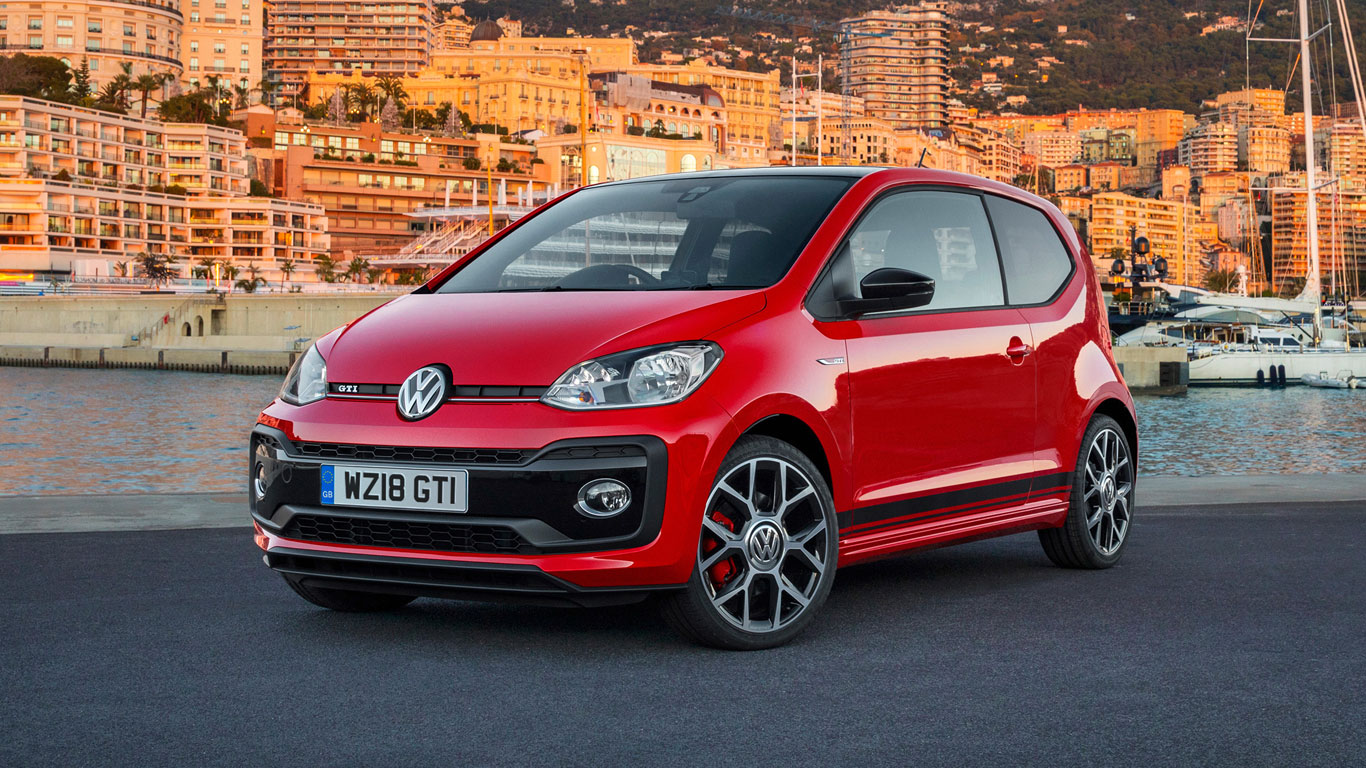
Volkswagen Up GTI
Such is the demand for this little pocket rocket, Volkswagen has been forced to temporarily close the order books while it works on sourcing more cars for the UK. Hardly surprising, when you can order the spiritual successor to the Mk1 Golf GTI – and Lupo GTI – for £139 a month.
Our verdict: “Why are we feeling ever-so-slightly flat about the Up GTI? Not because it’s a bad car. It’s very good, and lots of fun, and we really like it. We’re almost tempted to part with our own money for one… if only it had a little more flair. Maybe we’re spoilt in the age of 300hp hot hatches – and there’s no denying the Up GTI looks like excellent value – but it’s hard to get over the fact that this seems little more than a high-spec Up with some nice trinkets and a bit of extra power.”
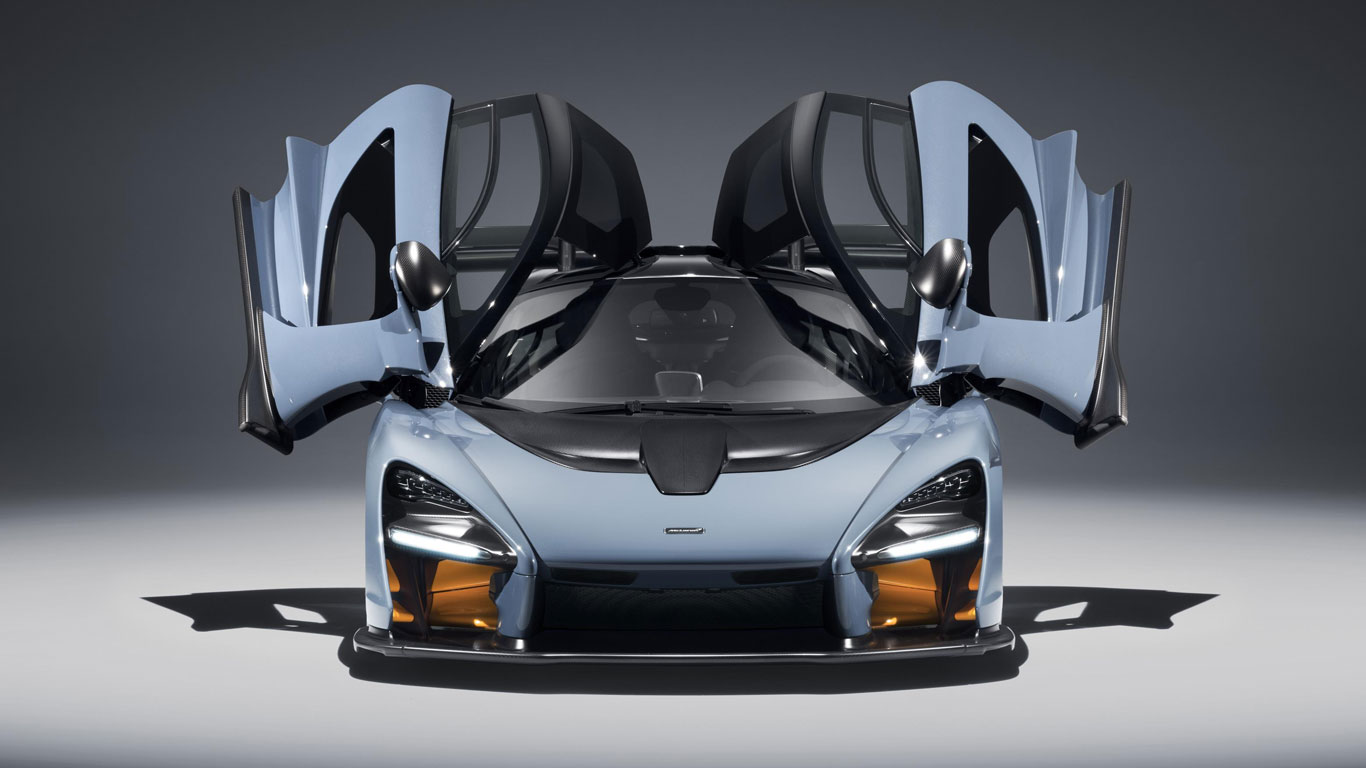
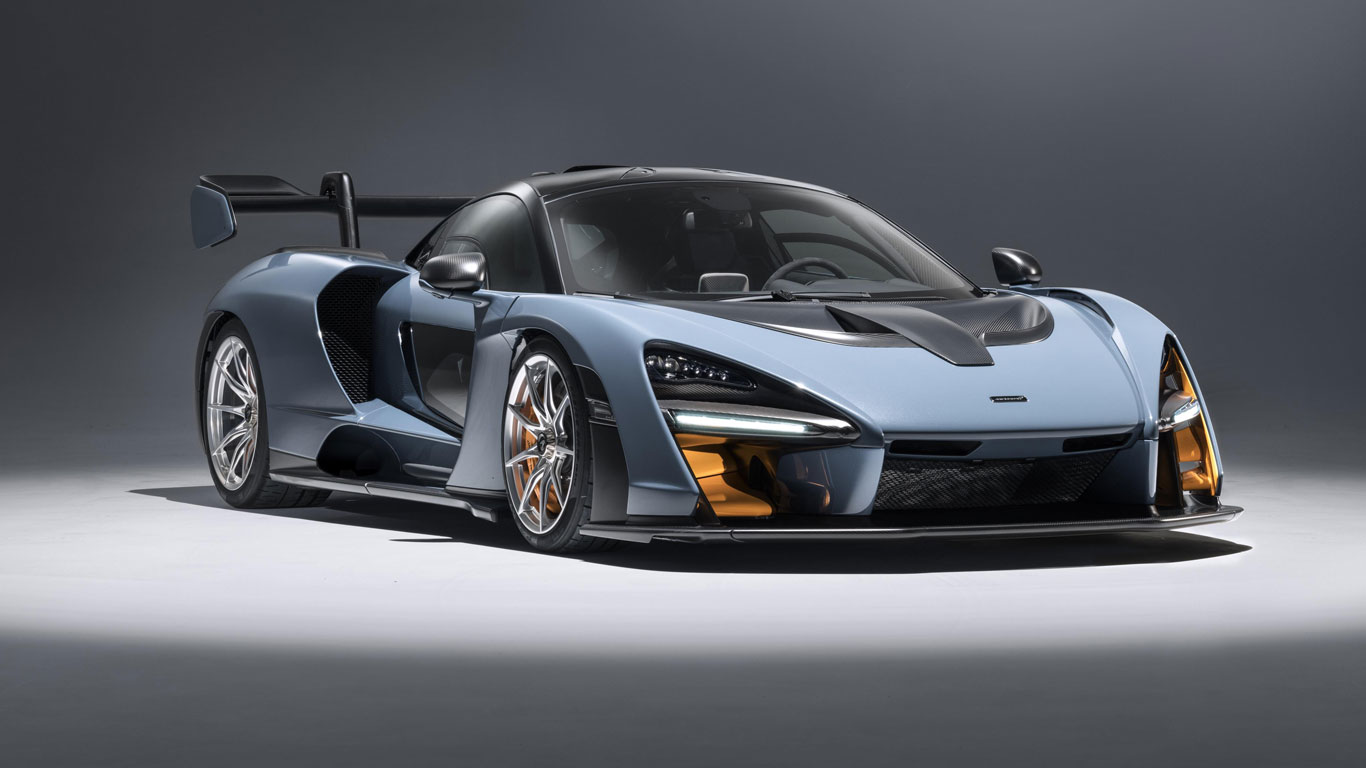
McLaren Senna
The McLaren Senna is another car in demand, but the entire production run of 500 is already spoken for, each one costing upwards of £750,000. Once again, the figures are astounding: 800hp, 800Nm (519lb ft) and 800kg of downforce at 155mph. It’s a wonder McLaren didn’t charge £800,000 for the privilege of owning its lightest road car since the F1.
Our verdict: “How good is it? Full of all things Senna, my mind wandered. Remember Senna at Donington in 1993, when he tore through the field on the first lap, then ran rings around them for the rest of the race? I was there. I went to school the next day with a similar feeling. Senna’s dominance that day was like my experience of the Senna. Does it live up to the name? Without doubt. This McLaren is Senna. I now have a hesitation-free answer when people ask me what’s the best car I’ve ever driven.”
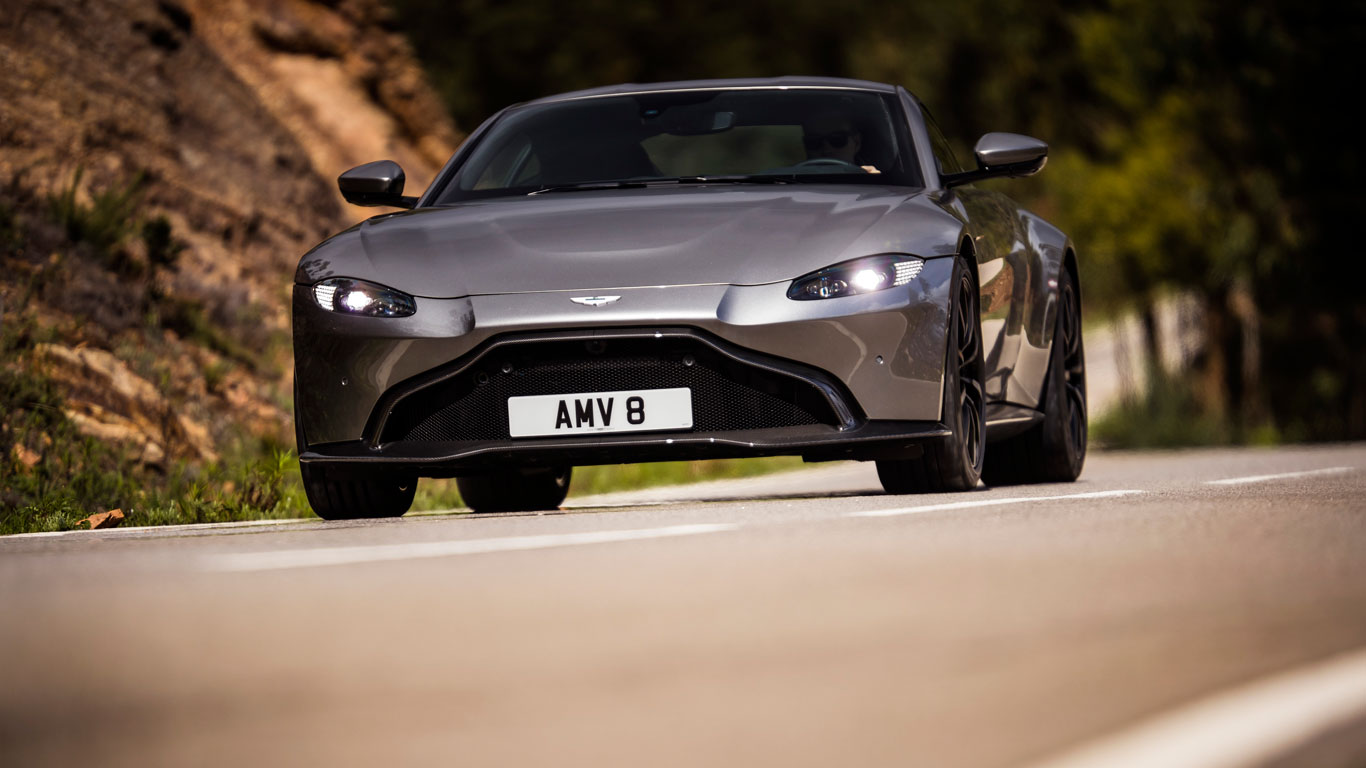
Aston Martin Vantage
It might source its switchgear and its 510hp V8 engine from Mercedes-Benz, but the new Vantage feels 100% Aston Martin. It takes the fight to the Audi R8 and McLaren 540C with a 195mph top speed and 0-62mph time of 3.6 seconds. We reckon it’s a game-changer for the brand.
Our verdict: “Even after the endorphins have faded and I’m back home in non-sunny Surrey, I’m still unfeasibly excited about the new Vantage. I’m no Aston apologist – I found the outgoing Vantage flawed and the DB11 underwhelming – but this car feels like a game-changer for Gaydon. Impressively, it’s a better car than the Mercedes-AMG GT it shares many parts with, and feels more bespoke and downright special than anything in its class – save perhaps the McLaren 540C. It’s a supercar in all senses of the word. Bring on the V12 version.”
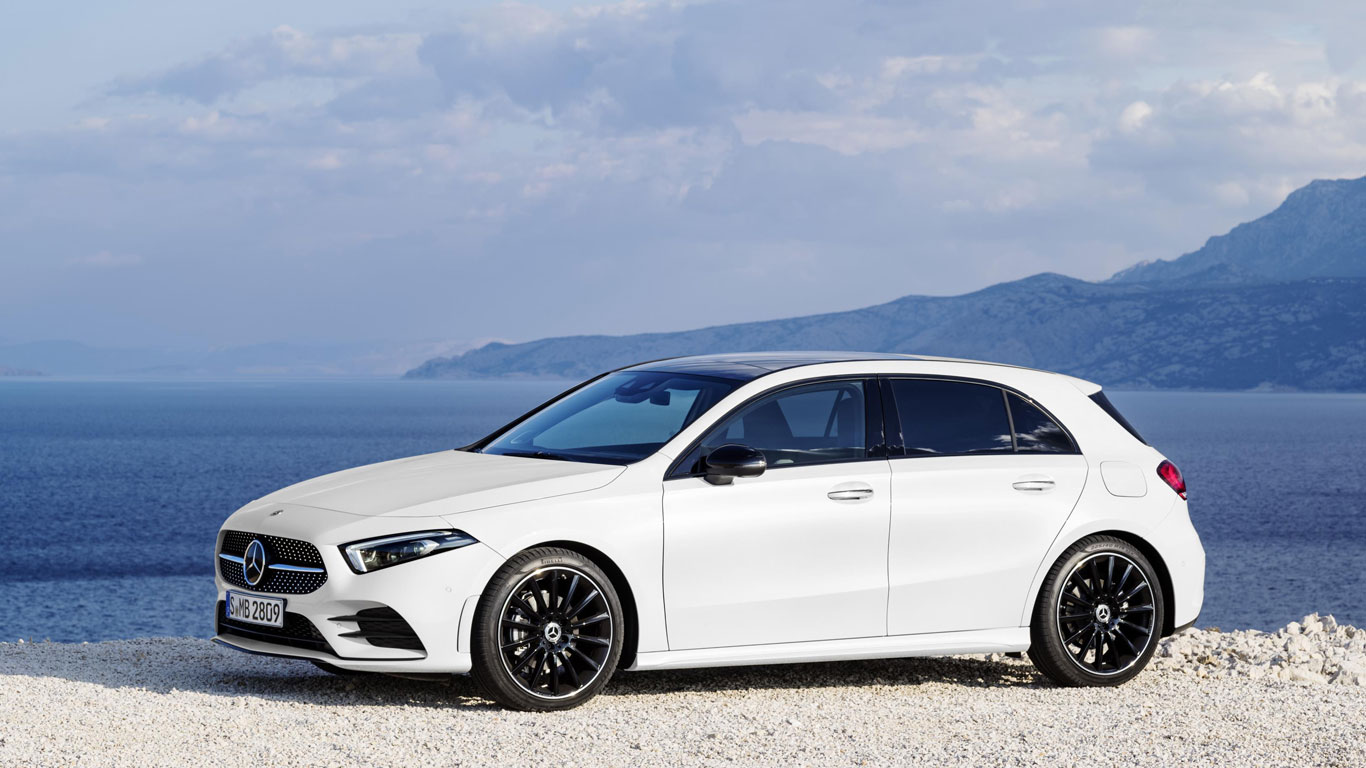
Mercedes-Benz A-Class
Britain is the biggest market for the A-Class, so the launch of a new version is a big deal for Mercedes-Benz. Even with an entry-level price of £25,800, you can expect the tech-laden A-Class to make regular appearances in the top 10 sales charts.
Our verdict: “The new A-Class is a good-looking car with a class-leading interior; we can see many people choosing it simply because of its brilliant infotainment system. Even if the rest of it were mediocre, the cabin would stand out. It’s better than that, though. Particularly the diesel. Choose it on mid-spec 17-inch wheels and you won’t have an exciting car to drive, but you will have a reassuring one, a car that feels authentically Mercedes-Benz.”
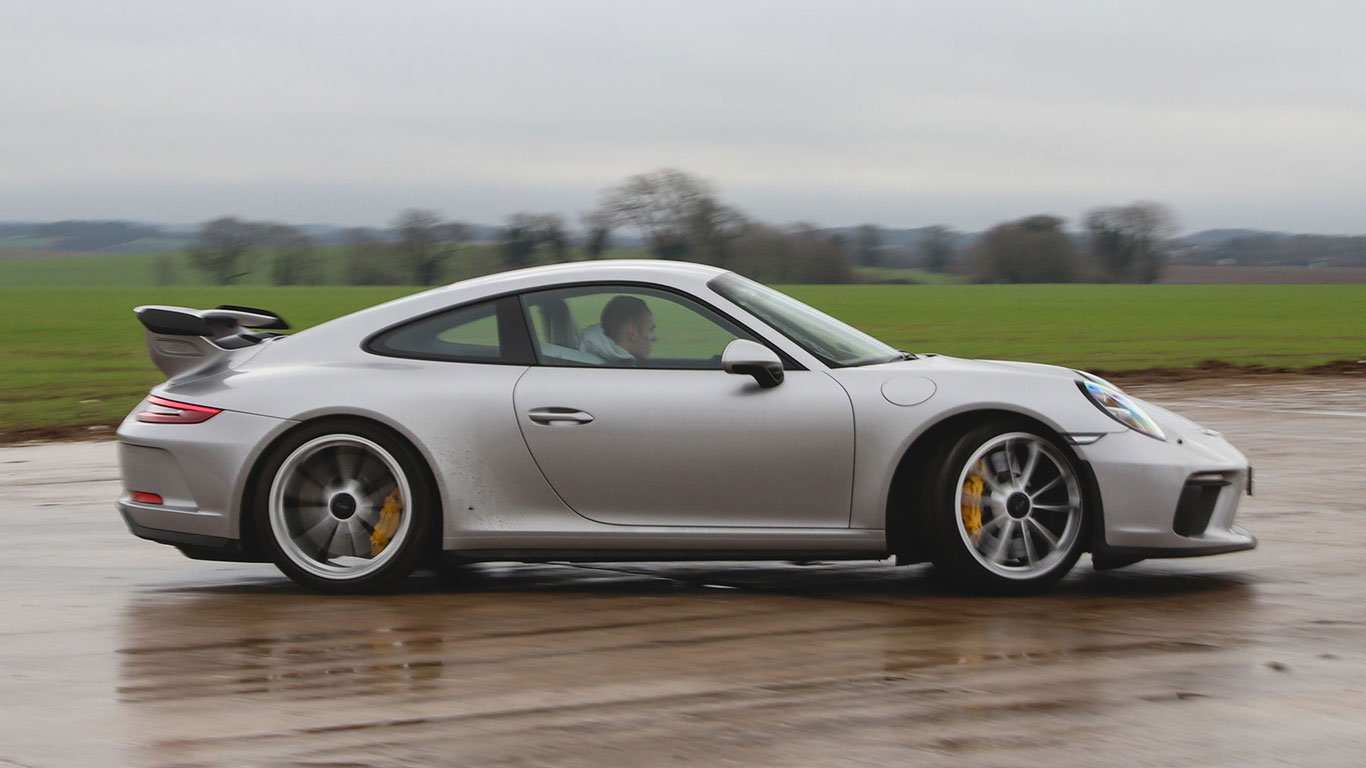
Porsche 911 GT3
Remember when it rained in Britain? Long before the summer heatwave, we had a play with a Porsche 911 GT3 on some drenched roads, before concluding that the 500hp plaything is one of the cars of 2018.
Our verdict: “Whether you choose the Touring or standard GT3, if you’re in a position to spend £111,802 on one of the most desirable 911s ever, I envy you. It’s a much more thrilling drive than any 911 I’ve driven before, but manages this without being intimidating or too hardcore for winter days in Britain. And, at nearly £30,000 less than rivals such as the Audi R8, it’s also a bit of a bargain.”
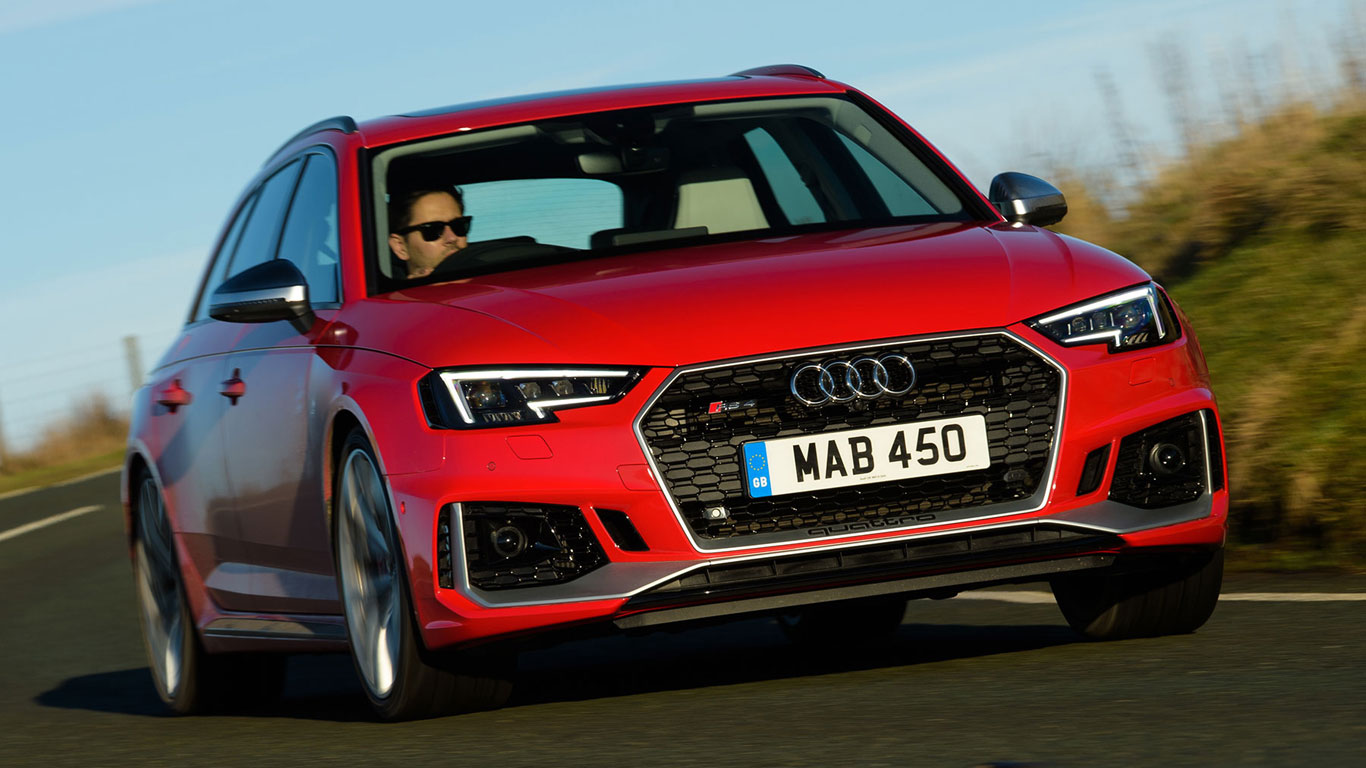
Audi RS4 Avant
For all the appeal of a supercar, there’s something immensely satisfying about a superfast wagon. In ‘standard’ guise, the 450hp twin-turbocharged RS4 Avant will hit 155mph, but spend an additional £1,450 and Audi will remove the limiter, enabling the rapid dog-carrier to carry on to 174mph.
Our verdict: “R8 supercar excepted, the new RS4 is the pick of the 18-strong Audi Sport (formerly Quattro GmbH) range. It’s a consummate all-rounder: comfortable and classy, fast and fun. As a means of swiftly shifting your golf clubs/suitcases/labradors (delete as applicable), it’s almost without equal. And way cooler than any hotted-up SUV.”
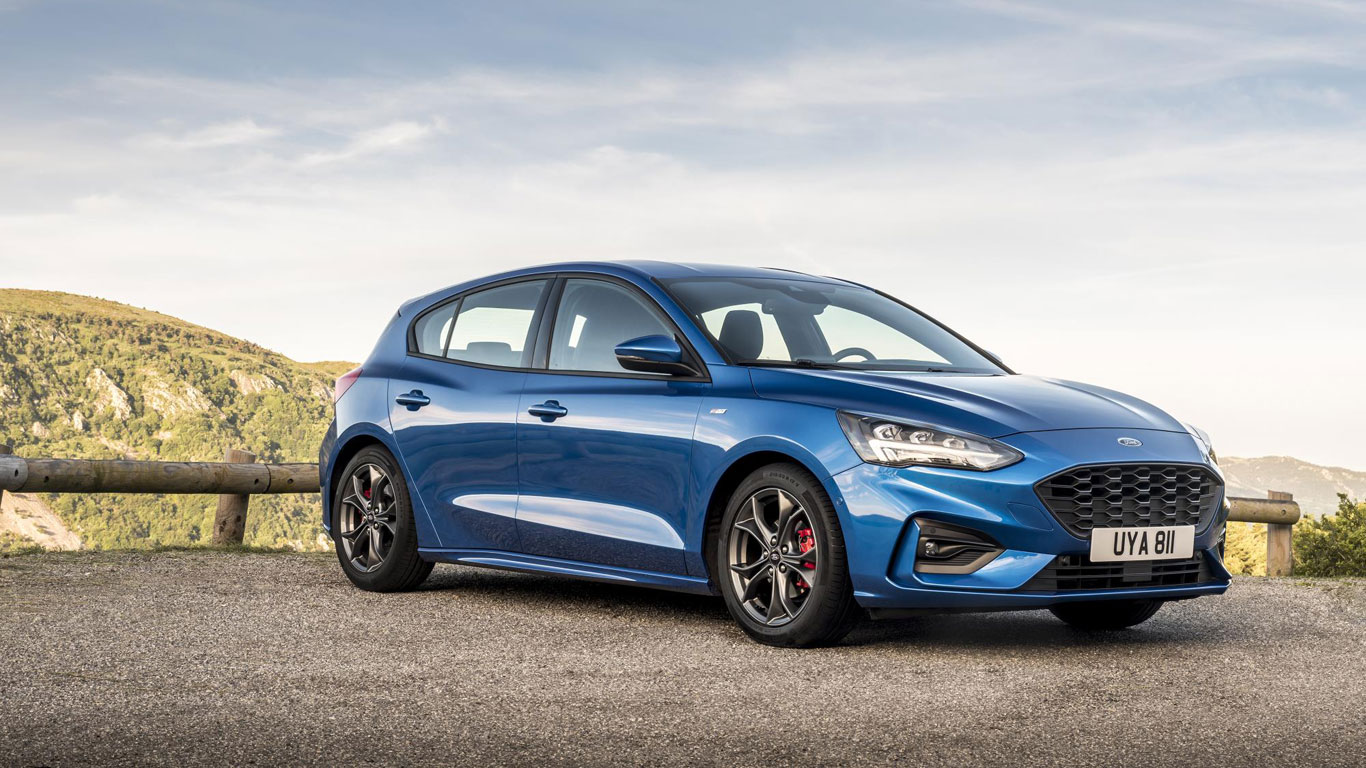
Ford Focus
Twenty years on, it’s hard to believe that the original Focus replaced the lacklustre Ford Escort, such was the quantum leap forward. The new Focus carries on where the previous model left off, with a hugely improved interior and best-in-class driving dynamics. It’s just a shame it looks so ordinary.
Our verdict: “The latest Focus doesn’t rewrite the rulebook as its great-grandfather did, but it puts Ford squarely back in contention. A consummate all-rounder, it’s a car that can – and doubtless will – fit effortlessly into the lives of millions. There aren’t many 1.0-litre hatchbacks in which you’d deliberately take the scenic route. For our money, it topples the Mazda 3 as the new dynamic benchmark. Helmut’s secret sauce has worked a treat.”
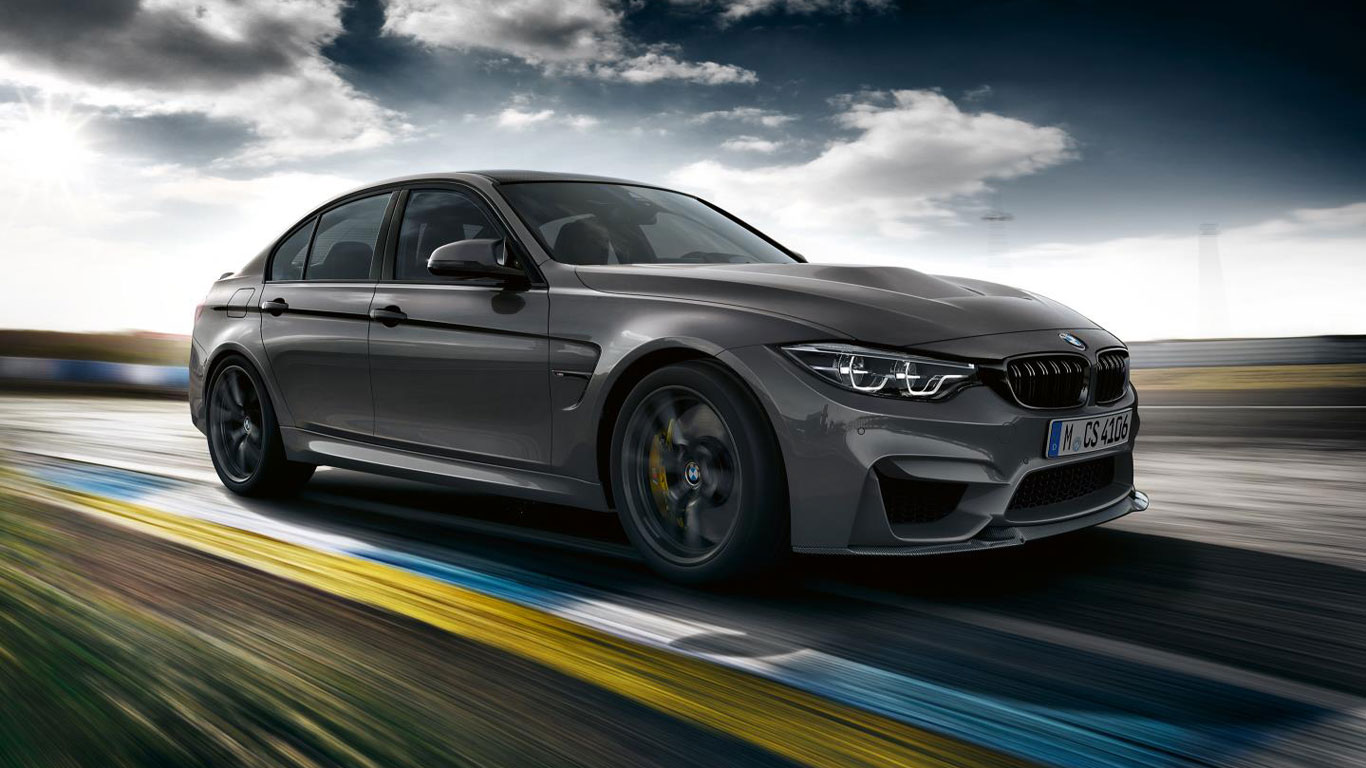
BMW M3 CS
Recent BMW M3s have left us feeling a little underwhelmed, so we weren’t sure what to expect from the £86,425 M3 CS. Yes, it really does cost that much. We needn’t have worried, because after a day spent on road and track, we declared that’s it almost perfect.
Our verdict: “You sense BMW had a point to prove with the M3 CS. If this really is the end of the line for the M3, it didn’t want it to depart with a reputation as an almost-but-not-quite car. Cue the CS, one of the best M3s in decades. It’s exceptionally exciting, a top-notch sports car that’s been developed by experts. Their signatures are all over it.”
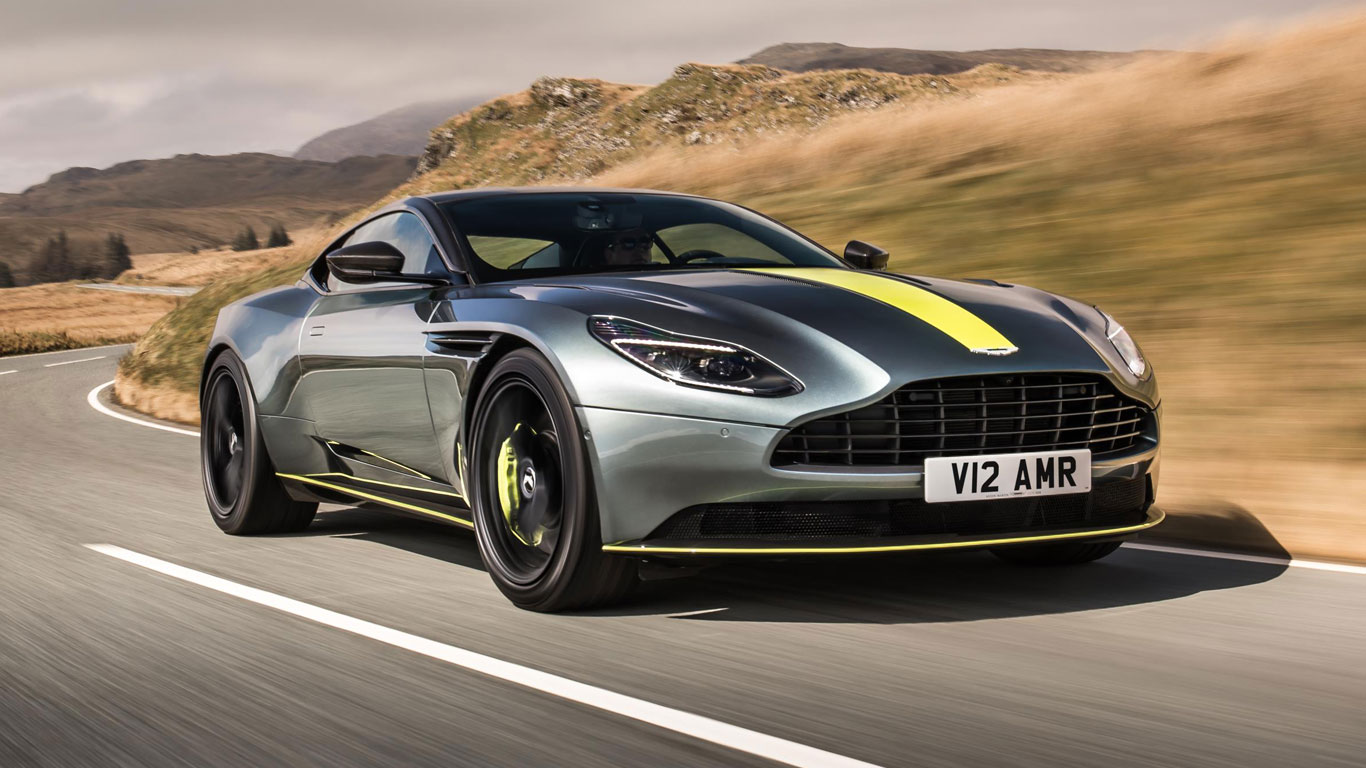
Aston Martin DB11 AMR
In response to the cheaper and only slightly less quicker DB11 V8, Aston Martin launched the DB11 AMR, a reworked version of the V12 that replaces the standard car outright. It needed to be good, not least because Aston Martin is asking £30,000 more than the V8. It’s not perfect – the steering and gearbox disappoint – but its 639hp 5.2-litre V12 is a great leveller.
Our verdict: “The DB11 AM has flaws, certainly, but also deep reserves of raw talent and winsome charm. It has also given the DB11 V12 renewed reason to exist, which is something to be thankful for. I’d choose one over a Continental GT in a heartbeat.”
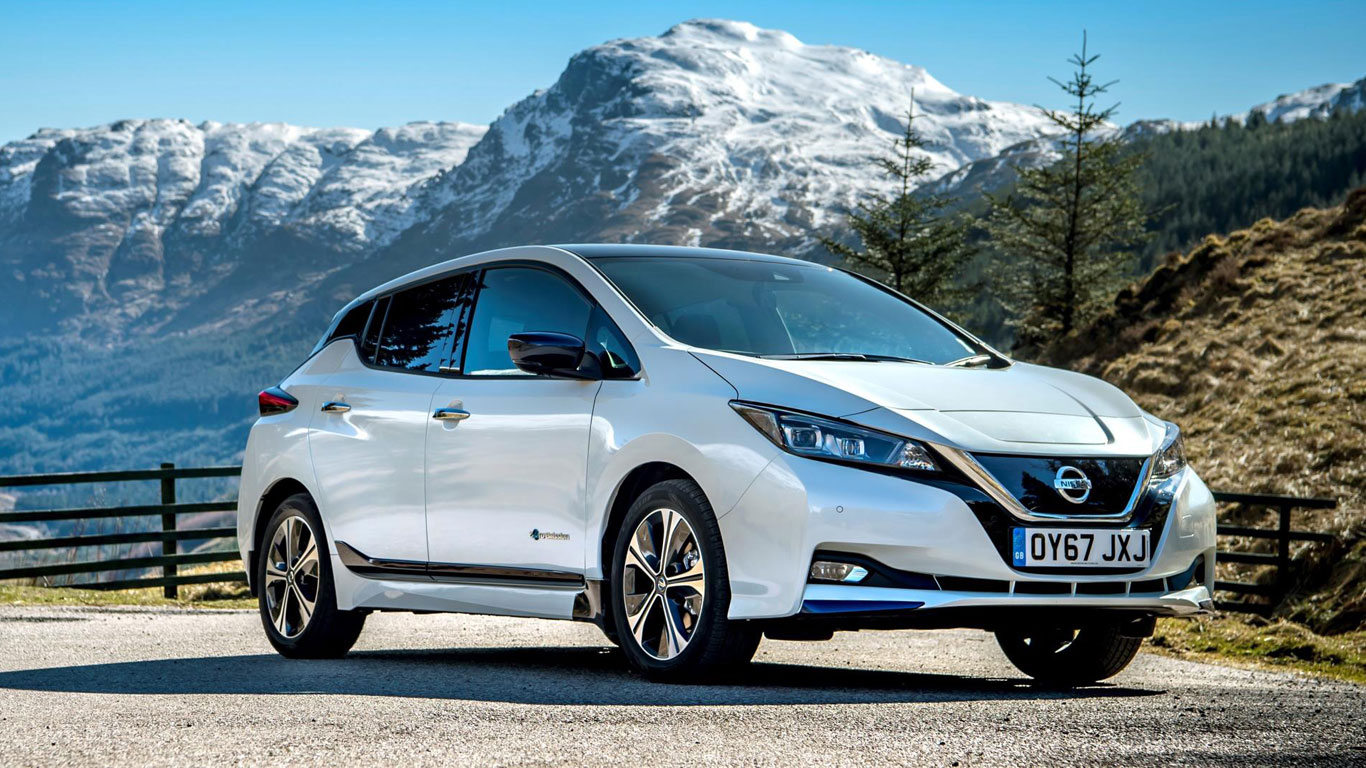
Nissan Leaf
Of all the cars we’ve driven this year, the Nissan Leaf is arguably the most important. After all, if electric is the future we can all look forward to, cars like the Leaf need to appeal to our hearts as well as our heads. This is the world’s first second-generation EV, which just happens to be the best-selling electric car on the planet.
Our verdict: “The 2018 Nissan Leaf is exactly the car it needed to be. It’s better all round, and crucially, more normal too. A stylish, contemporary car that just happens to be electric. The EV aspect is exceptional, from the brilliant refinement, to the punchy and classy performance, to the extended range. It rides and handles with more European polish, and it’s even pretty good fun.”
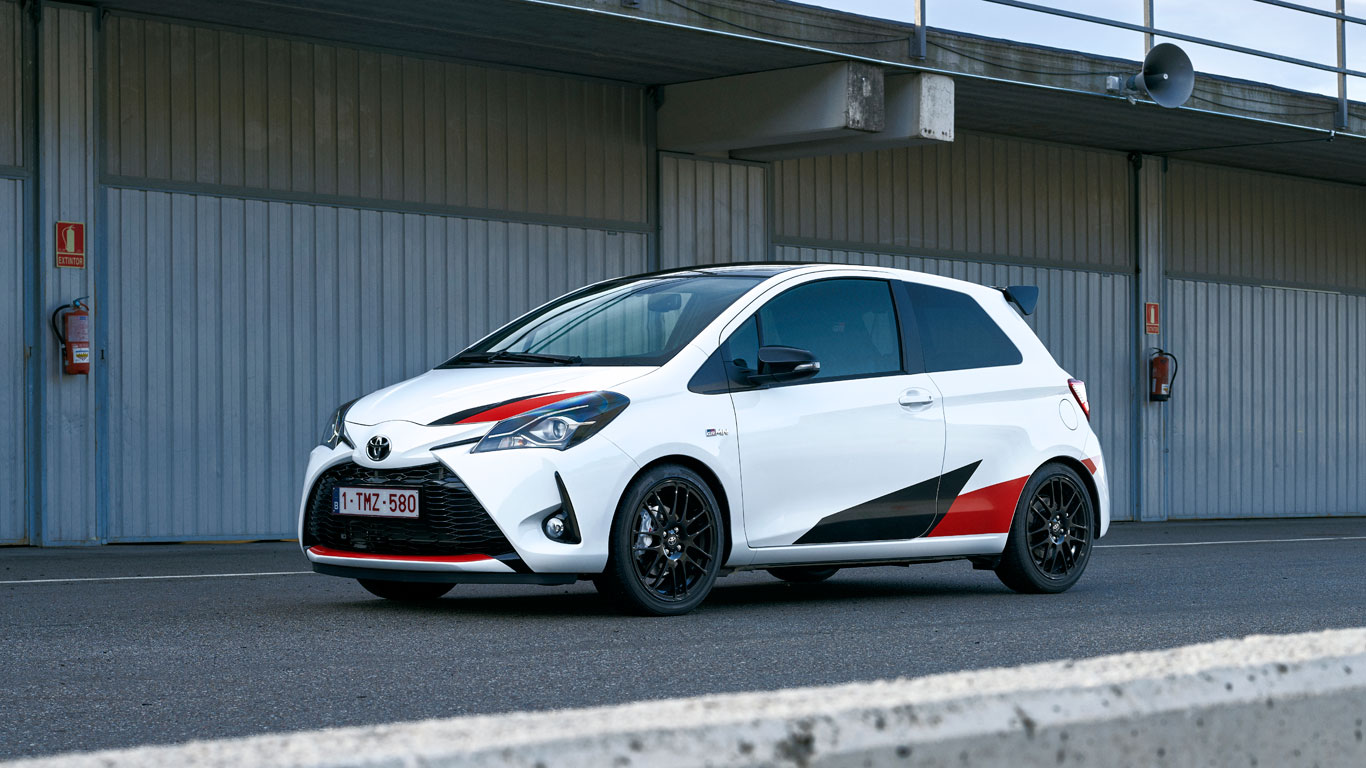
Toyota Yaris GRMN
We’ve stood by and watched as people emerged from a quick drive in the Toyota Yaris GRMN. In all cases, they were grinning from ear to ear, while lauding it as a true great. The one reservation: the £26,295 price tag. Our response: all are already sold. If a manufacturer builds a special car, people will buy it.
Our verdict: “Has Toyota toppled the Fiesta ST? For my money, not quite. While the Yaris GRMN offers plenty of smiles per mile, it doesn’t quite possess the effervescent joie de vivre of the Ford. Take the Fiesta out of the equation, though – as we should rightly do until the new ST arrives – and the waters are muddier. The Audi S1 is markedly more upmarket and scarcely more expensive, while the Peugeot Sport 208 GTI equals the Yaris for driving thrills and undercuts it on price. The Yaris, meanwhile, counters with rarity and competition kudos.”
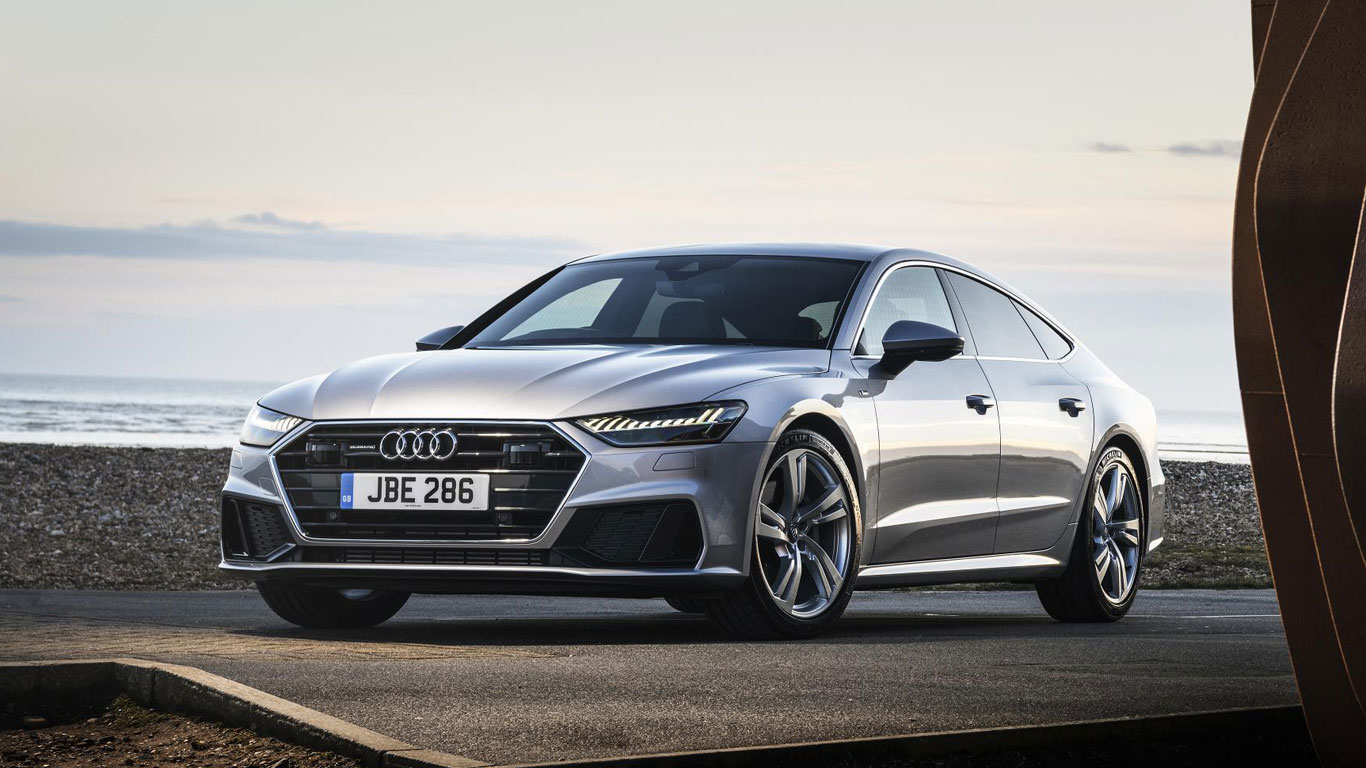
Audi A7
Like the A8, the new A7 takes its inspiration from the 2014 Prologue concept car and it might, at first glance, look a tad generic. But scratch beneath the surface and the A7 oozes class and sophistication, with one of the best interiors in the segment and impressive dynamics.
Our verdict: “We can tell that Audi’s had a bit of fun developing the new A7 (and A8), however. Fun in a very German sense, at least. There are lots of clever features, and the design takes it to the next level compared to its predecessor. The driving experience is extremely refined, and the two V6 engines we’ve tried can’t be faulted. Would we like a little more flair? Yes, but that’s never where Audi has excelled. If that’s what you’re after, you might want to spend a little more on the Porsche Panamera or Bentley Continental GT…”
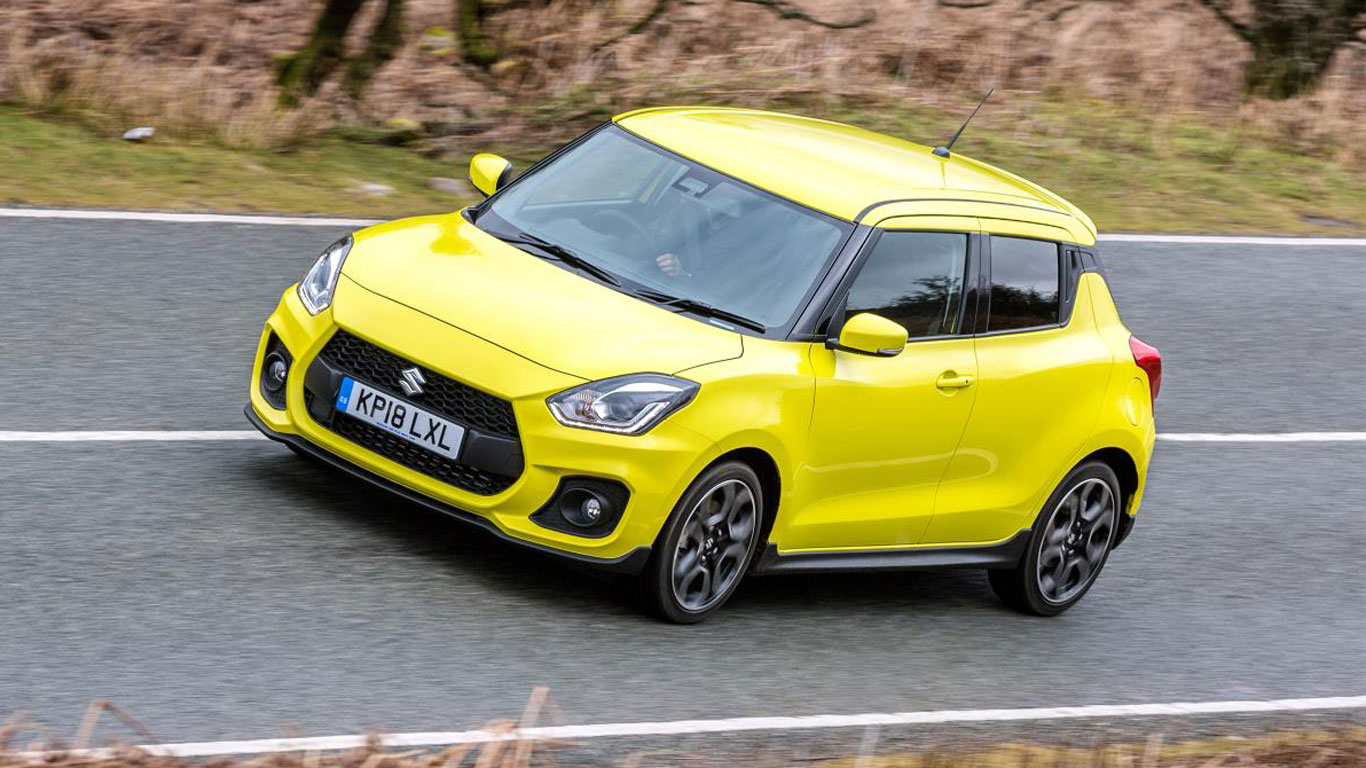
Suzuki Swift Sport
We hesitated before including the Suzuki Swift Sport, because it hasn’t managed to hit the high notes of its predecessors. It’s also too expensive, especially in light of the magnificent Fiesta ST. But we’re prepared to cut it some slack, because we have a hunch that extended time behind the wheel might win us over.
Our verdict: “If you’re a normal person looking for a likeable, Japanese supermini with a bit of poke, the Swift Sport’s absolutely fine. But traditional Swift Sport buyers aren’t normal people. They’re part of unique breed of petrolheads who favour lightweight cars that provide fun at sensible speeds. The Swift Sport has always catered well for them, and this new model just doesn’t excel in any of the areas buyers will want it to.”
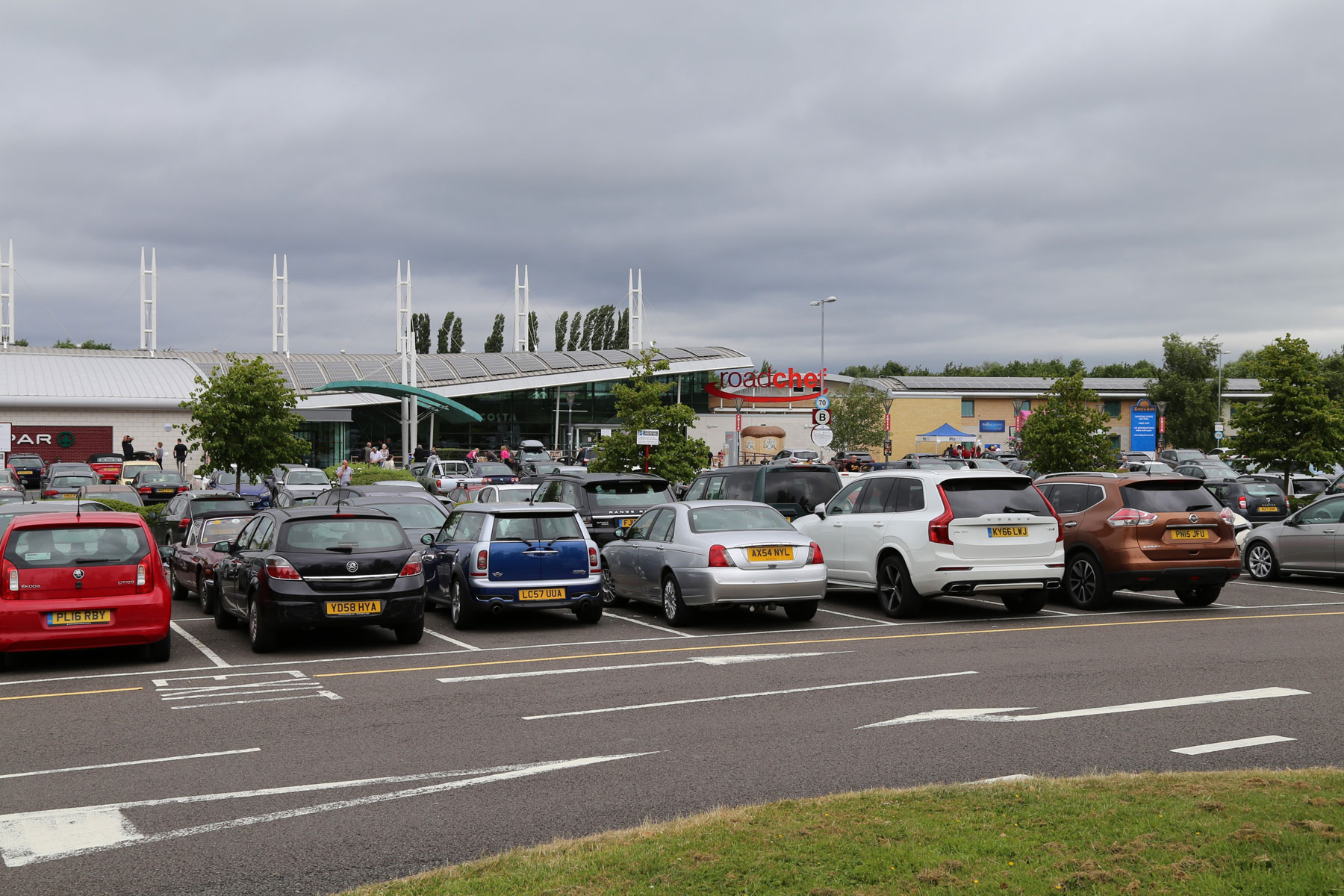
Having motorway services on the M6 Toll might seem a little odd – drivers tend to use the route to avoid congestion and save time – but it’s good to know that if you do stop, the facilities are likely to be top-notch. That’s according to the results of a new survey conducted by Transport Focus.
The transport watchdog questioned 9,600 customers on key facilities, such as toilets, staffing, food and drink. Norton Canes on the M6 Toll came out top, with a 100 percent satisfaction rating.
Motorway services have upped their game in recent years, with 92 percent of visitors happy with their visit. But Transport Focus points out that value for money continues to be a key area for improvement.
Anthony Smith, chief executive of Transport Focus, said: “As the summer holiday getaway gets into full swing it’s good to see motorway services customers feel they get a good experience.
“Motorway services play an important role in providing the break motorists need. Drivers tell us they feel less stressed and more awake.
“Motorway service operators need to focus on ensuring customers see their experience as value for the money they’ve paid – that there is [a] good range of food on offer and that buildings are maintained to a high standard.”
In 2017, Heston East was named the worst motorway services, with 62 percent satisfaction, but this year it has seen a significant increase to 88 percent. Meanwhile, Stafford South has gone from 70 percent in 2017 to 99 percent in 2018 – the biggest improvement of any site.
We suspect the lowest ranked motorway services won’t come as any surprise to the drivers forced to endure their misery on a daily basis. Take a bow, Thurrock on the M25, you’re officially the worst in England.
Highest ranked motorway services
Norton Canes: M6 Toll, operated by Roadchef
Stafford South: M6, Roadchef
Wetherby: A1(M), Moto
Hilton Park South: M6, Moto
Corley South: M6, Welcome Break
Tebay South: M6, Westmorland
Pease Pottage: M23, Moto
Woodall South: M1, Welcome Break
Killington Lake: M6, Roadchef
Tebay North: M6, Westmorland
Lowest ranked motorway services
Thurrock: M25, Moto
Toddington South: M1, Moto
Southwaite North: M6, Moto
Newport Pagnell South: M1, Welcome Break
Bridgwater: M5, Moto
No space for Gloucester Services in the top 10, which might come as a surprise to drivers in the west country.
It sounds a bit Alan Partridge-esque asking this: but do you have a favourite motorway services? Let us know.
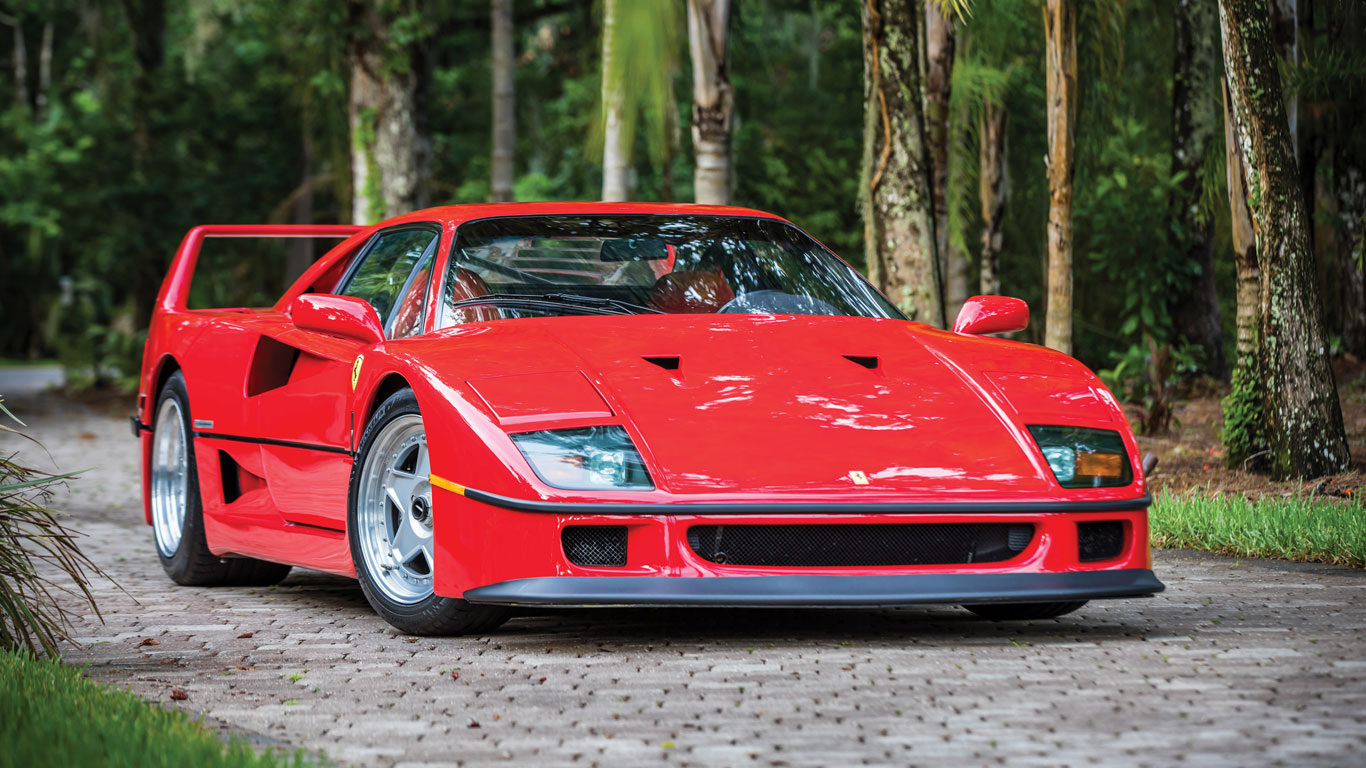
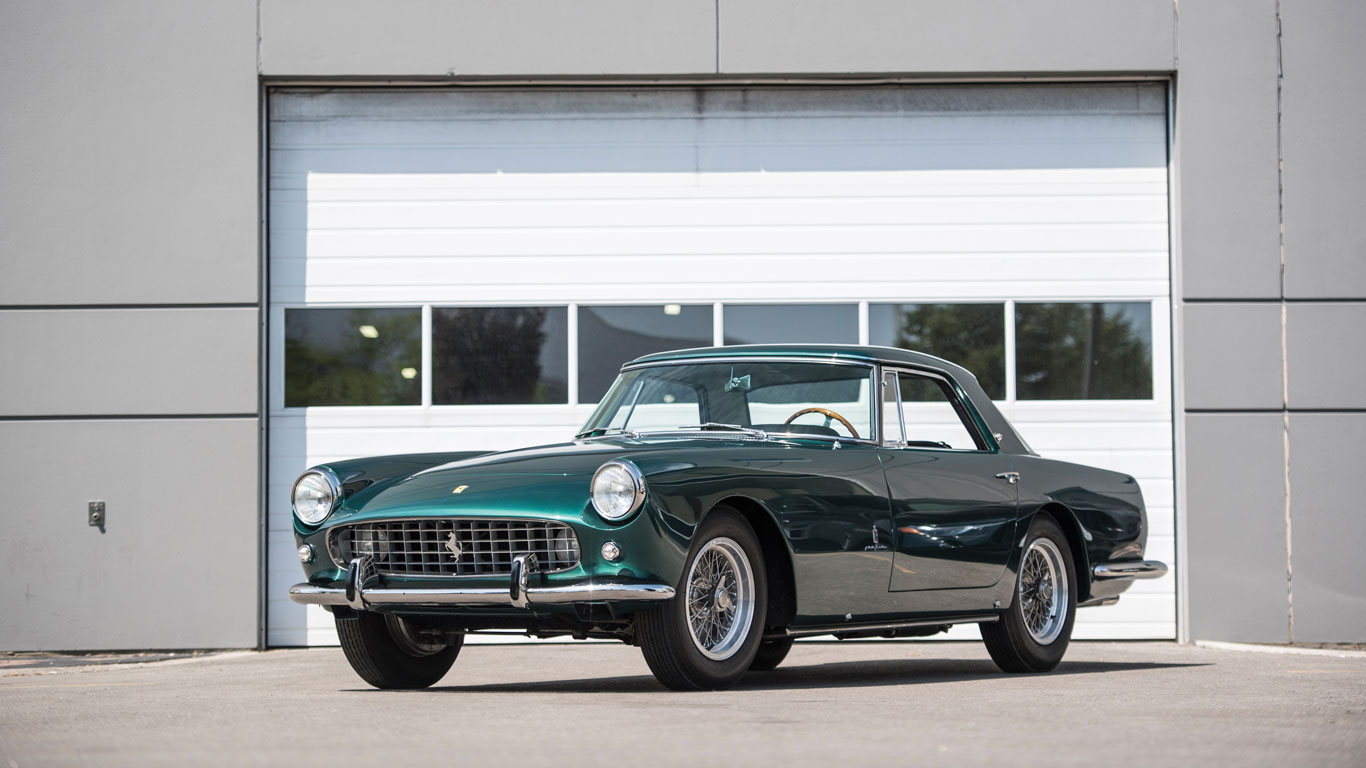
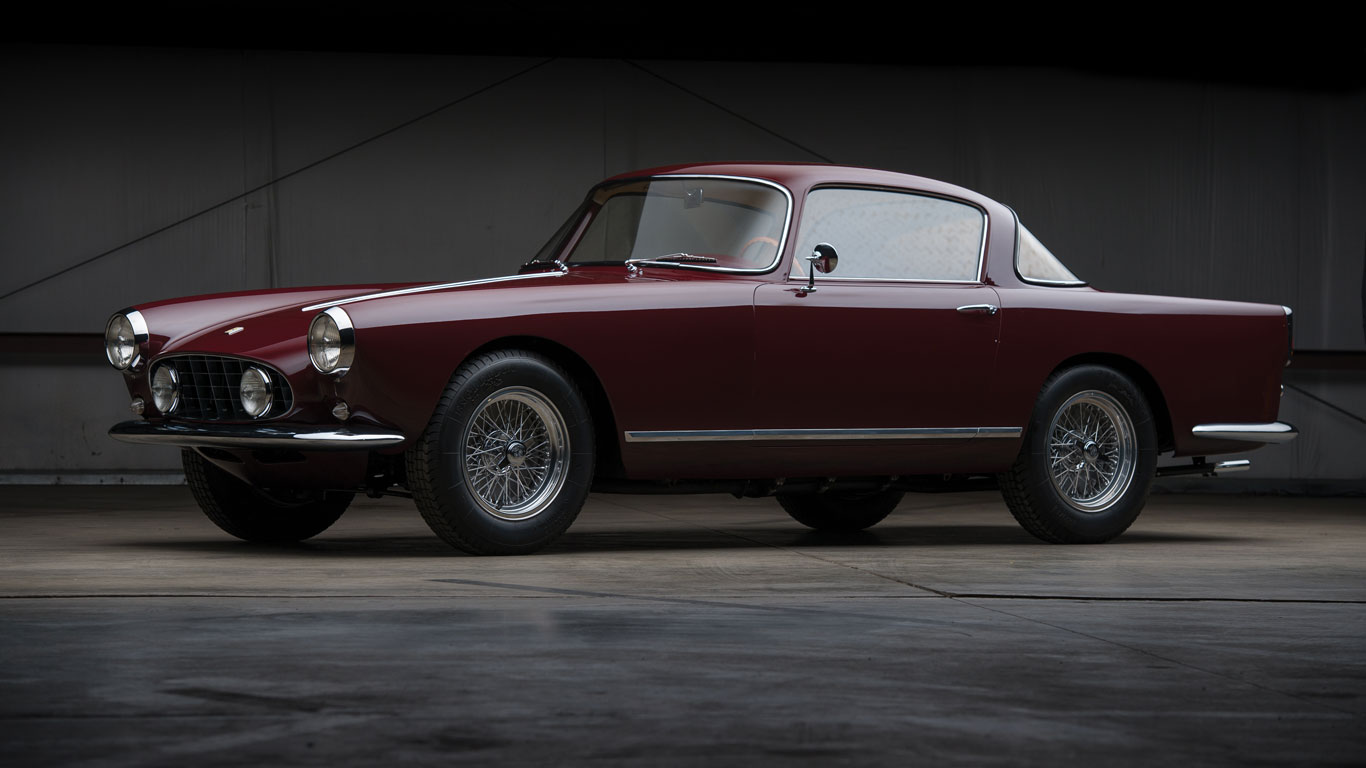
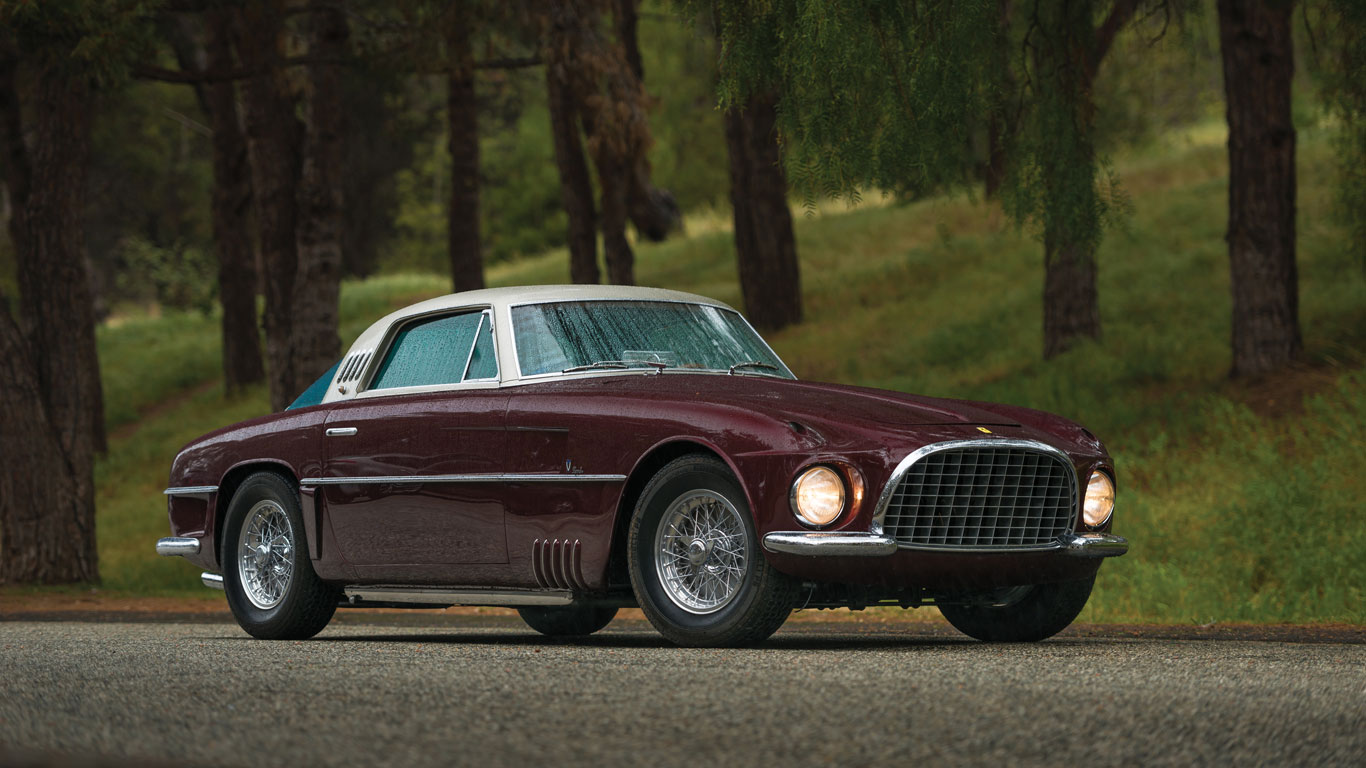
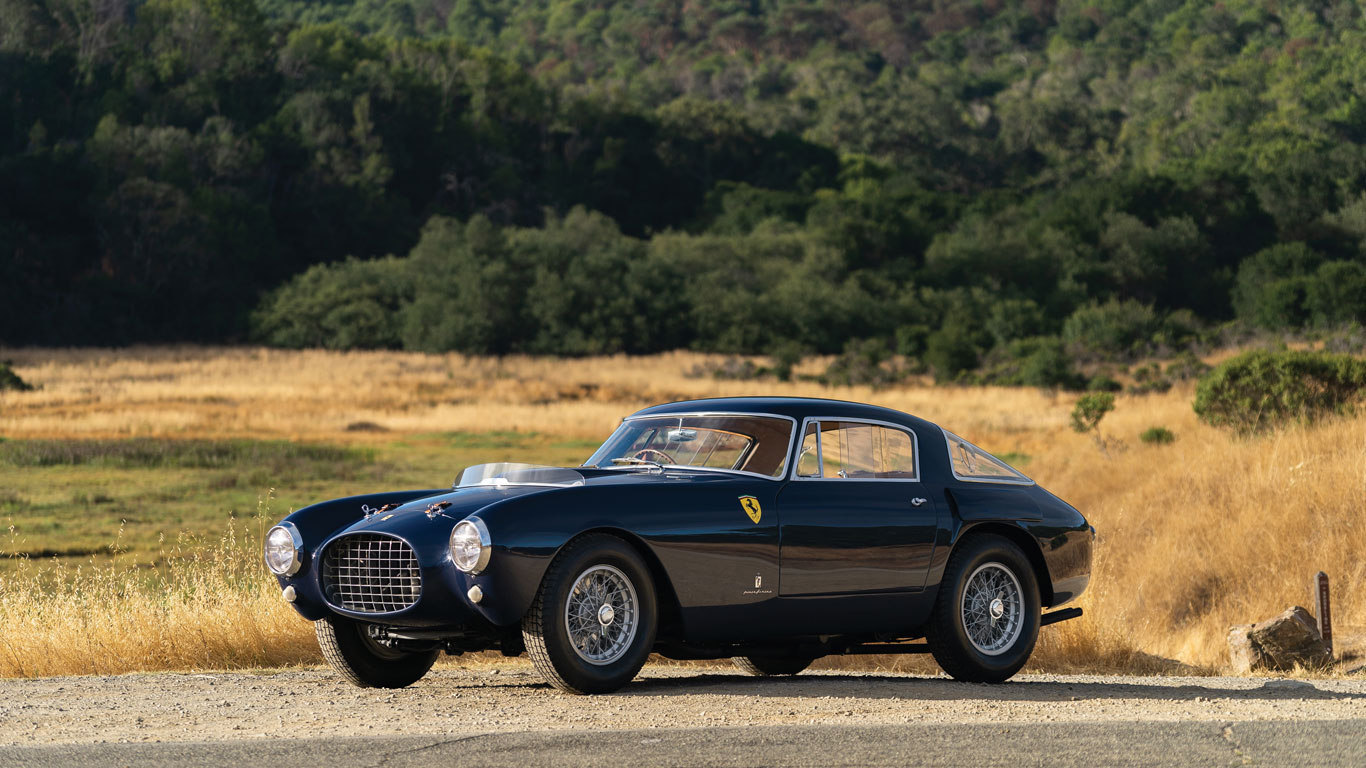
It’s billed as RM Sotheby’s “most historic Monterey lineup to date”, with ultra-rare and super-expensive Ferraris going under the hammer. “The 29 Ferraris set for Monterey span key moments in the marque’s history, from 1950s sports racing through to the most advanced supercars of today,” said Gord Duff, head of auctions. The F40 needs no introduction, but it’s not the most desirable Ferrari at the Monterey sale.
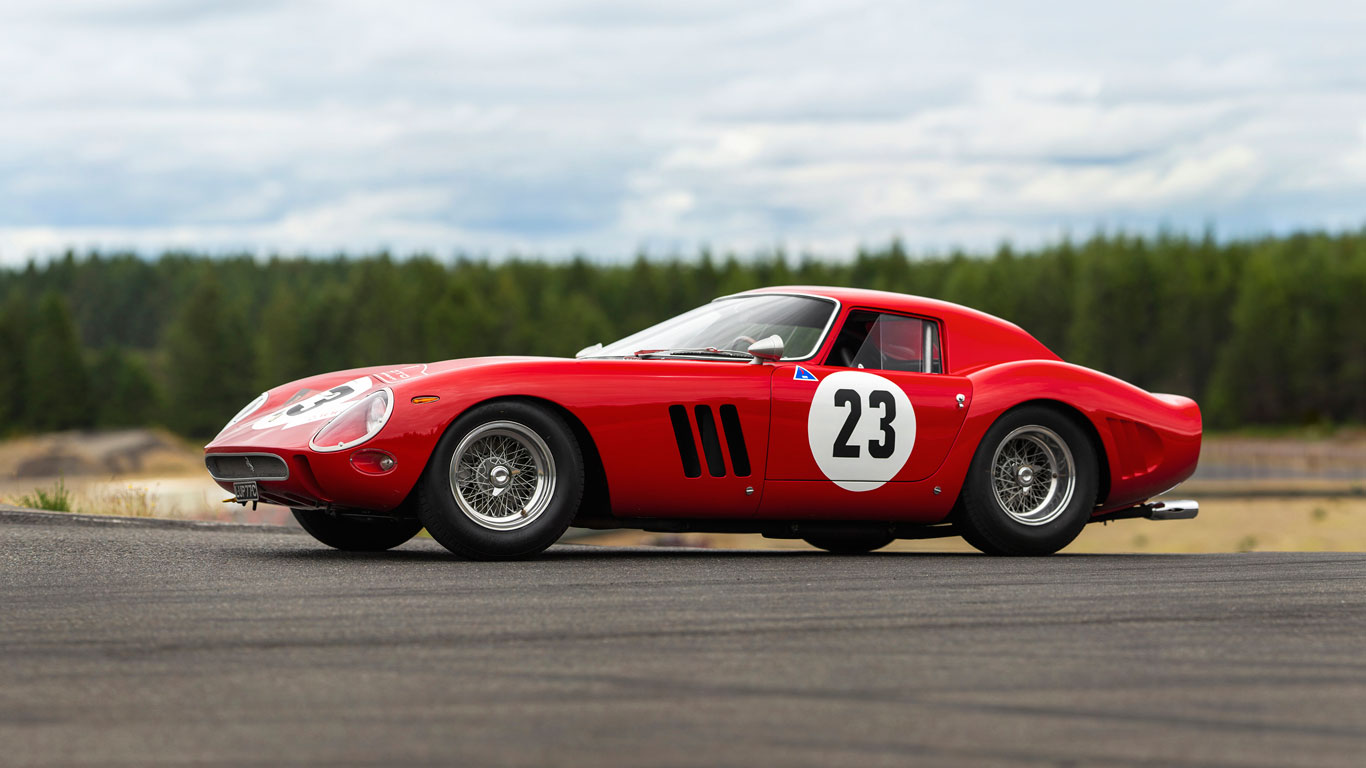
1962 Ferrari 250 GTO
In truth, this is the headline act. We featured the Ferrari 250 GTO back in June, as it’s expected to be the most valuable car ever sold at auction. This is the third of only 36 GTOs built, and one of four re-bodied in period by Scaglietti with Series II GTO/64 coachwork. With its original engine, gearbox and bodywork, not to mention genuine race pedigree, the 250 GTO has a pre-auction estimate of $45 million (£34 million).
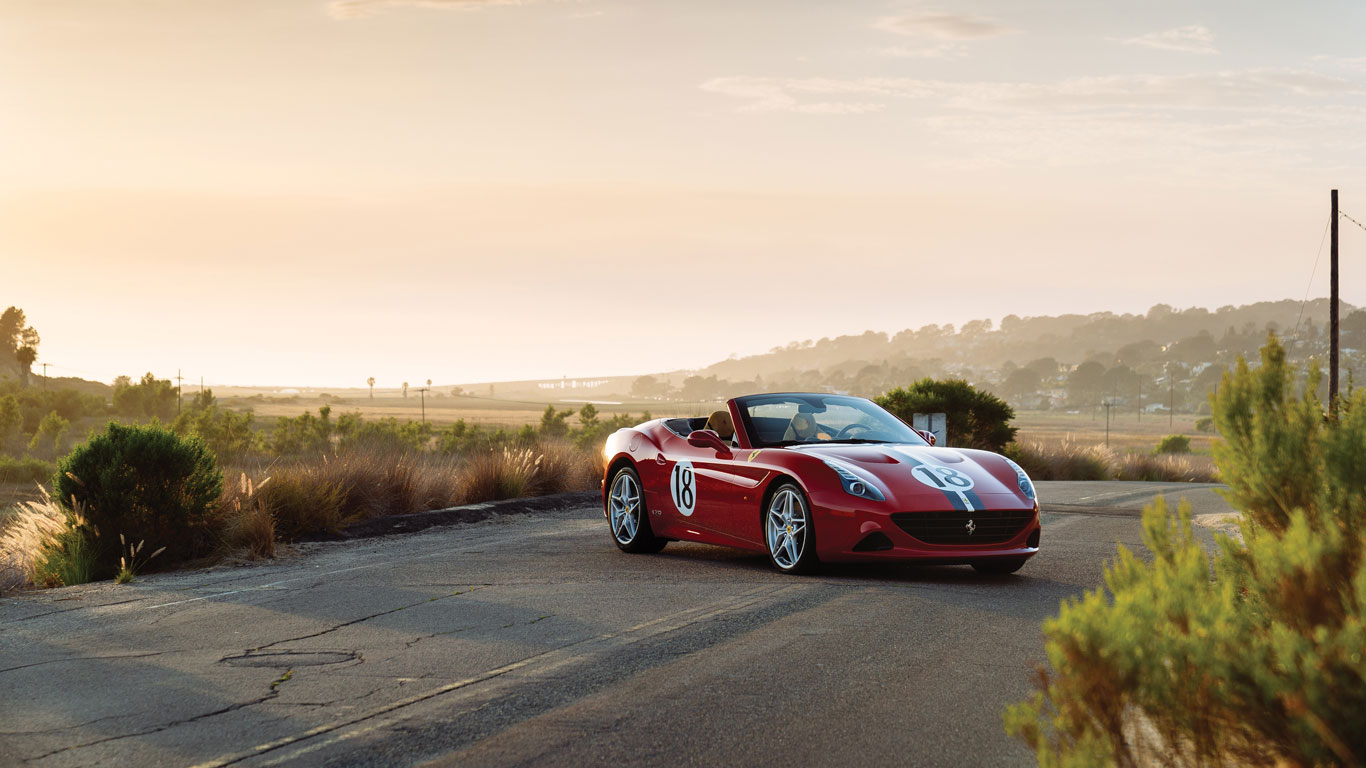
2017 Ferrari California T 70th Anniversary
If a quick rummage down the back of the sofa hasn’t revealed enough coins for the 250 GTO, this Ferrari California T 70th Anniversary is likely to be significantly cheaper. Built to mark Ferrari’s 70th anniversary, this is livery number 20 – The Redhead – inspired by the 250 Testa Rossa prototype. Offered with delivery mileage, the California T is, predictably, in showroom condition.
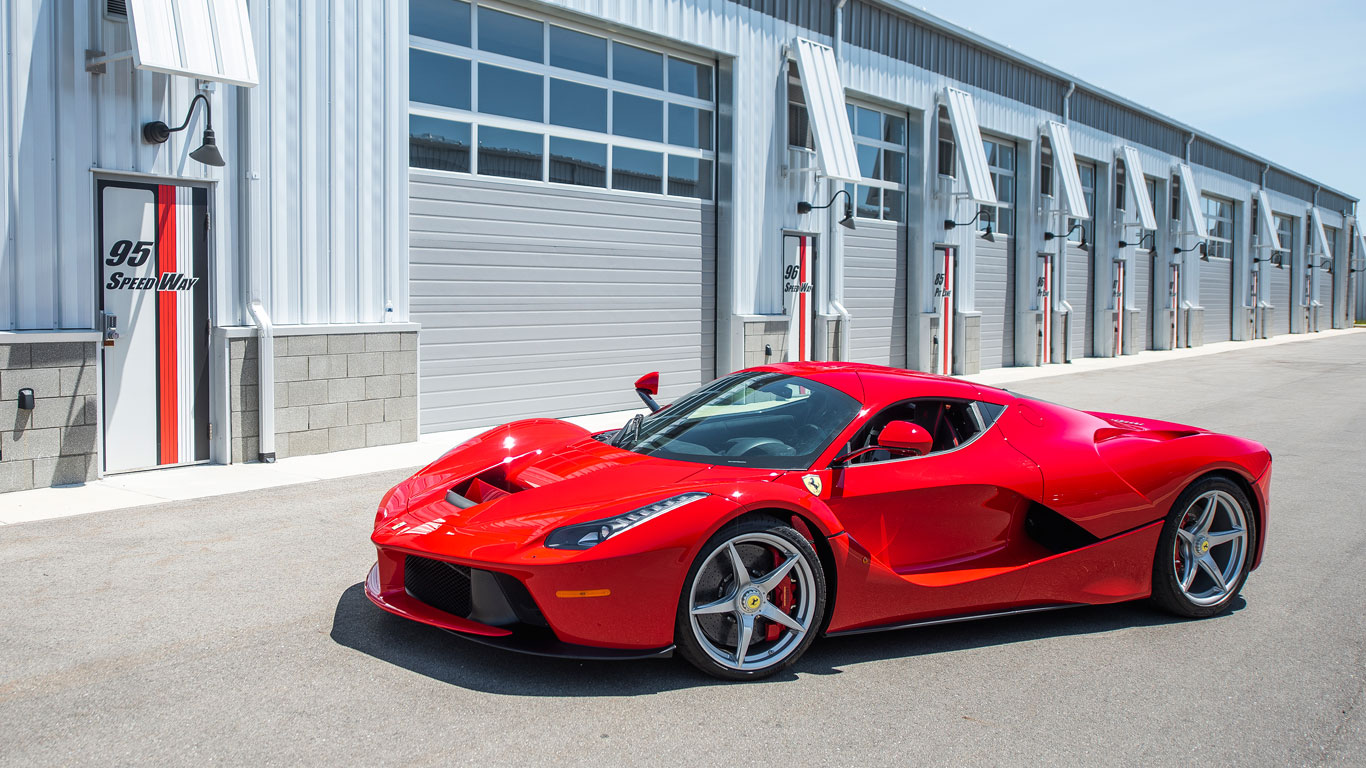
2014 Ferrari LaFerrari
This LaFerrari is being offered with no reserve, with the proceeds benefiting the College for Creative Studies in Detroit. The LaFerrari is one of the so-called ‘Holy Trinity’ – the others being the McLaren P1 and Porsche 918 Spyder – with this particular example delivered new to New Jersey. From there, it went straight into a private collection and has been used sparingly – the odometer is showing 150 miles.
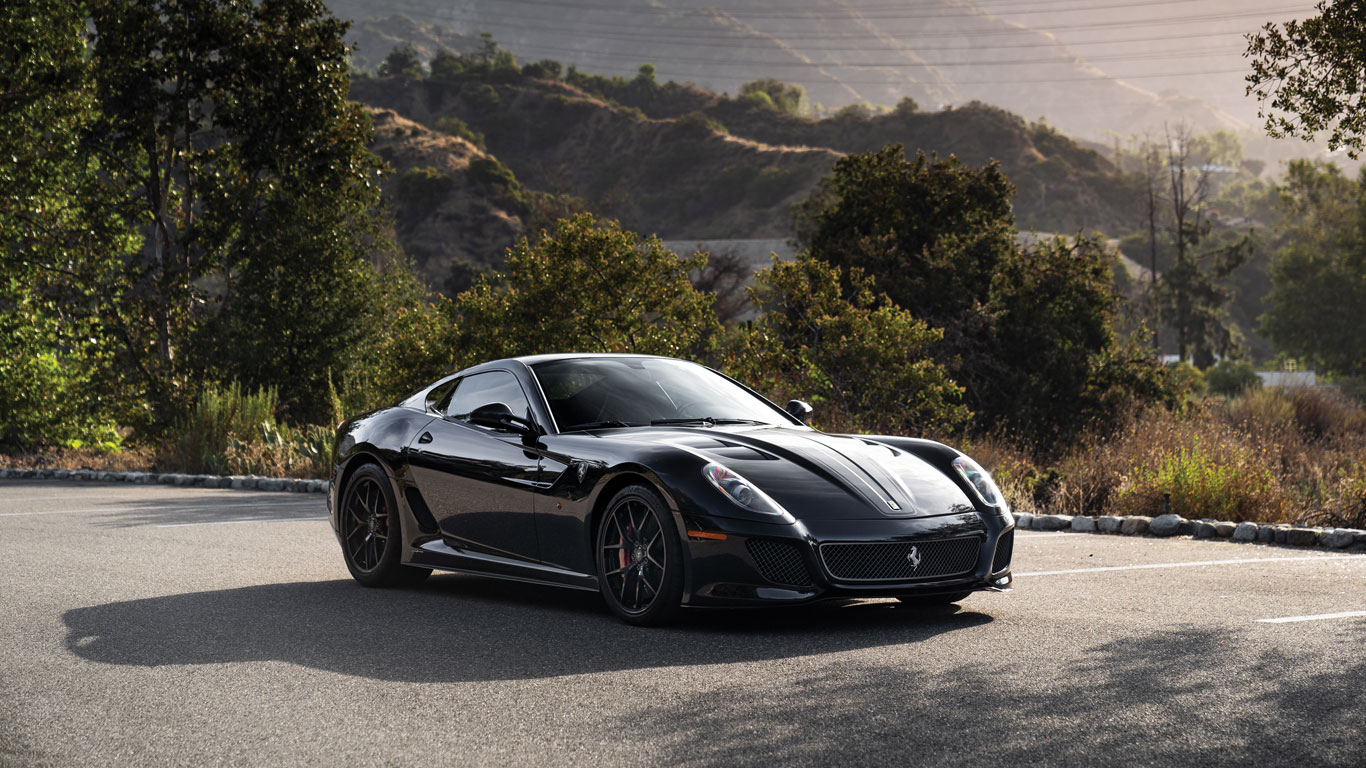
2011 Ferrari 599 GTO
Built as a road-going version of the 599 XX, the 599 GTO was powered by a 5,999cc V12 engine developing 670hp at 8,250rpm. Just 599 were built, each one aimed at the firm’s most exclusive clientele, with 125 destined for the US. This example was delivered new to California, where it accumulated a mere 5,100 miles. The current mileage is 6,400 miles.
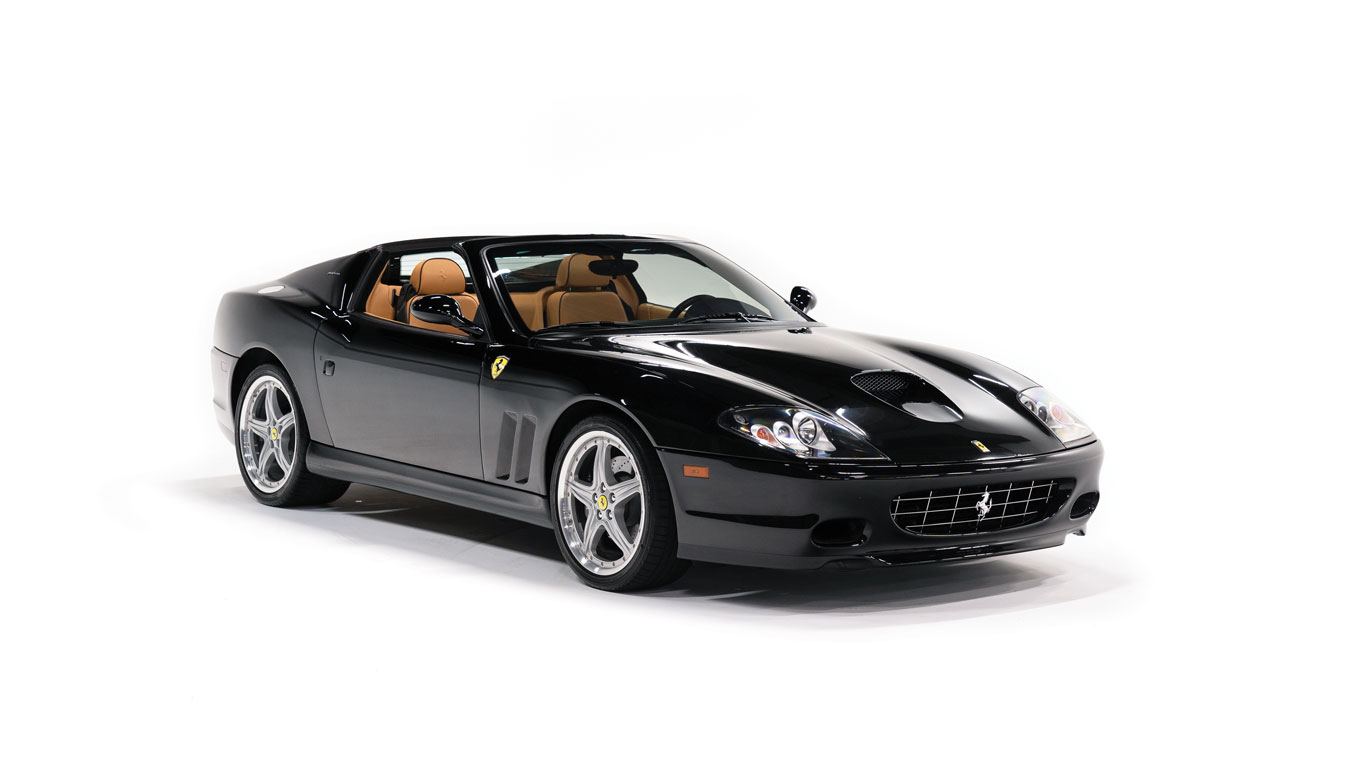
2005 Ferrari 575 Superamerica
Another low mileage Ferrari, with this 575 Superamerica accumulating just 4,400 miles in the past 13 years. Based on the 575M Maranello, the Superamerica’s ‘Revocromico’ folding roof can adjust between its lightest and darkest setting in less than a minute, as well as converting the car from closed to open roadster in just 10 seconds.
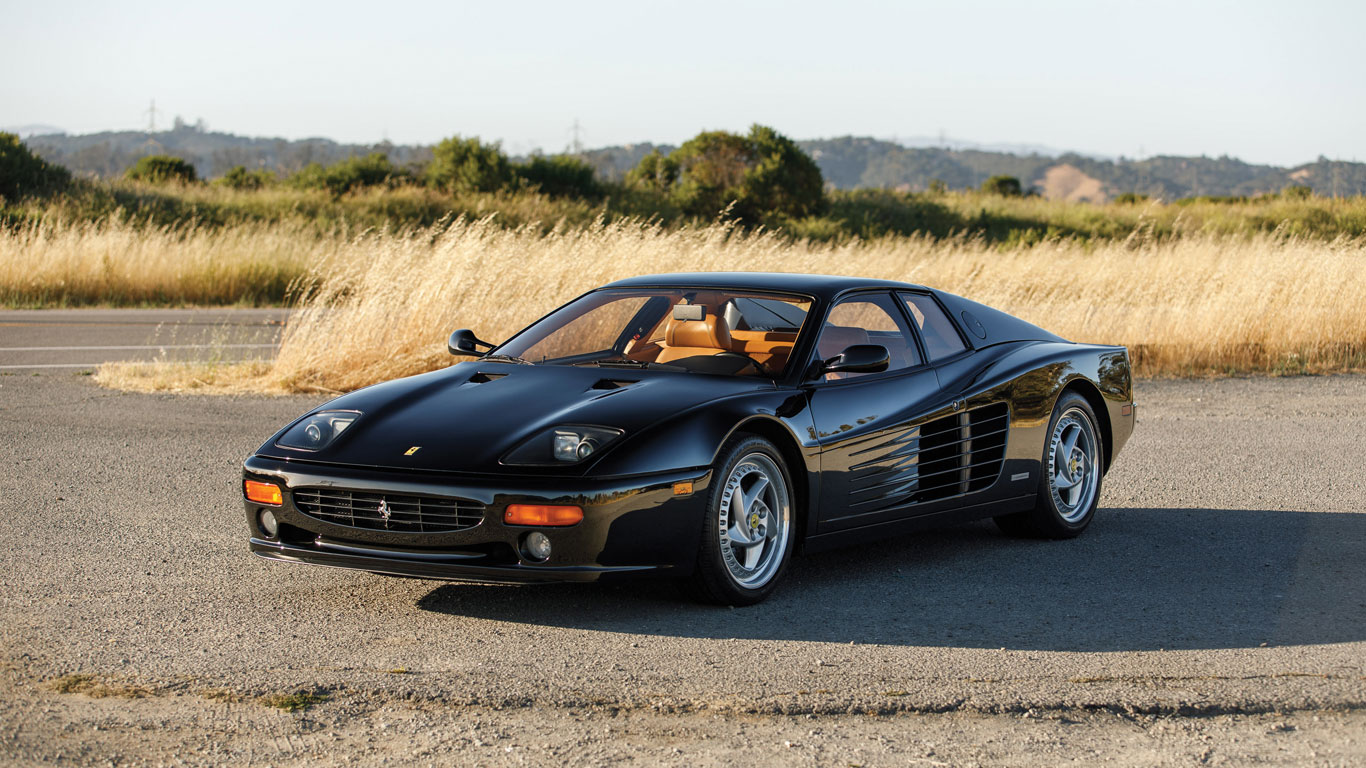
1995 Ferrari F512 M
In 1994, Ferrari launched the third and final iteration of the Testarossa, a decade after the star of a million bedroom walls was unveiled in Paris. Unlike the original, the F512 M features exposed headlights, while the ‘grilled’ rear lights were replaced by two pairs of circular units. The iconic slatted side intakes remained and were flanked by alloy wheels inspired by Pininfarina’s Mythos concept of 1989. This 1995 example is one of 75 produced for the US and has had the same owner since new.
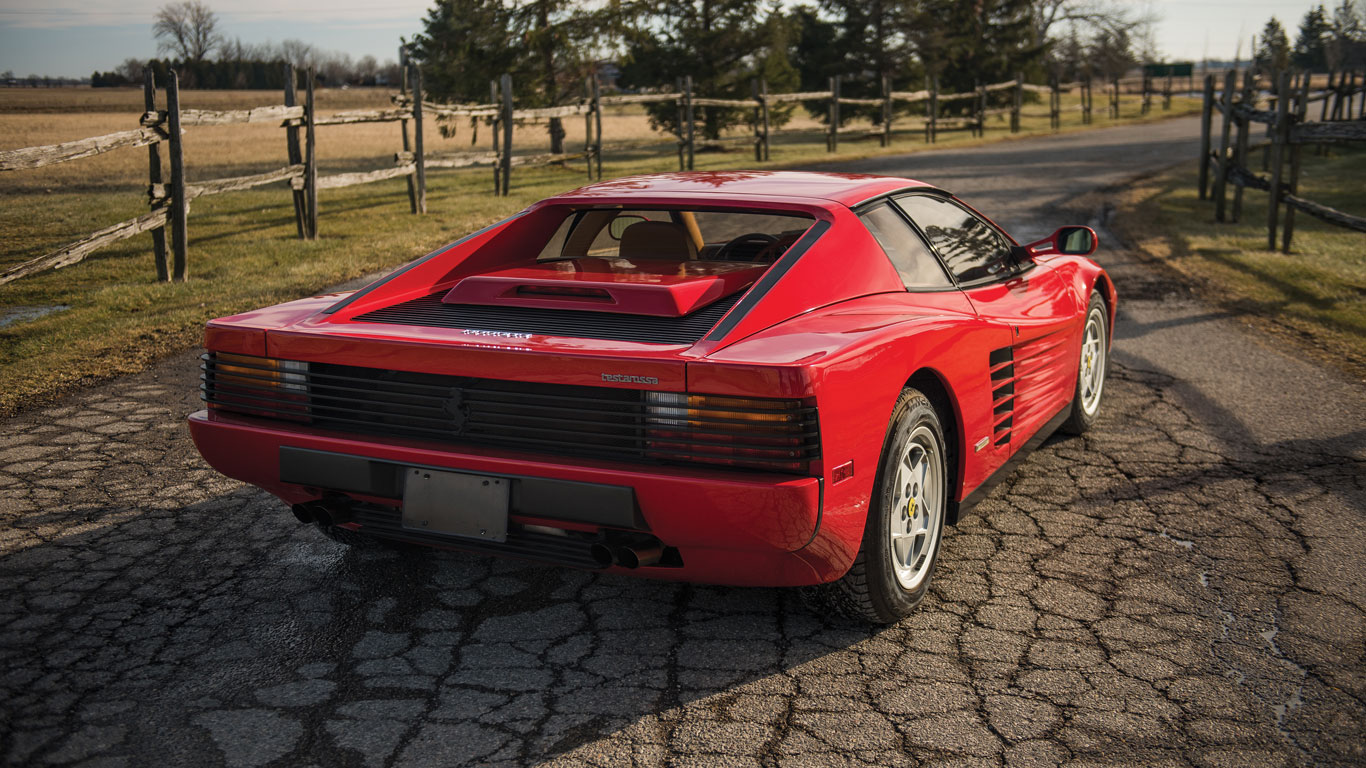
1989 Ferrari Testarossa
Launching the Testarossa at the Paris Lido on the eve of the 1984 Paris motor show was a stroke of genius, as it set the tone for one of the most iconic and glamorous cars of the 80s. Adults aspired to it, children dreamt about it, but everyone recognised the Pininfarina design. This is a 1989 example complete with factory Schedoni fitted luggage and 14,000 miles on the clock.
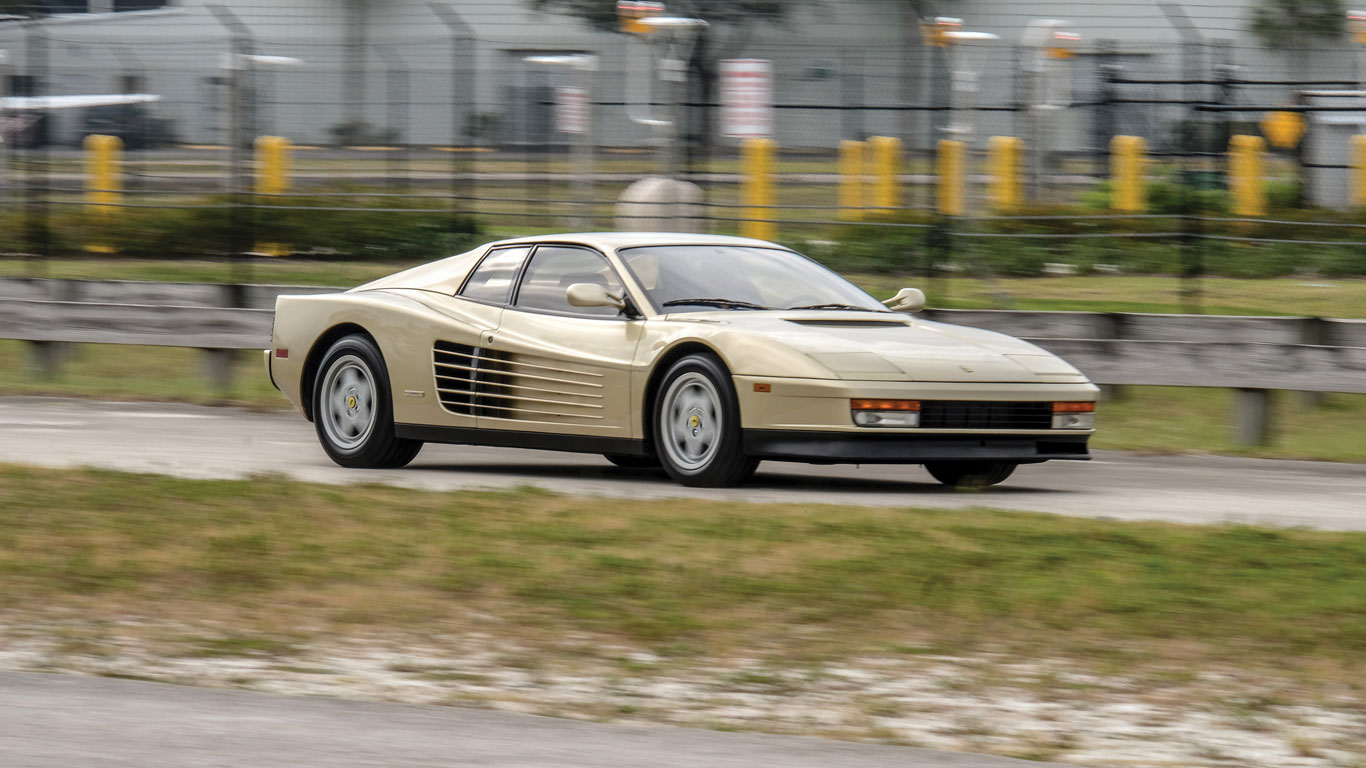
1988 Ferrari Testarossa
If a red Ferrari is a tad predictable for you, this 1988 Testarossa is finished in Oro Chiaro Metallizzato. We suspect it will be a ‘Marmite’ colour, but having spent too many minutes ogling the photos on the RM Sotheby’s website, we’re firmly in the ‘love’ camp. It shows off the Testarossa’s many fine details, although it helps that this car is in pristine condition. Another low-mileage example – 4,300 miles – we wonder if any of the cars in the Monterey sale are destined to spend time on the road.
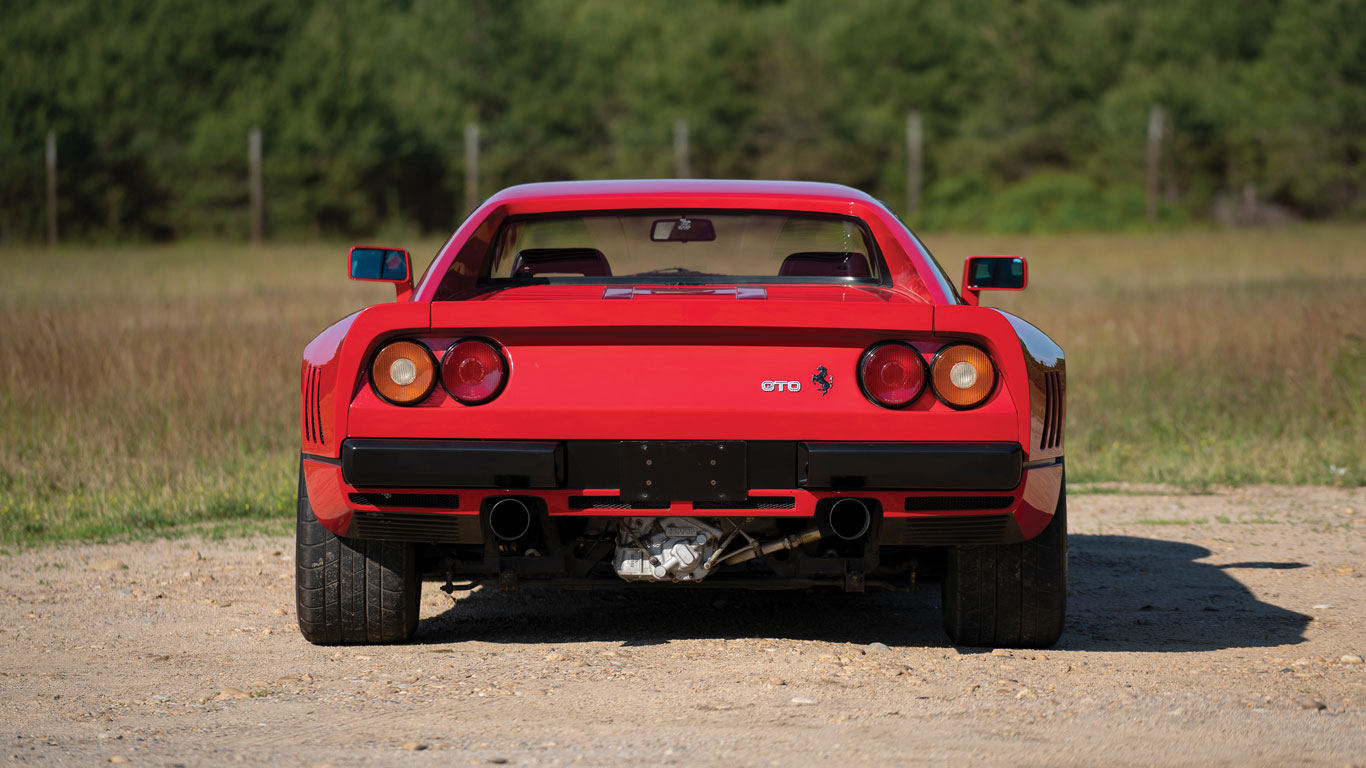
1984 Ferrari 288 GTO
With 13,200km on the clock, this Ferrari 288 GTO has some miles under its belt, many of which were completed in Japan. Indeed, it was the first GTO to be exported to Japan, where it was enjoyed on the roads around owner Yoshiho Matsuda’s home. By the time it left Japan, bound for the US, the GTO had accumulated 9,500km. According to RM Sotheby’s, it’s one of the finest GTOs available.
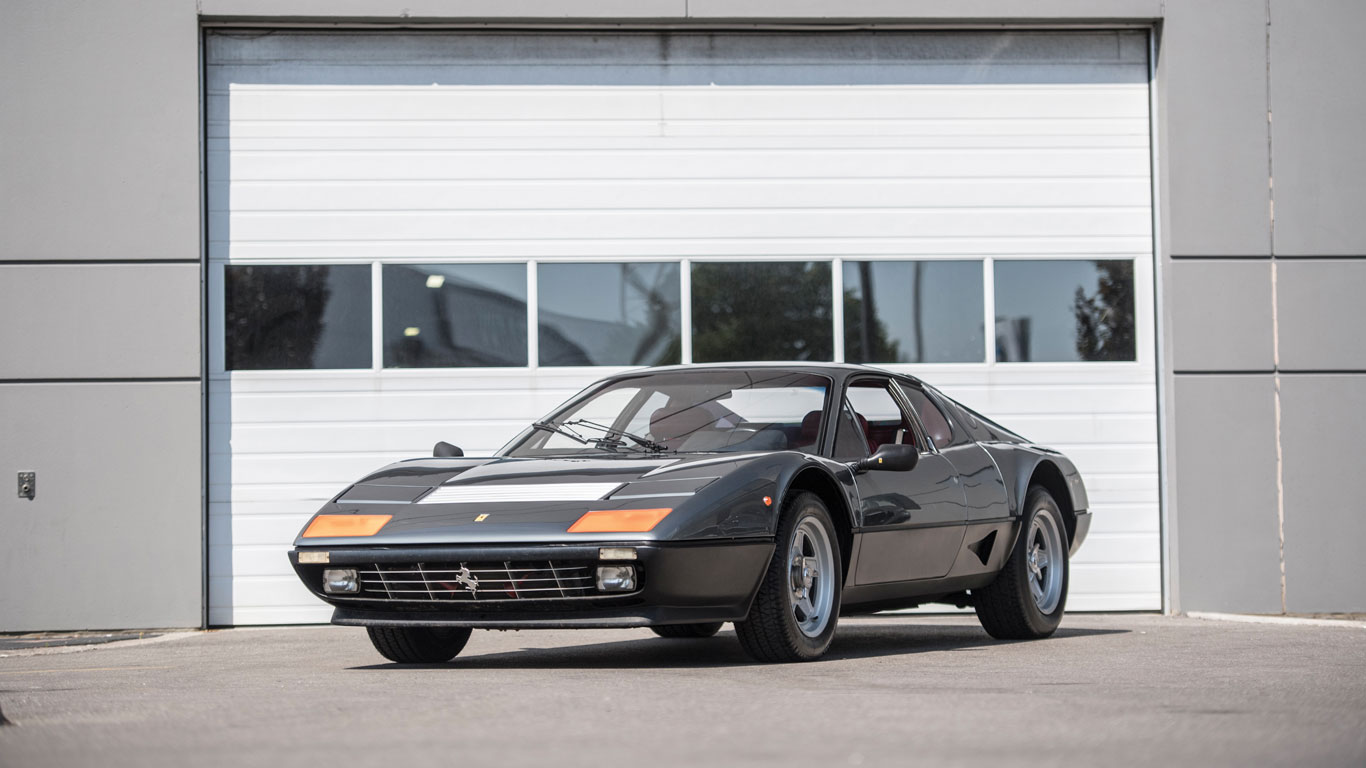
1984 Ferrari 512 BBi
When the Ferrari 512 BB was given Bosch fuel injection in 1981 it became the 512 BBi, widely considered to be the most civilised of the Berlinetta Boxers. This left-hand-drive example was delivered new in Europe but subsequently federalised for American roads and sold to the original owner in Miami. The Grigio Scuro paint over Rosso Bordeaux seats is a rare combination.
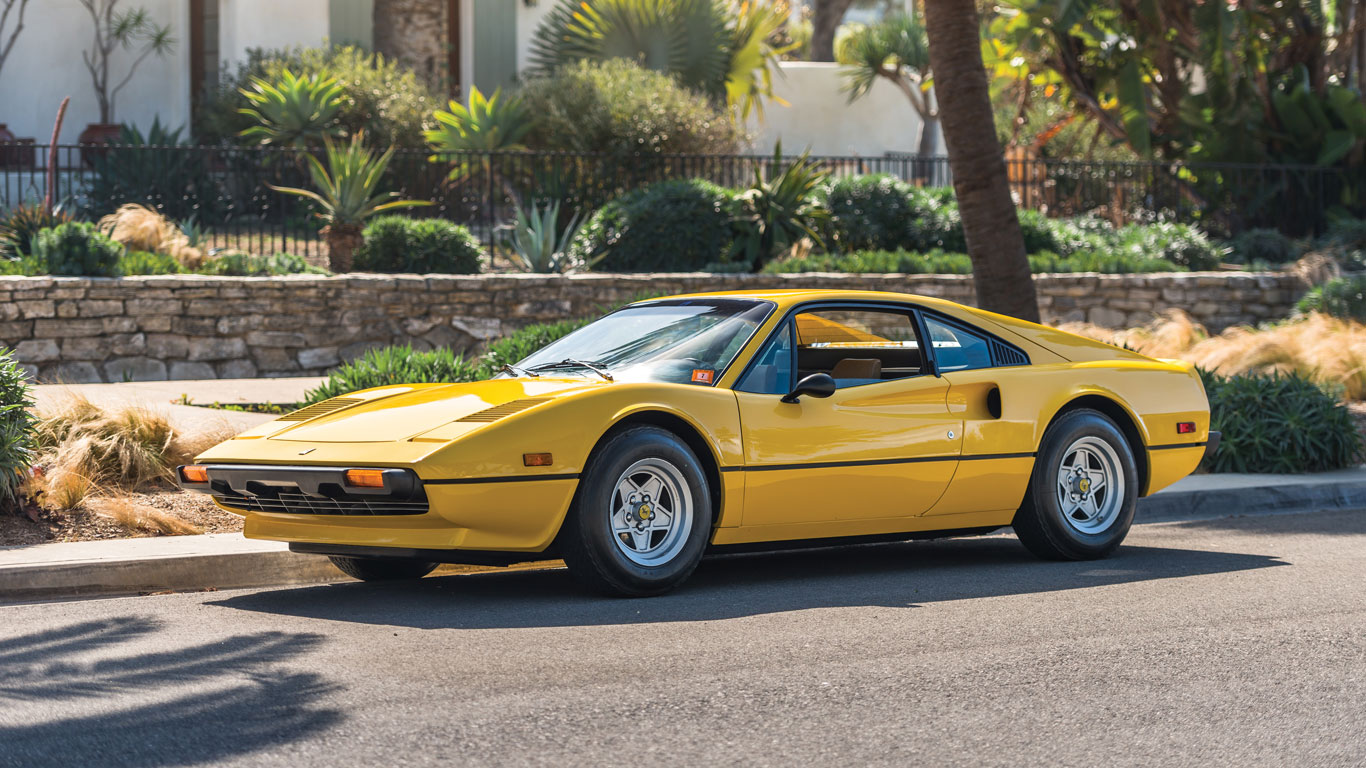
1976 Ferrari 308 GTB
Launched in 1975, the Pininfarina-designed Ferrari 308 remained in production until 1985, by which time a GTS version had joined the fold. They were hugely successful, combining to deliver total sales of 12,000 – far exceeding Ferrari’s forecast. This Giallo Fly example has covered 14,000 miles and is offered without reserve.
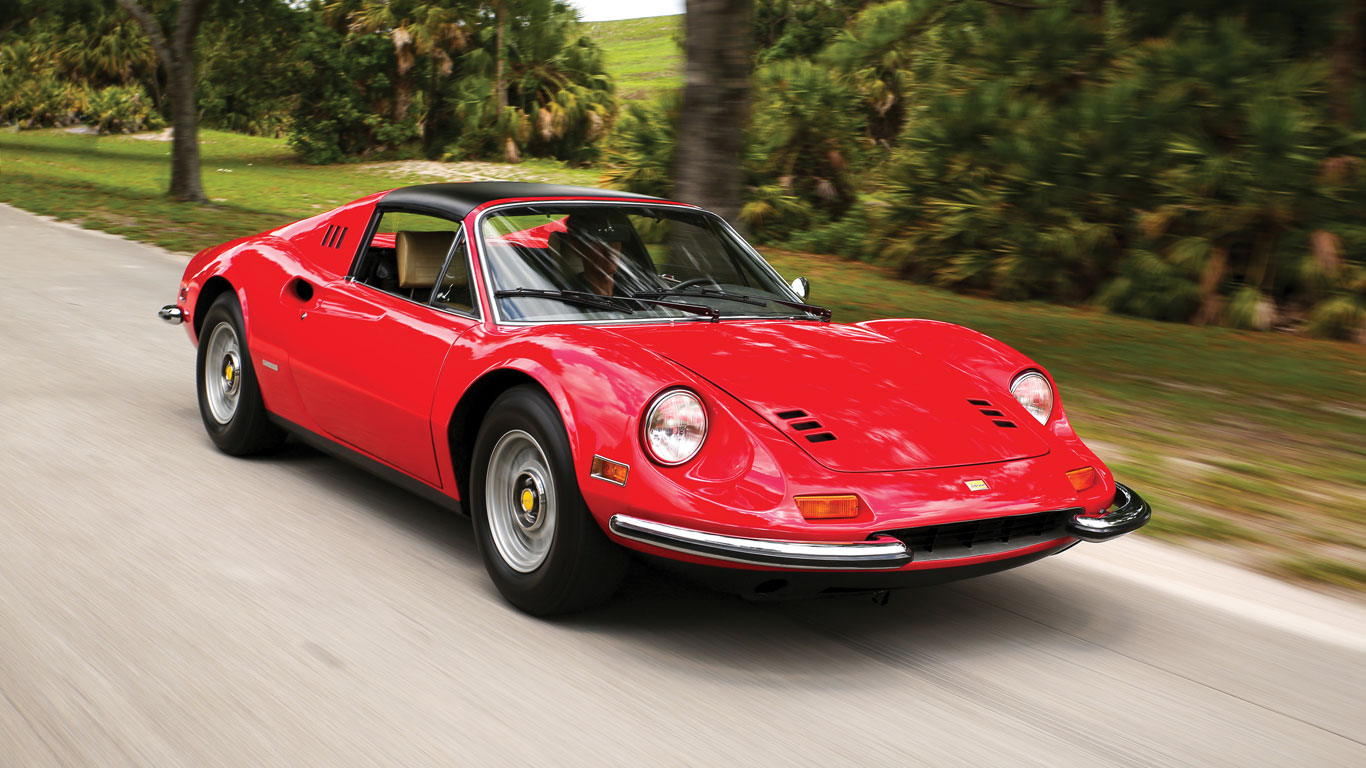
1974 Dino 246 GTS
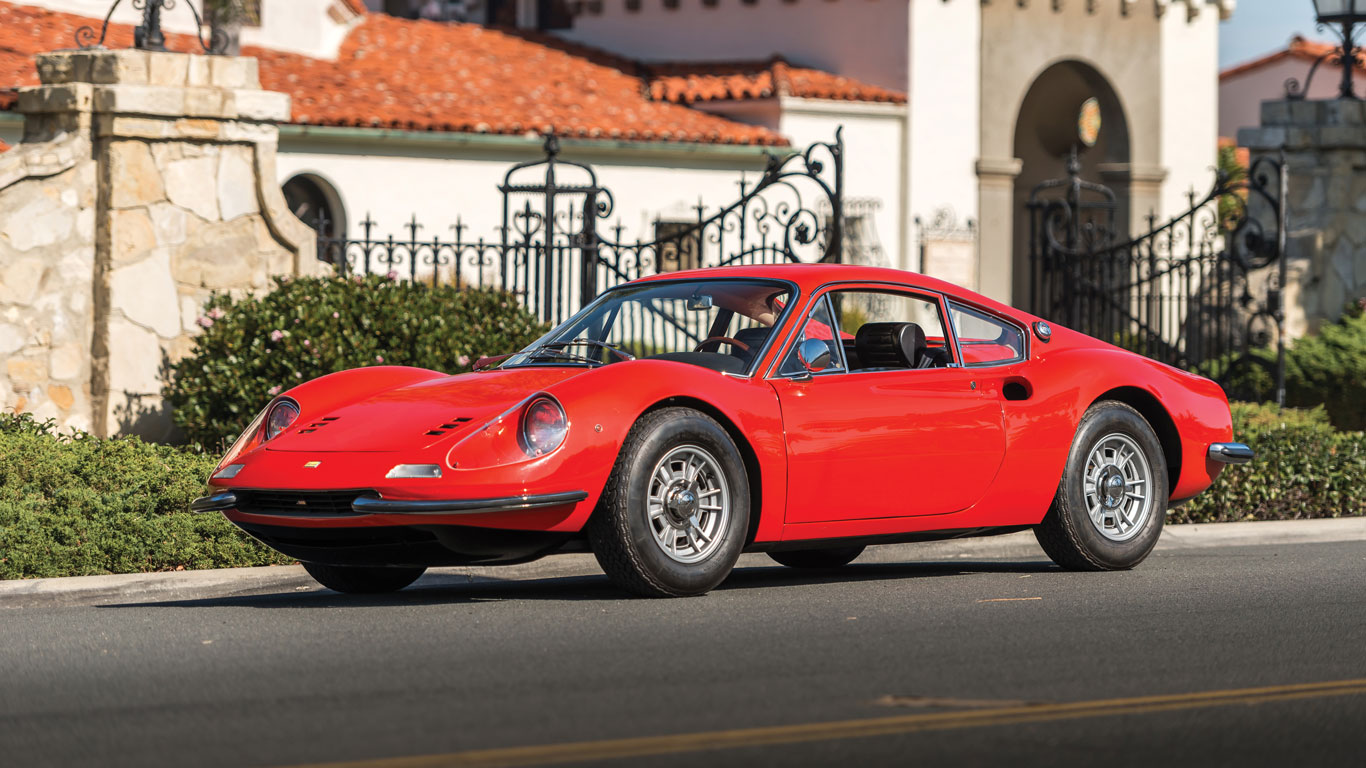
Built exclusively for the American market, the Dino 246 GTS went on sale in 1972 and, like the 246 GT, remained in production until 1974. Which makes this 1974 GTS one of the last to roll out of Maranello, as well as being one of the lowest mileage examples in the world. It was acquired by its current owner in 1989 and there are just 8,300 miles on the clock. In 2016, it was treated to $55,000 worth of mechanical maintenance.
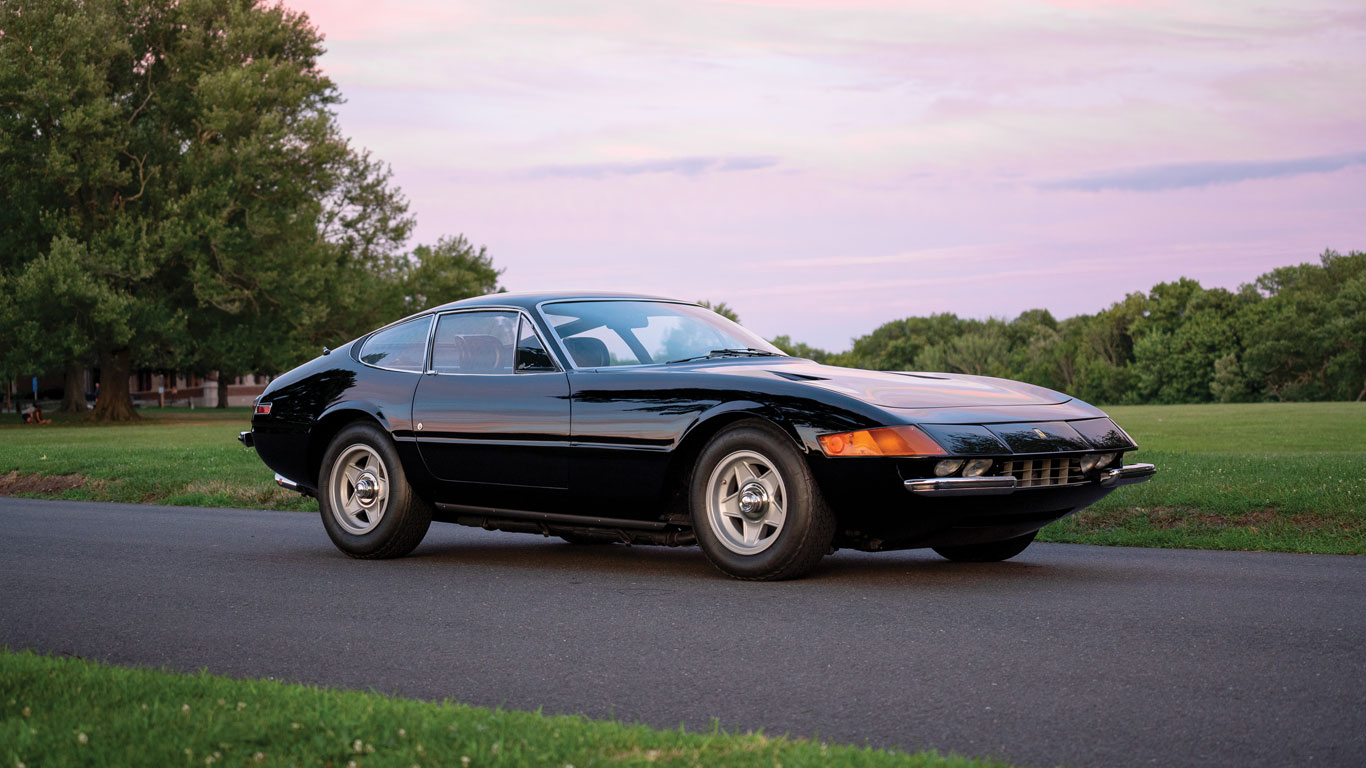
1973 Ferrari 365 GTB/4 Daytona
You have a choice of two Ferrari 365 GTB/4s at the Monterey sale, both dating from 1973. Dubbed ‘Daytona’ in honour of Ferrari’s 1-2-3 finish at the Florida circuit in 1967, the 365 GTB/4 was one of the finest grand tourers of a generation. One of only 30 examples finished in Nero, the car was restored to its original specification and has covered 15,594 miles.
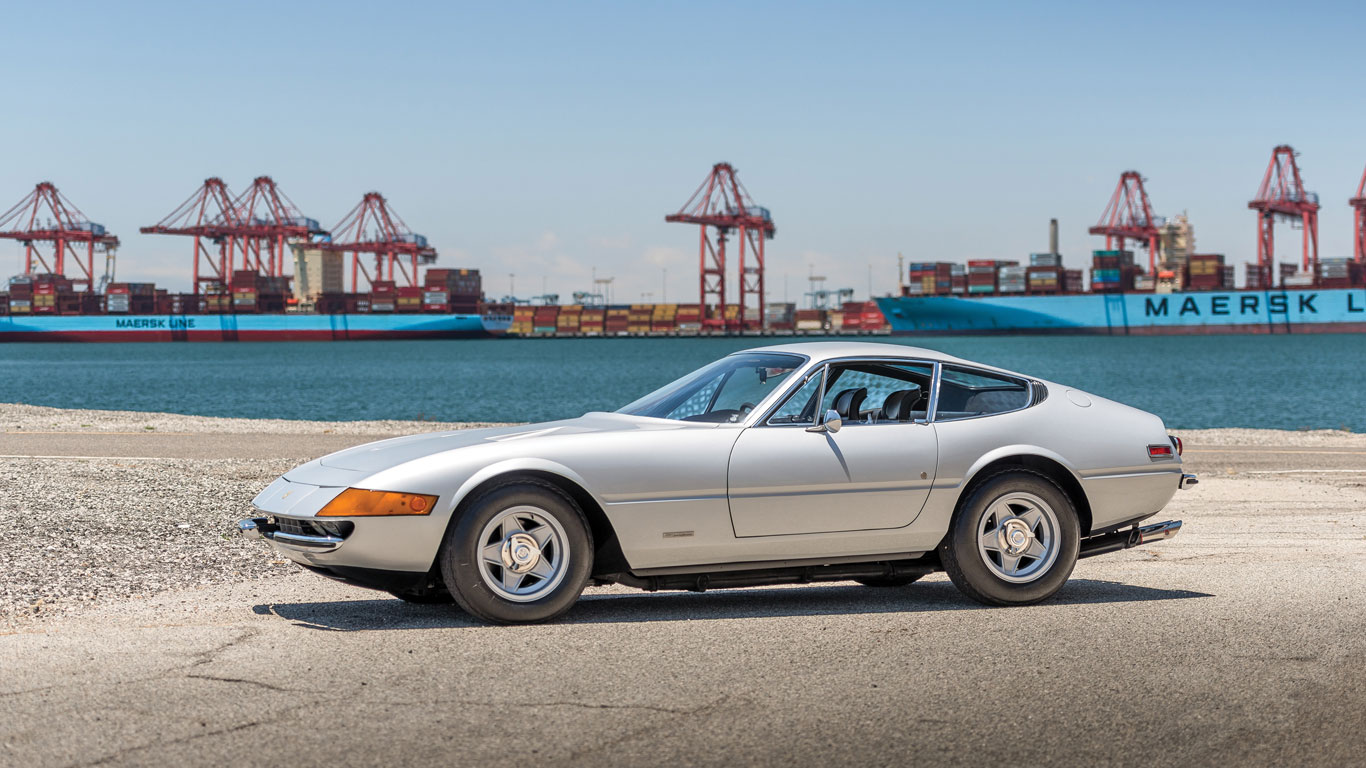
1973 Ferrari 365 GTB/4 Daytona
Finished in Argento Metallizzato over a Nero Connolly leather interior, this Daytona was delivered new in 1973 and fitted with air conditioning and electric windows. Today, the car has covered just under 44,000 miles, which just goes to prove that it is possible to buy and enjoy driving a Ferrari.
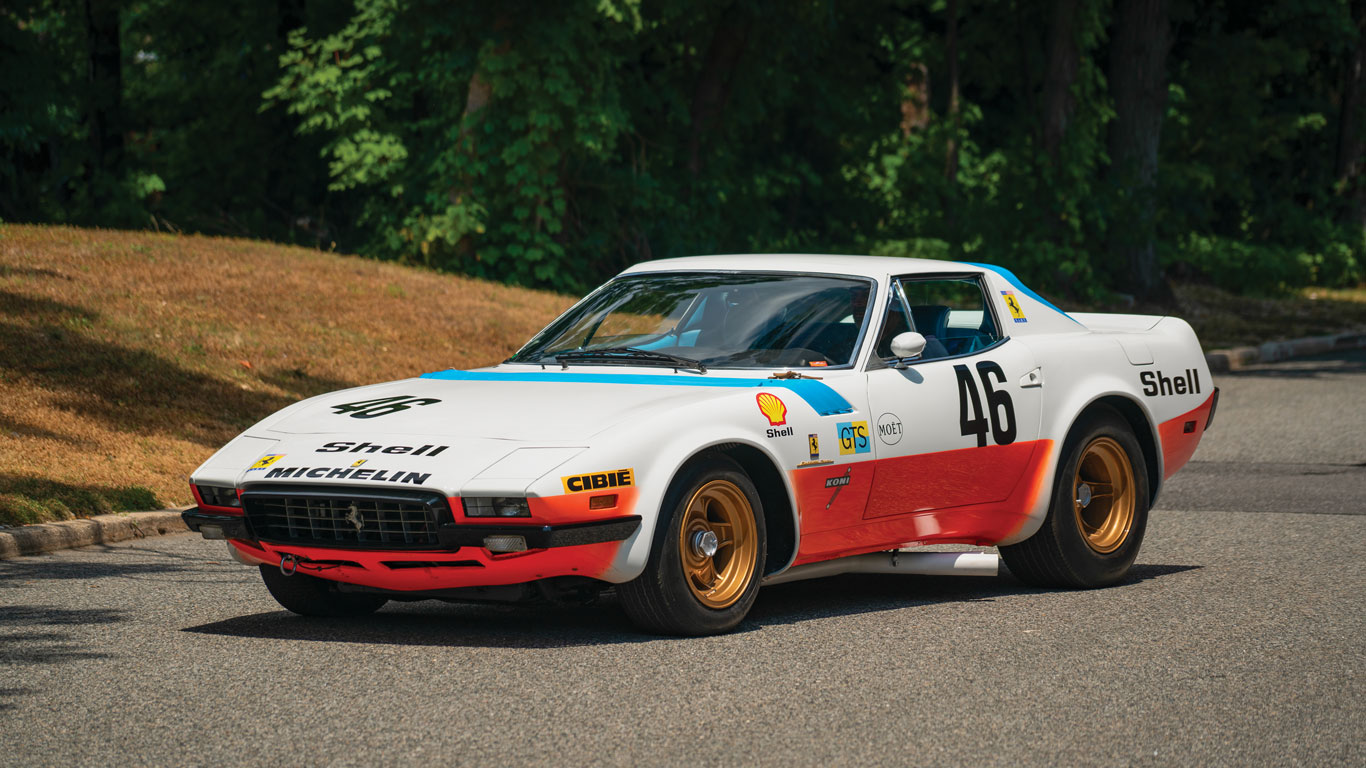
1972 Ferrari 365 GTB/4 Spider Competizione
If there was a prize for the greatest journey to Monterey, this 365 GTB/4 Spider Competizione would be in with a shout. Having been converted to compete in the 1975 24 Hours of Le Mans, the Ferrari was showcased on the Michelotti stand that same year, before competing at Le Mans and Daytona. It was fully rebuilt in 2002 to its original Le Mans specification and was entered in the 2018 Amelia Island Concours d’Elegance, celebrating both 50 years of the Daytona and 60 years of NART (North American Racing Team).
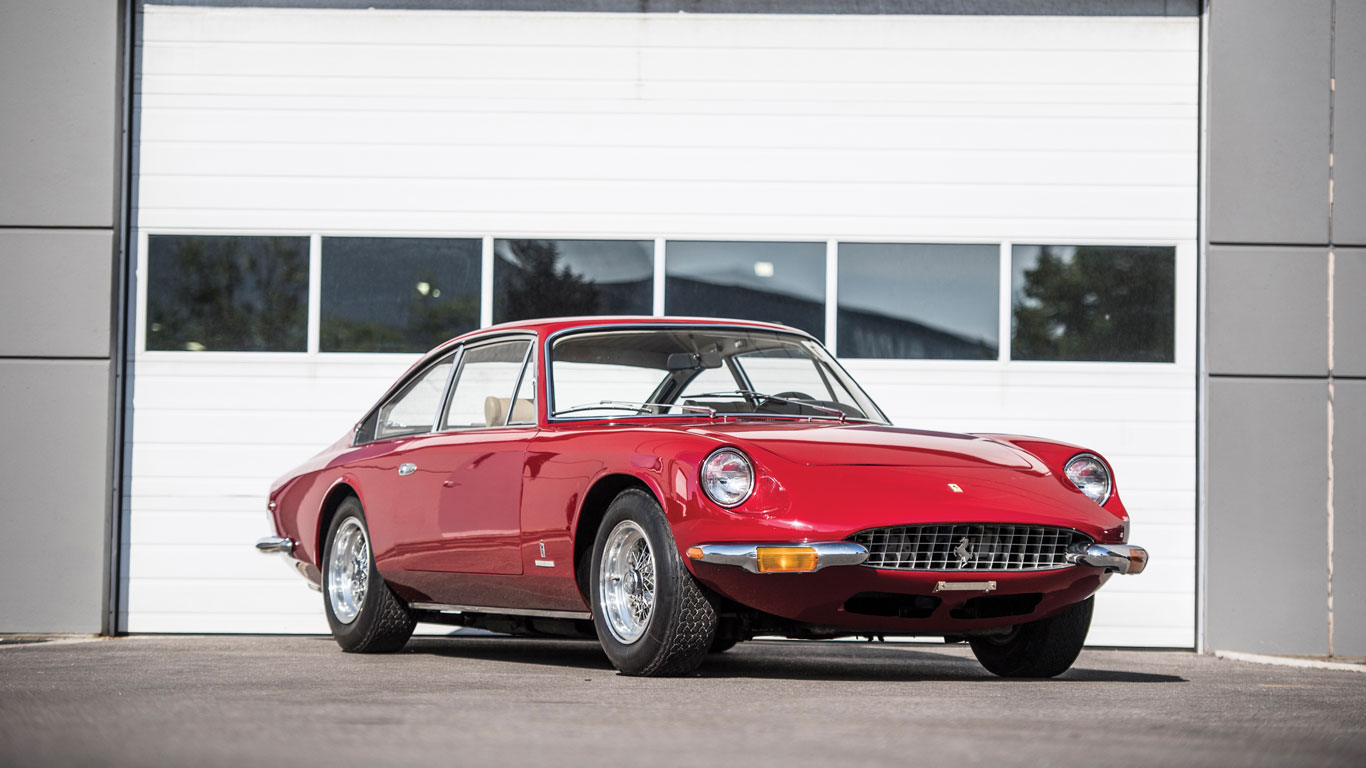
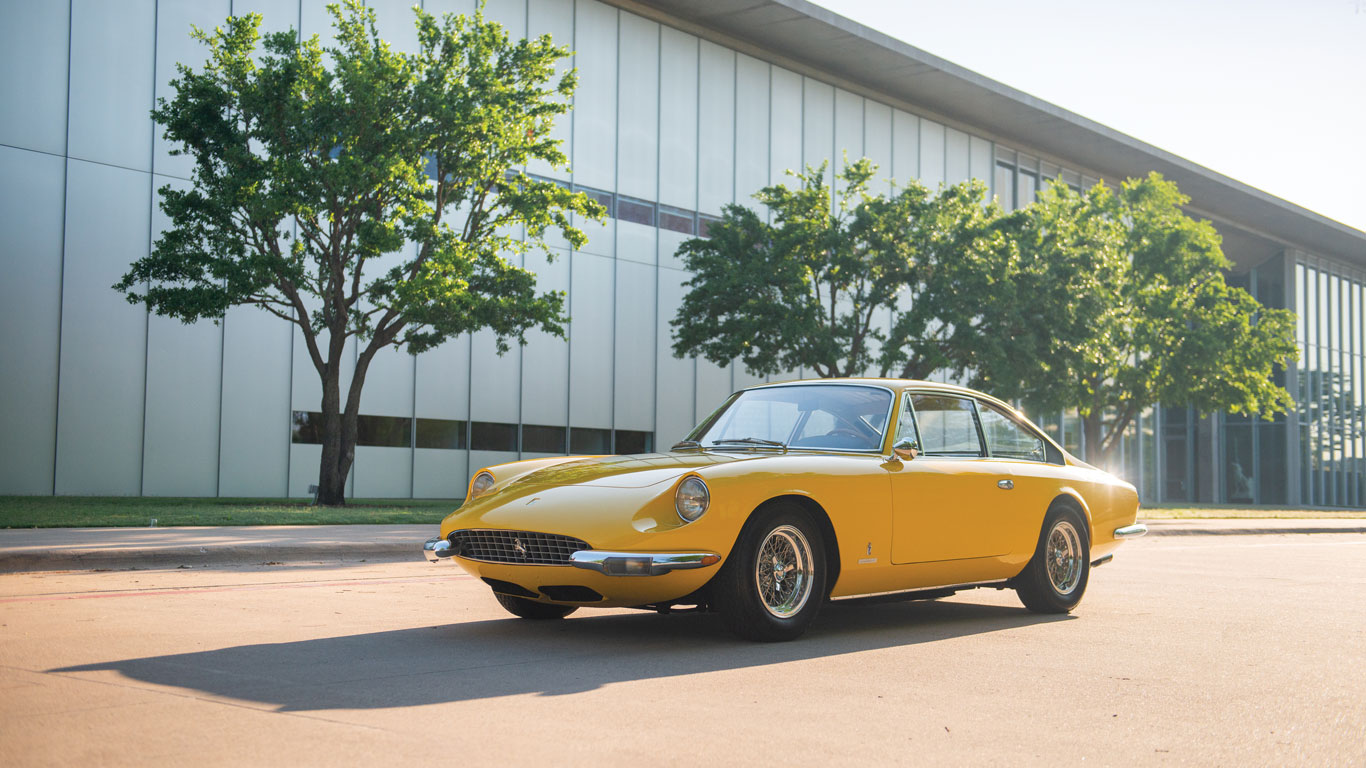
1969 Ferrari 365 GT 2+2
Back in 1967, when the Ferrari 365 GT 2+2 was unveiled at the Paris motor show, it was probably the greatest grand tourer… in the world. The styling was unmistakably the work of Pininfarina, while power was sourced from a 4,390cc V12 developing 320hp. This 1969 example was delivered new to a customer in Salt Lake City and was the 25th US car of its kind.
1968 Dino 206 GT
Pininfarina built six different prototypes between the 1965 Paris motor show and the 1967 Frankfurt show, before settling on the final design for the Dino 206 GT. Unveiled in Turin, the 206 GT was built by Scaglietti in Modena, and just 152 were produced. This is number 30, completed in 1968 and sold the following January to a dealer in Milan.
1968 Ferrari 365 GT 2+2
Another Ferrari 365 GT 2+2, with this one looking resplendent in its fresh Giallo Fly paint. Indeed, this 1968 example was the subject of a recent extensive restoration, including refinishing the Borrani wire wheels, rebuilding the engine, drivetrain, brakes and suspension, and complete rechroming.
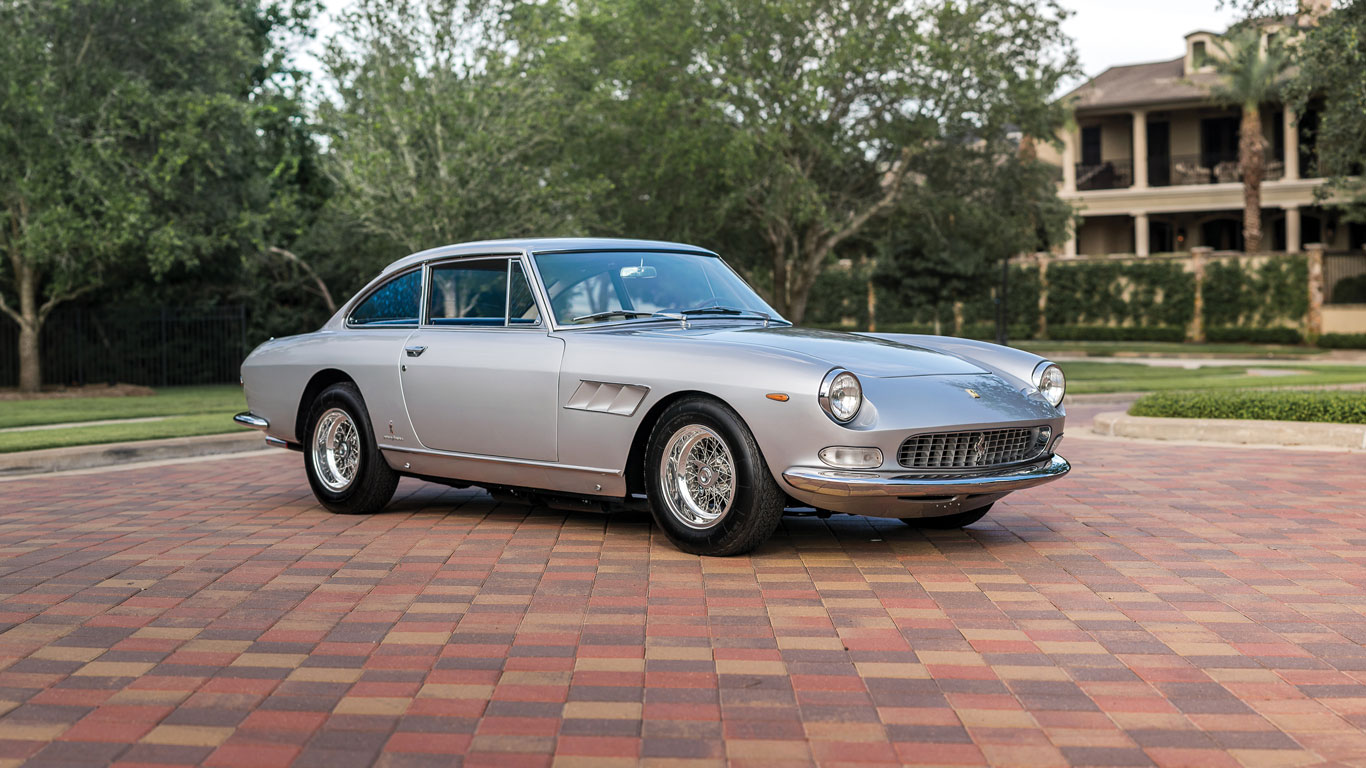
1966 Ferrari 330 GT 2+2 Series II
Introduced in 1964, the 330 GT 2+2 was Ferrari’s second production four-seat grand touring car, and more than a thousand were built. The original cars featured a controversial twin-headlight design, but they were replaced by more traditional single lights in 1965. This is one of just 455 Series II examples built and it was fully restored in 2015.
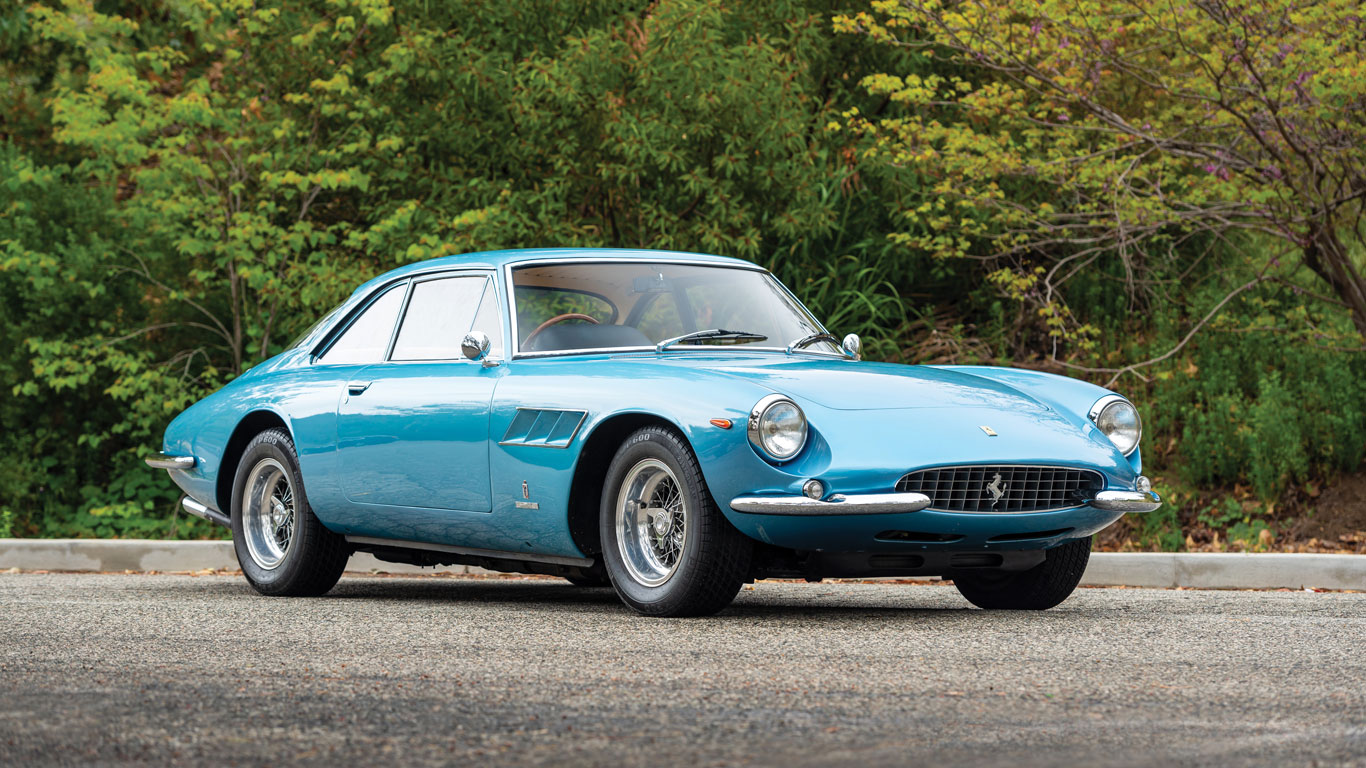
1966 Ferrari 500 Superfast Series II
When the 400 Superfast went out of production in 1963, Ferrari was in need of a new flagship for its most exclusive clientele. That car was the 500 Superfast – the last generation of the original Ferrari super-coupes. Pininfarina built one with a 330 GT engine, while the others were powered by a 5.0-litre V12 developing 400hp. Clients included Prince Sadruddin, Aga Khan, Barbara Hutton and John von Neumann. This is one of just 12 Series II Superfasts built.
1963 Ferrari 250 GT/L Berlinetta Lusso
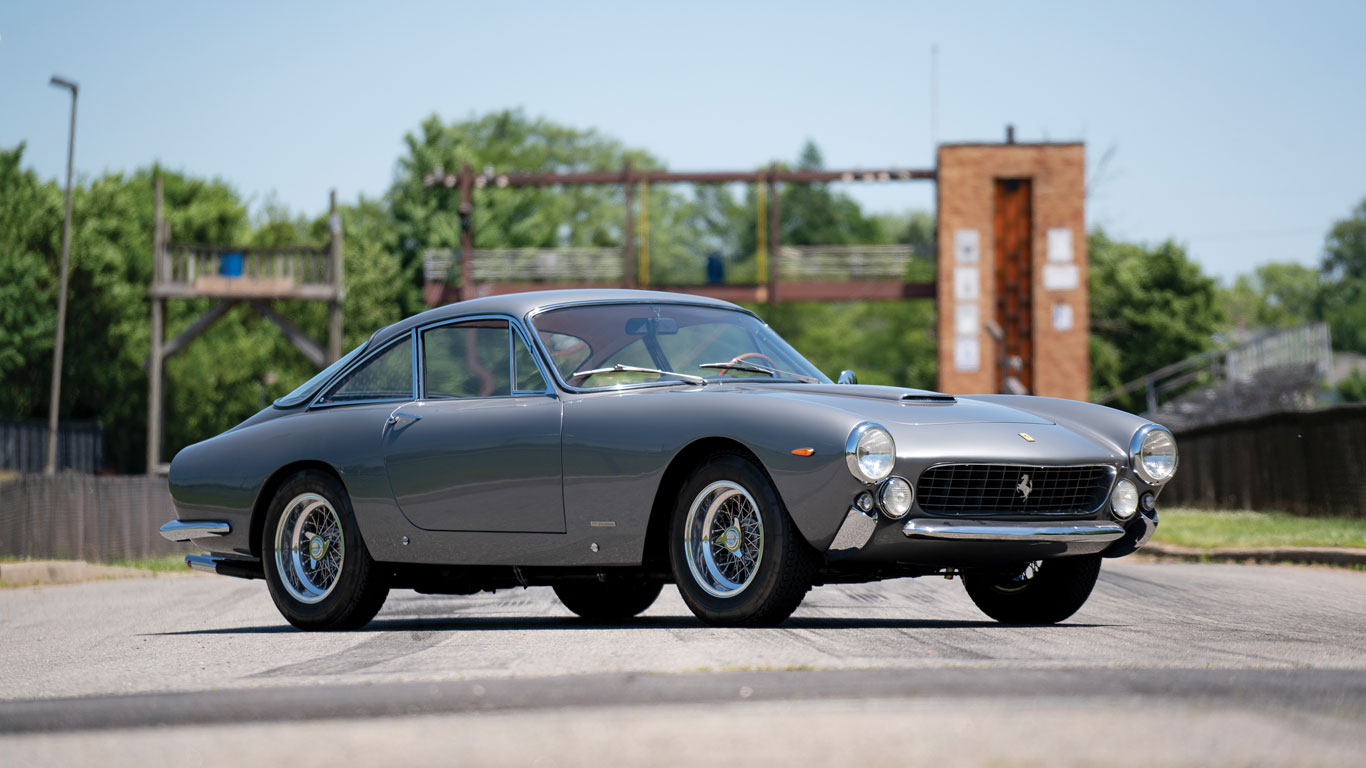
In 1962, Ferrari unveiled one of the most beautiful cars ever to wear the Prancing Horse, making it one of Pininfarina’s greatest hits. This is believed to be number 21 of 350 built, originally finished in Amaranto Italver and trimmed with a beige interior. In 1970, the car was repainted silver-grey metallic and reupholstered in black. It has changed hands numerous times, including a spell under the ownership of Wayne Carini of Chasing Classic Cars fame.
1961 Ferrari 250 GT Cabriolet Series II
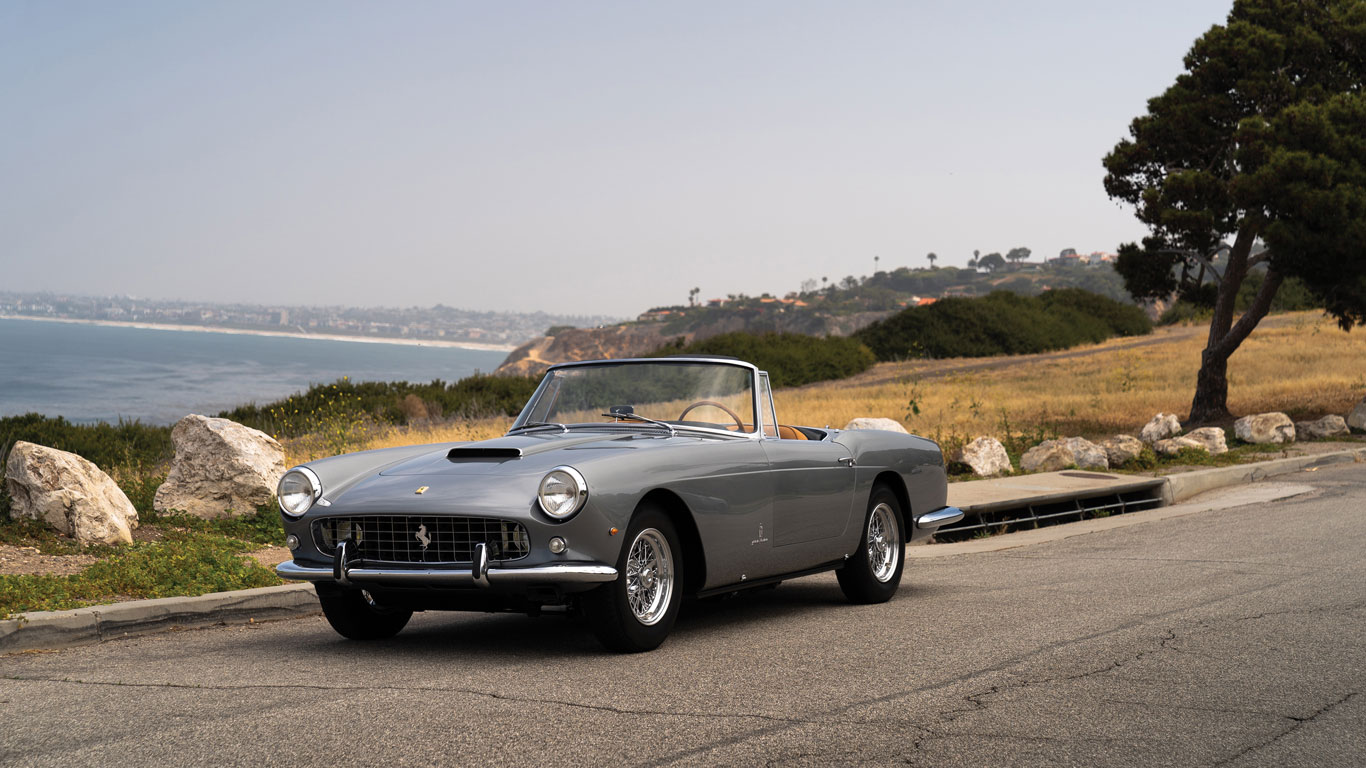
Only 200 examples of the 250 GT Cabriolet Series II were built, and this is one of just seven delivered in Grigio Fumo over Beige Pelle interior. This is number 131, completed in July 1961, and a direct sale to a Frenchman living in California. It was painted red in the late 80s, before being restored to its former glory under its current ownership.
1960 Ferrari 250 GT SWB
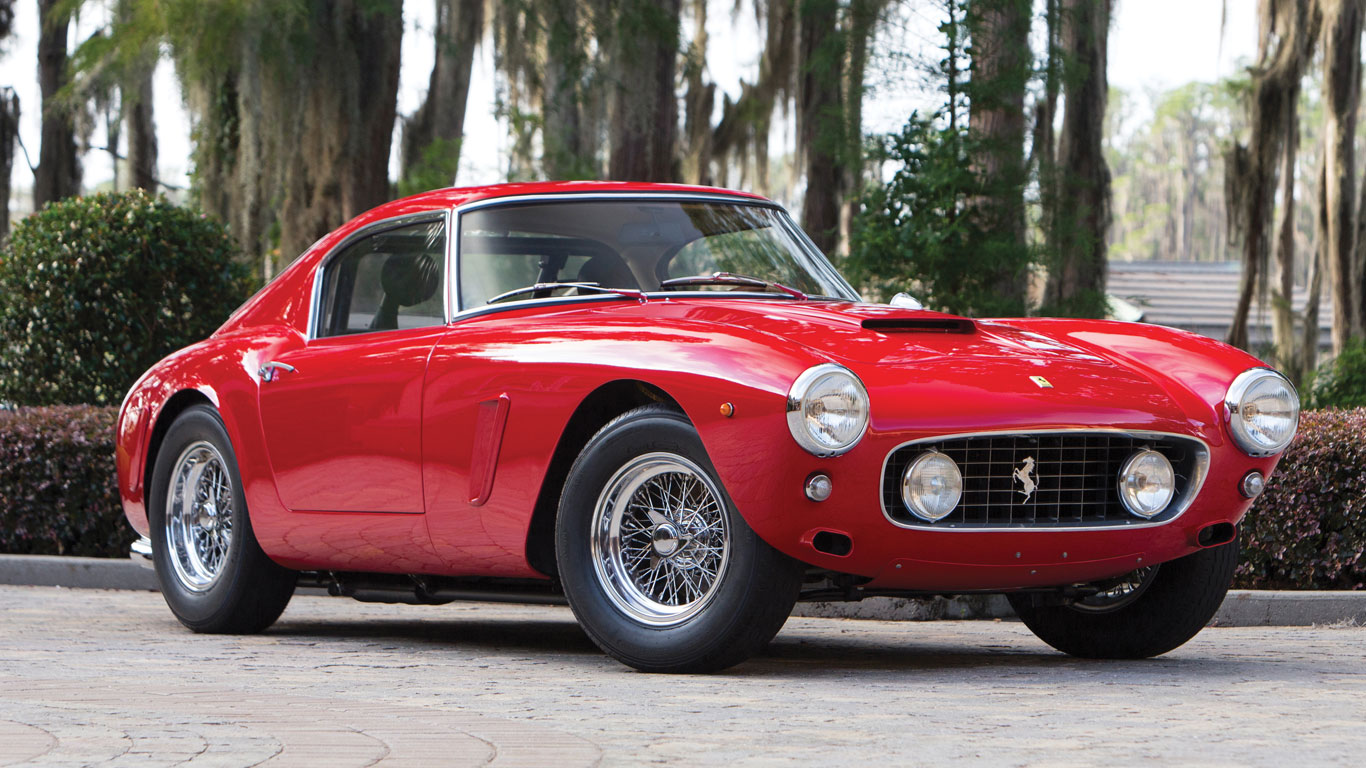
Unveiled in 1959, the 250 GT SWB featured a shortened wheelbase, Dunlop disc brakes and Ferrari’s Tipo 168 engine. Configurable to the client’s request, the cars were available in street or competition spec, with the latter receiving all-aluminium coachwork, competition carburettors and revised camshaft profiles.
1960 Ferrari 250 GT Cabriolet Series II
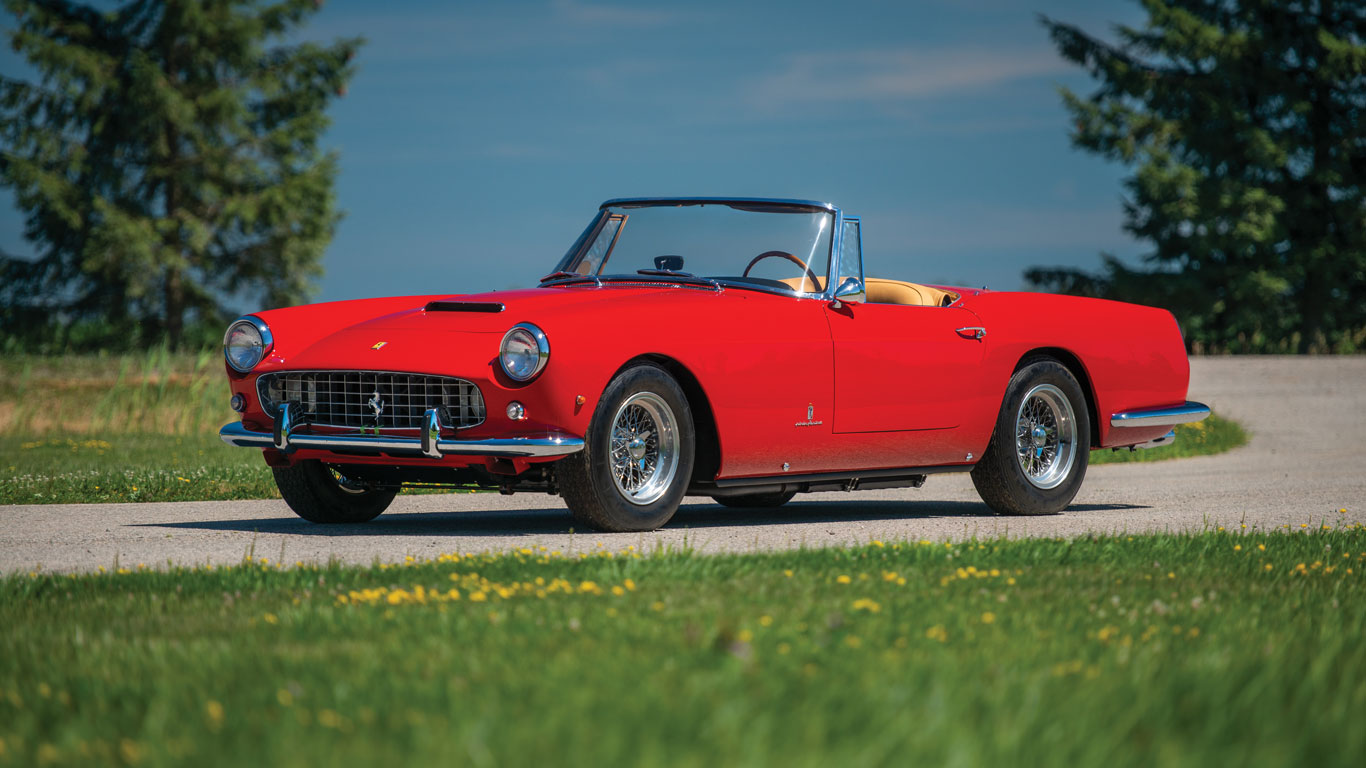
Formerly owned the CEO of Coca-Cola, this 250 GT Cabriolet Series II is expected to put the fizz into the Monterey sale. Lame puns aside, the Series II was unveiled at the 1959 Paris motor show and it showcased a raft of changes, including open headlights, a slightly more rounded nose and new rear lights. This is the 53rd second series cabriolet produced and is said to present “only minor patina” to its restoration.
1959 Ferrari 250 GT Coupe
By now, you’ve probably had your fill of Ferraris, but we’ll continue with the final four. Different sources claim different numbers, so this is either the 120th of 335 or the 120th of 355, delivered new a year after the car made its debut at the 1958 Paris motor show. It’s one of three delivered new in the stunning shade of Blu Genziana.
1958 Ferrari 250 GT Coupe
The first series of 250 GTs included 82 cars coachbuilt by Carrozzeria Boano, with a further 50 completed after the company changed its name to Carrozzeria Ellena. This is car number 23, delivered new through the Ferrari representative in Hollywood to Beverly Hills resident Cy Yedor.
1954 Ferrari 375 America Coupe
This is the actual car of the 1954 Geneva motor show and is one of just 12 375 Americas produced. In the words of RM Sotheby’s: “Each Vignale body was as tailored to its original purchaser as a fine suit, and unique as a snowflake.” This example features curving, torpedo-like flanks and a light, airy greenhouse with a wrap-around rear window. In addition to the Geneva show, it was also shown at the New York World Motor Sports Show at Madison Square Garden.
1953 Ferrari 250 MM Berlinetta
The final car, and also the oldest car in the Ferrari sale, this is a 1953 250 MM Berlinetta. Number 15 of 18 built, this car was displayed at the 1954 Swedish motor show and finished third in class at the Helsinki Grand Prix that same year. Remember, the RM Sotheby’s sale is part of Monterey Car Week and takes place on the 24 and 25 August 2018.
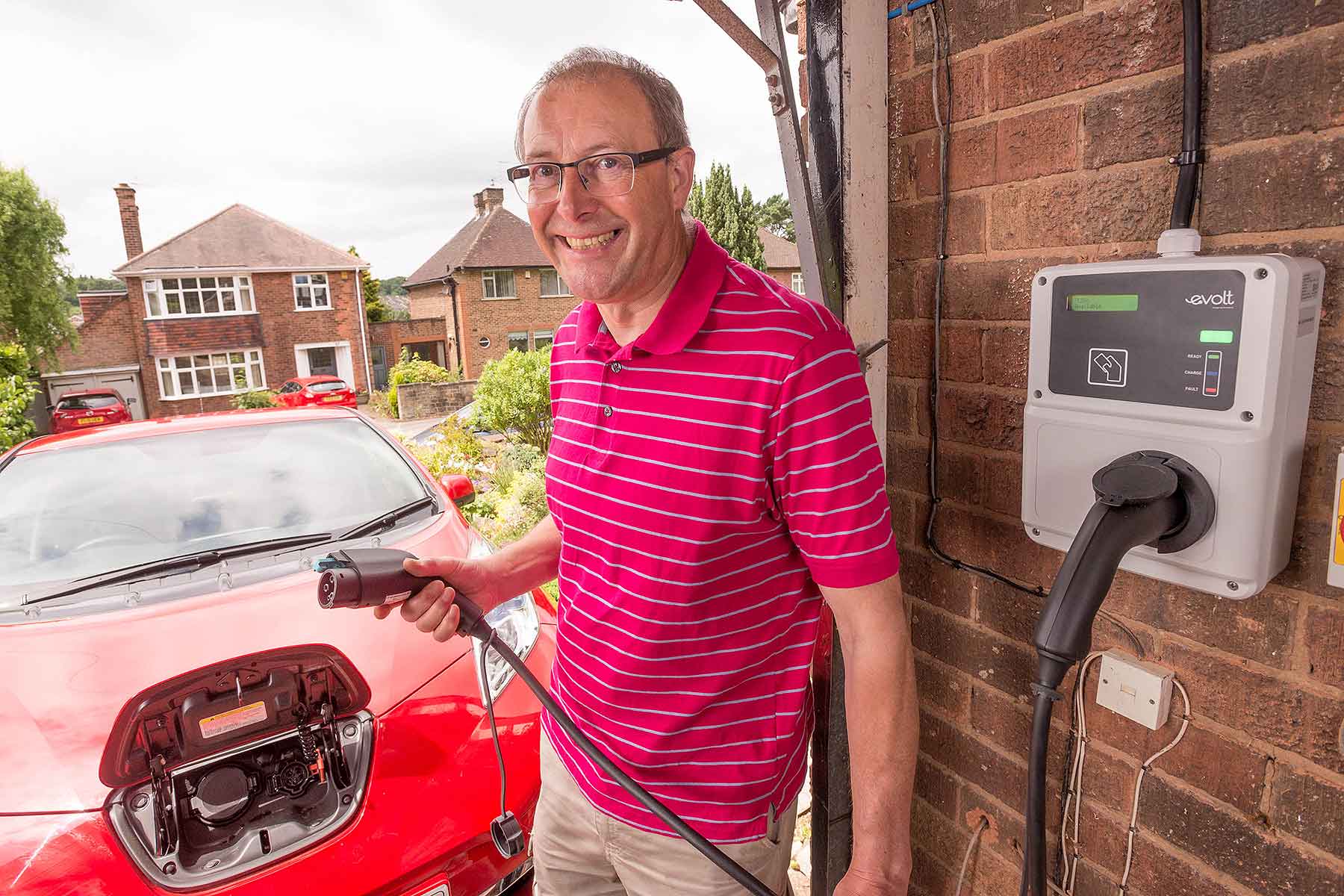
Owners of electric vehicles will be encouraged to recharge cars at times when electricity is cheaper, energy regulator Ofgem has announced.
According to the analysis published today, Ofgem says that if owners use ‘flexible charging’, where they only top up during off-peak times, at least 60 percent more EVs could be charged up compared with ‘inflexible charging’, where EVs are only charged at peak times.
If we use the electricity grids in a more flexible way more #electricvehicles can be charged , reducing the need for new power stations and extra grid capacity pic.twitter.com/cuns5f9DIF
This, the regulator claims, would avoid the need to upgrade the network structure. To achieve this, Ofgem is proposing the adoption of so-called ‘time of use’ tariffs, with cheaper electricity when there is less strain on the grid.
The flexible use of the grid will also accommodate more renewable forms of energy, such as wind and solar power.
Britain braced for a ‘radical transformation’
Jonathan Brearley, executive director, systems and networks, Ofgem, said: “Ofgem is working with the government to support the electric vehicle revolution in Britain, which can bring big benefits to consumers. Our reforms will help more users charge their electric vehicles and save them money.
“The proposals we have announced today will also harness the benefits of electric vehicles and other new technologies to help manage the energy system and keep costs down for all consumers. The way we generate, transport and use electricity – and power our cars – is undergoing a radical transformation in Great Britain.
“Ofgem will ensure that the energy system is fit for this exciting, cleaner future and at the lowest cost for consumers.”
Responding to a question about all EVs plugging in at the same time, Tom Callow, director of communications and strategy at Chargemaster, tweeted: “I hate to alarm you, but if we all boiled our kettles at precisely the same time, the grid would not cope.
“But, guess what? Just like the scenario where all EVs are charging at precisely the same time… it will not happen!”
Quite right, there are nowhere near enough charging points. 😉
To benefit from the incentives, EV drivers will require a smart meter installed at their home, as well as an electric charger. Ofgem says it will work with the industry to overhaul energy system rules, and hopes to put the reforms in place between 2022 and 2023.
Read more:
Now’s your chance to buy the ‘Back to the Future’ DeLorean!
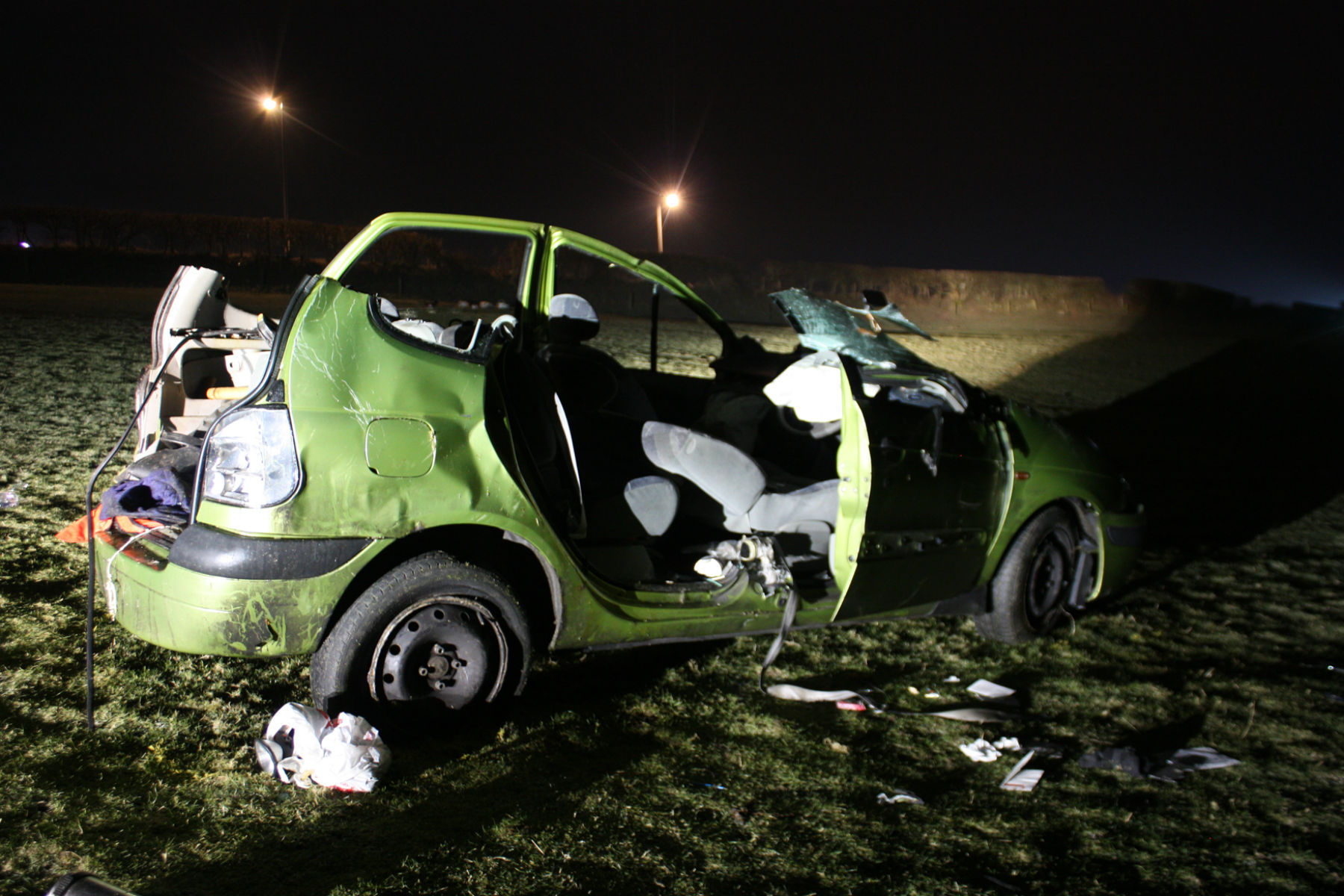
Driving is increasingly been perceived as a major threat to teenagers’ safety, reveals new research by the AA Charitable Trust – more so, in fact, than gun or knife crime.
Seventeen percent of respondents say driving is the single biggest risk to the safety of teenagers. A decade ago, when the survey was first carried out, the figure stood at just 11 percent – that’s a 50 percent increase.
And despite headlines in the news, gun and knife crime have now dropped below driving in the list of risks to teen safety. Sixteen percent rank these top: 10 years ago, the figure stood at 25 percent.
It’s a striking reversal that Joshua Harris, director of campaigns for road safety charity Brake, feels is long overdue. “With the perception of the dangers facing young drivers finally catching up to the reality, it is clear that the Government must take decisive action in order to protect young lives.”
Globally, road accidents are the single biggest killer of teenagers. In the UK, 889 16-19-year-olds were killed or seriously injured in cars in 2016.
“Young people are far more at risk in a car than they are from gun or knife crime,” said AA Charitable Trust director Edmund King.
“Young drivers have been a particular focus for us and it is good that the message about the risks they face on the roads is finally starting to sink in.”
Graduated Driver Licensing
What’s the solution, argues Brake’s Harris? One possible answer is a Graduated Driver Licensing (GDL) system. It “is proven to work and has public and parliamentary backing”.
Such a system could involve a 12-month learner period, an initial test, then an additional probationary period. This would allow independent driving, but with restrictions such as late-night curfews.
“We urge the Government to introduce this safer licensing system as a matter of priority. For far too long, young lives have been ruined and lost on our roads,” said Harris.
Read more:
Now’s your chance to buy the ‘Back to the Future’ DeLorean!
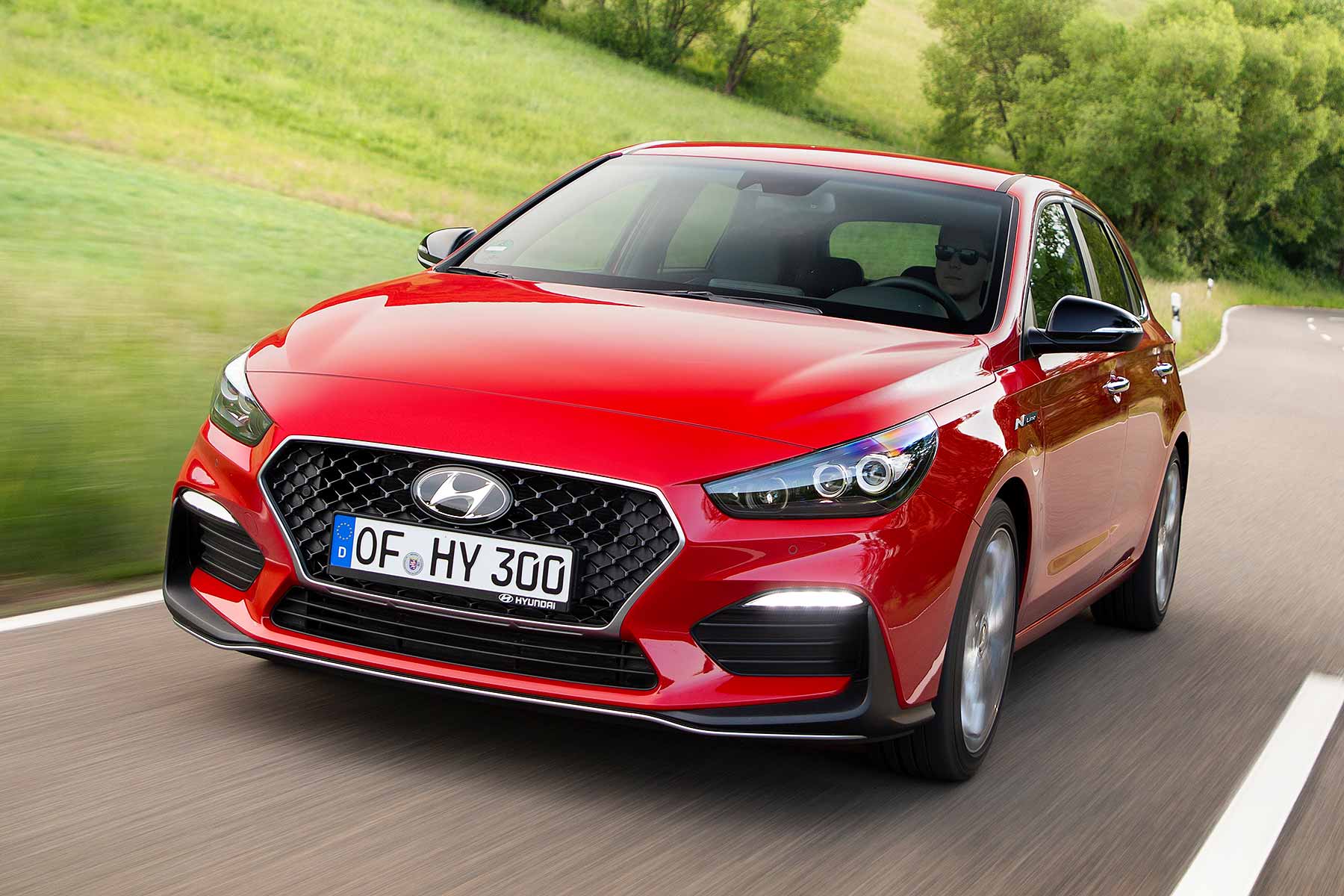
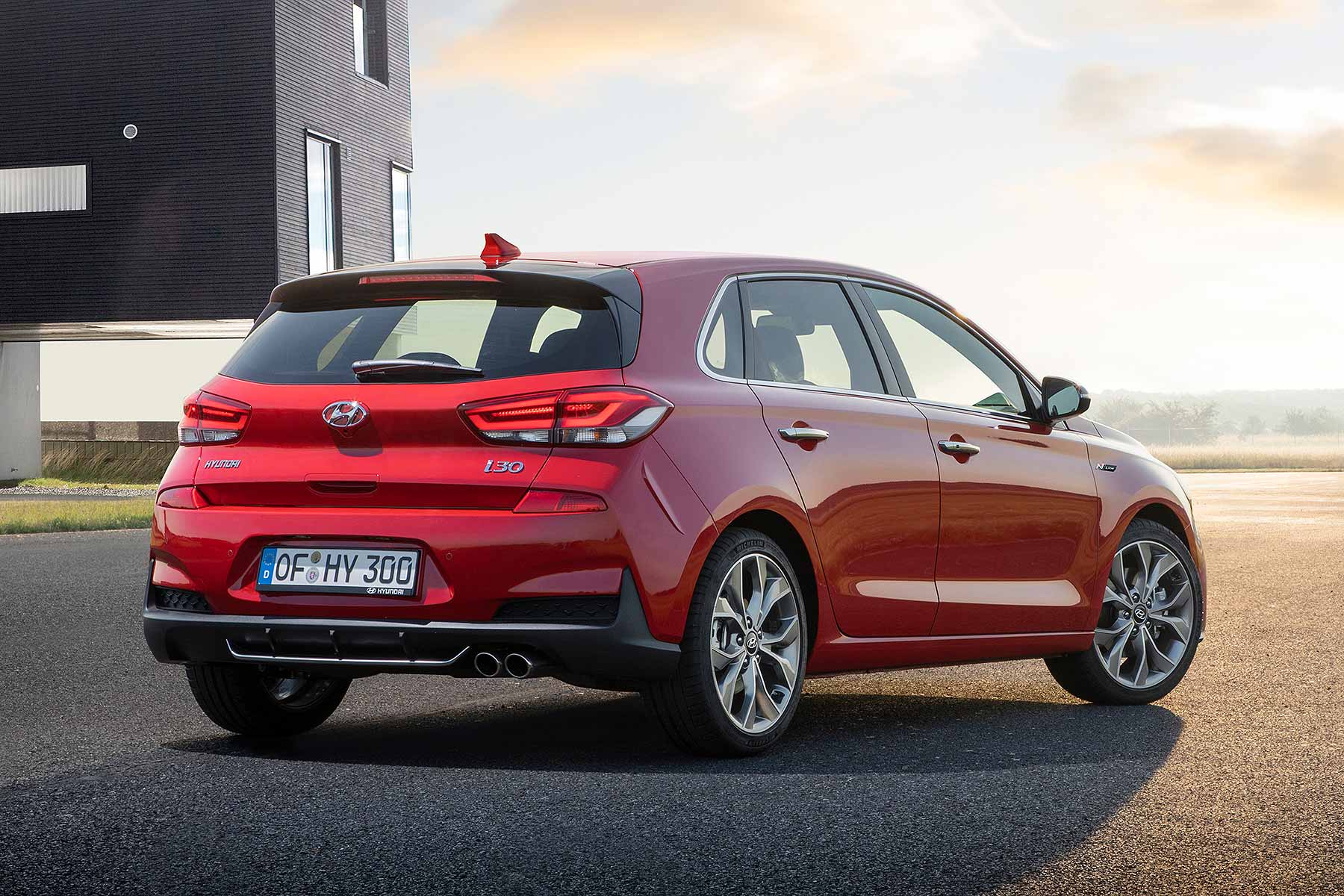
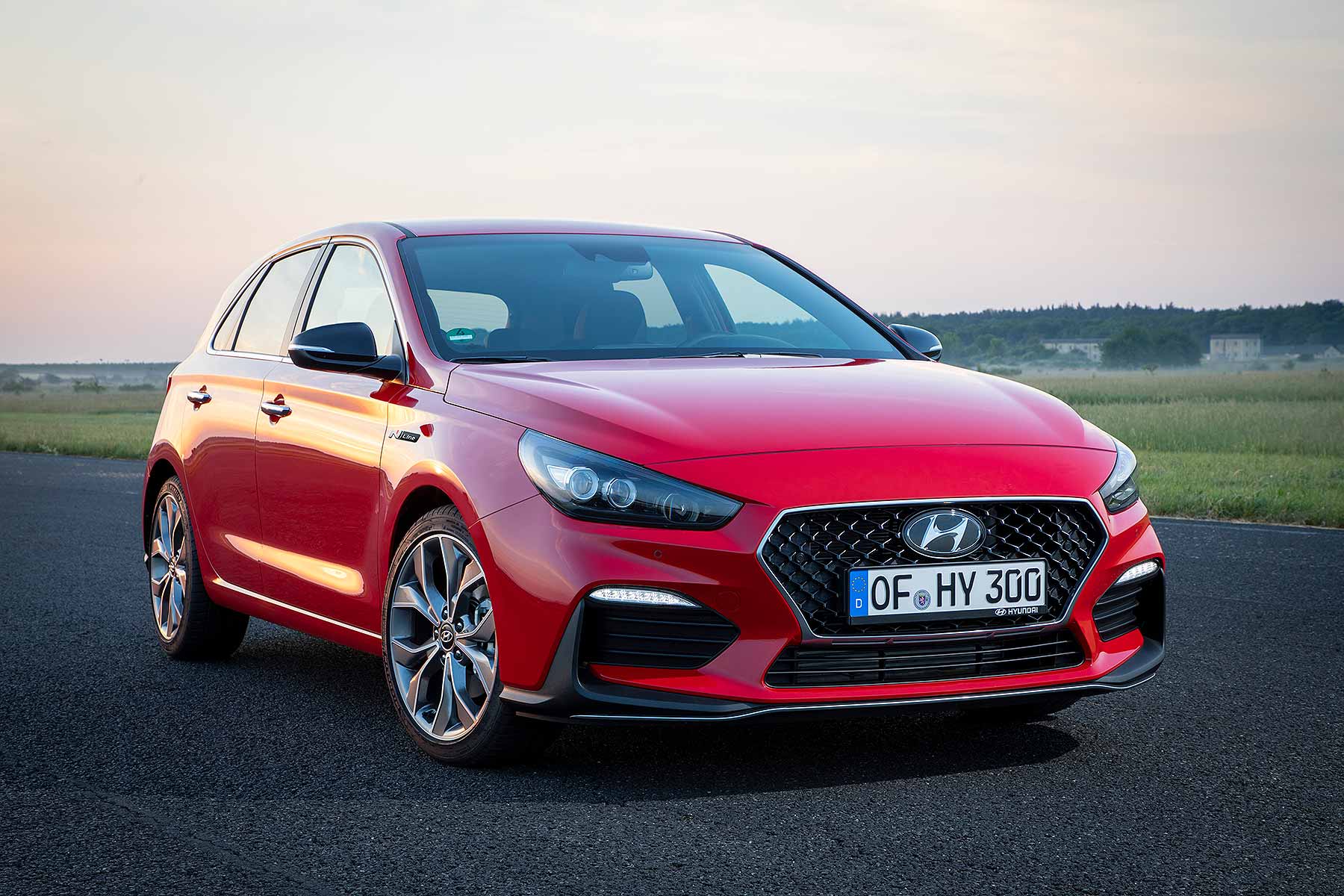
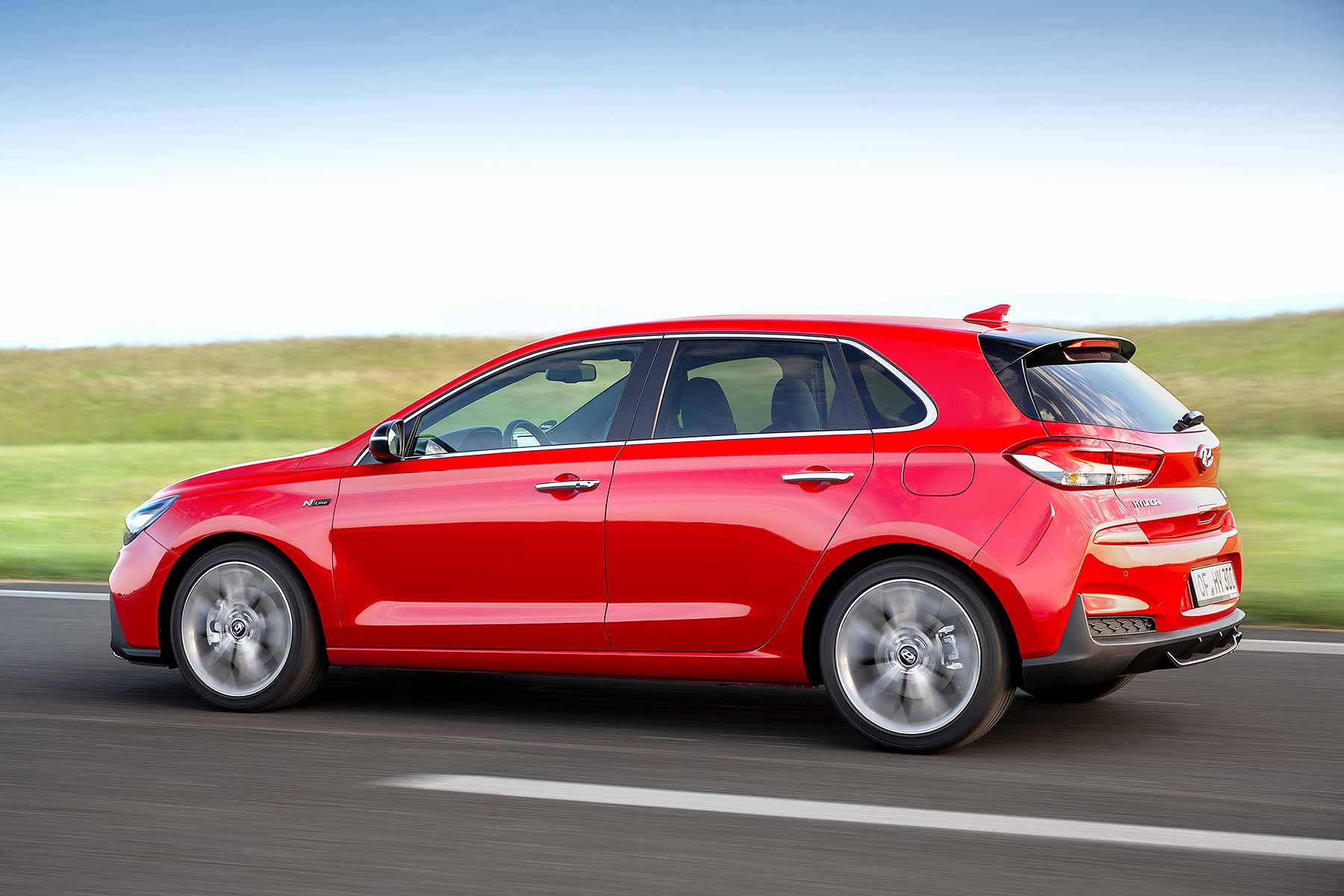
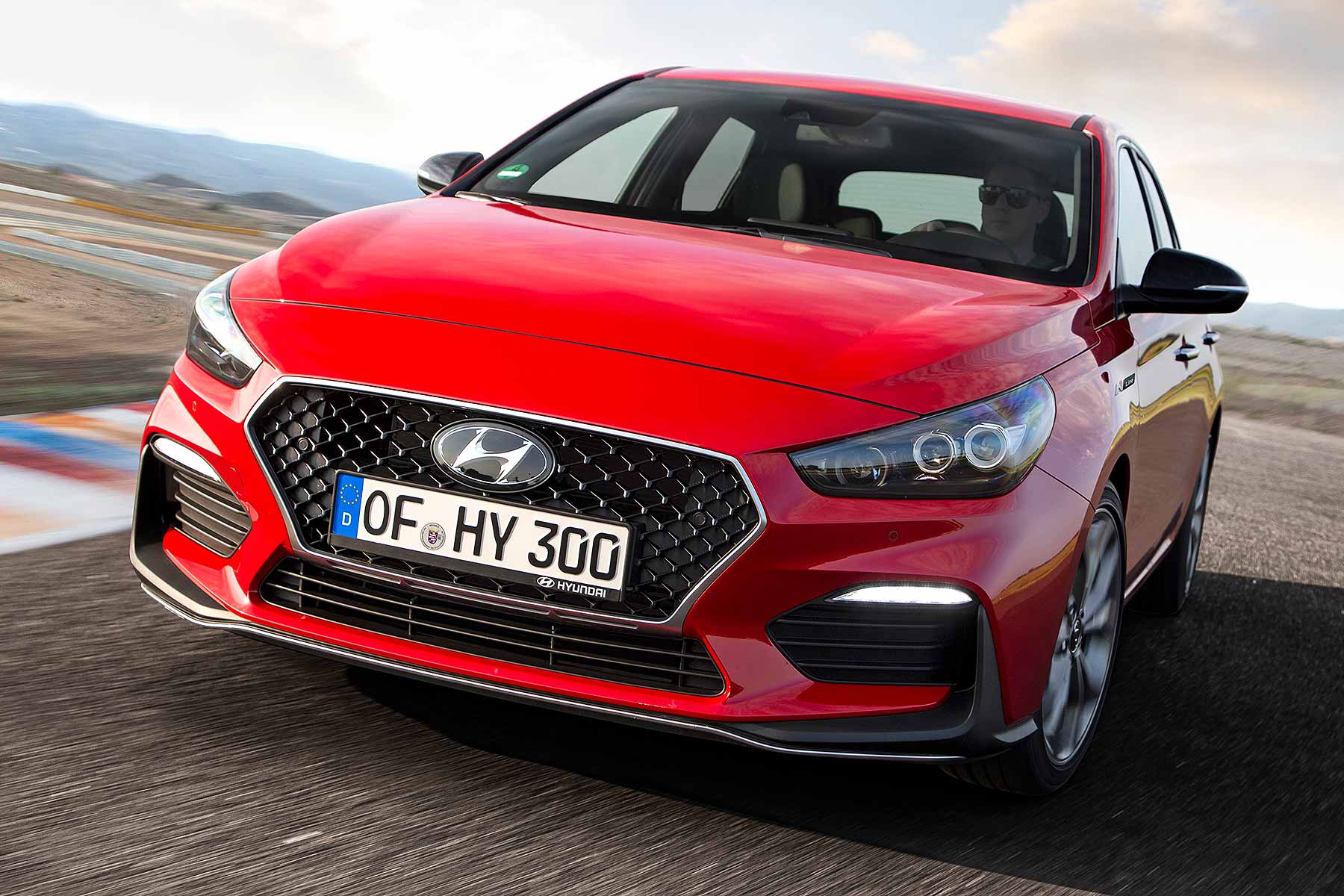
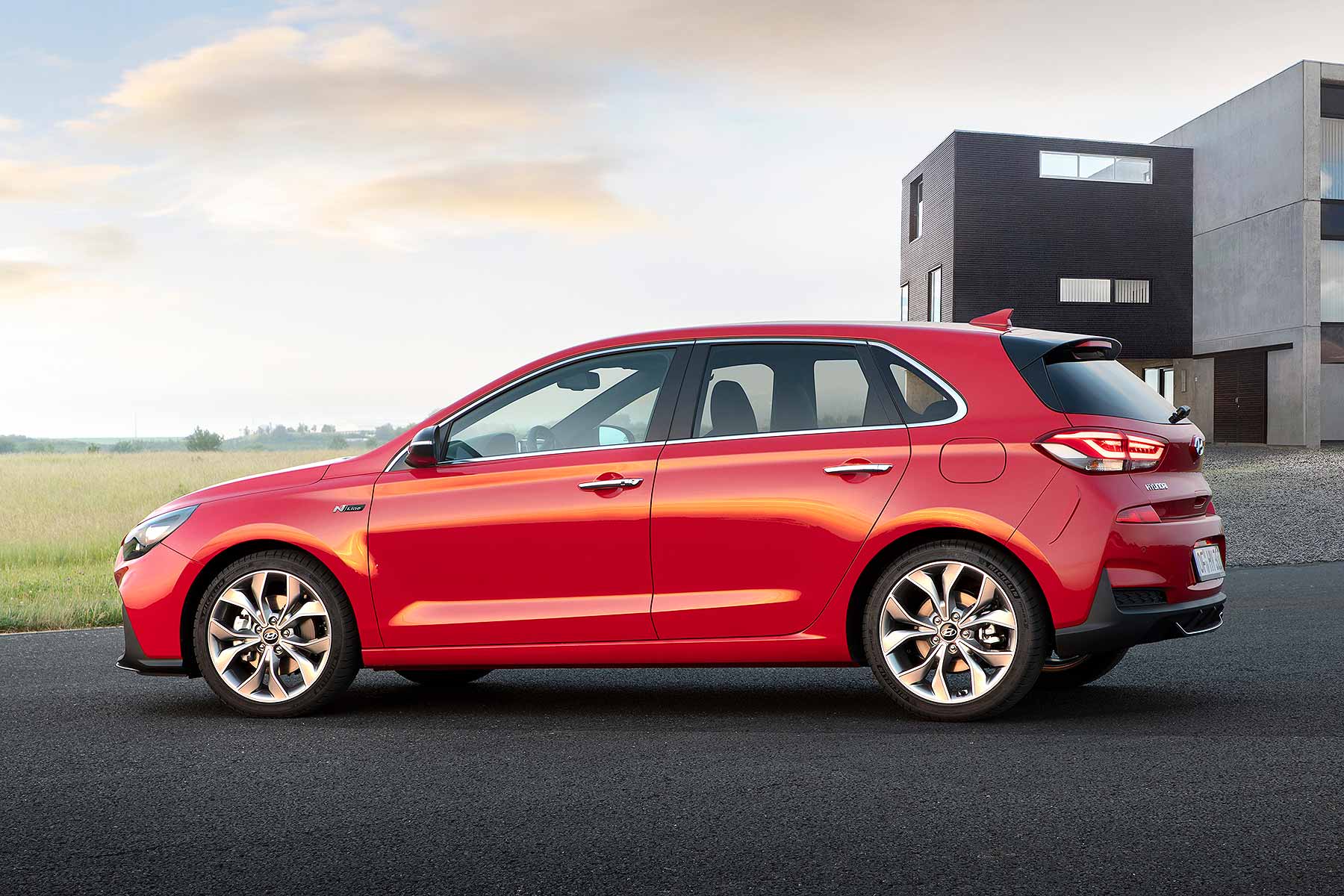
The new Hyundai i30 N Line is a ‘warm’ alternative to the i30 N hot hatch, which has so impressed critics since launch. It follows a tried-and-tested formula of combining a sporty appearance with a more fuel-efficient engine.
Unlike rivals such as the Volkswagen Golf R-line and Ford Focus ST-line, the i30 N Line is only offered with a single engine – and it’s a petrol, not a diesel. The 1.4-litre T-GDI motor produces 140hp, positioning it suitably far from the 250hp 2.0-litre turbo i30 N and 275hp N Performance.
Sales start in the summer, and prices will be announced soon.
N Line, looking fine
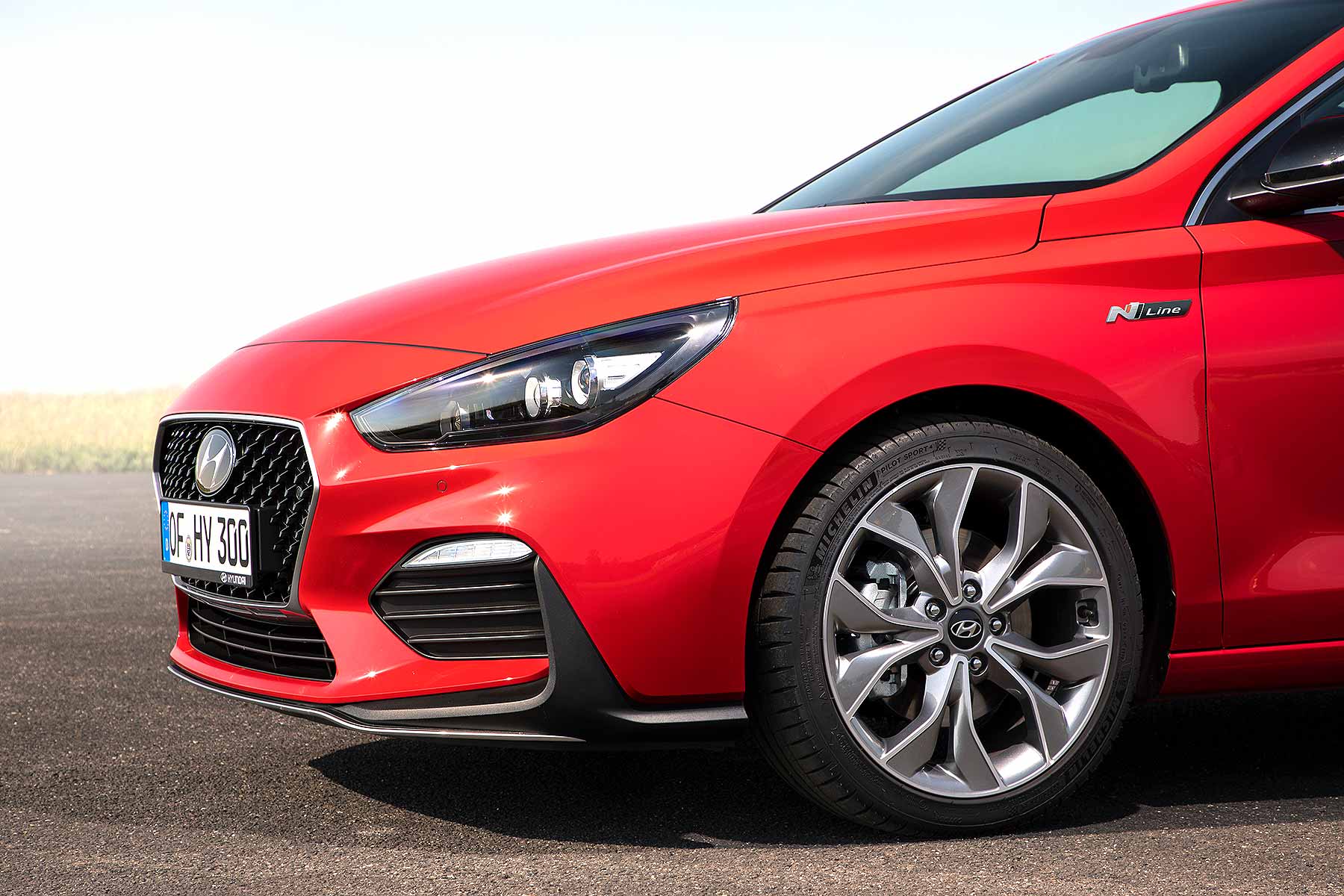
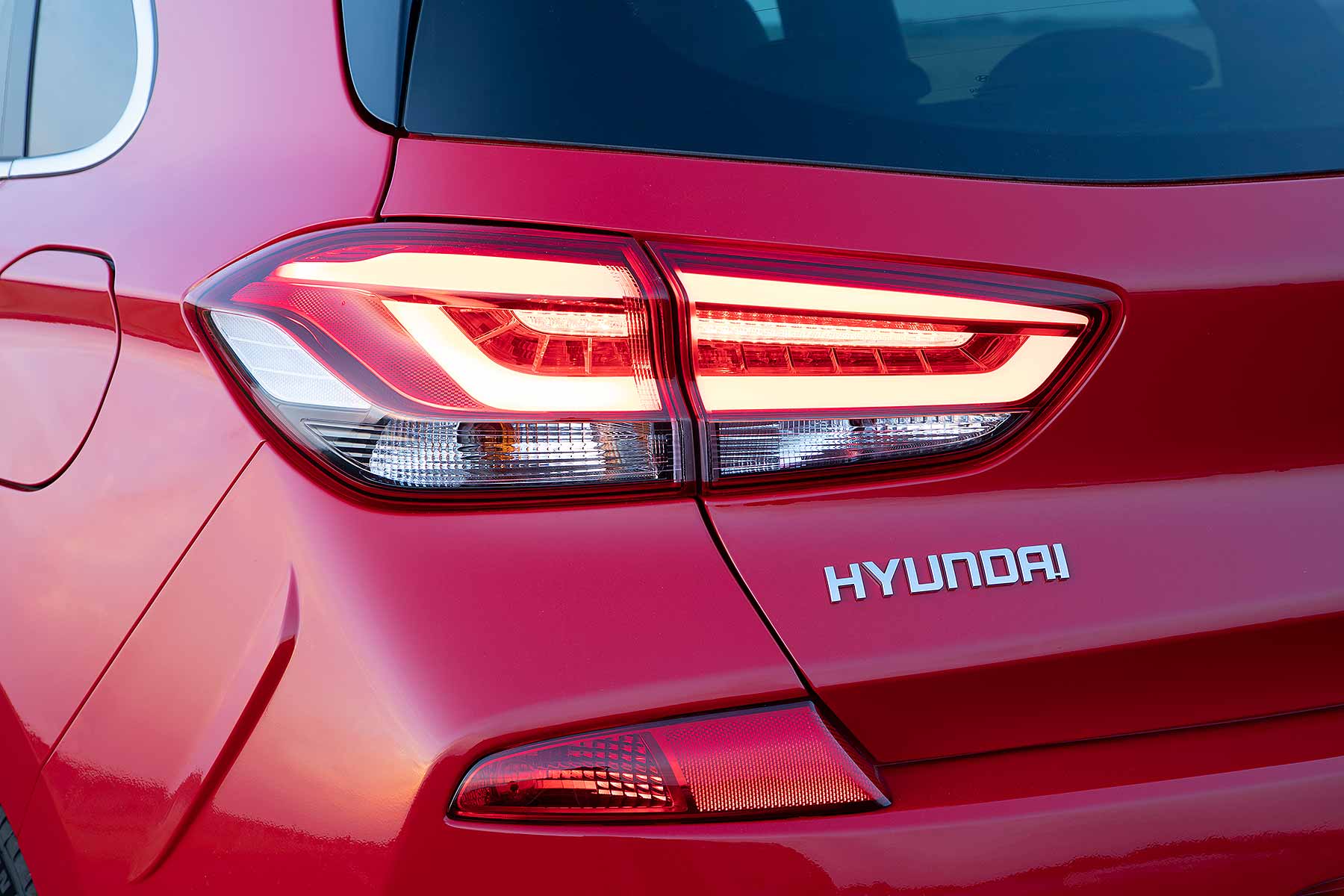
Typical of the breed, the i30 N Line gets special logos, new front and rear bumpers that carry an ‘N Line’ silver paint strip, twin exhausts and, for the first time on a five-door i30, 18-inch wheels. The black roof spoiler is a neat addition, and black door mirrors also help it stand out from the regular car.
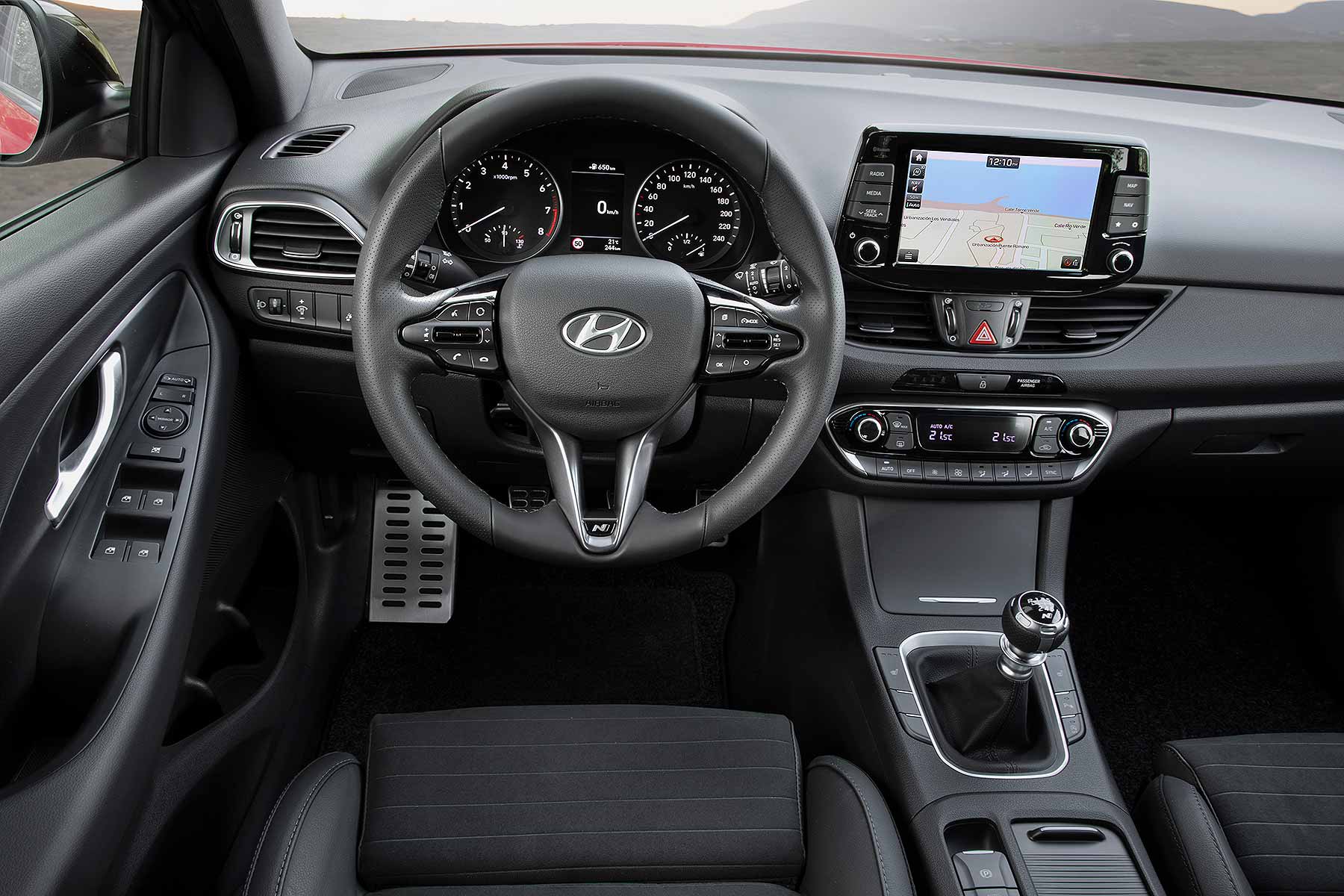
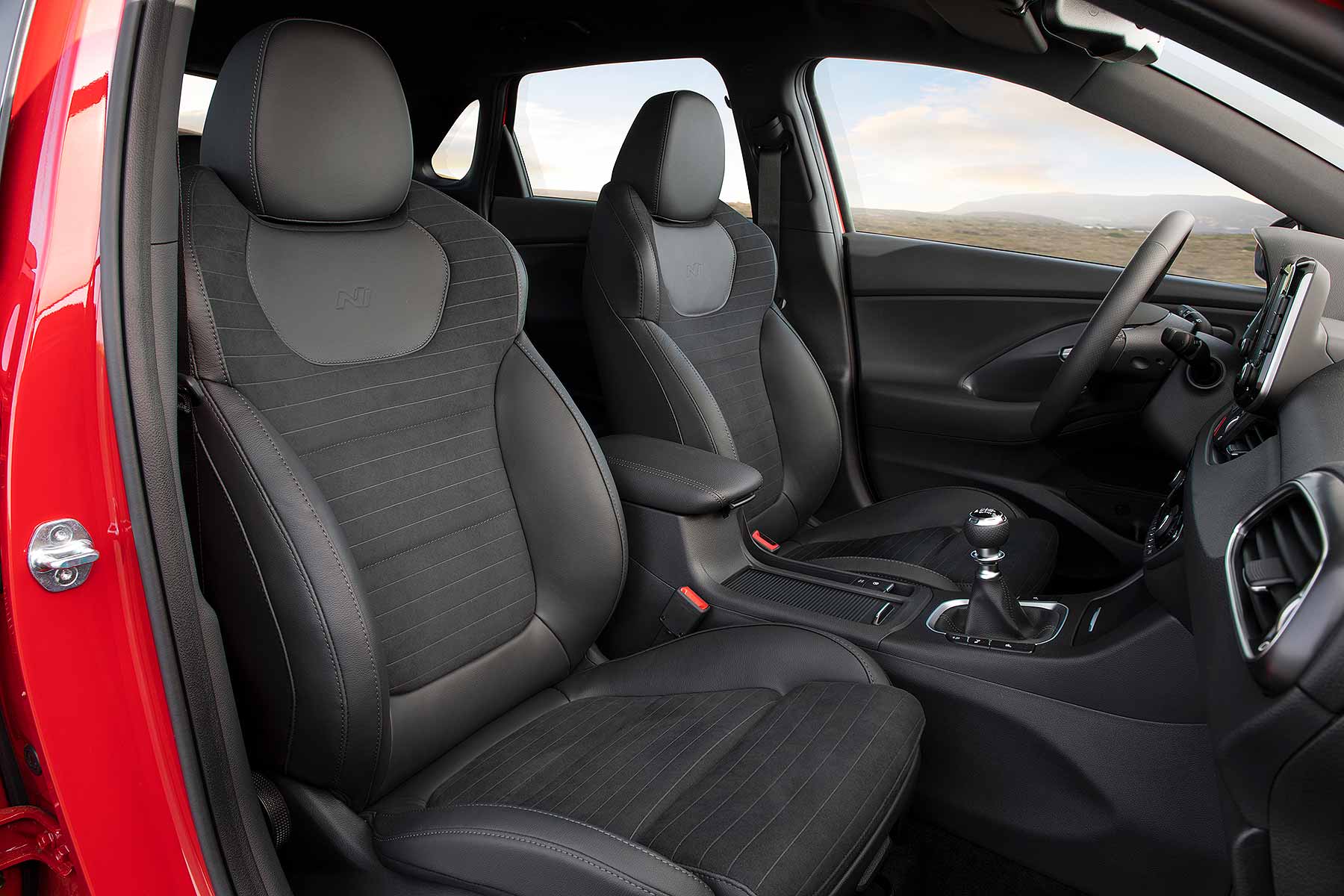
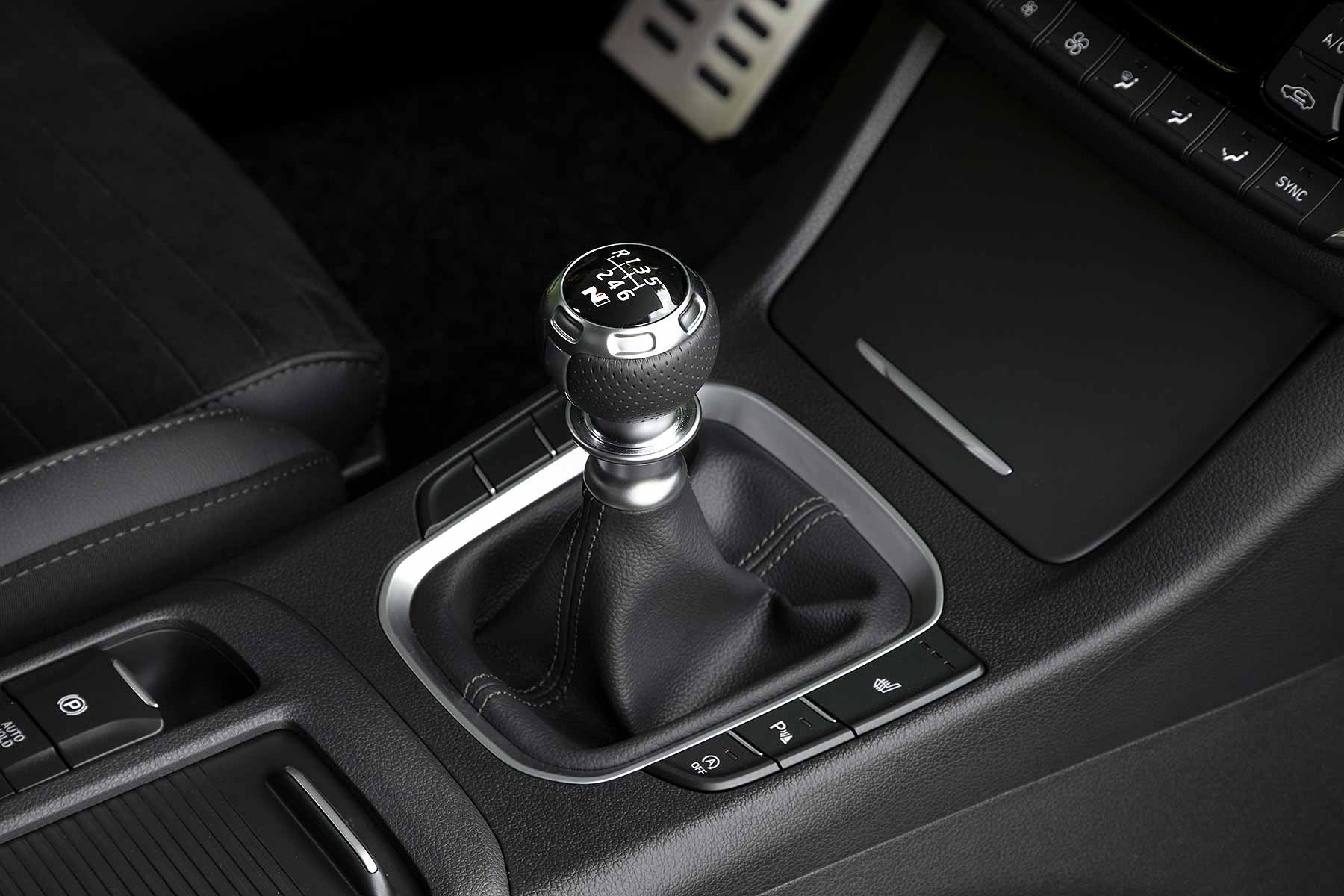
There’s a perforated leather steering wheel and N gearknob inside, plus Hyundai’s offering a set of N-branded suede sports seats. It otherwise looks little different to other i30s inside, presumably to keep costs sensible.
Mind you, Hyundai has, pleasingly, spent more on sharpening up the underpinnings – something that isn’t always guaranteed with this type of car. The firm says the suspension has been tuned to make it feel a bit sportier, and the response of the engine has also been sharpened up.
Bends and brakes
Michelin PS4 performance tyres are fitted, too, along with larger brake discs – an interesting move, given that the engine doesn’t have any more power. Presumably Hyundai is assuming people will be driving it harder, so will have more need for a decent set of anchors.
Andreas-Christoph Hofmann, vice president of marketing and product at Hyundai Motor Europe, rather forgettably said: “Our i30 N has been hugely successful since launch, showcasing our capabilities in high-performance engineering and emotionalising our brand with its fun-to-drive factor.
“Now we are extending that feeling to a wider audience with the new i30 N Line. We believe the comprehensive package of design and engineering enhancements will continue to attract more new customers to the Hyundai brand in Europe.”
100,000 people are going to visit Silverstone Classic 2018 – and how do they get there? Why, they drive, of course. And if you’re going to such a mecca for car enthusiasts as Silverstone Classic, you want to get there in style, no?
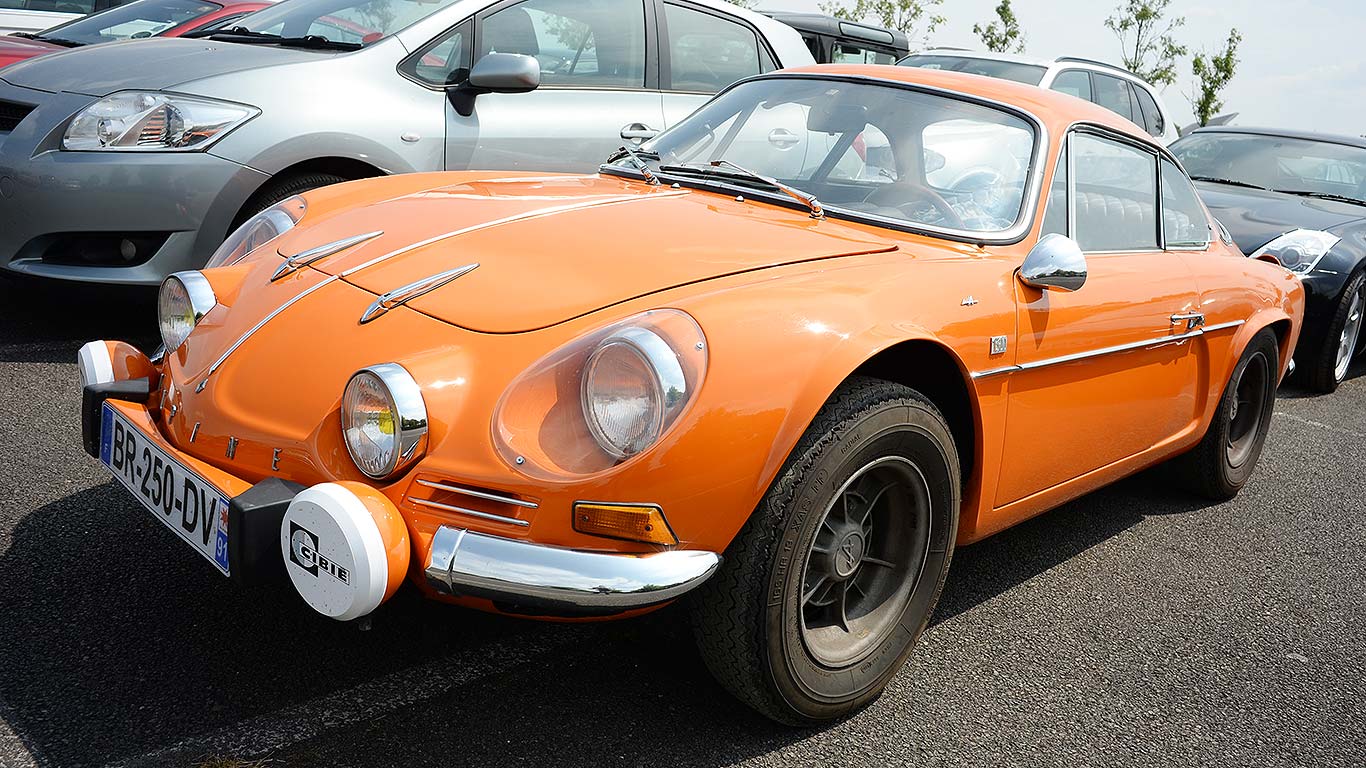
The gems hidden between the SUVs and the hatchbacks at this year’s event prove that many people have heeded this advice. Some even went the extra mile, by driving their beloved classics across continents to reach Silverstone – we’re doffing our caps to you, French driver of this orange Alpine A110.
Join us for a walk around some of the classics visiting Silverstone Classic 2018.
Porsche 991 911 GT3
We love this 911 GT3 owner. They have chosen a wonderful colour, fitted Porsche 70 logos on the doors – and gone for the full Le Mans 24 Hours look with yellow headlight covers. Divine.
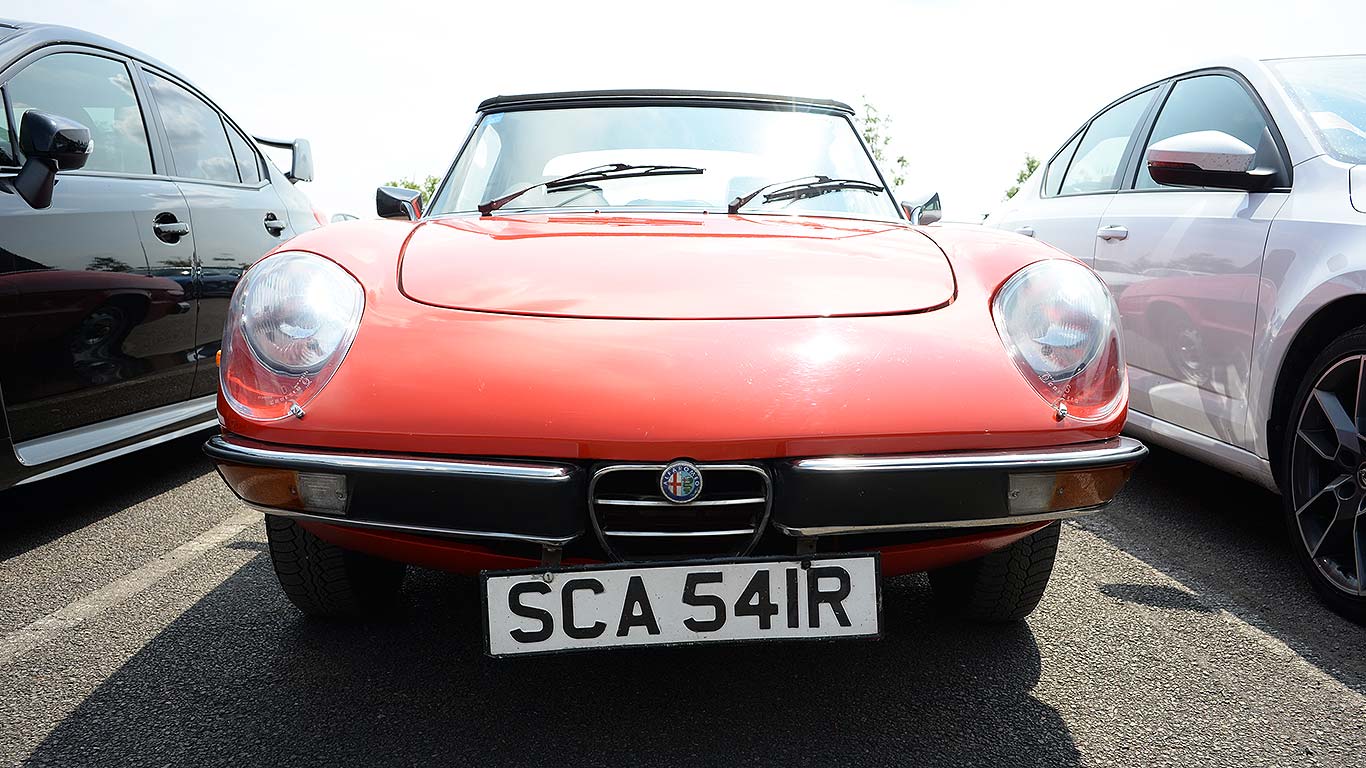
Alfa Romeo Spider
How period is this Alfa Romeo? Even the wonky number plate is in keeping, and the patina seems thoroughly original. Spider owner, please leave it just like this!
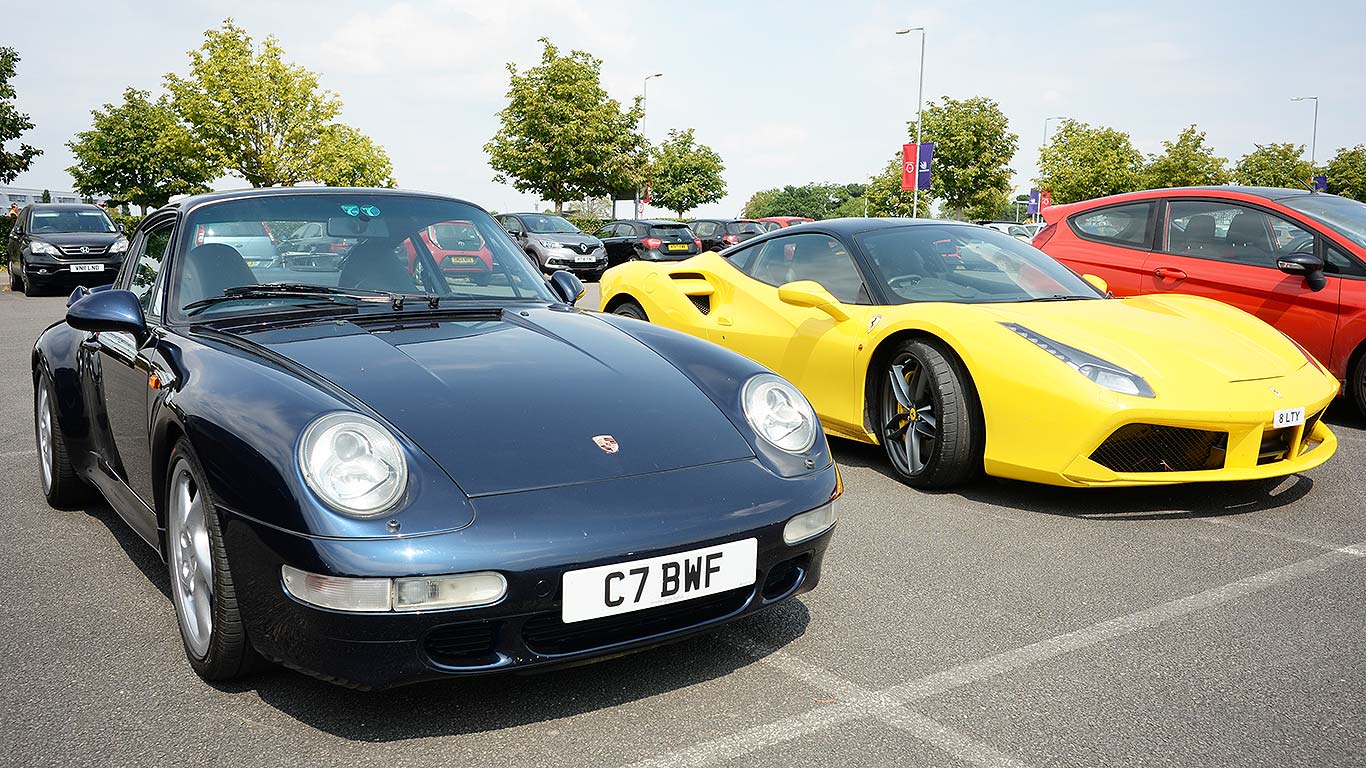
Porsche v Ferrari
OK, so which would you have: period Porsche 993 911 or a brand-new Ferrari 488 GTB?
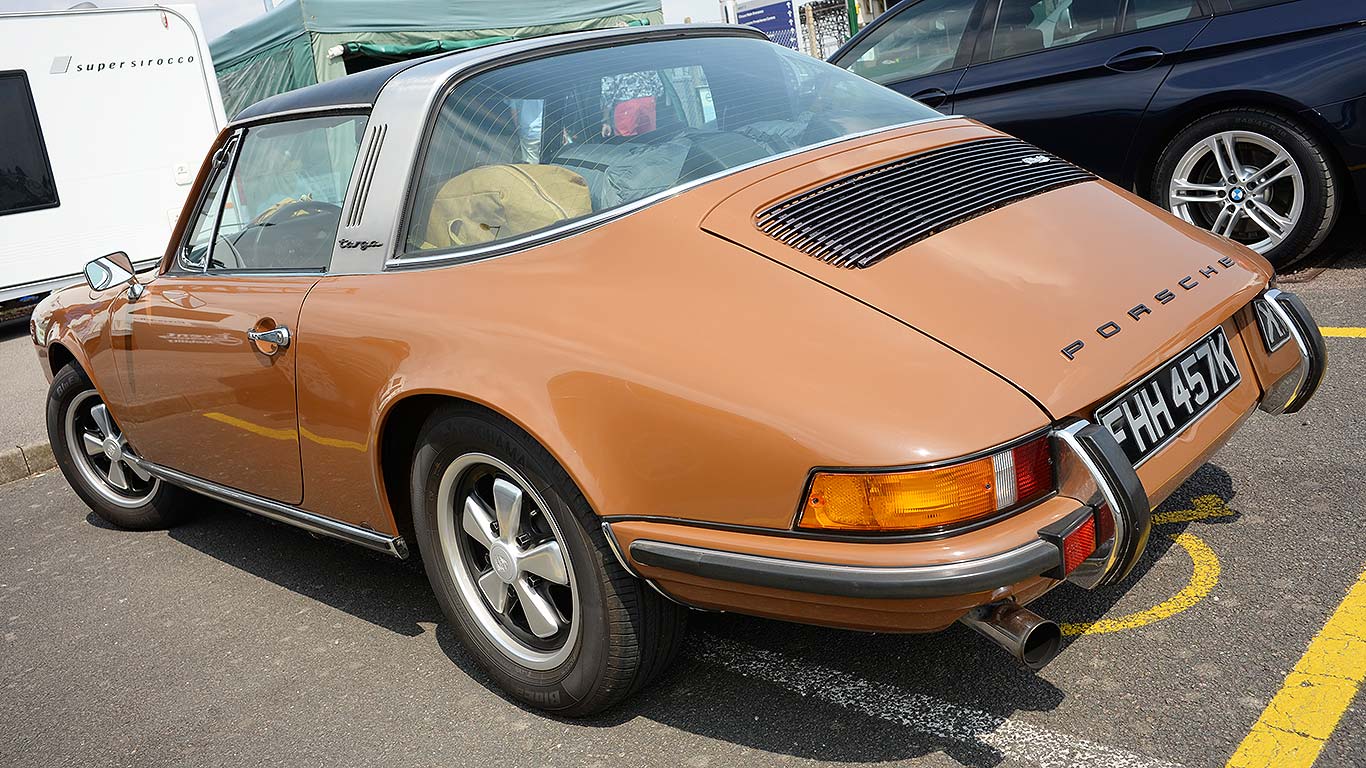
Porsche 911 Targa 2.4
Brown was a cool colour in the 1970s. It was like, ooh, matt grey is today. After, ahem, just a few years in the wilderness, it’s becoming cool all over again.
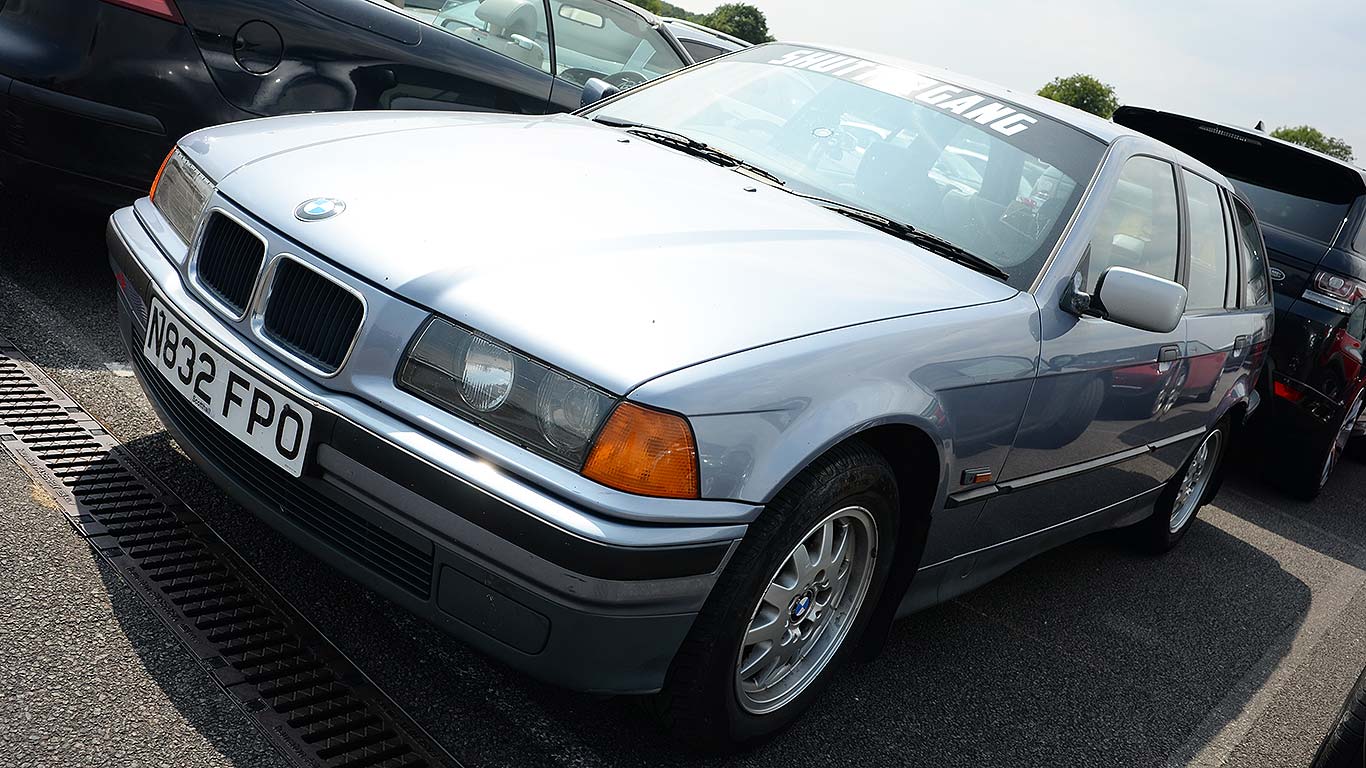
BMW E36 3 Series Touring
These lovely BMWs are developing a growing following, now people have realised how great they look and how rare they’re becoming. Props to this car’s owner for their subtle mods – the stance is to die for.
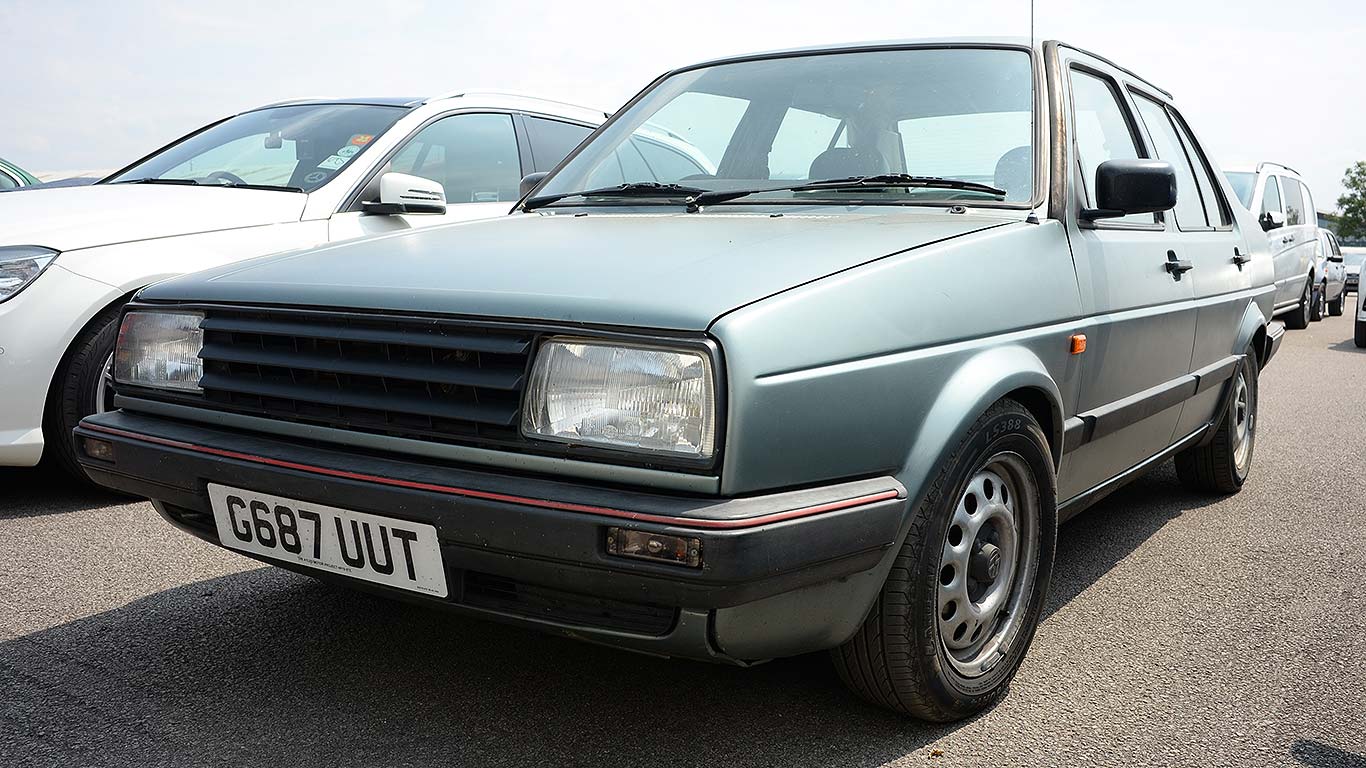
Volkswagen Jetta
The scene for Volkswagens is obviously strong, and it’s slightly rarer choices like this Golf GTI-engined Jetta that the fans celebrate.
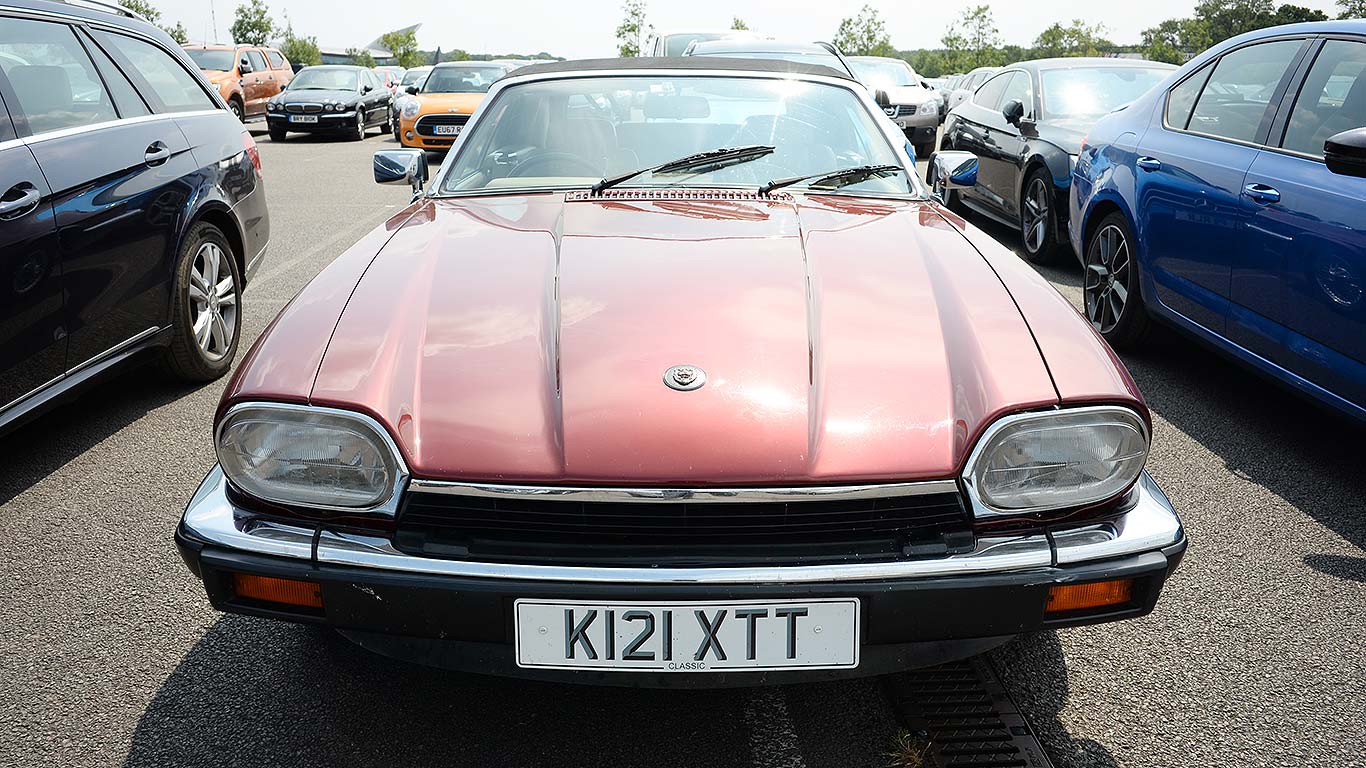
Jaguar XJ-S
A relatively late-model XJ-S and, resplendent in red, it looks like an extremely well-loved machine indeed. Saintly.
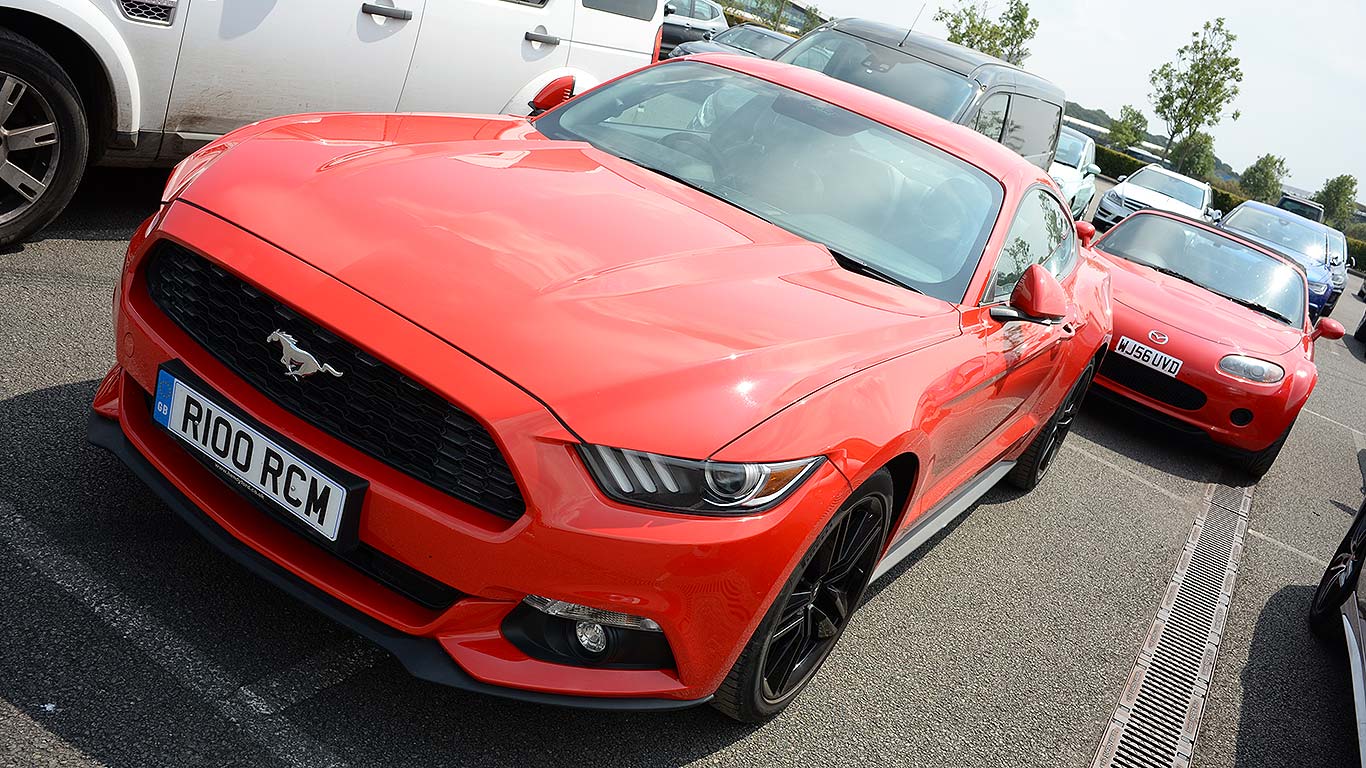
Ford Mustang and Mazda MX-5
We get Mustangs in the UK! In right-hand drive! It’s still so cool. We also get Mazda MX-5s, and have done for years. That’s why there are dozens of them at any British enthusiast event you may care to visit.
Alfa Romeo 145 Cloverleaf
The Cloverleaf had the raspy, revvy Alfa twin-cam 2.0-litre, putting out a tasty 155 horsepower. Apparently, the reason why the cloverleaf badge is blue rather than green is because it’s faded…
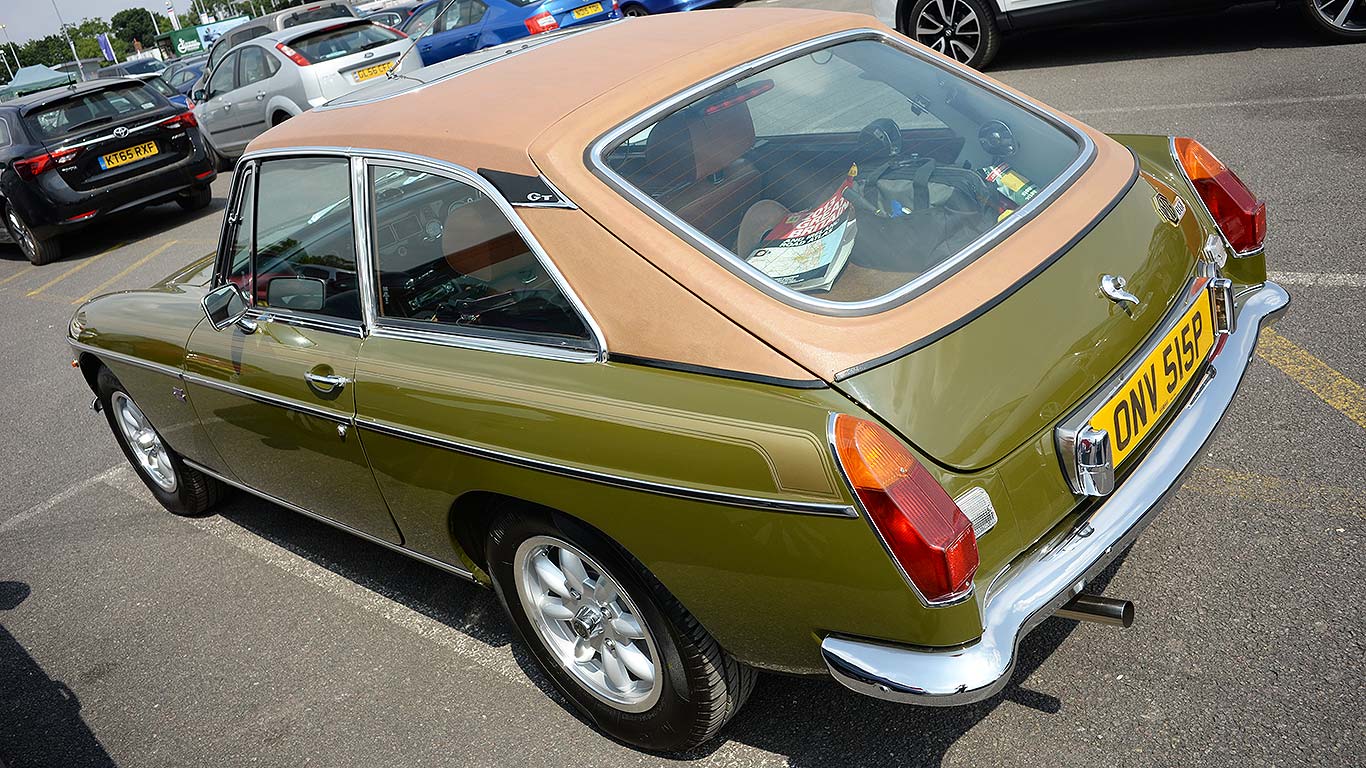
MGB GT
We all know that vinyl roofs are cool. What, you don’t think they are? Look at the image above some more and let us know when you’ve seen the light.
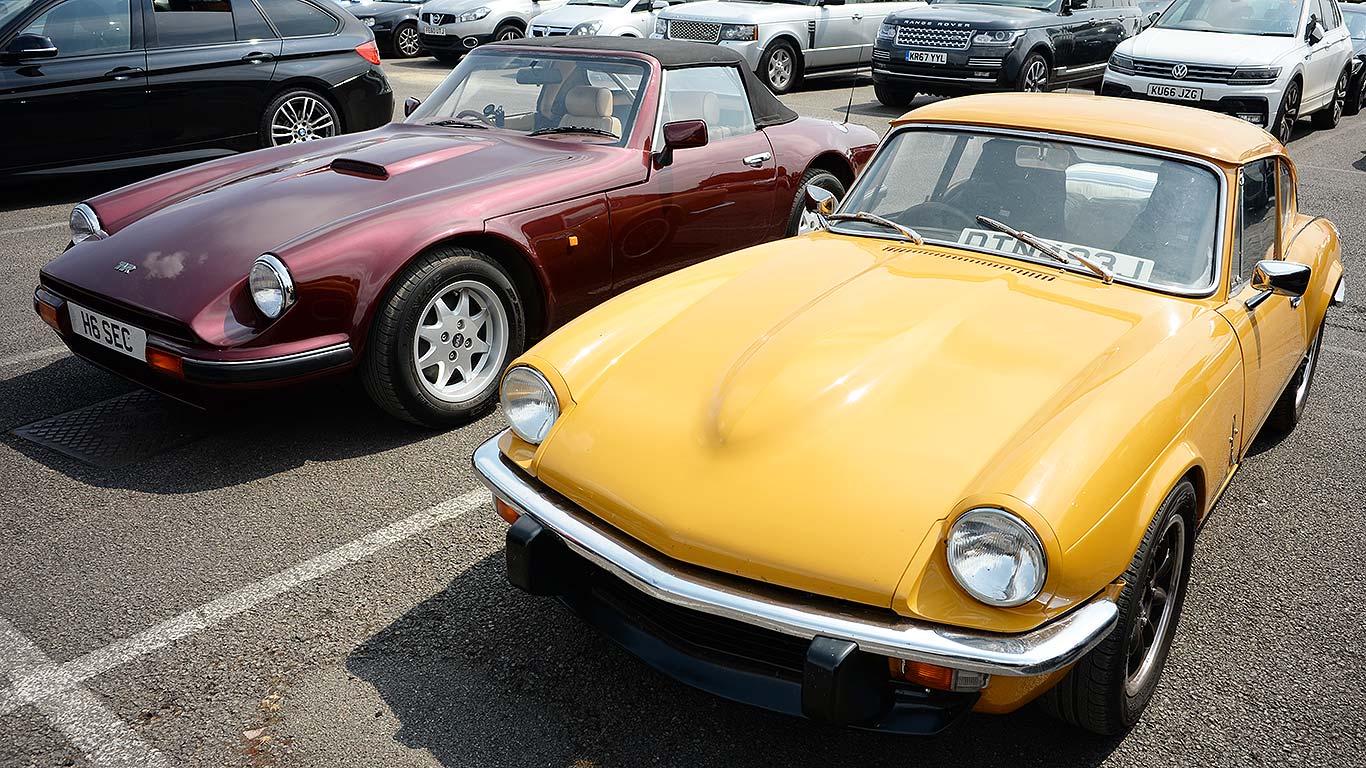
TVR S Series and Triumph Spitfire
Two classic British sports cars, both with the British sports car ‘look’. One of them has a little bit more power than the other.
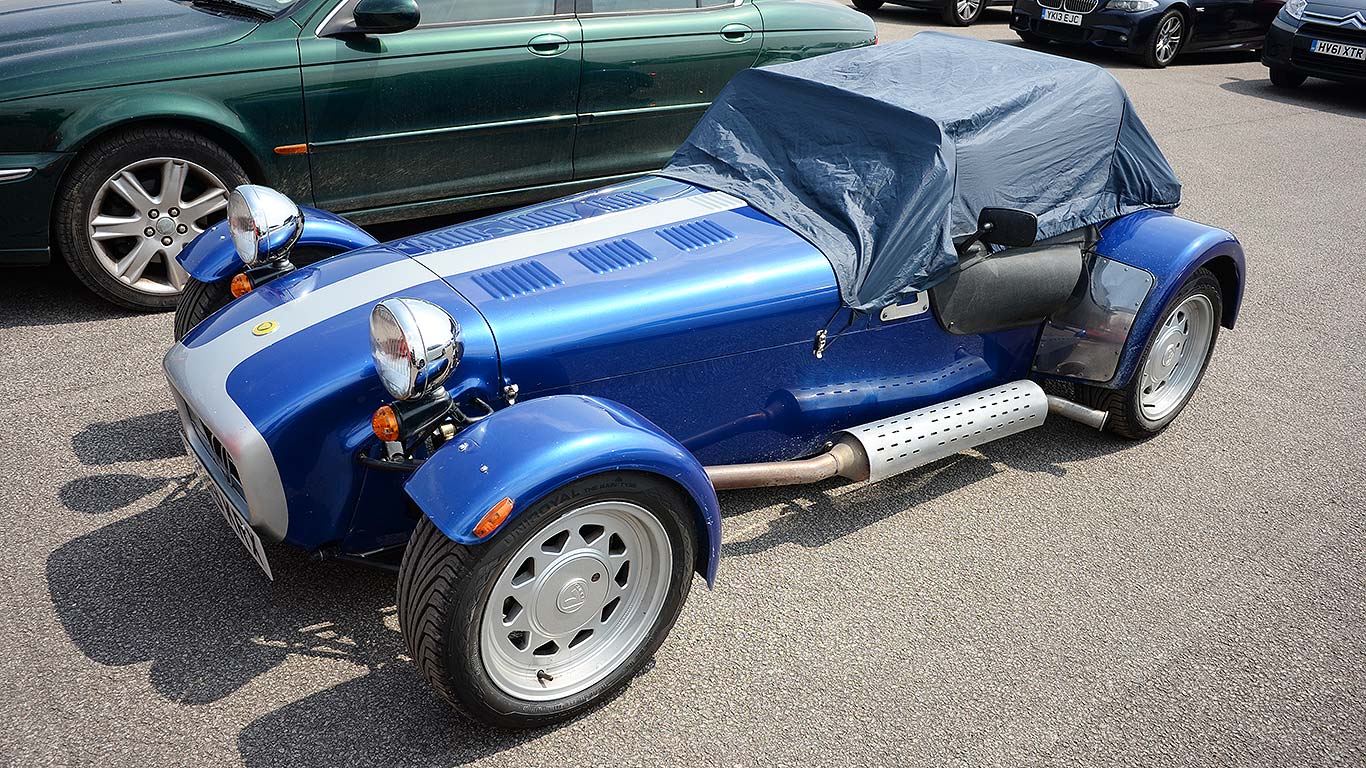
Caterham Seven
This is a suitably Heath Robinson solution to stopping your Caterham’s interior from melting in the British heatwave sun. Naturally staves off the inevitable rain, too.
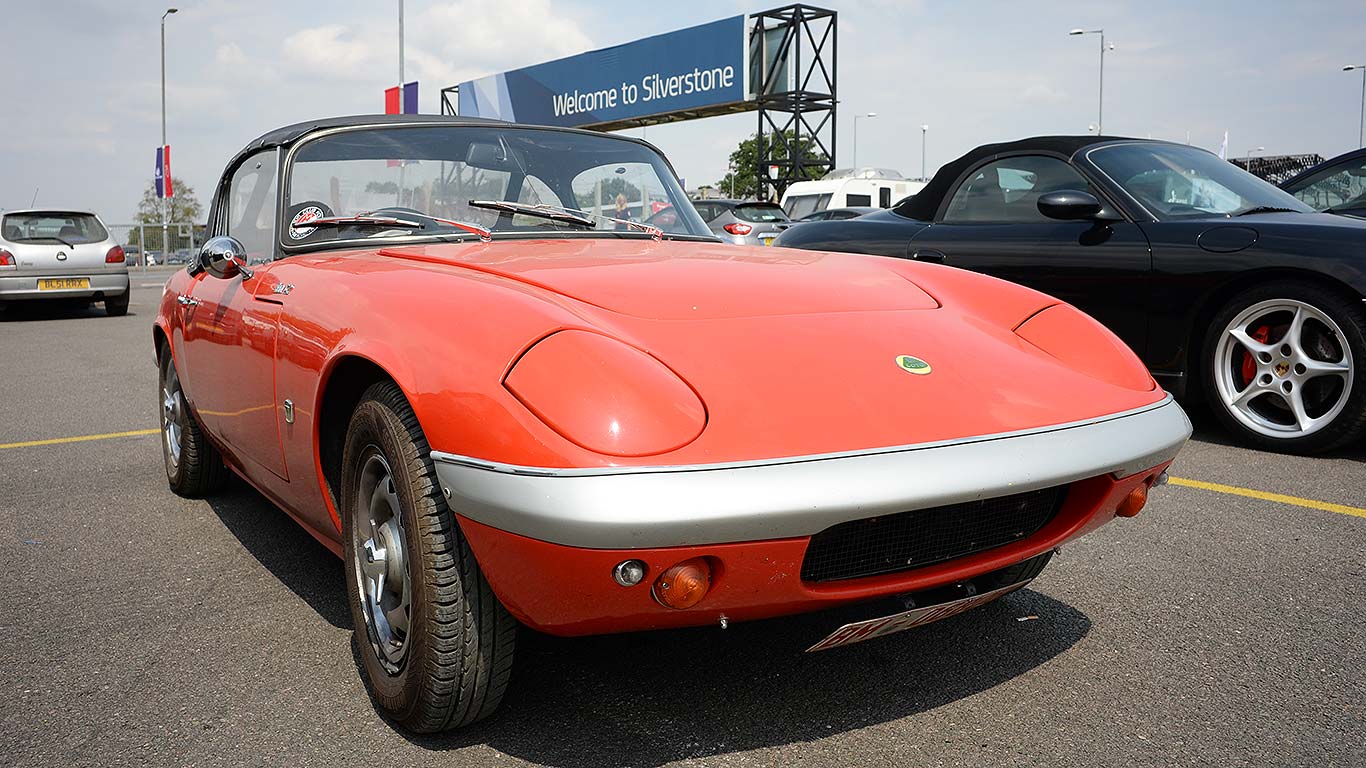
Lotus Elan
Another overseas visitor at Silverstone Classic 2018. And they say Lotus are unreliable.
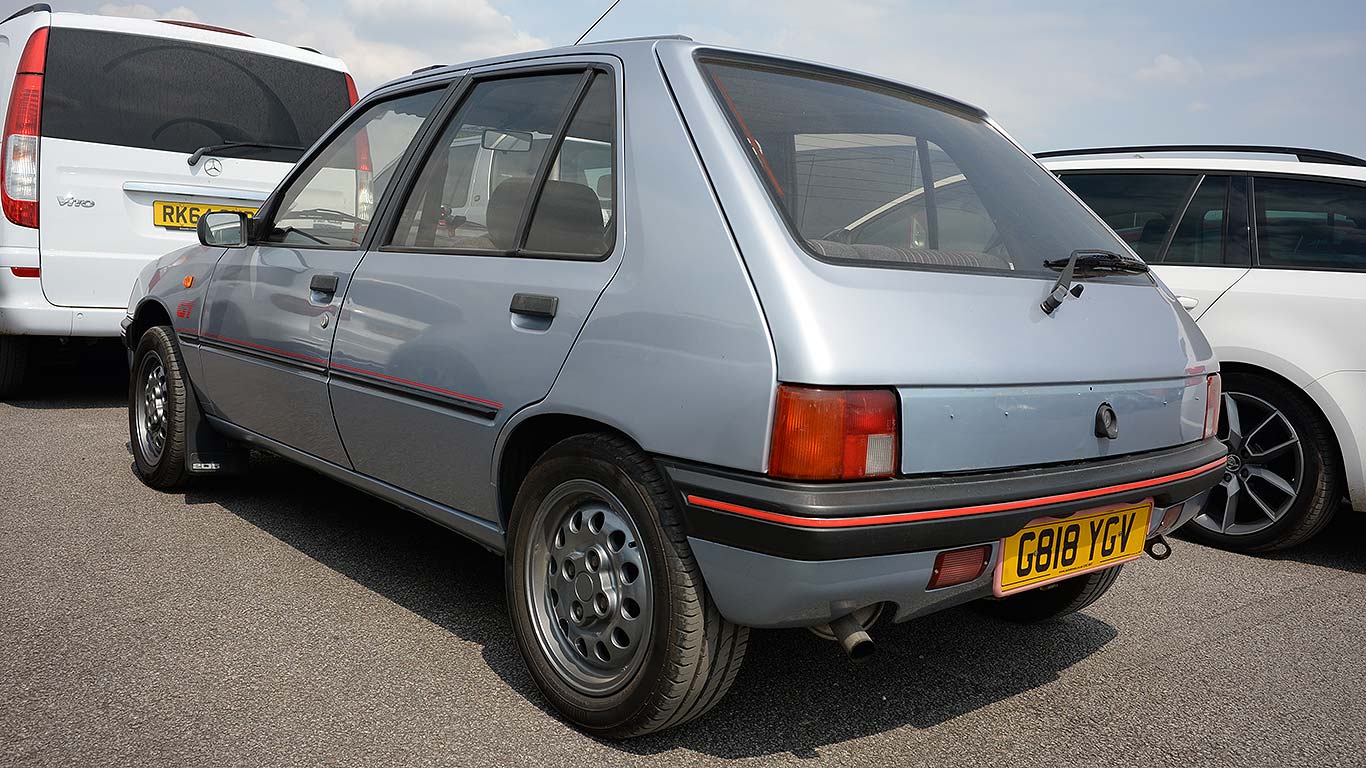
Peugeot 205 GT
Peugeot made a ‘warm’ 205 GTI called the XS, with a 1.4-litre engine boasting a twin-choke carburettor. What to call its five-door sibling? GT, it reckoned: it was ‘X’ for three-door, ‘G’ for five-door. Why it wasn’t thus GS is anyone’s guess. Perhaps they didn’t want to upset Citroen.
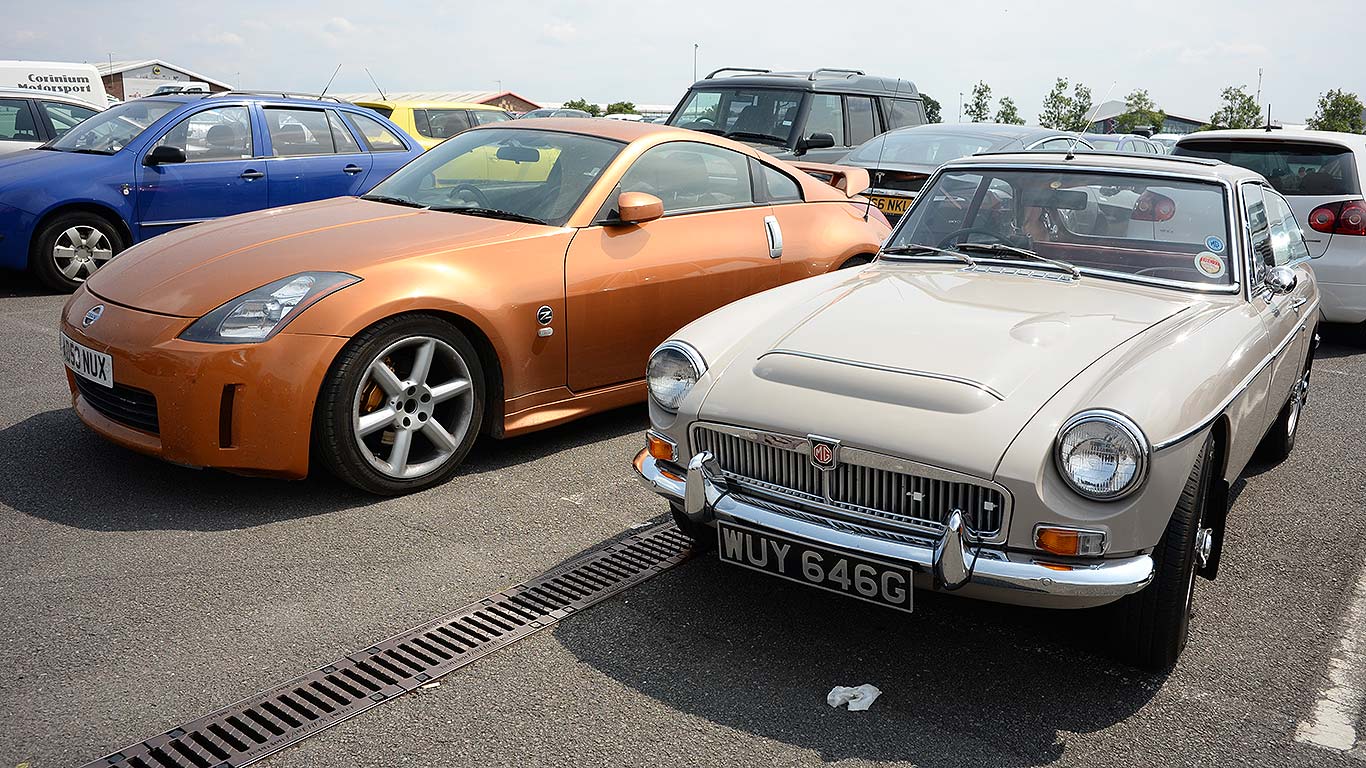
Nissan vs MG
Two classic rear-wheel drive coupes. It’s the Nissan that’s in the ascendancy: pick up a 350Z while you can still afford to…
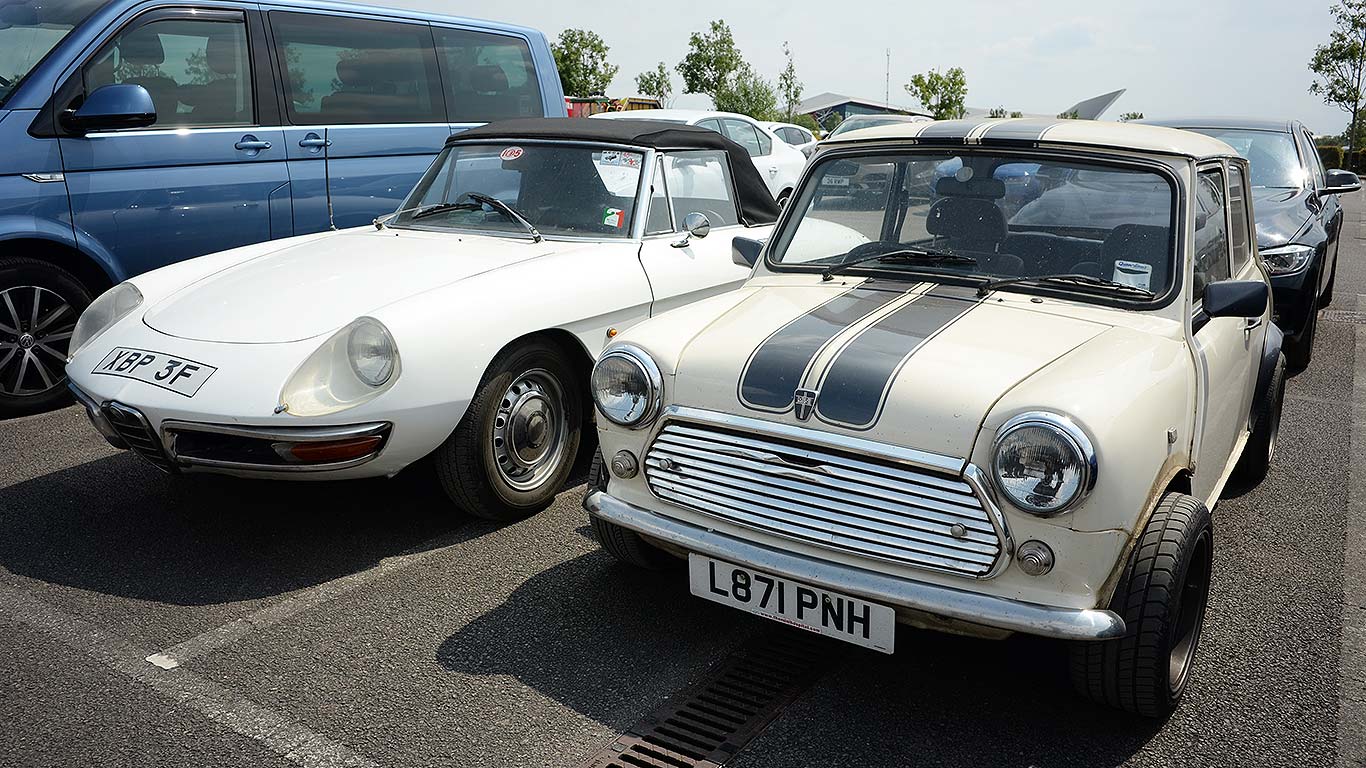
Alfa Romeo Spider vs Mini
Both were stars of the 1960s. Both will cost you a fortune today.
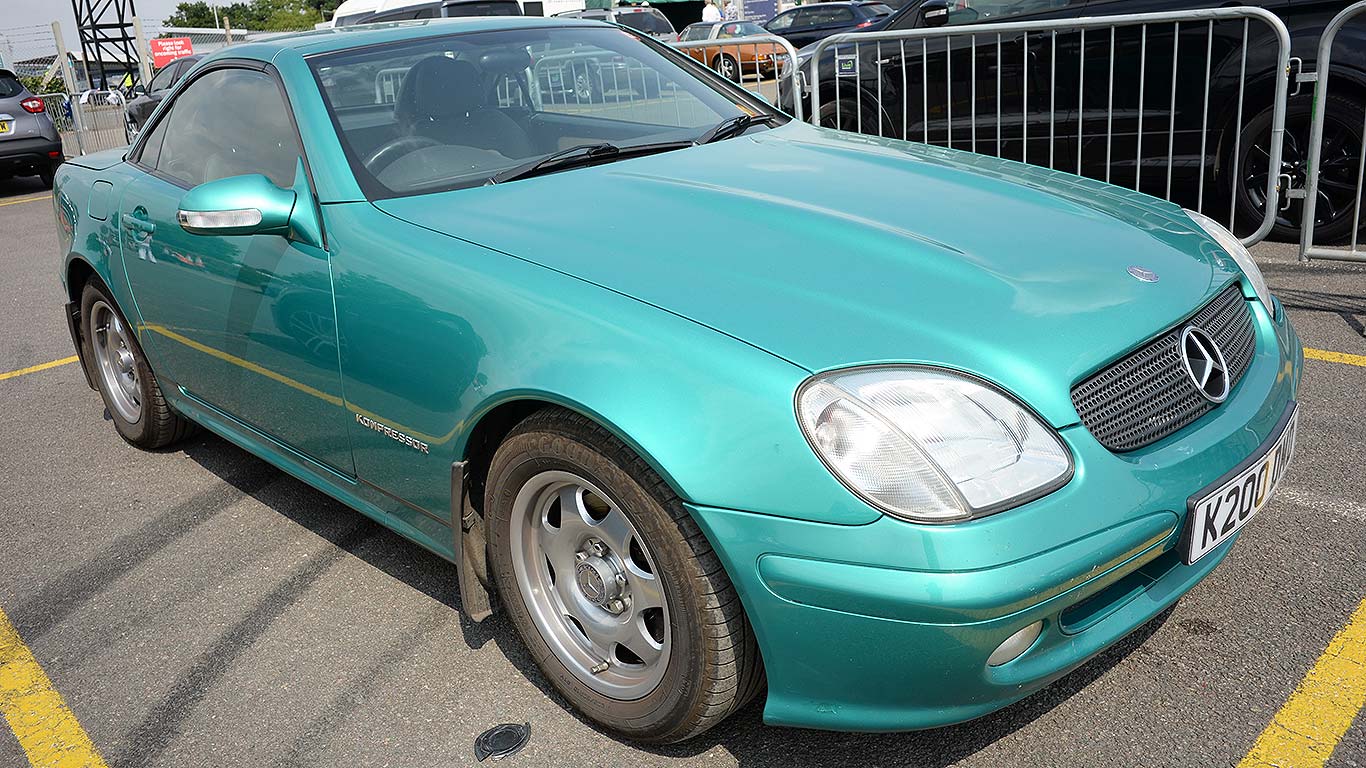
Mercedes-Benz SLK
The original SLK can still be picked up for fiendishly low prices. Our tip: do so, particularly if it’s in a period 1990s colour like this metallic green. This pretty car can’t stay this cheap for long.
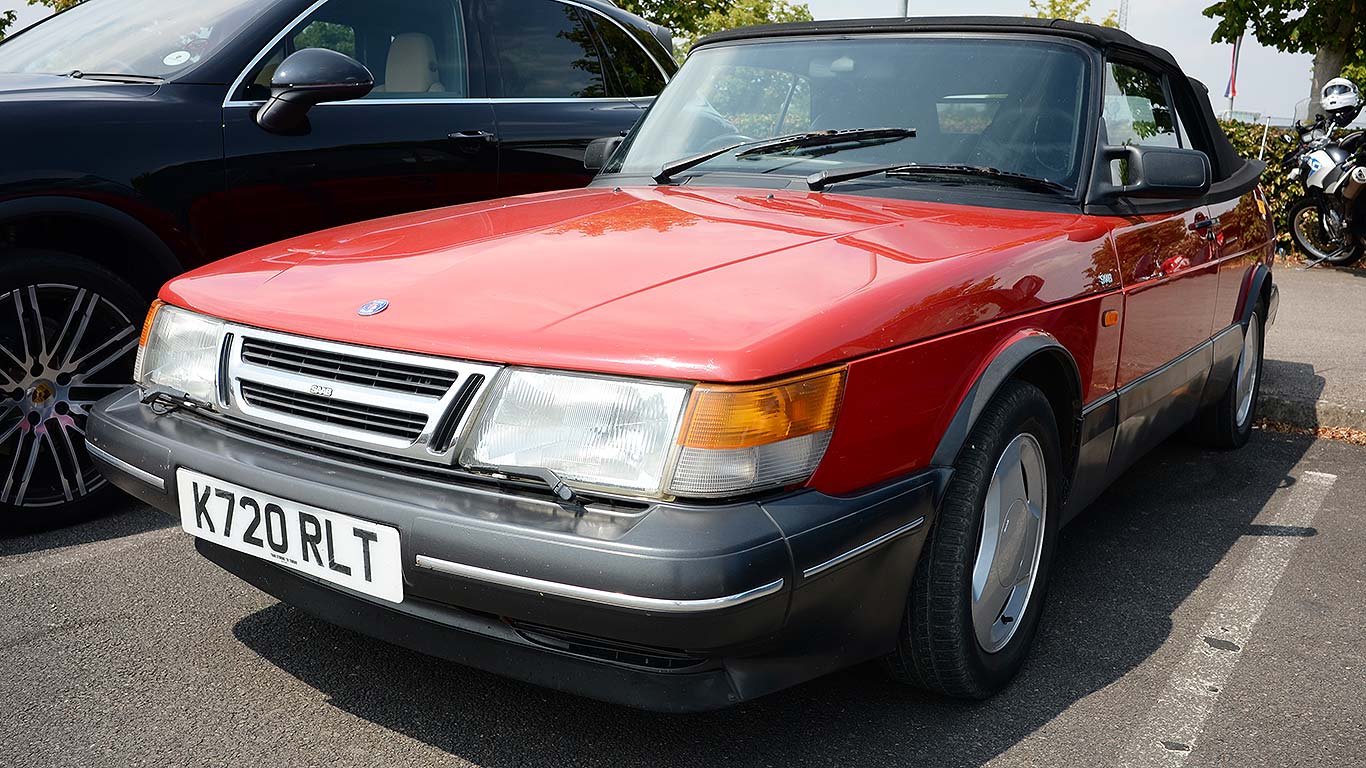
Saab 900 Convertible
Prices of the original 900 Convertible are already on the up. If you own one, keep it: investments don’t come much safer (or more satisfying).
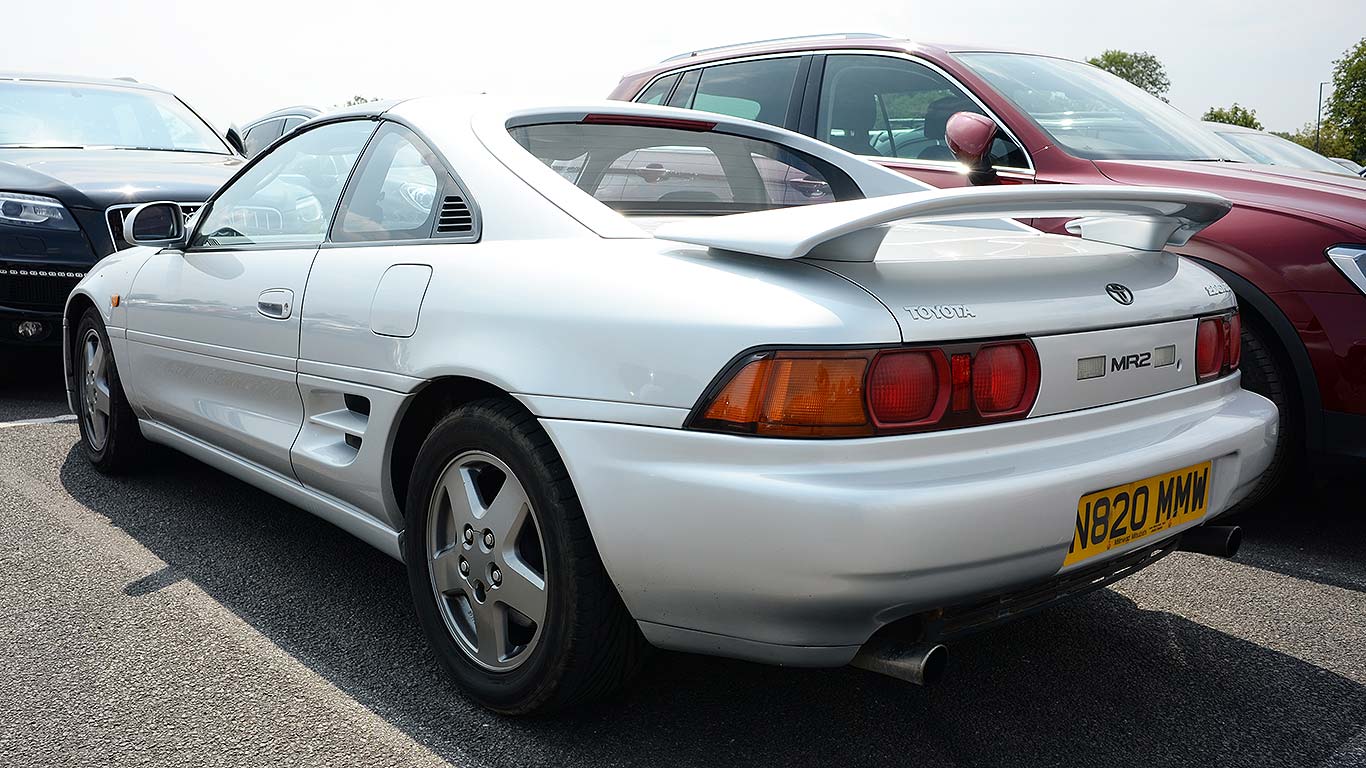
Toyota MR2 W20
The second-generation Toyota MR2 wasn’t wholly celebrated when new, because everyone loved the angular original. For years, it was overlooked. Its time, surely, is now. Another car we’d advice you buy now while you can still afford to.
Silverstone Classic 2018 car park: in pictures
Now click through to see some more classics from the Silverstone Classic 2018 car park – including the odd modern classic such as this 641 horsepower Chevy Camaro ZL1.
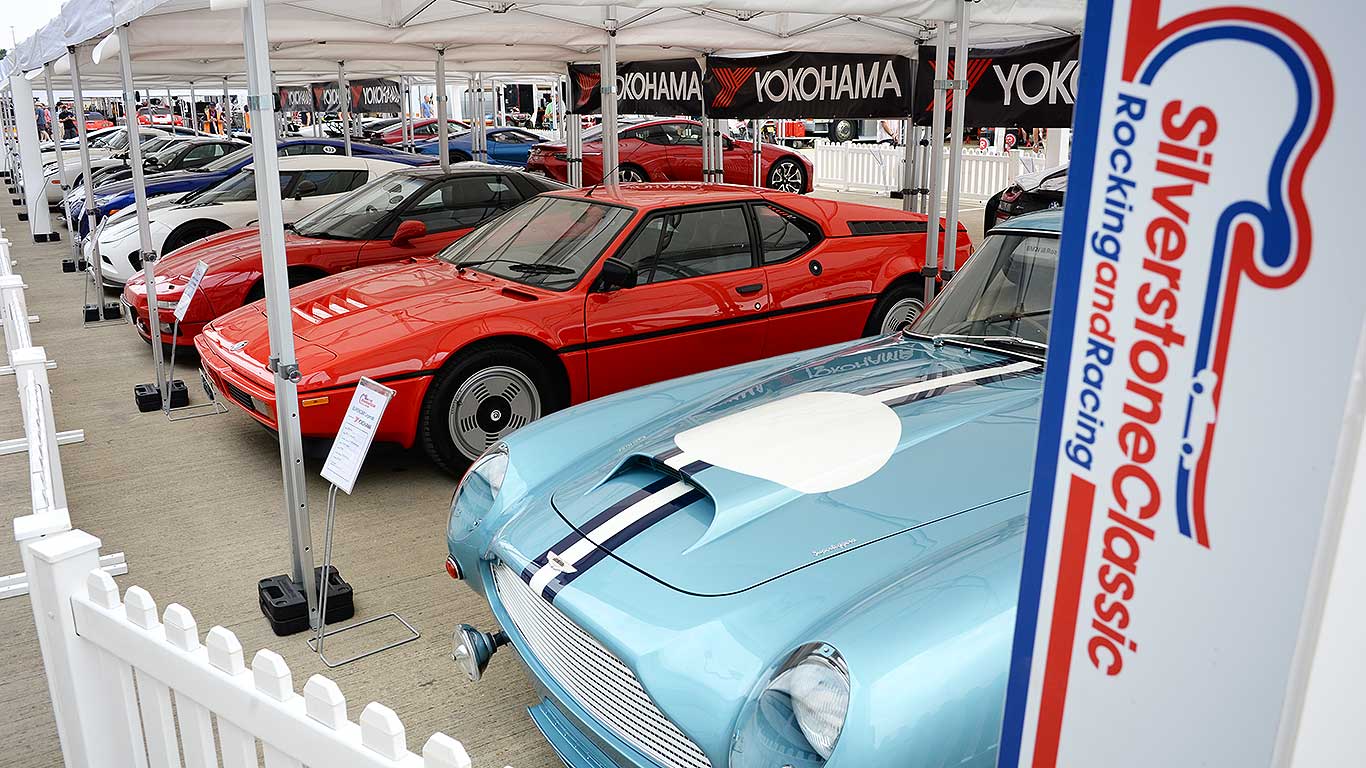
Silverstone Classic 2018 will attract 10,000 cars and 100,000 visitors. There are amazing classic machines wherever you look. However, because it wouldn’t be a contemporary car show without its fair share of supercars, the organisers have arranged for some exotica for display, too.
Royal Range Rover to star at Silverstone Classic 2018 sale
And what a showcase it is: not one but two Paganis, the new TVR, an ultra-rare TVR, a brand new classic Aston – and another so new, the first drive reviews haven’t even been published yet…
Picket line
Sensibly, the supercars are protected by a picket fence. Silverstone Classic is all about getting up close and personal with the cars, but when they’re worth as much as several million pounds apiece, you don’t want to get too close…
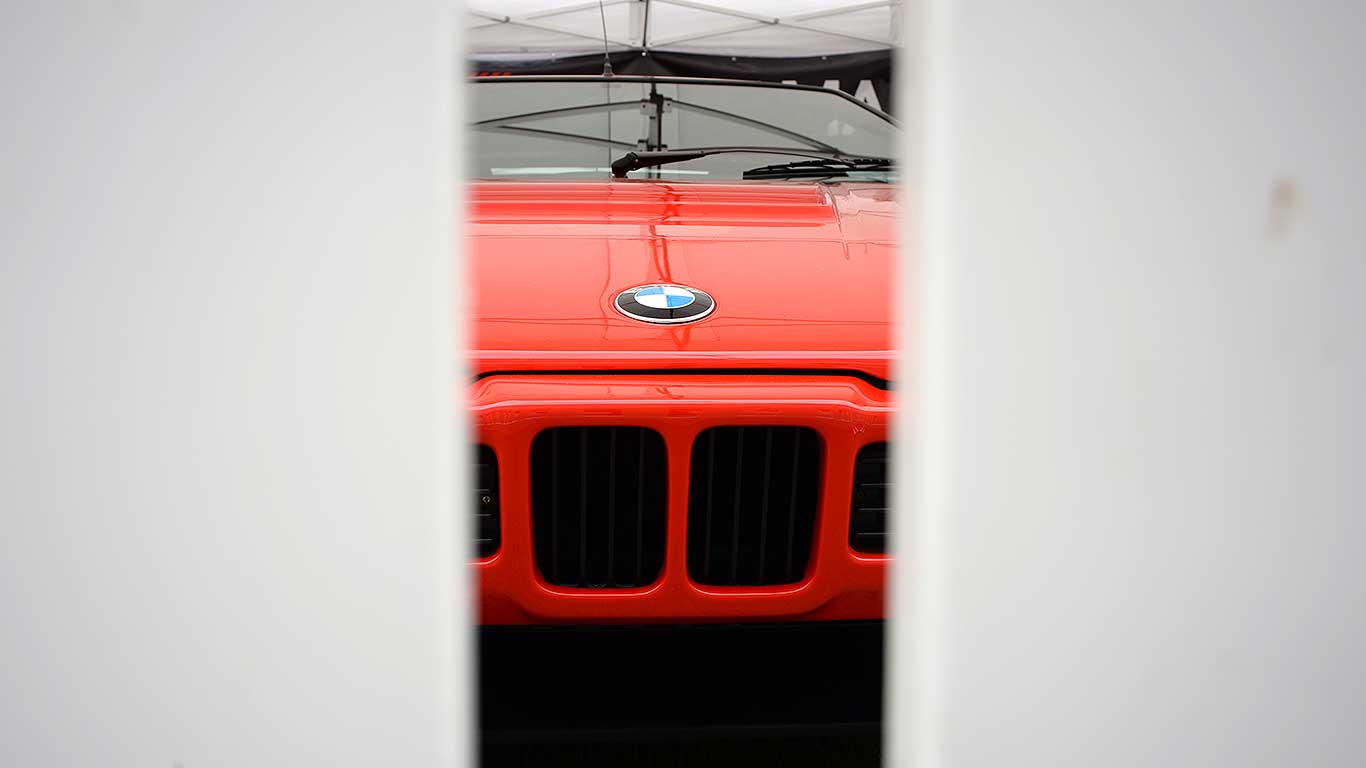
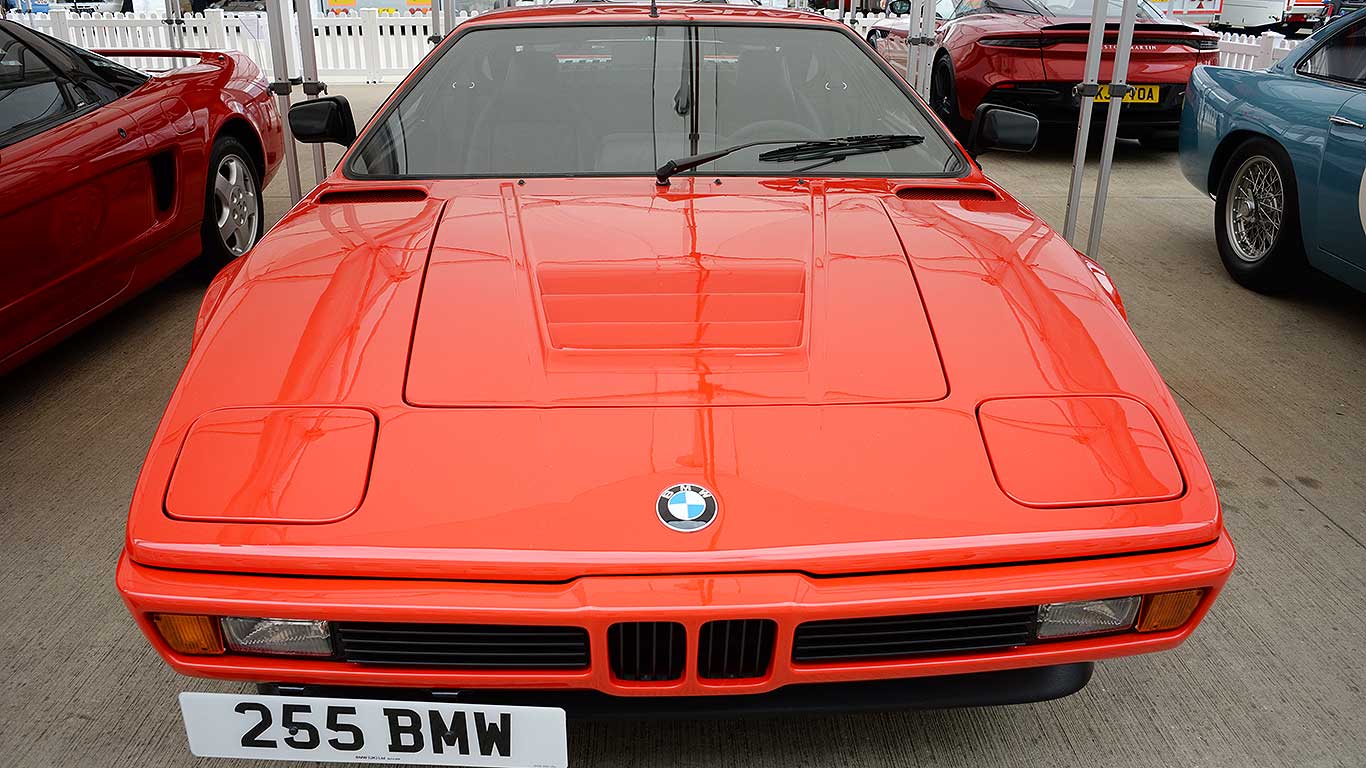
BMW M1
BMW’s supercar – designed and built in conjunction with Lamborghini – was originally conceived for racing. Italian timekeeping and racing rule-changes meant the M1 had passed its use-by date by the time it was homologated. On the plus side, we got a timeless supercar and BMW M-car.
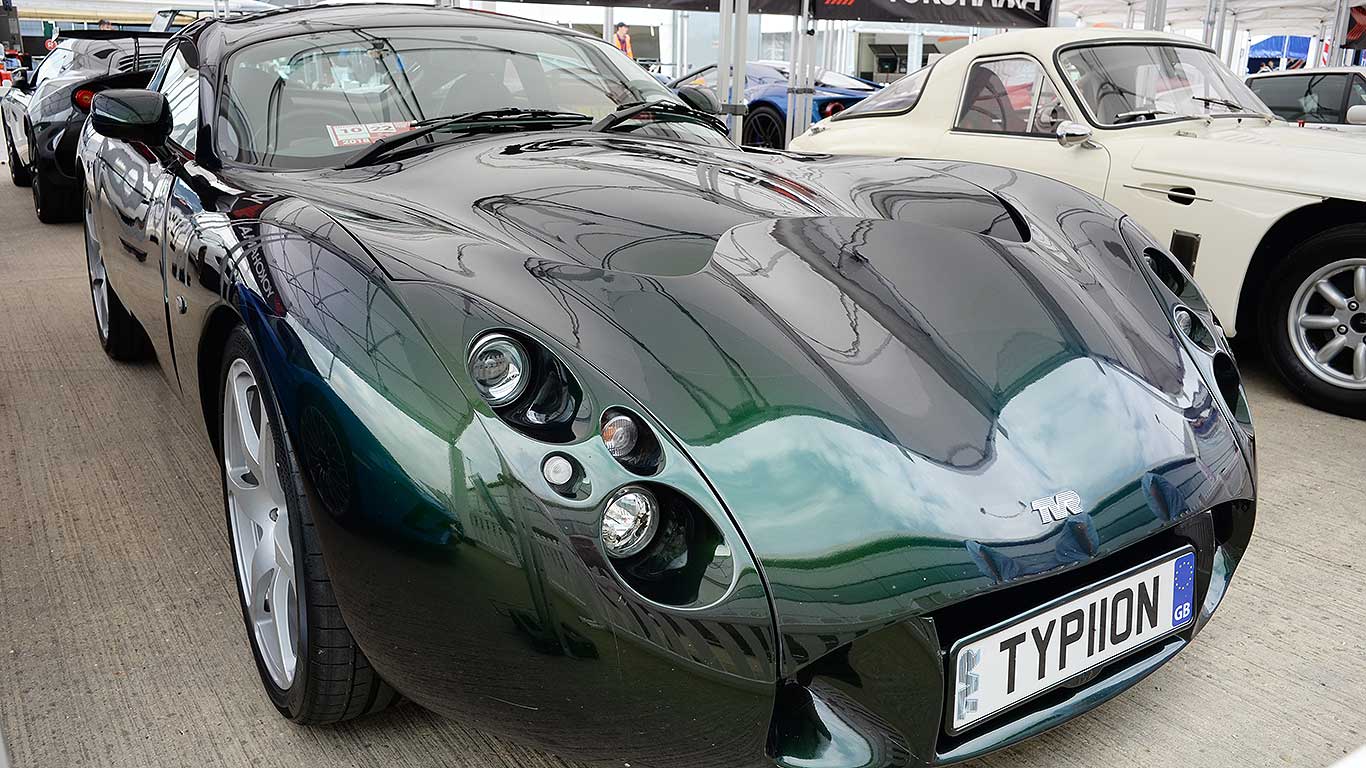
TVR Typhon
The last time TVR went to Le Mans (besides its Rebellion Racing affiliation this year) was with the Typhon/T400/T440R. Back in the early 2000s this was the ultimate TVR – the most extreme Wheeler-era car, and allegedly capable of 220mph and beyond.
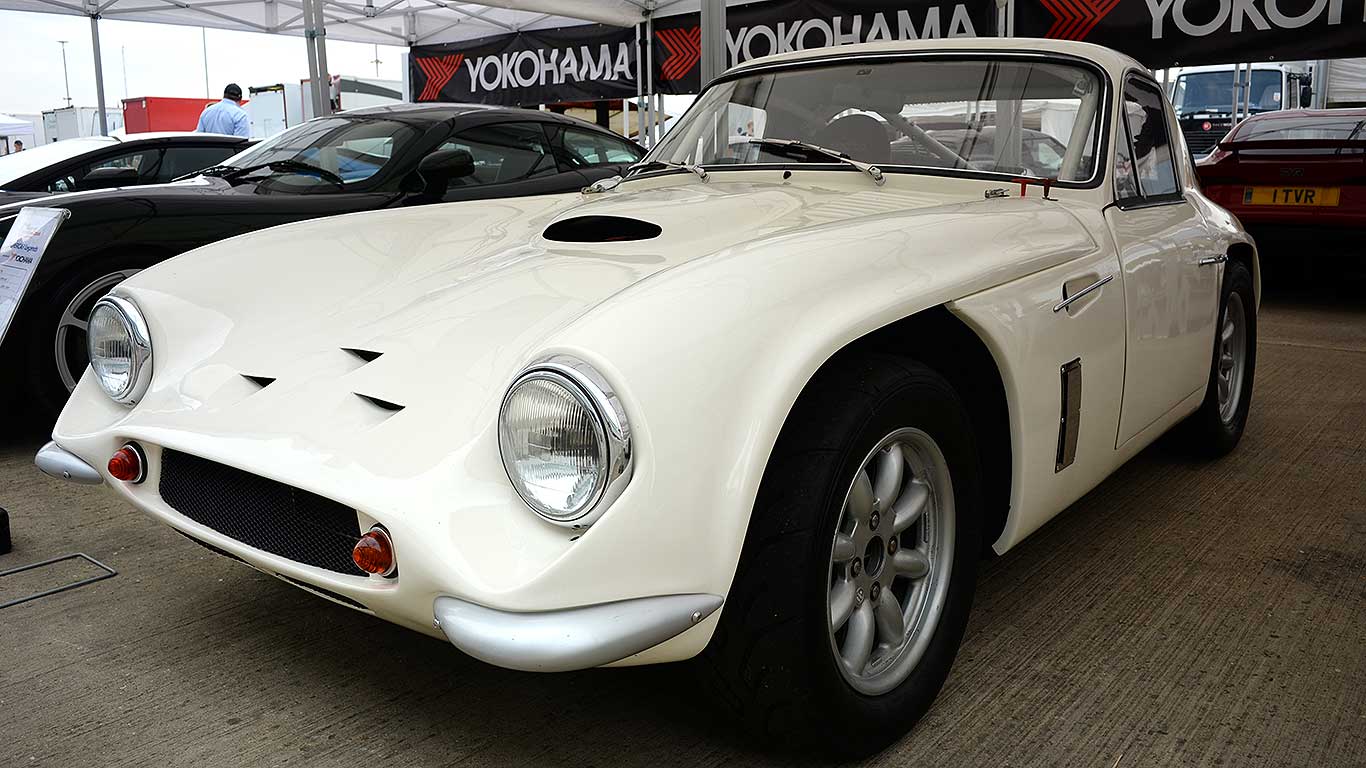
TVR Griffith 400 (1965)
Arguably the breakout model for TVR, the Griffith sold in numbers the company itself wasn’t prepared for. It was Bristol’s answer to the AC Cobra, with a diminutive body coupled and massive V8 engine. Griffs do well in historic racing these days, too.
TVR Griffith (2018)
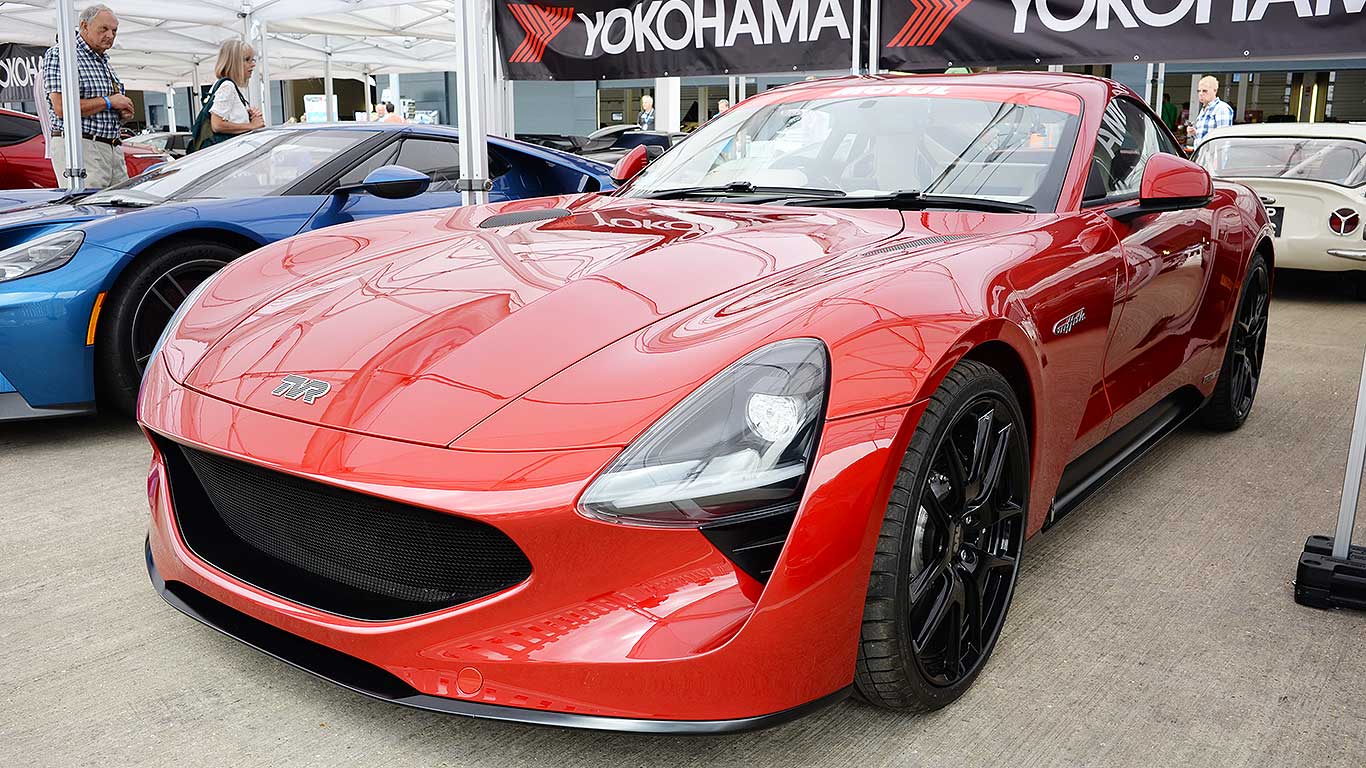
TVR’s return rides a tsunami-sized bow wave of anticipation. It should live up to expectations, though, given it was designed from the ground up by the legendary Gordon Murray – of McLaren F1 fame. First stop dealerships, next stop Le Mans…
Aston Martin DB4 GT Continuation
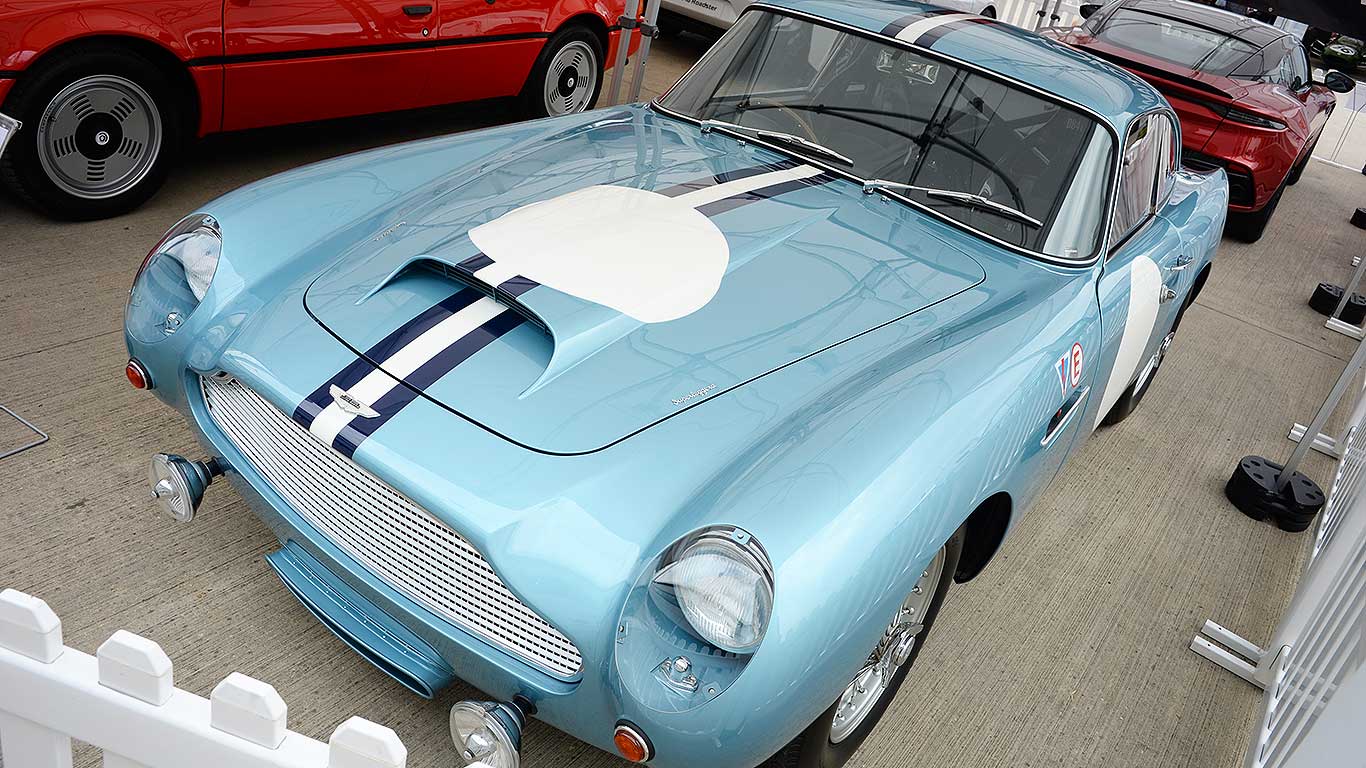
It’s a wonderful automotive world we live in when, if we’re nostalgic enough for something, the manufacturer just brings it back. That’s what’s been happening lately with a veritable frenzy of ‘continuation’ cars – the latest and possibly loveliest being this DB4 GT from Aston Martin.
Ford GT (2018)
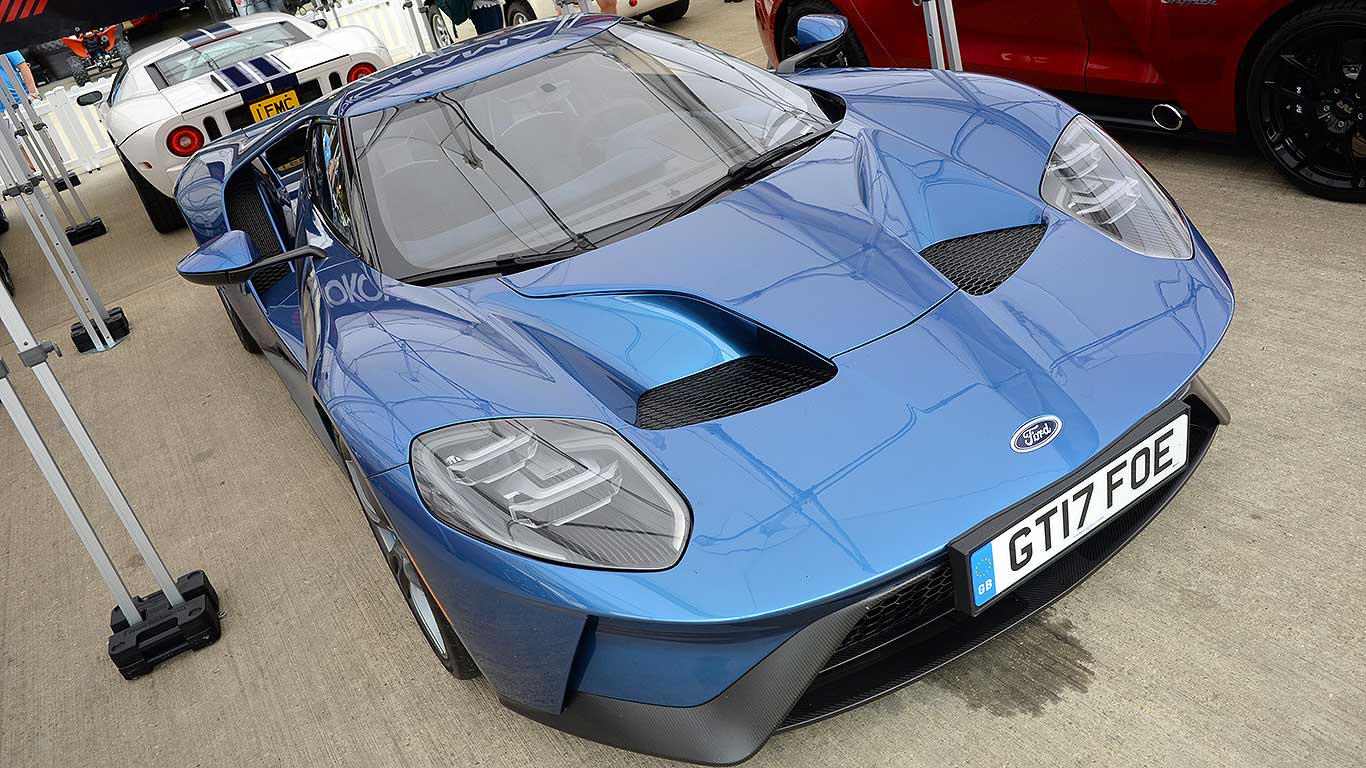
It’s been the supercar of the moment for the past two years and there’s no sign of that changing any time soon. The new GT is also a bona fide modern-day homologation special, with the road car being a necessary product of Ford’s GTE program.
Ford GT (2005)
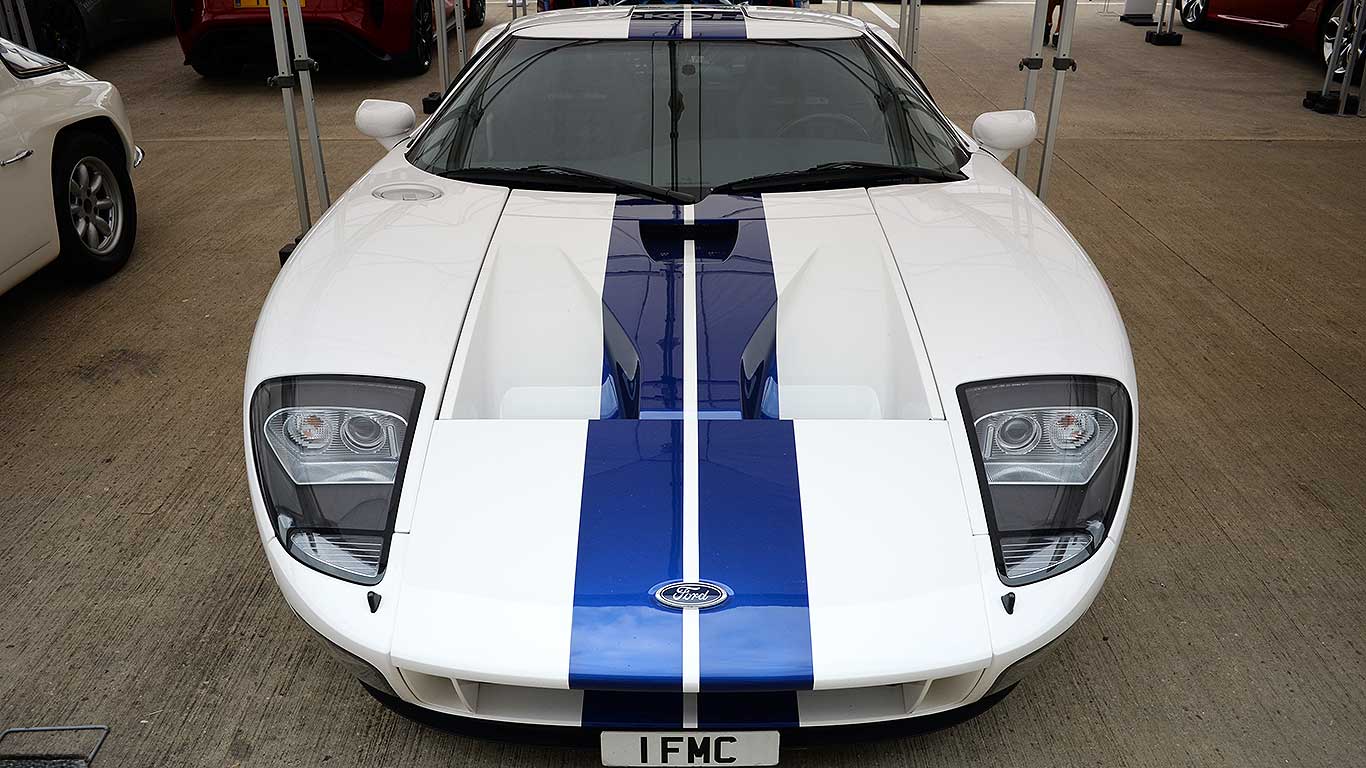
Can you think of a better 100th birthday present? The 2005 Ford GT was just that. Dear Henry, from Ford Motor Company. The Ricardo gearbox is a tonic and that 5.4-litre supercharged V8 is the ultimate slice of American muscle.
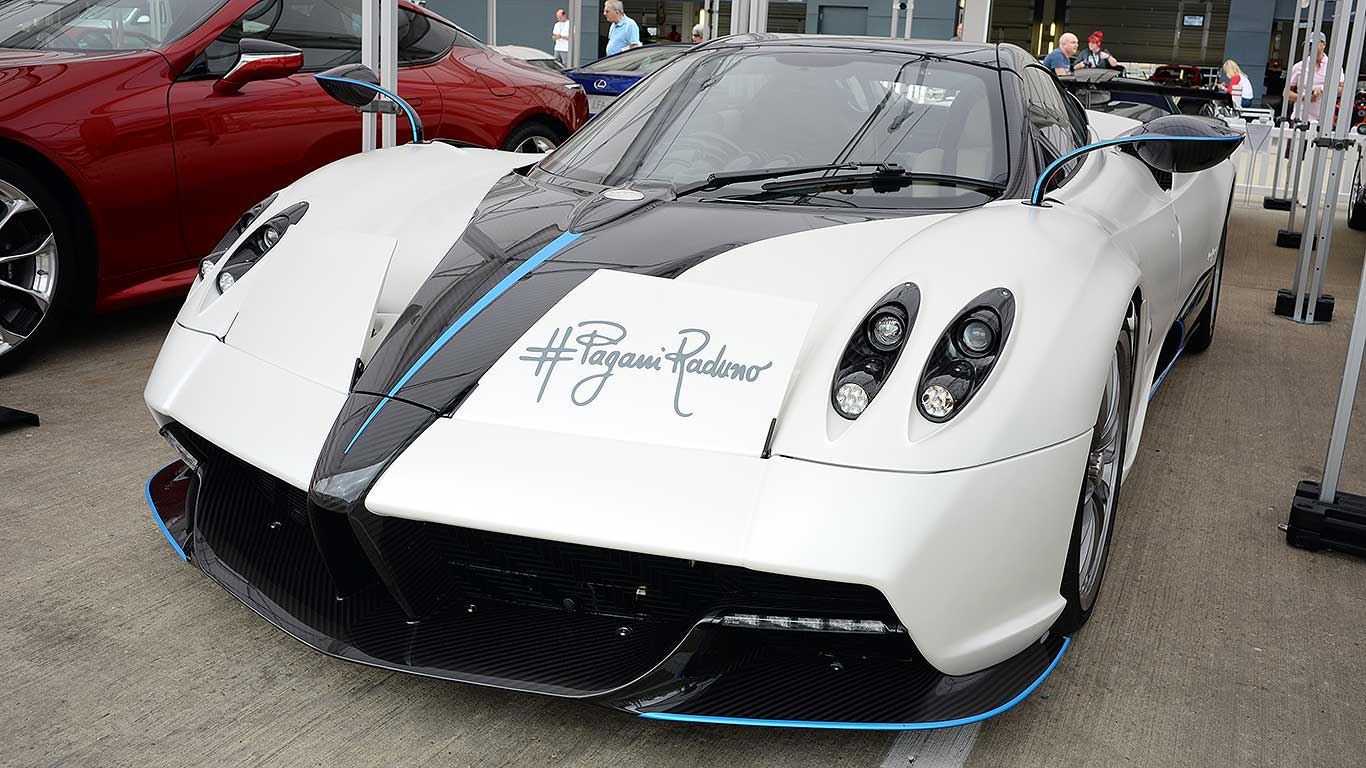
Pagani Huayra Roadster
The latest in a near-20-year line of Pagani hypercars, the Huayra Roadster packs 774hp of 6.0-litre twin-turbo V12 into a carbon titanium-wrapped boutique beast. Development constituted a total re-engineering of the original coupe to suit this al fresco version.
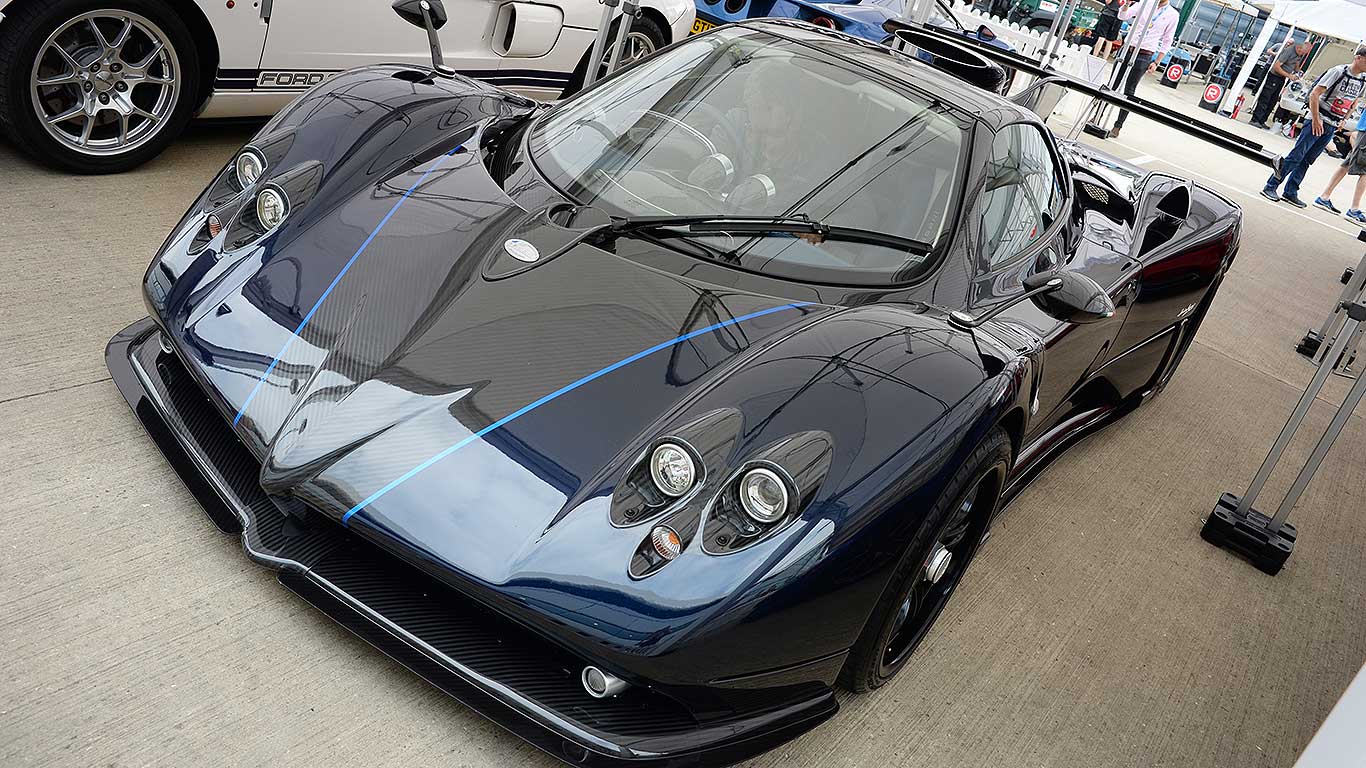
Pagani Zonda 760
The original. Pagani still struggles to escape the pull of the Zonda, with the Barchetta version only just rounding off production officially. Cars consistently come back into the factory for upgrades and makeovers – customisation is commonplace at this level of motoring.
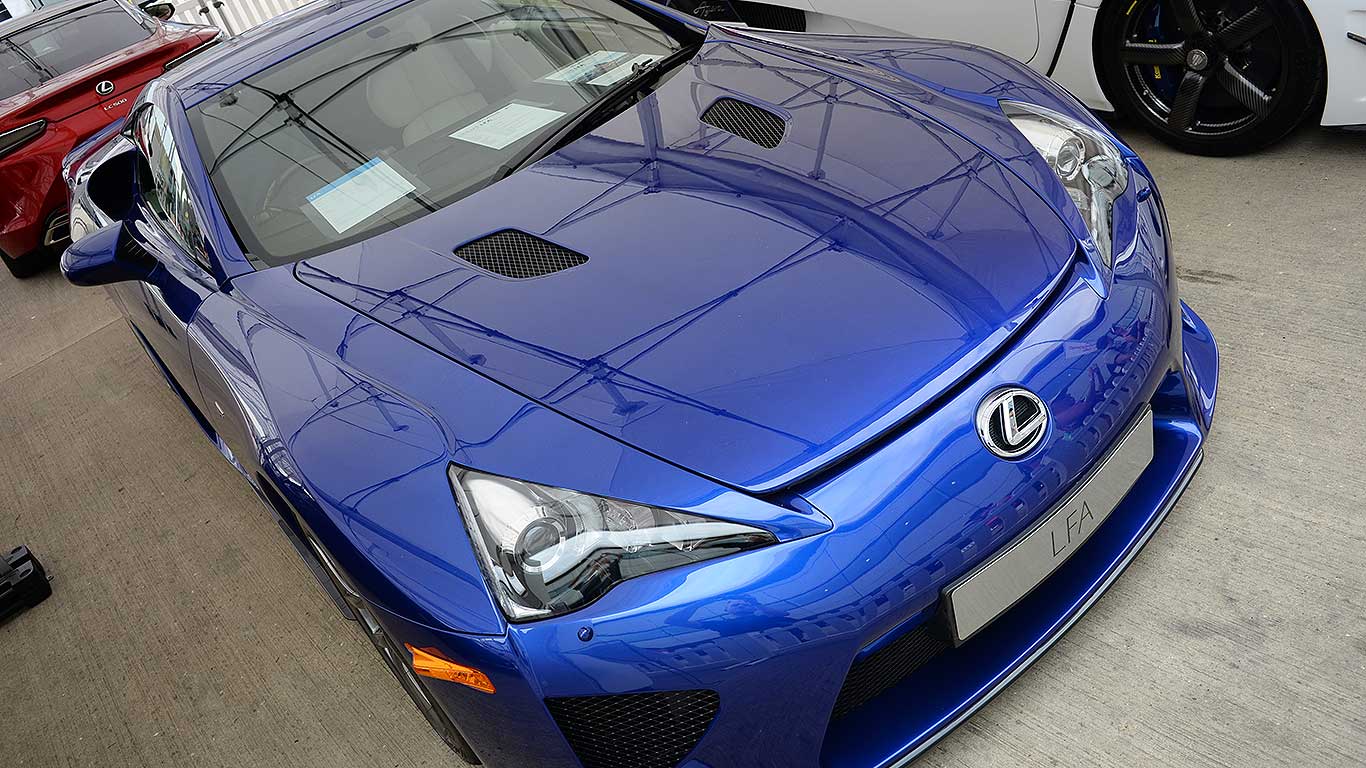
Lexus LFA
How do you get a fledgling performance brand off the ground? How about an ear-melting, obsessively-designed V10 supercar that can still stir the hearts of enthusiasts 10 years on? The LFA will forever be one of those immortal unicorns.
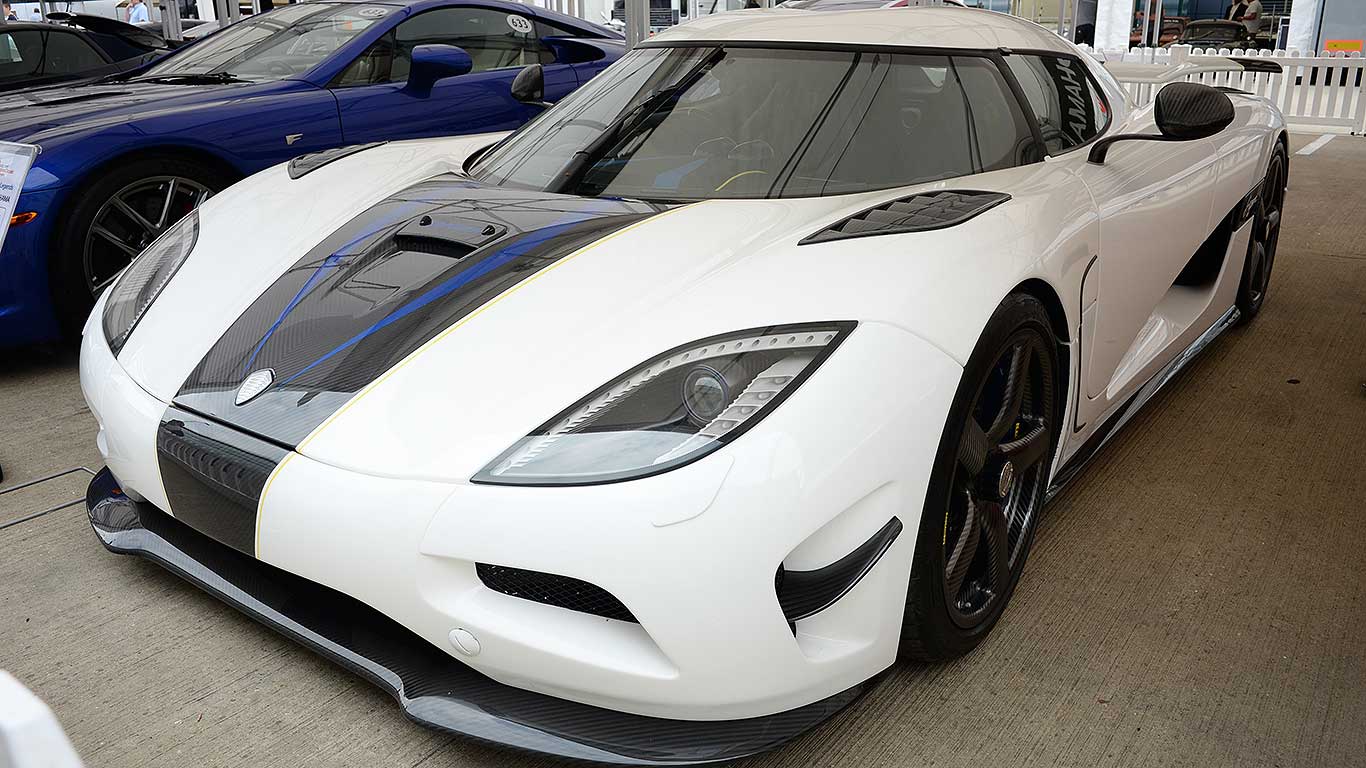
Koenigsegg Agera
Koenigsegg’s tower of power recently bowed out with two Final Edition models, but antiquity hasn’t dulled the ability of an Agera to stop a passer-by in his or her tracks. The RS model will likely retain its 284mph top speed record for some time, too.
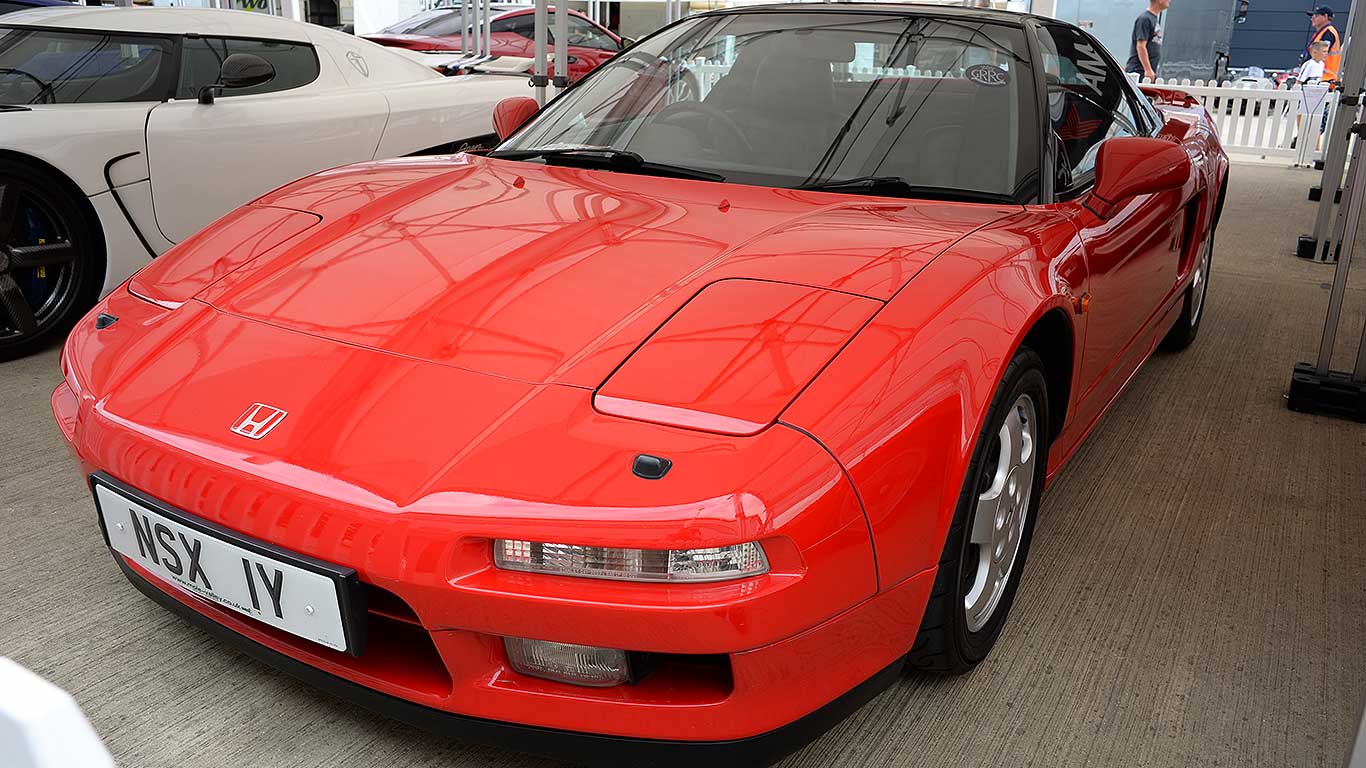
Honda NSX
Honda’s approach to the supercar back in 1991 was revolutionary, if unconventional at the time: build the ultimate driver’s car, and make it reliable. Although it didn’t sell especially well, it’s now a timeless icon credited with forcing Ferrari to pull its socks up.
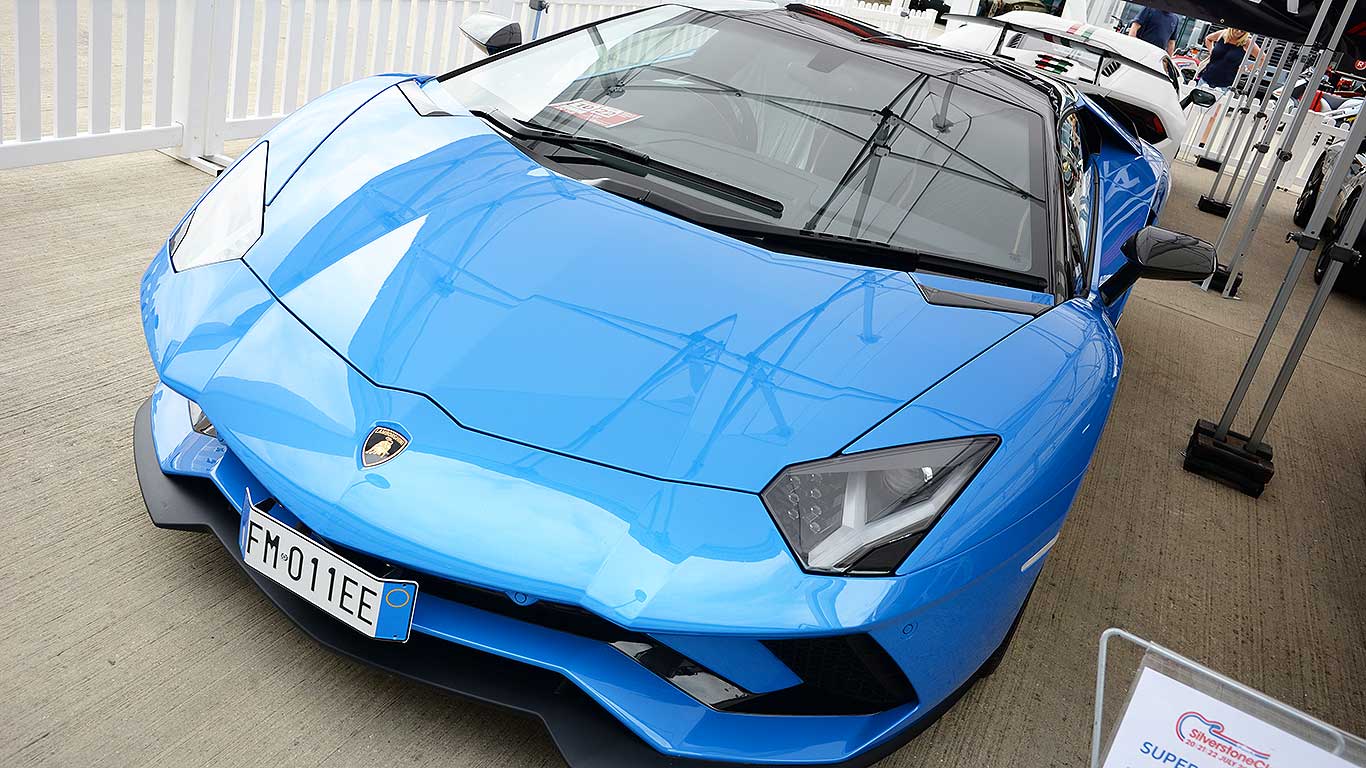
Lamborghini Aventador S Roadster
If you’re looking to define an era of exotic cars, a good place to start is by pointing straight at the flagship Lambo of the day. The Aventador is as definitive today as the Countach was in its day. In S form, it’s also more capable than ever.
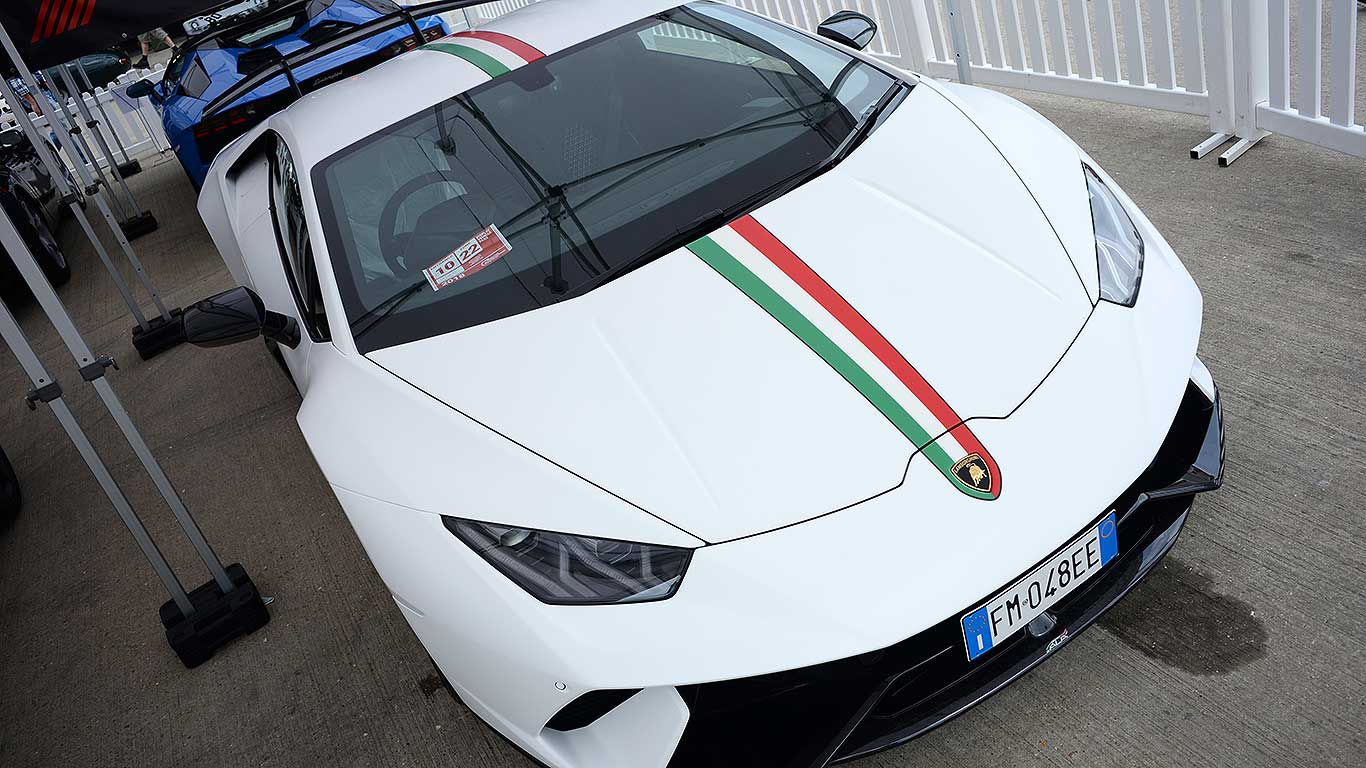
Lamborghini Huracan Performante
Lamborghini’s latest track-honed ‘baby’ V10 is a bona fide Ferrari slayer. Clever aerodynamics and a 640hp naturally-aspirated V10 make for an old-school supercar experience with very modern performance.
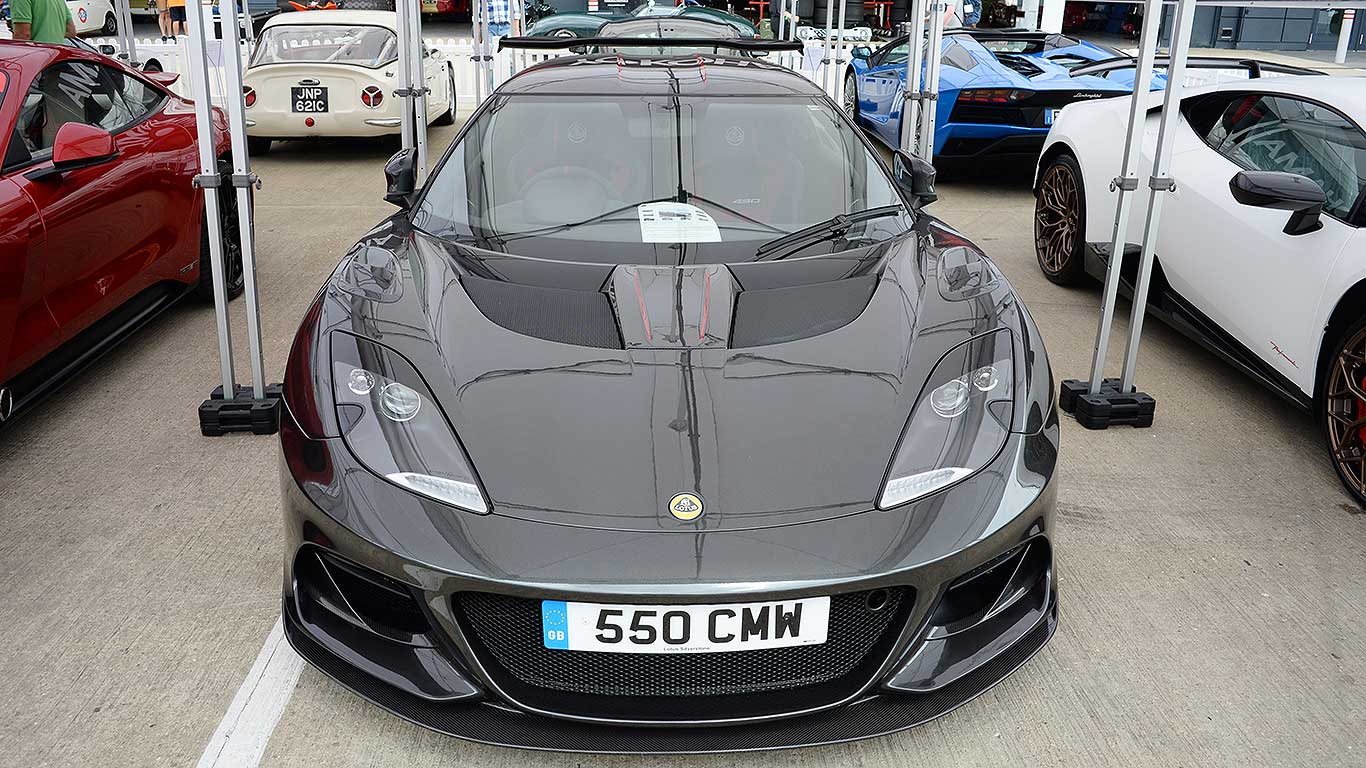
Lotus Evora GT430
Lotus has been on a mission to make the Evora the car it always should have been. This recent edition is the GT430, complete with aero addenda and a screaming supercharged V6 that’s about as far from its humble Camry origins as possible.
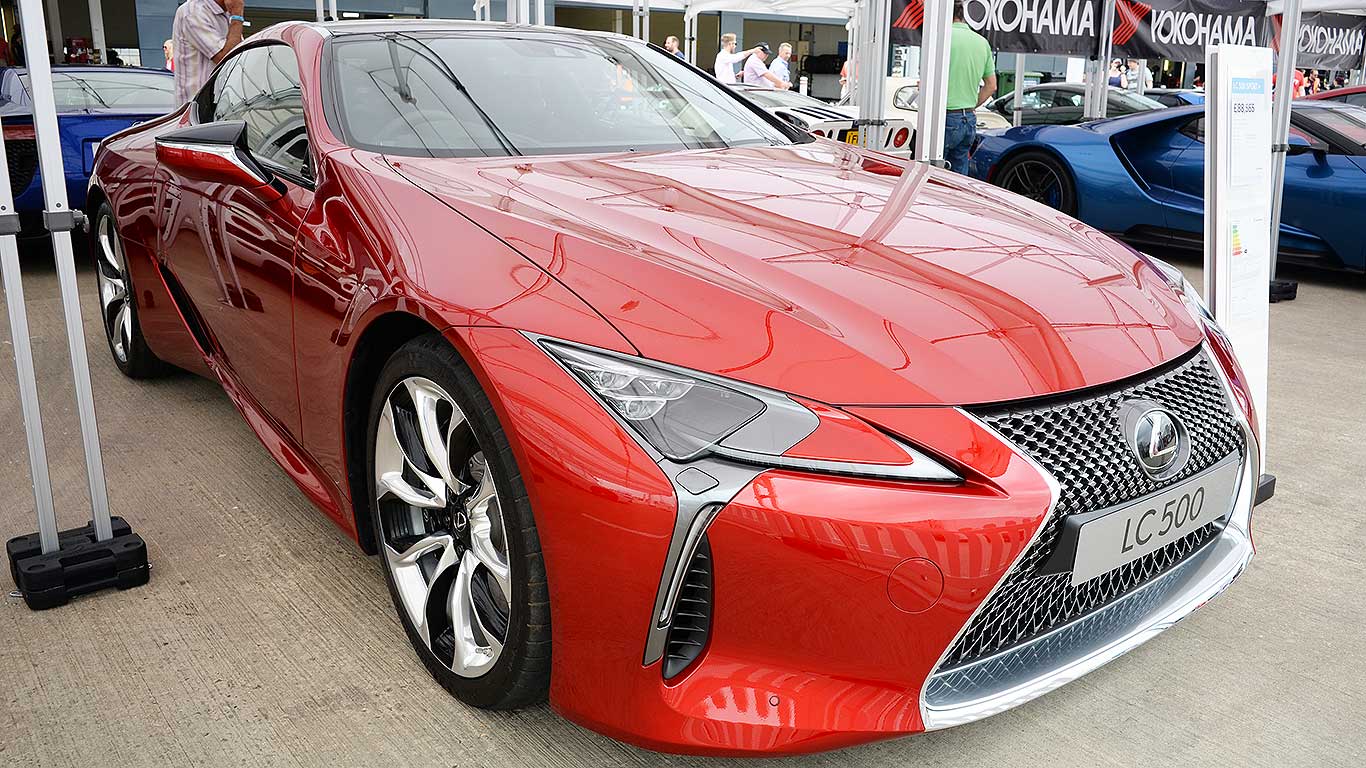
Lexus LC 500
The timeless LFA lives on in the Lexus LC 500 – an old-school V8 GT wrapped in the current art-deco futurist Lexus aesthetic. It’s one of the most enjoyable grand tourers on sale.
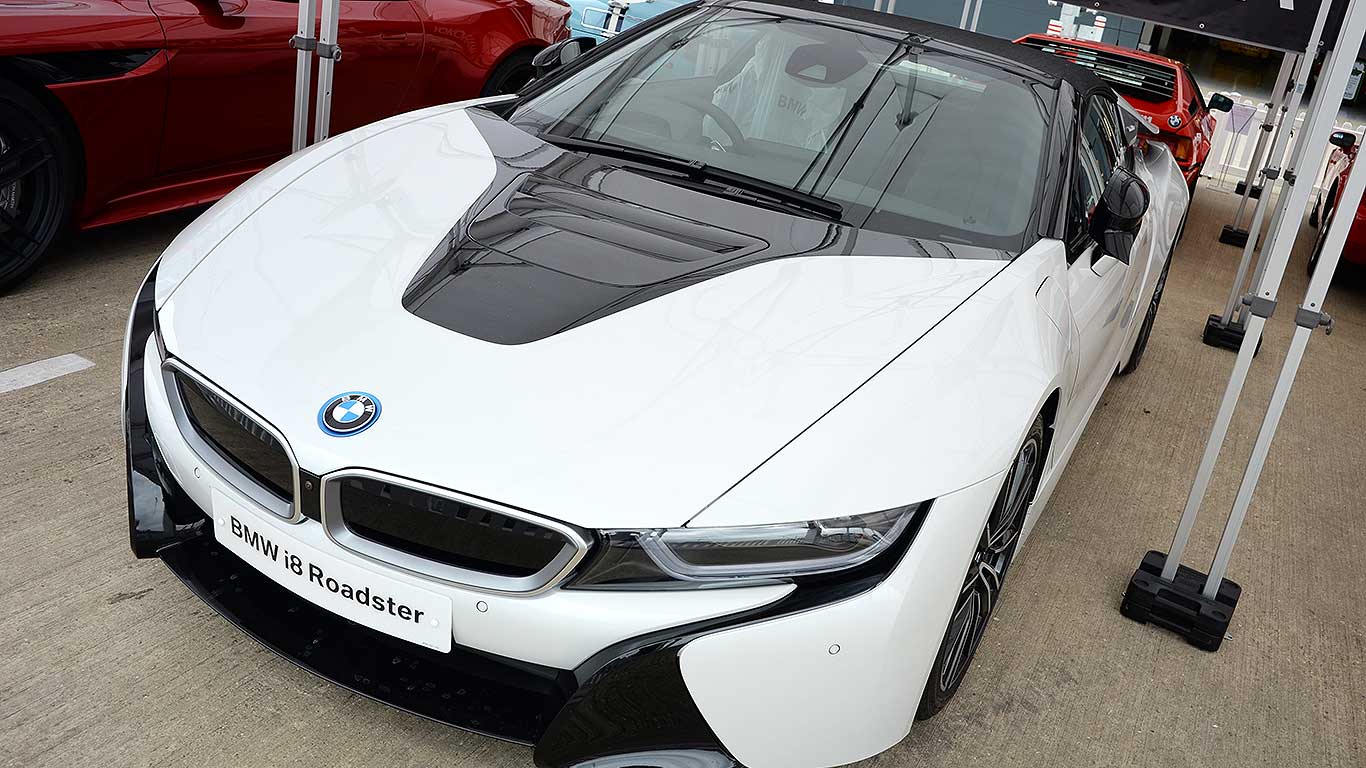
BMW i8
A possible preview of the supercar of the future, the BMW i8 is as exotic as a Lamborghini (with similar doors) but as economical as a Mini. Its three-cylinder engine, combined with electric motors, develops 360hp – with the carbon-tubbed i8 hitting 62mph in 4.4 seconds.
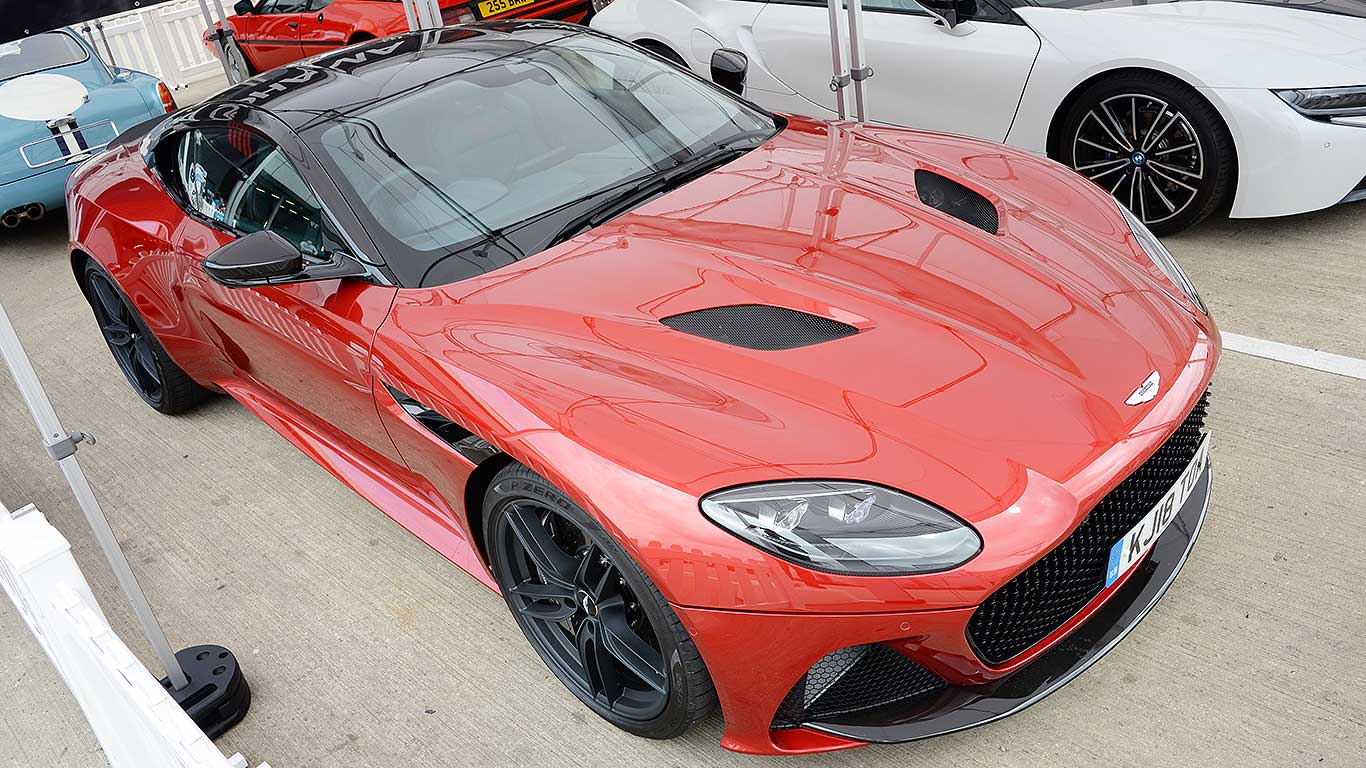
Aston Martin DBS Superleggera
Aston’s latest star performer is the DBS Superleggera. With a 725hp twin-turbo V12, it has performance enough to bother a certain superfast Italian rival. They can do no wrong at the moment.
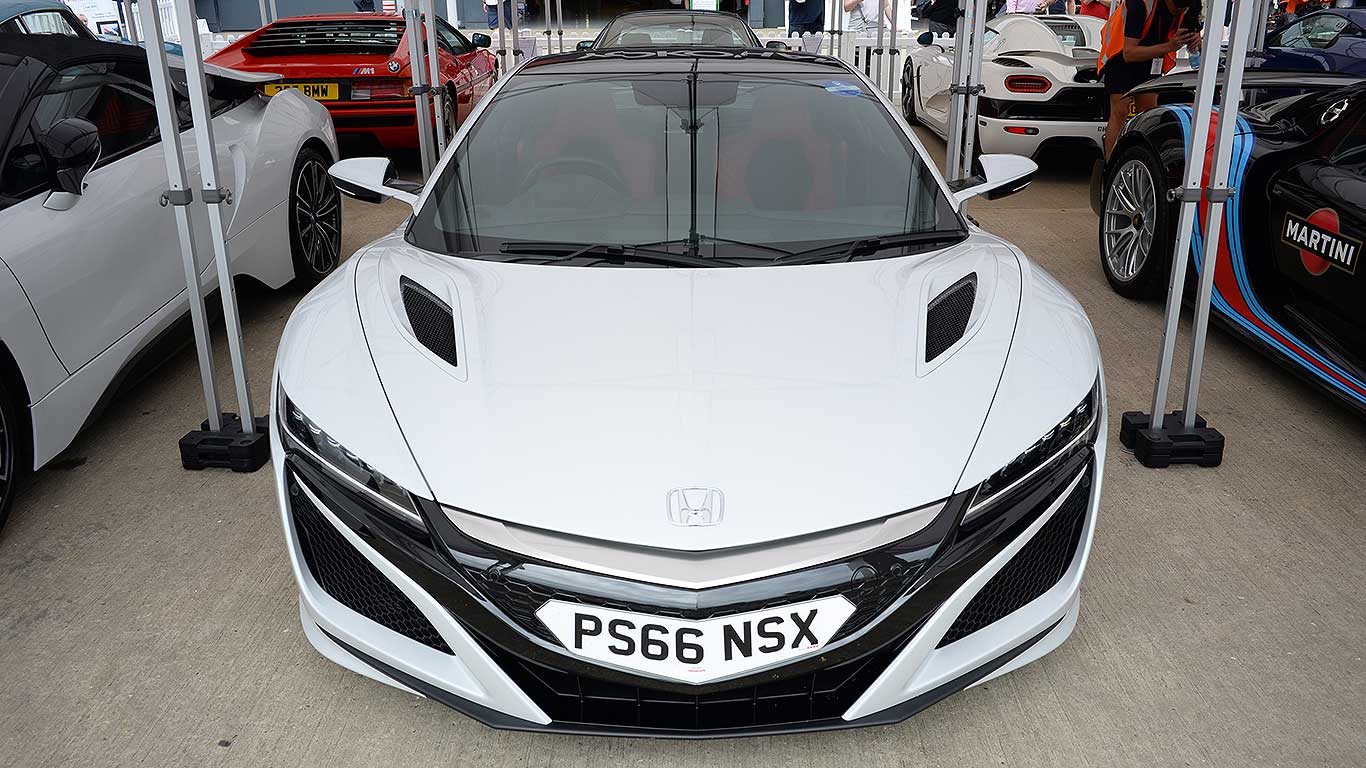
Honda NSX
The new Honda NSX takes the New Sports eXperimental ethos in a different direction to its predecessor. The experiment this time, as opposed to simple reliability, is hybridisation. The NSX is an enjoyable supercar that uses very latest petrol/electric and torque vectoring tech.
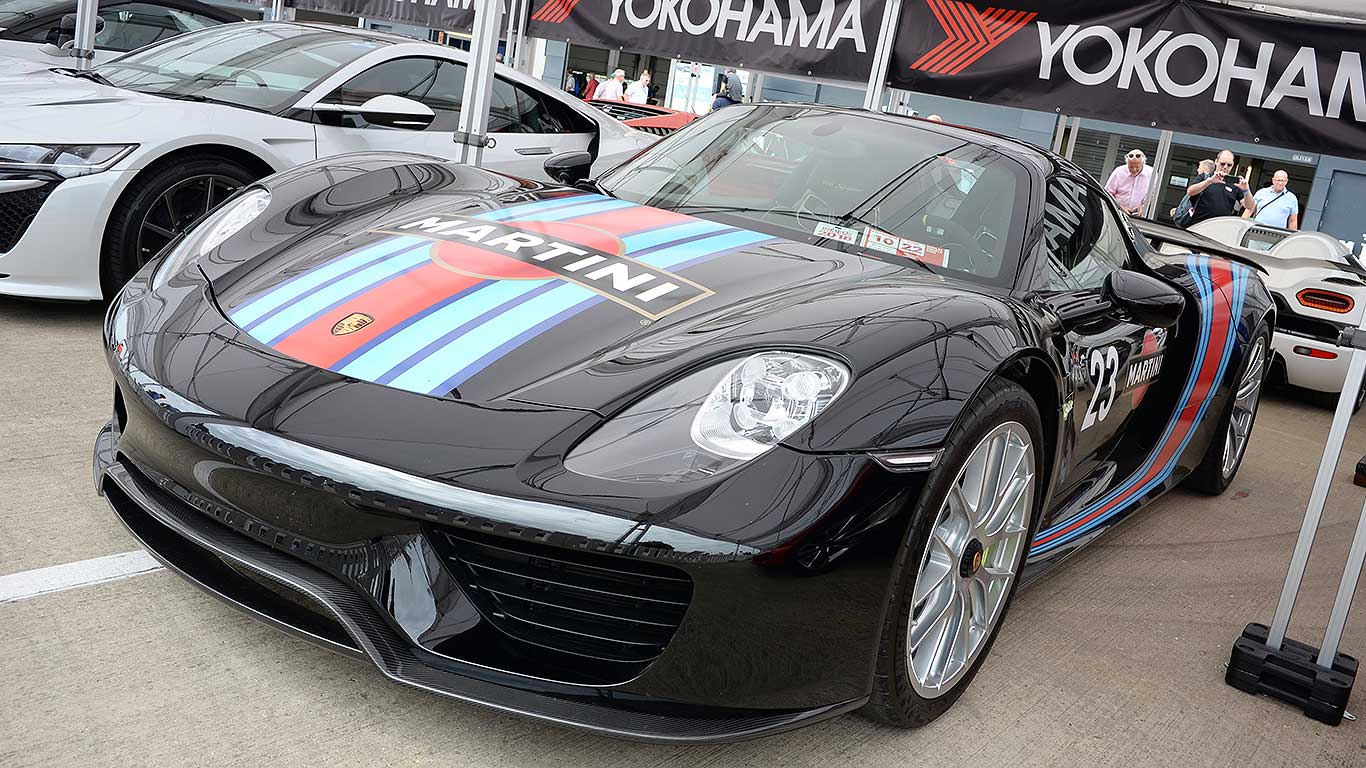
Porsche 918
Such hybrid technology was largely pioneered on this: the Porsche 918 Spyder. One of a trio of hybrid hypercars released around five years ago, the 918 has stood the test of time with spectacular performance and those stunning Porsche curves.
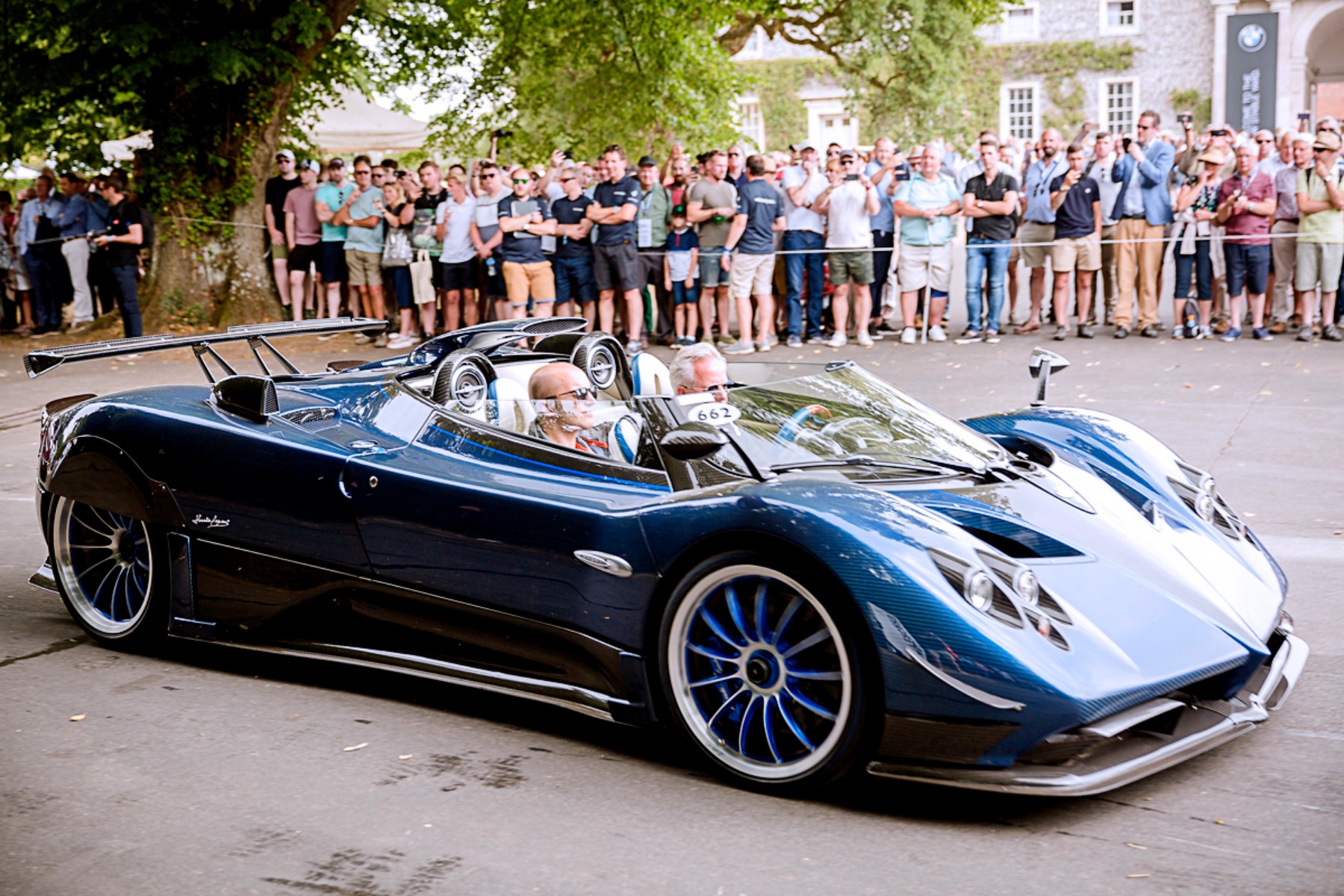
Hidden amongst all the news from the 2018 Goodwood Festival of Speed was the debut of the most expensive new car ever sold: the Pagani Zonda HP Barchetta. That this £13.5million (€15million) car has a Pagani badge comes as no surprise, given it’s the maker of some of the most exotic and sought-after cars of the last 20 years.
Ordinarily, you’d think the HP Barchetta is one of those cars that’s destined to be stored inside an air-conditioned bubble, tucked away in one of the world’s greatest car collections. Such an assumption would be wrong, however. Company founder Horacio Pagani himself drove his Barchetta from Modena to the Festival of Speed before its debut run up the hill.
Yes, HP stands for Horatio Pagani, and the first Barchetta is his own car.
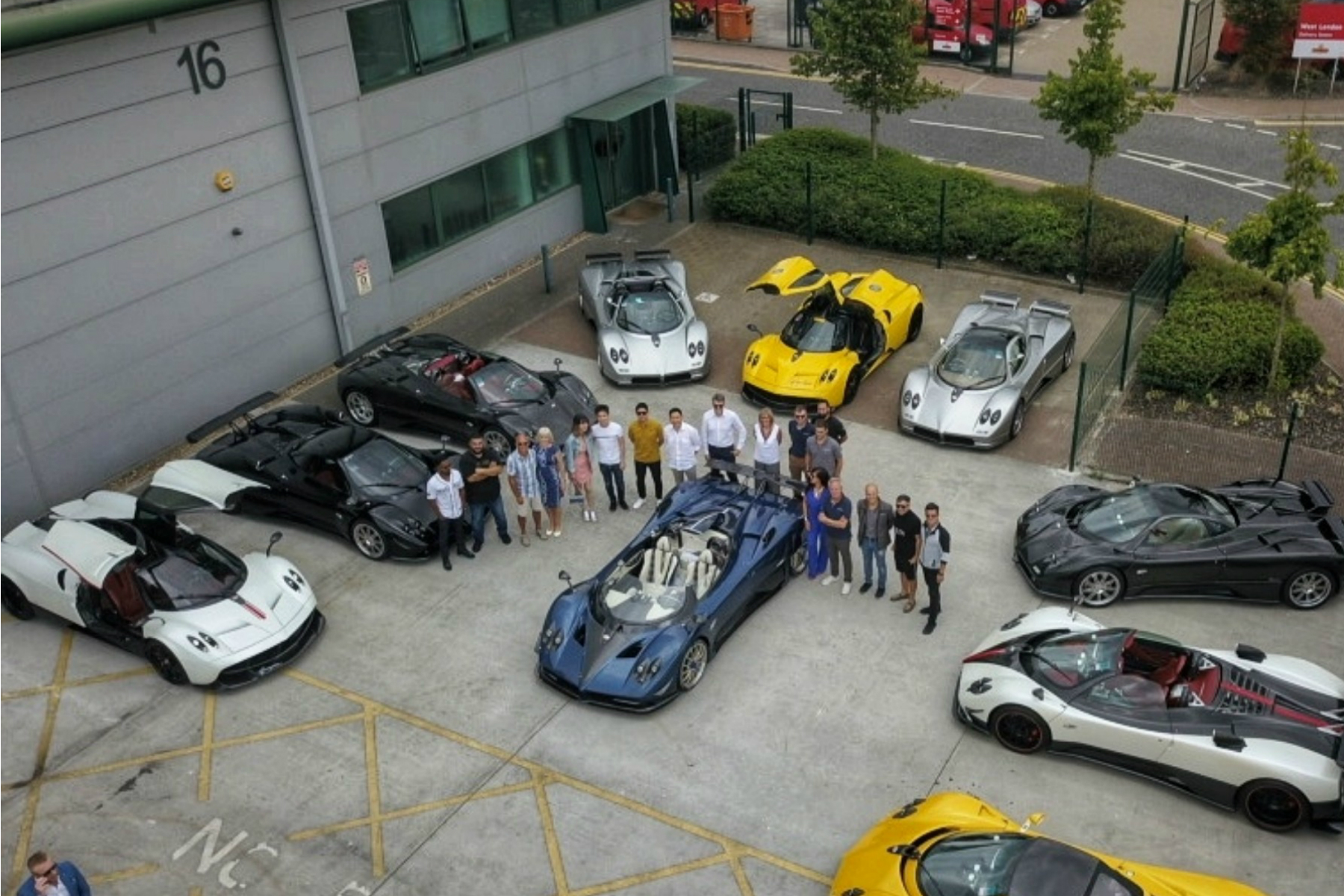
After landing on UK soil, Pagani made his way to the marque’s UK base in London, where £35million-worth of Zondas and Huayras were waiting to begin a convoy around London, before heading to Goodwood.
The marque’s latest monster, the 774hp Huayra Roadster, was also making its dynamic debut, but the six-times-more-expensive HP Barchetta arguably stole the show.
Furthermore, in scarcely believable news, the last of the three Barchettas to be built is indeed to be the last ever Zonda. Since its debut in 1999, the Zonda has been utterly transformed from sports car to supercar to fully-fledged 760hp+ hypercar, with a succession of special editions leading out the production run over the past few years.
Pagani could never quite let go of his breakout model until now. Suffice to say, three specials at £13million+ a pop counts as ‘going out with a bang’.
 100,000 people are going to visit Silverstone Classic 2018 – and how do they get there? Why, they drive, of course. And if you’re going to such a mecca for car enthusiasts as Silverstone Classic, you want to get there in style, no?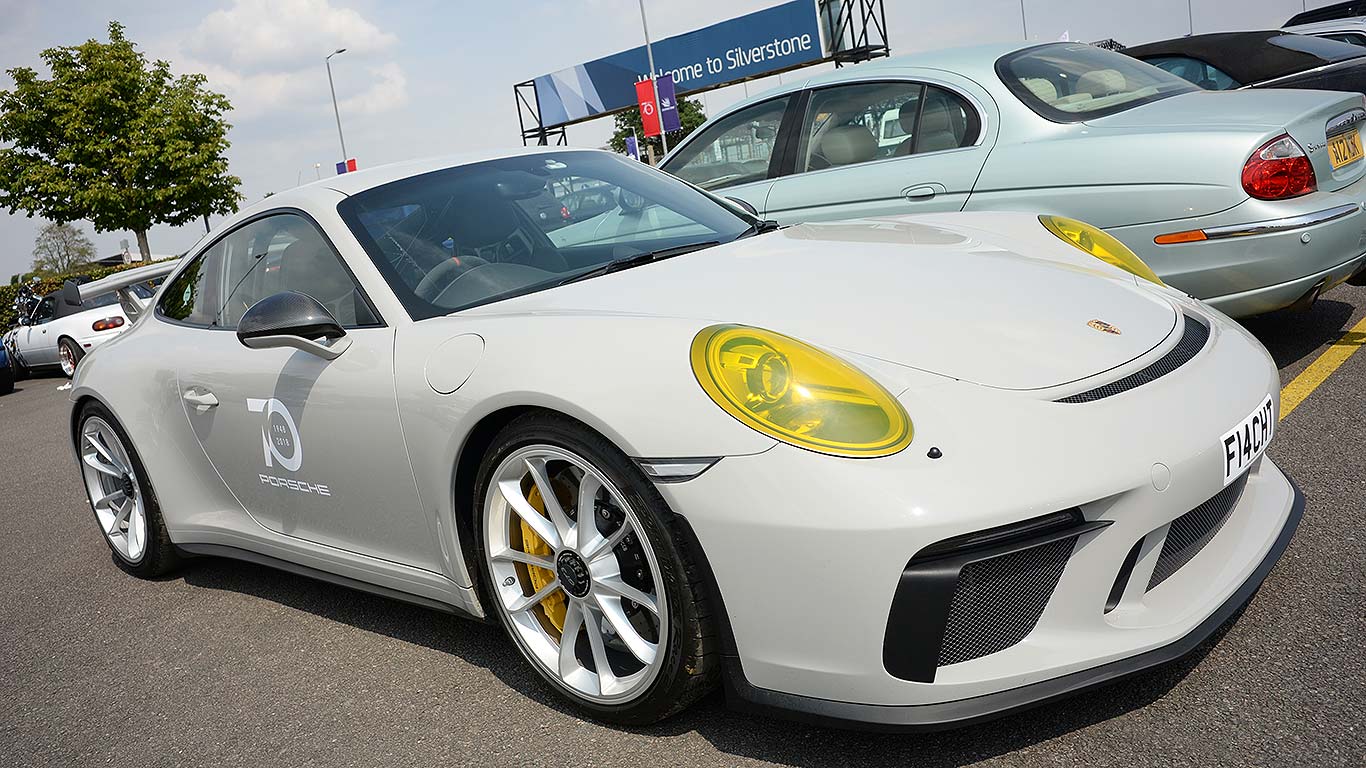



 Silverstone Classic 2018 will attract 10,000 cars and 100,000 visitors. There are amazing classic machines wherever you look. However, because it wouldn’t be a contemporary car show without its fair share of supercars, the organisers have arranged for some exotica for display, too.