Mini is trialling test drives by Twitter in North America. It hopes the new scheme will attract interest from younger people who may find more traditional methods unappealing.
The initiative will run until 30 November in San Francisco and Los Angeles. The Mini Countryman and its plug-in hybrid sister car will be available to test.
How does it work? It couldn’t be easier, reckons Mini: tweet #miniondemand to @miniusa. A link will be DM’d by return, in which prospective buyers fill in delivery information and a preferred date and time for the drive.
Once submitted, Mini will arrange the test drive and turn up at the location at the agreed time, for an entirely no-obligation 30-minute test drive.
Mini’s working with technology provider Fooji for the drives. Its brand communications head, Patrick McKenna, said the collaboration “allows us to use innovative technology and the power of Twitter to simplify the test drive experience for car shoppers by offering quick and convenient test drives.
“We understand that today’s consumer expects a smooth and easy retail experience, and we’re hoping to deliver that right to their door.”
U.S. Mini owners take epic 14-state drive for charity
Twitter’s Rob Pietsch is very excited about the Mini ‘tweet to test drive’ initiative. “This type of creative execution is powerful not only in driving conversation among influential consumers, but it also brings the dealership straight to their front door in an incredibly innovative way.”
Would you like Mini to run a test drive by Twitter scheme over here? Let us know in the comments below.
The Financial Conduct Authority (FCA) is to investigate how customers are charged for their car and home insurance after initial research identified “potential consumer harm”.
General insurance (GI) represents a key part of the UK economy, generating over £78 billion in premium for UK insurers. Most UK adults (82 percent) have one or more GI products, with home and motor insurance the most commonly held policies.
But the FCA is concerned that consumers might be overcharged for their cover, with policies affected by a customer’s age, loyalty, postcode, marital status, employment and whether they are online.
Access to a computer is important leading up to the date of the renewal, as shopping around for alternative quotes can save policyholders hundreds of pounds.
Sticking with an existing provider can often lead to so-called ‘price walking’, with the cost of cover increasing every year, eventually making the policy more expensive than for a new customer. More costly for the consumer and more profits for the insurance provider.
The market study will give the FCA a deeper understanding of the scale of the problem, who it affects and what needs to be done in order to improve matters.
‘Potential consumer harm’
Andrew Bailey, FCA chief executive, said: “Our initial work has identified a number of areas of potential consumer harm. We want to make sure that general insurance markets deliver competitive and fair prices for all consumers.
“This market study will help us examine the outcomes from general insurance pricing practices and inform how, if necessary, we should intervene to improve the market.
“If change is needed to make the market work well for consumers, we will consider all possible remedies to achieve this.”
Tackling the loyalty penalty
In response, Gillian Guy, chief executive of Citizens Advice, commented: “We knew insurance companies were penalising loyal customers, but it is shocking that the FCA has found many companies don’t even seem to have oversight of how much they’re charging customers.
“The insurance industry has said they want to tackle the loyalty penalty – but it’s hard to see how they can achieve this when companies don’t even have these basics in place.
“The FCA is treating the loyalty penalty seriously by conducting this review and scrutinising firms through a market study. We now expect strong regulatory action to stamp out this problem and enforcement against firms who are overcharging loyal customers.
“This is symbolic of a wider issue across essential markets like mortgages, broadband, mobile and savings. The Competition and Markets Authority needs to look very carefully at this as they respond to our super-complaint on the loyalty penalty.”
Georgie Frost, consumer advocate at GoCompare said: “We welcome any investigation into this area because clearly something isn’t right and people feel they are being ripped off.
“Clearer rules and regulations will be better for everyone because we can’t have a system where it is the most vulnerable that are the hardest hit. Equally, some people who can switch aren’t doing so and we need to find out why and make sure they are fully engaged.
“It’s well-known that loyalty doesn’t pay when it comes to insurance. Just a glance at the feedback we receive from our customers shows that you can save hundreds of pounds on a policy without compromising cover.
The FCA is seeking input on the issues outlined in the market study by 3 December 2018 and will publish an interim report in summer 2019. The final report will be published by the end of 2019.
For many years, Volvo estate cars have been synonymous with green wellies, Labradors and the good life. Indeed, a 145 was the choice of wheels for Jerry and Margo in the hit BBC TV series, The Good Life.
So, hot on the heels of the launch of the new V60 Cross Country, we take a nostalgic look back at a history of Volvo estates.
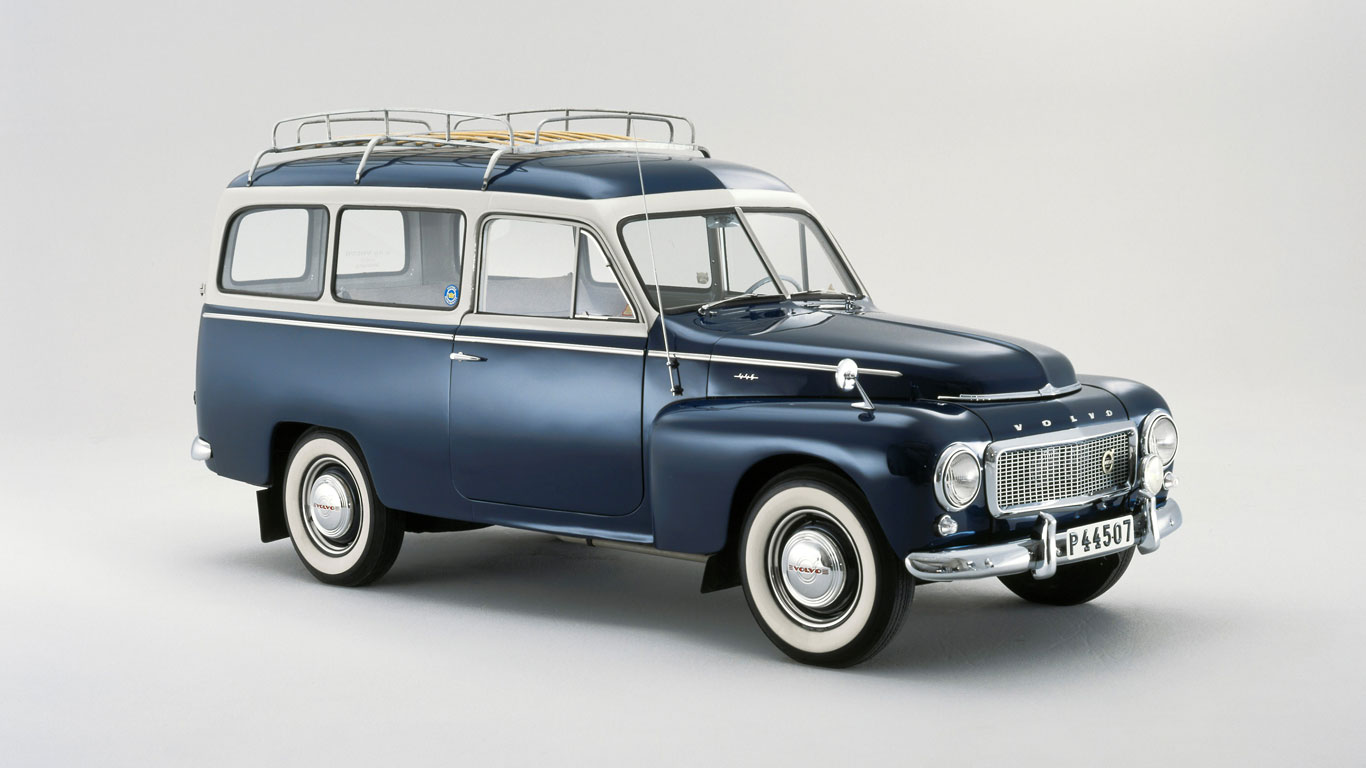
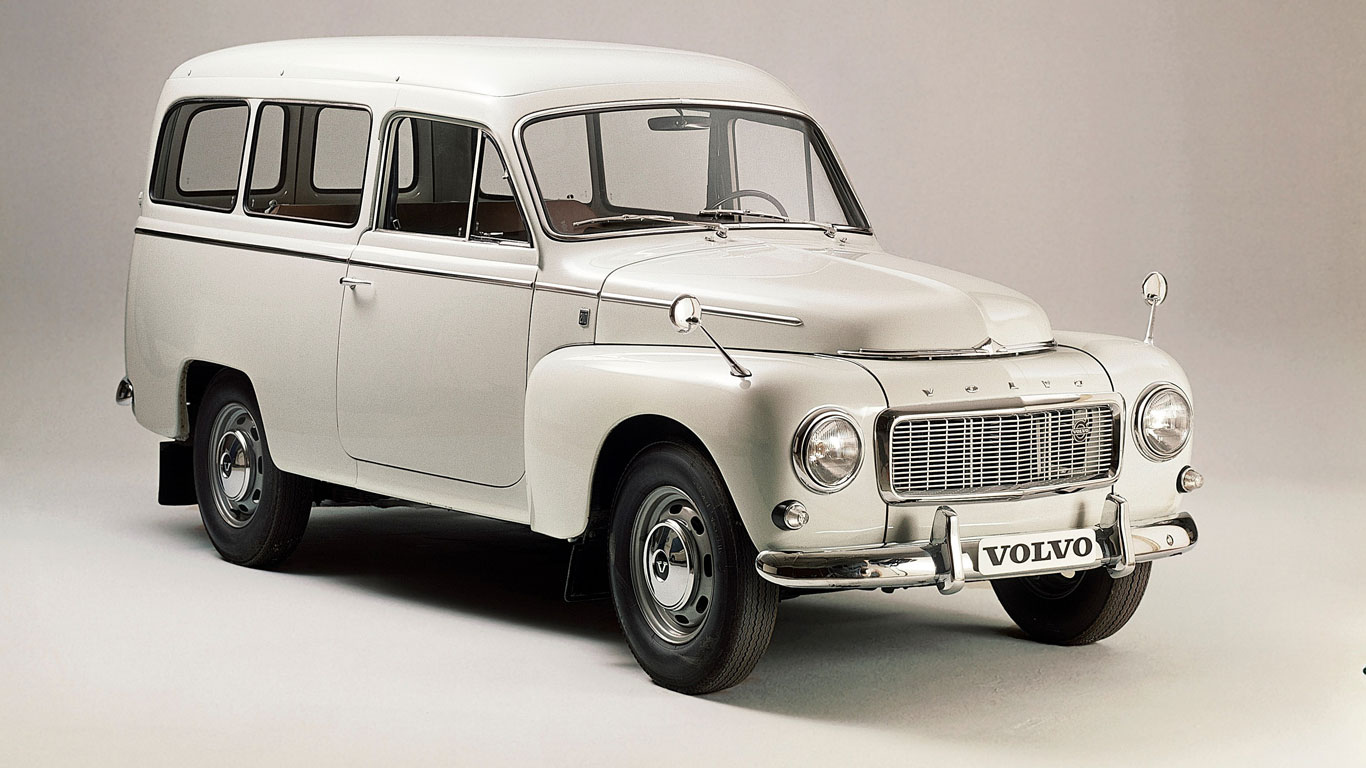
Volvo PV445 Duett – 1953
From 1949 to 1953, the PV445 formed the basis for small lorries, vans and estate cars, all of which were available through independent coachbuilders. In 1953, the PV445 Duett was introduced – a car widely regarded as the godfather of all Volvo estates. It was one of the first Volvos to be exported to the US and was even immortalised on its own Swedish postage stamp.
Volvo P210 Duett – 1960
The P210 Duett was introduced in 1960 and was essentially a continuation of the PV445 Duett. Times were changing, and although the P210 was available as a van or estate, the popularity of coachbuilt special editions was in decline. Production of the P210 continued until 1969, with sales focused on Nordic markets.
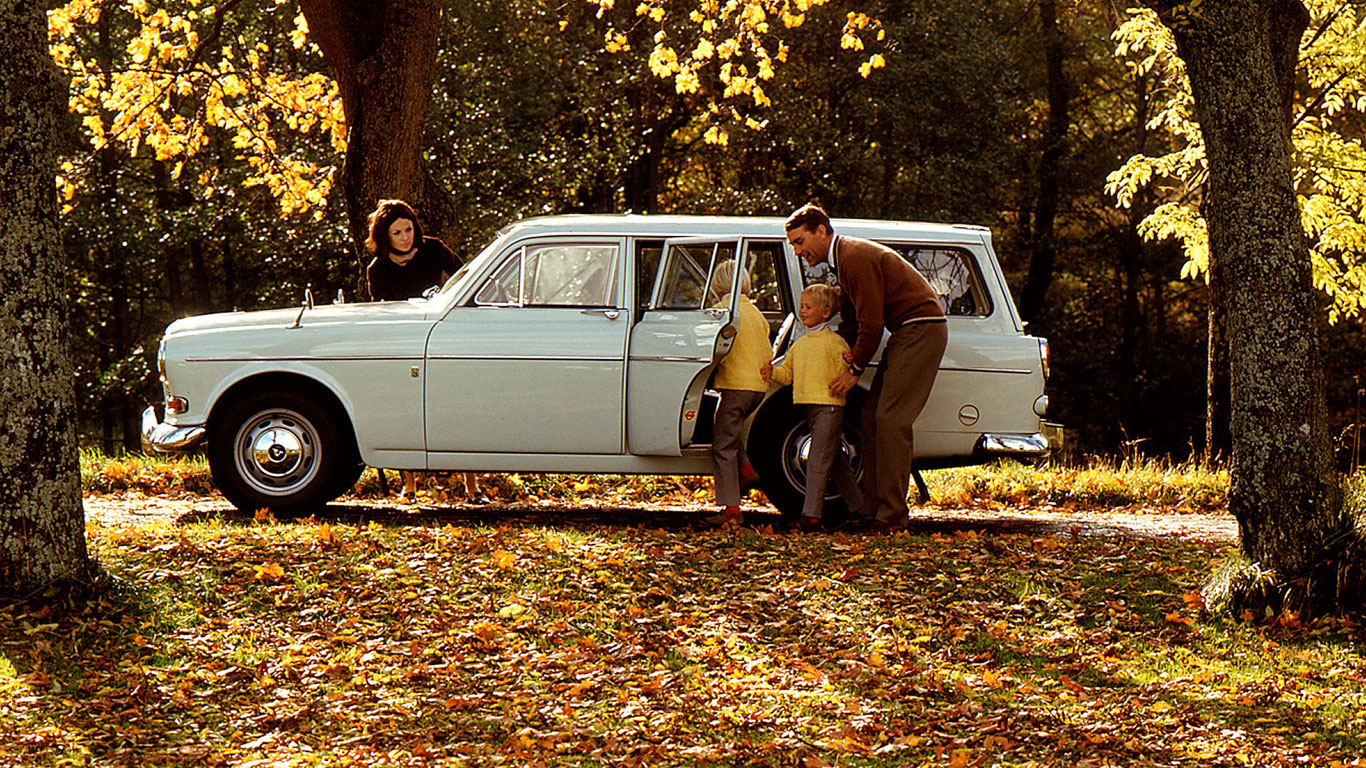
Volvo Amazon – 1962
While the P210 enjoyed success in Nordic countries, the P220 – or Amazon – would become Volvo’s international bright young thing. Unlike Volvo estates of old, the Amazon wasn’t based on a delivery van and was more elegant as a result. It was practical, stylish and rather nice to drive.
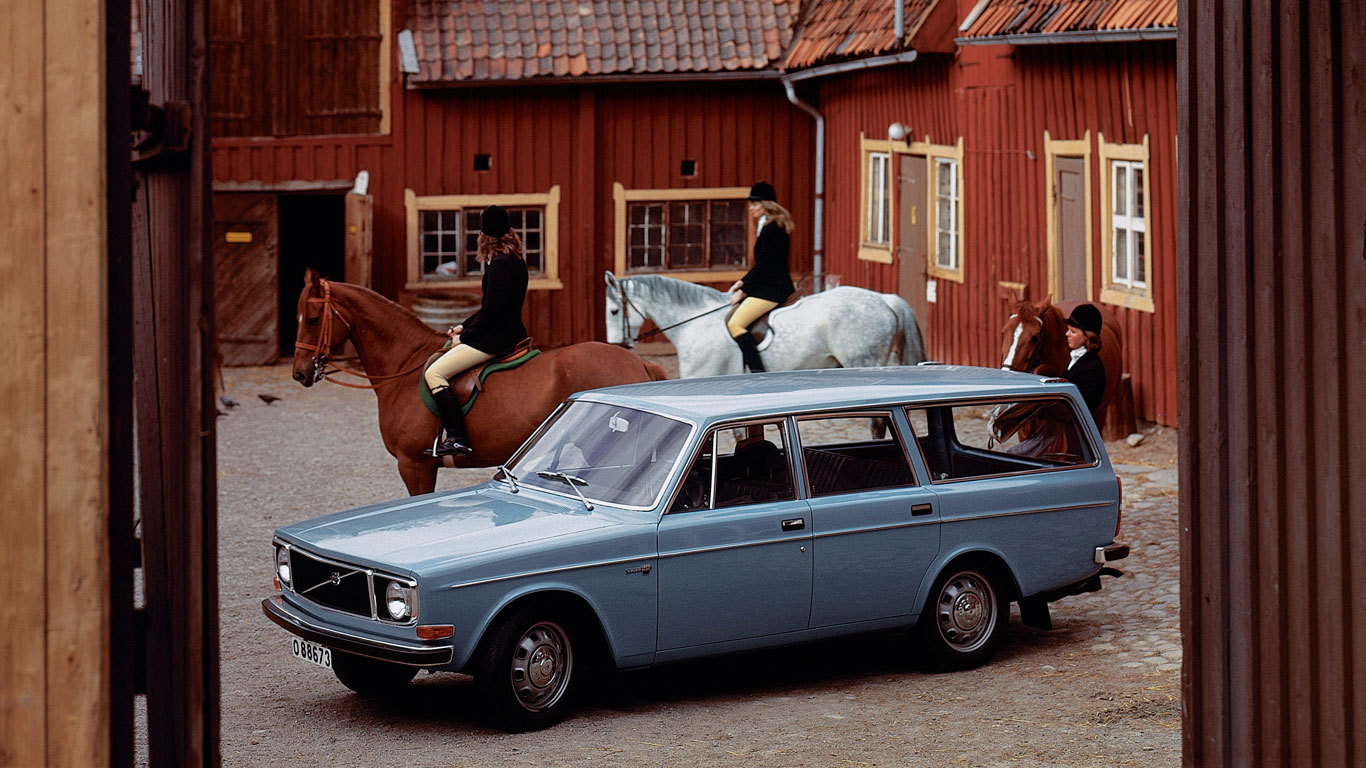
Volvo 145 – 1967
In 1967, Volvo launched the car that would lay the foundations for one of the most iconic shapes in the automotive world. The 145 was the estate version of the 140 Series and featured a near-vertical tailgate. At launch, the 145 featured a split in the rearmost side window, but this disappeared in 1970.
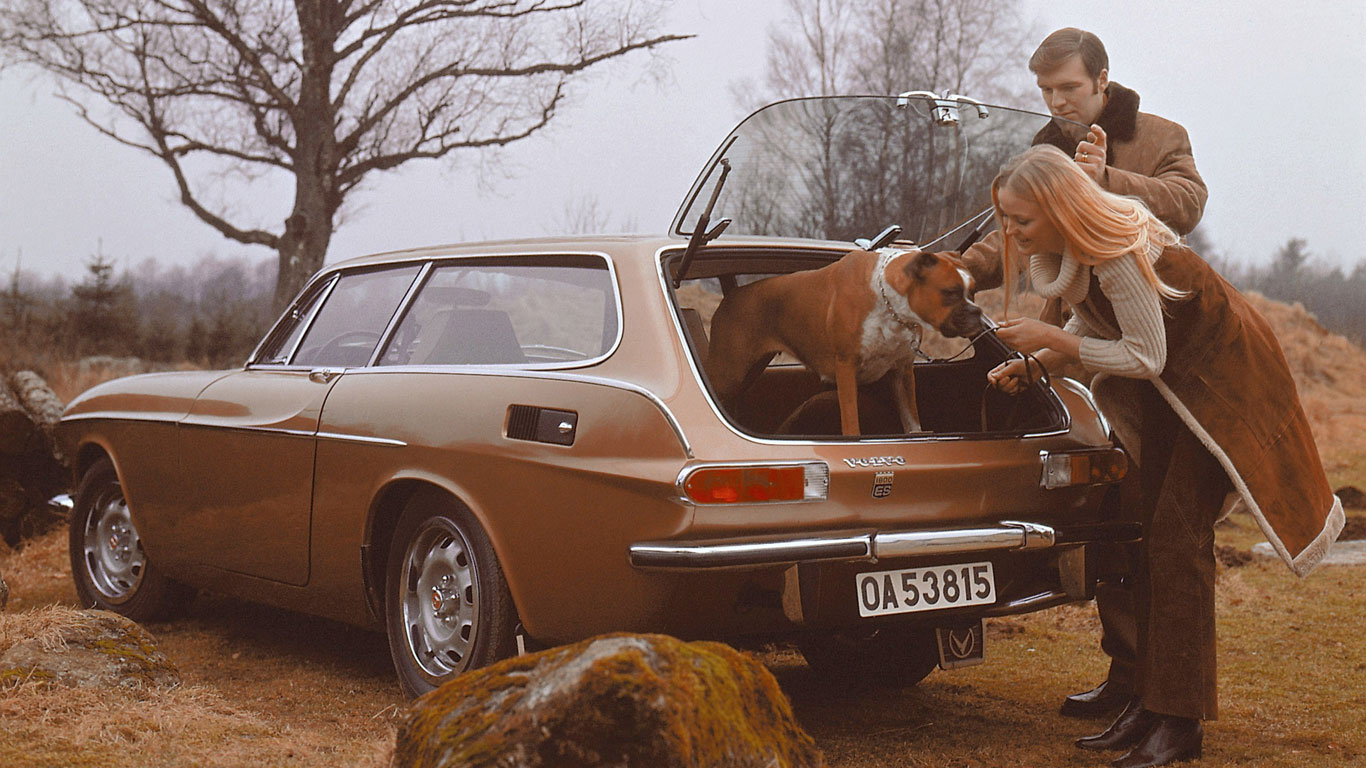
Volvo 1800 ES – 1971
The 1800 ES was a shooting brake version of the beautiful P1800 coupe. It arrived in 1971 and featured an extended roofline and a profile reminiscent of an estate. Now, 1800 ownership was open to more people, with the ES offering four seats, a sizeable boot and decent levels of performance. Sadly, the 1800 ES died in 1973 – a victim of American safety legislation.
Volvo 245 – 1974
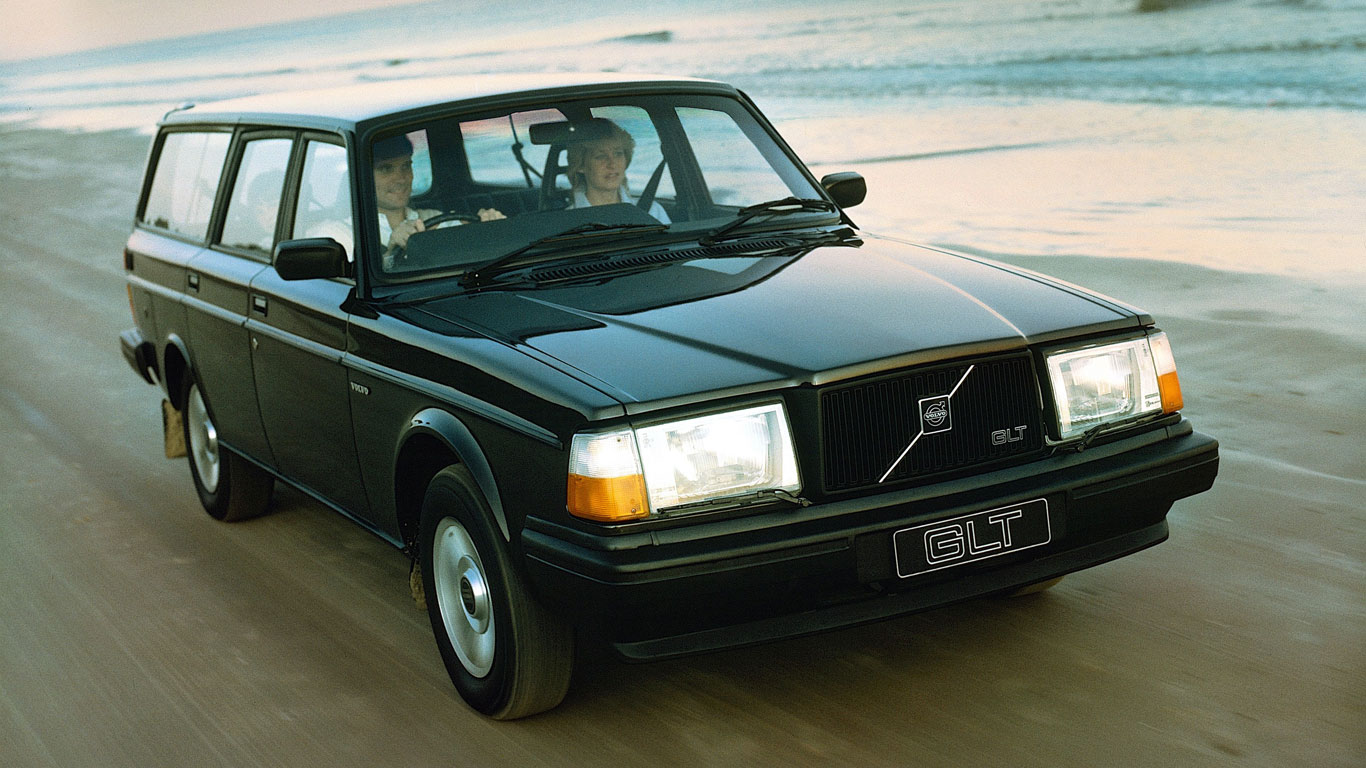
Is this the archetypal Volvo estate car? Absolutely. Launched in 1974, the 245 would live on until 1993, by which time it had cemented itself as the favourite amongst soccer moms and the middle classes. In 1981, the 245 Turbo became one of the fastest estate cars in the world, and the first to be fitted with a turbocharged engine.
Volvo 265 – 1975
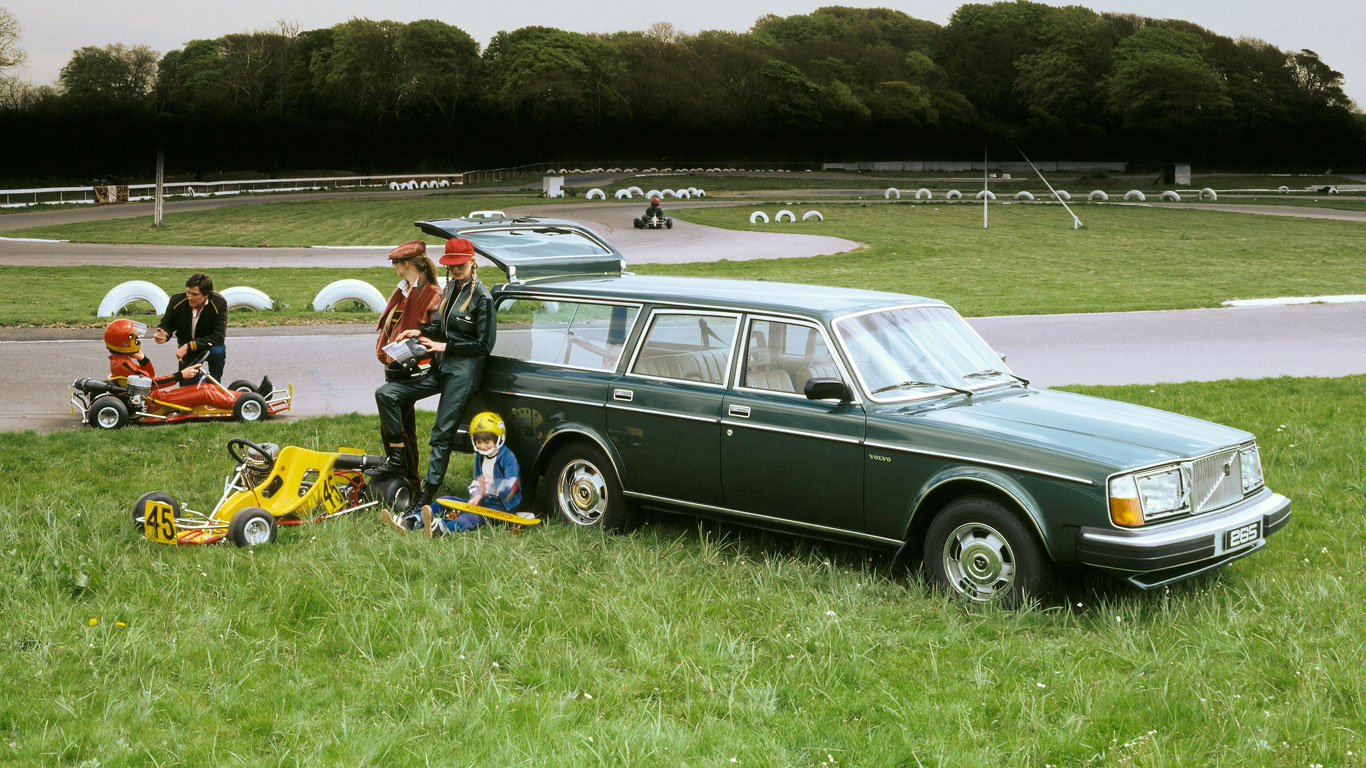
The Volvo 265 was the more upmarket version of the 245, fitted with a more powerful six-cylinder engine. It would enjoy a 10-year production life, offered with both 2.6- and 2.8-litre engines.
Volvo 66 – 1975
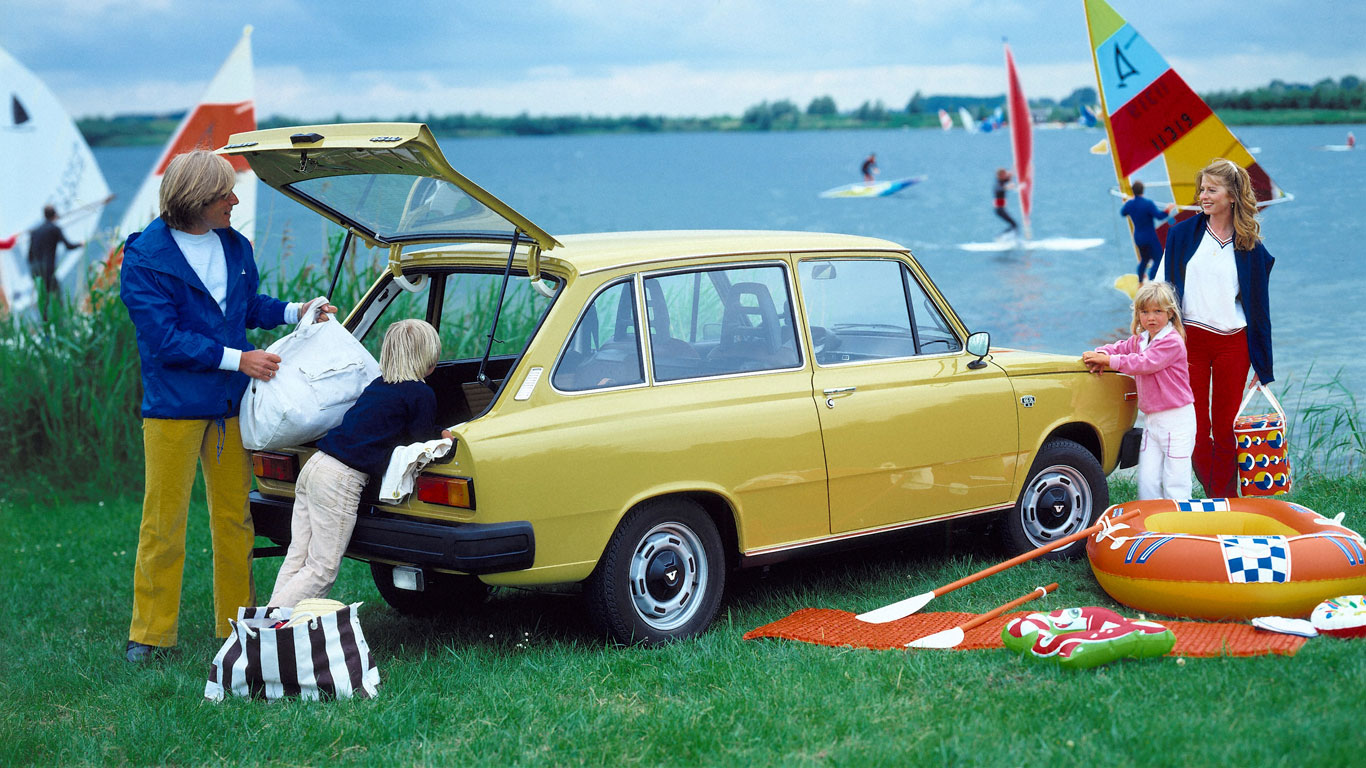
In the mid-seventies, Volvo took total control of DAF Car BV, and the first car to benefit from the change in ownership was the DAF 66. In 1975, it became the Volvo 66, featuring rear-wheel-drive and the famous Variomatic continuously variable transmission (CVT).
Volvo VCC – 1980
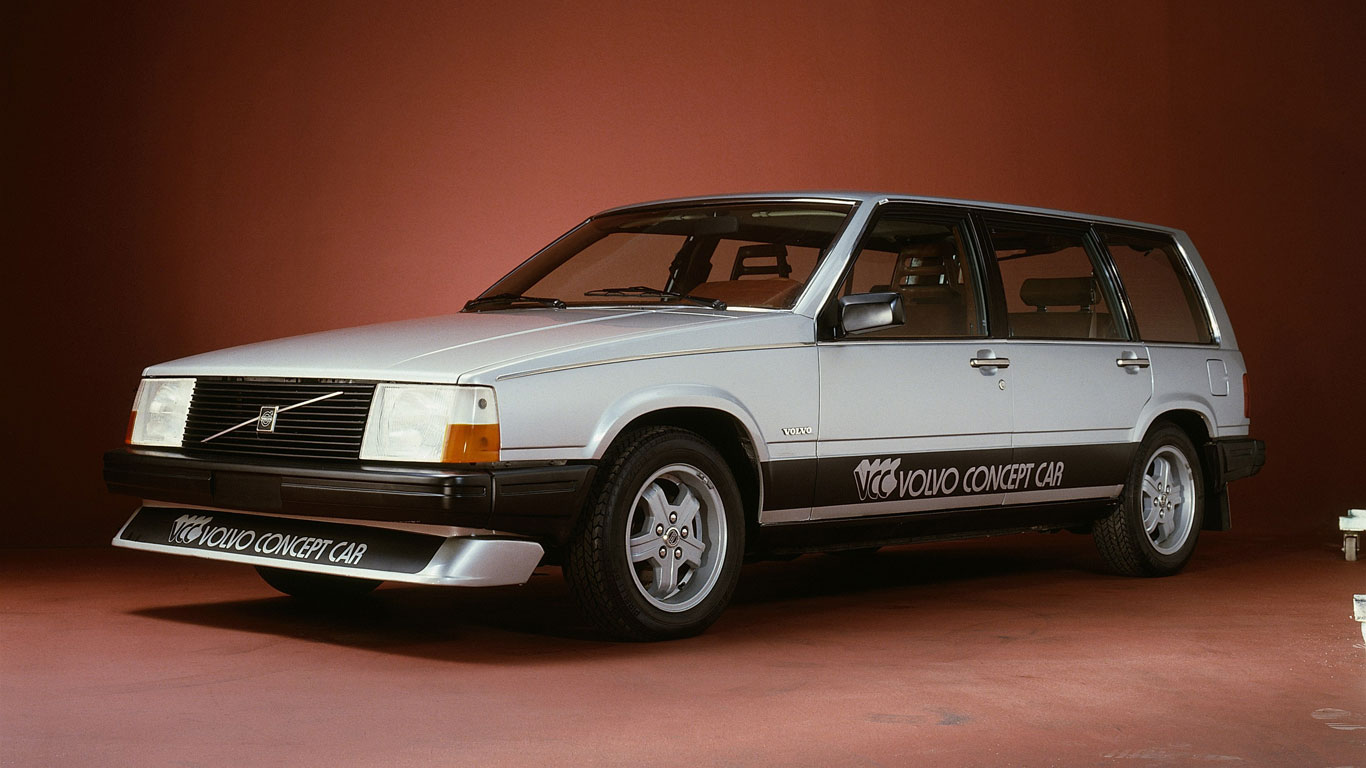
In 1980, Volvo launched its VCC experimental vehicle. The VCC – or Volvo Concept Car – was built to test concepts in the fields of energy and consumption and was equipped with monitors in place of a traditional dashboard. The VCC was a test bed for the 760, which would arrive in saloon form just two years later.
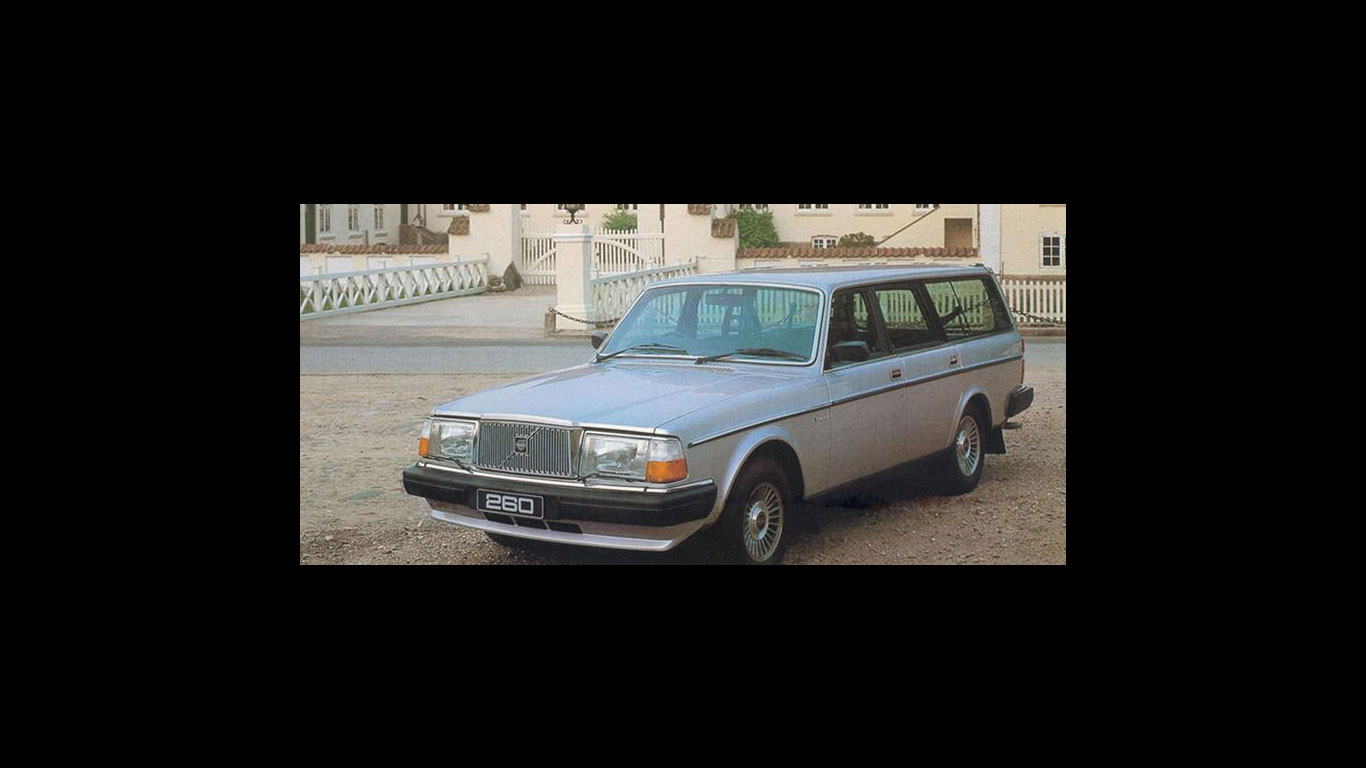
Volvo 260 – 1983
The Volvo 260 of 1983 was the result of little more than a badge-changing strategy, with the 265 becoming the 260. The Volvo 264 was replaced by the 760 GLE in 1982, but with the estate version still three years off, the five-door 260 estate remained in production until 1985.
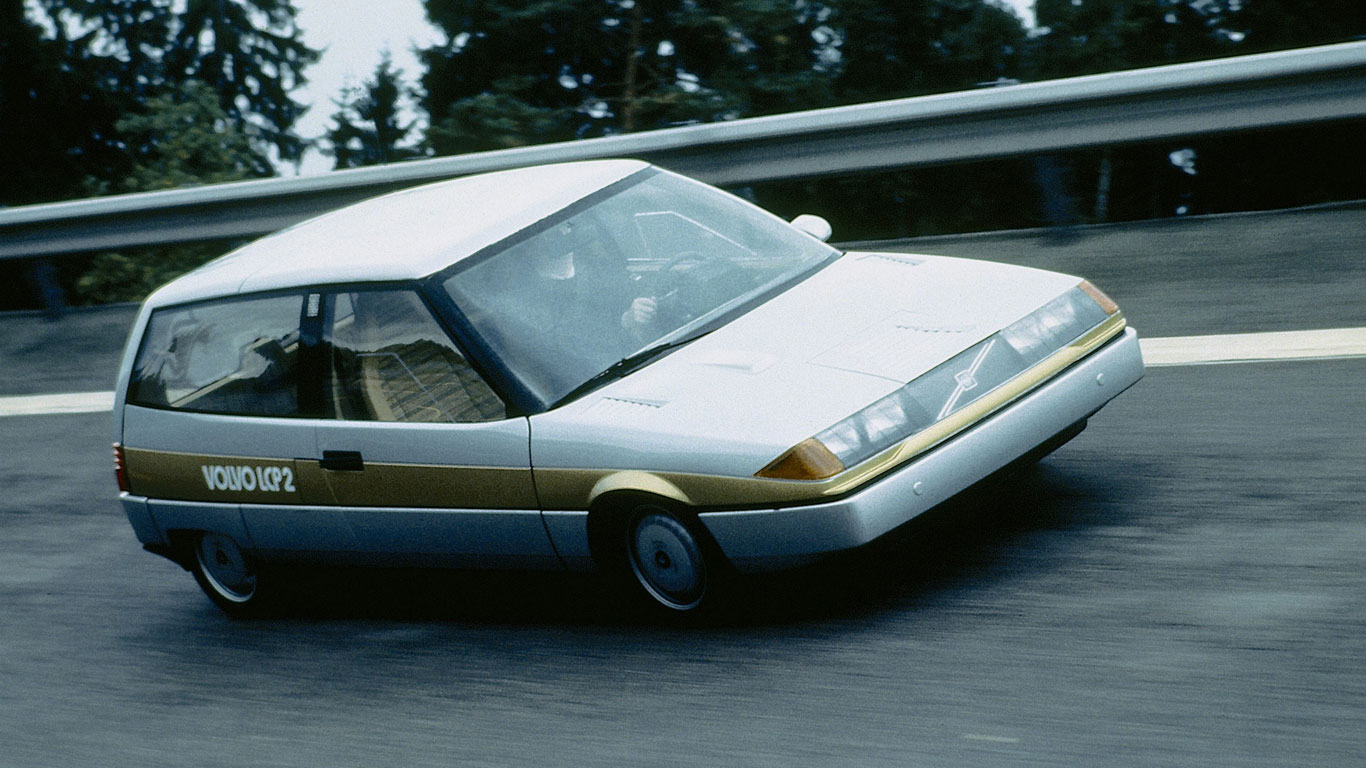
Volvo LCP Concept – 1983
If the Volvo LCP 2000 had the whiff of fish and chips, this was no coincidence. The LCP – or Light Component Project – was Volvo’s vision of a lightweight and fuel-efficient car of the new millennium. It was fitted with a choice of engines, including a 1.4-litre unit that could run on rapeseed oil – hence the smell of Britain’s favourite takeaway.
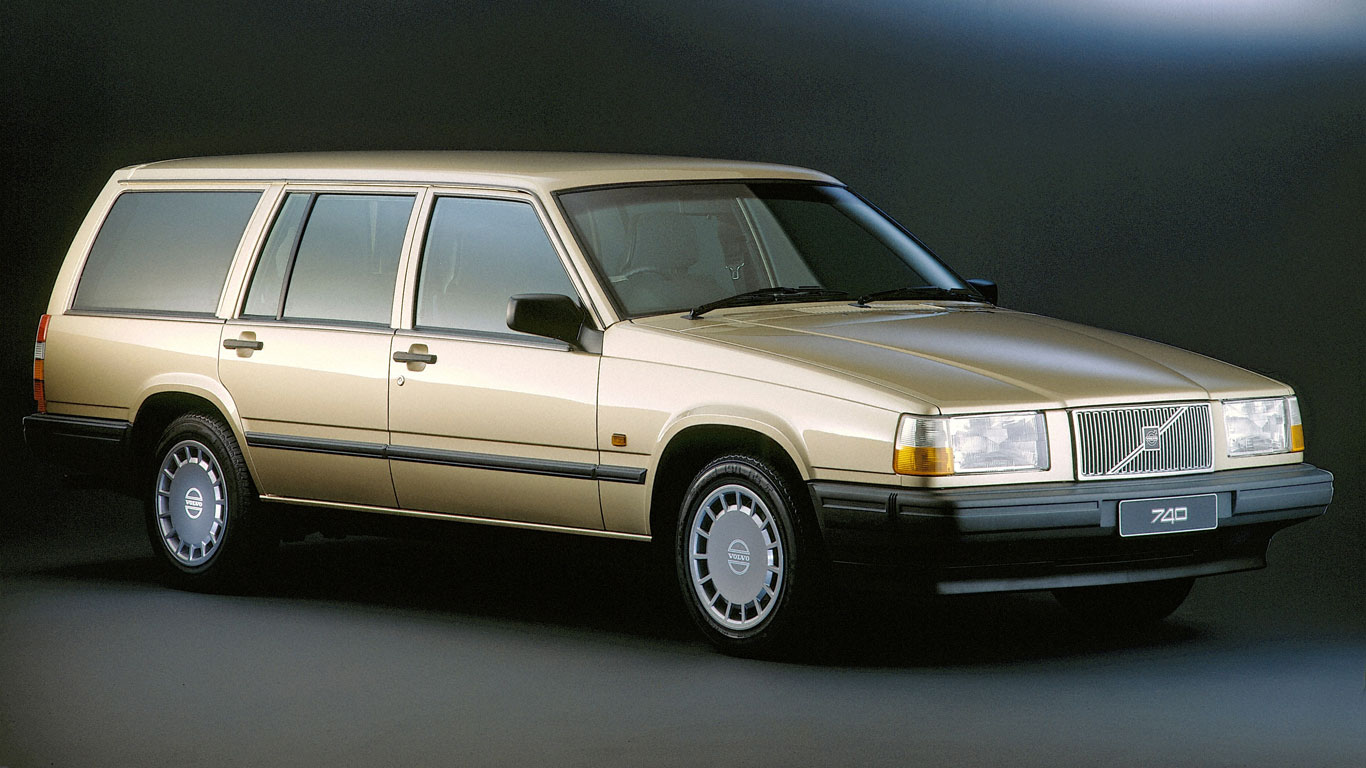
Volvo 740/760 – 1985
The Volvo 760 GLE was powered by a 2.8-litre ‘Douvrin’ engine it shared with Renault and Peugeot, but customers were given the option of four-cylinder turbocharged and six-cylinder diesel units. Unlike Volvos of old, the 4 and 6 in 740 and 760 no longer referred to four- or six-cylinder versions. Instead, the ‘6’ was the more luxurious of the two.
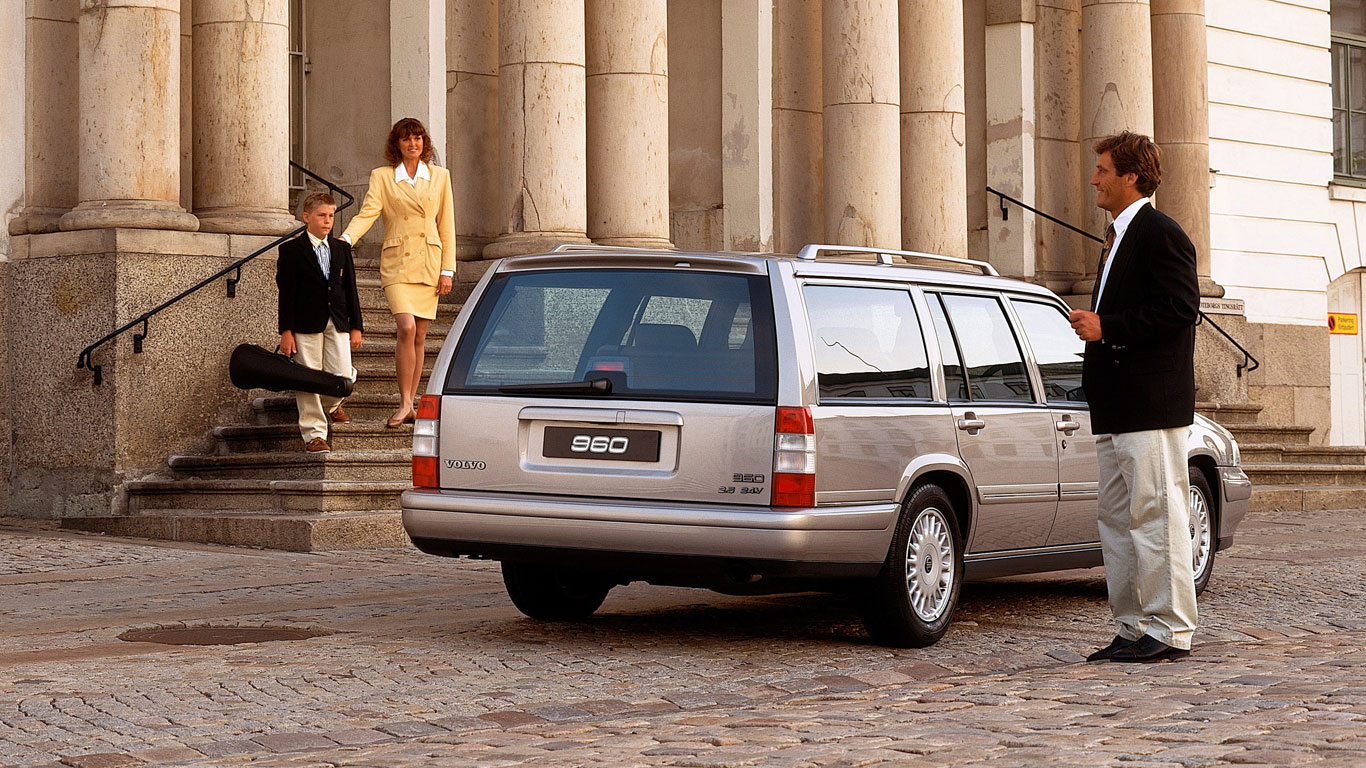
Volvo 940/960 – 1990
The 940 was introduced in 1990 and was – along with the S90/V90 – the last rear-wheel-drive Volvo to be built. The 960 was the more upmarket of the 900 range and was offered with a new aluminium 24-valve six-cylinder engine.
Volvo 850 – 1993
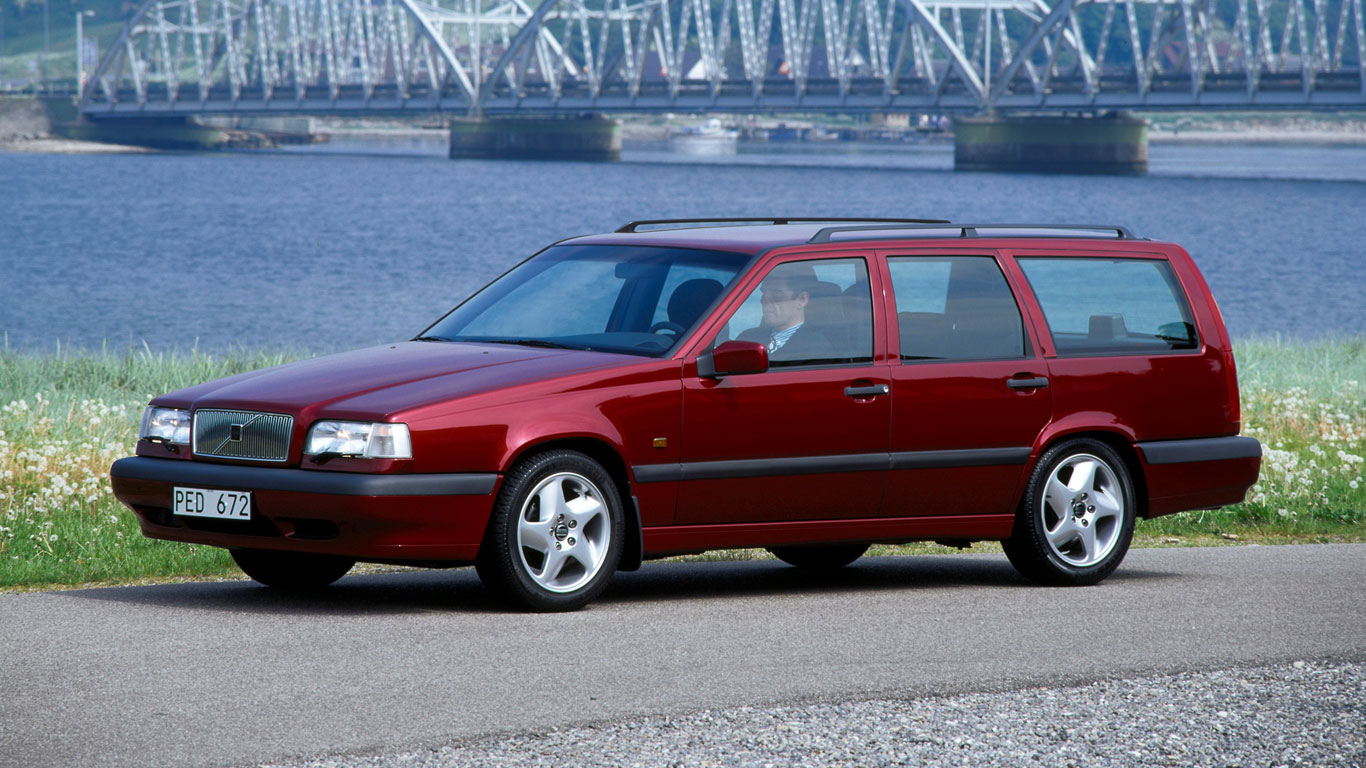
The 850 estate was unveiled in February 1993, two years after the launch of the 850 saloon. This was a significant car for Volvo, not least because it heralded the dawn of a new front-wheel-drive future for the brand. It was the first car in the world to offer a side-impact protection system (SIPS).
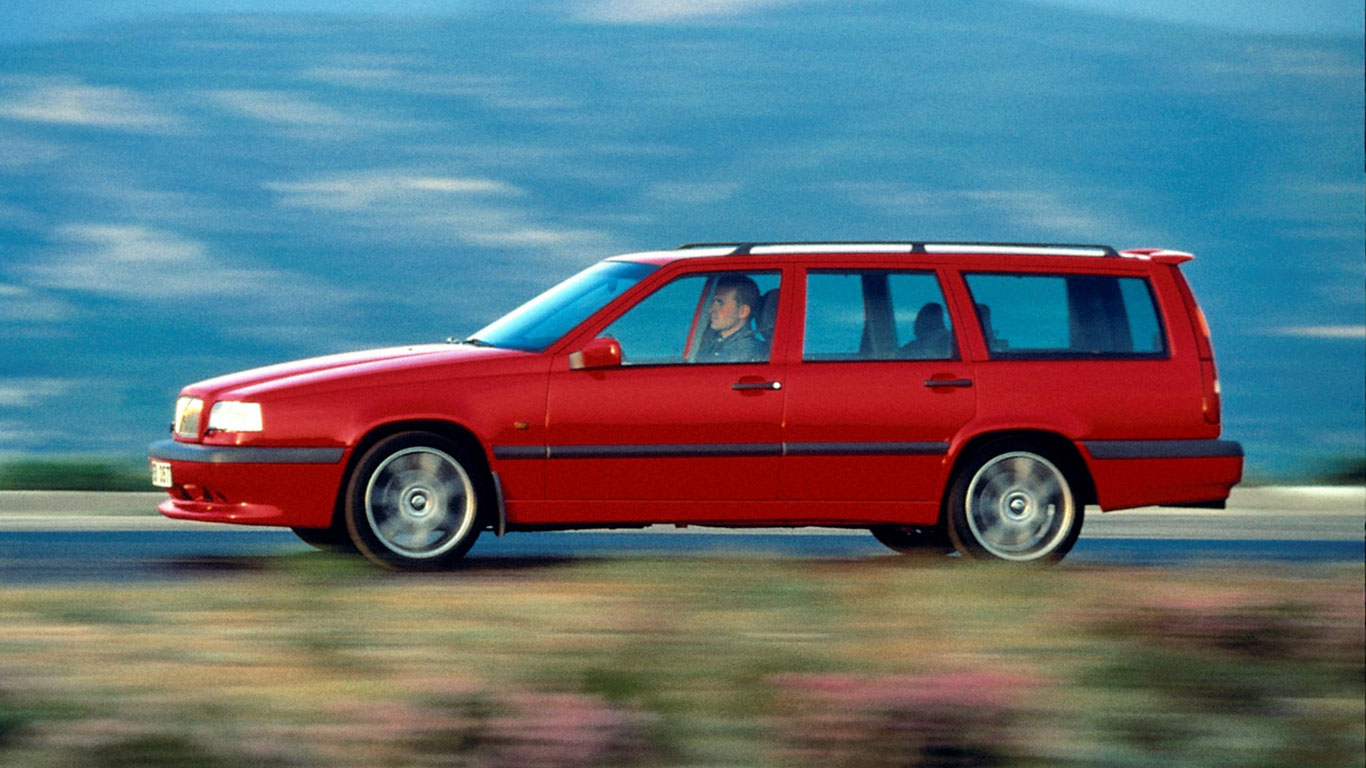
Volvo 850 T5-R – 1994
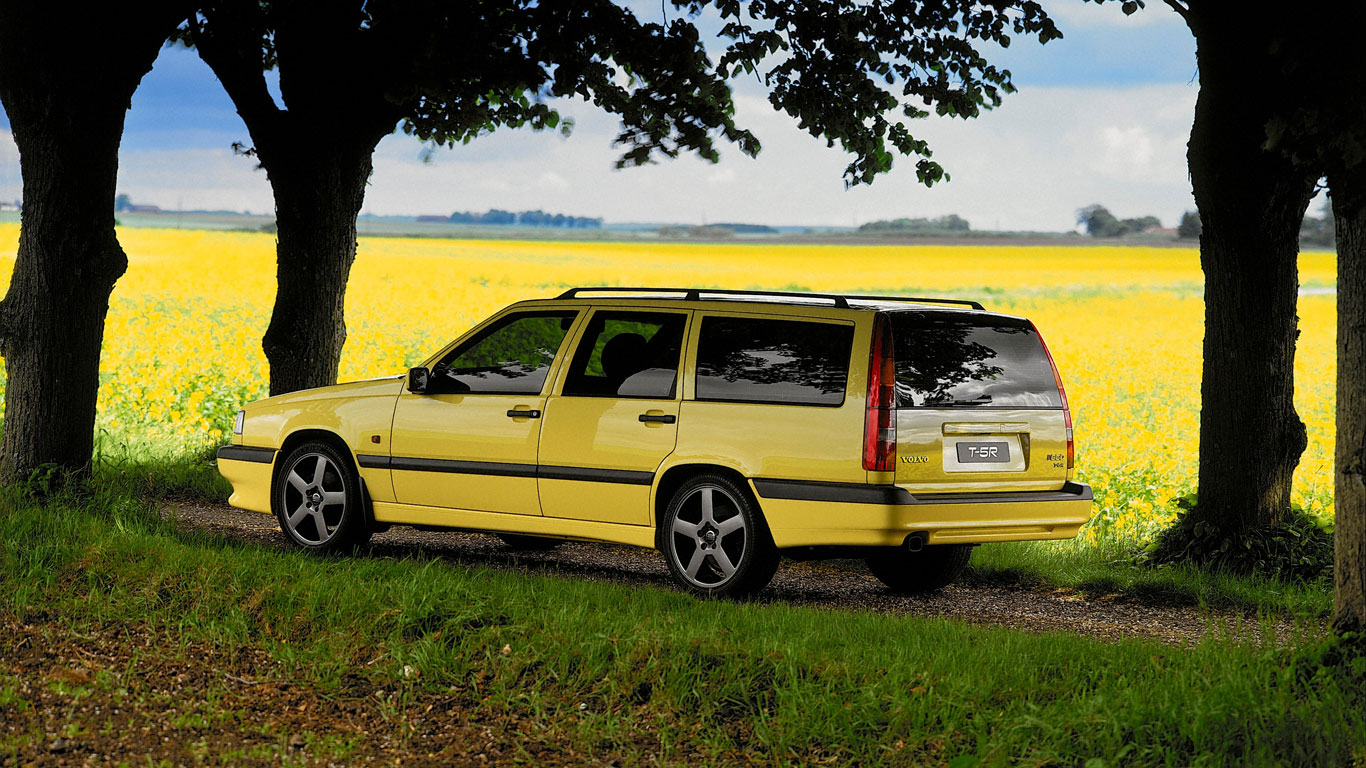
Keen to shake off its staid and dependable image, Volvo turned to Porsche for help. The Stuttgart company assisted with the engine tuning, transmission and interior of the 850 T5-R, helping it to a top speed limited to 155mph. The ultimate Q-car, assuming you didn’t tick the box marked Cream Yellow paint.
Volvo 850 BTCC – 1994
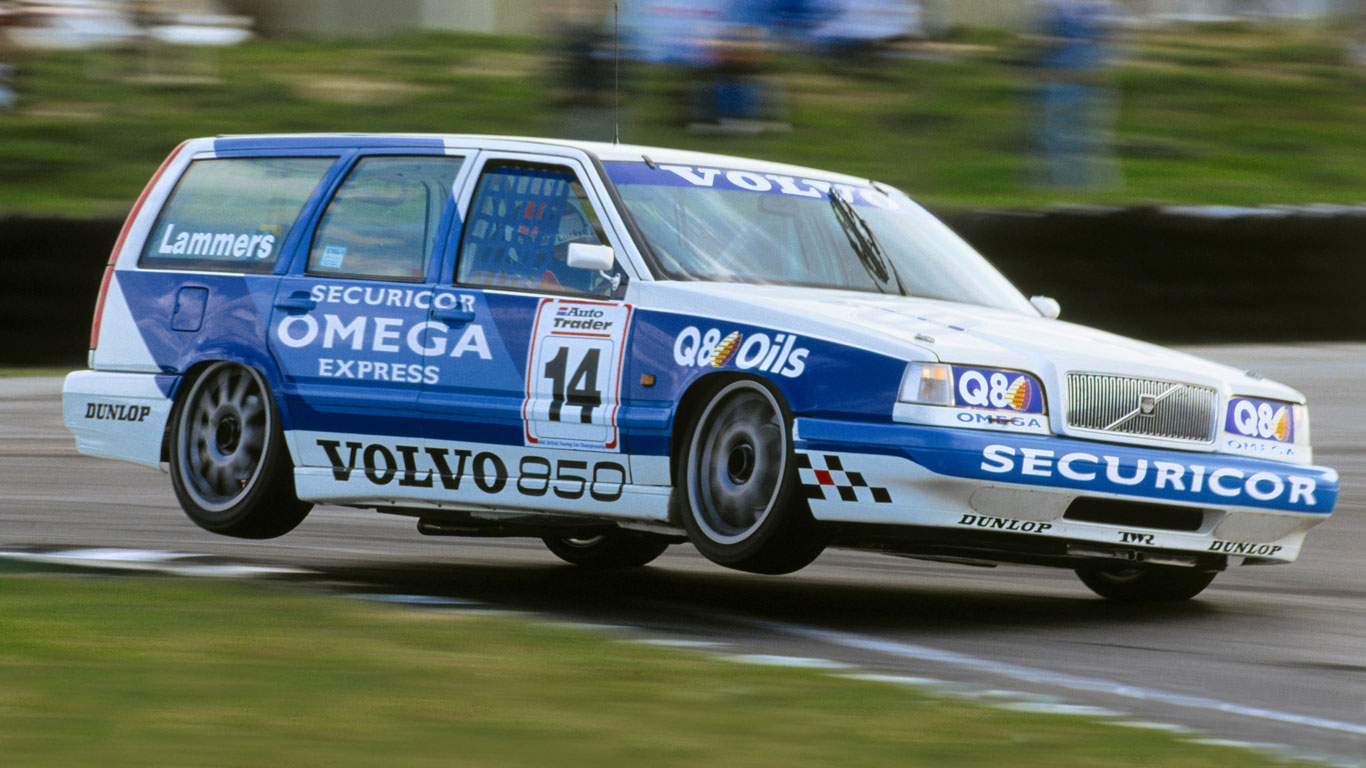
This is without doubt one of the most famous racing cars of all time. The Volvo 850 BTCC car was the first factory-entered racing estate car and it made its debut at Thruxton in April 1994.
Volvo V40 – 1995
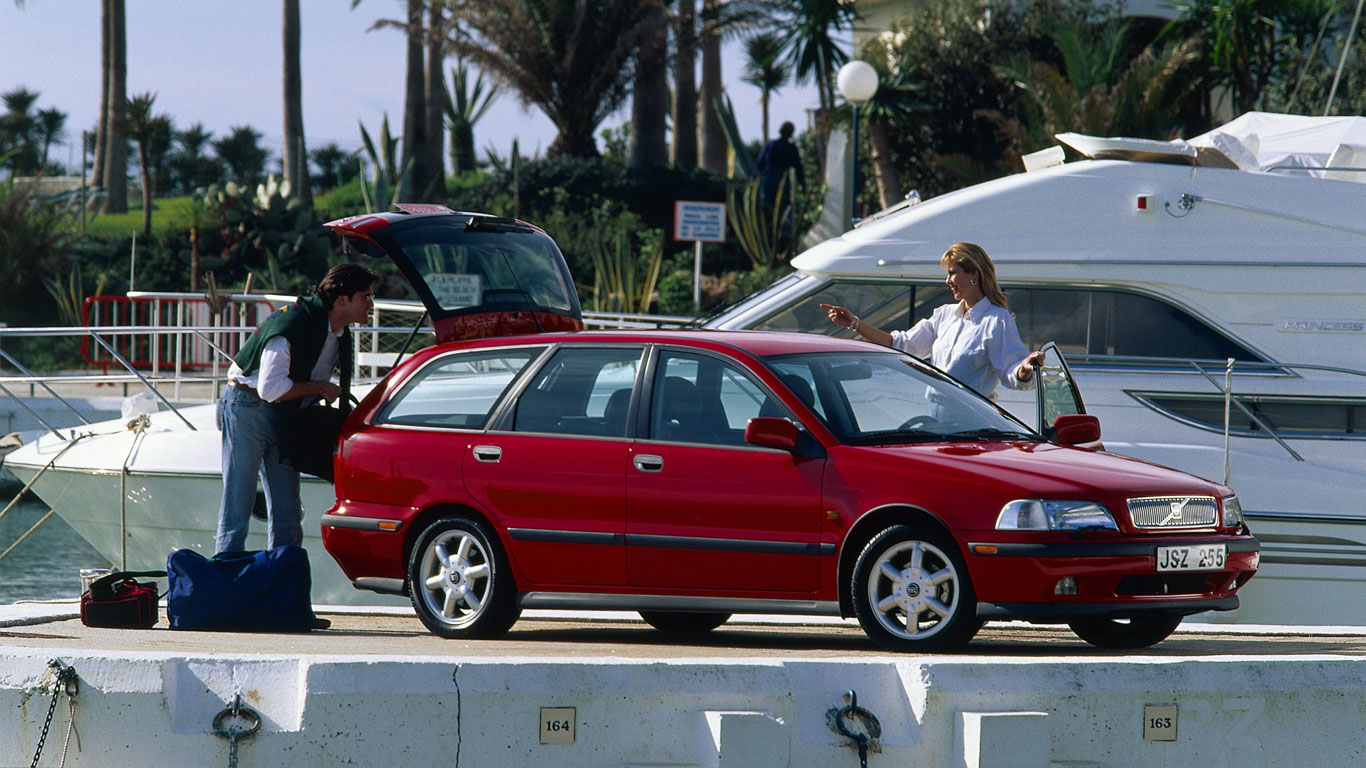
The V40 – mechanically identical to the S40 – arrived in 1995. Not to be confused with the current Volvo V40, this was a compact estate car built at the Nedcar factory in the Netherlands. The S40/V40 was actually based on the same platform as the Mitsubishi Carisma, meaning it is also related to the Proton Impian.
Volvo 850R –1996
When it was launched in 1996, the 246hp 850R was the fastest and most powerful Volvo ever produced. Unlike the 850 T5-R, the 850R was not a limited-edition model and it is thought that between 5,000 and 7,000 were actually built. A future classic in the making.
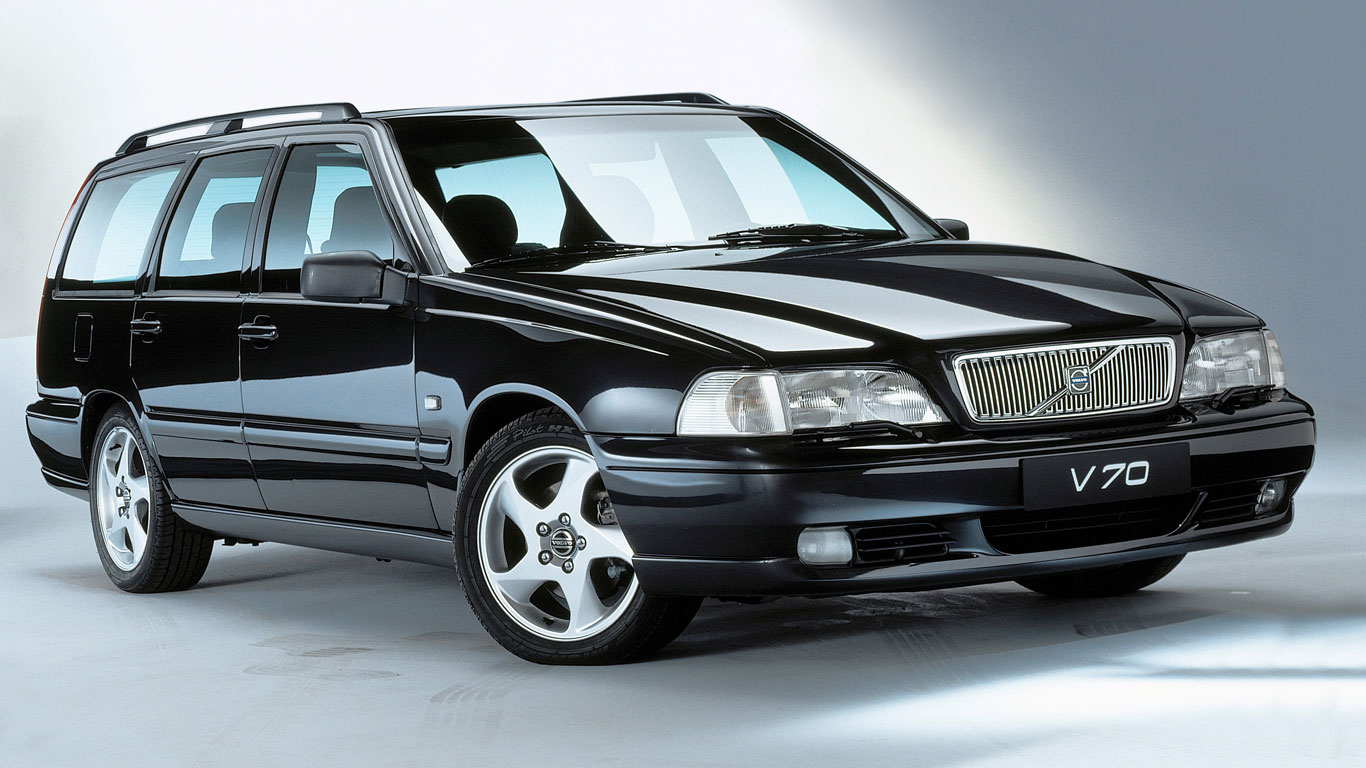
Volvo V70 – 1996
In 1996, the Volvo 850 seamlessly morphed into the V70, retaining its now familiar near-vertical tailgate. It may have been based on the 850, but the V70 spawned a few rather special editions…
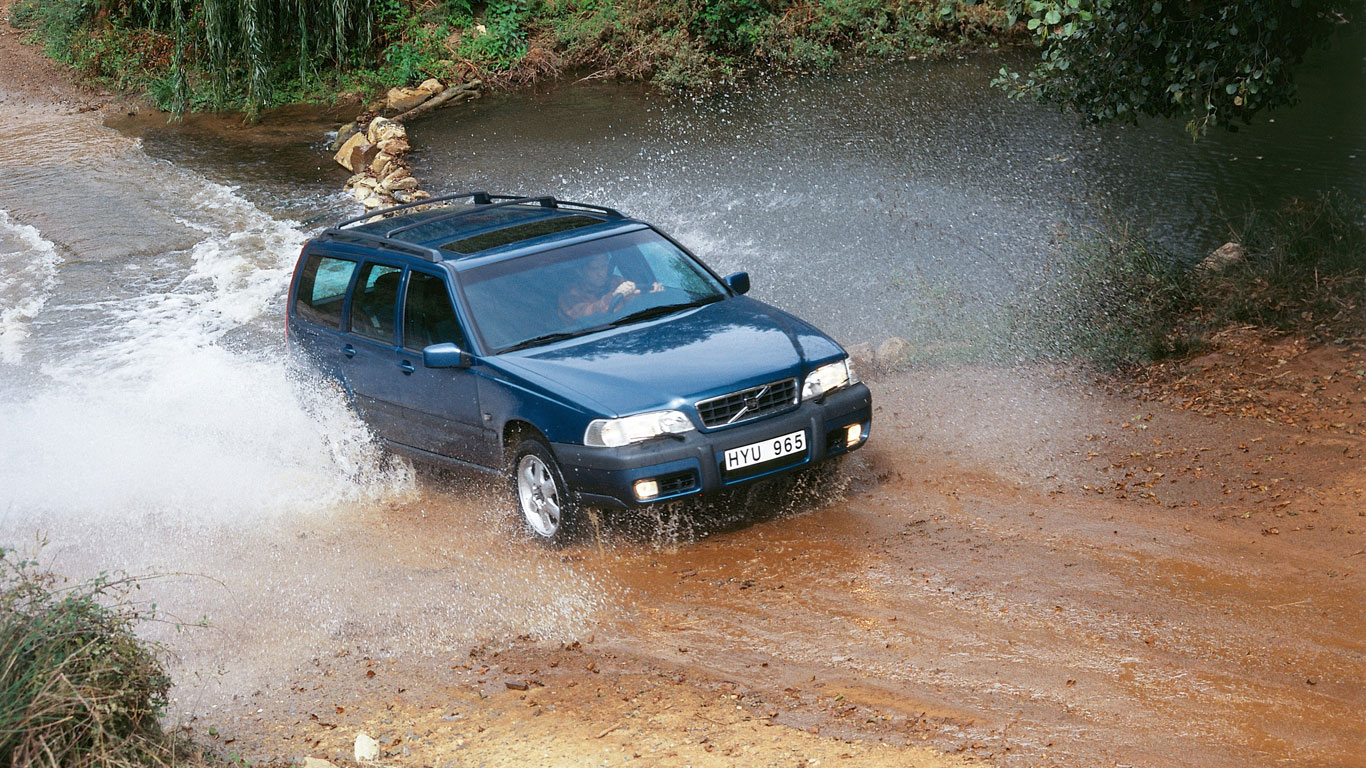
Volvo V70 XC – 1997
In 1997, Volvo introduced the X70 XC, which would later become the XC70. Alongside Audi and its Allroad model, Volvo pioneered the premium 4×4 estate car segment, combining the on-road dynamics of an estate with the off-road capabilities of an SUV.
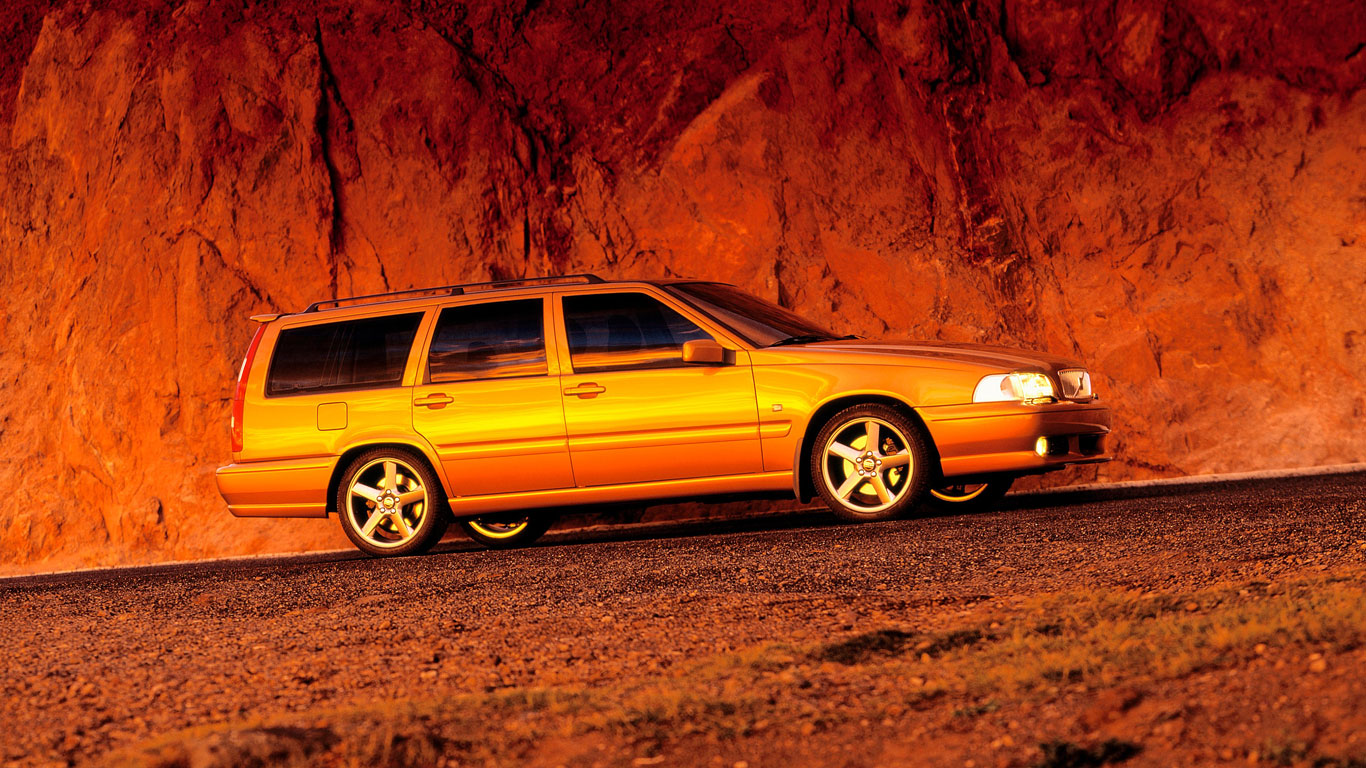
Volvo V70R – 1997
The V70 XC was developed off the back of the all-wheel-drive Volvo V70R. Up to 300hp was available, depending on the model year, with AWD tech successfully managing to harness the potential of that glorious five-cylinder engine. The 90s was a golden decade for fast Volvo wagons.
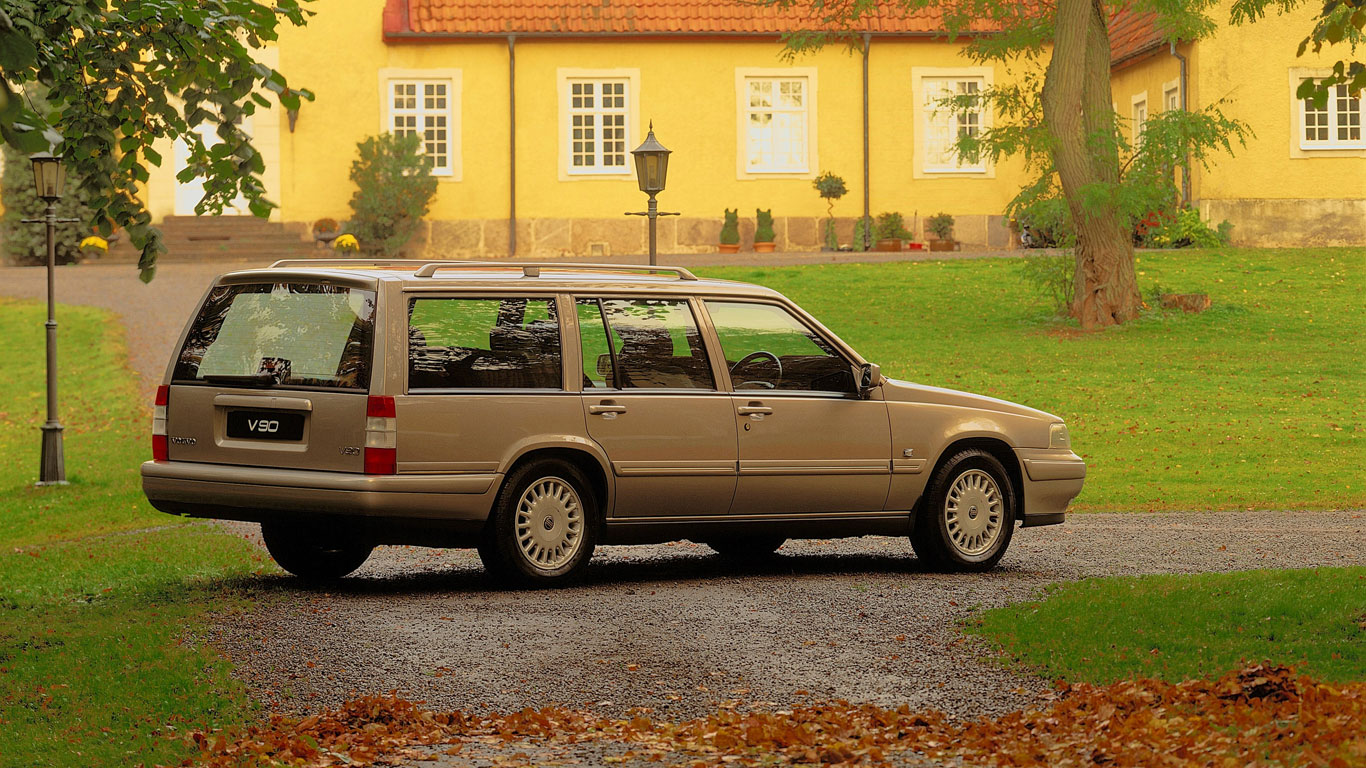
Volvo V90 – 1997
Although it featured some new interior and exterior colours, the original V90 of 1997 was little more than a badge-engineering exercise, designed to bring the 960 in line with the new model-name strategy. Just over 9,000 of these six-cylinder estate cars were built between 1997 and 1998.
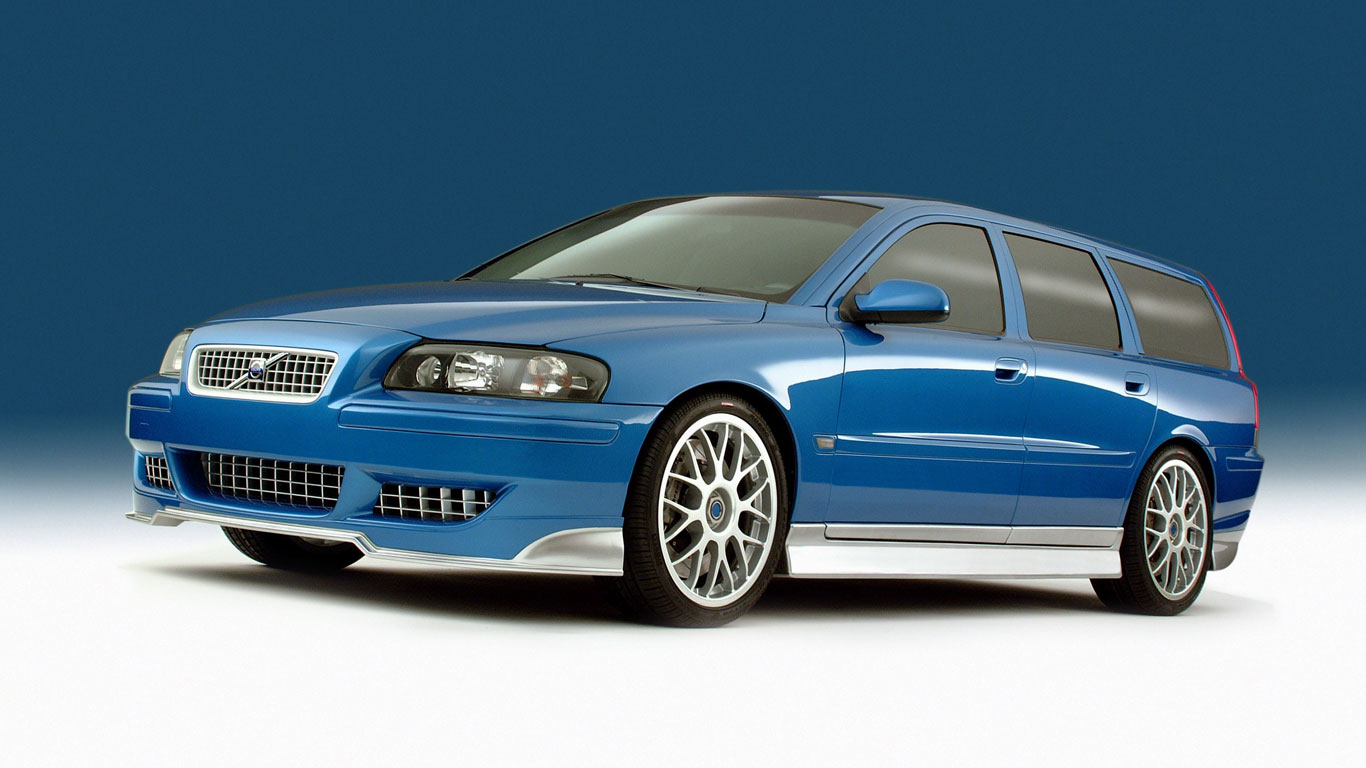
Volvo PCC2 – 2001
Could this be the best looking Volvo estate car never built? The PCC2 – or Performance Concept Car 2 – was introduced at the 2001 Frankfurt Motor Show and featured a 300hp five-cylinder engine and a trick suspension system. The V70-based concept was finished in Laser Blue.
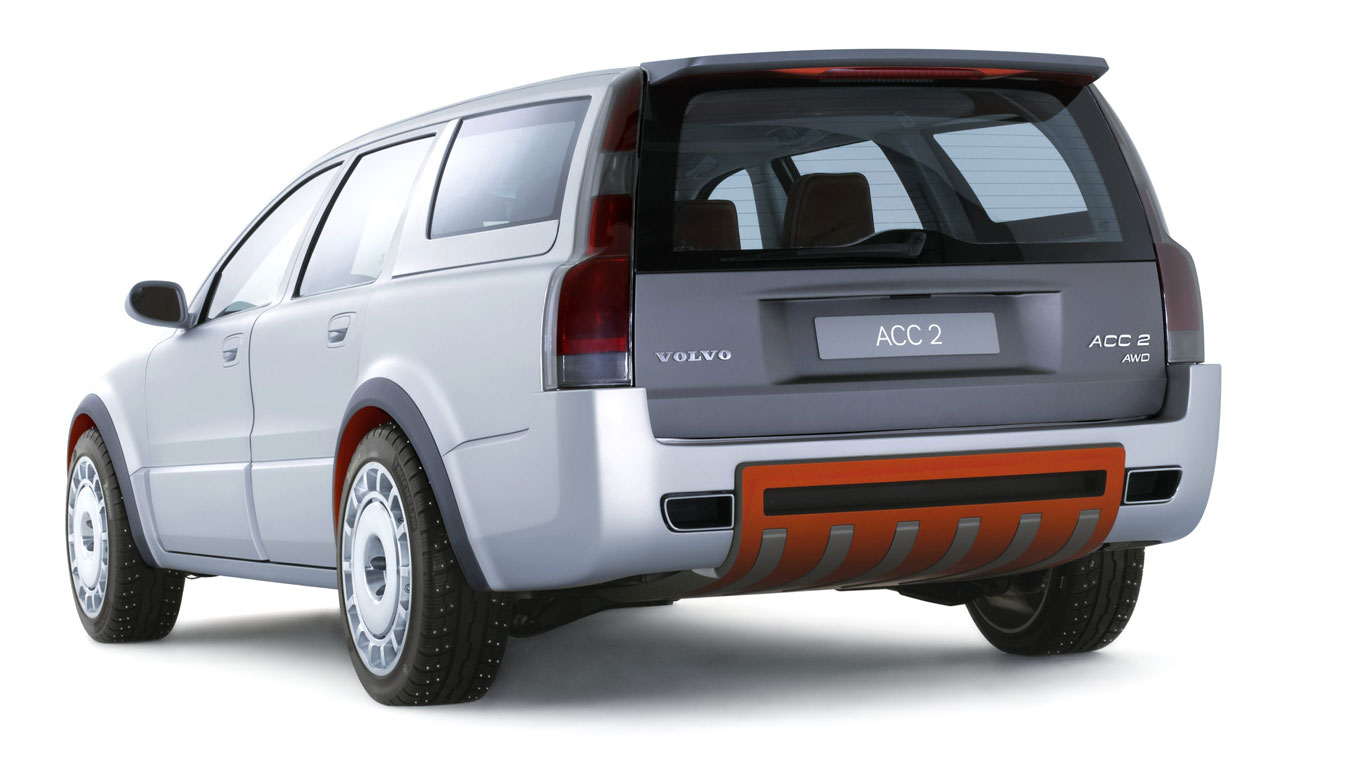
Volvo ACC 2 – 2002
Another year, another concept car. According to Volvo, the Adventure Concept Car 2 (ACC 2) provided a “glimpse into the future of extreme winter transportation” and featured studded tyres and GPS-controlled headlights, which would automatically adjust for left- or right-hand-drive traffic conditions. The interior was said to be inspired by the Swedish Ice Hotel and the Swiss Army Knife.
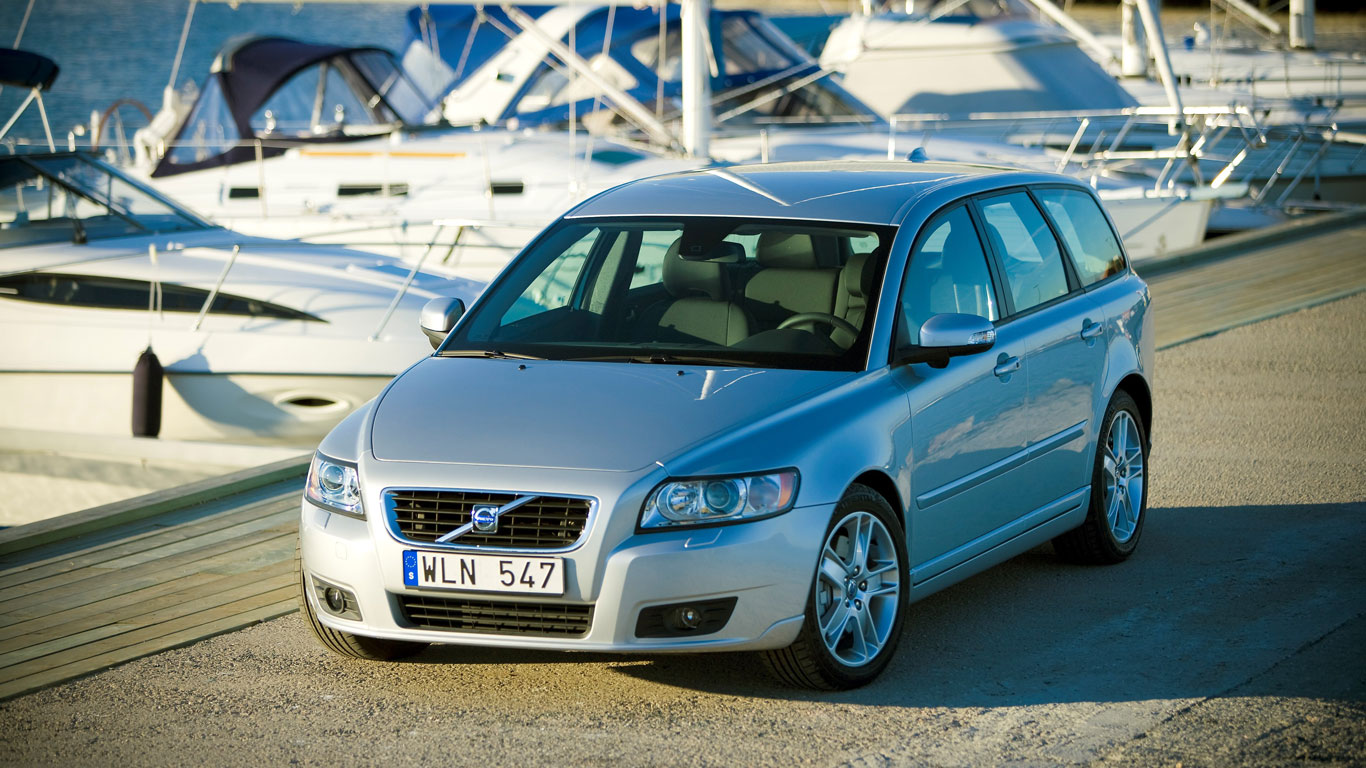
Volvo V50 – 2003
The V50 was the replacement for the V40 and it shared its platform with the Ford Focus and the Mazda 3. Highlights included the availability of all-wheel drive and a five-cylinder 2.5-litre engine. It also featured Volvo’s signature ‘floating console’ centre stack.
Volvo V50 SV Concept – 2004
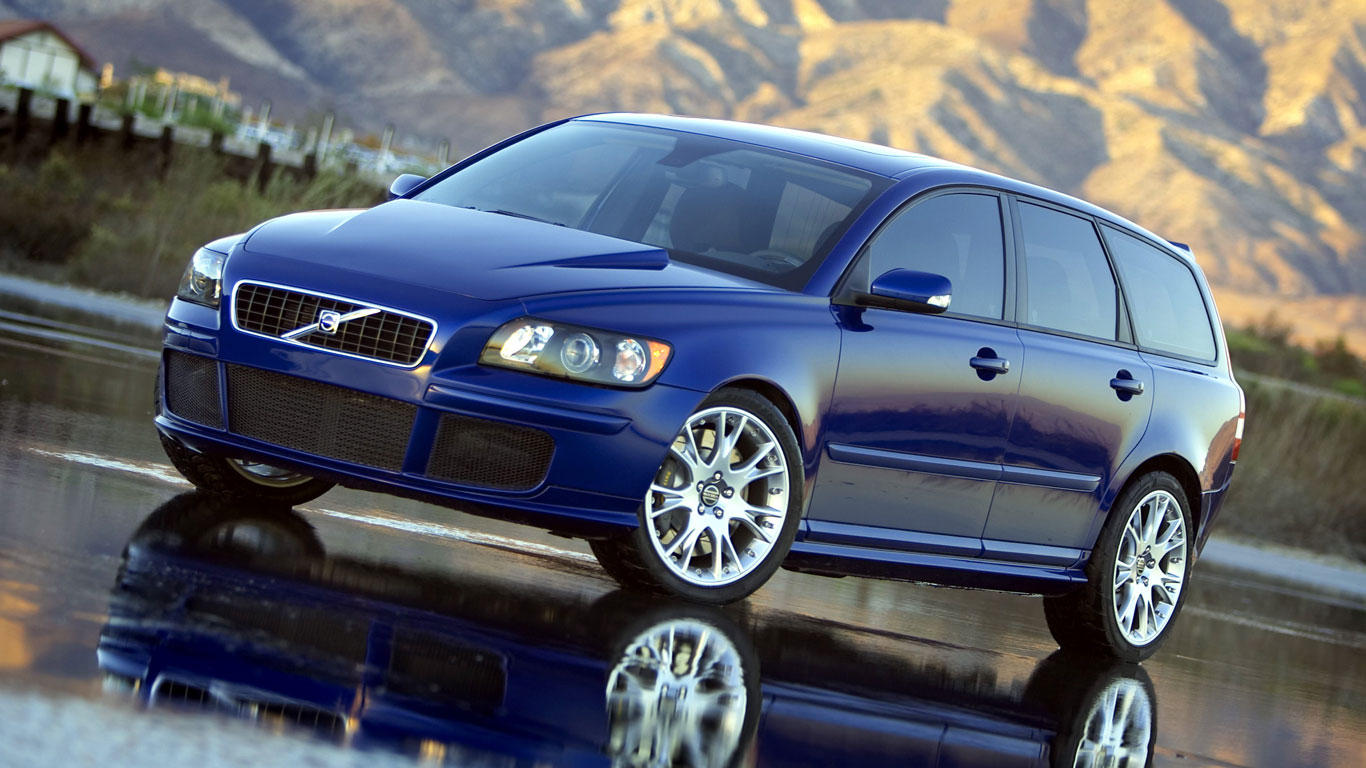
This was the first Volvo to be built by the firm’s Special Vehicle department in Gothenburg and it made its debut at the 2004 SEMA trade show in Las Vegas. It was designed to appeal to a younger audience, with its 2.5-litre engine developing an eye-watering 340hp. Other tweaks included a 12mm lower ride height, AP Racing brakes and race-bred Pirelli tyres.
Volvo XC70 AT Concept – 2005
A year later, Volvo unveiled the XC70 AT Concept. It featured a 408hp 2.5-litre engine, a six-speed automatic transmission and – as is probably obvious from the photo – all-wheel drive. The air suspension could see the ride height increased by as much as eight inches compared with the standard XC70.
Volvo XC70 Surf Rescue Concept – 2007
Inspired by the surf vehicles of the Californian coast, the XC70 Surf Rescue Concept was another SEMA show special. With its 20-inch wheels and 3.2-litre six-cylinder engine, this thing was perfect for would-be Pamela Andersons across the world. A neat idea, but if Volvo ruled the world, we doubt anyone would ever find themselves in danger on the beach.
Volvo V60 – 2011
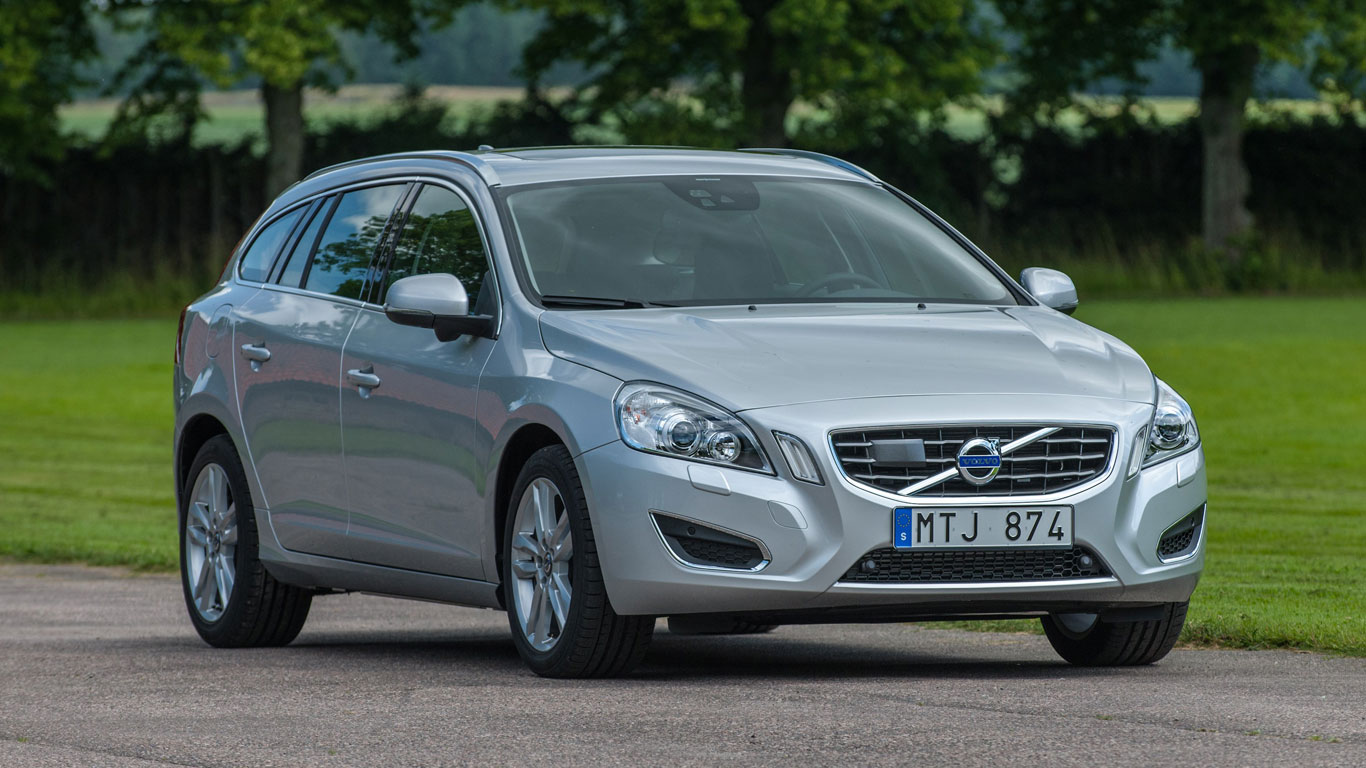
In many ways, the V60 flied in the face of Volvo’s estate car heritage, majoring on style and performance, as opposed to outright practicality. That said, with the V70, XC60 and XC90 in the range, you’d forgive Volvo for introducing what was essentially an alternative to a large hatchback.
Volvo V60 Plug-in Hybrid – 2013
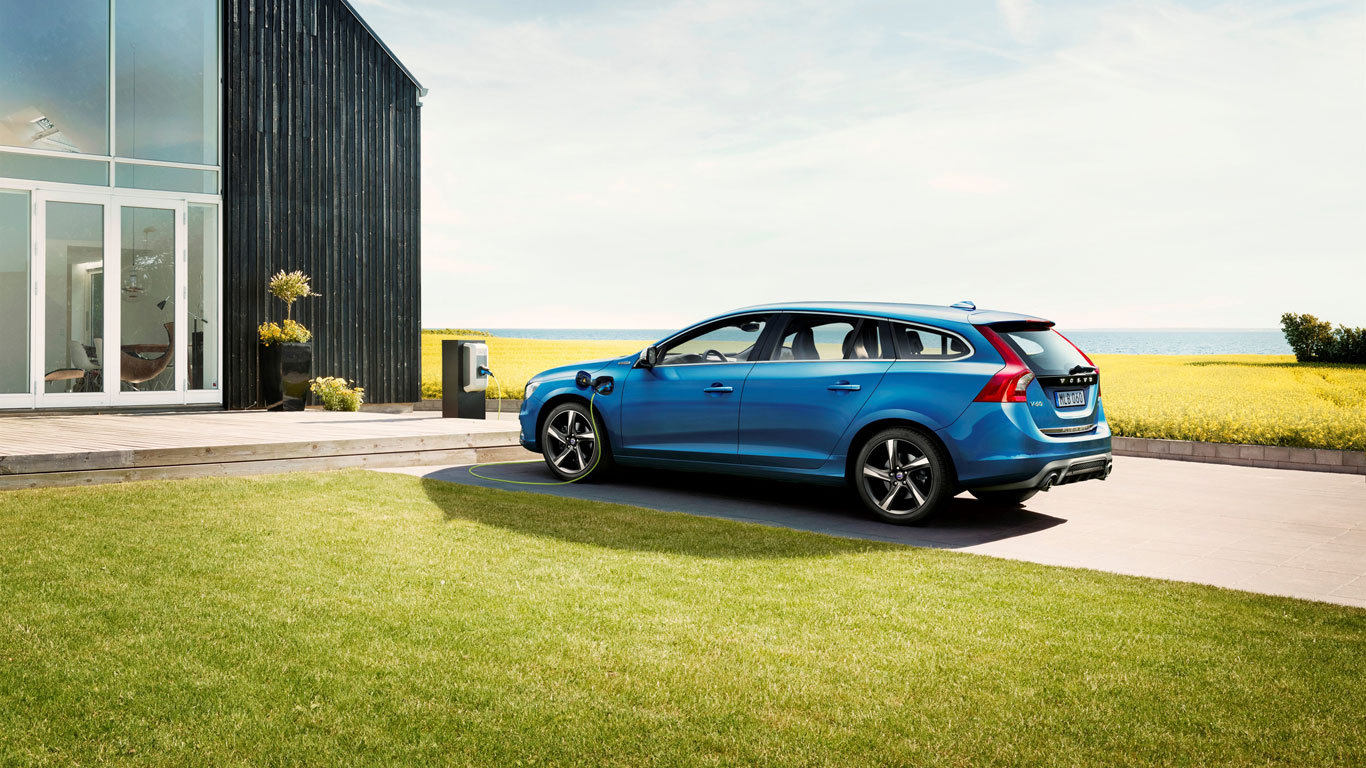
This was the world’s first diesel plug-in hybrid, combining 48g/km of CO2 with a claimed 155.2mpg. The combination of a 215hp five-cylinder diesel engine and a 70hp electric motor earned it the right to wear a D6 badge.
Volvo V60 Polestar – 2014
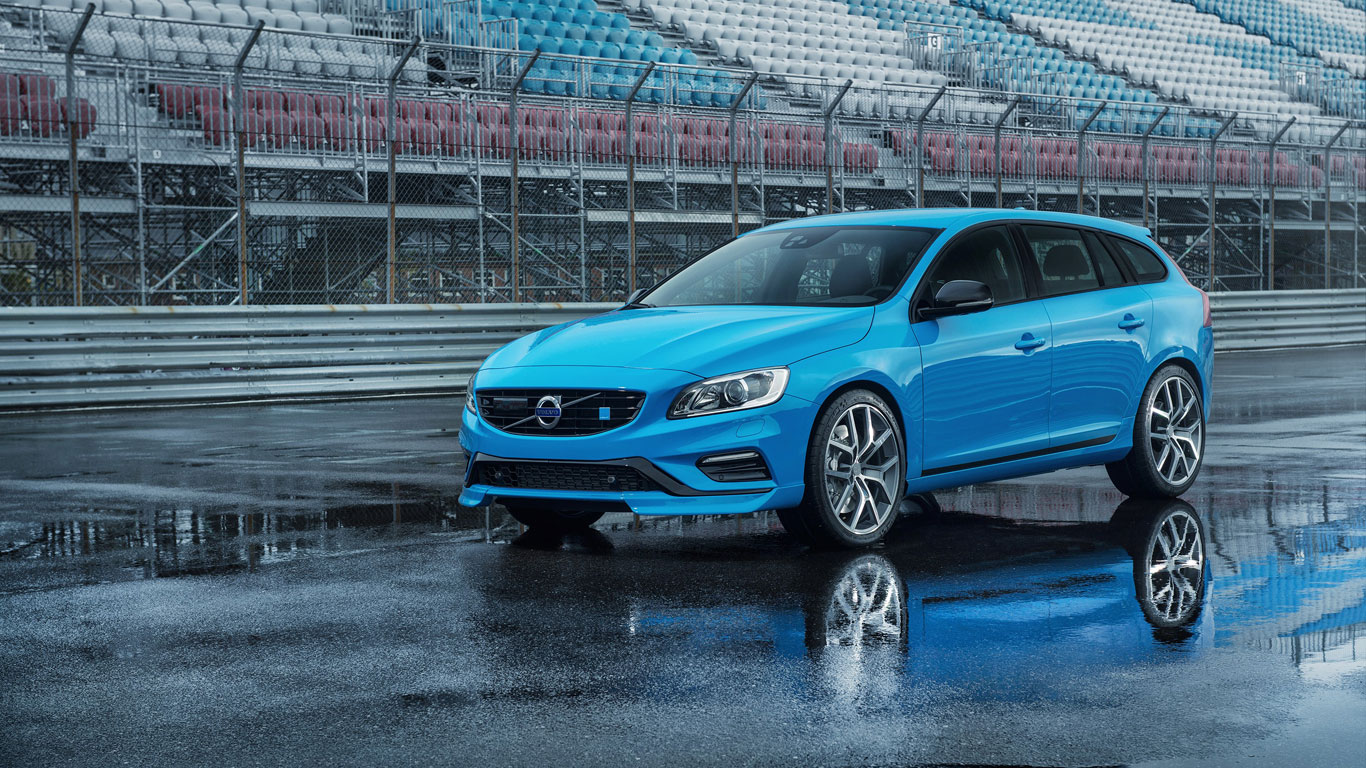
This was Volvo at its bonkers best. The V60 Polestar felt like an old-school performance wagon, lost in a new era for Volvo. But don’t let that put you off, because the combination of a 3.0-litre straight six engine and all-wheel drive made it one of the best all-weather wagons on the market.
Volvo Concept Estate – 2014
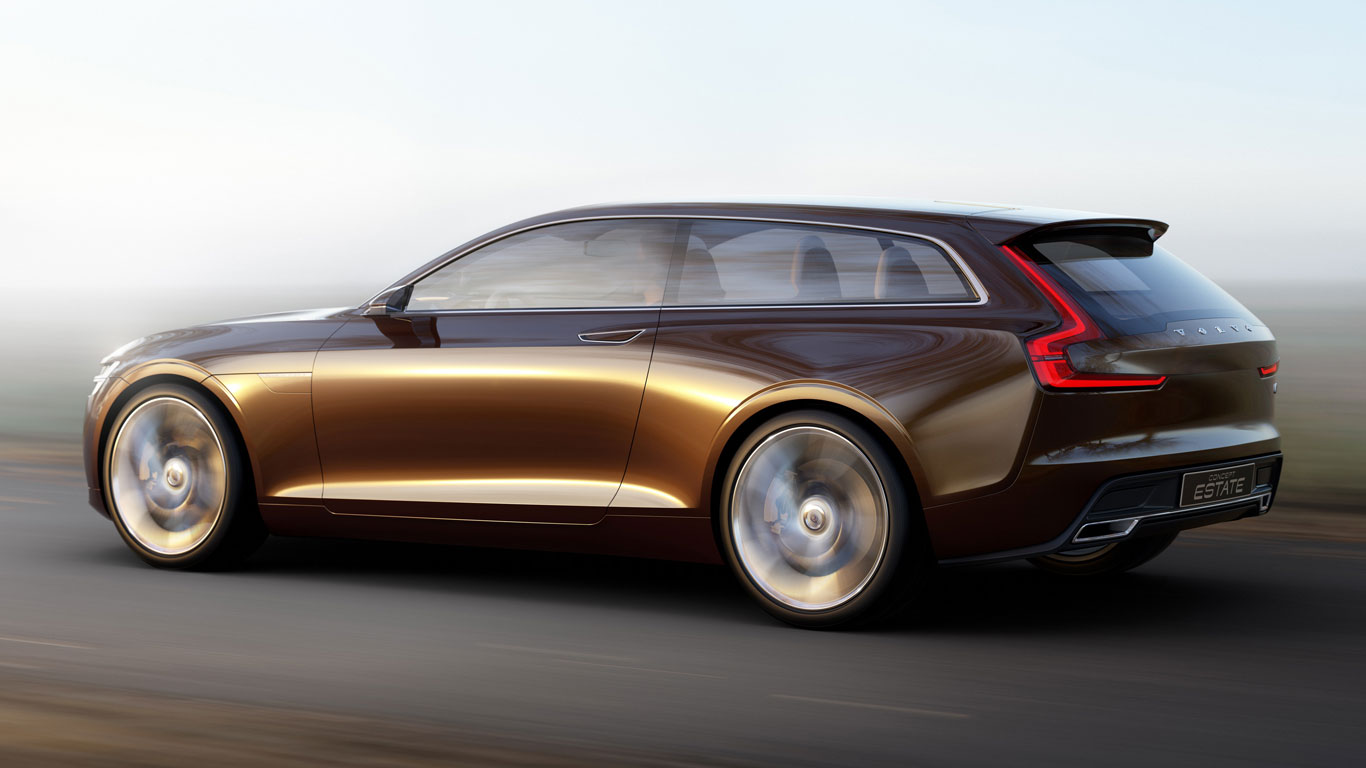
Before it launched the all-new XC90, Volvo teased us with three glorious concepts. In our humble opinion, the Concept Estate was the best of the trio. A shooting brake finished in brown and blessed with a delightful interior – what’s not to like? Aside from the fact it was only a concept.
Volvo V60 Cross Country – 2015
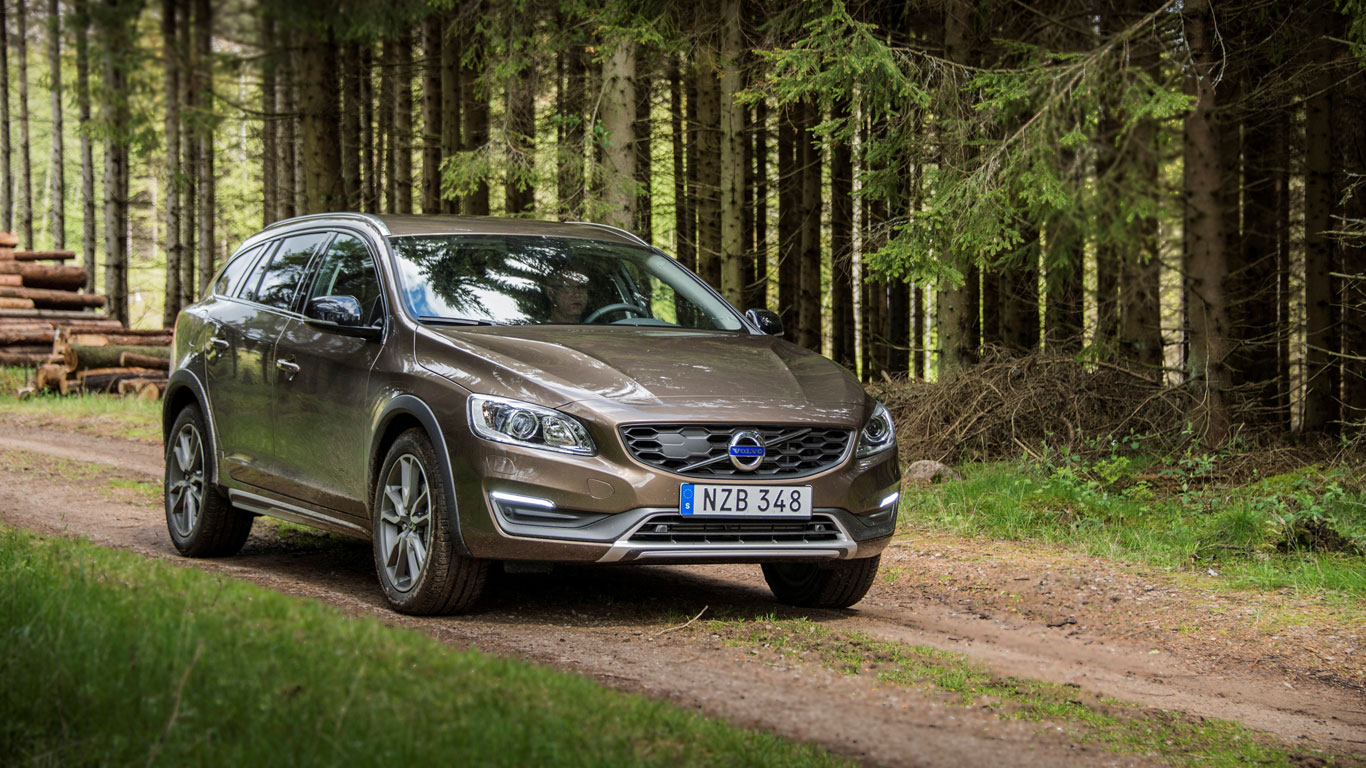
We didn’t see this one coming. In 2015, Volvo launched the V60 Cross Country – a soft-road version of the larger XC70. It was available in both front- and four-wheel-drive guises, but either way it offered a ride height increased by 65mm.
Volvo V90 – 2016
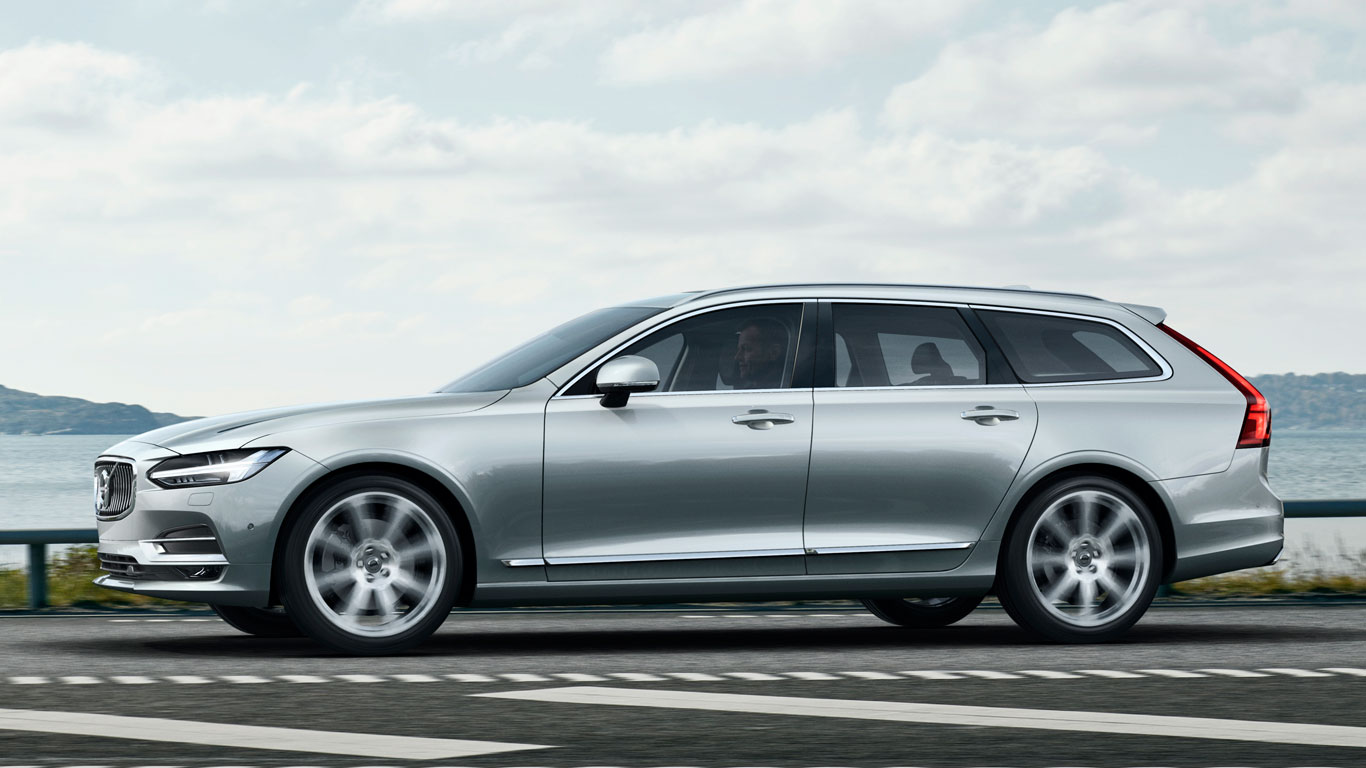
Volvo might be doing a fine job of making some of the world’s best SUVs, but it’s reassuring to know that it hasn’t given up on the estate car. “In many people’s minds we are known as the definitive estate brand. While the Volvo brand today stands for more than estates, we are proud to carry forward this rich heritage with the V90,” said Hakan Samuelsson, Volvo’s president and chief executive.
Volvo V90 Cross Country – 2016
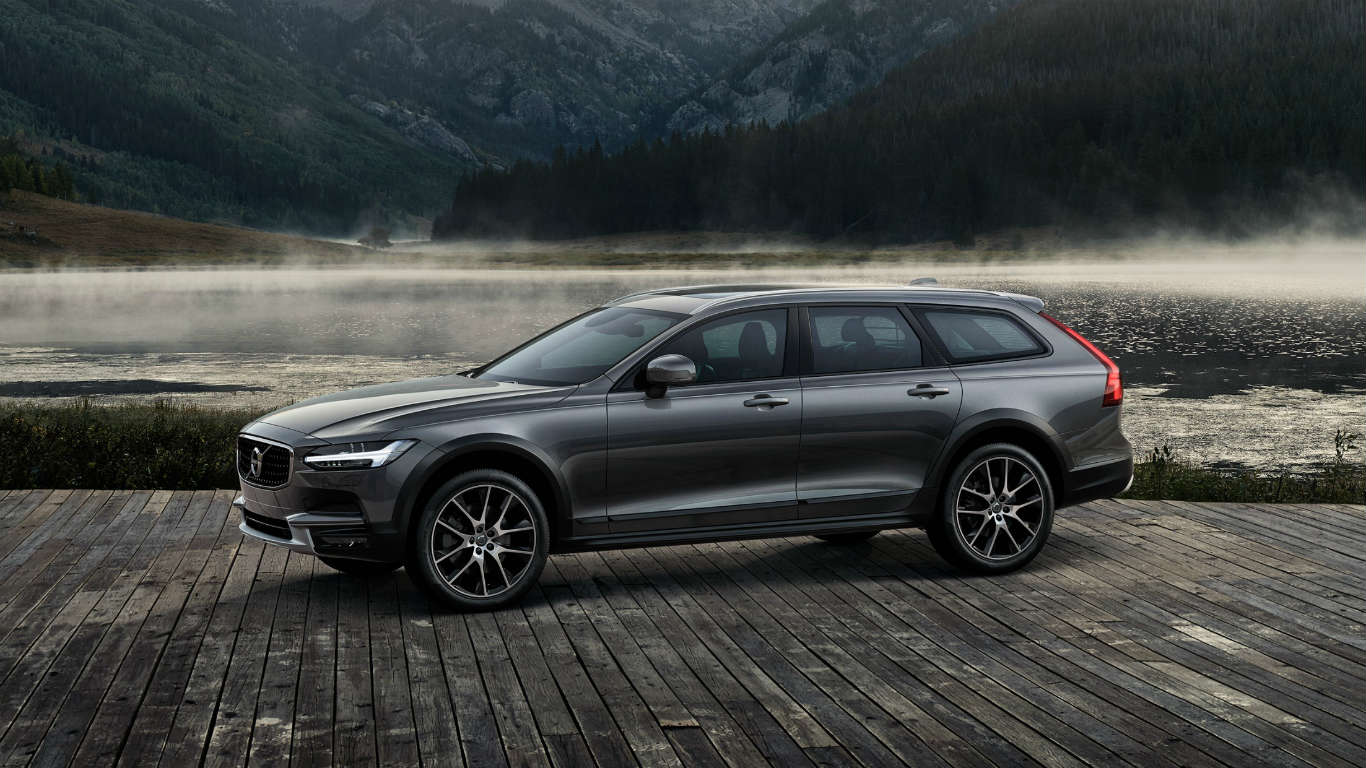
Twenty years after the launch of Volvo’s first off-road estate, the Swedish company unveiled the new V90 Cross Country. It was developed to cope with the extreme Scandinavian climate, so it should be more than up to the task of dealing with some light drizzle and a stiff breeze. It also looks more appealing than a crossover. Discuss…
Volvo V60 – 2018
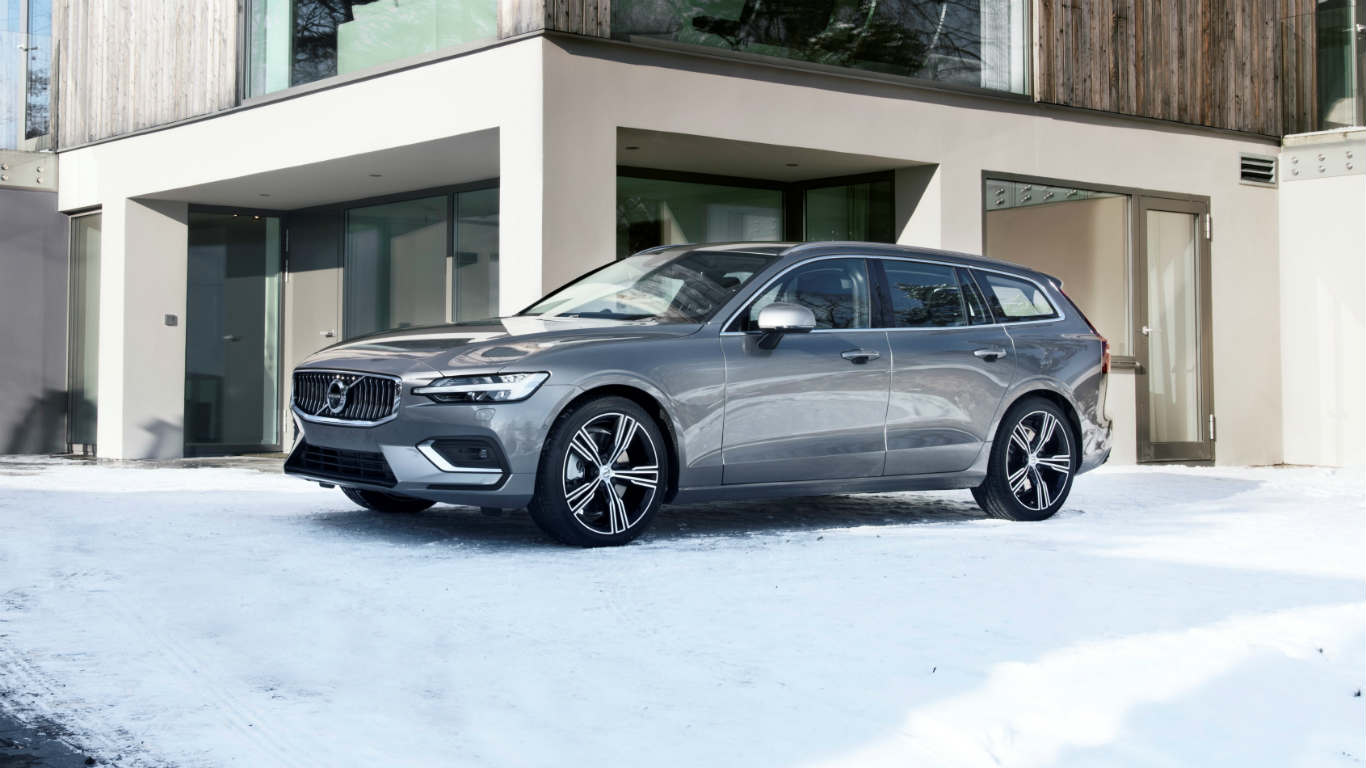
Volvo won’t stop until it has built the most attractive cars within each segment. The V60, which goes into battle against the BMW 3 Series, Mercedes-Benz C-Class and Audi A4, combines all that is great about the V90, but in a smaller, well-proportioned package. In true Volvo tradition, it features a huge boot, offering 539 litres of luggage space with the rear seats in their upright position.
Volvo V60 Cross Country – 2018
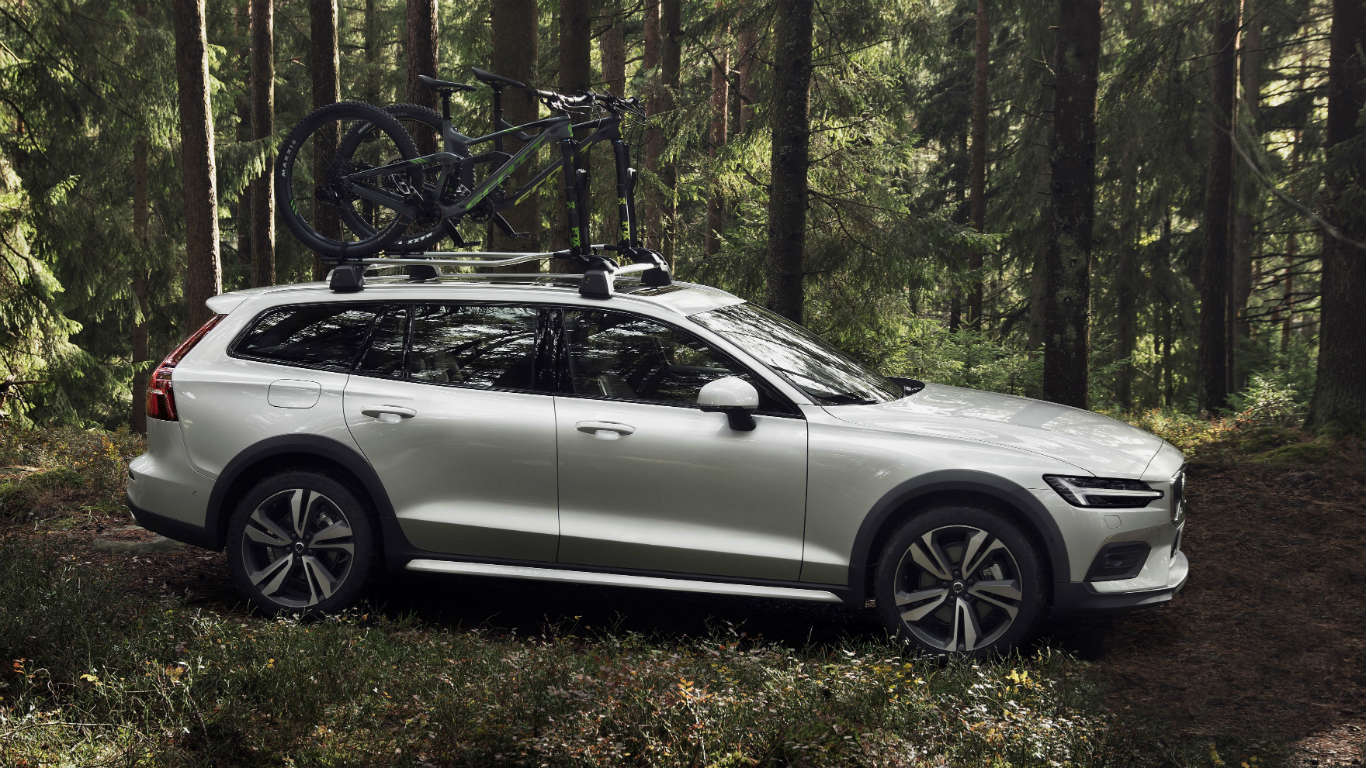
The V60 Cross Country sits 75mm higher than the standard wagon and features all-wheel-drive, hill descent control, corner traction control and an off-road driving mode as standard. According to Volvo, it takes the V60 from the suburb to the skogen (Swedish for forest).
Read more:
The new Volvo V60 could be yours for just £299 a month
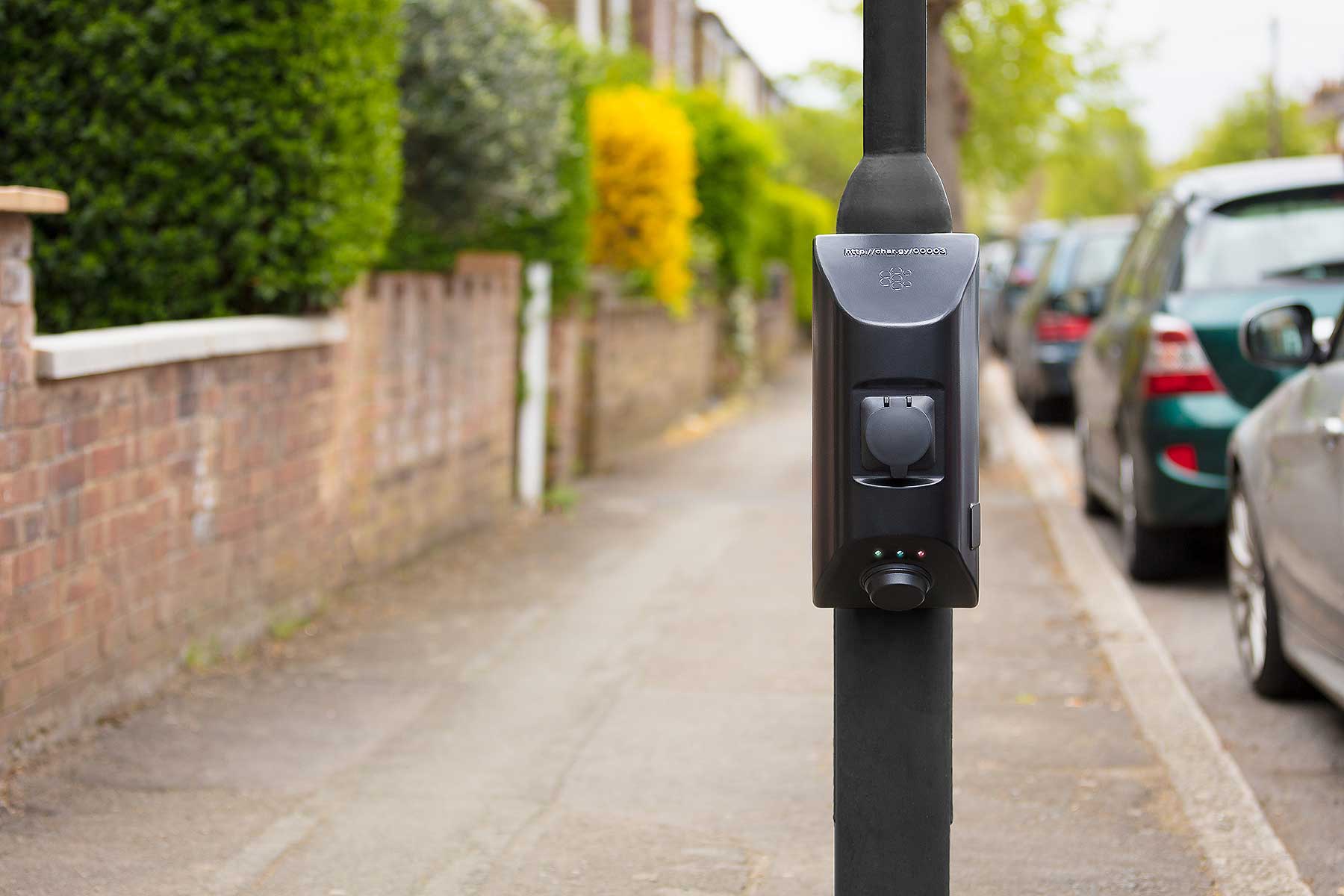
The first electric vehicle (EV) public charging points to be installed in London’s lampposts have gone live, thanks to a partnership with Southwark Council and charge point provider char.gy.
The innovative scheme promises to significantly and quickly expand the electric car charging network by utilising existing infrastructure, rather than costly new installations.
50 open-access charging points are now being installed, in the Southwark areas of Borough & Bankside, and Dulwich.
Going the distance: electric car range from shortest to longest
After initial trials in Marlow earlier this summer, London has been targeted by the scheme because 78 percent of residents there don’t have off-street parking. Tapping into the existing street lighting network aims to easily provide an affordable, scalable EV charging solution for them.
Significantly, Char.gy says it’s the only public lamppost charging provider to be approved under the Alternative Fuels and Infrastructure (AFI) regulations. This makes it a legal requirement for providers to allow ad-hoc public charging – without needing a specific subscription, membership, RFID card or cable.
It thus works via a smartphone app. “Users plug a standard (Type 2) charging cable into the char.gy unit and enter the location of the unit into their device to begin charging” says the firm. Those without a smartphone can do it by visiting the charge point’s dedicated web page.
There are both pay-as-you-charge and membership package tariffs.
Councillor Richard Livingstone from Southwark Council said the charging points “are being installed in residential streets, outside people’s homes, in response to feedback from our residents.
“These new charge points are making it easier than ever for people who live in Southwark to make the switch to electric vehicles.”
Char.gy CEO Richard Stobard says its units can be fitted onto nearly all on-street and car park lampposts, utilising existing infrastructure and “avoiding the need to dig up residential streets”.
Poppy Welch, head of national campaign for EVs Go Ultra Low, has praised the initiative. “For drivers in the UK without access to off-street parking, innovations like lamppost charge points from Char.gy are a great option. It’s good to see the work Southwark Council, a beneficiary of the Go Ultra Low Cities Scheme, is doing to allow people without off-street parking the ability to charge at home.”
“For other local authorities looking to roll-out on-street charging infrastructure, the Government is investing £4.5 million in the Onstreet Residential Chargepoint Scheme until 2020. They also want to see all new street lighting columns include charging points, where appropriately located, in residential areas with current on-street parking.“
The installation has been funded with help from London’s £13 million Go Ultra Low City Scheme. This aims to install more than 1,000 residential charging points across London by 2020.
A name can say a lot about a car. You know, for example, that a Hennessey Venom won’t be a wholesome family hatchback.
But what about the scariest car names ever? And do they match the character of each car? Data company Cap HPI has taken a brave pill, trawled back through its archives and rounded up the best (or should that be worst?)…
Lamborghini Murcielago
This supercar from the early 2000s carries the name of a famous fighting bull. Murcielago means ‘bat’ in Spanish. We’re pretty sure it doesn’t transform into a vampire, but we’ll gladly take an LP640 in pumpkin orange, for maximum Halloween appeal.
DF Goblin
From the supercar establishment to a barn-door kit car. The DF Goblin is an Ariel Atom-esque sporty machine. DF describes the Goblin as a “street-legal go-kart for grown-ups”. The Goblin sounds scary, but we bet it’s a lot of fun.
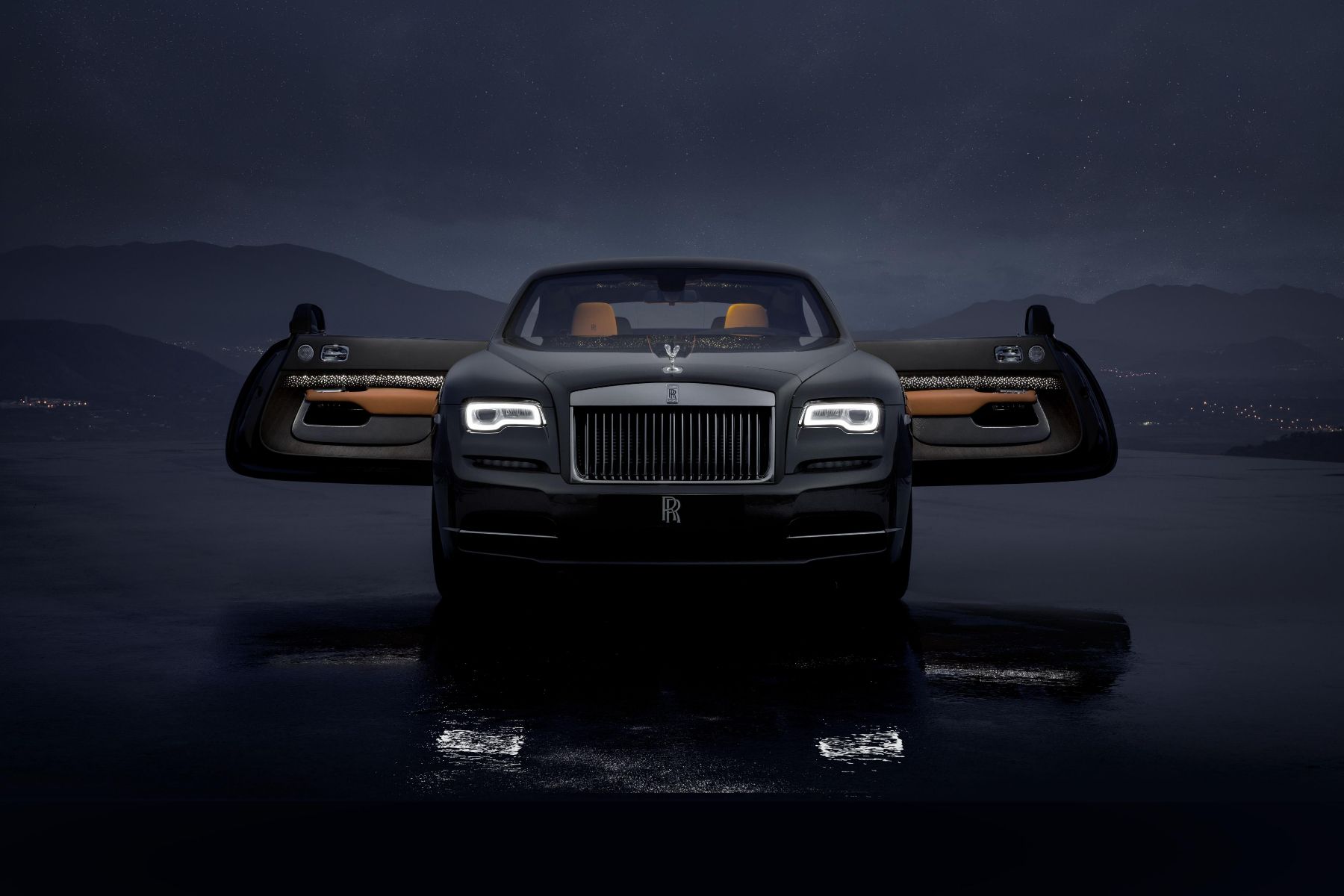
Rolls-Royce Wraith
Back to the long-established automotive marques. Rolls-Royce has adorned its cars with ethereal names for a century. The Wraith is perhaps its most menacing model to date.
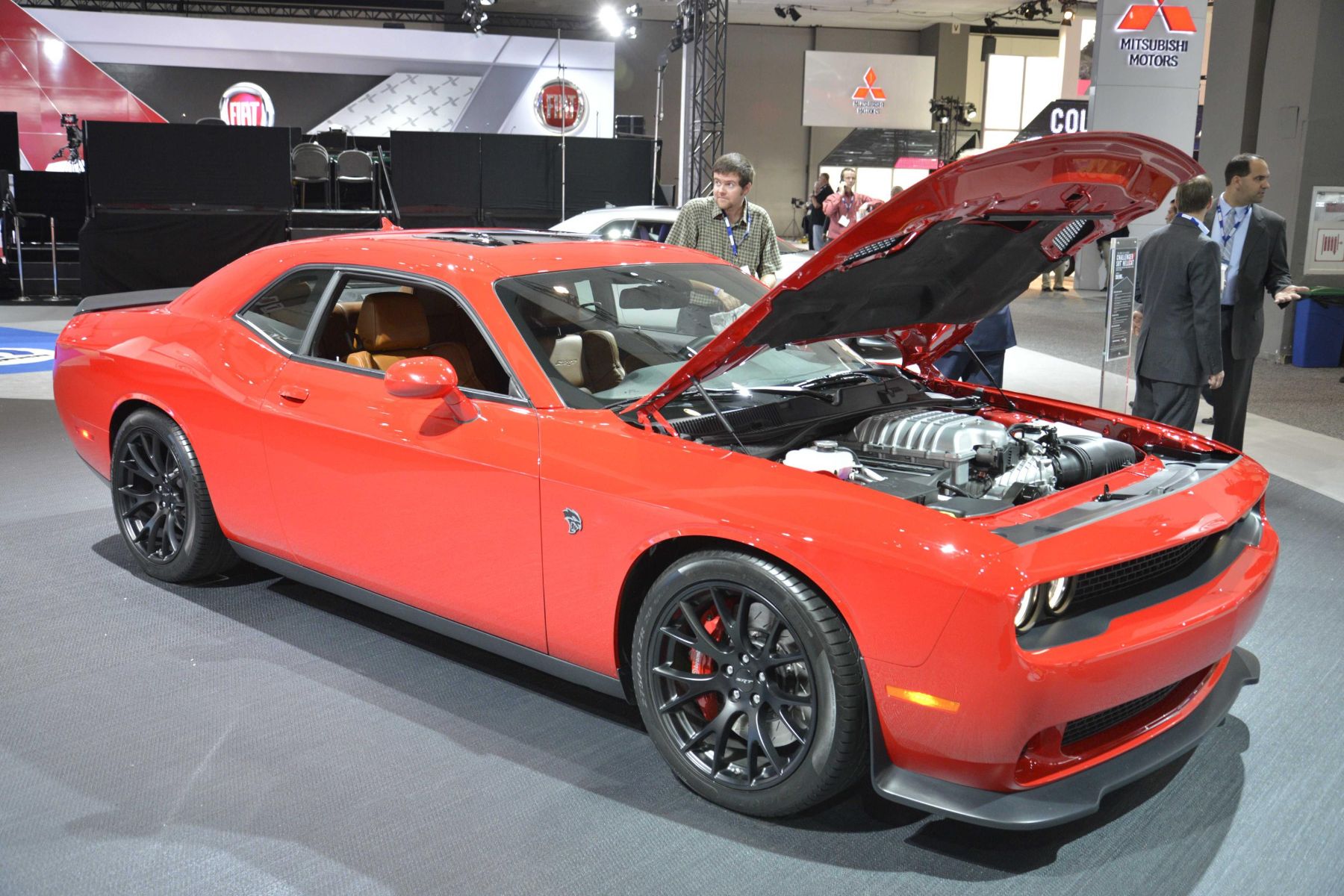
Dodge Challenger SRT Hellcat
Less spooky, more dangerous – that’s how we’d describe the Dodge Challenger Hellcat. A supercharged HEMI V8 utters the whine of a banshee as it makes every tyre’s worst nightmare come to life.
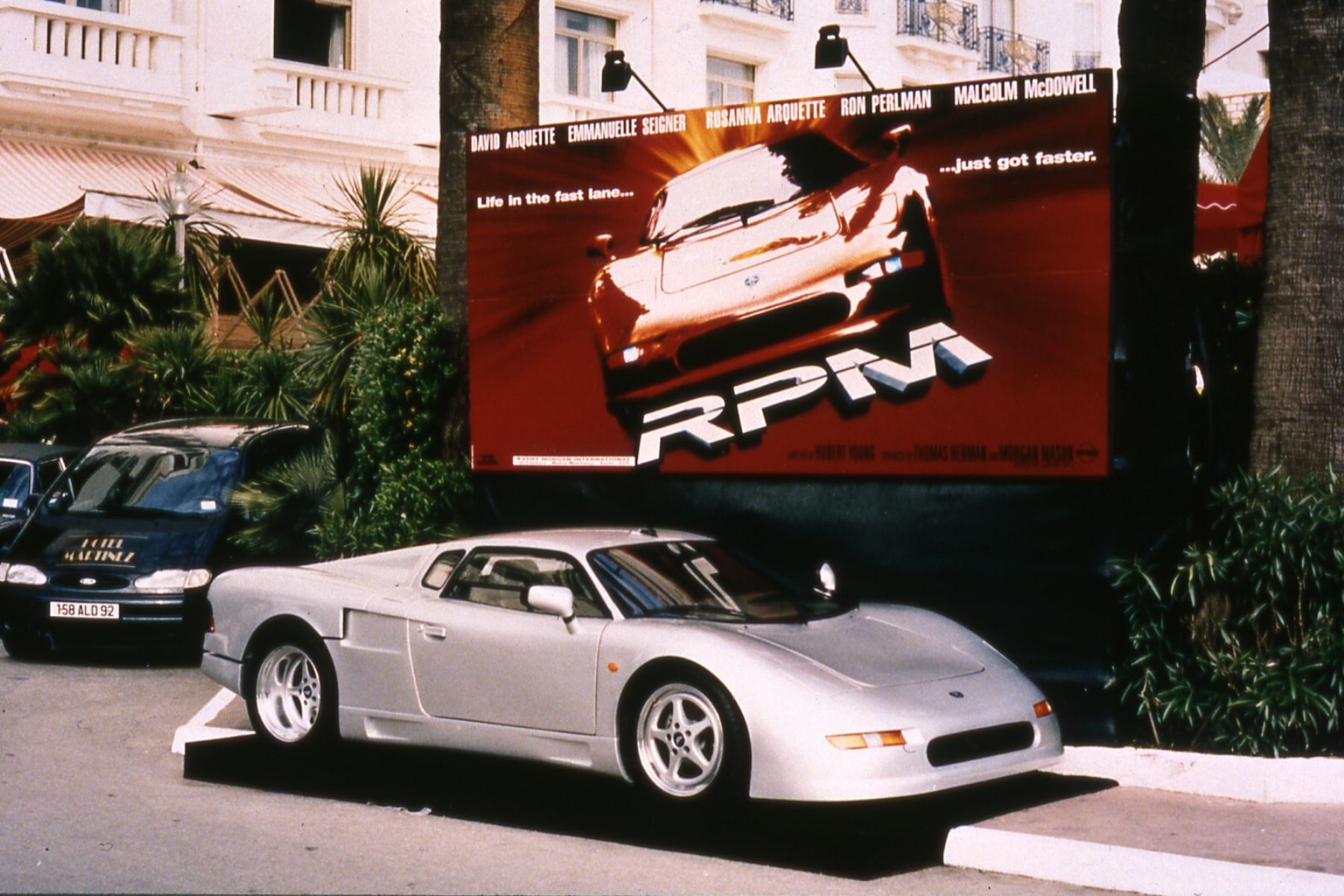
Spectre R42
What car could be spookier than something named ‘Spectre’? Lotus Esprit meets Noble meets Jaguar XJ220 in what looks a desirable 1990s supercar. Buy one of the 23 examples built… if you dare.
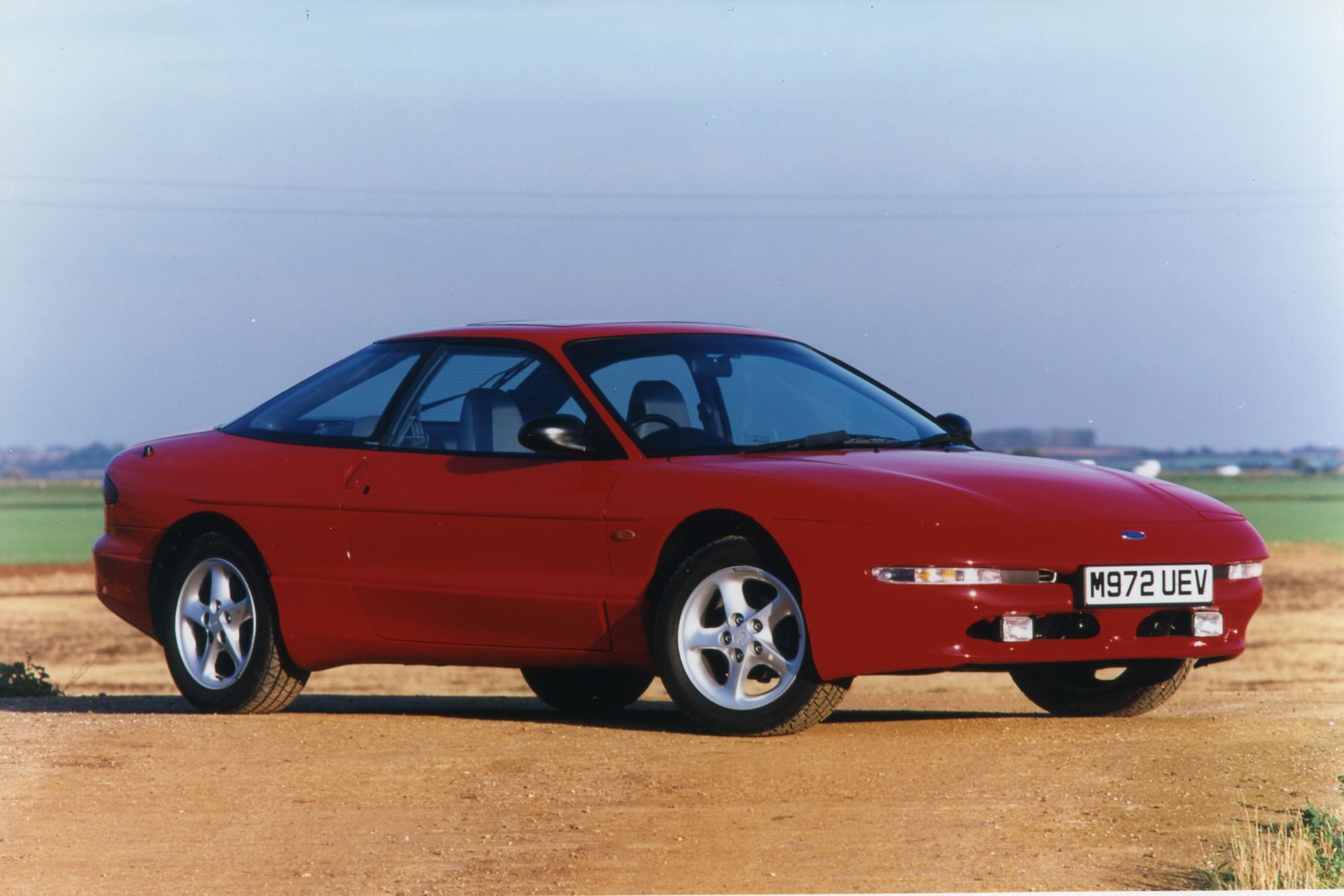
Ford Probe
A car called Probe has more X-Files connotations than Halloween or Paranormal Activity. Nevertheless, if you’re one for the more cosmic side of spooks and mysteries of, little else compares with Ford’s 1990s coupe.
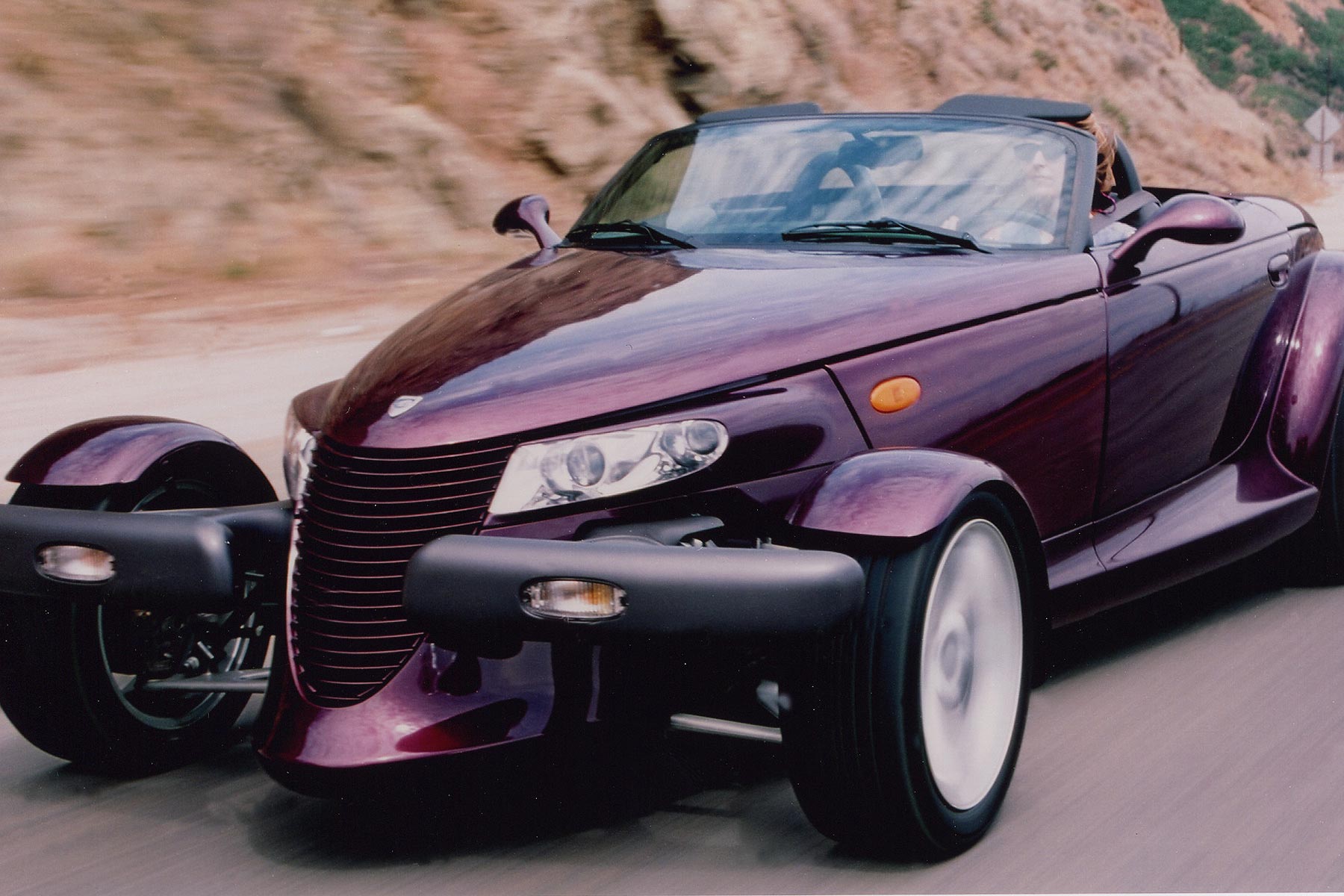
Plymouth Prowler
Everything on this list so far has more or less been a car with a spooky name. The Prowler, however, does it properly. Just look at it! It screams machete-wielding maniac.
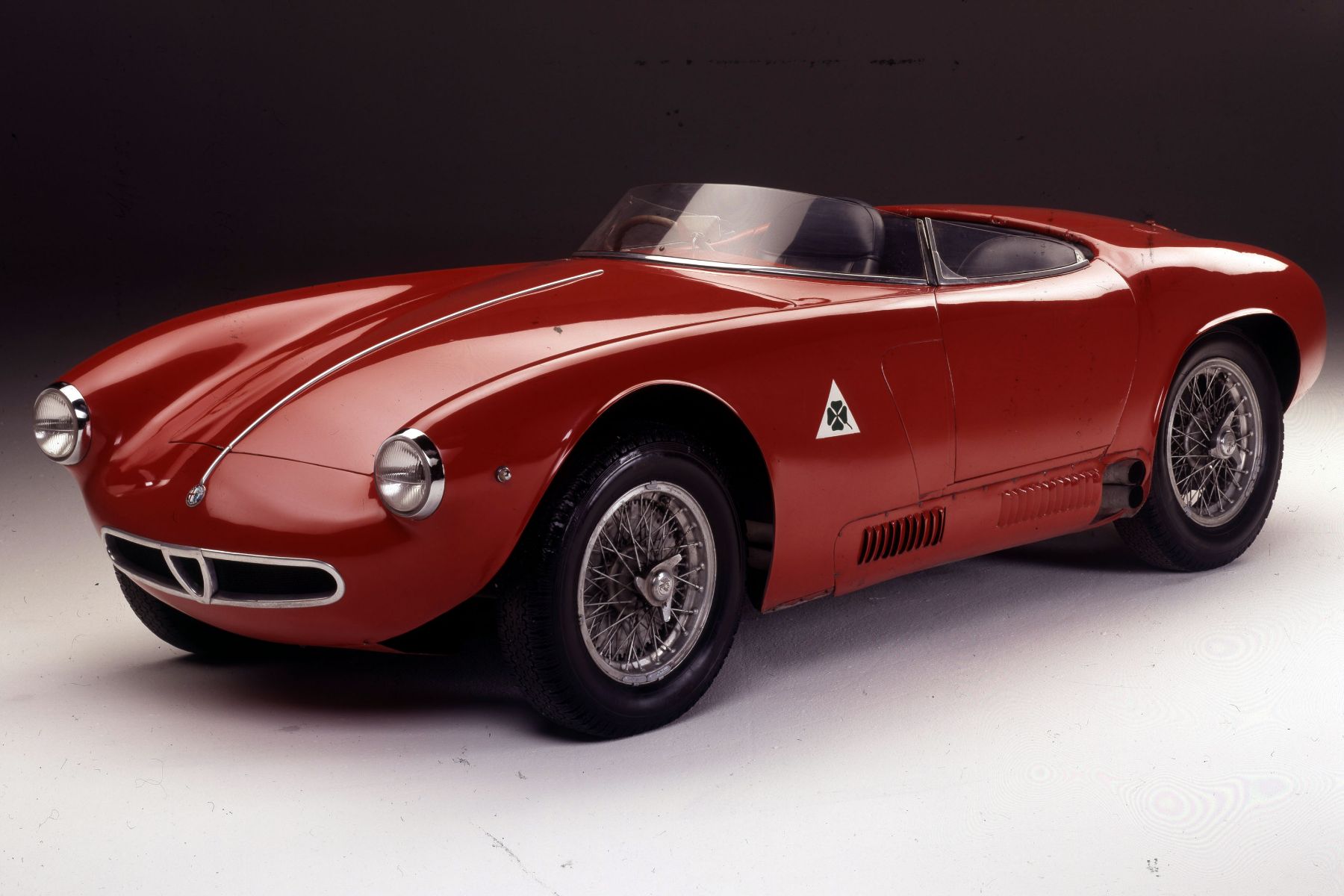
Alfa Romeo Spider
Now we’re on to good old fashioned phobias. Find yourself inside one of these pretty Alfas and the last thing you’ll feel is arachnophobia. The little roadster is a scary Spider in name alone.
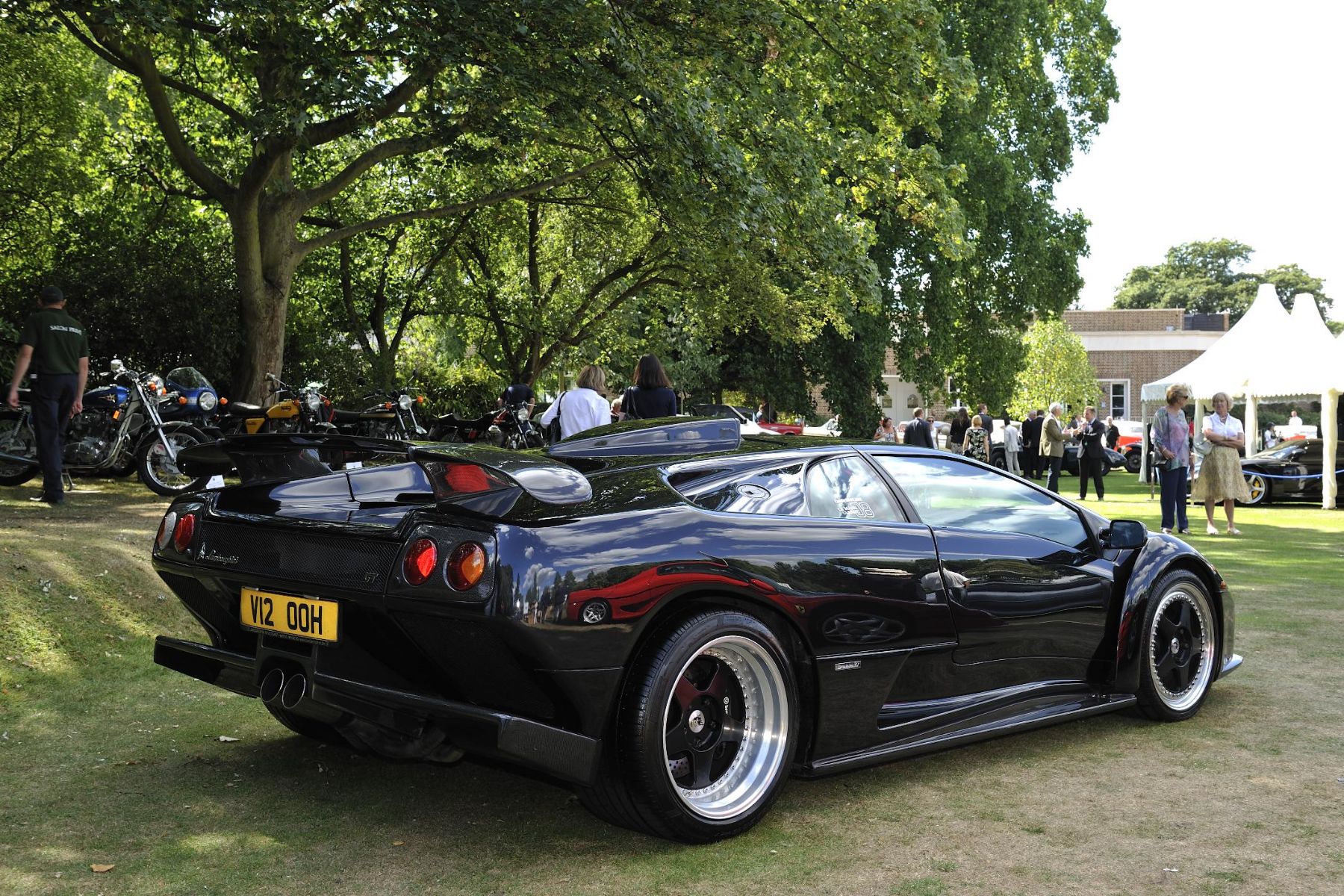
Lamborghini Diablo
The Diablo is the forerunner to the Murcielago we started with. It’s an arguably scarier name, with obvious demonic connotations. It’s certainly a scarier drive, too, with earlier examples pre-dating Audi’s stewardship of the company. Pop up the doors for added horns.
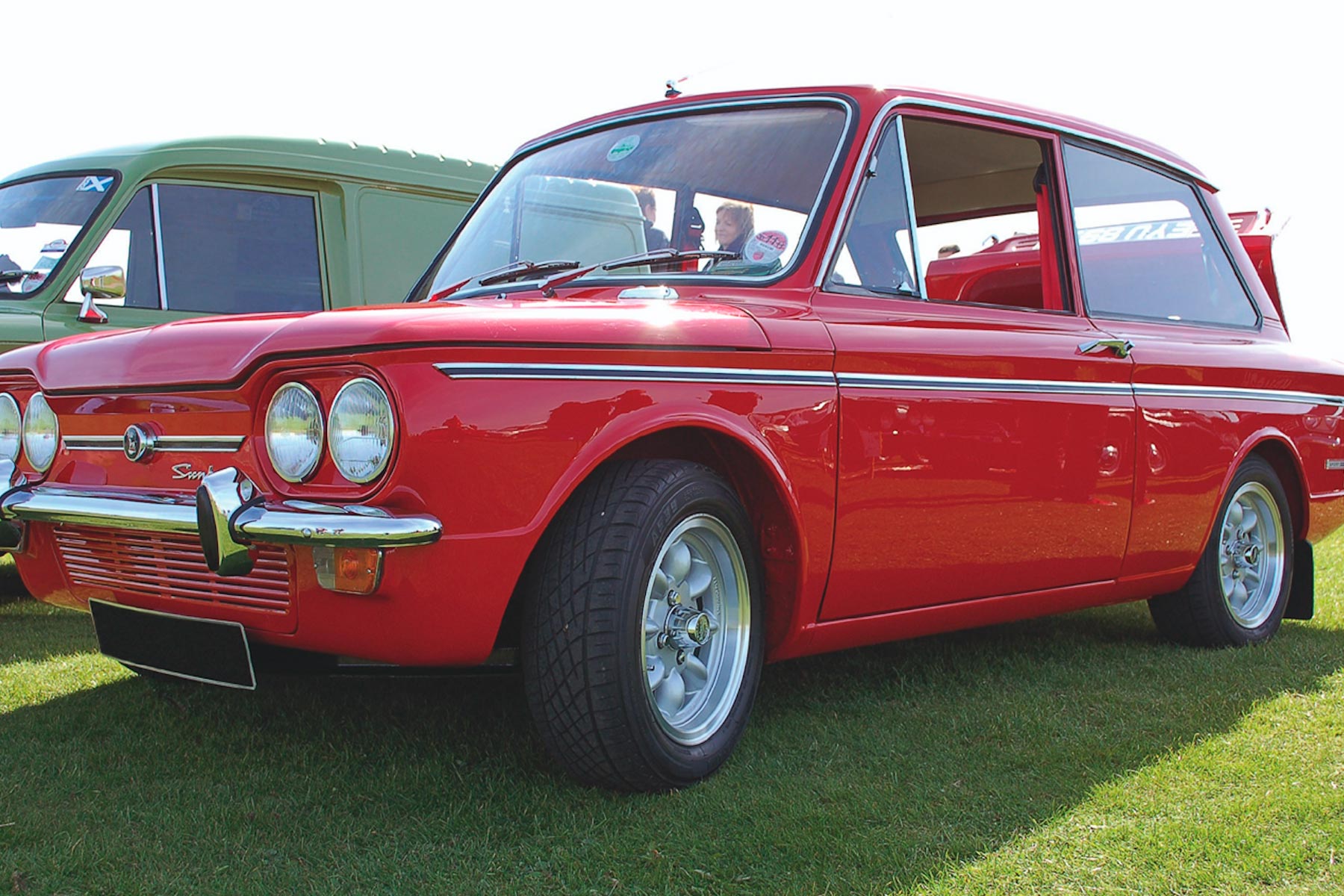
Hillman Imp
As magical creatures go, imps aren’t generally considered terrifying. Nor indeed is the car to which they lend their name. The Hillman Imp was once a mainstay of basic motoring.
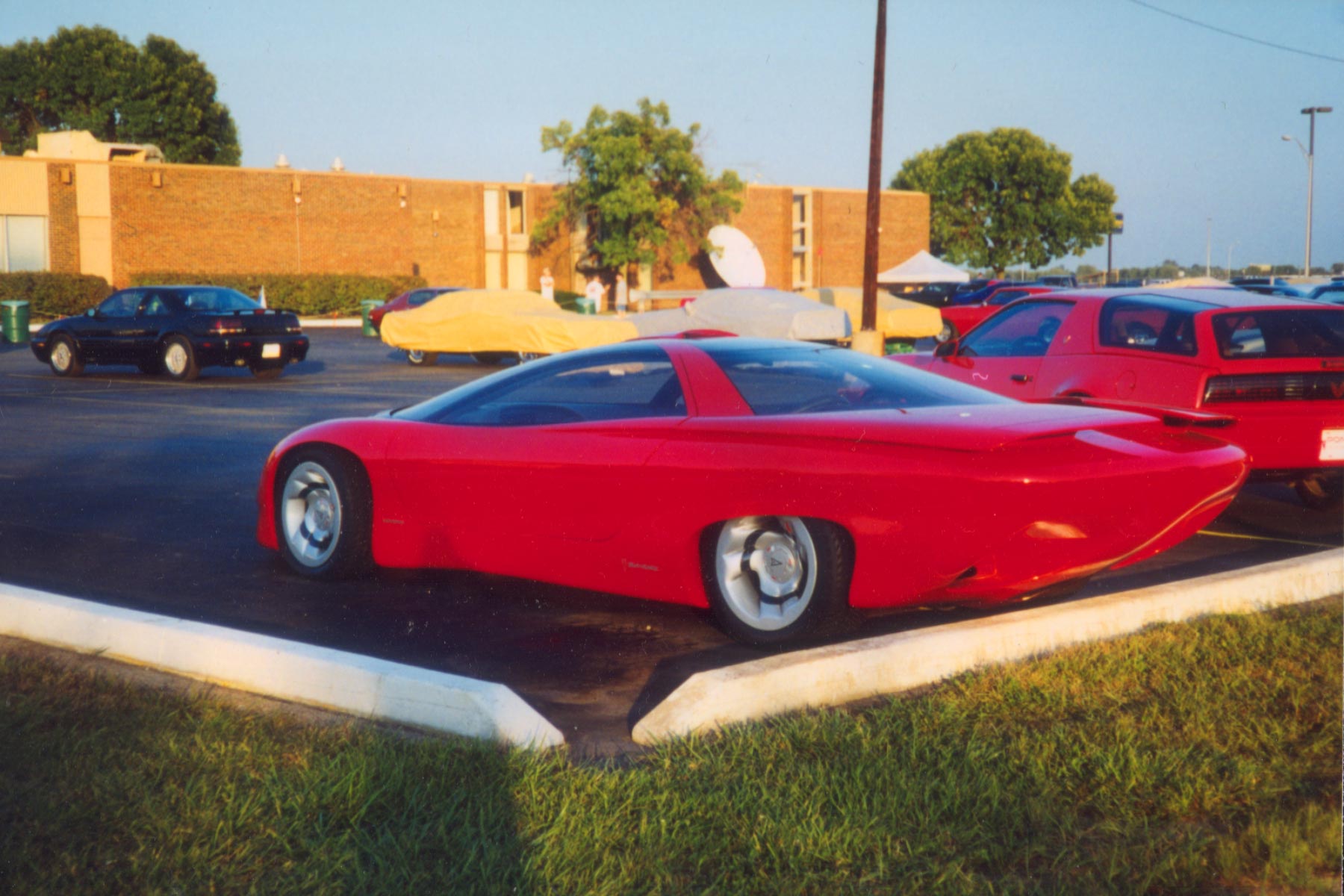
Pontiac Banshee
The Pontiac Banshee, like the mythical spirit after which it’s named, never came to anything beyond the speculative. Four Banshee concepts appeared over the course of more than 20 years.
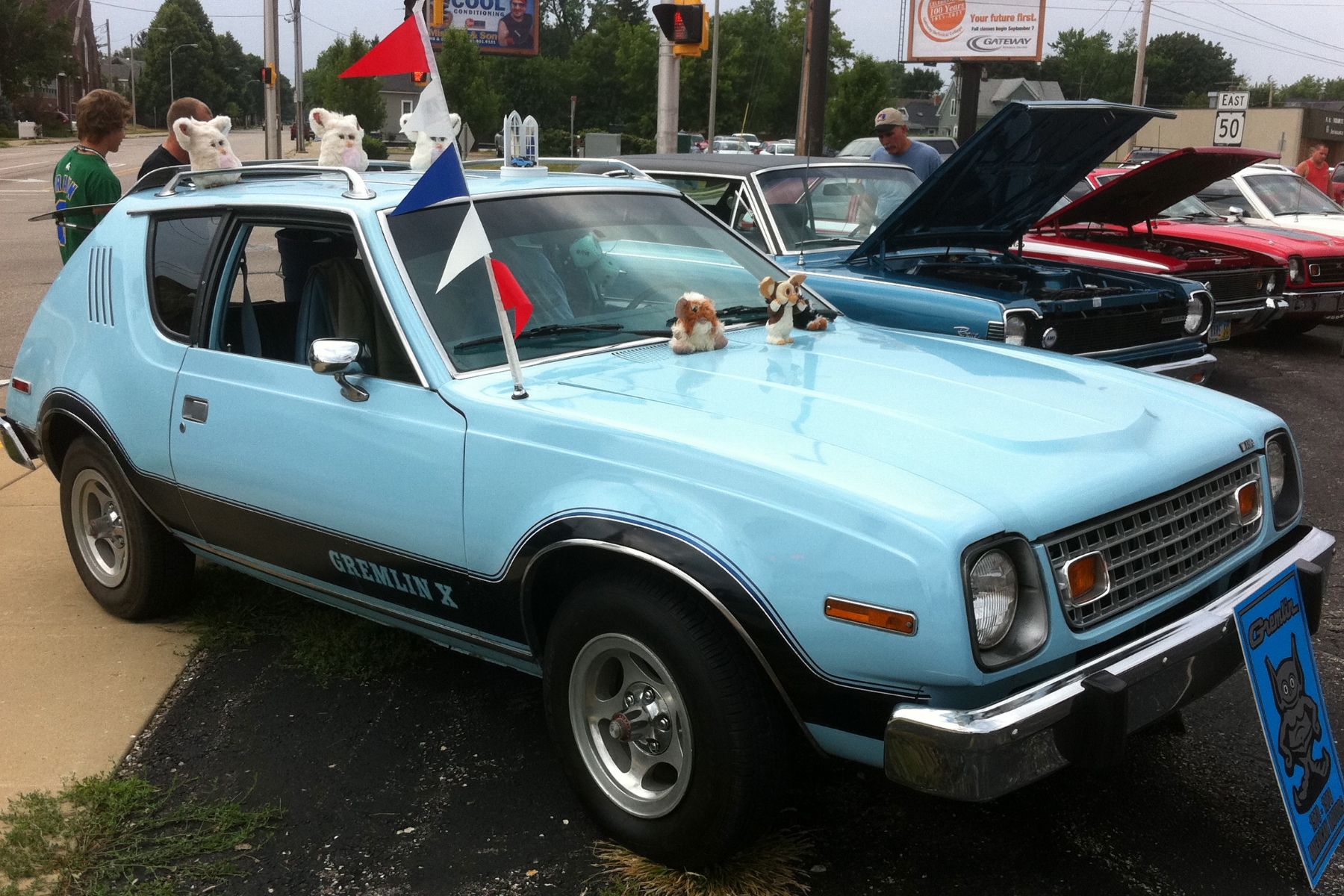
AMC Gremlin
There aren’t many movies that are more quintessentially halloween than Gremlins. So, naturally, the AMC Gremlin had to make this list. This ’70s American subcompact was no looker, resembling its namesake in a number of ways.
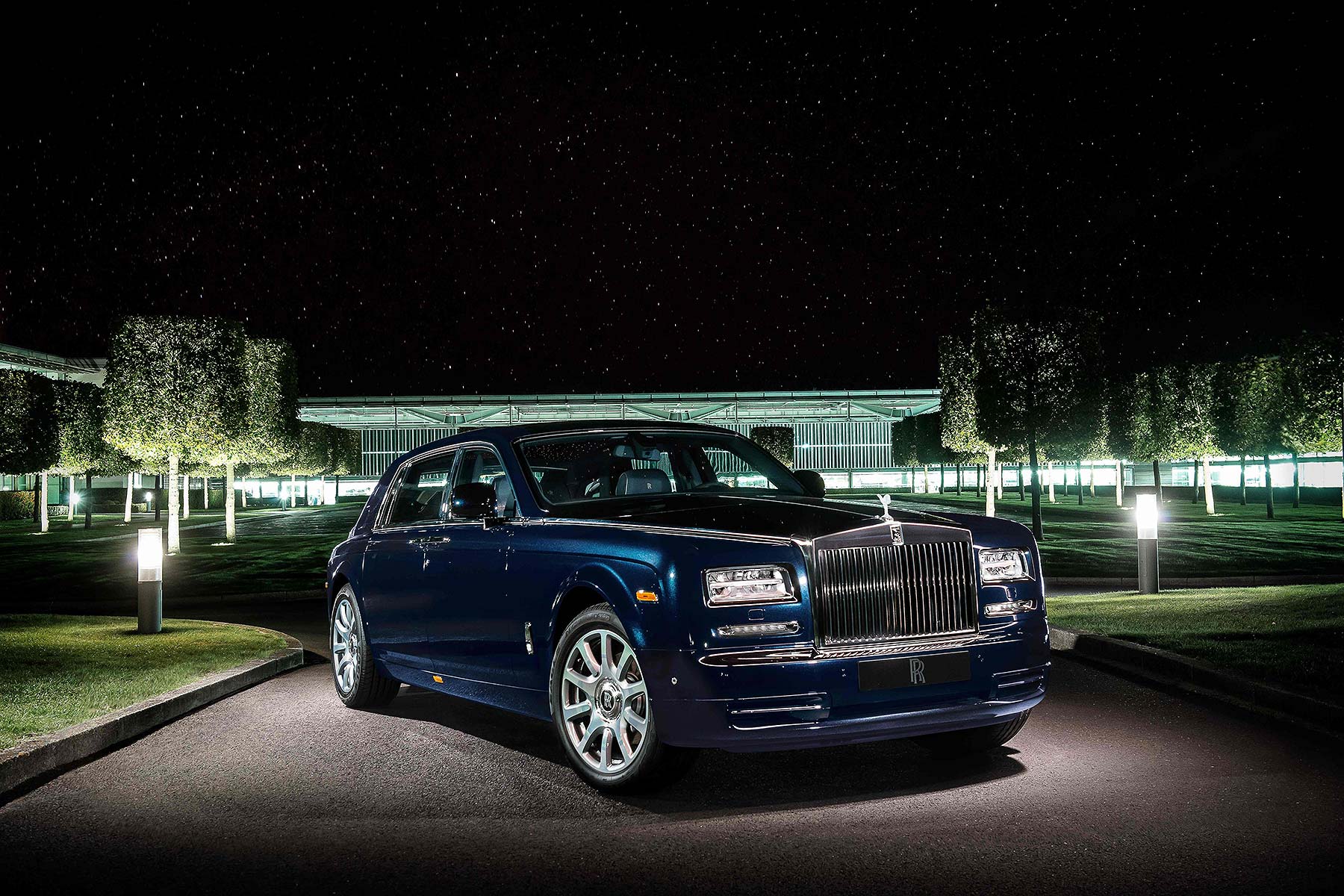
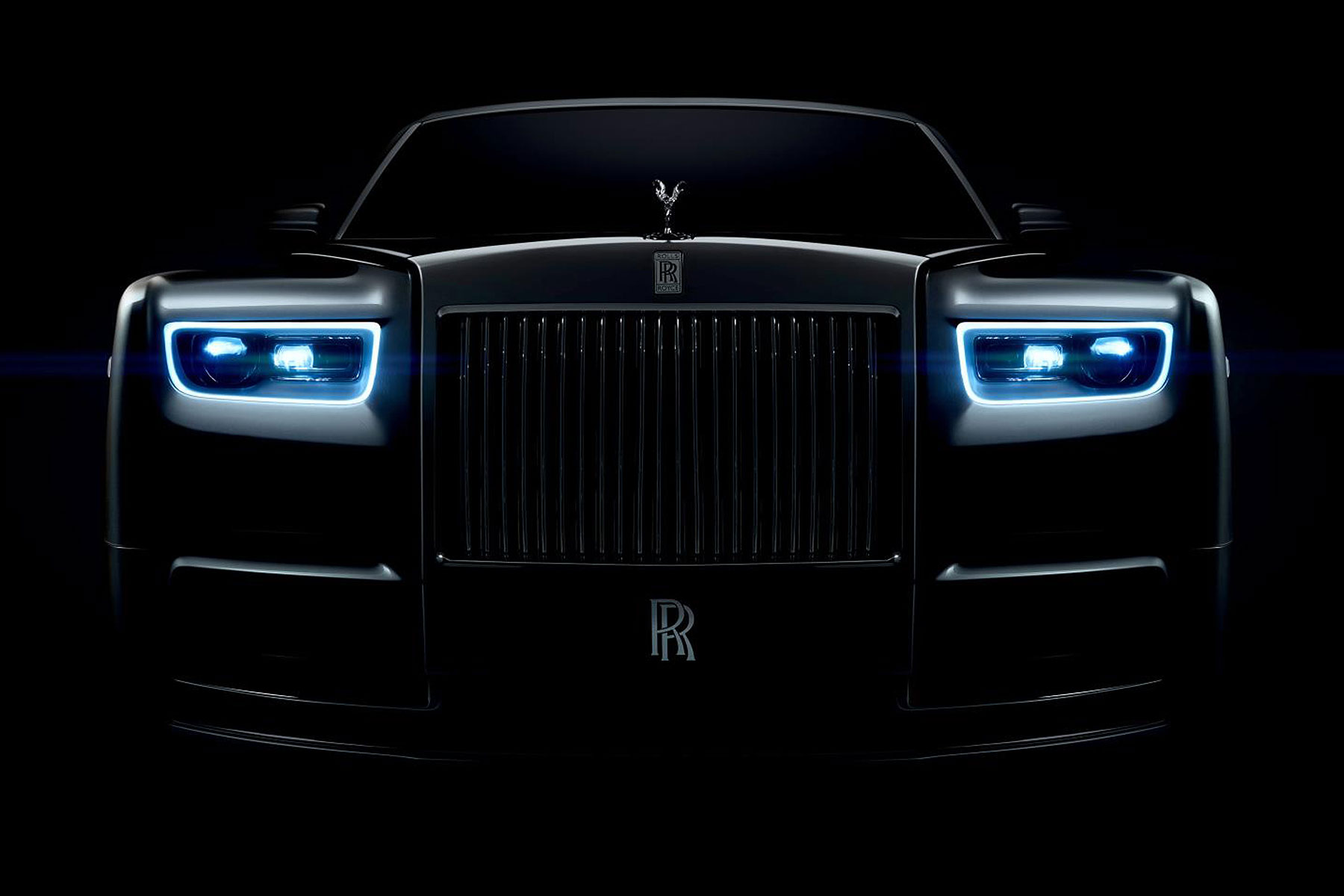
Rolls-Royce Phantom
Of course, the spookiest car on this list has to be the most imposing. The Phantom even has a ghostly figure named the Spirit of Ecstasy atop its grille. Rolls-Royce officially makes the spookiest cars in the world, as well as arguably the best.
Electric motors and battery power is an inevitability for all new car manufacturers now. But what does that mean for us enthusiasts and racers?
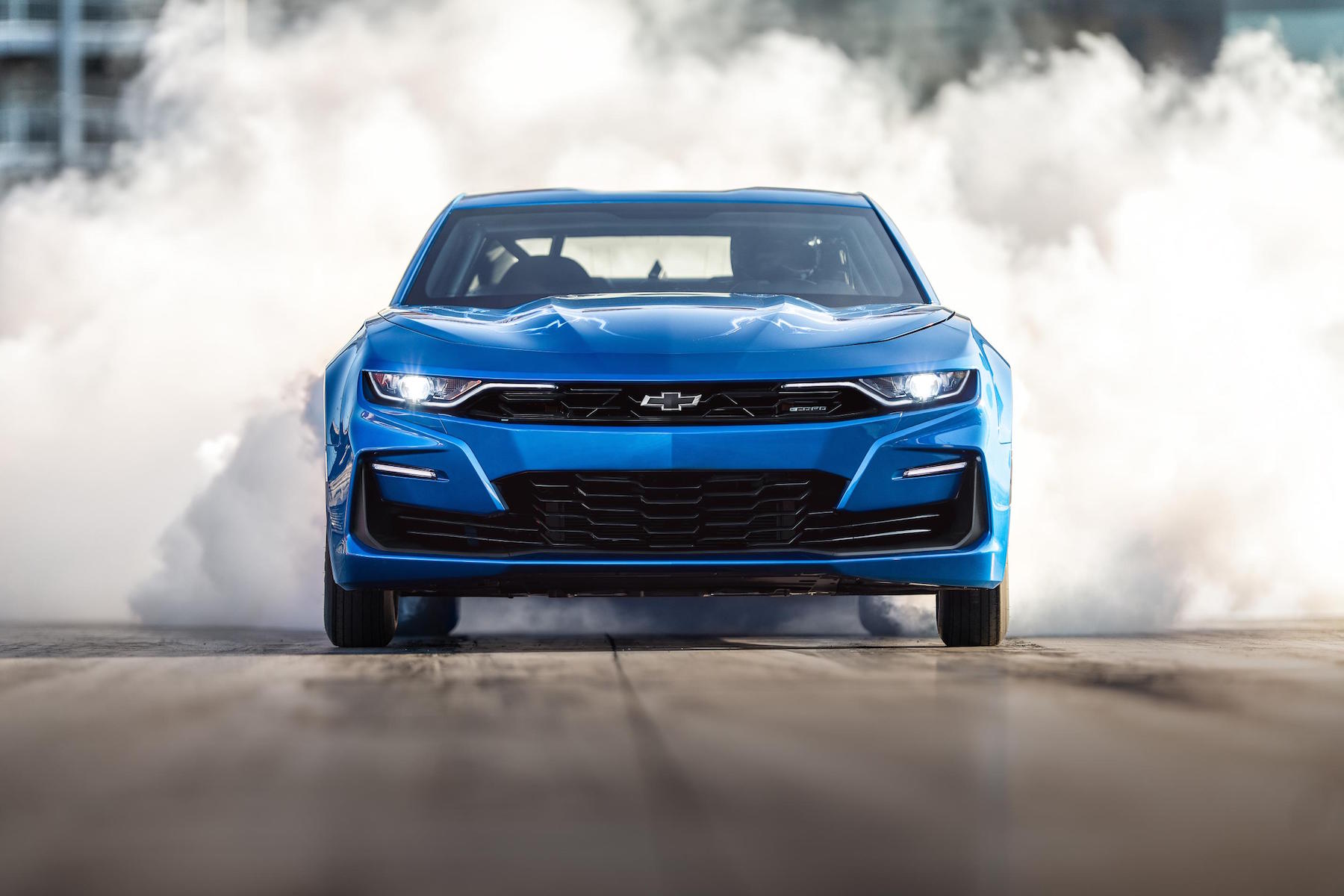
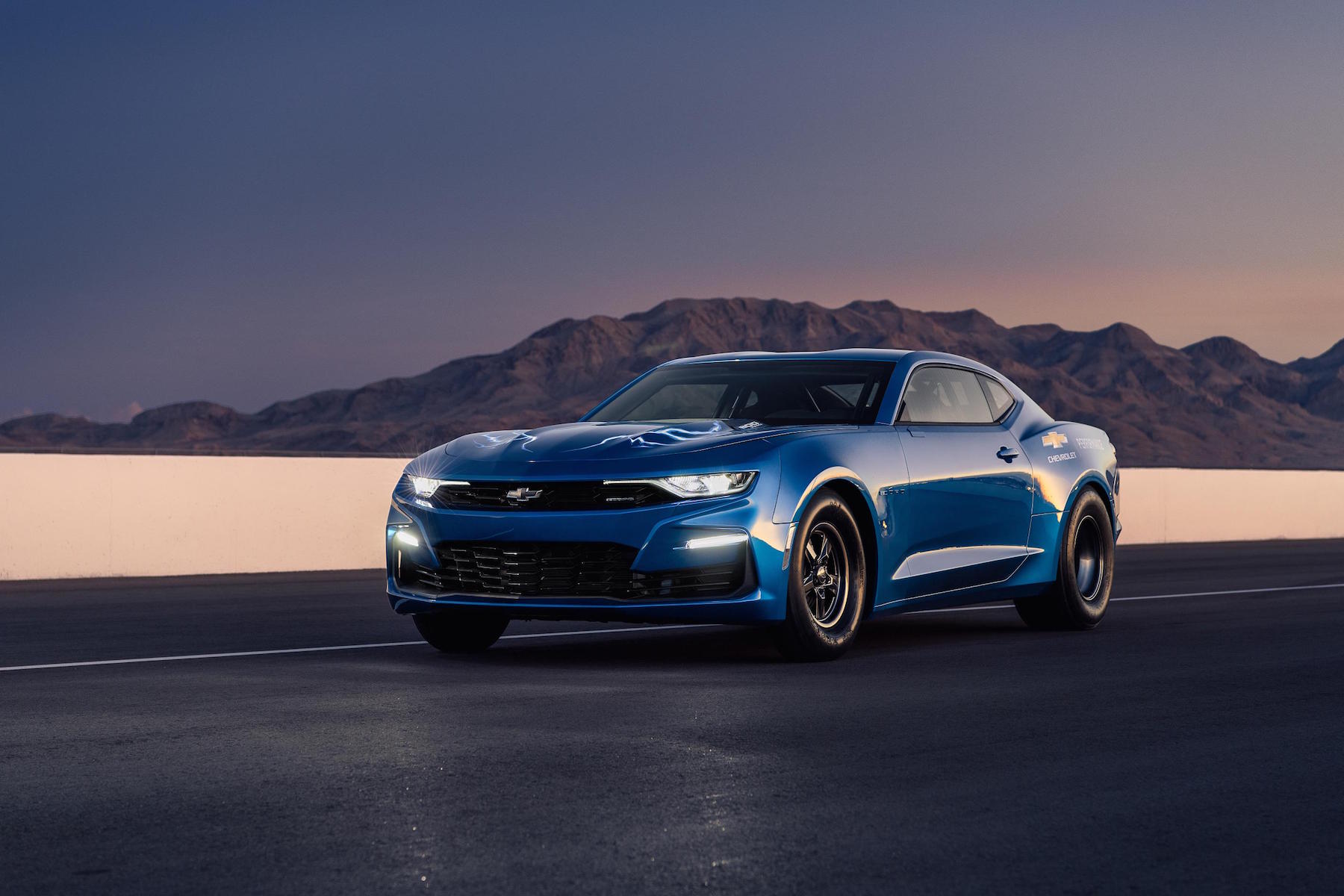
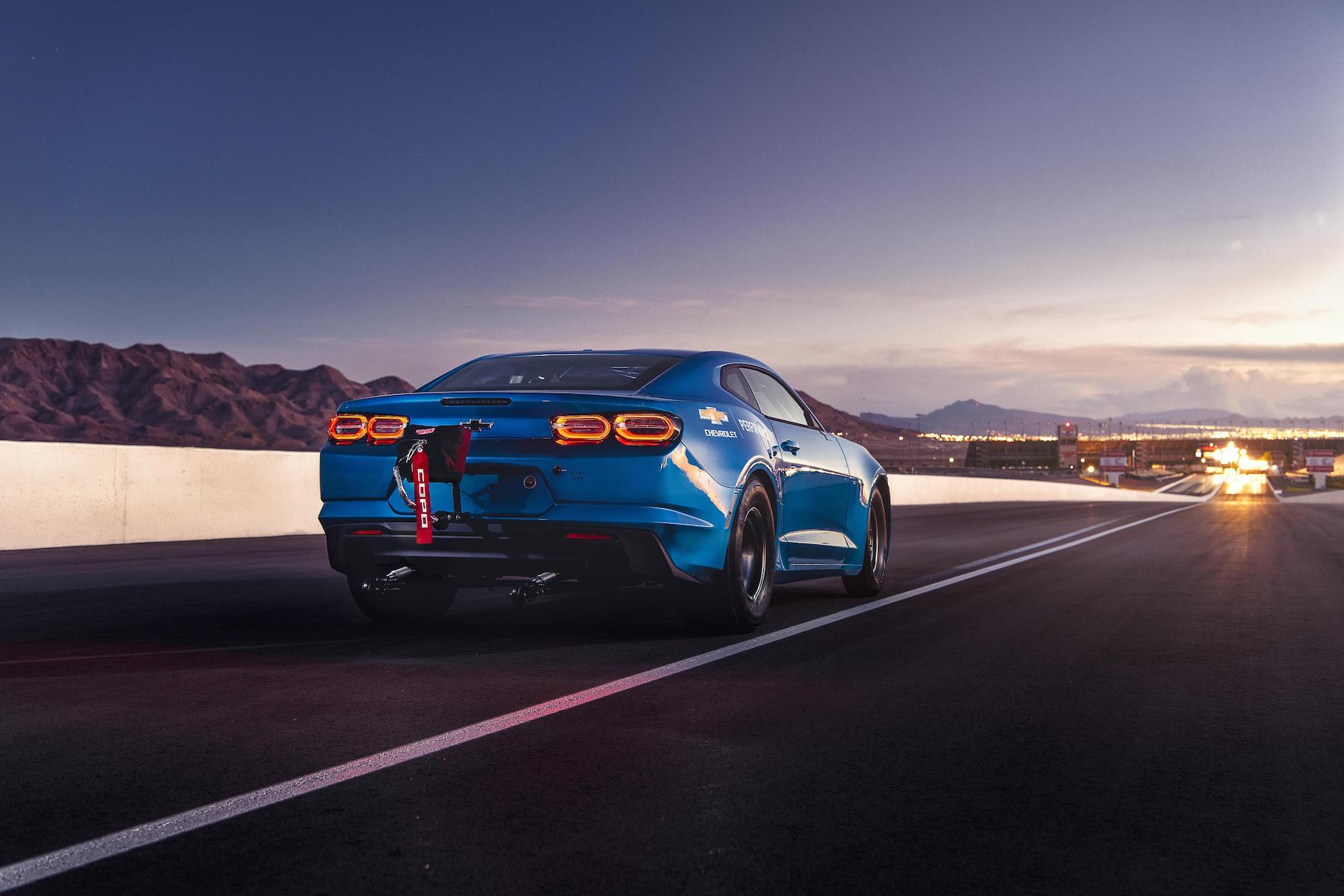
Well, good news: Chevrolet believes electric vehicles and motorsport do not need to be mutually exclusive. It is using the 2018 SEMA Show to demonstrate this, with a 700 horsepower battery-powered 2019 Camaro.
Based on the fearsome COPO Camaro, the eCOPO ditches the legendary and beloved V8 engine for a substantial electric motor instead.
Batteries ARE included
Powered by an 800-volt battery pack, the pair of electric motors in the eCOPO generate a staggering 600lb-ft of torque.
Electric power means all that torque can be accessed instantly, something which no doubts help with a quarter-mile drag strip time estimated to be under 9 seconds.
Chevrolet has mounted the battery packs strategically throughout the eCOPO Camaro for optimum weight distribution. An addition to the roll cage helps protect the precious batteries, whilst systems ensure they are in perfect health during any trip down the drag strip.
Plug-in, go fast
What makes the electric motor in the eCOPO more impressive is the potential for it to be bolted into other applications with relative ease.
Chevrolet has a strong history of producing powerful ‘crate motors’, offering big performance off the shelf. The aim is to make electric power no different to traditional internal combustion engine offerings.
The eCOPO’s motor uses the same mounting placement and crankshaft flange as the rest of the engines in the Chevrolet crate engine range. This meant the electric motor could be simply dropped in the Camaro’s engine bay, and connected to the same transmission as the fuel-burning regular COPO.
For the future this promises the opportunity to swap out traditional crate engines with an electric motor, making classic cars thoroughly clean and green. It might upset purists, but the promise of huge instant torque may well win them over.
At present this is very much a concept, but Chevrolet is serious about building electric crate motors. This will involve plenty of time spent at the drag strip, testing out the tyre-shredding abilities of the eCOPO Camaro.
Chevrolet is showing off the eCOPO Camaro at the 2018 SEMA Show alongside the conventionally powered 2019 50th Anniversary COPO Camaro. There are also more than 20 other Chevy concepts and modified cars on display at the Las Vegas event.
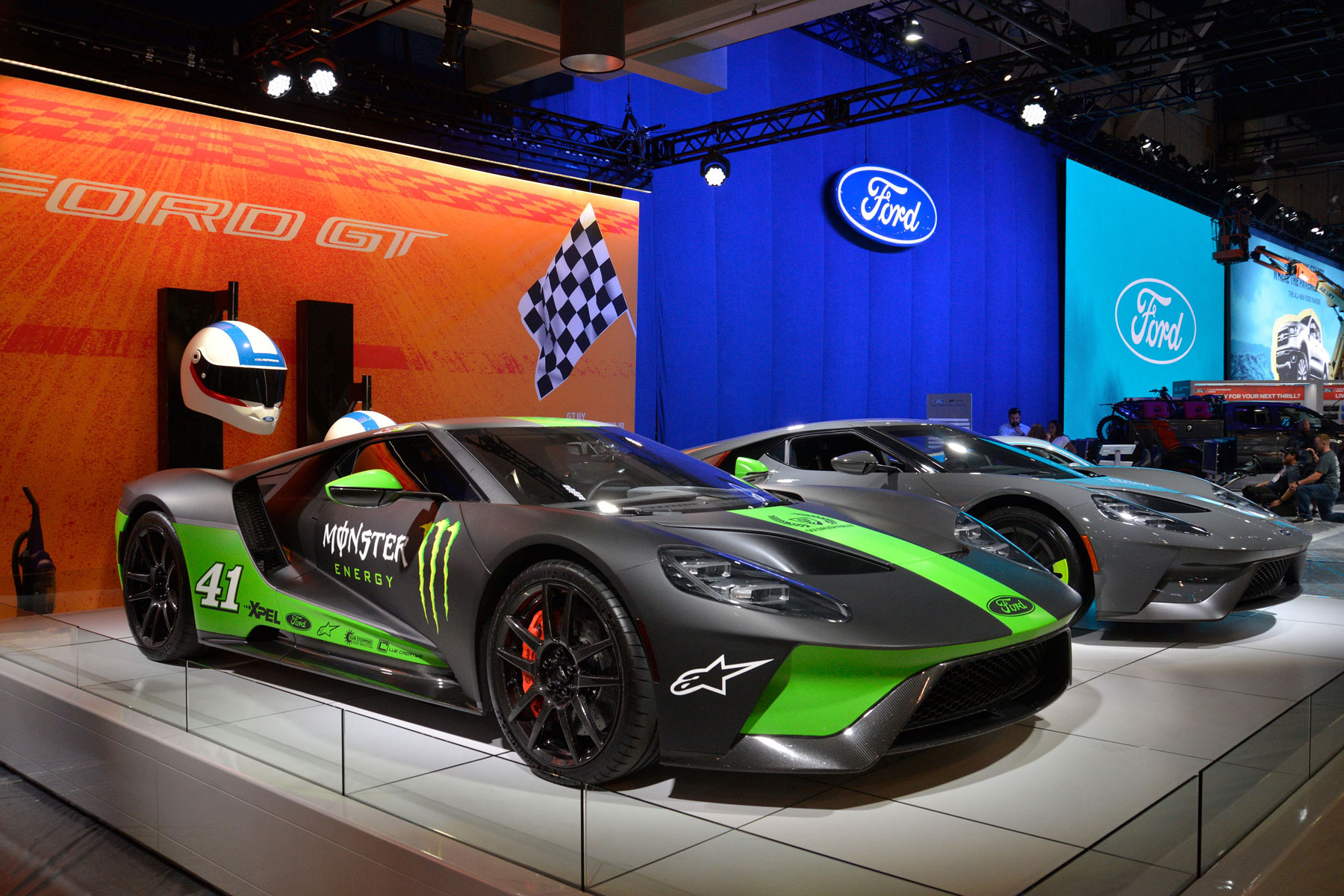
Fans of modified cars have converged on Las Vegas for the annual SEMA Show, home to the wildest creations on the planet. Here, we bring you pictures of some of the most outlandish, crazy and downright ludicrous cars at SEMA 2018. Brace yourself – we’re going in.
What is SEMA?
Since the 1960s, the Speciality Equipment Market Association (SEMA) modified car show is where aftermarket tuners, mainstream manufacturers and modified car fans have met to put on a display of tweaked performance cars and wild creations. Where else but Las Vegas could be home to such an event?
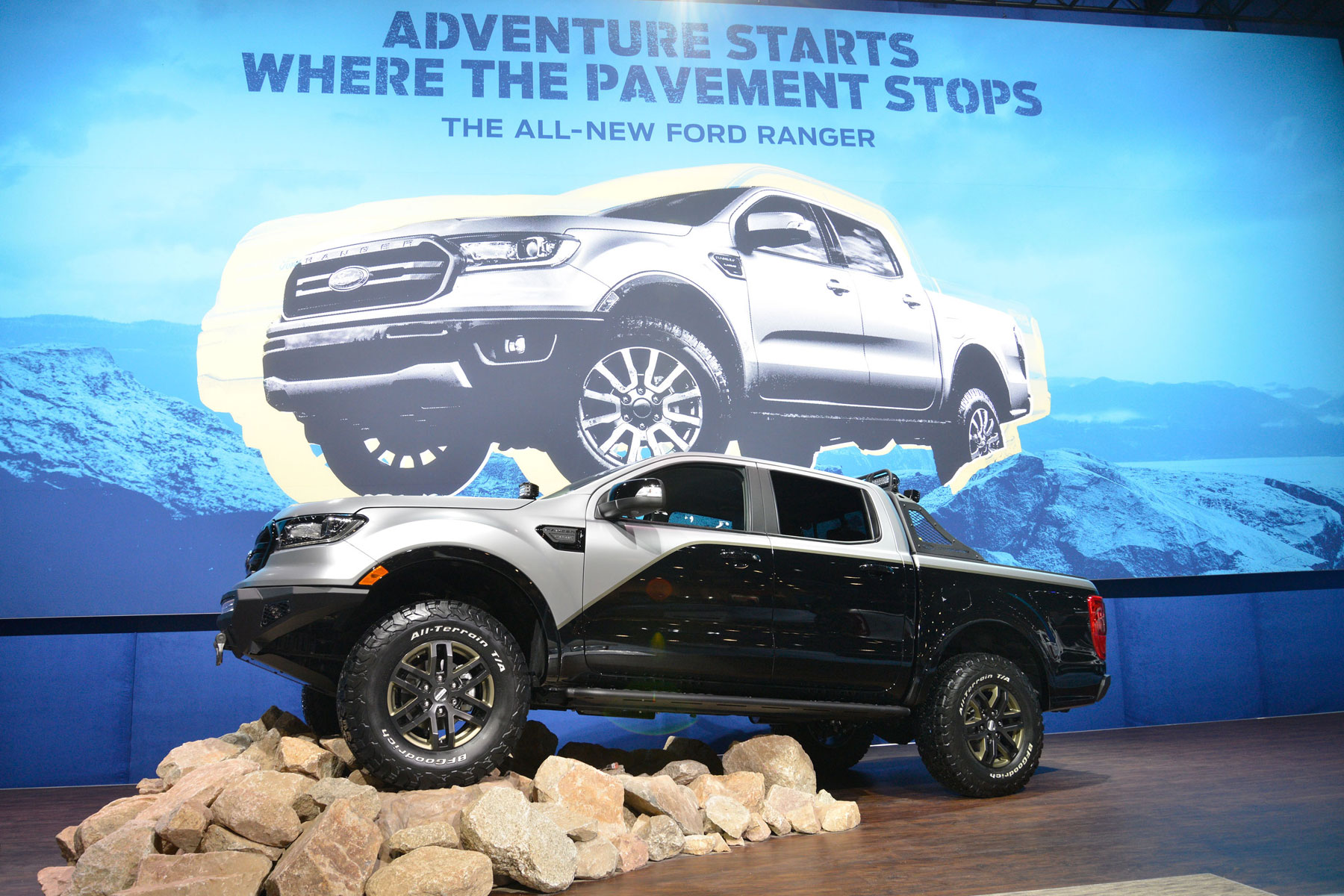
Ford Ranger
SEMA started small, but has quickly become one of the world’s preeminent car shows, with some manufacturers opting to unveil new vehicles there. This year, Ford has chosen SEMA to unveil seven rugged concepts based on the new Ranger (pictured).
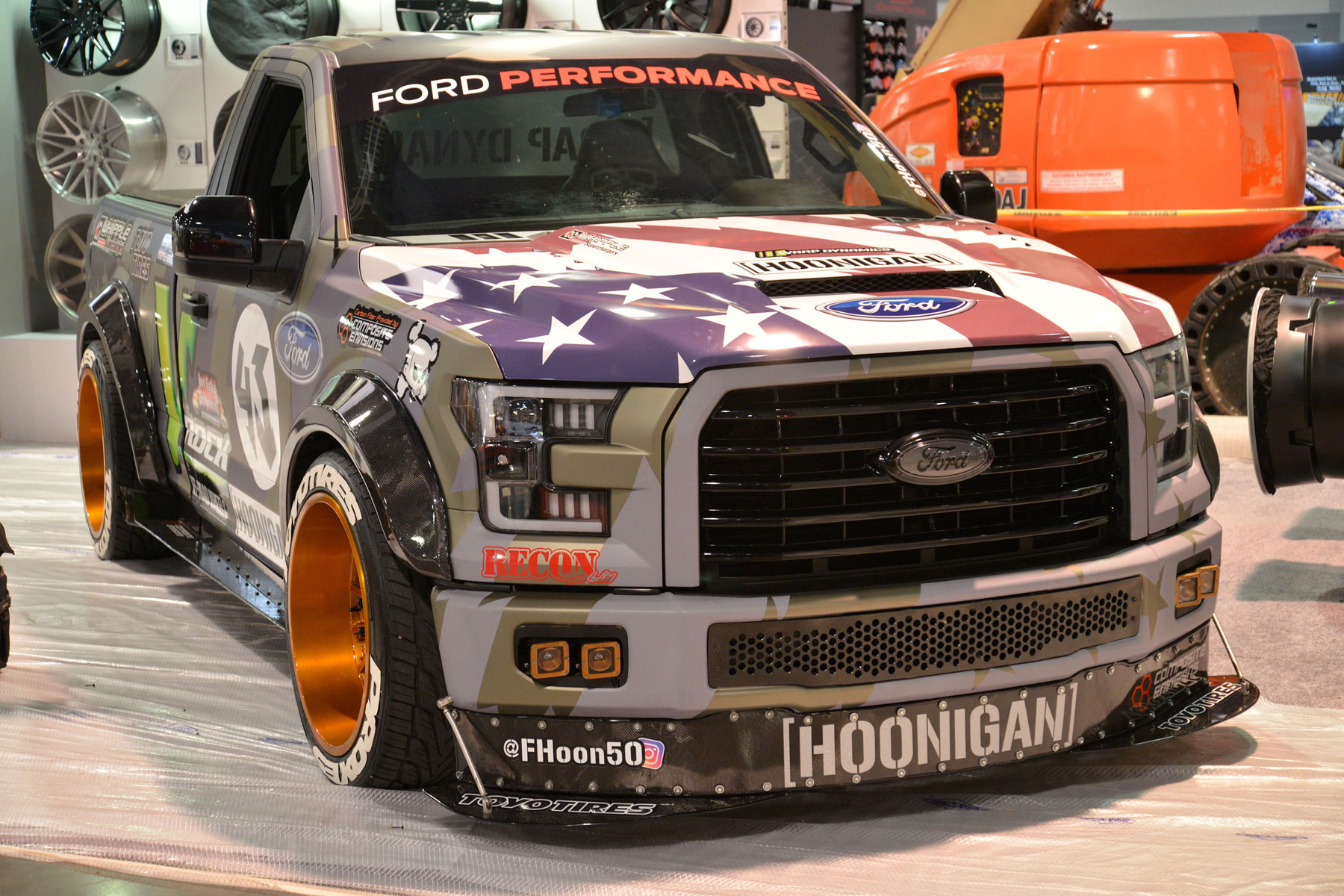
Hoonigan
If we’re honest, this is the kind of thing we’d associated with SEMA. Hoonigan has recreated its Donut Garage yard at SEMA, with a promise to bring “its wildly-popular brand of automotive mayhem” to the show.
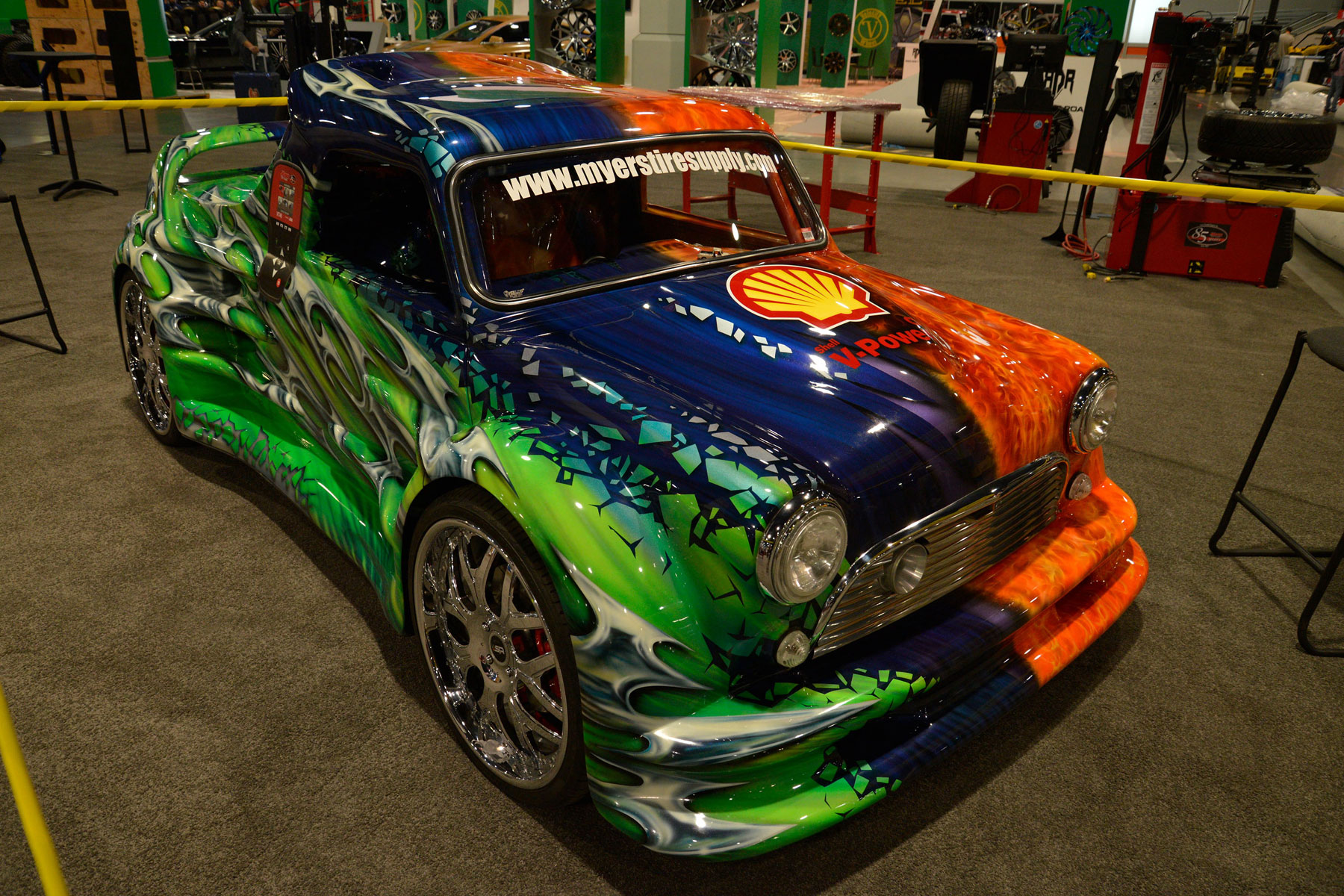
Ireson Motorsports Mini Cooper
“This is the baddest Mini on earth, BAR NONE,” says Ireson Motorsports, without a hint of modesty. In fairness, the team at Ireson may have a point, because this 1965 Mini Cooper is powered by two 550-horsepower Honda B16 engines. It also features a gull-wing door, nitrous, 22 gauges, four televisions and a Fred Shutrump paint job. Subtle, isn’t it?
Nissan GT-R
This Corsa Performance Nissan GT-R is a little more low-key, but we suspect the performance is anything but subdued.
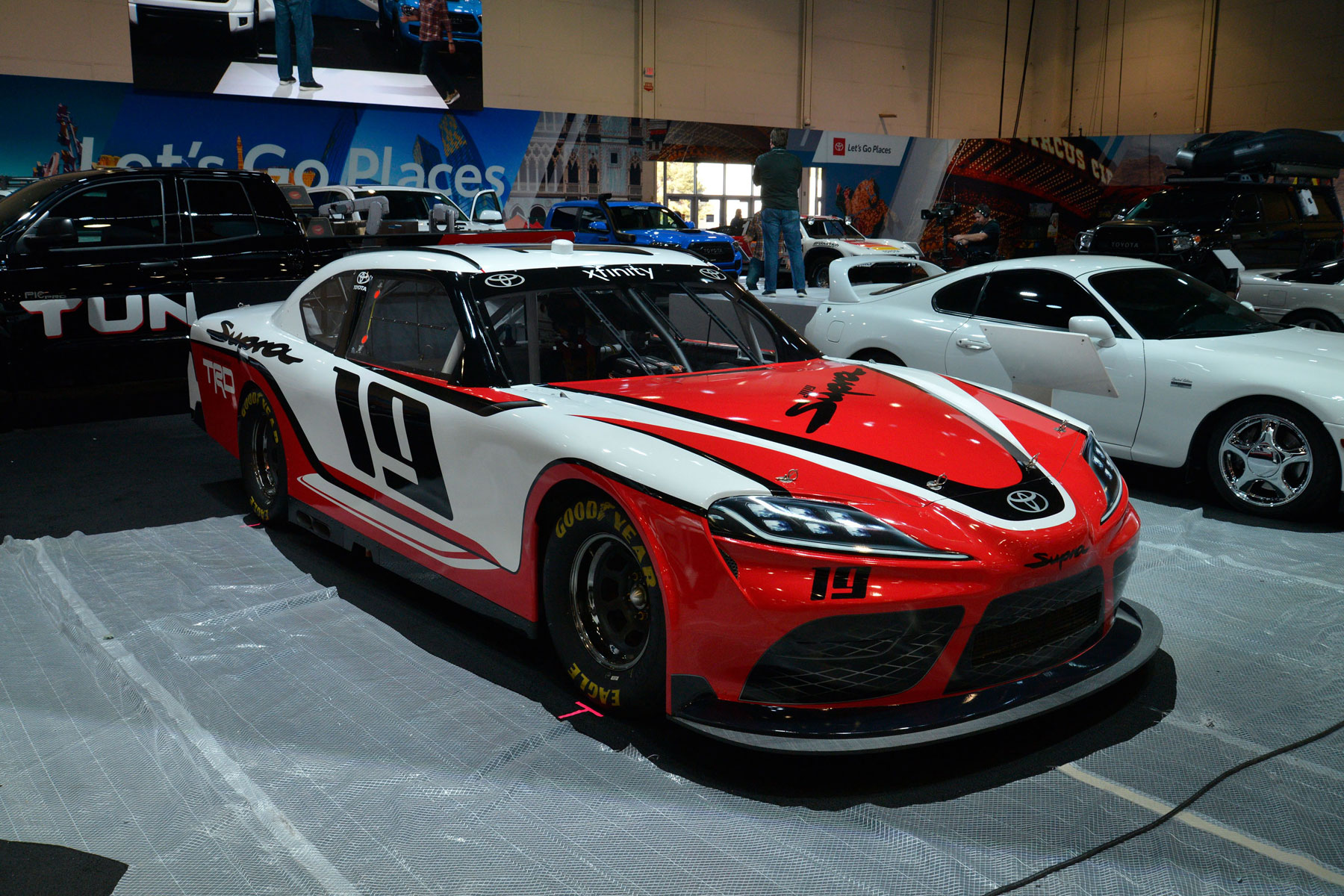
Toyota Supra
Toyota will run the new Supra in the NASCAR Xfinity Series in 2019, while the Camry will continue racing in the Monster Energy NASCAR Cup. The company is making a big song and dance about the new Supra at SEMA, which makes a change from endless teasers. Still, it’ll be worth the wait…
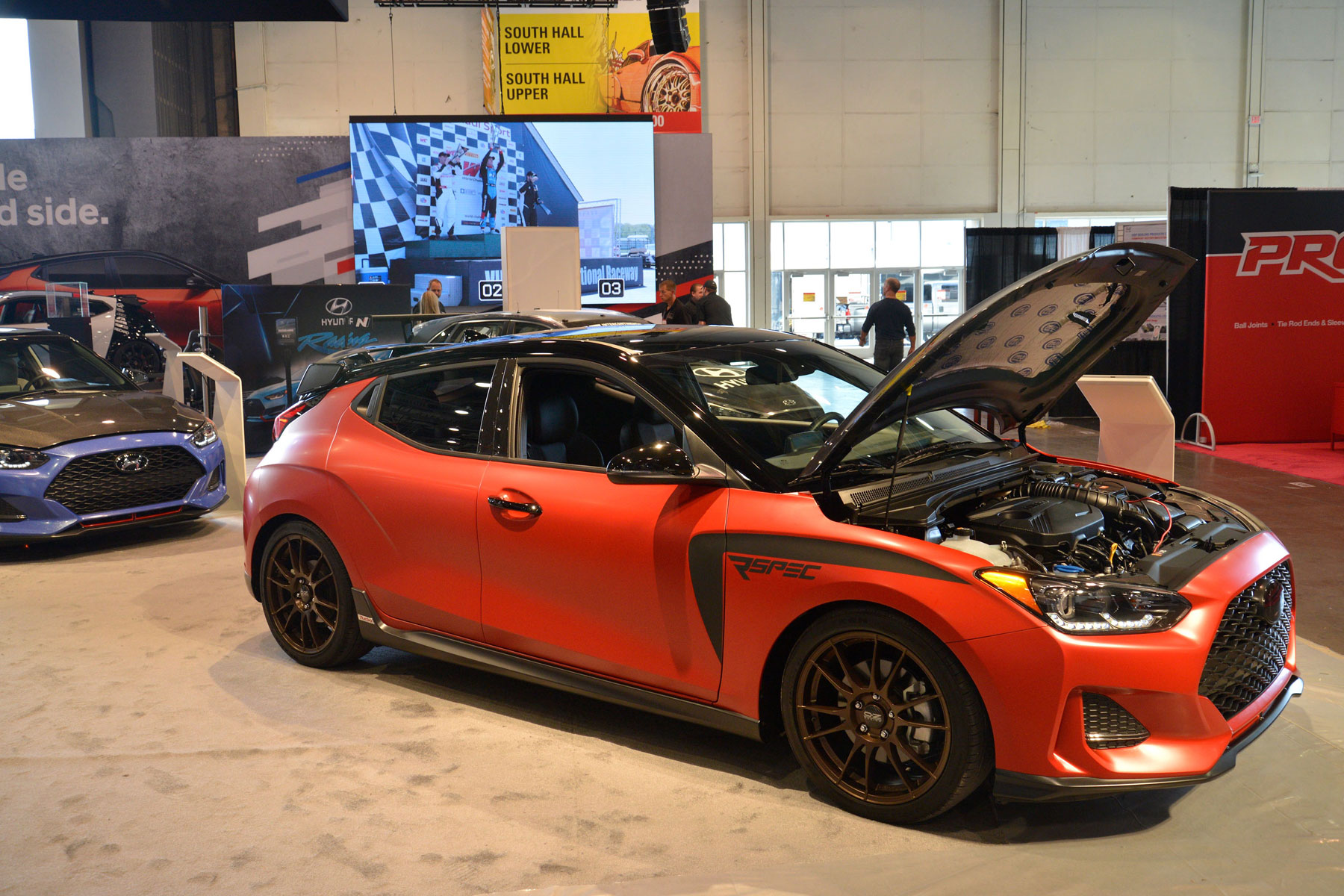
Hyundai Veloster
We love the Hyundai i30 N, so we’re a little disappointed that we don’t get a chance to play with the Veloster N in the UK. There are plenty of modified Velosters on display at SEMA, including this R-Spec version. Meanwhile, we’ll console ourselves with the fact that an i30 Fastback N is on the way.
Nissan 370Z Project Clubsport 23
The Project Clubsport 23 is designed to be an ongoing parts development platform. That’s to say that the Nissan 370Z on show at SEMA 2018 might be significantly different months from now as new parts are developed. It’s powered by a 400hp twin-turbocharged V6 engine mated to a six-speed manual transmission. Further upgrades include a bespoke dual exhaust system, Nismo brakes, Rays 18-inch rims and Eibach rear springs.
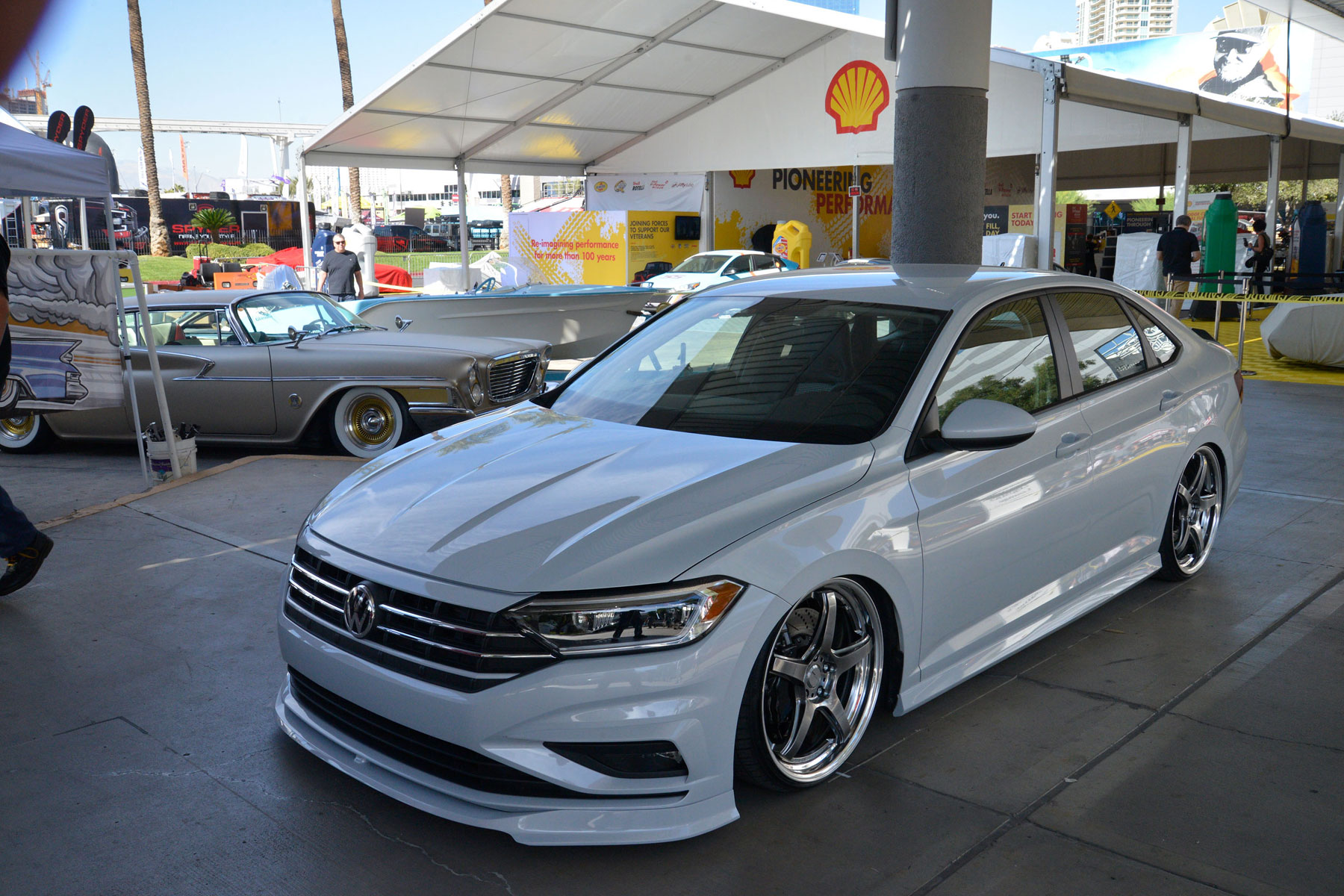
Volkswagen Jetta
This Jetta S is the work of Jamie Orr, who has fitted KW Clubsport coilovers, 20-inch Work Emotion T5R 2P alloys, Delinte DS8 tyres and ECS Tuning brake rotors. The 3D-printed body kit includes a rear spoiler, while the inside features Recaro A8 seats.
E30 BMW 3 Series
Who doesn’t love a modified E30 BMW? As the California plate suggests, there’s plenty of E30 LOVE on show here.
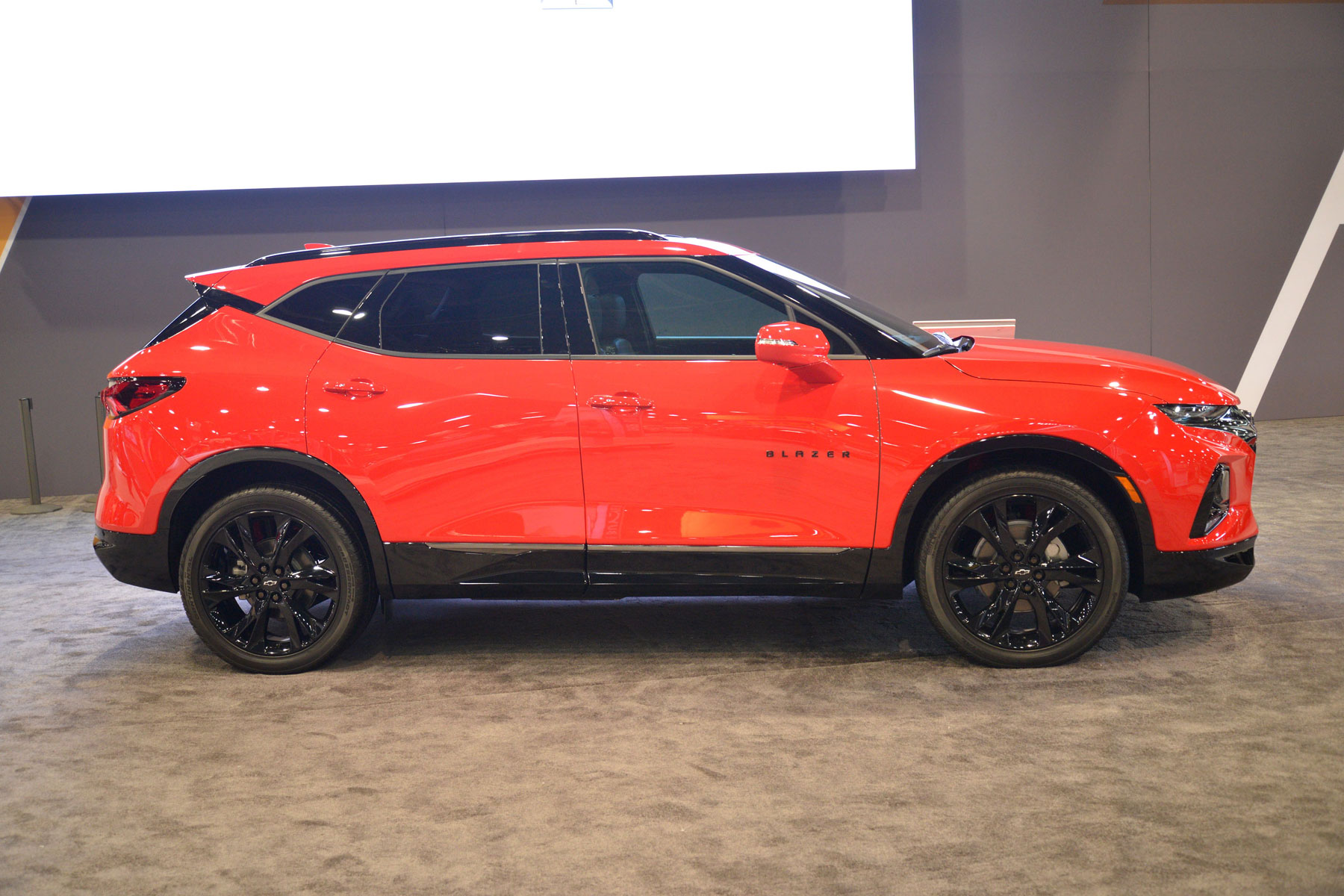
Chevrolet Blazer
The 2019 Chevrolet Blazer will go on sale in January and will be offered in L, Blazer, RS and Premier trims. Not that you will be able to order it in the UK.
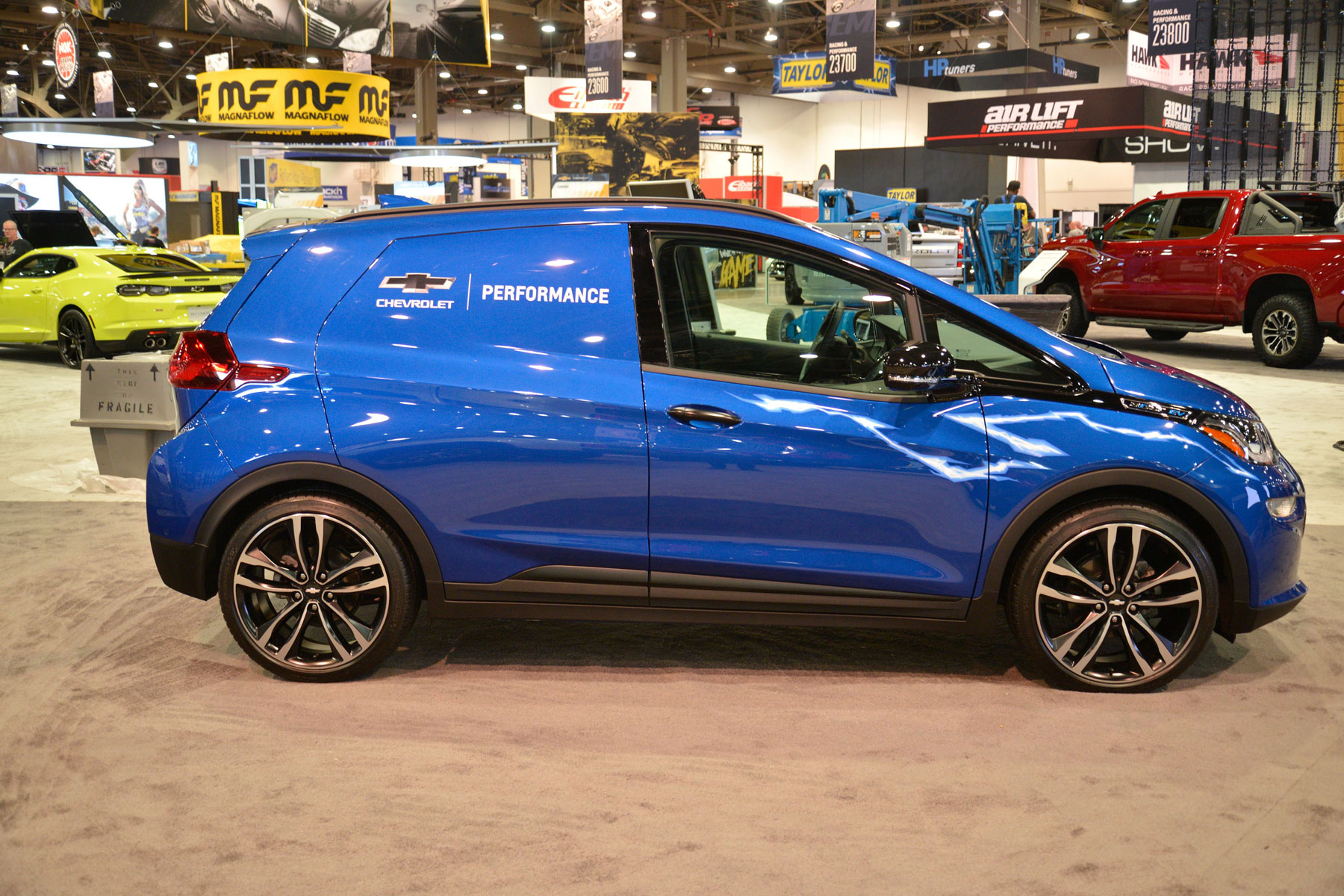
Chevrolet Bolt
The Bolt is another Chevrolet you can’t buy, but we really wish you could. The EV offers 238 miles of electric range and costs $30,000 (£26,000) in the United States.
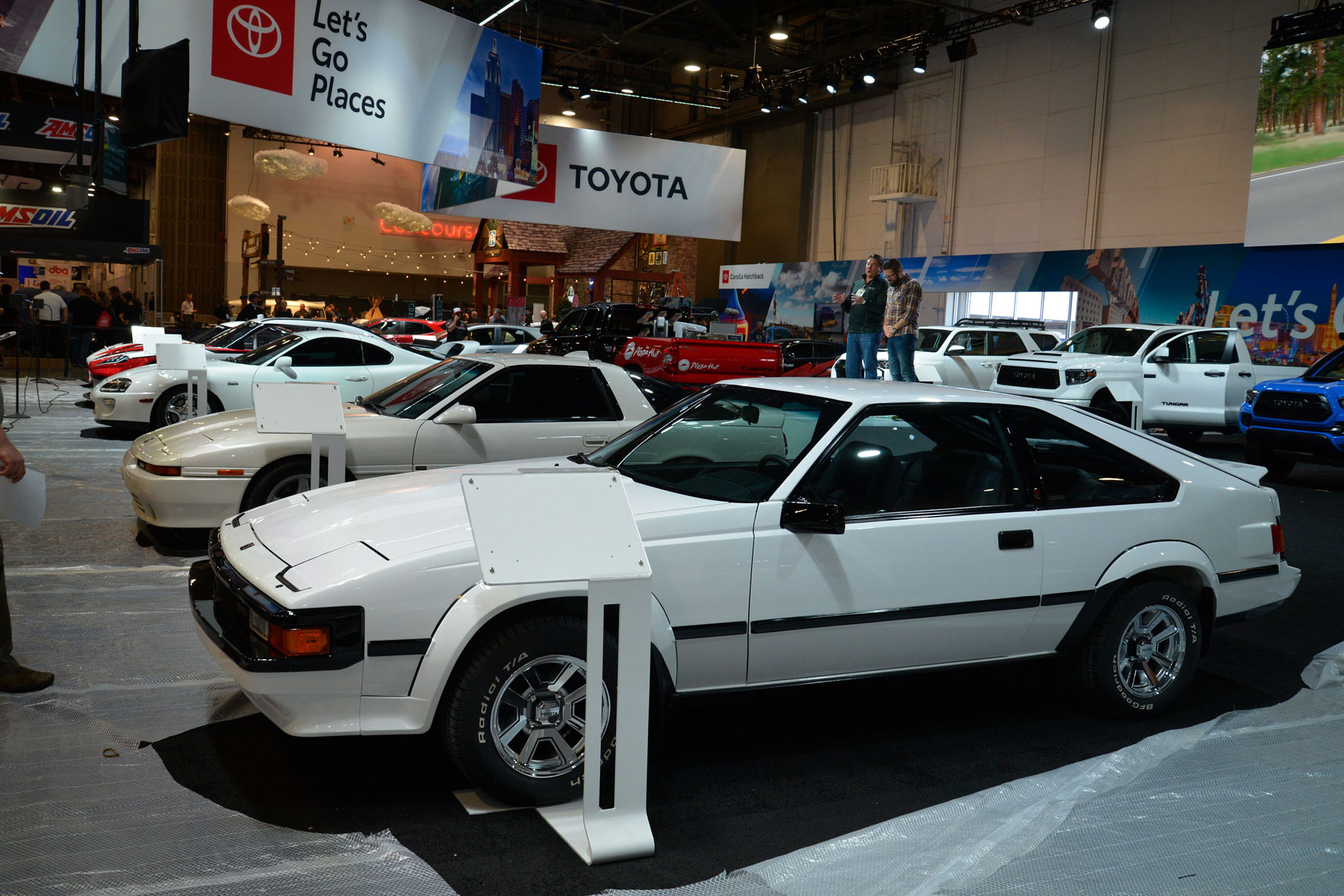
Toyota Celica Supra
The Toyota Celica Supra – or Celica XX in its domestic market – might look out of place at a modified car show. But it’s part of a bigger story and, dare we suggest, is one of the most appealing cars at SEMA.
Sleepers Speed Shop Porsche 911 SC
This Porsche 911 SC was modified by Sleepers Speed Shop and is part of the Eibach display at SEMA. There are some people in the Motoring Research office who’ll go weak at the knees when they see this.
Big Willy
We’re not sure the #BigWilly hashtag will make for safe viewing during office hours. Either this is a big Willys Jeep or those are incredibly small people stood next to the rear wheel.
GMC Sierra Denali
A modified GMC Sierra Denali – because you can never have enough wheels on your truck.
An eclectic mix
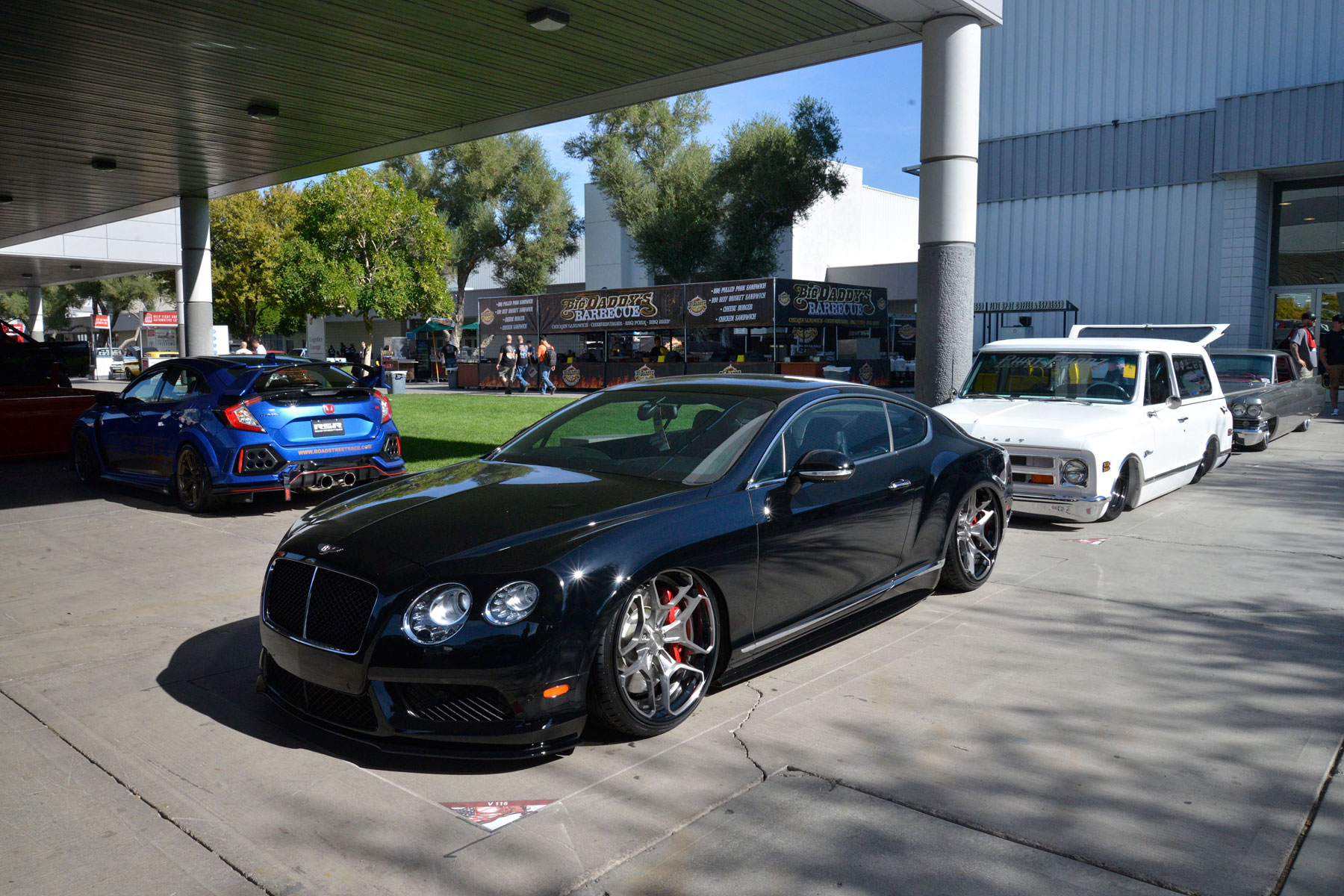
SEMA 2018: the only car show on earth where the exhibits make a modified Honda Civic Type R look subtle.
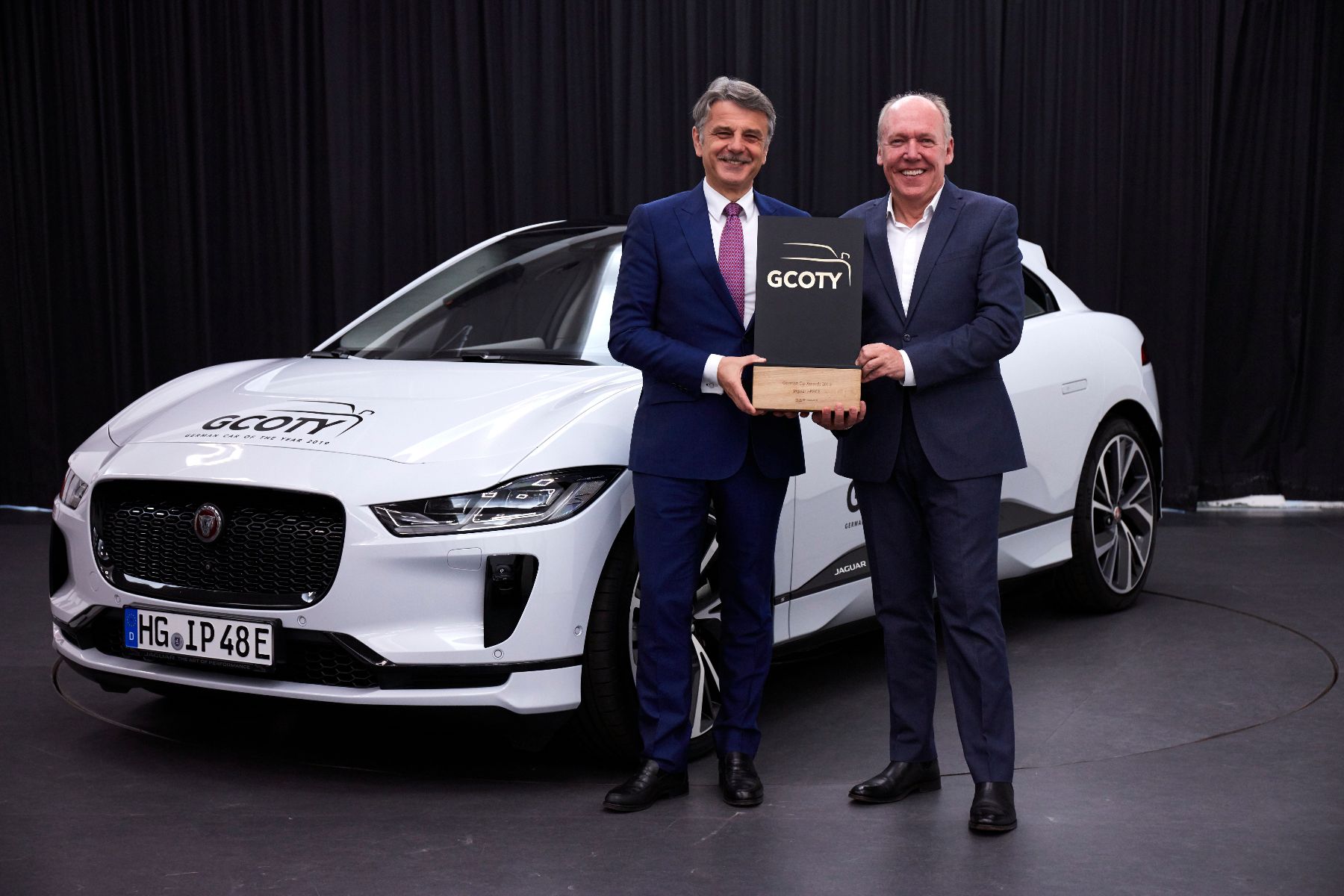
The new Jaguar I-Pace has added German Car of the Year to its extensive list of accolades and awards. Yes, we’ve beaten the Germans on their own turf with the Jaguar I-Pace – arguably the most important car release of 2018.
It’s no small achievement and no small task for the I-Pace. Given another 58 cars to compete with and a panel of 12 expert journalists to impress, Jaguar’s first EV had its work cut out to grab the inaugural gong.
Indeed, the car is an impressive achievement by Jaguar before you ever get behind the wheel. Nearly 300 real-world miles on a charge, class-leading and genre-defining cabin space, classic Jag good looks. All over six months in advance of key German rivals that, when they presented alternatives, didn’t match the I-Pace’s specs. The German judges were impressed.
“The Jaguar I-Pace is not only the first premium electric vehicle from an established manufacturer, it also makes uncompromising use of the advantages of an electrified vehicle architecture,” said Jens Meiners, German Car of the Year award jury member and spokesman.
Driving the I-Pace yields no disappointment, either, displaying the dynamic prowess and pleasing experience you would expect from a big cat. This, among its appealing design and practical credentials, helped earn it this latest praise.
“Its performance is impressive, and its design and practicality stand out, which is why the I-Pace ultimately was the winner against strong competition.”
It just goes to show that the early bird gets the worm, especially if it’s an exceptionally impressive bird…
Engines for the acclaimed Ford Fiesta ST are now coming from Wales as production of the all-new motor begins at Ford’s Bridgend Engine Plant.
£100 million has been invested in the facility to build the new 1.5-litre three-cylinder Ecoboost petrol engine, in a project dubbed the Dragon engine programme.
The Welsh government has supported the investment and Ford says the resultant line is all-new, fully-flexible and “state-of-the-art”. Engines produced on it will also go into the new Ford Focus.
“I’m personally very proud to see production start of this all-new engine here in Bridgend, said Wallace Yearwood, plant manager of the South Wales facility.
“It’s the result of a significant investment in the plant, a plant which has a long-established history of delivering world-class engines, and we will make this engine another success.”
“We are proud to have played a part in developing this world class manufacturing facility,” said Welsh energy and transport secretary Ken Skates, “and look forward to continuing to work with the company and workforce to ensure a bright future for the plant at Bridgend, despite the upcoming challenges of Brexit.”
Ford adds the engine isn’t just built in Britain, but was also partly designed here. Engineers at the Ford Dunton Technical Centre worked with colleagues in Germany to create the new motor which, in the Fiesta ST, produces 200hp yet also averages 47.9mpg.
The news does, however, come in the same week Ford bosses temporarily closed the production line for Jaguar Land Rover engines. The former Ford-owned British brands still use V6 and V8 engines from the blue oval, and several shutdowns in its Midlands factories are having a knock-on effect with suppliers such as Ford.
The company will cease producing engines for Jaguar Land Rover entirely in September 2020.
While the new Ford Dragon engine is good news for Bridgend, BBC Wales’ Sarah Dickins says the new programme will only make a quarter of the engines Bridgend has been building up to now: it remains to be seen what will take the place of the JLR line when production ends – and what else Ford Bridgend, the largest employer in the region, can build.
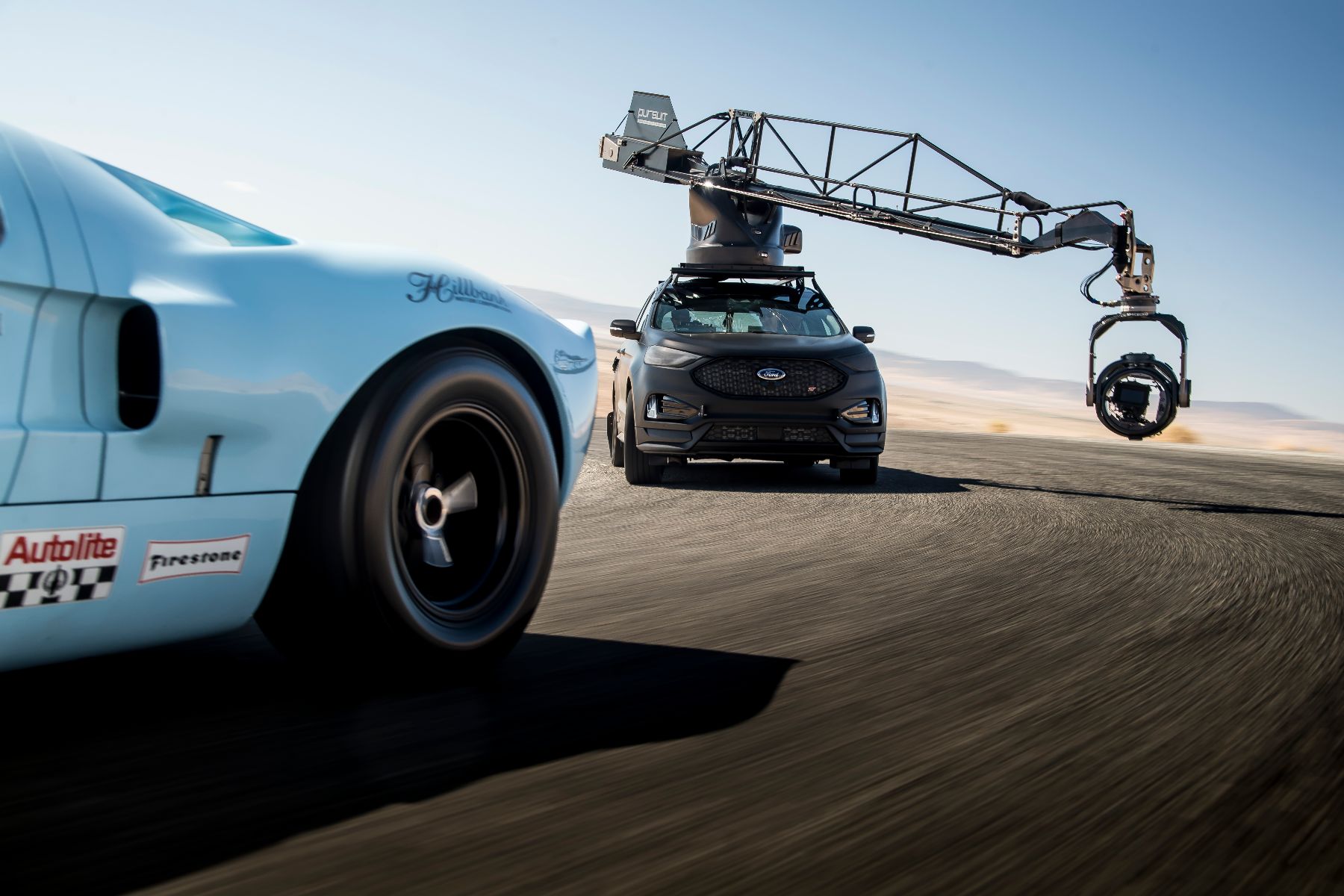
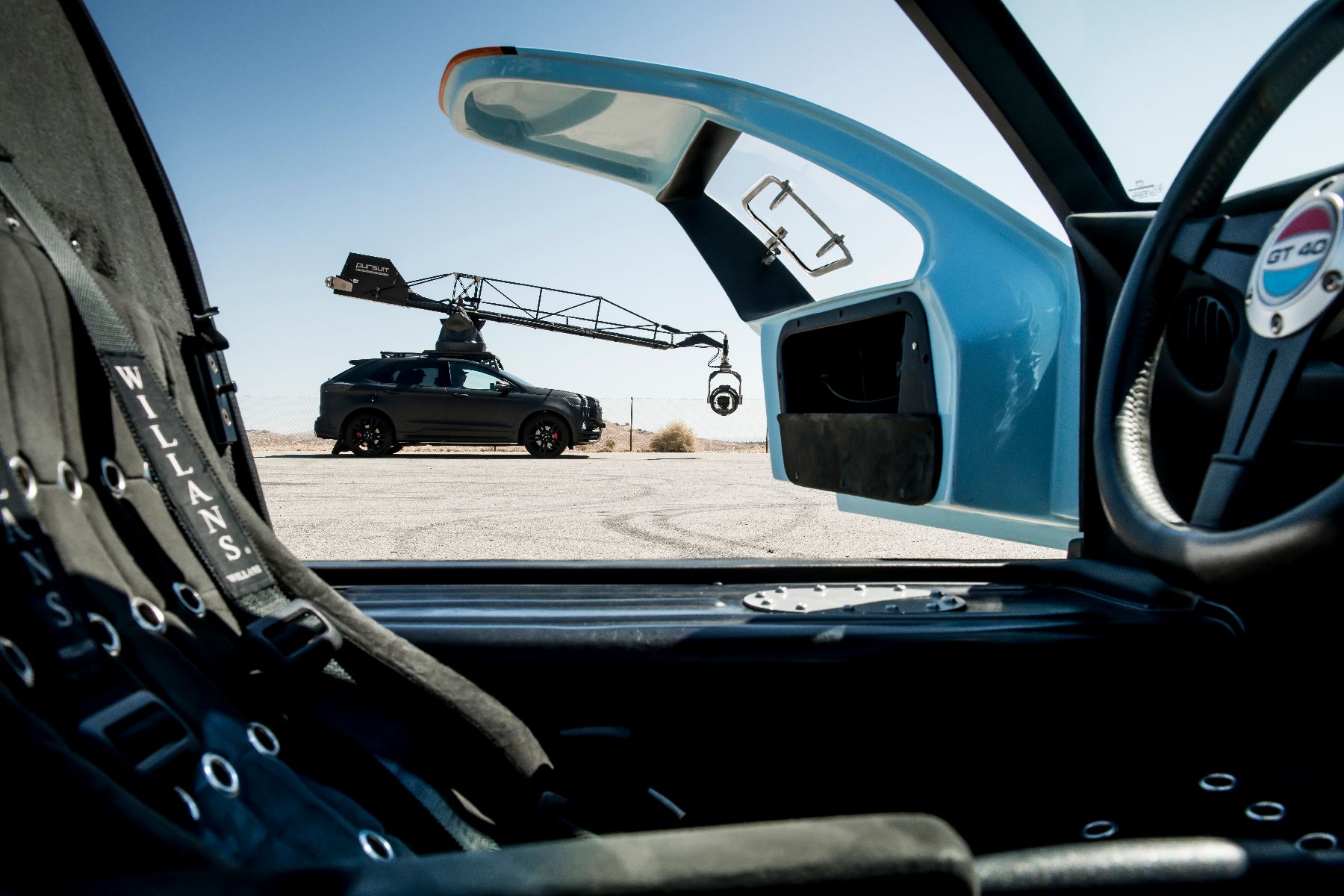
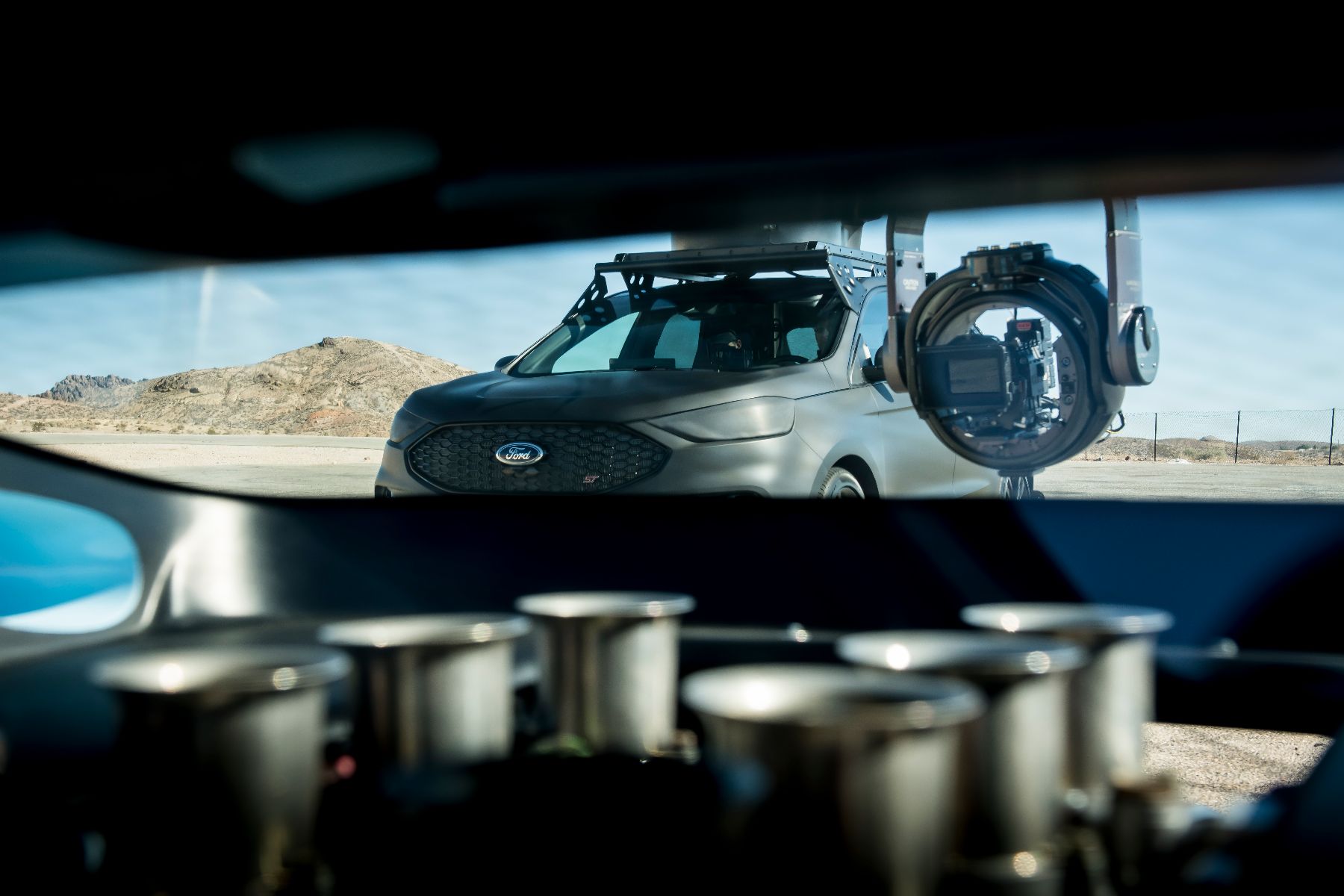
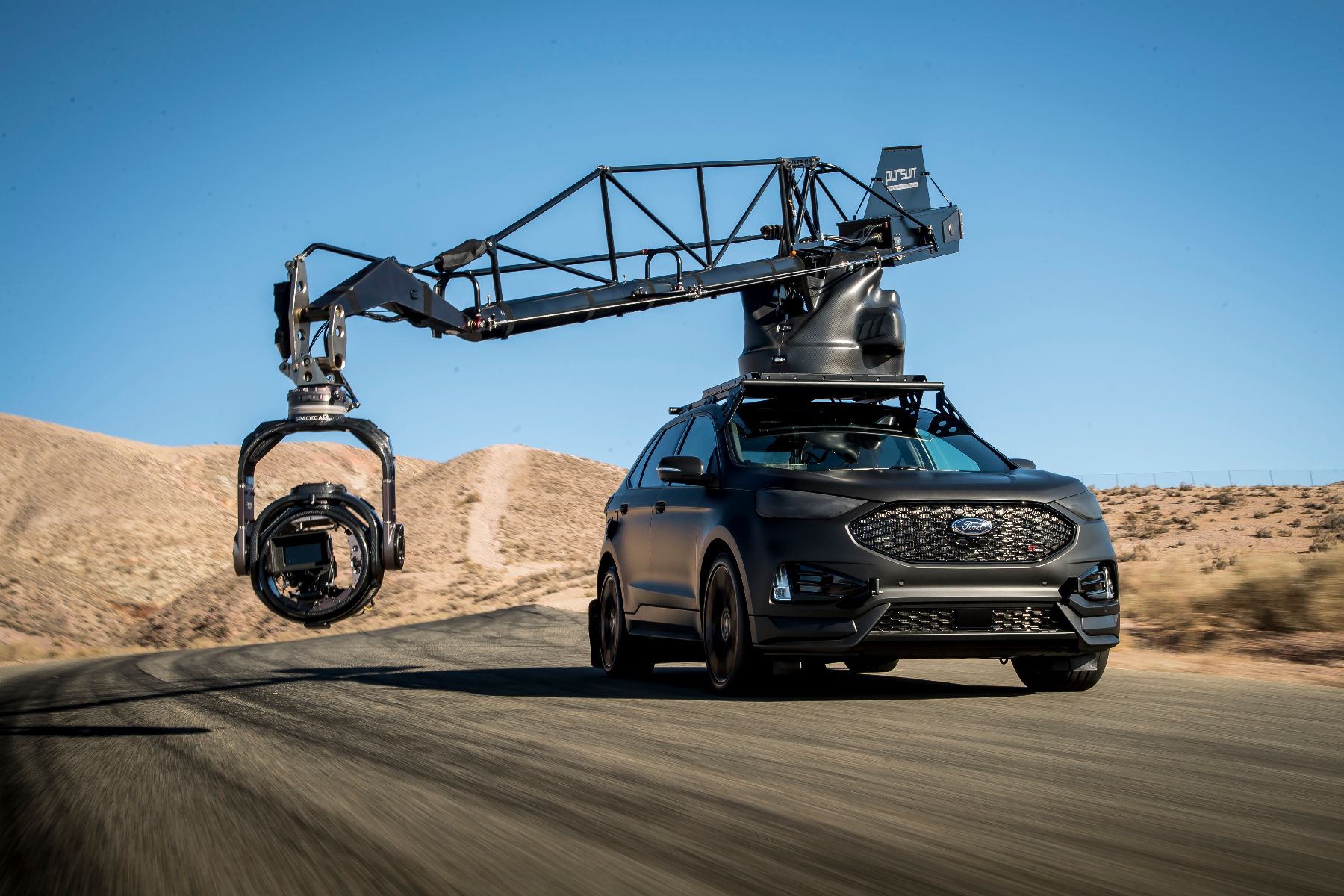
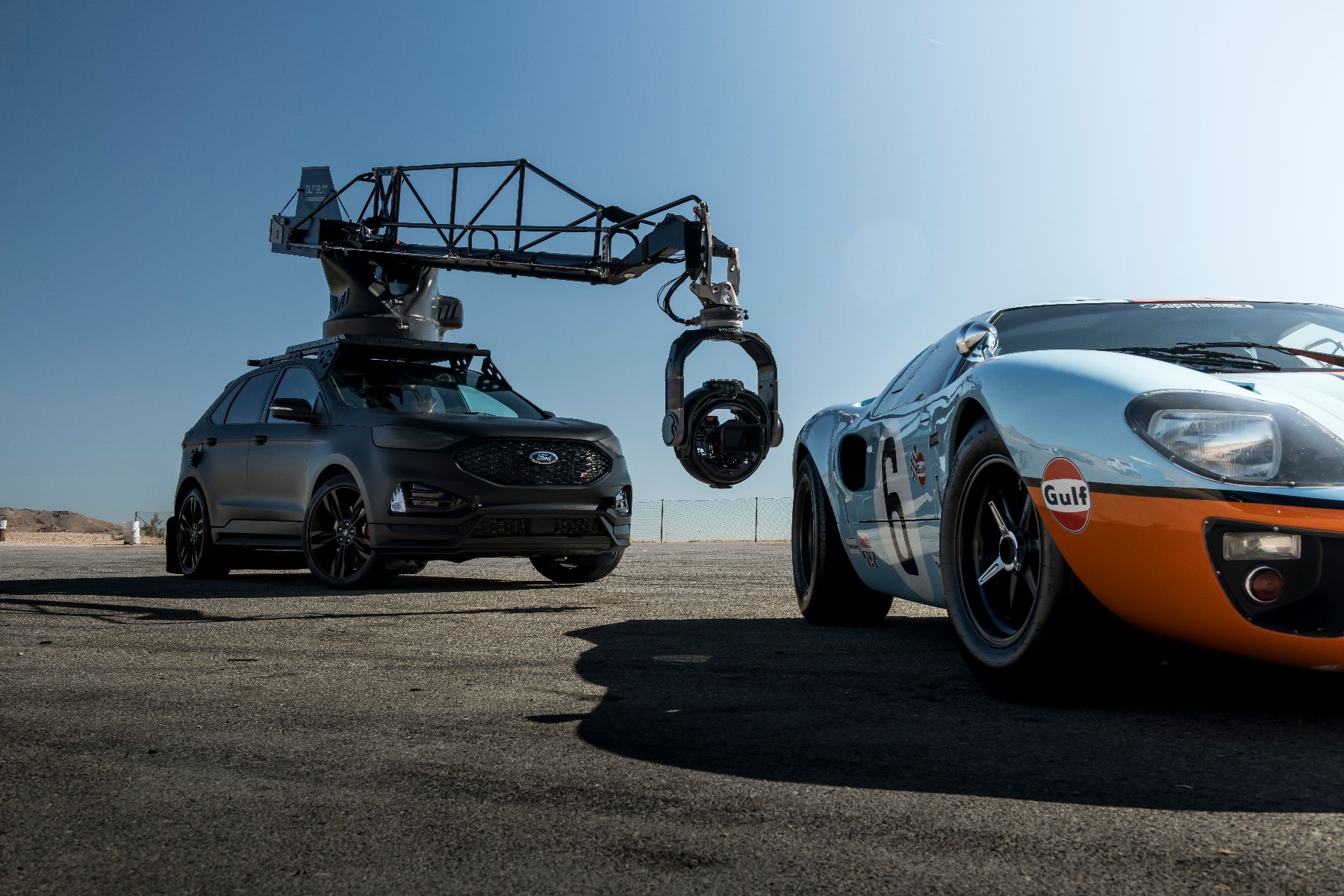
Ford has teamed up with camera car company Pursuit Systems to create a custom Edge ST crossover for filming Hollywood chase scenes.
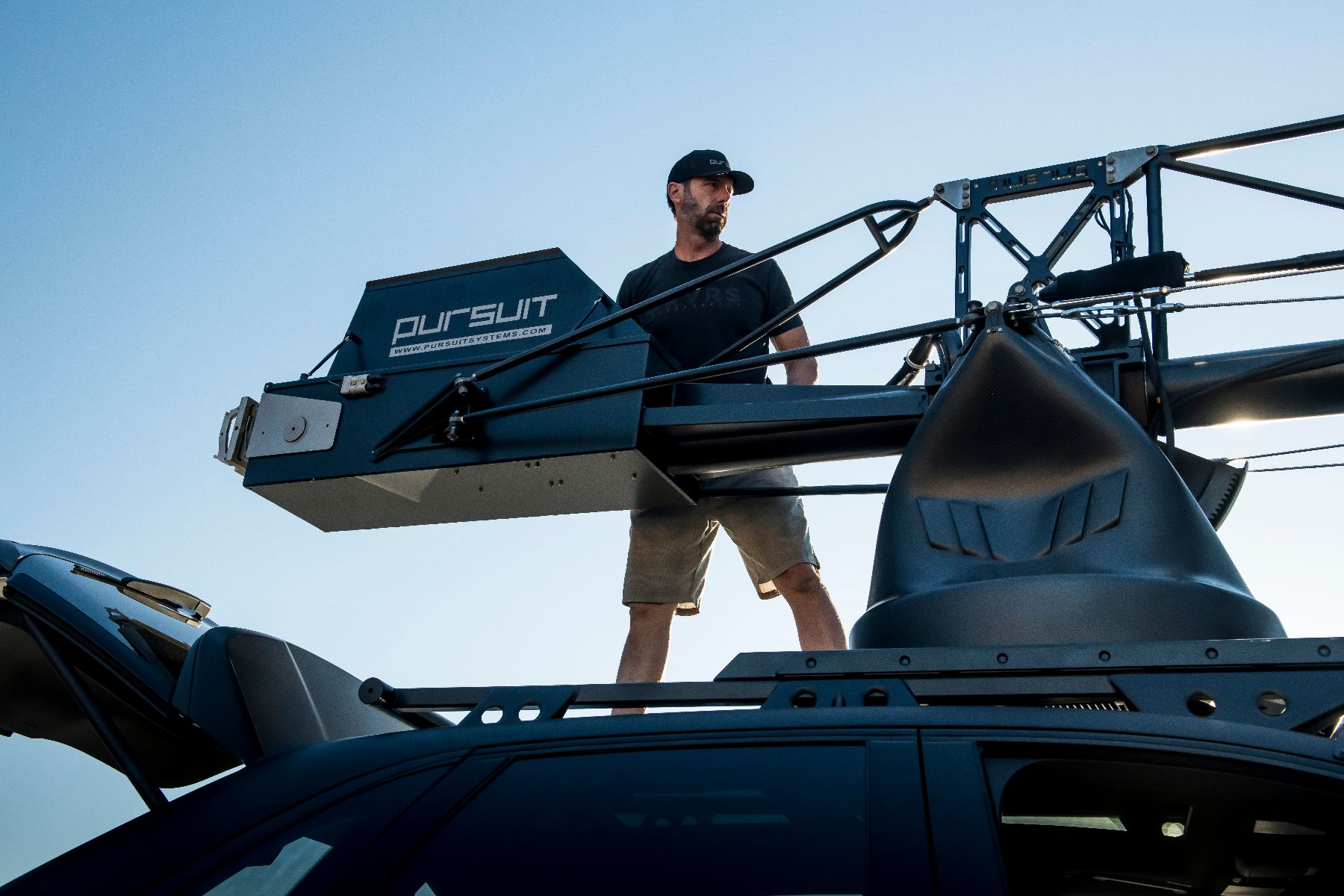
The journey from Edge ST crossover to fully fledged camera car is a long modification-addled one. First and foremost on an extensive list of mods was a 1,000-pound (450kg) pursuit arm, from which cinema-quality cameras are mounted.
The 2.7-litre EcoBoost V6 engine has also been upgraded, to help keep the Edge ST brisk under the weight of camera operators, their gear and that massive rig. Four-corner air suspension has been added to manage the weight and keep the Edge ST level and even, too. We’re sure camera operators will also appreciate the smoother ride.
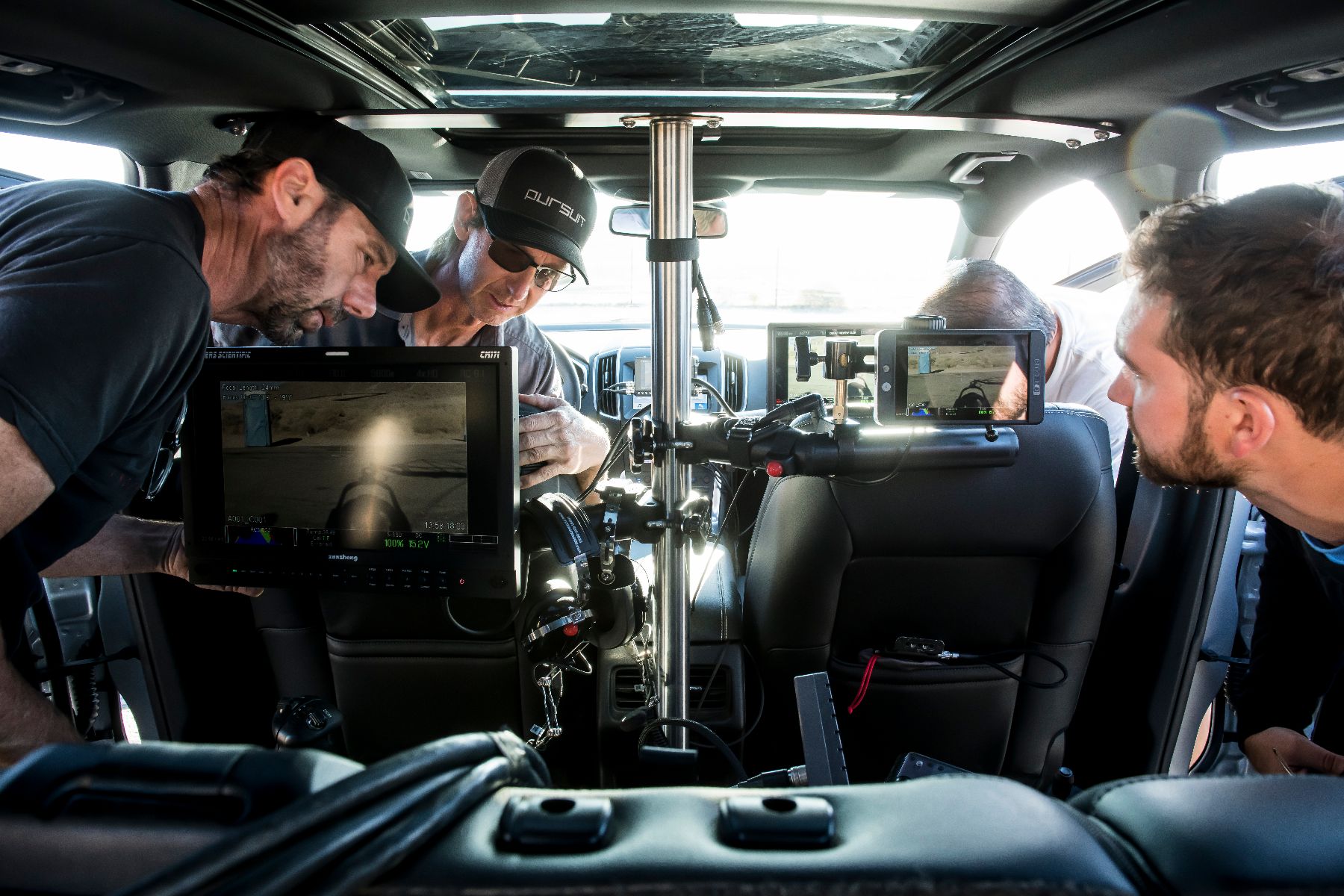
Inside, the Edge has been completely stripped out and wired up for the addition of monitor equipment. There’s a nice big roll cage, too. On the outside, aside from the massive rig, the Edge has got that typical camera car black wrap, so it doesn’t create reflections for fans of Greatest Movie Mistakes to call out.
Camera car fleets are typically comprised of high-powered full-size SUVs such as X5 Ms and ML63 AMGs. The Edge will be joining such cars on the existing Pursuit Systems fleet. Perhaps the Edge represents a step change for camera car convention. Still spacious, still fast but more nimble and wieldy. It’s certainly a more compact camera car proposition than the two big Germans.
“Speed, acceleration, braking, handling, even roominess – Edge ST has it all,” said Mike Johnson, racer, stunt driver and Pursuit Systems president and CEO.
“Our shoots often demand a lot of the equipment we use, and especially the vehicles. In every way, Edge ST measures up.”
We’ll be first to say Ford couldn’t have picked a cooler car to be the subject of the Edge ST’s camera testing, too…
 Mini is trialling test drives by Twitter in North America. It hopes the new scheme will attract interest from younger people who may find more traditional methods unappealing.





 The first electric vehicle (EV) public charging points to be installed in London’s lampposts have gone live, thanks to a partnership with Southwark Council and charge point provider char.gy.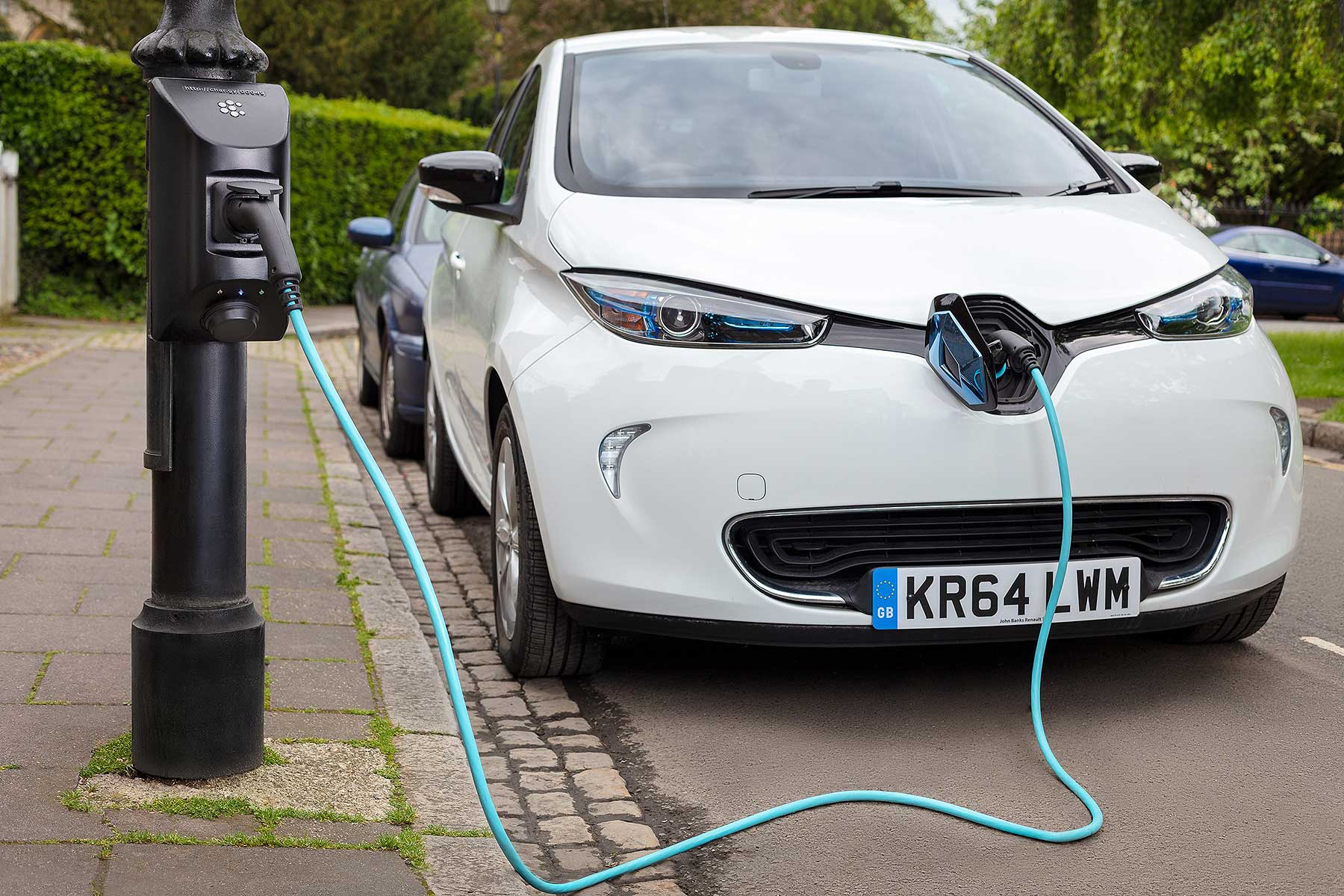
 A name can say a lot about a car. You know, for example, that a Hennessey Venom won’t be a wholesome family hatchback.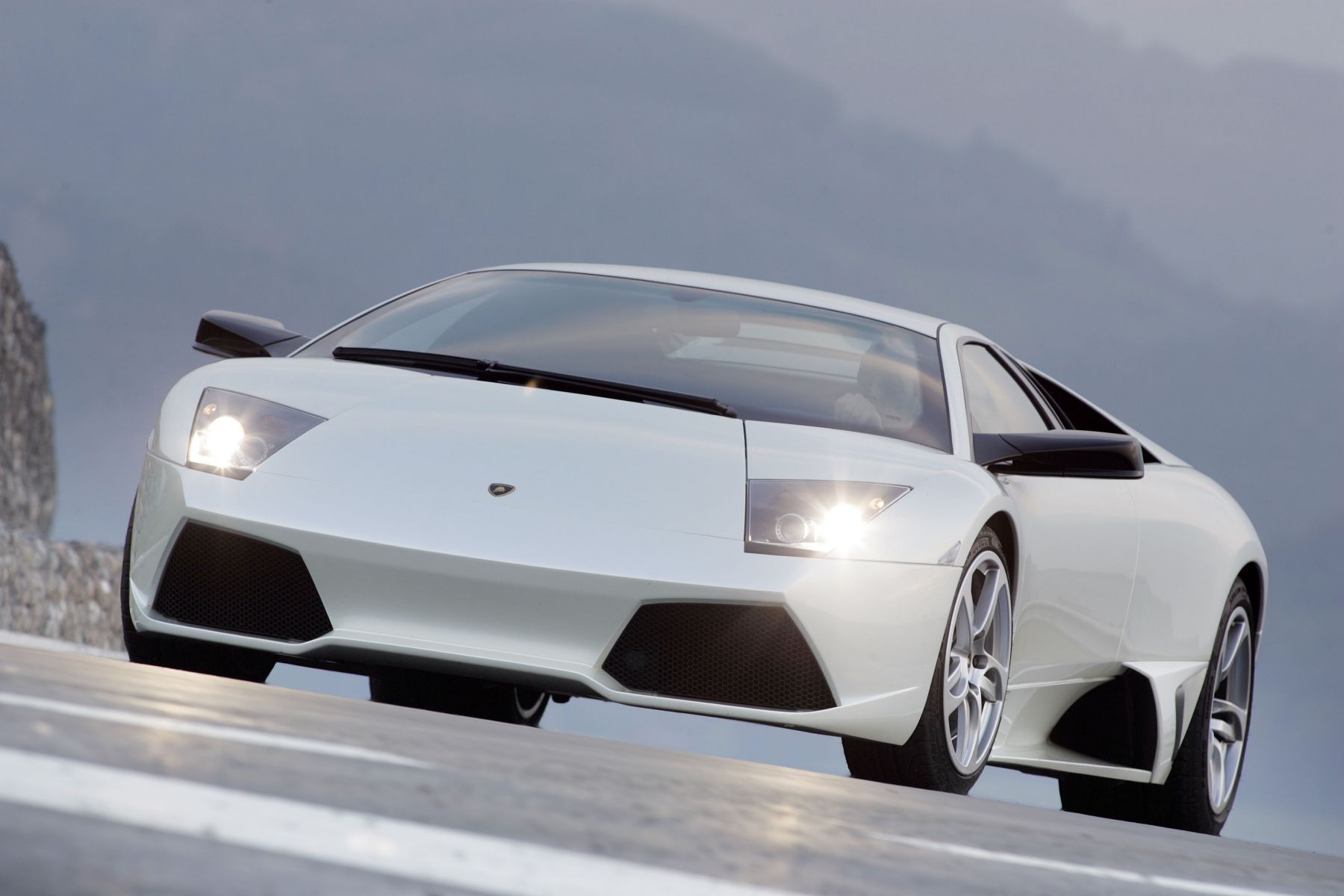

 Fans of modified cars have converged on Las Vegas for the annual SEMA Show, home to the wildest creations on the planet. Here, we bring you pictures of some of the most outlandish, crazy and downright ludicrous cars at SEMA 2018. Brace yourself – we’re going in.







 Engines for the acclaimed