Home Blog Page 426

This is the first truly naked carbon fibre Koenigsegg

0

Koenigsegg naked carbon Regera

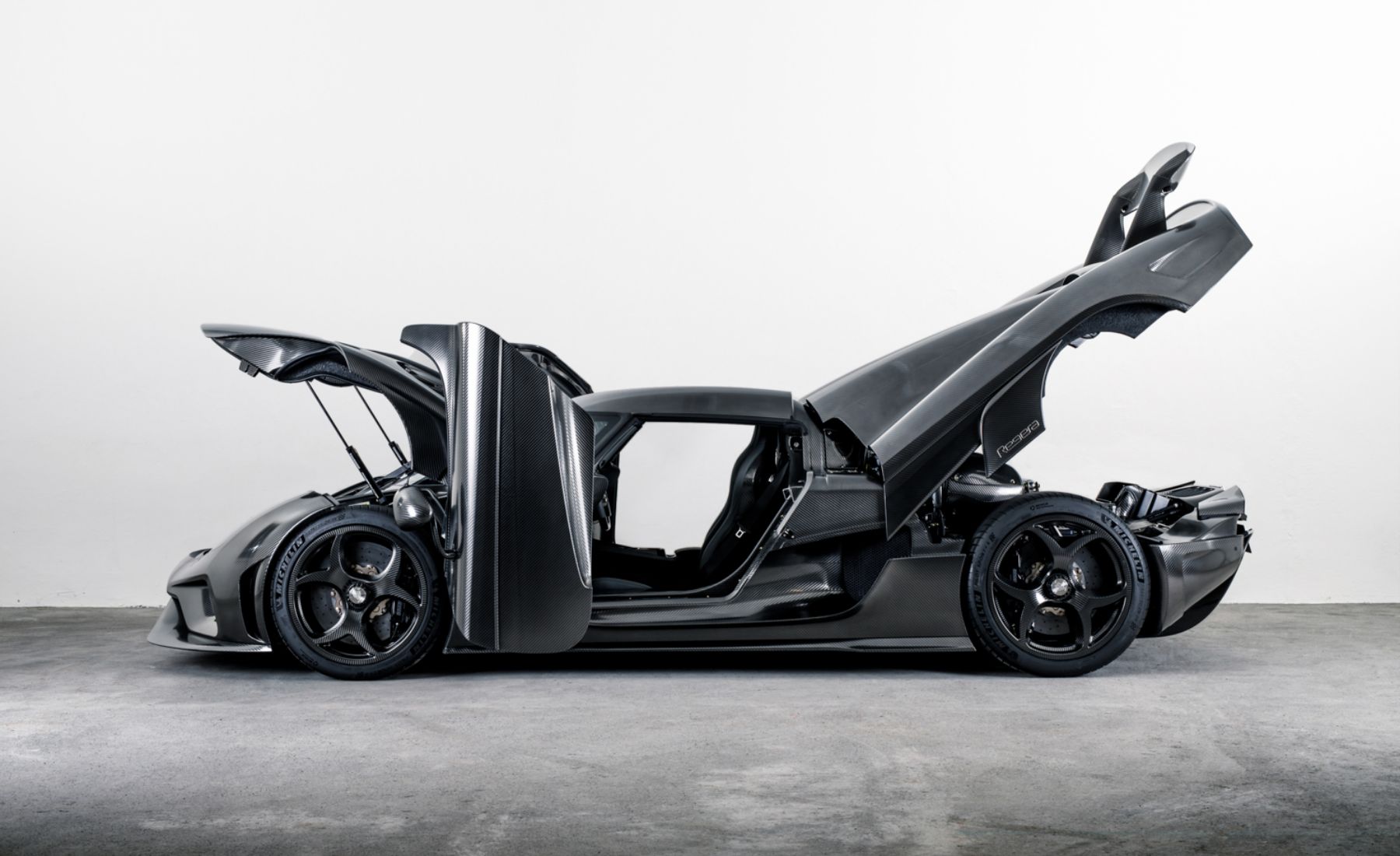
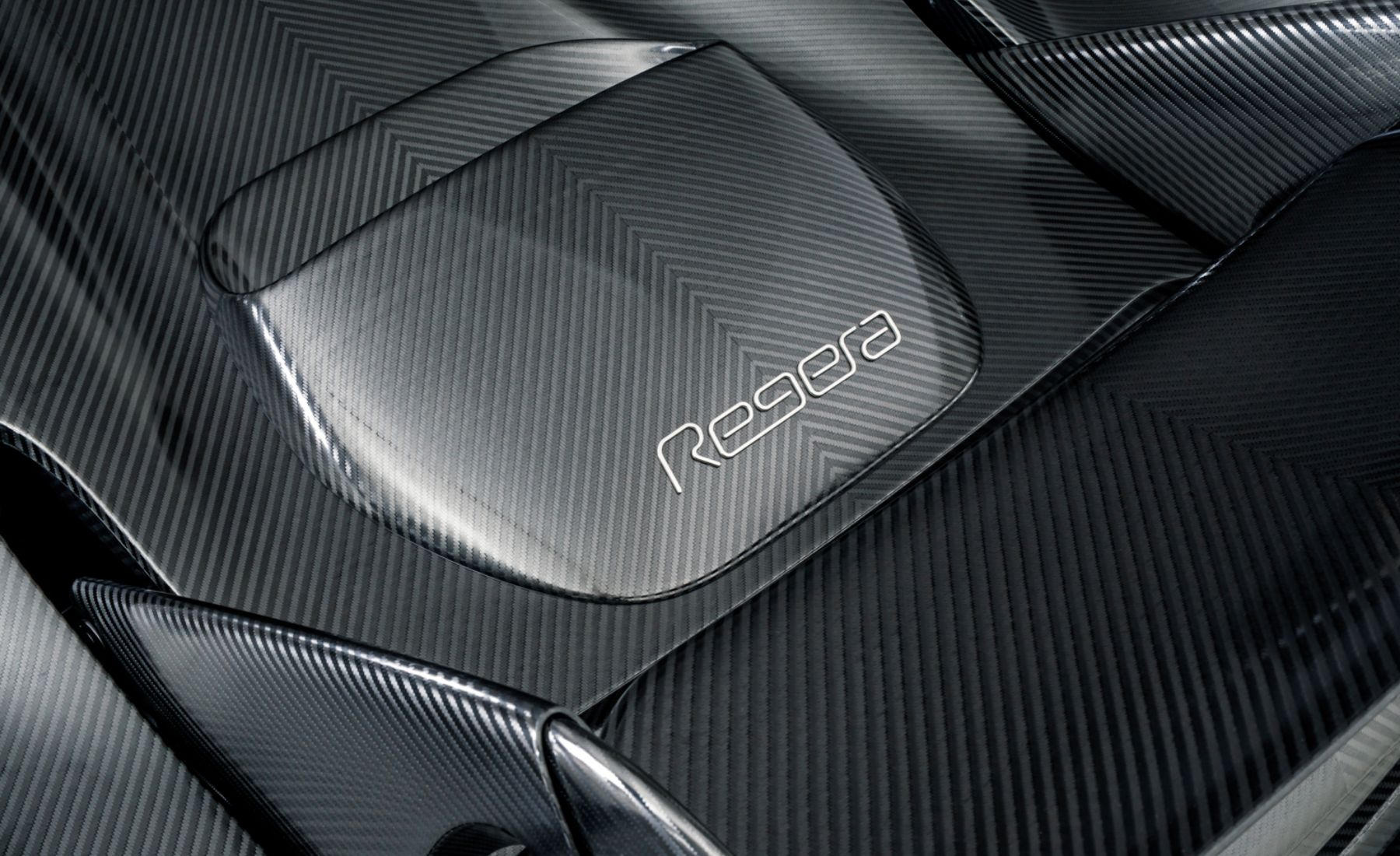
It’s what’s underneath that counts, they say. That’s certainly the case with the first KNC Koenigsegg Regera… What’s KNC? That’s Koenigsegg Naked Carbon, and, other than the fully automated bodywork that you can open with the touch of a button, it’s Koenigsegg’s way of saying beauty is more than skin deep.

Bare carbon is nothing new in the world of hypercars. Pagani pioneered the art form near-on 20 years ago with a bare carbon fibre Zonda, featuring perfectly symmetrical weaves with a line going down the centre of the car. Even down to neighbouring body panels, the weaves matched.

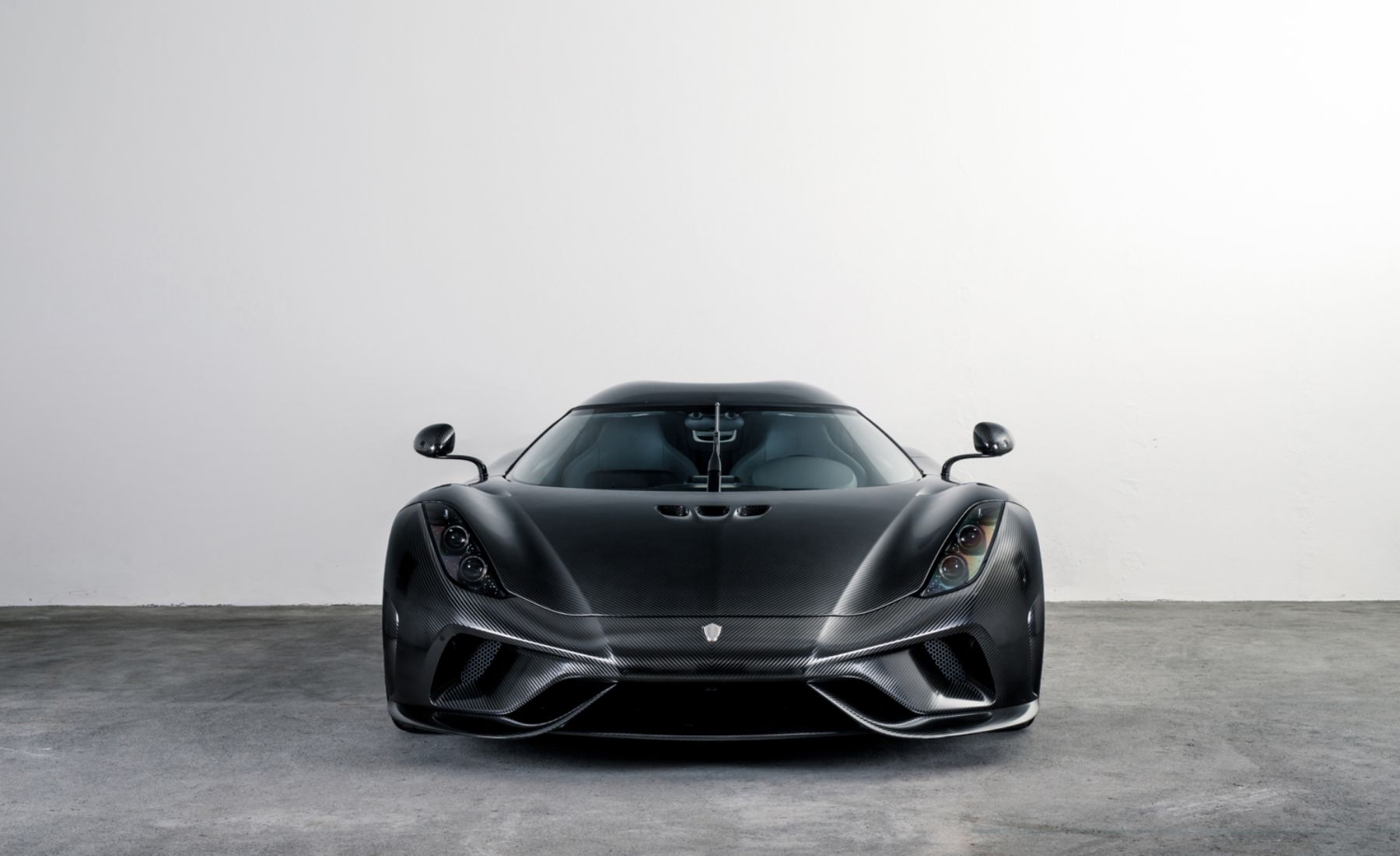
This Regera is the latest to bare its construction for all to see and it’s a testament to how far carbon fibre work has come in the 30 years it’s been in use in road cars. The sophistication of the shapes it can take and the absolutely perfect symmetry is candy for the eyes.
Koenigsegg naked carbon Regera

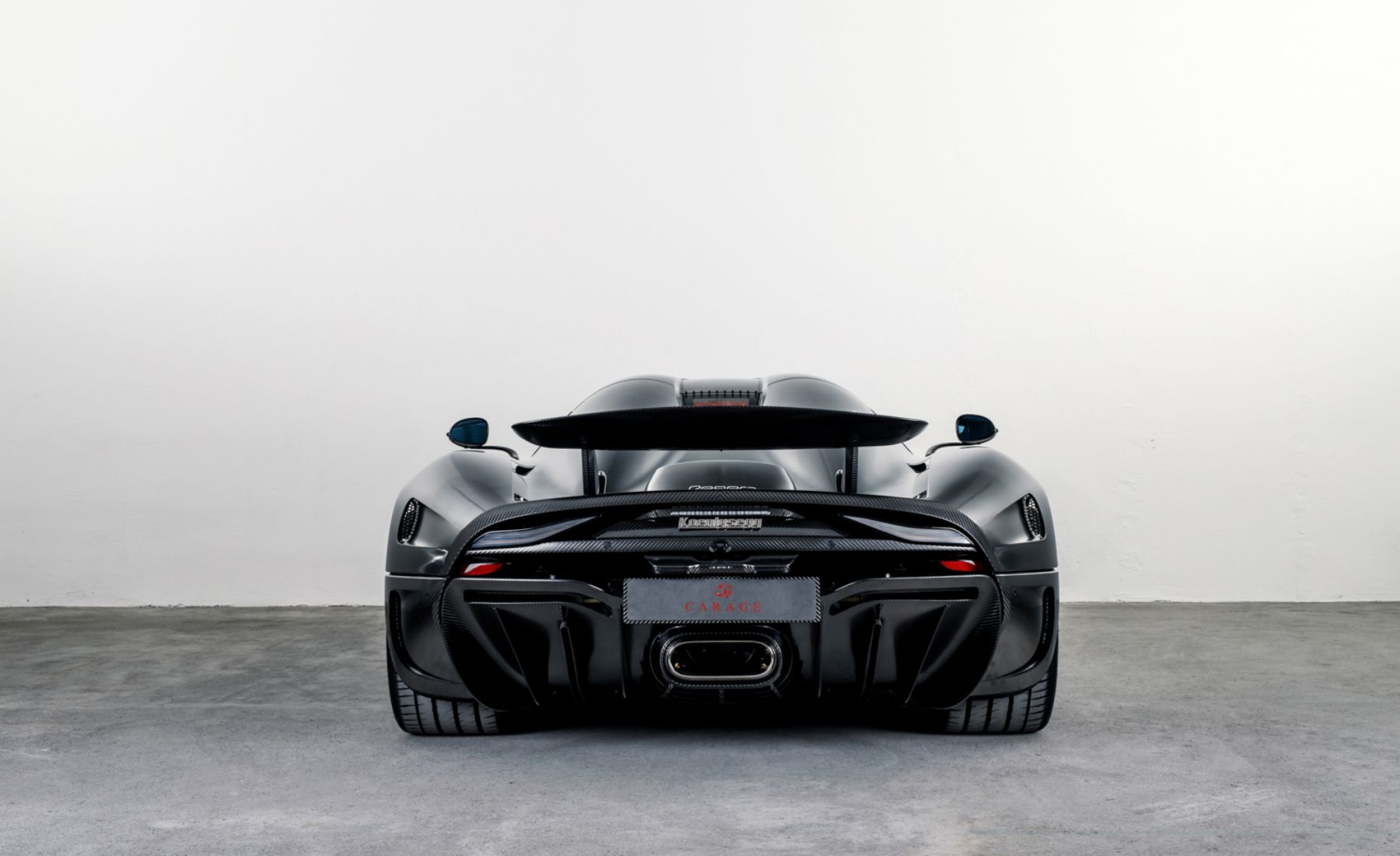
To say that many cars before are bare carbon is a little bit of a porky, however. This Koenigsegg is genuinely as close as you’ll get. Most ‘bare carbon’ cars are in fact painted with a lacquer layer. It’s one of the ways Koenigsegg has done it before. It can be combined with a colour for a different tone to the carbon fibre finish.

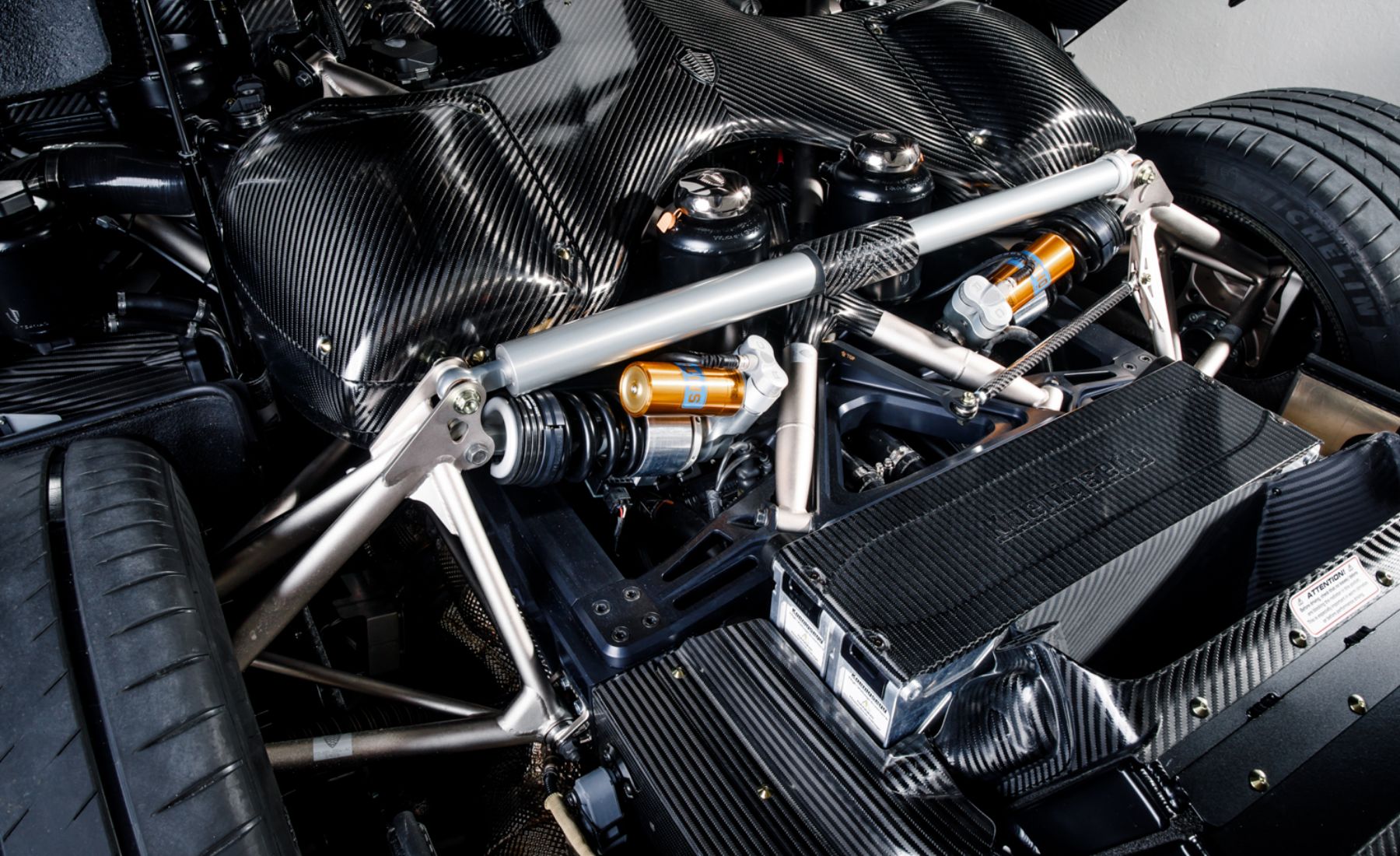
In the case of the KNC Regera, however, the epoxy layer that would ordinarily cover the carbon, as it does on underside pieces and interior trim pieces on other cars, has been sanded back. For the first time, the whole body of this car has had that layer removed and the carbon fibre itself has been polished to deliver the finish.

It’s a delicate process, so says Koenigsegg, given one rub the wrong way can result in carbon fibre threads frayed and curling out from the panel.
Koenigsegg naked carbon Regera

What are the advantages of this polished exposed carbon? Apparently, it’s a much hardier surface when it comes to dealing with the rigours of road-faring life. Stone blasts and other impacts that would otherwise damage a layer of lacquer are much less damaging to the harder exposed carbon. The other advantage is that the car is 20kg lighter, given there’s no heavy lacquer or paint coating it.

It ought to have its advantages, given how difficult it is to execute. Never mind the process of stripping the carbon back, in order to be suitable for the treatment, every panel has to be nothing short of perfect in terms of its carbon quality. As it should be regardless, you’d have thought.
Koenigsegg naked carbon Regera

“KNC takes the idea of visible carbon fibre to a whole new level, revealing a beautiful lustre and a very silky finish,” said Christian von Koenigsegg, CEO of Koenigsegg.

“The Koenigsegg philosophy has always been about exploring extremes. It’s great to extend that idea to a whole new way of finishing and presenting a car.”
Koenigsegg naked carbon Regera

Read more:

Advertisement

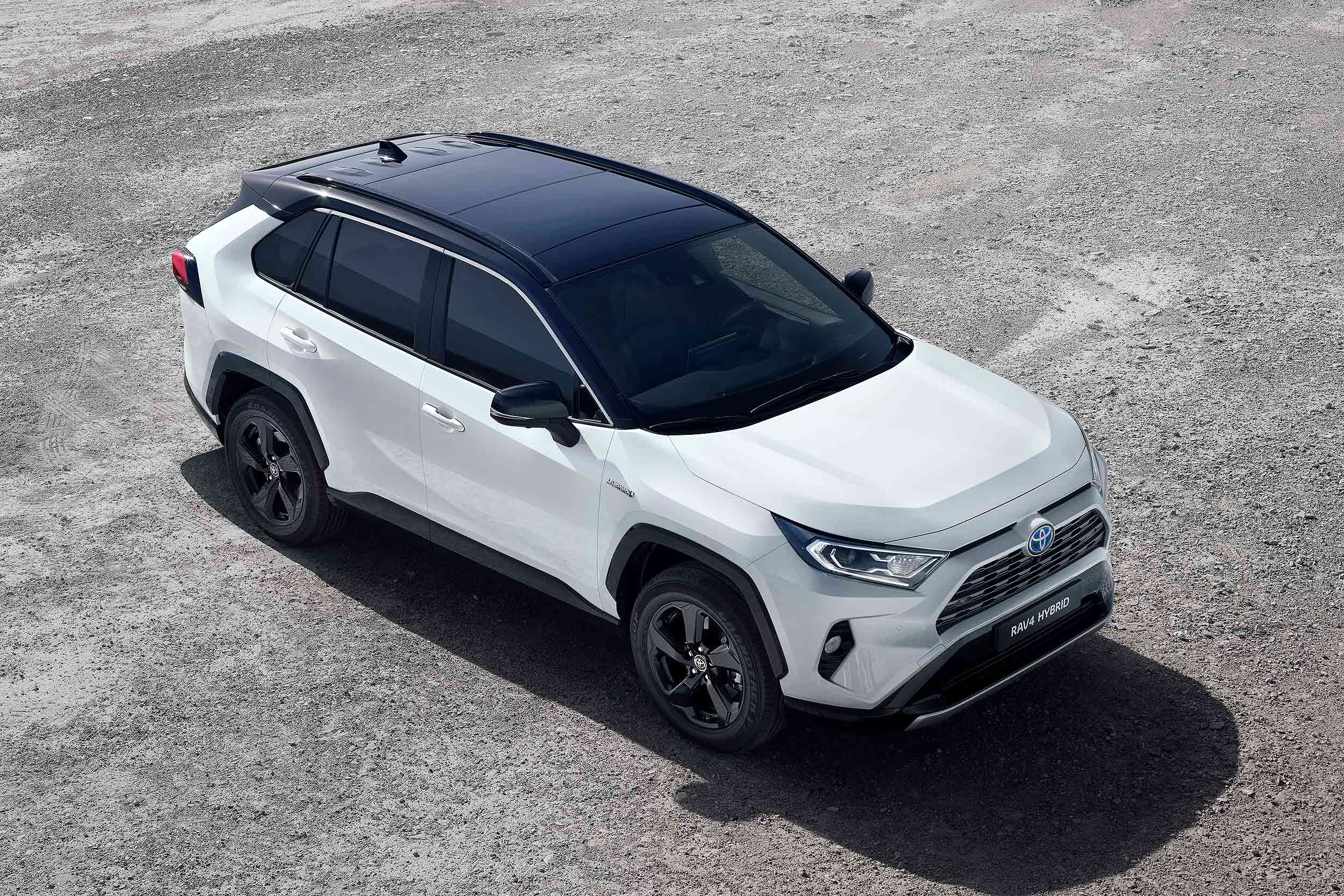
New 2019 Toyota RAV4 priced from under £30,000

0

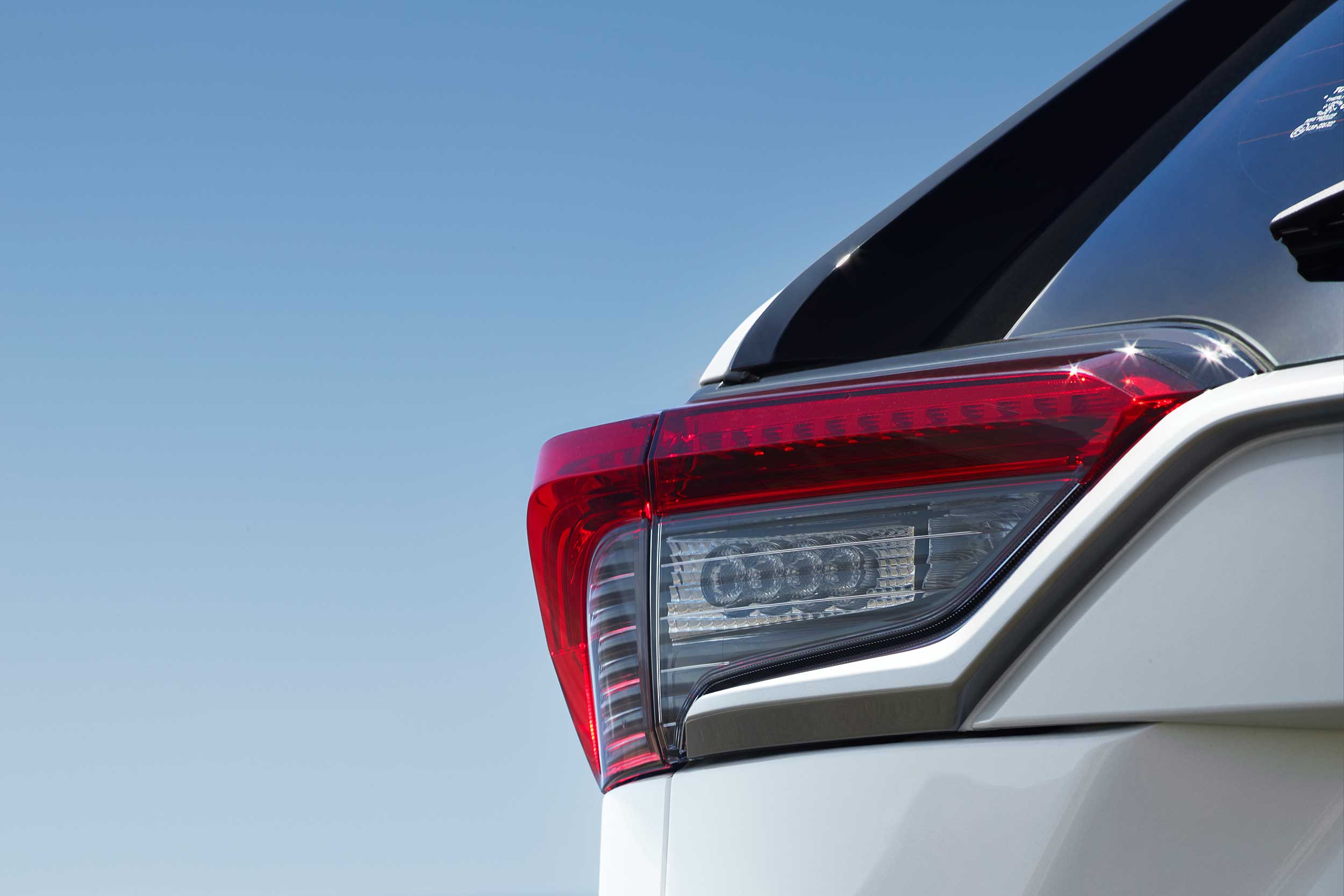
2019 Toyota RAV4Toyota has revealed prices and specs for the new RAV4, and opened ordering at UK dealers for those keen to get one of the first new cars when deliveries begin in April 2019.

The firm hopes to have cars in retailers from February for early test-drives.

The all-new model is priced from £29,635 in entry-level Icon front-wheel drive spec, with the cheapest all-wheel drive model being the £33,430 Design AWD.

  • Toyota RAV4 Hybrid outsells diesel by 2 to 1

All new RAV4 use the same 2.5-litre Hybrid engine, which produces 215hp in front-wheel drive guise, and a slightly higher 219hp in all-wheel drive form.

2019 Toyota RAV4

Emissions of both are seriously impressive: from 102g/km CO2 with the base car, with the AWD running from 103g/km. Fuel economy figures will be revealed later once the new RAV4 has been officially homologated.

Called Hybrid AWD-I, the all-wheel drive hybrid system is fully automatic, and actually sends drive torque to the rear wheels when pulling away, to improve traction. A Trail function helps maintain grip on loose terrain.

2019 Toyota RAV4

Toyota says the new RAV4 is lower overall than the outgoing car, with a lower bonnet height, but a longer wheelbase gives more passenger and boot space. It also has a lower centre of gravity, benefitting handling.

2019 Toyota RAV4 specs

2019 Toyota RAV4

The new RAV4 is offered in four specs: Icon, Design, Dynamic and Excel.

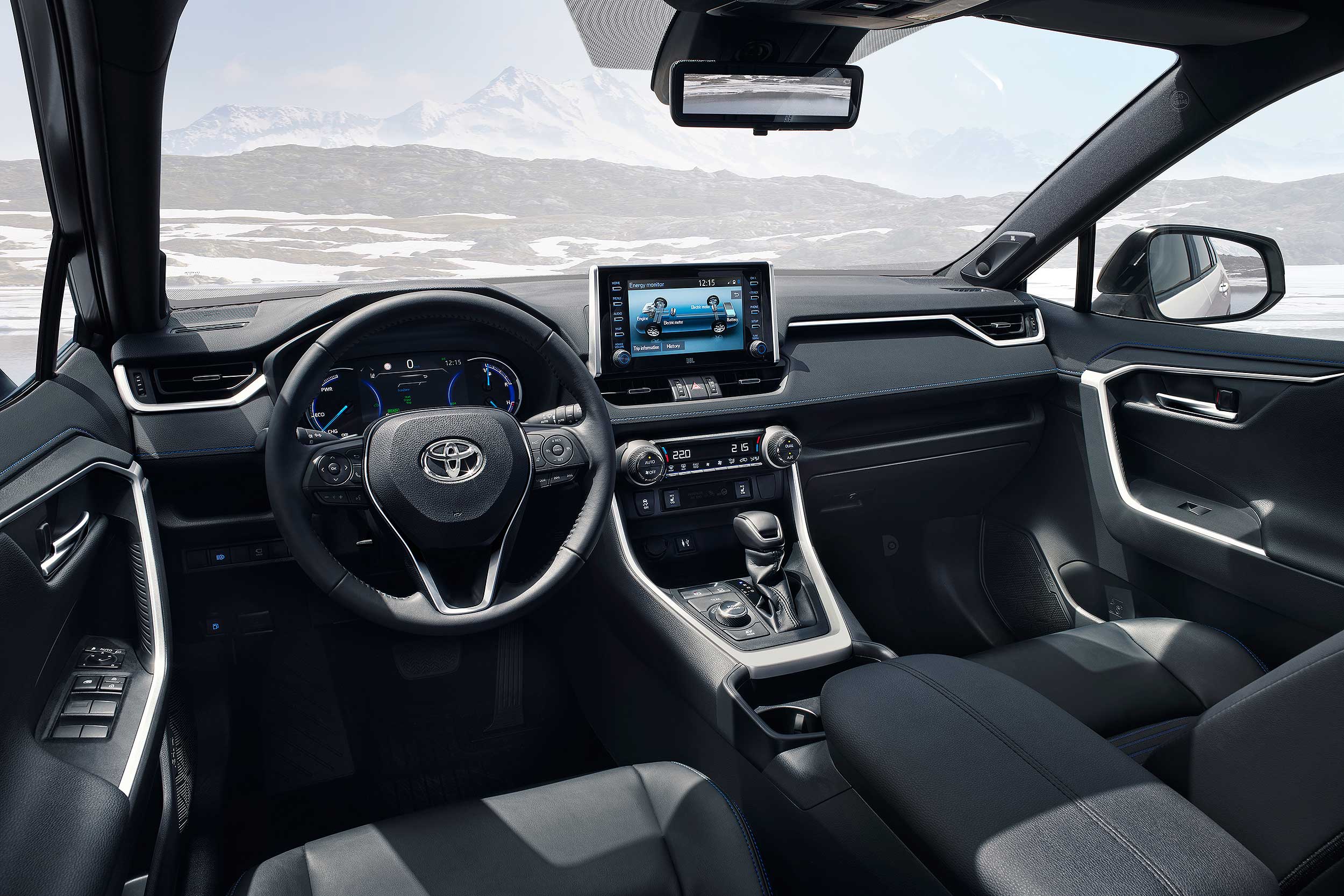
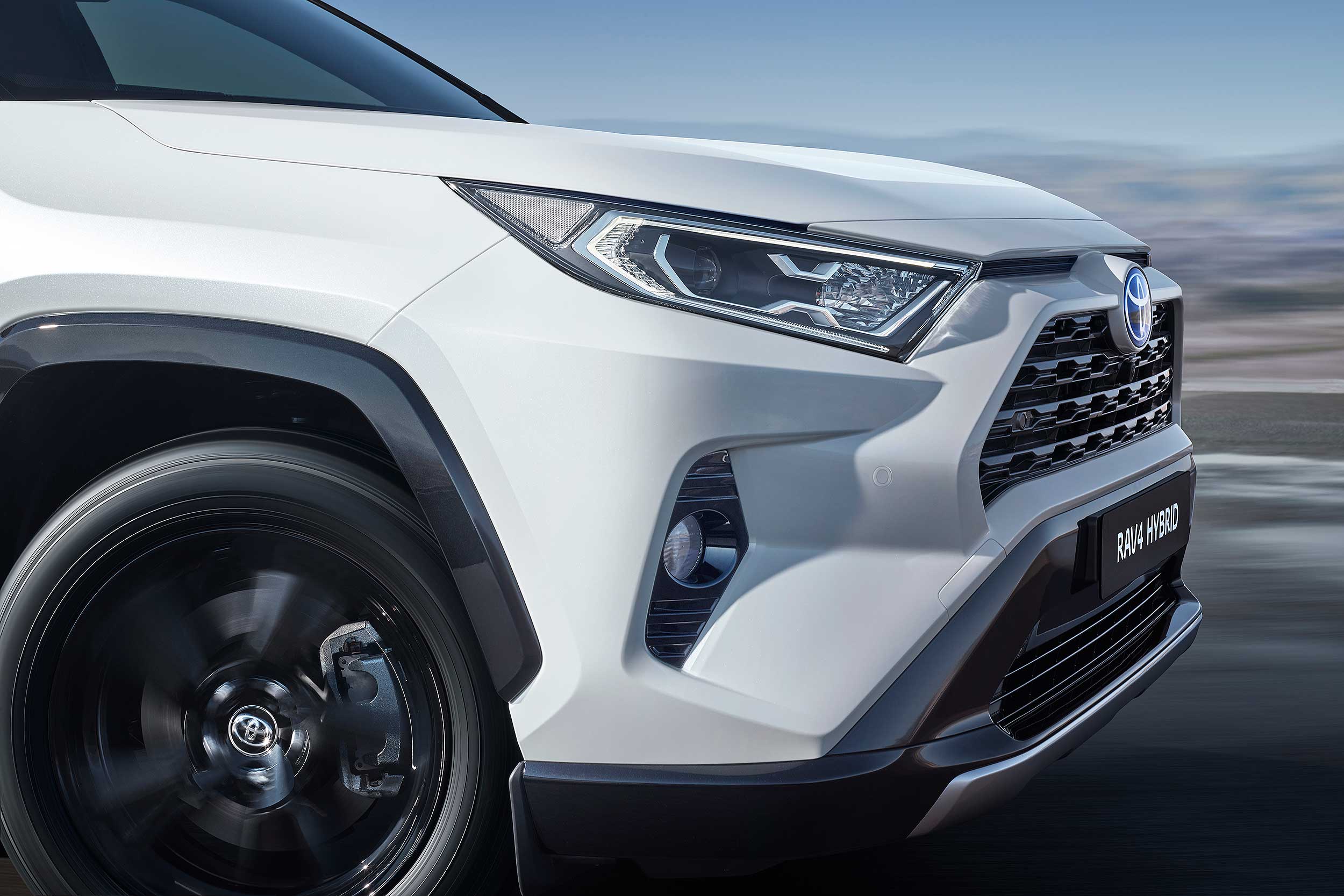
Even the base Excel has 8-inch Toyota Touch 2 infotainment, 17-inch alloys, a rear-view camera, privacy glass, LED headlights and Toyota Safety Sense 2 protection pack.

This includes adaptive cruise control and autonomous emergency braking that can detect cyclists by day, as well as other cars, and sense pedestrians both day and night.

Design ups the alloy wheels to 18-inches and adds front parking sensors and an electronic tailgate.

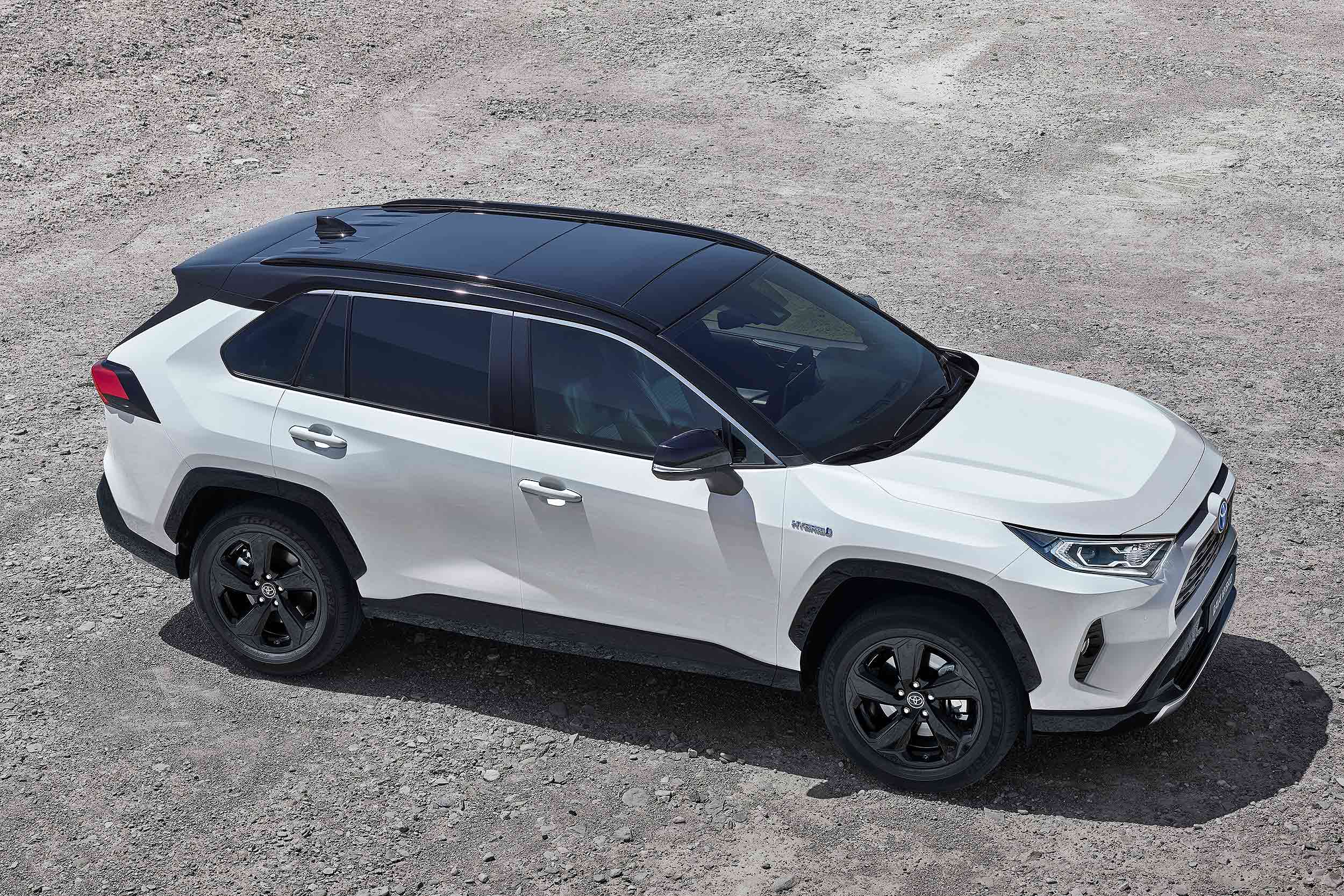
Excel has projector LED headlights, full leather interior, heated steering wheel, headlight washers and a blind spot monitor. Dynamic, meanwhile, adds black five-spoke 18-inch alloys, heated front sports seats, bi-tone metallic paint and a black interior headliner.

2019 Toyota RAV4

Buyers can choose from nine colours and the Dynamic’s bi-tone paint combines a black roof and pillars with White Pearl, Silver Blade, Decuma Grey or Obsidian Blue.

2019 Toyota RAV4 prices

Icon

2.5 Hybrid FWD: £29,635

Design

2.5 Hybrid FWD: £31,190

2.5 Hybrid AWD: £33,430

Excel

2.5 Hybrid FWD: £33,610

2.5 Hybrid AWD: £35,850

Dynamic

2.5 Hybrid FWD: £34,400

2.5 Hybrid AWD: £36,640

Advertisement

Watch Le Mans racers on-track at Goodwood in 2019

0

Le Mans Protoypes at Goodwood 77MM 77th Members' Meeting

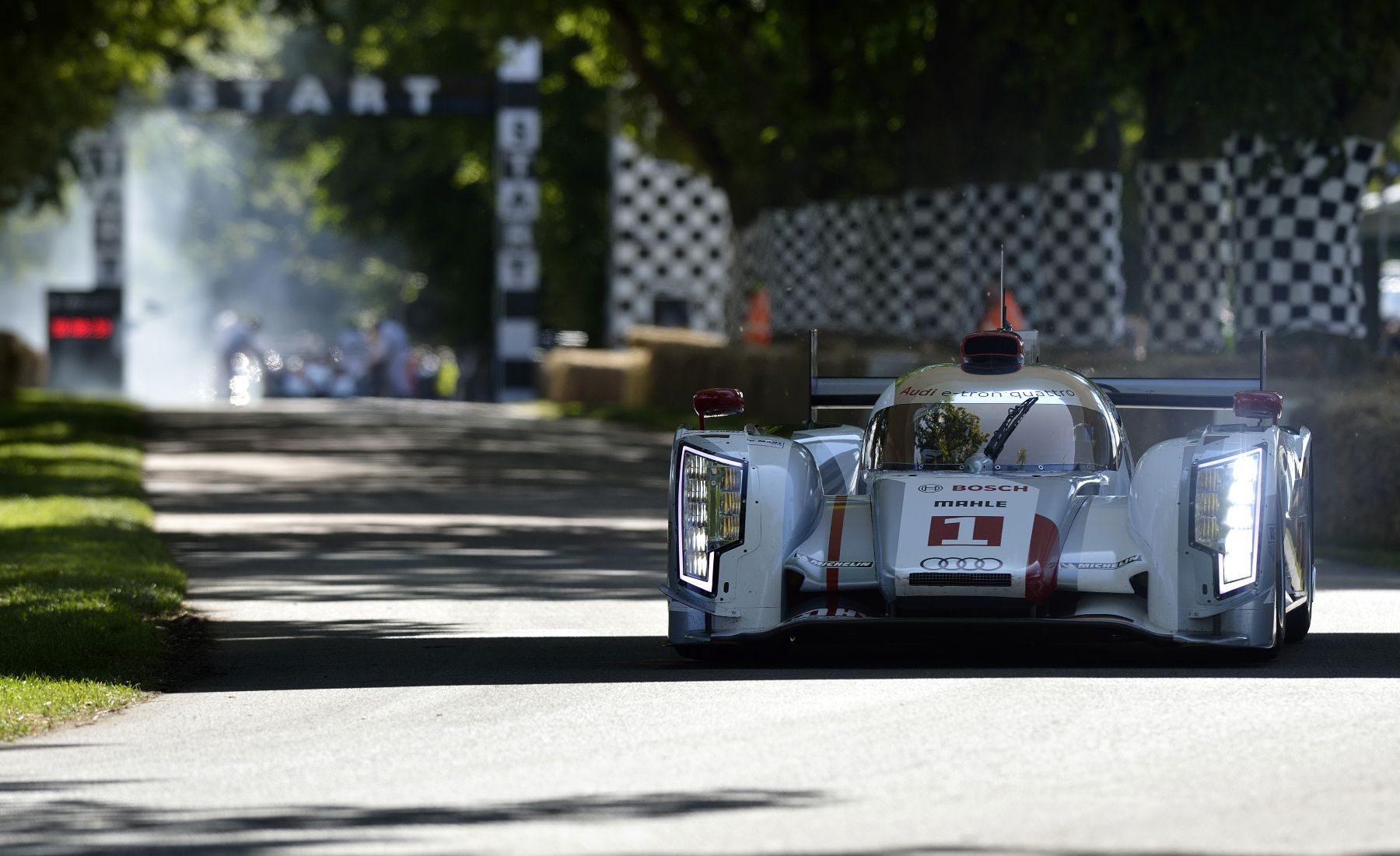
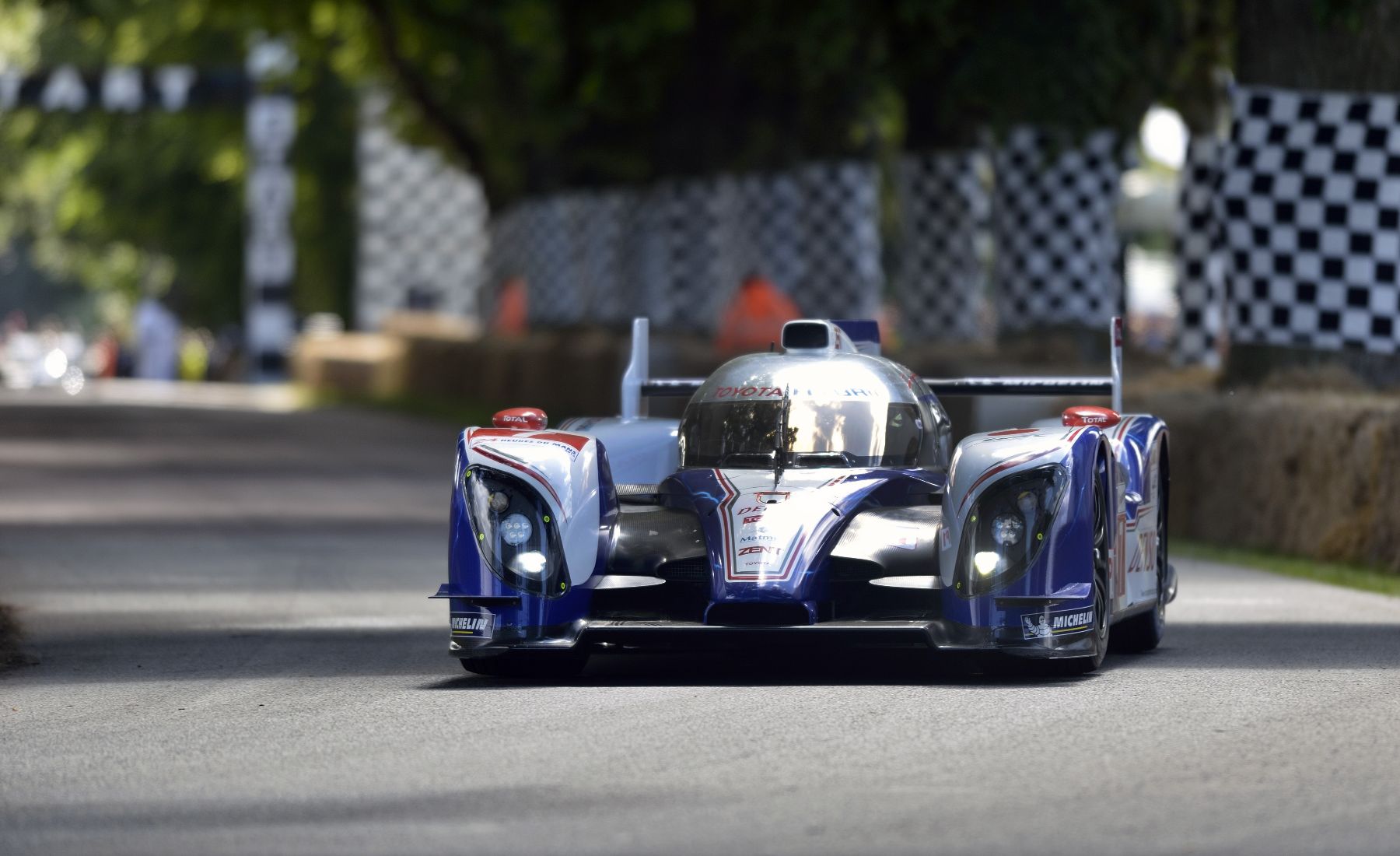
Goodwood will be hosting a Le Mans Prototype demonstration at its 77th Members’ Meeting event in March.

It’s the most modern high-speed demo line-up at either of the Goodwood Motor Circuit events. The cars will also be running into the dusk, with headlights on, in a nod to their 24-hour racing history.

Next year marks 20 years of LMP racing, as well as the curtain-call for this class of car. It seems appropriate, therefore, for Goodwood to host the cars, just as their class transitions from contemporary to historic. It’s also a fitting tribute, given LMP is the longest-running and most successful top-level endurance category.

As such, everything from the late 90s cars to the modern Porsches, Audis and Toyotas are expected to be take part. For a class derided for its function-over-form aesthetics, LMP has enjoyed a great deal of variation over these past two decades, both in terms of powertrains and body styles.

LMPs have been both open and closed cockpit, and been powered by hybrids, diesels, turbos and naturally-aspirated engines.

“Le Mans Prototypes are some of the fastest racing cars in the world, and some of the most fascinating,” said Matt Hearn, Motorsport Content Manager at Goodwood.

“What other race has no restriction on engine type and has seen victories for petrol, diesel and hybrid cars in just a quarter of a century?”

Le Mans Protoypes at Goodwood 77MM 77th Members' Meeting

It should surely make for a fascinating demonstration and the ultimate opportunity compare cars from across 20 years, up close.

Perhaps their enduring legacy, as it should be, is that they’re some of the fastest endurance racers ever conceived. Top-level lap records have been claimed by the outgoing batch of cars at endurance calendar circuits across the globe. Those times aren’t expected to tumble when the successor to LMP comes along.

LMP’s days are now numbered. Production-related GTP cars are due to take over the top spot a couple of years from now. Lower budgets and a more tangible link to road cars should, it’s hoped, attract a great deal more manufacturer involvement.

Almost all the major LMP contenders are gone, with the two defining marques, Audi and Porsche, bowing out over the past couple of years.

Read more:

Advertisement

Safety first: the history of Euro NCAP crash tests

0

Euro NCAP

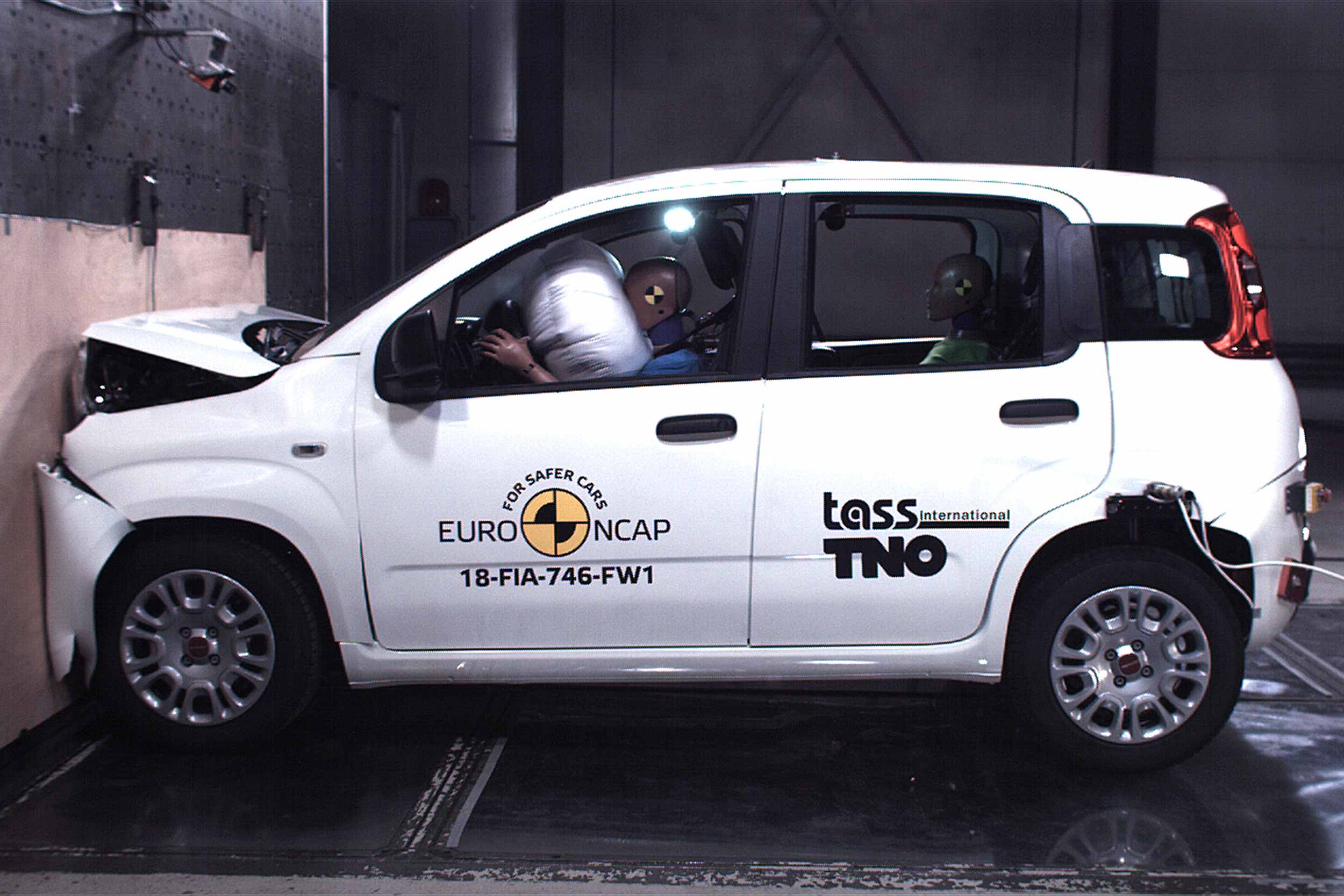
The Fiat Panda has been awarded a zero-star safety rating in the latest set of crash tests carried out by Euro NCAP. It becomes only the second car to receive zero stars, following the Fiat Punto’s lowly performance in 2017.

In a rather damning set of results, the Panda failed to achieve more than 50 percent in any of the categories, including an eye-opening score of 16 percent for child occupant safety – the lowest ever score for this category.

Euro NCAP Panda-monium

2018 Fiat Panda Euro NCAP zero stars

Euro NCAP has been crash testing cars since 1997, a time when car manufacturers struggled to achieve decent results.

However, the Panda wasn’t the only poor performer from Fiat Chrysler Automobiles.

Just one star for 2019 Jeep Wrangler2018 Jeep Wrangler Euro NCAP

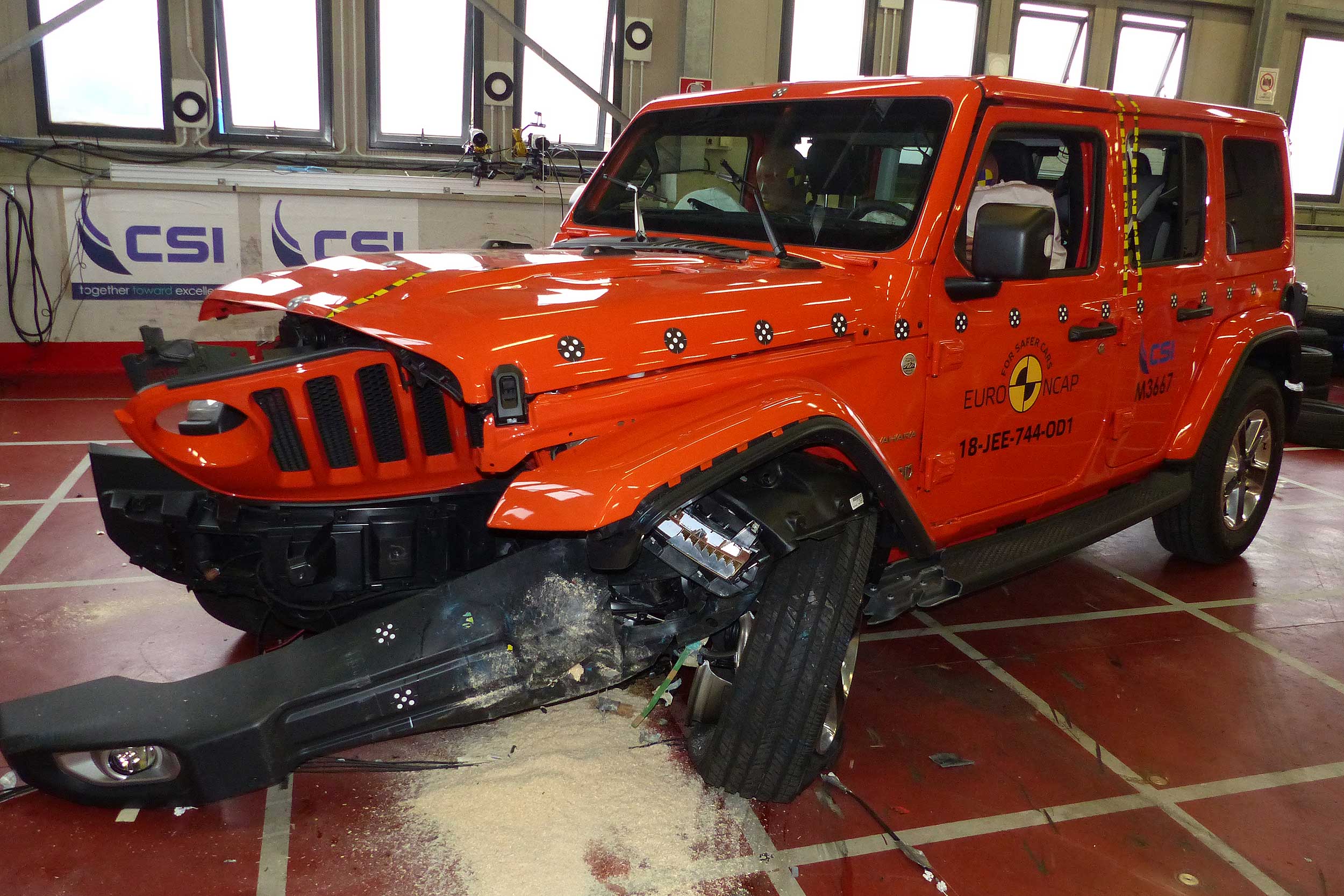
The new 2019 Jeep Wrangler also fared badly, earning just one star. Its only driver-assistance technologies are a seatbelt reminder and rudimentary speed limiter.

Today, standards are much improved and these cars are the exception rather than the rule. To demonstrate this, we compare crash tests past and present below.

What is Euro NCAP?

Euro NCAP

It was the UK Department for Transport that proposed a British ‘New Car Assessment Programme’ back in 1994. This would produce consumer crash safety information that buyers could use to compare models.

The test was developed over the next few years, with several standard procedures devised, assessing adult occupant protection and pedestrian safety. All tested models would be put through all tests, and the results – with images and video – made publically available. The DfT published the first set of results, for seven superminis, in February 1997.

How were cars crash-tested before Euro NCAP?

Euro NCAP

Before Euro NCAP came along, there were no consumer crash safety tests. All car manufacturers had to do was show that the steering wheel didn’t intrude more than 12 inches into the car – that was it. And all impacts were into full-width barriers, rather than the offset crash tests pioneered by Euro NCAP.

The argument was that many crashes were not full-frontal impacts, but avoidance impacts – when, say, swerving out the way of an oncoming car. Of course, it’s much harder to engineer a car solid enough to hold up well in offset impacts, something Euro NCAP was to dramatically expose…

The depressing state of car safety in the 1990s

Euro NCAP

The illusion that cars in the 1990s were safe was to be quickly shattered by Euro NCAP. Images speak a thousand words and these shots were to prove incendiary.

Here, we’re exposing the original 1997 Euro NCAP test results, looking at star ratings for adult occupant protection. We’ve sourced original images for the period crash tests, too – and compared them to their contemporary equivalents to show just how things have improved since…

1997: Rover 100 (1 star)

Euro NCAP

This was the image that killed the Rover 100. And virtually killed the dummies inside it. It exposed the pathetic, decades-outdated safety of Rover’s little city car. It caused national outrage and sales understandably plummeted. But it wasn’t until Euro NCAP tested it at 40mph in 1997 – 17 years after the Metro’s original launch – that its contemporary one-star safety was fully revealed.

Today: Honda Jazz (5 stars)

Euro NCAP

To see how Euro NCAP has transformed city car safety, take a look at the modern Honda Jazz, a five-star car. It only weighs around 100kg more than the Rover, yet performs immeasurably better in a 40mph offset impact. You would survive this. You wouldn’t if you were in the Rover.

1997: BMW 3 Series (1 star and 1 strikethrough star)

Euro NCAP

But it wasn’t just the Rover 100’s scandalous crash safety that Euro NCAP exposed in 1997. The organisation tested umpteen other cars and revealed that the rest of the car market wasn’t much better. Take this E36 BMW 3 Series, for example – an enviable premium car in 1997, but not something you’d want to have a crash in. It scored two Euro NCAP stars, but with one of them struck through for serious safety issues.

Today: BMW 3 Series (5 stars)

Euro NCAP

The 1997 BMW 3 Series was a mess of twisted metal after a crash. Not so the latest model, whose Euro NCAP safety result is like night and day.

1997: Citroen Xantia (1 star and 1 strikethrough star)

Euro NCAP

This is an ugly image. If you thought the BMW bent up in a crash, just look at how this Citroen Xantia disintegrates. Yet another car with a strikethrough star and, it’s not hard to see why.

Today: Citroen DS5 (5 stars)

Euro NCAP

The effective replacement for the Xantia is the Citroen DS5, since renamed simply DS 5. Quite a difference, no?

1997: Rover 600 (1 star and 1 strikethrough star)

Euro NCAP

It wasn’t just the Rover 100 that was under attack from Euro NCAP in 1997. The Honda-engineered Rover 600 also scored badly, with the car once again virtually collapsing under impact.

Today: MG6 (4 stars)

Euro NCAP

What a difference two decades makes. The MG6 scored four Euro NCAP stars back in 2011, and is clearly a much stronger, safer performer than its Rover ancestor.

1997: Saab 900 (1 star and 1 strikethrough star)

Euro NCAP

Saab had a reputation for crash safety. Looking at this image from 1997, you have to wonder why – just look how the windscreen frame of the 900 disintegrated!

Today: Saab 9-5 (5 stars)

Euro NCAP

By the time of its death, Saab had learnt a few lessons. The virtually stillborn 9-5 replacement was an enormous improvement over the 900 tested just 12 years before.

Read more:

Advertisement

Fiat Panda in ZERO star Euro NCAP crash test shock
0

2018 Fiat Panda Euro NCAP zero starsThe 2018 Fiat Panda has failed to score a single star in the latest round of Euro NCAP crash testing, making it one of the worst-performing cars ever tested by the safety organisation.
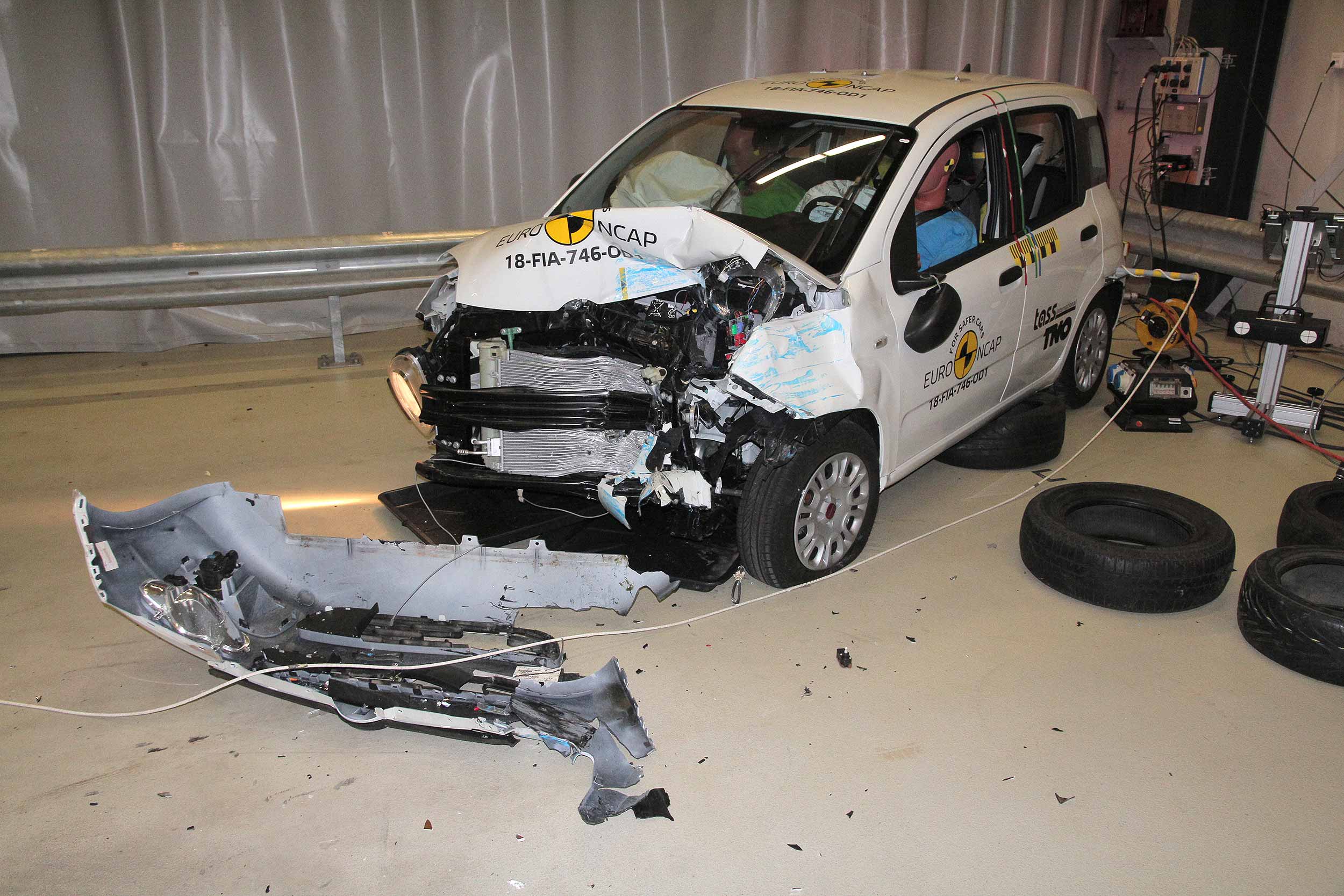
Particularly shocking was its Child Occupant Protection performance, where the Panda scored just 16 percent for kids sat in the rear.

The average rating for new cars is 79 percent.

2018 Fiat Panda Euro NCAP zero stars

The Panda failed to score more than 50 percent in any of Euro NCAP’s four car crash tests. It thus takes the dubious honour of being only the second zero-star car ever tested.

The other one was, ironically, also a Fiat: the 2017 Punto.

Matthew Avery, director of research at Thatcham Research (which carries out Euro NCAP crash testing in the UK), said: “Most troubling is that the Fiat Panda is seen as a good choice for young drivers and fledgling families.

“Where budgets are tight, consider a safer small car second-hand instead.”

Watch: comparing zero star and five star cars

Why did the Fiat Panda score so badly?

2018 Fiat Panda Euro NCAP zero stars

The Panda is the victim of tougher standards introduced by Euro NCAP in 2018. It’s an old design, first introduced in 2012, and seems not to have kept pace with safety.

Avery said it was particularly weak in crash avoidance technology. “As the bare minimum, a standard-fit Autonomous Emergency Braking system should be available with the Fiat Panda.

“This is especially important since the car offers so little protection in the event of a collision.”

The only safety technology fitted to the Panda is seatbelt reminders. “The rear system failed to meet requirements, so wasn’t even rated,” said Avery.

Jeep Wrangler gets one Euro NCAP star

2018 Jeep Wrangler

The Fiat Panda wasn’t the only poor performer from Fiat Chrysler Automobiles. The all-new Jeep Wrangler also scored badly, earning a paltry one star.

It has a seatbelt reminder and a rudimentary speed limiter but otherwise, lacks a single piece of driver-assistance technology. “The Wrangler clears the one-star threshold but lags far behind its competitors,” said Euro NCAP secretary general Michiel van Ratingen.

Luckily, every other car tested in this latest round of assessments did much better. The Audi Q3, BMW X5, Hyundai Santa Fe, Jaguar I-Pace, Peugeot 508 and Volvo S60 and V60 line all scored five stars – proving it is still possible to do well in Euro NCAP.

“The Audi Q3, Jaguar I-Pace, Peugeot 508 and Volvo V60/S60 have set the standard against which other are judged this time, and other manufacturers could do well to follow their example,” said van Ratingen.

“The I-Pace, especially, demonstrates that future vehicles will be good for the environment but also provide high levels of safety.”

Advertisement

Aston Martin will now convert classic cars into EVs

0

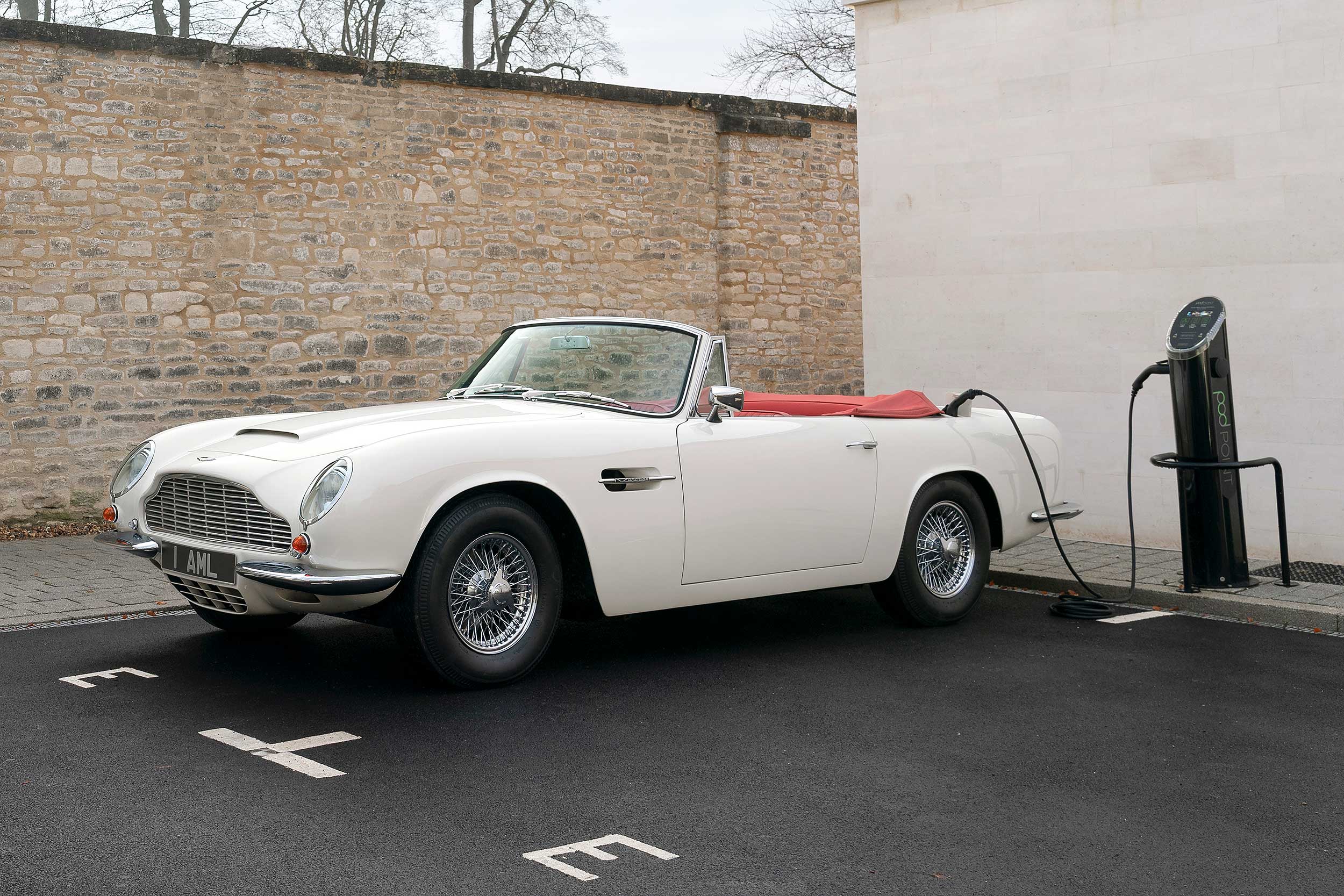
Aston Martin Heritage EV DB6 Volante conceptAston Martin will begin offering electric car conversions to classic Aston owners in 2019 – and the future-proofing solution is fully reversible should owners change their minds about going green.
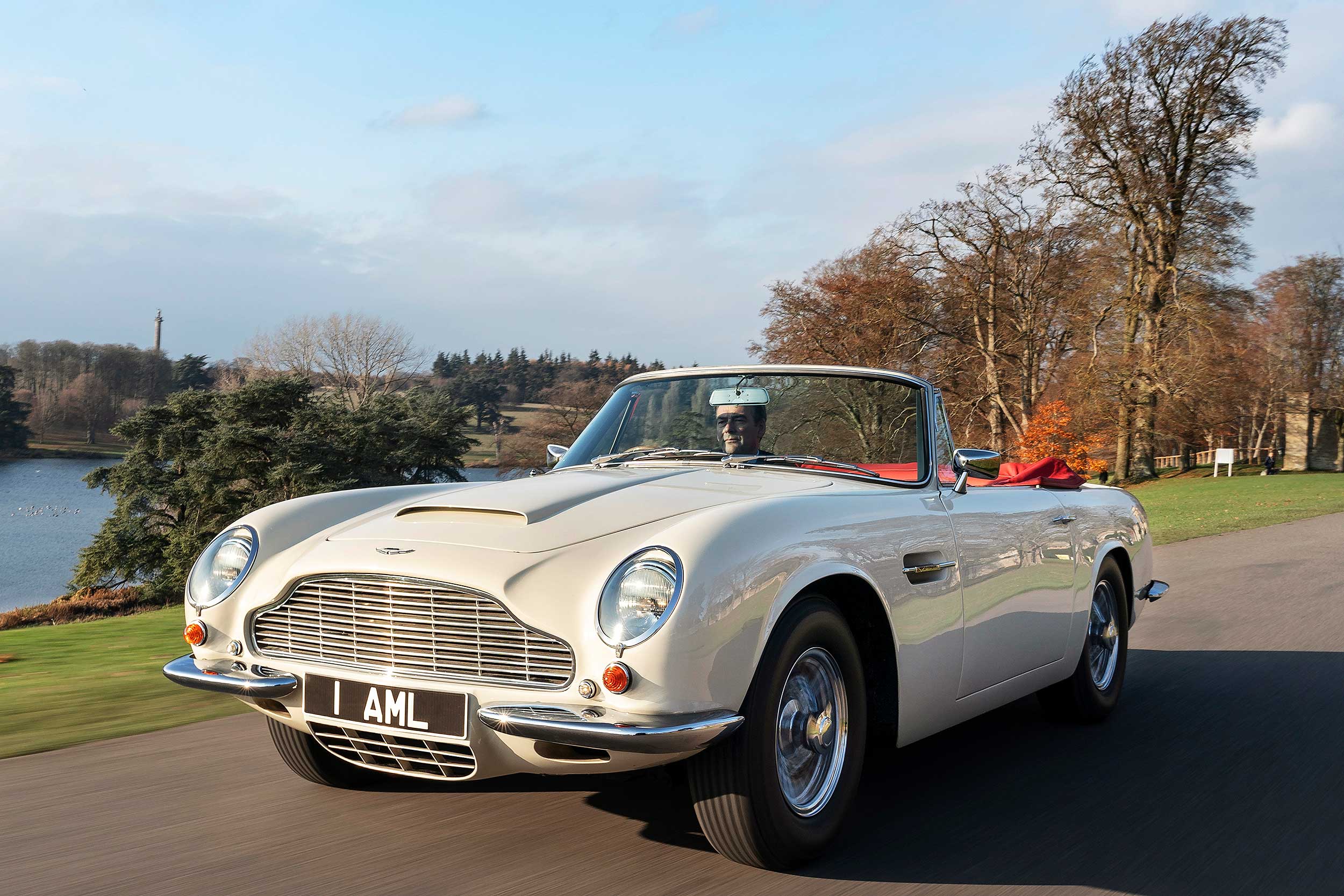
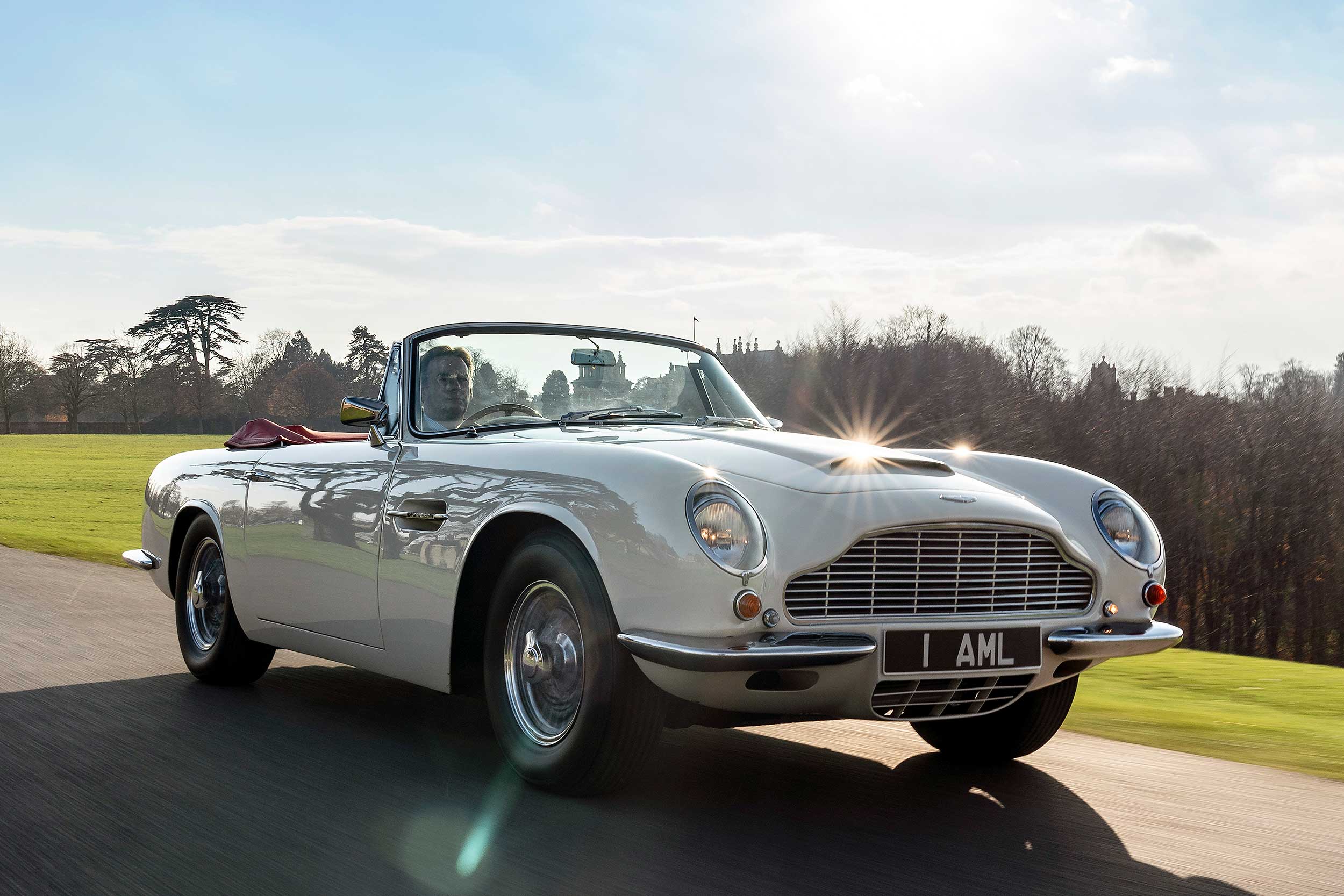
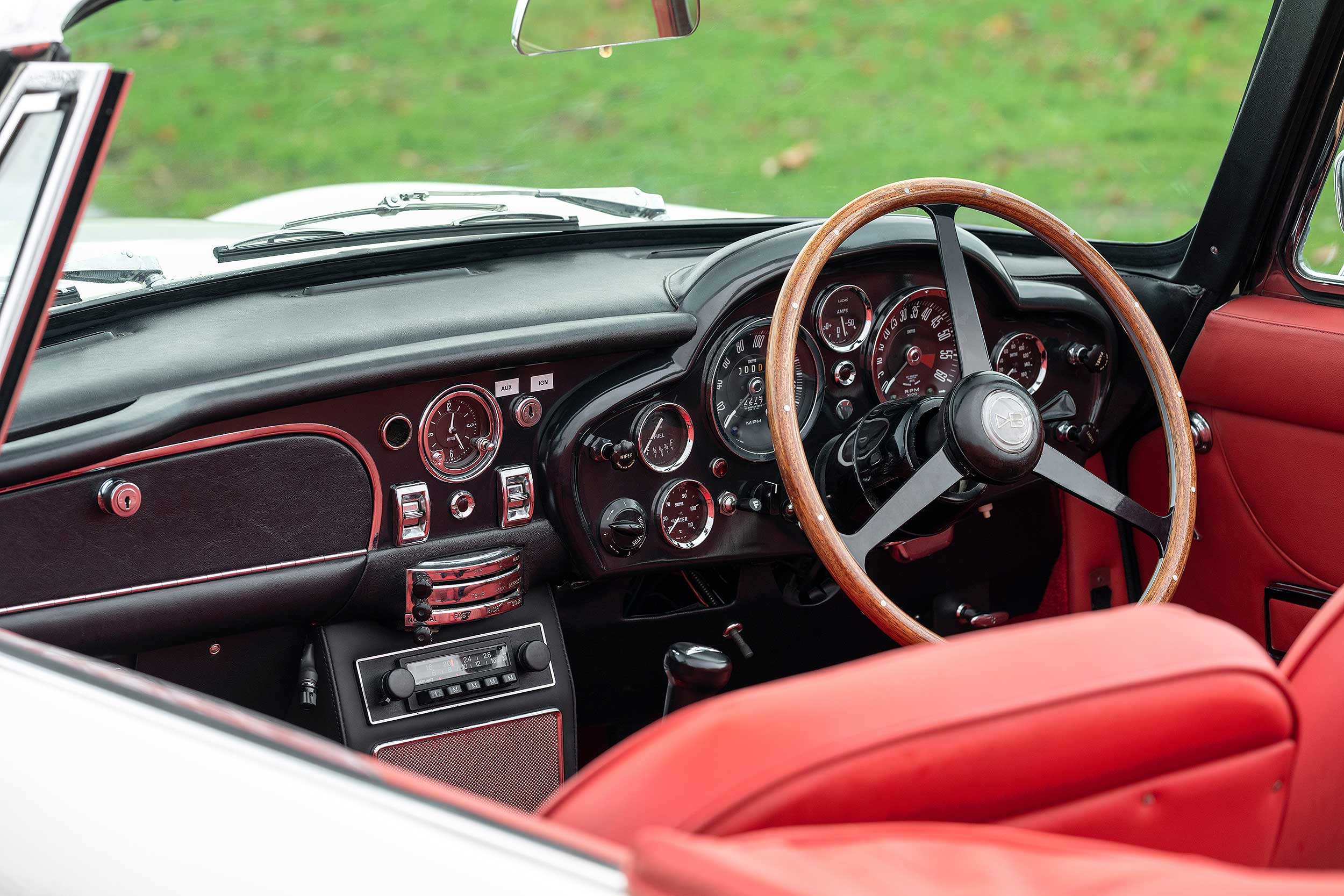
Called the Heritage EV programme, Aston Martin says it addresses concerns that classic car owners who live in cities may not be able to use their cars in the future.

The first car, a DB6 Volante, has already been completed as a proof-of-concept. Aston Martin Works in Newport Pagnell will begin converting customer cars from next year.

Aston Martin Heritage EV DB6 Volante concept

Andy Palmer, Aston Martin Lagonda president and Group CEO, said: “We are very aware of the environmental and social pressures that threaten to restrict the use of classic cars in the years to come.

“Our Second Century Plan not only encompasses our new and future models, but also protects our treasured heritage.”

Earlier this year, Jaguar showed a similar scheme, and has sinced announced it is putting the E-type Zero into production

How to turn a classic Aston Martin into an EV

Aston Martin Heritage EV DB6 Volante concept

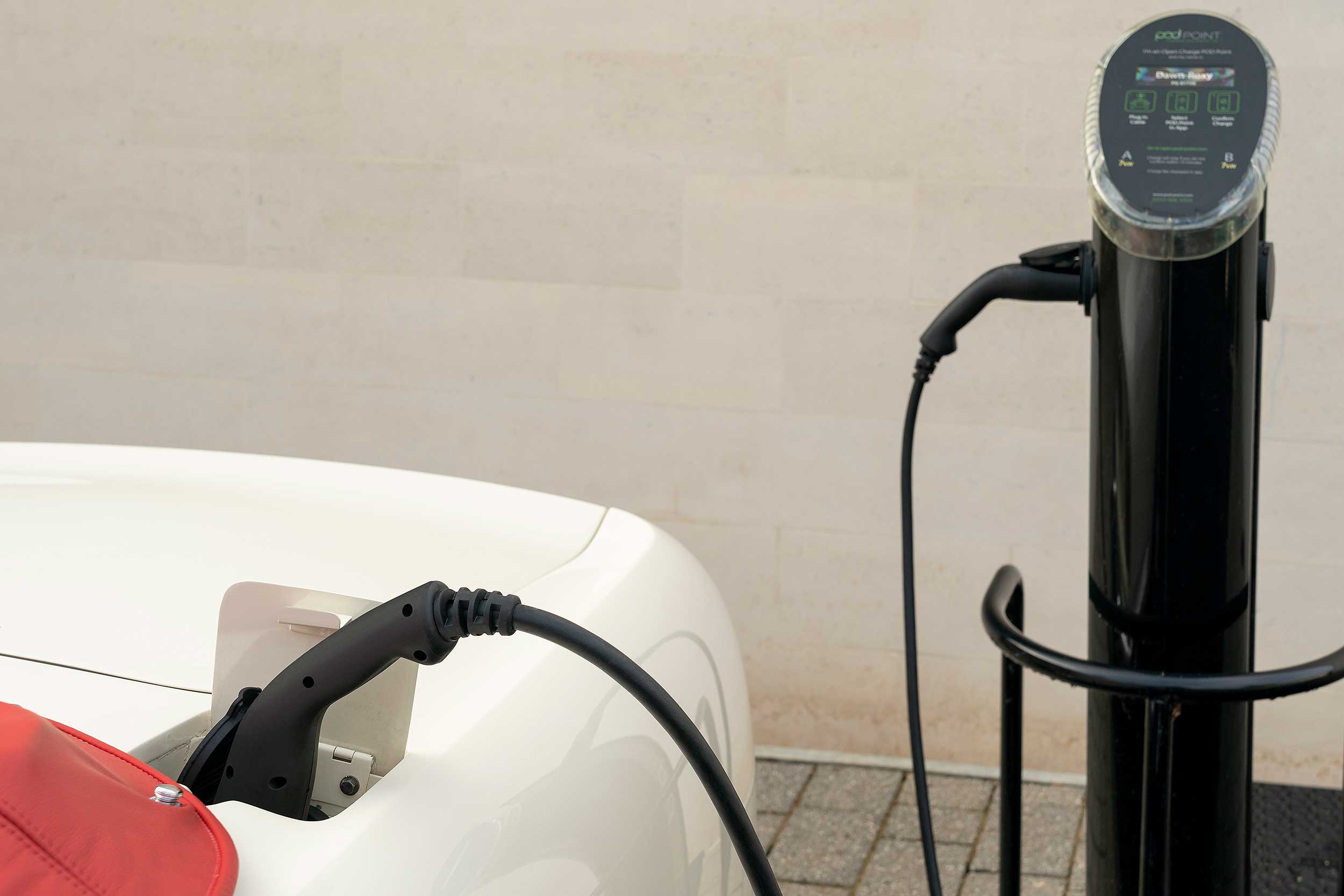
The Heritage EV conversion is based around a ‘cassette’ of electric motor and batteries. This sits on the same mountings as the original engine and gearbox, and takes up no more space.

In principal, it’s (almost) as simple as removing the petrol engine and inserting the electric casette. Which is why it’s fully reversible.

It is also virtually undetectible. The only interior change is a screen that will be subtly integrated into the dashboard.

Aston Martin Heritage EV DB6 Volante concept

Aston Martin says insights from the Rapide E – which will become its first all-electric production car from 2019 – has gone into the Heritage EV project. That car is also a petrol sports car that’s been converted to electric.

Paul Spires is president of Aston Martin Works. “We have been looking for some time to find a way of protecting our customers’ long-term enjoyment of their cars,” he said.

“Driving a classic Aston Martin on pure EV power is a unique experience and one that will no doubt be extremely attractive to many owners, especially those who live in city centres.”

Aston Martin Heritage EV DB6 Volante concept

Collectors could even commission EV-converted heritage cars, he added, bringing “another dimension to their collection”.

Advertisement

More than 5,500 miles of UK roads have no phone signal

0

phone signal UK roads

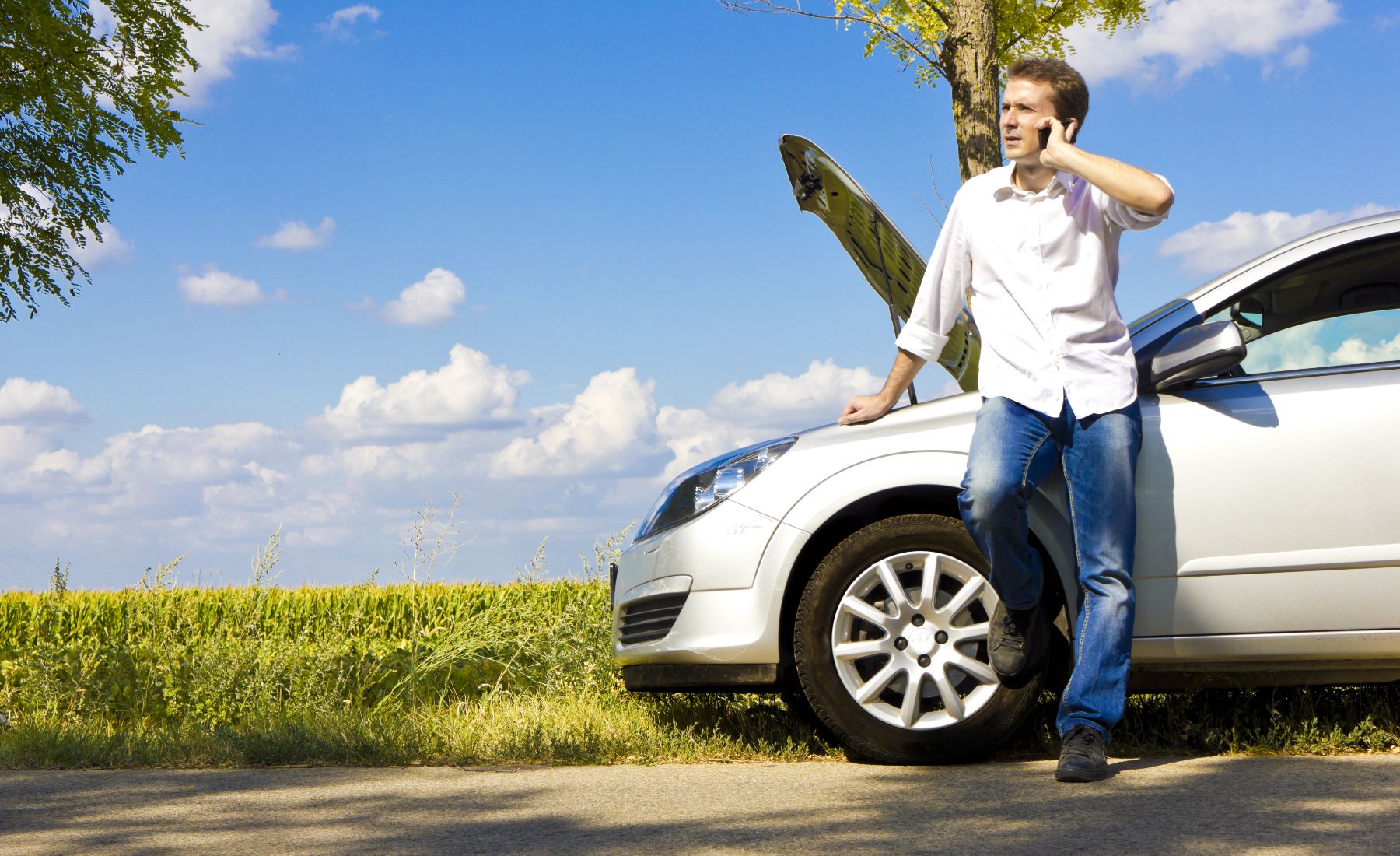
Research conducted by the RAC Foundation reveals that 5,540 miles of the UK’s road network are entirely devoid of mobile phone signal. 

That may not sound so bad given that talking on the phone while driving is illegal. However, consider that means drivers are unable to call for help in the event of an emergency.

That 5,540-mile number represents around two percent of the UK’s road network, which spans nearly 250,000 miles. Furthermore, nearly a fifth (18 percent) of roads have a signal that can only hold a voice call for select providers – that’s 44,368 miles.

That’s fine for emergencies, however. Even if your provider isn’t receiving signal, but another is, you can still make an emergency call. Hence the ‘emergency calls only’ displayed on your phone. 

The Scottish Highlands has the worst roads for voice coverage, taking up nearly a fifth (910 miles) of the blackout zone. Powys in Wales is second, with 411 signal-free miles of road. Argyl and Bute in Scotland is next, with 388 miles.

Cumbria, North Yorkshire and Devon are the worst in England for zero-signal roads, with 296, 219 and 190 miles respectively.

As for 4G internet, almost 14,000 miles of our road network has no 4G coverage at all. There are more than 5,400 miles of road without 3G coverage.

phone signal UK roads

Steve Gooding, director of the RAC Foundation, raises a very good point about the capability of the existing infrastructure given the purported imminent arrival of connected and autonomous cars.

“Hopes are high that autonomous and connected vehicles will make our roads safer and help cut congestion, but that is dependent on those vehicles being able to communicate with each other and the infrastructure around them. This analysis shows that there is still work to be done to make constant and comprehensive coverage a reality.”

For now, though, significant improvement has been made in signal coverage across the UK and where it matters most.

“The good news is that mobile coverage has improved a great deal across our road network. On our motorways, which carry around a fifth of all traffic, every mile should now have voice and basic data coverage, plus a 4G signal for all but a couple of miles.”

Read more:

Advertisement

Driving test pass rates sink to 10-year low

0

Driving test pass rates

The pass rates for the driving test in the UK have hit a 10-year low, with just 45.5 percent of candidates achieving a pass since December 2017. This follows changes to the examination made last year to make it more challenging.

The new test procedures were implemented to better replicate the rigours of real-world driving. They included increasing the independent driving section to 20 minutes, with the addition of having to follow sat-nav directions.

Reversing manoeuvres have been altered – reverse around the corner and turn-in-the-road have gone. Candidates also have to answer two vehicle safety questions while on their test drive.

  • What do you wish learner drivers were better at?

Regardless, UK drivers appear to be in support of these updates and further changes going forward. 

Research from around the world shows that getting as much experience of driving in as wide a range of traffic conditions as possible will make you a safer driver in the long run” said Neil Greig, IAM RoadSmart Director of Policy and Research.

“Learning to drive is an investment in your future so it’s not worth rushing it. Once you have passed your test you will still need to perfect your observation, anticipation and planning skills to ensure you survive on our increasingly congested roads.” 

Driving test pass rates

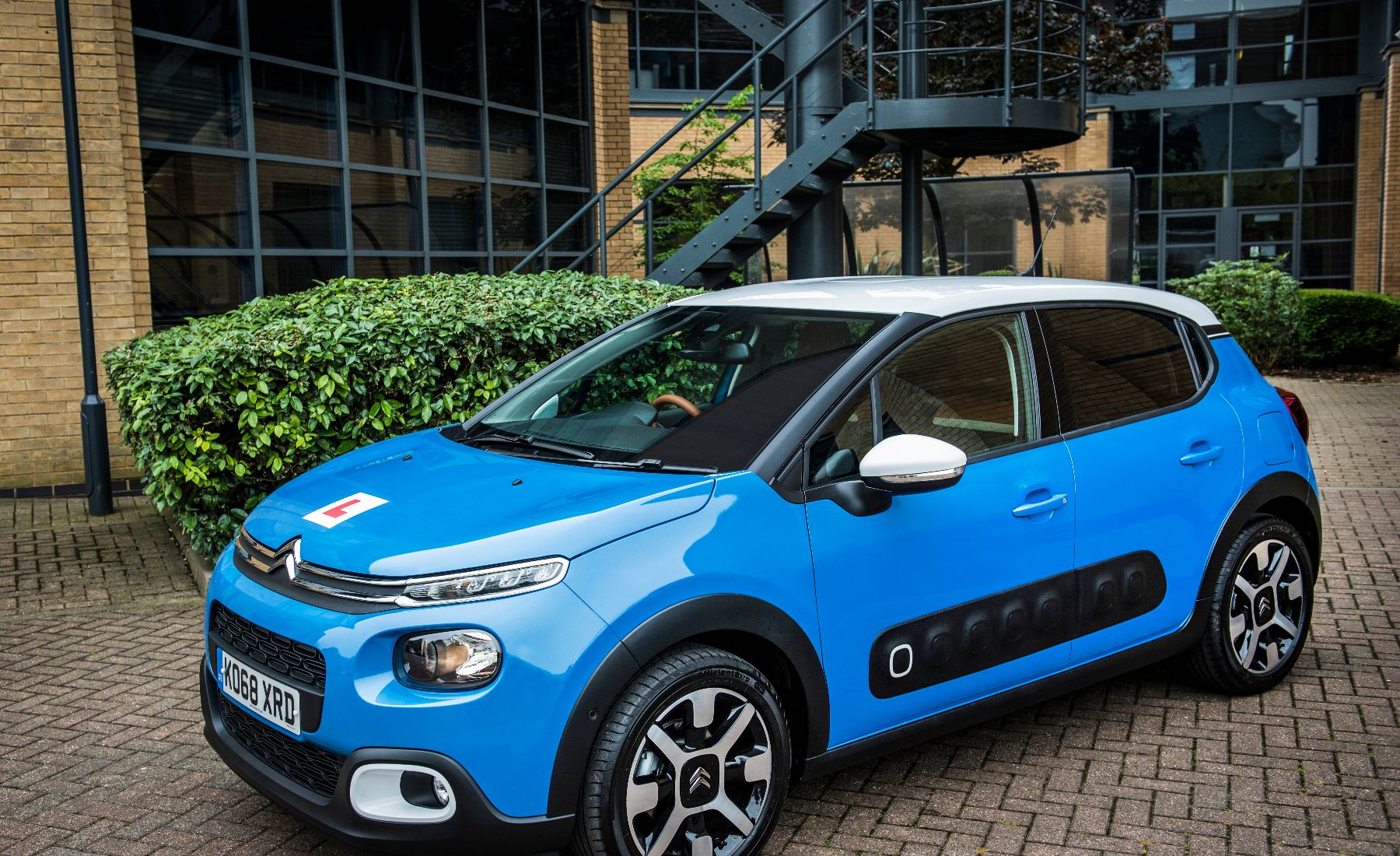
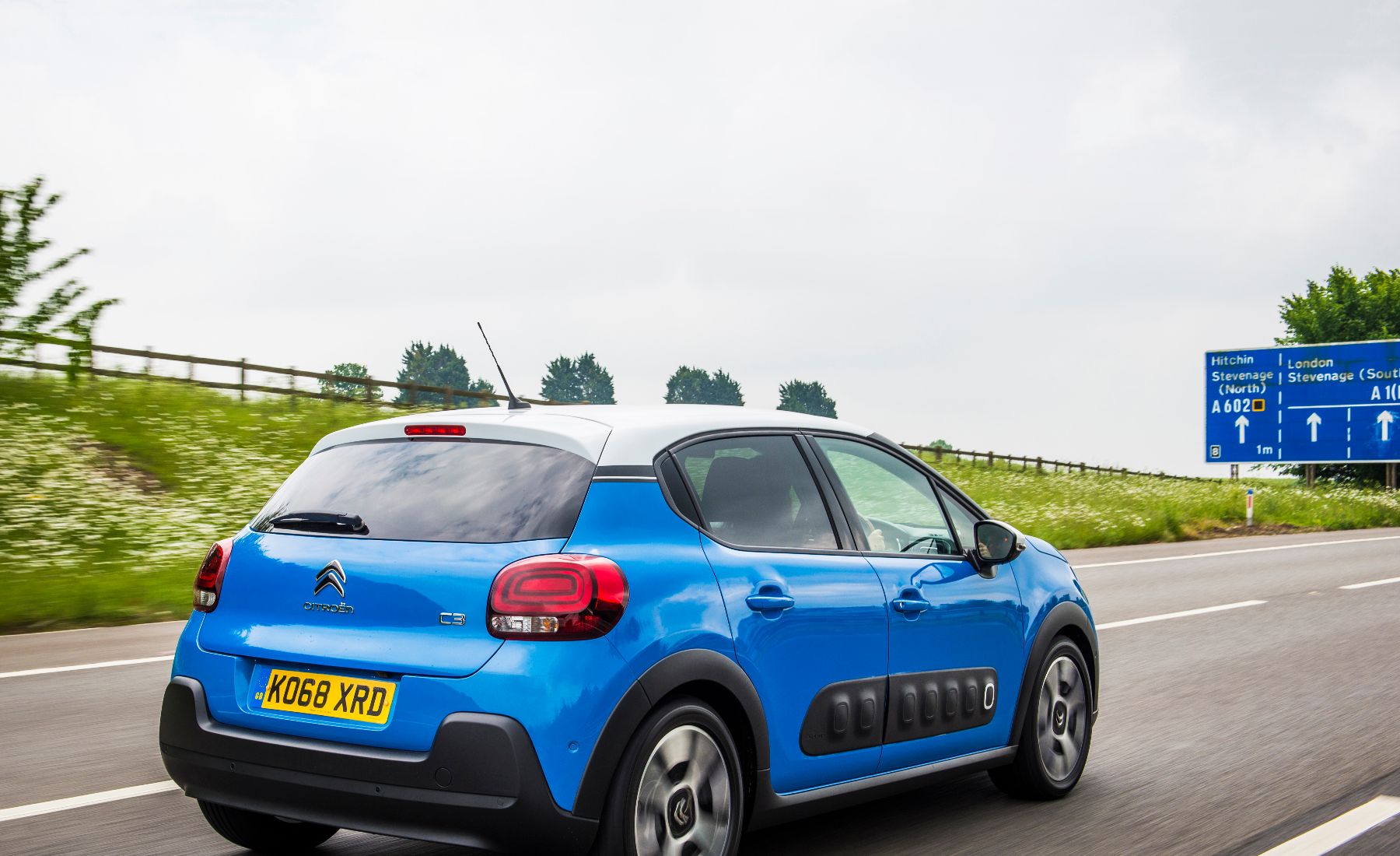
The Citroen C3 recently won the 2018 FirstCar ‘Driving Instructor Car of the Year’ award. The marque is offering some tips for prospective drivers, who are looking to face the toughest driving test yet:

Top tips for passing the driving test

  1. Make sure you’ve had enough lessons and plenty of practice, your worst drive should be good enough to pass the test – not just your best.
  2. Choose where you want to take your test, the route should reflect the type of driving you will be doing after passing. If you will be driving in town after passing, make sure you have a thorough grounding.
  3. Pick a good time for your lessons to ensure it replicates your test experience. A lesson every Sunday morning may not give the challenge of driving in traffic that a test on a Monday morning is going to present.
  4. Be thorough checking mirrors and develop an ordered observation strategy. You will be required to stop and move away throughout the test and it may be that there is never an issue for you to deal with, so the examiner needs to be confident that you look properly every time.
  5. Be confident with the technology in your car and use it to your advantage. Make sure you have followed the instructions from a sat-nav and know when you can follow the directions safely.
  6. Be prepared to ask the examiner to repeat their directions. It is not a memory test and it is better to be safe and confident than unsure.

Read more:

Advertisement

Honda HR-V Sport brings more performance, racier looks to small SUV

0

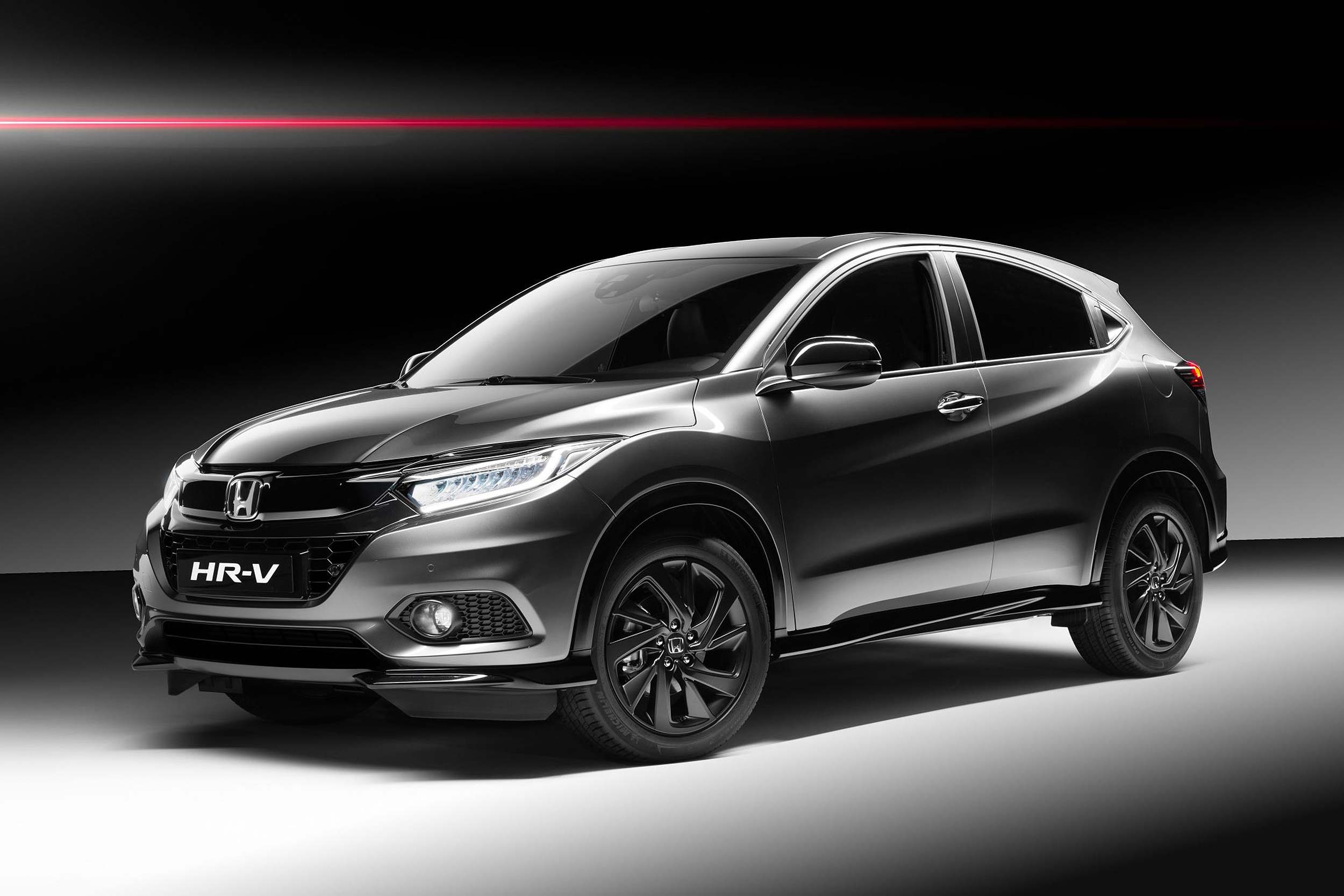
2019 Honda HR-V Sport frontA new higher-performance Honda HR-V Sport spec is being introduced for the updated 2019 model range, which goes on sale in December ahead of deliveries beginning in spring 2019.
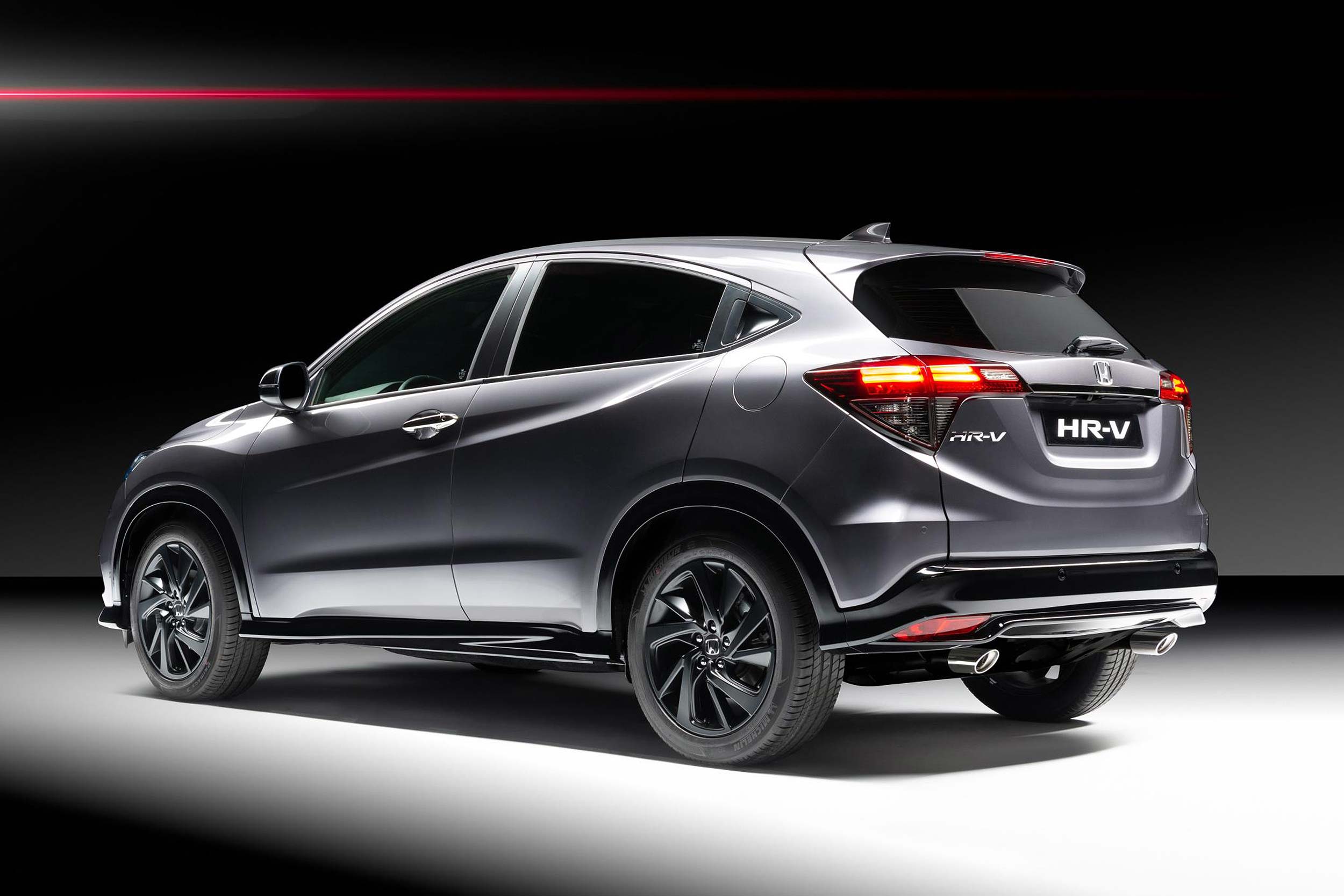
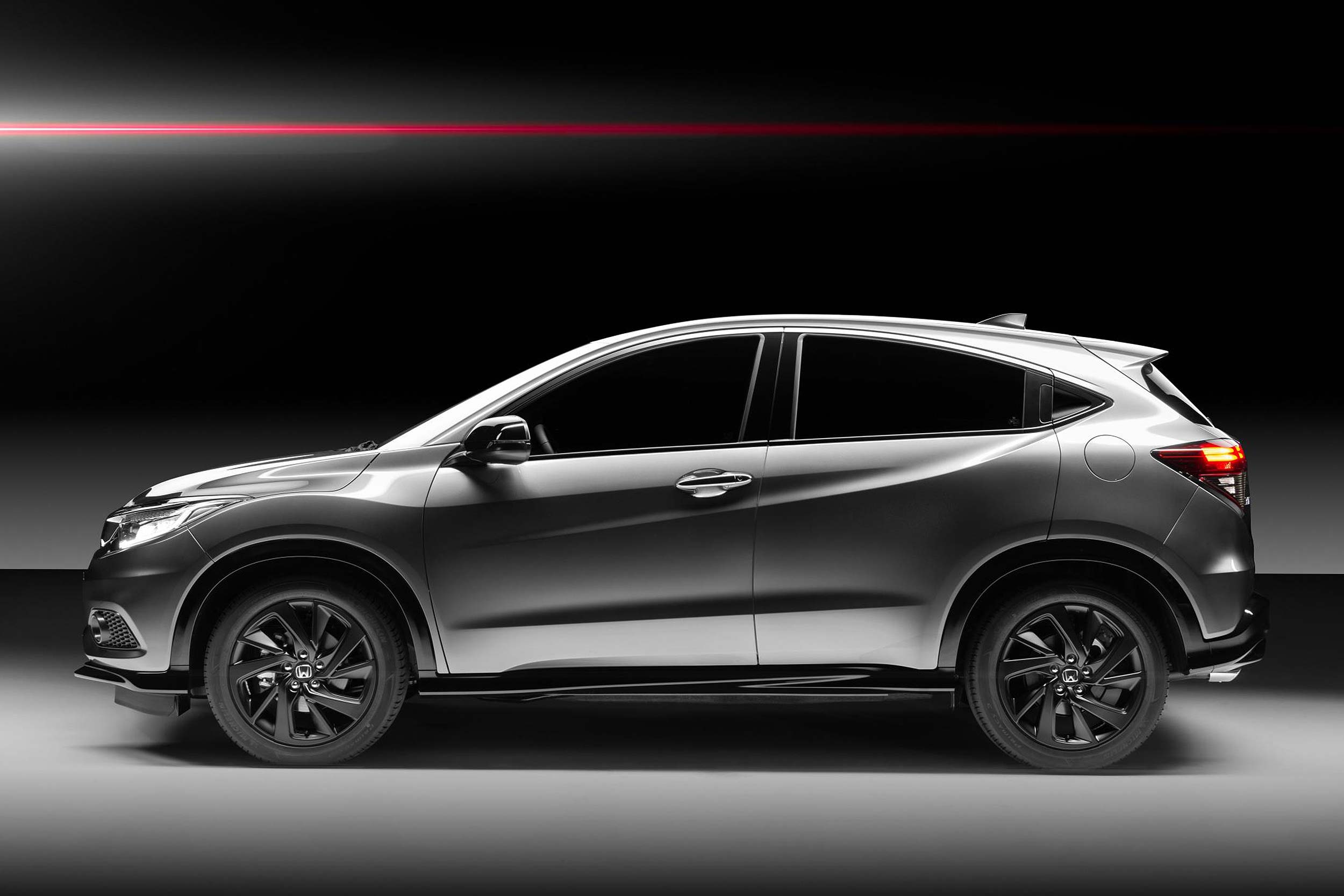
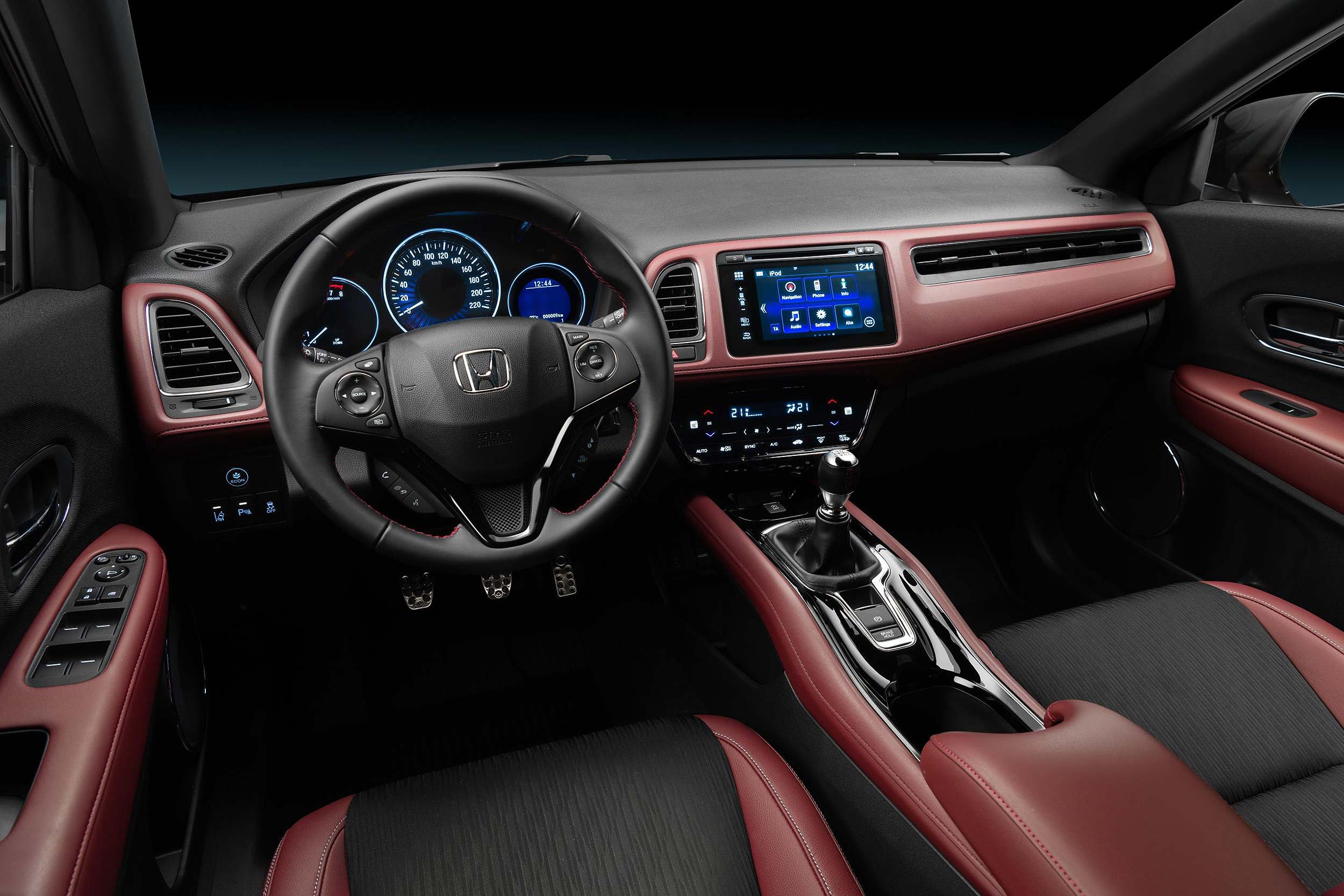
The HR-V Sport is fitted with a 182hp 1.5-litre turbo petrol engine from the Civic hatch. It is offered with a six-speed manual gearbox or a CVT automatic.

Honda says it will reveal performance and fuel economy details nearer the car’s launch.

Interestingly, the manual version has a little more pulling power than the auto, and its peak power is delivered at 5,500rpm, rather than a revvier 6,000rpm. Presumably, the auto’s been capped so the gearbox doesn’t self-destruct.

2019 Honda HR-V Sport rear side r

The Honda HR-V Sport goes deeper than just a faster engine, though. Honda fits unique ‘Performance Damper’ suspension, which it says improves stability, reduces body roll and smooths out vibrations on rough surfaces.

The steering is also specific to the HR-V Sport, which uses a variable ratio system that’s crisp just off centre and smoother at bigger steering angles. Black-painted 18-inch alloys are standard too.

2019 Honda HR-V Sport side

All 2019 model year Honda HR-V have tweaked styling outside and in, to which the Sport adds a front splitter, wheelarch mouldings, side skirts and a chunkier rear bumper. This bodykit is finished in black as are the door mirrors, and dual exhausts poke out the rear.

LED headlights are standard as well, while the Sport replaces the dark chrome front panel of the regular 2019 HR-V with a high-gloss black chrome insert.

2019 Honda HR-V Sport interior

Honda even fits bespoke sports seats for those in the front, with a more bolstered seat cushion and backrest. There’s a black rooflining too, just like you get on a Golf GTI – and, yes, a Honda Civic Type R.

Advertisement

14 million drivers say they would brake-test a tailgater

0

tailgater dangers

Ever heard of a brake-test? A third of drivers – nearly 14 million of us – apparently respond to tailgating by dabbing the brakes to flash the following driver.

That’s according to research commissioned by Kwik Fit, which reveals that 75 percent of us would take some sort of action in response to a tailgater.

However, brake-testing, along with a flash of the foglights (used by eight percent) and sharp braking (10 percent) can risk a collision. If the car following brakes too hard in response, it, in turn, risks being rear-ended. The domino effect may continue…

How else do drivers respond to a tailgater? The research uncovered 11 percent of us would speed up to get away. Incredibly, nearly one in 10 drivers will ‘see how they like it’ by pulling out, pulling back then getting up close behind the original tailgater. Seven percent would make heated hand signals to express their displeasure.

Tailgating is one of the most irritating things to do on the road (annoying 89 percent of people). That’s just short of dangerous overtaking (92 percent), but many of us are guilty. A third of motorists admit that a car they’ve been following has taken similar action to what’s stated. One in ten has seen a car let them pass, only to sweep in and follow them closely.

Eight percent have themselves experienced a brake-test. Key offenders are men (38 percent) and younger drivers aged 18 to 34 (50 percent).

tailgater dangers

“Brake-testing a car which is far too close can be very tempting for drivers, either by dabbing the brakes to flash the brake lights, or by actually braking hard, but this can be very dangerous,” said Roger Griggs, communications director at Kwik Fit.

“The safest approach when encountering tailgaters is to drive normally, signal clearly and pull over when it’s safe to do so to allow them to overtake. Getting drawn into tit-for-tat behaviour is a no-win situation and only makes driving much more stressful than it needs to be.”

Read more:

Advertisement