Changes to Vehicle Excise Duty (VED), better known as road tax, are set to earn the UK government a whopping £16 billion in revenue.
From 1 April 2025, electric vehicles will be subject to VED for the first time. This comes alongside an increase in rates paid by owners of petrol and diesel cars.
Leasing Options has undertaken analysis of how these new VED rules are likely to impact UK motorists, and calculated the revenue being raised. It also examined which regions of the UK will be hit hardest by the changes.
A postcode lottery
According to analysis of DVLA data, the Isles of Scilly will be the region most affected by the new VED rules.
Although the tiny archipelago has just 776 vehicles on its roads, the changes mean residents of the Isles of Scilly will pay an average of £257.90 in VED per vehicle registered.
This is due to a larger proportion of higher-emission vehicles on Scilly’s roads, such as older cars and those with larger engines.
Darlington and Slough follow as the second and third hardest-hit locations. Locals in Darlington will contribute an average of £257.33 in VED per vehicle, while those in Slough will pay £242.61.
Charging up tax rates
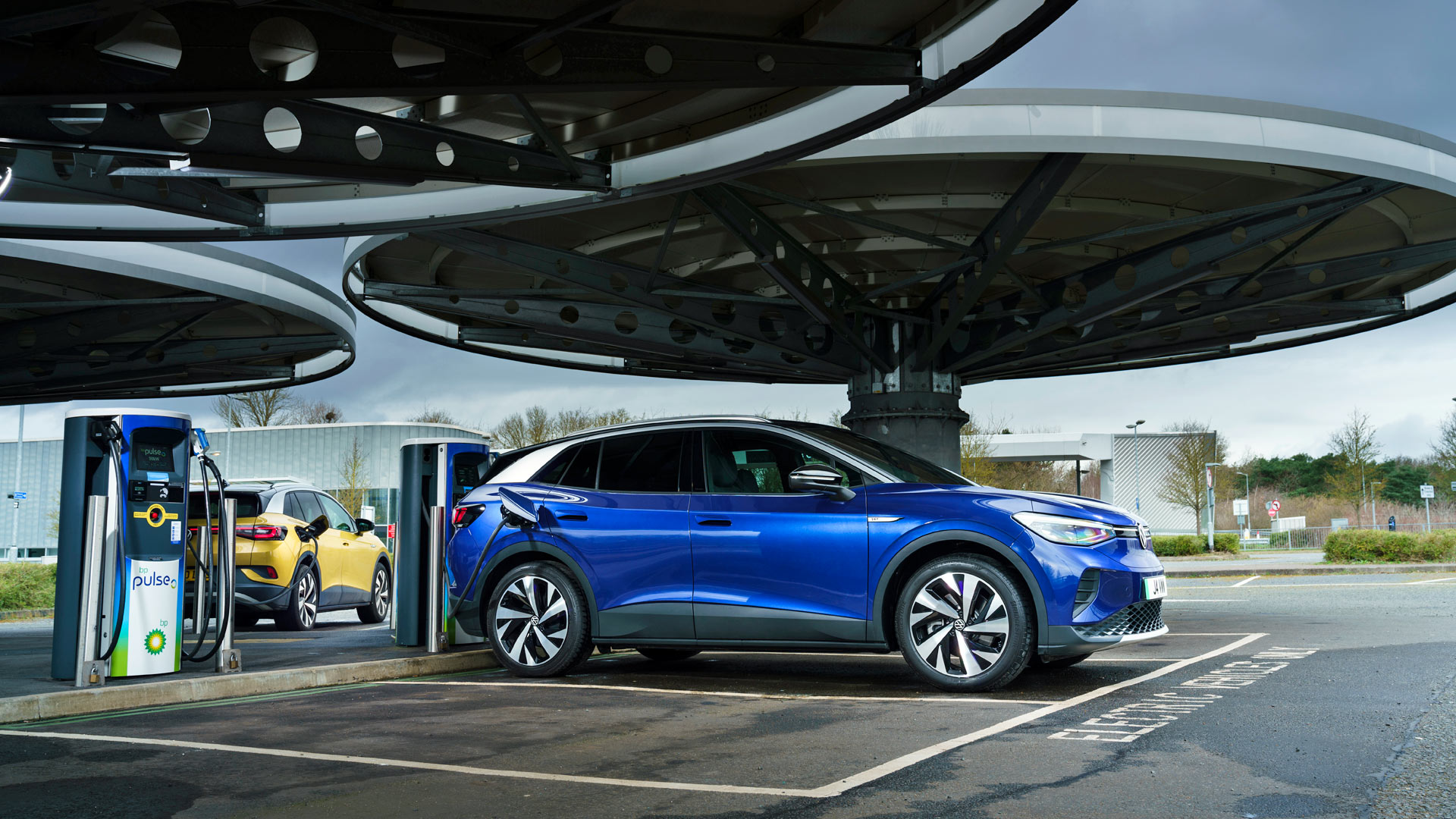
The inclusion of electric cars in the VED rules marks a major change in policy, following years of zero-emission models being exempt from road tax.
From 1 April 2025, all new electric cars will be subject to a first-year rate of £10 until 2029. Those costing more than £40,000 will also be hit by the annual ‘Expensive Car Supplement’ of £425.
Electric cars registered between 1 April 2017 and 31 March 2025 will be liable for the same £195 rate of VED as petrol and diesel cars.
Bringing EVs into the scope of road tax is expected to contribute an additional £229 million to the Treasury’s coffers.
‘Mixed signals’ for consumers

Manchester will see the largest impact from the EV changes. The region will fork out an extra £23.3 million and account for almost 10 percent of total EV tax revenue.
Outer London is next, with revenue of £13.5 million, followed by Windsor and Maidenhead with £11.9 million.
Mike Thompson, COO at Leasing Options, said: “Introducing VED for EVs is a controversial move that could slow down adoption. Many drivers made the switch to electric expecting lower running costs. This additional tax could make them rethink that decision.
“The government has championed EV adoption as a crucial part of the UK’s net-zero ambitions. Taxing EVs now, just as uptake is accelerating, sends mixed signals. If the goal is sustainability, we need assurances that this revenue will be reinvested into greener transport infrastructure.”
ALSO READ:
What is a Low Traffic Neighbourhood – and why do they divide opinion?
Know your APR from your PCP: an easy guide to car finance jargon