Home Blog Page 553

It’s not just VW: 30 dirty diesels accused of emissions cheating

0

It's not just VW: 30 dirty diesels accused of emissions cheating

The Transport and Environment campaign group is calling on regulators to investigate 30 cars it claims produced ‘suspect’ emissions results when tested by authorities. The organisation says it has evidence that ‘defeat devices’, such as those used in the Volkswagen emissions scandal, have been used by ‘most’ carmakers.

The group says this evidence includes inappropriate use of a ‘thermal window’ (29 models), high ‘hot-restart’ emissions (23 models) and plain shut-offs after a certain time (at least one model). These are the 30 cars the organisation believes may use defeat devices.

BMW 216d Gran Tourer

As BMW’s first people carrier and front-wheel-drive model, the 2 Series GT is no stranger to controversy. Transport and Environment claims that, during tests, the 2 Series GT made liberal use of what’s described as a ‘thermal window’, a period during which manufacturers can decrease emissions management systems in a bid to prevent parts being damaged by condensation.

BMW 530d

The campaign group says that 23 of the ‘dirty 30’ feature unusually high emissions following a hot engine restart, rather than a cold start. Although manufacturers claim this is normal, Transport and Environment disputes this – with the BMW 530D being accused as one of the 23 hot-start dodgers.

Citroen C4 Picasso 1.6 BlueHDi
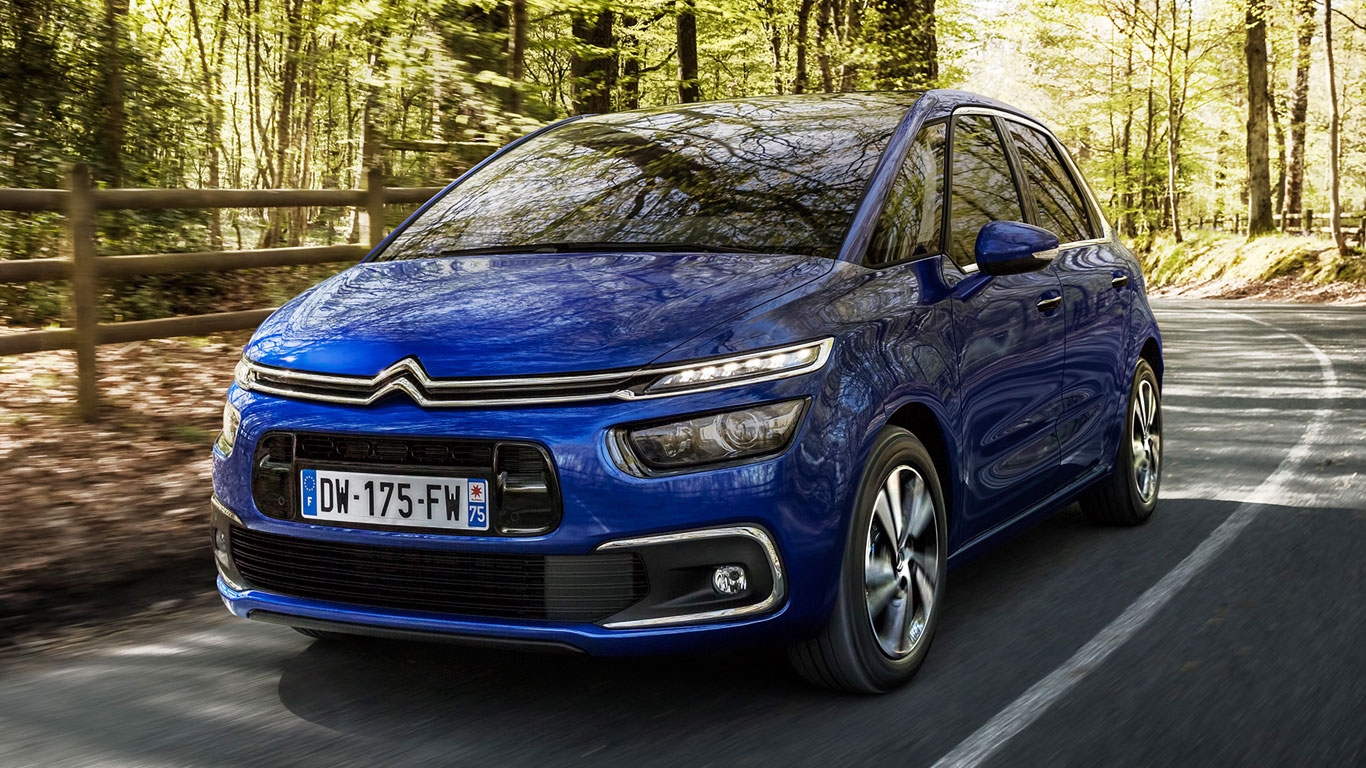
Citroen C4 Picasso 1.6 BlueHDI

During cold track tests held in France, the group claims the Citroen C4 Picasso showed signs of the thermal window being abused.

Dacia Sandero 1.5 dCi

Bad news! The super-affordable Dacia Sandero is an emissions cheater, says Transport and Environment. Tested in France, the group alleges the Sandero ‘cheats’ the system using both thermal window and hot-start methods.

Fiat 500X 2.0 MJT

We quite like the Fiat 500X – although it’s better with the smaller 1.6-litre turbodiesel and fun 1.4-litre petrol than the 2.0-litre diesel featured here. Apparently, in German tests, the 500X’s exhaust treatment switched off after 22 minutes. Normally, emissions tests last for 20 minutes. Draw your own conclusions…

Ford C-Max TDCi
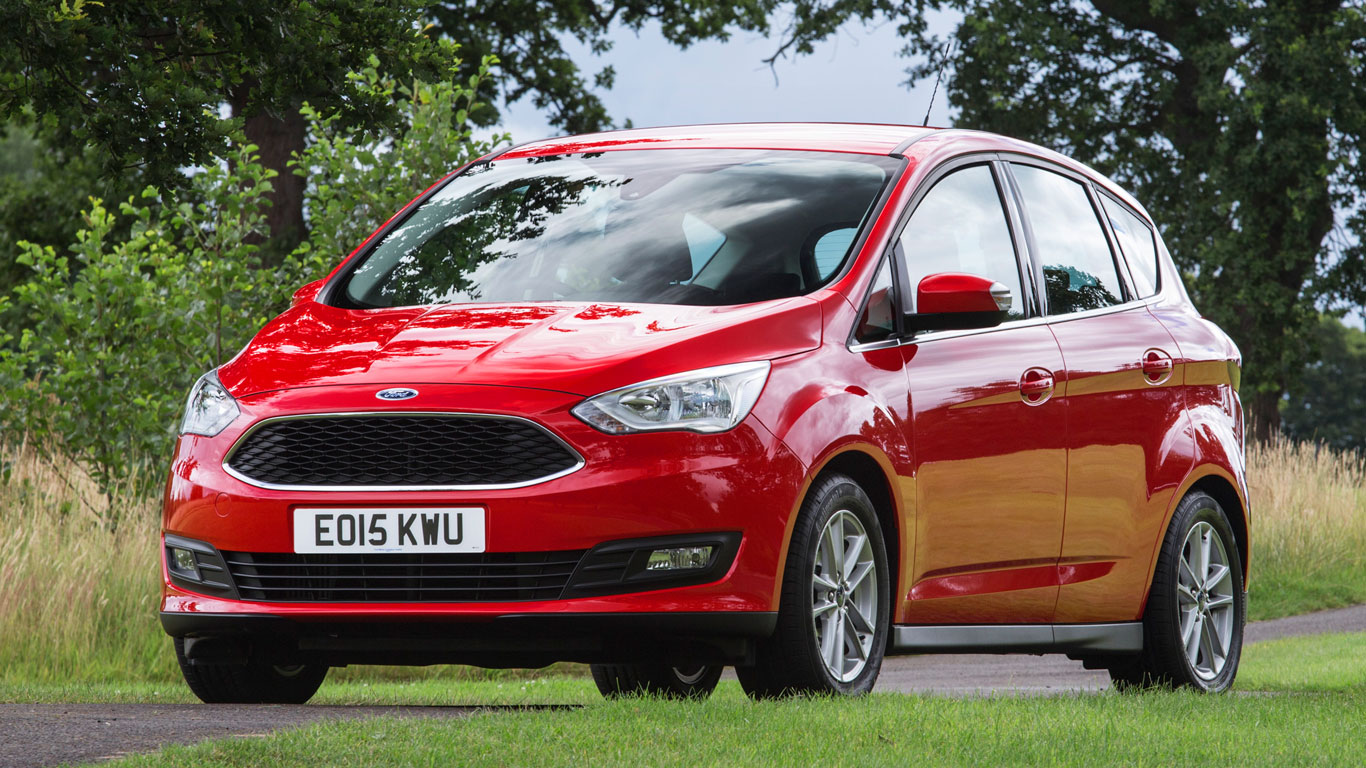
Ford C-Max TDCi

The organisation claims the popular Ford C-Max, powered by the turbodiesel in 1.5- and 2.0-litre guises, shows signs of dodging emissions tests. These include both the thermal window cheat and hot start.

Ford Focus 1.5 TDCi

It’s no surprise then, that the Focus, using the same 1.5-litre turbodiesel as the C-Max, also shows similar symptoms.

Honda CR-V 1.6 i-DTEC

It was during track testing in the UK with a warm engine that the Honda CR-V, powered by the 1.6-litre turbodiesel engine, showed signs of using both the thermal window and hot-start cheats.

Hyundai i20 1.1 CRDi
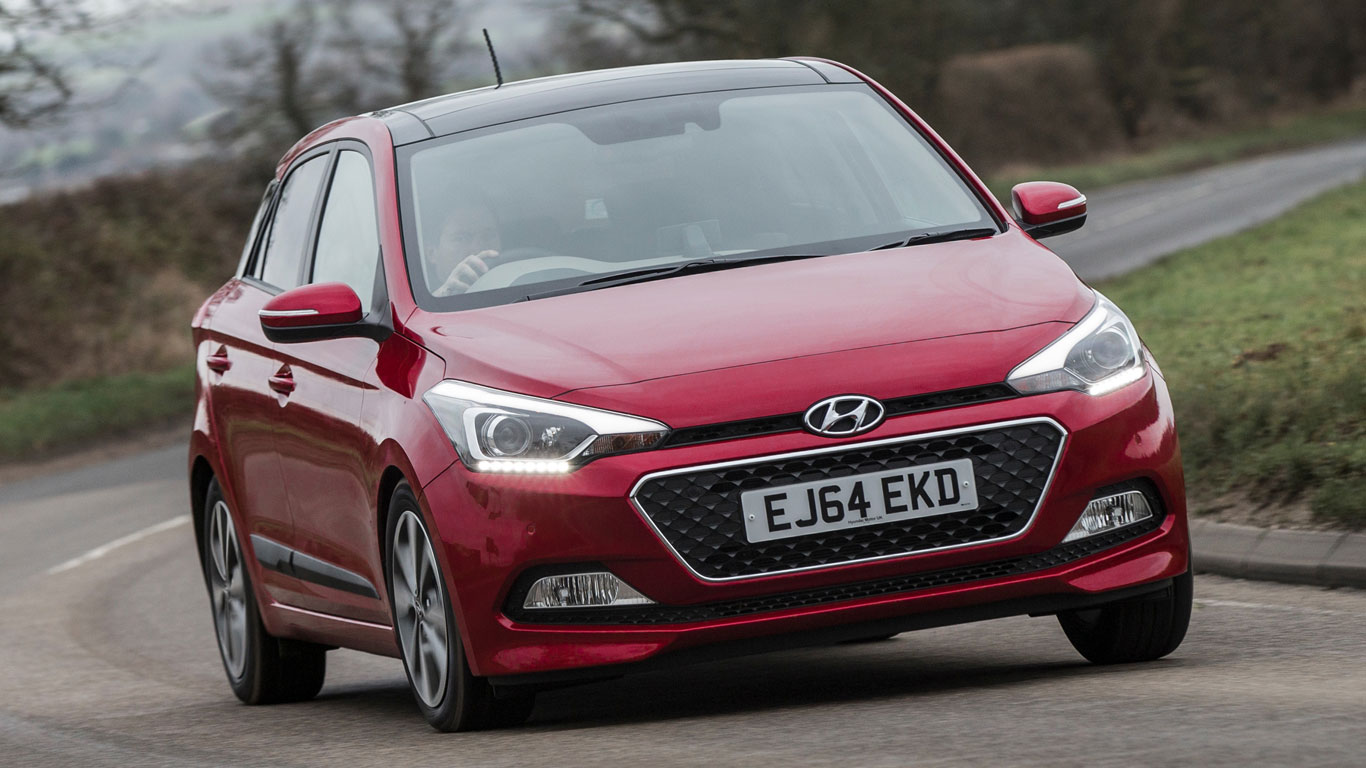
Hyundai i20 1.1 CRDi

Tested in the UK, Transport and Environment says the Hyundai i20 with the super-efficient 1.1-litre CRDi engine shows signs of both thermal window and hot-start dodges.

Jaguar XE 2.0d

It’s the entry-level 163hp 2.0-litre turbodiesel Jaguar XE that’s been accused of cheating tests here. Again, it showed signs of playing both thermal window and hot start scams, says the organisation.

Kia Sportage 1.7 CRDi

The Kia Sportage has recently been replaced, but it’s its predecessor that the organisation claims defeated emissions tests. The 1.7-litre diesel showed signs of using the thermal window and hot-start methods, apparently.

Mazda 6 2.2 diesel
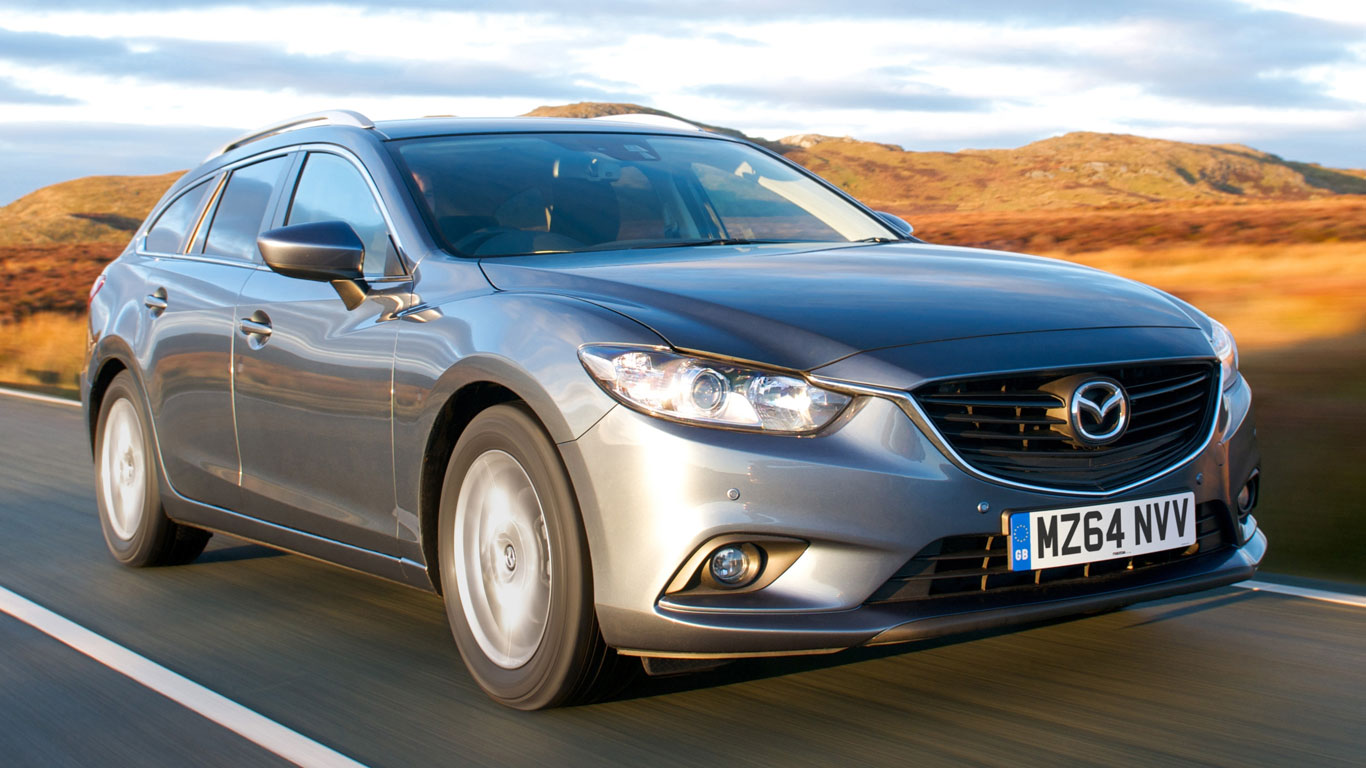
Mazda 6 2.2 diesel

With Mazda’s Skyactiv technology, you’d hope the 2.2-litre diesel would be fairly efficient. The organisation claims it’s cheated tests, however.

Mercedes-Benz A180d and A200d

Transport and Environment claims that three Mercedes-Benz models have produced suspicious results during German emissions testing. The first is the A-Class, which allegedly showed signs of using the thermal window technique in testing of the A180d model, and both thermal window and hot-restart methods during testing of the A200d.

Mercedes-Benz S350 Bluetec

The current generation S-Class, in S350 Bluetec guise, reportedly showed symptoms of cheating using the hot-start and thermal window methods.

Mercedes-Benz V250d
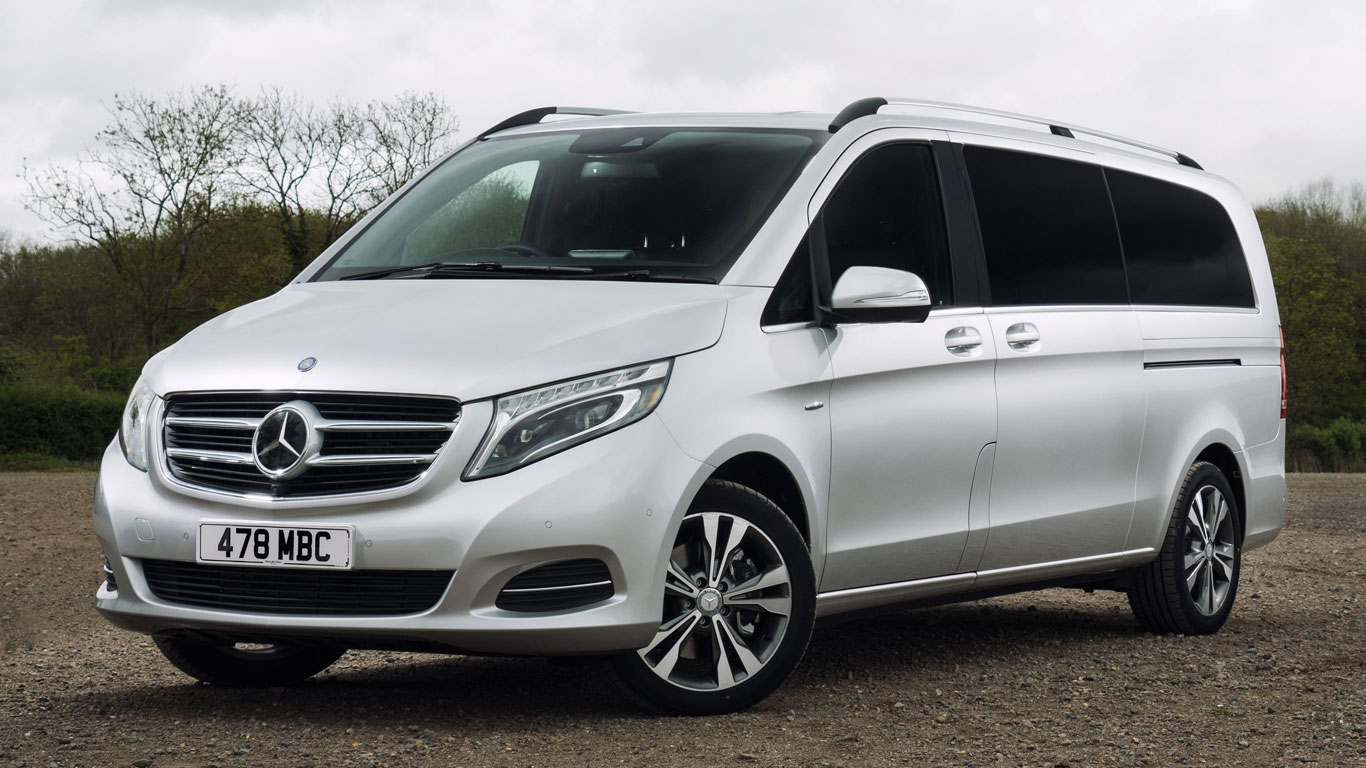
Mercedes-Benz V250d

Vans are currently under the spotlight with regard to emissions tests – and Mercedes-Benz’s ‘van with windows’ V250d is alleged to have produced some ‘interesting’ results.

Nissan Qashqai 1.6 dCi

Ah, the wholesome, family-friendly Nissan Qashqai. Powered by the 1.6-litre diesel Renault engine, it showed peculiar results relating to the thermal window cheat during testing in the UK.

Peugeot 5008 1.6 BlueHDi

The only model by French manufacturer Peugeot alleged to have cheated tests is the 5008 people carrier, powered by the 1.6-litre BlueHDI turbodiesel engine.

Porsche Macan S Diesel
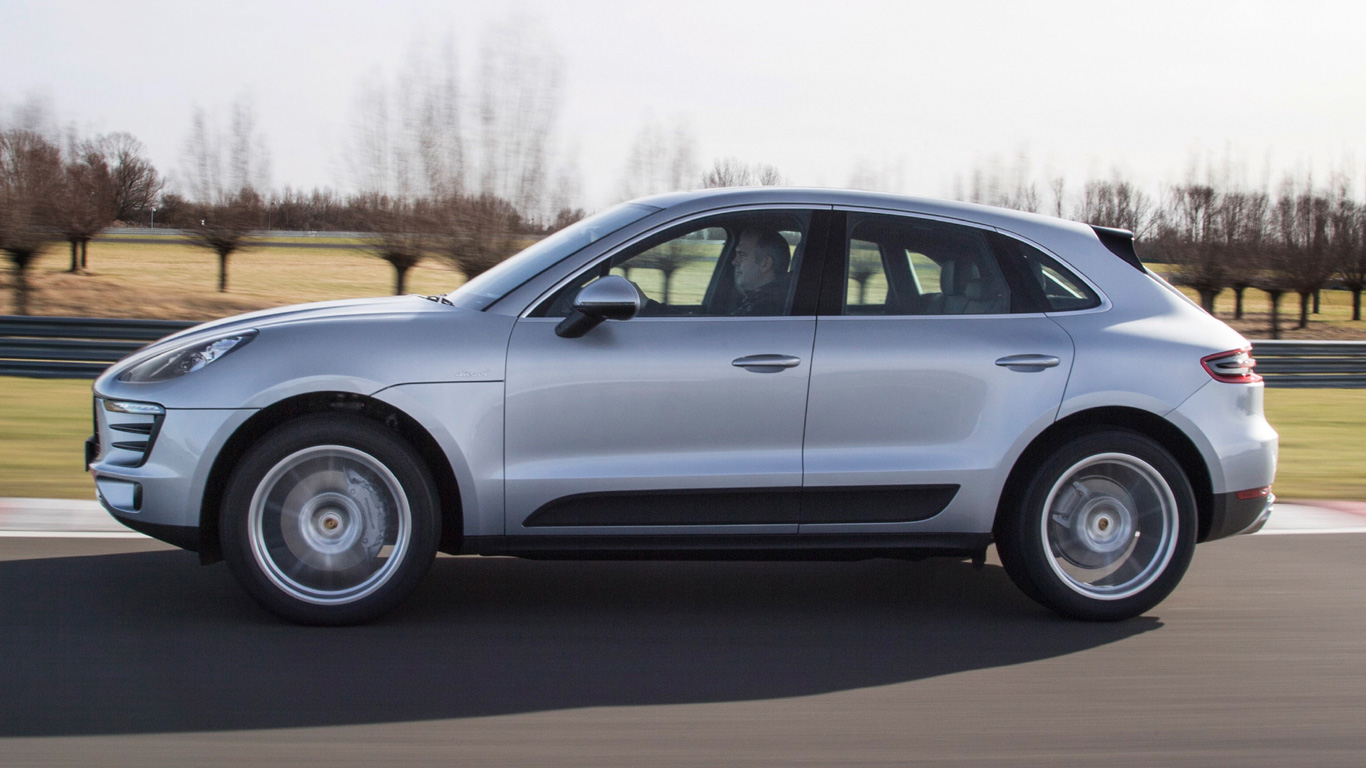
Porsche Macan S diesel

Porsche isn’t a big user of diesel engines – nor is it a company that is traditionally overly concerned about emissions. But buyers of its Macan S Diesel might be interested to know that Transport and Environment says it showed signs of ‘test recognition’ – just like VW’s cheat device.

Range Rover Evoque 2.0 TD4

Could this knock the ever-popular Range Rover Evoque off its perch? The 180hp turbodiesel apparently showed suspicious results in UK tests.

Renault Captur 1.5 dCi

Renault is potentially the biggest emissions cheat – says Transport and Environment – with no fewer than four cars showing suspect results. The first is the Captur crossover, with the 1.5-litre diesel engine.

Renault Megane 1.5 dCi
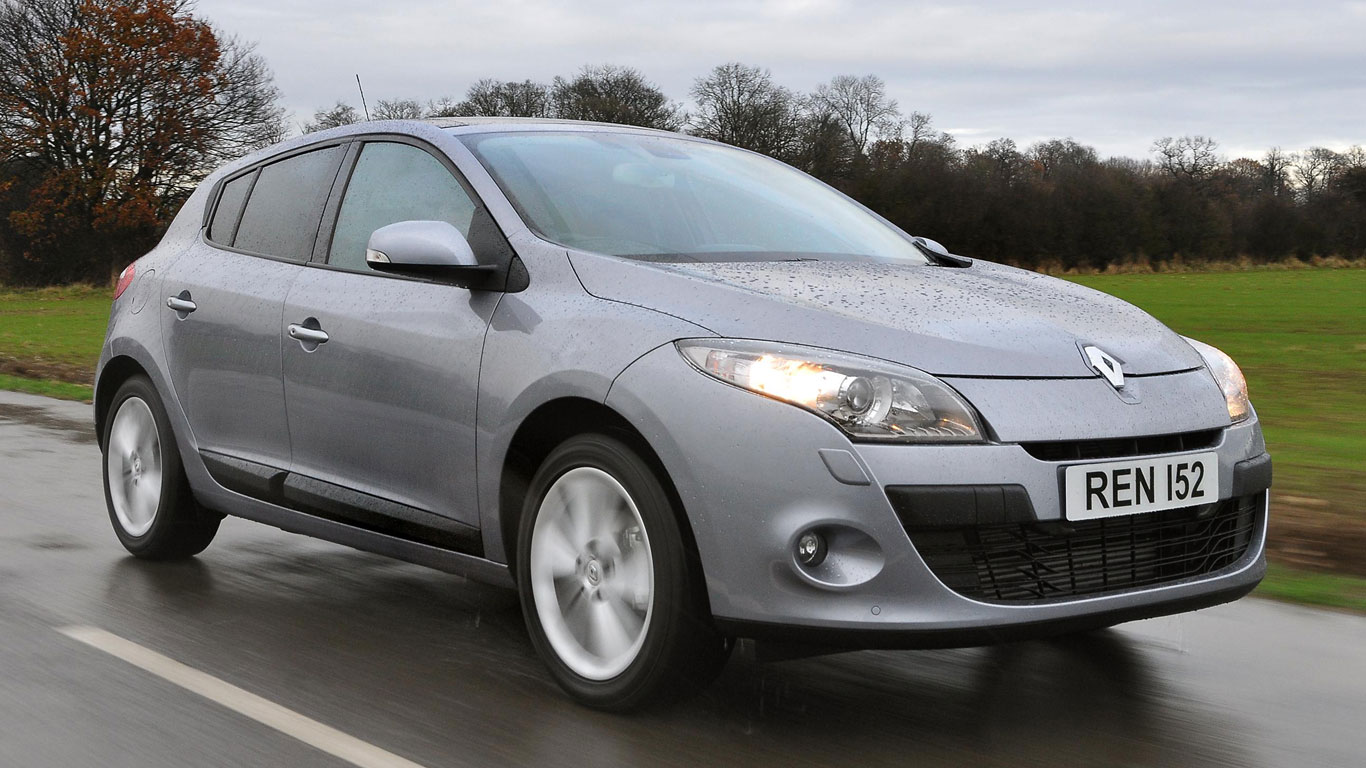
Renault Megane 1.5 DCi

Unsurprisingly, the Megane powered by the same engine also showed signs of using the hot-start and thermal window dodges.

Renault Kadjar 1.5 and 1.6 dCi

As did the Renault Kadjar, in both 1.5- and 1.6-litre dCi guises.

Renault Espace 1.6 dCi

The 1.6-litre turbodiesel Renault Espace people carrier showed signs of using the thermal window cheat.

Skoda Octavia 1.6 TDI
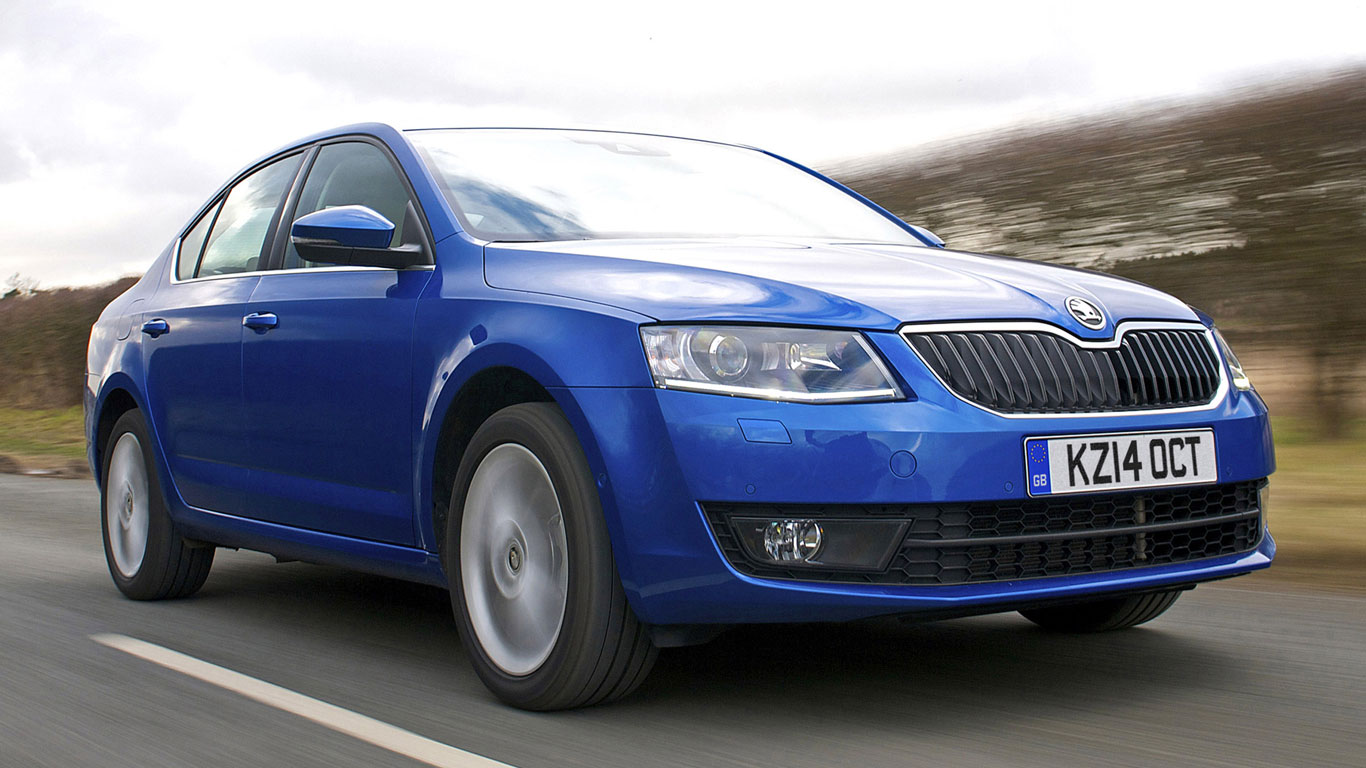
Skoda Octavia 1.6 TDI

As a Volkswagen Group product, it’s perhaps unsurprising to see the Skoda Octavia 1.6-litre turbodiesel showed signs of thermal window, test recognition and hot-start cheats.

Suzuki Vitara 1.6 DDiS

The latest Suzuki Vitara is one of our favourite crossovers, but Transport and Environment alleges that the 1.6-litre diesel showed signs of using the thermal window and hot-start bodges during testing.

Toyota Avensis 2.0 D-4D

The taxi drivers’ favourite – but is the Avensis pumping lots of nasty emissions into our city centres? The campaign group reckons so – with the 2.0-litre diesel showing signs of exploiting hot start and thermal window cheats.

Vauxhall Mokka 1.6 CDTi
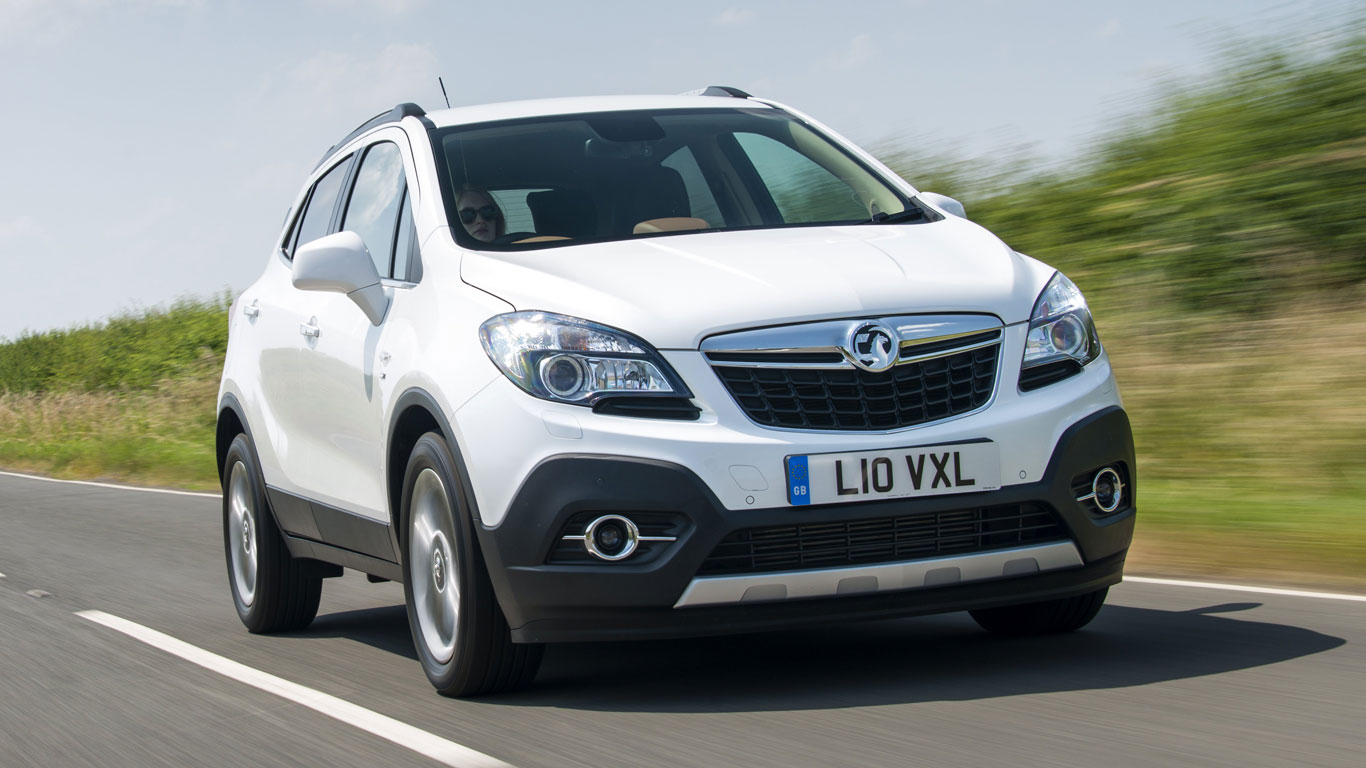
Vauxhall Mokka 1.6 CDTi

Tested in Europe as an Opel, the diesel Mokka showed signs of using both thermal window and hot-start cheats according to Transport and Environment.

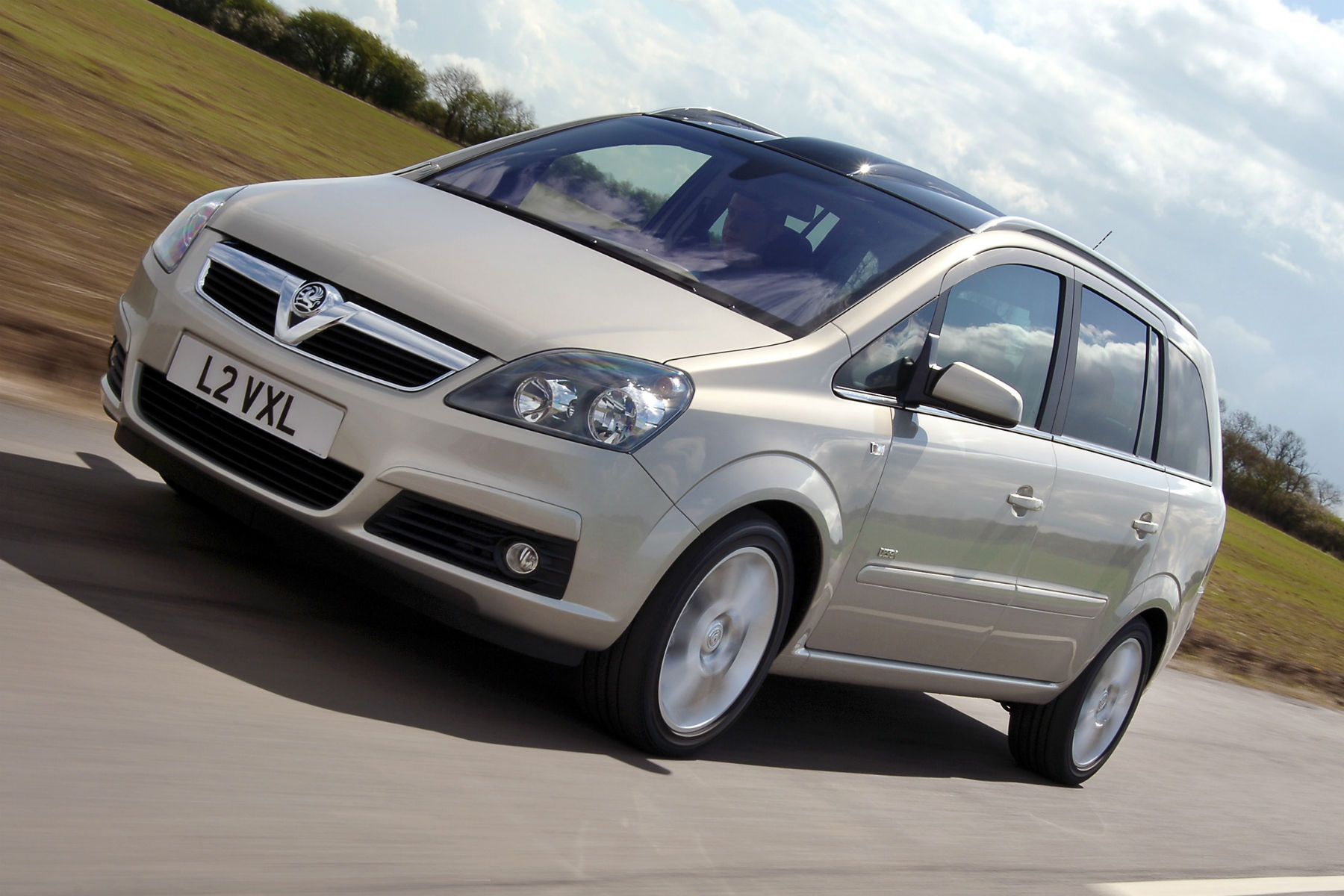
Vauxhall Zafira 1.6 CDTi

Amid the fire scandal, a Zafira’s emissions might be the last thing on an owner’s mind. Using the same engine as the Mokka, the newer Zafira Tourer showed suspicious results in hot-restart and thermal window tests.

Vauxhall Insignia 2.0 CDTi

The company car driver’s favourite thanks to its low emissions (on paper), has the Insignia been cheating tests? Transport and Environment thinks so.

Volvo V60 D3
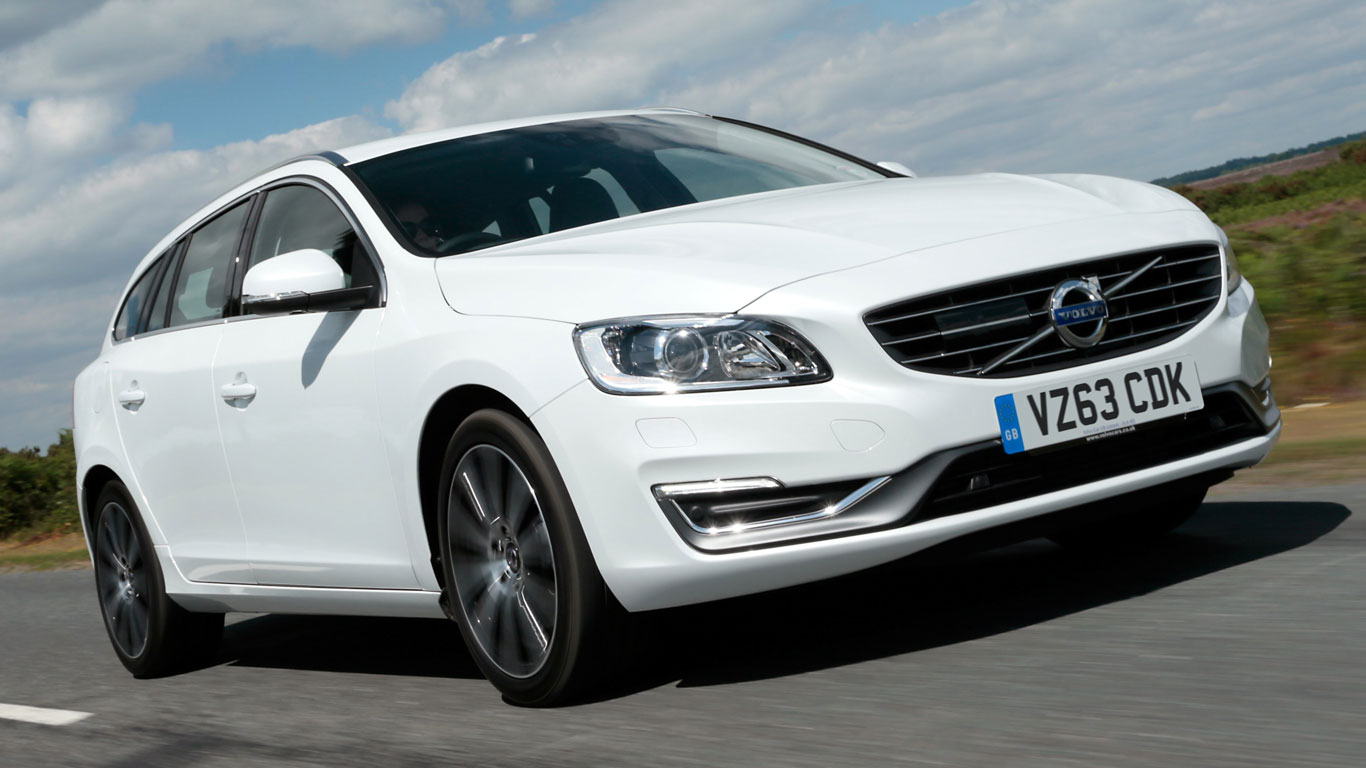
Volvo V60 D3

Completing the ‘dirty thirty’ is the Volvo V60 D3. The Swedish estate car, tested in Spain, cheats thermal window and hot-start tests, according to the organisation behind the research.
Advertisement

Top Gear’s Chris Harris will create ‘longer, geeky’ films for enthusiasts

0

Top Gear’s Chris Harris will create ‘longer, geeky’ films for enthusiasts

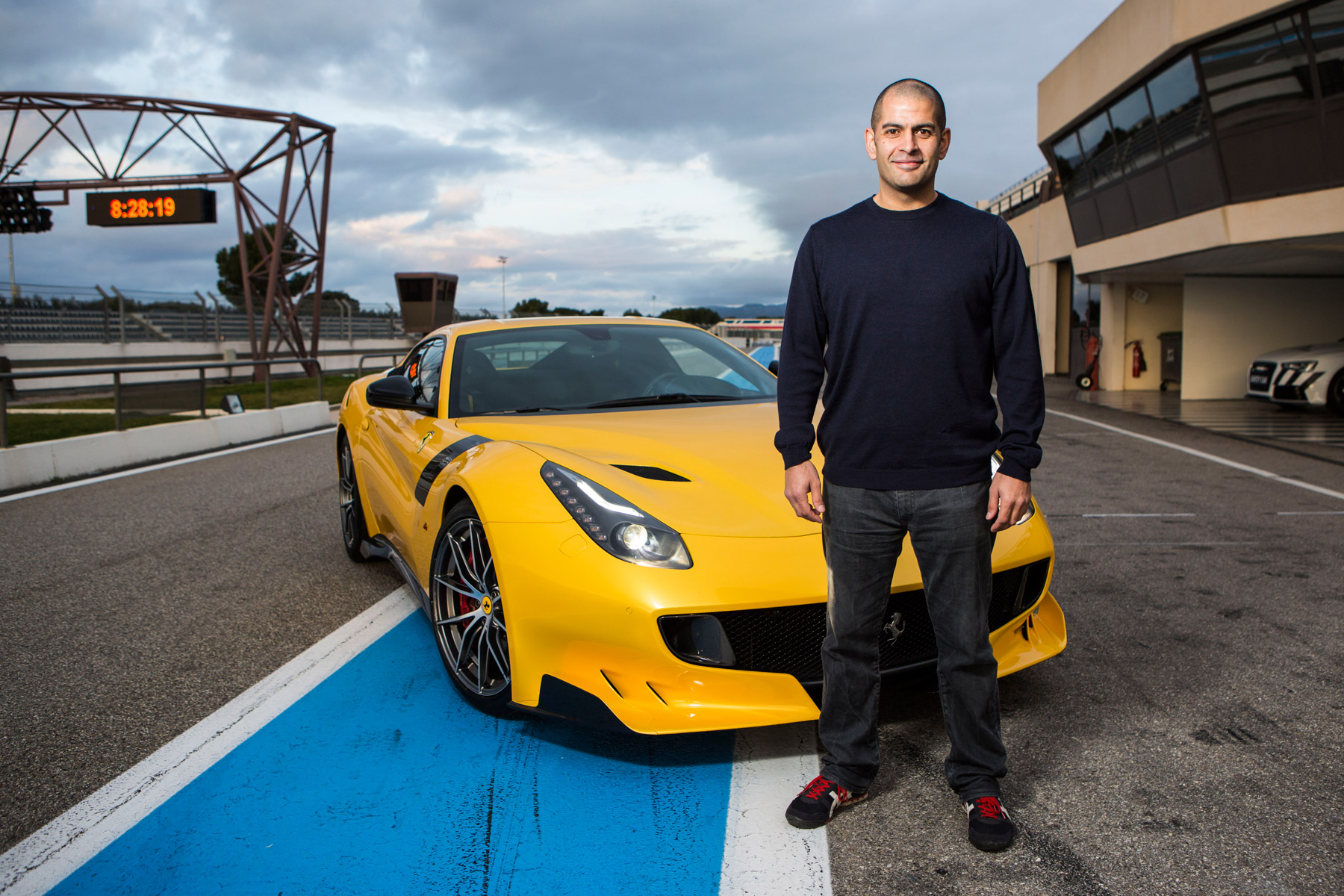
Following his successful debut on the new series of Top Gear, petrolhead Chris Harris has revealed he will be fronting a new series of films for TopGear.com.

Harris has become well known amongst car enthusiasts over the years for his lengthy Youtube videos – but members of the public were in for a surprise when he appeared in a Ferrari F12tdf on Sunday’s Top Gear.

More Top Gear on Motoring Research

Speaking to TopGear.com, Harris said: “Obviously I’m thrilled to be making beautiful films like the F12tdf piece for the Top Gear television show. But the longer-form, more detailed web films I’ve made with Neil Carey over the years remain my natural format, and broadcasting them through TG’s huge online audience is a dream come true.

“If you want to know even more technical details about cars, hear more in-depth analysis, I hope we’ll be the perfect destination. I want the films to be just as they were on Chris Harris on Cars. With added slow-motion slides.”

We’re yet to find out when the films will appear – or what cars they’ll feature – but a preview posted on the website shows Harris driving exotic hypercars including the McLaren P1, Porsche 918 and LaFerrari.

Harris added: “The Top Gear magazine and online team are the best out there. I can’t think of a more exciting recipe than applying myself and Neil’s skills in making engaging films for hardcore car enthusiasts, with their ability to actually be organised (never my strongest attribute) and push the content as far and wide as possible.

“But most of all I want to have fun. Having fun shooting cars makes much better films.”

Advertisement

This is how Top Gear’s Chris Harris was BANNED from driving Ferraris

0

This is how Top Gear’s Chris Harris was banned from driving Ferraris

Chris Harris made his Top Gear debut this evening behind the wheel of the ferocious Ferrari F12 TDF – but Harris hasn’t always had such a good relationship with the Prancing Horse.

In 2011, when Harris wrote a scathing blog post for Jalopnik entitled ‘How Ferrari Spins’, the boys at Maranello were more than a little miffed and knocked him off their list of ‘journos to lend cars to’.

In the article, Harris accused Ferrari of optimising test cars so they did well in magazine performance tests.

He said: “Sad to say it, but the ecstasy of driving a new Ferrari is now almost always eradicated by the pain of dealing with the organisation. Why am I bothering to tell you this? Because I’m p***ed with the whole thing now.

“It’s gotten out of control; to the point that it will soon be pointless believing anything you read about its cars through the usual channels, because the only way you get access is playing by its rules.”

More Top Gear on Motoring Research

He talked about the Ferrari 360 Modena press car, which was two seconds quicker to 100mph than a customer car he also tested – and a 430 Scuderia with ‘standard’ tyres that stuck themselves to the rollers during a dyno session.

“And this is the nub: how f***ing paranoid do you have to be to put even stickier rubber on a Scuderia?”, he added.

Despite building a reputation amongst enthusiasts for his YouTube videos, Ferrari banned Harris from driving its cars for a number of years.

In 2013, Harris did a review of the Ferrari 458 Spider, quipping “this car belongs to Ferrari, and I’m probably not supposed to be driving it, but I’m not going to dwell on that.”

The car, which was a Ferrari press car, was reportedly loaned to Jeremy Clarkson – who then allegedly lent it to Harris.

After several minutes of testing the 458’s oversteer abilities, Harris concluded that it was “an absurdly good car to drive.” The video got well over a million YouTube views.

Soon after, Ferrari called a truce with Chris Harris and started loaning him cars again.

ALSO READ

BMW M5 CS owned by Top Gear’s Chris Harris is for sale

Shock as Top Gear Challenge Cars exhibition closes

As seen on Top Gear: first restomod Tolman 205 GTI hits the road

Advertisement

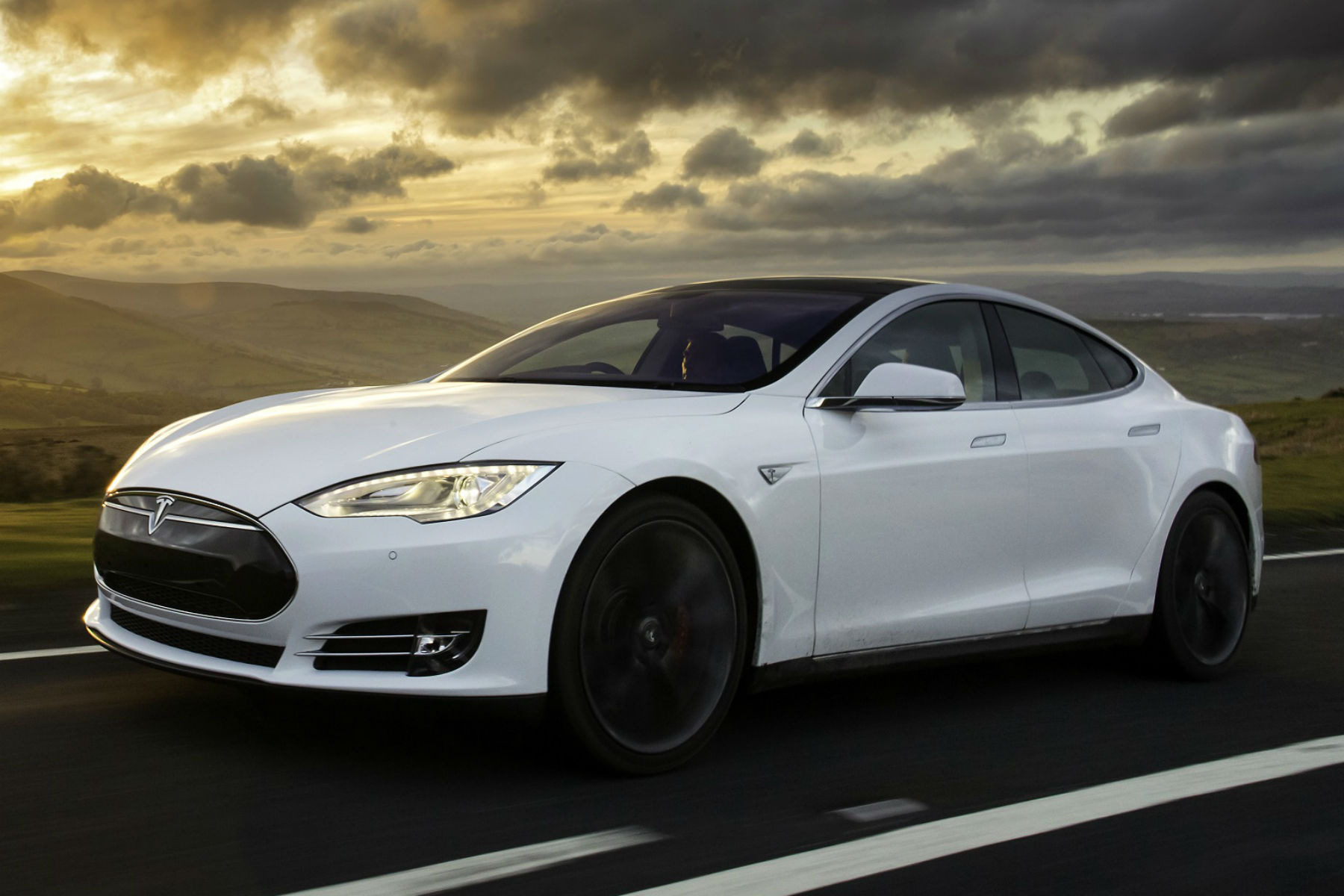
Tesla accused of banning owners from talking about faults with cars

0

Tesla accused of banning owners from talking about faults with their cars

American safety regulators are looking into claims Tesla has forced owners to sign non-disclosure agreements over Model S suspension issues in exchange for out-of-warranty repairs.

The US National Highway Traffic Safety Administration (NHTSA) is investigating reports of a defect causing Model S suspension control arms to break and the driver to lose control of the car.

One member of the Tesla Motors Club forum reported that Tesla offered to go halves on repair costs for suspension issues if they signed a ‘goodwill’ agreement.

The agreement said: “You agree to keep confidential our provision of the Goodwill, the terms of this agreement and the incidents or claims leading or related to our provision of the Goodwill. In accepting the Goodwill, you hereby release and discharge Tesla and related persons or entities from any and all claims or damages arising out of or in any way connected with any claims or incidents leading or related to our provision of the Goodwill.

“You further agree that you will not commence, participate or voluntarily aid in any action at law or in equity or any legal proceeding against Tesla or related persons or entities based upon facts related to the claims or incidents leading to or related to this Goodwill.”

A NHTSA spokesman said that the agency learned of a ‘troublesome’ non-disclosure agreement over a repair issue that could have serious safety implications.

In a statement, the NHTSA said: “The agency immediately informed Tesla that any language implying that consumers should not contact the agency regarding safety concerns is unacceptable, and NHTSA expects Tesla to eliminate any such language.”

Tesla representatives have reportedly told the agency that it was not the company’s intention to dissuade owners from contacting NHTSA.

Motoring Research has contacted Tesla Motors UK to find out if any models in Europe have been affected – and whether owners have been asked to sign non-disclosure agreements similar to those used in the US.

ALSO READ

Audi RS7 Performance (2017) road test review

Toyota threatens legal action over misuse of logo in Vote Leave campaign

The 5 best new car optional extras revealed

Advertisement

The 5 best new car optional extras revealed

0

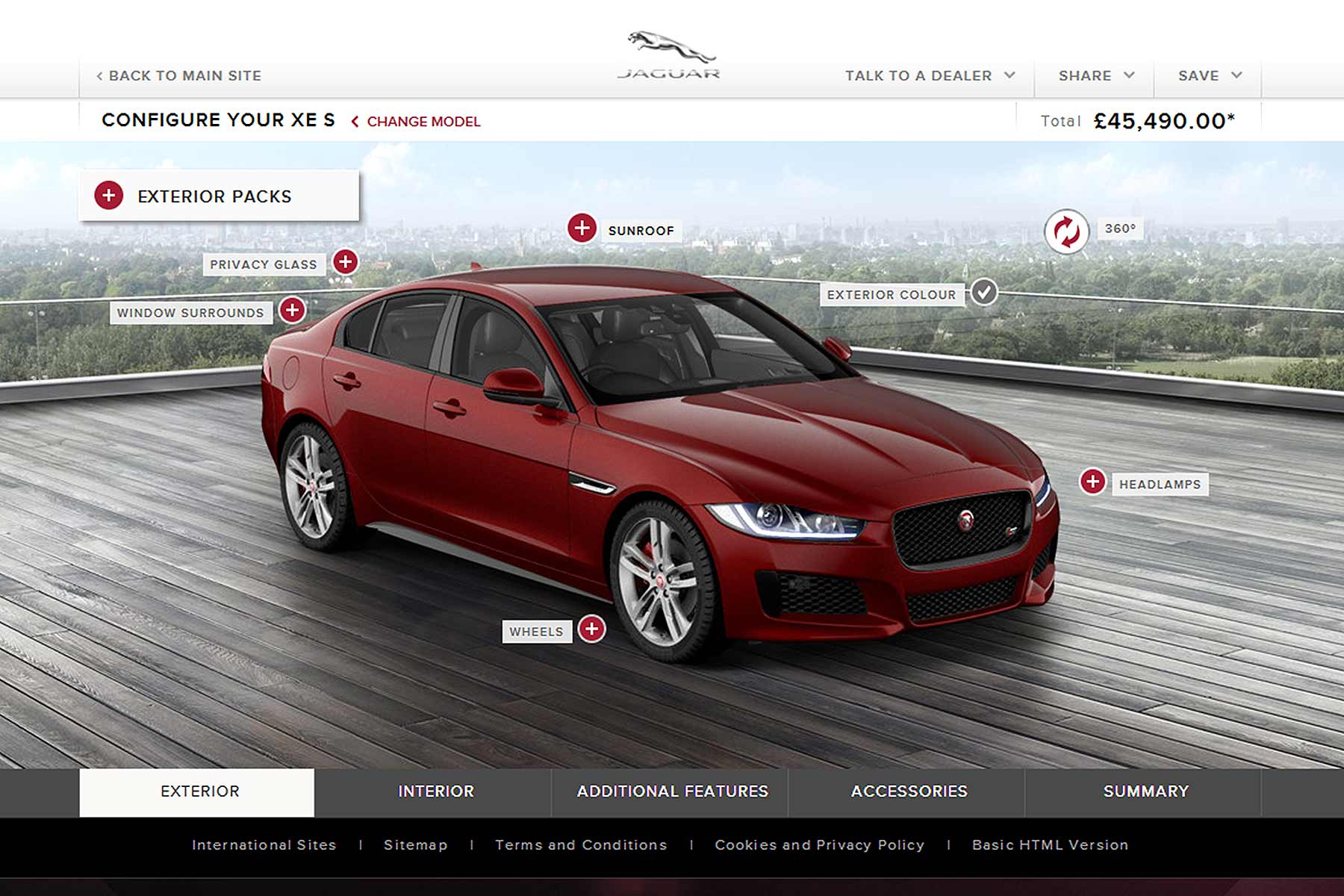
Jaguar XE Configurator

Most new car options are not worth anything to secondhand buyers, meaning you won’t get a penny back from your up-front spend on the used car market.

There are, however, a couple of options that are worth having, says used car expert Rupert Pontin. He’s thus revealed his five must-haves if you don’t want to lose all your option outlay when you sell your car.

“Apart from these five, almost nothing that can be added to a vehicle has any real value,” he said.

“Even some options that are very expensive, such as advanced safety features and upgraded audio systems, offer little or nothing.” 

His advice if you’re thinking about adding options to your new car? “Unless you really want them, don’t waste your money.”

The five optional extras worth having

1: Sat nav

Rapidly being seen as almost an essential feature on any premium car, says Pontin, and increasingly for vehicles below. If your luxury car has a basic system as standard, the optional upgraded sat-nav with bigger screen and better mapping will add value.

2: Bigger alloy wheels

Wheels have the biggest visual impact on a car after colour, says Pontin. Bigger wheels improve the forecourt appeal of every vehicle.

3: Panoramic roof

A definite plus point, reckons Pontin: it both looks more appealing and adds extra light into the cabin that boosts everyday driving.

4: Bluetooth / car integration

Systems such as Apple CarPlay and Android Auto are essential for younger buyers who consider controlling their smartphone while on the move a deal maker (or breaker). “The better the phone integration, the faster the sale.”

5: Air conditioning / climate control

Very few cars are sold without air con these days, says Pontin: it’s very difficult to sell cars without it. “At the upper end of the market, having climate control rather than bog-standard air con is important.”

ALSO READ

The top 20 features British car buyers really want

The car aerial is now 5G-ready

Two-year warranty offer for all Skoda Approved Used cars

Advertisement

This is why you should leave your car after a breakdown

0

This is why you should leave your car after a breakdown

If you’ve broken down it’s tempting to stay in your vehicle and wait for recovery to help. After all, it’s warm and comfortable in there – why would you want to stand on the roadside, particularly in bad weather?

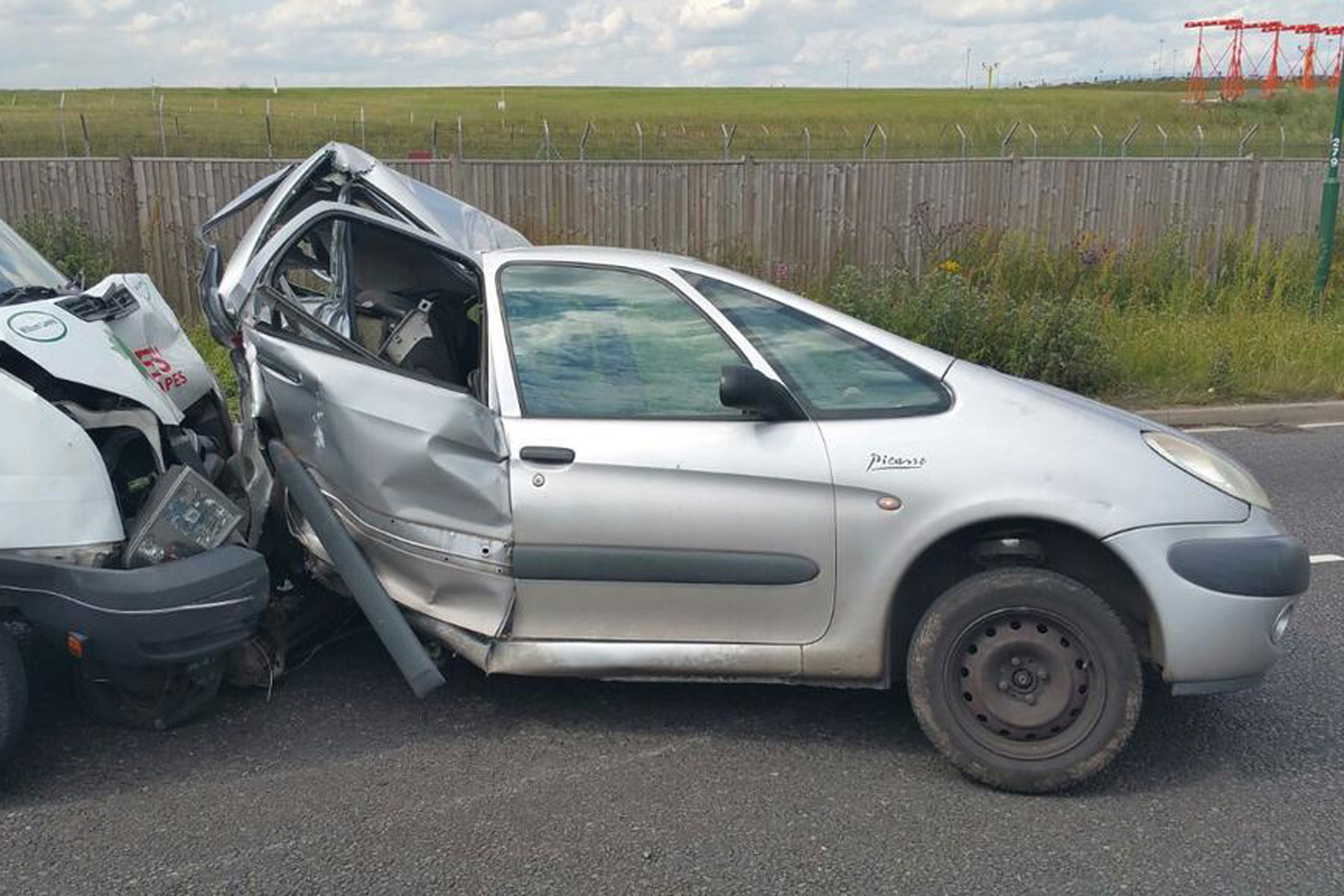
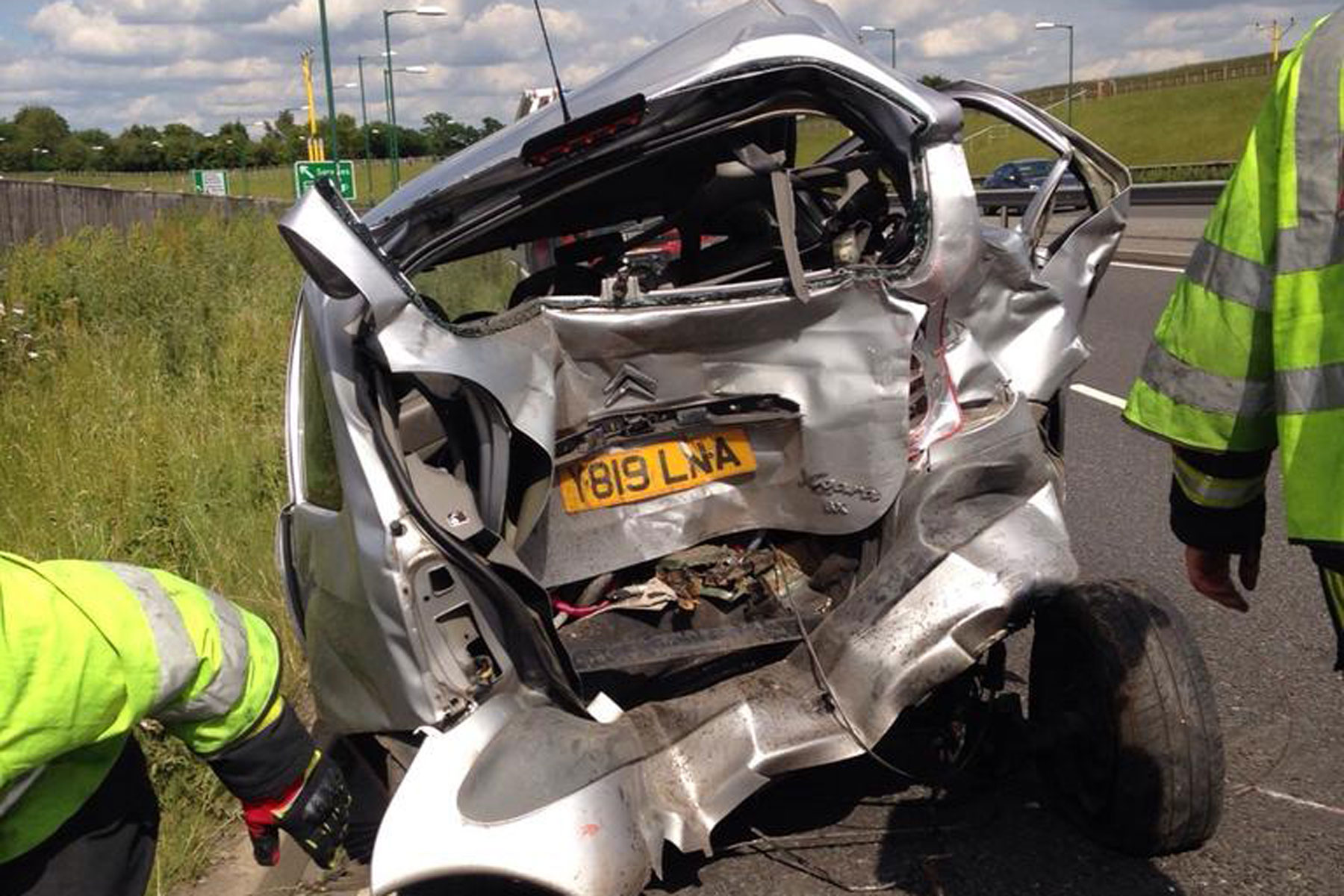
Well, you may think again after seeing these pictures. This Citroen Xsara Picasso had broken down on the A45 dual carriageway in Solihull yesterday leaving its passengers stranded.

This is why you should leave your car after a breakdown

Fortunately, they had left the vehicle when a Ford Transit carrying logs slammed into the back of it, causing substantial damage.

The 20-year-old van driver was taken to hospital with minor injuries. We bet the passengers in the Picasso won’t consider staying in their car next time they breakdown.

Advertisement

‘i-sapping’ car breakdown risk for unwary motorists

0

'i-sapping' car breakdown risk for unwary motorists

Motorists charging sat navs, smartphones and iPods from their car’s 12v socket are at increased risk of battery-related breakdowns, warns Kwik-Fit.

The automotive repair firm has dubbed the problem ‘i-sapping’.

More than three in five drivers are charging devices in their car using the 12v socket, with nearly four in 10 charging sat navs and over a third topping up their smartphones.

However, because batteries have to work so much harder in the winter, this extra drain is putting motorists at risk of breakdowns and non-starting issues.

The fact more than half of drivers do not get their batteries checked during winter is not helping, says the firm.

Communications director Roger Griggs said: “Many motorists don’t realise the effect devices plugged into their cars can have on a battery.

“Sat navs, tablets and other gadgets that are designed to make our lives more comfortable can actually have the opposite effect, by cutting short the life of even a new battery and leaving us stuck with a car that won’t start.

“At Kwik Fit, we often see an increase in vehicles coming in with battery issues when the temperatures drop, normally to the surprise of the customer.”

The firm advises anyone with a battery more than five years old to get it checked – that’s “a usual turning point in a battery’s life”.

Advertisement

Opinion: we need more motorway cameras

0

Opinion: we need more motorway cameras

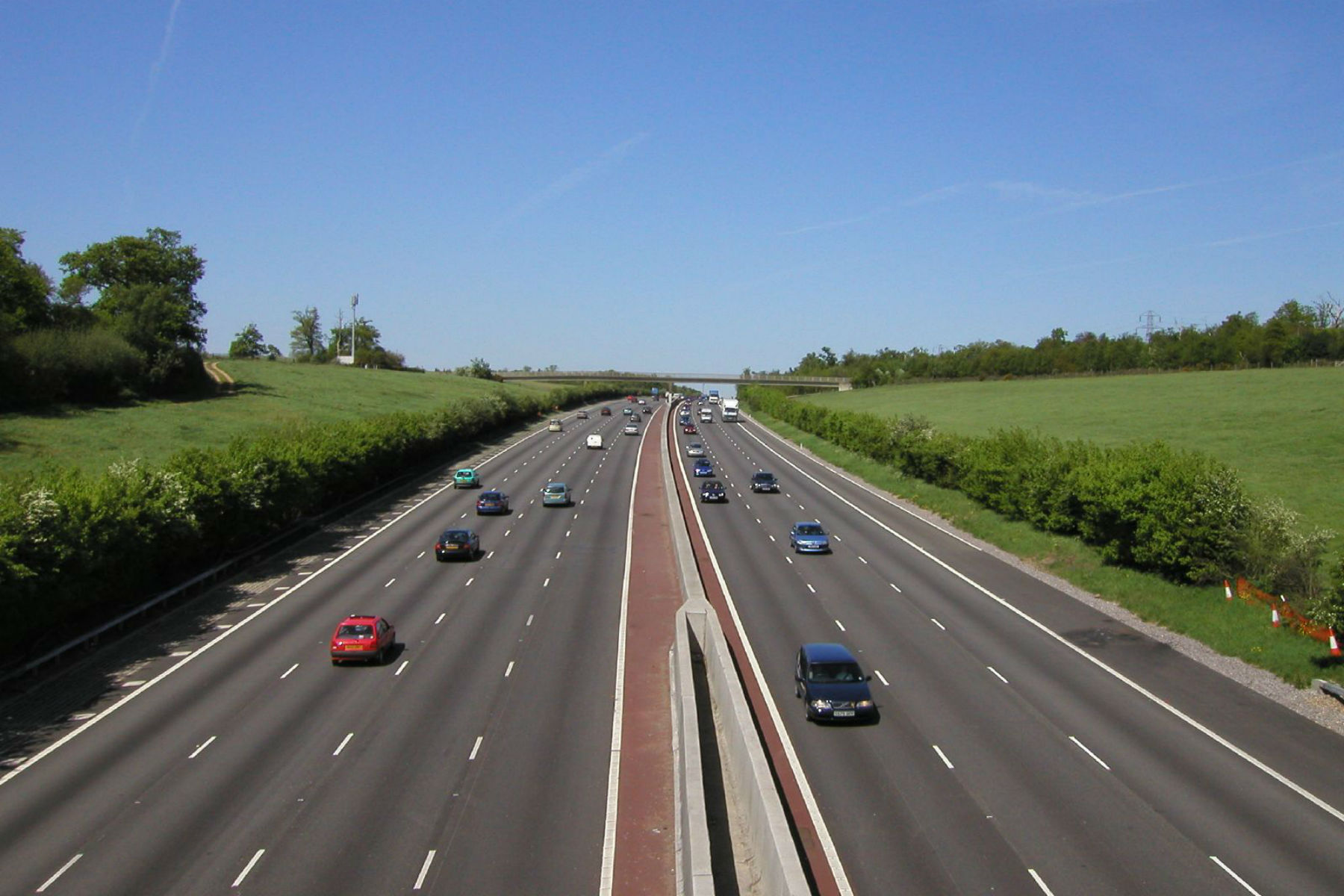
This morning we revealed that there are 27% fewer dedicated traffic police on our roads compared to just five years ago. That’s a worrying stat. Especially if you drive around the M25 regularly.

You see, while there are cameras everywhere along the M25, ready for sniping that person who strays up to 60mph when the 50mph signs are displaying on the gantries, there is so much poor driving that the police aren’t there to see.

It’s interesting to look at the police areas in which the M25 passes, and how traffic officer numbers have fluctuated over the years.

As of 31 March 2015, Kent has 94 traffic officers (a drop of 44 compared to 2010), Surrey has 94 (down by 6), Thames Valley 204 (down by 24), Hertfordshire 91 (down by 48) and Essex 148 (down by 109 compared to 2010, but up by 72 compared to 2014).

The general theme is that you’re considerably less likely to see a liveried 3 Series patrolling London’s orbital motorway than just five years ago.

So what’s the solution? More traffic cops, obviously. But as cuts mean that’s unlikely to happen in the near future, I have another idea. Why not turn all those average speed cameras into lane-hogging cameras?

Lane-hogging is a huge issue on the M25. It probably accounts for something like 154% of congestion (figure might not be entirely accurate). Traffic officers are now able to dish out on-the-spot fines for those showing poor lane discipline, but they’re not there to do so.

So, how difficult could it be to use those cameras to catch lane-hoggers? As I was sat in traffic on the M25, I was giving this thought. Simply, they could read number plates of cars passing through in each lane, and any vehicle that repeatedly passes under cameras in the same lane could be flagged up.

Obviously it can’t be that simple. What about if there’s heavy traffic, where it just isn’t possible or practical to move between lanes? This is 2016… it can’t be that difficult for cameras to cleverly work out whether the inside lanes are clear enough for cars to move over.

Alternatively, they could just be used to snipe motorists continually passing under middle lane cameras at speeds above 60mph – in which case the motorway should be clear enough to move over occasionally.

Sure, some people won’t support the idea of more cameras. But anything that stops middle-lane morons clogging up the M25 is fine with me. What do you think?

Advertisement

Vauxhall issues SECOND recall over Zafira fire risk

0

Vauxhall issues SECOND recall over Zafira fire risk

Vauxhall is writing to more than 230,000 Zafira ‘B’ owners inviting them to have ‘preventative action’ carried out in a bid to prevent any more cars going up in flames.

Last year, the firm revealed that Zafira models built between 2005 and 2014 and fitted with air-con could be affected by an issue that causes a thermal fuse in the blower motor resistor to start a fire.

Vauxhall continues to blame this issue on ‘improper repairs’ of the heating system – and Motoring Research suspects this could be caused by cheap parts bought on internet auction site eBay.

Since then, Vauxhall has been recalling vehicles to ‘return them to their original condition’, by replacing resistors in every Zafira B affected, as well as the blower motor and pollen filter when required.

But now, following guidance from the Driver and Vehicle Standards Agency (DVSA), Vauxhall has ‘decided to go one step further’ and issue a further recall.

In a statement, the manufacturer said: “While the current action achieves the objective of returning vehicles to their original condition, after extensive investigations we have decided to go further and improve the overall robustness of the system.

“We will therefore be initiating a second recall to replace the current soldered fuse resistor with a wax fuse resistor so reducing the opportunity for manipulation. When the recalls are complete, all vehicles will have a new wax fuse resistor, a new blower motor and a new moulding at the base of the windscreen to address water ingress.”

The work will be carried out free of charge, and Vauxhall will be writing to owners on a staggered basis starting from August.

Not all customers have welcomed the news, however. One owner, Jemma Louise, posted in the Facebook group that originally brought the issue to light, saying: “Customers are ‘top priority’? Well I’ve certainly not been dealt with as ‘top priority’ – I’ve had to book my car in for the initial first recall FOUR TIMES now because they keep messing with my appointment. [I’m] FURIOUS they are risking me, my young daughter and childminding children for six months.

“I will never buy a Vauxhall again.”

ALSO READ

Volkswagen to buy back half a million dieselgate cars

The Grand Tour: new ‘Top Gear’ car show named

Nissan confirms talks to buy into Mitsubishi

Advertisement

Indian cars achieve ZERO stars in latest Global NCAP crash tests

0

Indian cars achieve ZERO stars in latest Global NCAP crash tests

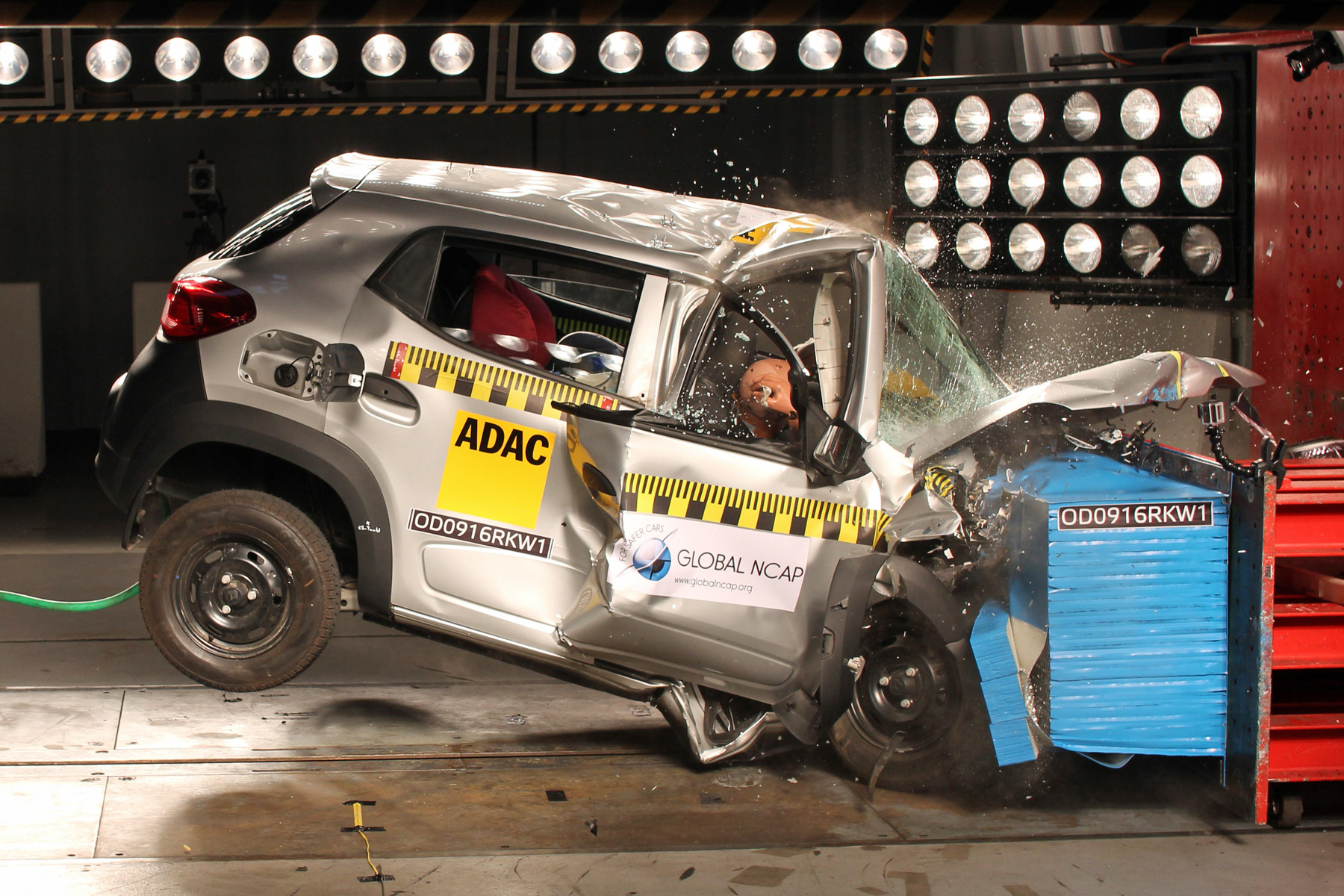
The latest five cars to be crash tested by Global NCAP in Delhi have scored zero stars across the board.

The Renault Kwid, Maruti Suzuki Celerio, Maruti Suzuki Eeco, Mahindra Scorpio and Hyundai Eon all showed dangerously low levels of adult occupant protection, according to Global NCAP.

Three versions of the Renault Kwid were tested – including one with airbags – but each received a zero-star rating for adult safety.

Secretary general of Global NCAP, David Ward, said: “The latest results show how important it is for cars to have a body shell that can remain stable in a crash. This is an absolutely crucial pre-requisite for occupant safety together with fitment at least of front air bags.

“It is very surprising that a manufacturer like Renault introduced the Kwid initially lacking this essential feature. Global NCAP strongly believes that no manufacturer anywhere in the world should be developing new models that are so clearly sub-standard. Car makers must ensure that their new models pass the UN’s minimum crash test regulations, and support use of an airbag.

“We welcome Renault’s efforts to correct this and we look forward to testing another improved version with airbags. Renault has a strong record of achievement in safety in Europe and it should offer the same commitment to its customers in India.”

Previously, Global NCAP has written to General Motors chairman and CEO Mary Barra pleading for the firm to fix ‘life-threatening’ safety issues in Latin America.

ALSO READ

310hp Volkswagen Golf GTI Clubsport S is new king of Nurburgring

Mitsubishi fuel economy test scandal – Q&A

Mitsubishi fuel economy tests have been incorrect since 1991 – report

Advertisement