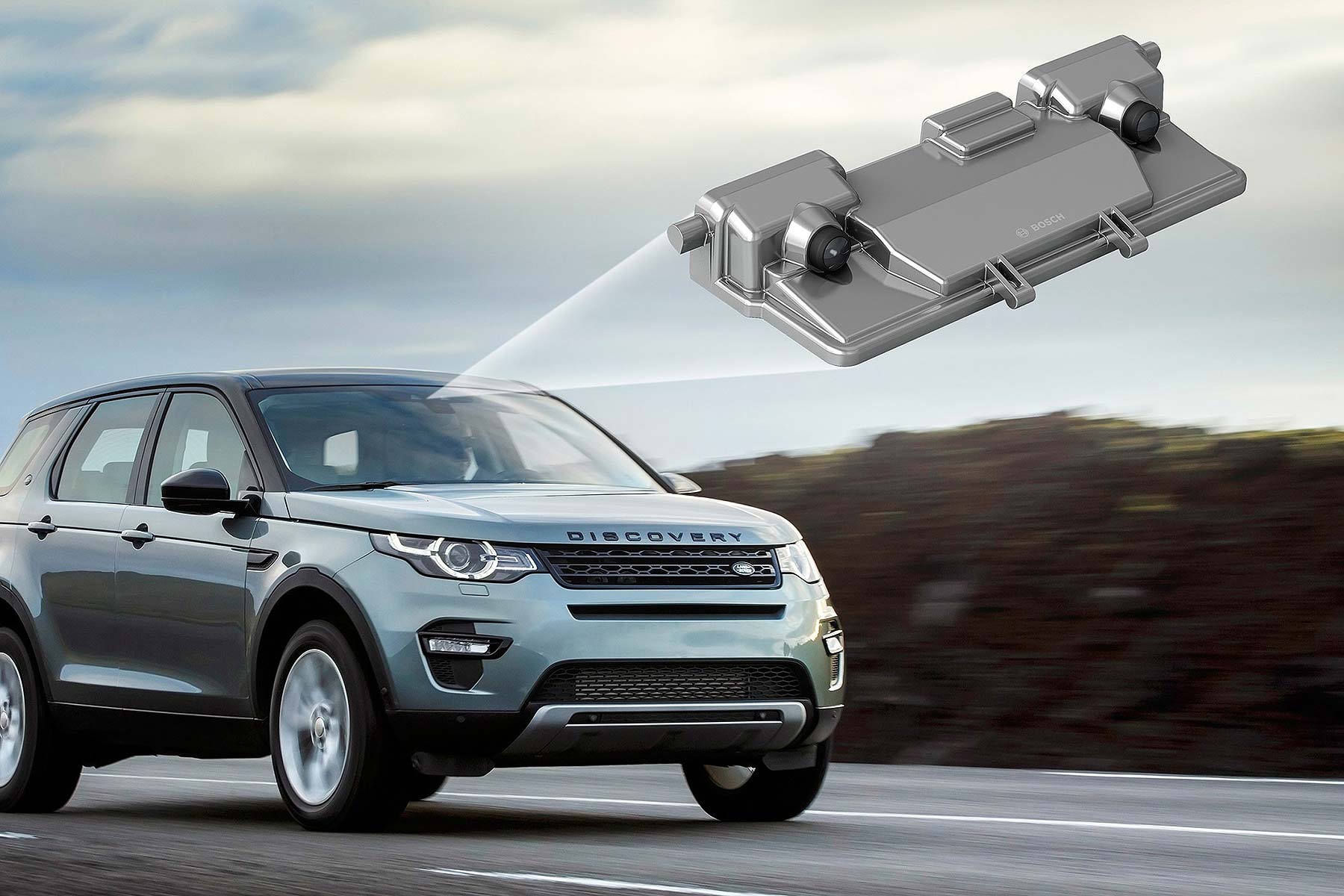
Cars fitted with ADAS Advanced Driver Assistance Systems rely on cameras mounted onto the windscreen – and if you need to replace your screen, you also need to have these safety systems recalibrated or they won’t work correctly, says vehicle safety expert Thatcham.
That’s why it has led a new working group called the ADAS Repair Group, which has just published a new code of practice for those fitting replacement safety windscreens.
More advice on Motoring Research
The guide helps technicians identify the various ADAS systems that may be fitted, show how to remove them from the old screen and fit them to the new one, and offer full guidance on how to recalibrate them.
This, says Thatcham, is a crucial safety measure: as they become more commonplace, customers are becoming increasingly reliant on them – any miscalibration can adversely affect performance and safety.
The guide also includes notes on how to explain this to customers so they have full confidence in a car with a new windscreen. Replacing the windscreen on a car with ADAS? Expect to have all this explained to you by the person doing the job.
Euro NCAP research shows ADAS systems such as autonomous emergency braking (AEB) have helped reduce real-world rear-end collisions by 38%. Currently fitted to 6% of vehicles on the road, ADAS may feature in 40% of cars by 2020.
Hence the need to make sure the safety process for fitting new windscreens is robust; cracked screens are an inevitability and it is vital to ensure ultra-safe modern cars don’t become less safe because their advanced safety systems are compromised…
Tesla will launch a truck, a bus, a “beautiful” solar roof battery storage product, autonomous vehicles that are 10 times safer than normal cars and an app that will let you share your Tesla with others (and get paid for it).
The plans are detailed in Tesla founder Elon Musk’s second ‘master plan’, which he rolled out overnight to focus the company’s next decade.
More car news on Motoring Research
It’s part of his ambition to accelerate the viability of sustainable energy “so that we can imagine far into the future and life is still good.
“It’s not some silly, hippy thing – it matters for everyone.” Because if we don’t achieve a sustainable energy economy, “we will run out of fossil fuels to burn and civilisation will collapse.”
Musk therefore has four far-reaching goals over and above the volume development of Tesla’s passenger cars (the mainstream Model 3 is still due in 2018).
On sustainability, Musk wants to develop a solar roof product that’s linked in with a battery storage system that will turn everyone into their own utility company. It will be simple to order, simple to install, have a simple utility contract and be linked to a simple smartphone app: a fully integrated energy generation and storage solution.
That is why, says Musk, Tesla has been joined up to one of his other companies, SolarCity.
But Musk also has big plans for Tesla motors.
More Tesla models
Tesla wants to make more vehicles. Musk reckons he has the passenger car segment covered – “a lower cost vehicle than the Model 3 is unlikely to be necessary” – and will broaden the lower end of the range with a better, smarter Tesla bus.
A Tesla bus would be smaller, smarter, comfier and autonomous: it would match acceleration and braking to other vehicles. It would take wheelchairs, strollers and bikes. There would be no centre aisle. It would take people all the way to their destination.
A big Tesla semi-trailer truck, promises Musk, would be cheaper to use, safer and “really fun to operate”. Both will be unveiled in 2017 (they’re under development now, confirmed Musk).
Autonomy
The controversial Tesla Autopilot function is being deployed now despite some arguing it’s not ready and thus not safe. Musk says Tesla is doing it now because “when used correctly, it is already significantly safer than a person driving by themselves.”
Boldly, he claims it would be “morally reprehensible to delay release simply for fear of bad press or some mercantile calculation of legal liability.”
At the moment, Tesla Autopilot is officially in the beta stage. As part of Musk’s master plan, that beta tag will one day be removed – that will be when it is “approximately 10 times safer than the US vehicle average”.
So there you go: Tesla wants to make cars 10 times safer than normal cars, and fully roll them out in the next 10 years.
Sharing
Musk wants to “enable your car to make money for you when you aren’t using it”. This will be dependent on true self-driving being approved by regulators: then, Tesla will let you add your car to a Tesla shared fleet via the smartphone app and have it make money for you.
“Since most cars are only in use by their owner for 5% to 10% of the day, the fundamental economic utility of a true self-driving car is likely to be several times that of a car which is not.”
What’s more, Tesla will also take on cab operators and Uber: where there’s lots of demand for self-driving taxis, “Tesla will operate its own fleet enduring you can always hail a ride from us no matter where you are”.
Musk revealed his new master plan as part of a fascinating blog post on the company’s website (which is now under tesla.com rather than teslamotors.com…). The scope and ambition of it is enormous. Read it in full and let us know what else you think Musk may be planning to do…
Tesla Master Plan part 1
Musk reminded us of his first master plan, devised a decade ago. He said it “wasn’t all that complicated” and consisted of:
Create a low volume car, which would necessarily be expensive
Use that money to develop a medium volume car at a lower price
Use that money to create an affordable, high volume car
Provide solar power
The last point he stressed: “no kidding, this has literally been on our website for 10 years”.
Explaining the first master plan, he said he started off with point 1 because “it was all I could afford to do with what I made from Paypal”. He admitted he thought the chances of success were low, hence starting with his cash rather than someone else’s.
“Starting a car company is idiotic and an electric car company is idiocy squared.”
From Christmas baubles to polo saddles, carmakers will do anything to lighten your wallet. Check out our handpicked range of exclusive items you can buy if you want to show the world what fine taste you have. Here are some of the weird and wonderful things can brands also make.
Toyota Energy Observer
A fresh update to this list comes with Toyota’s sponsorship entanglement with the Energy Observer hydrogen research vessel. A curiously amusing means to a noble end. Toyota is known for its endeavours in alternative energies with the Toyboata being the latest.
Lamborghini Tauri 88 Smartphone
At around £4,000, the Lamborghini Tauri 88 smartphone it’s a bit pricey, but it does have a 5-inch HD touchscreen, more memory than most laptops and a 20-megapixel camera. You can choose from four colours, too, but only 1,947 will be made. So you’ll have to act fast.
Bristol Cars merchandise
Carmakers like to cash in on their brand’s heritage by making weird and wacky items designed to appeal to the discerning enthusiast. Take British luxury car manufacturer Bristol, which launched a range of luxury merchandise. You’ll be able to buy branded clothing, scale models and even leather bags and wallets designed by Paul Smith.
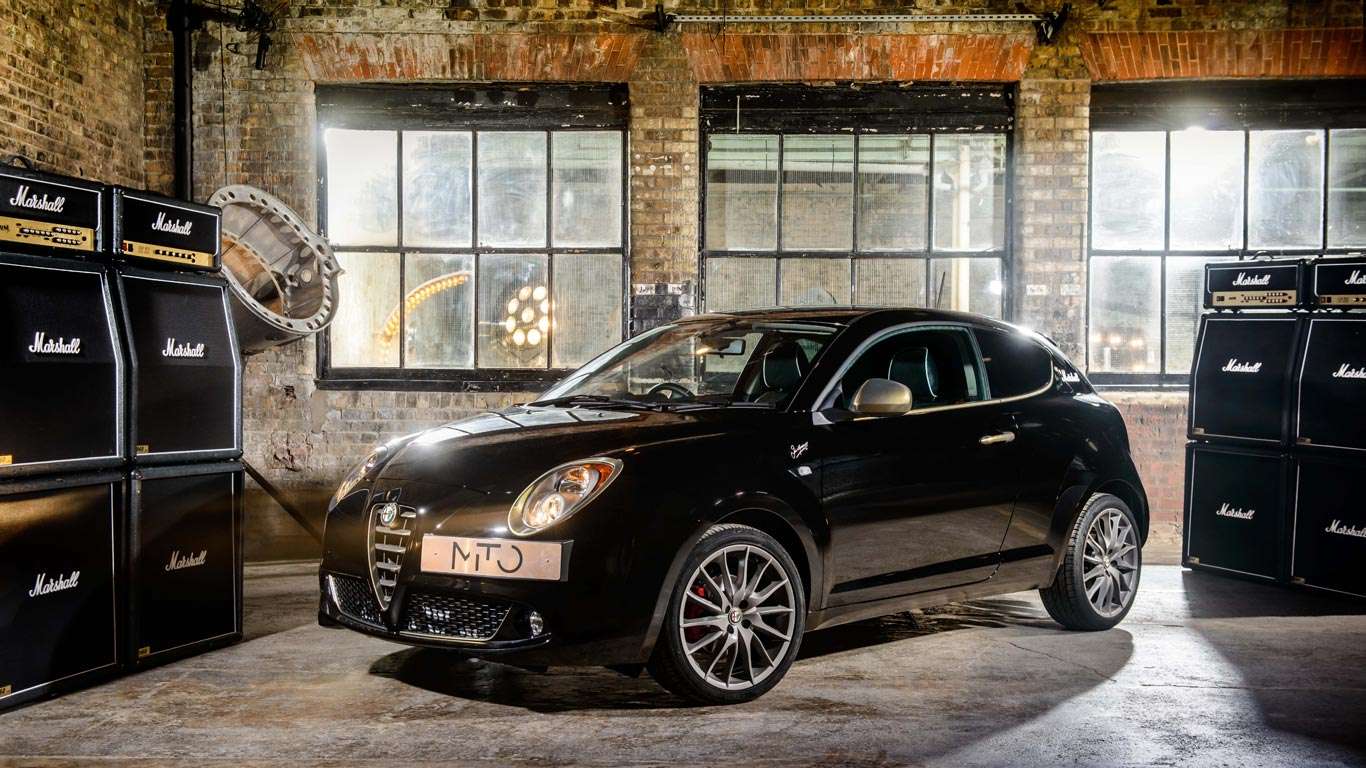
Alfa MiTo by Marshall concept car
Carmakers will do anything to breathe new life into a car nearing the end of its product lifecycle – and Alfa Romeo turned the MiTo into a four-wheeled amplifier. It’s called the Alfa MiTo by Marshall concept car and it “draws inspiration from the look and feel of Marshall’s iconic amplifier equipment”, featuring a 50w amp head and two 12-inch 75w speakers in the boot. It’s even powered by its own battery system.
Maserati and La Martina luxury polo saddle
We’re tempted to ask the horse, why the long face? It’s clearly not impressed with the one-off La Martina and Maserati polo saddle on its back. In a statement, the horse, which received only a couple of sugar lumps and a polo mint for its troubles, said, “Happy 100th birthday, Maserati, but I still can’t forgive you for putting a diesel engine in the Ghibli”.
Maserati aluminium dice
Now we don’t know about you, but after a hard day in the office, we like nothing more than getting dressed up and heading to our local multi-storey car park. Whilst some may be tempted to take advantage of the empty car park in their expensive Italian four-door saloon, we like to chuck dice about for a few hours. Maserati aluminium ones, obviously. The fun never stops.
Lamborghini ceramic baubles
These aren’t just Christmas baubles… These are Lamborghini ceramic Christmas baubles, finished in a special orange glaze and available as a set of three. Proof that you can take the bull out of the Lamborghini logo…
Peugeot pepper mill
The Peugeot brand dates back to 1810, when it made its first tool: a saw blade, using high quality laminated steel. The brand also developed a reputation for delivering the very best salt and pepper mills, something it continues to this very day. Peugeot estimates that it has made tens of millions of mills for grinding salt, pepper and coffee, which includes over 900 different variants. Next time you’re in a restaurant, turn the salt and pepper mills upside down to see if they’re Peugeot-branded.
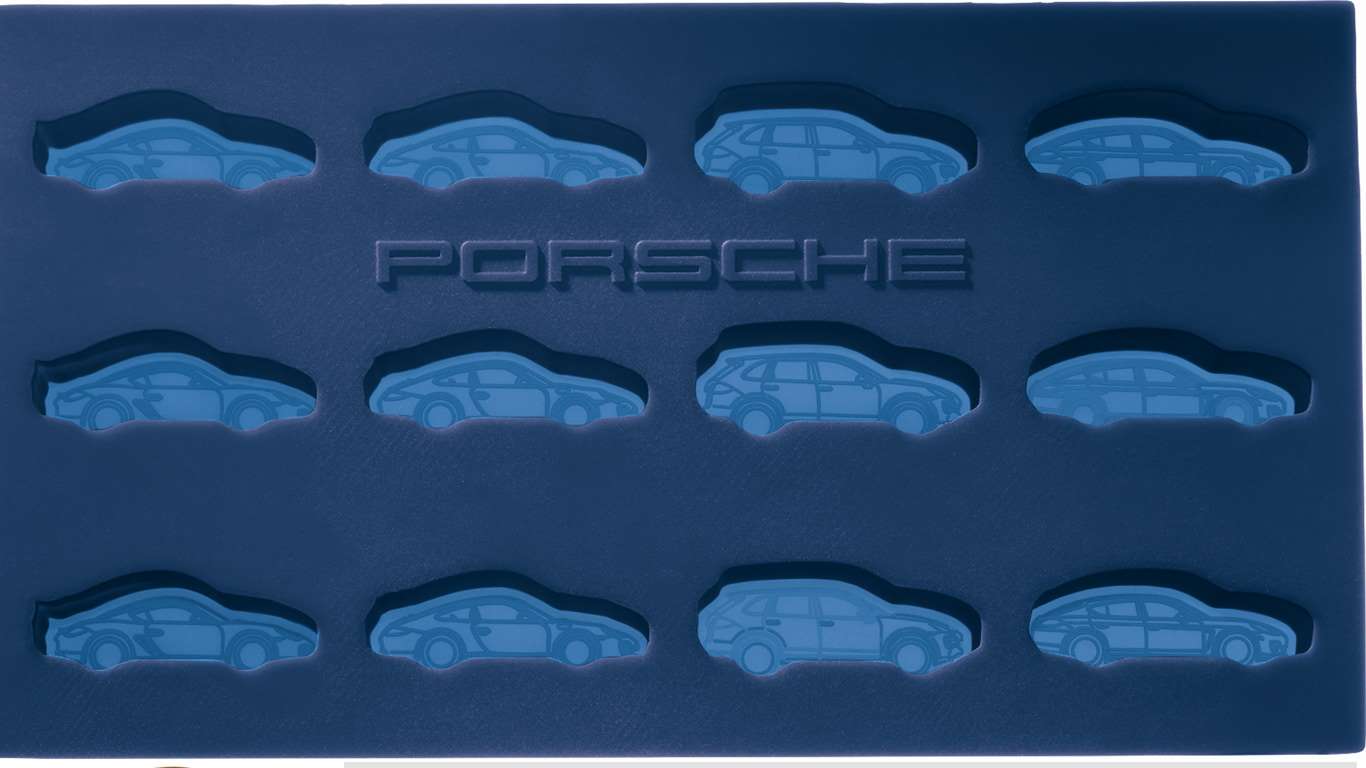
Porsche ice cube tray
It’s impossible not to love this Porsche ice cube tray. We’re tempted to say it’s the coolest piece of car-branded nonsense we’ve ever seen…
Ferrari golf collection
The Ferrari Golf Collection could be the name given to Ian Poulter’s own private collection of Ferrari cars. But no, the Ferrari Golf Collection is a range of official licensed products, from clubs, to footwear and from clothing to accessories. You can even buy a Ferrari-branded driver with improved aerodynamics and a reduced drag coefficient.
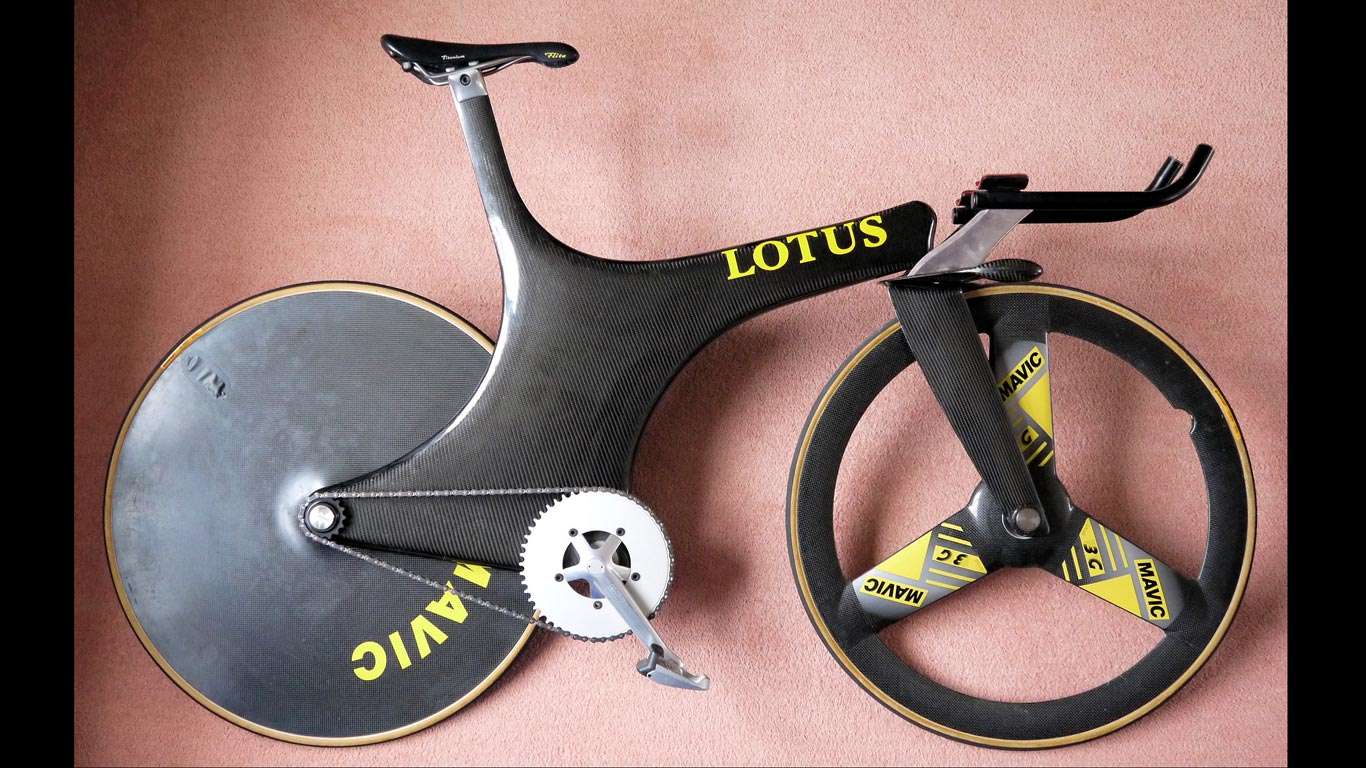
Lotus 108 bicycle
The Lotus Type 108 bicycle could never fall into the nonsense category. In fact, the Lotus 108 was a trailblazer – the bike that helped Chris Boardman achieve greatness and lay the foundations for years of British cycling success. And to this day, it’s arguably the best looking bicycle ever created.
Bentley Home Collection
The press release for Bentley’s Home Collection at the Salone Internazionale del Mobile di Milano includes terms such as “rigorous aesthetic sensibility”, “sophisticated velvets”, “pastel nuances” and “exquisite taste”. Which all sounds rather lovely. Yes. It is basically a range of Bentley furniture.
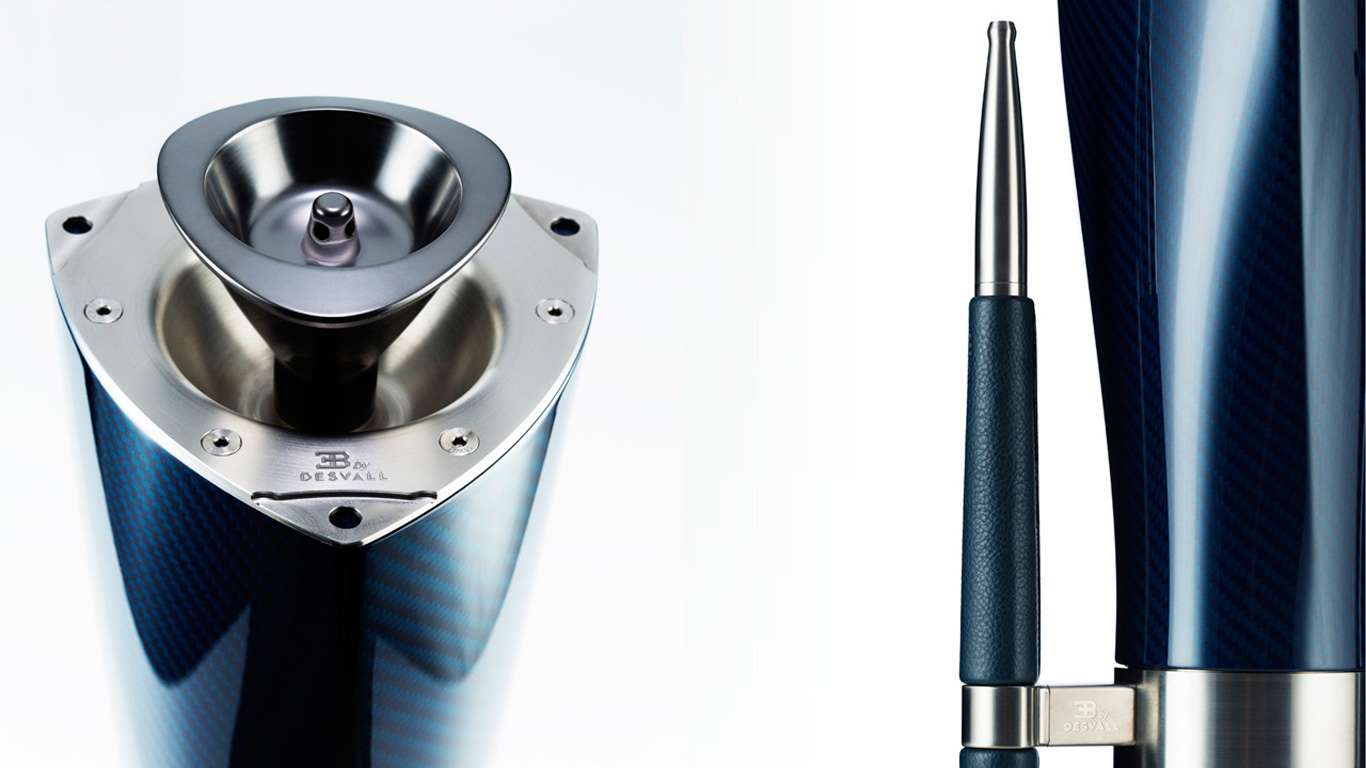
Bugatti hookah
Well if you were going to drop another million pounds on yet another “final edition” Bugatti Veyron, you were probably smoking something. Allegedly. Which may go some way to explaining the $100,000 (£76,000) Bugatti by Desvali luxury shisha pipe. Personally, we’d rather spend the money on a Porsche 911 Carrera and use the leftover cash for a second set of tyres. Smoking!
Porsche bobsleigh
And speaking of Porsche, how about this – a Porsche bobsleigh. Apparently its designed for children. Which can be used as justification for buying one next Christmas.
Jeep strollers
Carmakers will often speak about customer lifetime value. In short, a 20-year-old has the potential to buy more cars in their lifetime than a 70-year-old. But surely the Jeep stroller is taking things too far? What next, Audi-branded four-wheel drive cots? Quick, get the head of product planning on the phone – untapped niche alert.
Peugeot Design Lab piano
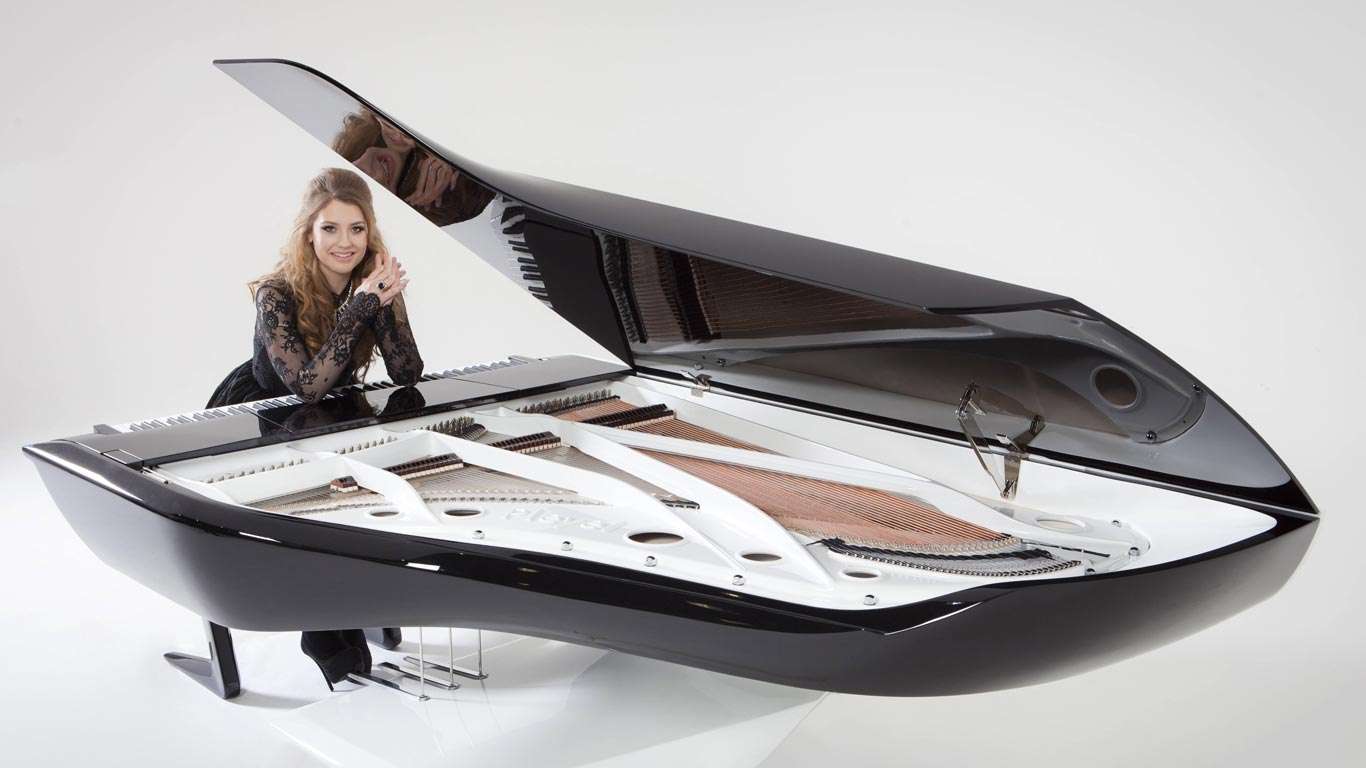
If we were to review this Peugeot and Pleyel piano, we’d probably complain about the pedal arrangement, the lack of seat support and the limited amount of boot space. On the plus side, the soundtrack is pretty spectacular.
Audi R18 Ultra Chair
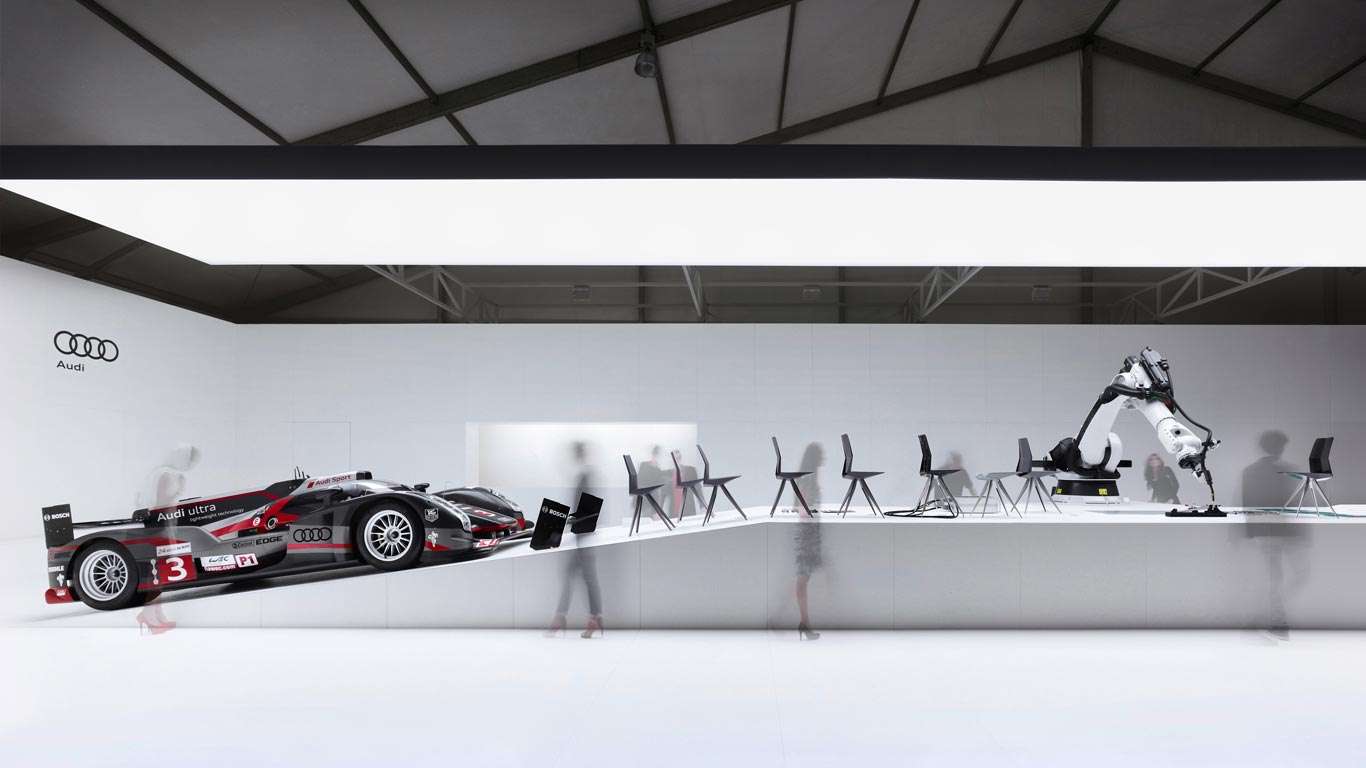
This is the Audi R18 Ultra Chair. For best results at dinner parties, position it really close the person sat next to you and shine a torch into their eyes until they move aside. Works every time.
Bentley aftershave
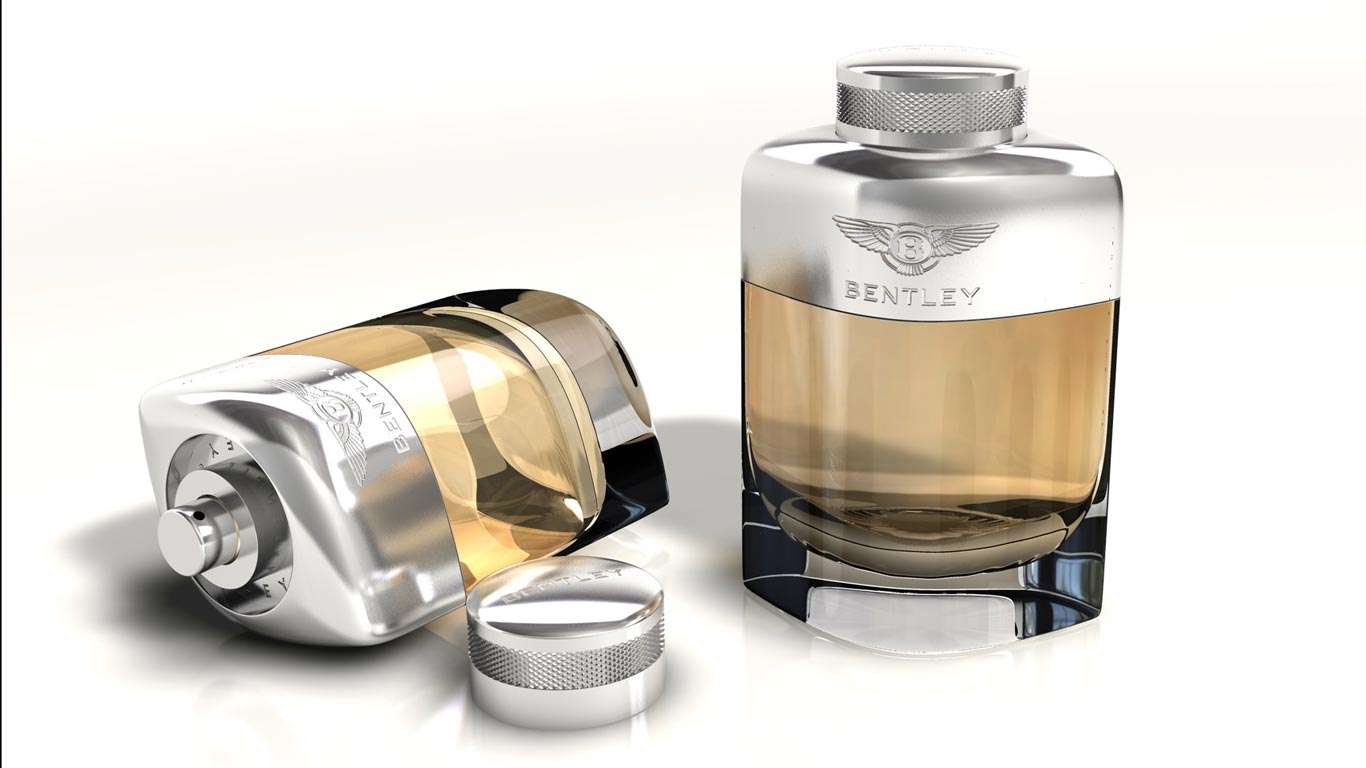
In fairness to Bentley, we could have picked on any number of car manufacturers for this one, including Ferrari, Lamborghini, Jaguar or even Hummer. The question is, why would you want to smell like a car? Most interiors smell like Magic Tree air fresheners and old socks.
Audi Q3 camping tent
The Audi Q3 Camping Tent has a wind load rating of 43 mph. But even so, we’d recommend dismantling it before you make your way out of the camp site.
Bentley barbers’ chairs for Pankhurst
The Pankhurst men’s grooming store is apparently the finest barbershop in London. Which is why Bentley was keen to supply six barbers’ chairs.
Jaguar Concept Speedboat
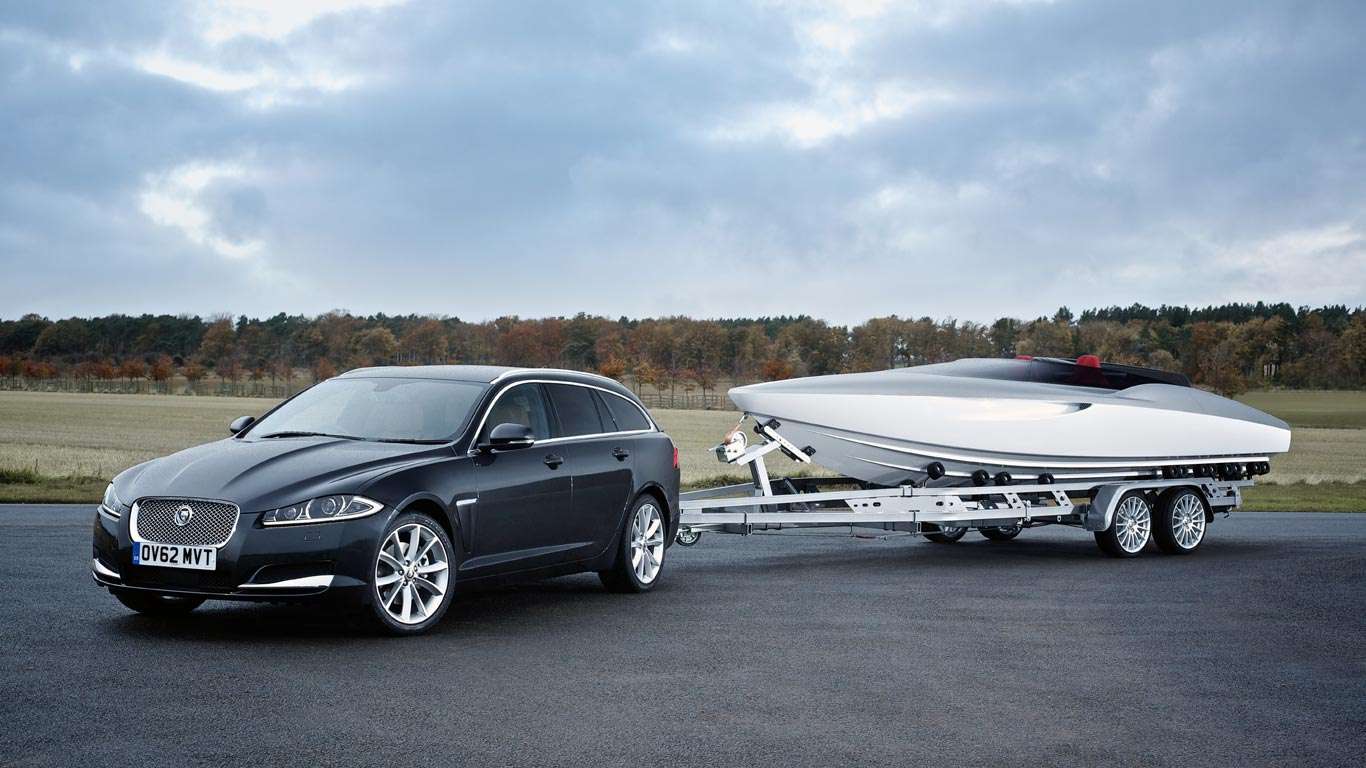
The Concept Speedboat was designed to demonstrate the diverse and active lifestyle enjoyed by owners of the Jaguar XF Sportbrake. Check out the fin on the teak decking. It’s offset in a nod to the Jaguar D-Type. Something that will impress your boating chums down at the marina.
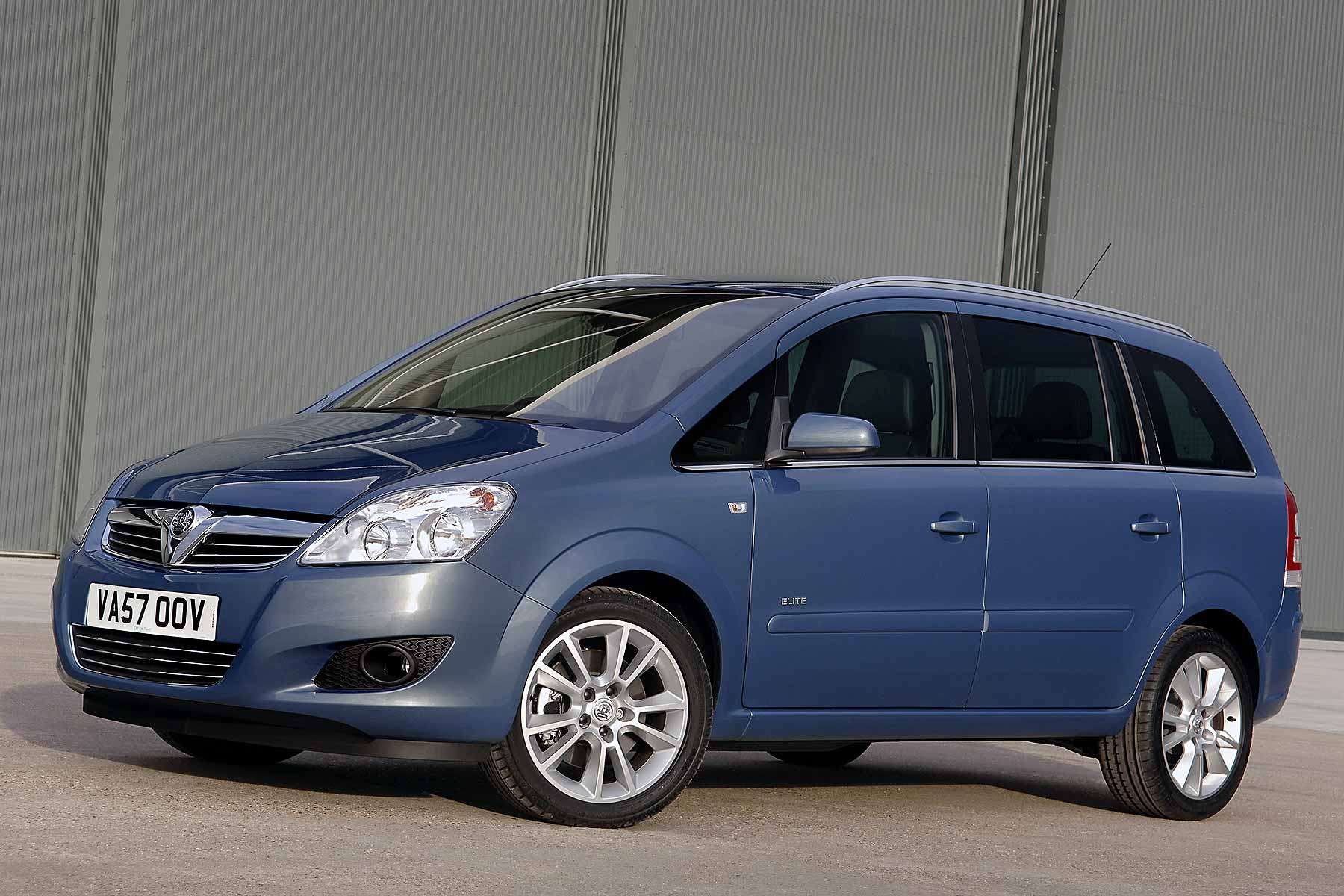
Vauxhall has been summoned to Westminster by ministers on the Transport Select Committee so they can quiz the firm about the spate of Zafira B vehicle fires.
Peter Hope, customer experience director at Vauxhall, will face ministers this morning (Tuesday 19 July) at Portcullis House to answer questions about the firm’s response to the Zafira B fires.
> More car news on Motoring Research
The Vauxhall Zafira B, pictured above, was built between 2005-2015.
A senior GM chief, Charles J Klein, will face ministers as well: he is engineering executive director of global CO2 strategy and energy centre at GM – but he’s also recently been vice president of vehicle engineering in Europe, the GM division that engineered the Zafira B compact MPV.
The Transport Select Committee is particularly interested in the Zafira B vehicle recalls issued on December 2015 and May 2016.
The meeting starts at 11.05am and also giving evidence will be representatives from the Driver and Vehicle Standards Agency, the government body that handles vehicle recalls in the UK.
Gareth Llewellyn, chief executive at the DVSA, will give evidence, along with acting operations director Peter Hearn and head of customer and business operations Andy King.
The Transport Select Committee has previously grilled Volkswagen executives about the dieselgate emissions scandal where chair Louise Ellman MP and her colleagues have proven to be particularly combative questioners.
Vauxhall has set up a special customer information page for those concerned about the risk of Zafira B fires, with the latest recall action occurring in May 2016.
Reports of Vauxhall Zafira fires first emerged in October 2015 and the issue has spiralled since: it’s even led a concerned London Fire Brigade to comment on the issue via Twitter.
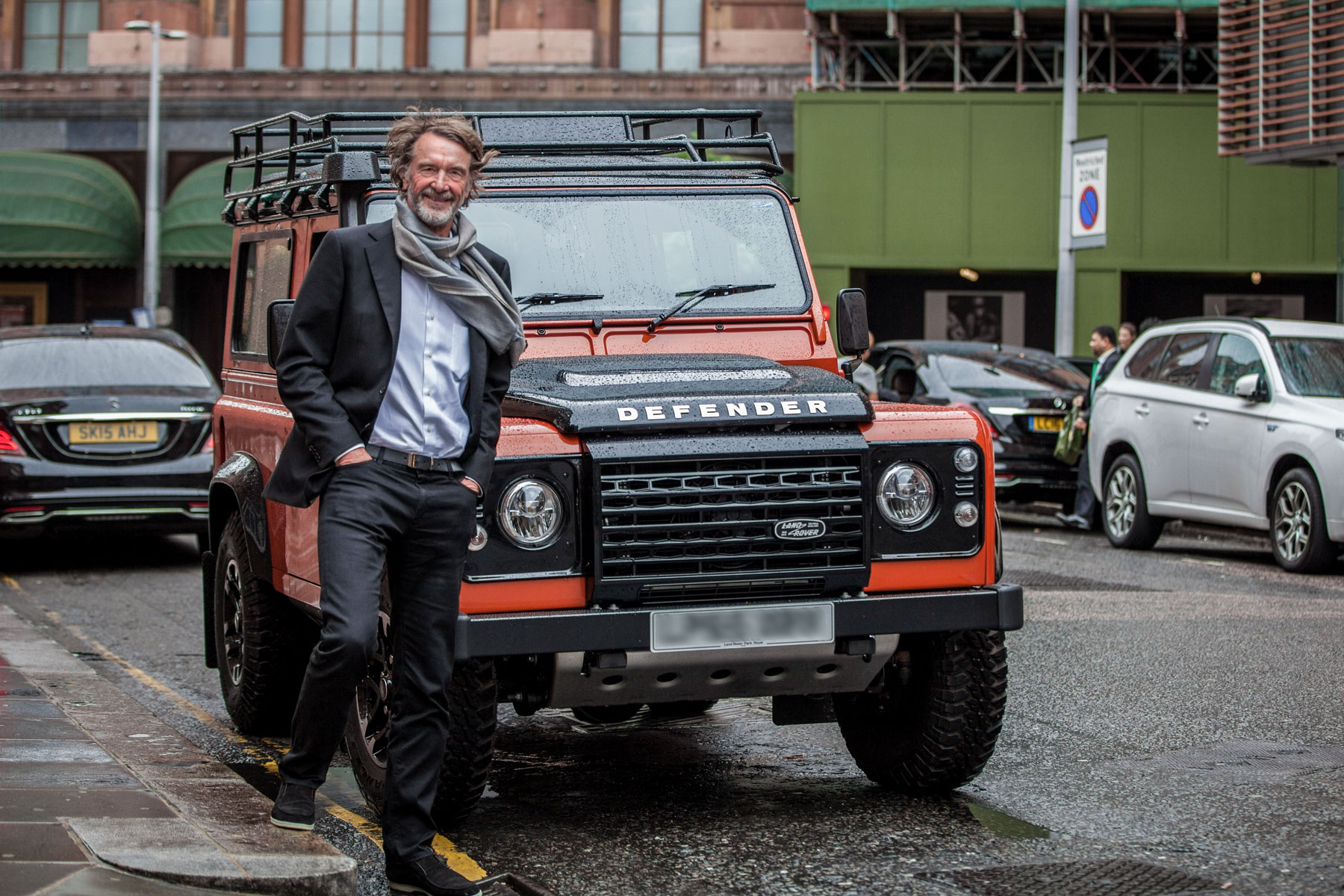
Jim Ratcliffe — the billionaire owner of chemical giant INEOS — is a man with a thought. A thought that the Land Rover Defender “can be upgraded to be the world’s best and most rugged off roader”.
Does this mean the iconic Defender could rise again? One thing’s for certain, INEOS doesn’t lack the financial clout required for such an ambitious project. Its website boasts of sales totalling $40 billion, with over 17,000 employees and activities across 65 sites and 16 countries. Make no mistake: Ratcliffe is a man who knows how to make friends and influence people.
Or rather, influence organisations. Today, INEOS has issued a press release saying it “has commissioned a full feasibility study into resurrecting the Land Rover Defender and held exploratory talks with Jaguar Land Rover”.
> More car news on Motoring Research
Is the Defender a national treasure – a car that should be left alone and consigned to the history books? INEOS believes not, claiming that while the exterior shape should be treated “like a listed building”, it can be made better, referencing the Toyota Land Cruiser’s reliability and Defender’s “superior off-road qualities”.
Could this signal an end for the gag about driving into the jungle in a Defender and driving out again in a Land Cruiser? Time will tell.
“I am a great admirer of the Land Rover Defender”, claims Jim Ratcliffe, who goes on to say: “Whilst it is early days, our plan has already attracted a huge amount of support from third parties across the globe.” With one eye on the export opportunity, INEOS hopes to build the new model in the north of the UK, preferably near a port.
Ratcliffe adds: “I am a passionate advocate of UK manufacturing and the Land Rover Defender has been a part of the British motoring scene for over sixty years. We want to breathe new life into it and make it even better than before.”
Last week, a Land Rover spokesperson told Autocar: “There is no way this is happening. We’re not going to let anyone build our Defender.”
Anyone except billionaire Jim Ratcliffe? A spokesperson told Motoring Research: “Defender will always be Land Rover’s icon. Jaguar Land Rover have stated our intention to continue the Defender lineage with an all-new model. There is nothing further to add at this time.
“It is too early to start talking about the new Defender at this time. The Defender remains a key part of our future product strategy, and with a growing portfolio of models Jaguar Land Rover is confident we have the breadth of models to meet the demands of our global customer base.”
We suspect there will be a few twists, turns, ruts and fords in this tale. One to watch.
Jaguar Land Rover will this year begin public road trials of ‘driverless’ autonomous vehicles as part of a four-year real-world test.
The news means JLR will beat premium rival Volvo in commencing a public-road UK driverless car trial – the Swedish brand confirmed earlier this year it’s beginning an autonomous car test in London from 2017.
> More car news on Motoring Research
The first JLR research cars will drive on a 41-mile autonomous car test route around Coventry and Solihull, with a fleet of more than 100 research vehicles eventually taking to public roads.
The test route will include both motorways and urban roads, initially involving trials of vehicle-to-vehicle and vehicle-to-infrastructure communications tech that’s going to help make autonomous cars viable.
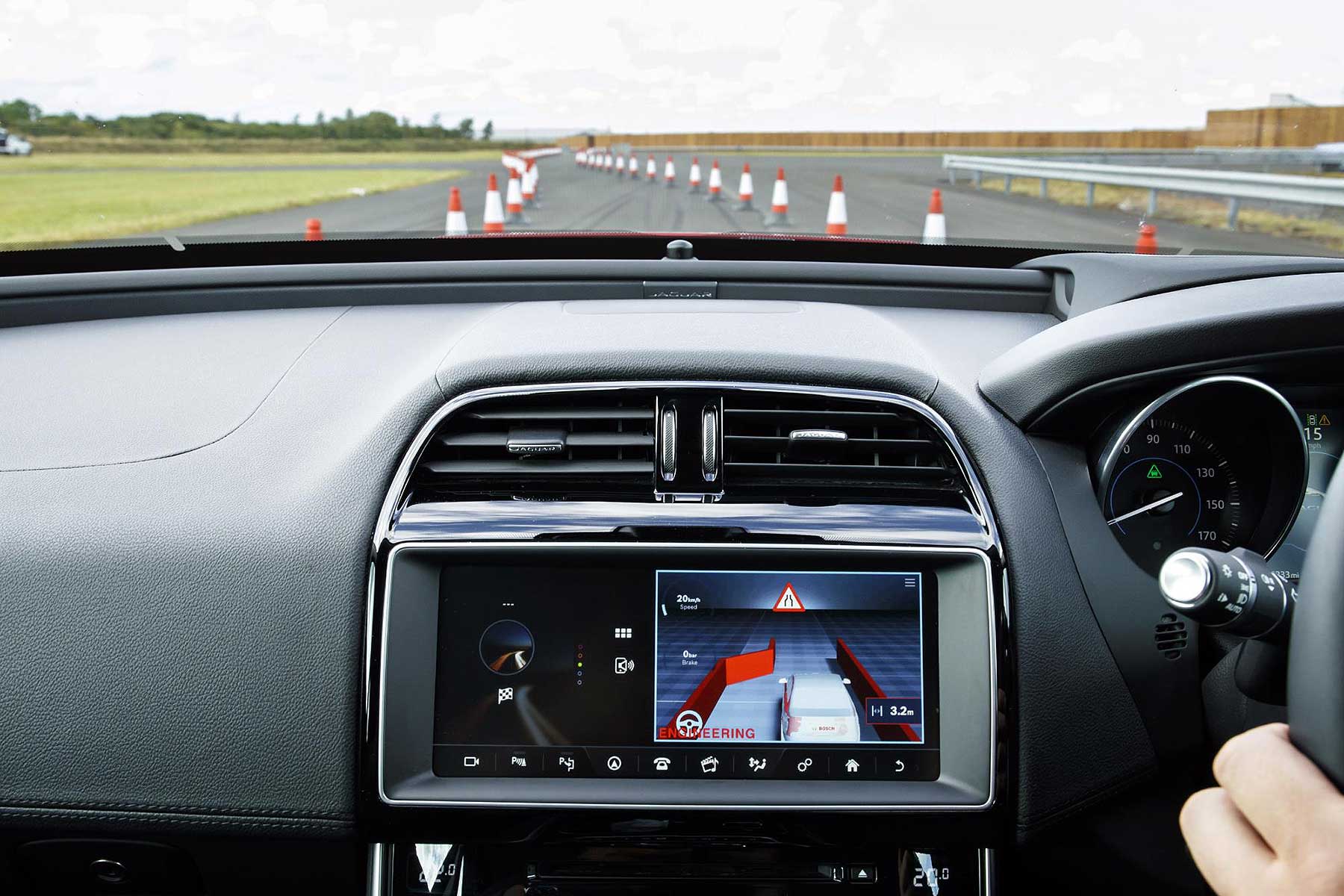
Future test vehicles will become progressively more autonomous, even allowing driverless operation through challenging sequences such as roadworks.
JLR will also develop more comprehensive connected car tech that it says will allow streams of traffic to talk with one another, improving traffic flow and safety.
But the firm famous for its engaging-to-drive cars isn’t planning to let the machines take over entirely, stresses head of research Tony Harper. Drivers are “able to choose how much support and assistance they need”.
They may, he says, pick full autonomy in boring motorway runs or stressful traffic, but still take over to enjoy twisty backroads – even though “the new technology we are creating will still be working in the background to help keep them safe”.
JLR autonomous innovations
Jaguar Land Rover engineers have today revealed some key technology innovations they’re working on, that they say will not only help make autonomous cars safer, they’ll also be safer and more reassuring to live with.
Roadwork Assist: a 3D camera uses image processing software to decipher the road ahead. It can plot a route through fiddly sequences of cones, helping centralise the vehicle safely through narrow sections
Safe Pullaway: if the driver goes to accelerate but the car ahead hasn’t moved, brakes are auto-applied. Good for roundabouts where the car behind goes for a gap the one in front does not…
Over the Horizon Warning: uses radio communications to alert drivers about incidents over the brow of a hill; a stopped car beams a ‘Hazard Ahead’ warning to nearby vehicles
Emergency Vehicle Warning: reduces the stress of hearing sirens but not seeing the emergency vehicle by telling drivers which direction the vehicle is coming from and how far away it is
“Our connected car and automated technology could help improve traffic flow, cut congestion and reduce the potential for accidents,” said Harper.
“Proving the right information at the right time will enable better and safer decision-making, whether the car is driven by a human or is autonomous.”
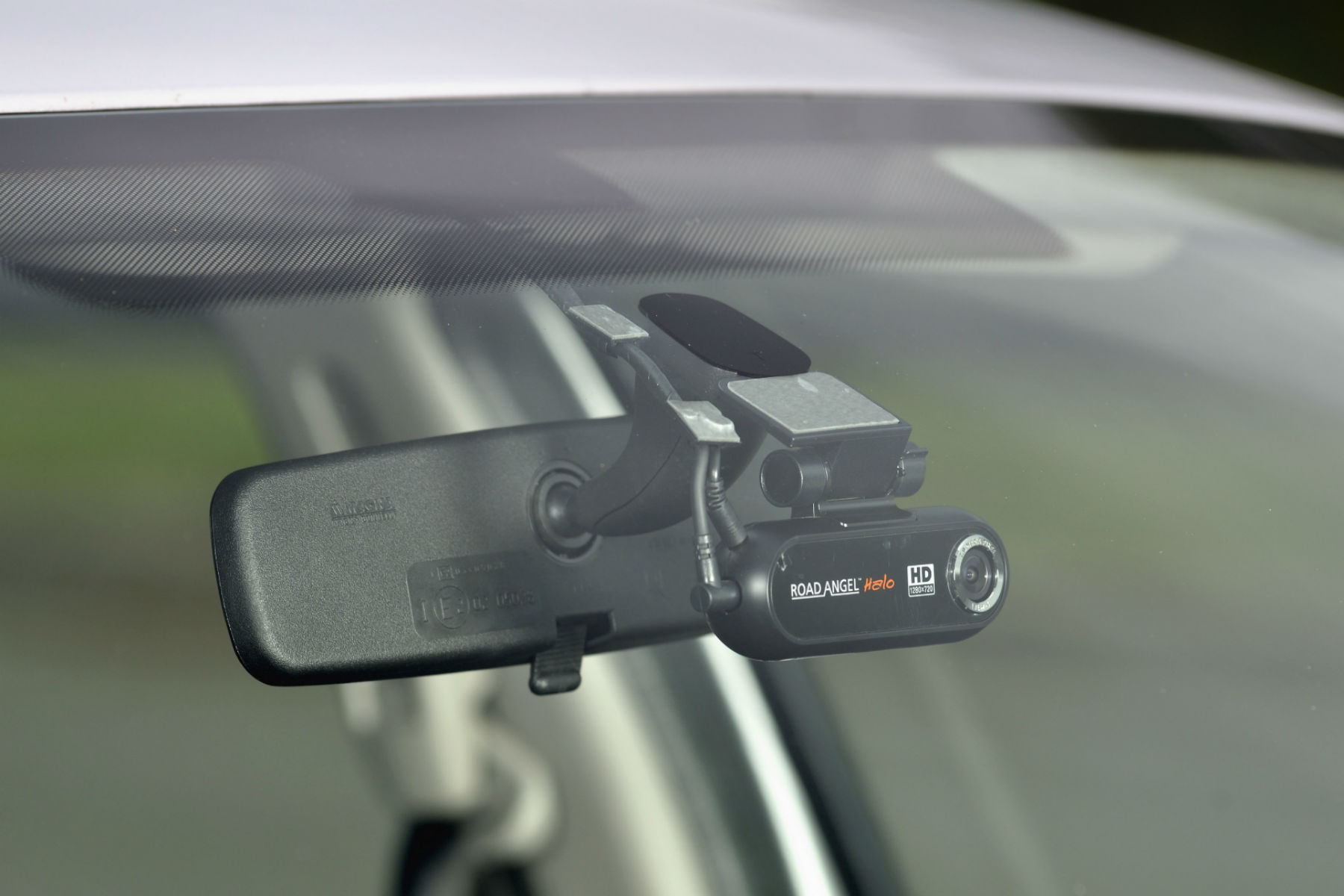
Drivers are demanding greater discounts on their car insurance for fitting devices such as dashcams and parking sensors.
Research by leasing company Flexed.co.uk reveals that three quarters of drivers don’t feel their insurance premiums reflect their investment in safety – with many only saving around £30 a year for having a dashcam installed.
One respondent, Dave from London, said: “I’ve got a good quality dashcam fitted – front and back-facing – but I’m told it’s only worth £30 off my insurance. If someone goes into the back of me, I’ll be saving the company thousands. It’s a con.”
Other drivers said they felt they should be given greater discounts for paying extra for parking sensors, adaptive cruise control and collision avoidance systems.
Flexed.co.uk spokesperson Mark Hall said: “Motoring technology is coming on leaps and bounds in the fields of driver assistance and safety. Just five years ago, the dashcam was the preserve of the police car, and now they’re accessible to all.
“However, drivers are telling us that insurance companies aren’t offering a sufficient award for making their life easier. £30 isn’t much compared to the fortune that dashcam technology is saving them.”
Dashcams are available for less than £10 and can provide concrete evidence in the event of a crash, while other safety kit can prevent a collision in the first instance.
Hall added: “Dashcams and other car safety gadgets are changing our roads, and new technology is emerging every year to make cars safer and to make drivers think more about their behaviour.
“But there’s a strong feeling from drivers that they’re not being treated fairly by insurers, even after they’ve gone to these expensive lengths to reduce risk on the roads.
“Even relatively little extras like parking sensors save insurers money on minor dings, bumps and scratches, but they don’t appear to be reflected in premiums.”
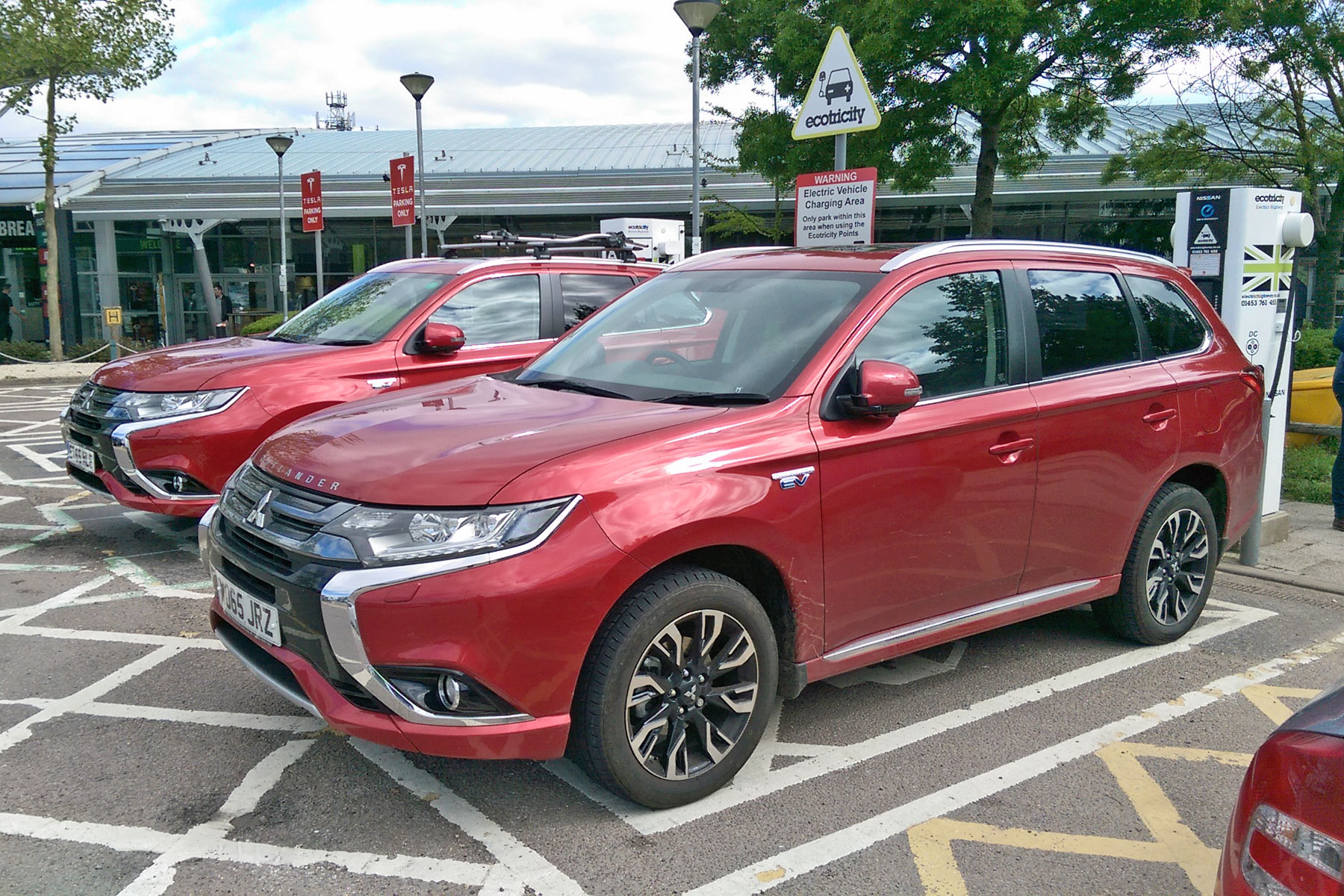
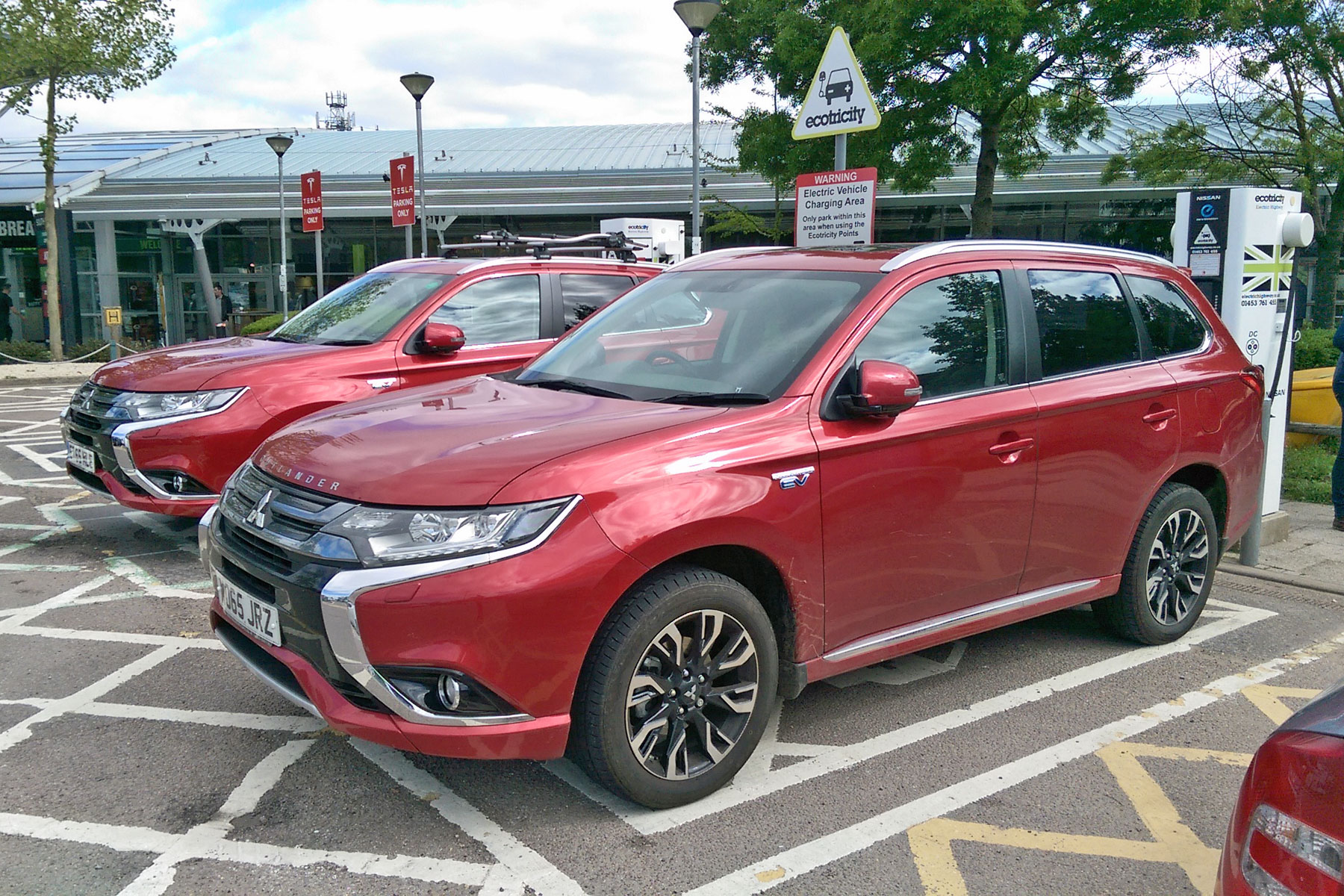
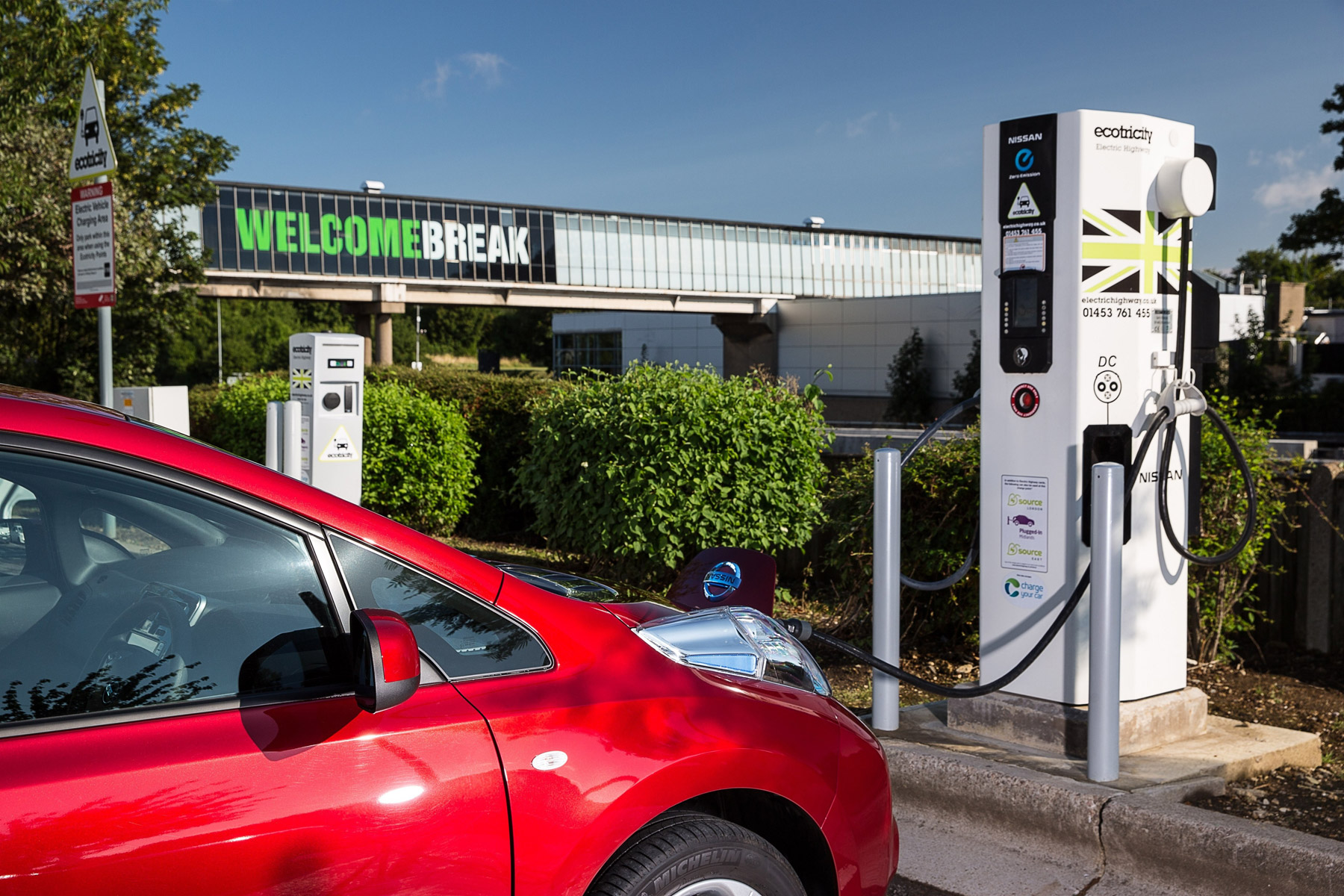
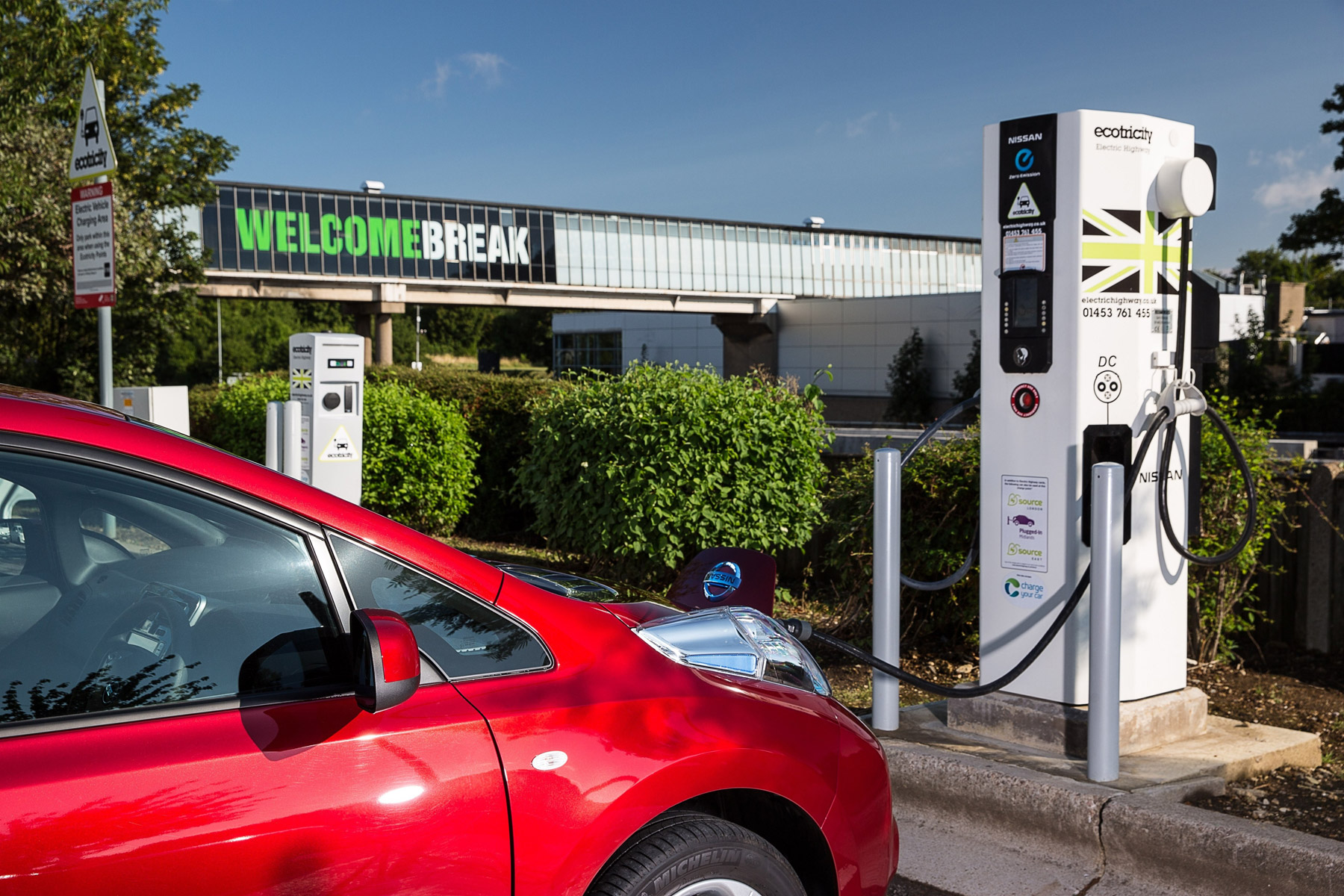
A £6 fee for a 30-minute rapid charge at motorway service stations across the UK is being rolled out from today – with the firm responsible pointing the figure at the success of the Mitsubishi Outlander PHEV.
Mitsubishi sold 11,786 Outlander PHEVs in the UK last year, making it the country’s best-selling plug-in vehicle. It works by running on electric-power when it’s charged, with an official range of up to 32 miles. When its runs out of battery, or when extra power is required, the petrol engine kicks in.
Ecotricity hits EV drivers with £5 fee for 20 minute charge
Opinion: Ecotricity’s £6 charging fee could be a huge blow for electric cars
Speaking to Motoring Research, Ecotricity spokesperson Max Boon said: “The vast majority of complaints we receive are about PHEVs clogging up chargers. We want to encourage electric car use and if we can do that by discouraging plug-in hybrids from using our network, that’s a good thing.”
Interviewed for Radio 4’s You and Yours programme earlier today, Ecotricity’s owner Dale Vince defended his company’s decision to charge £6 for a 30 minute charge (a pound more than when it was announced on Friday) – and pointed the finger at drivers of the Mitsubishi Outlander PHEV.
He said: “We’ve changed our plan over the weekend following feedback from our drivers. It’s now going to be a 30 minute charging session for £6. So that’s a 50% increase in time and a 20% increase in cost. We’ve done this to reflect that most EV drivers have said that they need 30 minutes to get the ideal 80% battery charge.”
Responding to a question from a Mitsubishi Outlander PHEV owner, Vince added: “[It] is not designed to be used on electric power for long journeys. It’s designed for running around town on its very small electric battery, filling up at home or at your destination over a period of several hours.
“It’s an inappropriate use of a fast charger at motorway services.”
Motoring Research is currently running a Mitsubishi Outlander PHEV on long-term test and recently questioned the etiquette around using public electric car charging points when other users might need them more urgently.
Ecotricity: Mitsubishi Outlander PHEV is ‘a compromised car’
After Radio 4 presenter Shari Vahl pointed out that not all plug-in hybrid cars sold are Mitsubishi Outlanders, Vince commented: “It is only the Mitsubishi that can plug into a fast charger – all of the others just plug into a type-two or three-pin socket over a period of several hours.
“The [Mitsubishi Outlander] hybrid is essentially a compromised car. It’s an electric vehicle with a very small battery and a petrol engine so that you have the back-up of the petrol engine for long journeys.
“It’s designed to use its petrol engine for long journeys. It takes half an hour to charge on a fast charger, and then you can travel 20 to 25 miles, and then you have to stop for another half an hour. It’s just not practical.
“The point of a hybrid is that they don’t have to charge. They have a petrol engine for a long journey, that’s the whole point of them. It’s just been an anomalous use of our network and our fast charge technology… it’s only happened within the last 12 months.”
Defending the charges, Ecotricity points out that its home energy customers will continue to be able to use the motorway charge points at no extra cost. The renewable energy firm generates 100% of its power from renewable sources, and has so far powered 30 million miles using electricity for no cost.
Speaking to Motoring Research, Boon added: “This hasn’t been an overnight decision. We’ve known since we launched that we would have to start charging one day.”
Mitsubishi: Ecotricity’s announcement is a ‘retrograde step’
Mitsubishi has branded Ecotricity’s comments a ‘retrograde step’ for the electric car industry.
A spokesperson told Motoring Research: “We don’t understand why the only supplier of charging points in the UK’s motorway services would want to deter the drivers of the UK’s most popular zero emission capable vehicle from charging.
“For an organisation whose vision is of a ‘Green Great Britain’, the decision of imposing a £6 per charge fee hampers the promotion of electric miles.
“In a growing sector, with a diversity of pure-electric vehicles and plug-in electric vehicles, we believe that consumers should have a choice. A reasonable nationwide strategy would be to have the same charging facilities to match everyone’s requirements.
“The Outlander PHEV is the first 4WD plug-in hybrid electric vehicle and offers a widespread consumer base uncompromised access to ultra-low emission motoring. Being able to cover the majority of journeys under electric power whilst having the security of a petrol engine as back up for longer trips is a key factor in its success.
“This announcement is more than disappointing – it seems to be a retrograde step not just for us but for the whole industry.”
‘Blaming’ drivers of the UK’s most popular EV for wanting to charge their car. Extraordinary. https://t.co/Am6zpdhMMs
Between January and March 2016, 11,755 new ultra-low emission vehicles (ULEVs) were registered in the UK – an increase of 31% over the same period in 2015, and 508% on two years previous.
These figures were released last week as part of a report by the Department for Transport looking into attitudes towards electric vehicles. But that’s about as far as the good news for EV manufacturers goes.
While sales are on the up, public perception of electric cars is seemingly stuck in 2013. More than half (55%) of drivers surveyed by the government revealed they hadn’t even considered a plug-in vehicle. A further 16% have and decided against it, while just 5% said they’d think about an electric car in the future.
Crucially, those stats are ‘not significantly different to those in 2014 and 2015’. So, despite Government-led incentives, an increased amount of plug-in vehicles on the market and the ongoing bad publicity for diesels, we’re apparently no more likely to buy an electric car.
The biggest electric car turn-off cited by members of the public were concerns around recharging (45%) – such as the availability of public charge points – and the distance travelled on one charge (40%).
There’s a lot of PR work to be done, then, to convince members of the public that you don’t need to be an ‘early adopter’ to drive an EV – and you can realistically use them on a daily basis without being left stranded with an empty battery.
Organisations such as Go Ultra Low are working hard to promote EVs (did you know, for example, that the average UK driver travels just 25 miles a day – meaning they could go a whole week between charges?).
But that good work has been dealt a huge blow by Ecotricity – the firm responsible for 300 rapid chargers at service stations across the UK motorway network.
The firm, which holds a monopoly on motorway EV chargers, has announced it will charge £6 for a 30 minute top up from today. Previously it was free (and, breaking news, this itself is a 20% increase on Ecotricity’s announcement last week that it would charge £5 for a 20-minute fast-charge: Ecotricity founder Dale Vince made the announcement this lunchtime on BBC Radio 4 You and Yours).
What does Ecotricity’s £6 charge mean for EV drivers?
To put that into context, the driver of a 24kWh Nissan Leaf will be able to cover roughly 100 miles from a £6 30 minute Ecotricity charge. That’s roughly the same distance a careful driver of a diesel Volkswagen Golf will be able to travel on £6 worth of fuel – and they won’t have to hang around for 30 minutes waiting to fill up.
While previously electric car drivers have had the luxury of being able to travel across the UK, stopping every 100 miles or so to recharge for free, they’ll now have to pay £6 each time. That’s almost as expensive as running as combustion-engined car with added inconvenience.
Then there’s plug-in hybrids. The Mitsubishi Outlander PHEV has enjoyed huge success in recent years, continually topping the charts as number one best-selling plug-in vehicle. We’re currently running one as a long-term test car – and when it’s charged, it’s great.
But that charge doesn’t last long (Mitsubishi quotes an official electric-only range of up to 32 miles). And that means you’ll save less than a fiver by stopping to charge on a long journey – so, by the time you’ve paid Ecotricity and bought a cup of coffee in the services, you’ll be left out of pocket compared to driving straight past the services. And under petrol power, without charging, the Outlander’s fuel economy is… well, as you’d expect for a heavy, petrol SUV.
We asked Mitsubishi UK’s managing director Lance Bradley what he thought of the charge. He had this to say:
@MR_AndrewBrady@Editorial_MR Disappointing. Not sure why a supplier would appear to want to put customers off charging.
That second tweet raises an interesting point. Most people would accept that Ecotricity has to charge for the service it provides. It’s a company, after all, and there are quite significant costs associated with installing rapid chargers at motorway service stations. But how much would people be happy to pay?
How much would you be prepared to pay to charge your #EV at a motorway service station? https://t.co/OvRkA9SpRQ
We ran a quick online poll on our Twitter account over the weekend. 68% of those who voted said they’d happily pay £1-2 every time they used a rapid chargers – while a further 10% would pay £3-4. But no one thought the £5 charge was fair.
We have yet to go back to them to get their thoughts on the increased-by-20% £6 charge.
Is it really the end of the road for EVs?
There are two sides to the argument, of course. Some point out that, in fact, with so many of us only using our cars for short journeys, rapid electric car chargers are only there for rare occasions.
One of the people on that side of the fence is LeasePlan UK’s account director Scotland and Northern Ireland, as well as GreenFleet EV Champion, Judith Eadie. She points out that people are increasingly used to paying more for a ‘rapid’ service – think paying more Amazon Prime next day delivery, for example, or for EasyJet’s speeding boarding.
She said: “As technology advances, we expect to see vehicles directing drivers to free-of-charge charge-points as well as rapid chargeable charges should they need to use them.”
Just like week, Milton Keynes, one of the UK cities award a Go Ultra Low City status, announced it had designated 15,000 free parking spaces to electric vehicles.
Eadie added: “The Green Parking Permit is just one part of a £40 million funding pot to encourage exciting and innovative ideas that will encourage drivers to choose an electric vehicle. While drivers may be concerned with range anxiety, they can be assured that infrastructure and attitude is changing to support and encourage the uptake of electric vehicles.”
So, no, Ecotricity’s extortionate £6 charge for a 30 minute charge shouldn’t kill the electric car market. They still make sense for a lot of people. But, when we broke the story last week, someone on Twitter pointed out: “[it’s] far too early in the introduction of EVs and PHEVs to start giving people reasons not to bother.”
And that hits the nail on the head. While numbers of electric cars on our roads are increasing, they’re still a long way off being mainstream. The public perception of the electric car is it’s too expensive, too inconvenient – and now, unless you do all your miles within a short radius of home, too costly to run.
Will we see a downturn in EV sales? Time will tell.
The company behind the UK’s ‘electric highway’ and sole provider of electric car chargers at motorway service stations has announced it’s going to start charging a fee for charging your electric car.
Ecotricity has revealed that it plans to roll out a £5 fee for a 20 minute charge at its 300 fast-charging stations across the country.
A 20 minute charge in our Mitsubishi Outlander PHEV long-term test car will fill the battery by around 50%. At most, that provides enough power for around 15 miles of electric-only driving. Without charging, the same distance will cost around £2 in petrol.
In an email sent out to its users, Ecotricity said: “When we began in July 2011, there was a bit of a chicken and egg situation – people were reluctant to buy electric cars because there were no charging facilities being built, but nobody wanted to build those facilities while there were still so few cars on the road. That’s when we jumped in to help kickstart the electric car revolution in Britain.
“And that’s going pretty well: today there are over 40 models to choose from and 64,000 plug-ins on the road. The Electric Highway itself comprises almost 300 electricity pumps – of the fast charging variety.”
The move renders it almost pointless to charge plug-in hybrid vehicles at motorway service stations – a significant change as more manufacturers introduce plug-in hybrid cars. Hyundai launched its new Ioniq this week – with a plug-in hybrid version set to follow next year.
Drivers of electric cars, which rely solely on being charged regularly, may have no choice but to pay the £5 fee to complete long journeys. They will still be able to charge at home and at public (non-Ecotricity) chargers, and Tesla drivers will continue to use the company’s supercharger network at no cost.
A 24kWh Nissan Leaf will be able to cover roughly 75 miles from a £5 20 minute Ecotricity charge. In a petrol-powered car, that would equate roughly to 75.0mpg, meaning EV drivers will generally continue to be better off than those driving petrol or diesel cars. This doesn’t take into consideration purchase or battery lease costs, however.
It comes as figures released today by the Department for Transport reveal that 45% of drivers are put off buying an electric car due to concerns over charging.
Ecotricity added: “The combination of more cars on the road and faster charging means we’re now delivering two million miles of clean driving each month – all powered from the wind and sun. That’s a great result. It’s also a growing cost. And to keep pace with demand, we need to build more electricity pumps – at existing and new locations.
“So the time has come for us to charge – for charging. We’ve taken a lot of feedback from EV drivers in order to arrive at the right pricing model. We’ve decided that a simple flat fee of a fiver for a 20 minute fast charge strikes the right balance.”
EV drivers who wish to continue to use the Ecotricity stations will have to download the company’s mobile app, which will show available chargers and allow them to pay online.
The ‘pay-for’ system is being rolled out across the network from Monday 11 July, and is expected to be completed by Friday 5 August.
Update: 11.07.16
Speaking on Radio 4’s You and Yours, Ecotricity boss Dale Vince said: “Following reaction from our customers, over the weekend Ecotricity has decided to provide a 30 minute charge for £6. This is following feedback from drivers of plug-in hybrids who say they can get a full charge in half an hour.”
Charging for charging: reaction
We contacted Mitsubishi Motors UK managing director Lance Bradley for his thoughts on the change. He responded that he was ‘disappointed’.
@MR_AndrewBrady@Editorial_MR Disappointing. Not sure why a supplier would appear to want to put customers off charging.
And he’s not the only one. A number of Twitter users are frustrated by the announcement, with some even considering cancelling their electric car orders.
Typical. Just about to get an electric car and ecotricity are basically introducing fees the moment I’ll get it. Tempted to cancel car now.
 Cars fitted with ADAS Advanced Driver Assistance Systems rely on cameras mounted onto the windscreen – and if you need to replace your screen, you also need to have these safety systems recalibrated or they won’t work correctly, says vehicle safety expert Thatcham.
 From Christmas baubles to polo saddles, carmakers will do anything to lighten your wallet. Check out our handpicked range of exclusive items you can buy if you want to show the world what fine taste you have. Here are some of the weird and wonderful things can brands also make.