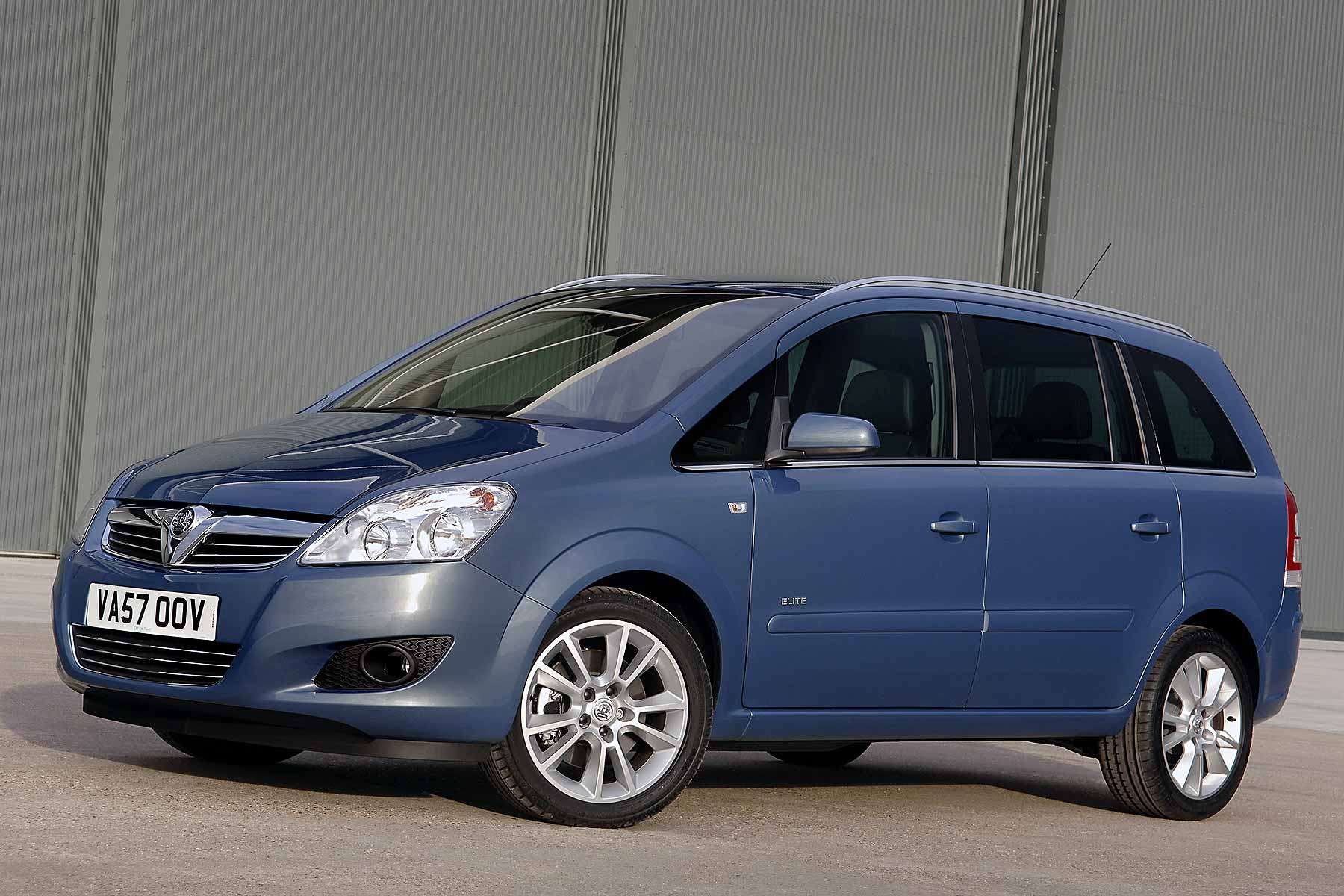
Vauxhall has been summoned to Westminster by ministers on the Transport Select Committee so they can quiz the firm about the spate of Zafira B vehicle fires.
Peter Hope, customer experience director at Vauxhall, will face ministers this morning (Tuesday 19 July) at Portcullis House to answer questions about the firm’s response to the Zafira B fires.
> More car news on Motoring Research
The Vauxhall Zafira B, pictured above, was built between 2005-2015.
A senior GM chief, Charles J Klein, will face ministers as well: he is engineering executive director of global CO2 strategy and energy centre at GM – but he’s also recently been vice president of vehicle engineering in Europe, the GM division that engineered the Zafira B compact MPV.
The Transport Select Committee is particularly interested in the Zafira B vehicle recalls issued on December 2015 and May 2016.
The meeting starts at 11.05am and also giving evidence will be representatives from the Driver and Vehicle Standards Agency, the government body that handles vehicle recalls in the UK.
Gareth Llewellyn, chief executive at the DVSA, will give evidence, along with acting operations director Peter Hearn and head of customer and business operations Andy King.
The Transport Select Committee has previously grilled Volkswagen executives about the dieselgate emissions scandal where chair Louise Ellman MP and her colleagues have proven to be particularly combative questioners.
Vauxhall has set up a special customer information page for those concerned about the risk of Zafira B fires, with the latest recall action occurring in May 2016.
Reports of Vauxhall Zafira fires first emerged in October 2015 and the issue has spiralled since: it’s even led a concerned London Fire Brigade to comment on the issue via Twitter.
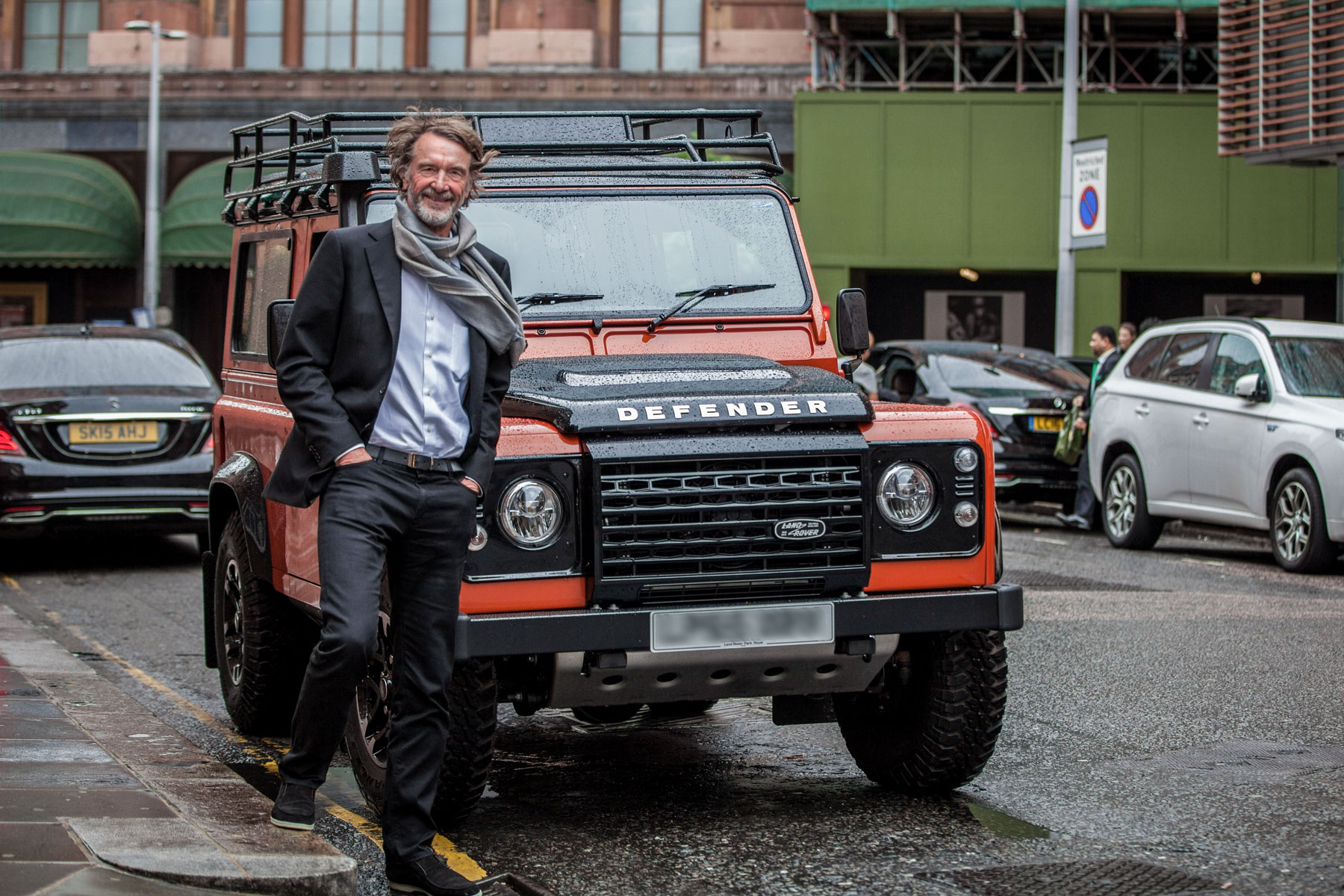
Jim Ratcliffe — the billionaire owner of chemical giant INEOS — is a man with a thought. A thought that the Land Rover Defender “can be upgraded to be the world’s best and most rugged off roader”.
Does this mean the iconic Defender could rise again? One thing’s for certain, INEOS doesn’t lack the financial clout required for such an ambitious project. Its website boasts of sales totalling $40 billion, with over 17,000 employees and activities across 65 sites and 16 countries. Make no mistake: Ratcliffe is a man who knows how to make friends and influence people.
Or rather, influence organisations. Today, INEOS has issued a press release saying it “has commissioned a full feasibility study into resurrecting the Land Rover Defender and held exploratory talks with Jaguar Land Rover”.
> More car news on Motoring Research
Is the Defender a national treasure – a car that should be left alone and consigned to the history books? INEOS believes not, claiming that while the exterior shape should be treated “like a listed building”, it can be made better, referencing the Toyota Land Cruiser’s reliability and Defender’s “superior off-road qualities”.
Could this signal an end for the gag about driving into the jungle in a Defender and driving out again in a Land Cruiser? Time will tell.
“I am a great admirer of the Land Rover Defender”, claims Jim Ratcliffe, who goes on to say: “Whilst it is early days, our plan has already attracted a huge amount of support from third parties across the globe.” With one eye on the export opportunity, INEOS hopes to build the new model in the north of the UK, preferably near a port.
Ratcliffe adds: “I am a passionate advocate of UK manufacturing and the Land Rover Defender has been a part of the British motoring scene for over sixty years. We want to breathe new life into it and make it even better than before.”
Last week, a Land Rover spokesperson told Autocar: “There is no way this is happening. We’re not going to let anyone build our Defender.”
Anyone except billionaire Jim Ratcliffe? A spokesperson told Motoring Research: “Defender will always be Land Rover’s icon. Jaguar Land Rover have stated our intention to continue the Defender lineage with an all-new model. There is nothing further to add at this time.
“It is too early to start talking about the new Defender at this time. The Defender remains a key part of our future product strategy, and with a growing portfolio of models Jaguar Land Rover is confident we have the breadth of models to meet the demands of our global customer base.”
We suspect there will be a few twists, turns, ruts and fords in this tale. One to watch.
Jaguar Land Rover will this year begin public road trials of ‘driverless’ autonomous vehicles as part of a four-year real-world test.
The news means JLR will beat premium rival Volvo in commencing a public-road UK driverless car trial – the Swedish brand confirmed earlier this year it’s beginning an autonomous car test in London from 2017.
> More car news on Motoring Research
The first JLR research cars will drive on a 41-mile autonomous car test route around Coventry and Solihull, with a fleet of more than 100 research vehicles eventually taking to public roads.
The test route will include both motorways and urban roads, initially involving trials of vehicle-to-vehicle and vehicle-to-infrastructure communications tech that’s going to help make autonomous cars viable.
Future test vehicles will become progressively more autonomous, even allowing driverless operation through challenging sequences such as roadworks.
JLR will also develop more comprehensive connected car tech that it says will allow streams of traffic to talk with one another, improving traffic flow and safety.
But the firm famous for its engaging-to-drive cars isn’t planning to let the machines take over entirely, stresses head of research Tony Harper. Drivers are “able to choose how much support and assistance they need”.
They may, he says, pick full autonomy in boring motorway runs or stressful traffic, but still take over to enjoy twisty backroads – even though “the new technology we are creating will still be working in the background to help keep them safe”.
JLR autonomous innovations
Jaguar Land Rover engineers have today revealed some key technology innovations they’re working on, that they say will not only help make autonomous cars safer, they’ll also be safer and more reassuring to live with.
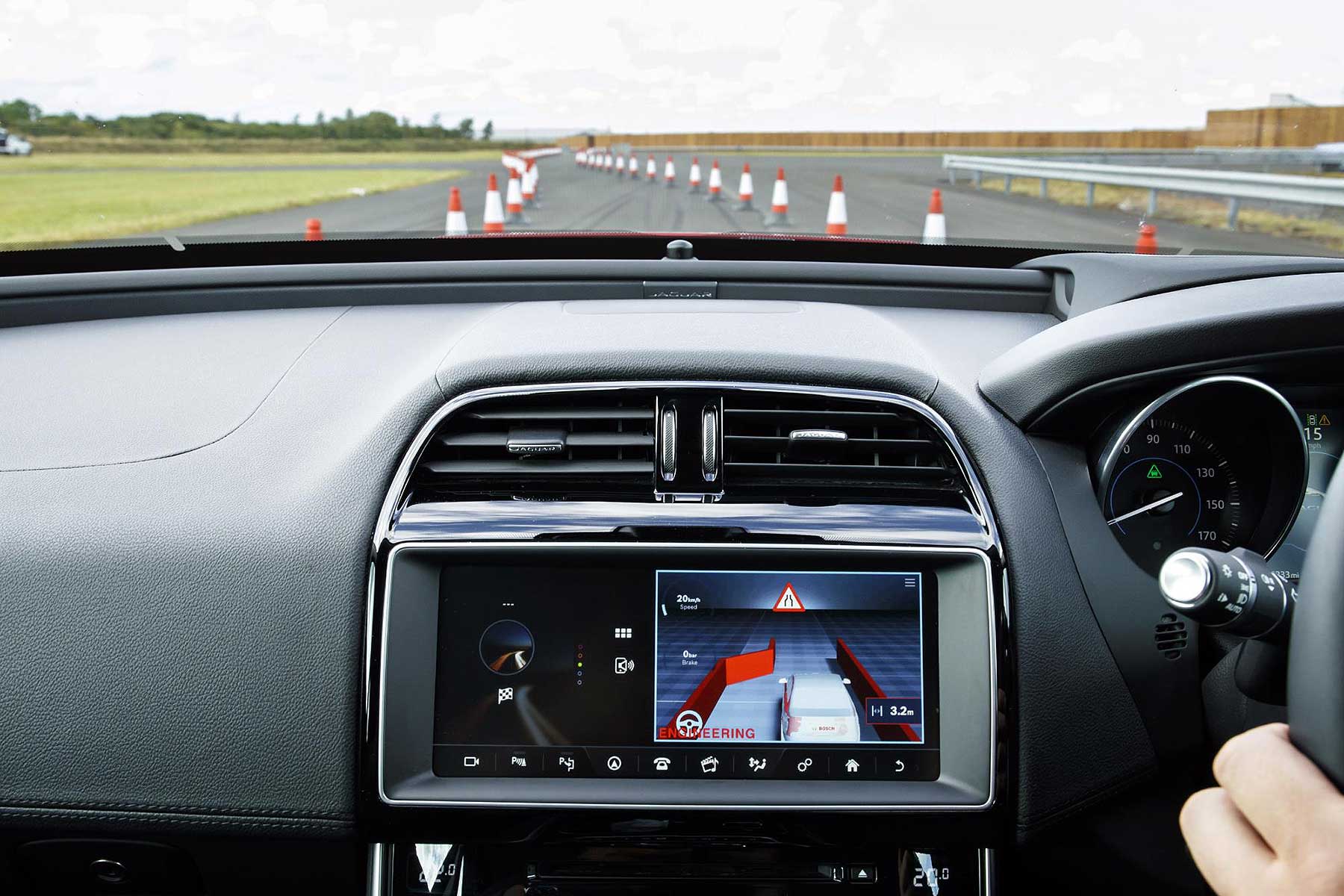
Roadwork Assist: a 3D camera uses image processing software to decipher the road ahead. It can plot a route through fiddly sequences of cones, helping centralise the vehicle safely through narrow sections
Safe Pullaway: if the driver goes to accelerate but the car ahead hasn’t moved, brakes are auto-applied. Good for roundabouts where the car behind goes for a gap the one in front does not…
Over the Horizon Warning: uses radio communications to alert drivers about incidents over the brow of a hill; a stopped car beams a ‘Hazard Ahead’ warning to nearby vehicles
Emergency Vehicle Warning: reduces the stress of hearing sirens but not seeing the emergency vehicle by telling drivers which direction the vehicle is coming from and how far away it is
“Our connected car and automated technology could help improve traffic flow, cut congestion and reduce the potential for accidents,” said Harper.
“Proving the right information at the right time will enable better and safer decision-making, whether the car is driven by a human or is autonomous.”
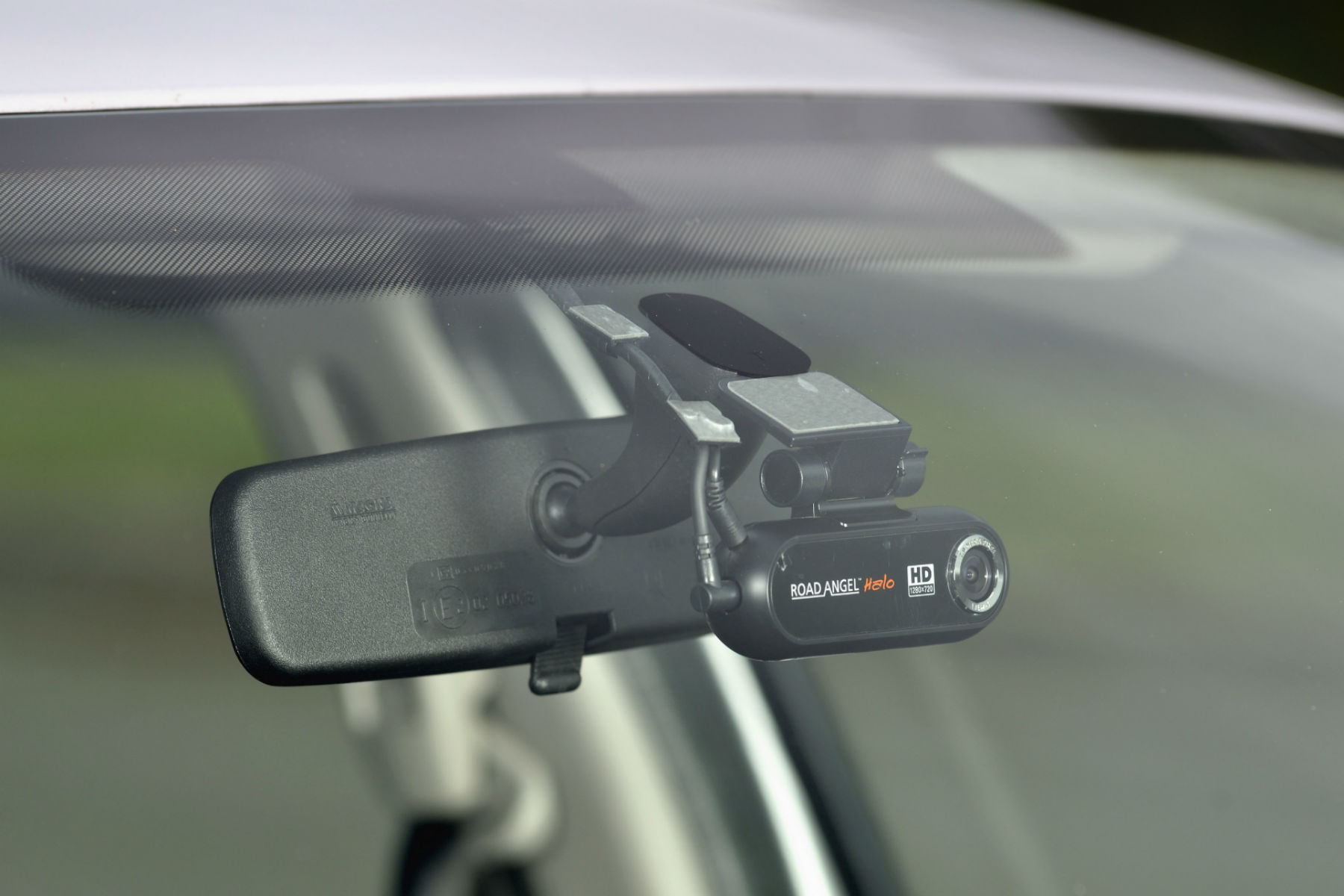
Drivers are demanding greater discounts on their car insurance for fitting devices such as dashcams and parking sensors.
Research by leasing company Flexed.co.uk reveals that three quarters of drivers don’t feel their insurance premiums reflect their investment in safety – with many only saving around £30 a year for having a dashcam installed.
One respondent, Dave from London, said: “I’ve got a good quality dashcam fitted – front and back-facing – but I’m told it’s only worth £30 off my insurance. If someone goes into the back of me, I’ll be saving the company thousands. It’s a con.”
Other drivers said they felt they should be given greater discounts for paying extra for parking sensors, adaptive cruise control and collision avoidance systems.
Flexed.co.uk spokesperson Mark Hall said: “Motoring technology is coming on leaps and bounds in the fields of driver assistance and safety. Just five years ago, the dashcam was the preserve of the police car, and now they’re accessible to all.
“However, drivers are telling us that insurance companies aren’t offering a sufficient award for making their life easier. £30 isn’t much compared to the fortune that dashcam technology is saving them.”
Dashcams are available for less than £10 and can provide concrete evidence in the event of a crash, while other safety kit can prevent a collision in the first instance.
Hall added: “Dashcams and other car safety gadgets are changing our roads, and new technology is emerging every year to make cars safer and to make drivers think more about their behaviour.
“But there’s a strong feeling from drivers that they’re not being treated fairly by insurers, even after they’ve gone to these expensive lengths to reduce risk on the roads.
“Even relatively little extras like parking sensors save insurers money on minor dings, bumps and scratches, but they don’t appear to be reflected in premiums.”
A £6 fee for a 30-minute rapid charge at motorway service stations across the UK is being rolled out from today – with the firm responsible pointing the figure at the success of the Mitsubishi Outlander PHEV.
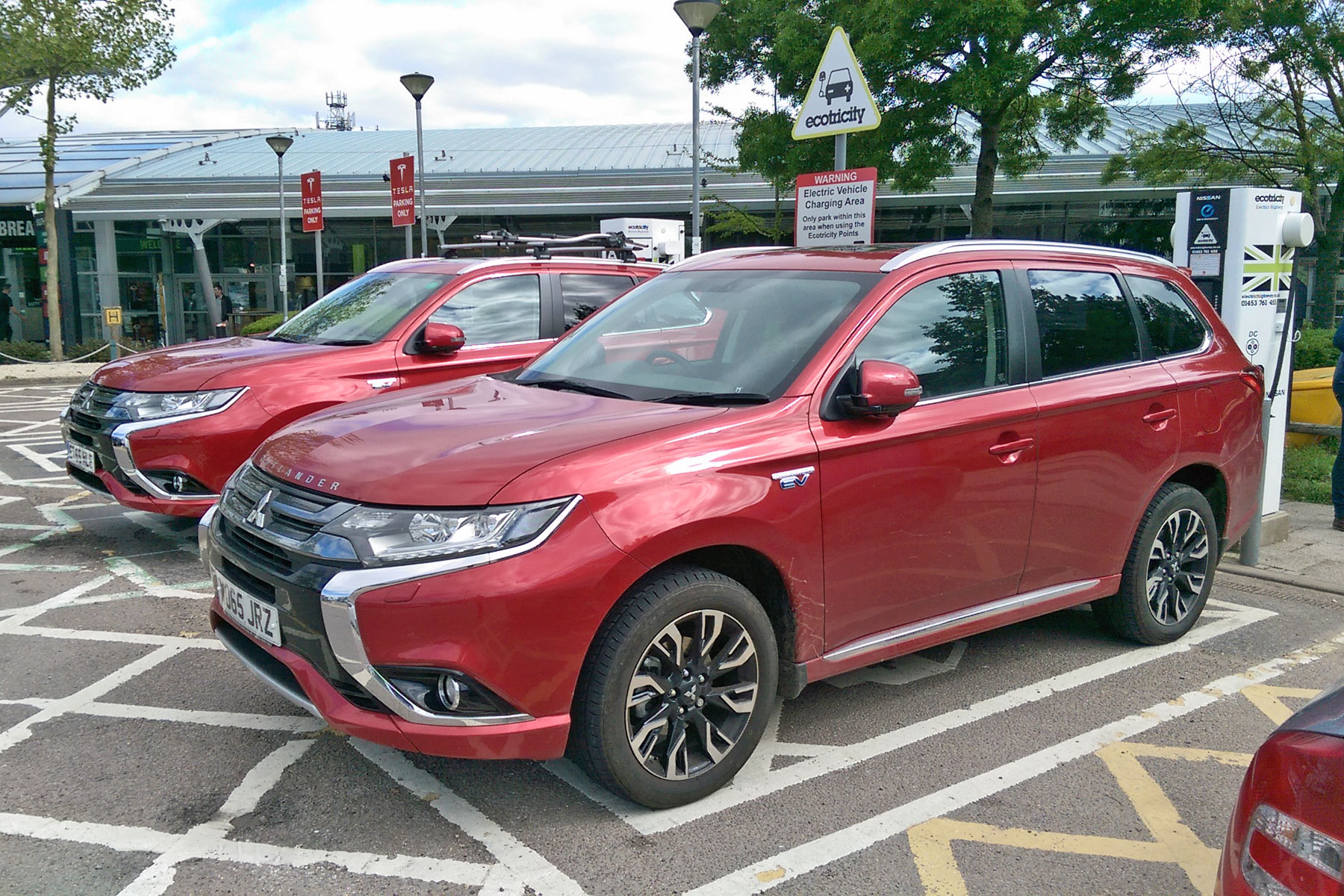
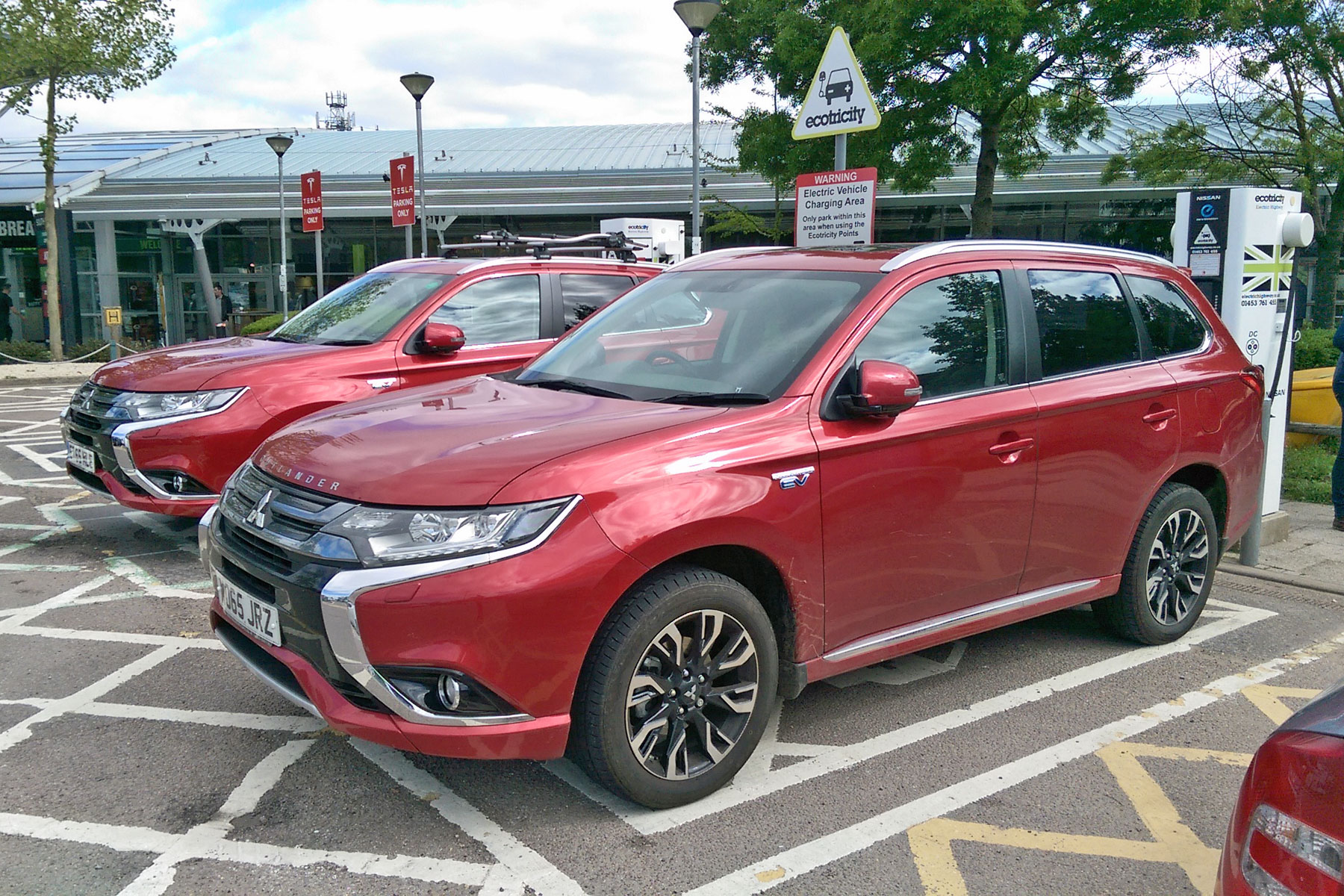
Mitsubishi sold 11,786 Outlander PHEVs in the UK last year, making it the country’s best-selling plug-in vehicle. It works by running on electric-power when it’s charged, with an official range of up to 32 miles. When its runs out of battery, or when extra power is required, the petrol engine kicks in.
Ecotricity hits EV drivers with £5 fee for 20 minute charge
Opinion: Ecotricity’s £6 charging fee could be a huge blow for electric cars
Speaking to Motoring Research, Ecotricity spokesperson Max Boon said: “The vast majority of complaints we receive are about PHEVs clogging up chargers. We want to encourage electric car use and if we can do that by discouraging plug-in hybrids from using our network, that’s a good thing.”
Interviewed for Radio 4’s You and Yours programme earlier today, Ecotricity’s owner Dale Vince defended his company’s decision to charge £6 for a 30 minute charge (a pound more than when it was announced on Friday) – and pointed the finger at drivers of the Mitsubishi Outlander PHEV.
He said: “We’ve changed our plan over the weekend following feedback from our drivers. It’s now going to be a 30 minute charging session for £6. So that’s a 50% increase in time and a 20% increase in cost. We’ve done this to reflect that most EV drivers have said that they need 30 minutes to get the ideal 80% battery charge.”
Responding to a question from a Mitsubishi Outlander PHEV owner, Vince added: “[It] is not designed to be used on electric power for long journeys. It’s designed for running around town on its very small electric battery, filling up at home or at your destination over a period of several hours.
“It’s an inappropriate use of a fast charger at motorway services.”
Motoring Research is currently running a Mitsubishi Outlander PHEV on long-term test and recently questioned the etiquette around using public electric car charging points when other users might need them more urgently.
Ecotricity: Mitsubishi Outlander PHEV is ‘a compromised car’
After Radio 4 presenter Shari Vahl pointed out that not all plug-in hybrid cars sold are Mitsubishi Outlanders, Vince commented: “It is only the Mitsubishi that can plug into a fast charger – all of the others just plug into a type-two or three-pin socket over a period of several hours.
“The [Mitsubishi Outlander] hybrid is essentially a compromised car. It’s an electric vehicle with a very small battery and a petrol engine so that you have the back-up of the petrol engine for long journeys.
“It’s designed to use its petrol engine for long journeys. It takes half an hour to charge on a fast charger, and then you can travel 20 to 25 miles, and then you have to stop for another half an hour. It’s just not practical.
“The point of a hybrid is that they don’t have to charge. They have a petrol engine for a long journey, that’s the whole point of them. It’s just been an anomalous use of our network and our fast charge technology… it’s only happened within the last 12 months.”
Defending the charges, Ecotricity points out that its home energy customers will continue to be able to use the motorway charge points at no extra cost. The renewable energy firm generates 100% of its power from renewable sources, and has so far powered 30 million miles using electricity for no cost.
Speaking to Motoring Research, Boon added: “This hasn’t been an overnight decision. We’ve known since we launched that we would have to start charging one day.”
Mitsubishi: Ecotricity’s announcement is a ‘retrograde step’
Mitsubishi has branded Ecotricity’s comments a ‘retrograde step’ for the electric car industry.
A spokesperson told Motoring Research: “We don’t understand why the only supplier of charging points in the UK’s motorway services would want to deter the drivers of the UK’s most popular zero emission capable vehicle from charging.
“For an organisation whose vision is of a ‘Green Great Britain’, the decision of imposing a £6 per charge fee hampers the promotion of electric miles.
“In a growing sector, with a diversity of pure-electric vehicles and plug-in electric vehicles, we believe that consumers should have a choice. A reasonable nationwide strategy would be to have the same charging facilities to match everyone’s requirements.
“The Outlander PHEV is the first 4WD plug-in hybrid electric vehicle and offers a widespread consumer base uncompromised access to ultra-low emission motoring. Being able to cover the majority of journeys under electric power whilst having the security of a petrol engine as back up for longer trips is a key factor in its success.
“This announcement is more than disappointing – it seems to be a retrograde step not just for us but for the whole industry.”
‘Blaming’ drivers of the UK’s most popular EV for wanting to charge their car. Extraordinary. https://t.co/Am6zpdhMMs
Between January and March 2016, 11,755 new ultra-low emission vehicles (ULEVs) were registered in the UK – an increase of 31% over the same period in 2015, and 508% on two years previous.
These figures were released last week as part of a report by the Department for Transport looking into attitudes towards electric vehicles. But that’s about as far as the good news for EV manufacturers goes.
While sales are on the up, public perception of electric cars is seemingly stuck in 2013. More than half (55%) of drivers surveyed by the government revealed they hadn’t even considered a plug-in vehicle. A further 16% have and decided against it, while just 5% said they’d think about an electric car in the future.
Crucially, those stats are ‘not significantly different to those in 2014 and 2015’. So, despite Government-led incentives, an increased amount of plug-in vehicles on the market and the ongoing bad publicity for diesels, we’re apparently no more likely to buy an electric car.
The biggest electric car turn-off cited by members of the public were concerns around recharging (45%) – such as the availability of public charge points – and the distance travelled on one charge (40%).
There’s a lot of PR work to be done, then, to convince members of the public that you don’t need to be an ‘early adopter’ to drive an EV – and you can realistically use them on a daily basis without being left stranded with an empty battery.
Organisations such as Go Ultra Low are working hard to promote EVs (did you know, for example, that the average UK driver travels just 25 miles a day – meaning they could go a whole week between charges?).
But that good work has been dealt a huge blow by Ecotricity – the firm responsible for 300 rapid chargers at service stations across the UK motorway network.
The firm, which holds a monopoly on motorway EV chargers, has announced it will charge £6 for a 30 minute top up from today. Previously it was free (and, breaking news, this itself is a 20% increase on Ecotricity’s announcement last week that it would charge £5 for a 20-minute fast-charge: Ecotricity founder Dale Vince made the announcement this lunchtime on BBC Radio 4 You and Yours).
What does Ecotricity’s £6 charge mean for EV drivers?
To put that into context, the driver of a 24kWh Nissan Leaf will be able to cover roughly 100 miles from a £6 30 minute Ecotricity charge. That’s roughly the same distance a careful driver of a diesel Volkswagen Golf will be able to travel on £6 worth of fuel – and they won’t have to hang around for 30 minutes waiting to fill up.
While previously electric car drivers have had the luxury of being able to travel across the UK, stopping every 100 miles or so to recharge for free, they’ll now have to pay £6 each time. That’s almost as expensive as running as combustion-engined car with added inconvenience.
Then there’s plug-in hybrids. The Mitsubishi Outlander PHEV has enjoyed huge success in recent years, continually topping the charts as number one best-selling plug-in vehicle. We’re currently running one as a long-term test car – and when it’s charged, it’s great.
But that charge doesn’t last long (Mitsubishi quotes an official electric-only range of up to 32 miles). And that means you’ll save less than a fiver by stopping to charge on a long journey – so, by the time you’ve paid Ecotricity and bought a cup of coffee in the services, you’ll be left out of pocket compared to driving straight past the services. And under petrol power, without charging, the Outlander’s fuel economy is… well, as you’d expect for a heavy, petrol SUV.
We asked Mitsubishi UK’s managing director Lance Bradley what he thought of the charge. He had this to say:
@MR_AndrewBrady@Editorial_MR Disappointing. Not sure why a supplier would appear to want to put customers off charging.
That second tweet raises an interesting point. Most people would accept that Ecotricity has to charge for the service it provides. It’s a company, after all, and there are quite significant costs associated with installing rapid chargers at motorway service stations. But how much would people be happy to pay?
How much would you be prepared to pay to charge your #EV at a motorway service station? https://t.co/OvRkA9SpRQ
We ran a quick online poll on our Twitter account over the weekend. 68% of those who voted said they’d happily pay £1-2 every time they used a rapid chargers – while a further 10% would pay £3-4. But no one thought the £5 charge was fair.
We have yet to go back to them to get their thoughts on the increased-by-20% £6 charge.
Is it really the end of the road for EVs?
There are two sides to the argument, of course. Some point out that, in fact, with so many of us only using our cars for short journeys, rapid electric car chargers are only there for rare occasions.
One of the people on that side of the fence is LeasePlan UK’s account director Scotland and Northern Ireland, as well as GreenFleet EV Champion, Judith Eadie. She points out that people are increasingly used to paying more for a ‘rapid’ service – think paying more Amazon Prime next day delivery, for example, or for EasyJet’s speeding boarding.
She said: “As technology advances, we expect to see vehicles directing drivers to free-of-charge charge-points as well as rapid chargeable charges should they need to use them.”
Just like week, Milton Keynes, one of the UK cities award a Go Ultra Low City status, announced it had designated 15,000 free parking spaces to electric vehicles.
Eadie added: “The Green Parking Permit is just one part of a £40 million funding pot to encourage exciting and innovative ideas that will encourage drivers to choose an electric vehicle. While drivers may be concerned with range anxiety, they can be assured that infrastructure and attitude is changing to support and encourage the uptake of electric vehicles.”
So, no, Ecotricity’s extortionate £6 charge for a 30 minute charge shouldn’t kill the electric car market. They still make sense for a lot of people. But, when we broke the story last week, someone on Twitter pointed out: “[it’s] far too early in the introduction of EVs and PHEVs to start giving people reasons not to bother.”
And that hits the nail on the head. While numbers of electric cars on our roads are increasing, they’re still a long way off being mainstream. The public perception of the electric car is it’s too expensive, too inconvenient – and now, unless you do all your miles within a short radius of home, too costly to run.
Will we see a downturn in EV sales? Time will tell.
The company behind the UK’s ‘electric highway’ and sole provider of electric car chargers at motorway service stations has announced it’s going to start charging a fee for charging your electric car.
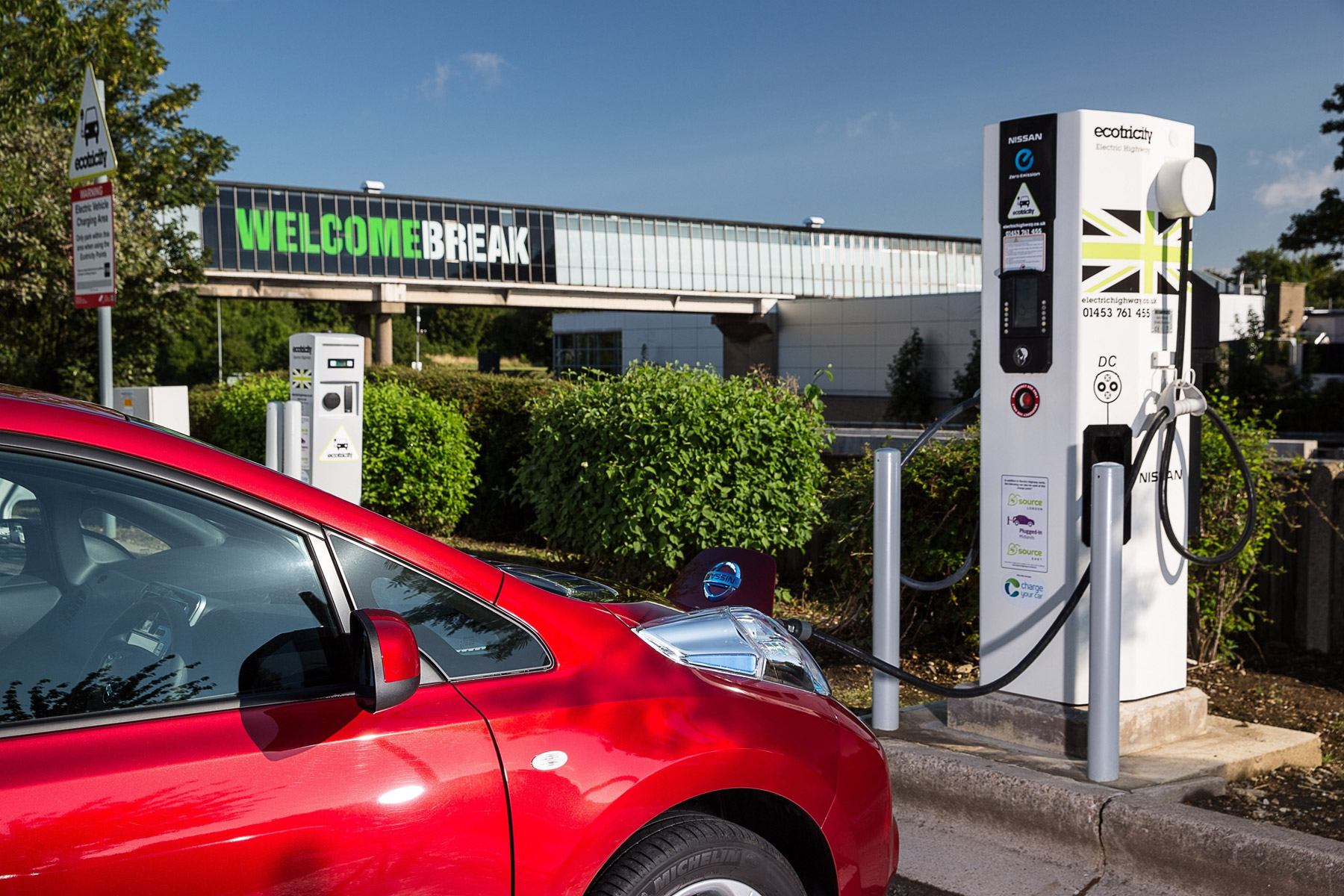
Ecotricity has revealed that it plans to roll out a £5 fee for a 20 minute charge at its 300 fast-charging stations across the country.
A 20 minute charge in our Mitsubishi Outlander PHEV long-term test car will fill the battery by around 50%. At most, that provides enough power for around 15 miles of electric-only driving. Without charging, the same distance will cost around £2 in petrol.
In an email sent out to its users, Ecotricity said: “When we began in July 2011, there was a bit of a chicken and egg situation – people were reluctant to buy electric cars because there were no charging facilities being built, but nobody wanted to build those facilities while there were still so few cars on the road. That’s when we jumped in to help kickstart the electric car revolution in Britain.
“And that’s going pretty well: today there are over 40 models to choose from and 64,000 plug-ins on the road. The Electric Highway itself comprises almost 300 electricity pumps – of the fast charging variety.”
The move renders it almost pointless to charge plug-in hybrid vehicles at motorway service stations – a significant change as more manufacturers introduce plug-in hybrid cars. Hyundai launched its new Ioniq this week – with a plug-in hybrid version set to follow next year.
Drivers of electric cars, which rely solely on being charged regularly, may have no choice but to pay the £5 fee to complete long journeys. They will still be able to charge at home and at public (non-Ecotricity) chargers, and Tesla drivers will continue to use the company’s supercharger network at no cost.
A 24kWh Nissan Leaf will be able to cover roughly 75 miles from a £5 20 minute Ecotricity charge. In a petrol-powered car, that would equate roughly to 75.0mpg, meaning EV drivers will generally continue to be better off than those driving petrol or diesel cars. This doesn’t take into consideration purchase or battery lease costs, however.
It comes as figures released today by the Department for Transport reveal that 45% of drivers are put off buying an electric car due to concerns over charging.
Ecotricity added: “The combination of more cars on the road and faster charging means we’re now delivering two million miles of clean driving each month – all powered from the wind and sun. That’s a great result. It’s also a growing cost. And to keep pace with demand, we need to build more electricity pumps – at existing and new locations.
“So the time has come for us to charge – for charging. We’ve taken a lot of feedback from EV drivers in order to arrive at the right pricing model. We’ve decided that a simple flat fee of a fiver for a 20 minute fast charge strikes the right balance.”
EV drivers who wish to continue to use the Ecotricity stations will have to download the company’s mobile app, which will show available chargers and allow them to pay online.
The ‘pay-for’ system is being rolled out across the network from Monday 11 July, and is expected to be completed by Friday 5 August.
Update: 11.07.16
Speaking on Radio 4’s You and Yours, Ecotricity boss Dale Vince said: “Following reaction from our customers, over the weekend Ecotricity has decided to provide a 30 minute charge for £6. This is following feedback from drivers of plug-in hybrids who say they can get a full charge in half an hour.”
Charging for charging: reaction
We contacted Mitsubishi Motors UK managing director Lance Bradley for his thoughts on the change. He responded that he was ‘disappointed’.
@MR_AndrewBrady@Editorial_MR Disappointing. Not sure why a supplier would appear to want to put customers off charging.
And he’s not the only one. A number of Twitter users are frustrated by the announcement, with some even considering cancelling their electric car orders.
Typical. Just about to get an electric car and ecotricity are basically introducing fees the moment I’ll get it. Tempted to cancel car now.
The company behind the UK’s ‘electric highway’ and sole provider of electric car chargers at motorway service stations has announced it’s going to start charging a fee for charging your electric car.
Ecotricity has revealed that it plans to roll out a £5 fee for a 20 minute charge at its 300 fast-charging stations across the country.
A 20 minute charge in our Mitsubishi Outlander PHEV long-term test car will fill the battery by around 50%. At most, that provides enough power for around 15 miles of electric-only driving. Without charging, the same distance will cost around £2 in petrol.
In an email sent out to its users, Ecotricity said: “When we began in July 2011, there was a bit of a chicken and egg situation – people were reluctant to buy electric cars because there were no charging facilities being built, but nobody wanted to build those facilities while there were still so few cars on the road. That’s when we jumped in to help kickstart the electric car revolution in Britain.
“And that’s going pretty well: today there are over 40 models to choose from and 64,000 plug-ins on the road. The Electric Highway itself comprises almost 300 electricity pumps – of the fast charging variety.”
The move renders it almost pointless to charge plug-in hybrid vehicles at motorway service stations – a significant change as more manufacturers introduce plug-in hybrid cars. Hyundai launched its new Ioniq this week – with a plug-in hybrid version set to follow next year.
Drivers of electric cars, which rely solely on being charged regularly, may have no choice but to pay the £5 fee to complete long journeys. They will still be able to charge at home and at public (non-Ecotricity) chargers, and Tesla drivers will continue to use the company’s supercharger network at no cost.
A 24kWh Nissan Leaf will be able to cover roughly 75 miles from a £5 20 minute Ecotricity charge. In a petrol-powered car, that would equate roughly to 75.0mpg, meaning EV drivers will generally continue to be better off than those driving petrol or diesel cars. This doesn’t take into consideration purchase or battery lease costs, however.
It comes as figures released today by the Department for Transport reveal that 45% of drivers are put off buying an electric car due to concerns over charging.
Ecotricity added: “The combination of more cars on the road and faster charging means we’re now delivering two million miles of clean driving each month – all powered from the wind and sun. That’s a great result. It’s also a growing cost. And to keep pace with demand, we need to build more electricity pumps – at existing and new locations.
“So the time has come for us to charge – for charging. We’ve taken a lot of feedback from EV drivers in order to arrive at the right pricing model. We’ve decided that a simple flat fee of a fiver for a 20 minute fast charge strikes the right balance.”
EV drivers who wish to continue to use the Ecotricity stations will have to download the company’s mobile app, which will show available chargers and allow them to pay online.
The ‘pay-for’ system is being rolled out across the network from Monday 11 July, and is expected to be completed by Friday 5 August.
Update: 11.07.16
Speaking on Radio 4’s You and Yours, Ecotricity boss Dale Vince said: “Following reaction from our customers, over the weekend Ecotricity has decided to provide a 30 minute charge for £6. This is following feedback from drivers of plug-in hybrids who say they can get a full charge in half an hour.”
Charging for charging: reaction
We contacted Mitsubishi Motors UK managing director Lance Bradley for his thoughts on the change. He responded that he was ‘disappointed’.
@MR_AndrewBrady@Editorial_MR Disappointing. Not sure why a supplier would appear to want to put customers off charging.
And he’s not the only one. A number of Twitter users are frustrated by the announcement, with some even considering cancelling their electric car orders.
Typical. Just about to get an electric car and ecotricity are basically introducing fees the moment I’ll get it. Tempted to cancel car now.
High-performance Porsche specialist RUF has opened its first official sales outlet in the UK, in association with Kent-based brokerage thecarspy.net.
Part of RUF’s expanding international network, founder Estonia Ruf says entry into the UK market comes at an important time “because our range of cars is now the strongest it has ever been”.
> RUF Automobile UK
RUF has been tuning Porsches for four decades now, building an envied reputation for its super-fast models that has helped it expand internationally into the USA, Canada, Singapore, Japan, China, Thailand, Taiwan and Chile.
Now the UK is the next overseas market to gain official recognition and will now sell the full range of RUF Porsches (of which every one is capable of more than 200mph), plus custom bespoke-build classic models of which the firm has an even broader choice.
The RUF Porsche 2016 new car model range comprises:
RUF RtR (it has 802 hp: because RUF thinks the regular Porsche 911 Turbo is too slow)
RUF RGT (RUF’s extreme 525hp non-turbo 911 is for those who think the GT3 RS is too subtle)
RUF Turbo Florio (the 645hp hyper-power turbocharged Targa)
RUF 3800S (RUF’s take on the Porsche Boxster and Cayman, compete with 420hp)
Mark Sekula is the new co-director of RUF Automobile UK, after being friends with the Ruf family for many years.
“Knowing what RUF is capable of producing, we are very excited to be a part of the expanding international presence. The UK has tremendous potential for RUF cars and it will be our task to establish a sound base for both pre and post-sales support for customers in this country.
“We feel that now is the perfect time for us to satisfy the needs of the high-performance and luxury sector based on our own current market experience here in the UK.”
In the 1990s, due to regulations and increased performance, Porsche made the move – an unfavorable one by many Porsche aficionados – to go from air-cooled to water-cooled engines on all 911s.
Now, due to similar circumstances, Porsche’s standard engines are, once again, entering a new era as they will all be turbocharged; first the 911, and now the 718 Boxster and 718 Cayman.
But turbocharging is nothing new to Porsche as it has been playing with the force induction devices since the early 70s. Porsche’s inaugural venture in turbocharging began with its motorsports program.
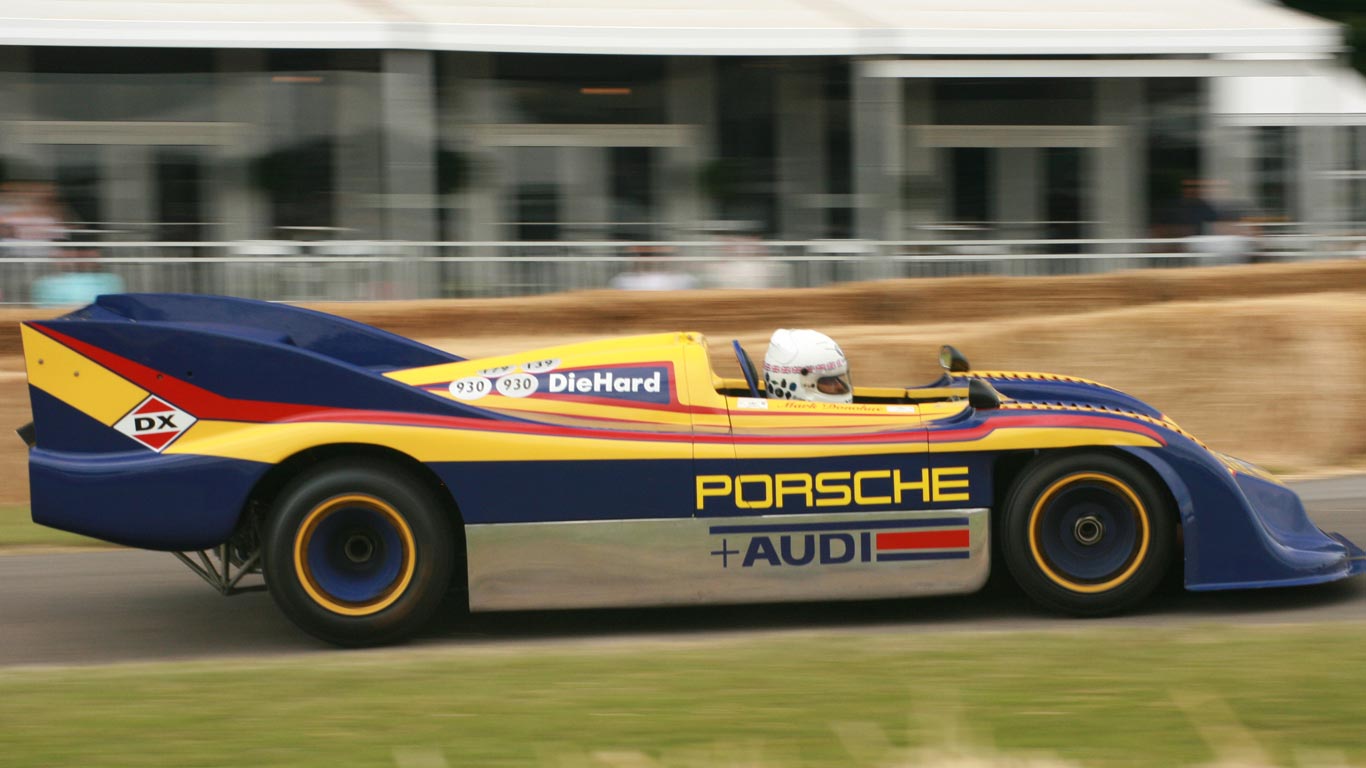
In order to challenge the dominating McLarens of the Can-Am, Porsche engineers were pushed to adapting a turbo to its Type 912 engines used in its 917 racecars.
From the track to the road
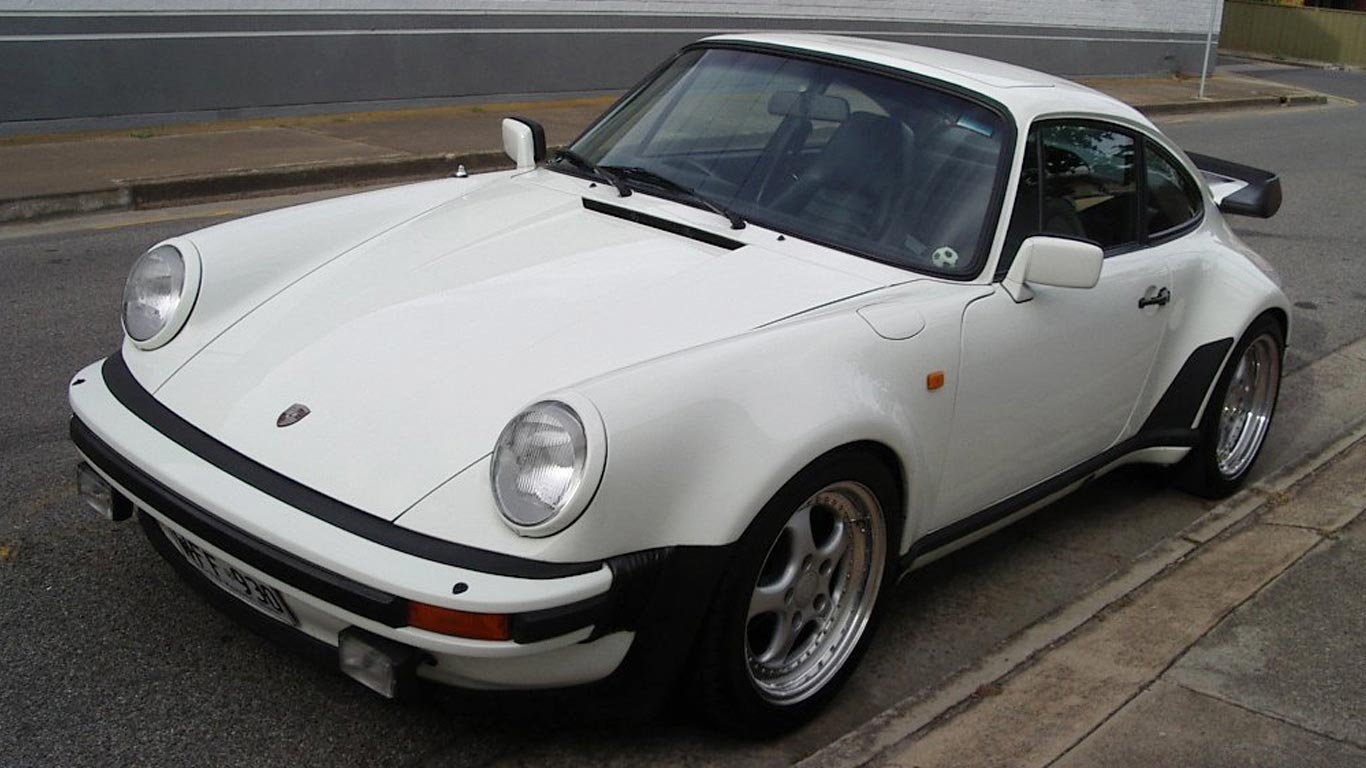
Turbos elevated Porsche’s motorsports program and company chairman, Ernst Fuhrman, believed they could also enhance the performance of the production cars. The 911 Turbo – the first production turbocharged Porsche – was introduced as a prototype in 1973 before officially launching in 1975.
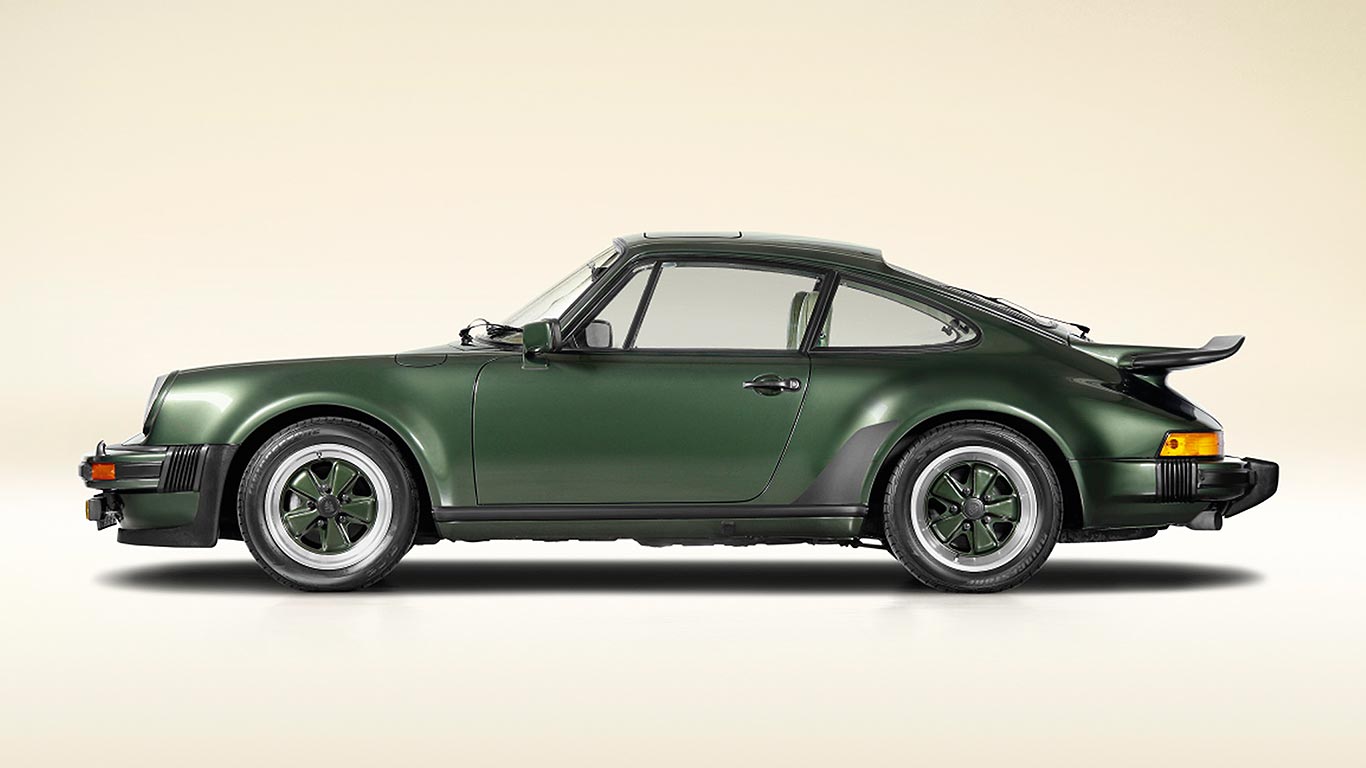
The 911 Turbo
Iconic 930 body – with ‘shark-fin’ fender covers and large ‘whale-tale – on the outside. 3.0-liter turbocharged flat-six on the inside. The first 911 Turbo, for the time, impressively produced 260 hp. Five-hundred models were initially to be produced, but due to immense demand over 1,000 ended up being sold.
Expanding turbocharger utility
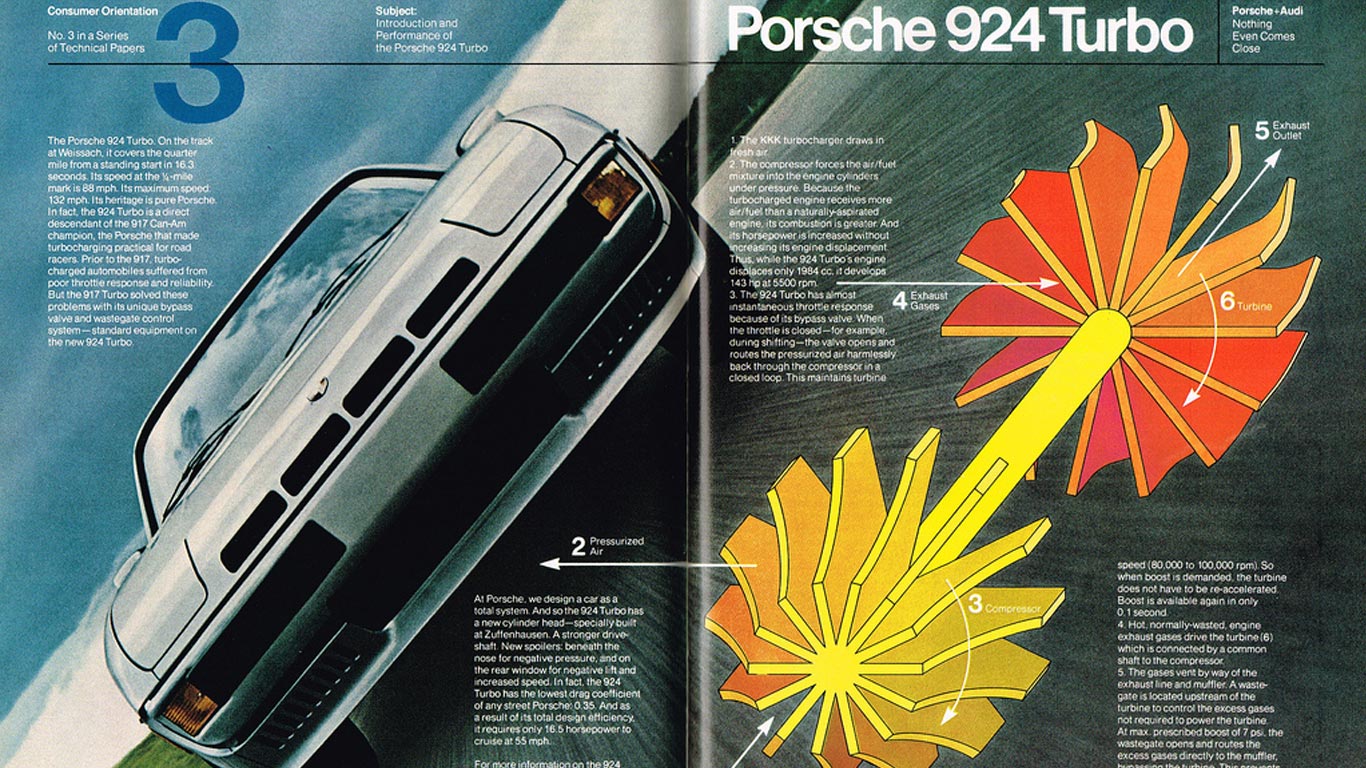
Porsche’s entry-level model, the 924, was in need of a variant which could bridge the gap between a base 924 and base 911. To fill the vacancy Porsche took inspiration from the 911 Turbo and added a turbocharged 2.0-liter I4 to the front-engine sports car.
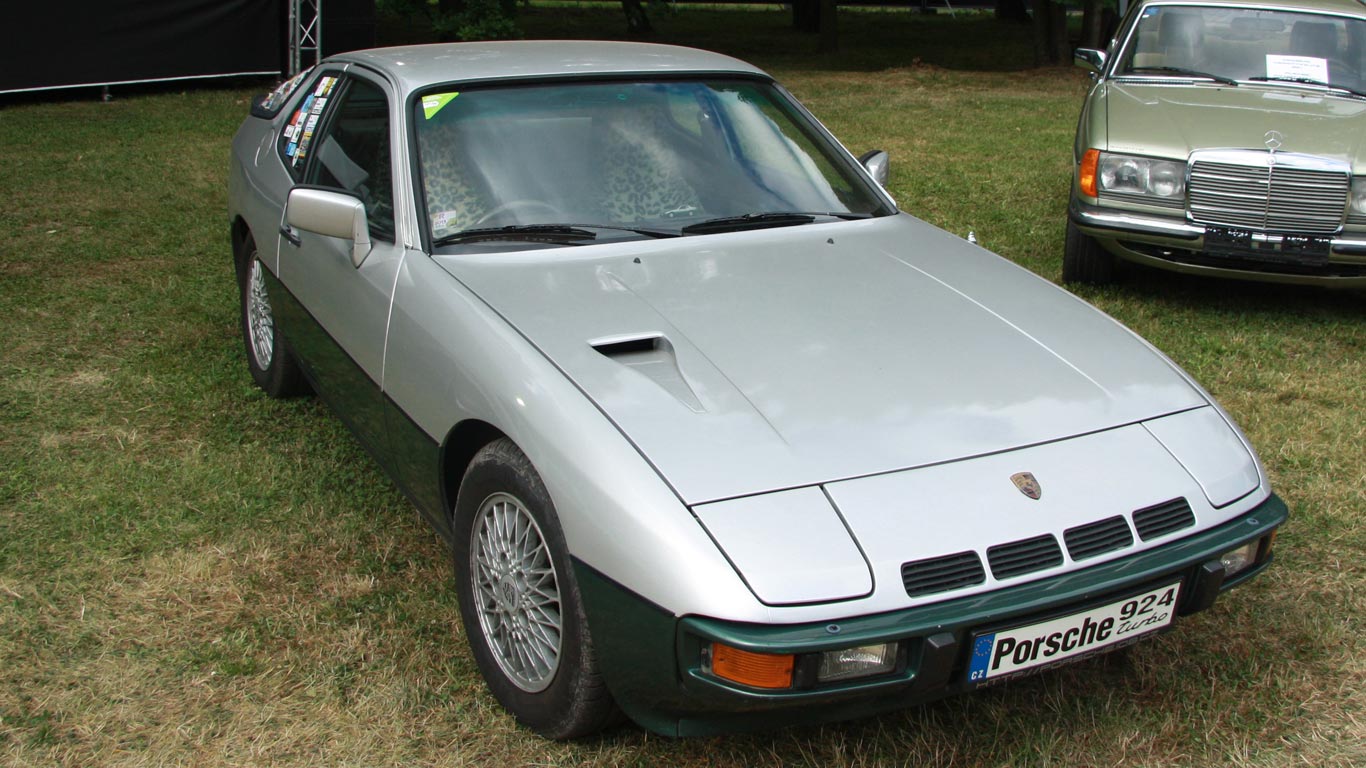
Entry-level turbo Porsche
Introduced as a 1978 model, the 924 Turbo produced 170-horsepower – 10-horsepower off of the 911 SC – and featured a NACA duct in the hood and air intakes in the nose to help distinguish the base 924 from the Turbo. In its short production run the 924 Turbo say minimal changes before its end.
Upgraded 911 Turbo
In 1978 the 911 Turbo’s engine’s displacement increased from 3.0-liters to 3.3-liters, giving the car a 40-horsepower jump over the last. Unfortunately for the U.S. in 1979 the 911 Turbo would no longer be available due to an energy crisis, and would not return until 1986.
New front-engine turbo
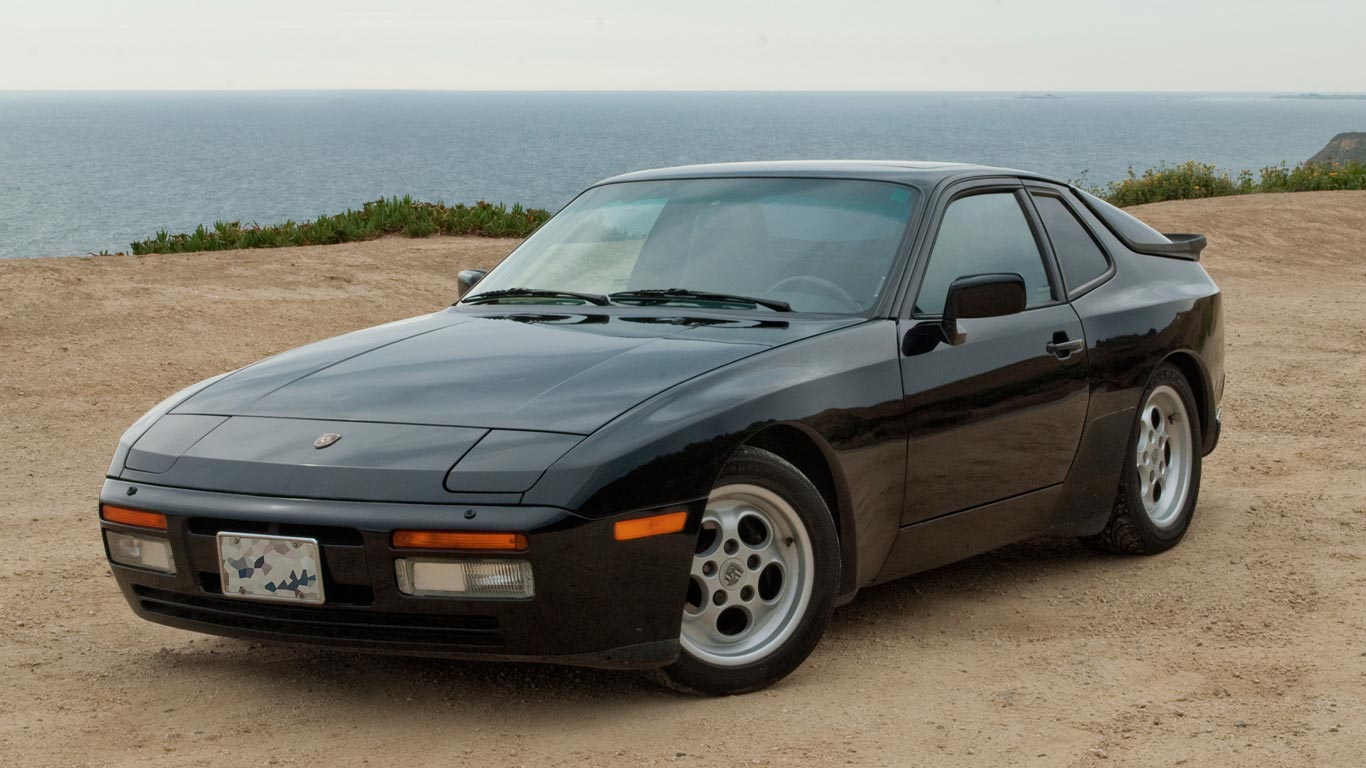
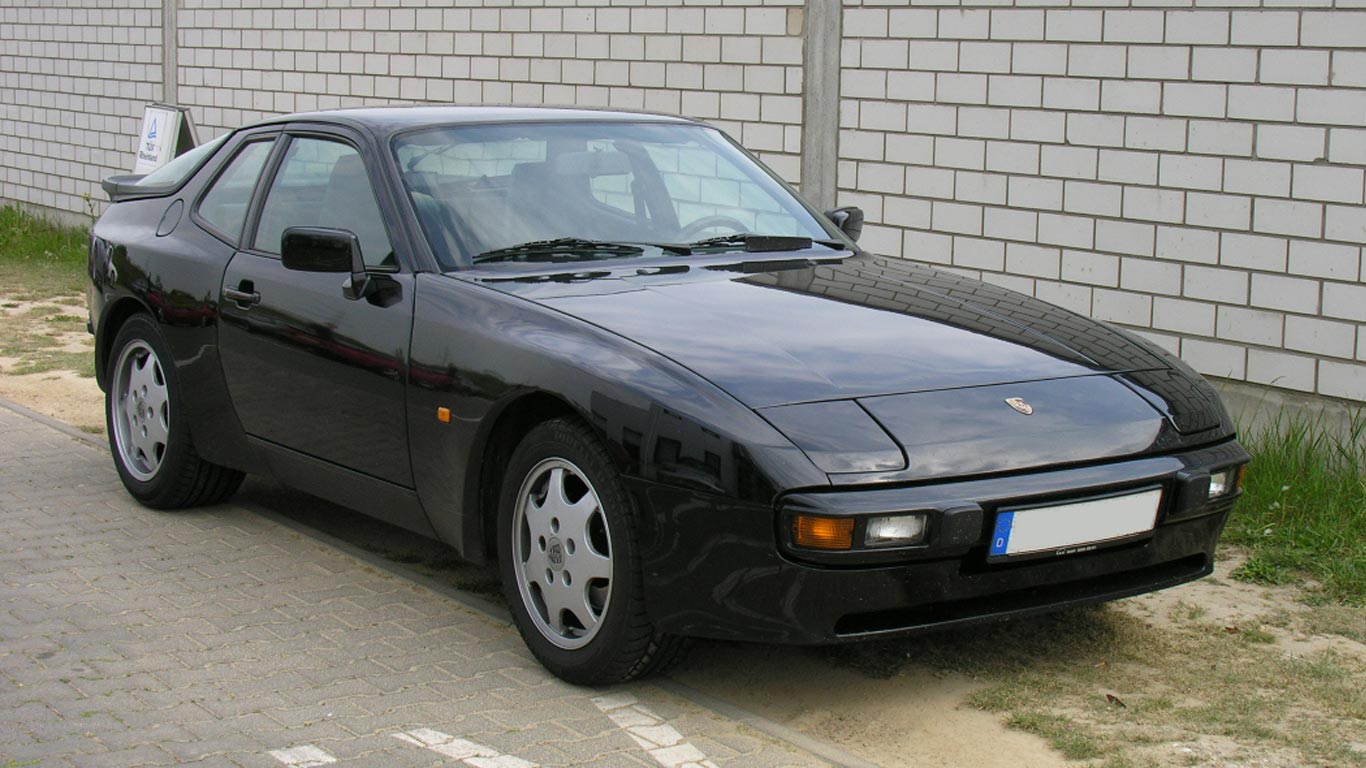
Before the 911 Turbo returned to the U.S. the 924’s replace, the 944, arrived with a turbo variant. The turbo produced 217-horsepower and had a recorded 0-60mph time of 5.9 seconds.
Advanced 944 Turbo
In 1988 a 944 Turbo S was revealed. Improved suspension, clutch, transmission, rear-end, and engine and clutch combination, helped make the Turbo S the fastest production four-cylinder car of its time. With 247-horsepower and 258ft-lb of torque, the Turbo S could go from 0-60mph in 5.5 seconds.
Superior supercar
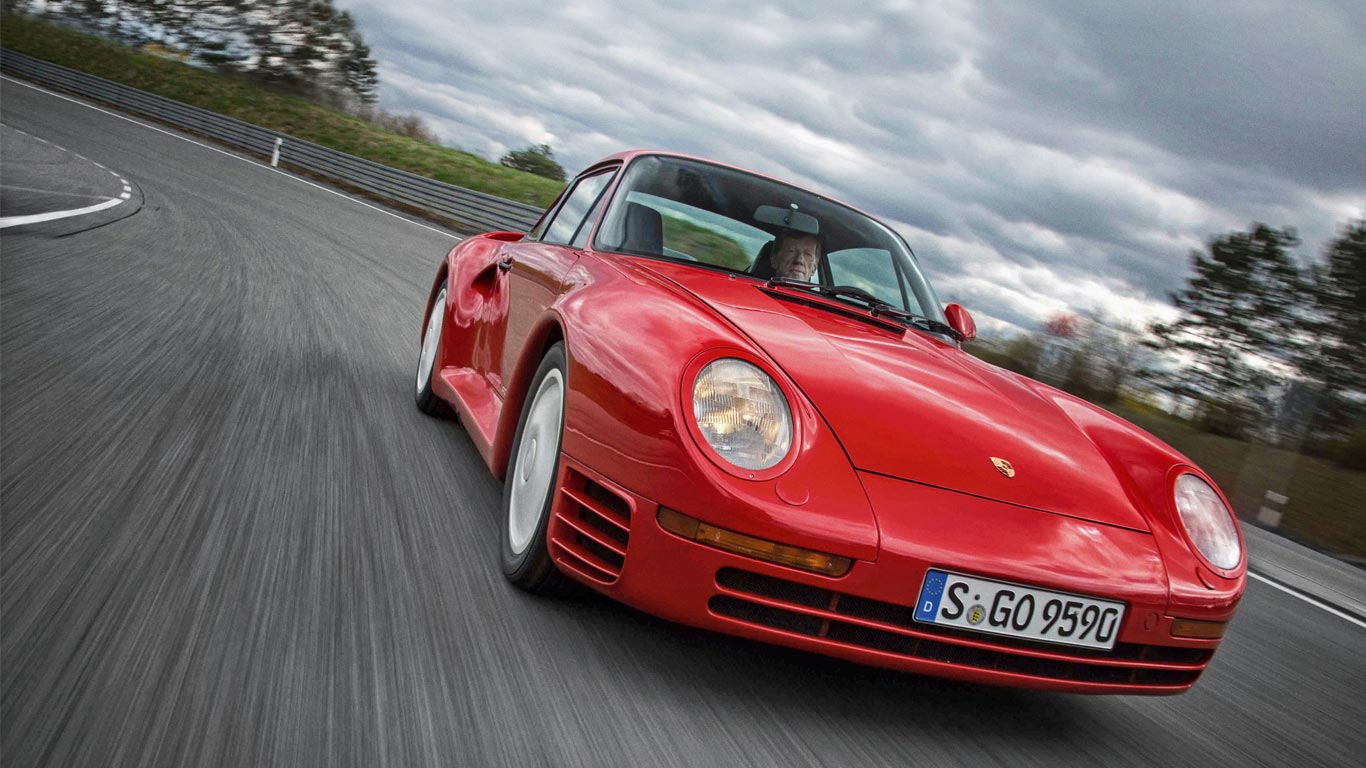
While the 911 Turbo returned to the U.S., something much more menacing and paramount was leaving Stuttgart at the same time – the Porsche 959. Powered by a bi-turbo flat-six, the 444-horsepower all-wheel-drive super-Porsche could reach 195mph, making it the world’s fastest street-legal production car for its time.
Next generation 911 Turbo
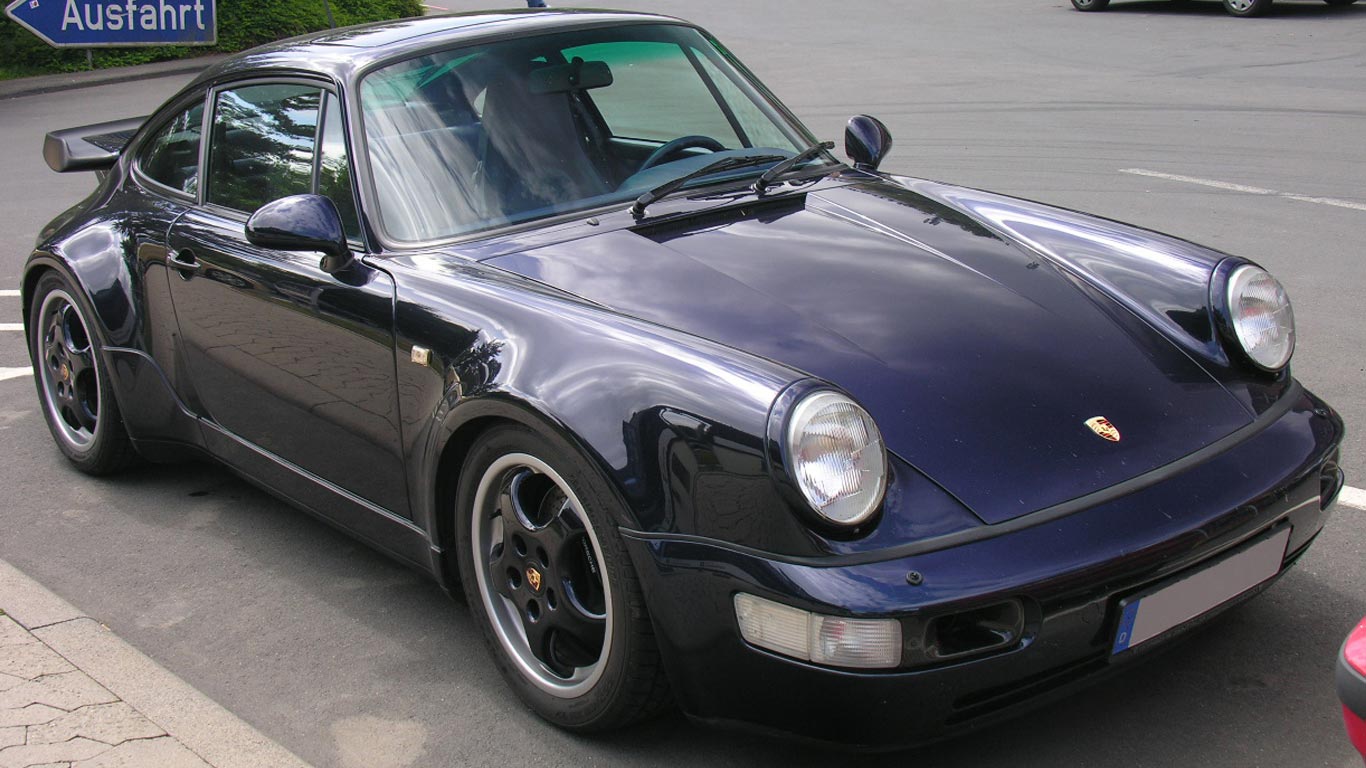
Not until 1990 would the second generation 964 911 Turbo be released. It retained the same 3.3-liter flat-six from the last generation, but retuned to 320-horsepower. A Turbo S variant was released in 1992 with improved suspension and a power increase to 376-horsepower.
Improving the 964
In 1993 Porsche replaced the 3.3-liter engine with a new 3.6-liter flat-six pushing 360-horsepower with the Turbo variant. Only 1,500 3.6-liter Turbo 964s were produced, making it almost as sought after as the 959.
New 911 features
When the 993 generation of the 911 Turbo was revealed in 1995 it was equipped with two never-before-seen features on a 911 – twin turbos and an all-wheel-drive system. The twin-turbo 3.6-liter flat-six produced a whopping 402-horsepower, and combined with the new aerodynamic body the 993 Turbo launched from 0-60mph in a blistering 3.8 seconds. The Turbo S even faster with 424-horsepower.
The apotheosis of the 993 911
The GT2 name presents a sense of nobility. And when placed next to another dignity name, 911, everything you need to know about the car is represented in six characters. Bestowed with 430-horsepower – 450-horsepower on the upgraded edition – widened plastic fenders, larger rear spoiler with air scoops in the struts, six-speed transmission and rear-wheel-drive, the GT2 was truly a street-legal 911 racecar.
First water-cooled 911 Turbo
Diehard air-cooled 911 fans were thrown a curve ball with the launch of the new water-cooled 996 model 911. But the 911’s new feature in no way hindered the Turbo model’s performance. Its 3.6-liter flat-six is derived from the 1998 Le Mans winning GT-1 car and produced 415-horsepower at 6,000rpm.
996 generation GT2
Despite how enthusiasts felt about water-cooled 911s, there was no denying the pertinence of a 911 GT2. And the 996 GT2 did not disappoint. Two large turbochargers assisted the 3.6-liter flat-six in producing 476-horsepower, and according to reports of the time, the GT2 hardly suffered any dreaded turbo lag.
Turbocharged SUV
Porsche entered uncharted territory in 2002 with the development of a SUV. But in typical Porsche fashion, the Cayenne had superb handling and a line of strong motors – including a turbocharged 4.8-liter V8 – and quickly became the company’s best-selling vehicle. The Cayenne has a Turbo and Turbo S variant with the current Turbo S producing 560-horsepower.
Growing line-up
Porsche continued to grow its lineup with the Panamera – a full-sized luxury sedan. Like the Cayenne, a Turbo and Turbo S variant of the Panamera was made available with a turbocharged 4.8-liter V8. The current Panamera Turbo S is the most power mass production Porsche producing 570-horsepower.
997 generation turbos
While it was no surprise to see new turbo editions with the launch of the 997 generation 911, what was new was the first time use of BorgWarner VTG turbos. The new turbos cut lag and increased power with the 911 Turbo producing 473-horsepower and the mighty GT2 producing 523-horsepower.
997 generation two
For the 2008-09 model years of the 997 911 there were a few updates including revised suspension, PDK 7-speed transmission option, slightly altered front fascia and a couple other minor details. This didn’t have a major effect on the Turbo variants, but there was the addition of a new Turbo S and a staggering 612-horsepower twin-turbo GT2 RS.
Crossover endeavor
Porsche continued to work on increasing its audience by jumping on the crossover bandwagon with the launch of the Macan in 2014. There is a Turbo variant of the Macan, but a unique feature of the Macan is all of its engine options include a turbo. The base Macan and diesel models house a single turbo while S, GTS and Turbo models house twin-turbos.
991 generation 911
With the new 991 generation 911 came the end of the 3.6-liter flat-six. Now all Turbo models would be powered by a twin-turbo 3.8-liter flat-six. The Turbo now produced 513-horsepower, while the Turbo S produced 552-horsepower.
The 911 blows into another new era
Mid-generation updates usually include minor revisions, but this time the facelifted 991.2 sees all Carrera models sporting a 3.0-liter turbocharged engine. Aside from GT models, no longer can you go to a Porsche dealer and purchase a new naturally aspirated 911.
991.2 Turbo models
The Turbo and Turbo S models will still exist and will be the most powerful editions. Both all-wheel-drive with a twin-turbo 3.8-liter flat-six, but the Turbo will produce 540-horsepower with an estimated 0-60 time of 2.9 seconds, while the Turbo S will produce an incredible 580-horsepower with an estimated 0-60 time of 2.8 seconds.
Increasing its turbo line-up
New emission regulations are pushing manufacturers to adapted turbocharging technology to their lineups, and for Porsche this doesn’t stop with the 911. As of 2016, the Boxster and Cayman, now named 718 Boxster and 718 Cayman, have been given the turbocharged treatment coming standard with a turbocharged flat-four.
Boost or bust?
Now, Porsche’s entire line-up is turbocharged. The exceptions will be super-raw road-going racers such as the 911 GT3 RS. Like it or not, if you’re a fan of Porsches, you now need to be a fan of turbochargers. Not all the die-hard enthusiasts are happy, but such is the march of progress. Besides, as we’ve now seen, Porsche’s history with the turbo goes back decades. If anyone can lay claim to being an authentic turbo car maker, it’s Porsche…
 Vauxhall has been summoned to Westminster by ministers on the Transport Select Committee so they can quiz the firm about the spate of Zafira B vehicle fires.