The Conservatives have pledged a £600 million investment towards zero-emission cars by 2020 should they win next month’s general election. It comes as prime minister Theresa May launches her party’s 2017 manifesto as part of her plans to “build a stronger, fairer, more prosperous Britain” following Britain’s exit of the UK.
“Our ambition is for Britain to lead the world in electric vehicle technology and use,” says the manifesto. “We want almost every car and van to be zero-emission by 2050 – and will invest £600 million by 2020 to help achieve it.”
The Tories are also pledging to develop the strategic road network, providing extra lanes on UK motorways and improving key routes. The manifesto also says it’ll pay attention to parts of the country left behind by poor transport connections, and will invest in roads to fix pinch points.
More about the general election on Motoring Research
What does the Labour manifesto mean for motorists?
What does the Lib Dem manifesto mean for motorists?
“We are leading the world in preparing for autonomous vehicles and will press ahead with
our plans to use digital technology to improve our railways, so that our roads and tracks can carry more people, faster, more safely and more efficiently,” adds the manifesto.
Yesterday, the Lib Dems launched their manifesto, pledging to introduce a diesel scrappage scheme and ban the sale of diesel cars entirely by 2025. Meanwhile, the Labour Party has said it will upgrade roads in a bid to reduce congestion and scrap tolls on the Severn Bridge.
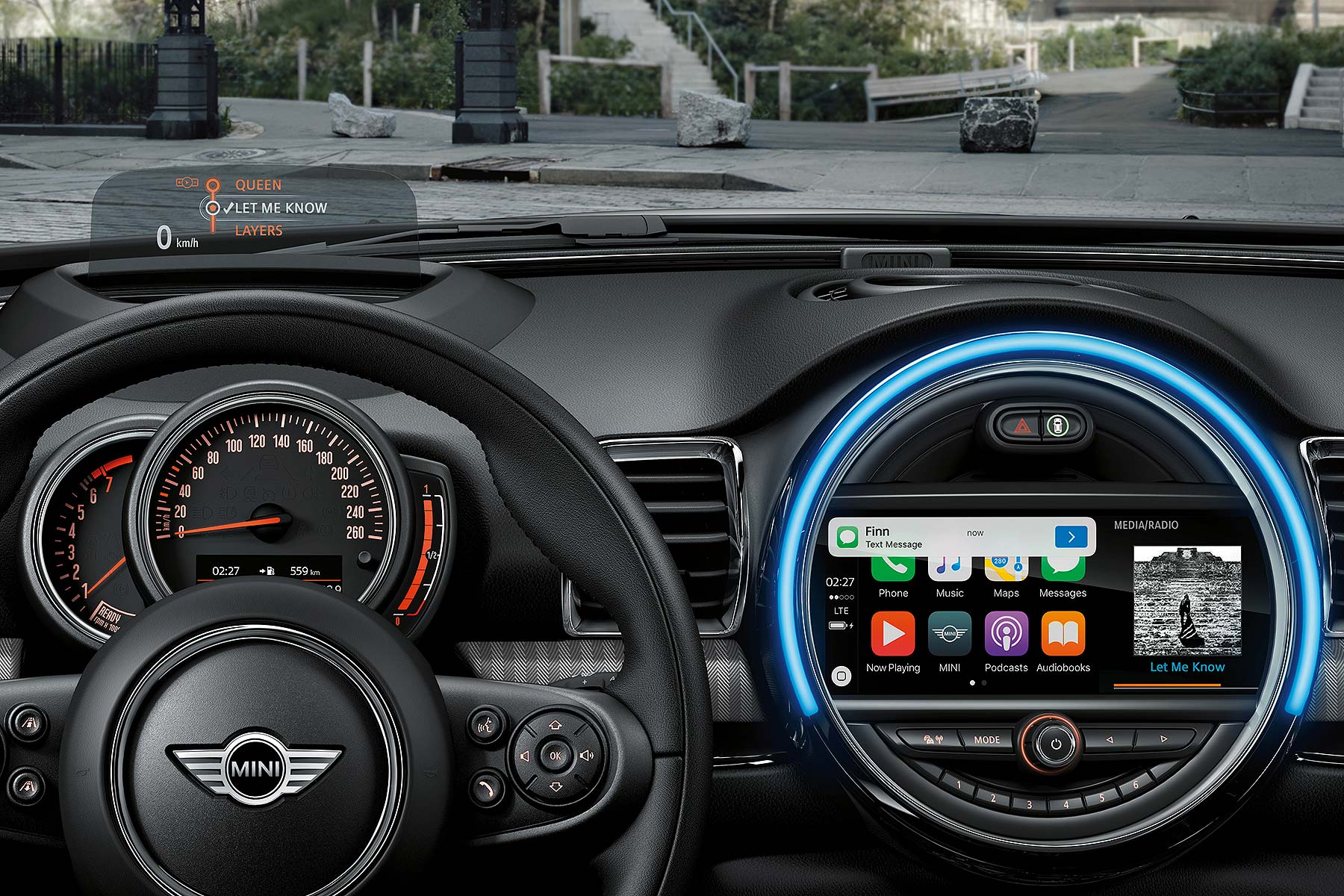
Mini has at last introduced Apple CarPlay smartphone connectivity into its model range, with new 2017 Clubman and Countryman models first to get it. Cars ordered from July 2017, with the Media Pack XL or Media Tech Pack, will get Apple CarPlay preparation, working via a central 8.8in screen – which now has touchscreen functionality alongside the usual Mini Touch Controller.
That’s not all Mini’s changed for 2017 either. Those who’ve been driven to distraction by the current generation’s substandard fuel gauge now have a much more precise readout: like all the July 2017 changes, it’s not headline-grabbing, but customers will welcome it. Same goes for instruments that, at night, are now illuminated in crisp white rather than BMW orange.
2017 Minis will be a bit safer through the introduction of a driver alertness monitor on Hatch and Convertible models, for those picking the Mini Visual Boost, Mini Navigation or Mini Navigation XL options. When it senses the driver’s getting tired, it will nag them to take a break.
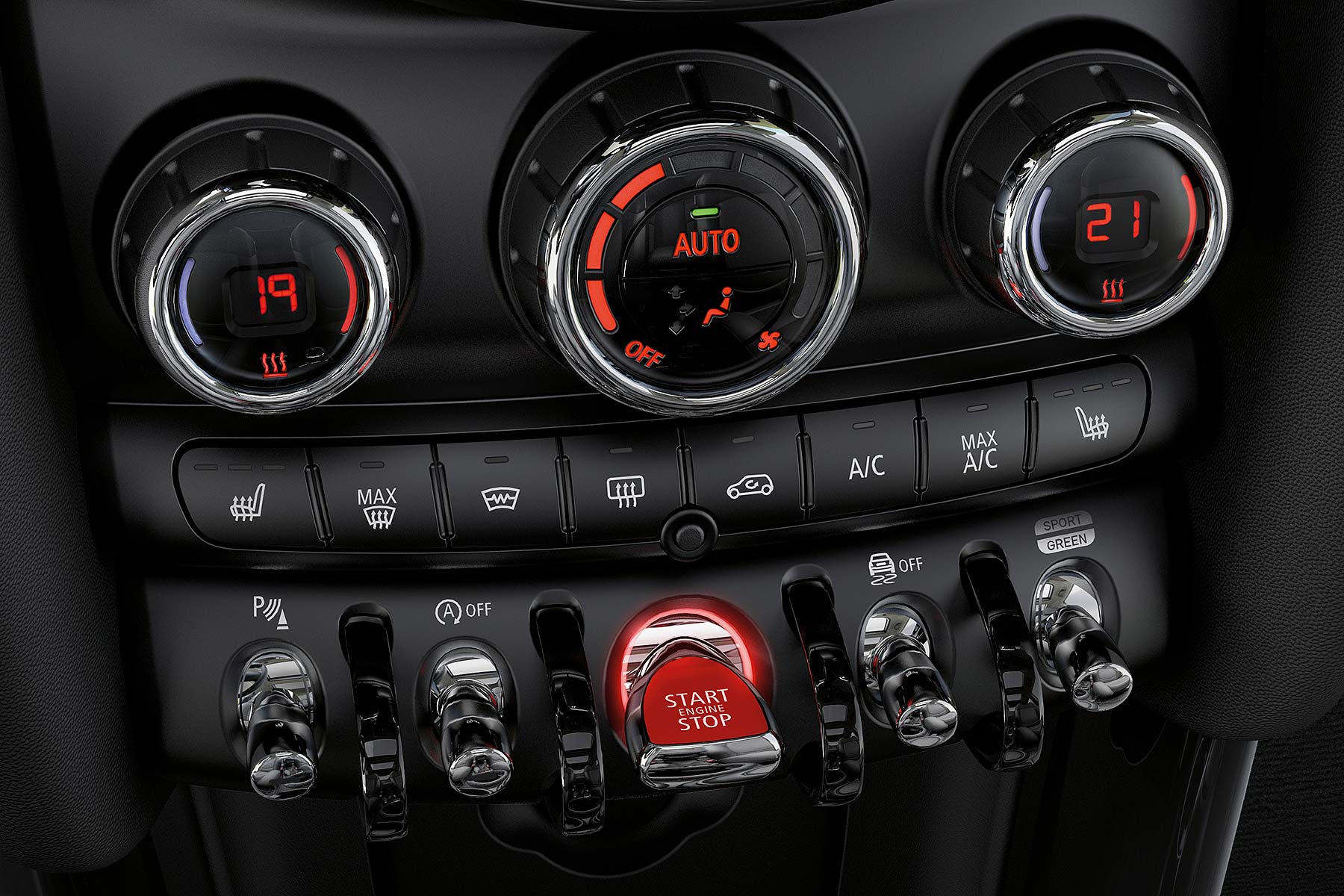
Finally, the fiddle of adjusting Mini Driving Modes will be made a bit less niggly by moving the switch to a toggle controller below the air con dials.
As for CarPlay on other Minis, expect it to roll out in time – perhaps on best-selling Hatch models when the model range receives its mild facelift due later this year?
The Advertising Standards Authority (ASA) has given Volvo Cars a formal warning after it was decided that an advert for the firm’s glow in the dark paint was misleading.
Volvo’s LifePaint is a spray designed to increase visibility in the dark. The Swedish car manufacturer released a Youtube advert for the paint in December 2016, saying: “Road safety shouldn’t be for the few. It should be for everyone. The ones not driving our cars, and the ones who prefer two wheels to four.”
More on Motoring Research:
Volvo and Google Android partner up at last
Ecotricity slammed for misleading ‘cheaper than petrol’ claims
More car news on Motoring Research
A complainant said the advert, which also appeared on Volvo’s website, was misleading as the product couldn’t produce the effects shown.
The firm admitted that the LifePaint was primarily designed primarily for textiles. A different oil-based product produced by the same manufacturer, Albedo100, was used in the video as this worked better on metal surfaces such as bicycle frames.
Volvo said that LifePaint would have the same effect shown in the video, but it wouldn’t last as long as the product used. It added that it would add a disclaimer on the advert to make it clear that the product was primarily designed for use on dry textiles.
This didn’t satisfy the ASA however. The organisation upheld the complaint, saying: “The ASA considered that the average consumer would expect LifePaint to be able to produce a similar effect to that seen in the ads. The video gave equal prominence to the frames of the bicycles as it did to the clothing of the riders, and showed the product being sprayed on a bike frame, so we considered consumers would expect the product to work on both surface types.”
It concluded that the ad exaggerated the performance of LifePaint and was misleading, instructing Volvo not to show the advert again in its current form. At the time of writing, it remains on Youtube.
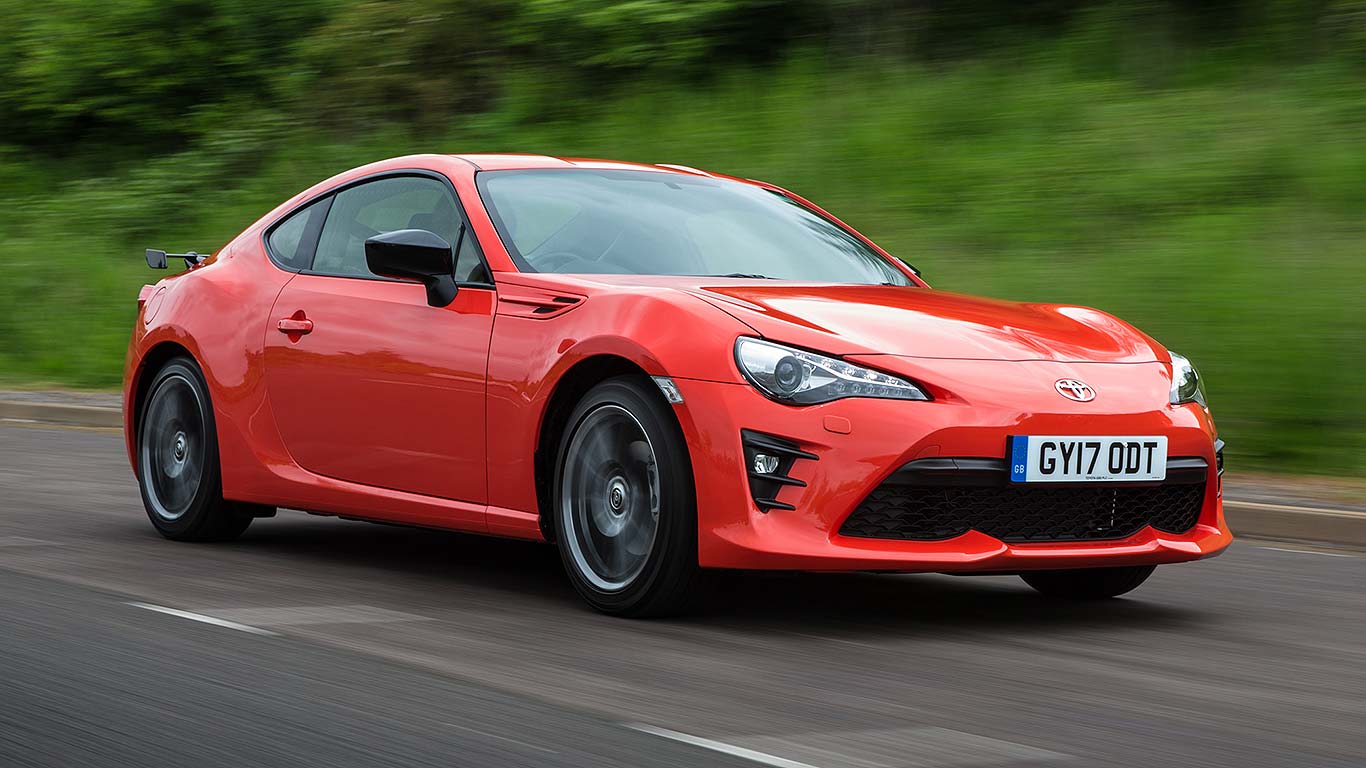
Toyota has announced plans to introduce a Club Series line of GT86 special editions – starting with this, the very orange GT86, erm, Orange Edition.
Finished in distinctive Solar Orange paintwork, the Orange Edition is based on the GT86 Pro and starts at £28,800. That’s £795 more than the top-spec model on which it’s based, while if you really must have an automatic, it’ll set you back £30,270.
Alongside the eye-catching paint, the special GT86 features metallic black door mirrors and spoiler, complemented by the Anthracite 17-inch alloy wheels. Inside, you’ll find orange stitching holding the standard leather and Alcantara seats together. Everything else remains as standard – meaning the Orange Edition comes with Toyota’s Touch 2 infotainment system with DAB and Bluetooth, heated front seats and aluminium sports pedals.
If you’ve got this far and you’re still clinging onto the hope that Toyota might have given the ’86 something a little special in the driving department, we’re going to have to be the bearer of bad news. Its 2.0-litre Boxer engine continues to produce 200hp, meaning the sports car takes 7.6 seconds to hit 62mph when paired with the manual ‘box.
Like all GT86s, the Orange Edition’s engine sends power to the rear wheels and uses an LSD to aid handling. Eco tyres, fitted as standard, do their best to prevent you having too much traction, meanwhile.
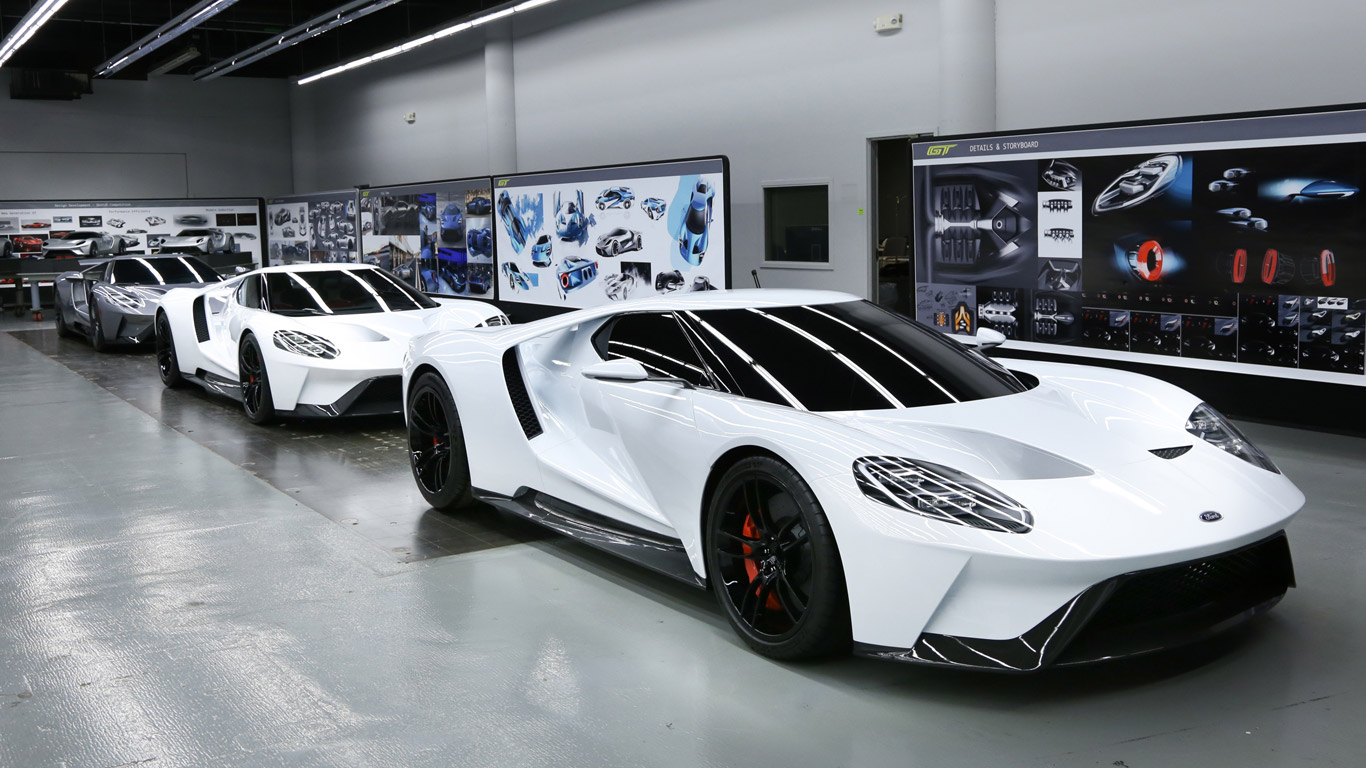
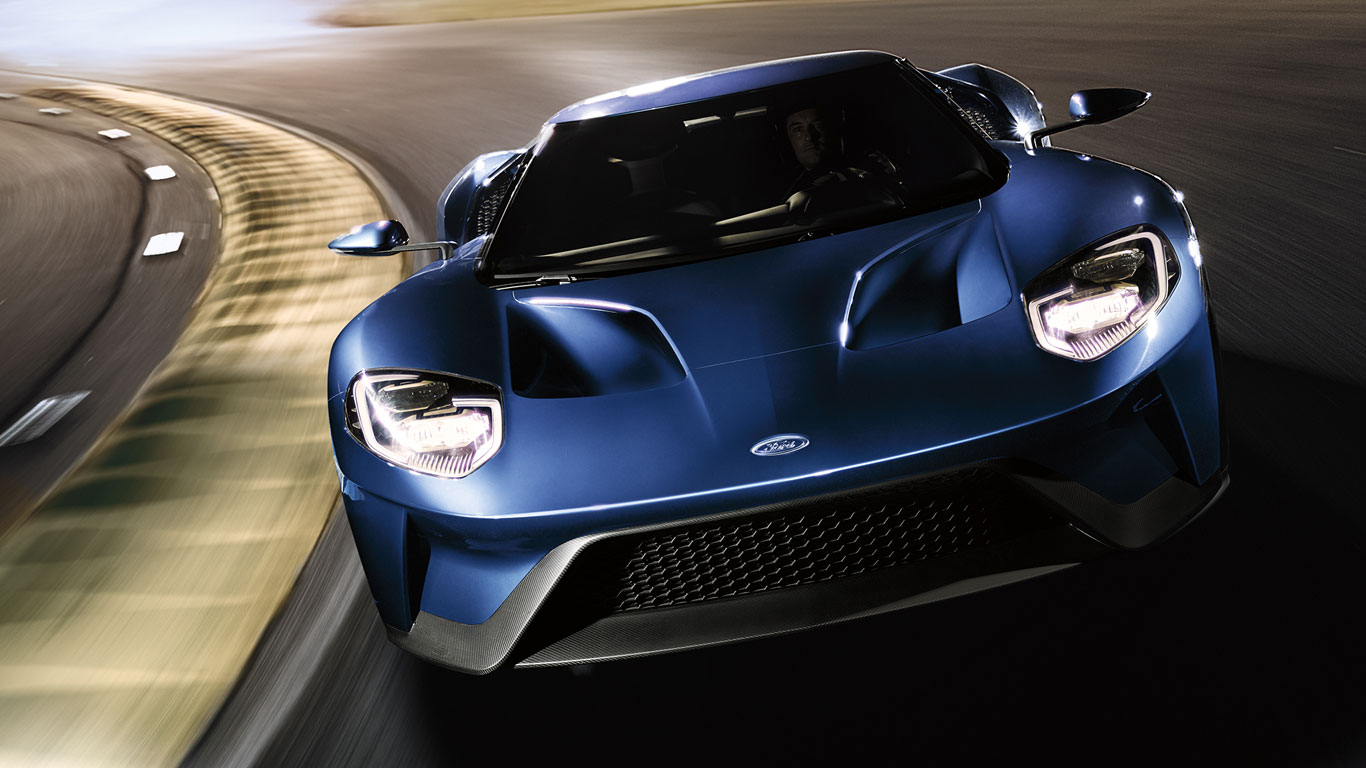
2017’s must-have supercar was revealed at the 2015 Detroit Auto Show, after years of hard work by a small group of Ford employees at the firm’s Dearborn design centre in Michigan. While it might look like the new GT was the work of a futuristic design studio, all the design work was carried out by in a top secret basement studio.
Most employees at Dearborn knew nothing about the project. While they were upstairs working on designs for the new Edge or Fusion, a small group in the basement were sketching Ford’s Lamborghini-rivalling supercar.
Before we take a look at the design studio, let’s look at some stats and figure out why the Ford GT is such a big deal. It costs £450,000 and only 1,000 will be made – with just 40 coming to the UK. All the cars have already been allocated – Ford has been very strict about the application process, meaning only genuine fans will be getting their hands on the GT.
Power comes from a 3.5-litre V6 Ecoboost engine producing 656hp and 550lb ft of torque, mated to a seven-speed dual-clutch transmission. A lightweight carbonfibre monocoque combined with aluminium front and rear subframes means it’s boasts a kerb weight of just 1,385kg.
Officially, the Ford GT hits 60mph in 2.8 seconds and can reach a top speed of 216mph. That puts it on par with McLaren’s incredible 720S.
So that design studio? We visited Dearborn, where we were met by Ford’s design director for the Americas, Chris Svensson. Following Svensson down a staircase and through a series of passages, you could see the excitement of someone who has spent a great deal of time locked in a basement, keen to show off his lair.
How did it remain a secret for so long? Surely other people suspected it? “Fortunately no one really asked what I was working on,” says Svensson. “Most people in the building didn’t know until it was unveiled at Detroit.”
Svensson stops by what appears to be a broom cupboard. He produces a key from his pocket – “old school,” he quips, and opens the door.
Behind it, we’re in for a treat. While the room itself is nothing particularly special, its contents are guaranteed to get any petrolhead excited.
From mock-ups to the final car, it’s fascinating to see how the design has progressed.
Not that it’s changed a lot. Compare the final design with an early clay model, and it’s clear that very little has been altered. That’s down to the team largely being able to do their own thing – the performance team have been hands on from day one, while accountants have been kept well away.
The car is being launched to commemorate the 50th anniversary since Ford’s Le Mans win with the original GT40, and is set to run in this year’s Le Mans 24 Hours race.
So why is it using a 3.5-litre V6 Ecoboost engine, rather than a bulky V8, if economics aren’t in mind? Surely a throaty V8 would be more in-keeping with both the Le Mans spirit as well as the GT ethos.
Ford Performance chief engineer Jamal Hameedi disagrees: “Le Mans is very much a full economy race. Ecoboost technology makes it extremely fuel efficient. If the other guys want to haul around two cylinders not doing anything, then go ahead, but a six cylinder is all we need.”
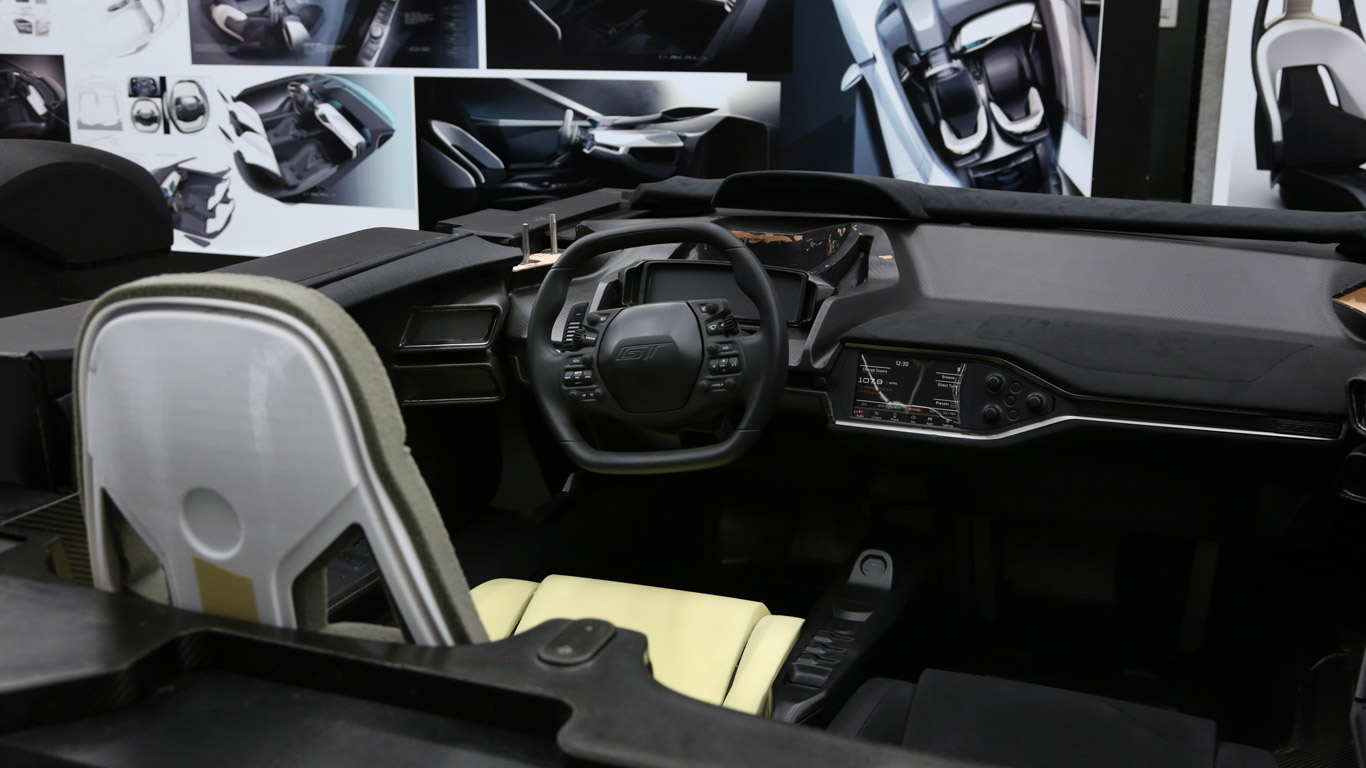
One challenge they did face was the interior. With such a small area to play around with, how could they fit something suitable for a £450,000 supercar into such a tiny space?
The man responsible for that was global interior design director, Amko Leenarts. He explains that comfort wasn’t a priority – anyone much taller than six foot is going to struggle, and don’t expect to be able to carry golf clubs.
Working with such a tiny space created numerous issues. Fitting rails under the seats to allow them to move back and forth would take up much-needed headroom, so it was decided to keep the seat fixed. Instead, the steering wheel and even the pedals move towards the driver.
There wasn’t even room for a conventional steering wheel. It would be impossible to get in the Ford GT with a full-size wheel, so a small wheel was used with the top and bottom cut off.
While obviously designed without luxury in mind, Leenarts has done an incredible job on the interior. Like everyone involved, he’s rightly proud of it.
The Ford GT is different to anything else the manufacturer makes – it’s a real labour of love, designed with nothing but performance in mind. And the experts in charge of the project? Absolute enthusiasts. And that’s refreshing. Please keep clicking to see more pictures of the Ford GT design studio.
The Mazda MX-5 may be the world’s best-selling sports car, but the Porsche 911 is the most iconic. And today, after 54 years in production, the company built its one-millionth 911.
Dr Wolfgang Porsche unveiled the milestone car in Zuffenhausen, where it begins a promotional world tour that includes the Scottish Highlands, Nurburgring, USA and China – ending up as part of the collection at the Porsche Museum.
Classic Porsches on show at Autofarm for MR Retro Live
Porsche sat nav now standard in UK on all new models
Porsche tops list of Europe’s most popular classics
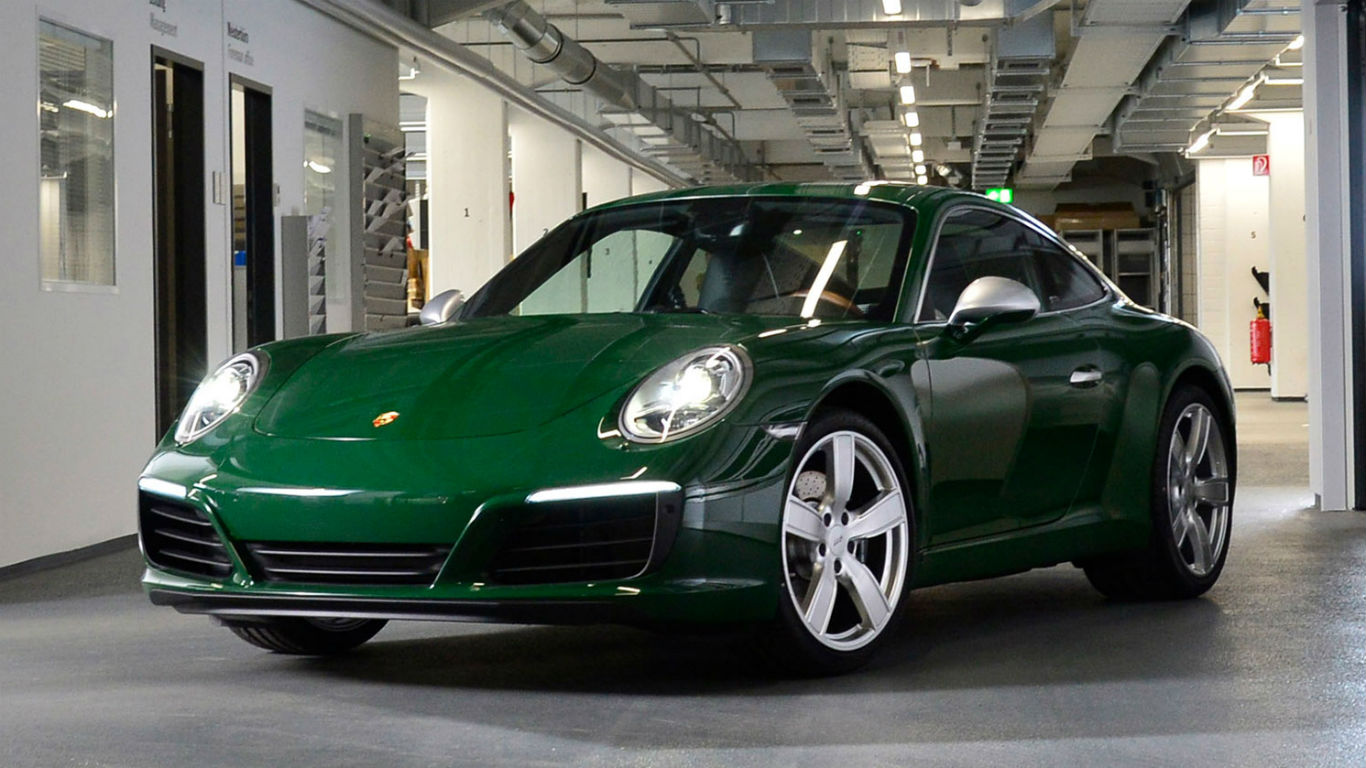
The 991 Carrera S has a distinctly retro theme, with many details that evoke the 1963 original. Spot the Irish Green paint (a special order colour since 1965) chrome window-surrounds, old-style Porsche bonnet crest and – oh yes – gold badges.
Inside, there’s liberal use of mahogany on the steering wheel and dashboard (no, us neither), plus ‘Pepita’ houndstooth trim on the trad-911 ‘tombstone’ seats. A plaque marks this car out as number 1,000,000 off the production line.A visibly proud Dr Porsche said: “Fifty-four years ago, I was able to take my first trips over the Grossglockner High Alpine Road with my father. The feeling of being in a 911 is just as enjoyable now as it was then. That’s because the 911 has ensured that the core values of our brand are as visionary today as they were in the first Porsche 356/1 from 1948”.
Although the 911 is easily outsold by Porsche’s Macan and Cayenne SUVs today, it remains core to the German brand: a halo car that shines brighter than perhaps any other.
Amazingly, more than 70 per cent of all 911s ever built are still on the road, and over half of Porsche’s 30,000 race wins can be credited to the car, too.
We don’t expect this very special 911 will be racking up the miles – it’s already too valuable for that – but devotees can buy an Irish Green Porsche Design watch, with a strap using the same leather as the 911’s interior.
In the red corner: the Lamborghini Aventador SV. In the black corner: the Ferrari 355 GTS F1. Two prize fighters separated by 20 years and a not-insignificant 370hp. Yet these supercars have more in common than you might expect.
Both are Italian, for starters. And both use high-revving, naturally-aspirated engines with semi-automatic gearboxes. Also – less obviously – both are the property of two brothers: Andrew and David Bagley.
The Bagleys are the brains behind Salon Privé, an exclusive classic and supercar show hosted each summer at Blenheim Palace. Today, Blenheim serves as the suitably dramatic back-drop for our supercar showdown. Can classic hero defeat modern master?
“I fell in love with the Aventador after seeing one at Salon Privé,” Andrew explains. “It looked like a fighter jet, all crazy angles.” A few years later, he realised that dream, visiting Lamborghini HQ in Sant’Agata to specify his own Aventador SV.
The SV, or Superveloce, badge was first used on the Miura SV of 1971. It denotes something special: a lighter, faster Lamborghini, built in limited numbers. “Going for a special edition such as this – one of 600 SV coupes made – does mean the car should hold its value longer-term,” says Andrew. “Just look at the prices of RS Porsches. That said, I buy cars to drive and enjoy, not as investments.” And who wouldn’t enjoy a Lamborghini?
Drawing a crowd
I start by taking a few moments simply to stand and stare. I’m not alone: a crowd of Blenheim day-trippers gathers, asking questions and taking supercar selfies. I walk around and drink in the details: the shark-like snout, gaping air intakes framed in naked carbon, louvred rear window (a Lamborghini trademark) and, of course, that towering rear wing.
Pardon the cliché, but the SV looks like it’s doing 200mph standing still. And people can’t get enough of it. The Ferrari parked alongside looks remarkably understated: a Learjet versus a stealth bomber.
Waking up the neighbours
If half the visitors at Blenheim have already clocked the Lamborghini, the other 50% snap to attention when I flip the red ‘bomb switch’ cover and stab the starter button. With a theatrical blip of the throttle, the 750hp V12 barks into life, settling to a menacing idle that echoes across immaculate Capability Brown gardens.
I pull down the dihedral door via a small leather strap (this is a lightweight special, remember?) and adjust the mirrors. Mental note: the Aventador is A LOT wider at the back than the front. The pedals are skewed towards the centre, but the ‘long arms, short legs’ driving position of Italian supercars past is thankfully absent. Even the seats are comfortable – Andrew decided against the hard-shell buckets standard on the SV.
Unleash the beast
The exit road is peppered with speed humps, so I push the ‘suspension lift’ button and we crawl cautiously along. The mid-mounted V12 gargles and growls like a caged lion pawing at my shoulder blades. The ride feels racecar-firm, with very little travel from the in-board suspension, yet all the major controls, from the steering to the clutch pedal, move with weighty precision. It’s not difficult to go slowly, but neither would your grandmother feel comfortable driving it.
We turn onto a stretch of dual-carriageway and it’s time to let the Lambo off the leash. I shift to second, hit the loud pedal and – bam! – we lunge forwards like Bolt from the blocks. With four-wheel-drive traction, there’s no wheelspin: just grip and relentless G-force. I snatch third just before the 8,500rpm rev limit and by now we’re piling on serious speed – polite conversation suspended as cabin reverberates with Italian V12 thunder.
Lord of the ’Ring
I steal a glance at Andrew: he’s grinning broadly. “Like riding a bull, isn’t it?”, he laughs. “You grab it by the horns and hang on.” It’s a good analogy – the Aventador feels totally unhinged, like being strapped to a heat-seeking missile. You’ll be lucky to use even a fraction of its performance on the road. On a race track, it would be an absolute weapon.
Want proof? A driver with vastly more talent than me lapped the Nürburgring Nordschleife in six minutes 59 seconds – just two seconds shy of Porsche’s 918 Spyder hypercar. Which proves the SV isn’t merely about straight-line speed. Along with the new (and Nürburgring record-breaking) Huracan Performante, it also shows Lamborghini is finally on par with Porsche and Ferrari for ultimate driving performance.
Wide and wild
On rutted and occasionally narrow Cotswold lanes, however, the Aventador feels mildly out of its comfort zone. It’s savagely fast and utterly planted – you’d need to be a complete hooligan to unstick the rear end – but it’s also a big car. I involuntarily hold my breath every time a Range Rover or Transit van squeezes past.
The gearbox is the only other minus point. The seven-speed automated manual is whipcrack-fast when you’re pressing on, but feels a little clunky at low speeds. The latest dual-clutch ’boxes are smoother and just as quick.
Lights, camera, action
Heading back to base, we again reach a long stretch of straight dual-carriageway. I pull across into the outside lane and bury my right size-eight. Seven hundred and fifty Italian horses awaken and the scenery blurs into fast-forward. Imagine jumping out of a plane, but with carbon-ceramic brakes instead of a parachute.
Suddenly, blue lights appear. Andrew and I glance at each other in nervous silence. I slow to a steady 50mph and a Vauxhall Astra looms large in my mirrors, sirens wailing. Relief: it’s an ambulance car with no interest in this now-dawdling Lamborghini. But the experience serves as a stark reminder of the restraint needed to drive a 217mph supercar on the road.
Betting on black
The Aventador leaves me wired and wanting more. Can David’s Ferrari possibly measure up? We grab a quick coffee first. “The F355 was on my bedroom wall as a kid – I’ve always wanted one,” he explains. “And it took me a long time to afford one, so this car’s a keeper. I don’t plan to sell it.”
In defiance of Ferrari purists, David shunned the iconic open-gate manual and sought out a F355 with the semi-automatic gearbox (badged ‘355 F1’). “I like paddle-shifters,” he explains. “That said, I don’t leave it in auto – I always use the paddles to change gear.”
Ageing gracefully
Me? I had a red Testarossa on my wall, but as a child of the 1980s, I automatically consider any car with pop-up headlights to be cool. It seems ironic that Ferrari designed the 355 with an F1-style flat undertray, then undid those aerodynamic gains with upright lights.
But no matter: this 20-year-old is ageing gracefully. It may even be the last genuinely beautiful Ferrari. While later models look increasingly aggressive, the 355 has the classic, almost dainty elegance of a 308 GTB or Berlinetta Boxer. It’s stylish, but not shouty.
Scintillating soundtrack
At least, not until I fire up the 3.5-litre V8. David’s car has an aftermarket Capristo exhaust and is even louder than the Aventador at idle. It hums with the undisguised potency of a naturally-aspirated engine that produces nearly 109hp per litre (380hp total): the highest specific output of any car at the time. With only a fabric roof between me and those four tailpipes, the cacophony fills the cabin and reverberates through my skull.
There’s a whole other dimension to the Ferrari’s soundtrack beyond 5,000rpm, though. At lower revs, the flat-plane-crank V8 is boisterous, but not especially tuneful. Only when you close in on the 8,500rpm redline (the same, incidentally, as the Lambo) does it shift up an octave, morphing into a high-pitched howl that has every hair on your body standing to attention.
Into the red
You need to work this engine hard to get the best from it, too. With a paltry 268lb ft of torque at 6,000rpm, the Ferrari is no quicker than many modern hot hatchbacks in everyday traffic. But then a gap opens, you drop a cog and it feels like a bona fide supercar again.
Cards on the table: I’d have my 355 with a manual gearbox – and no doubt pay a premium for doing so. But the F1 transmission, with its comically small lever on the centre console, is better than I’d been led to expect. The paddles move with mechanical precision, and the ability to upshift at full throttle keeps the engine spinning furiously. It’s rather more recalcitrant around town, but that’s also true of a manual Ferrari ’box. Ultimately, the faster you go, the better it gets.
The light fantastic
And believe me, it gets very good indeed. The 355’s steering is sublime – a reminder of how feelsome a hydraulic system can be in this era of anaesthetised electric helms. It’s slower and weightier than present-day Ferraris, yet still fabulously communicative.
On damp roads, I’m acutely conscious that, unlike every new car on sale, the 355 has no stability control. There’s no electronic safety net. Clearly, its limits are much lower than the ’Ring-slaying Aventador, but it doesn’t intimidate. Its suspension is supple and the whole car feels light on its feet. You couldn’t say that about a Testarossa.
Analogue to digital
With its compact dimensions and unfiltered driving feel, the 355 reminds me of two other cars of this era. One is the original Honda NSX – the brilliantly usable Japanese supercar that showed up Ferrari’s below-par 348 and, ironically, forced the Italians to up their game with the 355. The other is the Porsche 964 Carrera RS, a raw road-racer with an equally charismatic engine and superb chassis.
There’s perhaps an argument that these were the last of the truly analogue sports cars. Electronics would soon infiltrate every area of car construction, to the benefit of reliability and safety, but often to the detriment of good old-fashioned fun. No wonder the prices of all three cars are heading skywards.
Picking a winner
This isn’t a comparison test. Nobody is likely to whittle their shortlist down to an Aventador SV (from £280,000) or F355 (from £45,000). However, it shows how far high-performance cars have come in 20 years. These two share some similarities, but they could hardly feel more different.
The Lamborghini is awe-inspiring and magnificent; it’s the supercar turned up to 11 – a double Sambuca washed down with a Red Bull. I loved driving it, but can’t escape the feeling I’d lose my licence if I owned one. The 355 is more of a robust Italian red: equally intoxicating, but fun at saner speeds and a better fit for UK roads. It’s a tough call, but I’d take the Ferrari.
GT: two letters that mean so much in the car industry. The badge is primarily used to designate a grand tourer, but has been put to good use on mildly warm hatches or for when a GTi badge would promise something a car might not be able to deliver.
So, with the new Ford GT hitting the headlines, we trawled the archives in search of other famous GT cars. Note, this is a not an exhaustive list and we’ve steered clear of badge extensions, meaning you won’t find a GT-R, GTi, GTS or GTE here.
When production of the Carrera GT ceased in 2006, Porsche concluded – with a certain degree of bravado – that it was “ the most successful supercar in history”. Its point was that, at 1,270 units, more Carrera GTs rolled out of the Leipzig production facility than the McLaren F1, Ferrari Enzo and Pagani Zonda combined.
OK, so 605hp and a 0-62mph time of 3.9 seconds might not seem like a big deal in an age of the Dodge Demon, but it was the way in which the Carrera GT went about its business that made the difference. The race-honed V10 engine makes a noise rivalled only by Thor gargling on a single malt Scotch.
Citroen AX GT
The Citroen AX GT is unlikely to win a game of Top Trumps, unless the chosen category is ‘lightness’ or ‘risk of death in the event of an accident’. But that doesn’t mean it’s not fit to wear the GT badge, because the featherlight Citroen was one of the most exciting cars of the late 80s and early 90s.
Power was sourced from a 1.4-litre engine developing just 86hp, but it was mated to a body that tipped the scales at a mere 722kg. It meant that the AX GT could punch well beyond its weight, especially on a twisty B-road, where it could hold its own against more illustrious competition.
Ferrari 456 GT
The GT badge is part of the furniture at Maranello, albeit more commonly with the addition of an extra letter. The 250 GTO, F355 GTS and 348 GTB are just three examples.
The 456 GT saw Ferrari return to the front-engine layout for the first time since the 365 GTB4 of 1968 and was, perhaps, one of the greatest grand tourers of the 1990s. A 2+2 coupe with the beating heart of a 5.4-litre 12-cylinder engine isn’t a bad form of transport for crossing a continent or two.
Opel GT
“Only flying is better,” proclaimed Opel when it launched the achingly beautiful GT. That it looked like a European Corvette was no accident, because the styling of contemporary Opel cars was heavily influenced by its American owners.
Underneath the GT you’d find the floorpan of a humble Kadett, while the fastback coupe body was built in France. The rotating headlights are superb, but although more than 100,000 GTs were built, none were right-hand drive. Shame.
Lamborghini 350 GT
For Lamborghini, this was where it all began. The 350 GT was an evolution of the earlier 350 GTV and was the first Lamborghini to be mass-produced. If Ferruccio Lamborghini’s sole aim was to stick a metaphorical two fingers up at Ferrari, he well and truly succeeded.
Carrozzeria Touring built 120 units, the majority of which were powered by a 3.5-litre 12-cylinder engine. Two Spyder versions were also built by the famous Italian coachbuilder. A 400 GT followed in 1966 and was the first proper 2+2 four-seat Lamborghini.
Toyota 2000GT
Is this the most beautiful car to emerge from Japan? You’d struggle to find anything better than the Toyota 2000GT, which was completed in prototype form by Yamaha in 1965. With Japan’s wealthy elite quick to open their wallets – shouting the equivalent of “take my money” – Toyota got involved with the next stage of development.
Yamaha was entrusted to tackle the production, with the first of these hand-built supercars arriving in 1967. Two open-top versions were created for use in the Bond movie, You Only Live Twice.
MGB GT
The MGB was launched in 1962, but the Pininfarina-penned GT fastback wouldn’t arrive in 1965. It retained all of the handling characteristics of the roadster, with a raised windscreen height ensuring there was ample room in the cabin, at least in the front.
The MGB GT V8 arrived in 1973, right in the midst of the energy crisis. Timing is everything.
Audi Coupe GT
The common or garden Audi Coupe arrived six months after the launch of the iconic Quattro and offered some of the styling for much less cash. OK, so the wide arches and ‘bahnstorming’ performance were absent, but the Coupe managed to cut a mean figure on the Audi forecourts of the land.
Select a Coupe GT with a five-cylinder engine and you could at least pretend to be Hannu Mikkola or Michele Mouton as you made your way home from the office.
Alfa Romeo GT
It’s a modern Alfa Romeo, so you know you’ll have to make one or two sacrifices in order to live with the GT, but it’d be worth it just to stare at it on your driveway.
When powered by the 3.2-litre V6 engine, the Alfa GT is more than capable of living up to the promise of both badges. A proper Alfa and a proper GT.
Renault 5 GT Turbo
The Renault 5 GT Turbo was a true hot hatch hero of the 1980s, able to hold its own against the might of the 205 GTi and Golf GTi. Key to its brilliance – aside from the turbocharged engine – was its lightness, with the GT Turbo tipping the scales at just 850kg.
Today, Renault uses the GT badge to denote its flagship models, as demonstrated by the Megane and Twingo. In truth, they can’t hold a candle to the French GTs of yesteryear.
Car manufacturers know that safety sells, which is why they embrace the high-profile, ultra-tough Euro NCAP crash test safety standard. Not achieving a five-star safety rating in the family segment could mean the difference between success and failure.
Read on to discover which new family cars have achieved the maximum five-star rating in 2016 and 2017.
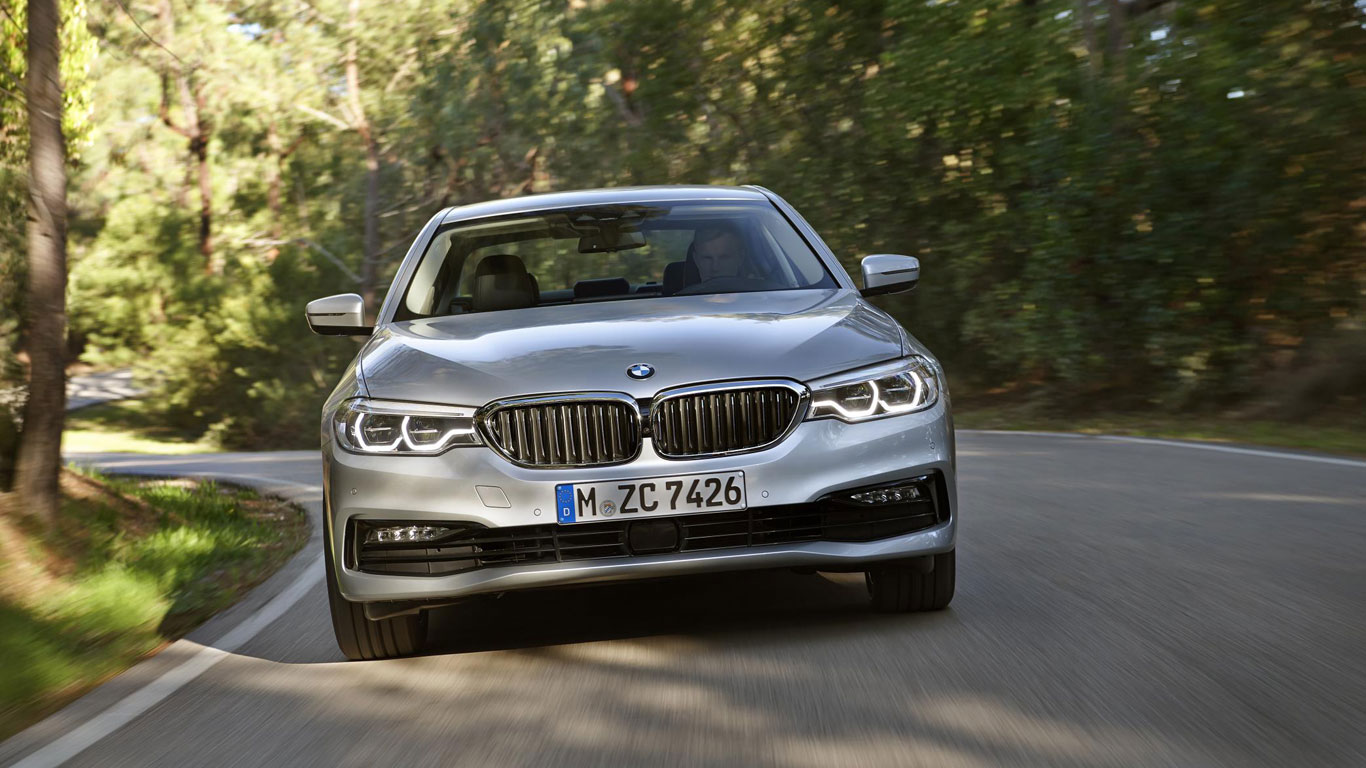
The new BMW 5 Series is the latest car to be awarded a five-star safety rating, including an impressive 81% for pedestrian safety. According to Euro NCAP, “the car showed good all-round performance in crash protection and avoidance tests thanks to its new platform, body and safety features”.
Euro NCAP’s secretary general, Michiel van Ratingen, said: “BMW has led the way with a new 5-Series that features lots of driver assistance systems which Euro NCAP believes will transform safety in the years to come”.
Audi Q5
To achieve a five-star safety rating, a car must perform well in four key areas, namely: adult occupant protection, child occupant protection, pedestrian protection and safety assist.
The Audi Q5 performed well in the safety test, with a 93% rating for adult occupant protection being the standout performance. The adult occupant score is determined from frontal impact, side impact and whiplash tests.
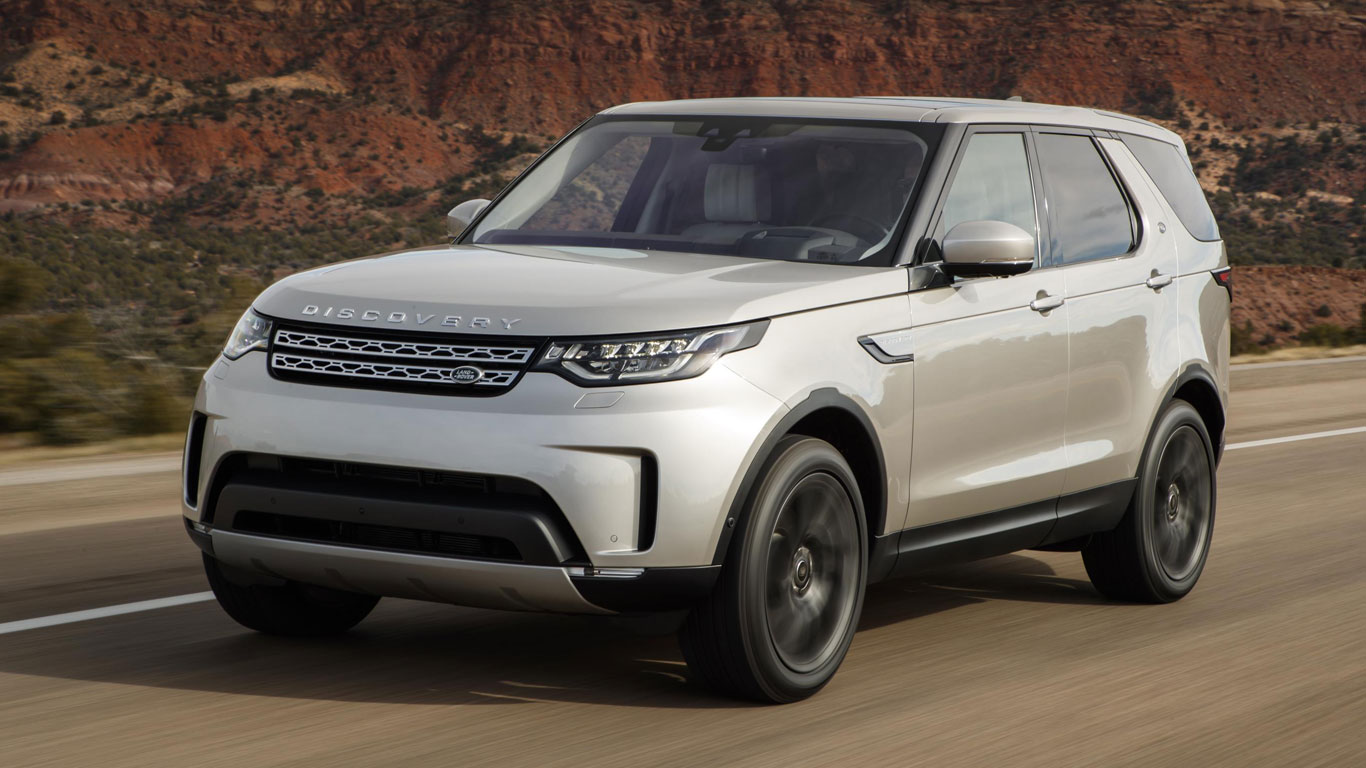
Land Rover Discovery
Meanwhile, the child occupant protection covers three aspects: the protection offered by the child restraint systems in the frontal and side impact tests; the vehicle’s ability to accommodate child restraints of various sizes and designs; and the availability of provisions for safe transport of children in the car
The new Land Rover Discovery – which offers an optional seven-seat layout – scored an impressive 80% in this area.
Toyota C-HR
The third part of the Euro NCAP safety rating concerns pedestrian protection, which is determined from the most important vehicle front-end structures, such as the bonnet and windscreen, the bonnet leading edge and the bumper.
The bold looking Toyota C-HR scored 76% in this area and a highly impressive 95% for adult occupant protection.
Volvo S90/V90
Perhaps unsurprisingly, the Volvo S90 and V90 have achieved the most impressive figures across the board. A 95% for adult occupant protection and 93% for safety assist puts the big Swede at the top of the class, while 80% and 76% for child protection and pedestrian protection respectively are close to the benchmarks.
Safety assist focuses on driver-assist technologies, such as electronic stability control, seatbelt reminders, speed assistance, automatic braking and lane support systems. The Volvo is the final car on our list to have been awarded a five-star rating in 2017. All of the remaining cars were tested in 2016.
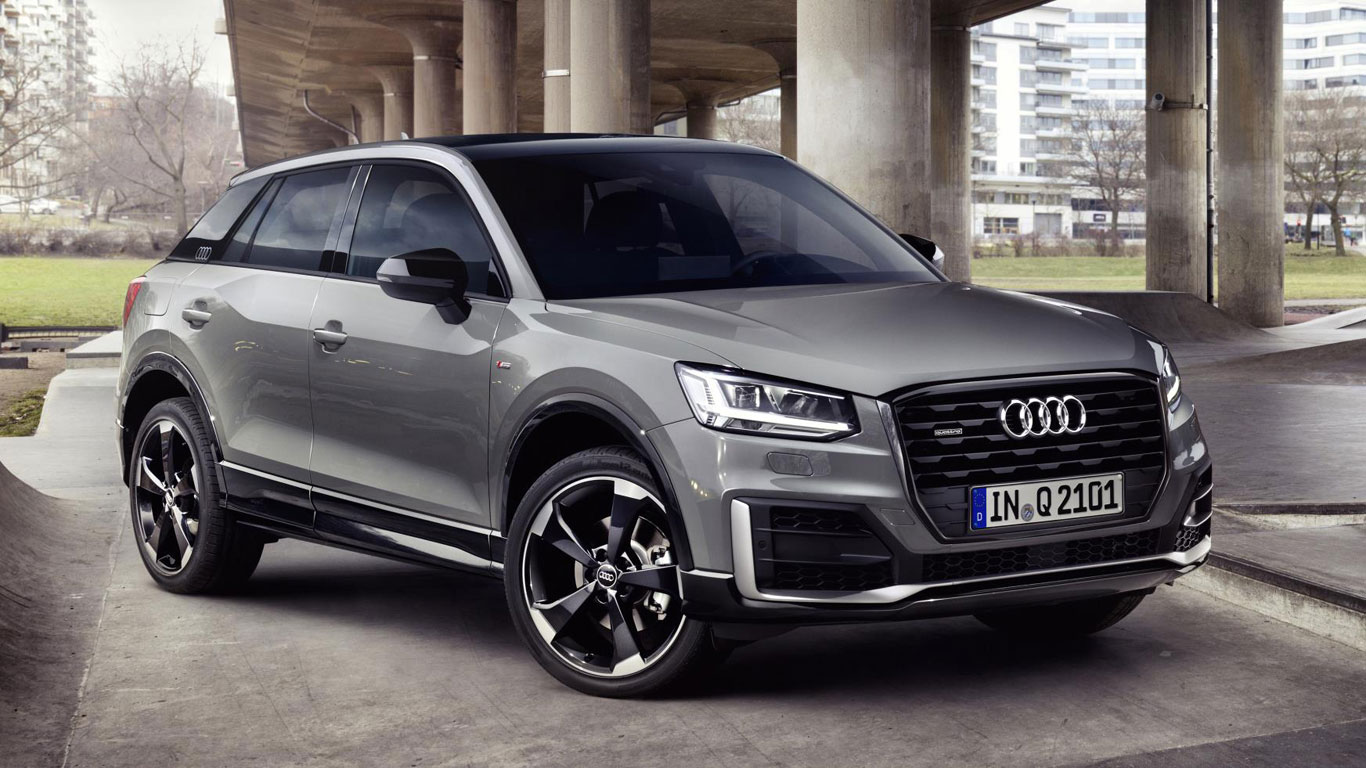
Audi Q2
A compact crossover with an Audi badge is always going to be popular, even with prices starting from £21,360. Audi is launching the Q2 with the help of a so-called ‘Edition #1’, which commands a price tag of £31,170.
The Q2 scored well across the aboard, including 93% for adult occupant protection and 86% for child occupant protection.
Ford Edge
The Ford Edge’s 89% rating for safety assist technology was the highest of 2016 and is beaten only by the 93% scored by the Volvo S90/V90 in 2017.
The Edge is Ford’s flagship SUV and prices range from £32,295 for the Zetec to £39,545 for the super-posh Vignale.
Hyundai Ioniq
The five-star Euro NCAP rating covers all versions of the Hyundai Ioniq, including electric and PHEV.
The Ioniq is available with a host of safety systems, including lane departure warning system, blind spot detection, automatic brakes and adaptive cruise control.
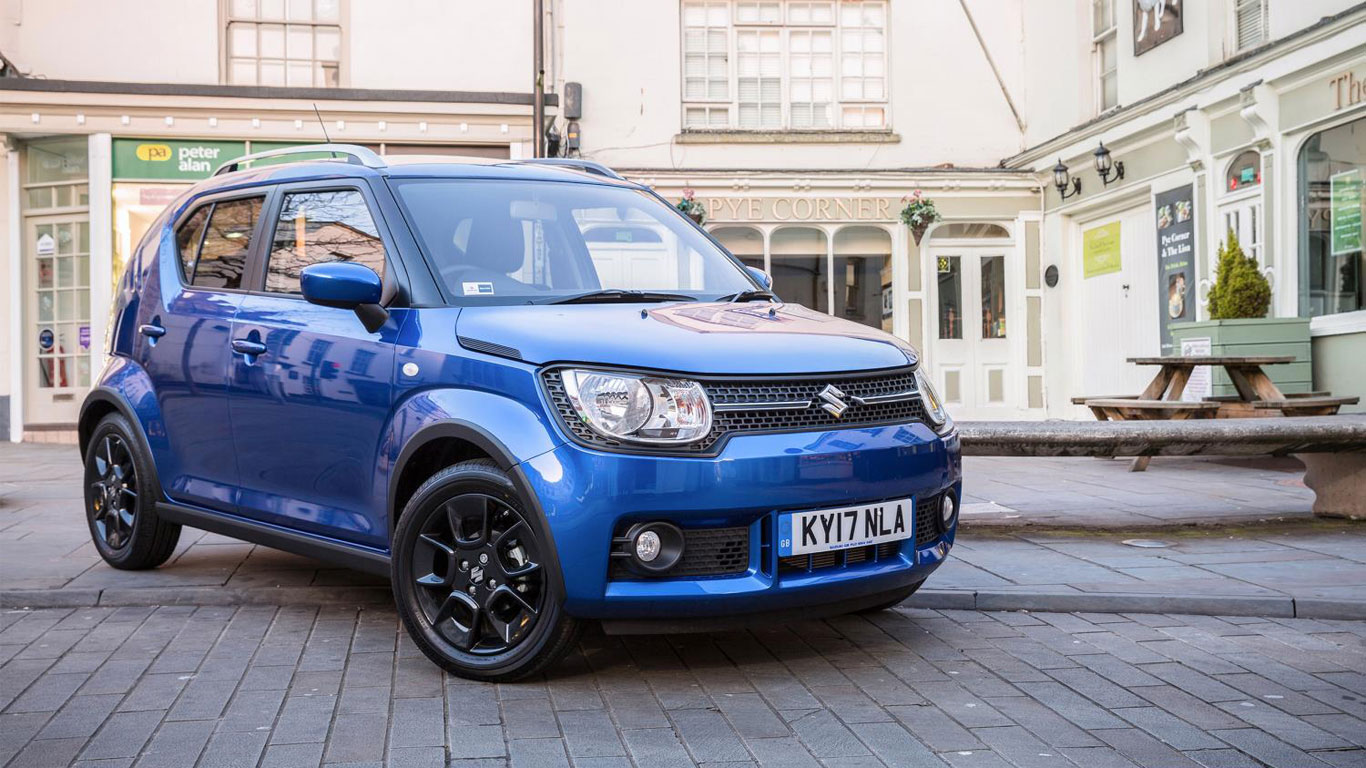
Suzuki Ignis (safety pack)
In 2016, Euro NCAP introduced a new ‘Dual Rating’ system, which means that the default rating is based on standard safety equipment available throughout the range. Additional tests are done to determine what the result would be with an optional safety pack.
Without the safety pack, the Suzuki Ignis was awarded a middling three-star rating. However, the top-spec SZ5 model with dual camera brake support was awarded a five-star rating.
Mercedes-Benz E-Class
You’d be surprised if a car such as the Mercedes-Benz E-Class wasn’t awarded a maximum five-star rating. It is, of course, simpler and more cost-effective to optimise the safety of a larger, more expensive car.
The E-Class scored an impressive 95% for adult occupant protection.
Peugeot 3008/5008
The Peugeot 3008 and 5008 are structurally identical, except for extra length in the rear and a third row of seats. With this in mind, Euro NCAP was happy to award a five-star rating to the 5008 based on the 3008 as tested.
In March 2017, the Peugeot 3008 was named the European Car of the Year at the Geneva Motor Show.
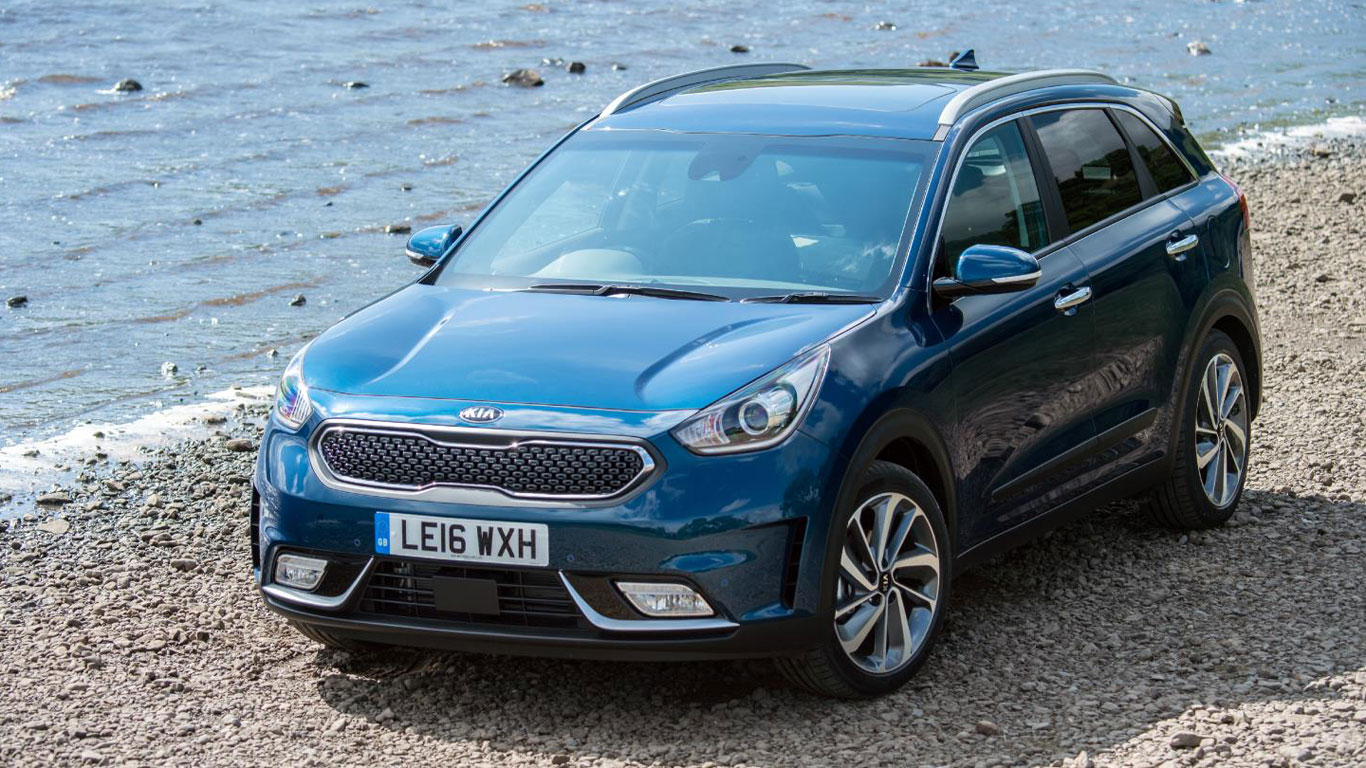
Kia Niro (safety pack)
The Kia Niro is another car to benefit from the new ‘Dual Rating’ system. With the optional safety pack, the hybrid achieved a four-star rating. With it, the Niro achieved full marks.
Pedestrian safety jumped from 57% to 70%, while safety assist rocketed from 59% to 81%. And, of course, you also get Kia’s seven-year warranty.
Renault Scenic
Motorists are falling out of love with MPVs, which is why the Renault Scenic looks more like an SUV. Renault was the first company to achieve a five-star rating, when the Laguna (remember that?) was given full marks in 2001.
The Euro NCAP crash test has come a long way since. Back then, the safety rating was based solely on occupant protection. The child protection rating wasn’t introduced until November 2003.
Subaru Levorg
Euro NCAP celebrated its 20th anniversary in February 2017, at which point it claimed that 78,000 lives have been saved as a result of the tough crash safety tests.
As many as nine out of 10 new cars sold in Europe hold a Euro NCAP rating. One of these is the Subaru Levorg, which scored 92% for adult occupant protection.
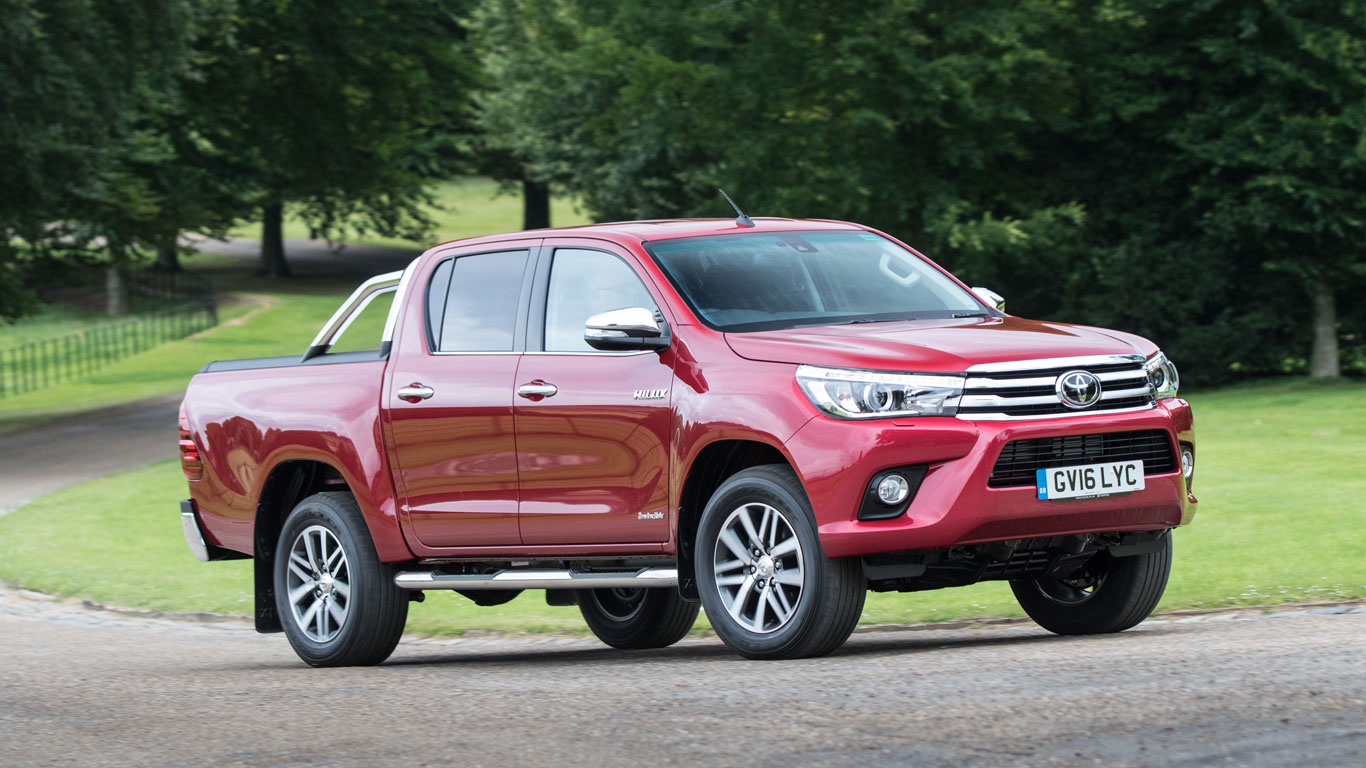
Toyota Hilux (safety pack)
In February 2008, Euro NCAP began testing pick-ups as more of these vehicles were being used for lifestyle and family use. The Toyota Hilux was awarded a three-star rating in 2016, including a lowly 25% for safety assist.
However, equip Toyota’s excellent Safety Sense package – which includes pedestrian detection, road sign assist and lane departure alert – and the Hilux achieves a maximum five-star rating.
Alfa Romeo Giulia
This is impressive. The Alfa Romeo Giulia received a score of 98% for adult occupant protection: the highest score ever achieved by any car, even with the introduction of a more stringent rating system in 2015.
Standard equipment across the Giulia range includes lane departure warning and blind spot monitoring, with rear cross path detection available as an option.
SEAT Ateca
The SEAT Ateca is one of the latest breed of compact SUVs battling for position in a fiercely competitive sector.
A five-star safety rating – which includes a 93% rating for adult occupant protection – will help its cause. Prices start from £18,150.
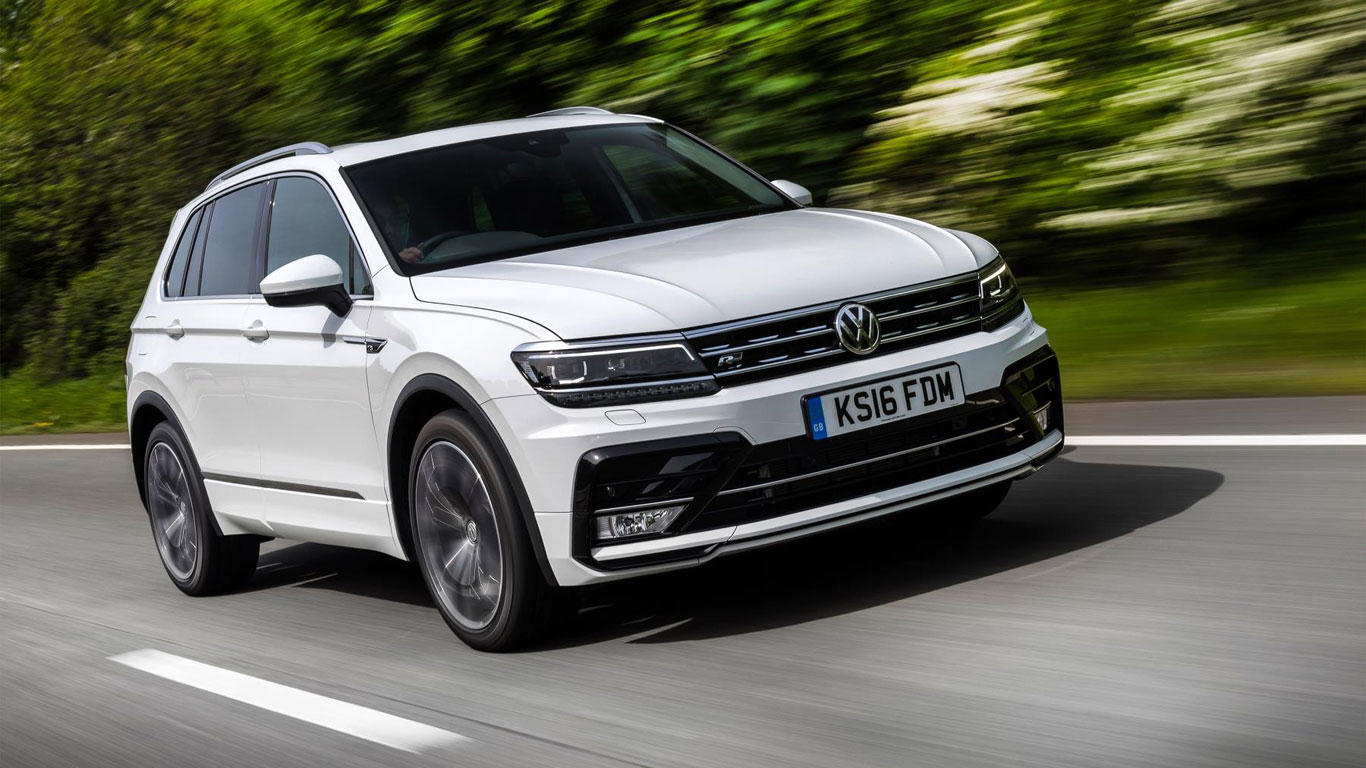
Volkswagen Tiguan
The Volkswagen Tiguan is built on the same MQB platform as the Ateca, which also provides the platform for the Skoda Kodiaq and the forthcoming replacement for the Yeti.
In 2016, the Tiguan scored 96% for adult occupant protection and 84% for child occupant protection. Prices start from £23,250.
Toyota Prius
And finally, the Toyota Prius, which delivered an impressive set of results in 2016. The 85% for safety assist was the second highest score of 2016, while 92% for adult occupant protection was equally as impressive.
For more information on the safety ratings, visit euroncap.com.
The Society of Motor Manufacturers and Traders (SMMT) has welcomed new government proposals for a UK Air Quality Plan, particularly the recognition that “new Euro 6 diesels which have been on sale for the past two years will not face any penalty charges anywhere in the UK”.
Greenpeace has, however, called the plan a “hodge-podge of vague proposals [that] offers little help and no justice to drivers duped by car companies and people breathing toxic air pollution.
“The only real winners here are the car makers who, despite misleading customers about their cars’ real emissions and causing this mess in the first place, are getting off scot-free.”
National road safety charity Brake has gone further, accusing ministers of an “abdication of responsibility”. Its campaigns director Gary Rae said the organisation “will study the details in the plan, but the headlines give us cause for concern. It appears the government has abdicated responsibility for reducing air pollution to local authorities. If any issue needs tackling on a national – and international – level, it’s this one. We have a national health emergency, and the government is kicking the issue into the long grass.”
Greenpeace says the government “accepts that diesel is at the root of the problem, and that phasing it out is the most effective solution”. The SMMT disagrees, by stressing the fact Euro 6 diesels face no threat of charges as part of the plan. Greenpeace says “a plan to help drivers swap polluting diesel for electric cars would be a good idea,” but the SMMT believes it is more important to accelerate rollout of the car industry’s multi-billion pound investment in existing low emissions vehicles.
The SMMT adds that any proposed diesel car scrappage scheme should deliver clear environmental benefits. It is also “encouraged that plans to improve traffic flow and congestion, as well as increased uptake of electric hybrid vehicles, will be prioritised in towns and cities.”
Consultation is now underway on the government’s draft UK Air Quality Plan. The final report will be published by 31 July; consultation closes on 15 June.
The Royal College of Physicians estimates UK air pollution is linked to around 40,000 premature deaths a year.

 Mini has at last introduced Apple CarPlay smartphone connectivity into its model range, with new 2017 Clubman and Countryman models first to get it. Cars ordered from July 2017, with the Media Pack XL or Media Tech Pack, will get Apple CarPlay preparation, working via a central 8.8in screen – which now has touchscreen functionality alongside the usual Mini Touch Controller.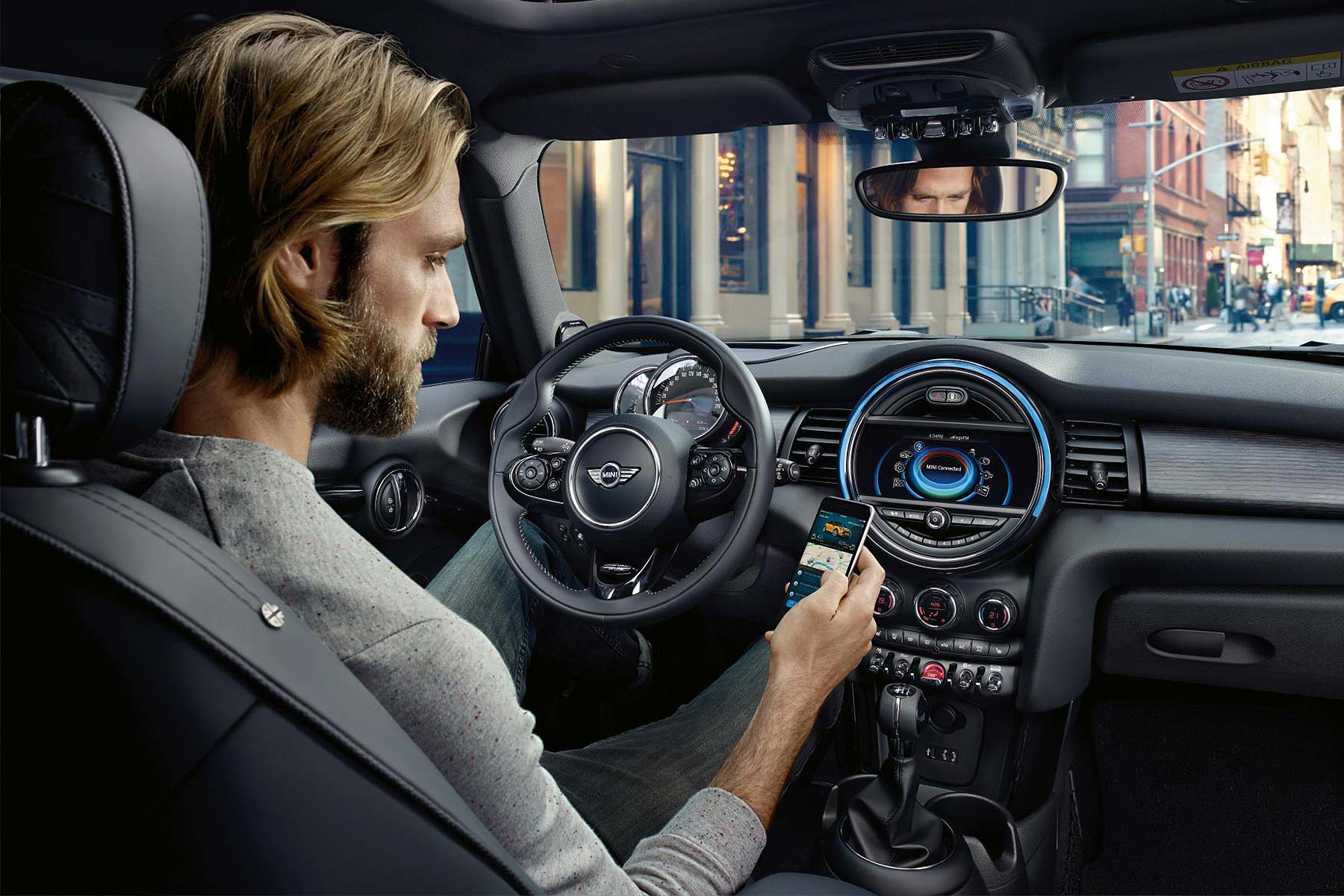

 Toyota has announced plans to introduce a Club Series line of GT86 special editions – starting with this, the very orange GT86, erm, Orange Edition.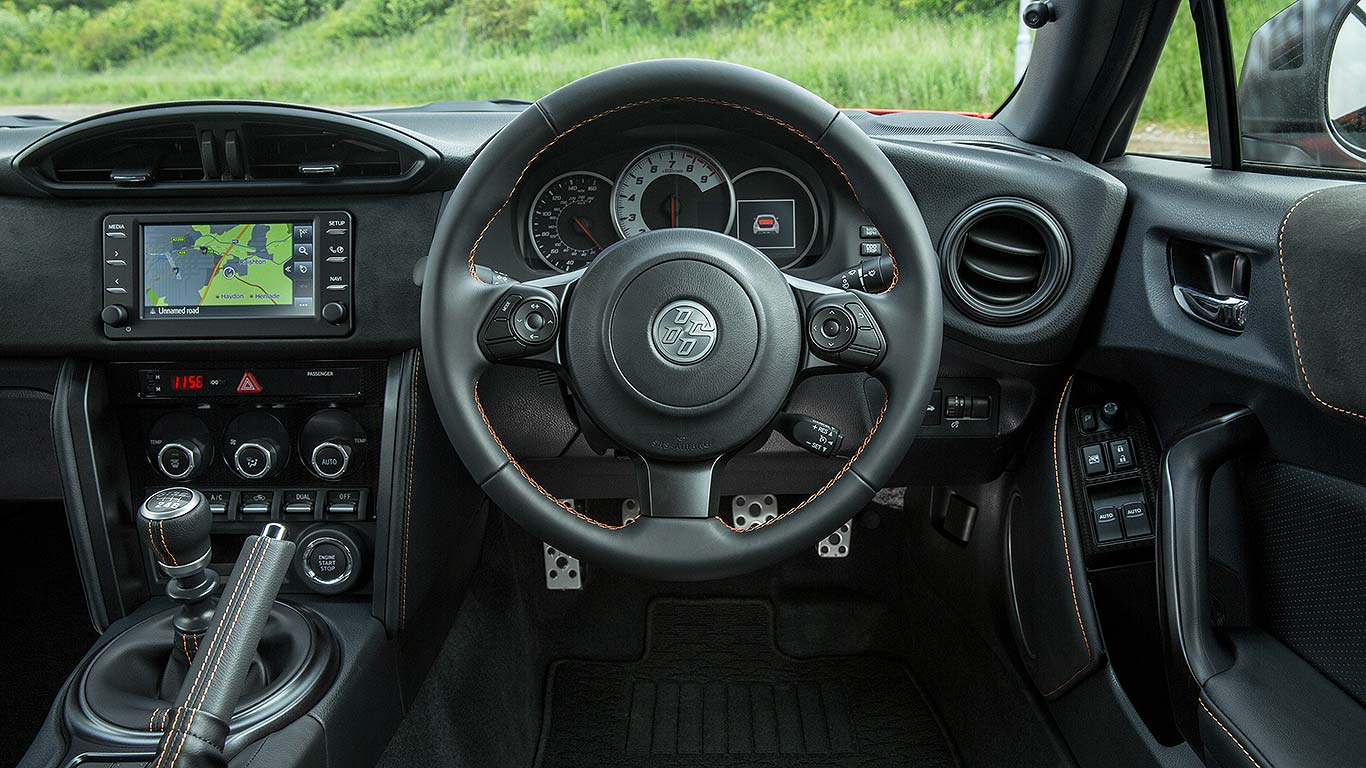
 The Mazda MX-5 may be the world’s best-selling sports car, but the Porsche 911 is the most iconic. And today, after 54 years in production, the company built its one-millionth 911.
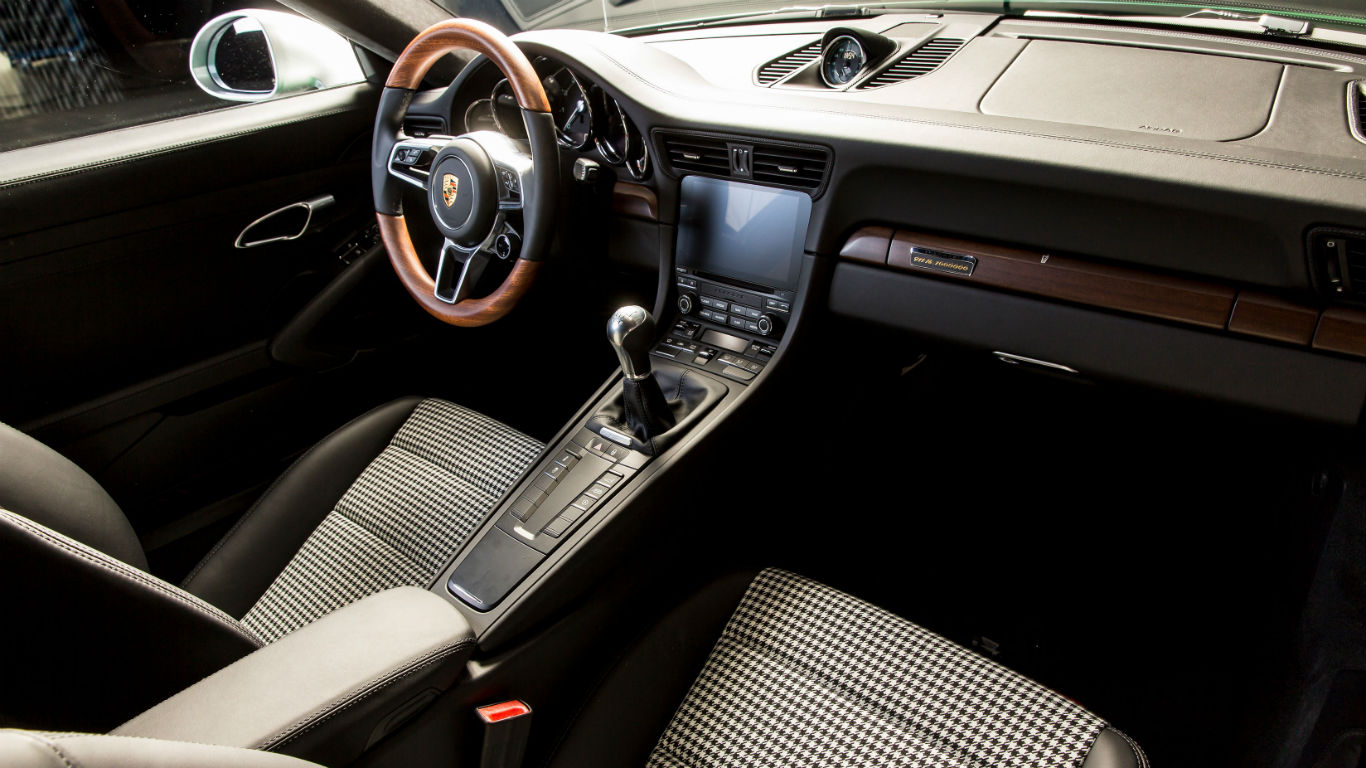 The 991 Carrera S has a distinctly retro theme, with many details that evoke the 1963 original. Spot the Irish Green paint (a special order colour since 1965) chrome window-surrounds, old-style Porsche bonnet crest and – oh yes – gold badges.
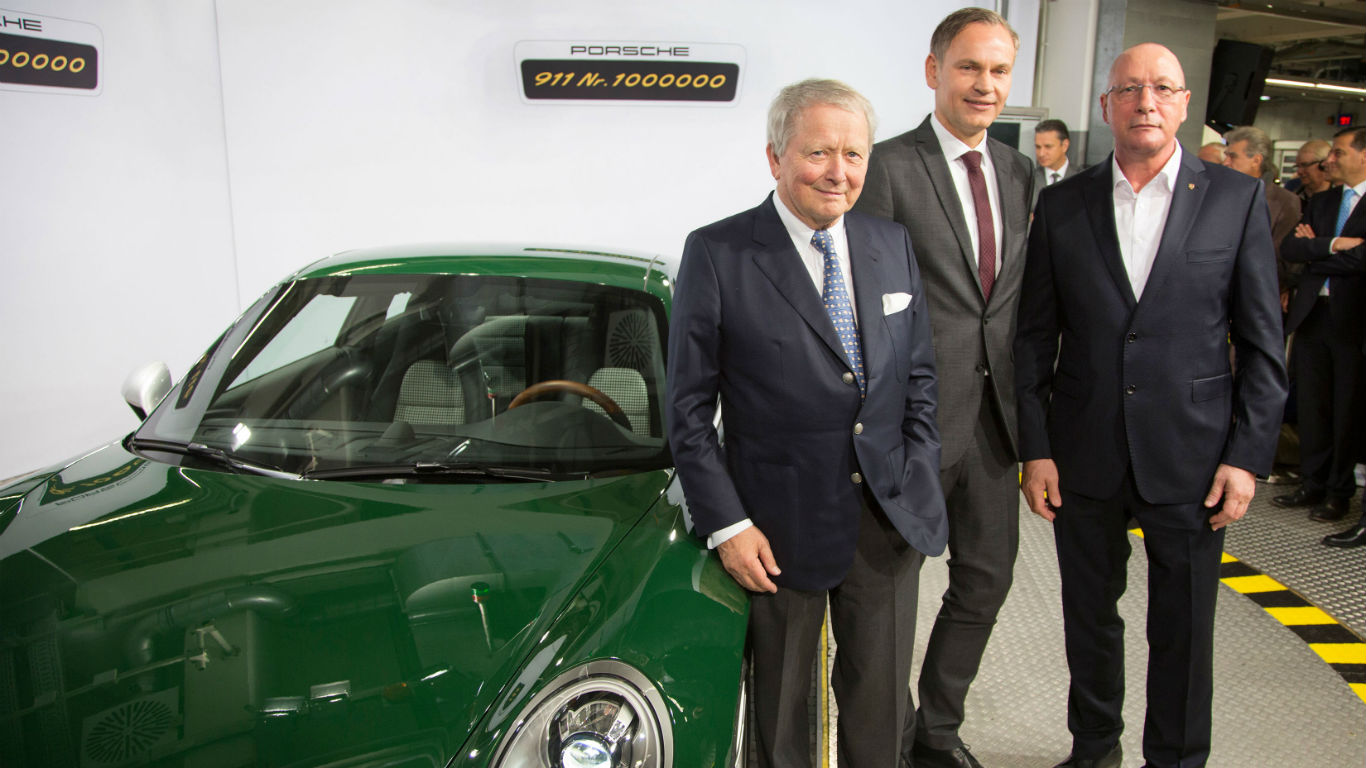 A visibly proud Dr Porsche said: “Fifty-four years ago, I was able to take my first trips over the Grossglockner High Alpine Road with my father. The feeling of being in a 911 is just as enjoyable now as it was then. That’s because the 911 has ensured that the core values of our brand are as visionary today as they were in the first Porsche 356/1 from 1948”.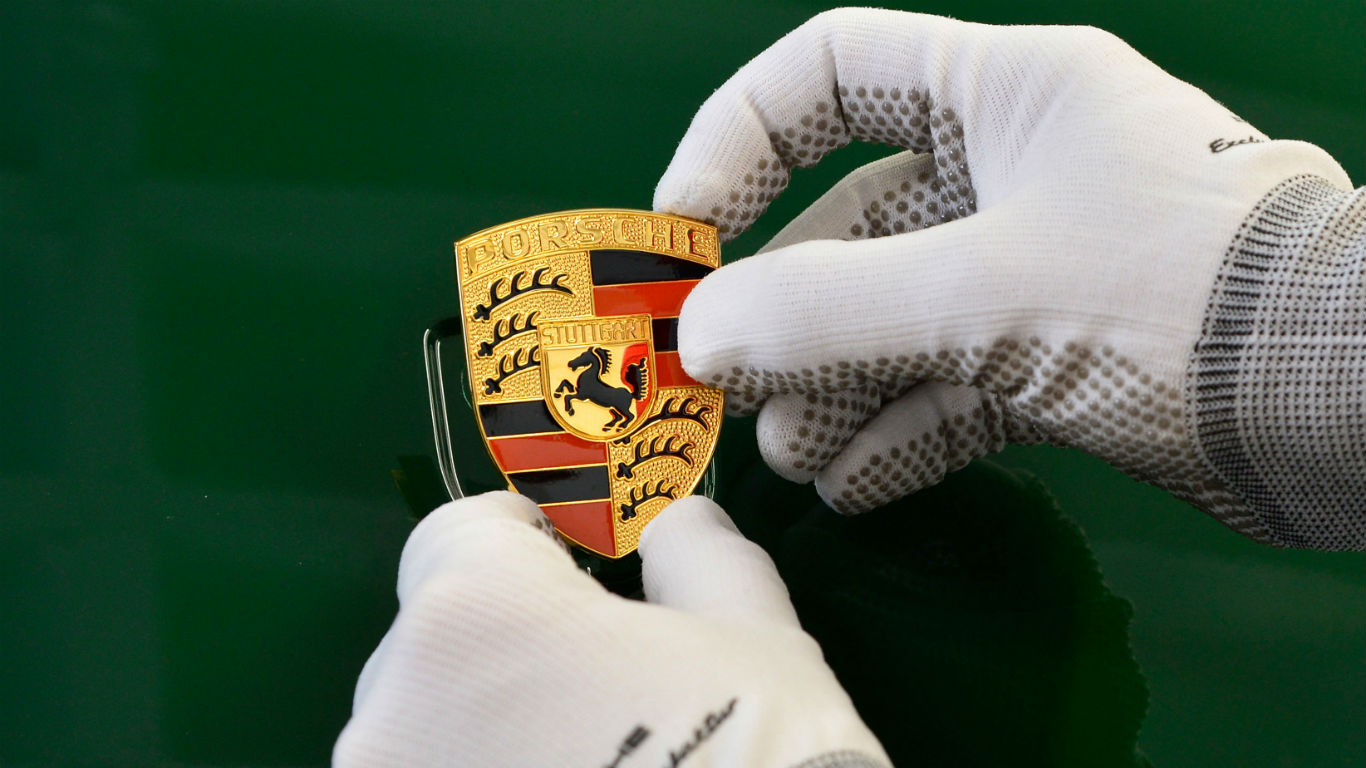
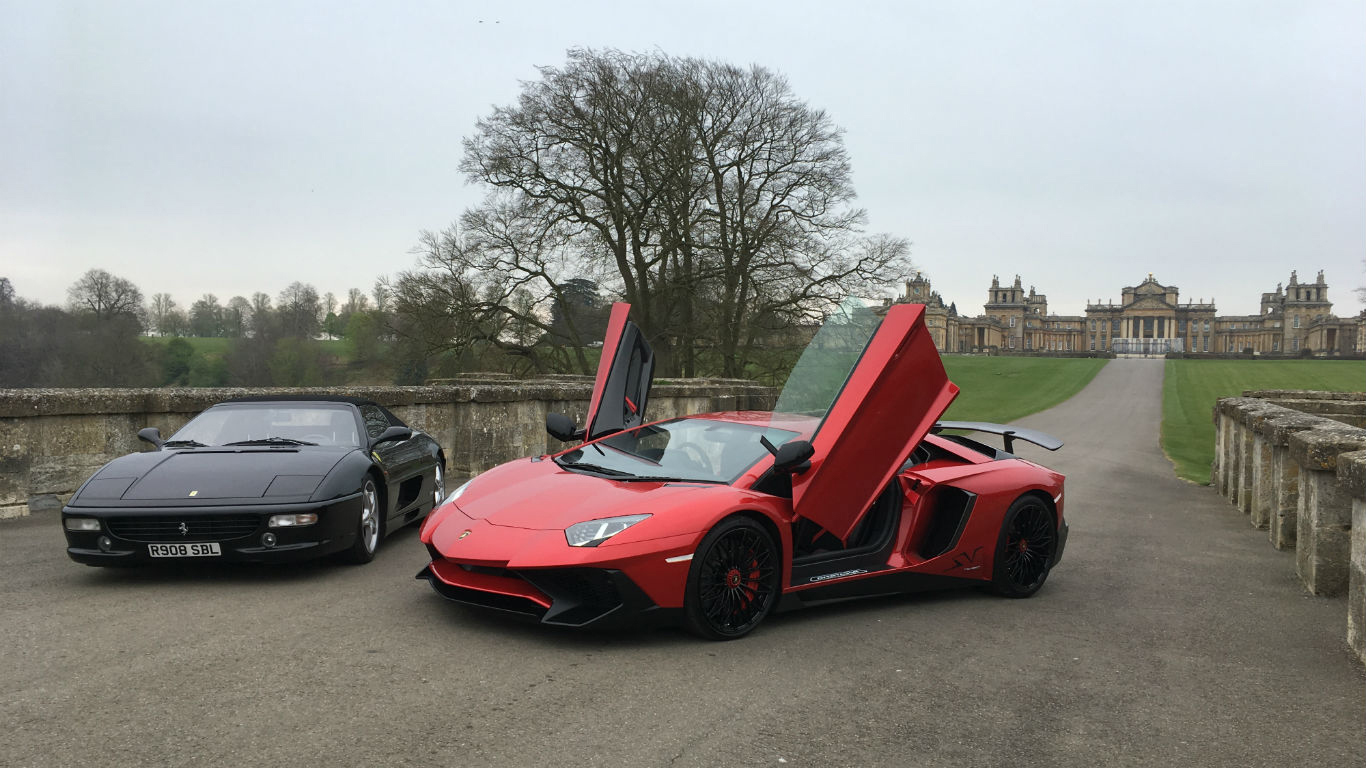 In the red corner: the Lamborghini Aventador SV. In the black corner: the Ferrari 355 GTS F1. Two prize fighters separated by 20 years and a not-insignificant 370hp. Yet these supercars have more in common than you might expect.


 GT: two letters that mean so much in the car industry. The badge is primarily used to designate a grand tourer, but has been put to good use on mildly warm hatches or for when a GTi badge would promise something a car might not be able to deliver.


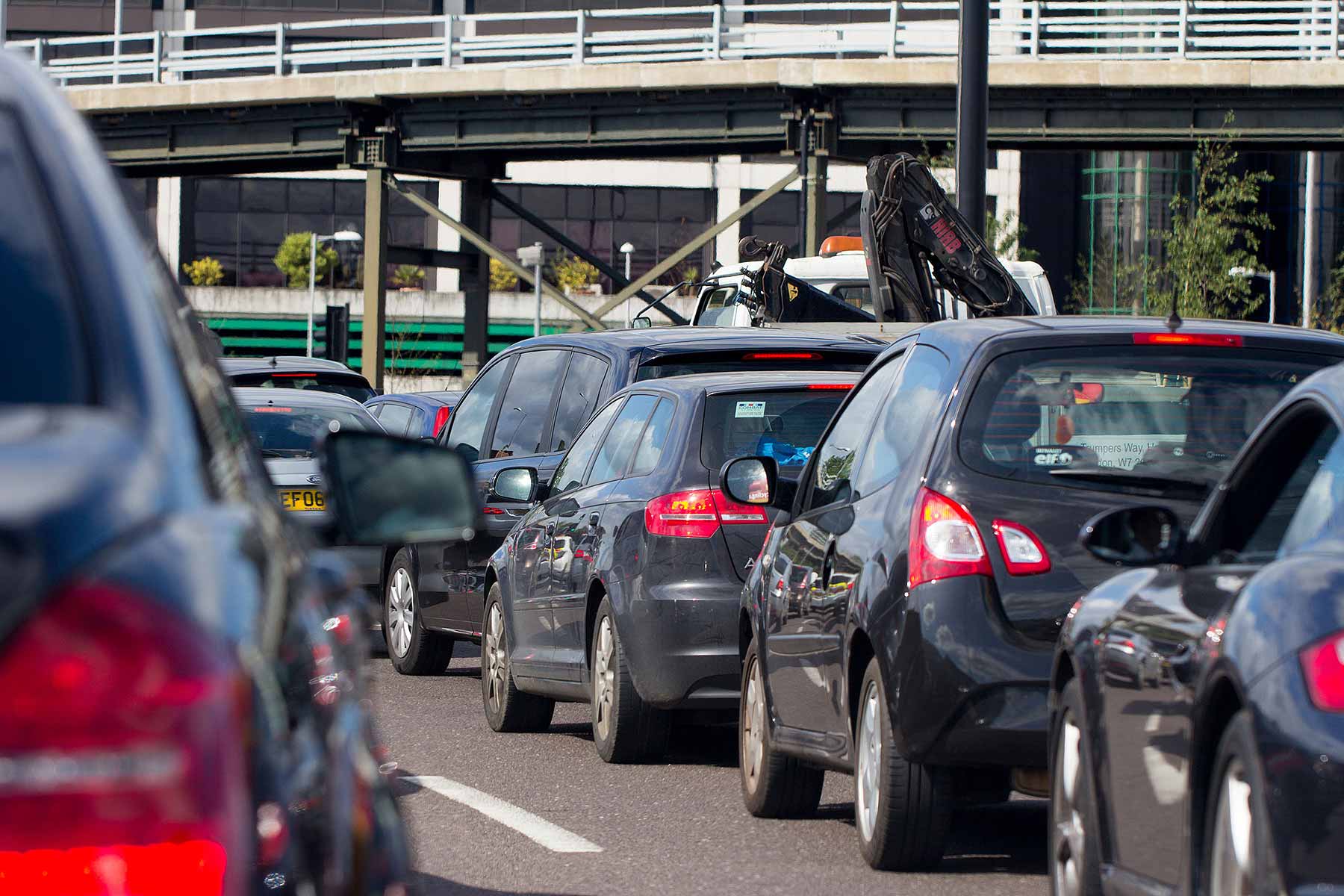 The Society of Motor Manufacturers and Traders (SMMT) has welcomed new government proposals for a UK Air Quality Plan, particularly the recognition that “new Euro 6 diesels which have been on sale for the past two years will not face any penalty charges anywhere in the UK”.